
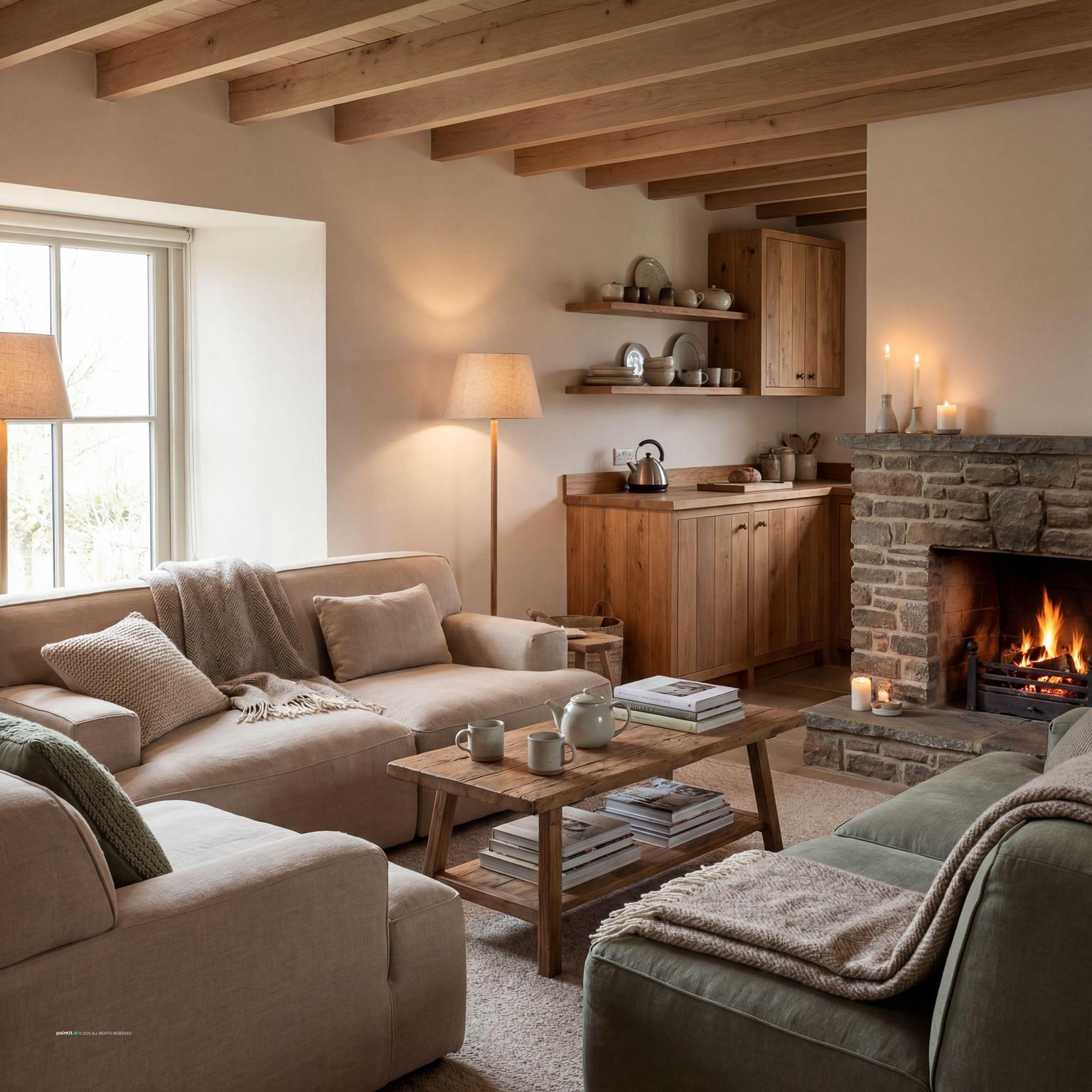
Modern Cottage Living Room Design for Relaxation
Modern Cottage Living Room Design for Relaxation uses brown warmth, soft textiles and layered neutrals in a living room setting.
Brown living room ideas work when you stop treating brown as one flat color. Walnut, espresso, camel leather, taupe paint, chocolate velvet, and aged oak all sit differently in daylight and under lamps. The best brown rooms usually have one clear job for brown: anchor, background, or accent. Then the rest of the room does the balancing work—a lighter rug under a brown sofa, curtains that soften brown walls, warm bulbs for evening, and enough texture so the room does not turn into one heavy block.
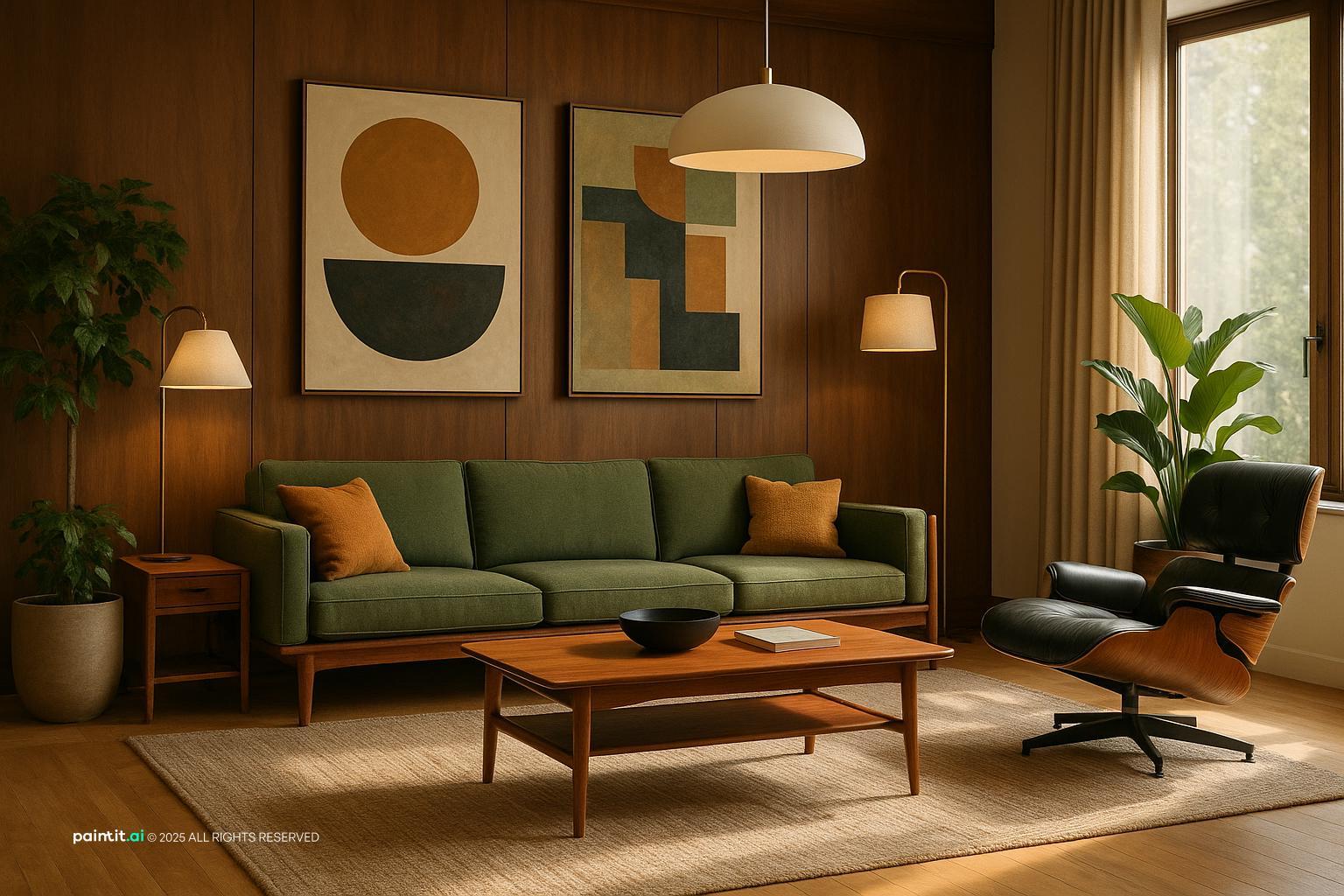
Brown is forgiving, but it is not automatic. It can look rustic, modern, traditional, Japandi, or relaxed and family-friendly depending on what you put next to it. The first decision is simple: is brown the main envelope, the furniture anchor, or just the accent layer? Once that is clear, the color palette becomes much easier to control.
In Paintit.ai usage, color appears in 27.6% of prompts, and that fits what we see in real room uploads: people usually start with “change the color” before they think about material, light, or contrast. With brown, those missing pieces matter. A good brown living room color scheme is not only paint color; it is wood tones, fabric texture, metal accents, natural light, and where the dark pieces sit. If you want to test several directions before buying paint or a rug, AI living room design can help compare versions from the same room photo.
Use the first gallery to look at the kind of brown doing the work. Soft mocha walls, dark wood shelving, a cognac brown sofa, and a brown accent wall behind cream furniture all create a different room, even if they all sound like “brown” at first.
Modern Cottage Living Room Design for Relaxation uses brown warmth, soft textiles and layered neutrals in a living room setting.
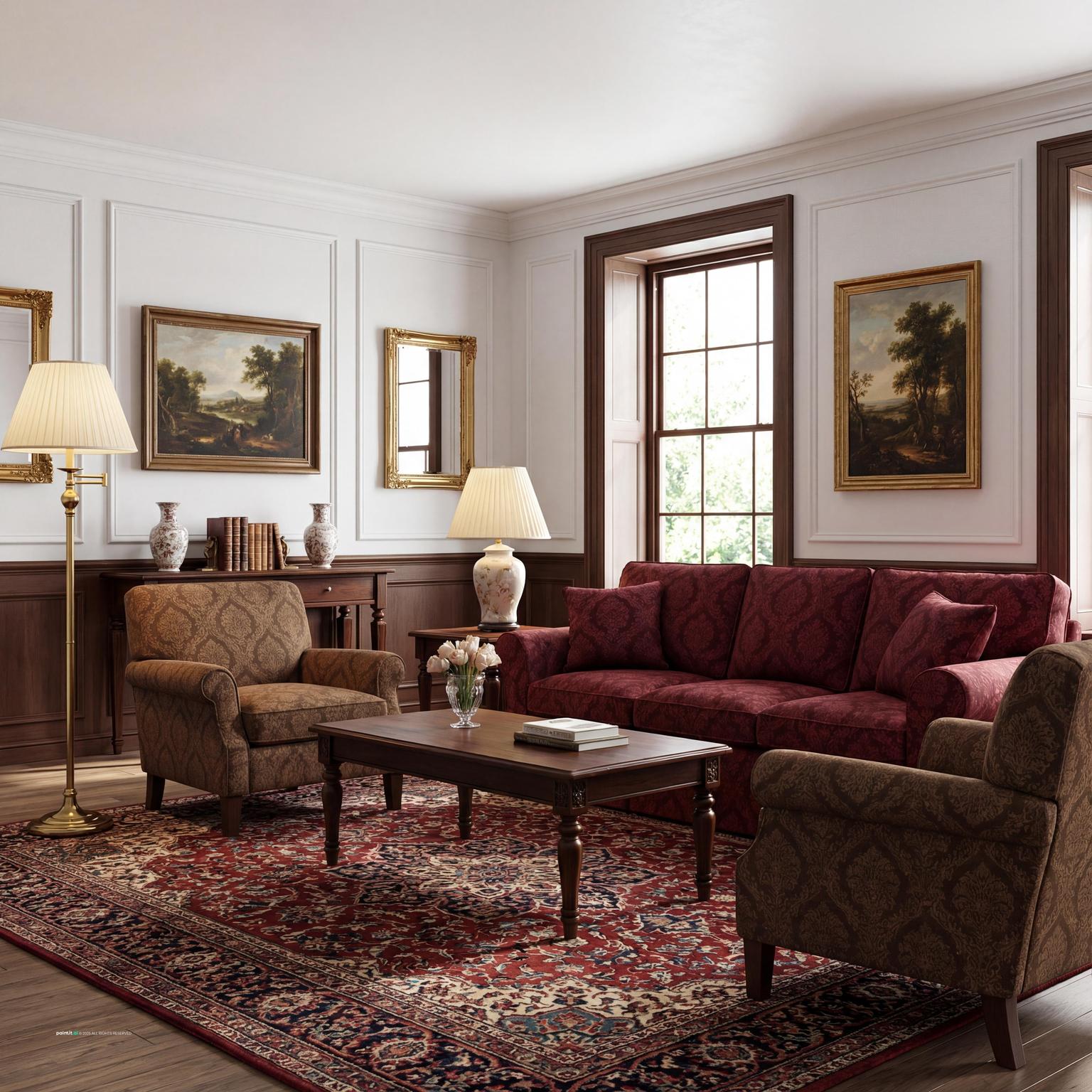
Classic IKEA Living Room Design balances brown warmth and natural light in a living room setting.
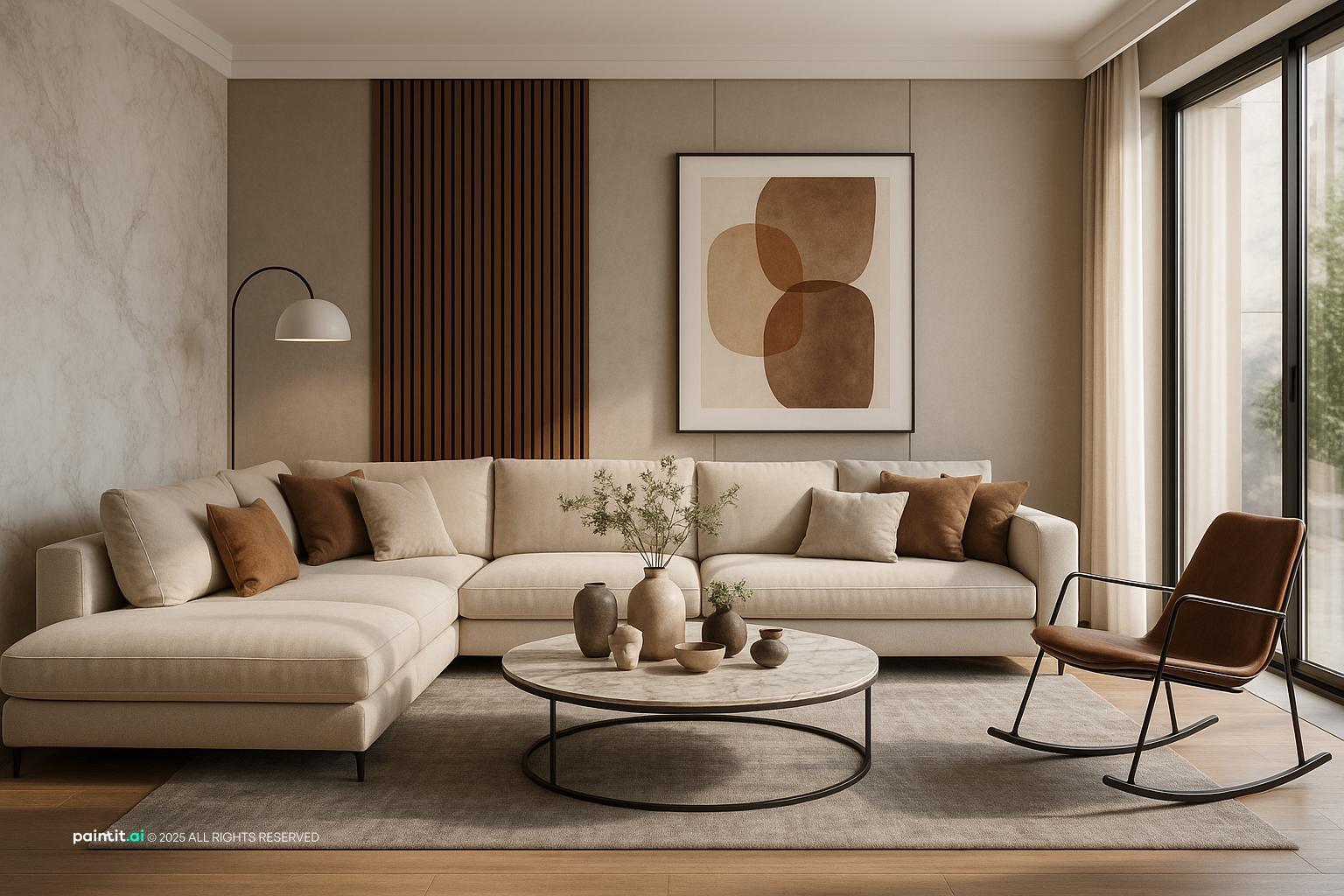
Elegant Modern Living Room Design pairs brown warmth, soft textiles and metal accents in a living room setting.
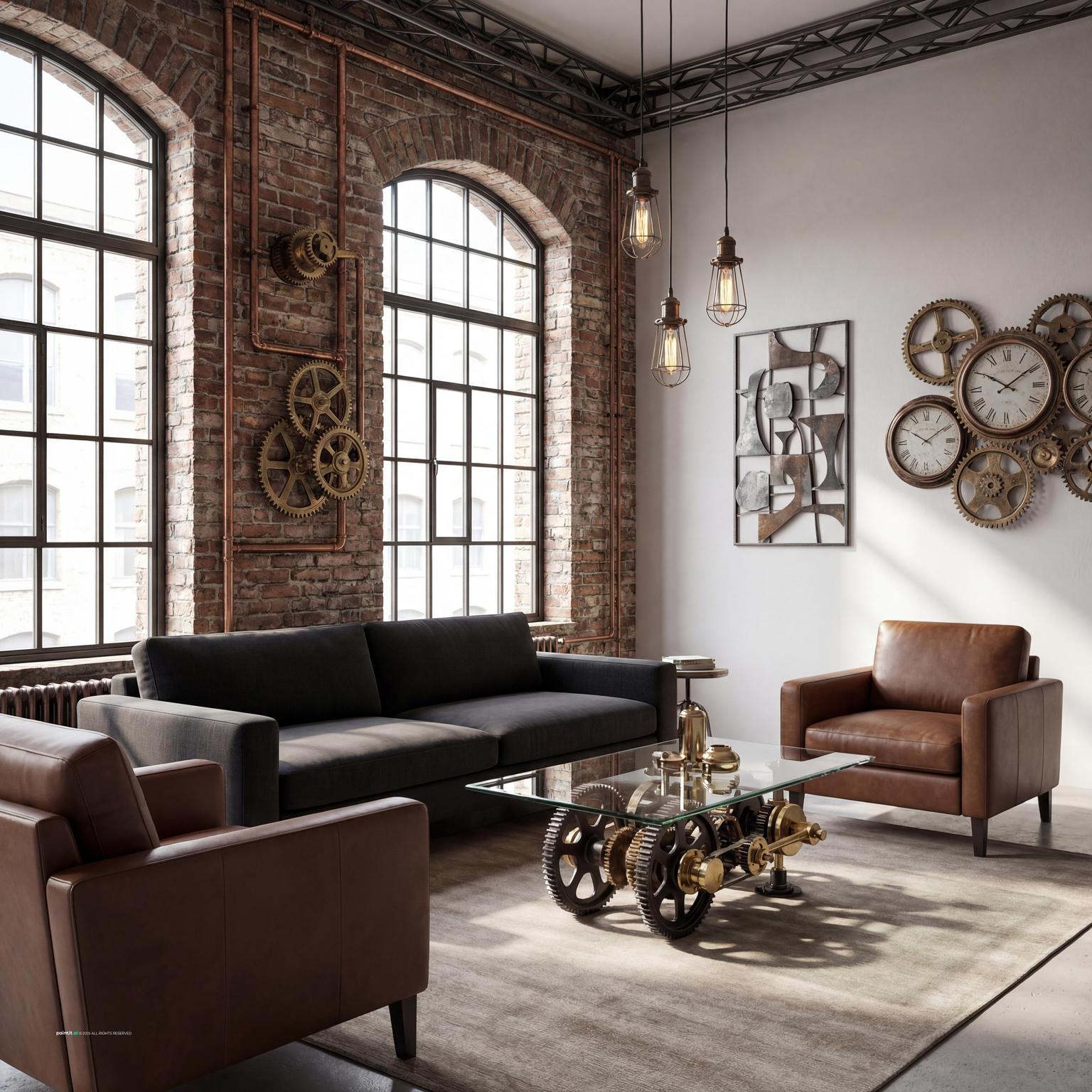
Steampunk Contemporary Living Room Design layers brown warmth, metal accents and layered neutrals in a living room setting.
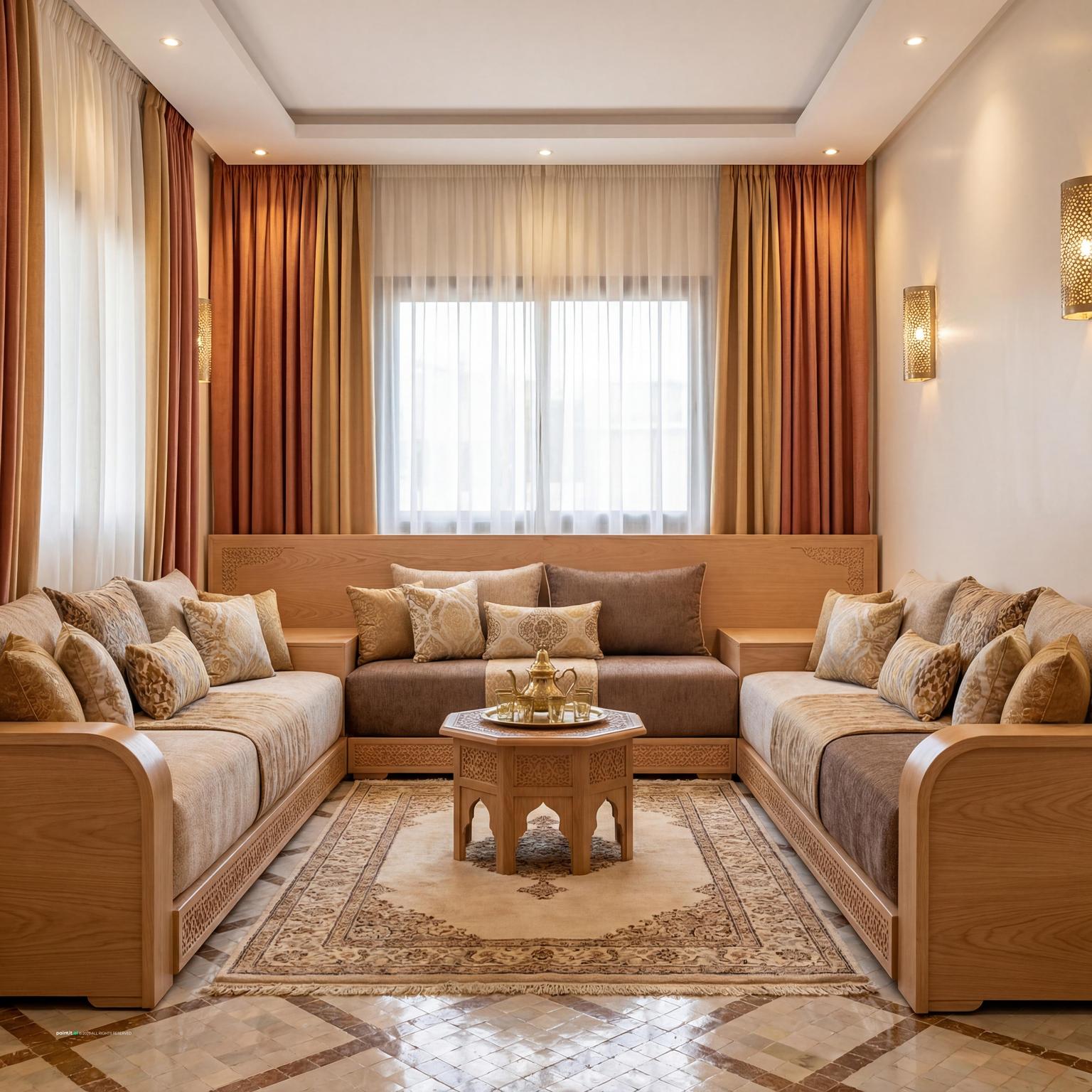
Modern Moroccan Living Room Design anchors brown warmth, metal accents and layered neutrals in a living room setting.
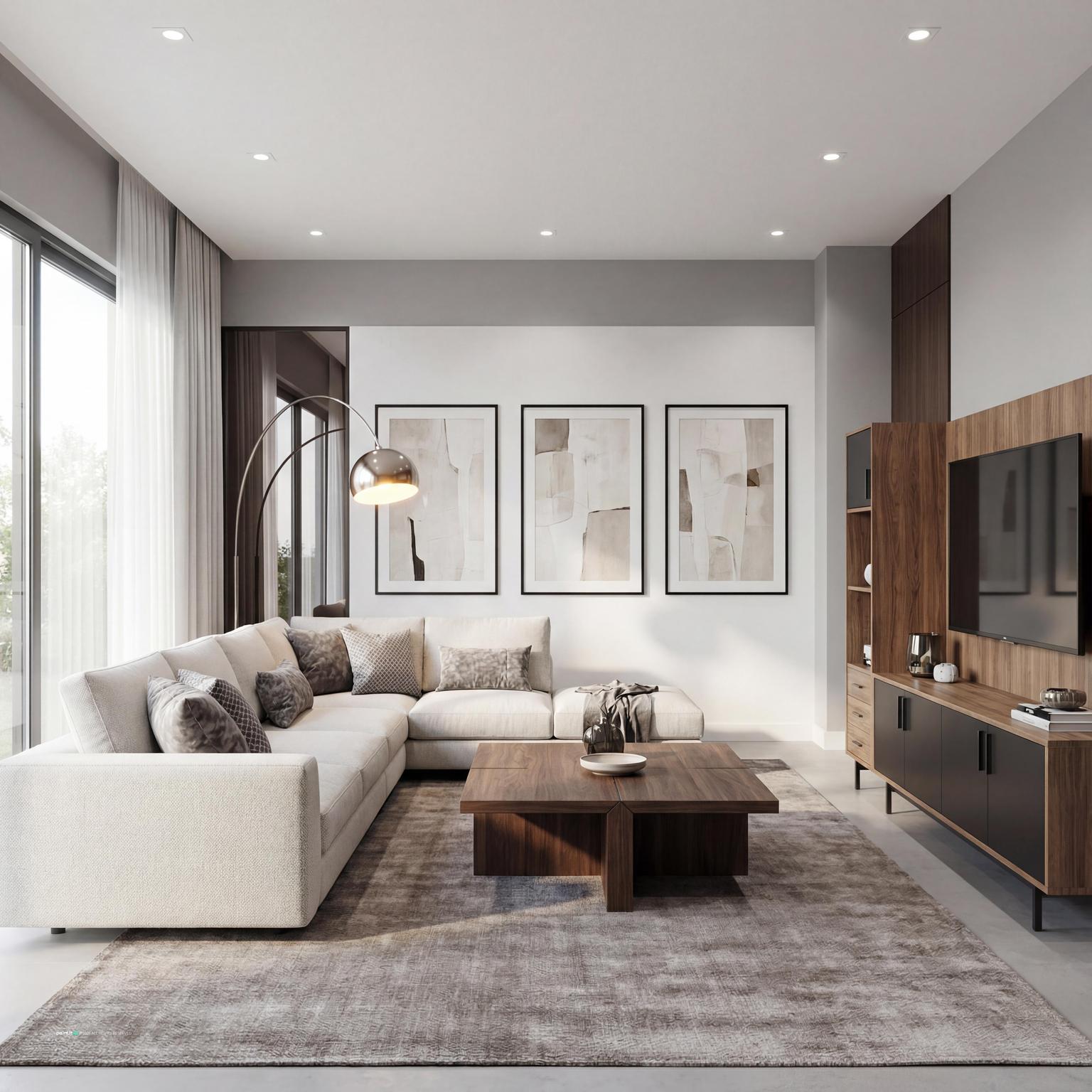
Modern Living Room Design with Elegance softens brown warmth, metal accents and clean-lined furniture in a living room setting.
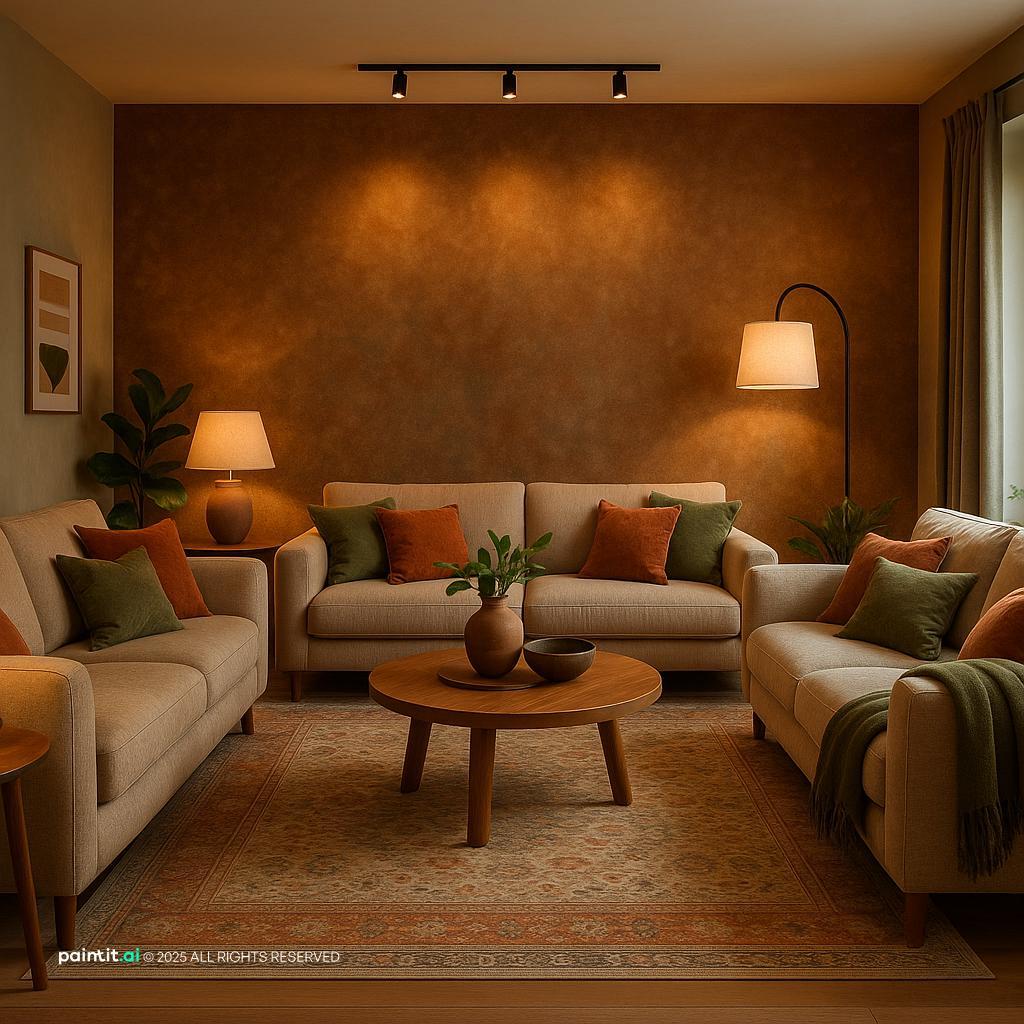
Warm Modern Living Room Design uses brown warmth, soft textiles and plants and greenery in a living room setting.
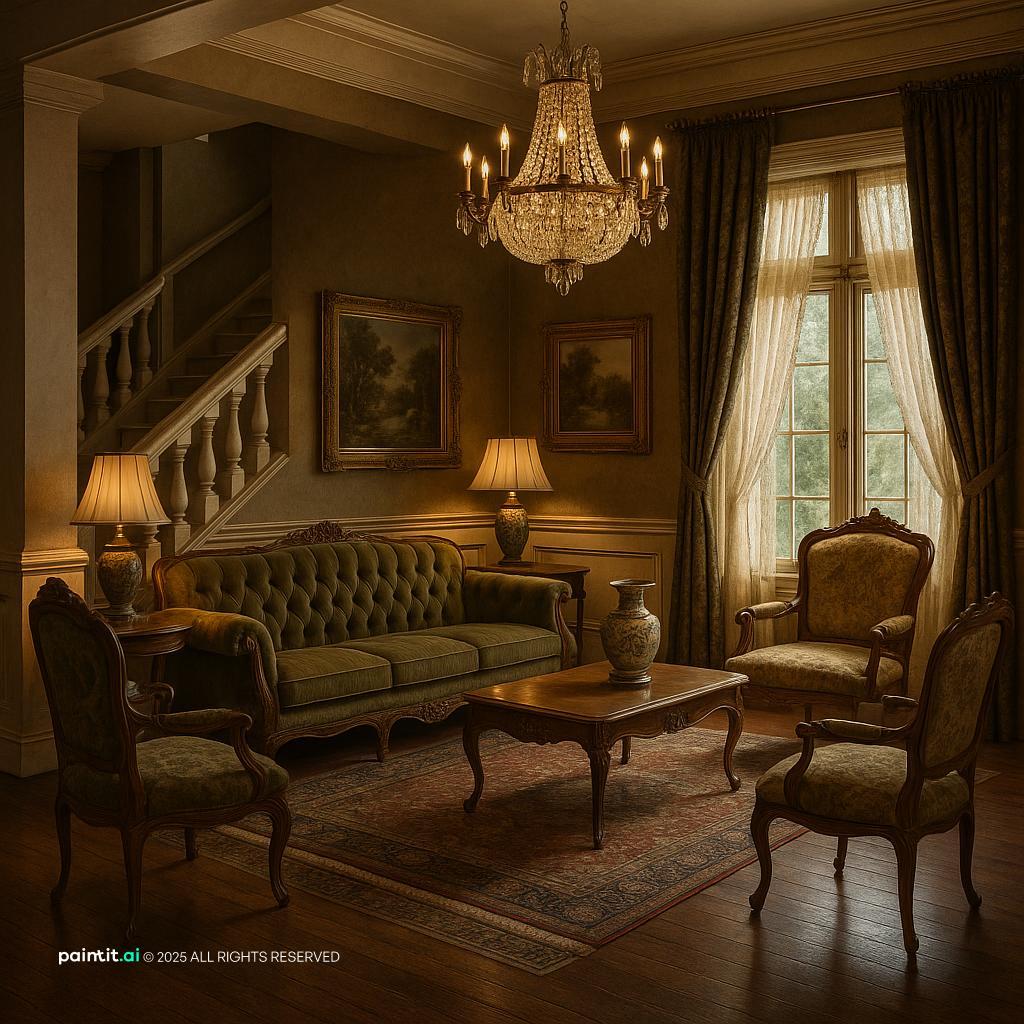
Elegant Vintage Living Room Design balances brown warmth in a living room setting.
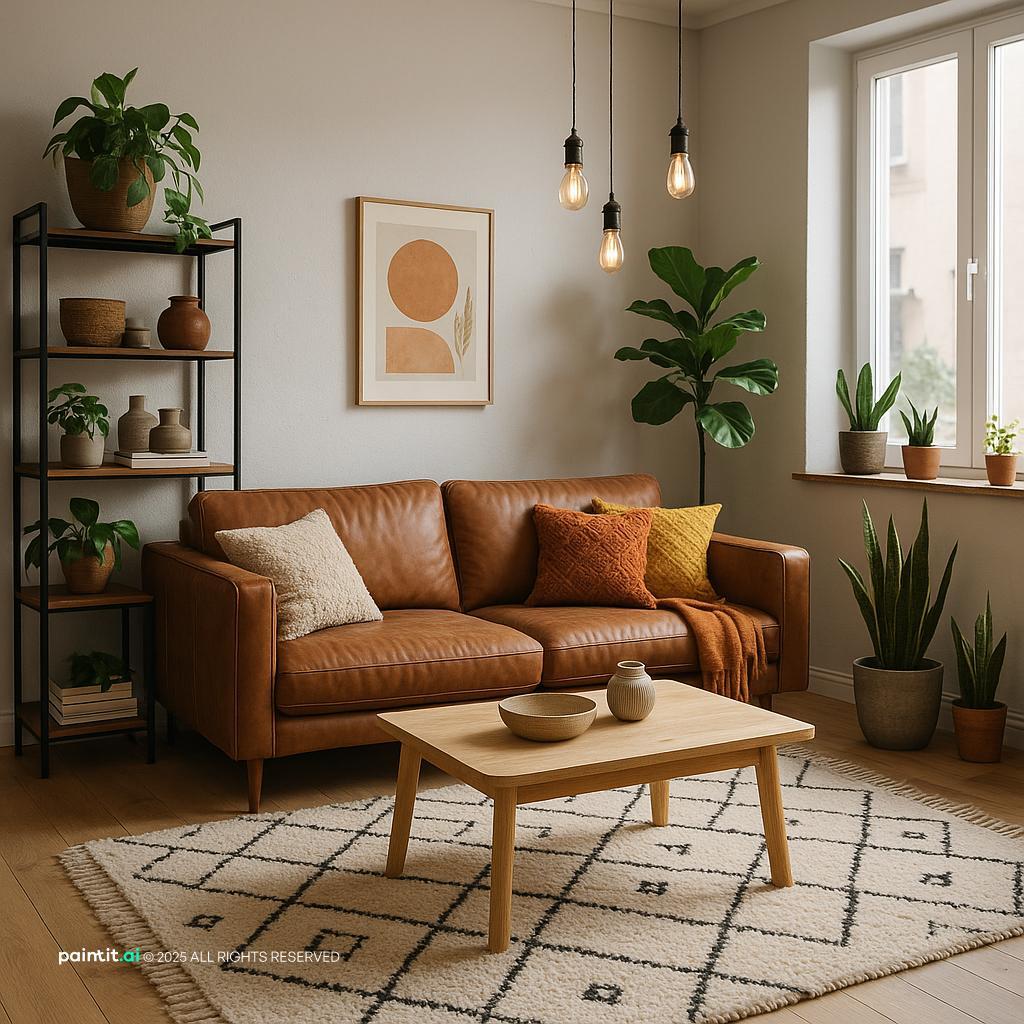
Cozy Modern Living Room Design pairs brown warmth, soft textiles and metal accents in a living room setting.
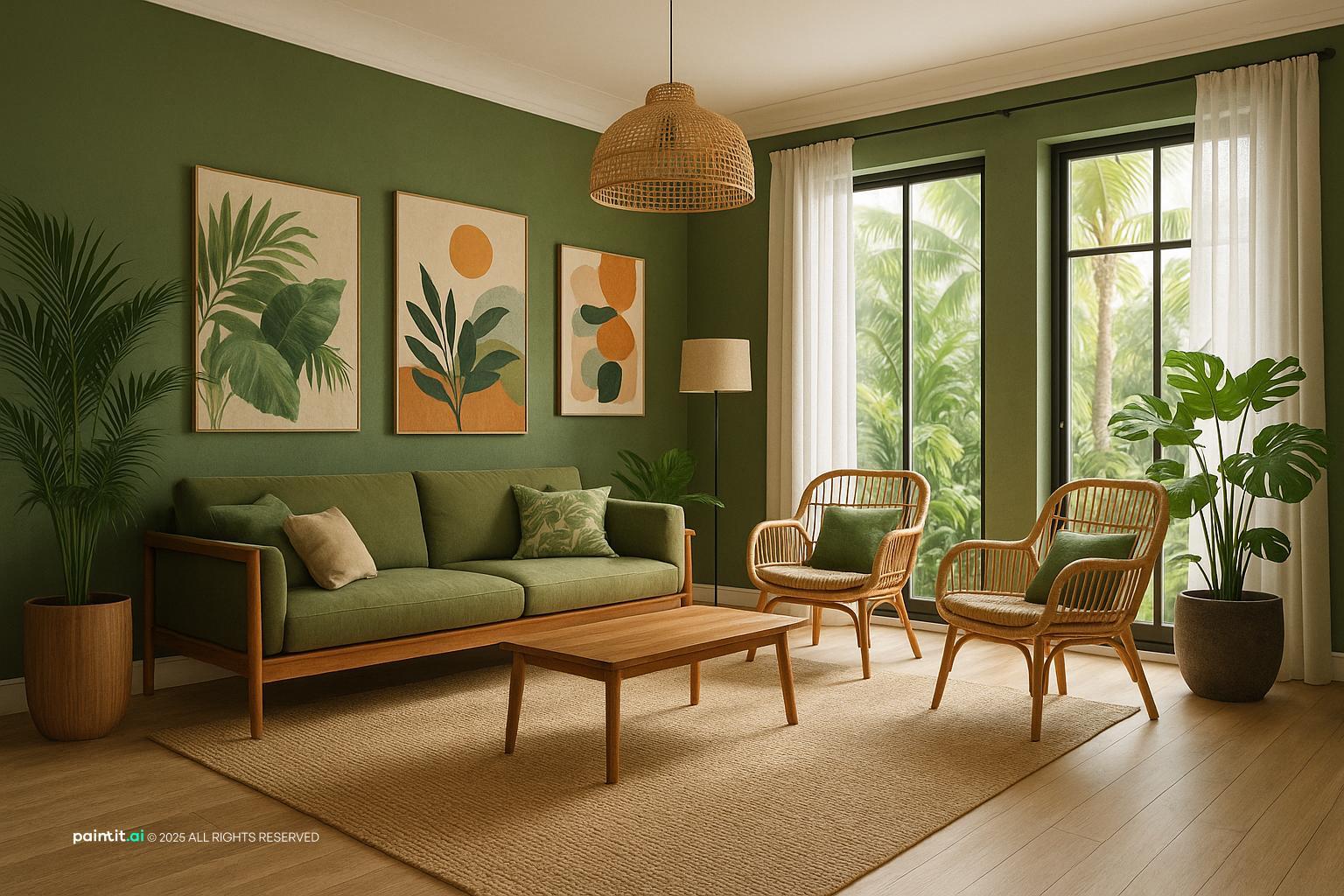
Tropical Modern Living Room Design layers brown warmth, warm wood and plants and greenery in a living room setting.
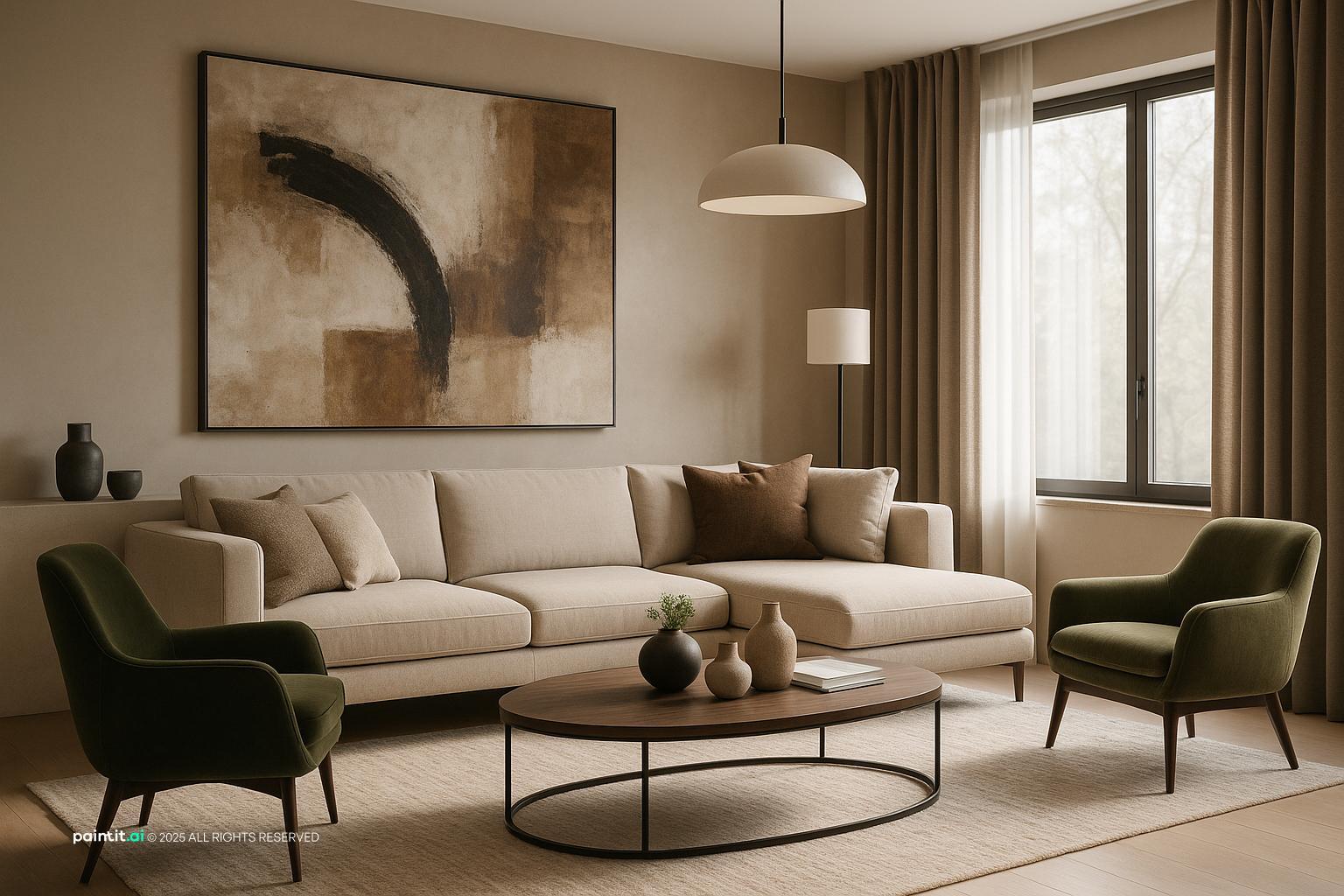
Brown Living Room Ideas with Brown Warmth and Soft Textiles anchors brown warmth, soft textiles and metal accents in a living room setting.
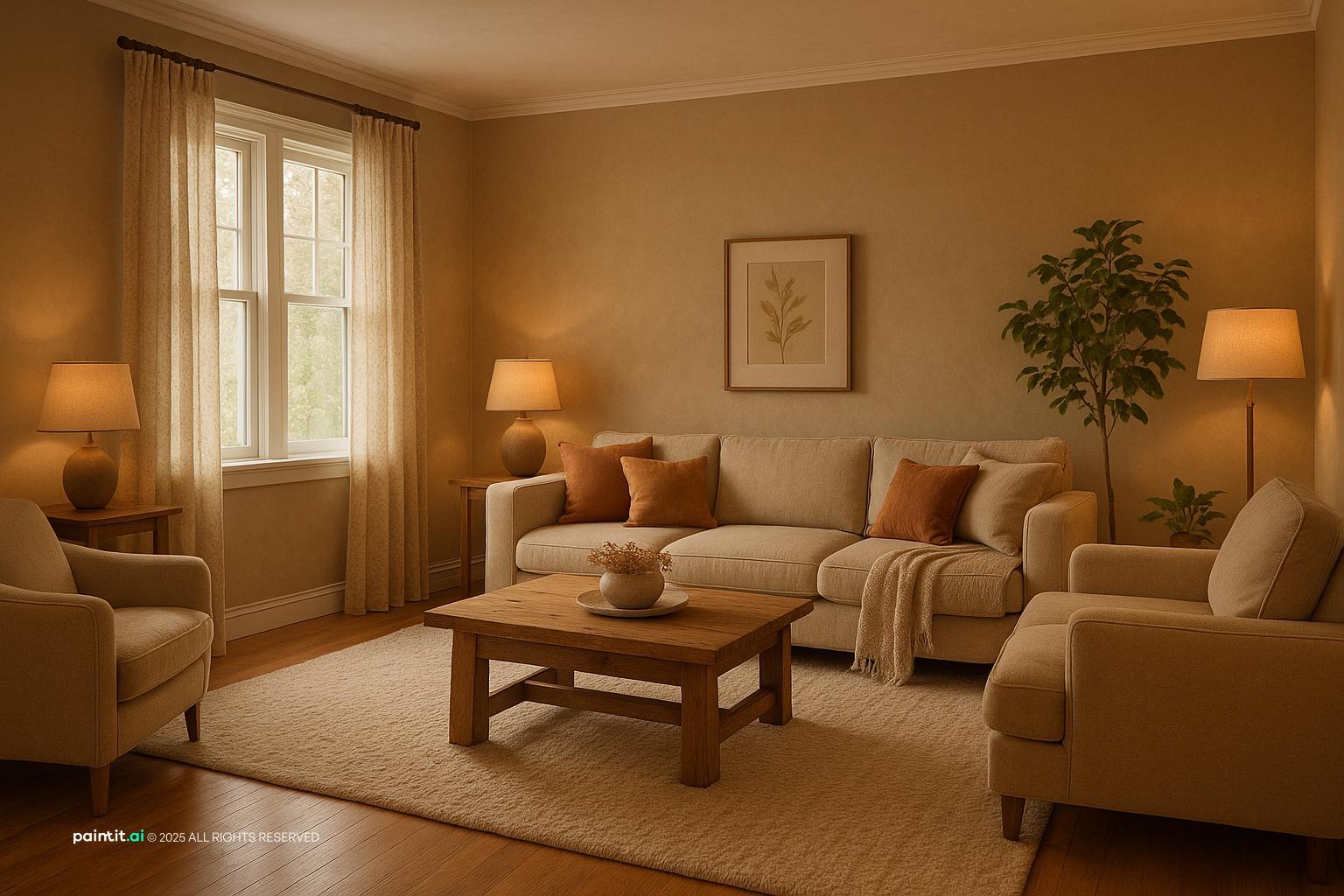
Brown Living Room Ideas with Brown Warmth and Soft Textiles with Plants and Greenery softens brown warmth, soft textiles and plants and greenery in a living room setting.
Most brown living rooms begin with one fixed piece: a sofa, floor, fireplace, built-in cabinet, or wood ceiling beam. Name that element first and check its undertone. A red-brown leather sofa needs different neighbors than a gray-brown sectional or a yellow oak floor.
What to avoid: adding more brown before you know whether the existing brown is warm, cool, orange, red, or ashy. If the sofa and floor are both dark brown, put a neutral rug between them. Otherwise the furniture can visually sink into the floor, especially in photos and evening light.
Brown and cream living room ideas work because cream gives brown breathing room. Try cream walls with a walnut media cabinet, a brown sofa with ivory throw pillows, or cream curtains beside chocolate-brown shelving. The contrast is softer than bright white but still strong enough to define edges.
A simple 60-30-10 approach is often enough: 60% light neutral, 30% brown, and 10% accent color such as olive, rust, black, brass, or muted blue. Brown carries visual weight. Cream reflects light and keeps the seating area from feeling too serious.
For practical brown sofa living room ideas, start with the floor plane. A cream, oatmeal, or patterned neutral rug is usually the fastest fix because it separates the sofa from wood flooring and gives the seating area a clear boundary. Then add throw pillows in two lighter shades and one darker accent.
In Paintit.ai tests, rooms with a dark brown sofa often improve when users keep the sofa but change the rug, wall paint, and side tables. That fits a common pattern: 12.0% of users specify “keep” or “don’t change” limitations. If your sofa is staying, use AI virtual staging to test new rugs, chairs, lamps, and wall colors around it before replacing the biggest piece in the room.
A brown living room color scheme should start with undertone, not trend. Warm chocolate browns pair well with cream, terracotta, brass, olive, and warm white. Cooler taupe-browns work better with stone, linen, charcoal, black metal, and muted sage.
What to avoid: mixing too many unrelated browns. A camel sofa, reddish wood floor, espresso table, and gray-brown wall can fight each other. Repeat one undertone at least twice so the palette feels planned rather than accidental.
A brown accent wall can add depth behind a sofa, fireplace, or media wall without making the full room feel heavy. In a small or low-light living room, use a medium coffee, mushroom, or cocoa shade instead of a nearly black espresso. Keep the adjacent walls warm white, cream, or pale greige.
The catch: the darkest wall pulls the eye. That can be useful behind artwork, shelving, or a light sofa. But avoid putting the darkest wall opposite the only window if the room already struggles with natural light; it can make the whole seating area feel shadowed.
Dark brown living room ideas need lighting planning more than extra accessories. Use at least three sources: overhead lighting for general use, a floor lamp near the sofa, and a table lamp or wall sconce for lower evening light. Warm bulbs help chocolate and espresso tones look rich instead of dull.
Only 5.9% of Paintit.ai prompts mention lighting, but it is often the missing ingredient in darker rooms. I would treat a dark brown space as a lighting problem before treating it as a styling problem. For more context on how undertones shift in different light, compare brown with other best living room colors.
Brown living room decor gets better when “brown” becomes more specific. Instead of adding a brown table, ask whether the room needs walnut, aged oak, cognac leather, woven jute, brick, bronze, linen, or wool. Material names create texture and stop the flat, muddy look that happens when everything is only described by color.
This matches Paintit.ai behavior: 19.0% of prompts include material modifiers such as wood, marble, or brick. In practice, a matte brown wall with a boucle chair, linen curtains, and a wood coffee table will feel more finished than a room filled with smooth brown surfaces.
A neutral rug is one of the most useful tools in a brown living room. Choose ivory, oatmeal, warm gray, or a low-contrast pattern if the room already has brown floors and a brown sofa. The rug should be large enough for the front legs of the sofa and chairs to sit on it. If it floats alone in the middle, it will look like a small island.
What to avoid: a tiny dark rug under dark furniture. It makes the room feel smaller and creates a visual hole. If you want pattern, try a faded geometric, vintage-style, or subtle stripe that includes cream and tan.
Brown accepts accent color well, but the dose matters. Olive green, muted blue, rust, ochre, clay, cream, black, and brass can all work depending on the undertone. Use throw pillows to test the color before you commit to curtains or paint.
Wall art should connect the palette without copying it too literally. A piece with a cream background, black linework, and small rust or green notes can tie together a brown sofa, wood tones, and metal accents. Avoid art that is mostly dark brown if the sofa and floor are already dark.
A south-facing or west-facing living room can usually handle deeper brown walls, especially if the trim, ceiling, and rug stay light. A north-facing room may need a warmer mocha or taupe instead of espresso because cool daylight can make brown look gray and heavy.
Test paint color on more than one wall and check it morning, afternoon, and evening. Brown changes dramatically with light. A shade that feels cozy at night can look flat at noon. If the room has limited windows, use brown on furniture and textiles rather than every wall.
Wood tones are a natural fit for brown rooms, but too many finishes can make the space look unplanned. Choose one dominant wood tone for major pieces, then one supporting tone in smaller doses. Walnut shelving can pair with black legs and a lighter oak tray. Cherry, orange oak, espresso, and driftwood all together may feel busy.
A useful check is to repeat each visible wood tone at least twice. If your coffee table is warm walnut, echo it in picture frames, a side table, or shelving. That makes the room feel collected instead of mismatched.
Brown walls can be beautiful when the furniture has enough contrast. Cream, sand, mushroom, warm gray, and soft olive upholstery all stand out against brown walls. Add a pale rug and lighter curtains so the room still has lift from floor to ceiling.
What to avoid: placing a dark brown sofa directly against dark brown walls unless you separate them with wall art, a throw, or a long console table. Without contrast, the sofa outline disappears and the room loses depth.
Metal accents sharpen a brown living room. Black metal makes brown feel more modern and grounded. Brass or antique bronze adds warmth. Choose one as the main metal and use the other sparingly if the room needs it.
For example, black curtain rods, a black floor lamp, and a black-framed coffee table can organize a room with warm brown seating. Brass works well in lamps, frames, cabinet pulls, and trays. Avoid shiny gold on every surface; it can make a cozy brown palette feel too formal.
Plants are especially useful in warm brown rooms because green cuts through the heaviness of wood, leather, and tan textiles. A tall plant near a window, a trailing plant on a shelf, or a large leafy branch in a ceramic vase can add life without adding clutter.
Green works with brown because it echoes natural materials. Keep planters simple: cream ceramic, black metal, terracotta, or woven baskets. Avoid scattering many small plants across every surface. One larger plant often looks calmer and more intentional.
Brown rooms often need adjustment by degrees: a bit more cream, a slightly darker wall, less orange in the wood, more texture in the curtains. In Paintit.ai behavior, 15.0% of users use iterative refinement language such as “a bit,” “more,” “less,” or “instead,” and that is a smart way to approach brown.
Start with the fixed pieces, then change one layer at a time: rug, wall color, lighting, pillows, curtains, art. If you need a practical sequence for planning the room, the step-by-step process in how to redesign a living room with Paintit.ai is useful for narrowing options before spending money.
Use the second gallery to compare how the same living room can shift from airy brown and cream to tailored walnut and black, or from rustic leather to a deeper lounge-like mood.
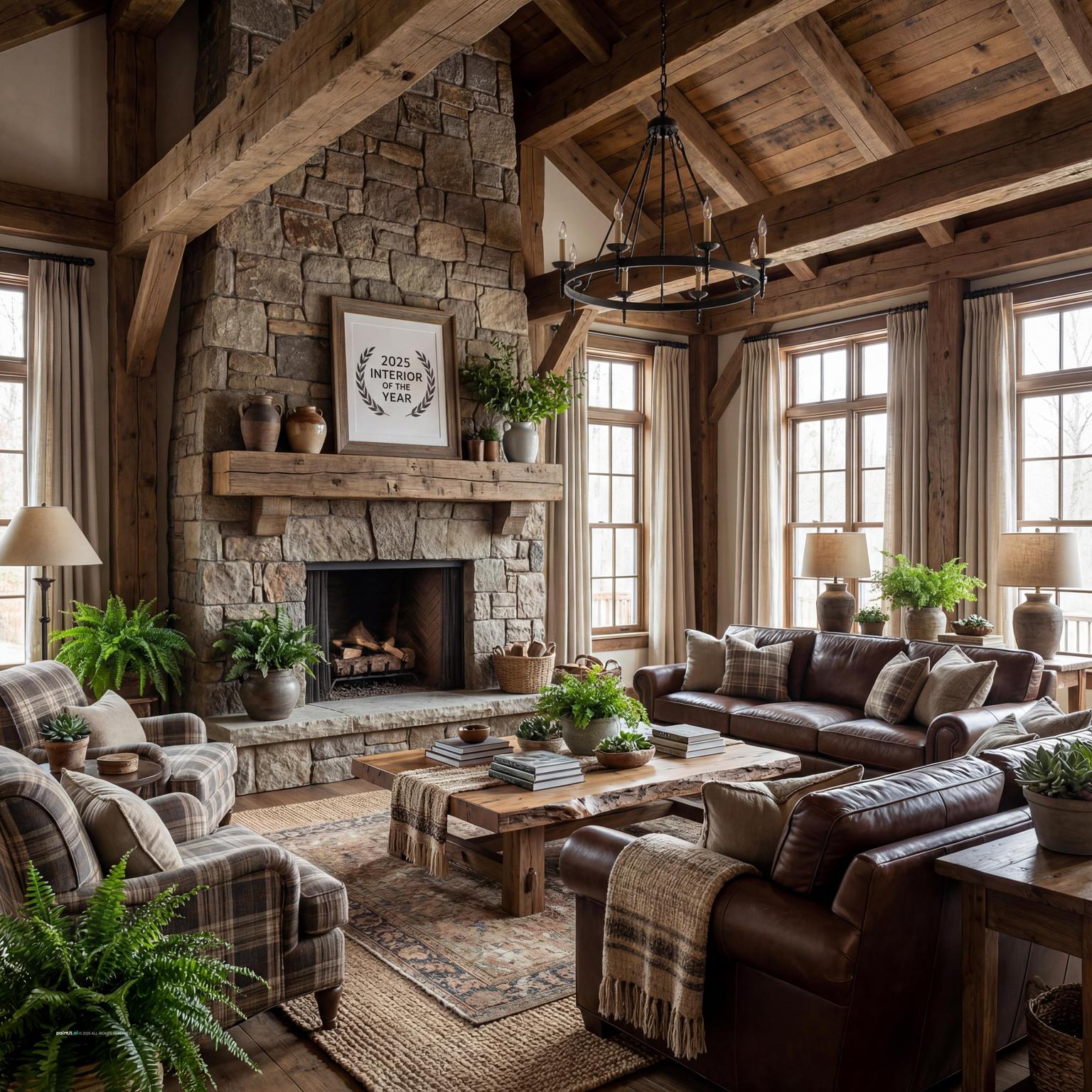
Cozy Rustic Living Room Design uses brown warmth, soft textiles and plants and greenery in a living room setting.
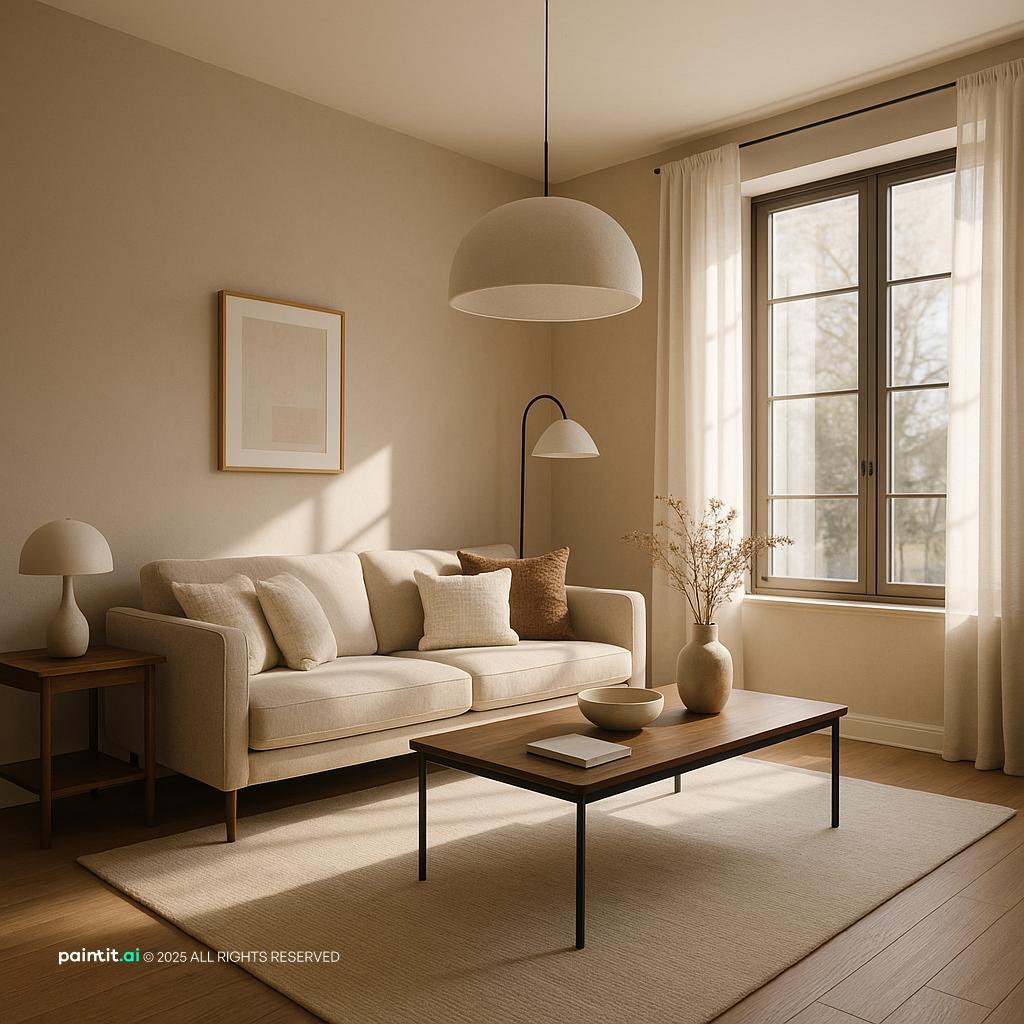
Cozy Modern Living Room Design with Brown Warmth balances brown warmth, soft textiles and clean-lined furniture in a living room setting.
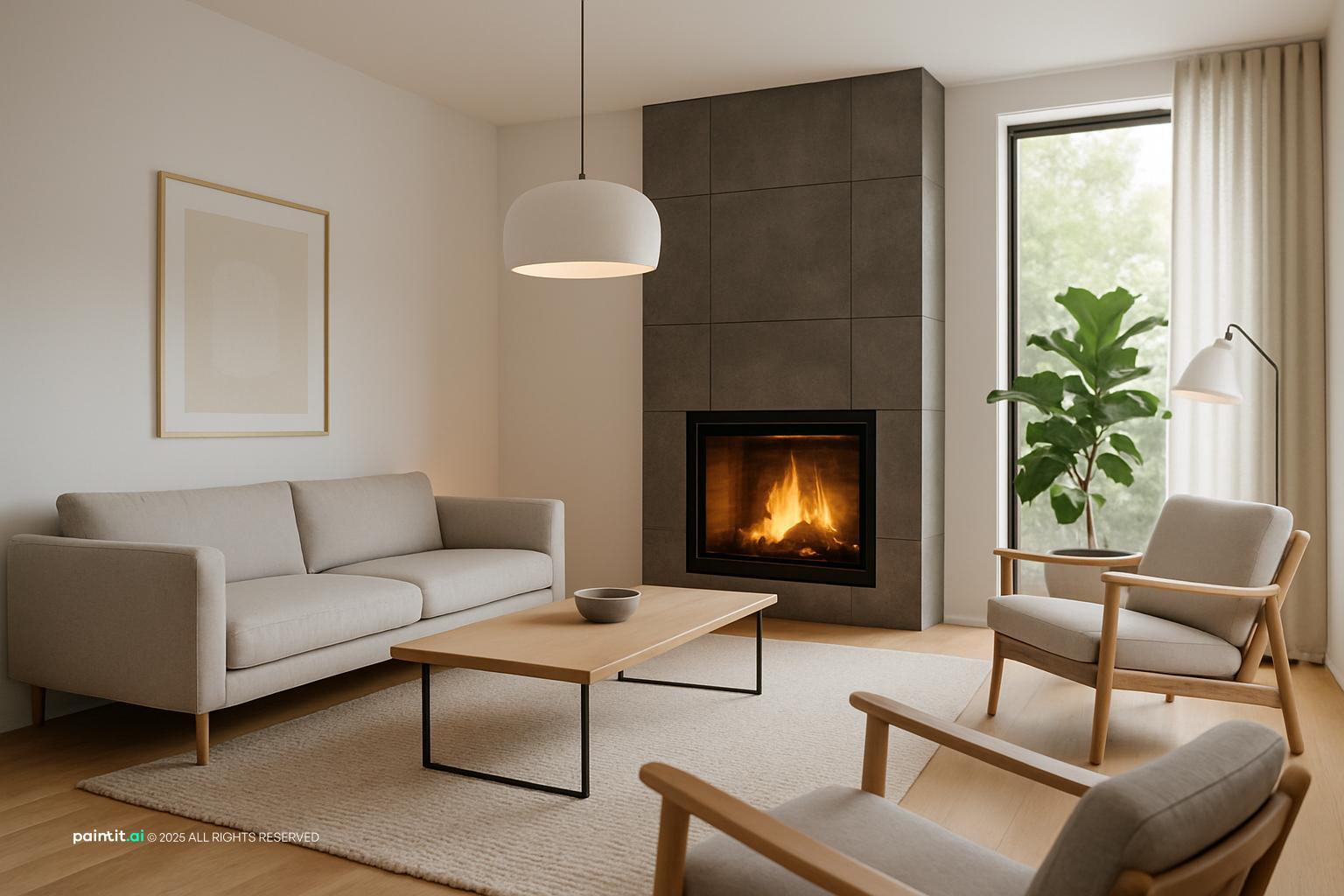
Stunning Scandinavian Living Room Design pairs brown warmth, warm wood and soft textiles in a living room setting.
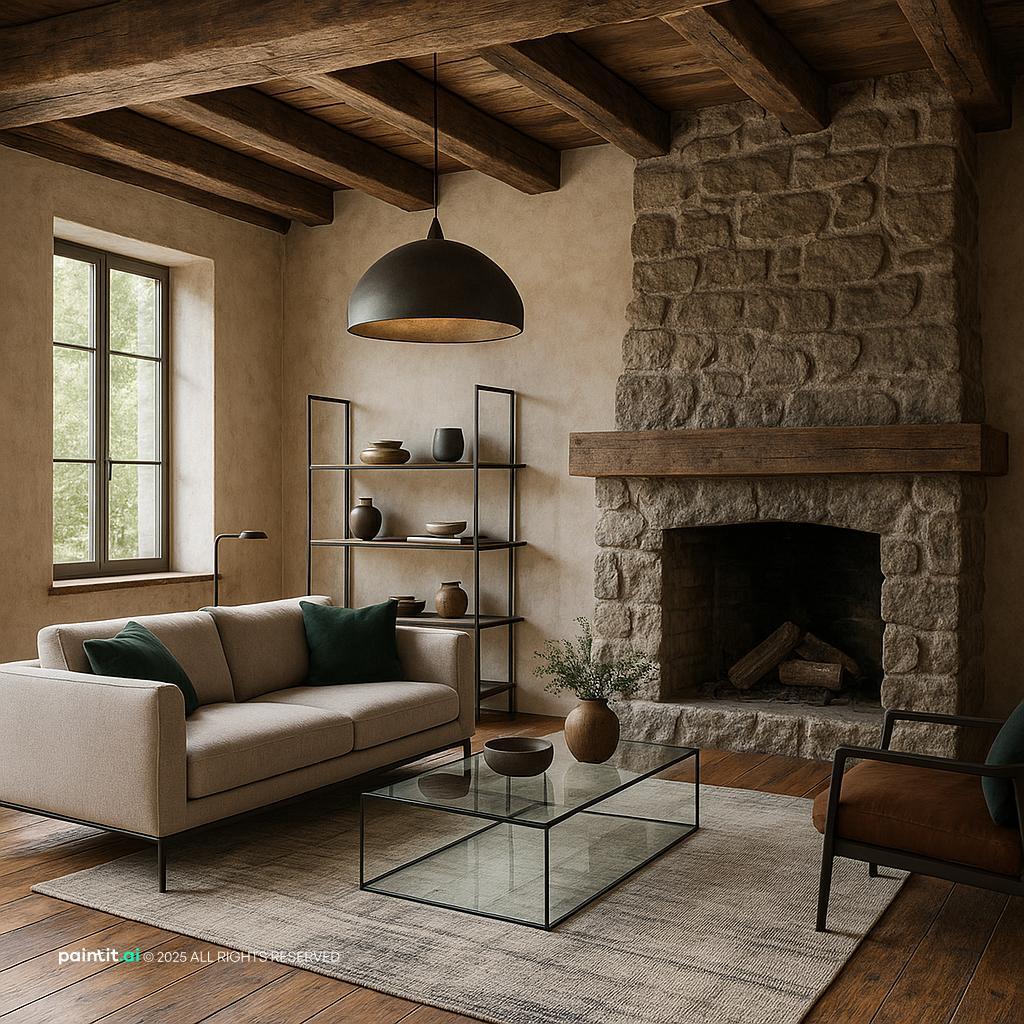
Stunning Rustic-Modern Living Room Design layers brown warmth, metal accents and layered neutrals in a living room setting.
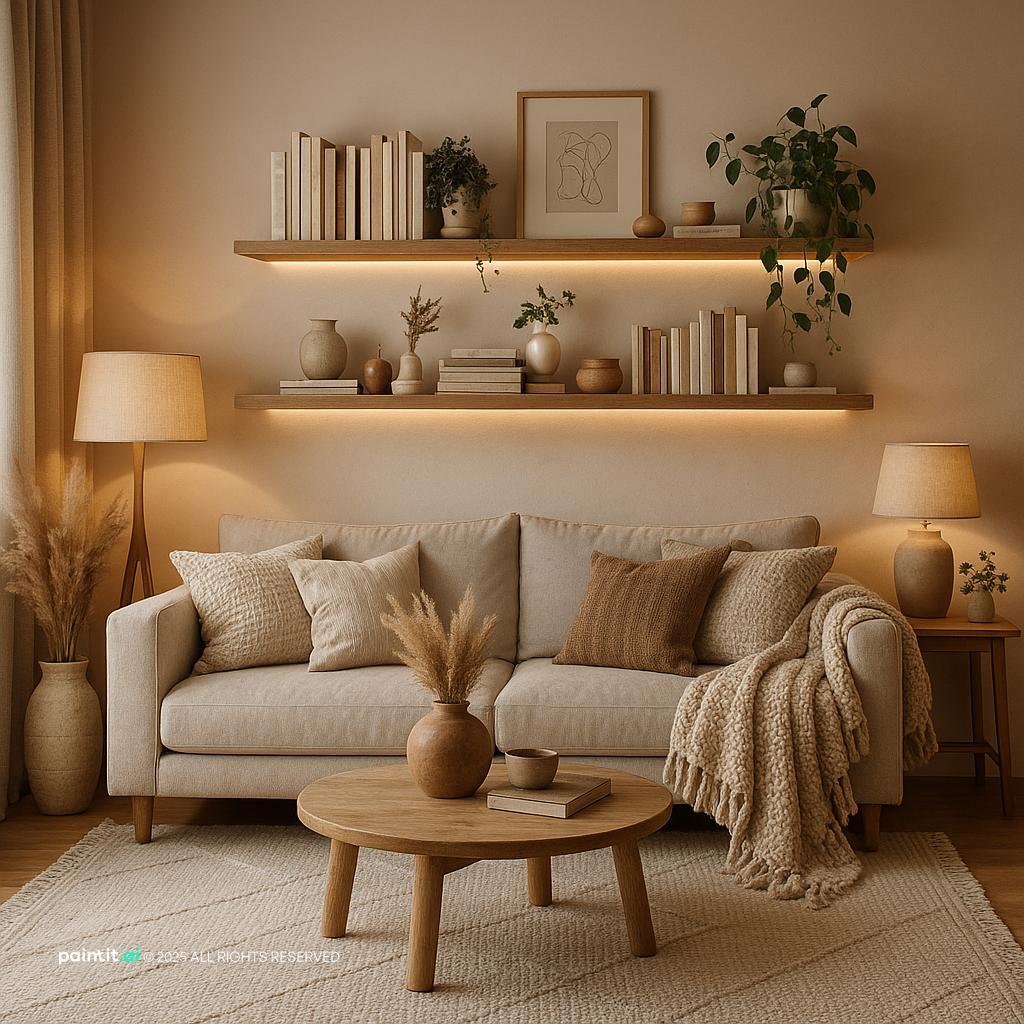
Cozy Scandinavian-Bohemian Living Room Design anchors brown warmth, soft textiles and plants and greenery in a living room setting.
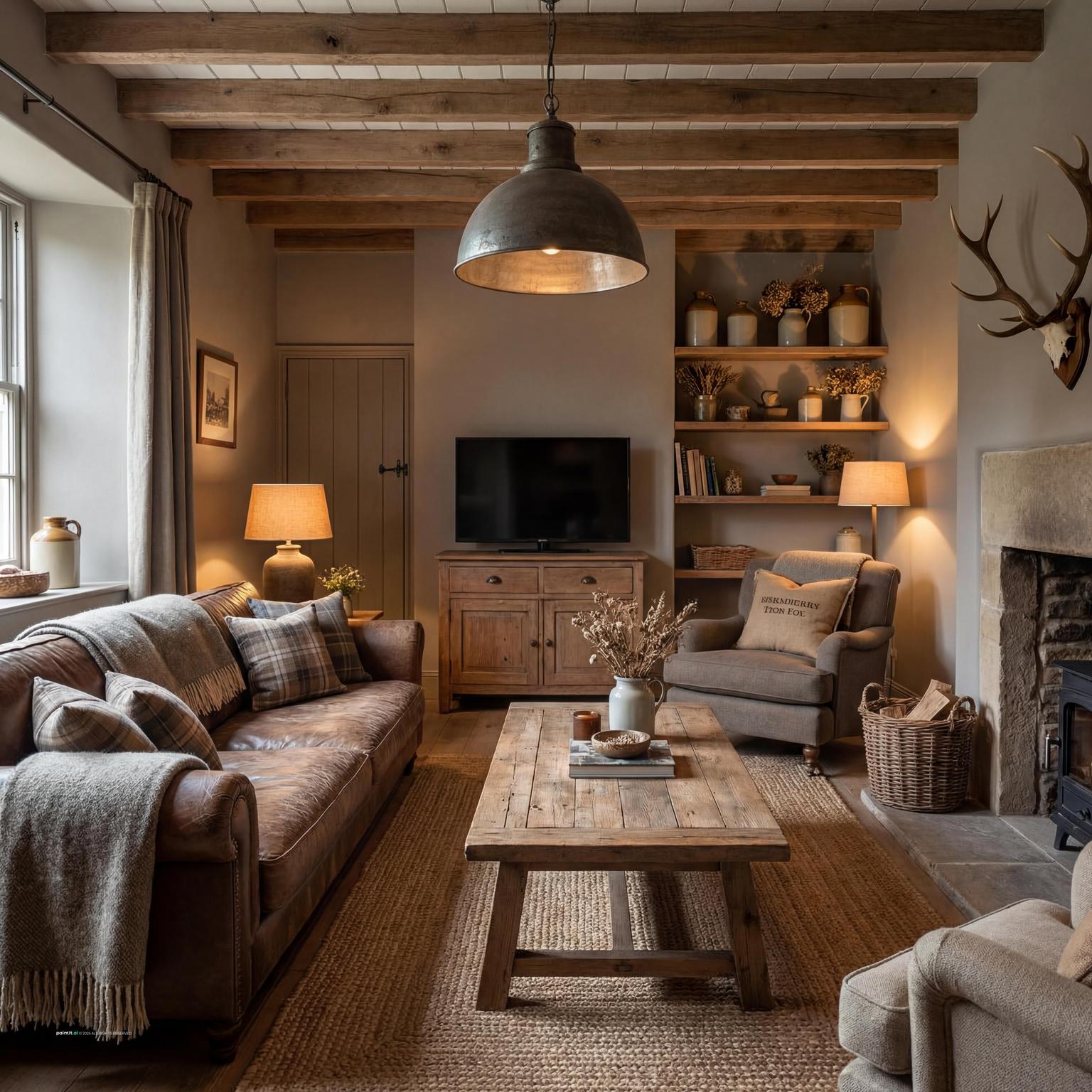
Cozy Rustic Living Room Design for Narrow Spaces softens brown warmth, soft textiles and metal accents in a living room setting.
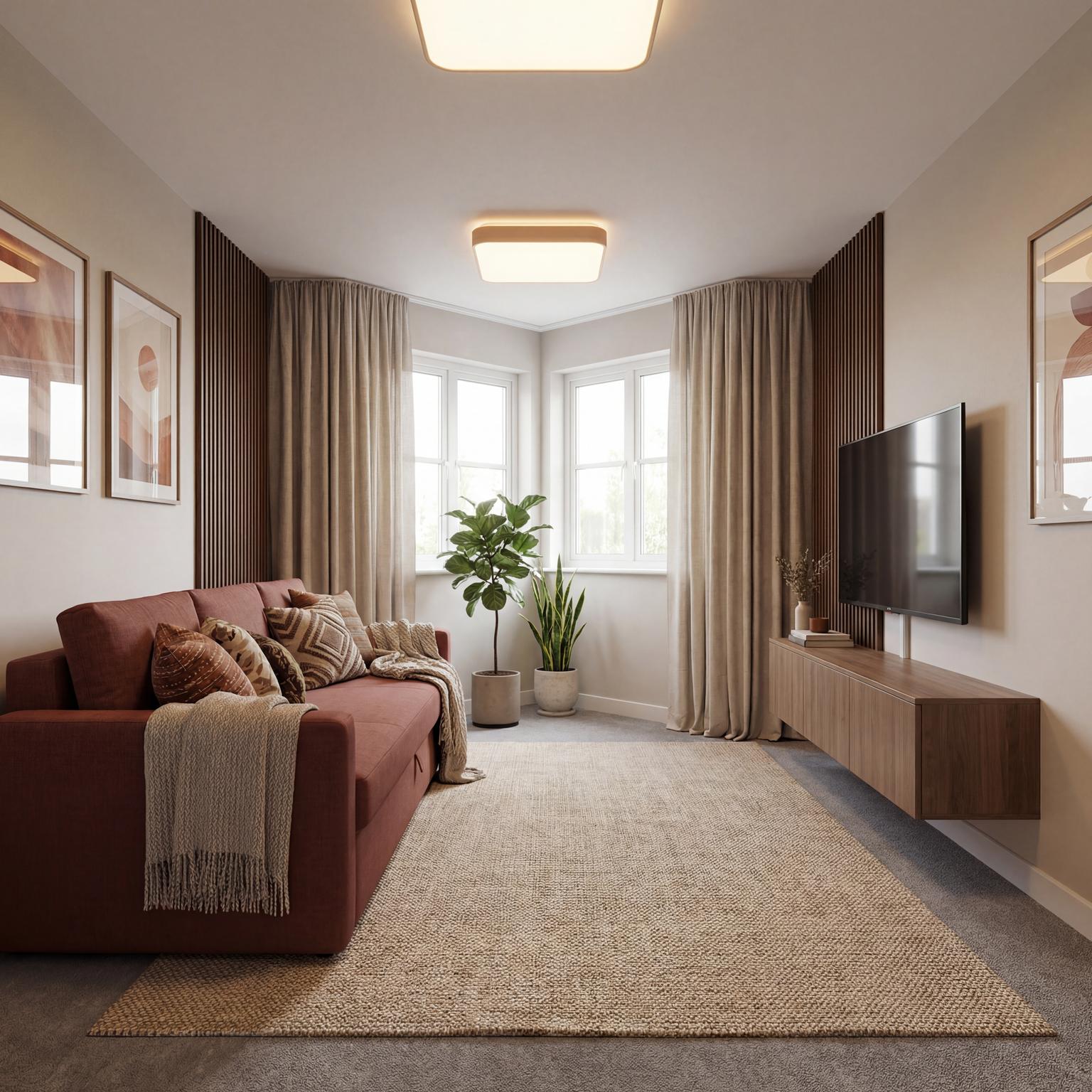
Elegant Redesign for a Cozy Second Living Room uses brown warmth, soft textiles and plants and greenery in a living room setting.
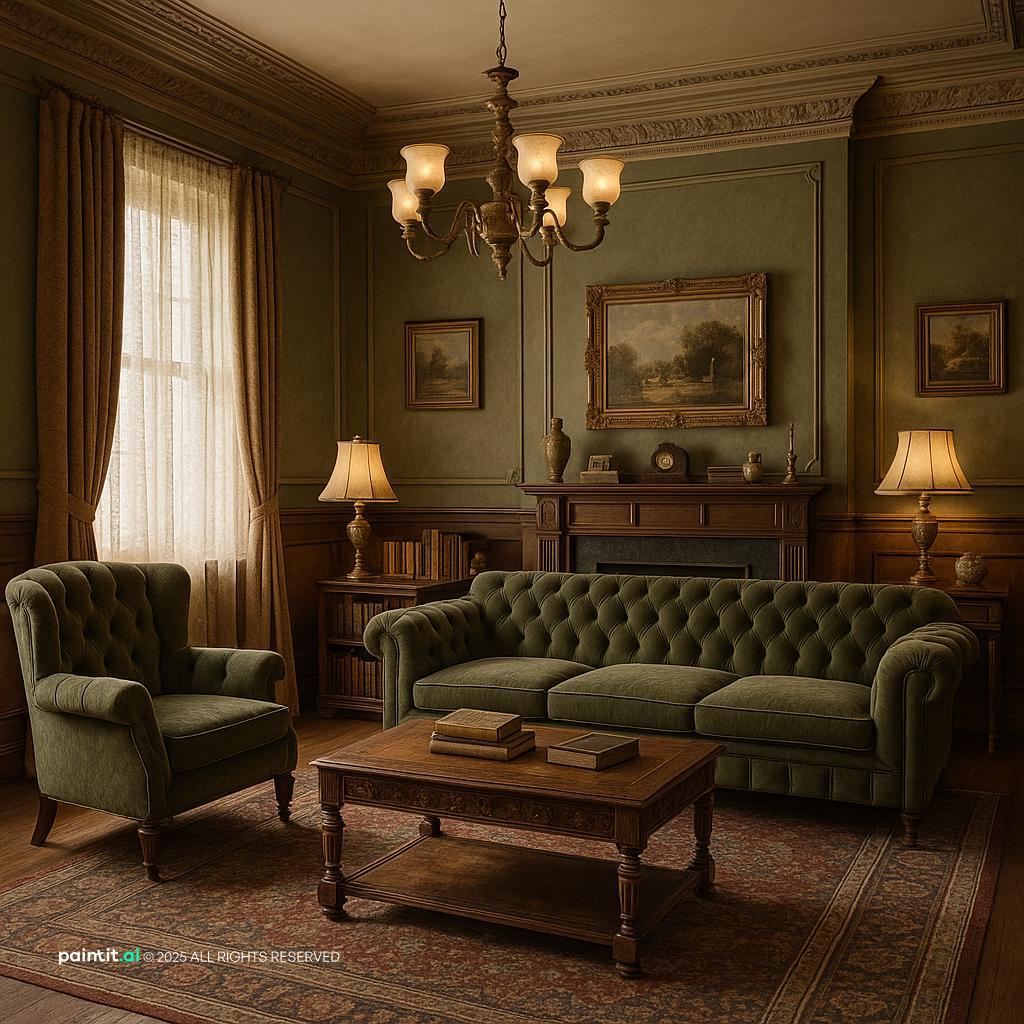
Vintage Living Room: Earthy Elegance Redefined balances brown warmth, metal accents and layered neutrals in a living room setting.
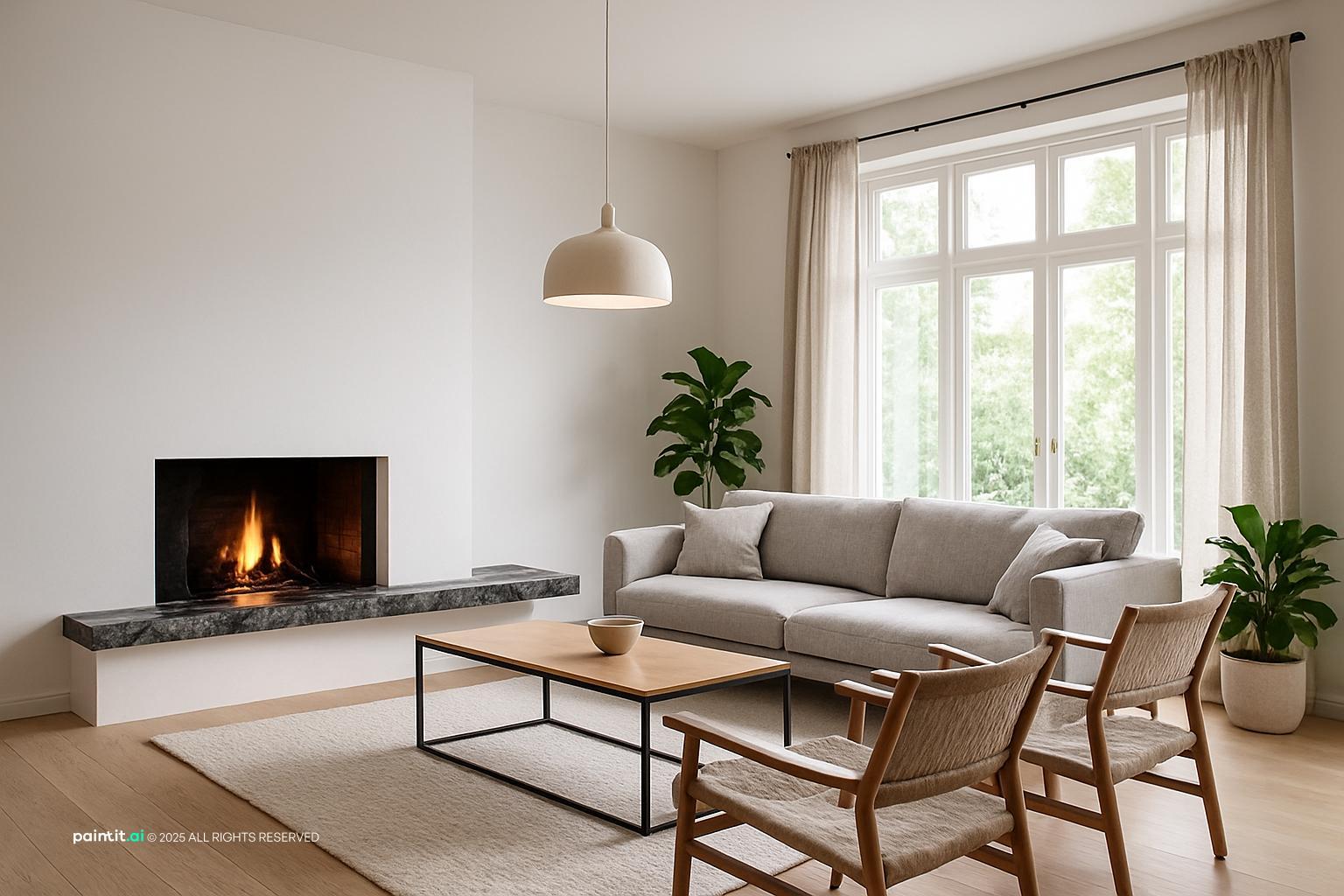
Scandinavian-Style Living Room Design pairs brown warmth, warm wood and soft textiles in a living room setting.
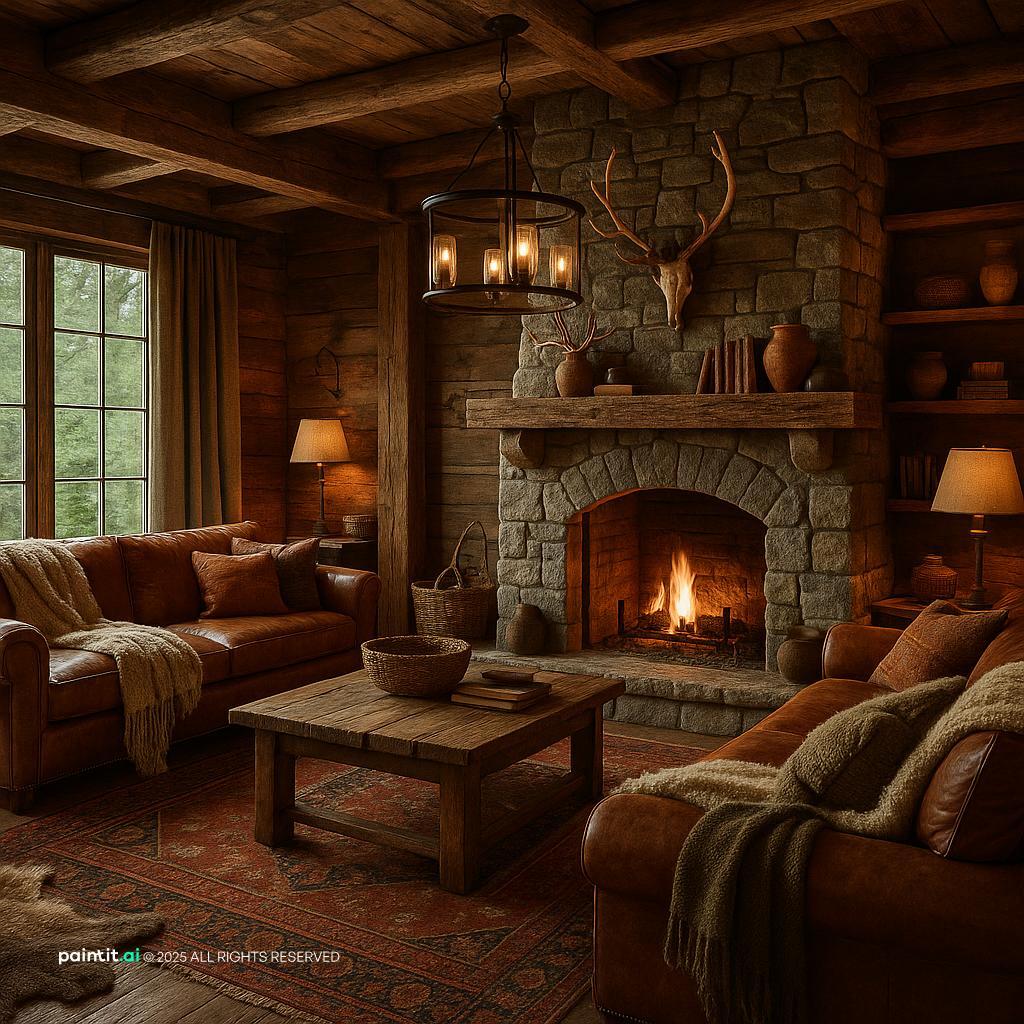
Brown Living Room Ideas with Brown Warmth and Soft Textiles View 3 layers brown warmth and soft textiles in a living room setting.
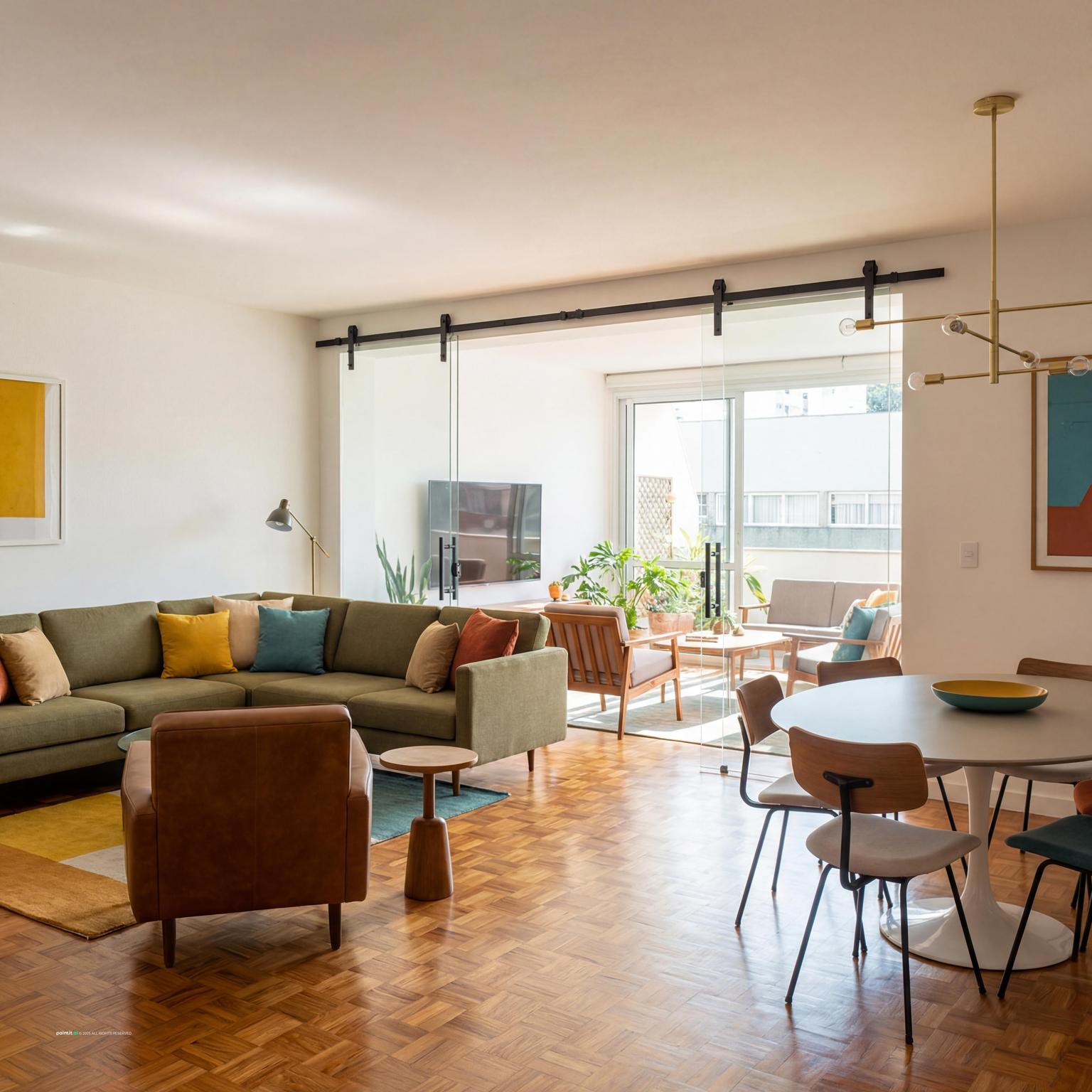
Mid-Century Modern Living Room with Scandinavian Touches anchors brown warmth, warm wood and metal accents in a living room setting.
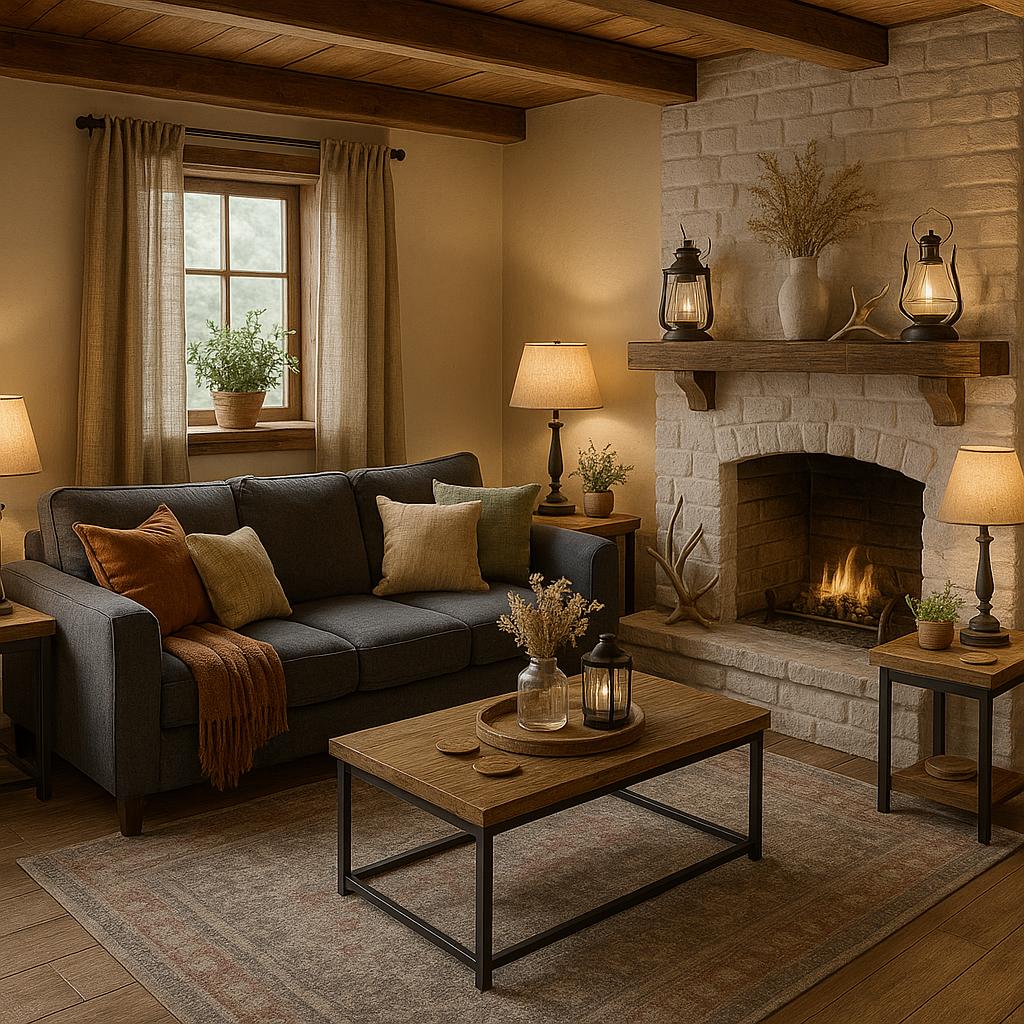
Cozy Farmhouse Basement Living Room Design softens brown warmth, soft textiles and metal accents in a living room setting.
Decide whether brown is the background, the anchor, or the accent. If brown is on the walls, keep larger furniture lighter. If the sofa is brown, let the walls and rug create contrast. If brown is only an accent, repeat it in wood, leather, frames, and textiles so it looks intentional.
Avoid giving every major surface equal brown weight. A room with brown walls, brown floors, a brown sofa, brown curtains, and brown tables usually needs cream, stone, black, green, or brass to bring the shapes back.
Brown can read red like mahogany, yellow like camel, gray like taupe, or orange like cognac leather. Put samples next to the largest existing brown element before choosing paint, curtains, or upholstery. The wrong undertone is often more obvious than the wrong depth.
Use cream and warm white with red or orange browns. Use greige, mushroom, stone, and black with cooler brown shades. Avoid pure bright white if the room is meant to feel warm; it can make brown furniture look harsher than it is.
A convincing brown room usually mixes matte, satin, woven, and reflective surfaces. Try a matte painted wall, a satin wood cabinet, a wool rug, and a small brass or black metal lamp. If you use stone, look at travertine, cream marble, soapstone, or limestone before choosing a busy brown stone that competes with the furniture.
Where to use it: coffee tables, fireplace surrounds, shelving, lamp bases, and side tables. Avoid matching every table to the exact same brown finish. We often see that make a room feel more like a showroom set than a lived-in space.
Curtains, pillows, throws, and rugs are where brown living room decor starts to feel comfortable. Linen curtains soften brown walls. Wool rugs quiet dark floors. Velvet or boucle pillows add texture to leather sofas. A chunky knit throw can make a structured sofa feel less severe.
Use at least one light textile near every dark brown mass. Put cream pillows on a brown sofa, pale curtains beside dark shelves, or a patterned rug under a heavy coffee table. Avoid using only flat cotton textiles if the room already feels plain.
Brown absorbs more light than pale colors, so one ceiling fixture will rarely be enough. Place a floor lamp beside the main reading seat, a table lamp near the opposite side of the sofa, and a dimmable overhead or pendant if the room allows it. Warm bulbs usually flatter brown better than cool bulbs.
Where to use it: corners, beside bookcases, near artwork, and next to darker upholstery. Avoid one bright ceiling light as the only source; it can create glare on leather and leave the corners dull.
Style a brown living room with fewer, stronger objects. A ceramic vase, a stack of books, a framed print, a tray, and one sculptural object are often enough for a coffee table or console. Repeat cream, black, green, or brass in small moments so the palette connects.
What to avoid: filling every shelf with brown objects. Use negative space, especially around dark wood shelving or a brown media wall. The eye needs lighter pauses, not another row of dark accessories.
If all the dark brown elements sit on one side, the room will feel lopsided. Balance a brown sofa with darker frames, a wood cabinet, a lamp base, or a chair leg finish on the opposite side. Keep the traffic path clear so visual weight does not also become physical clutter.
Check the sightline from the doorway. If the first thing you see is a large dark sofa on a dark floor, add a light rug, a taller lamp, or artwork above it to lift the view.
A brown palette is sensitive to light, undertone, and material, so previewing options can save a lot of trial and error. In Paintit.ai, upload your living room photo and test direct changes such as “keep the brown sofa,” “add a cream rug,” “repaint walls warm taupe,” “use walnut wood,” or “make lighting warmer.”
This is especially useful if you are choosing between brown walls, a brown accent wall, new curtains, or a lighter rug. Try one version with more cream, one with darker wood, and one with added black or brass details, then compare which direction makes the room feel balanced.
Cream, warm white, olive, sage, rust, muted blue, black, brass, and soft gray can all work. Choose by undertone: warm browns usually like cream and terracotta, while cooler browns often sit better with stone, sage, and black.
Start with contrast. Add a lighter rug, textured curtains, throw pillows in cream or muted color, layered lighting, and a mix of wood, metal, and fabric finishes. The main mistake is making every large piece the same shade of brown.
Yes. Brown is practical, warm, and flexible. It works in modern, rustic, traditional, Japandi, and relaxed family spaces when you balance it with lighter tones, texture, and good lighting.
Use warm lighting, soft textiles, wood tones, a generous rug, and layered seating. Cream curtains, wool throws, table lamps, and textured pillows help brown feel inviting instead of heavy.
Paint all walls brown only if the room has enough natural light, lighter furniture, and layered lighting. In smaller or darker rooms, a brown accent wall or brown furniture is usually easier to balance.