
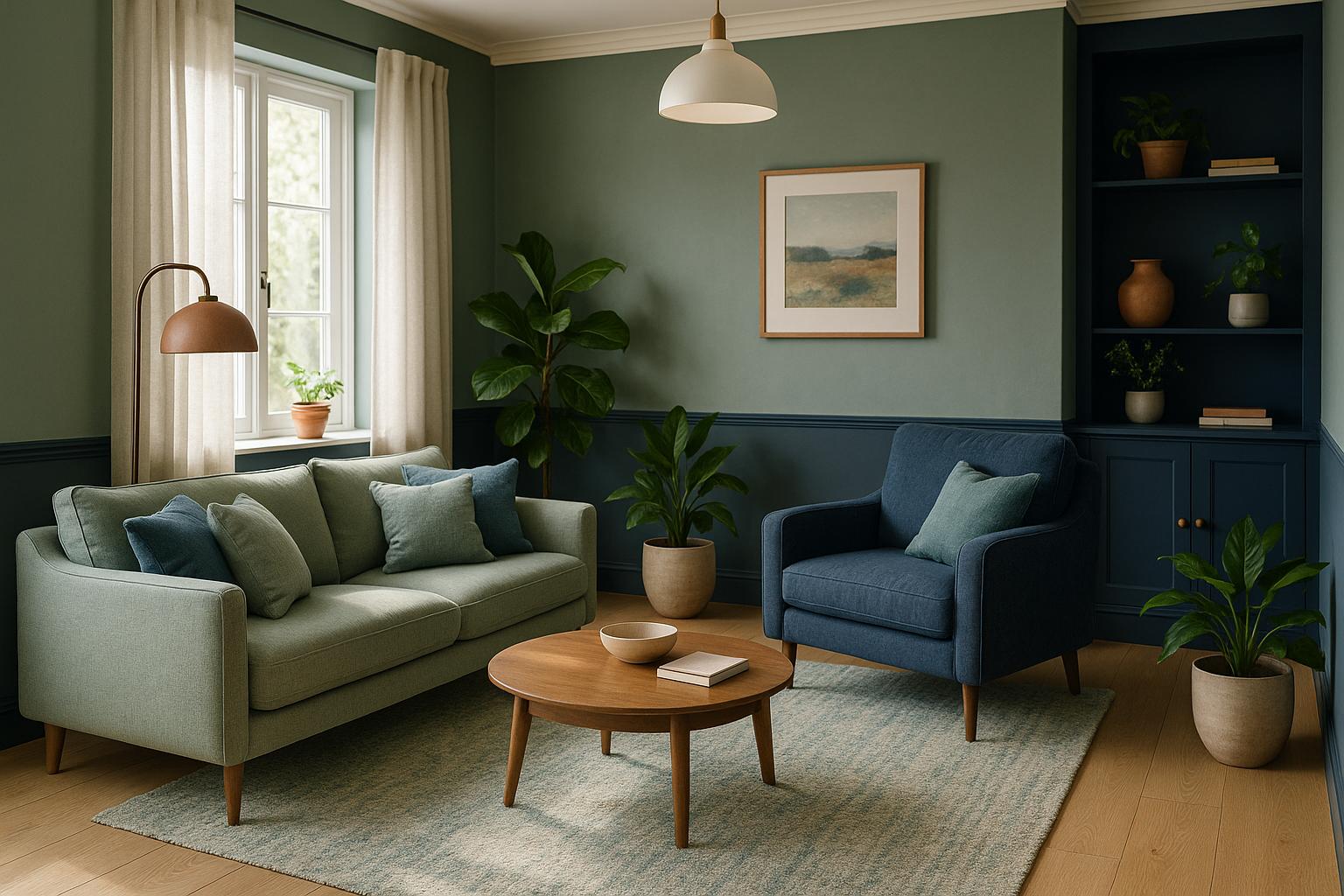
Blue and Brown Living Room Ideas with Blue Accents and Brown Warmth
Blue and Brown Living Room Ideas with Blue Accents and Brown Warmth uses blue accents, brown warmth and warm wood in a living room setting.
Blue and brown living room ideas work when you stop treating the palette like two paint chips. Blue can feel quiet, sharp, coastal, formal, or moody. Brown might be leather, walnut, oak, rattan, flooring, trim, or a nubby woven fabric. In Paintit.ai prompts, color is the most common modifier at 27.6%, and room is specified in 22.1% of prompts. That matches what we see in real uploads: people usually start with a living room photo, then try to solve the shade, material, and mood so the room feels deliberate instead of heavy.
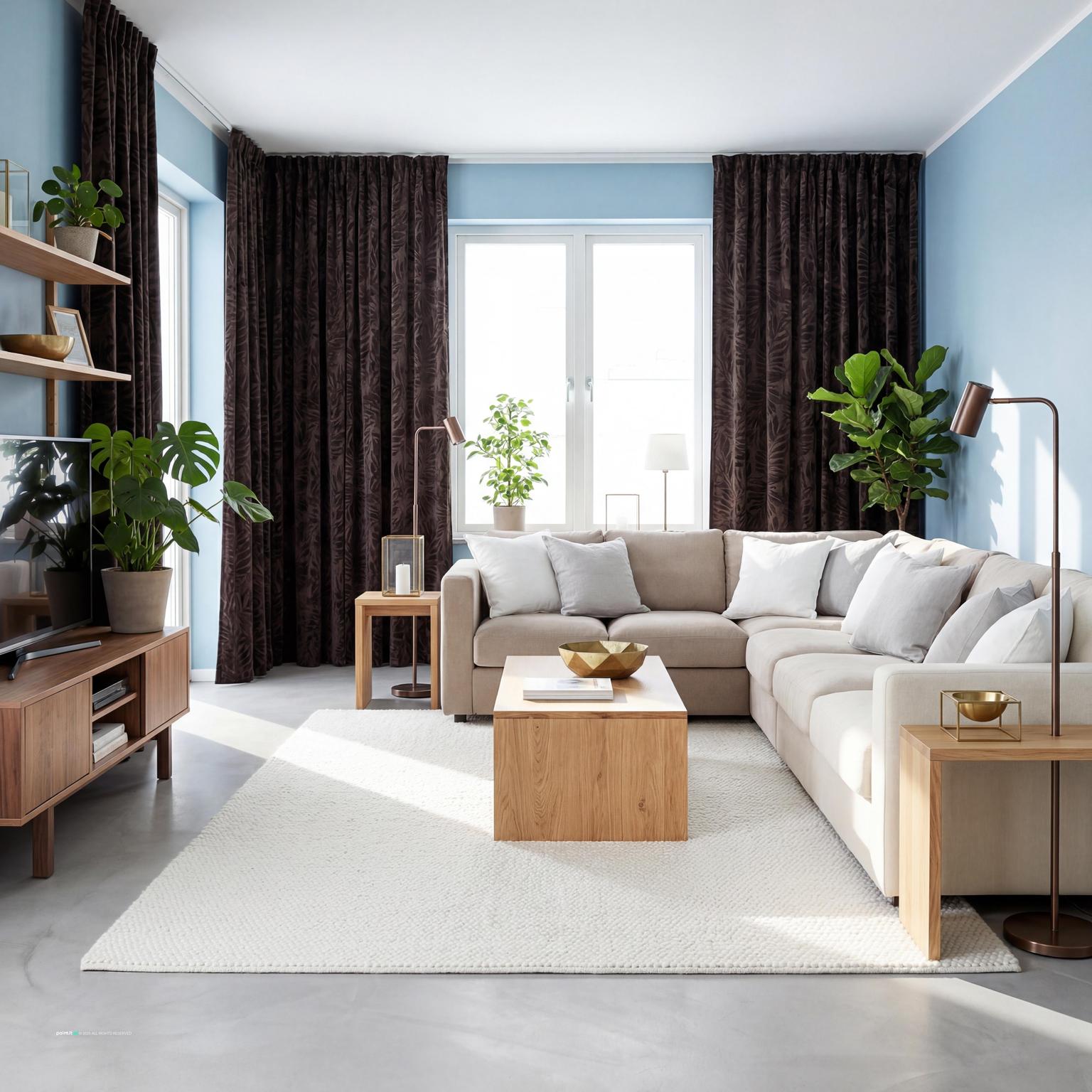
A blue and brown color scheme works because it balances cool and warm. Blue gives the room depth and calm. Brown anchors it through wood tones, leather, natural fiber, and warmer upholstery. If you are still comparing palettes, it helps to look at these shades beside other best living room colors instead of choosing them in isolation.
The real issue is contrast. Pale blue walls with espresso furniture can look crisp. Navy with cognac leather feels richer. Denim blue with oak and a neutral rug feels relaxed. The common mistake is using dull mid-blue and flat mid-brown everywhere. That usually turns the room muddy, with no clear focal point and no surface that catches the light.
Use the first gallery to compare how the palette changes with different anchors: a brown sofa, a blue sofa, dark wood floors, light oak tables, painted walls, patterned rugs, and soft blue accents.
Blue and Brown Living Room Ideas with Blue Accents and Brown Warmth uses blue accents, brown warmth and warm wood in a living room setting.
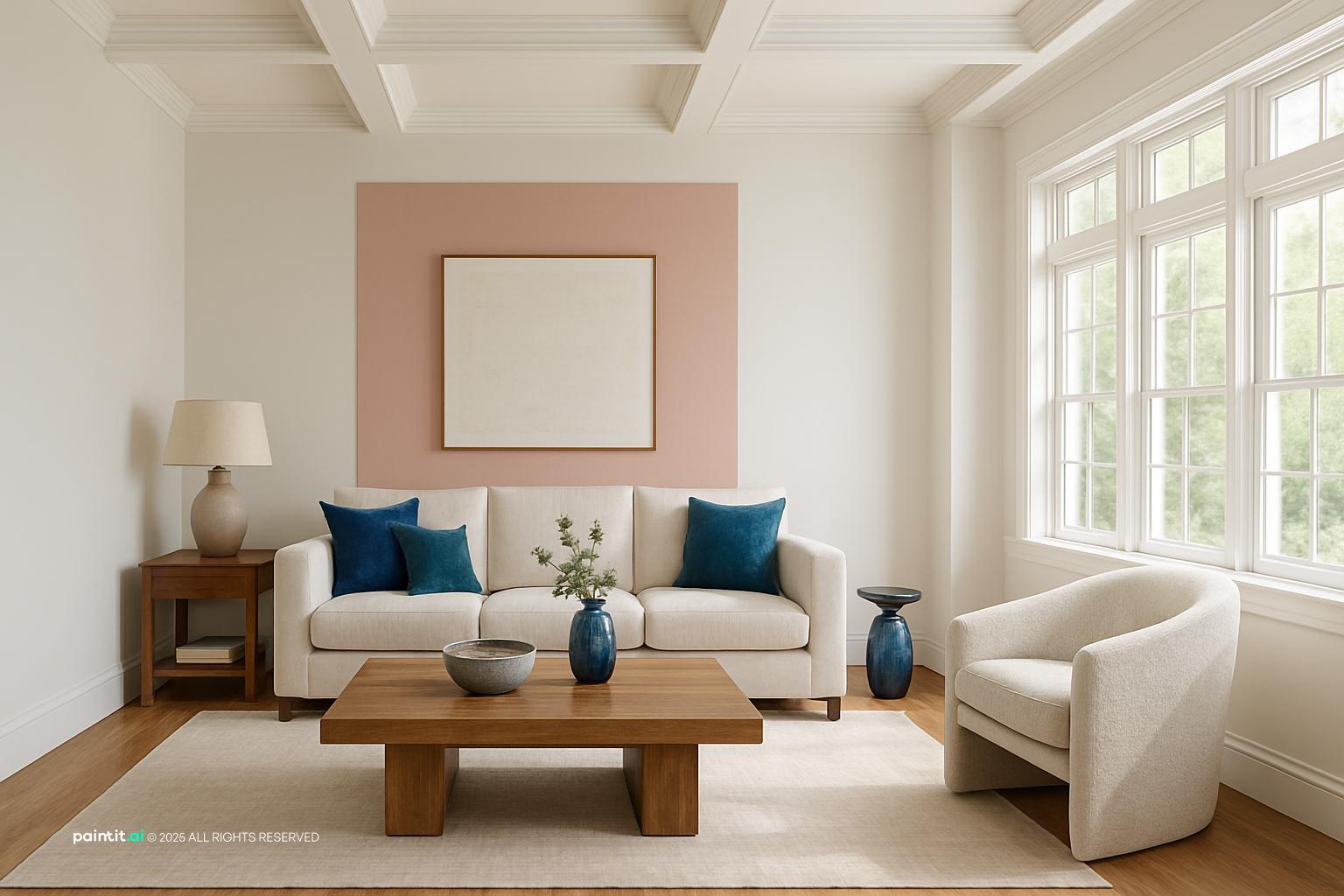
Modern Spacious Living Room Design balances blue accents, brown warmth and warm wood in a living room setting.
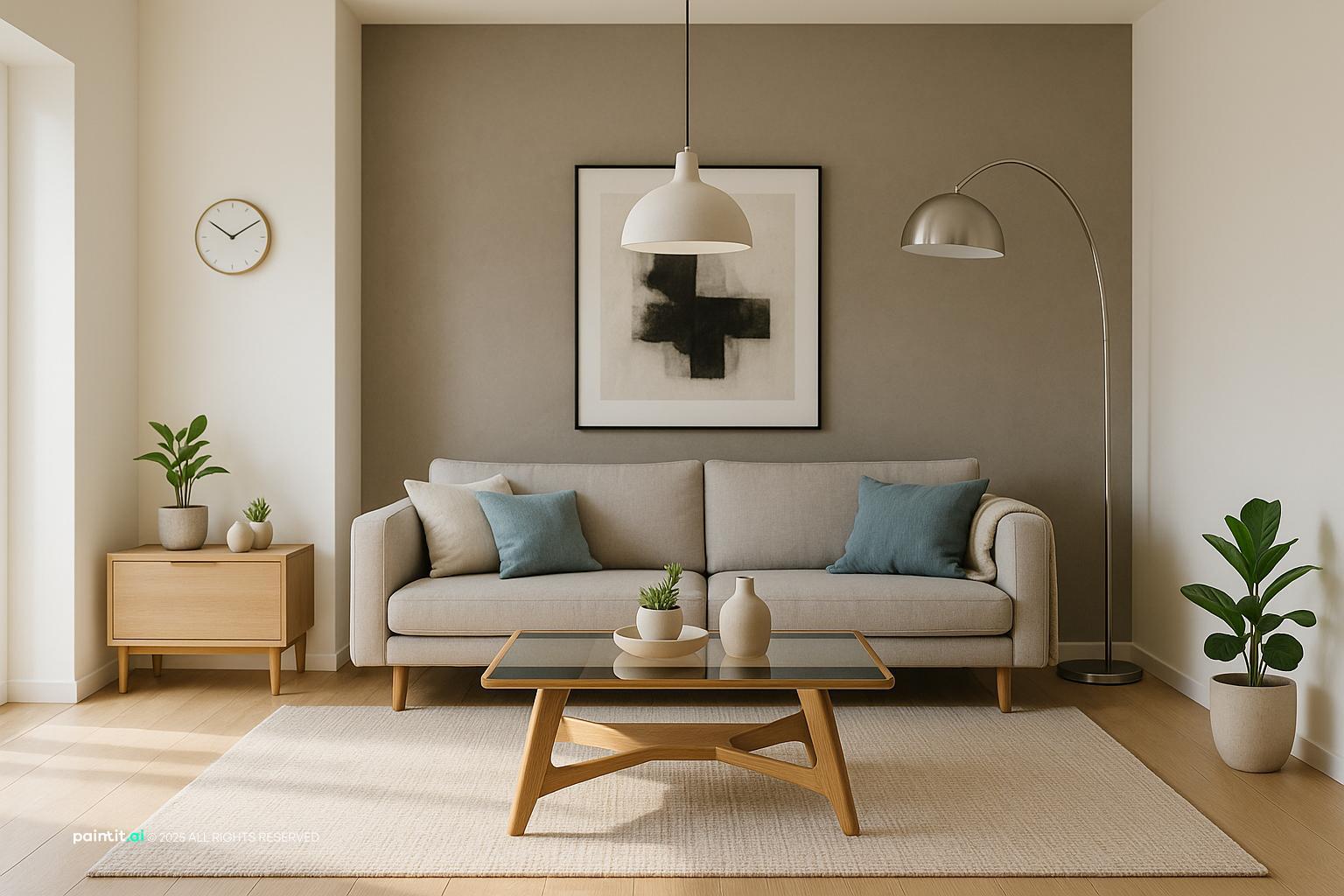
Modern Minimalist Living Room Design pairs blue accents, brown warmth and soft textiles in a living room setting.
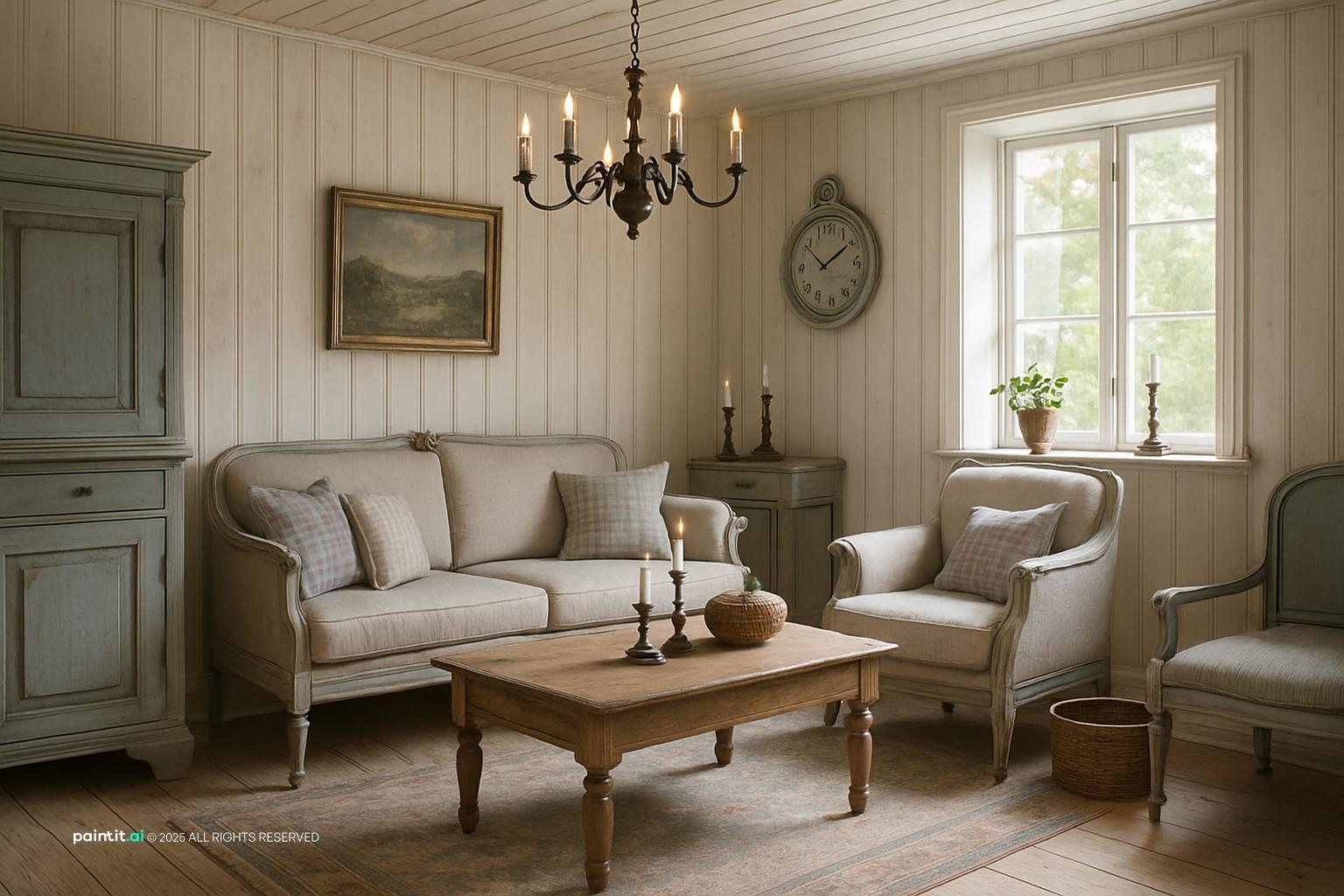
Charming Swedish Folk Style Living Room Design layers blue accents, brown warmth and warm wood in a living room setting.
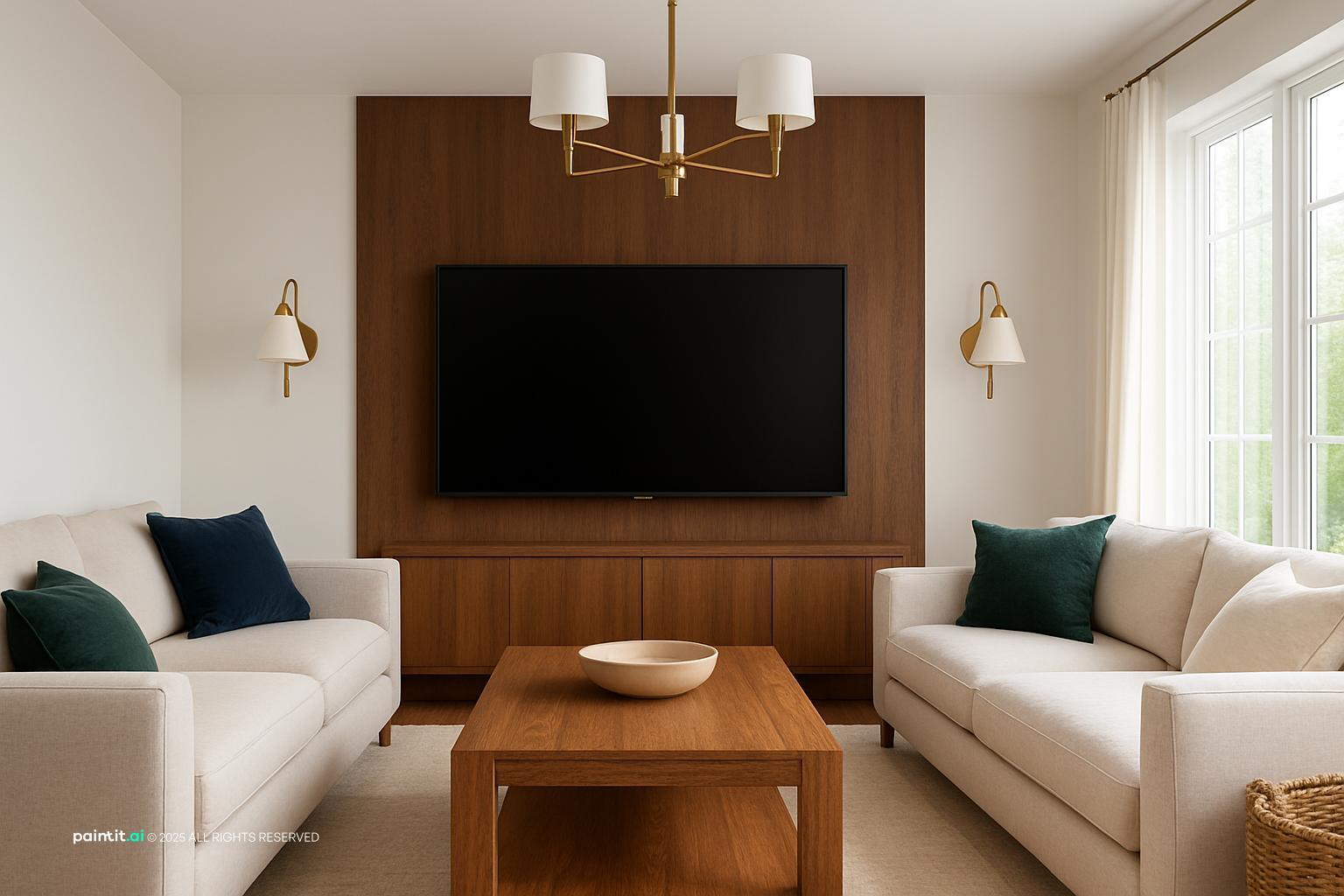
Stylish Modern Living Room Design anchors blue accents, brown warmth and soft textiles in a living room setting.
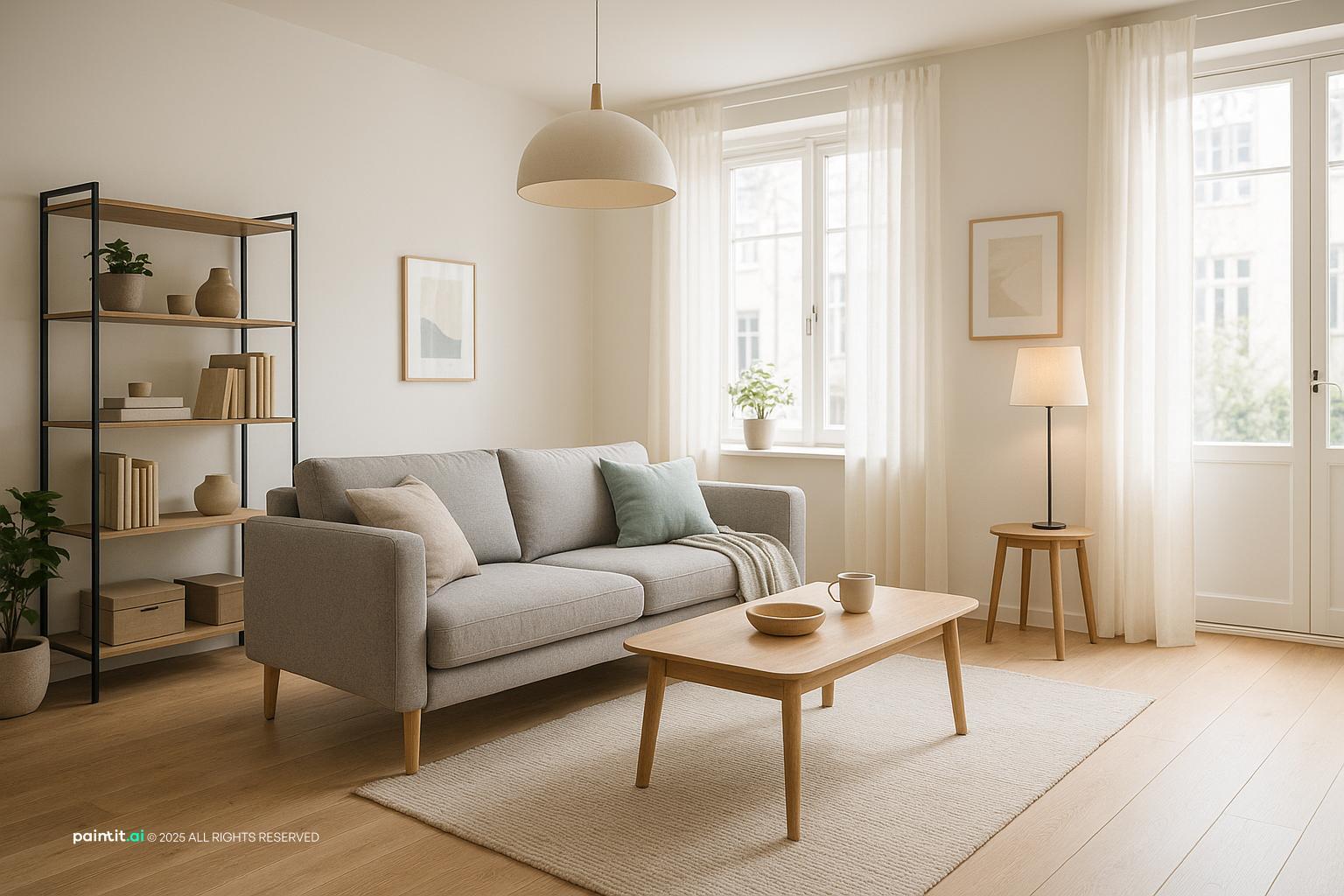
Scandinavian Style Living Room Design softens blue accents, brown warmth and soft textiles in a living room setting.
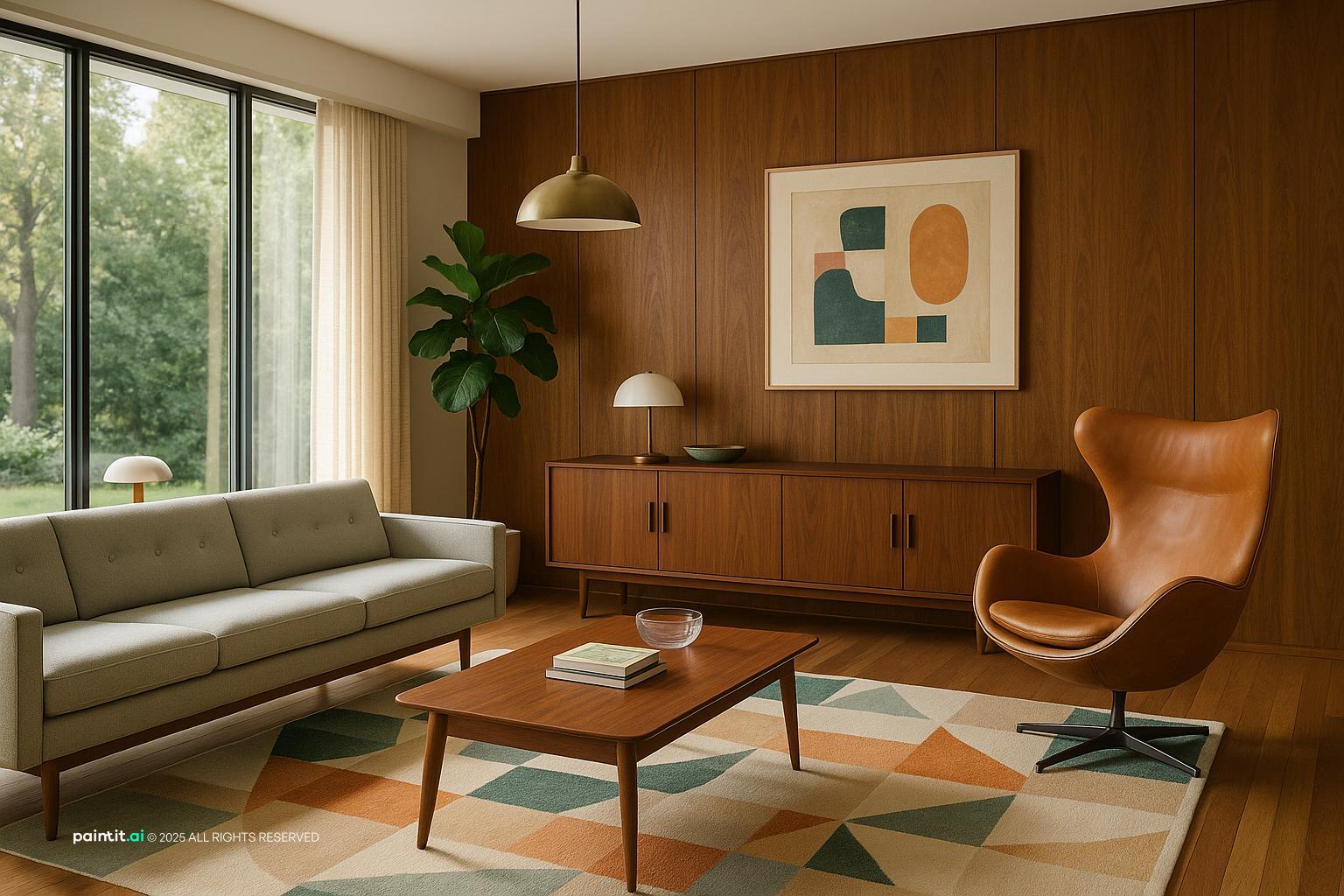
Mid-Century Modern Living Room Design uses blue accents, brown warmth and warm wood in a living room setting.
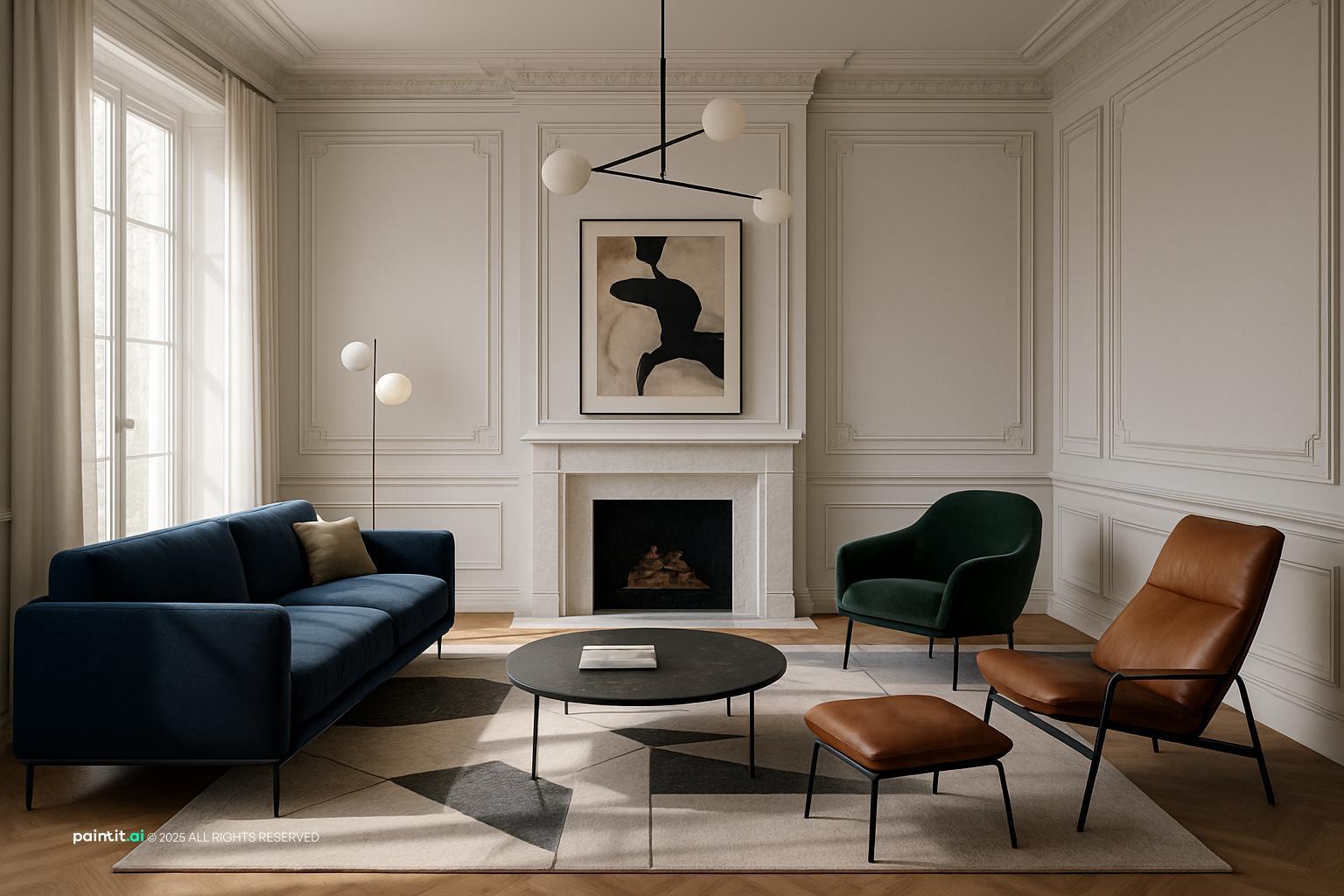
Blue and Brown Living Room Ideas with Blue Accents and Brown Warmth with Layered Neutrals balances blue accents, brown warmth and layered neutrals in a living room setting.
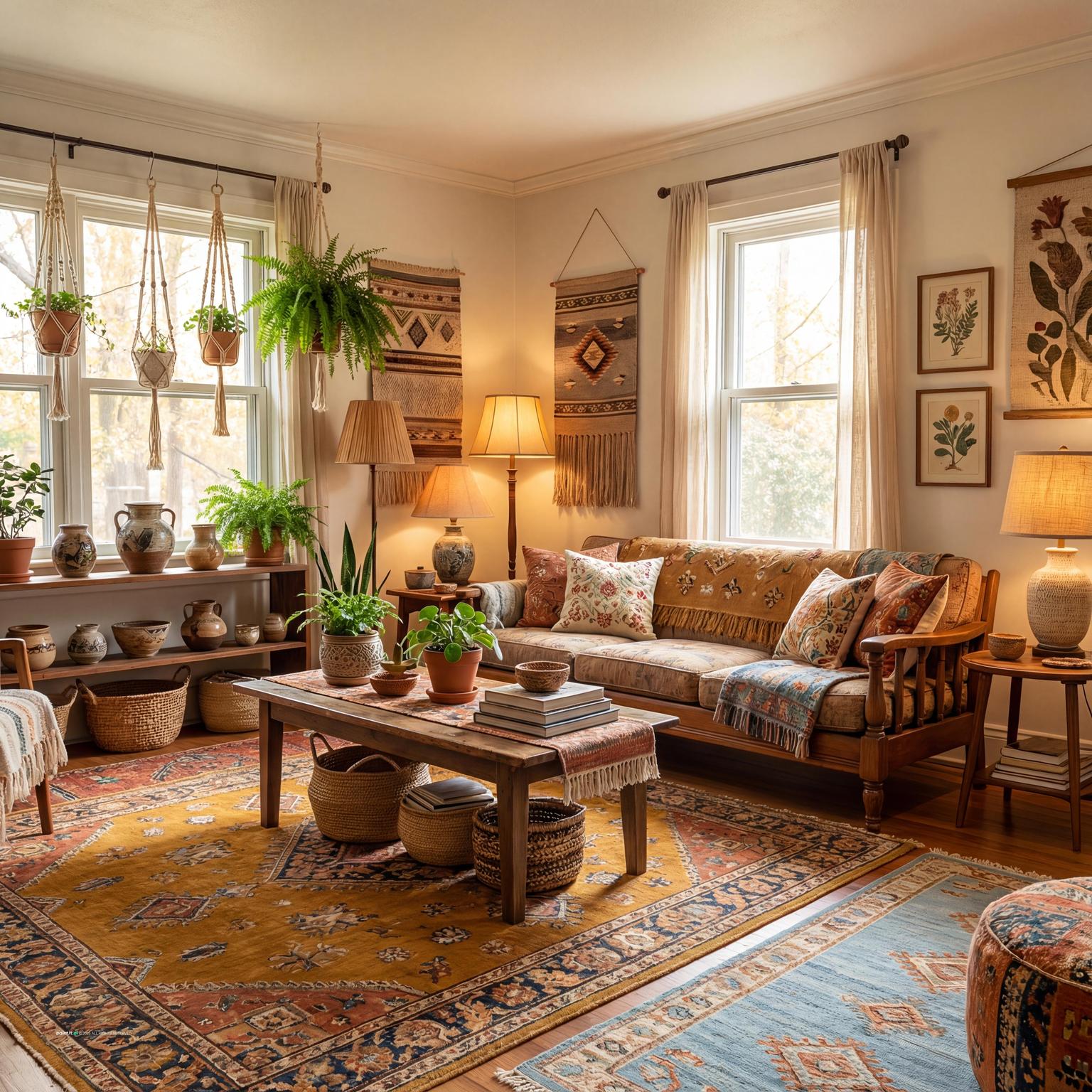
Vibrant Bohemian Living Room Design pairs blue accents, brown warmth and soft textiles in a living room setting.
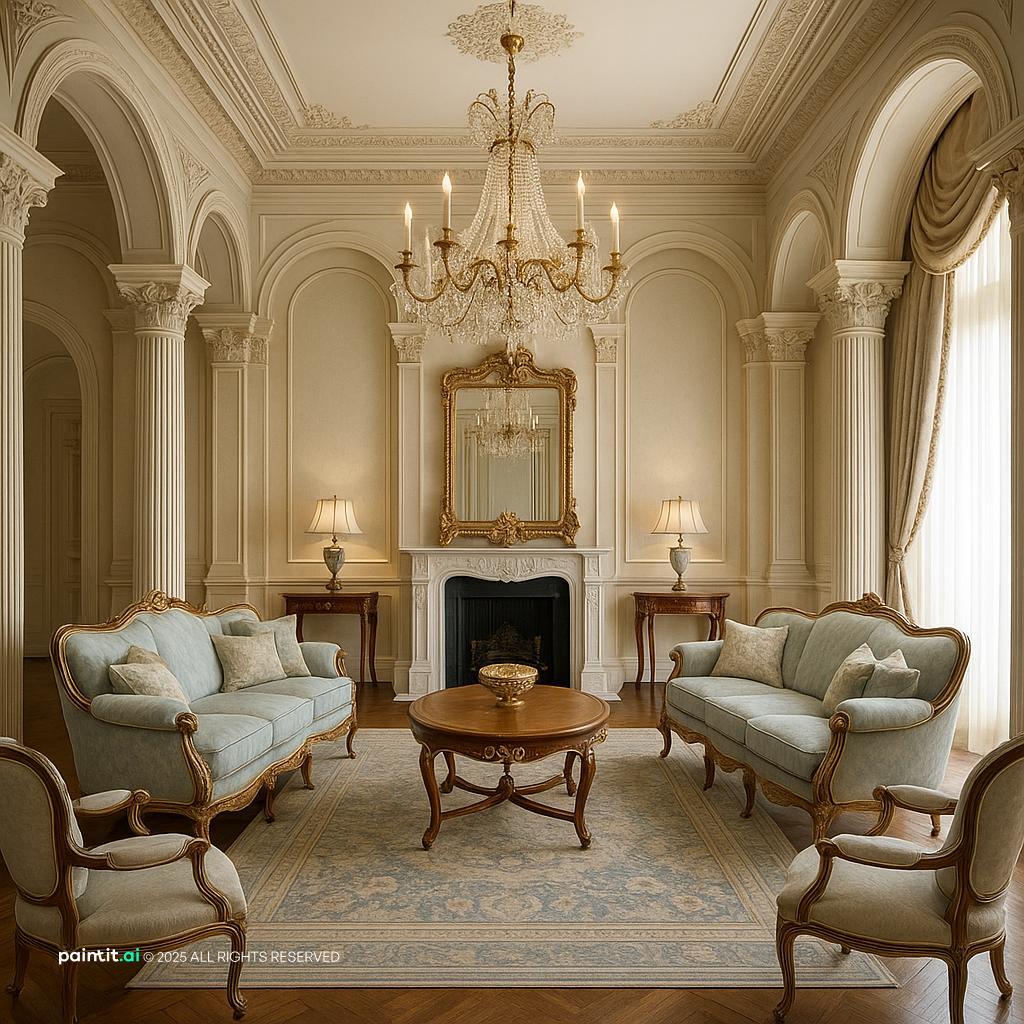
Elegant Neoclassical Living Room Design layers blue accents, brown warmth and layered neutrals in a living room setting.
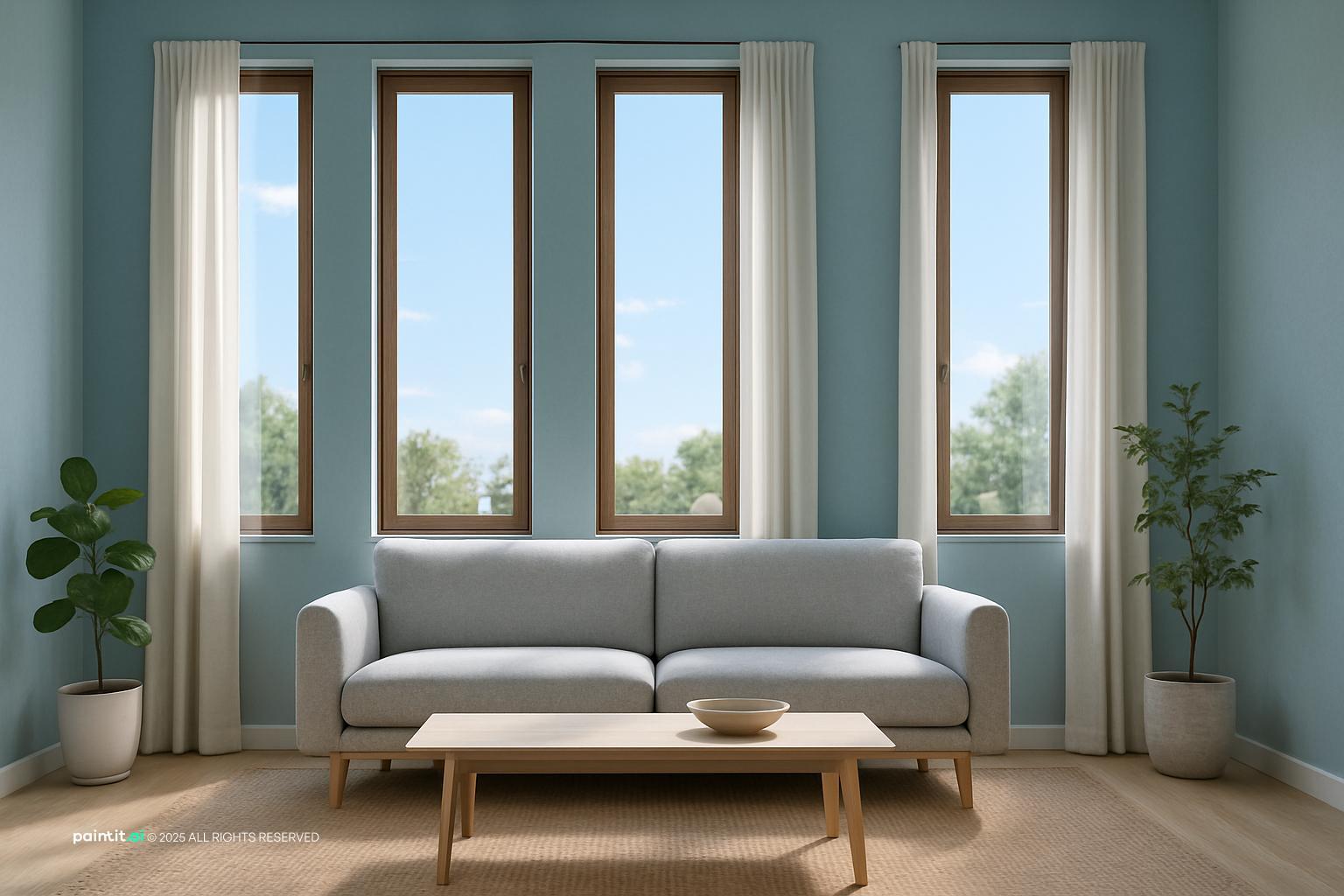
Serene Celeste Blue Minimalist Living Room anchors blue accents, brown warmth and plants and greenery in a living room setting.
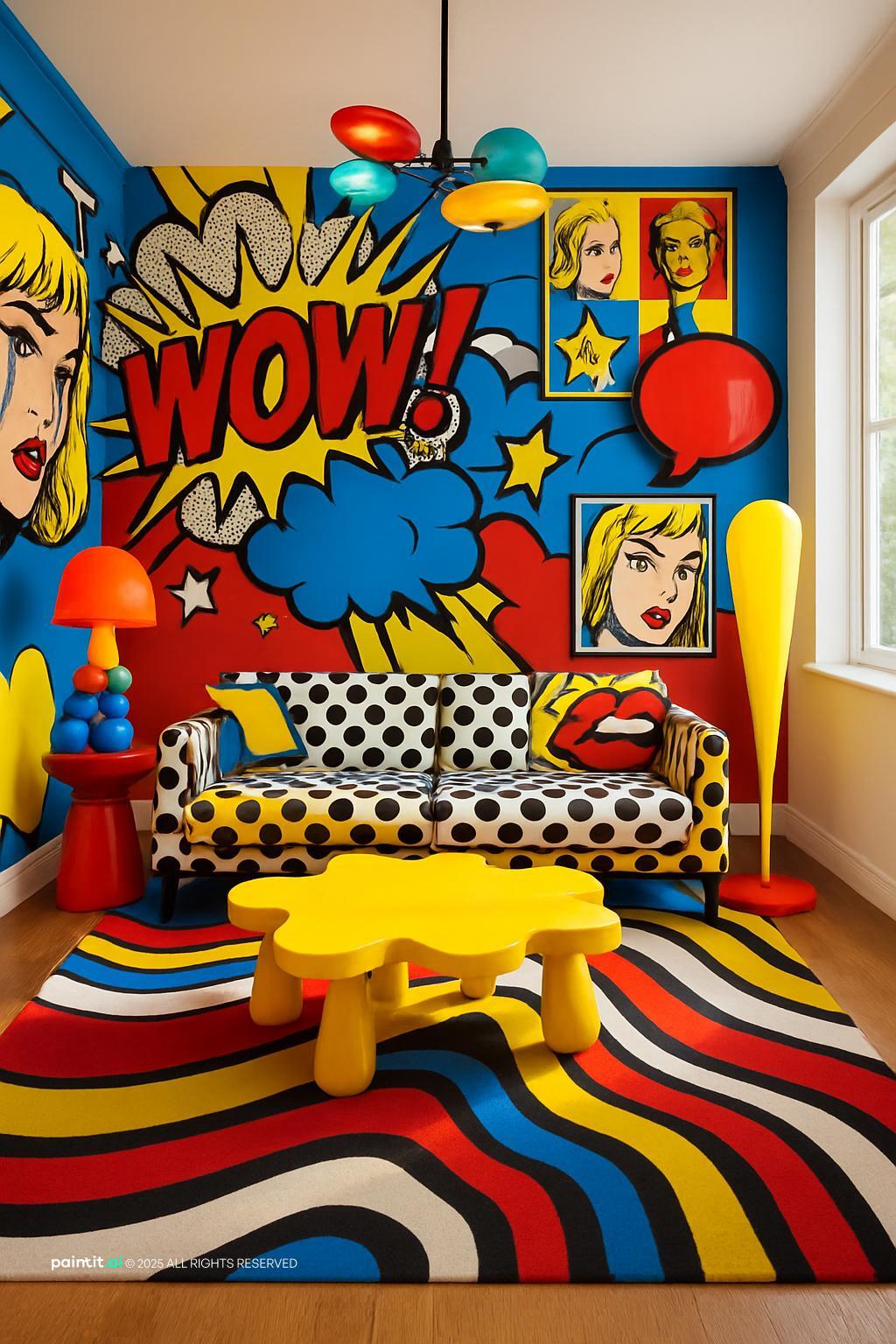
Blue and Brown Living Room Ideas with Blue Accents and Brown Warmth with Dark Contrast softens blue accents, brown warmth and dark contrast in a living room setting.
Before you buy anything blue, find every brown element that is already in the living room. Check the floor, coffee table, exposed beams, media cabinet, leather chair, window trim, shelving, or brown sofa. Those pieces decide the warmth of the room, so they should guide whether you choose icy blue, dusty blue, teal blue, denim, or navy.
Why it works: brown in a living room is usually a material, not just a color. Paintit.ai users specify material in 19.0% of prompts, and we see better tests when people name oak floors, walnut shelving, cognac leather, or rattan instead of asking for generic brown. If your wood has orange undertones, try navy, slate blue, or muted teal. If the wood is cool espresso, lighter blue or blue-gray can keep the room from feeling stern.
A navy and brown living room can feel tailored without becoming stiff when navy acts as the deep neutral and brown stays tactile. Try a deep navy blue accent wall behind a tan leather sofa, or use navy built-ins with a walnut coffee table and cream upholstery. Keep the ceiling and nearby walls lighter so the room still has air around the darker surfaces.
What to avoid: do not put dark navy on every wall if the room has small windows, dark floors, and bulky brown furniture. That combination can compress the room fast. If you want the drama, add warm lamps, lighter curtains, and wall art with cream or brass notes to break up the dark planes.
A brown sofa does not have to be the problem piece. It can anchor the whole scheme. Add blue through throw pillows, a patterned area rug, wall art, ceramic lamps, or curtains. With a leather sofa, choose textured blues such as linen, velvet, bouclé, or washed cotton so the room does not feel too slick.
Why it works: the sofa already carries visual weight, so the blue needs to create rhythm around it. Put one blue element near the sofa, one across the room, and one higher on the wall. That triangle keeps the eye moving and creates decor balance without making every object look matched from a set.
A blue sofa brown accents approach works especially well in apartments and newer homes where the walls and floors are neutral. Choose a blue sofa in denim, navy, peacock, or muted cobalt, then bring in brown through a wood coffee table, leather ottoman, woven baskets, and picture frames. The sofa becomes the color statement, while the brown pieces make the room feel lived in.
What to avoid: do not pair a highly saturated royal blue sofa with many reddish-brown pieces unless you want a very bold room. For most living rooms, a slightly grayed blue is easier to style. Leave at least 12 to 18 inches between sofa and coffee table where possible, so the darker pieces do not feel pushed together.
For a practical blue brown living room color scheme, use about 60% neutral base, 30% blue or brown, and 10% accent color. The neutral base might be cream walls, a taupe sectional, a jute rug, or pale oak flooring. The 30% could be navy seating, brown wood furniture, or a blue painted wall.
Why it works: this keeps the palette from turning into a two-color costume. The 10% accent can be brass, black, rust, ivory, soft green, or terracotta. Use it in small pieces such as a lamp base, vase, book stack, frame, or patterned pillow. If the room starts to feel busy, remove the extra accent first, not the blue or brown anchor.
A neutral rug is often the easiest bridge between blue and brown. Look for warm ivory, oatmeal, greige, faded blue, camel, or a vintage-style pattern that includes both tones. The rug should sit under at least the front legs of the sofa and main chairs; otherwise, the seating group can look like separate furniture pieces instead of one conversation area.
What to avoid: a rug that is too small or too high-contrast can make the room feel busier than it is. If you have a dark brown sofa and navy chairs, a very dark rug may make the furniture visually sink. A lighter rug gives each piece a visible edge and makes the traffic path around the seating area easier to read.
An accent wall works best when there is a clear reason for it: a fireplace wall, built-in shelving, the wall behind the sofa, or the TV wall. Blue is usually more forgiving than brown here because it creates depth without copying the furniture. Brown walls can work, but they need texture, controlled sheen, or strong art so they do not go flat.
In Paintit.ai, we often see users refine a room with wording like 'a bit darker' or 'now make it warmer'; 15.0% of all prompts contain refinement language. That is exactly how I would test an accent wall. Try one version with muted navy, one with blue-gray, and one with warmer teal before you commit to paint.
Curtains can soften a blue and brown room more than another pillow will. If the room is already dark, use warm white, flax, or oatmeal linen curtains. If the furniture is light, try blue-gray drapery or a subtle stripe that ties into the sofa and rug.
Why it works: curtains sit on the vertical plane, so they affect the full height of the room. Hang them high and wide to keep the window from looking squeezed. Avoid shiny brown curtains unless the room has plenty of matte fabric elsewhere; they can make the palette feel dated or too heavy.
You do not need every brown finish to match. In fact, a room with only one wood tone can look more staged than natural. Pair light oak with walnut, or cognac leather with medium brown wood, but repeat each tone at least twice so it feels deliberate.
What to avoid: too many unrelated browns in tiny doses. A cherry table, gray-brown floor, orange leather chair, espresso media unit, and beige rug can fight each other. If that is your starting point, keep the largest fixed element and simplify the rest. For a more methodical process, the Paintit.ai workflow in how to redesign a living room with Paintit.ai is useful because you can keep existing floors or trim while changing only the wall color, sofa, or rug.
A modern blue and brown living room should not rely only on clean lines. Use a low-profile sofa, simple tables, and uncluttered walls, then warm the space with grainy wood, leather, wool, linen, and matte ceramics. Black metal can sharpen the room, but it should not be the only finish.
Why it works: modern rooms can turn cold when blue is paired only with gray, chrome, and white. Brown materials give the eye somewhere softer to land. Try a navy sectional, walnut media console, cream wool rug, and one sculptural brass or bronze lamp for contrast.
Wall art is a low-risk way to connect blue and brown without repainting or replacing furniture. Look for abstracts, ink drawings, textiles, or photography with blue shadows, tan paper, sepia notes, or warm wood frames. Oversized art above the sofa should usually be about two-thirds the sofa width, not a tiny frame floating in the middle of the wall.
What to avoid: art that repeats the exact sofa color and exact wood color too literally. A little variation feels more collected. If your walls are blue, use art with cream matting or pale negative space so the piece does not disappear into the wall.
When people upload a living room with dark furniture, the first weak spot is often lighting. Lighting is named in only 5.9% of prompts, but it changes everything in a blue and brown room because both colors can absorb light. Use at least three sources: overhead or ambient light, a task lamp near seating, and an accent lamp or picture light for depth.
Why it works: layered lighting creates highlights on leather, shadow on textured fabric, and glow on wood grain. Use warm bulbs rather than cool blue-white bulbs, especially with navy walls or brown upholstery. Avoid placing all lamps at the same height; mix a floor lamp, table lamp, and wall or shelf light so the room does not read as one flat block of color.
Use the second gallery to study tradeoffs: dark blue walls versus blue furniture, tan leather versus espresso wood, plain rugs versus patterned rugs, and warm brass versus black metal details.
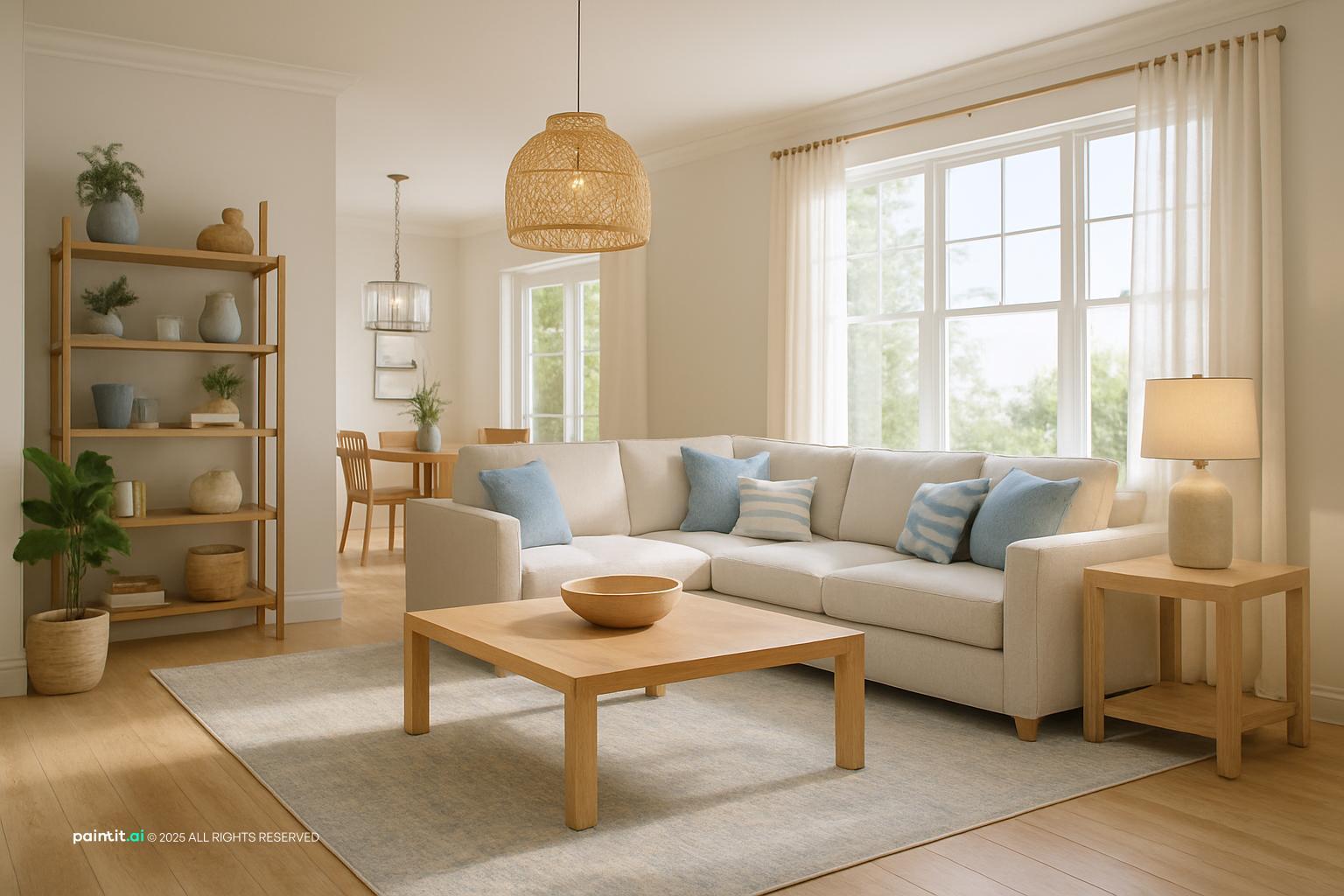
Blue and Brown Living Room Ideas with Blue Accents and Brown Warmth with Soft Textiles uses blue accents, brown warmth and soft textiles in a living room setting.
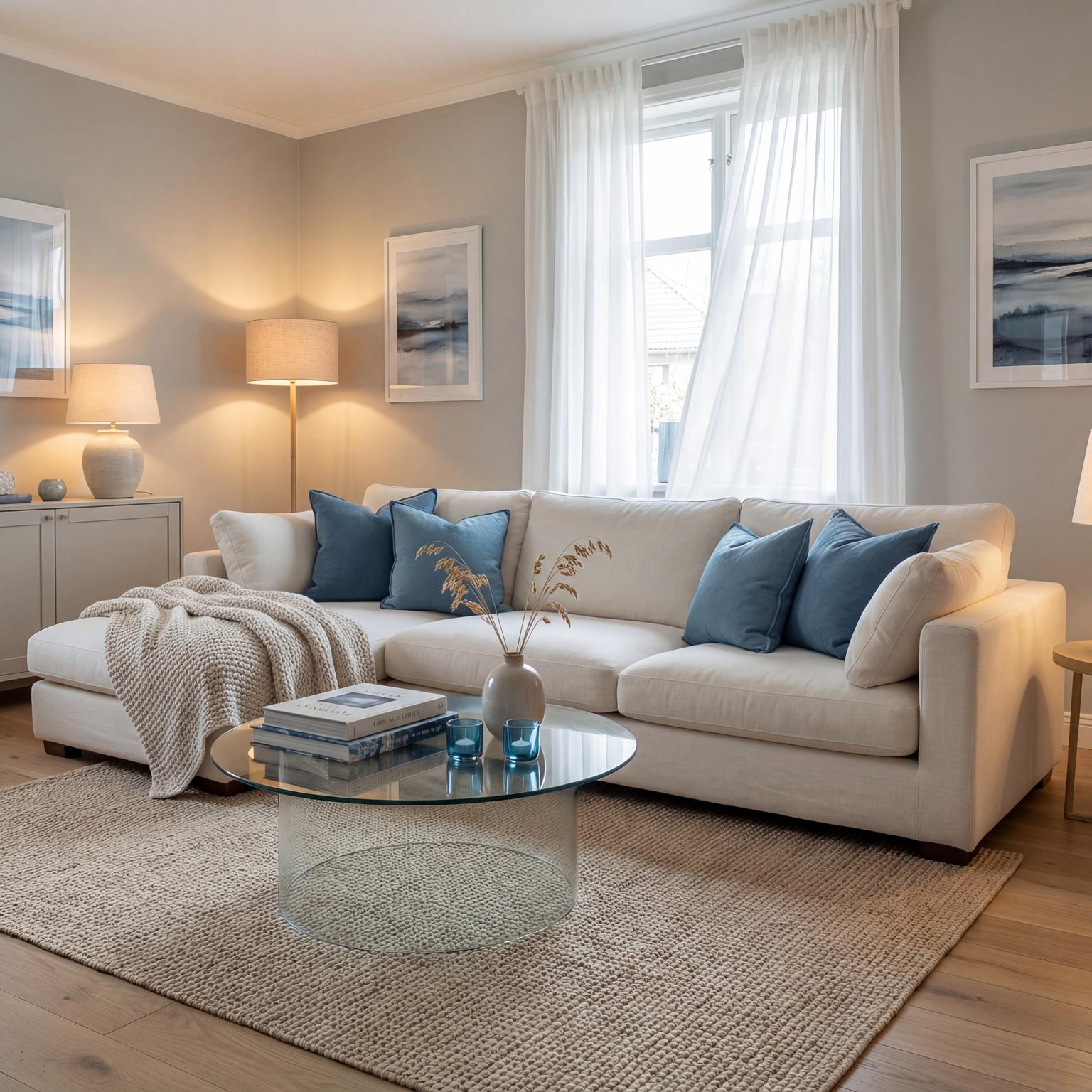
Cozy Living Room in Repose Grey and Oceanside Blue balances blue accents, brown warmth and warm wood in a living room setting.
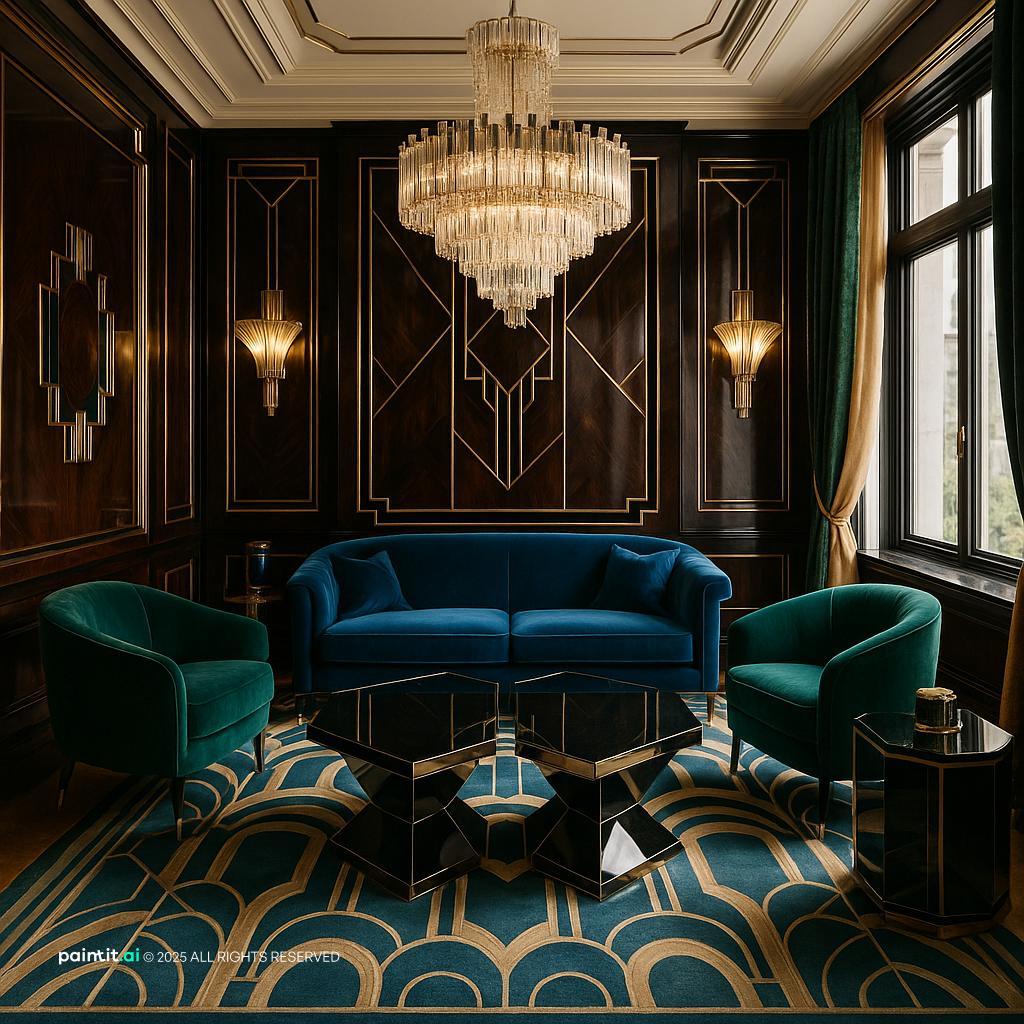
Elegant Art Deco Living Room Design pairs blue accents, brown warmth and metal accents in a living room setting.
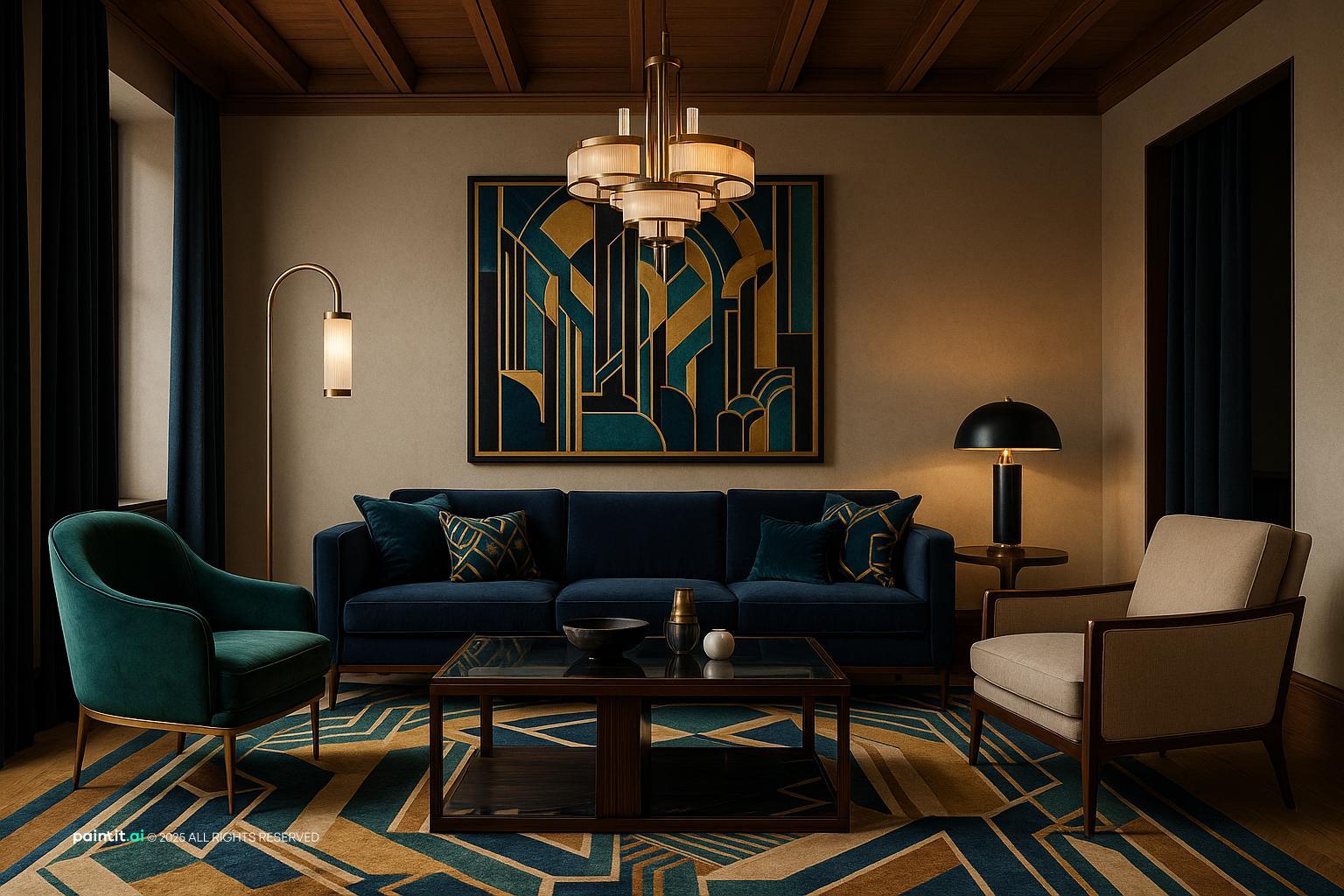
Elegant Art Deco Living Room Design with Blue Accents layers blue accents, brown warmth and metal accents in a living room setting.
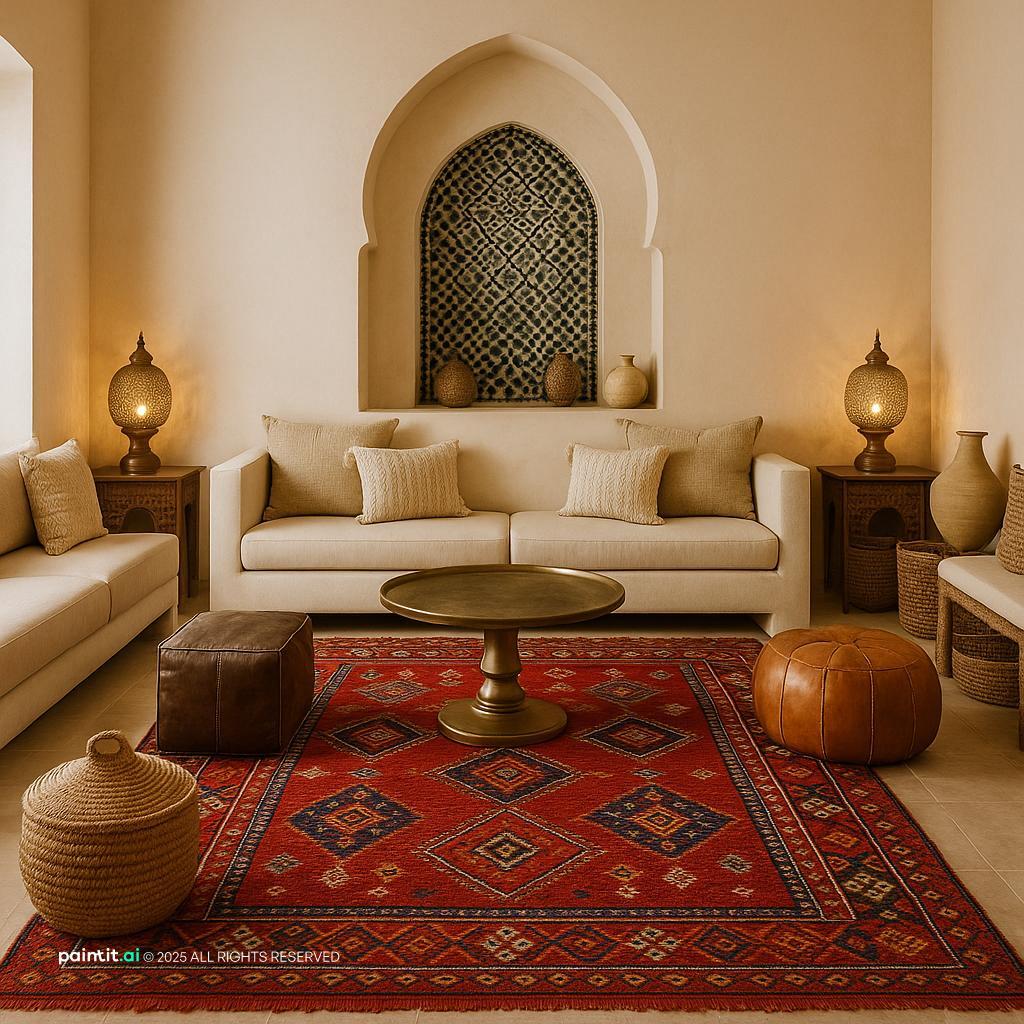
Elegant Moroccan Living Room Design anchors blue accents, brown warmth and metal accents in a living room setting.
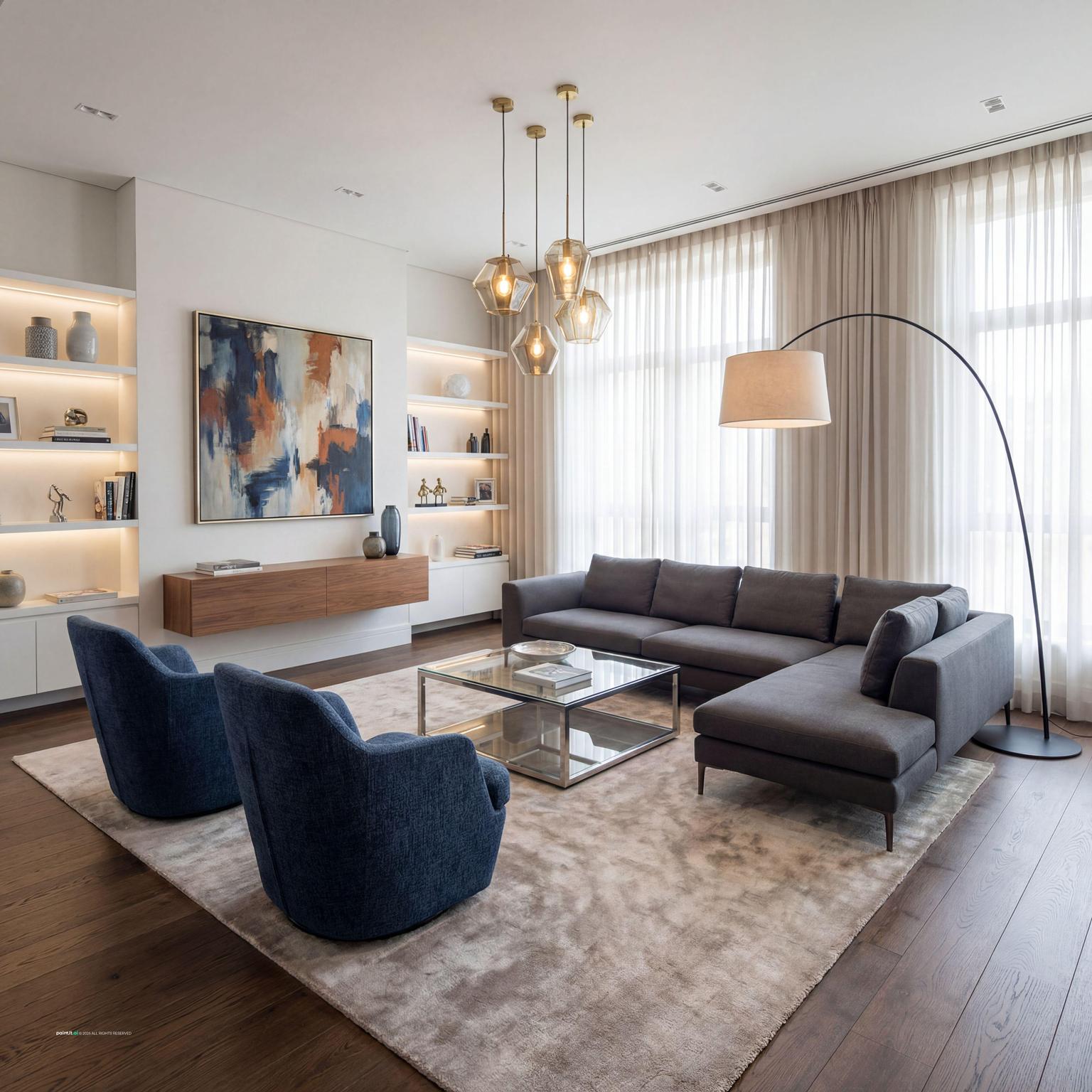
Stunning Contemporary Living Room Design 2025 softens blue accents, brown warmth and metal accents in a living room setting.
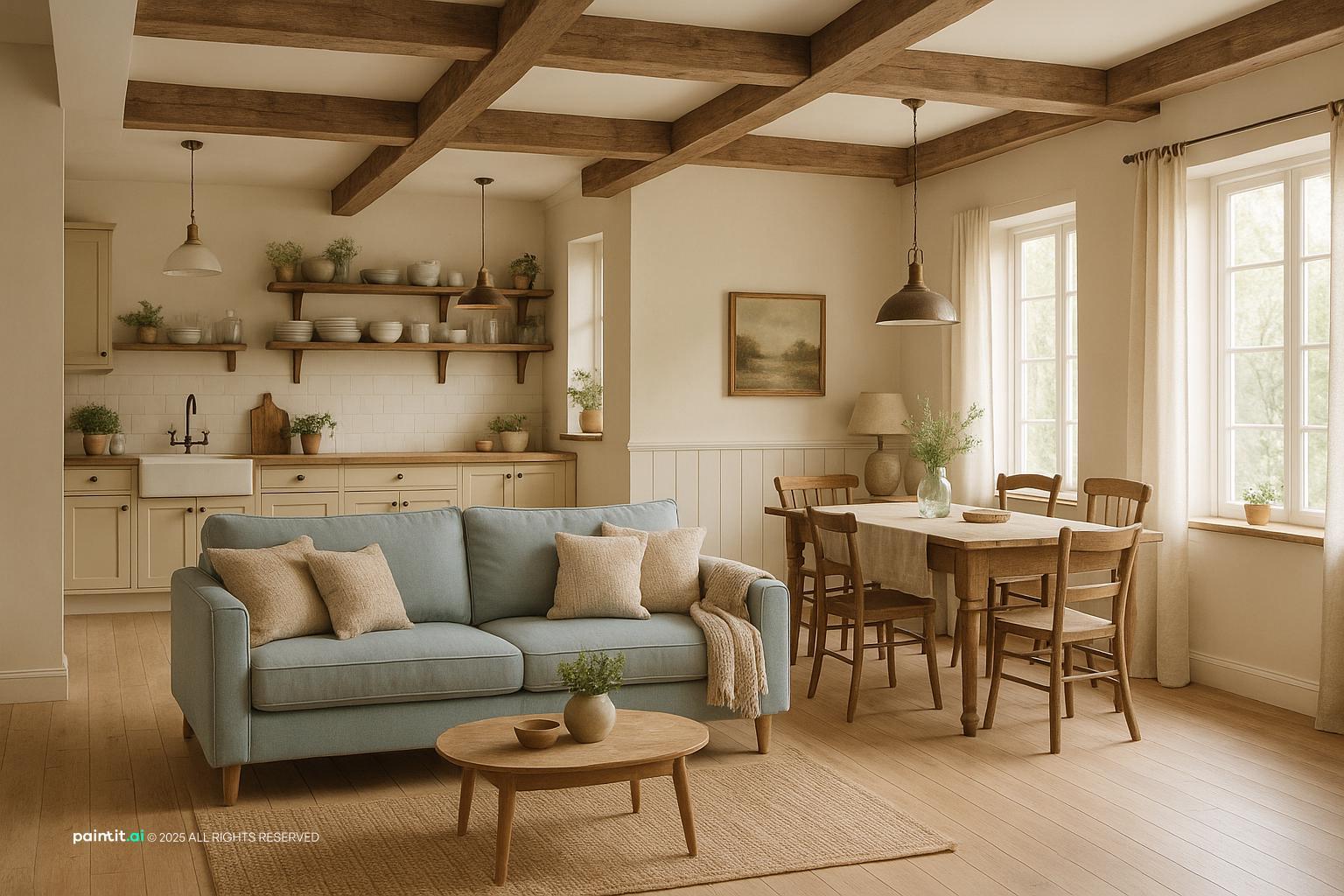
Cozy Farmhouse Open Concept Living Room Design uses blue accents, brown warmth and warm wood in a living room setting.
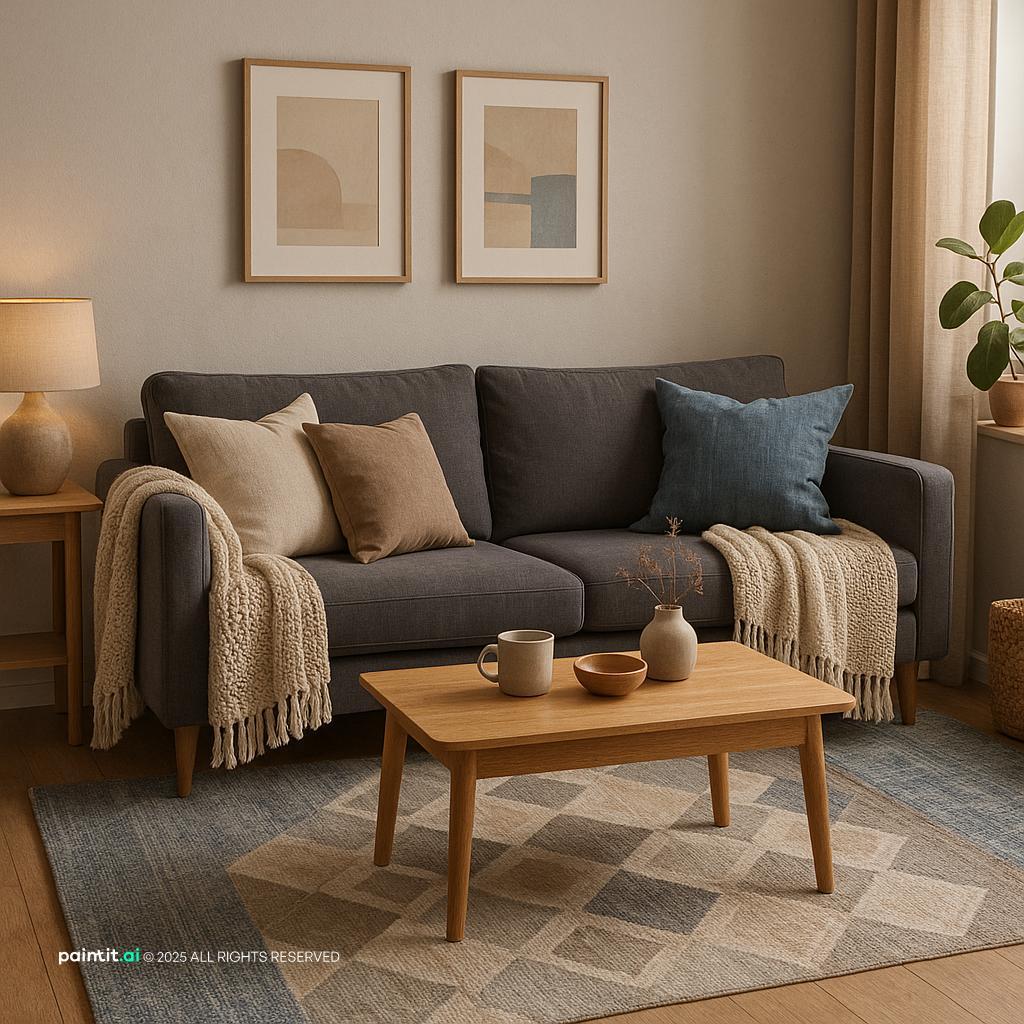
Cozy Modern Contemporary Living Room Design balances blue accents, brown warmth and layered neutrals in a living room setting.
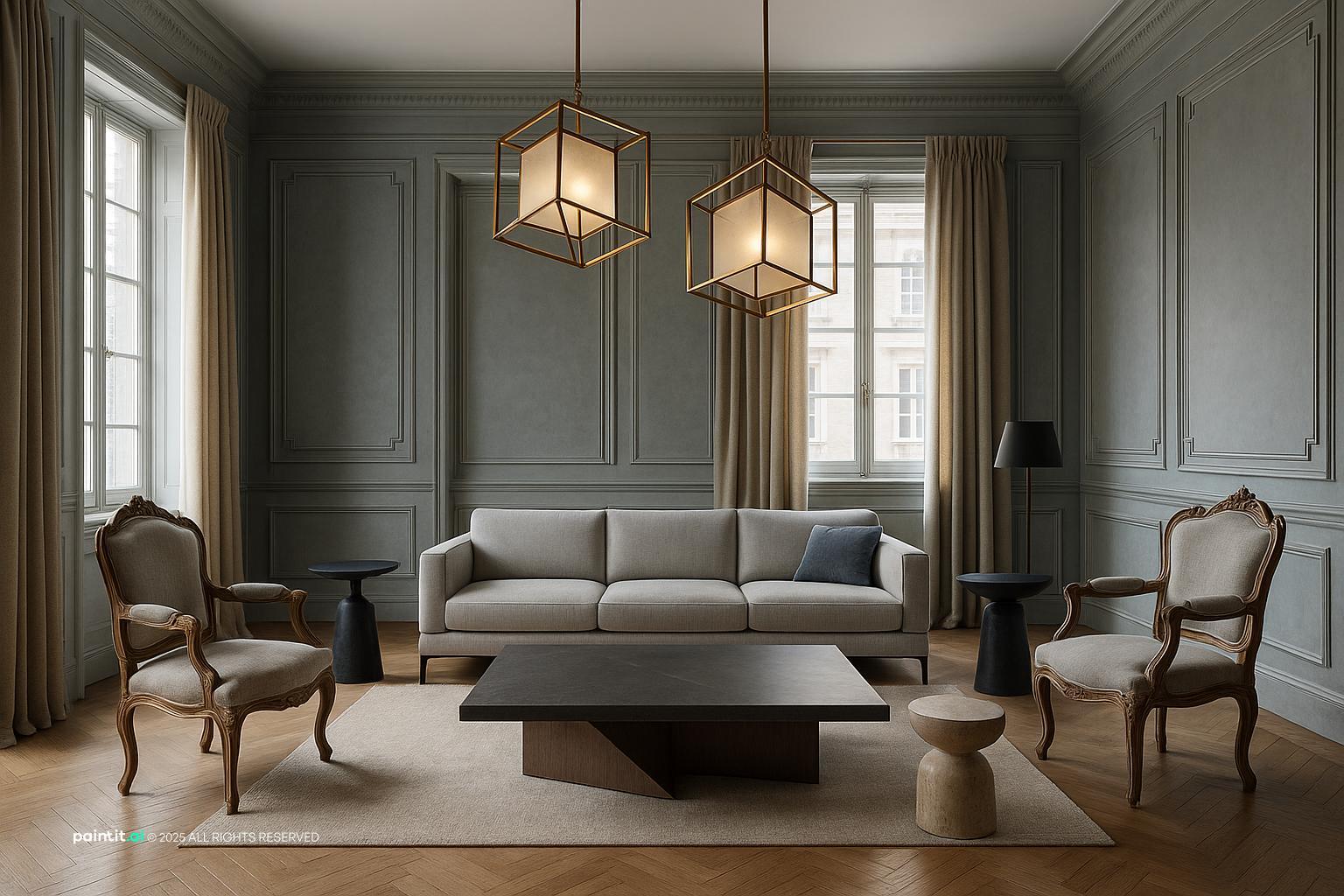
Blue and Brown Living Room Ideas with Blue Accents and Brown Warmth with Metal Accents pairs blue accents, brown warmth and metal accents in a living room setting.
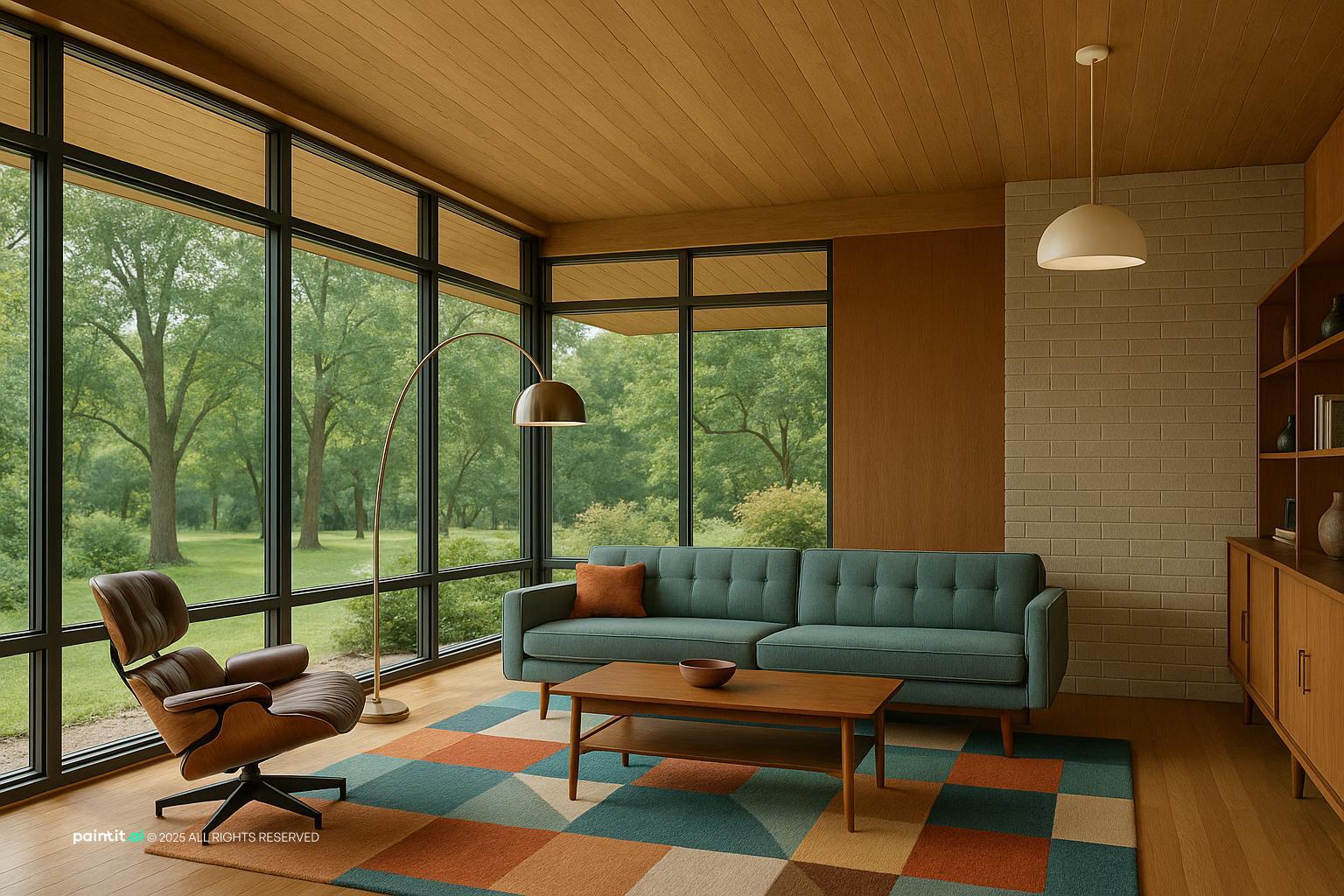
Blue and Brown Living Room Ideas with Blue Accents and Brown Warmth with Natural Light layers blue accents, brown warmth and natural light in a living room setting.
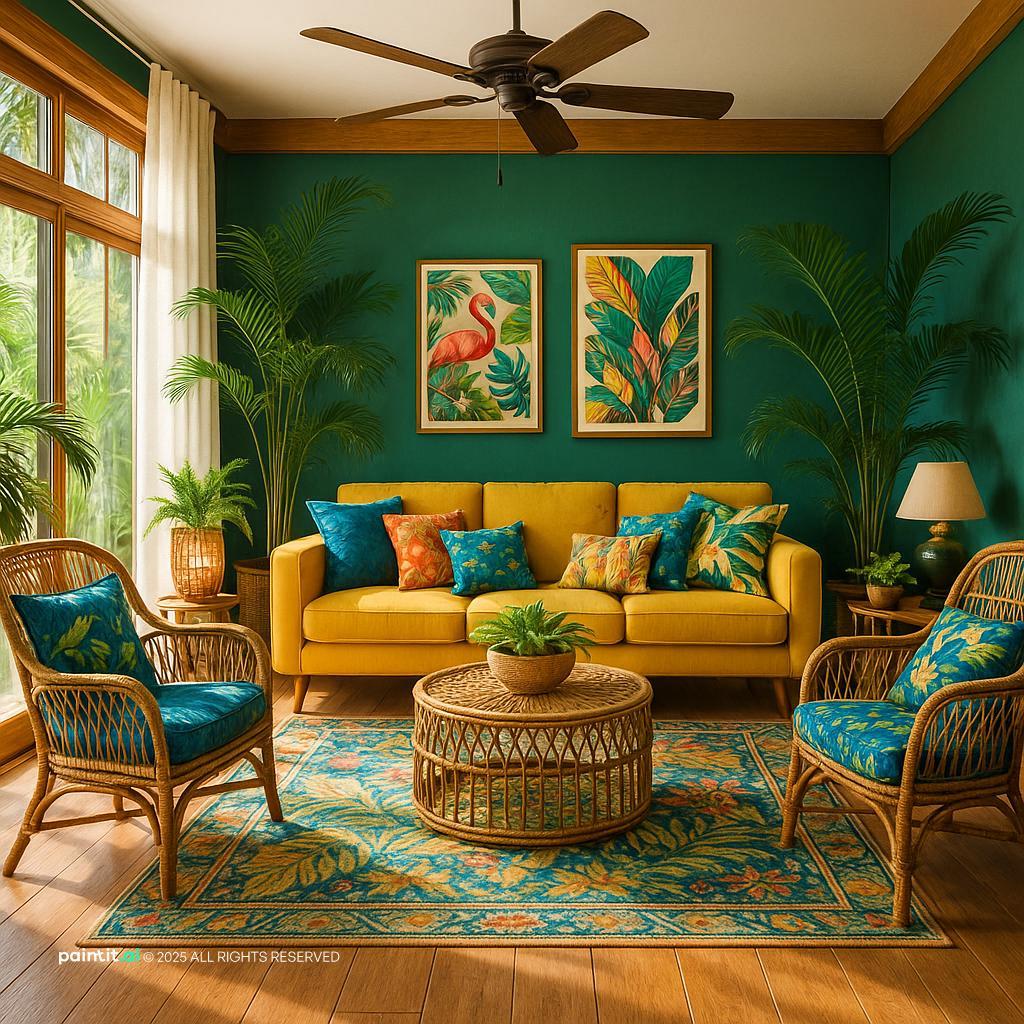
Tropical Living Room Design anchors blue accents, brown warmth and soft textiles in a living room setting.
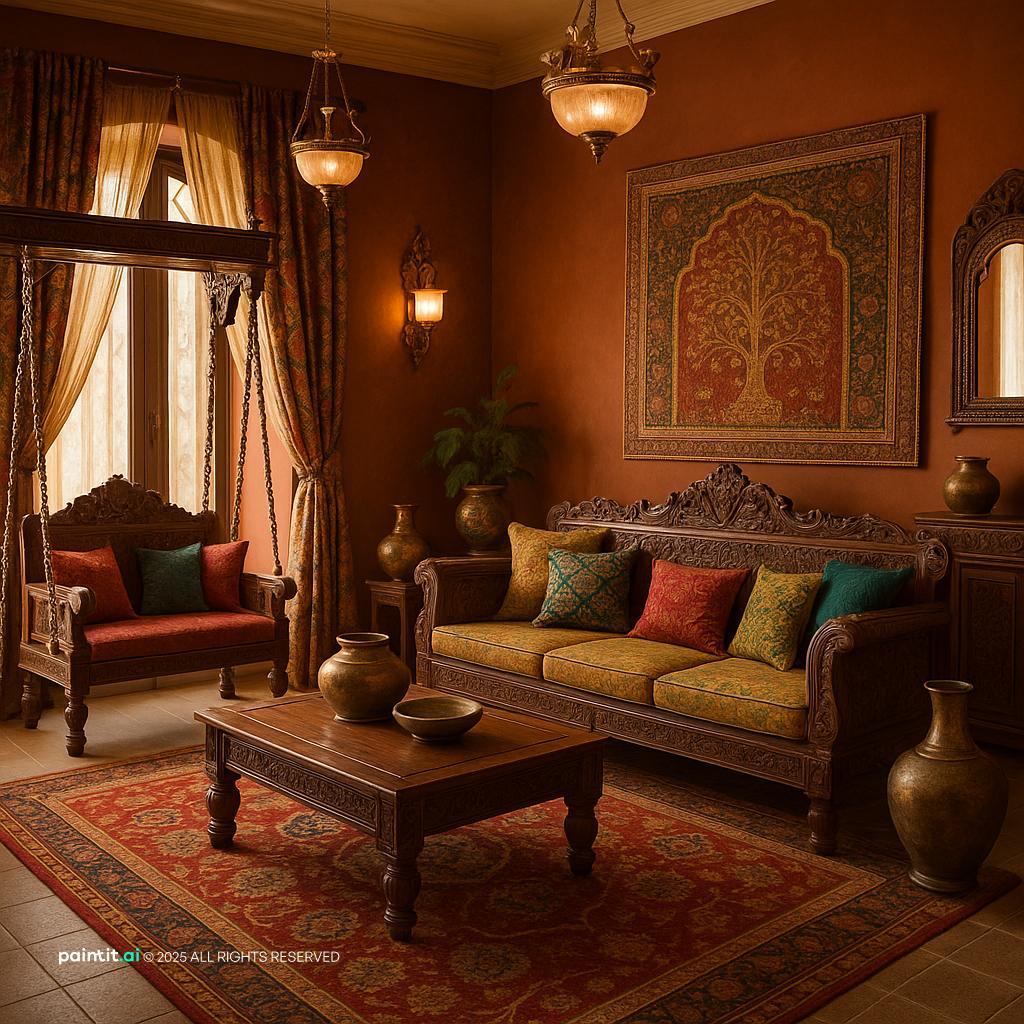
Elegant Indian-Style Living Room Design softens blue accents, brown warmth and soft textiles in a living room setting.
Muted navy, slate, denim, and blue-gray are usually easier with brown than bright primary blue. Use cooler blues with orange oak when you want contrast, and greener blues with cognac or camel when you want warmth. Do not choose blue from a tiny paint chip only; test it beside the sofa, floor, and window at different times of day.
Brown looks best when it comes through wood grain, leather, cane, rattan, wool, or clay. A flat brown painted wall can work, but it needs strong styling and lighting to avoid looking lifeless. In Paintit.ai tests, we often see that users who specify wood tones alongside blue get more realistic previews than those who simply request brown.
Throw pillows, blankets, curtains, and upholstered ottomans are where you can adjust the room without major spending. Mix one solid blue, one warm neutral, and one patterned textile that includes both tones. Avoid five identical pillows; varied scale and texture make the seating feel more natural.
Brass, aged bronze, and antique gold warm up navy and dark brown. Black metal gives a sharper modern edge, especially with pale oak and blue-gray walls. Chrome can work in a cooler scheme, but it may feel stark if the room already has dark leather and deep blue paint.
If the floor is dark brown, choose a rug with a lighter ground color so the furniture does not merge into the floor. If the floor is pale, you can use a richer patterned rug with indigo, tan, and cream. Avoid a rug that matches the sofa too closely; the rug edge should help define the seating area.
Blue walls and brown furniture both need highlights. Use warm ambient lighting, a reading lamp near the main seat, and a smaller accent light on shelving, art, or a sideboard. For realistic planning, AI virtual staging can help compare how a dark palette reads when the room is furnished, especially if you are starting with an empty or nearly empty space.
Use books, ceramics, greenery, wood bowls, and framed art to interrupt large blue and brown zones. A plant is especially useful because green sits naturally between cool blue and warm brown. Avoid filling every surface; leave negative space on the coffee table and shelves so the palette feels designed, not crowded.
Paintit.ai lets you upload your actual living room and test wall color, sofa direction, wood finishes, rug tone, curtains, lighting mood, and staging choices before spending on paint or furniture. If you are unsure whether navy will work with oak floors or whether a tan leather chair will overpower a blue sofa, try those changes in AI living room design first.
For the most useful results, use direct instructions: keep the existing floor, change the wall to muted navy, add a neutral rug, make the room warmer, remove the dark coffee table. You can also compare broader layouts with AI room design when the color question is tied to furniture placement. Professional-style prompts often preserve strong architectural elements while changing only the pieces that need testing.
Yes. Blue cools the room visually, while brown adds warmth through wood, leather, and natural texture. The combination works best when there is clear contrast, enough light, and a softer neutral such as cream, ivory, oatmeal, or greige to give the eye a break.
Start with the largest brown element, such as flooring, trim, or a sofa, then choose a blue that suits its undertone. Add a neutral rug, varied textiles, wall art, curtains, and warm lighting so the palette feels connected instead of simply color-matched.
Cream, ivory, brass, black, rust, terracotta, soft green, and warm gray all work well. Pick one or two accent colors and repeat them in small places, such as a lamp, frame, vase, or throw pillows, so the room does not become visually scattered.
Vary the materials and the lighting. Pair matte blue paint with wood grain, leather, linen, wool, rattan, or metal finishes, then add layered lighting at different heights. If the room still feels flat, adjust one thing at a time: make the blue warmer, lighten the rug, or add a lamp before buying more decor.
Not always. Navy works well with tan leather, walnut, oak, and cream textiles, but it needs contrast. Use lighter curtains, a pale rug, warm lamps, and some reflective or lighter wall art if the room has limited natural light.