
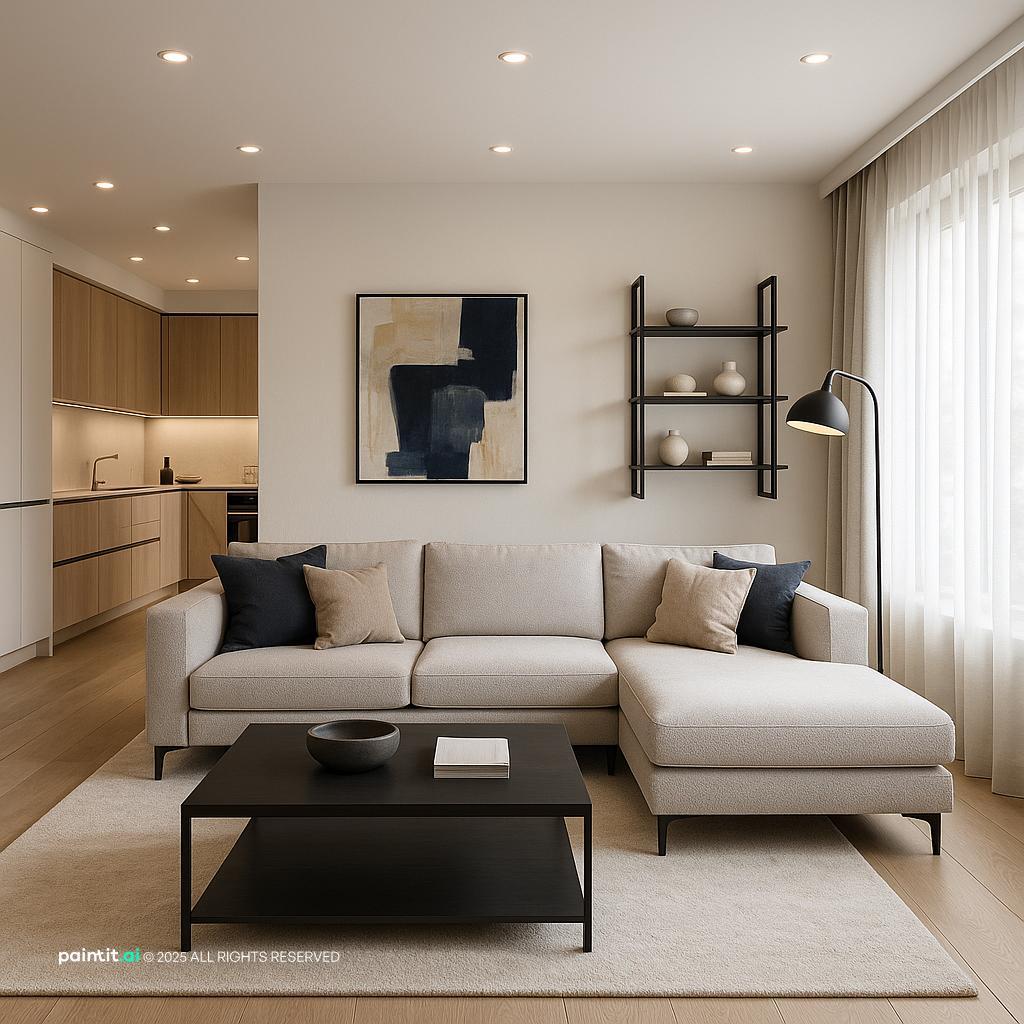
Stylish Modern Living Room Design
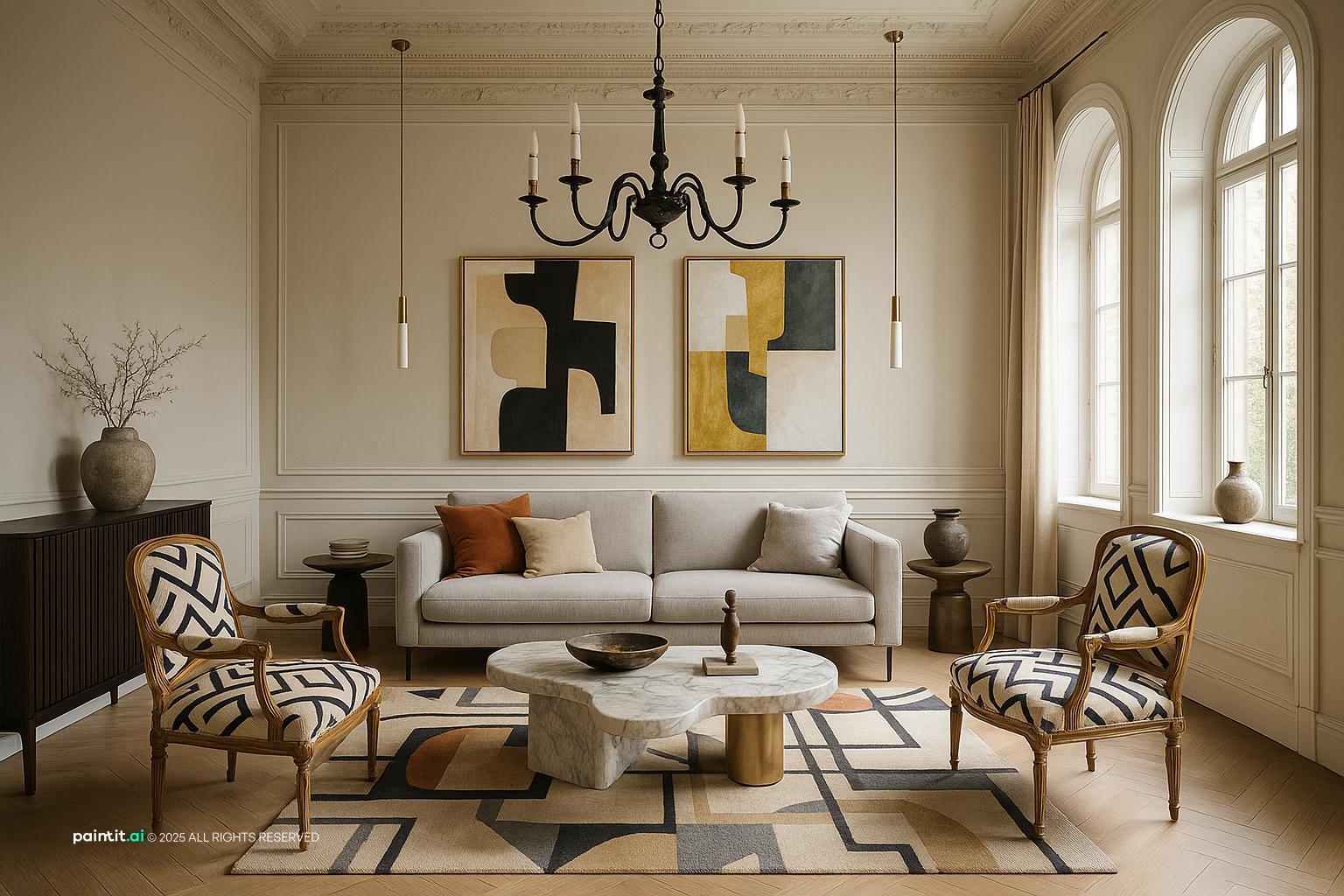
Stylish Modern Living Room Design uses beige foundation, metal accents and layered neutrals in a living room setting.
Beige living room ideas work when beige is treated as part of the whole room, not as a safe default for the walls. The shade matters, but so do the sofa shape, rug texture, wood finish, curtain weight, and the temperature of the bulbs. That mix decides whether the room feels calm and layered or pale and unfinished. Start with what the room already gives you: natural light, flooring, window placement, ceiling height, and any furniture you want to keep. Then add contrast through texture, undertone, and scale. In real uploads, the beige rooms that look best are rarely the ones with the most beige. They are the ones with the clearest choices.
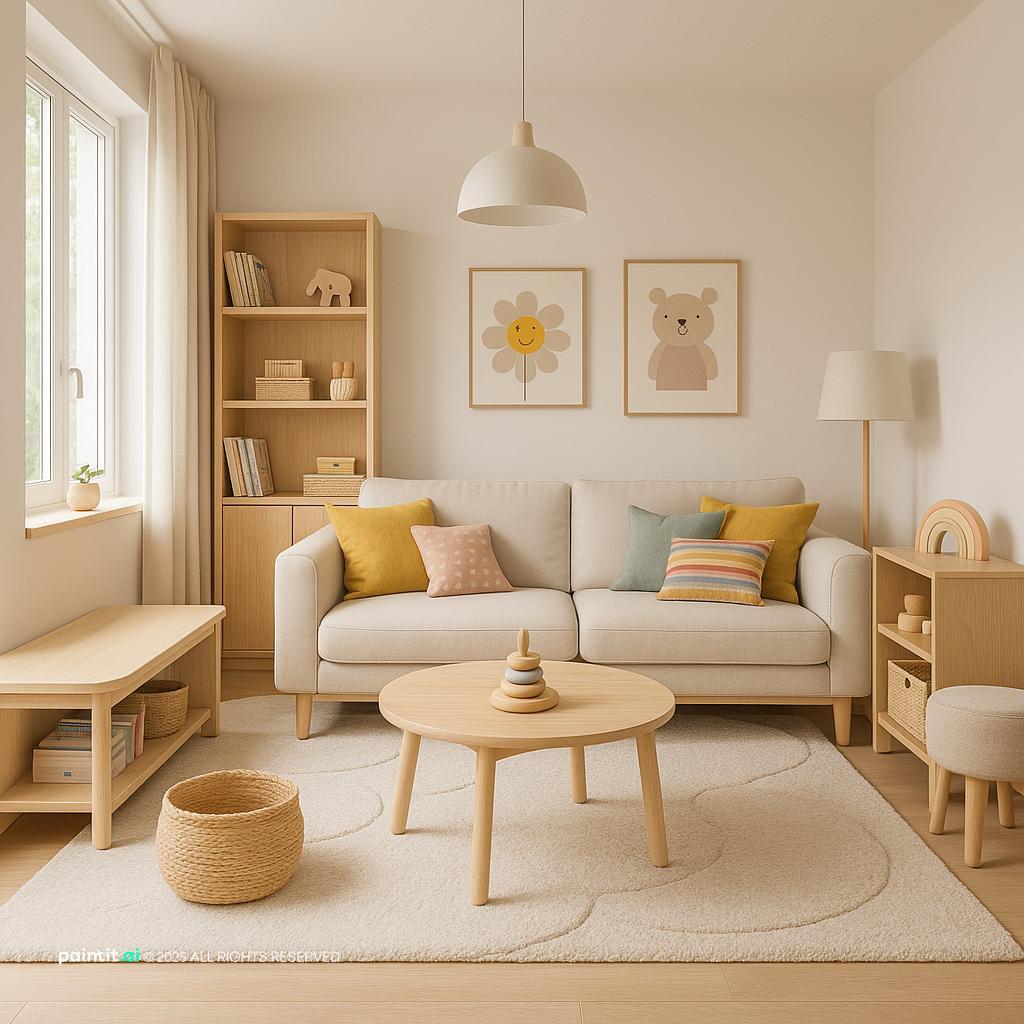
A beige room can look warm, modern, traditional, coastal, Japandi, or minimal depending on what sits around it. Beige walls beside pale oak, linen curtains, black metal accents, and a wool rug read very differently from beige beside glossy tile, cool grey upholstery, and bright white trim.
In Paintit.ai usage, color modifiers such as white, beige, and sage appear in 27.6% of prompts, which shows how often people start with palette. But material terms such as wood, marble, and brick appear in 19.0% of prompts too, and that is the part many rooms need. A strong beige living room color scheme usually needs at least two visible materials, not just one perfect paint color.
Use the first gallery to compare what actually changes the room: undertones, contrast levels, and furniture weight. Look at warm beige with oak, stone beige with black accents, creamy beige with white trim, and deeper taupe beige for rooms that need more definition.
Stylish Modern Living Room Design uses beige foundation, metal accents and layered neutrals in a living room setting.
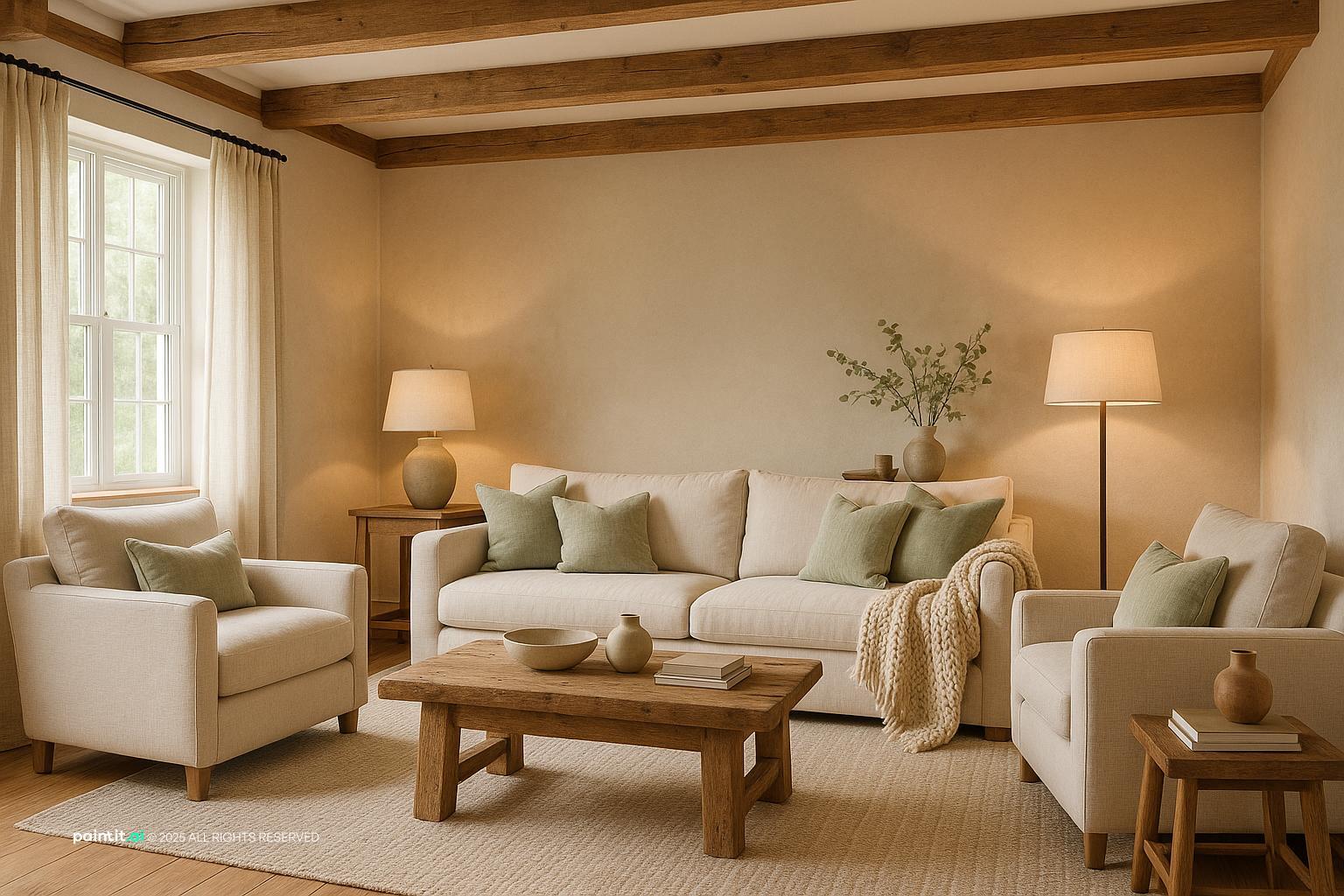
Cozy Contemporary Cottage Living Room Design balances beige foundation, warm wood and soft textiles in a living room setting.
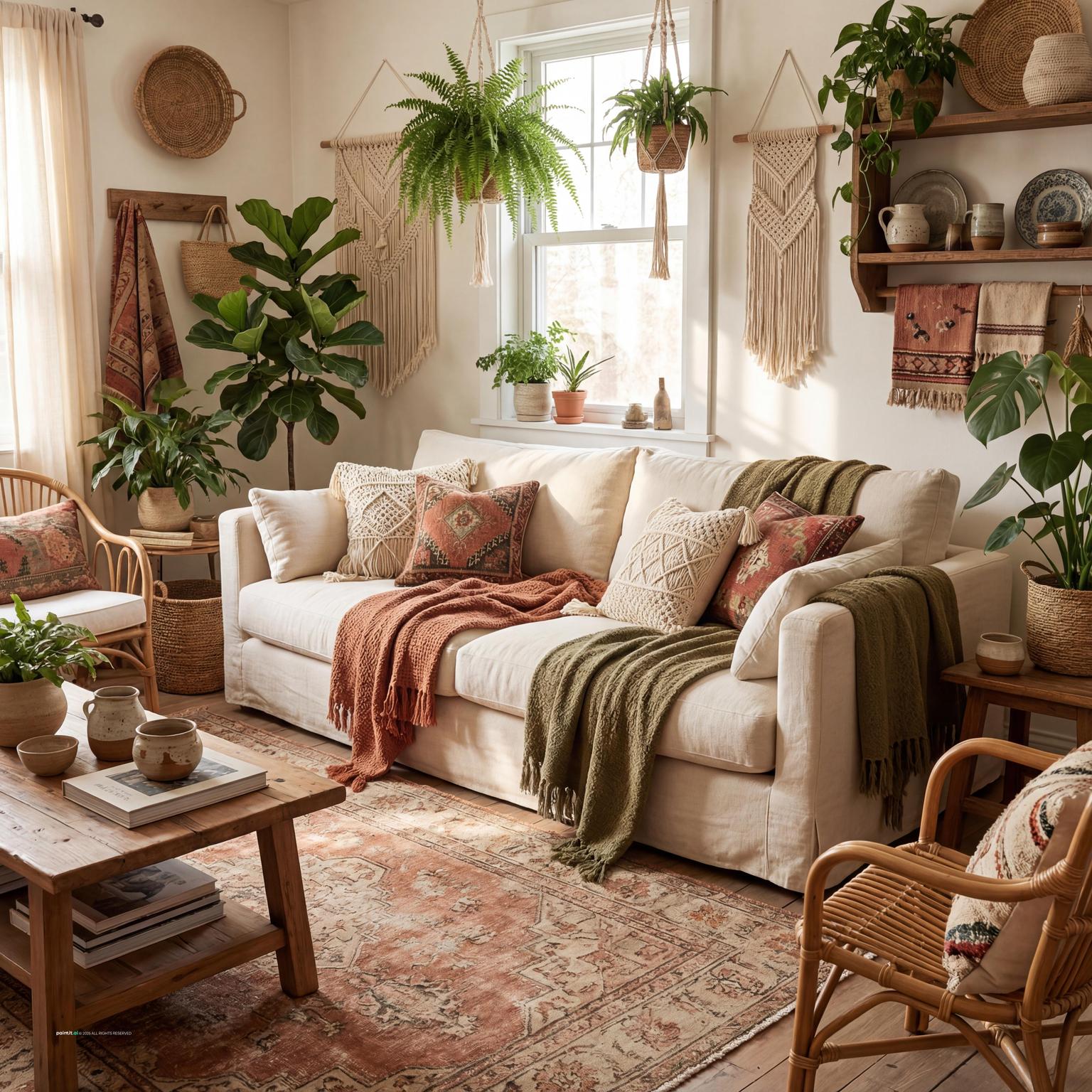
Cozy Bohemian Living Room Design pairs beige foundation, soft textiles and plants and greenery in a living room setting.
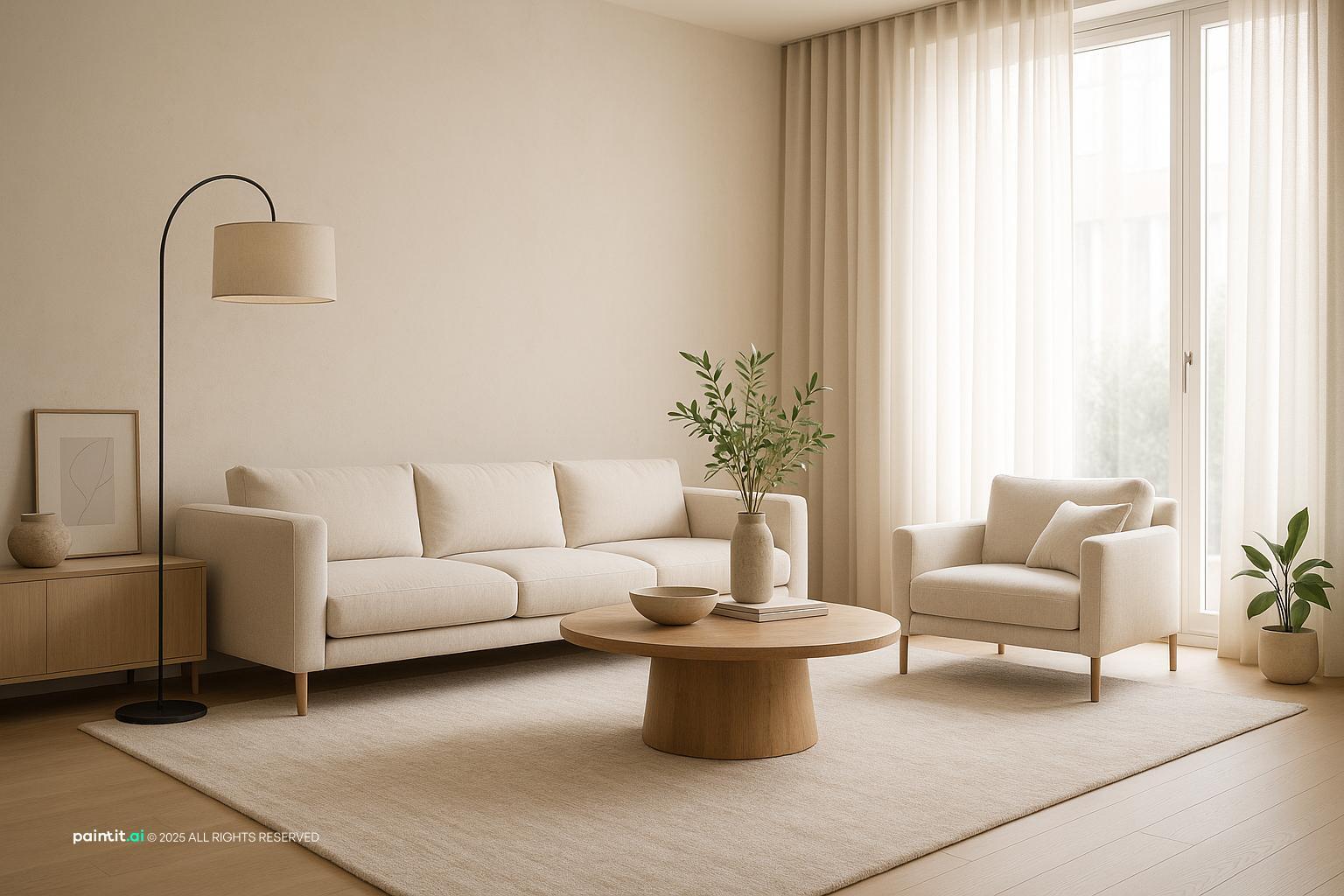
Beige Living Room Ideas with Beige Foundation and Soft Textiles layers beige foundation, soft textiles and metal accents in a living room setting.
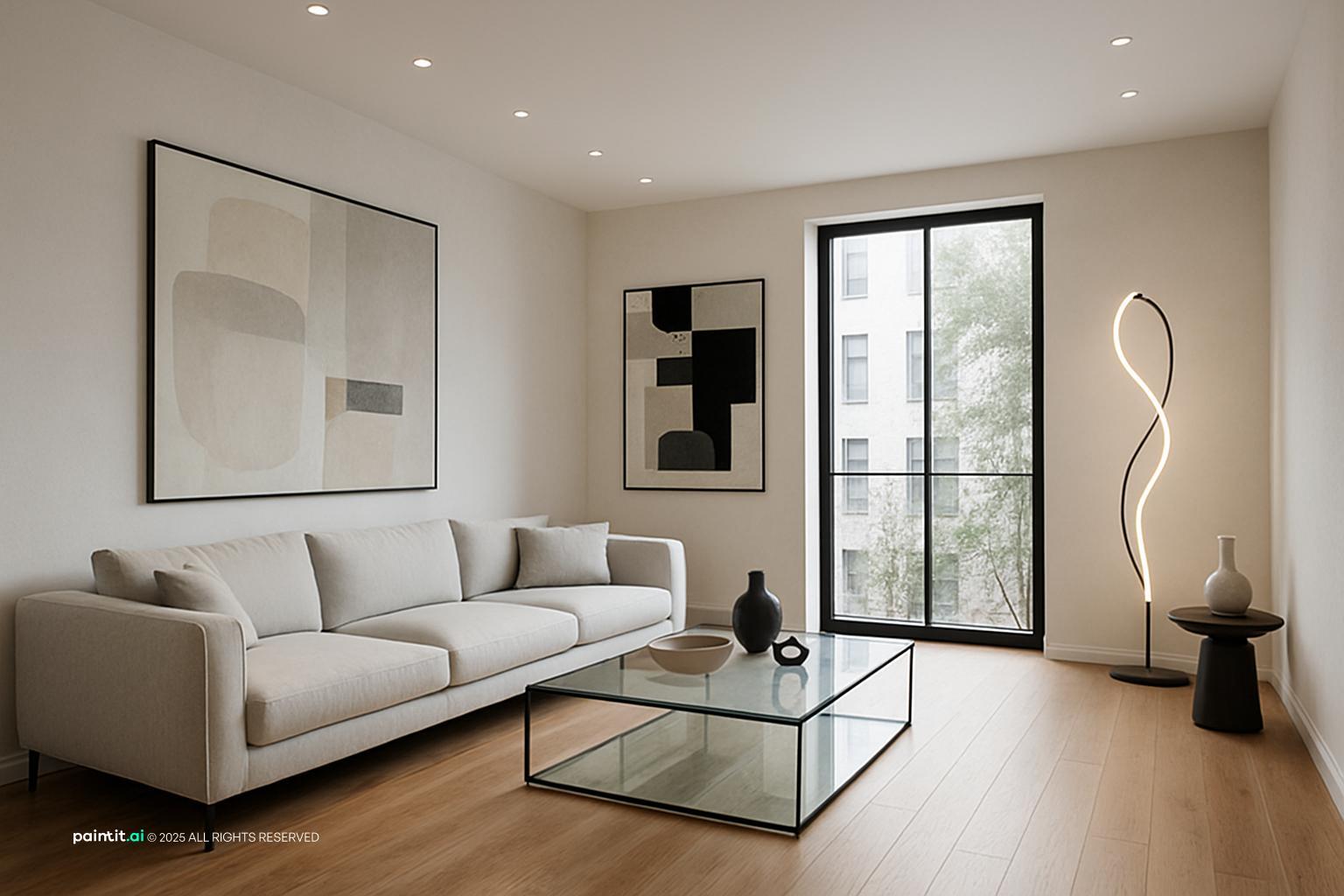
Stunning Contemporary Living Room Design anchors beige foundation, clean-lined furniture and layered neutrals in a living room setting.
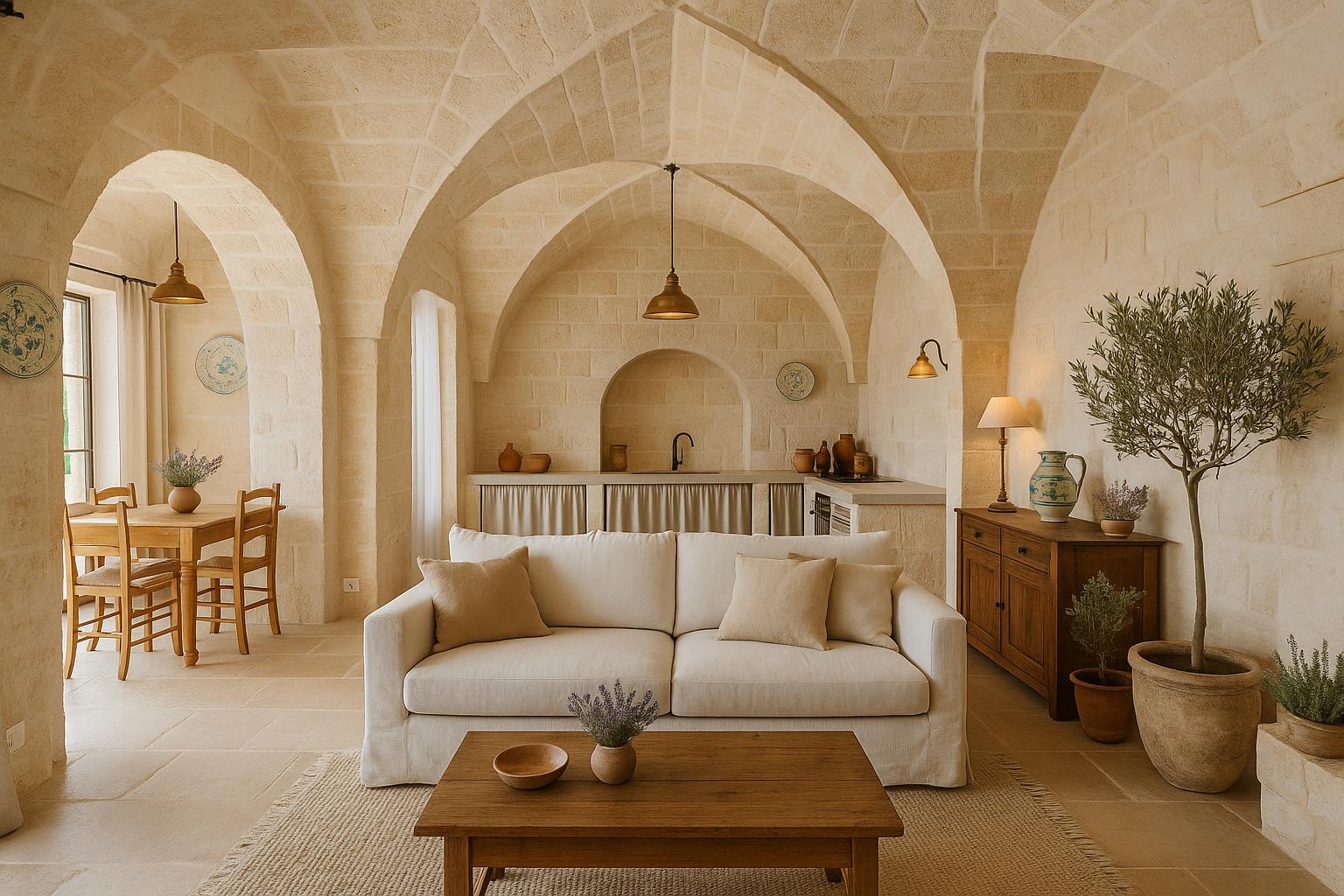
Charming Pugliese Living Area Design softens beige foundation, soft textiles and metal accents in a living room setting.
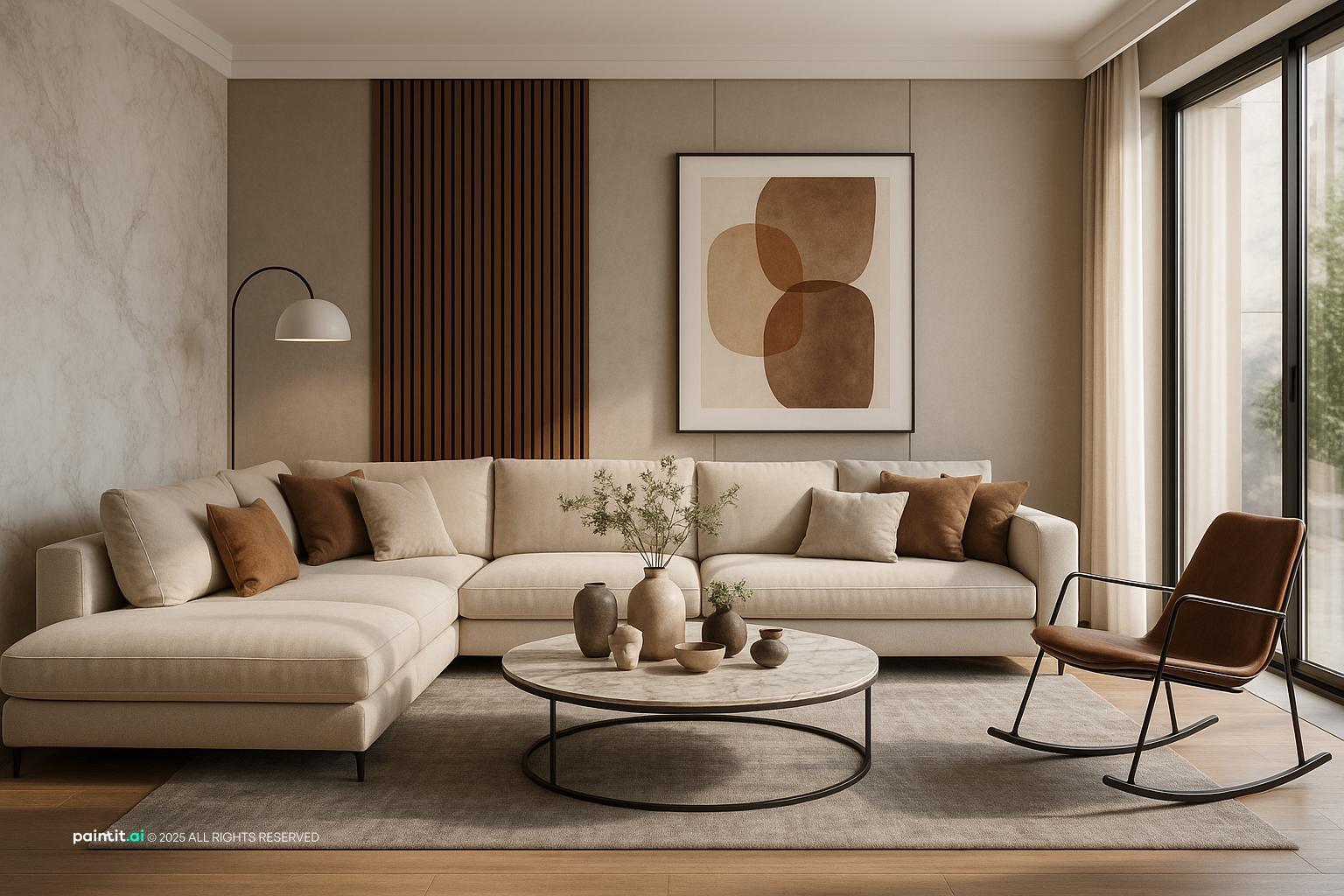
Elegant Modern Living Room Design uses beige foundation, soft textiles and metal accents in a living room setting.
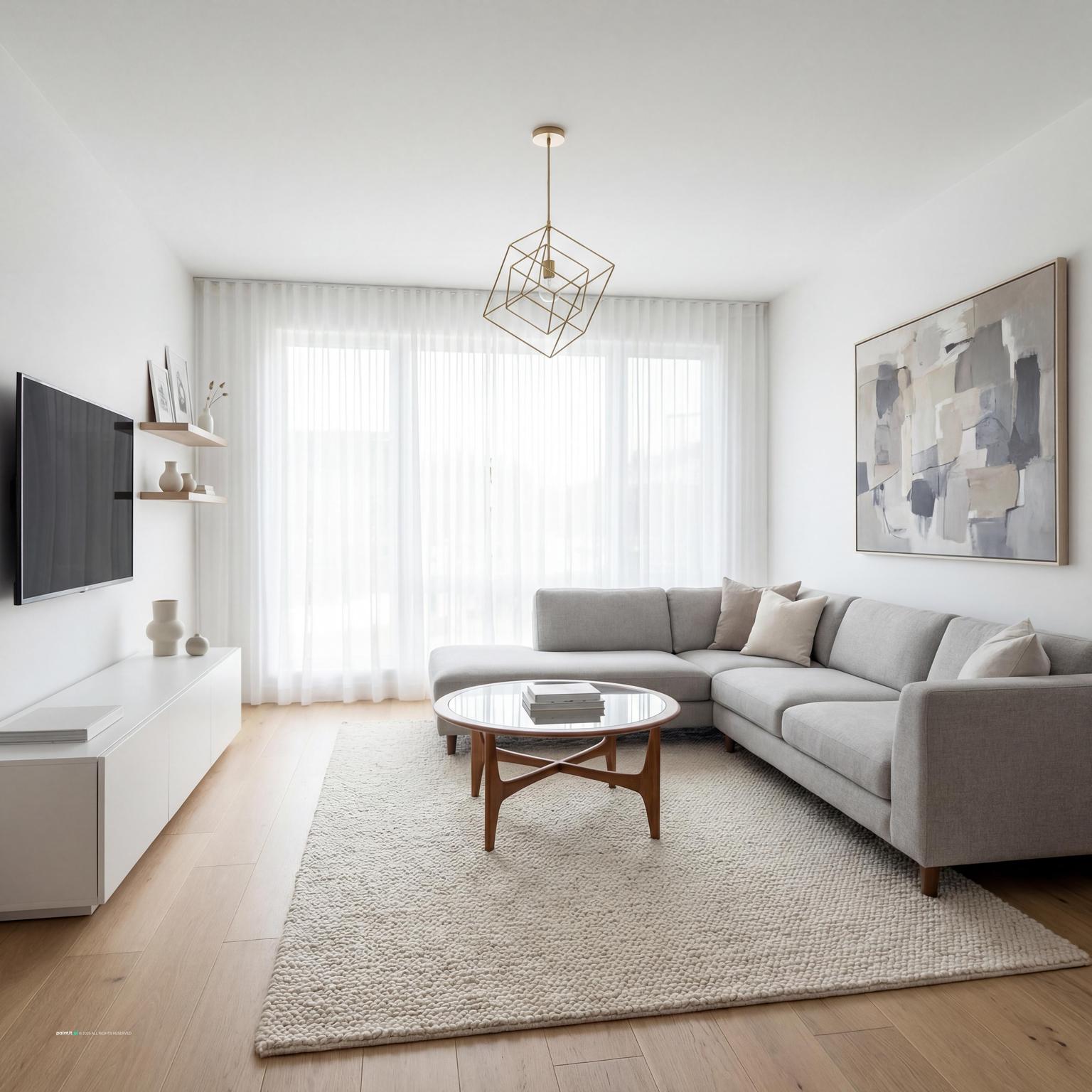
Modern Living Room Redesign balances beige foundation, layered neutrals and natural light in a living room setting.
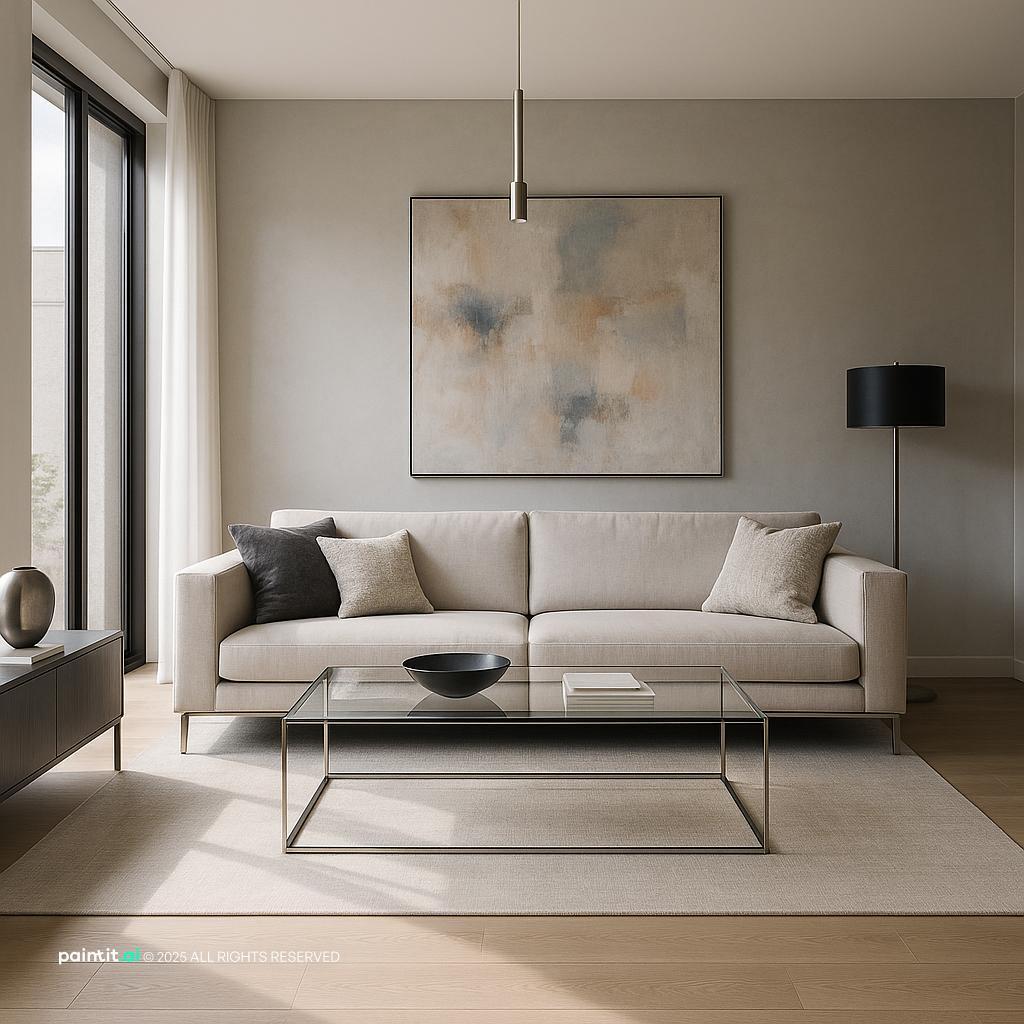
Sleek Modern Living Room Design pairs beige foundation, soft textiles and metal accents in a living room setting.
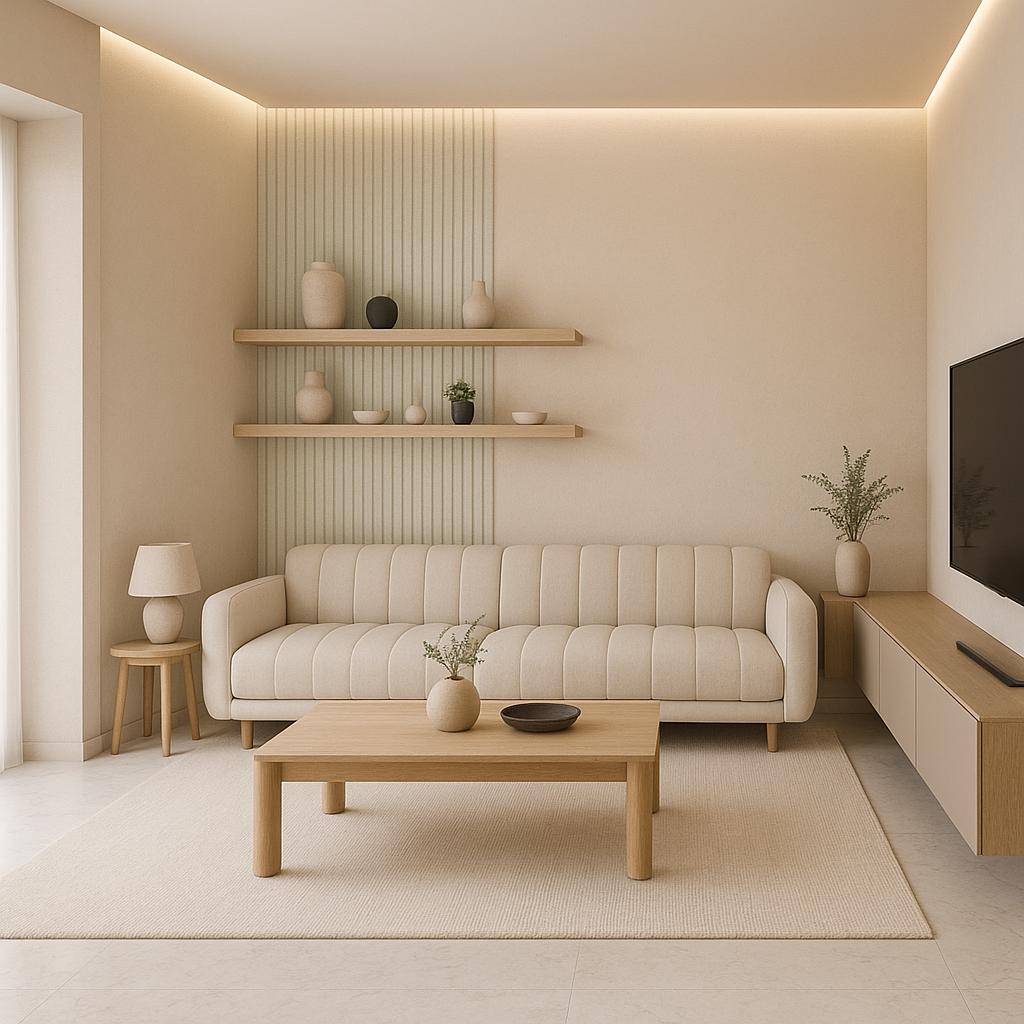
Minimalist Japandi Living Room Design layers beige foundation, warm wood and soft textiles in a living room setting.
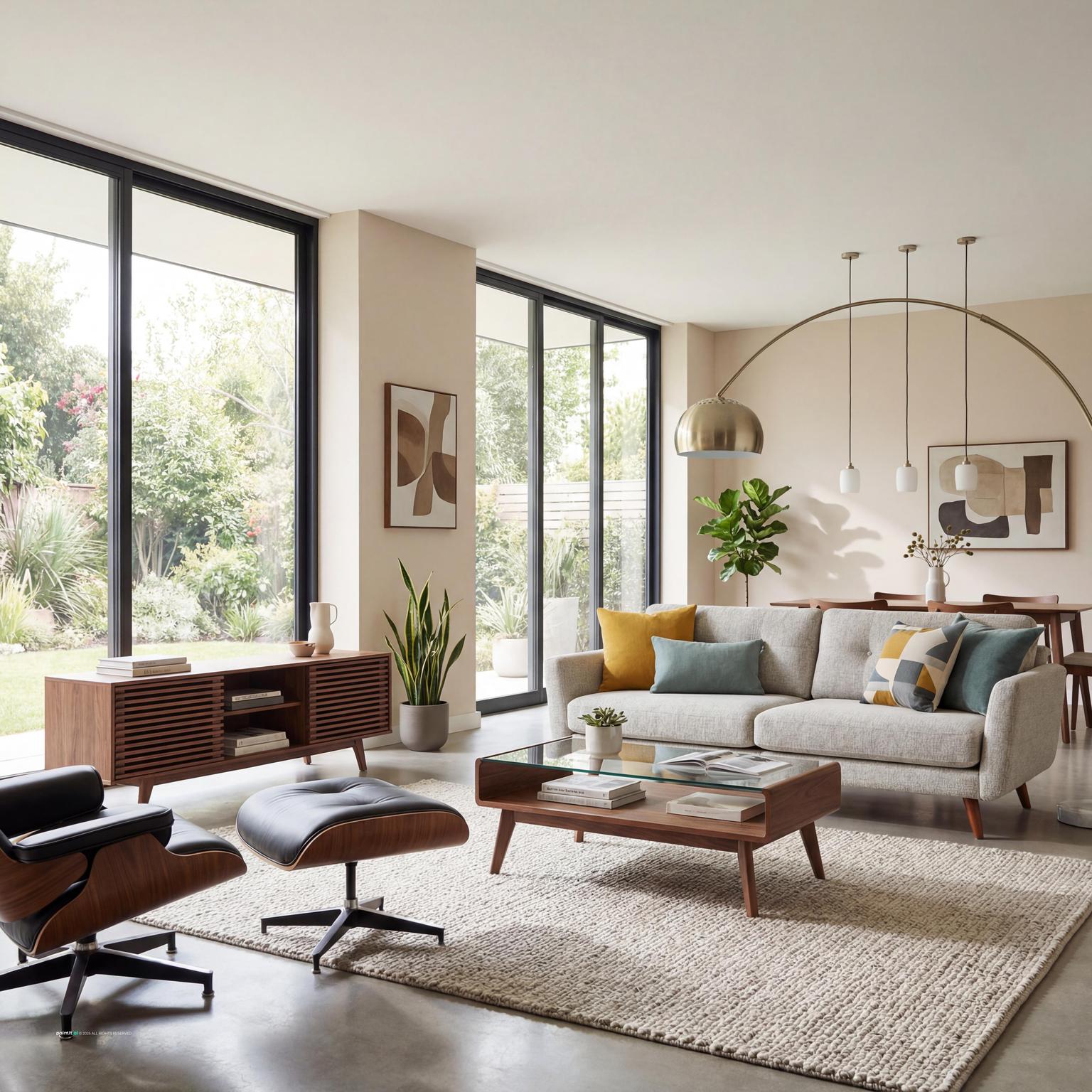
Stunning Mid-Century Modern Living Room anchors beige foundation, warm wood and soft textiles in a living room setting.
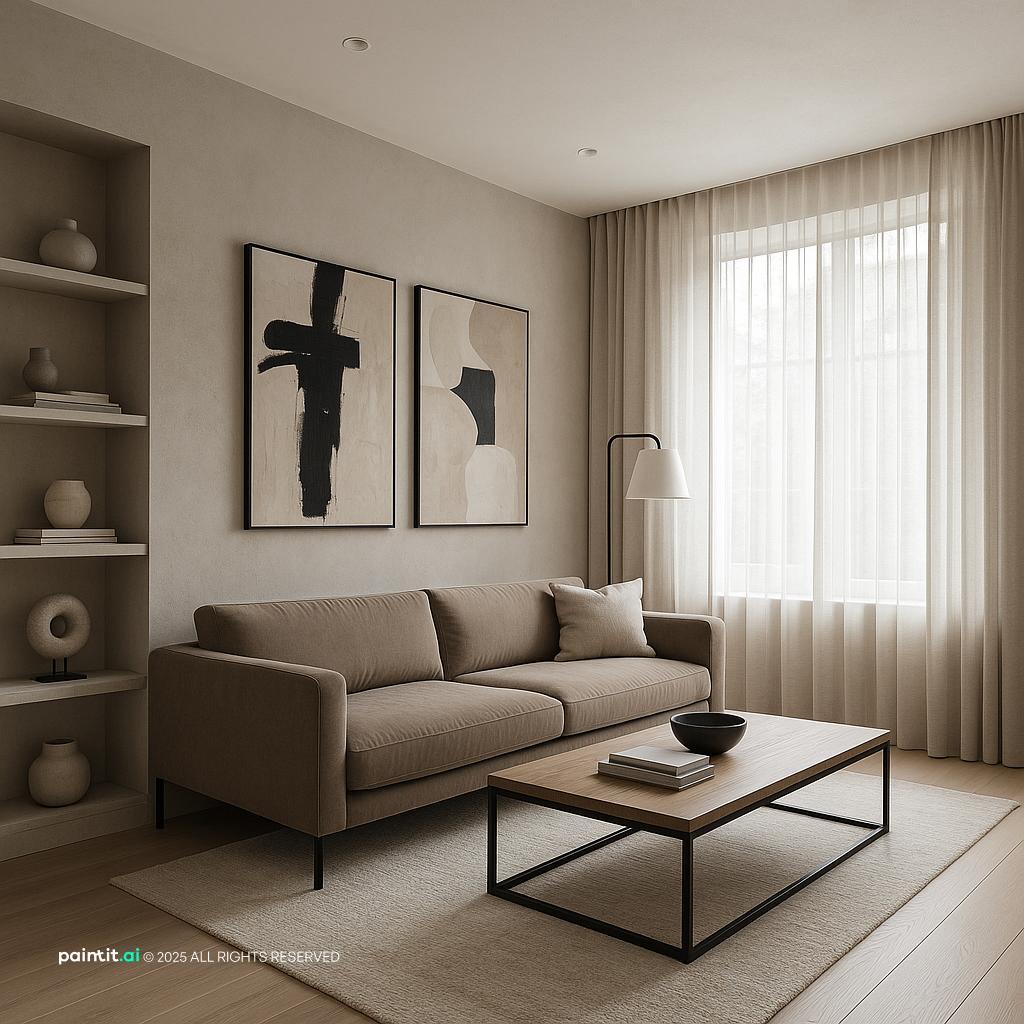
Modern Living Room Design in Neutral Tones softens beige foundation, metal accents and layered neutrals in a living room setting.
Beige is not one color. It can lean yellow, pink, grey, green, or sand, and each undertone reacts differently to daylight and lamps. If your floor is honey oak, a slightly warm beige usually feels connected. If your floor is cooler stone or grey tile, a greige-beige may sit better.
What to avoid: choosing a paint color from a tiny chip under store lighting. Paint a large sample near the sofa, beside the curtains, and on the wall that gets the strongest afternoon light. If you are comparing beige against cream, sage, or warm white, this living room color guide can help you judge the full color palette instead of staring at one isolated swatch.
Most real living rooms already have something fixed: flooring, a sectional, window trim, a fireplace, built-ins, or a TV wall that is not moving. Paintit.ai data shows that 12.0% of users include keep or do not change constraints, which matches how people actually decorate. A beige plan gets much easier when you decide what stays first.
If you are keeping a beige sofa, do not try to match the wall exactly. Put a slightly deeper neutral rug under it, add throw pillows in ivory, rust, olive, or charcoal, and use wall art with darker lines so the sofa has an outline. Beige needs edges and layers, not identical repetition.
A rug is often the piece that stops beige furniture from floating. For a standard sofa and two chairs, choose a rug large enough for at least the front legs of every seat to sit on it. In a larger living room, leave 12 to 18 inches of visible floor around the rug rather than pushing it wall to wall.
Look for wool, jute, flatweave, or a low-pile patterned rug with cream, taupe, oatmeal, or soft brown variation. What to avoid: a rug that is the same flat beige as the sofa and walls. Even a quiet herringbone, ribbed texture, or faded pattern gives the seating group a boundary.
A beige sofa is flexible, but it can disappear if the room around it is too close in tone. Place it against a wall that is either slightly lighter or slightly deeper, then add one darker element nearby: a walnut side table, bronze floor lamp, black picture frame, or deep brown tray.
For pillows, mix one solid, one small pattern, and one textured fabric. Linen, boucle, velvet, and woven cotton all read differently even when the colors are close. This is where beige living room decor becomes practical: the goal is not more beige, but more visible texture.
A beige and white living room can look fresh if white is used as structure rather than glare. Use white on trim, ceiling, lampshades, or a media unit, then let beige cover the larger soft surfaces. Keep the white slightly warm if your beige has yellow or sand undertones.
The catch is the ceiling and trim. A bright blue-white ceiling beside creamy beige walls can make the beige look dull or dirty. Warm white, ivory, and chalky off-white are usually safer. White gives beige a clean edge, while beige keeps white from feeling cold.
A beige accent wall works best behind a sofa, fireplace, open shelving, or TV wall where the eye needs a quiet backdrop. Choose a deeper beige, mushroom, taupe, or clay-beige rather than a barely different shade. The contrast should be visible in both daylight and evening light.
If the room is narrow, avoid making the long side wall darker because it can pull the room inward. Instead, deepen the end wall to create a more balanced sightline. Add wall art or sconces so the beige accent wall feels intentional, not like an unfinished paint test.
Modern beige living room ideas depend on proportion. Choose a sofa with a low back, slim arms, or a simple block form; pair it with a round coffee table if the room has many straight lines. Keep storage closed or semi-closed so the palette stays calm.
Use black, aged brass, or dark bronze sparingly for definition. A thin metal floor lamp, small table base, or picture frame is enough. What to avoid: too many shiny accents. Beige looks better when the contrast is controlled and the surfaces are matte or softly reflective.
If your beige walls look grey in winter light, wood can bring warmth back into the room. Light oak feels Scandinavian and airy, walnut adds weight, and medium brown wood suits traditional or transitional rooms. Repeat the wood tone at least twice, such as a coffee table plus picture frames or a console plus chair legs.
In Paintit.ai tests, we often see a simple beige prompt look flat until materials are named. Adding oak, linen, stone, or rattan usually gives the room more depth than changing the beige shade again and again. Material contrast is often the missing layer.
Curtains can make beige walls feel finished, especially in rooms with hard floors or large windows. Hang the rod higher than the window frame and extend it beyond the sides so the fabric does not block light when open. Floor-length panels in linen, cotton, or a linen-look weave work well.
Choose curtains one shade lighter or darker than the wall, not a perfect match. If the room lacks natural light, go lighter and more translucent. If the room feels too open or echoey, choose lined panels with more weight. The fabric should help the wall feel layered, not covered.
Beige gives you room to add muted color through art. Try pieces with olive, rust, ochre, clay, muted blue, or charcoal. Large art over a sofa should usually be about two-thirds the width of the sofa, or you can use two or three pieces grouped with consistent spacing.
Why it works: art adds vertical interest and stops a beige room from staying at floor level. What to avoid is scattering many small frames across a large wall. Beige backgrounds need scale, so choose fewer pieces with stronger presence.
Only 5.9% of Paintit.ai prompts mention lighting, yet users often refine results with phrases like warmer or a bit darker. That pattern is familiar in real rooms too. Beige can look grey under cool bulbs and rich under warm, shaded light.
Use three layers: overhead light for general brightness, table or floor lamps for eye-level warmth, and a small accent light for shelves, art, or a plant. For a cozy evening mood, use warm bulbs and fabric shades rather than exposed cool LEDs. Treat lighting as part of the color palette, not as something to fix at the end.
A strong beige room usually improves through small corrections: deeper rug, warmer bulb, darker frame, better pillow scale, or one added wood tone. Paintit.ai users often start with a broad request, then refine with shorter prompts such as more texture, make it warmer, or keep the sofa. That is a useful decorating mindset.
Start with layout, then paint, then large textiles, then smaller decor. If the seating area is poorly spaced, no beige shade will fix it. Keep a clear traffic path of about 30 inches where possible, leave enough room to pull side chairs out naturally, and make sure the coffee table is close enough to use, usually 14 to 18 inches from the sofa.
The second gallery helps you compare full-room combinations rather than isolated beige samples: sofa depth, rug pattern, wall undertone, curtain weight, accent metal, and how the room changes between natural light and warm evening light.
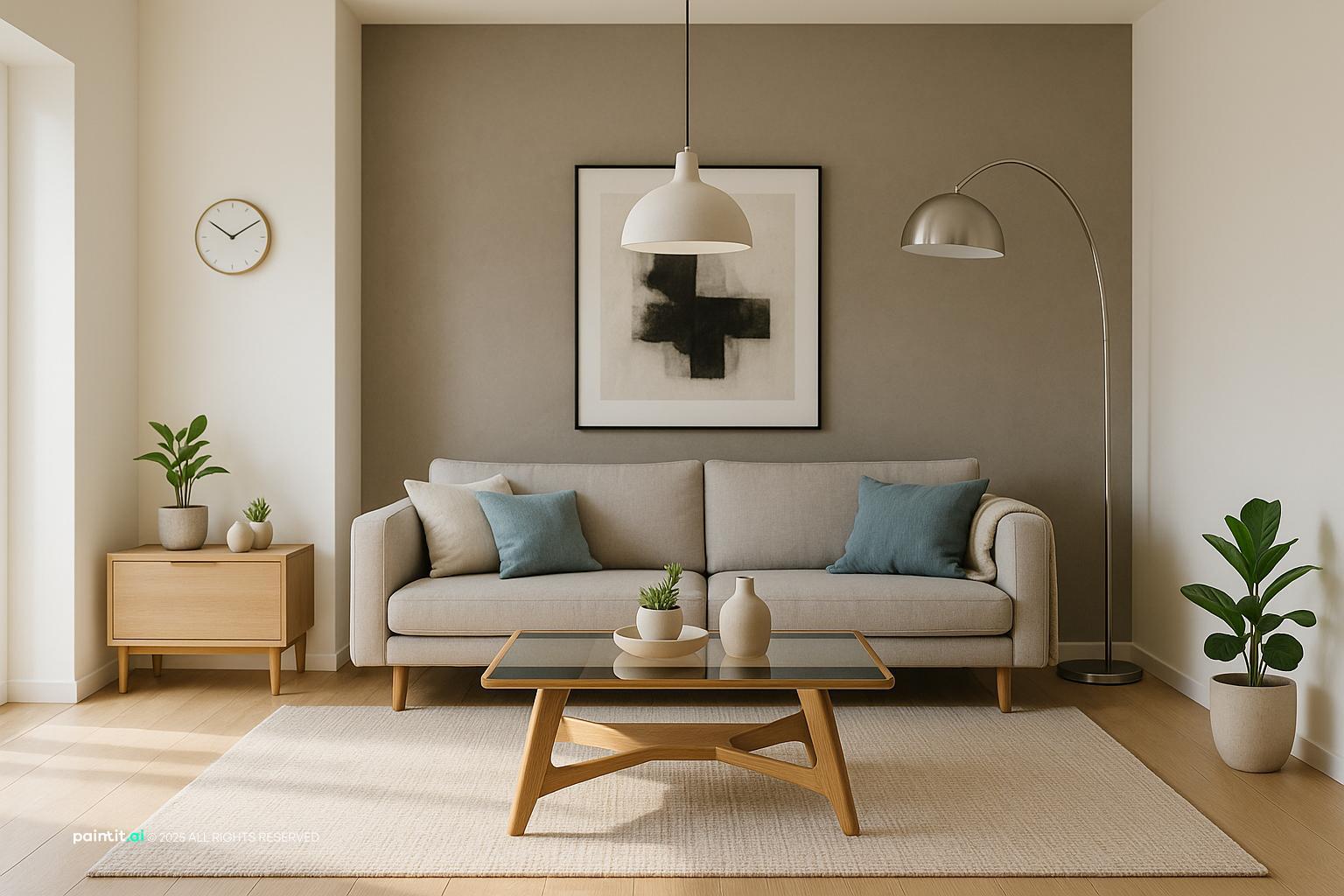
Modern Minimalist Living Room Design uses beige foundation, soft textiles and clean-lined furniture in a living room setting.
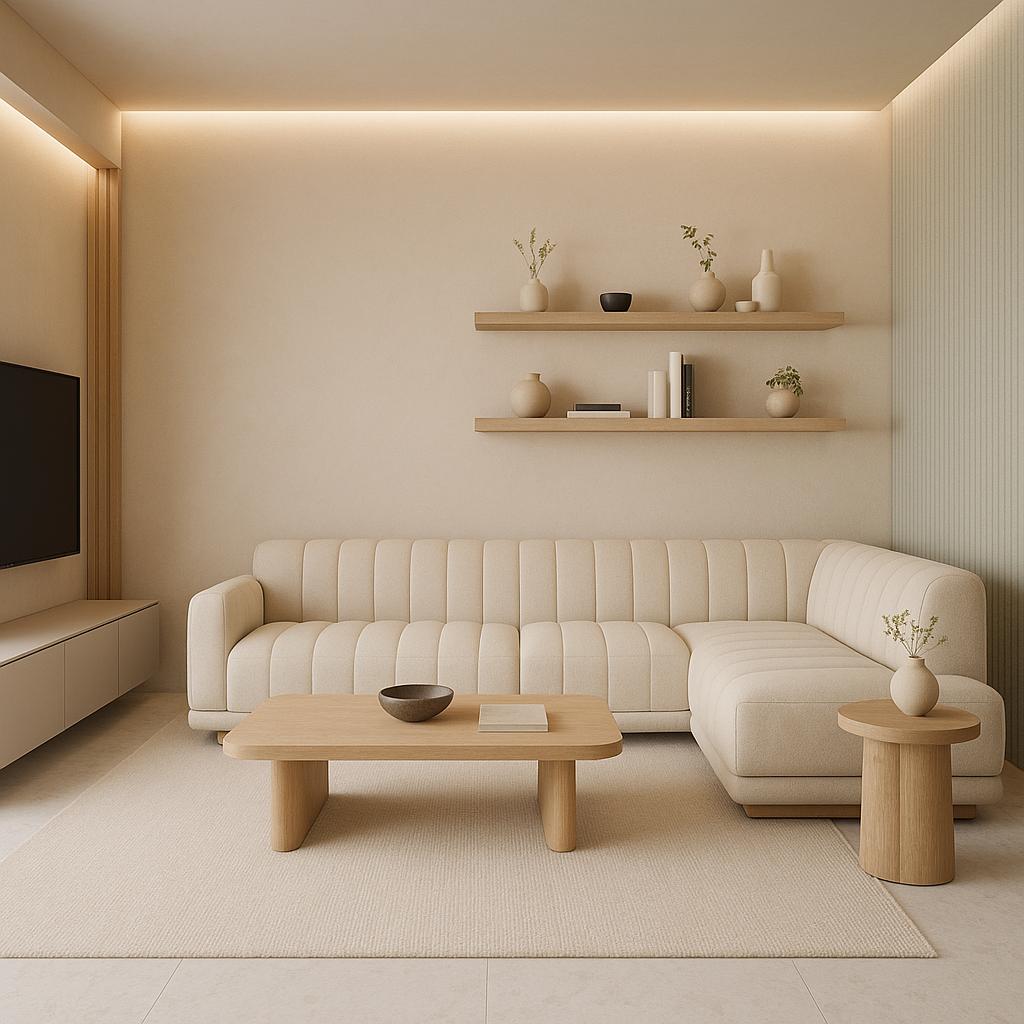
Modern Minimalist Living Room with Japandi Flair balances beige foundation, warm wood and soft textiles in a living room setting.
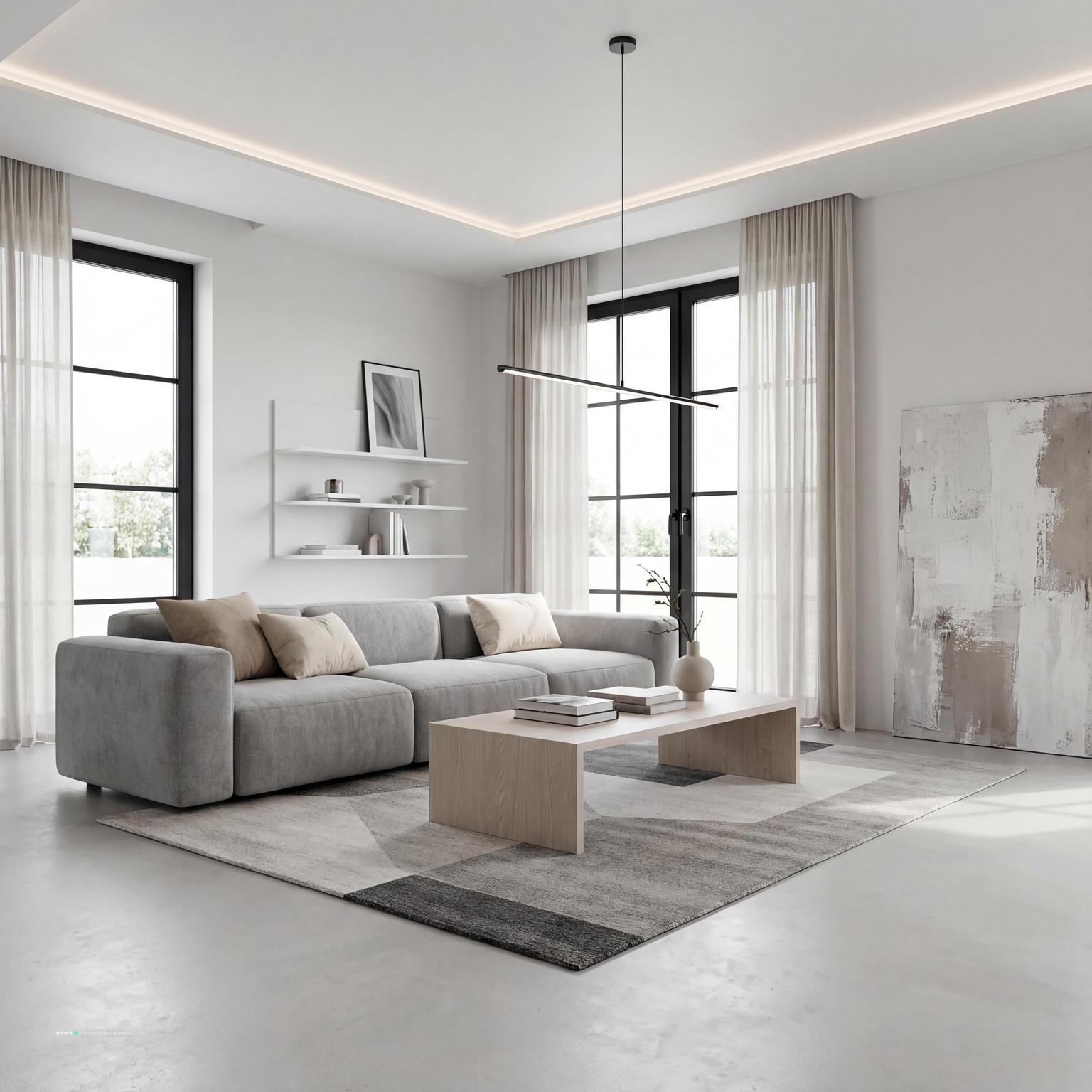
Stylish Minimalist Living Room Design pairs beige foundation, warm wood and clean-lined furniture in a living room setting.
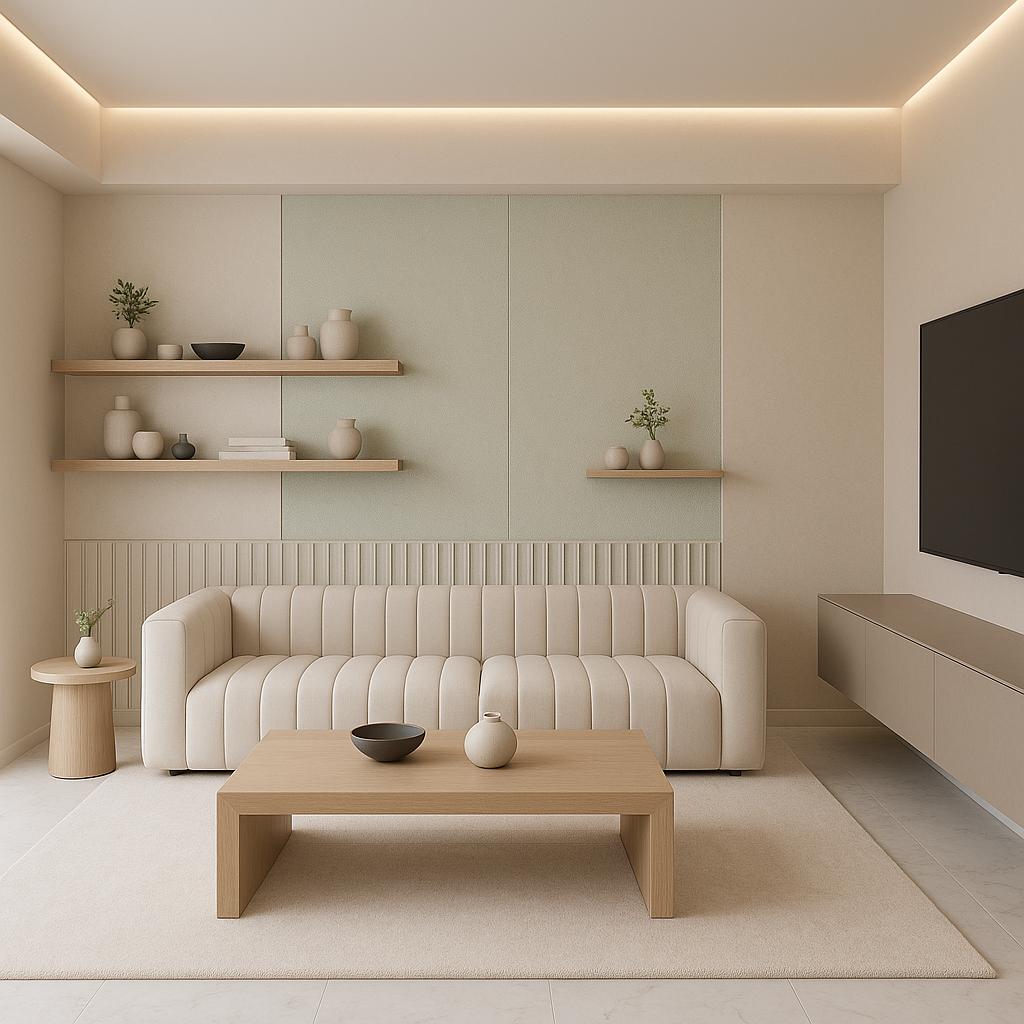
Modern Minimalist Living Room Design with Beige Foundation layers beige foundation, warm wood and soft textiles in a living room setting.
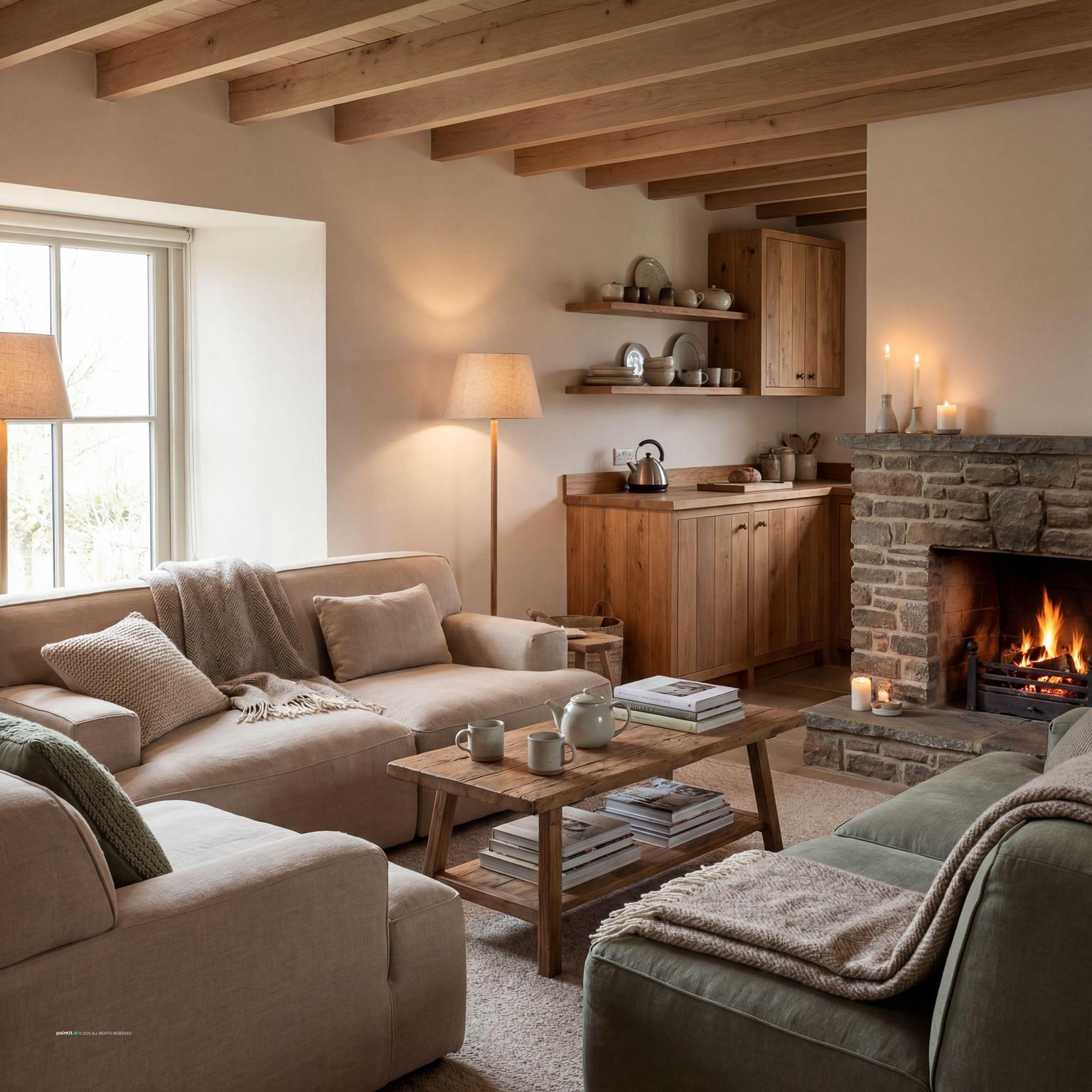
Modern Cottage Living Room Design for Relaxation anchors beige foundation, soft textiles and layered neutrals in a living room setting.
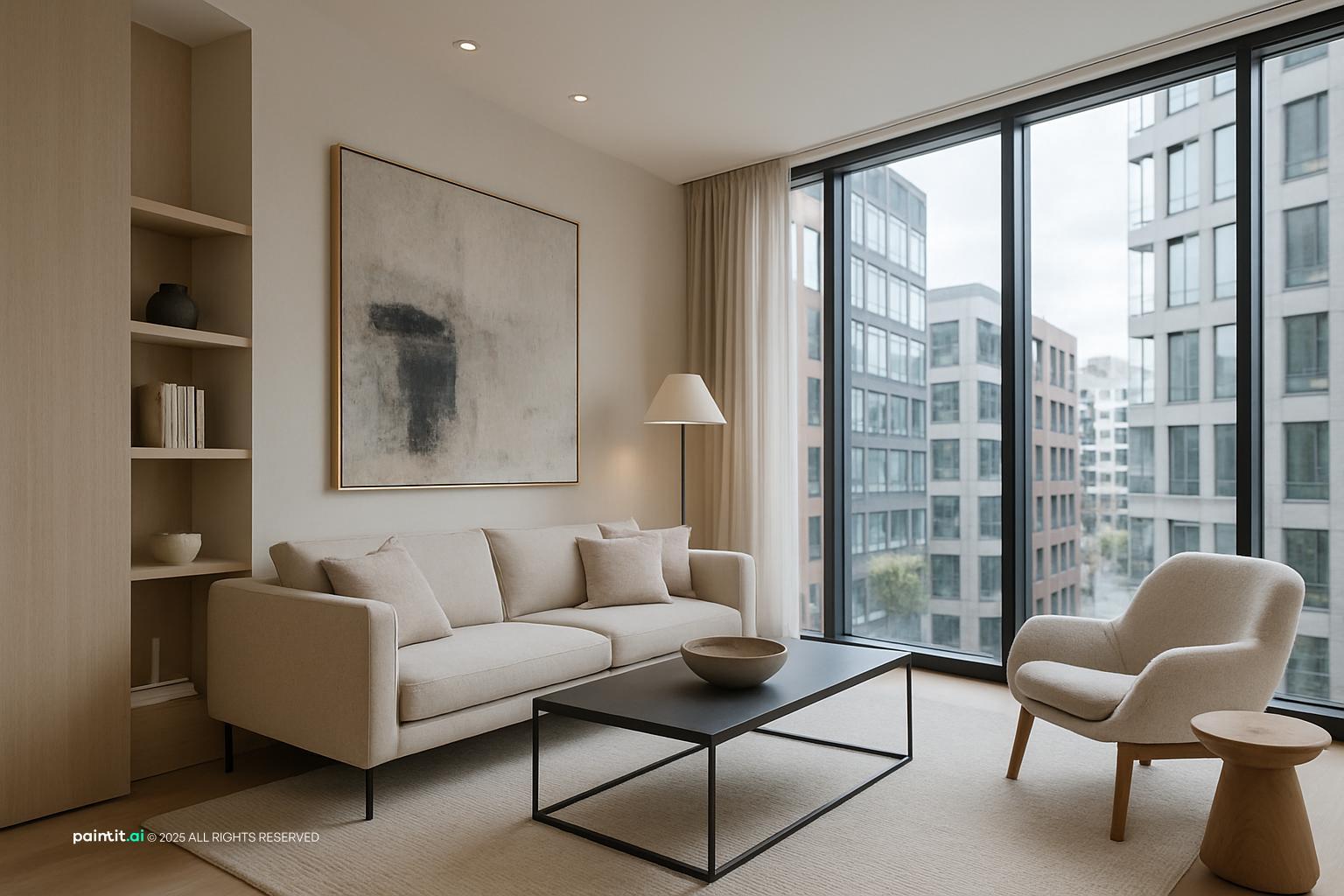
Beige Living Room Ideas with Beige Foundation and Soft Textiles with Clean-lined Furniture softens beige foundation, soft textiles and clean-lined furniture in a living room setting.
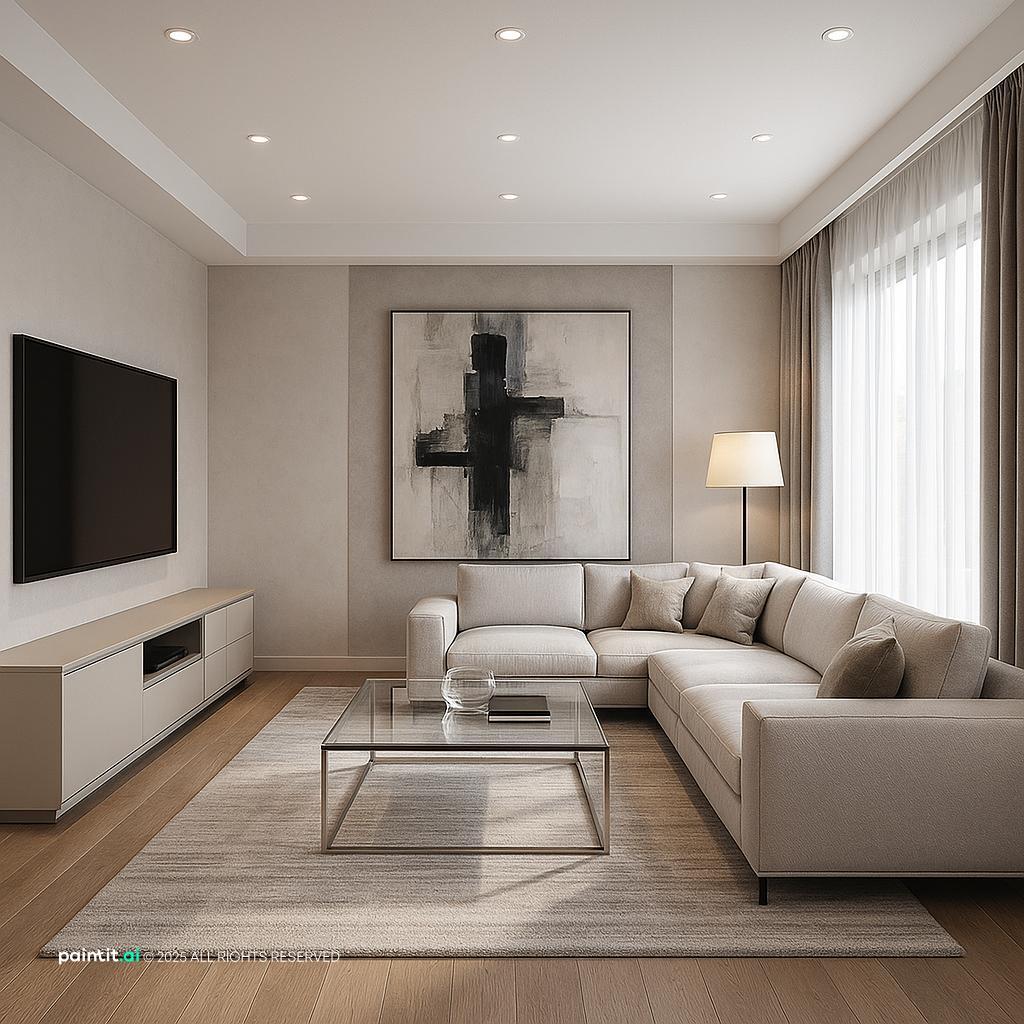
Modern Living Room Design for 2025 uses beige foundation, layered neutrals and dark contrast in a living room setting.
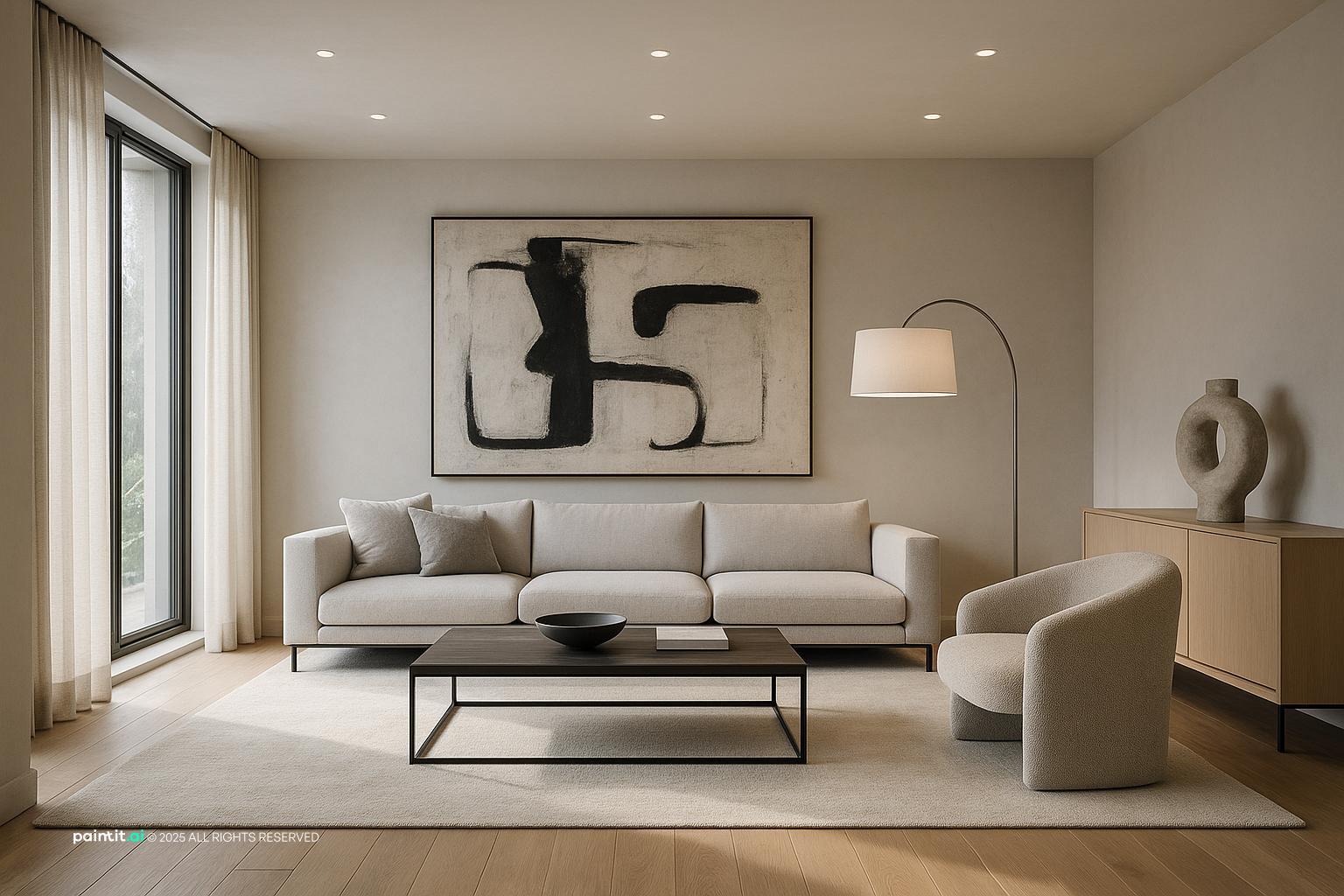
Stunning Contemporary Living Room Design with Beige Foundation balances beige foundation, clean-lined furniture and open layout in a living room setting.
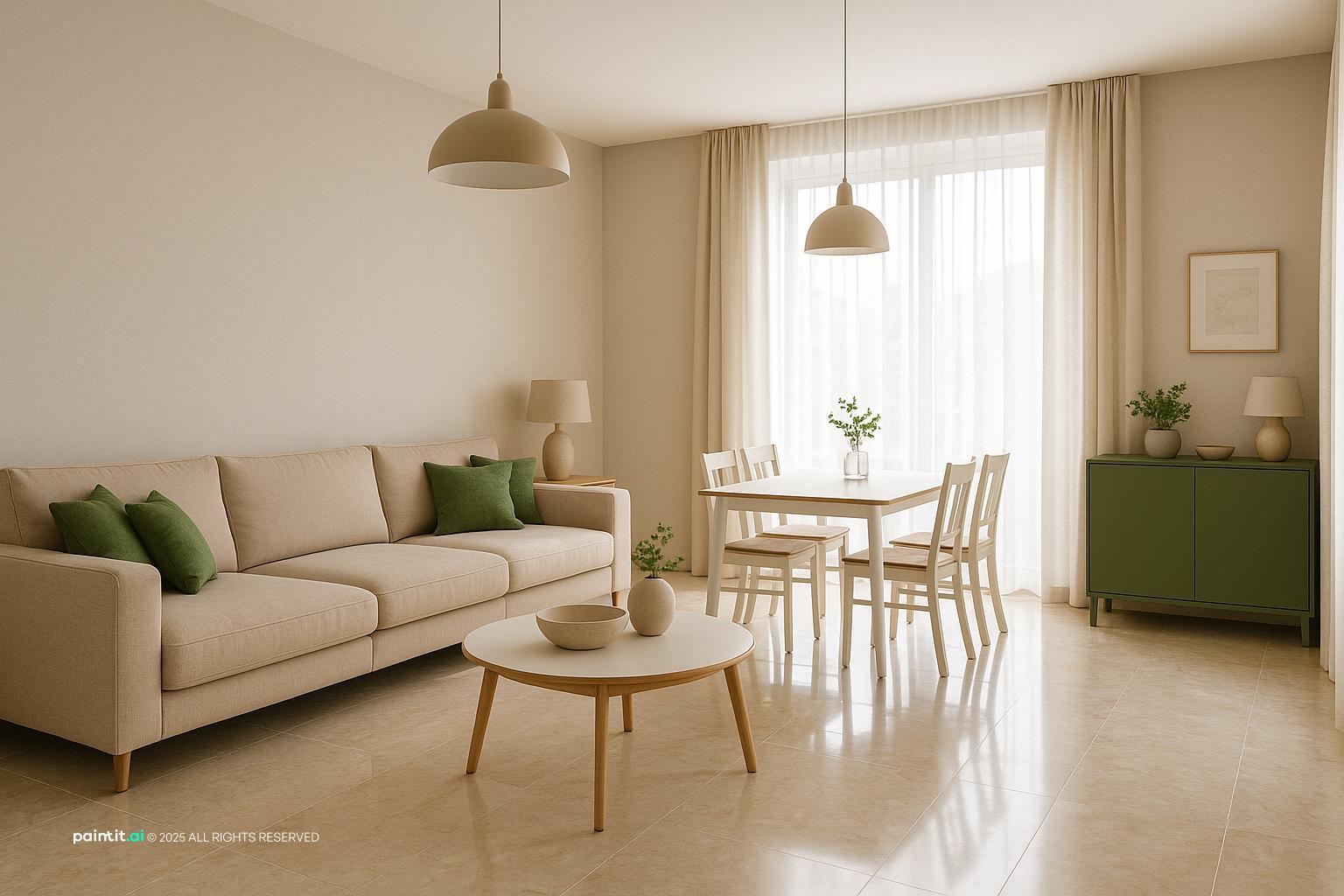
Beige Living Room Ideas with Beige Foundation and Soft Textiles with Plants and Greenery pairs beige foundation, soft textiles and plants and greenery in a living room setting.
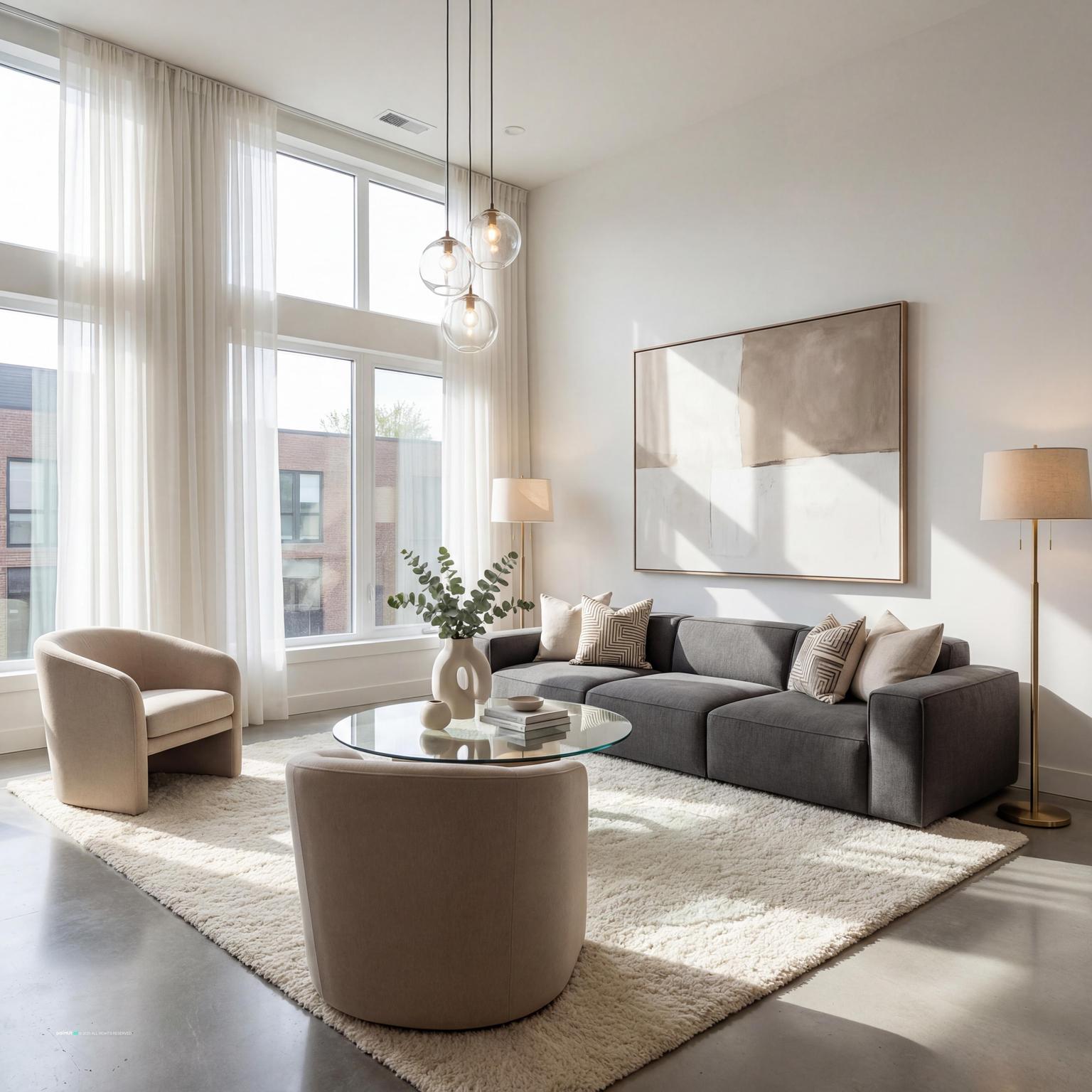
Contemporary Living Room Design for 2025 layers beige foundation, metal accents and plants and greenery in a living room setting.
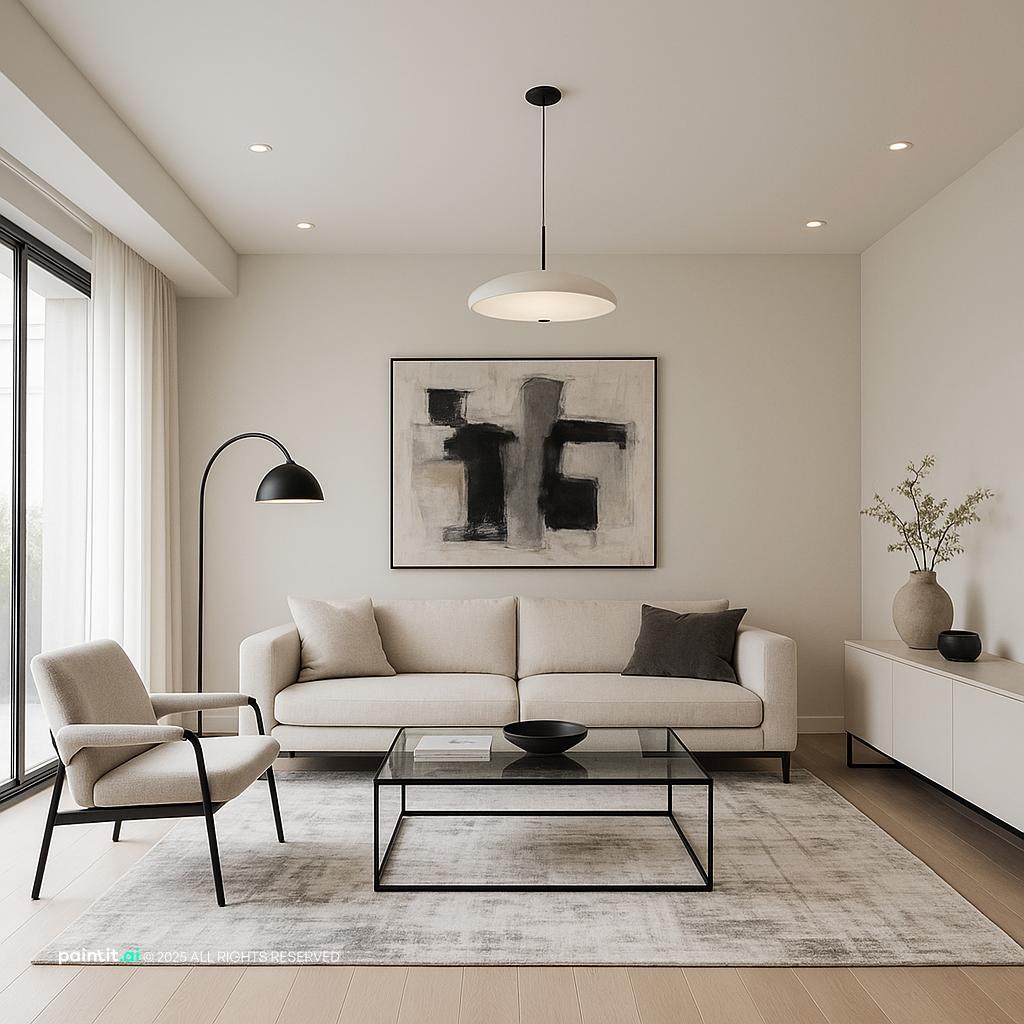
Stylish Modern Living Room Design with Beige Foundation anchors beige foundation, clean-lined furniture and open layout in a living room setting.
Beige Living Room Ideas with Beige Foundation and Warm Wood softens beige foundation, warm wood and metal accents in a living room setting.
Warm beige pairs well with ivory, camel, terracotta, olive, cream, and brown. Cooler beige works better with stone, black, charcoal, muted blue, and mushroom. Use one main beige, one lighter neutral, one deeper anchor, and one accent color so the room has hierarchy.
What to avoid: mixing too many near-beiges with different undertones. Pink-beige, yellow-beige, and grey-beige can fight each other in the same sightline. If you are unsure, test the palette on your actual walls with an AI house painter before committing to repainting.
For most living rooms, eggshell or matte washable paint keeps beige walls from looking shiny. Satin can work on trim, doors, and built-ins because it catches light and creates a subtle edge. If the room has wall paneling, a slightly deeper beige on the panels can make the architecture feel more deliberate.
Avoid high-gloss beige on broad walls unless the room is intentionally formal and very well prepared. Gloss highlights every bump and patch. Beige looks best when the finish supports softness and shadow.
Beige needs materials with grain, veining, or patina. Oak, ash, walnut, travertine, limestone, marble, rattan, and aged brass all work, but they create different moods. Light oak and linen feel relaxed; walnut and bronze feel richer; travertine and black metal feel more architectural.
Use metal accents in small repeats: lamp, curtain rod, cabinet pull, or table leg. What to avoid is mixing chrome, polished brass, black, and copper all at once. Pick one dominant metal and one secondary finish at most.
A beige room should have at least three textile weights. Use a heavier rug, medium-weight curtains, and smaller soft pieces like throw pillows or a knit blanket. If the sofa is smooth, add nubby pillows; if the sofa is boucle, choose simpler cushions so the room does not become visually busy.
Pattern can stay quiet. Stripes, checks, small geometrics, and washed vintage motifs work better than high-contrast prints when the goal is a neutral beige living room. Avoid using only flat cotton surfaces, which can make the room feel unfinished.
Natural light changes beige more than most people expect. North-facing rooms often need warmer beige and more lamp light; south-facing rooms can handle cooler or deeper beige. West-facing rooms may turn very golden late in the day, so test paint at the time you use the room most.
Place lamps where people actually sit. A floor lamp behind a reading chair, a table lamp near the sofa, and a shaded light on a console will do more for comfort than a single bright ceiling fixture. Avoid cool bulbs unless the room is intentionally crisp and modern.
Beige styling works when objects have different visual weights. Use a large ceramic vase, a dark tray, a stack of books, a sculptural lamp, or one oversized branch arrangement rather than many small pale accessories. Group decor in odd numbers and vary height.
Keep open shelves from becoming a beige blur. Mix vertical books, horizontal stacks, framed art, one darker object, and one organic material such as wood or stone. Leave some negative space so the eye can rest.
Stand at the main entry and look for where the visual weight falls. If all the dark pieces are on one side, repeat a darker tone across the room with a frame, lamp, side table, or pillow. If everything is low, add height with curtains, a tall plant, a floor lamp, or vertical art.
I would treat this as the final truth check for any beige living room. Up close, every item may look pleasant, but from the doorway the full view can still feel weak. A room needs contrast at wall level, seating level, and floor level. For a step-by-step way to test those changes, use this living room redesign workflow.
Upload a photo of your living room and test the beige direction before moving furniture or buying paint. For better results, define what to keep first: keep wood floors, keep existing beige sofa, or do not change fireplace. Then add materials, lighting, and color details.
You can try a warmer wall, a different rug scale, lighter curtains, a beige accent wall, or a new sofa style in the AI living room design tool. We often see stronger results when people start broad, then refine with short instructions like add more oak, make the lighting warmer, or reduce contrast.
Beige works well with ivory, warm white, camel, olive, rust, chocolate brown, black, muted blue, and charcoal. Match the colors to the undertone of your beige so the room feels intentional, not patched together.
Start with one fixed element, such as the sofa or flooring, then layer a rug, curtains, wood tones, wall art, throw pillows, and lighting. Avoid matching every beige surface exactly.
Yes. Beige is flexible, calm, and easy to use across many styles. It works best when you give it contrast, texture, natural light, and at least one stronger anchor color.
Use warm bulbs, soft lampshades, a textured rug, layered pillows, curtains, and warm materials such as oak, walnut, rattan, linen, or wool.
Usually no. A beige sofa looks better against a wall that is slightly lighter, darker, warmer, or cooler. Add pillows, art, and a rug so the sofa has clear definition.