
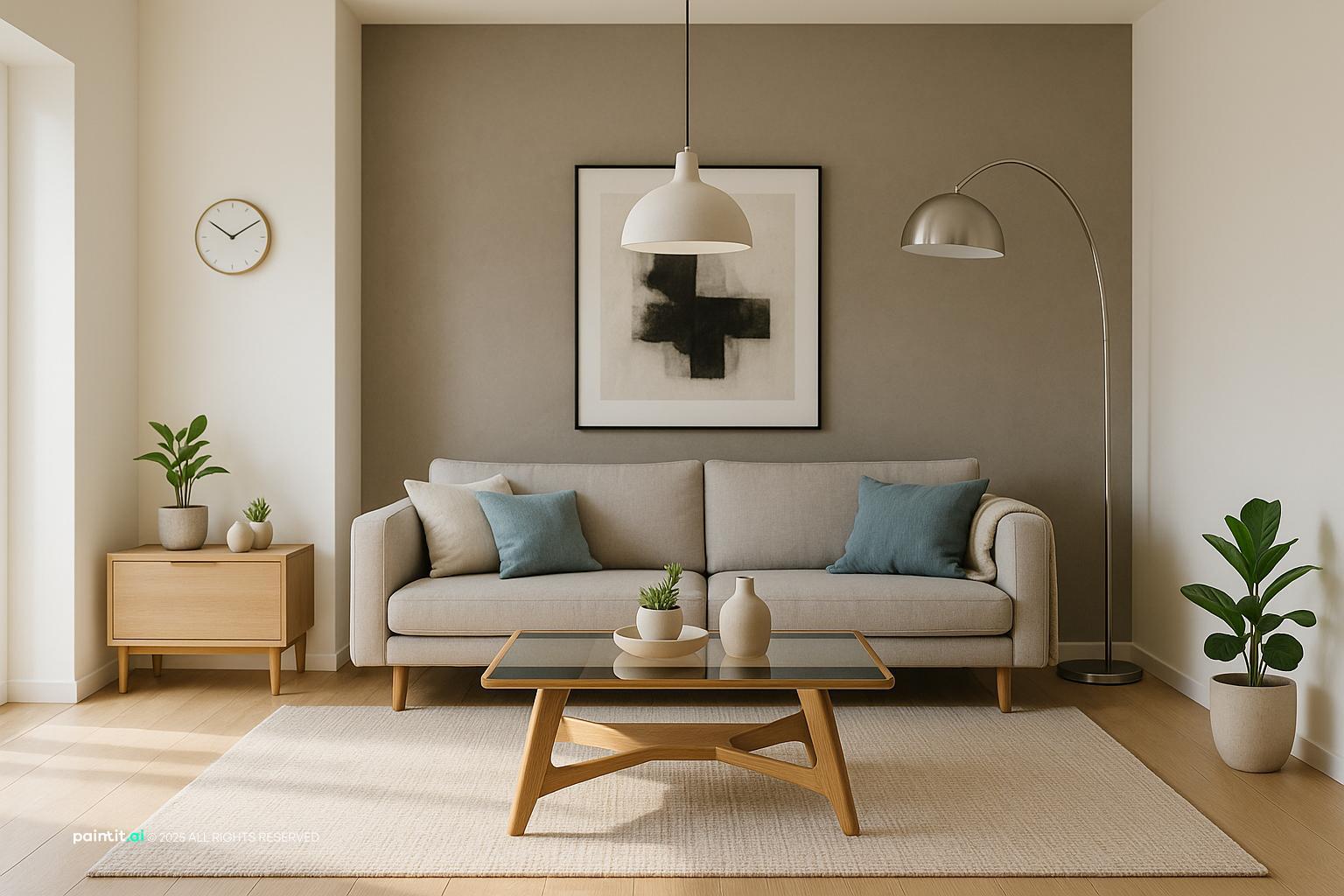
Modern Minimalist Living Room Design
Modern Minimalist Living Room Design uses black contrast, beige foundation and soft textiles for a warmer black-and-beige living room palette.
Black and beige living room ideas work when the palette is handled as warmth plus structure, not just light versus dark. Beige softens the room. Black gives it edges, rhythm, and a place for the eye to rest. In Paintit.ai prompts, color appears in 27.6% of requests, more than any other modifier we see. That tracks with real uploads: people usually start with a color direction like beige, then realize the room still needs black accents, better materials, stronger lighting, and clearer furniture choices to feel finished.
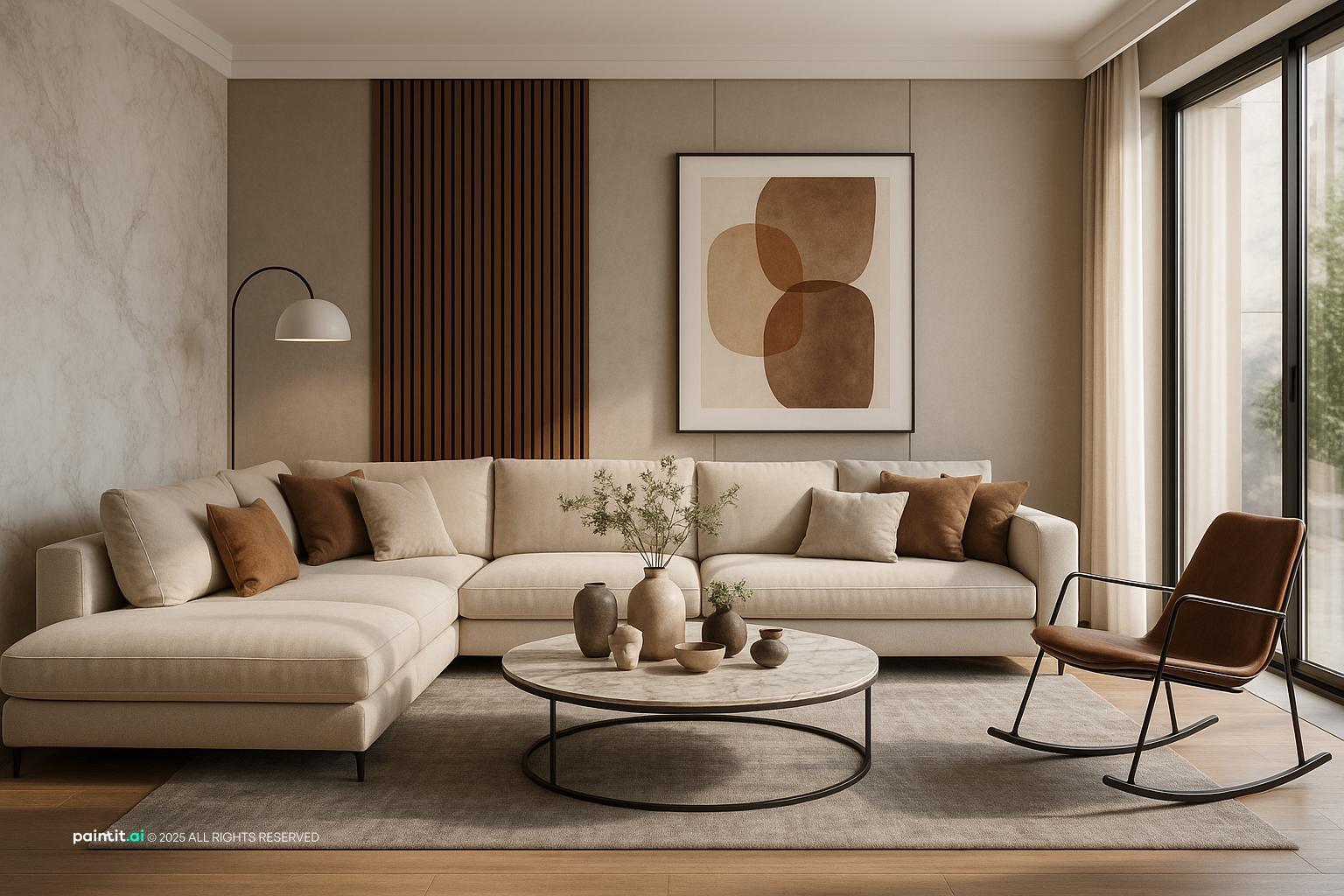
A black and beige living room can feel calm, modern, tailored, rustic, or minimal. The difference is usually proportion. The safest starting point is beige as the base and black as punctuation: beige walls, a natural sofa, a neutral rug, then black frames, lamps, table legs, shelves, or hardware. If you are still testing palettes, choosing the right best living room colors should come before buying furniture or finishes.
The catch is texture. Flat beige next to flat black often looks heavy, especially at night or in rooms with one ceiling light. Add wood tones, woven textiles, matte metal finishes, ceramic pieces, and layered lighting so the room has depth even if the color palette stays quiet.
Use the first gallery to study proportion: how much beige sits on the largest surfaces, where black acts as the anchor, and which details stop the room from feeling stark.
Modern Minimalist Living Room Design uses black contrast, beige foundation and soft textiles for a warmer black-and-beige living room palette.
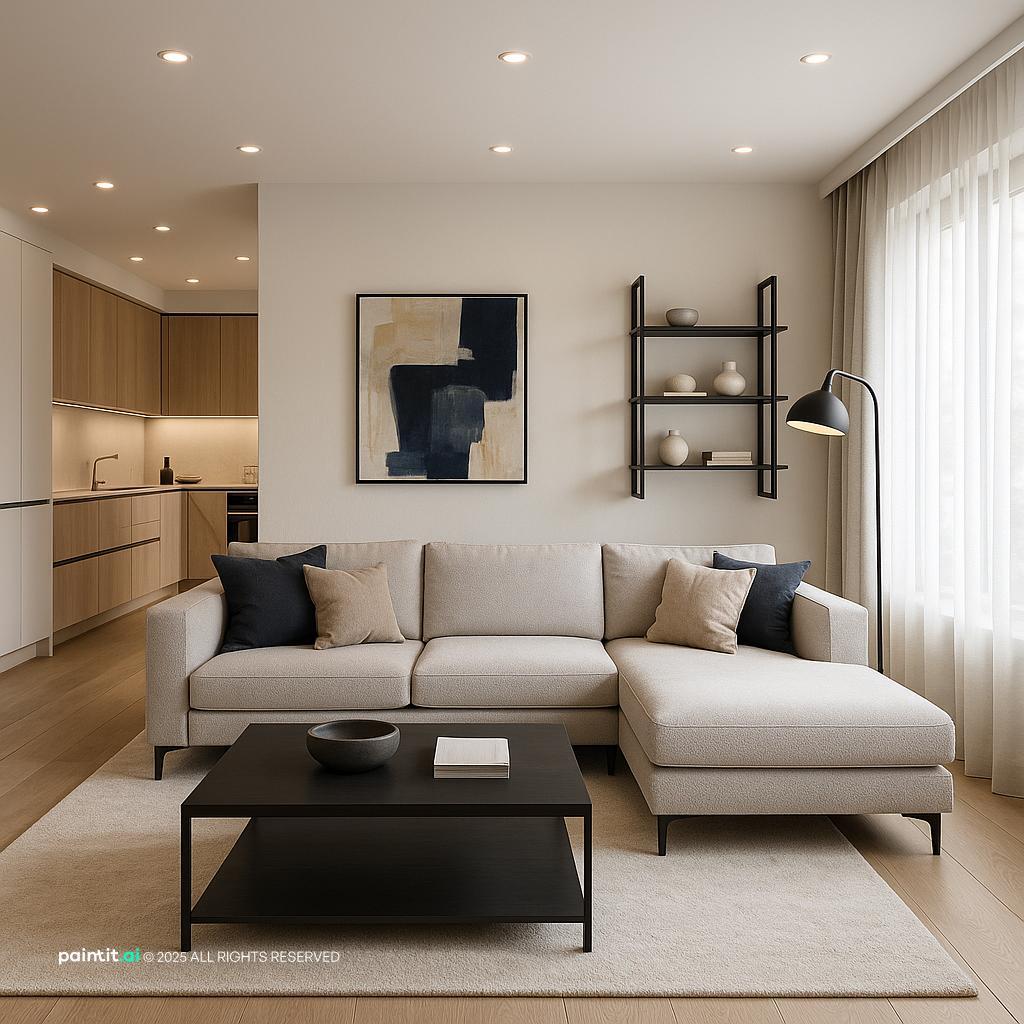
Stylish Modern Living Room Design balances black contrast, beige foundation and metal accents for a warmer black-and-beige living room palette.
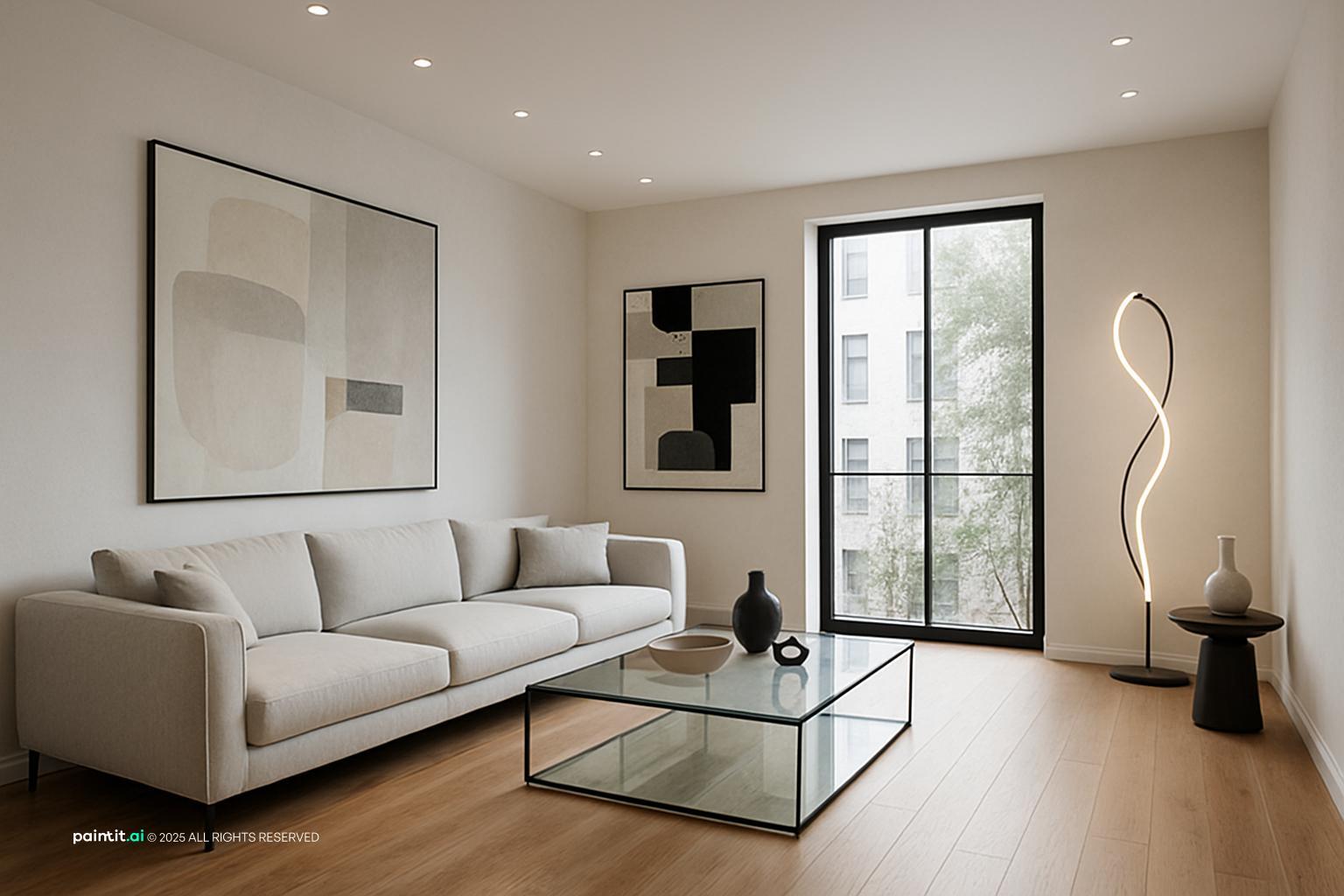
Stunning Contemporary Living Room Design pairs black contrast, beige foundation and clean-lined furniture for a warmer black-and-beige living room palette.
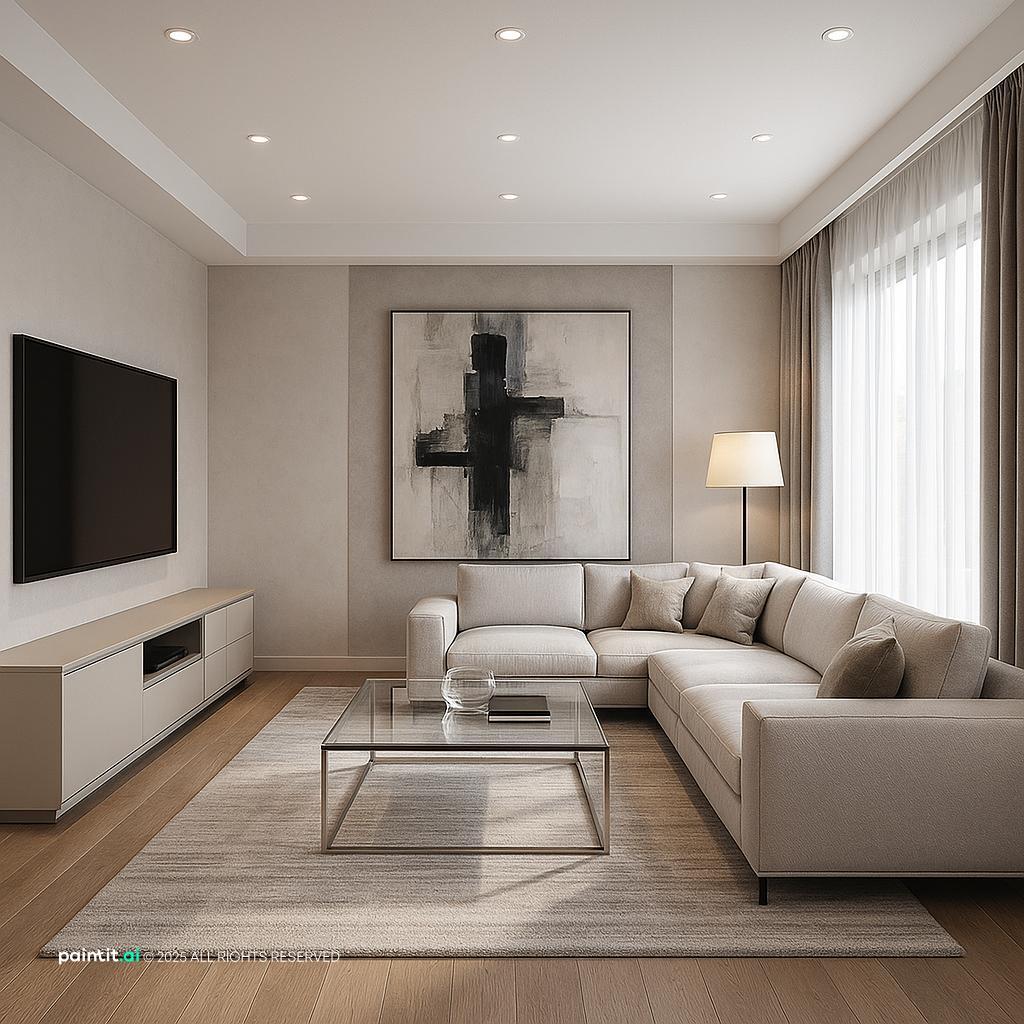
Modern Living Room Design for 2025 softens black contrast, beige foundation and layered neutrals for a warmer black-and-beige living room palette.
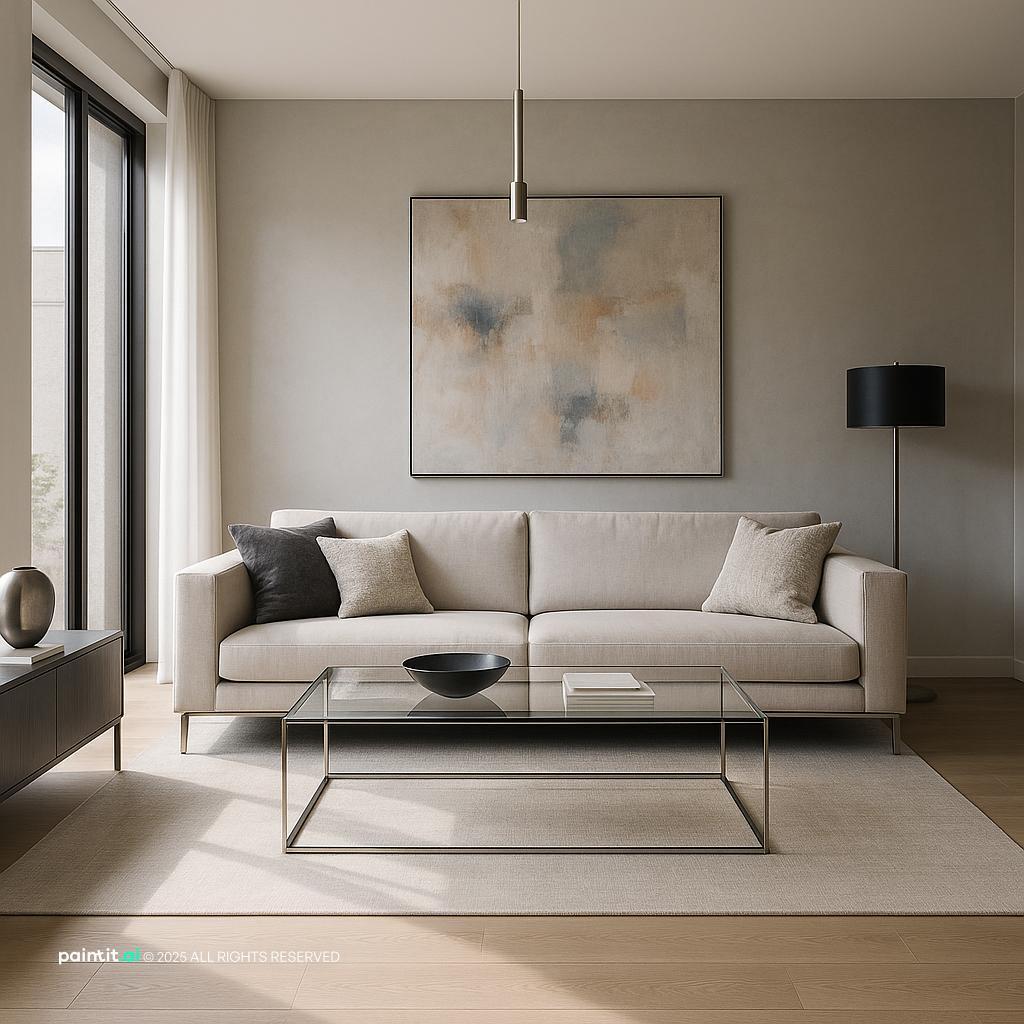
Sleek Modern Living Room Design grounds black contrast, beige foundation and soft textiles for a warmer black-and-beige living room palette.
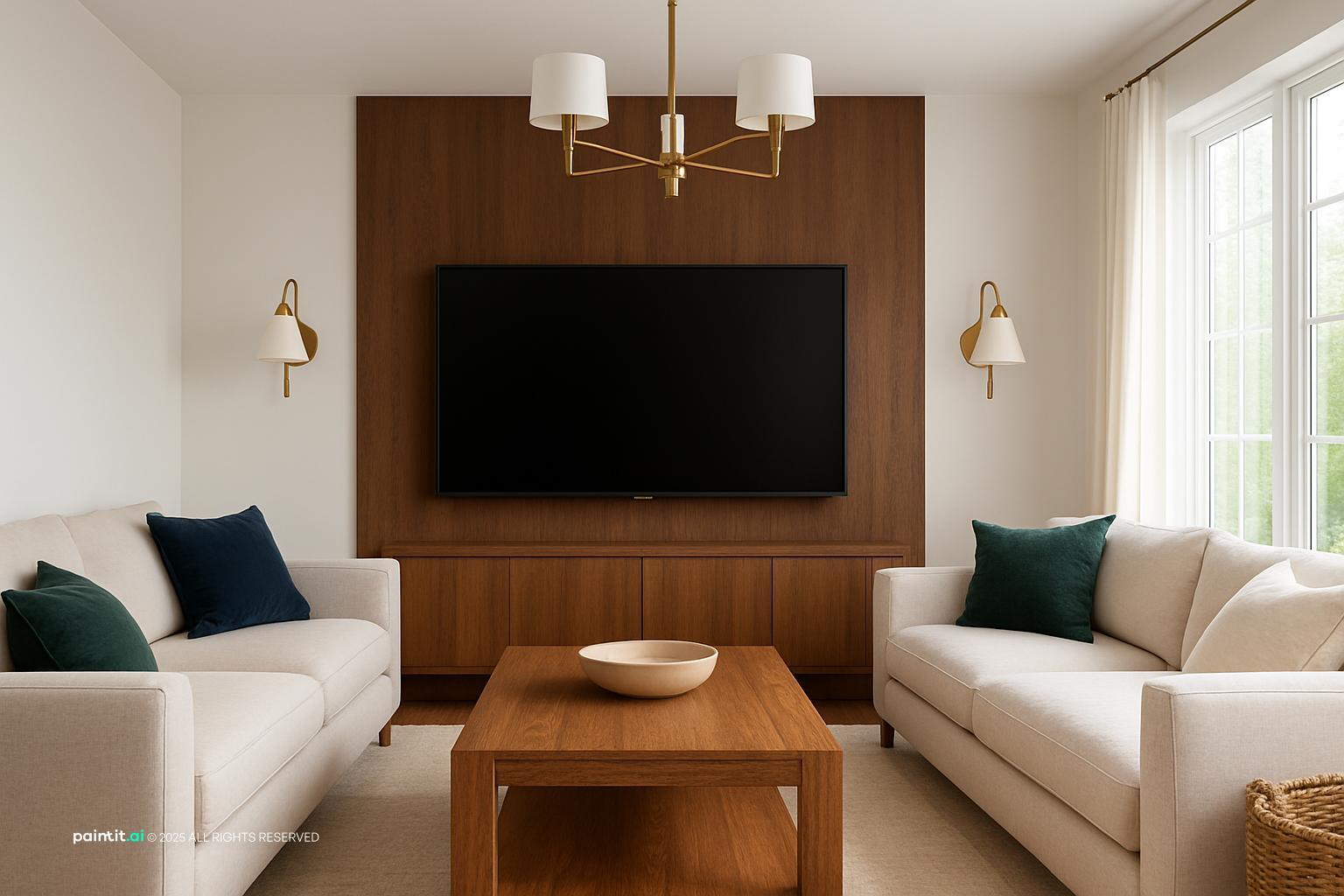
Stylish Modern Living Room Design with Black Contrast layers black contrast, beige foundation and soft textiles for a warmer black-and-beige living room palette.
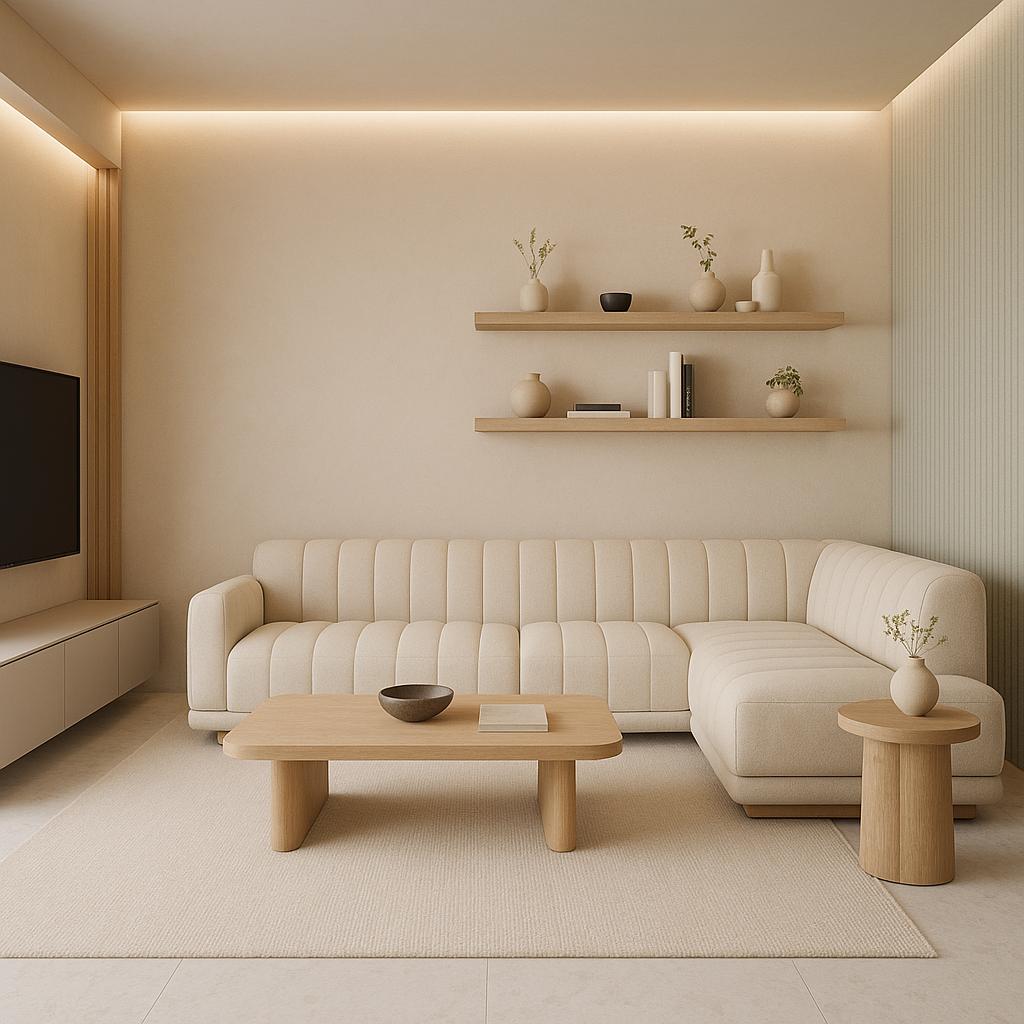
Modern Minimalist Living Room with Japandi Flair uses black contrast, beige foundation and warm wood for a warmer black-and-beige living room palette.
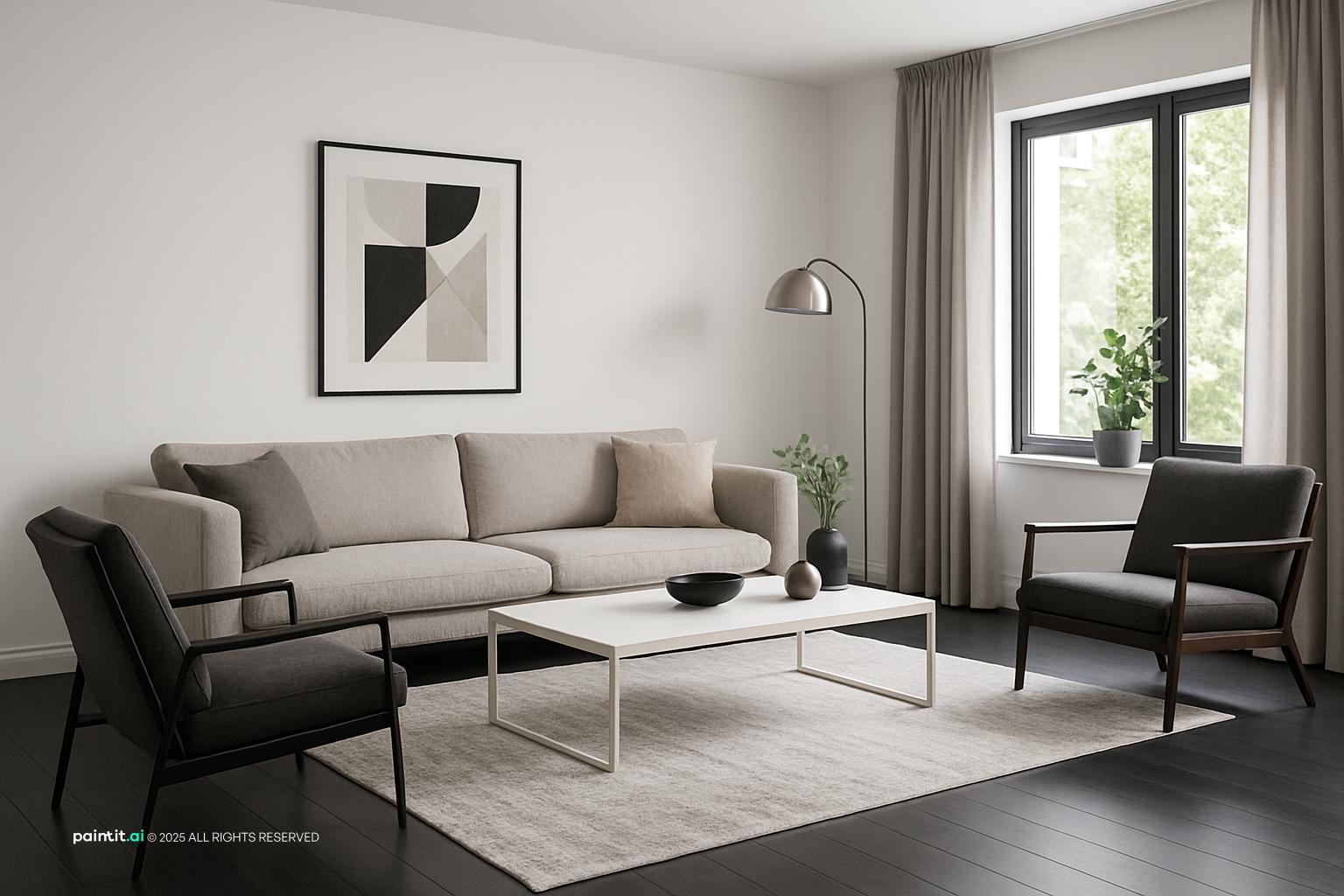
Black and Beige Living Room Ideas with Black Contrast and Beige Foundation balances black contrast, beige foundation and metal accents for a warmer black-and-beige living room palette.
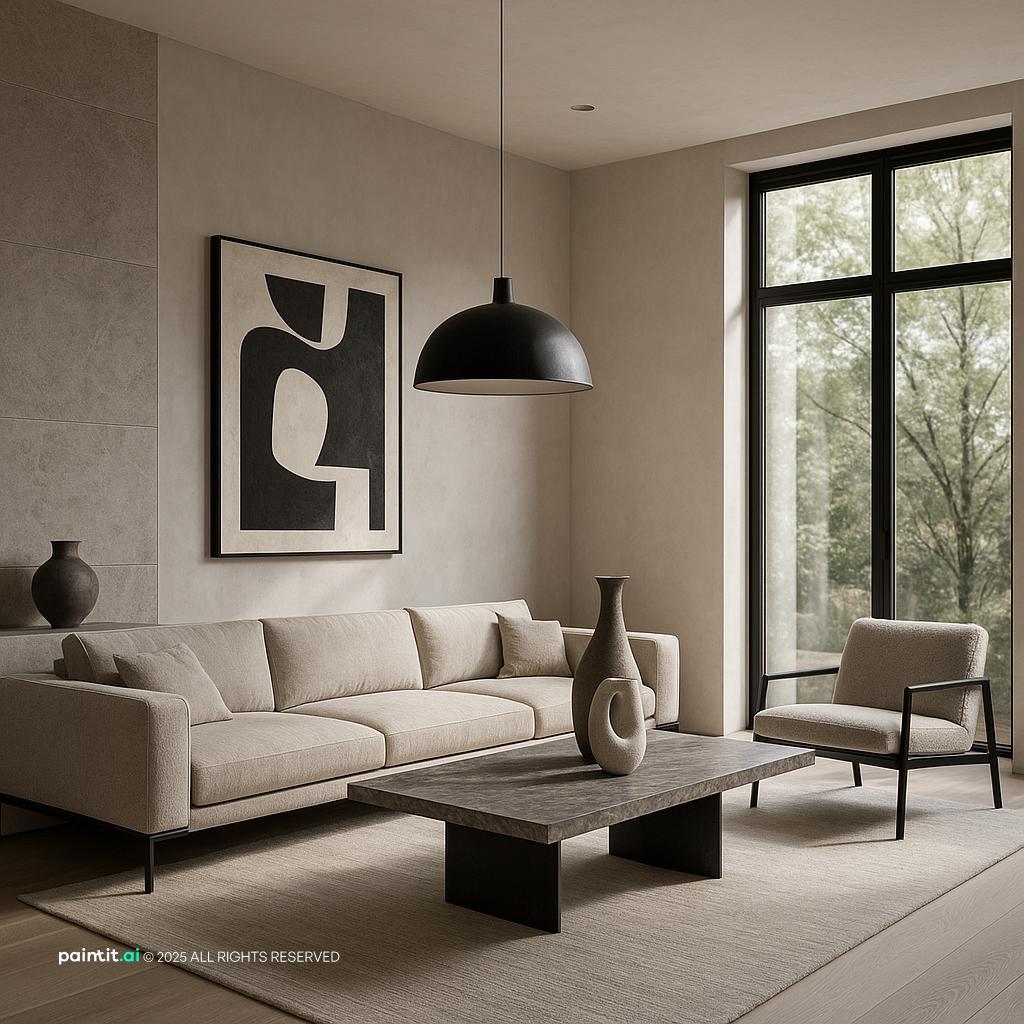
Stylish Modern Living Room Design with Beige Foundation pairs black contrast, beige foundation and metal accents for a warmer black-and-beige living room palette.
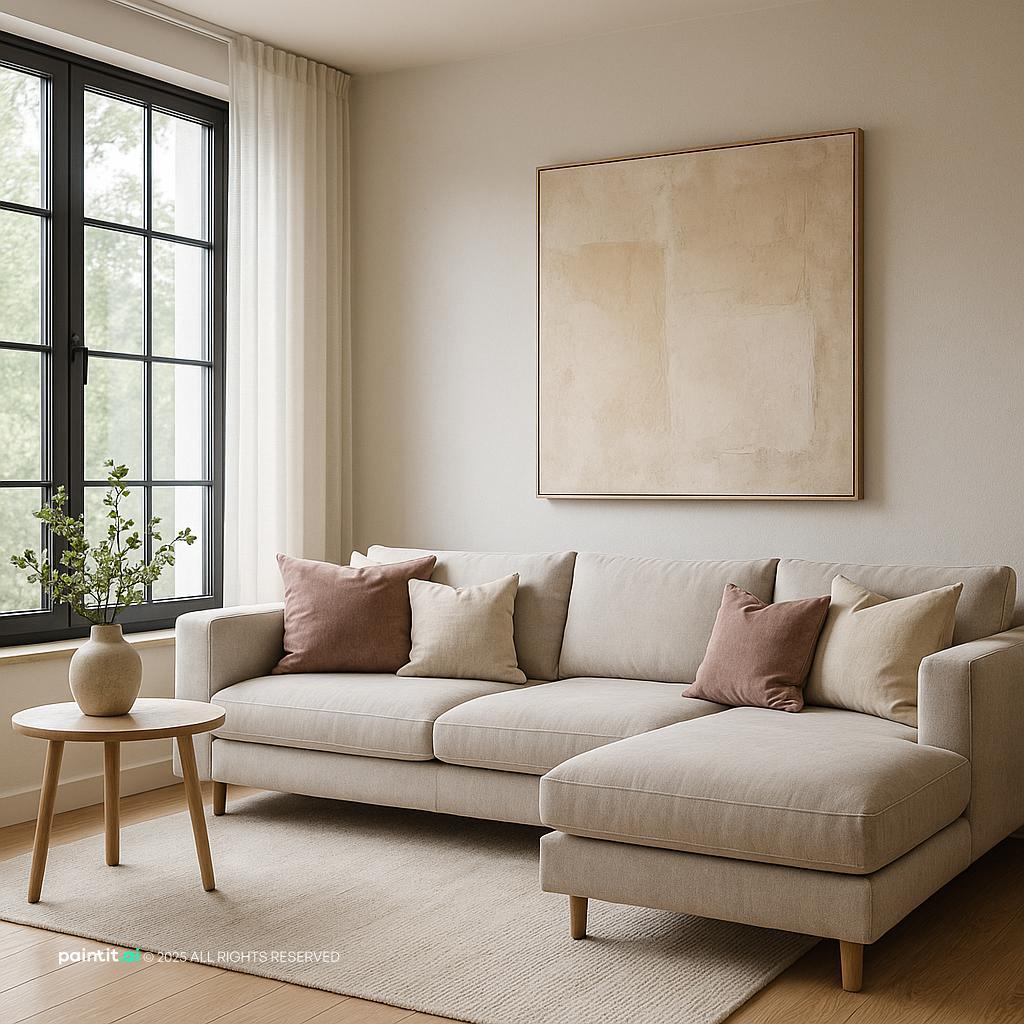
Modern Scandinavian Living Room Design softens black contrast, beige foundation and soft textiles for a warmer black-and-beige living room palette.
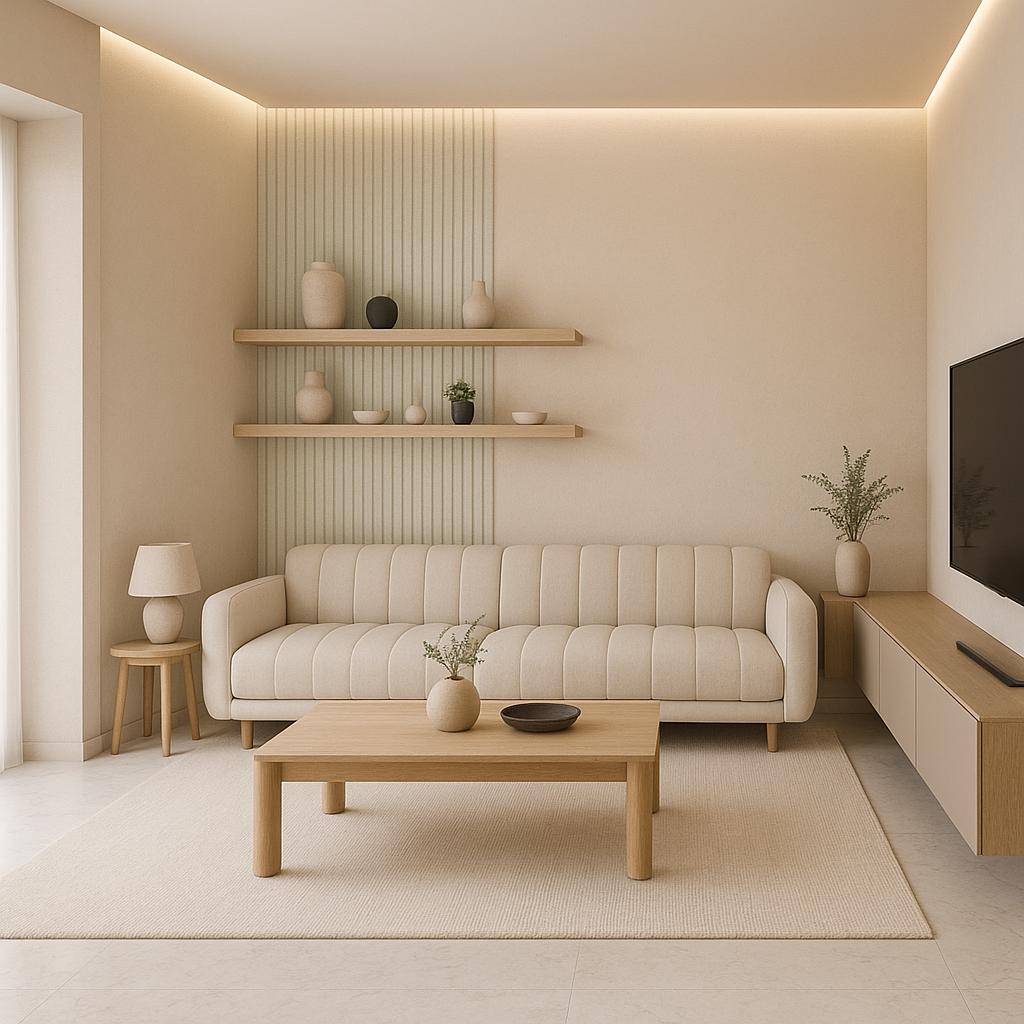
Minimalist Japandi Living Room Design grounds black contrast, beige foundation and warm wood for a warmer black-and-beige living room palette.
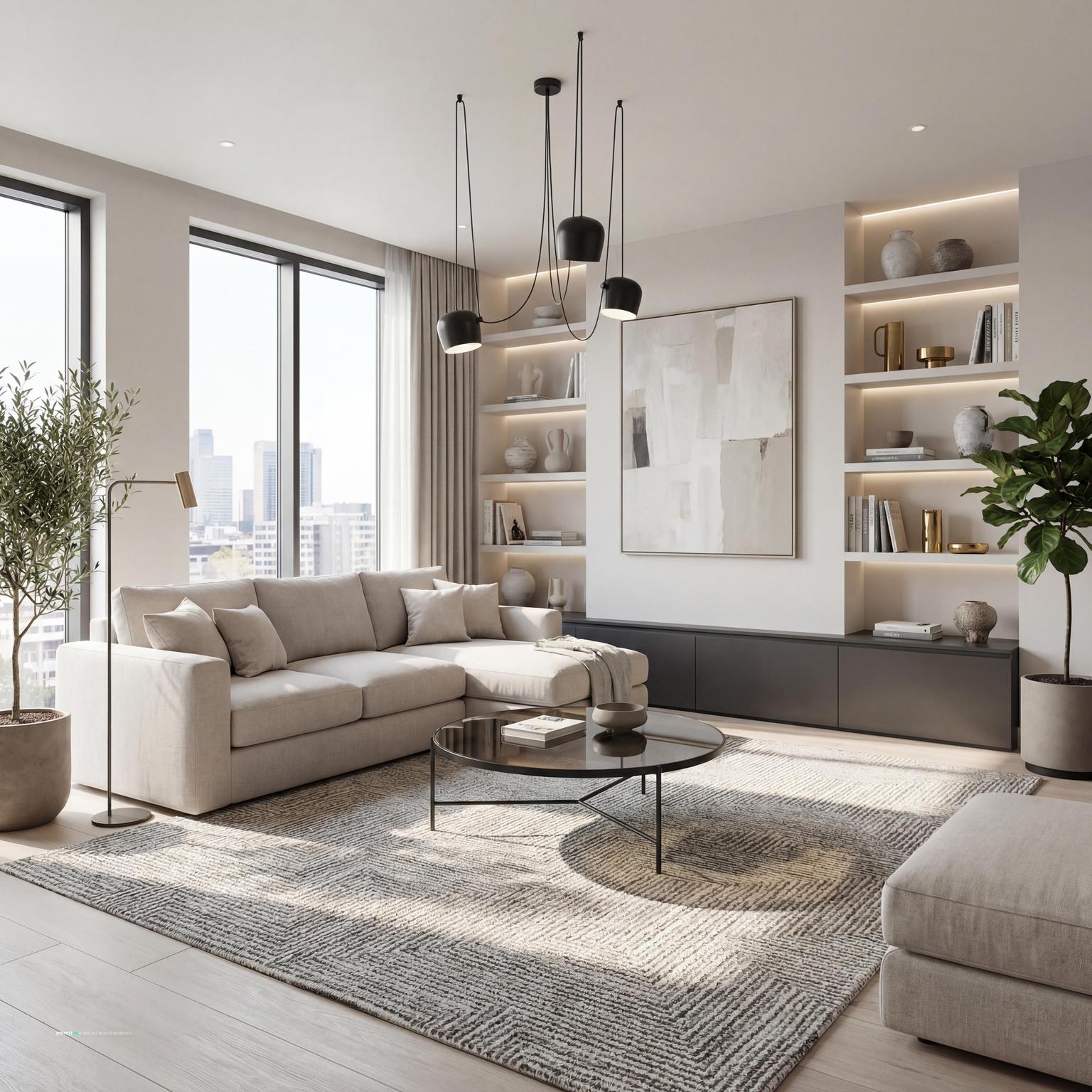
Ultra-Modern Living Room Design Inspiration layers black contrast, beige foundation and metal accents for a warmer black-and-beige living room palette.
Use beige across the largest surfaces first: walls, sofa, rug, curtains, or large upholstery. Then bring in black through smaller but visible elements such as a coffee table frame, picture frames, lamp bases, cabinet pulls, or a slim console.
Why it works: beige keeps the room open, while black gives the eye places to land. When black takes over too many large surfaces, the room can feel smaller and stricter than intended. When beige fills everything without contrast, it often reads as unfinished rather than calm.
A beige sofa is one of the easiest anchors for this palette. For a beige sofa black accents living room, try black throw pillows in linen or bouclé, a black metal floor lamp, dark-framed wall art, and a coffee table with either black legs or a dark stone top.
Keep the sofa if the scale and comfort are right. Change the surrounding pieces first. In Paintit.ai, 12.0% of prompts include keep or don't change constraints, and a beige sofa is exactly the kind of existing item people can improve with better contrast around it.
Black works best when it appears in small, intentional touchpoints. Place it at different heights: one black floor lamp, one black-framed artwork grouping, one dark coffee table detail, and maybe black curtain rods.
What to avoid: one lonely black object. A single black chair or one black lamp can look accidental, especially in a beige room. Repeat the tone at least three times so the room feels designed rather than pieced together.
A rug can make or break a beige and black living room. Look for a neutral rug with a beige, ivory, taupe, or oatmeal base and a thin black pattern, border, or abstract line. This connects the sofa, floor, and black decor without making the room busy.
Check the size before you fall in love with the pattern. The front legs of the sofa and main chairs should sit on the rug, or the rug will look too small. Leave a clean traffic path around the seating area so the dark details do not crowd the room visually.
If you want a modern black and beige living room without painting a wall, use black in the furniture structure. Slim black legs on chairs, a black-framed coffee table, a dark media console base, or open black shelving can sharpen the room while keeping the main surfaces light.
Why it works: black lines outline the layout. They define the seating zone and create a stronger sightline from the entry. Avoid chunky black furniture in a small room unless the walls, curtains, and rug are very light.
Black and beige can become too graphic if every surface is painted, lacquered, or synthetic. Bring in wood tones through side tables, shelving, a media cabinet, picture frames, or a coffee table tray. Light oak feels Scandinavian; walnut feels warmer and more grounded.
Paintit.ai users specify materials in 19.0% of prompts, and this is where the detail really changes the result. Do not stop at color. Choose materials: matte black metal, light oak wood, woven wool, travertine, or ceramic. Material contrast is what keeps the black and beige color scheme from looking flat.
Wall art is a low-risk way to test the black and beige living room color scheme. Choose abstract line art, black-and-cream photography, sepia prints, or textured canvas pieces. Keep frames consistent if the room already has many furniture shapes.
For a calmer room, use one large piece above the sofa. For a more collected room, use a gallery wall with black frames and beige mats. What to avoid: tiny art floating above a wide sofa. In practice, the artwork should usually span about two-thirds of the sofa width.
A black or charcoal accent wall can look strong behind a beige sofa, media wall, or fireplace. Choose a softened black, near-black brown, or charcoal rather than a harsh blue-black if the room gets limited daylight.
Why it works: the dark wall creates depth and makes beige upholstery feel warmer. What to avoid: a black accent wall in a room with weak lighting, low ceilings, and dark floors all at once. In that case, use black shelves, artwork, or a media unit instead.
Curtains are easy to ignore, but they control a large vertical plane in the living room. Beige, oatmeal, greige, or warm ivory curtains soften black accents and make the room feel taller when they are hung close to the ceiling.
Use black curtain rods if you want a clean line that repeats the other dark details. Avoid shiny black rods in a relaxed room; matte or satin finishes usually sit better with linen, cotton, or wool-blend fabrics.
Black absorbs light, so a beige and black living room needs more than one overhead fixture. Use layered lighting: a ceiling light for general illumination, a floor lamp near the sofa, a table lamp for softer evening light, and possibly picture lights or shelf lighting.
Why it works: beige can turn muddy under weak bulbs, and black details disappear into shadow. Choose warm bulbs instead of cold white light. We often see rooms that look good in daylight but dull at night; most of the time, the problem is lighting, not the color scheme.
A black coffee table can anchor the seating area, but its shape matters. A round or oval table softens the contrast, especially if the sofa is rectangular and the rug has straight edges. A rectangular black table works better in a larger room with enough walkway clearance.
Leave about 16 to 18 inches between the sofa and coffee table where possible. If the room is tight, use nesting tables, a black metal frame with a glass top, or a small upholstered ottoman in beige with a black tray.
Throw pillows are useful, but they should not carry the whole design. Mix textures: black linen, beige bouclé, warm taupe wool, a patterned cushion, and one knitted throw. Keep the palette tight, but vary the surface.
What to avoid: five flat cotton pillows in slightly different beige shades. That creates clutter without depth. Use fewer pieces with better texture, and repeat at least one black detail from elsewhere in the room.
If you are working with an empty or partly furnished living room, test scale before you order a sofa, rug, or media unit. AI virtual staging can help you place a beige sofa, black decor, and larger furniture pieces so you can judge proportion before spending money.
This is especially useful in open-plan rooms where the living area shares space with dining or kitchen zones. The black details should help define the seating area, not create visual noise from every angle.
The best black beige living room decor often comes from small edits: make the beige a bit warmer, choose a darker frame, replace a shiny lamp with matte black metal, or add one textured rug. In Paintit.ai behavior, iterative refinement appears in 15.0% of prompts, and 509 chats have 5+ moves, which reflects how real decorating decisions usually happen.
If the room feels cold, warm up the beige or add wood. If it feels heavy, reduce black mass and improve lighting. If it feels bland, add one stronger pattern or material contrast rather than more objects. If you are unsure how to balance these tones, you can learn how to redesign a living room with Paintit.ai and compare changes visually.
Use the second gallery to compare warmer and cooler versions of the palette, from light beige rooms with slim black lines to moodier spaces with charcoal walls, dark shelving, and stronger material contrast.
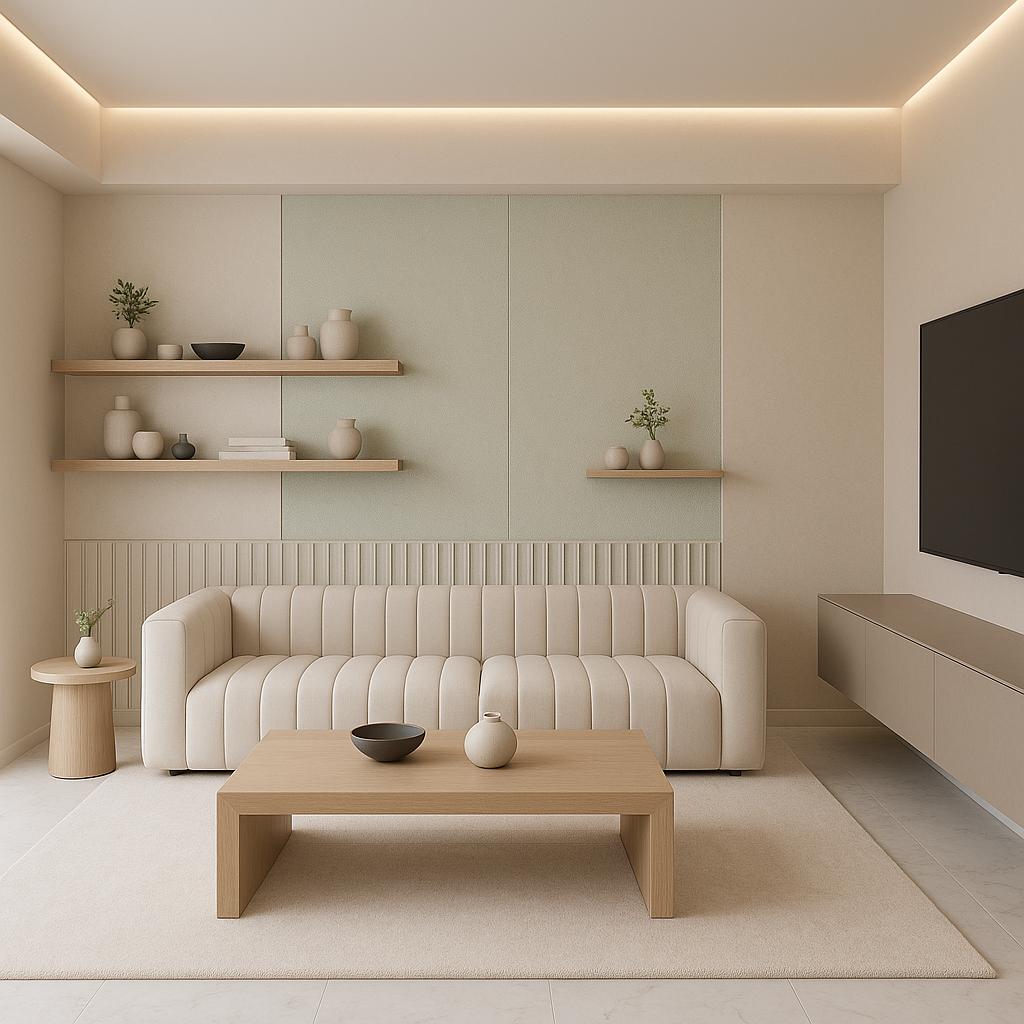
Modern Minimalist Living Room Design with Black Contrast uses black contrast, beige foundation and warm wood for a warmer black-and-beige living room palette.
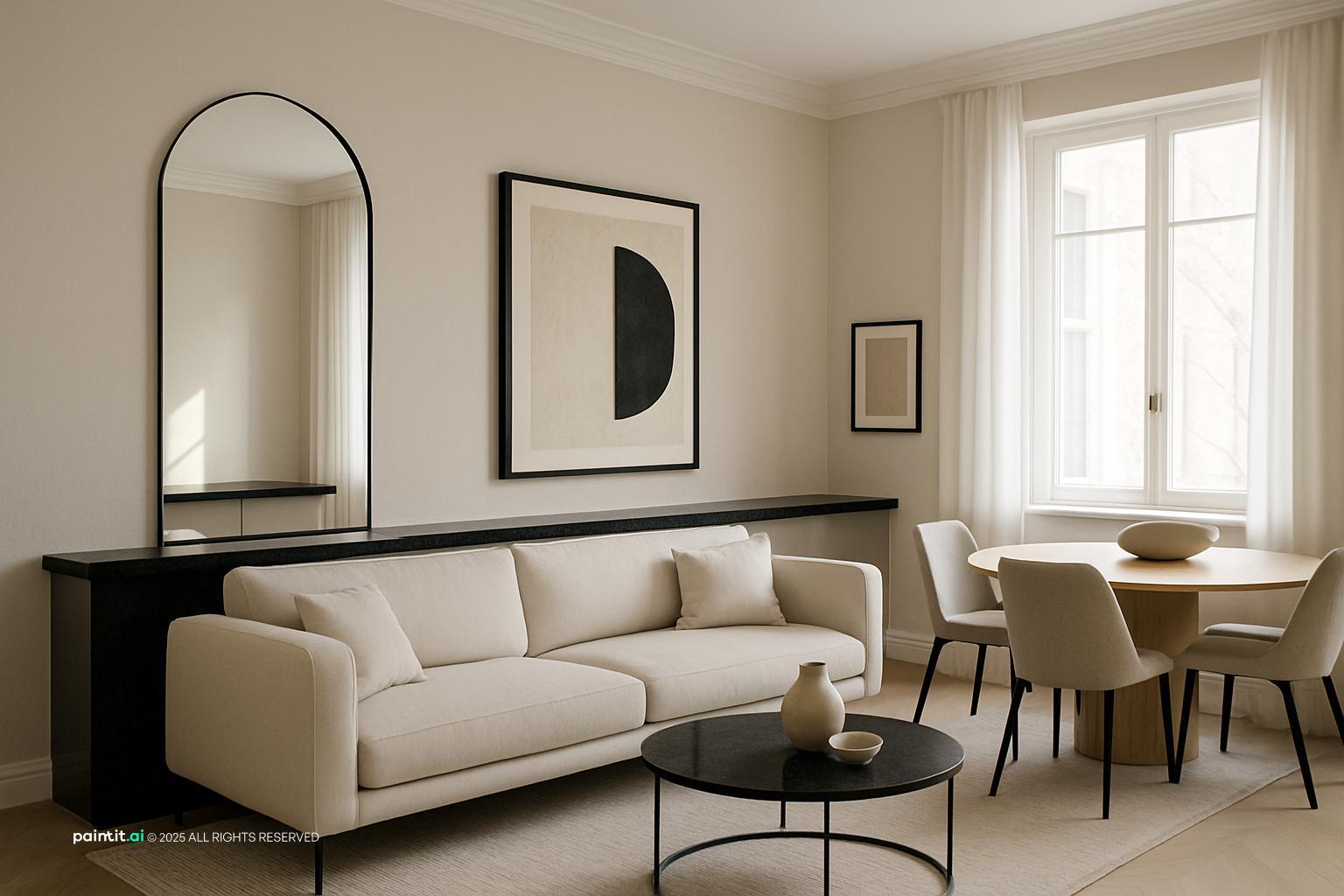
Black and Beige Living Room Ideas with Black Contrast and Beige Foundation with Layered Neutrals balances black contrast, beige foundation and layered neutrals for a warmer black-and-beige living room palette.
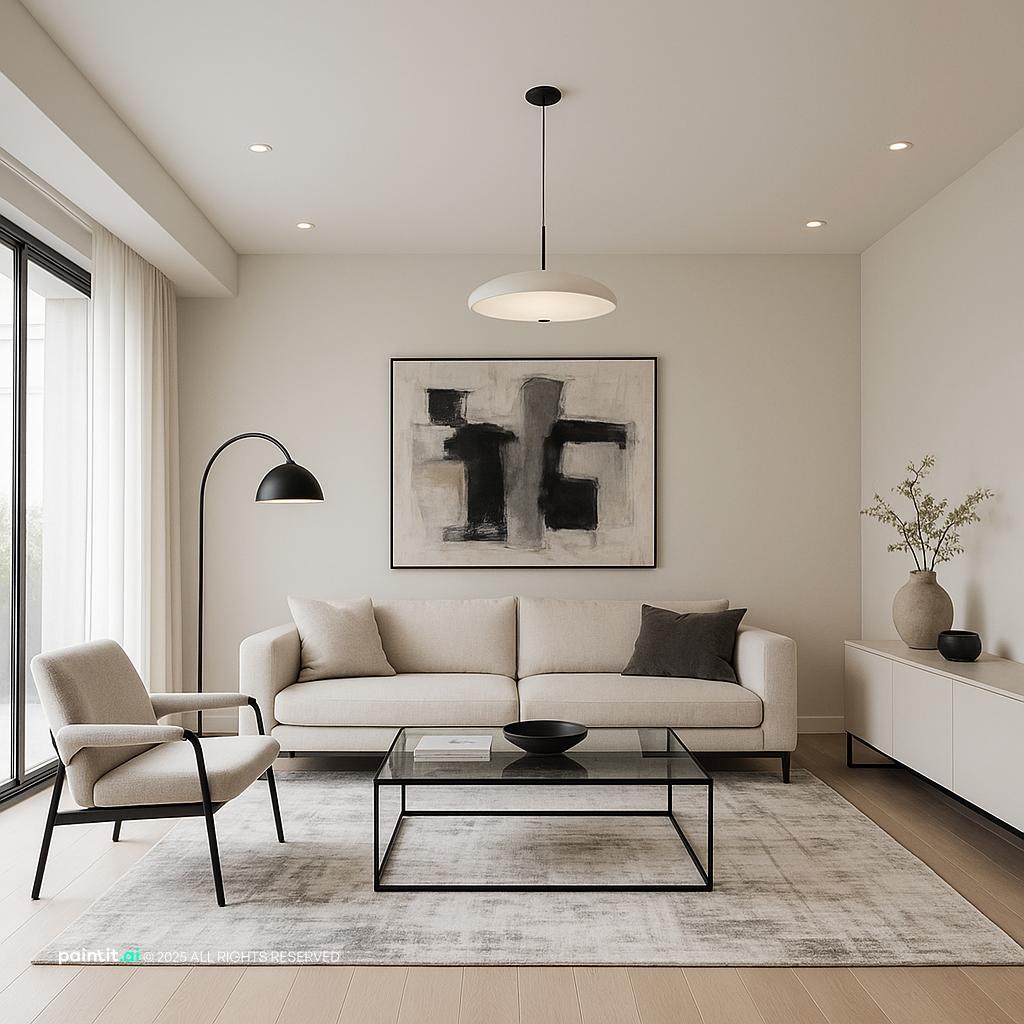
Stylish Modern Living Room Design with Clean-lined Furniture pairs black contrast, beige foundation and clean-lined furniture for a warmer black-and-beige living room palette.
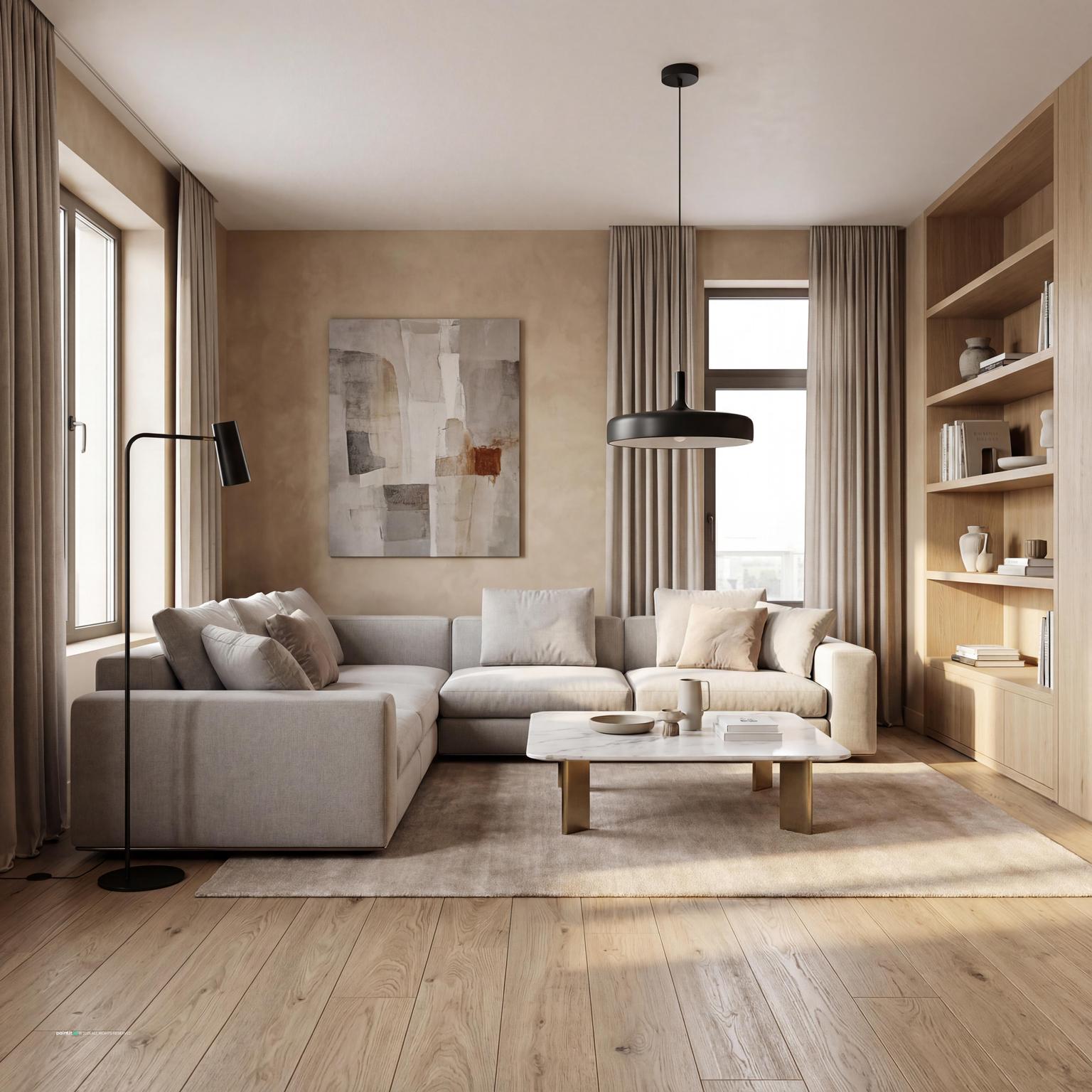
Contemporary Living Room Design softens black contrast, beige foundation and warm wood for a warmer black-and-beige living room palette.
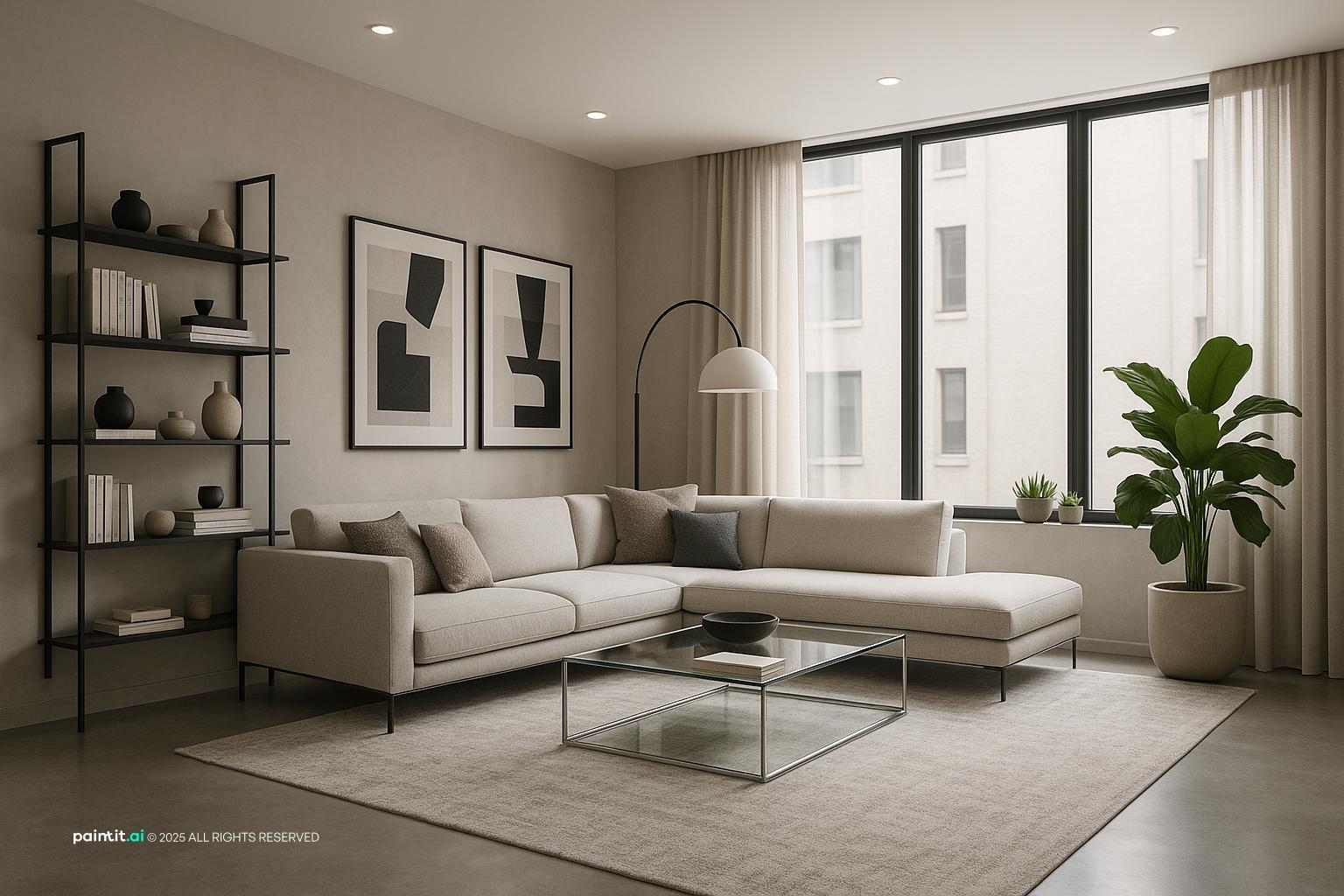
Black and Beige Living Room Ideas with Black Contrast and Beige Foundation with Soft Textiles grounds black contrast, beige foundation and soft textiles for a warmer black-and-beige living room palette.
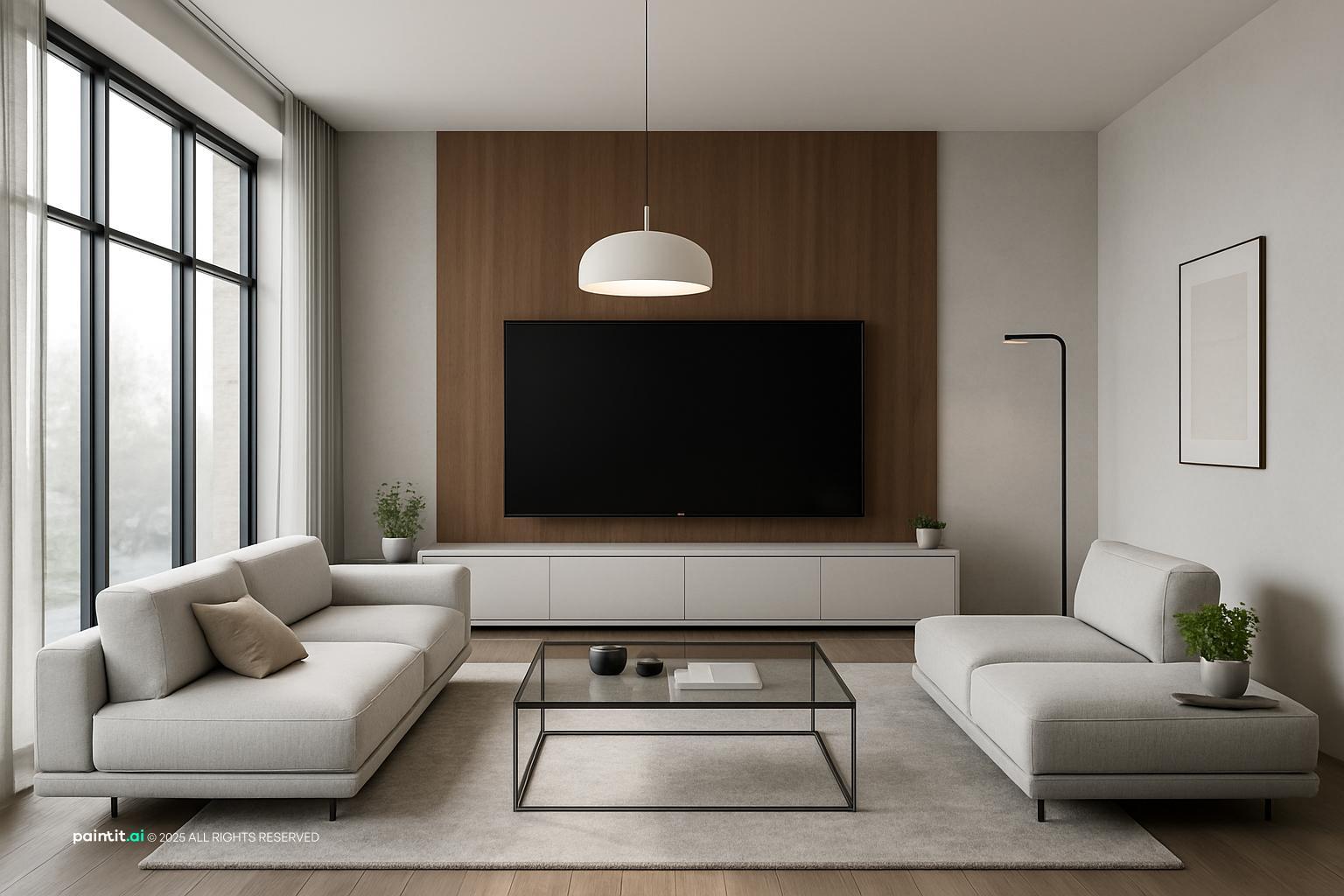
Elegant Modern Living Room Design 2025 layers black contrast, beige foundation and metal accents for a warmer black-and-beige living room palette.
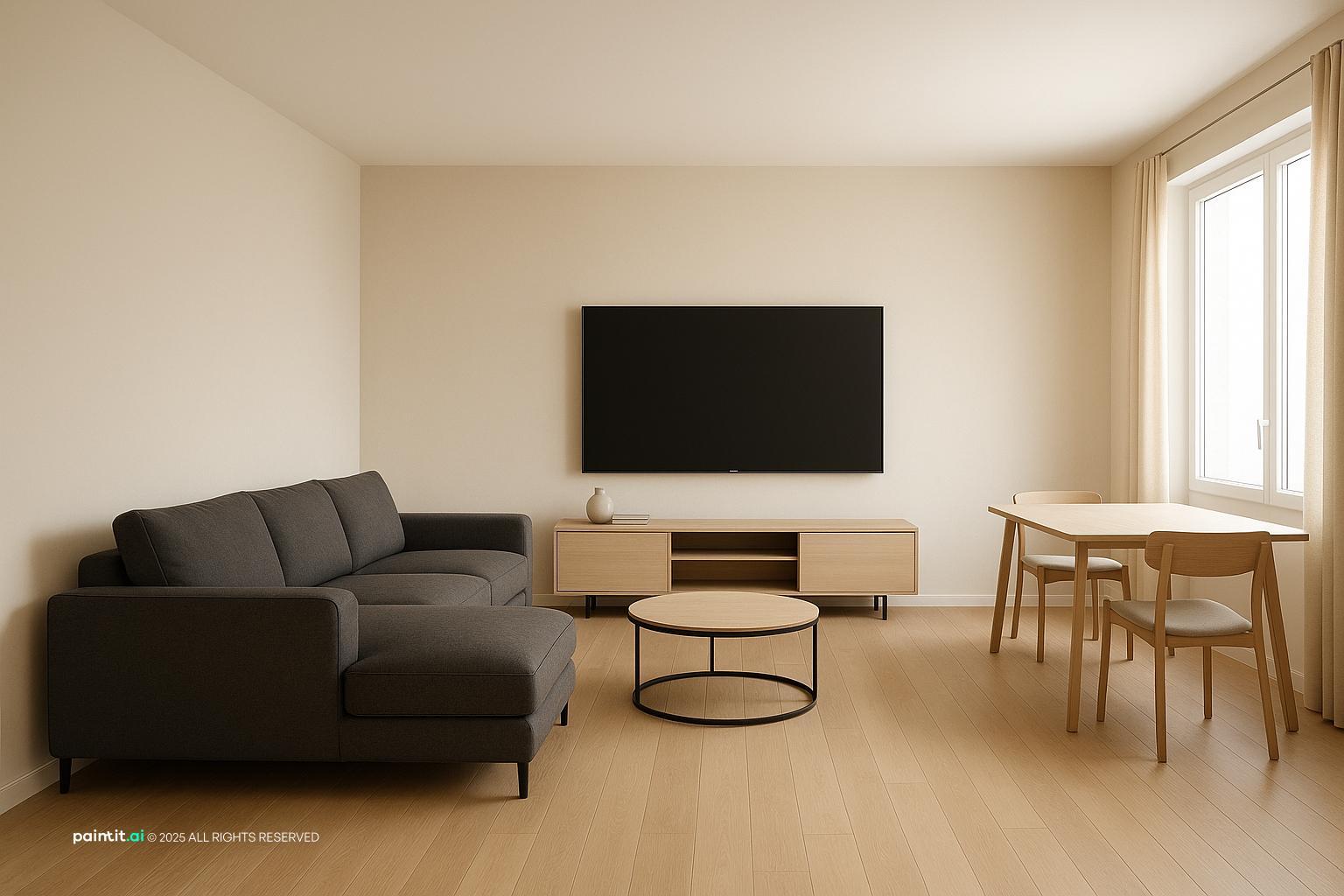
Modern Living Room Redesign uses black contrast, beige foundation and layered neutrals for a warmer black-and-beige living room palette.
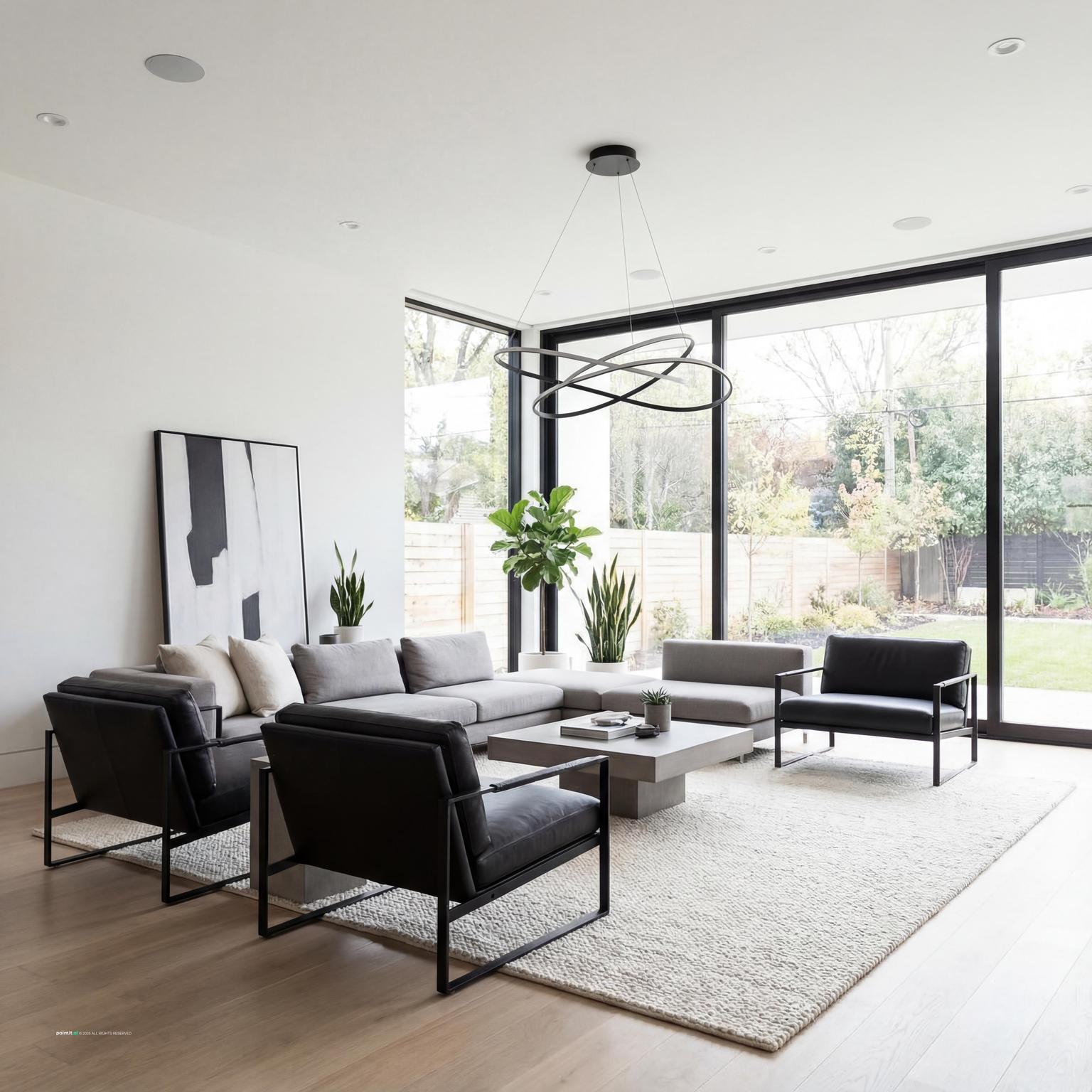
Modern Minimalist Living Room Design with Beige Foundation balances black contrast, beige foundation and clean-lined furniture for a warmer black-and-beige living room palette.
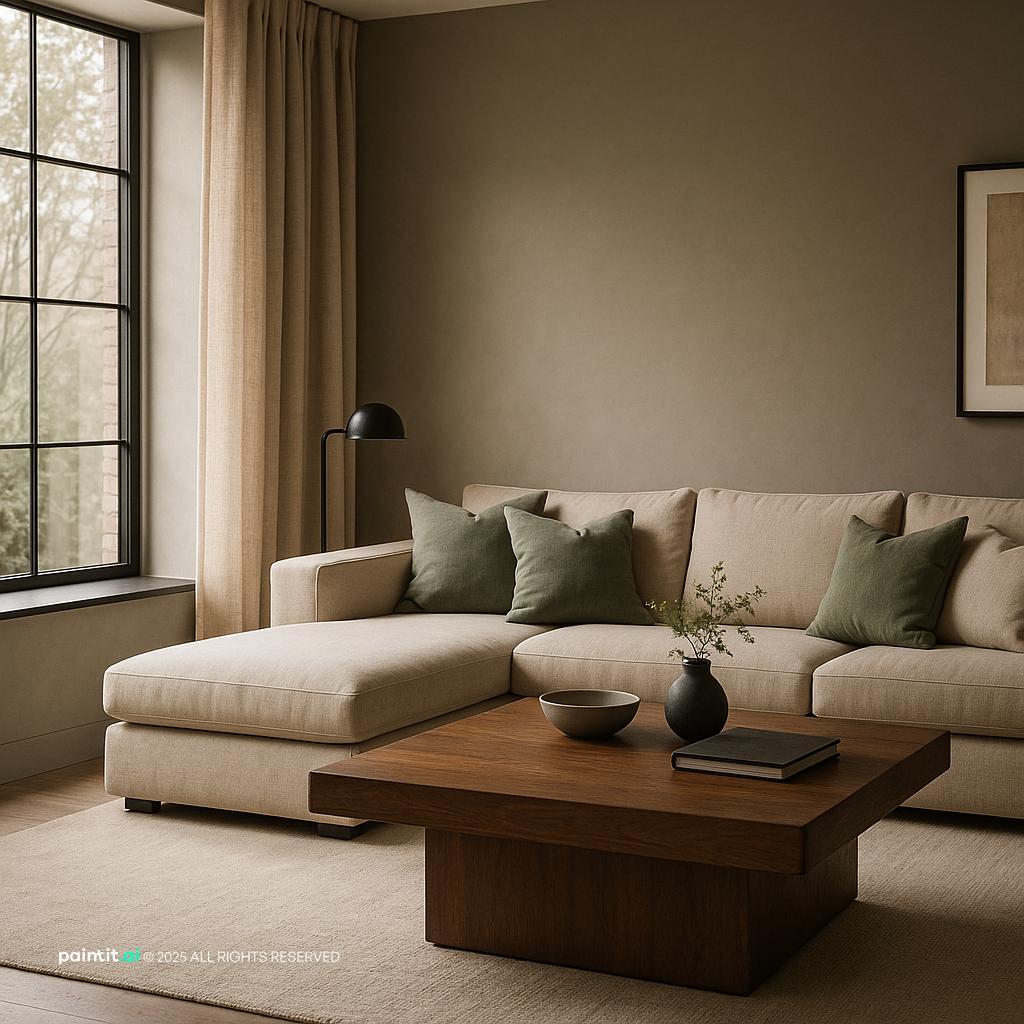
Elegant Contemporary Living Room Design pairs black contrast, beige foundation and warm wood for a warmer black-and-beige living room palette.
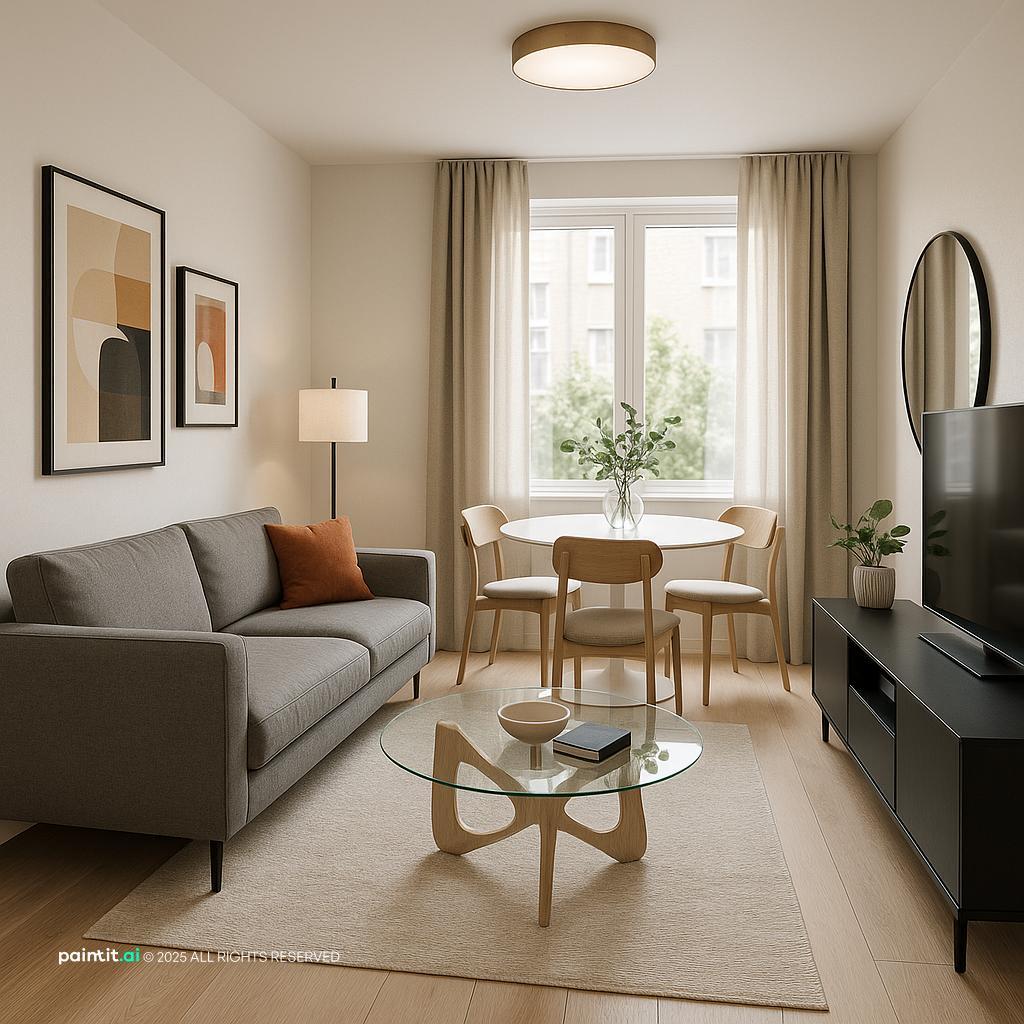
Modern Lively Living Room Design Inspiration softens black contrast, beige foundation and layered neutrals for a warmer black-and-beige living room palette.
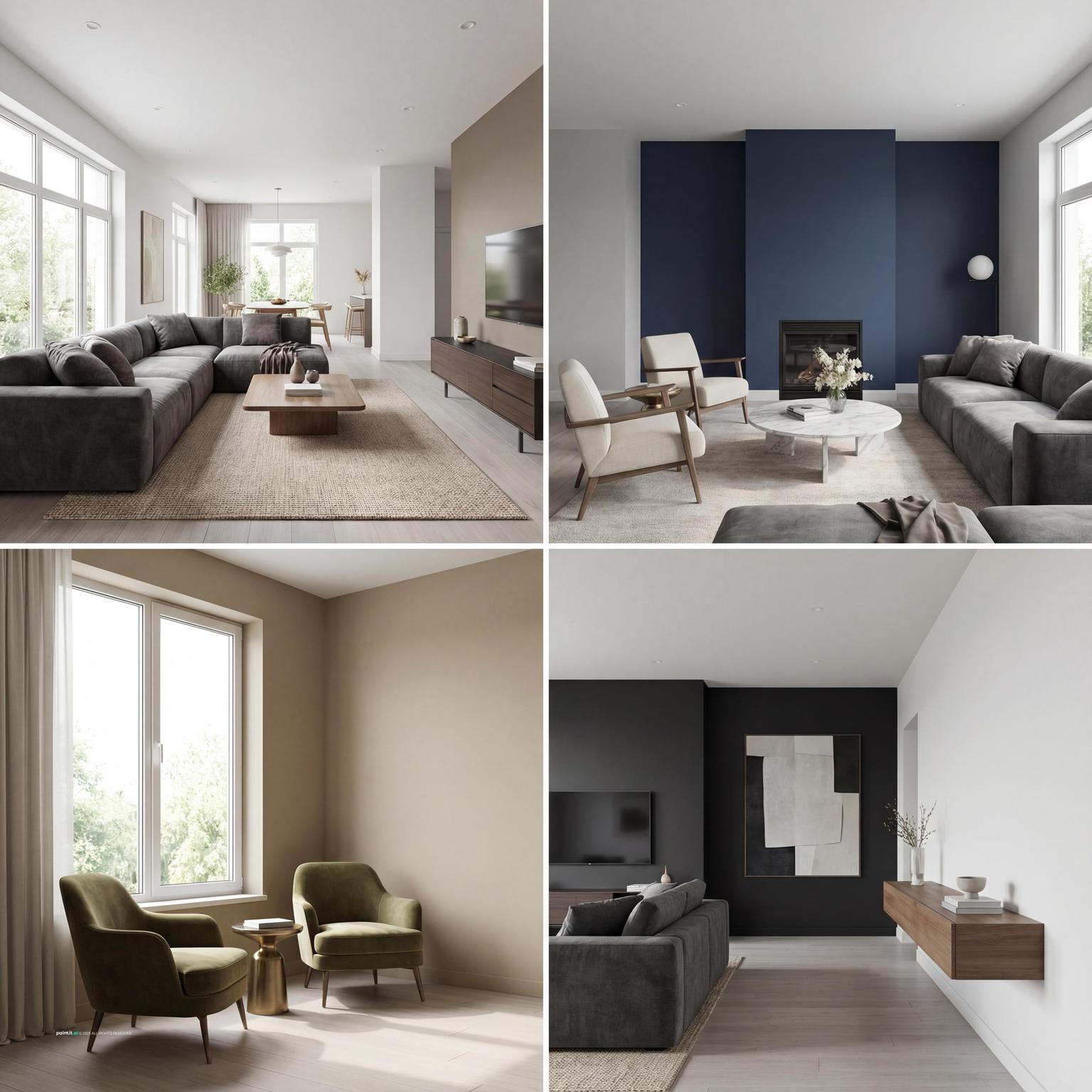
Black and Beige Living Room Ideas with Black Contrast and Beige Foundation View 4 grounds black contrast, beige foundation and layered neutrals for a warmer black-and-beige living room palette.
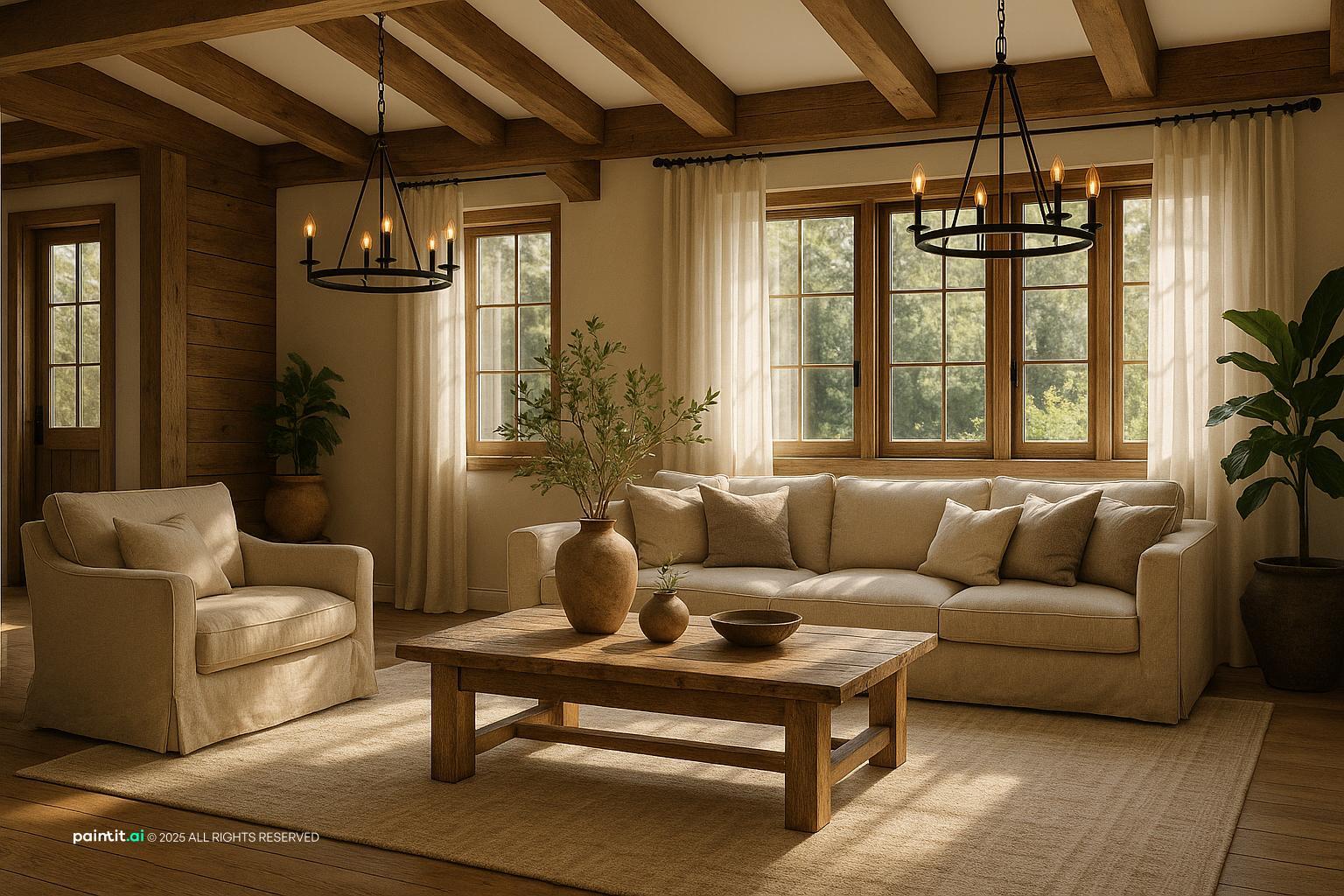
Black and Beige Living Room Ideas with Black Contrast and Beige Foundation with Warm Wood layers black contrast, beige foundation and warm wood for a warmer black-and-beige living room palette.
Choose beige based on the light in your room. Warm beige works well with walnut, brass, cream, and soft black. Greige or taupe-beige suits cooler daylight, concrete, black steel, and modern furniture.
Where to use it: walls, sofas, curtains, and rugs. What to avoid: yellow-beige walls with pink-beige upholstery unless a rug, wood finish, or artwork clearly ties the two undertones together.
Black does not have to mean the same finish everywhere. Matte black metal feels quiet and modern, blackened wood feels softer, and black stone adds weight. Mixing two finishes can make the palette feel more intentional.
Use matte black for lighting, frames, and furniture legs. Avoid too many glossy black surfaces in a living room because they show dust, glare, and fingerprints quickly.
A black and beige color scheme benefits from tactile surfaces. Try wool rugs, linen curtains, leather cushions, oak or walnut tables, ceramic vases, travertine side tables, or woven baskets.
Why it works: materials create shadow and texture inside a limited palette. Avoid using only smooth painted furniture and flat fabric, because the room can start to look like a sample board instead of a lived-in space.
Black metal finishes are the obvious choice, but aged brass, brushed nickel, or bronze can work depending on the mood. Brass warms the palette; nickel cools it; bronze bridges black and beige nicely.
Use metal on lamps, curtain rods, cabinet pulls, table frames, or fireplace tools. Avoid mixing every metal in one small room. Two metal finishes are usually enough.
Use warm white bulbs and place light at different heights. A ceiling fixture alone will flatten beige walls and make black accents look harsh. Add a floor lamp for the seating area, a table lamp near a reading chair, and subtle shelf or picture lighting if the room has built-ins.
This matters most in the evening. If the room has a black accent wall or dark media unit, add nearby light so the area has shape rather than turning into a dark rectangle.
Black and beige rooms do not need many accessories. Choose a large ceramic bowl, one sculptural vase, a stack of books with neutral covers, a textured tray, and a plant with deep green leaves if the room needs life.
Place darker objects against beige surfaces and lighter objects near black furniture. Avoid scattering small black items everywhere; that creates visual static instead of decor balance.
Good accent colors include olive green, rust, terracotta, muted gold, chocolate brown, ivory, and soft clay. Use them in one or two places, such as throw pillows, art, a vase, or a blanket.
Keep the accent color secondary. If every accessory introduces a new color, the black and beige structure disappears. For a more minimal result, let wood, stone, and fabric texture act as the accent instead.
Stand at the main doorway and notice where your eye goes first. If all black elements sit on one side, move one lamp, frame, or chair detail across the room. If the beige areas feel empty, add texture before adding more beige objects.
For anyone starting with a blank slate, an AI living room design workflow helps visualize how black accents interact with beige walls, rugs, and furniture before you commit.
Upload a real living room photo to Paintit.ai and test the palette on your actual layout. You can ask to keep a beige sofa, add matte black lighting, change curtains, try a charcoal accent wall, warm up the wood tones, or remove clutter without guessing from a generic inspiration image.
For more control, write the request like a design brief: KEEP: beige sofa and wood floor. REMOVE: bulky dark chair. MATERIALS: light oak, wool rug, matte black metal. LIGHTING: warm layered lighting. The AI room design tool is useful when you want to compare versions such as a bit darker, warmer beige, more black contrast, or less visual weight.
Yes. Beige adds warmth and softness, while black adds definition. The mix works best when beige carries the larger surfaces and black repeats in smaller accents around the room.
Start with beige walls, sofa, curtains, or rug, then add black through lighting, frames, tables, hardware, and art. Bring in wood, woven textiles, and warm lighting so the room feels layered, not flat.
Olive green, rust, terracotta, chocolate brown, ivory, muted gold, and soft clay all work well. Use one accent color sparingly so the black and beige structure stays clear.
Add material contrast and layered lighting. Mix wool, linen, wood, ceramic, stone, and matte metal, and avoid relying only on painted surfaces, matching fabrics, and one overhead light.
Yes, if the room has enough natural and artificial light. Choose a softened black or charcoal, then balance it with light curtains, a pale rug, and warm wood pieces.