
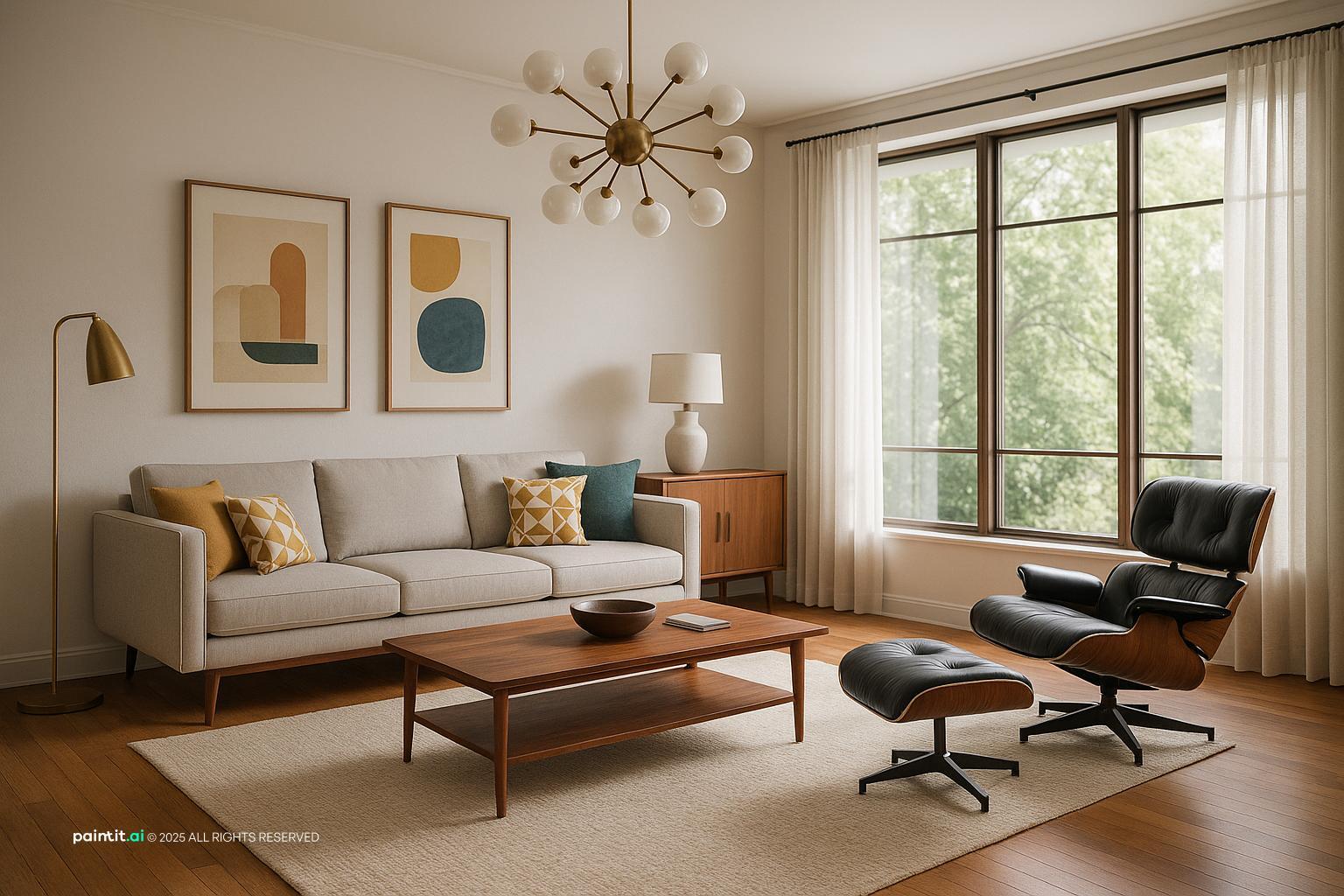
Mid-Century Modern Living Room Design
Mid-Century Modern Living Room Design uses teal accents, warm wood and soft textiles in a living room setting.
Teal living room ideas usually work or fail because of the whole room, not because the shade is pretty on its own. Teal needs the right neighbors: natural light, wood tones, rug texture, metal accents, curtains, and the colors already sitting in the space. A soft blue-green teal can feel relaxed and airy. A deep green-teal can feel tailored and dramatic. The real difference is proportion: where the teal goes, how much surface it covers, and what you place next to it.
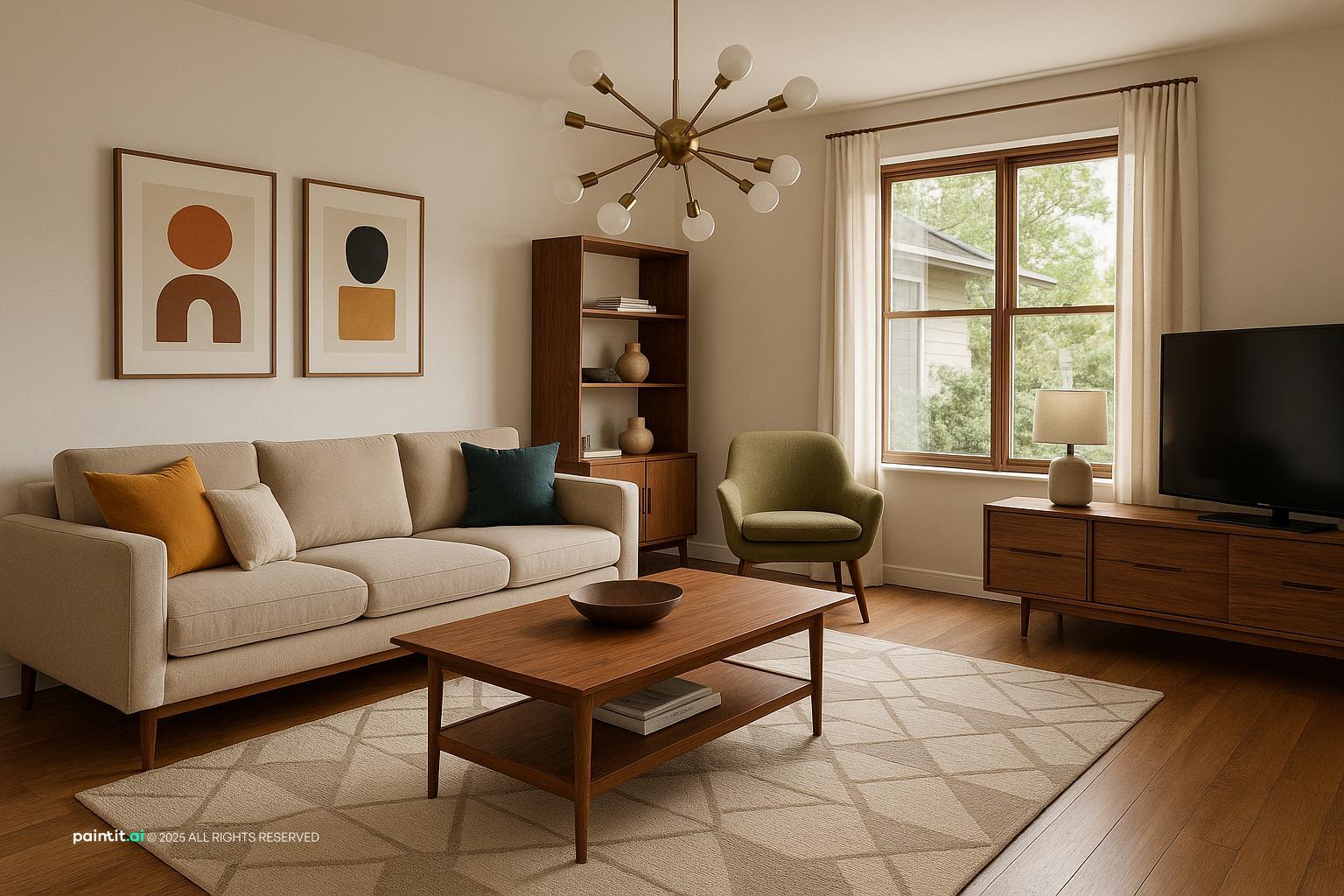
The first choice is not simply, do you like teal? The useful question is where teal should live: on the walls, on the sofa, in the curtains, or in smaller accents through wall art and textiles. In Paintit.ai behavior data, ~70% of users start with short, keyword-style requests. We see this all the time: a prompt like teal living room gives the AI almost no design direction. A better starting point names the room, the teal placement, the materials you want to keep, and the lighting mood.
If you are still comparing color families, look at teal beside other best living room colors before you commit. Teal has more personality than gray or beige, but it also reacts harder to undertones. It can look crisp with white trim, earthy with walnut, polished with brass, or too heavy if the room has poor lighting and no pale surfaces to balance it.
Use the first gallery to compare what happens when teal appears as paint, upholstery, curtains, art, or small decor. The useful question is not which room looks boldest. It is which one matches your daylight, existing furniture, and actual comfort with strong color.
Mid-Century Modern Living Room Design uses teal accents, warm wood and soft textiles in a living room setting.
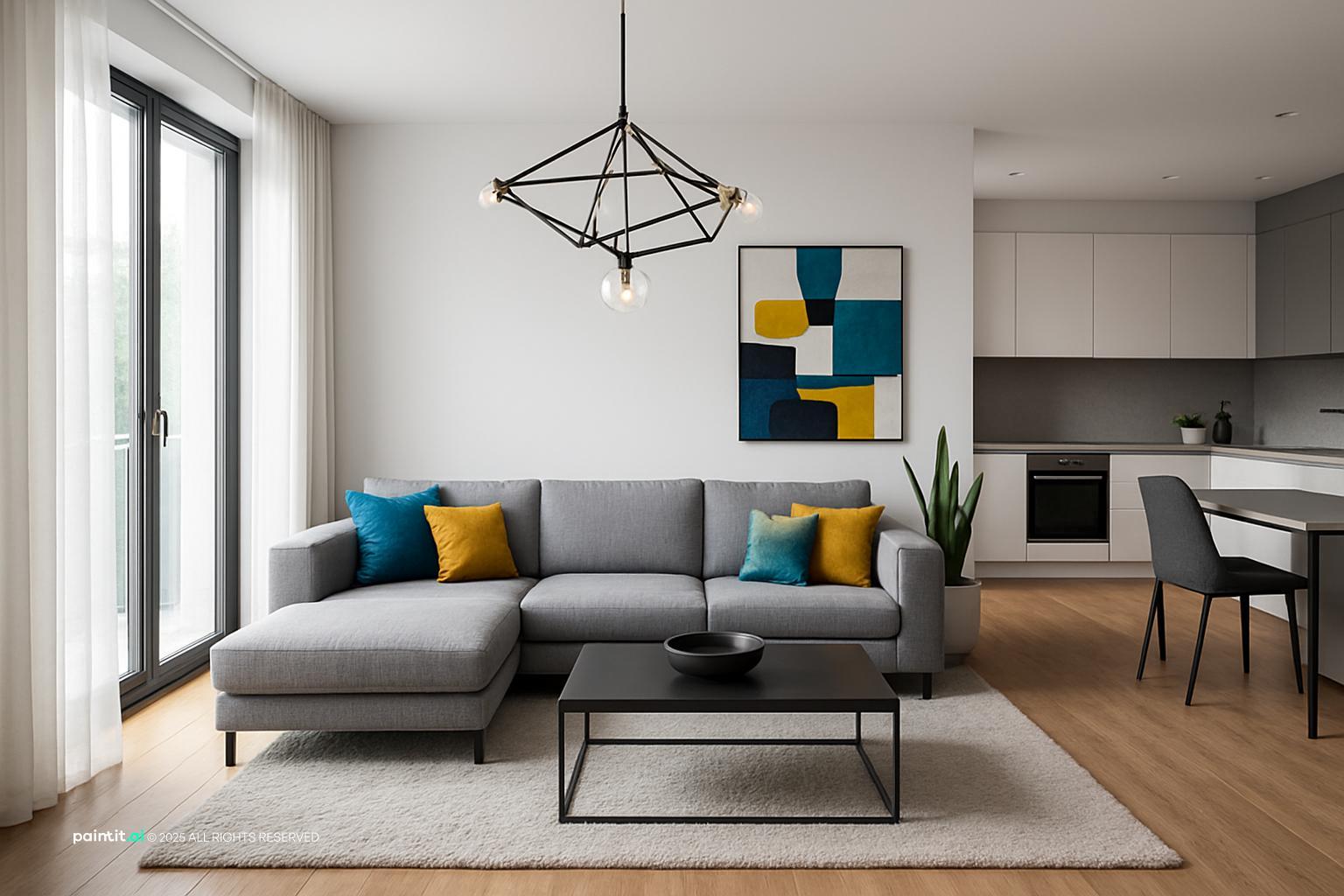
Teal Living Room Ideas with Teal Accents and Soft Textiles balances teal accents, soft textiles and clean-lined furniture in a living room setting.
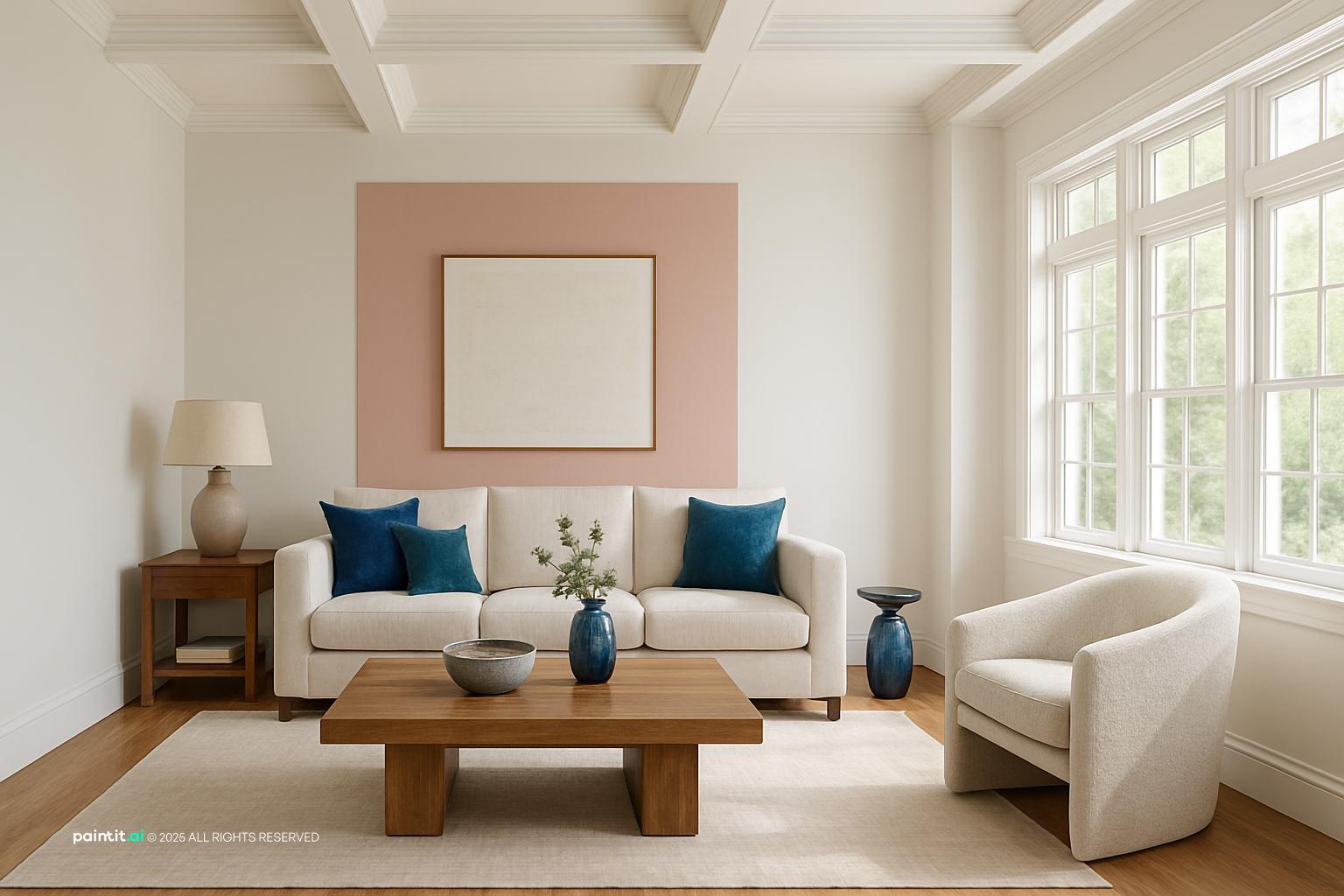
Modern Spacious Living Room Design pairs teal accents, warm wood and layered neutrals in a living room setting.
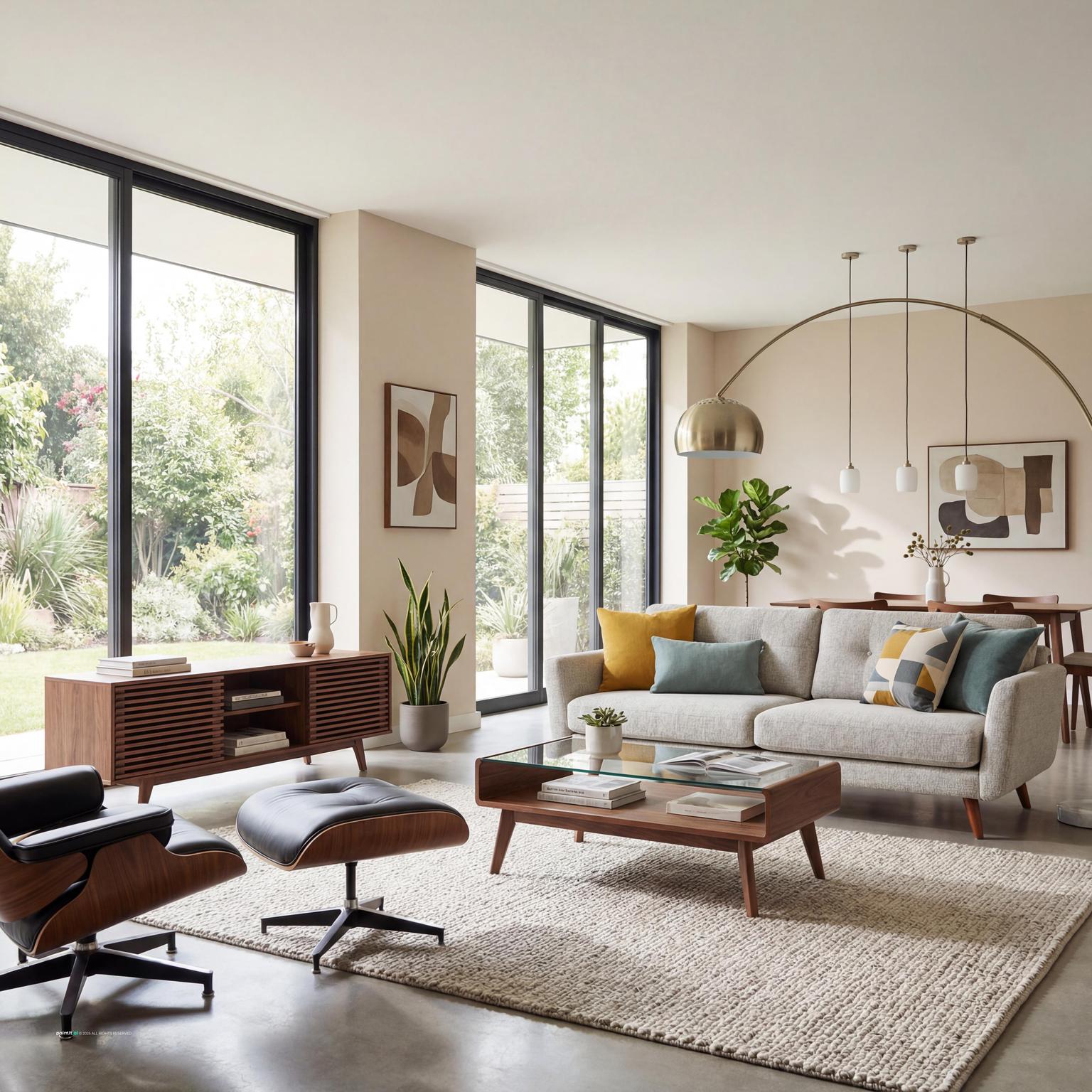
Stunning Mid-Century Modern Living Room layers teal accents, warm wood and soft textiles in a living room setting.
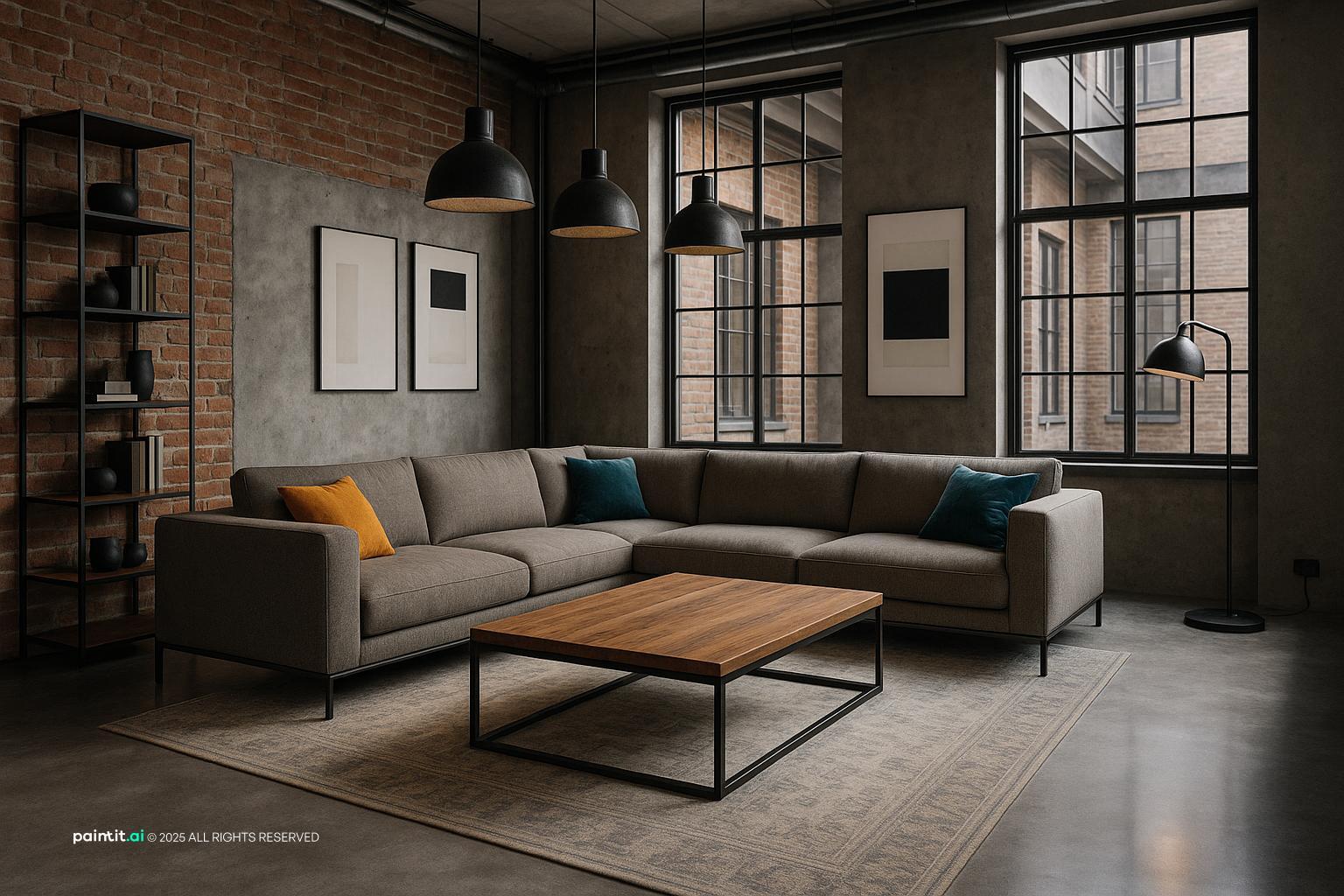
Modern Industrial Living Room Design anchors teal accents, soft textiles and metal accents in a living room setting.
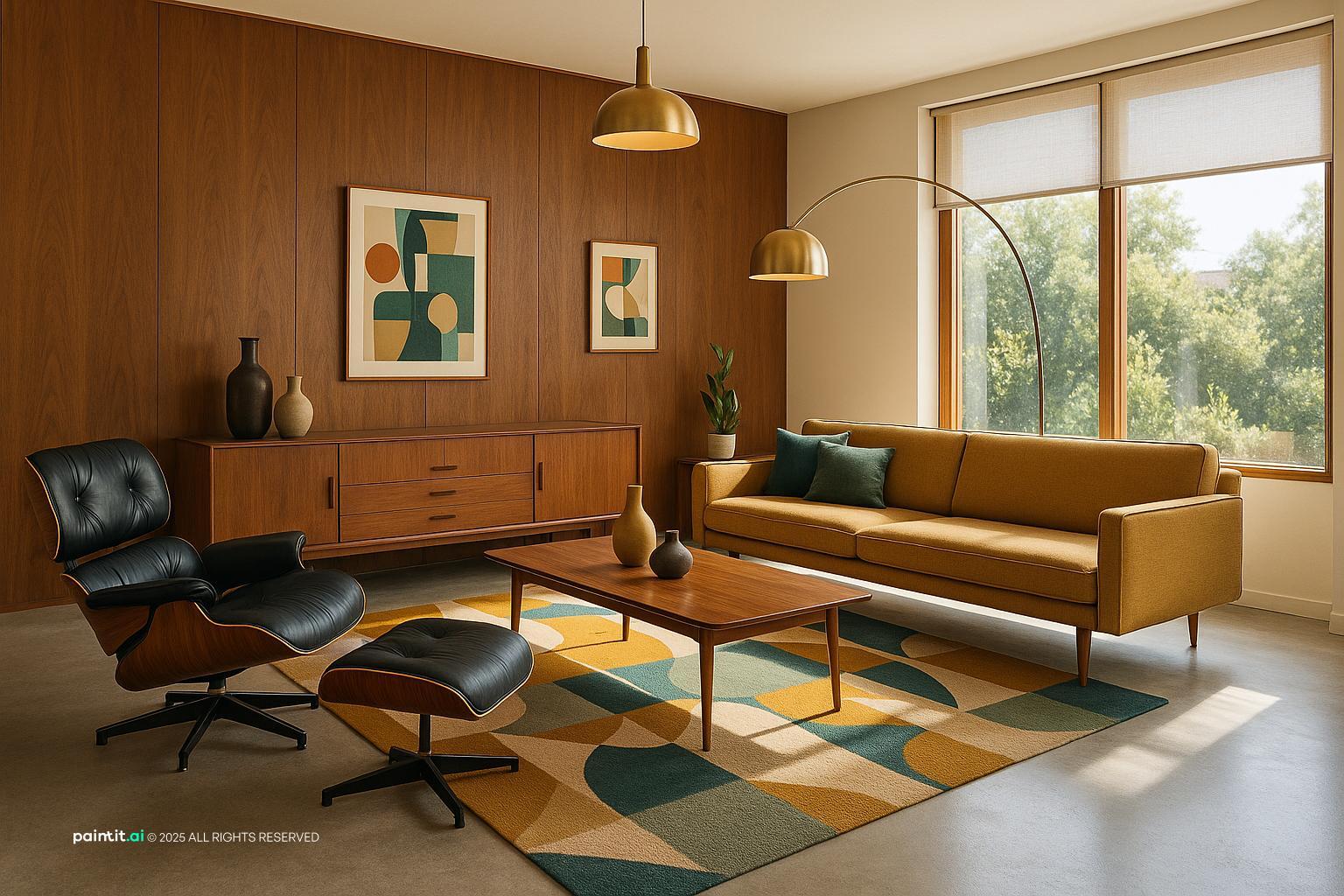
Teal Living Room Ideas with Teal Accents and Warm Wood softens teal accents, warm wood and metal accents in a living room setting.
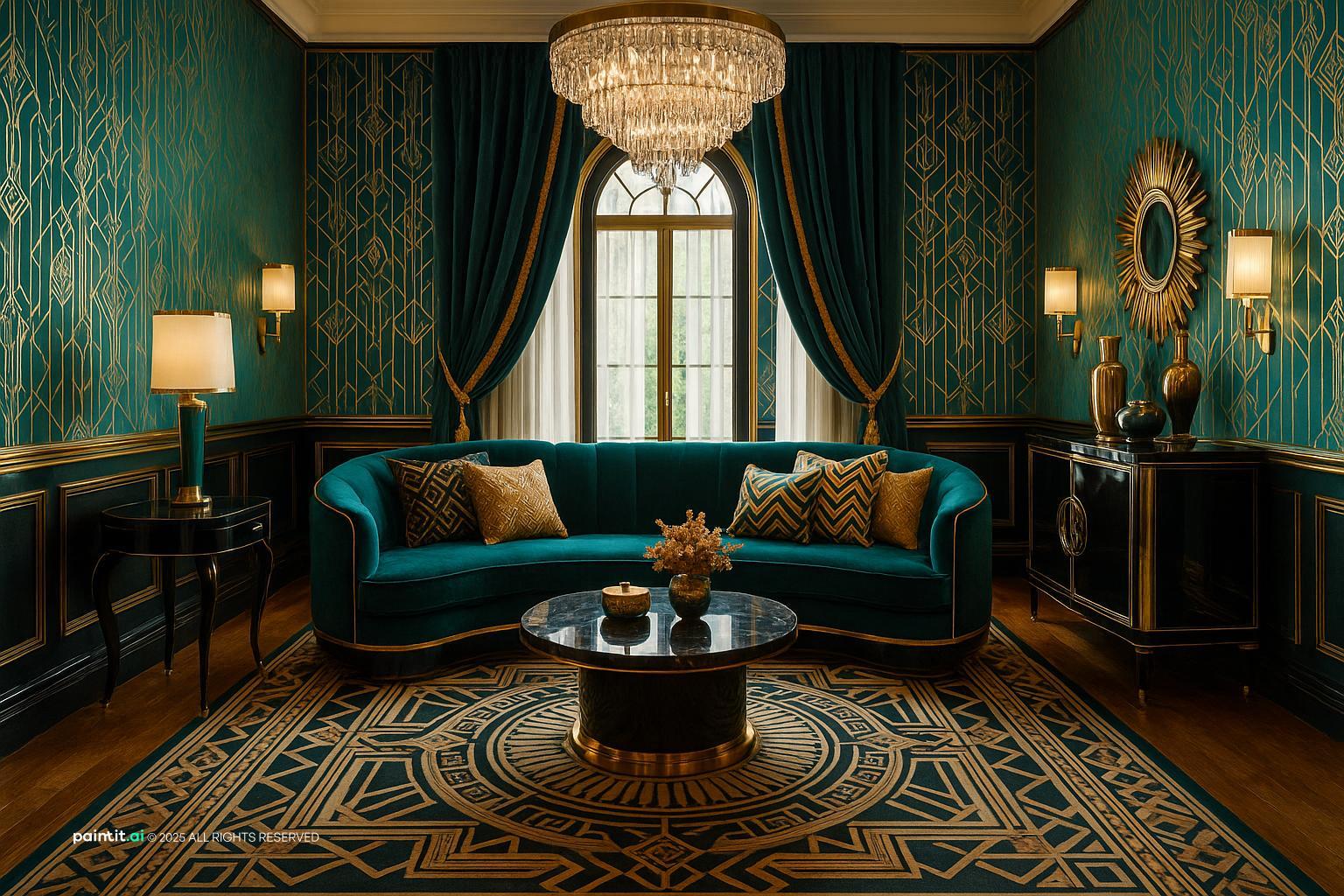
Teal Living Room Ideas with Teal Accents and Soft Textiles with Natural Light uses teal accents, soft textiles and natural light in a living room setting.
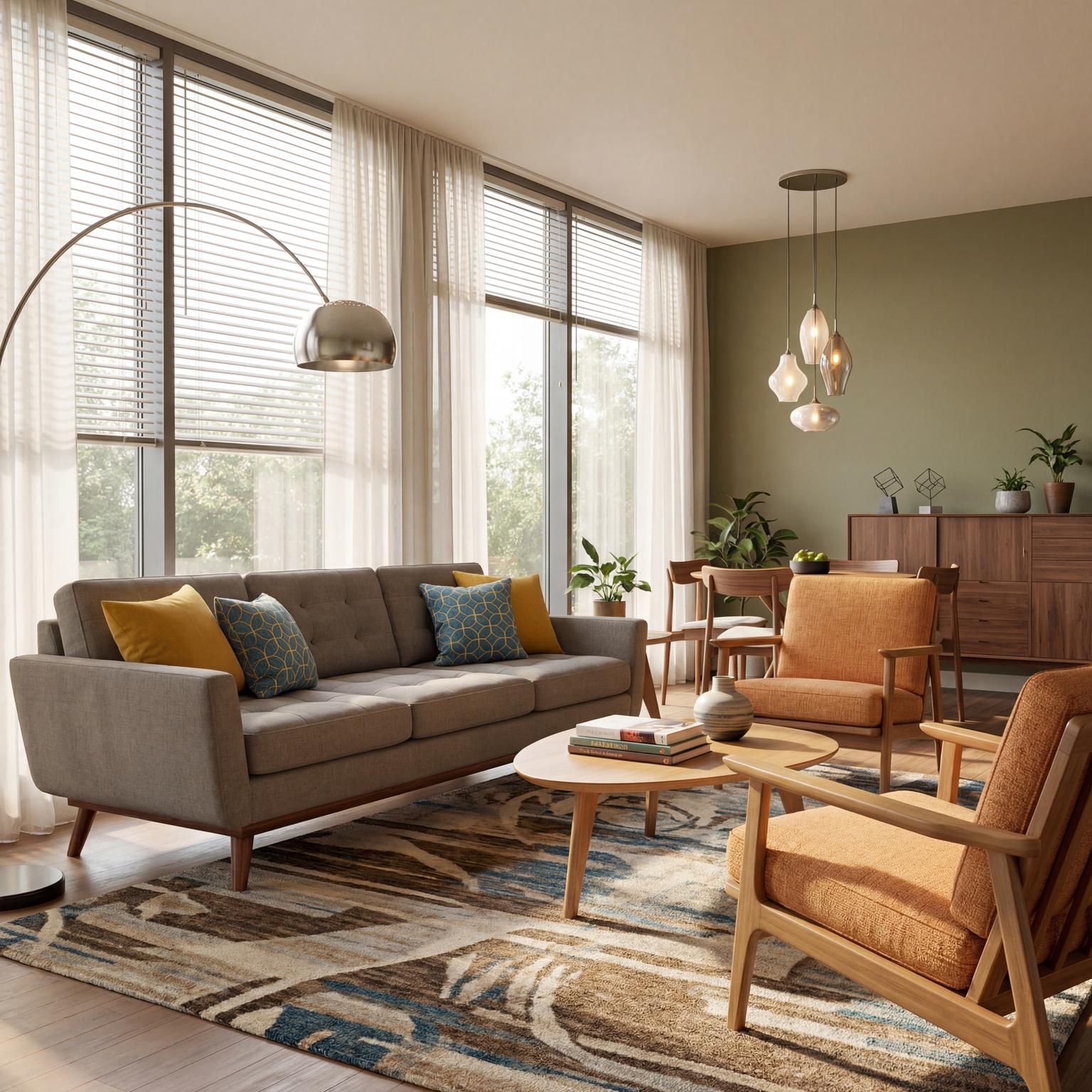
Mid-Century Modern Living Room Design with Teal Accents balances teal accents, warm wood and soft textiles in a living room setting.
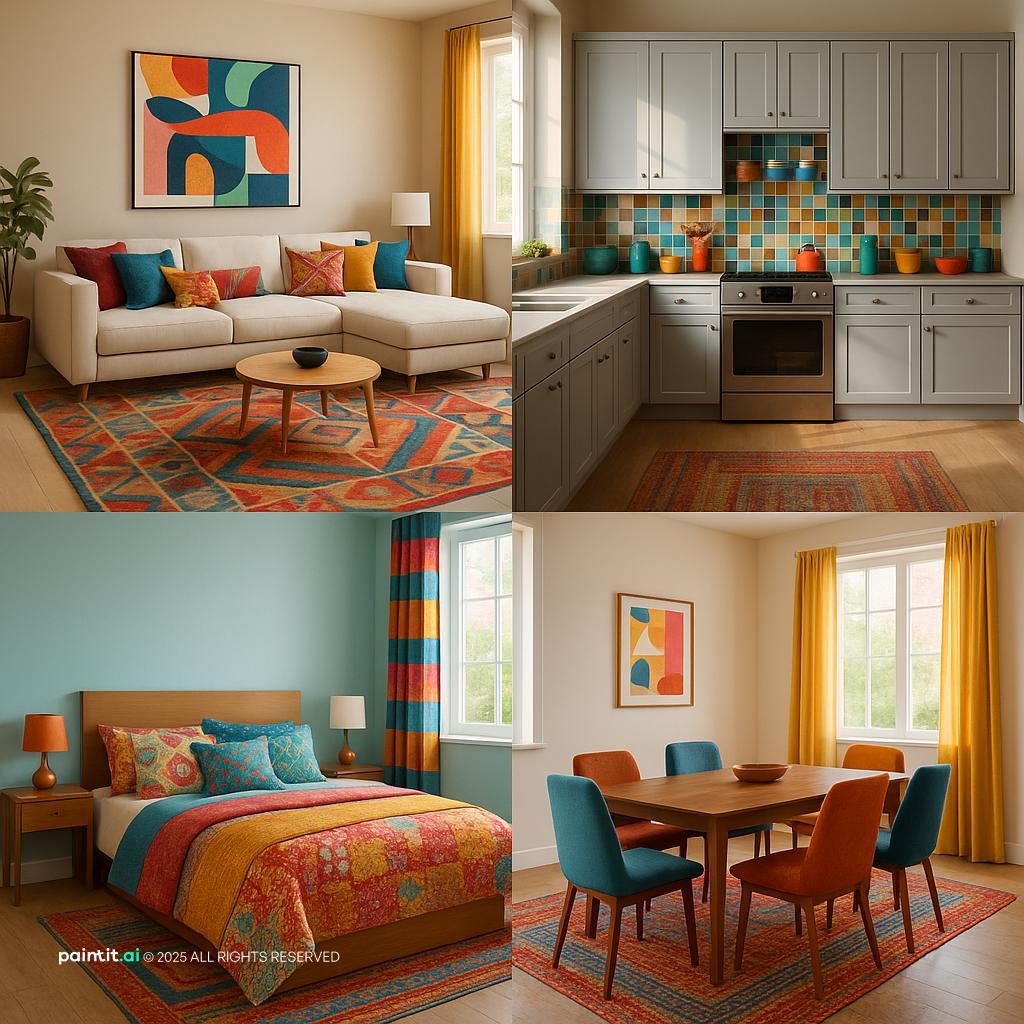
Vibrant Home Interior Design with Textiles pairs teal accents, warm wood and soft textiles in a living room setting.
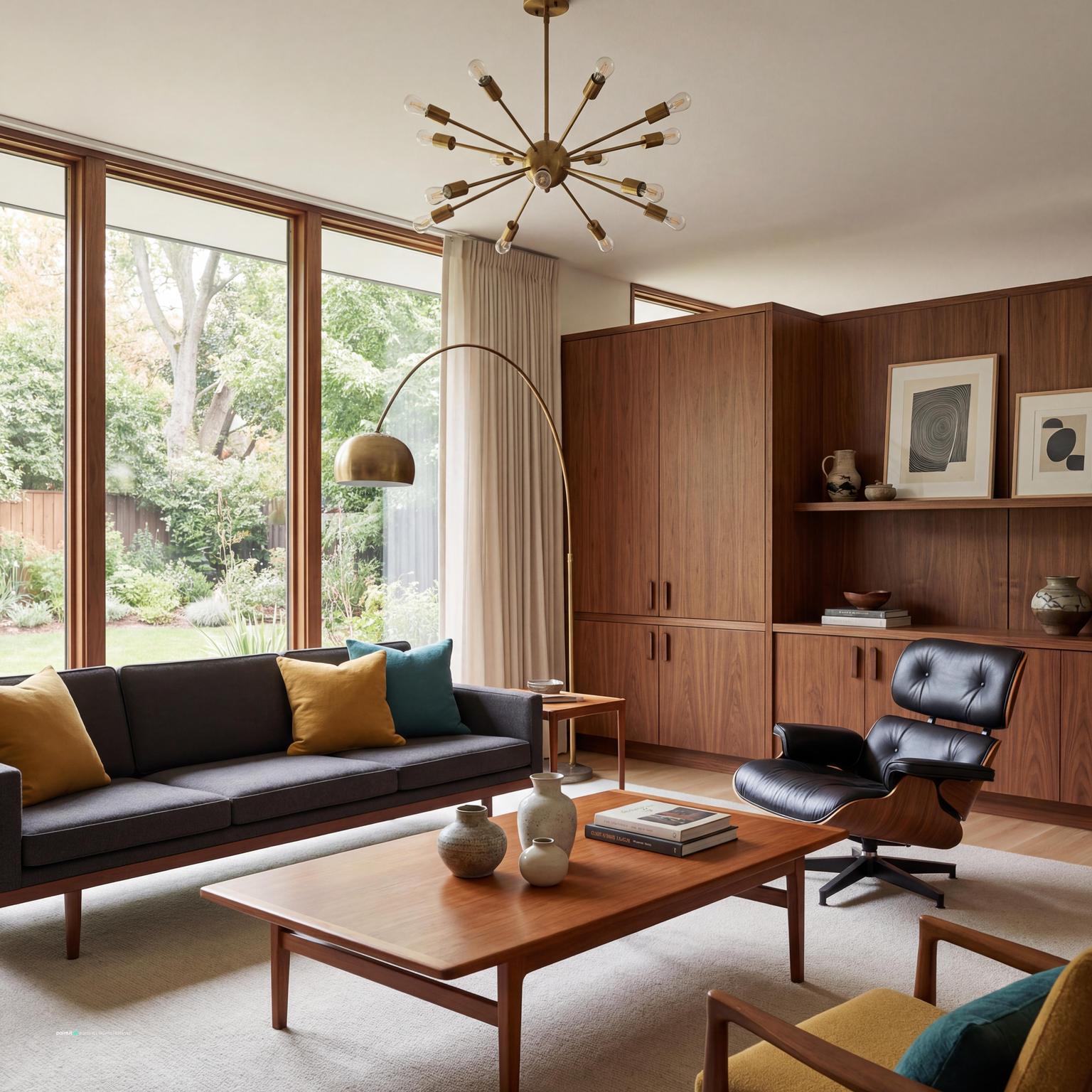
Mid-Century Modern Living Room Design with Warm Wood layers teal accents, warm wood and metal accents in a living room setting.
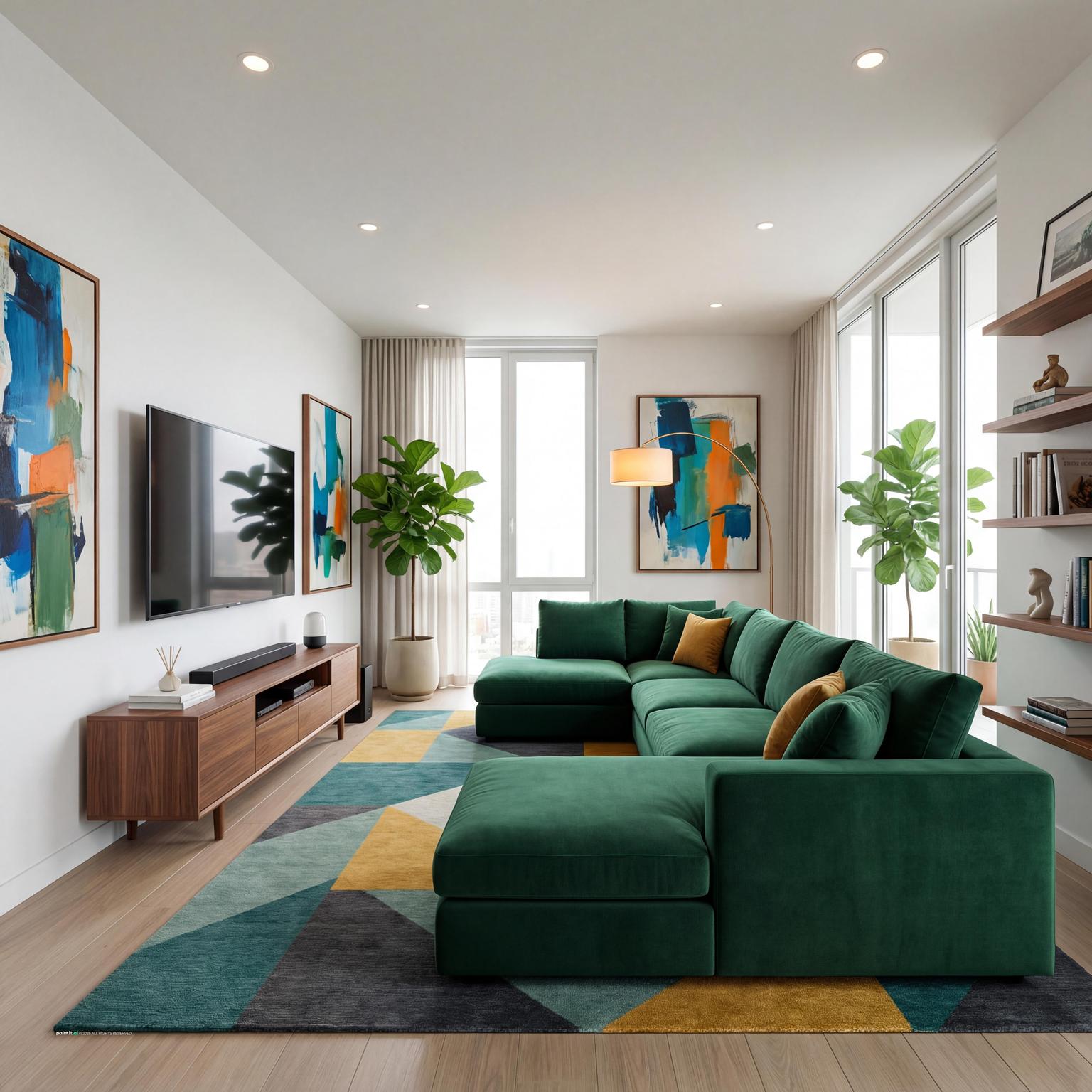
Bright Contemporary Living Room Design anchors teal accents, clean-lined furniture and plants and greenery in a living room setting.
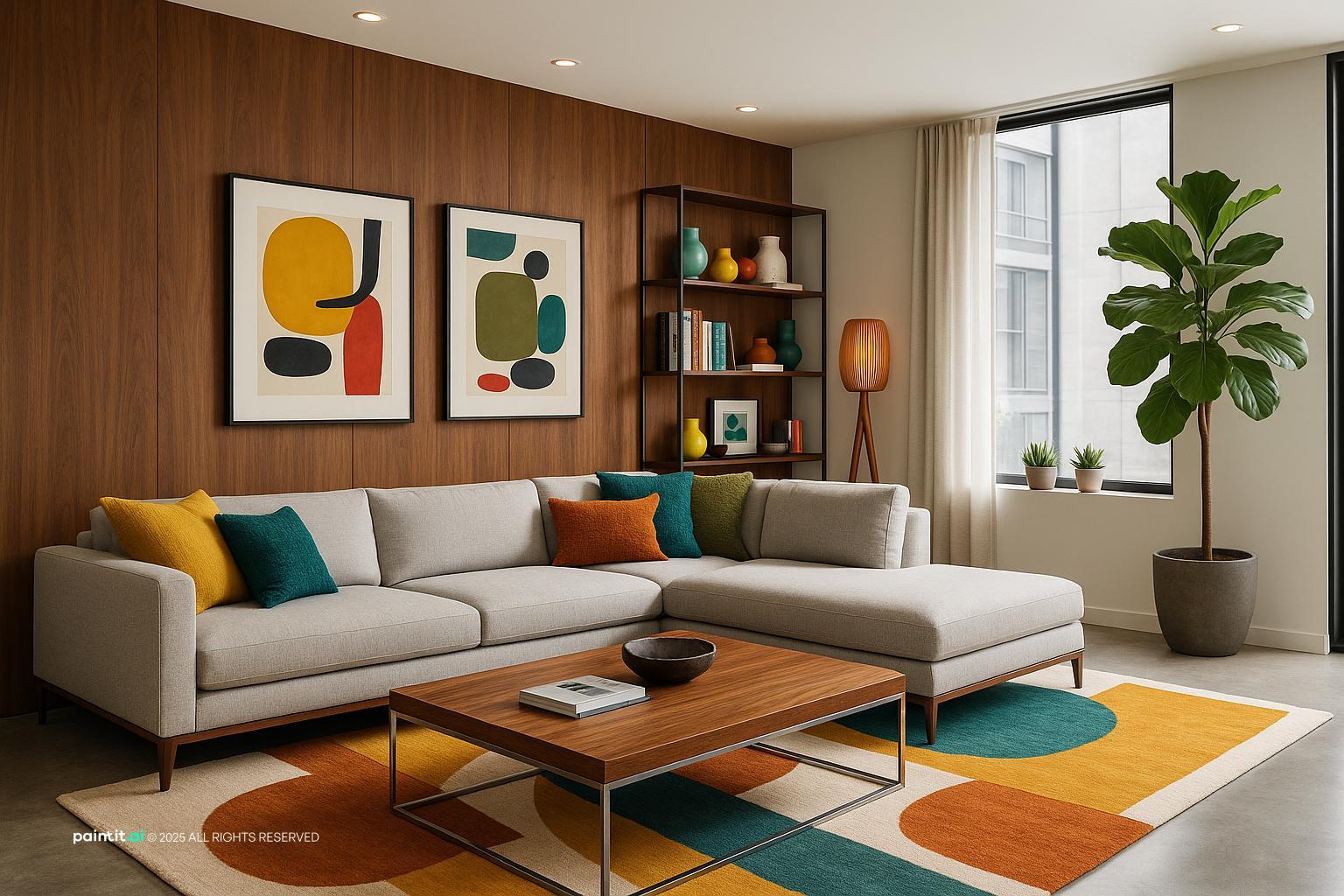
Teal Living Room Ideas with Teal Accents and Warm Wood with Soft Textiles softens teal accents, warm wood and soft textiles in a living room setting.
Start by deciding whether the largest teal element will be the walls, the sofa, or a built-in feature. If every major surface asks for attention, the room gets noisy quickly. A teal sofa with pale walls is easier to adjust later. Teal walls feel more immersive, but they need better lighting, simpler furniture, and more restraint with accessories.
Why it works: one dominant teal surface gives the eye a clear anchor. The mistake I would avoid is adding a teal rug, teal curtains, teal cushions, and teal artwork all at once before the room has any breathing room. Let neutral upholstery, a natural rug, or warm wood break up the color.
A teal accent wall living room works best behind something that already matters: a sofa, fireplace, media unit, bookcase, or reading chair. Pick the wall people see first from the entry, but do not paint a random side wall just because it is empty. The color should frame a purpose.
For a clean result, keep the adjacent walls warm white, soft beige, mushroom, or pale greige. If the teal accent wall sits behind a TV, choose a muted or darker teal so the screen area feels calmer. What usually goes wrong: glossy paint on a wall with strong daylight. It can create shine, streaks, and patchy reflections.
Teal sofa living room ideas are a good route if you want color without repainting. The sofa shape matters. Teal works best on a clean frame: a tight-back mid-century sofa, a low modern sectional, or a classic roll-arm shape in velvet or woven fabric. Let the upholstery be the color moment and keep the rug, curtains, and larger case goods quieter.
Pair the teal sofa with a cream or oatmeal rug, black or bronze lamps, and wall art that includes a little blue-green without matching too perfectly. If you have an empty or half-furnished room, AI virtual staging can help test sofa scale, rug size, and wall art placement before you buy the large pieces.
Most real rooms are not blank boxes. They already have beige carpet, oak floors, white walls, gray sectionals, tan curtains, or a rug someone still likes. You do not need to replace everything. In Paintit.ai usage patterns, 12.0% of prompts include keep or do not change commands, which matches how people actually decorate: they add color while protecting the expensive pieces.
Keep the neutral rug or wood floor, then add teal through one larger move and two smaller repeats. For example: teal curtains, a ceramic lamp, and one piece of wall art. Why it works: the room feels updated, but the fixed finishes still belong. Check the undertone of your floor first. Orange oak usually likes greener teal, while cool gray flooring often works better with bluer teal.
Dark teal living room ideas can be beautiful, but dark teal is not forgiving. Treat it as a lighting decision before you treat it as a paint color. You need at least two light sources beyond the ceiling fixture: a floor lamp near seating and a table lamp or wall sconce that gives the darker surface some warmth.
Only 5.9% of Paintit.ai prompts specify lighting, yet lighting is often the reason a dark teal room looks rich instead of flat. Use warm white bulbs, avoid cold blue light, and check the paint sample in the morning, afternoon, and evening. Be careful with dark teal on every wall in a north-facing room with one small window unless you want a cocoon effect.
A strong teal living room color scheme usually needs one neutral, one warm material, and one accent metal. Try teal with ivory, light oak, and brushed brass for a brighter room. Use teal with taupe, walnut, and aged bronze for a moodier one. For a cleaner modern look, combine teal with warm white, black, and pale stone.
Do not match every blue-green item exactly. Slight variation looks more natural. The safest method is to repeat teal in different values: one main teal, one darker blue-green in art or a cushion, and one lighter sea-glass note in a vase or throw.
Teal often looks better beside visible grain. Oak, ash, walnut, teak, and cane keep the room from feeling too cool. If your teal leans blue, honey or medium oak can warm it up. If your teal leans green, walnut and darker woods can make the palette feel grounded.
Use wood where it earns its place: a coffee table, media console, side chair frame, floating shelf, or picture frame. What to avoid is mixing too many unrelated woods in the same sightline. If the floor already has a strong wood tone, repeat that warmth once or twice instead of introducing a new species on every piece.
A neutral rug is one of the easiest ways to make teal feel livable. Cream wool, jute, oatmeal flatweave, soft gray-beige, or a faded traditional rug can calm a teal wall or teal sofa. Size matters. In most living rooms, at least the front legs of the sofa and chairs should sit on the rug so the seating area feels connected.
Why it works: teal carries visual weight, and a quiet rug gives the eye somewhere to rest. Avoid a small rug floating in front of a saturated sofa. It makes the color block feel heavier and the furniture plan look accidental.
Once you choose the main teal feature, repeat the color two or three times at smaller scales. Throw pillows, a book spine, a glazed vase, patterned curtains, or art with a blue-green detail can be enough. The repeats should be visible from the main seating position, but not lined up like a matching set.
A useful rule is large, medium, small. For example: teal walls, a medium teal pattern in the wall art, and small teal trim on a pillow. What to avoid is buying every accessory in the same color family. Repetition should connect the room, not turn it into a theme.
Curtains change teal more than many people expect. White sheers make teal look fresher and brighter. Linen, oatmeal, or warm gray curtains soften the contrast. Deep green-blue drapery can look dramatic, but it works best when the walls are pale and the room has good natural light.
Hang curtains high and wide so they frame the window instead of blocking it. If you have teal walls, textured neutral panels can stop the room from feeling boxed in. Avoid shiny synthetic curtains next to matte teal paint; the finish contrast often looks harsh under evening lamps.
Wall art is one of the simplest ways to make teal feel intentional. Choose artwork that contains teal plus at least one other room color, such as tan, rust, cream, black, blush, ochre, or soft gray. The art does not need to match the sofa or wall exactly. It should explain the color palette.
Scale is important. A tiny print on a deep teal wall can look timid, while one oversized piece or a tight gallery arrangement gives the color a focal point. If the teal is already strong, use simple frames in oak, black, brass, or white instead of ornate frames that add more noise.
Brass, bronze, blackened steel, chrome, and nickel all change teal differently. Brass and bronze warm it up. Matte black sharpens it. Polished nickel and chrome make it cleaner and slightly cooler. Choose one main metal and repeat it on lamps, curtain rods, side tables, or picture frames.
Why it works: metal gives teal a finish partner, so the room feels designed rather than just colorful. Avoid scattering every metal finish in small pieces. If you already have black window frames or a brass fireplace screen, let that existing element guide the rest.
Color can make furniture feel larger. A deep teal sectional or a dark teal wall behind bulky seating needs more breathing room in the traffic path. Keep a comfortable walkway between the sofa and coffee table, and avoid pushing every chair tight against the wall if the room allows a more conversational layout.
Sightline matters too. From the doorway, the first view should include teal and something lighter: a rug edge, lamp shade, pale cushion, or wood table. If the first view is only dark color and large furniture, the room may feel smaller than it is.
If you are unsure, begin with teal living room decor that can move: pillows, throws, art, lampshades, ceramics, books, and a small ottoman. This is useful for testing whether you prefer blue-teal, green-teal, dusty teal, or deep peacock tones. Live with the color in daylight and under lamps before choosing paint.
In Paintit.ai tests, the most useful early direction is rarely just add teal. Better wording includes placement, finish, material, and lighting: teal velvet sofa, keep oak floor, neutral rug, warm evening lighting. That extra context moves the idea from a color wish to a room that feels specific.
The second gallery is useful for judging proportion. Look at how much teal each room uses, where the brightest contrast appears, and whether the palette feels warm, cool, casual, formal, bright, or moody.
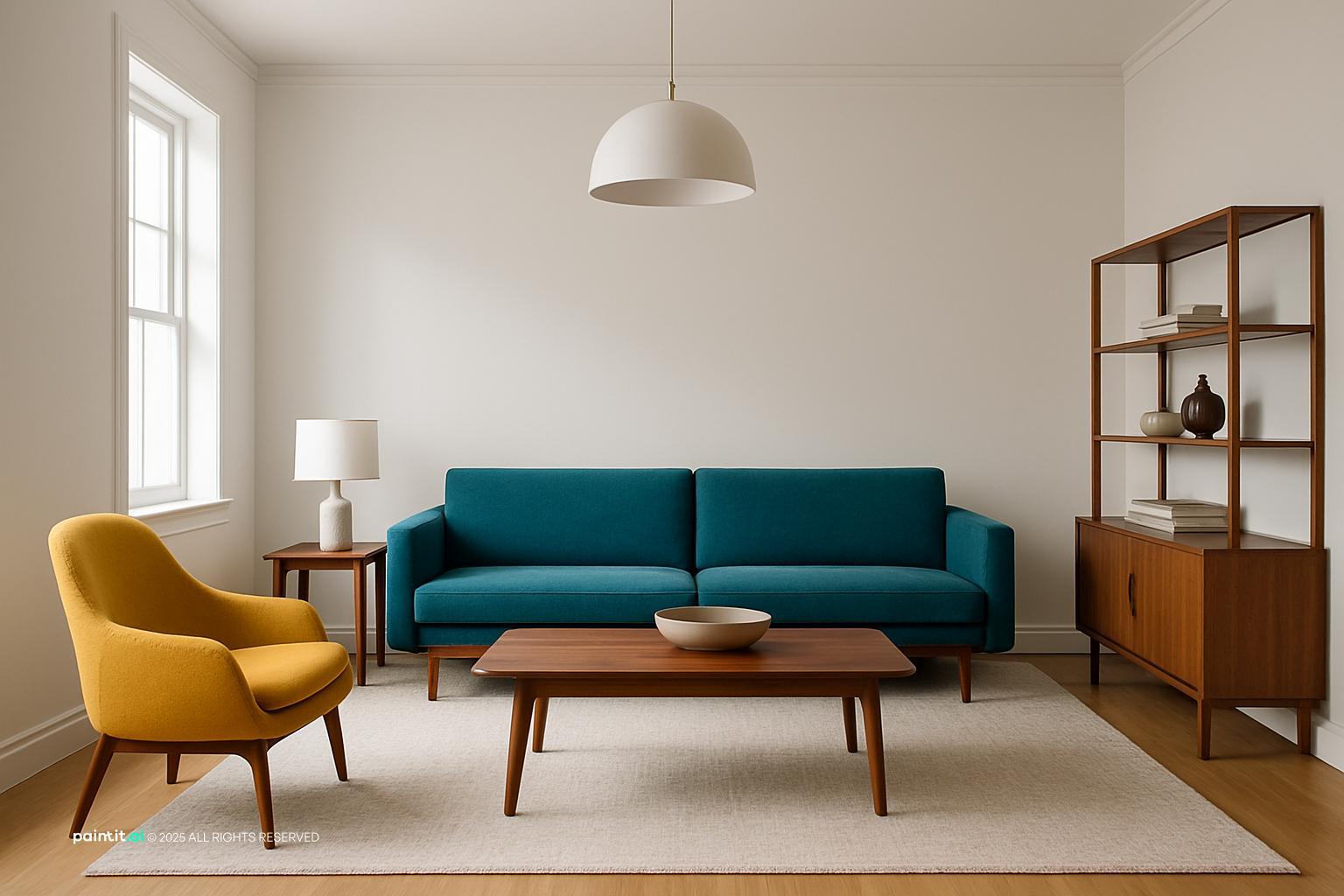
Teal Living Room Ideas with Teal Accents and Warm Wood with Clean-lined Furniture uses teal accents, warm wood and clean-lined furniture in a living room setting.
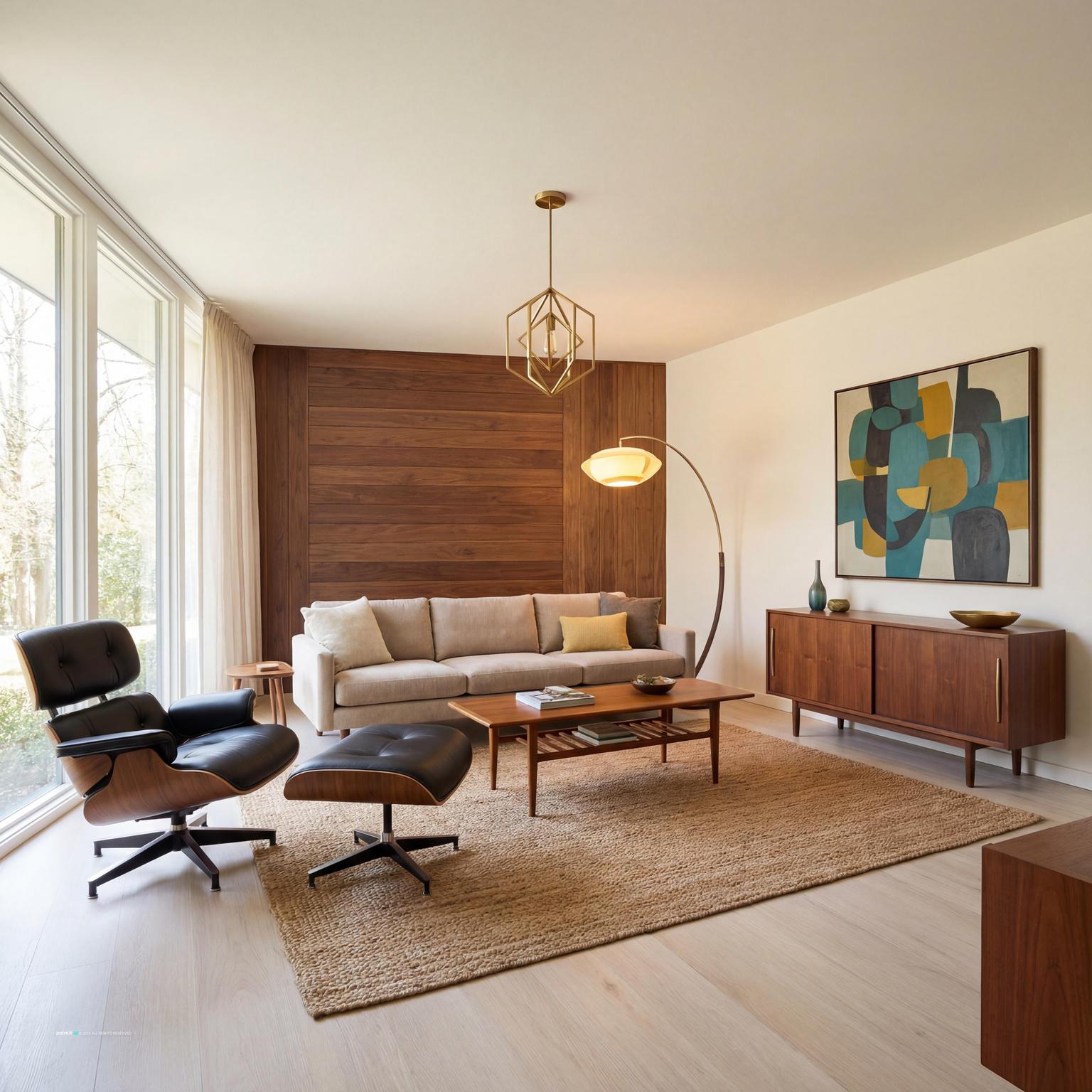
Stylish Mid-Century Modern Living Room balances teal accents, warm wood and soft textiles in a living room setting.
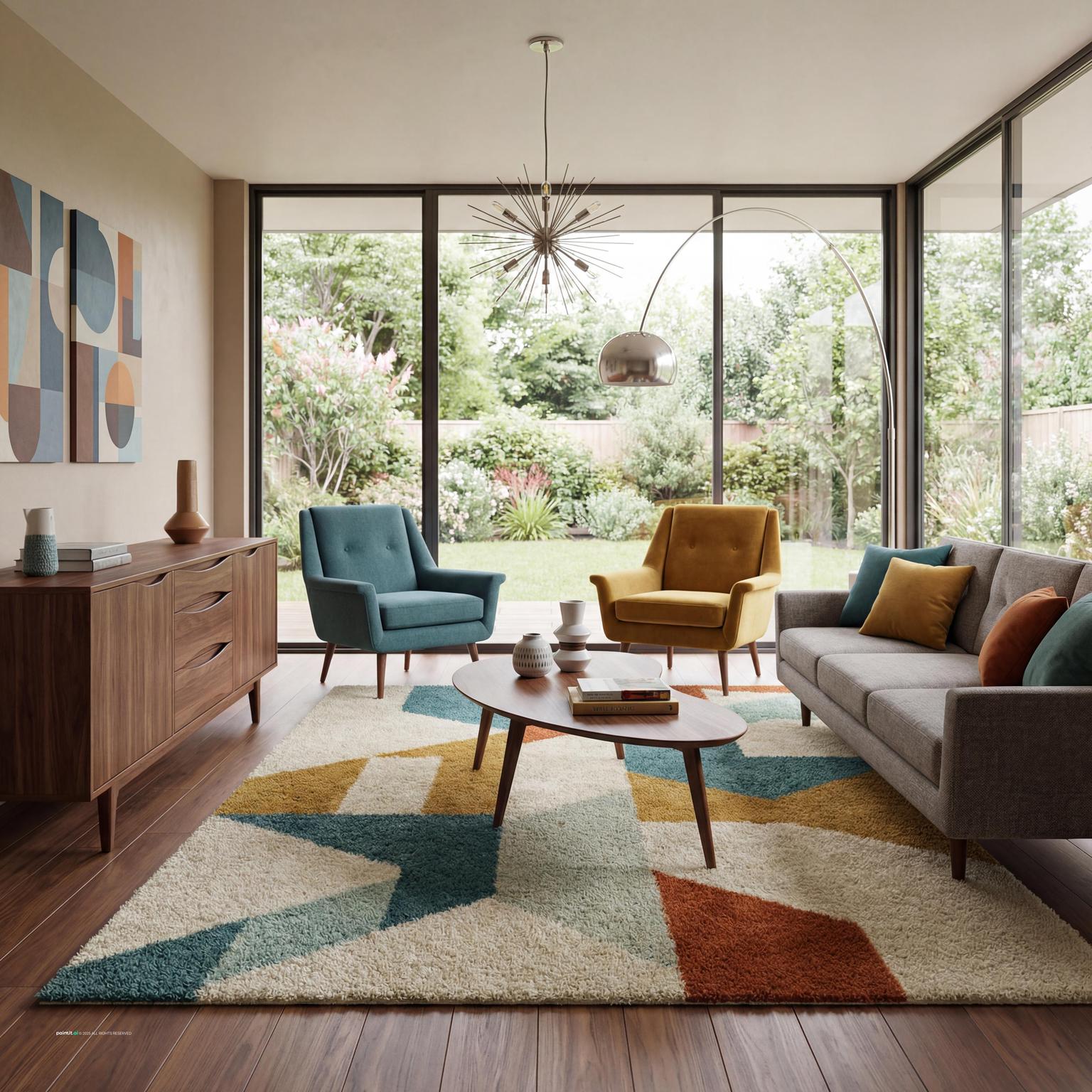
Elegant Mid-Century Modern Living Room Design pairs teal accents, warm wood and soft textiles in a living room setting.
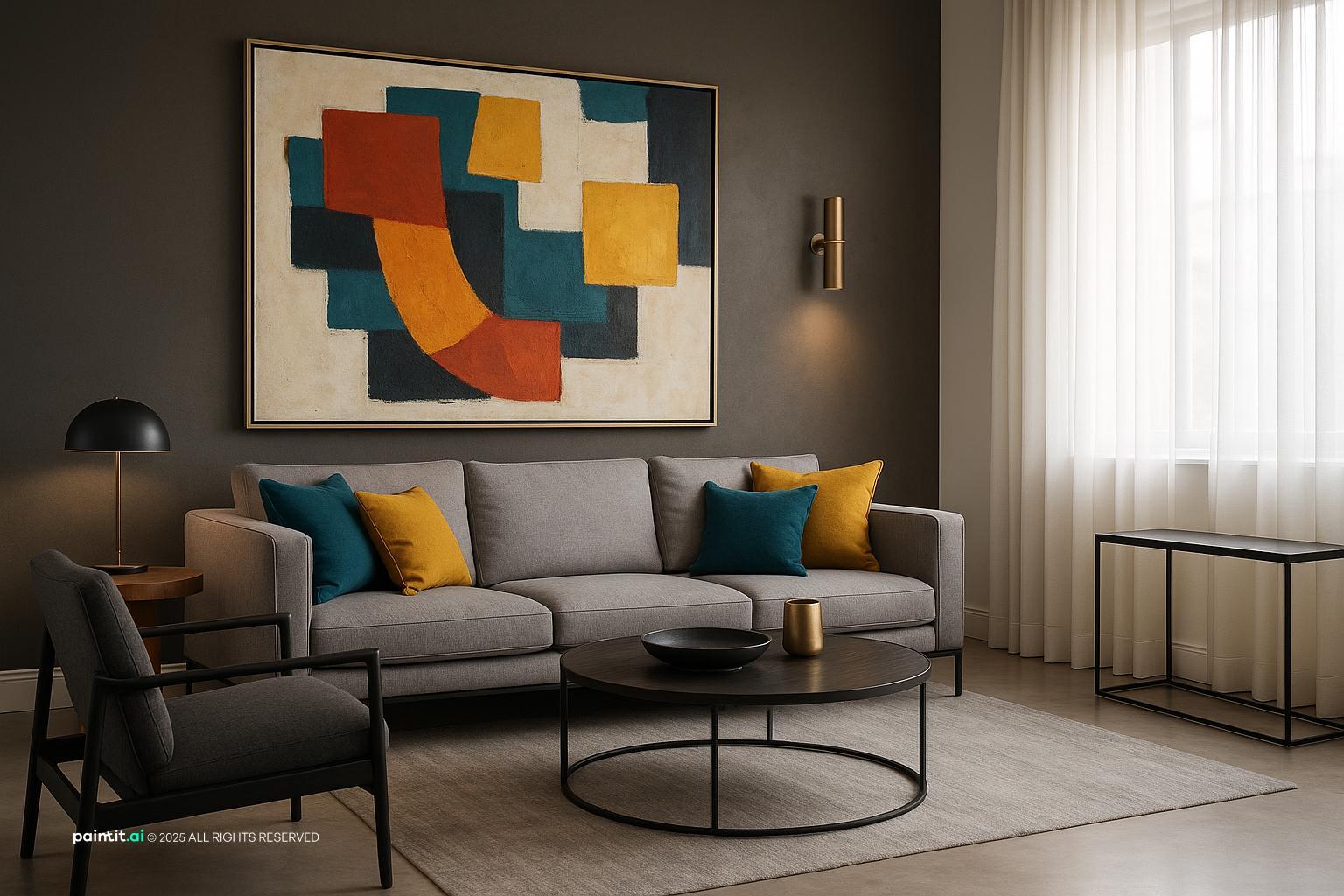
Stylish Modern Living Room Design layers teal accents, soft textiles and metal accents in a living room setting.
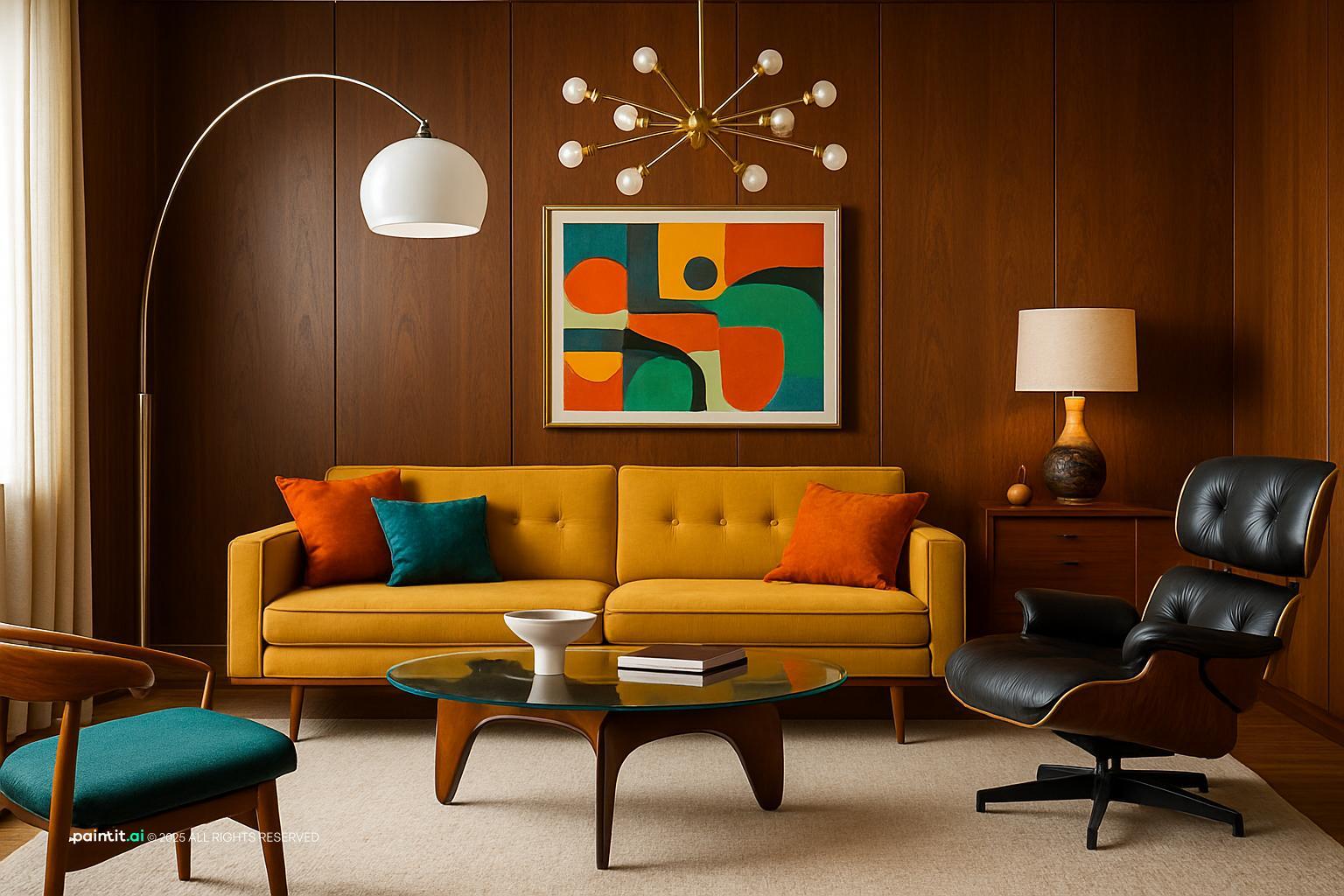
Teal Living Room Ideas with Teal Accents and Warm Wood View 4 anchors teal accents, warm wood and clean-lined furniture in a living room setting.
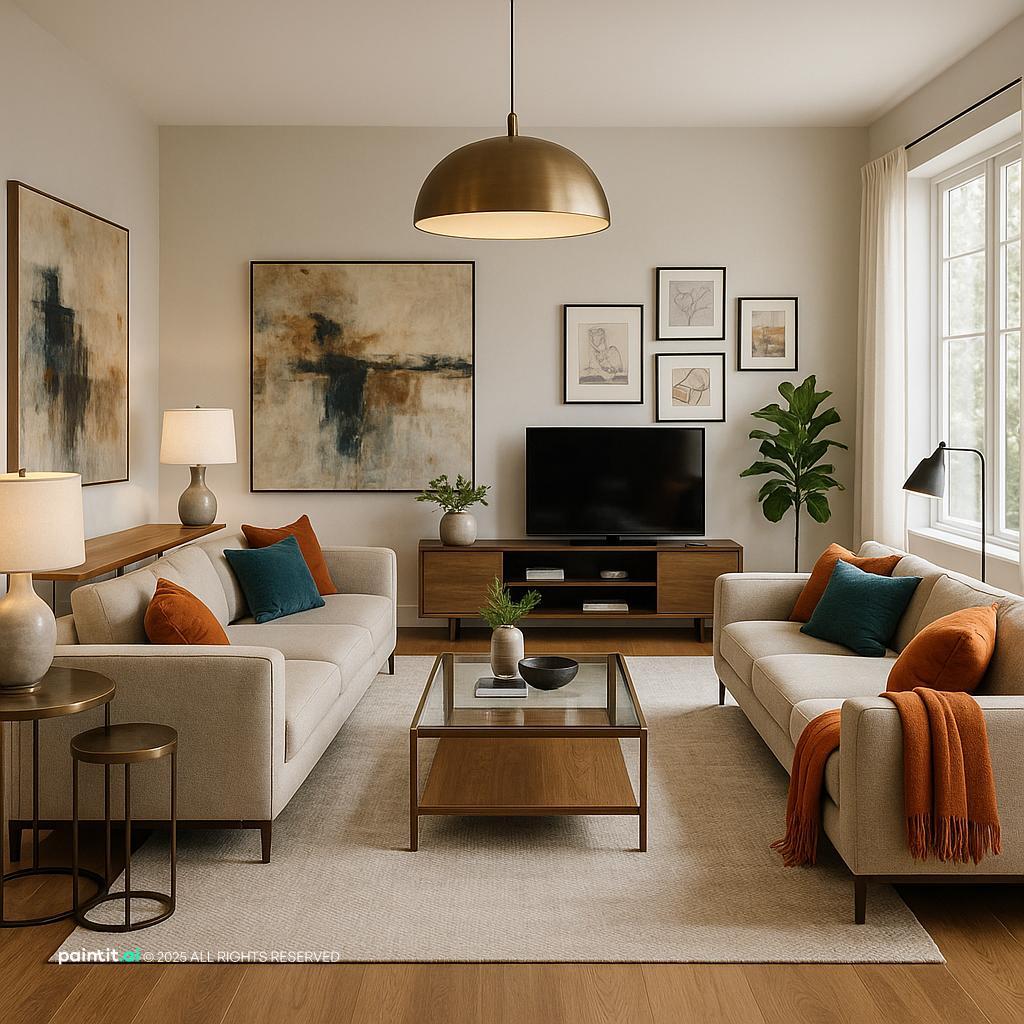
Modern Living Room Design Inspiration softens teal accents, soft textiles and metal accents in a living room setting.
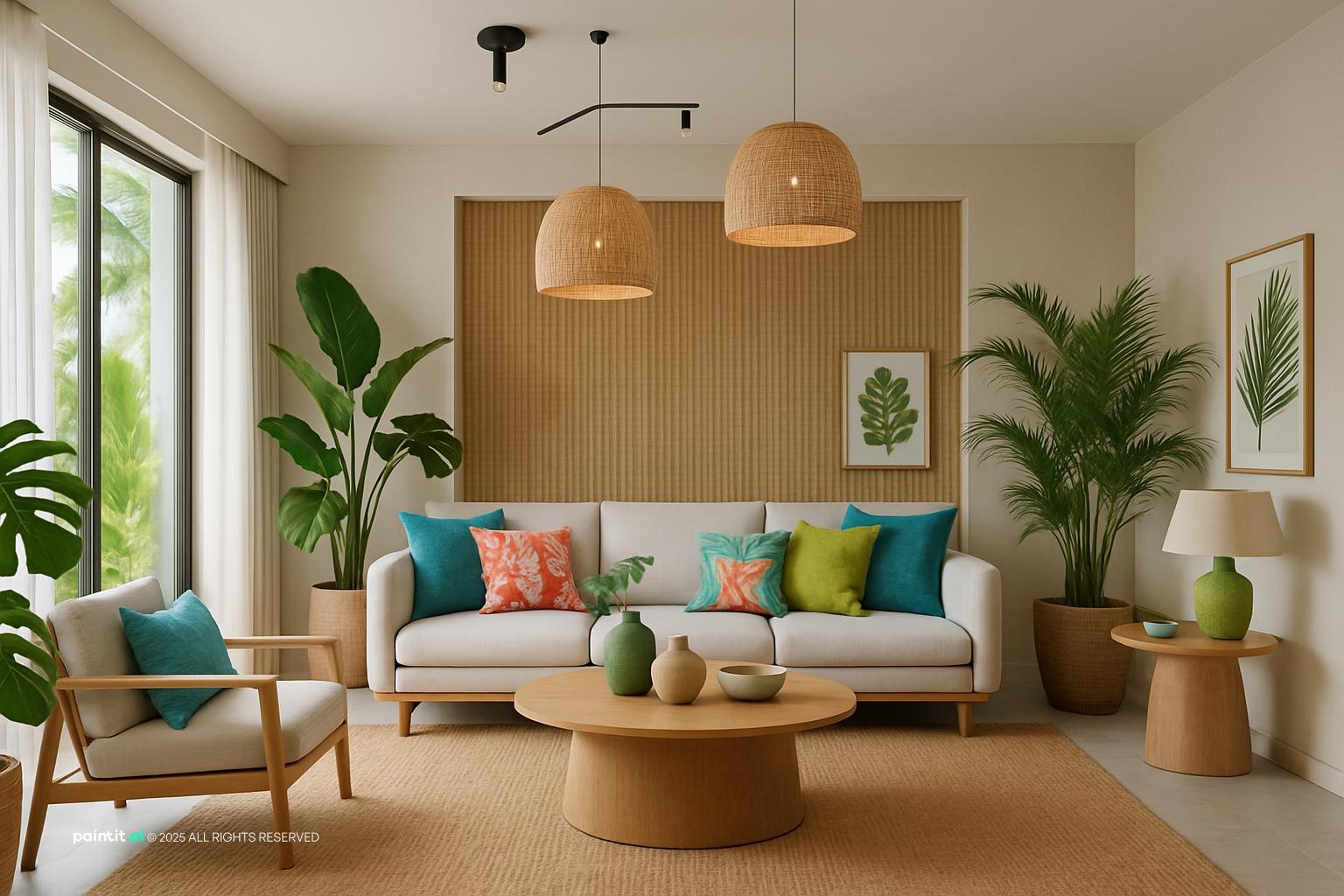
Teal Living Room Ideas with Teal Accents and Soft Textiles with Plants and Greenery uses teal accents, soft textiles and plants and greenery in a living room setting.
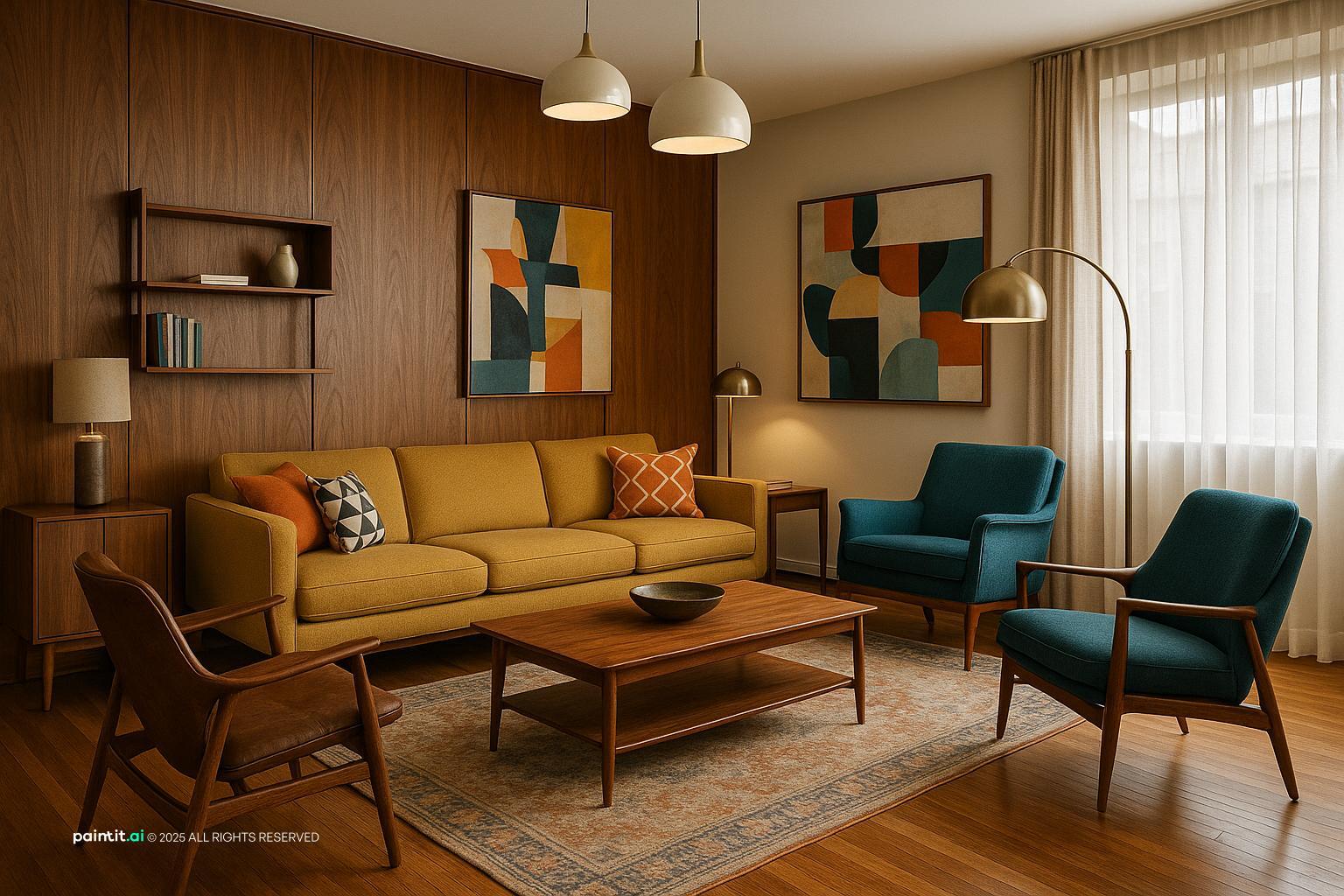
Mid-Century Modern Living Room Design with Soft Textiles balances teal accents, warm wood and soft textiles in a living room setting.
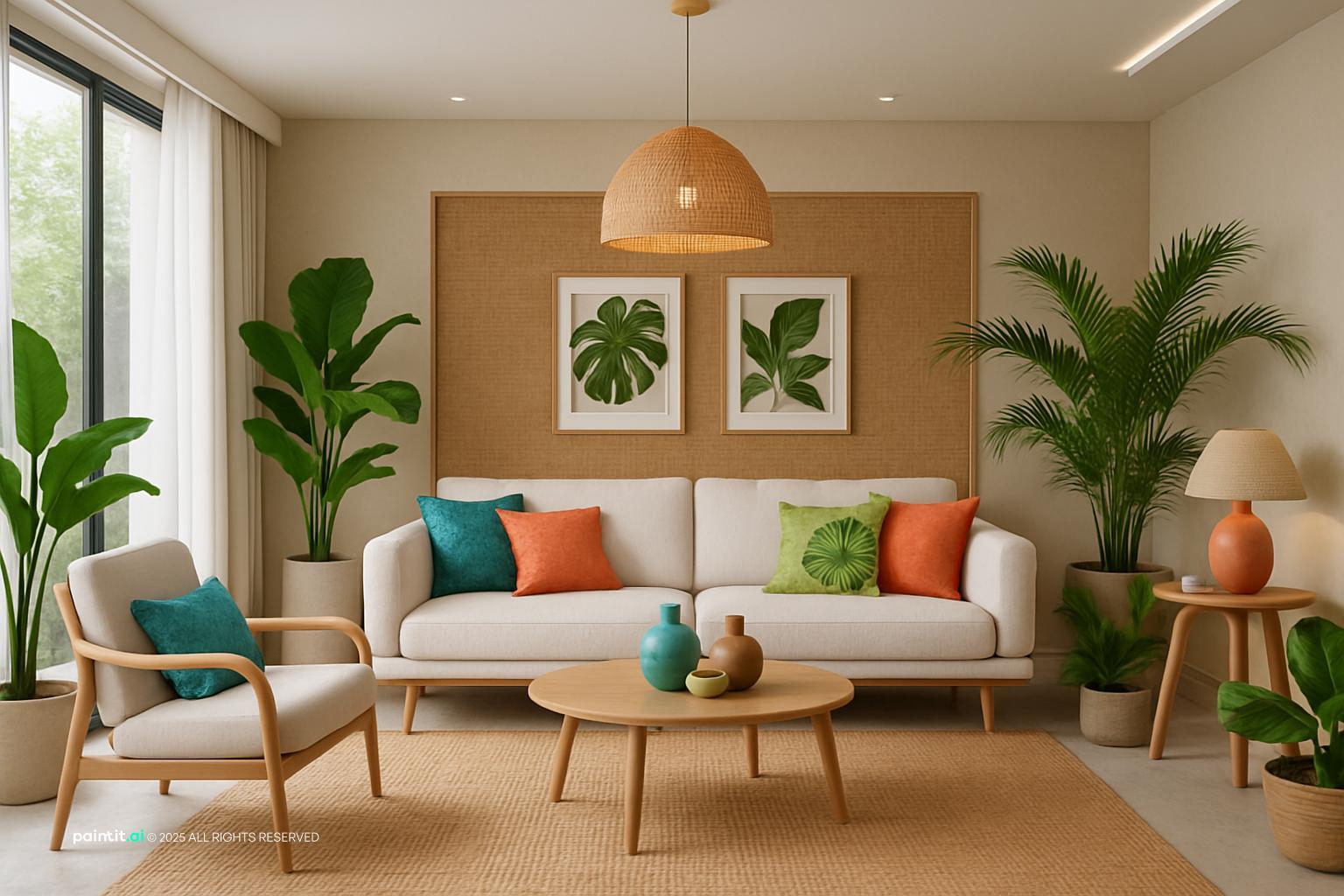
Teal Living Room Ideas with Teal Accents and Soft Textiles View 4 pairs teal accents, soft textiles and plants and greenery in a living room setting.
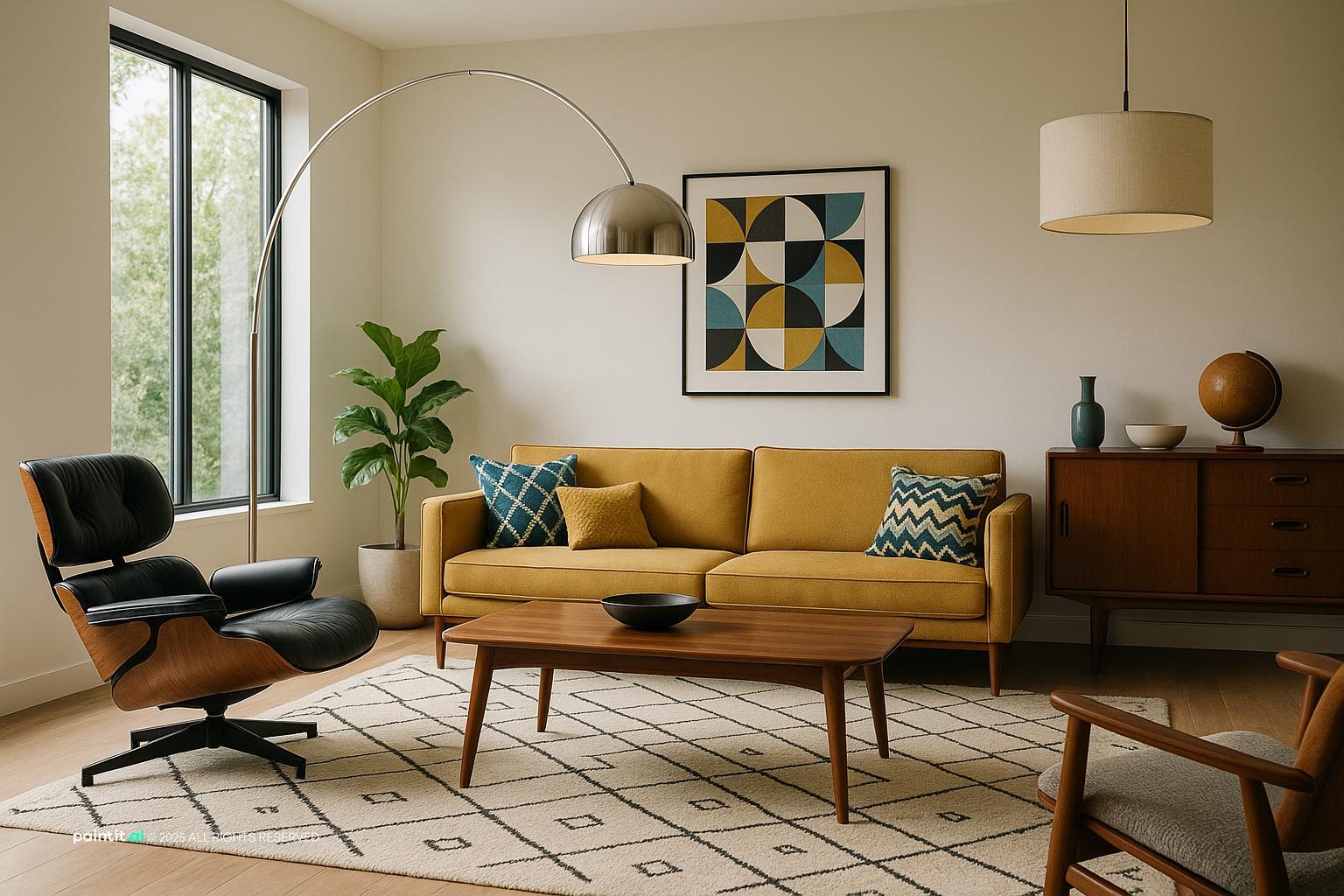
Mid-Century Modern Living Room Design with Clean-lined Furniture layers teal accents, warm wood and clean-lined furniture in a living room setting.
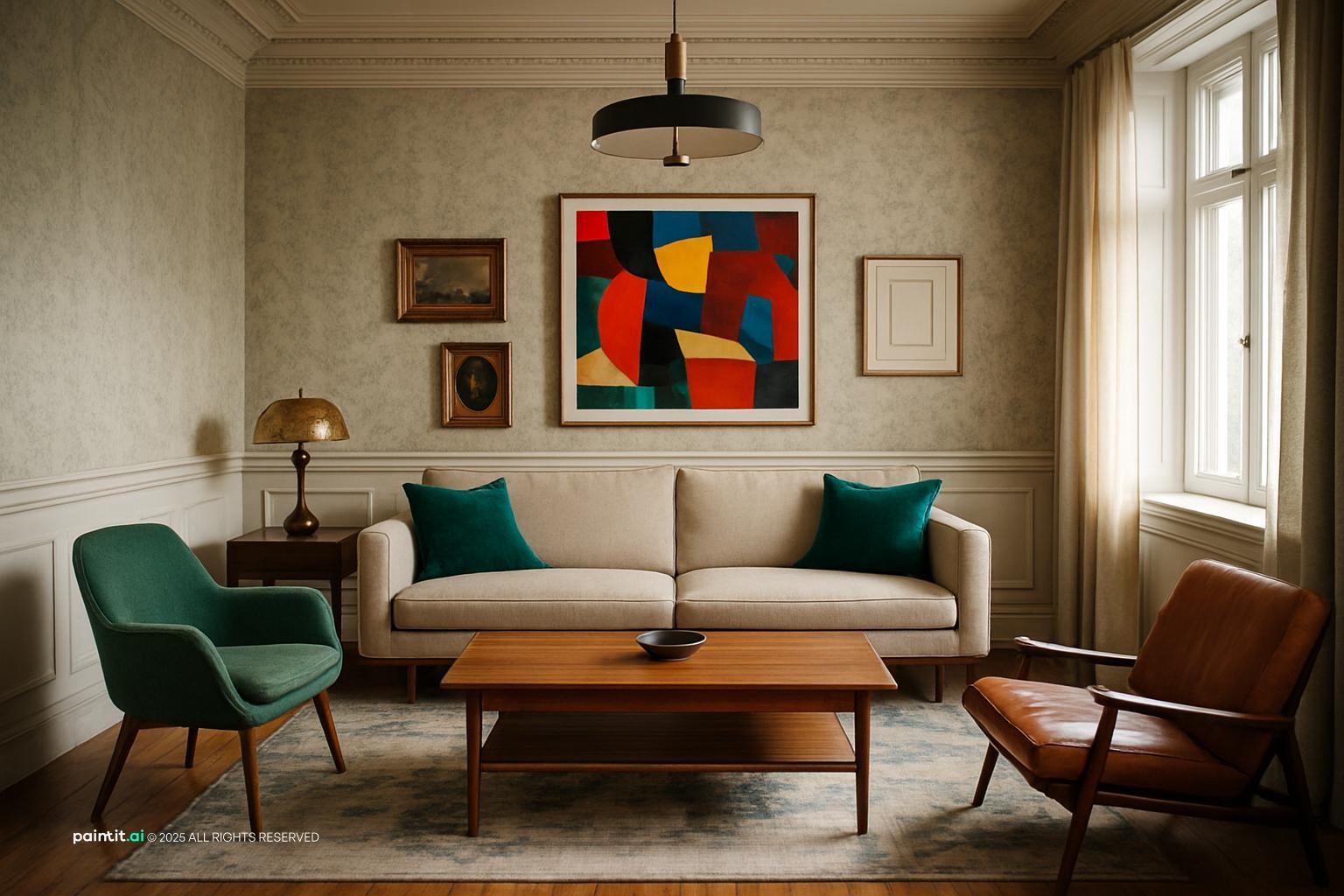
Vintage Meets Modern: Elegant Living Room Design anchors teal accents, warm wood and soft textiles in a living room setting.
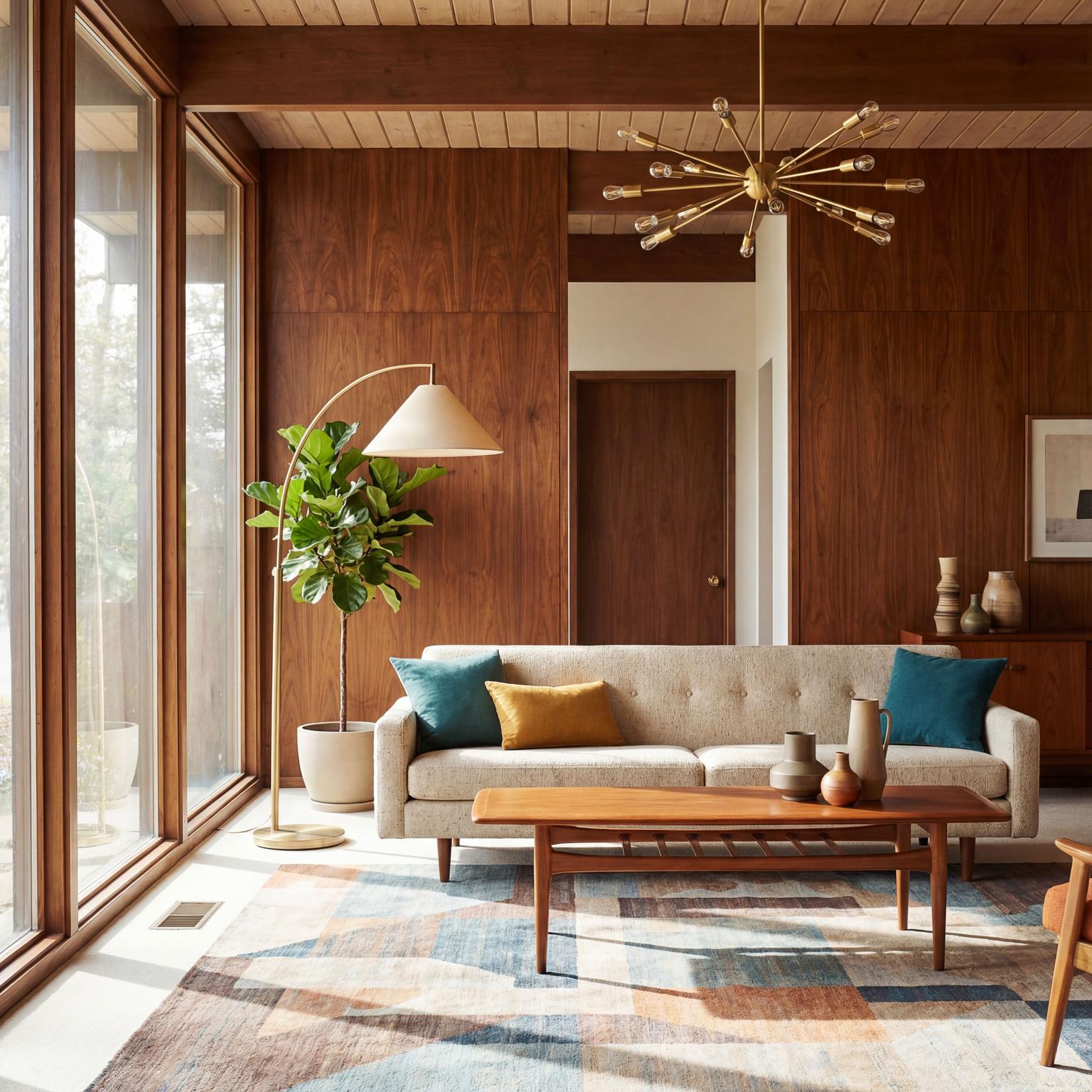
Mid-Century Modern Living Room Design View 6 softens teal accents, warm wood and clean-lined furniture in a living room setting.
Blue-leaning teal feels cleaner and works well in bright rooms with white trim, pale stone, and cooler art. Green-leaning teal feels earthier and pairs well with tan leather, plants, walnut, and aged brass. Test samples on more than one wall because natural light can pull teal toward blue in one corner and green in another.
Avoid choosing paint color from a screen alone. A shade that looks rich online may look chalky in a shaded room or too bright in direct sun. If the living room has limited daylight, consider a softened or smoky teal instead of a highly saturated one.
Teal with pure white can look crisp, but it can also feel cold if the room lacks texture. For a softer room, use ivory, cream, parchment, greige, mushroom, camel, or oatmeal. These tones work especially well on rugs, curtains, lamp shades, and large upholstered chairs.
Why it works: warm neutrals reduce the sharpness of teal without dulling the color. Be careful with too many cool grays unless the room has warm flooring or brass lighting to balance them.
Teal benefits from materials with depth. Light oak keeps it fresh, walnut makes it more tailored, marble adds contrast, and brick can make it feel relaxed and architectural. Woven baskets, cane, rattan, boucle, wool, and linen keep teal from becoming too slick.
Use stone on a fireplace, coffee table, side table, or tray instead of forcing it everywhere. If you combine teal with marble, choose veining that connects to another room color. Avoid very cold gray stone beside blue-teal unless you want a sharper, more urban look.
Throw pillows, blankets, ottomans, and upholstery are where teal can feel cozy instead of formal. Mix one solid, one small-scale pattern, and one texture. For example: a teal velvet cushion, a cream-and-rust patterned pillow, and a chunky knit throw can connect color and comfort.
Avoid overloading the sofa with decorative pillows. If seating becomes annoying to use, the styling is working against the room. Keep the palette tight and vary texture more than color.
A teal room needs ambient, task, and accent lighting. Use a ceiling fixture or recessed lights for general brightness, a floor lamp for reading, and a table lamp or picture light to soften corners. Warm bulbs usually flatter teal more than cool bulbs.
This is also where many digital room tests improve. Users often specify color and furniture but forget lighting; in our data, lighting appears in only 5.9% of prompts. For real rooms, avoid relying on one overhead light, because it can make teal walls look shadowy and uneven.
On shelves near teal, use objects with varied height and finish: books, ceramics, wood bowls, framed art, a plant, or a small brass object. Leave some open space so the teal backdrop can show. If everything is small, the styling will look scattered.
A good shelf mix includes one dark object, one light object, one natural texture, and one reflective surface. Avoid placing only teal accessories against teal paint. They disappear, and the display feels flat.
Stand at the entrance, then sit where you usually watch TV or talk with guests. From both points, teal should feel connected to the rest of the room. If all the color sits on one side, repeat it lightly across the room with art, a cushion, or a lamp base.
Visual balance is not symmetry. A teal wall on one side can be balanced by a wood console, large plant, and warm lamp on the other. Do not solve every imbalance by adding more teal. Sometimes the room needs lightness, texture, height, or a better lamp.
Paintit.ai works best when you upload your actual living room and give the system more than a color name. Instead of starting with only teal walls, describe placement, existing items to keep, materials, and light: keep oak floor, add muted teal wall behind sofa, neutral rug, brass lamps, warm evening lighting. Homeowners in our data have an average AEO-score of 1.08 and use structured prompts in only 0.9% of cases, so a little structure can make the result much closer to what you meant.
You can test these AI living room design directions or start from the broader AI room design tool, then refine in short steps: make the teal darker, change the rug to cream wool, add walnut coffee table, use softer curtains. The first prompt in a chat is, on average, longer (32.5 words) than subsequent prompts (24-27 words). That pattern is useful: start with the full brief, then make small corrections. If you want a more complete process, follow how to redesign a living room with Paintit.ai and move from color experiment to layout, furniture, lighting, and styling decisions.
One more practical note: technical modifiers like camera, geometry, lighting, and negative prompts are used by less than 10% of users, representing the biggest gap between 'what they want' and 'what they get'. For teal rooms, that might mean asking to keep the same camera angle, keep the existing windows, use warm natural light, or avoid cluttered shelves.
Teal works well with cream, oatmeal, warm white, taupe, camel, walnut, oak, brass, black, rust, blush, and soft gray. Use warm neutrals if you want the room to feel cozy. Use sharper whites, black accents, or chrome if you want more contrast.
Choose one main teal feature first, such as teal walls, a teal sofa, or curtains. Then repeat the color in smaller details like throw pillows, wall art, ceramics, or a lamp base. Add wood, wool, linen, leather, or woven texture so the room does not feel flat.
Yes. Teal is a good living room color because it can feel calm, rich, fresh, or dramatic depending on the shade. It works best when you balance it with natural light, warm materials, layered lamps, and enough neutral space.
Use warm lighting, soft textiles, a neutral rug, wood furniture, and more than one lamp. The cozy feeling usually comes from the layers around the teal, not just the paint color. Avoid using one overhead light with dark teal walls or a deep teal sofa.
Yes. Start with a teal sofa, curtains, pillows, artwork, lamp base, ottoman, or painted cabinet. Keep the floor, neutral rug, and major furniture steady while you test the color. If it works in daylight and under evening lamps, then consider paint.