
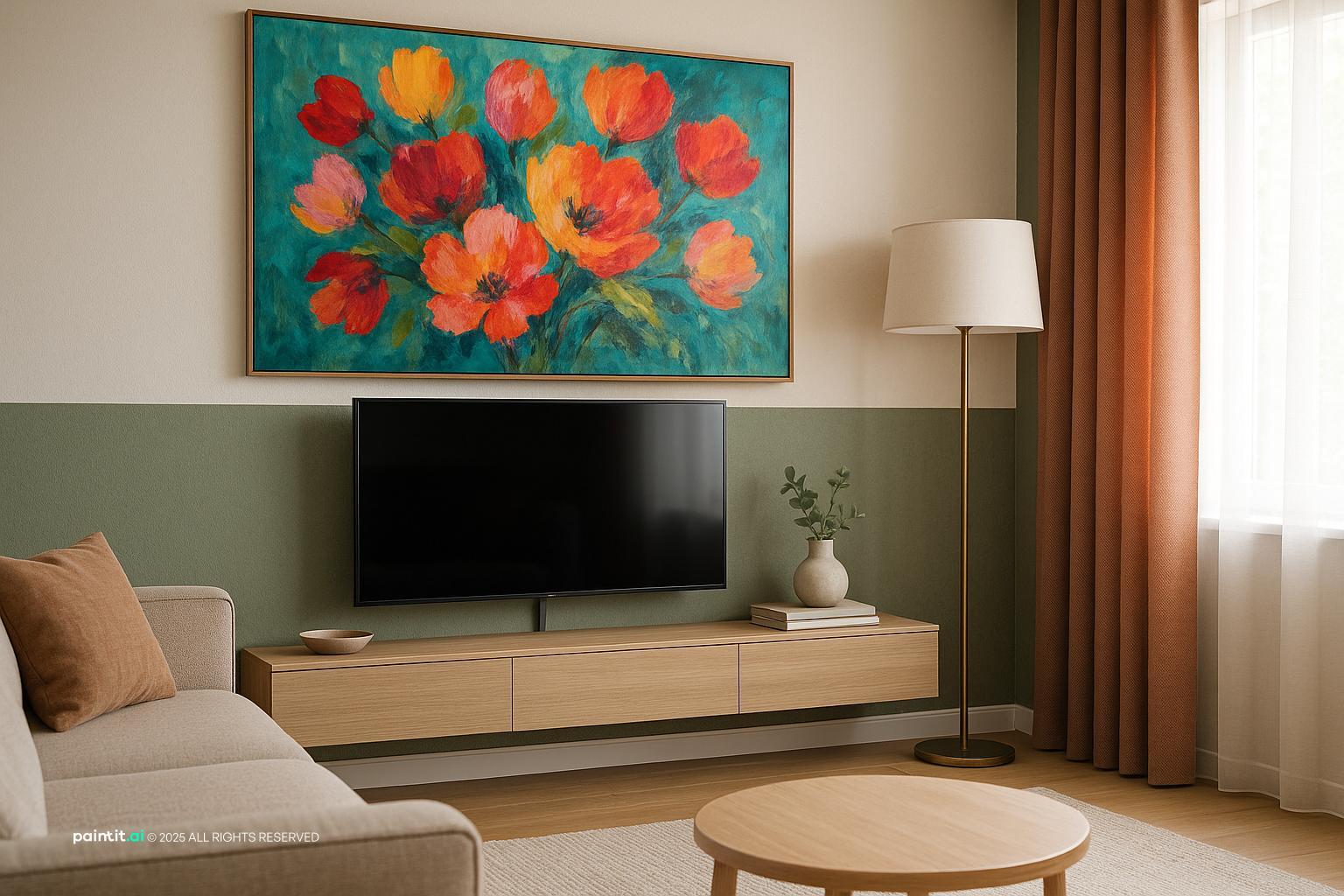
Stunning Ultra-Photorealistic Living Room
Stunning Ultra-Photorealistic Living Room uses painted wall color and natural light in a living room setting.
Good living room wall paint ideas start with the room you actually live in: the sofa that is staying, the floor tone, the daylight, the trim, the walking path, and the view from the kitchen or hallway. A color can look calm on a card and then turn cold, flat, yellow, or too heavy once it covers four walls. The best paint choice usually solves a real problem. Maybe a long wall needs structure. Maybe the TV zone looks harsh. Maybe the room is neutral but feels thin. Maybe the flooring is pulling every beige too pink. Start there, not with the prettiest paint name.
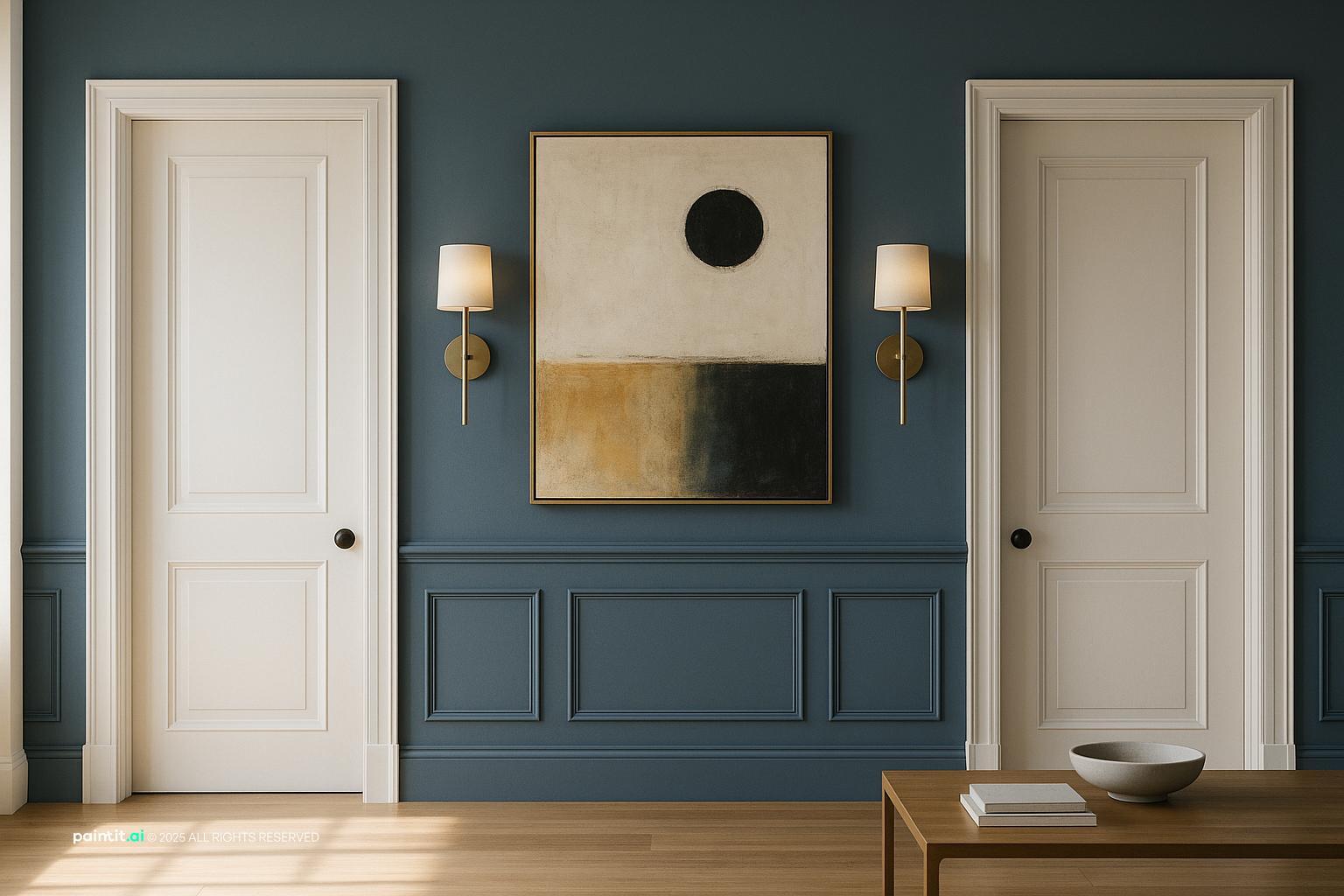
In Paintit.ai sessions, 22.1% of prompts include a room modifier, and that detail matters. Living room paint colors have a harder job than bedroom or hallway colors because the same space often handles guests, TV, reading, kids, pets, lamps, art, and daily traffic. The wall color has to sit behind all of that without shouting over it.
We also see color come up constantly. 27.6% of prompts include a color modifier, and 13.2% directly ask to repaint or paint. The useful lesson is simple: do not pick paint as a separate object. Decide what stays, what changes, and what the wall color needs to connect: the rug edge, sofa fabric, wood tone, metal finish, trim color, and the amount of natural light the room gets.
Use the first gallery to compare the main direction before you fall in love with one shade: warm neutrals, soft greens, deeper accent walls, two-tone layouts, and painted trim. Look at how the color changes the room’s proportions, sightlines, and furniture balance, not only whether the shade looks nice on its own.
Stunning Ultra-Photorealistic Living Room uses painted wall color and natural light in a living room setting.
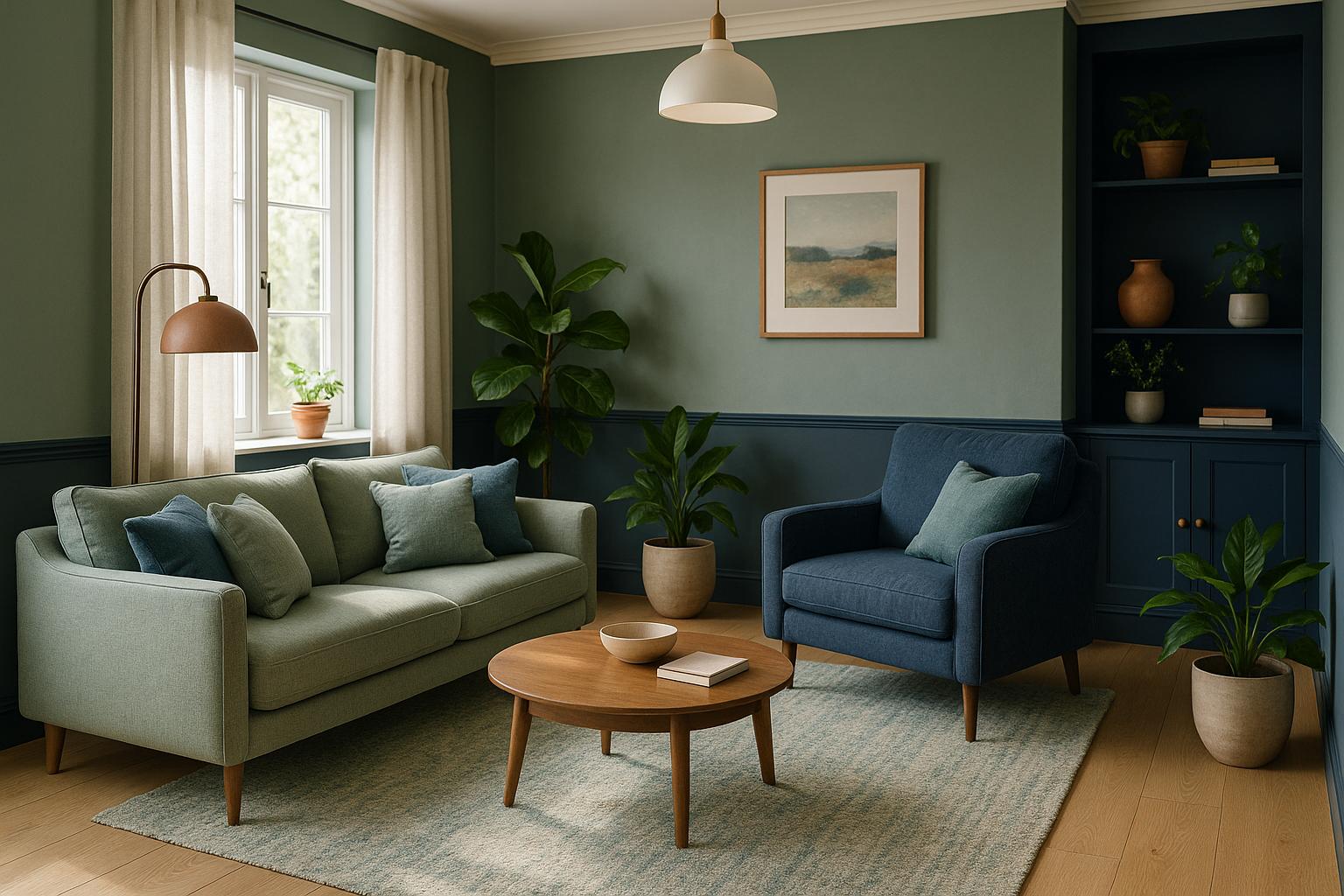
Living Room Wall Paint Ideas with Painted Wall Color and Warm Wood balances painted wall color, warm wood and soft textiles in a living room setting.
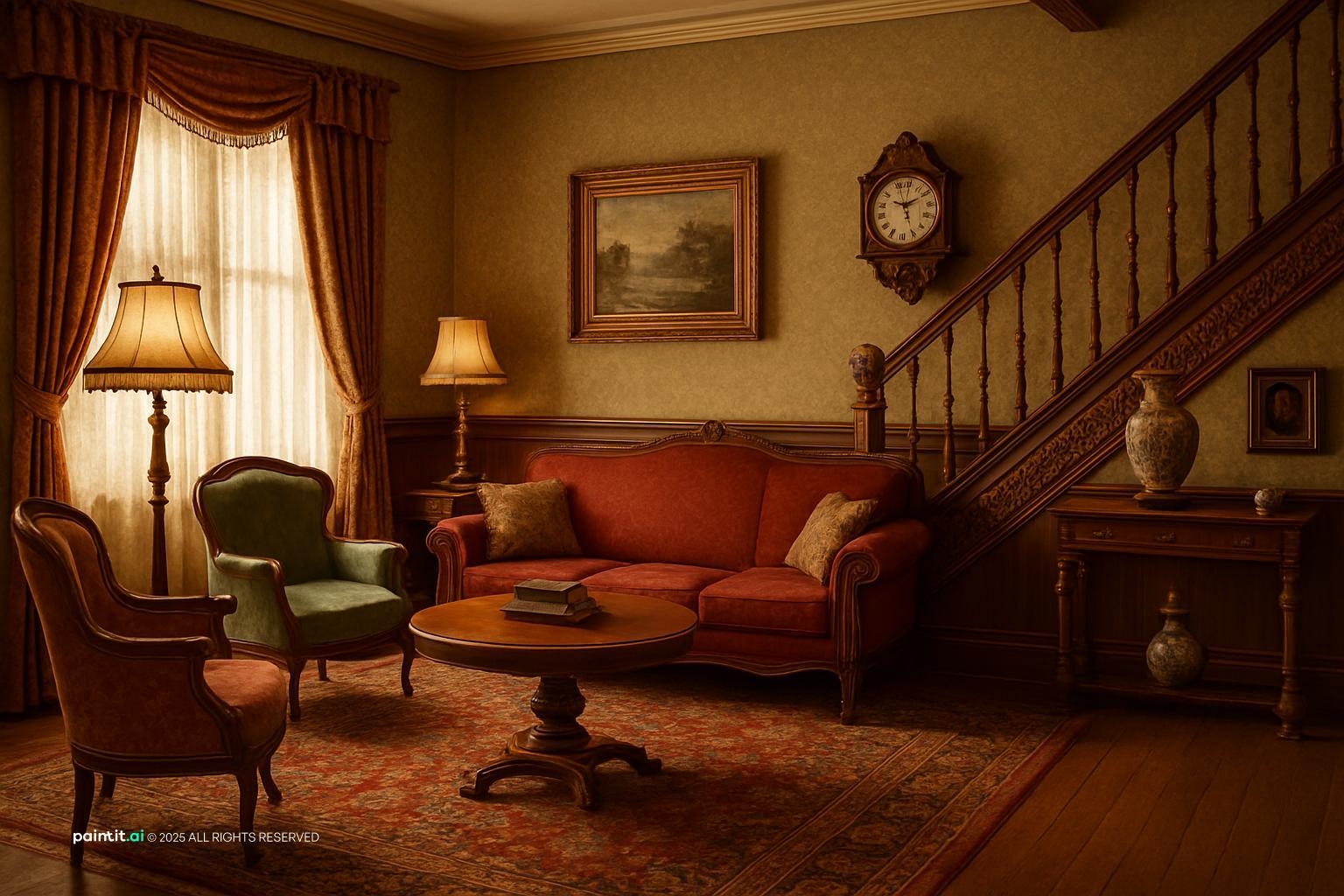
Vintage-Style Living Room Design Inspiration pairs painted wall color and natural light in a living room setting.
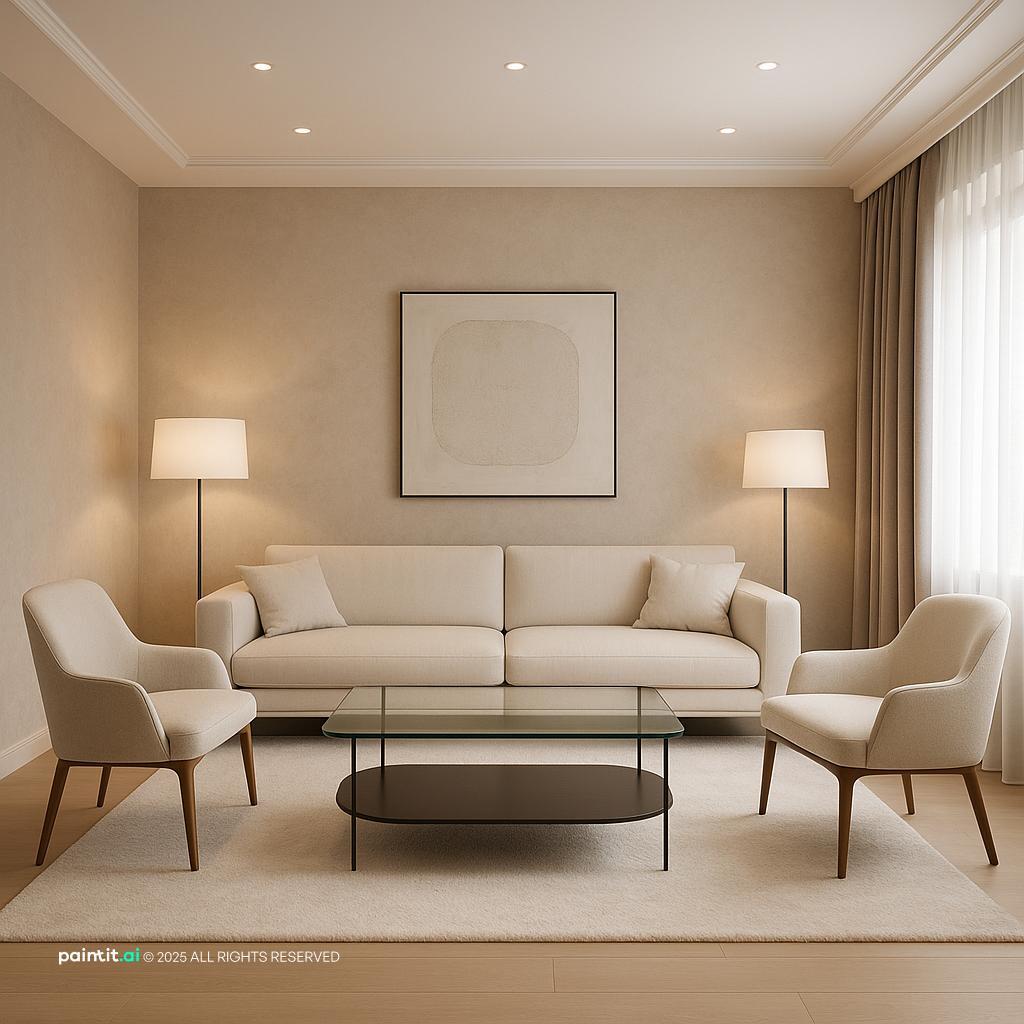
Elegant Modern Living Room Design layers painted wall color, layered neutrals and natural light in a living room setting.
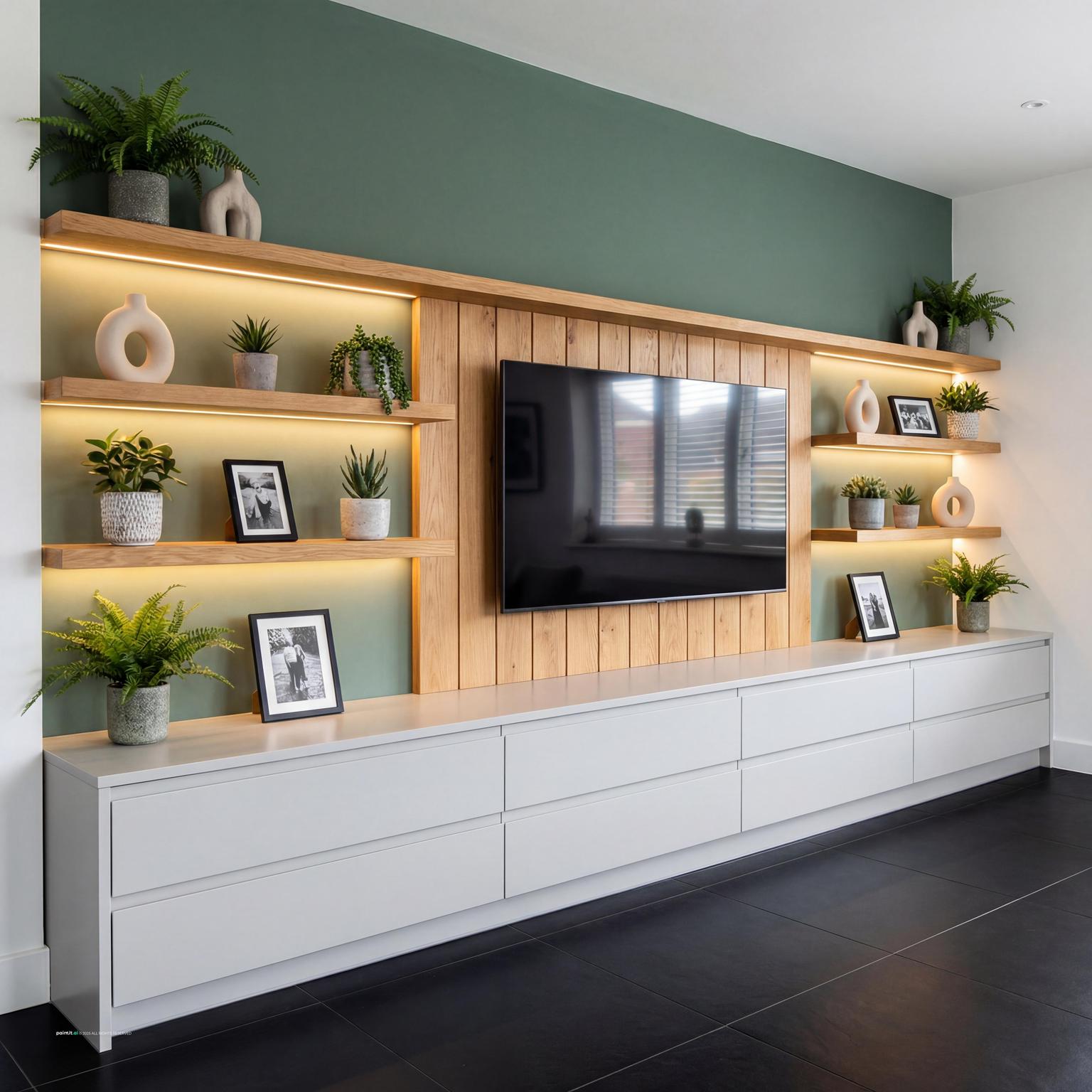
Modern TV Unit Design for Stylish Living Rooms anchors painted wall color, warm wood and plants and greenery in a living room setting.
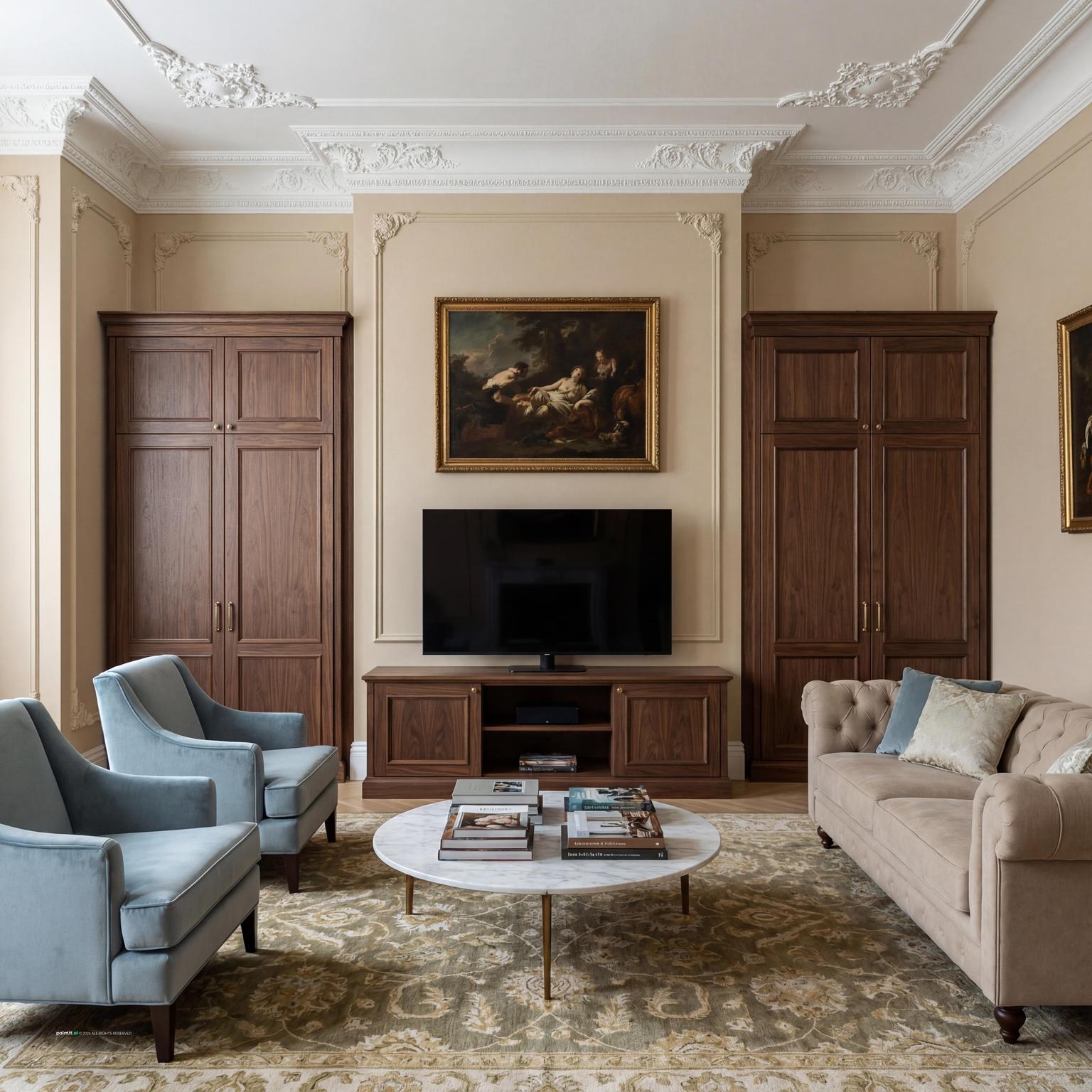
Elegant Neoclassic Living Room Design softens painted wall color and layered neutrals in a living room setting.
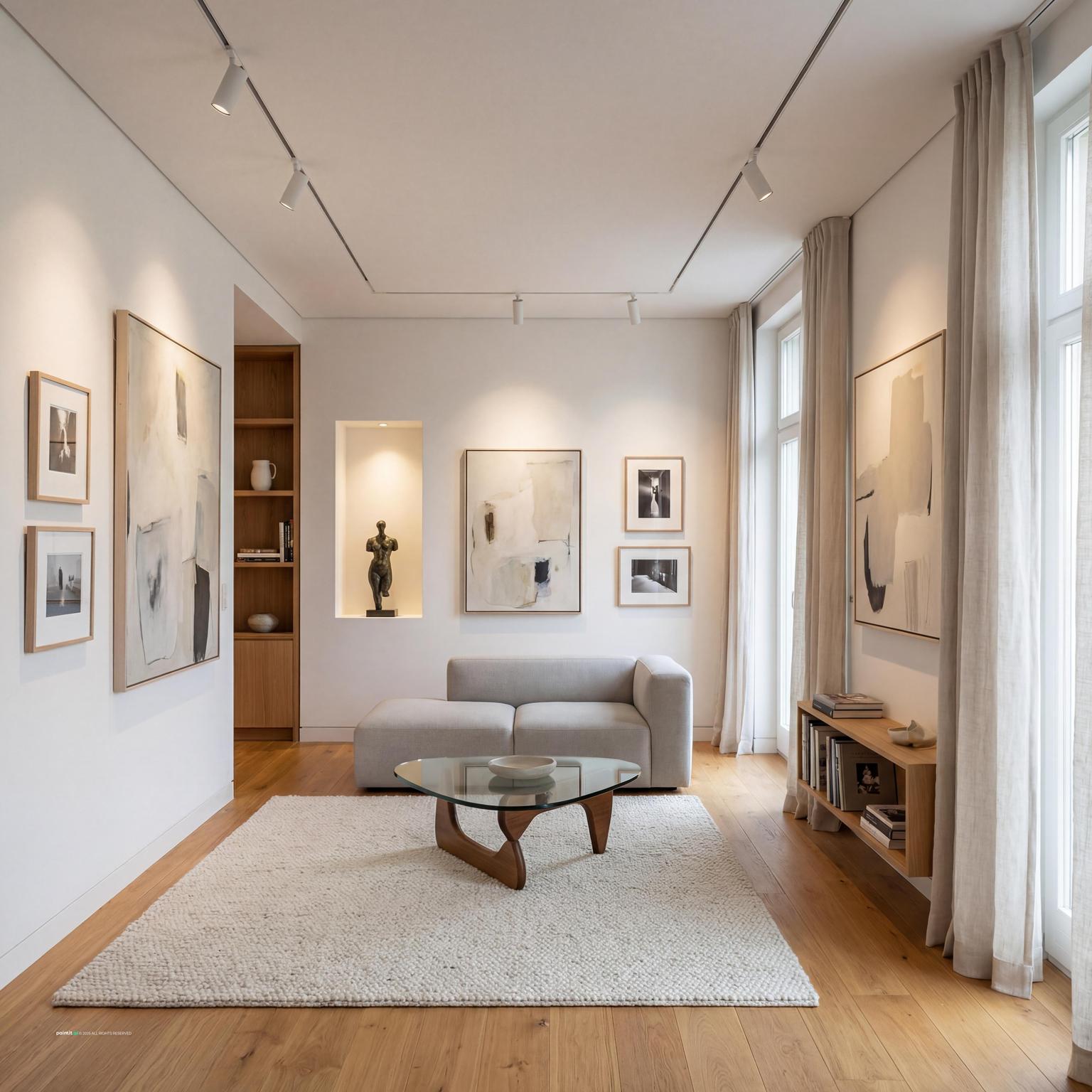
Elegant Art-Focused Living Room Design uses painted wall color, layered neutrals and natural light in a living room setting.
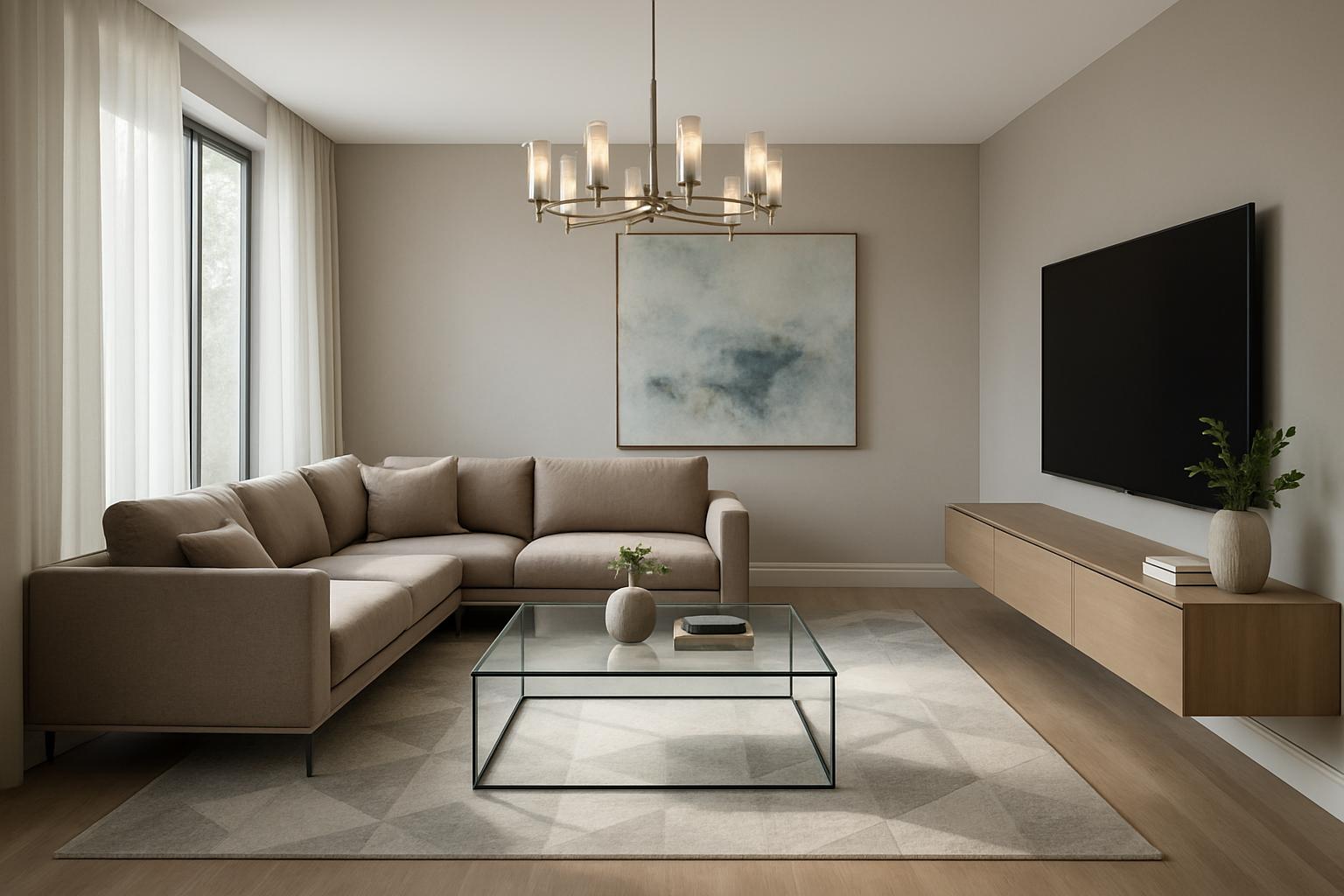
Living Room Wall Paint Ideas with Painted Wall Color and Metal Accents balances painted wall color, metal accents and plants and greenery in a living room setting.
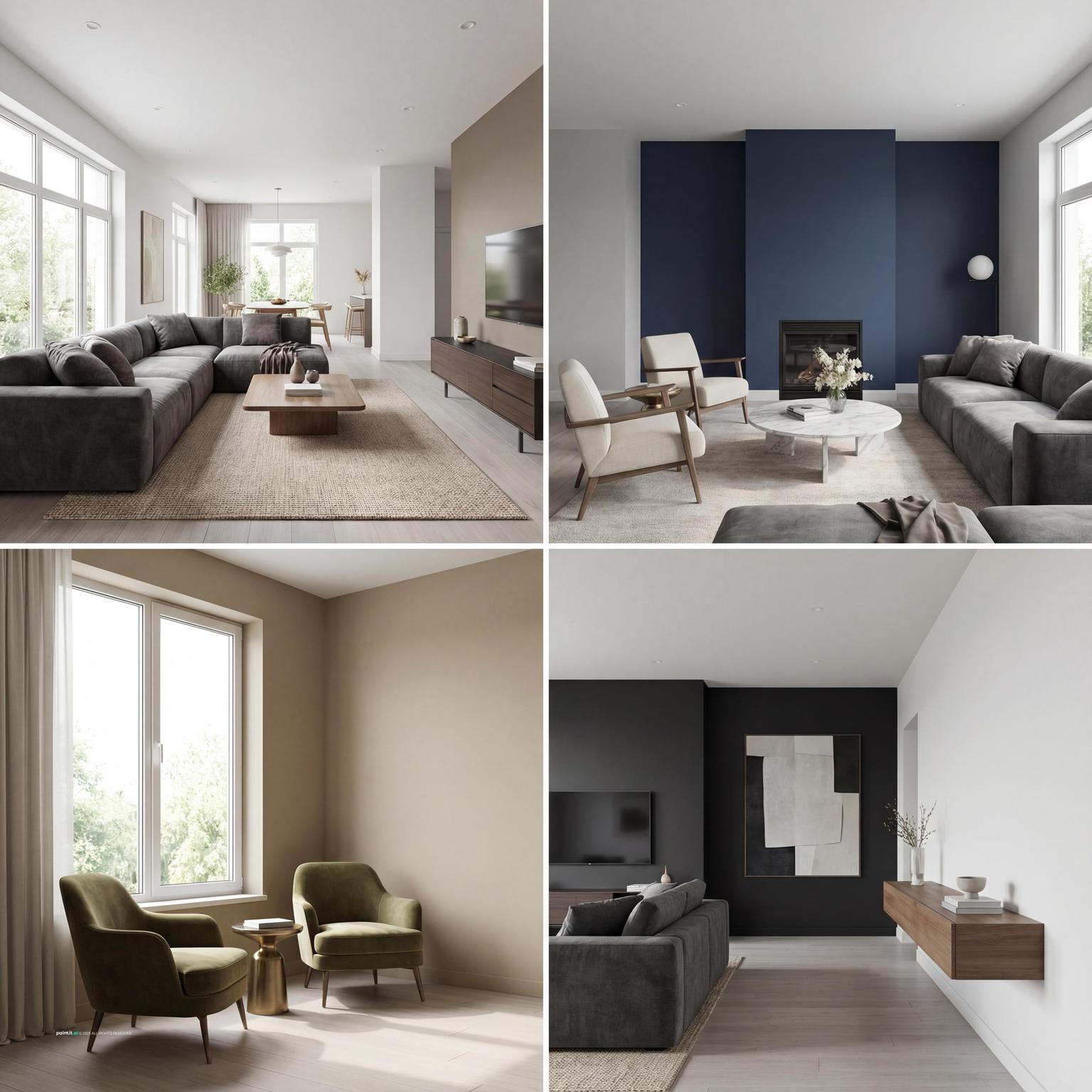
Living Room Wall Paint Ideas with Painted Wall Color and Layered Neutrals pairs painted wall color, layered neutrals and dark contrast in a living room setting.
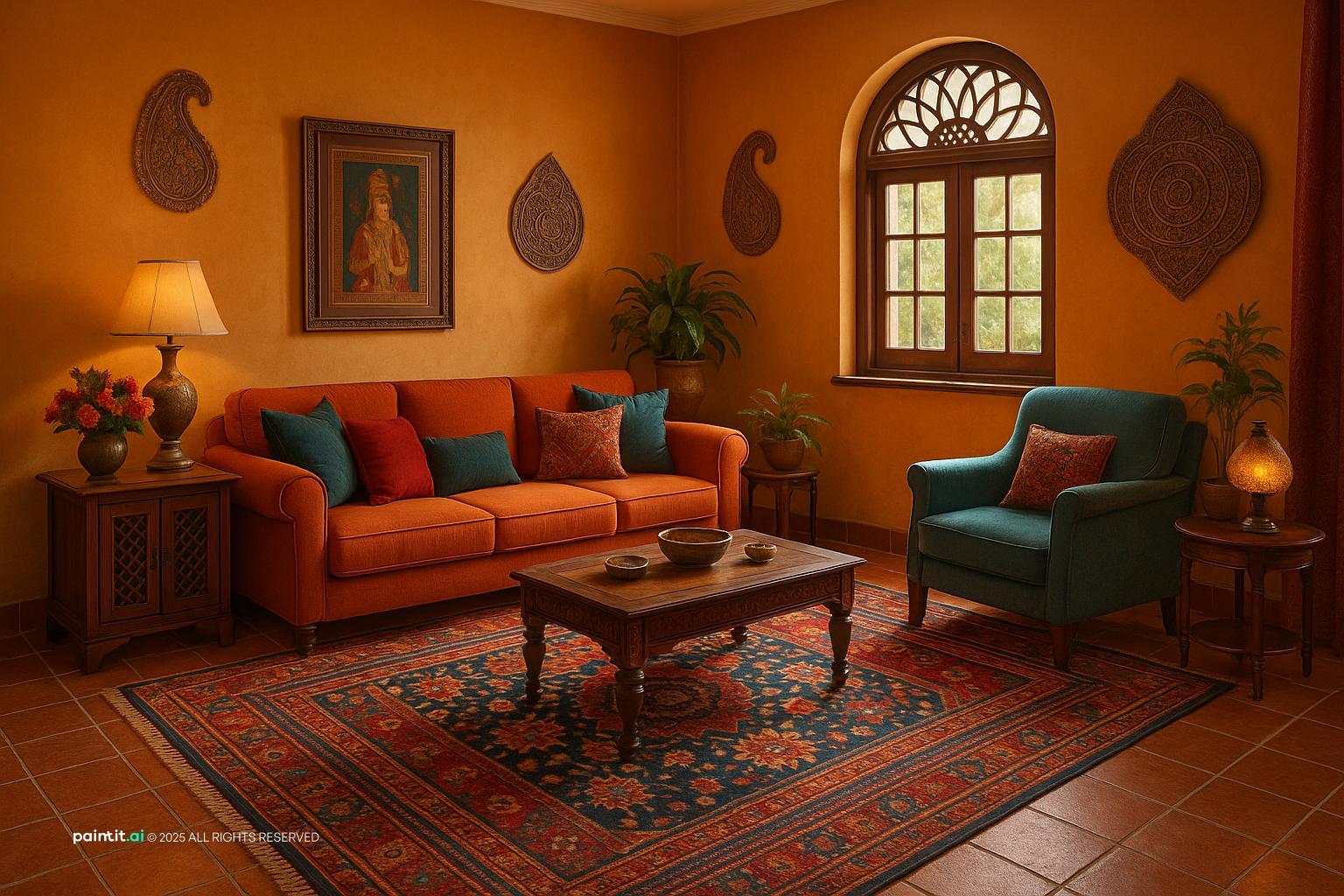
Vibrant Indian Accent Living Room Design layers painted wall color and natural light in a living room setting.
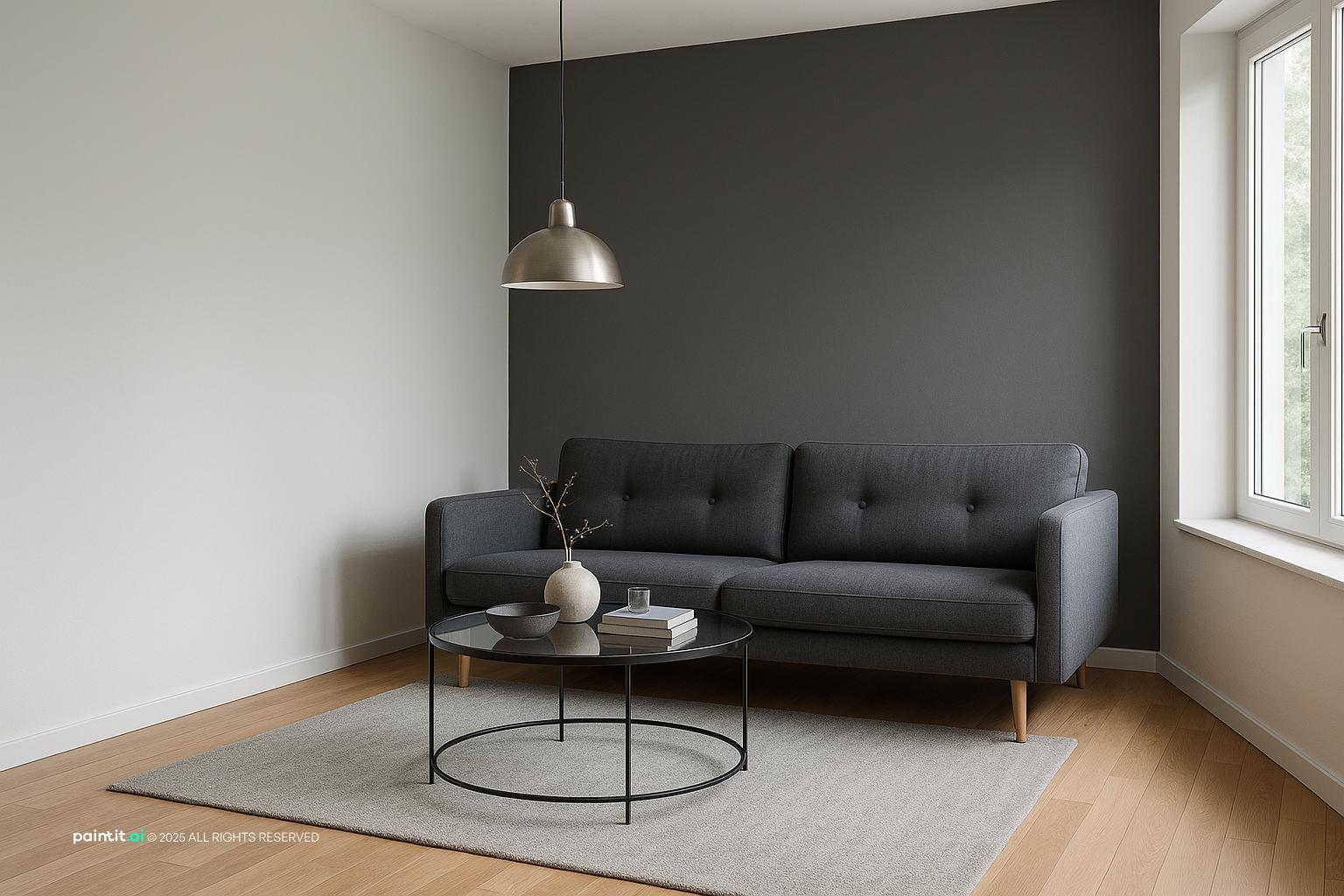
Modern Gray Living Room Design anchors painted wall color, warm wood and metal accents in a living room setting.
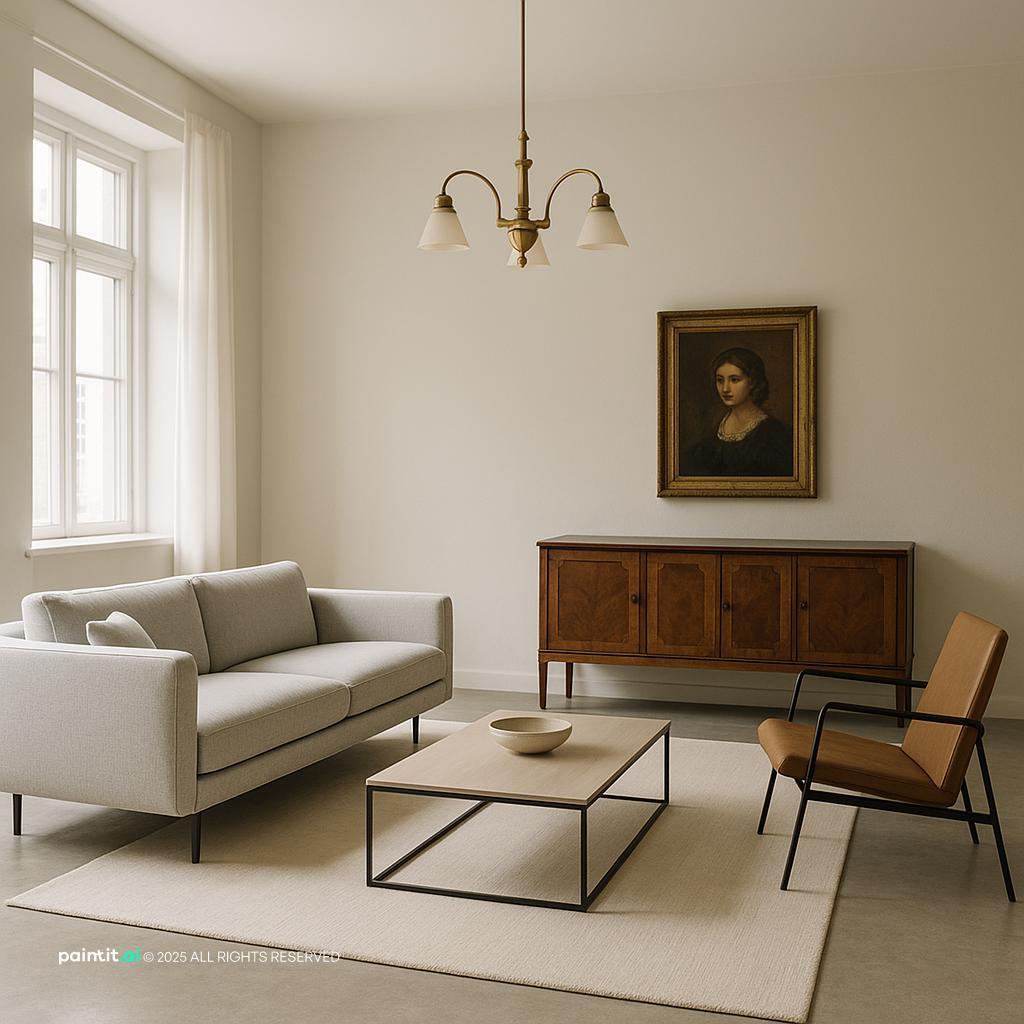
Modern Minimalist Living Room with Vintage Touches softens painted wall color, warm wood and clean-lined furniture in a living room setting.
Start with the largest fixed surfaces before choosing paint. A gray sofa, honey oak floor, cream sectional, red-toned rug, or black media unit will all change how a wall color reads. It is much easier to change paint than to replace a sofa because the beige you chose suddenly looks pink.
Check undertones before you commit. Yellow-based whites usually calm brown wood, while blue-gray walls can make orange flooring look even stronger. What usually goes wrong: people choose paint from a tiny chip under store lighting, then discover it fights the room’s biggest pieces.
A warm white is one of the safest living room paint ideas when the furniture already brings color, texture, or pattern. It keeps the room bright without the clinical edge that can happen with cool white in north-facing rooms or spaces with gray flooring.
Look for whites with a gentle cream, linen, or oatmeal cast rather than a strong yellow tint. Pair them with off-white curtains, natural wood, woven shades, and warm metal lamps. The wall becomes a quiet backdrop, but it still reflects enough light to keep the seating area open.
Greige works well in living rooms because it can bridge warm and cool pieces. It can connect a charcoal sofa, oak coffee table, beige rug, and black-framed art without making the room feel patched together.
The catch is depth. Too pale and it disappears; too muddy and the room can feel tired. Test a 2x2-foot swatch beside the trim color and behind the sofa, because shadows often make greige look browner than expected.
Soft green walls are useful when you want color without visual noise. Sage, eucalyptus, muted olive, and gray-green tones work especially well with linen upholstery, walnut furniture, terracotta accents, and black lighting.
For more palette direction, compare shades like sage, beige, cream, and clay in Best Living Room Colors. What to avoid: overly minty greens in rooms with cool LED lighting. They can make the walls feel sharper and less relaxed than you intended.
A dark accent wall can anchor a living room without making the whole space feel heavy. Deep navy, charcoal, forest green, cocoa brown, or wine-toned clay can work behind a sofa, fireplace, built-in shelving, or TV wall.
The best wall is usually the one your eye already goes to. Do not paint a random short wall just because it is empty. In our renders, living rooms often look more balanced when users specify one accent wall instead of making every wall dark and saturated.
Two-tone walls can make a basic room feel more architectural. Try a darker color on the lower third or lower half, then a lighter shade above. This works well with picture molding, chair rail trim, board-and-batten, or even a clean painted division line.
Use the 60-30-10 rule as a loose guide: about 60% main wall color, 30% secondary wall or trim color, and 10% accent through pillows, art, or objects. What to avoid: splitting the wall at an awkward height, such as through the middle of art or directly behind the sofa back.
Trim can make or break the wall color. Crisp white trim gives contrast and works well with medium or deep walls, but it can look harsh beside warm beige, cream, or muted earth tones. In those rooms, a softer white or the same wall color in a different finish often looks more considered.
Color-drenched trim is another option for modern living rooms: walls, baseboards, doors, and built-ins all in the same shade. Use satin or semi-gloss on trim for durability while keeping walls in eggshell or matte. Fewer contrast lines can make a small or chopped-up room feel calmer.
Modern paint choices are often about editing, not adding. If the room has open shelving, patterned rugs, visible kitchen cabinetry, or a strong view into the dining area, choose a restrained wall color such as warm white, taupe, putty, soft gray-green, or mineral beige.
You can also preview how a modern palette affects furniture placement with AI Living Room Design, especially if the room has an open-plan layout. What to avoid: using dramatic color to compensate for clutter. Paint can define a room, but it cannot fix too many competing focal points.
If the fireplace wall feels disconnected, paint can pull it into the room. Try matching the mantel and surrounding wall for a built-in effect, or use a slightly darker shade behind the fireplace to give it more depth.
For brick fireplaces, check whether the brick undertone is orange, red, brown, or purple before choosing paint nearby. Warm off-white, mushroom, olive, and charcoal often work better than blue-gray beside red brick. The paint should support the existing material, not make it look like the problem.
Long narrow living rooms often need the far wall to feel closer. A medium or deeper tone on the short end wall can visually shorten the room, while lighter side walls keep the traffic path open. In a low-ceiling room, painting the ceiling a softened version of the wall color can reduce the hard line overhead.
For small rooms, do not assume every wall must be white. A soft mid-tone can blur corners and make the space feel more settled. What to avoid: high-contrast stripes or abrupt color blocks where the room already has many doorways, windows, or furniture breaks.
Clay, sand, mushroom, camel, putty, and soft taupe can make a living room feel grounded without going dark. These colors are especially useful with leather chairs, jute rugs, oak tables, boucle upholstery, and warm brass or bronze lighting.
When people upload a living room with heavy wood furniture, the weak spot is often the undertone, not the color family. If the wood is orange or golden, cool gray will usually make it stand out more. A muted warm neutral tends to blend more naturally.
If the wall feels flat, paint may work better with simple architectural detail. Picture-frame molding, vertical paneling, half-wall wainscoting, or a painted shelf ledge can give the room shadow, rhythm, and a cleaner place to stop color.
For creative wall treatments, Living Room Wall Design can help you compare painted panels, accent walls, shelving, and feature-wall approaches. Keep the detail proportional: narrow molding on a huge wall can look flimsy, while oversized panels can crowd a compact room.
Paint selection is usually iterative. Paintit.ai users often refine results with phrases like a bit darker, more warm, or less gray; 15.0% of prompts use this kind of adjustment. That matches how paint decisions work in real rooms: the color family may be right, but the depth or undertone needs tuning.
If a shade feels too safe, move one step deeper on the strip. If it feels gloomy, keep the same undertone but lighten it. What to avoid: jumping to a totally different color family when the real issue is that the chosen version is too cool, too clean, or too saturated.
Do not test only beside the window. Put color swatches behind the sofa, near the TV, beside the trim, and on the wall that gets evening lamplight. Natural light changes from morning to afternoon, and artificial light can pull yellow, blue, or green from a color.
Only 5.9% of Paintit.ai prompts mention lighting, even though lighting is one of the main reasons paint looks different in real life than expected. Check swatches in daylight and at night with your usual lamps on. The best paint colors for living room walls are the ones that still hold up in the room’s least flattering light.
Use the second gallery to compare how much change the room really needs: a whole-room repaint, one focal wall, painted trim, half-height color, or a darker TV wall. The point is not to pick the boldest version. It is to see which option improves the room without making the furniture, art, or lighting feel out of place.
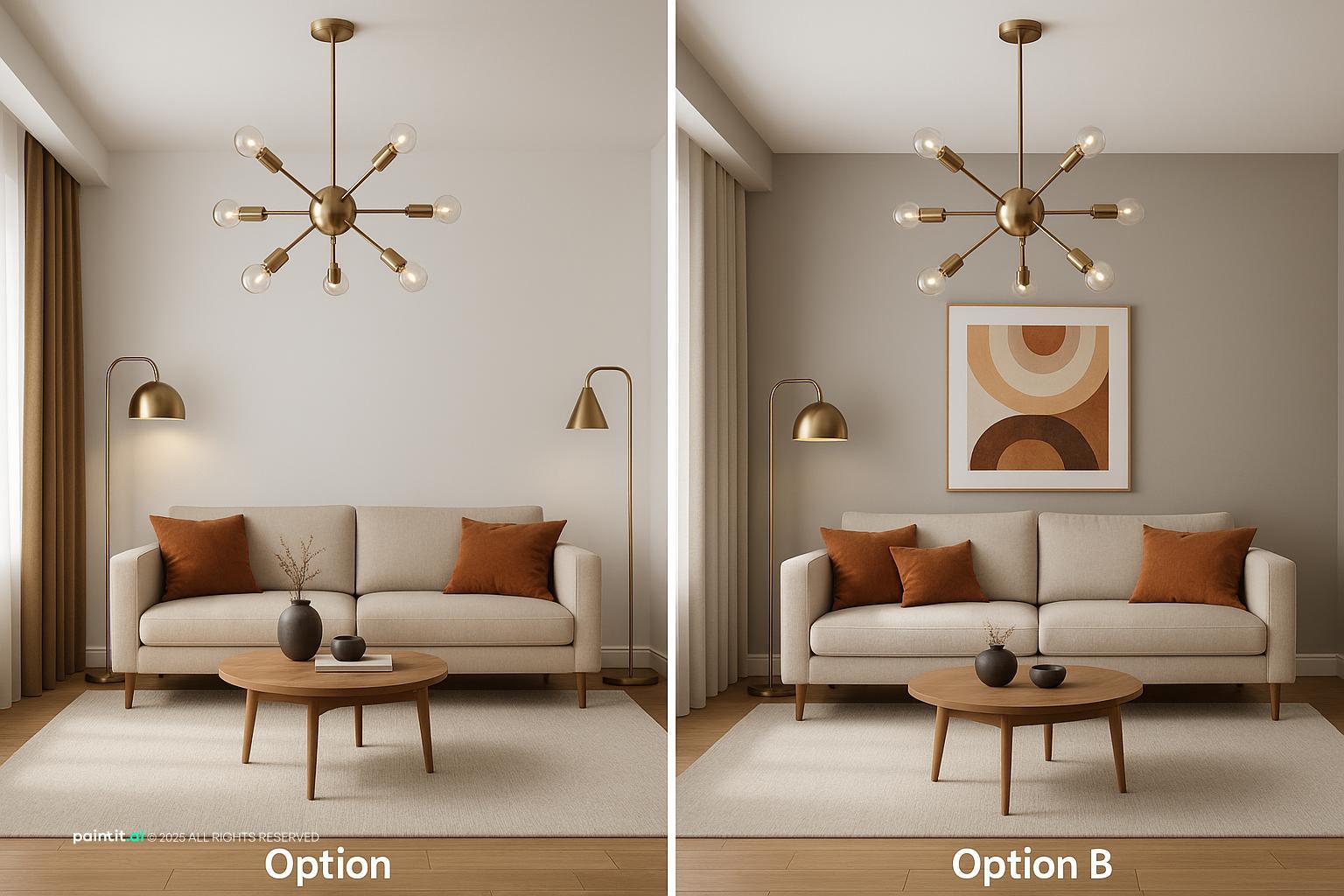
Living Room Wall Paint Ideas with Painted Wall Color and Metal Accents with Natural Light uses painted wall color, metal accents and natural light in a living room setting.
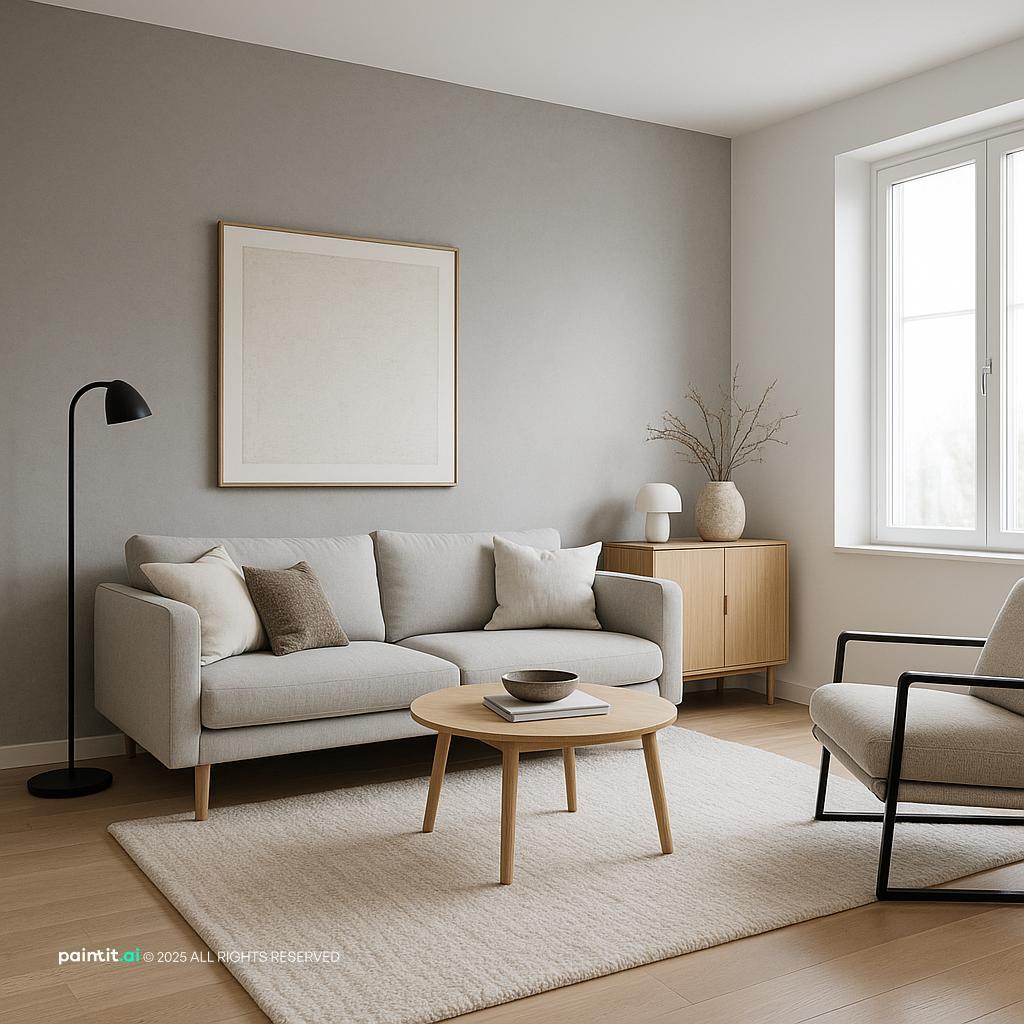
Modern Minimalist Living Room Design balances painted wall color, clean-lined furniture and natural light in a living room setting.
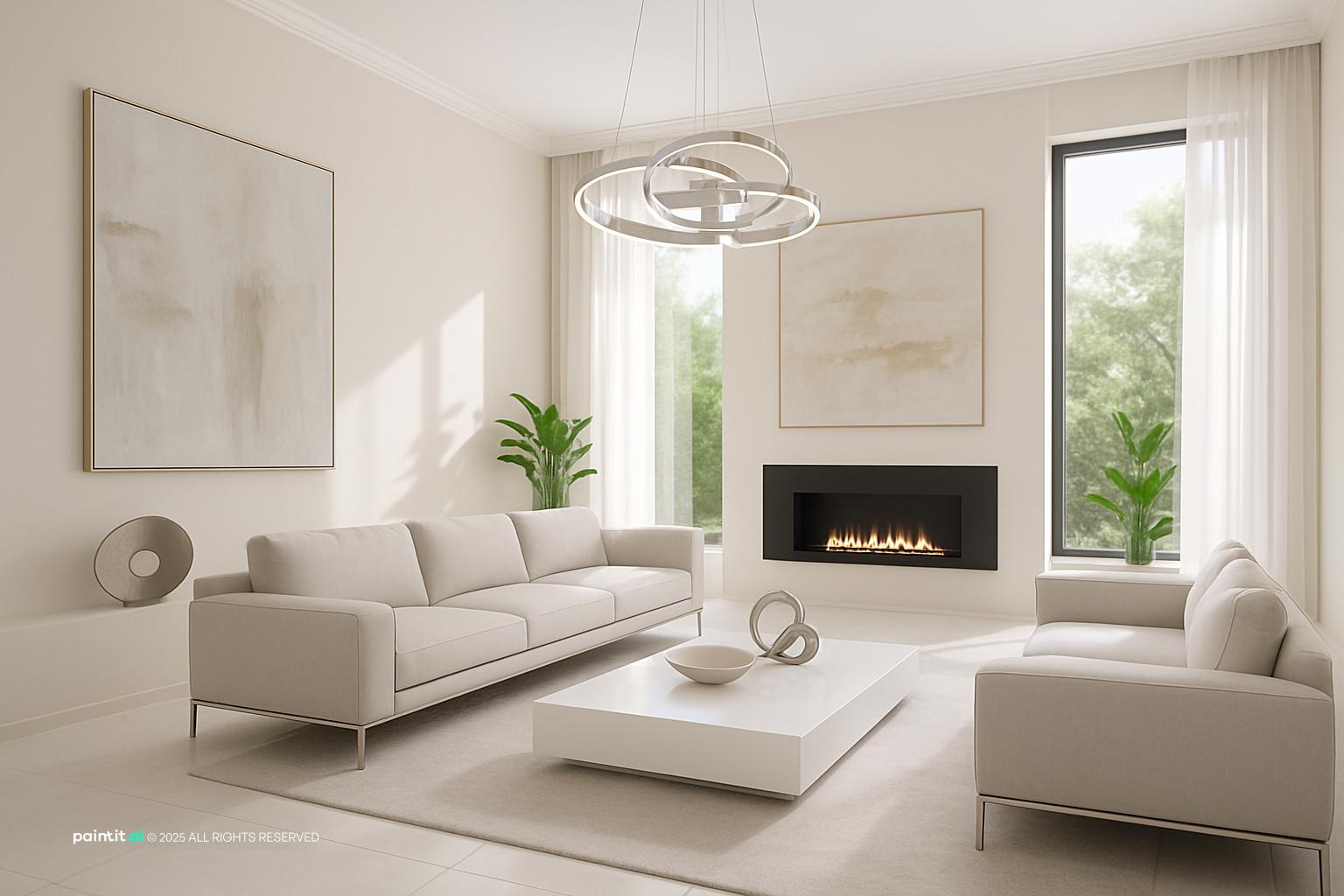
Living Room Wall Paint Ideas with Painted Wall Color and Metal Accents with Clean-lined Furniture pairs painted wall color, metal accents and clean-lined furniture in a living room setting.
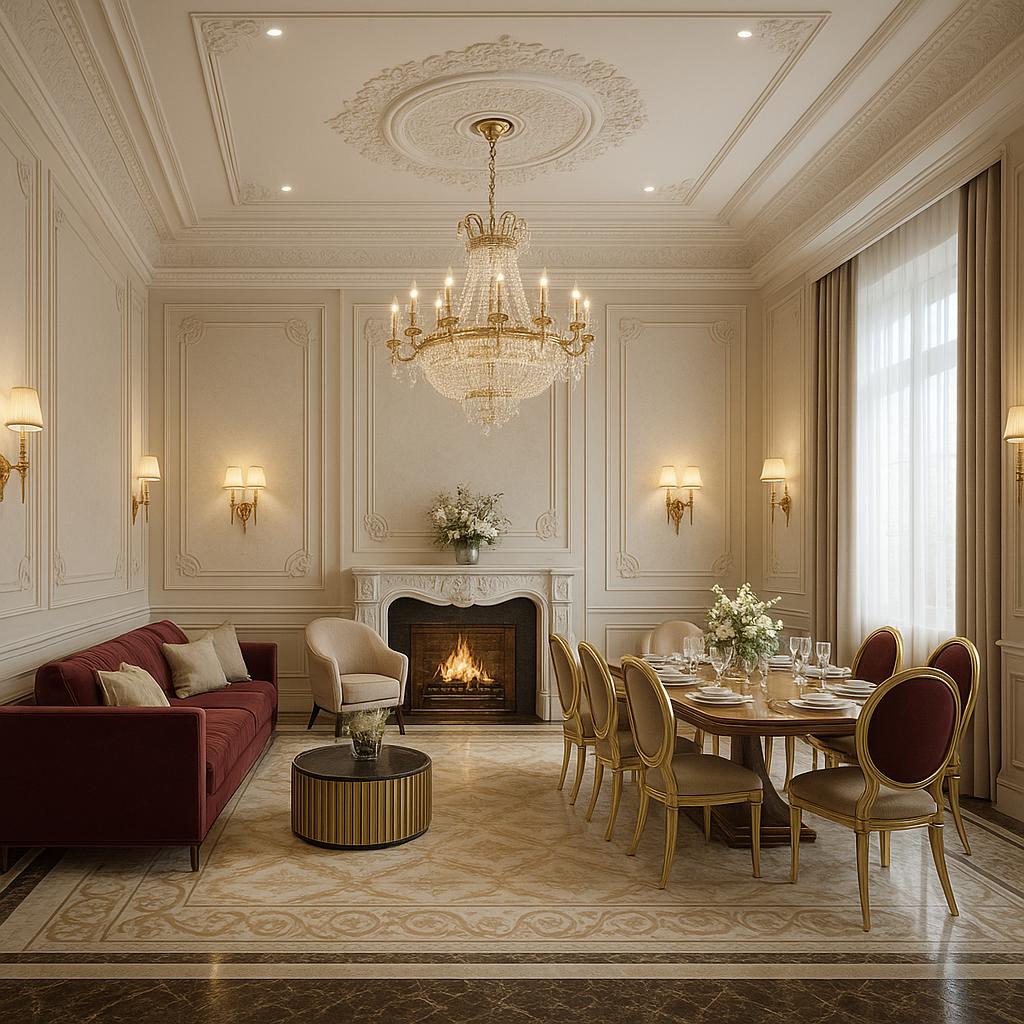
Luxurious Neoclassic Living Room Design layers painted wall color and layered neutrals in a living room setting.
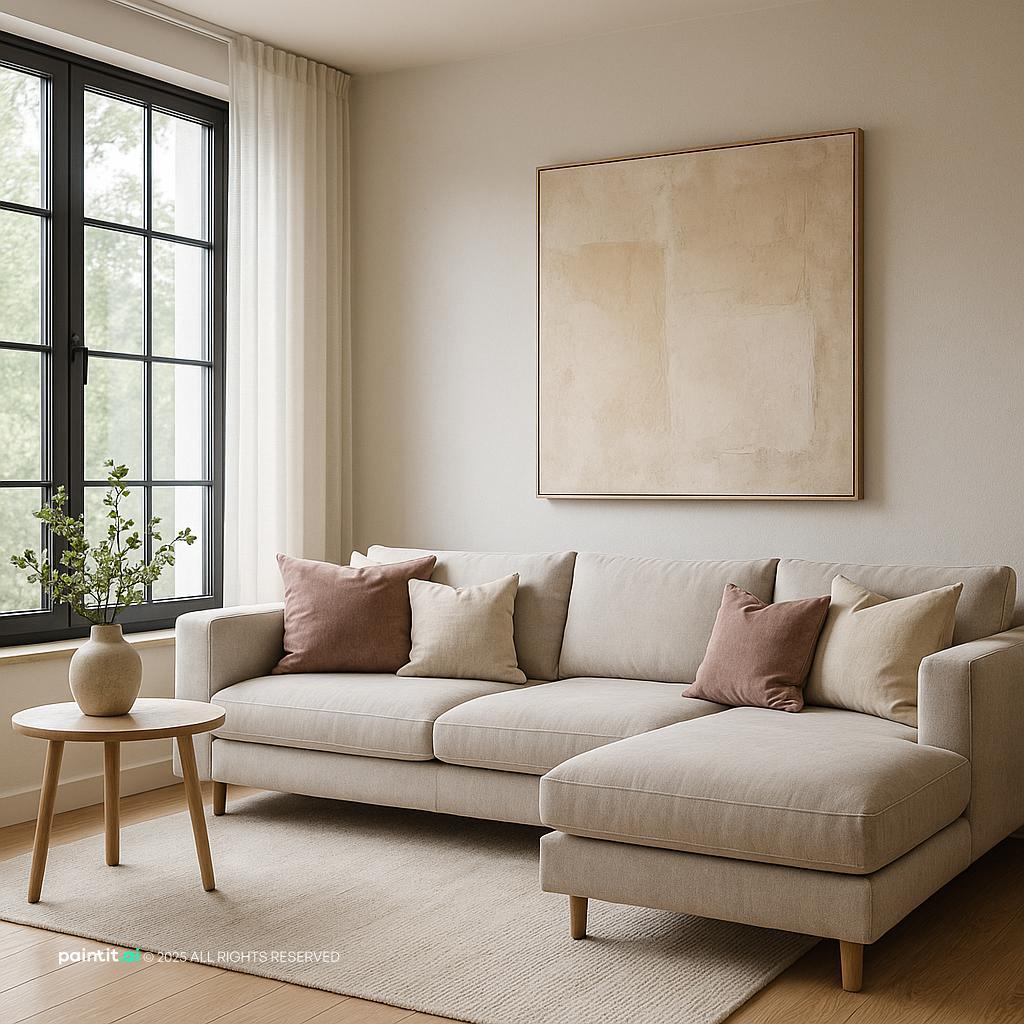
Modern Scandinavian Living Room Design anchors painted wall color, soft textiles and layered neutrals in a living room setting.
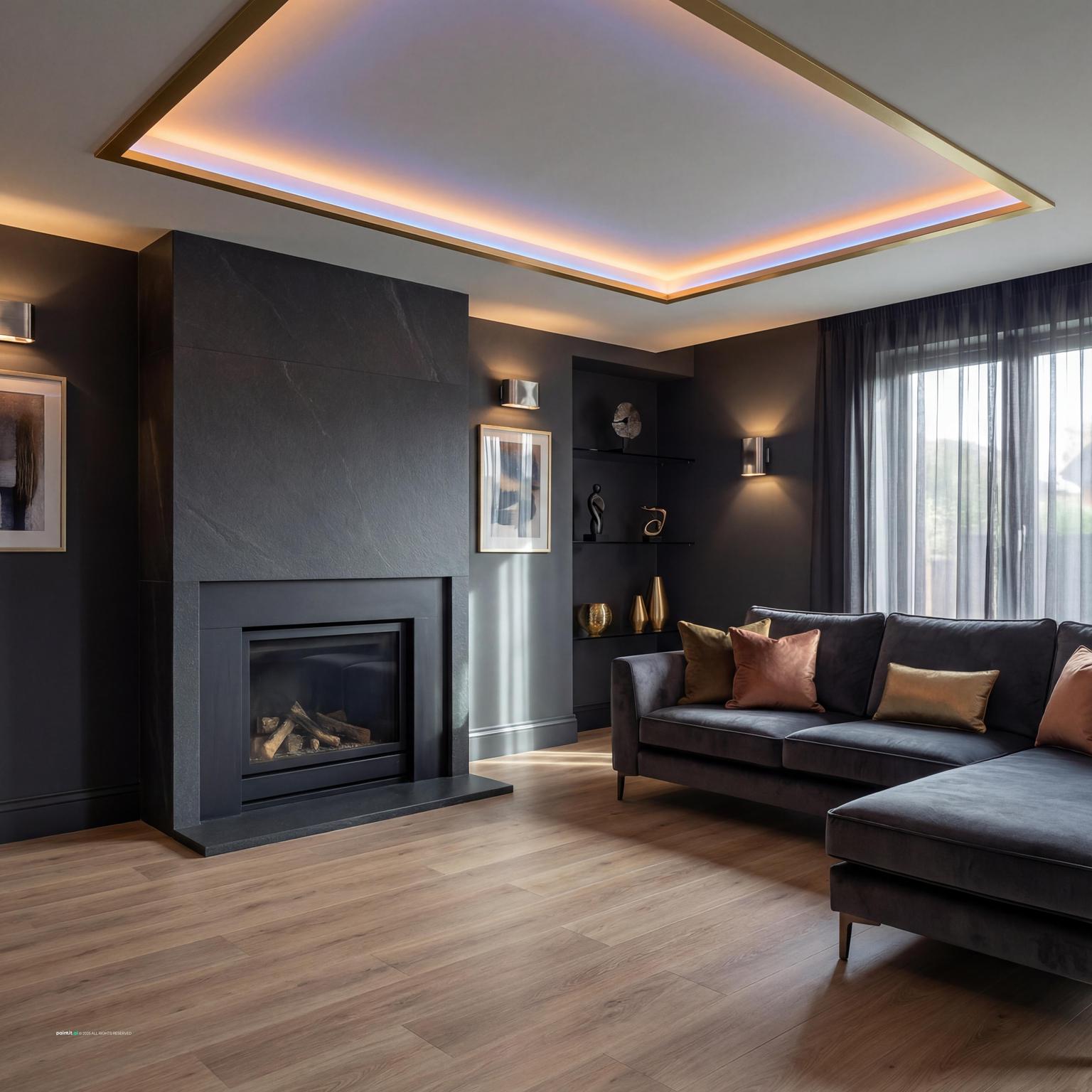
Luxury Modern Living Room Design softens painted wall color, soft textiles and metal accents in a living room setting.
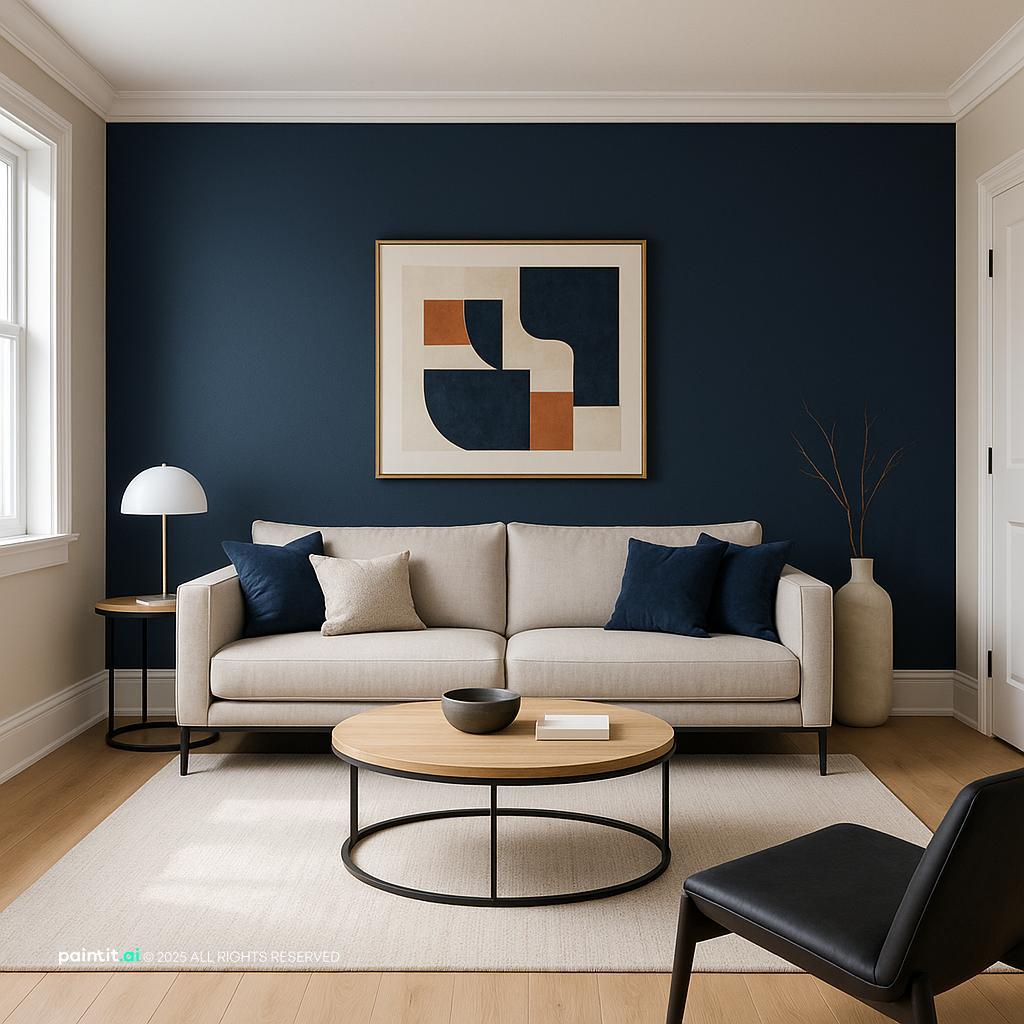
Stunning Modern Contemporary Living Room Design uses painted wall color, soft textiles and clean-lined furniture in a living room setting.
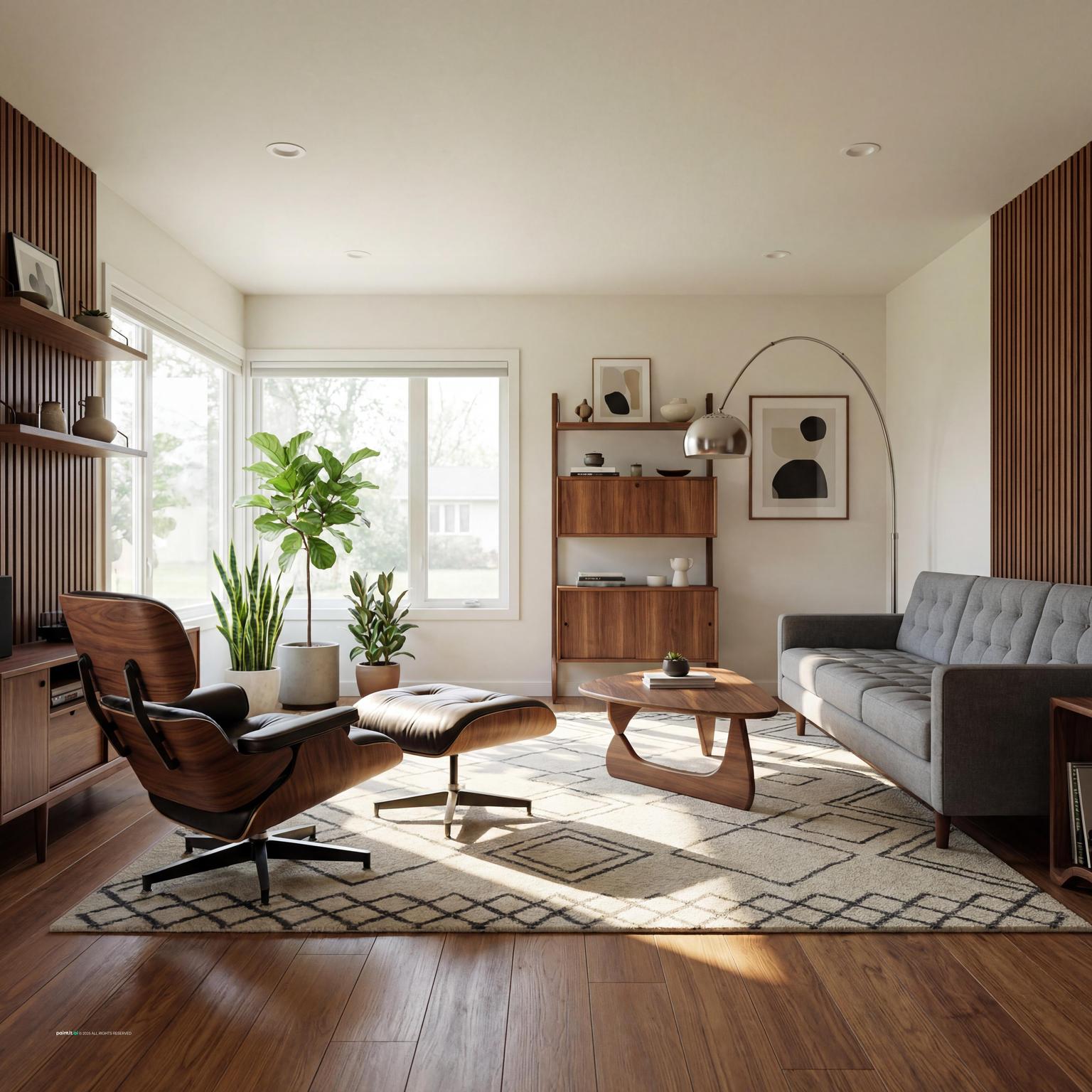
Stunning Mid-Century Modern Living Room balances painted wall color, warm wood and plants and greenery in a living room setting.
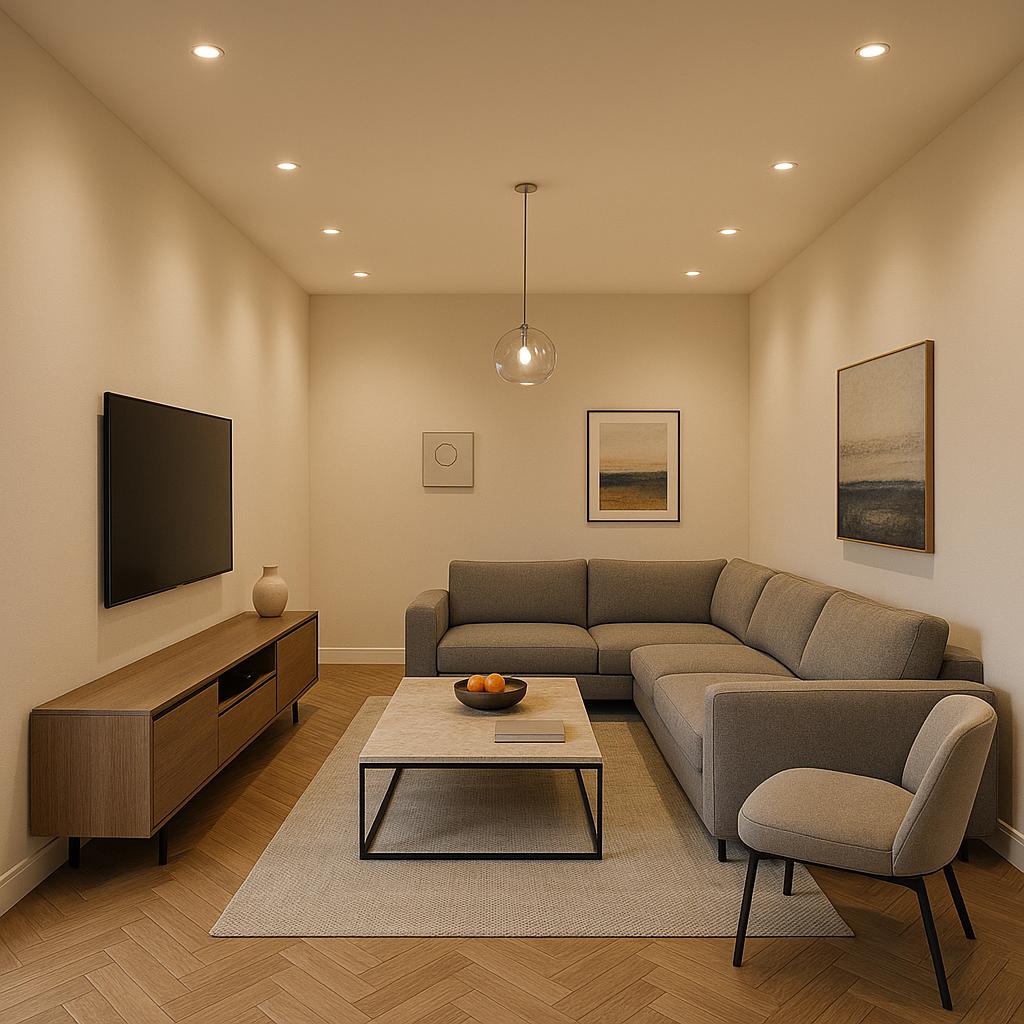
Luxury Modern Hotel Living Room Design pairs painted wall color, metal accents and layered neutrals in a living room setting.
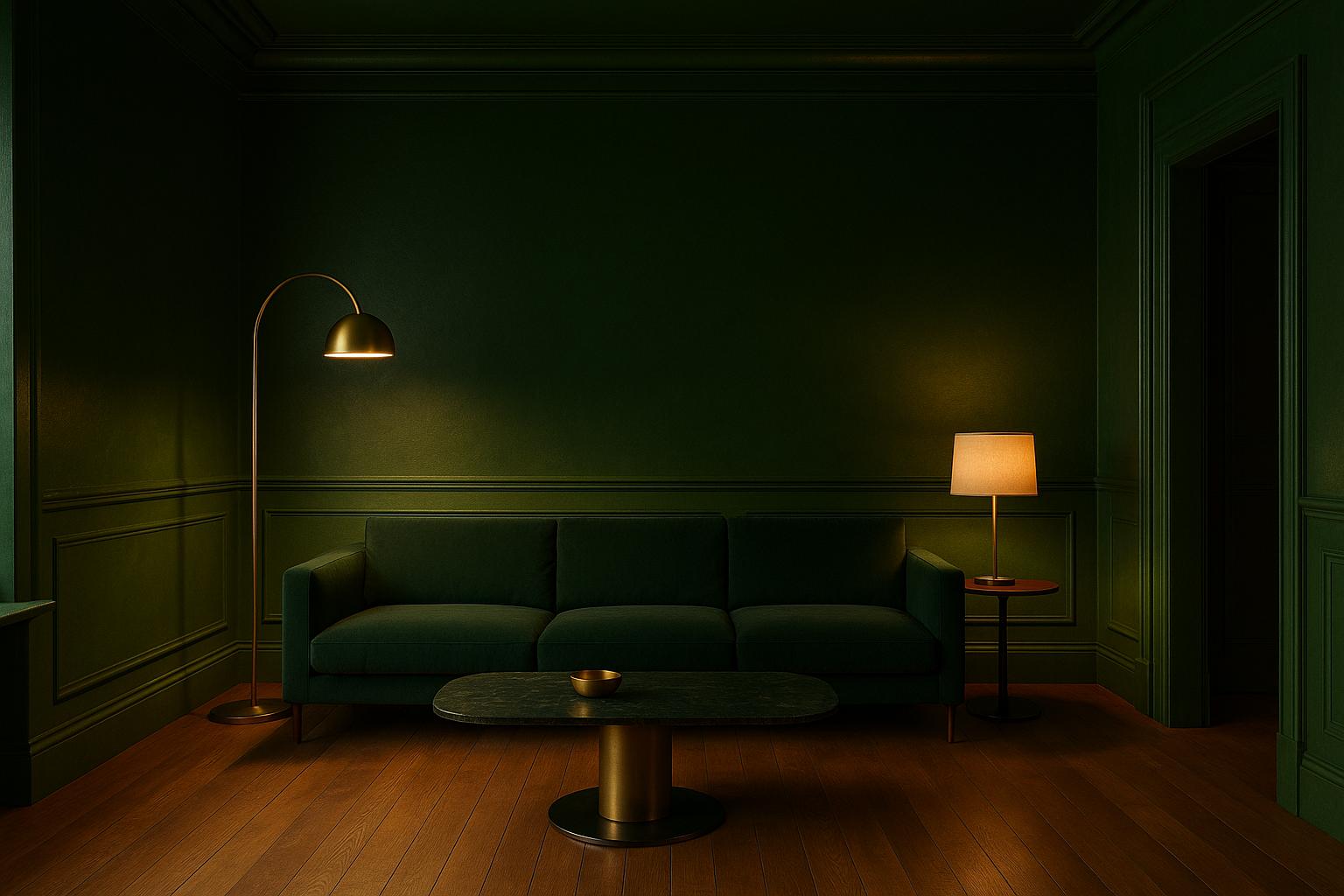
Dramatic Dark Green Living Room Design layers painted wall color and metal accents in a living room setting.
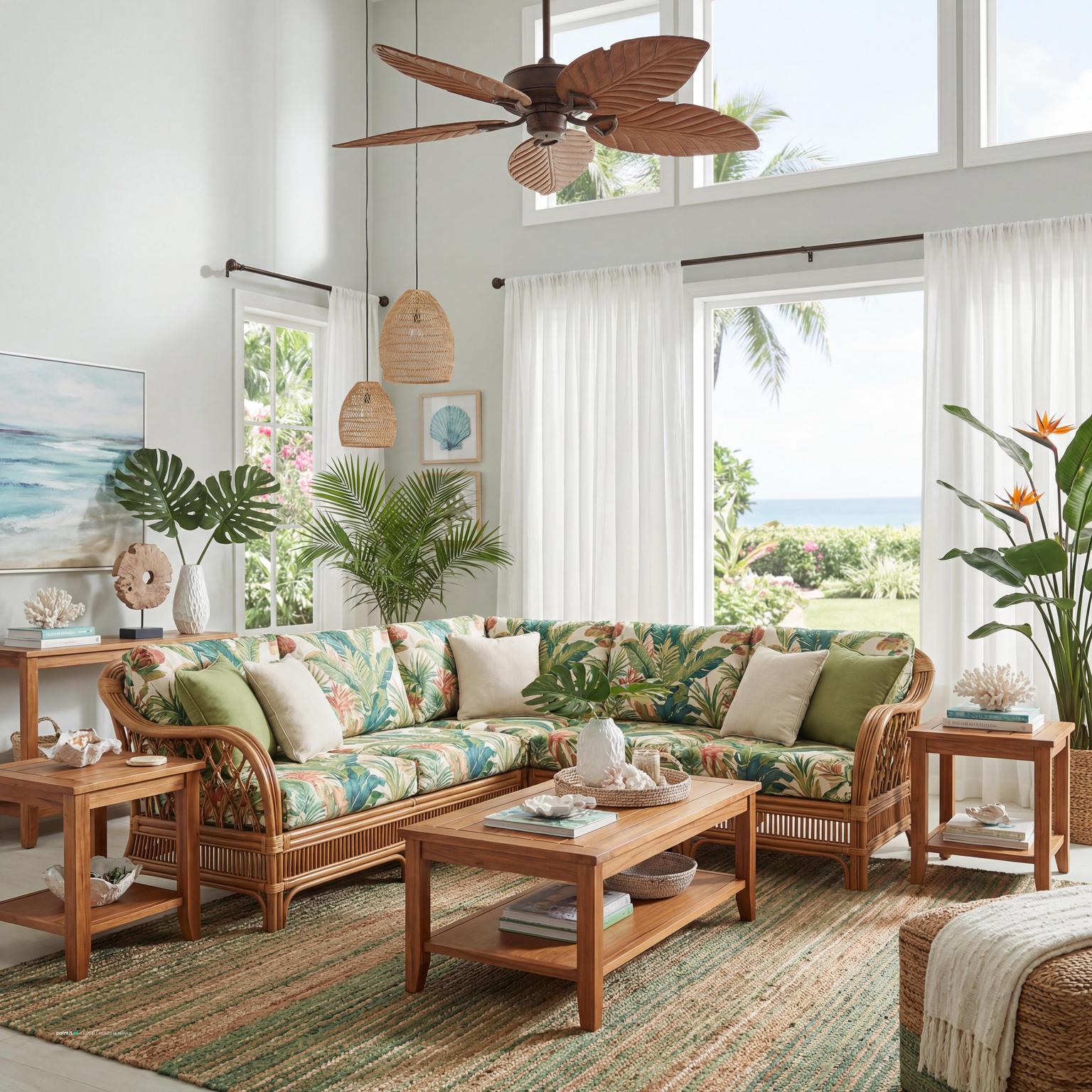
Tropical Living Room Design Inspiration anchors painted wall color, soft textiles and plants and greenery in a living room setting.
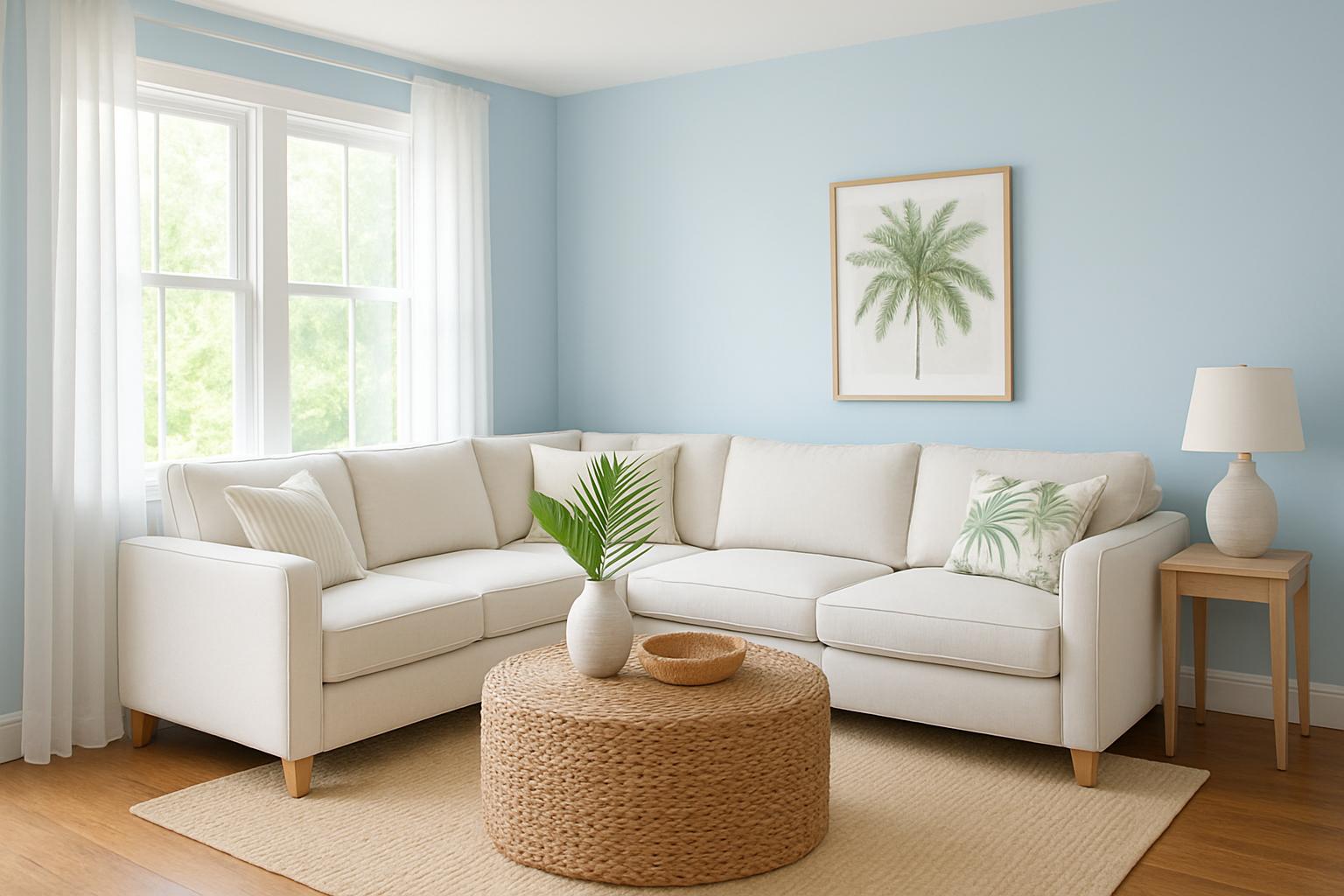
Living Room Wall Paint Ideas with Painted Wall Color and Layered Neutrals with Natural Light softens painted wall color, layered neutrals and natural light in a living room setting.
Eggshell is often the most practical paint finish for living rooms because it has a soft look but wipes better than flat paint. Matte can hide wall imperfections beautifully, especially in older homes, but it is less forgiving near switches, kids’ hands, pets, and busy seating areas.
Use satin or semi-gloss on trim, doors, and built-ins where dust, hands, and vacuum bumps are common. Avoid glossy wall paint unless the wall surface is very smooth. Shine will point straight at dents, seams, patch marks, and roller lines.
A color that looks neutral on paper can turn pink, green, blue, or yellow once it sits beside flooring. Oak, walnut, concrete, carpet, and stone each reflect color differently. Place color swatches vertically near the baseboard so you see that relationship directly.
If the floor is warm, start with warm neutrals, muted greens, clay, or mushroom. If the floor is cool gray, try warm white, soft taupe, blue-gray, or greige with enough warmth to keep the room from feeling icy. Do not match undertones too perfectly; a little contrast keeps the palette from going flat.
Paint should connect the room’s finishes rather than compete with them. Walnut and brass often sit well with olive, cream, tobacco, and deep green. Black metal and pale oak can handle warm white, putty, soft gray, or muted blue.
Stone fireplaces and marble tables need extra care. If the stone has cool veining, a yellow wall may look wrong. If the stone is beige or travertine, a cold gray wall can make it appear dirty. Use the paint as the bridge between the permanent materials.
Deep or saturated walls need fabric relief. Linen curtains, wool rugs, boucle chairs, velvet pillows, and woven baskets keep a strong paint choice from feeling flat. The larger the dark wall area, the more important texture becomes.
If the room has a bold wall and a bold sofa, use quieter curtains and a calmer rug. Avoid repeating the wall color in every accessory; two or three echoes are enough. After that, the room can start to look too matched.
Wall paint changes under different light sources. Daylight may make a beige look clean and fresh, while a warm evening bulb can make the same beige look yellow. A single ceiling fixture also creates shadows that can make corners look dull.
Use at least three layers where possible: overhead light, table or floor lamps near seating, and a directional light for art, shelves, or a fireplace. I would treat a small living room as a lighting problem before treating it as a color problem; often, the wrong paint is really a lack of layered light.
A dark wall behind a pale sofa can make the seating area feel anchored. A pale wall behind a dark sectional can keep the furniture from feeling too heavy. The right contrast depends on the room’s balance, not on trend alone.
If the TV, fireplace, shelving, and sofa are all visually heavy, keep the surrounding wall color quieter. If the room feels washed out, add contrast through a deeper wall, darker trim, or richer art frames. Avoid high contrast on every surface. The eye needs a few quiet places to rest.
Paint affects art, mirrors, shelving, and even plant color. Warm walls often suit black frames, aged brass, walnut, terracotta, and cream mats. Cooler walls may work better with chrome, charcoal, pale wood, and crisp white mats.
After painting, reassess the scale of wall decor. A newly deep wall may need larger art, while a fresh pale wall may make small frames feel scattered. Leave breathing room around pieces; crowding the wall can hide the work the paint is doing.
A paint idea becomes much more useful when you can see it on your actual walls, with your sofa, windows, flooring, and trim still in the frame. In Paintit.ai, you can upload a living room photo and compare a warm white, sage, greige, dark accent wall, or two-tone treatment before buying samples.
If you are mainly planning a repaint, the AI House Painter can help you test wall color direction, trim contrast, and finish mood. Start with one clear brief: what stays, what changes, and whether you want the result a bit warmer, darker, softer, or more modern.
Warm white, greige, soft taupe, sage, and muted beige are reliable starting points. The best choice depends on your sofa, flooring, trim, and natural light, so test the color beside the pieces that are staying.
Light walls are better for brightness and flexibility. Dark walls work well when they anchor a real focal point, such as a fireplace, sofa wall, or media wall, especially if the room has layered lighting.
Eggshell is usually the most practical living room wall finish. Matte hides imperfections but is harder to clean, while satin is better for trim, doors, built-ins, and other high-touch details.
Paint large swatches on at least two walls, including one in shadow. Check them in morning light, afternoon light, and at night with your usual lamps on before you buy the full amount.
Yes, if it supports a real focal point. Use an accent wall behind the sofa, TV, fireplace, or built-ins rather than choosing a random wall with no visual purpose.