
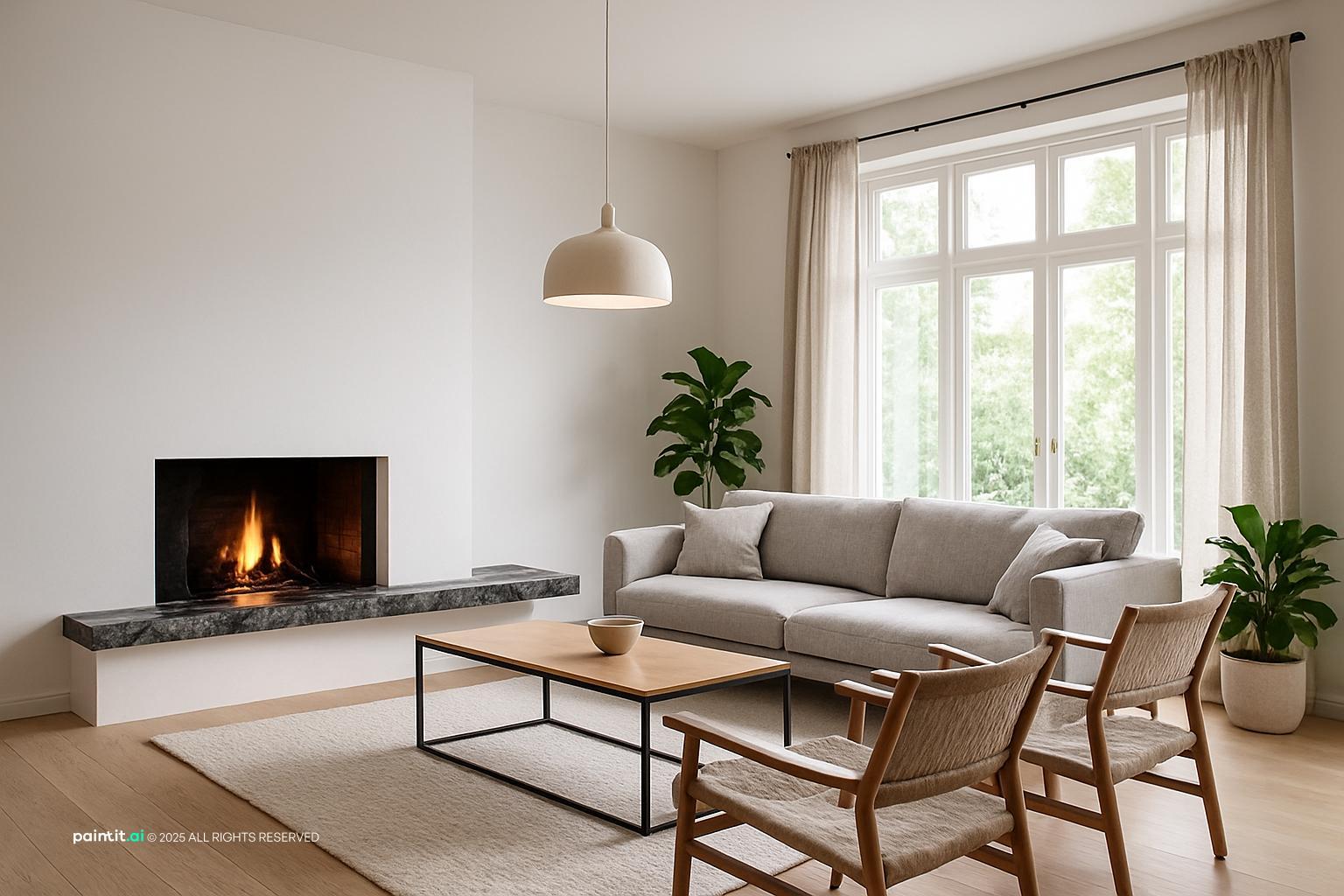
Scandinavian-Style Living Room Design
Scandinavian-Style Living Room Design uses Scandinavian simplicity, light wood warmth and warm wood in a living room setting.
A Scandinavian design living room works when it feels bright, useful, and calm without looking stripped out. The room still has to handle shoes by the door, TV cables, blankets, toys, books, and people walking through it. The style depends on a few disciplined choices: an open traffic path, pale walls, honest materials, soft textiles, and lighting that works in daylight and after sunset. In Paintit.ai behavior data, users name the room in 22.1% of prompts and specify style in 17.1%, including Scandinavian. We often see better results when the prompt goes past the style label and names the palette, materials, lighting mood, and what should stay unchanged.
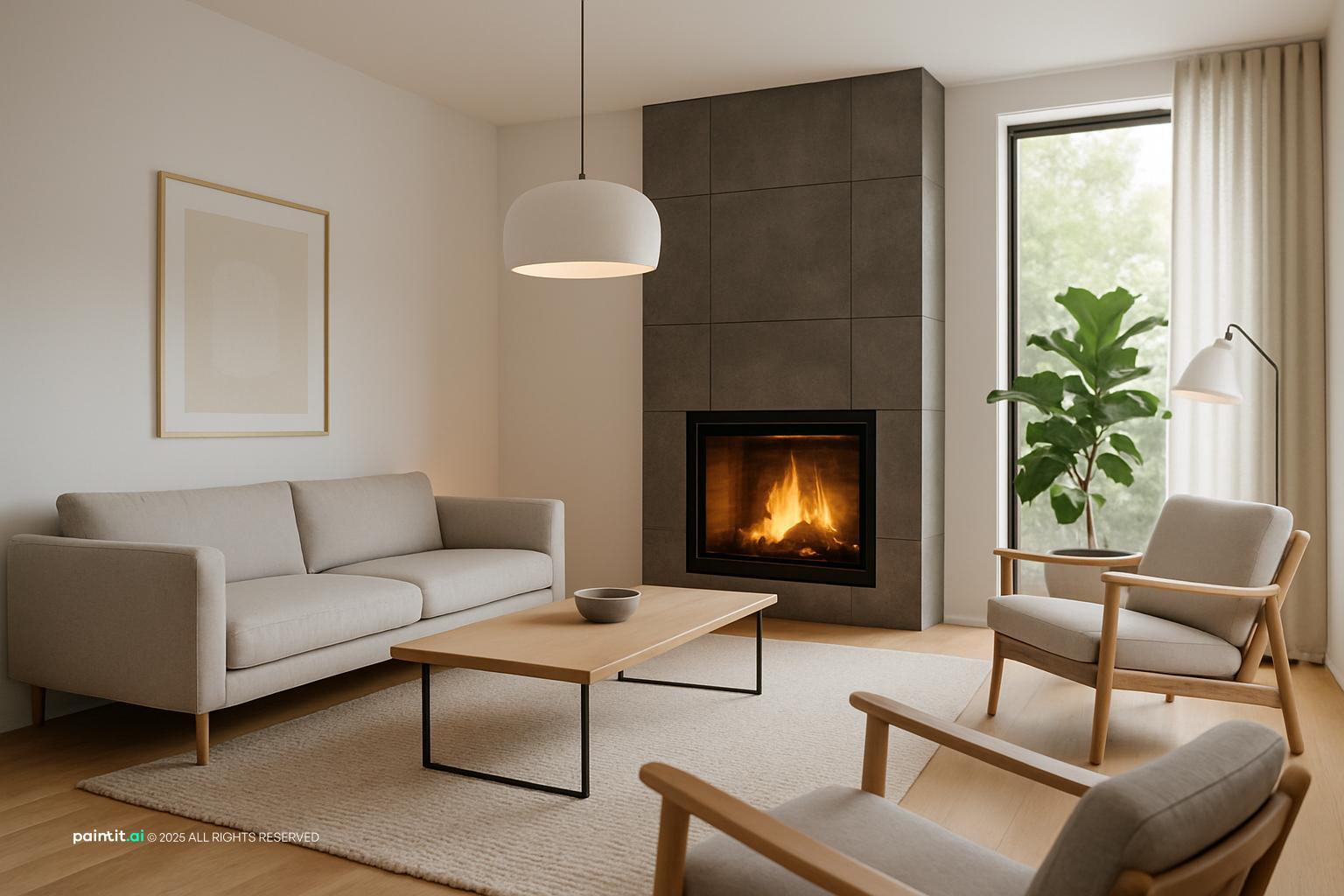
A Scandinavian living room is not just white paint and a pale sofa. It is a practical system: furniture is easy to move around, storage hides daily clutter, windows stay open to daylight, and every visible material earns its place. When you begin your AI living room design, define the fixed parts first: window placement, floor tone, ceiling height, fireplace, radiators, outlets, and the main view from the doorway.
Paintit.ai prompt patterns show why this matters. Color is used in 27.6% of prompts and material in 19.0%, but many homeowners still type short keyword-style phrases. For a more convincing Scandi result, write the room like a small brief: white or warm off-white walls, light wood furniture, neutral textiles, natural light, minimal decor, and any pieces you want to keep.
Use the first visual block to check how pale rooms avoid looking empty: look at the sofa scale, the rug edge, the timber tone, the breathing space around furniture, and how soft lighting keeps clean lines from feeling cold.
Scandinavian-Style Living Room Design uses Scandinavian simplicity, light wood warmth and warm wood in a living room setting.
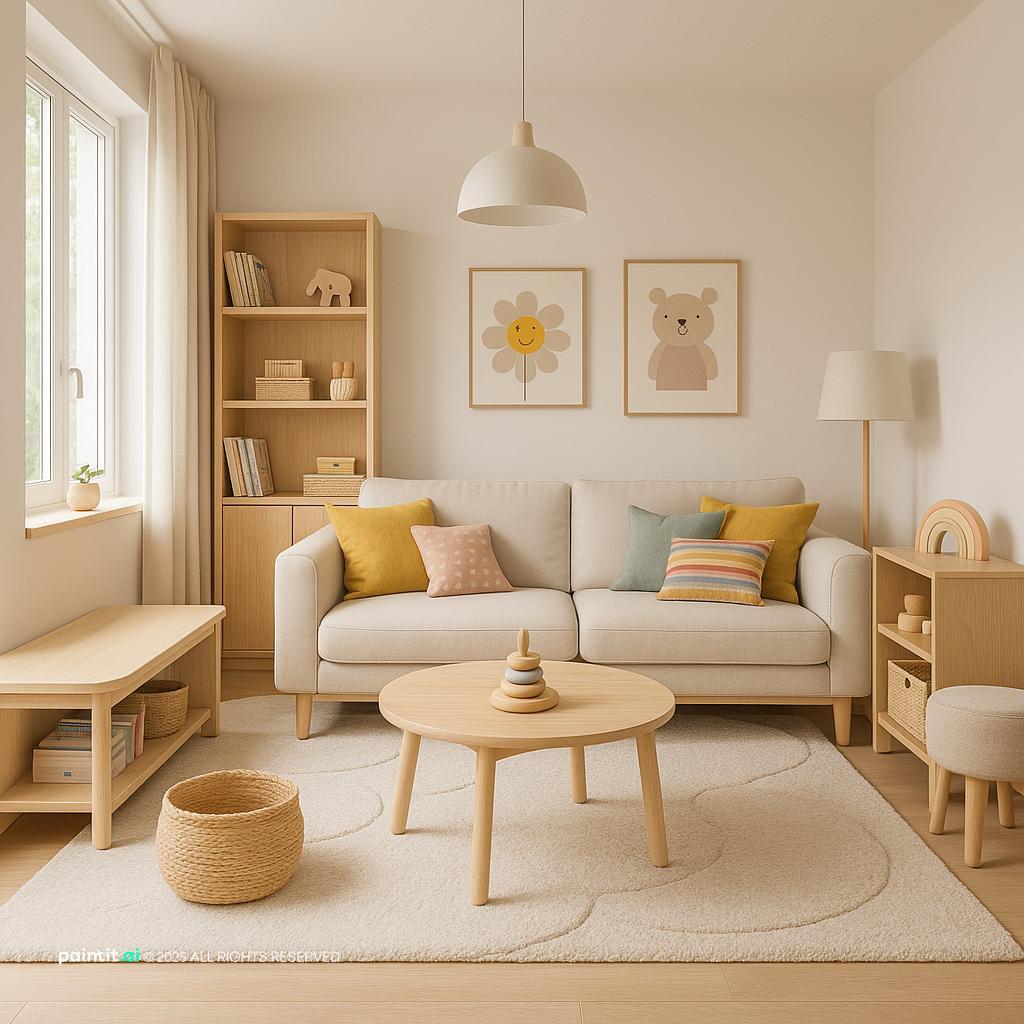
Cozy Scandinavian Living Room for Families balances Scandinavian simplicity, light wood warmth and warm wood in a living room setting.
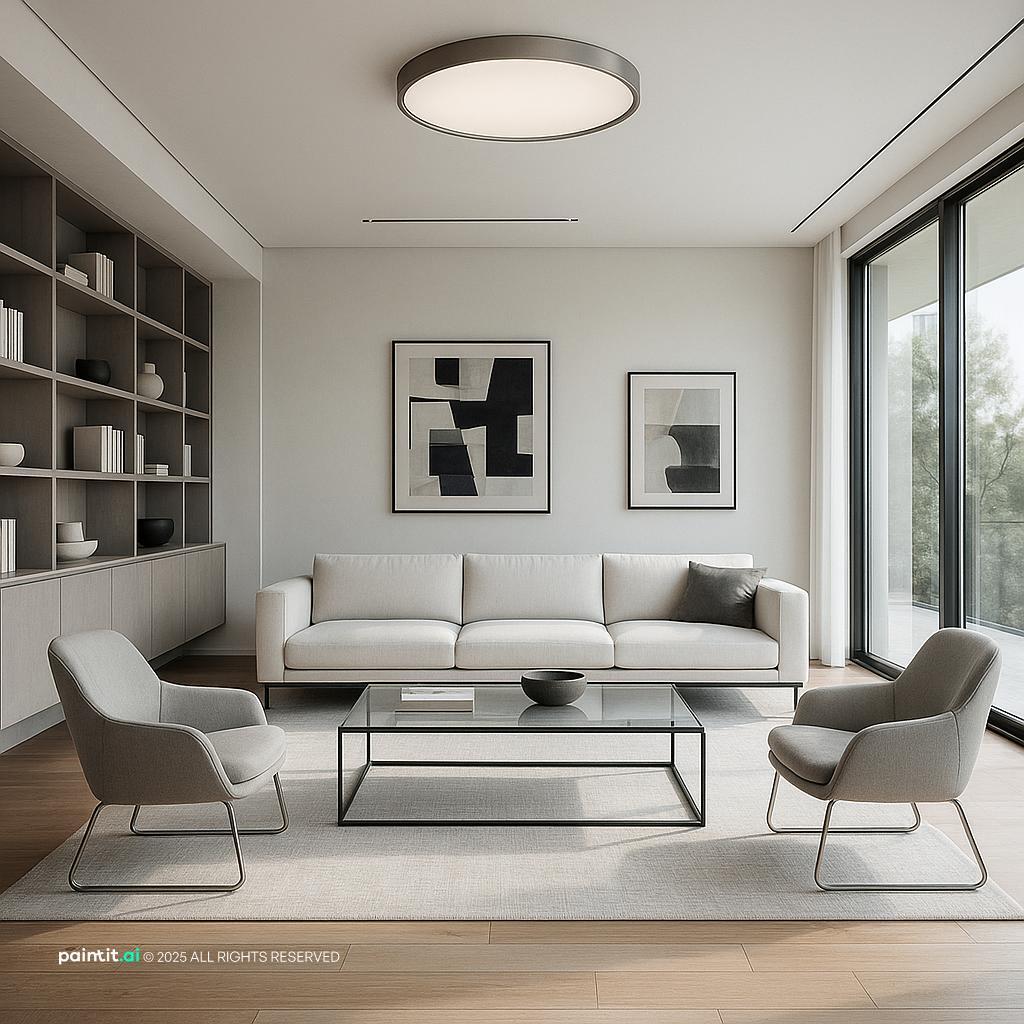
Modern Minimalist Living Room Design pairs Scandinavian simplicity, light wood warmth and metal accents in a living room setting.
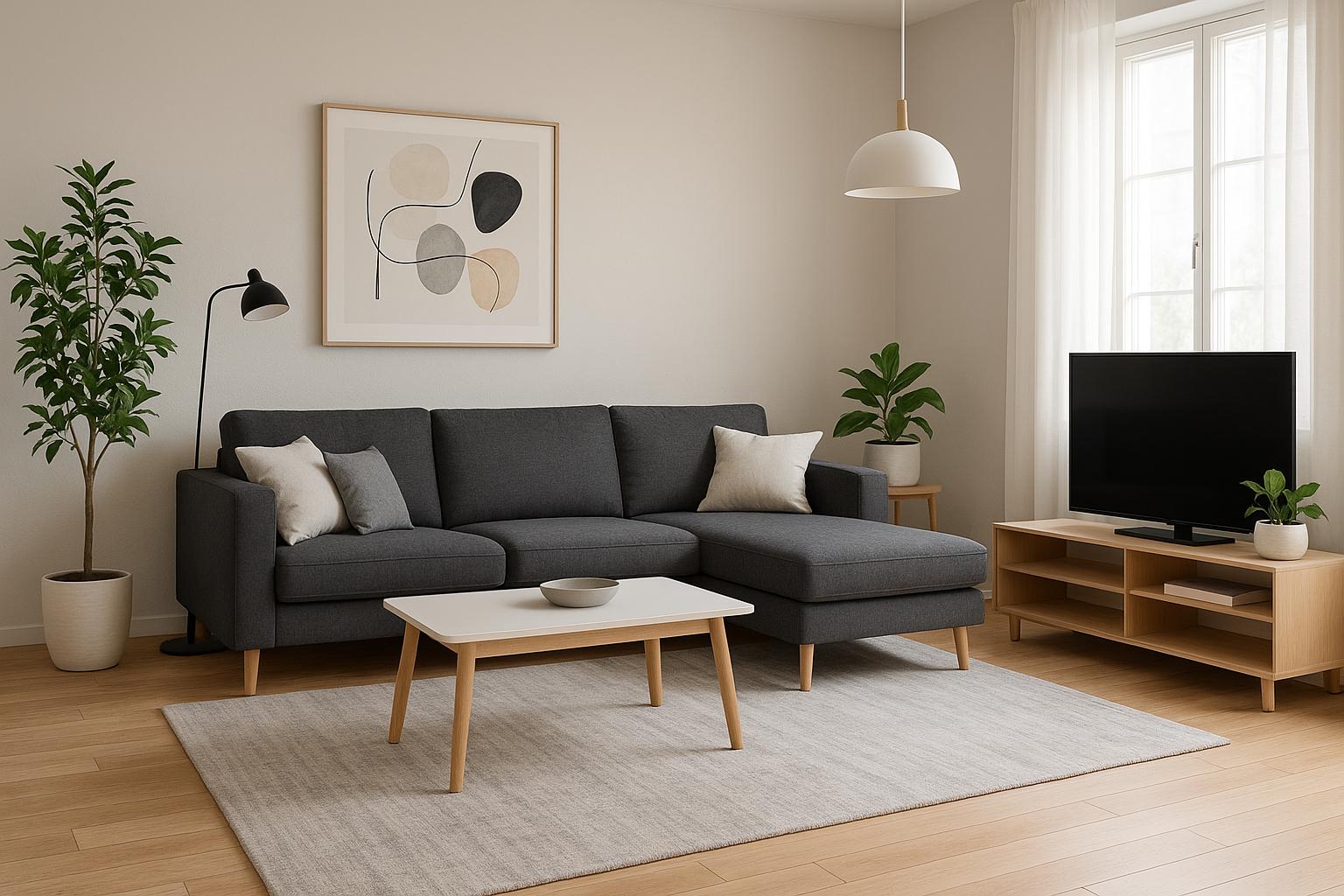
Modern Scandinavian Living Room Design layers Scandinavian simplicity, light wood warmth and warm wood in a living room setting.
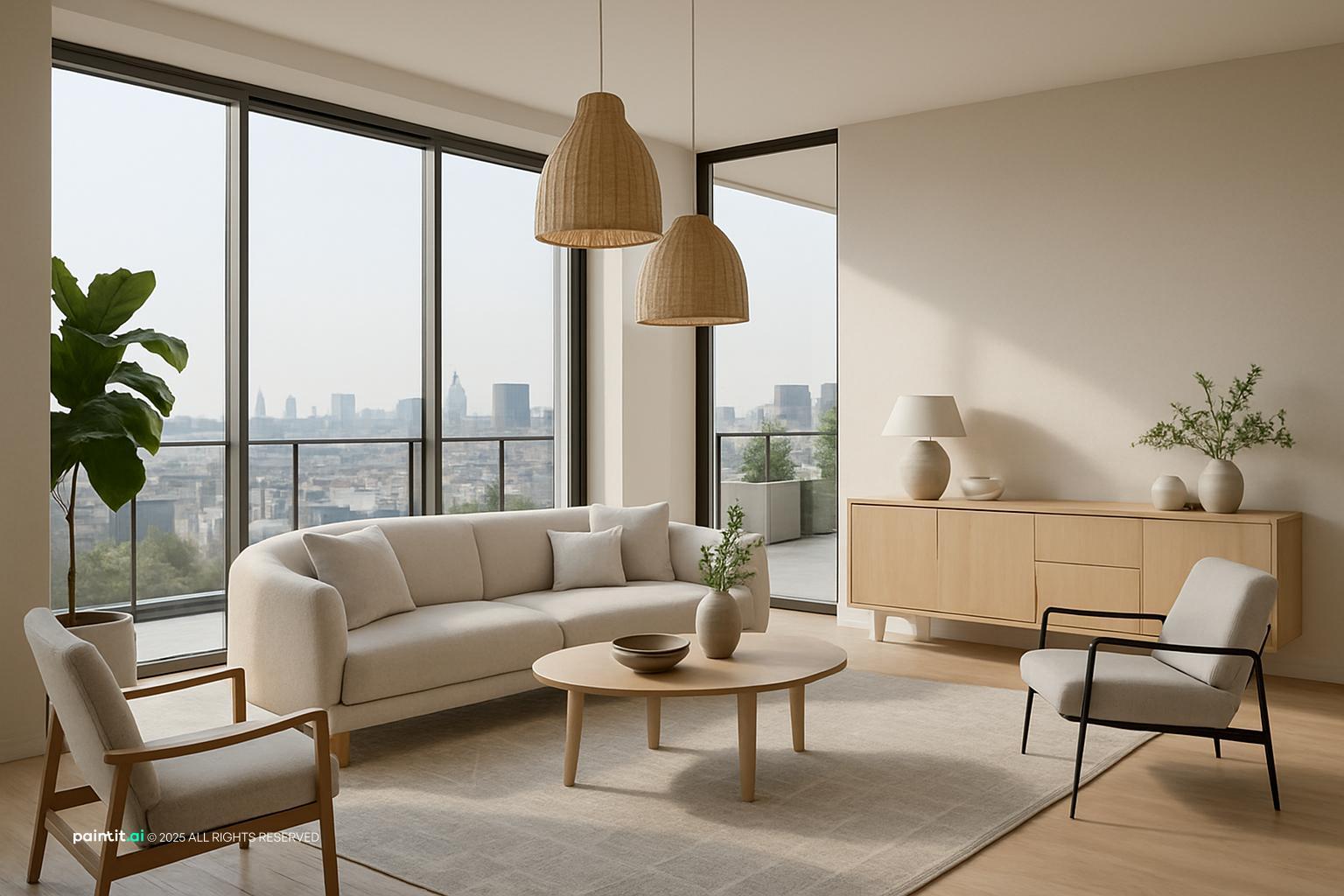
Luxury Scandinavian Living Room with City Views anchors Scandinavian simplicity, light wood warmth and soft textiles in a living room setting.
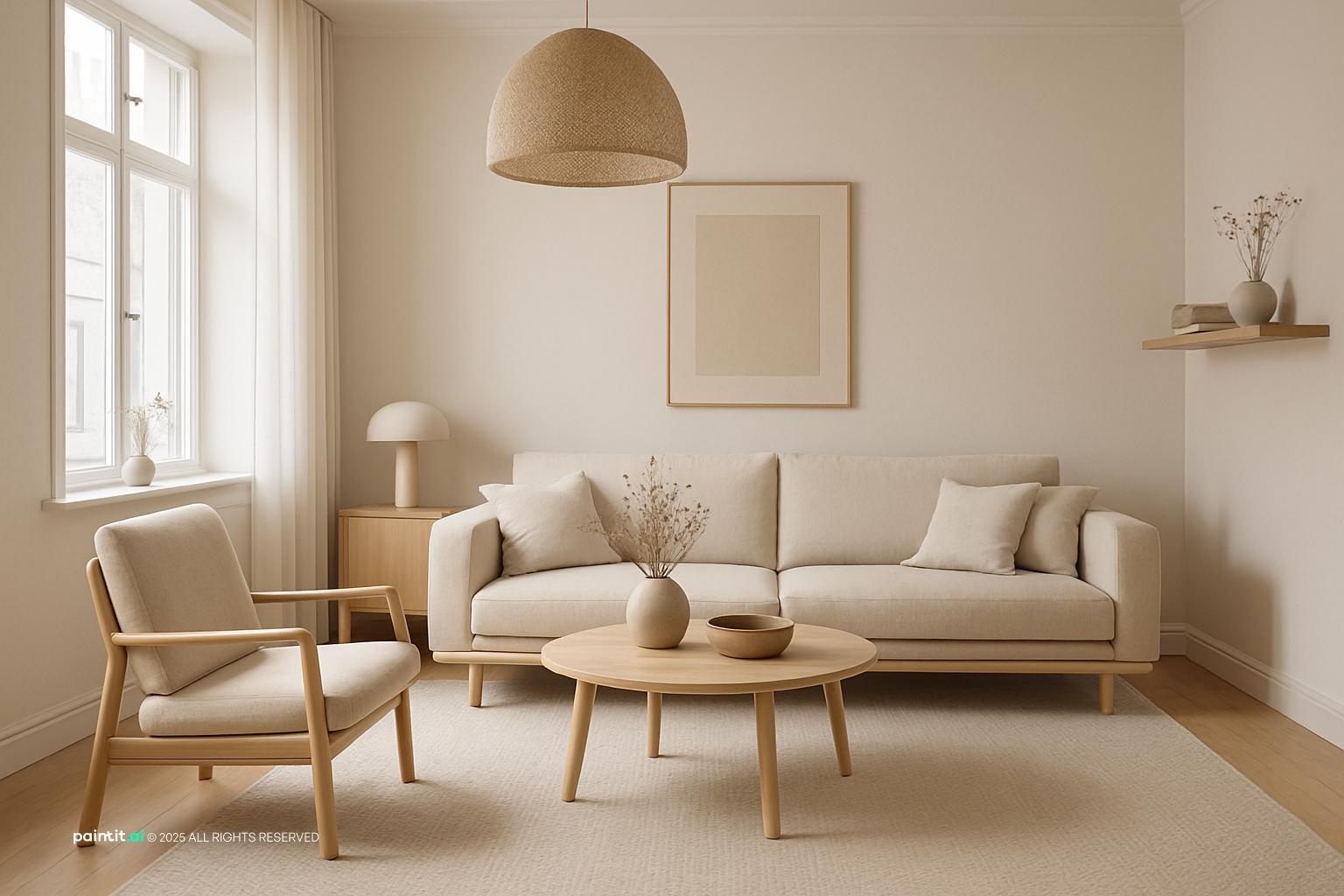
Scandinavian Design Living Room with Scandinavian Simplicity and Light Wood Warmth softens Scandinavian simplicity, light wood warmth and clean-lined furniture in a living room setting.
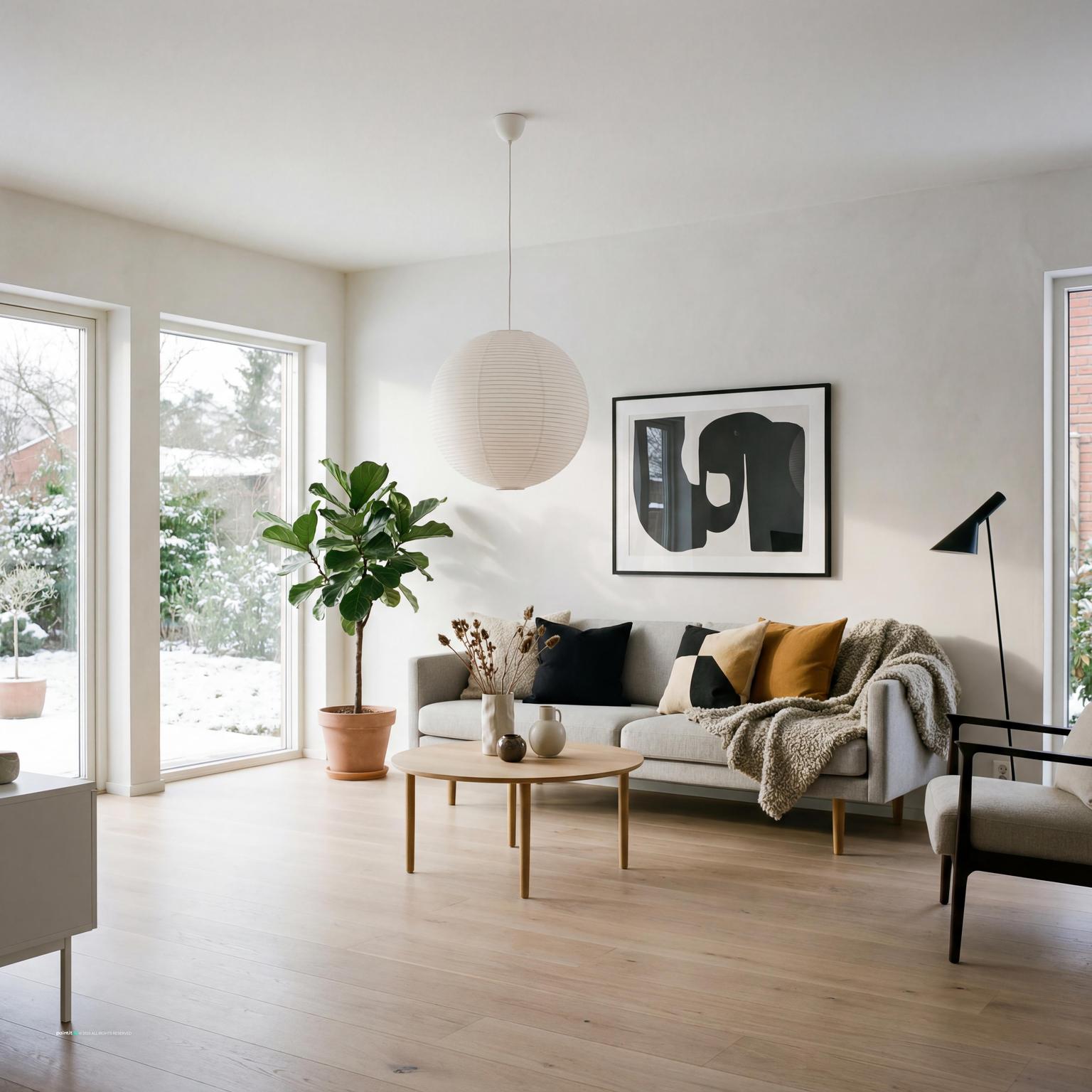
Stunning Scandinavian Living Room Design uses Scandinavian simplicity, light wood warmth and warm wood in a living room setting.
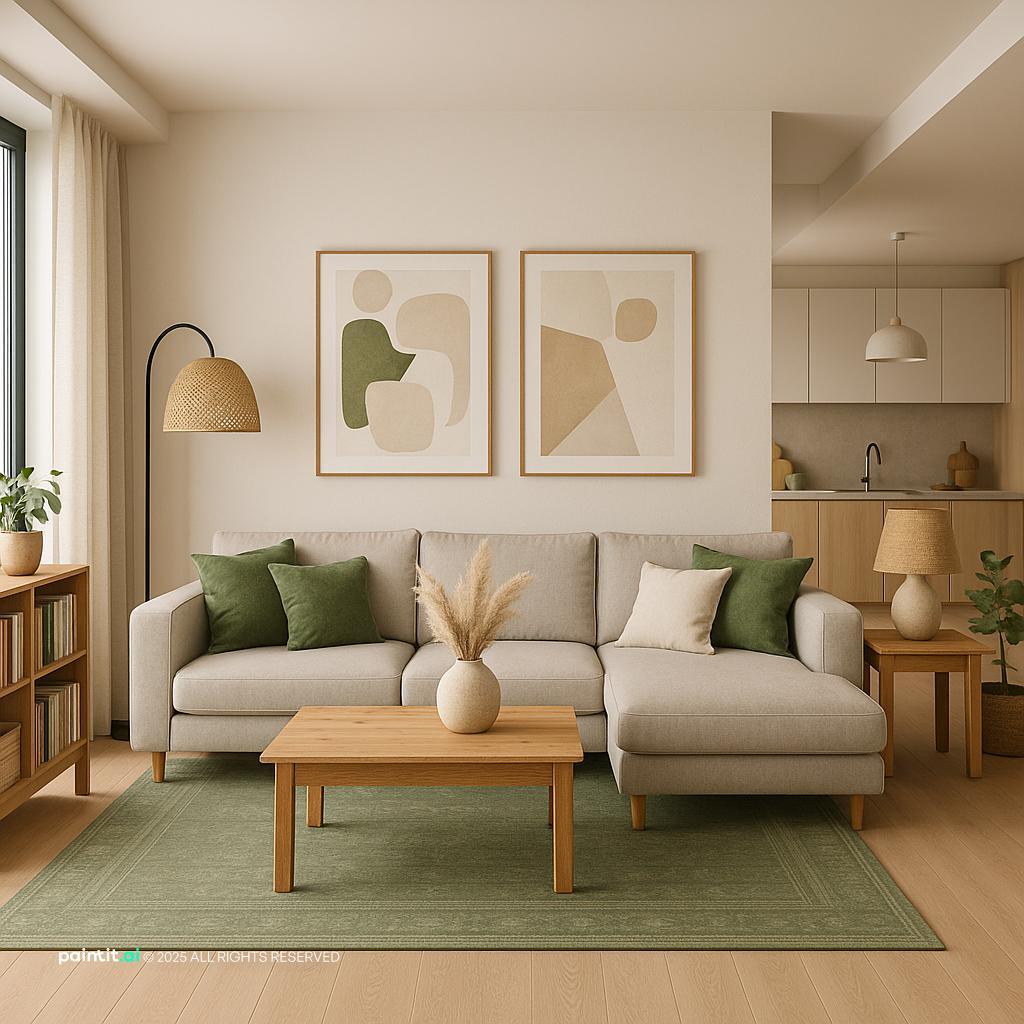
Stylish 60m² Living Room Design balances Scandinavian simplicity, light wood warmth and warm wood in a living room setting.
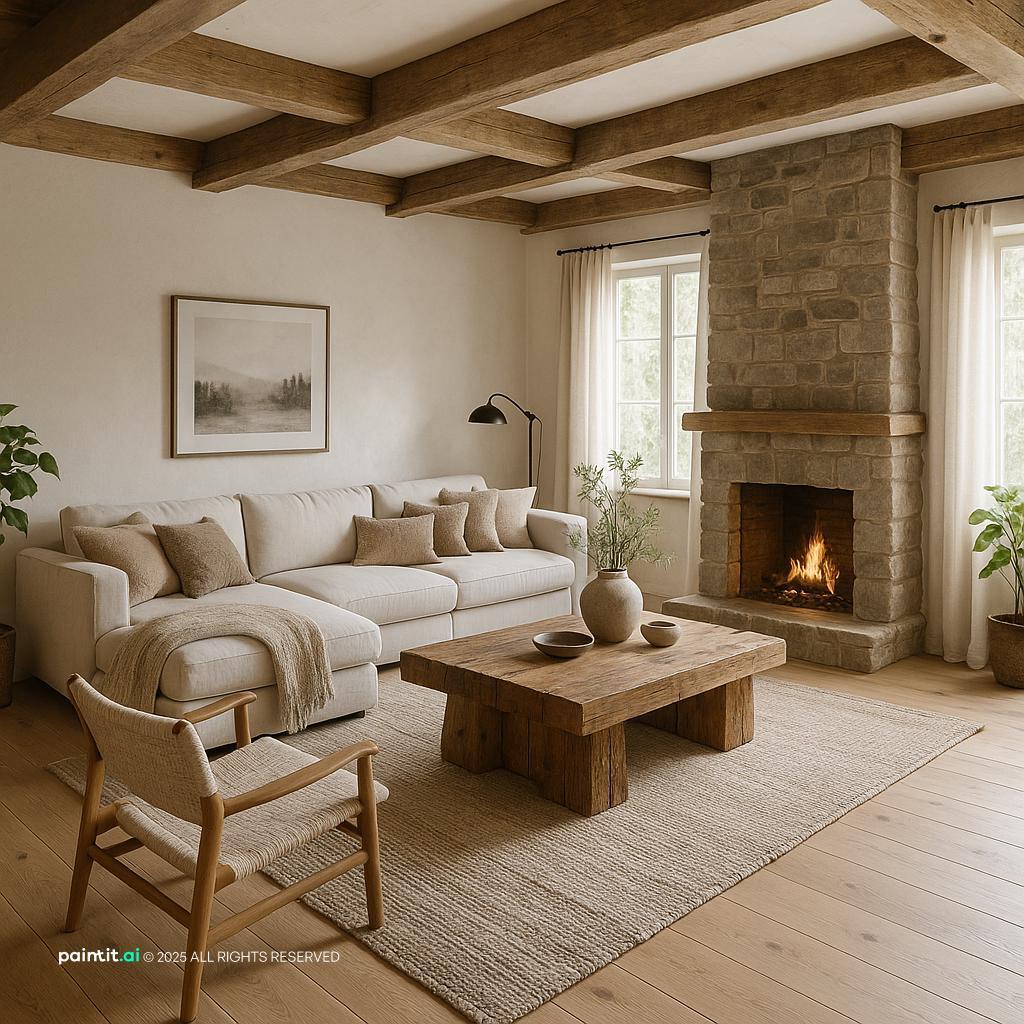
Rustic Scandinavian Living Room Design pairs Scandinavian simplicity, light wood warmth and warm wood in a living room setting.
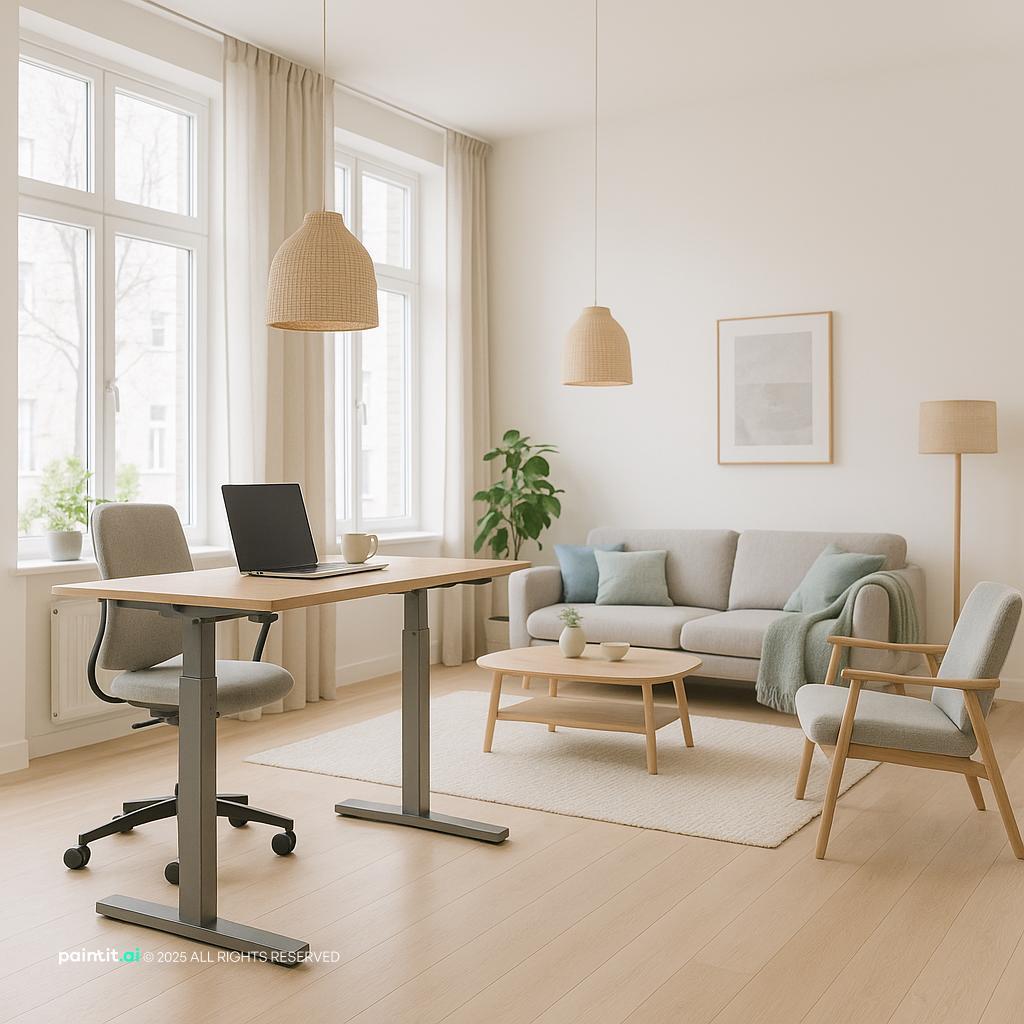
Scandinavian Contemporary Living Room Design layers Scandinavian simplicity, light wood warmth and soft textiles in a living room setting.
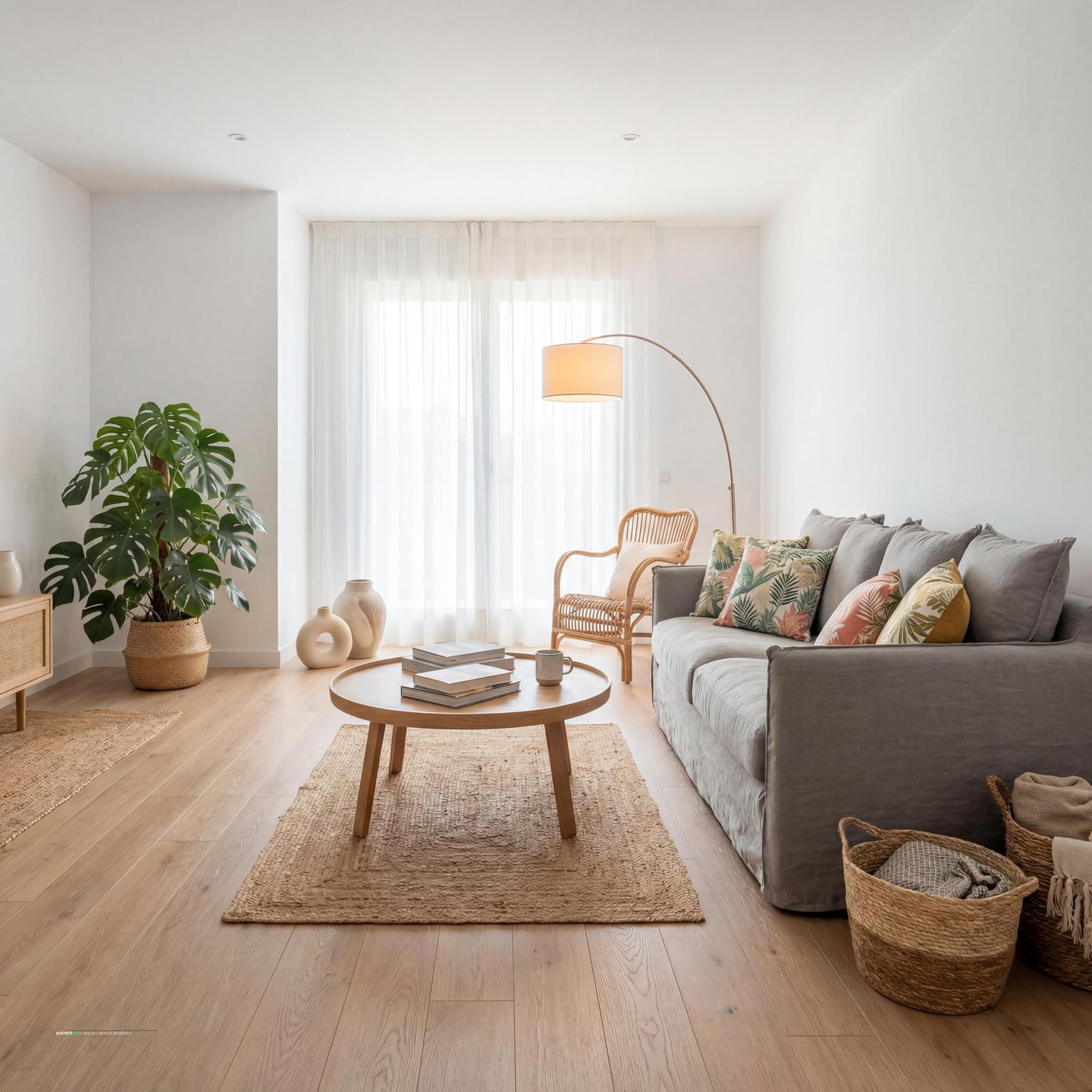
Scandinavian Living Room with Tropical Accents anchors Scandinavian simplicity, light wood warmth and soft textiles in a living room setting.
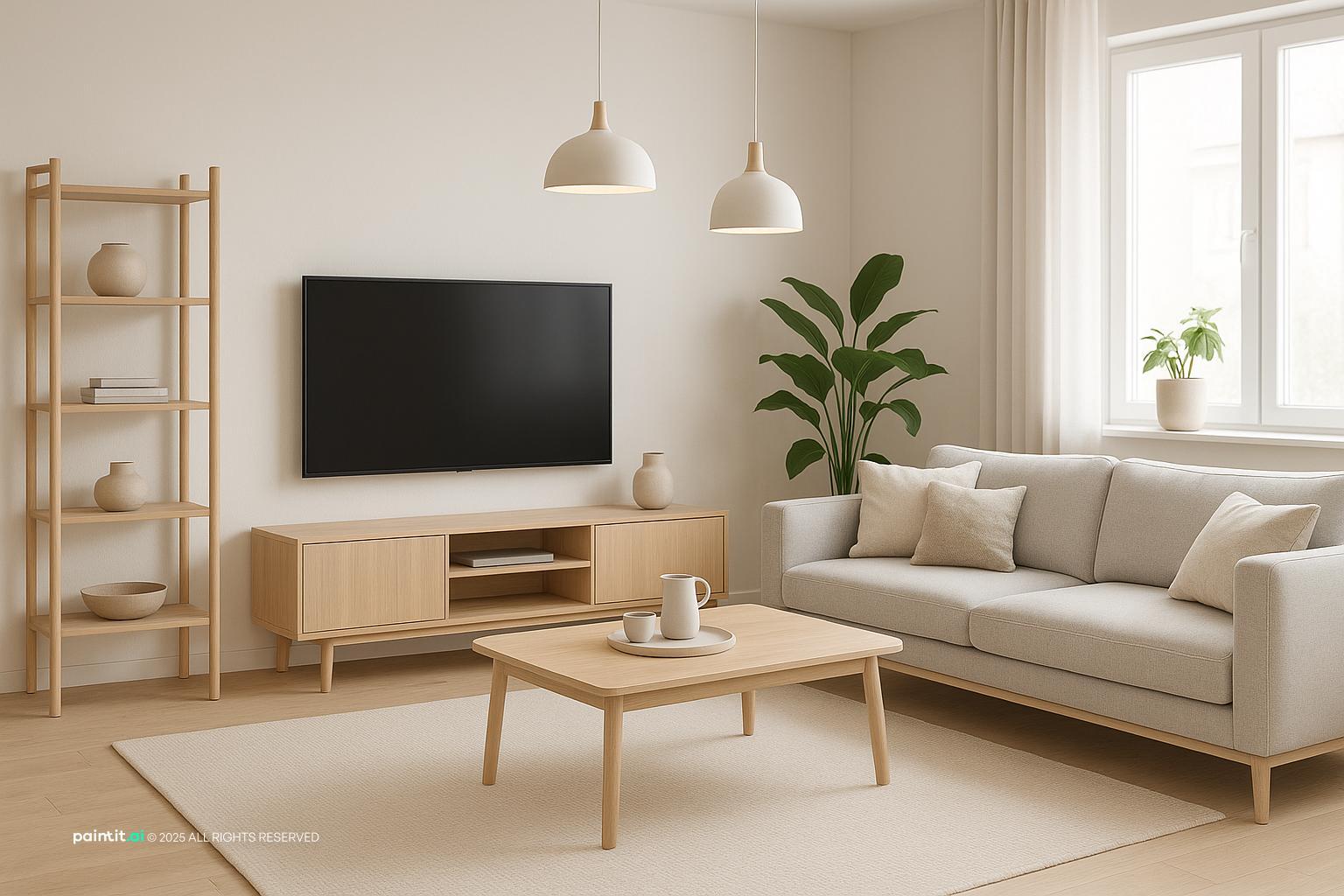
Scandinavian Living Room with Contemporary Touches softens Scandinavian simplicity, light wood warmth and warm wood in a living room setting.
Start with the sofa, not the accessories. Place the main seating so it faces the room’s best natural light, a fireplace, a view, or a media wall. Then add one or two chairs only if the walking route still feels open. In most living rooms, the path from the door to the window or adjoining room should stay visually clear.
Why it works: Scandinavian design favors ease. A simple sofa, one generous rug, and a low coffee table usually feel more intentional than a crowded furniture plan. Avoid pushing every seat against the wall unless the room is genuinely narrow; even a small gap behind a sofa can make the arrangement feel lighter.
A Scandi sofa usually has a low to medium back, slim arms, and legs that lift it off the floor. Beige, oatmeal, gray, soft white, and muted clay fabrics work well because they hold light without shouting for attention. If you have children or pets, choose a textured weave or washable slipcover instead of flat bright white fabric.
What to avoid: oversized rolled arms, deep black upholstery, and bulky recliner shapes can pull the room away from a Scandinavian mood. If comfort is the priority, keep the deep seat but choose a cleaner frame and balance it with slender tables.
Use a rug large enough for at least the front legs of the sofa and chairs to sit on it. In an open-plan room, the rug tells the eye where the living room begins and ends. Wool, jute-wool blends, flatweaves, and low-pile textures suit the style better than shiny rugs or high-contrast patterns.
Why it works: a pale room needs texture, or it starts to look flat in photos and flat in real life. A rug in warm ivory, greige, taupe, or soft gray adds shadow and tactility while keeping the palette quiet. Avoid a rug that is too small; it makes the furniture look scattered.
Light oak, ash, birch, beech, and pale pine are classic choices because they warm up white walls without darkening the room. Use them for the coffee table, media unit, shelving, side tables, or chair frames. Keep the wood family consistent enough that the room feels calm, but not so matched that it looks like a showroom set.
In Paintit.ai tests, material words often change the result more than people expect. Instead of asking for furniture in a general way, specify light wood coffee table, oak shelving, or pale timber media console. That gives the room a more believable Scandinavian base.
White walls are common, but the undertone matters. North-facing rooms often need a warmer white or creamy off-white to avoid a gray cast. South-facing rooms can handle cleaner whites, soft gray-beige, or even a very pale sage if the rest of the room stays restrained.
For more palette depth, compare the best living room colors before committing. The safest Scandi wall colors are warm white, chalk, ivory, pale greige, misty gray, and muted beige. Avoid bright cool white under harsh bulbs; it can make the room feel clinical.
Functional storage is one of the biggest differences between Scandinavian style and generic minimalism. Use closed cabinets for cables, toys, blankets, board games, and paperwork. Then add open shelves only where you can style them lightly with books, ceramics, a lamp, or one plant.
Why it works: calm rooms are easier to maintain when clutter has a home. When people upload a busy living room to Paintit.ai, we often see the design improve after a declutter step before the style change. Use phrases like no clutter, minimal decor, or closed storage if you are testing the look digitally.
In a small scandinavian living room, every piece needs breathing room. Choose a compact sofa with legs, nesting tables instead of a heavy coffee table, wall-mounted shelving, and a media console that does not fill the full width of the wall. Hang curtains close to the ceiling to visually lift the room.
For empty apartments or awkward rentals, AI virtual staging can help test furniture scale before buying. What to avoid: too many small accent pieces. One larger rug, one clean sofa, and one vertical storage moment usually look calmer than a cluster of tiny items.
Hygge is often mistaken for piling on candles, blankets, and accessories. In a living room, it is better built through touch and light: wool throws, linen cushions, a soft rug, warm wood, matte ceramics, and a lamp near the seat where someone actually reads. Keep surfaces edited.
Why it works: texture creates comfort without stealing floor space. A room can be minimal and still feel warm if the materials catch light in different ways. Avoid filling the coffee table with trays, stacks, and ornaments just to make the room feel cozy.
A little black can sharpen a pale room. Use it in a slim floor lamp, picture frames, a fireplace detail, cabinet pulls, or a thin metal table base. This is especially useful in a modern scandinavian living room where the lines are cleaner and the palette is more restrained.
What to avoid: large black sofas, heavy black media walls, or too many dark accents scattered around the room. They can break the softness of the style. One or two repeated black details are enough to give the eye structure.
Scandinavian rooms depend on daylight, so treat windows as part of the design. Choose sheer curtains, linen panels, woven blinds, or no treatment at all if privacy allows. Keep tall storage away from the window wall unless the room has no other option.
In Paintit.ai prompt data, lighting appears in only 5.9% of prompts, yet it can decide whether the result feels Scandi or just plain. Add daylight, soft natural light, or bright but warm lighting to your brief. If you want the room geometry preserved, say keep windows and don’t change floor plan.
Scandinavian living room decor does not need to be brand-new. A vintage timber chair, inherited cabinet, old framed print, or worn leather stool can make a clean room feel lived in. The trick is to let older pieces contrast with the simplicity around them.
Why it works: patina keeps pale rooms from looking staged. Use one or two character pieces, then keep the surrounding forms simple. Avoid mixing too many eras, wood stains, and decorative styles in the same sightline.
Before the room is done, stand at the main doorway and look at the sightline. Can you see the floor under furniture? Are there too many small items on the shelves? Does every lamp have a purpose? A good Scandi living room often becomes stronger when one thing is removed.
This is where scandi living room ideas become practical rather than just inspirational. Keep the items that support comfort: a lamp, a throw, a plant, a useful table, a storage basket. Remove the pieces that only fill empty space.
The second visual block is useful for comparing levels of warmth: one version may feel minimal and architectural, another may use more wool, linen, and wood, while a compact version may depend on storage and furniture scale.
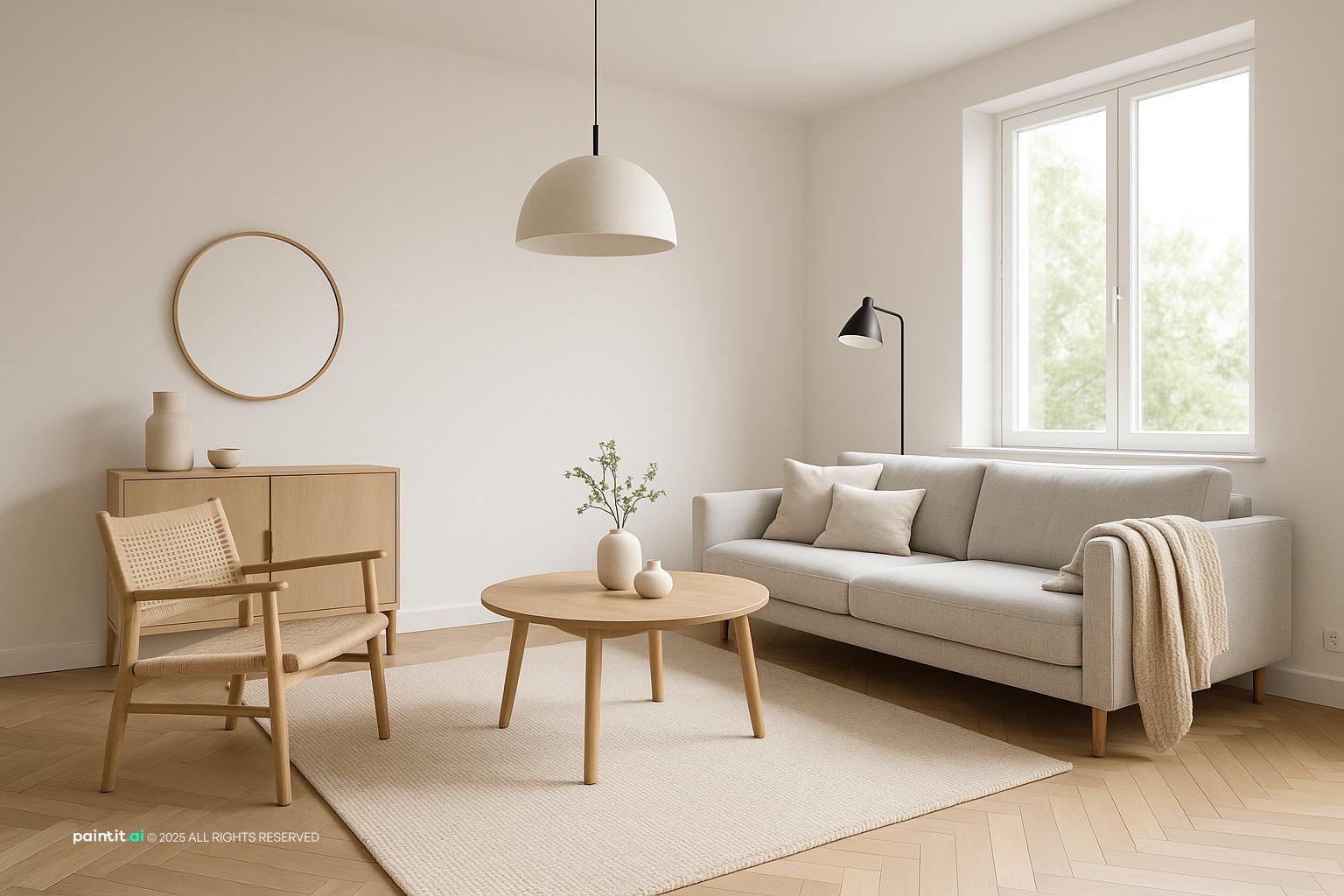
Scandinavian Design Living Room with Scandinavian Simplicity and Light Wood Warmth with Soft Textiles uses Scandinavian simplicity, light wood warmth and soft textiles in a living room setting.
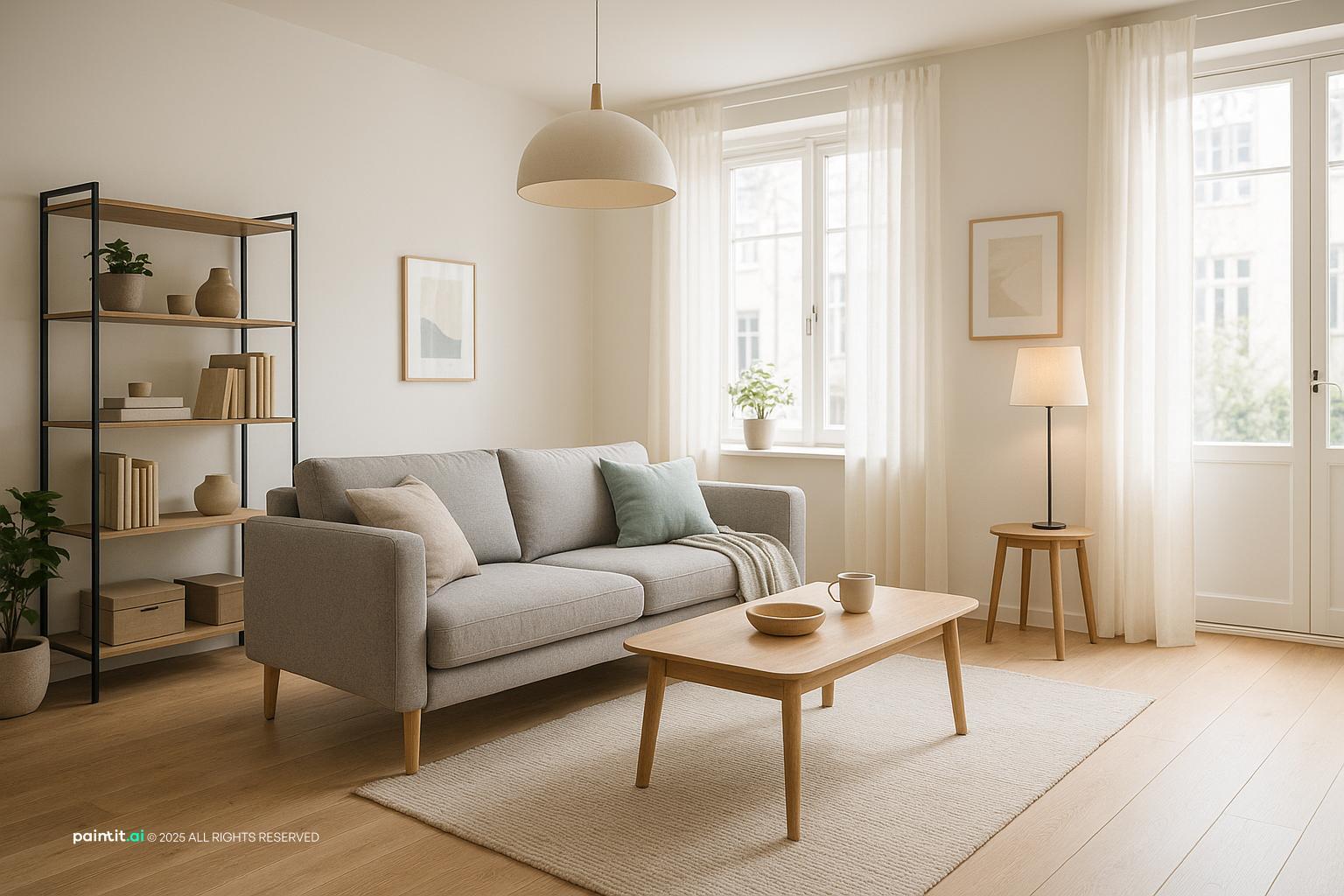
Scandinavian Style Living Room Design balances Scandinavian simplicity, light wood warmth and soft textiles in a living room setting.
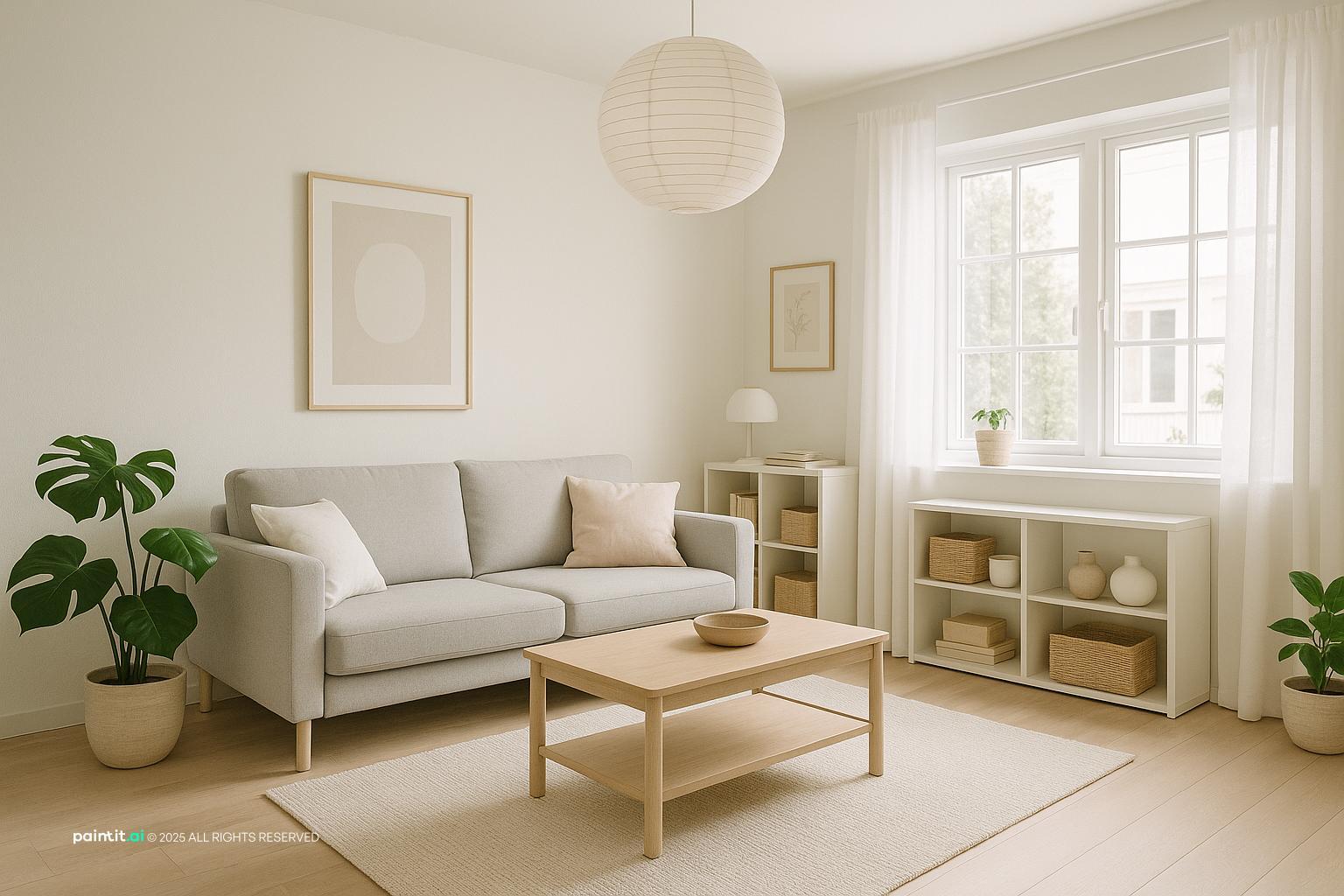
Scandinavian Living Room Design pairs Scandinavian simplicity, light wood warmth and natural light in a living room setting.
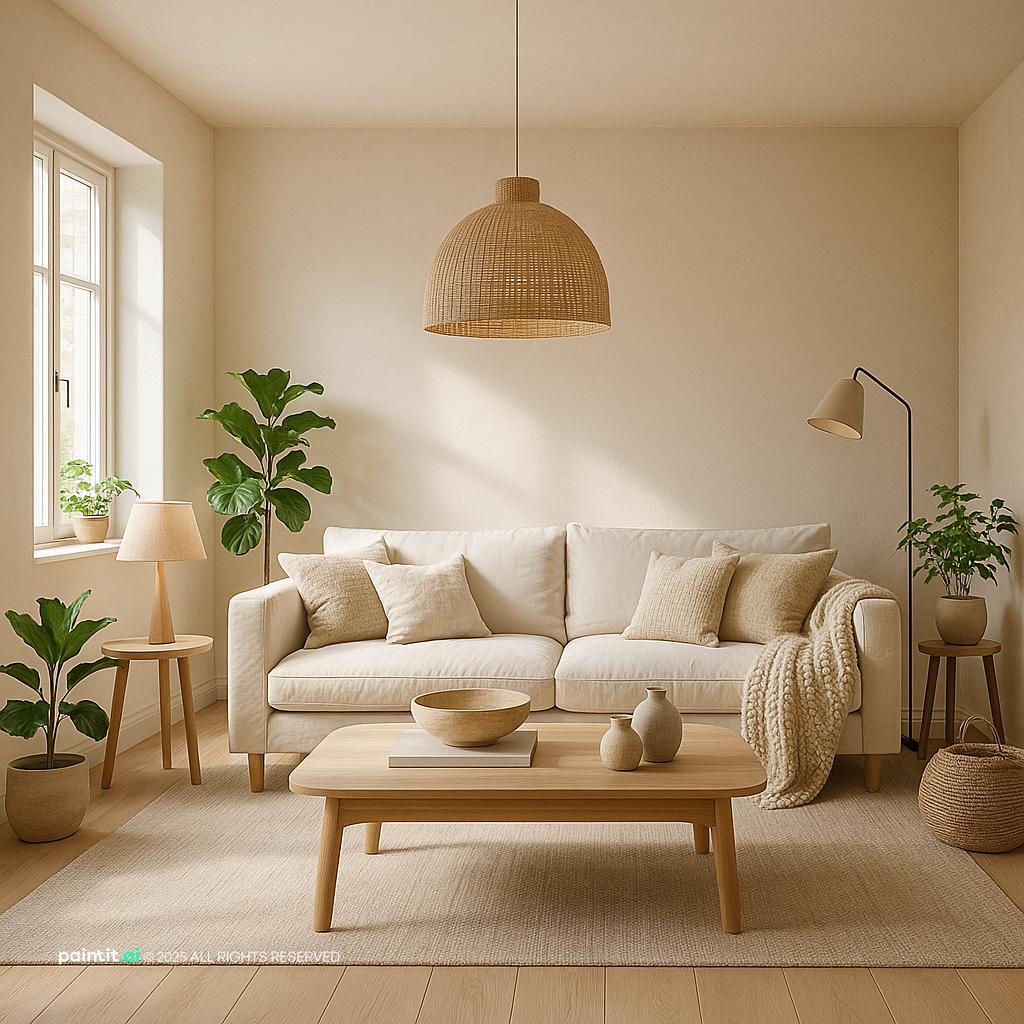
Modern Scandinavian Warm Living Room Design layers Scandinavian simplicity, light wood warmth and soft textiles in a living room setting.
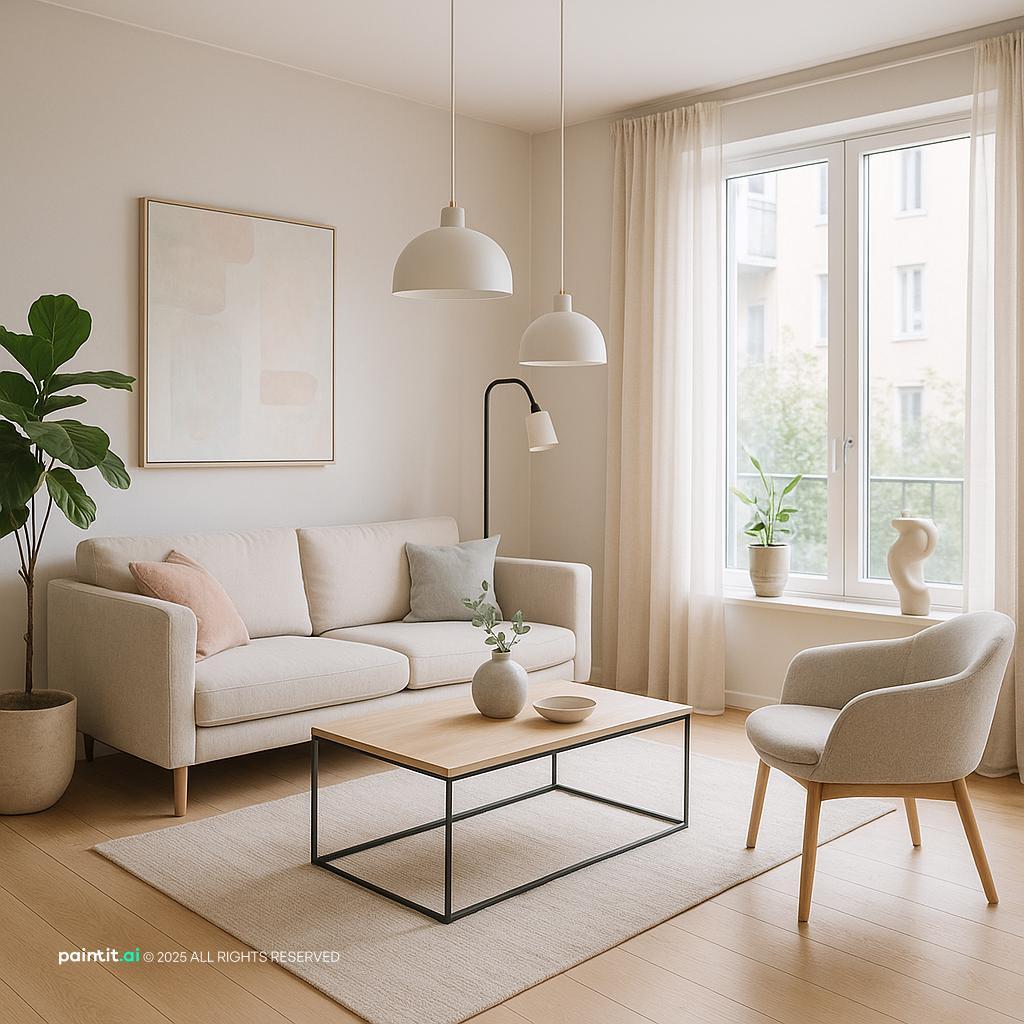
Scandinavian Living Room Design 2025 anchors Scandinavian simplicity, light wood warmth and plants and greenery in a living room setting.
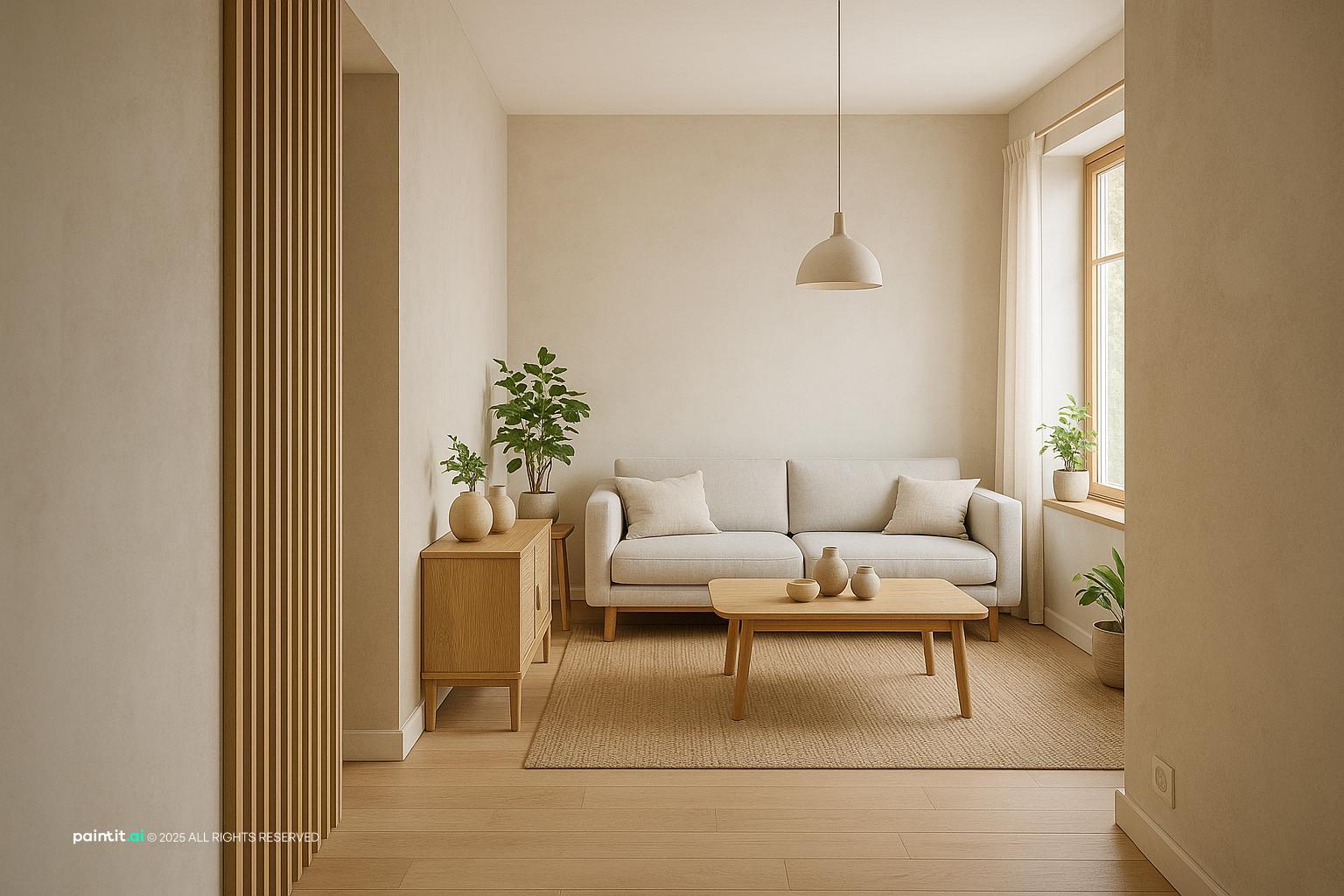
Scandinavian Design Living Room with Scandinavian Simplicity and Light Wood Warmth with Warm Wood softens Scandinavian simplicity, light wood warmth and warm wood in a living room setting.
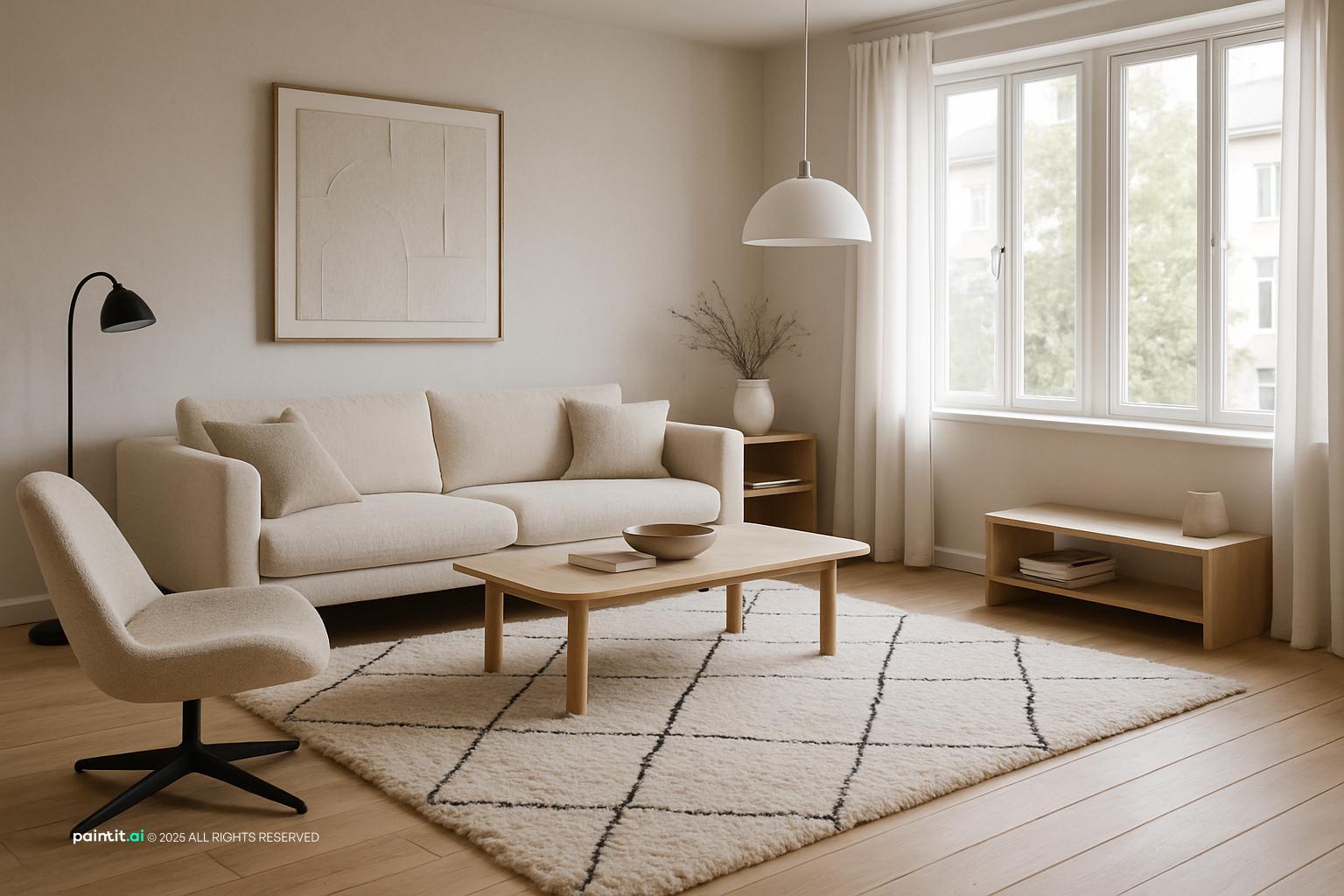
Scandinavian Design Living Room with Scandinavian Simplicity and Light Wood Warmth View 4 uses Scandinavian simplicity, light wood warmth and soft textiles in a living room setting.
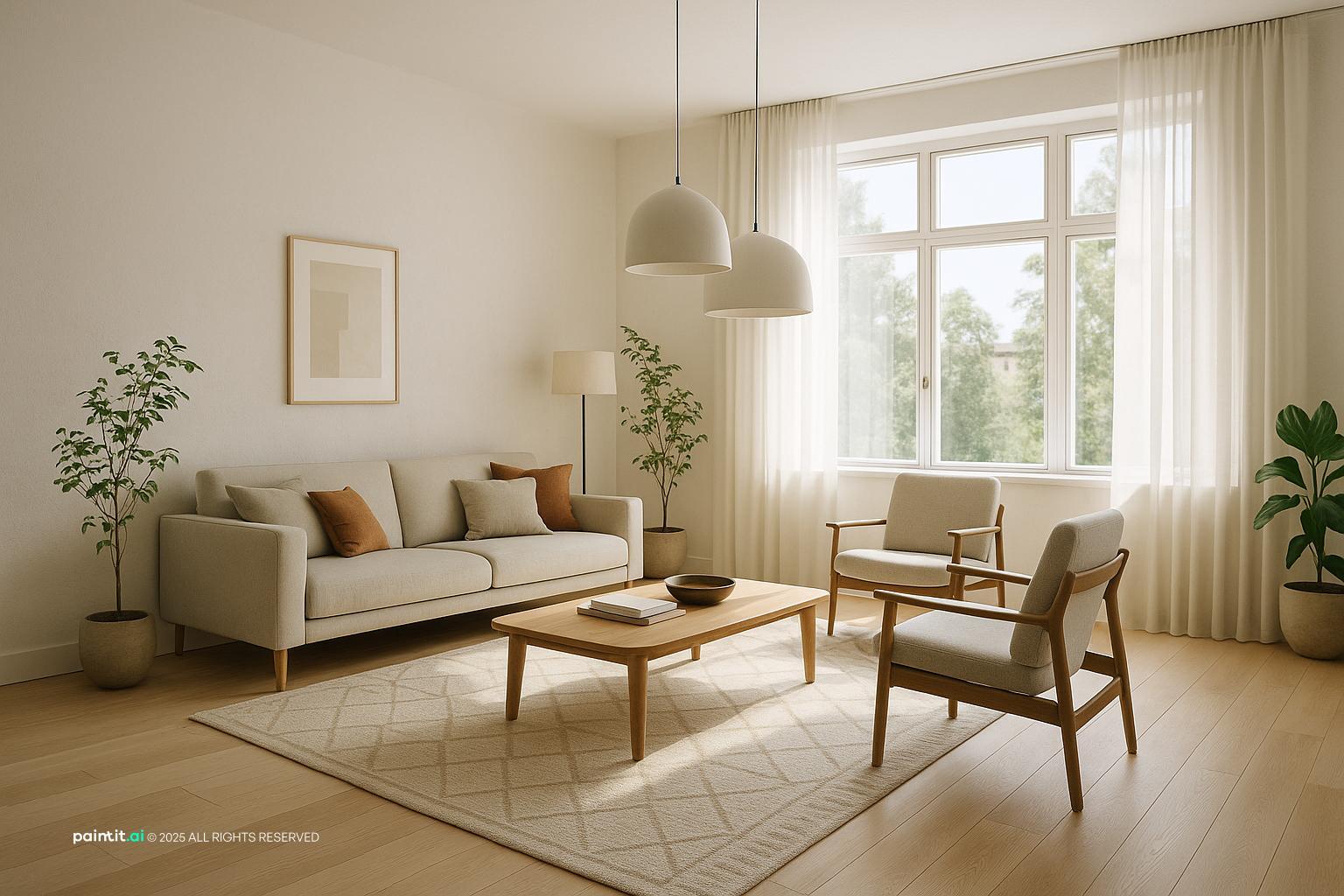
Stunning Scandinavian Living Room Design with Scandinavian Simplicity balances Scandinavian simplicity, light wood warmth and soft textiles in a living room setting.
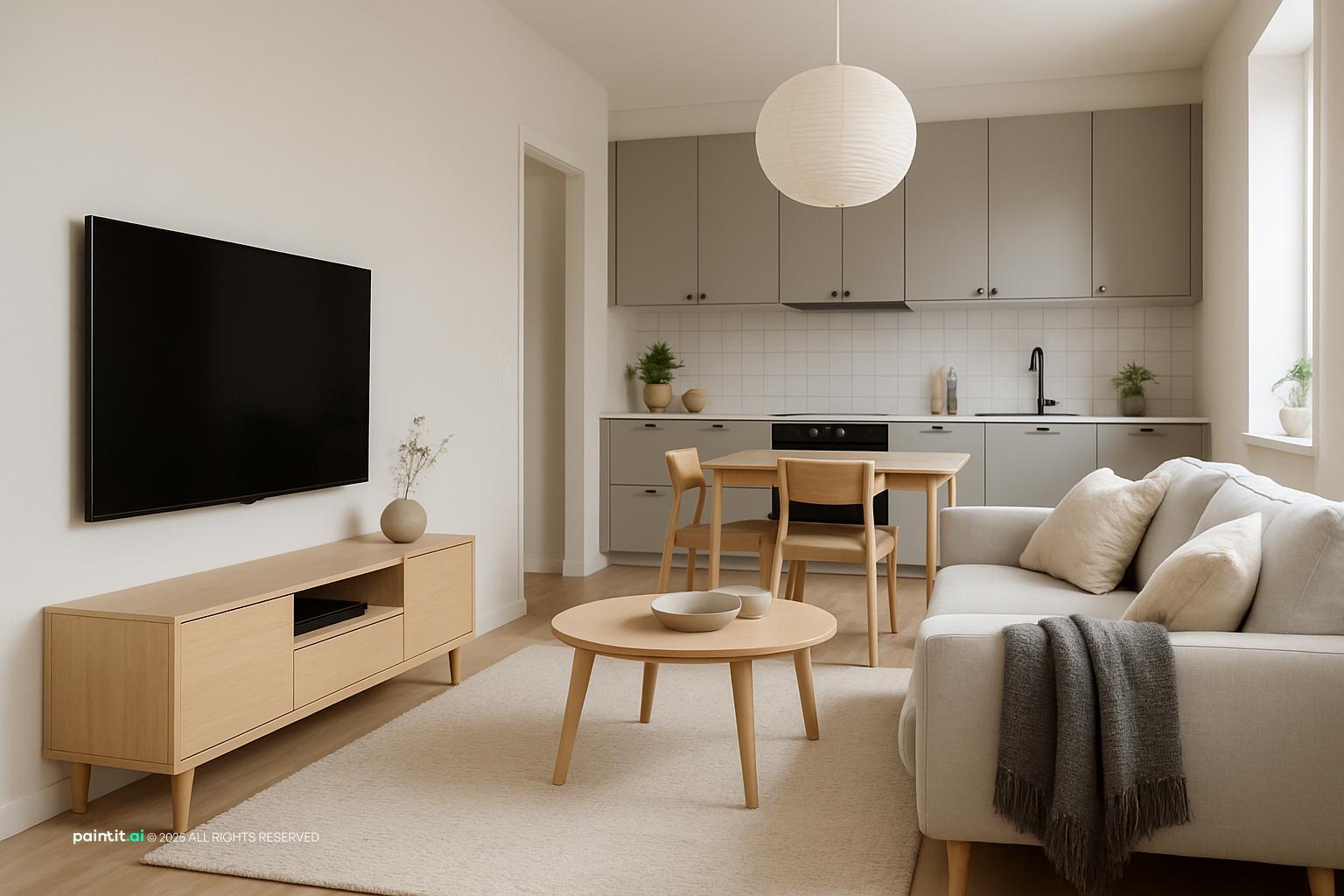
Scandinavian Design Living Room with Scandinavian Simplicity and Light Wood Warmth with Clean-lined Furniture pairs Scandinavian simplicity, light wood warmth and clean-lined furniture in a living room setting.
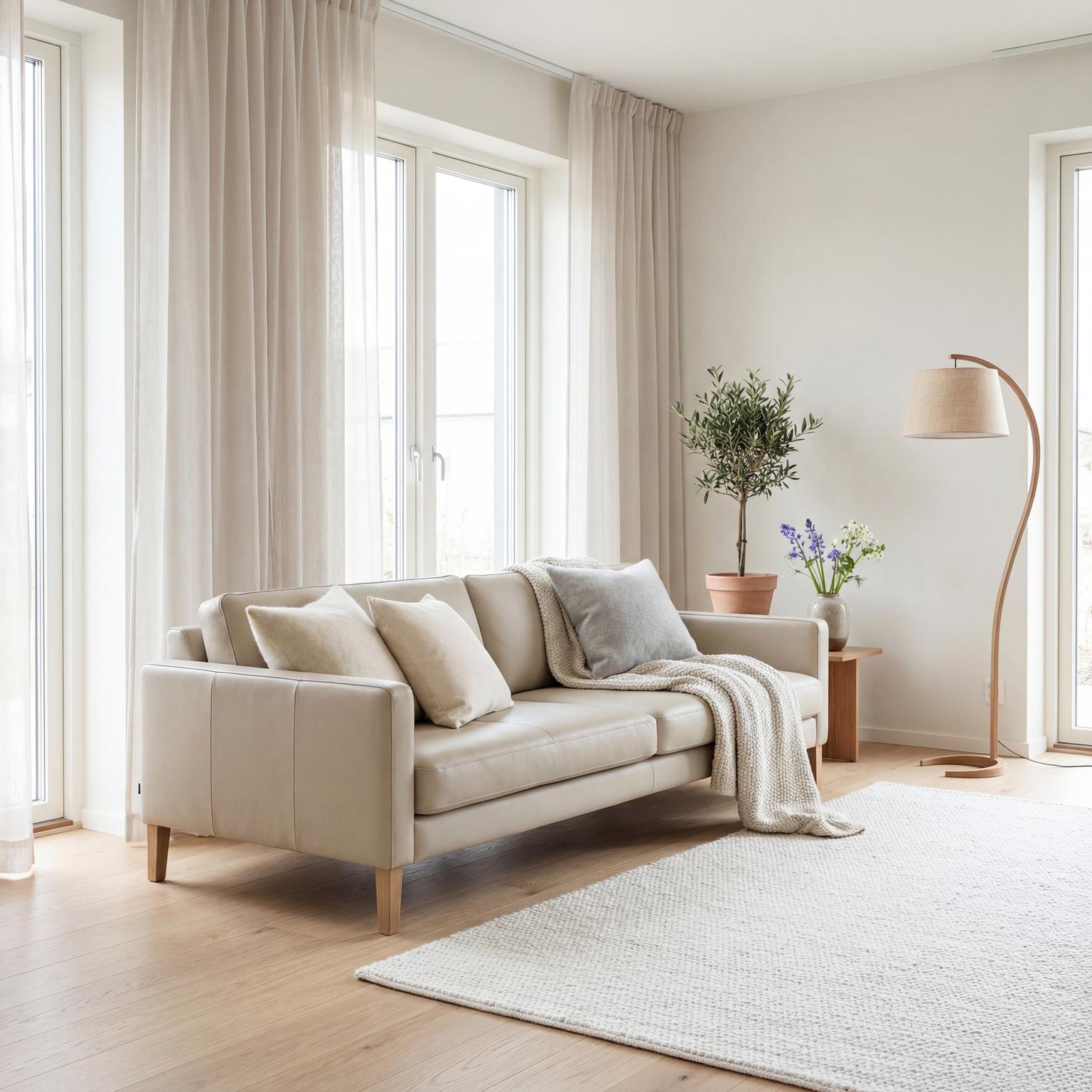
Scandinavian Style Living Room Design with Scandinavian Simplicity layers Scandinavian simplicity, light wood warmth and warm wood in a living room setting.
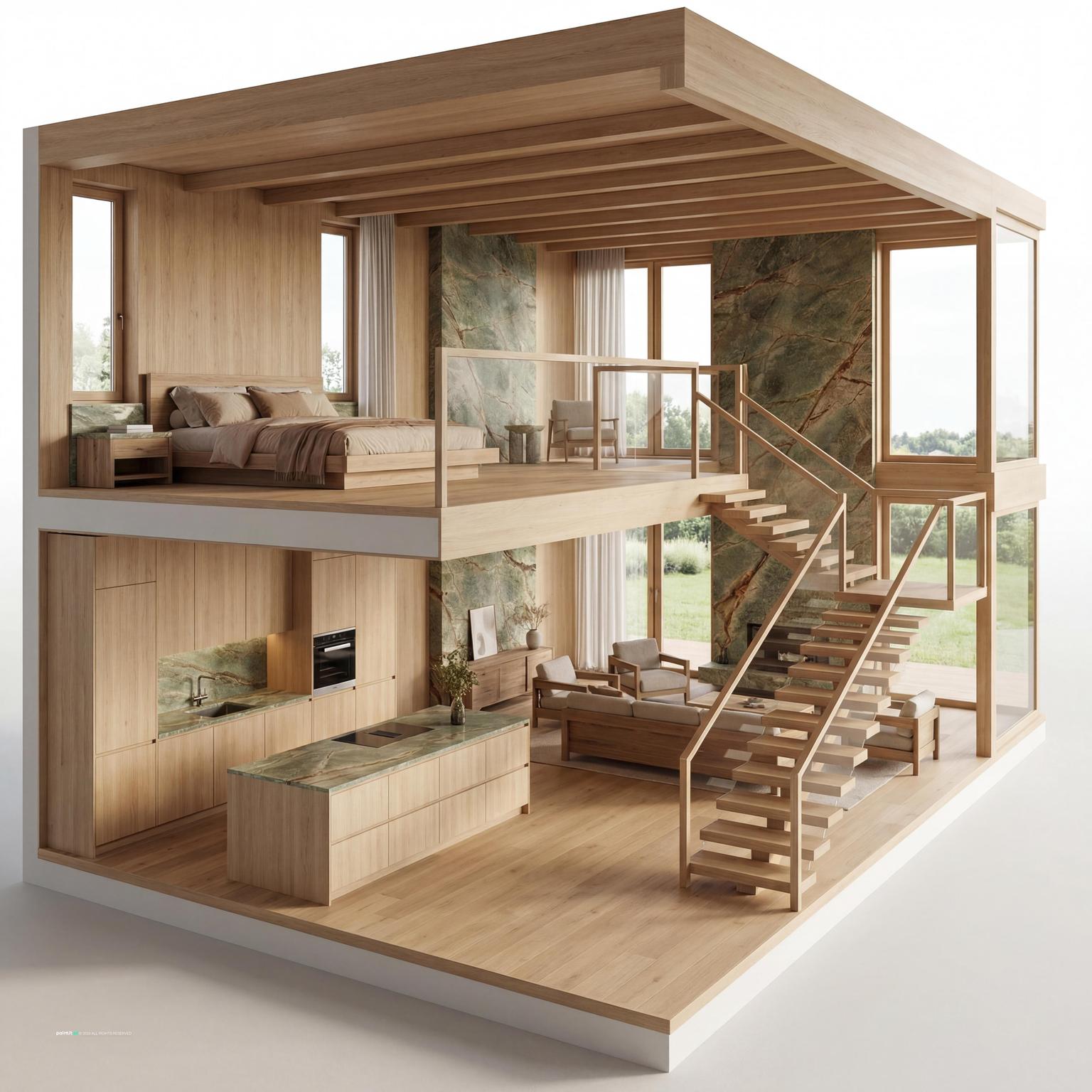
Luxury Scandinavian House Interior Design anchors Scandinavian simplicity, light wood warmth and warm wood in a living room setting.
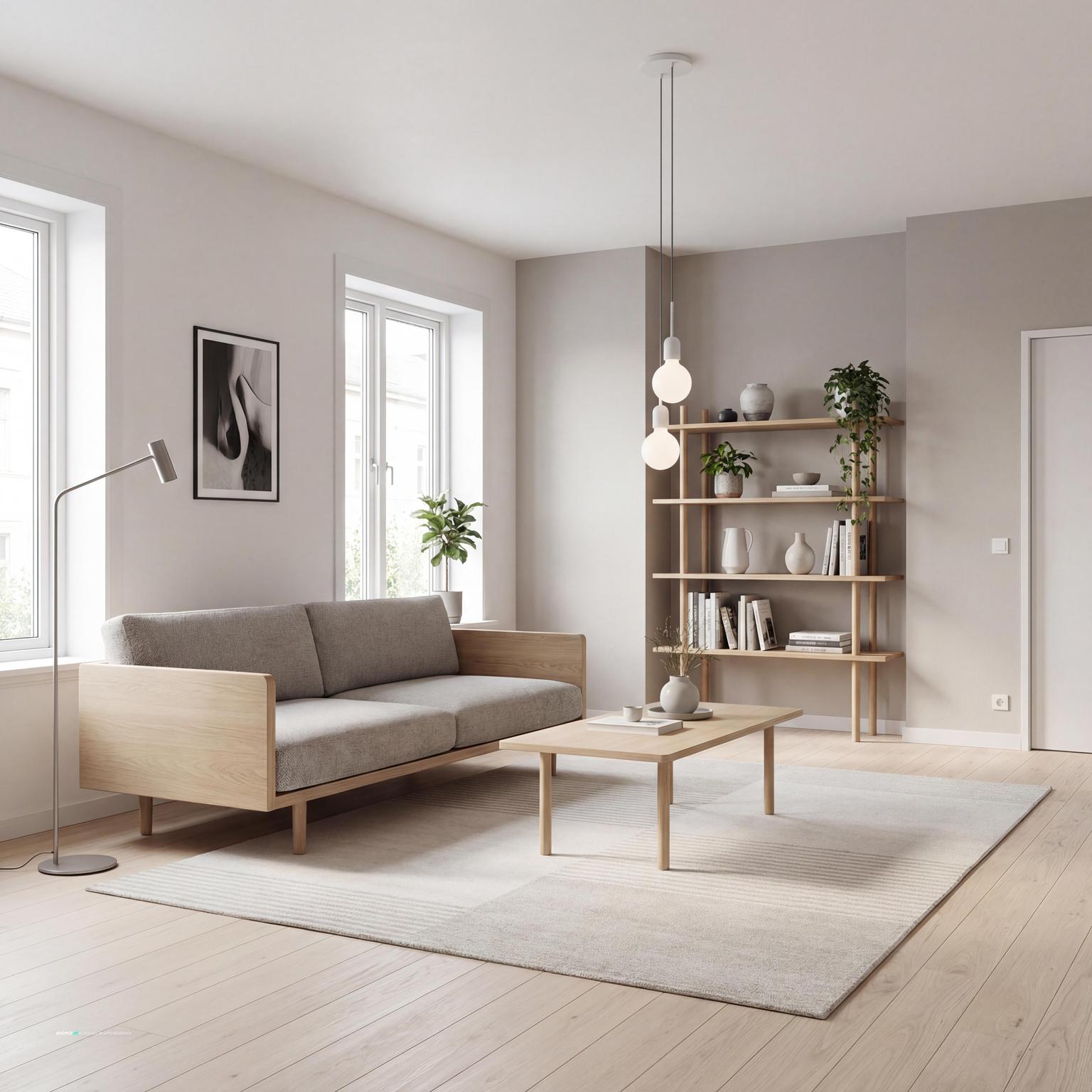
Stunning Scandinavian Living Room Design with Light Wood Warmth softens Scandinavian simplicity, light wood warmth and warm wood in a living room setting.
Start with a base of warm white, soft gray, beige, greige, or chalky ivory. Then add one muted accent if the room needs depth: dusty blue, sage, clay, mushroom, or charcoal in small amounts. Use the accent on cushions, art, a throw, or one chair rather than spreading it everywhere.
Why it works: Scandinavian palettes are quiet, but they still need undertone control. If the walls are cool, balance them with warmer textiles and timber. Avoid mixing cream, bright white, blue-gray, and yellow wood without checking how they react under your actual bulbs.
Light wood is the easiest way to bring warmth into a pale living room. Oak is flexible, ash feels cleaner, birch feels softer, and pine can look charming if the rest of the room is edited. Choose matte or satin finishes rather than glossy lacquer.
Where to use it: coffee tables, shelving, frames, stools, sideboards, and exposed legs. Avoid using too many unrelated wood tones. If the floor is already orange or dark, use pale wood in smaller pieces and connect the room with neutral textiles.
Scandinavian rooms can include metal, but it should feel slender and purposeful. Black powder-coated steel, brushed nickel, and muted brass can work on lamps, handles, and table bases. Stone or stone-look surfaces are best in small doses, such as a side table top or fireplace surround.
Why it works: these harder finishes create contrast against wool, linen, and timber. Avoid shiny chrome everywhere or dramatic marble patterns that fight the calm mood. The finish should support the room, not take over.
Neutral textiles are essential: linen curtains, wool throws, cotton cushions, boucle, sheepskin, and flatweave rugs all add comfort. Vary the weave rather than relying on strong pattern. A ribbed cushion, a nubby throw, and a plain sofa can be enough.
Where to use them: seats, window treatments, rugs, and baskets. Avoid overloading the sofa with too many cushions. Three to five well-chosen pillows usually look better than a full row of matching ones.
During the day, the goal is clear, soft brightness. In a digital test, a phrase likedaylight can help communicate that crisp Scandinavian look. In real life, keep window treatments light and avoid blocking glass with tall furniture.
At night, use layers: a floor lamp by the sofa, a table lamp on storage, and warm bulbs around 2700K to 3000K. Avoid relying on one ceiling fixture, especially if it casts glare onto white walls. Scandinavian warmth often comes from low, human-scale light.
Use fewer objects, but give them room. A ceramic bowl, a stack of books, one branch in a vase, or a framed print can feel stronger when it is not crowded. Group items in uneven numbers and vary height so the surface does not look flat.
What to avoid: styling every shelf to the same density. Leave some empty space, especially near the TV, windows, and main seating area. Minimal decor works because the room has rhythm, not because it has nothing in it.
A pale sofa, pale rug, and pale walls can float unless you anchor the room with a few darker or heavier notes. Use a wood sideboard, black lamp, woven basket, framed art, or textured rug to create balance. Spread those notes across the room instead of placing them all on one wall.
Why it works: the eye needs contrast to understand the space. If one corner feels heavy, add a lamp or art on the opposite side. If the room feels too busy, remove small objects before changing the main furniture.
Paintit.ai lets you upload your actual living room and test layout, furniture direction, palette, materials, lighting mood, repainting, staging, and style transfer before you spend money on the room. Using AI room design is especially useful for this style because small shifts in white undertone, wood tone, sofa depth, or lamp placement can change the whole result.
A stronger first prompt might read: Create a Scandinavian living room with warm white walls, light oak furniture, beige linen sofa, wool rug, closed storage, natural daylight, minimal decor, no clutter, keep windows and floor. Then refine: make it warmer, add more textiles, use less black, change the sofa to a smaller frame, or keep geometry. This mirrors how people already work with AI: 30.1% of prompts use imperative commands, 15.0% use iterative refinement language, and 15% of all prompts contain refinement language. If you want a step-by-step workflow, follow how to redesign a living room with Paintit.ai and move from broad layout to final styling.
Start with the real room: layout, windows, floor, storage needs, and traffic path. Then add pale walls, light wood, a simple sofa, natural light, closed storage, and minimal decor. In a prompt, include keep, don't change, without, or no clutter when you want existing features protected.
Common colors include warm white, ivory, beige, greige, pale gray, soft taupe, sage, dusty blue, and small charcoal accents. The safest approach is a calm base with one muted accent and enough wood or textile warmth to keep the room from feeling cold.
Use texture instead of clutter: wool throws, linen curtains, a soft rug, warm bulbs, wood furniture, and a reading lamp near the sofa. If the room still feels too plain, add a bit more textile warmth before adding more objects.
Yes. Choose leggy furniture, a compact sofa, closed storage, a properly sized rug, and light window treatments. Avoid too many small accessories because they make compact rooms feel busy and harder to keep tidy.
Mention the room, style, colors, materials, lighting, and constraints. For example: Scandinavian living room, warm white walls, light oak, beige sofa, natural daylight, minimal decor, no clutter, keep windows. A simple structured prompt usually works better than only typing scandinavian design living room.