
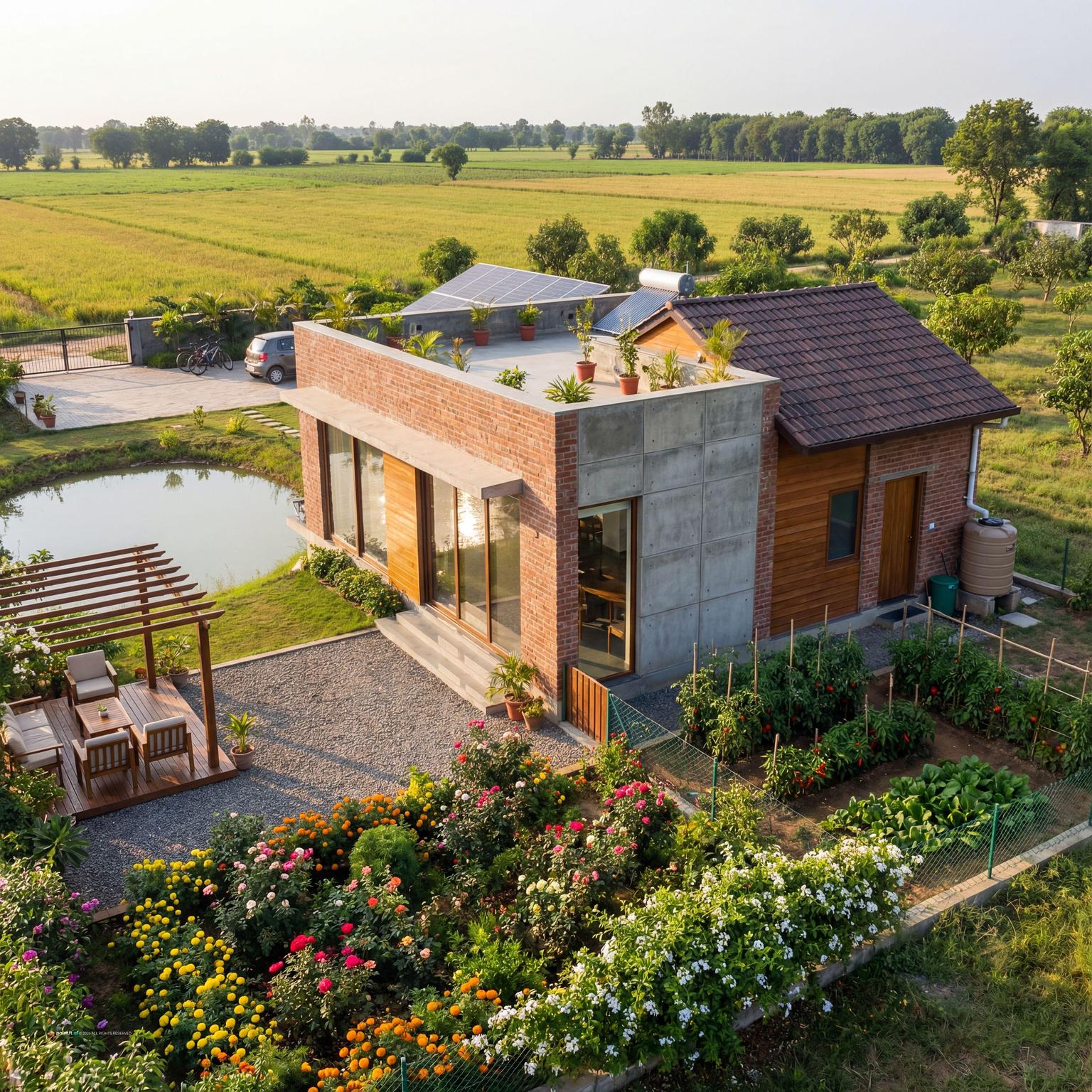
Modern Countryside House Design
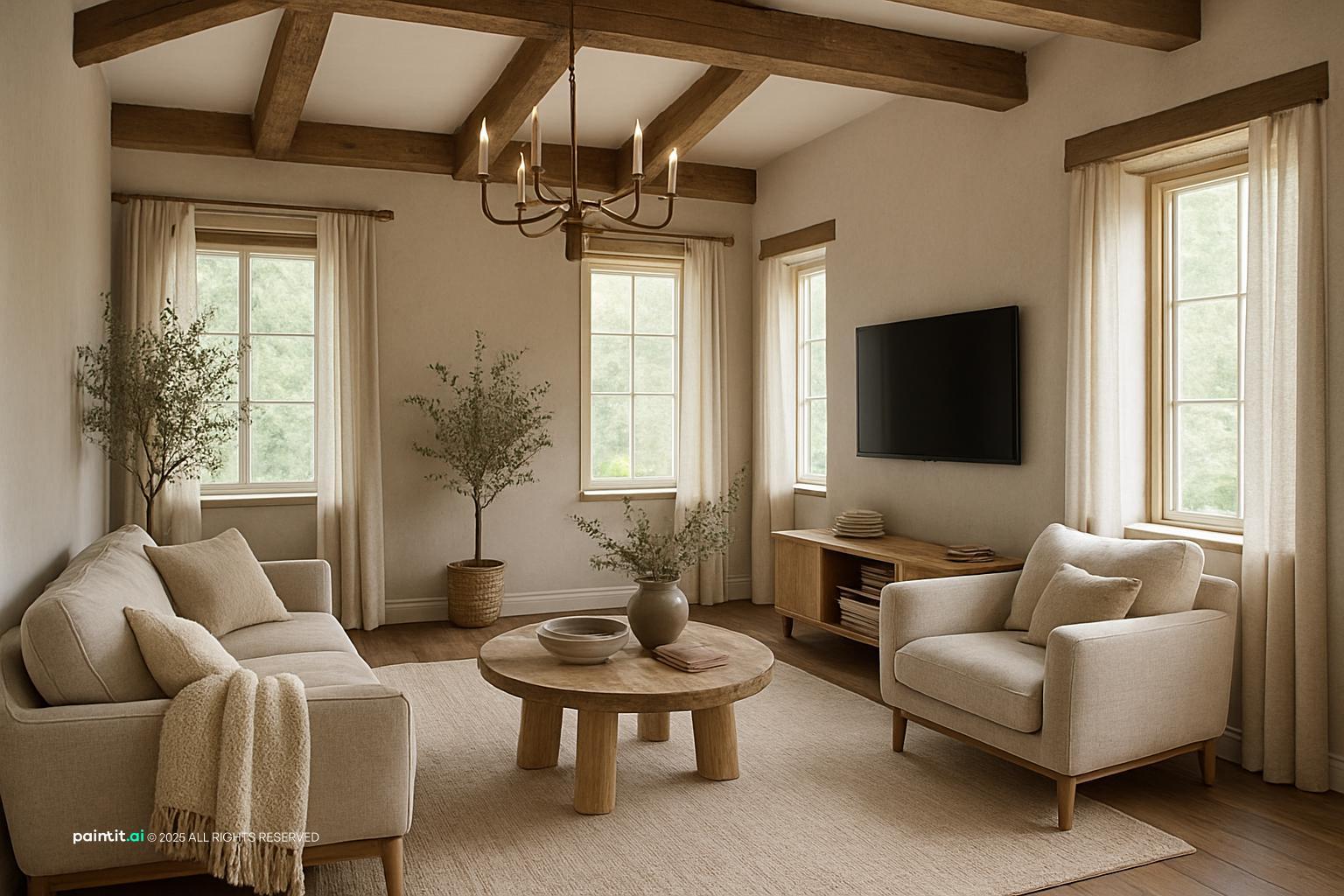
This modern countryside living room elegantly marries rustic warmth with Scandinavian simplicity, creating a bright and inviting sanctuary from nature.
A rustic Scandinavian living room sits at the intersection of two design traditions that both value restraint: the Scandinavian minimalist impulse toward light, function, and simplicity, and the Nordic rural tradition of rough-hewn materials, aged wood, and practical warmth. The tension between them, rawness and lightness, texture and openness, is exactly what makes the combination so liveable.
The Nordic farmhouse aesthetic has staying power because it solves a real problem: how to have a beautiful space that also functions as a genuinely comfortable daily living environment. Natural materials age well and improve visually. The light palette doesn't date. The furniture is designed for actual use.
Before changing furniture or finishes, you can preview the direction with an AI living room design tool.
This gallery shows rustic Scandinavian across different scales and commitment levels, from the full-cabin approach with reclaimed timber walls and cast iron stoves to lighter applications that introduce just one or two rustic elements against a clean Scandinavian base. Notice how the palette stays light throughout even when the materials read as heavy.
This modern countryside living room elegantly marries rustic warmth with Scandinavian simplicity, creating a bright and inviting sanctuary from nature.
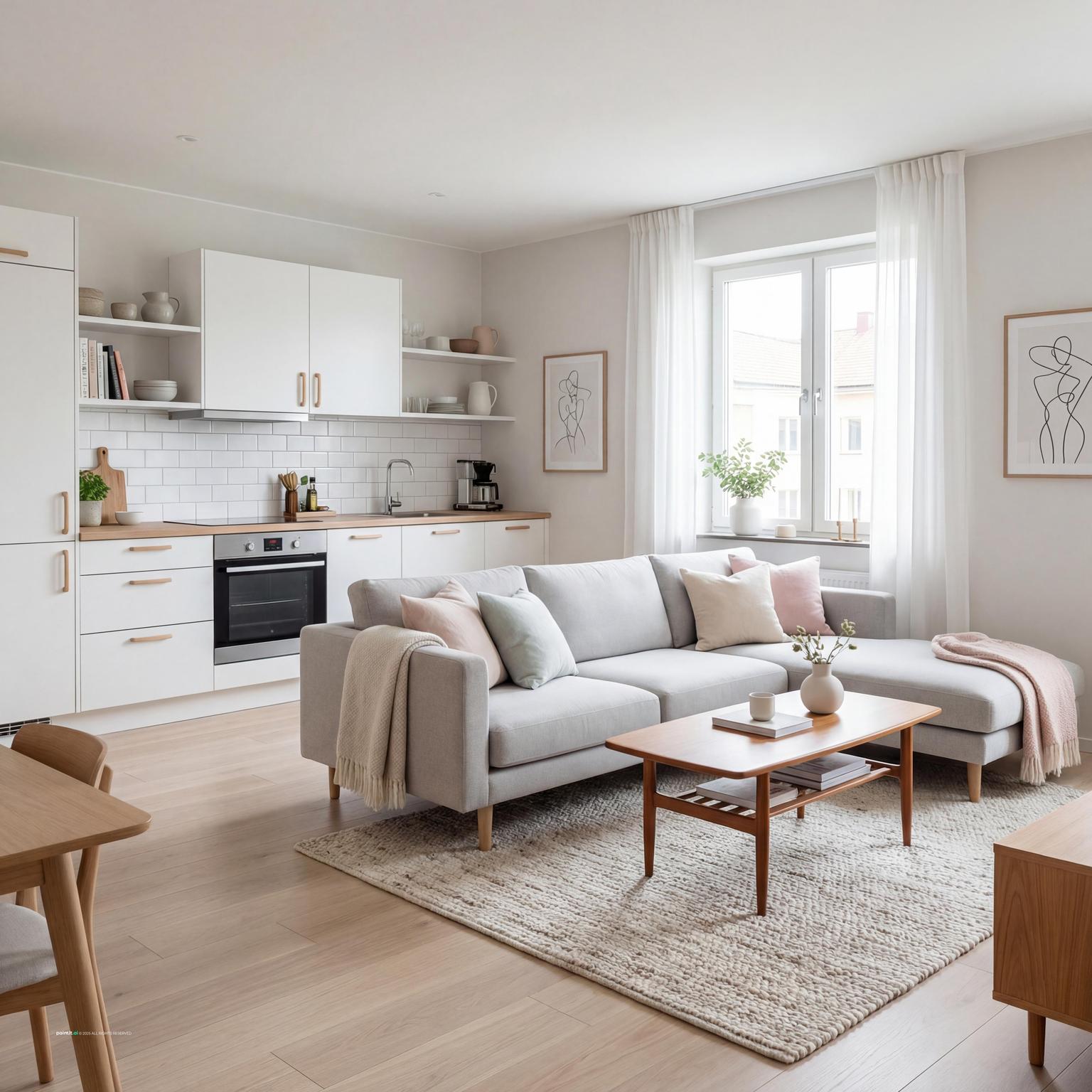
Embrace the hygge with this cozy Scandinavian open-plan living room, where rustic wood textures blend smoothly with minimalist design.
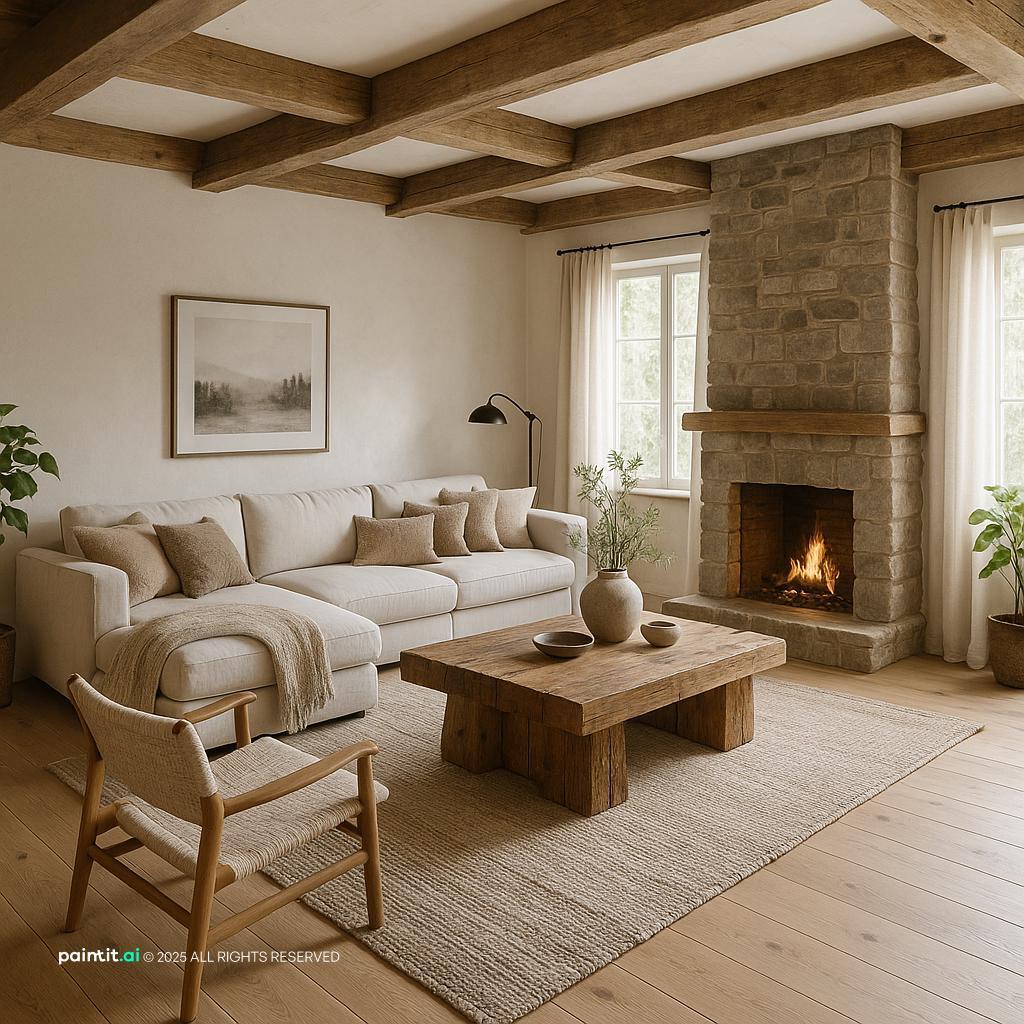
Pale linen upholstery keeps a stone fireplace and dark beams from feeling heavy.
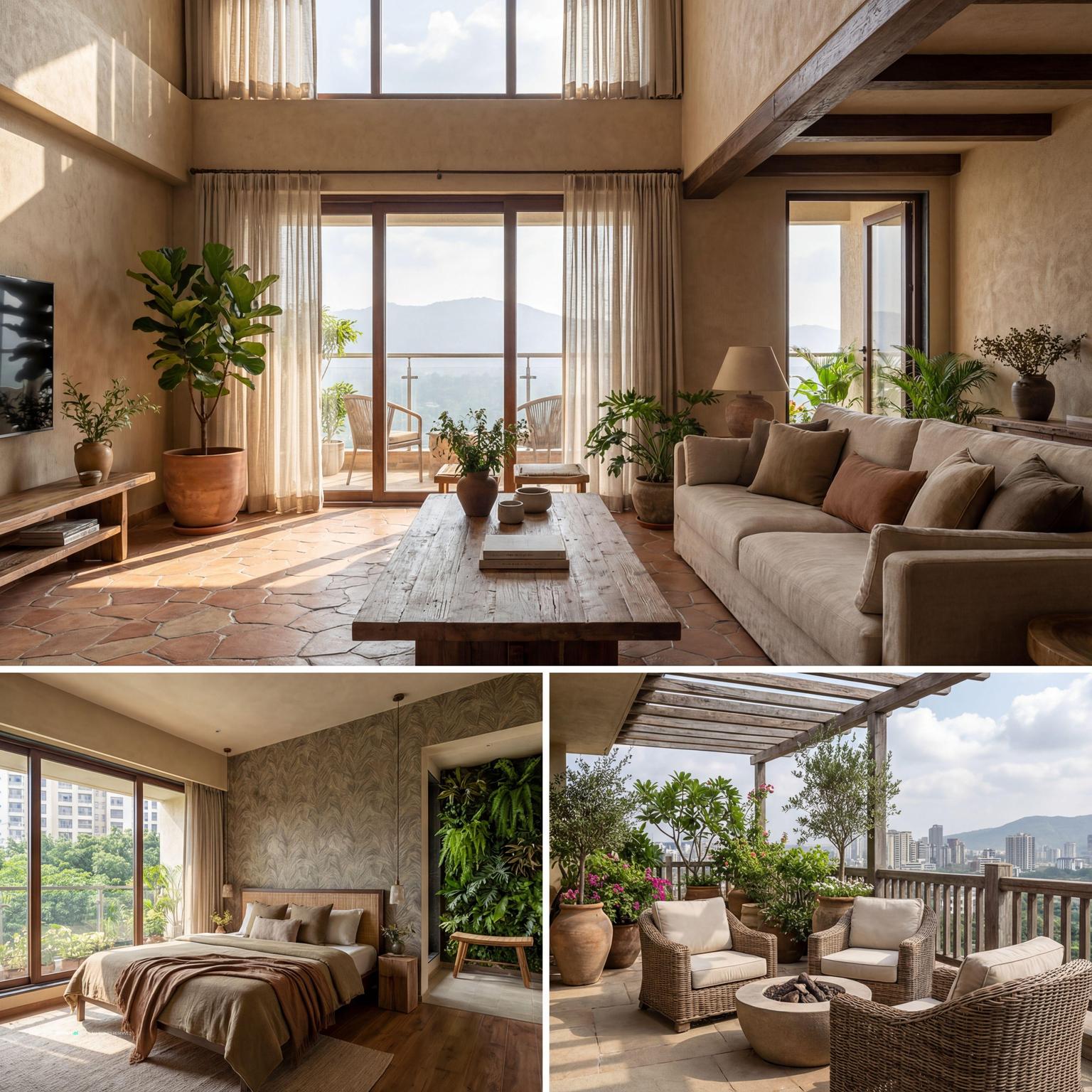
A nature-inspired rustic living room comes alive with organic textures and a light-filled ambiance, characteristic of Scandinavian design principles.
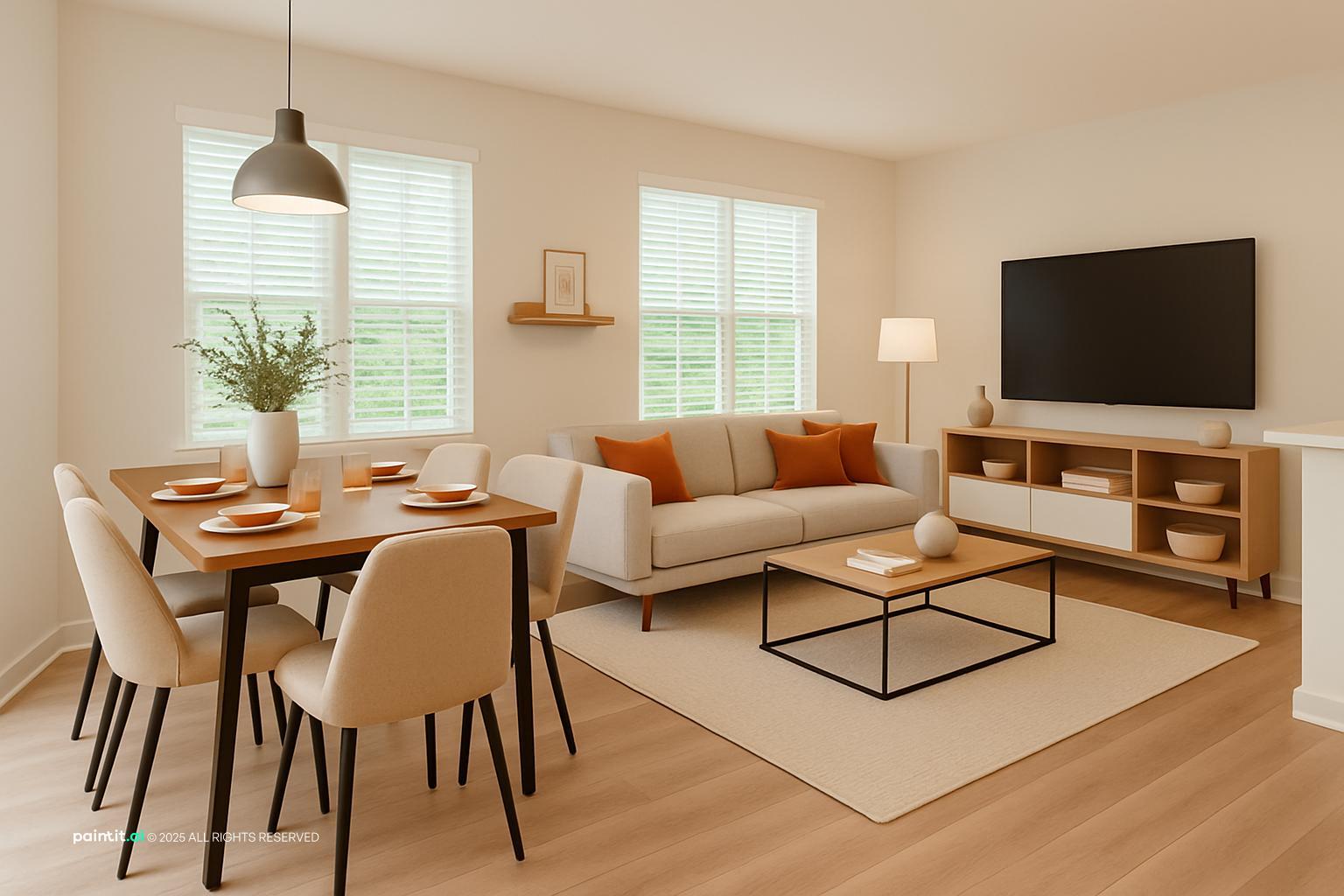
One open room with pale wood throughout keeps living and dining connected.
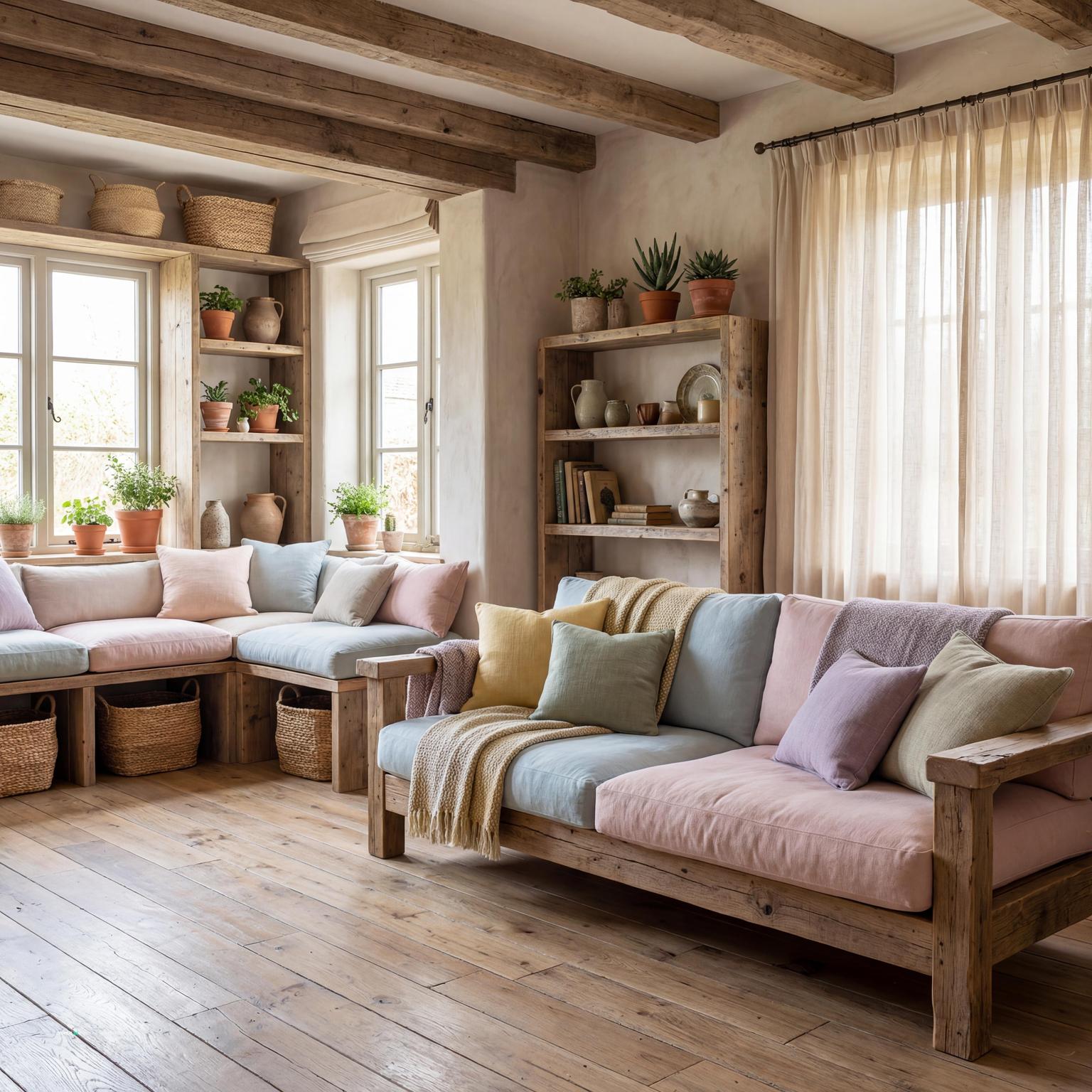
Experience the warmth of this charming rustic living room, beautifully balanced with the clean lines and functionality of Scandinavian design.
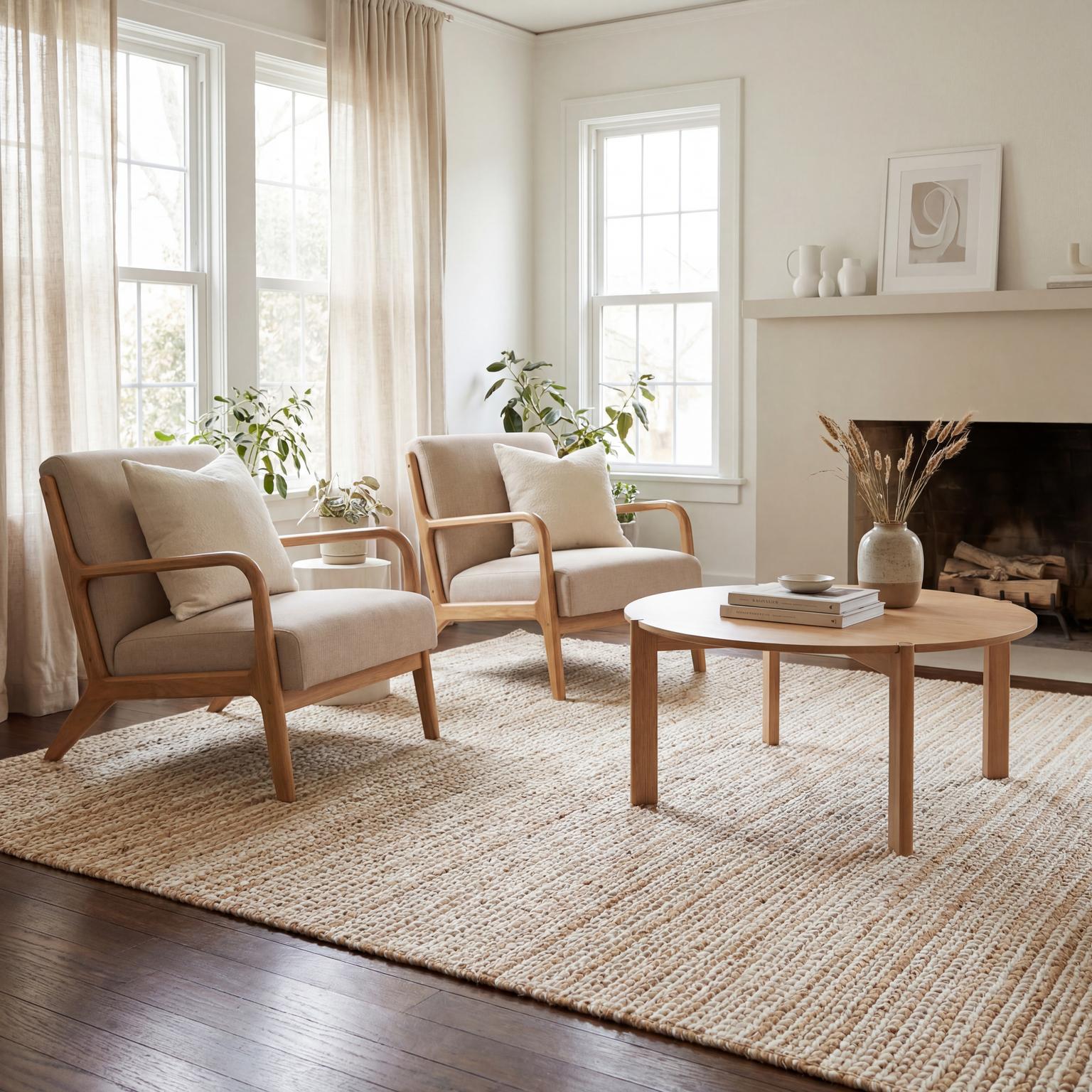
A calm, neutral living room design expertly combines rustic textures with Scandinavian minimalism, offering a truly serene and grounded space.
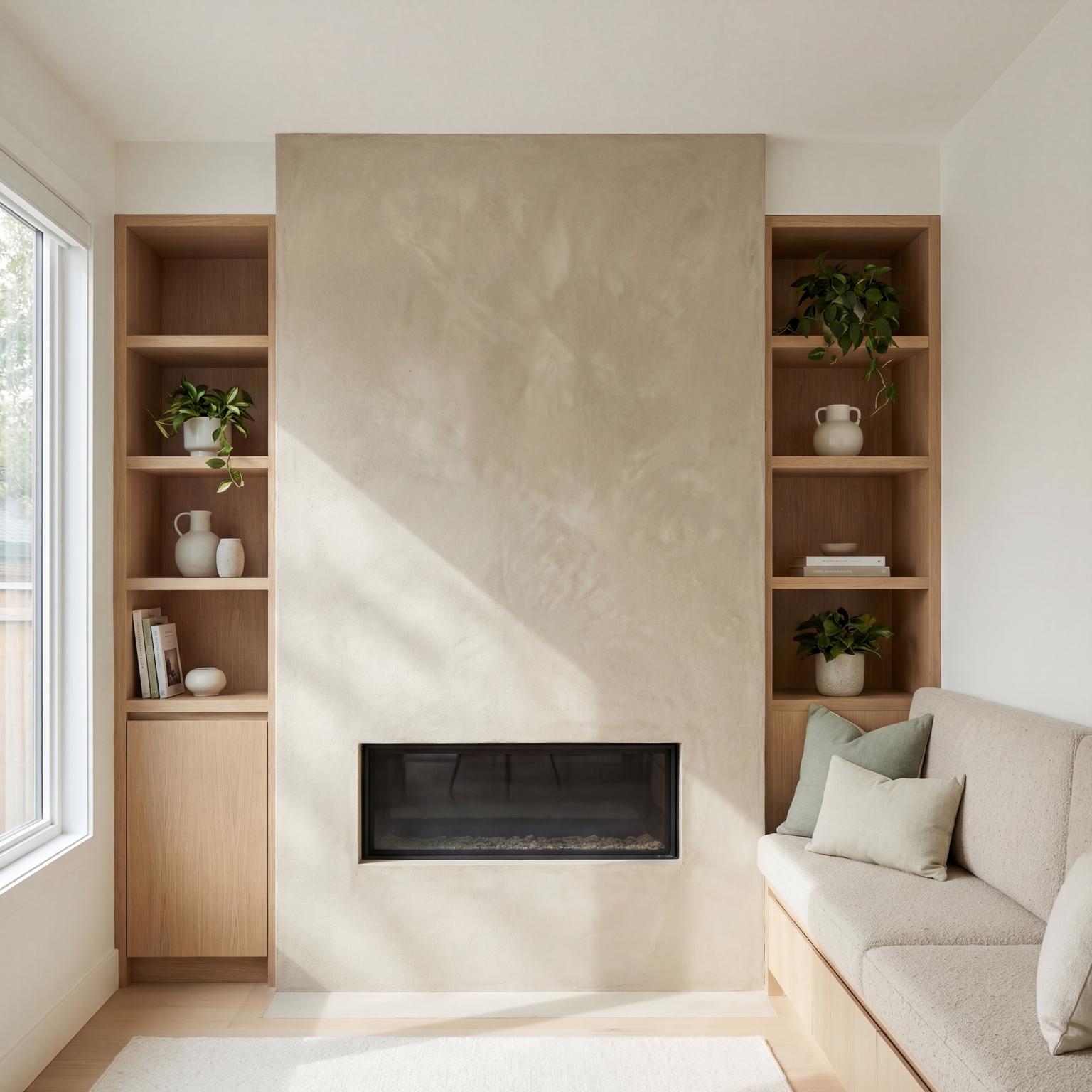
This organic style living room, featuring a modern fireplace, perfectly captures the essence of a rustic Scandinavian living room with natural elements.
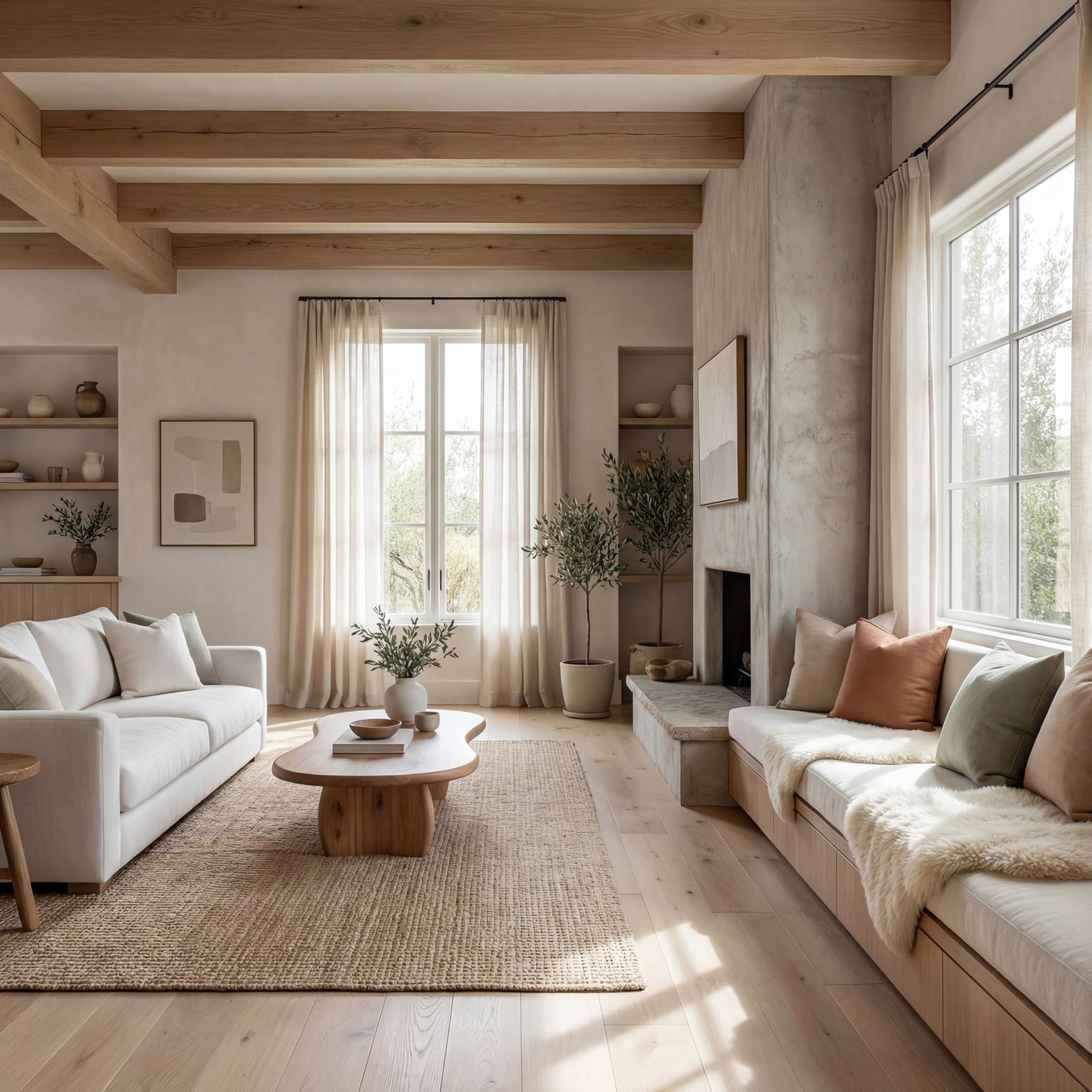
Immerse yourself in this serene organic style living room, where rustic charm meets the tranquil and minimalist appeal of Scandinavian design.
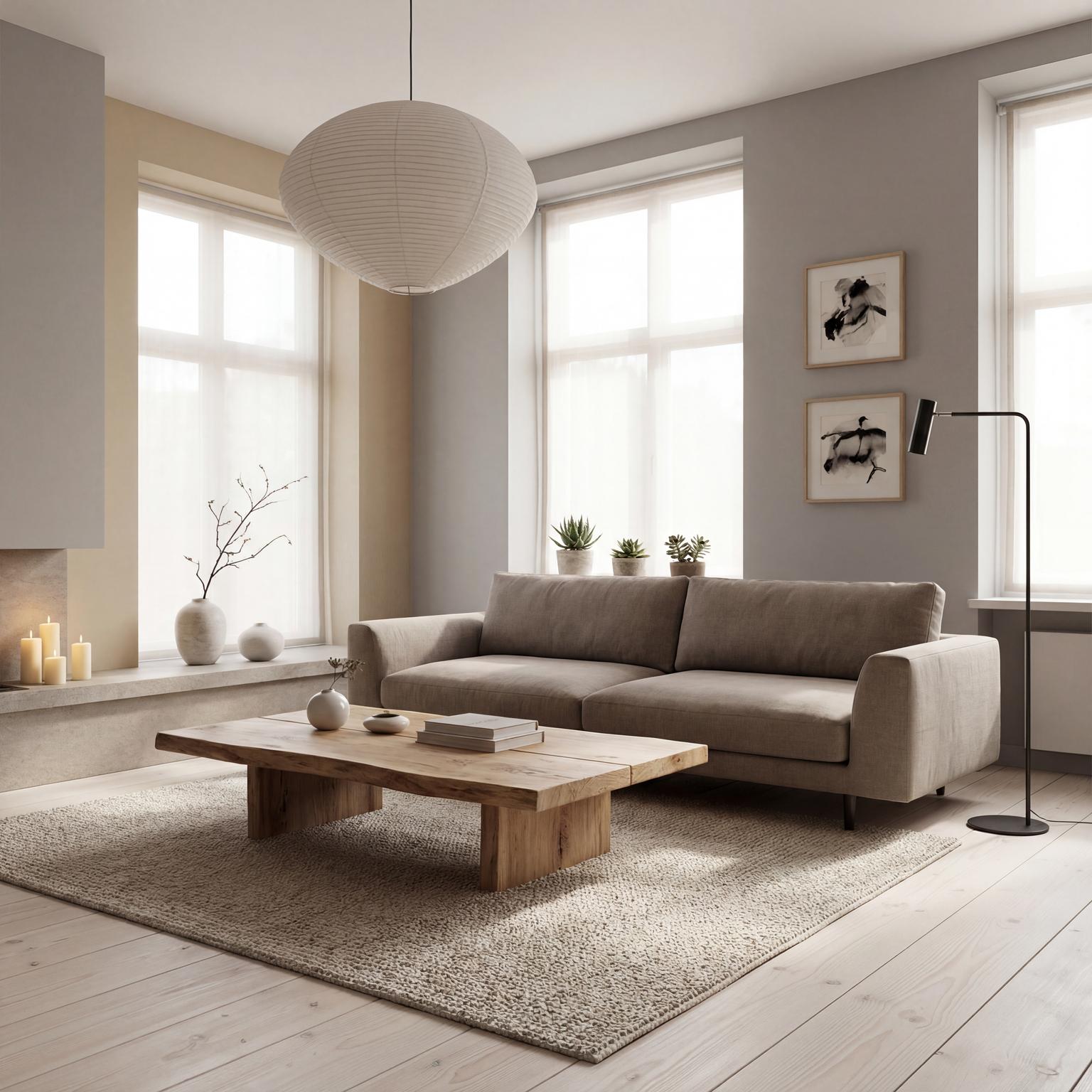
This serene Japandi living room design beautifully unifies rustic textures with Scandinavian simplicity, creating a calm and thoughtfully curated space.
There’s something deeply grounding about a wall clad in natural wood. It immediately sets a tone, a quiet nod to the forest outside. This isn't about polished paneling; it's about embracing the raw beauty of timber, letting its grain tell a story. It’s a bold move, yes, but one that pays dividends in warmth and character.
Consider reclaimed barn wood or even simple, untreated pine planks installed vertically or horizontally. The key is to keep the finish matte, letting the wood breathe. Pair it with crisp white walls elsewhere to prevent the room from feeling too heavy. Think about a single accent wall, perhaps behind your main sofa, to anchor the entire space.
For a related take on the same room, explore emerald green and gold living rooms.
Nothing says cozy rustic scandinavian living room quite like the gentle crackle and radiant heat of a wood-burning stove. It’s more than just a heat source; it’s the heart of the home, a gathering point that draws everyone in. This works best in spaces where it can truly shine as a sculptural element.
Opt for a sleek, modern cast-iron stove in a matte black finish. Position it on a simple slate or concrete hearth, allowing it to stand out. Keep a stack of neatly cut firewood nearby in a minimalist metal holder, it adds to the aesthetic and is wonderfully practical. This element instantly strengthens a space, giving it that authentic cabin feel without sacrificing clean lines.
A truly inviting space is all about touch. This isn't about filling every surface; it's about a thoughtful curation of tactile elements that invite you to sink in. A minimalist warm scandinavian living room thrives on this kind of subtle richness.
Think beyond just a single throw. Layer a chunky knit wool blanket over a soft linen sofa, then add a sheepskin rug draped over an armchair. Introduce woven jute poufs or a sisal area rug for grounding. The contrast between rough and smooth, soft and firm, creates a dynamic yet harmonious environment. This approach prevents the room from feeling sterile, a common pitfall when aiming for minimalism.
Forget high-gloss finishes. A rustic scandinavian living room often embraces the beauty of a floor that looks like it has a history. It grounds the room, providing an authentic base for everything else.
Consider wide-plank, untreated or lightly oiled oak flooring. If you have existing floorboards, strip them back and apply a natural, matte sealant. For a softer touch, layer a large, undyed wool rug or a hand-knotted Beni Ourain rug over parts of it. The imperfections, the slight gaps, the natural variations, are what give it character.
Lighting in a nordic rustic scandinavian living room isn't just about brightness; it's about crafting an atmosphere. It’s about creating pools of light and inviting shadows, making the space feel intimate and expansive all at once, through the power of layered lighting.
Combine ambient light from a simple, oversized paper pendant or a ribbed glass fixture with task lighting from ceramic table lamps. Add floor lamps with linen shades for soft, diffused glow. Dimmers are your best friend here, allowing you to adjust the mood throughout the day and evening. The goal is a warm, inviting glow, not harsh overhead illumination.
Bringing the outdoors in is fundamental to this aesthetic. It’s about preservation over imposition, letting nature’s own artistry speak. This approach adds an organic, unpretentious feel to any modern rustic scandinavian living room.
Gather dried botanicals, tall grasses, branches, or even simple wildflowers, and display them in stoneware vases or recycled glass bottles. A piece of driftwood on a minimalist shelf, a collection of smooth river stones in a wooden bowl, or a large, sculptural branch leaning against a wall can be incredibly impactful. These elements connect the interior to the natural world just outside your window.
Even in a rustic setting, a dedicated spot for quiet contemplation feels essential. It’s a small sanctuary within the larger sanctuary, a place to unwind with a good book or simply enjoy a cup of tea. This is where the "lived-in" aspect truly comes alive.
Carve out a corner with a comfortable, deep-seated armchair upholstered in a natural fabric like linen or wool. Add a small, simple side table, perhaps a raw wood stump or a minimalist metal design, and a good reading lamp. Keep shelving minimal, perhaps a few floating shelves for a curated selection of books and a small plant. It’s about creating an inviting pocket of calm.
The color palette is crucial for that rustic warm scandinavian living room vibe. It’s not about stark white, but rather a spectrum of soft, natural tones that evoke the landscape. Think about the colors you’d find in a Nordic forest or along a rugged coastline.
Build your palette around warm greys, soft beiges, and muted greens or blues. Introduce deeper tones like charcoal or a dusty terracotta through accents, perhaps a ceramic vase or a throw pillow. The idea is to create a serene backdrop that allows the natural textures and materials to truly sing. Avoid anything too saturated or bright; subtlety is key here.
Adding pieces with history instantly injects soul into a modern rustic scandinavian living room. These aren't just objects; they carry stories, a sense of permanence that new furniture often lacks. It’s about finding pieces that feel authentic, not just old.
Look for a well-worn leather armchair, a simple antique wooden chest that can double as a coffee table, or a vintage ceramic pot. Mid-century modern pieces, particularly those with clean lines and natural wood, blend smoothly. The imperfections, the scratches, the faded paint, are what make them beautiful. They provide a lovely contrast to the otherwise clean and bright Scandinavian elements.
Maximizing natural light is a cornerstone of Scandinavian design, and a rustic approach doesn't change that. It's about letting the outside in, creating a direct connection to nature. Sometimes, the best window treatment is no treatment at all.
If privacy isn't an issue, consider leaving windows bare to flood the room with light and offer unobstructed views. If you need a touch of softness or privacy, opt for sheer linen curtains in a natural, unbleached tone. Hang them high and wide to frame the window, allowing them to gently filter light rather than block it. Heavy drapes would feel out of place here; the goal is airiness.
A truly inviting living room needs seating that beckons you to relax, to linger. This is where the "cozy" in cozy rustic scandinavian living room comes into play. It's about generous proportions and sink-in comfort.
Choose a deep-seated sofa with soft, natural upholstery, think washed linen, brushed cotton, or a durable wool blend in a neutral hue. Pair it with an equally inviting armchair, perhaps with a slightly reclined back. The scale should feel substantial but not overwhelming. Add plenty of soft cushions, but keep the patterns minimal or non-existent to maintain that serene Nordic feel.
Living plants are essential for bringing life and freshness into any space, but especially a rustic scandinavian living room. They purify the air, add a natural touch of color, and reinforce that connection to the natural world. It’s a simple addition that makes a huge difference.
Incorporate a variety of plants: a tall fiddle-leaf fig or a snake plant for vertical interest, smaller succulents or ferns for shelves and side tables. Place them in simple, unglazed terracotta pots, woven baskets, or minimalist ceramic planters. The key is to choose plants that thrive in your home’s light conditions and to group them thoughtfully, creating small vignettes of greenery.
These three related concepts are often confused. Here's how they differ:
White walls, light oak or bleached floors, minimal furniture, clean geometric lines, almost no decor. The emphasis is on absence of clutter and maximum natural light. Very little visible texture, surfaces are smooth and materials are understated.
The same light palette and commitment to natural materials, but with the addition of rougher textures: exposed timber beams, reclaimed wood, visible grain and knots, textured plaster or limewash walls, cast iron stoves or stone fireplaces. More character, more tactile interest, more sense of history than pure Scandi. This is what people mean by "Nordic farmhouse."
Less a design style, more a living philosophy: the emphasis is on comfort, warmth, and togetherness. Candles, sheepskin throws, plush seating, layered textiles. Hygge can be applied within any Nordic style direction, it's about adding emotional warmth rather than changing the structural design.
The rustic Scandinavian living room incorporates all three: the light palette of Scandi minimalism, the textural richness of farmhouse materials, and the layered comfort of hygge.
Upload a photo of your living room to app.paintit.ai. See how rustic Scandinavian directions, reclaimed wood accents, neutral palettes with natural fibre textures, Gustavian colour touches, read in your actual space in 1–2 minutes. Compare a full timber wall approach against a single accent element to find the right commitment level for your room. Free to start.
The second gallery leans into more specific directions through clean lines, open, helping compare different ways the same living room can feel at home.
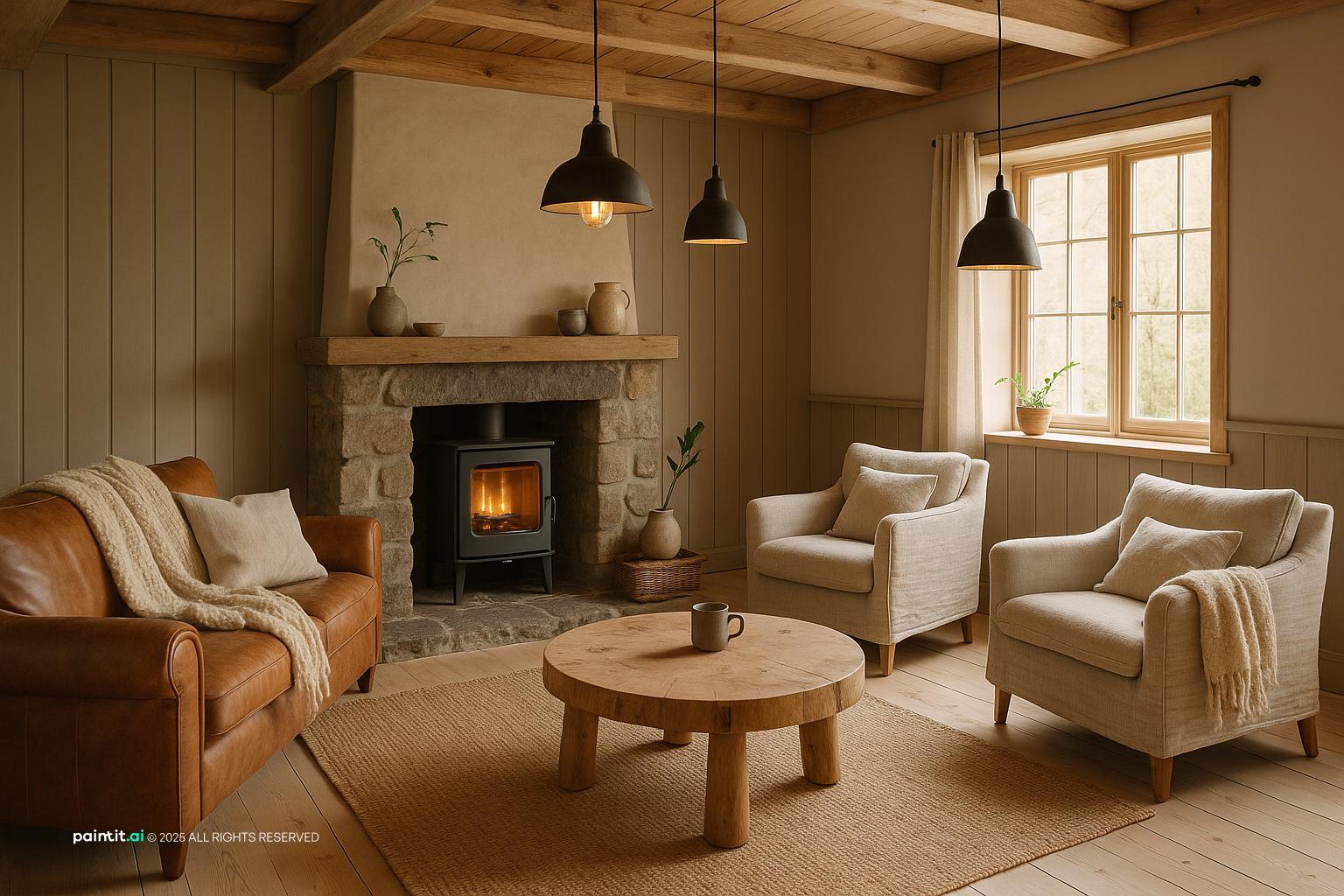
A wood stove and cognac leather chairs under pale beams give Scandinavian rooms their rustic warmth.
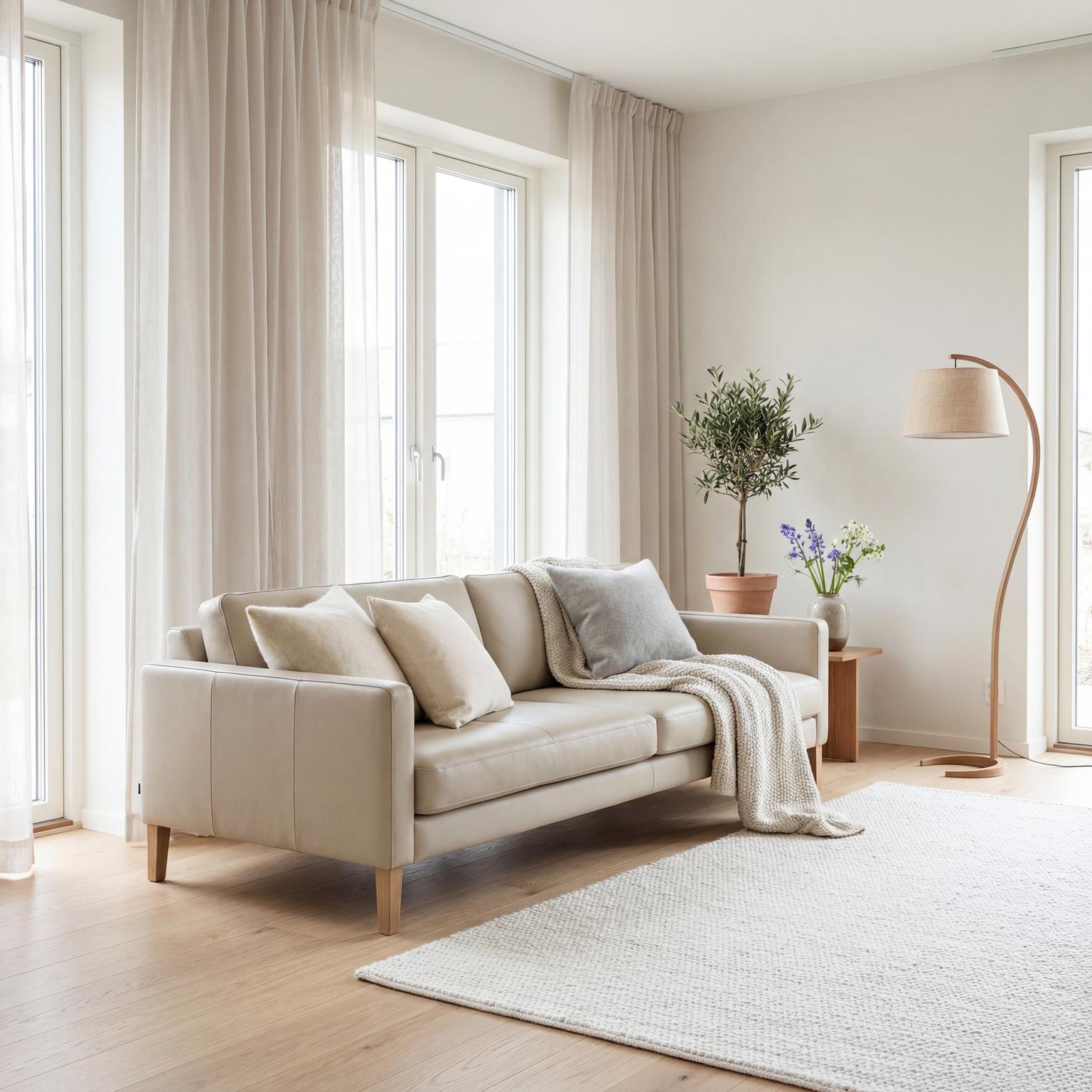
Embrace the serene beauty of a Scandinavian style living room, where rustic elements meet clean lines and natural light.
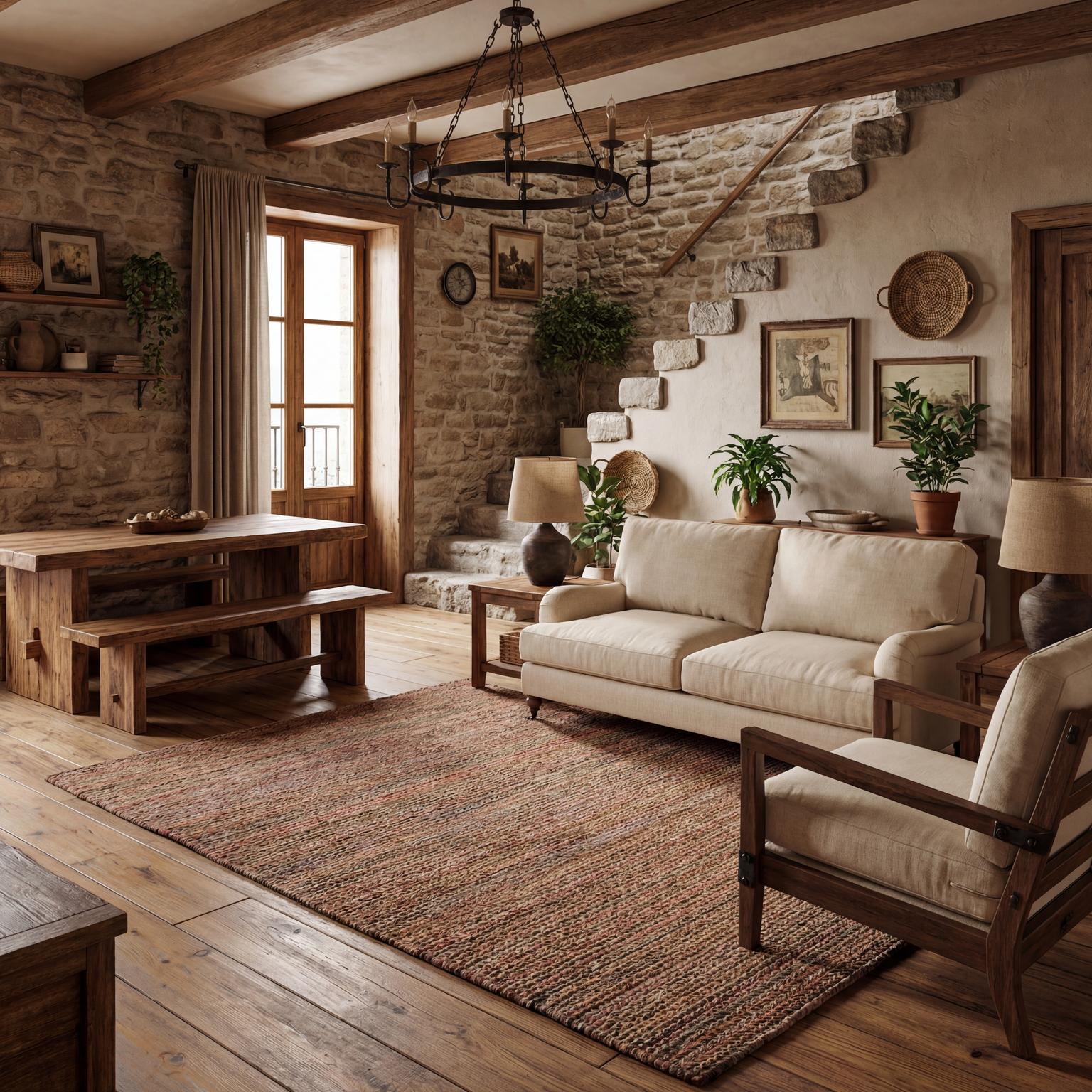
Explore captivating rustic living room design ideas, smoothly blending raw textures with the bright simplicity of Scandinavian style.
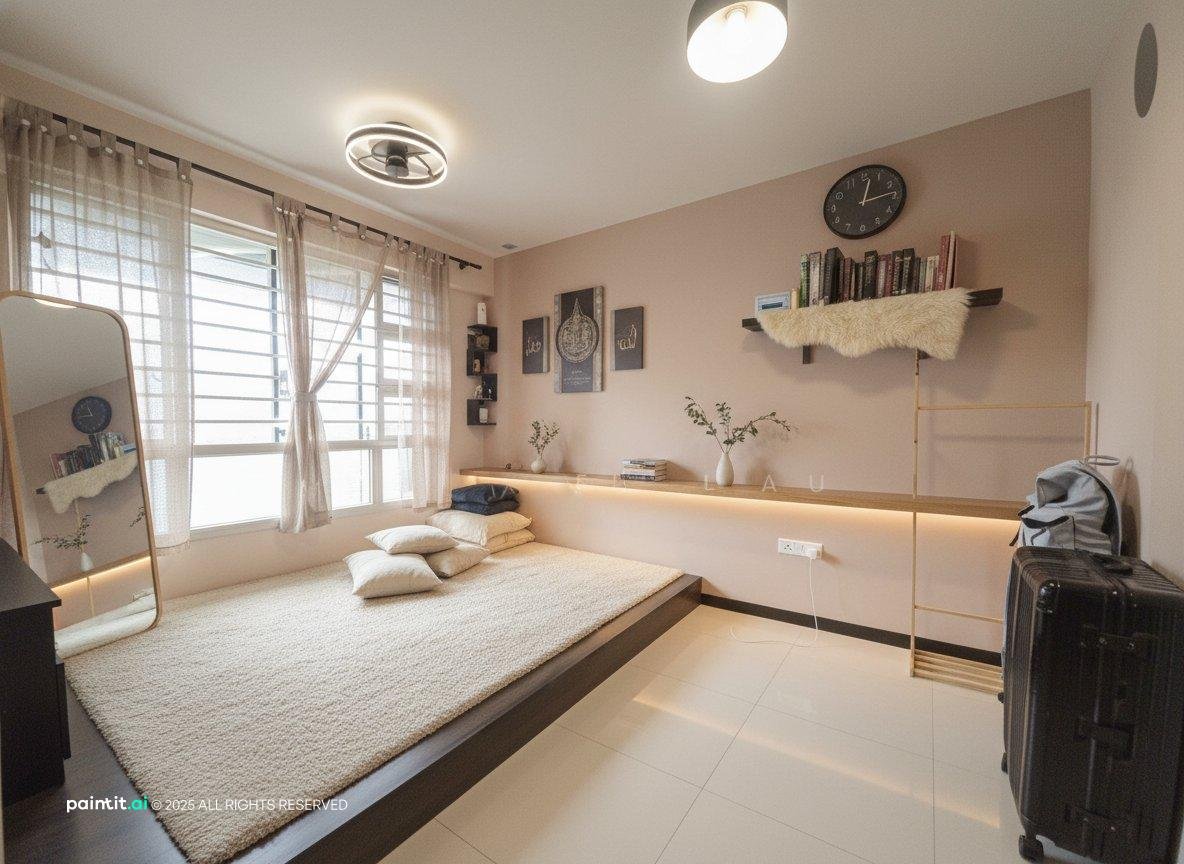
A low platform seat and bare walls show the minimal end of rustic Scandinavian.
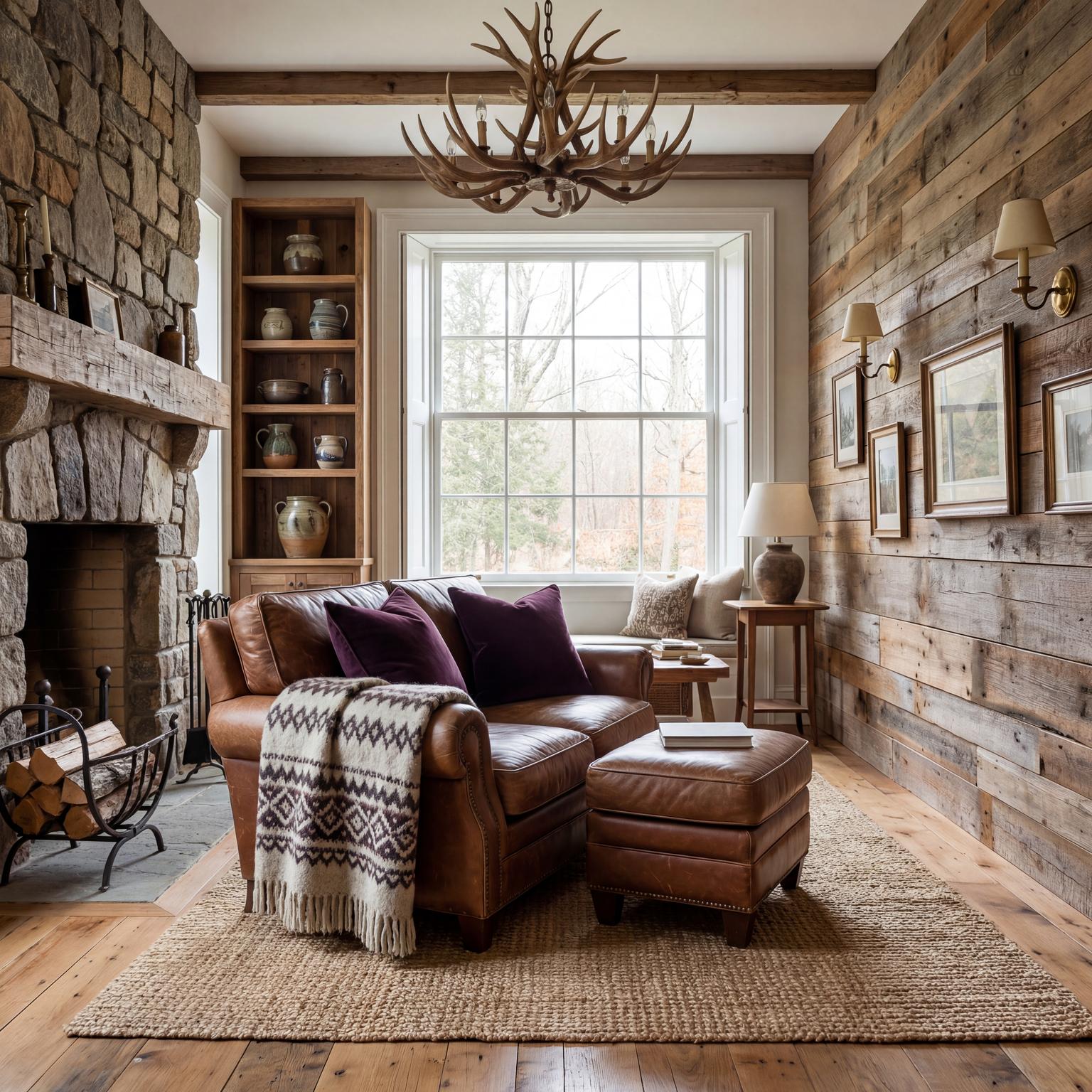
Envision a stunning rustic Scandinavian living room, where timeless appeal meets modern comfort and natural warmth for 2025.
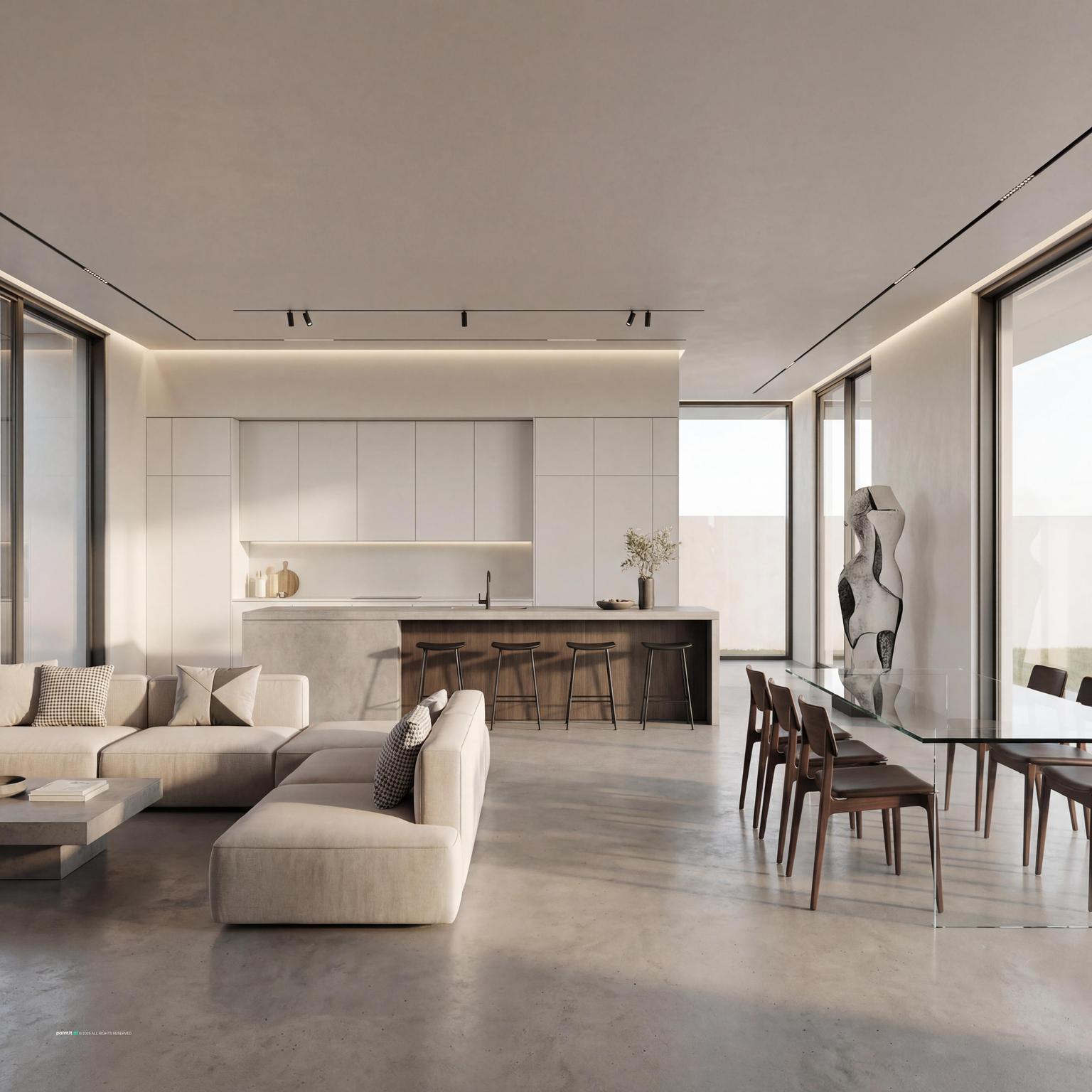
A minimalistic living room and kitchen design embodies rustic Scandinavian charm, prioritizing natural light and functional, cozy aesthetics.
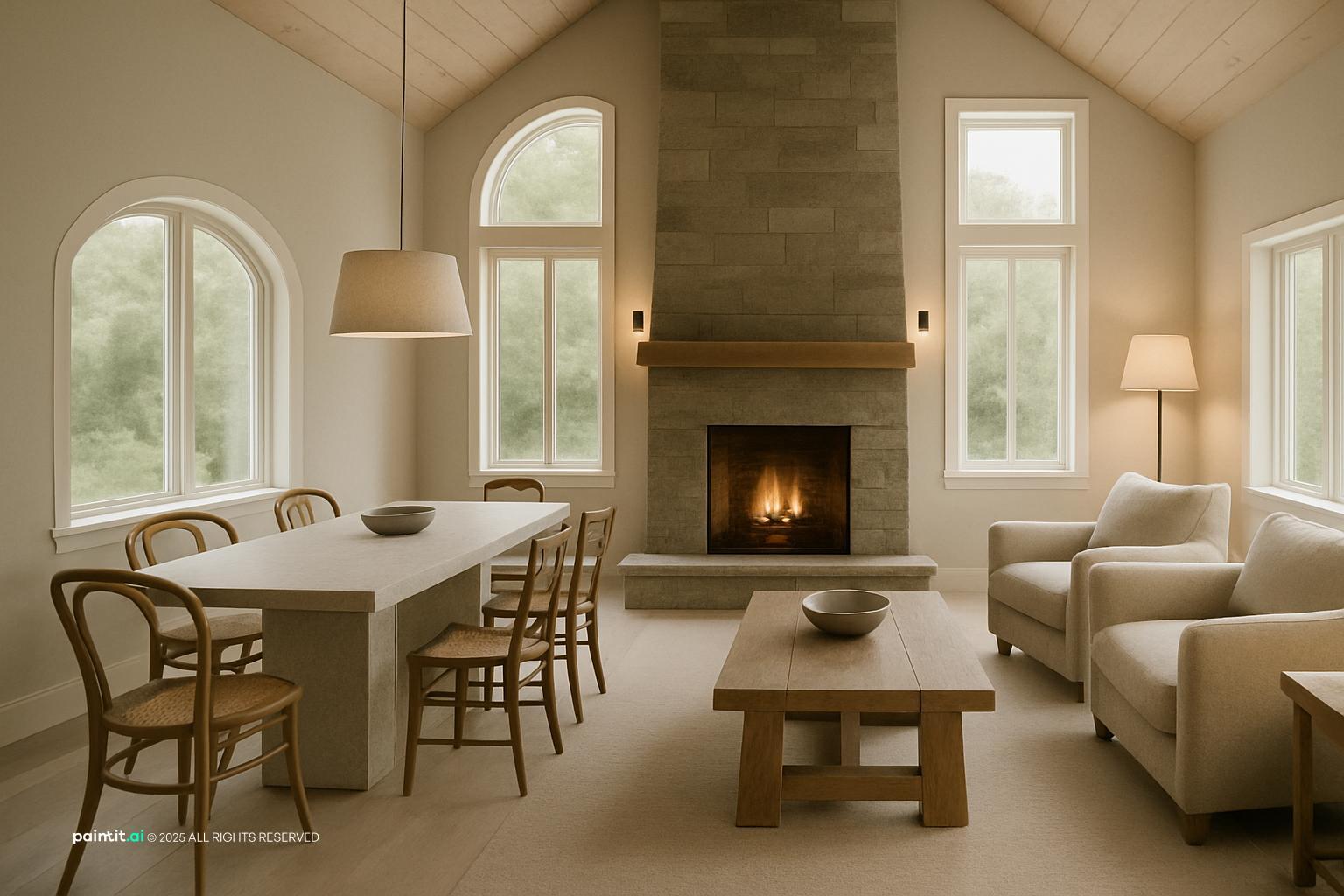
Arched windows and a side fireplace let a dining table and a sitting area share one bright room.
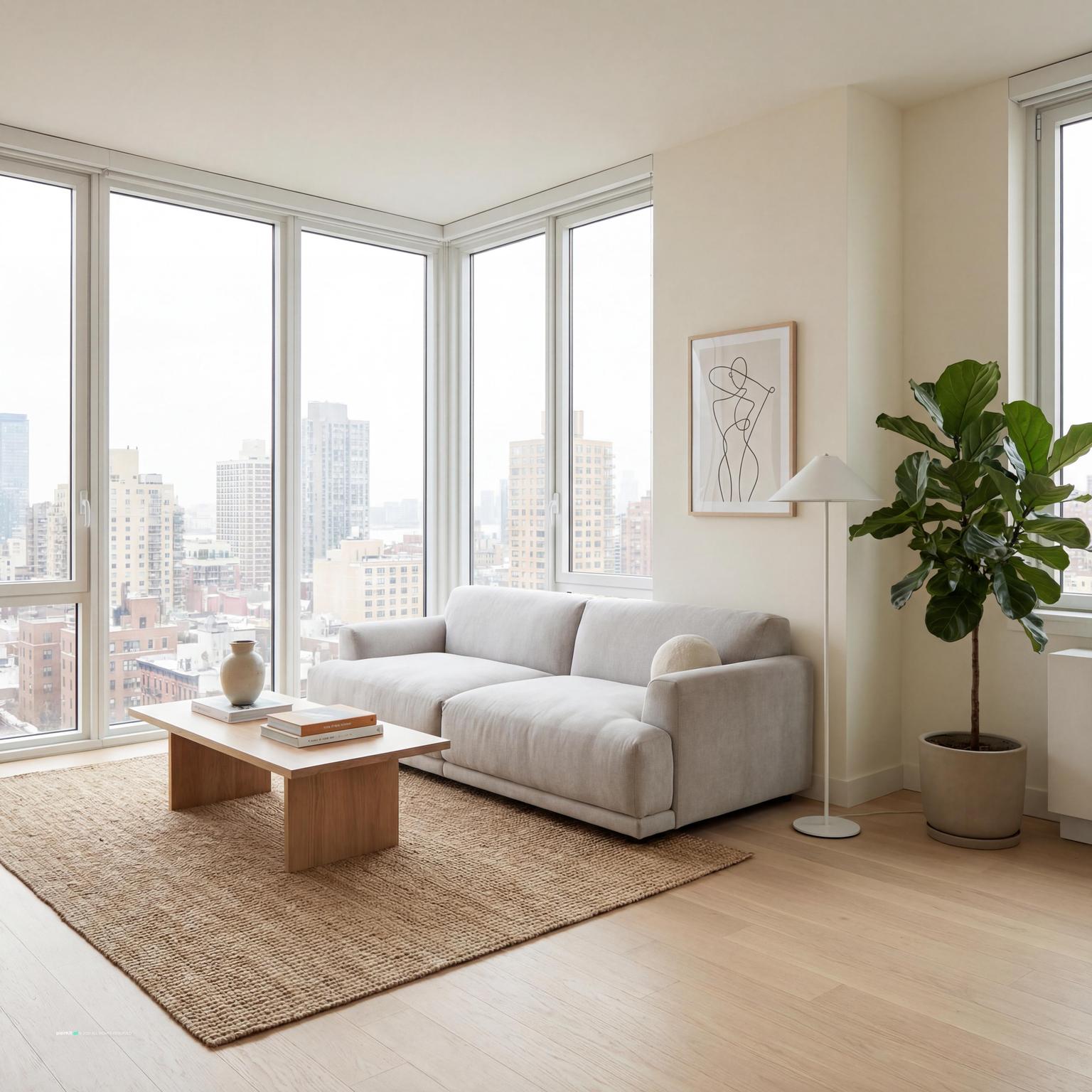
Ideal for studio apartments, this minimalist living room design introduces rustic Scandinavian warmth through simple forms and natural elements.
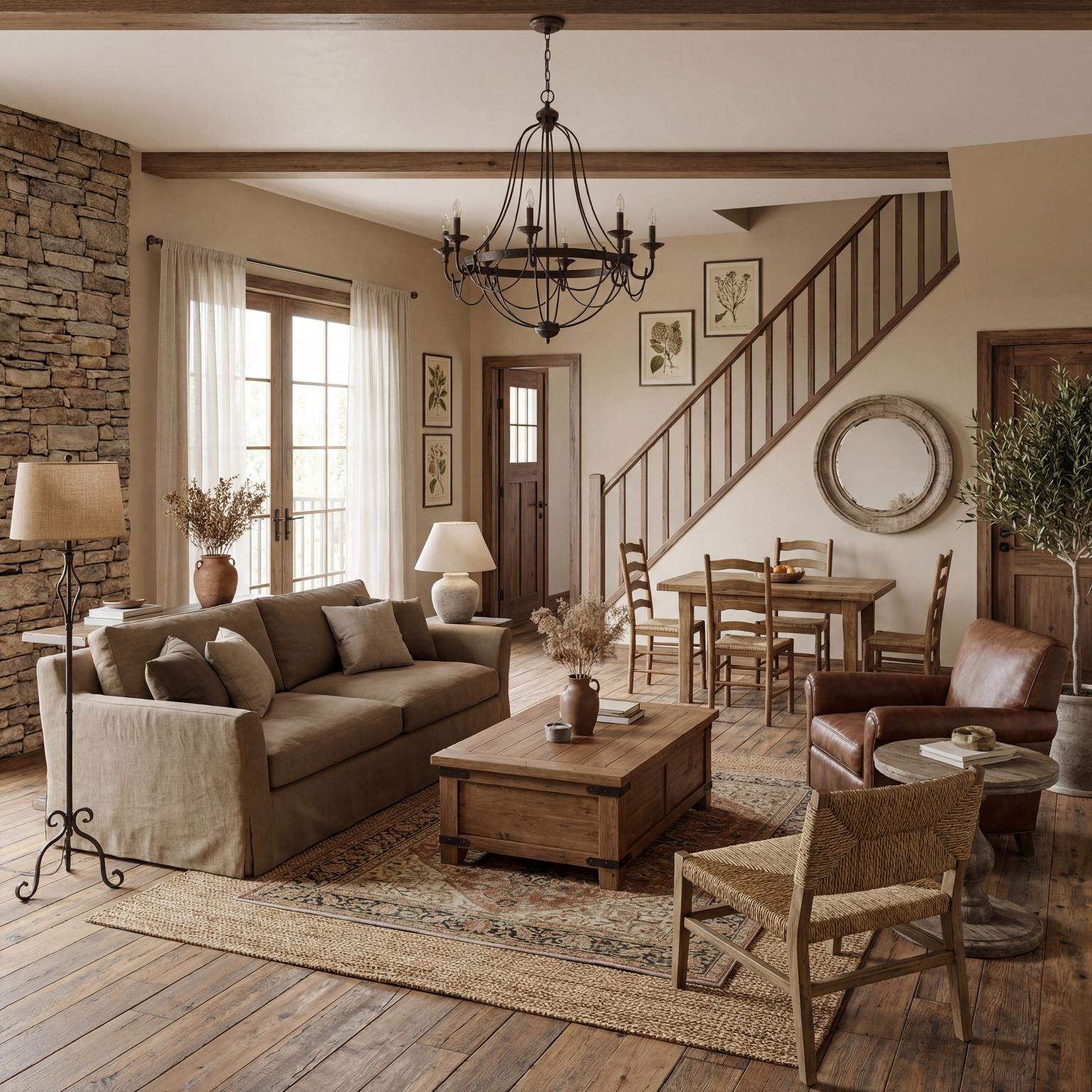
Discover charming rustic living room ideas that integrate Scandinavian lightness, creating an inviting space filled with natural warmth and character.
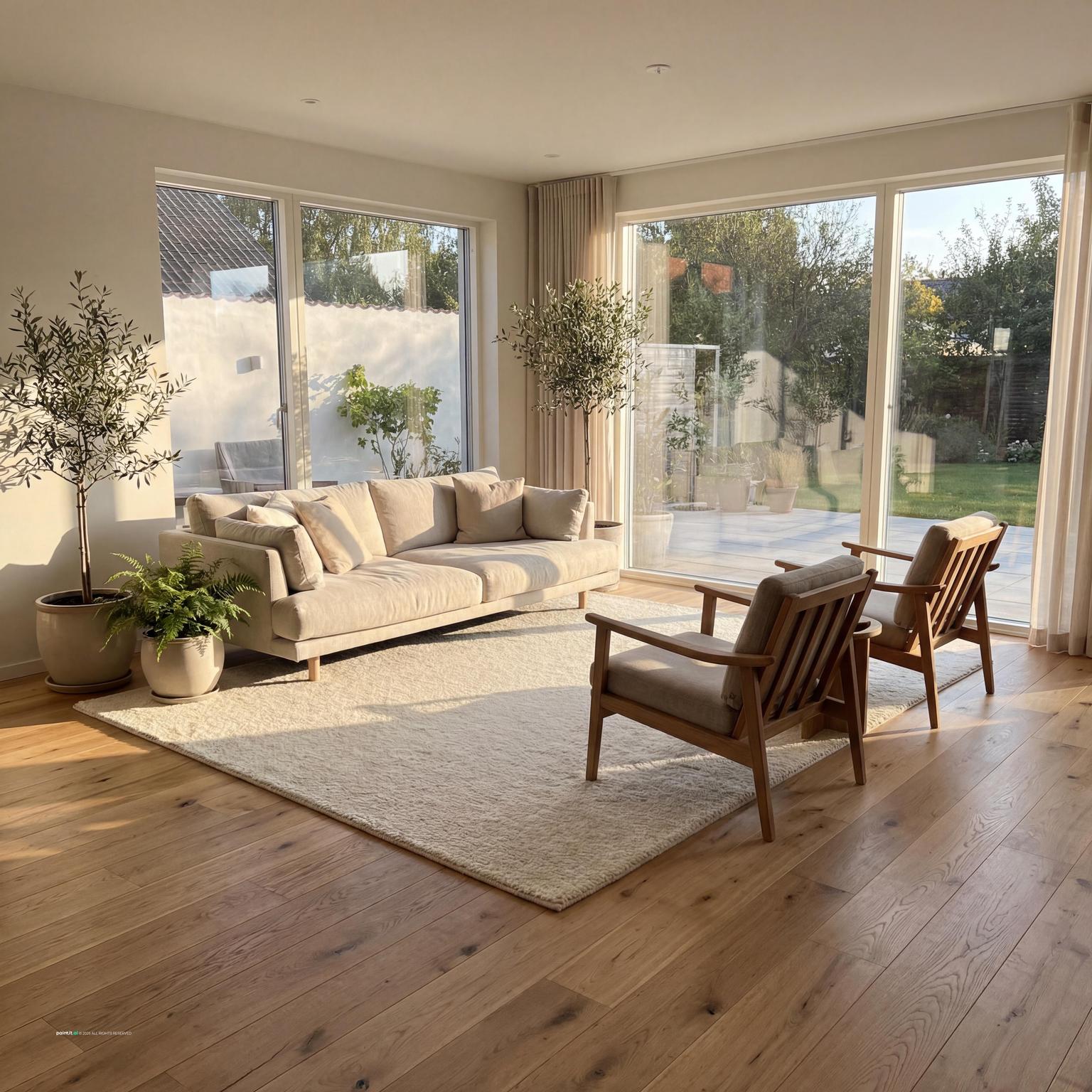
Bathed in elegant natural light, this living room design celebrates rustic Scandinavian principles, enhancing warmth and open, airy comfort.
Rustic Scandinavian is a design direction that combines the light, functional minimalism of Scandinavian design with the natural, textural richness of Nordic rural tradition. The defining elements: a light palette (white, off-white, warm grey, cream) as the base, natural wood in rougher or aged forms (reclaimed timber, visible grain and knots, unfinished pine), cozy layering (wool throws, sheepskin, linen cushions), and functional heating elements (wood-burning stove, stone fireplace). The result is a room that reads as simultaneously simple and warm, clean-lined but deeply liveable.
Hygge is more about what you add than what you subtract. Layer textures: a sheepskin over a linen sofa, a woven rug on bare floorboards, candles at different heights. Source warm, amber light rather than cool overhead illumination. Create comfortable seating arrangements that face each other rather than the TV. Reduce visual clutter to the things that actually mean something, one good piece of natural wood, a plant, a few candles, a throw, rather than collecting decorative objects. The absence of non-essential elements makes the essential ones feel more significant.
The base palette: white or warm off-white walls, light oak or pine floors, exposed timber in natural or lightly bleached tones. Accent colours are muted and nature-referenced: sage green, dusty blue, warm taupe, soft terracotta. Traditional Gustavian colours (powder blue, dusty green, chalky white) add a heritage note. Avoid bright, saturated colours, the palette should feel like the landscape in winter: quiet, textural, and light.