
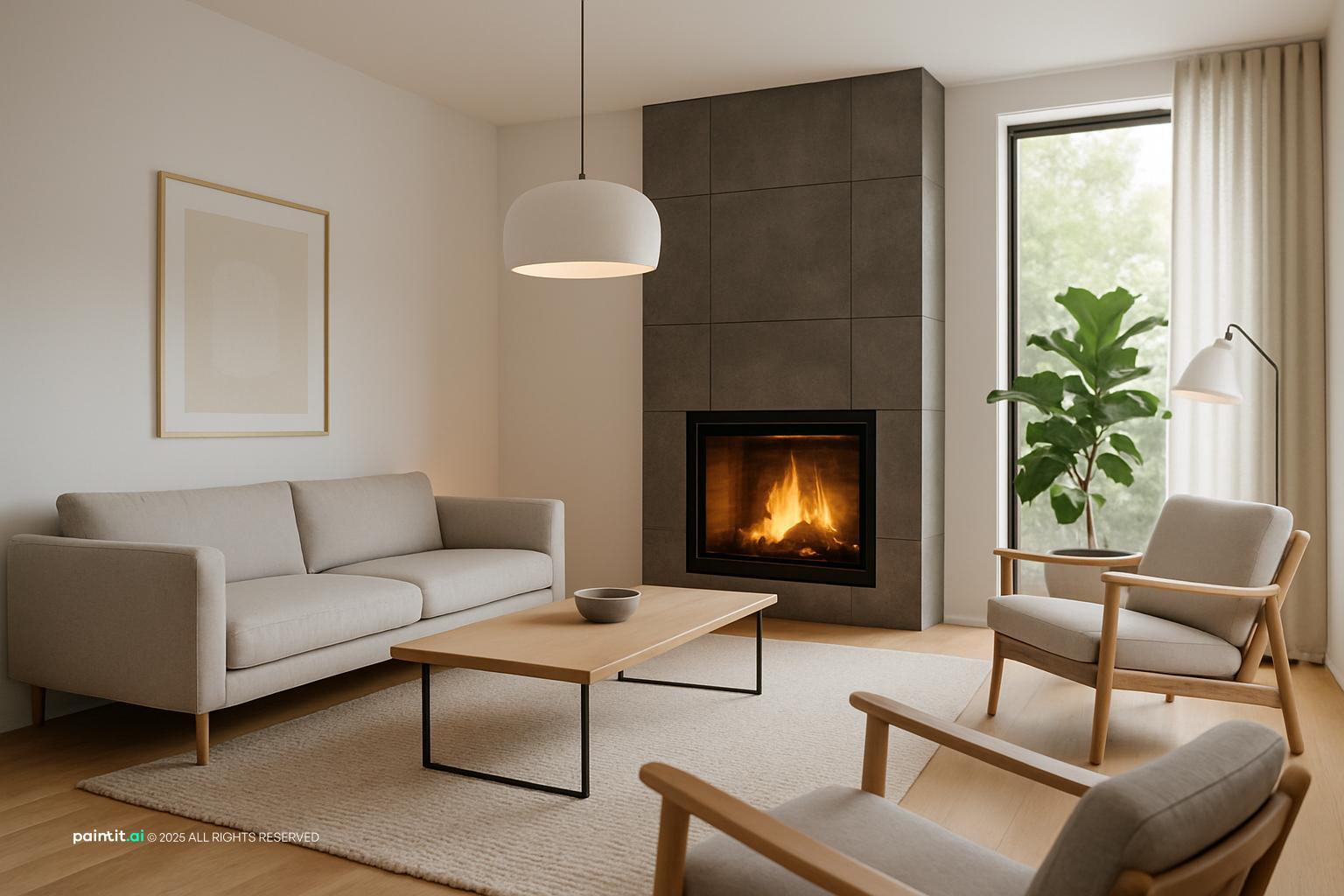
Stunning Scandinavian Living Room Design
Stunning Scandinavian Living Room Design uses minimalist restraint, warm wood and soft textiles in a living room setting.
The best minimalist living room ideas do not start with an empty room. They start with better choices: fewer pieces, better scale, clearer purpose, and enough open space for the way people actually live. Start with the layout. Then work through the palette, materials, lighting, and storage. A good minimalist living room should feel calm, but it still has to handle conversation, TV watching, guests, pets, coffee cups, charging cables, and the route people take through the space.
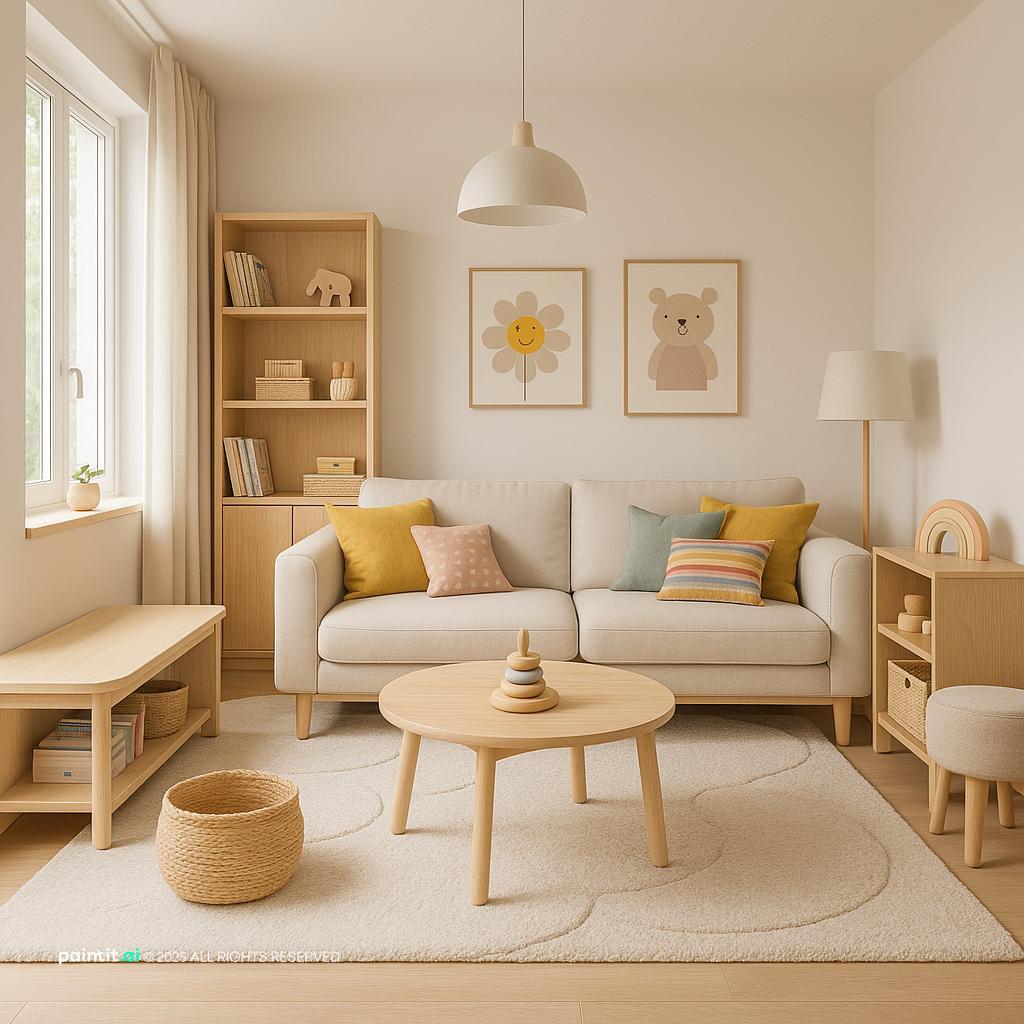
A minimalist living room works when every visible choice has a job. The sofa supports the main activity. The rug defines the seating zone. Storage hides the visual noise. Lighting makes the room usable after dark. If you begin and end with the word “minimalist,” the result can look unfinished, not intentional.
In Paintit.ai tests, we often see homeowners start with short search-style prompts such as “minimalist living room.” Our data shows that about 70% of users write prompts this way at first. The better results usually come when they add real specifications: warm neutral colors, light oak, linen texture, black metal accents, hidden storage, no clutter, or soft evening lighting. Those details are what turn a clean-looking room into a room you can live in.
Use the first gallery to study spacing before style. Look at sofa scale, rug placement, walking paths, and how much negative space is left around the seating group. The most useful inspiration images show what was left out as clearly as what was added.
Stunning Scandinavian Living Room Design uses minimalist restraint, warm wood and soft textiles in a living room setting.
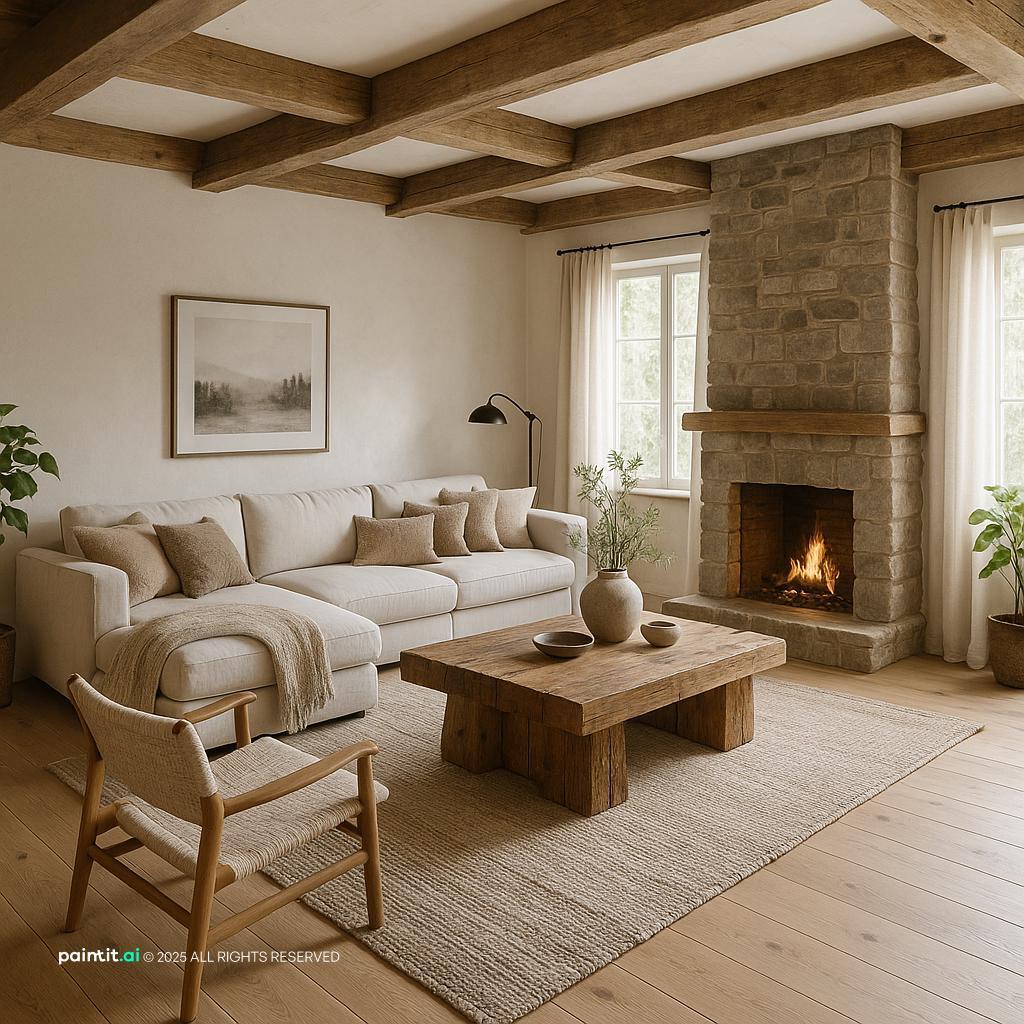
Rustic Scandinavian Living Room Design balances minimalist restraint, warm wood and soft textiles in a living room setting.
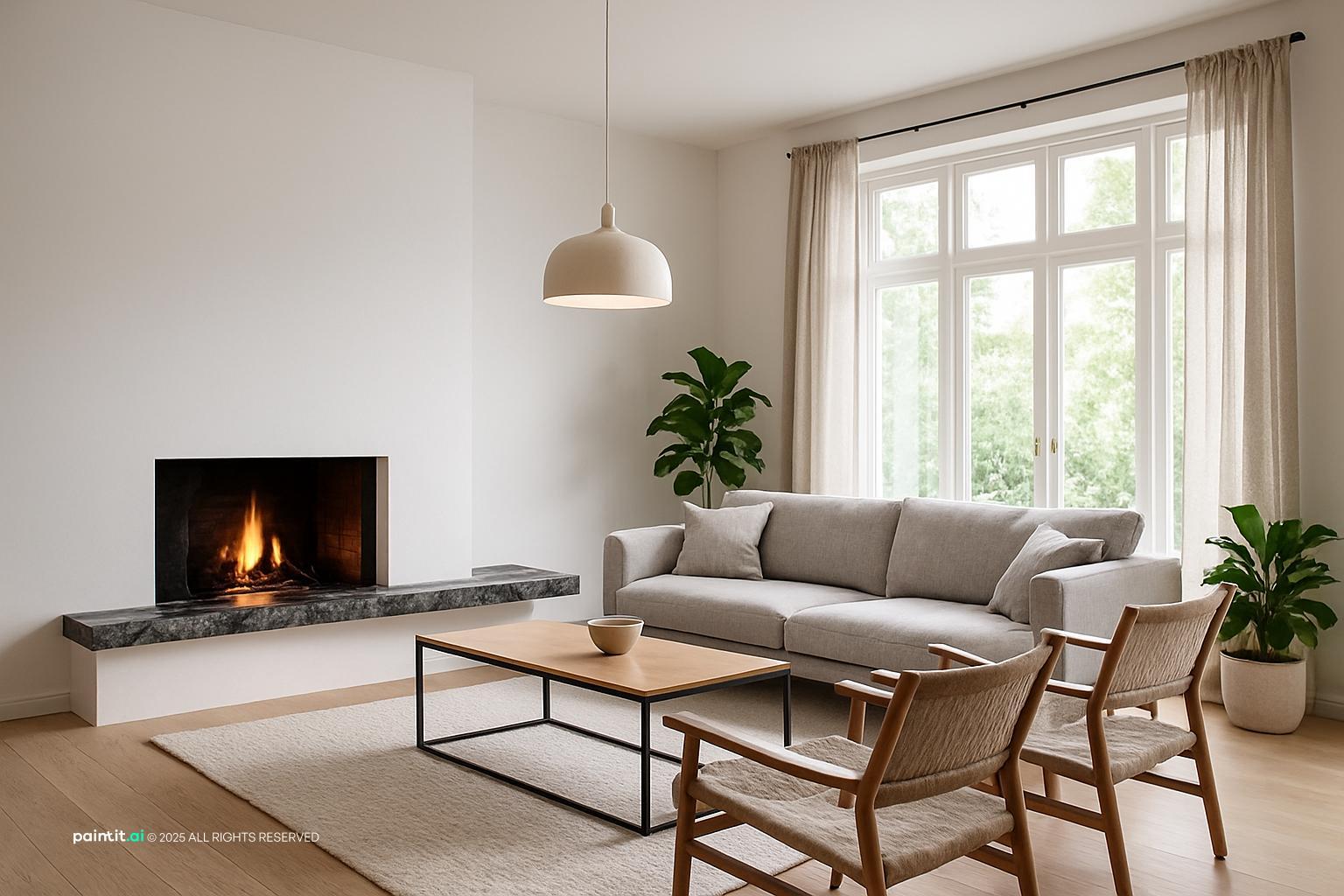
Scandinavian-Style Living Room Design pairs minimalist restraint, warm wood and soft textiles in a living room setting.
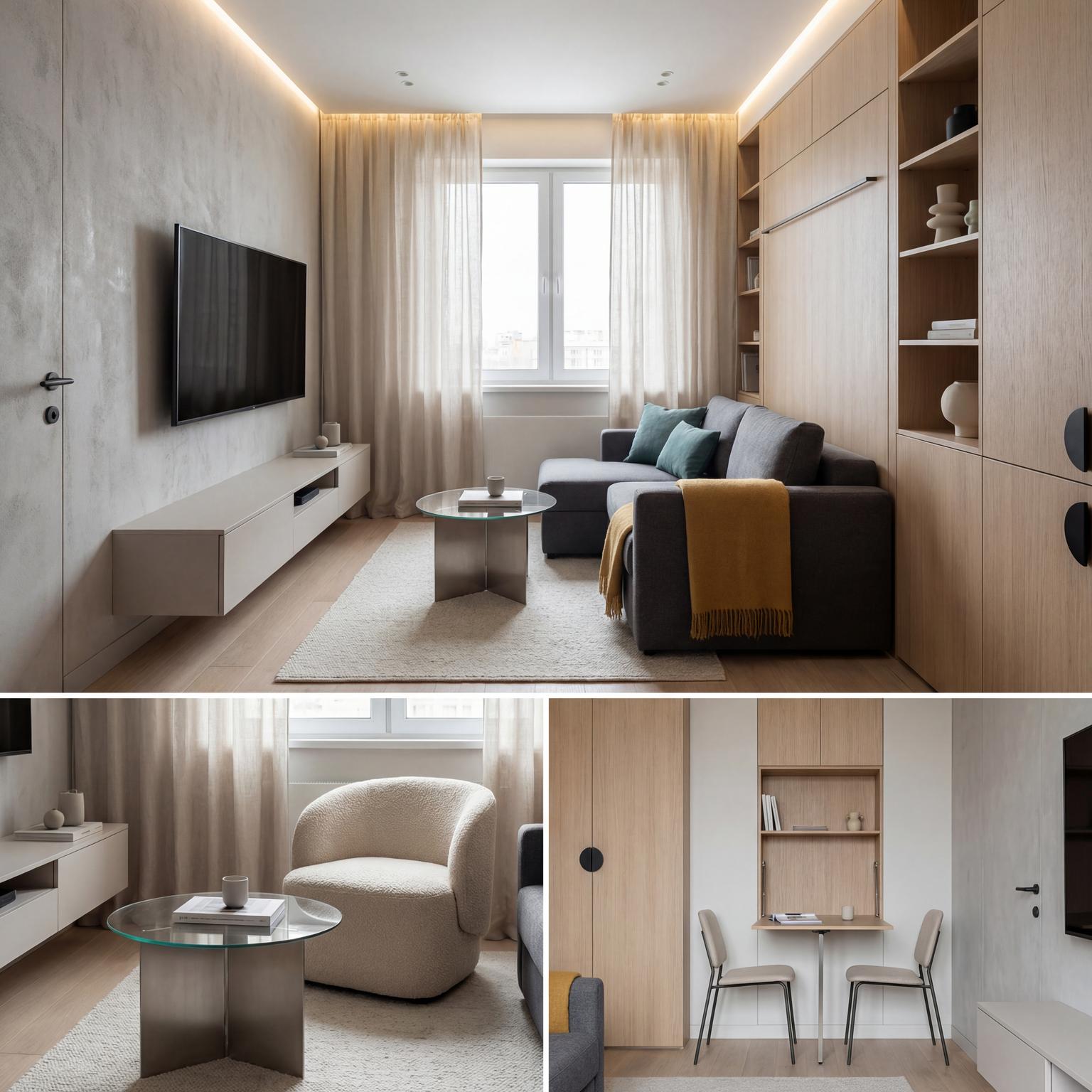
Compact Modern Minimalist Living Room layers minimalist restraint, layered neutrals and natural light in a living room setting.
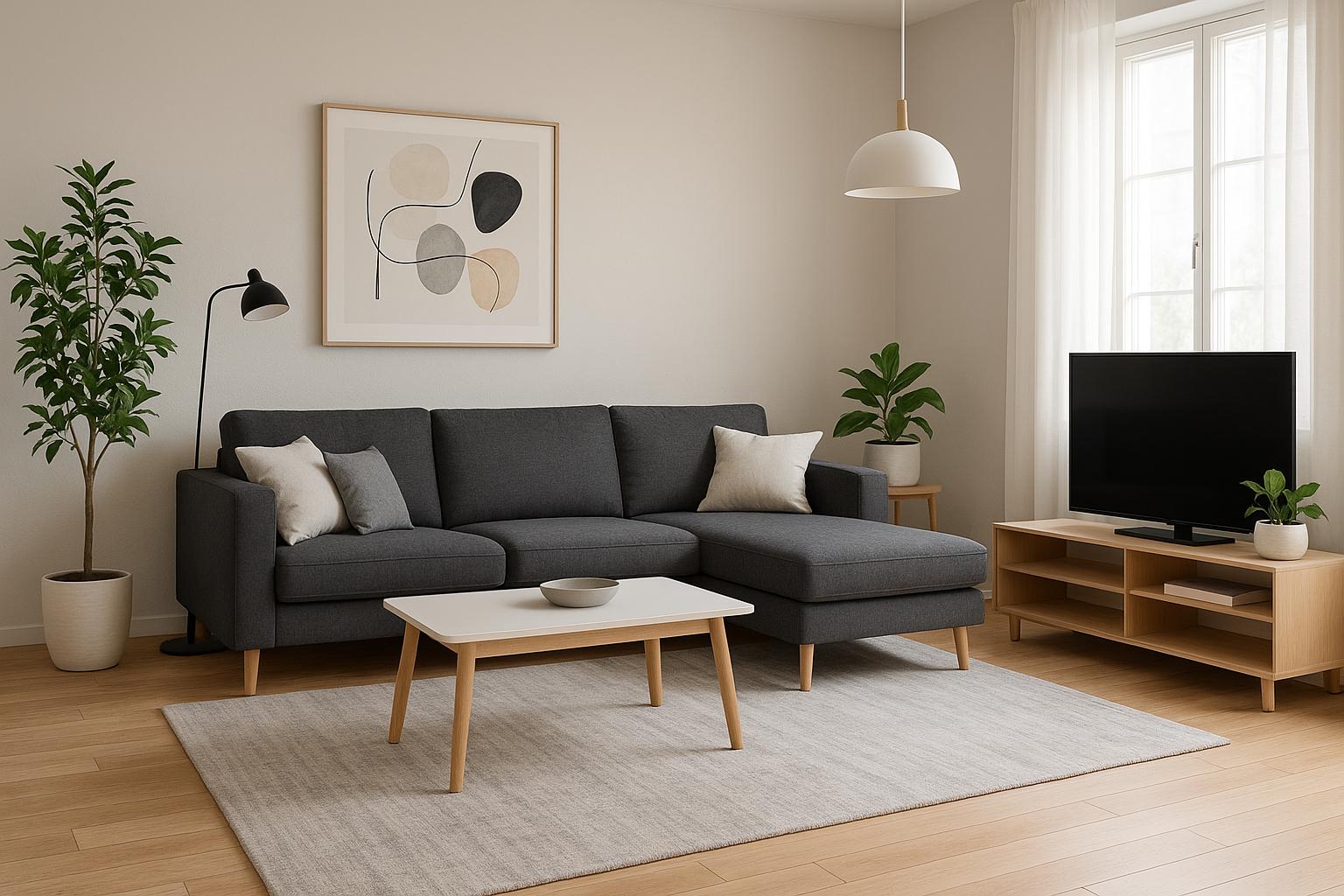
Modern Scandinavian Living Room Design anchors minimalist restraint, warm wood and clean-lined furniture in a living room setting.
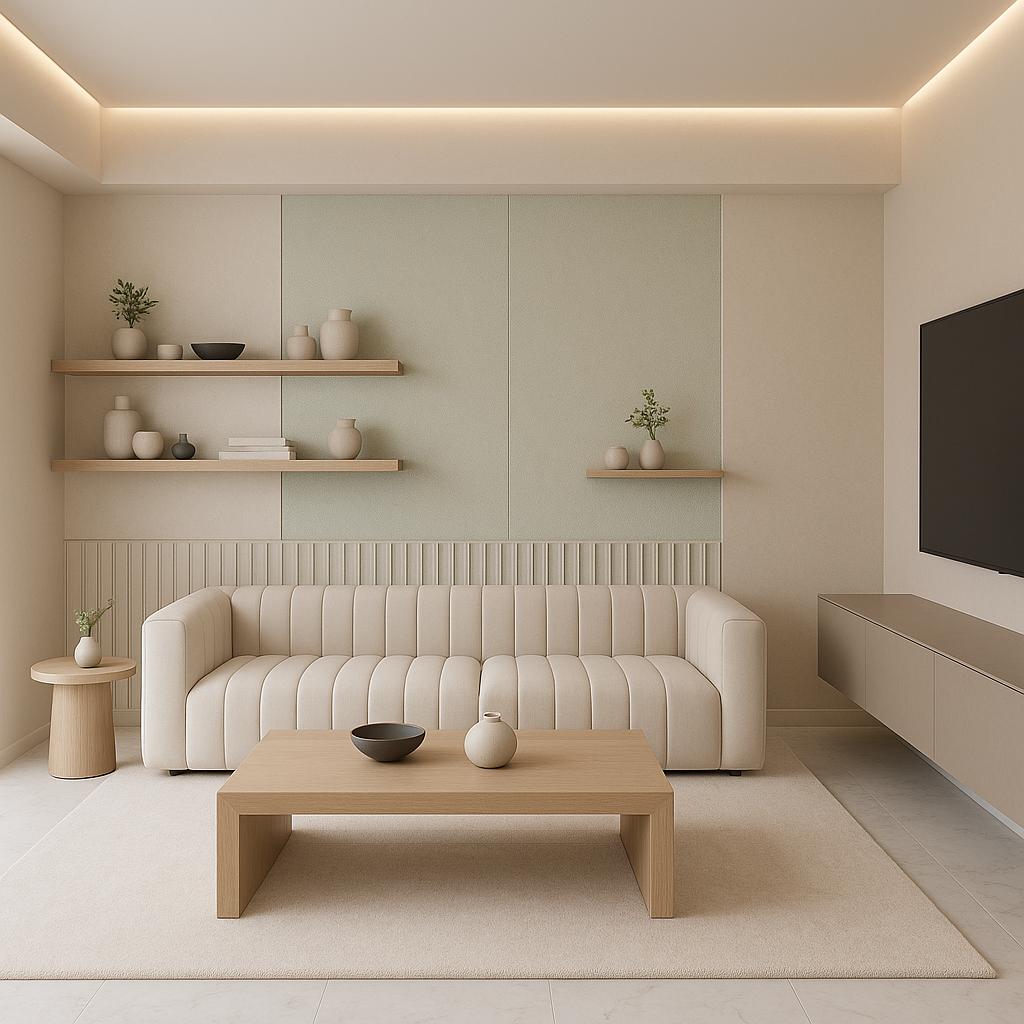
Modern Minimalist Living Room Design softens minimalist restraint, warm wood and soft textiles in a living room setting.
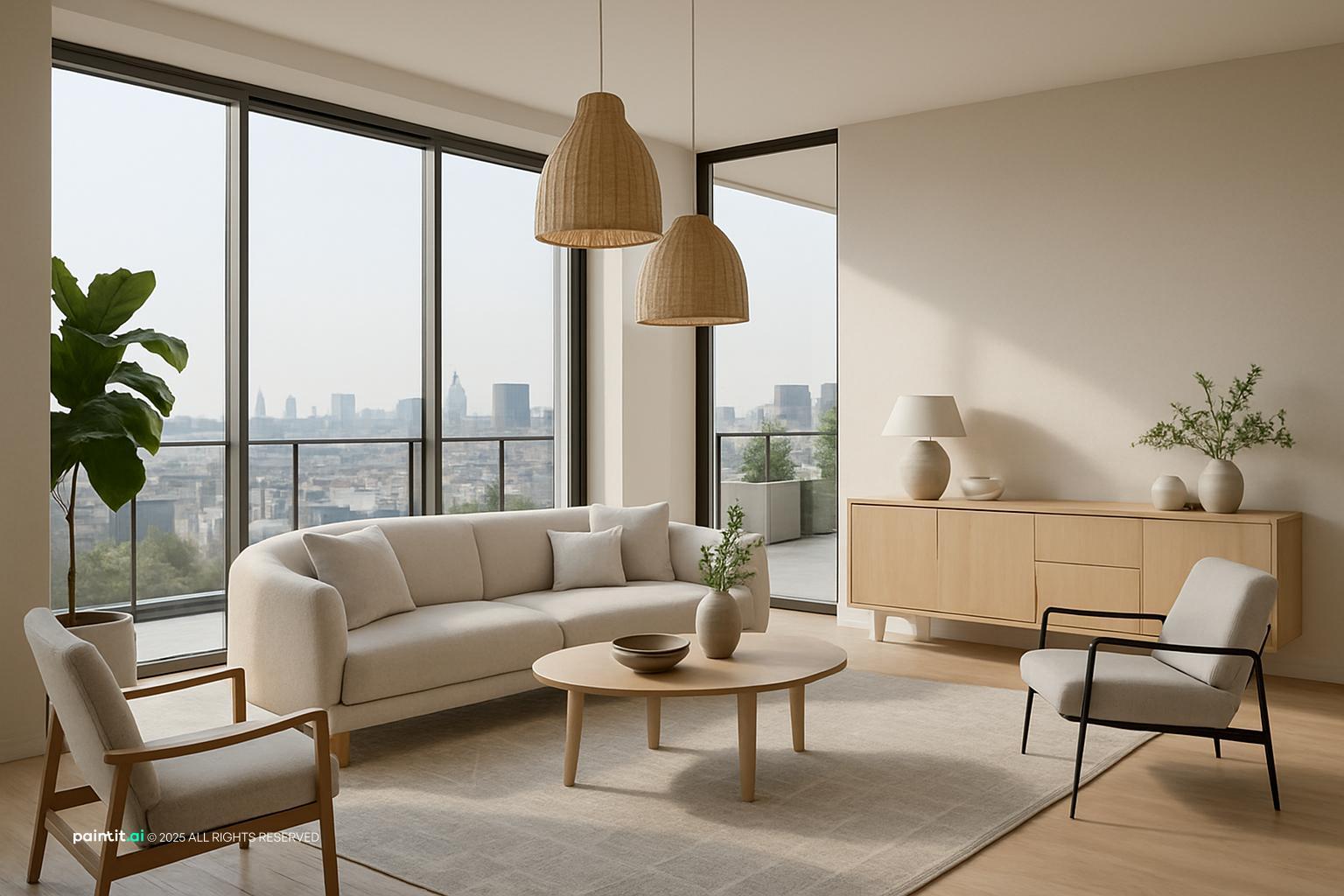
Luxury Scandinavian Living Room with City Views uses minimalist restraint, soft textiles and clean-lined furniture in a living room setting.
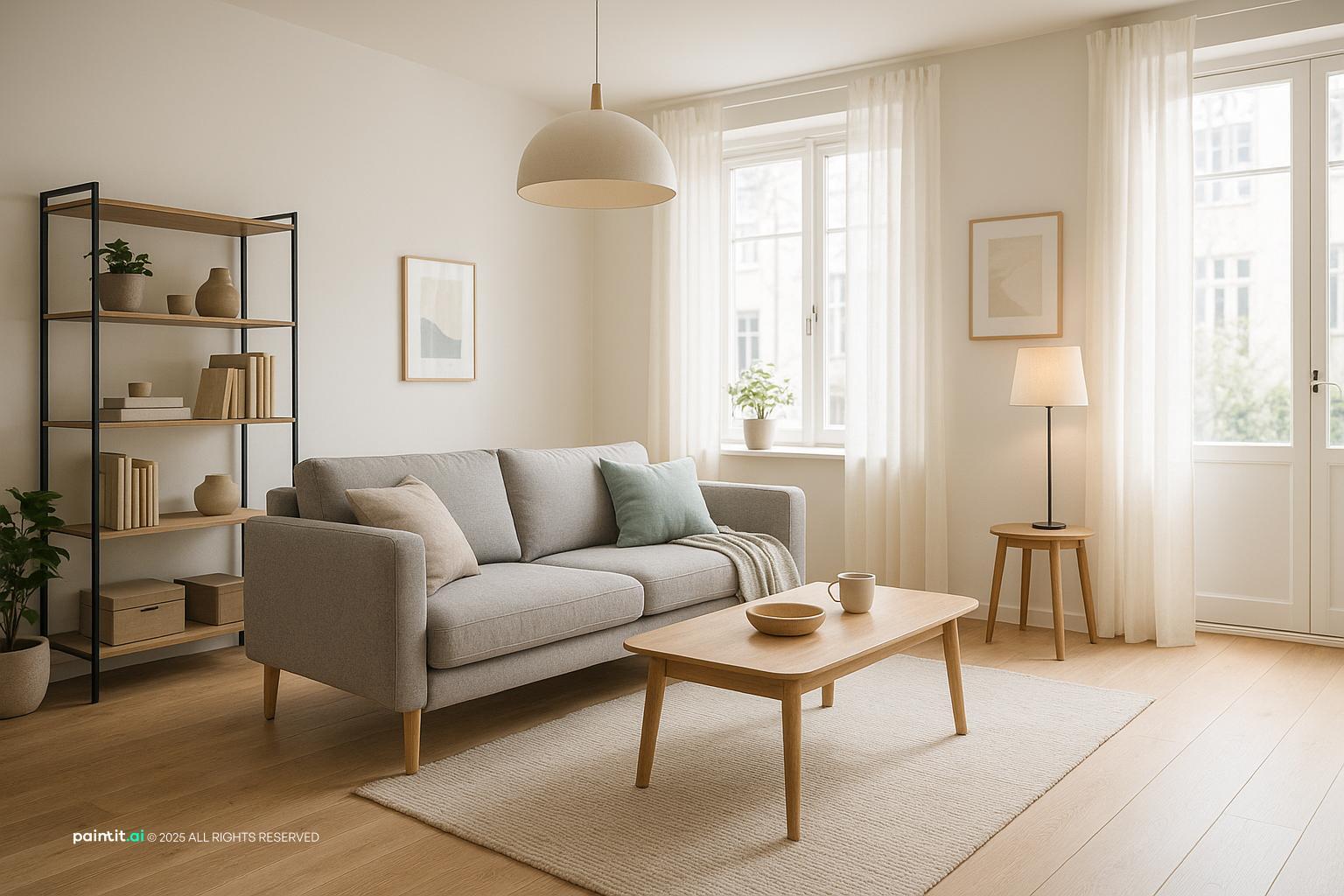
Scandinavian Style Living Room Design balances minimalist restraint, soft textiles and layered neutrals in a living room setting.
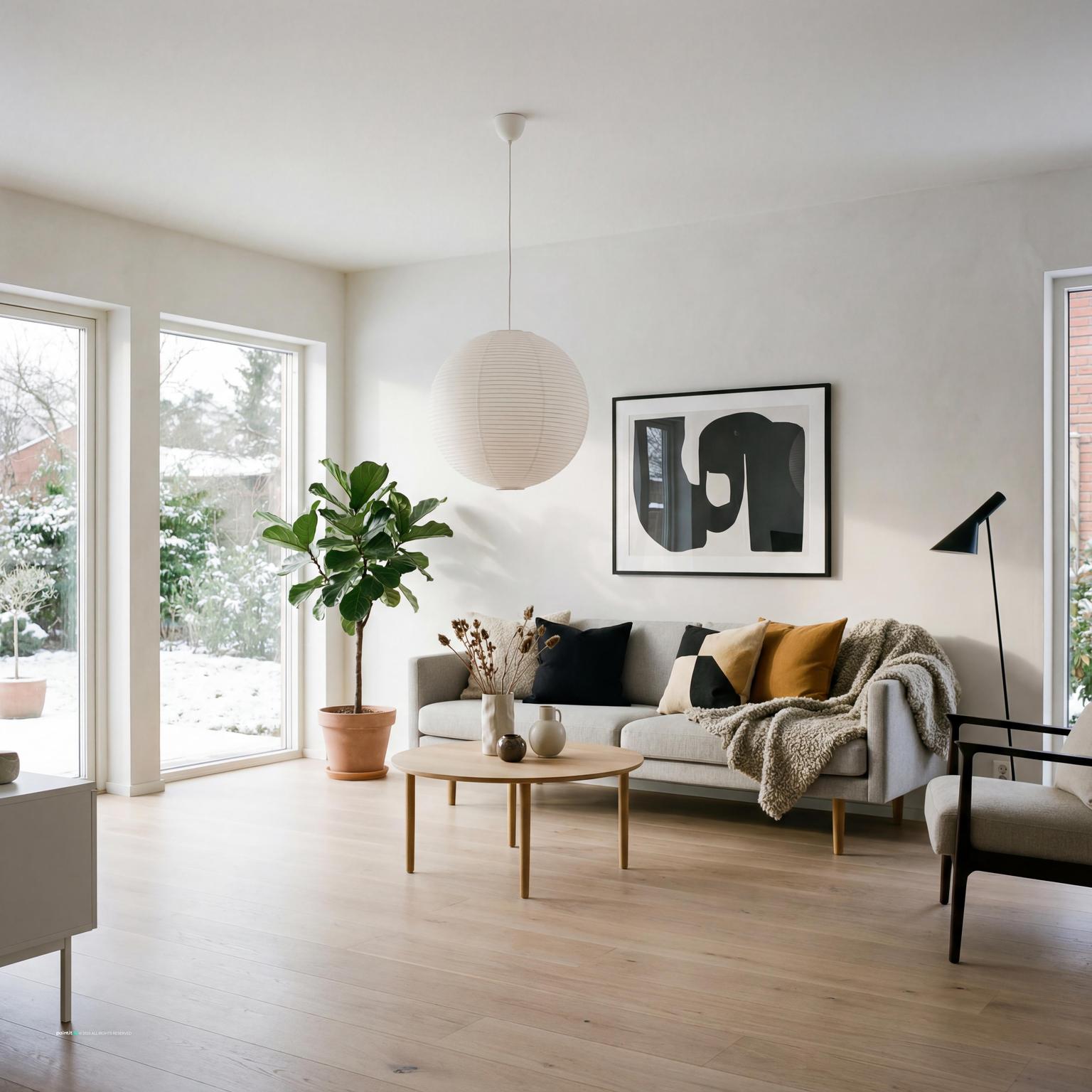
Stunning Scandinavian Living Room Design with Minimalist Restraint pairs minimalist restraint, warm wood and soft textiles in a living room setting.
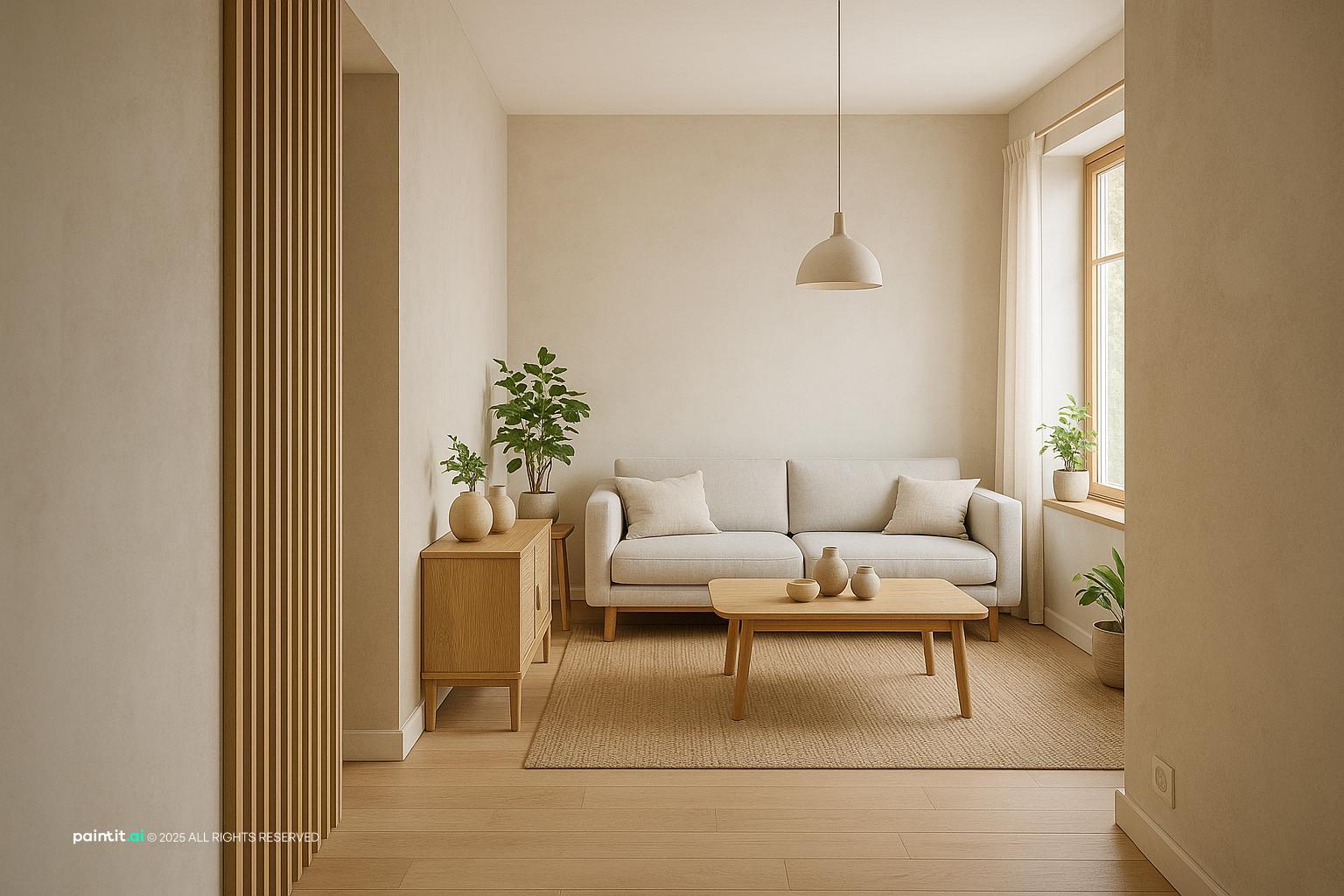
Minimalist Living Room Ideas with Minimalist Restraint and Warm Wood layers minimalist restraint, warm wood and clean-lined furniture in a living room setting.
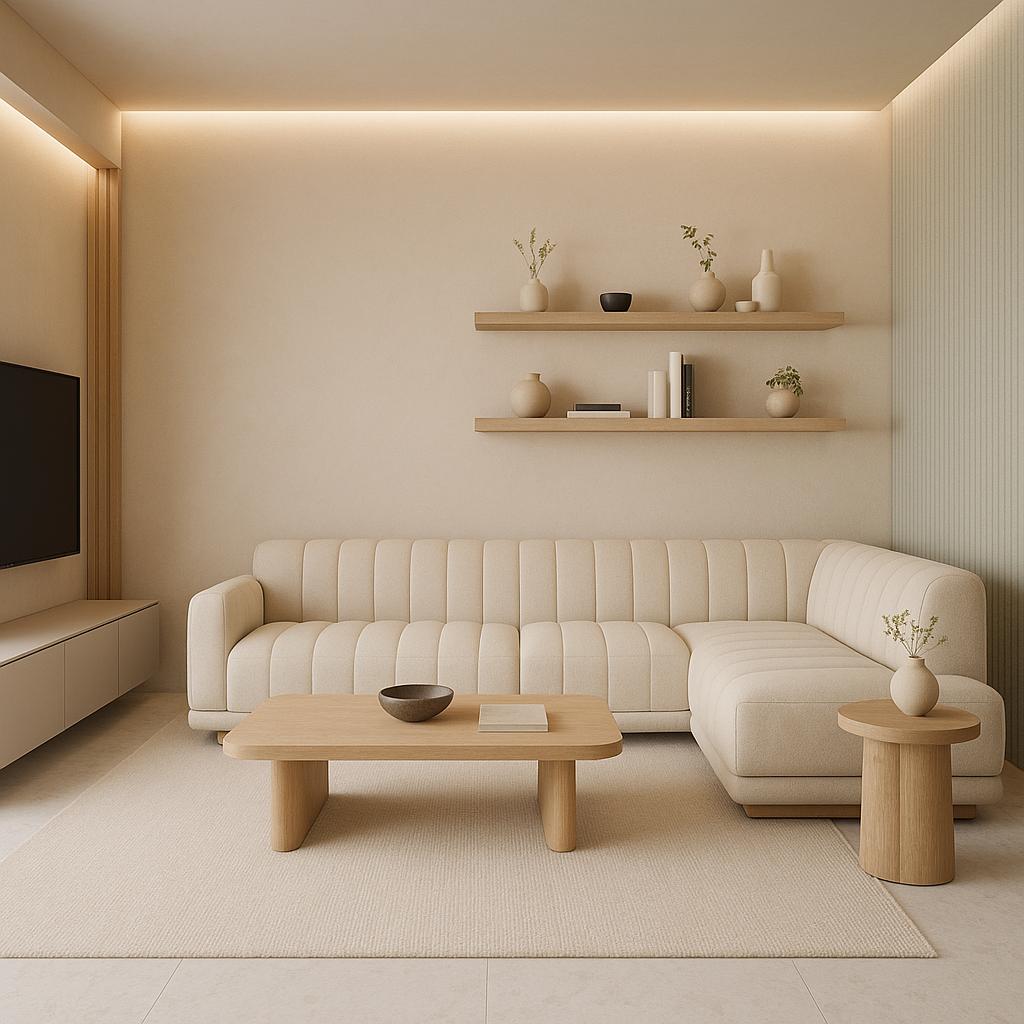
Modern Minimalist Living Room with Japandi Flair anchors minimalist restraint, warm wood and soft textiles in a living room setting.
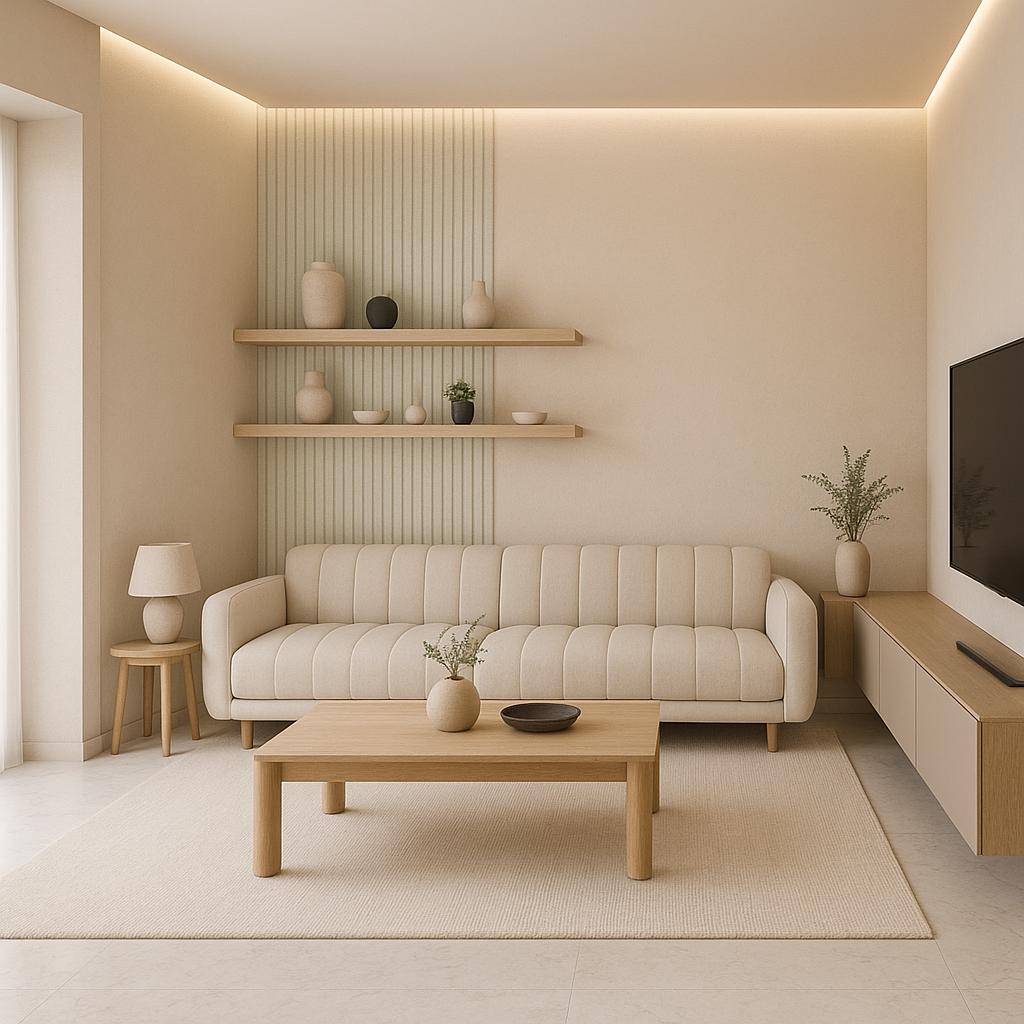
Minimalist Japandi Living Room Design softens minimalist restraint, warm wood and soft textiles in a living room setting.
Choose the main use of the room before buying anything: conversation, TV, reading, hosting, or a mix. A minimalist living room gets confusing when the sofa faces one way, the chairs point somewhere else, and the coffee table floats in the middle with no clear relationship to either. Keep the main seating pieces close enough for conversation, with the coffee table within easy reach from the sofa.
Why it works: one clear seating zone makes the room feel designed even when the furniture is simple. The common mistake is pushing small pieces around the walls because they look “light.” In practice, that often leaves dead space in the center and makes the room less comfortable.
A simple sofa is usually the anchor of minimalist living room furniture. Look for clean arms, a low-to-medium back, and a depth that fits the room. In a narrow living room, a deep lounge sofa can steal the walking path even if its shape is minimal. In a larger room, a sofa that is too slim can look temporary, like it is waiting to be replaced.
Choose upholstery that supports the palette: oatmeal linen, warm gray wool blend, soft ivory performance fabric, or charcoal if the room has strong natural light. If the sofa is the largest object in the room, keep its lines quiet and let texture do the work.
Do not begin by removing everything. Start with one keep piece: a sofa you love, an architectural fireplace, a built-in shelf, a vintage chair, or a solid wood coffee table. Then remove what competes with it. Paintit.ai data shows that 12.0% of prompts include “keep” or “don’t change” modifiers, while 8.8% include negatives such as “without” or “no clutter.” That tension is exactly how real rooms improve.
A practical edit could sound like this: keep the sectional, remove the small side tables, replace open clutter with closed storage, and simplify the wall art. The catch is sentiment. If you keep five sentimental pieces that all demand attention, the room loses hierarchy. Minimalism needs a clear lead actor and a quieter supporting cast.
Negative space is the blank wall, open floor, or quiet corner that lets the eye rest. It should look intentional, not like you ran out of furniture. Leave a clear border around major pieces, avoid filling every shelf, and allow at least one wall area to stay mostly empty. In a room with a strong window or fireplace, the open space around it can be part of the composition.
When people upload a small minimalist living room, the weak spot is often not the style. It is crowding. Too many “simple” pieces still create visual noise. Use fewer objects, but give each one enough room to read.
Minimalist rooms fall apart quickly when everyday items have nowhere to go. Remote controls, chargers, toys, blankets, game controllers, mail, dog leashes, and pet supplies need a real destination. A closed media console, storage ottoman, lift-top coffee table, or built-in cabinet will do more for the room than another decorative tray.
For a small minimalist living room, hidden storage is often the difference between clean and constantly messy. Choose pieces that meet the wall cleanly or float neatly above the floor so the room still feels light. Be careful with open baskets everywhere. They can become clutter in softer packaging.
A minimalist rug should support scale and warmth without taking over. In most living rooms, the front legs of the sofa and chairs should sit on the rug, or the entire seating group should fit on it if the room is large. A rug that is too small makes the furniture look disconnected, even when every piece is attractive.
Choose a flatweave, low-pile wool, subtle bouclé texture, or tonal pattern. If you want contrast, get it from texture rather than a loud graphic. The rug edge should organize the layout, not become the loudest design decision in the room.
Neutral colors are common in minimalist rooms, but one shade of white across every surface can look harsh. Build a palette from three related tones: warm white walls, greige upholstery, and light oak furniture, for example. Then add one grounding shade such as soft black, clay brown, muted olive, or charcoal.
Paintit.ai prompt data shows that “color” is the most popular modifier, appearing in 27.6% of prompts. That matches what we see in uploaded rooms: the palette is often the first thing people notice, and the first thing that makes a room feel wrong. For modern minimalist living room ideas, color should be restrained, but the undertones still need to agree.
A clean room can feel cold if every surface is painted, polished, or synthetic. Natural materials give minimalism a human texture: oak, ash, walnut, linen, wool, rattan, leather, travertine, or matte ceramic. Use them in controlled doses instead of scattering too many finishes around the room.
Why it works: material variation creates depth without clutter. A wood coffee table, wool rug, and linen curtains can make a sparse layout feel finished. What usually goes wrong is mixing too many wood tones without a plan. Two woods are usually easier to control than four.
A ceiling light alone will flatten a minimalist room. Add at least three lighting points: overhead or recessed ambient light, a floor lamp near the sofa, and a table lamp or wall sconce for evening. Warm bulbs can soften white walls and pale upholstery without adding more objects.
We’ve noticed that successful cozy minimalist living room refinements often happen after the basic layout is set. People ask for “now make it warmer” or “a bit softer,” which fits our data showing 15.0% of prompts use refinement language. Lighting is one of the easiest second-step improvements, and it is also one of the most under-specified details; only 5.9% of prompts include lighting modifiers.
Minimalist living room decor does not mean every wall needs art. Pick one wall to carry the main visual focus: a single large artwork, a low media unit, a fireplace composition, or a built-in shelf with a careful edit. Then keep the other walls quieter.
This creates a useful rhythm between focus and rest. Avoid placing small frames, shelves, mirrors, and plants on every wall. Even if each item is tasteful, the total effect can still feel busy.
Functional decor earns its place. A good floor lamp, a ceramic bowl for keys, a sculptural side table, a woven tray for remotes, or a heavy linen throw can add character while solving a need. The goal is not to erase personality. It is to remove objects that do not support the room.
A useful test is to ask: does this item help with comfort, light, storage, acoustics, or proportion? If not, it should be strong enough to justify the space it occupies. Minimalist decorating is selective, not empty.
Clean lines are part of the minimalist language, but too many rectangles can make the room stiff. Use one or two curved forms: a round coffee table, arched floor lamp, oval mirror, rounded lounge chair, or soft-edge side table. If you like this warmer direction, organic minimalism and curved furniture can soften the room while keeping the layout restrained.
What to avoid is adding curves everywhere. One curved piece can relieve the geometry. Five can blur the design. Keep the main silhouettes simple and let curves act as a counterpoint.
Minimalism is as much about movement as appearance. Make sure people can walk from the doorway to the sofa, window, balcony, kitchen, or hallway without sliding around furniture. In many rooms, 30 to 36 inches of clearance is a comfortable target for main paths, though older homes often require compromise.
To visualize how your current space handles a decluttered layout, AI living room design tools can help you test furniture scale before committing. What to avoid is styling the room beautifully from one camera angle while the real route through the space feels awkward.
A strong minimalist room usually develops through editing. First, set the seating plan. Next, remove visual clutter. Then choose a palette, add storage, adjust lighting, and finish with a few objects. This keeps you from buying decor to solve a layout problem.
A structured approach, similar to how to redesign a living room with Paintit.ai, helps protect the room’s best existing features while simplifying the rest. Use categories like KEEP, REMOVE, MATERIALS, and LIGHTING. They sound basic, but they prevent vague decisions. If you want to test the broader room direction first, an AI room design workflow can help you compare layout, materials, and mood before you move furniture.
The second gallery helps you compare how the same minimalist principles change by room size and mood: warmer wood-and-linen rooms, sharper modern spaces, compact apartments with storage walls, and softer rooms that use texture instead of extra decoration.
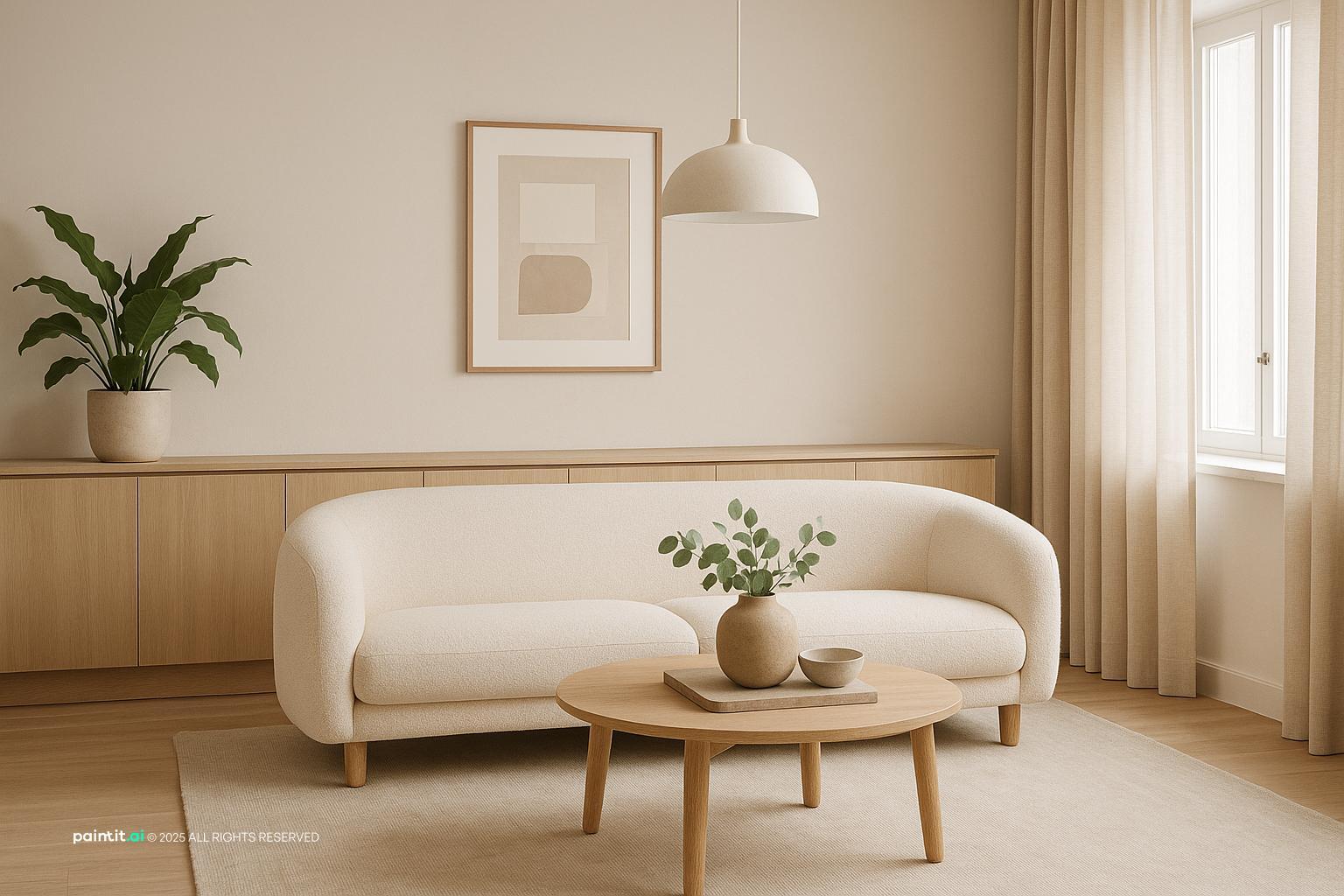
Minimalist Living Room Ideas with Minimalist Restraint and Soft Textiles uses minimalist restraint, soft textiles and plants and greenery in a living room setting.
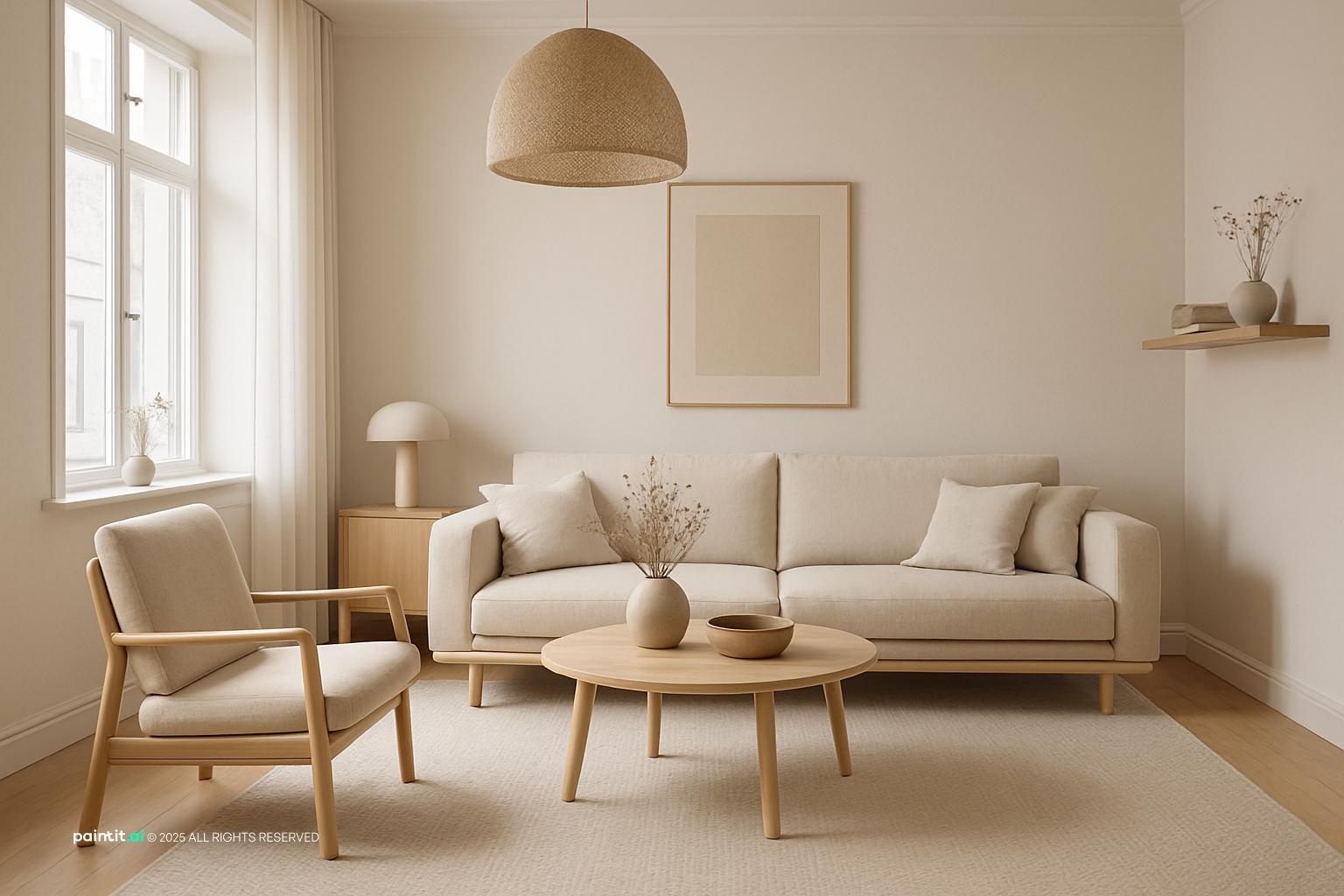
Minimalist Living Room Ideas with Minimalist Restraint and Clean-lined Furniture balances minimalist restraint, clean-lined furniture and layered neutrals in a living room setting.
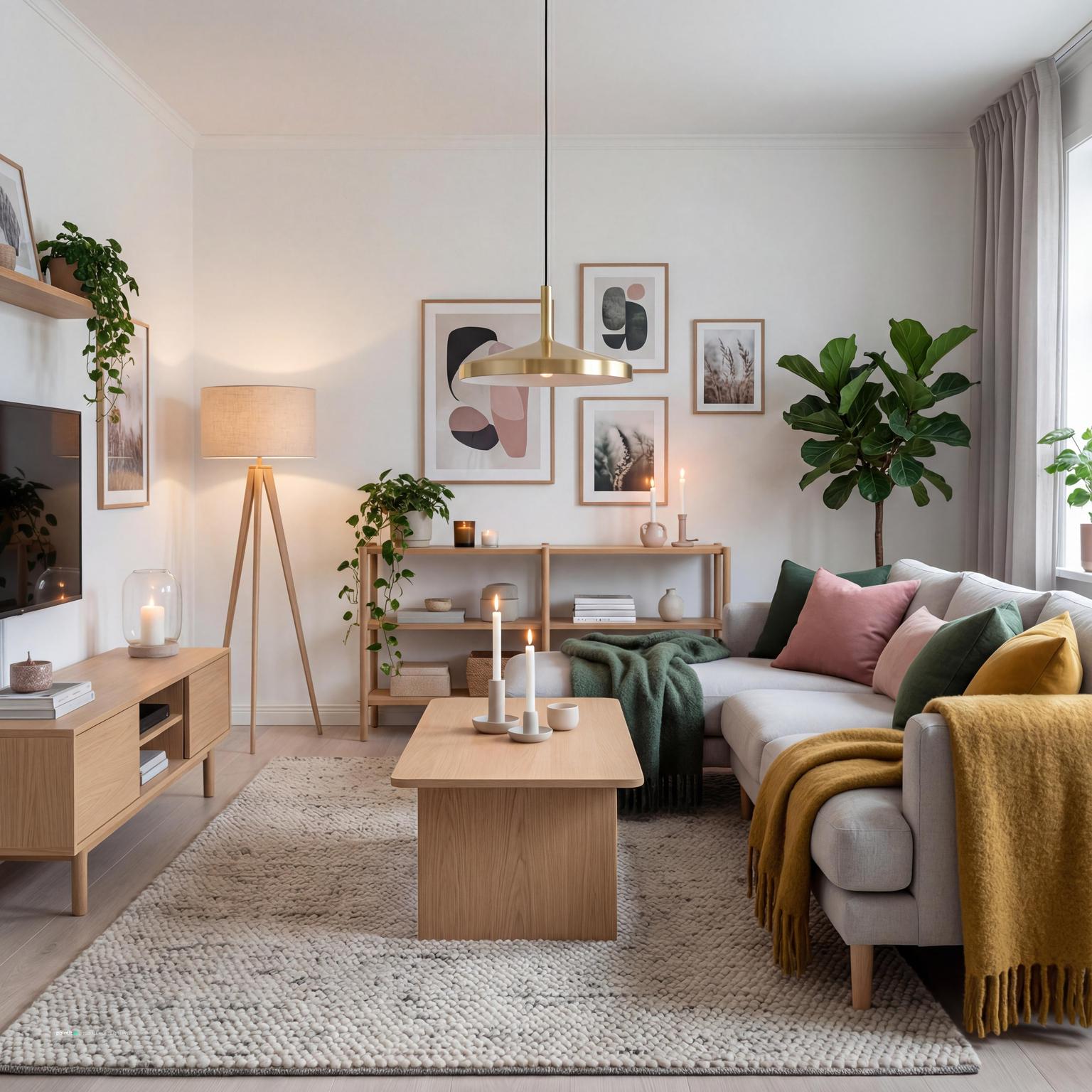
Cozy Scandinavian Living Room with Color Accents pairs minimalist restraint, warm wood and soft textiles in a living room setting.
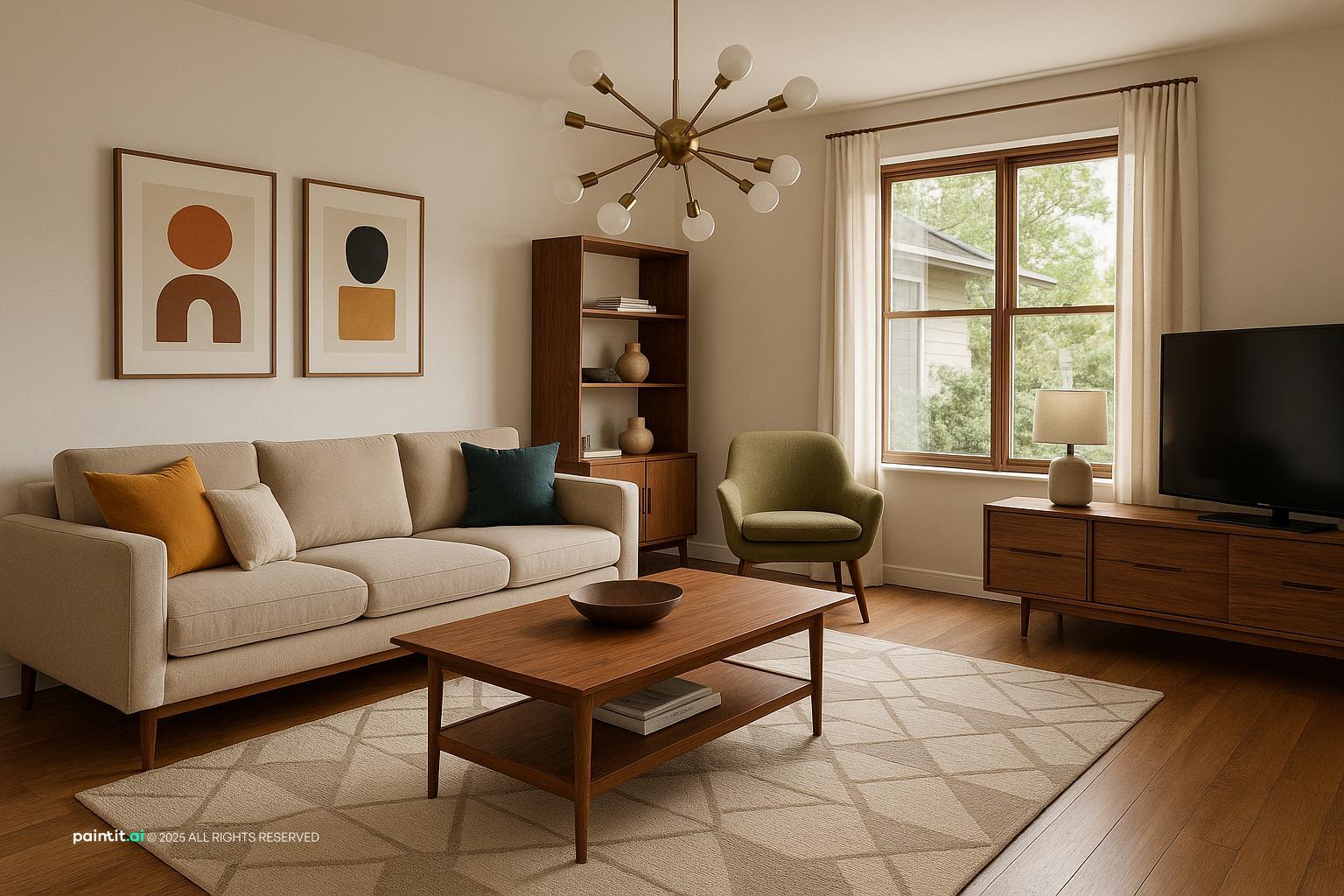
Stylish Mid-Century Modern Living Room Design layers minimalist restraint, warm wood and clean-lined furniture in a living room setting.
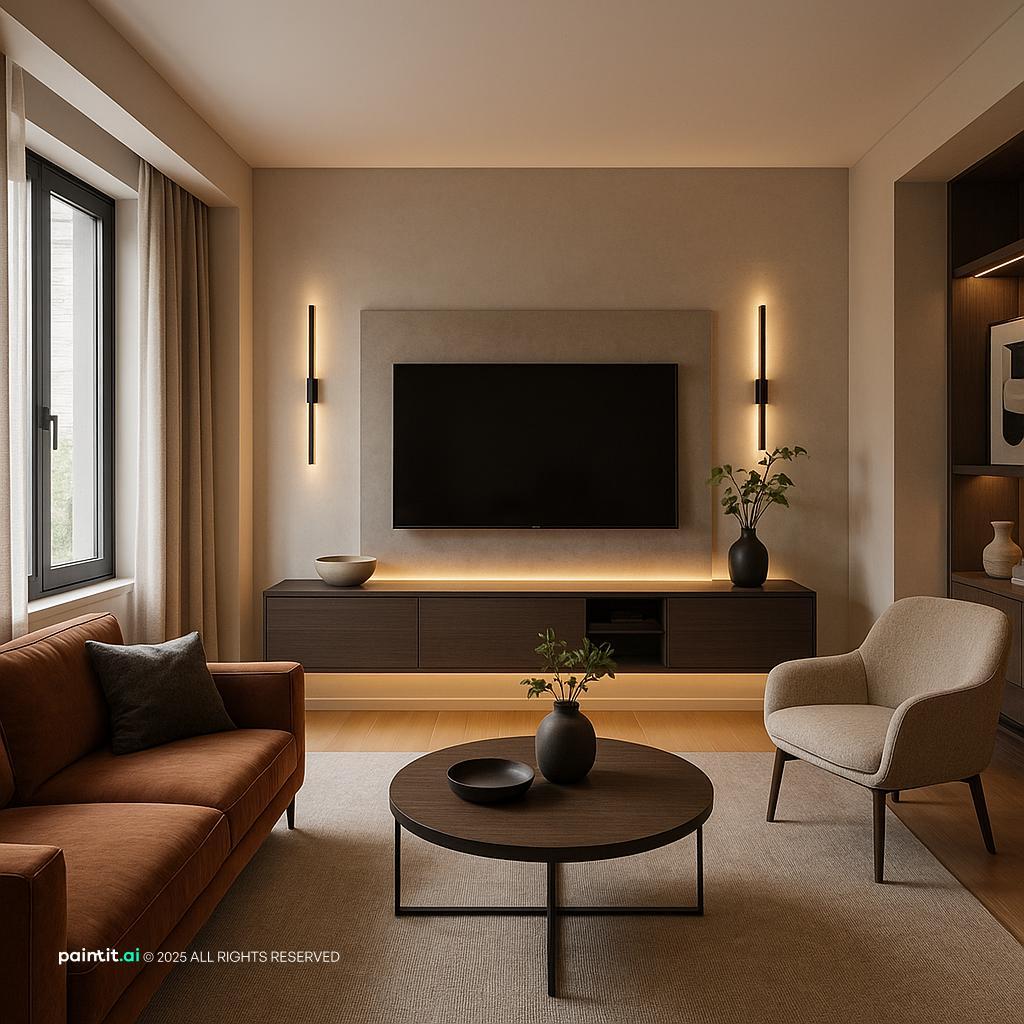
Modern Living Room Design Inspiration anchors minimalist restraint, clean-lined furniture and plants and greenery in a living room setting.
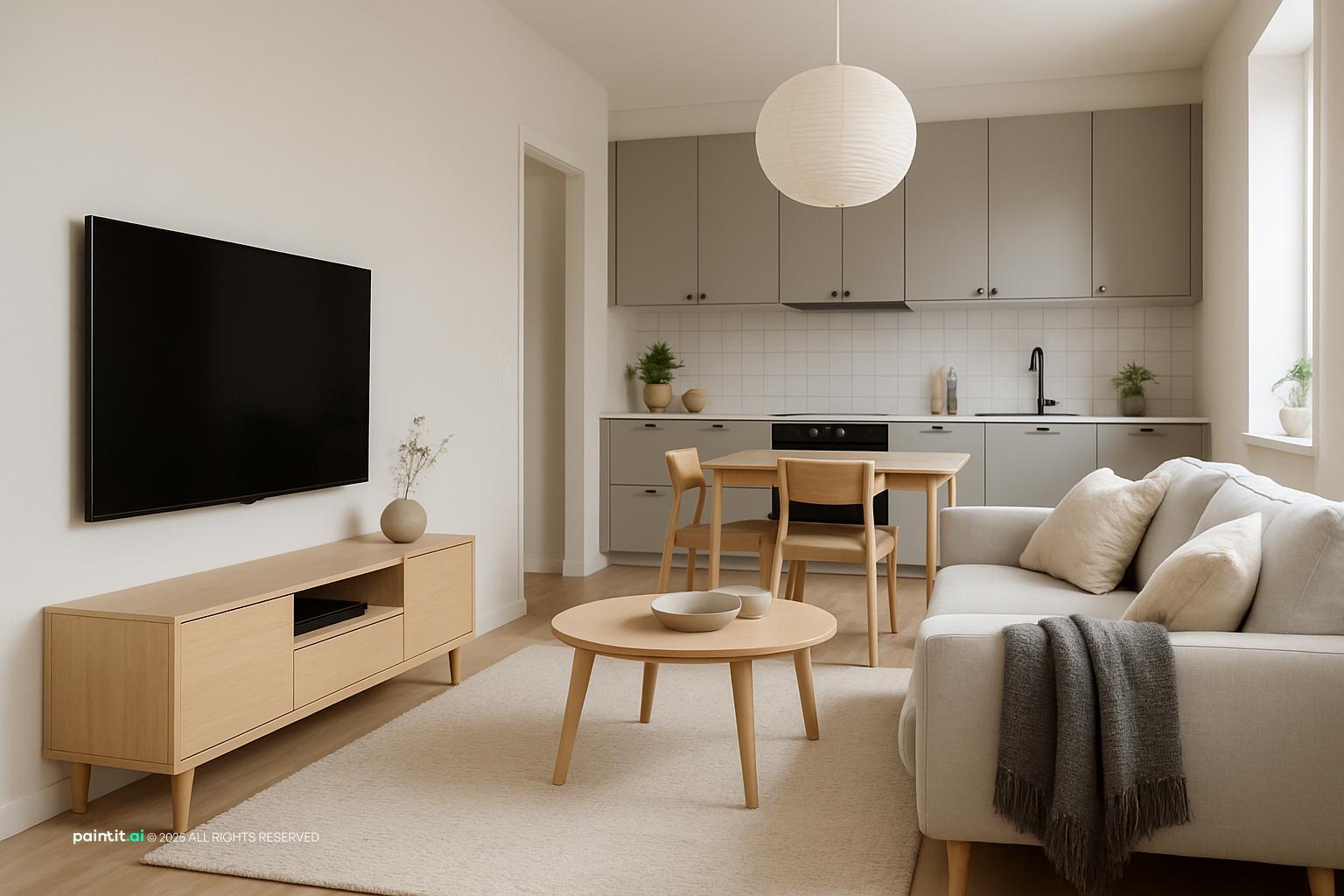
Minimalist Living Room Ideas with Minimalist Restraint and Clean-lined Furniture with Layered Neutrals softens minimalist restraint, clean-lined furniture and layered neutrals in a living room setting.
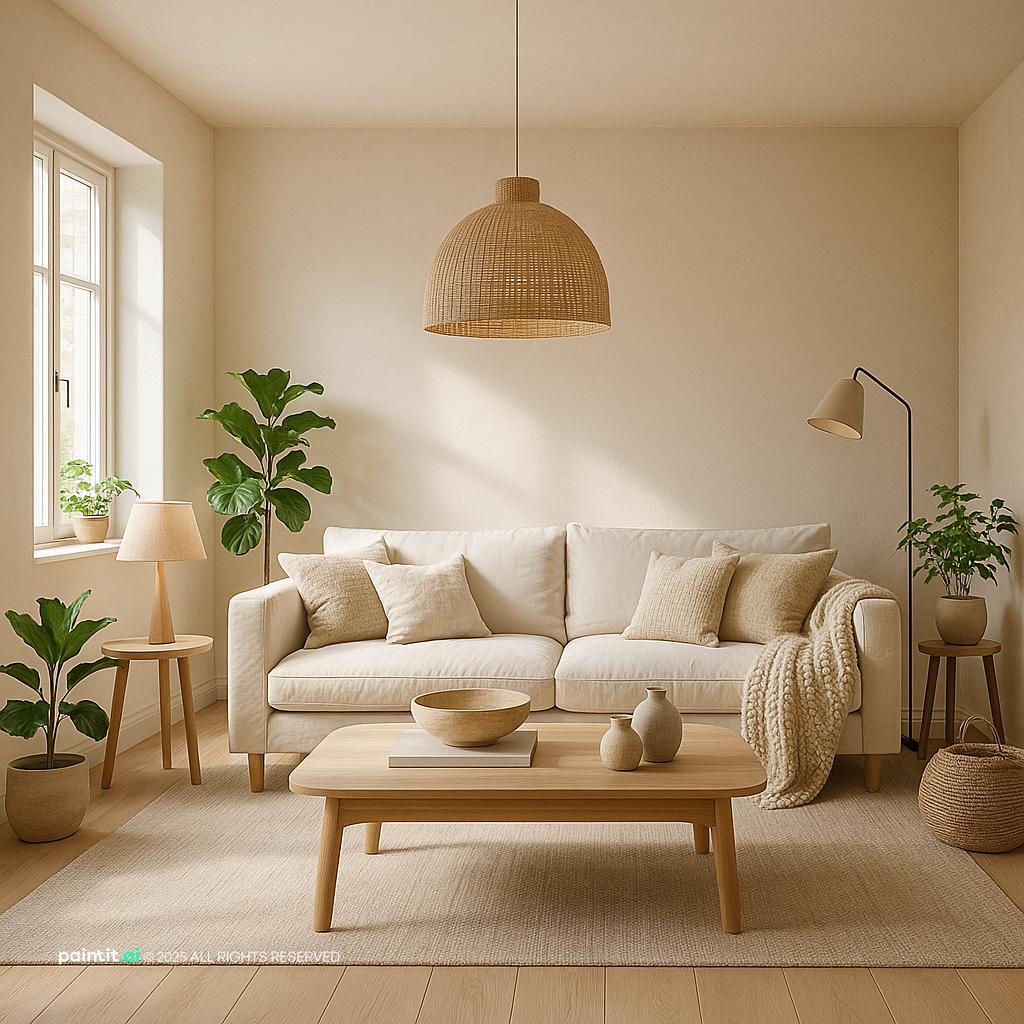
Modern Scandinavian Warm Living Room Design uses minimalist restraint, soft textiles and clean-lined furniture in a living room setting.
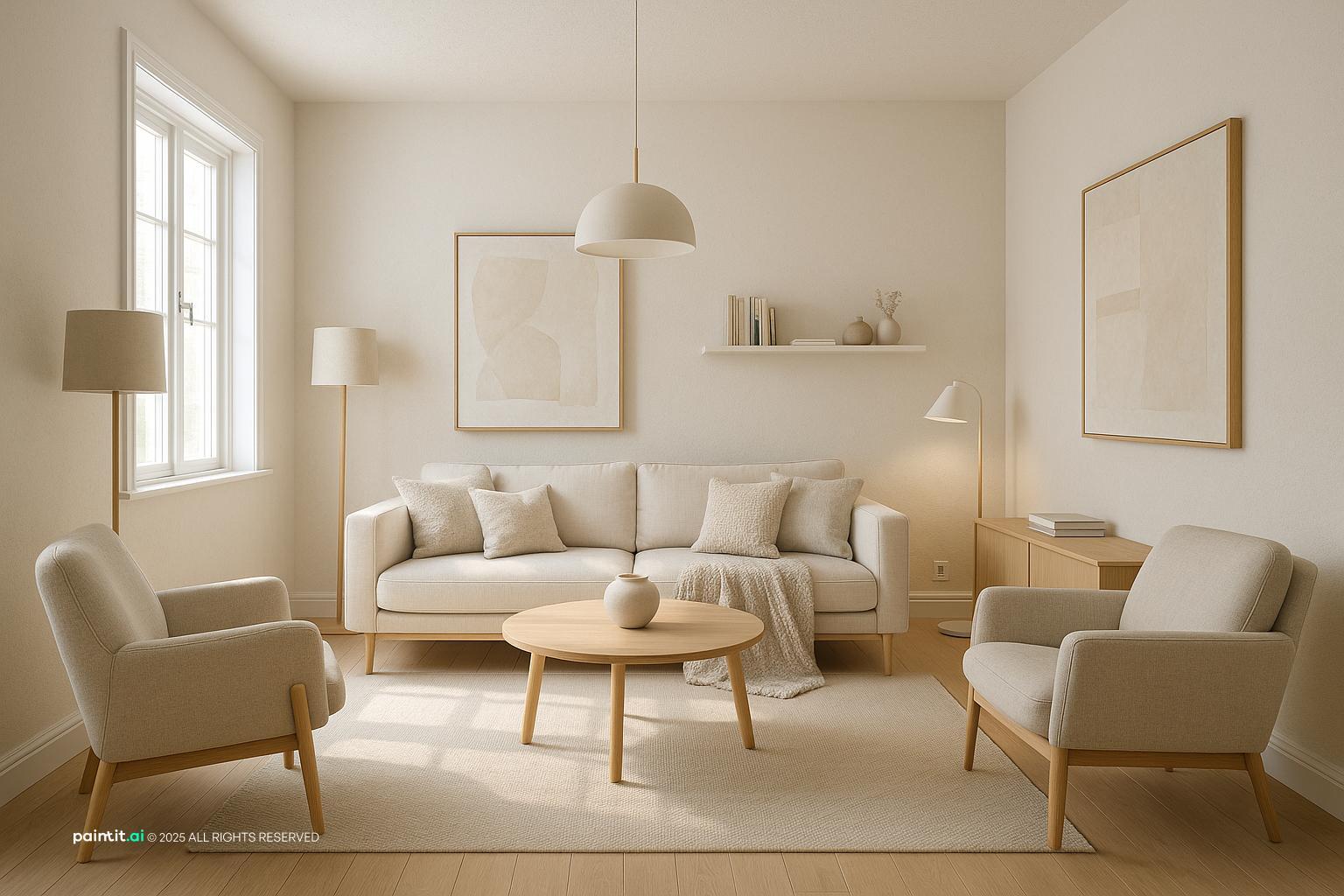
Cozy Scandinavian Living Room Design balances minimalist restraint, soft textiles and clean-lined furniture in a living room setting.
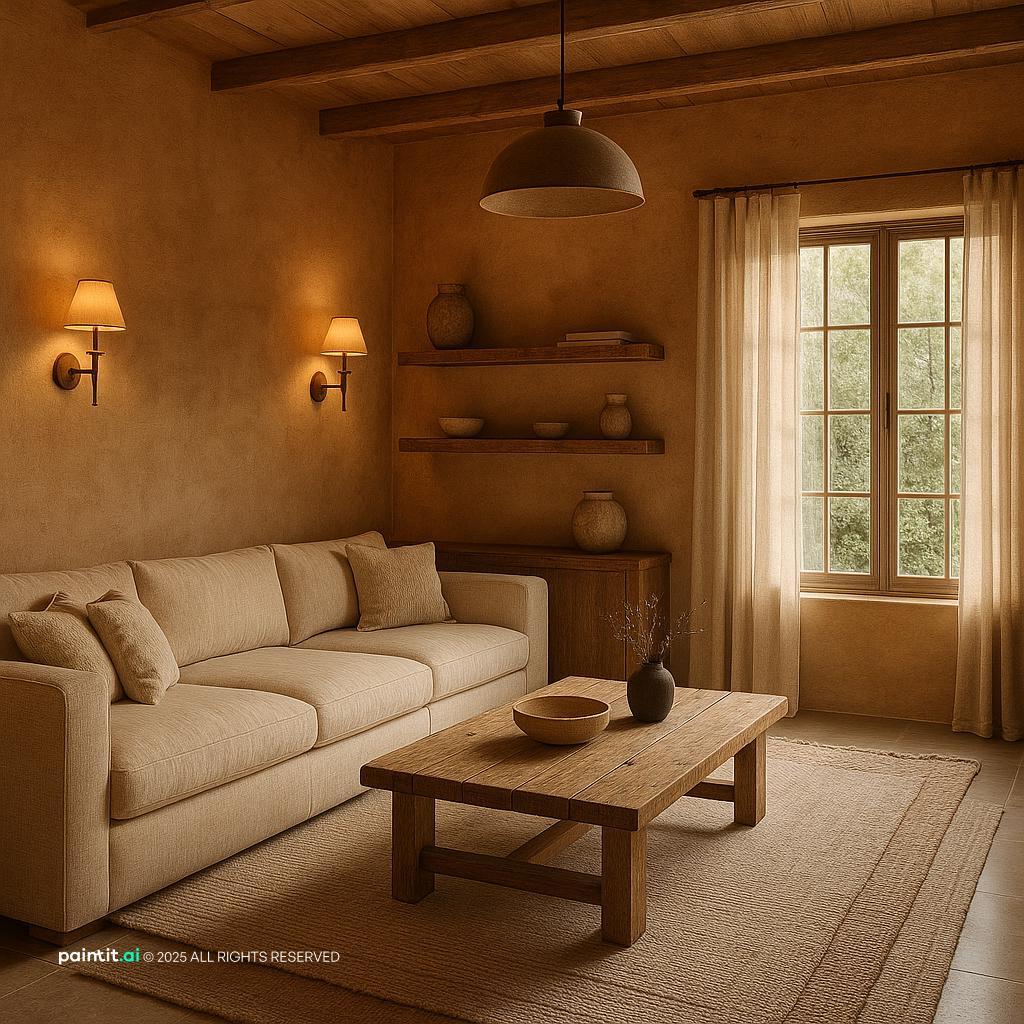
Cozy Rustic Living Room Design pairs minimalist restraint, soft textiles and natural light in a living room setting.
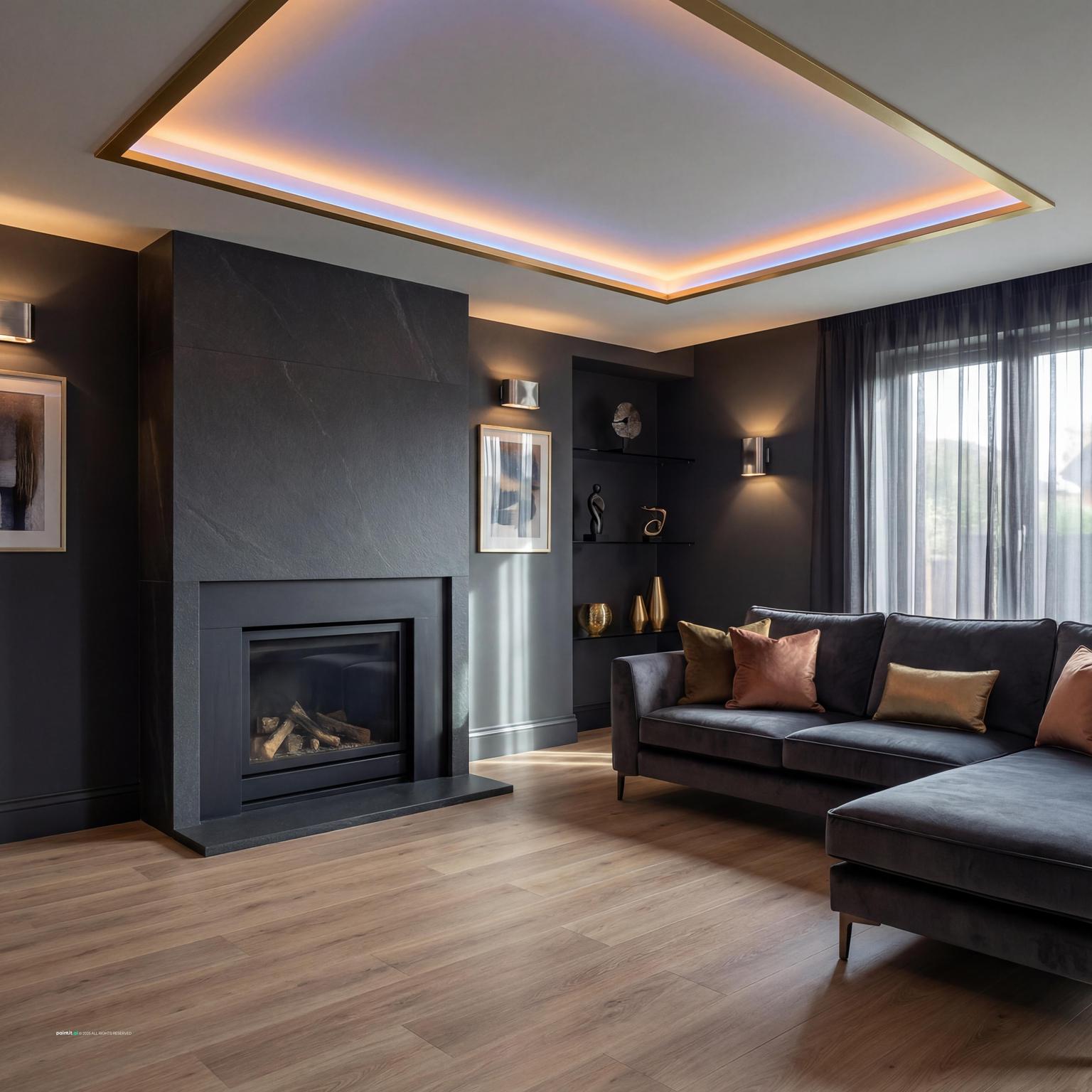
Luxury Modern Living Room Design layers minimalist restraint, soft textiles and metal accents in a living room setting.
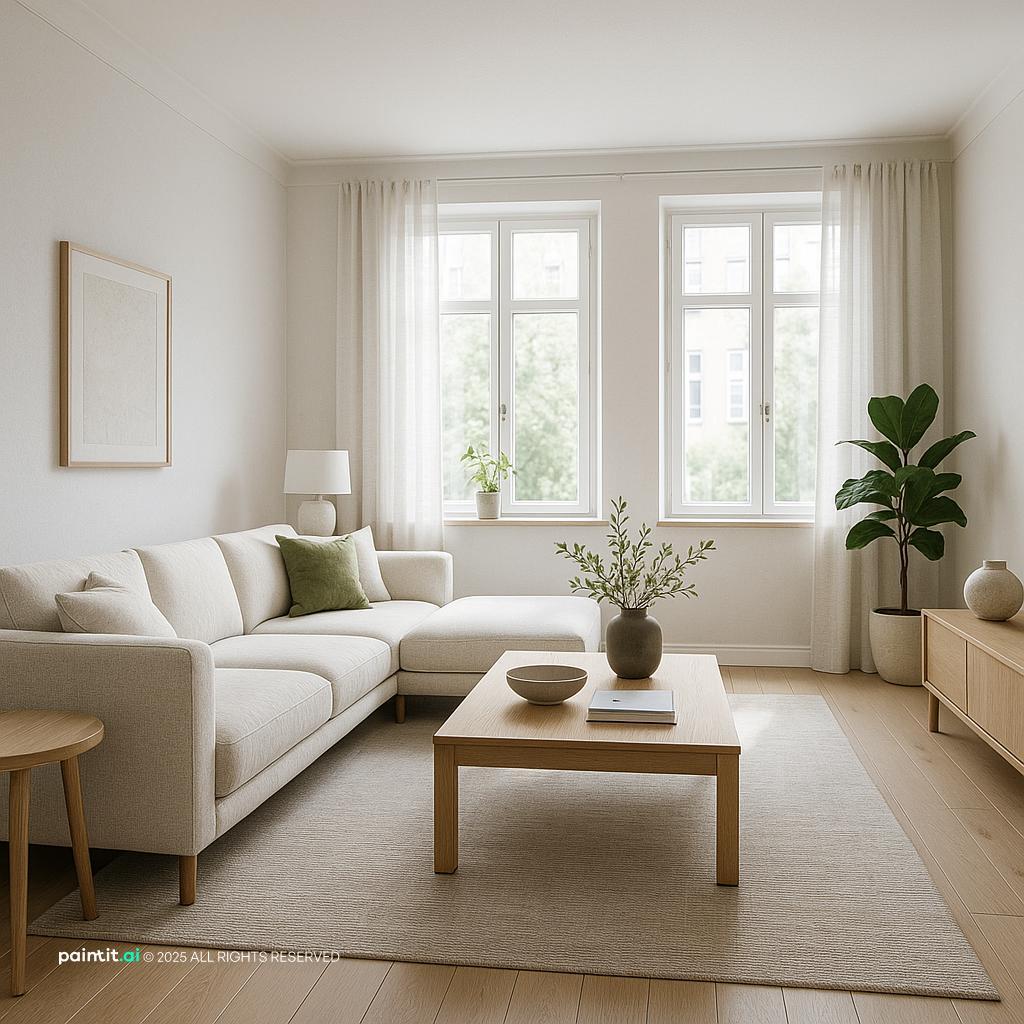
Modern Scandinavian Living Room Design with Minimalist Restraint anchors minimalist restraint and warm wood in a living room setting.
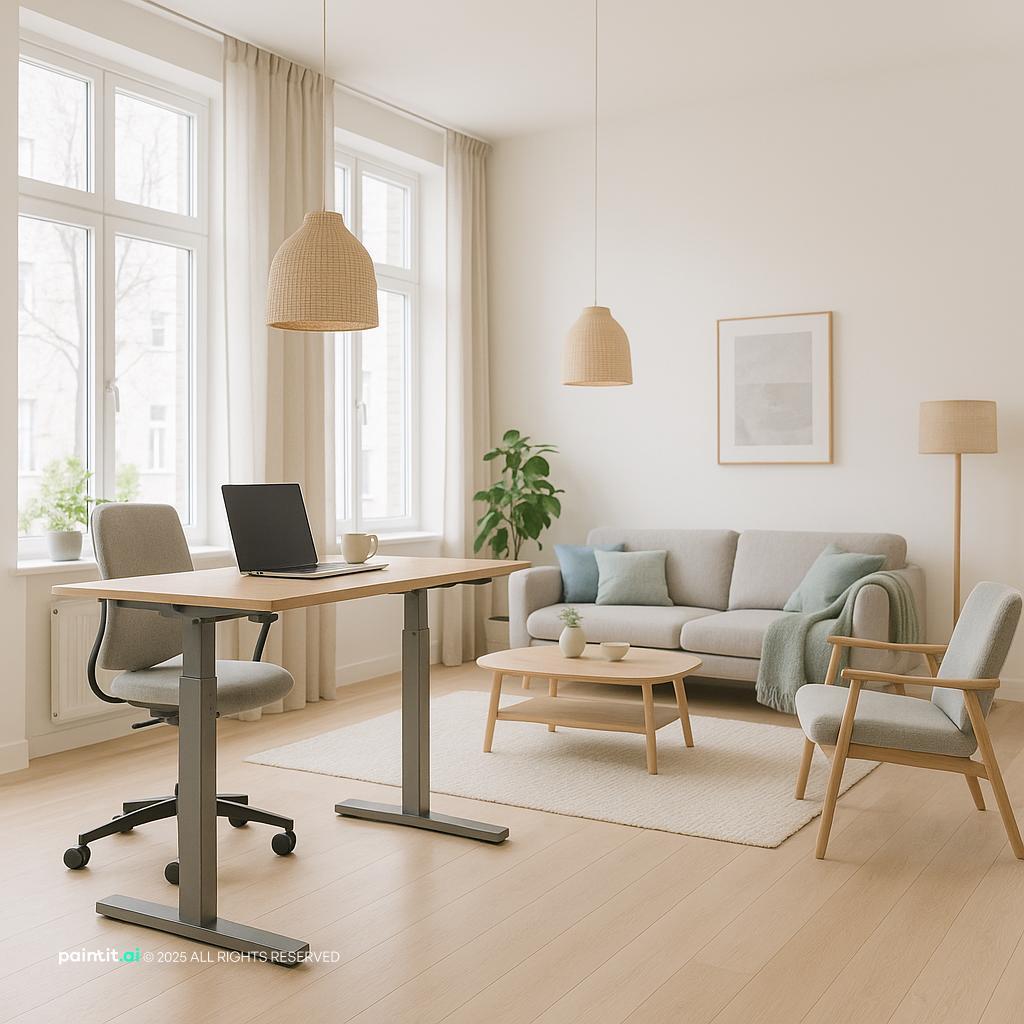
Scandinavian Contemporary Living Room Design softens minimalist restraint, soft textiles and clean-lined furniture in a living room setting.
North-facing rooms and shaded apartments can make cool whites look gray. Use warm white, mushroom, sand, stone, or pale taupe instead. These colors still support a minimalist look, but they keep the walls from feeling sterile.
Use cooler neutrals only when the room has strong daylight or warm floors to balance them. Avoid matching every surface exactly. A room with walls, sofa, rug, and curtains all in the same white can lose depth fast.
Minimalist palettes expose undertone mistakes because there are fewer distractions. If the sofa is creamy and the wall is blue-white, the mismatch will show. Compare samples in the actual room during morning, afternoon, and evening light.
A safe approach is to group warm undertones with warm undertones: oak, ivory, beige, brass, clay, and warm gray. For cooler schemes, pair pale gray, blackened steel, white oak, and stone. Avoid combining yellow beige with icy gray unless there is a deliberate bridge between them.
A minimalist room needs texture because it uses fewer objects. Try one soft textile, one natural wood, and one harder surface. For example: wool rug, light oak table, and matte ceramic lamp. Or linen curtains, walnut console, and brushed metal floor lamp.
Material prompts appear in 19.0% of Paintit.ai user inputs, which makes sense. Material is where many minimalist rooms gain personality without adding more things. Avoid glossy surfaces everywhere; too much shine creates glare and makes the room feel less relaxed.
Wood adds warmth, while metal adds definition. A light oak coffee table with black metal lamp details feels crisp. Walnut with aged brass feels warmer and heavier. White oak with brushed nickel feels quieter and cooler.
Use one dominant wood tone and one supporting metal finish. If the room already has dark floors, consider lighter furniture to reduce visual weight. Avoid mixing polished chrome, black steel, brass, and copper in one small room unless the rest of the palette is extremely controlled.
If the room is mostly fabric and pale wood, a stone side table, travertine lamp base, concrete planter, or ceramic vessel can ground the design. These pieces add quiet mass without needing pattern or bright color.
Use stone sparingly in small spaces because heavy materials can make the room feel crowded. Avoid highly veined surfaces if the rest of the design is very quiet. The pattern may become the loudest thing in the room.
Choose fewer pillows, but make them better. Two large pillows in linen or wool usually look cleaner than five small decorative cushions. Add one throw if it helps with comfort or color balance, not because the sofa looks empty.
Curtains are especially useful in minimalist rooms because they soften acoustics and vertical lines. Hang them high and let them fall cleanly. Avoid fussy headers, shiny fabrics, or short curtains that cut the wall in the wrong place.
Lighting can change the whole read of a minimalist room. Use warm white bulbs for living areas, dimmers where possible, and shaded lamps that cast light sideways instead of only downward. Wall washing can make a blank wall feel intentional rather than forgotten.
Do not rely on one bright ceiling fixture. It creates hard shadows and glare on simple surfaces. A floor lamp near the sofa, a low lamp on a console, and a subtle accent near artwork or shelving will make the room more comfortable at night.
Leave gaps between objects. On a coffee table, use one tray, one book stack, or one vessel instead of several small accents. On shelves, mix horizontal books, closed boxes, and a few sculptural pieces, but allow empty sections to remain.
I would treat every open surface as a small composition, not storage. If a surface is only half full but still useful, it reads as intentional. Tiny decor scattered across every shelf, console, and table creates more visual noise than fewer larger pieces.
Paintit.ai can help you move from a broad idea to a clearer design brief without guessing in your head. Upload your living room photo, then test versions such as “keep the sofa, remove clutter, add light oak storage, warm white walls, linen curtains, and layered lighting.” For an empty or rental space, AI virtual staging can help you compare furniture scale, hidden storage, and functional decor before ordering pieces.
For better results, think in blocks: KEEP, REMOVE, MATERIALS, LIGHTING. Professional users often structure prompts this way because it gives the room direction without losing what already works. You can start simple, then refine: “make it warmer,” “less empty,” “more modern,” or “keep the rug but simplify the media wall.”
Start with four blocks: what to keep, what to remove, which materials to use, and how the room should be lit. Then build one clear seating zone, add hidden storage, and leave visible negative space so the room feels calm rather than stripped.
Use warm neutral colors, natural materials, soft textiles, and layered lighting. Wood, wool, linen, and low evening lamps make a clean room feel lived in without adding clutter.
Most rooms need a sofa, coffee table or ottoman, one or two side surfaces, closed storage, a rug, and good lighting. Add chairs only if they improve conversation or daily use.
Yes. Use compact furniture, closed storage, a correctly sized rug, and one strong focal point. Keep floor space open, but add texture through fabric, wood, and lighting so the room does not feel unfinished.
Avoid too many small accessories, undersized rugs, cold lighting, mixed undertones, and furniture pushed against every wall. Minimalism works best when the room has clear function, useful storage, and breathing room.