
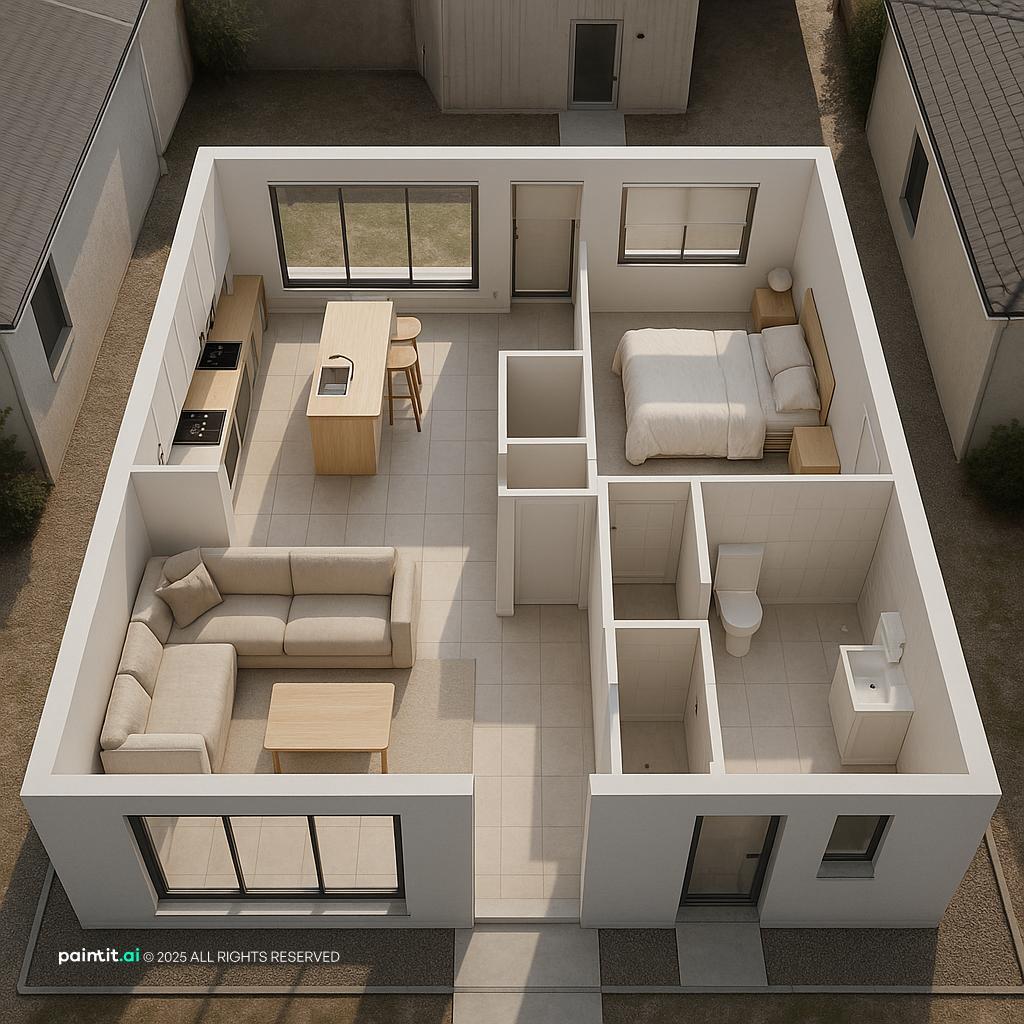
Modern Single-Floor House Design
This Modern Single-Floor House Design features a tranquil zen minimalist living room, bathed in natural light for ultimate serenity and sophisticated simplicity.
Ever walk into your living room and feel a subtle tension, a visual noise that keeps true calm at bay? The desire for a zen minimalist living room often stems from a longing for a space that breathes, where every object serves a purpose and contributes to an overarching sense of peace. How can you curate an environment that truly reflects inner tranquility and simple elegance?
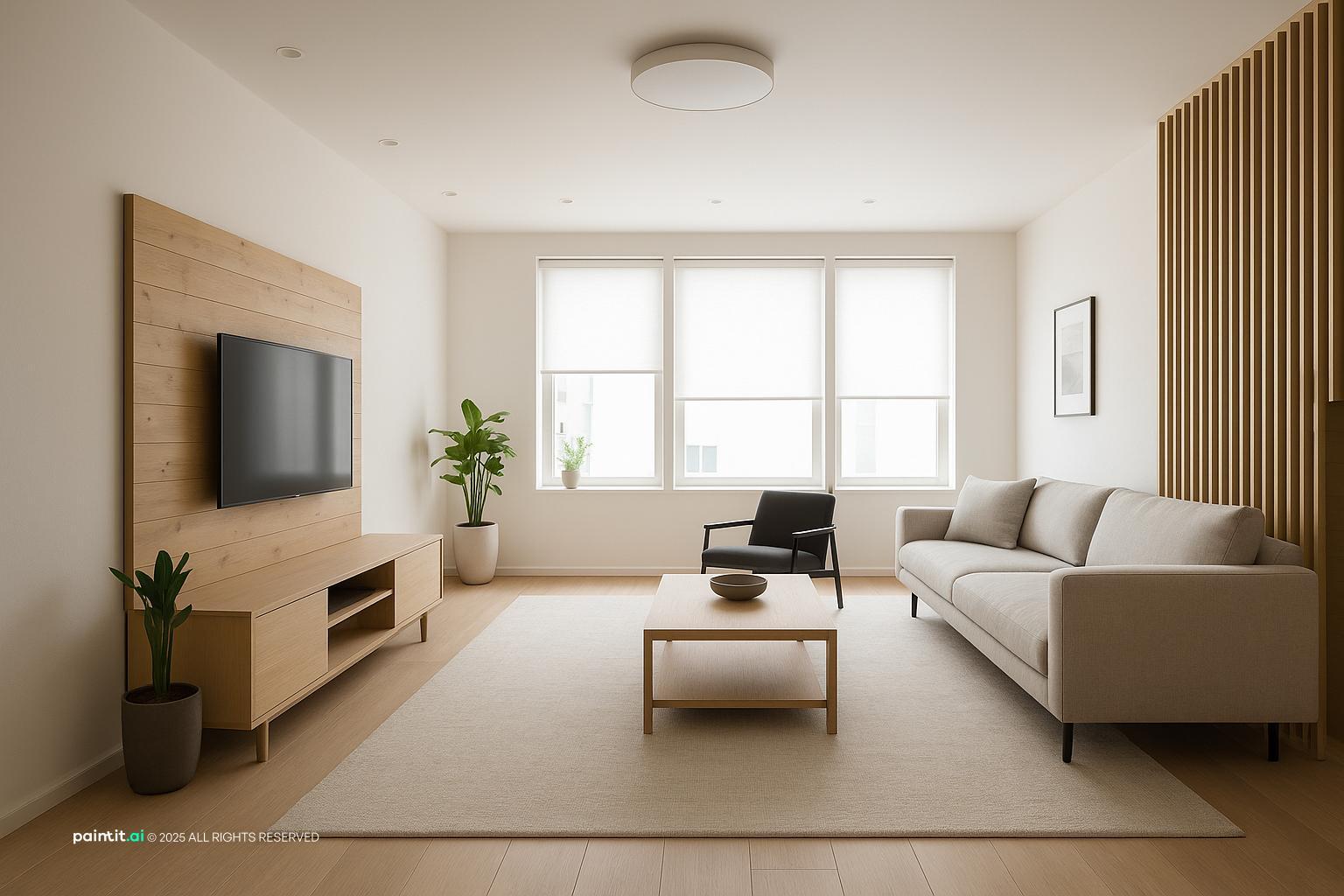
As an editor deeply immersed in design transformations, I’ve observed a common misconception: true serenity isn't about emptiness, but intentionality. Creating a truly calm aesthetic in your home is simpler than you think. It begins with a clear vision.
For many, the desire for a serene interior stems from a need to escape daily chaos. We understand this deeply. A zen minimalist living room isn't just a style; it's a philosophy, a deliberate choice to prioritize peace and functionality. It’s about stripping away the superfluous to reveal the essential.
We will explore how natural materials like light wood and textured linen, paired with a neutral color palette of soft greys and warm beiges, can transform your space. We’ll delve into decluttering techniques that go beyond tidiness, focusing on functional furniture and the magic of soft, diffused lighting. Most people forget that the right biophilic design elements, subtly introduced, can truly elevate the calm. You'll learn the core principles, practical styling tips, and common pitfalls to avoid.
Visualizing these concepts can be challenging. This is where tools like Paintit.ai become invaluable, allowing you to bridge the gap between inspiration and reality, seeing your serene vision come to life before making any commitments.
Before changing furniture or finishes, you can preview the direction with an AI living room design tool.
This gallery brings the abstract idea of zen minimalist into something visible: open, compact, rug.
This Modern Single-Floor House Design features a tranquil zen minimalist living room, bathed in natural light for ultimate serenity and sophisticated simplicity.
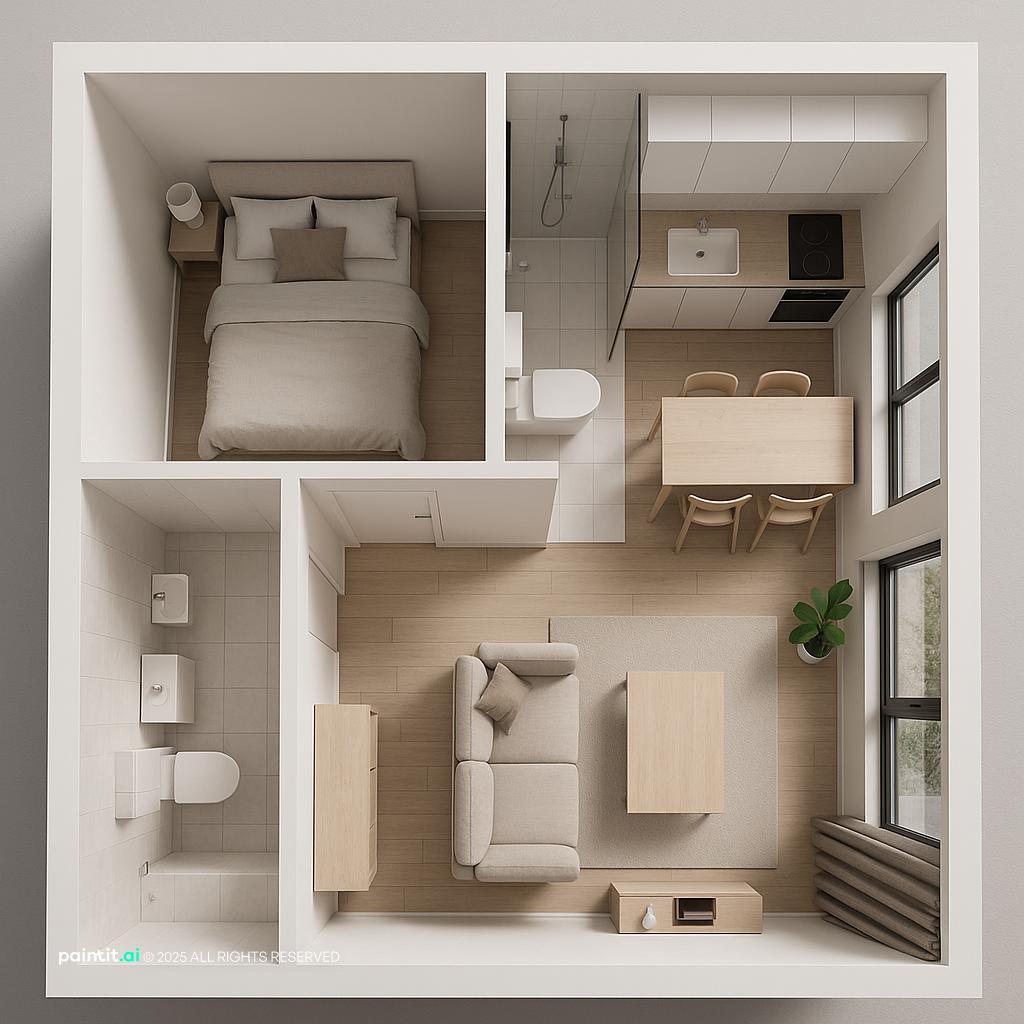
Experience serene urban living in this Stylish Compact Apartment Interior Design, where a zen minimalist living room creates an open, functional retreat.
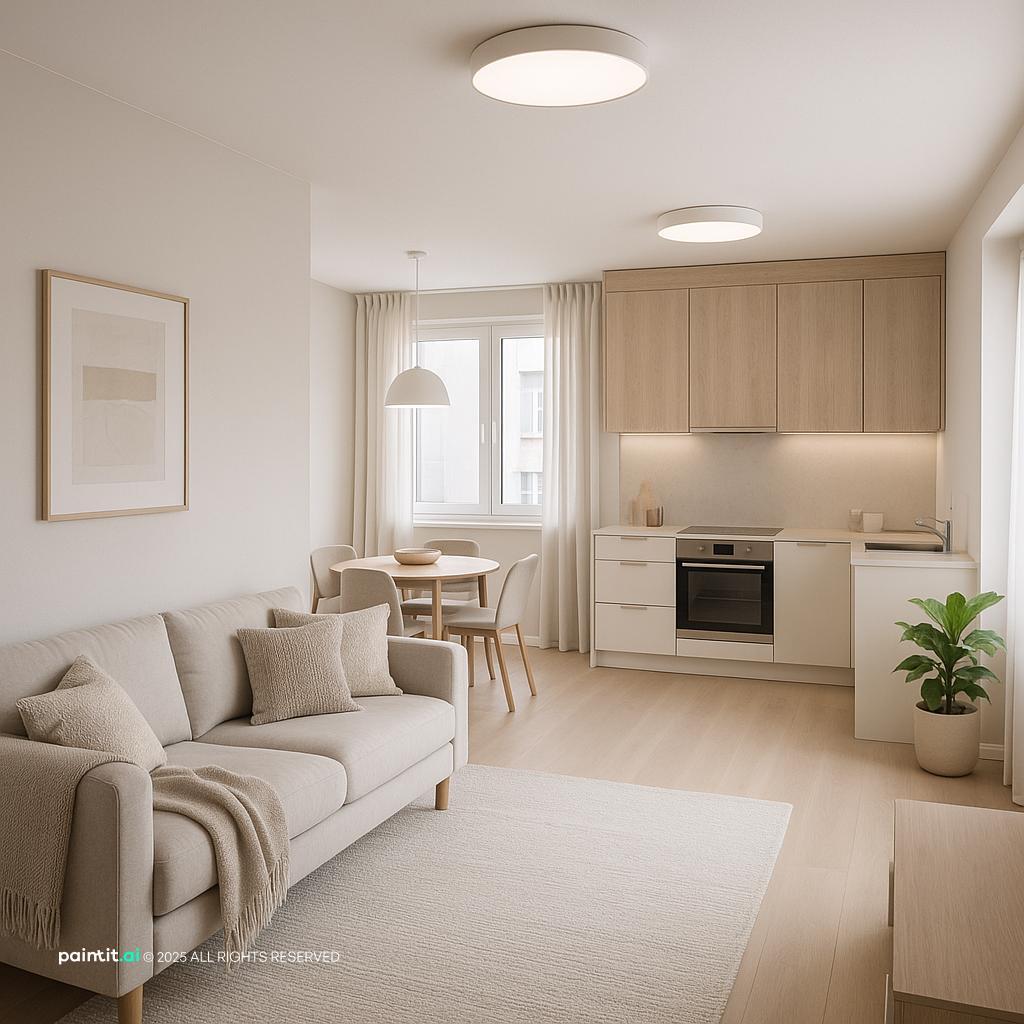
This Stylish Family-Friendly Living Room & Kitchen embraces a zen minimalist aesthetic, fostering a calm, open, and inviting atmosphere for all.
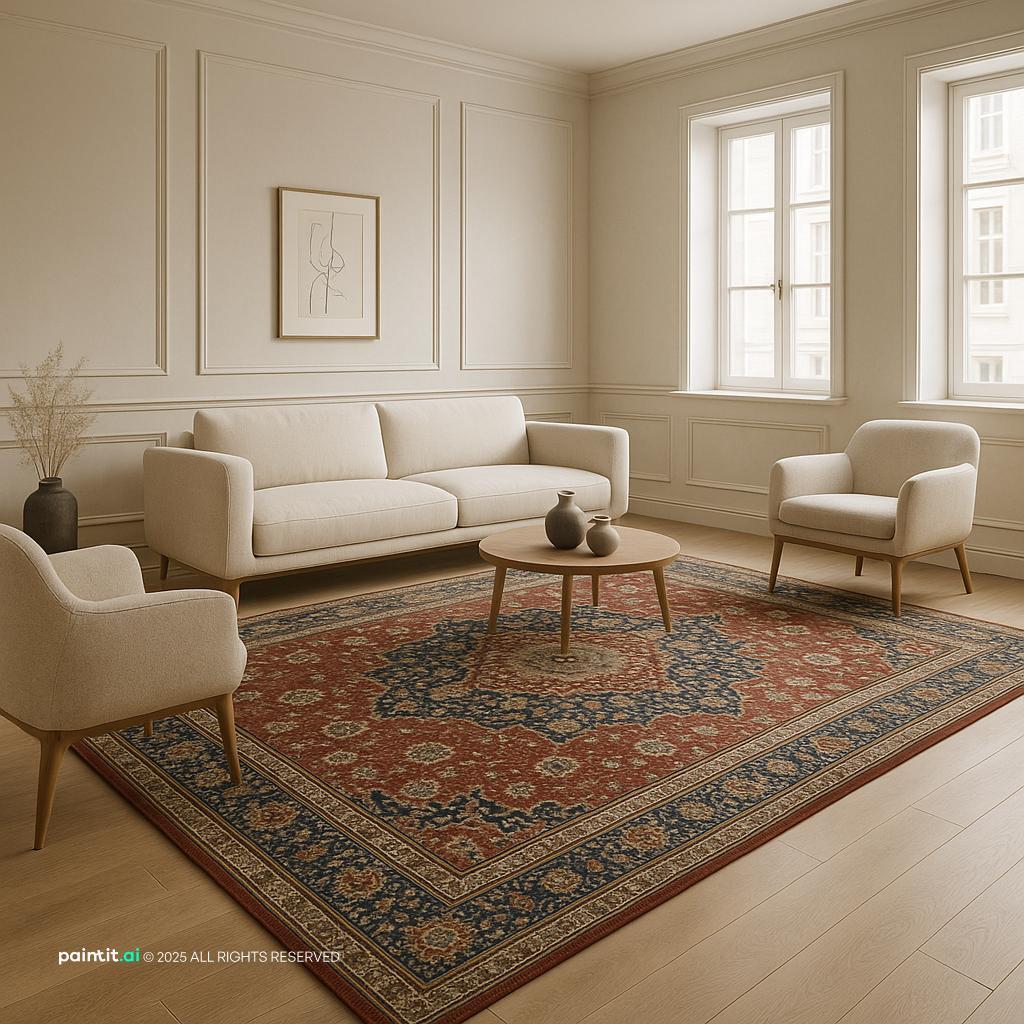
A Stylish Modern Living Room with a Focal Rug, embodying a zen minimalist ethos for a sophisticated and peacefully grounded environment.
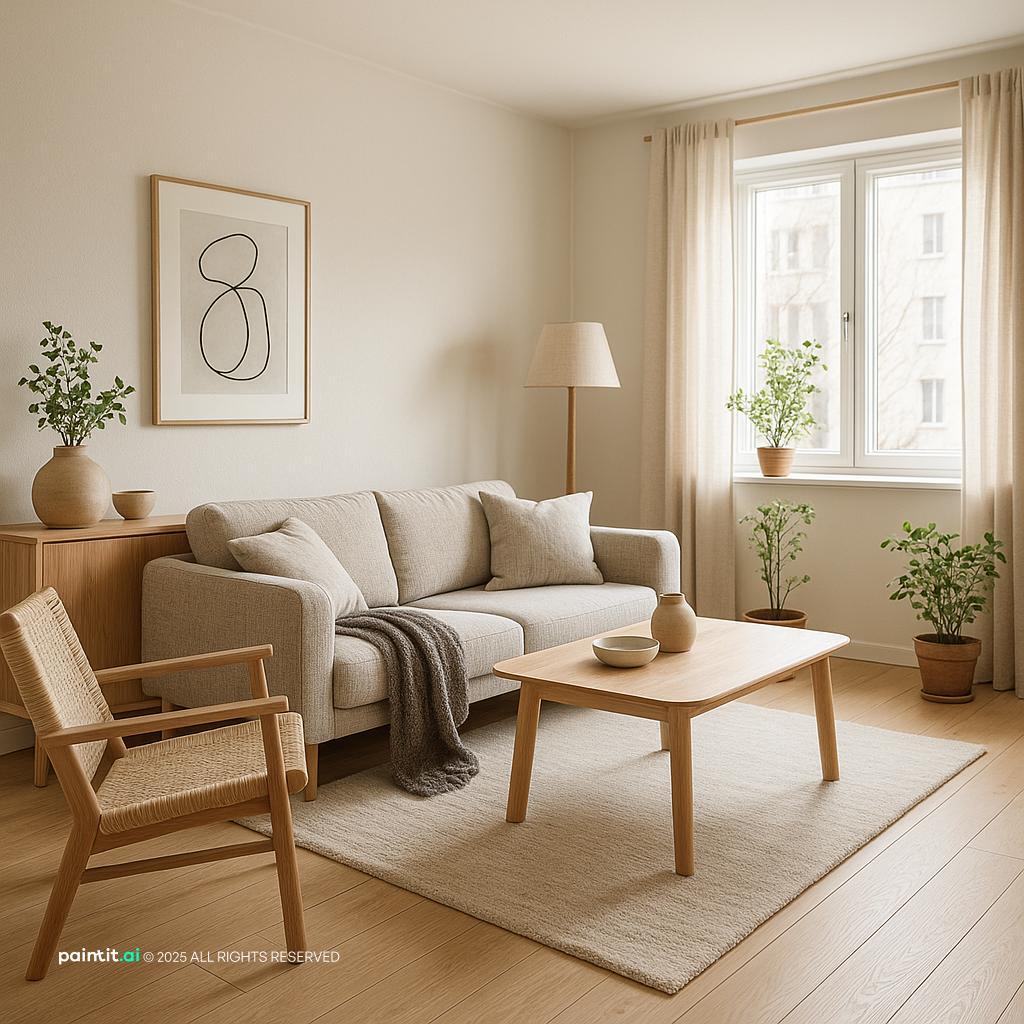
Drawing inspiration from Scandinavian design, this zen minimalist living room offers a warm, inviting ambiance with clean lines and natural elements.
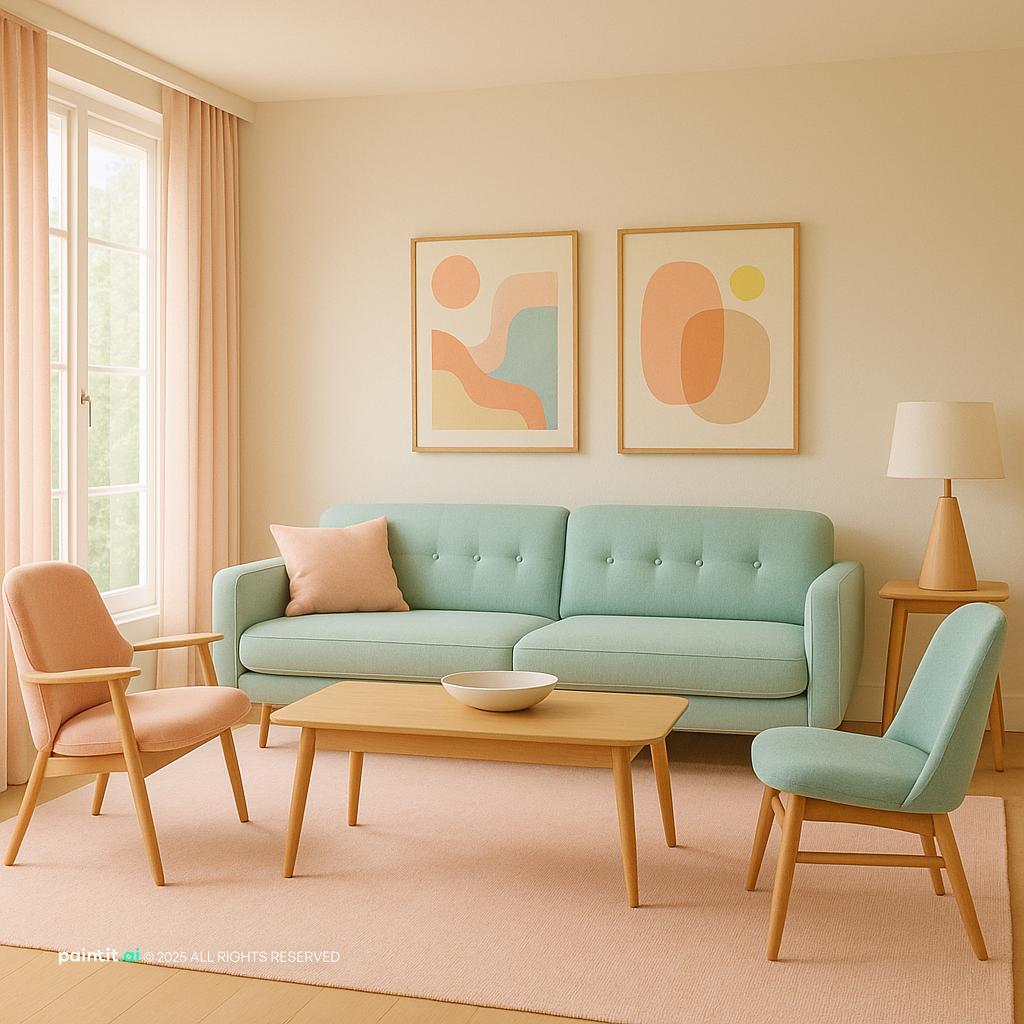
This Chic Mid-Century Modern Living Room Design is reimagined as a zen minimalist retreat, blending classic lines with serene, uncluttered elegance.
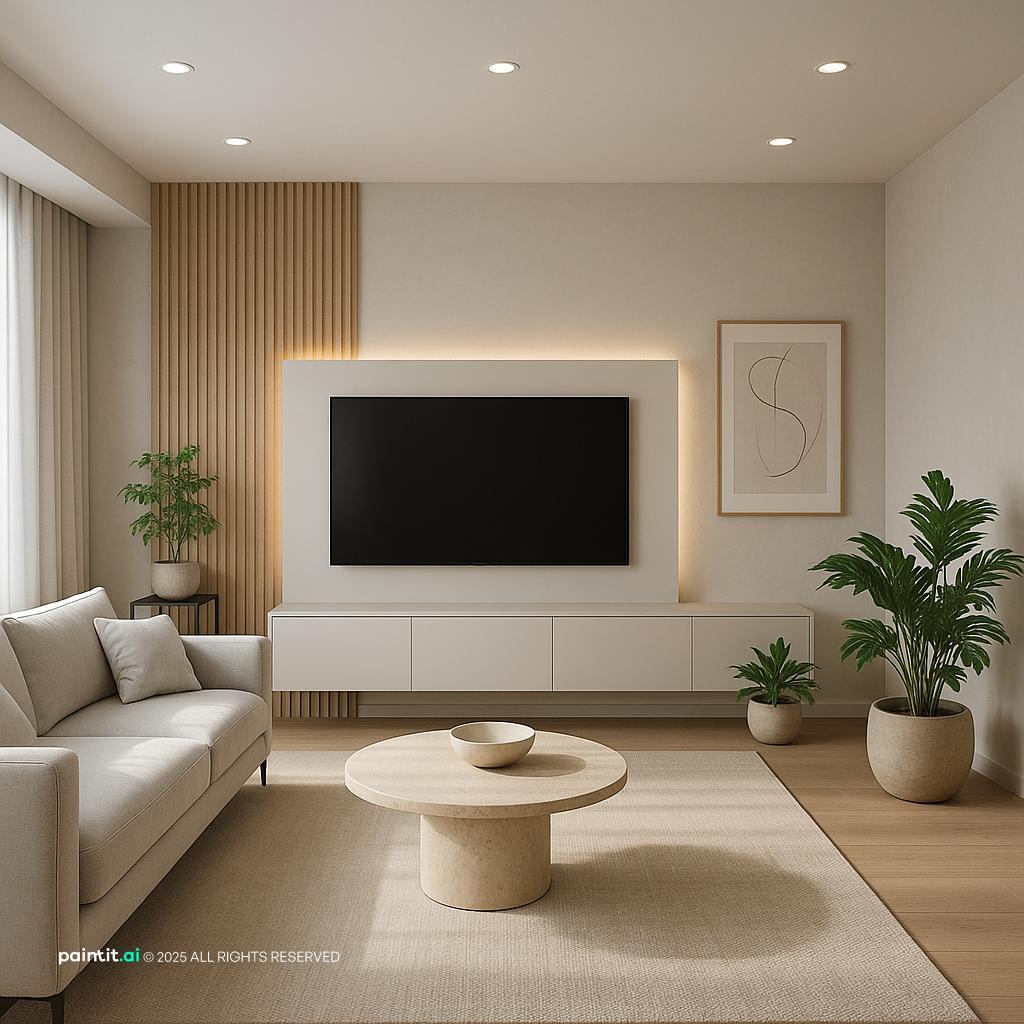
Discover Elegant Modern Living Room Design Ideas, where a refined zen minimalist living room inspires calm and sophisticated simplicity with natural elements.
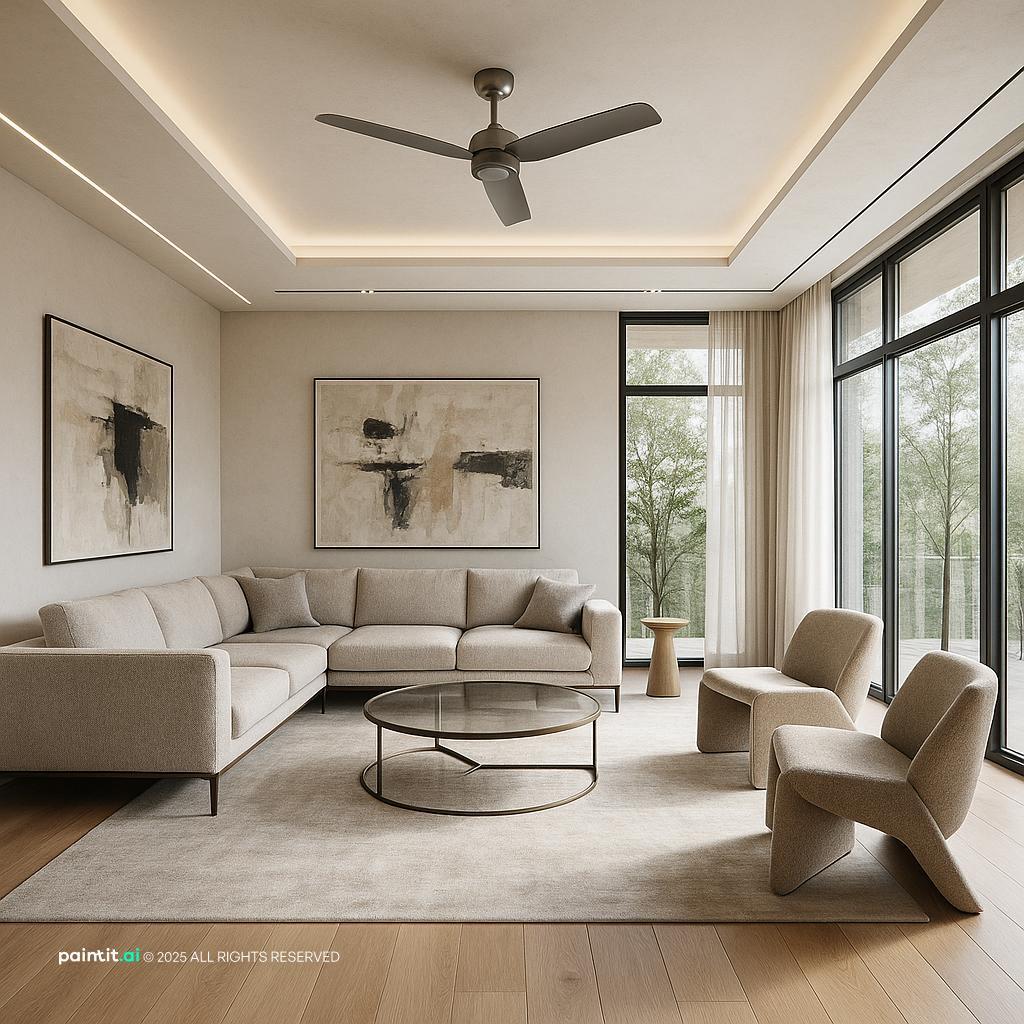
Award-winning Contemporary Living Room Design of 2025 embodies a zen minimalist aesthetic, offering sleek lines, natural light, and inviting serenity.
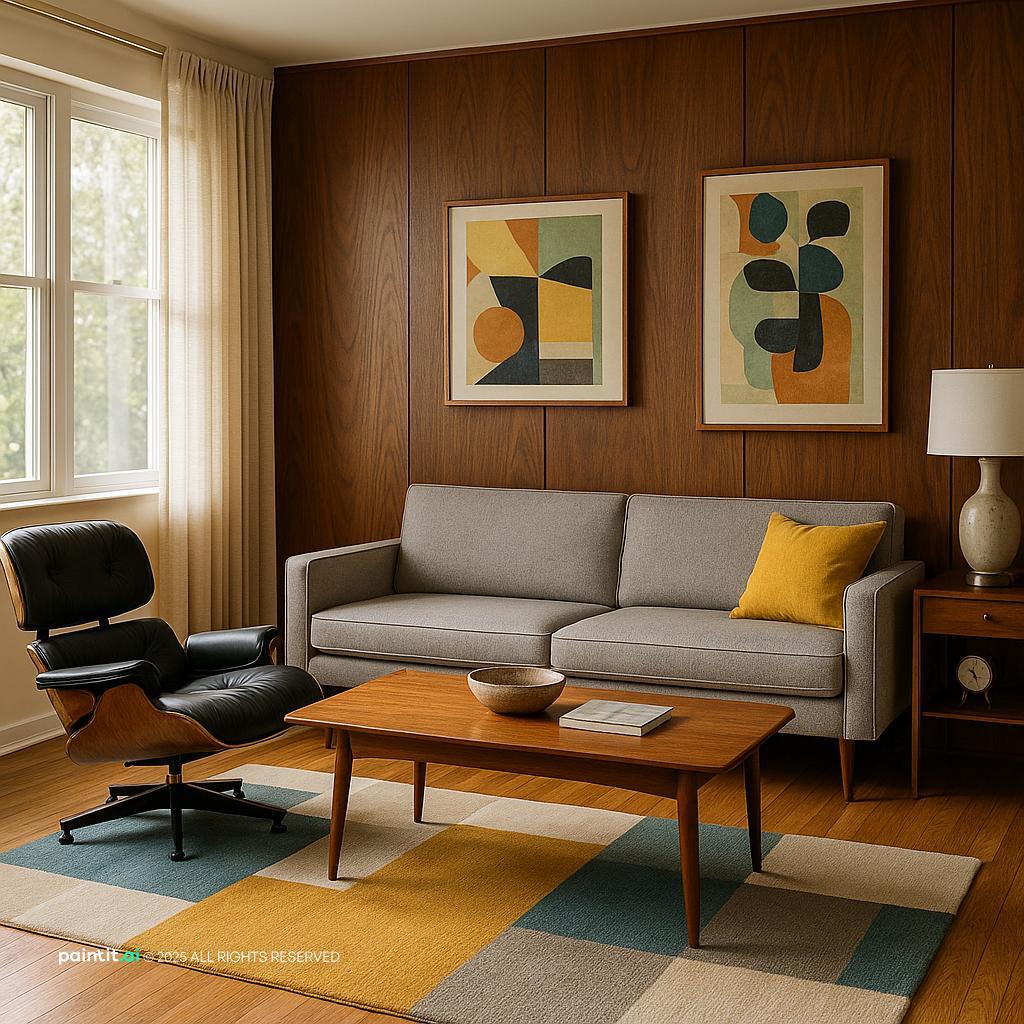
This Mid-Century Modern Living Room Design adopts a zen minimalist approach, harmonizing iconic pieces with serene, uncluttered sophistication and walnut accents.
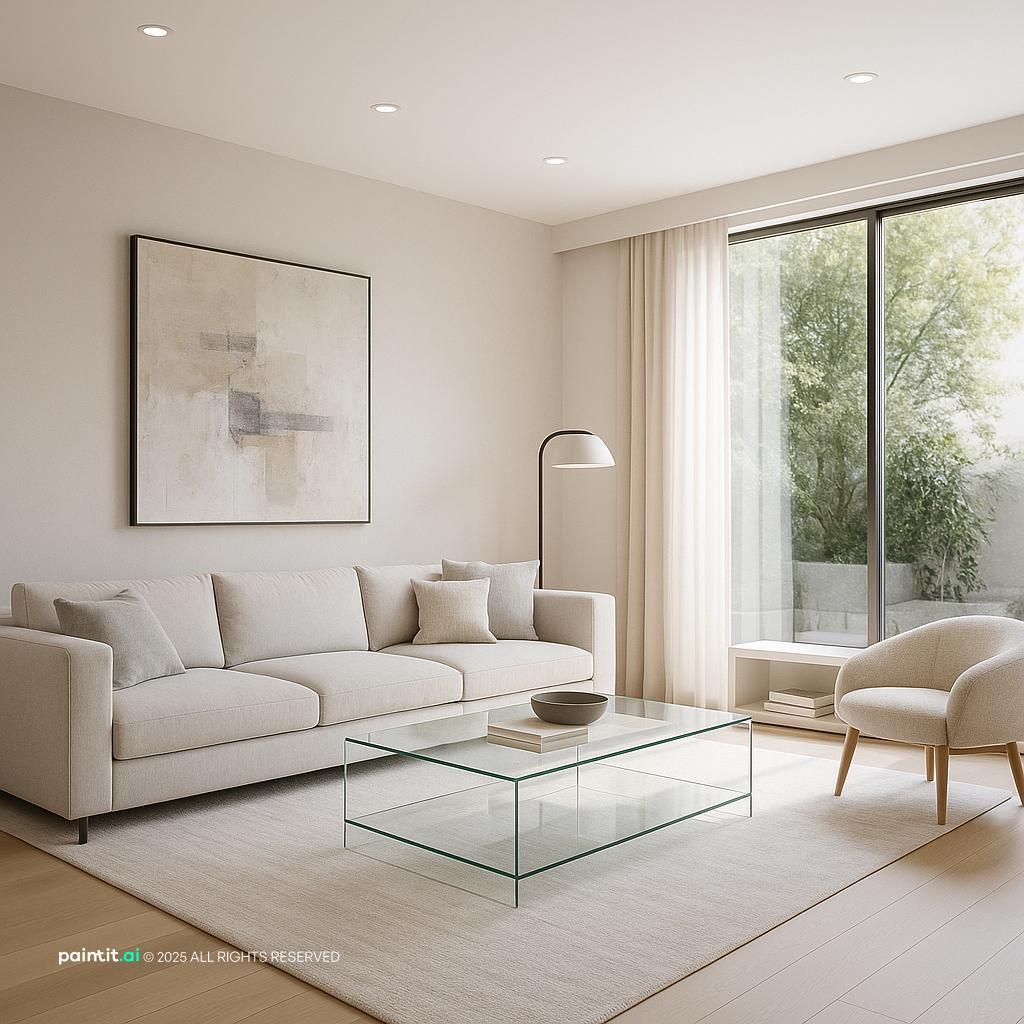
An Ultra-Modern Living Room Design that achieves timeless elegance, this zen minimalist living room offers sleek lines, natural light, and serene sophistication.
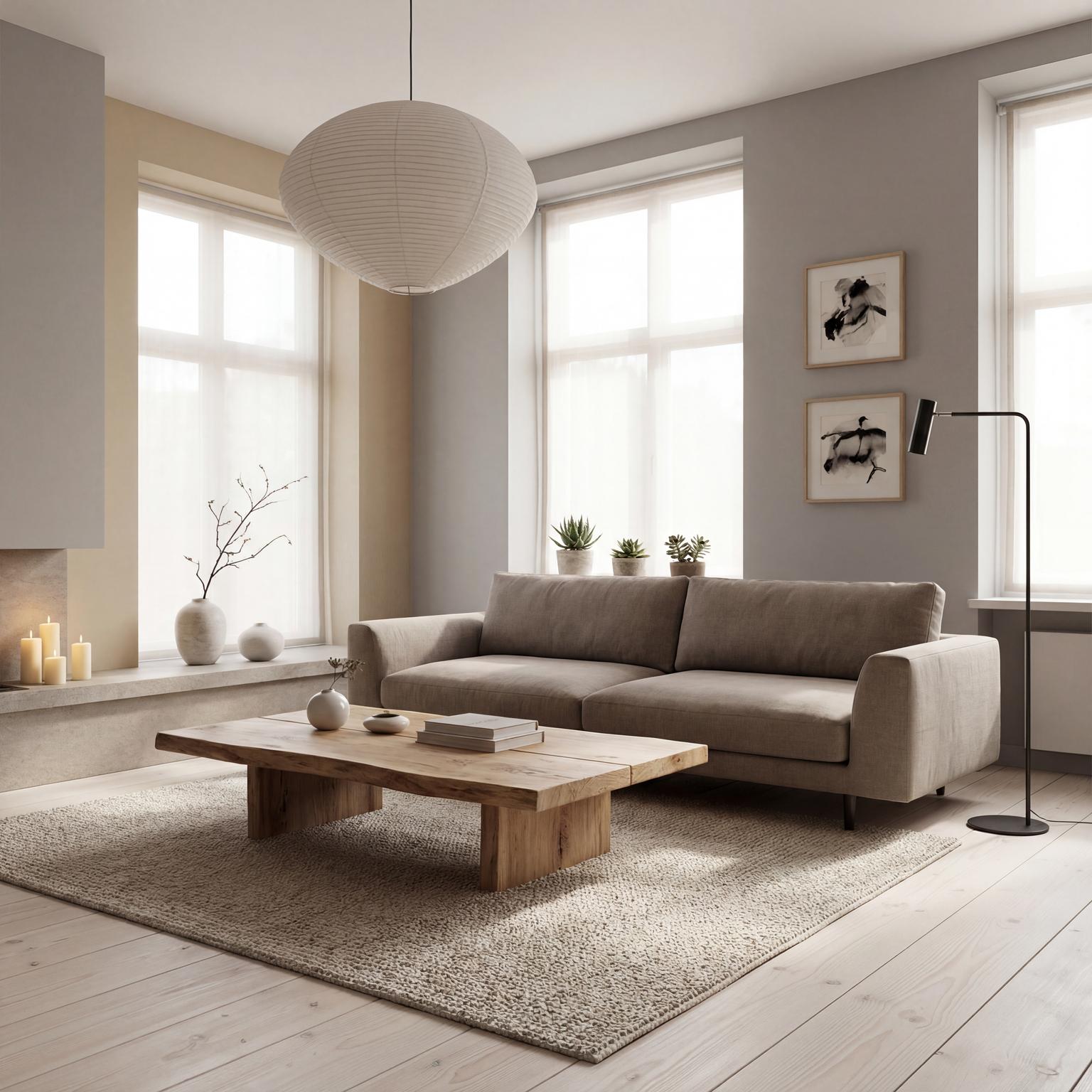
Serene Japandi Living Room Design brings together linen, stone, and wood for a more composed living room direction.
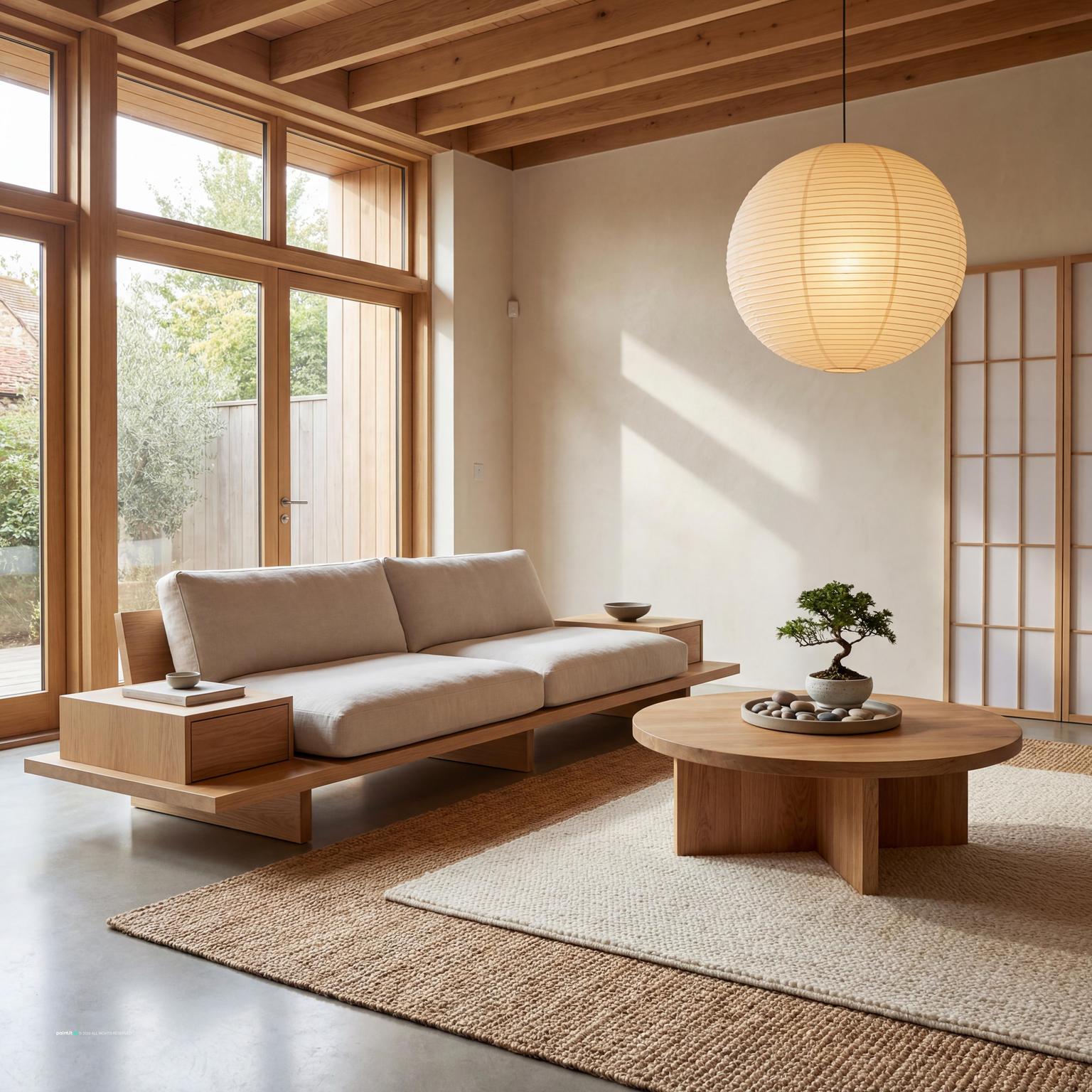
Japandi-Style Living Room Design brings together clean lines and earthy tones for a more composed living room direction.
This approach fosters a direct connection to the earth, promoting a sense of stability and calm. Low-slung sofas and floor cushions naturally lower your perspective, encouraging relaxation and a more mindful presence. It feels incredibly inviting, almost like a gentle invitation to unwind.
Opt for platform sofas, futon-style seating, or modular pieces that sit close to the floor. Pair them with a minimalist coffee table that mirrors their height. Consider adding large, plush floor cushions for extra seating or lounging.
For a related take on the same room, explore emerald green sofa living room ideas.
Abundant natural light is fundamental to any serene environment. It energizes the space, makes it feel larger, and connects the interior with the rhythm of the outside world. Most people forget that light is a powerful design element, not just a utility.
Keep windows unobstructed. Use sheer, lightweight curtains in white or natural linen that filter harsh light but don't block it. Avoid heavy drapes. Position mirrors strategically to reflect light deeper into the room.
For a related take on the same room, explore living room wall color ideas.
A monochromatic scheme built on neutrals creates an incredibly cohesive and calming backdrop. It eliminates visual clutter, allowing the eye to rest and perceive the space as expansive and harmonious. simplicity in color often leads to profound peace.
Choose a base color like off-white, soft beige, or light grey, then layer different shades and textures within that same color family. Think creamy walls, a slightly darker sofa, and lighter throw blankets.
While minimalism often implies a lack of adornment, it doesn't mean a lack of sensory experience. Introducing varied textures like raw wood, soft linen, chunky wool, and smooth ceramics adds depth and interest without adding visual noise. This is how you make a minimalist space feel warm, not sterile.
Combine a linen sofa with wool throws, a jute rug, and a ceramic vase. Incorporate natural materials like a stone side table or a wooden sculpture. The contrast in feel is what truly matters.
Bringing a few carefully chosen plants into your living space instantly adds life, purifies the air, and connects you to nature. It’s about quality over quantity; one well-placed plant can have a greater impact than a dozen small ones. I’ve seen this work best in corners or as a focal point.
Select low-maintenance plants with clean lines, such as a snake plant, a fiddle-leaf fig, or a bonsai tree. Place them in simple, unglazed ceramic pots. Avoid overly ornate planters.
A truly serene environment demands clear surfaces. Visual clutter is a major source of subconscious stress. Hidden storage solutions are paramount to maintaining the clean lines and open feel characteristic of a minimalist aesthetic. It sounds simple, but it’s often the hardest to maintain.
Invest in furniture with built-in storage, such as coffee tables with drawers, ottomans that open, or media consoles with closed cabinets. Utilize wall-mounted shelving sparingly for a few curated items.
Harsh overhead lighting can disrupt the calm atmosphere. Instead, focus on creating layers of soft, diffused light that mimic natural twilight. This approach creates a warm, inviting glow that promotes relaxation and introspection. It’s all about setting the mood.
Use floor lamps with linen shades, table lamps with warm-toned bulbs, and indirect lighting like LED strips behind furniture. Avoid bright, direct spotlights. Dimmer switches are your best friend here.
Wabi-sabi embraces the beauty of imperfection, transience, and natural wear. This philosophy allows for a more authentic and less rigid form of minimalism, celebrating handmade objects and the natural aging of materials. It might seem odd at first, but it adds soul to a space.
Incorporate handmade pottery, a slightly worn wooden stool, or textiles with subtle irregularities. Choose materials that develop a patina over time, like raw concrete or untreated wood.
An open layout and unobstructed pathways are crucial for a sense of freedom and spaciousness. This allows energy to flow freely, reducing feelings of confinement and promoting mental clarity. Here is what matters: every piece of furniture should have a clear purpose and placement.
Arrange furniture to create clear sightlines and easy movement between areas. Avoid placing large items in the middle of the room. If possible, remove non-load-bearing walls to open up the space.
In a minimalist setting, every decorative item carries significant weight. Choose art and decor that evokes calm, reflection, or a connection to nature. One powerful piece is far more impactful than many small, distracting ones. Most people forget that less is truly more visual impact.
Select a single large abstract painting with a calming color palette, a minimalist sculpture, or a framed botanical print. Avoid busy patterns or overly vibrant colors. Place objects intentionally, giving them room to breathe.
Incorporating natural wood and stone brings an undeniable sense of grounding and organic beauty into the living space. These materials connect us to the natural world, fostering a sense of peace and timelessness. Their inherent textures and variations add interest without being overwhelming.
Opt for light-toned woods like birch, ash, or light oak for furniture, flooring, or wall panels. Use stone for a coffee table top, a decorative bowl, or even a small indoor water feature. Keep finishes matte or raw.
The second gallery leans into more specific directions through clean lines, helping compare different ways the same living room can feel at home.
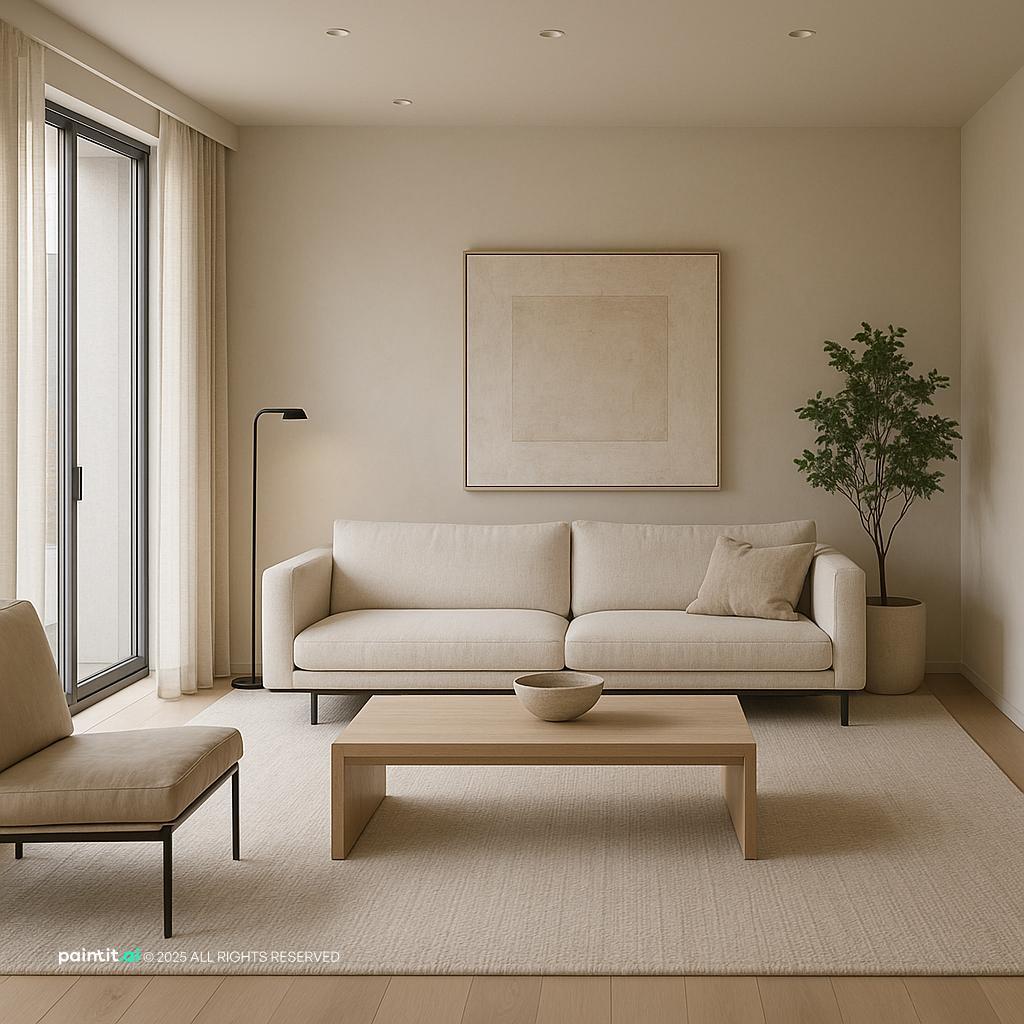
This serene minimalist living room design, characterized by calming aesthetics, perfectly embodies the tranquil essence of Zen living.
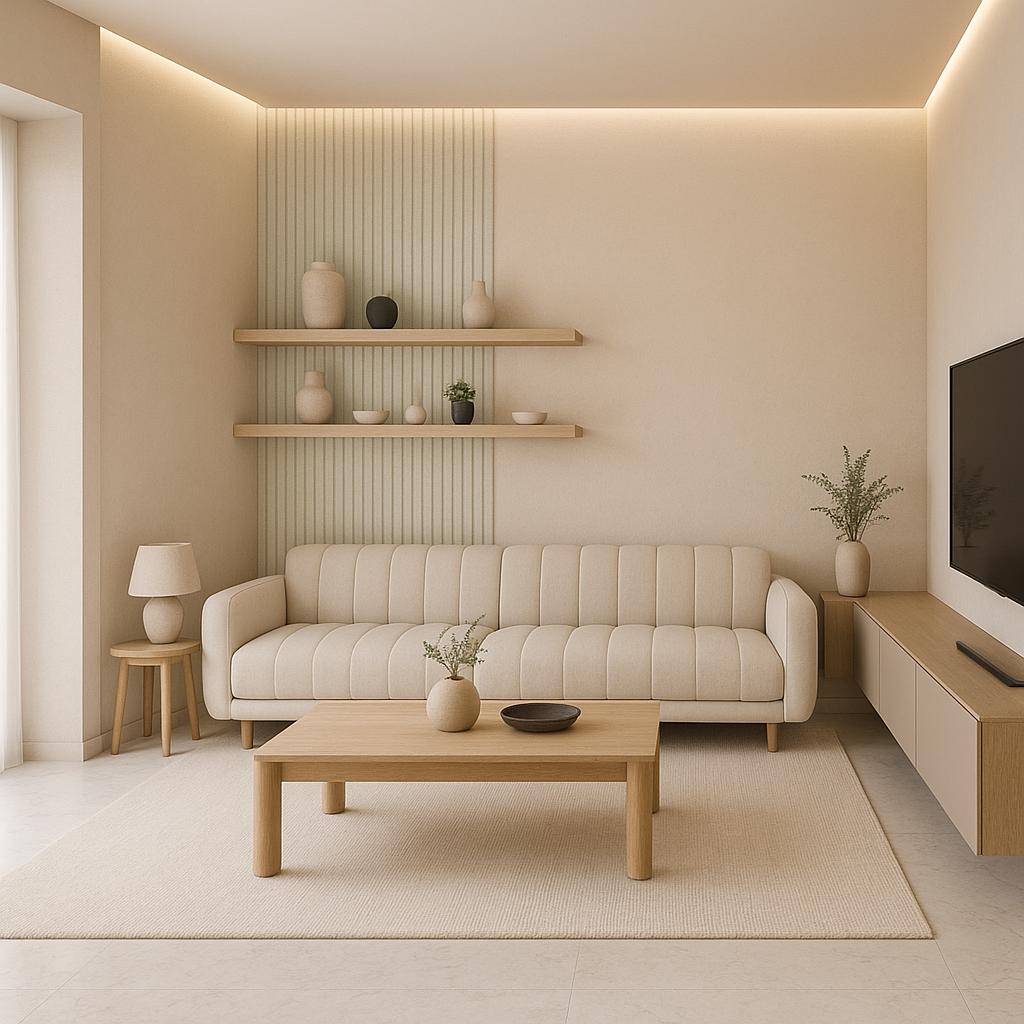
Featuring a harmonious blend of Japanese Zen and Scandinavian aesthetics, this minimalist Japandi living room offers a tranquil and stylish retreat.
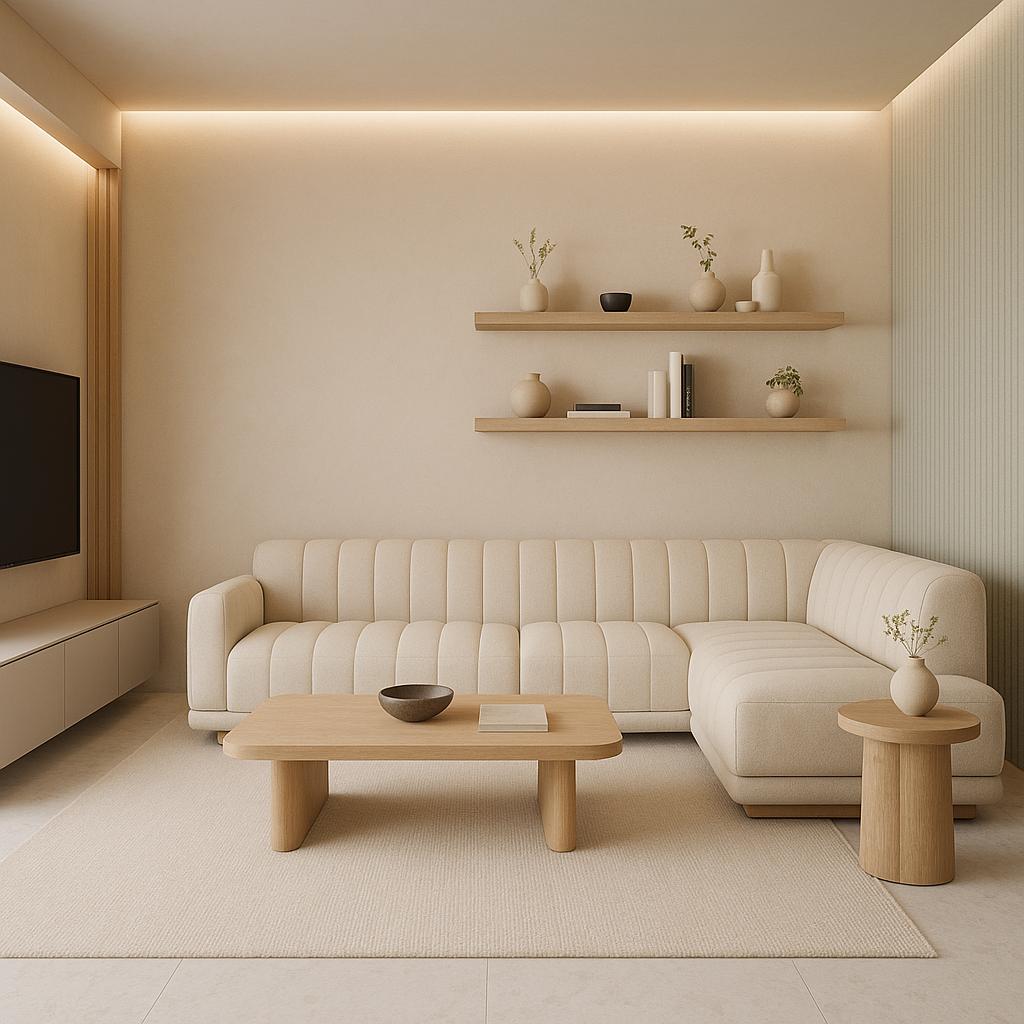
This modern minimalist living room, infused with Japandi flair, perfectly balances functional design with the serene tranquility of a zen minimalist space.
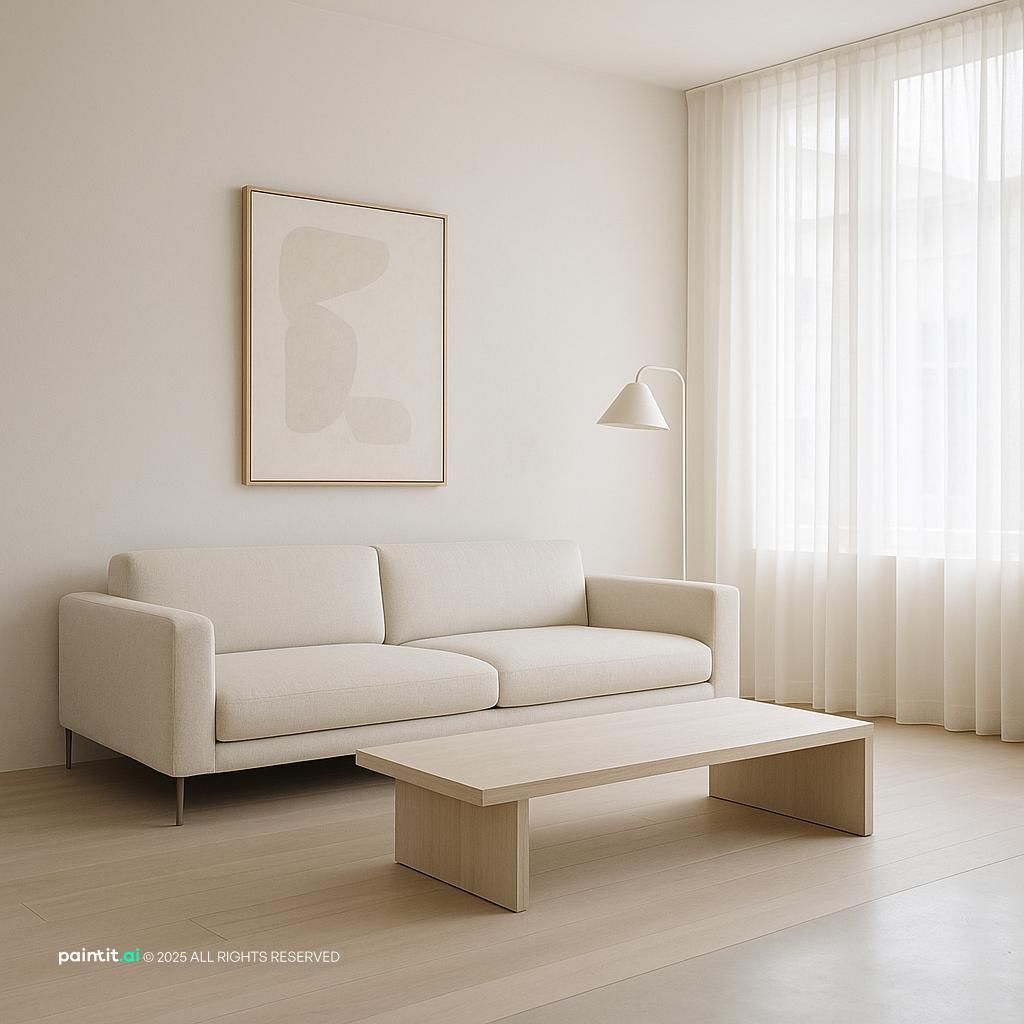
Embrace tranquility with this modern minimalist living room design, featuring clean lines and an uncluttered aesthetic for a truly zen experience.
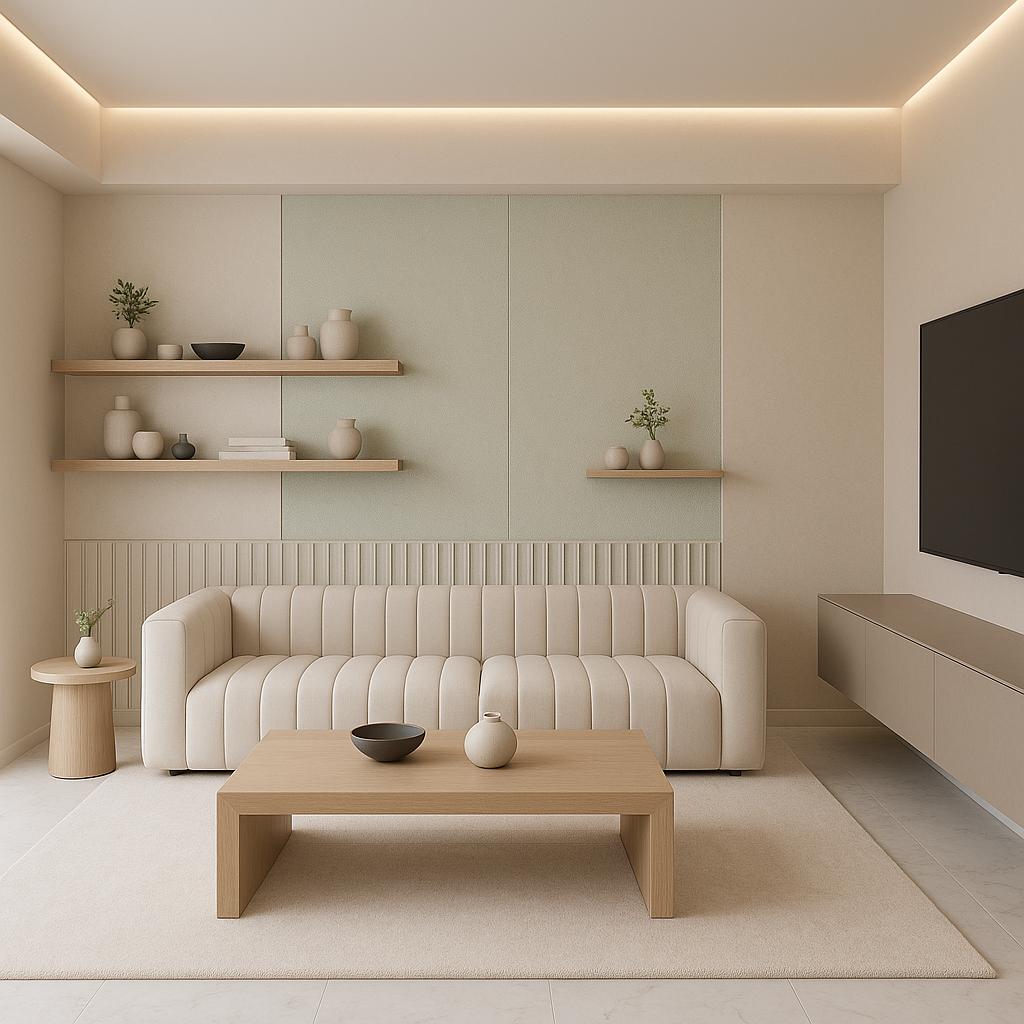
This modern minimalist living room design offers a spacious and decluttered environment, fostering a peaceful and serene zen minimalist atmosphere.
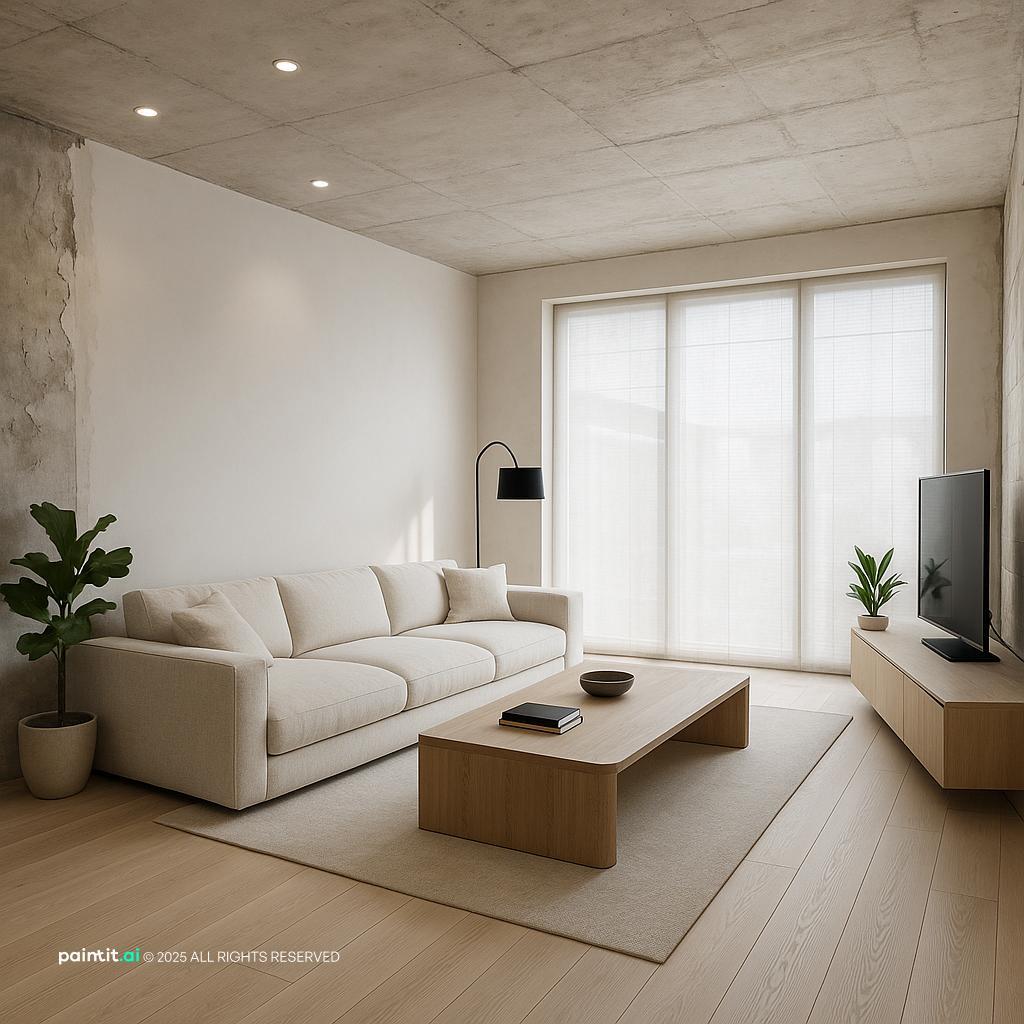
Discover serenity in this modern minimalist living room design, where every element contributes to a peaceful and harmonious zen minimalist sanctuary.
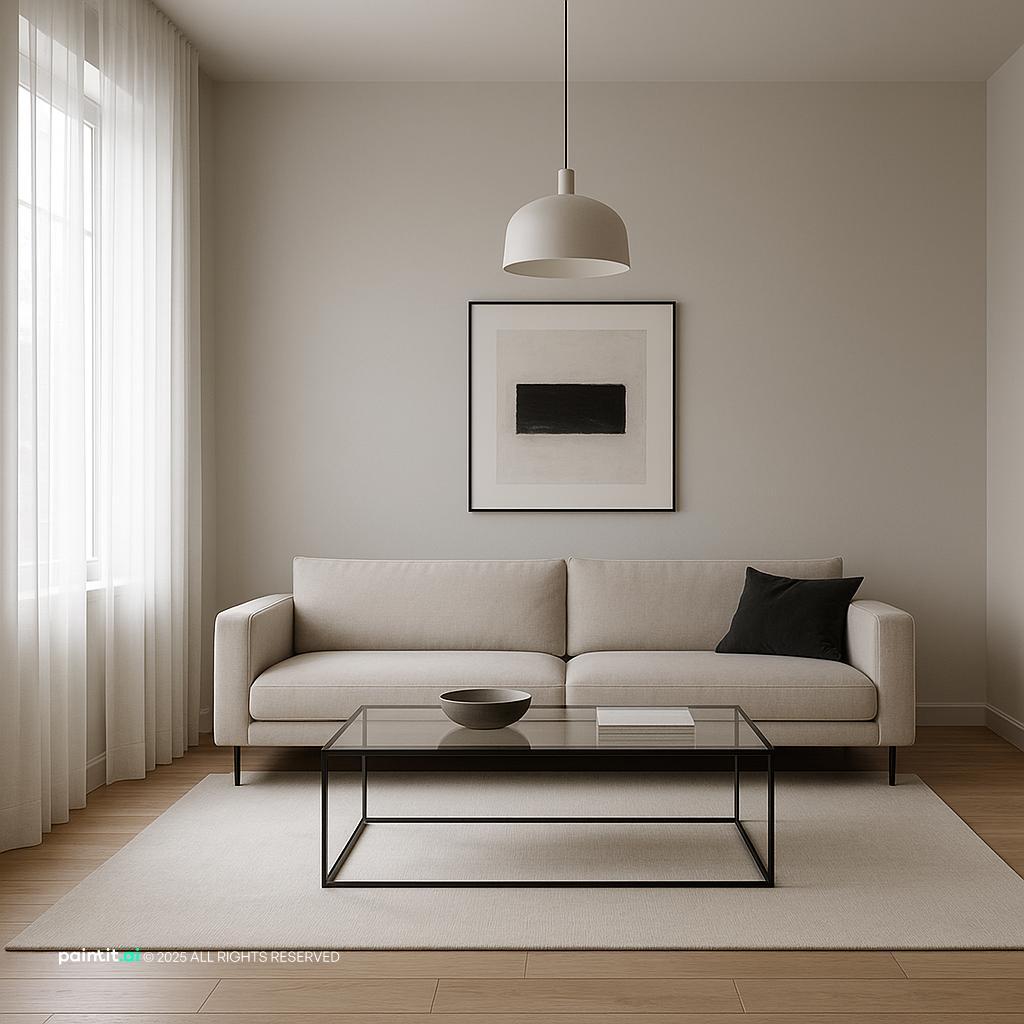
An elegant minimalist living room design presents refined simplicity, creating a sophisticated yet calm atmosphere ideal for a zen minimalist lifestyle.
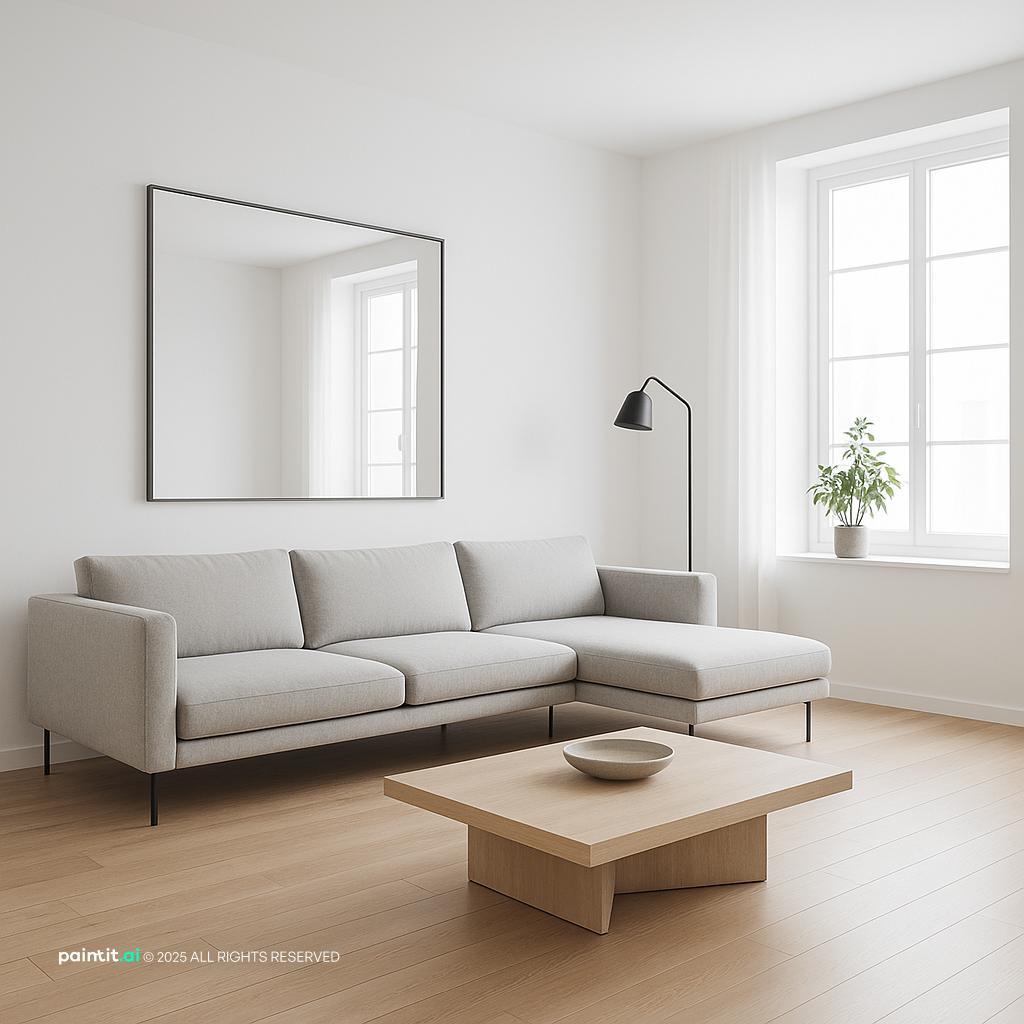
This stunning minimalist living room design captivates with its pure forms and tranquil ambiance, embodying the essence of zen minimalist living.
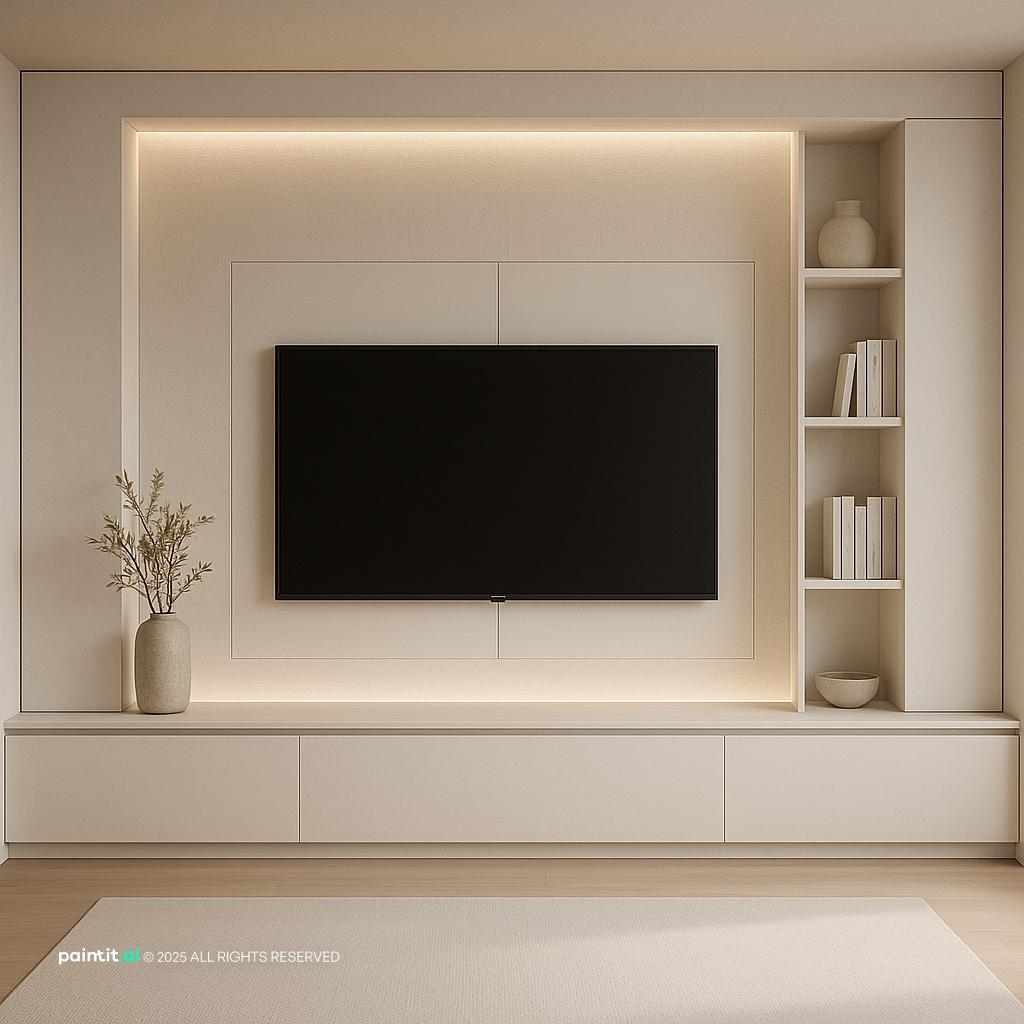
This stylish minimalist living room TV panel design seamlessly integrates technology, maintaining the clean lines and serene focus characteristic of zen minimalist spaces.
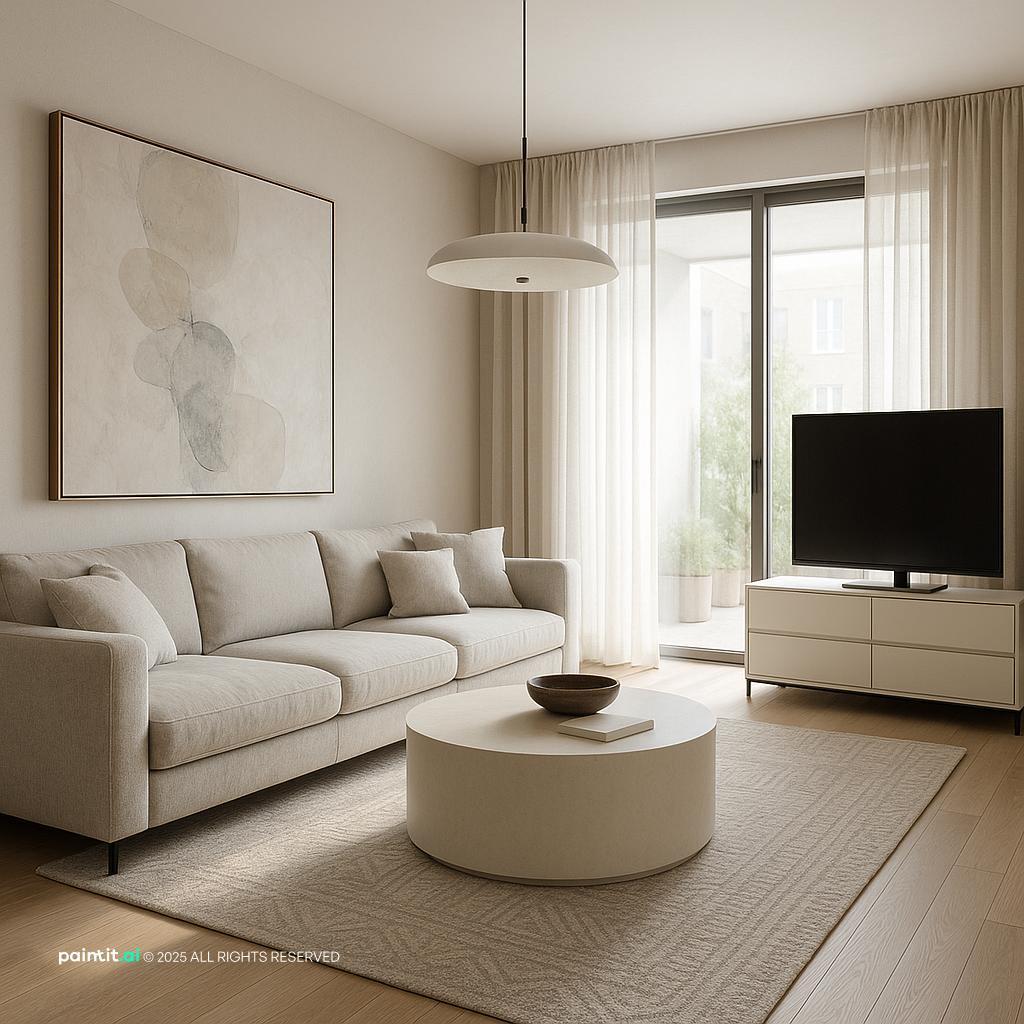
Adorned in soft neutrals, this modern living room design promotes a soothing and balanced environment, perfectly aligning with a zen minimalist aesthetic.
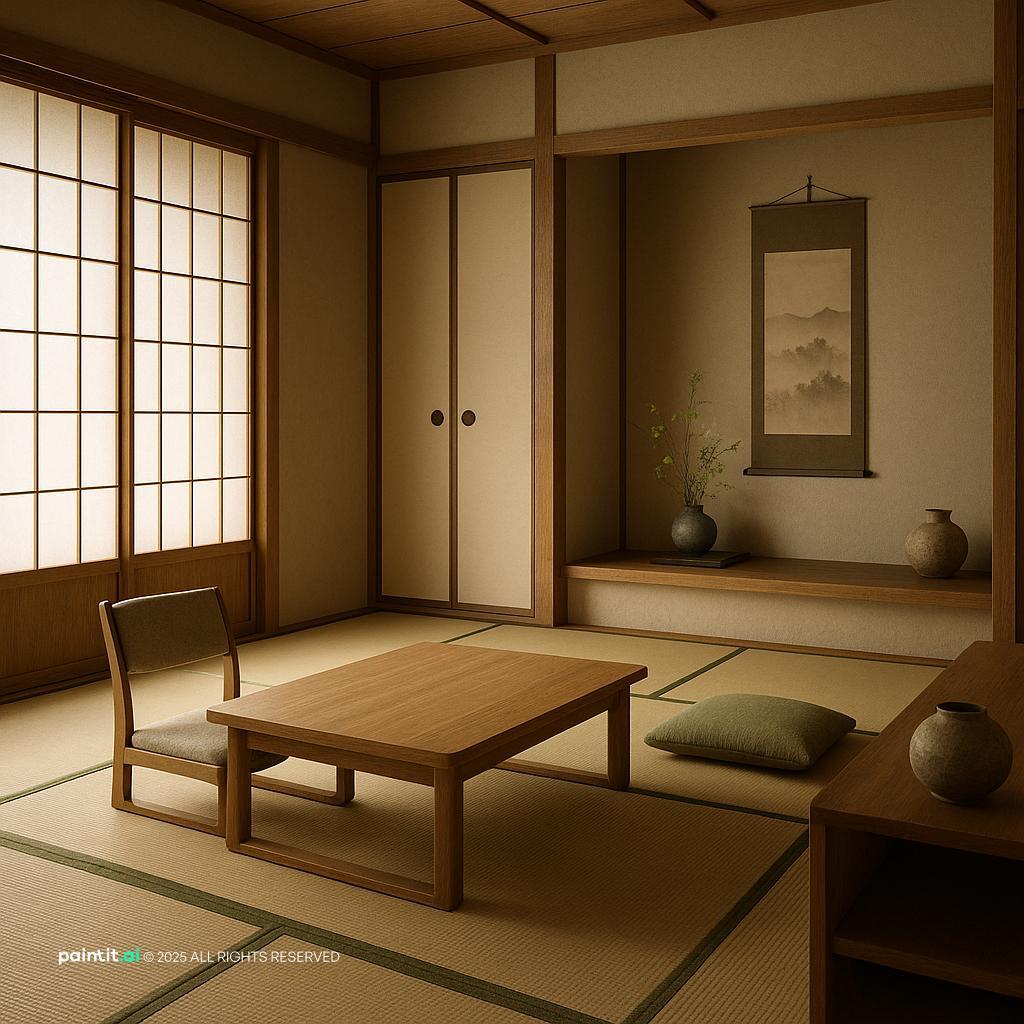
Tranquil Japanese-Style Living Room Design brings together natural wood and earthy tones for a more composed living room direction.
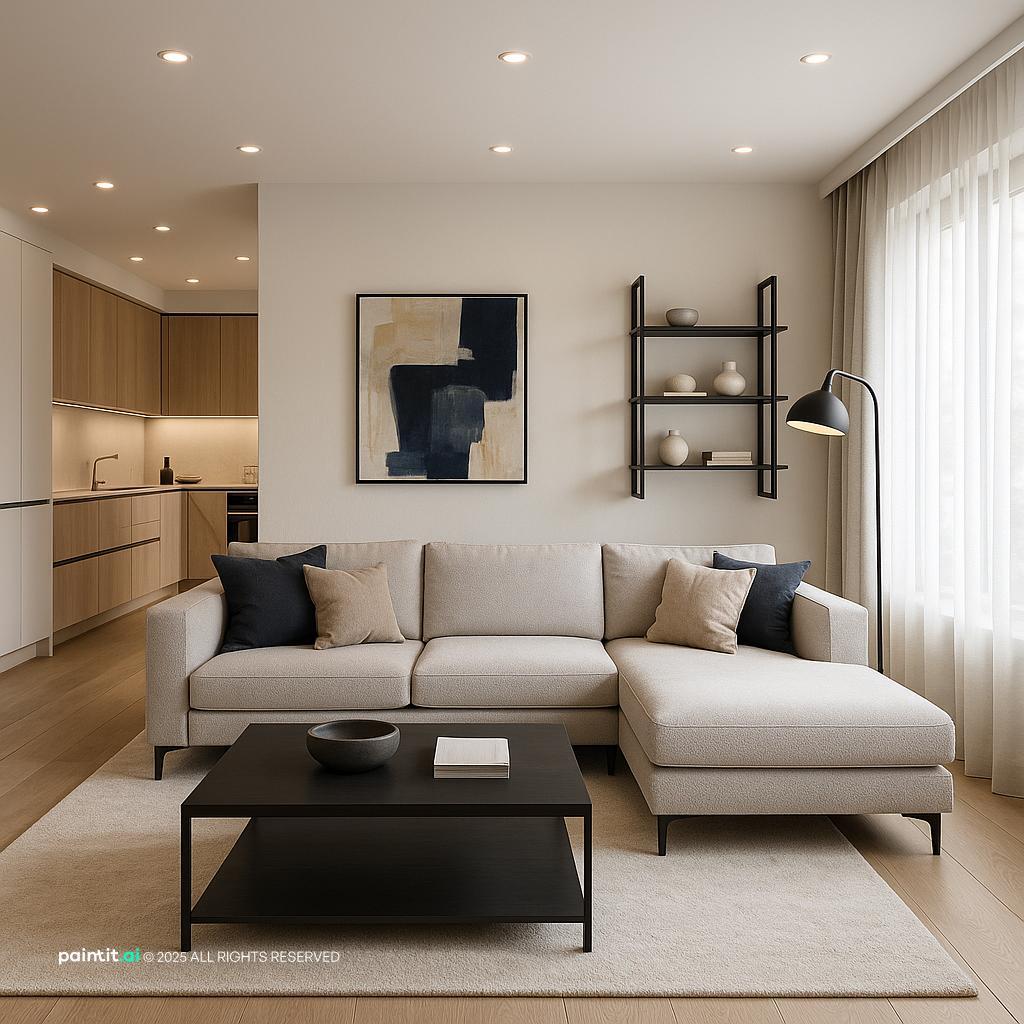
Stylish Modern Living Room Design brings together wood, rug, and lighting for a more composed living room direction.
The foundation of a zen minimalist living room begins with a whisper, not a shout. I’ve seen this work best with a base of soft, breathable tones like alabaster white or a warm flaxen beige, creating an immediate sense of spaciousness. Layer in secondary hues such as a calming dove grey or a muted sage green; these provide subtle depth without overwhelming the eye. For a gentle accent, consider a dusty terracotta or a deep, grounding charcoal. balance is everything here. You want a palette that feels cohesive, almost monochromatic, allowing the eye to rest and the mind to quiet.
For a related take on the same room, explore living room ideas with indoor plants.
Here is what matters: natural materials are non-negotiable. Think light, unfinished oak for furniture, bringing an organic warmth that synthetic materials simply cannot replicate. Raw concrete, perhaps in a low coffee table or a decorative planter, introduces an earthy, grounding element. For textiles, linen and organic cotton are paramount. They offer a soft, inviting texture that feels luxurious yet understated, fostering a sense of comfort and ease. These materials, applied thoughtfully, create a tactile richness that speaks to simplicity and authenticity.
For a related take on the same room, explore small living room ideas with TV.
Defining this look means choosing pieces that serve purpose and promote calm. A low-slung, deeply cushioned sofa with clean lines is paramount. It invites relaxation without dominating the space. Pair it with a simple, solid wood coffee table – perhaps a slab of light oak or a smooth, reclaimed piece. Most people forget that proportion is key; choose pieces that feel grounded, not towering. Finally, consider a floor cushion or a meditation stool. It might seem odd at first, but these pieces subtly encourage a different posture, a different pace, reinforcing the room's tranquil intent.
Achieving the perfect atmosphere relies on layered lighting. Ambient light should be soft and diffused, perhaps from hidden cove lighting or a large, linen-shaded pendant that casts a warm glow. For task lighting, a discreet floor lamp with a natural fiber shade provides focused illumination without drawing attention. Accent lighting is where you highlight specific elements. A small, ceramic table lamp on a side table, or even strategically placed candles, can create intimate pools of light, adding depth and a sense of quiet contemplation. The goal is warmth, never harshness.
This is where the "less is more" philosophy truly shines. Decorative accents should be minimal, intentional, and meaningful. Think of a single, striking piece of abstract art with a muted palette, or a few carefully chosen plants like a snake plant or a small bonsai, bringing life without clutter. The 3-5-7 rule is your secret weapon here. Instead of scattering items, group them in odd numbers. For example, three smooth river stones on a low shelf, or five varied ceramic vases (different heights, similar tones) on a console table. You could even arrange seven small, unadorned candles. This creates visual interest and balance, preventing the space from feeling empty, yet maintaining that coveted sense of serene order.
Crafting a truly zen minimalist living room is trickier than it seems. It’s not just about removing clutter; it’s about curating profound calm with fewer elements. Most people forget that the empty space itself becomes a design element. finding that perfect balance of muted tones—perhaps a soft greige wall against a raw oak console—and intentional negative space often requires endless experimentation. Imagine seeing how a single, sculptural floor lamp impacts the entire room's energy. Paintit.ai allows you to visualize these subtle yet critical nuances instantly. You can swap out textures, rearrange sparse furniture layouts, and test various natural light scenarios in seconds. This avoids costly purchases that don't quite hit that serene mark. Try the tool; see your tranquil vision come to life before you lift a finger.
Before changing furniture or finishes, you can preview the direction with an interior design visualizer.
Focus on natural materials like wood, linen, and stone. Keep colors muted: soft grays, warm whites, and earthy tones. Embrace natural light. Less is always more here. Think about clean lines and open space. I’ve seen this work best with thoughtful, intentional placement of each item.
Stick to a neutral base. Imagine soft off-whites, muted beiges, and light grays. Introduce subtle warmth with dusty terracotta or sage green accents. The goal is serenity, not starkness. It might seem odd at first, but even a single, well-placed dark element can ground the space beautifully.
Choose pieces with clean lines and simple forms. Functionality is paramount. Opt for low-profile sofas and chairs. Avoid excessive ornamentation. Think about natural wood finishes or upholstered pieces in natural fabrics like cotton or linen. Each item must serve a purpose and contribute to the calm. Most people forget that storage is key.
Avoid clutter at all costs; every item needs a home. Don't overdecorate with too many small objects. Skip harsh, bright lighting. Resist the urge to fill every corner. an empty space can be just as impactful as a filled one. Overlooking tactile textures is another common misstep.
Introduce a few carefully chosen plants, like a snake plant or a small bonsai. Use natural light as much as possible. Consider a small water feature for subtle sound. Incorporate elements of wood, stone, or clay. A simple branch in a minimalist vase can make a profound statement. Here is what matters: authenticity.