
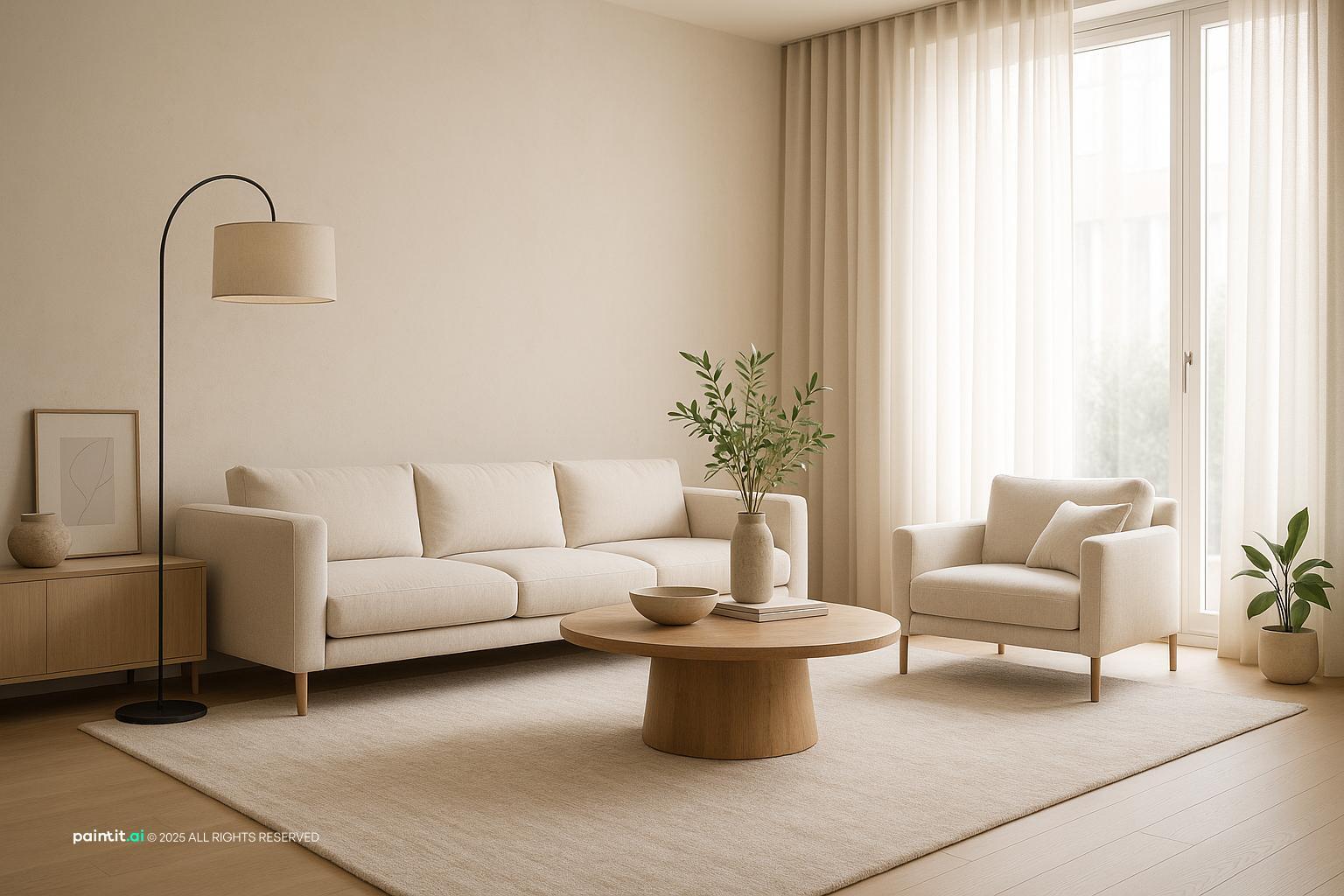
Masculine Living Room Ideas
Masculine Living Room Ideas highlights natural light, layered neutrals and soft textiles in a living room setting.
A masculine living room isn't about creating a dark, minimalist cave. The goal is a comfortable, grounded space that feels personal and put-together. At Paintit.ai, we see a clear pattern. People often start by asking for a dark color scheme, but their very next prompt is something like, 'now make it warmer.' This tells us the real challenge isn't choosing strong elements, but balancing them to avoid a room that feels cold or impersonal. It’s all about the mix.
A great masculine design starts with a few core principles: clean structure, substantial furniture, and honest materials. It's less about filling the room and more about choosing pieces that have a purpose. This keeps the space feeling uncluttered and intentional.
The warmth doesn't come from adding more stuff; it comes from layering. By mixing in different textures and planning your lighting, you can soften the hard edges of wood, metal, and leather. You can test all these masculine living room ideas in your own room to see what that balance looks like before you commit to anything.
These designs show how different furniture arrangements can work. Notice how anchor pieces, like a solid coffee table or a leather sofa, define the space, and how layouts maintain clear, easy pathways.
Masculine Living Room Ideas highlights natural light, layered neutrals and soft textiles in a living room setting.
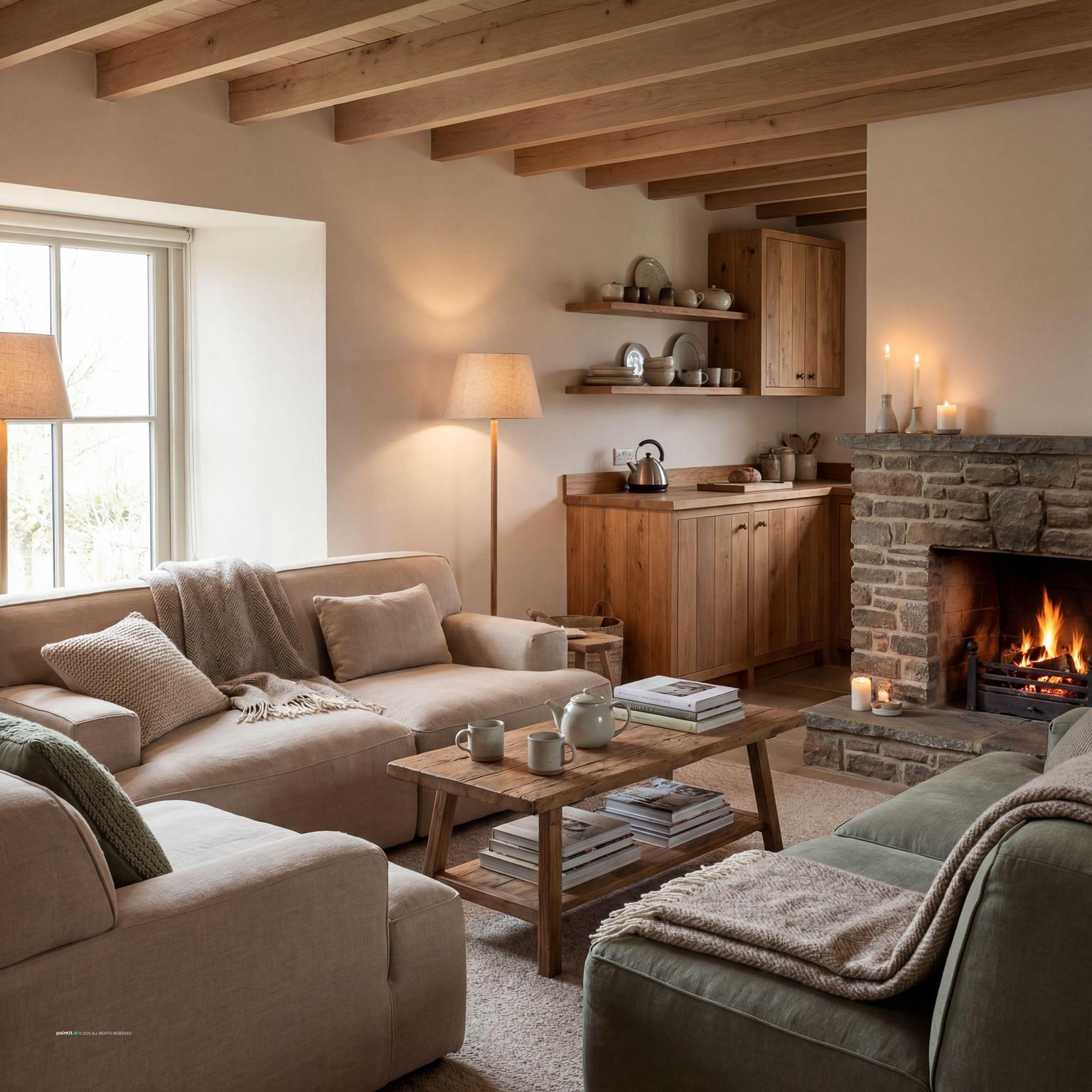
Modern Cottage Living Room Design for Relaxation highlights layered neutrals and soft textiles in a living room setting.
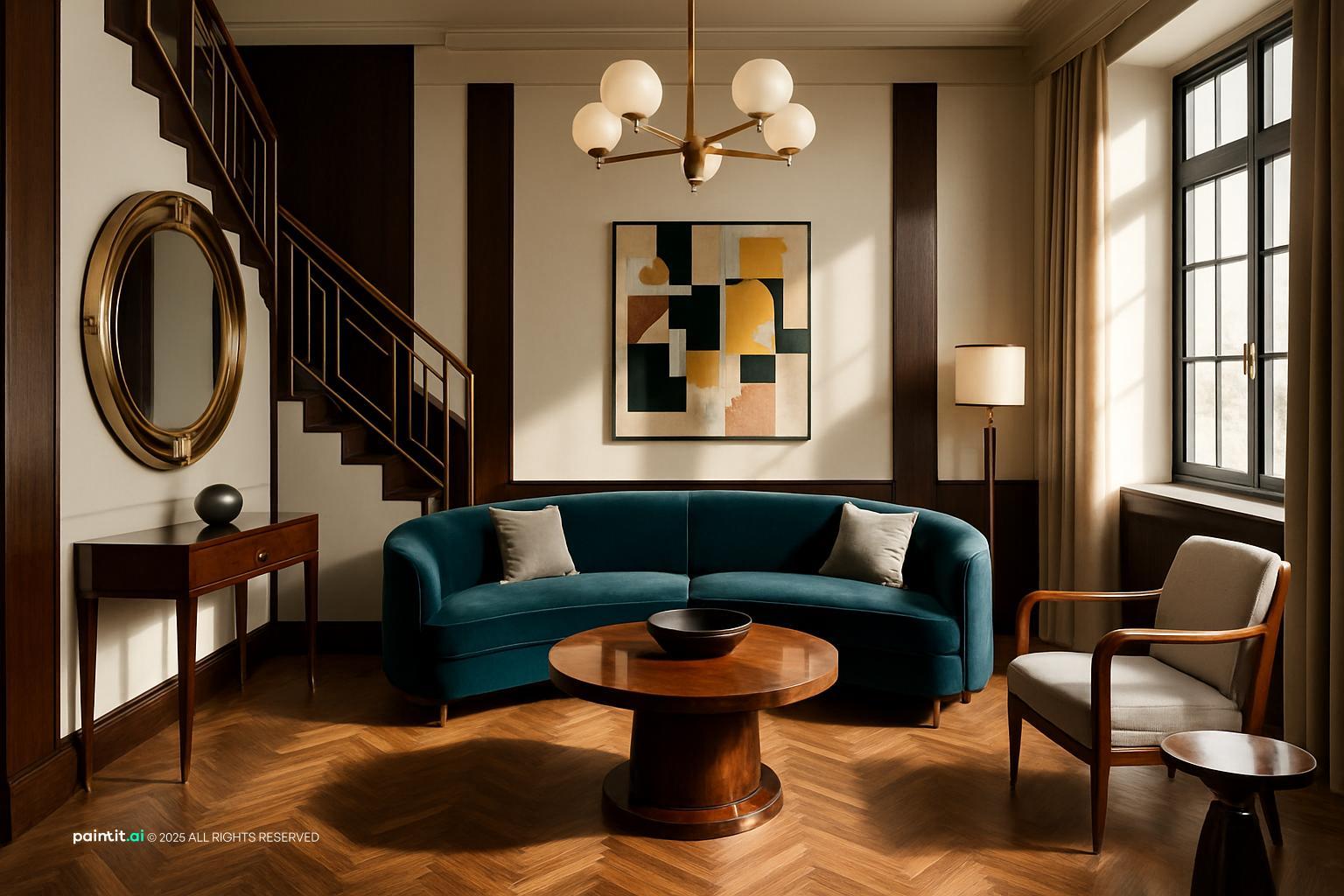
Masculine Living Room Ideas highlights natural light and metal accents in a living room setting.
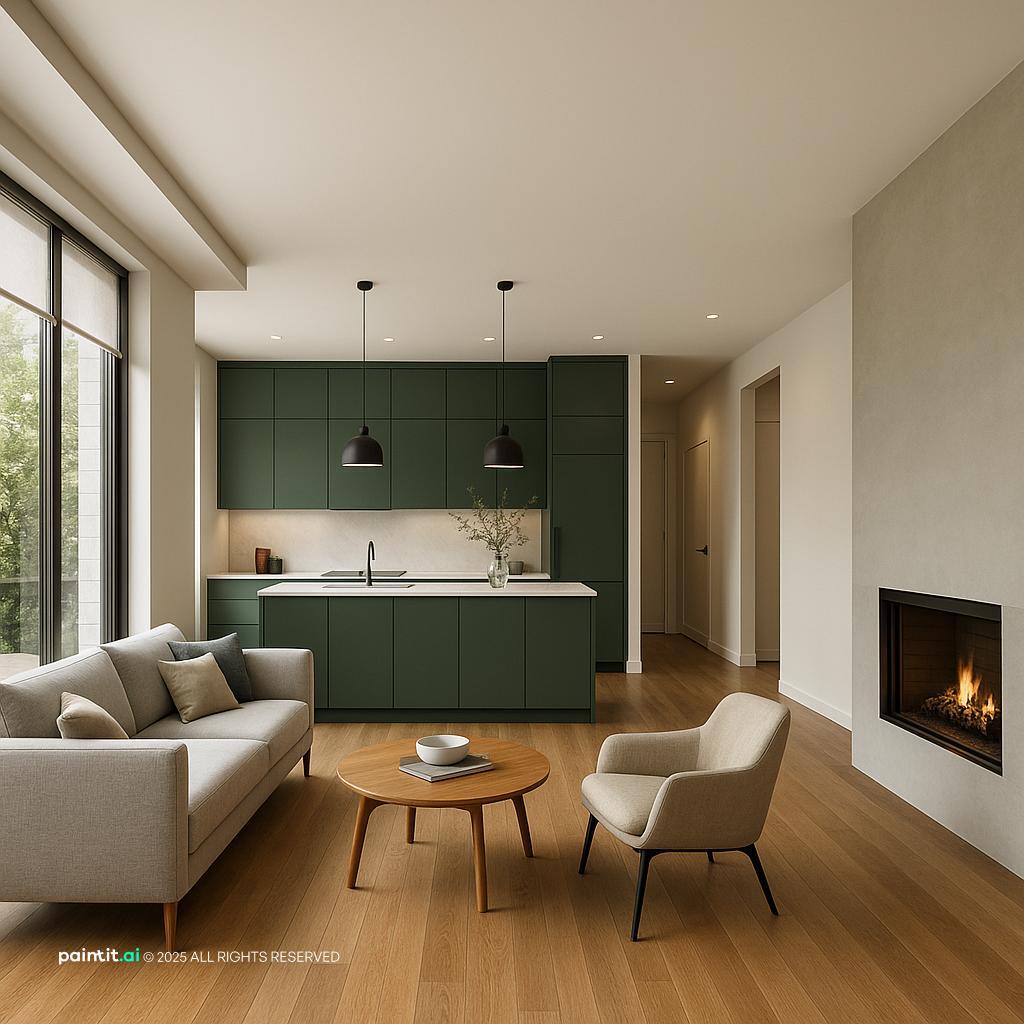
Modern Open-Plan Interior Design highlights natural light, layered neutrals and clean-lined furniture in a living room setting.
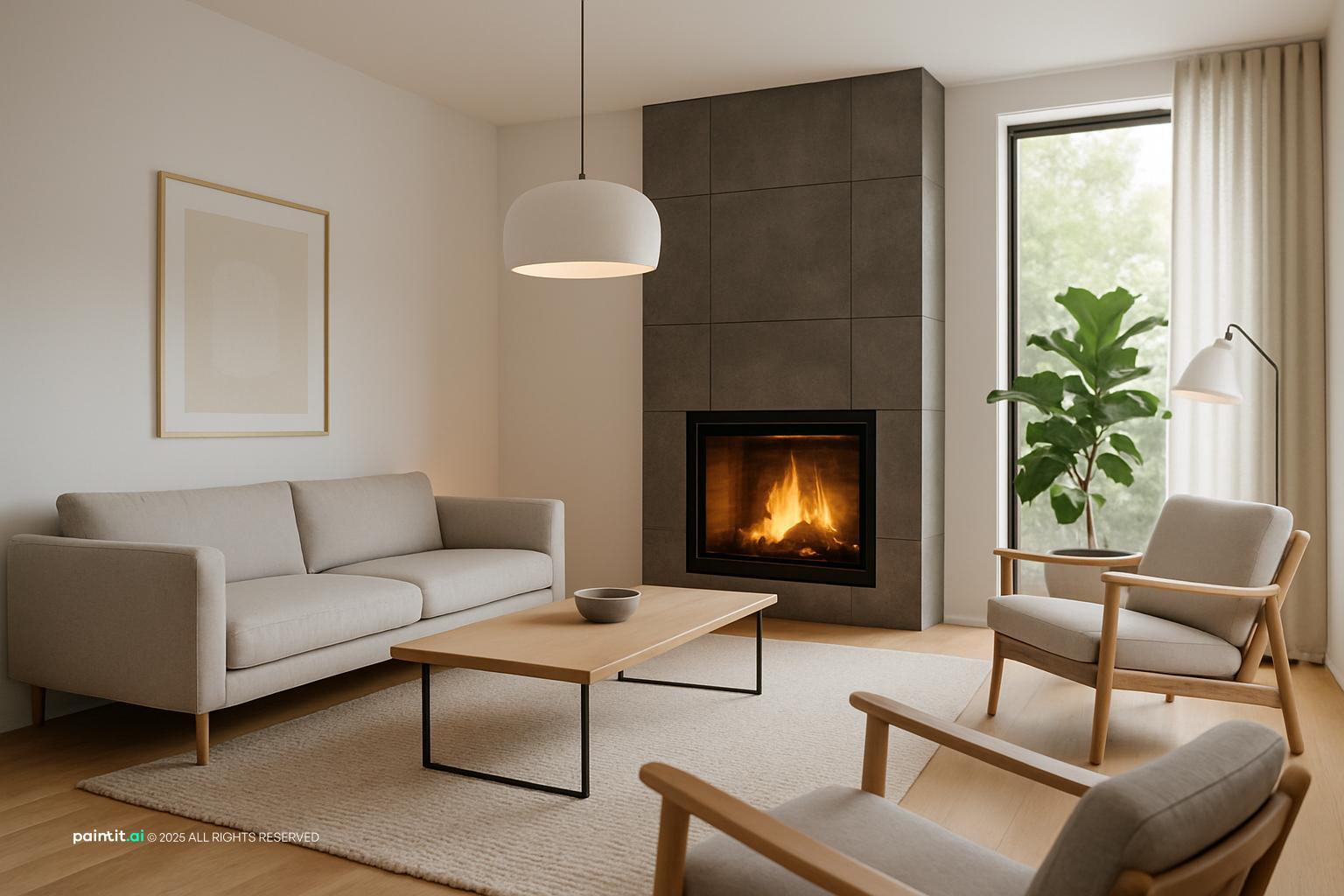
Stunning Scandinavian Living Room Design highlights natural light, warm wood and layered neutrals in a living room setting.
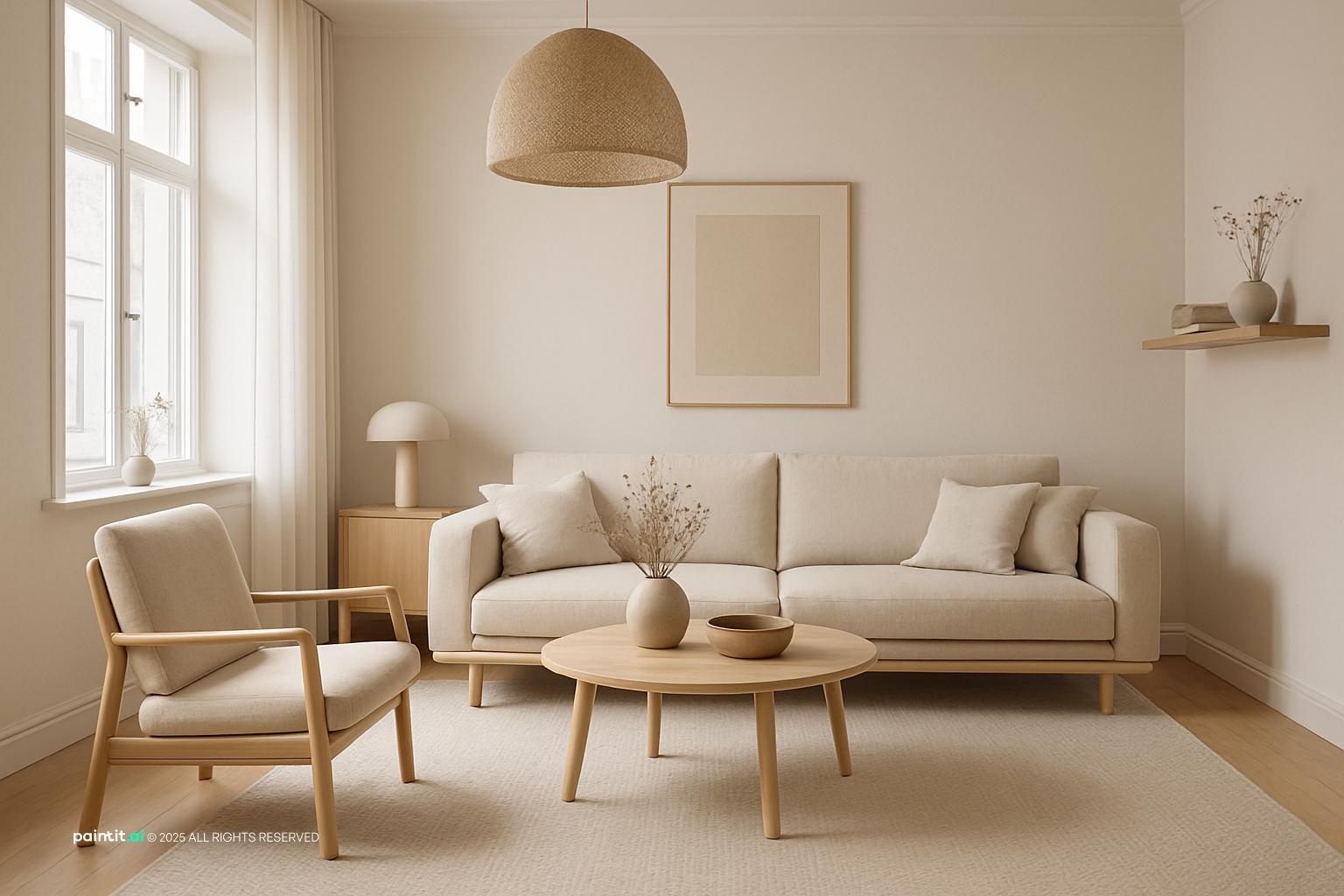
Masculine Living Room Ideas highlights natural light, layered neutrals and clean-lined furniture in a living room setting.
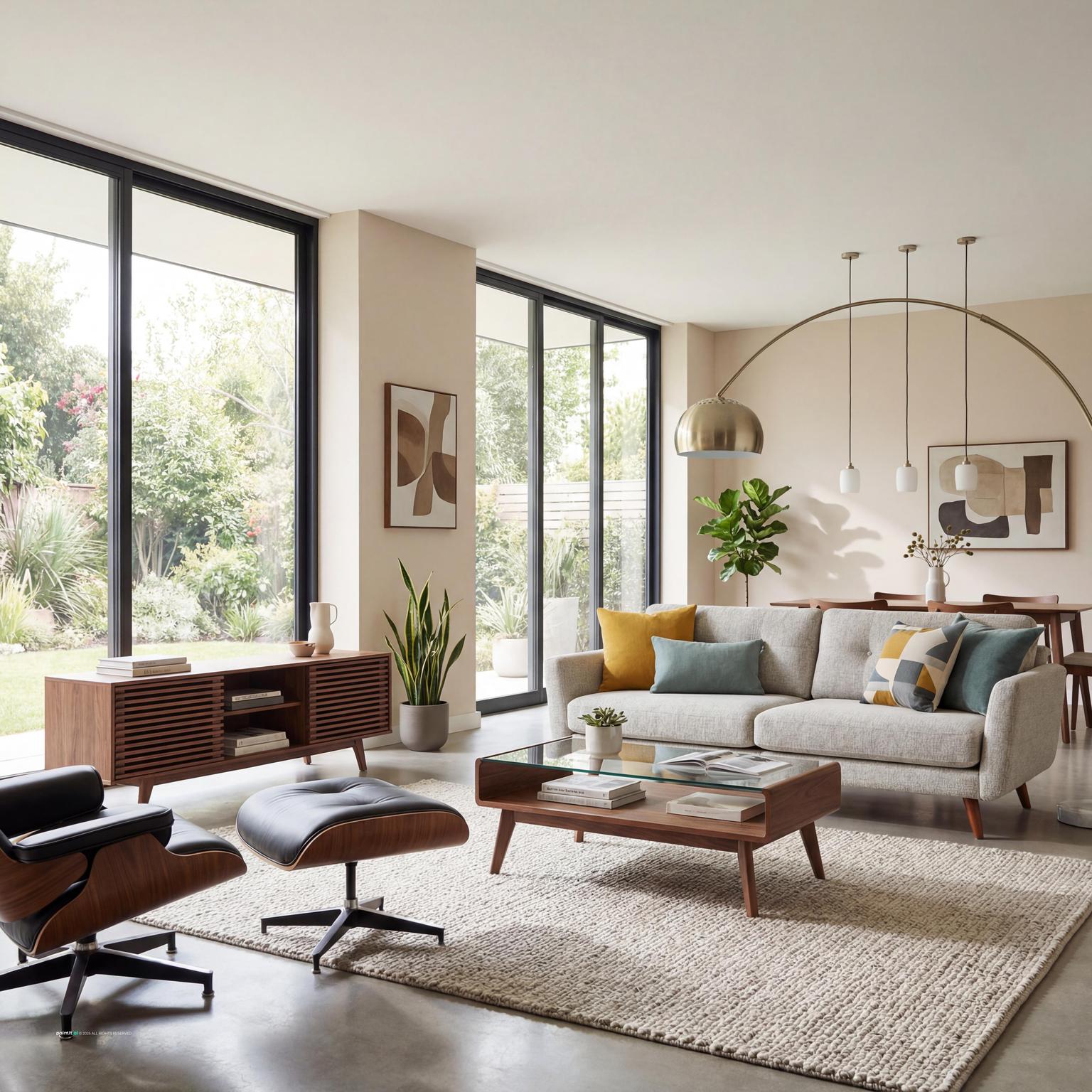
Stunning Mid-Century Modern Living Room highlights natural light, warm wood and layered neutrals in a living room setting.
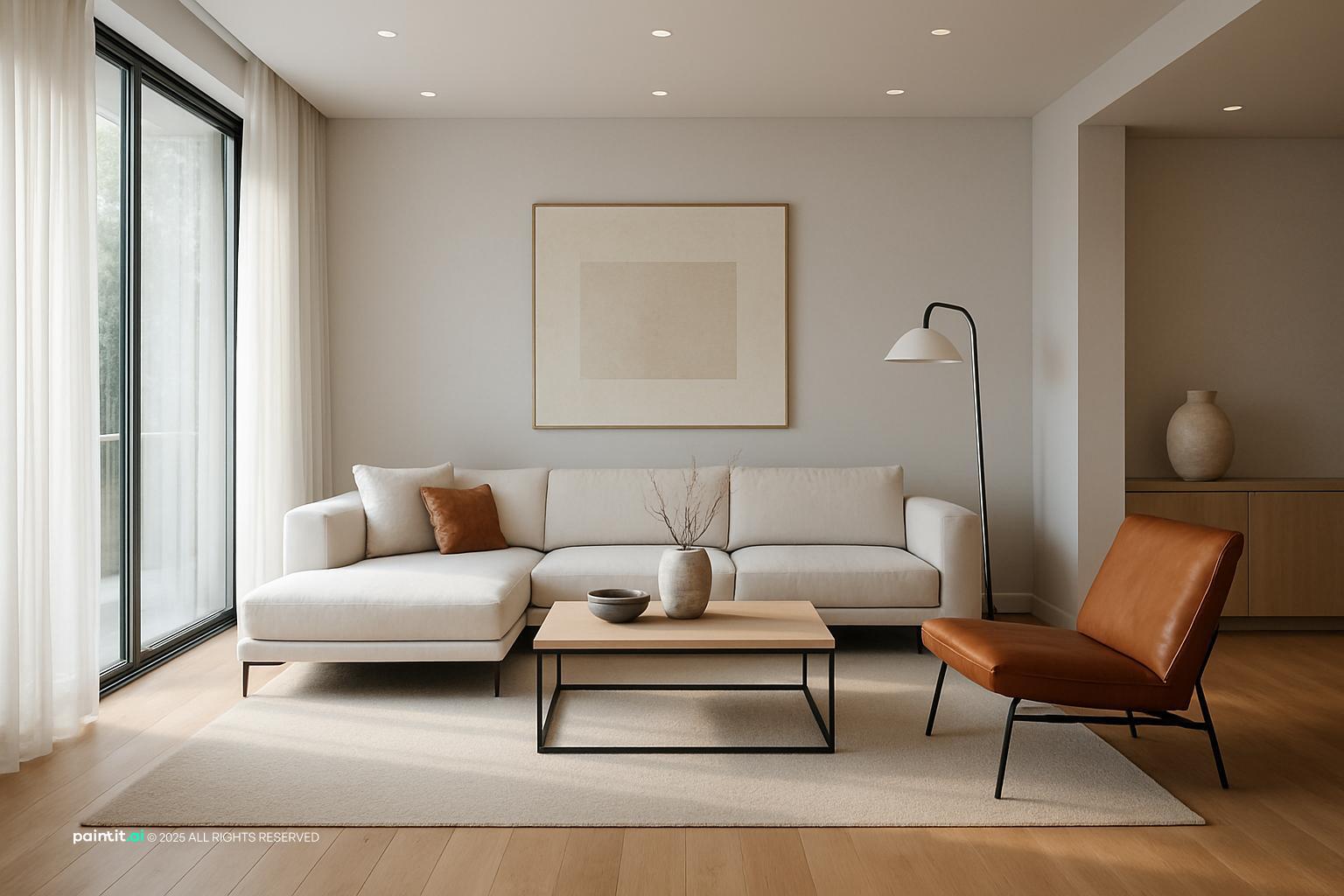
Masculine Living Room Ideas highlights natural light, warm wood and layered neutrals in a living room setting.
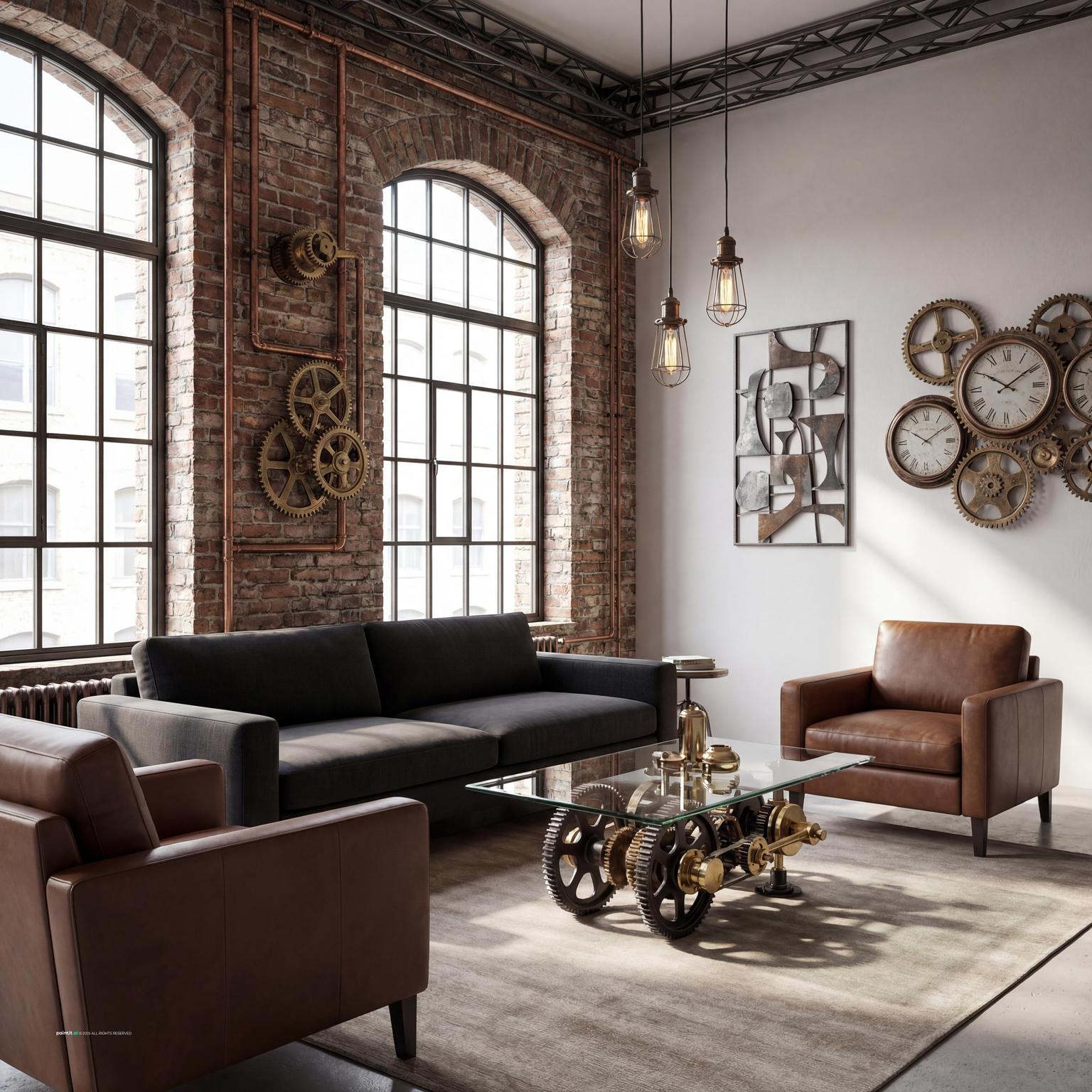
Steampunk Contemporary Living Room Design highlights natural light, layered neutrals and metal accents in a living room setting.
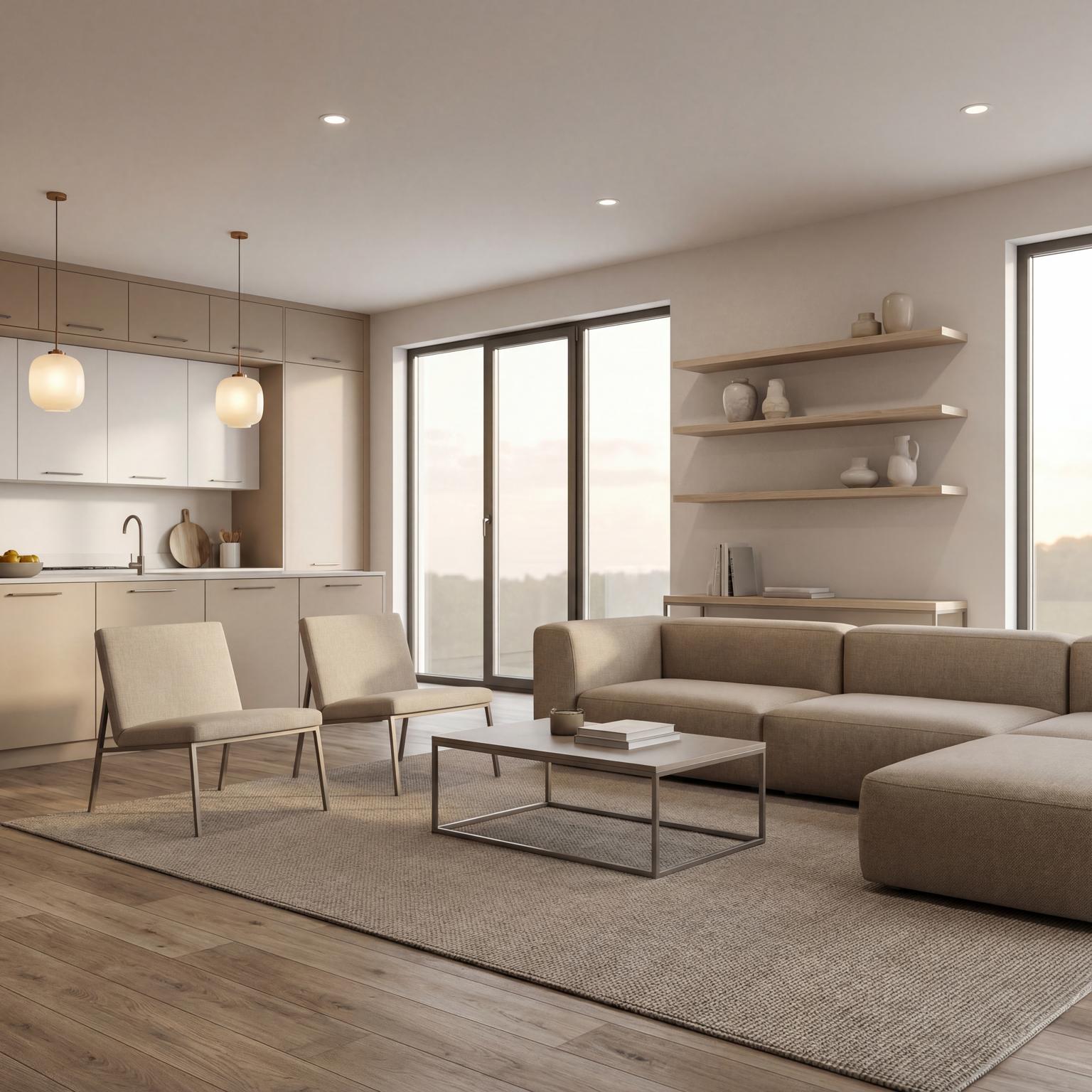
Stylish Open-Concept Living Room Redesign highlights natural light, warm wood and layered neutrals in a living room setting.
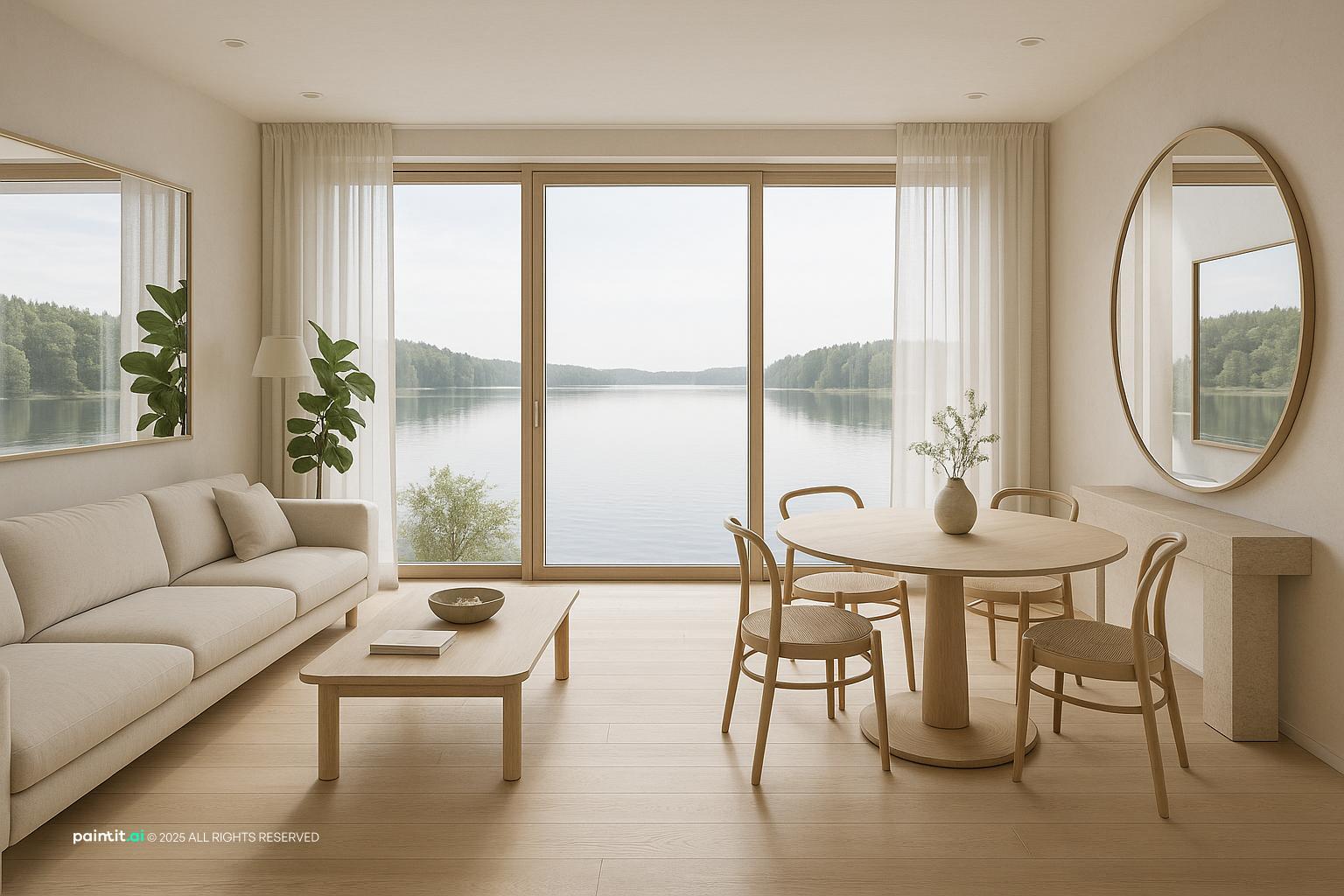
Scandinavian Living & Dining Room Design highlights natural light, layered neutrals and plants and greenery in a living room setting.
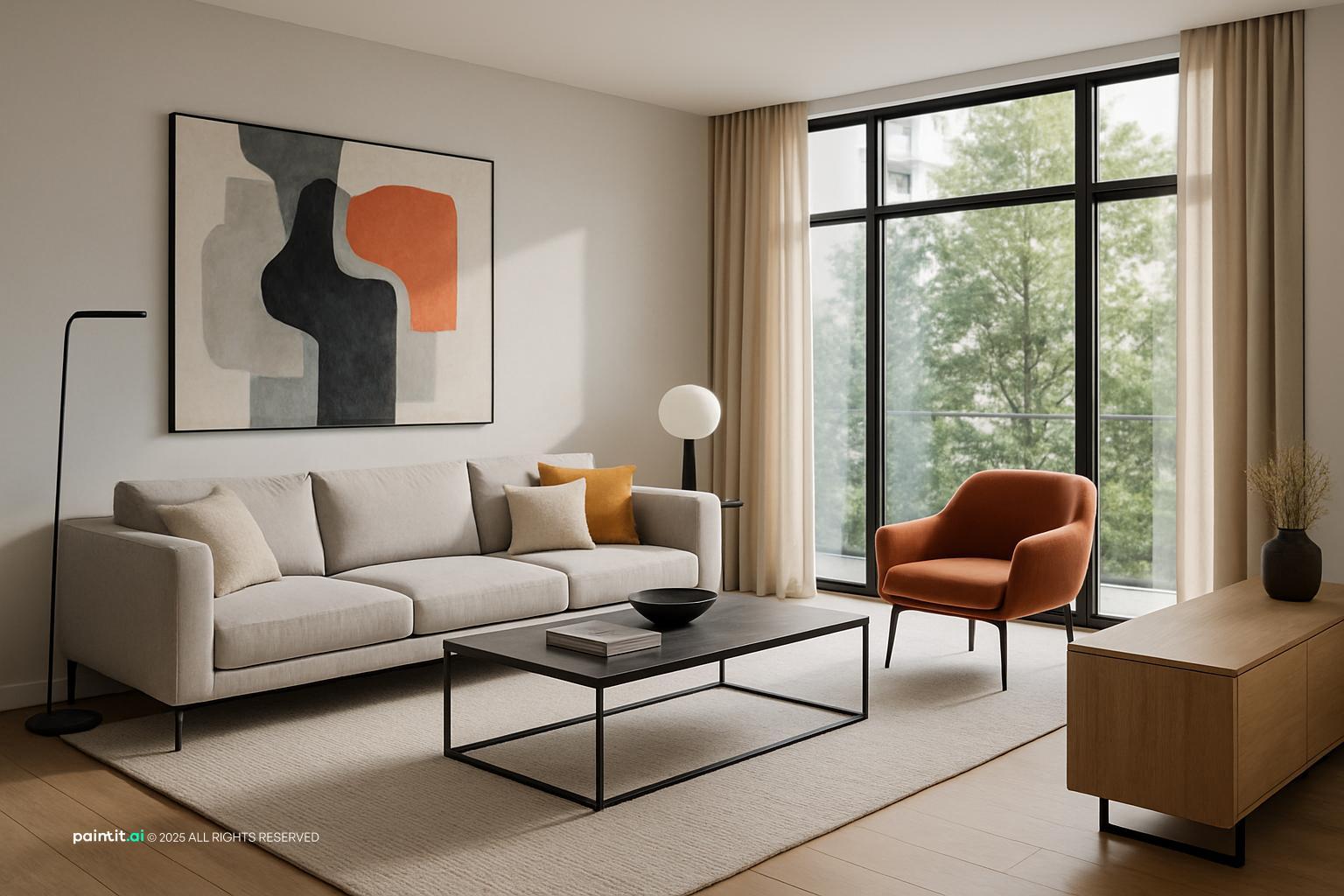
Masculine Living Room Ideas highlights natural light, layered neutrals and metal accents in a living room setting.
Here are ten practical ideas for building a masculine living room that is both impressive and genuinely comfortable.
A quality leather sofa is a classic for a reason. It has visual weight, it’s durable, and it gets better with age. Look for cognac, deep brown, or charcoal tones in a simple, clean-lined style. The goal is to avoid anything that looks overstuffed or bulky.
Dark wood adds a layer of warmth and sophistication that you just don't get from painted furniture. A solid coffee table, media console, or bookshelf made from walnut or blackened oak grounds the room. If you mix wood tones, make sure they share a similar undertone (either warm or cool) so the look stays cohesive.
Start with a base of rich neutrals. Charcoal gray, deep navy, and olive green are all solid choices for walls or large furniture. They create a calm, enveloping mood. I would avoid using pure black on all four walls, as it can shrink a room quickly. Use black as an accent to add sharp contrast and definition.
If a 'bachelor pad' feels sterile, the problem is almost always a lack of texture. This is non-negotiable for creating a cozy masculine living room. Bring in a thick, textured rug, wool or tweed throw blankets, and curtains made of linen or canvas. These materials are the perfect counterbalance to hard surfaces like leather, wood, and metal.
Work in metal through light fixtures, table legs, or simple decorative objects. Matte black or gunmetal finishes give you an industrial feel, while aged brass or bronze adds a bit of warmth. The key is to use metal sparingly as a highlight, not as the main event.
A common mistake we see is furniture that's too small for the room. Masculine decor works best with pieces that have a sense of scale and permanence. Check your proportions: a coffee table should relate to the size of the sofa, and accent chairs need to be large enough to actually be comfortable. Getting this right makes the whole room feel more intentional.
Nothing kills a mood faster than a single, harsh overhead light. A layered lighting plan is essential. You need at least three sources: general ambient light from a main fixture, task light from a floor lamp for reading, and accent light to highlight wall art. Dimmers on every switch are your best friend here.
Instead of a busy gallery wall with lots of small frames, go for one or two large pieces of art. Abstract paintings, black-and-white photography, or architectural prints all work well. The art should feel like a personal choice, not just something to fill a blank wall. It’s a more confident and less cluttered approach.
Every object should earn its place. Accessorize with things that are both useful and well-made—a stack of books, a simple tray to corral remotes, or a bar cart. Avoid purely decorative knick-knacks that just collect dust. This reinforces the room's sense of order.
For many single man living room ideas, integrating another function is a smart move. Carve out a small home office corner with a clean-lined desk, or set up a reading nook with a great armchair and its own lamp. This adds utility and makes the room feel more personal and lived-in.
Compare how different color and material pairings change the mood. See how charcoal gray looks next to warm leather, or how black metal accents can sharpen a room with softer neutral tones.
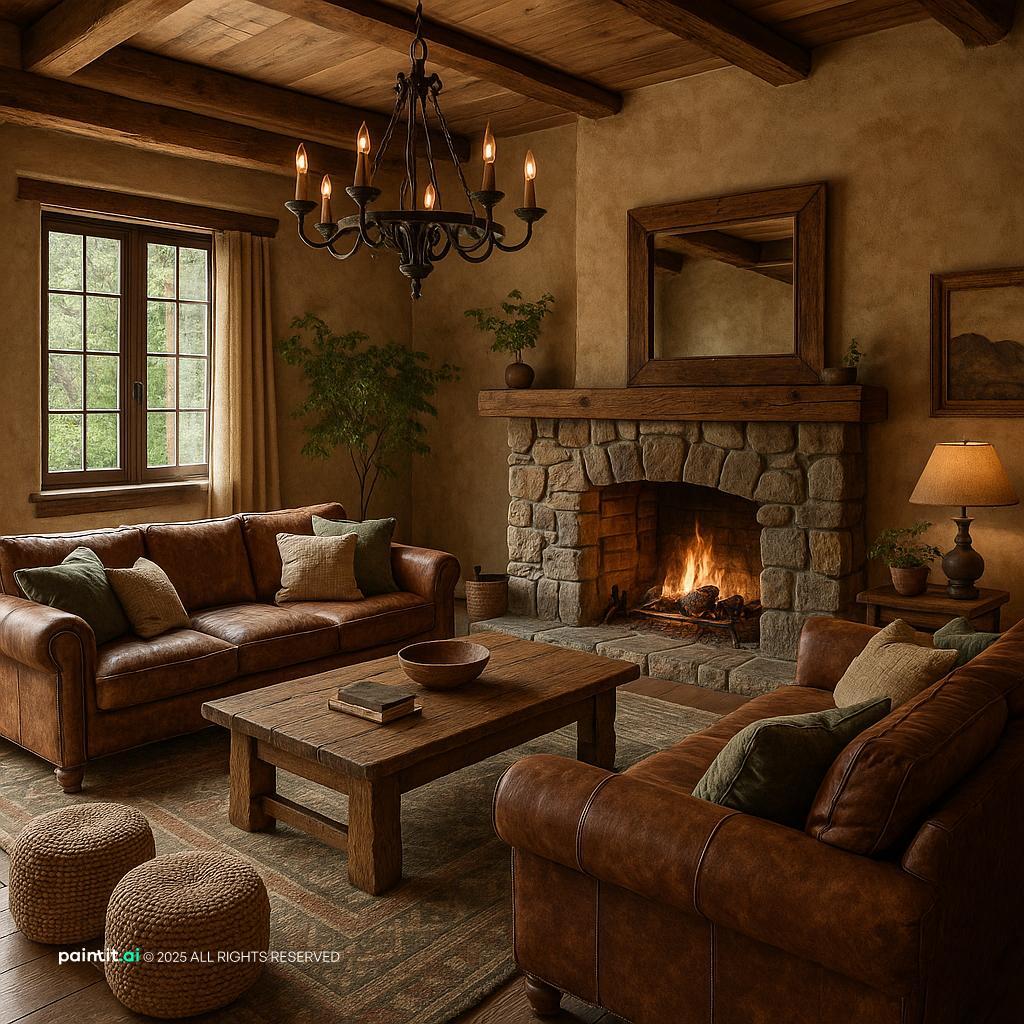
Charming Rustic Living Room Design highlights natural light, layered neutrals and plants and greenery in a living room setting.
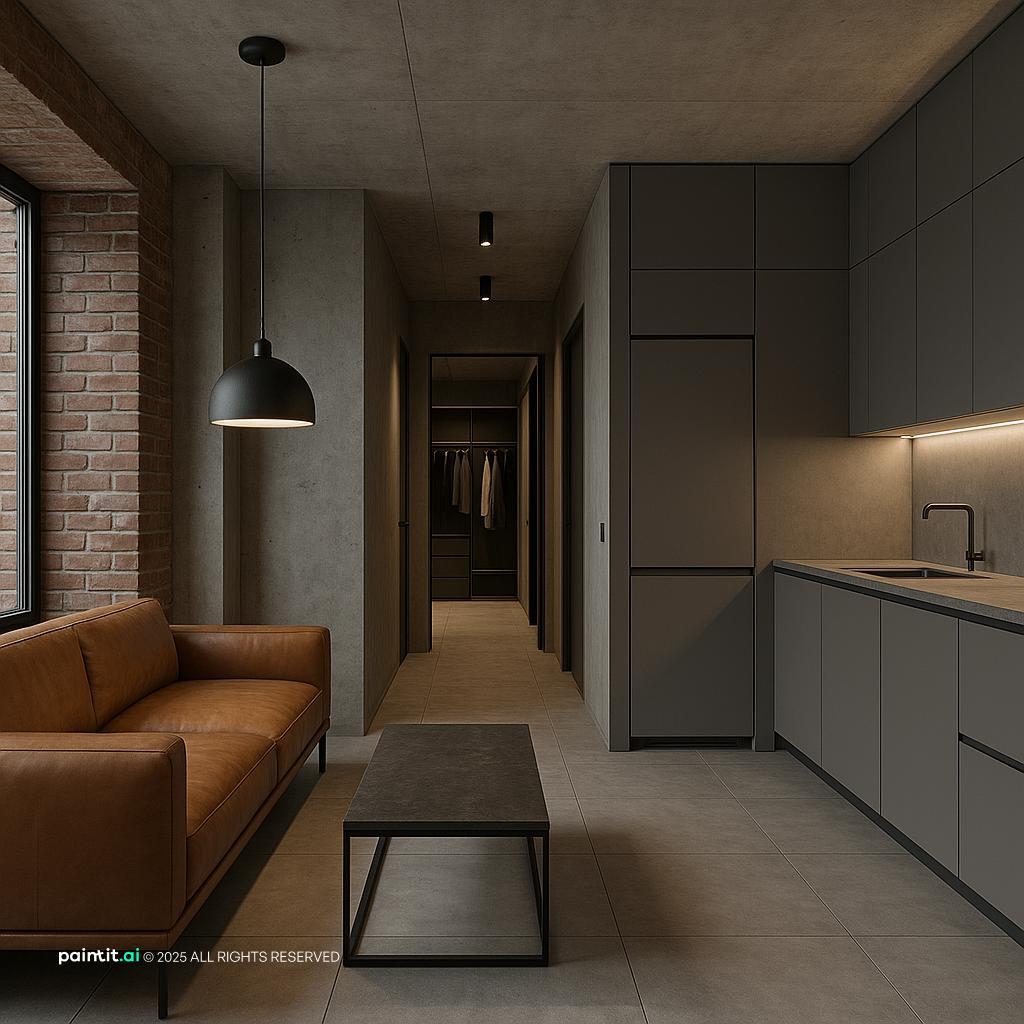
Stunning Minimalist Loft Apartment Design highlights layered neutrals and metal accents in a living room setting.
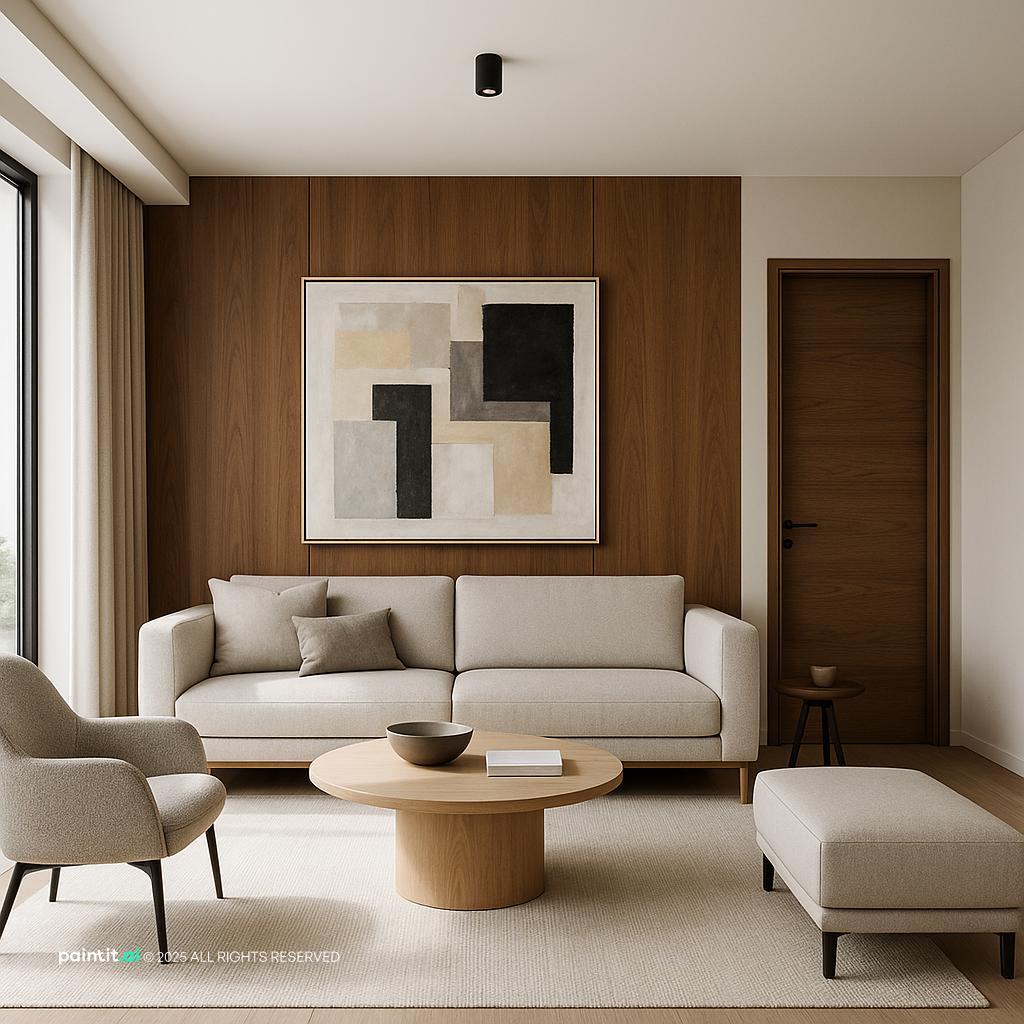
Contemporary Living Room Design Inspiration highlights natural light, layered neutrals and metal accents in a living room setting.
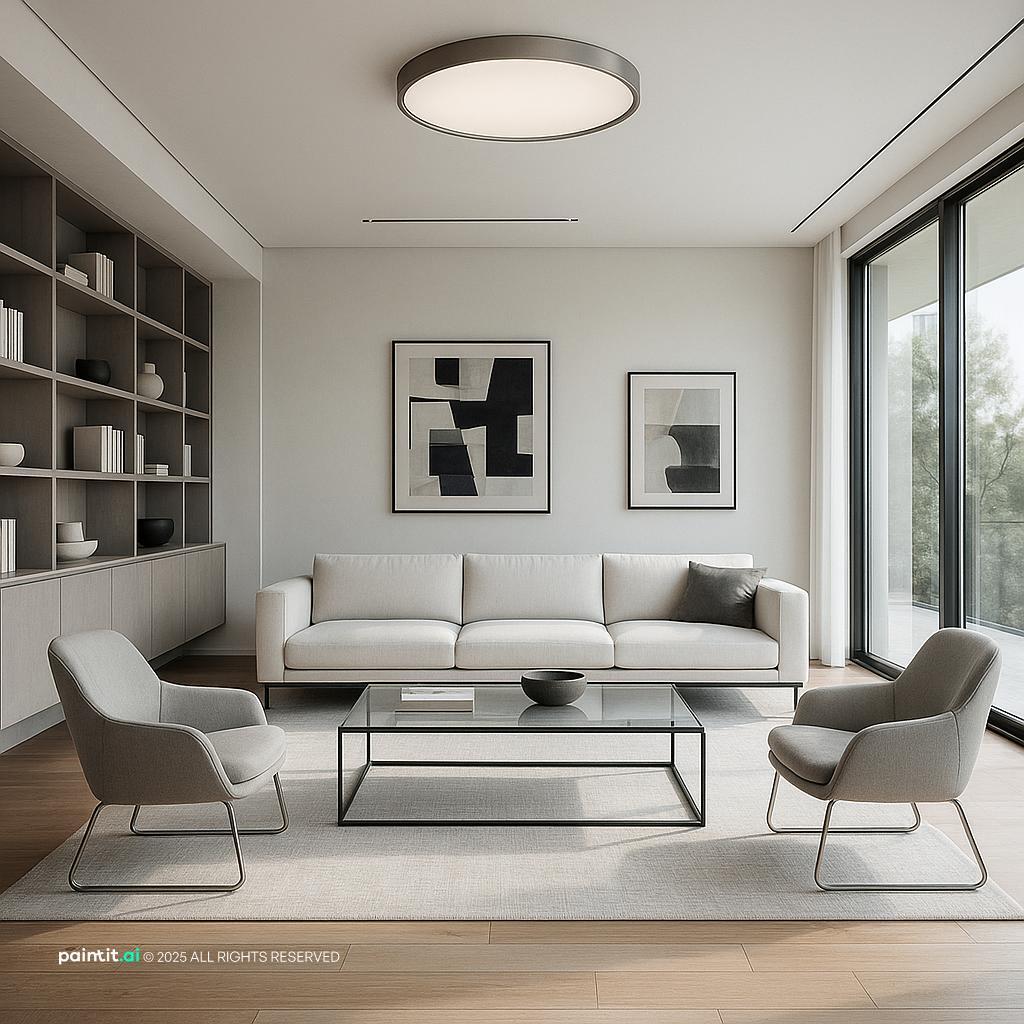
Modern Minimalist Living Room Design Ideas highlights natural light, layered neutrals and metal accents in a living room setting.
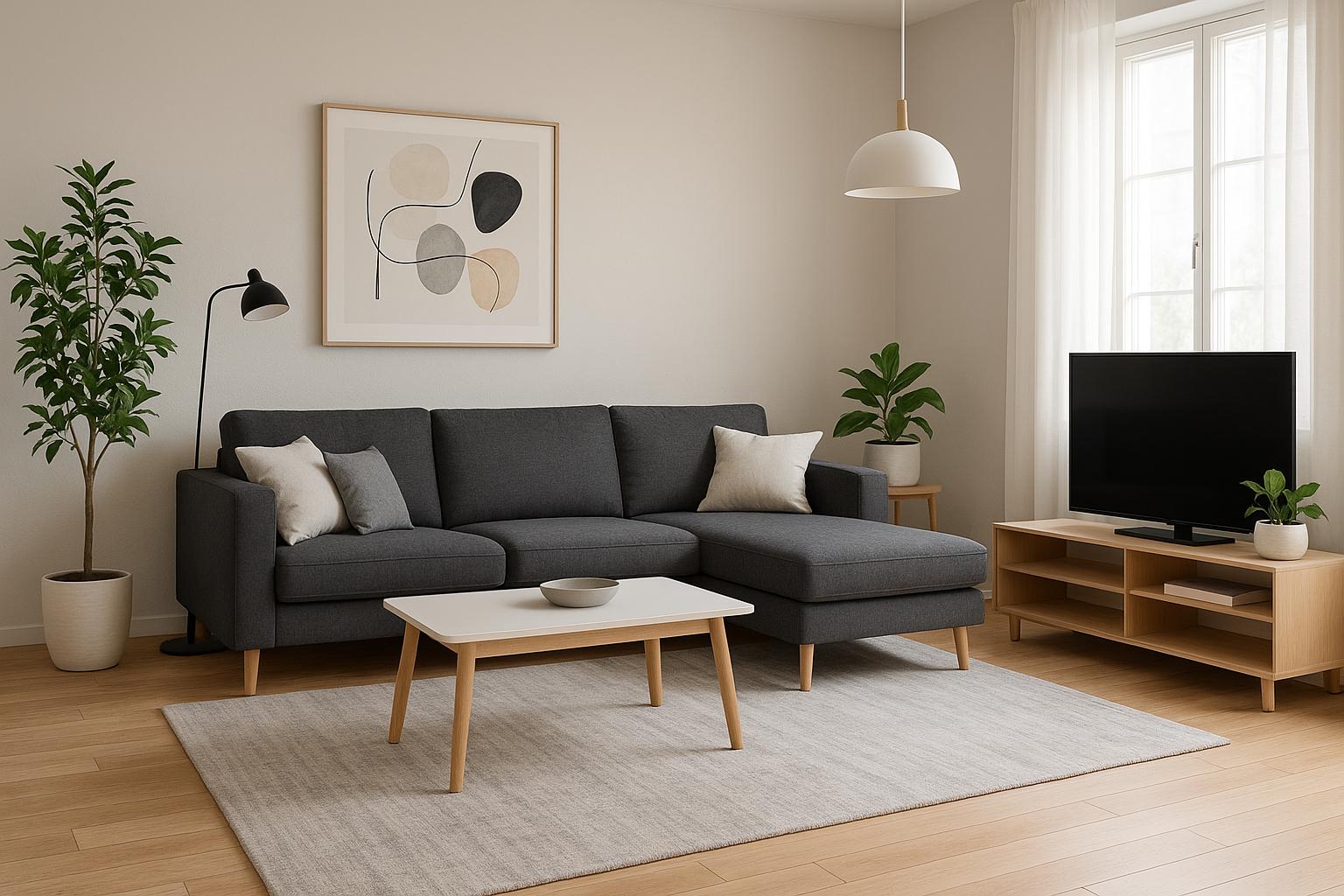
Modern Scandinavian Living Room Design highlights natural light, warm wood and layered neutrals in a living room setting.
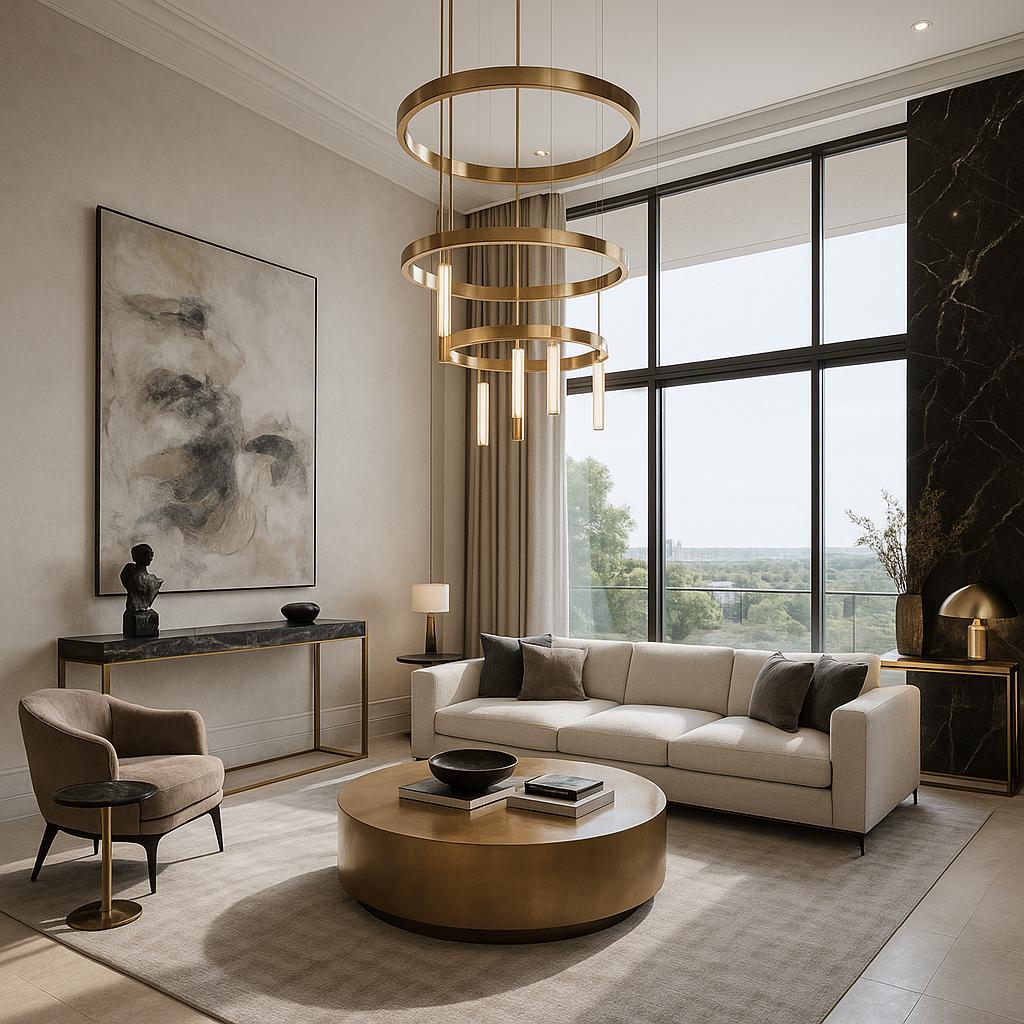
Luxurious Contemporary Living Room Design highlights natural light, layered neutrals and metal accents in a living room setting.
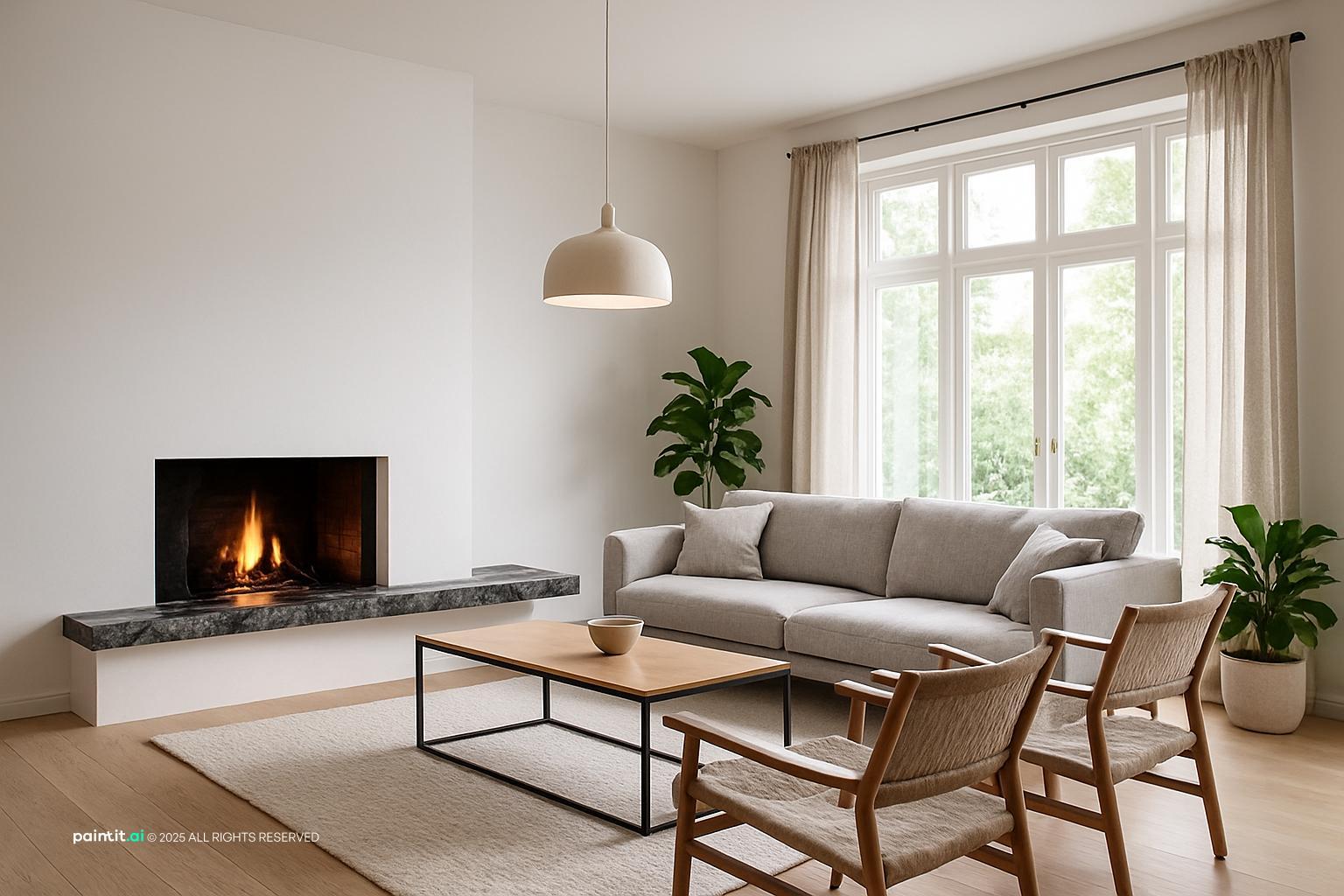
Scandinavian-Style Living Room Design highlights natural light, warm wood and layered neutrals in a living room setting.
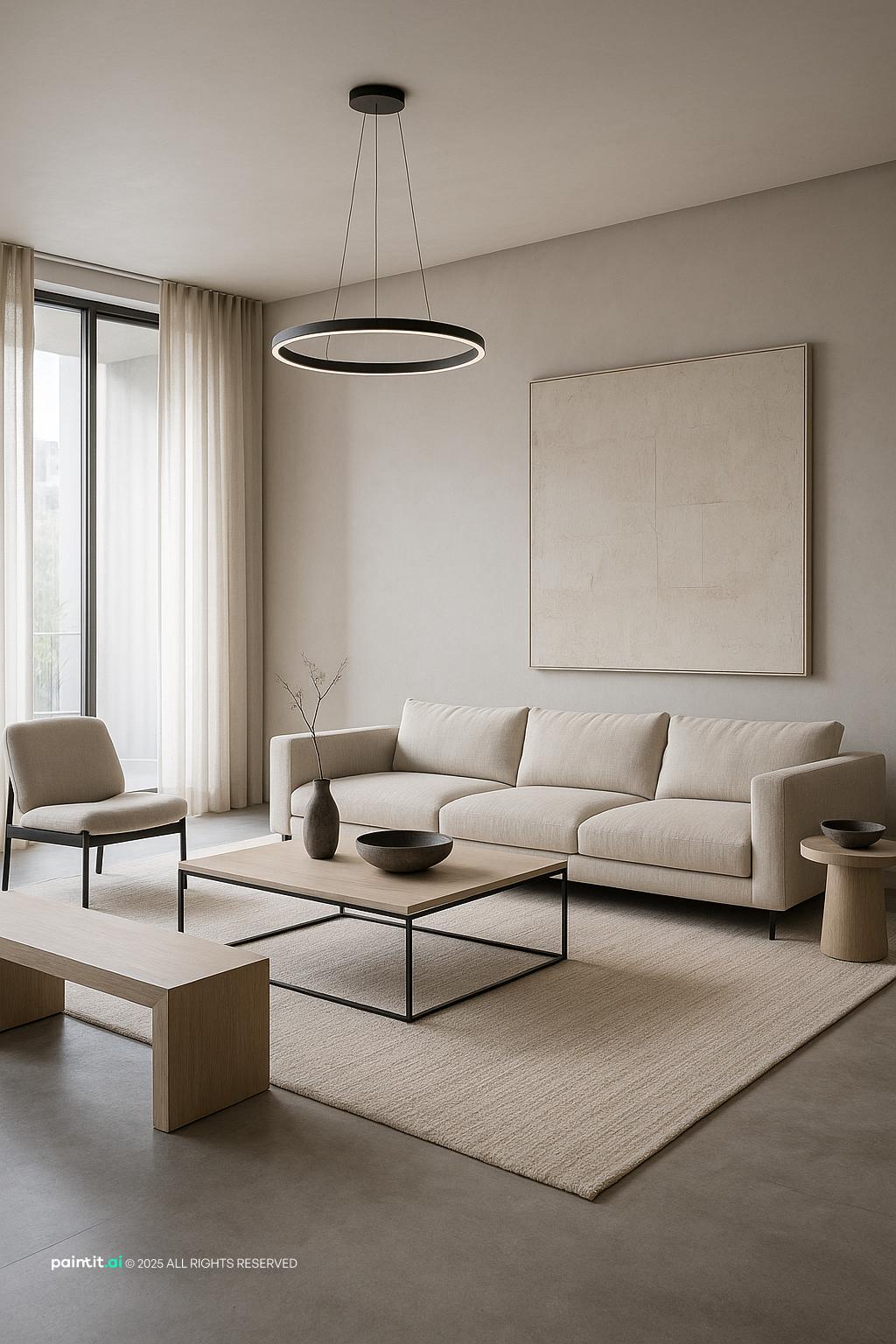
Masculine Living Room Ideas highlights natural light, layered neutrals and clean-lined furniture in a living room setting.
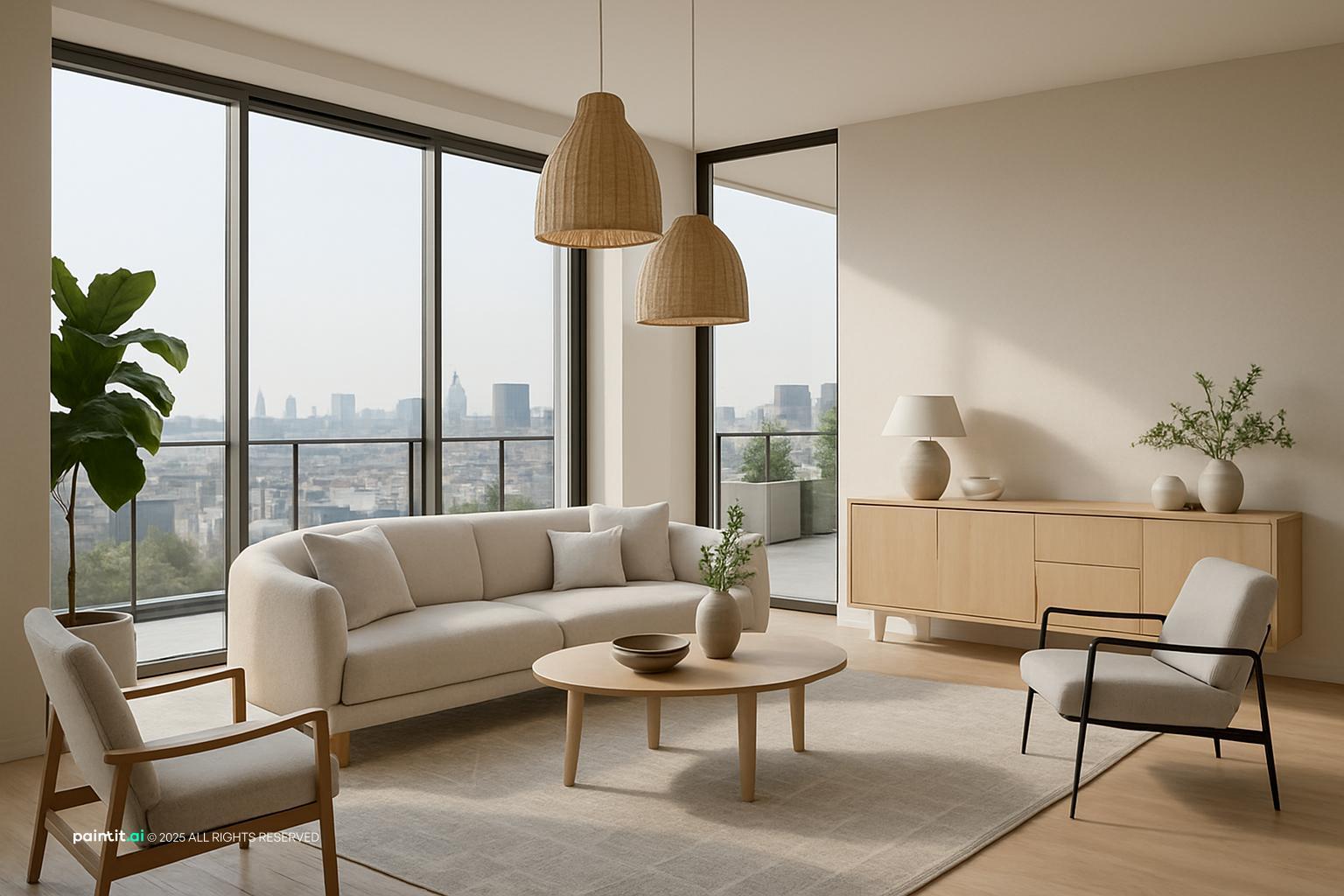
Luxury Scandinavian Living Room with City Views highlights layered neutrals, clean-lined furniture and plants and greenery in a living room setting.
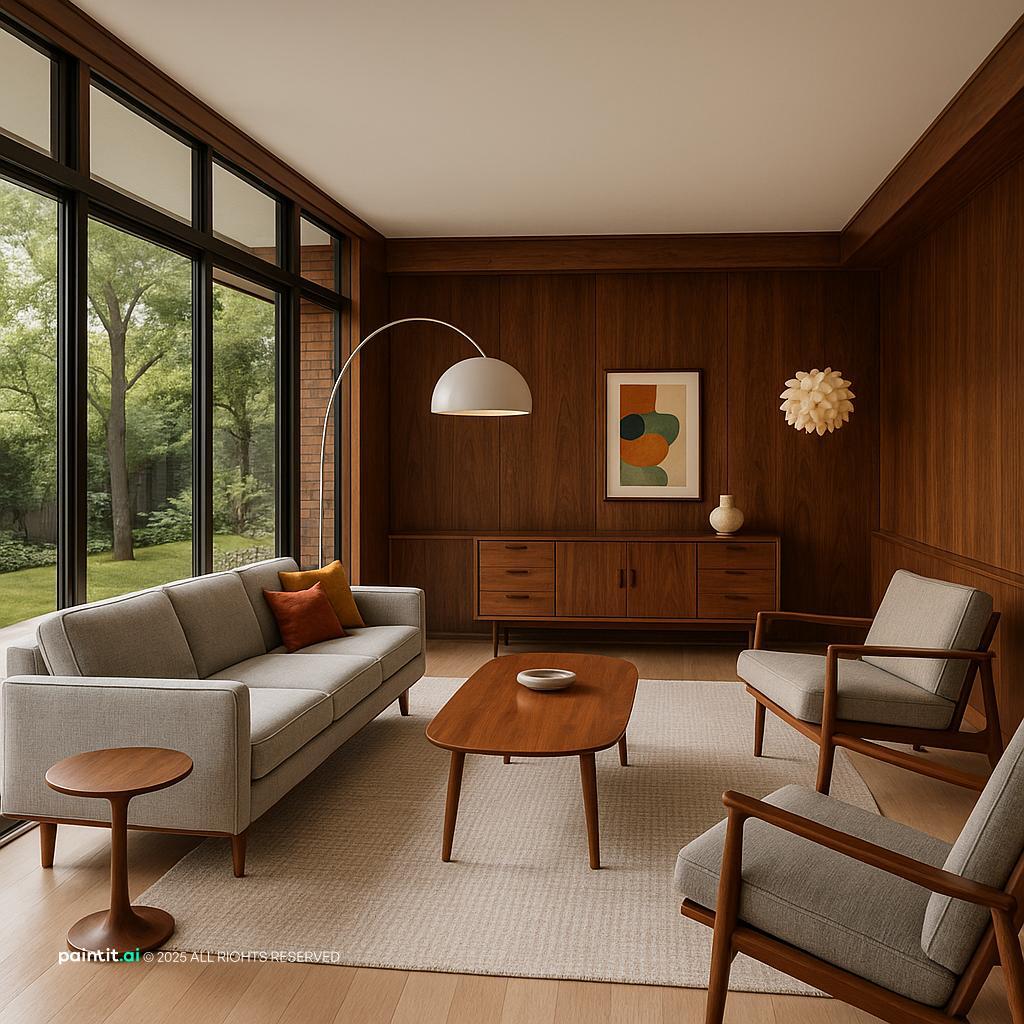
Elegant Mid-Century Living Room Design highlights natural light, warm wood and layered neutrals in a living room setting.
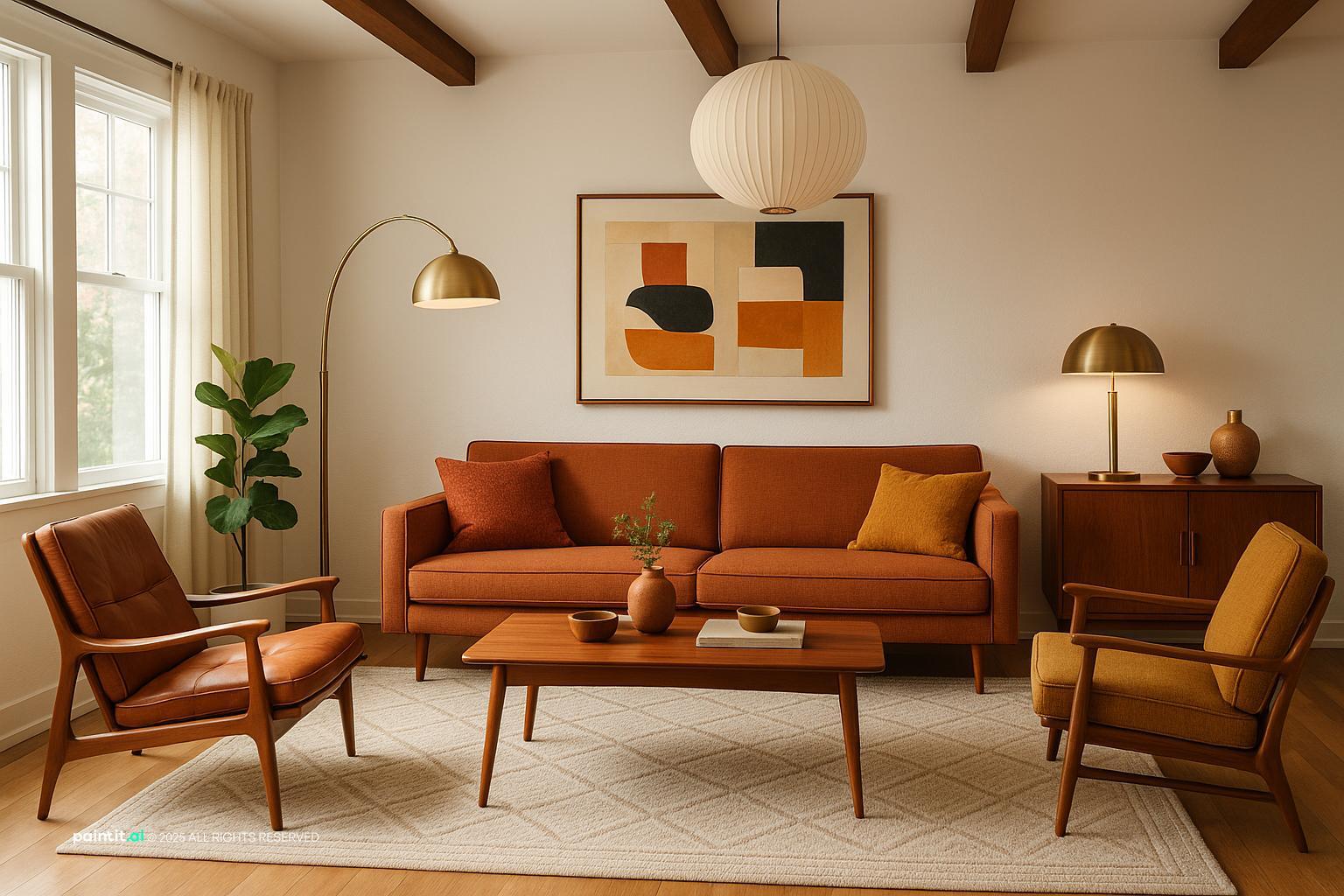
Masculine Living Room Ideas highlights warm wood, metal accents and clean-lined furniture in a living room setting.
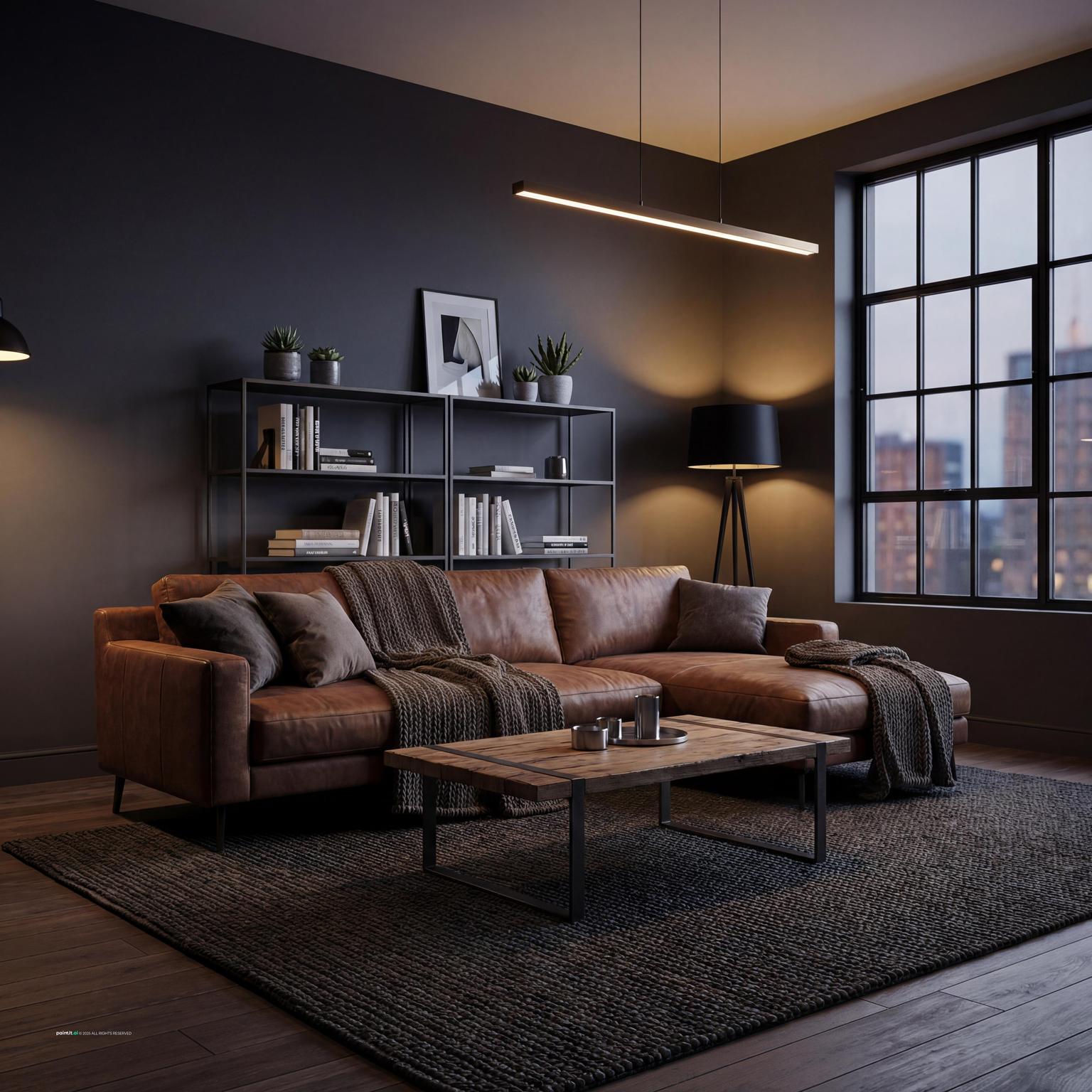
Stylish Masculine Living Room Design Ideas highlights dark contrast, metal accents and plants and greenery in a living room setting.
Getting a masculine living room right comes down to the details. Here’s a closer look at choosing the right colors, materials, and lighting to pull the whole space together.
Charcoal gray is a great starting point, but don't stop there. Deep navy blues, forest greens, and rich earthy browns create an equally sophisticated atmosphere. Use one for an accent wall or a major piece of furniture. The trick is to balance these dark colors with lighter warm neutrals—like beige, taupe, or a warm off-white—for ceilings and trim to keep the room from feeling too heavy.
In Paintit.ai tests, the most successful masculine designs are the ones that specify both color and material. In 19.0% of prompts, users call out materials directly. Focus on a core trio: leather, wood, and metal. Leather brings in texture and a timeless quality. Wood adds natural warmth. Metal provides a clean, industrial contrast.
Look for wood with a visible grain and a matte or satin finish, not a high-gloss one. Dark walnut and stained oak are classic choices. For a more industrial style, reclaimed wood for a coffee table or shelves can add a ton of character that you can't get from perfectly manufactured materials.
The finish matters. Matte black is the default for a modern masculine living room and works perfectly for light fixtures and furniture legs. For a warmer feel, try oil-rubbed bronze or antique brass. I would generally avoid shiny chrome, which can feel cold and a bit dated.
You have to balance the hard surfaces. A wool or jute textured rug helps define the seating area and adds immediate comfort. Throws made from chunky knit wool or tweed can soften a leather sofa. For windows, choose heavier fabrics like linen or canvas that provide a real sense of privacy and insulation.
When people upload rooms to Paintit.ai, the first thing that makes a space feel flat is single-source lighting. The designs that work are the ones where users specifically add accent lighting. Plan for three layers: ambient (your main fixture), task (a floor lamp by a chair), and accent (a spotlight on art). This is the fastest way to make a room feel warm and dynamic.
Finding the right balance of strong and soft elements is an iterative process. Instead of guessing, you can see exactly how these masculine living room ideas will look in your space. Upload a photo of your room to Paintit.ai and test different wall colors, see how a leather sofa changes the feel, or visualize the impact of dark wood furniture.
Getting the details right often takes a few tries. For a step-by-step guide, see our post on how to redesign a living room with Paintit.ai. Ready to see how these concepts look in your own home? Start experimenting with our AI room design tool.
The key is balancing hard and soft elements. Pair strong materials like leather, wood, and metal with plenty of texture from a thick rug, wool blankets, and substantial curtains. Crucially, use layered, warm-toned lighting, not a single harsh overhead light.
Focus on two things: texture and light. Add a high-pile or wool rug, chunky knit throws, and pillows. Then, ensure you have multiple light sources—like floor lamps and table lamps—and put them all on dimmers. Using warm wood tones also helps a lot.
Rich, muted colors are a great foundation. Think charcoal gray, deep navy, olive green, or dark brown. The trick is to balance them with lighter warm neutrals like taupe or a warm off-white on other walls or the ceiling to keep the space from feeling too dark. You can see more palettes in our guide to the best living room colors.
Start with anchor pieces that have clean lines and a solid presence. A quality leather or dark fabric sofa, a solid wood coffee table, a simple media console, and a comfortable armchair are the essentials. Focus on durability, function, and good proportions.
Focus on quality over quantity. Invest in a great sofa and good lighting first. Stick to a simple, neutral color palette and bring in personality with a few large pieces of art or books that mean something to you. Make sure every item has a purpose to keep the space functional and free of clutter.