
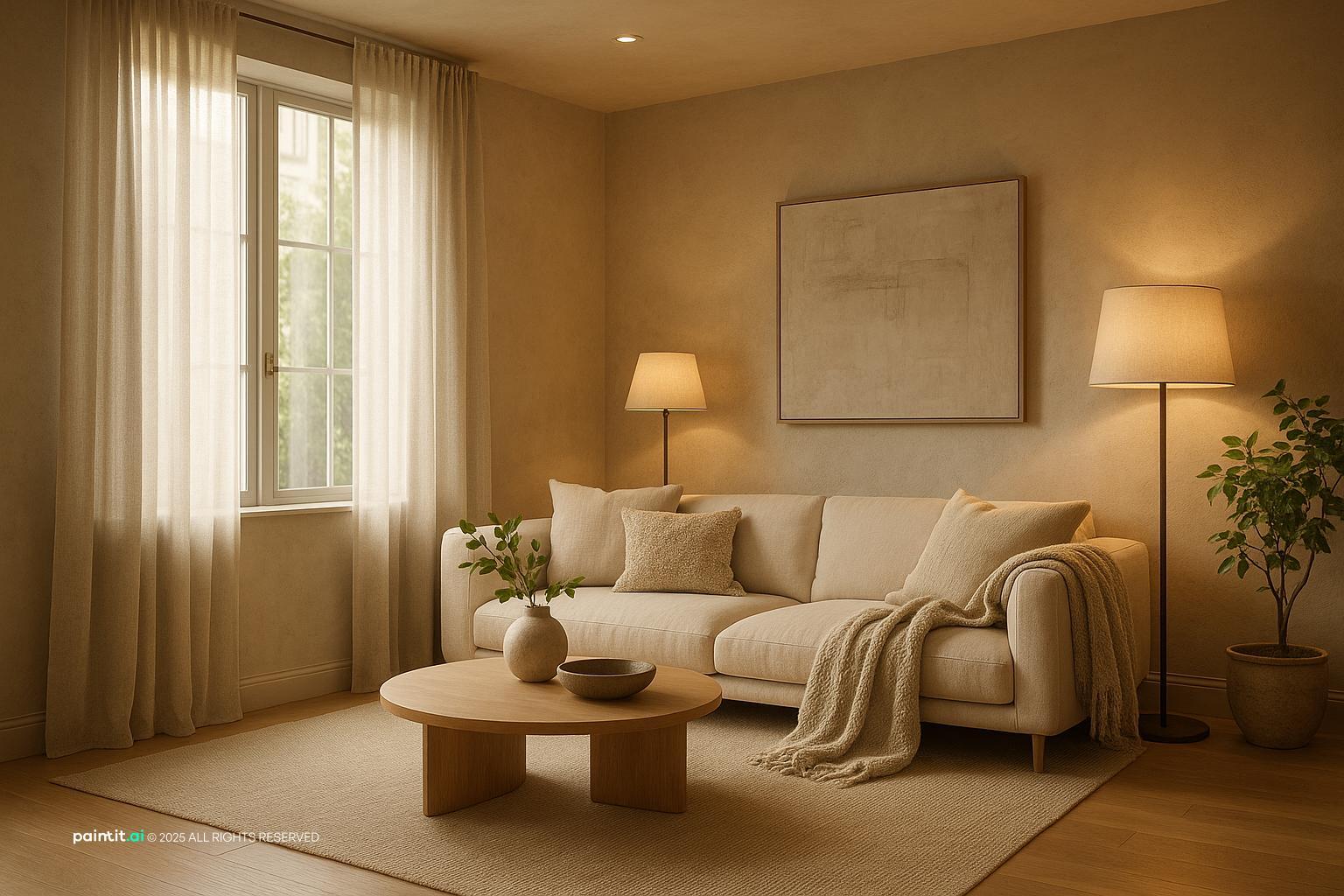
Cozy Modern Living Room Design
Cozy Modern Living Room Design uses soft textiles, plants and greenery and layered neutrals in a living room setting.
Living room trends 2026 are not about tearing out a room that already works. The better direction is quieter: warmer color, better texture, furniture that fits the way people actually sit, and lighting that makes the room feel good after sunset. Expect warm minimalism, earthy colors, curved furniture, textured walls, statement rugs, layered lighting and a more careful mix of wood, stone, metal and fabric. The rooms that look current in 2026 usually do one thing well: they connect the floor, walls, seating, lighting and materials instead of treating decor as the last-minute layer.
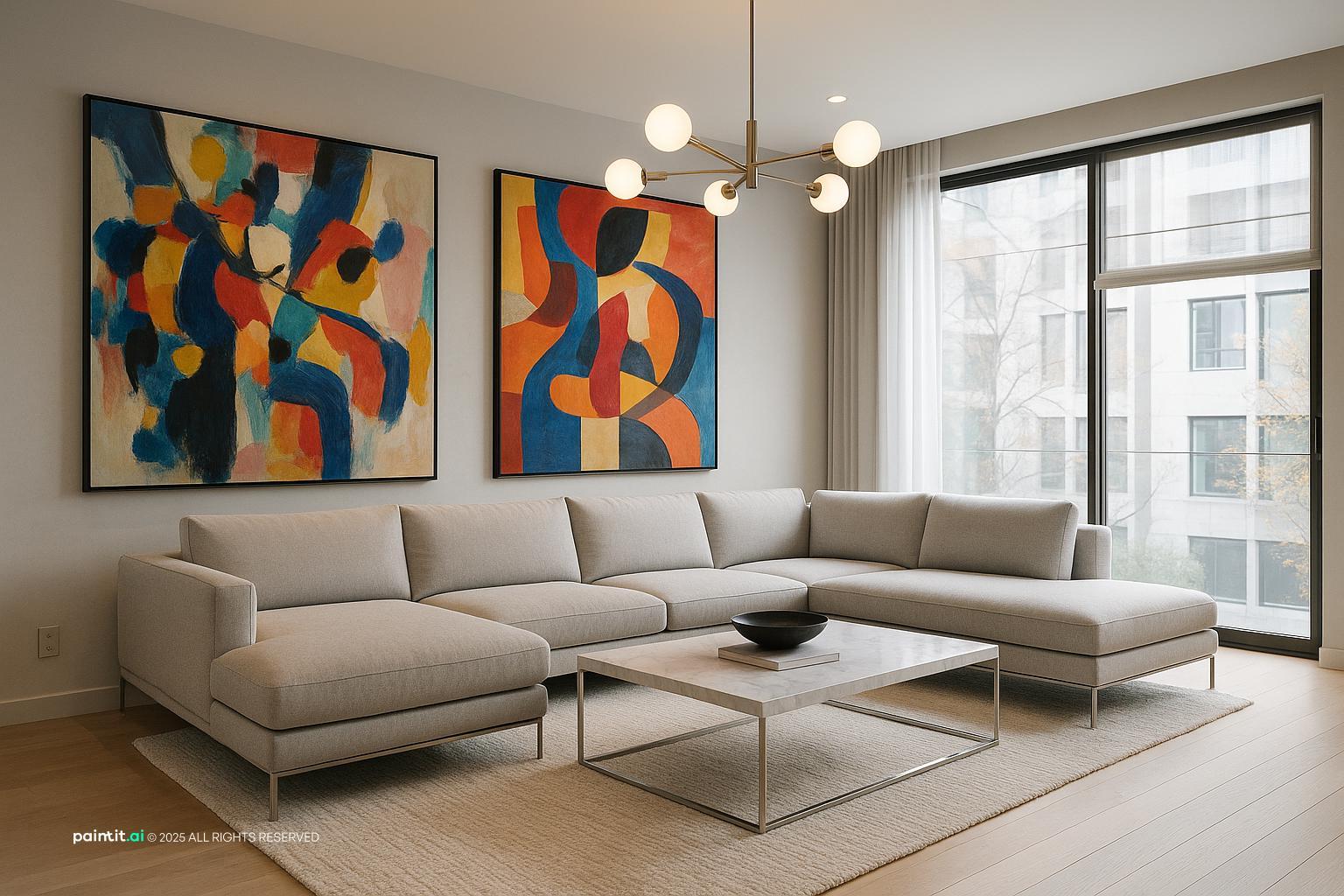
The most useful way to read living room design trends 2026 is to look at the room you already have and ask what is working against it. Is the wall color fighting the floor? Is the sofa blocking the walkway? Is the TV wall too flat? Is one ceiling light making every corner feel tired?
In Paintit.ai prompts, color is the most common modifier, appearing in 27.6% of requests, with examples such as white, beige, sage. That matches what we see in real uploads: people often start with color because it feels safe and easy to change. Materials come next in a very practical way. Wood, marble, brick and similar material choices appear in 19.0% of prompts, which is why 2026 living rooms are moving beyond repainting into richer surfaces, better finishes and clearer design decisions.
The catch is that a trend only works if it solves a real room problem. A warmer wall color helps if the room feels cold. Curved furniture helps if the layout feels stiff. Textured walls help if the space looks flat in daylight. Start there.
Use the first gallery to look past the obvious styling. Notice the shared ingredients behind the strongest rooms: softer silhouettes, warmer neutrals, tactile walls, grounded rugs, less visual clutter and lighting that creates depth instead of just brightness.
Cozy Modern Living Room Design uses soft textiles, plants and greenery and layered neutrals in a living room setting.
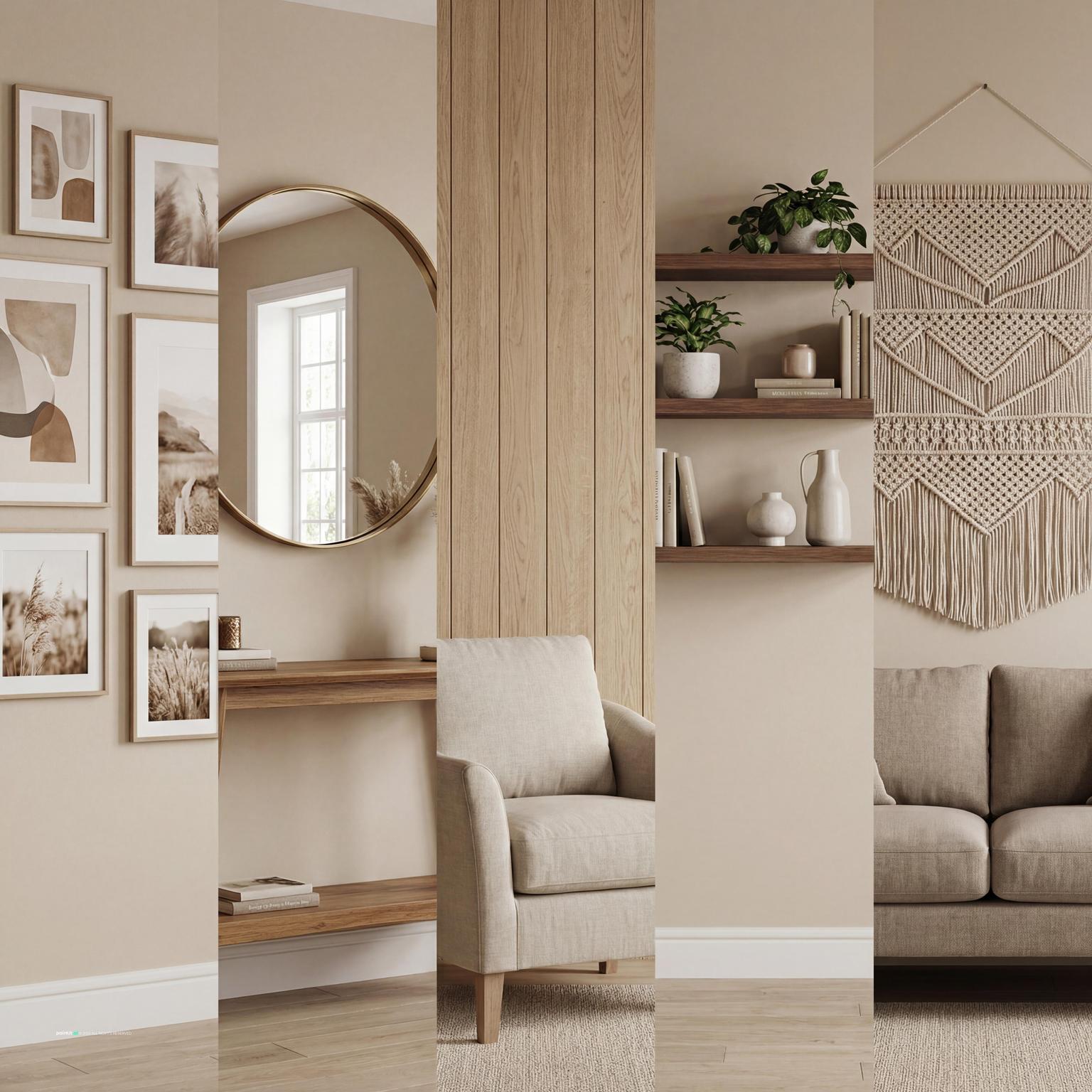
Cozy Living Room Design balances plants and greenery and layered neutrals in a living room setting.
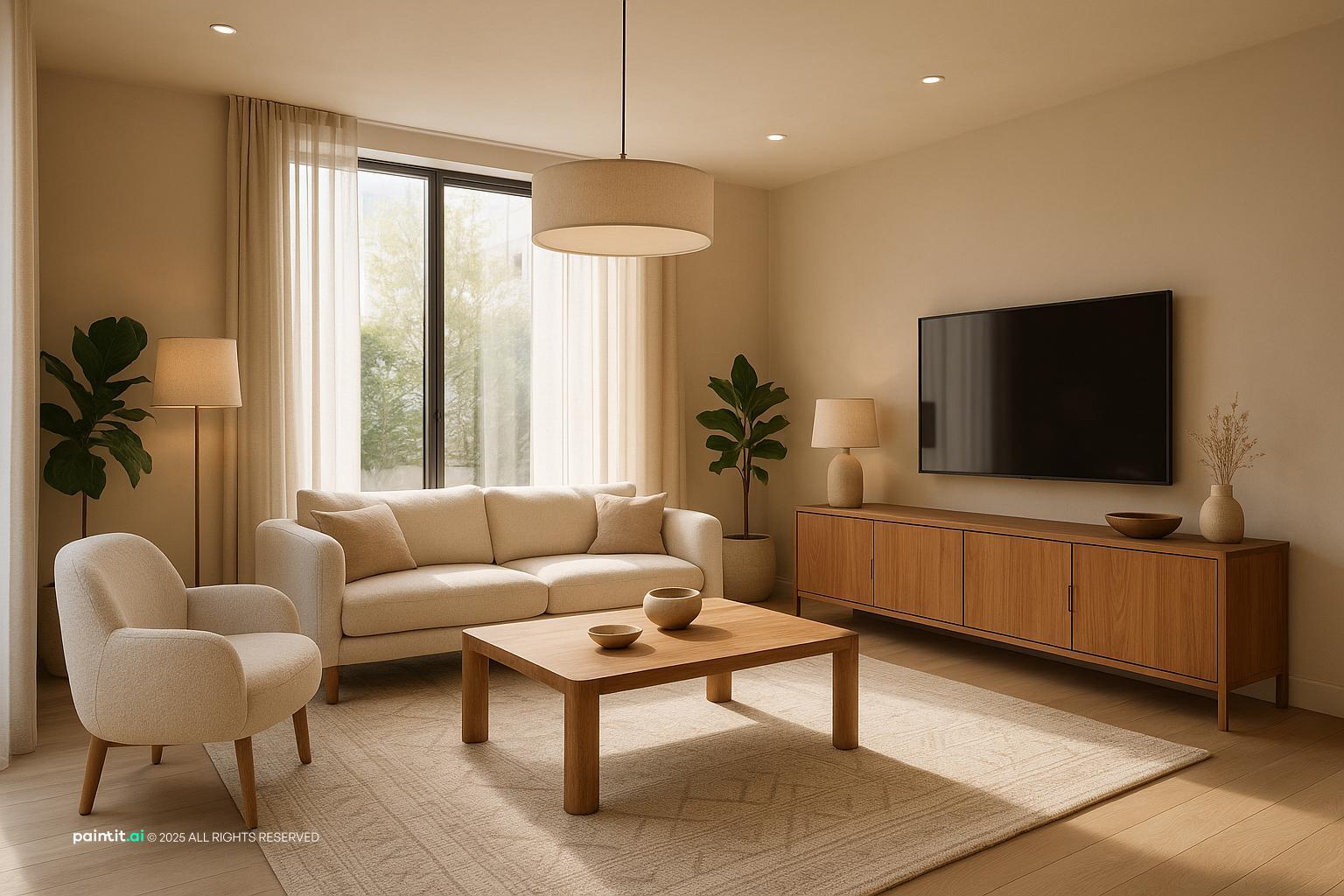
Cozy Modern Living Room Design for 2025 pairs warm wood, plants and greenery and layered neutrals in a living room setting.
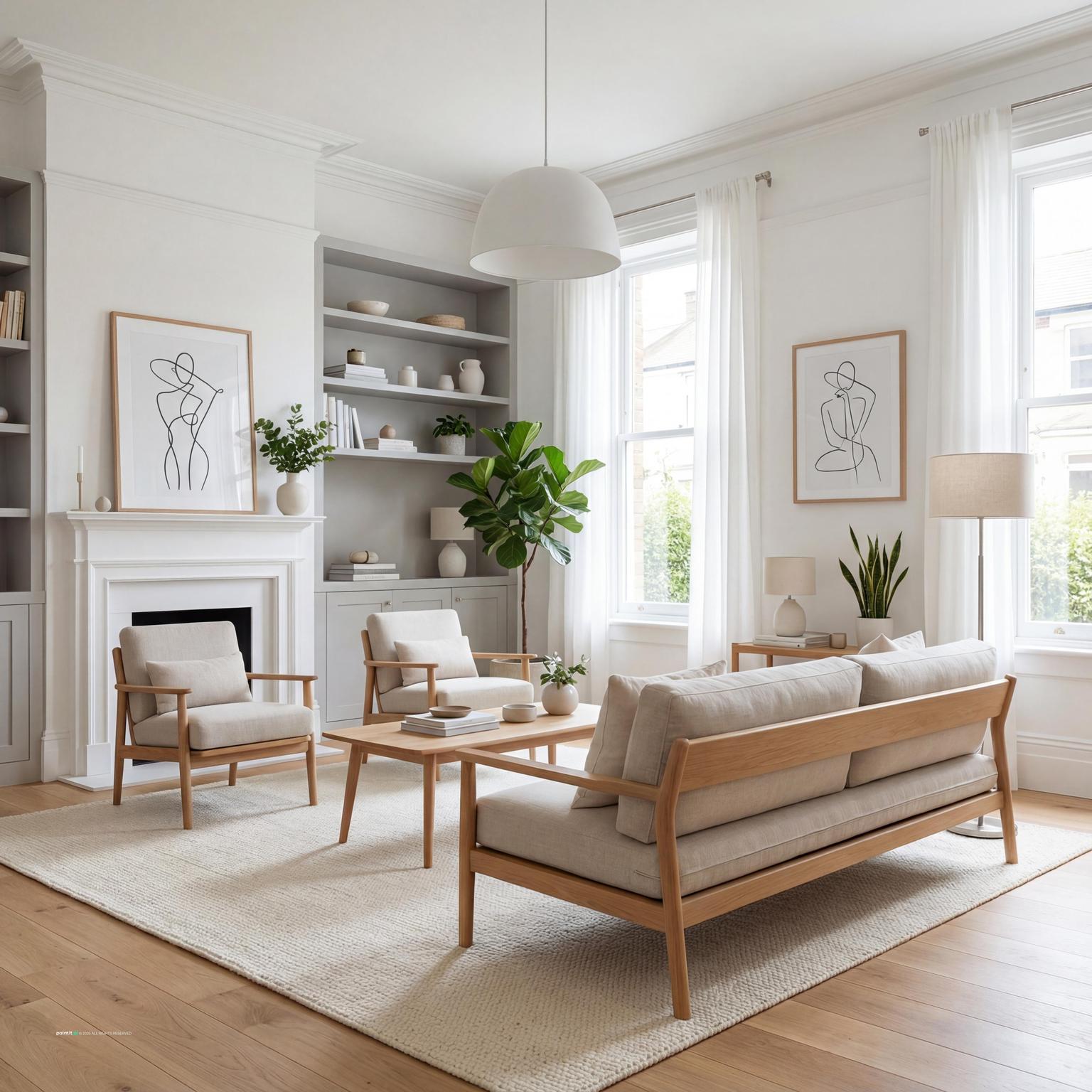
Scandinavian Living Room Redesign layers warm wood, plants and greenery and layered neutrals in a living room setting.
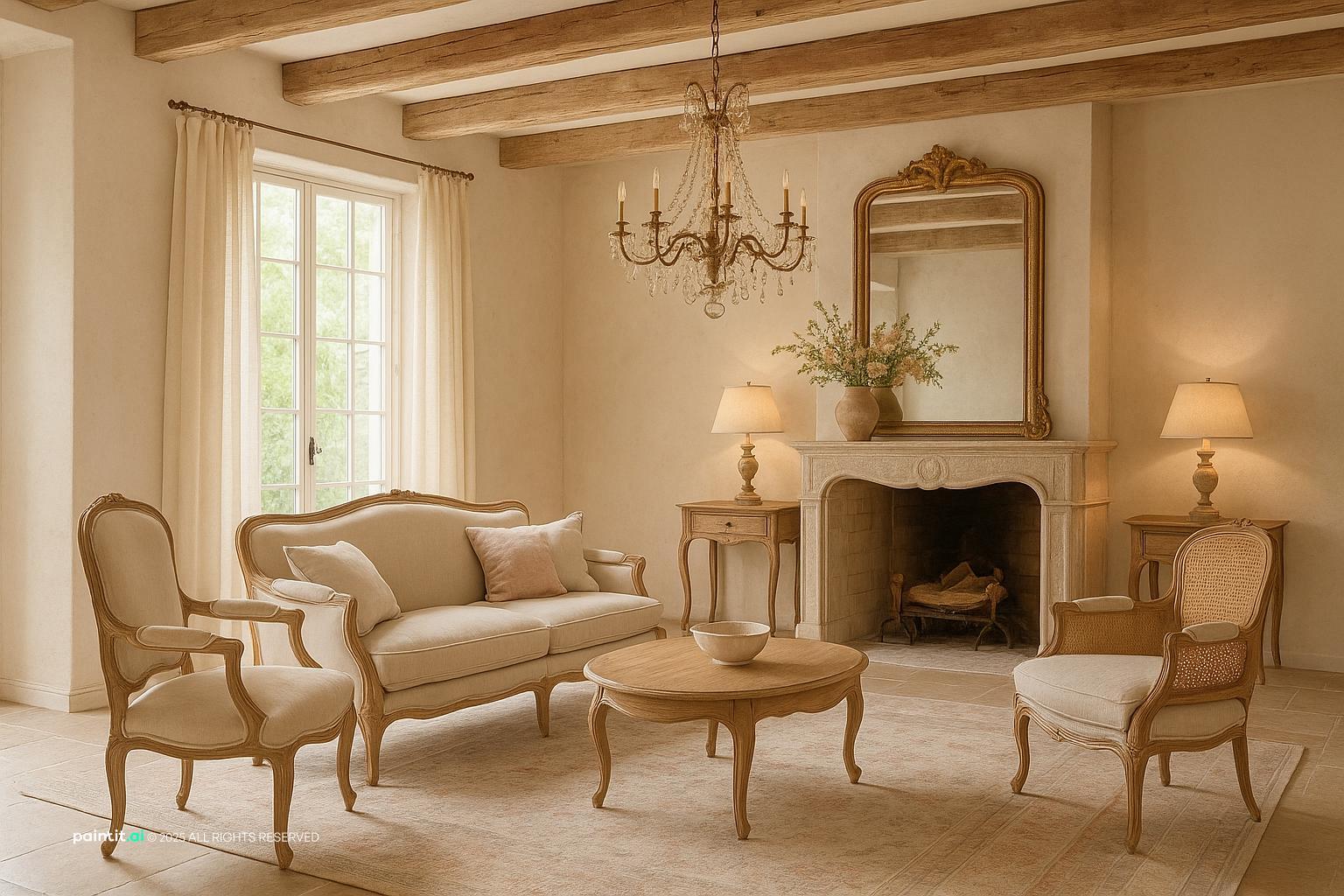
Living Room Trends 2026 with Soft Textiles and Layered Neutrals anchors soft textiles, layered neutrals and natural light in a living room setting.
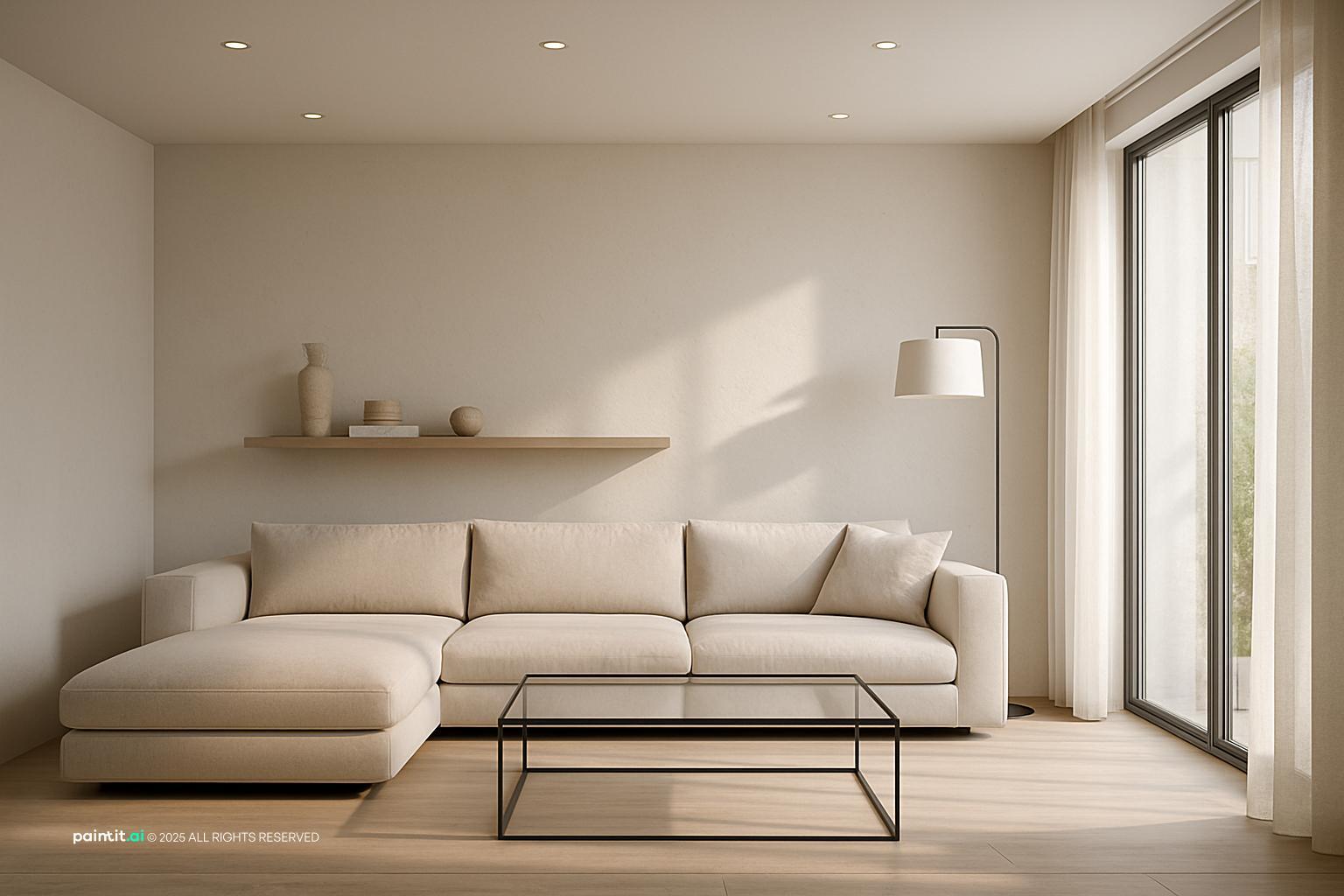
Minimalist Living Room Design Trends 2025 softens metal accents, clean-lined furniture and layered neutrals in a living room setting.
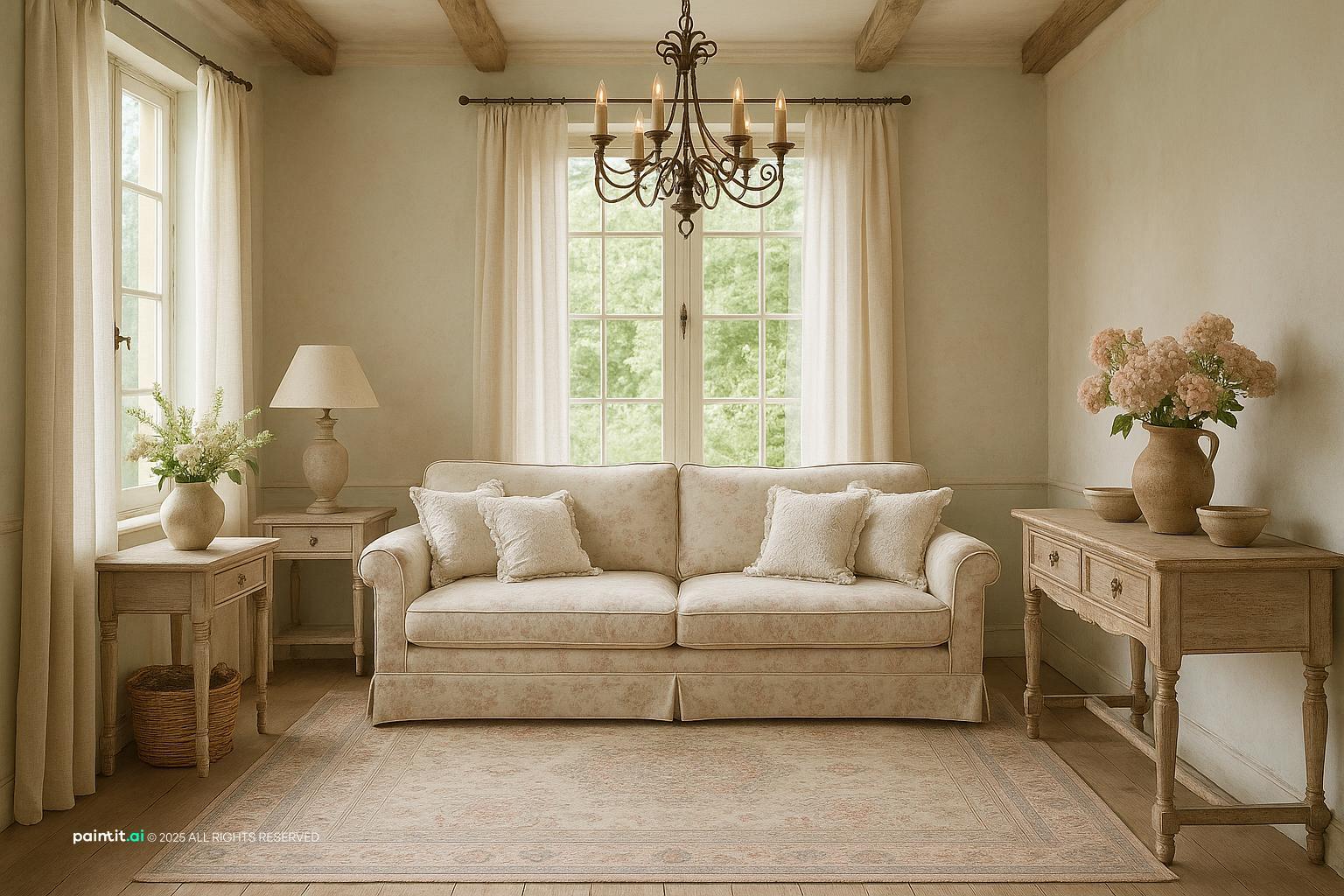
Charming French Country Living Room Design uses soft textiles and natural light in a living room setting.
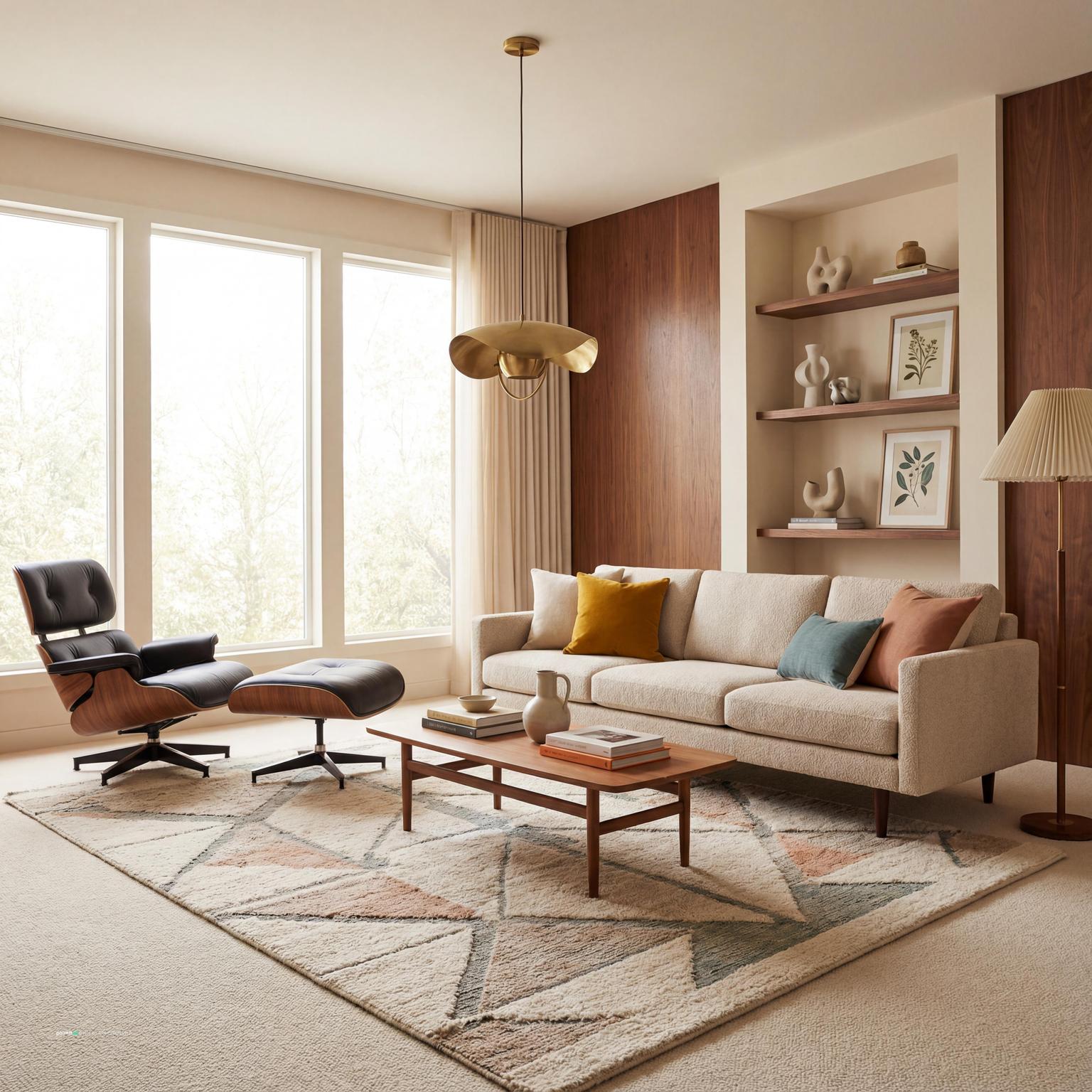
Mid-Century Modern Living Room Design balances warm wood, clean-lined furniture and layered neutrals in a living room setting.
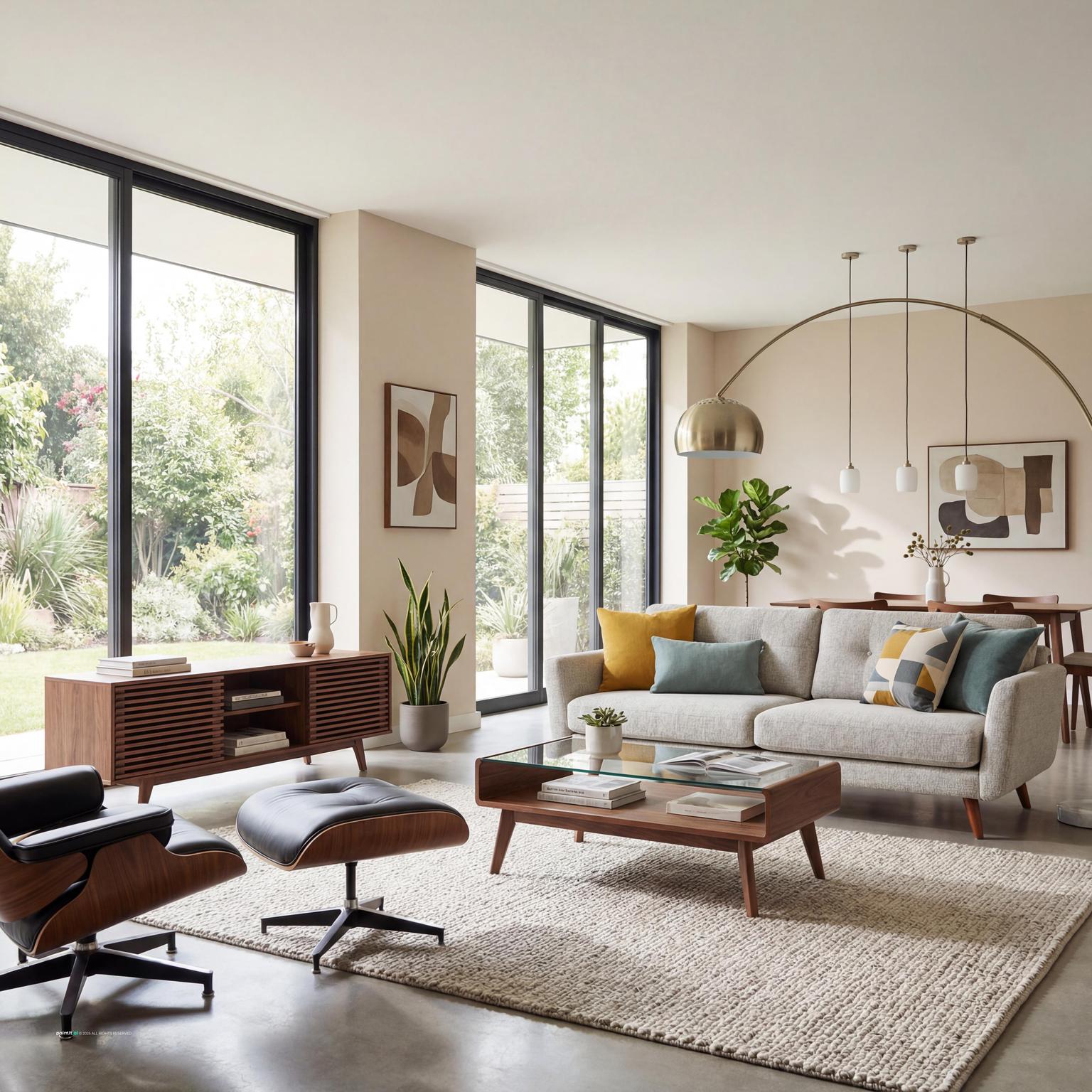
Stunning Mid-Century Modern Living Room pairs warm wood, soft textiles and metal accents in a living room setting.
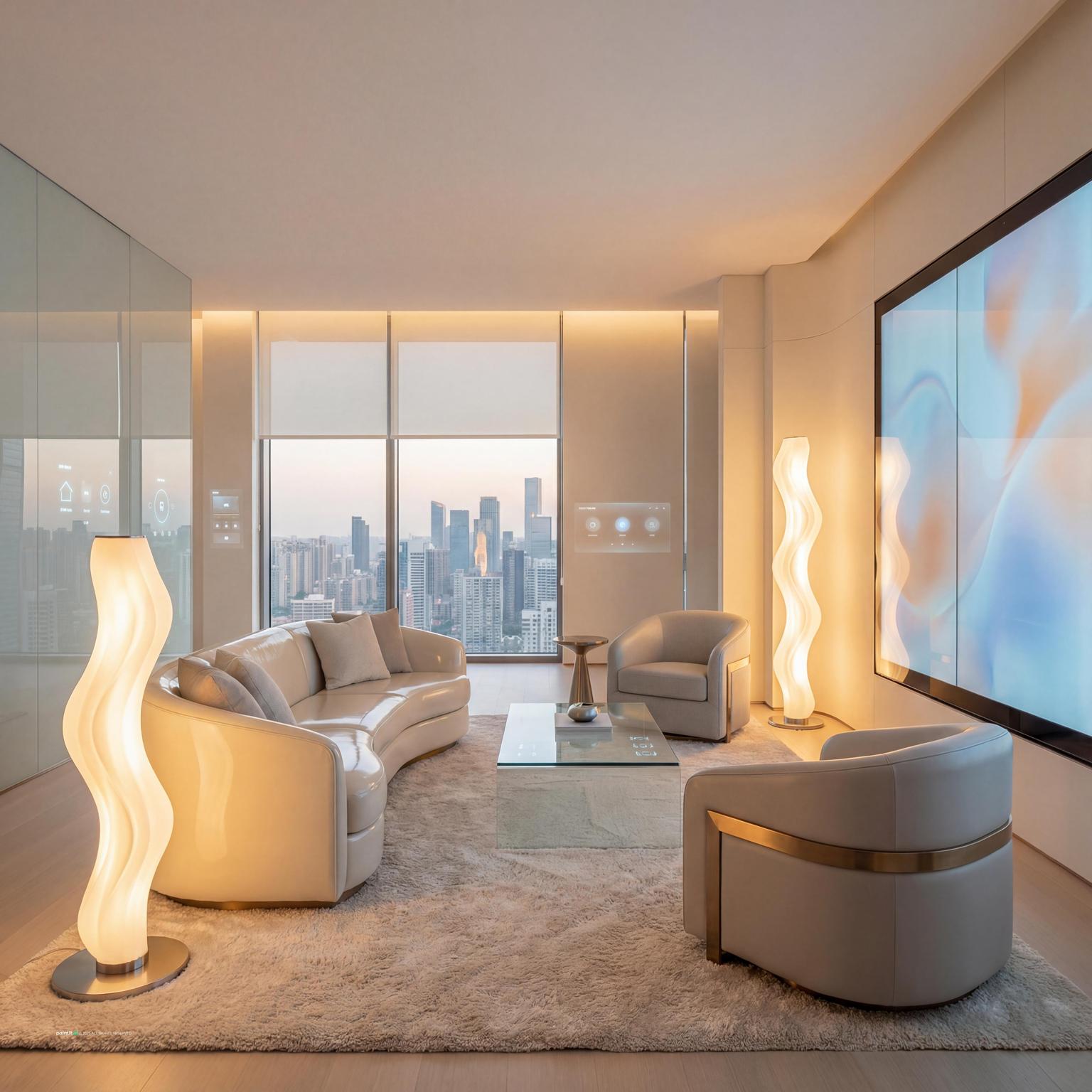
Futuristic Living Room Design for 2030 layers metal accents, layered neutrals and natural light in a living room setting.
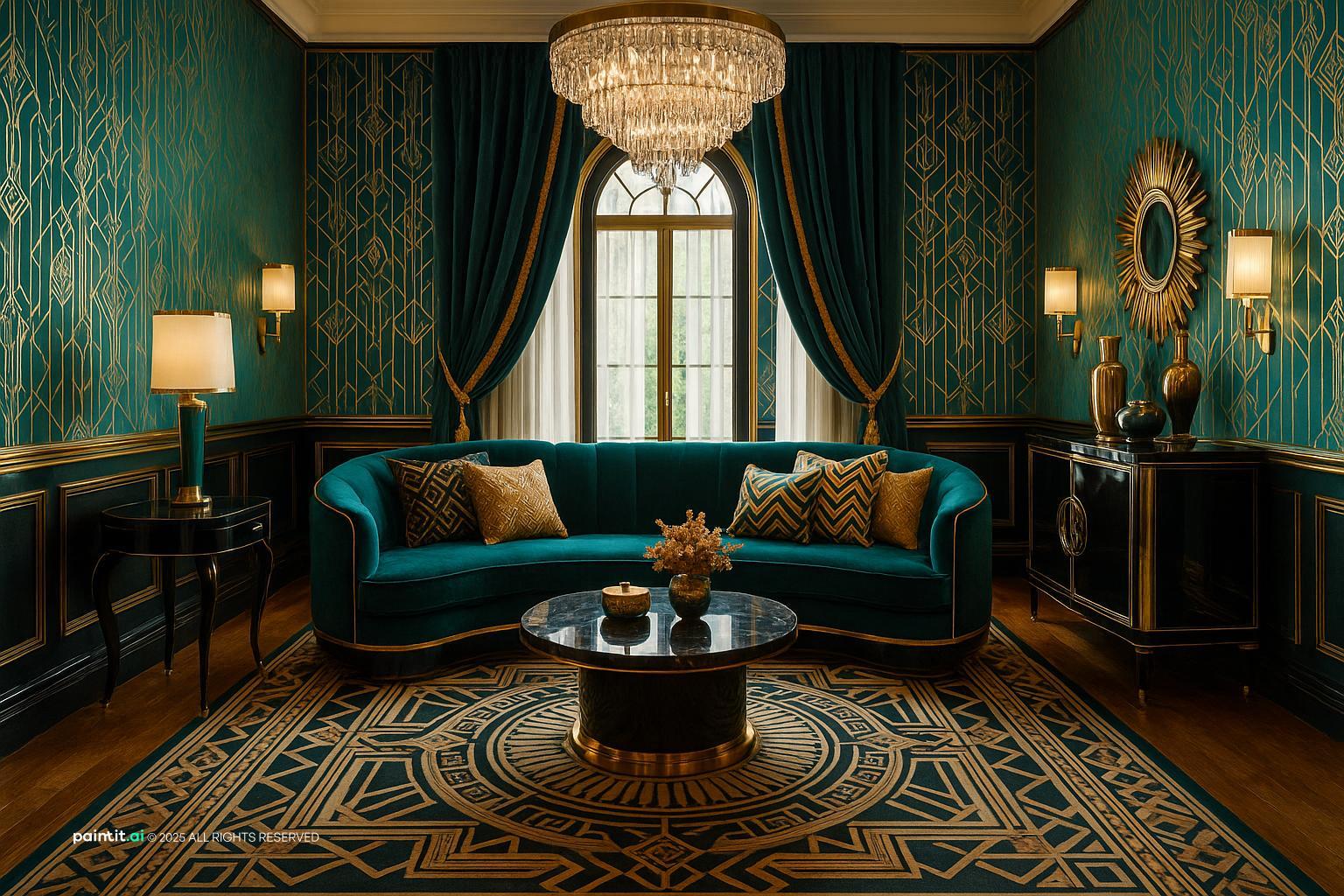
Living Room Trends 2026 with Soft Textiles and Natural Light anchors soft textiles and natural light in a living room setting.
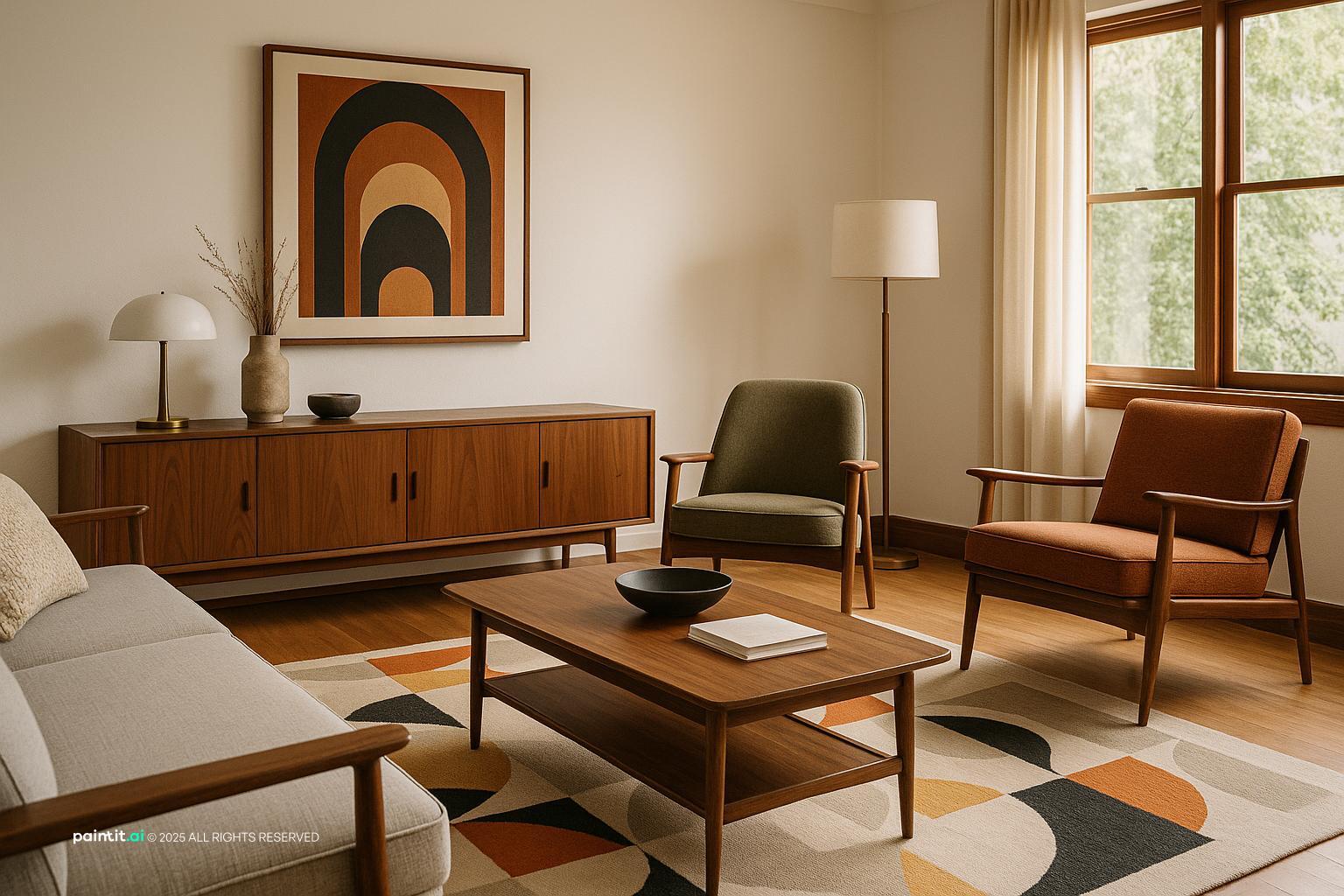
Mid-Century Modern Living Room Design with Warm Wood softens warm wood and natural light in a living room setting.
Warm minimalism is one of the clearest directions in living room trends 2026, but it should never mean a bare sofa, one vase and a cold white wall. Keep the room edited, then bring warmth back through a wool rug, a wood table, a soft plaster-like wall finish, linen curtains and a few objects with real shape.
Why it works: the room still has breathing space, but it does not feel unfinished. What usually goes wrong is over-editing. People remove books, lamps, side tables and small signs of use, then wonder why the room feels like a showroom. A living room needs evidence of life, especially around seating.
The strongest color trends 2026 living room palettes move beyond plain beige into clay, mushroom, olive, ochre, warm taupe, tobacco brown, muted terracotta and deeper sage. If your room is small, use the richer color on one wall, built-ins or textiles instead of painting every surface.
We often see people begin with familiar shades like white, beige, sage, then refine toward earthier tones once they compare options. That is a good process. First test the safe neutral, then push it slightly warmer, muddier or deeper. For more palette direction, the guide to best living room colors is useful when choosing undertones that work with your floor and daylight.
Curved furniture is not only a visual trend. A rounded sofa, barrel chair, oval coffee table or arched cabinet can soften a room with too many right angles. It works especially well when the living room opens to a dining area or kitchen because curves make the seating zone feel calmer from several sightlines.
What to avoid: do not force every piece to be rounded. Pair a curved sofa with a simple rectangular console, or an oval coffee table with straight-lined shelving. Too many curves can make the room look themed. The practical test is simple: can people still walk through the room without dodging furniture?
Textured walls are a major 2026 move because they change how light behaves. Limewash, Roman clay, microcement, brick, fluted wood, acoustic panels and subtle grasscloth all create shadow and depth that flat paint cannot.
Material-based requests appear in 19.0% of Paintit.ai prompts, which is a useful reminder that people are not only asking for new colors. They are asking for surfaces. I would start with the wall behind the sofa, fireplace or media unit before wrapping the whole room. One strong tactile wall is usually easier to live with than four busy ones.
A statement rug can anchor the whole room if the size is right. The front legs of the sofa and chairs should usually sit on the rug, and the rug edge should extend beyond the coffee table so the arrangement feels intentional rather than floating.
Why it works: in open-plan rooms, the rug defines the living zone without adding a wall. Avoid a rug that is too small; it makes even expensive furniture look disconnected. For 2026, look for irregular motifs, low-contrast geometrics, handwoven texture or earthy color mixes rather than a loud pattern that dominates every view.
When people upload a living room for a 2026 refresh, the first weak spot is often lighting. One central ceiling fixture creates flat brightness and hard shadows. A better plan uses ambient light, task light and accent light: a ceiling fixture or track, a floor lamp near reading seating, and a table lamp or wall sconce to soften corners.
Lighting appears in 5.9% of prompts, but it changes the room more than many people expect. Use warm bulbs, dimmers where possible, and check the TV sightline before placing a bright lamp. A lamp that looks beautiful in a render can become annoying if it throws glare across the screen.
Sustainable materials can look polished when they are used with restraint. Try FSC-certified wood, vintage furniture, recycled glass, natural fiber rugs, cork accents, wool upholstery, linen curtains or a secondhand marble table.
The best version is not a room filled with obvious eco-signals. It is a room where materials age well. Pair reclaimed wood with clean upholstery, or a vintage cabinet with modern lighting. This keeps the space current without making it look temporary or overly styled.
Mixed metals are one of the more practical modern living room trends because they let you update a room without replacing everything. Try aged brass on lamps, blackened steel on shelving, and polished nickel on a small side table or hardware.
The rule is proportion. Choose one dominant metal and one supporting metal, then repeat each at least twice. What to avoid: one random chrome object in an otherwise brass-and-black room. It will look accidental, not layered.
A 2026 living room should look good, but it also needs to fit how people sit. Deep sofas are comfortable for lounging and media rooms, but they can overwhelm a narrow living room or make conversation seating awkward. In a compact space, choose a medium-depth sofa with raised legs to keep the floor visible.
Why it works: proportion matters more than trend. A beautiful curved sofa that blocks the walkway or crowds the coffee table will age badly. Keep enough space to move around seating without turning sideways. This is one of the quickest ways to separate a good-looking concept from a room that will work every day.
The black rectangle of the TV is not disappearing, but 2026 rooms are handling it better. Instead of a huge glossy unit, consider warm wood storage, a low stone shelf, fluted panels, a darker paint color behind the screen or asymmetrical shelves that reduce the TV’s visual weight.
Avoid surrounding the TV with too many small accessories. They create clutter and draw more attention to the screen. A few larger objects, a textured background and controlled lighting usually work better. If the wall already has a fireplace, built-ins or windows, design around that structure instead of pretending the TV is the only feature.
Paintit.ai data shows style terms such as scandinavian, japandi and related labels appear in 17.1% of prompts. That makes sense: people often need a shortcut. But the strongest rooms use style as a guide, not a checklist.
For example, the 2026 version of Japandi is warmer and less severe, with more texture, deeper neutrals and softer lighting. When we talk about interior design trends 2026 living room choices, the best references are flexible. The wider shift is visible in interior design trends winter 2026-2026, where comfort, restraint and material richness sit together.
A common mistake in virtual redesigns is asking for a total overhaul when the room only needs a sharper direction. Fewer than 13% of users use keep modifiers, and less than 1% use keep_geometry, so generations can change more than intended.
In a real home, choose what should stay: windows, ceiling height, fireplace, flooring, built-ins or the room’s basic layout. Then update around it. This is also how timeless trends work best; the room keeps its character while the palette, rug, lamps and surfaces move forward. If you use AI, write it plainly: KEEP: existing windows and floor. REMOVE: clutter. without changing the layout.
If your living room is empty, overfilled or visually dated, staging helps you see the right level of furniture before buying. Add one generous sofa, two comfortable chairs, a large rug, a coffee table with enough clearance and lighting on more than one side of the room.
This is where AI virtual staging can be helpful for testing curved furniture, statement rugs and different layouts before committing. Avoid filling every wall. Negative space is part of the 2026 look, and it often makes the furniture you do choose feel more deliberate.
A large number of Paintit.ai users work by command: 30.1% of prompts are imperative, using words like Make, Create, Add or Change. Another 15.0% use iterative refinement with phrases such as now, a bit, more or less. That is a smart way to approach trends because you do not need to solve the whole room in one move.
Try one change, then refine it. For example: make the living room warm minimalism, then now make it warmer with earthy colors, then add layered lighting. In practice, this mirrors how designers work: test the big direction, then adjust color, material, furniture shape and styling until the room feels believable.
The second gallery helps compare choices that matter in a real room: light versus moody walls, straight versus curved furniture, flat paint versus textured finishes, neutral rugs versus patterned rugs, and simple lighting versus a layered scheme.
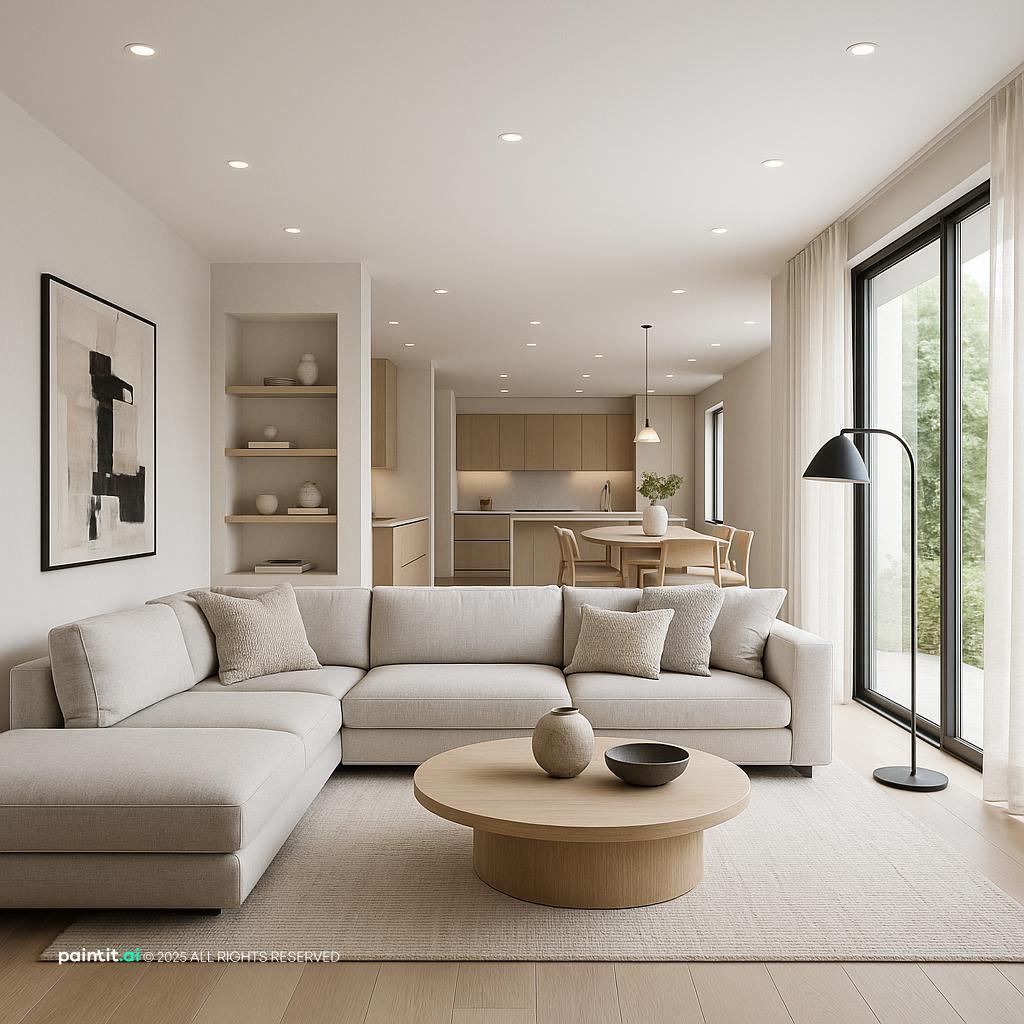
Contemporary Living Room Design 2025 uses warm wood, soft textiles and open layout in a living room setting.
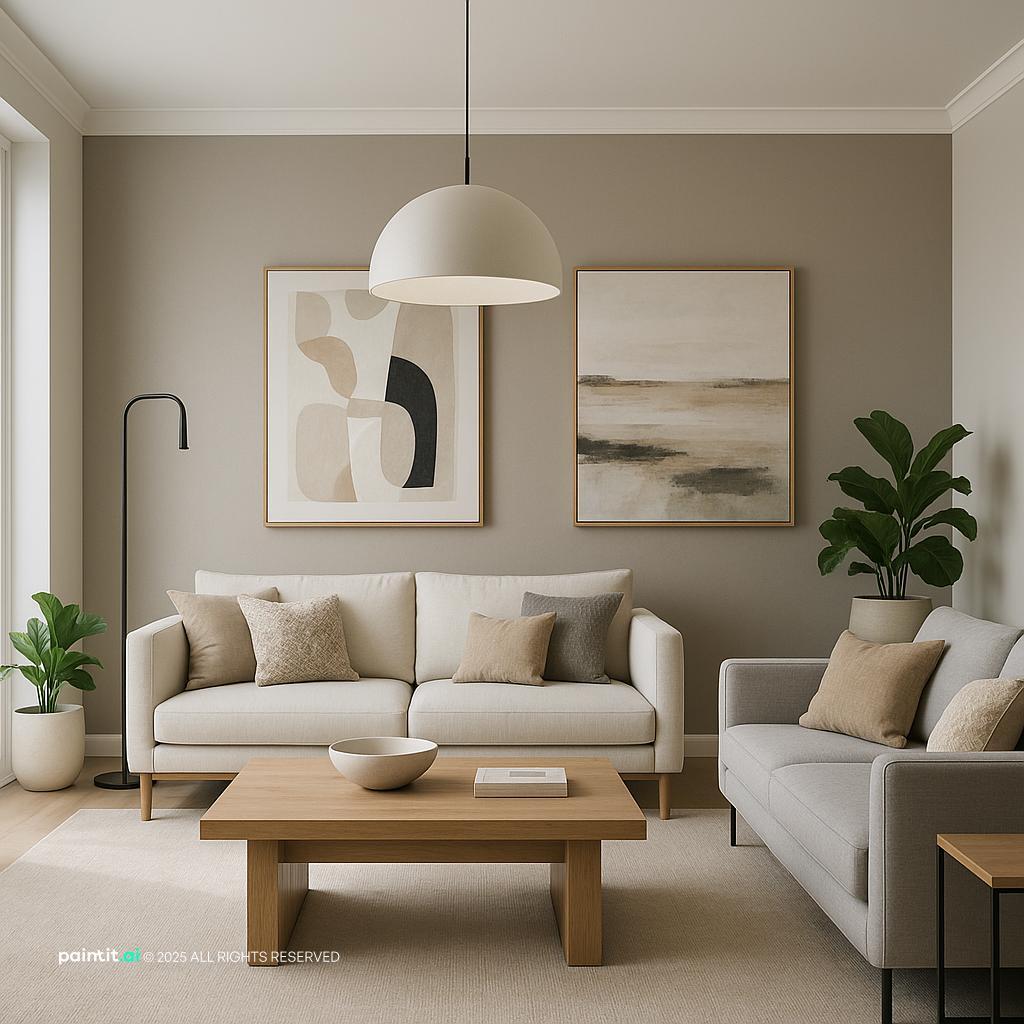
Modern Living Room Redesign Inspiration balances soft textiles, plants and greenery and layered neutrals in a living room setting.
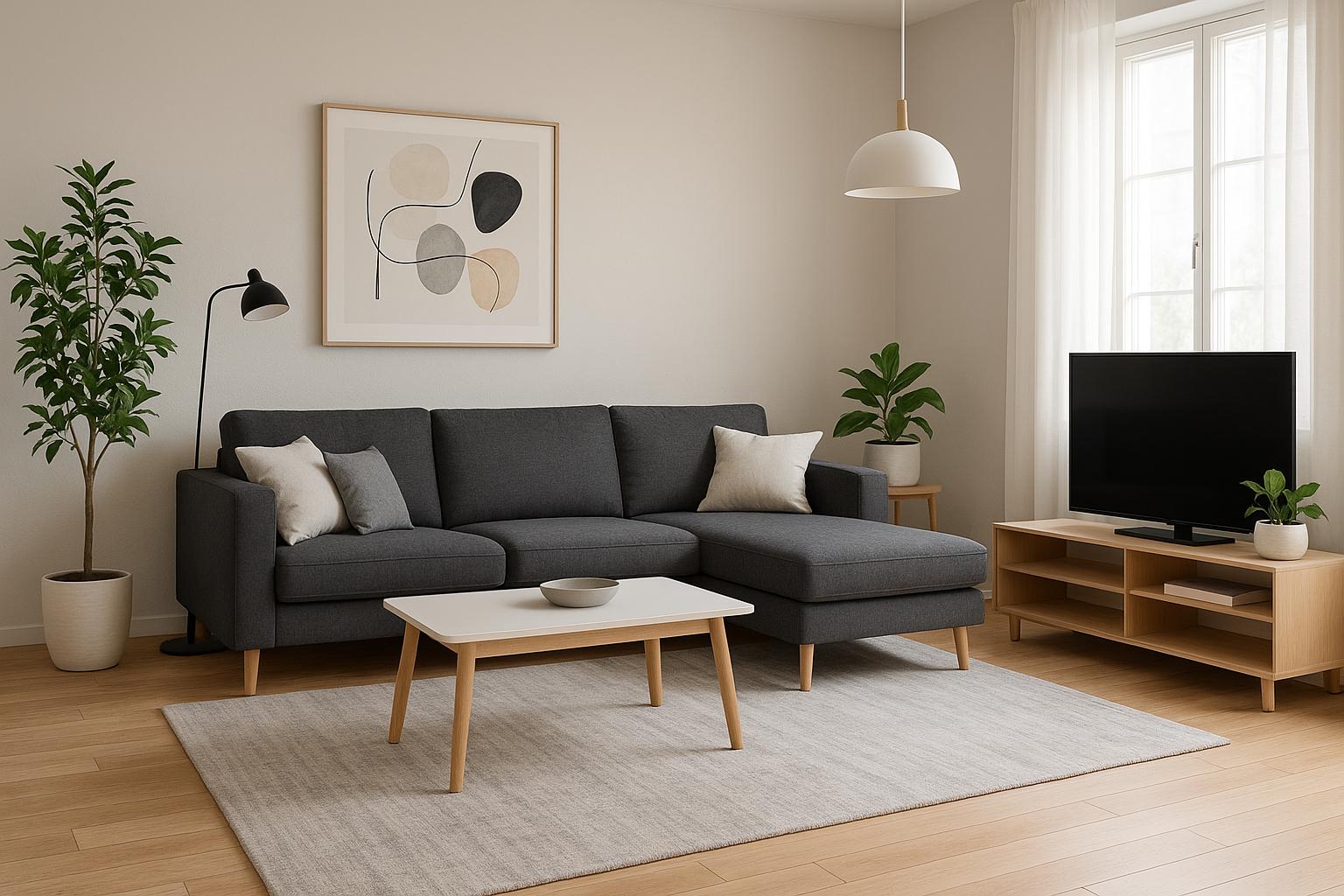
Modern Scandinavian Living Room Design pairs warm wood, clean-lined furniture and plants and greenery in a living room setting.
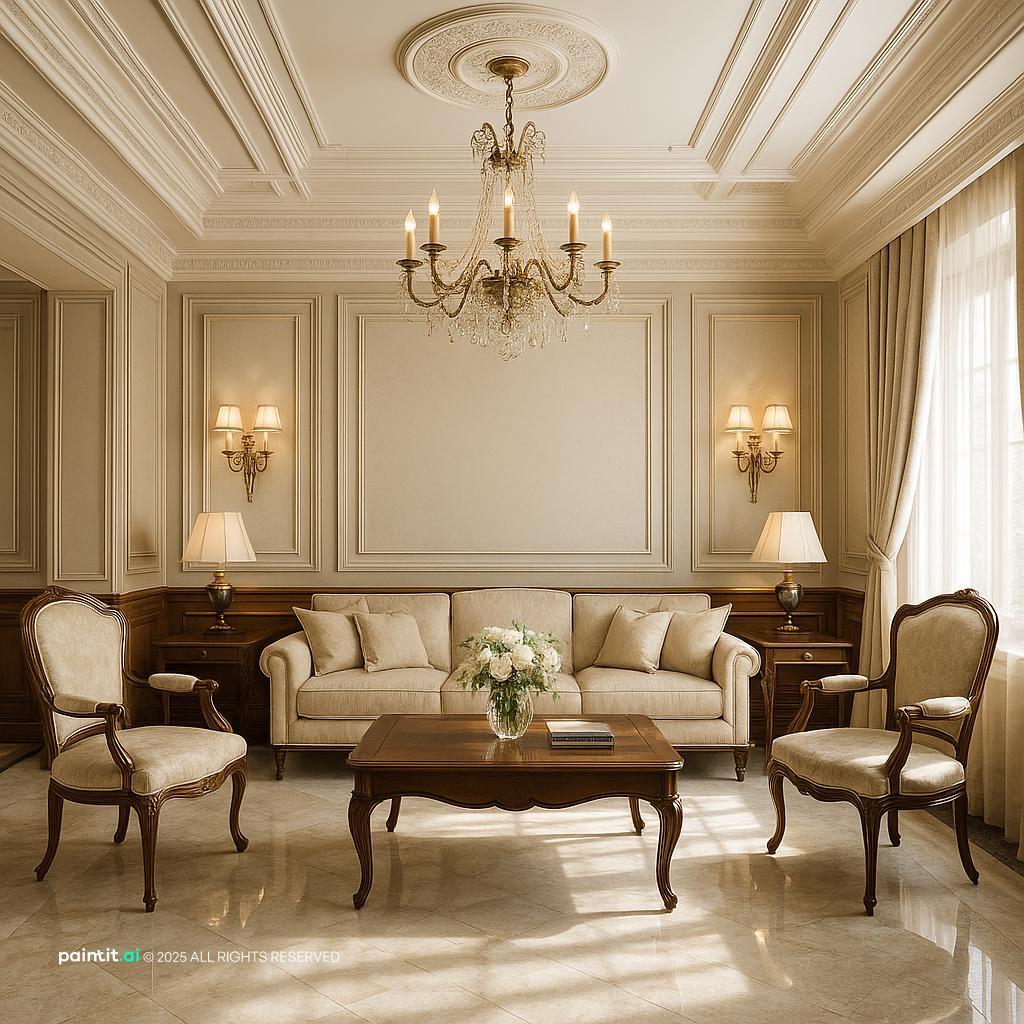
Elegant Neoclassic Living Room Design layers layered neutrals and natural light in a living room setting.
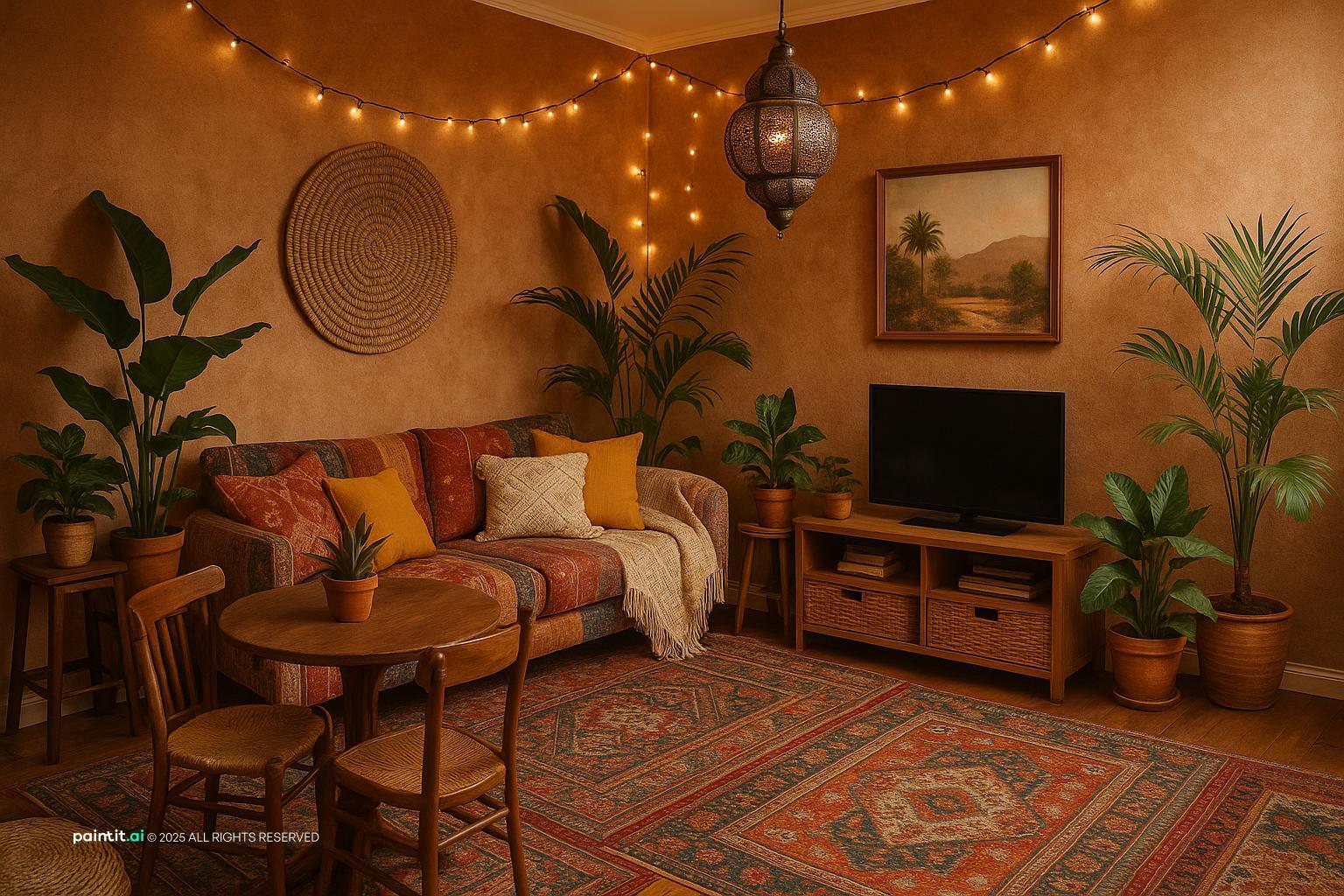
Cozy Bohemian Living Room Transformation anchors soft textiles and plants and greenery in a living room setting.
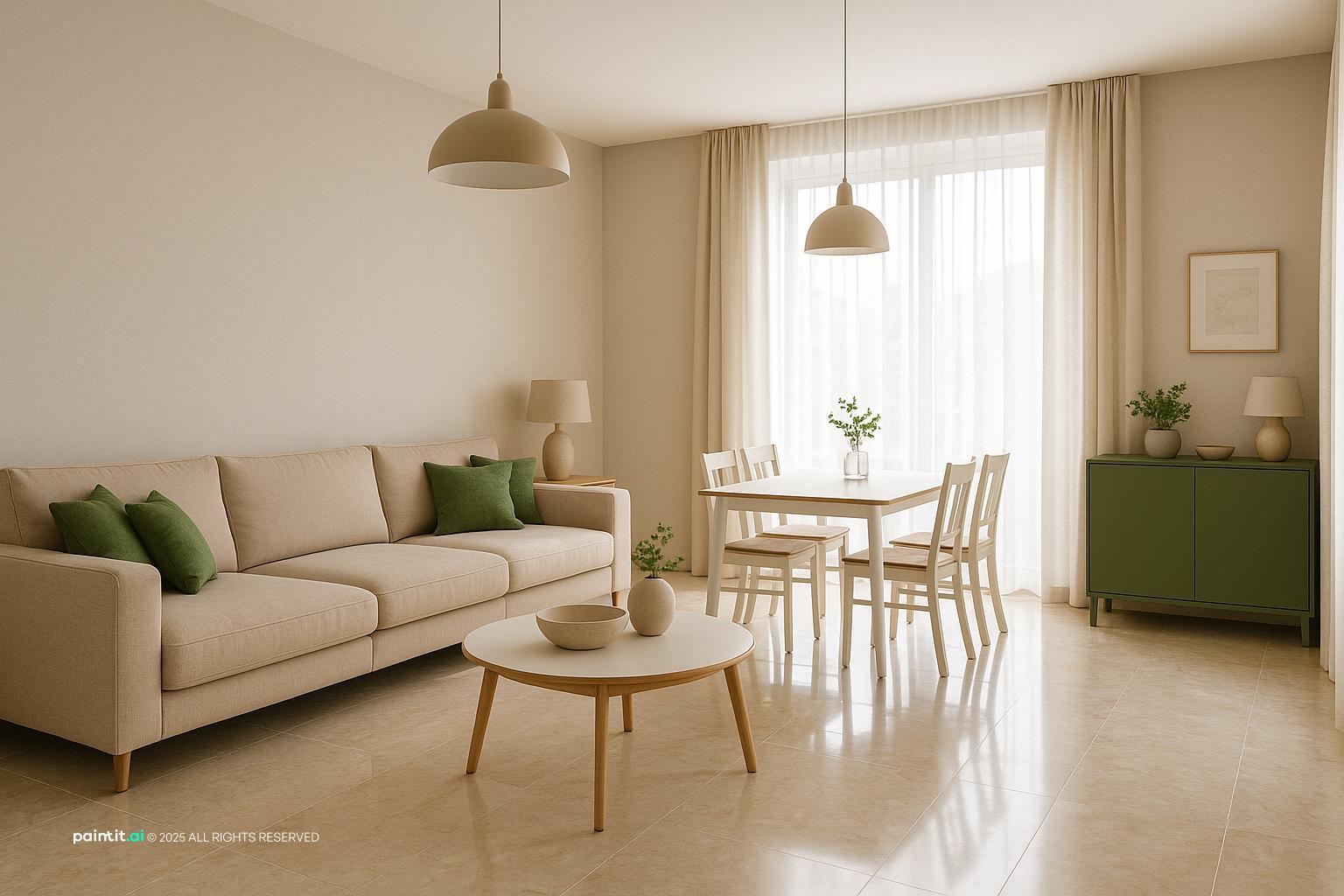
Living Room Trends 2026 with Soft Textiles and Plants and Greenery softens soft textiles, plants and greenery and layered neutrals in a living room setting.
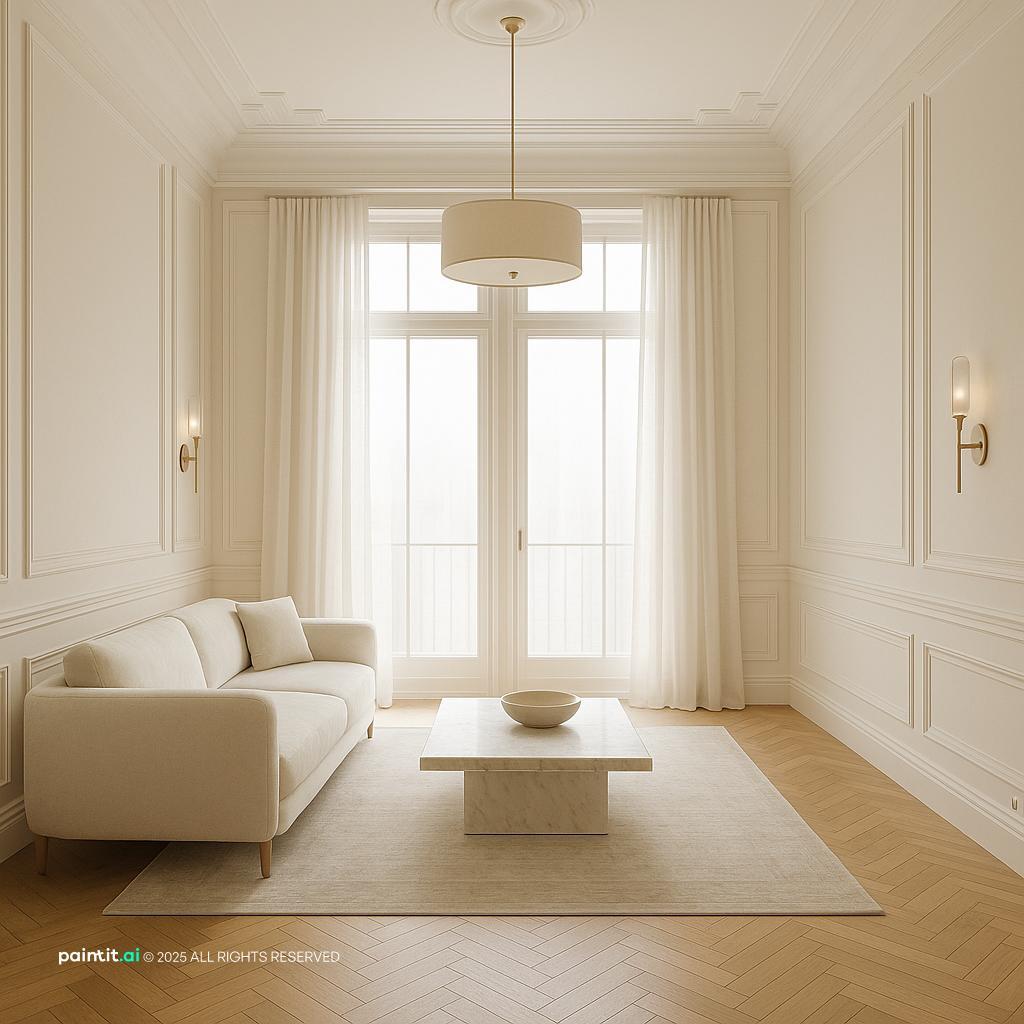
Elegant Neoclassic Minimalist Living Room Design uses clean-lined furniture, layered neutrals and natural light in a living room setting.
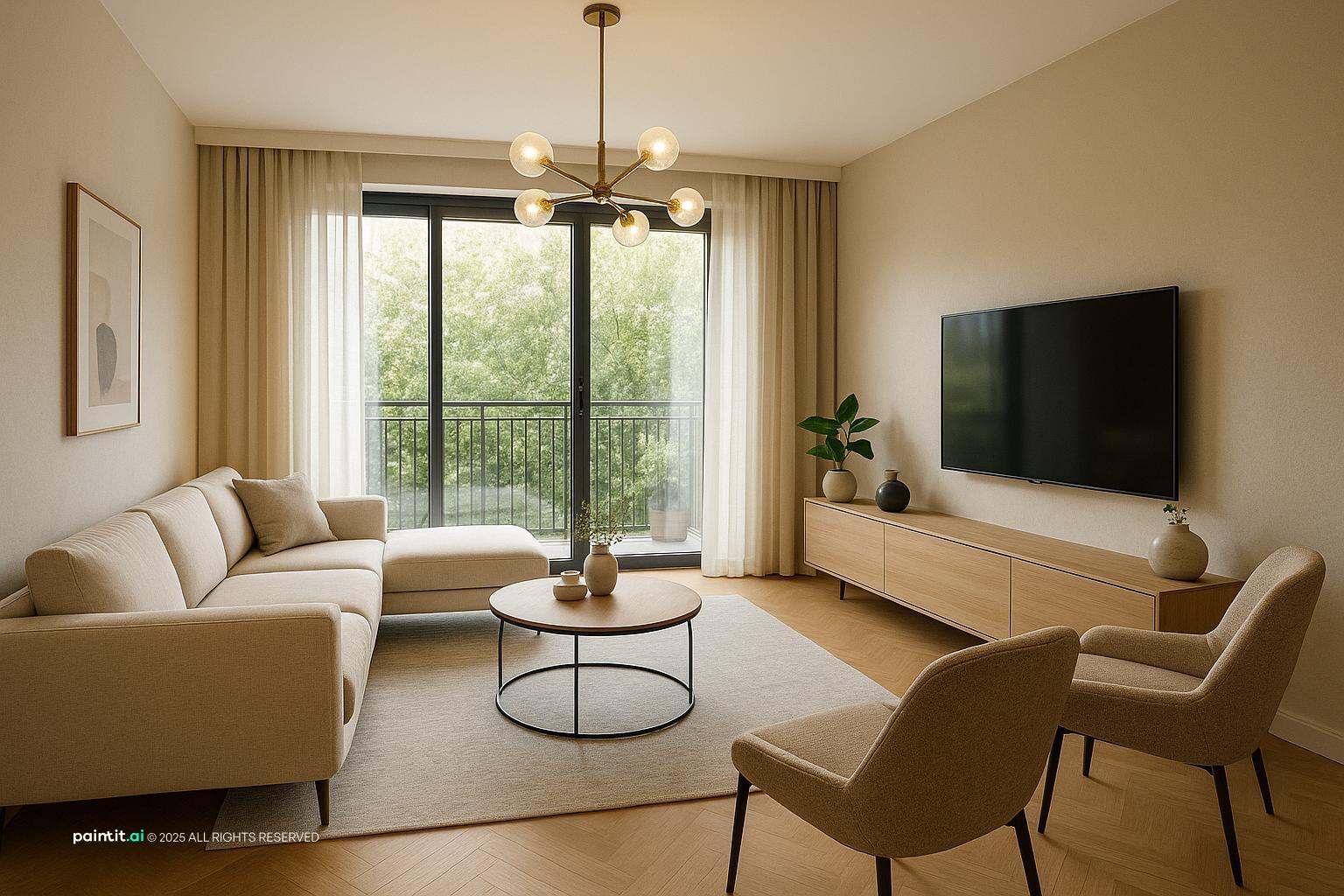
Living Room Trends 2026 with Plants and Greenery and Natural Light balances plants and greenery and natural light in a living room setting.
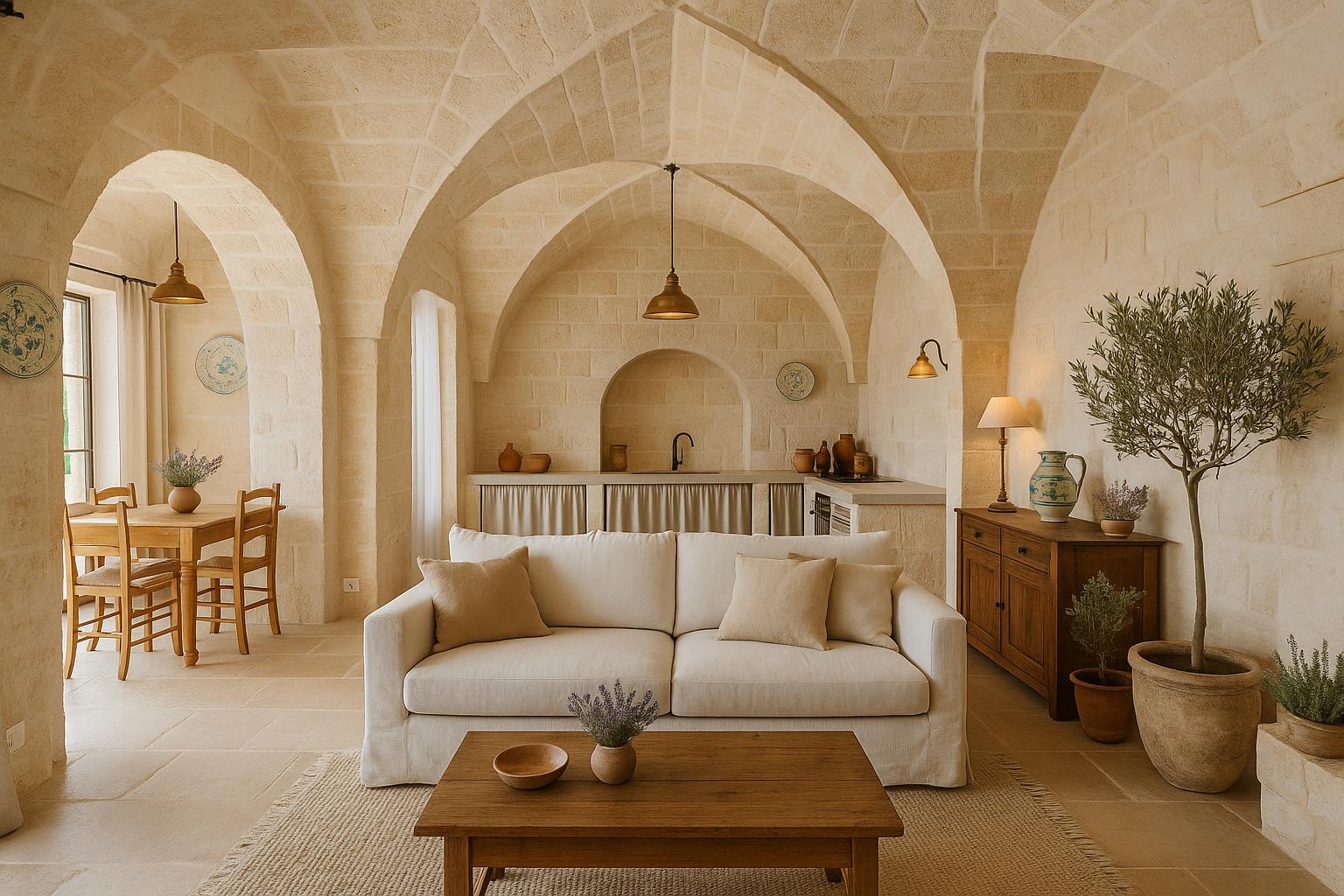
Charming Pugliese Living Area Design pairs soft textiles, metal accents and plants and greenery in a living room setting.
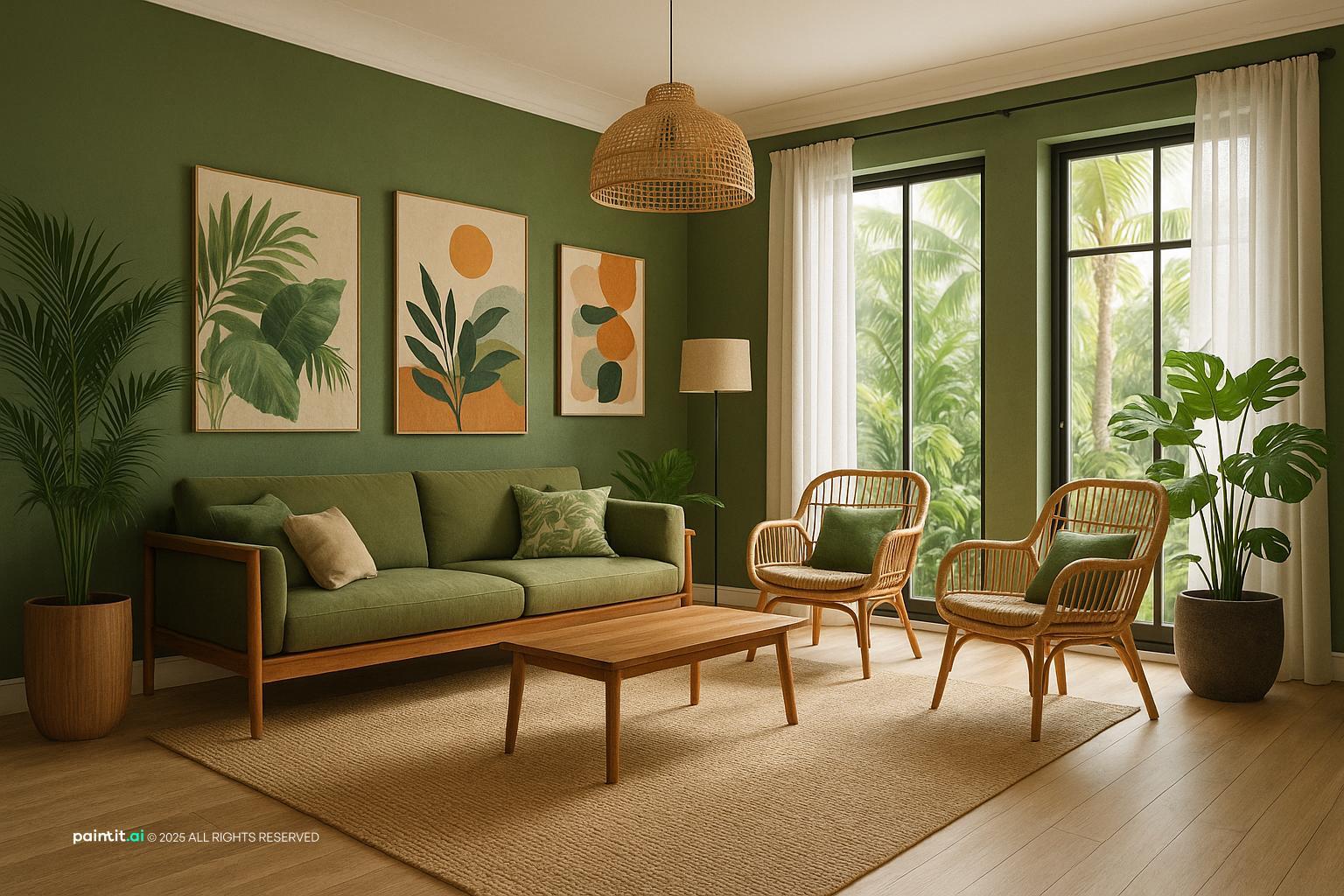
Tropical Modern Living Room Design layers warm wood, plants and greenery and natural light in a living room setting.
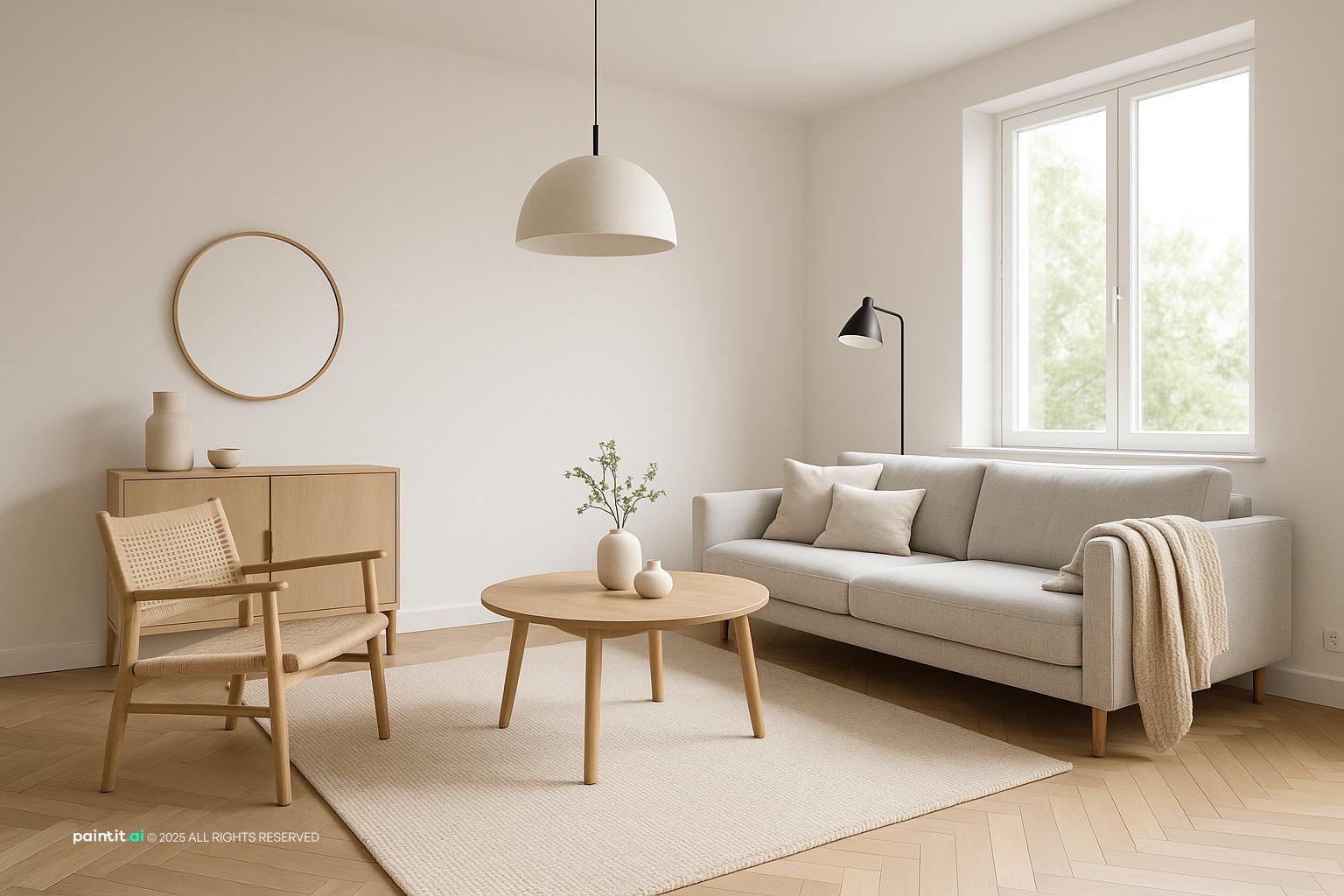
Living Room Trends 2026 with Soft Textiles and Clean-lined Furniture anchors soft textiles, clean-lined furniture and layered neutrals in a living room setting.
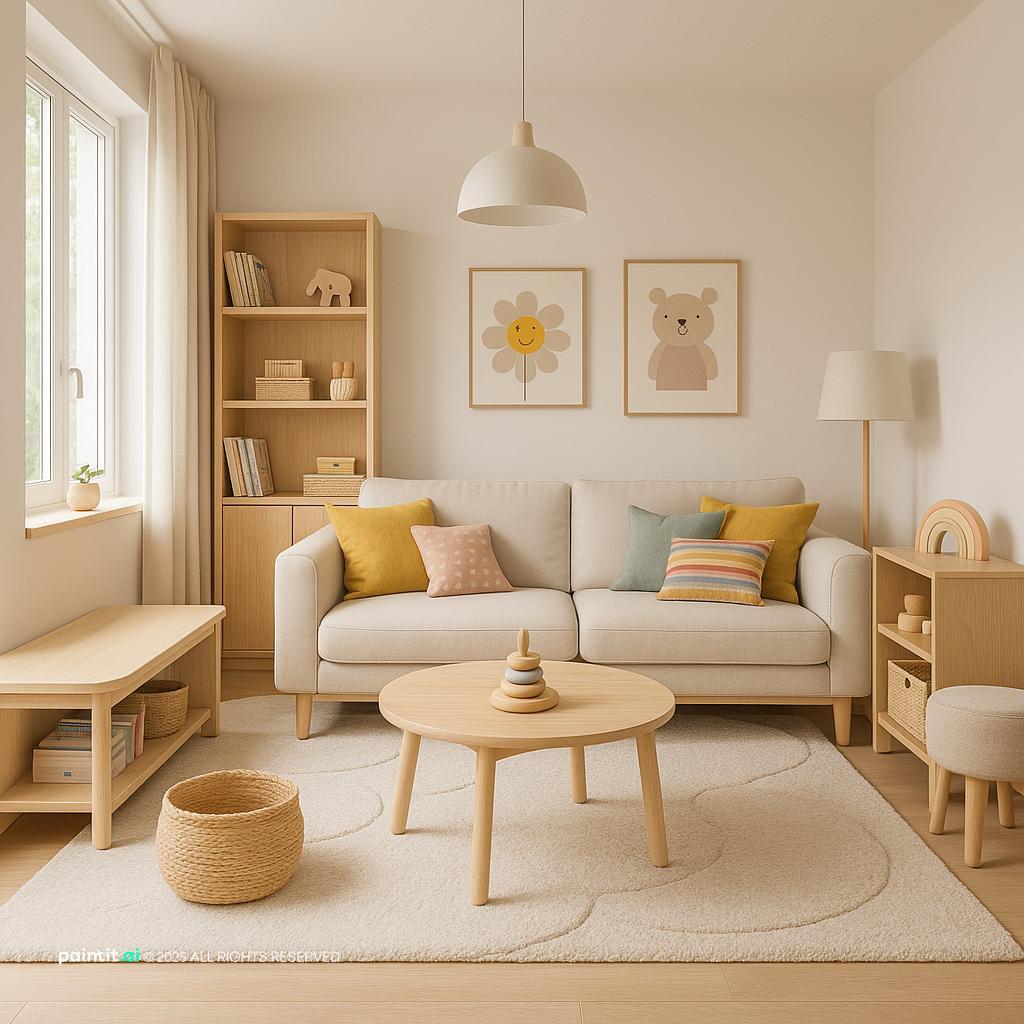
Cozy Scandinavian Living Room for Families softens warm wood, soft textiles and layered neutrals in a living room setting.
For 2026, a living room palette should feel grounded rather than sugary or gray. Warm white, stone, sand, camel, olive, clay and deep brown are easier to live with than hard black-and-white schemes. Use the lightest shade on the largest surfaces, then bring in deeper color through upholstery, rugs, art or built-ins.
Where to use it: north-facing rooms often need warmer neutrals because cool daylight can make beige look flat. What to avoid: mixing a pink beige wall with a yellow beige sofa unless the rug or art intentionally bridges both undertones. This is where color trends 2026 living room advice needs to be checked against your actual floor, daylight and sofa fabric.
Wood is one of the most useful materials for a 2026 living room because it adds grain, warmth and visual weight. Use it on a coffee table, media unit, wall panel, sideboard, shelving or exposed beam. Medium oak, walnut, smoked oak and warm ash all work well with earthy palettes.
Why it works: wood prevents minimal rooms from feeling sterile. Avoid matching every wood exactly. A room looks more natural when the floor, furniture and shelving are related in warmth but not identical. If the floor is already orange or very dark, test the wood tone before adding more of it.
Marble, travertine, limestone and soapstone can make a living room feel more substantial, especially when paired with soft upholstery. A stone coffee table, fireplace surround or side table is usually enough. Let the veining or texture be visible, but keep the surrounding decor quieter.
Where to use it: stone works best where it can take visual weight, such as the center of a seating group or around a fireplace. Avoid too many polished surfaces in a sunny room because glare can become uncomfortable. In uploaded rooms, shiny finishes often look impressive at first and then start to fight the windows, TV and overhead lights.
If you add brick, marble, metal or plaster, soften the room with textiles. Use a wool rug, boucle chair, linen curtain, velvet cushion or woven throw. The goal is contrast: hard and soft, matte and smooth, dense and airy.
Why it works: texture makes neutral rooms feel finished without needing more color. Avoid using only flat synthetic fabrics; they can make the room feel thin even if the color palette is right. Living room decor trends 2026 are much more about touch than clutter.
Layered lighting should include at least three sources: ambient lighting for general brightness, task lighting for reading or conversation areas, and accent lighting for art, shelves, plants or textured walls. In a living room, that might mean a ceiling fixture, a floor lamp, two table lamps and a low-output picture light.
Use warm bulbs and dimmers where possible. Avoid relying on recessed ceiling lights alone; they can create shadows under the eyes and make textured surfaces look harsh instead of rich. If you have a textured wall, wash it softly from the side instead of blasting it from above.
Living room decor trends 2026 favor fewer pieces with better scale. Instead of many small accessories on every surface, use a large ceramic bowl, oversized branch arrangement, stacked books, one sculptural lamp or a single strong artwork.
Where to use it: coffee tables, consoles and shelves should have open areas so the eye can rest. Avoid styling every shelf the same way. Vary height, spacing and texture so the room feels collected rather than arranged by formula. The room should still be easy to dust, sit in and move through.
Symmetry can be helpful, but 2026 rooms often feel better when they are balanced rather than perfectly mirrored. A large sofa can be balanced by two chairs, a heavy stone table can be balanced by a lighter rug, and a dark media wall can be balanced by pale curtains.
To test balance, stand at the main entrance to the living room and check where your eye goes first. If one corner feels too heavy, add light, texture or height on the opposite side rather than buying more furniture. That small check can save you from overfilling the room.
With Paintit.ai, you can upload your real living room and test the trend in stages: repaint the walls, swap in wood or stone finishes, add a larger rug, change the sofa shape, or compare a warm minimalism look with a more textured, earthy version. The AI living room design tool is especially useful when you want to see how a 2026 direction works with your existing windows, flooring and layout.
Simple prompts are fine. ~70% of users write AI prompts like in Google, with short keyword-style phrases. Homeowners have an average AEO-score of 1.08 and use structured prompts in only 0.9% of cases, so if your first prompt is basic, you are not alone. Try: change the wall color to warm taupe, Make wooden panels on the walls, KEEP: existing floor and windows, REMOVE: clutter, without extra furniture, no clutter, or now make it warmer. You can also use AI room design to compare repainting, remodel ideas, staging choices and lighting mood before spending money.
The biggest living room trends 2026 are warm minimalism, earthy color palettes, curved furniture, textured walls, statement rugs, sustainable materials, mixed metals and layered lighting. The most useful ones are the trends that fix something specific in your room, such as poor lighting, a flat wall or a seating layout that blocks movement.
Warm white, beige, mushroom, clay, olive, muted terracotta, ochre, deep sage and brown are strong choices. The key is a warm undertone and enough texture, especially if your room has cool daylight or a very plain floor.
Wood finishes, better lighting, large rugs, quality upholstery, natural textiles and warm neutral palettes are the safest long-term choices. They are not tied to one quick look, and they can stay in place while smaller decor changes over time.
Keep the main layout or one architectural feature, then change the wall color, rug, lamps, cushions, coffee table or media wall material. A good prompt structure is KEEP: the parts that work, then CHANGE: the color, lighting or texture that feels dated.
Yes, if the scale fits the room. Use curves to soften traffic paths and corners, but leave enough clearance around the coffee table and walkways. If the room is narrow, try an oval table or rounded chair before committing to a large curved sofa.