
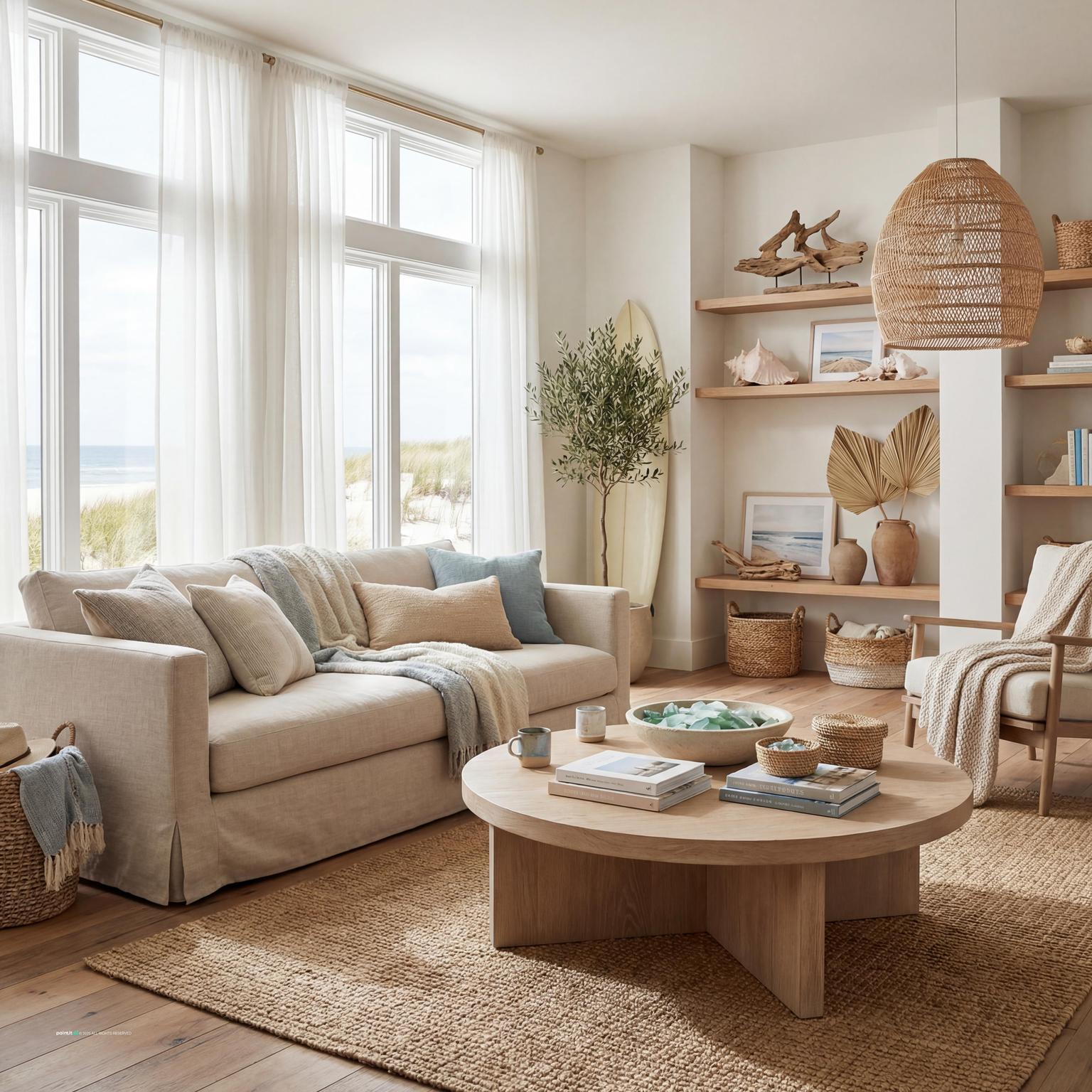
Coastal Modern Living Room Design
Coastal Modern Living Room Design uses coastal airiness, blue-and-white palette and soft textiles in a living room setting.
The best coastal living room ideas do not start with shells, signs, or a blue-and-white shopping list. They start with light, movement, and the pieces your living room already has to deal with every day. Look at the room before you choose the style: where the daylight enters, how deep the sofa is, where people walk, what the floor color does to the walls, and which furniture or architectural features need to stay. Once those basics are clear, coastal style becomes much easier. You are choosing palette, texture, scale, and softness — not decorating every surface with beach inspired decor.
A current coastal living room feels open, textured, and edited. White walls, soft neutrals, natural wood, rattan chairs, a linen sofa, a jute rug, sheer curtains, and a few blue accents can point toward the coast without turning the room into a theme. If you are working from a real photo, AI Living Room Design is useful for comparing a warmer wall color, a slimmer sofa, or a more natural material mix before you start buying.
In Paintit.ai prompts, color appears in 27.6% of user requests, and that matches what we see in coastal rooms: people usually begin with white, beige, and blue. Room type appears in 22.1% of prompts, and style appears in 17.1%, so the most useful brief is not just “coastal” — it is “coastal living room” with a clear palette and material direction. Since 19.0% of users specify materials, I would treat linen, rattan, jute, oak, cane, and matte ceramics as core decisions, not small finishing details.
Use the first gallery to study how seating layouts, pale surfaces, woven texture, and window treatments change the mood of a coastal living room. Pay attention to the rug edge, sofa line, window height, and lighting. Those details decide whether the room feels relaxed or simply unfinished.
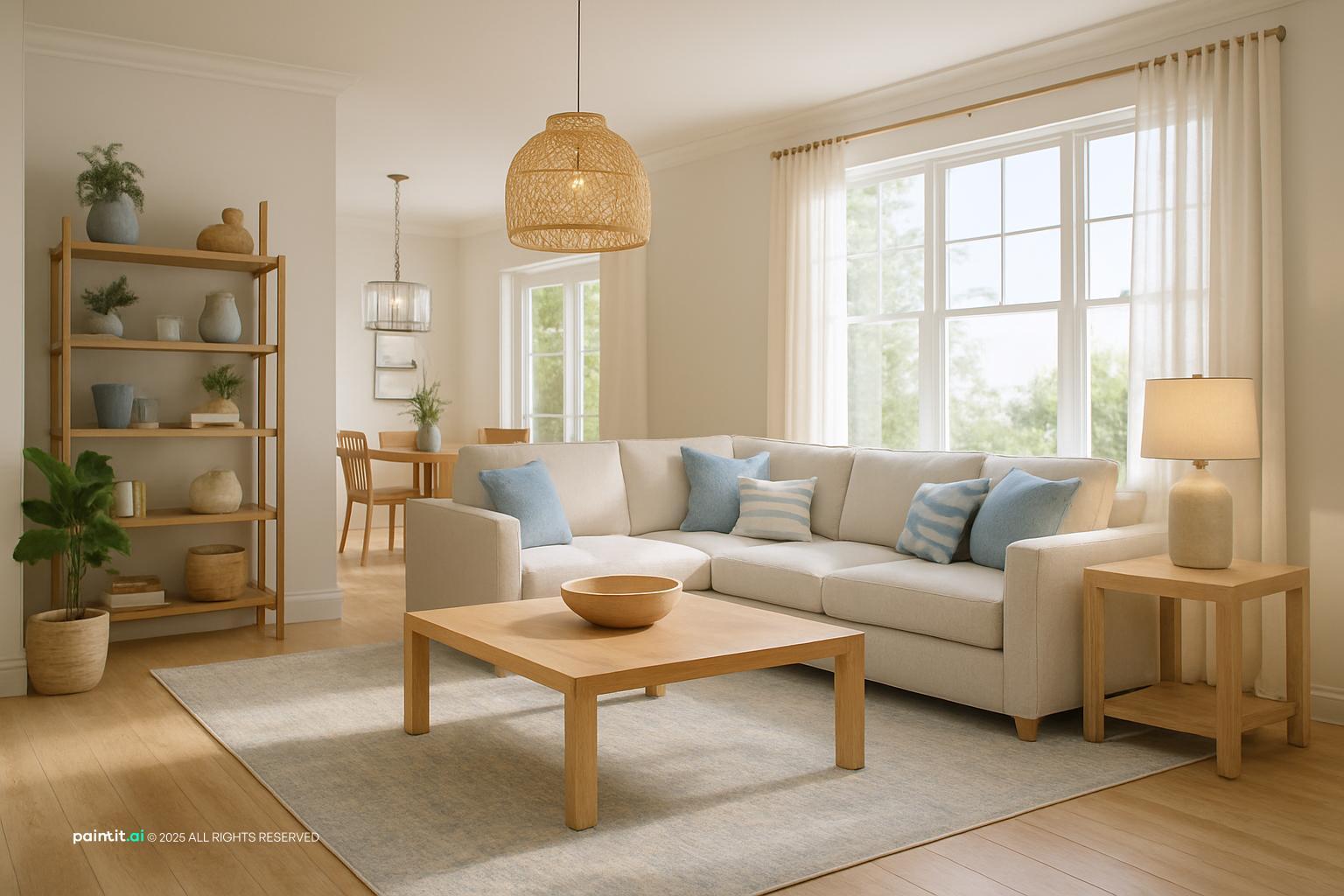
Coastal Modern Living Room Design uses coastal airiness, blue-and-white palette and soft textiles in a living room setting.
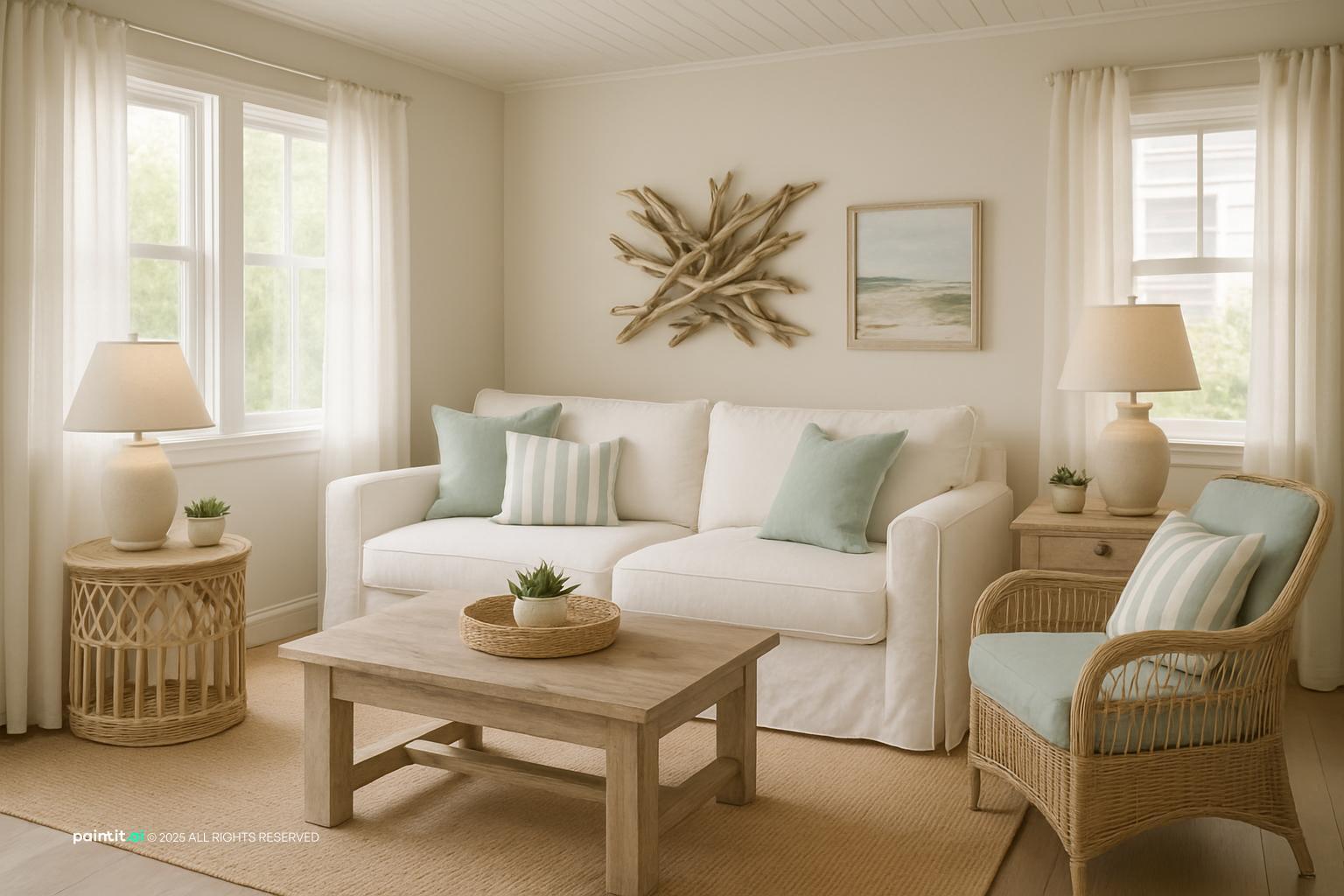
Coastal Living Room Ideas with Coastal Airiness and Blue-and-white Palette balances coastal airiness, blue-and-white palette and soft textiles in a living room setting.
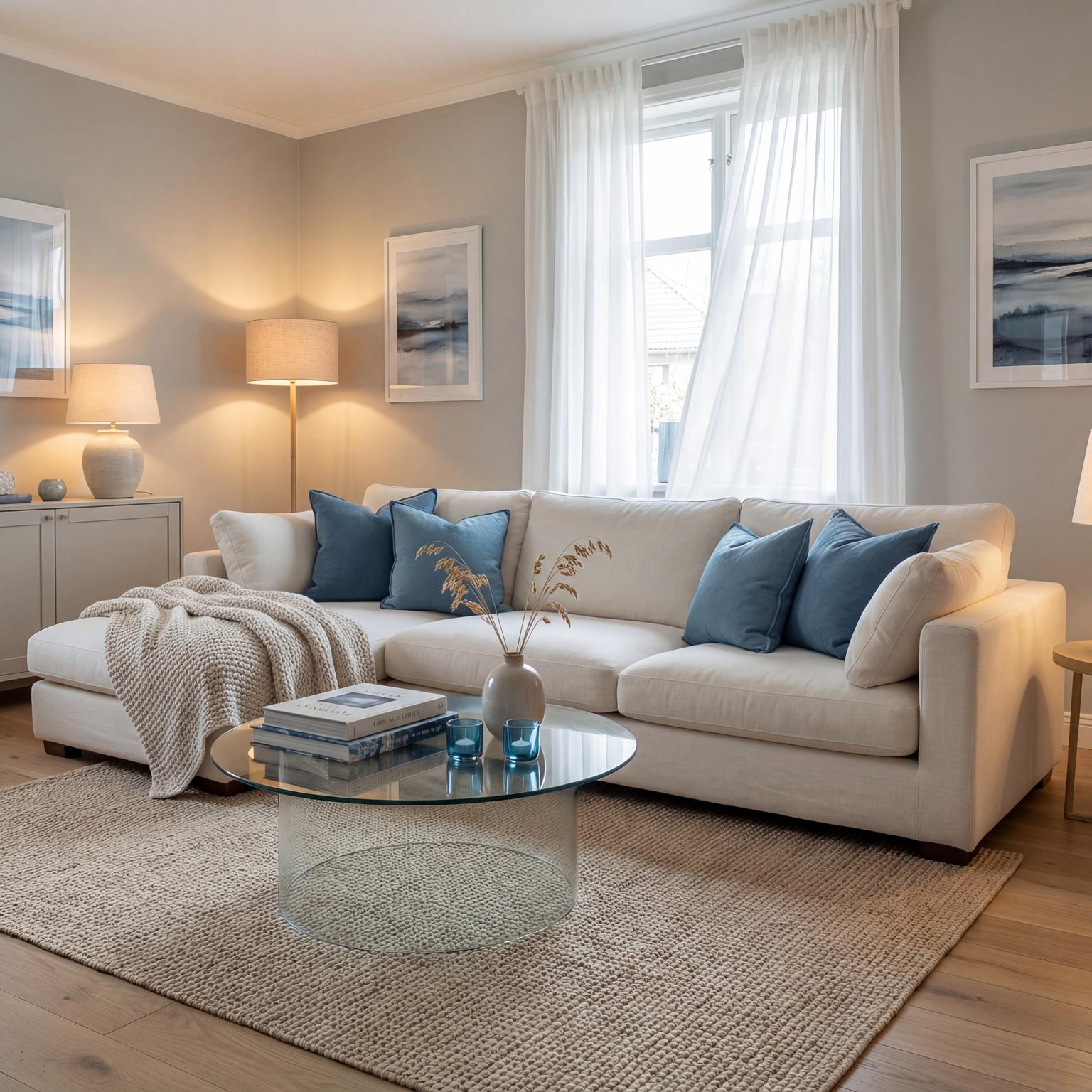
Cozy Living Room in Repose Grey and Oceanside Blue pairs coastal airiness, blue-and-white palette and warm wood in a living room setting.
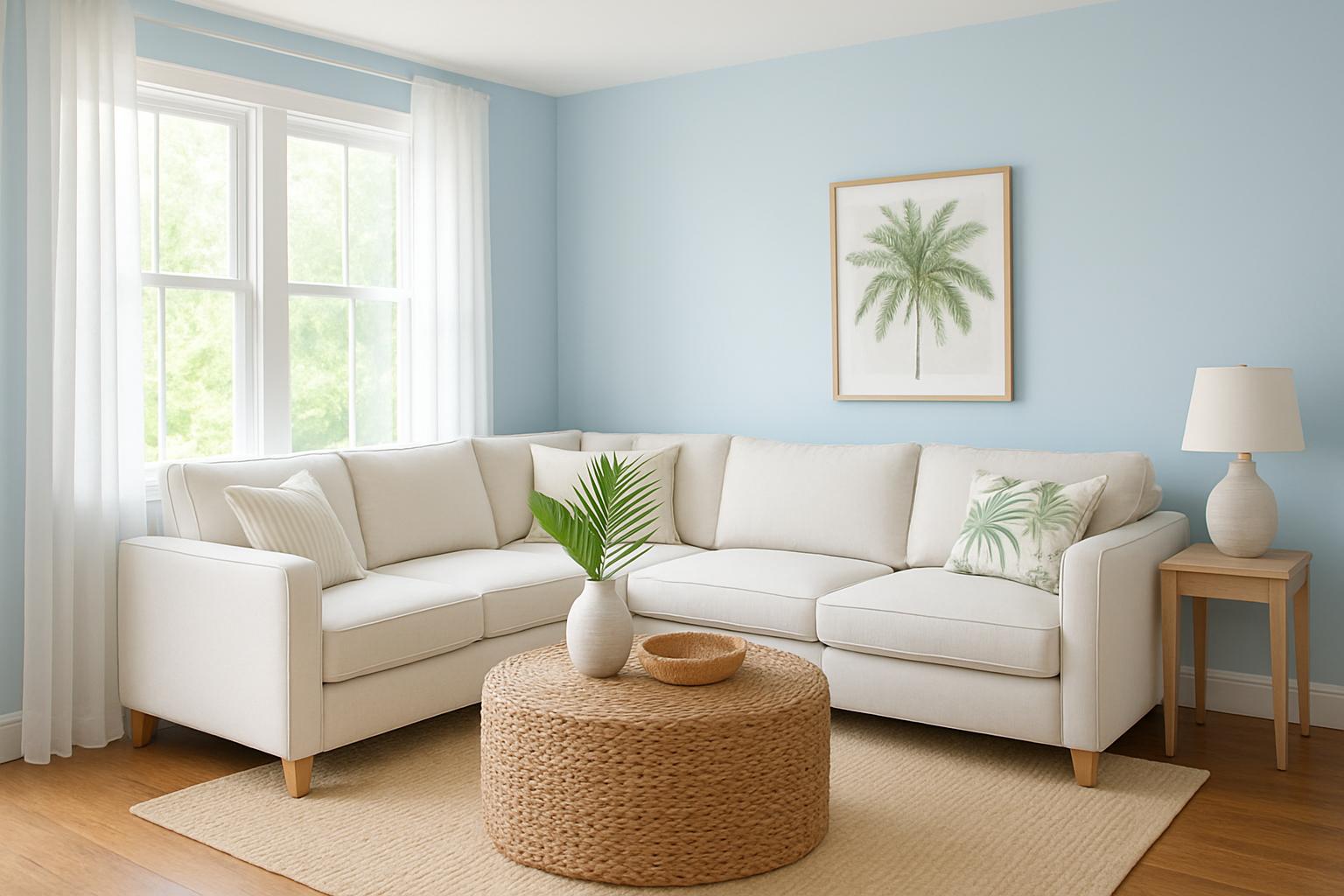
Coastal Living Room Ideas with Coastal Airiness and Blue-and-white Palette with Layered Neutrals layers coastal airiness, blue-and-white palette and layered neutrals in a living room setting.
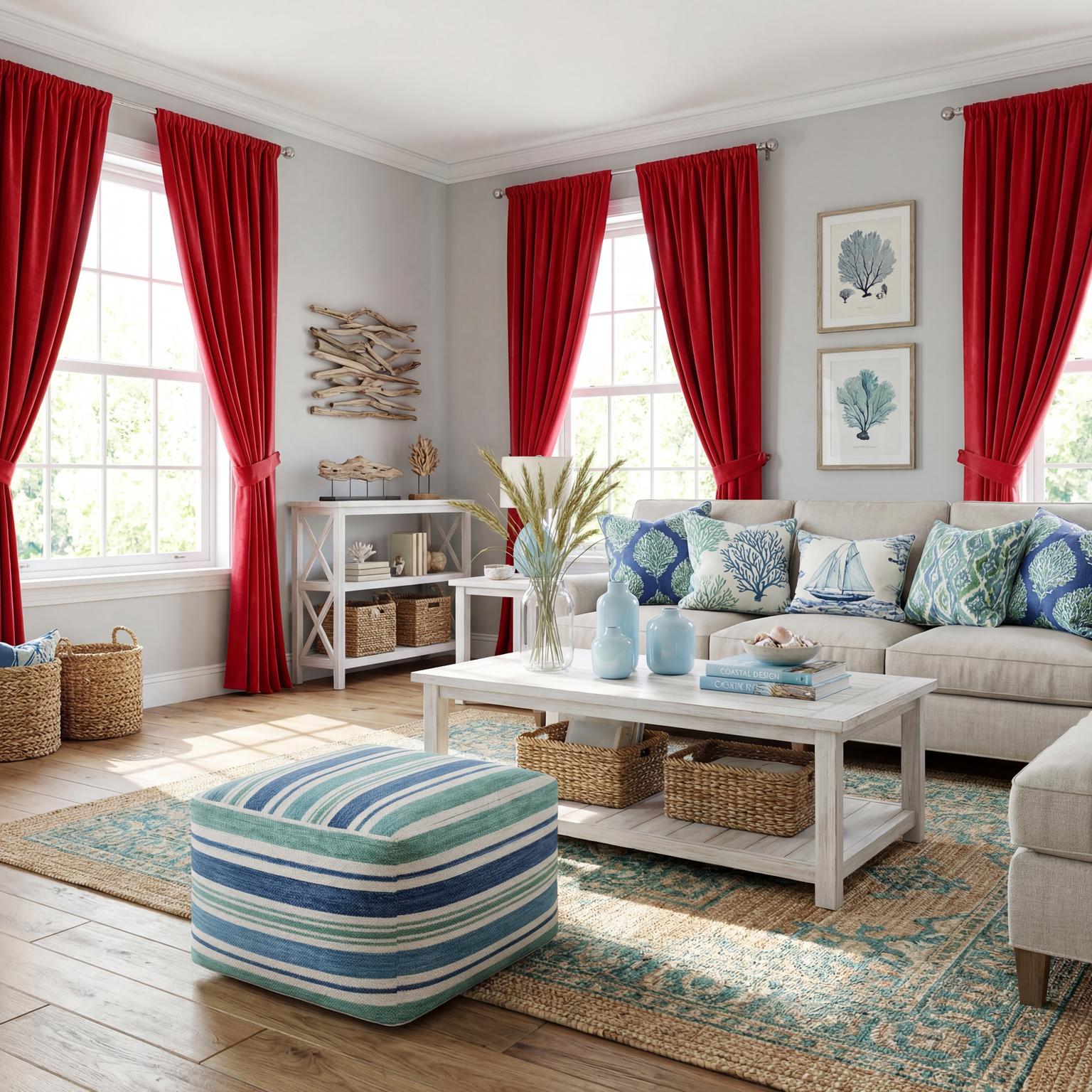
Coastal-Inspired Living Room Design anchors coastal airiness, blue-and-white palette and soft textiles in a living room setting.
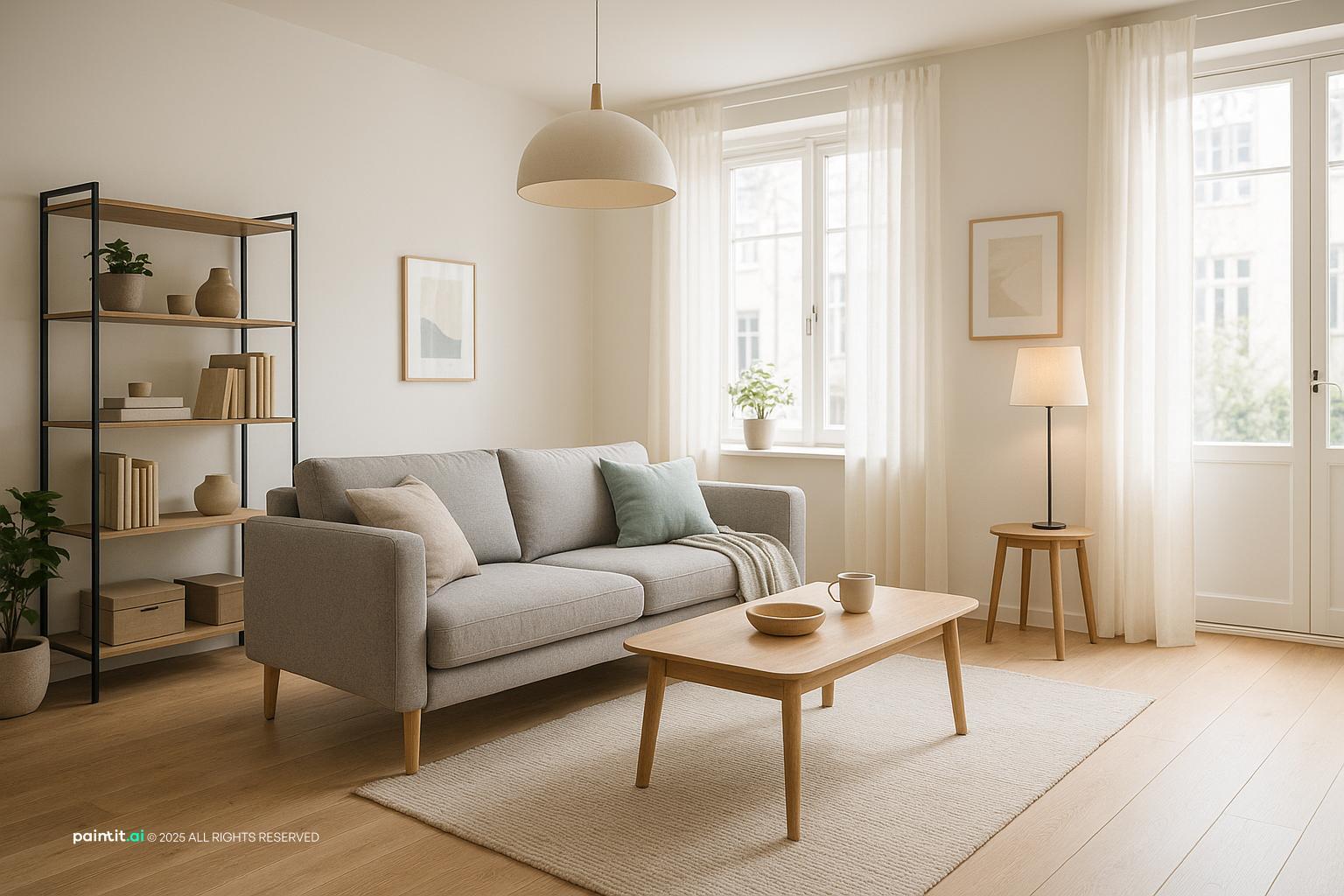
Scandinavian Style Living Room Design softens coastal airiness, blue-and-white palette and soft textiles in a living room setting.
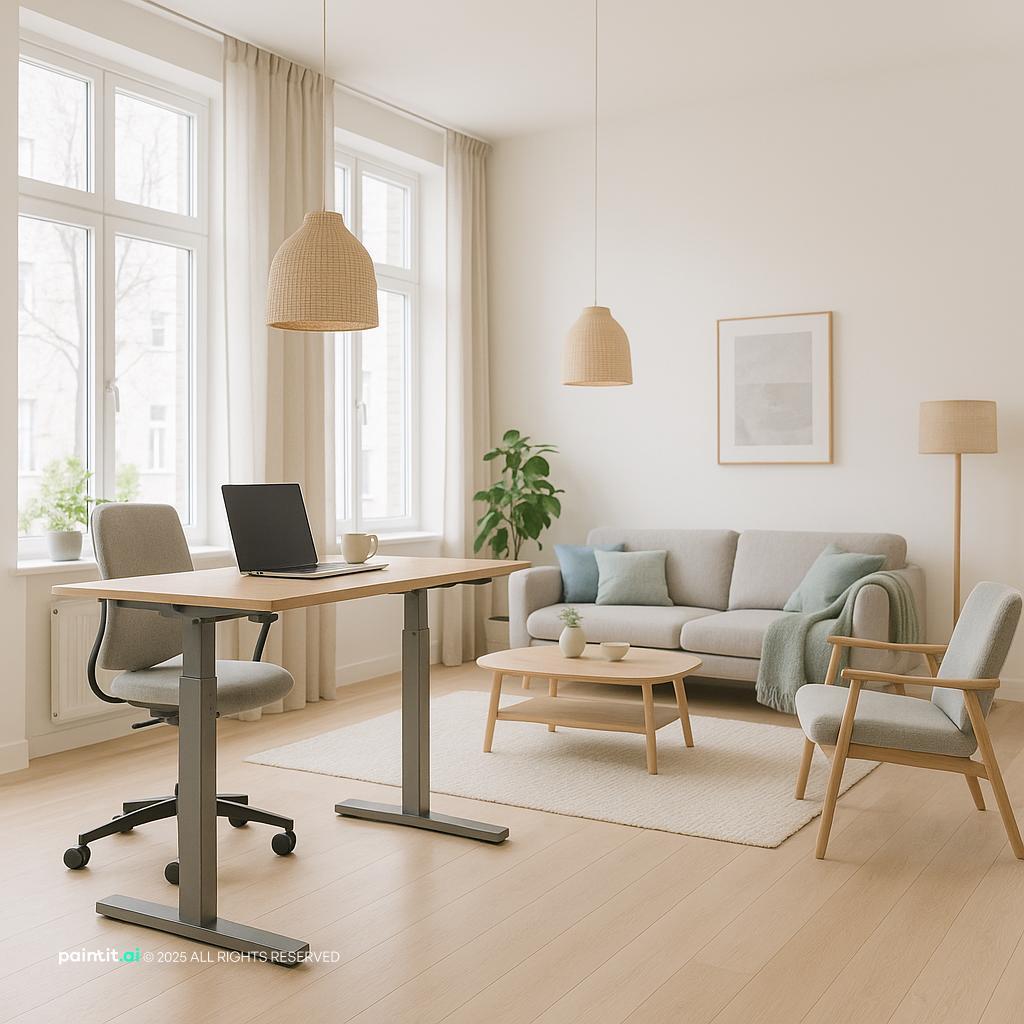
Scandinavian Contemporary Living Room Design uses coastal airiness, blue-and-white palette and soft textiles in a living room setting.
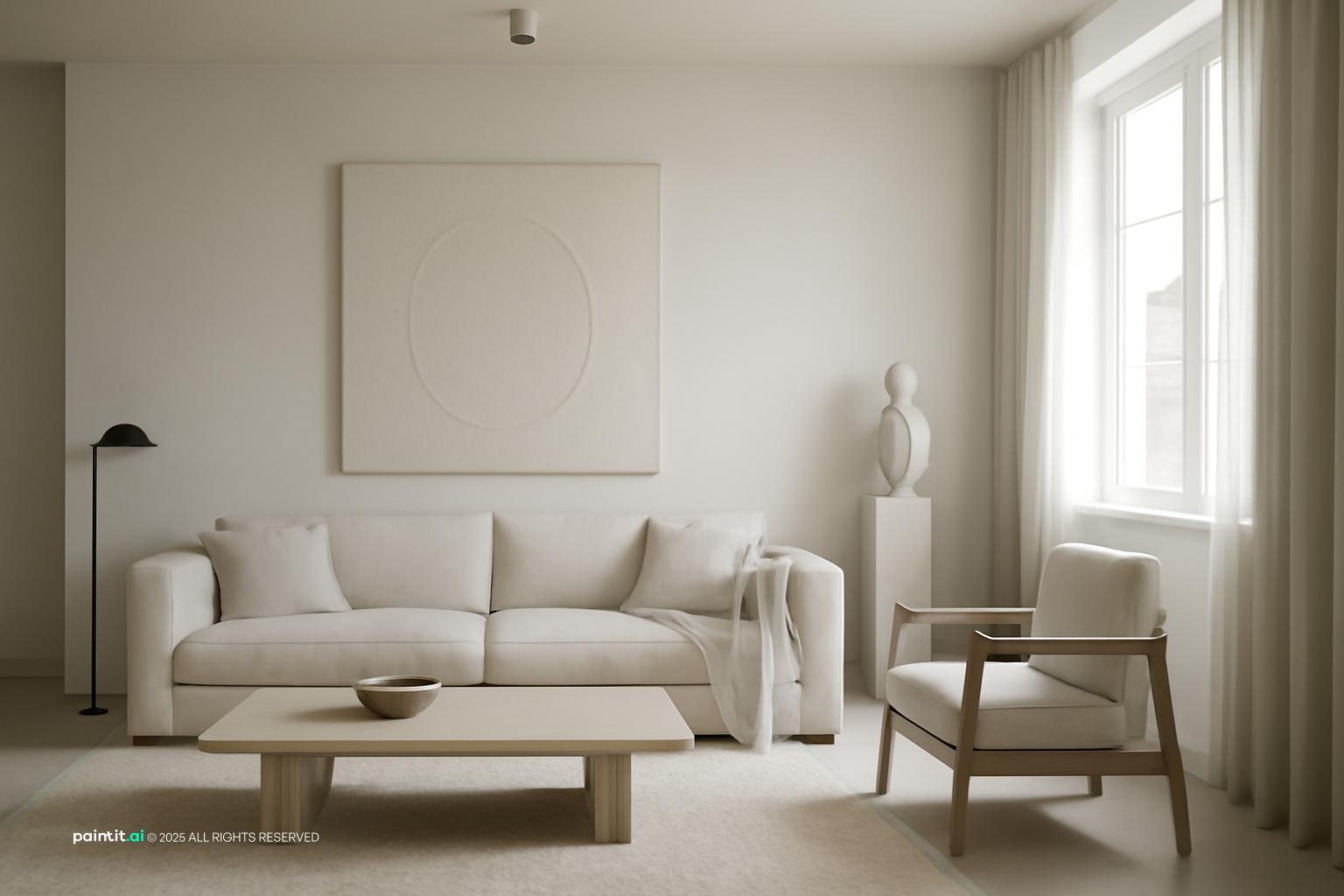
Minimalist Contemporary Living Room Design balances coastal airiness, blue-and-white palette and soft textiles in a living room setting.
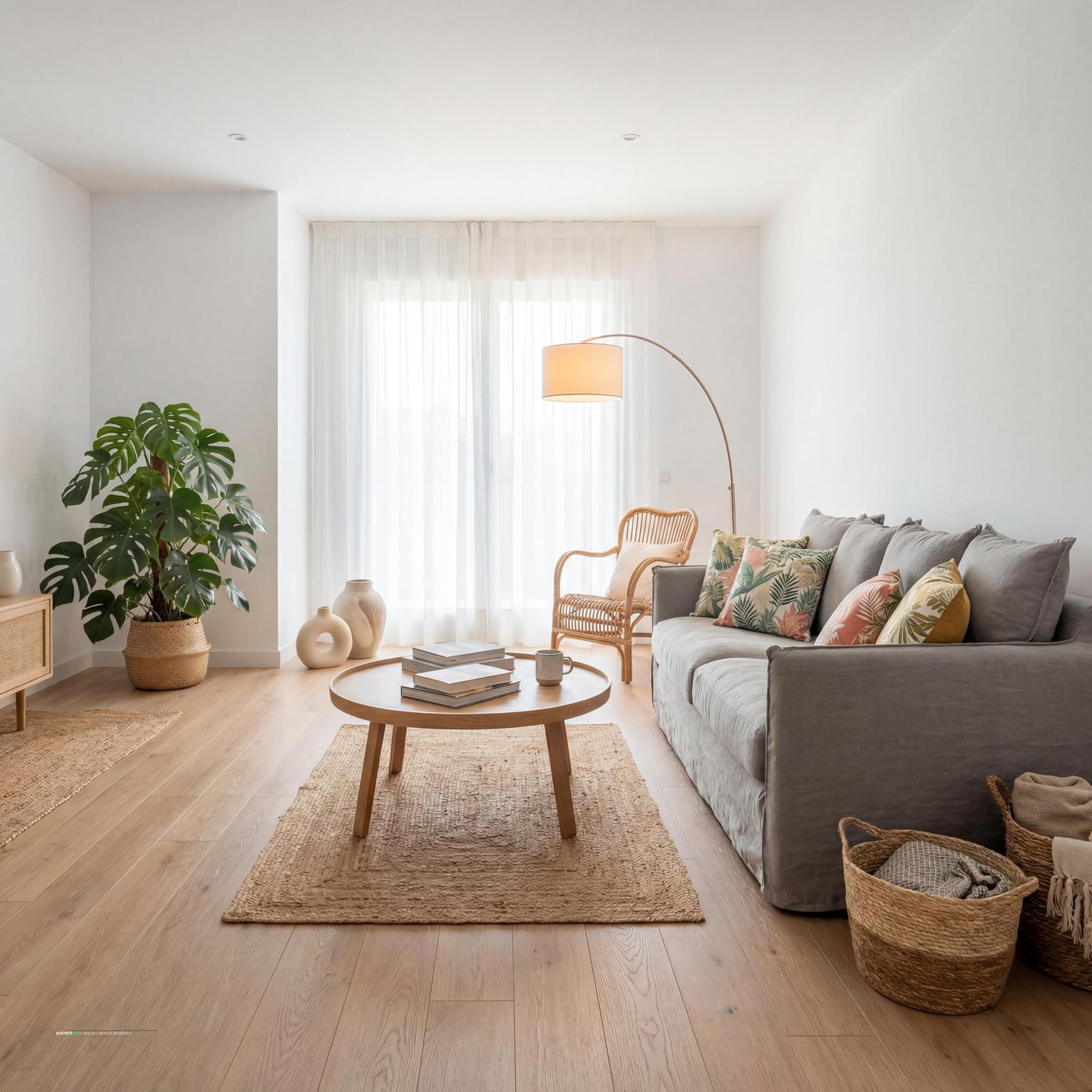
Scandinavian Living Room with Tropical Accents pairs coastal airiness, blue-and-white palette and soft textiles in a living room setting.
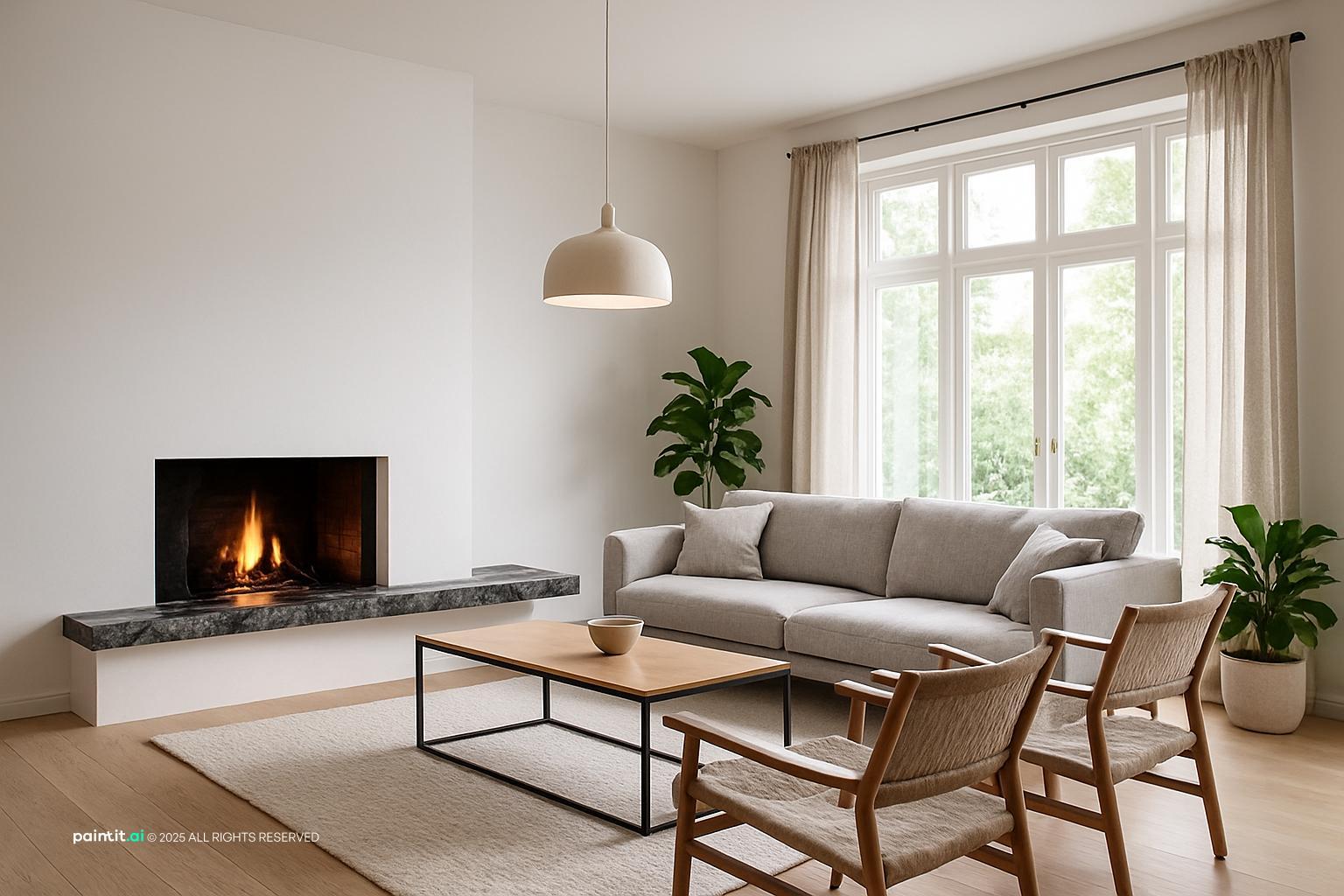
Scandinavian-Style Living Room Design layers coastal airiness, blue-and-white palette and warm wood in a living room setting.
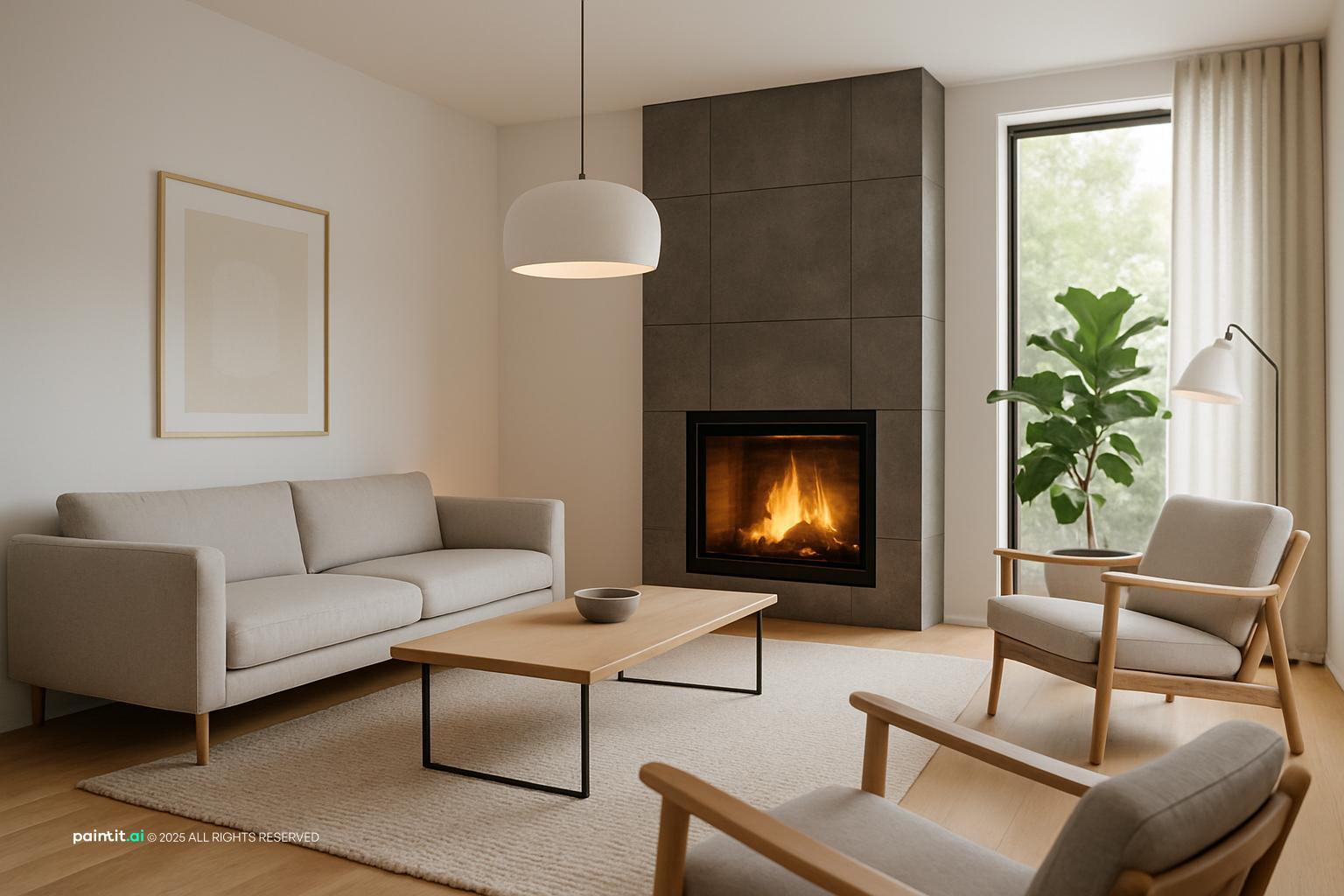
Stunning Scandinavian Living Room Design anchors coastal airiness, blue-and-white palette and warm wood in a living room setting.
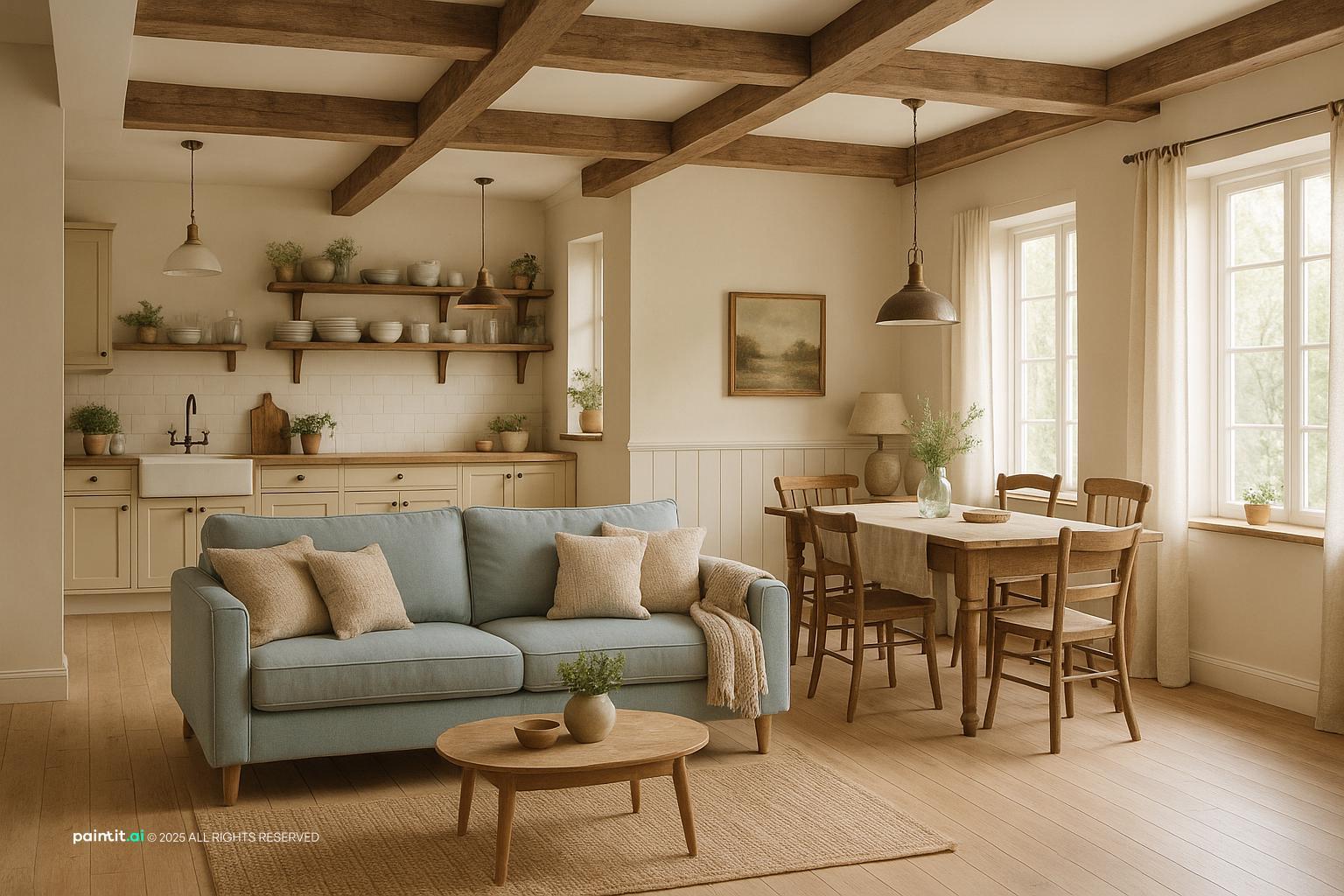
Cozy Farmhouse Open Concept Living Room Design softens coastal airiness, blue-and-white palette and warm wood in a living room setting.
A coastal room usually needs a quiet background: warm white, chalky cream, sand, misty gray, or pale greige. These colors bounce daylight and make woven textures easier to see. If the room already has dark floors, heavy trim, or a strong fireplace, do not paint everything stark white by default. A warmer wall color will usually sit better beside those fixed elements.
Why it works: coastal style needs visual breathing room. Too much contrast too early makes the room feel busy instead of calm. Start with the largest surfaces, then decide whether the room needs navy, sea-glass green, driftwood brown, or no strong accent at all.
A deep, overstuffed sofa may be comfortable, but it can block the lightness that coastal rooms rely on. A slipcovered or tailored linen sofa in cream, oatmeal, or pale gray usually works better because it feels relaxed without looking sloppy. In a narrow room, choose visible legs, a lower arm, or a slightly shallower seat so the sofa does not dominate the whole view.
What to avoid: do not push the sofa into the room if it cuts through the main walking path. Check the route from the entry to the windows, patio doors, or kitchen. If people have to squeeze around the coffee table, the room will not feel coastal no matter how good the fabric is.
A flatweave, wool-jute blend, or jute rug gives the room a natural base. The size matters as much as the material. At minimum, the front legs of the sofa and chairs should sit on the rug. If the rug floats in the center, the seating group will look accidental.
For homes with pets, children, or heavy daily use, consider a performance rug with a woven look instead of pure jute, which can shed or stain. The point is texture underfoot, not a rug you are afraid to live on.
Coastal living rooms work best when the seating invites people to talk. Try a sofa facing two chairs, a sectional with one light accent chair, or a sofa with a bench near the window. If the room has a fireplace, view, or strong architectural wall, do not let the television become the only thing the furniture responds to.
In Paintit.ai room tests, we often see the first weak spot in a small room: an oversized sofa that blocks the airy feeling before any decor is added. For small coastal living room ideas, measure the room in feet or square meters, then test a shallower sofa before adding more chairs. Users specify dimensions like sq ft, m², or 10x10 in 3.2% of prompts, and that small bit of context can completely change the layout decision.
Rattan chairs, cane frames, and seagrass stools add a coastal note without relying on obvious beach symbols. Pair them with a soft sofa so the room does not become too hard or too rustic. A cushion in off-white, blue-gray, or sand keeps the chair comfortable and connected to the rest of the palette.
Why it works: woven furniture adds shadow, pattern, and hand-made texture while staying neutral. It gives the eye something to read against white walls, especially in rooms with simple architecture.
Blue is the classic coastal color, but it is strongest when used with restraint. Try blue accents in pillows, art, a ceramic lamp, or one upholstered ottoman. If every textile is blue and white, the room can start to feel flat, predictable, or too literal.
A more modern approach is to mix blue with beige, bone, warm gray, muted green, and natural wood. That gives you a neutral coastal living room that still feels tied to water and sky, but it does not shout the theme.
Pale oak, whitewashed pine, reclaimed wood, and light walnut all work well in coastal rooms. Use wood on the coffee table, side tables, picture frames, ceiling beams, or built-in shelves. If the room has white walls and pale upholstery, wood is often what keeps it from feeling cold.
What to avoid: do not use too many wood tones at once. Pick one main wood family and repeat it at least twice. A pale oak coffee table and matching picture frames will feel calmer than five unrelated wood finishes fighting each other.
Sheer curtains, linen panels, and woven shades help coastal rooms feel soft during the day. Hang curtains high and wide so the window looks larger and the fabric does not block daylight when open. If privacy is an issue, layer a woven shade under light curtains.
Why it works: filtered daylight is more flattering than harsh glare. It also makes texture visible, which matters when the palette is quiet. A room with pale furniture and no light control can look washed out in the afternoon and flat at night.
Coastal living room decor should feel collected, not staged. Choose a few pieces with real texture: a ceramic bowl, framed coastal photography, a weathered tray, a woven basket, or glass with a smoky tint. Leave empty space on shelves and tables.
Paintit.ai users often include negatives such as no clutter or without changing major features. Negatives appear in 8.8% of prompts, and that instinct is useful here. A coastal room can lose its sophistication quickly when every surface gets a beach object.
Modern coastal living room ideas usually rely on crisp silhouettes, fewer accessories, matte finishes, and a tighter palette. Use a low-profile sofa, a simple coffee table, a sculptural lamp, and large-scale art instead of many small decorative pieces. The coastal feeling should come from light, material, and color temperature.
In Paintit.ai tests, we often see cleaner results when users combine modern with coastal instead of asking only for beachy. Modern is among the top-20 first words users employ, which makes sense: people are often trying to modernize it, not just decorate it. The modern layer removes clichés and makes the room easier to live with.
Beachy living room ideas can look refined when they are abstracted. Instead of anchor prints or piles of shells, use wave-like artwork, sand-colored upholstery, blue-gray textiles, and stoneware that feels weathered. One direct reference is enough if the rest of the room stays subtle.
What to avoid: skip matching sets of nautical accessories. They can make the living room feel like a rental property or souvenir shop rather than a personal home.
A coastal farmhouse living room can work beautifully when relaxed coastal colors meet honest, slightly rustic materials. Think painted beams, simple slipcovers, oak tables, woven baskets, and a little blackened metal. Keep the palette lighter than a typical farmhouse room.
Why it works: farmhouse texture gives structure to coastal softness. The mistake is going too heavy with dark metal, chunky signs, distressed finishes, and oversized furniture. Those pieces can fight the breezy character of the room.
Before replacing everything, choose one permanent feature worth keeping: a fireplace, ceiling beams, wood floors, large windows, or a built-in cabinet. In Paintit.ai behavior, 12.0% of prompts use keep or do not change language, and that is a smart planning habit. Coastal design often improves when it respects what the room already does well.
If the floor is dark, use lighter rugs and upholstery. If the fireplace is stone, repeat its undertone in pillows or ceramics. If the windows are the best feature, keep furniture low enough to preserve the sightline. “Keep the windows, change the palette” is often a better brief than “make this coastal.”
Coastal rooms are easy to overdo on the first pass. Add a bit more blue, make the wood warmer, reduce the accessories, try a lighter rug, or make the curtains softer — one change at a time. This mirrors how many Paintit.ai users work: 15.0% use refinement language such as a bit, more, less, or now.
For a practical process, compare layout, palette, and furniture swaps with How to Redesign a Living Room with Paintit.ai. Iteration is especially useful when you want to keep existing furniture but make the room feel more coastal.
Use the second gallery to compare small but important differences: warm white versus cool white, pale oak versus weathered wood, light upholstery versus darker contrast, and minimal styling versus a more layered beach-inspired look. The best option is usually the one that makes the real room feel calmer, not the one with the most coastal objects.
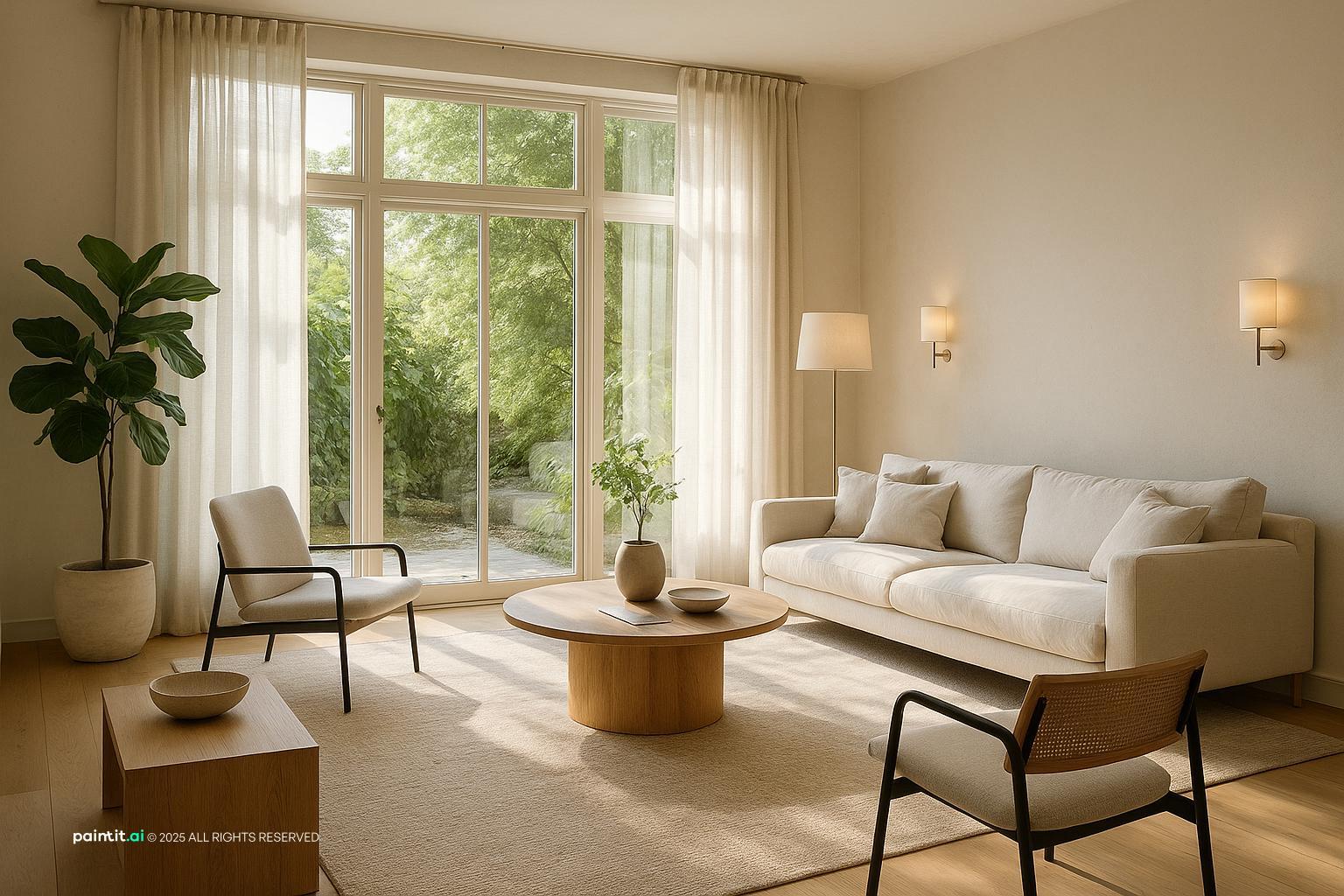
Coastal Living Room Ideas with Coastal Airiness and Blue-and-white Palette with Warm Wood uses coastal airiness, blue-and-white palette and warm wood in a living room setting.
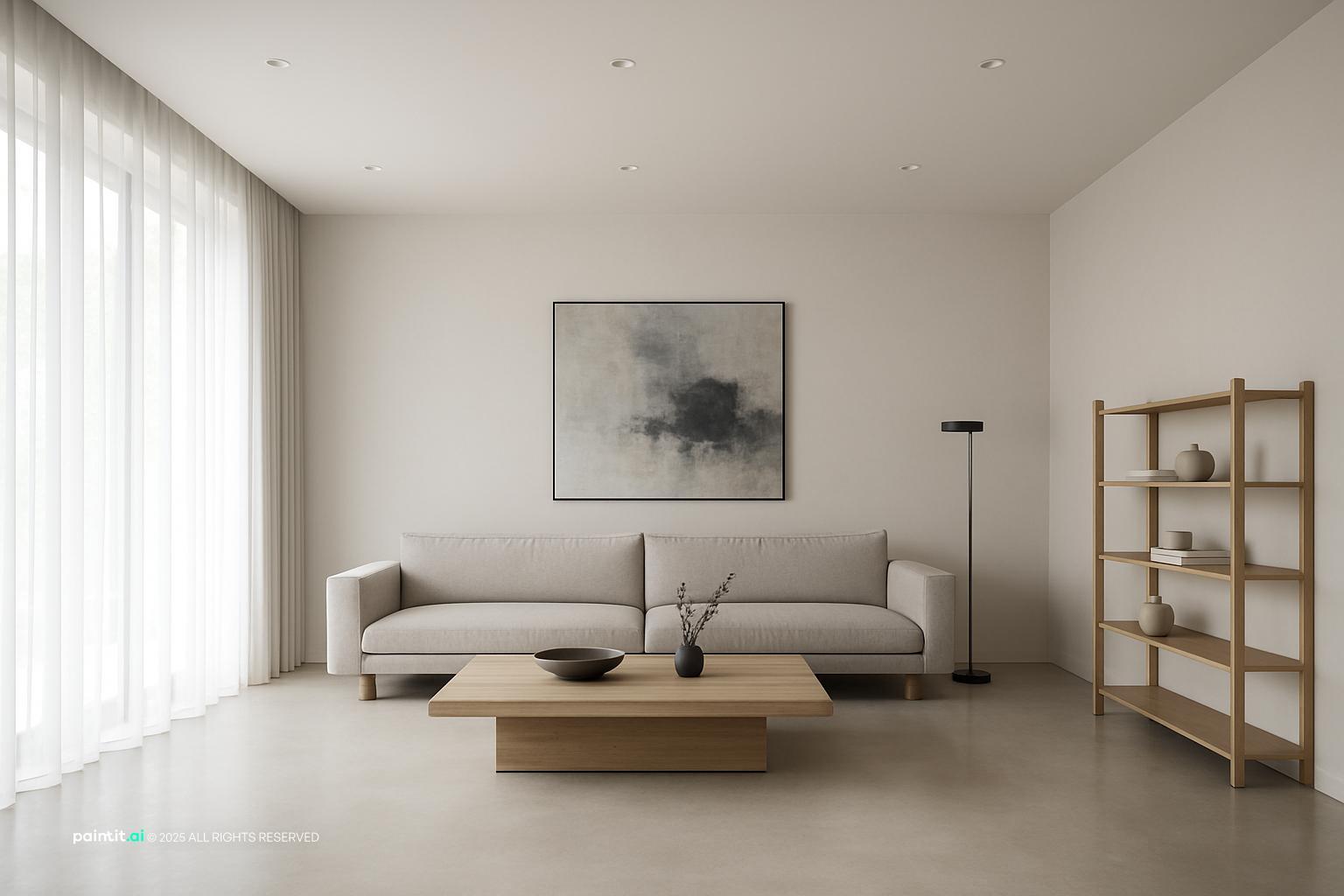
Coastal Living Room Ideas with Coastal Airiness and Blue-and-white Palette View 4 balances coastal airiness, blue-and-white palette and warm wood in a living room setting.
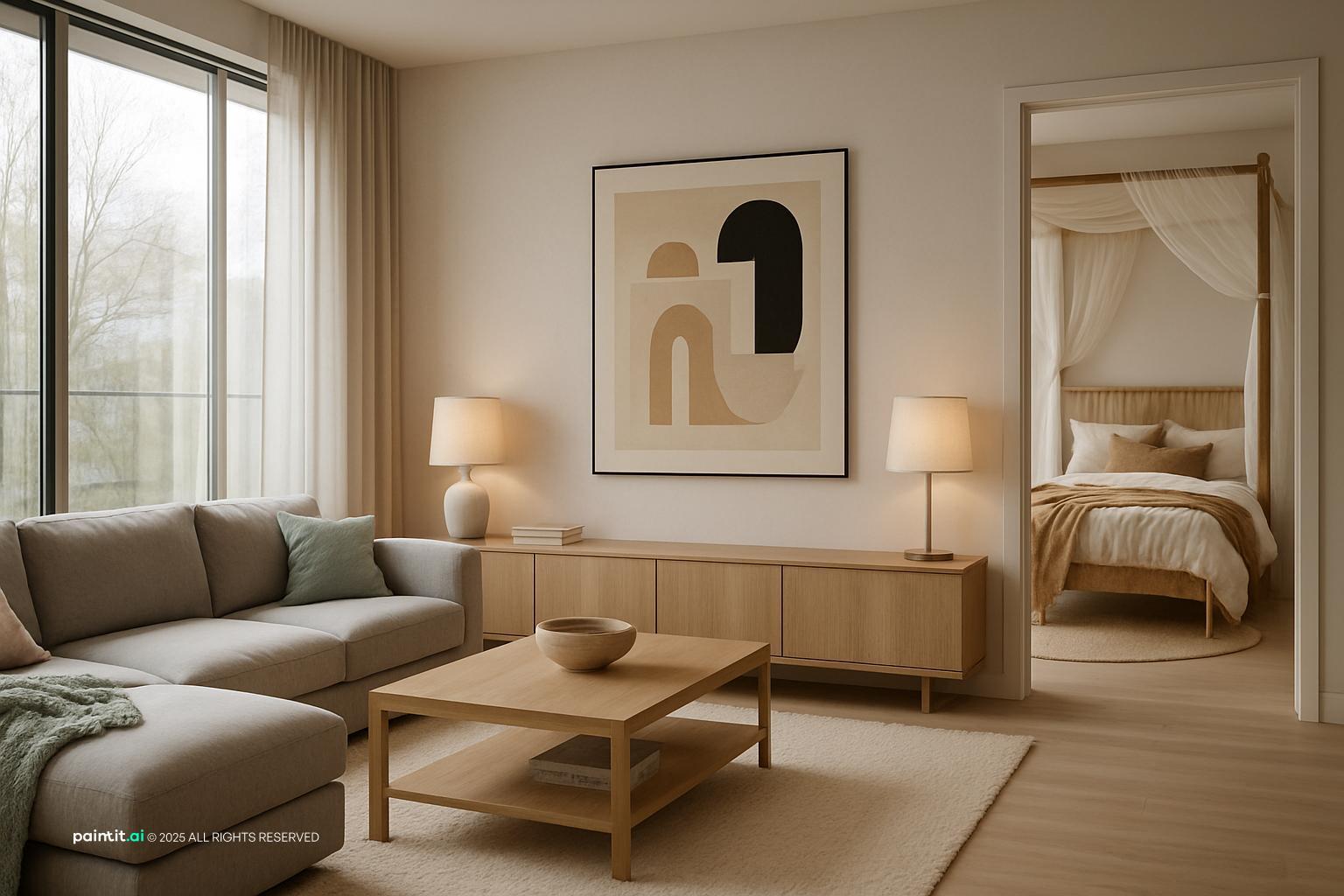
Coastal Living Room Ideas with Coastal Airiness and Blue-and-white Palette with Soft Textiles pairs coastal airiness, blue-and-white palette and soft textiles in a living room setting.
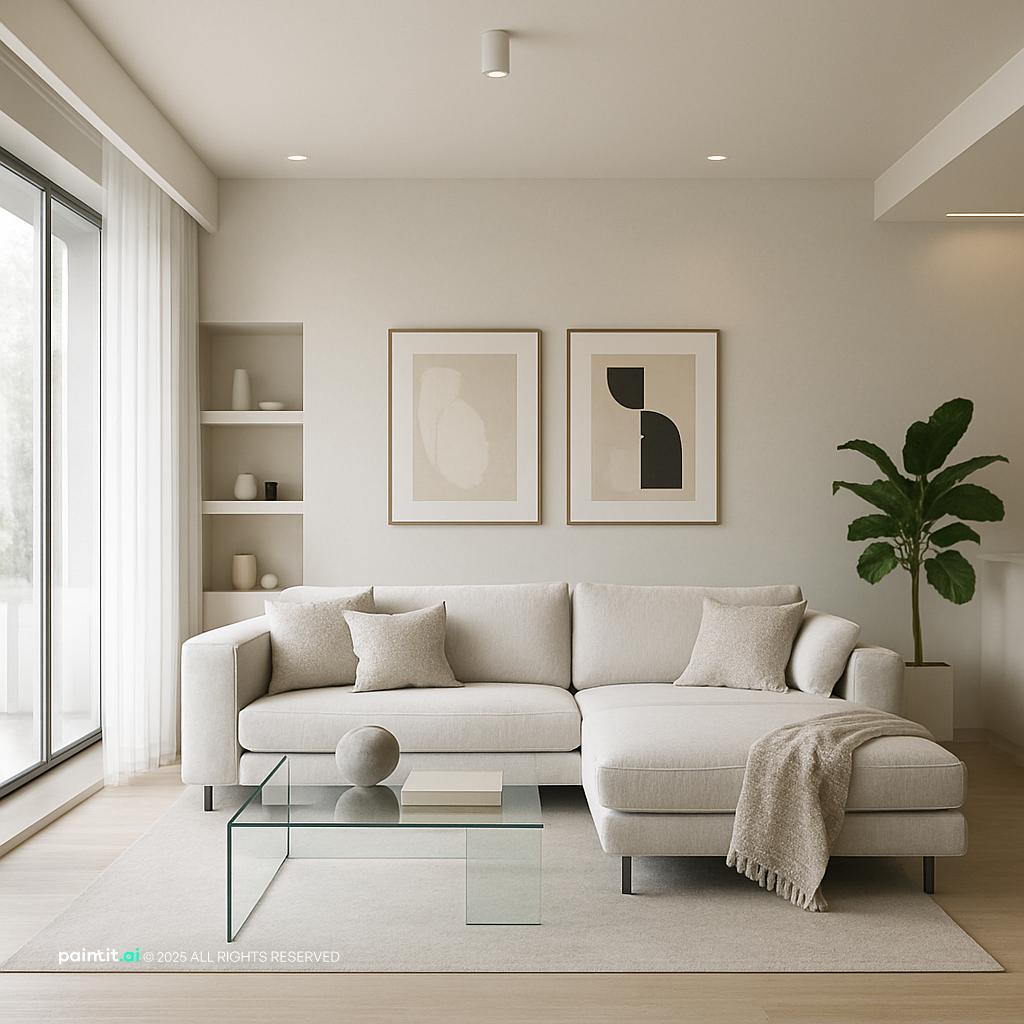
open, airy space with clean lines and simple forms . neutral color palette: whites, layers coastal airiness, blue-and-white palette and soft textiles in a living room setting.
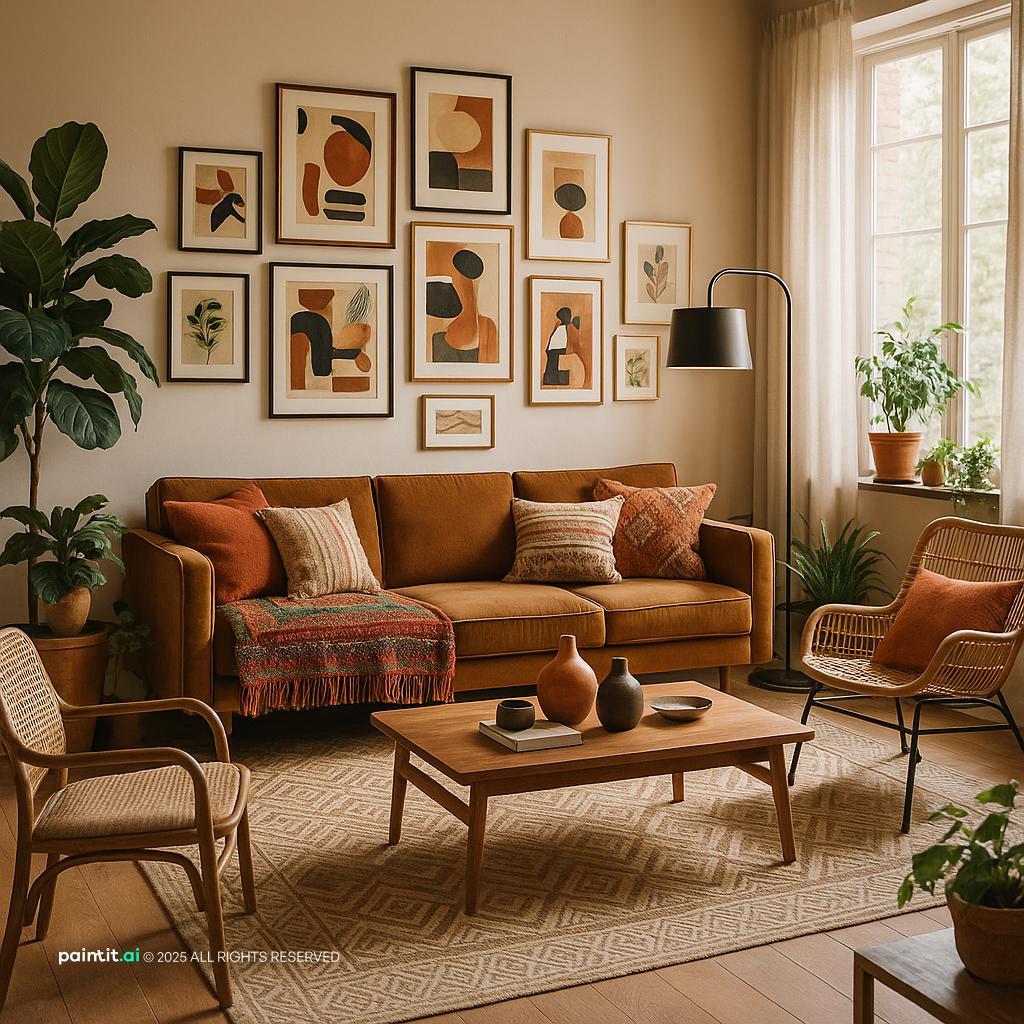
Bohemian-Style Living Room Design anchors coastal airiness, soft textiles and metal accents in a living room setting.
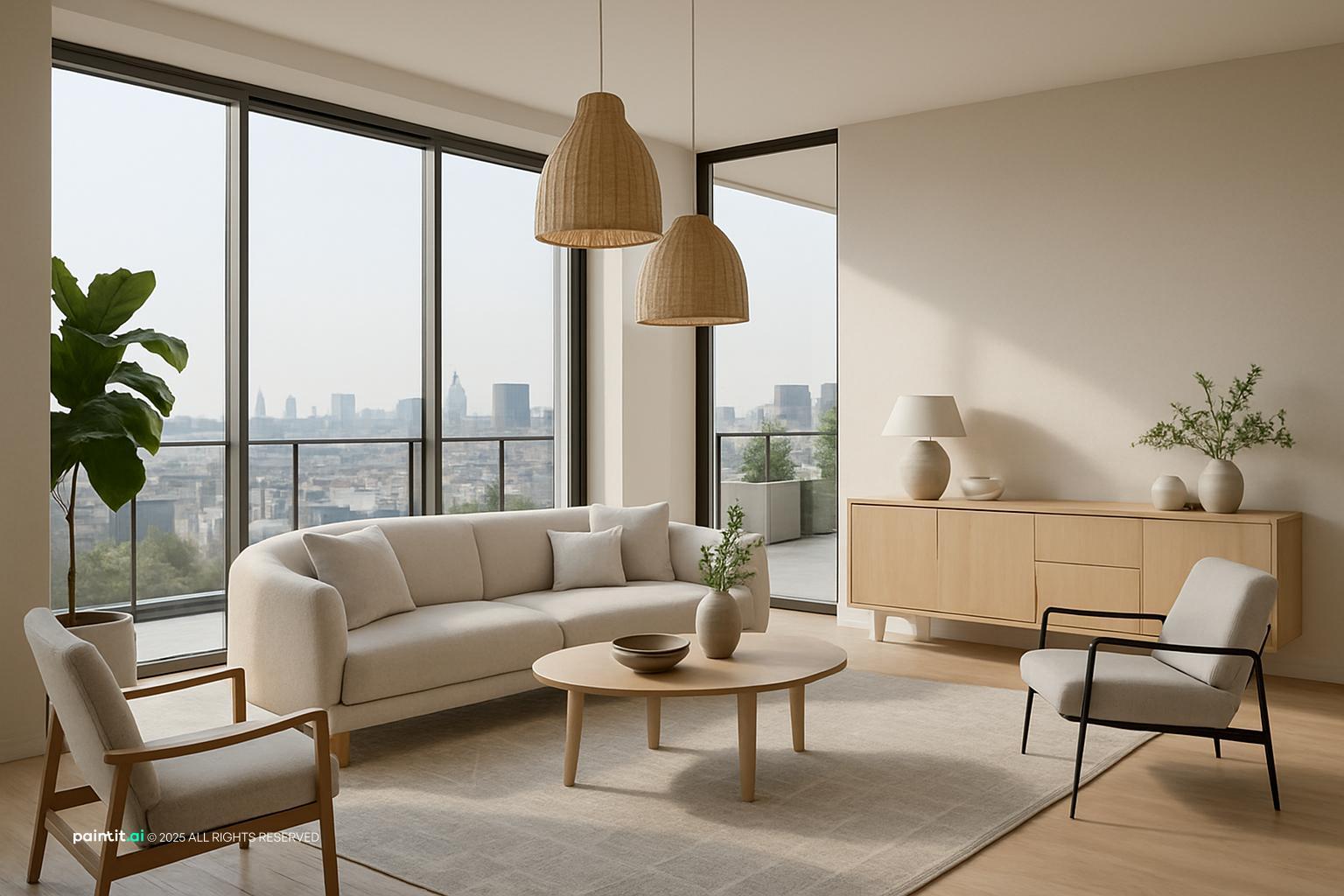
Luxury Scandinavian Living Room with City Views softens coastal airiness, blue-and-white palette and soft textiles in a living room setting.
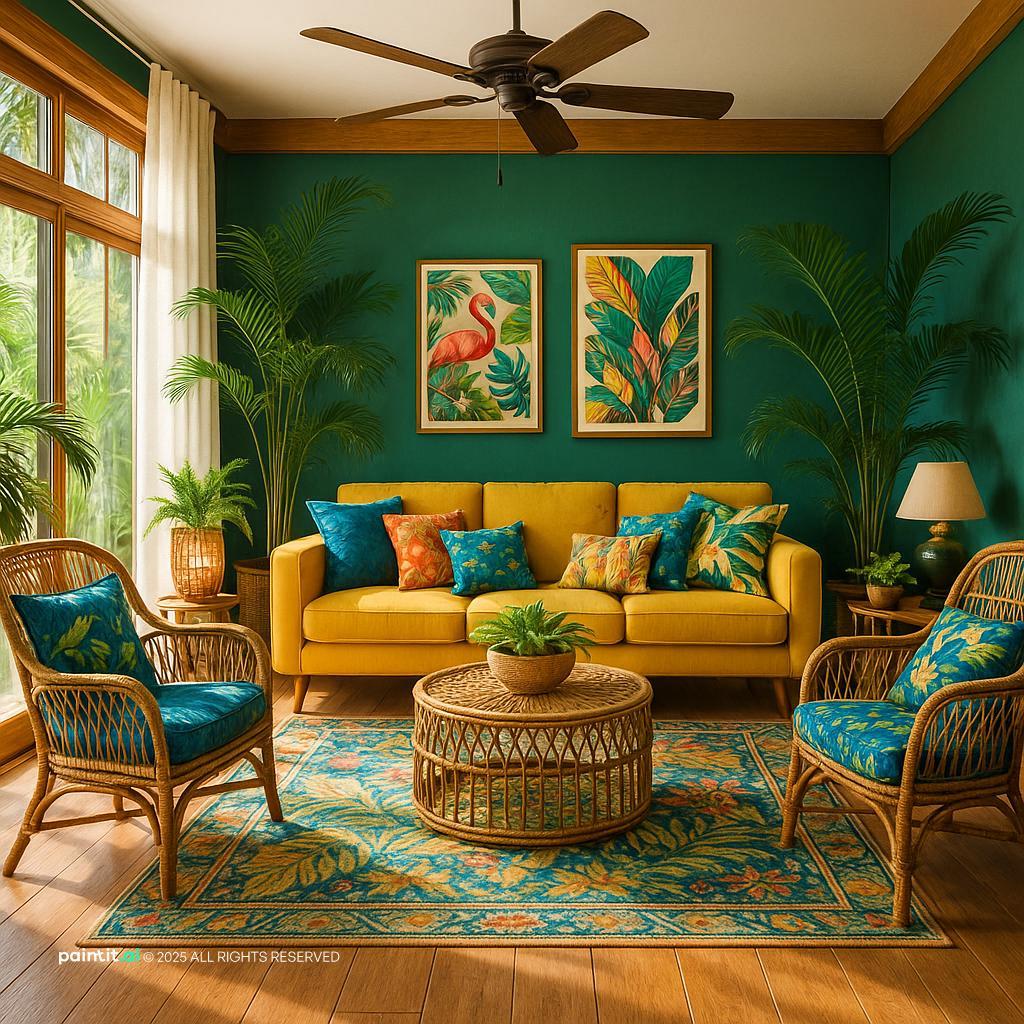
Tropical Living Room Design uses coastal airiness, blue-and-white palette and soft textiles in a living room setting.
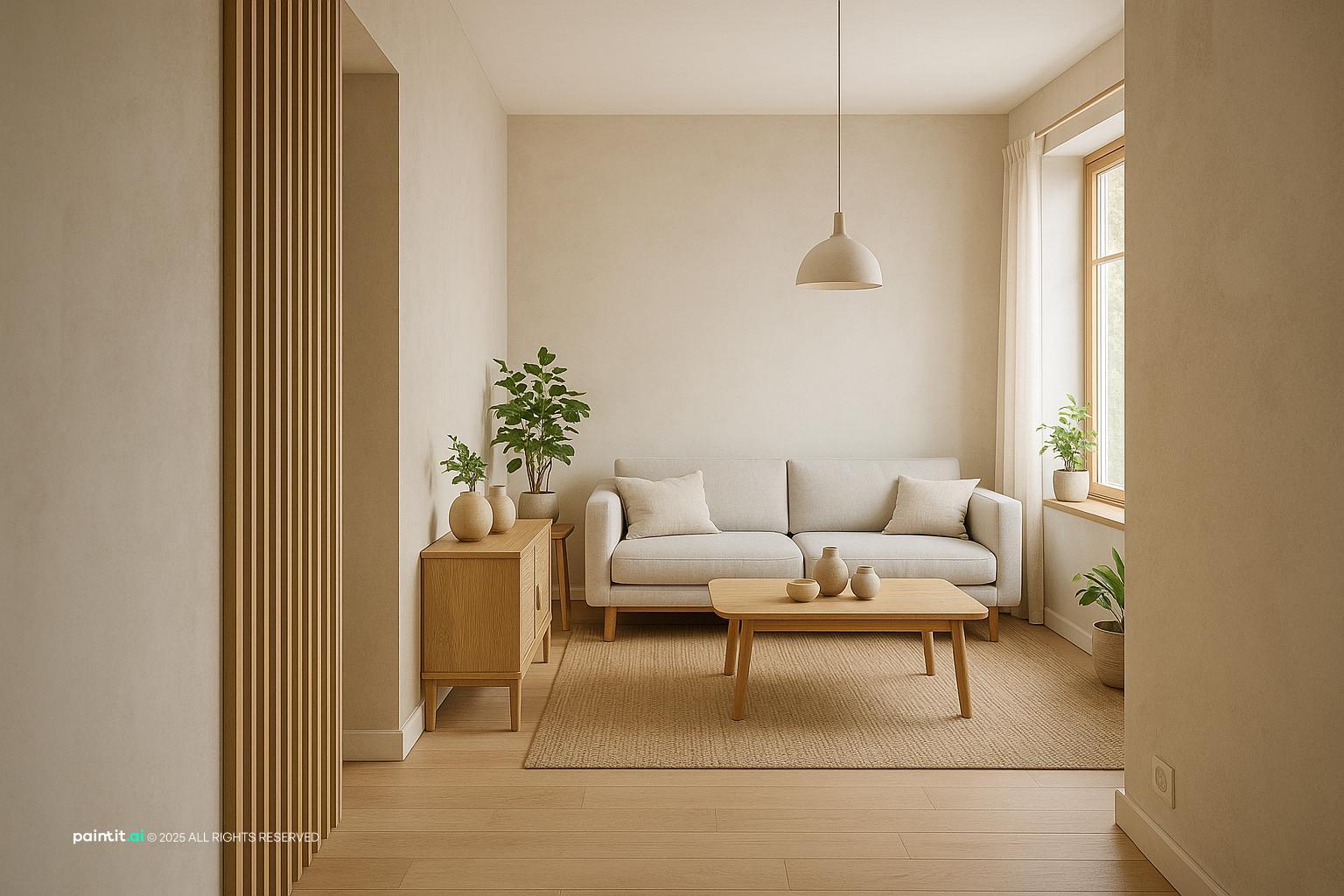
Coastal Living Room Ideas with Coastal Airiness and Blue-and-white Palette View 6 balances coastal airiness, blue-and-white palette and warm wood in a living room setting.
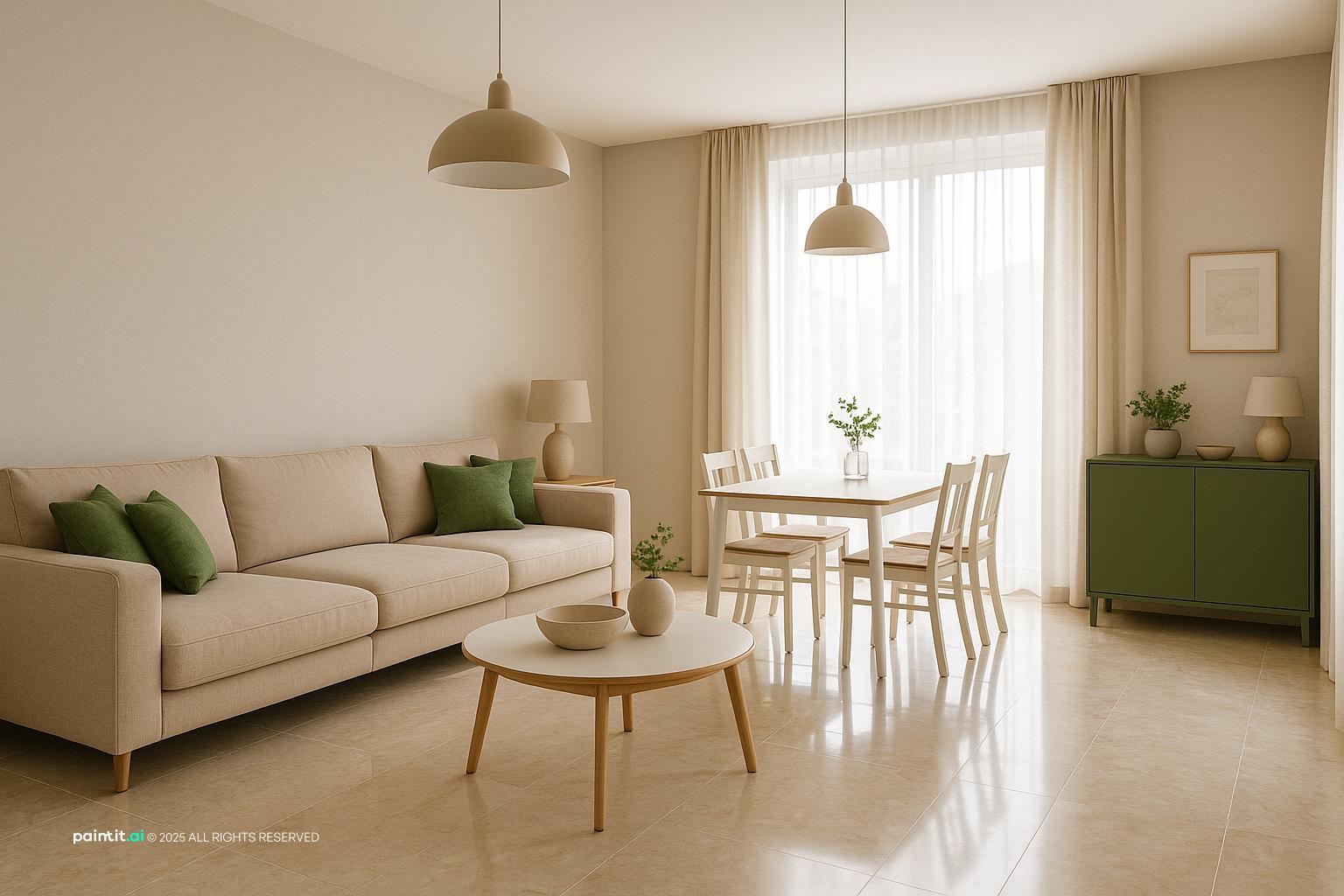
Coastal Living Room Ideas with Coastal Airiness and Blue-and-white Palette View 7 pairs coastal airiness, blue-and-white palette and soft textiles in a living room setting.
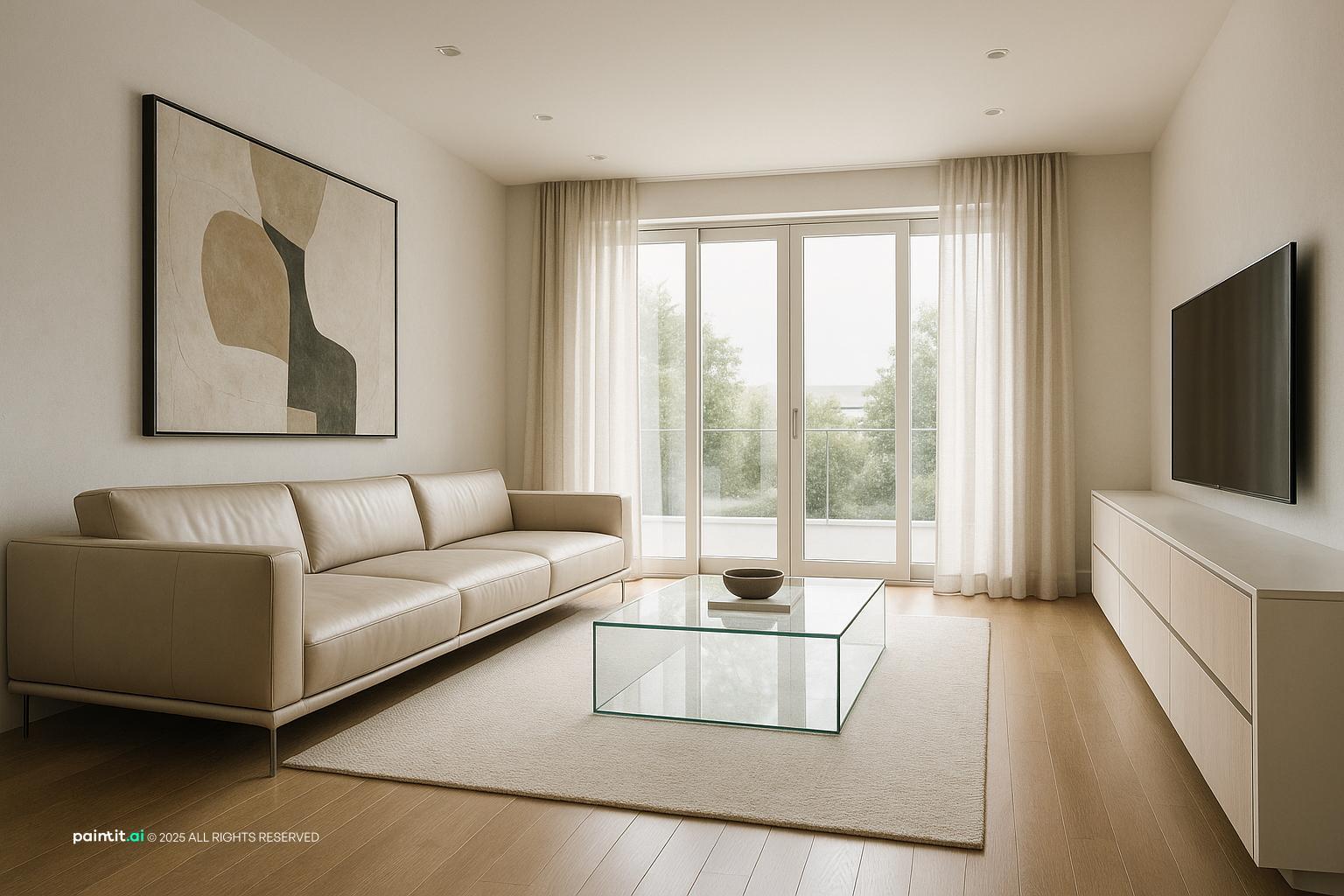
Sleek Contemporary Living Room Design layers coastal airiness, blue-and-white palette and soft textiles in a living room setting.
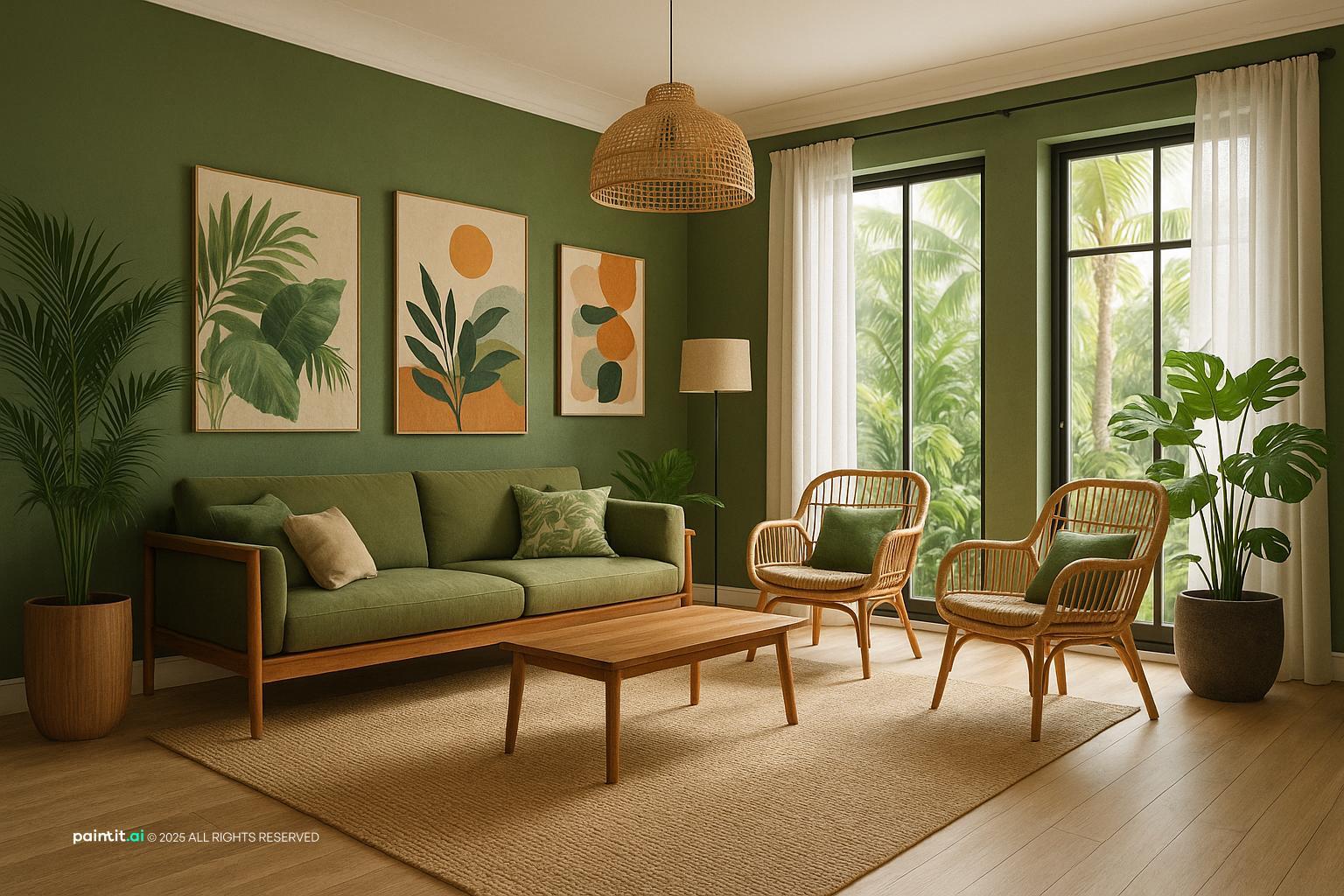
Tropical Modern Living Room Design anchors coastal airiness, warm wood and plants and greenery in a living room setting.
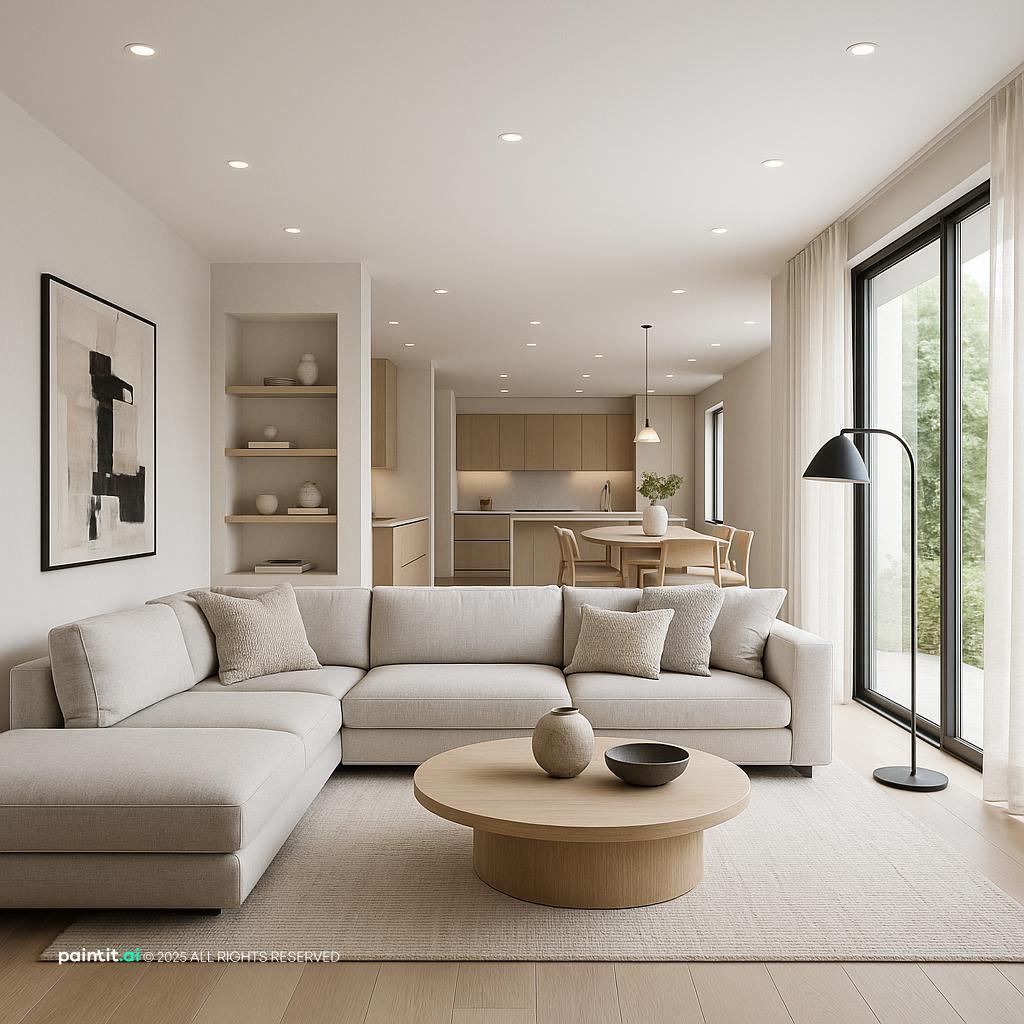
Contemporary Living Room Design 2025 softens coastal airiness, blue-and-white palette and warm wood in a living room setting.
The safest coastal palettes start with warm white, cream, sand, beige, driftwood gray, and soft blue. But color names can mislead you. A cool white can look sharp beside warm wood, while a creamy white may turn yellow next to gray stone. Check undertones in daylight and at night before committing.
For deeper palette decisions, Best Living Room Colors is useful because coastal color depends on how paint reacts with flooring, window exposure, and upholstery. Do not choose wall paint from a tiny chip on a store shelf. Test it near the sofa, rug, and largest window.
Coastal style is more convincing when the materials do the work. Linen, cotton, cane, rattan, sisal, oak, seagrass, and matte ceramics create the relaxed texture people associate with beach houses. Since 19.0% of Paintit.ai users specify materials, it is clear that people understand how much these choices change a room.
Use smooth and rough materials together: a linen sofa with a woven side table, a clean-lined cabinet with a textured basket, or a polished lamp on a raw wood console. The catch is balance. If every surface is rustic, the room can feel dusty instead of fresh.
Natural wood should look sun-warmed, not orange. Pale oak, ash, and lightly weathered finishes are usually easier to use than glossy cherry or very dark espresso. For metal, use brushed nickel, aged brass, white metal, or black in small doses.
Why it works: coastal rooms need structure, but heavy contrast can make them feel less relaxed. If you use black, repeat it lightly in a lamp base, picture frame, or fireplace tool. Do not spread it across every leg, frame, and handle.
Use washable cotton throws, linen pillows, nubby upholstery, and relaxed curtain panels to soften the room. Mix solid fabrics with subtle stripes or small-scale patterns. The palette can stay quiet if the textures vary enough.
What to avoid: too many thin, flat fabrics. If every pillow is smooth cotton and every surface is pale, the room may look unfinished. Add one chunkier weave, one heavier drape, or one tactile cushion so the space has depth in real life, not just in photos.
Coastal rooms should feel bright, but overhead lighting alone is rarely flattering. Use at least three layers: ambient ceiling light, table or floor lamps, and one accent source near shelves, art, or a reading chair. Choose warm bulbs so white surfaces do not turn clinical at night.
If the room gets strong sun, control glare with woven shades or light-filtering curtains. If it is naturally dark, lean harder on warm whites, reflective ceramics, pale lampshades, and mirrors placed with care. Adding more blue will not fix a dark room.
A coastal shelf looks better with breathing room. Use stacked books, one framed piece, a ceramic vessel, a basket, and perhaps one organic object. Vary height and shape, but keep the color range tight.
Avoid tiny souvenirs lined up in rows. They create visual noise and collect dust. Larger objects with texture usually make the room feel calmer and more mature.
If one side of the living room has a large sofa, balance it with a tall lamp, art, curtains, or a pair of chairs on the other side. A pale room can still feel lopsided if all the heavy furniture sits on one wall. Check the room from the entry point, not only from the sofa.
When adding new pieces virtually, AI Virtual Staging can help compare whether a woven chair, larger coffee table, or lighter media console improves the balance. Avoid buying accent furniture only because it looks coastal. It still has to solve the room.
Upload a photo of your living room and test specific changes: warmer white walls, a lighter rug, rattan seating, sheer curtains, a different sofa shape, or less clutter on shelves. The most useful prompts are direct: keep the fireplace, make the palette warmer, add pale oak, reduce blue, no clutter, or do not change the windows.
Paintit.ai is especially helpful for coastal rooms because small edits change the mood quickly. You can compare a modern version, a softer farmhouse version, and a more minimal beach-inspired version in AI Room Design before deciding what to paint, replace, or keep.
Start with a light base, then add natural texture through wood, woven pieces, and relaxed textiles. Keep the layout open, use blue accents sparingly, and leave some empty space on shelves and tables.
Warm white, cream, beige, sand, driftwood gray, soft blue, and muted green work well. Stronger blues are usually better as accents than as the main color on every surface.
Use cleaner furniture lines, fewer accessories, larger artwork, matte finishes, and a restrained palette. Let light, texture, and natural materials suggest the coast instead of obvious beach motifs.
Yes. Choose a shallower sofa, a lighter rug, slim tables, and window treatments that do not block daylight. Keep furniture out of the main traffic path so the room feels open.
Avoid too many nautical objects, matching themed accessories, harsh cool whites, and oversized furniture. A coastal room should feel relaxed and usable, not decorated like a souvenir shop.