
Very small shop interior design ideas for spaces under 20 m²
A very small shop, under 20 m² or even under 10 m², has different design constraints from a regular small shop. Every square metre of floor space you give to a customer pathway or furniture piece is floor space not used for product. Every design decision needs to justify itself.
These 10 ideas are built around the specific challenge of very limited retail space: how to maximize product visibility, create a clear customer path, and still make the shop feel like a place worth entering rather than a storage room with a door.
Upload a photo of your shop to app.paintit.ai and test different layout directions in 1–2 minutes. Free to start.
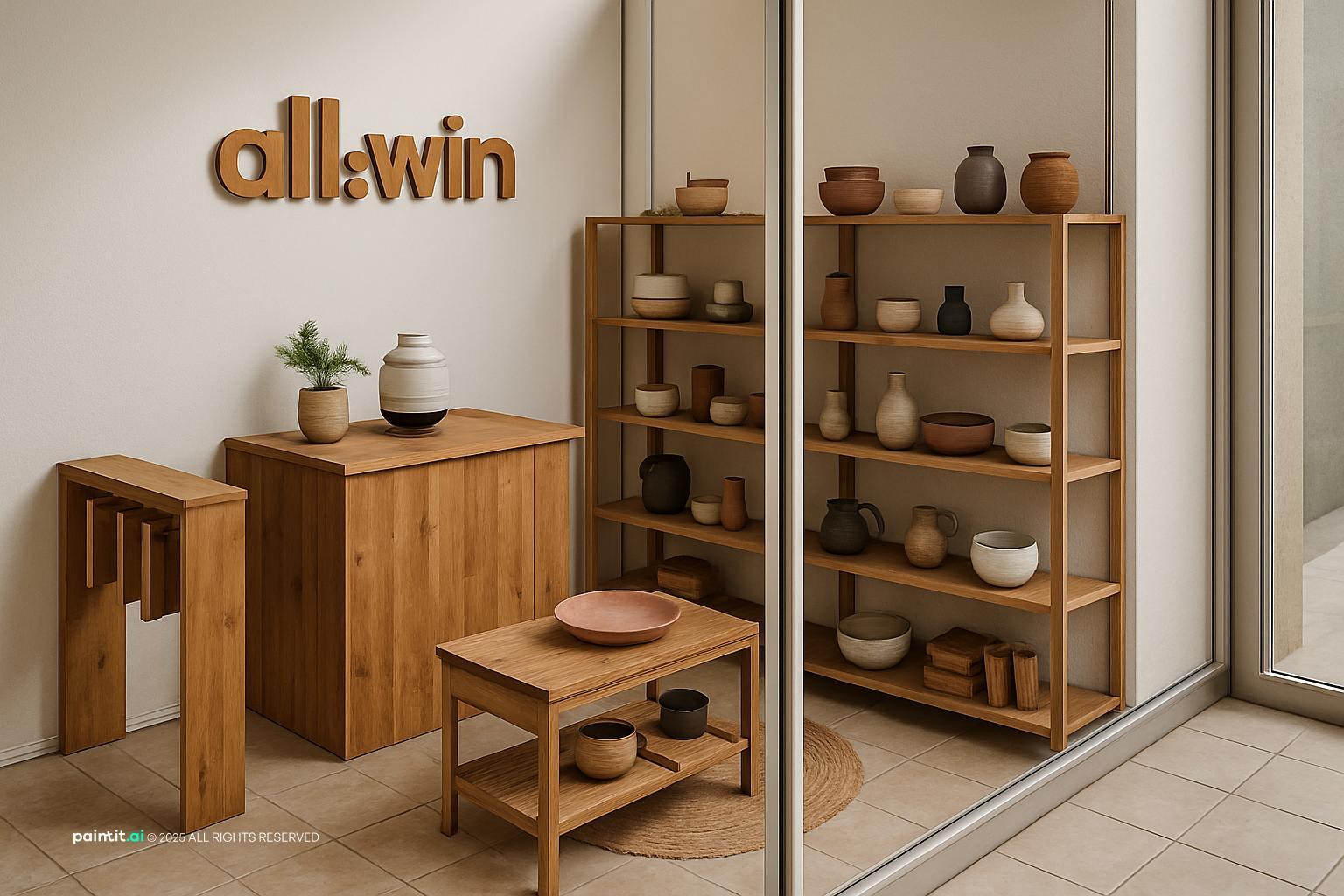
10 very small shop interior design ideas
These ideas scale down to the smallest retail spaces: kiosks, market stalls, corridor shops, and rooms under 15 m².
-
1. Optimize Space Utilization
The design of small shops depends heavily on maximizing space usage. Examine the potential of vertical space through the installation of shelves and racks that direct visual attention skyward. The design technique simultaneously generates a perception of expanded space while delivering extra storage solutions. Select modular furniture pieces that allow for effortless rearrangement and movement to maintain adaptable spaces. -
2. Choose a Cohesive Color Palette
The perception of space experiences significant alteration through color influence. Select a delicate and unified color scheme to establish a breezy environment. A room appears more spacious when decorated with soft pastels or whites, while strategically placed accent colors in decor or merchandise generate visual interest without sensory overload.
-
3. Incorporate Smart Lighting
The function of lighting emerges as an essential component within small retail environments. Layer three lighting types: ambient (general overhead), task (product shelf lighting), and accent (spotlight on featured items). Together they create depth and warmth without expensive fixtures. Evaluate the installation of track lighting systems to accentuate both merchandise displays and decorative elements. Whenever feasible natural light should dominate to improve visual appeal while drawing in potential clients.
-
4. Create Functional Zones
Within confined retail spaces the necessity exists to establish separate functional zones. A checkout area alongside product displays and customer relaxation spaces could be included. Delineate these zones using furnishings such as rugs and various flooring materials to create a continuous flow throughout the shop.
-
5. Prioritize Customer Experience
In a very small shop, seating takes floor space; only add it if your customers genuinely need to sit (shoe shop, beauty retail). Otherwise, maximize display space and keep the customer path clear and short.
-
6. Use Mirrors Strategically
Incorporating mirrors into small shop design proves highly effective. These elements fabricate a spatial illusion that expands perceived dimensionality, causing the area to appear more extensive than its actual size. Arrange mirrors in strategic positions to bounce light and focus attention on essential products. Exercise caution to avoid excessive application because the intended purpose is augmentation rather than diversion.
-
7. Innovate with Display Techniques
Employing advanced display methods distinguishes your retail establishment from market rivals. Implement inventive shelving methods such as ladders and crates to display products in distinctive manners. Regular rotation of displays helps maintain visual interest while promoting visitor return. To sustain an immaculate and welcoming atmosphere, ensure the displays remain free of clutter. -
8. Consider the Flow of the Shop
In a very small shop, the customer "flow" is often just one path from the entry to the back wall and back out. Design this path deliberately: the most eye-catching display is visible from the door, the highest-margin items are at eye level along the path, and the checkout is positioned near the exit.
-
9. Personalize Your Space
Personal touches make a shop memorable as a brand, not just a place to buy things. Integrate artistic elements, signage, and decorative items that align with your brand identity. The visual attractiveness of the product increases while simultaneously building customer relationships which encourages repeat business. -
10. Regularly Reassess and Update
Your shop's requirements will evolve throughout its lifespan making it essential to perform regular evaluations and updates of your interior design. Maintain vigilant observation of consumer responses alongside retail trends to guarantee your store stays welcoming and up-to-date. Tiny adjustments wield substantial influence over customer perception and engagement with your retail space.
Examples of Small Shop Interior Design in Action
-
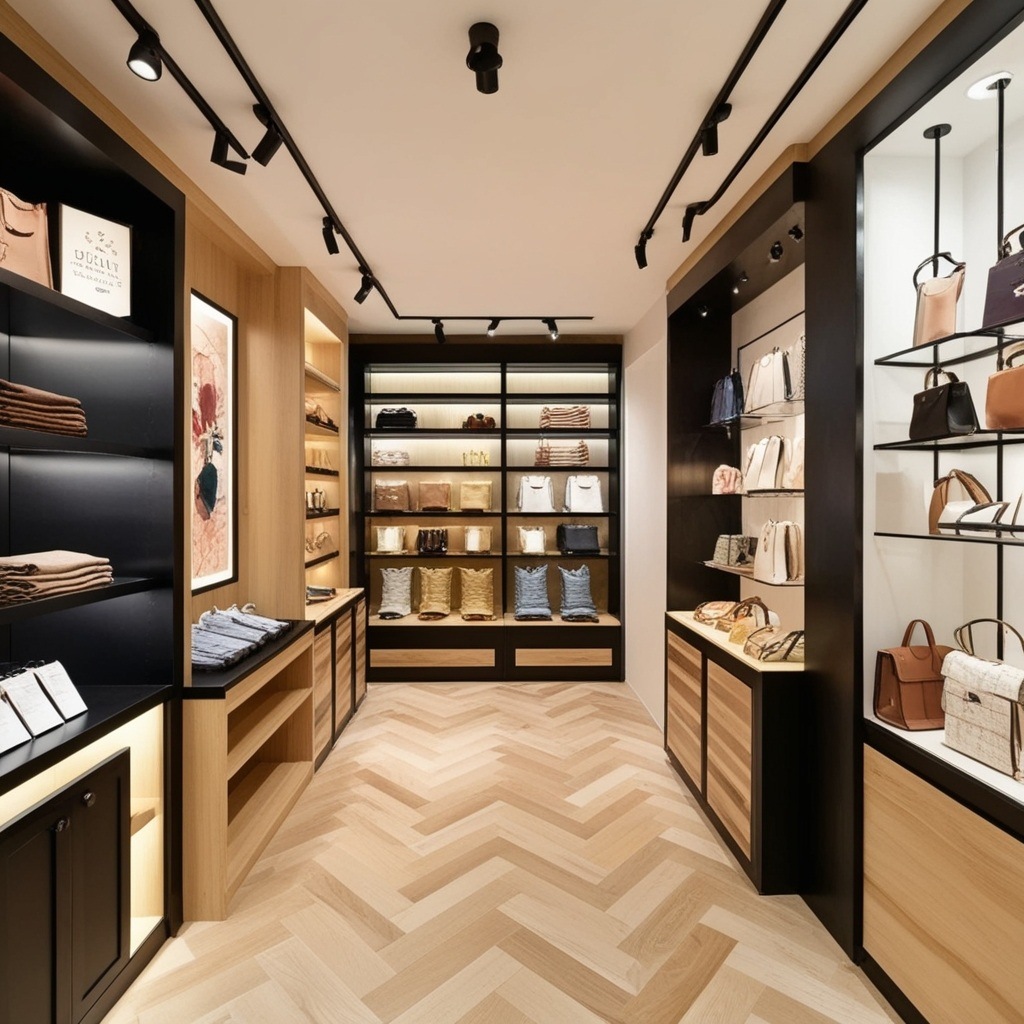
The creation of a welcoming environment within compact retail spaces plays a vital role in drawing customers while ensuring optimal space utilization. These small shop interior designs stand as remarkable examples of creative functionality.
-
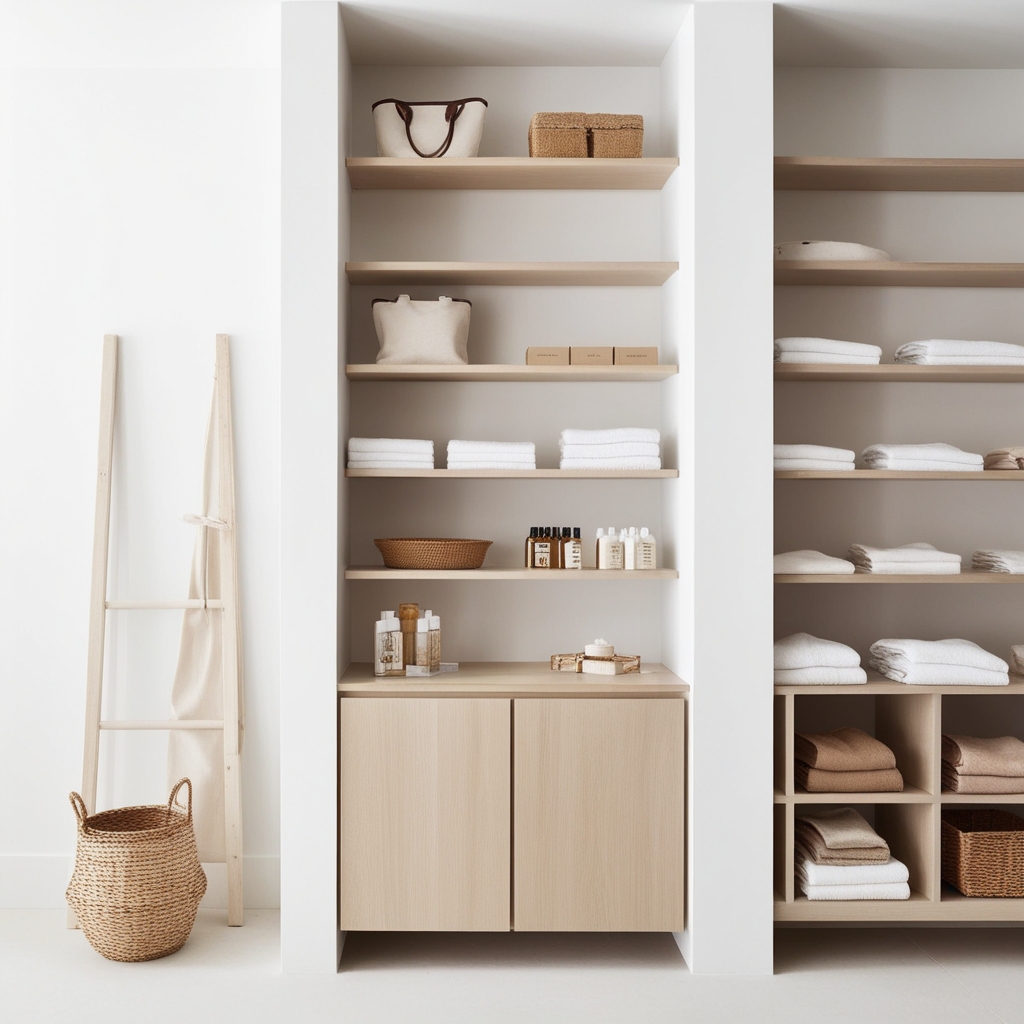
The integration of open shelving stands as a favored method because it expands vertical storage capacity while ensuring products remain both visible and within easy reach. Designers frequently combine this choice with minimalist aesthetics by employing neutral colors to evoke a serene and expansive atmosphere. A small boutique may employ light wood shelving set against white walls to create an illusion of expanded space.
-
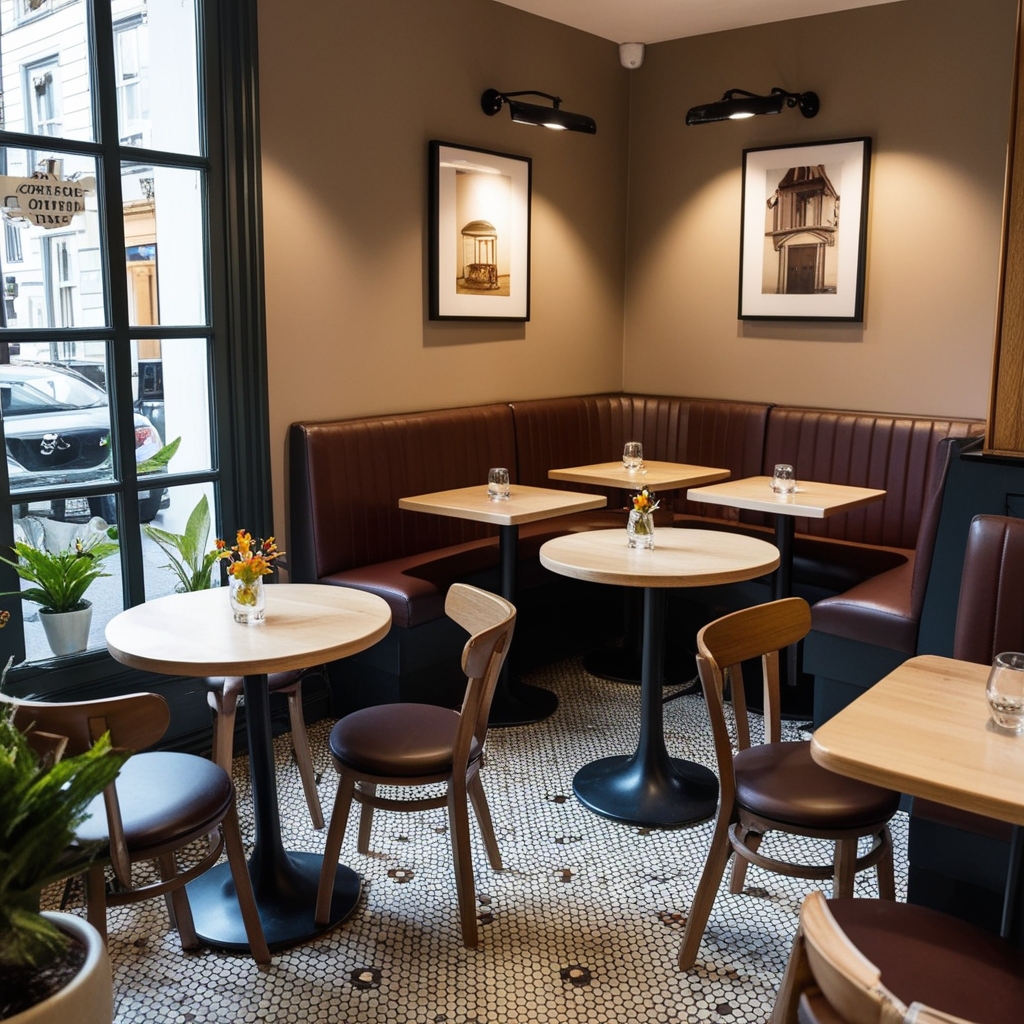
An additional successful approach involves the utilization of multi-functional furniture. A diminutive coffee establishment might display tables designed for effortless reconfiguration to enable variable seating options. The integration of built-in seating structures establishes intimate corners while preserving floor area.
-
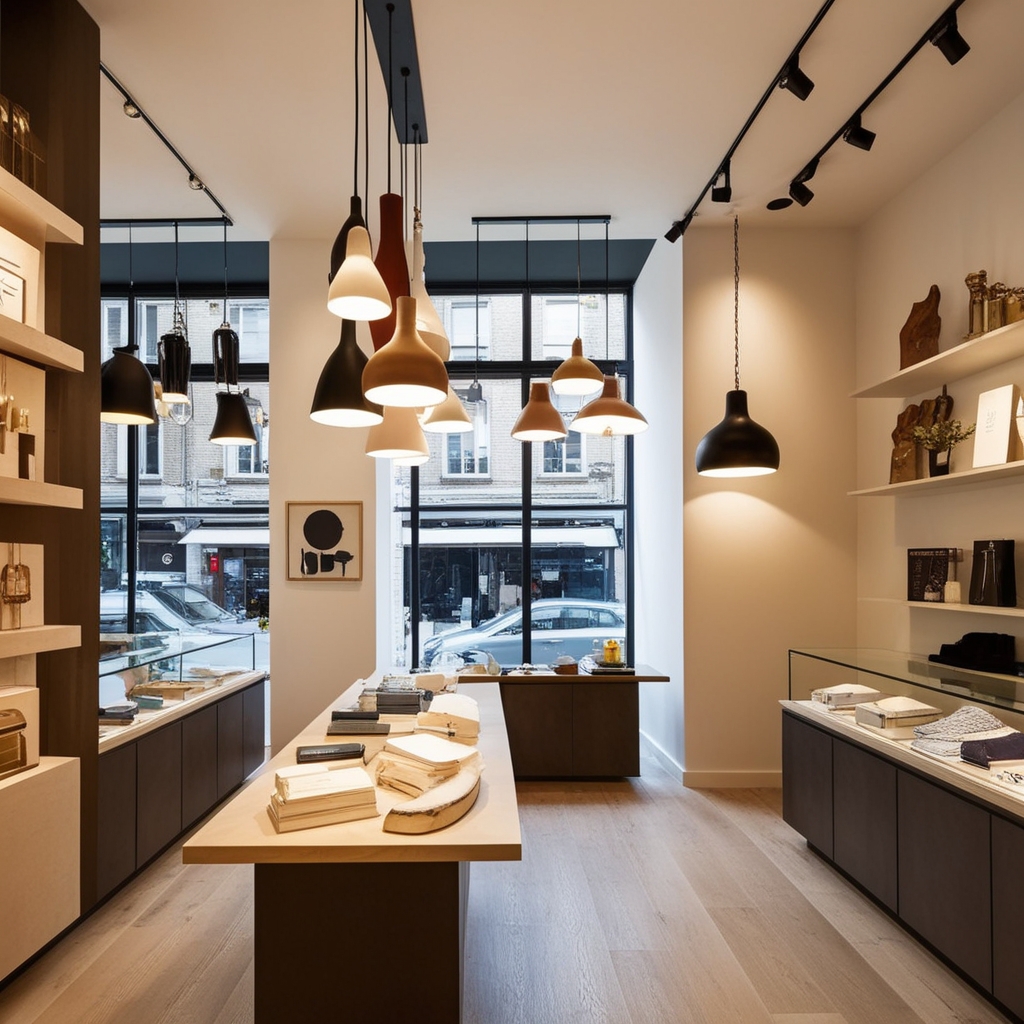
The design of small shops heavily relies on lighting elements such as pendant lights and track lighting which introduce distinctive character while maintaining spatial balance. Distinctive lighting elements function as central visual attractions that boost aesthetic appeal while delivering sufficient light output.
-
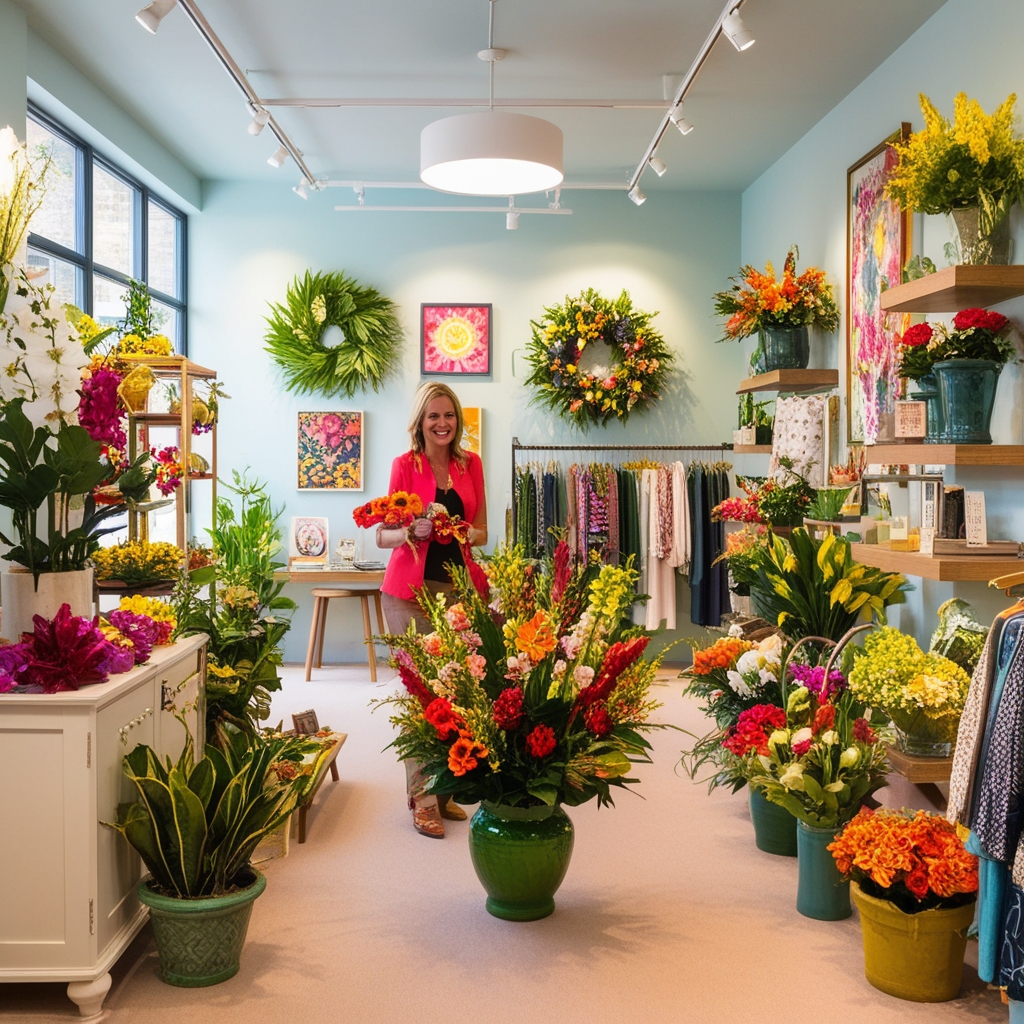
The integration of decorative elements such as plants, art, and localized themes serves to enhance the shopping experience. An independent florist's shop might display bright floral arrangements as decorations which establish an energetic and welcoming atmosphere that invites customers to explore.
-
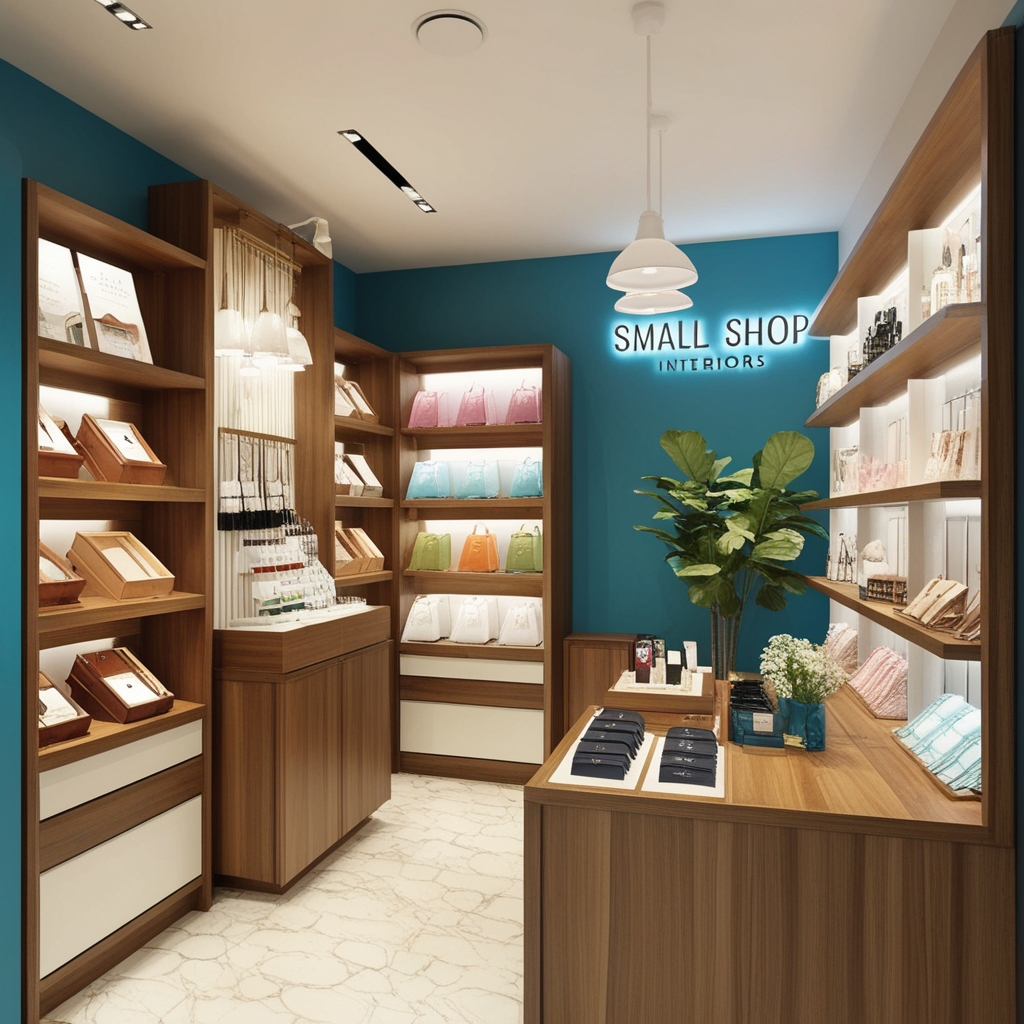
The most effective very small shop designs commit to one clear visual direction: one colour palette, one material family, one aesthetic, and apply it consistently. Inconsistency reads as clutter at any scale; at small shop scale, it reads as chaos.
Very small shop design: what actually works under 15 m²
Most retail design advice assumes a floor area of 30–80 m². Here's what changes when the space is under 15 m²:
Wall coverage is everything
In a 10–15 m² shop, the walls are the shop. Floor-to-ceiling shelving on every available wall (leaving only the minimum aisle clearance of 90 cm) is the default layout. Every floor fixture you add reduces the product the walls can carry. Counter-intuitive rule: less floor furniture usually means more display space.
The entry display must do all the work
Customers make their decision to enter in the first 3–5 seconds based on what they see from outside. In a very small shop, the entry display is visible from the street through the window; it's your main advertisement. Change this display weekly minimum.
Lighting is a multiplier
Good directional lighting on shelving makes products at all heights visible and appealing. Poor overhead-only lighting creates shadows that make products on lower and higher shelves effectively invisible; customers only see the middle shelves. LED strip lights under each shelf, or track spotlights angled at the product, multiply the effective display area without adding a single extra shelf.
Colour: choose one and commit
A very small shop with inconsistent colour (mismatched shelves, competing wall colours, varied signage) reads as overwhelmingly busy. One wall colour, one shelving material, one signage style. The product provides all the colour variety needed.
The checkout counter
In shops under 10 m², a wall-mounted fold-down counter or a very slim fixed counter (40–45 cm deep) uses minimal space while still providing a dedicated sales point. The checkout position near the exit ensures customers pass through the full product display before paying.
How Paintit.ai helps with very small shop design
Upload a photo of your shop to app.paintit.ai. See how different shelving configurations, colour schemes, and lighting approaches change the feel of the space in 1–2 minutes. Particularly useful for testing how a light neutral wall reads against a bolder accent colour in a very small space. Free to start.
Related design ideas
Next pages for compact shops, shelving, and small retail concepts.
FAQ
-
Light colours (white, cream, very light grey) make small spaces feel larger by reflecting more light. For a very small shop, a single consistent light colour on all walls and shelving creates the cleanest backdrop for products; the merchandise provides the colour variety. If you want an accent colour, use it on one wall maximum, or on signage and small details rather than the entire space.
-
Floor-to-ceiling shelving on all walls with a clear 90 cm aisle from the entry to the back. The entry display (visible from outside) should be your most visually striking arrangement and should change regularly. Place the checkout near the exit so customers pass through the full product display first. Minimise floor furniture: every floor fixture takes space away from walls and customer circulation.
-
Floor-to-ceiling shelving draws the eye upward and makes the vertical space work harder. Mirrors behind high shelves or opposite windows reflect light and add visual depth. Consistent colour palette across walls, shelving, and signage removes visual clutter. Good lighting at all shelf heights makes the space feel more complete and finished.
-
Yes. Upload a photo of your shop to app.paintit.ai and test different layout and colour directions in 1–2 minutes. Free to start.