
Small gift shop interior design ideas for creating a memorable retail experience
Small gift shop interior design ideas to turn a compact store into a warm, browsable corner that customers want to linger in. The little product displays and lighting decisions - handled well - make the experience feel personal rather than cramped.
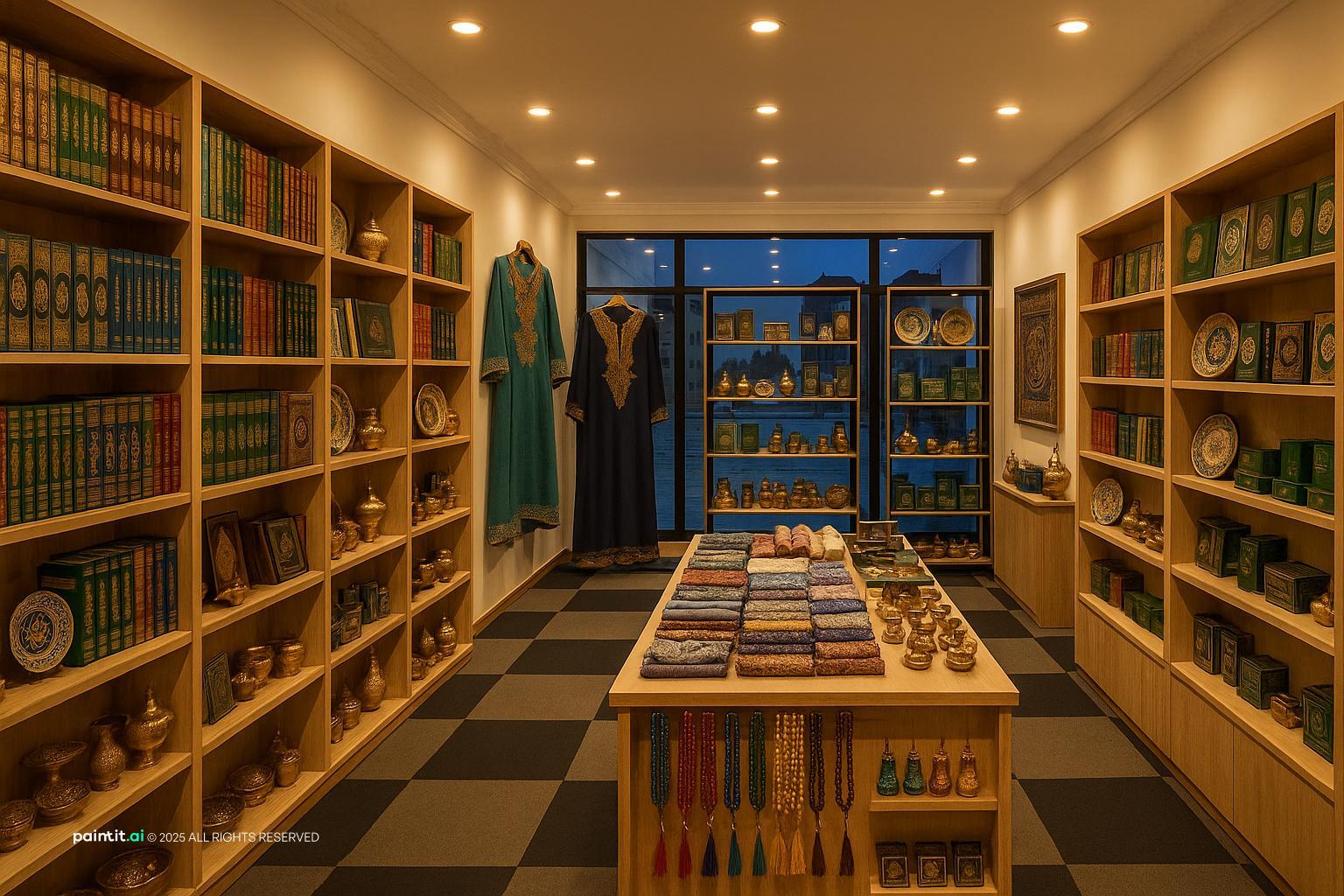
18 small gift shop interior design ideas
A well-curated layout transforms even the tiniest shop into a space customers want to explore. These ideas cover both the visual and the practical - from display height and lighting to flexible furniture and seasonal rotation.
-
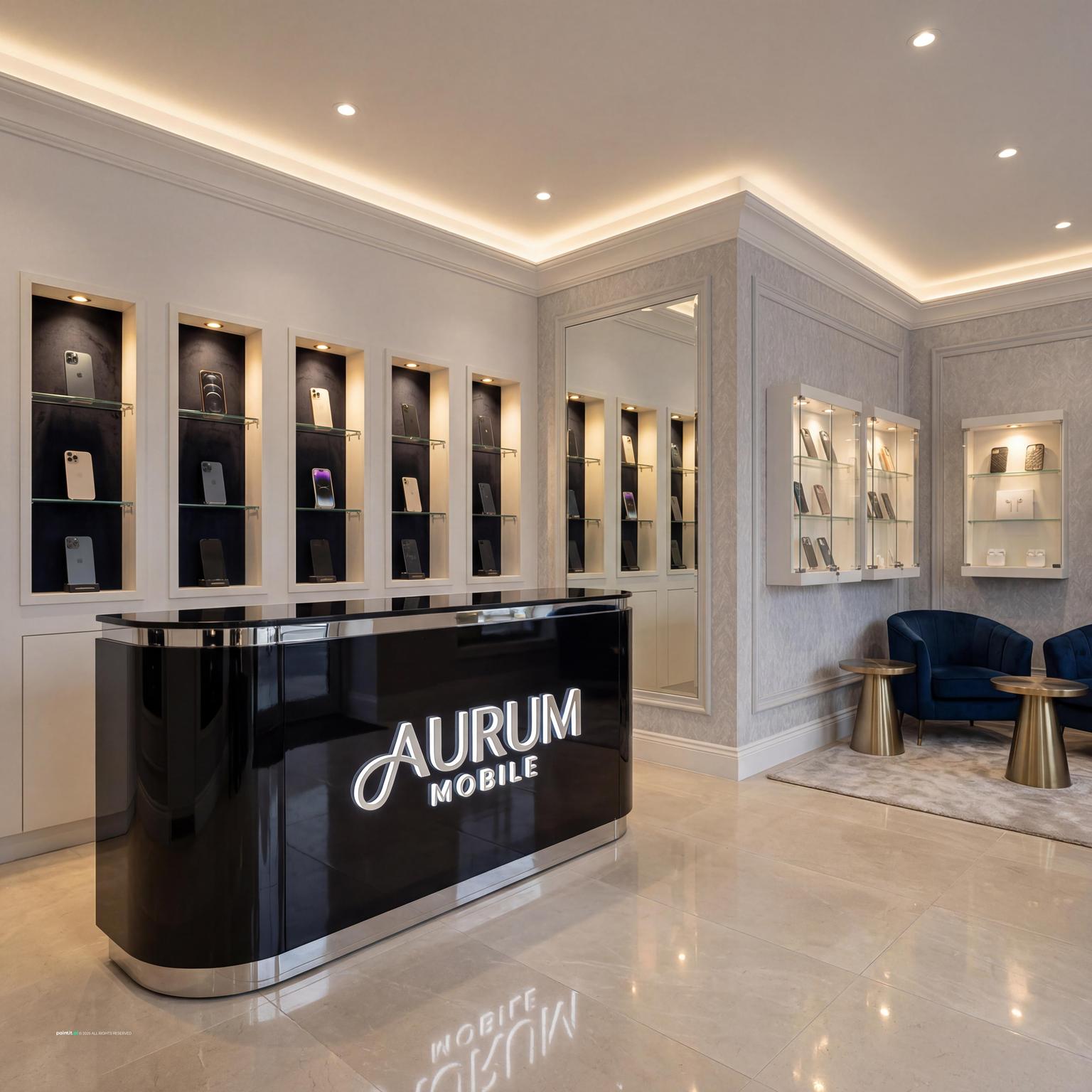
Designing a small gift shop that feels inviting and memorable can be a joyful challenge. Whether you're refreshing an established shop or opening your first boutique, these ideas will help you maximize your space, highlight your merchandise, and create a welcoming environment your customers will love to explore.
-
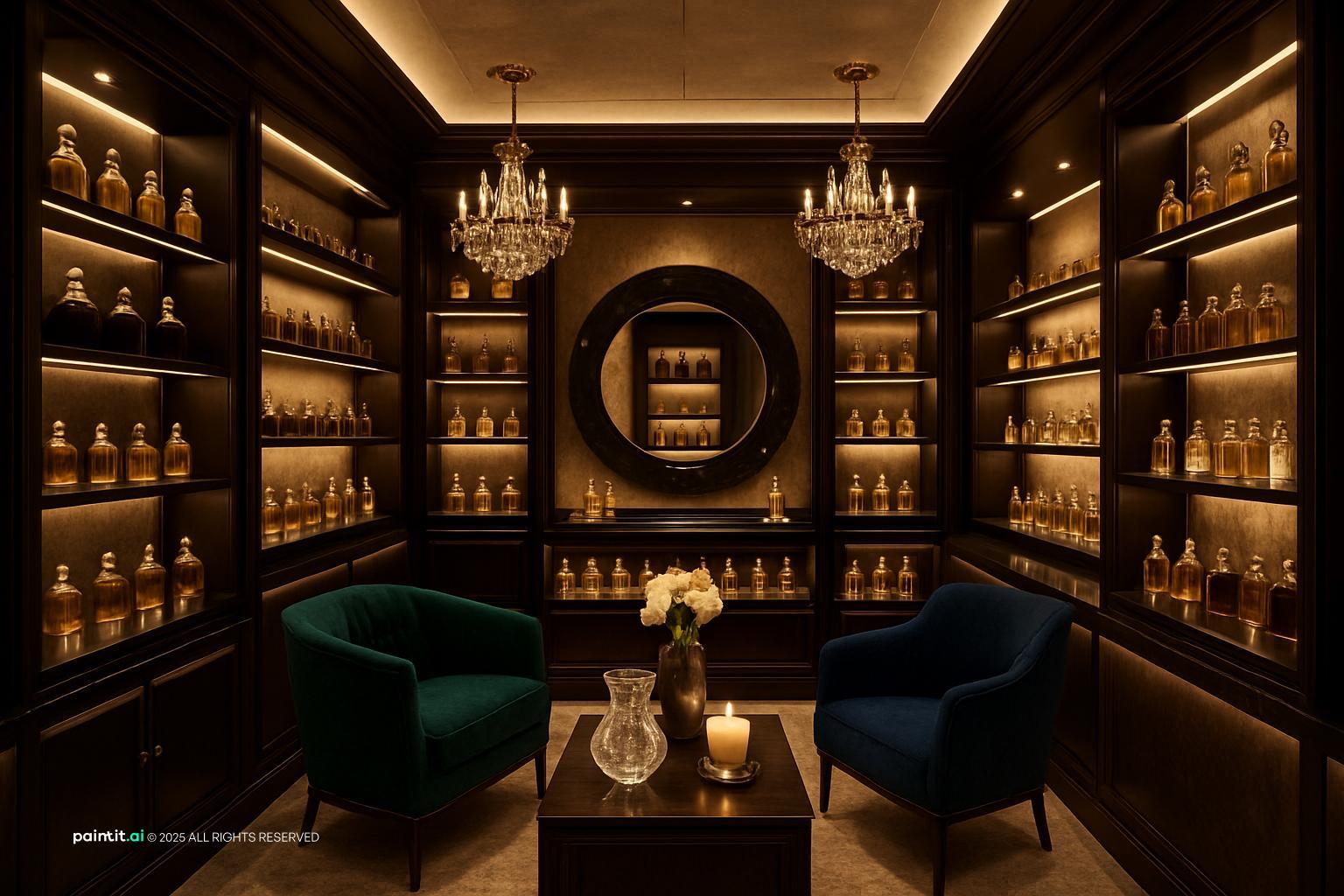
When floor space is limited, look up! Install shelving, pegboards, or grid panels up the walls to display products vertically. This makes use of overlooked areas and gives customers more to discover.
-
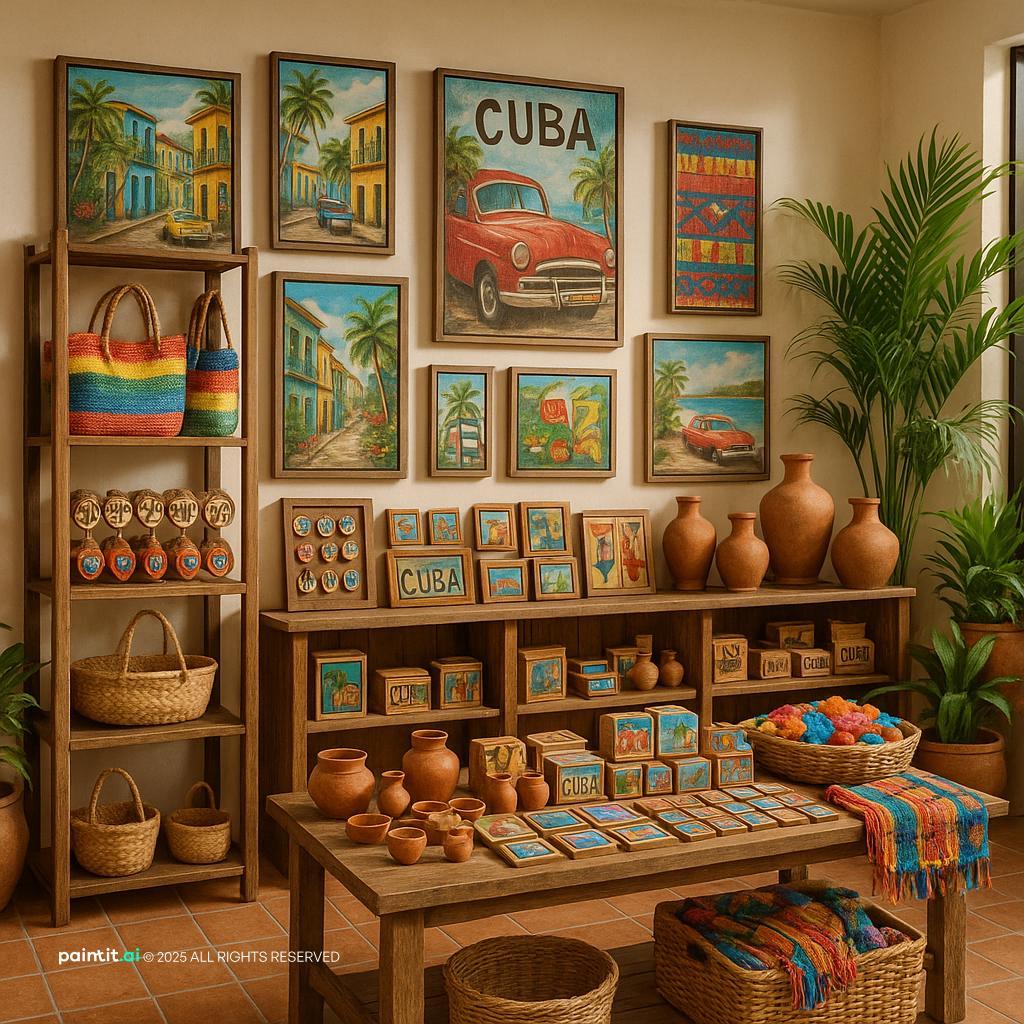
Mix shorter and taller displays to create a sense of movement and keep browsing interesting.
-
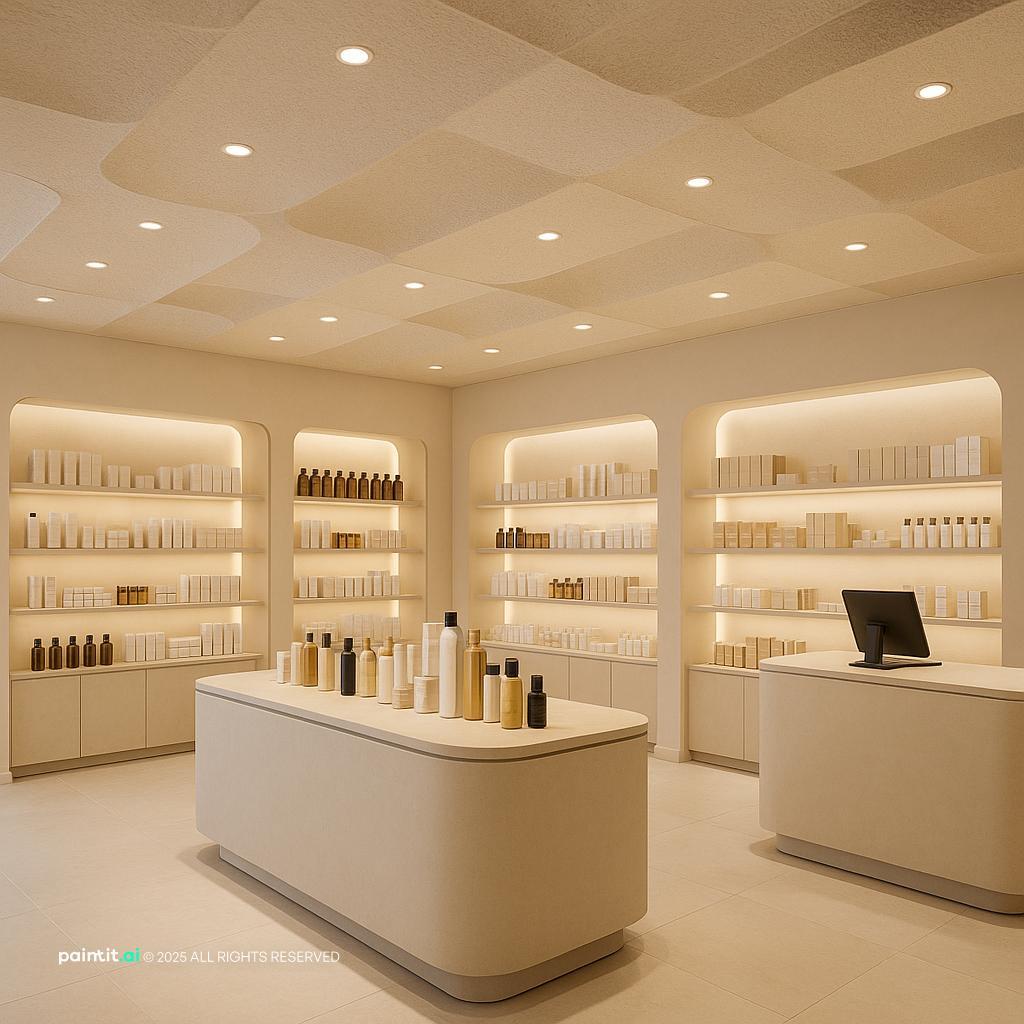
Opt for furnishings that do double-duty, such as a bench with storage underneath or tables with drawers. This maximizes utility in every square foot and keeps backstock close at hand without clutter.
-
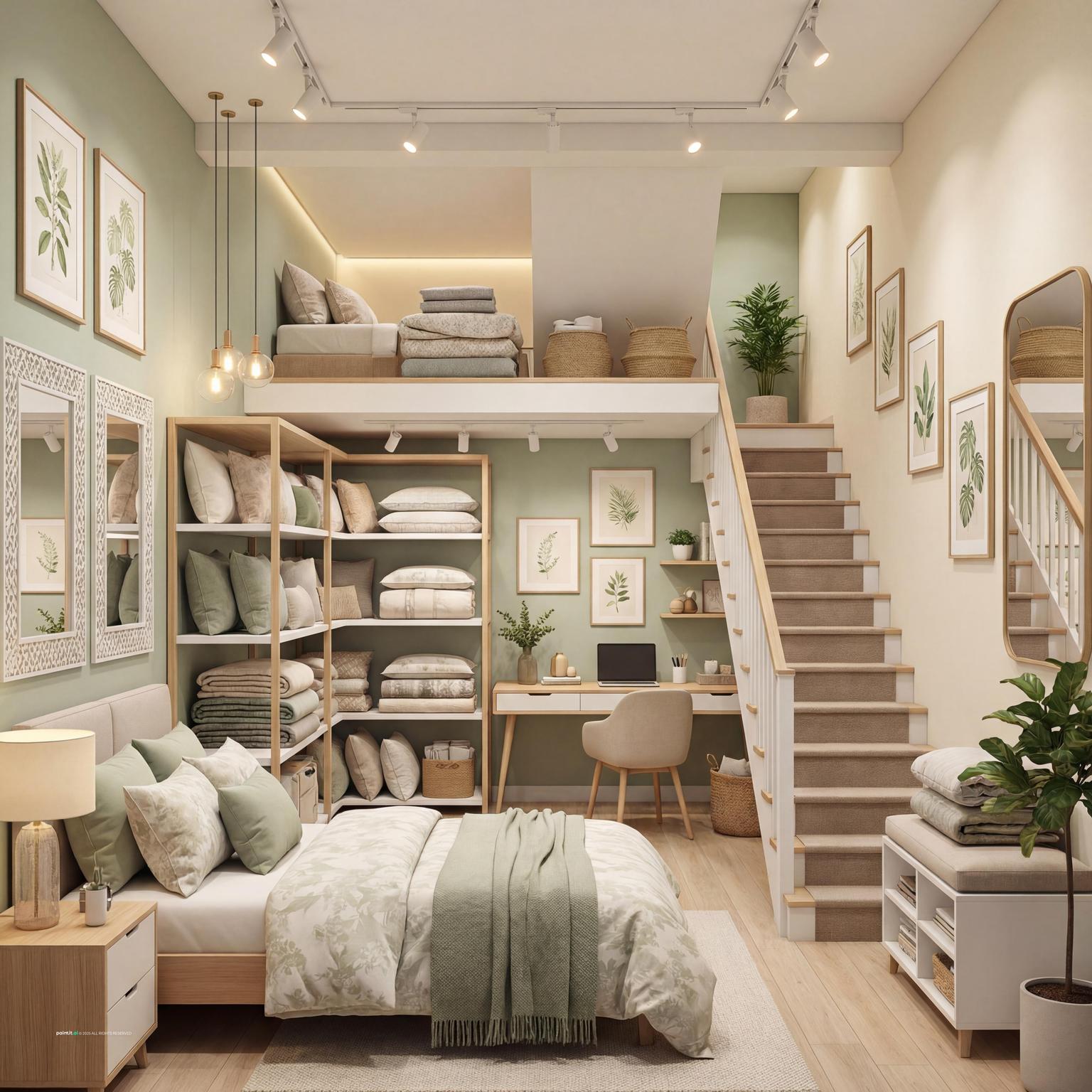
Nested tables are perfect for quickly changing up layouts during rush periods.
-

Thoughtful lighting sets the mood and spotlights special pieces. Use a combination of ambient, task, and accent lights, string lights can add warmth, while spotlights draw eyes to specific displays.
-
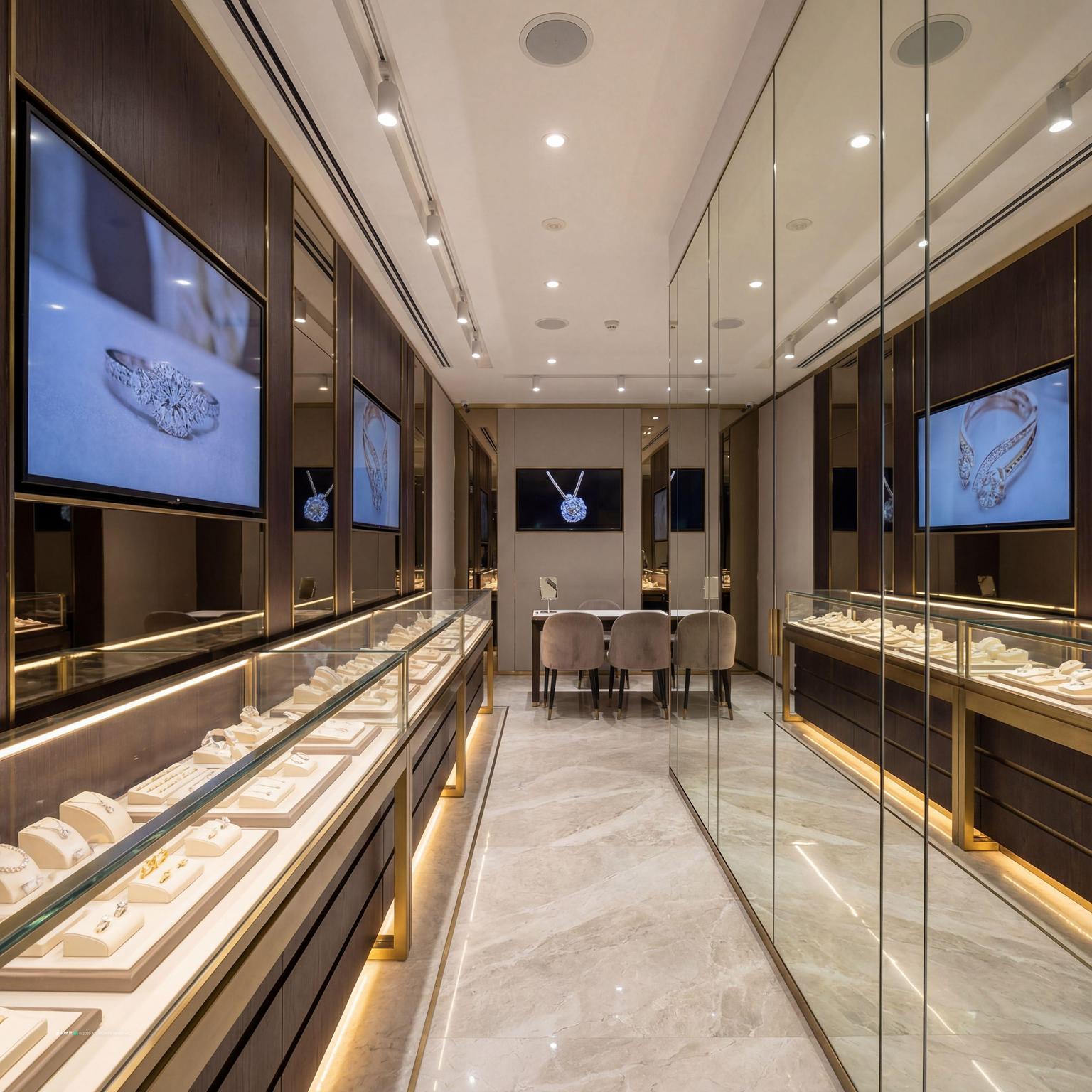
LED strips under the shelves, which illuminate products without needing large fixtures.
-
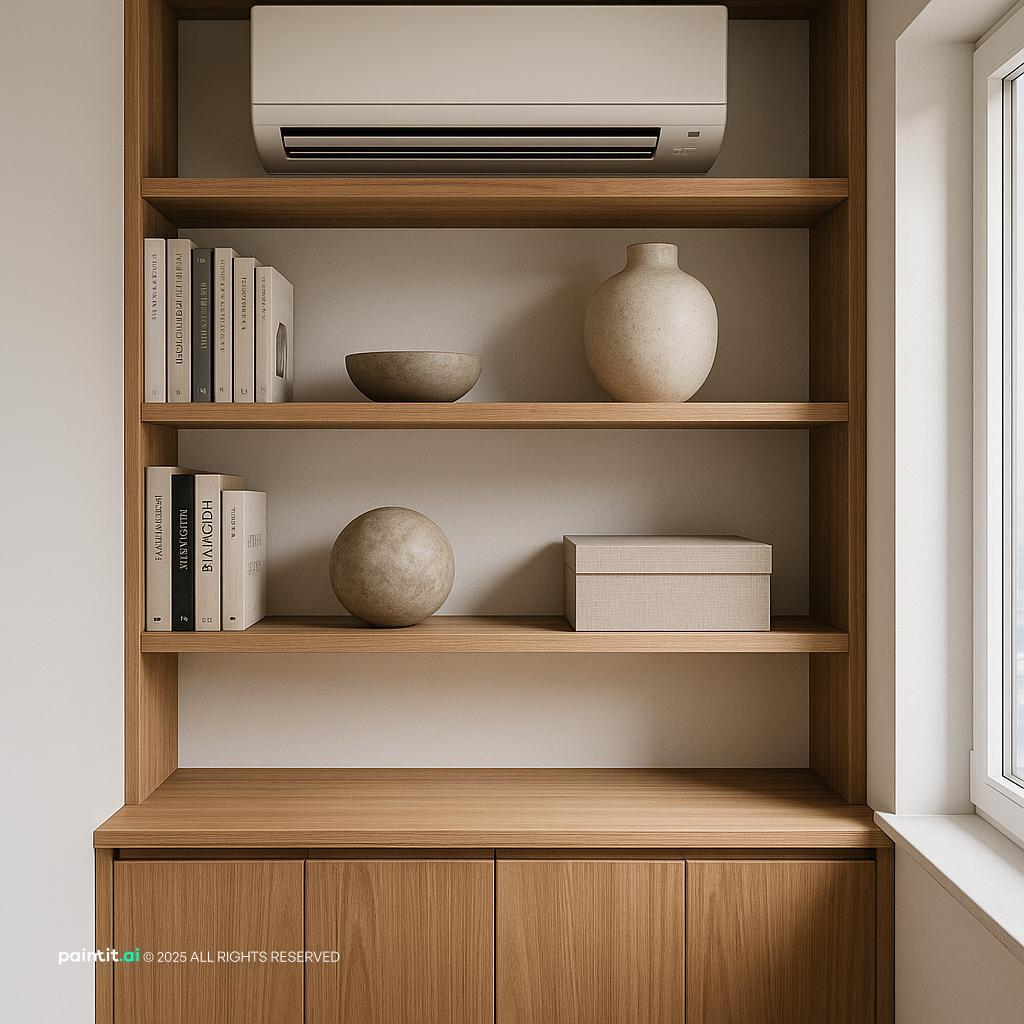
Keep shelving units and fixtures low to maintain open sight lines through the store. Customers should be able to see most of the space from the entrance, making it feel airy and welcoming despite its size.
-
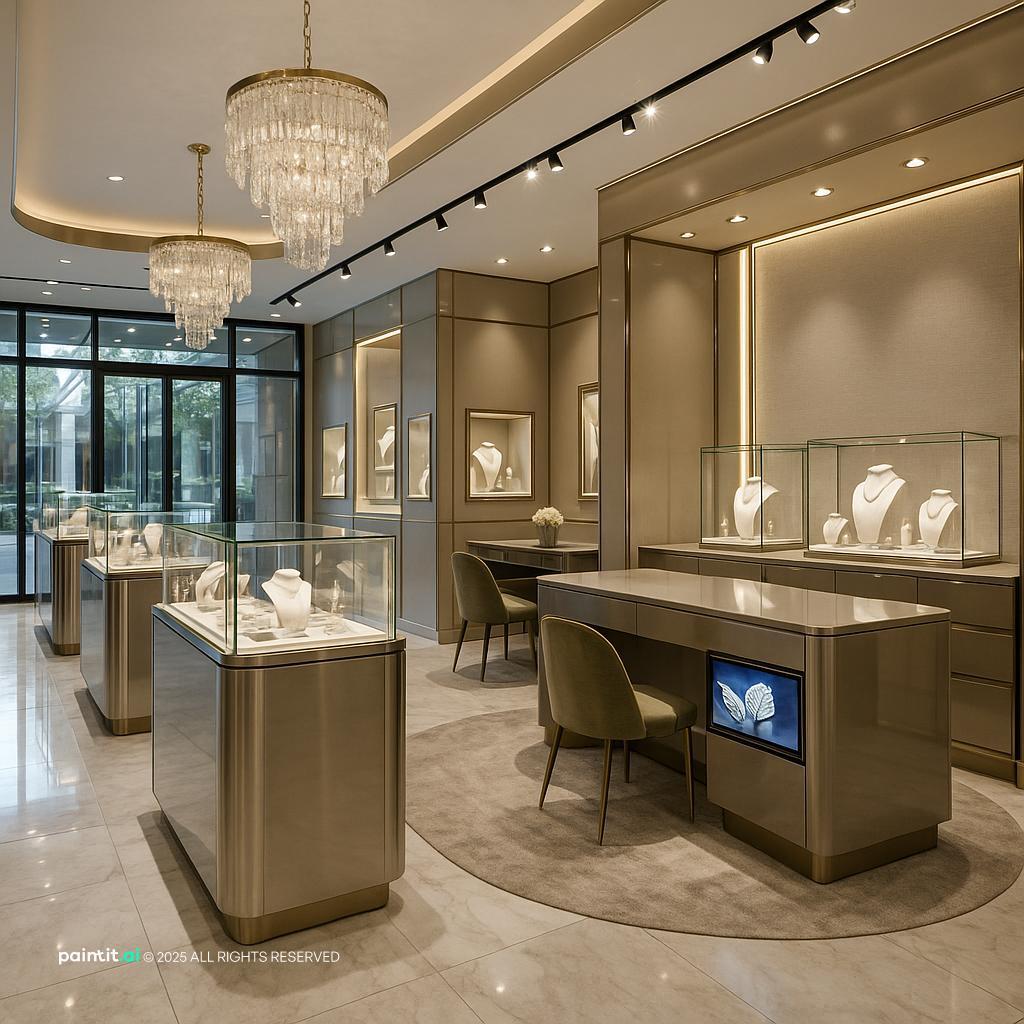
Create a rotating focal point near the entrance or checkout area. Change it weekly or monthly so local customers notice something new each visit.
-
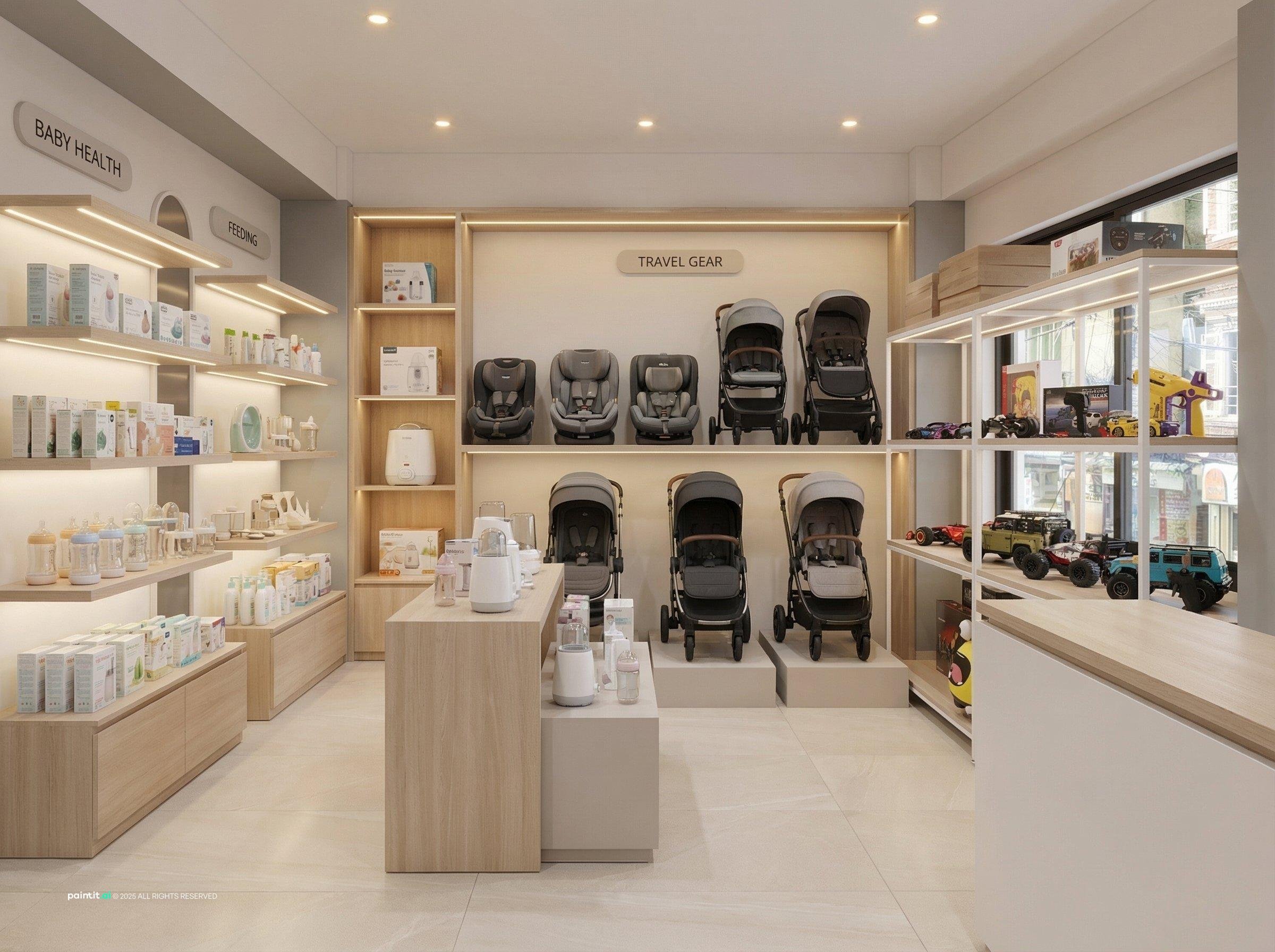
Highlight seasonal items, bestsellers, or locally made treasures for a personal touch.
-
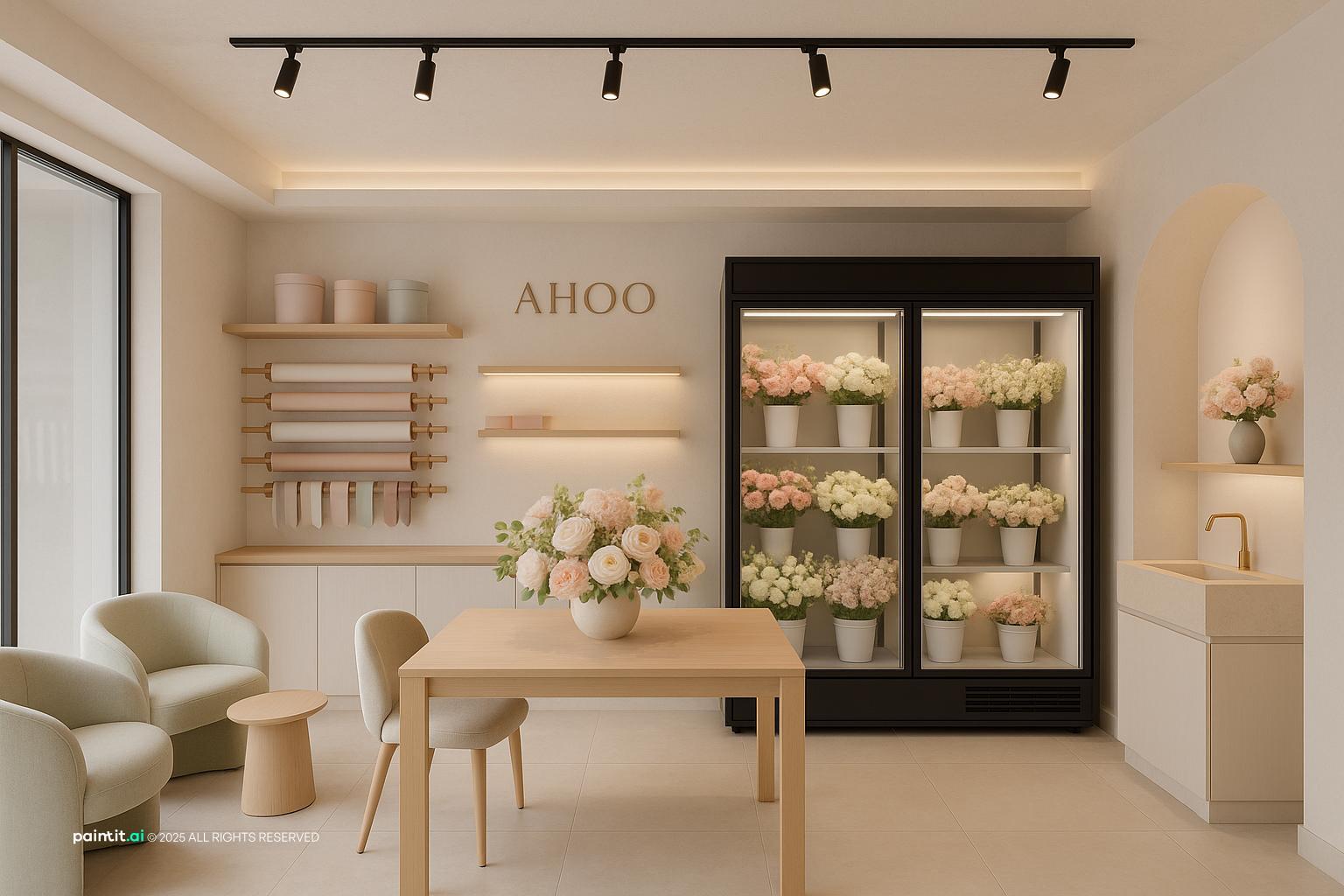
Stick to light, neutral colors on walls and major fixtures. This helps the space feel larger and more cohesive. Use colorful products or small décor accents as pops to add personality and draw attention to merchandise.
-
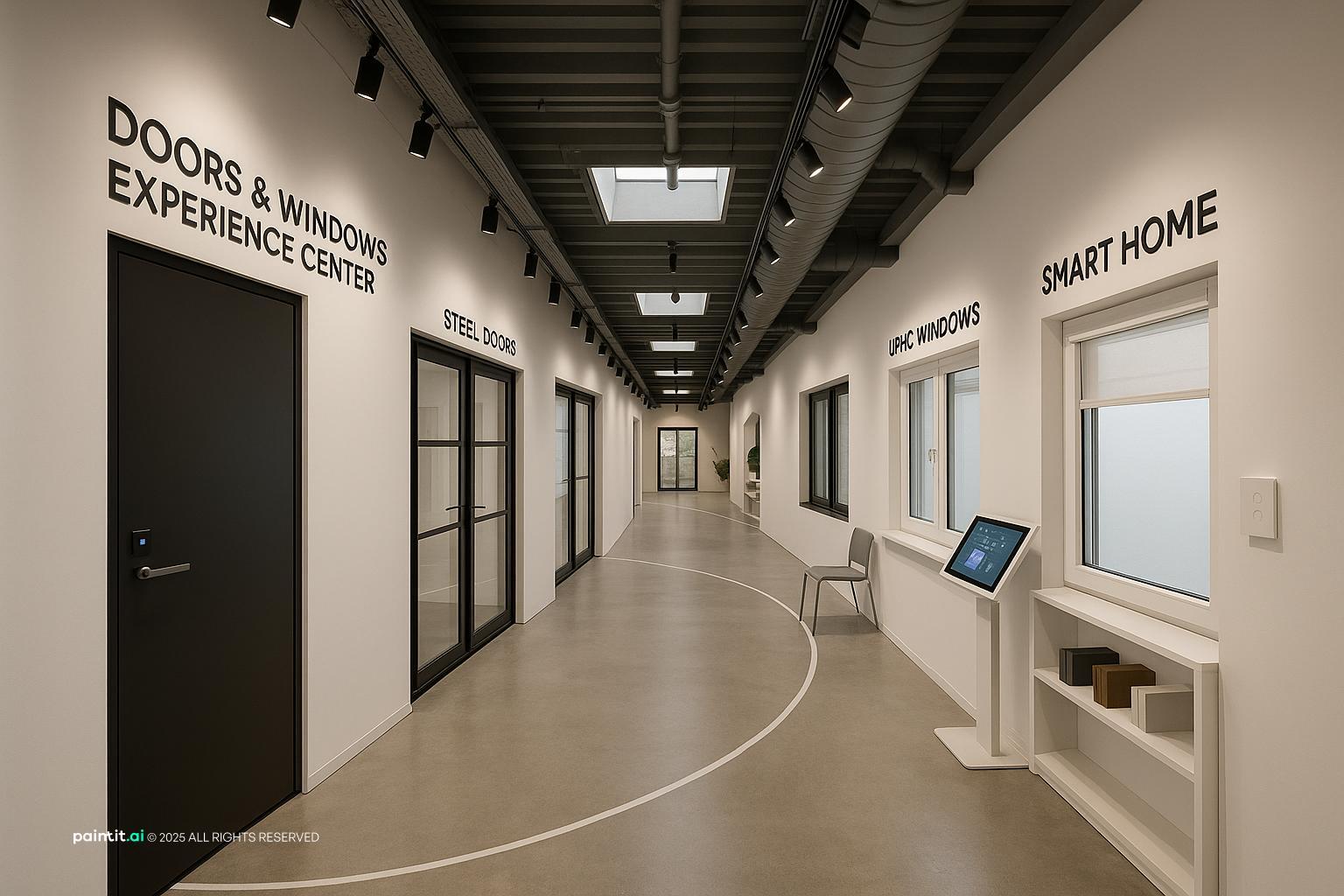
Transparent materials like glass shelving or Lucite display risers visually reduce clutter and let light flow throughout the space. These accents keep things feeling open and let your products take center stage.
-
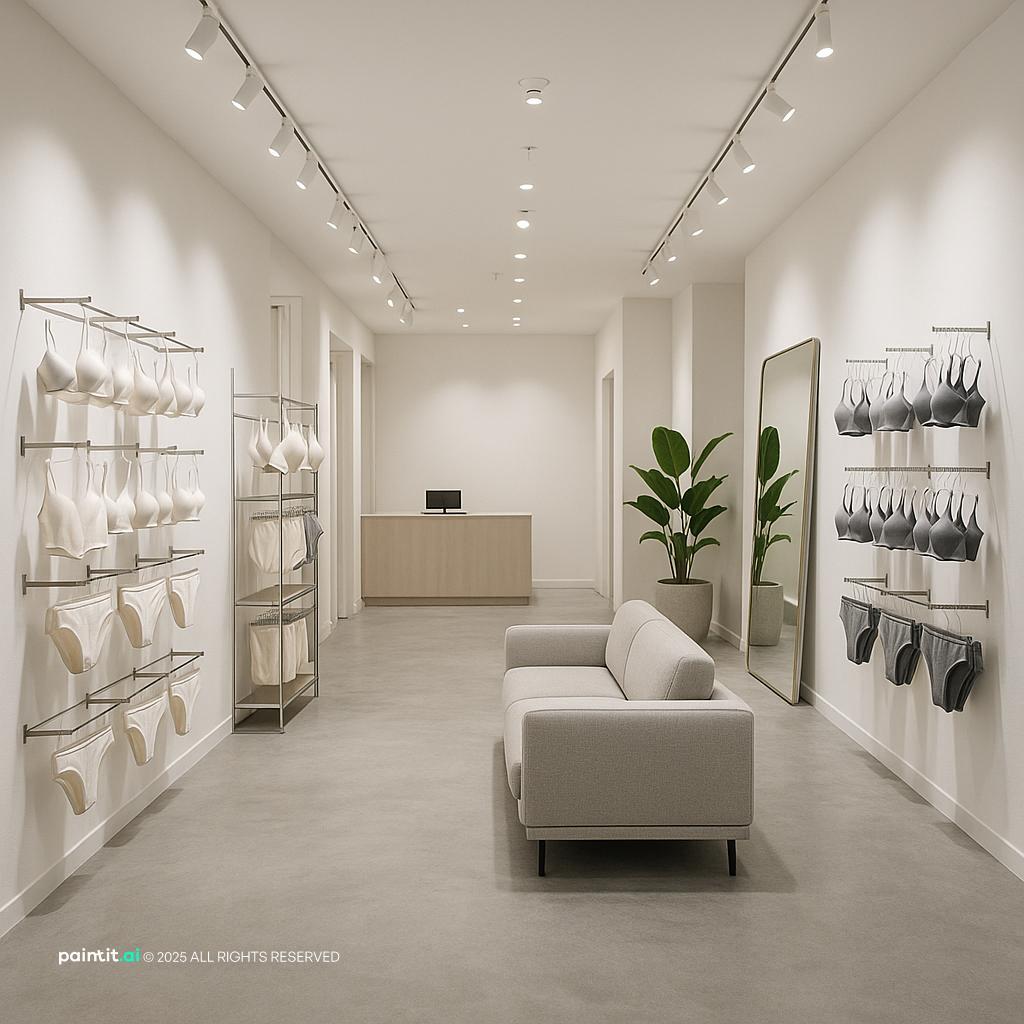
Use display fixtures on casters or lightweight shelving units that can be rearranged for events, seasonal inventory, or different traffic-flow tests.
-
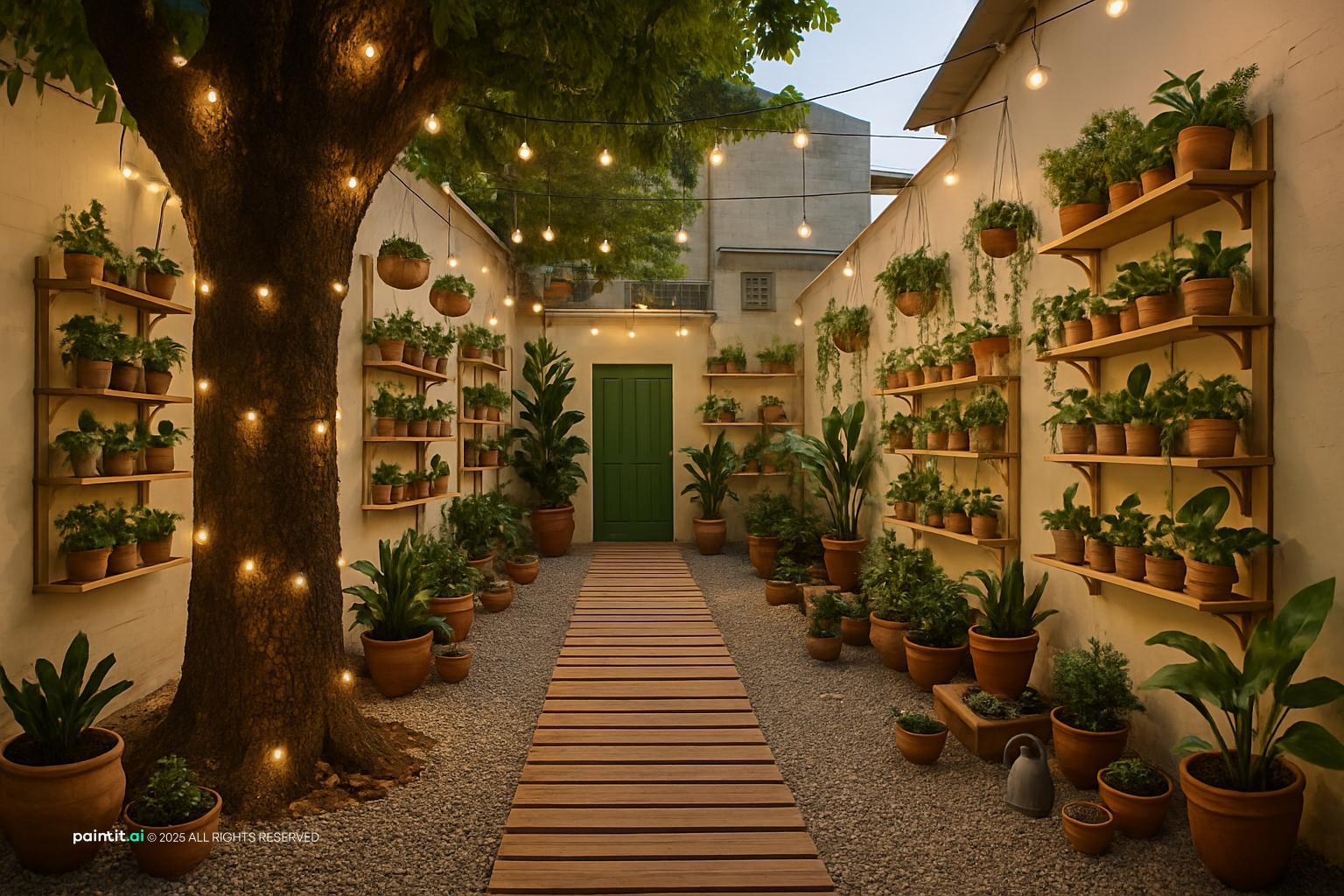
Include a handwritten chalkboard sign, quirky artwork, or recognizable scents to create a memorable brand atmosphere. These little details give your shop a unique personality and invite guests to linger.
-
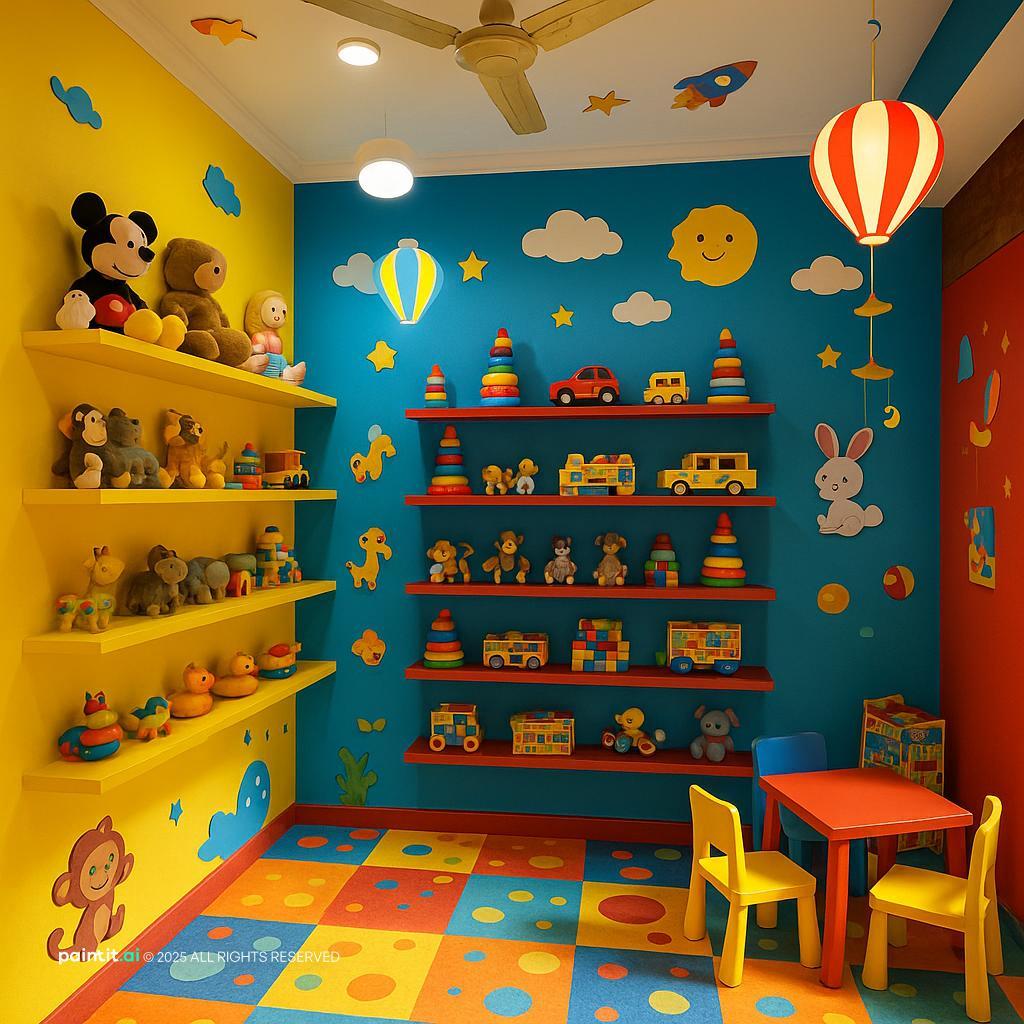
Signature elements can spark conversations and encourage social media sharing.
-
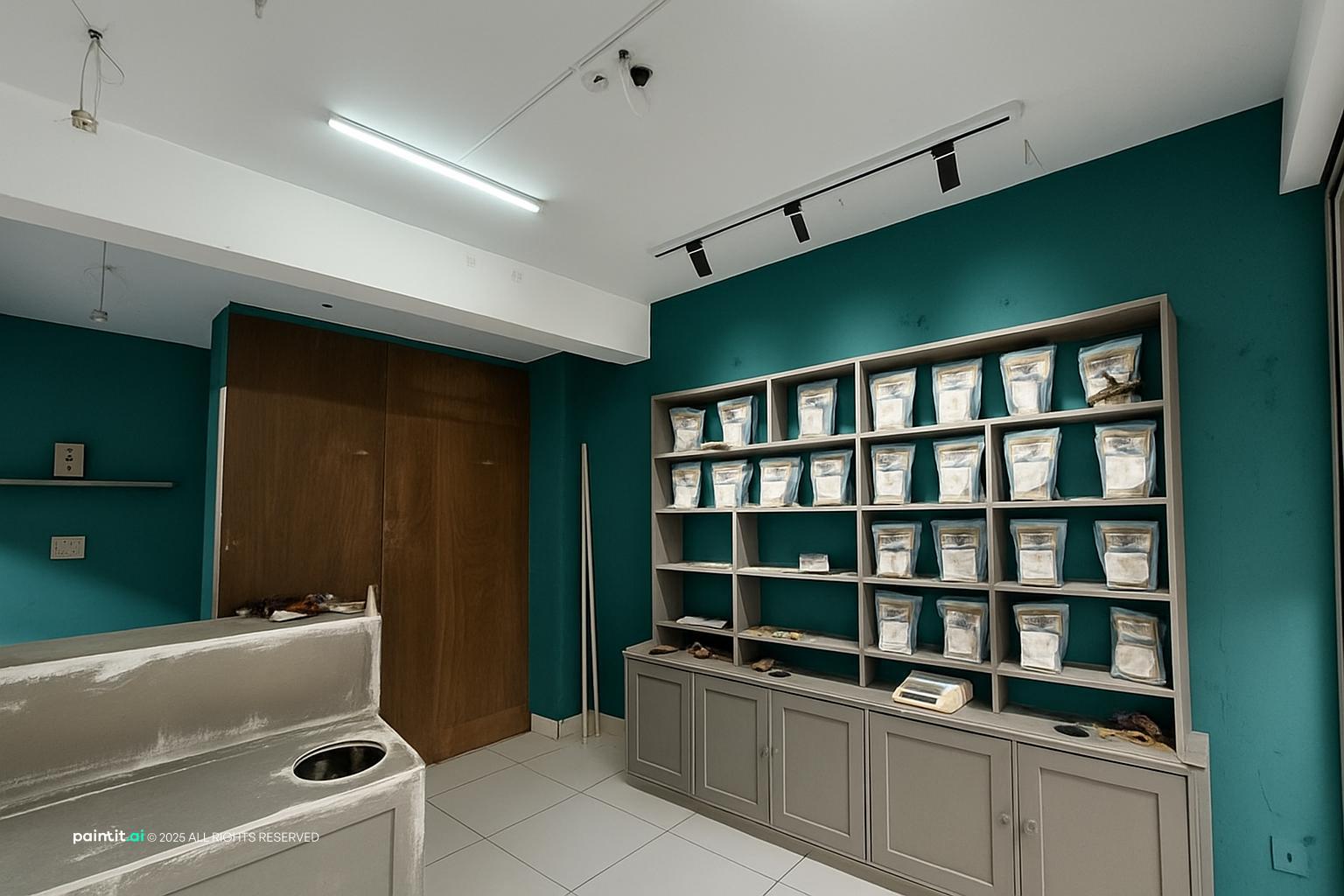
Group products by category (e.g., stationery, jewelry, home goods) or by occasion (birthday, thank you, baby shower). This simplifies the shopping experience and helps customers quickly find what they need.
-
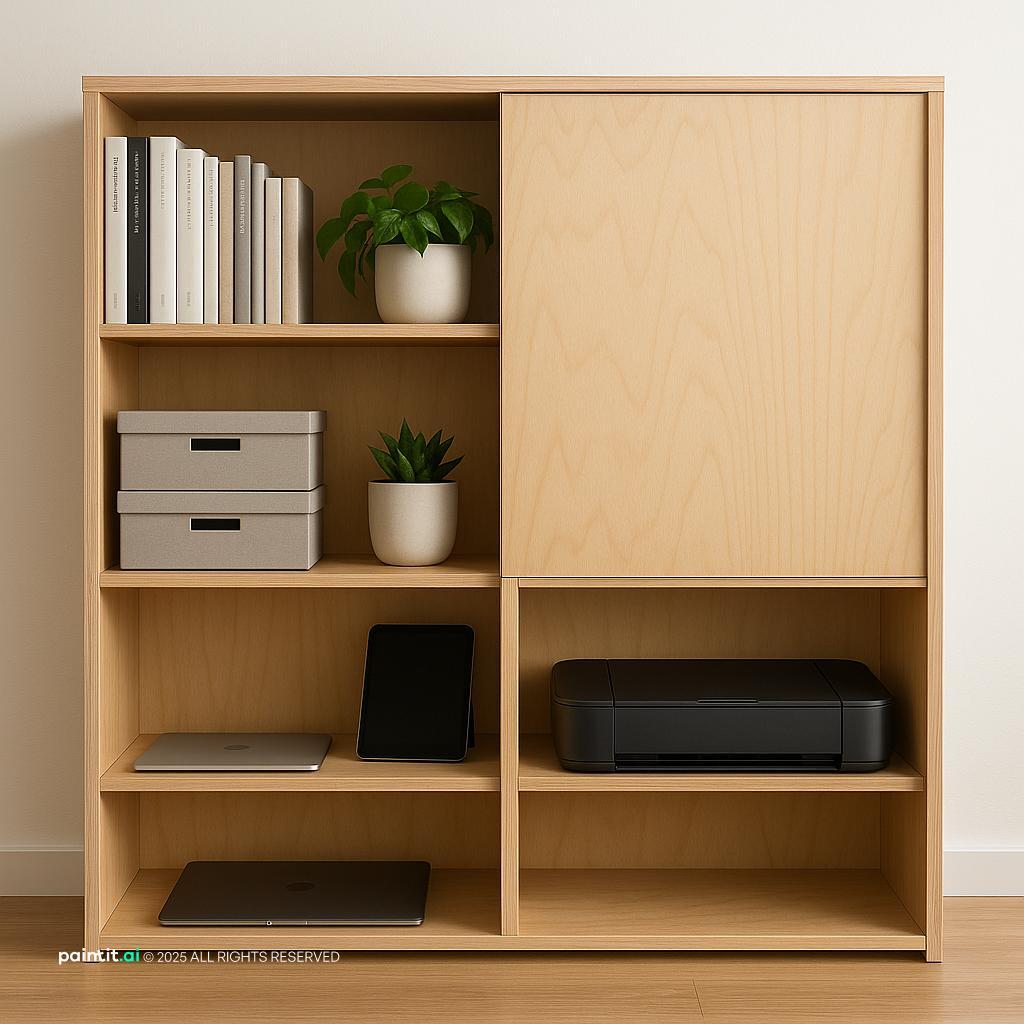
Include a small bench or cozy chair so shoppers can rest as they browse. This thoughtful feature encourages people to stay longer and gives companions a relaxing spot to wait.
-
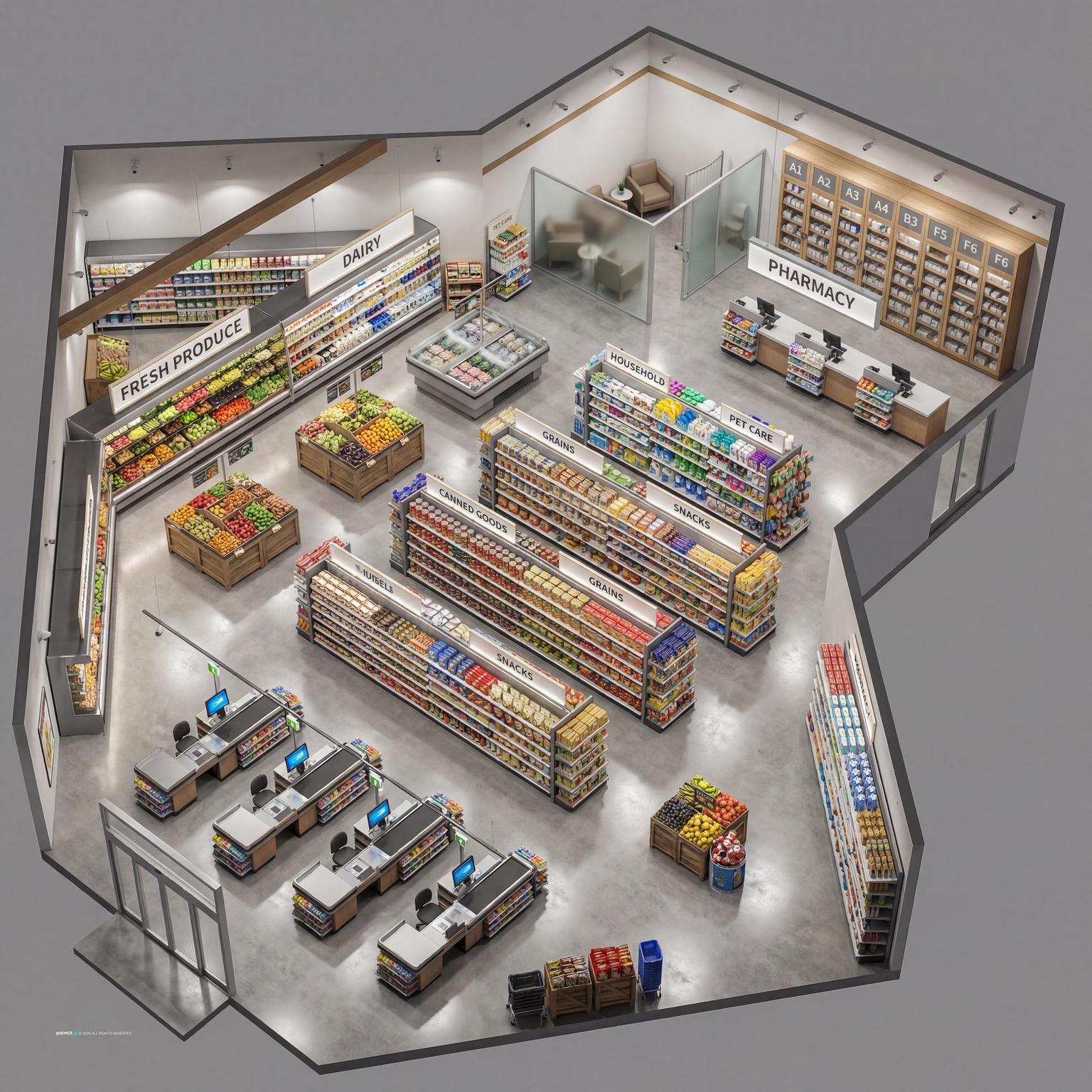
Stacks of modular cubes offer endless arrangement possibilities and can be separated to create new focal points as inventory changes. They're ideal for grouping smaller items and merchandising impulse buys near the checkout.
-
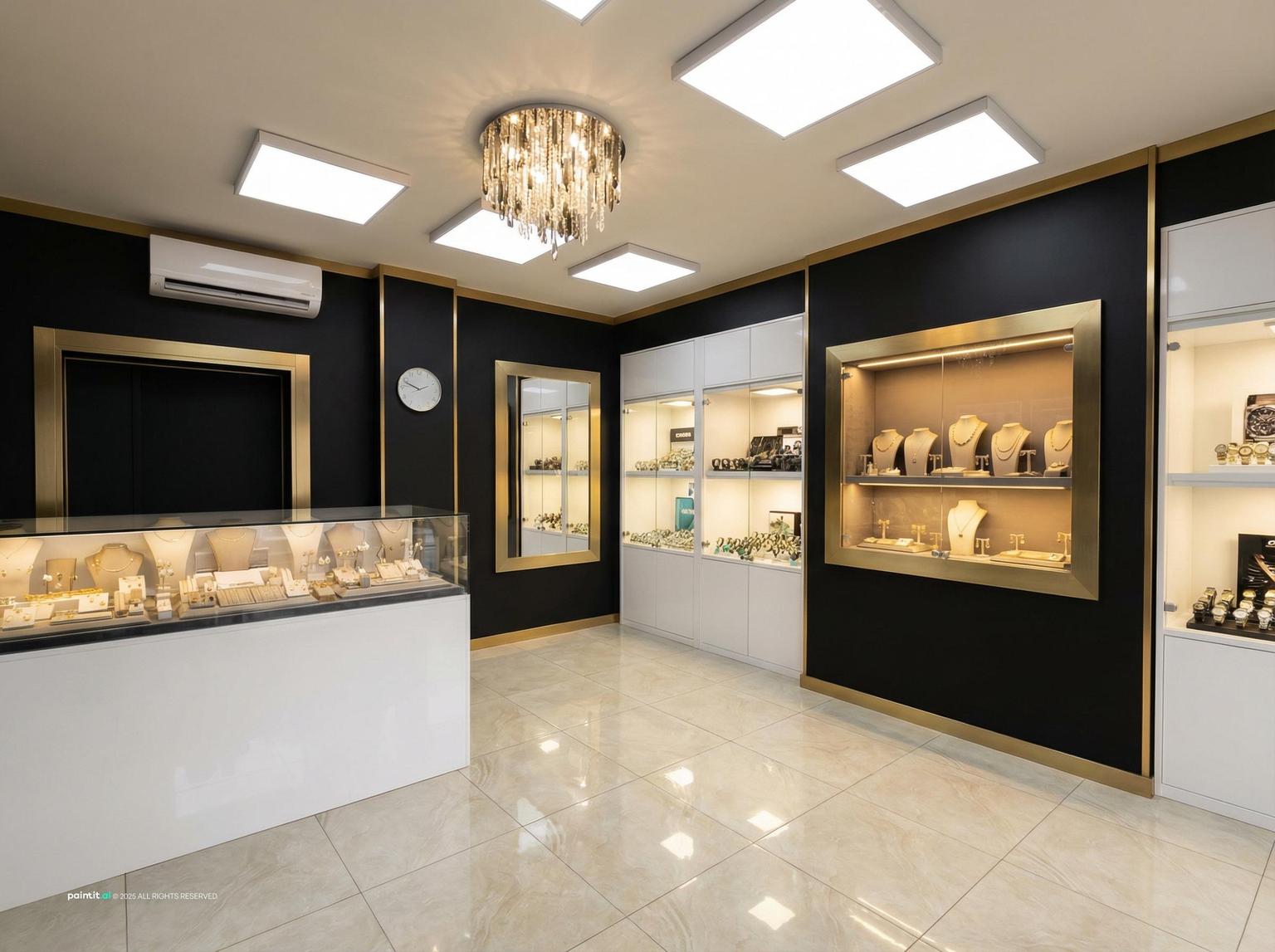
Strategically placed mirrors not only make the shop appear larger but also bounce light around, making every nook brighter. They’re also helpful for customers trying on accessories or sunglasses.
-
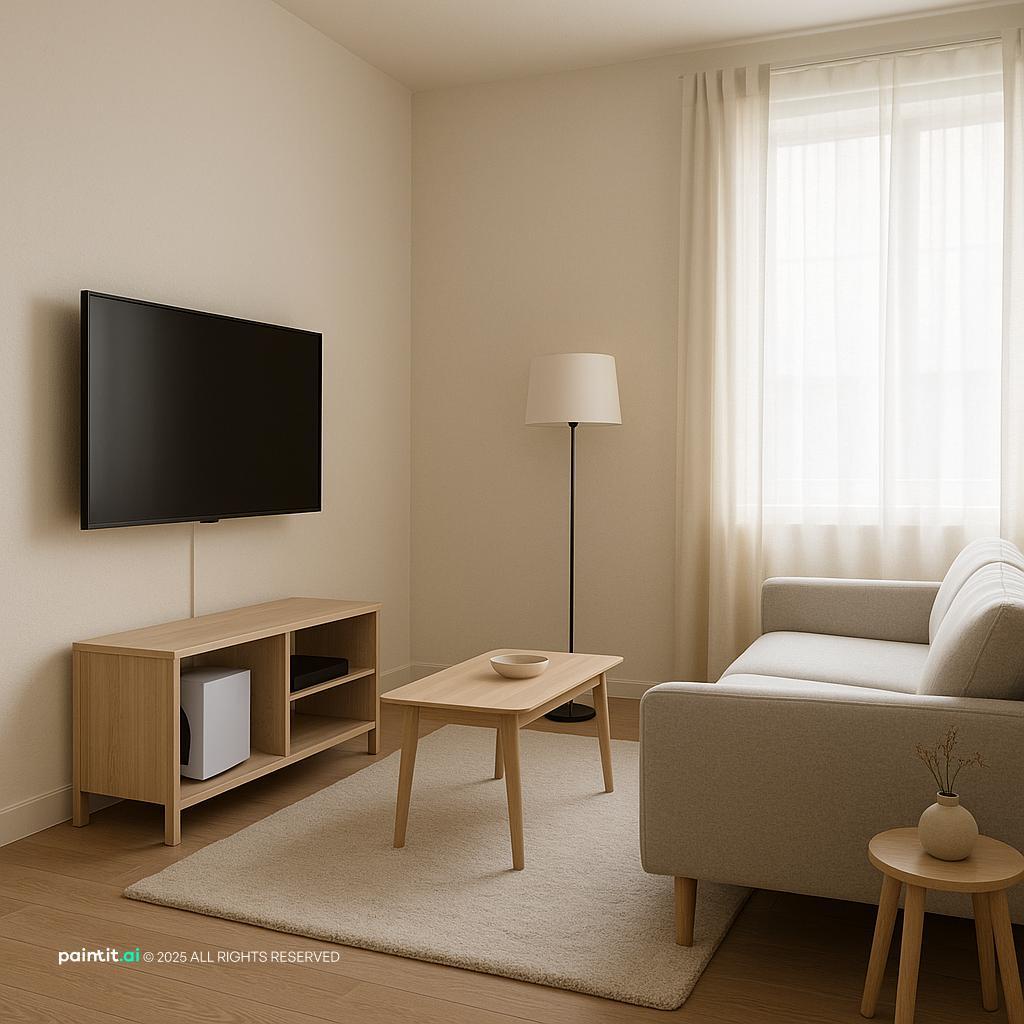
Add interest overhead with painted ceilings, hanging mobiles, or clusters of pendant lights. This draws the eye upward, expands the perceived space, and creates a whimsical boutique vibe.
-
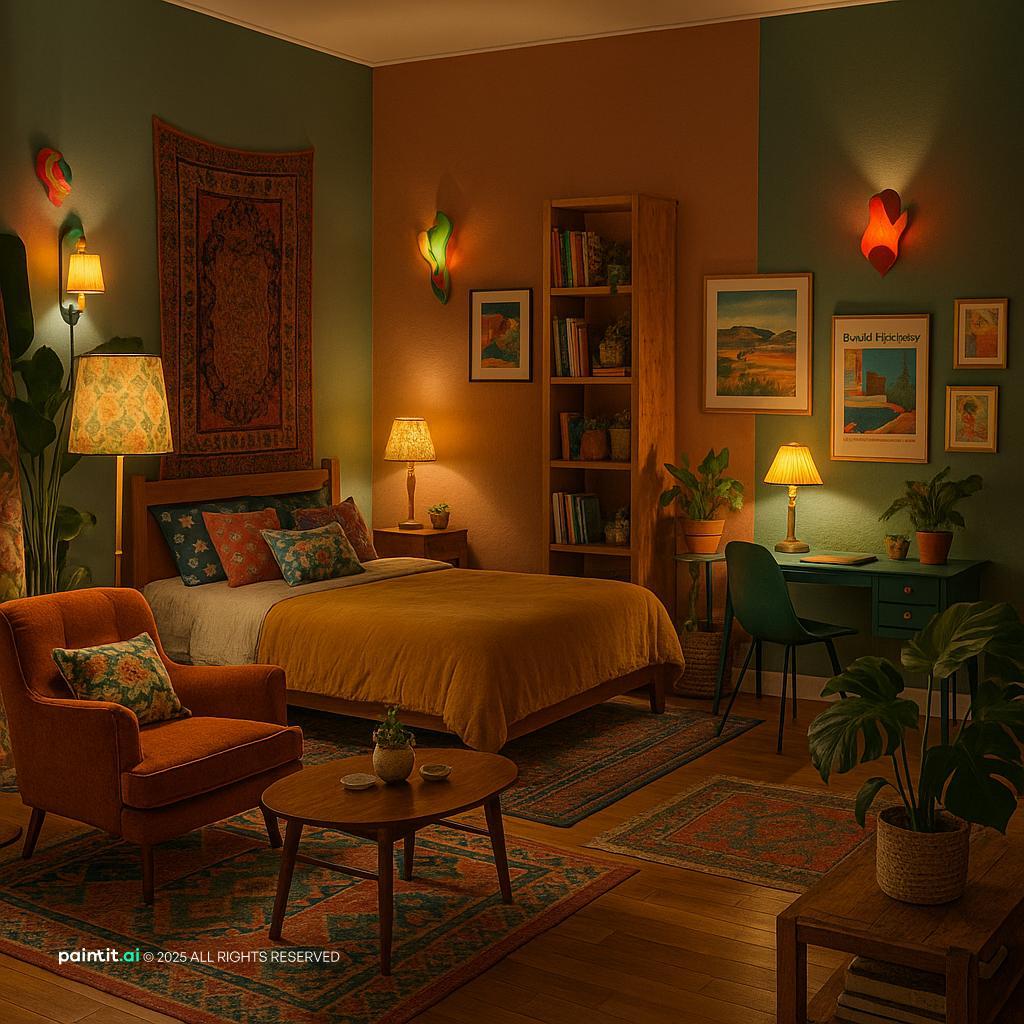
Use hollow ottomans, under-counter cabinets, or baskets tucked under displays to stash extra bags, gift wrap, and overstock. This keeps everything organized and frees up sales floor space for customers.
-
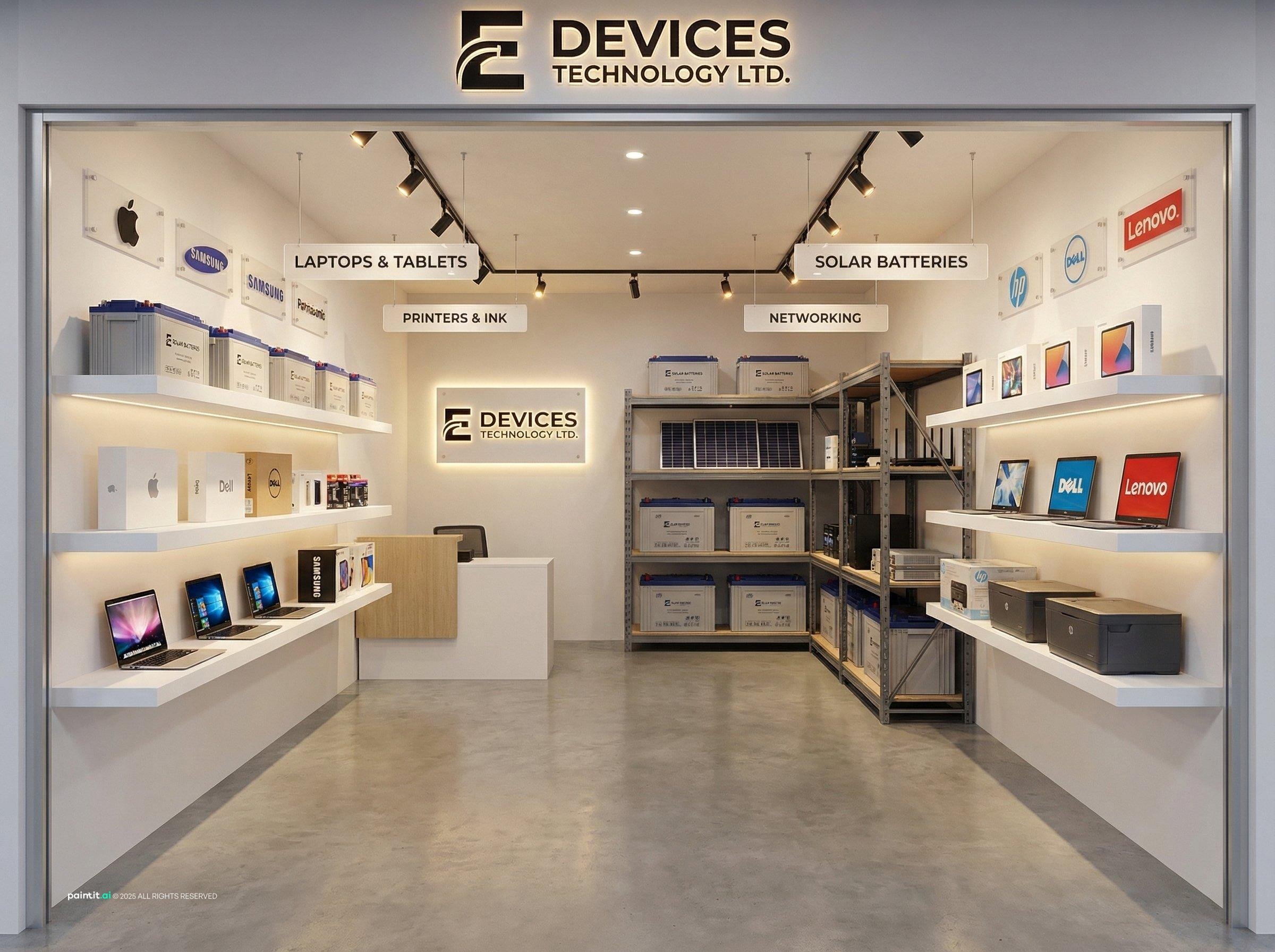
Dedicate a small area to try out new displays or product types. Use sales data and casual customer feedback to see how new layouts affect engagement, then tweak accordingly for maximum impact.
-
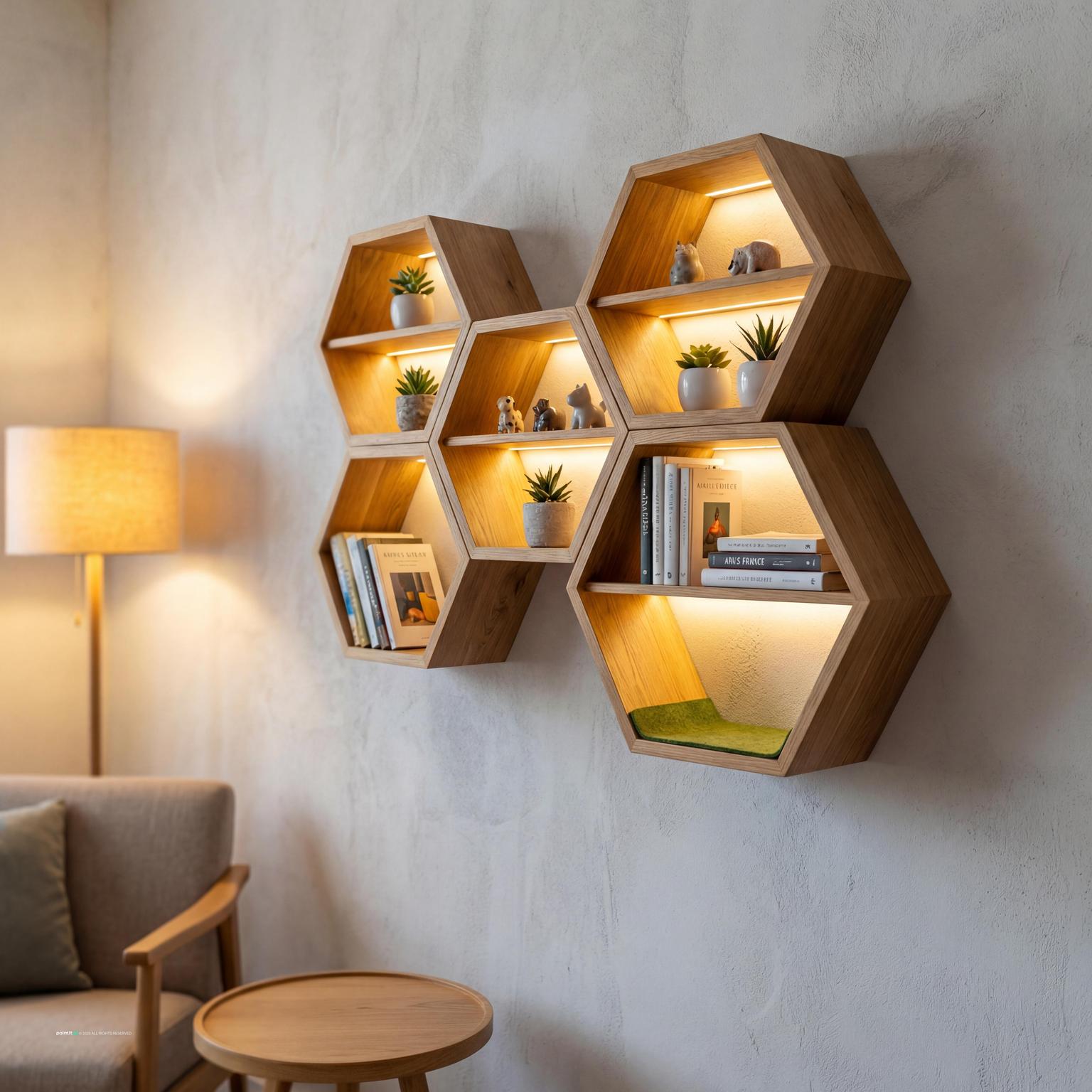
Bring in small potted plants, succulents, or even a vertical wall garden. Greenery adds life, improves air quality, and softens the overall aesthetic without crowding valuable shelf space.
-
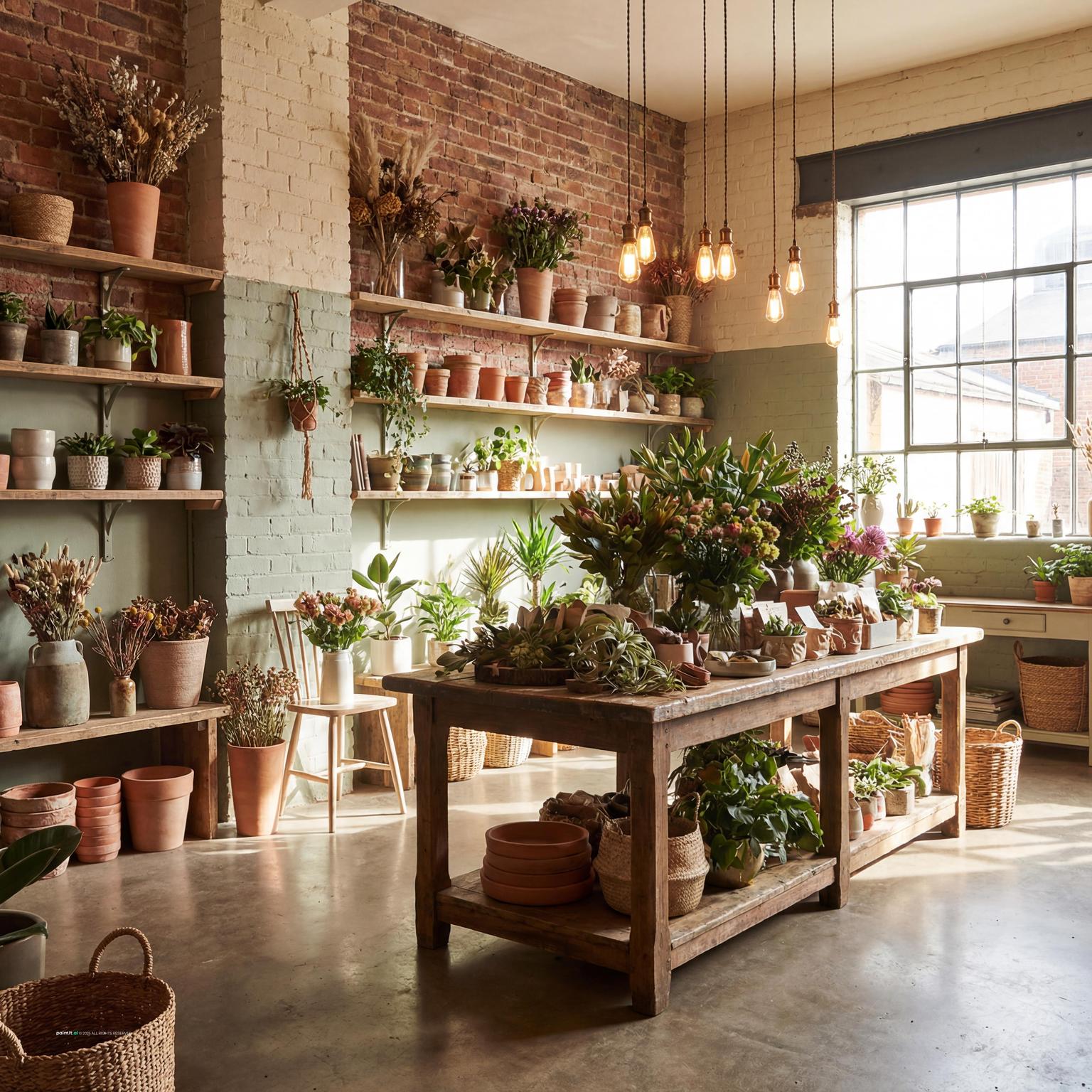
Rotating fresh seasonal flowers can also create a sense of freshness and celebration.
-
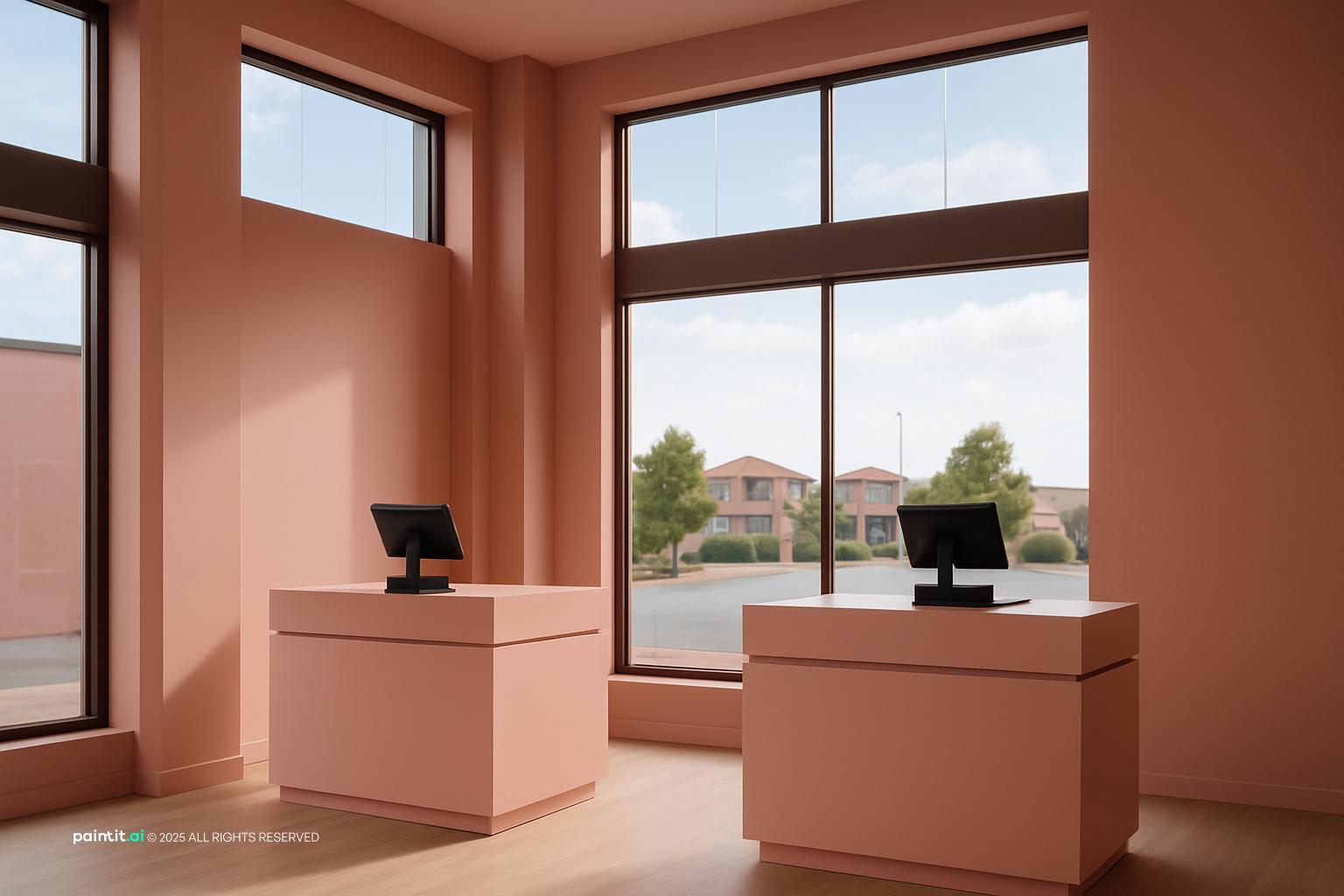
Create a small register space with an integrated display for easy upselling of grab-and-go treats such as cards, candies or travel-size gifts. Keep counters clutter-free to maintain the flow.
-
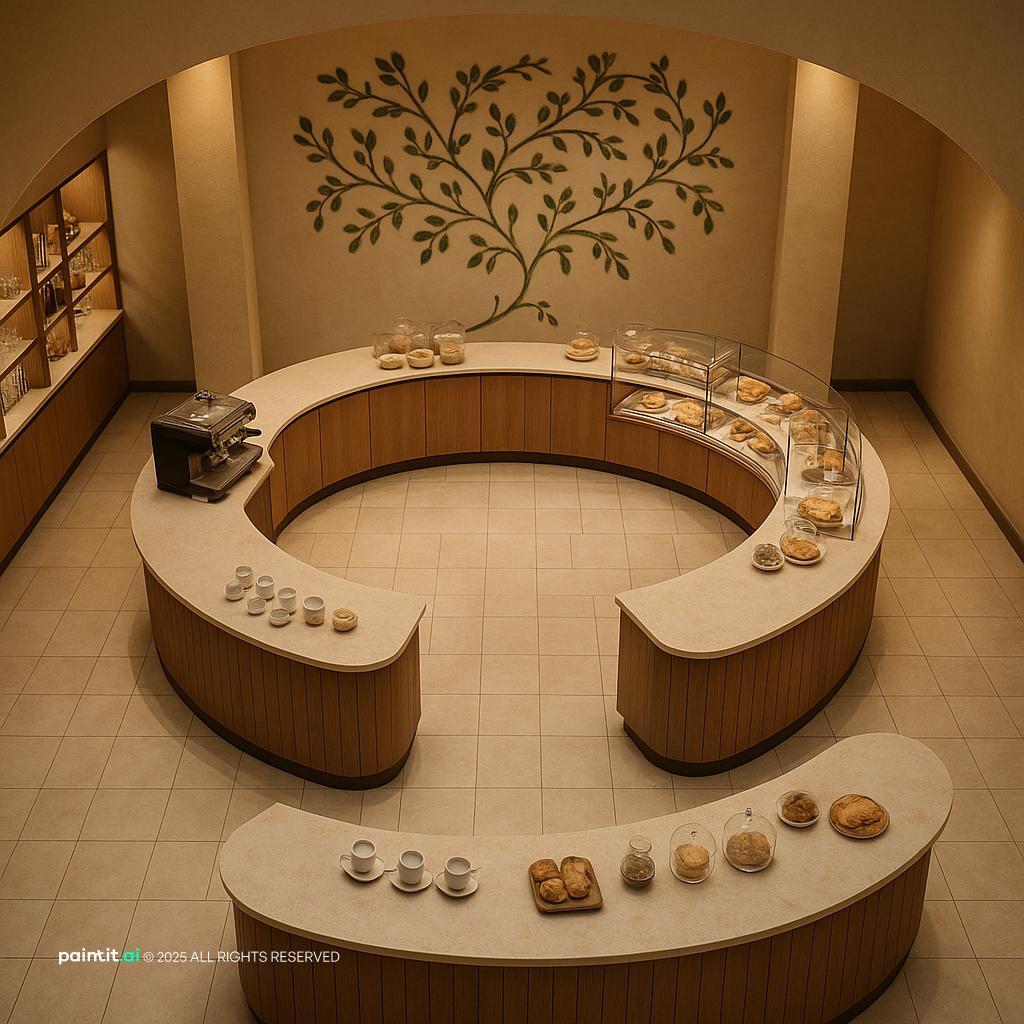
Consider adding a tray of unwrapped samples or testers for curious customers to encourage last-minute exploration.
Visualize your gift shop design with Paintit.ai
Upload a photo of your shop space to app.paintit.ai. Test different shelving arrangements, lighting directions, and colour palettes in 1–2 minutes, before spending on any fixtures or paint. Useful for comparing how a light neutral palette reads against a warmer, more colourful direction, or for presenting a redesign concept to a landlord or business partner.
START DESIGNING FREEGift shop floor plan: the key layout decisions
"Gift shop floor plan" is a common search query, and the layout decisions behind it affect sales directly.
Entry zone (first 2–3 metres)
This is where the buying decision begins. Customers form an impression in seconds. Keep the entry clear: one strong display (seasonal, featured, or visually striking), clear sightlines into the shop, and no barrier at the door. A clutter-free entry signals curation; a crowded entry signals discount. If you have a scent (candles, dried flowers, fresh greenery) this is where it should be strongest.Perimeter display
Wall shelving around the perimeter is the most efficient use of a small shop's volume. Products on the perimeter walls can be displayed at multiple heights (low, mid, high) and create the impression that the shop has "more to discover" as customers move around the room. Keep the most visually striking products at eye level (130–160 cm from floor).Central display (island or table)
A central table or island creates a natural browsing destination in the middle of the floor. Products on central display should be rotatable, seasonal items, featured categories, or promotional collections. Customers browse the perimeter first, then the centre: this sequence means the centre display gets seen by almost every customer who enters.Checkout counter placement
Near the exit, not the entrance. Customers who have browsed the whole shop first spend more. Position impulse-buy items (small, affordable, visually appealing) immediately adjacent to the checkout counter, cards, small candles, mini gifts, treats. These items account for a disproportionate share of revenue per customer in most gift shops.Minimum aisle width
90 cm between display fixtures for comfortable single-person browsing. 120 cm for comfortable two-person browsing. If your aisles are narrower than 90 cm, prioritize aisle clearing over adding more display.
Related design tools and ideas
Tools and related small retail design guides.
FAQ
-
Keep large fixtures to a minimum. Low display units below 150 cm maintain sightlines from the entry to the back of the shop, which makes the space feel bigger. Clear pathways of at least 90 cm between fixtures. Mirrors opposite the main window bounce light and visually extend the space.
-
Spotlight your top products at eye level on dedicated display tables. Use contrasting backdrops, focused lighting, and small curated groupings for visual interest and quick browsing.
-
Dark wall colours make small shops feel smaller. Overfilled shelves signal clutter rather than abundance. Narrow aisles under 75 cm create physical discomfort. Poor lighting, especially flat bright overhead fluorescents, makes it hard to distinguish individual products.
-
Keep the door area visually open with a clear view inside. Place one well-lit feature display near the entrance and use simple signage to communicate your shop vibe immediately.
-
Switch visual displays regularly, add new textiles for colour and texture, and update window arrangements seasonally. Moving shelving or adding greenery can refresh the shop without a full renovation.