
West Indies Interior Design Style: Inspiration and Ideas for Your Home
West Indies interior design draws from the residential architecture of the British Caribbean colonies, the islands of Barbados, the Bahamas, Cayman Islands, Turks and Caicos, and Jamaica, where British colonial building tradition was adapted to tropical climate over the 18th and 19th centuries.
The result is a style that combines formal Georgian symmetry with tropical practicality: columns and symmetrical facades, louvered shutters for ventilation, wide verandas for shade, mahogany and teak for humidity-resistant construction, and the specific light palette that colonial settlers developed to manage tropical heat.
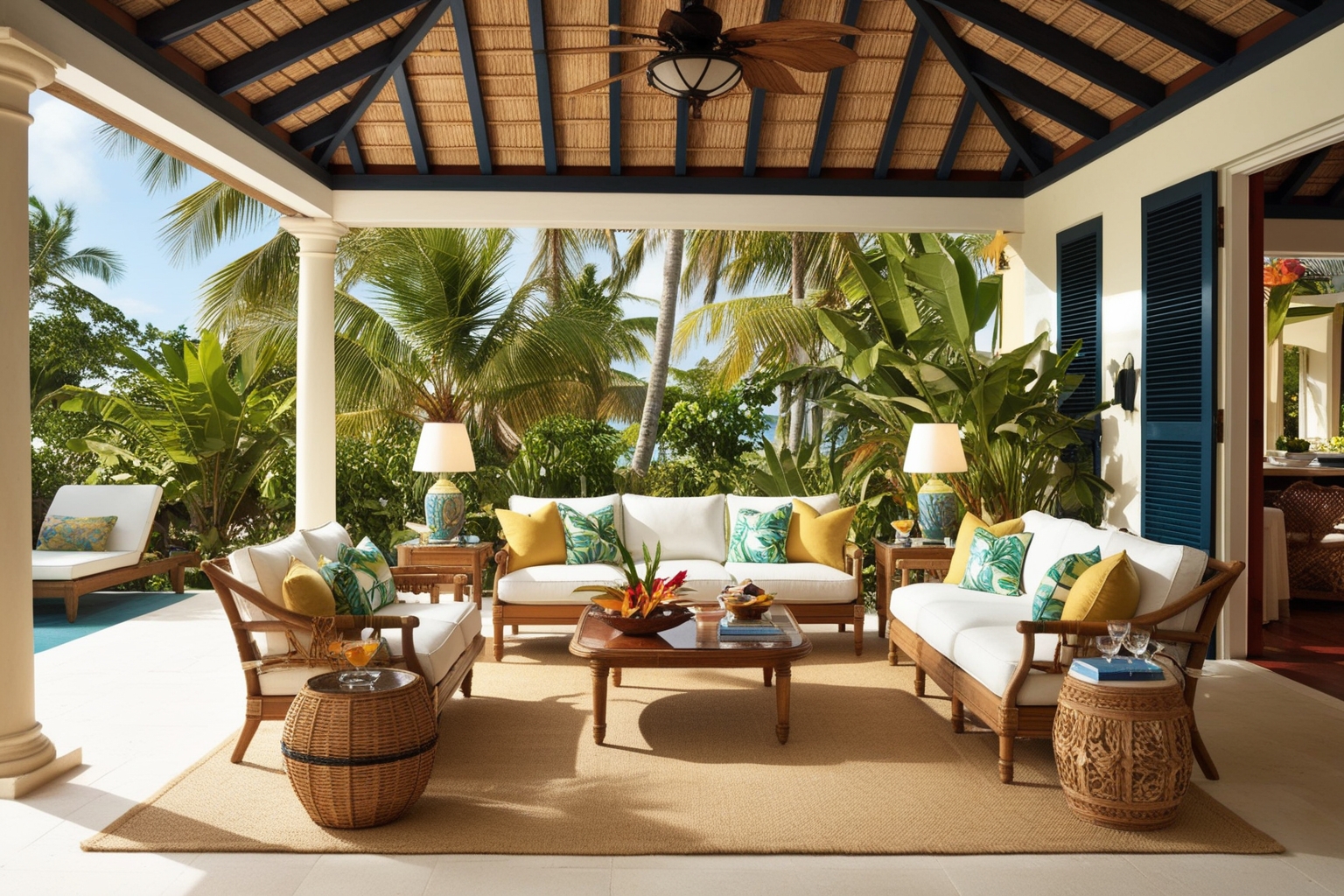
What Defines the West Indies Interior Design Style?
West Indies interior design has a specific historical foundation: the British colonial architecture developed in the Caribbean from the 17th century onward, where European building forms were adapted to tropical climate and tropical materials. The distinguishing features, louvered shutters, wide verandas, elevated foundations, columns and fretwork, mahogany and coral stone, are all practical responses to Caribbean heat, humidity, and hurricane risk that became aesthetic signatures.
-
Key Colors and Palettes
The West Indies style color palette draws its inspiration from the surrounding natural beauty. Sandy beige, crisp whites, and ocean blues establish the foundational palette to evoke Caribbean beaches and waters. The vibrant shades of coral, palm green, and sunset orange function as complementary colors that infuse environments with an energetic tropical essence. The intentional use of these colors creates a balanced and restful atmosphere that embodies the islands' relaxed allure.
-
Typical Materials and Textures
Materials used in the West Indies interior design style are typically natural and explore a range of textures that echo the region’s organic environment. Bamboo, rattan, and wicker are frequently utilized in furniture and decorative pieces, providing a rustic yet refined quality. Hardwood floors, preferably in rich mahogany or dark teak, are common, contrasted with plush, woven area rugs. Textiles are breathable and lightweight, favoring linens, cotton, and jute to promote a cooling effect in the warm climate. These materials create a tactile experience, offering both comfort and sophistication.
-
Signature Furniture and Decorative Elements
The design of West Indies furniture intentionally promotes a state of relaxation and leisure. Deep sofas combined with armchairs featuring plush cushions create seating options that encourage extended relaxation. The turned wood details and elegant curves of Colonial-style furniture create a characteristic tension between formal structure and relaxed island atmosphere, British formality adapted to tropical ease. Tropical prints and botanical motifs like palm leaves and hibiscus flowers become decorative elements through their integration into cushions, curtains, and artwork. The addition of accessories such as lanterns, hurricane lamps, and wooden carvings amplifies the aesthetic complexity while introducing multiple layers of interest and cultural depth into the space. -
The overall atmosphere and mood
West Indies interiors achieve formal ease: spaces that carry the structure and symmetry of British colonial architecture but are softened by tropical materials, natural light, and the indoor-outdoor connection that the veranda provides.
White or cream walls create a bright, airy base. Dark mahogany or teak furniture provides grounding contrast. Louvered shutters and rattan pieces connect the formal interior to the tropical outdoor context.
British West Indies style: the defining elements
Louvered shutters
The most distinctive element of West Indies architecture. Interior and exterior louvered shutters manage tropical heat, hurricane-force rain, and salt air while providing privacy and ventilation. In interiors, they appear on windows, cabinetry, and decorative room dividers.
Columns and symmetry
West Indies buildings are formally symmetrical, organized around a central entrance with balanced windows on either side. In contemporary design, symmetrical arrangements, paired furniture, and columns as room dividers maintain this formal spatial logic.
Mahogany and dark tropical hardwoods
Local hardwoods, mahogany, teak, ebony, cedar, and lignum vitae, handled tropical humidity better than British softwoods and became the dominant furniture and architectural material. Dark wood against white or cream walls creates the characteristic high-contrast quality.
The veranda as primary living space
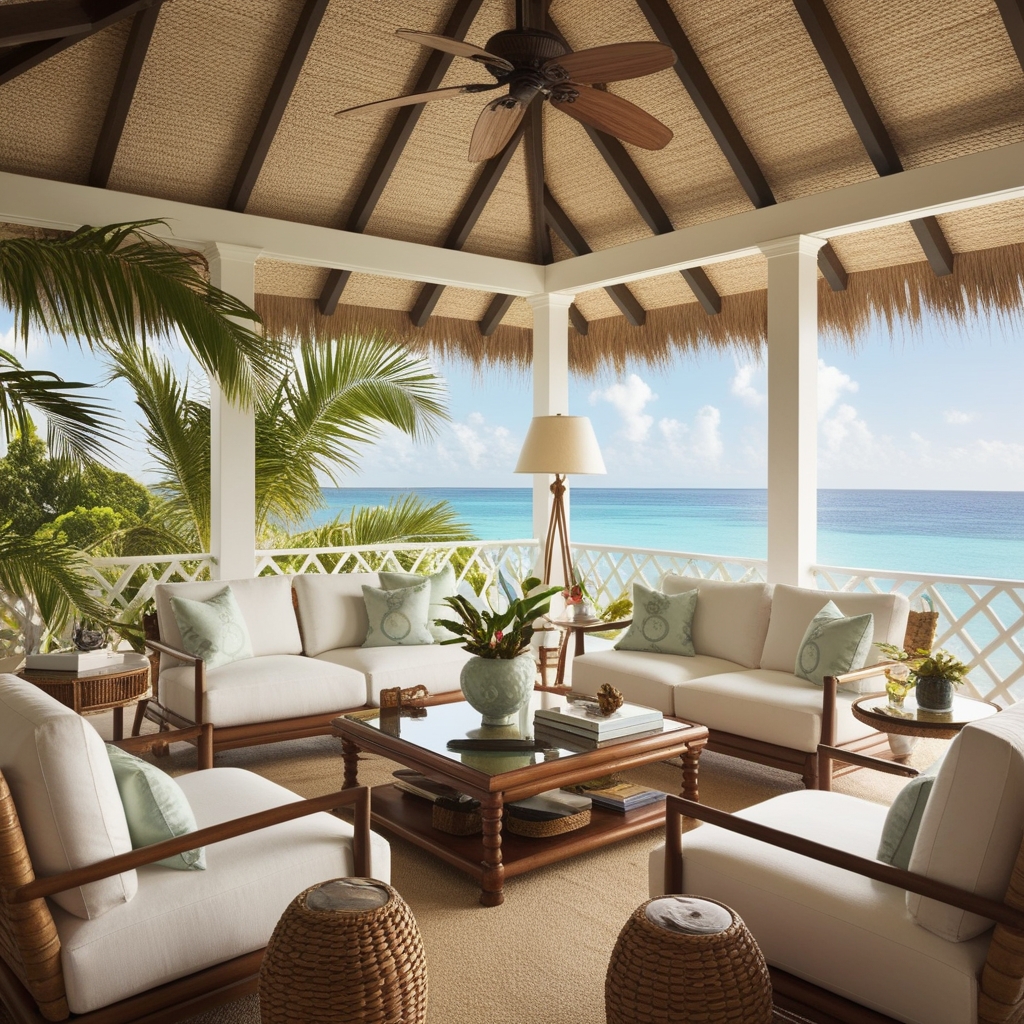
Wide covered verandas function as outdoor living rooms, shaded from direct sun but open to prevailing breezes. In contemporary applications, a covered porch or terrace designed with the same material language achieves this spatial quality.
Rattan and wicker alongside formal furniture
Formal British mahogany furniture sat alongside locally made rattan and wicker pieces, light, humidity-resistant, and suited to the tropical climate. This combination is specifically West Indies in character.
West Indies vs Bahamas vs British Colonial: the distinctions
West Indies is the broadest term, covering British colonial Caribbean island architecture from Barbados to Jamaica to the Bahamas and beyond.
Bahamas style is a subset with a specific Bahamian character: Nassau colonial colours, Bahamian louvered shutters, and the lighter Out Island vernacular.
British Colonial is the contemporary commercial term for the edited version of West Indies style: mahogany, rattan, campaign furniture, and tropical botanical prints.
How to apply West Indies style in your home
Start with the wall and floor contrast
White or warm cream walls against dark mahogany or teak flooring creates the essential West Indies contrast.
Install plantation/louvered shutters
Louvered interior shutters on windows immediately signal West Indies heritage and provide real light and privacy control.
Combine formal furniture with rattan
Pair a dark mahogany dining table or cabinet with rattan chairs and wicker accessories.
The veranda connection
Large windows or French doors that open to a covered porch or terrace create the indoor-outdoor quality central to the style.
Visualize West Indies style with Paintit.ai
Upload a photo of any room to app.paintit.ai and test how West Indies palettes, warm whites, mahogany tones, tropical accents, read in your actual space in 1-2 minutes. Useful for comparing formal British colonial direction against a lighter contemporary tropical interpretation. Free to start.
Related styles and tools
Explore related West Indies, colonial, and AI design resources.
FAQ
-
West Indies interior design draws from the residential architecture of the British Caribbean colonies, the Bahamas, Barbados, Cayman Islands, Jamaica, and other British Caribbean islands, where British colonial building tradition was adapted to tropical climate over the 17th to 19th centuries. The defining characteristics: formal symmetrical layout, louvered shutters, wide verandas, dark tropical hardwoods against white or cream walls, rattan and wicker, and indoor-outdoor connection.
-
British West Indies architecture combines the formal symmetry and classical details of Georgian British architecture with practical tropical adaptations: elevated foundations, wide verandas, louvered shutters, and locally available hardwoods that withstand humidity.
-
The authentic West Indies palette uses white and warm cream as the dominant wall and ceiling colour. Dark mahogany and teak provide warm contrast. Accent colours reference the Caribbean landscape: turquoise and cobalt blue, palm green, coral, and warm sandy gold.
-
Yes. Upload a photo of any room to app.paintit.ai and test West Indies palettes and material combinations in 1-2 minutes. Free to start.