
British colonial style interior design: a modern guide
British colonial style interior design brings together the formal structure of British tradition and the breezy ease of tropical climates, a combination that emerged in the 19th and early 20th centuries when British settlers adapted their furnishings to the Caribbean, India, and Southeast Asia.
The result is a style that feels simultaneously refined and relaxed: dark mahogany furniture against light walls, rattan loungers beside four-poster beds, campaign chests as functional decor, and botanical prints on linen-curtained windows.
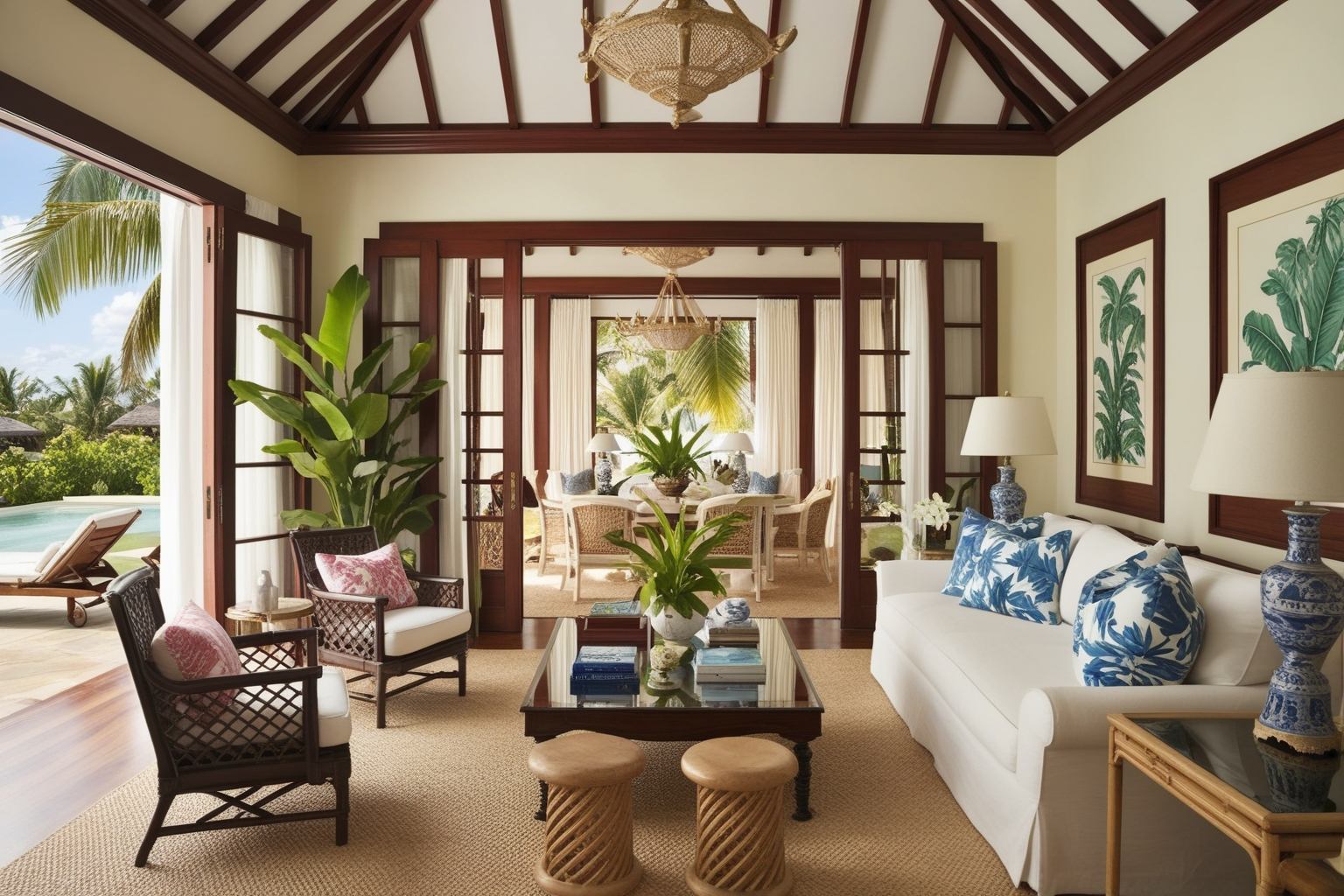
What Is British Colonial Style Interior Design?
British Colonial style interior design draws inspiration from the tropical colonies of the British Empire during the 19th and early 20th centuries. The classic lines and impeccable tailoring of British fashion together with the easy, breezy ambiance of places like the Caribbean, India and Southeast Asia. The style originated during the British colonial era when settlers sought to incorporate their traditional furnishings into new tropical climates, leading to innovative adaptations. Key characteristics include the use of dark-stained woods, light wall colors and natural materials to achieve both functionality and a sense of refined elegance. The philosophy of British Colonial interior design is about balancing elegance with comfort to ensure that interiors look sophisticated yet lived-in and inviting. The look is appealing today because it “takes you away” and has a serene, layered, historical vibe. Global influences ensure it has broad appeal, while the timeless way it combines tradition with ease is particularly suited to contemporary homes. Whether you live in a flat or a beachside cottage, a British Colonial interior provides an opportunity to create the kind of home that feels put together yet transportive.
-
Color Palette
The British Colonial palette evokes sunlight and shade, offering a harmonious base for both tradition and tranquility. Expect muted whites, soft creams, and sandy beiges on walls and textiles, channeling coastal light and colonial verandahs. Deep, rich woods introduce grounding browns, while subtle blues or terra cotta may appear in accent pieces. Charcoal and ebony elements provide sophistication without overpowering the space. A touch of leafy green, olive, or sage nods to the lush tropical flora outside colonial homes. Brass and antique golds bring in a hint of old-world luxury and warmth. Altogether, the palette feels unfussy, curated to brighten interiors while honoring historical origins.
-
Materials & Textures
Authenticity in British Colonial interiors comes through tactile, practical materials. Solid mahogany, teak, or other rich hardwoods make up classic furniture silhouettes, their smooth finishes aging beautifully over time. Rattan, cane, and bamboo appear in accent chairs, bed frames, and accessories, lending airiness and easy movement of air, an essential consideration in hot, humid climates. Light crisp cottons and linens dress windows and cushions for breathability, while jute, sisal, or seagrass rugs ground the room with texture. Lacquered trays, leather straps, and rolled-up maps nod to colonial adventures, adding layers of interest. Wicker baskets and textured ceramics complete the tactile experience. The combination is all about balancing sturdy structure with a sense of relaxed informality.
-
Furniture & Silhouettes
Furniture in this style celebrates a meeting of English heritage and tropical ingenuity. Classic British pieces, think four-poster beds, roll-arm sofas, and spindle-backed chairs, get updated with slatted details and lighter finishes designed for warmer climates. Campaign chests and steamer trunks, remnants of global travel, double as functional storage and handsome focal points. For seating, look for rattan lounge chairs, cane-backed settees, and deep, upholstered armchairs ideal for lazy afternoons. Legs tend toward slim or turned, with proportions favoring both comfort and visual lightness. Canopy beds or mosquito netting add a romantic, practical layer. Overall, silhouettes should be simple, elegant, and robust, inviting both function and laid-back style.
-
Decor & Accessories
Take a curated approach to decor and furnishings. Woven baskets, campaign lanterns and brass candlesticks sit alongside botanical prints and sepia maps. Look to the throw pillows in block prints and muted stripes for inspiration. Potted palms, ferns, or orchids will do the trick. Wall art often depicts scenes such as natural landscapes, animals, or anything reminiscent of colonial times. Decorative objects might include vintage books, coral and shells you may have collected, or carved wooden animals. Trays, boxes and ceramic jars are classic choices for organizing essentials. Every accessory should tell a story of travel or tradition, ensuring the space remains personal and inviting.
-
Architectural Features
Architecture in British Colonial-inspired spaces emphasizes light, comfort, and air movement. High ceilings and generous windows are hallmarks, often paired with louvered shutters or interior French doors that allow breezes to flow through. Deep-set verandahs, colonnades, and gracefully arched doorways reference tropical layouts, blurring boundaries between inside and outside. Wide moldings, wainscoting, or paneled walls add crisp elegance and depth. Ceiling fans, preferably with dark wood or rattan blades, offer both practicality and a nod to historic utility. Built-in cabinetry, recesses for shelving, and alcoves maximize both storage and architectural interest. The result is a space that feels open, gracious, and always ready for relaxation or conversation.
-
Planning and composition
British Colonial interiors are built on balance: the formal and the casual, the dark and the light, the structured and the natural. Start with a light wall colour (crisp white, soft cream, or pale sage) and let the dark wood furniture provide the grounding contrast. Layer natural materials, rattan, cane, jute, as counterpoint to the mahogany's formality. Greenery (palms, ferns, potted orchids) bridges the gap between the refined interior and the tropical environment outside.
Symmetry matters in this style. British Colonial rooms tend toward balanced arrangements: matching nightstands, paired armchairs, symmetrical botanical prints. This formality is what prevents the style from reading as generic tropical, it has architectural intention.
Campaign furniture (travel chests, folding chairs, portable desks) serves as both practical storage and narrative decor, objects that tell a story of colonial-era travel and adventure.
How to Bring British Colonial Style Interior Design Into Your Home
-
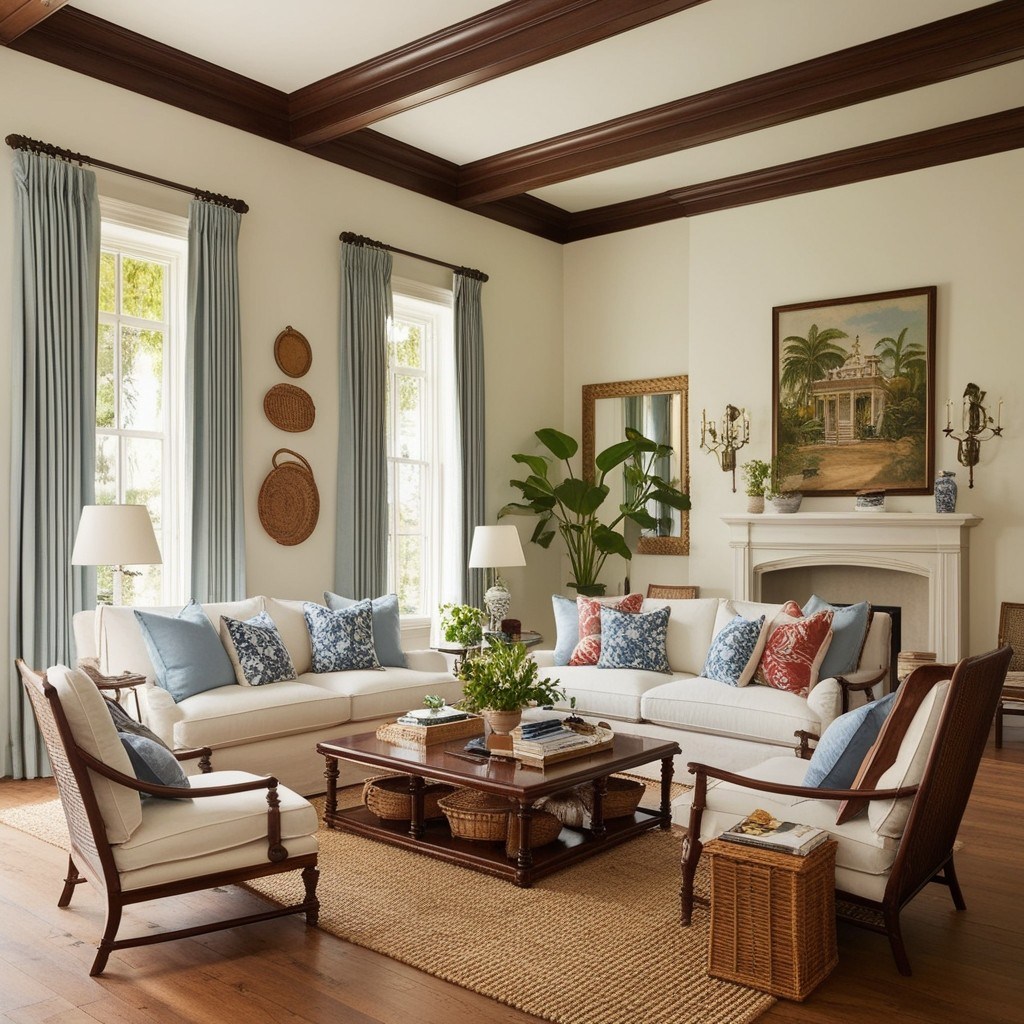
This section is your guide to infusing your living space with the relaxed elegance and worldly charm of british colonial style interior design. With these tips, you’ll gather both inspiration and simple steps for adapting the classic look to fit your own lifestyle and home.
-
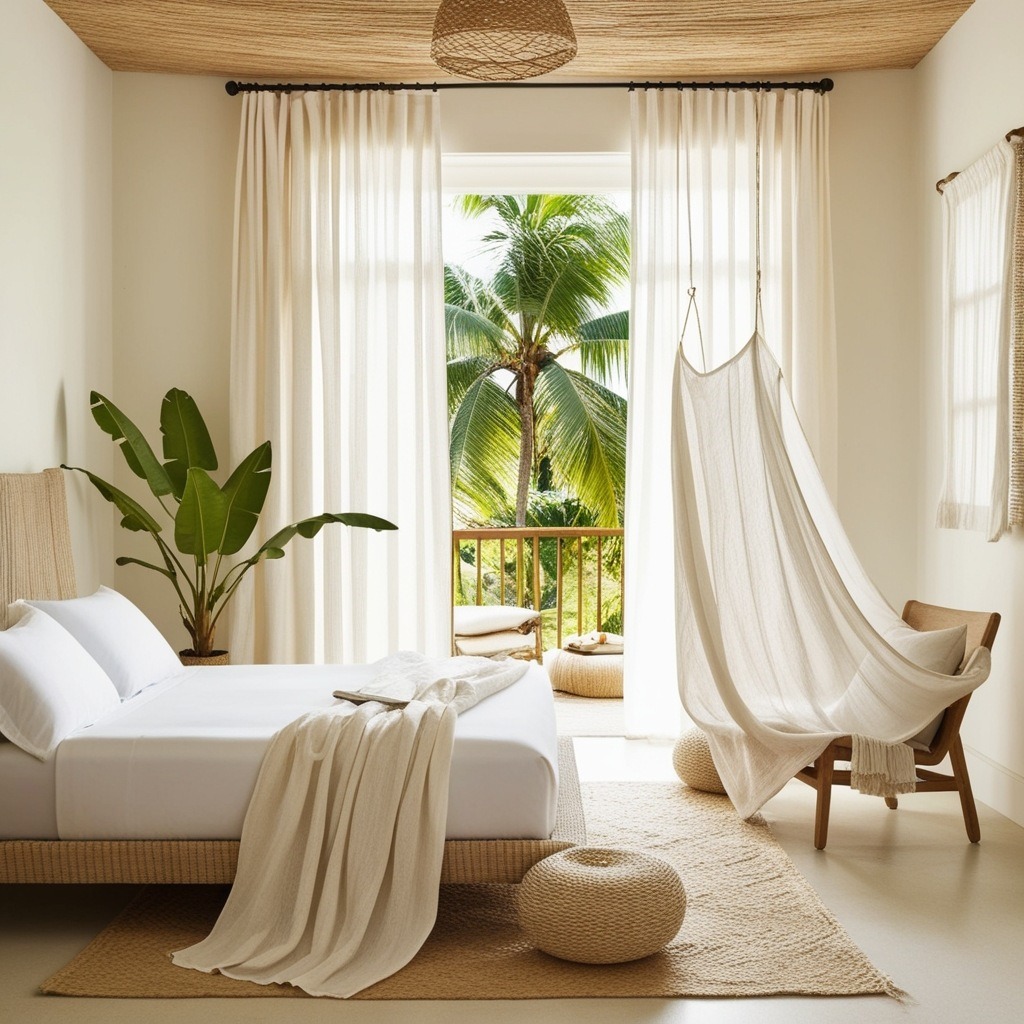
Choose lightweight natural materials - think billowy linen curtains, cotton slipcovers, or gauzy mosquito nets. These fabrics evoke breezy tropical settings and soften the room. In bedrooms or living areas, swap heavy drapes for neutrals like white or beige in light textures to instantly refresh your space.
-
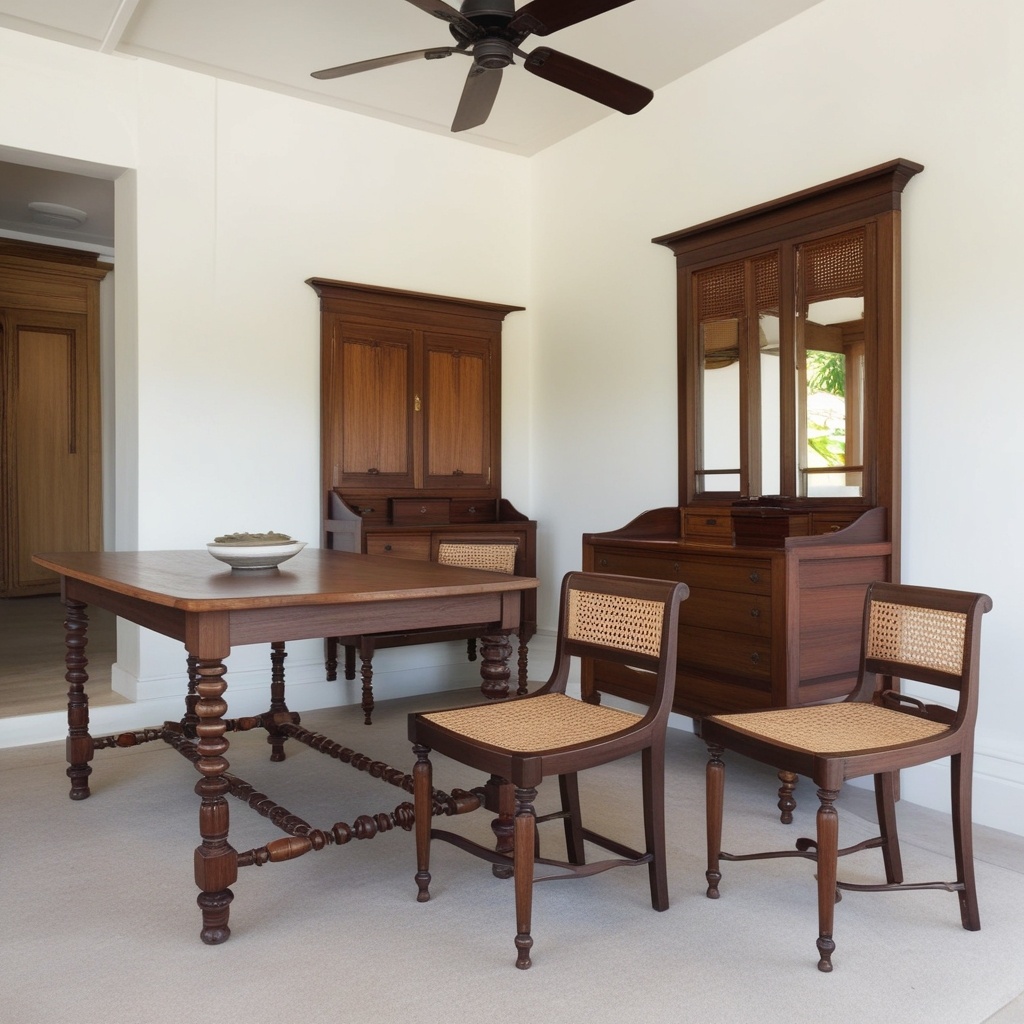
Select furniture made from mahogany, teak, or oak to echo the period look. Pieces with turned legs, caning, and inlaid details subtly nod to the colonial era. Pair dark wood furniture with lighter walls and ceiling fans for a sense of cool, collected balance in any room.
-
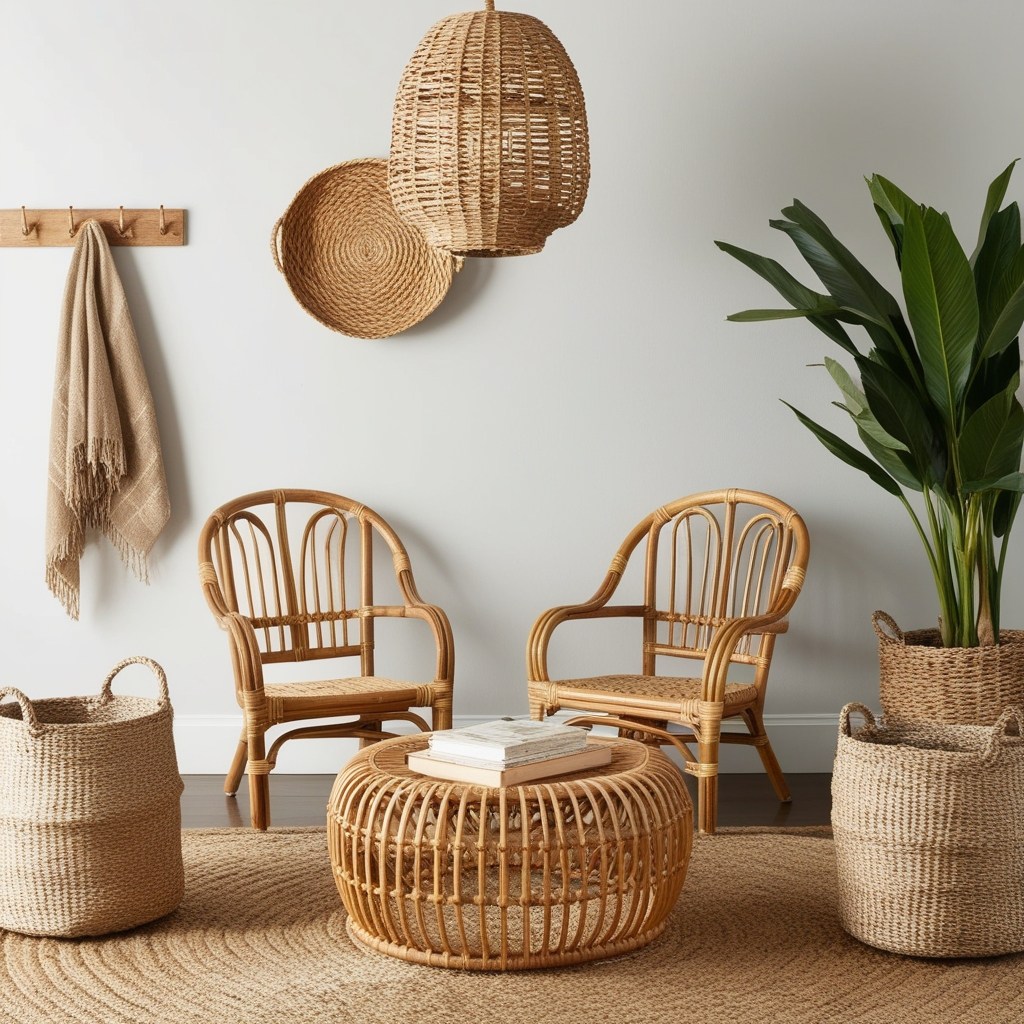
Layer in texture by adding rattan chairs, woven baskets, or even a jute rug. Natural, artisanal details help relax the more formal elements of the style. Try a rattan coffee table or baskets for handy storage in hallways or living spaces.
-
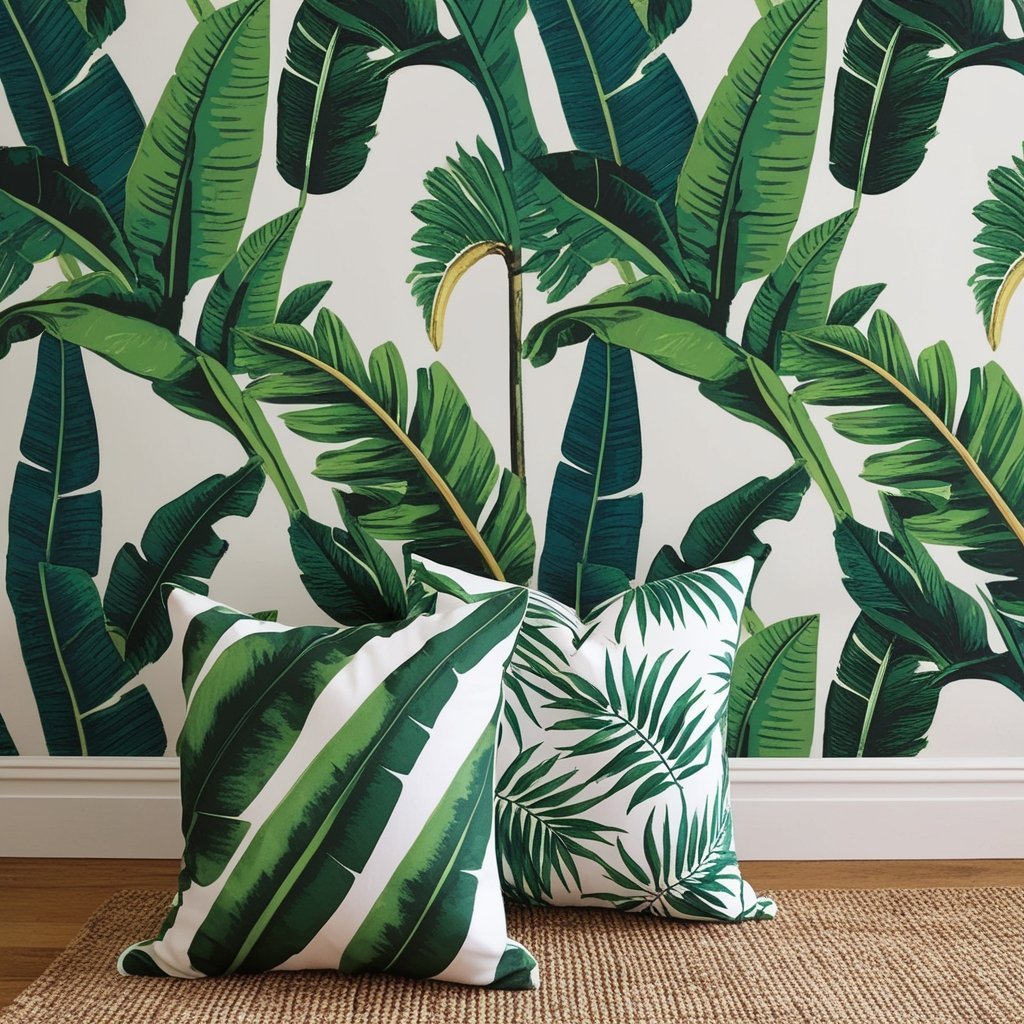
Channel tropical environments by incorporating leafy patterns through throw pillows, wallpaper, or art. Look for oversized palm prints, banana leaves, or ferns. These visuals bring life and color while reinforcing the sense of travel and exploration.
-
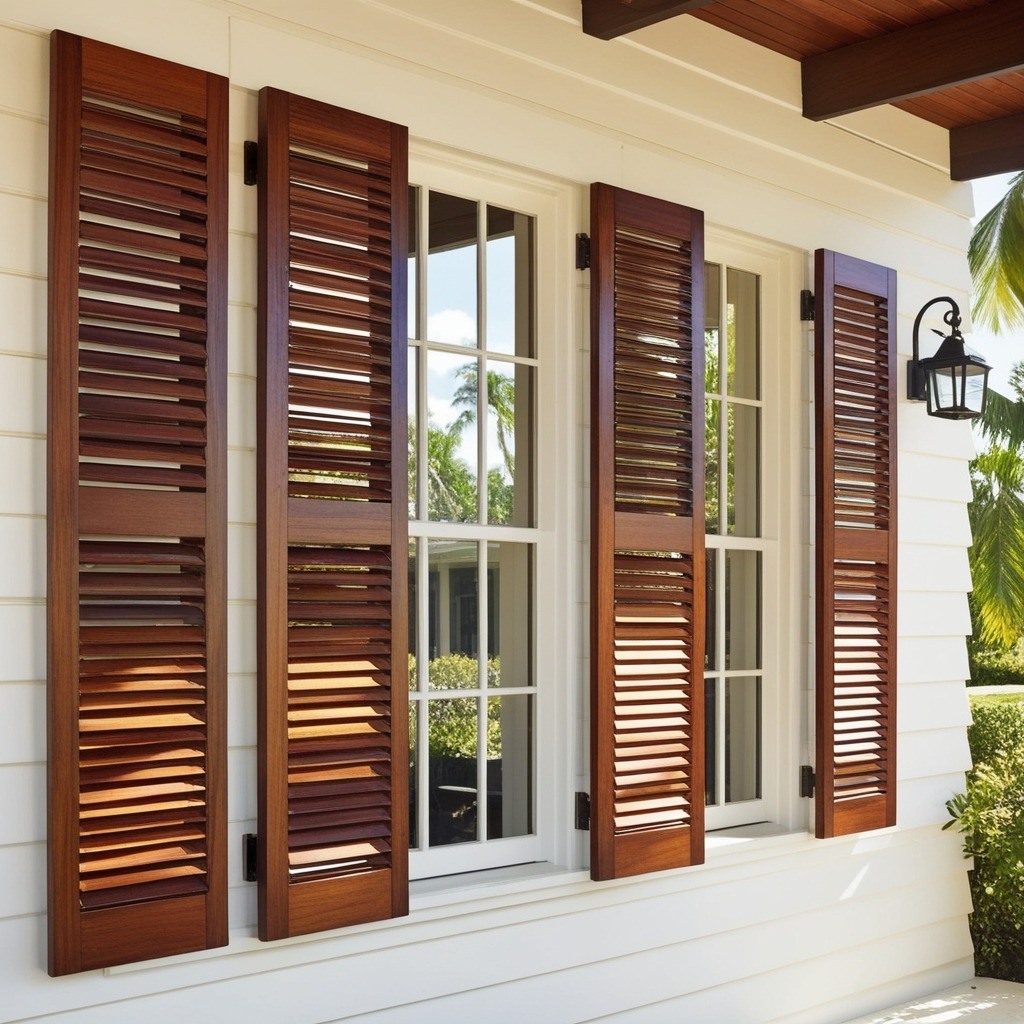
Consider adding wide-slat wooden shutters to your windows for both function and style. They help control sunlight, add architectural interest, and harken back to historical homes in tropical climates. If not permanent, freestanding shutter screens can provide a similar effect.
-
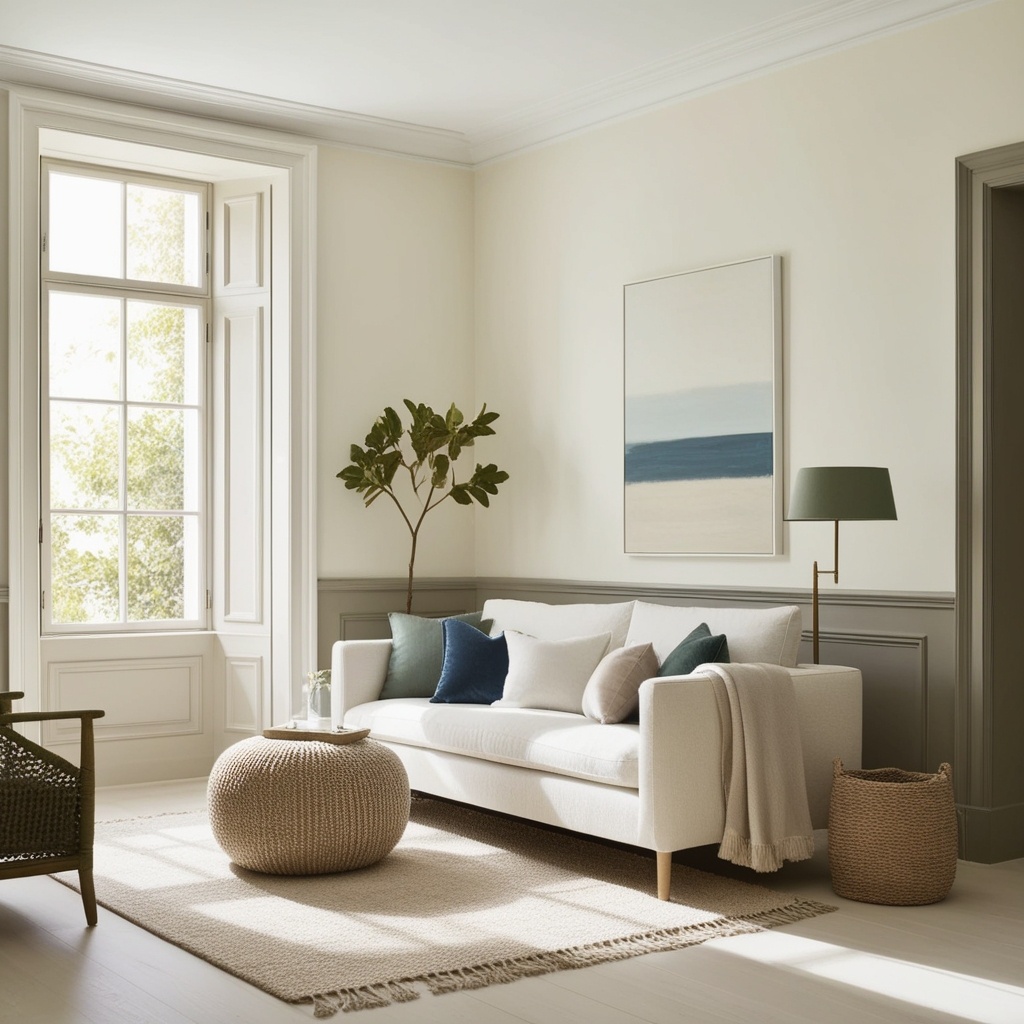
Stick to a foundation of creamy whites, pale beiges, and soft taupes for your walls. Neutral color palettes reflect sunlight and make rooms feel open and calm. Accent with deep blues or rich greens for subtle contrast, but keep the overall vibe serene.
-
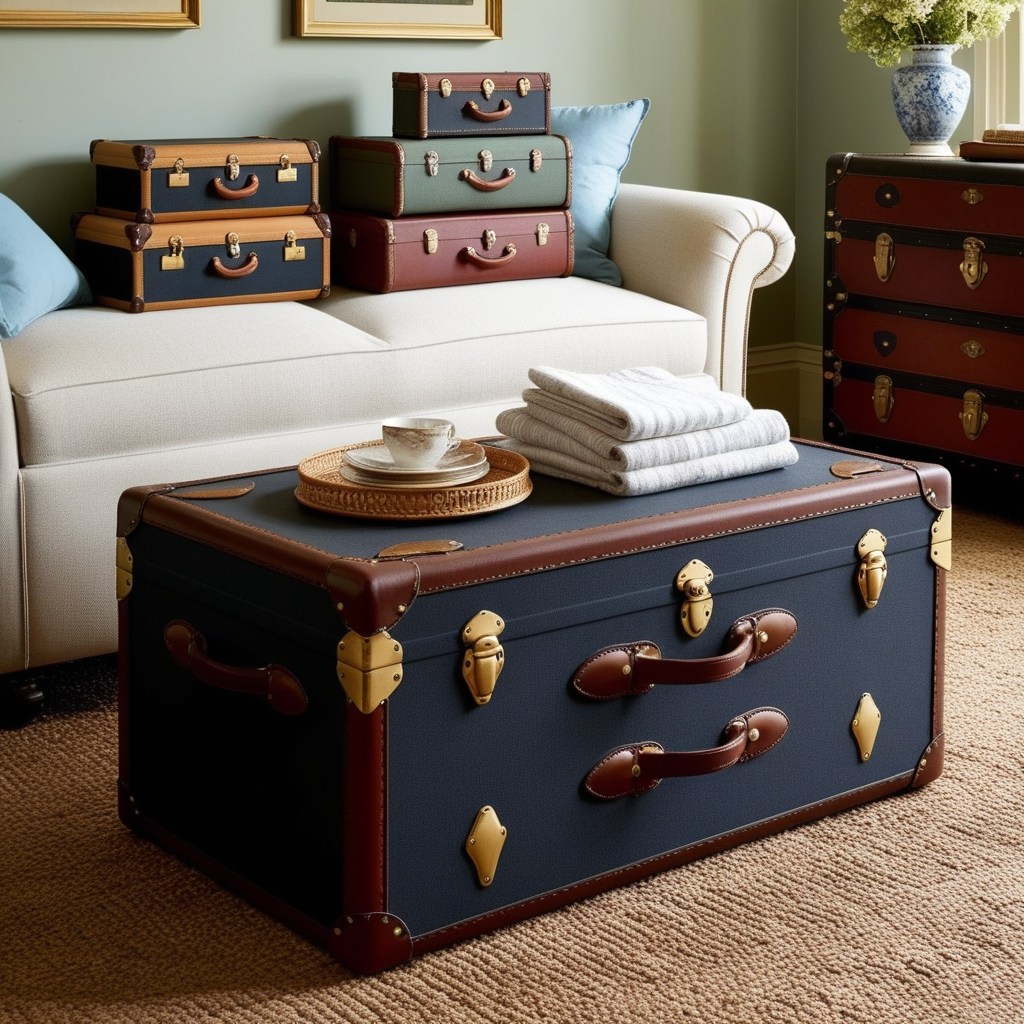
Antique steamer trunks or stackable suitcase sets double as eye-catching storage. Use them as a coffee table, end-of-bed bench, or even for storing seasonal linens. The travel-related pieces speak directly to the colonial inspiration behind the style.
-
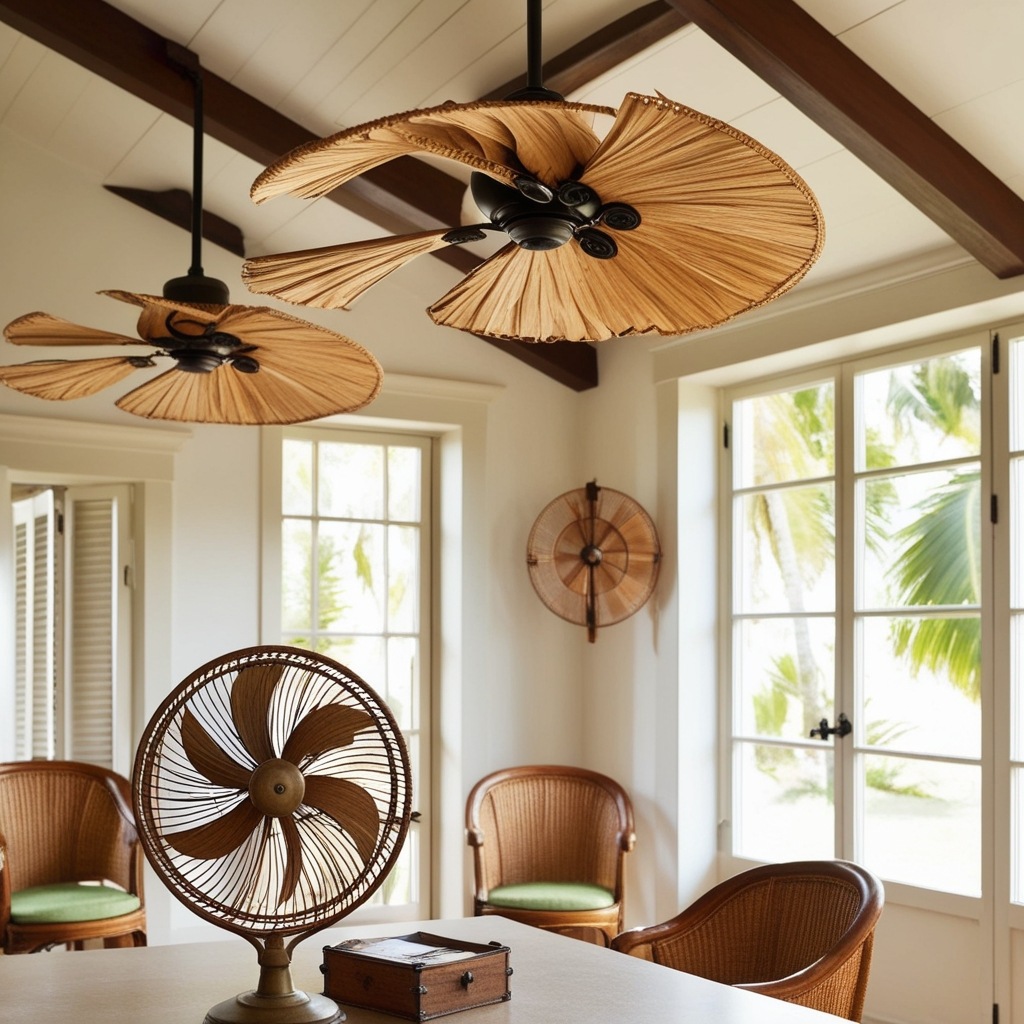
If possible, install gently spinning ceiling fans with natural blades. They cool the air and add a laid-back tropical feeling that’s key to colonial interiors. Even a vintage-inspired tabletop fan can introduce movement and restful white noise to a space.
-
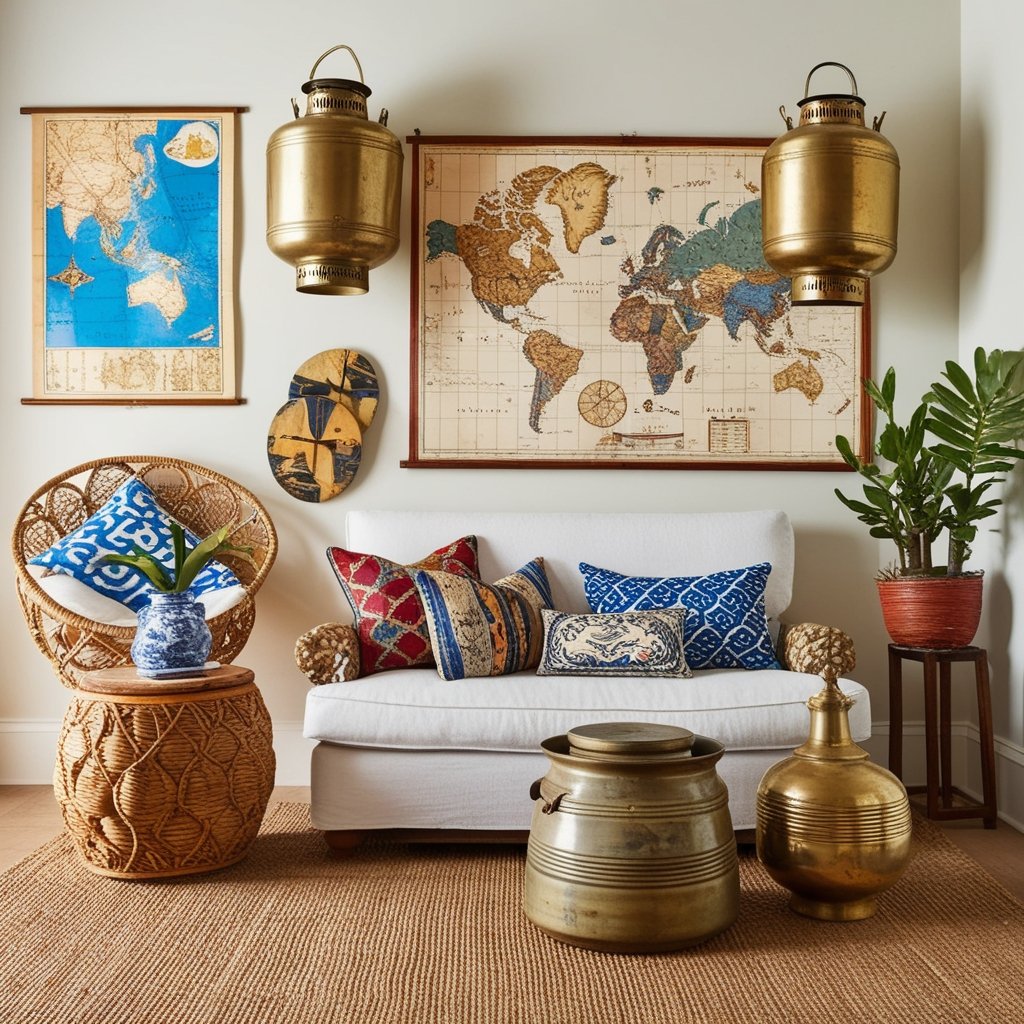
Show off curated treasures: think brass lanterns, blue and white ceramics, or maps from distant places. Select pieces that tell a story and connect to travel or diverse cultures. This eclectic spirit is genuinely central to creating a lived-in, personal take on the style.
-
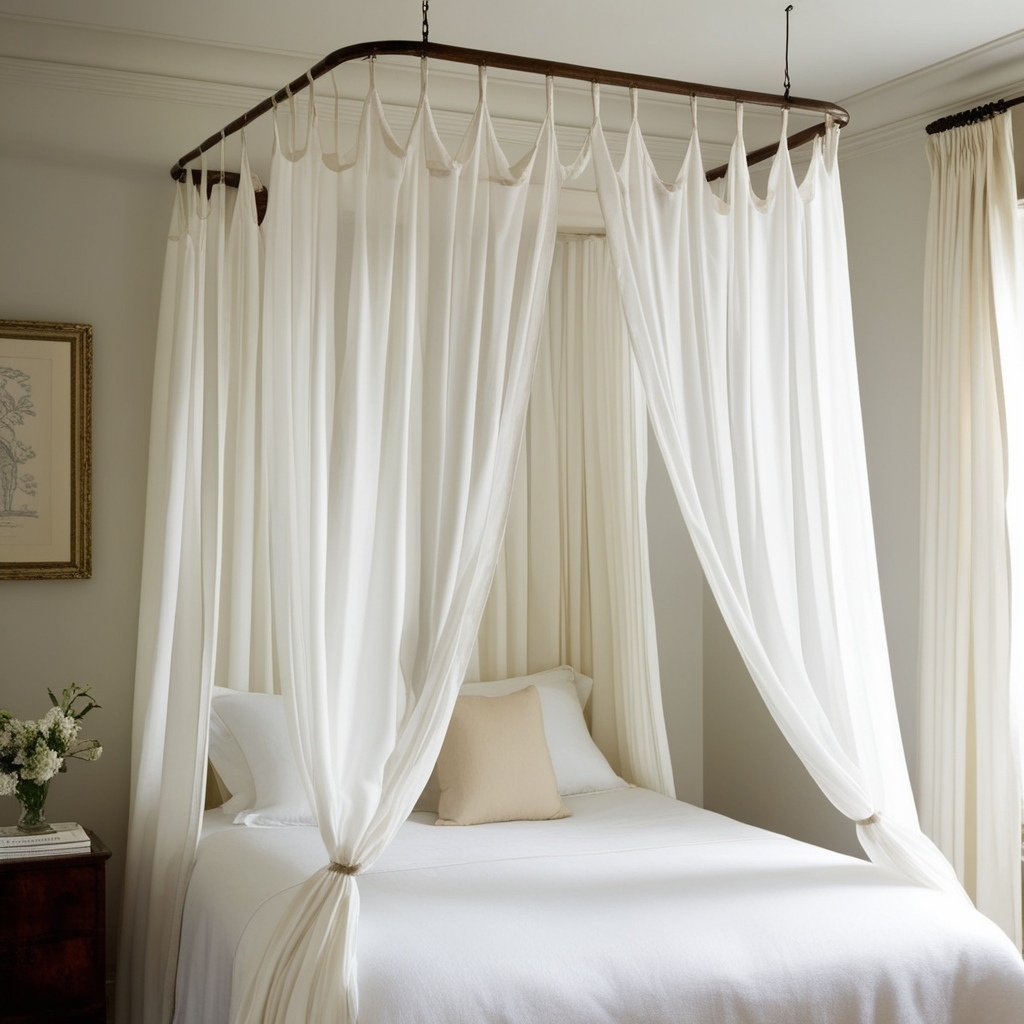
Drape a sheer canopy over a bed or reading nook to create an inviting escape. Simple curtain rods or ceiling hooks can make installation easy. Choose crisp white or ivory fabric to evoke romance and the soft shelter often found in colonial bedrooms.
-
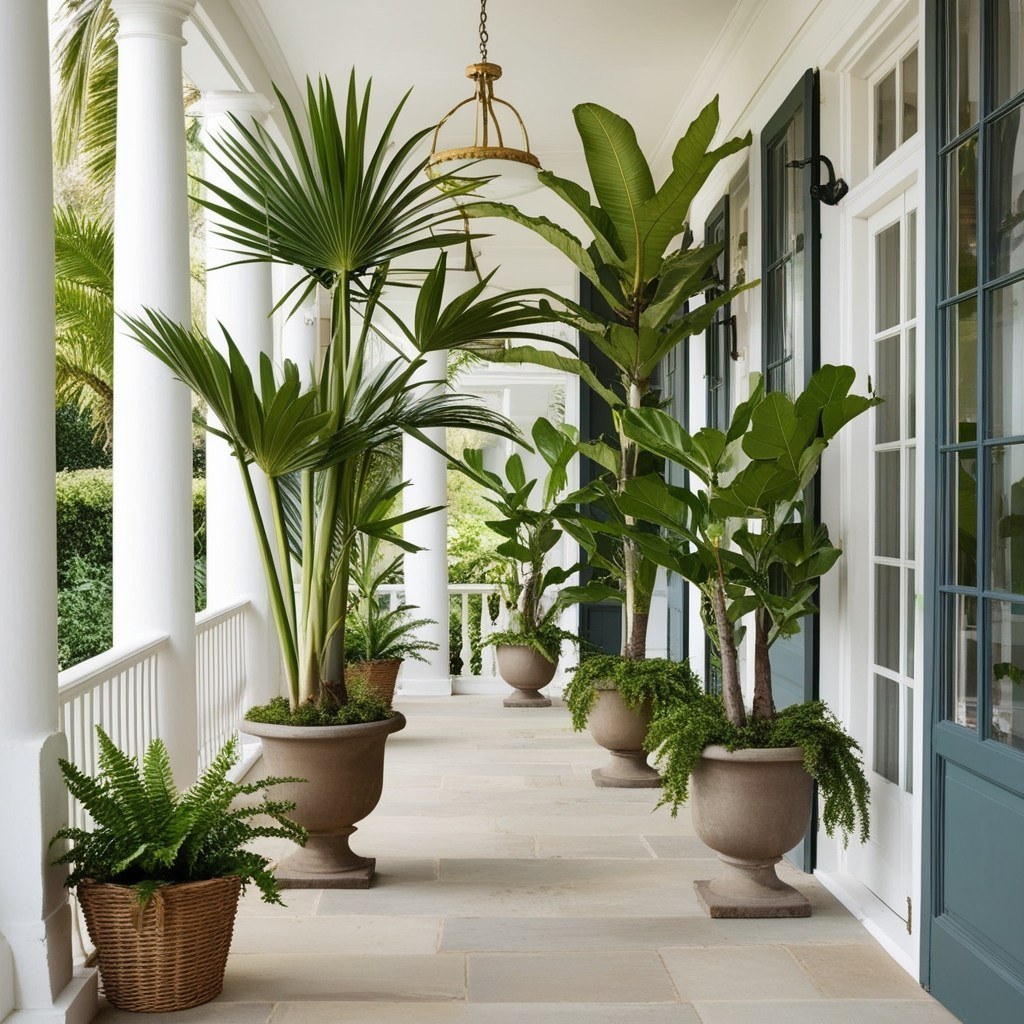
Bring the outdoors in by placing tall palms, fiddle leaf figs, or even small ferns around your home. Lush greenery gives a nod to colonial verandas and garden rooms. Style large pots in classic urns or simple baskets for an easy, authentic effect.
-
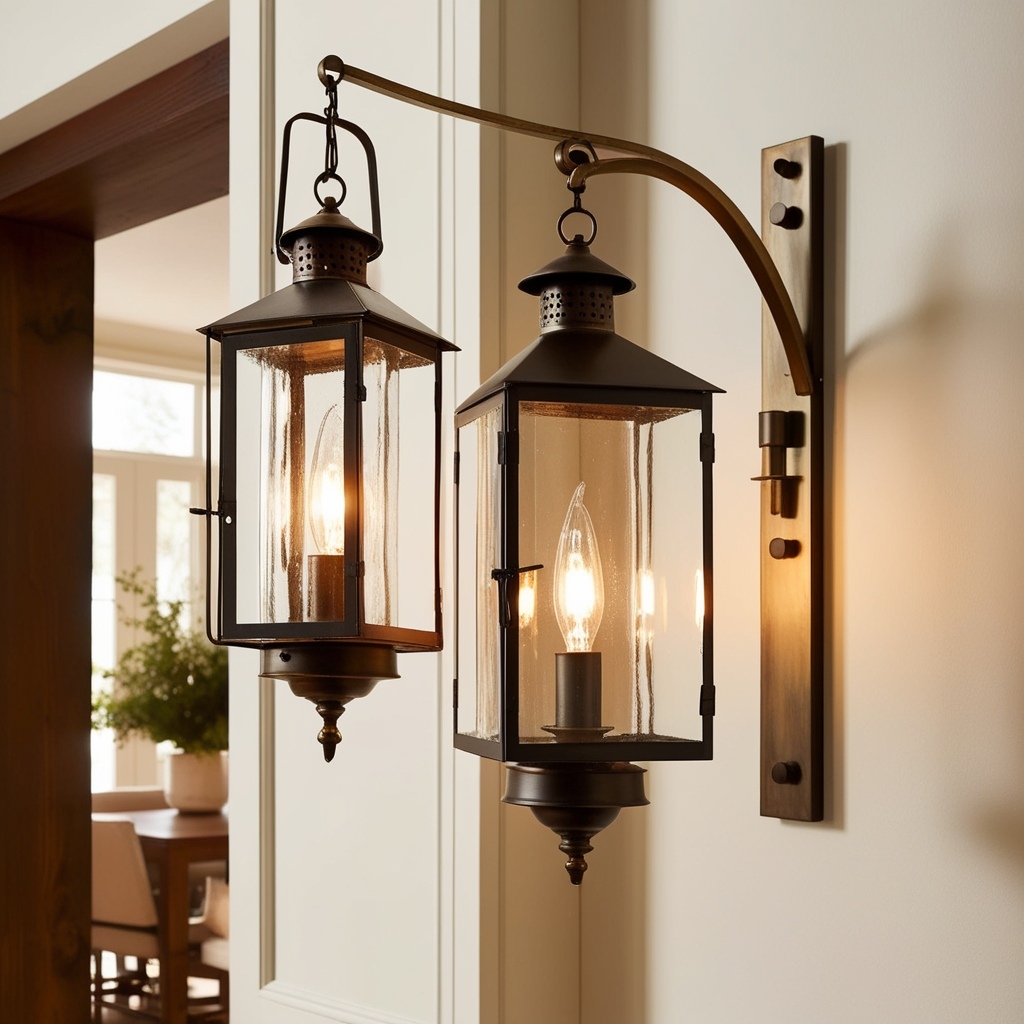
Look for pendant lights, wall sconces, or table lamps inspired by lanterns or oil lamps. Wrought iron, brass, and glass keep the look authentic. The soft glow adds both ambiance and a sense of nostalgia in entryways or dining areas.
-
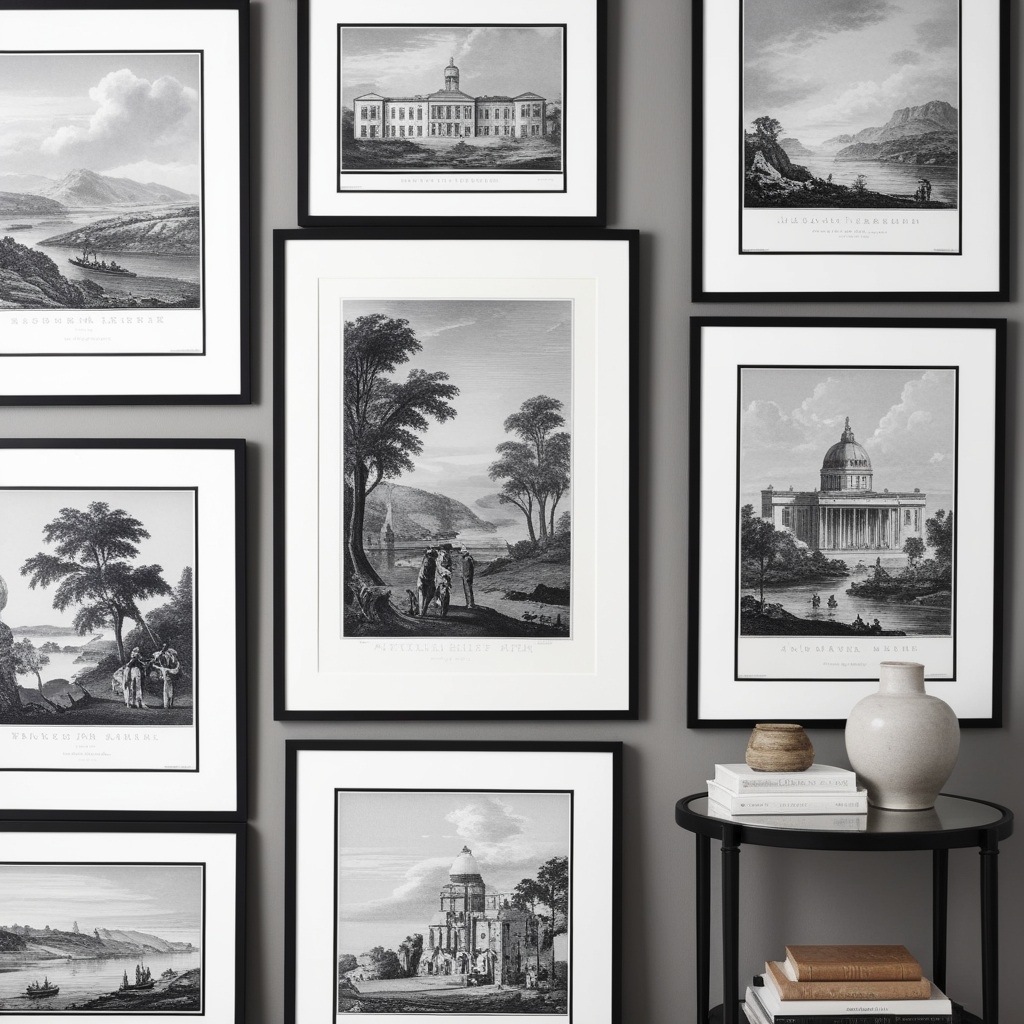
Select black and white prints depicting landscapes, architecture, or explorers of the era. Simple dark frames keep the look timeless. Arrange them as a gallery wall or in pairs above side tables to personalize living rooms or hallways.
Ralph Lauren and British Colonial: the modern reference point
Ralph Lauren's Home collection established the contemporary template for British Colonial interiors in the US market, and understanding what Ralph Lauren specifically does with the style helps clarify what makes it work.
The Ralph Lauren British Colonial direction: dark mahogany or teak furniture with clean traditional lines, crisp white or cream cotton upholstery (never patterns, always solids or subtle stripes), wicker or rattan as the natural material counterpoint, campaign-style brass hardware, ceiling fans with dark wood blades, and botanical or wildlife prints in simple frames on light walls.
The colour palette stays restrained: white or cream as the dominant base, dark wood tones as the structural grounding, and one carefully chosen accent (deep teal, hunter green, or warm khaki) in upholstery or accessories. Never more than two accent colours in the same room.
What Ralph Lauren's version deliberately avoids: tourist-tropical elements (flamingos, palm prints, bright coral), excessive patterning, and the maximalist layering of actual colonial-era interiors. It's the edited, contemporary reading of the style, sophisticated without being museum-like.
Visualize British Colonial style with Paintit.ai
Upload a photo of any room to app.paintit.ai and see how British Colonial colour palettes and material combinations read in your actual space in 1–2 minutes. Test how dark mahogany tones read against light walls in your specific lighting conditions. Free to start.
Related styles
FAQ
-
British colonial style draws from the interiors of British colonial settlements across the Caribbean, India, and Southeast Asia during the 19th and early 20th centuries. The defining elements: dark-stained hardwoods (mahogany, teak), rattan and cane furniture, campaign chests and travel trunks as decor, ceiling fans, louvered shutters, botanical prints, light linen and cotton textiles, and the overall balance between British formality and tropical ease. Today's interpretation, popularized by Ralph Lauren among others, edits the historical style toward clean lines and controlled colour.
-
Crisp white and soft cream are the dominant wall colours, they reference the sunlit colonial verandah and provide contrast for the dark wood furniture. Deep teal, hunter green, warm khaki, and dusty rose appear as accent colours in upholstery and accessories. Dark wood tones (mahogany brown, ebony) anchor the space. Brass and aged gold in hardware and fixtures add warmth. The palette is more restrained than tropical style, white and wood are the foundation, with colour used selectively.
-
Four-poster beds, roll-arm sofas, spindle-backed chairs, campaign chests, steamer trunks, and rattan or cane loungers. The combination of solid dark wood (formal, British) and woven natural materials (casual, tropical) is the defining furniture dialogue. Campaign furniture, originally designed for transport during military campaigns, appears as writing desks, chests, and folding chairs. Each piece should have functional logic: British colonial interiors don't include purely decorative furniture.
-
Yes. Upload a photo of your room to app.paintit.ai and see how British Colonial material combinations and colour palettes read in your actual space in 1–2 minutes. Free to start.