
Turkish interior design style: key elements and inspiration
Turkish interior design style layers patterns, ornate details, and textiles built up over centuries of Ottoman and Anatolian craft traditions. Modern Turkish interior design keeps that layered, textile-rich quality while trimming back the ornamentation for a cleaner, more livable version of the same palette and materials.
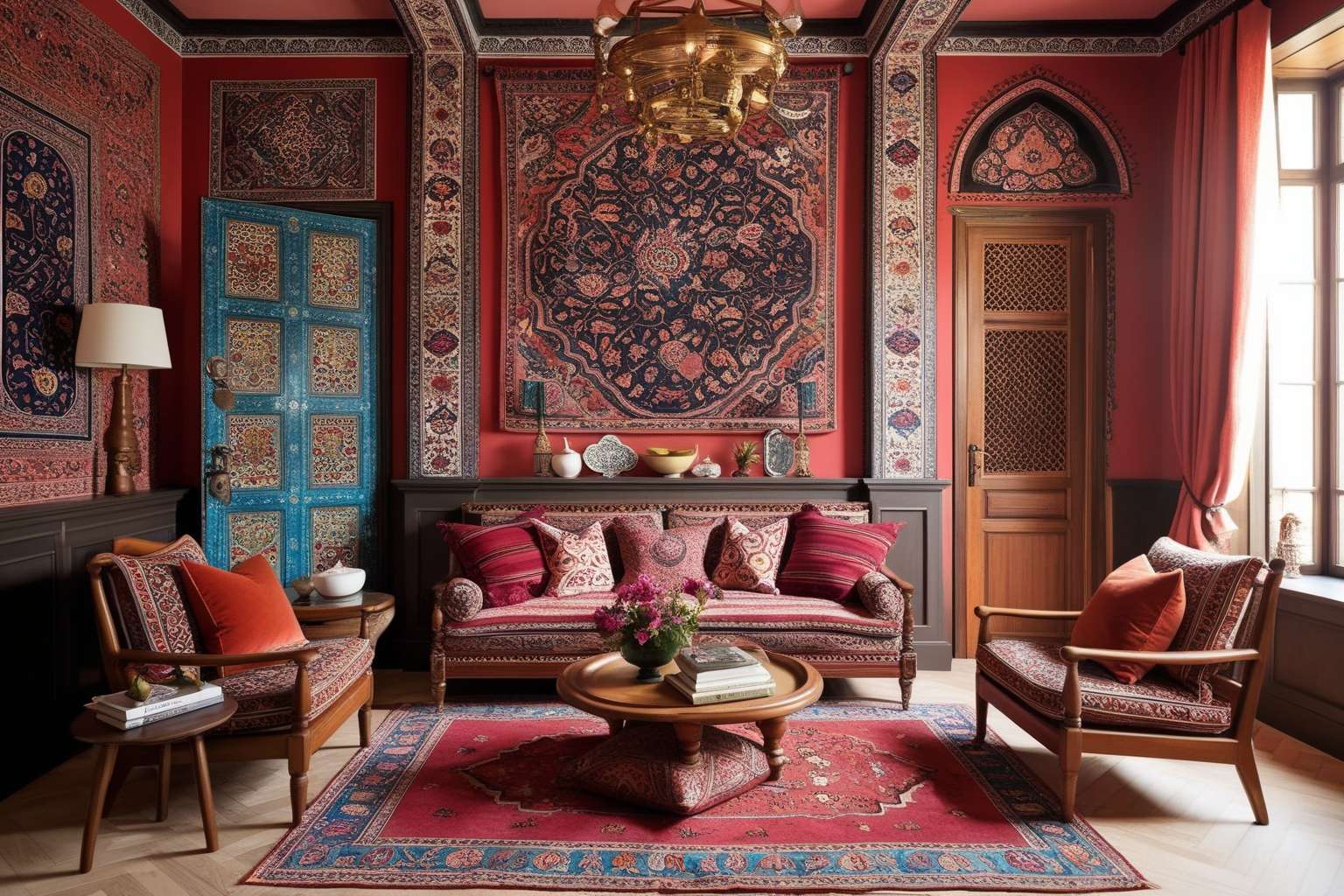
What Is Turkish Interior Design Style?
The beauty of Turkish design lies in how thoughtfully everything comes together to create a comfortable living space.
-
Color Palette
Turkish interior design style excels at weaving together a bold yet cohesive color palette. Expect deep jewel tones like sapphire blue, emerald green, and ruby red, often inspired by the country’s celebrated ceramics and textiles. These saturated hues are balanced with earthy neutrals—terracotta, warm beige, and soft ivory—that ground the space and keep it welcoming. Gold and bronze metallic accents add subtle shimmer and luxury, reflecting the lavish touch found in mosques and palaces. Soft pastels, like rose or pistachio, sometimes make an appearance to create calm contrast amid richer shades. Layering these colors thoughtfully, Turkish interiors avoid harsh clashes, aiming instead for visual harmony and richness. Each color choice connects back to nature or tradition—azurite for the Bosphorus, ochre for Anatolian landscapes—making every room feel storied and intentional.
-
Materials & Textures
The essence of Turkish design lies in material quality and hand-crafted execution. Use hand-knotted rugs, flat-woven kilims, carved walnut or cedar, glazed Iznik-style tile, brass, pierced metal, stained glass, silk, velvet, wool, and embroidered cotton. The mix should feel layered rather than random: matte clay and wood ground the room, polished metal and glass catch the light, and textiles bring pattern, softness, and colour. Avoid plastic finishes or overly smooth modern surfaces where they compete with the craft language.
-
Furniture & Silhouettes
Furniture emphasizes sturdy, low seating designed for comfort and communal interaction. Imagine elaborate divans or banquettes adorned with patterned textiles and cushions, designed for relaxation or socializing. The tables are typically solid wood, round or octagonal, often embellished with carvings and mother-of-pearl inlays. Poufs and ottomans offer additional seating options, while accent chairs typically have arched backs and curved arms. The style prizes ornamentation and even the simplest shapes are enhanced by fretwork or lattice patterns. Yet, what matters is that nesting tables, generous coffee tables, chests and other function-focused items also please the eye. The look is always evolving and the rooms are meant to feel lived in, always holding space for conversation. -
Decor & Accessories
Turkish interiors are treasure troves of decorative elements that tell a story. Colorful hand-knotted rugs are often focal points, either as floor coverings or layered artfully on walls and benches. Ceramic plates, vases, and tiles introduce traditional motifs—tulips, arabesques, and calligraphy—into everyday life. Lanterns and lamps, crafted from pierced metal or colored glass, cast enchanting shadows at night. Decorative pillows and throws in silk, cotton, or velvet add layers of comfort and pattern. Small brass trays, wooden boxes with mother-of-pearl, and ornate mirrors bring sparkle and a sense of collectability. Even the placement of everyday items—a teapot, a bowl of fruit—becomes part of the decor, inviting guests to engage and linger.
-
Architectural Features
Turkish interior design is known for its attention to detail and sometimes dramatic flair. Arched doorways and windows catch the eye with their elegant curves (Ottoman echoes). Ceilings were sometimes coffered or painted, or had delicate plaster work. These are called “niches” and can be used to display art, glassware, or candles. Handcrafted wood elements, such as doors or wall panels, add warmth and artisan comfort. Tiled fireplaces (“soba”) were as much a work of art as they were an efficient means of heating a room. Decorative screens or large columns help to define open-plan spaces without stopping the flow. The light, carefully filtered through either stained glass or latticework, projects dynamic colored patterns on the floors.
-
Planning and composition
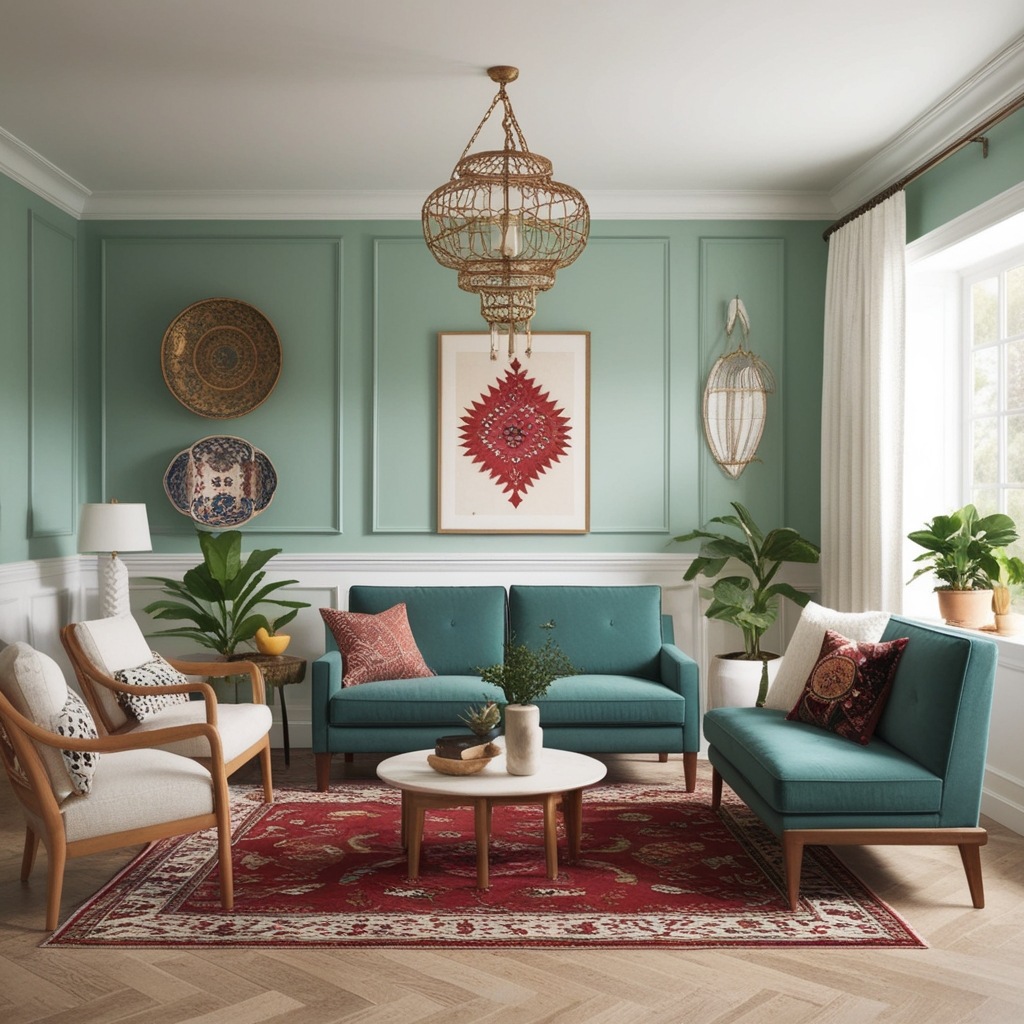
Turkish interiors succeed through layering rather than minimalism — the approach is to build depth through accumulated material quality rather than through restraint. But layering without organizing principle creates chaos rather than richness. The organizing principle in Turkish design is typically the rug.
A hand-knotted Turkish carpet or kilim establishes the room's colour palette and geometric logic. Every other element — the jewel tones of cushions, the pattern of tiles, the colour of drapes — should be in conversation with the rug rather than competing with it. This is the same organizing principle as Persian design: the floor textile as the room's colour and compositional foundation.
The second principle is intimate scale. Turkish rooms, even grand ones, maintain a human quality through low seating and the divan (the traditional low upholstered platform along walls). Contemporary Turkish-influenced rooms apply the same principle through low sofas, generous floor cushions, and the pouf or ottoman as the central coffee table element.
Lantern lighting is the third compositional element — multiple sources of warm amber light rather than overhead illumination. Pierced metal lanterns casting geometric shadow patterns, glass mosaic pendant lights in jewel tones, and candles create the specific atmospheric quality of Ottoman interior spaces.
How to Bring Turkish Interior Design Style Into Your Home
-
This guide will walk you through thoughtful ways to incorporate Turkish interior design style into your living spaces. From textiles to color palettes, you’ll learn distinct methods to create a warm, inviting, and globally inspired home that feels uniquely yours.
-
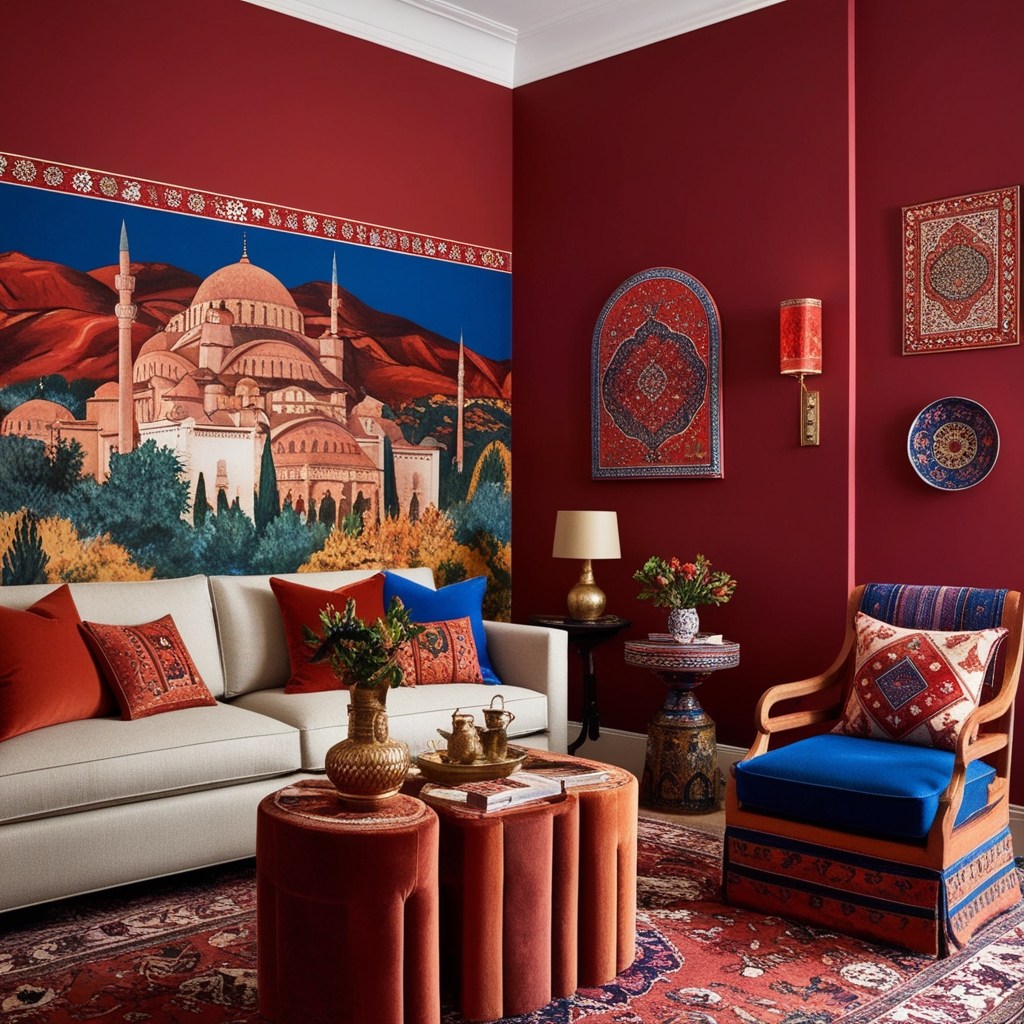
Choose colors inspired by Turkish landscapes and architecture, like deep reds, vibrant blues, earthy terracotta, and golds. Paint an accent wall in a saturated hue or layer accessories in these shades throughout your rooms. Don’t shy away from bold contrasts; Turkish interiors are celebrated for their charismatic mix of colors. The key is to let warmth and richness come through in your overall palette.
-
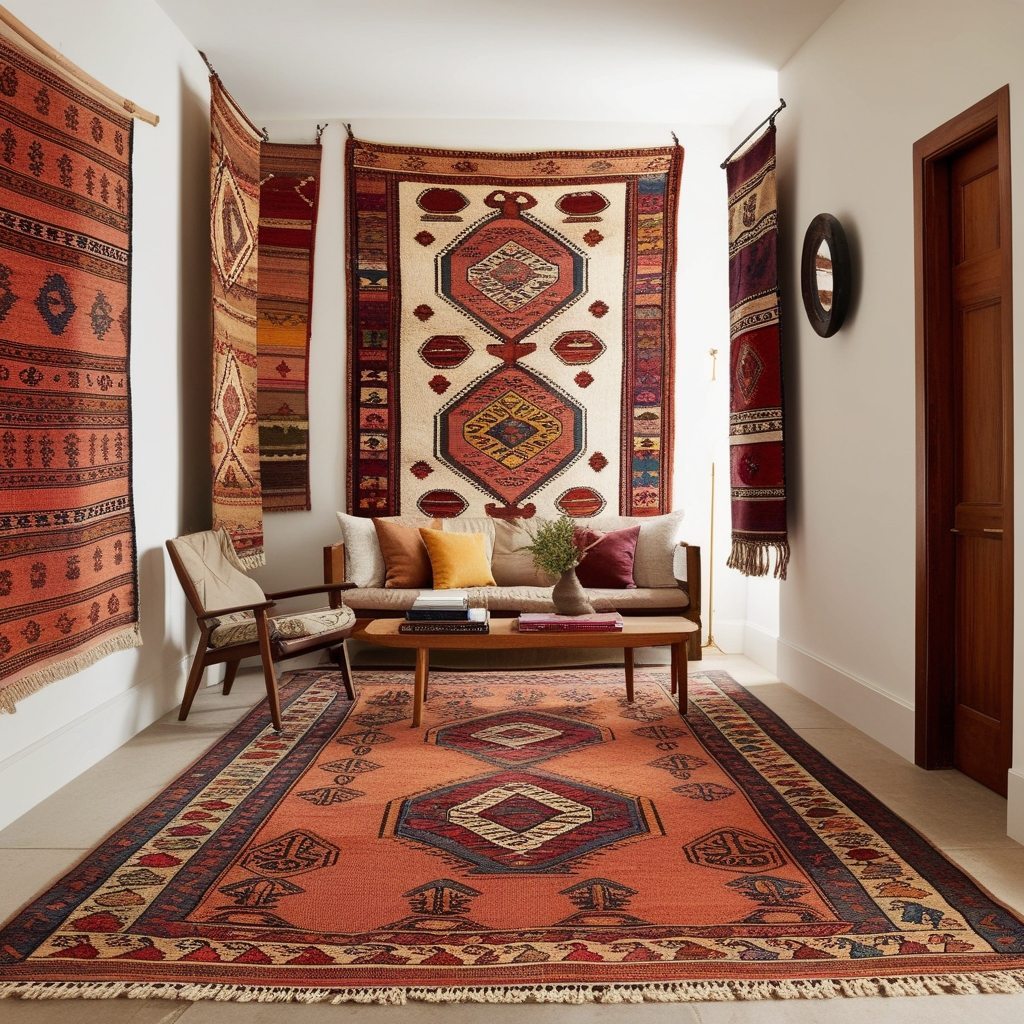
Introduce handwoven Turkish rugs to anchor your spaces. Whether it’s a classic kilim or a plush, pile rug, these pieces offer not just detailed patterns but also a sense of history and artistry. Place them in living rooms, bedrooms, or even corridors for instant visual interest. If possible, seek out vintage options for unique color stories and an aged patina.
-
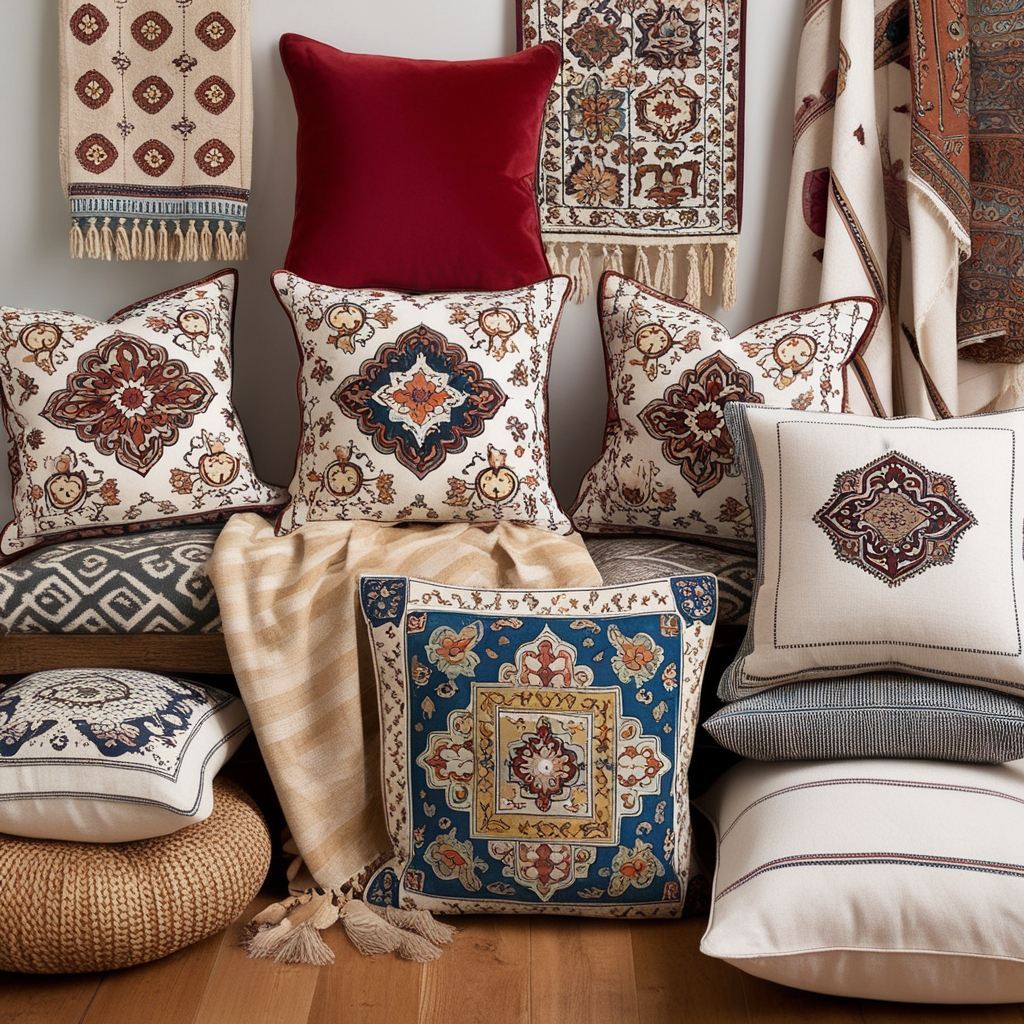
Toss cushions, throws, and wall hangings in traditional Turkish motifs to add depth and comfort. Look for tile-inspired or geometric patterns in soft fabrics like cotton or silk. Mix different scales and colors, keeping an eye out for medallions or stylized floral designs. This layering should feel intentional but relaxed—think cozy, not crowded.
-
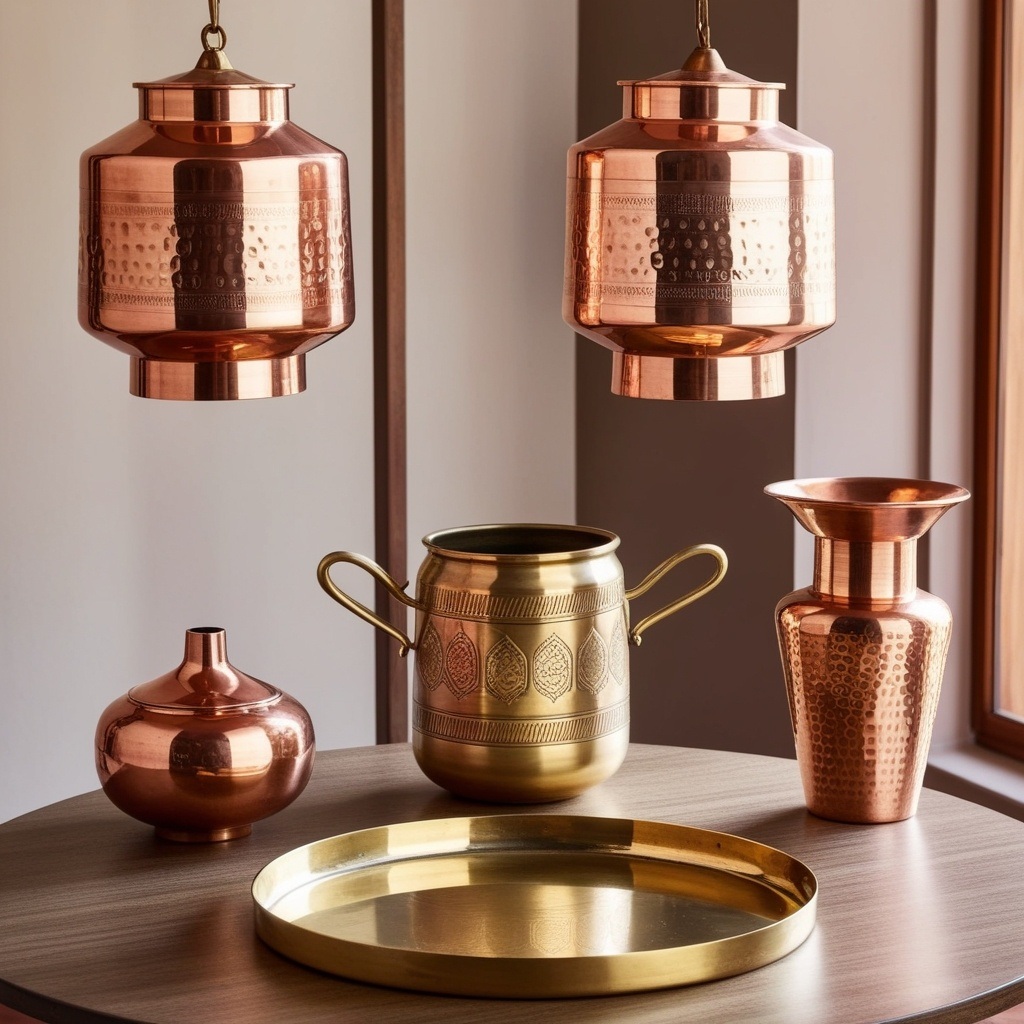
Seek out trays, vases, or hanging lamps crafted from brass or copper for warm metallic glints. Turkish homes often feature hammered or engraved metalwork, so look for items with textured details. Style them on side tables or open shelving, balancing shiny pieces with more matte finishes. These accents will evoke the ambiance of a bustling Istanbul market.
-
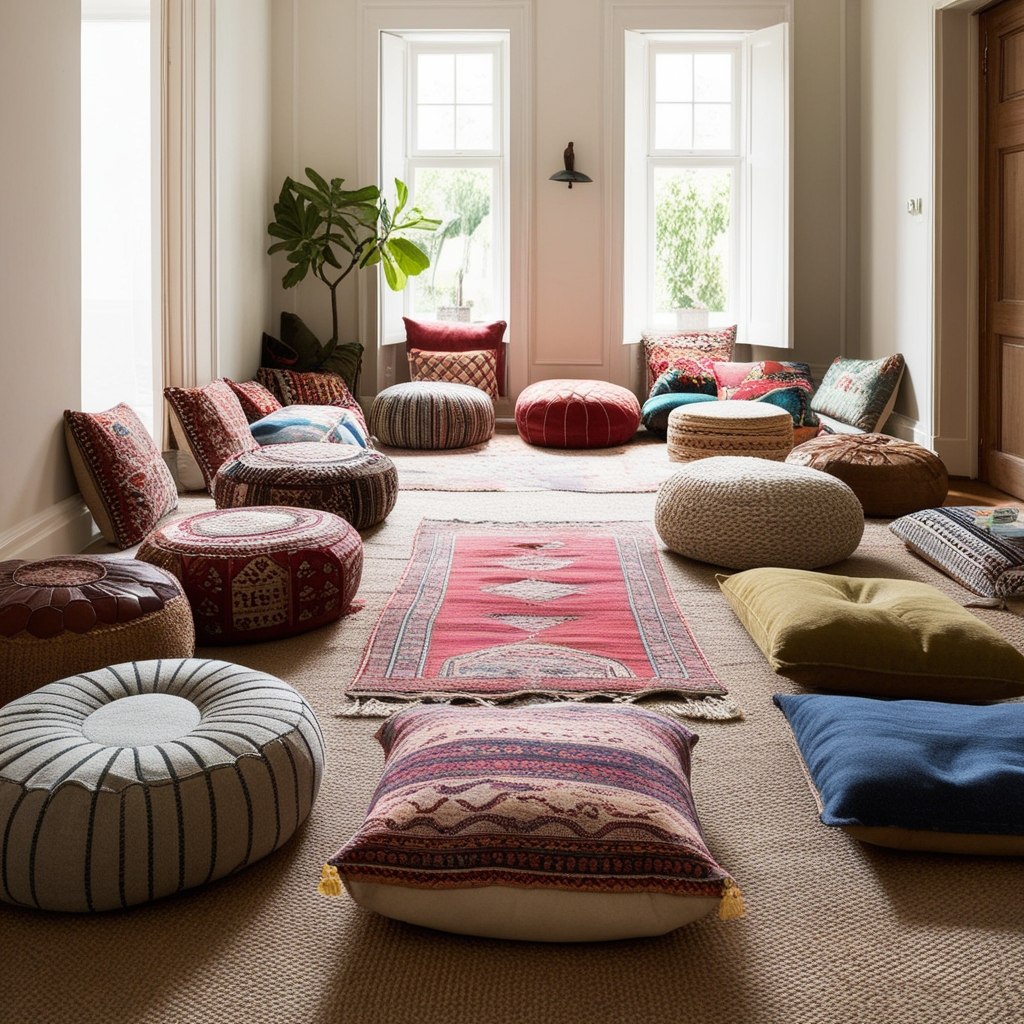
Arrange low poufs, floor cushions, or upholstered benches along the perimeter of your living spaces. Comfort is paramount in Turkish design, and informal seating encourages relaxed gatherings. Mix various textiles and patterns for an unstudied, welcoming vibe. This approach makes everyday lounging feel a bit more special and social.
-
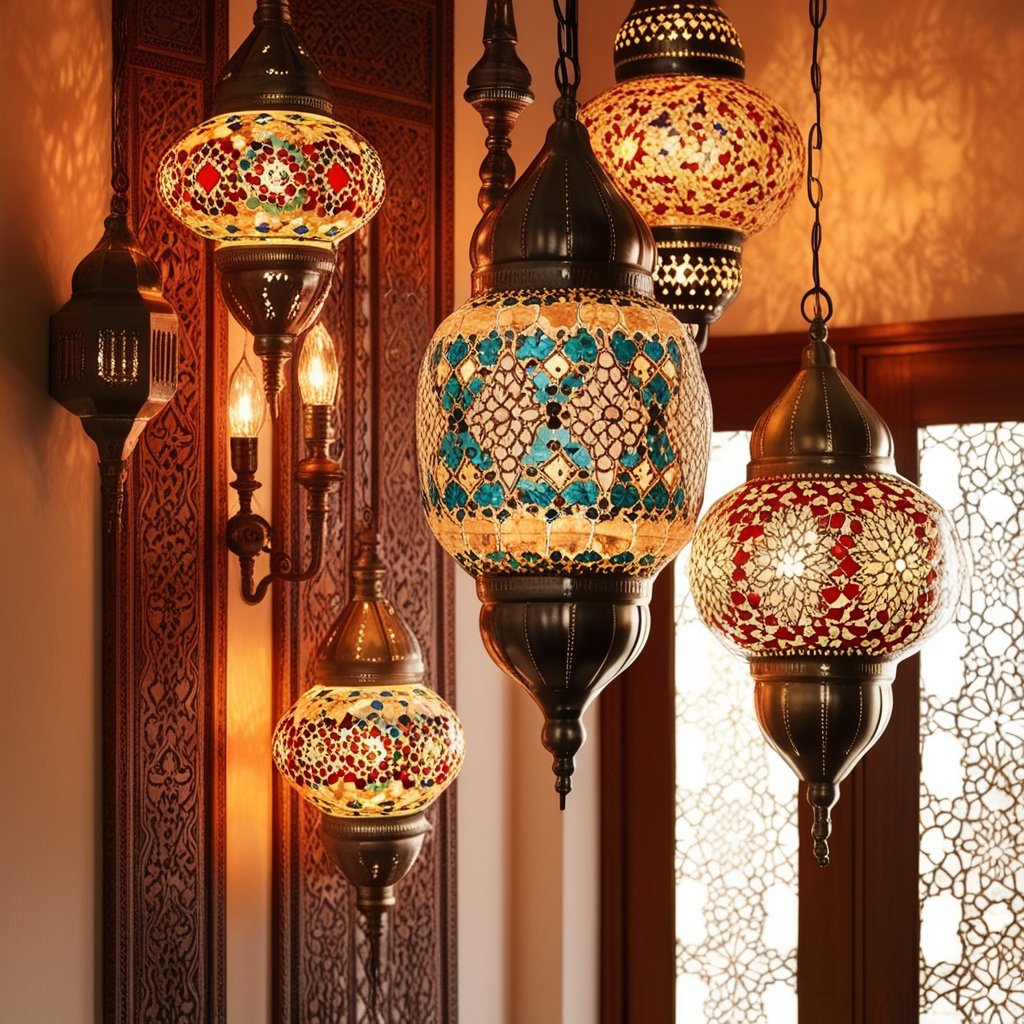
Incorporate statement lanterns, mosaic glass pendants, or pierced metal sconces to bathe your rooms in a warm, patterned glow. Turkish lighting often serves as both function and art—don’t hesitate to choose detailed designs. Hang fixtures at varying heights for added drama, and opt for warm-toned bulbs to enhance the overall mood.
-
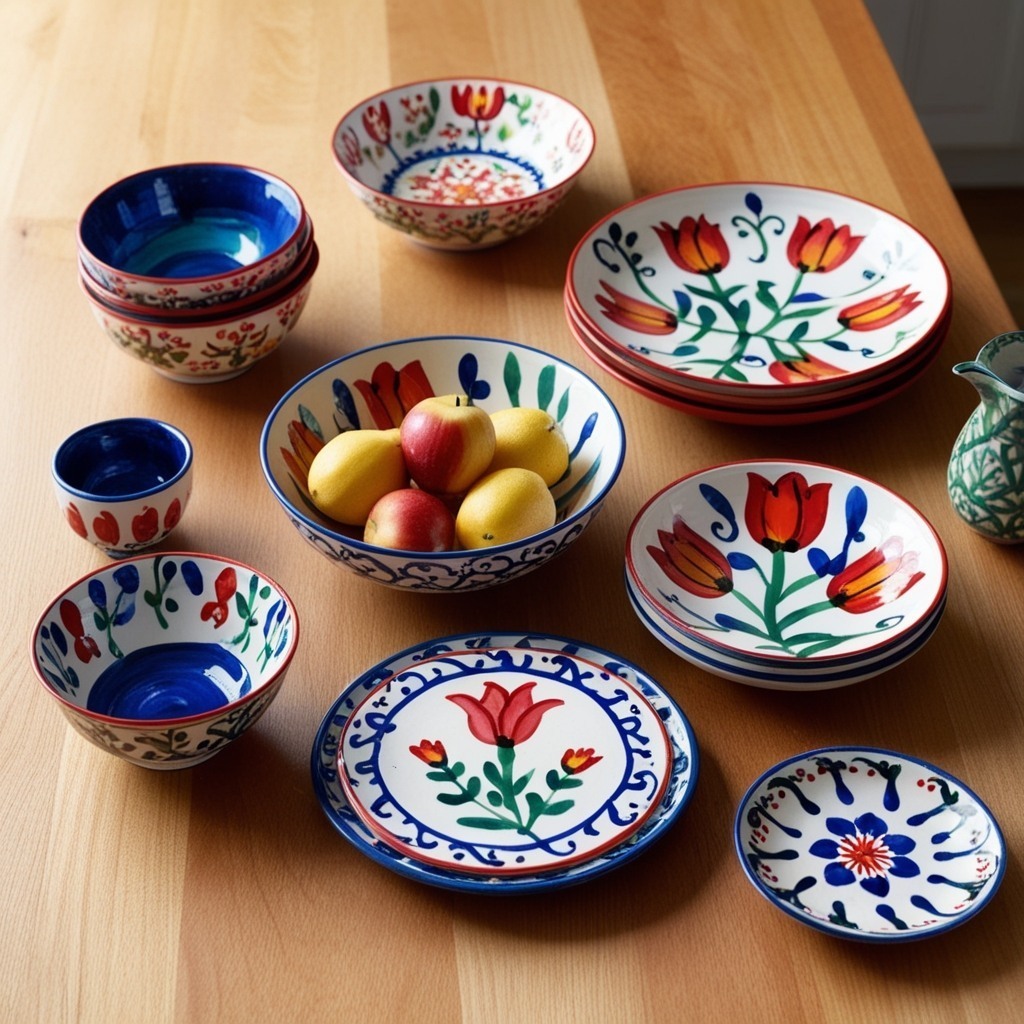
Scatter bowls or plates in the kitchen, dining room and other parts of the house. Traditional Turkish ceramics are vividly glazed and feature playful motifs, such as tulips or vines, found in Iznik pottery. Whether they’re on the coffee table or holding fruit, these bowls are equally at home. It’s an easy way to bring craft and color into one’s everyday life.
-
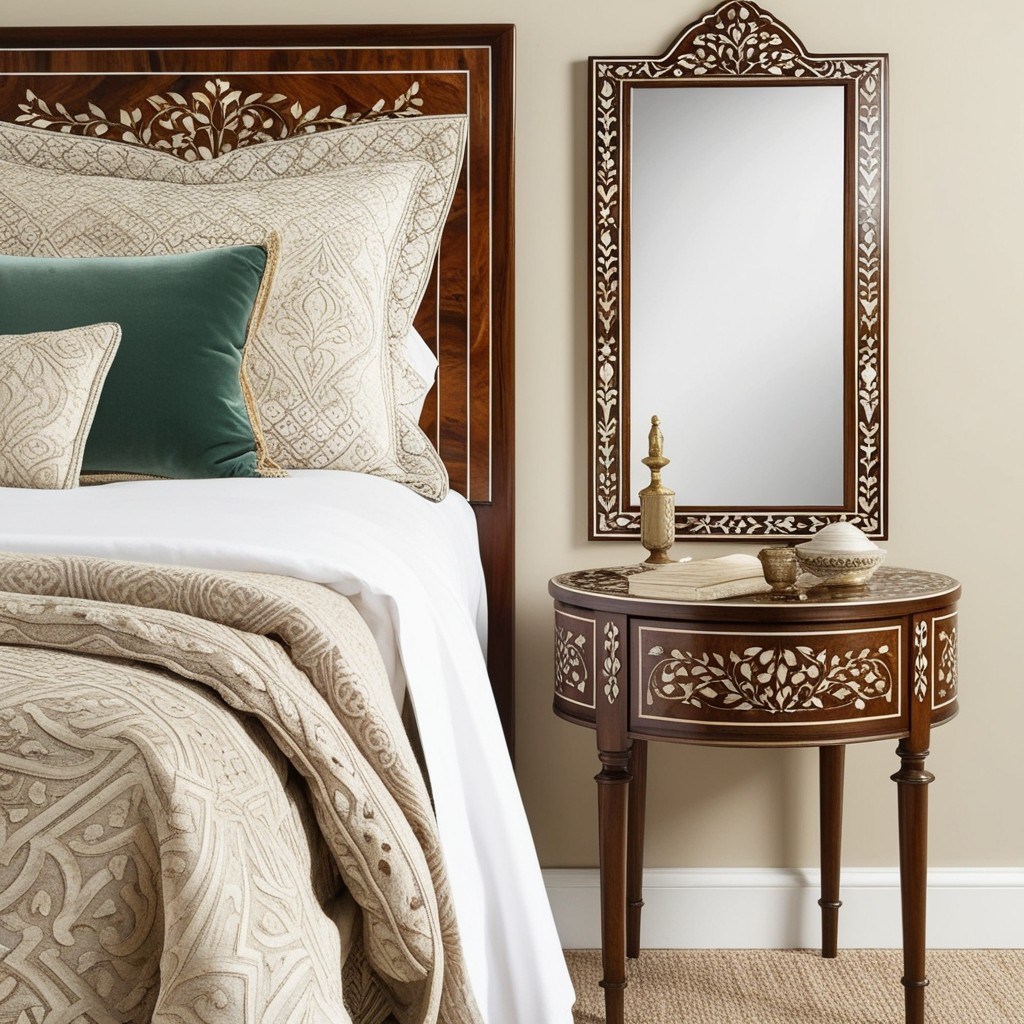
Look for furniture or décor items showcasing mother-of-pearl inlays, arabesque carvings, or fine marquetry—such details reflect Turkish craftsmanship. Side tables, headboards, or mirror frames are perfect vehicles for these elements. Avoid overly ornate pieces in small spaces; instead, let one or two carved accents shine as focal points.
-
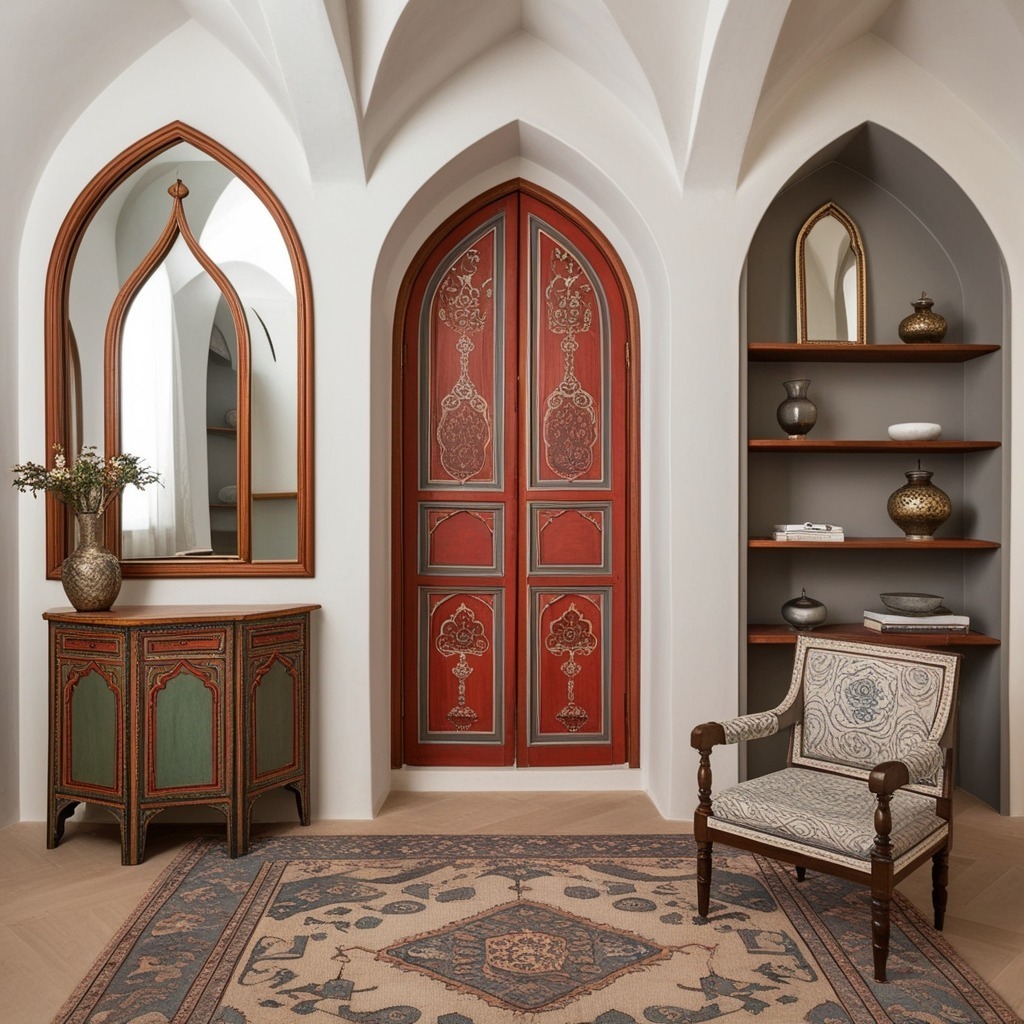
Echo traditional Turkish architecture by introducing arches or pointed shapes in doorways, mirrors, or shelving units. If a structural change isn’t practical, choose arched wall art or accent furniture with curved tops. Carved or painted interior doors can also bring a touch of Turkish opulence into otherwise muted rooms.
-
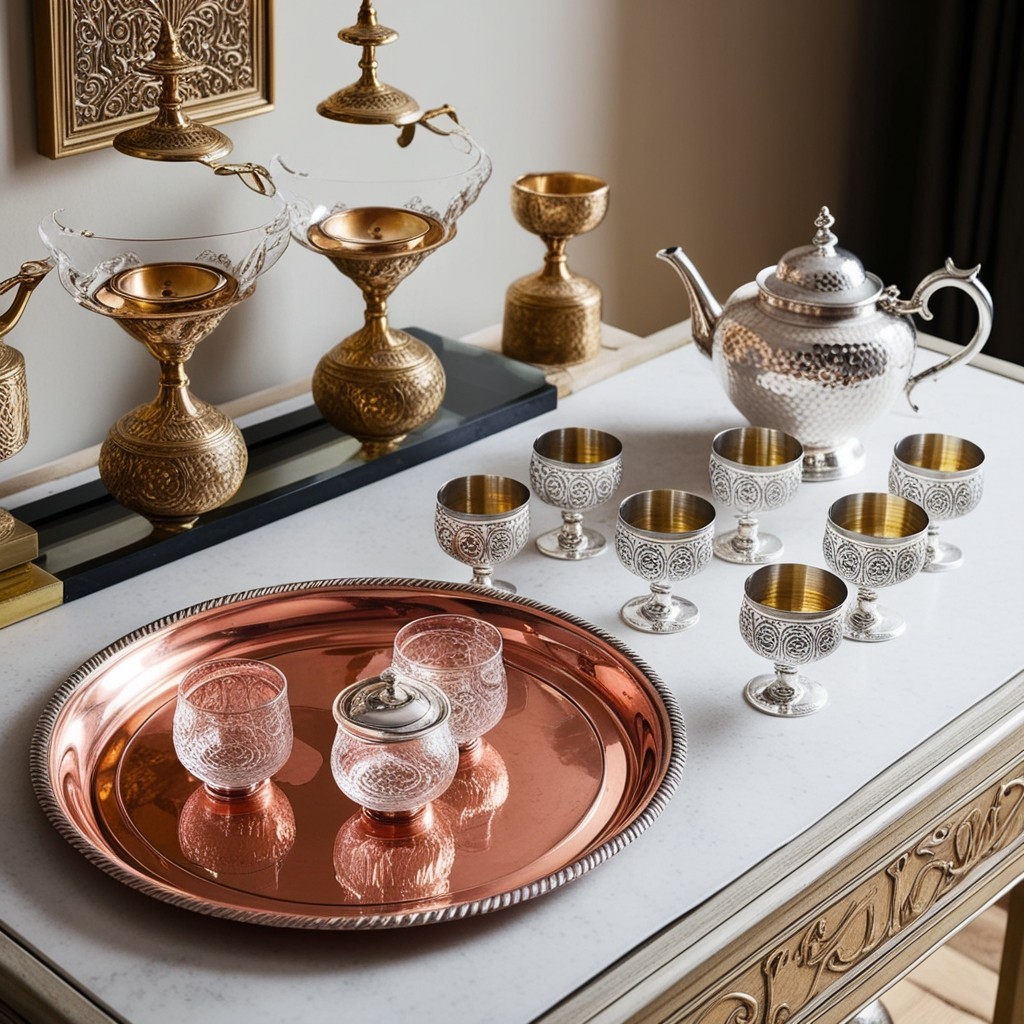
Ceremonial tea service is a beloved part of Turkish culture—let this tradition inspire your décor. Arrange a display with a copper or silver tray, ornate tea glasses, and a decorative teapot. Use your set when entertaining, or simply as a still-life on a sideboard, mixing practical function with an aesthetic that sparks conversation.
-
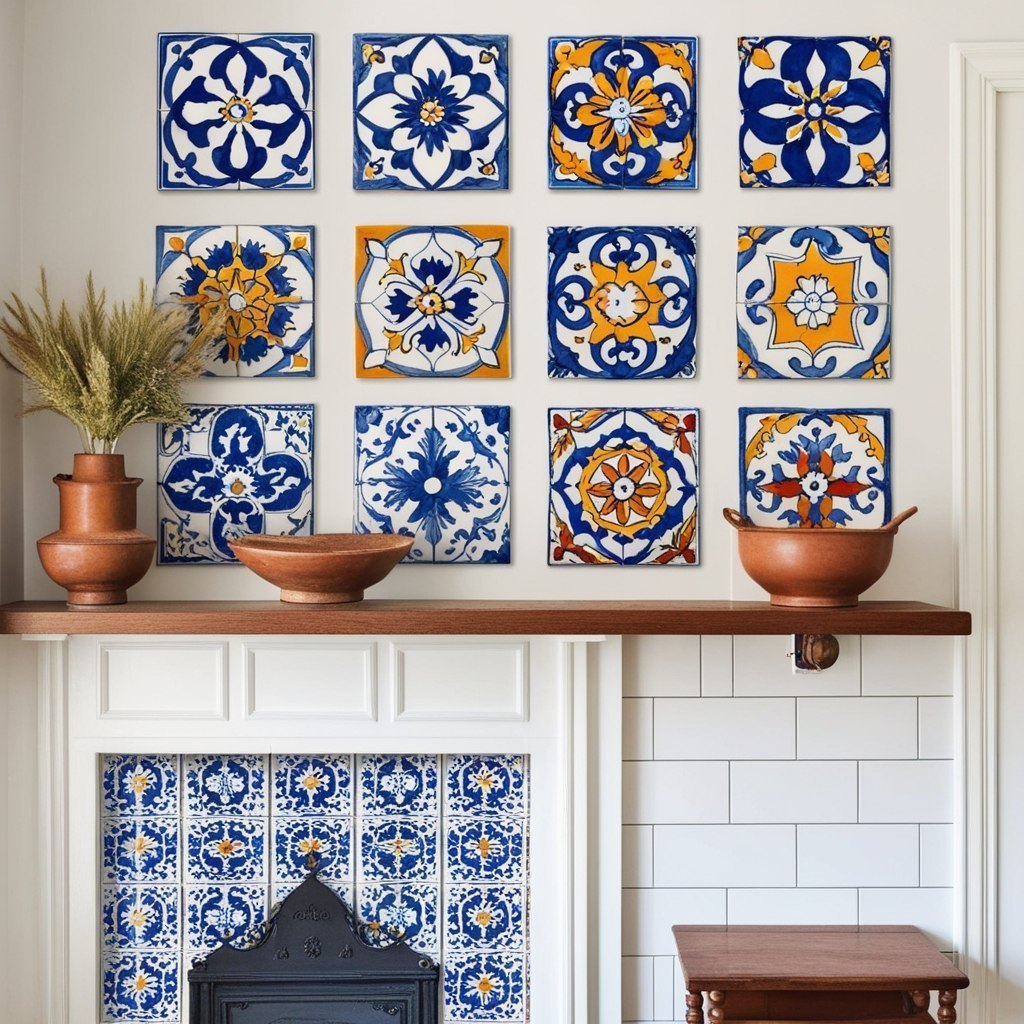
Mount a grouping of hand-painted Turkish ceramic tiles above a mantel, in the entryway, or as a kitchen backsplash. Opt for motifs in blue and white or lush jewel tones, arranging them in a grid for a classic look or a freestyle pattern for something more bohemian. These tiles transform plain walls into vibrant focal points.
-
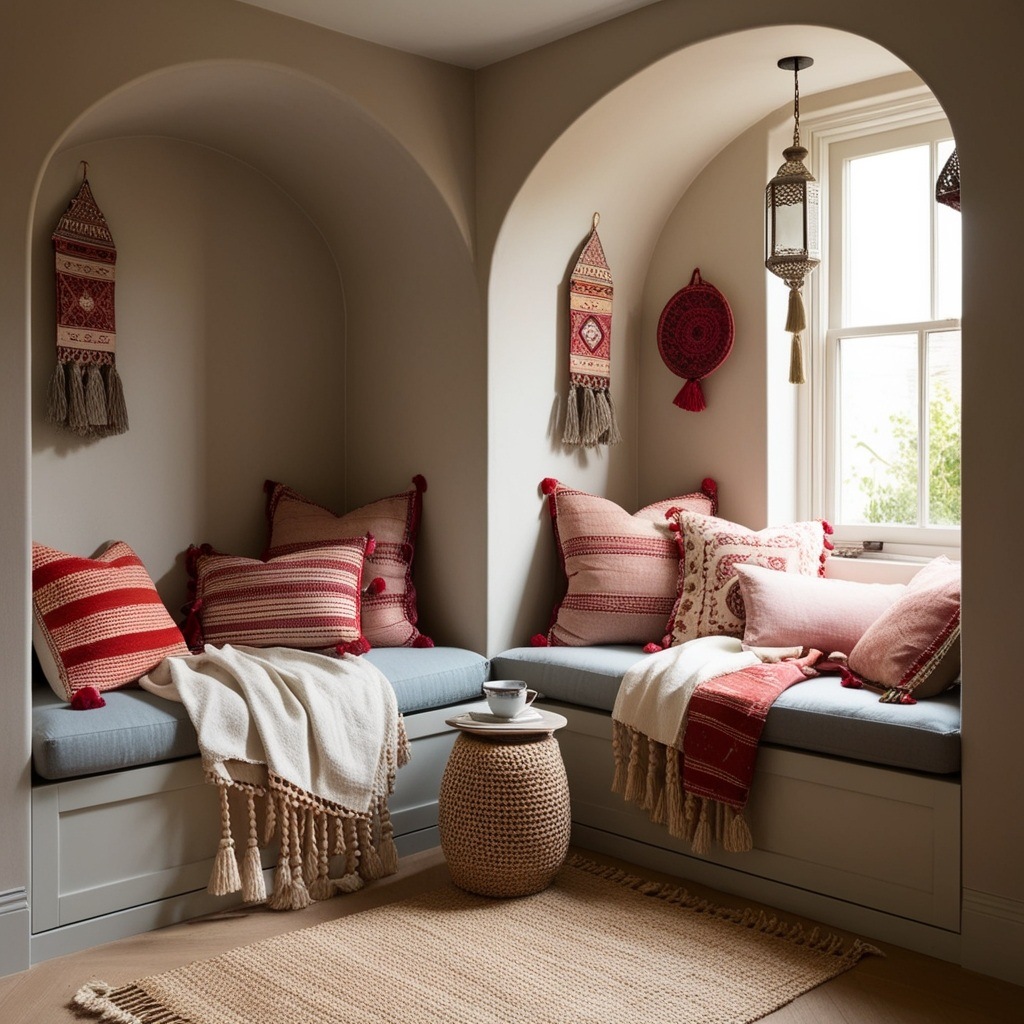
Empty corners or window bays can be transformed into a lounging nook with layered pillows, throws and a side table. Turkish homes often have cozy nooks for tea or reading. Use textiles with tassels or fringe and hang lanterns or pendant lights over the seating area. They provide a practical retreat for the feline as well as visual charm.
-
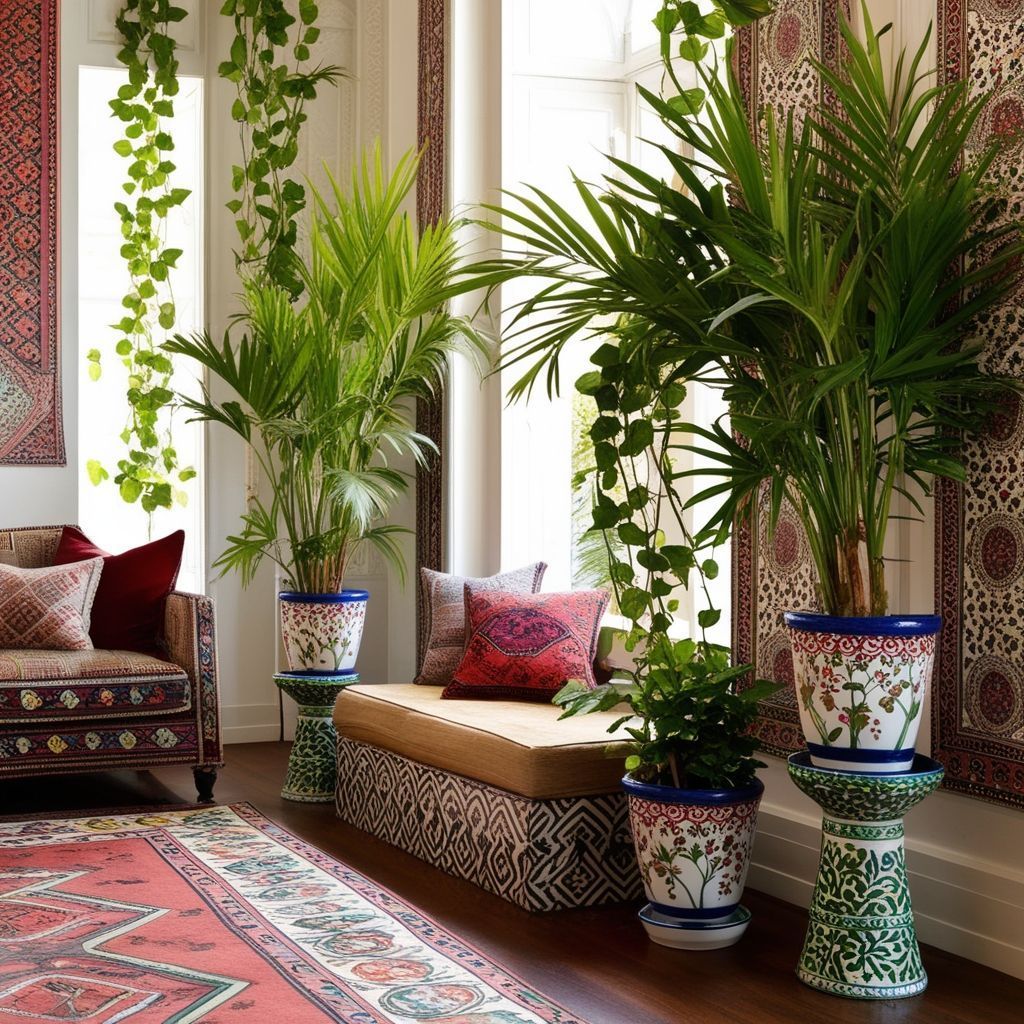
Introduce greenery in hand-painted ceramic pots to freshen up ornate interiors. Turkish spaces often balance pattern and craftsmanship with natural elements like potted palms or cascading vines. Place plants in living areas, near windows, or on patterned stands for contrast. Leafy greens soften detailed design and add calmness to energetic rooms.
-
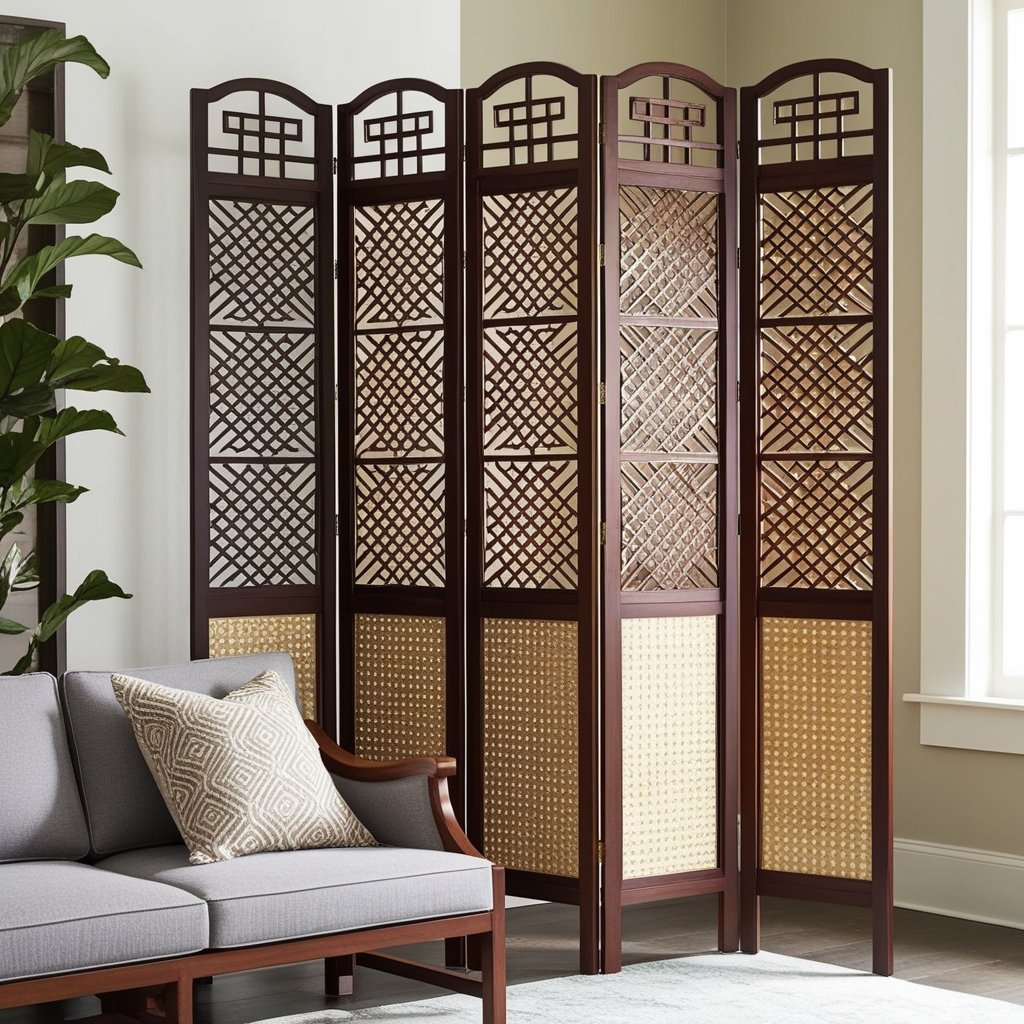
Add privacy and visual intrigue with a wood or metal folding screen featuring traditional latticework or geometric carvings. Place a screen to separate sleeping and living areas, or simply as a decorative backdrop for your sofa. Choose a filter-light design to keep the space from feeling too closed in while still introducing an architectural touch.
-
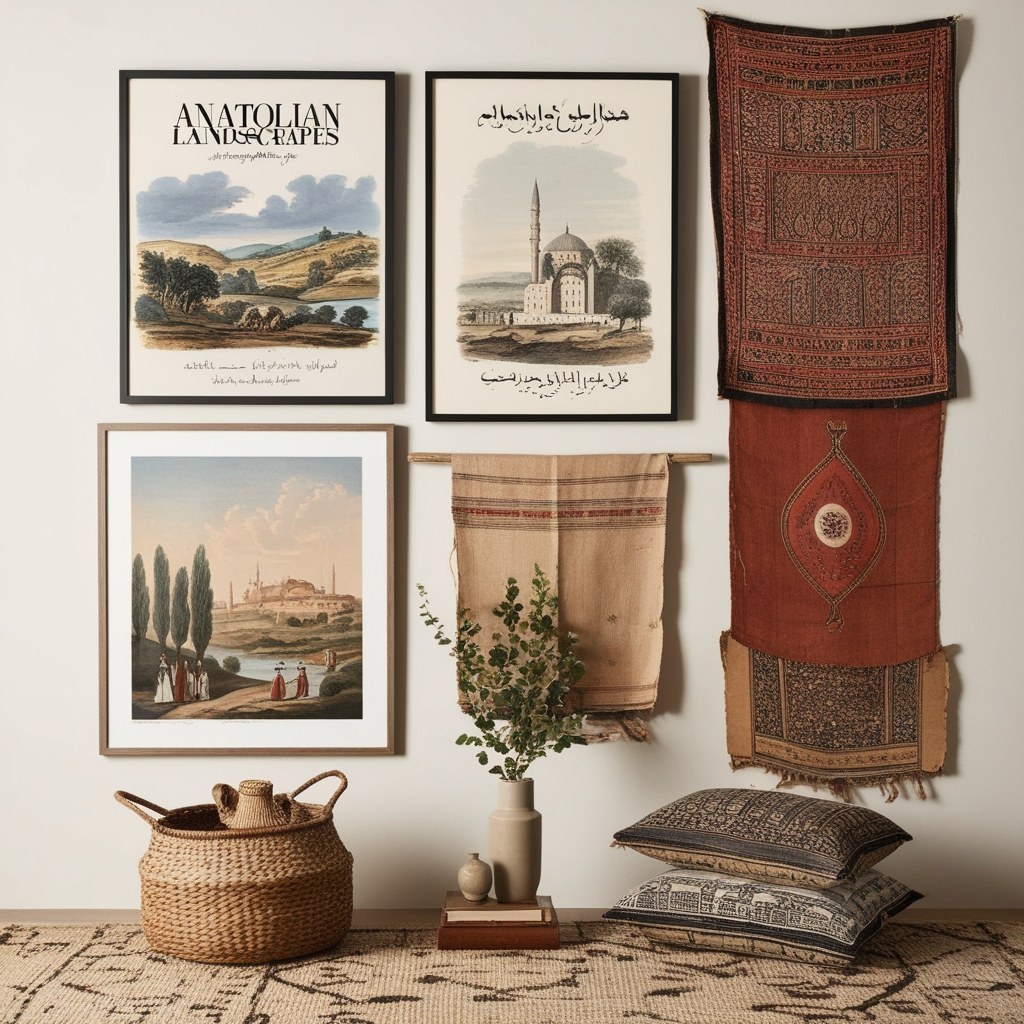
Choose artwork depicting Anatolian landscapes, calligraphy, or historical scenes. Mix paintings with contemporary prints for an natural, layered wall. You can also frame antique textiles or handwoven fragments for an authentic, textural display. The goal is to celebrate Turkish influences in ways that feel personal and collected over time.
-
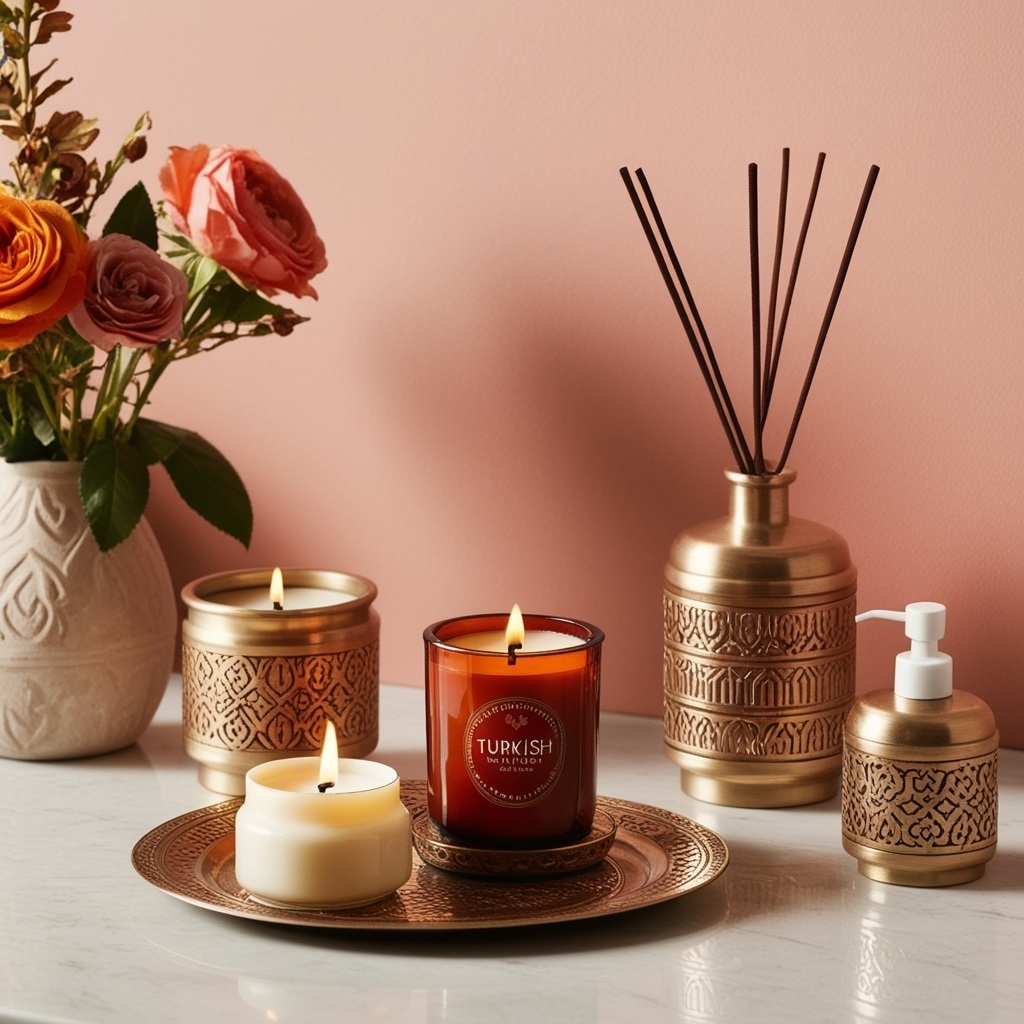
Set the sensory tone with candles or incense reminiscent of Turkish markets—think rose, amber, or sandalwood. Style hand-poured candles in decorative holders on tables or bathroom counters. Scent is an often-overlooked design layer, adding dimension to your spaces and inviting relaxation for everyone who enters.
Visualize Turkish style with Paintit.ai
Upload a photo of any room to app.paintit.ai and test how Turkish design palettes — deep jewel tones against warm neutrals, İznik tile accents, layered textiles — read in your actual space in 1–2 minutes. Free to start.
Related styles and tools
Explore related styles and AI tools for this design direction.
FAQ
Turkish interior design draws from the Ottoman architectural and decorative tradition and the Anatolian craft heritage that developed across centuries of cultural crossroads. The defining characteristics: jewel-tone colour palettes (sapphire blue, emerald, ruby) drawn from Ottoman ceramics and textiles; İznik tiles with tulip and arabesque patterns; hand-knotted Turkish rugs and kilims as the room's compositional foundation; carved walnut, cedar, and beech furniture often with mother-of-pearl inlay; layered textiles (silk, velvet, wool) in rich patterns; pierced metal and stained glass lanterns; and the divan or low banquette seating tradition that defines the spatial character of Turkish rooms.
İznik tiles are hand-painted ceramic tiles produced in İznik (ancient Nicaea), Turkey, reaching their artistic peak in the 16th–17th centuries under Ottoman patronage. They are characterized by vivid underglaze painting on white ceramic — typically in cobalt blue, red, green, and white — with arabesque, geometric, and naturalistic floral motifs (particularly tulips, carnations, and hyacinths). Contemporary İznik-style tiles are produced by artisan workshops continuing the tradition. In interior design, they appear on fireplace surrounds, kitchen backsplashes, bathroom walls, and as individual decorative objects.
A kilim is a flat-woven textile (no pile) produced across Turkey, the Caucasus, Central Asia, and the Middle East. Turkish kilims are characterized by bold geometric patterns, vivid colour contrasts (red, orange, blue, white, black), and regional variations that reflect the weaving traditions of specific Anatolian communities. Kilims differ from pile rugs in their flat, lighter texture — they are more suitable for wall display and warm-weather floor use. In Turkish design, a hand-woven kilim as a floor covering, wall hanging, or upholstery panel is one of the most authentic single design elements.
Yes. Upload a photo of any room to app.paintit.ai and test Turkish jewel-tone palettes and pattern combinations in 1–2 minutes. Free to start.