
Safari Style Interior Design – Inspiration and Ideas for Your Home
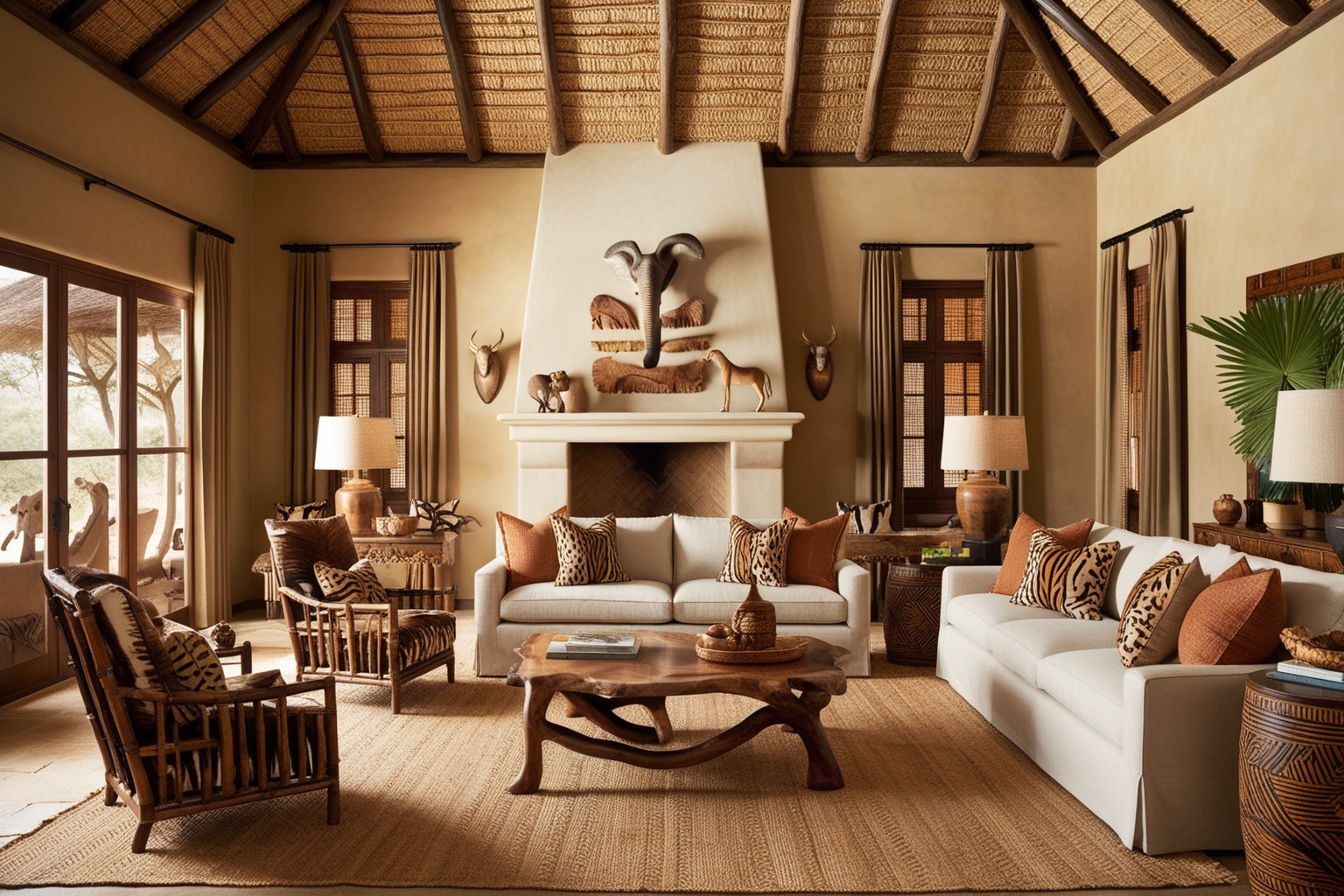
Safari style interior design draws from the visual language of East and Southern African landscapes — the specific earth tones of the savannah, the material culture of safari camps, and the wildlife motifs that define the continent's decorative tradition. The contemporary version of this style isn't about animal trophy heads and themed decoration. It's about the material quality of aged leather, reclaimed teak, linen canvas, and jute — the palette of sand, ochre, terracotta, and deep olive — and the specific warmth of firelight in a tented camp or bush lodge.
What Defines Safari Style Interior Design?
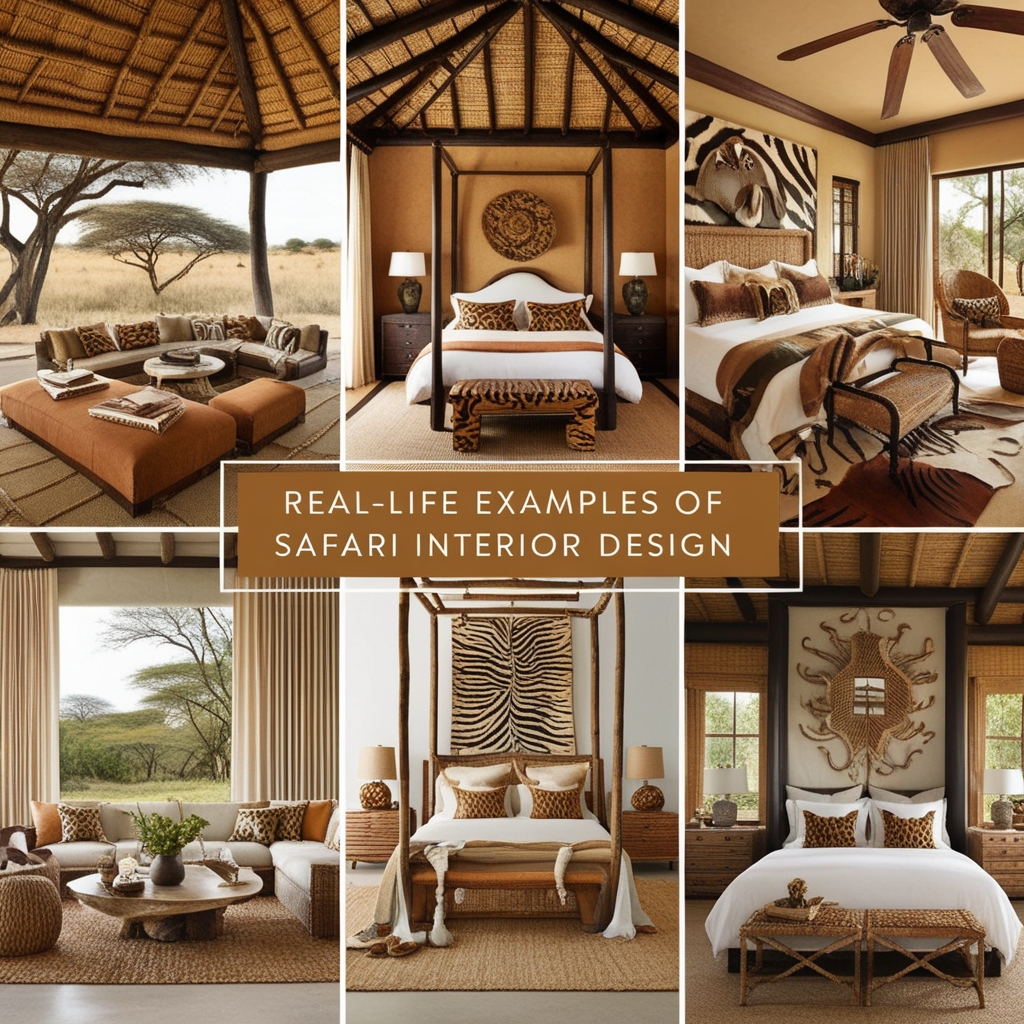
The safari style interior design is a captivating aesthetic that brings the untamed and adventurous spirit of the African savanna into the comfort of your home. This style is distinct in its ability to fuse rugged elements with luxurious accents, creating an environment that is both wild and welcoming.
-
Key Colors and Palettes
The color palette of safari style interiors predominantly takes its cues from African landscapes and wildlife. Rich browns, sandy beiges, and lush greens establish the foundational palette of earthy tones. These elements frequently feature rich terracotta tones and sunset oranges which mirror the vivid African sunsets. Sophisticated elegance and cozy warmth emerge through the application of gold and bronze metallic accents. Textiles and upholstery many times present animal prints such as leopard or zebra which create an audacious and exotic atmosphere within the space. -
Typical Materials and Textures
The components utilized in safari style interiors mirror the elements found in natural settings. The essential function of wood emerges through its raw or reclaimed states to introduce an organic element. Another essential material in furniture and accessory production is leather because of its durable nature and timeless appearance. Designers integrate rattan, sisal, and jute to achieve rustic appeal while linen and cotton fabrics maintain an airy atmosphere. These textures interact to form a dynamic and immersive environment.
-
Signature Furniture and Decorative Elements
Safari style furniture in interior design exhibits a distinct combination of sturdy construction and straightforward design elements. Tables crafted from solid wood alongside leather-bound sofas and woven rattan chairs represent standard elements. Furniture design frequently focuses on simple linear elements combined with functional purpose. The inclusion of decorative elements such as handcrafted masks and tribal art alongside sculptures creates a tribute to Africa's indigenous cultures. The presence of animal motifs in both printed and sculptured forms plays a critical role in maintaining the theme's thematic integrity.
-
The Overall Atmosphere and Mood Created by This Style
Safari style embodies an adventurous atmosphere that evokes the spirit of exploration and discovery. The creation of a sanctuary space emerges as an endeavor to foster relaxation while simultaneously arousing curiosity. A fusion of tactile materials with evocative colors creates a comforting environment while bold accents combined with culturally inspired decor elements spark conversation and intrigue. This space embodies a paradoxical essence where tranquility meets vibrancy, reflecting nature's dual characteristics of serene calmness and wild unpredictability.
How to apply safari style in your home
The palette: savannah earth tones
Safari style colour is drawn from the East African landscape at different times of day. The base: khaki and warm cream from dried savannah grass, sandy beige from dry earth, dusty terracotta from red-soil regions. The midtones: warm olive and dusty sage from acacia and thornbush. The accents: warm amber and burnt orange from African sunsets, deep brown from game hides, and occasional deep teal or ebony for depth.
What distinguishes safari palette from generic earth-tones is its specific temperature — always warm, always slightly sun-dried, never cool or grey.
Materials: leather, linen, reclaimed wood, rattan
The safari camp tradition uses materials that travel well, age gracefully, and are functional in an outdoor-influenced context. Campaign furniture (the folding and collapsible designs developed for colonial-era travel) is the most historically specific safari furniture reference: folding campaign chairs, brass-hinged chests, canvas-and-teak folding beds.
Leather — in natural, undyed or warm tan finishes — for seating, accessories, and trim details. Linen canvas for drapery and cushion covers. Rattan and wicker for occasional pieces. Teak, acacia, and dark-stained woods for structural furniture.
Animal prints: how to use them correctly
The difference between safari style done well and done as themed decoration is how animal prints are used. The rule: maximum one animal print material per room, and that print should appear on a secondary piece (cushions, a single accent chair, or a rug) rather than on the dominant upholstery or wall coverage. Leopard, zebra, or giraffe in natural tones (not vivid artificial colours) read as design choices; excessive application reads as costume.
Campaign furniture: the most authentic safari reference
Campaign furniture — designed for the 19th-century British military and colonial administrators who needed portable, functional, and handsome furniture in the field — is the design ancestor of the contemporary safari aesthetic. Folding brass-hinged campaign chests, canvas-seated directors' chairs, leather-strapped trunks, and collapsible tables all belong to this tradition and translate directly into contemporary safari-style rooms.
African craft elements
Hand-carved wood objects (bowls, figurines, decorative masks in museum-quality reproductions rather than literal trophies), Maasai-pattern textiles in bold geometric colours (red, black, white), and hand-thrown ceramics in earthy glazes all reference the cultural richness of African craft traditions. The distinction from themed "African" décor is specificity: regionally specific craft objects rather than generic "African" imagery.
Visualize safari style with Paintit.ai
Upload a photo of any room to app.paintit.ai and test how safari palettes — savannah earth tones, leather browns, warm olive accents — read in your actual space in 1–2 minutes. Compare a bush lodge direction against a more refined safari camp aesthetic. Free to start.
Related styles and tools
Explore related styles and AI tools for this design direction.
FAQ
Safari style draws from the material culture and landscape of East and Southern African safaris — the visual language of bush camps, game lodges, and the East African savannah. The defining characteristics: an earthen colour palette (khaki, sandy beige, warm ochre, terracotta, dusty olive) drawn from the savannah landscape; natural materials (aged leather, linen canvas, teak, rattan, jute); campaign furniture references (folding brass-hinged furniture designed for travel); African craft objects used as selective accents; and the occasional controlled use of animal print on secondary pieces. Contemporary safari style avoids literal trophy hunting imagery in favour of the material elegance of the safari camp tradition.
Campaign furniture was designed for 19th-century British military officers and colonial administrators who needed portable, functional, and well-made furniture in the field. Characteristics: folding mechanisms, brass fittings and hinges, leather strapping, canvas seats, and the ability to pack flat. Campaign chests, folding chairs (ancestors of the director's chair), and trunk-style tables are the most recognizable pieces. They are associated with safari style because the same practical elegance and portable quality defined the furniture of colonial-era African expeditions — the direct historical ancestor of the contemporary safari camp aesthetic.
Sparingly and in natural colourways. The rule most designers apply: maximum one animal print in a room, on a secondary piece (cushion, accent chair, or small rug) rather than the dominant upholstery or wall treatment. Leopard, zebra, or giraffe in natural tones (cream, warm brown, black) reads as a design choice. The same prints in vivid synthetic colours, or multiple prints in the same room, reads as theme décor rather than design.
Yes. Upload a photo of any room to app.paintit.ai and test safari colour palettes and material directions in 1–2 minutes. Free to start.