
Napa Valley Interior Design Style
Napa Valley interior design draws from the specific material culture of California's wine country — not a generic "Tuscany-inspired" or "wine themed" aesthetic, but the actual architectural and material language of the region: reclaimed oak from wine barrels, limestone and field stone from local quarries, linen and leather, expansive windows framing vineyard rows, and the warm neutral palette of sun-dried grass, clay, and oak.
The style sits at the intersection of California farmhouse and French provincial, grounded by the specific landscape of the Napa and Sonoma valleys.
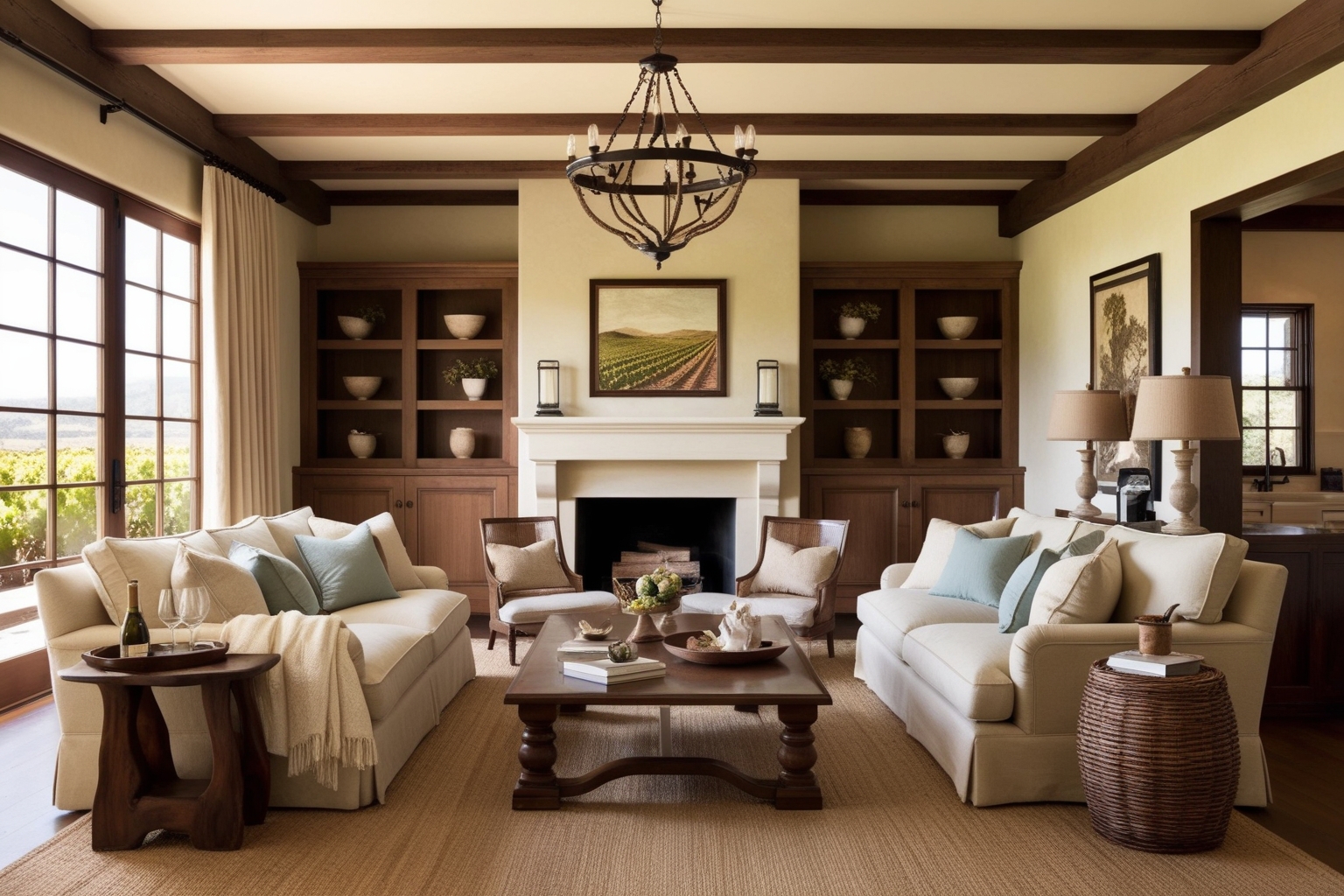
What defines Napa Valley interior design style?
The overall atmosphere and mood
The Napa Valley interior reads as relaxed but never casual — the distinction between rusticity and refinement is maintained throughout. Reclaimed materials that carry visual history (the worn grain of old oak, the irregular surface of local stone) are combined with clean lines and carefully chosen contemporary pieces. Nothing is shabby; everything is considered.
The indoor-outdoor connection is central. Large folding or sliding doors open living rooms to terraces and vineyard views. The furniture arrangement takes into account the view as the primary focal point. Natural light at golden hour — the particular quality of late afternoon California light — is the main illumination source that interior design must accommodate and celebrate.
Wine country entertaining is the functional brief behind most Napa interiors: spaces that can host ten people comfortably for dinner, that accommodate the flow between kitchen, dining, and outdoor terrace, and that feel warm and welcoming to guests without being precious or formal.
Napa Valley style: the specific material vocabulary
Reclaimed oak and wine barrel wood
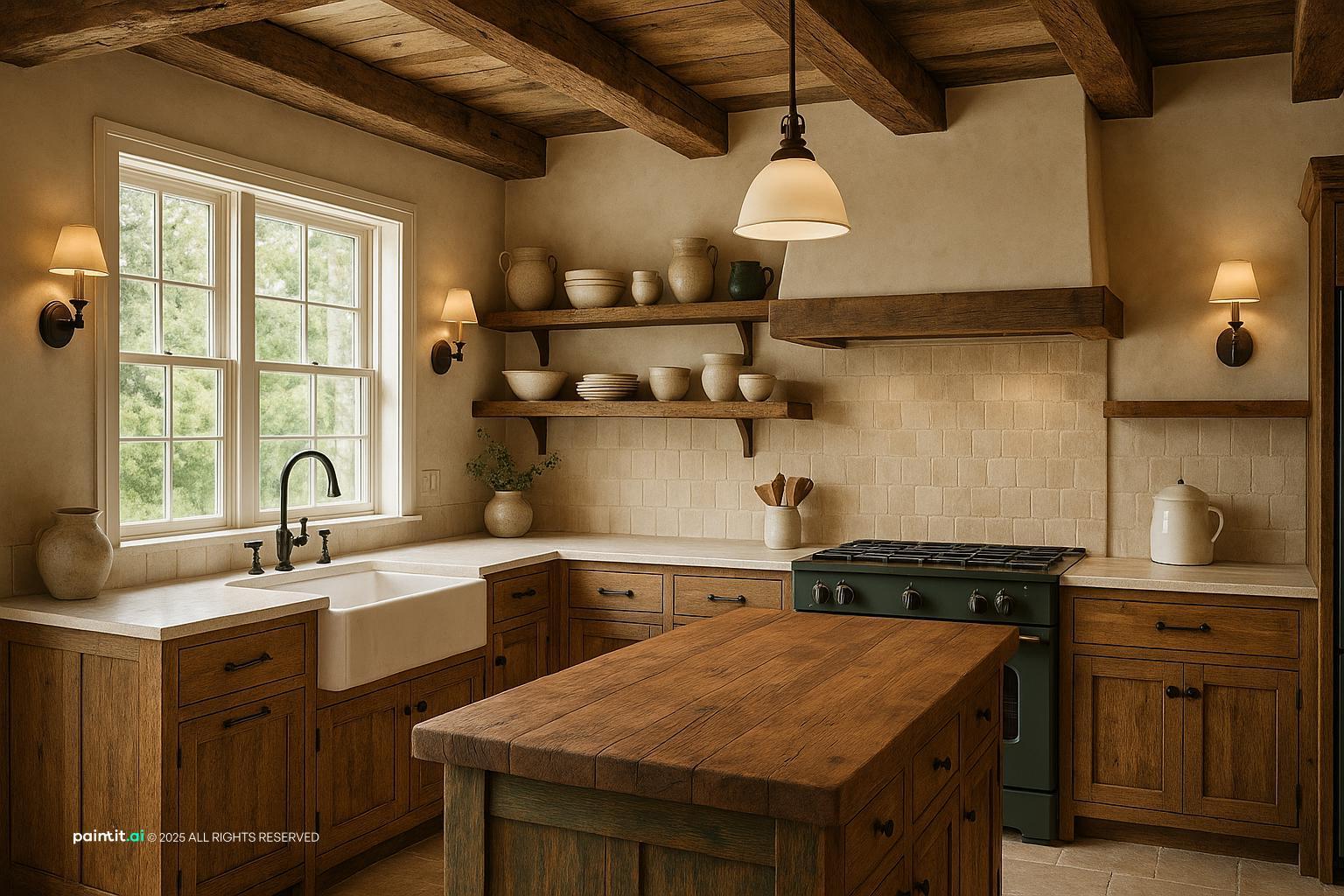
The wine industry creates a constant supply of aged French and American oak — barrels that have held wine for years develop a complex patina and grain character that new wood cannot replicate. Napa Valley interiors use this material for flooring, furniture surfaces, beams, and decorative elements. It references the industry of the place directly.
Limestone and local stone
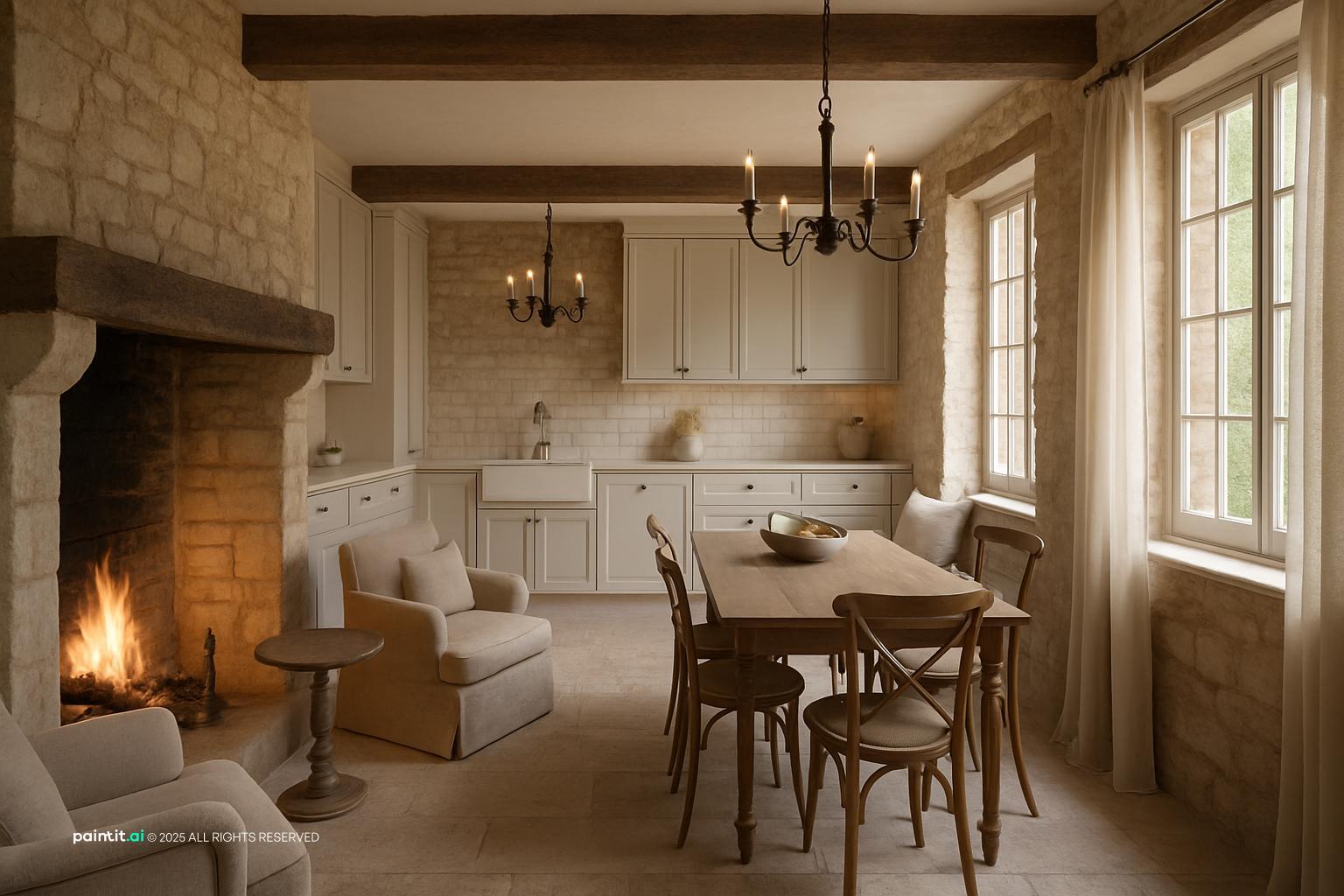
The limestone and volcanic stone of the Napa Valley appear in walls, fireplaces, flooring, and garden paths. Local fieldstone, laid without mortar in the dry-stack tradition, appears in garden walls and architectural details. These materials carry the geological character of the region.
Linen, leather, and natural textiles
Linen — which ages beautifully, wrinkles naturally, and reads as both relaxed and refined — is the signature upholstery and window treatment material. Leather in natural tones (saddle tan, natural hide) for seating. Wool for rugs and throws.
The palette: sun-dried grass, clay, and oak
Warm neutrals: straw-gold, natural linen, warm cream, dusty sage, terracotta, the ochre of dried vineyard grass at end of summer. Deep reds and burgundies as accent colours — the natural association with wine, but used selectively rather than throughout. The palette avoids cool tones; everything references the warm, dry California landscape.
The vineyard view as the room's focal point
In authentic Napa Valley design, the view is the artwork. Large windows, clerestory openings, and glass doors frame the vineyard landscape. Interior furniture is arranged to face it. Artwork on walls is secondary to the view. This is the fundamental spatial logic of the style.
Napa Valley vs Tuscany-inspired: the distinction
These two styles are frequently confused because both reference European wine country. The differences:
Napa Valley style
California, not European. Lighter — more linen and light oak, less stone and dark wood. More contemporary in furniture forms. The indoor-outdoor connection is Central California: strong sunlight, dry summers, mild winters. Architecture ranges from converted barn to contemporary glass-and-concrete to traditional farmhouse. The climate is present in every design decision.
Tuscany-inspired style
References Italian farmhouse (villa rustica) tradition: heavier stone, dark beams, terracotta tiles, wrought iron, more ornamentation. Warmer colour palette with more terracotta saturation. Heavier textiles (velvet, brocade alongside linen). More explicitly European historical reference.
How to apply Napa Valley style
Start with the floor
Wide-plank oak or reclaimed wood flooring in natural or lightly grey-washed finishes. Alternatively, large-format stone tile (limestone or travertine) in the kitchen and entry. Either creates the material foundation.
Wall palette
Warm white or warm cream with visible plaster texture (limewash or venetian plaster, not smooth latex paint). The wall should feel organic rather than finished.
Furniture: clean-lined but substantial
Upholstered pieces in natural linen or leather. Dining table in reclaimed oak or butcher block with visible grain. Metal accents in aged iron or raw brass rather than chrome or polished nickel.
The fireplace
A stone or limestone surround fireplace — even in a warm climate — is the central architectural feature of a Napa Valley interior. It anchors the gathering space and references the evening coolness of wine country nights.
Plants and the outdoor connection
Lavender, rosemary, olive trees, and grapevine in planters at the threshold between indoor and outdoor space. The plants should reference the agriculture of the region rather than generic tropical or coastal choices.
Napa Valley decor: accessories and styling details
Tablescapes for wine country entertaining
Since Napa interiors are built around hosting, decor choices for the table matter as much as furniture. Linen runners in warm neutrals, hand-thrown ceramic pitchers, and mismatched vintage wine glasses read as collected rather than matched. Olive branches or dried lavender in a simple stoneware vase do more for a Napa-style tablescape than a formal floral arrangement.
Wall decor: understated, not themed
Avoid literal wine-country clichés (grape clusters, barrel-stave signs). Authentic Napa Valley decor leans on black-and-white or sepia landscape photography of vineyards and hills, pressed botanical prints, or a single substantial piece of art rather than a gallery wall of small pieces.
Textiles and small decor objects
Woven baskets for storage double as texture and decor. Linen or waffle-weave throws in the same warm-neutral palette as the walls. Aged brass or wrought-iron candle holders, used in clusters of varying heights, are a low-cost way to bring Napa Valley decor into a room without changing anything structural.
Visualize Napa Valley style with Paintit.ai
Upload a photo of any room to app.paintit.ai and test how Napa Valley palettes — warm neutrals, oak tones, limestone accents — read in your actual space in 1–2 minutes. Free to start.
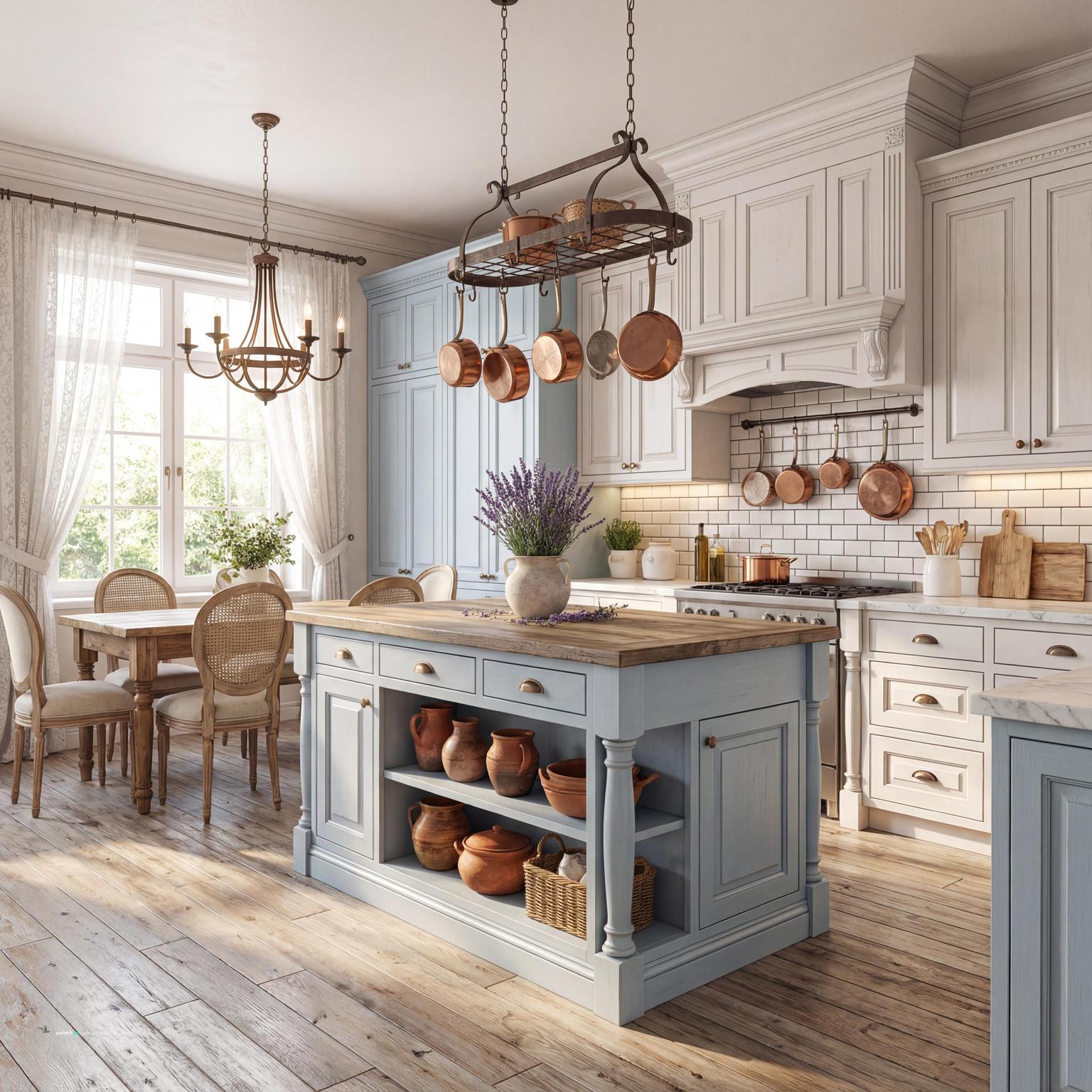
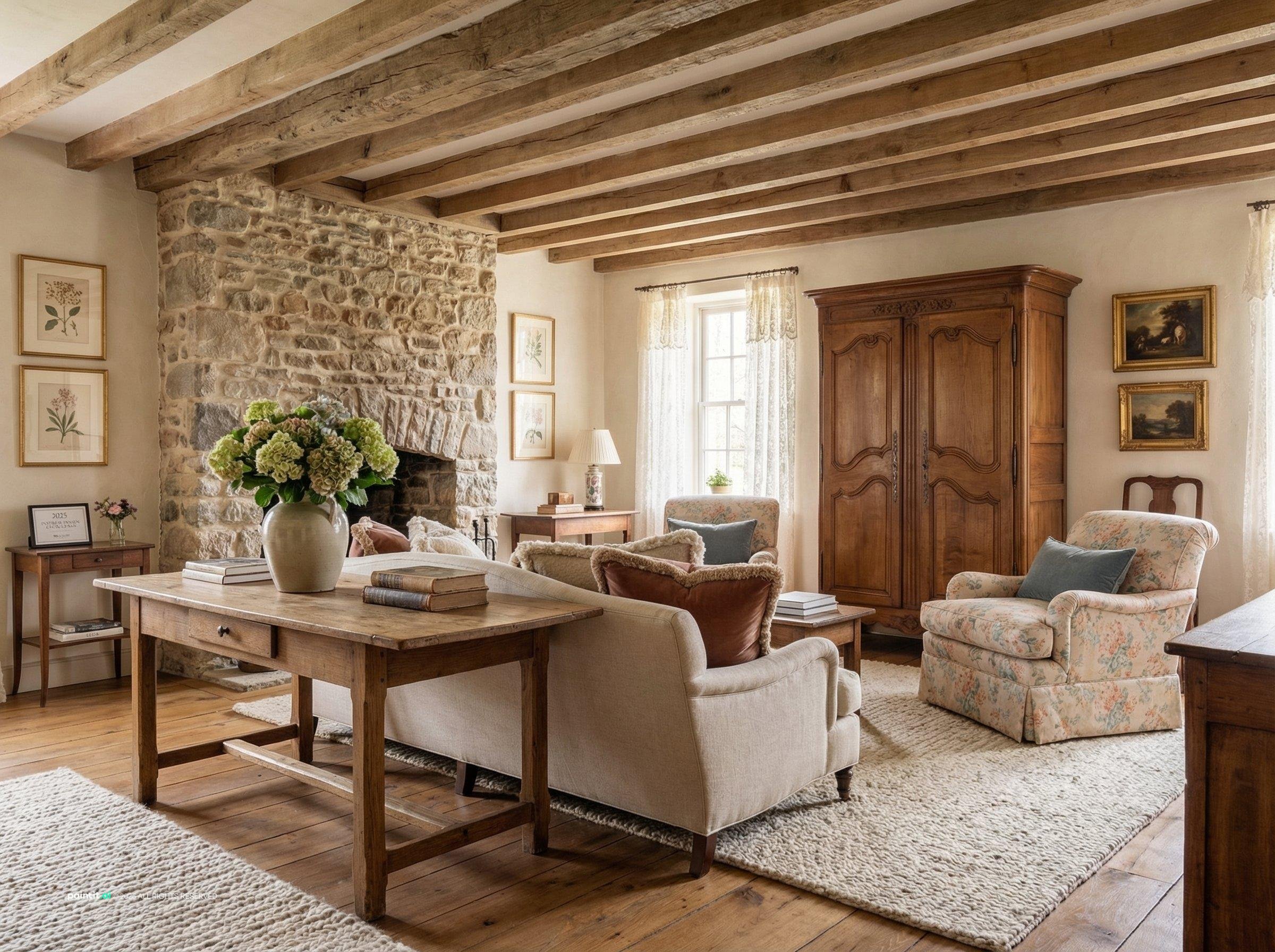
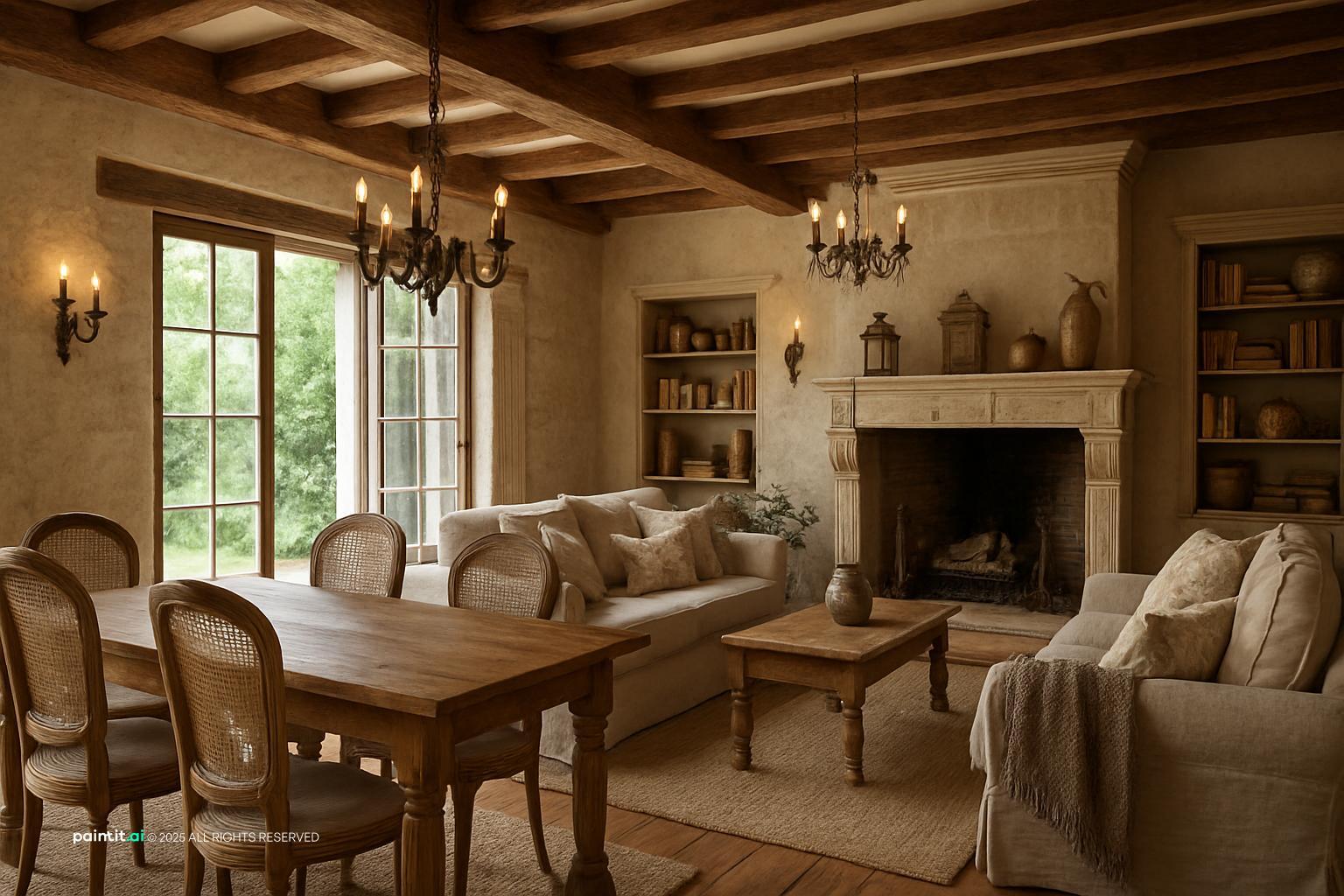
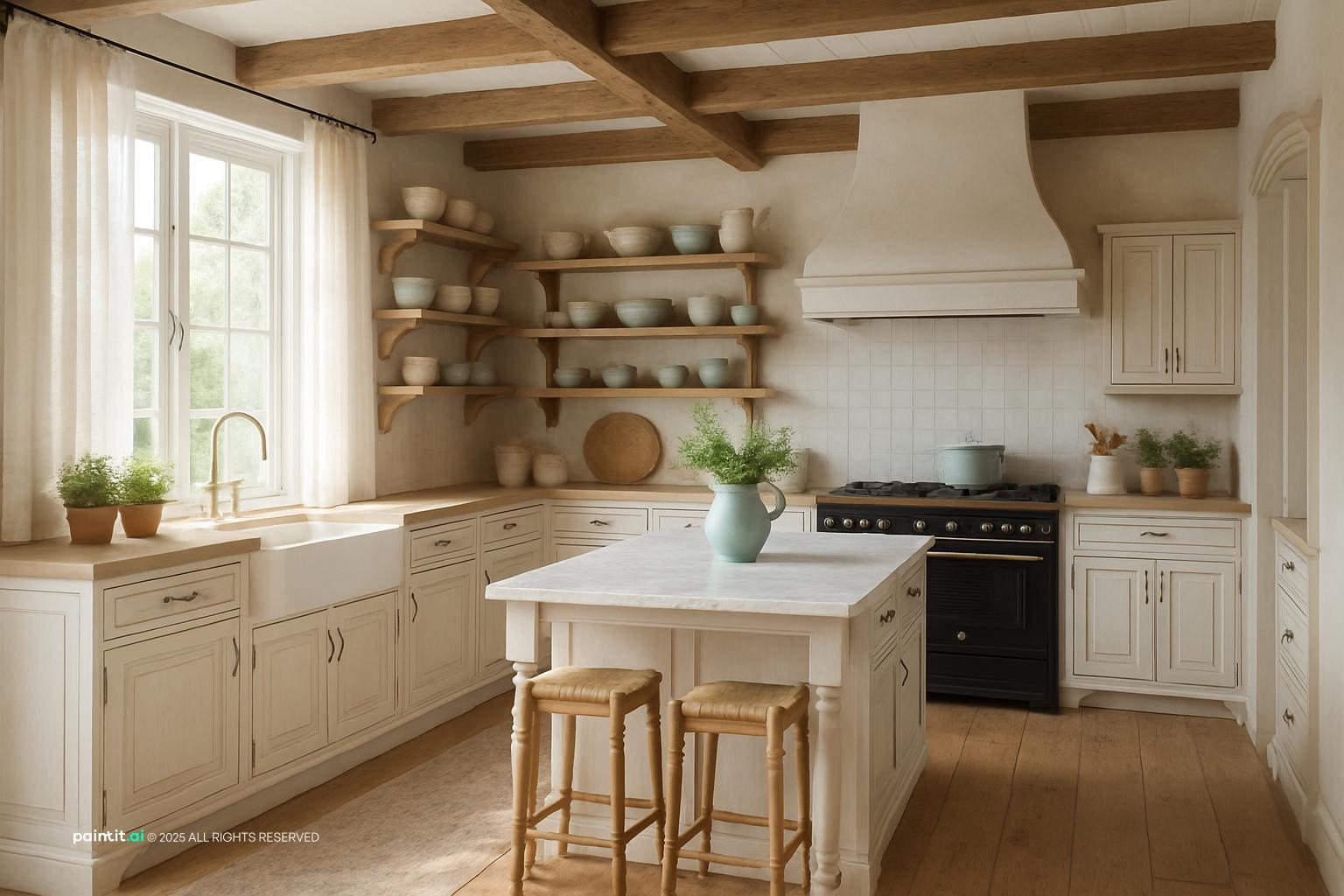
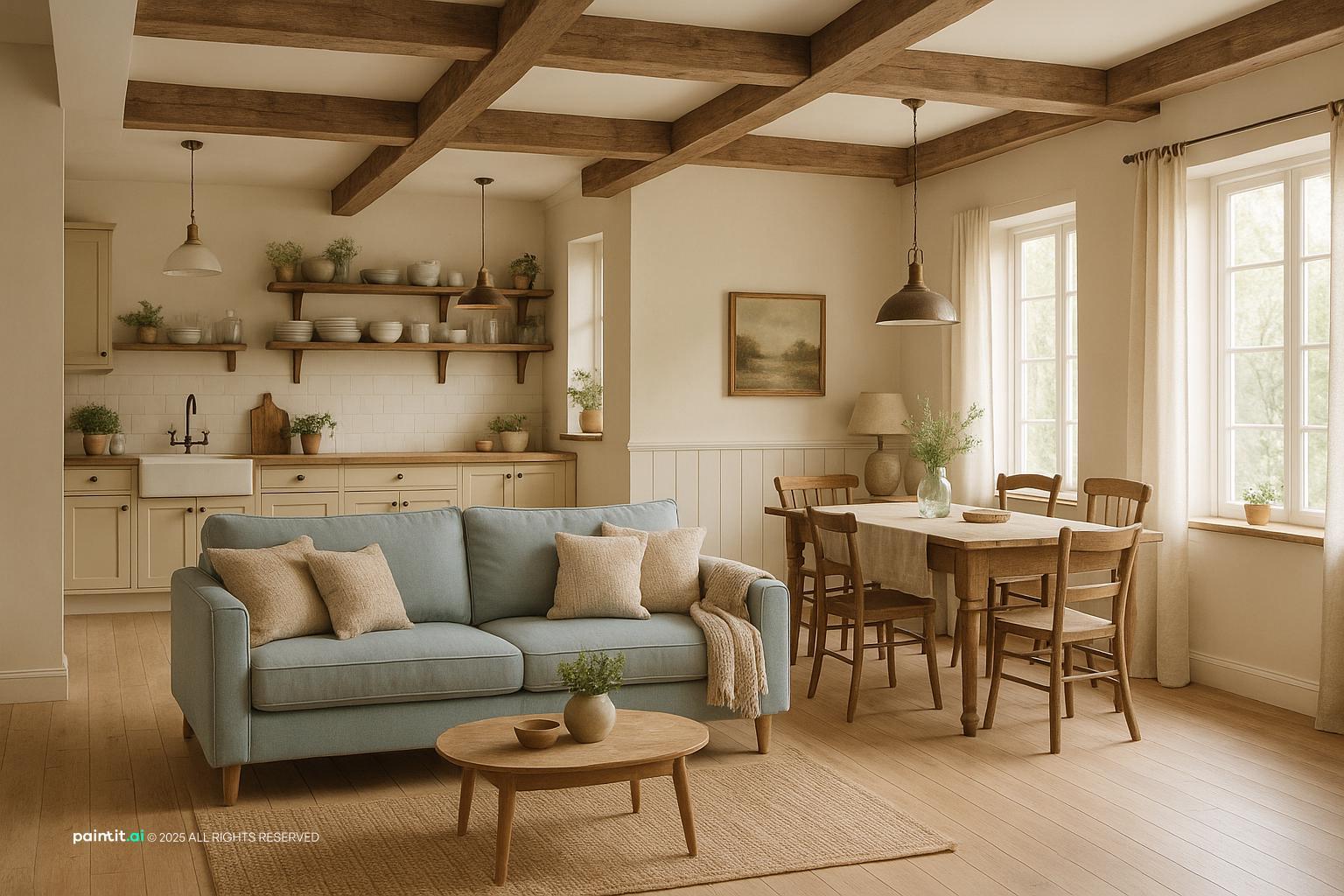
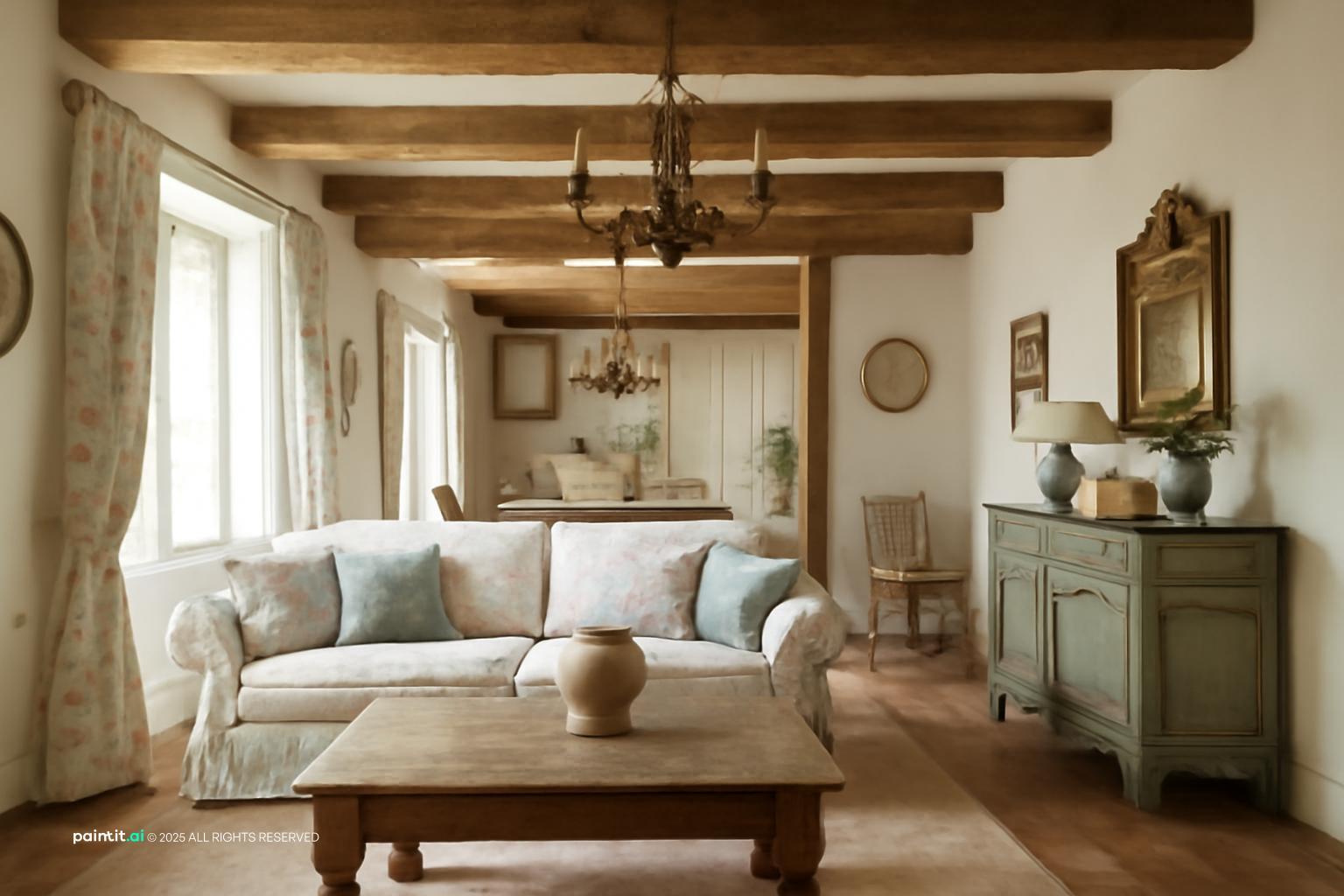
Napa Valley interior design image references
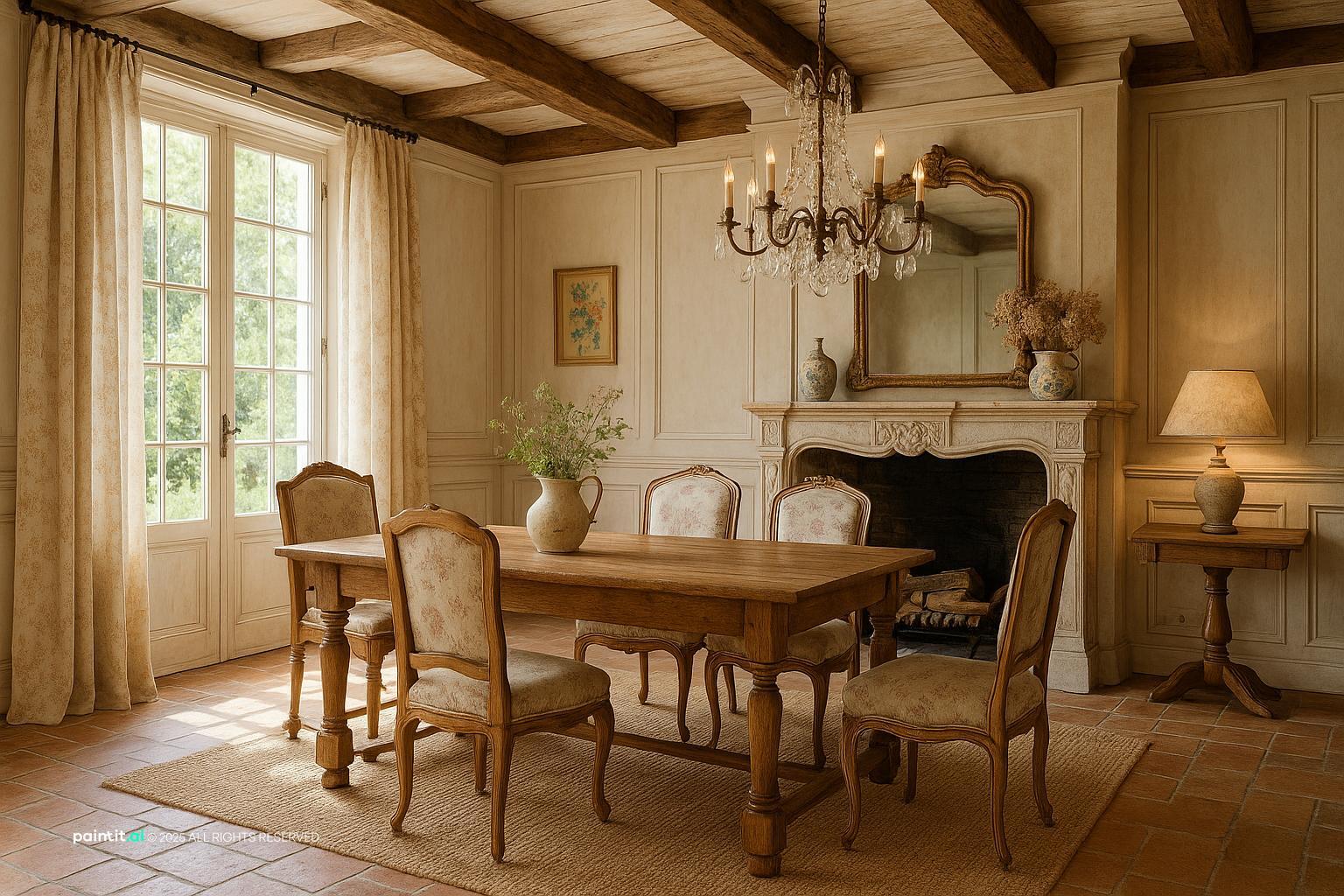
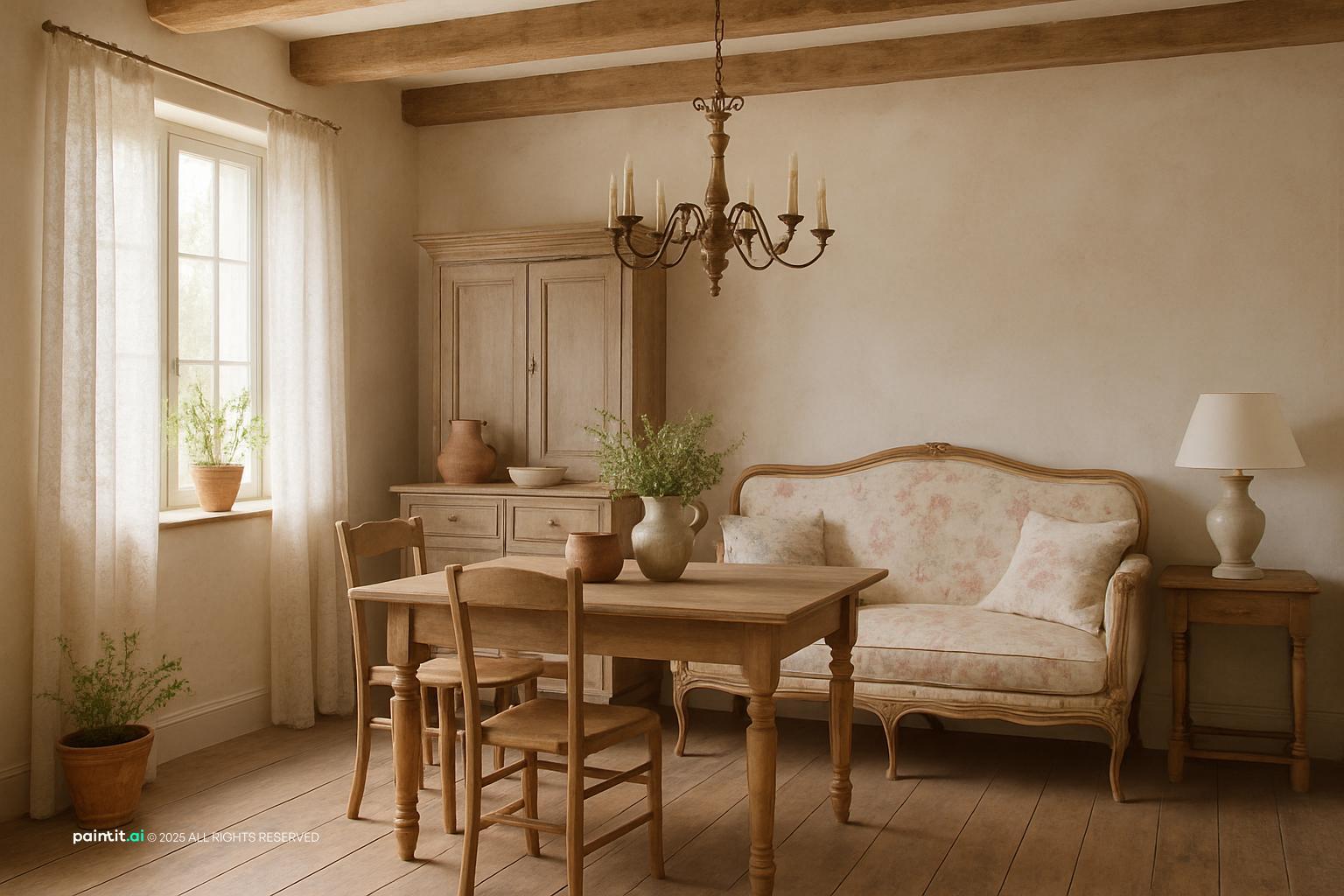
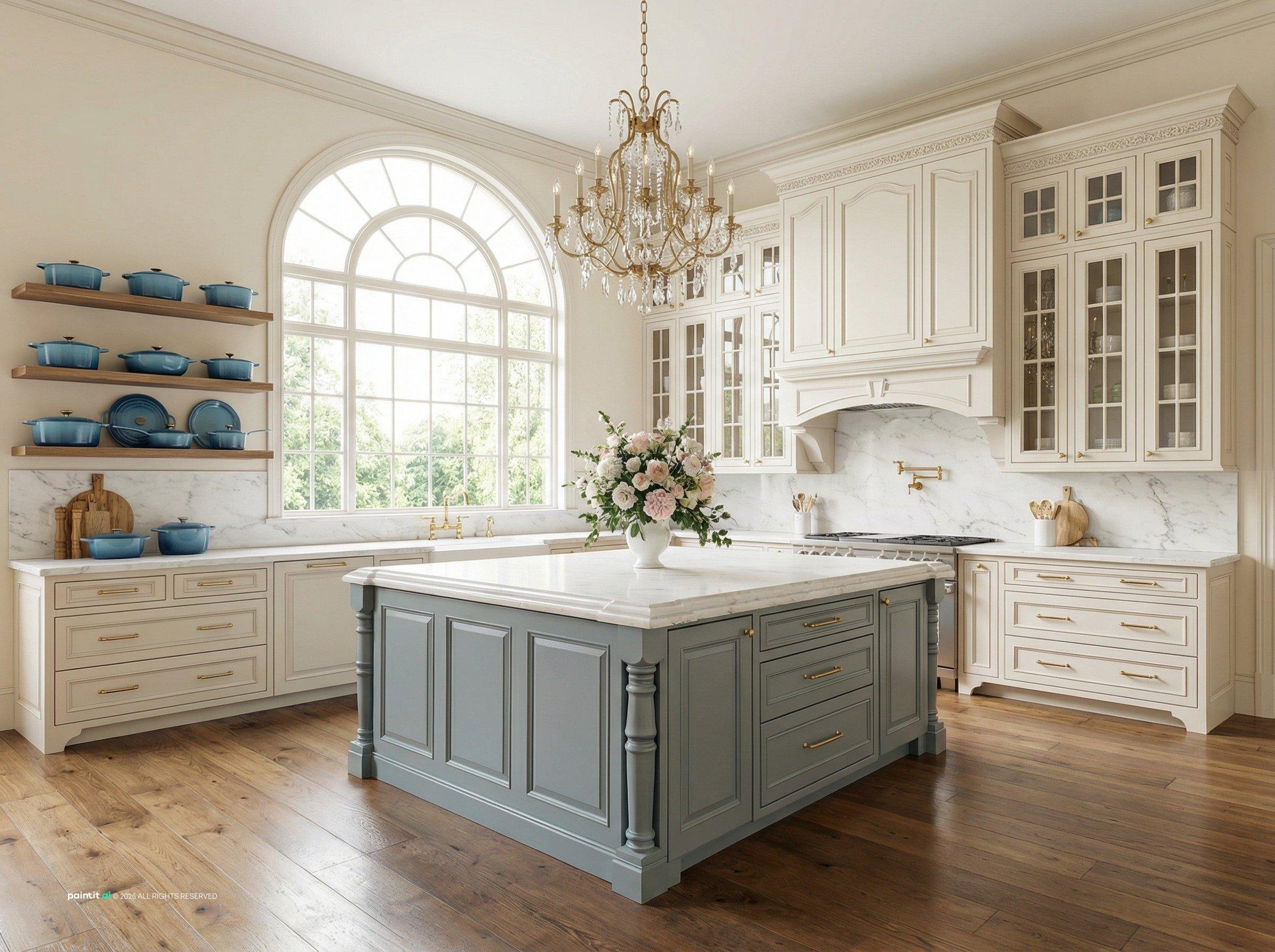
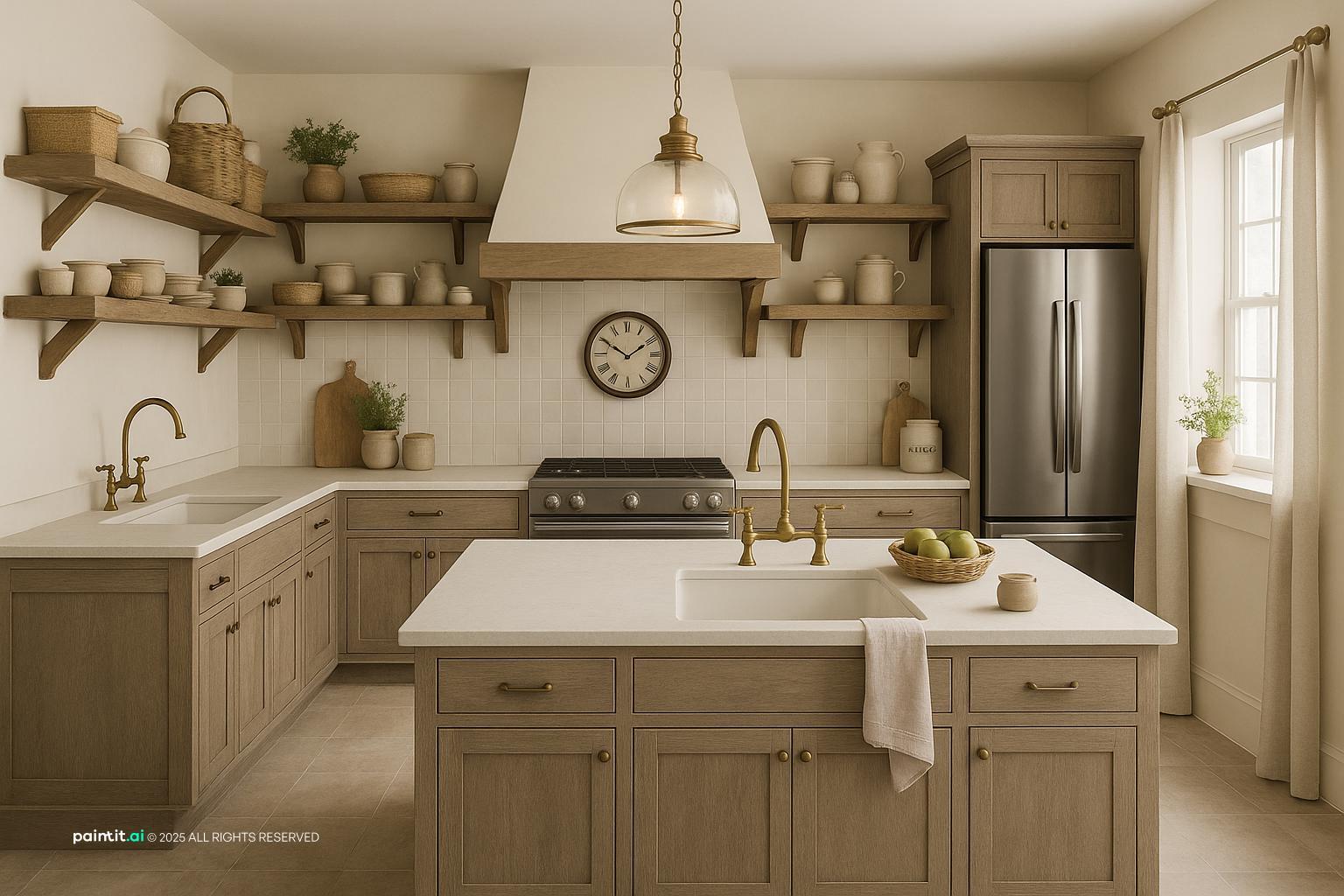
FAQ
Napa Valley style draws from the material culture and landscape of California's wine country. The defining elements: reclaimed oak (often from wine barrels), limestone and local fieldstone, natural linen and leather, a warm neutral palette referencing sun-dried grass and clay, large windows oriented to vineyard views, and the indoor-outdoor connection central to California living. It sits between California farmhouse and French provincial — earthy and relaxed, but always considered and refined rather than rustic.
"Napa Style" was a lifestyle brand founded by Chef Michael Chiarello, later acquired by Pottery Barn, known for wine country-themed home furnishings. "Napa Valley interior design" as a broader style category references the architecture and material culture of the Napa and Sonoma valleys themselves. The brand drew from and helped define the aesthetic; the geographic style is broader.
Warm neutrals dominate: straw-gold, natural linen, warm cream, dusty sage, terracotta, and the ochre of dried California grass. Deep burgundy and wine-red appear as accent colours, used selectively. The palette avoids cool tones — everything references the warm, sun-dried California landscape. Natural wood and stone tones (oak, limestone, aged iron) provide the material colour layer.
Yes. Upload a photo of any room to app.paintit.ai and test wine country palette and material directions in 1–2 minutes. Free to start.