
Minimalist European style interior design: key elements and how to apply it

Discover the elegance and simplicity of minimalist European style interior design. Famed for its clean lines and functional elegance, this design philosophy emphasizes space and light, balancing aesthetics with practicality. By incorporating minimalist principles, you can transform your living spaces into serene retreats that exude sophistication and offer a clutter-free lifestyle.

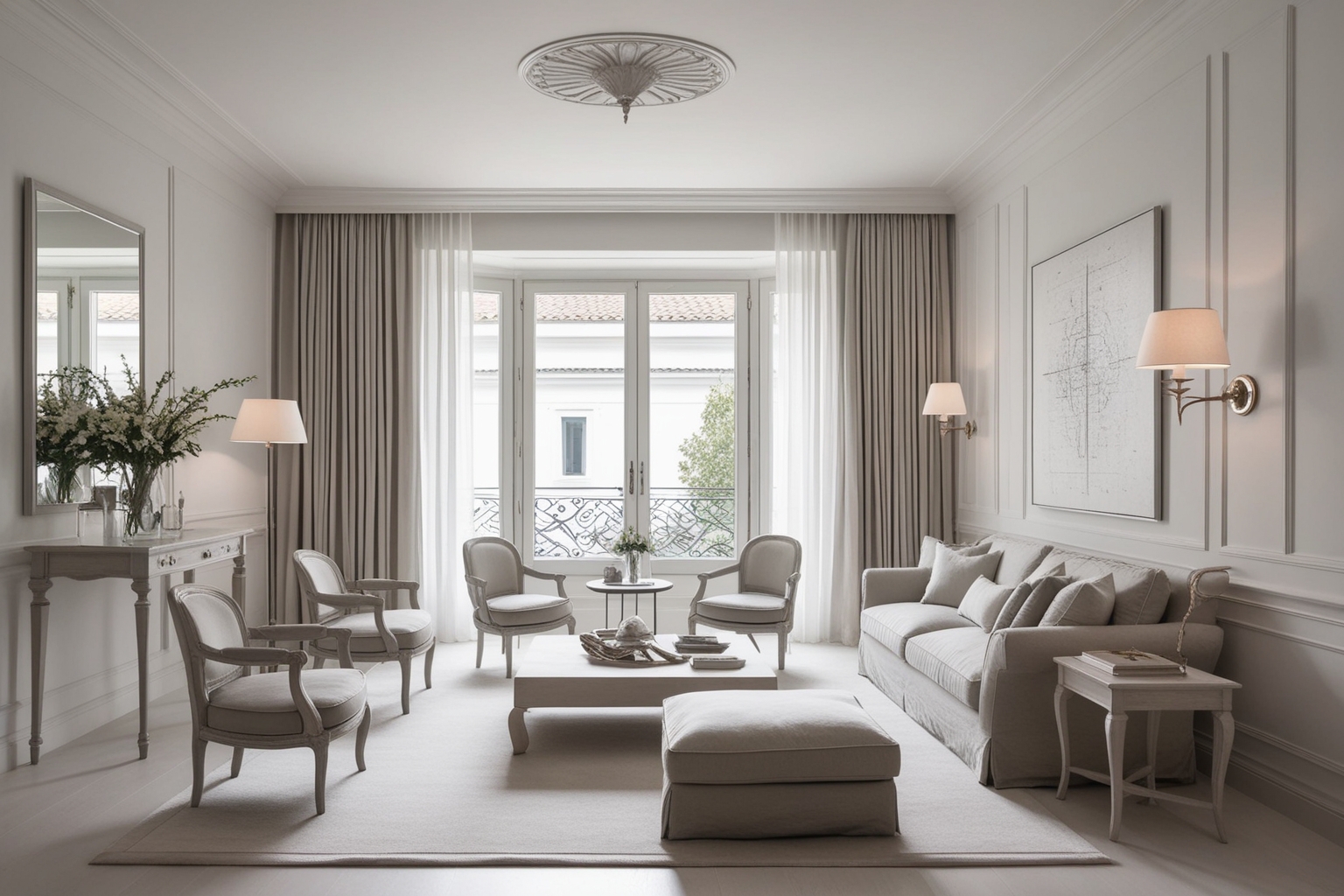
Minimalist interior with personalized moodboard and crafted furniture

Understanding minimalist European style interior design

Minimalist European style interior design balances practical functionality with sophisticated elegance — simple forms, natural materials, and restrained colour that together create spaces that feel considered rather than sparse.

  • Materials and textures

    Quality of material is the primary design value in minimalist European interiors. Natural oak, walnut, and white marble in their honest states — without excessive lacquering, laminating, or distressing — are the characteristic material choices. Stone (limestone, travertine, slate) for floors. Linen and wool for textiles. Cast iron or matte black metal for fixtures.

    The minimalist European approach applies a simple test: does this material look better with age, or worse? Materials that develop a patina and become more beautiful over time — oak, linen, leather, natural stone — are chosen over materials that deteriorate visually with use.

  • Furniture and silhouettes

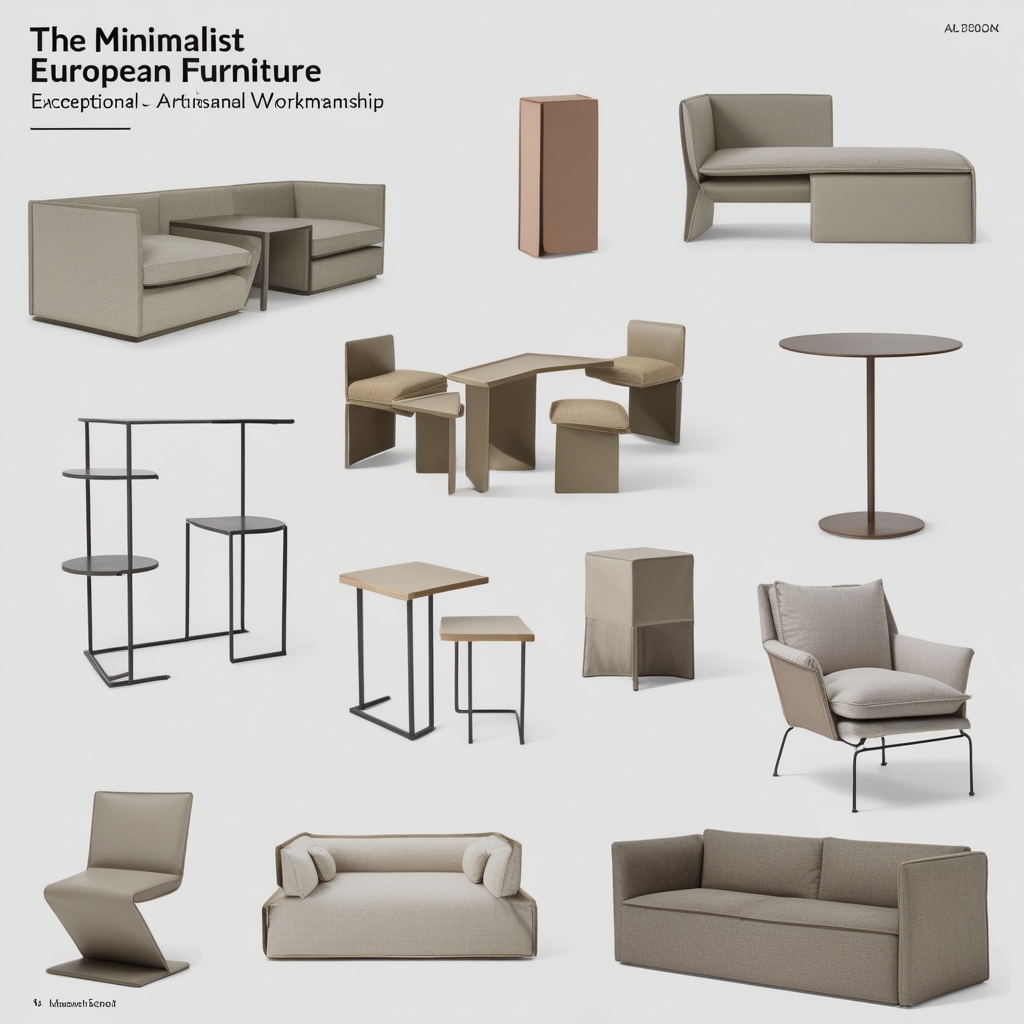
    Furniture forms are clean and structural, without ornamentation, but made with visible quality — joinery details, material selection, and finish that communicate craft rather than manufacture. The Scandinavian midcentury tradition (Arne Jacobsen, Alvar Aalto, Hans Wegner) and the Italian contemporary tradition (B&B Italia, Cassina, Poliform) define the two main minimalist European furniture references.

    Number of pieces is deliberately limited: each room has fewer pieces than in conventional decorating, but each piece is chosen with greater care. The furniture grouping creates spatial quality through the relationship between pieces rather than through density.

  • Decor and accessories

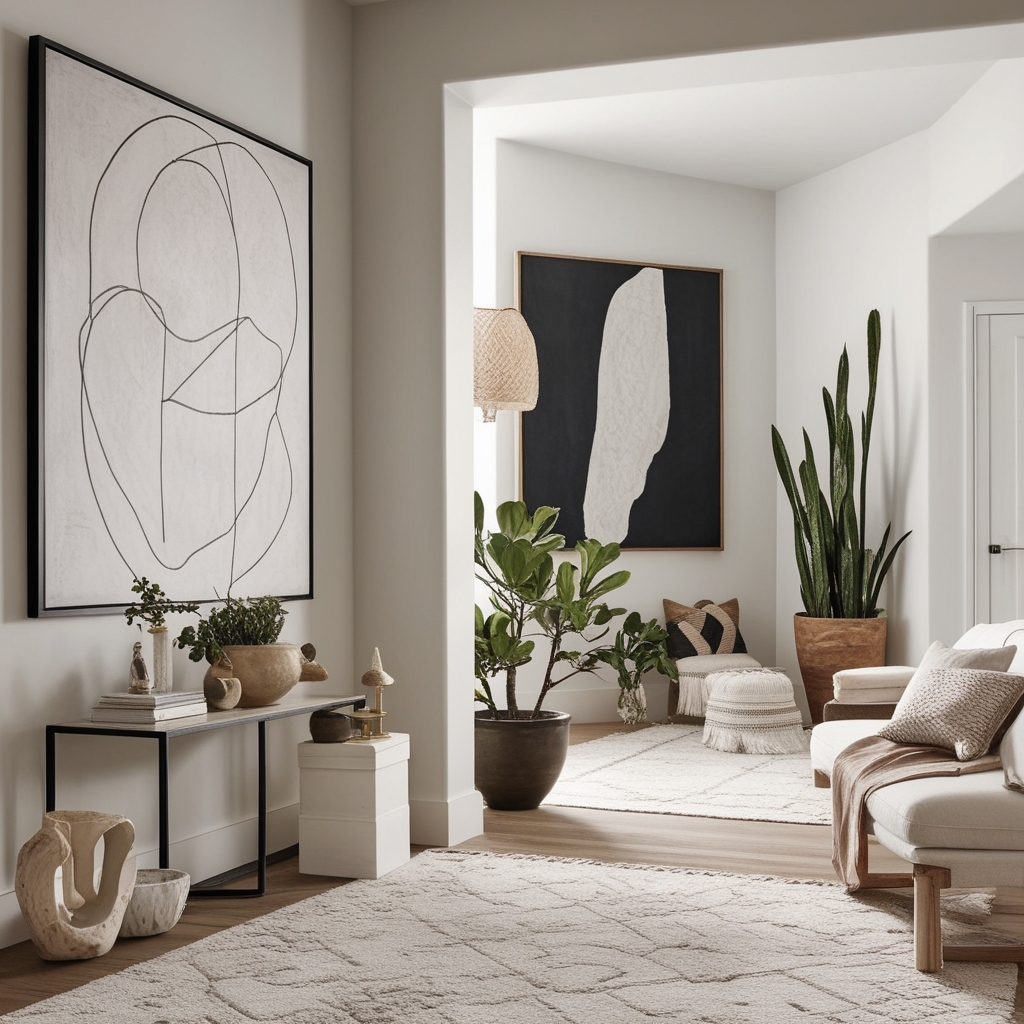
    The minimalist European approach to decoration: one considered element per surface, maximum two elements of the same type per room. A single piece of sculpture, a curated small collection of ceramics, a large-format artwork. Plants appear in simple ceramic or concrete pots — typically one species per arrangement rather than mixed.

    Nothing appears without a reason. This is a more rigorous position than it sounds in practice: the discipline is not in having no objects, but in choosing each one deliberately rather than accumulating.

  • Architectural features

    European minimalist interiors work with the architecture's existing bones — original ceiling height, window proportions, and structural elements — rather than against them. Floor-to-ceiling windows or large-format casement windows with slim frames maximize light. Ceiling height is preserved and emphasized through simple, continuous floor finishes. Built-in storage (floor to ceiling, flush with walls) removes visible clutter without reducing the perceived space.

Stunning Examples of Distinctive Features of Minimalist European Style Interior Design

  • Minimalist interior with crafted furniture and layered decor

    The minimalist European style interior design is a sophisticated approach that embraces simplicity and elegance, creating a serene and functional living environment. Its charm lies in the subtlety and the attention to detail, where every element carries a sense of purpose and calmness. Below, we explore the key components that contribute to the unique characteristics of this style.

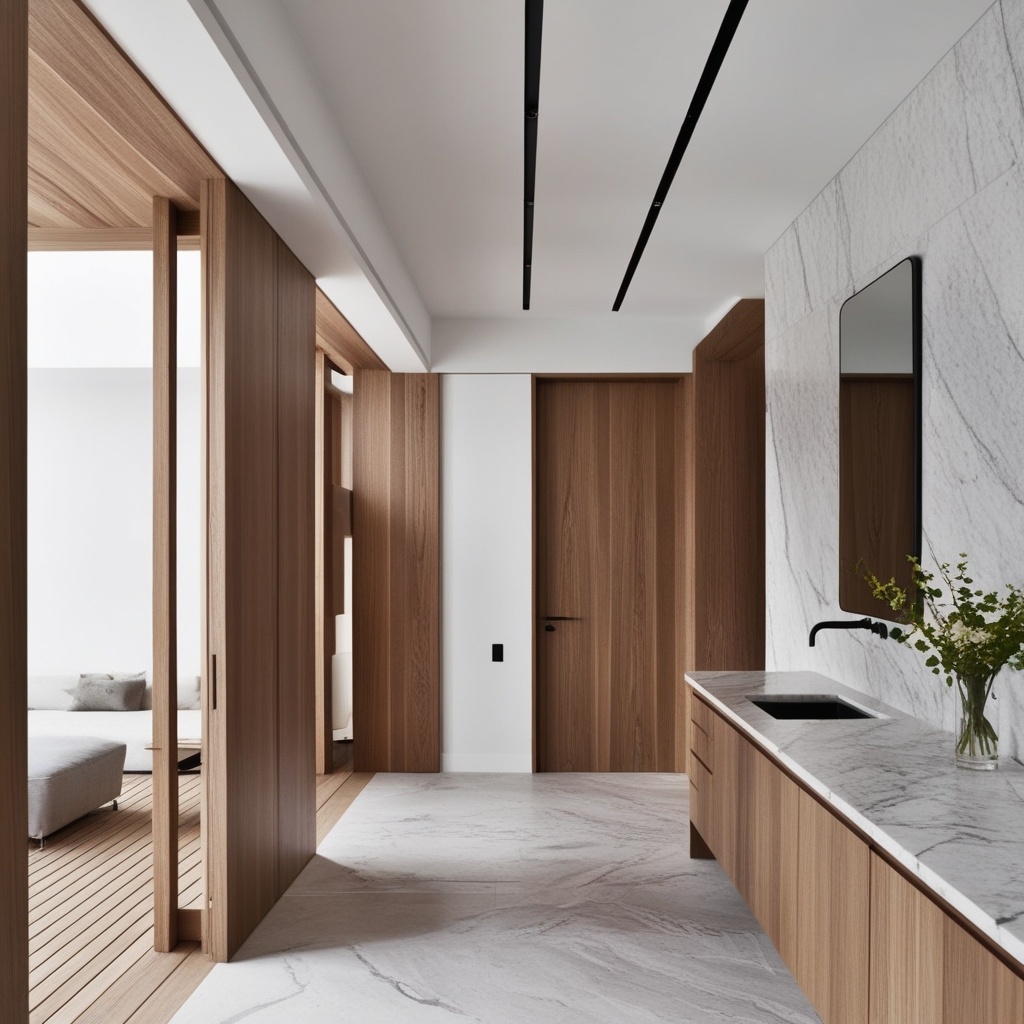
  • Minimalist interior with statement wall art and wood accents

    Minimalist European interior design fundamentally relies on superior materials which communicate both natural beauty and robust durability. Natural woods like oak and walnut are frequently used materials because they provide spaces with a warm yet sleek finish. Marble and granite stones maintain popularity for countertops and flooring because of their enduring aesthetic qualities. The focus remains on genuine tactile experience where every surface delivers a pleasing touch to match its visual appeal. The minimalist aesthetic demands a reduction of artificial elements while selecting materials that showcase the intrinsic beauty of chosen textures.

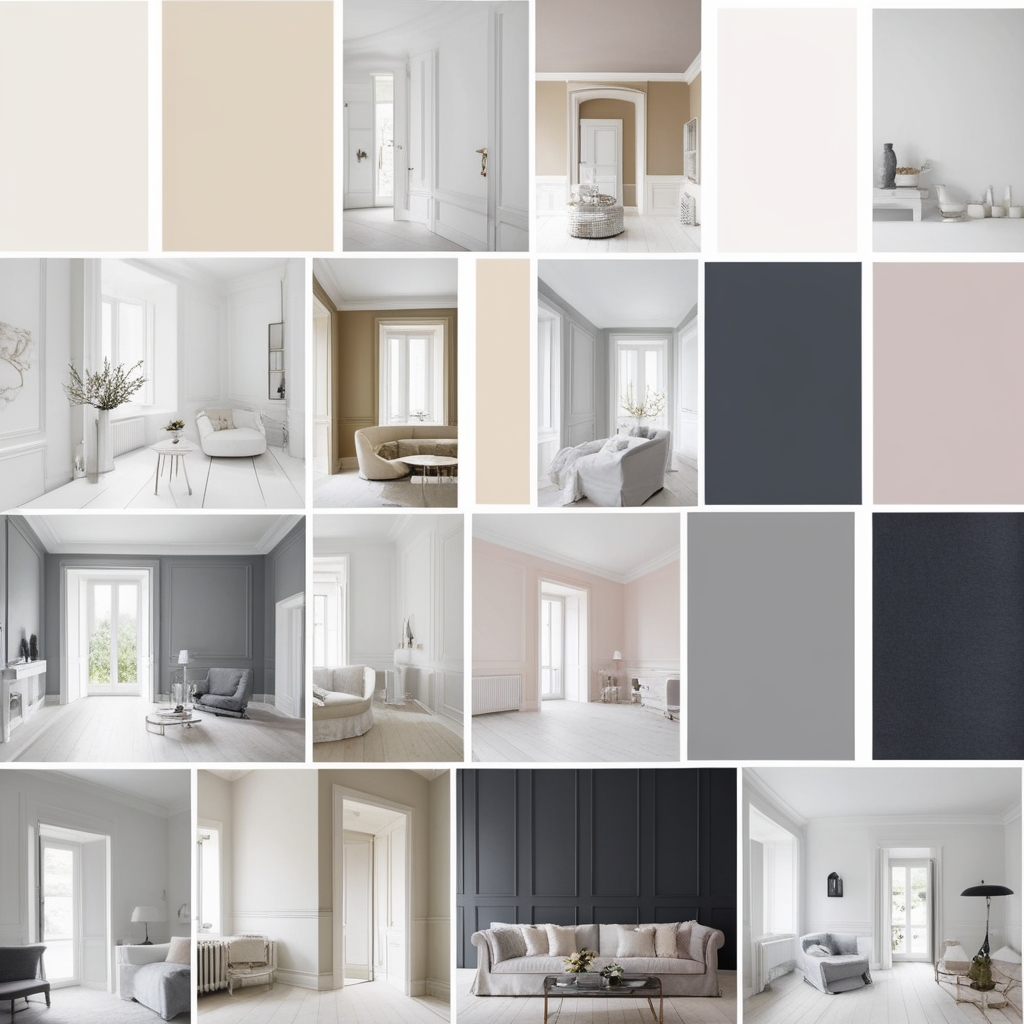
  • Minimalist interior with bold accent colors and soft natural palette

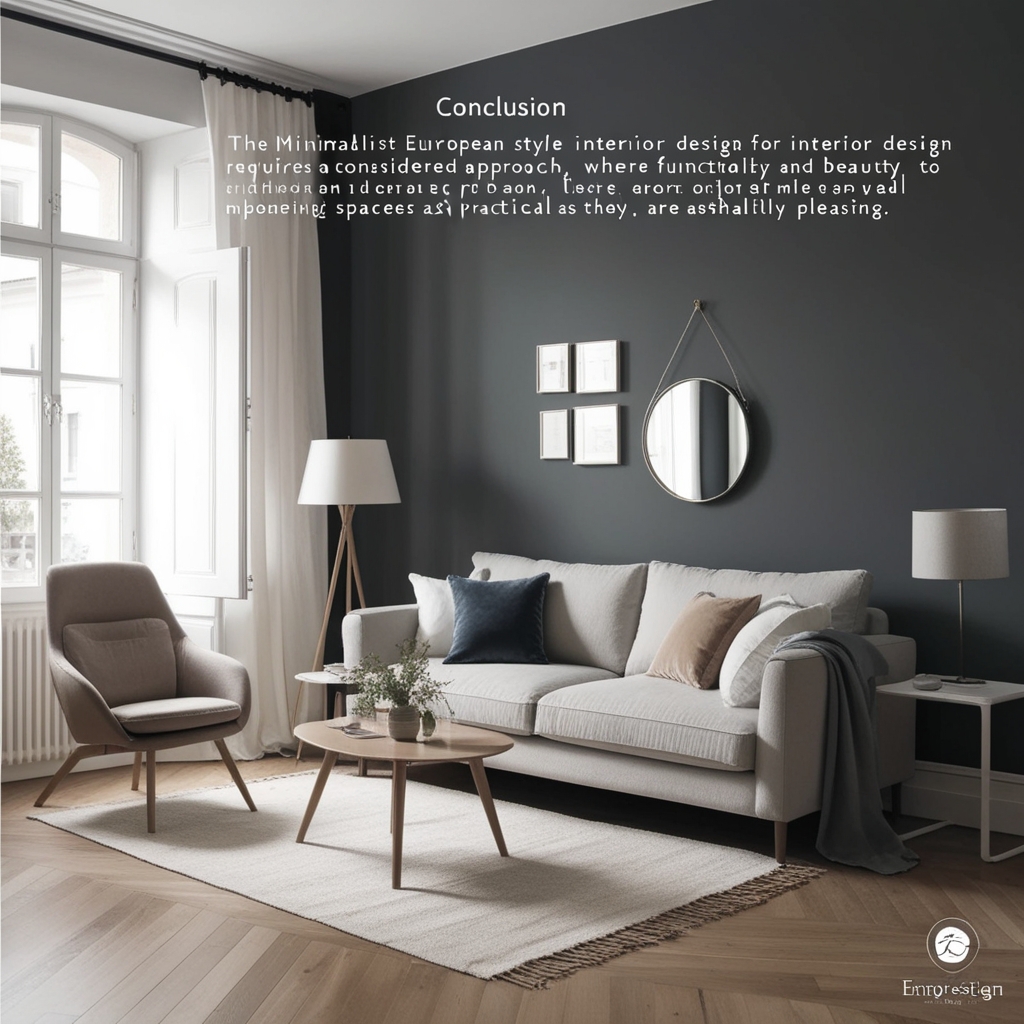
    In minimalist European interiors, the color palette is restrained to create a harmonious atmosphere. The quintessential colors include shades of white, beige, grey, and soft pastels. These colors are not only calming but also enhance the sense of space and light within a room. Occasionally, darker tones like charcoal or navy might be employed as accent colors to introduce depth and contrast. The understated color scheme allows the architecture and natural light to shine, offering tranquility and subtle sophistication.

  • Minimalist interior with open shelving and stylish furniture

    The essence of minimalist European furniture design manifests through its crisp lines and practical forms combined with a focus on superior craftsmanship. Artworks frequently display streamlined geometric forms while avoiding excessive decoration to adhere to minimalist principles. The chosen furniture collection features foundational pieces that perform several functions including modular seating units, streamlined tables, and discreet storage solutions. Upholstery frequently presents neutral tones while incorporating linen and leather textures to achieve luxurious refinement.

  • Minimalist interior with lush indoor plants and statement wall art

    This style intentionally reduces decor elements to an extreme minimum to strengthen the idea that simplicity equates to greater value. Every art piece and accessory undergoes careful selection to ensure it enhances the space's aesthetic harmony while maintaining spatial balance. Envision expansive art pieces or singular sculptural statements which create intrigue yet uphold equilibrium. Potted plants and succulents serve as common elements to introduce subtle life and color into spaces. Every decor component must function as a room enhancer instead of becoming a distracting element.

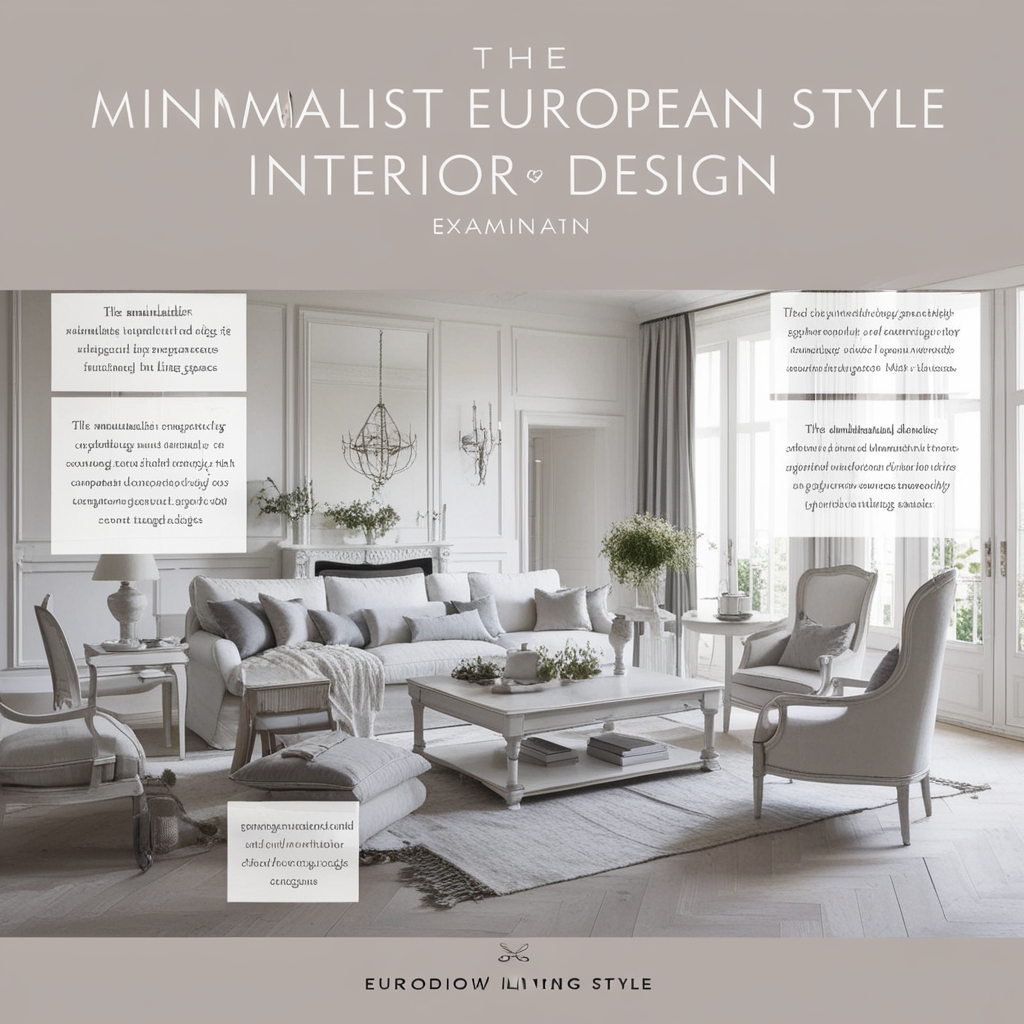
  • Minimalist interior with crafted furniture and style comparison scene

    In conclusion, the minimalist European style interior design requires a considered approach, where every element is chosen for its ability to contribute to the overall ambience. Functionality, quality, and beauty unite to form spaces that are as practical as they are aesthetically pleasing.

Minimalist European visual references

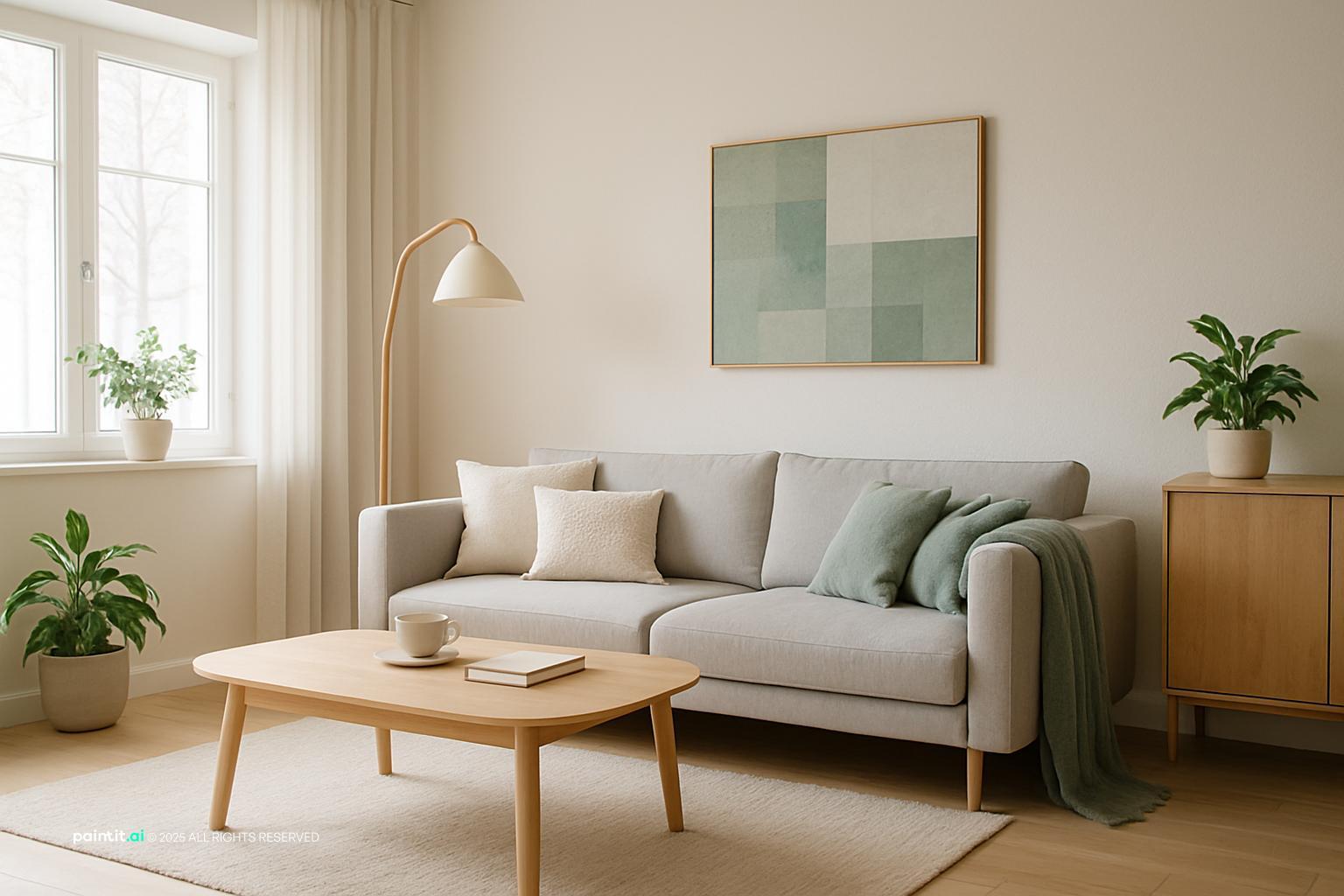
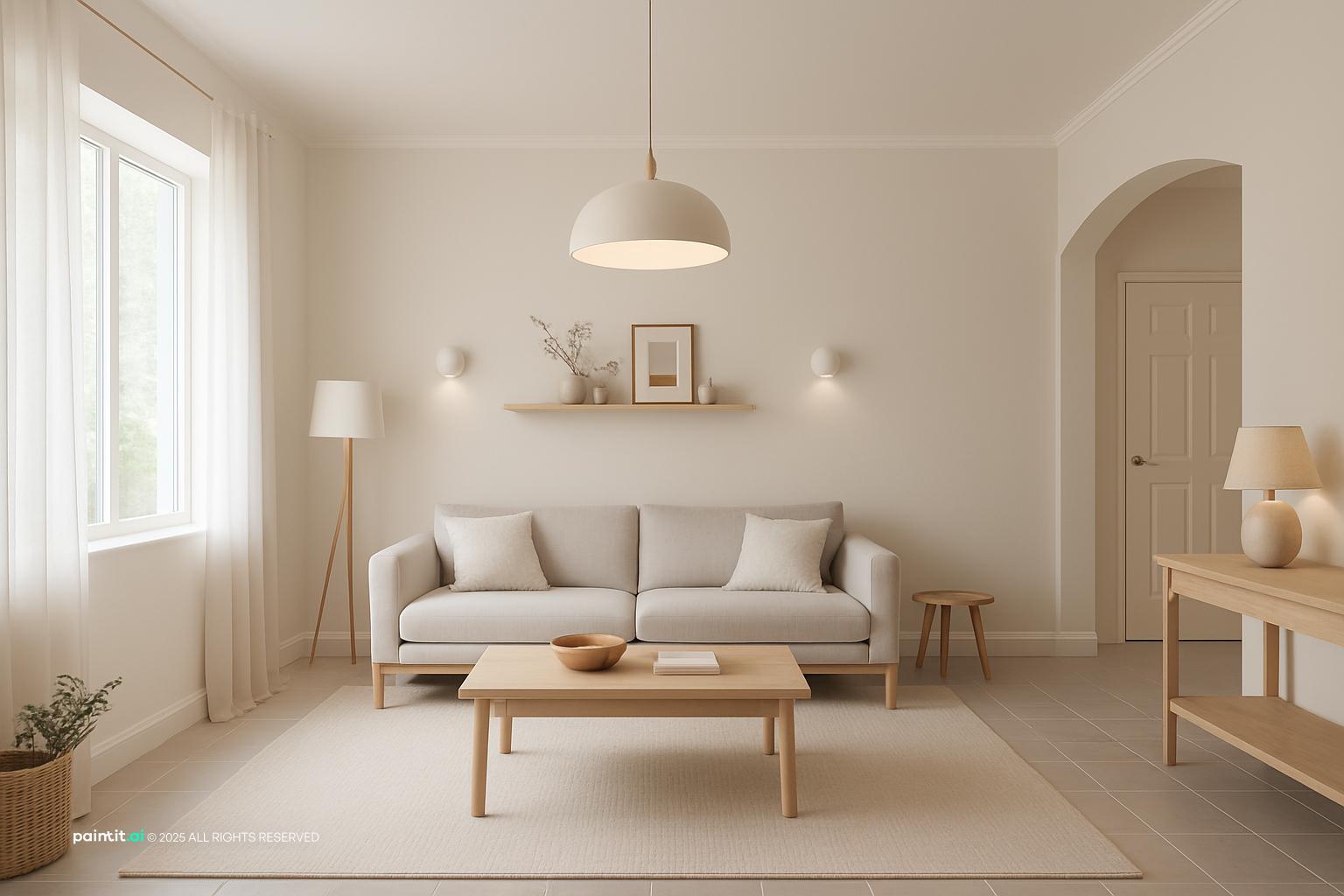
Minimalist European living room with warm white palette and light wood furniture
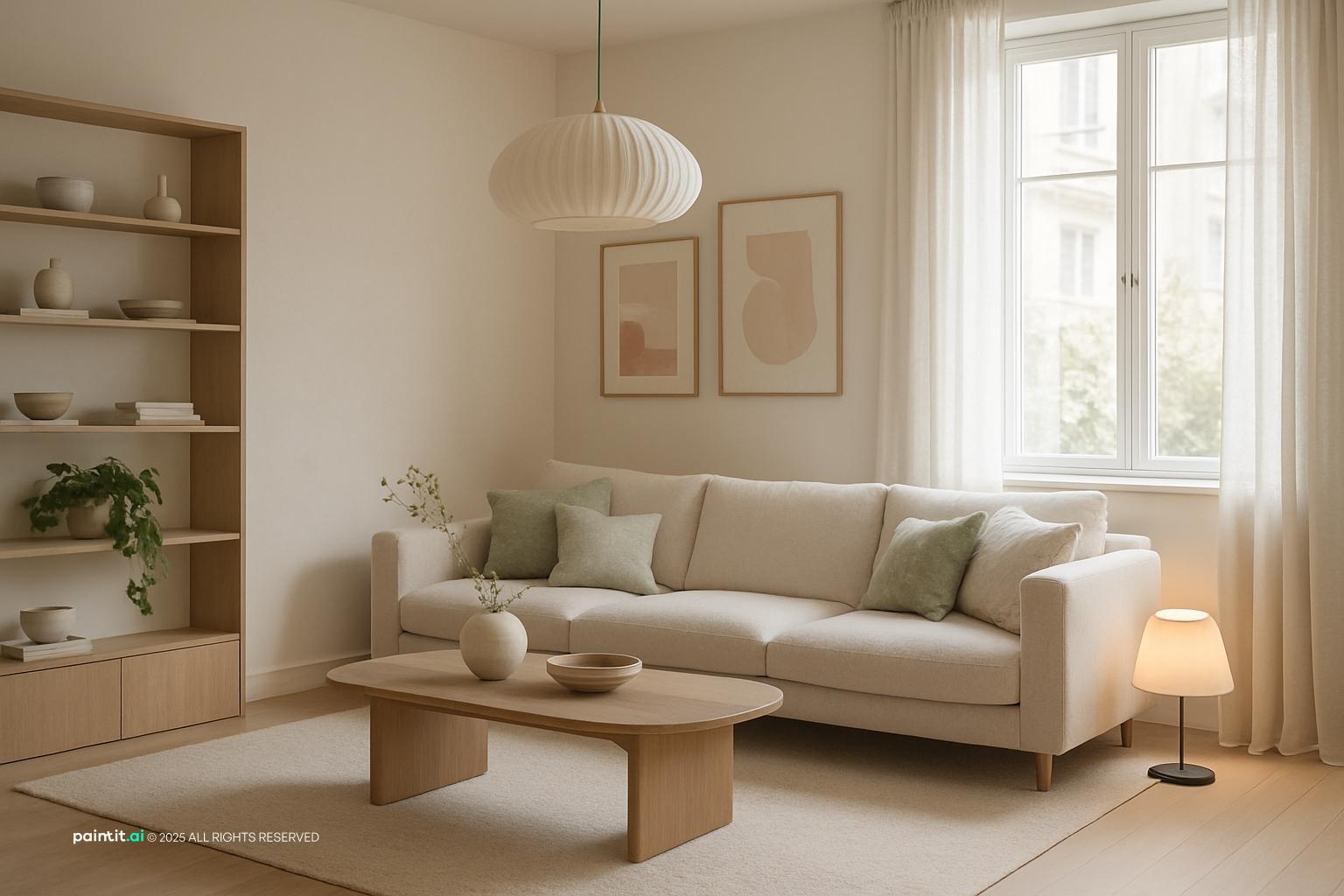
Quiet European minimalist room with soft neutrals and simple furniture
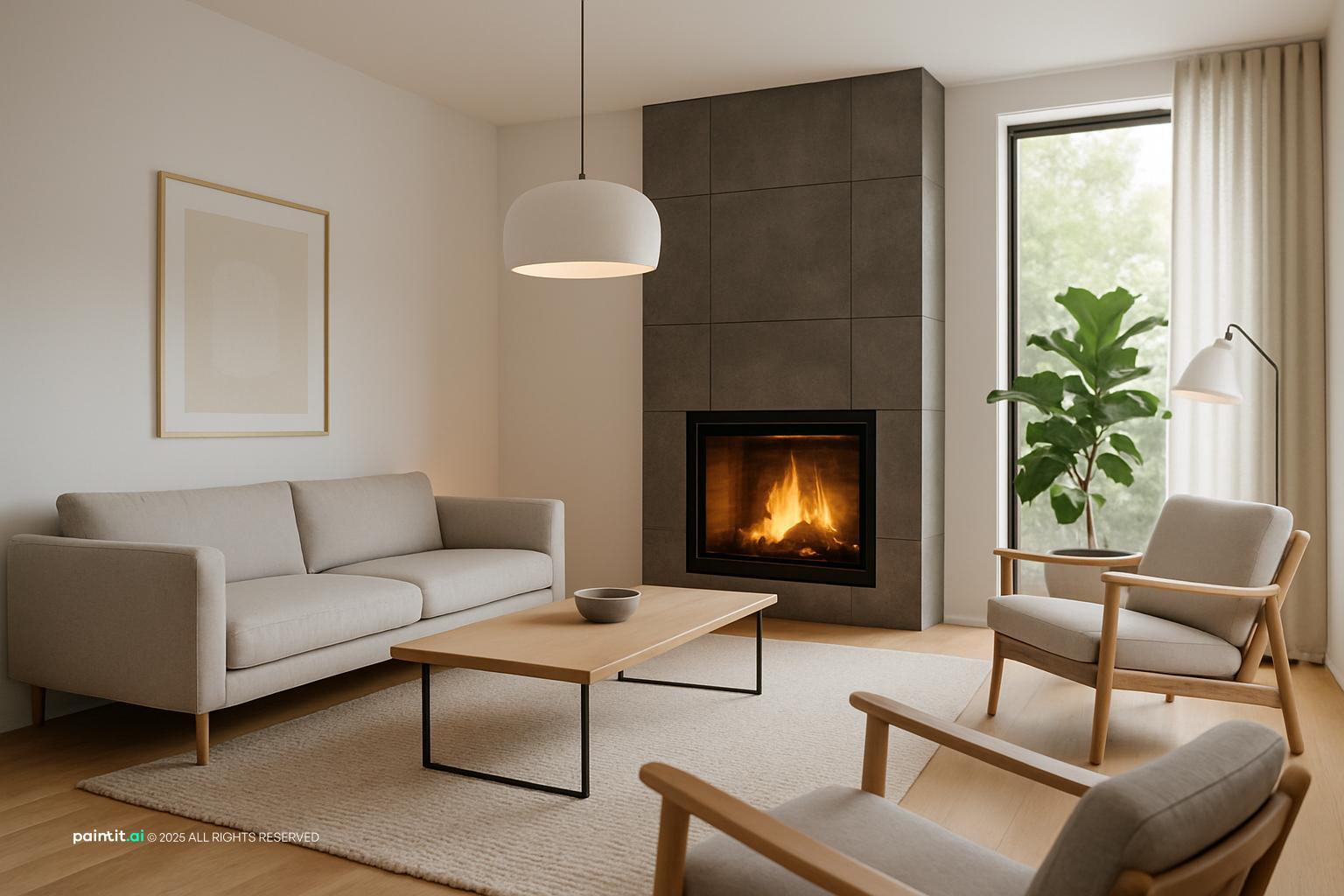
Minimalist living room with fireplace, natural oak, and restrained decor
Scandinavian European minimalist room with warm whites and natural wood tones

Minimalist European style by country

Scandinavian minimalism (Finland, Sweden, Denmark)

The most internationally recognized form. Light birch and pine, warm whites and soft neutrals, functional furniture with organic forms, natural textiles (wool, linen), and an emphasis on maximizing natural light during dark northern winters. The Finnish version is quieter and more architectural; the Danish more craft-focused and furniture-centric; the Swedish more decorative within its minimalism.
French minimalism

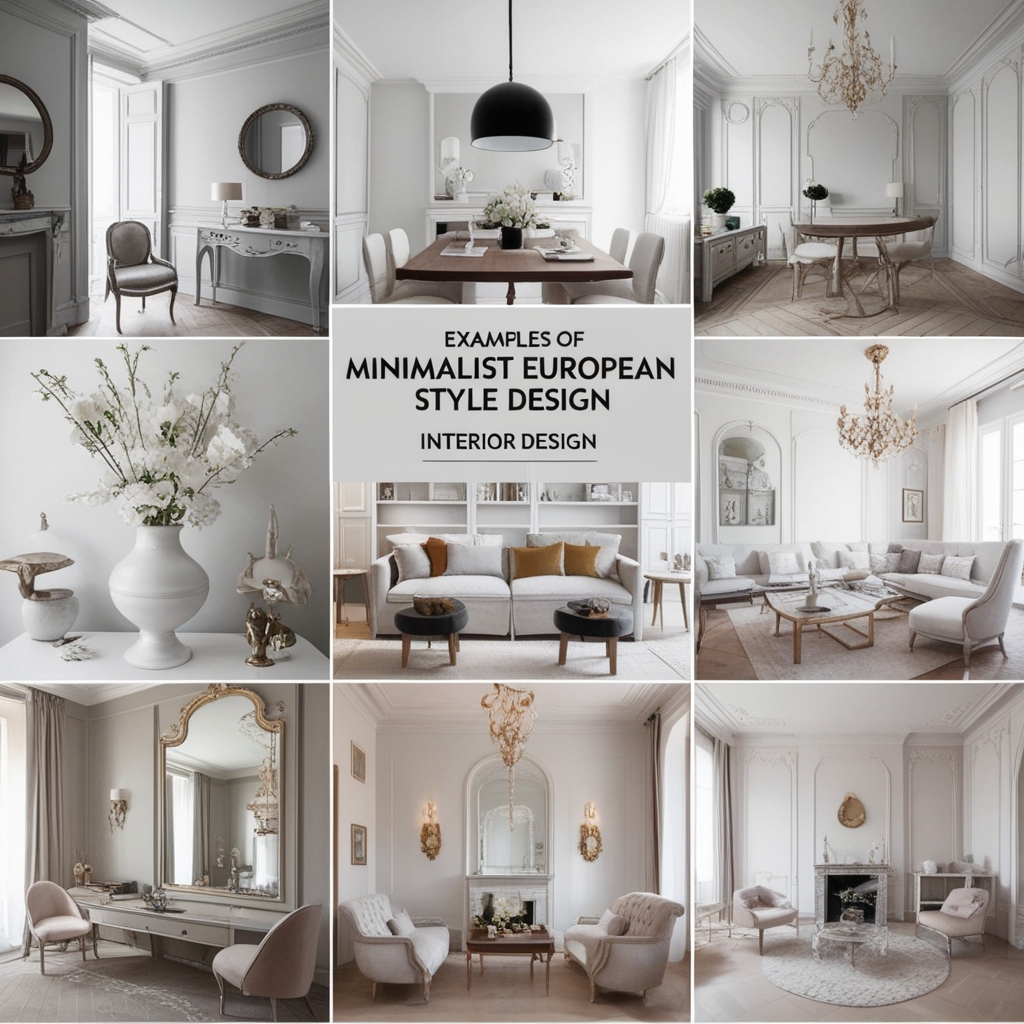
Less commonly labeled "minimalist" but genuinely so in its restraint. Aged oak parquet floors, limestone or marble surfaces, warm off-white walls with the slightly uneven quality of real plaster, furniture in antique or antique-influenced forms. The French version has a stronger connection to historical decorative tradition - the minimalism comes from editing, not from rejecting ornament entirely.

Italian contemporary minimalism

Quality materials, clean structural forms, and the influence of the Italian design industry (Poliform, B&B Italia, Minotti, Cassina). Marble and stone used more liberally than in Scandinavian minimalism. More interested in the relationship between luxury material and simple form. Darker wood tones (walnut, ebony veneer) appear more frequently.

Belgian / Dutch minimalism

Perhaps the most austere form. Raw or minimally finished materials - bare concrete, untreated wood, aged steel - with very few concessions to comfort or warmth. Often associated with architects Axel Vervoordt (Belgium) and Dick van Gameren (Netherlands). The Belgian approach is sometimes called "wabi-sabi European" for its embrace of aged and imperfect surfaces.

How to apply minimalist European style

The single most important principle: buy fewer things, but buy them better. A minimalist European room where the pieces are genuinely high quality communicates differently from one where the minimalism is imposed on cheap furniture. The restraint should feel confident, not forced.

Three practical steps: Start by removing: take one room and remove half the objects, then edit further. What remains defines the actual content of the room - and often reveals the room's own architectural quality for the first time.

Then replace: replace any low-quality item that had to stay with a single better version.

Finally add back only what earns its place: a plant, one piece of artwork, one considered textile. The room's quality should increase at each step, not just become more sparse.

Visualize minimalist European style with Paintit.ai

Upload a photo of any room to app.paintit.ai and test how European minimalist palettes - warm whites, oak tones, stone grey accents - read in your actual space in 1–2 minutes. Free to start.

FAQ

  • Minimalist European style combines the functional clarity of minimalism with the quality material tradition of European design. The defining principles: quality over quantity (fewer objects, each chosen with care), natural materials (oak, stone, linen, wool, marble) in their honest states, a restrained palette of warm or cool whites with natural material tones, and clean architectural forms. It differs from Asian minimalism (which tends toward cooler, more austere spaces) through its warmth and material richness.

  • Scandinavian style is one specific regional expression of European minimalism - the Finnish, Swedish, and Danish variants emphasize natural light, birch and pine woods, and the connection to Nordic landscape and craft. "Minimalist European" covers a broader range that includes Italian contemporary design (marble, walnut, sophisticated material combinations), French restrained elegance (limestone, aged oak, warm off-whites), and Belgian austerity (raw concrete, untreated materials, Axel Vervoordt's influence). All share the quality-over-quantity principle; the material palette and degree of warmth differ by region.

  • A warm or cool white base (with the specific undertone matching the regional tradition), natural material tones (oak, stone, concrete, linen), and one carefully chosen accent. Warm whites (with yellow or red undertones) suit French and Italian minimalism; cooler whites suit Scandinavian and Belgian directions. Accent colours appear in textiles and artwork - muted sage, dusty rose, warm navy, or charcoal - never throughout the room.

  • Yes. Upload a photo of your space to app.paintit.ai and test European minimalist palettes and material combinations in 1–2 minutes. Free to start.