
Jacobean Style Interior Design for Classic Craftsmanship
Jacobean style interior design combines rich woodwork and elegant furnishings with ornate detailing and opulent textiles. Rooted in early 17th-century England under James I, this style represents the moment when English decorative arts began absorbing Flemish, Renaissance, and Gothic influences simultaneously.
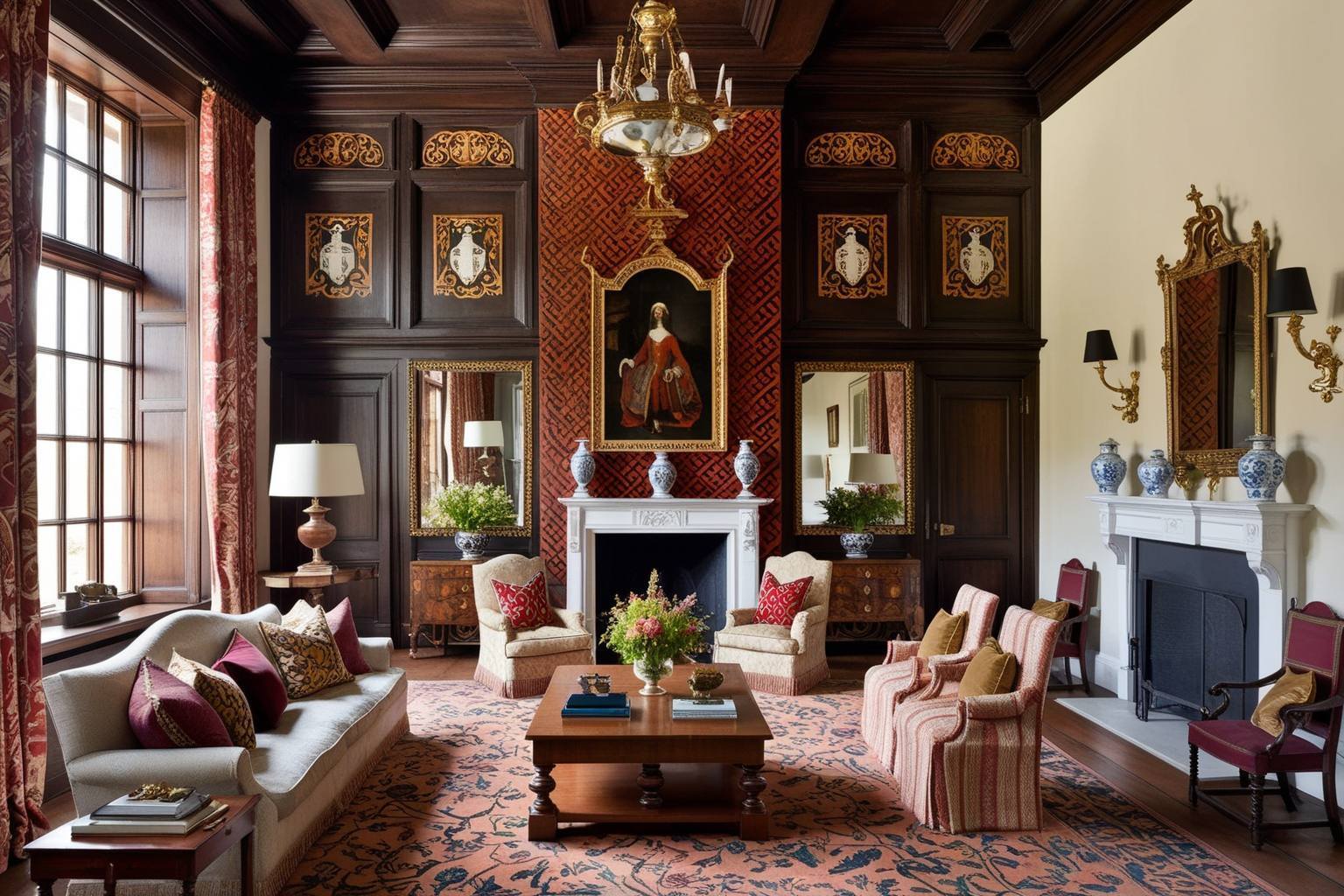
What is 17th-century Jacobean style interior design?
Jacobean style interior design reflects early 17th-century England during the reign of King James I, when English homes absorbed Gothic, Renaissance, and Flemish craft influences at the same time. It is defined by heavy furniture, carved woodwork, Gothic and Renaissance details, and the deliberate display of wealth through elaborate joinery and rich fabrics.
During the rise of the Jacobean style, the reigns of James I and Charles I saw English decorative arts develop quickly, with later Stuart revivals keeping many of these design traditions visible.
-
Color palette
The palette is deep and weighty: stained oak, walnut brown, forest green, ruby, sapphire, golden ochre, muted sage, slate, and antique bronze. These colours work best when they create warmth around the dark wood rather than making the room feel cold.
-
Materials and textures
Dark-stained woods such as oak and walnut are prevalent, often carved with scrolling foliage, geometric strapwork, and figurative details that demonstrate the Flemish and English craftsmen of the period. Velvet, damask, stone, wide-planked floors, iron, brass, and heavy rugs give the rooms their tactile depth.
-
Furniture and silhouettes
Chairs and tables exhibit elaborate carving details - scrolls and acanthus leaves on turned and bulbous legs - reflecting the Flemish craftsmen who dominated English furniture-making of the period. High-backed chairs, large cabinets, benches, stools, and four-poster beds anchor the room with physical and visual weight.
-
Decor and accessories
Decorative cushions, heavy draperies, woven wall hangings, wrought iron chandeliers, pewter candlesticks, pottery, brass boxes, and dark-framed mirrors carry the period mood. These accessories should feel collected and useful, not staged.
-
Architectural features
Exposed beams, paneled walls, wainscoting, leaded glass windows, deep window seats, large fireplaces, and strong door frames are key. Staircases in Jacobean homes are often among the most architecturally significant features - typically oak with turned balusters, carved newel posts, and strapwork panels.
-
Planning and composition
Jacobean interiors succeed through deliberate heaviness: dark furniture, paneled walls, full-height drapery, high-backed chairs, exposed beams, and a dominant anchor piece such as a cabinet, four-poster bed, or refectory table. In modern rooms, a single carved oak piece or one dark paneled wall can reference the style without requiring a full period room.
How To Bring jacobean style interior design Into Your Home
-
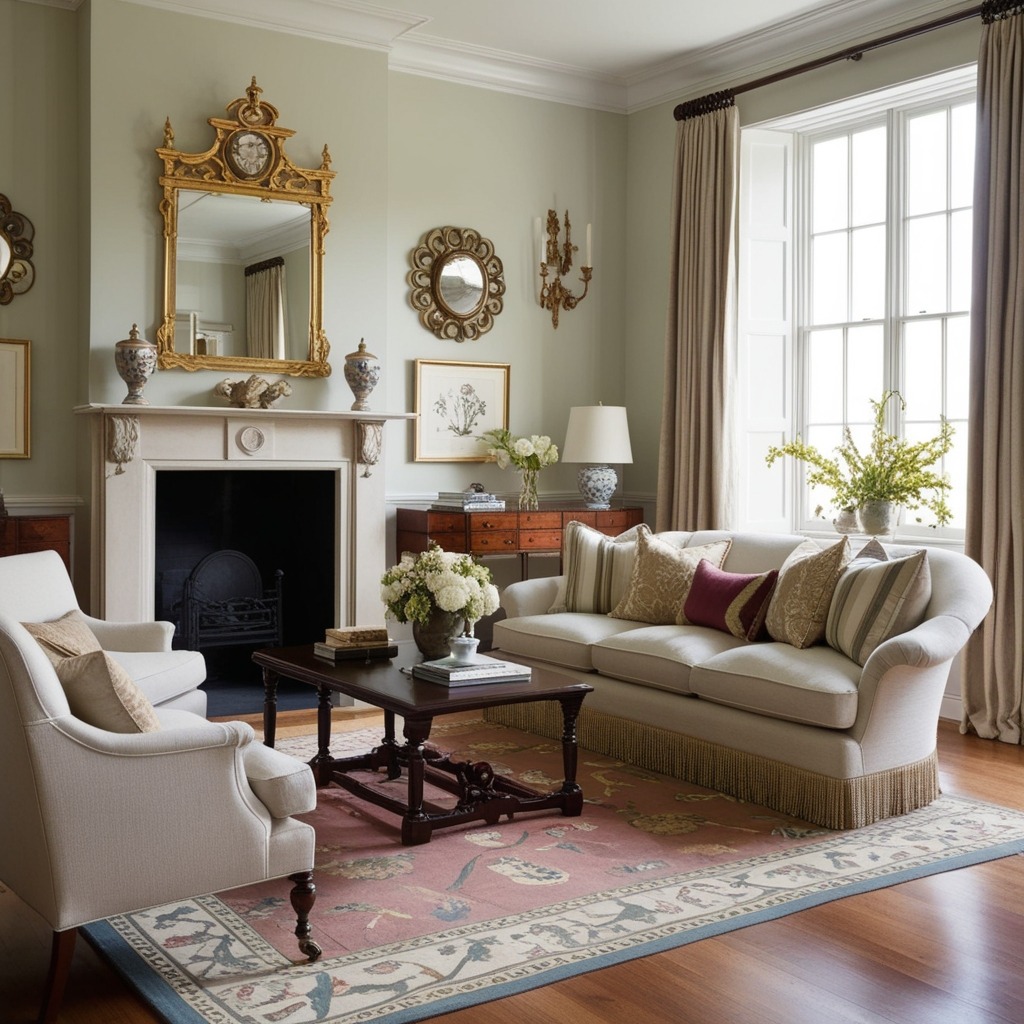
This section will guide you through practical steps to incorporate jacobean style interior design into your home, no matter its size or starting decor. Follow these expert-backed tips to create an elegant, collected look inspired by this historic style.
-
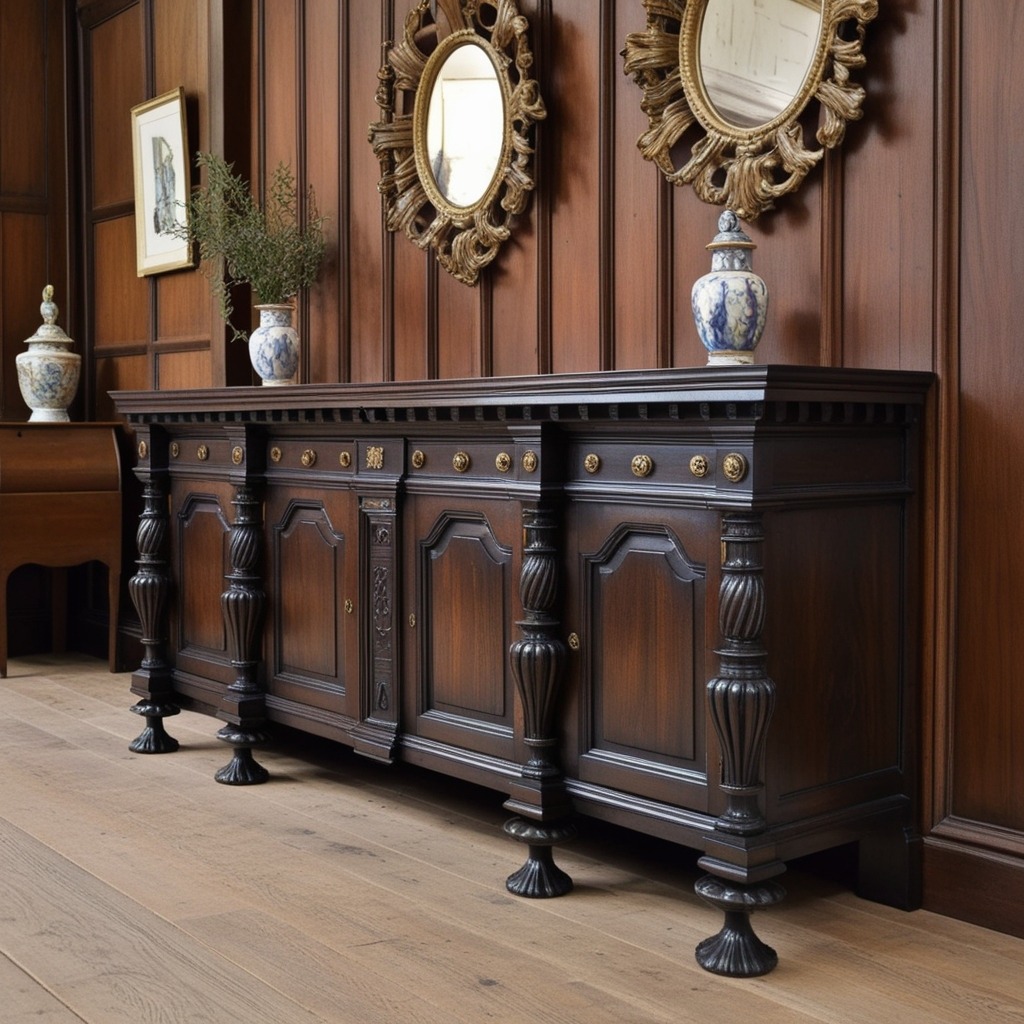
Opt for solid, dark-stained wooden furniture such as oak or walnut. What are the key characteristics of Jacobean interior design? Look for sideboards, tables and bed frames with ornate legs and elaborate moldings. While antiques are preferable, high-quality reproductions or even modern pieces with the right lines can be equally effective.
-
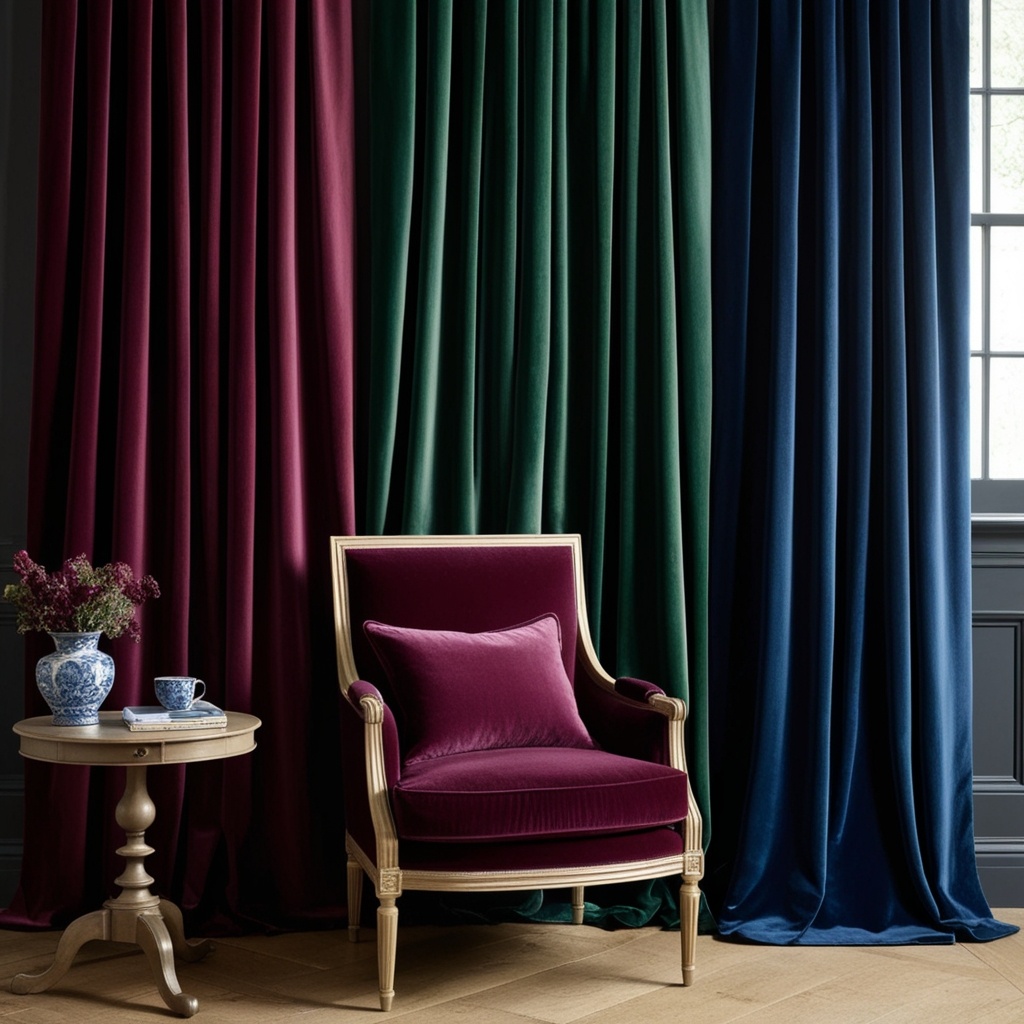
Choose upholstery and curtains in rich, deep colors like burgundy, forest green, or sapphire blue. Jacobean design is noted for its luxurious, moody color schemes. Fabrics like velvet or heavy linen look sumptuous and feel timeless. For smaller accents, consider throw pillows.
-
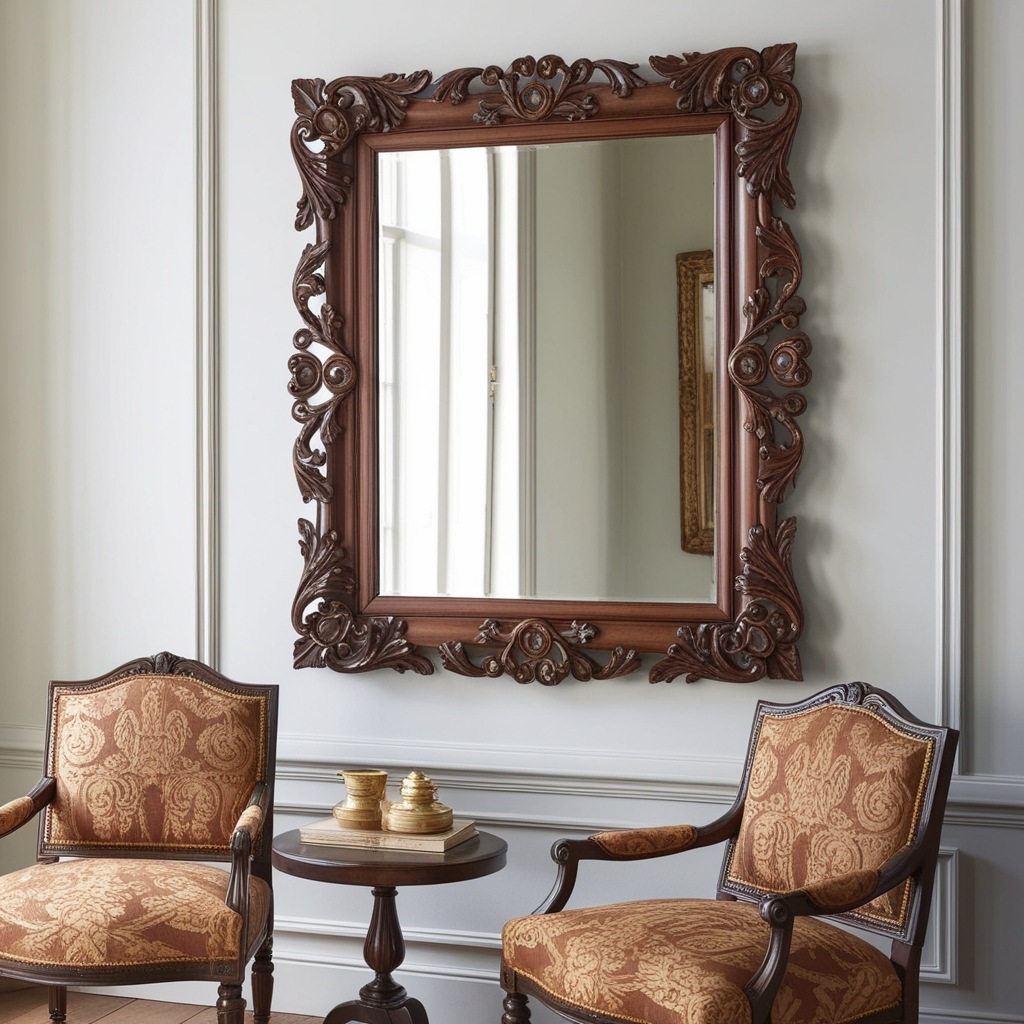
Seek out mirrors, picture frames, or accent chairs with elaborate carved details. Jacobean style celebrates craftsmanship, so these elaborate touches will set the mood. Even one or two statement pieces with this detail can lend authenticity to a modern space, blending traditional charm with modern Jacobean interior design aesthetics.
-
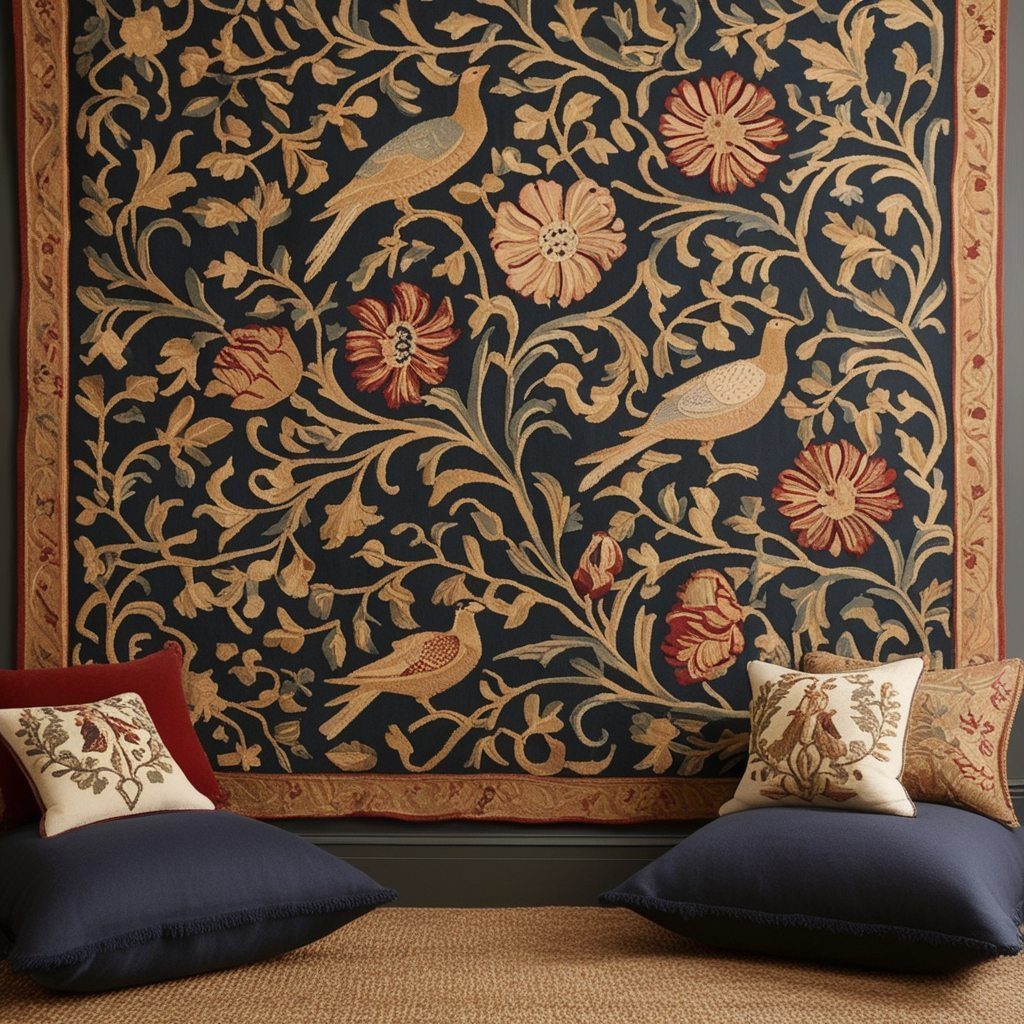
Look for textile layers with stylized floral, bird, or scrolling vine motifs akin to 17th-century English woven wall hangings. Look for throw rugs, wall hangings, or pillows with embroidered or woven motifs. These patterns add an artful elegance to the spaces and are often inspired by the historic motifs.
-
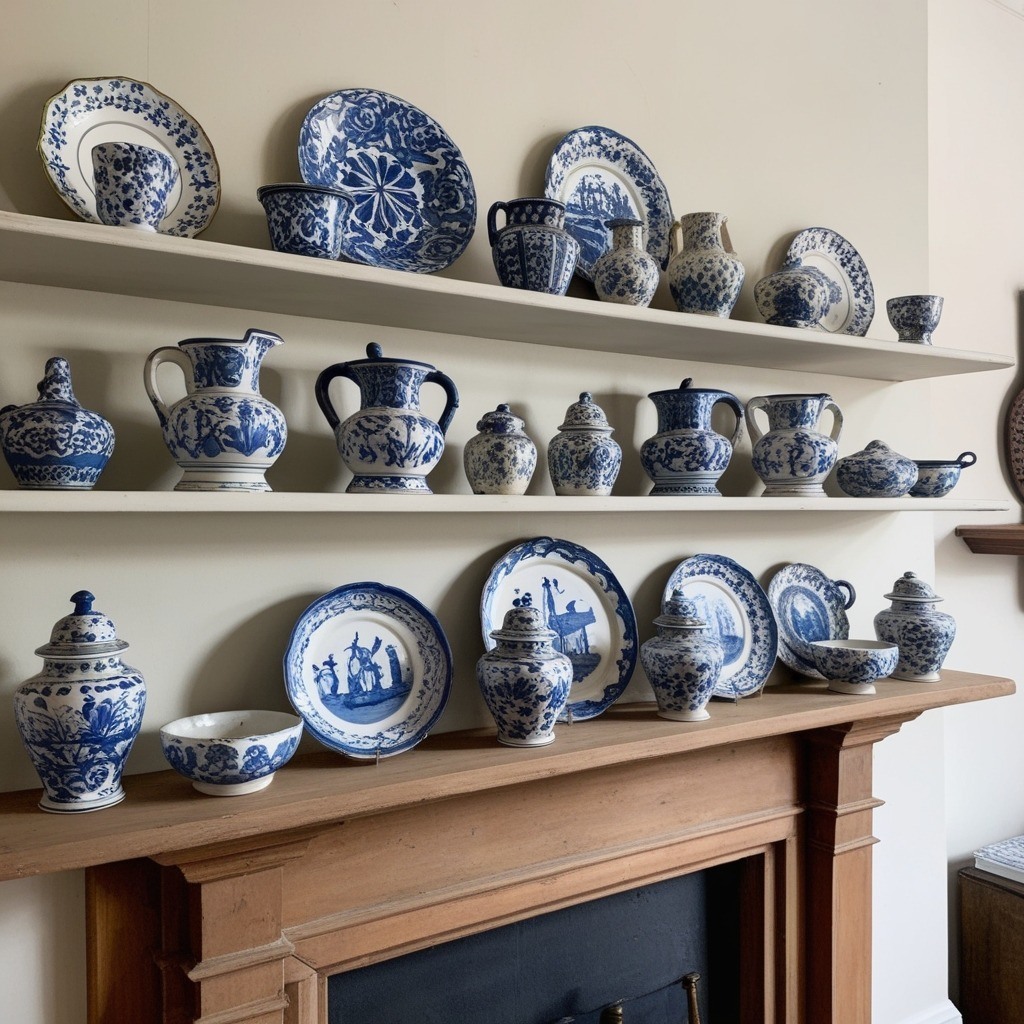
Arrange clusters of decorative ceramics on shelves or mantels. Jacobean homes often included delftware or earthenware pottery, painted with blue-and-white or earthy tones. Thrift stores and flea markets are excellent sources for eclectic finds with vintage charm.
-
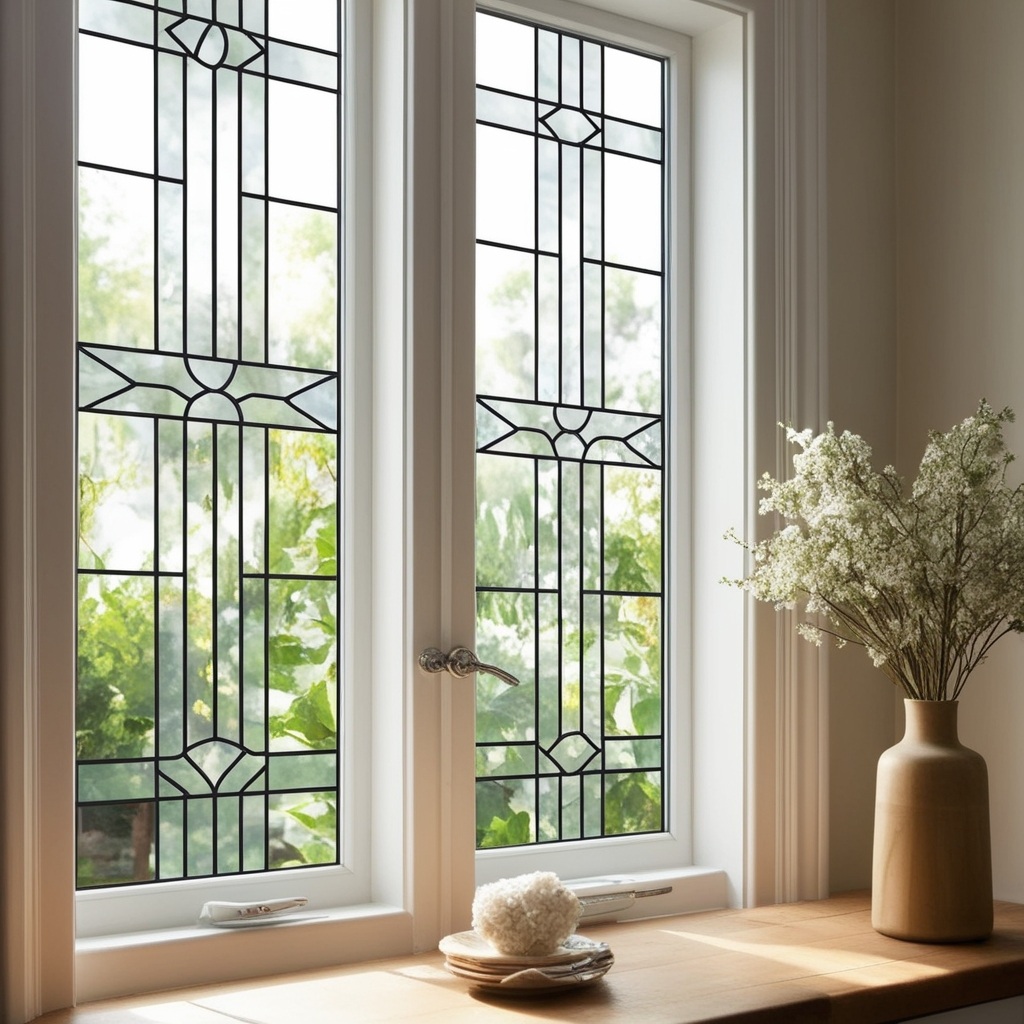
If you're renovating, look into windows with leaded glass or faux-leaded stickers. They create a signature geometric pattern on the lamps and diffuse light beautifully. Renters can use decorative window films that mimic the effect.
-
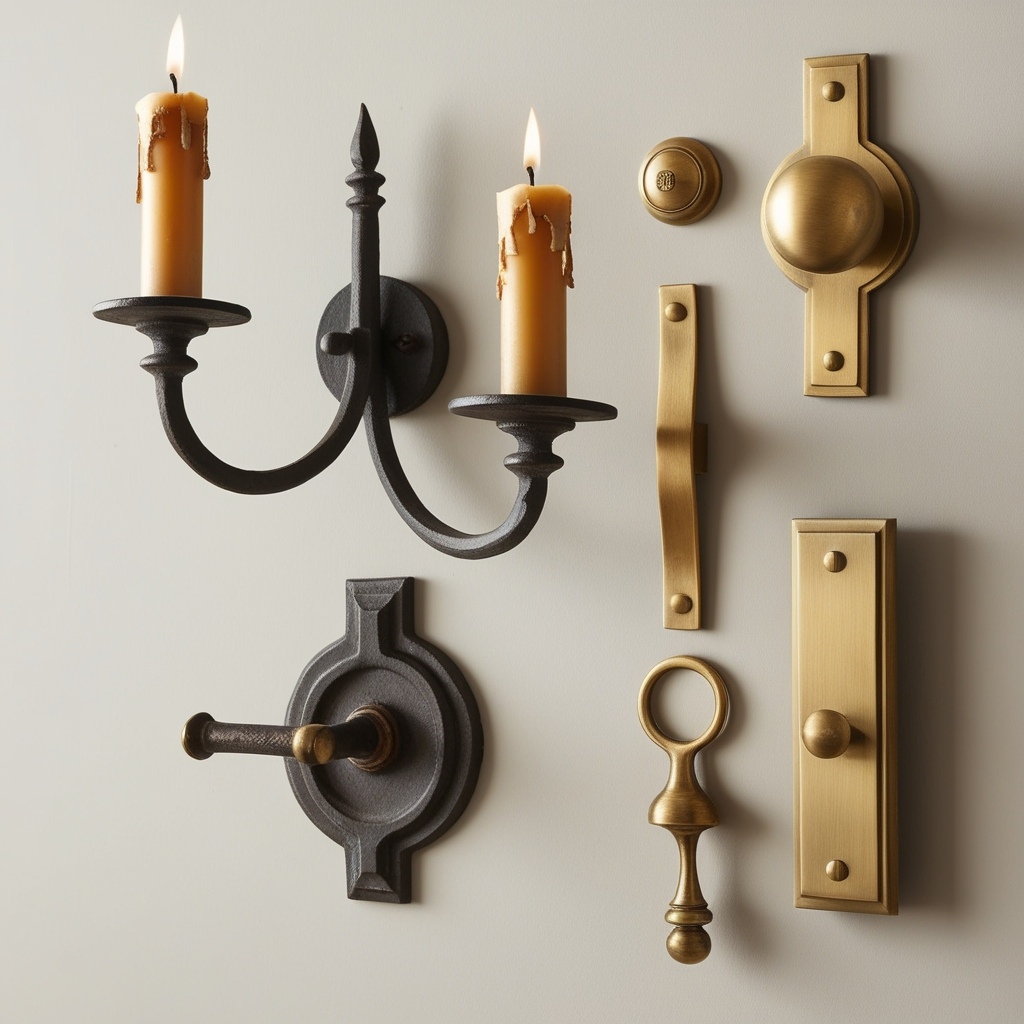
Choose lighting, hardware, and decorative accents in aged iron or warm brass. Sconces, candlesticks, or cabinet pulls in these materials nod to Jacobean tradition while fitting naturally in contemporary settings. Opt for simple, sturdy shapes over anything too dainty.
-
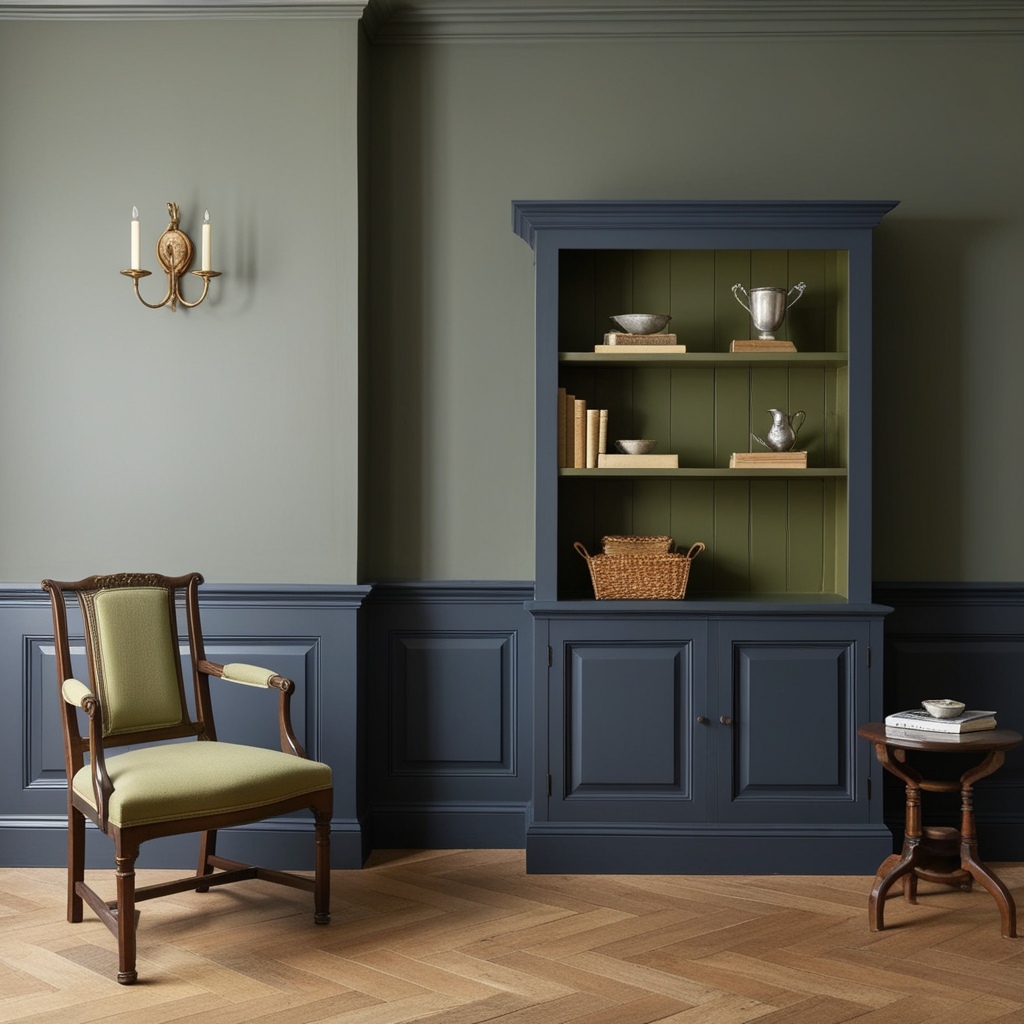
Pick wall colors in slate gray, olive, or navy to anchor the room. These shades recall the cozy, intimate feel of Jacobean interiors and work especially well in a jacobean living room. If painting an entire room feels overwhelming, try an accent wall or paint the inside of a bookcase for a subtle touch.
-
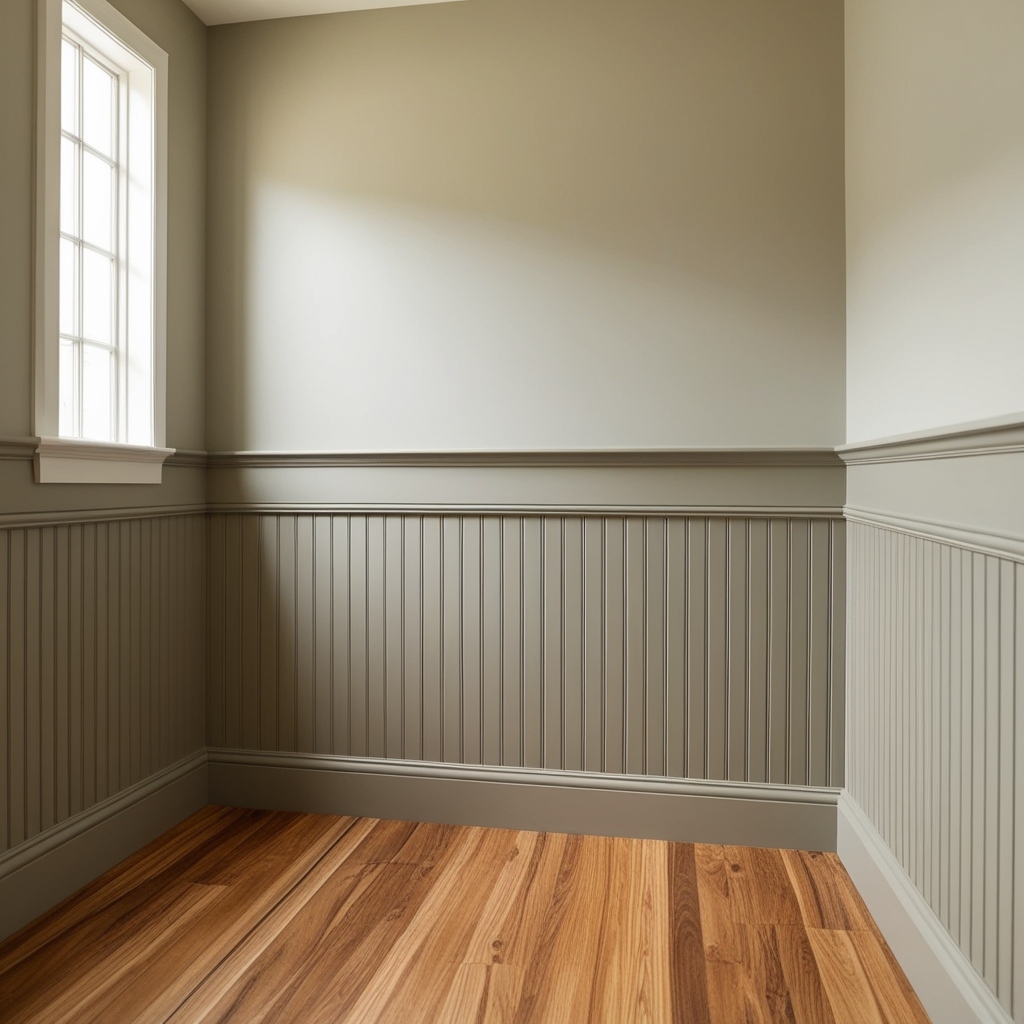
Install wood paneling or beadboard along the lower half of your walls if possible. This architectural detail captures the craftsmanship of the style. For smaller budgets, faux-wood wallpaper or painted trim can give a similar effect. Consider incorporating jacobean kitchens elements by using dark-stained wood cabinetry with ornate carvings and classic hardware to extend the Jacobean aesthetic into your cooking space.
-
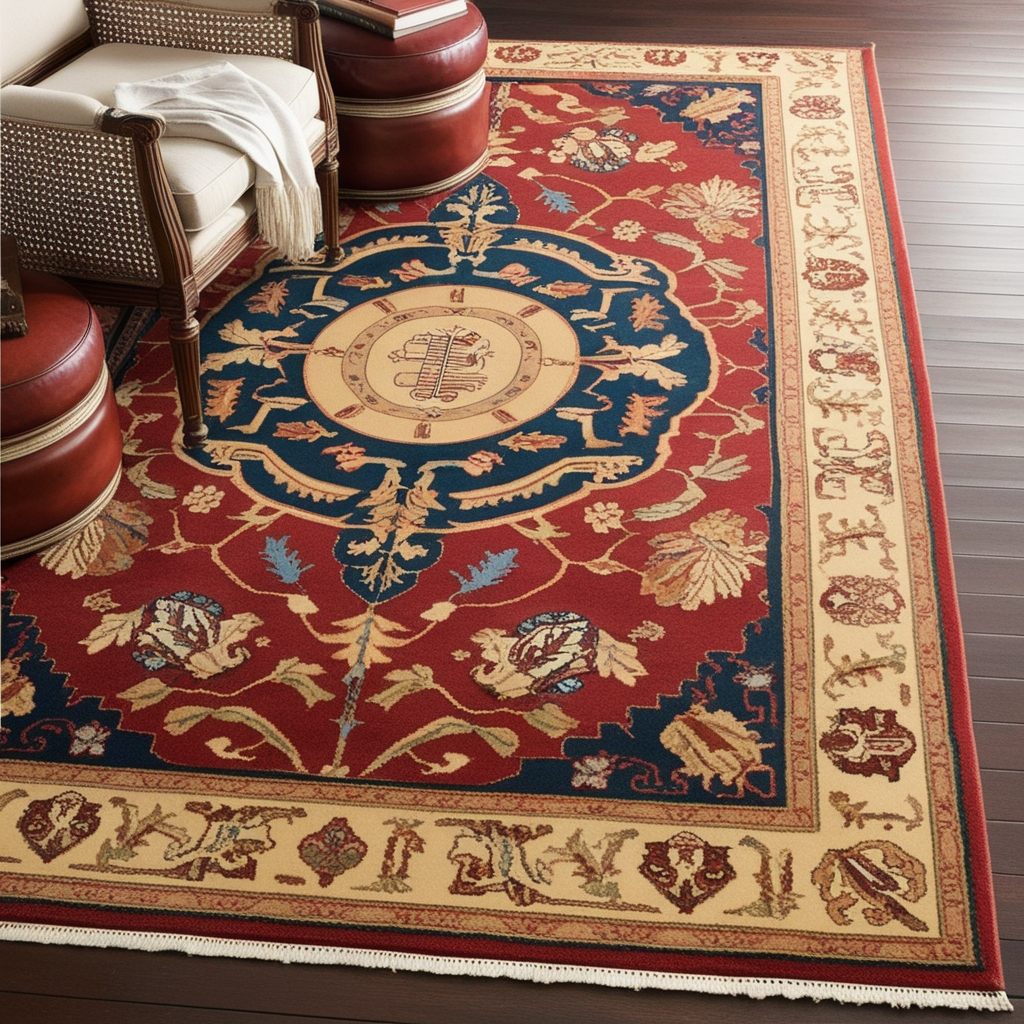
Choose area rugs with traditional motifs, such as medallions or heraldic patterns, in rich colorways. Persian or oriental-inspired rugs echo the Jacobean love of global influences and create warmth underfoot. Don't be afraid to let rugs overlap for a cozier layering.
-
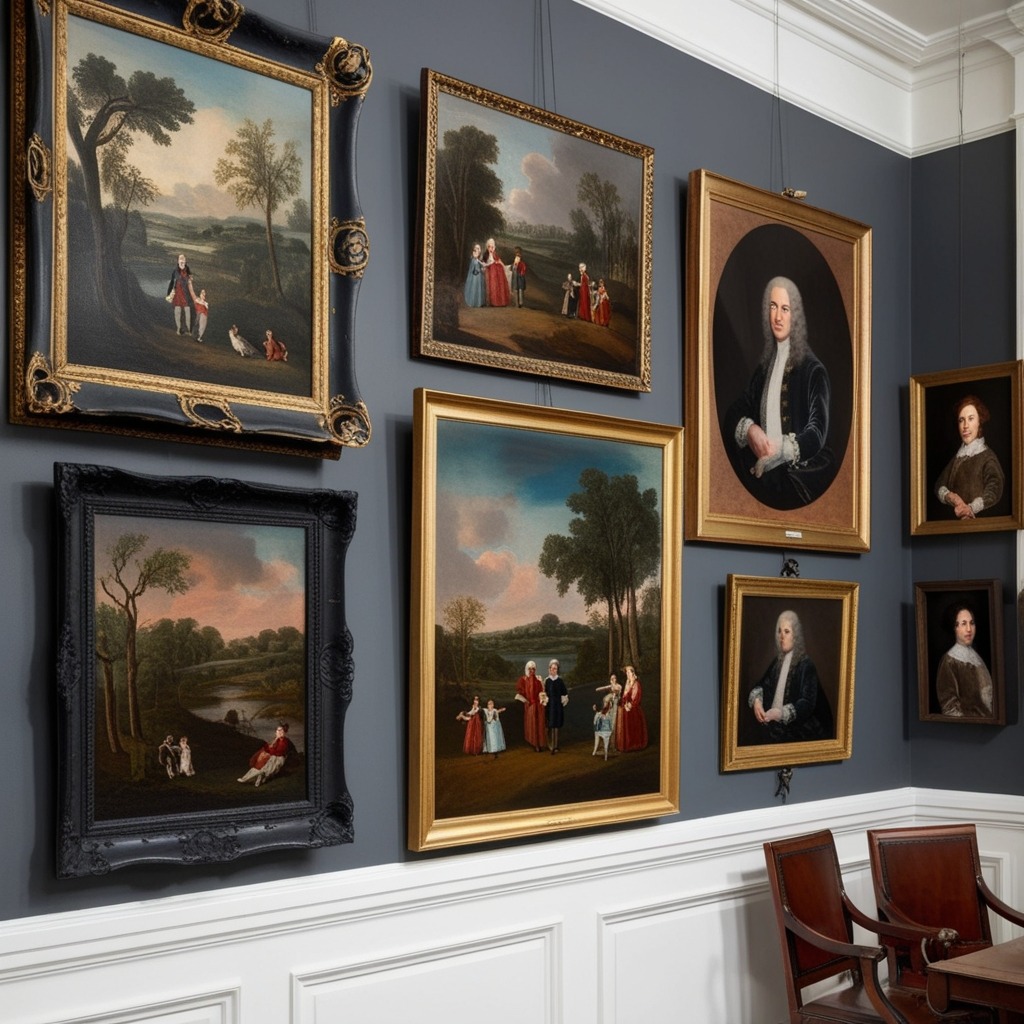
Hang oil paintings, engravings, or reproduction portraits of landscapes and family scenes. Dark, ornate frames with gilding or carved wood enhance the Jacobean vibe. Mixing contemporary art with these classics can keep the space feeling fresh and personal.
-
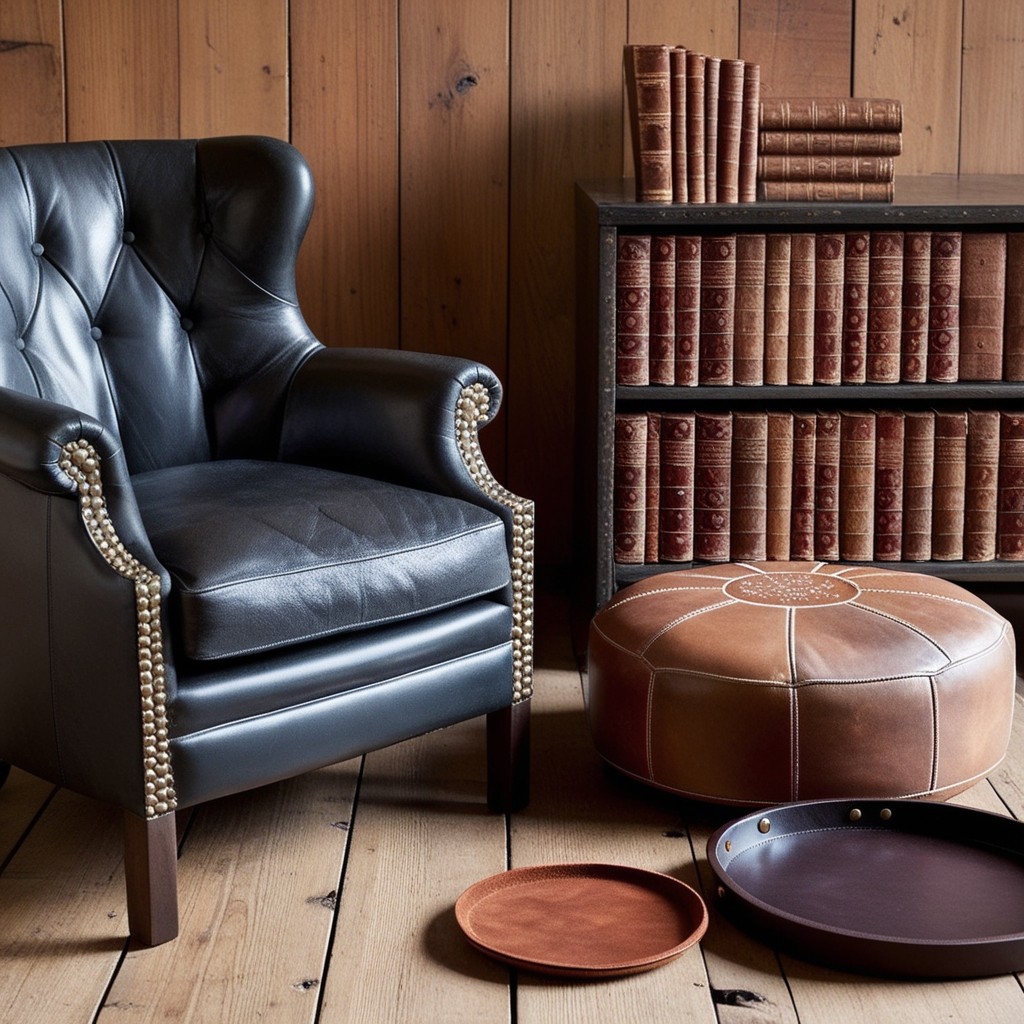
Integrate leather with studded armchairs, footstools, or bound books. The texture and patina of leather adds both visual interest and a sense of collected history. Even a leather tray or set of coasters can hint at this tradition.
-
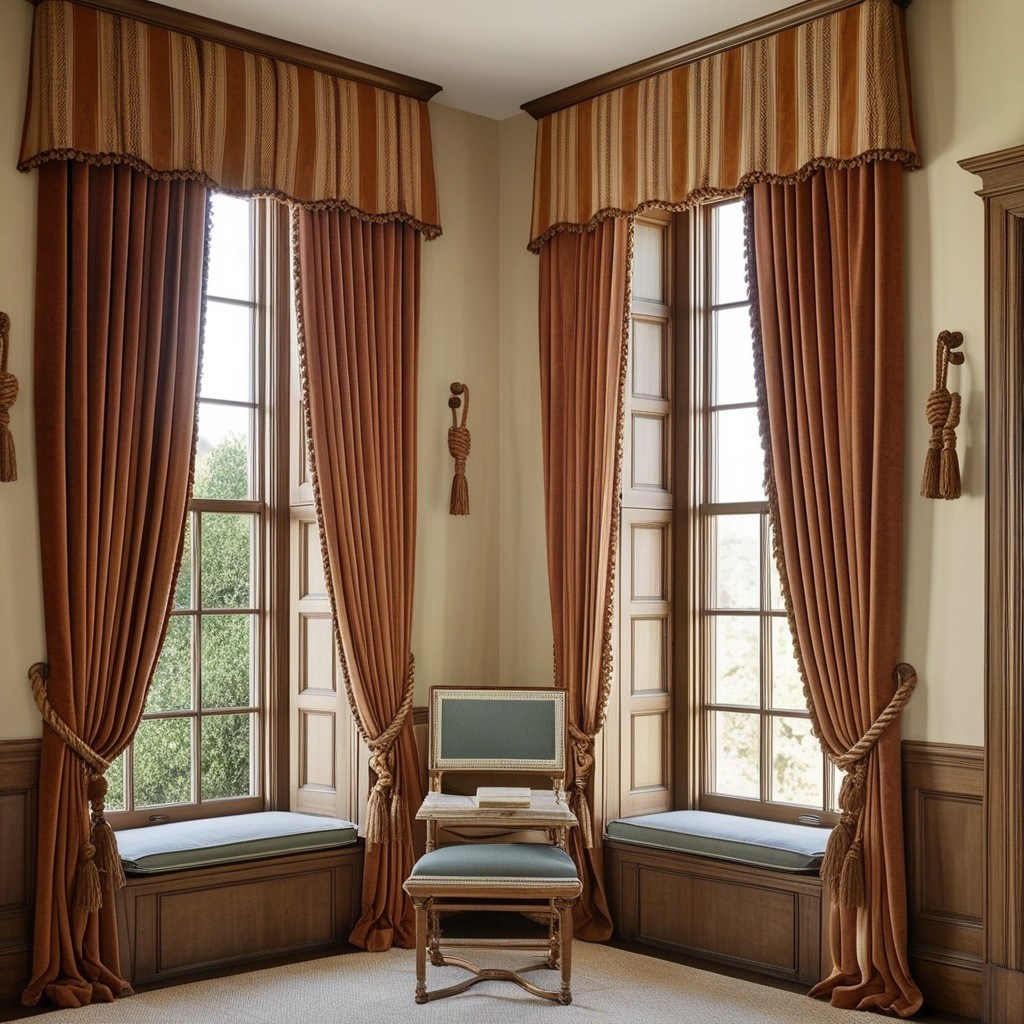
Opt for lined, full-length drapes in rich fabrics to frame your windows. Tiebacks with tassels or ropes further the historic feel. Heavy drapery not only looks dramatic but also improves insulation and privacy—a practical plus.
-
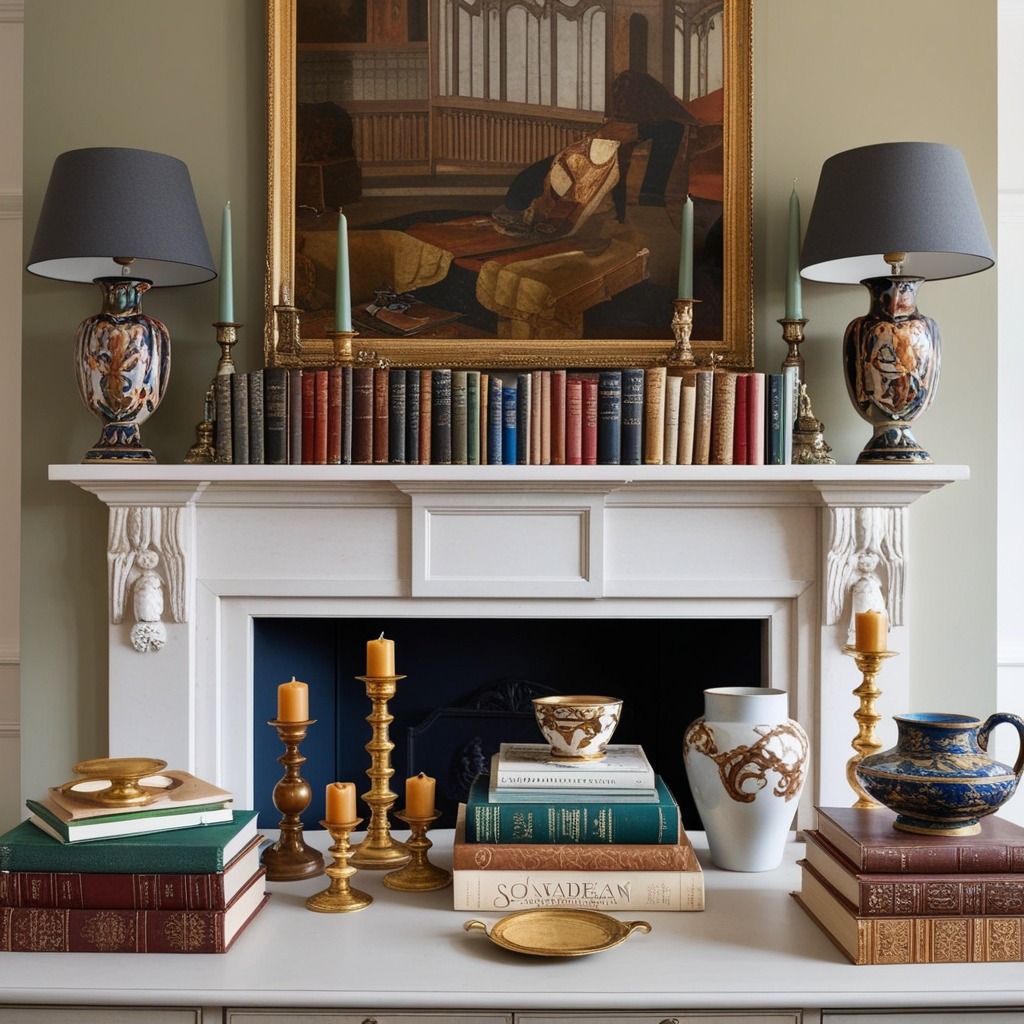
Display curated groupings of books, candlesticks, or ceramics to add character and narrative to your space. Jacobean style reflects a love of collecting, so allow your personality to shine through with gathered treasures on mantels, shelves, or sideboards.
Visualize Jacobean style with Paintit.ai
Upload a photo of any room to app.paintit.ai and test how Jacobean colour palettes - dark oak tones, deep jewel colours, rich textiles - read in your actual space in 1-2 minutes. Useful for deciding how much dark wood paneling a room can carry before it becomes oppressive, or comparing a full Jacobean commitment against a lighter period-influenced direction. Free to start.
The Role of Inigo Jones in Shaping Jacobean Interiors
Inigo Jones stands as a transformative figure in the story of Jacobean style interior design, directly shaping the course of English design during the early 17th century. As the first significant architect to introduce Renaissance ideas to England, Jones brought a new sense of order, proportion, and classical elegance to Jacobean architecture and interiors. His influence is evident in the way Jacobean spaces began to feature arches, columns, and rectilinear shapes—elements that brought a sense of balance and formal height to English homes.
Jones’s interiors were renowned for their rich, opulent quality. He made much use of elaborate woven wall hangings and flowing linens, which added both warmth and visual drama to the walls and windows. Storage was another hallmark of his approach: elaborately carved cupboards, chests, and benches were not only practical but also served as decorative focal points, often adorned with scrolls and classical motifs. These pieces, crafted from local wood, reflected the artisan skill and attention to detail that defined the Jacobean period.
A key aspect of Jones’s legacy is his ability to blend traditional English crafts with the new Renaissance styles he admired. He introduced exotic materials, such as Asian lacquer, into his interiors, giving them a sophisticated edge that was highly prized by the English aristocracy. At the same time, he championed the use of local materials and crafts, ensuring that each interior felt rooted in its own place and history.
The term “Jacobean” itself is often associated with the kind of interiors Jones designed—spaces that are both grand and inviting, filled with rich textiles, elaborate woodwork, and a sense of collected opulence. His ideas about symmetry, order, and the use of rectilinear shapes became a blueprint for English design, influencing not only his contemporaries but also later movements. The Arts and Crafts movement, led by figures like William Morris, drew inspiration from Jones’s emphasis on craftsmanship and the beauty of well-made pieces.
Jones’s work was not limited to stately homes; he also designed smaller, more intimate spaces, introducing settles and benches that became characteristic features of Jacobean interiors. These pieces, along with his use of storage solutions and decorative arts, helped define the local style of the time.
For those interested in exploring Jones’s impact further, the website of the Victoria and Albert Museum offers a wealth of examples and published resources on Jacobean architecture and interior design. His legacy continues to inspire designers today, showing that the ideas he brought to England—order, craftsmanship, and a love of rich materials—remain timeless.
Inigo Jones’s vision and creativity were instrumental in the development of Jacobean interiors. By introducing Renaissance ideas and championing both local and exotic materials, he set a new standard for English design. His influence can still be seen in the opulent, well-ordered spaces that define Jacobean style, making his work a recommended subject of study for anyone passionate about classic craftsmanship and the evolution of interior design.
Related styles and tools
More ways to test Jacobean and period-inspired directions with Paintit.ai.
FAQ
-
Jacobean style refers to the English decorative arts tradition of the early 17th century, during the reign of James I (1603-1625) and Charles I (1625-1649). Defining characteristics include heavy dark-stained oak furniture with carved strapwork, scrolling foliage, tall-backed chairs, paneled walls, rich velvet or damask textiles, large fireplaces, exposed ceiling beams, and decorative plasterwork.
-
All three are related English historical styles. Tudor covers the broader dynasty, Elizabethan refers to Elizabeth I's reign, and Jacobean follows immediately after. Jacobean interiors are somewhat more elaborate, with stronger continental European influence, especially Flemish carving and strapwork.
-
Dark-stained or naturally aged oak is the main material for furniture, wall paneling, and architectural elements. Velvet and damask textiles, stone fireplace surrounds, iron and brass hardware, heavy rugs, woven wall hangings, and leaded glass also define the style.
-
Yes. Upload a photo of your room to app.paintit.ai and test Jacobean palette and material combinations in 1-2 minutes. Free to start.