
Empire Style Interior Design: Guide for Modern Homes
Empire style interior design draws from early 19th-century France, the period of Napoleon's First Empire, when interiors were designed to project imperial authority through neoclassical precision, monumental furniture, and lavish material wealth.
This guide covers the defining elements, how to apply them in a modern home, and what makes Empire style distinct from earlier Neoclassicism and later Regency interpretations.

What Is Empire Style Interior Design?
Empire style interior design emerged in early 19th-century France, a grand and authoritative look created during Napoleon’s reign. Defined by its neoclassical roots, this design movement celebrates imperial power, prestige, and opulence. Drawing deeply from ancient Roman and Egyptian motifs, it combines majestic forms with rich, regal detailing. Furniture and spaces are structured to convey solidity and grandeur, often punctuated by glittering gold accents and bold symmetry. Practically, Empire style communicates both confidence and refinement, qualities that translate well into spaces seeking a sense of history or ceremonial elegance. Its ornate visual language, from eagles to laurel wreaths, still fascinates designers aiming to create environments that are both formal and welcoming. With renewed interest in traditional styles and expressive interiors, Empire design offers a blueprint for rooms that exude impact and memorable sophistication.
-
Color palette
Empire rooms rely on saturated, formal colour: crimson, deep red, emerald, navy, black, ivory, and gold. The contrast is important. Rich wall colours read best when framed by white or cream moldings, while gilded bronze, brass, or gold leaf should appear as accent rather than background.
-
Materials and textures
Mahogany, rosewood, marble, velvet, silk, damask, and gilded bronze define the material language. The surfaces should feel weighty and polished. In a modern home, one or two strong materials, a marble-topped table, velvet upholstery, or dark wood case piece, can suggest Empire style without turning the room into a museum set.
-
Furniture and silhouettes
Empire furniture is monumental and symmetrical: confident chairs, pedestal tables, daybeds, carved legs, and strong classical profiles. Look for swan, eagle, sphinx, laurel, and lion motifs used sparingly. Avoid mixing these pieces with very delicate furniture; the scale mismatch makes the room feel accidental.
-
Decor and accessories
Gilded mirrors, urns, classical busts, bronze lamps, heavy drapery, and framed historical or mythological art all suit the style. The key is order: place accessories in pairs, align them around a mantel or console, and let each object support the room's symmetry.
-
Architectural features
Empire interiors are supported by classical bones: columns, pilasters, cornices, ceiling medallions, broad moldings, and fireplace surrounds. Even an apartment can use painted trim, applied wall molding, or a strong mantel treatment to create the architectural frame the style needs.
-
Planning and composition
Empire interiors are governed by symmetry and deliberate scale. Every arrangement, furniture grouping, window treatment, mantel decoration, should mirror its opposite. A pair of chairs flanking a fireplace, matching sconces on either side of a mirror, identical urns on a mantelshelf: this bilateral symmetry is the spatial grammar of the style.
Scale matters as much as symmetry. Empire furniture is large and confident, don't mix it with delicate or diminutive pieces that it will visually overwhelm. The room should feel composed from a distance first, with decorative richness discovered up close.
Color-blocking is an effective modern interpretation: a deeply saturated wall (rich red, emerald, or navy) against crisp white architectural moldings creates the essential Empire contrast without requiring an entire palatial renovation. The moldings define the room's bones; the colour activates them.
How to Bring Empire Style Interior Design Into Your Home
-
This section explores practical ways to infuse your living space with the elegance and richness of Empire style interior design. Use these ideas as a guide for integrating classic elements and luxurious touches, helping you create a sophisticated home environment that feels both timeless and welcoming.
-
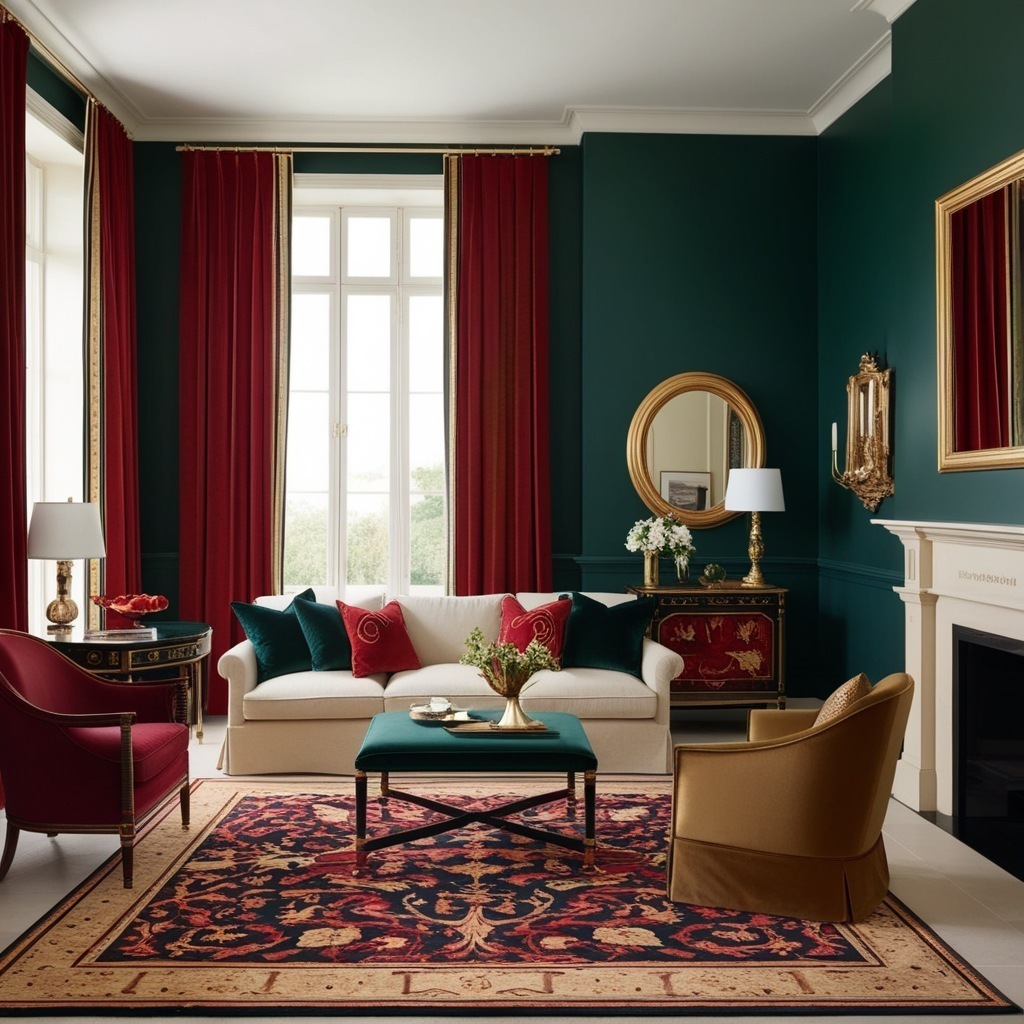
Empire style interiors often use bold yet refined color schemes, such as deep red, green, navy blue and rich gold. Incorporate them into walls, textiles and accent pieces as a foundation. If you’re not quite ready to paint an entire room, consider adding these hues in window treatments or a prominent area rug. Balance the bold colors with neutral backdrops like cream or taupe to keep your space inviting.
-
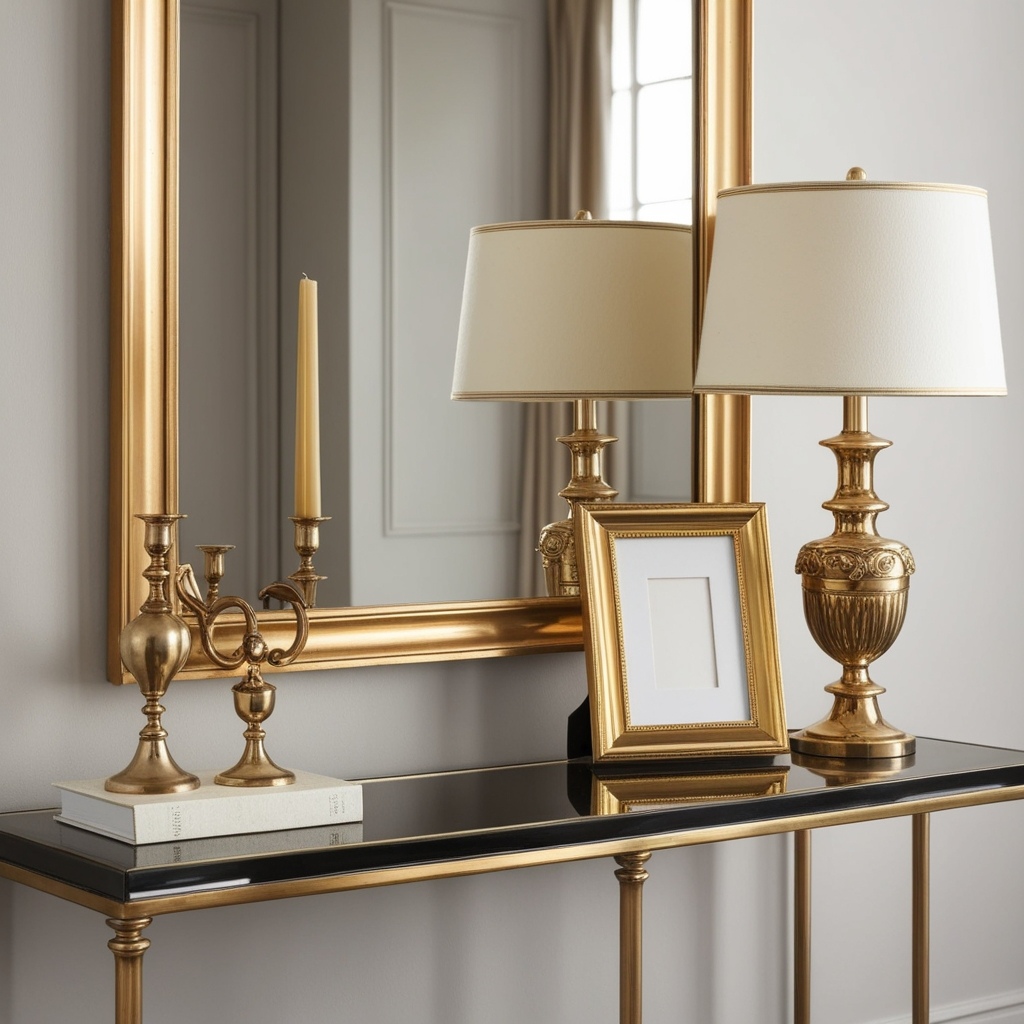
Gold and brass details are signature elements of Empire style. Seek out mirrors with gilded frames, ornate candleholders, or metallic-trimmed picture frames. Subtle touches work as well, even a gold-accented lamp base can refine a side table. Focus on a few statement accents to prevent the look from becoming too overwhelming.
-
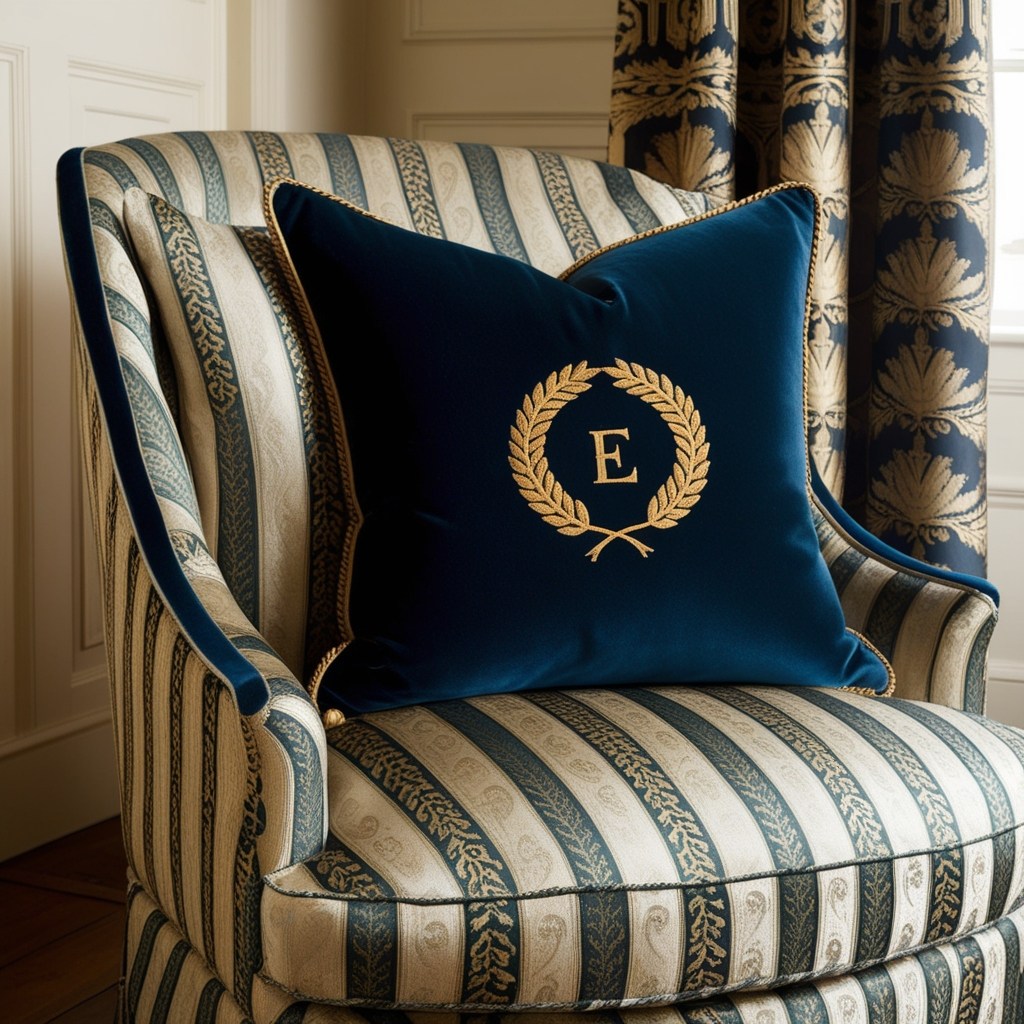
Textiles play a huge role in achieving the Empire look. Opt for upholstery and curtains in rich fabrics like velvet, silk, or damask. Even a throw pillow or two in these materials can hint at the style without a major overhaul. Choose patterns with classical motifs such as laurel wreaths or bold stripes where possible.
-
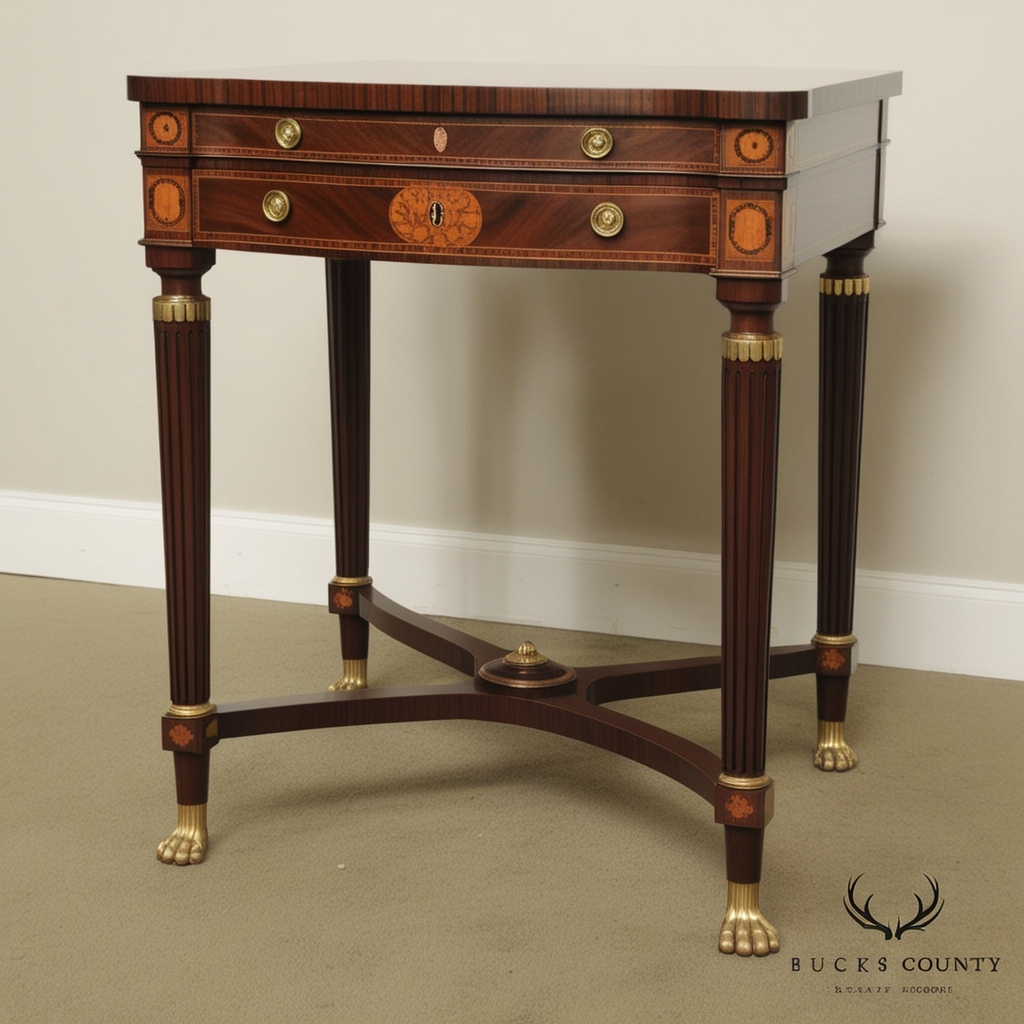
Empire style furniture typically features clean lines, substantial proportions, and decorative inlays. Look for pieces with mahogany or dark wood finishes, and details like claw feet or column-style legs. Thrift stores or antique shops can be great sources for quality reproductions or originals.
-
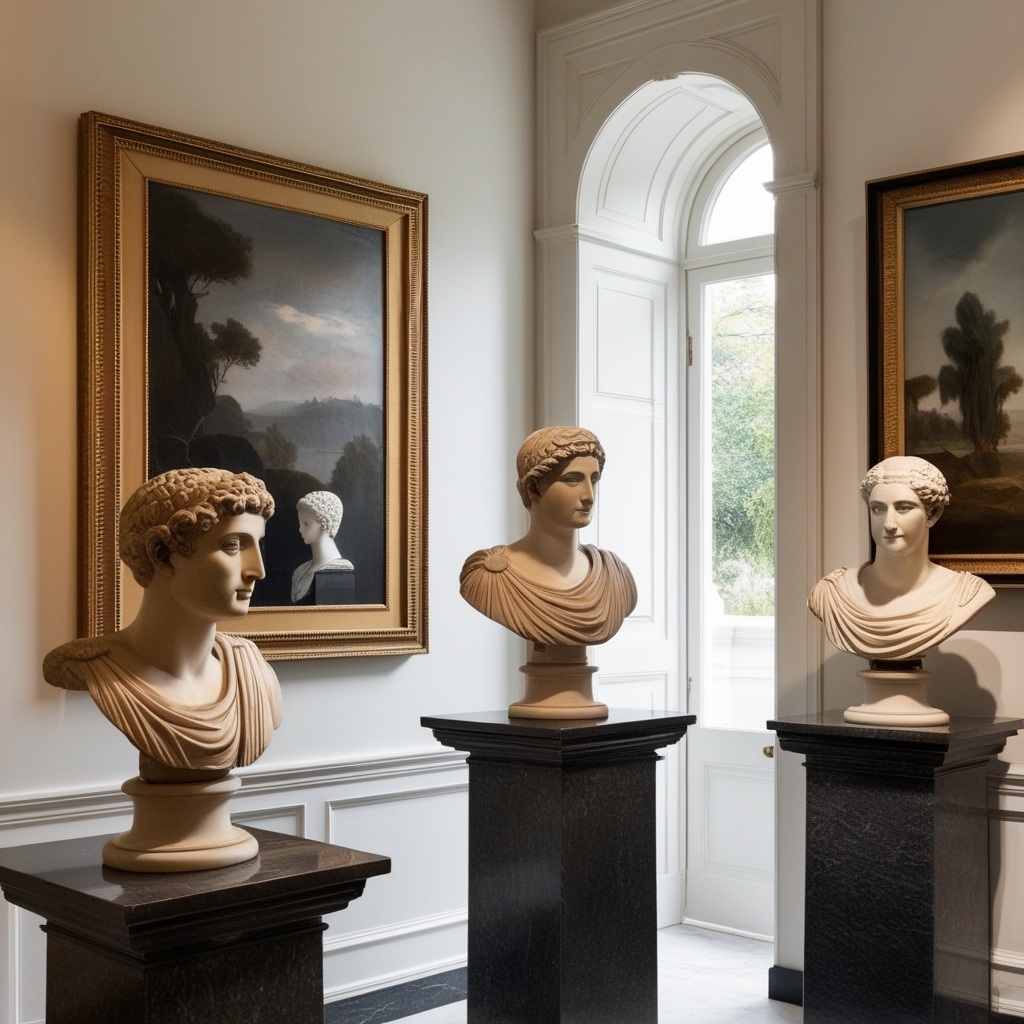
Sculptural art plays a starring role in Empire interiors. Incorporate classical busts or framed art that references Greco-Roman themes, think striking silhouettes on pedestals or moody landscape paintings. Place these pieces where they’ll catch the light and be a natural focal point.
-
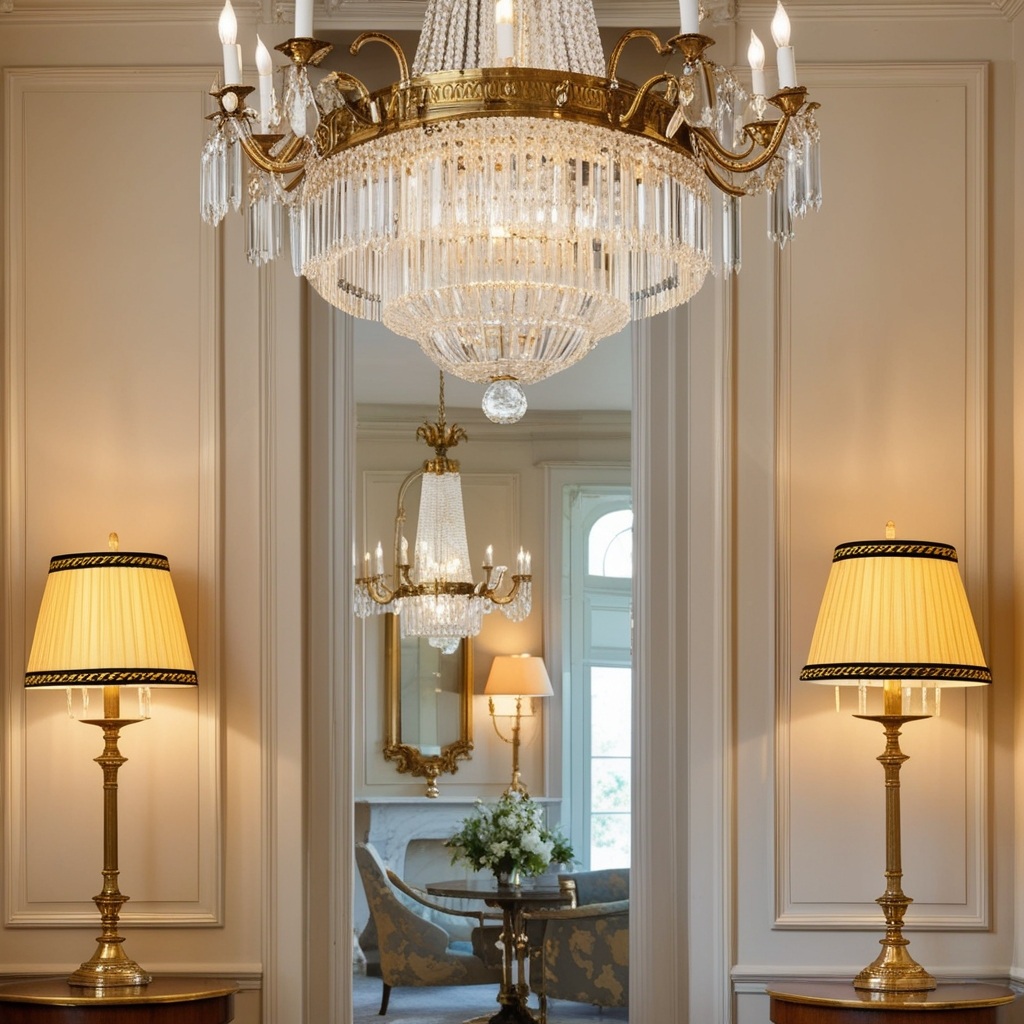
Lighting is more than functional in Empire style, it’s meant to dazzle. A crystal chandelier or brass candelabra instantly channels the grandeur of the era. For smaller spaces, opt for elegant table lamps with classical silhouettes or shades trimmed in gold braid for extra impact.
-
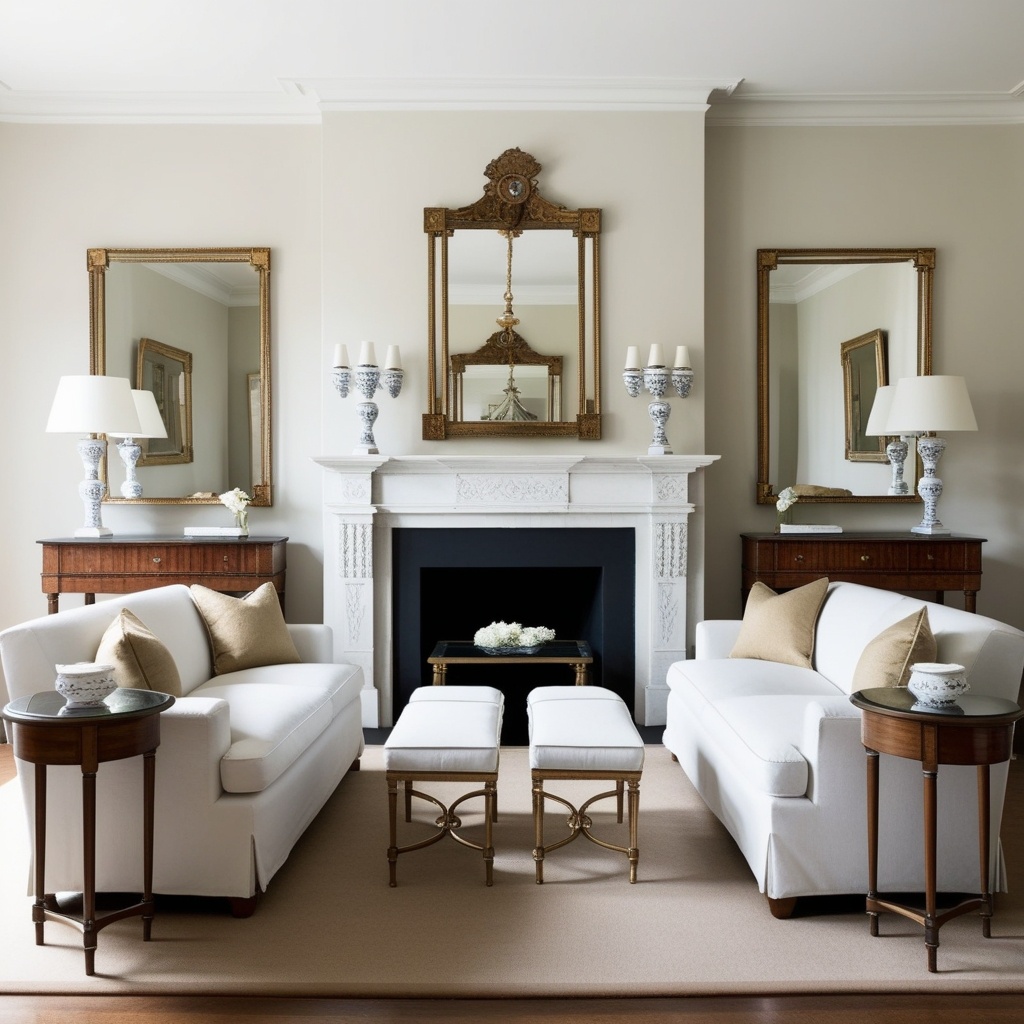
The Empire style is highly structured, favoring balance and symmetry. Arrange your seating arrangements, side tables, or decor in pairs wherever possible. Mirrored setups in living rooms or on mantels create a sense of harmonious, intentional design that feels truly timeless.
-
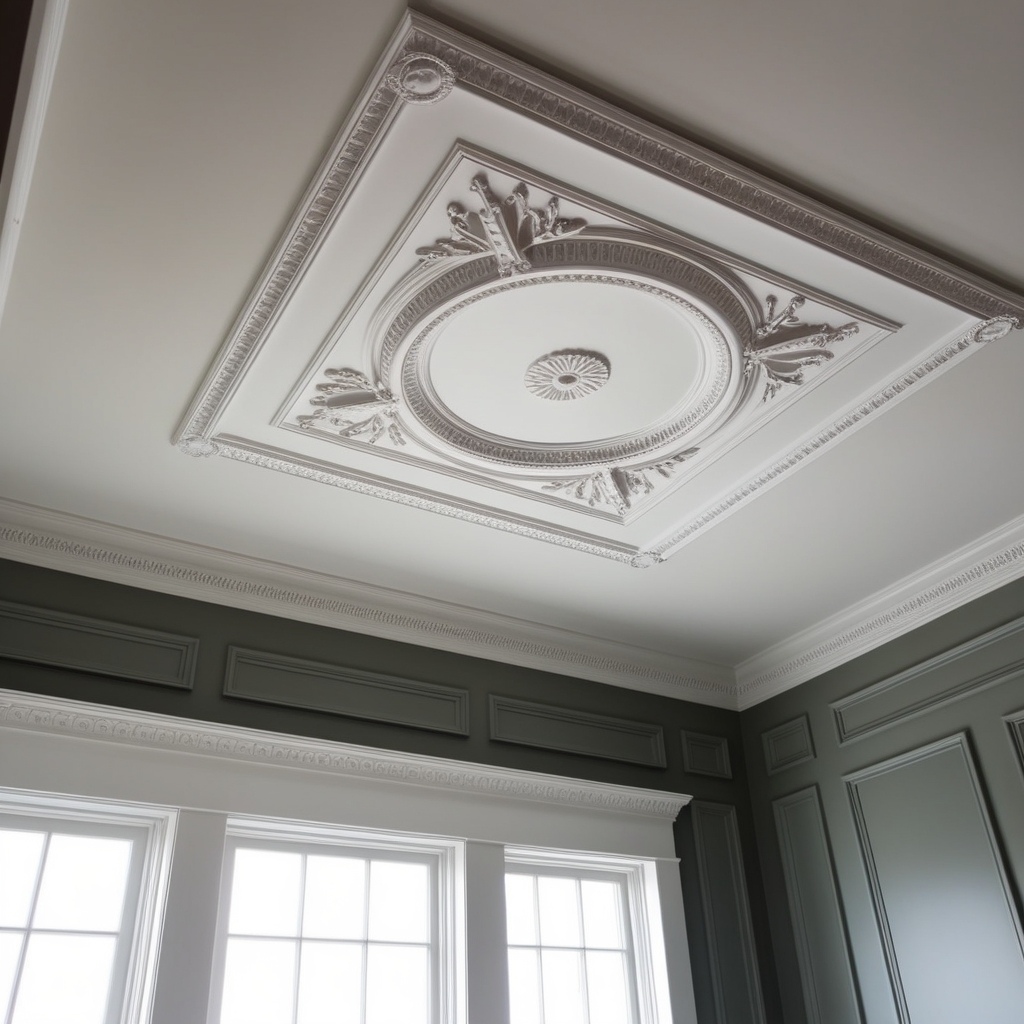
Architectural details like detailed crown molding, ceiling medallions, and wall paneling bring Empire energy to any room. If you rent or want a DIY version, adhesive moldings and peel-and-stick panels can provide the look with less commitment. Keep trims painted in crisp white for contrast against deeper wall colors.
-
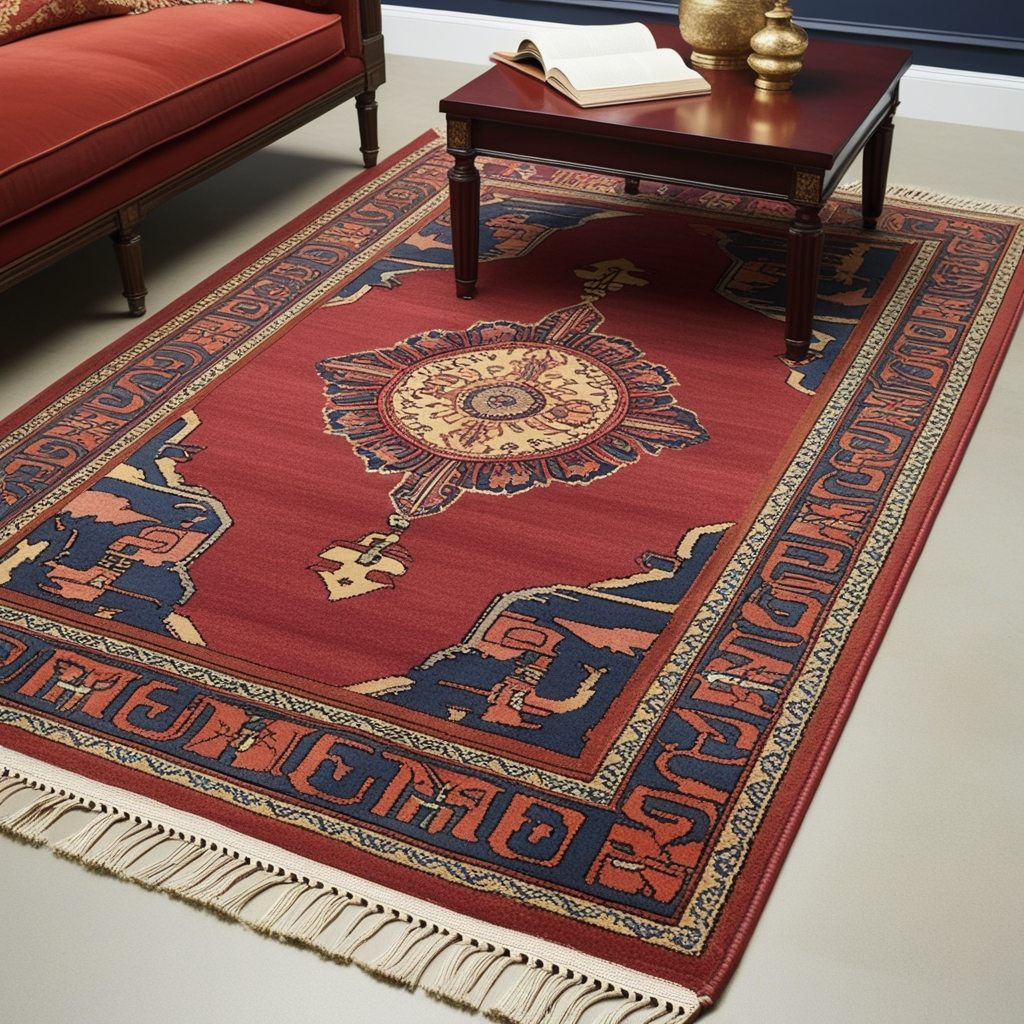
Rugs with traditional patterns, such as medallions or geometric borders, ground an Empire-inspired space beautifully. Look for options in deep reds, blues, or golds, and layer them under your coffee table or at the foot of your bed. A rug with fringe or classical motifs can be an instant anchor to the room.
-
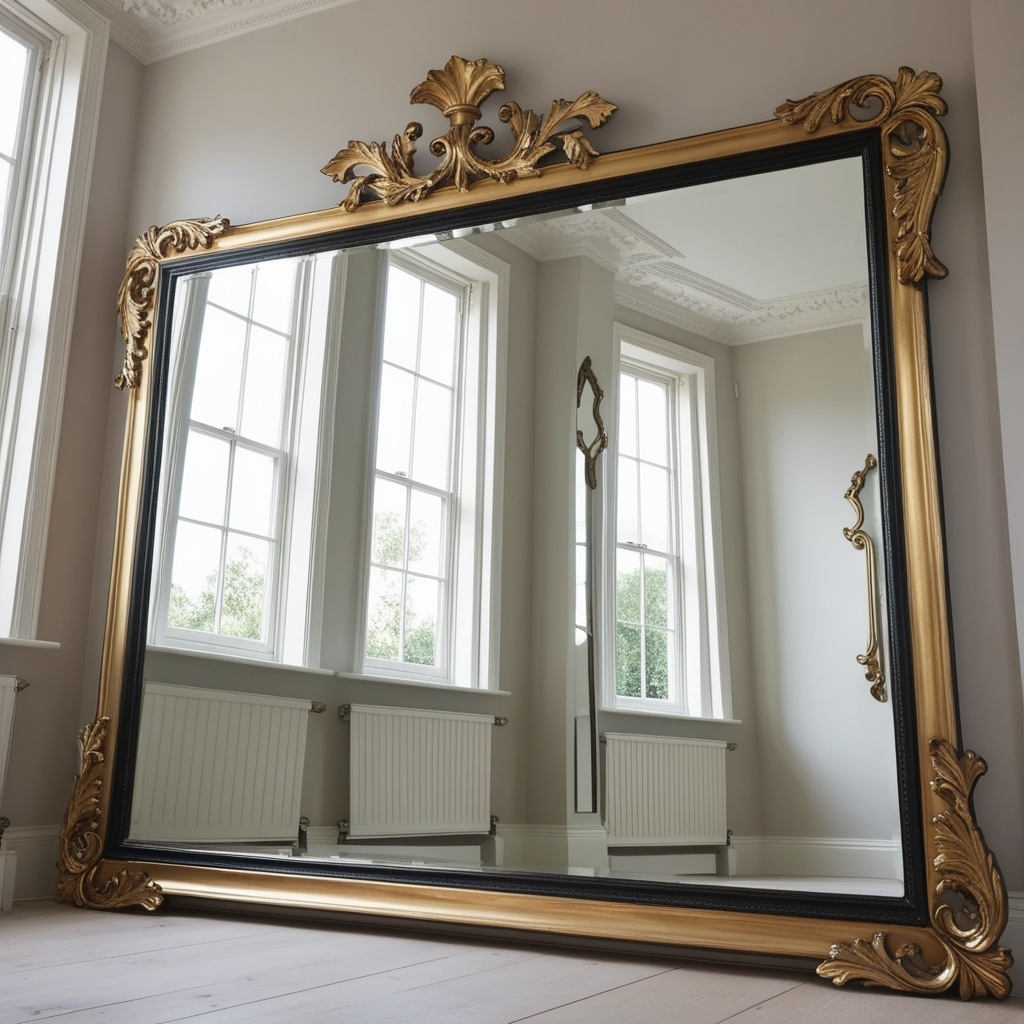
Large, elaborately framed mirrors serve both as décor and as a way to enhance the sense of light and space. Choose mirrors with gold, bronze, or black frames, ideally with sculpted detailing or cresting. Place them opposite windows to reflect natural light and create a grander feeling in modest rooms.
-
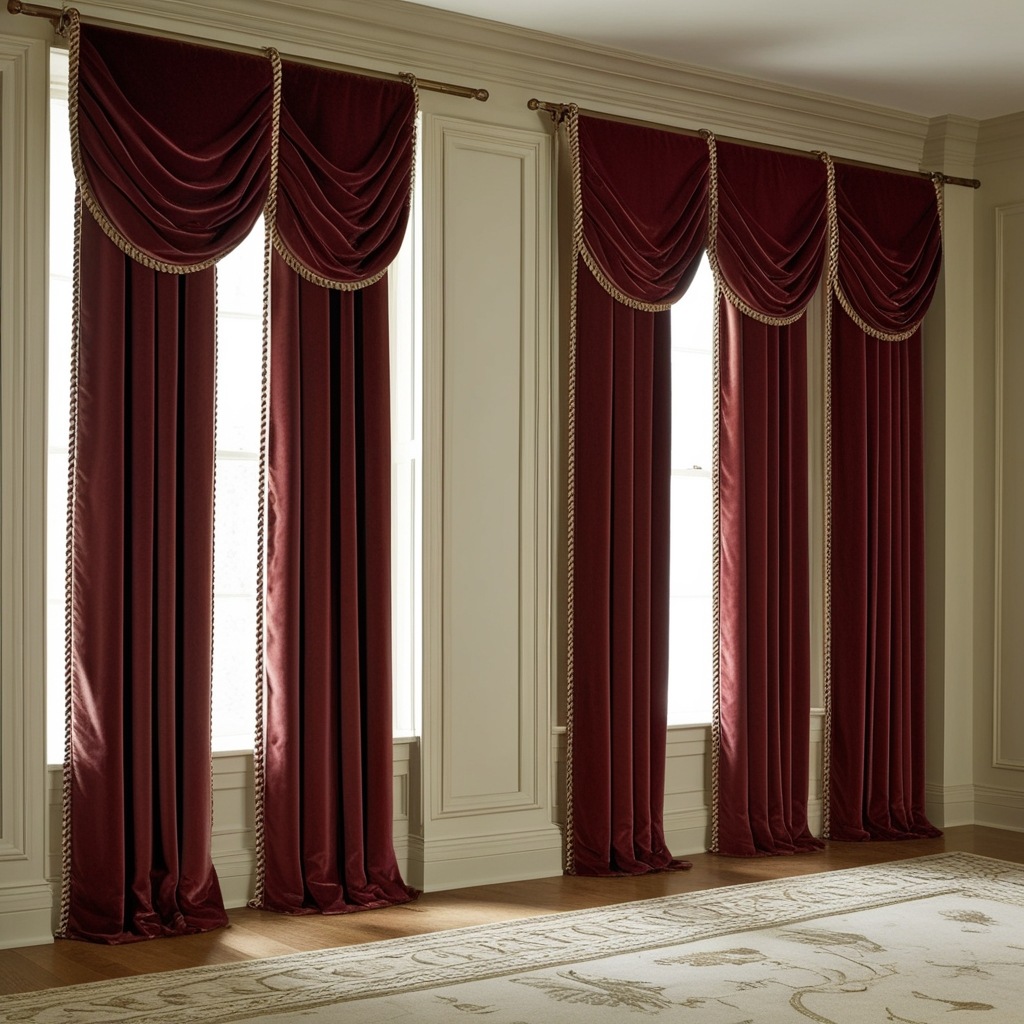
Floor-to-ceiling curtains in rich fabric play up the drama and sophistication of Empire interiors. Choose solid colors in velvet or silk, or opt for subtle patterns trimmed with fringe or braid. Mount drapery rods close to the ceiling to make your windows feel taller and create an impressive vertical line.
-
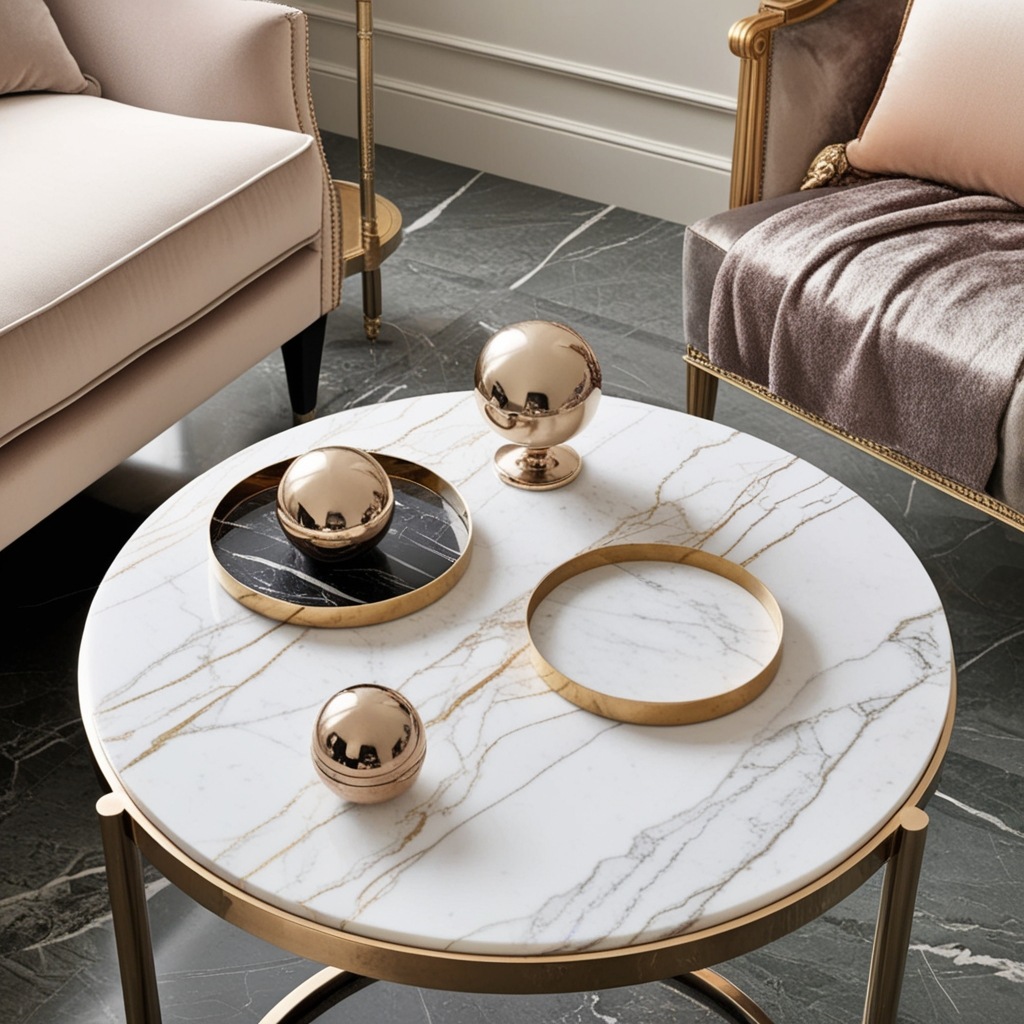
Classic Empire style celebrates opulence through marble and other luxurious stone finishes. If a full marble tabletop isn’t within reach, consider smaller items, like coasters, trays, or decorative spheres. The cool elegance of marble contrasts beautifully with plush fabrics and metallic accents.
-
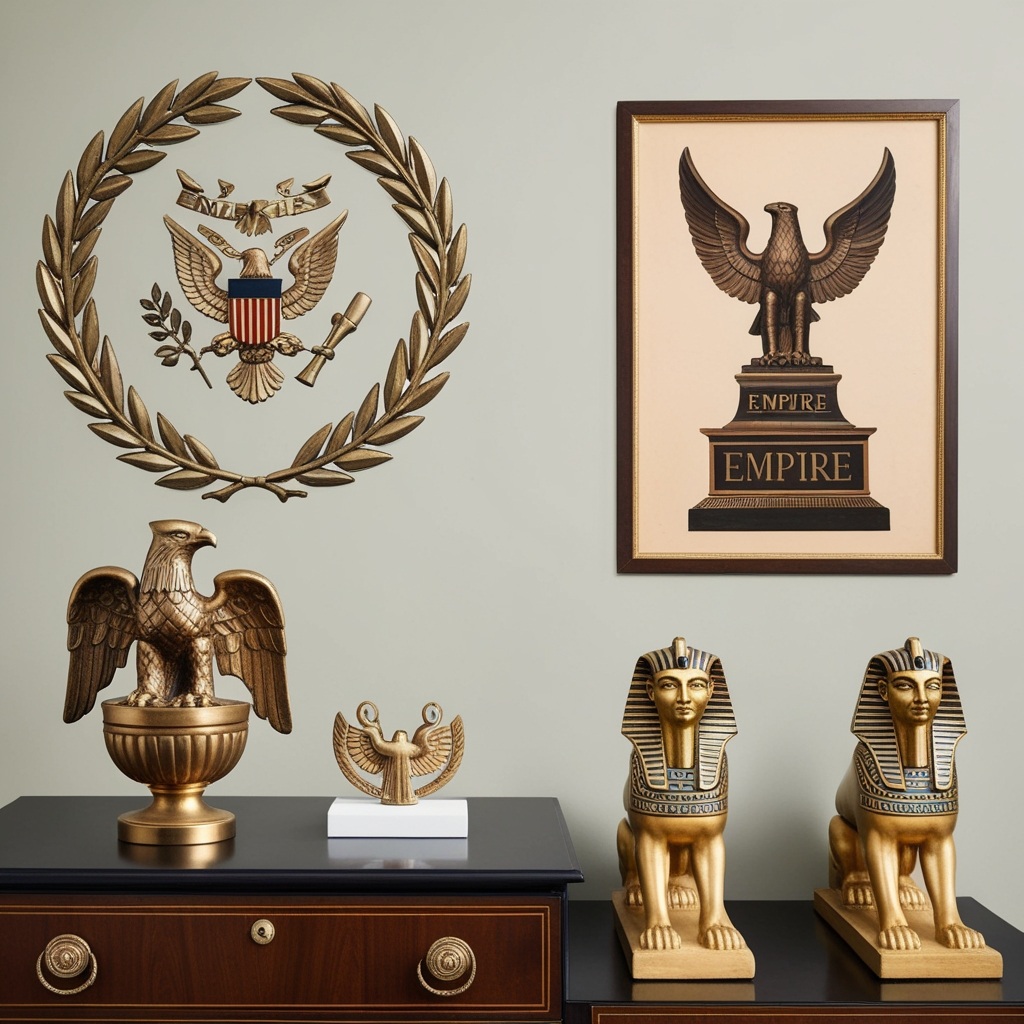
Accessorize with items that showcase Empire motifs: laurel wreaths, eagles, classical urns, or sphinxes. These can appear on everything from drawer pulls to wall art. Even a subtle reference in a sculpture or print can tie your design together without feeling like a museum display.
Visualize Empire style with Paintit.ai
Upload a photo of any room to app.paintit.ai and test how Empire colour palettes, deep reds, navy, emerald against gilded accents, read in your actual space in 1–2 minutes. Useful for testing whether a colour-blocked accent wall with white moldings works in your room proportions before committing to any paint. Free to start.
Related styles
Use these tools and related pages to test Empire palette, symmetry, and later neoclassical directions.

FAQ
-
Empire style emerged in early 19th-century France during Napoleon's First Empire (1804–1814). It is a form of Neoclassicism distinguished by its overtly imperial character: monumental furniture with military and mythological motifs (eagles, laurel wreaths, sphinxes, lions' paw feet), rich jewel-tone colour palettes accented with gold and bronze, symmetrical compositions, and materials that project wealth and power, mahogany, rosewood, velvet, silk, marble, and gilded bronze. The style spread across Europe and influenced American Federal and Regency design in parallel.
-
All three draw from ancient Greco-Roman sources, but they express that heritage differently. Empire is specifically French, imperial in character, and more overtly militaristic in its motifs (victories, trophies, eagles). British Regency (concurrent with Empire) shares the same classical vocabulary but is lighter and more restrained, less gold, less velvet, more striped fabric and delicate forms. Earlier Neoclassicism (late 18th century) preceded the imperial inflection and tends toward cleaner, more archaeological references without the martial symbolism.
-
The classic Empire palette: rich red (often crimson or vermilion), deep navy or Prussian blue, emerald green, and black, all contrasted against cream, ivory, or white moldings and ceilings. Gold and gilded bronze appear as accents on furniture mounts, frames, and fixtures. In contemporary applications, one saturated wall colour against white architectural moldings achieves the essential Empire contrast.
-
Yes. Upload a photo of any room to app.paintit.ai and see how Empire palettes and compositional approaches read in your actual space in 1–2 minutes. Free to start.