
Italian Interior Design Style Guide and Ideas for Your Home
Italian interior design encompasses centuries of regional tradition - from the warm rustic simplicity of Tuscan farmhouses to the ornate grandeur of Venetian palazzos, from Milanese contemporary minimalism to the coastal lightness of Amalfi and Sicilian vernacular. Each regional tradition has its own material palette and spatial logic, but they share a common commitment to craft quality, material authenticity, and the pleasure of everyday living.
This guide covers what the regional traditions share (materials, furniture, colour and architecture) and how to make a room look Italian without turning it into a theme set. For the contemporary Milanese look, see our modern Italian interior design guide.
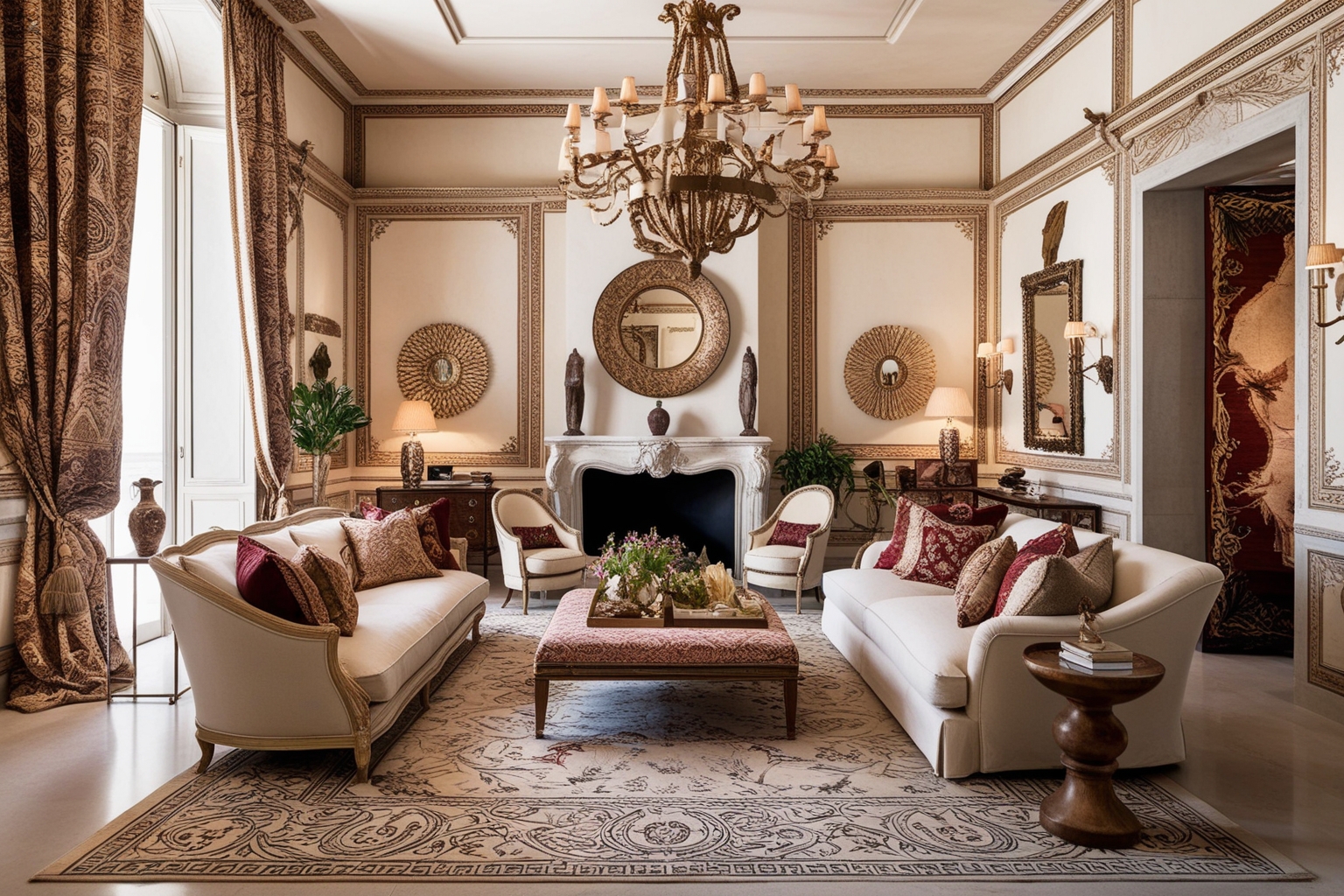
What defines Italian interior design
Italian interior design balances timeless elegance with contemporary refinement - a combination that emerges from a culture where architecture, craftsmanship, and daily life have been intertwined for centuries. The style is neither purely historical nor purely modern; it holds both in productive tension.
-
Key colors and palettes
Italian rooms use a specific mix of deep, warm colours, and the mix changes by region. Tuscan palettes lean warm and earthy: terracotta, ochre, cream, olive green, and walnut brown. Venetian palettes use marble white, crimson, emerald, faded aqua, and gold. Milanese interiors are more restrained, with charcoal, warm white, and natural stone tones.
-
Typical materials and textures
Natural materials lead, and each one carries a regional meaning: marble, walnut, oak, terracotta tile, stone, wrought iron, linen, velvet, Murano glass and majolica ceramics.
-
Signature furniture and decorative elements
High-quality woods and wrought iron form classic pieces with hand-carved details and decorative inlays. Chesterfield sofas and old-world armchairs in leather create an opulent appearance. Ornate chandeliers and traditional lighting fixtures serve as focal points, alongside Venetian mirrors, frescoes, and sculptures - together building a room with genuine artistic and historical character.
-
The overall atmosphere
Italian interiors should feel crafted, warm, material, and lived-in. The room can be rustic, formal, contemporary, or coastal, but it should not feel assembled from generic luxury cues.
Italian design by region: four distinct traditions
Italian design is not monolithic - the regional traditions differ significantly. Understanding them helps choose a more specific and coherent direction.
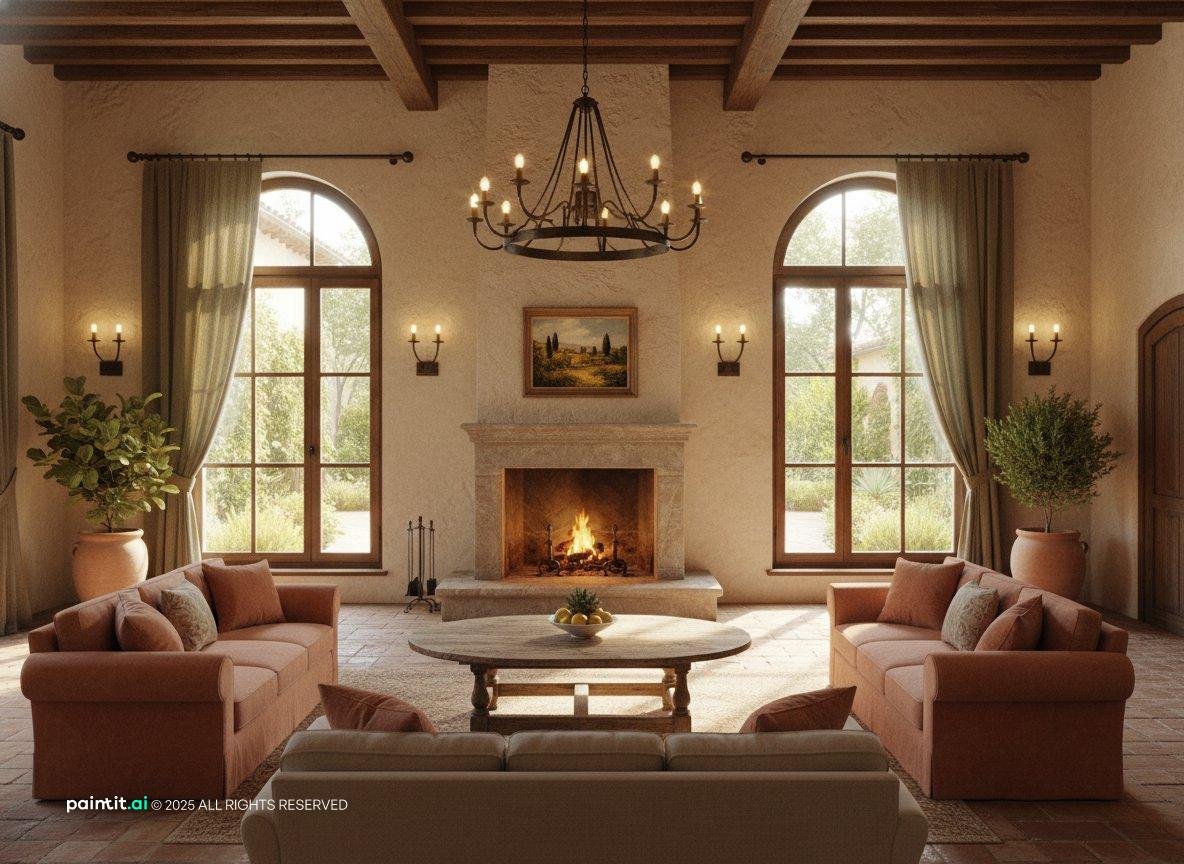
The farmhouse aesthetic: exposed stone walls, rough plaster, terracotta tile floors, dark walnut or olive wood furniture, linen curtains, wrought iron hardware, and the kitchen as the primary living space.
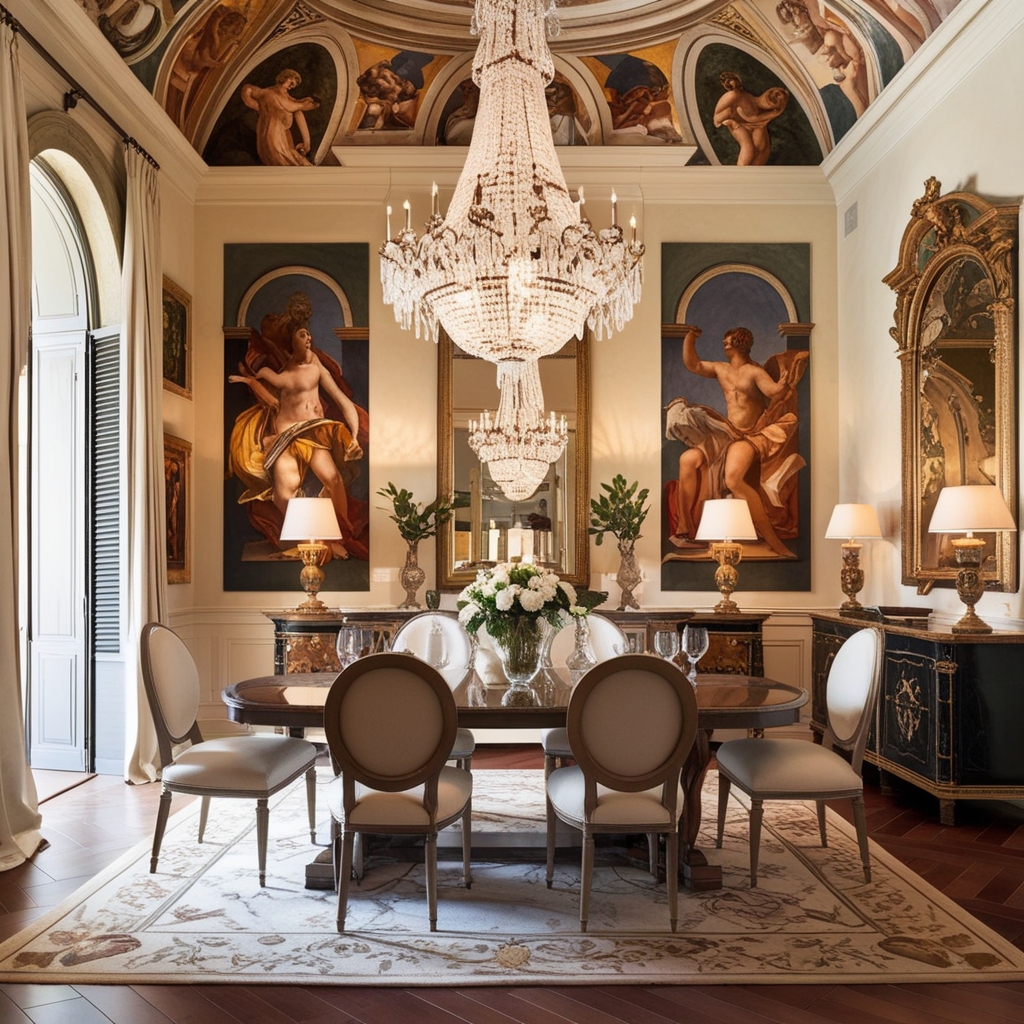
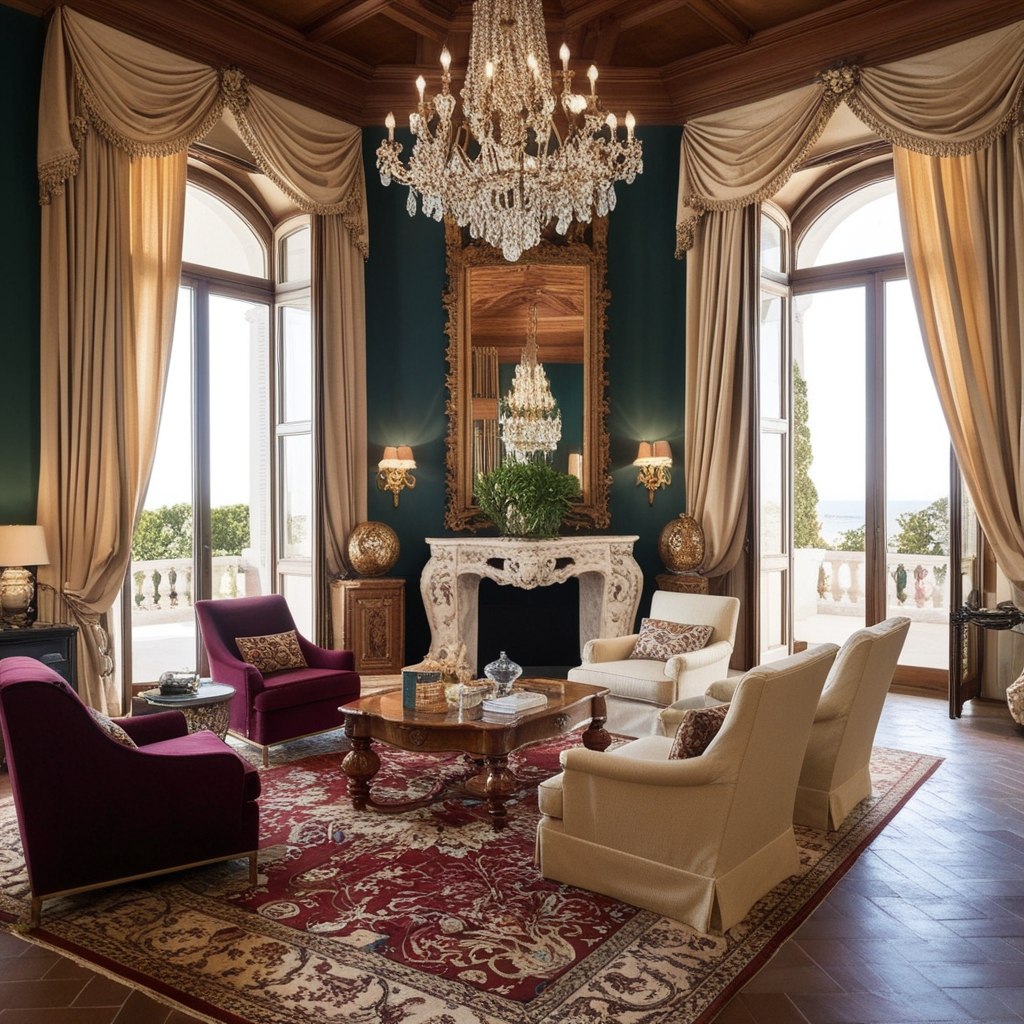
The palazzo aesthetic: marble floors, ornate Murano glass chandeliers, Venetian mirrors, rich silk and velvet textiles, and a formal palette from crimson and emerald to faded aqua and gold.
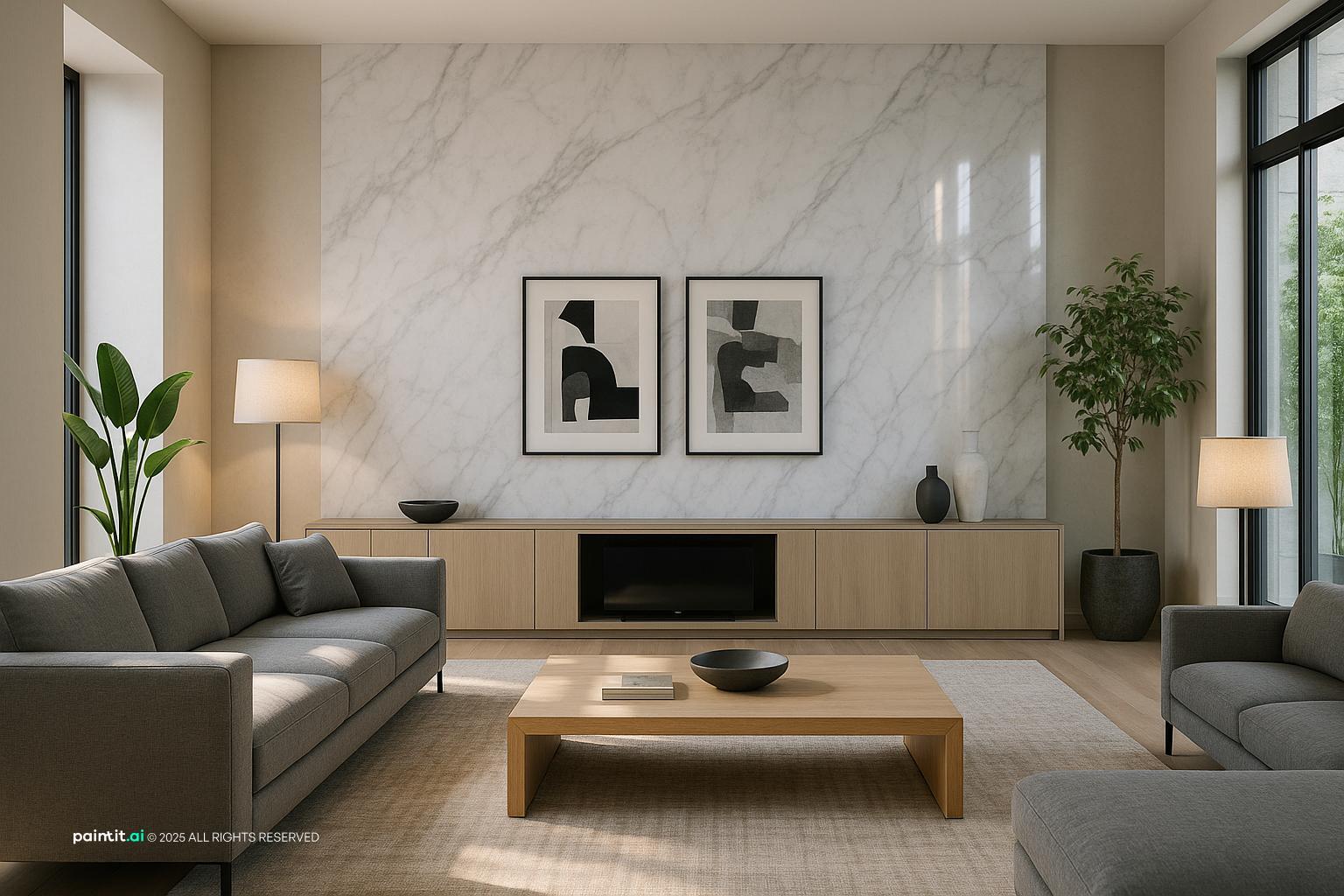
The design capital's aesthetic: clean lines, high-quality materials, restrained colour, and an emphasis on furniture design as primary art.
The Mediterranean vernacular: whitewashed walls, colourful majolica tile, wrought iron, citrus and tropical plants, and a palette of cobalt, yellow, terracotta, and sea green.
How to make a room look Italian
A room that blends Tuscan earthiness with Venetian ornament and Milanese minimalism at equal weight reads as confused rather than Italian.
Marble is the most immediate Italian material signal. Walnut and oak bring Tuscan warmth. Majolica tile adds the Mediterranean colour accent.
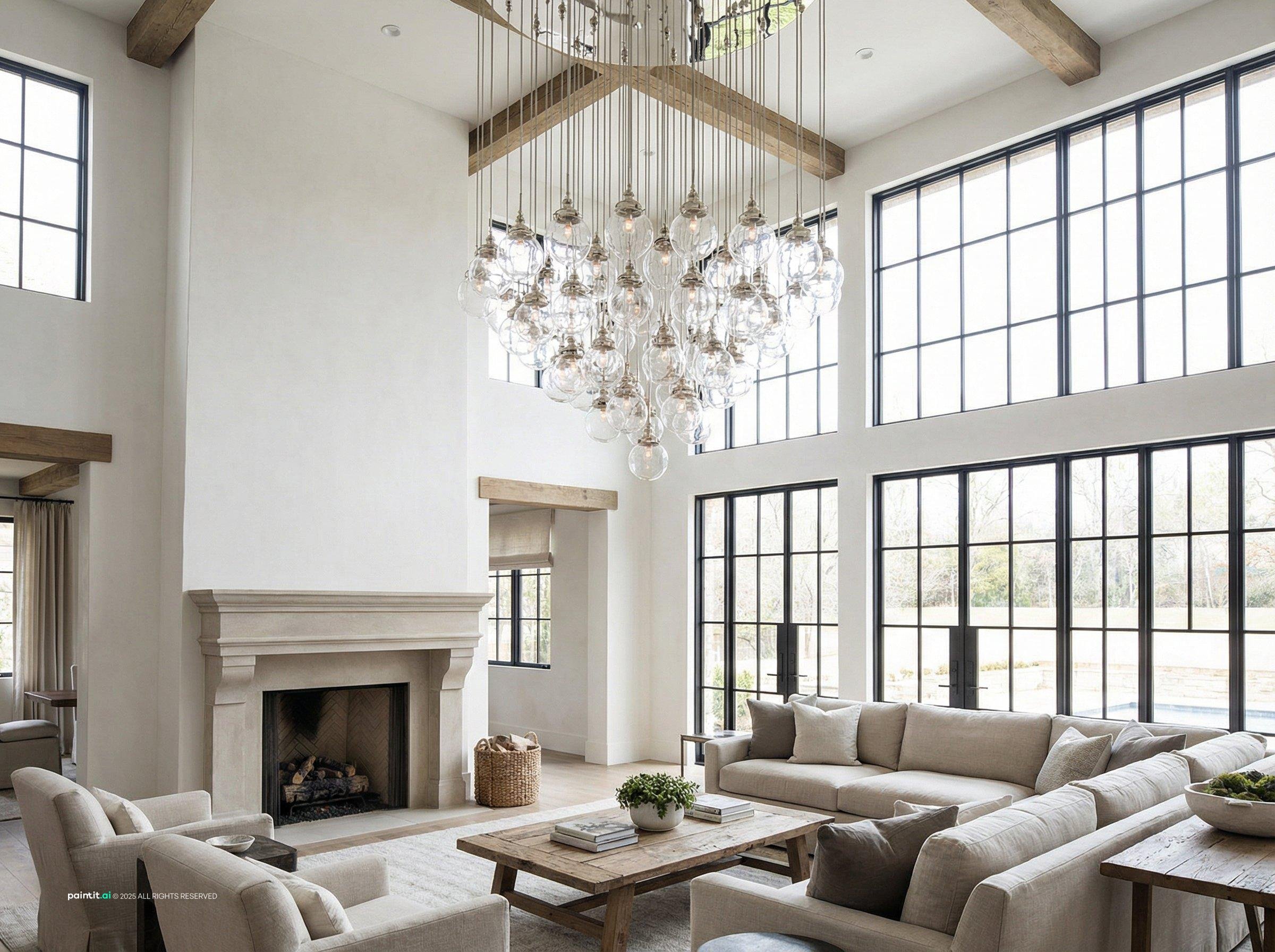
A statement chandelier and a large mirror with an elaborate or architecturally interesting frame signal Italian design across many regional traditions.
Italian design values visible craftsmanship: hand-carved wood, handmade ceramics, hand-blown glass, and hand-painted tile.
Italian rooms are usually arranged around a clear centre line: a fireplace, a dining table, or a pair of matching lamps or armchairs. Symmetry does more to make a room read as Italian than any single piece of furniture.
Majolica tile, a patterned terracotta floor or a damask wallcovering works when it covers one surface. Put pattern on the floor, the walls and the upholstery at once and the room starts to look like a themed restaurant.
A single genuine piece, such as an old walnut credenza or a vintage Murano chandelier, carries more weight than several faux-antique copies. Venetian glass and hand-painted ceramics are the two categories most worth buying authentic.
One large painting, sculpture or statement mirror signals Italian better than a shelf of small decorative objects, which tends to read as generic European.
Visualize Italian style with Paintit.ai
Upload a photo of any room to app.paintit.ai and test how Italian design directions - Tuscan earthy warmth, Venetian ornate richness, or Milanese contemporary restraint - read in your actual space in 1-2 minutes. Free to start.
Italian interior references
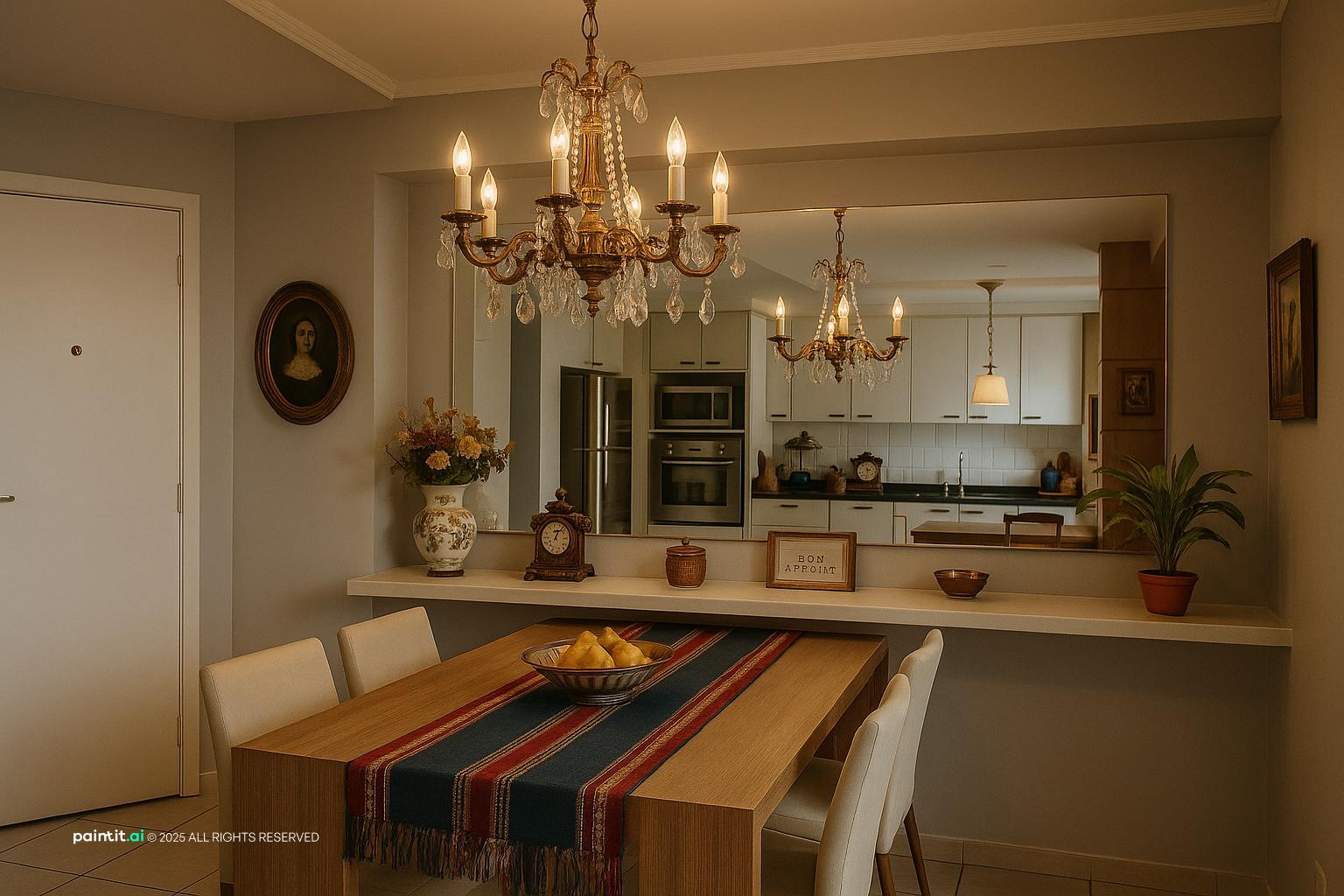
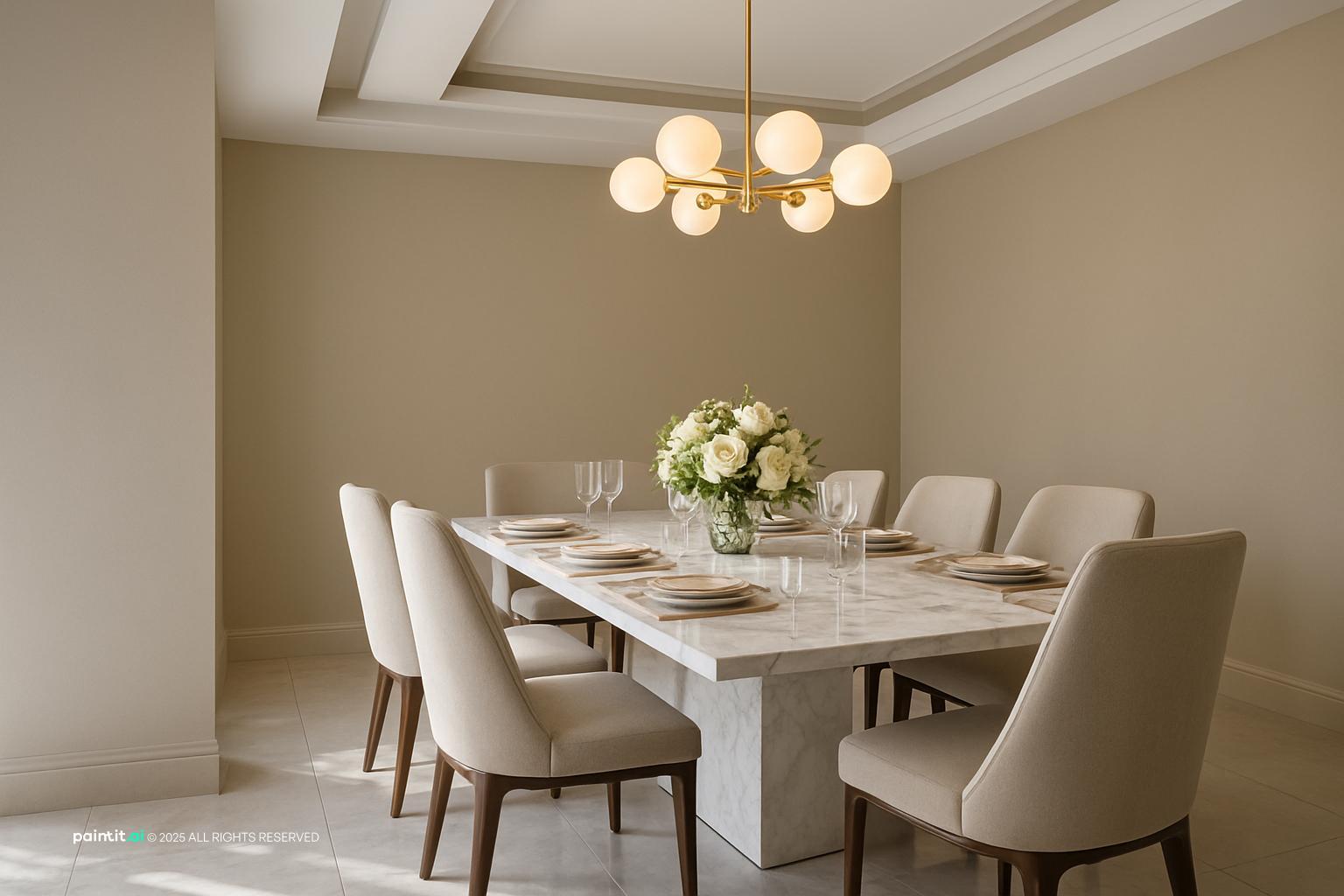
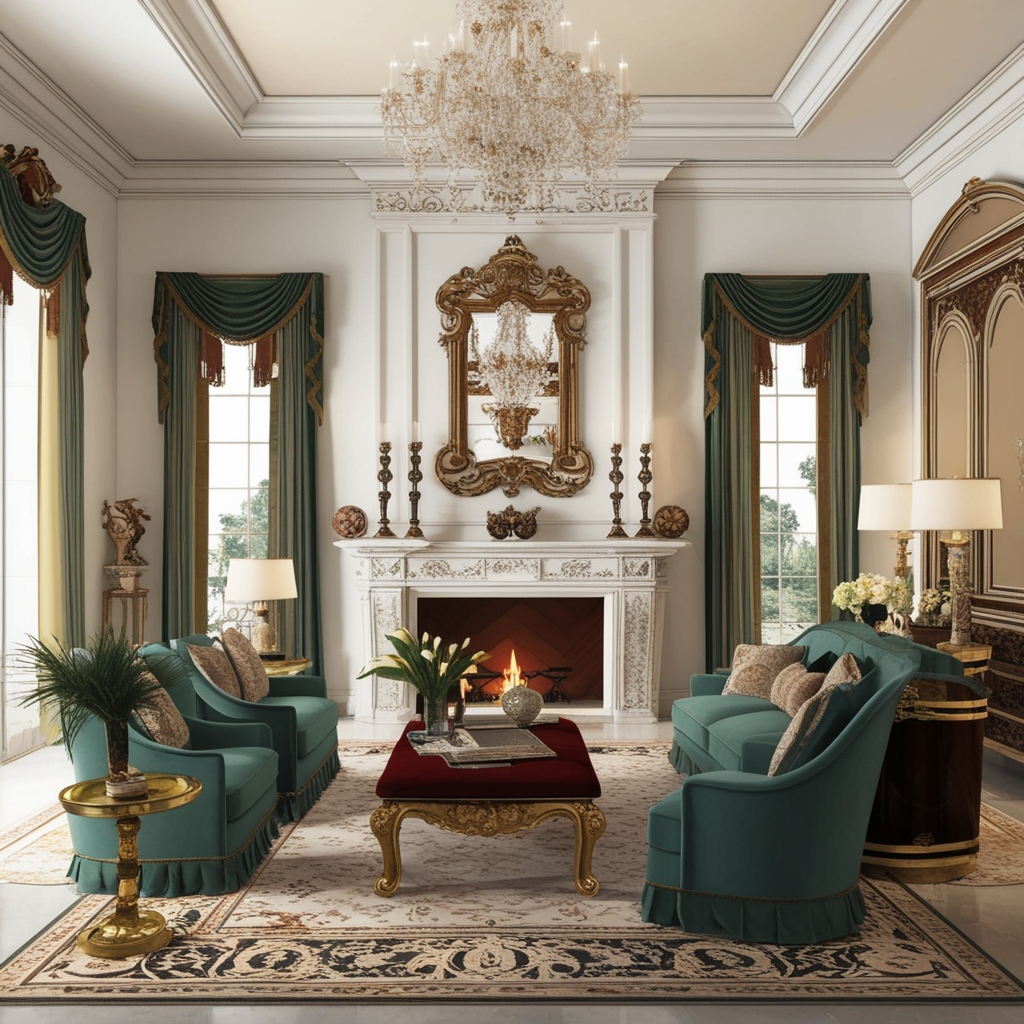
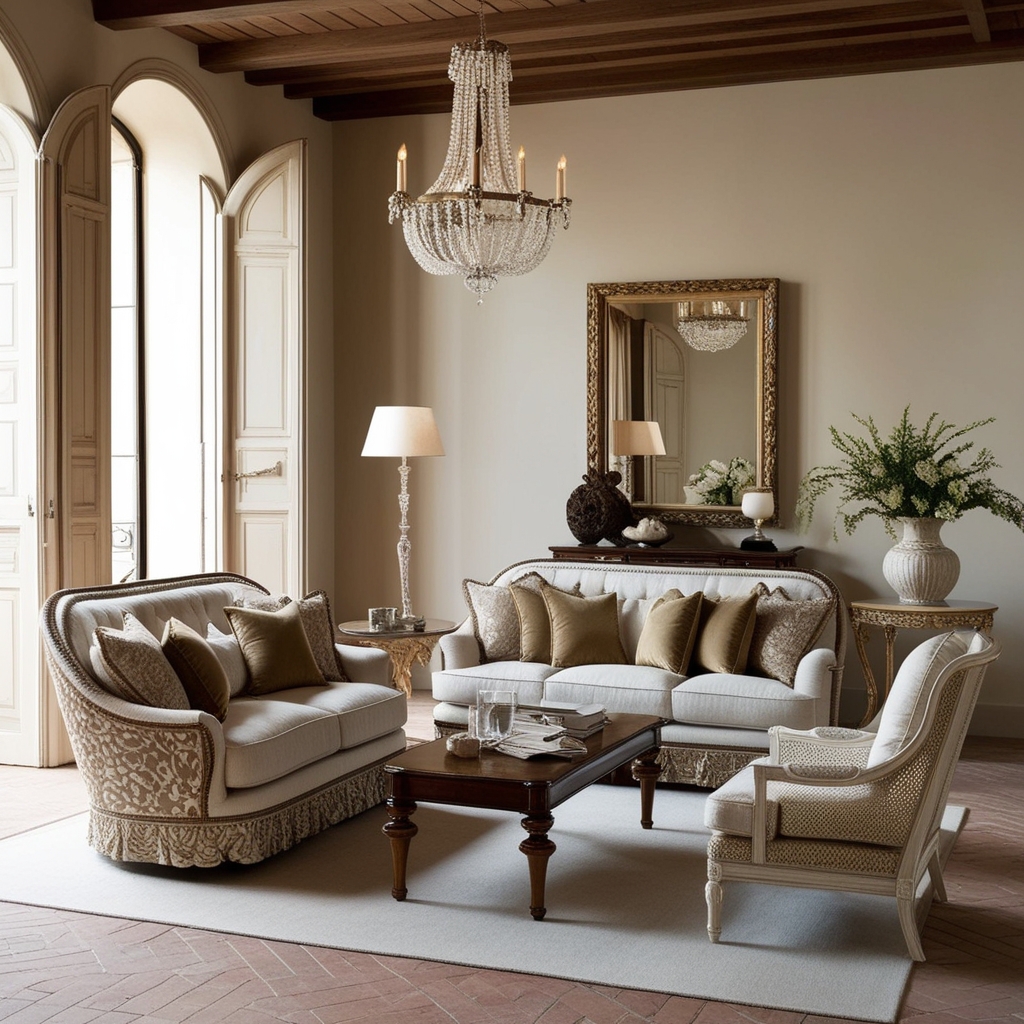
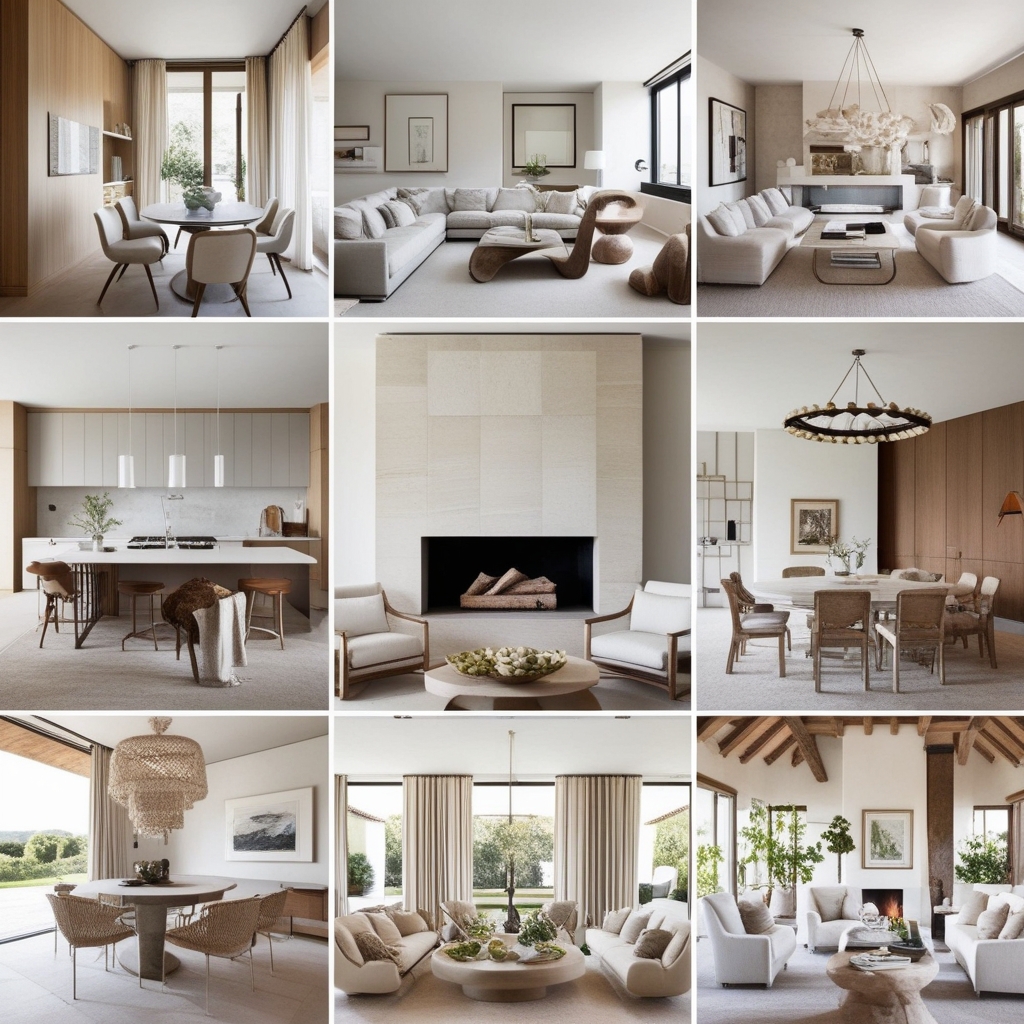
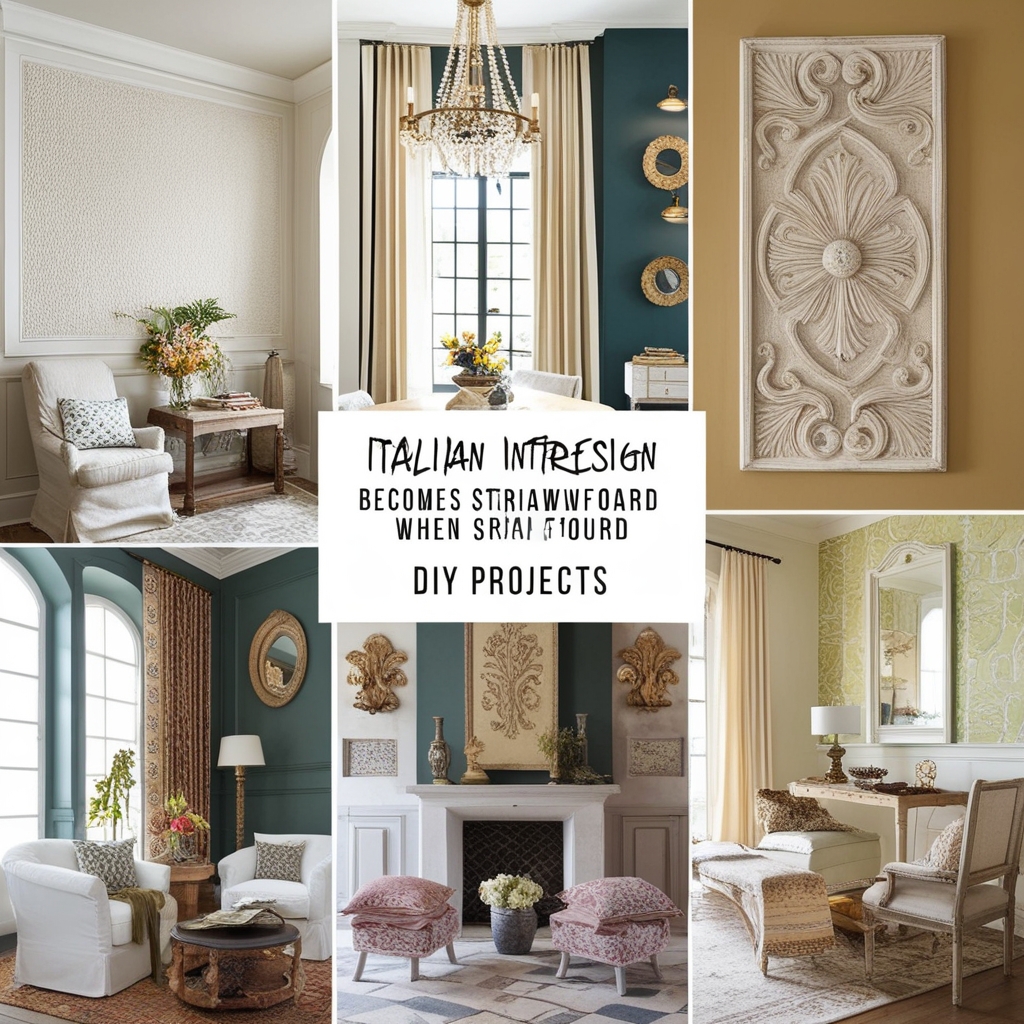
Additional Italian and Italian-material references selected for Tuscan warmth, marble, chandeliers, and dining/living spaces.
Related styles and design tools
More Italian design resources and AI tools for testing regional style directions.
FAQ
Italian interior design encompasses regional traditions united by craft quality, material authenticity, and the integration of art and daily life. Major directions include Tuscan, Venetian, Milanese, and Southern Italian design.
Marble, terracotta tile, walnut, oak, wrought iron, silk, velvet, Murano glass, and hand-painted majolica ceramic tile are common Italian design materials. Each material carries specific regional associations.
Italian design does not have one colour signature. Tuscan interiors use terracotta, ochre, cream, forest green, and walnut brown. Venetian interiors use crimson, emerald, faded aqua, and gold. Milanese interiors lean on charcoal, warm white, and stone tones.
Pick one regional direction first, then arrange the room around a clear centre line such as a fireplace or dining table. Add one material that reads as Italian (marble, terracotta or walnut), keep pattern to one or two surfaces, and let a single painting, sculpture or chandelier carry the decorative weight.
Classic Italian interiors follow regional traditions: terracotta and walnut in Tuscany, marble and Murano glass in Venice, majolica tile in the south. Modern Italian interior design is the Milanese branch, with clean lines, a neutral stone-and-plaster palette and furniture from brands such as Poliform, B&B Italia and Cassina.
Yes. Upload a photo of your room to app.paintit.ai and test Italian-inspired palette and material directions in 1-2 minutes. Free to start.