
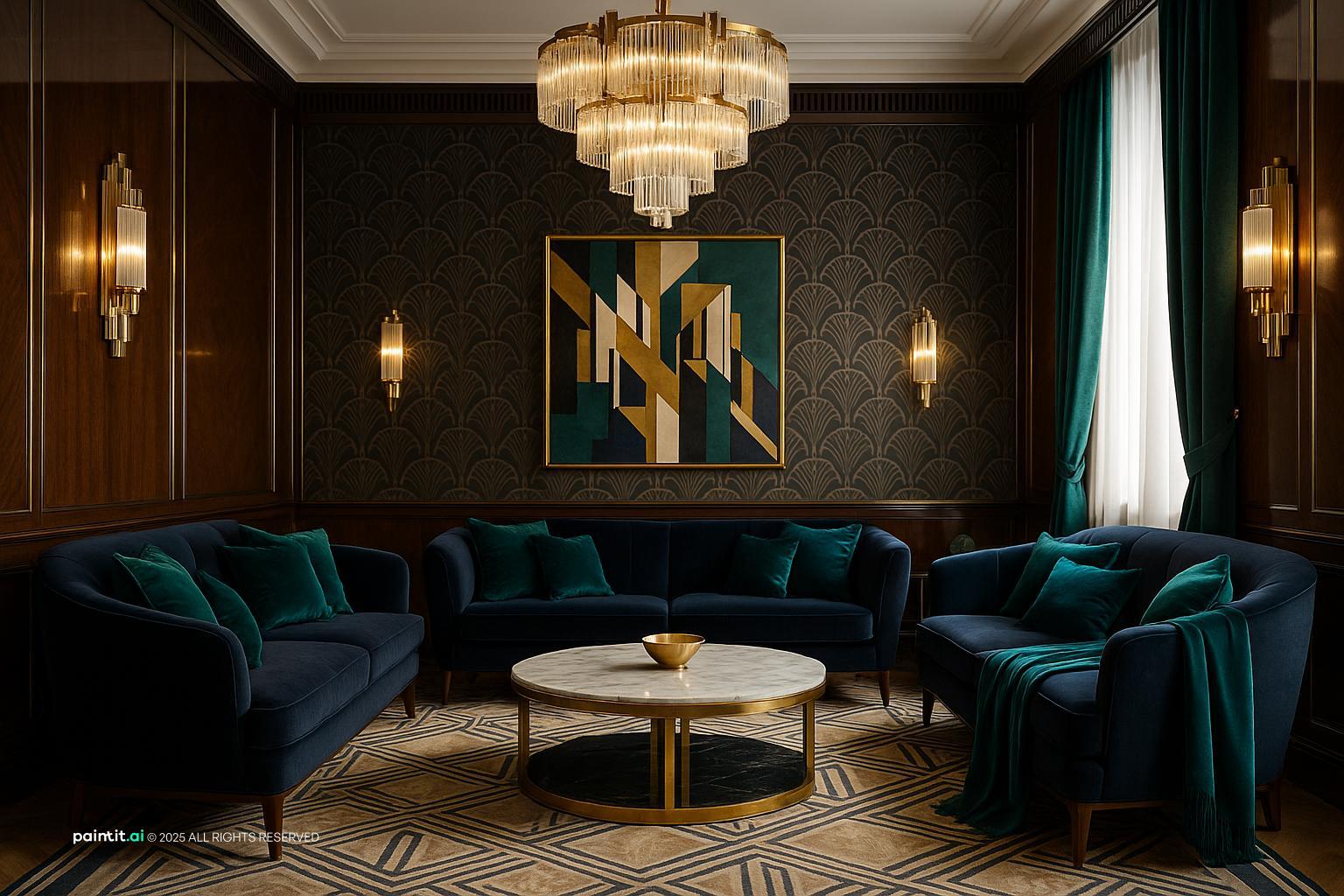
Fan motif and navy velvet
The fan motif above the sofa repeats the curves of the furniture below it.
Bringing the distinctive elegance of a 1920s Art Deco living room into your home means navigating one genuine tension: the style is opulent by nature, but opulence applied without restraint reads as dated rather than glamorous. The goal is geometric precision and luxurious materials, polished chrome, rich velvets, lacquered surfaces, in a composition that feels considered rather than theatrical.
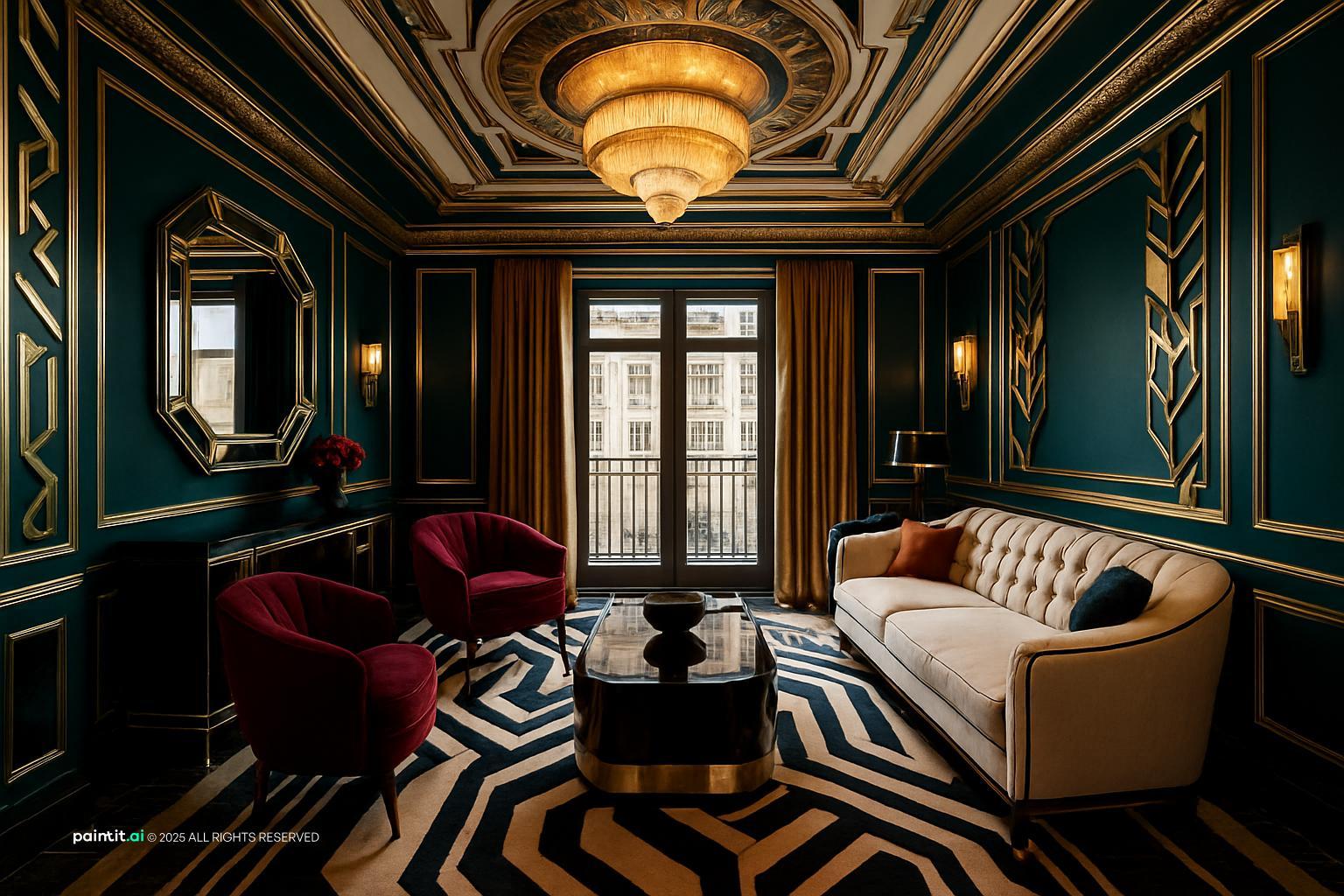
The common failure mode in Art Deco interiors is either too much, every surface gilded, every pattern geometric, or too little, reducing the style to a handful of brass accents on an otherwise neutral room.
Before changing furniture or finishes, you can preview the direction with an AI living room design tool.
This gallery shows 1920s Art Deco across multiple room scales and interpretation registers: from the full-commitment palatial version to lighter contemporary applications. Notice how the geometric patterns, metallic accents, and symmetrical layouts translate across different sizes of space.
The fan motif above the sofa repeats the curves of the furniture below it.
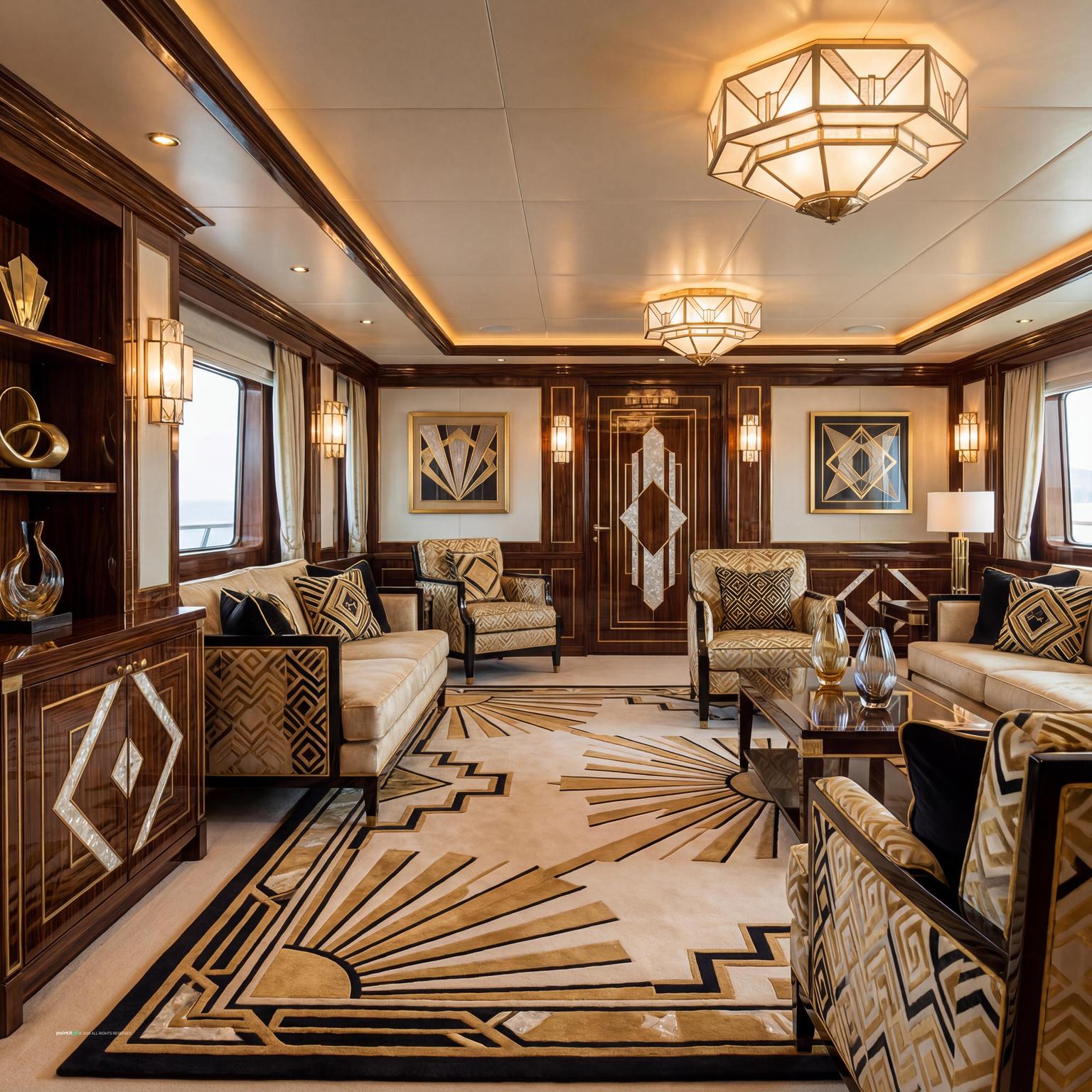
Experience maritime luxury in this elegant 1920s Art Deco yacht living room redesign, where polished wood and chrome accents evoke Gatsby-era glamour.
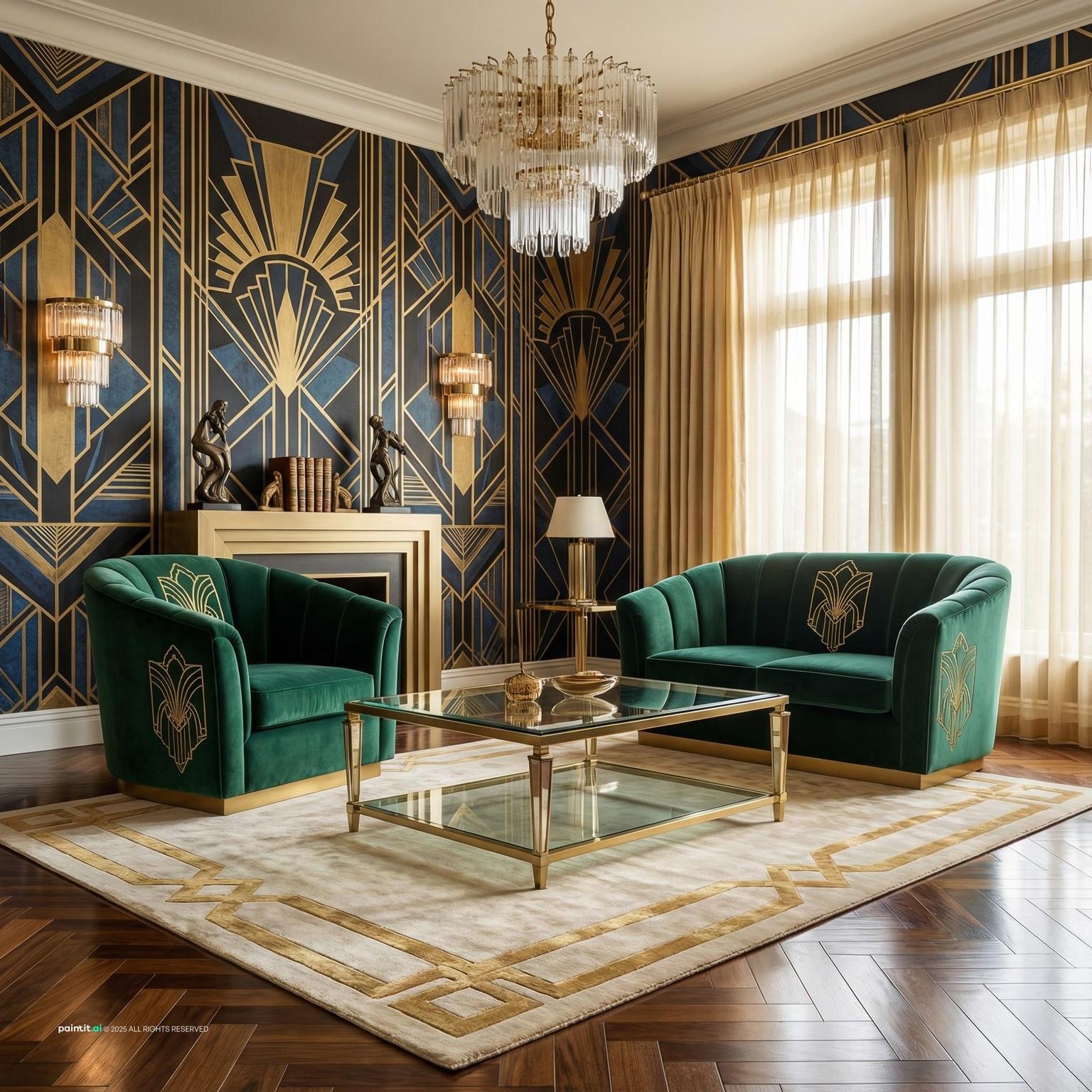
Gold geometric wallpaper on one wall carries most of the style; the furniture can stay simple.
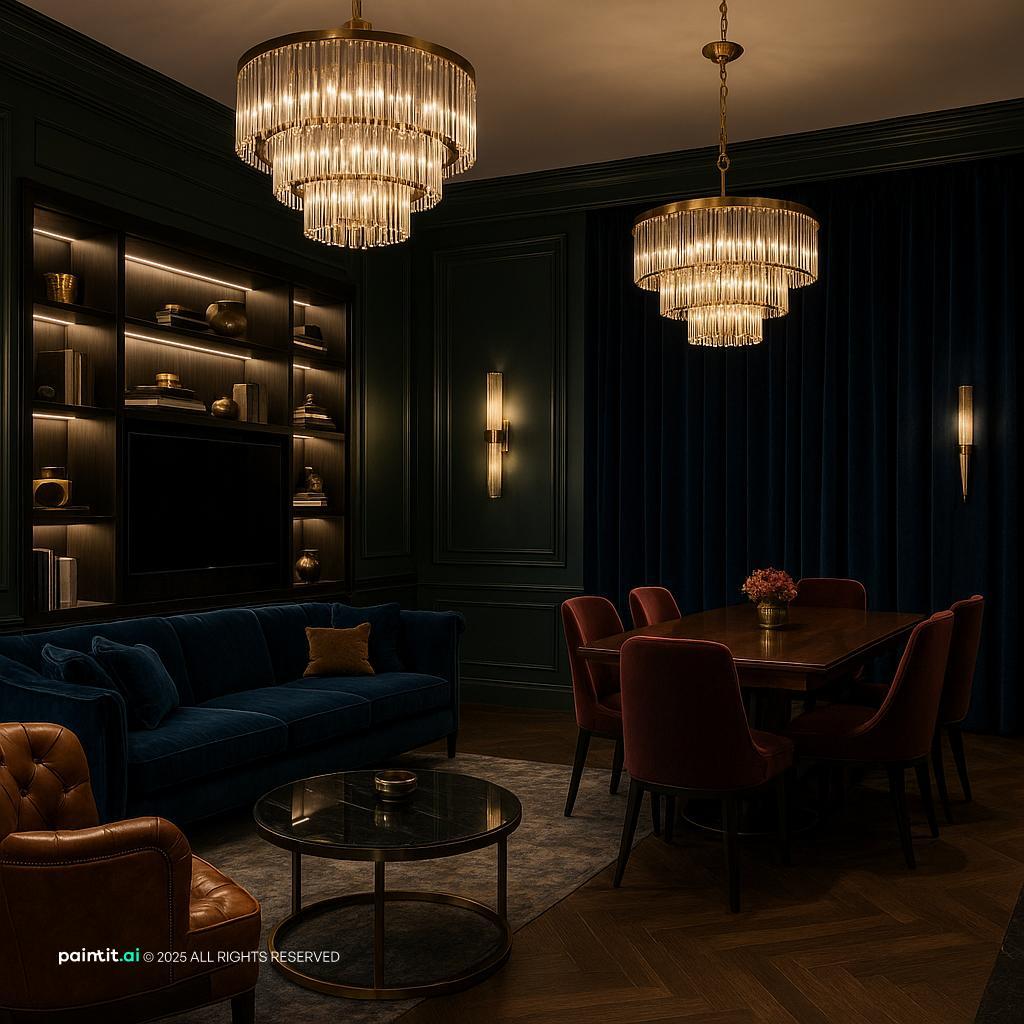
This upscale boutique hotel lounge design exudes the sophisticated charm of a 1920s Art Deco living room, featuring plush seating and polished metallic accents.
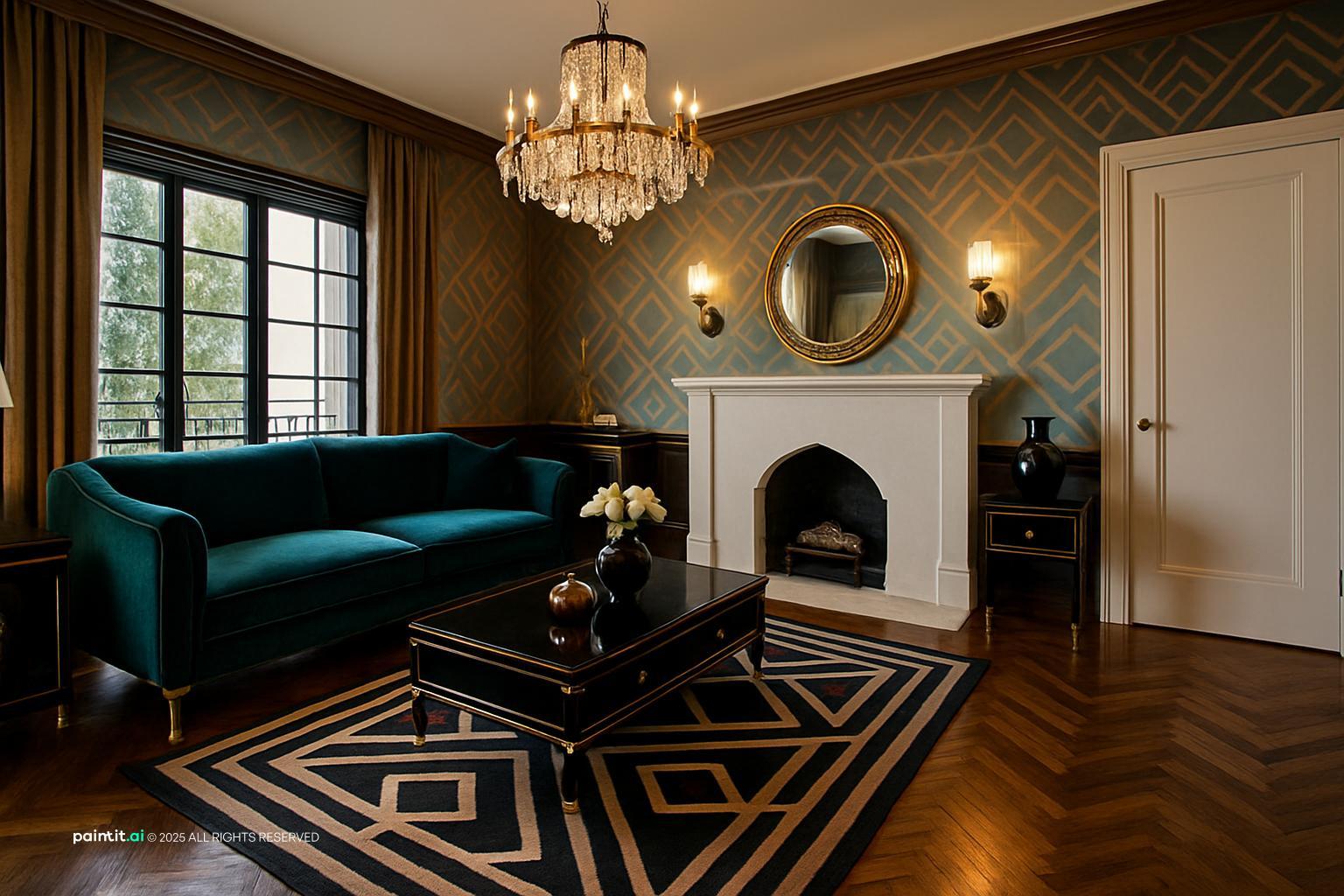
A white fireplace against patterned wallpaper becomes the room's Deco centerpiece.
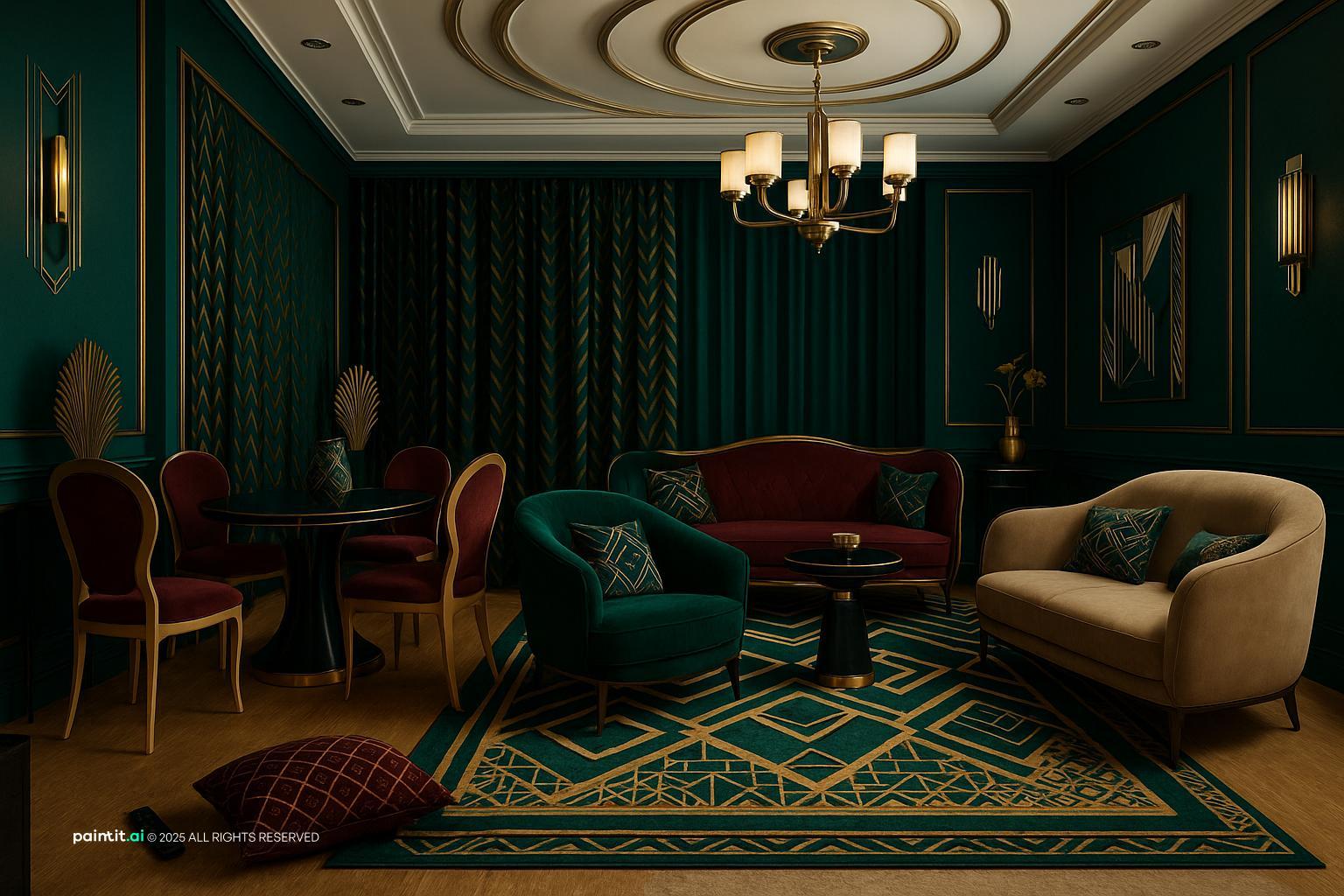
Dark green walls and velvet seating give the room its 1920s mood.
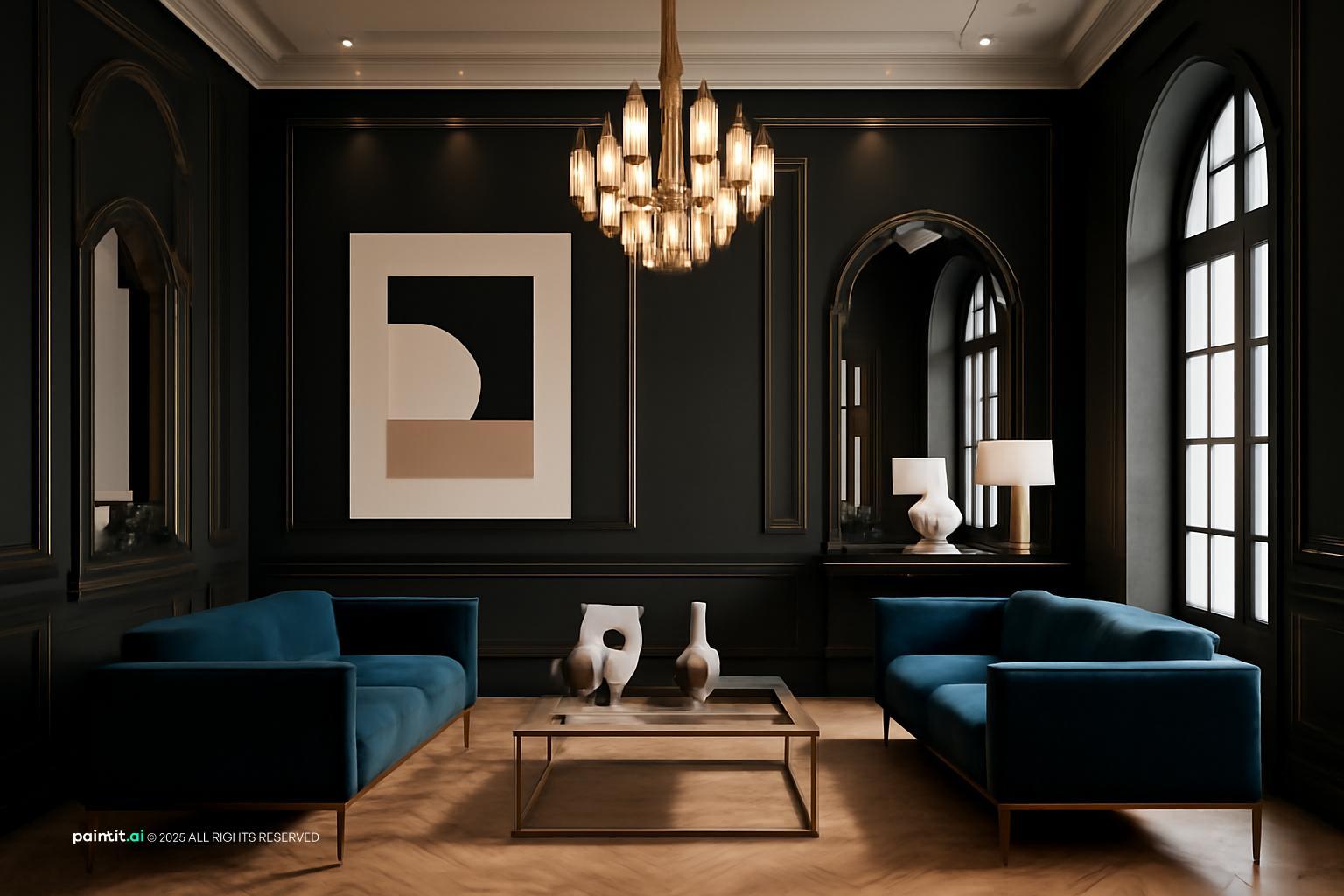
Black walls and arched windows give Art Deco drama; navy velvet keeps the room from feeling harsh.
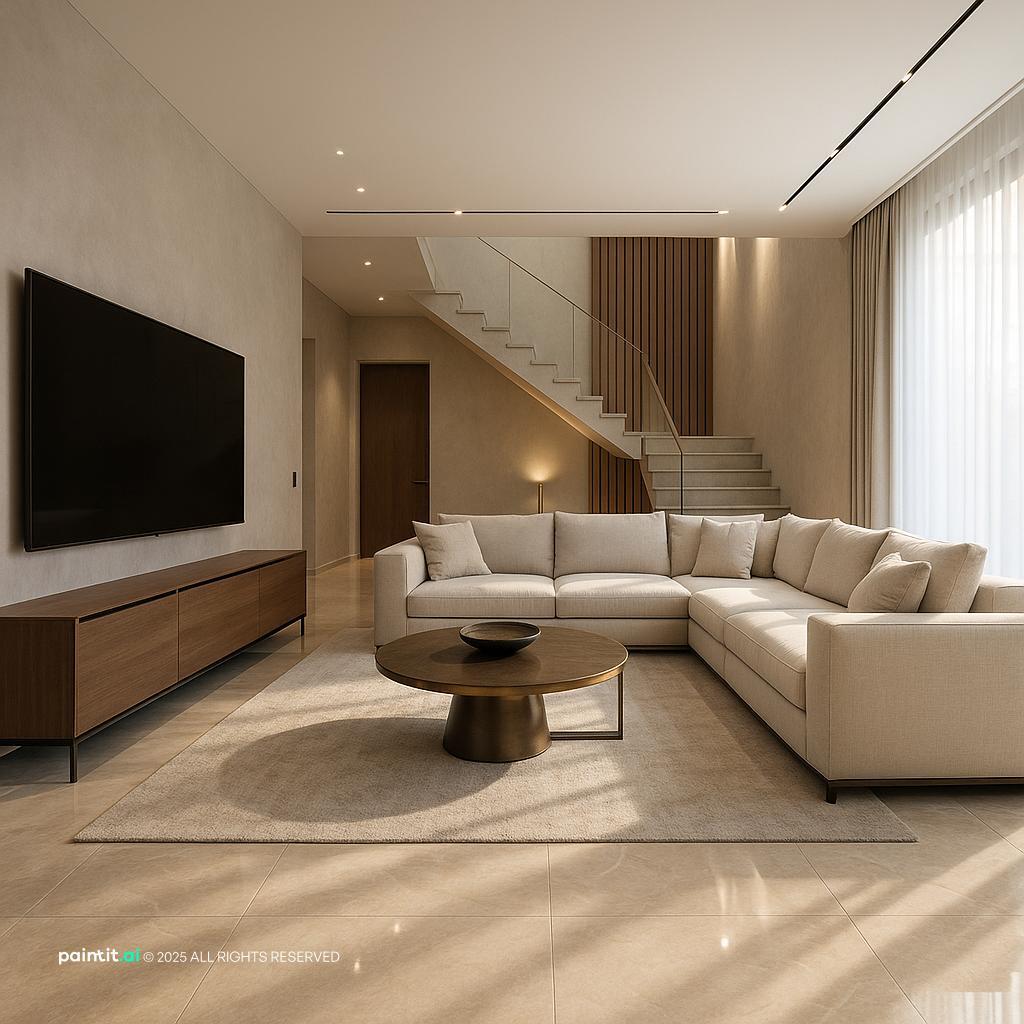
Discover luxurious living room design ideas that capture the opulent ambiance of a 1920s Art Deco space, featuring rich textures and striking metallic accents.
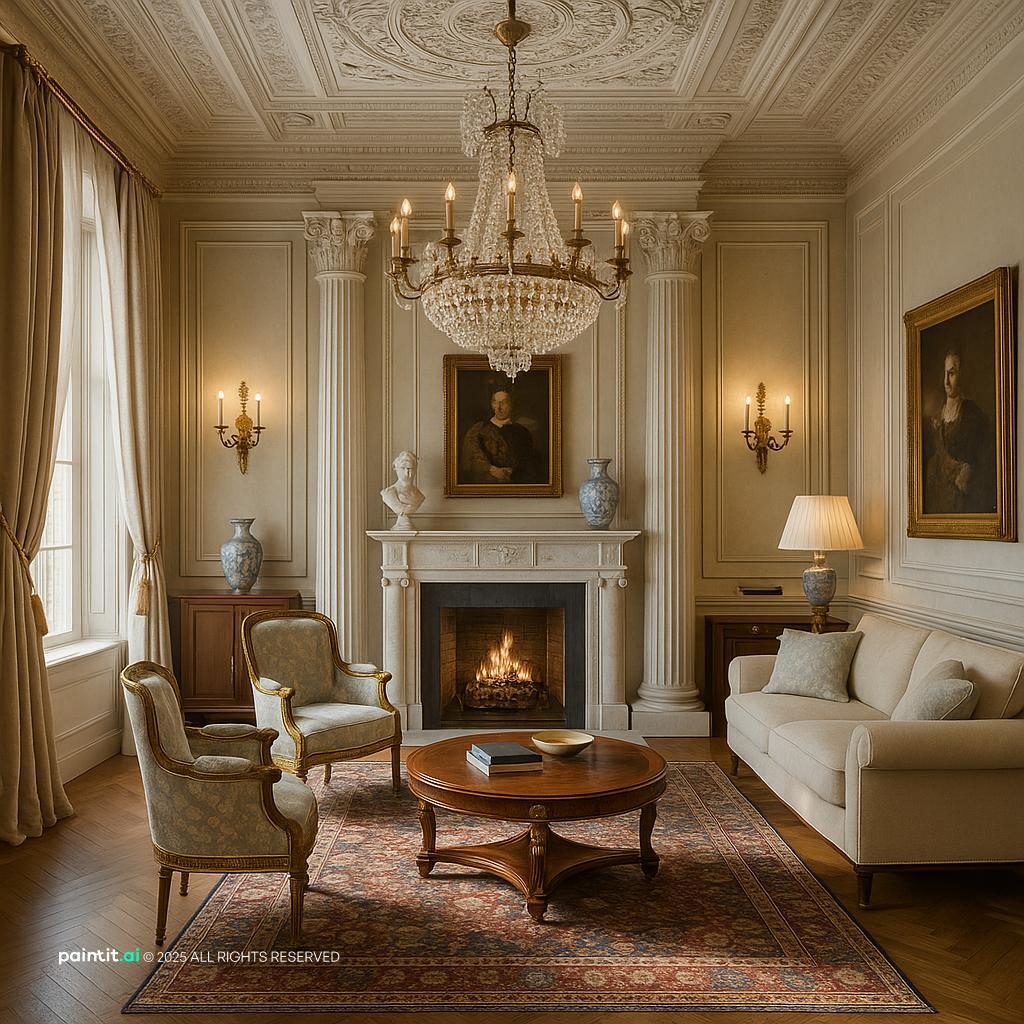
This elegant Neoclassic living room design, with symmetrical layouts and ornate detailing, subtly echoes the sophisticated grandeur found in early 1920s Art Deco.
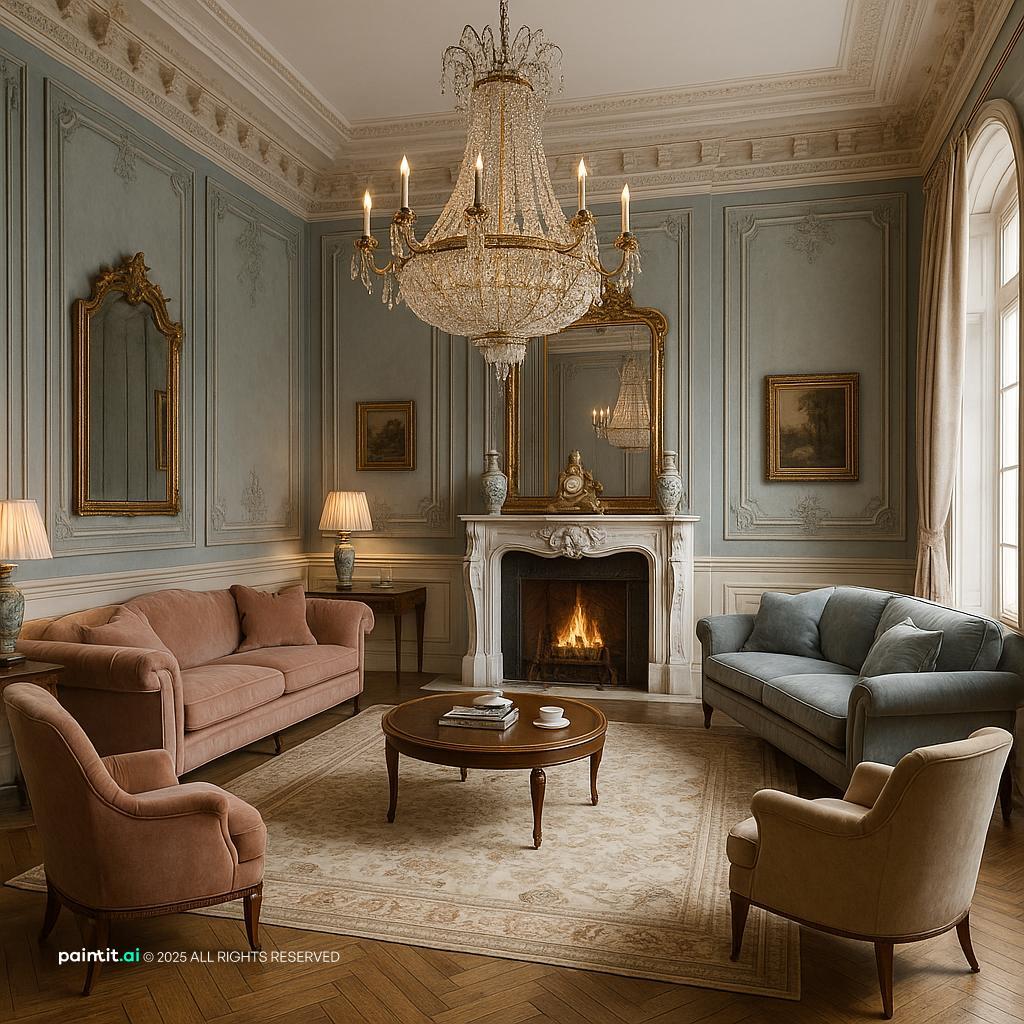
An elegant Neoclassical living room design, with classical elements and refined furnishings, offers a harmonious and luxurious atmosphere reminiscent of 1920s Art Deco.
Nothing screams 1920s Art Deco living room quite like a bold geometric pattern. Think sharp lines, chevrons, sunbursts, and stepped motifs. These aren't just decorative elements; they're foundational to the style, reflecting the era's fascination with modernity and industrial design. It’s a visual rhythm that instantly strengthens the space.
For implementation, consider a statement wallpaper on an accent wall, perhaps a metallic gold and black design, or a large area rug featuring a strong, symmetrical pattern. You could also integrate smaller geometric details through throw pillows made from Dedar fabrics or a coffee table with an inlaid marquetry top. The key is balance; let one or two elements carry the weight.
For a related take on the same room, explore emerald green and gold living rooms.
Art Deco is synonymous with opulence, and that comes down to the materials. We’re talking about a tactile experience, a feast for the senses. It’s not just about looking good; it’s about feeling rich, substantial, and utterly indulgent. This works best when there’s a deliberate mix of textures.
Think plush velvet upholstery on a low-slung sofa, juxtaposed with the cool, reflective surface of polished chrome or brushed brass on lamp bases and furniture legs. Lacquered wood, exotic veneers like Macassar ebony, and even shagreen can add incredible depth. Don't forget the shimmer of silk cushions or the subtle gleam of a satin drape. The contrast is what makes it sing.
Forget fussy, ornate pieces. A genuine 1920s decor living room embraces furniture with clean lines, often with a slightly rounded or curved edge, but always with a sense of purpose. It’s about form following function, but with an undeniable flair. This is where the "modern" in Art Deco truly shines.
Look for sofas with low backs and deep seats, often upholstered in solid, rich colors. Armchairs might feature exposed chrome frames or dark wood arms with a sleek, architectural quality. Console tables with mirrored tops or stepped profiles are perfect. The idea is to create an uncluttered, sophisticated flow, allowing each piece to make a statement without overwhelming the space.
Lighting in an art deco 1920s living room isn't merely functional; it's a theatrical element. It sets the mood, highlights architectural features, and adds another layer of glamour. The right fixture can be a sculptural piece in itself, drawing the eye upwards or creating intriguing shadows.
Consider a multi-tiered chandelier with frosted glass shades or crystal rods as a central focal point. Wall sconces with fan-shaped or geometric designs can provide ambient light and reinforce the era's aesthetic. Floor lamps with chrome bases and opaque glass diffusers are also quintessential. The goal is a soft, diffused glow, often from multiple sources, rather than harsh overhead light.
Mirrors were a huge part of the 1920s original art deco living room, not just for reflection, but for their ability to expand space and amplify light. They add a touch of sparkle and a sense of depth that few other materials can replicate. It’s a clever trick that feels inherently luxurious.
Beyond a grand, framed mirror above a fireplace, think about mirrored furniture: a chest of drawers, a coffee table with a mirrored top, or even mirrored wall panels. Antiqued or smoked mirrors can offer a softer, more atmospheric reflection. Just be mindful of what they reflect; you want to bounce back beautiful elements, not clutter.
The colors of the 1920s art deco living room are not shy. They are rich, deep, and often paired with striking contrasts. This isn't about pastels; it's about making a statement, about confidence and a touch of drama. It’s where the era’s exuberance truly comes to life.
Think jewel tones: deep emerald green, sapphire blue, ruby red, or amethyst purple. These are often grounded by sophisticated neutrals like black, cream, or charcoal grey, and then accented with metallics, gold, silver, or chrome. A common pairing is black and white with a single vibrant accent color. The trick is to use these bold hues in blocks or strong patterns, letting them define zones or focal points.
Art Deco wasn't just a design style; it was an entire artistic movement. Bringing in period-appropriate art pieces can instantly ground your 1920s decor living room in its historical context. These aren't just decorations; they're conversation starters, showing the spirit of the age.
Look for stylized figurative sculptures, often depicting women or animals in dynamic poses, crafted from bronze or chrome. Geometric prints, abstract paintings with strong lines, or posters from the era (think travel or fashion) are also perfect. Framed mirrors with etched glass designs can also serve as art. The key is to choose pieces that echo the clean lines and sophisticated glamour of the furniture and architecture.
The Jazz Age was all about entertaining, and a well-appointed bar cart or a dedicated nook for cocktails was practically a necessity in any sophisticated 1920s original art deco living room. It speaks to the social aspect of the era, the joy of gathering and celebrating.
Choose a bar cart with a polished chrome or brass frame and glass shelves. Stock it with vintage-inspired glassware, a decanter, and perhaps a cocktail shaker. If space allows, a small built-in bar with a mirrored backsplash and subtle lighting would be truly authentic. It’s not just about the drinks; it’s about the ritual, the presentation, the invitation to unwind.
While often associated with grand buildings, the principles of Art Deco architecture can be subtly brought into a 1920s art deco living room. These details provide a sense of permanence and bespoke design, elevating the space beyond mere decoration. It’s about creating a backdrop that feels intentional.
Consider adding stepped profiles to fireplace surrounds, built-in shelving, or even door architraves. Fluting or reeding on wall panels or cabinetry can add a refined texture. These elements don't need to be overwhelming; even a subtle stepped detail on a mantelpiece can make a significant impact. They provide a sense of structure and historical accuracy.
A truly compelling 1920s decor living room isn't flat; it has depth, and much of that comes from a thoughtful layering of textures. This creates a sensory experience, inviting touch and adding visual richness without necessarily adding more "stuff." It’s a subtle art, but incredibly effective.
Combine the smoothness of lacquered wood with the plushness of velvet. Pair the coolness of polished marble or chrome with the warmth of a deep-pile wool rug. Ribbed glass on a cabinet door can play against the softness of a silk curtain. The contrast between hard and soft, reflective and matte, creates a dynamic and inviting environment worth considering when layering textures.
A well-chosen rug can be the anchor of any art deco 1920s living room, pulling together all the disparate elements and defining the seating area. It’s an opportunity to introduce a significant pattern or a rich block of color that sets the tone for the entire room. The floor is a canvas, after all.
Look for rugs with bold geometric patterns, think interlocking shapes, chevrons, or even abstract designs that evoke the era's modernism. Materials like wool or silk blends offer both luxury and durability. A rug in a deep jewel tone can instantly add warmth and sophistication, especially when contrasted with lighter furniture or flooring. It’s a foundational piece that shouldn't be overlooked.
While we adore the aesthetic of a 1920s original art deco living room, we live in the 21st century. The trick is to blend modern conveniences smoothly so they don't detract from the period feel. It's about preservation over imposition, making the space livable without sacrificing style.
Think about integrated sound systems hidden within custom cabinetry, or smart lighting controls that mimic the soft glow of the era. Charging stations can be tucked away in a drawer. A flat-screen TV can be mounted on a wall and framed with a decorative panel that echoes Art Deco lines, or even concealed behind sliding artwork. The goal is functionality without visual clutter, maintaining that streamlined sophistication.
Upload a photo of your living room to app.paintit.ai. The platform generates an Art Deco-direction redesign in 1–2 minutes, useful for testing whether a navy and gold palette works with your existing architecture, or comparing a bold geometric wallpaper accent wall against a painted alternative before committing to any purchase.
The second gallery explores more specific 1920s art deco interpretations, helping compare different ways the same living room can feel at home.
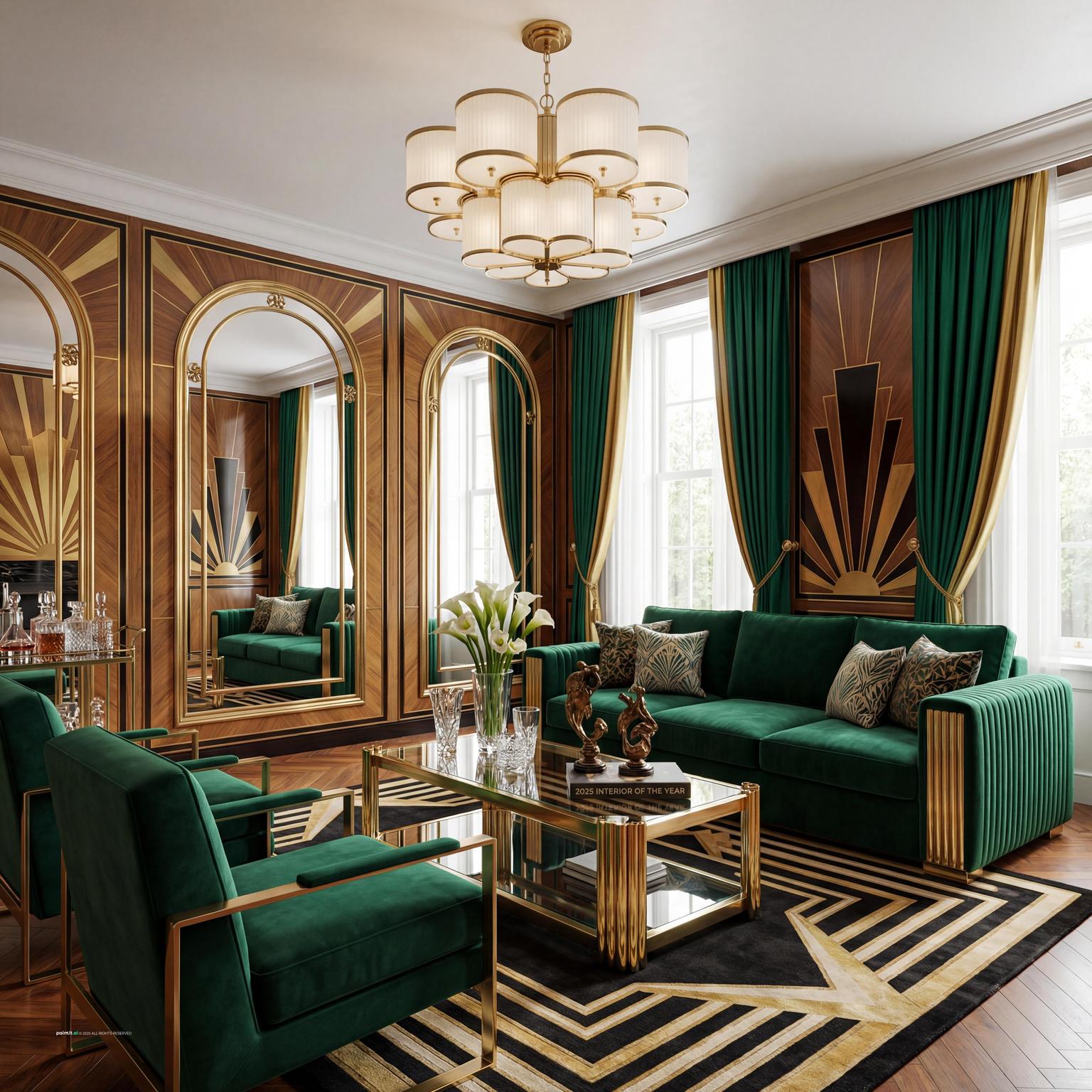
This 1920s Art Deco living room design exudes glamorous elegance with its bold geometric patterns and rich, luxurious finishes.
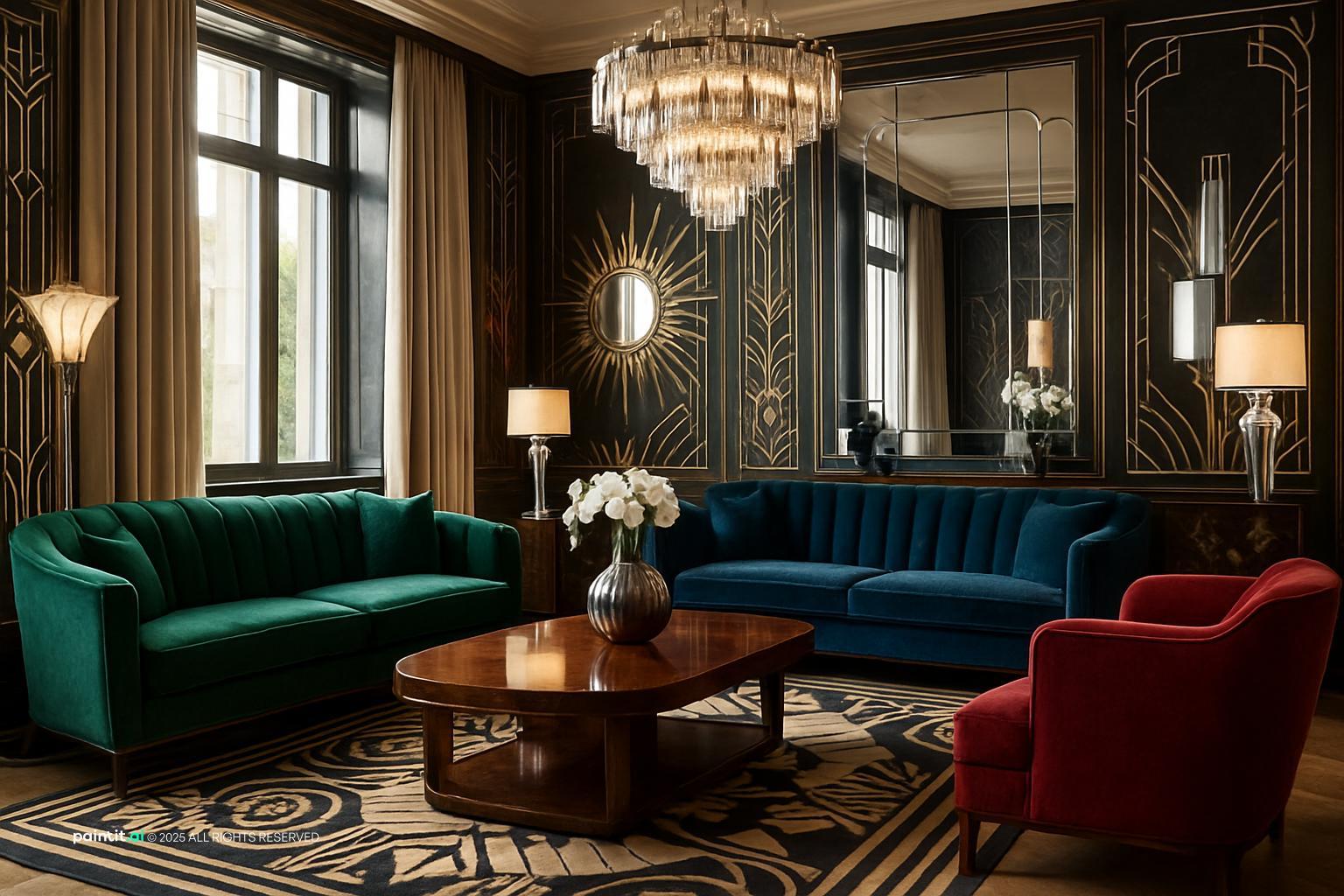
Teal, navy and red velvet together show how Deco rooms mixed jewel tones.
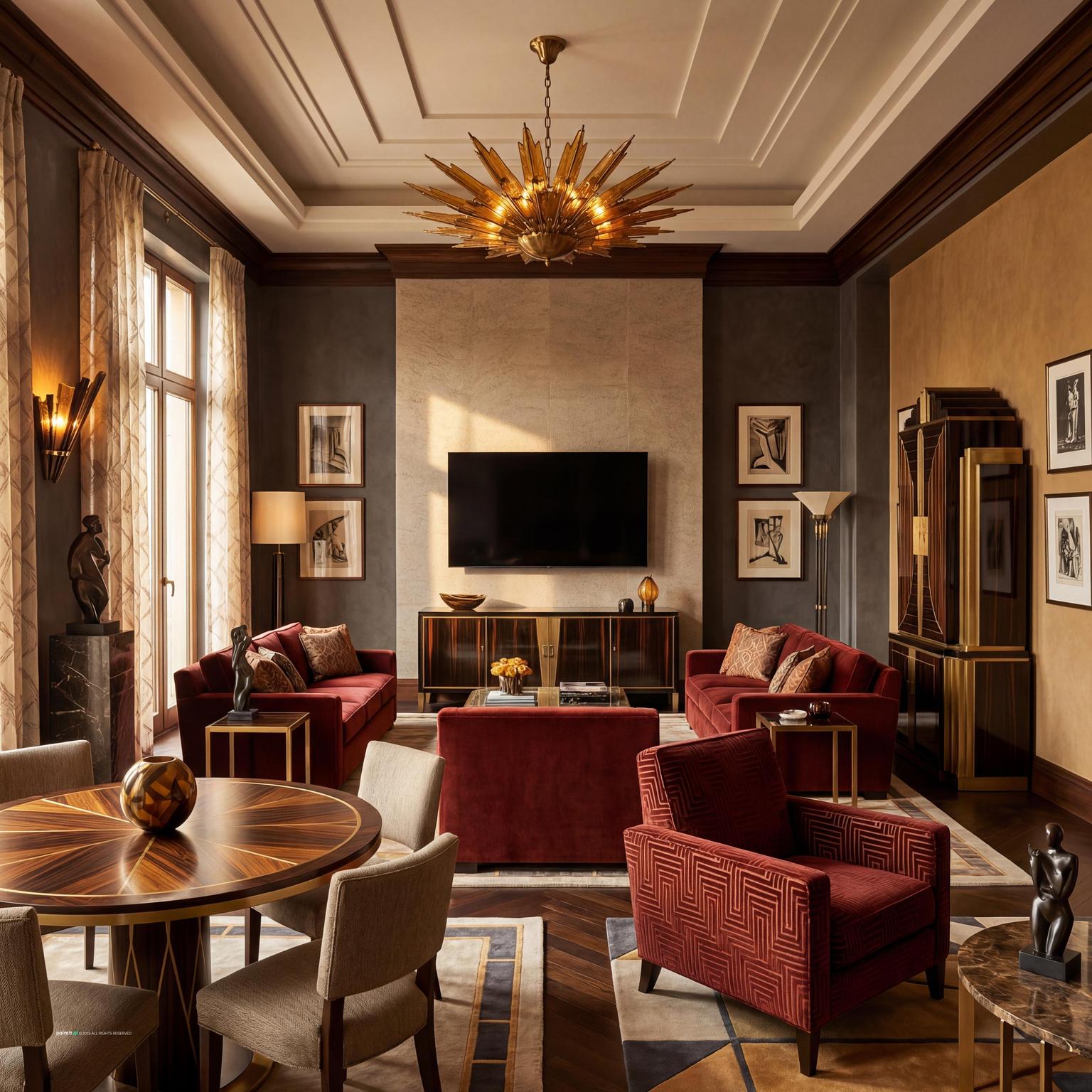
Experience pure opulence in this 1920s Art Deco living room design, featuring glamorous details and a grand, sophisticated atmosphere.
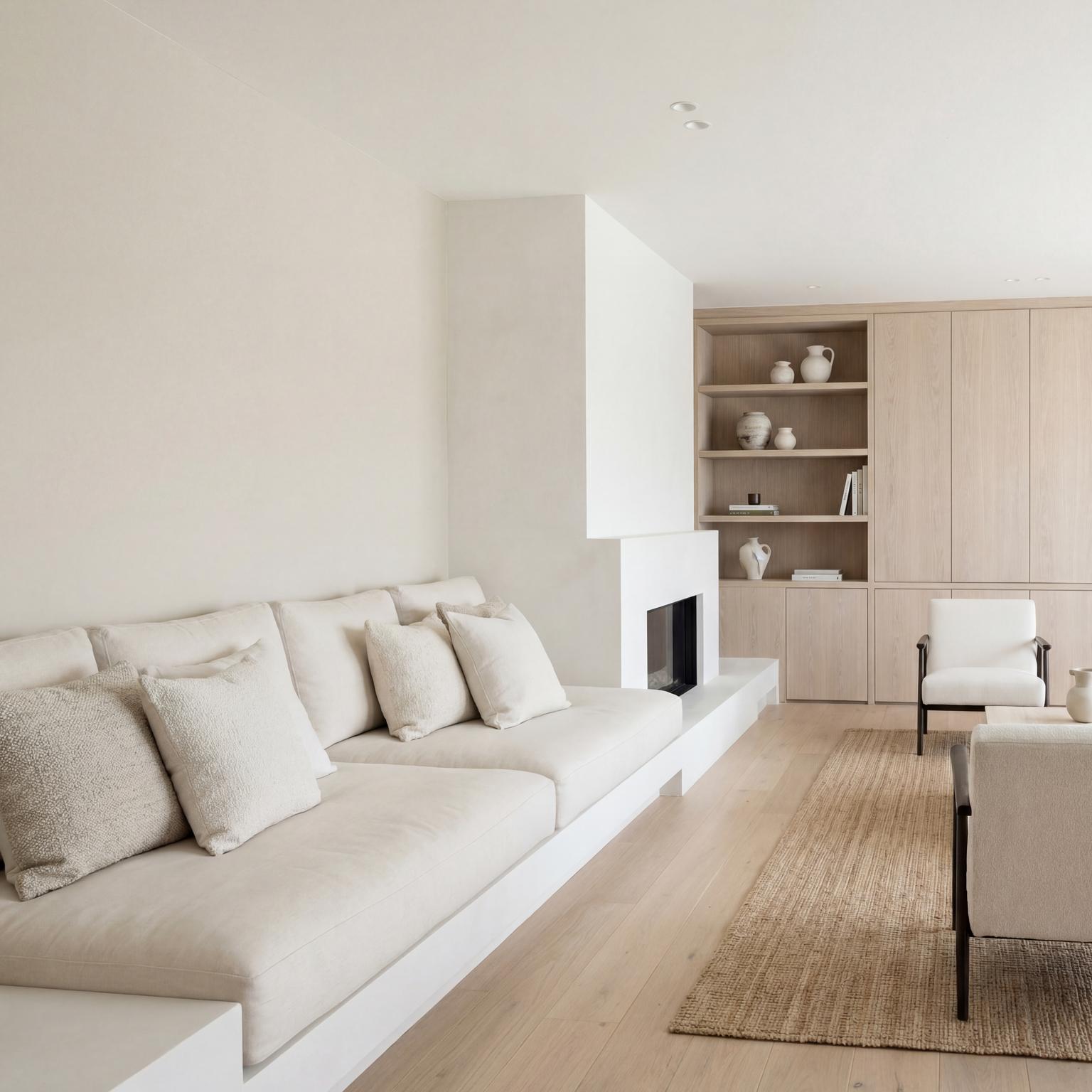
This elegant living room design captures the spirit of a 1920s Art Deco space, with its sleek modernity and refined aesthetic.
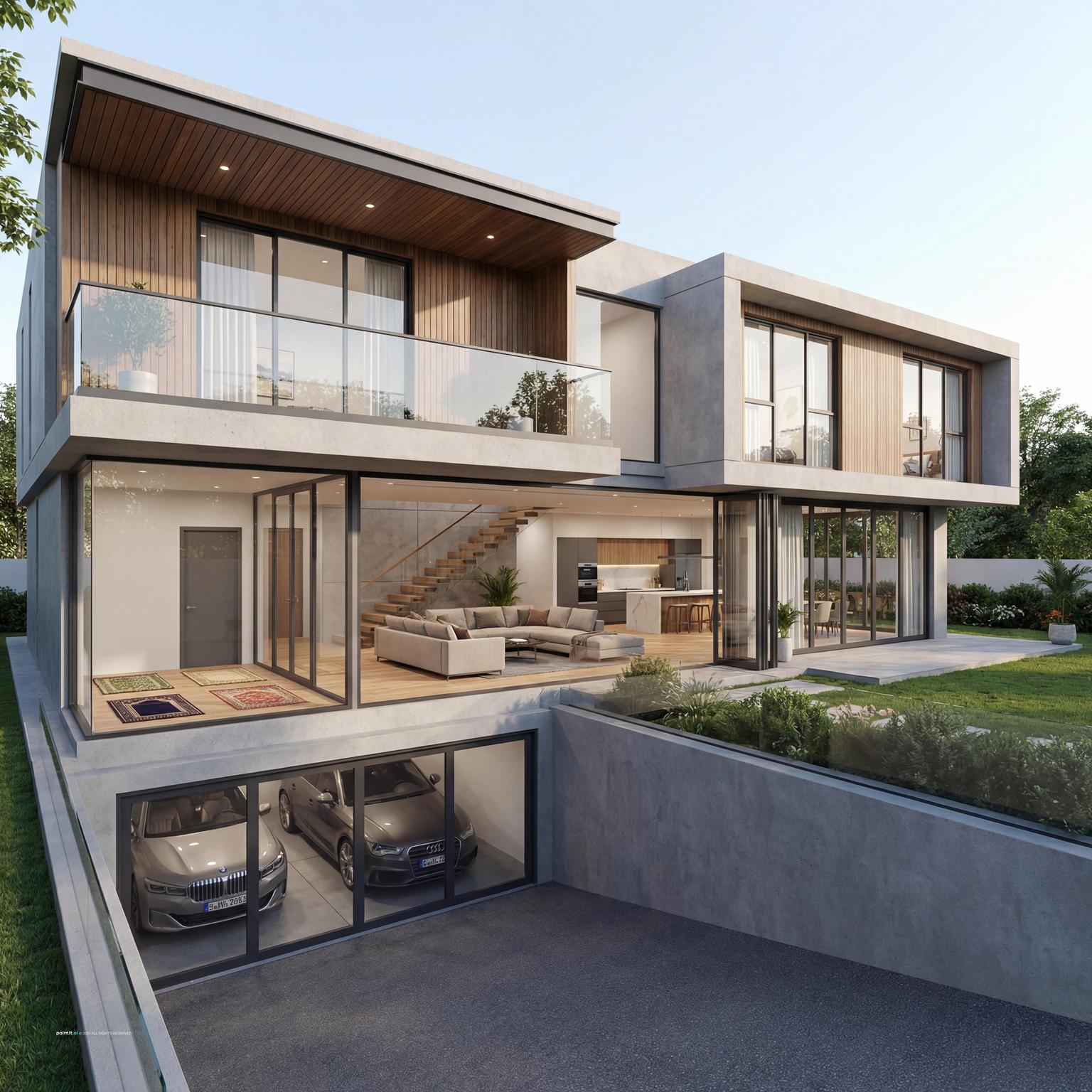
Adorned with elegant design features, this luxurious modern living room perfectly embodies the sophisticated grandeur of a 1920s Art Deco interior.
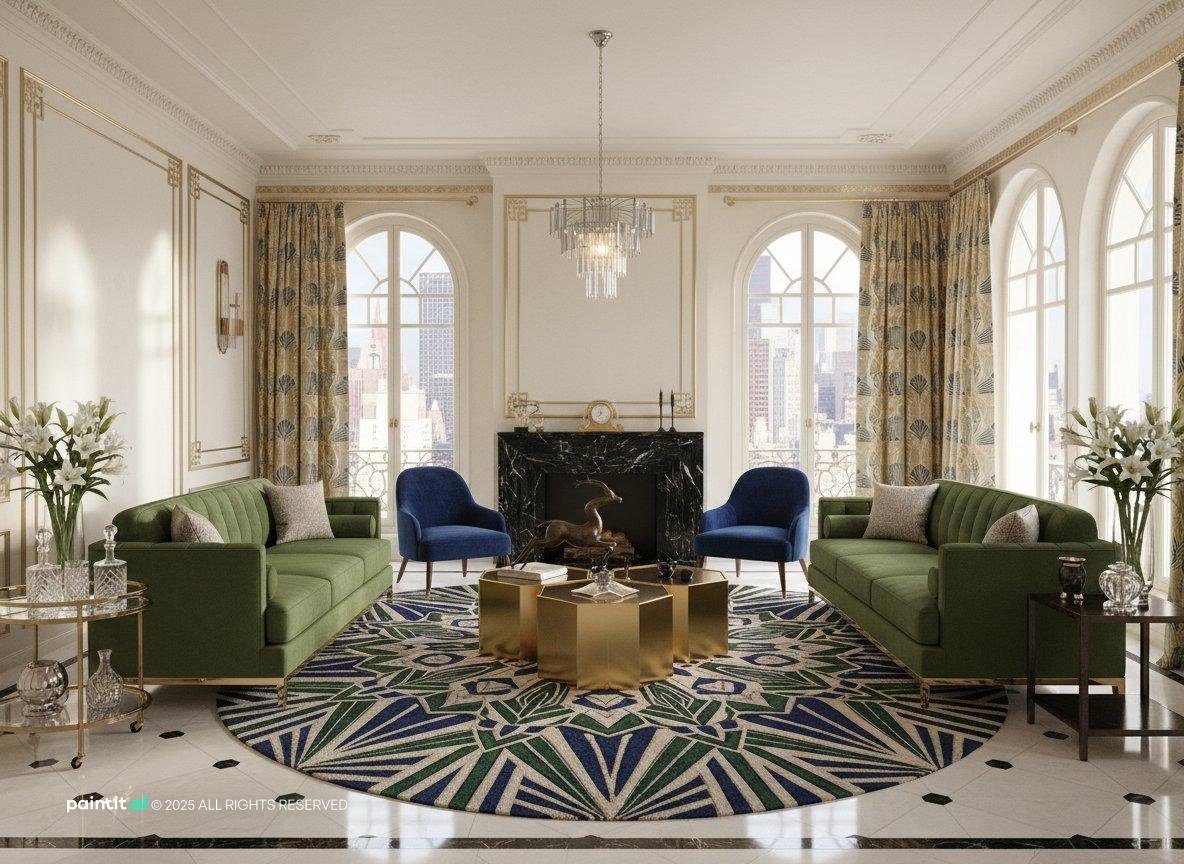
In a bright room, a geometric rug and curved green chairs carry the Deco style without dark walls.
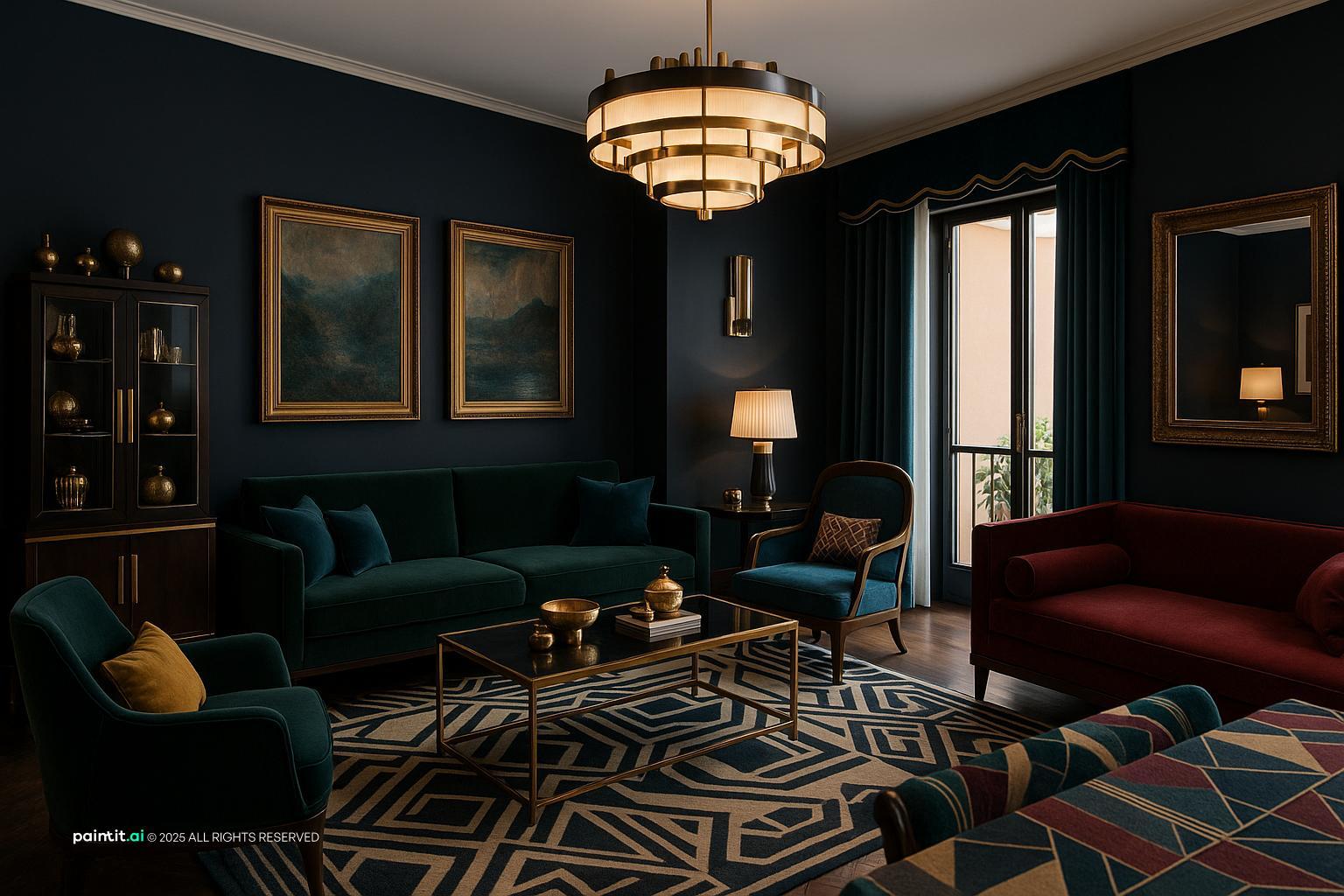
Vintage frames and a geometric rug around teal velvet sofas layer the Deco look over a modern room.
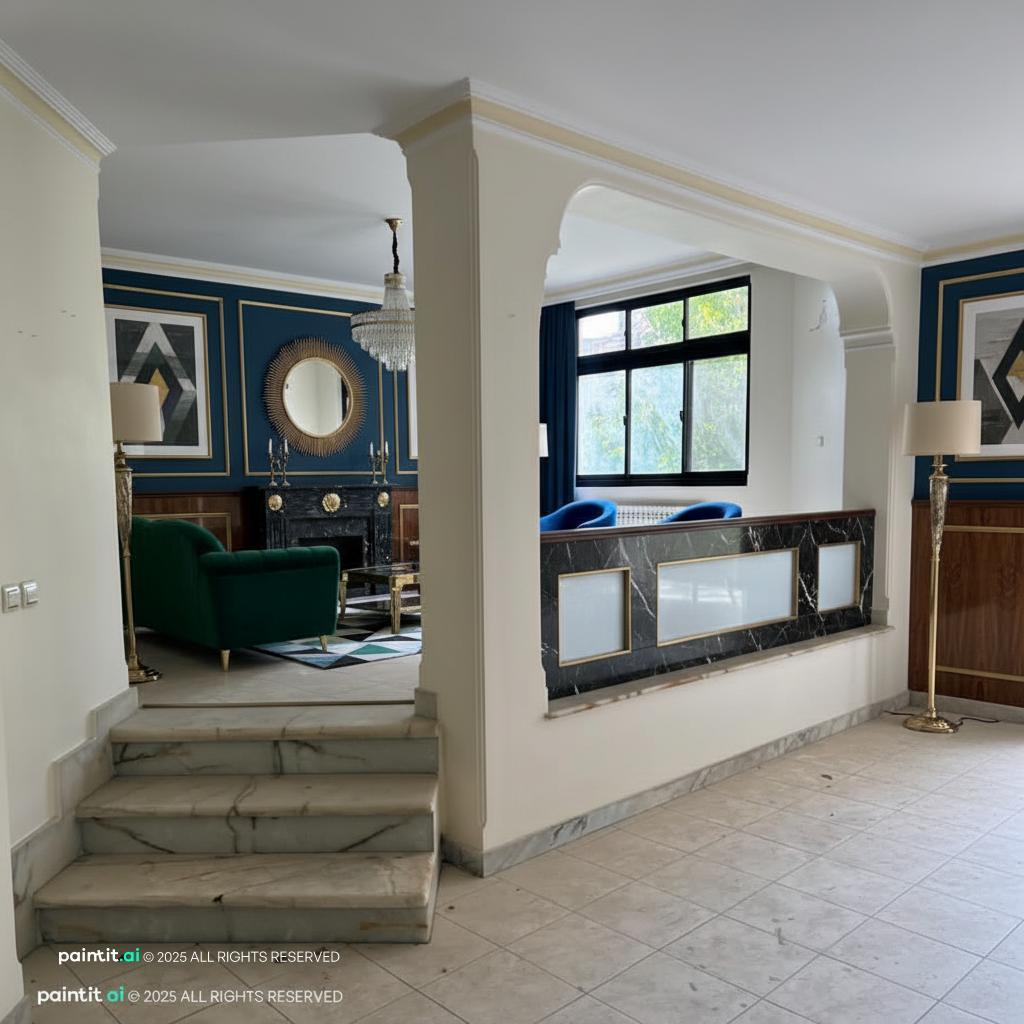
An archway, steps and a column are architectural details Deco loves; dark teal walls highlight them.
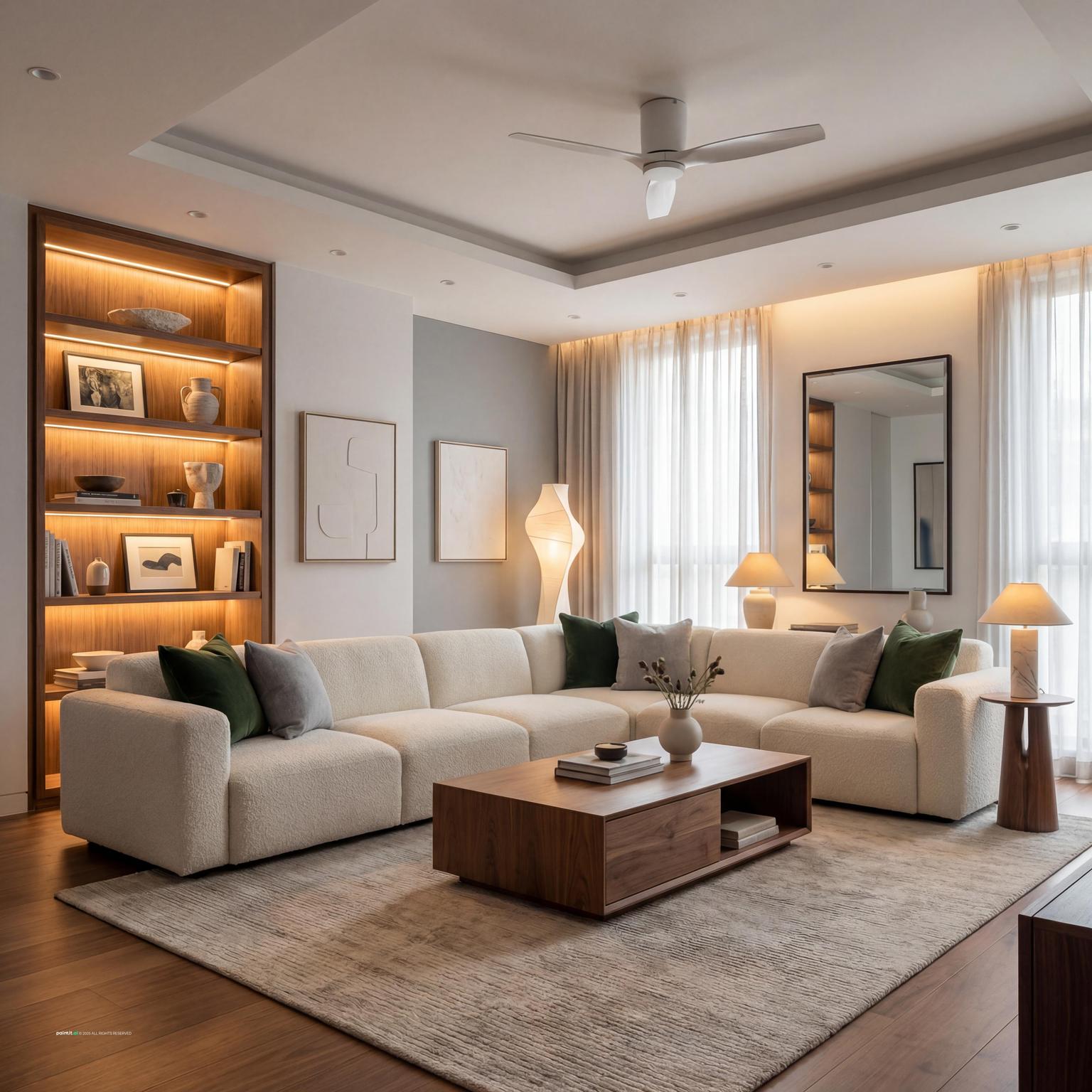
An elegant contemporary living room design, this space beautifully integrates the refined charm and geometric precision of a 1920s Art Deco aesthetic.
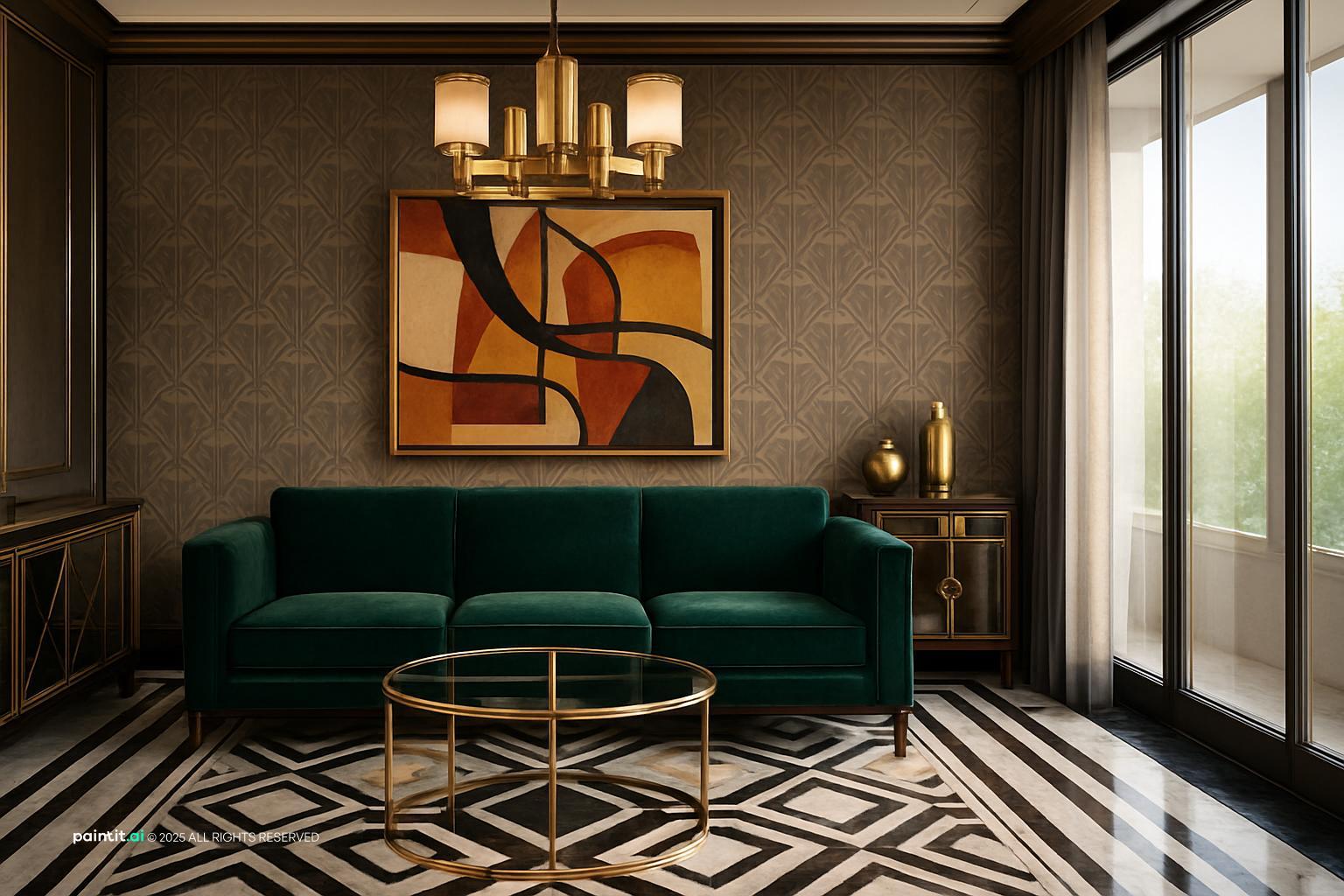
A graphic black and white rug under a green velvet sofa is a strong, easy Deco combination.
The palette for a 1920s art deco living room isn't for the faint of heart. Think deep jewel tones, emerald green, sapphire blue, or ruby red, grounded by sophisticated neutrals like jet black, creamy ivory, or charcoal grey. Then, you layer in the metallics: polished gold, gleaming silver, or cool chrome. It’s all about confident contrasts, letting those rich hues truly pop against a refined backdrop.
For a related take on the same room, explore calm living rooms with plants and natural materials.
Opulence is key here, and it’s felt through the materials. Imagine the cool, smooth touch of polished chrome on a lamp base, juxtaposed with the plush softness of velvet upholstery on a sofa. Lacquered wood, perhaps Macassar ebony, adds a reflective depth, while mirrored surfaces expand the space and scatter light. It creates a sensory experience, a feeling of undeniable luxury that just draws you in.
For a related take on the same room, explore TV unit ideas for small living rooms.
Furniture in a 1920s art deco living room is about sleek lines and a sense of purpose. We often look for low-slung sofas with deep seats, maybe a club chair featuring an exposed chrome frame. Console tables with stepped profiles or mirrored tops are perfect. The proportions are crucial; you want pieces that feel substantial yet never bulky, maintaining that streamlined, architectural elegance.
Lighting is pure theater in an art deco 1920s living room. It’s not just about seeing; it’s about setting a mood. A multi-tiered chandelier with frosted glass shades provides a central, ambient glow. Wall sconces with fan-shaped designs add layers of soft light, while a floor lamp with a chrome base offers a focused, yet diffused, task light. The goal is a warm, inviting atmosphere, often from multiple sources, creating intriguing shadows and highlights.
This is where personality truly shines. For a 1920s original art deco living room, we love stylized bronze or chrome sculptures, think a gazelle or a dancer, or geometric prints that echo the room's lines. styling, the "3-5-7 rule" is your secret weapon. Grouping items in odd numbers creates a natural, visually pleasing balance. For instance, on a lacquered console, you might arrange three vintage books, five small, framed photos, and a single, striking chrome statuette. It feels naturally composed, not cluttered. A well-placed bar cart, adorned with crystal decanters and a small, potted orchid, also adds that essential touch of Jazz Age sophistication. It’s about creating moments, little vignettes that tell a story.
Three core elements: geometric precision (chevrons, sunbursts, stepped forms, angular lines rather than curves), luxurious materials (polished chrome, lacquered surfaces, rich velvets, marble, gilded details), and bold colour contrasts (black and gold, navy and cream, deep teal and brass). The style is rooted in the post-WWI optimism of the Jazz Age, a celebration of modernity, machine aesthetics, and unapologetic glamour. In living rooms specifically: symmetry in furniture arrangement, a dominant geometric pattern as a focal point (wallpaper, rug, or fireplace surround), and layered metallic finishes.
Apply the elements selectively rather than comprehensively. One strong Art Deco statement, a sunburst mirror, a geometrically patterned accent wall, a velvet chaise in a jewel tone, reads as a design choice. Every surface in the style simultaneously reads as a period recreation. Pair Art Deco elements with simpler, contemporary pieces: a clean-lined sofa alongside an elaborate Art Deco cocktail cabinet, rather than matching the cabinet's ornate detail in every piece of furniture.
The classic Art Deco palette: black and gold (the most iconic combination), navy and cream, deep emerald and brass, rich burgundy with silver, and smoky greige with copper. The commonality: high contrast between a deep or saturated tone and a metallic or light neutral. Avoid softer, more muted palettes, Art Deco is about drama and definition.