
Dutch Interior Design Style Inspiration and Ideas for Your Home
Dutch interior design is shaped by two overlapping historical forces: the practical, Protestant-influenced tradition of clean, uncluttered homes built for real daily life, and the Golden Age artistic heritage that brought natural light, careful observation, and quality craftsmanship into domestic spaces.
The result is a style that is simultaneously minimal and warm, fewer objects, but each one chosen for quality and meaning. Large windows to maximize natural light. Oak or pine floors. Muted palette with one or two considered accents. A plant. A painting. Nothing more than is needed, but nothing less than is beautiful.
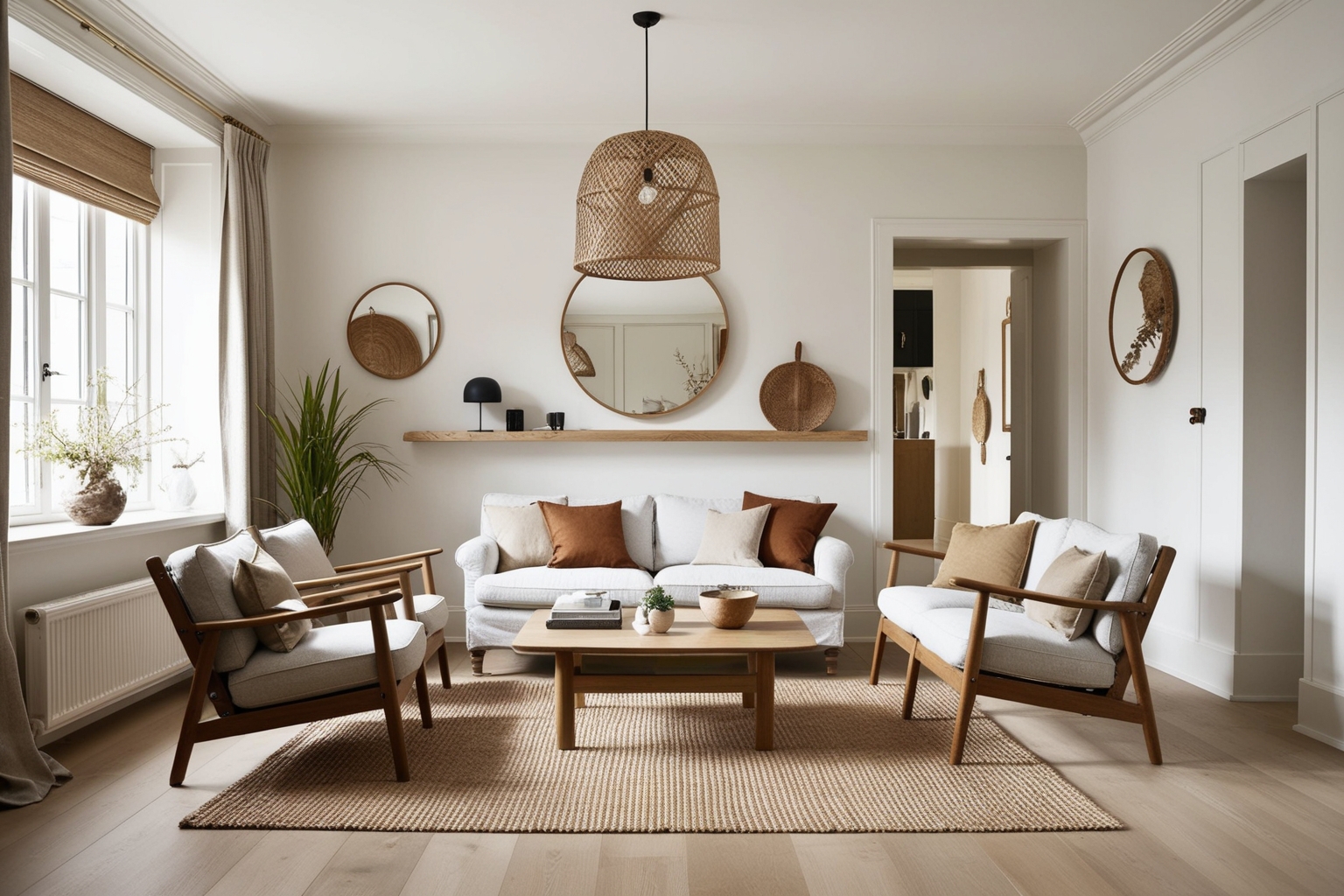
What Defines the Dutch Interior Design Style?
The Dutch interior design style balances historical richness with modern practicality, simple forms, durable materials, and inviting aesthetics drawn from centuries of considered domestic life.
-
Key Colors and Palettes
The Dutch interior design style leans on a muted, calm color palette: whites, subtle greys, and muted blues mixed with earthy browns. Deep greens and bright yellows show up as occasional accents drawn from nature rather than as dominant tones, keeping the balance between modern and rustic elements.
-
Typical Materials and Textures
The Dutch interior design style relies heavily on material selection which underscores sustainable practices alongside long-lasting quality. The utilization of oak and pine wood in flooring, furniture, and accent pieces creates a genuine natural appearance. Wool, linen, and leather add textural depth and tactile warmth, each material honest about its nature and age. The selection of these materials transcends mere visual appeal to showing Dutch principles of ecological stewardship.
-
Signature Furniture and Decorative Elements
The Dutch interior design style presents furniture that showing subtle elegance through its straightforward lines and practical simplicity. A selection of signature pieces might include sturdy wooden tables, minimalist chairs with considered joinery details, and classic cupboards (kasten) that reference the Dutch Golden Age tradition of quality domestic furniture. The decorative elements exhibit a restrained complexity that underscores sophistication through a focus on quality rather than quantity. The walls frequently display artworks that depict landscapes or portraits which establish a direct connection to the Netherlands' abundant artistic traditions.
How to apply Dutch interior style in your home
The light-first principle
Dutch interior design is built around natural light, historically because of the Netherlands' northern latitude and the premium that put on every hour of sunlight. Large, unobstructed windows with minimal window treatments (sheer linen or nothing) maximize daylight. In darker rooms, mirrors placed to reflect window light extend this principle.
Muted palette with one Golden Age accent
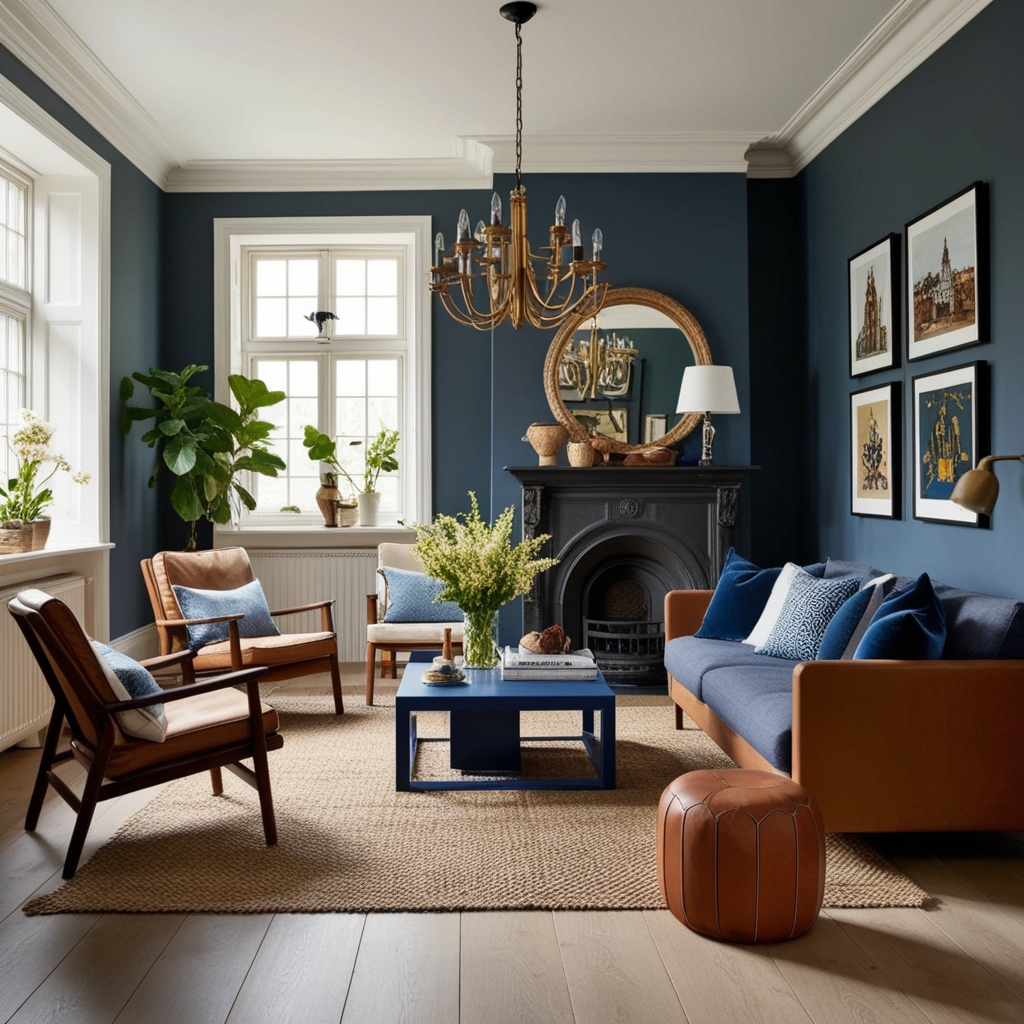
The base palette: warm whites, soft grey, cream, and natural linen tones. Wood in oak or pine, lighter finishes for contemporary Dutch interiors, darker stained pieces for a more historical reference. The accent: Delft blue is the signature Dutch colour, cobalt blue on white ceramics, in a vase, on tile, or in upholstery. A single Delft-blue element in a neutral room is immediately recognizable as Dutch.
Honest materials
Oak plank flooring, exposed brick where present, wool and linen textiles, clay or ceramic pottery, and simple cast iron. Dutch interiors celebrate materials for what they are rather than what they can imitate, no laminate pretending to be wood, no printed fabric pretending to be weave.
The window and its view
The Dutch have a long tradition of treating the window as a picture, arranging objects on windowsills (plants, small sculptures, candles) so they compose beautifully against the light from outside. A single plant, positioned in a window, visible from the street and from inside, is one of the most characteristic details of Dutch domestic interiors.
Dutch Golden Age reference points
Vermeer's paintings, domestic interiors with light from a single window, a woman at work, simple furniture, tiled floors, a map on the wall, are the original Dutch interior design reference. The qualities that define these paintings (the quality of light, the material specificity, the quiet focus on domestic life) translate directly into contemporary Dutch interior design.
What is unique about Dutch design in flooring?
Dutch flooring has two signature traditions: the black-and-white marble tile pattern (black and white squares, often in a diagonal grid) referencing 17th century Dutch architecture, and the wide-plank oak or pine floor typical of Dutch farmhouse interiors. The black-and-white tile reads as formal and urban; the wide plank reads as warm and rural. Both are genuinely Dutch. Contemporary Dutch interiors also use polished concrete and large-format stone, but these are more contemporary influences than traditional Dutch design.
Visualize Dutch interior style with Paintit.ai
Upload a photo of your room to app.paintit.ai and see how Dutch-inspired palettes, warm whites, oak tones, Delft blue accents, read in your actual space in 1–2 minutes. Free to start.
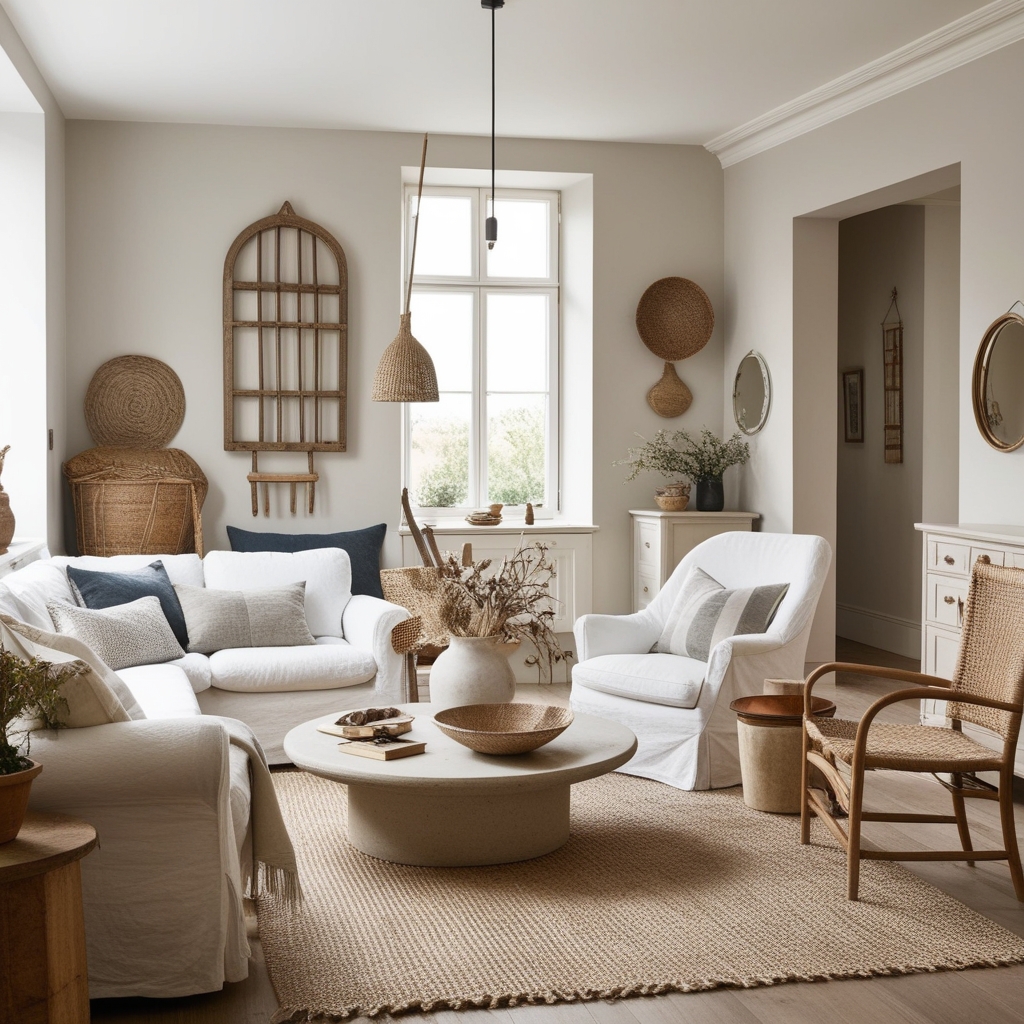
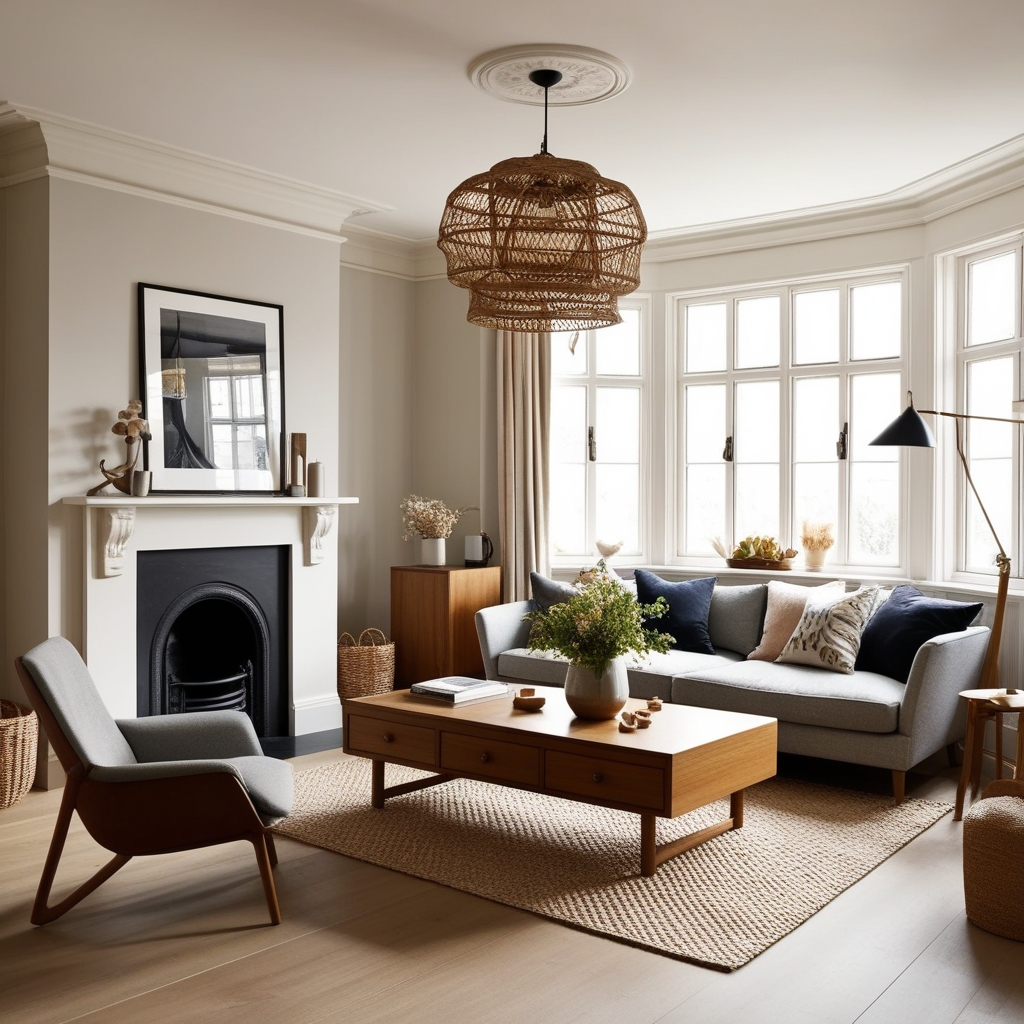
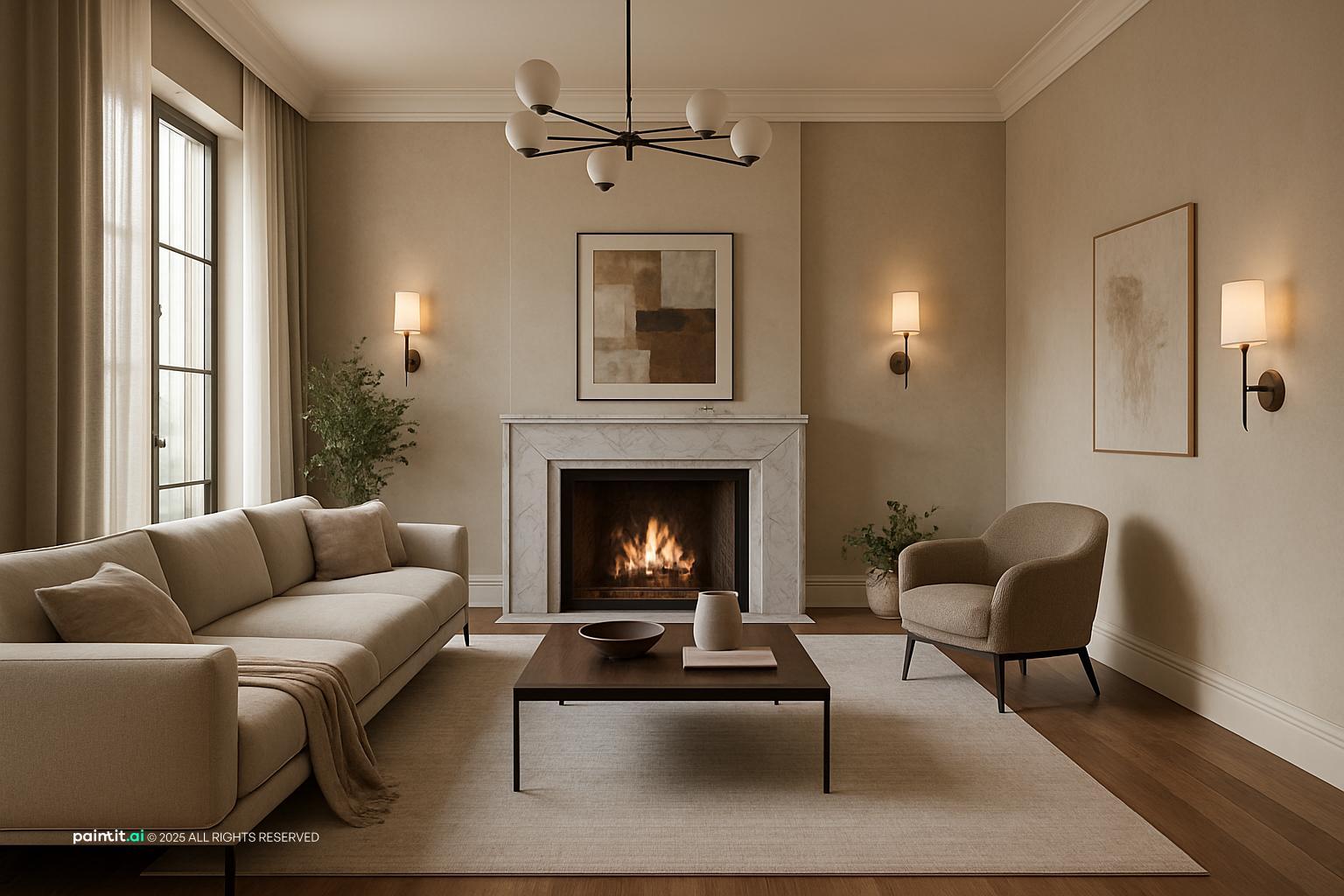
Dutch interior style visual references
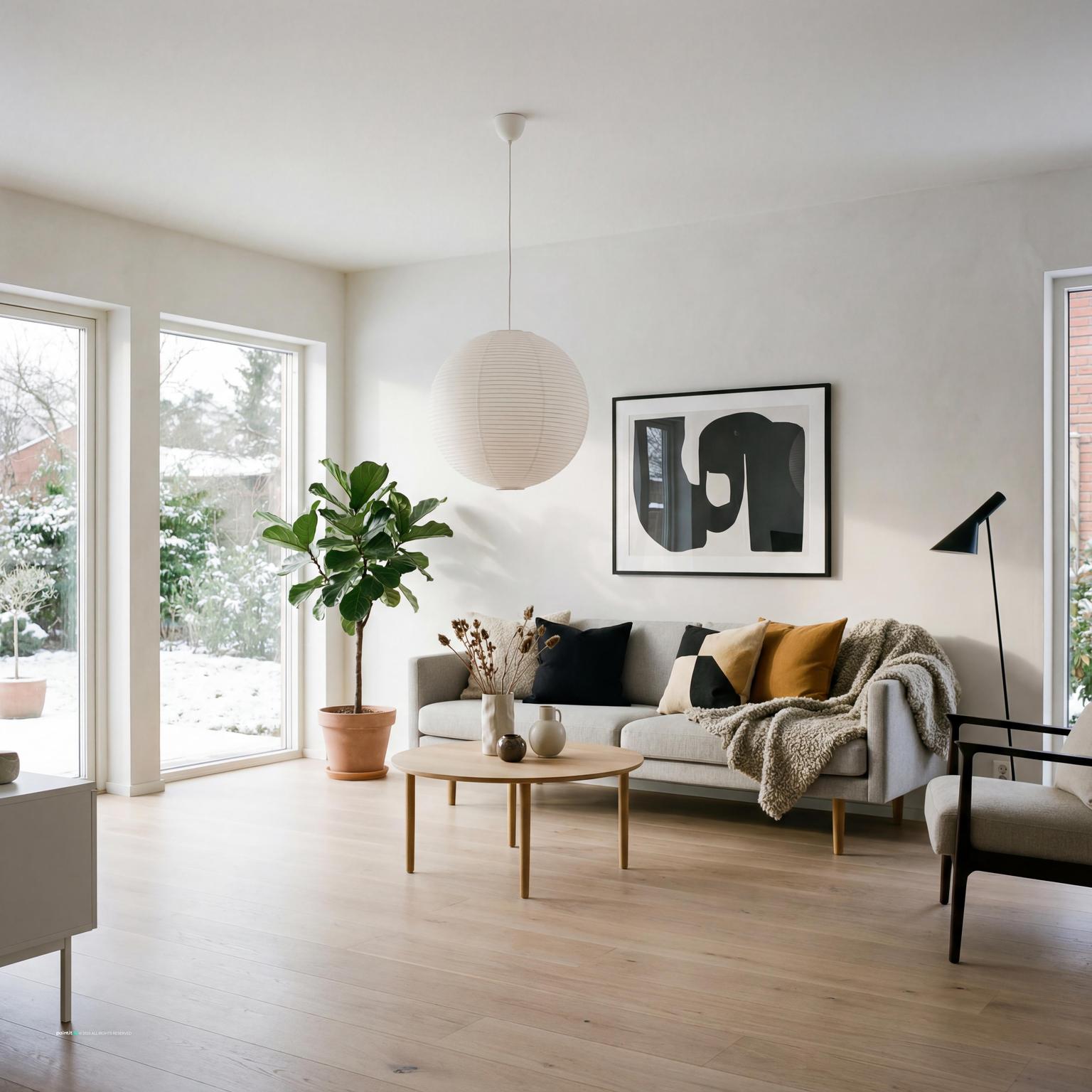
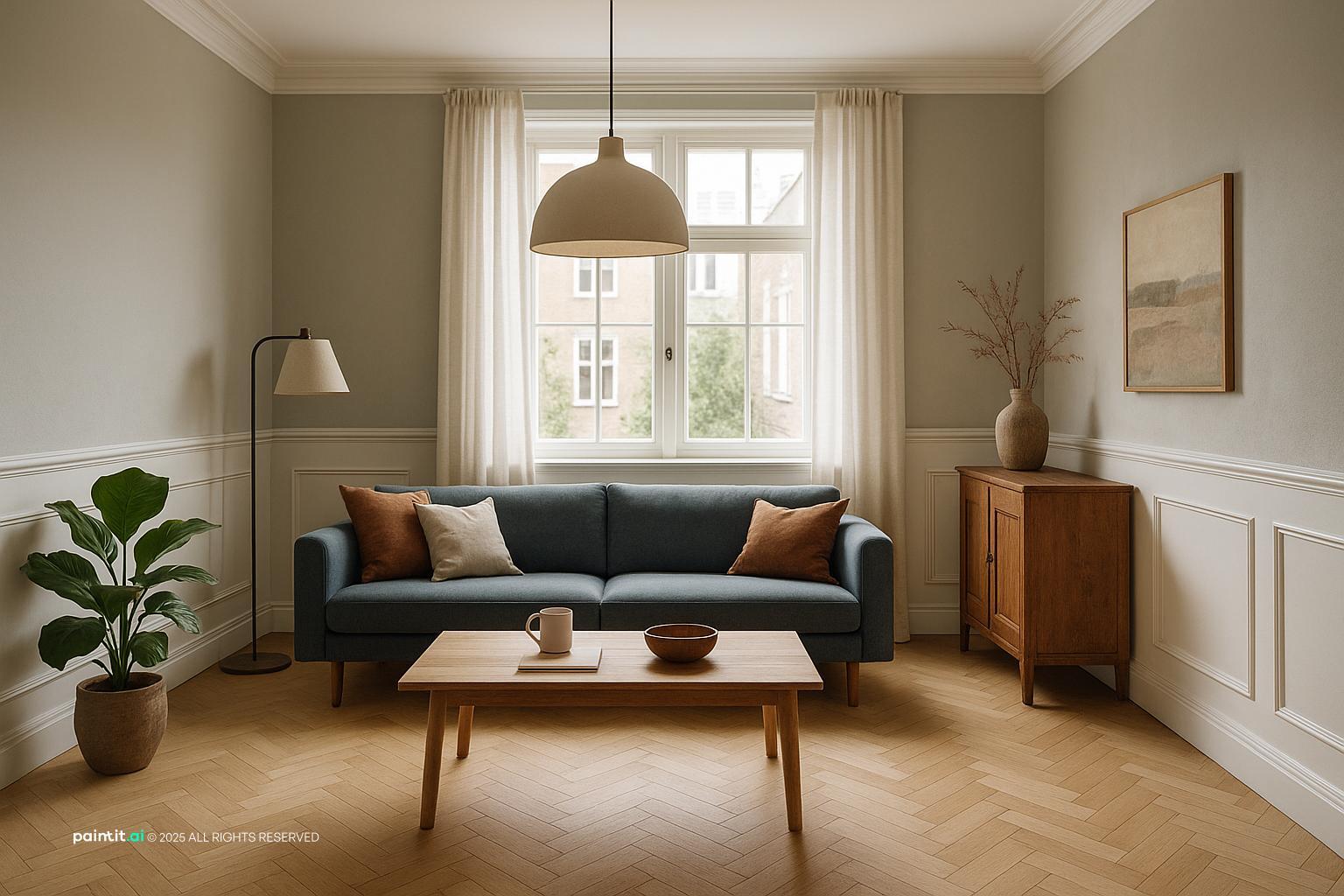
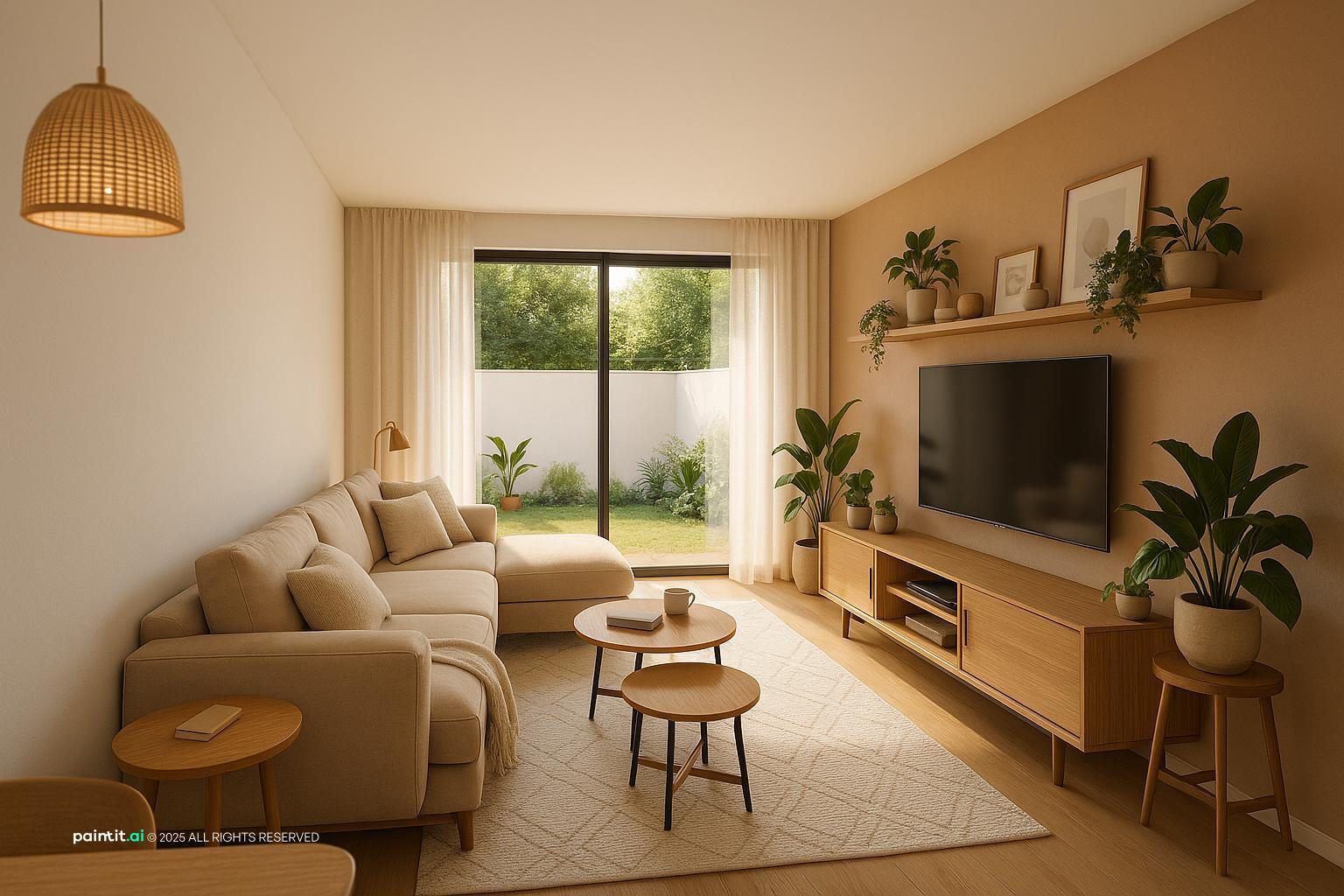
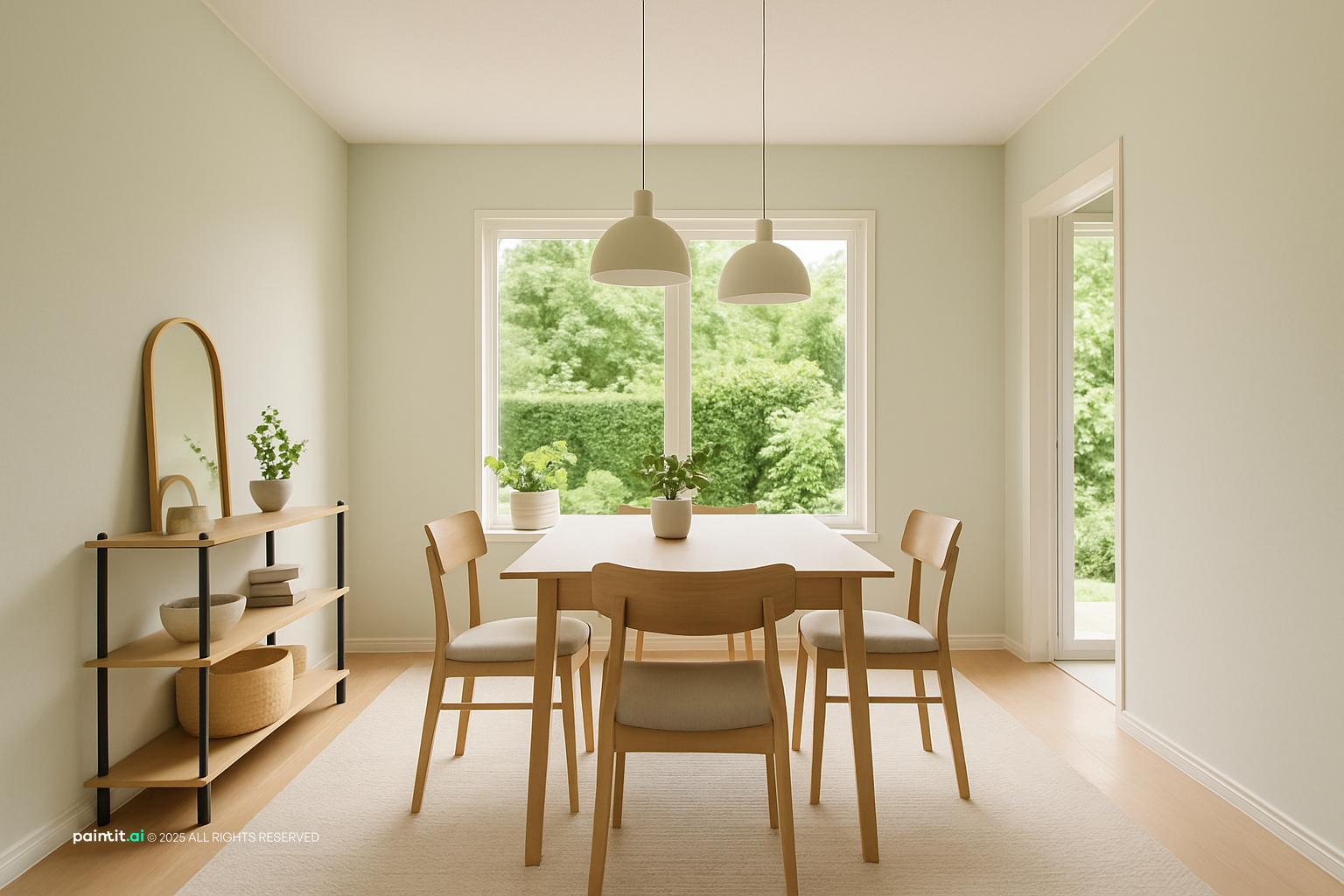
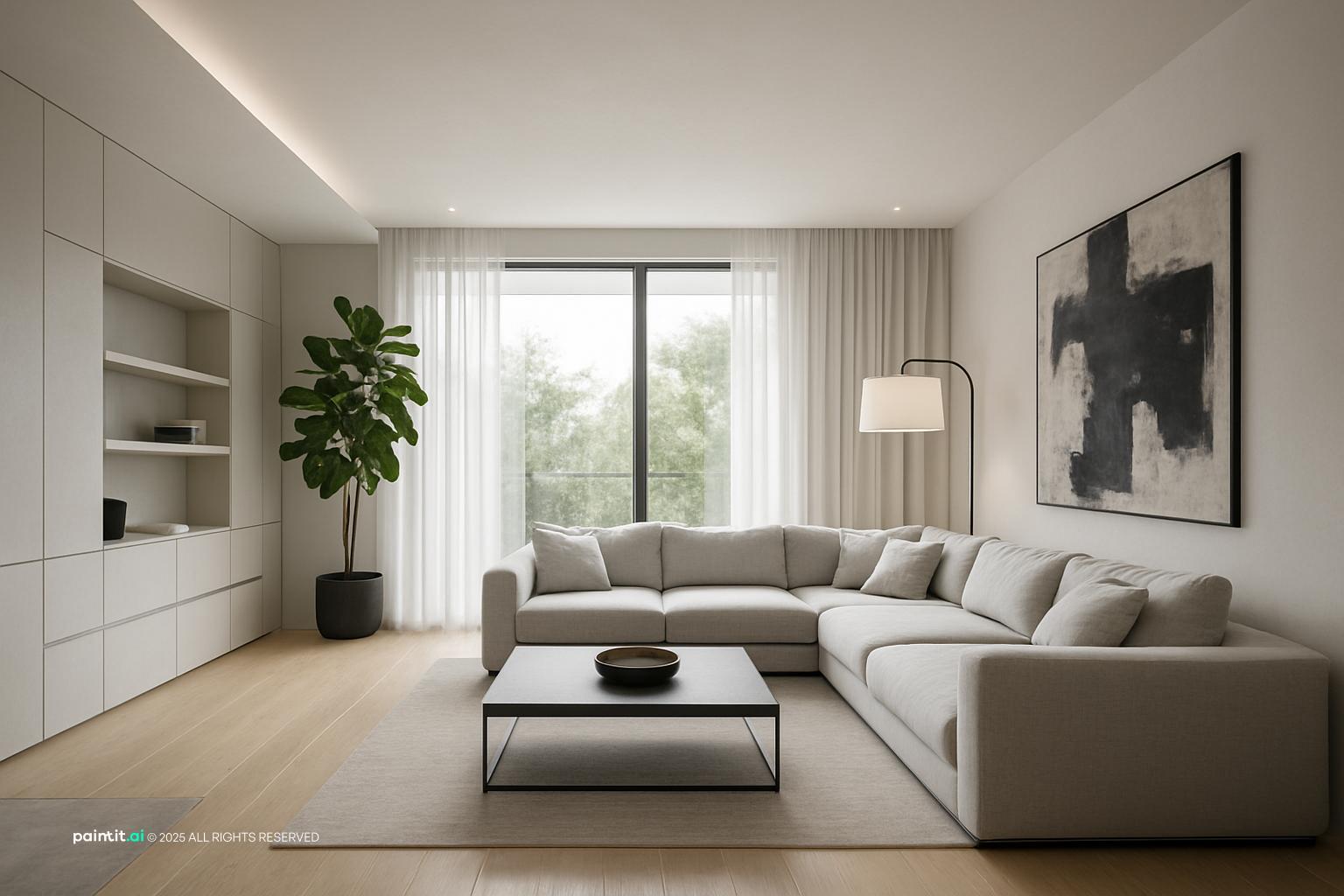
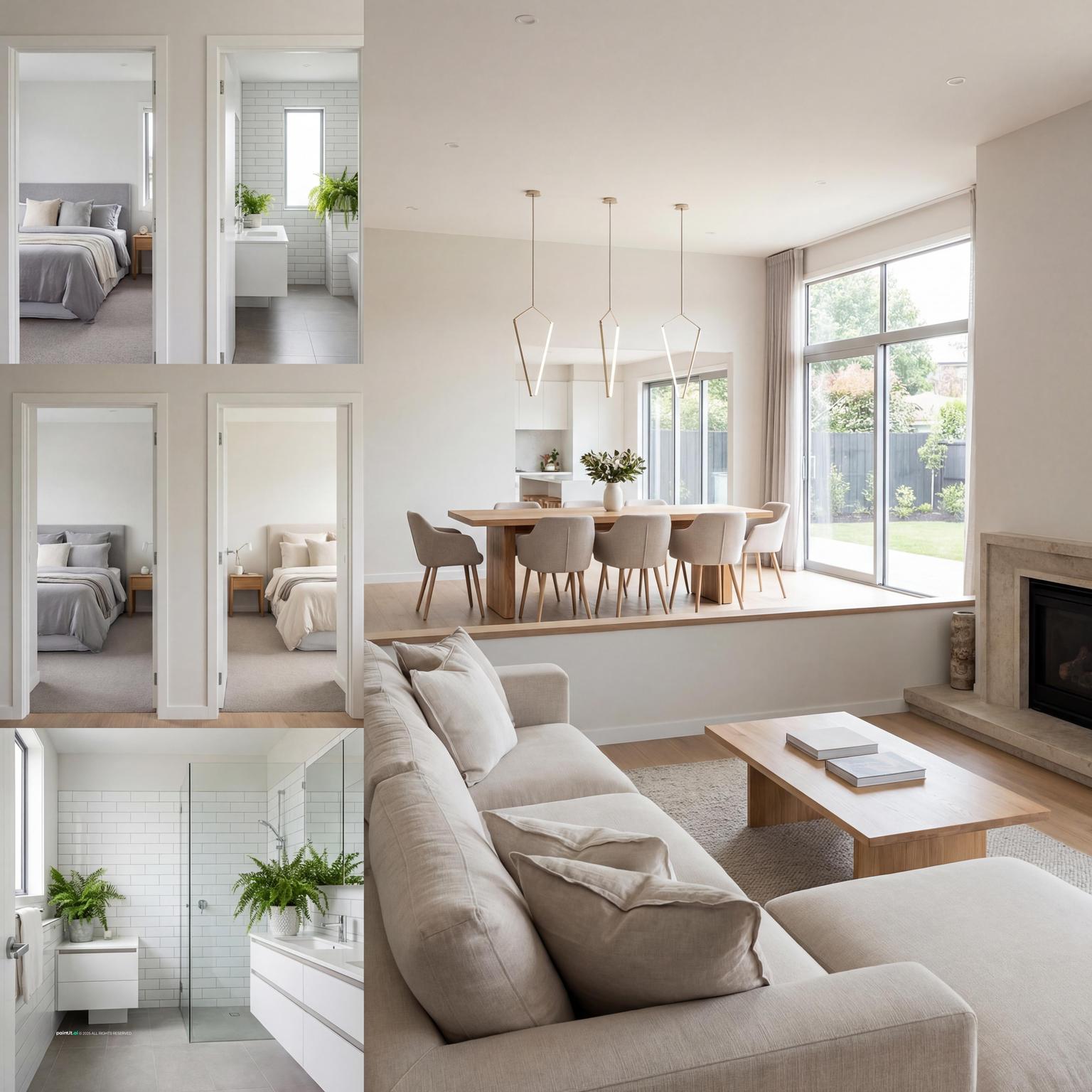
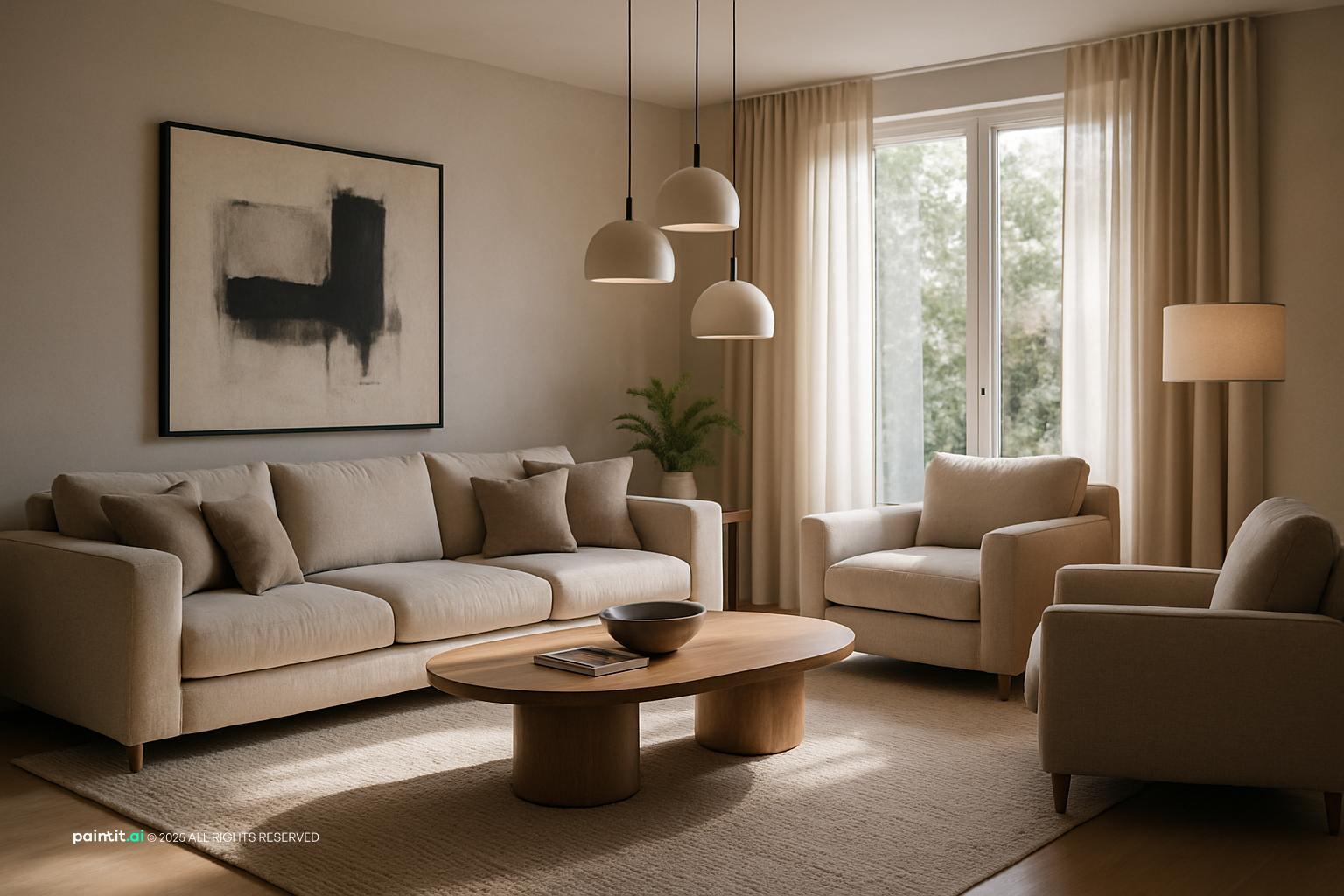
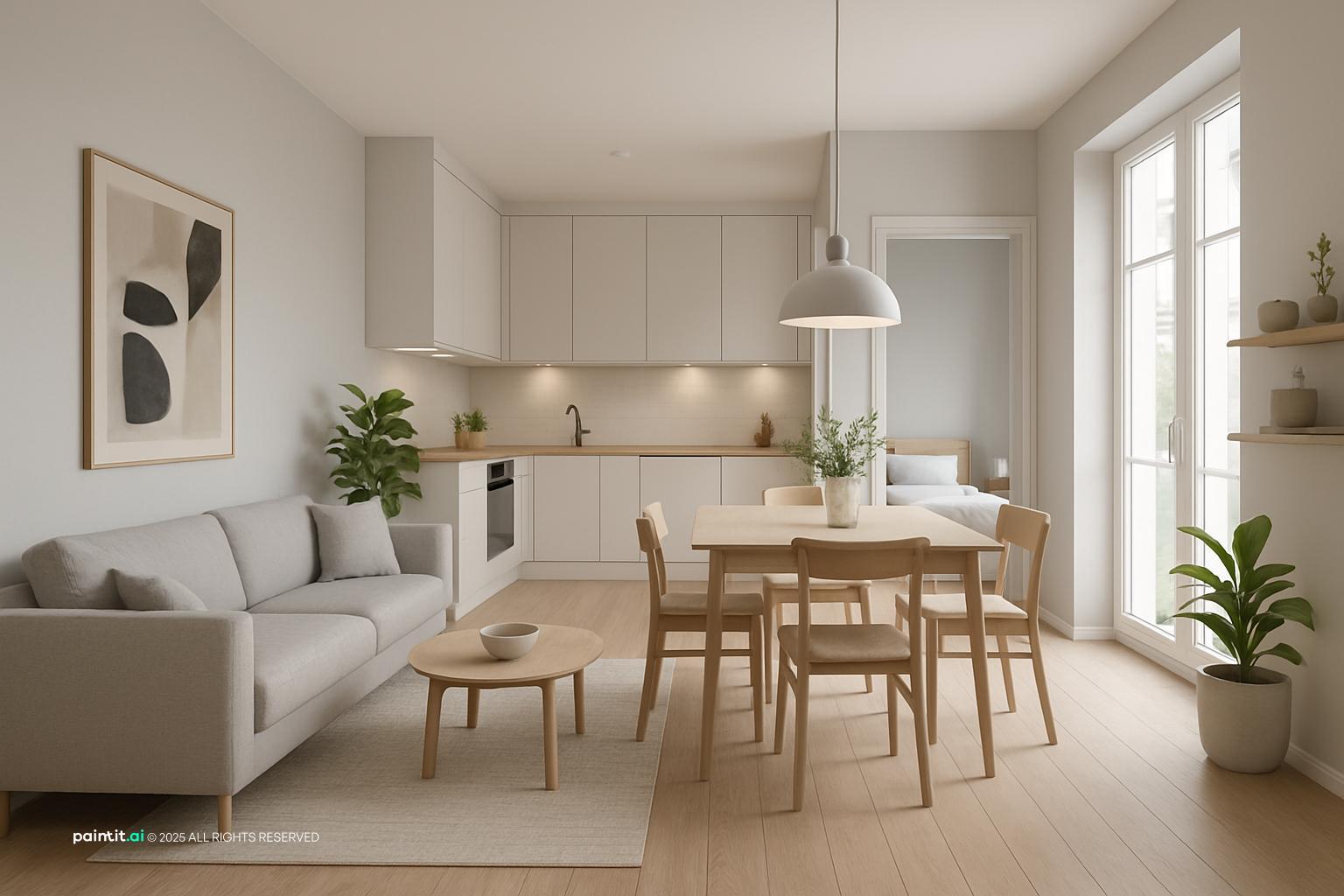
Related styles
FAQ
-
Dutch interior design combines practical minimalism with the warmth of natural materials, drawing from both the Protestant-influenced tradition of uncluttered, functional homes and the Golden Age artistic heritage of careful observation and quality craftsmanship. The defining characteristics: large windows maximizing natural light, oak or pine floors, muted neutral palette (warm whites, soft grey, cream) with Delft blue as the signature accent, quality natural materials (wool, linen, oak, clay), and a focus on fewer objects of higher quality rather than decorative abundance.
-
Two things distinguish Dutch interiors from other European minimalist traditions: the relationship with light (Dutch design is explicitly built around maximizing natural light, due to the country's northern latitude) and the Golden Age influence (the domestic scenes painted by Vermeer, de Hooch, and others established a visual standard for Dutch interiors, specific, material, beautifully lit, that persists in contemporary Dutch design). Delft blue ceramics are the most instantly recognizable Dutch design element.
-
Dutch flooring has two signature traditions. First: the classic black-and-white marble tile in a diagonal grid pattern, referencing 17th century Dutch civic and residential architecture. Second: wide-plank oak or pine floors in the warm, worn finishes associated with Dutch farmhouse interiors. Contemporary Dutch interiors also use polished concrete and large-format stone tile. The common thread is honesty about the material, Dutch design doesn't use flooring materials that pretend to be something they aren't.
-
Yes. Upload a photo of your room to app.paintit.ai and see how Dutch-inspired palettes and material combinations read in your actual space in 1–2 minutes. Free to start.