Living Room Wallpaper Ideas That Work in Real Rooms

The strongest living room wallpaper ideas usually start with a very simple question: which wall is already doing the most work? It might be the wall behind the sofa, the fireplace wall, the TV wall, or the wall you see first when you enter. If that wall is chosen well, wallpaper can make the room feel planned without asking you to replace the sofa, rug, shelves, or lighting. In Paintit.ai prompts, color appears in 27.6% of design requests, more than any other modifier. That matches what happens in real rooms. People usually choose living room wallpaper by color first, then pattern scale, texture, and style. The catch is that color on a roll, color on a screen, and color beside your actual sofa can behave very differently.

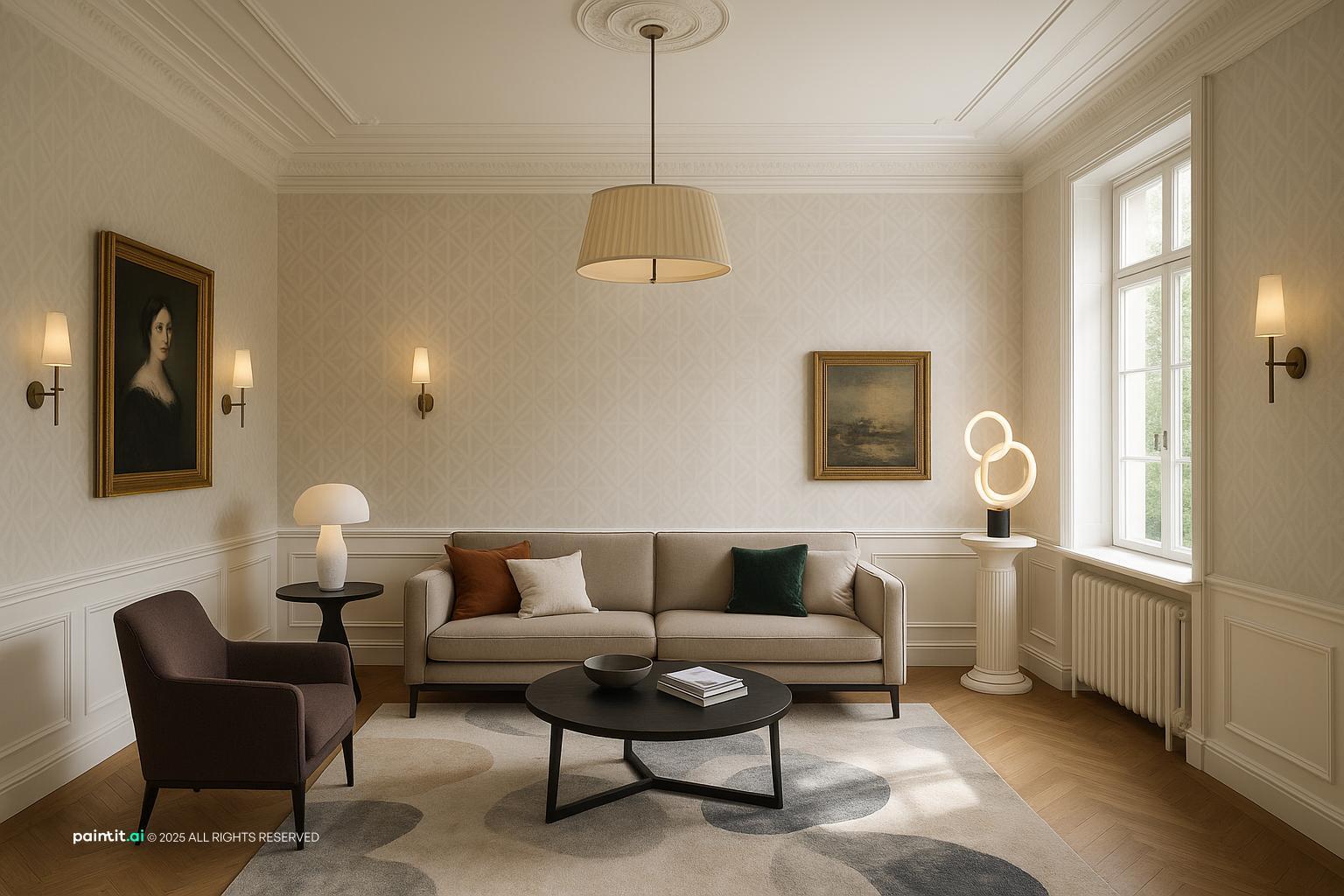
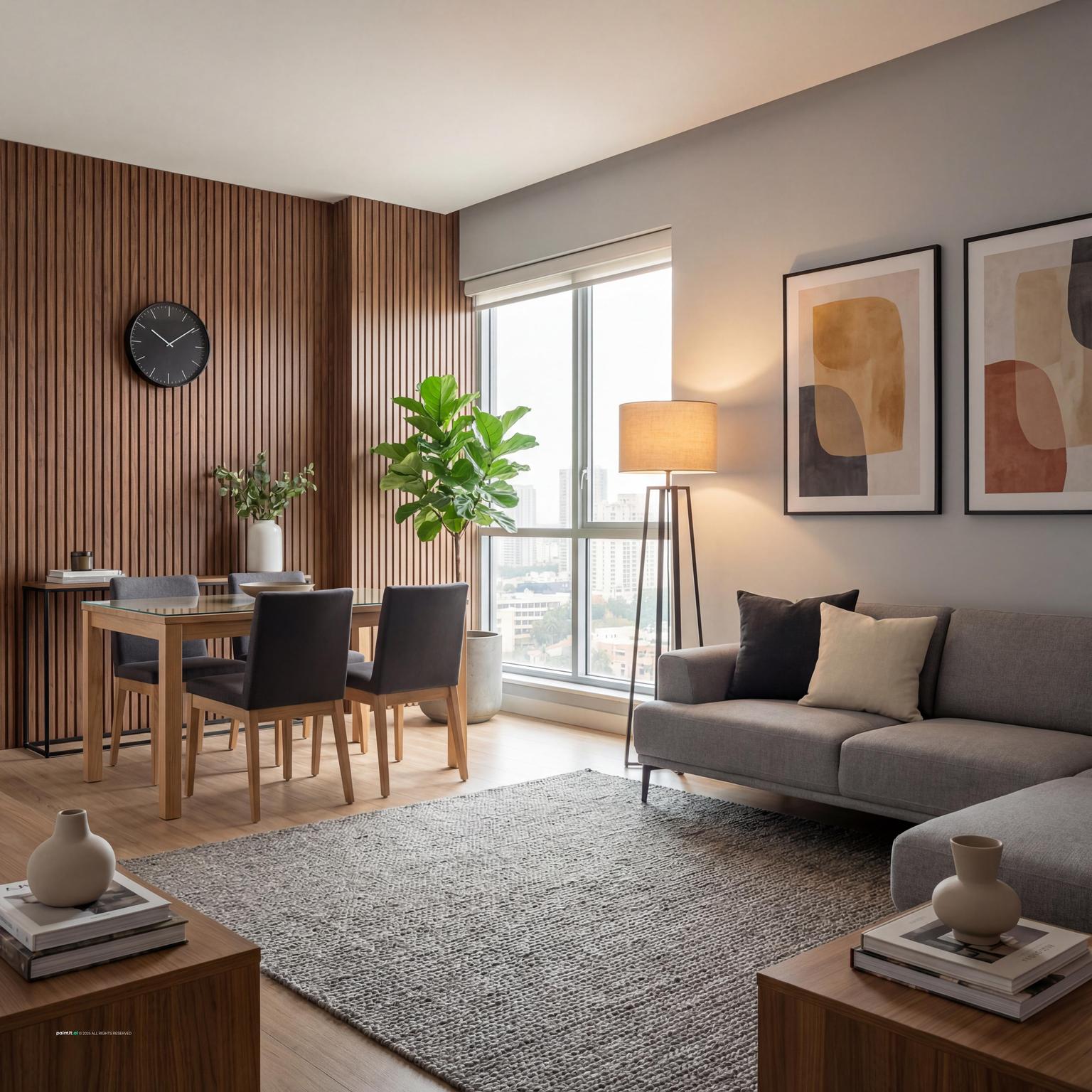
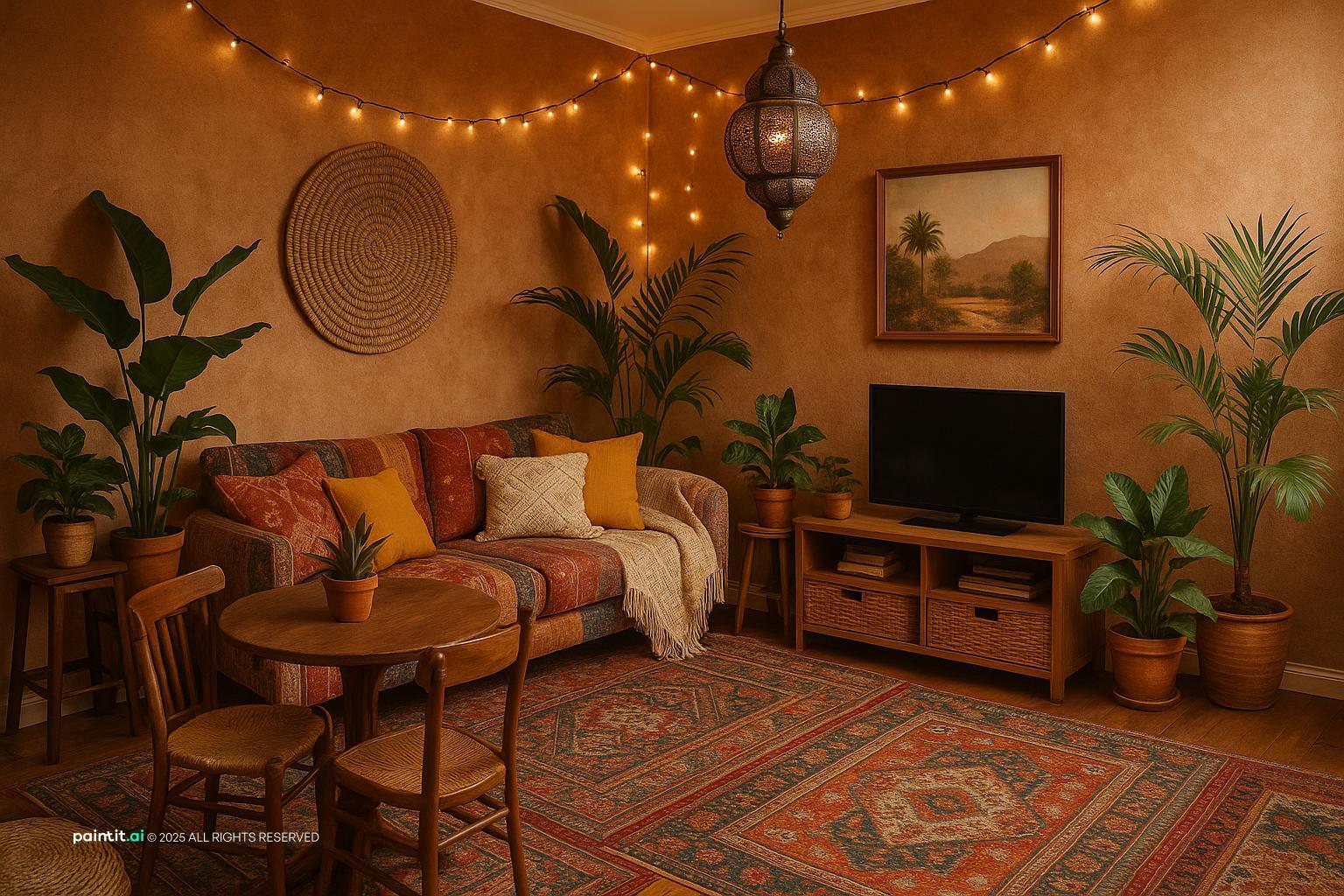
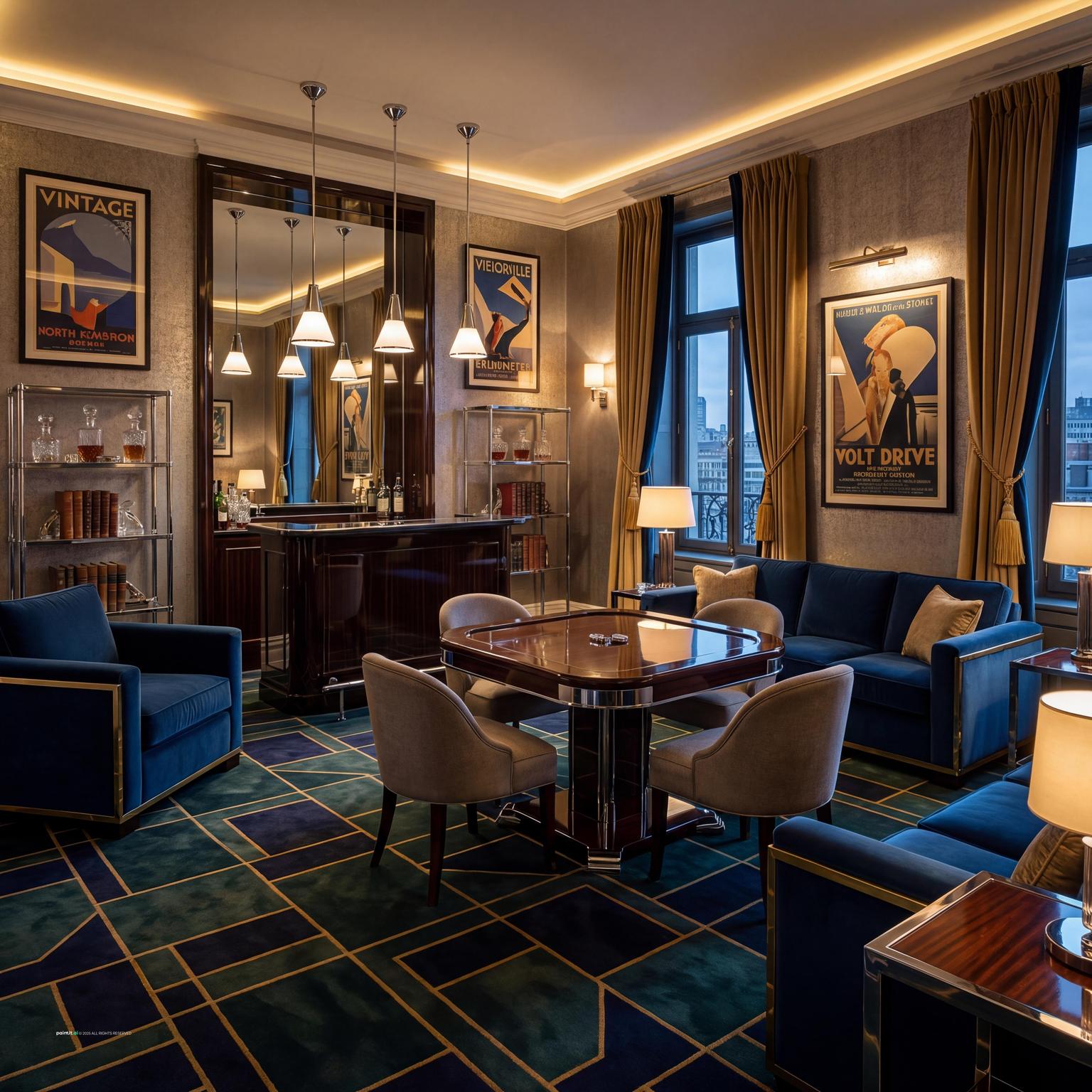
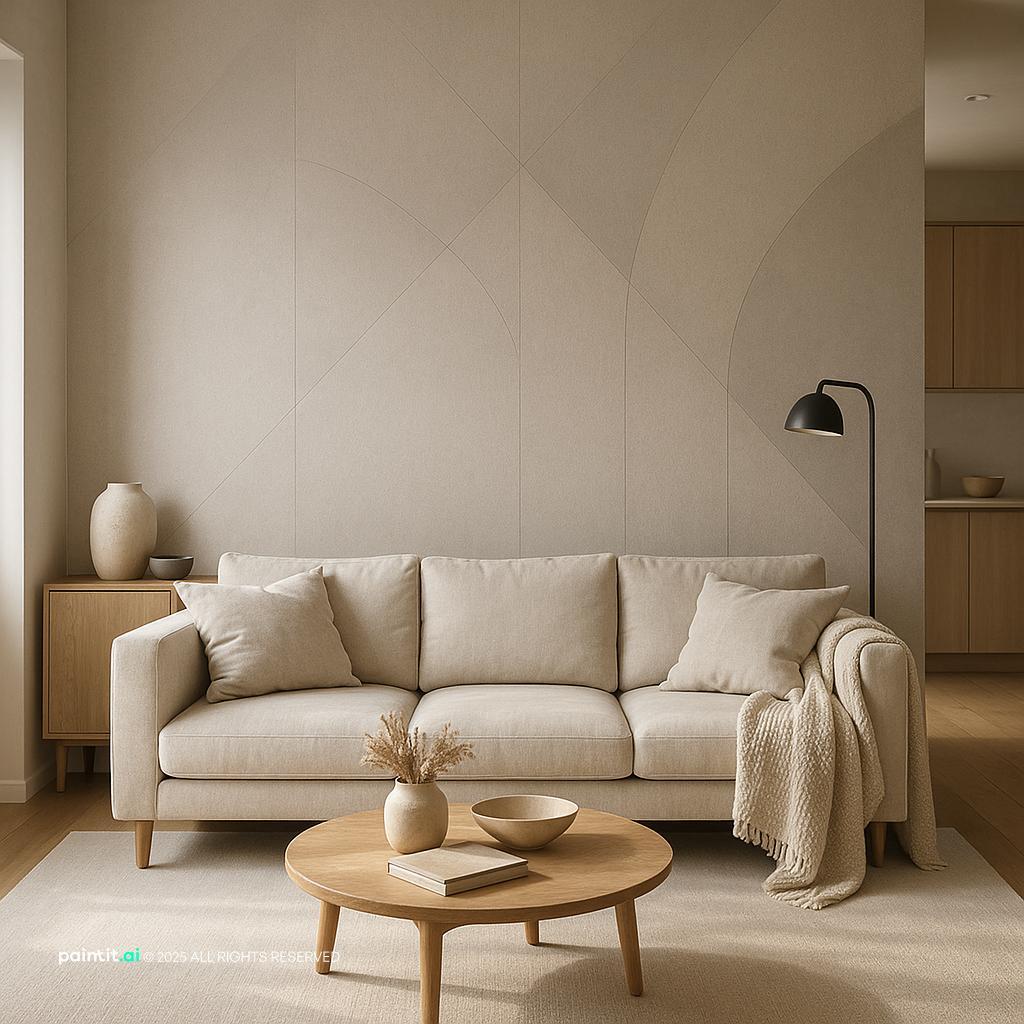
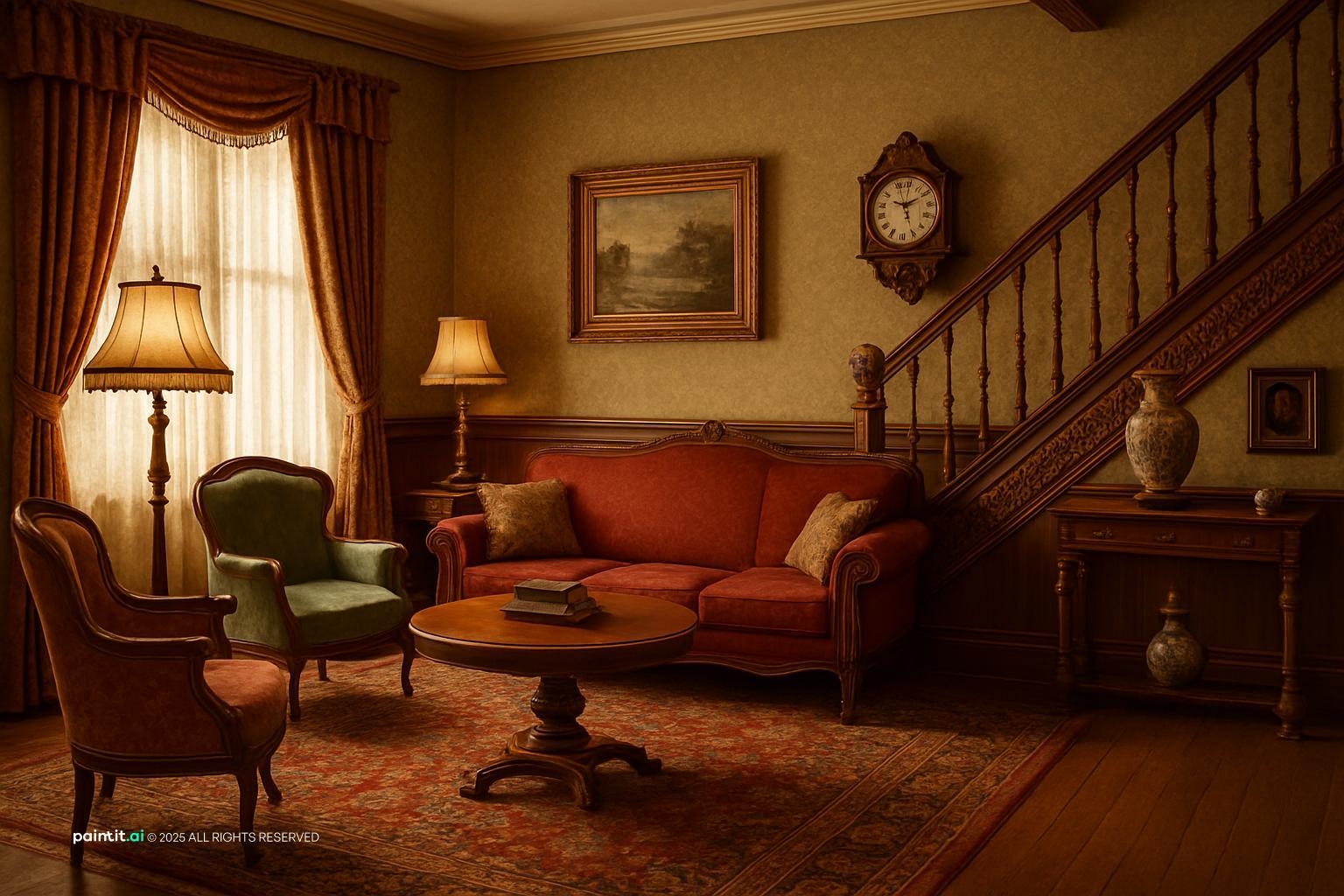
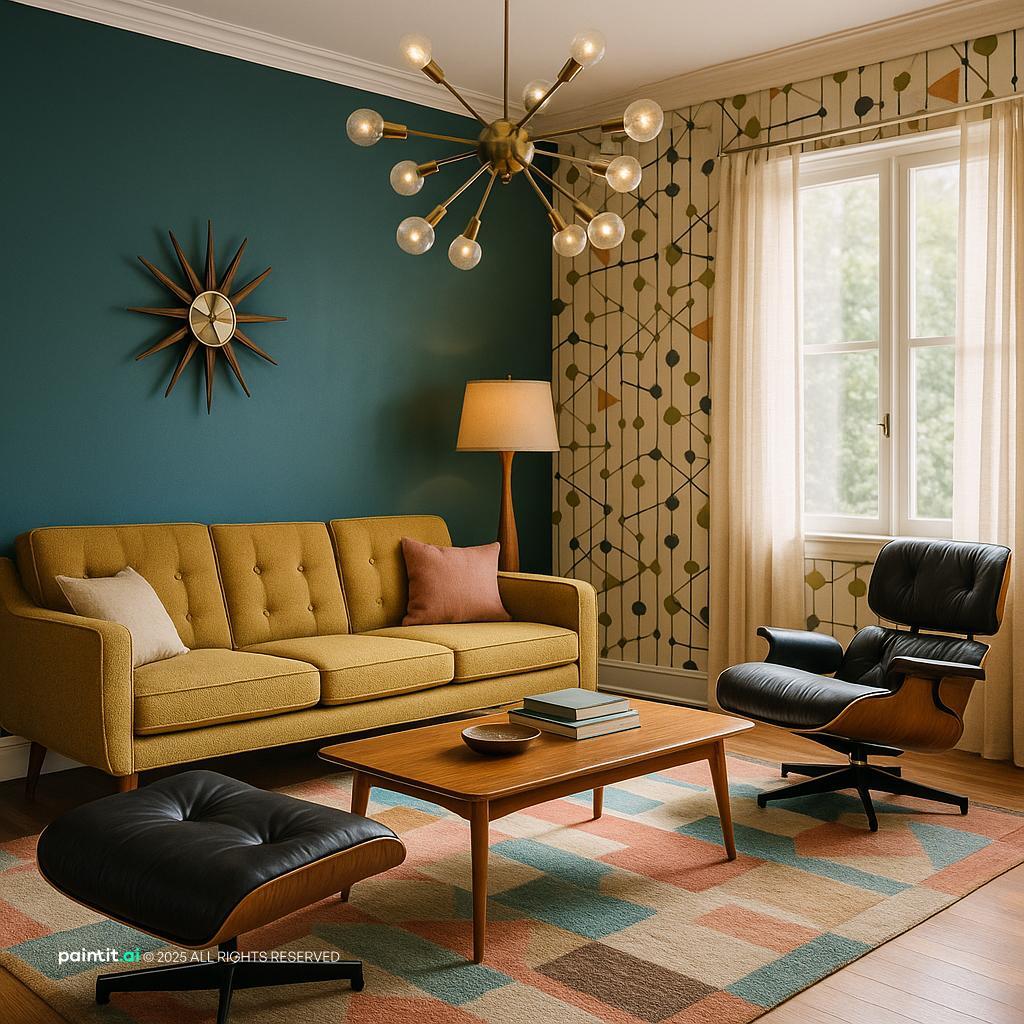
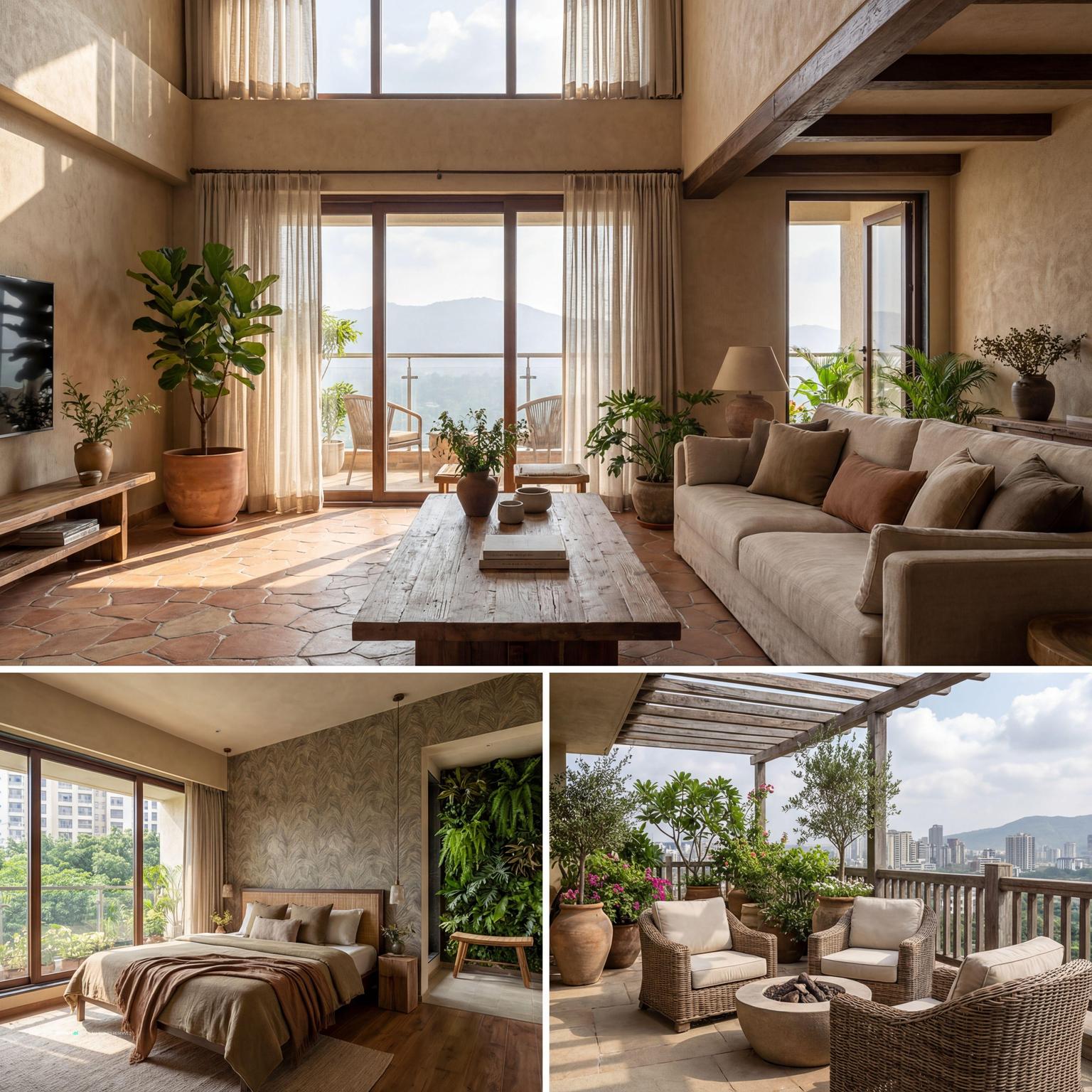
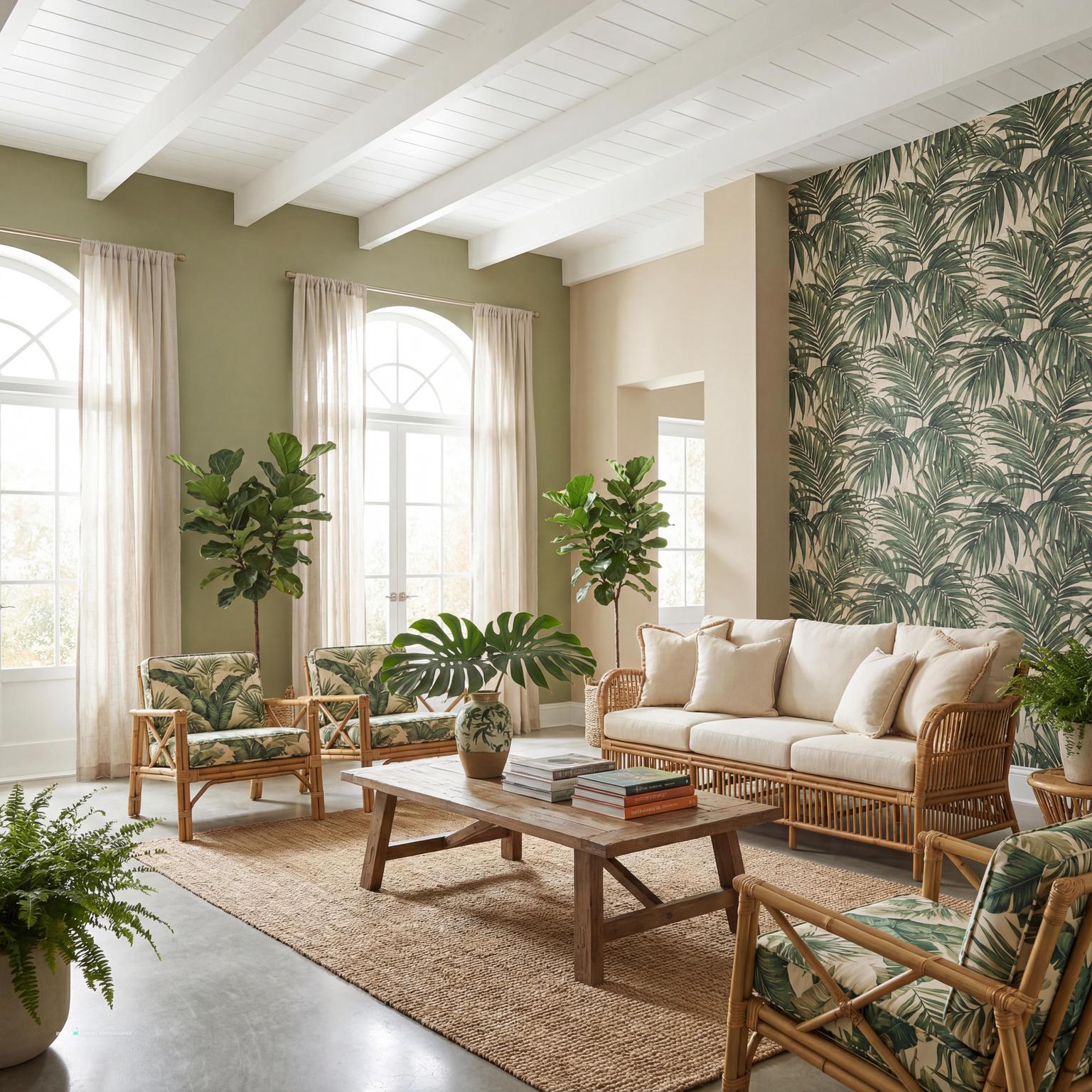
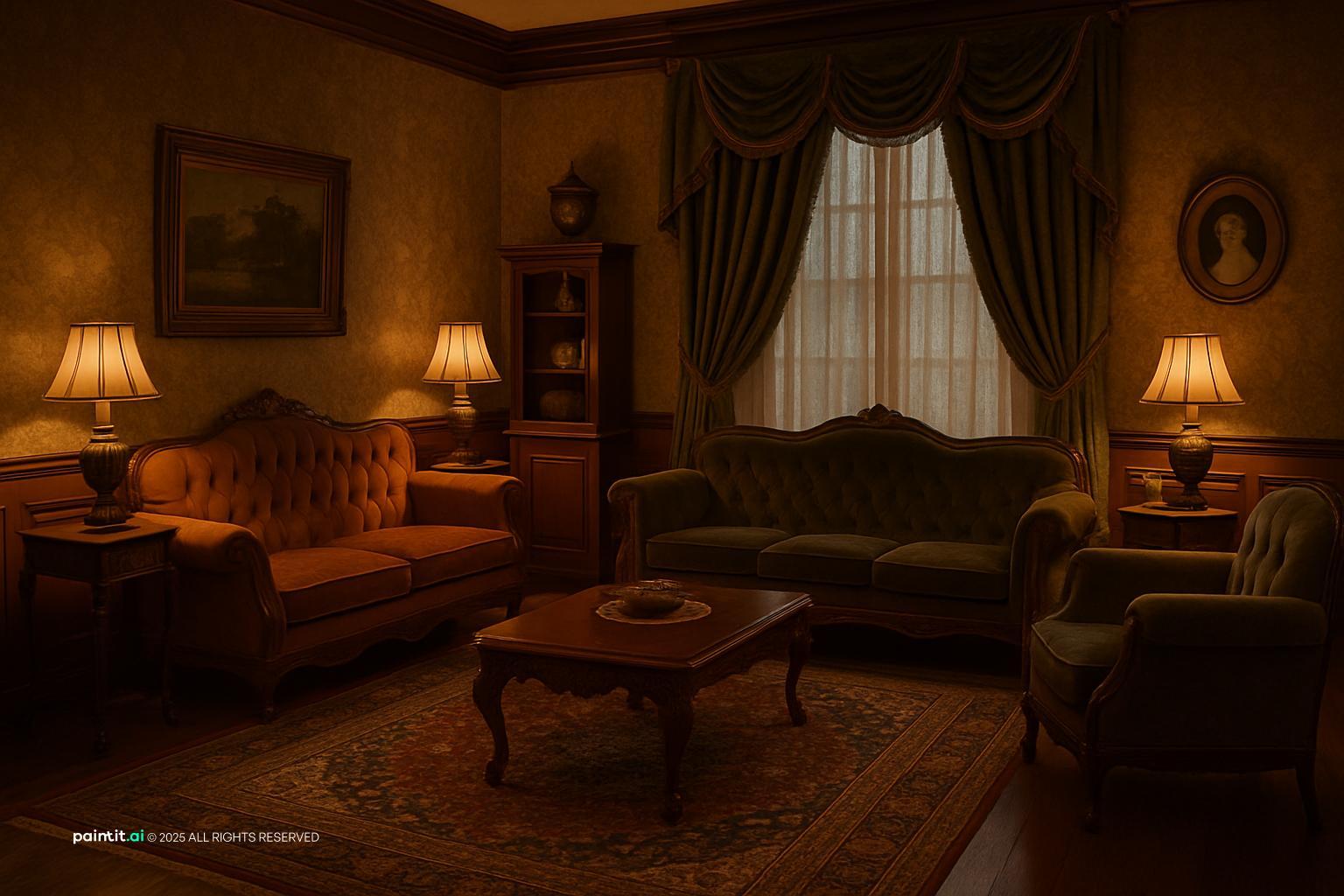
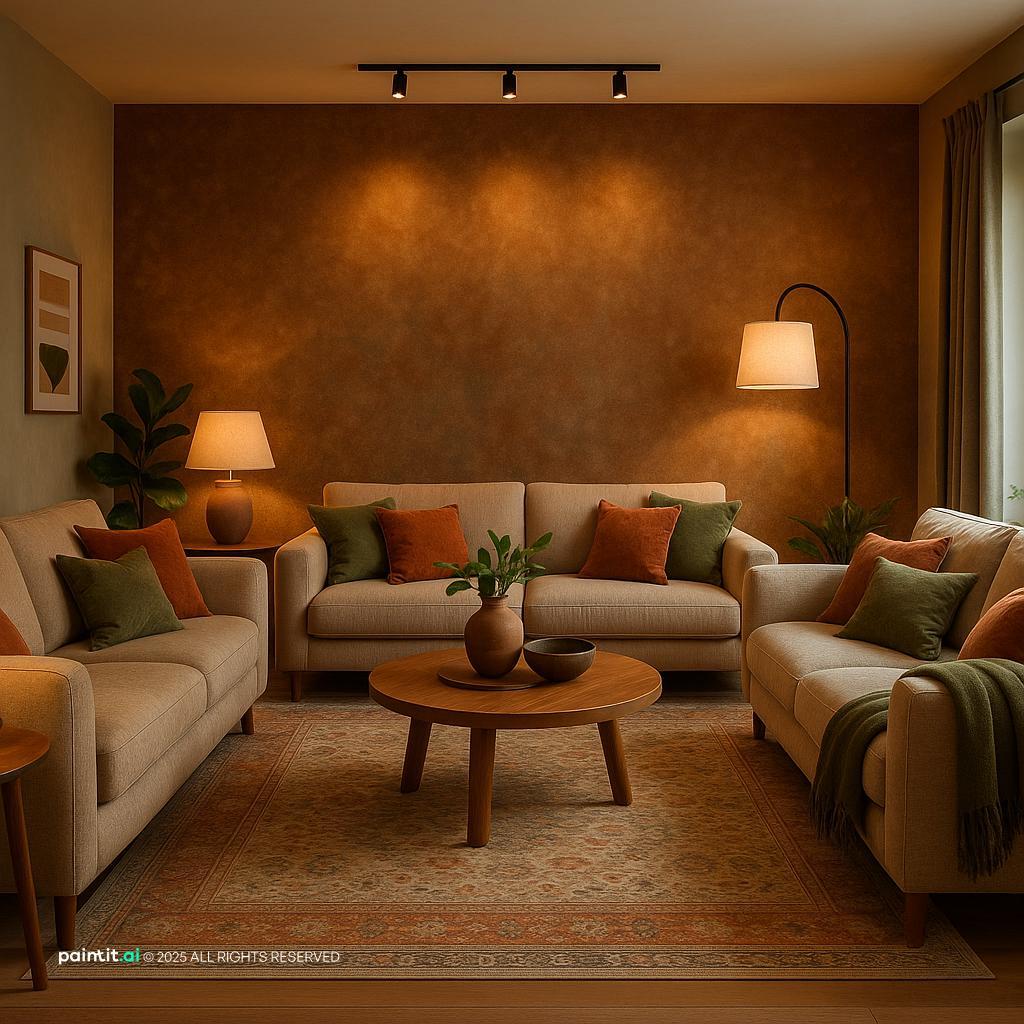
Warm Modern Living Room Design showing wallpaper pattern, soft textiles, plants and greenery for Living Room Wallpaper Ideas.

Choose the Wall Before You Fall for the Pattern

Wallpaper works best when it respects the living room layout. A bold print behind a sofa can feel anchored and intentional. The same print on a chopped-up wall with doors, vents, switches, and windows can look busy before you even add furniture. Before choosing a botanical print, geometric pattern, grasscloth texture, or peel and stick wallpaper, check the entry sightline, the main seating position, and the way daylight moves across that surface.

Wallpaper is also only one possible move in living room wall design. The right answer depends on what should stay. We see this often in Paintit.ai: 12.0% of prompts include constraints like “keep” or “don’t change,” which tells us many people want a focused update, not a full redesign. That is exactly where a feature wall or accent wall can work well: keep the fireplace, keep the trim, keep the sofa, and change the wall that makes the room feel unfinished.

14 Living Room Wallpaper Ideas That Hold Up Beyond the Sample Book

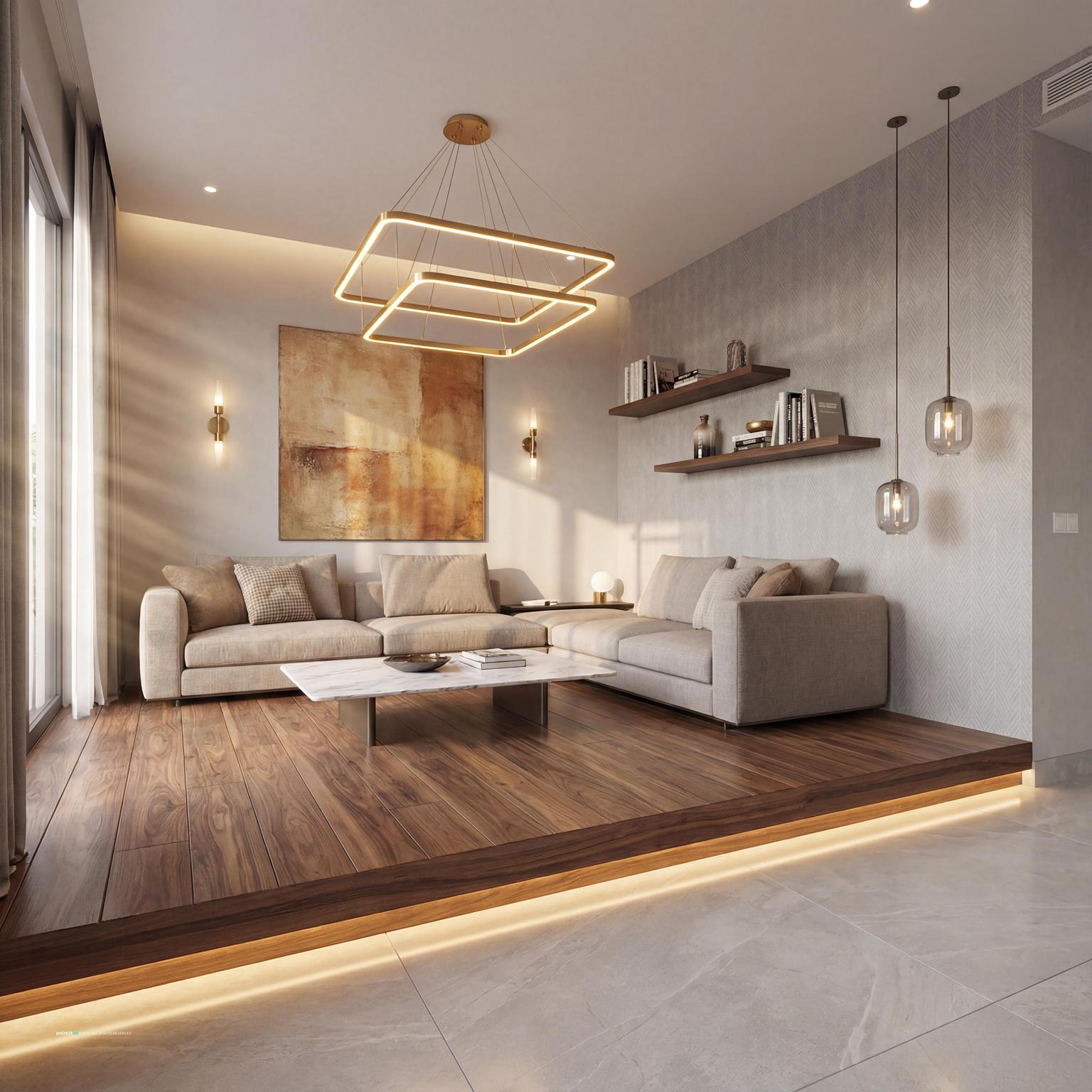
Put the strongest wallpaper behind the sofa

The wall behind the sofa is often the safest place for a feature wall because the furniture already gives it weight. The sofa creates a strong horizontal line, so a large print, mural, or textured surface feels framed instead of random.

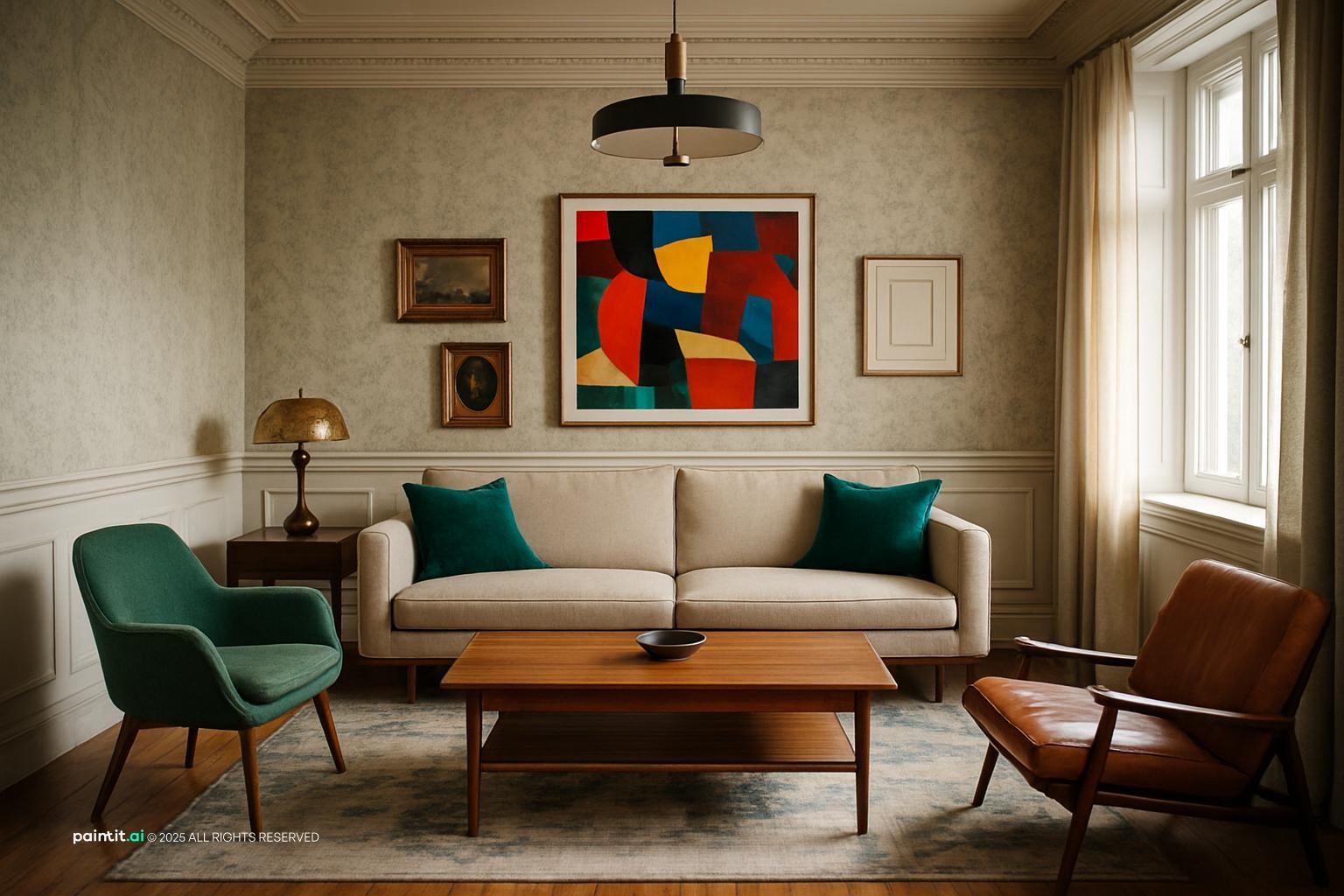
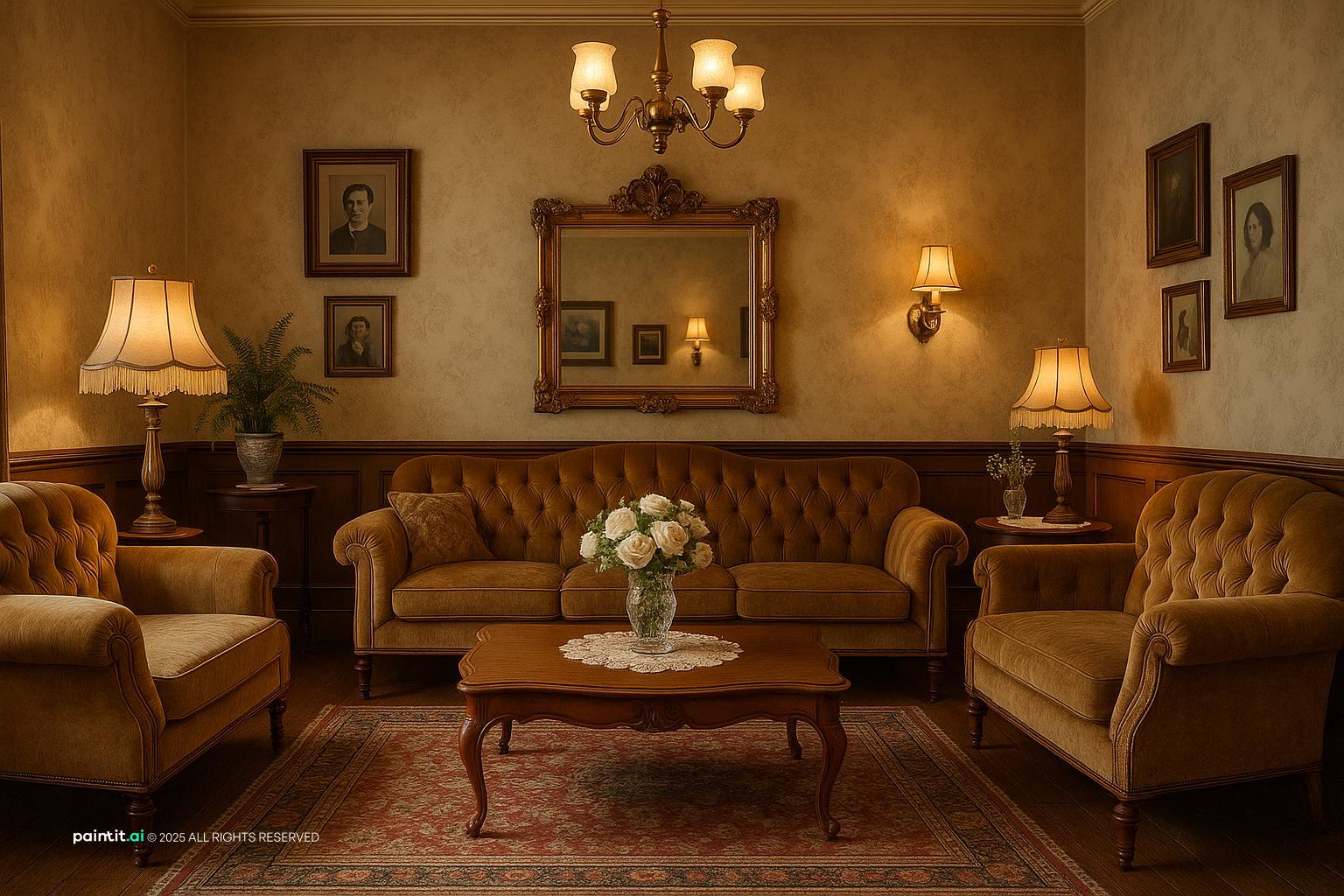
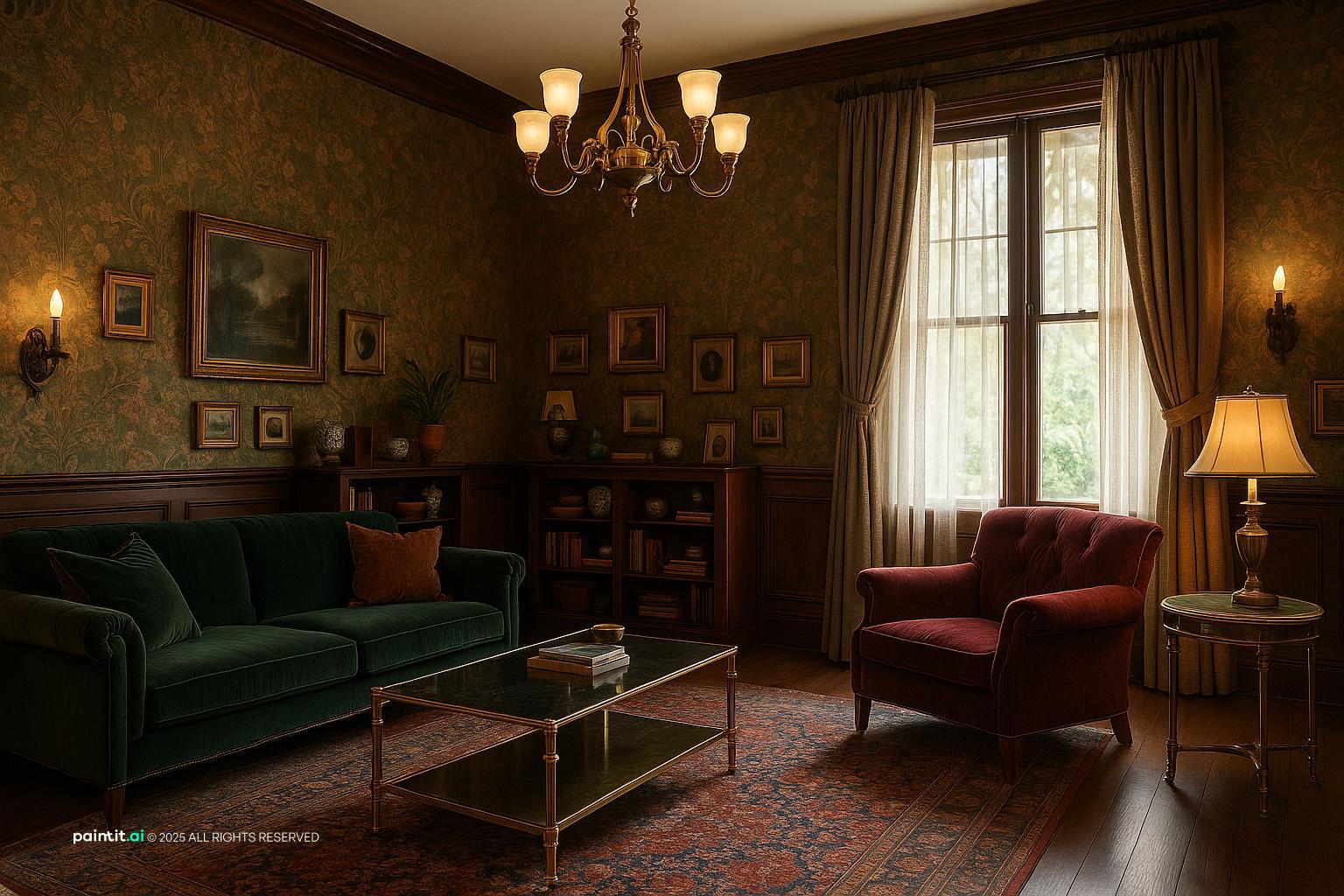
Choose wallpaper whose main colors connect to the sofa, rug, curtains, or nearby art. If the sofa is deep green, rust, navy, camel, or charcoal, repeat a softer version of that color in the wallpaper background or linework. What usually goes wrong: the pattern has the same visual strength as the sofa, so the wall and furniture compete in every photo and every view from the doorway.

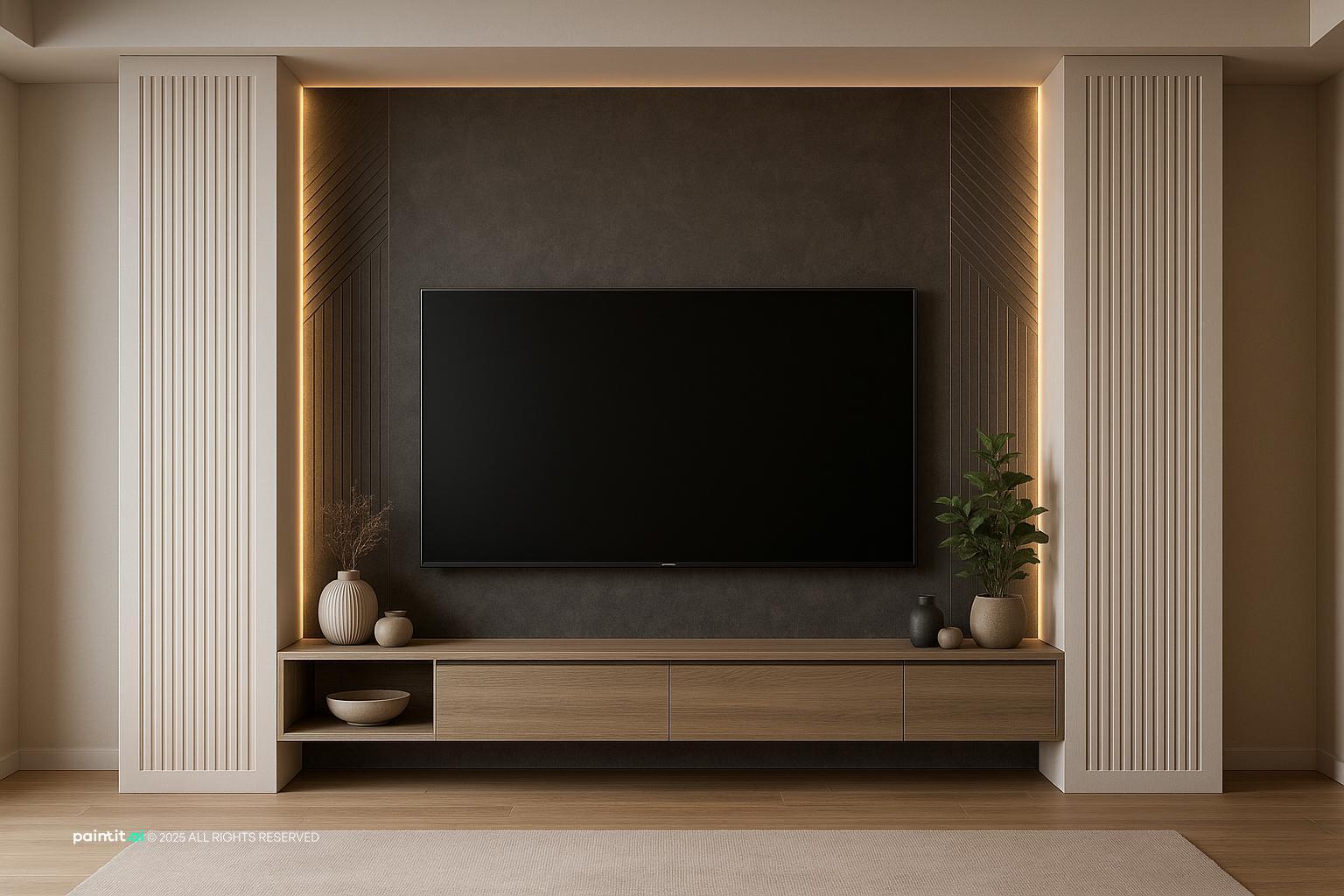
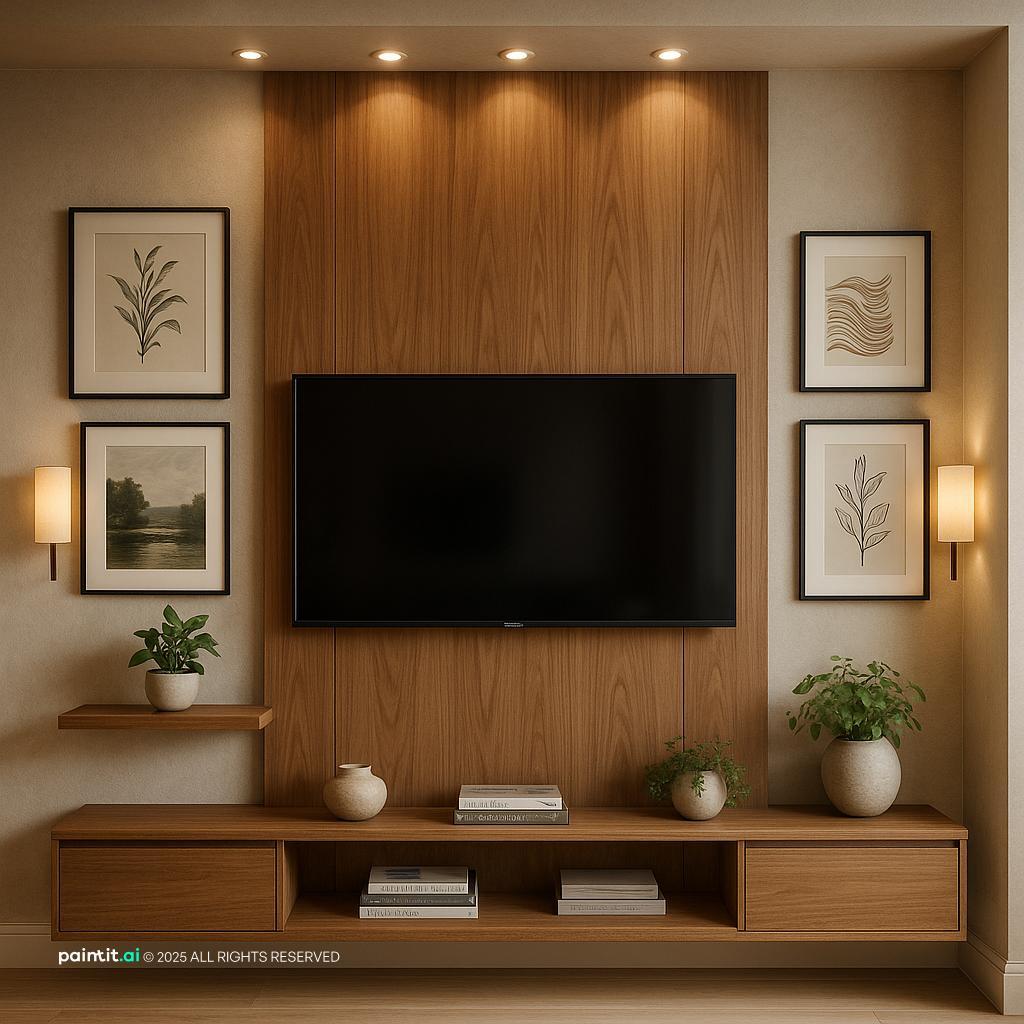
Be careful with the TV wall

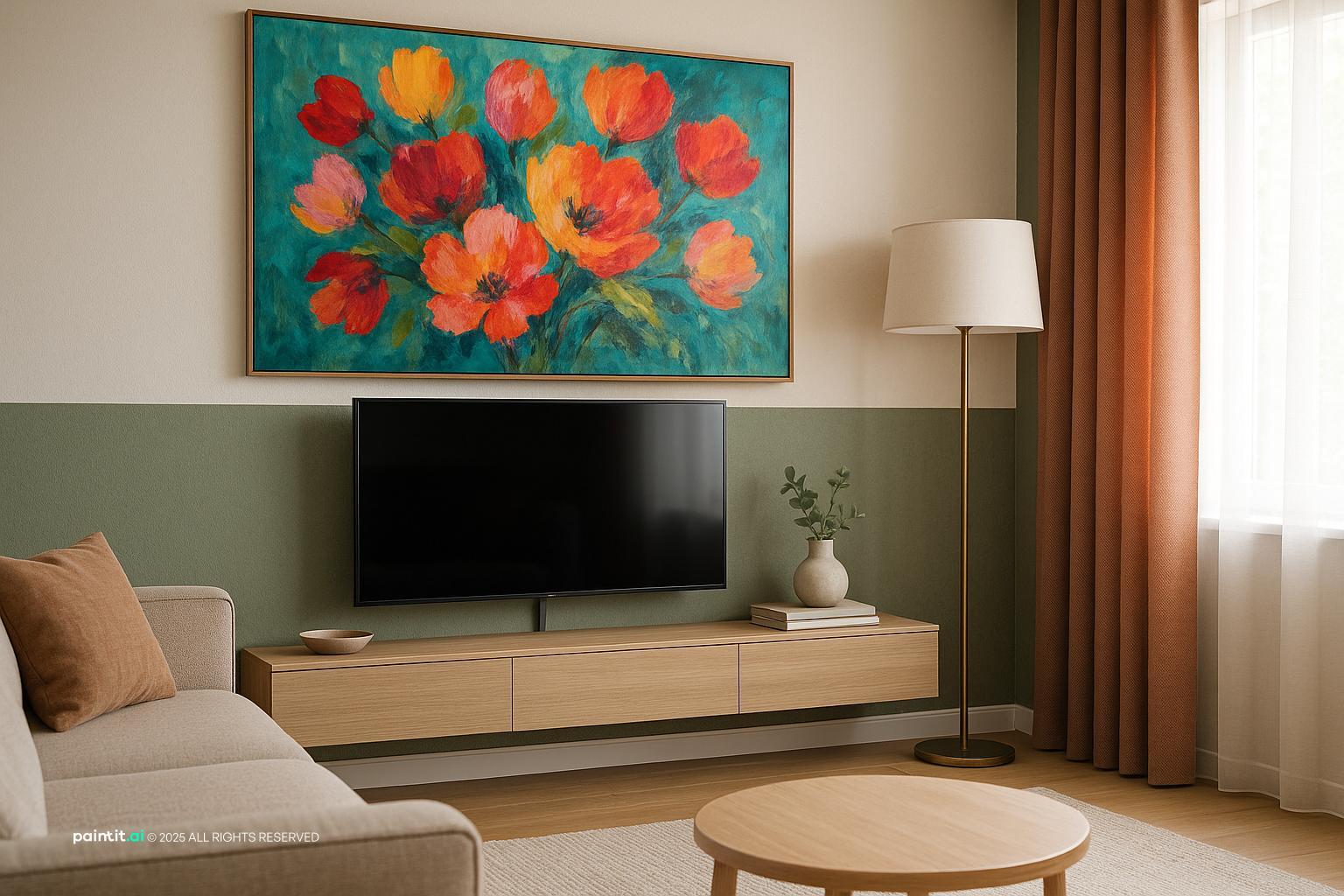
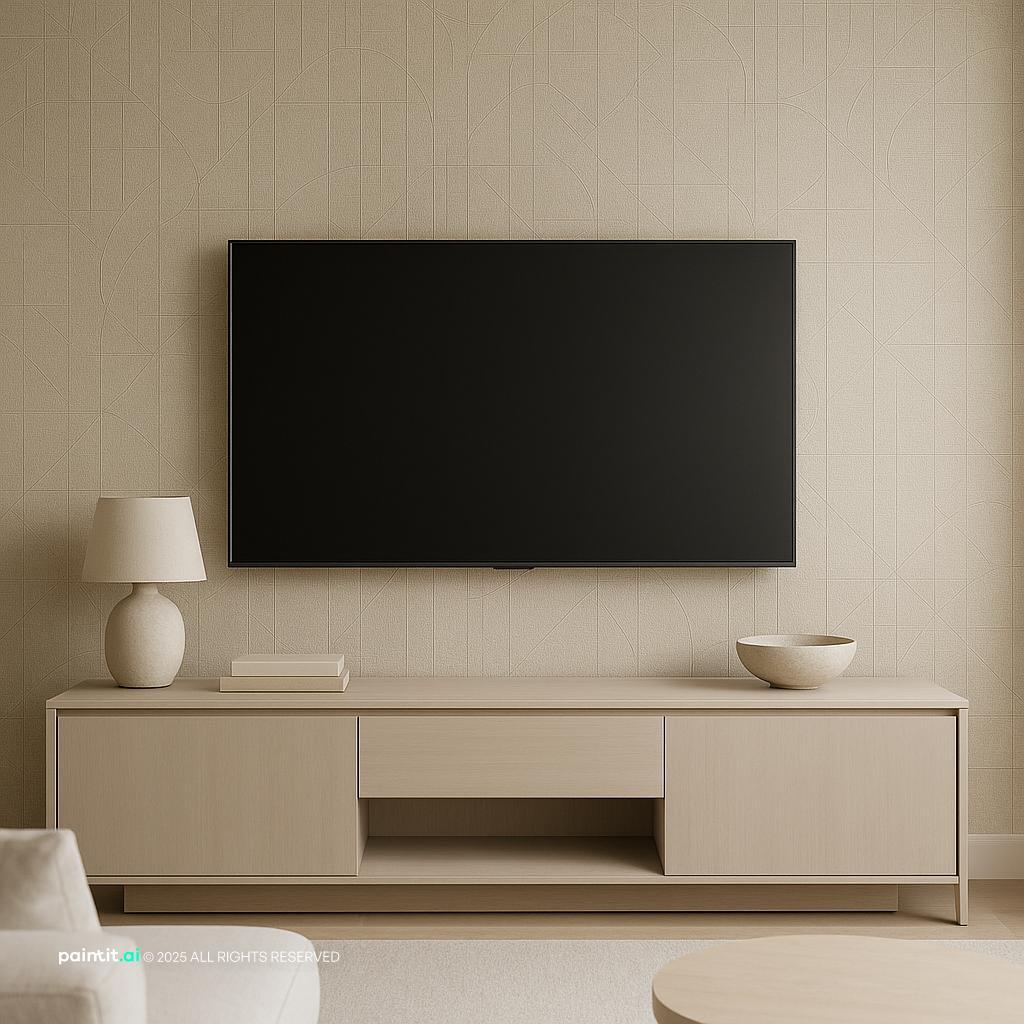
A TV wall can take wallpaper, but it needs restraint. Fine texture, tonal linen effects, soft plaster looks, and a quiet geometric pattern usually work better than busy florals around a black screen.

If you are looking at feature wall wallpaper living room inspiration, check how much detail is already there. The TV, console, speakers, shelves, cables, sconces, and remote controls may already be enough. Wallpaper should reduce the blank-wall feeling, not add noise behind moving images. A low-contrast pattern often works because it helps the screen feel integrated without distracting you during evening use.

Use a neutral wallpaper living room scheme when you want flexibility

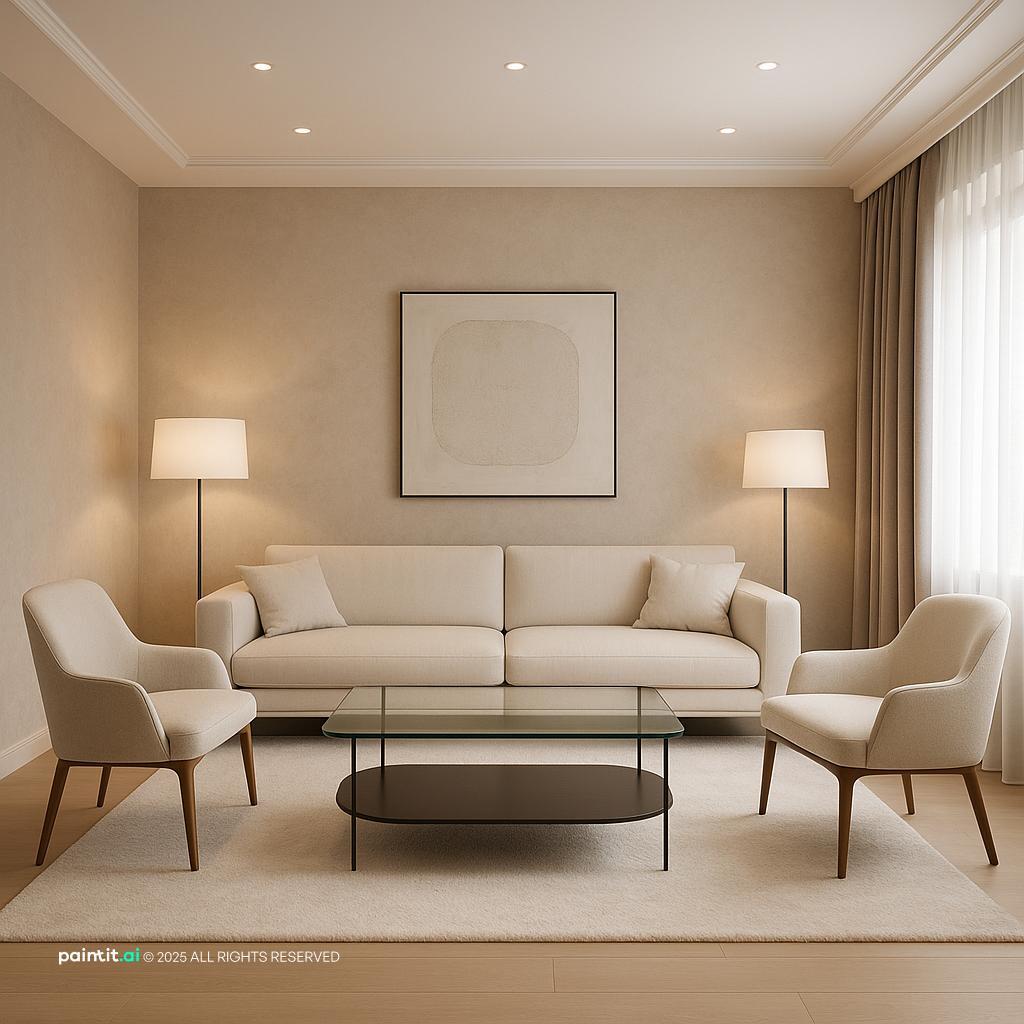
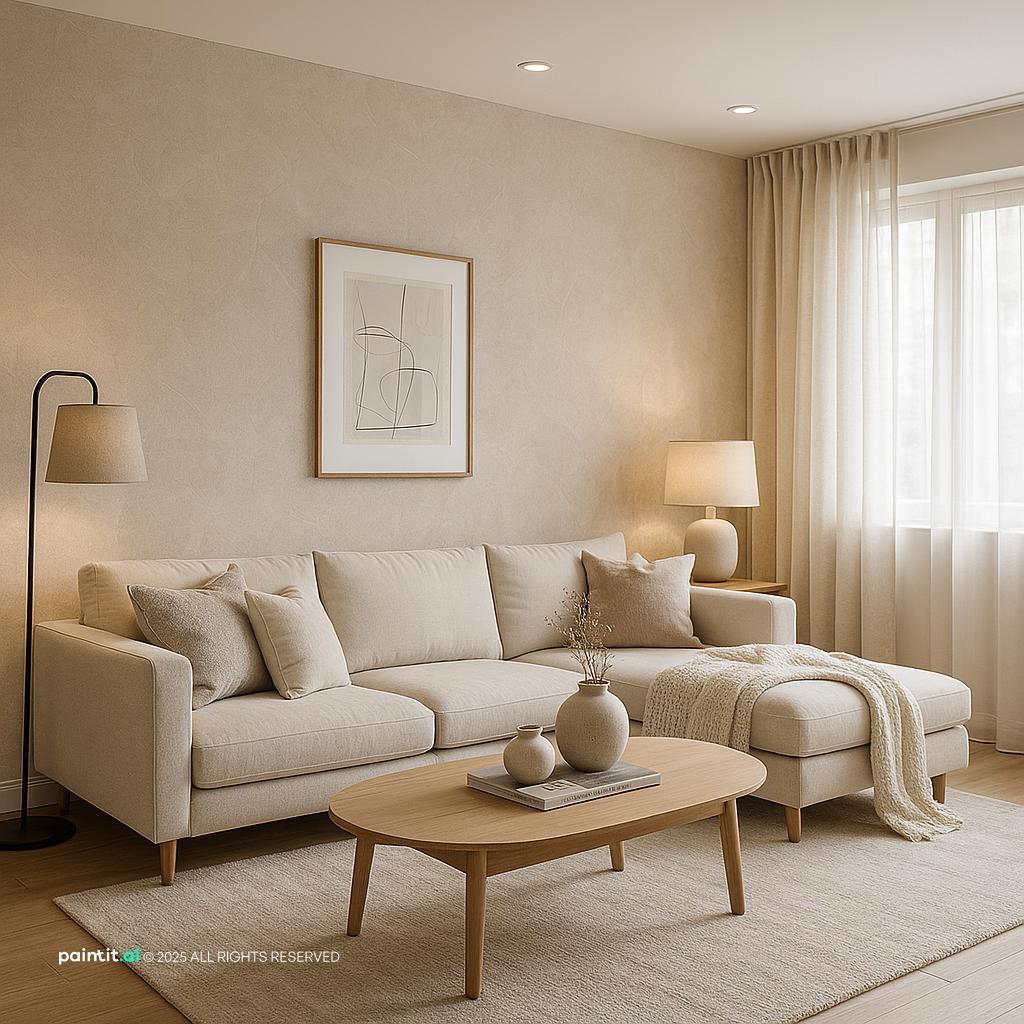
Neutral wallpaper does not have to mean flat beige. Look for warm stone, mushroom, oatmeal, clay, greige, soft taupe, chalky off-white, or pale olive with a visible weave, stripe, or faded motif.

This is useful if you like changing cushions, art, flowers, or seasonal styling. The wallpaper becomes the steady layer while smaller pieces carry stronger color. The mistake to watch for is undertone. A cool grey paper beside a cream sofa can make the sofa look yellow and the wall look cold. Always check the sample against the furniture, not just against a white wall.

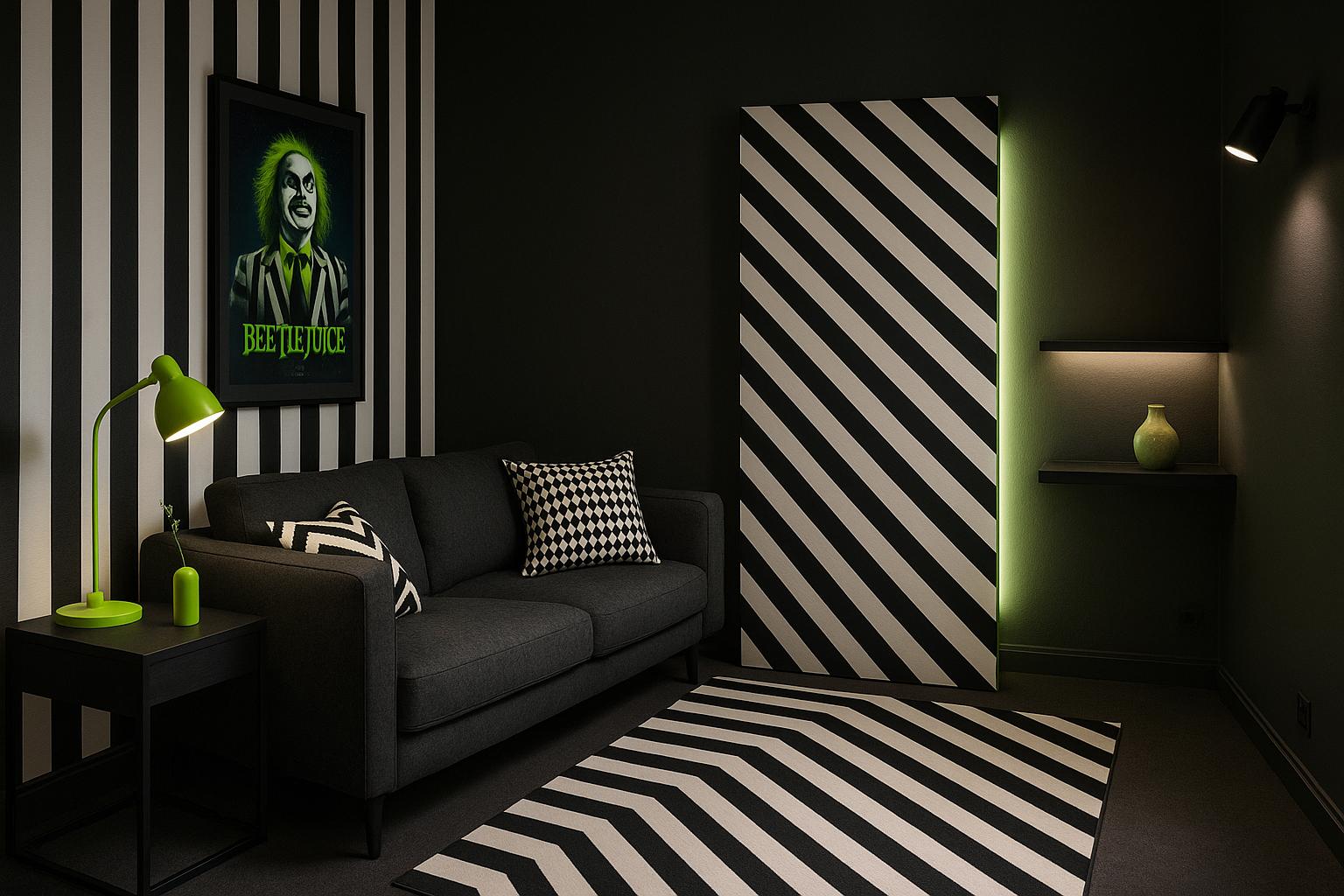
Let a bold wallpaper living room idea lead, then quiet the rest

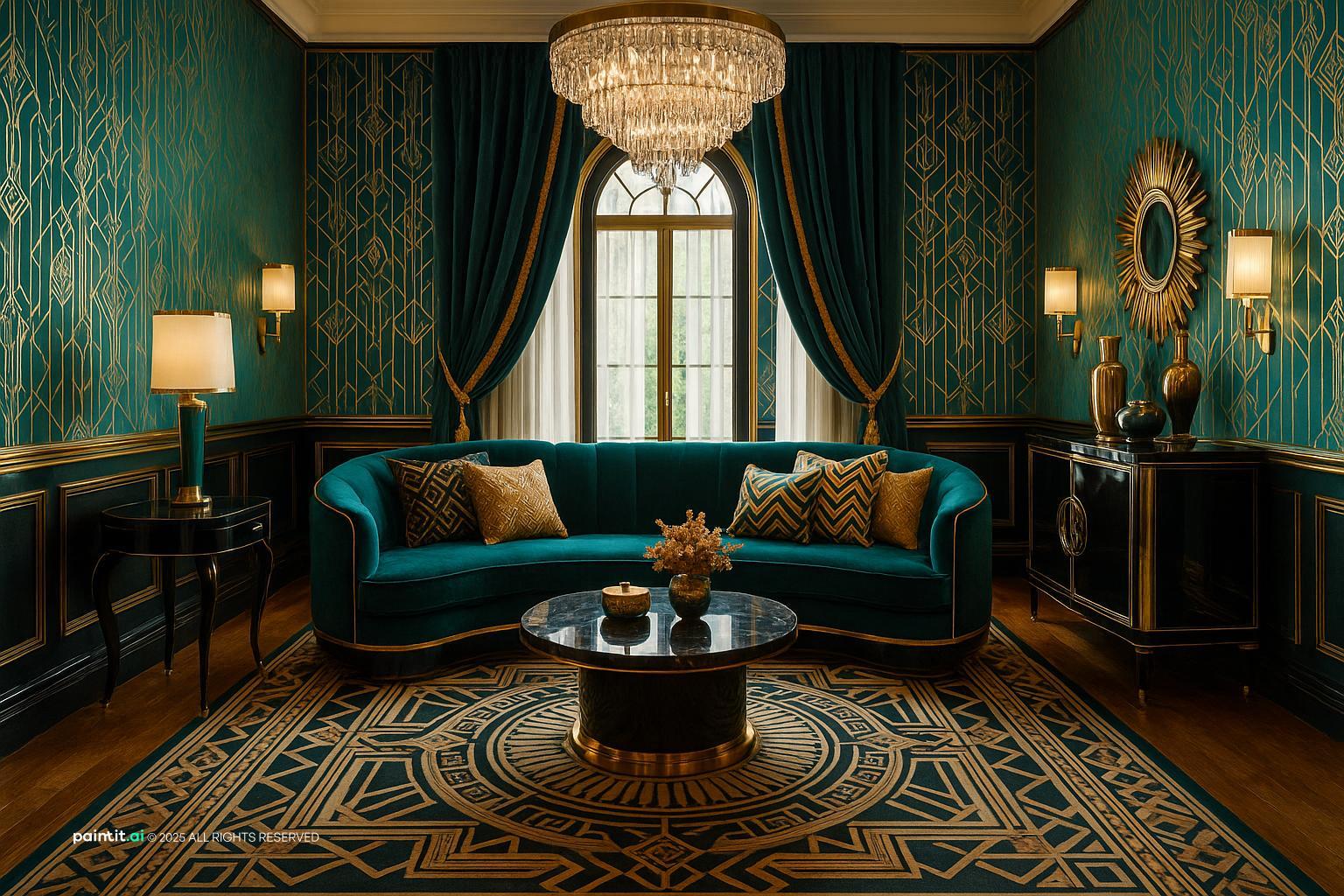
A bold wallpaper can work beautifully when the rest of the room accepts a supporting role. Pull two or three colors from the paper and repeat them in smaller doses: one in the rug, one in cushions, one in a ceramic lamp, one in framed art.

In Paintit.ai tests, we often see the first version with a bold wallpaper feel too loud. The useful next step is rarely “remove it.” It is usually more specific: make the pattern smaller, mute the background, warm the green, soften the black, or reduce contrast. That keeps the mood but gives the living room breathing space.

Choose pattern scale from the room, not the roll

Pattern scale is one of the decisions people underestimate. A tiny repeat can look nervous across a wide wall, especially behind a sectional. An oversized mural can swallow a compact living room if the seating is close to it.

A practical check: tape a sample to the wall and view it from the opposite seat, not from 12 inches away. In a small room, medium-scale patterns with open background space are often easier than dense microprints. In a tall room, vertical vines, elongated geometrics, or panel-style motifs can help the wall feel better proportioned.

Use modern living room wallpaper ideas with cleaner furniture lines

Modern wallpaper does not need to feel cold. Try soft geometrics, abstract brush marks, tone-on-tone arches, mineral textures, or large blocks of muted color with simple upholstery.

This works best when the furniture has clean silhouettes: a low sofa, slim metal table, plain media unit, or rounded lounge chair. Avoid loading the room with too many shapes at once. If the wallpaper has strong curves, keep lamps and tables quieter. If the wallpaper is linear, soften it with boucle, wool, linen, a rounded rug, or a chair with a gentler profile.

Add depth with a textured wallpaper living room approach

Texture is the quiet fix when a wall feels bare but a print feels like too much. Grasscloth, linen-look vinyl, ribbed paper, cork effects, suede finishes, and plaster-style wallpaper add shadow, touch, and material interest.

This fits what we see in Paintit.ai behavior: “material” appears in 19.0% of prompts, slightly more than “style” at 17.1%. People are not only asking for a look; they are asking how the surface should feel. The catch is wall prep. Heavy texture on damaged walls can make raised seams, bumps, and uneven patches catch the light, especially near windows or sconces.

Frame the fireplace instead of fighting it

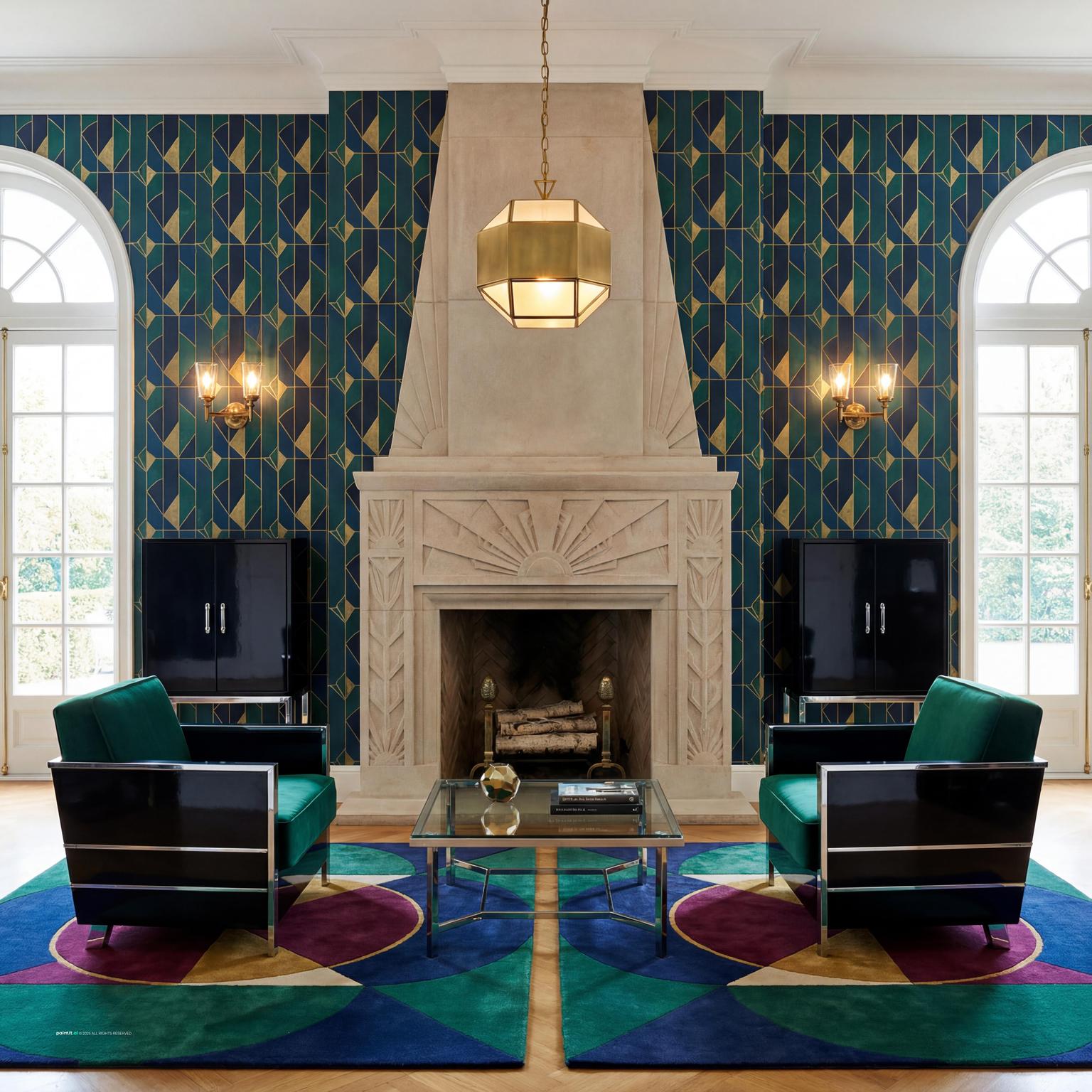
If the living room has a fireplace, the wallpaper should make that feature look more intentional. Use wallpaper on the chimney breast, inside alcoves, or across the full wall depending on the architecture.

When people upload rooms with strong fixed features, the keep constraint matters. We see prompts like “keep the fireplace” or “don’t change the window trim,” and that is a useful design instinct. Let the fireplace stay the focal point. Use wallpaper to support its shape, not bury it under a pattern that ignores the mantel, surround, and hearth.

Wallpaper the alcoves for a quieter update

Alcoves beside a fireplace, built-in shelves, or a media wall are good places for wallpaper when a full wall feels too strong. A darker paper inside shelves can make books, ceramics, and art feel more collected.

Choose a small repeat, grasscloth texture, or soft botanical print. Keep shelf styling edited so the wallpaper still has room to show. This works because the architectural recess contains the pattern. You get detail and depth without spreading pattern across every surface in the room.

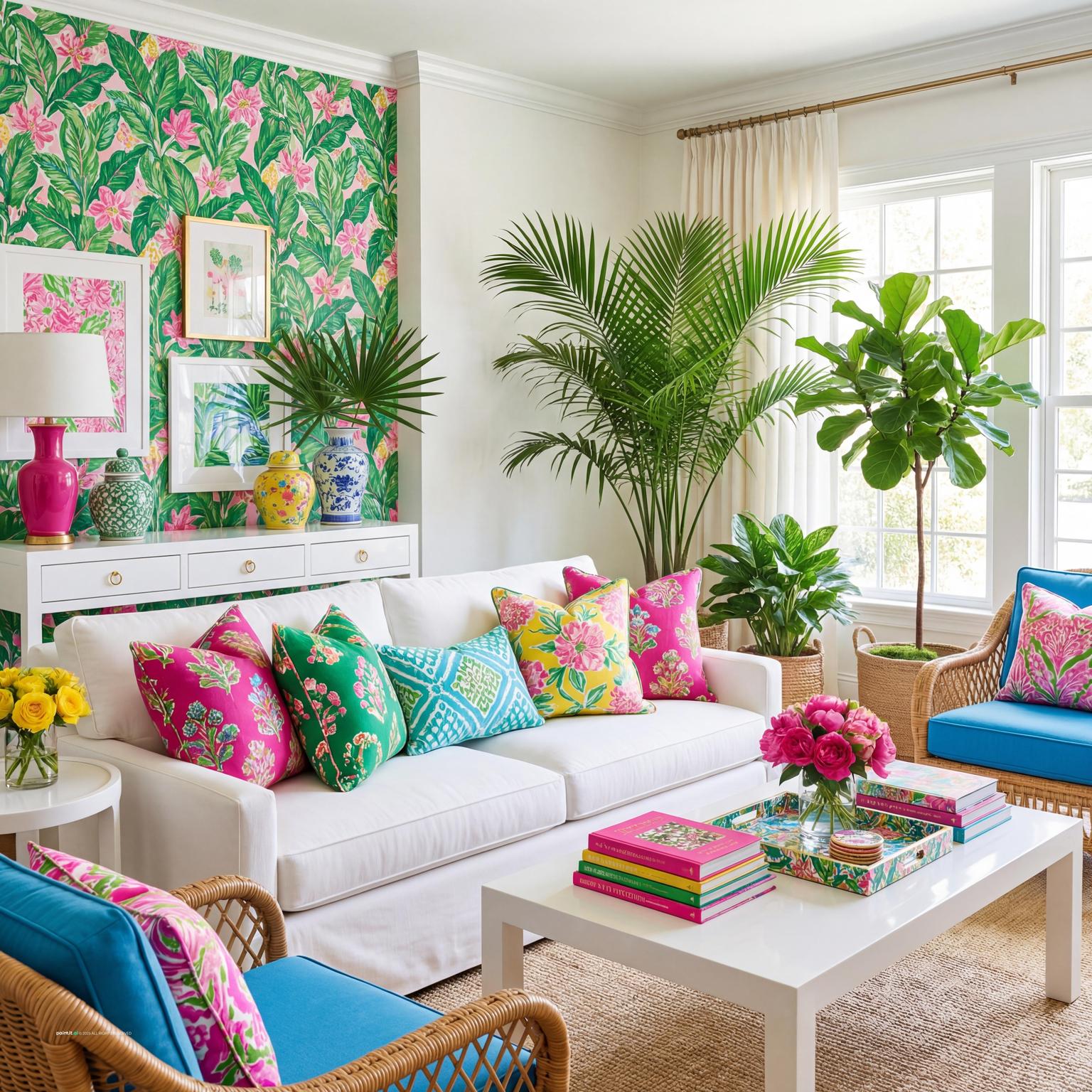
Use botanical print wallpaper with solid upholstery

Botanical wallpaper can feel fresh, vintage, moody, or relaxed depending on color and scale. In a living room, it usually works best when the largest upholstered pieces are mostly solid.

If your sofa already has patterned fabric, choose a leaf silhouette, washed mural, or low-contrast vine instead of a dense multi-color floral. Add wood, rattan, linen, or aged brass so the print feels connected to the rest of the room. What to avoid: several realistic florals at the same scale. That can make the seating area feel cluttered fast.

Make peel and stick wallpaper a trial run, not an afterthought

Peel and stick wallpaper is useful for renters, cautious decorators, and anyone testing a strong idea before committing. It works especially well on a clean, smooth accent wall behind a console, reading chair, or sofa.

Still, treat it like real wallpaper. Order a sample, check seam visibility, and make sure the wall paint is suitable for adhesion. Avoid applying it over textured plaster, damp areas, dusty paint, or fresh paint that has not cured. A removable product still needs good prep if you want crisp edges and clean corners.

Match wallpaper intensity to the rug

The rug and wallpaper often cover the two biggest visual planes in a living room: floor and wall. If both are high contrast, the room can feel busy even when the furniture is simple.

Pair a patterned rug with subtle wallpaper, or pair a quiet rug with a stronger wall. If both have pattern, vary the scale: a large faded rug with a smaller wall motif, or a broad wall design with a fine woven rug. The eye can handle contrast, but it needs one surface to lead and one to support.

Use wallpaper to correct a long or awkward room

In a narrow living room, wallpaper on the short end wall can visually pull the room together. In an open-plan space, wallpaper can mark the seating zone without adding a physical divider.

I would treat wallpaper here as a layout tool, not just decoration. Put it where you want the eye to stop: behind a pair of chairs, a console, a sofa, or a fireplace. Avoid wallpapering a random side wall if the seating does not relate to it. The room may end up feeling lopsided, even if the paper itself is beautiful.

Test warmer, darker, smaller, and softer versions before ordering rolls

Choosing wallpaper is rarely one clean decision. In Paintit.ai, 15% of all prompts contain refinement language such as “instead,” “more,” “a bit,” or “now.” That mirrors real decorating: the first idea gives direction, and the second or third version usually solves the room.

Try variations before committing: a warmer beige, a smaller repeat, a darker green, a less glossy finish, or a softer background. If you want to compare options quickly, use AI living room design or a broader AI room design workflow to test a bold geometric pattern, subtle texture, or mural-style wall against your actual sofa, windows, floor, and lighting.

Color, Material, Lighting, and Styling Details That Make Wallpaper Feel Built In

Build the color palette from fixed elements

Start with the things you are not changing: sofa fabric, floor tone, fireplace stone, curtains, trim, and large rugs. The wallpaper should connect to at least one of these elements, even if the link is only a shared undertone.

Warm oak floors usually sit well with cream, clay, olive, ochre, tobacco, or warm grey backgrounds. Cooler floors and black metal details can handle blue-grey, charcoal, cool white, sage, or mineral tones. Avoid choosing living room wallpaper from a screen alone. A background that looks soft online can read yellow, pink, or icy once it is beside your real furniture.

Check undertones in daylight and lamplight

Wallpaper changes during the day. A beige grasscloth can look calm at noon and muddy under a warm bulb. A metallic detail can seem barely there in daylight and harsh at night.

Tape the sample near the sofa and near the main lamp. Look at it with curtains open, then again with evening lighting. Since lighting appears in 5.9% of Paintit.ai prompts, we know many users already sense this problem. The practical move is simple: test the paper under the light you actually live with, not just under store lighting.

Choose texture to match how the room is used

Grasscloth, linen, cork, silk-look, plaster, and ribbed wallpapers all send different signals. A casual family living room may need a washable linen-look vinyl. A more formal sitting room can carry grasscloth or a finer woven texture.

Use tactile surfaces where people see the wall from a few feet away, such as behind a sofa or around shelves. Avoid fragile natural fibers where children touch the wall, pets brush past, or furniture backs rub the surface. Material choice matters as much as pattern if the room gets daily use.

Coordinate wood, metal, and stone finishes

Wallpaper should not be chosen away from the room’s finishes. A botanical paper with antique brass can feel warm and layered. The same paper beside bright chrome may feel disconnected. A stone-look or plaster-look paper often works with oak, walnut, blackened metal, or matte ceramic.

If the room already has strong marble, brick, or timber, choose a quieter wallpaper that supports those materials. Be careful with imitation texture beside real texture. Faux brick next to an actual brick fireplace, for example, usually makes the wallpaper look cheaper than it is.

Use lighting layers to control shadow and glare

Wall sconces, picture lights, floor lamps, and ceiling spots all change wallpaper. Textured wallpaper looks best with gentle side light because shadow reveals the surface. Glossy or metallic wallpaper needs softer, more diffused light.

Place lamps so they wash the wall rather than blast it. If a spotlight hits a shiny paper directly, seams, bubbles, and small ripples can become much more visible. What to avoid: reflective wallpaper on a wall opposite a large window without checking glare from the main seats.

Keep styling quieter on patterned walls

A patterned wall does not need as much art. If you hang frames over wallpaper, use larger pieces with strong mats or simple frames so they stay clear against the pattern.

On console tables and shelves, repeat wallpaper colors in controlled ways: one vase, one book stack, one cushion, or one throw. Avoid filling every surface with small decorative objects. The wallpaper is already detail. Styling should give it rhythm, not turn the wall into visual clutter.

Balance visual weight across the room

If wallpaper sits on one side of the living room, something on the opposite side should answer it. That might be a darker chair, a tall plant, a floor lamp, a large artwork, or curtains with enough weight.

This is especially important with an accent wall. Without a counterweight, the room can feel as if all the attention has slid to one side. A balanced room does not need perfect symmetry, but it does need a reason for the eye to move around the seating area.

Test Wallpaper on Your Actual Living Room Before Ordering

Wallpaper samples are useful, but they do not always show how a full wall will affect your sofa, rug, windows, TV, and lighting. In Paintit.ai, you can upload a real living room photo and test one accent wall, all walls, a textured surface, a botanical print, or a quieter neutral version before buying rolls.

For better results, brief the room the way designers often do: keep the fireplace, keep the sofa, change only the wall behind the seating, use warm lighting, avoid clutter. If you are also deciding whether the remaining walls should be painted, you can compare paint colors with the AI house painter. Once you have a few strong directions, follow the practical workflow in how to redesign a living room with Paintit.ai and refine the wallpaper color, scale, and material until it fits the room.

FAQ

  • The best wallpaper for a living room is usually washable, matte or lightly textured, and tied to something already in the room: the sofa, rug, floor, curtains, or fireplace. Start with the fixed pieces first, then choose the pattern.

  • Use one accent wall when the pattern is bold, the room is small, or you want to keep existing paint, trim, shelving, or architectural details. Use every wall for softer textures, tonal prints, and rooms where you want a wrapped, calmer effect.

  • Choose a small or medium pattern scale with some open background space, and check it in natural and artificial lighting. Avoid dark, dense prints on every wall unless the furniture is simple and the room has enough light.

  • Yes, peel and stick wallpaper can work well on a smooth, clean, dry living room wall. It is especially useful for renters or for testing a feature wall, but sample it first to check color, seams, and adhesion.

  • Behind a TV, use low-contrast texture, grasscloth effects, subtle plaster looks, or a quiet geometric pattern. Avoid glossy finishes and busy designs because they can create glare and distract from the screen.