
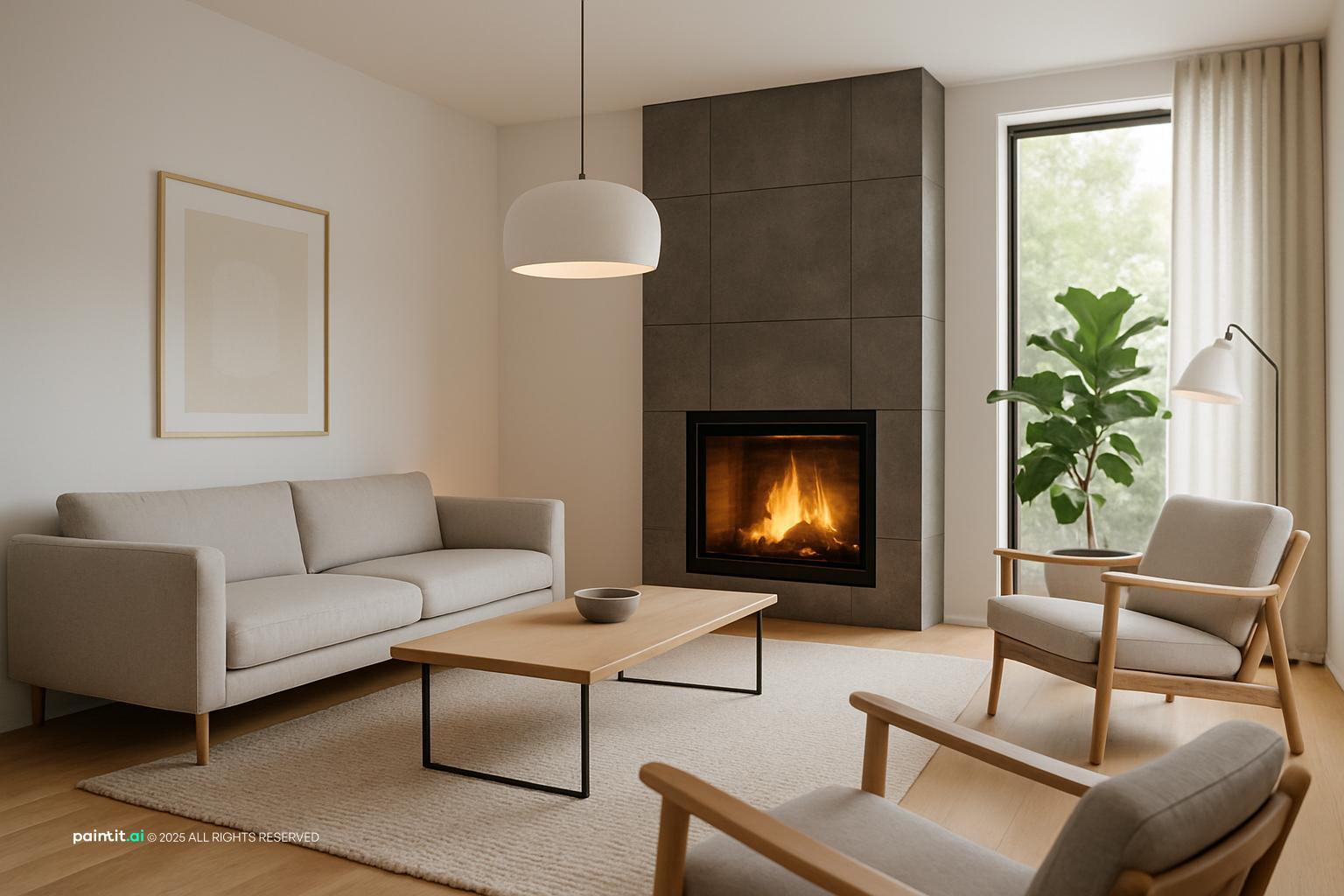
Stunning Scandinavian Living Room Design
Stunning Scandinavian Living Room Design uses indoor greenery, warm wood and soft textiles in a living room setting.
Living room plants look best when you plan them like furniture, not when you scatter them in at the end. The right plant can soften a sofa wall, fill an awkward corner, frame a window, or make an open-plan living room feel more settled. Start with light, scale, and traffic flow. A tall tree beside an armchair, a trailing pothos on a shelf, or a snake plant near a console should make the room easier to live in. It should not block the TV, catch on curtains, crowd a doorway, or sit exactly where people walk.
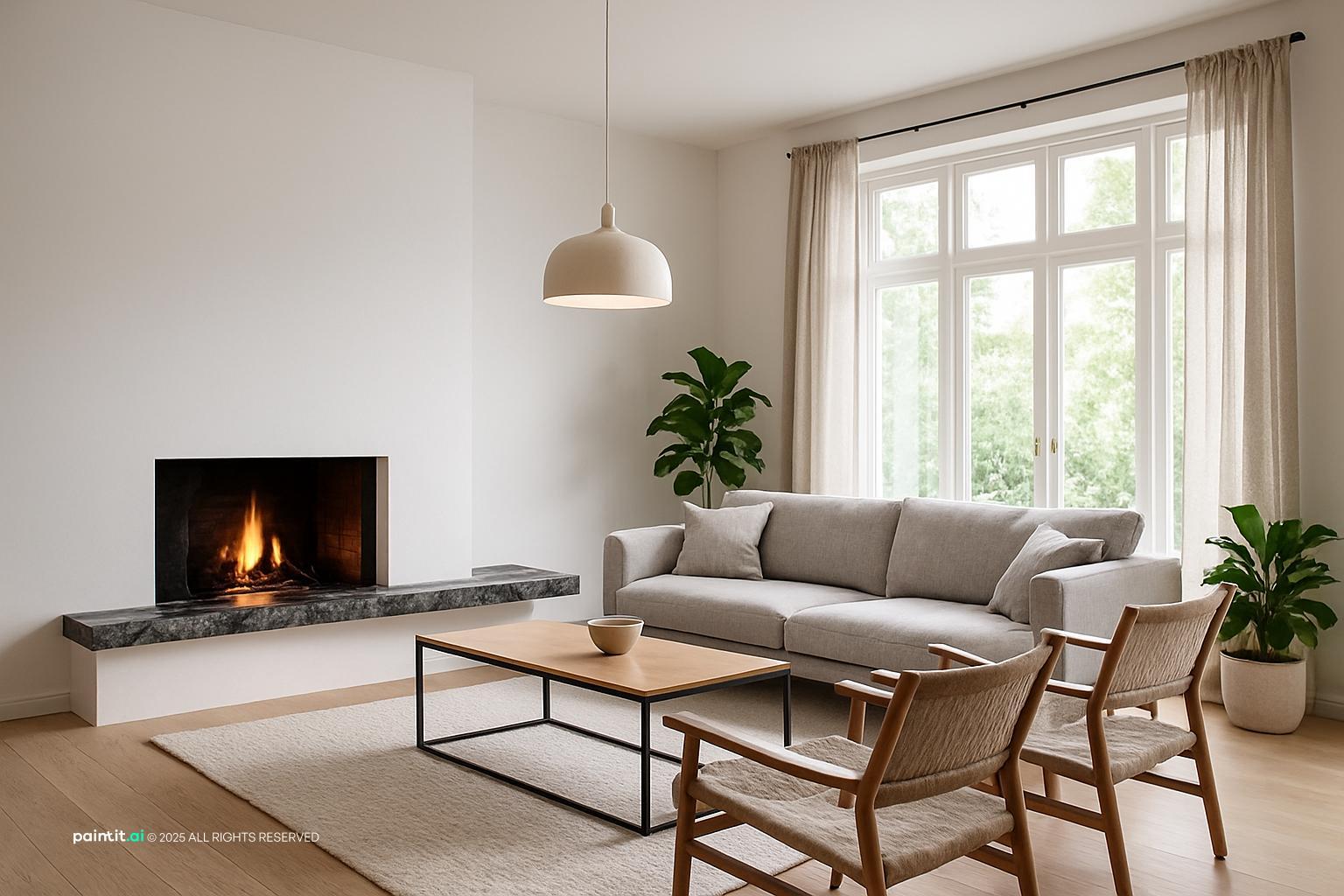
Good plant styling starts with the same checks you would use for a chair or lamp: what does it block, what does it balance, and how much daylight does that spot really get? In Paintit.ai prompt data, room-specific wording appears often, with room terms present in 22.1% of prompts. That tracks with what we see in real uploads: people are not just choosing indoor plants, they are trying to fix a living room layout.
Before buying or moving heavy planters, use AI living room design to test how different placements affect the seating area, walkway, and visual weight of the room. A plant can look beautiful by itself and still feel wrong in the room if it crowds the sofa arm, darkens a reading corner, or sits in a planter that fights the floor finish.
Use the first gallery to compare how greenery behaves in real living room zones: beside windows, behind sofas, near media walls, on shelves, and in empty corners that need height instead of more small accessories.
Stunning Scandinavian Living Room Design uses indoor greenery, warm wood and soft textiles in a living room setting.
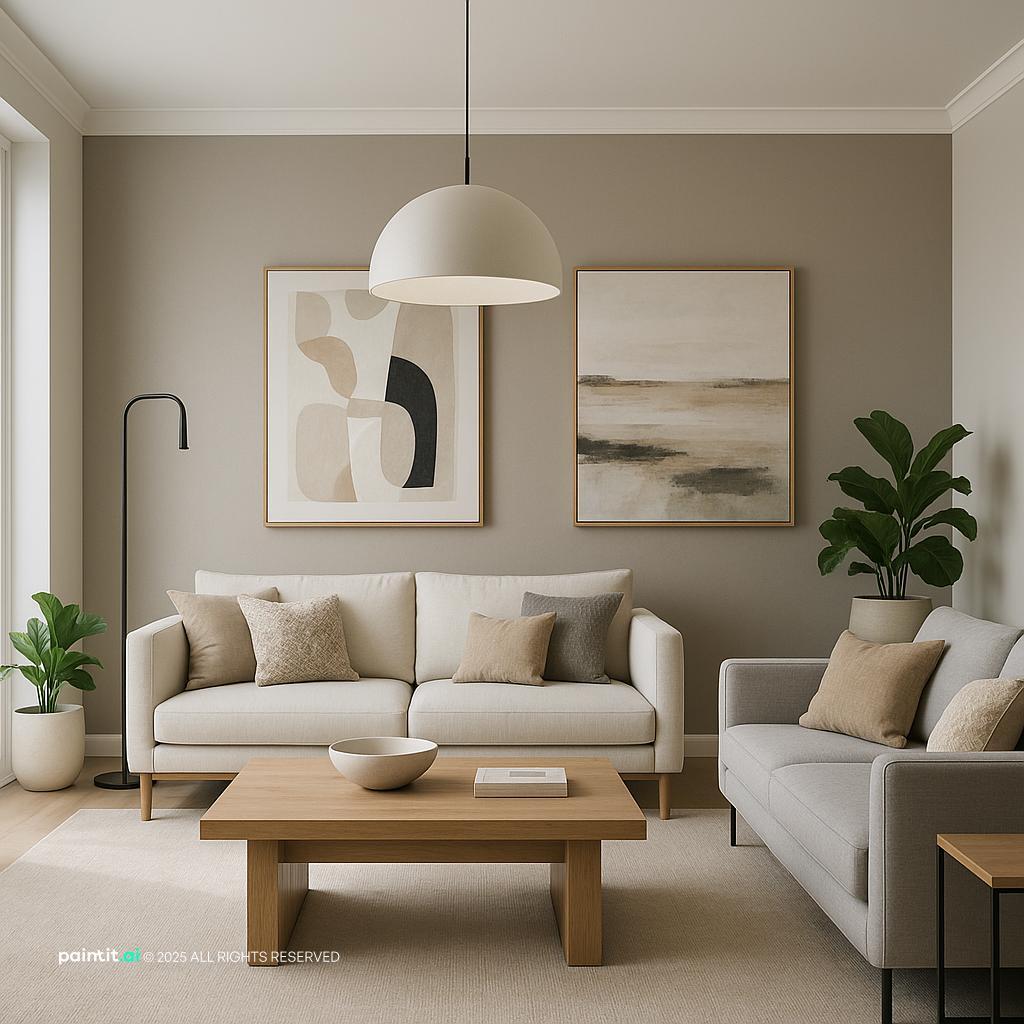
Modern Living Room Redesign Inspiration balances indoor greenery, soft textiles and plants and greenery in a living room setting.
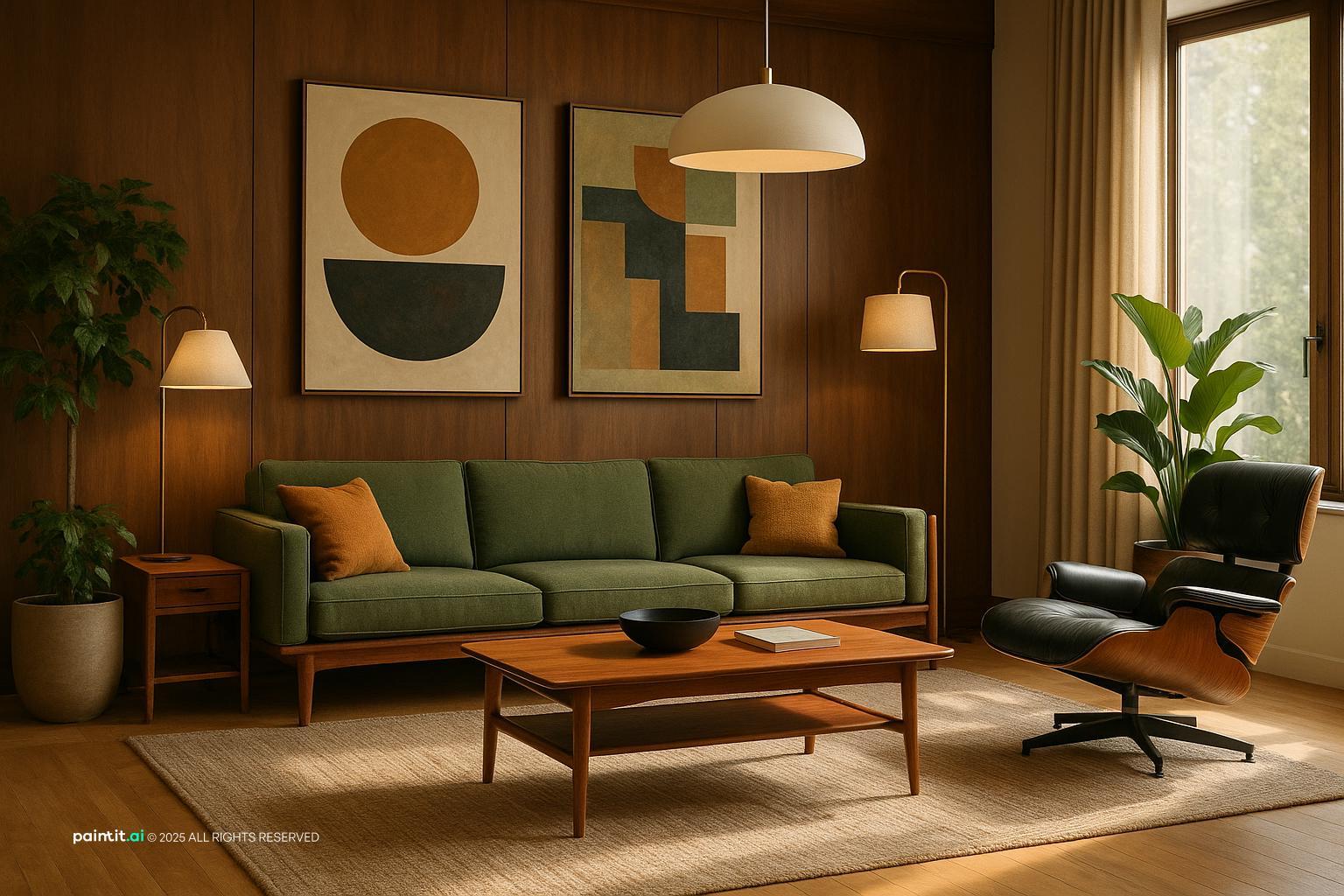
Living Room Plants with Indoor Greenery and Warm Wood pairs indoor greenery, warm wood and plants and greenery in a living room setting.
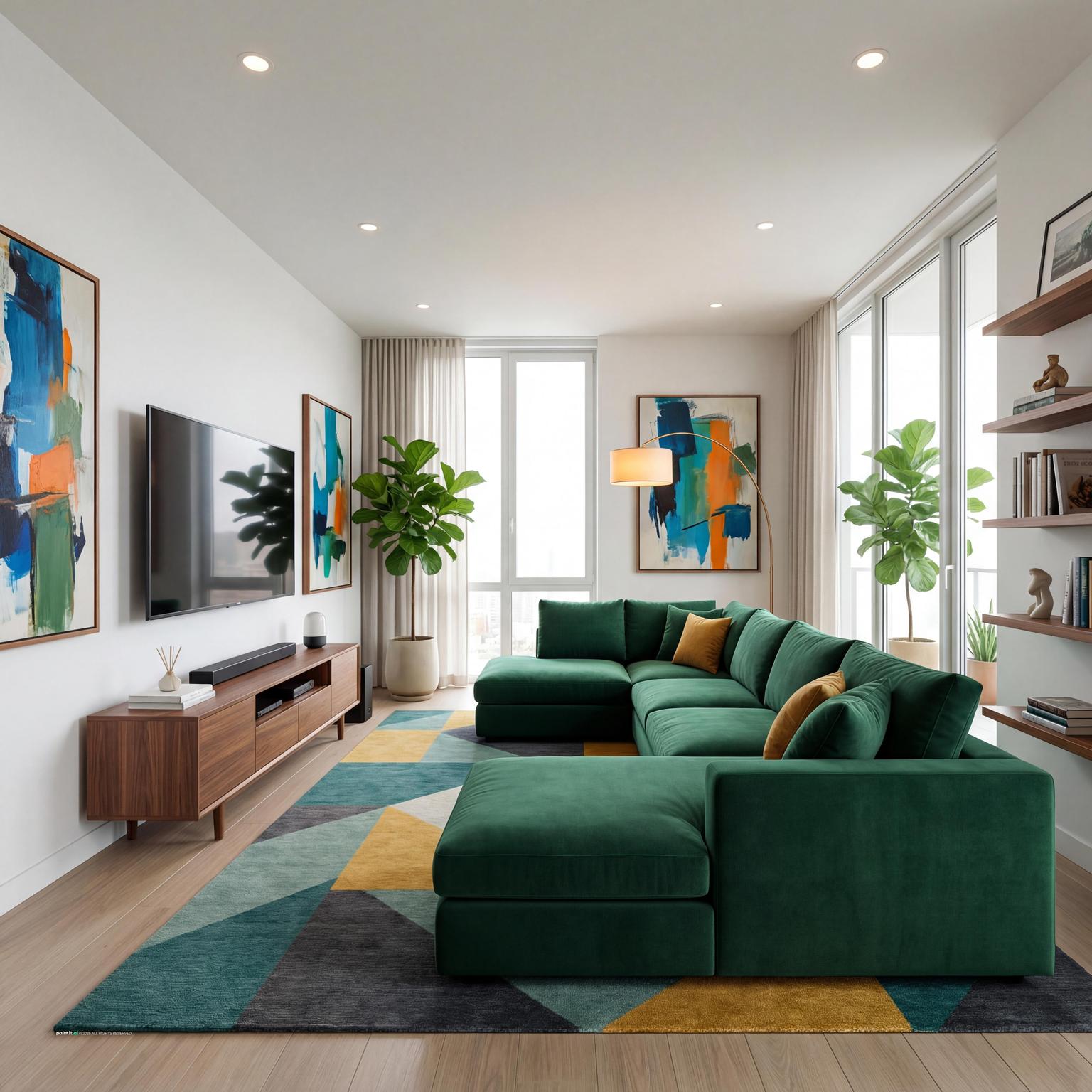
Bright Contemporary Living Room Design layers indoor greenery, clean-lined furniture and plants and greenery in a living room setting.
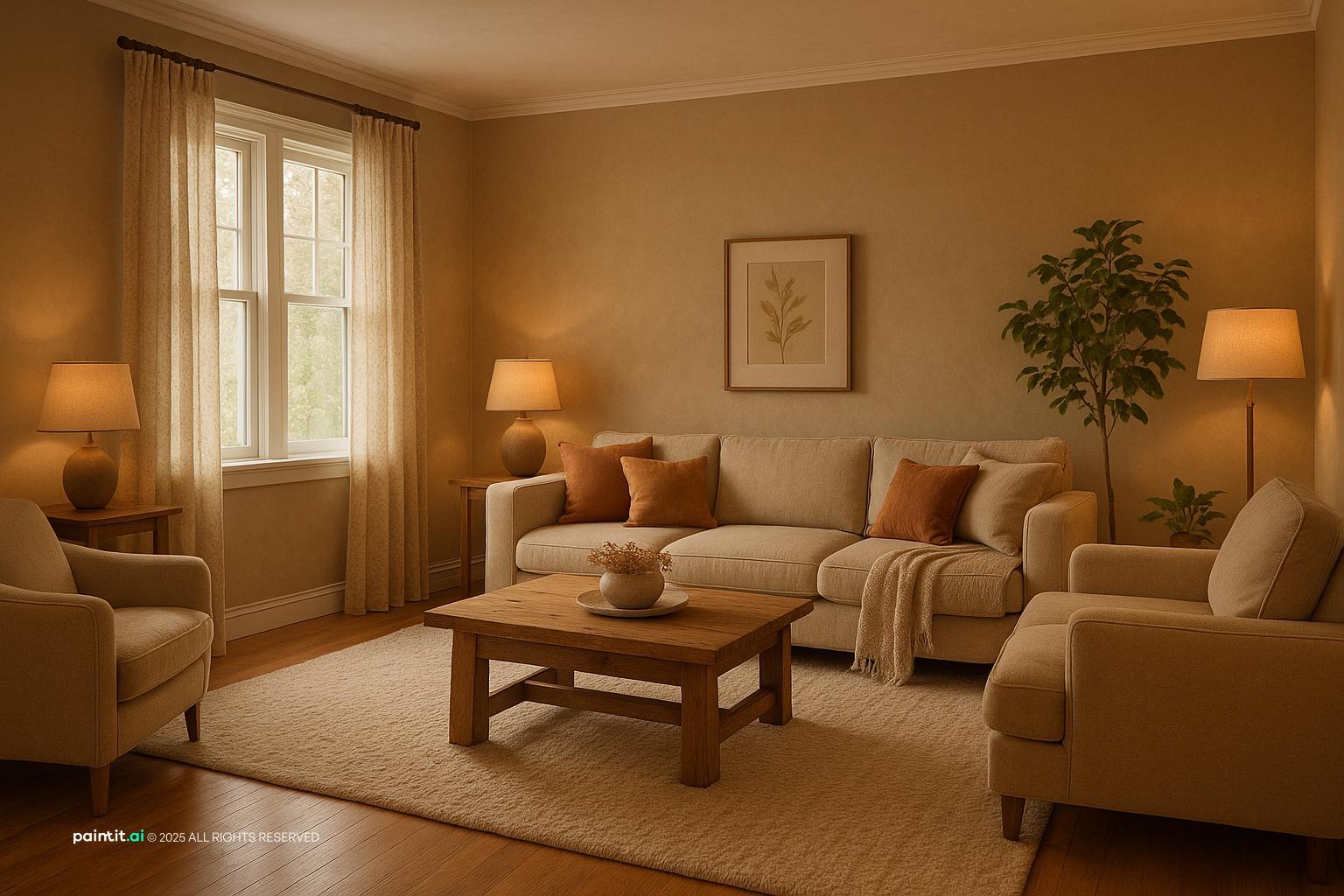
Living Room Plants with Indoor Greenery and Soft Textiles anchors indoor greenery, soft textiles and plants and greenery in a living room setting.
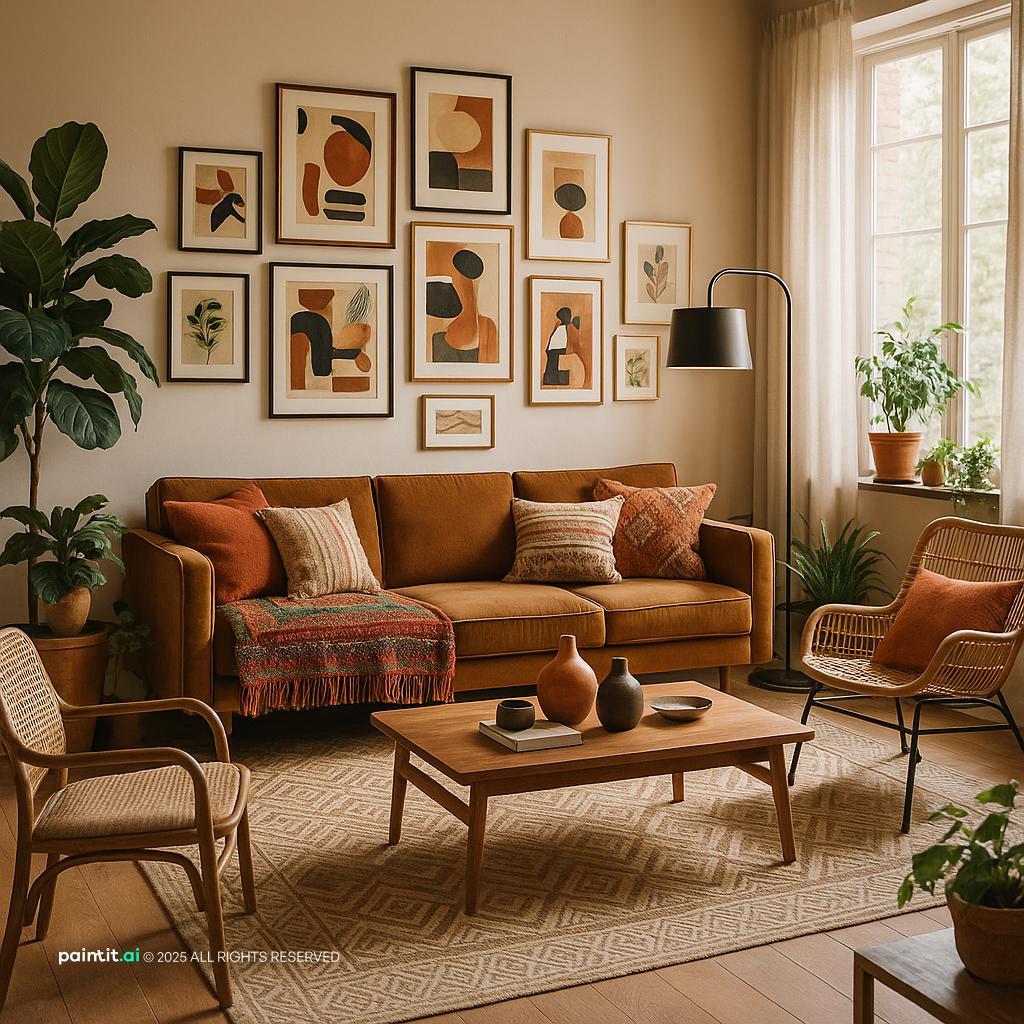
Bohemian-Style Living Room Design softens indoor greenery, soft textiles and metal accents in a living room setting.
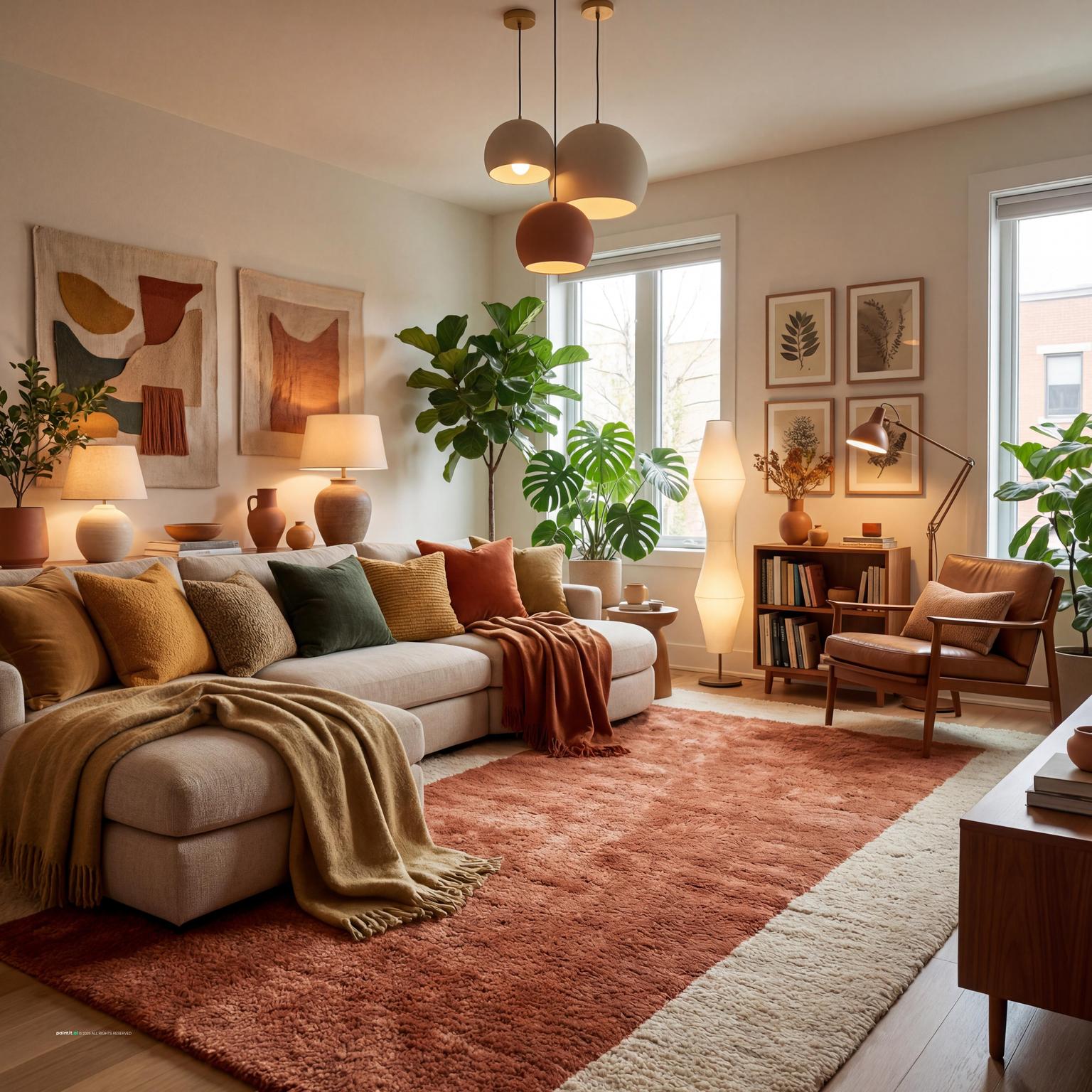
Cozy Modern Living Room Design uses indoor greenery, soft textiles and plants and greenery in a living room setting.
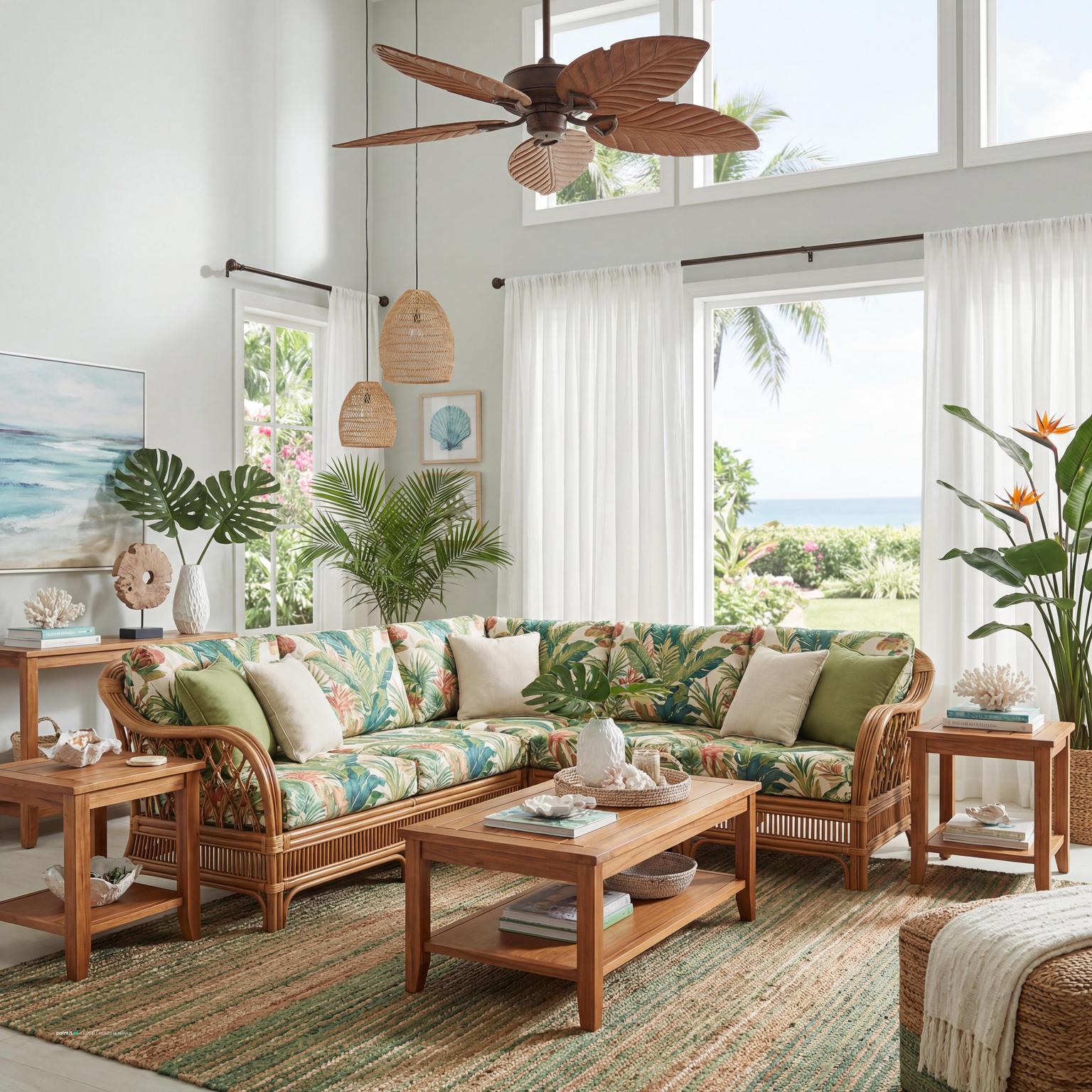
Tropical Living Room Design Inspiration balances indoor greenery, soft textiles and plants and greenery in a living room setting.
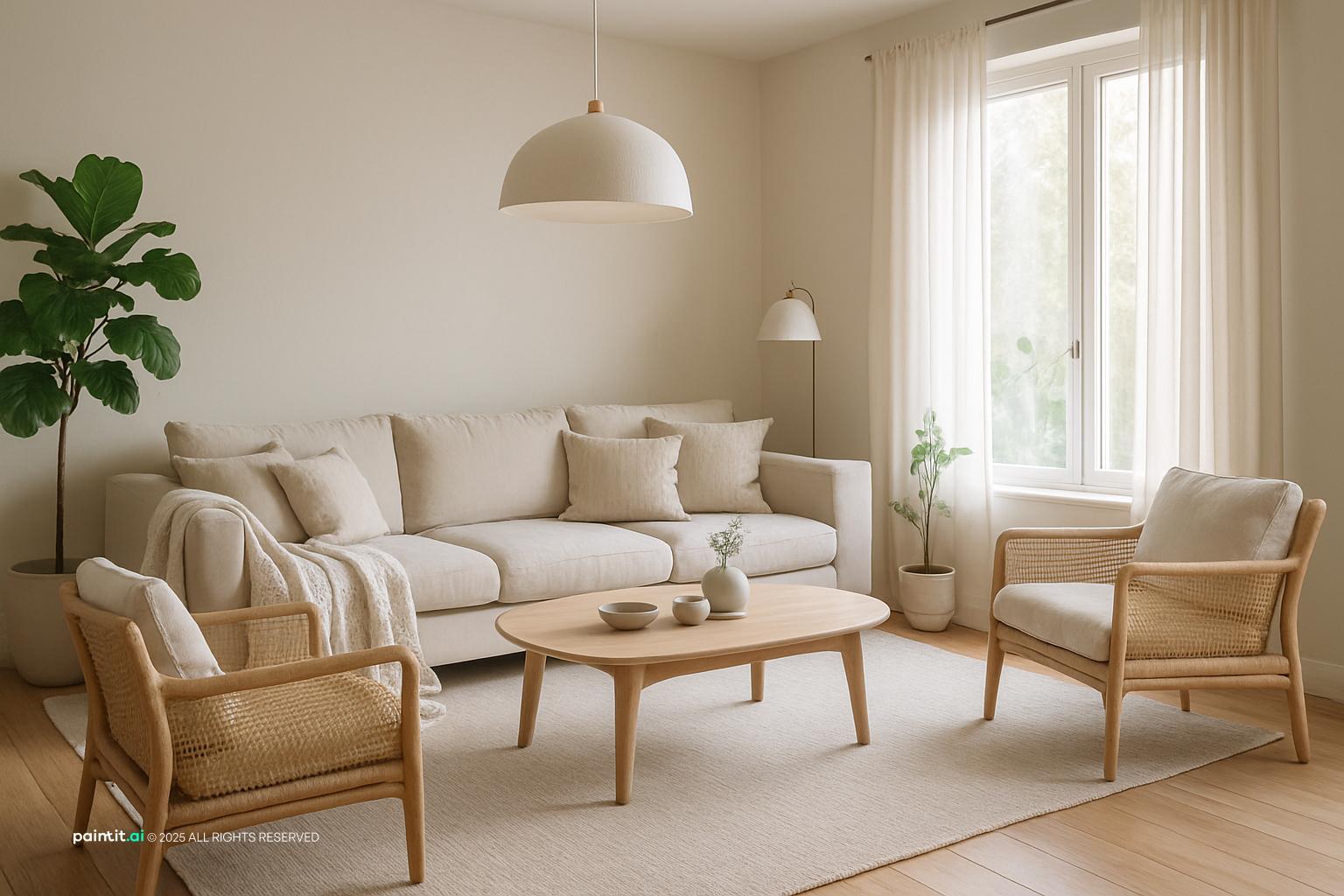
Living Room Plants with Indoor Greenery and Warm Wood with Soft Textiles pairs indoor greenery, warm wood and soft textiles in a living room setting.
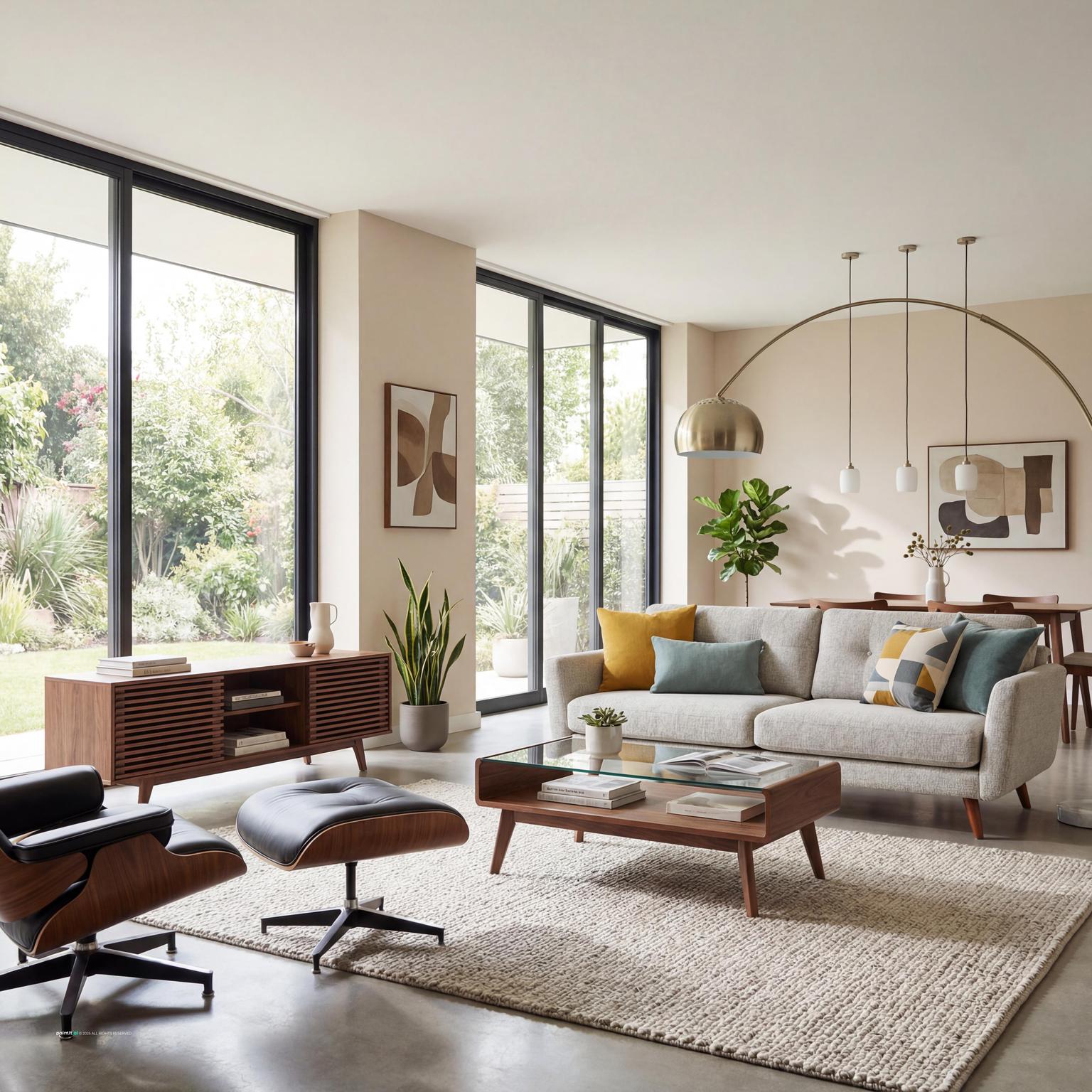
Stunning Mid-Century Modern Living Room layers indoor greenery, warm wood and soft textiles in a living room setting.
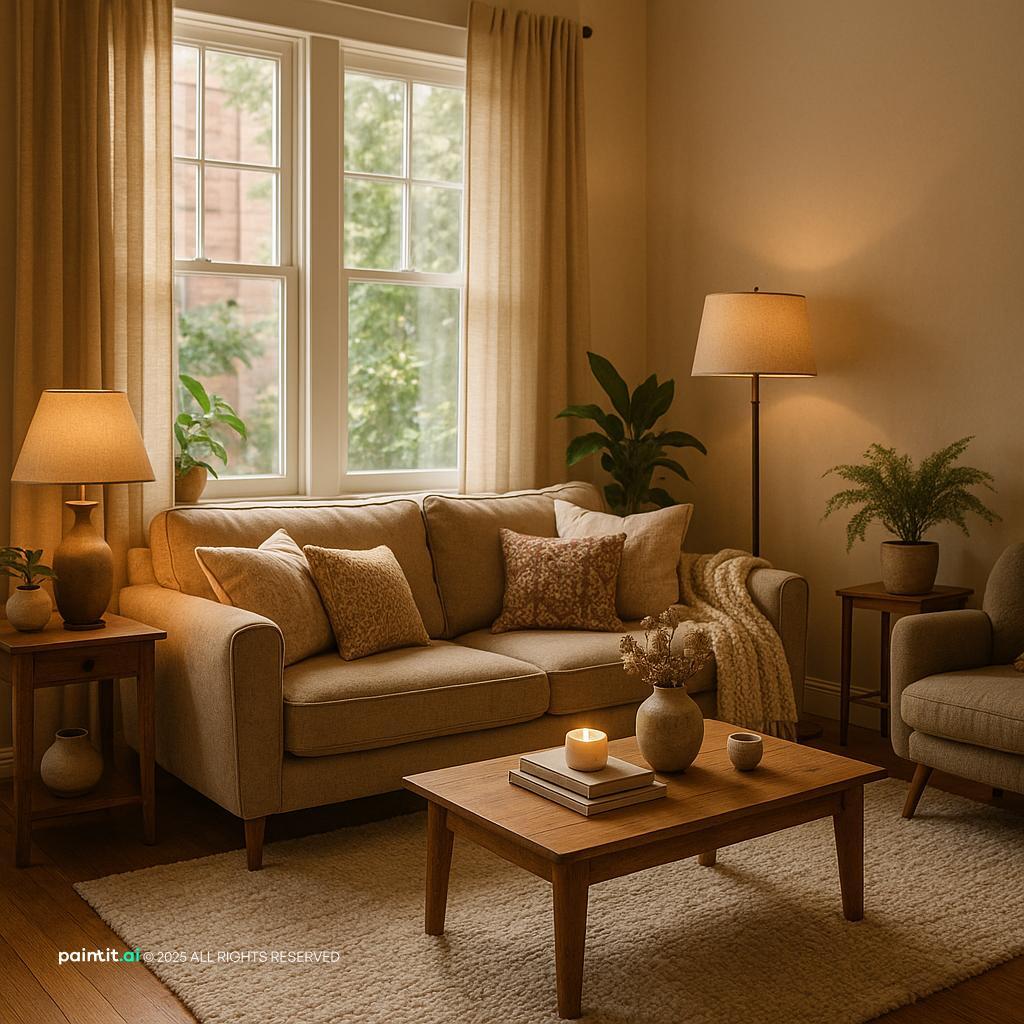
Cozy and Inviting Living Room Design anchors indoor greenery, soft textiles and plants and greenery in a living room setting.
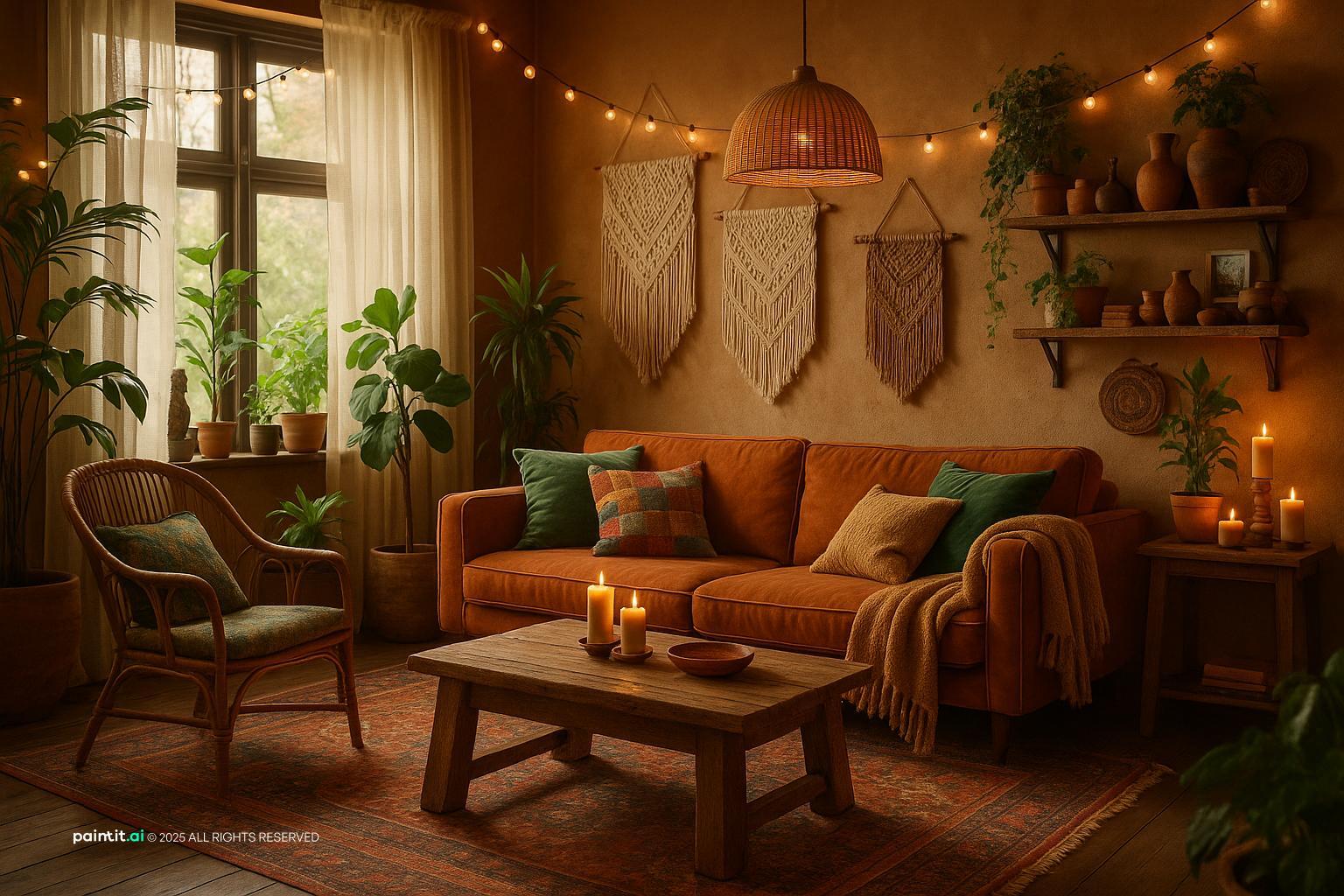
Stunning Bohemian Living Room Design softens indoor greenery, soft textiles and plants and greenery in a living room setting.
A bare corner usually needs height before it needs decoration. A fiddle leaf fig, rubber plant, olive tree, or large snake plant can give the room a vertical line that balances a low sofa and coffee table. Do not push the pot hard into the corner. Leave a little air around the leaves so they are not scraping the wall, bending into blinds, or trapping the curtains.
Why it works: one confident plant reads cleaner than several small pots scattered across the floor. If you are exploring large plants for living room layouts, check the sightline from the doorway and from the main seat before committing. The common mistake is placing a tall plant where it hides a floor lamp, cuts into artwork, or makes a narrow walkway feel tighter than it is.
Do not choose a plant only because it matches the style of the room. Choose it for the light first. Bright indirect light near a window can suit plants like a fiddle leaf fig or bird of paradise, while darker corners are safer for tougher choices such as snake plant, ZZ plant, or pothos.
In Paintit.ai behavior data, lighting appears in 5.9% of prompts, but in practice lighting is one of the first reasons plant concepts fail. Treat the room as separate zones: window side, filtered daylight, shadowed wall, and evening-only ambient light. Low light plants for living room corners still need some indirect daylight. Low light does not mean no light.
In an open living room, greenery can work as a soft divider between the seating area and a dining table, desk, or entry path. A tall plant in a substantial planter can mark the edge of the conversation zone without the heaviness of a bookcase or screen. This works especially well behind the corner of a sectional or beside a lounge chair.
What to avoid: do not place the plant directly in the path people use every day. Leave enough room to walk around the seating area without ducking under leaves. If the plant is near a desk, choose upright forms rather than wide, arching leaves that catch on the chair.
Small plants often disappear in a living room unless you lift them to the right height. Use a plant stand, side table, console, or low cabinet to bring foliage closer to eye level. This is useful beside a sofa arm, under a window, or next to a reading chair where a floor plant would feel bulky.
Why it works: height makes a small plant look intentional. It also avoids the tiny-pot problem, where too many little planters create visual noise. Keep the surface edited. One strong plant with a lamp and a book usually looks better than five unrelated pots competing for attention.
Plant corner ideas living room searches often jump straight to the plant, but the furniture footprint matters more. If the corner is near a chair, leave space for the chair to sit at a natural angle and for a side table to be useful. Then add greenery behind or beside the arrangement, not in the exact place where someone needs to move.
I would treat a plant corner as a layout problem before treating it as styling. If the traffic flow is blocked, no amount of pothos will make the room feel calm. Start with one focal plant, then add a smaller companion only if the corner still feels under-scaled.
The plant is only half the decision. The planter decides whether the greenery feels integrated or accidental. Terracotta warms up white walls and linen sofas, matte ceramic suits calm contemporary rooms, concrete works in industrial or minimalist spaces, and woven baskets soften rooms with lots of straight lines.
In Paintit.ai tests, we often see people ask to add plants but forget to specify planter material. The result can look generic, especially when the default pot clashes with the flooring or coffee table finish. A simple material cue, such as matte cream ceramic planter or dark wood plant stand, can make living room plant decor feel much more considered.
Plants can make a media wall feel less hard, but the placement has to be exact. Put upright greenery to one side of the console, not directly in front of the screen. If the TV is wall-mounted, a medium-height plant can soften the lower corner while keeping the screen edge clear.
What to avoid: large glossy leaves that reflect screen light or push into the viewing area. A narrow snake plant, slim dracaena, or compact tree shape is often better here than a wide palm. Keep cables and saucers hidden so the plant does not add mess to an already technical zone.
A plant shelf can look relaxed and architectural when the trailing length is controlled. Pothos, philodendron, and string-type plants work well on upper shelves, but they should not cover books, art, speakers, or the outlet below. Let one vine trail, then trim or guide the rest.
Why it works: trailing foliage breaks up the rigid grid of shelving. The catch is that using every shelf for a plant turns the wall into a maintenance job and weakens the display. Mix one or two plants with books, ceramics, framed pieces, and some empty space.
Windows are natural plant locations, but the goal is to frame the light, not block it. Put taller plants to one side of the window, or use a pair only if the room has enough width. If you have curtains, check that the pot does not stop the fabric from opening and closing properly.
For bright rooms, rotate plants occasionally so they do not lean toward the glass. For intense afternoon sun, pull sensitive plants slightly back from the window or filter light with sheer curtains. Indoor plants for living room windows should improve the view from the sofa, not make the room darker than it needs to be.
A room with too many unrelated plants can feel busy even when every plant is healthy. Choose one visual thread: upright sword-like leaves, rounded glossy leaves, or soft trailing vines. Repetition helps greenery look designed rather than gathered at random.
This is where living room plant ideas become more personal. A modern room may suit two strong architectural plants, while a relaxed eclectic room can handle mixed textures. Keep one link between them, such as similar planters, repeated dark green foliage, or matching stand heights.
In Paintit.ai usage patterns, 15.0% of prompts include refinement language such as more, less, a bit, or instead. That is a good way to work with plants because the first version of a room often reveals whether it needs height, softness, or editing. Begin with one anchor plant, then add a small shelf plant or table plant only if the composition still feels empty.
If you are working with an empty or partly furnished room, AI virtual staging can help you test plant size before buying a tree that overwhelms the sofa. The best refinements are specific: a bit taller, less clutter near the media console, or change to a wider ceramic planter. Vague requests for more plants often create the clutter people were trying to avoid.
Small rooms can still use greenery, but they need fewer, better placements. Choose one floor plant, one raised plant, or one trailing plant rather than using all three in every corner. Keep the floor clear near door swings, balcony access, and the route between sofa and coffee table.
Paintit.ai data shows that negative constraints such as without or no clutter appear in 8.8% of prompts, and they are especially useful for plant styling. A good small-room prompt or plan might keep the sofa and rug, add one tall plant by the window, and avoid clutter on the console. The same rule works offline: if a plant makes you step around it every day, it is in the wrong place.
Use the second gallery to judge the difference between one statement plant, several smaller planters, raised greenery on stands, and shelf styling, so you can see which option fits the room instead of only liking the plant itself.
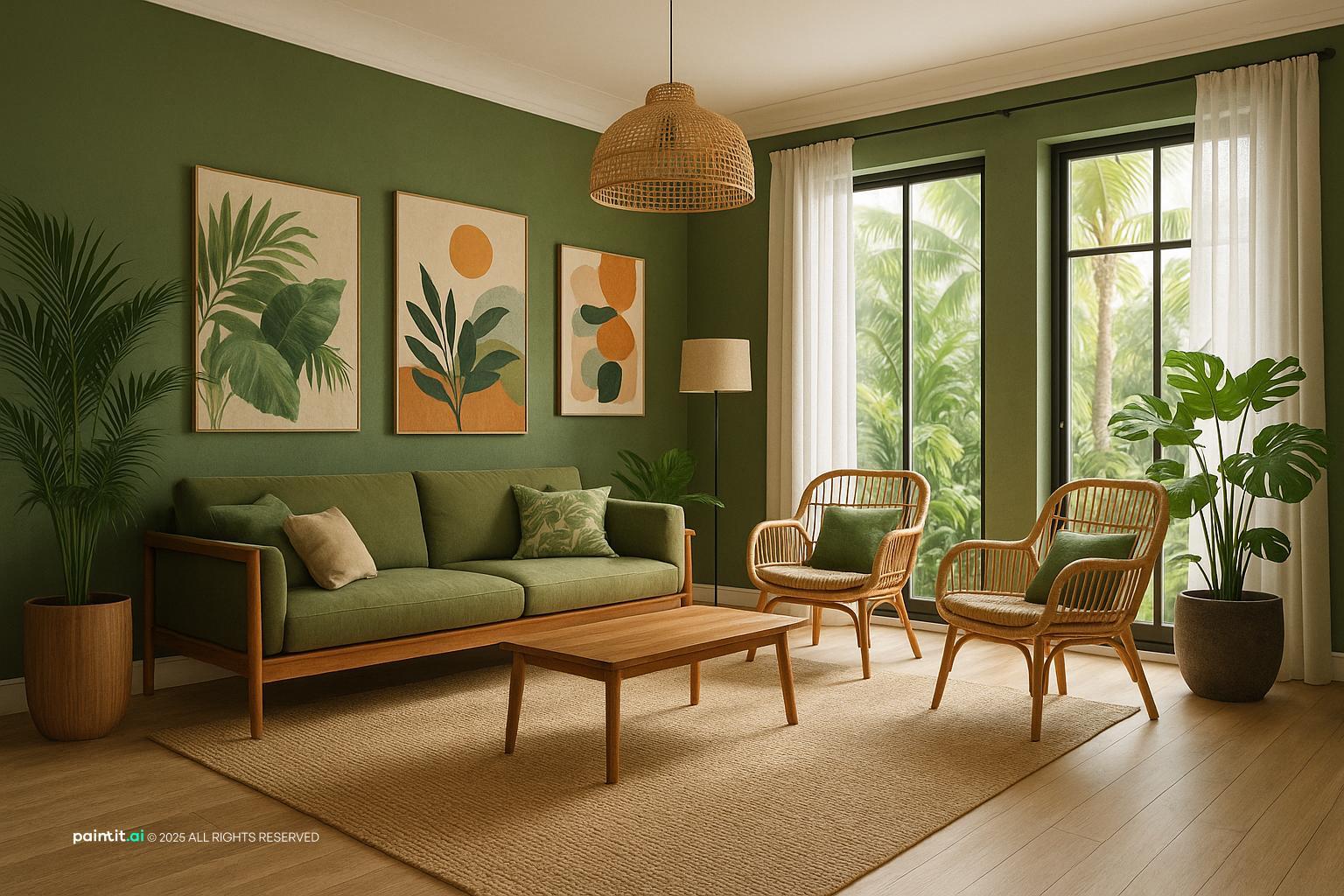
Tropical Modern Living Room Design uses indoor greenery, warm wood and plants and greenery in a living room setting.
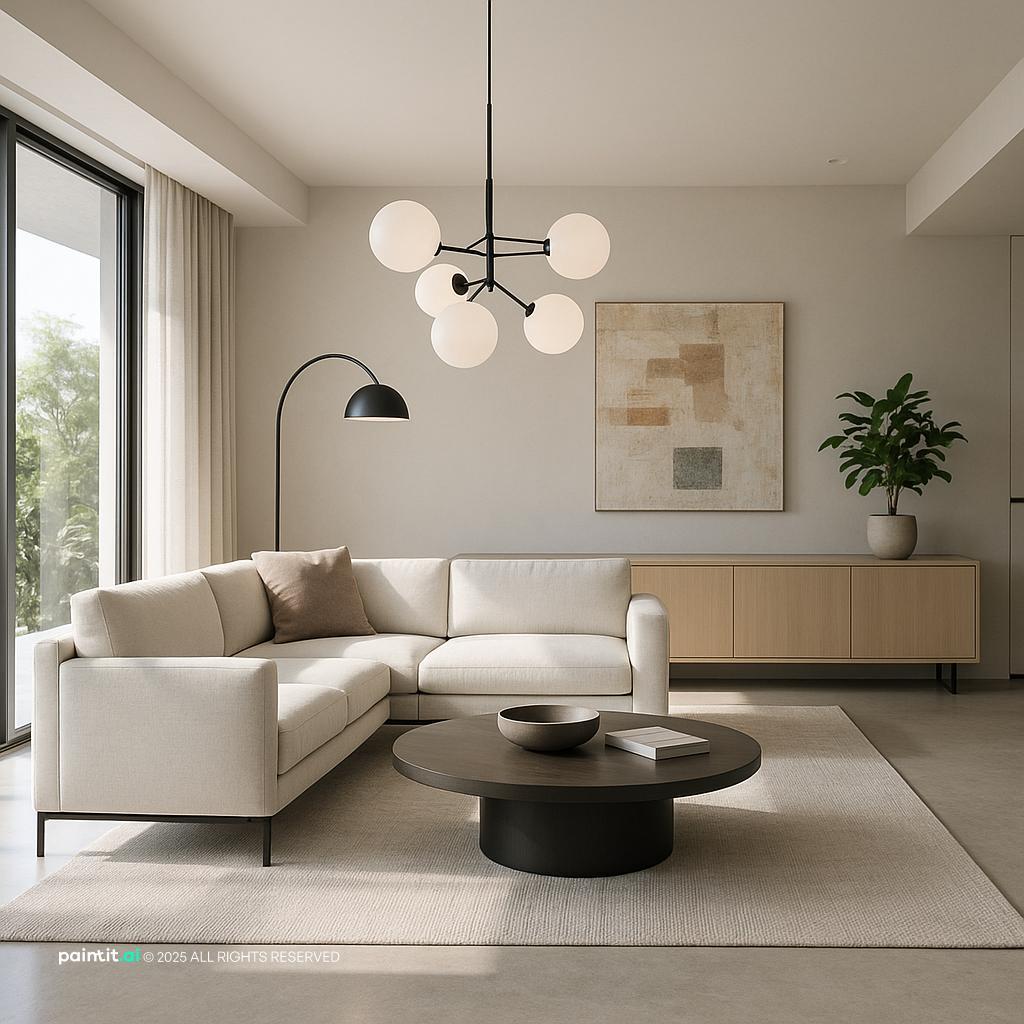
Modern Living Room Design balances indoor greenery, clean-lined furniture and plants and greenery in a living room setting.
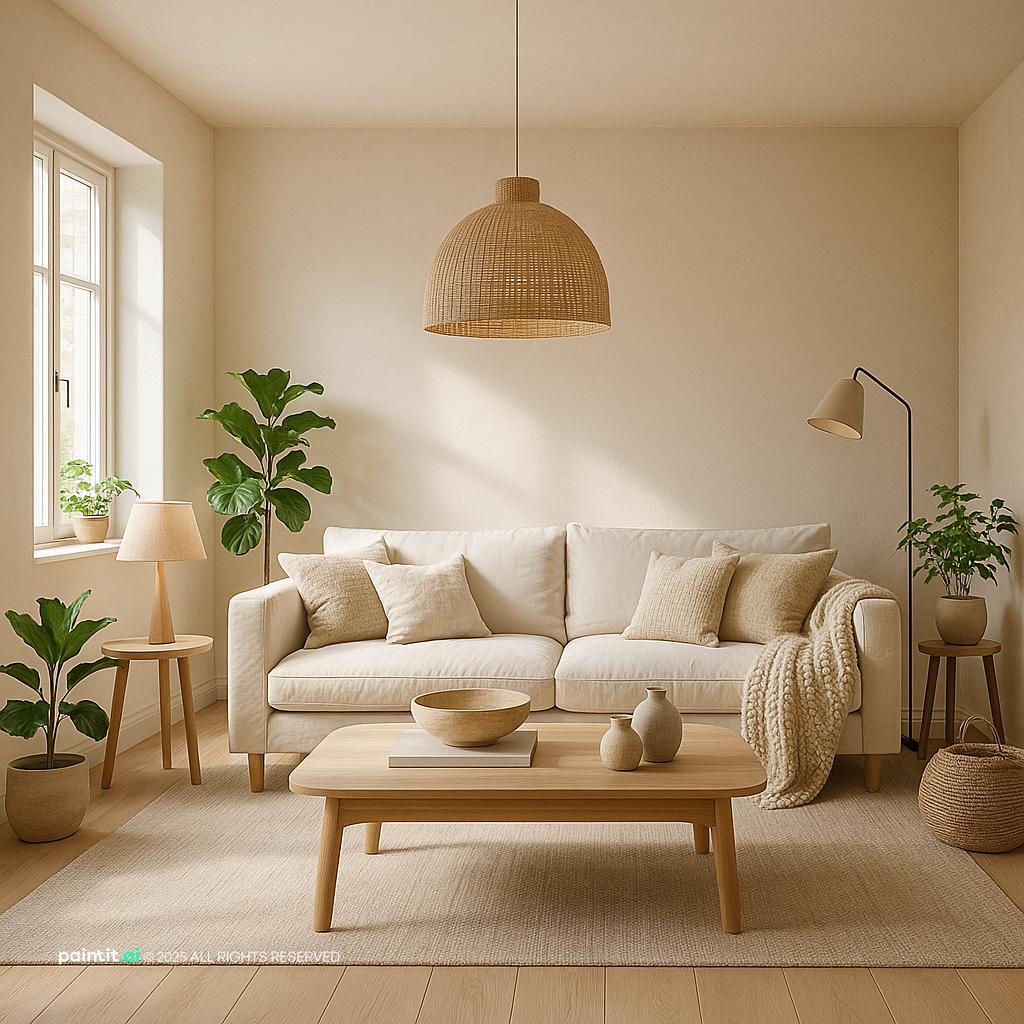
Modern Scandinavian Warm Living Room Design pairs indoor greenery, soft textiles and clean-lined furniture in a living room setting.
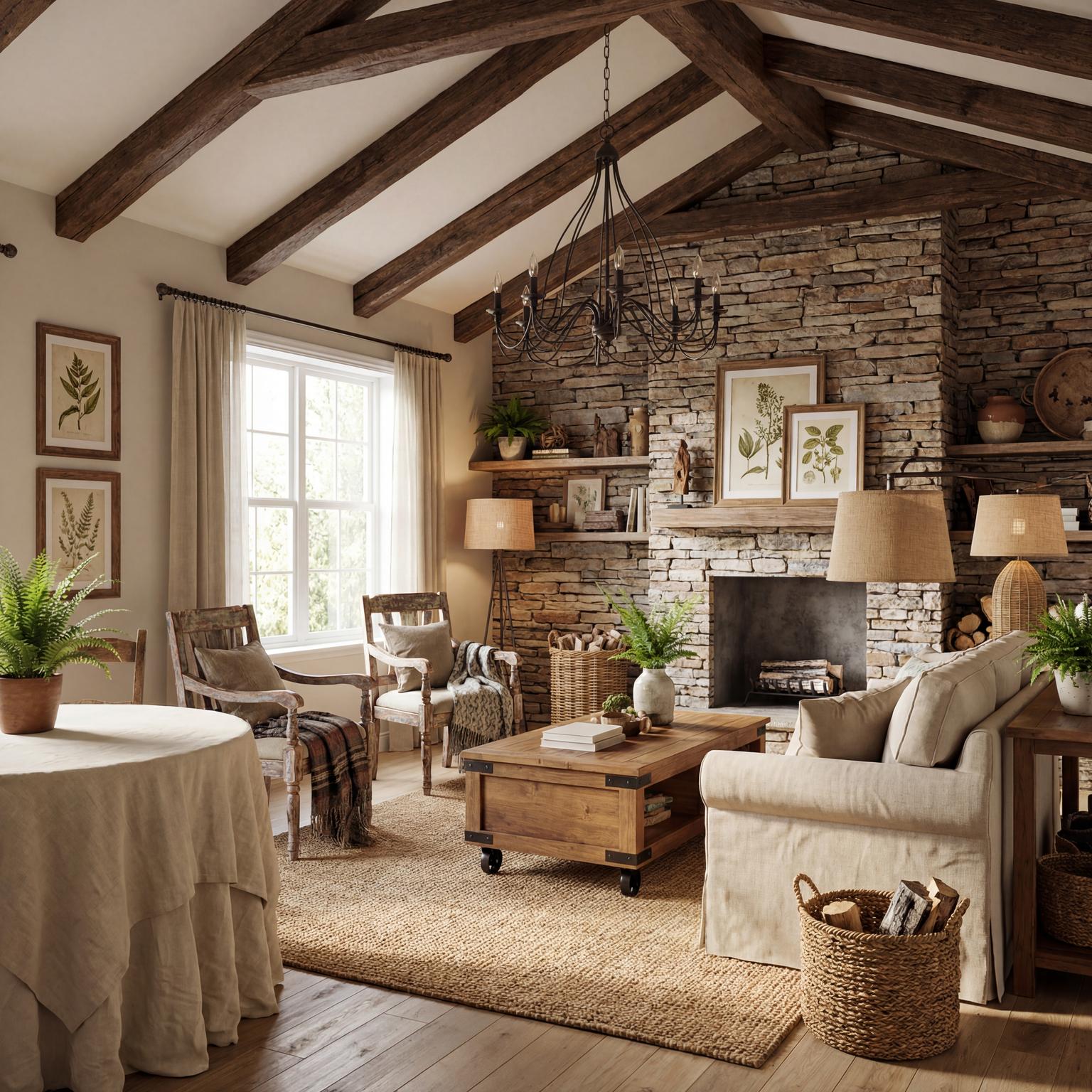
Rustic Living Room Transformation layers indoor greenery, soft textiles and plants and greenery in a living room setting.
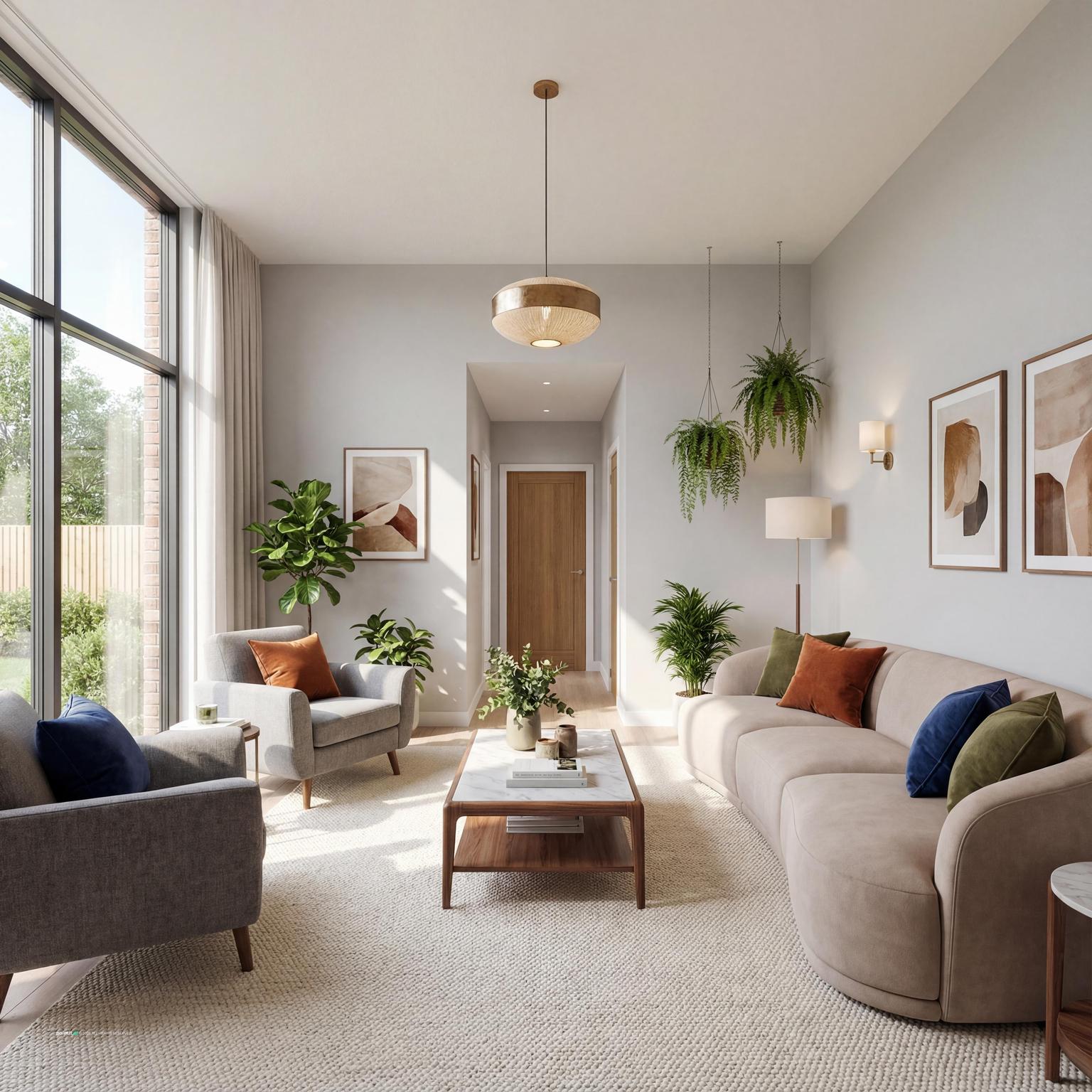
Cozy Modern Reception Design for Ground Floor anchors indoor greenery, plants and greenery and layered neutrals in a living room setting.
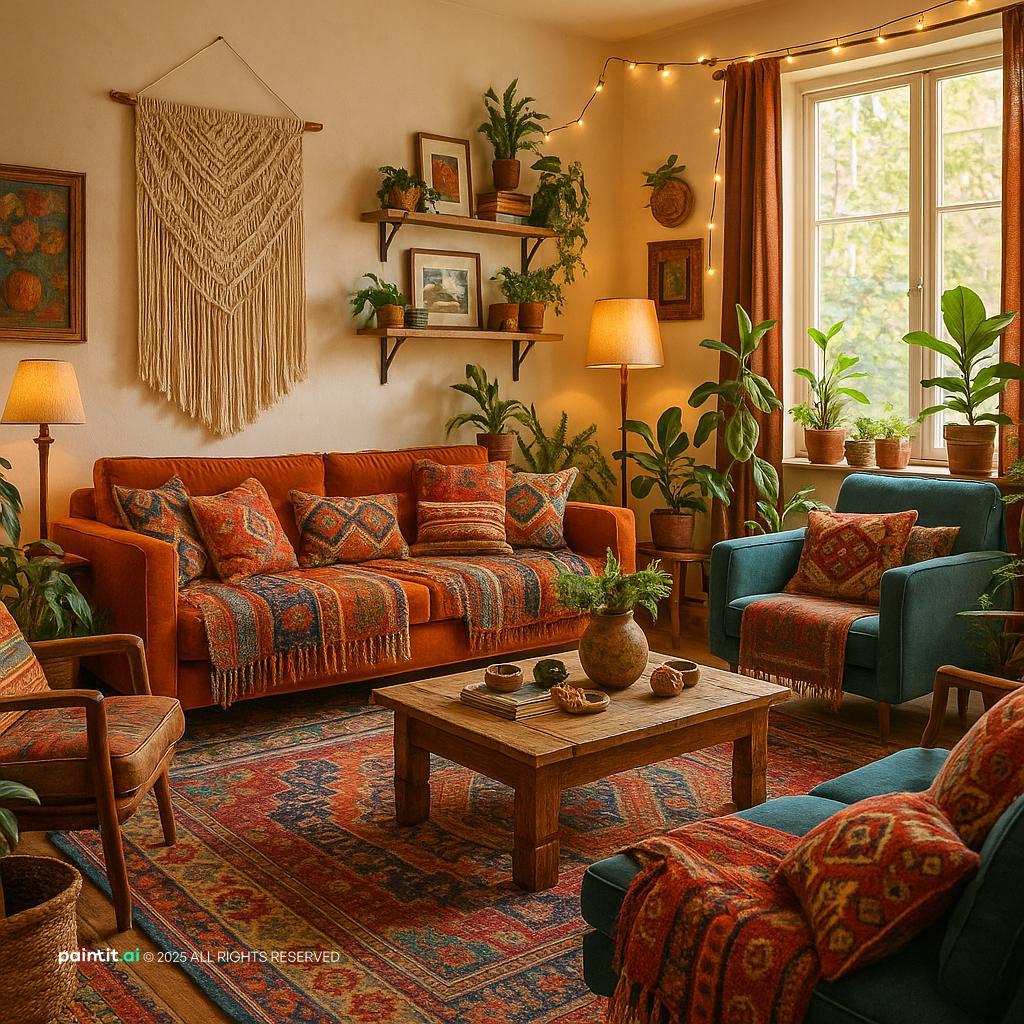
Vibrant Bohemian Living Room Design softens indoor greenery, soft textiles and plants and greenery in a living room setting.
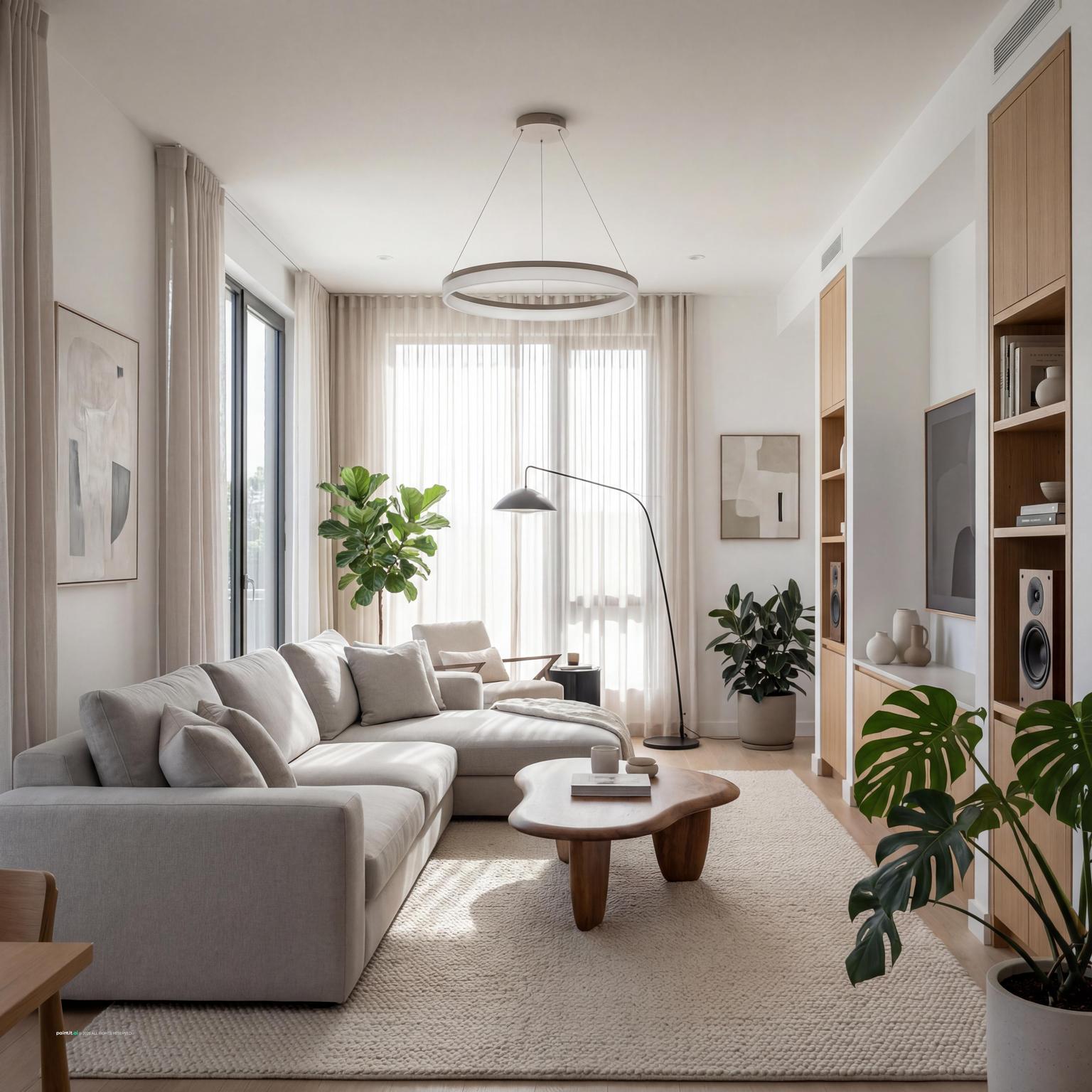
Elegant Contemporary Living Room Design 2025 uses indoor greenery, warm wood and soft textiles in a living room setting.
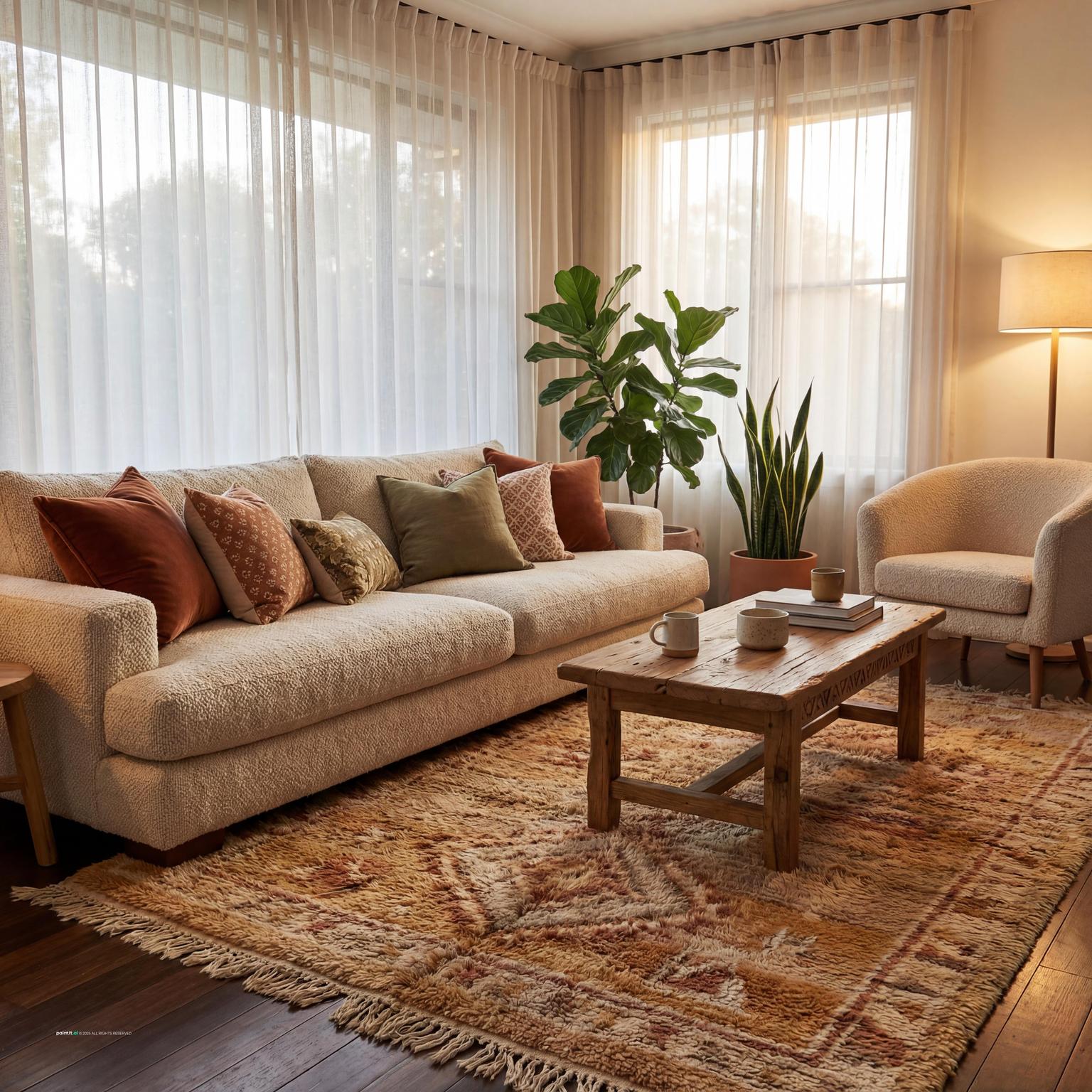
Textured Cozy Living Room Design balances indoor greenery, soft textiles and plants and greenery in a living room setting.
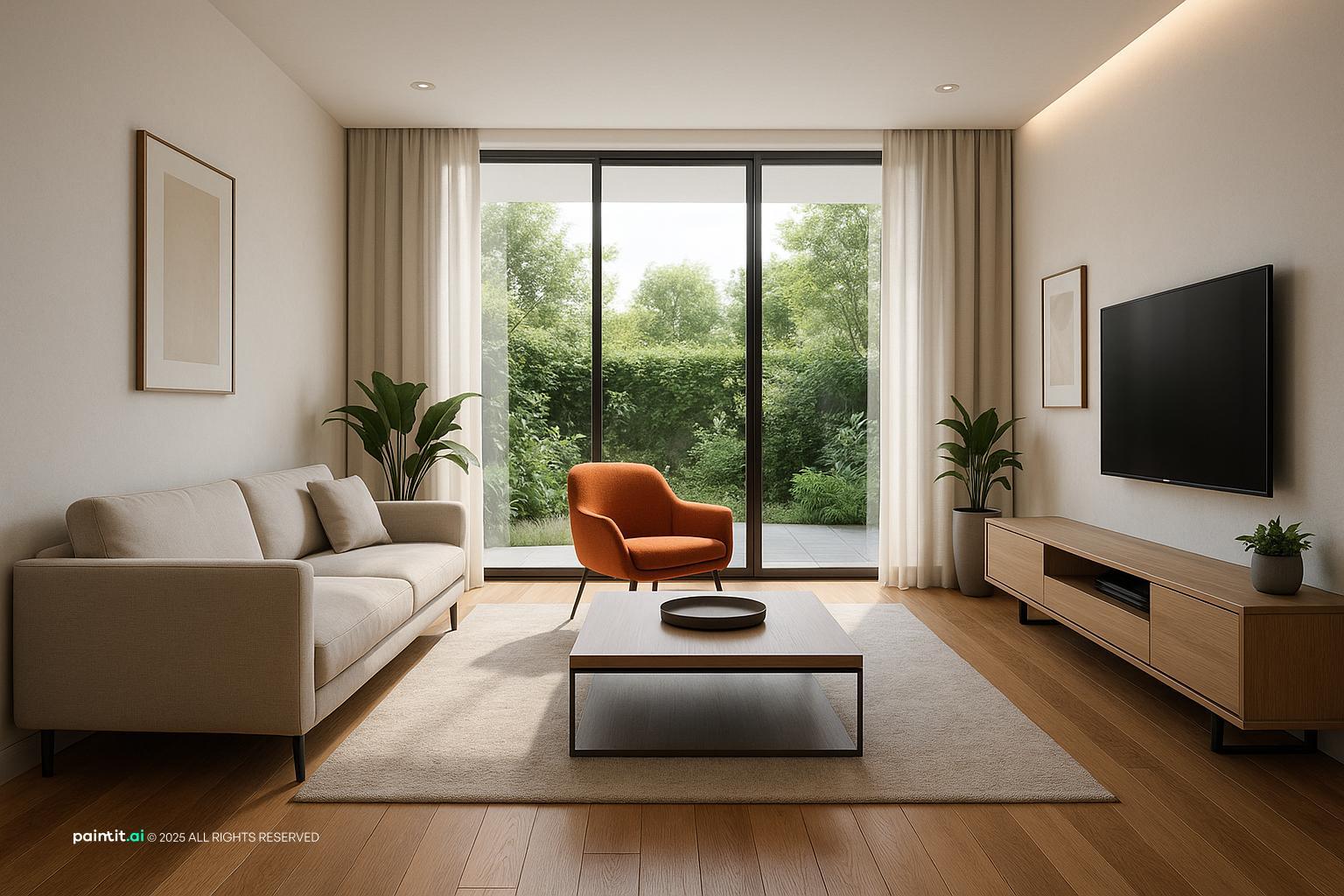
Modern Ultra-Photorealistic Living Room Design pairs indoor greenery, plants and greenery and open layout in a living room setting.
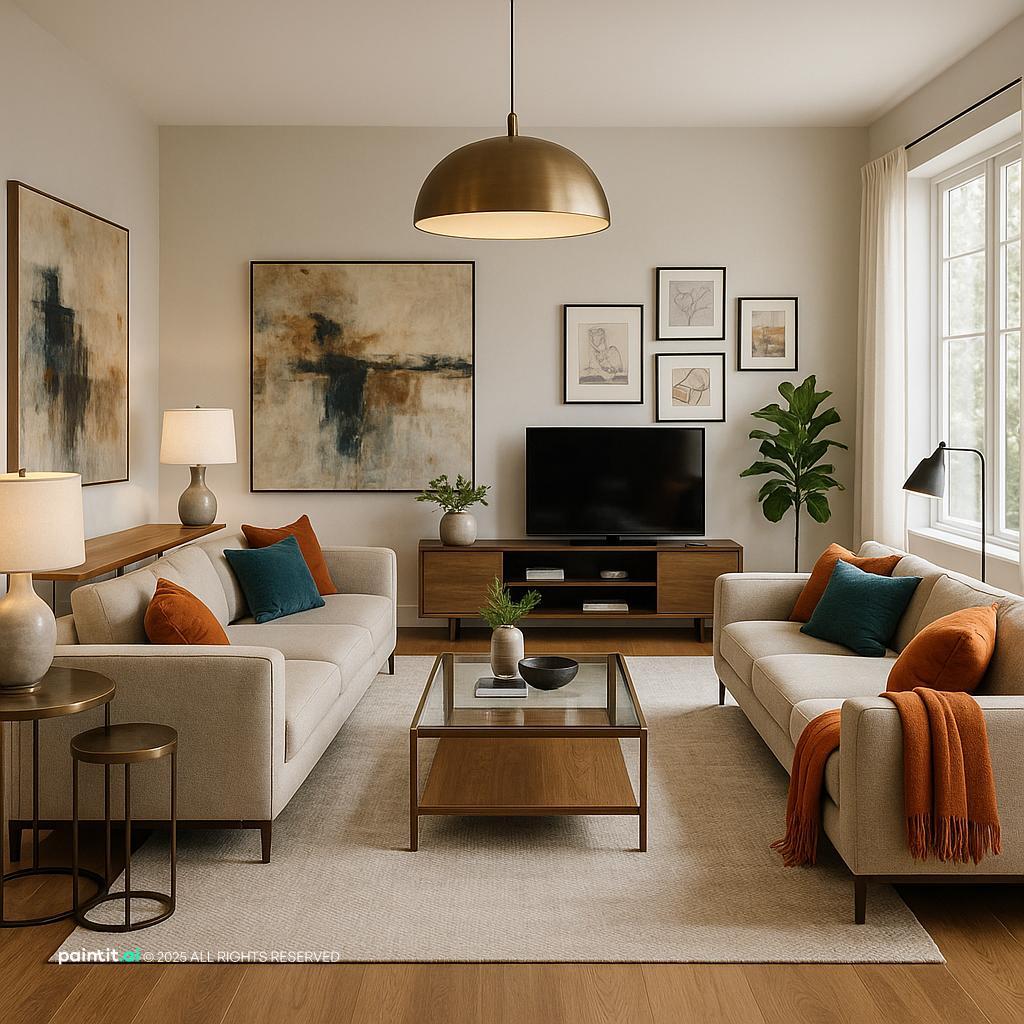
Modern Living Room Design Inspiration layers indoor greenery, soft textiles and metal accents in a living room setting.
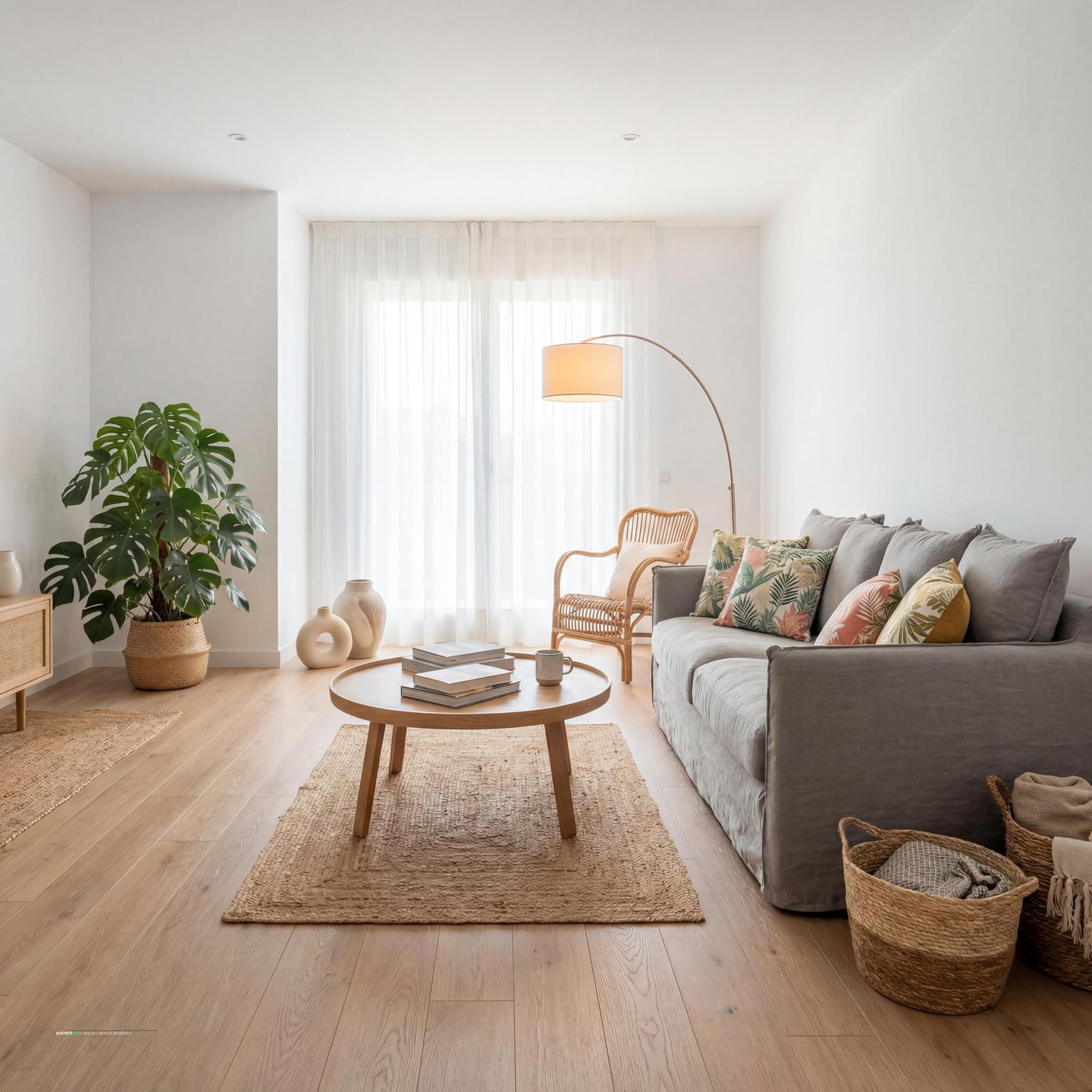
Scandinavian Living Room with Tropical Accents anchors indoor greenery, soft textiles and plants and greenery in a living room setting.
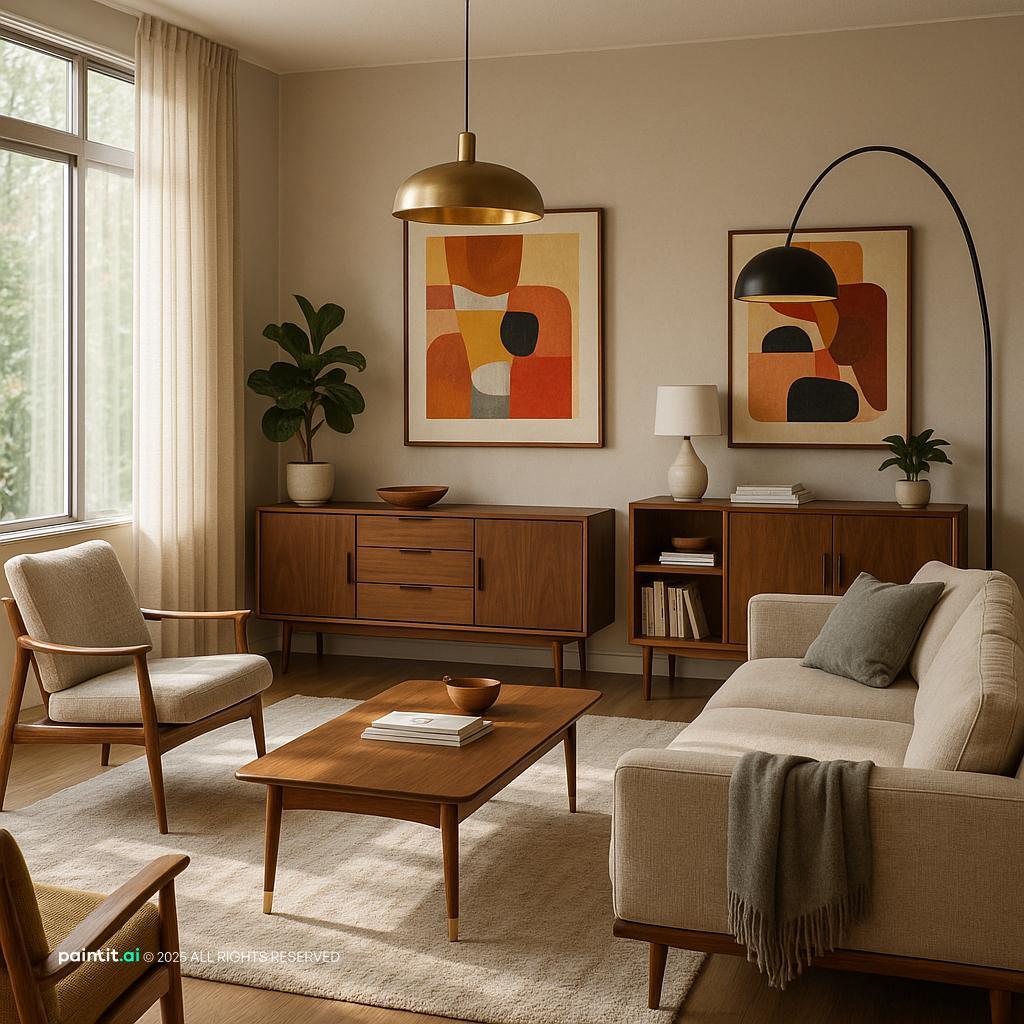
Stylish Mid-Century Modern Living Room softens indoor greenery, warm wood and soft textiles in a living room setting.
Deep green foliage usually looks strongest against walls with enough contrast: warm white, soft beige, clay, muted sage, charcoal, or pale greige. If the wall and leaves are both dark, add a lighter planter or nearby textile so the plant does not disappear. For broader palette planning, the guide to best living room colors can help you choose a backdrop that supports both furniture and foliage.
Avoid matching everything too closely. Green walls with many green plants can work, but only when the undertones are controlled and the room has varied texture. If the palette feels flat, bring in warm wood, cream ceramic, brass, black metal, or woven fiber for separation.
A white planter is not always neutral. Cool white can look stark next to warm oak floors, while creamy ceramic may look yellow beside gray stone. Test the planter against the floor, rug, coffee table, and sofa before treating it as a background object.
What works: terracotta with tan leather, matte black with walnut, pale stone with boucle, and woven baskets with linen. What to avoid: shiny plastic pots in rooms that otherwise use natural materials. They catch glare and often make the plant look cheaper than it is.
A wood plant stand warms the room and can echo the legs on a chair or coffee table. Black metal feels sharper and suits modern or industrial layouts. Stone, concrete, or marble-style planters add visual weight, which helps when the plant is tall and the furniture is substantial.
The finish should answer the room rather than compete with it. If the living room already has many heavy stone or black accents, a woven or ceramic planter may soften the composition. If the room is very light and soft, one darker planter can ground the corner.
Plants near windows look good in daylight, but many living rooms are used most at night. Add a nearby floor lamp, wall sconce, picture light, or warm table lamp so the plant corner does not turn into a dark mass after sunset. Warm ambient light is especially useful for glossy leaves because it creates gentle highlights.
Avoid placing a strong uplight directly under dense leaves unless you want dramatic shadows on the ceiling. For everyday rooms, side lighting usually feels more natural. When testing a design, specify daylight for daytime views and warm ambient light for evening mood.
Large smooth leaves pair well with tactile textiles such as wool rugs, boucle chairs, nubby linen, or woven throws. Fine, feathery plants usually need calmer backgrounds so they do not look messy beside patterned cushions. The goal is contrast without chaos.
If the room already has a busy rug or multiple cushion patterns, keep the plant forms simple and architectural. A snake plant or rubber plant may be better than a loose fern. If the furniture is plain and boxy, a softer trailing or arching plant can loosen the edges.
Plants on consoles, shelves, and side tables need breathing room. Pair one plant with objects of different heights: a lamp, framed art, stacked books, or a small bowl. Keep saucers, water marks, and plastic nursery pots out of view if the surface sits in the main sightline.
Do not use plants to fill every blank space. Blank space is what lets the greenery look intentional. For a practical decorating workflow, the tutorial on how to redesign a living room with Paintit.ai is useful when you want to keep existing furniture while changing accessories and finishes.
A struggling plant weakens the whole room, even if the styling is good. Choose species that match your maintenance habits: drought-tolerant plants for busy households, tougher leaves for homes with lots of movement, and manageable pot sizes if you need to rotate or clean around them.
Avoid placing delicate plants near heat vents, radiators, or drafty balcony doors. Also check pet and child safety before choosing a species. A beautiful layout still has to work with the people and routines in the room.
Upload a living room photo and test where greenery should go: a tall plant near the window, a raised plant beside the sofa, a cleaner media wall, or a shelf with one trailing pothos instead of several small pots. The most useful prompts include the plant size, planter material, and lighting condition, not just the instruction to add plants.
For better results, refine in stages: keep the sofa and rug, add one large plant by the window, change the planter to matte ceramic, reduce clutter on the console, or test warm evening light. We see this pattern often in Paintit.ai: people start broad, then ask for more, less, or a bit of a different material until the room feels balanced.
Good living room plants include snake plant, pothos, rubber plant, ZZ plant, fiddle leaf fig, and philodendron. Match the plant to the room’s light level first, then check the floor space and planter size.
Place plants where they get suitable light and do not block traffic, TV views, curtains, or seating. Corners, window edges, consoles, shelves, and spots beside armchairs usually work well.
Snake plant, ZZ plant, pothos, and some philodendrons are low-maintenance options. They tolerate imperfect watering better than plants with strict humidity or bright-light needs.
Yes, if you use one large plant as an anchor instead of many small pots. Choose an upright shape, keep walkways clear, and avoid leaves that spread into the seating area.
Repeat planter materials, limit small pots, and leave empty space around each plant. One well-placed floor plant often looks cleaner than several scattered tabletop plants.