
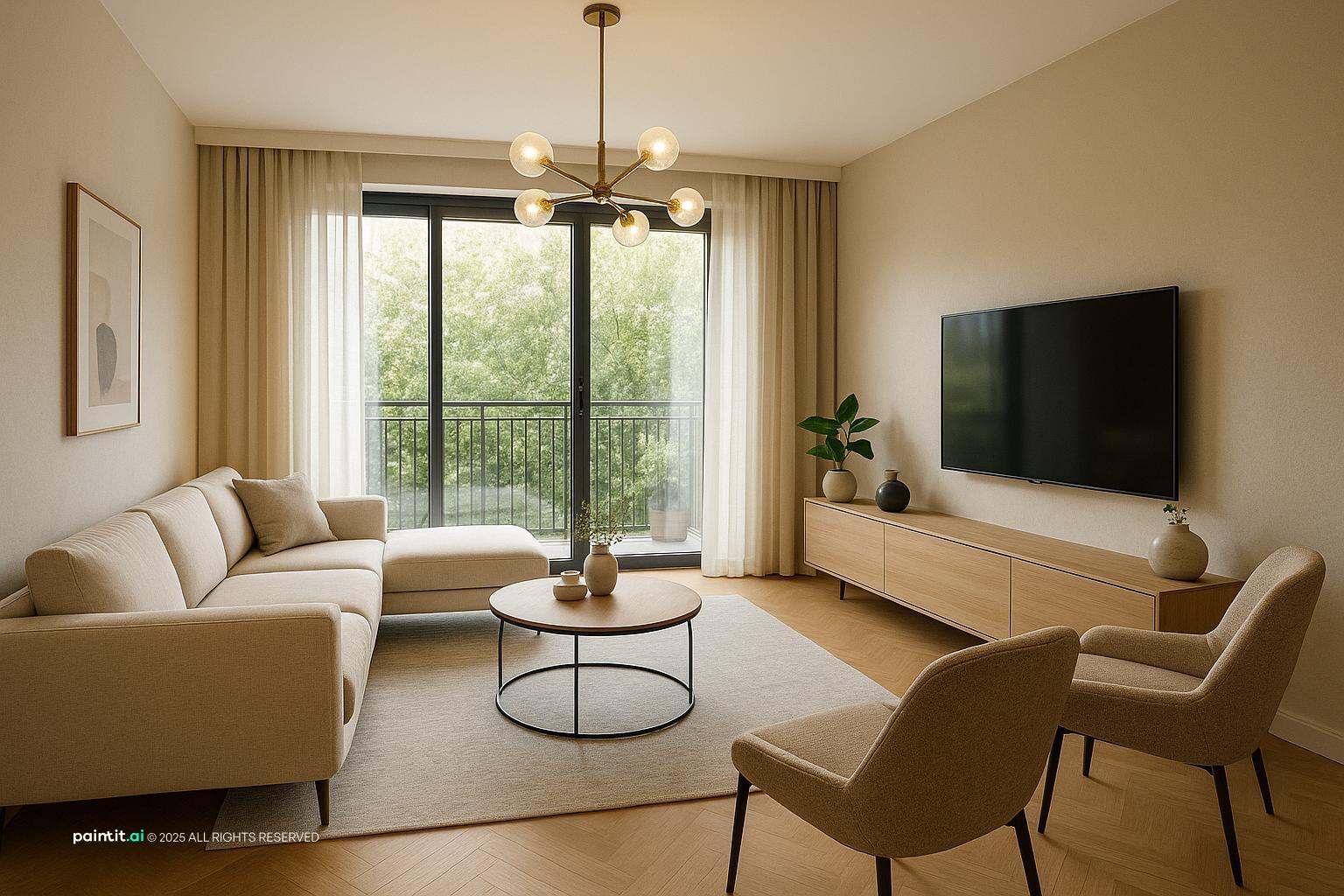
Living Room Makeover Ideas with Plants and Greenery and Natural Light
Living Room Makeover Ideas with Plants and Greenery and Natural Light uses plants and greenery and natural light in a living room setting.
The best living room makeover ideas rarely begin with replacing everything. They begin with a closer look at the room you already have: the window wall, the sofa scale, the floor color, the walking path, and the pieces that are still doing their job. We often see homeowners start in Paintit.ai with one short command, like "change the wall color". Approximately 70% of users write AI prompts like "in Google" – short, keyword-style phrases. That is a perfectly normal first step. The better results come when that simple idea is tied to layout, lighting, material, and style decisions instead of treated as a single magic fix.
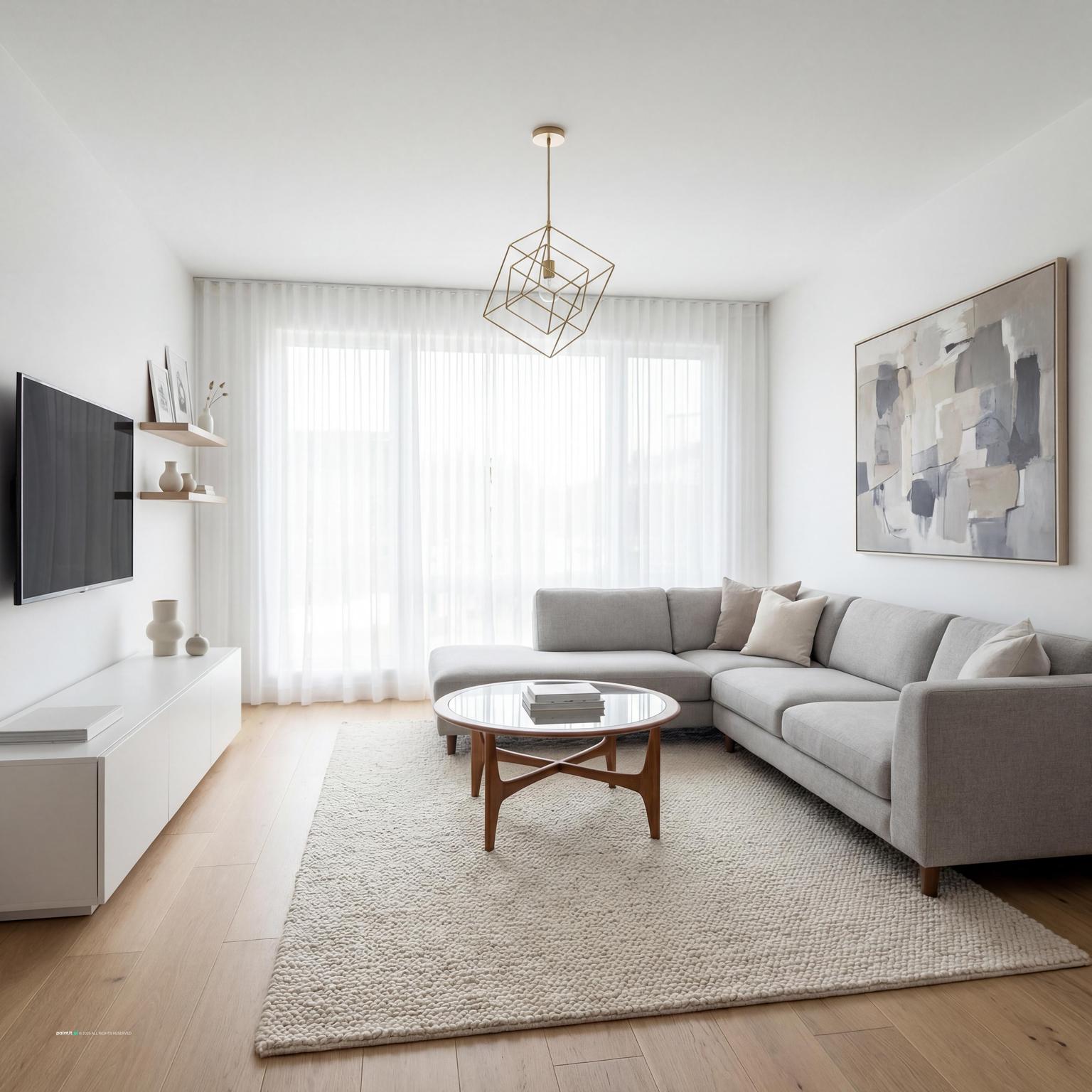
A good living room makeover is not a mood board pasted over your existing space. It is a chain of practical choices: what stays, what moves, what gets painted, what becomes lighter or darker, and what is out of proportion. Before you shop, write down three non-negotiables: maybe the flooring, windows, ceiling beams, fireplace, curtains, or main sofa. In our product data, only 12% of users include keep or do not change constraints, yet those prompts usually behave more realistically because they respect the room's bones.
If you do not know where to begin, use a simple brief instead of a vague wish list: keep the sofa and windows, repaint the walls warm white, add a larger rug, improve lighting, and make the room feel modern but comfortable. That is also the thinking behind how to redesign a living room with Paintit.ai: start with the big direction, then refine one decision at a time.
Use the first gallery to compare the big decisions before you spend: lighter walls or richer color, open layout or cozy seating, modern lines or layered traditional details, small styling updates or a deeper furniture reset.
Living Room Makeover Ideas with Plants and Greenery and Natural Light uses plants and greenery and natural light in a living room setting.
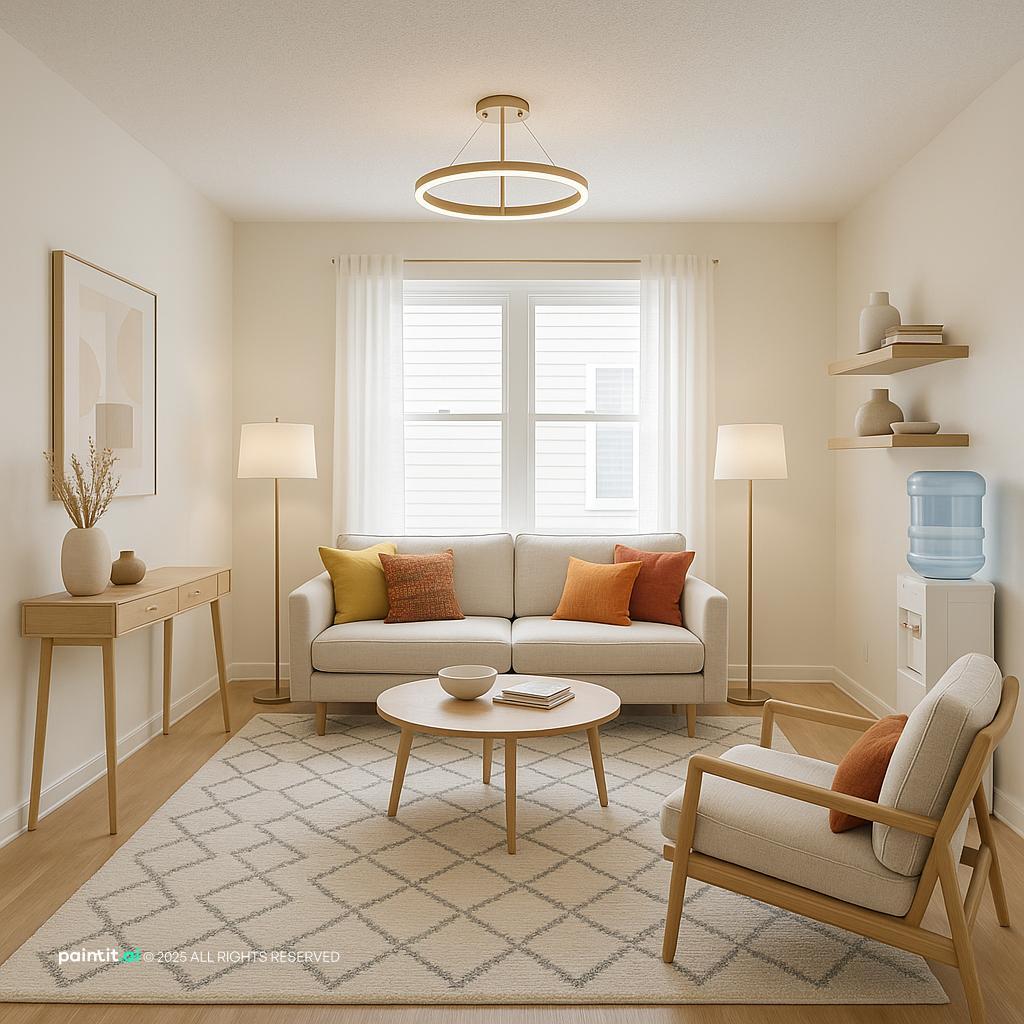
Modern Living Room Redesign balances soft textiles and layered neutrals in a living room setting.
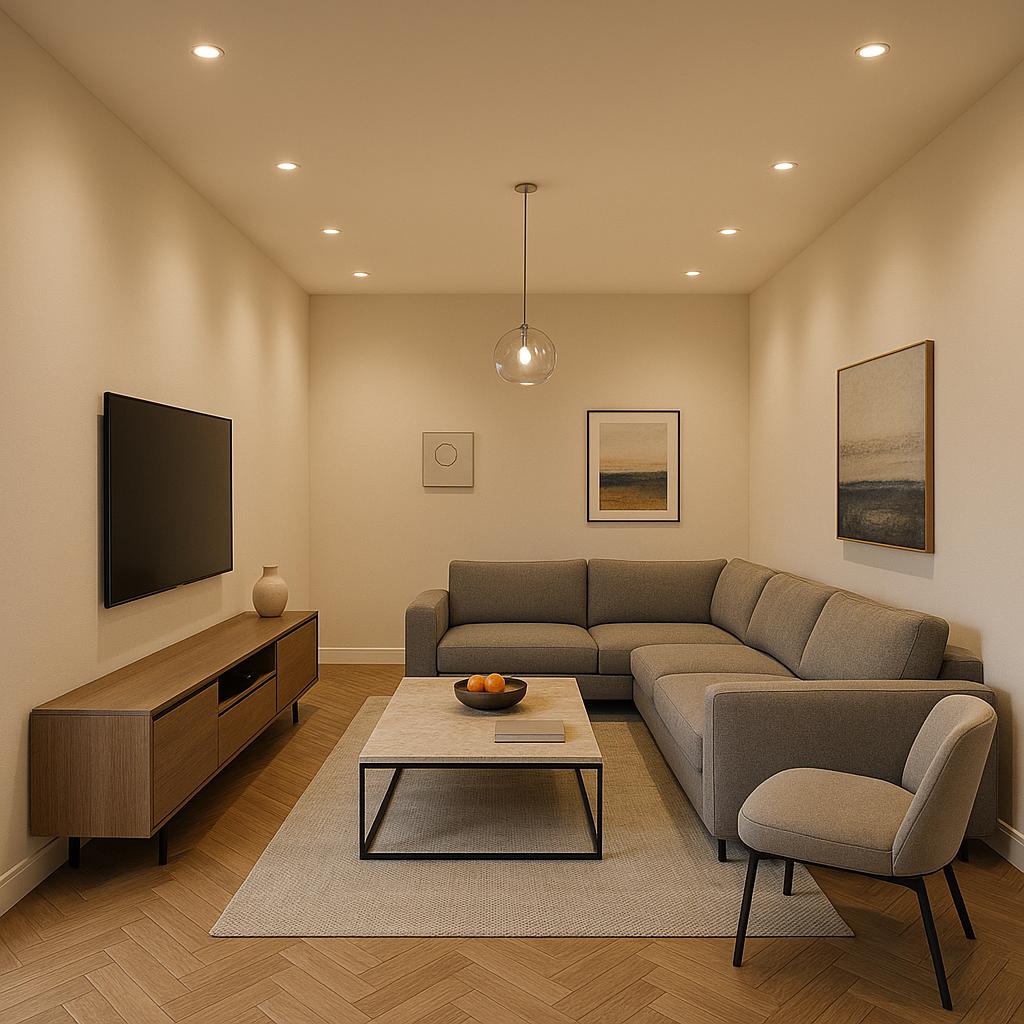
Luxury Modern Hotel Living Room Design pairs metal accents and layered neutrals in a living room setting.
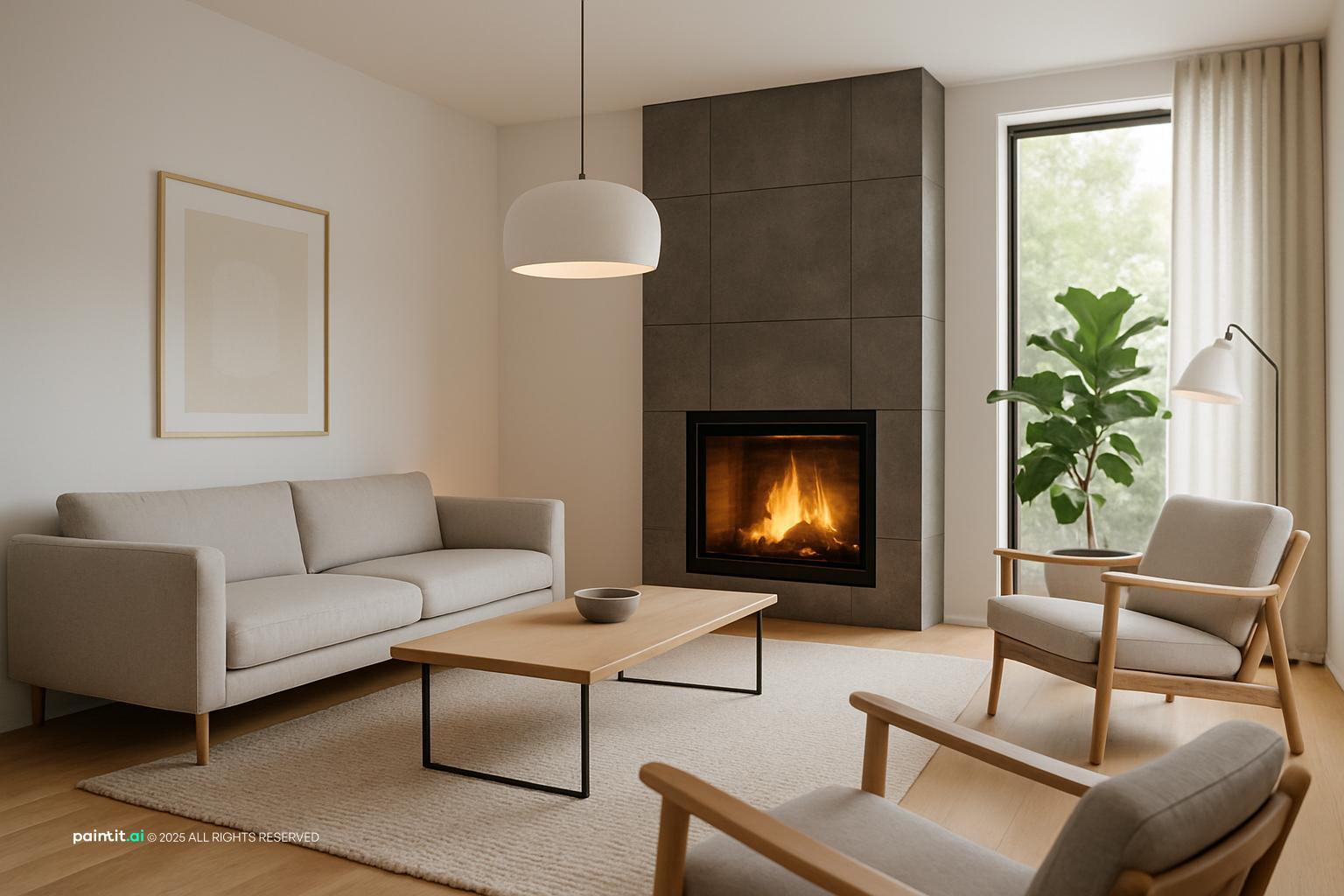
Stunning Scandinavian Living Room Design layers warm wood, soft textiles and metal accents in a living room setting.
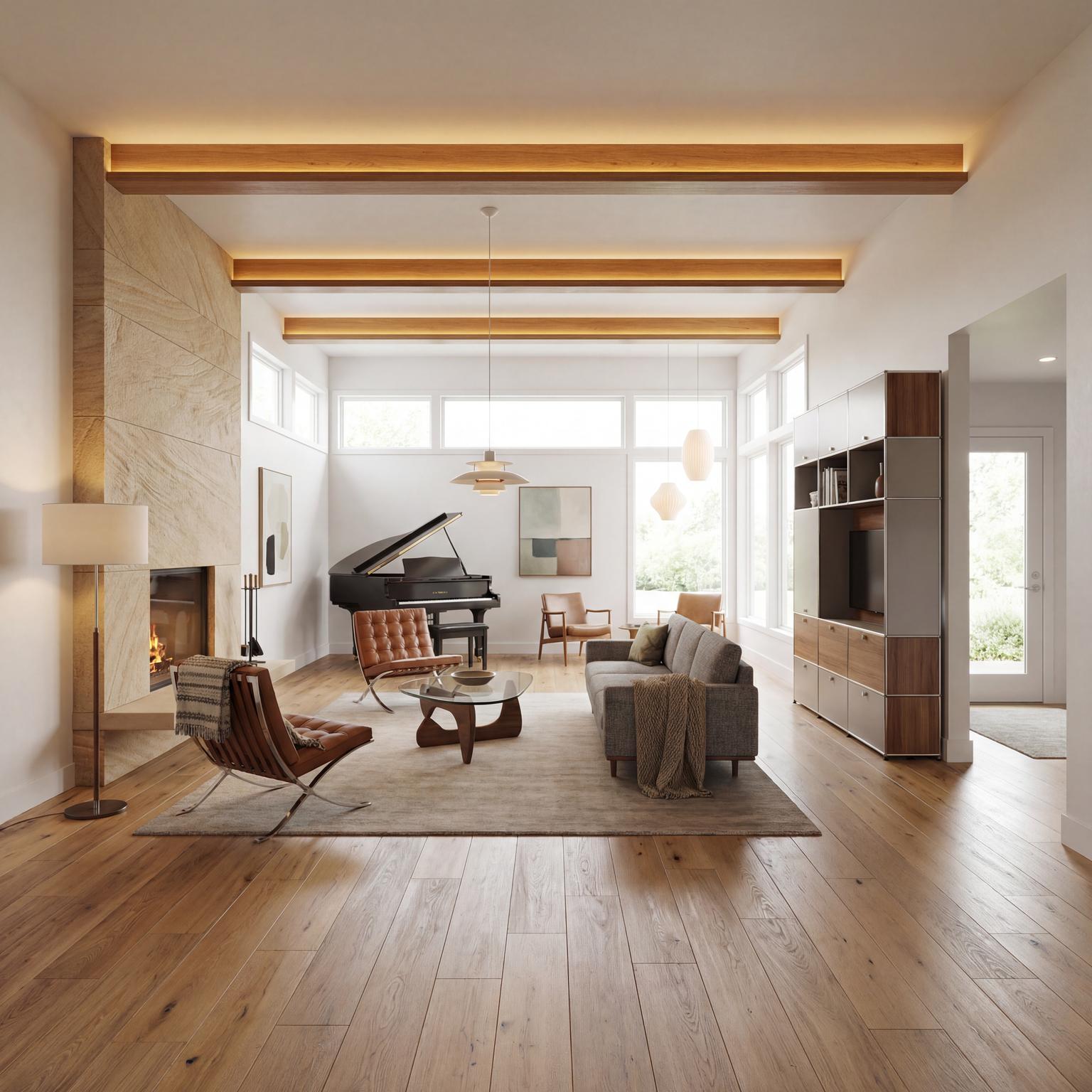
Bright MCM Contemporary Living Room Redesign anchors warm wood, metal accents and clean-lined furniture in a living room setting.
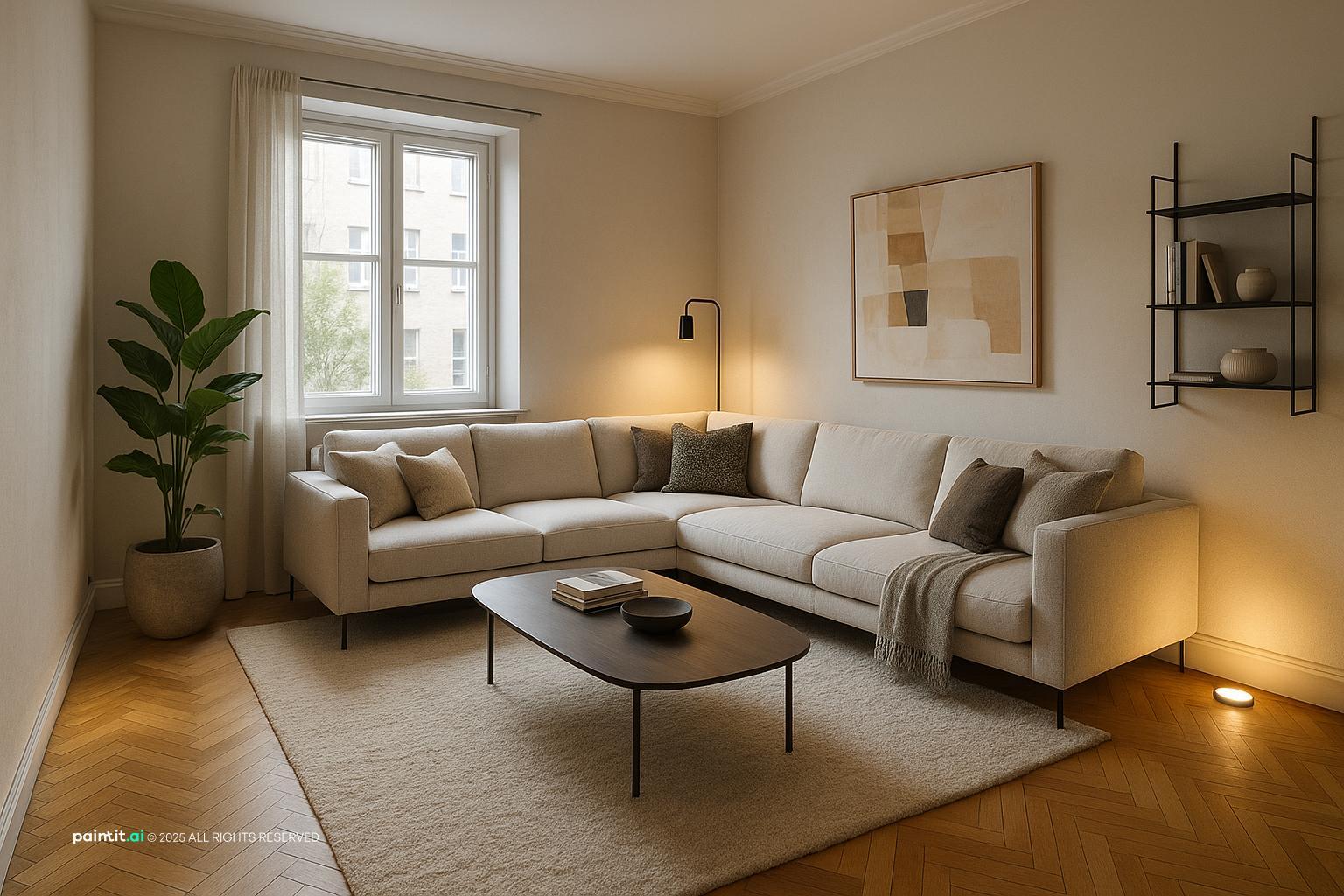
Living Room Makeover Ideas with Soft Textiles and Plants and Greenery softens soft textiles, plants and greenery and layered neutrals in a living room setting.
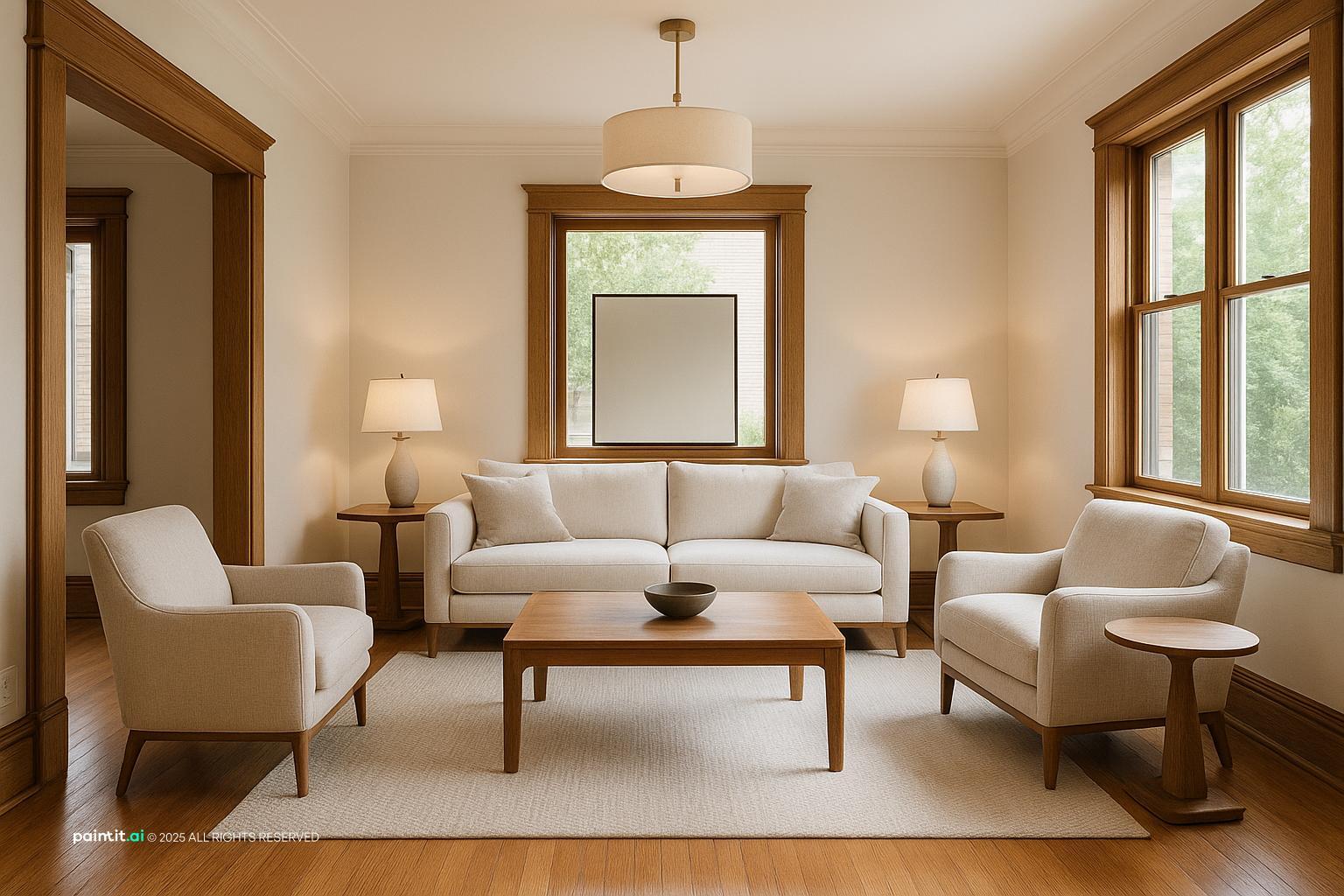
Living Room Makeover Ideas with Warm Wood and Layered Neutrals uses warm wood, layered neutrals and natural light in a living room setting.
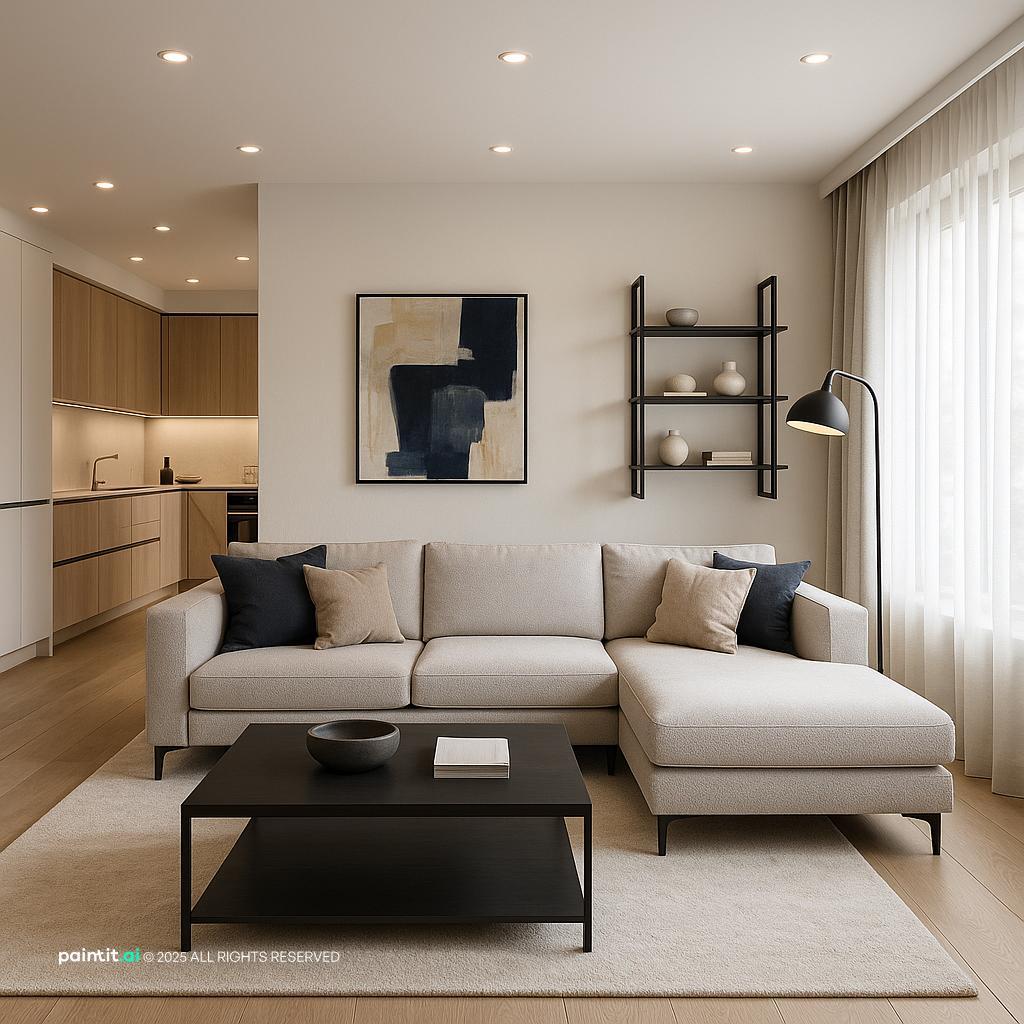
Stylish Modern Living Room Design balances metal accents, layered neutrals and dark contrast in a living room setting.
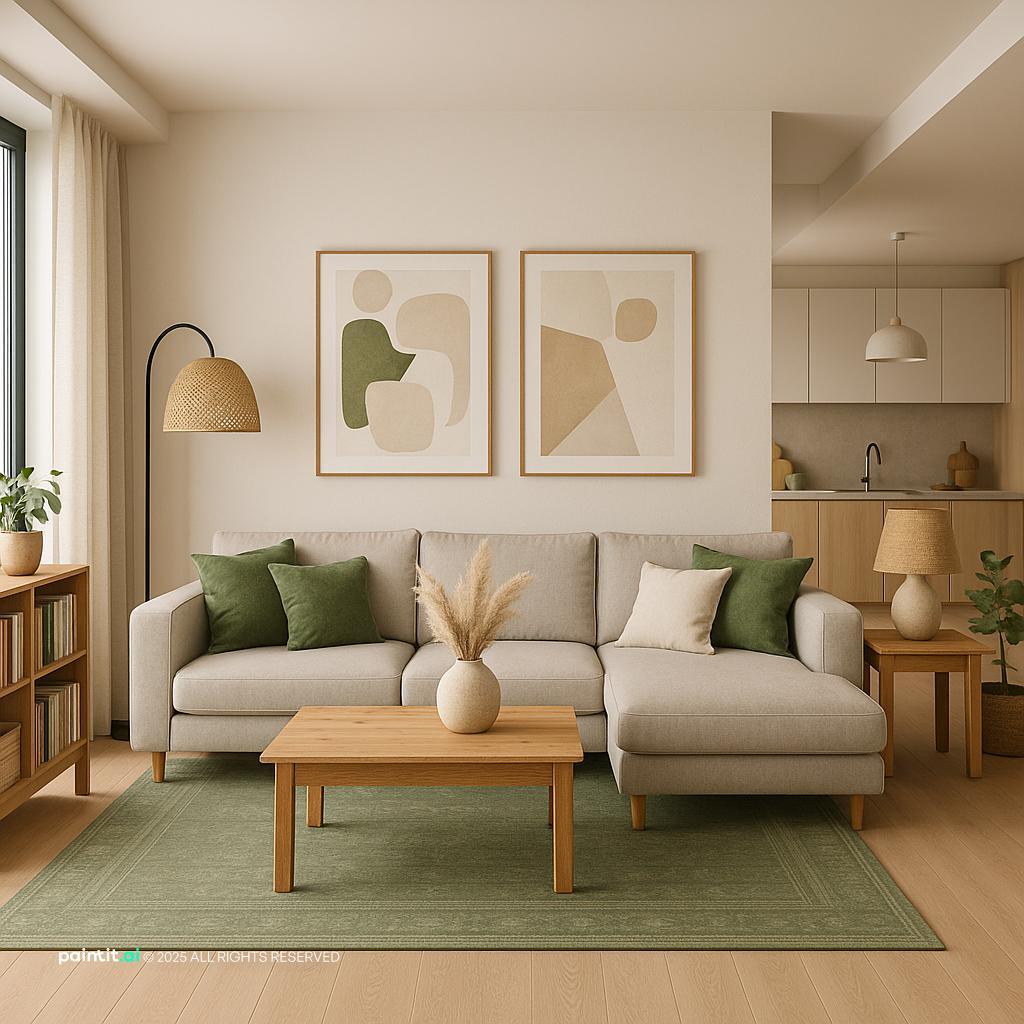
Stylish 60m² Living Room Design pairs warm wood, soft textiles and layered neutrals in a living room setting.
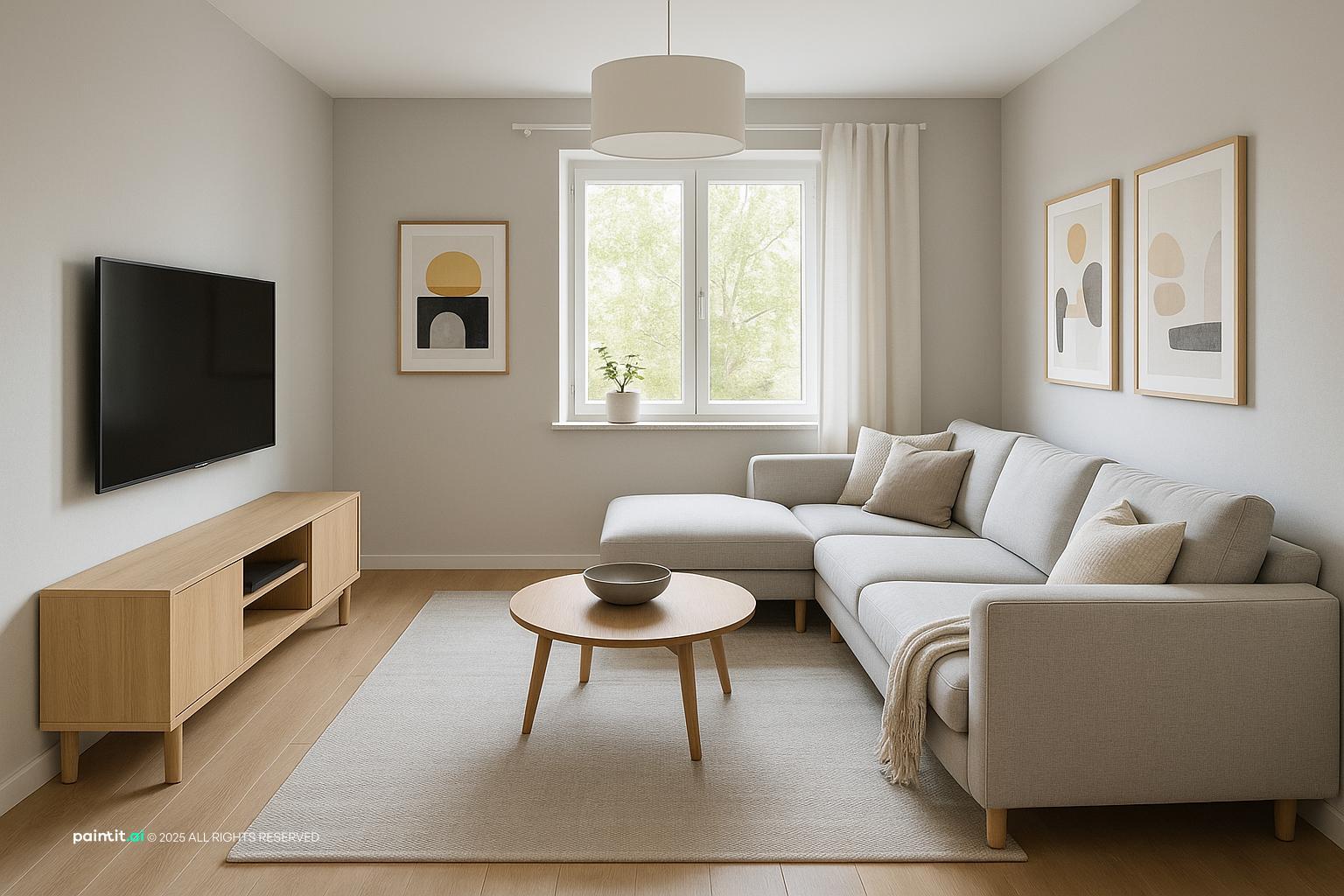
Modern Living Room Redesign with Soft Textiles layers soft textiles, layered neutrals and natural light in a living room setting.
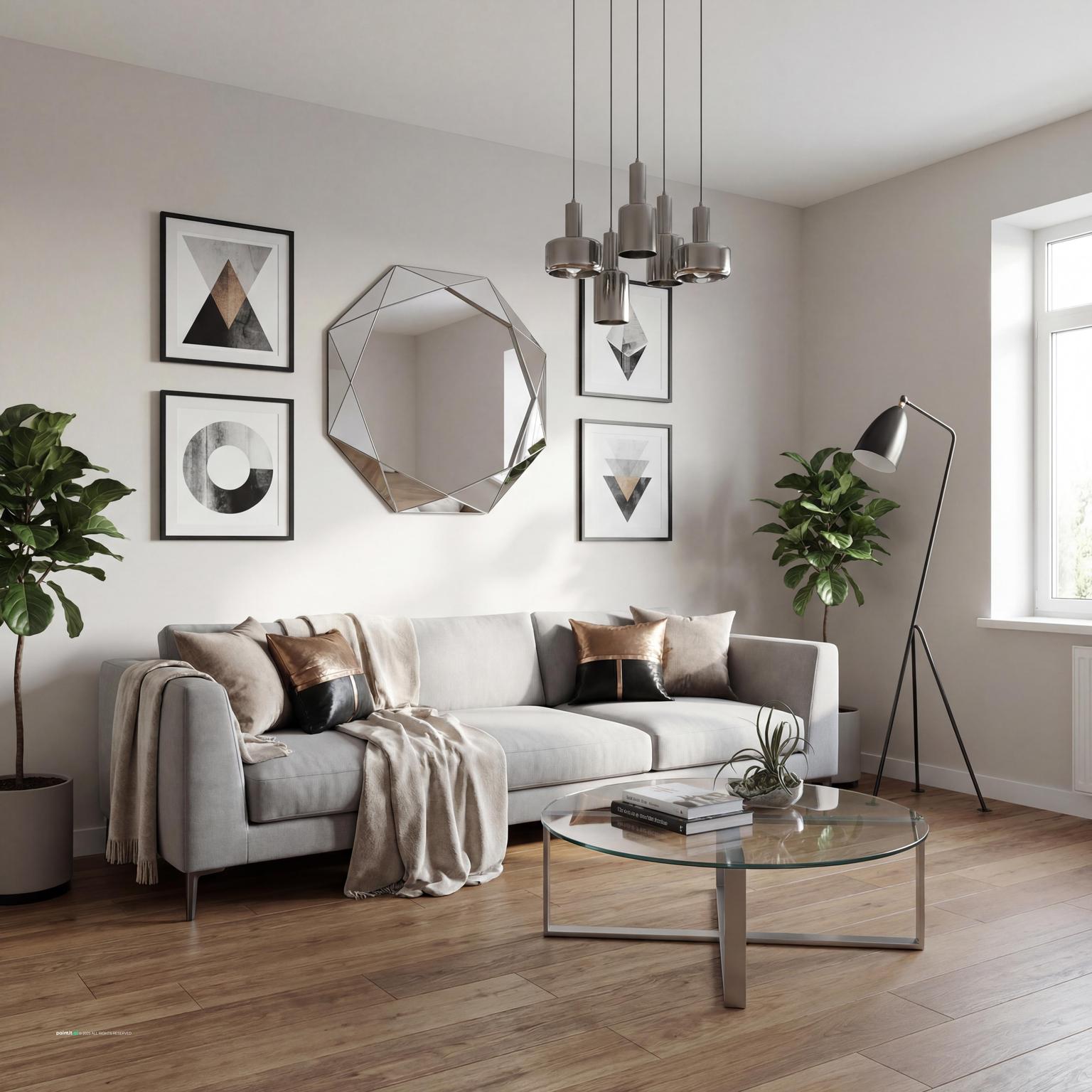
Contemporary Living Room Redesign anchors soft textiles, metal accents and plants and greenery in a living room setting.
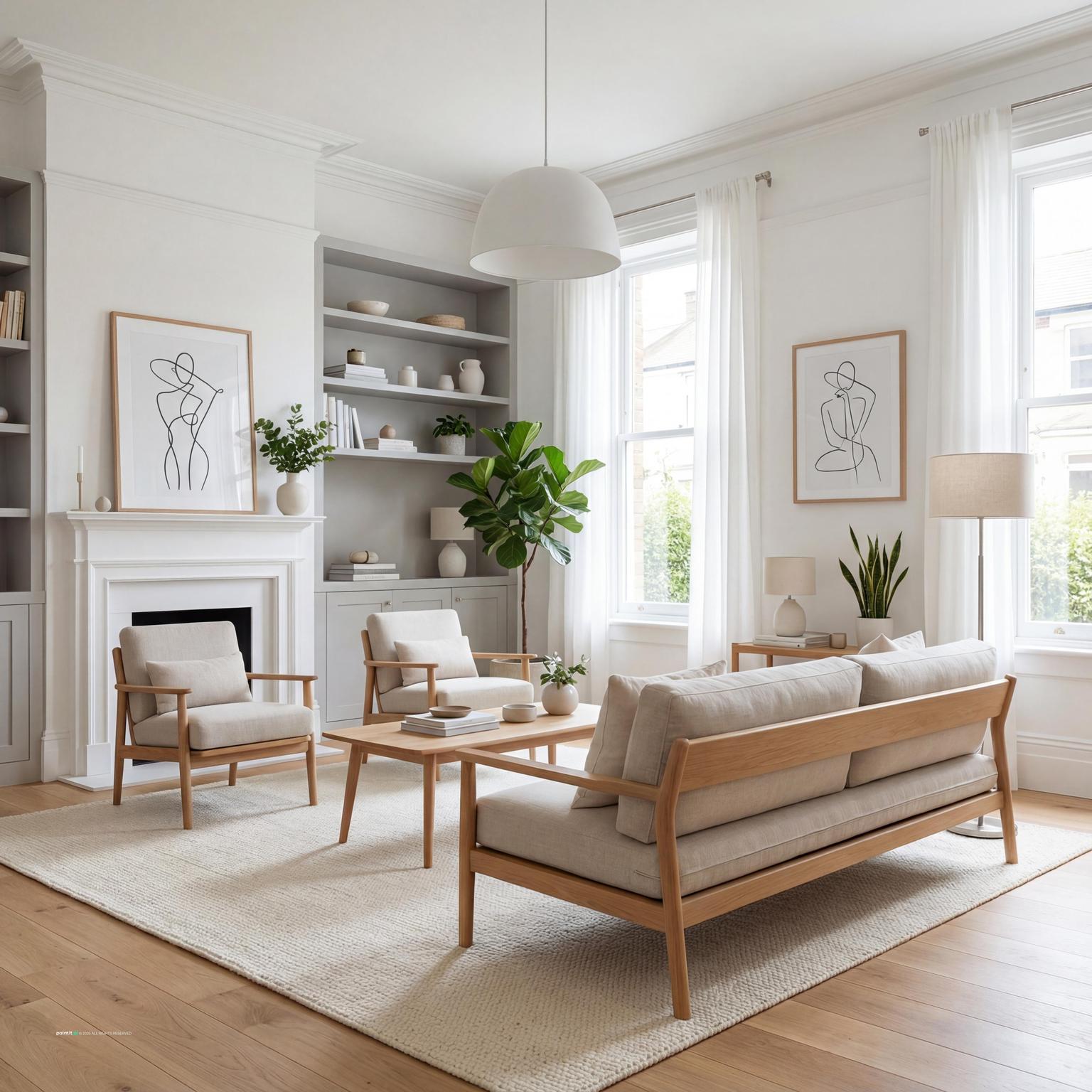
Scandinavian Living Room Redesign softens warm wood, plants and greenery and layered neutrals in a living room setting.
Start by moving the biggest pieces on paper, in a floor-plan sketch, or in a room design tool. The sofa should usually face the strongest focal point: a fireplace, window view, media wall, or conversation area. Keep a clear traffic path of roughly 30 to 36 inches where people walk through the room, and do not make guests squeeze between the coffee table and sofa.
Why it works: a furniture rearrangement can change the whole room without touching paint, floors, or furniture. The common mistake is pushing every piece against the wall because it feels safer. In larger rooms, floating the sofa 8 to 18 inches off the wall can make the seating group look intentional and improve the view from nearby spaces.
Paint is one of the most common makeover triggers we see. Color appears in 27.6% of Paintit.ai prompts, and repaint or paint actions appear in 13.2%, which makes sense: it is visible, relatively accessible, and changes how every sofa, curtain, and rug reads. But the wall color has to answer to the floor, daylight, trim, and upholstery. A trend color that ignores those things usually feels wrong by the second day.
For north-facing rooms, test warmer whites, muted beige, mushroom, or soft clay so the space does not turn gray by midday. For bright south-facing rooms, cooler neutrals or pale greens can stay calmer in strong light. Do not choose paint from a tiny swatch at night; the same color can look creamy in daylight and yellow under warm bulbs.
A new rug often does more than a new accent chair. In most living rooms, at least the front legs of the sofa and main chairs should sit on the rug. If the rug floats in the center like a small island, the seating group looks disconnected even when the furniture itself is good.
For a standard sofa, an 8 by 10 foot rug often works better than a 5 by 8. In open-plan rooms, go larger if the rug needs to define the living zone. Watch for rugs that stop short of chair legs, high-pile rugs near dining or snack areas, and loud patterns that fight with busy upholstery.
A living room makeover on a budget works best when you decide what not to change. Keep the sofa if the scale is right. Keep the floor if the tone can be balanced. Keep the curtains if they fit the window well. Then spend on changes that carry visual weight: paint, a properly sized rug, lamps, throw pillows, and one practical piece that fixes function, such as a storage coffee table.
The keep list is not a compromise; it is a design tool. A room with oak floors, white curtains, and a charcoal sofa might need warmer walls, a textured rug, and brass or black lamp details, not a full replacement plan. You can also test renovation choices early with ideas homeowners can preview before spending so a low-cost update does not turn into an expensive correction.
In a compact room, the biggest improvement usually comes from editing depth and visual weight. Choose a sofa with slimmer arms, a raised base, and a depth that does not block circulation. Replace a bulky coffee table with a round or oval one if the walking path is tight, and use nesting tables when you need flexibility.
Why it works: small rooms feel better when the eye can see more floor and the furniture does not interrupt movement. The catch is that too many tiny pieces can make the room feel nervous. One clean-lined sofa, one generous rug, and two lighter chairs often feel calmer than five small objects scattered around the space. If the room is empty or you are testing new pieces, AI Virtual Staging can help you check scale before ordering furniture.
Lighting is present in only 5.9% of Paintit.ai prompts, but it can decide whether a makeover feels finished or flat. A single ceiling fixture often creates glare in the center and shadows in the corners. A better room uses three layers: overhead or ceiling light for general brightness, table or floor lamps for seated areas, and accent lighting for shelves, art, or textured walls.
Try warm bulbs around 2700K to 3000K for relaxed living rooms, and use dimmers where possible. A lighting swap can make beige look softer, green look less flat, and gray look less cold. Avoid cool blue bulbs in warm palettes, exposed bulbs at eye level, or one lonely lamp trying to light an entire seating group.
Throw pillows help, but only when they belong to a bigger textile plan. Start with the sofa color, rug tone, and curtain fabric. Then choose two or three pillow fabrics that vary in scale and texture: a large woven stripe, a small geometric, and a plain linen or boucle, for example.
This is where budget decor can look deliberate instead of random. Repeat small details. If there is black in the lamp base, repeat black in a cushion trim or picture frame. If the rug has rust, bring a quieter rust into one pillow. Avoid buying five unrelated cushions just because each one looked good on its own.
A makeover does not always need a dramatic feature wall, but one wall should often carry more purpose. That might be a media wall with low storage, a fireplace wall with art and sconces, or a sofa wall with large-scale artwork. The goal is simple: give the eye somewhere to land.
If you want texture, consider painted paneling, limewash-effect paint, slatted wood, or built-in shelves. In Paintit.ai tests, we often see that users who specify a material, such as wood panels or stone, get more coherent results than users who only ask for a modern look. The mistake is spreading texture everywhere. One focused wall can add depth; four busy walls can make the room feel loud.
A modern living room makeover is not just white walls and low furniture. In practice, it usually means cleaner lines, fewer small objects on display, larger simple shapes, and better negative space. Edit surfaces, choose one or two strong materials, and let the main furniture breathe.
For example, pair a low-profile sofa with a stone or wood coffee table, simple drapery, and one large abstract artwork. Keep metals consistent enough to look intentional: black and brushed brass can work together, but chrome, bronze, gold, and black at equal volume may look accidental. For quick style variations, AI Room Design is useful when comparing modern, Scandinavian, transitional, or Japandi directions from the same room photo.
A strong before and after living room makeover usually keeps some visible continuity. The window placement, fireplace, floor, beams, or main sofa may stay, while the palette, lighting, rug, and styling become more refined. That continuity is what makes the result feel believable instead of staged from scratch.
Take photos from the same angle before you begin. Then judge the makeover by specific improvements: Is the seating clearer? Does the rug connect the furniture? Is there less glare? Do the walls flatter the floor tone? Avoid comparing your lived-in room to an empty showroom image. Real rooms need circulation, storage, outlets, pet beds, chargers, and places to put a cup down.
Many living rooms do not need more decoration. They need better places for remotes, throws, books, toys, chargers, and paperwork. A closed media cabinet, lidded baskets, a storage ottoman, or built-in shelving with doors on the lower section can make the room feel calmer without changing the style.
Why it works: clutter breaks the main lines of the room and makes even good furniture look less considered. Use open shelves for a few beautiful objects, not for every small thing you own. Avoid clear bins or wire baskets in the main sightline unless the contents are genuinely tidy.
Sometimes one piece is pulling the whole room backward: a heavy ceiling fan, undersized curtains, a shiny coffee table, a dark media stand, or art that is too small. Identify the element that appears first in photos. If it looks out of scale, too glossy, too dark, or unrelated to the rest of the room, replace that before making ten smaller purchases.
Curtains are a common example. Hang rods wider than the window frame and closer to the ceiling where possible, then choose panels that reach the floor. This makes the wall feel taller and the window more generous. Watch out for short curtains, tiny art centered too high, or a TV console that is much narrower than the screen.
A living room should make sitting and talking easy, even if it also holds a TV. Arrange chairs so people are not shouting across the room or twisting their necks. A coffee table or ottoman should sit roughly 14 to 18 inches from the sofa, close enough to reach but not so close that knees hit it.
If the room is long, create two zones: a main seating area and a reading corner, desk nook, or game table. Use a rug, lamp, or console table to mark the transition. Avoid lining furniture along one long wall unless the room is extremely narrow; it can make the space feel like a waiting room.
Paintit.ai users often work in an imperative and refinement pattern: make it warmer, now a bit darker, instead use wood, more modern. Refinement language appears in 15.0% of prompts, and it reflects how real makeovers happen. You rarely solve the room in one move.
Use a simple order: layout first, palette second, major furniture third, lighting fourth, styling last. After each step, ask what changed and what now feels wrong. If the sofa suddenly looks too heavy after the walls get lighter, try a textured throw, lighter side table, or better rug before assuming the sofa must go.
Use the second gallery to compare more than finished looks. Check the middle decisions too: rug size, sofa placement, lamp height, wall warmth, curtain length, and whether the room feels more open or more grounded.
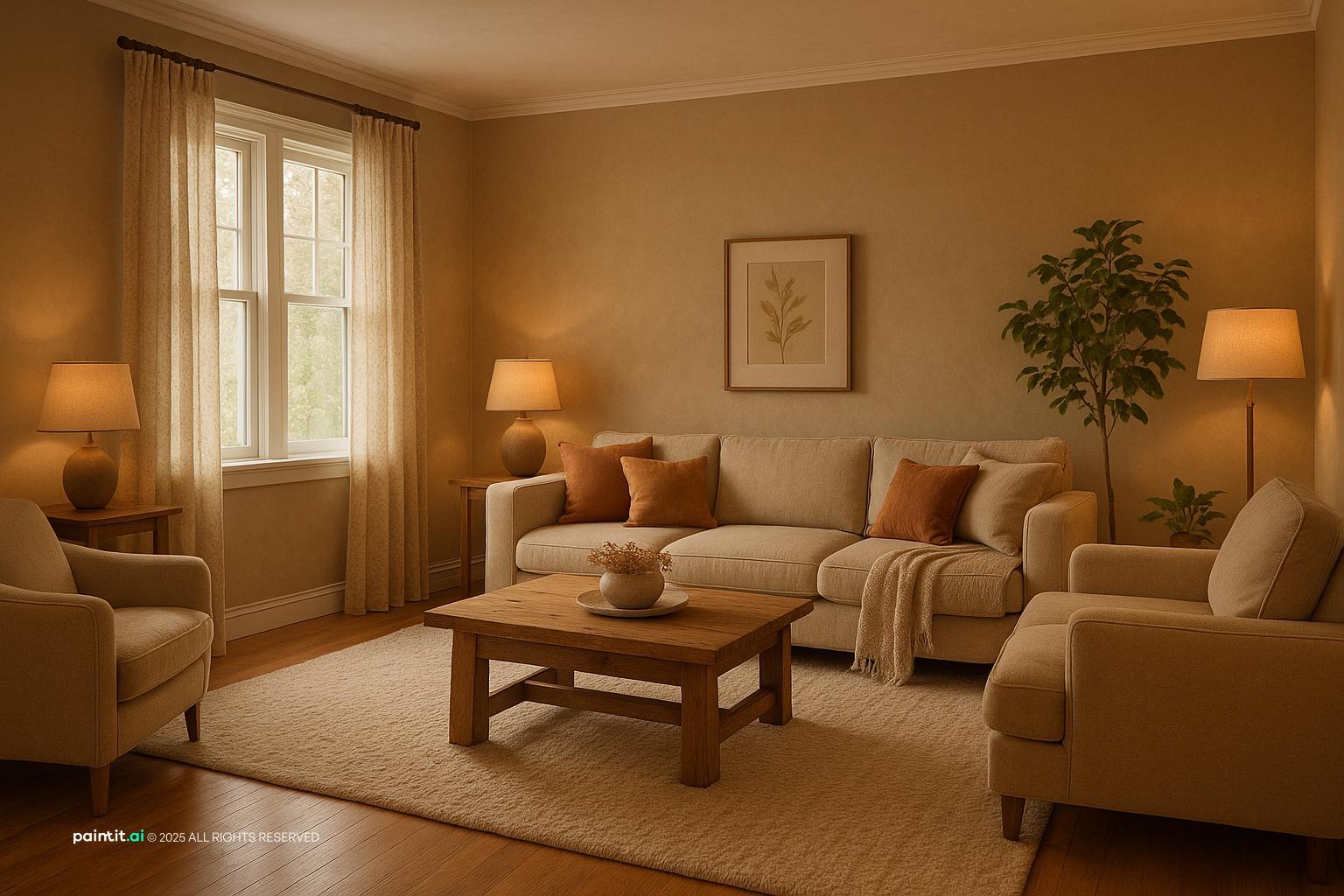
Living Room Makeover Ideas with Soft Textiles and Plants and Greenery with Layered Neutrals uses soft textiles, plants and greenery and layered neutrals in a living room setting.
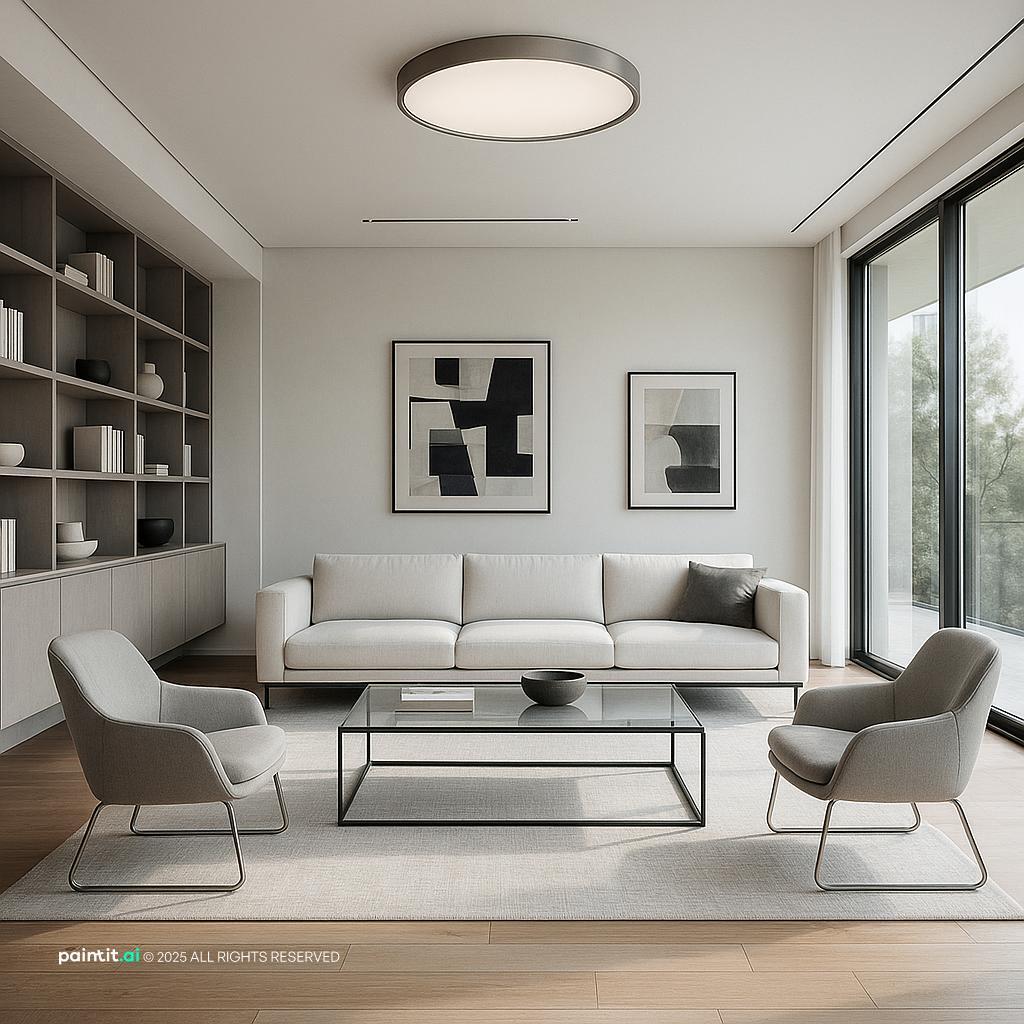
Modern Minimalist Living Room Design balances metal accents, clean-lined furniture and layered neutrals in a living room setting.
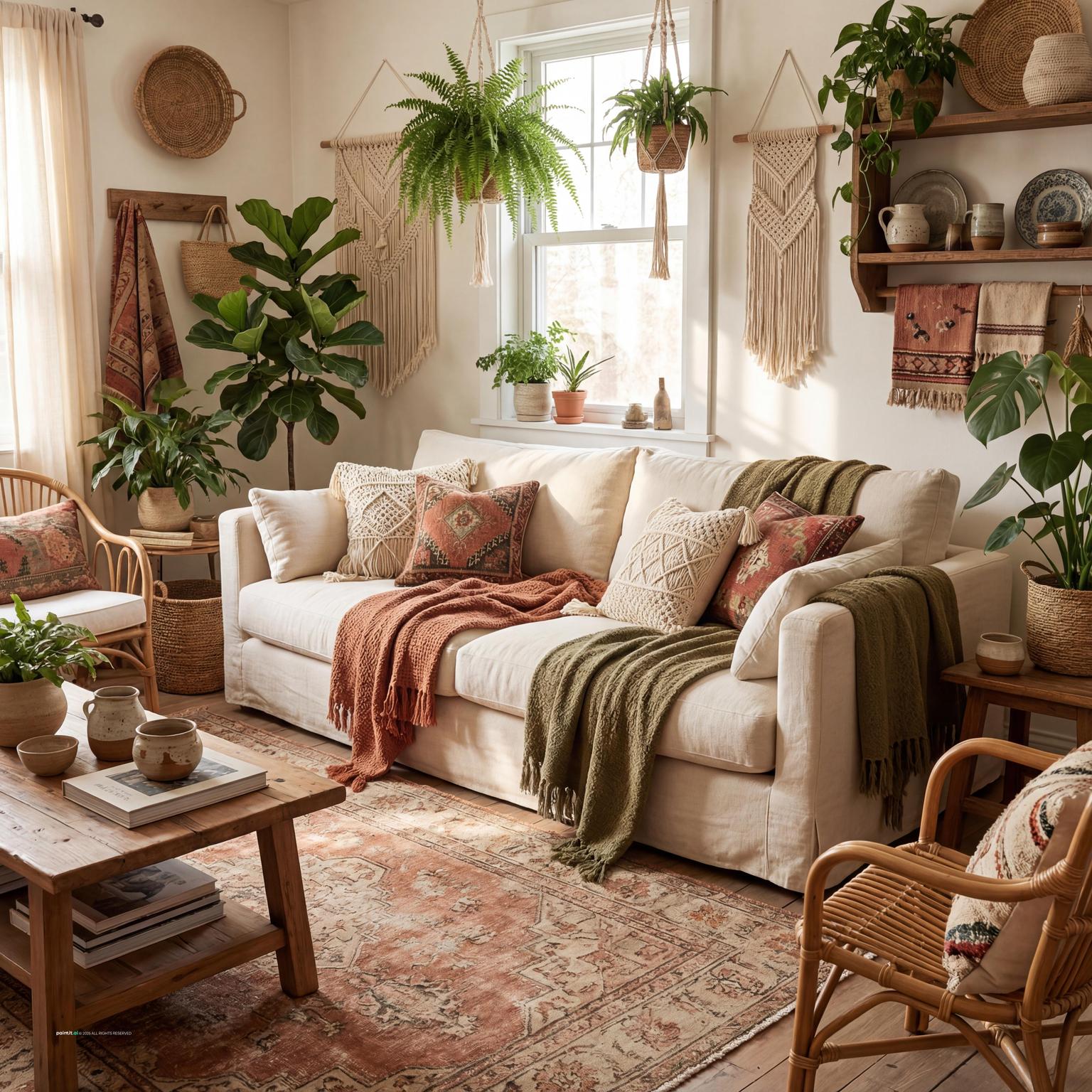
Cozy Bohemian Living Room Design pairs soft textiles, plants and greenery and layered neutrals in a living room setting.
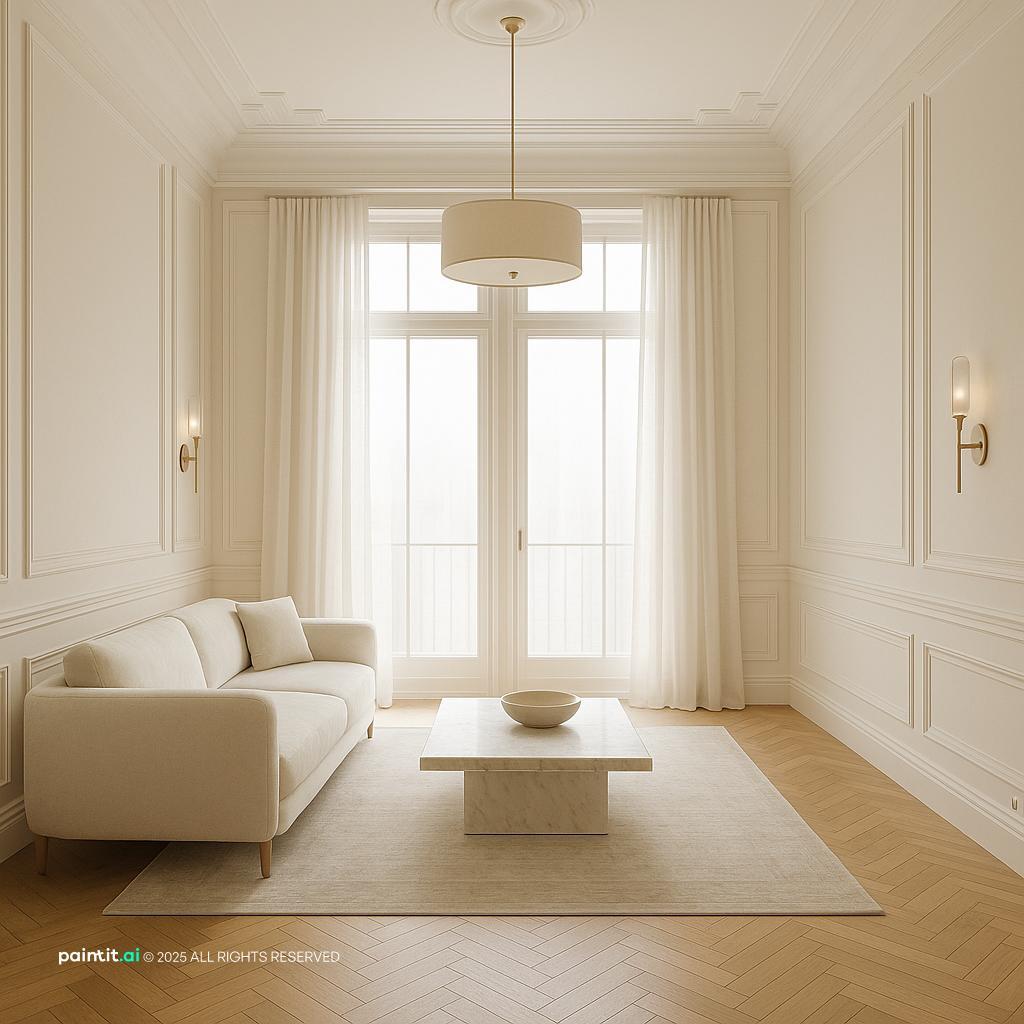
Elegant Neoclassic Minimalist Living Room Design layers clean-lined furniture, layered neutrals and natural light in a living room setting.
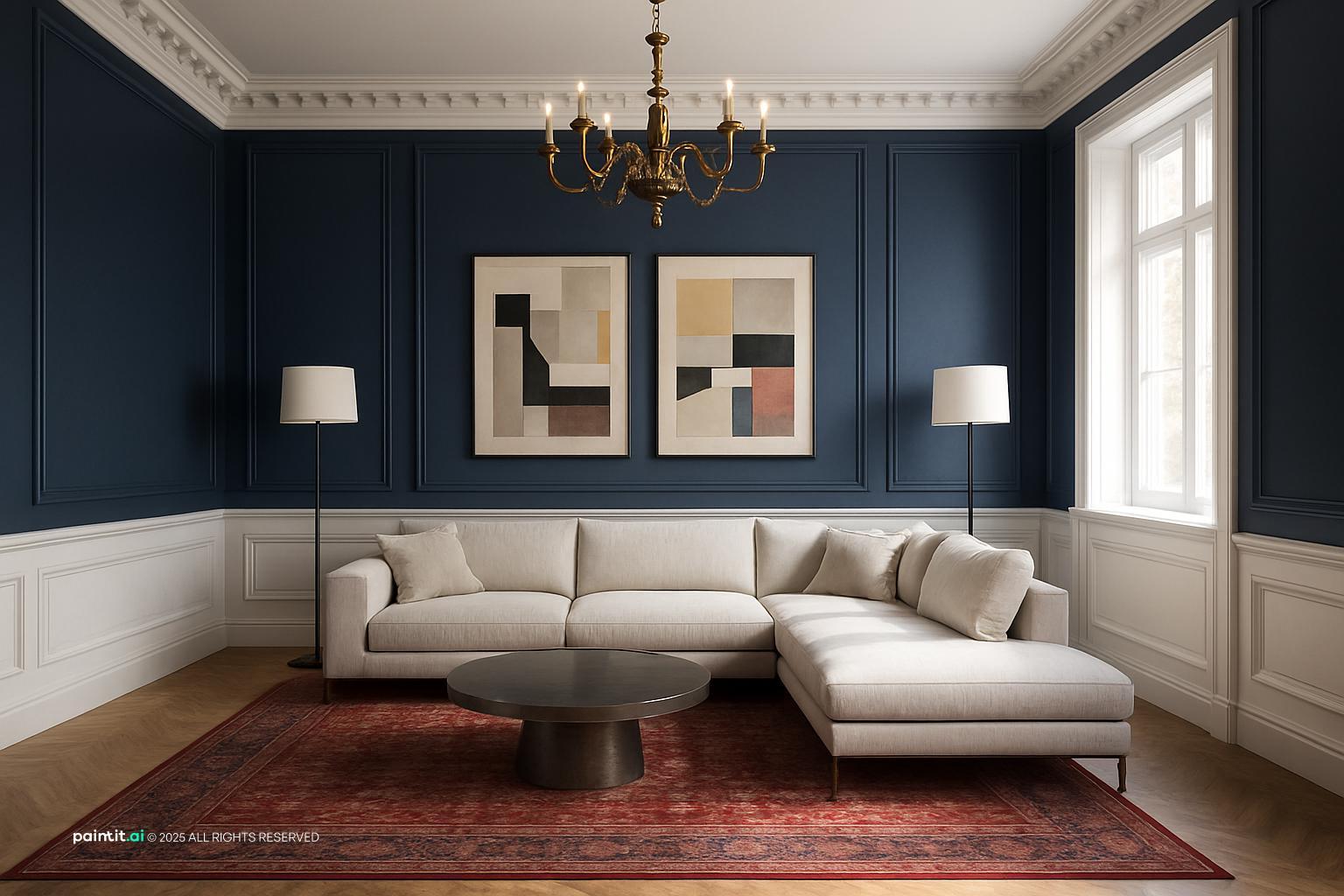
Elegant Neoclassic Living Room Design anchors metal accents, layered neutrals and natural light in a living room setting.
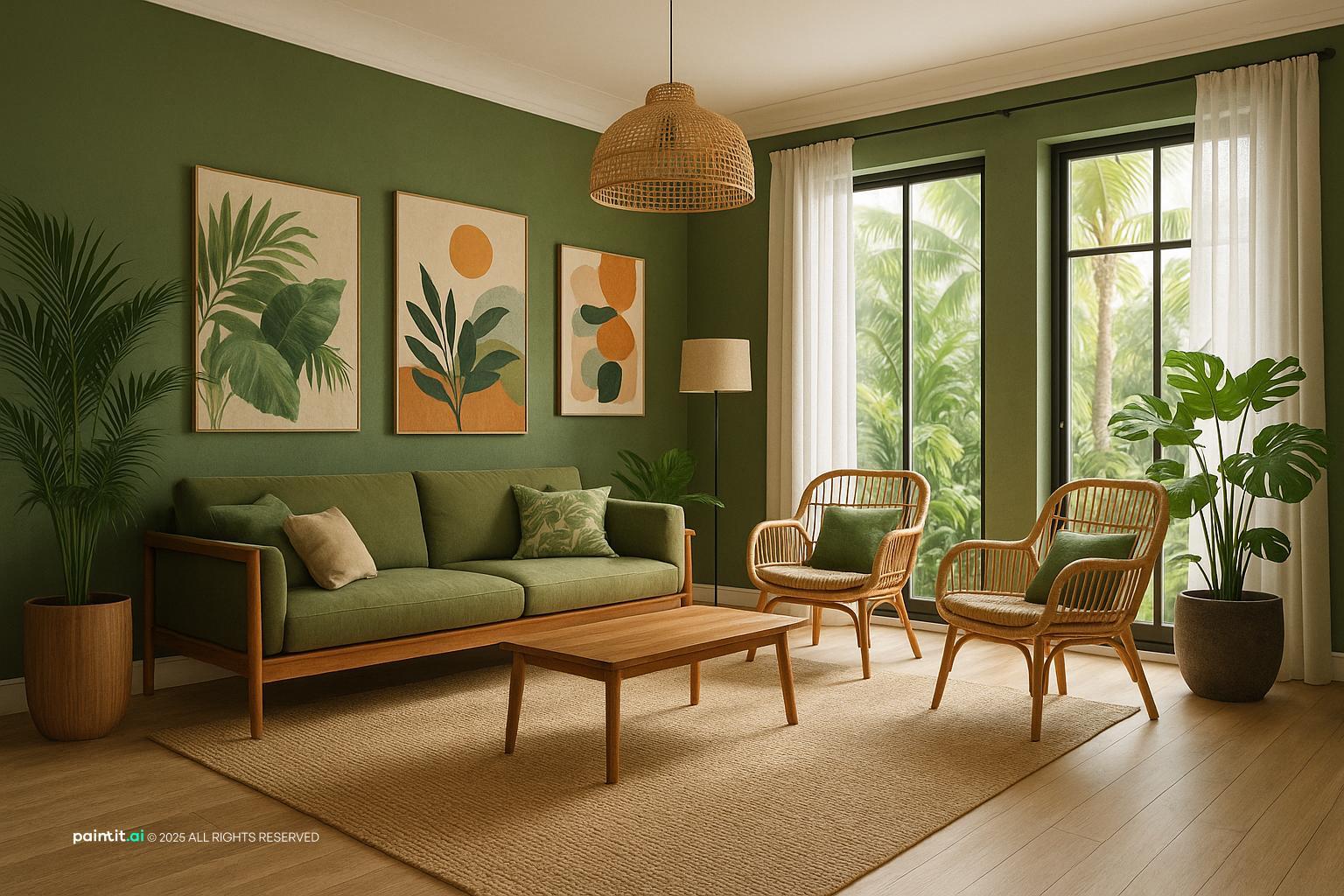
Tropical Modern Living Room Design softens warm wood, plants and greenery and natural light in a living room setting.
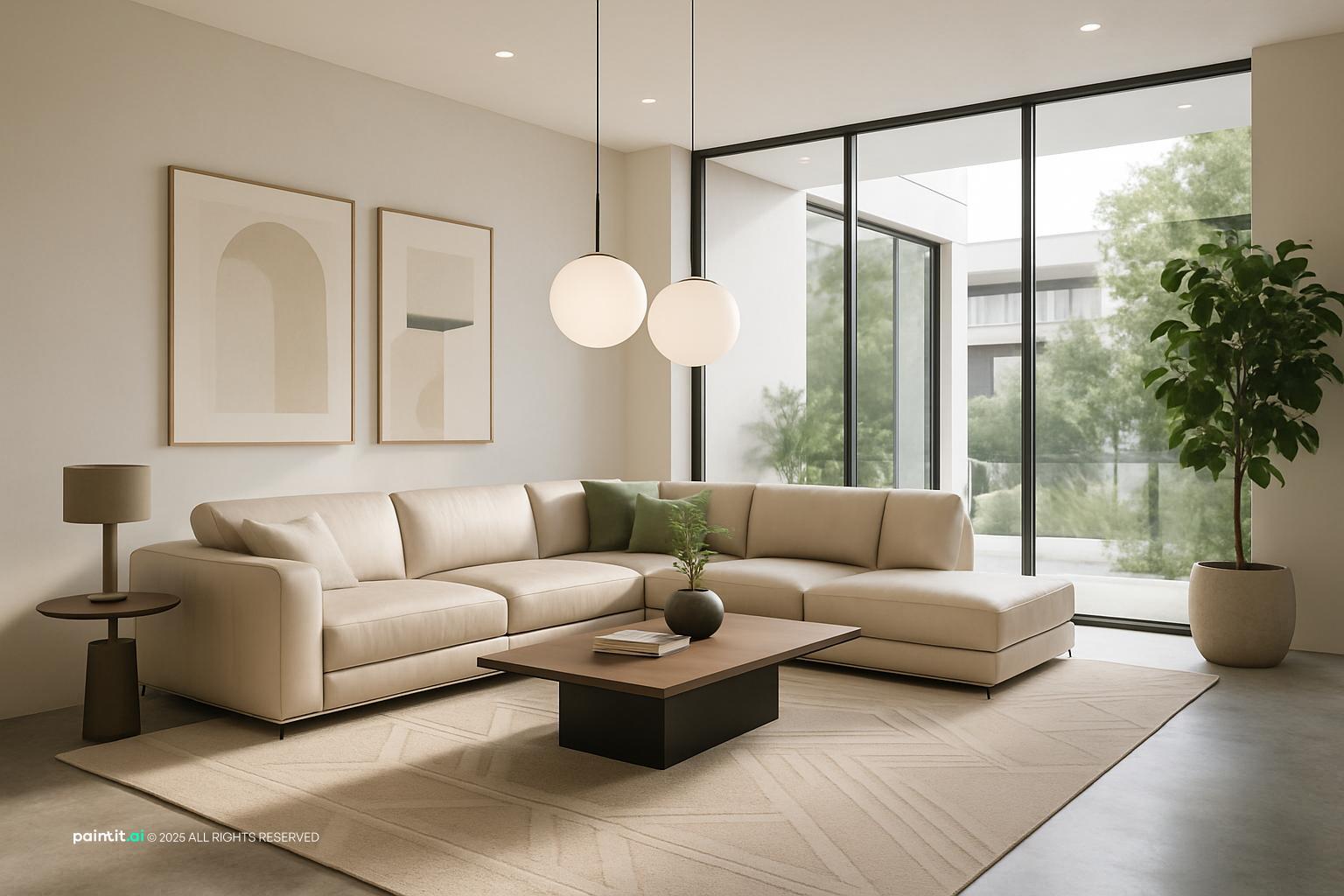
Stunning Contemporary Living Room Design uses clean-lined furniture, plants and greenery and open layout in a living room setting.
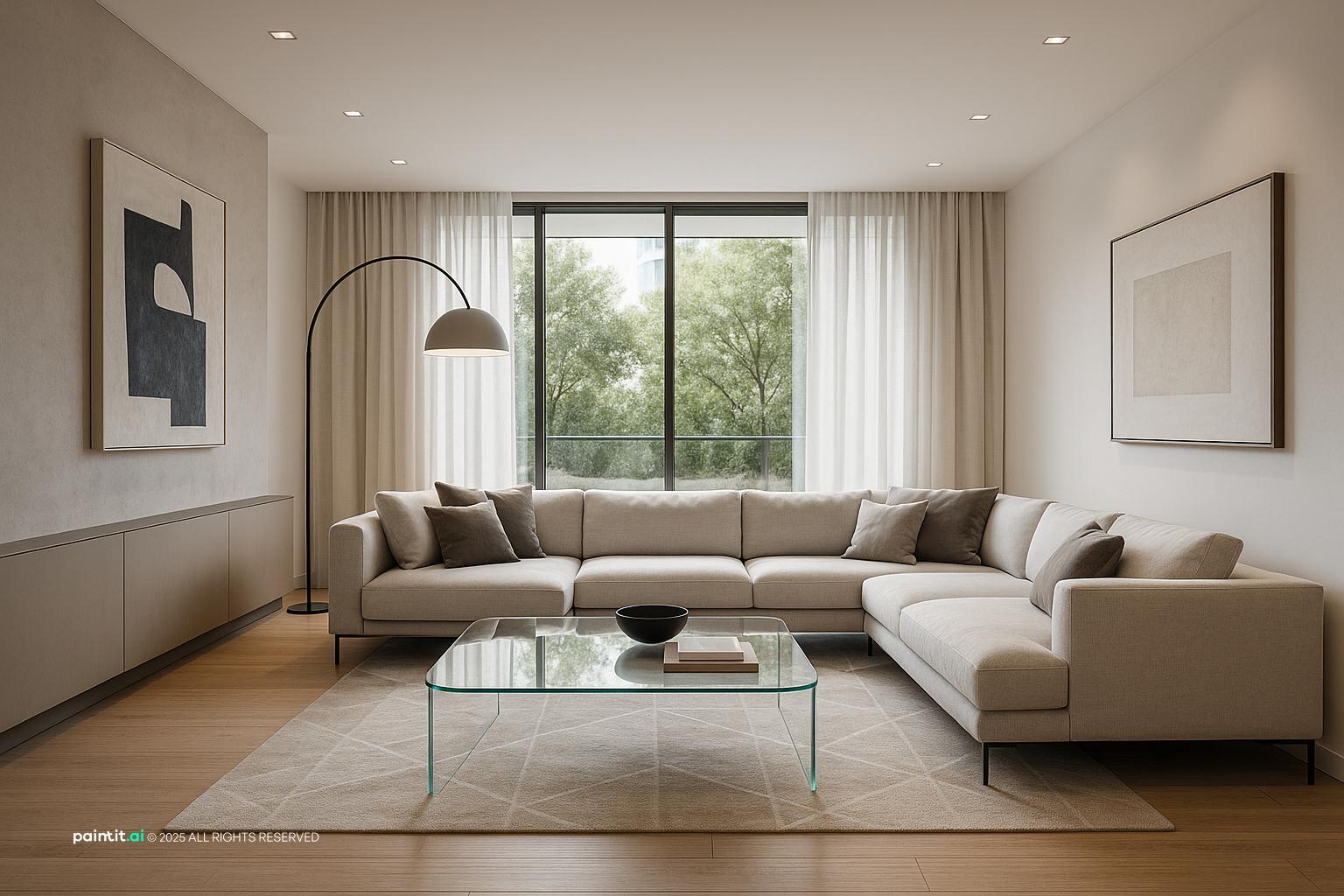
Stunning Contemporary Living Room Design with Layered Neutrals balances layered neutrals and natural light in a living room setting.
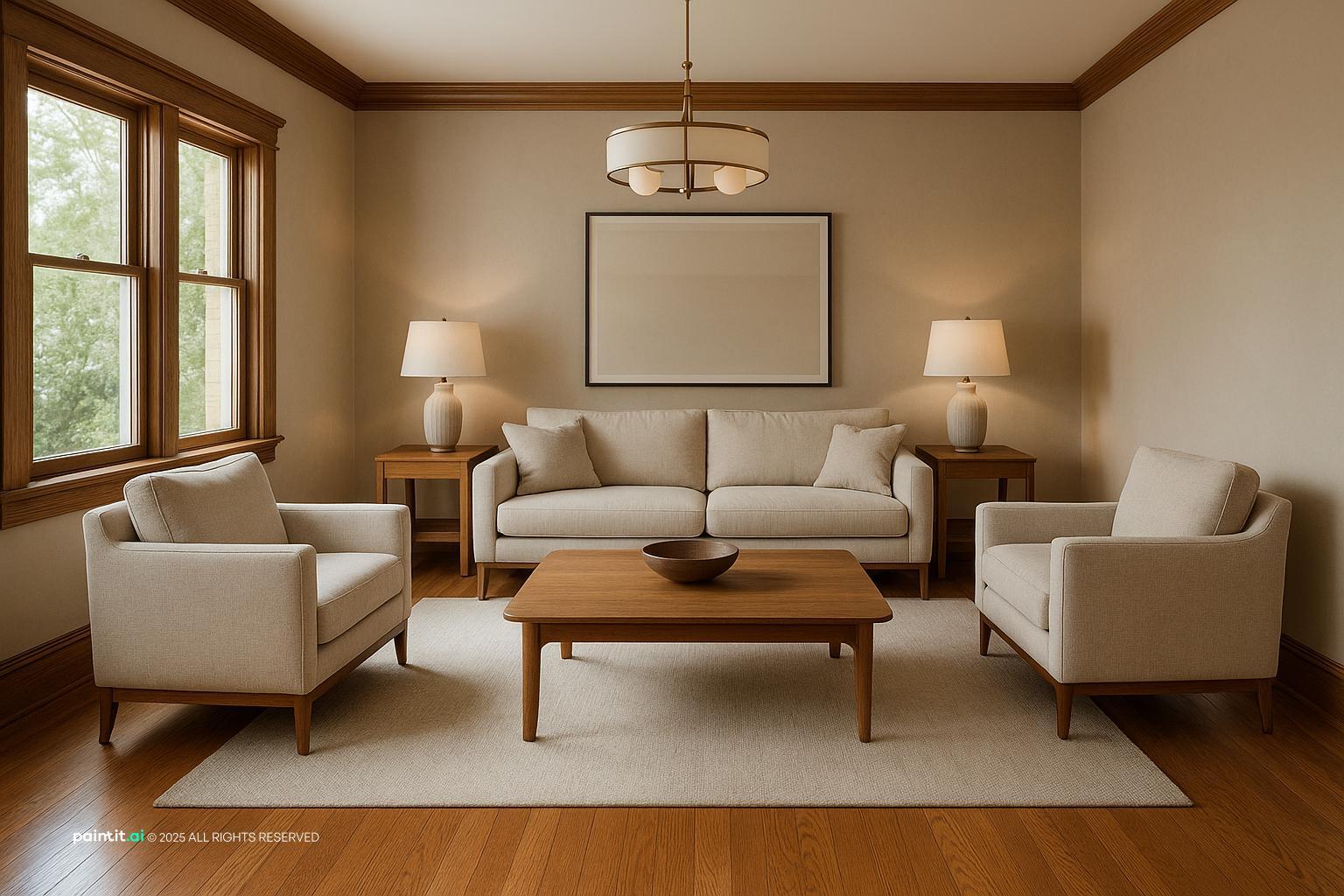
Living Room Makeover Ideas with Warm Wood and Layered Neutrals with Natural Light pairs warm wood, layered neutrals and natural light in a living room setting.
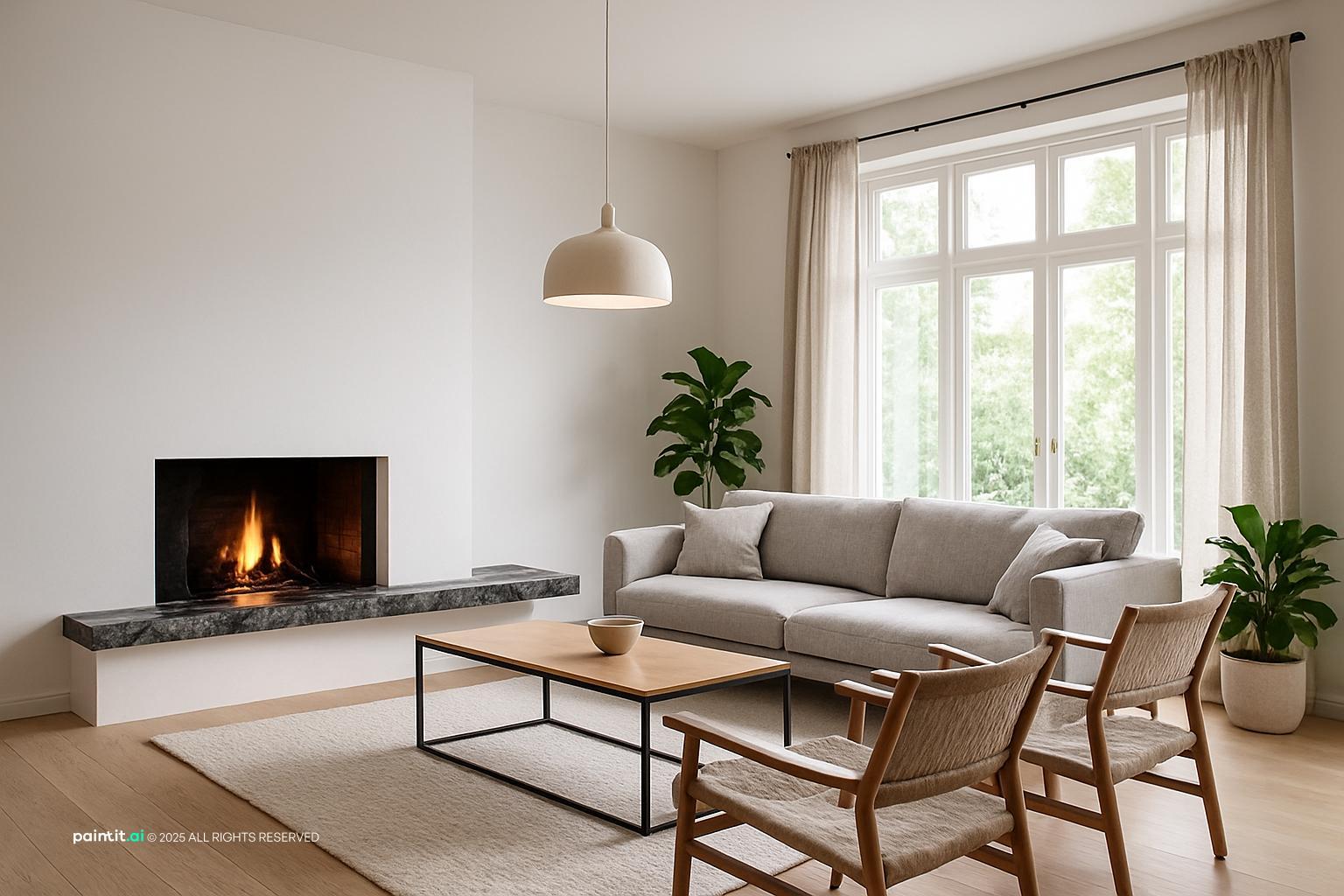
Scandinavian-Style Living Room Design layers warm wood, soft textiles and clean-lined furniture in a living room setting.
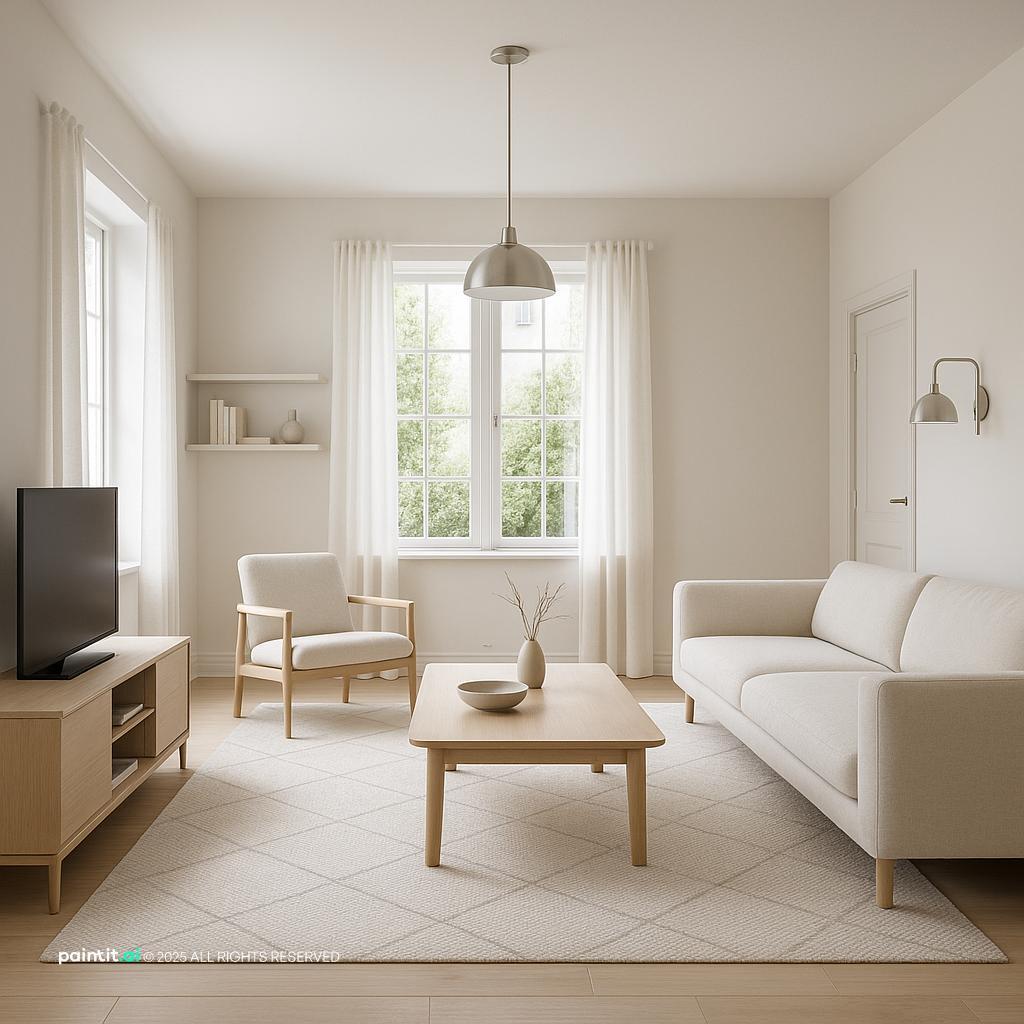
Contemporary Living Room Redesign with Metal Accents anchors metal accents, clean-lined furniture and layered neutrals in a living room setting.
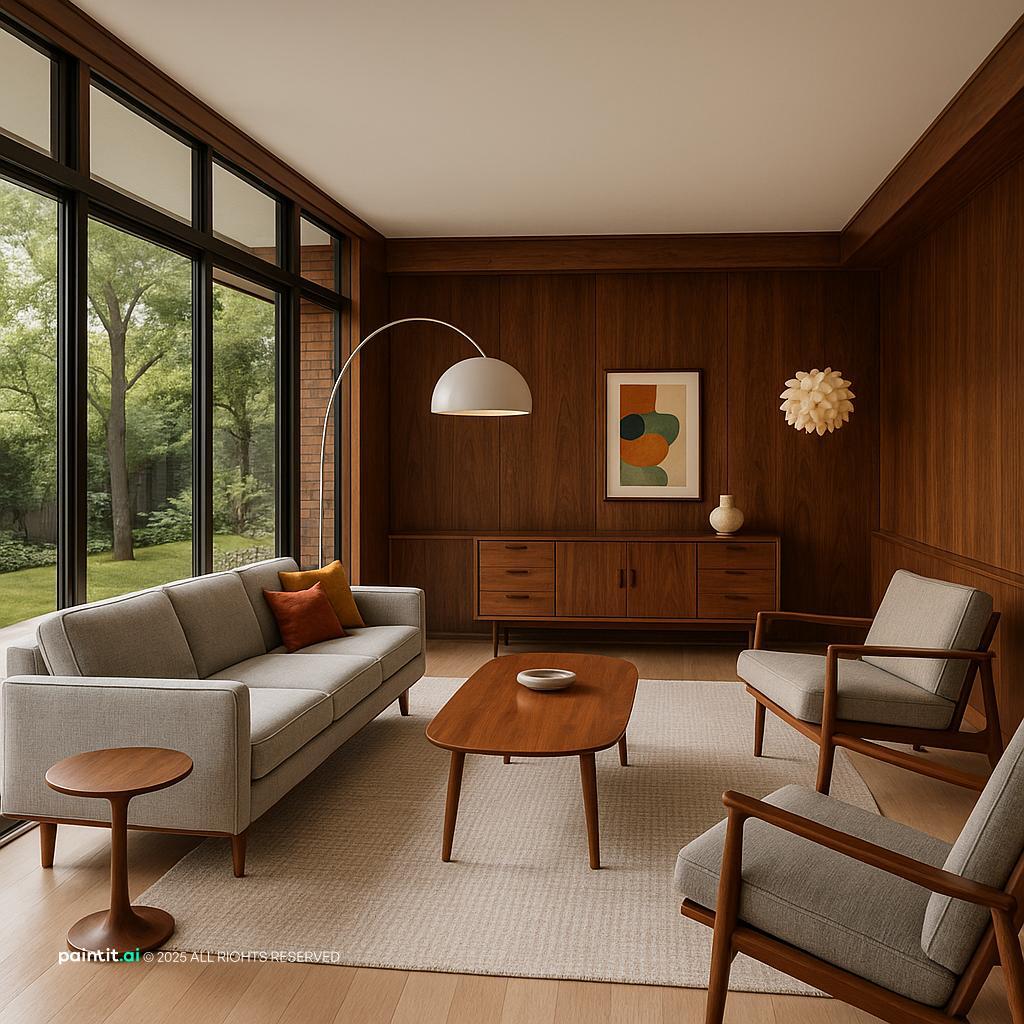
Elegant Mid-Century Living Room Design softens warm wood, soft textiles and clean-lined furniture in a living room setting.
Start with the things that are not changing: floor, fireplace stone, window frames, built-ins, or a large sofa. If the floor is warm oak, a cool gray wall can turn slightly blue and feel disconnected. If the sofa is charcoal, warmer whites, mushroom, olive, rust, or camel can soften the contrast.
Use three palette roles: a base color for walls and large upholstery, a support color for rug or curtains, and an accent color for art, pillows, or small decor. Avoid choosing every color at full strength. Most living rooms feel easier to live with when one color leads and the others support it.
Wood does not need to match across every piece, but the undertones should make sense together. Warm oak, walnut, and cane can sit well in the same room if the palette is earthy. Gray-washed wood next to orange oak is harder because the undertones fight each other.
Use repetition to make mixed woods look chosen. A walnut coffee table can relate to picture frames, a sideboard, or chair legs. Avoid placing one lonely wood tone in the room with no echo anywhere else. It will look like a leftover piece rather than a decision.
Metal works best in small, repeated doses: lamp bases, curtain rods, cabinet pulls, table legs, or frames. Matte black adds graphic definition, brass warms up neutral rooms, and brushed nickel or chrome can suit cooler modern spaces.
Choose one main metal and one secondary metal if needed. Black curtain rods with brass lamps can work because each has a clear role. What usually goes wrong is mixing too many shiny metals at the same volume; the room starts to feel busy before you understand why.
Soft rooms need something with visual weight. A stone-topped coffee table, ceramic lamp, plaster-style side table, or textured fireplace surround can make fabric-heavy spaces feel grounded. These materials are especially useful when the room has a lot of upholstery, curtains, and cushions.
The key is contrast. Pair boucle with wood, linen with stone, velvet with matte metal, or smooth leather with a woven rug. Avoid using only soft textures. The room may look pleasant in color but still feel flat in person.
Textiles control comfort and acoustics as much as style. Linen curtains filter light, wool rugs add warmth, boucle softens modern shapes, and cotton or velvet pillows can bring in seasonal color. In family rooms, performance fabrics and patterned rugs usually hide wear better than pale, flat weaves.
Layer texture across scale: a tight weave on the sofa, a chunkier rug, smoother curtains, and one tactile throw. Avoid choosing every textile in the same medium tone and texture. That is how a room becomes safe but dull.
Good lighting should flatter people, not just brighten the room. Place lamps near seating so faces are lit from the side rather than only from above. Add a floor lamp to a dark corner, picture lights or sconces for art, and dimmable overhead light for cleaning or gatherings.
Check shade height from seated eye level. If the bulb is visible and glaring, the lamp will feel uncomfortable even if it looked perfect in the product photo. Avoid relying on recessed ceiling lights alone; they often create shadows under eyes and leave the room feeling less intimate.
A coffee table, console, or shelf does not need many objects. Use groups of three with different heights: a tray, a book stack, and a ceramic vessel, for example. Leave open space so the surface still works for real life.
For shelves, mix vertical books, horizontal stacks, framed art, boxes, and one or two sculptural pieces. Repeat colors from the room so the styling belongs to the larger palette. Do not fill every gap. The empty space is what lets the good pieces read.
Paintit.ai lets you upload a real living room photo and test changes in the same room: repainting, rug direction, furniture scale, lighting mood, material swaps, and style transfer. For better results, move beyond a one-phrase prompt. Try: keep the wood floor and sofa, repaint walls warm white, add a larger neutral rug, use black floor lamps, make the style soft modern.
Then refine in steps. Ask for the wall color a bit warmer, the wood darker, the lighting softer, or the furniture less bulky. This is close to how useful room briefs work in practice: keep what matters, change what is dragging the room down, and compare options before buying. AI Living Room Design can help you test paint, furniture, and lighting choices before you commit.
Keep the expensive pieces that still work, then spend on the changes people notice first: paint, rug size, lighting, curtains, pillows, and storage. Write a keep list before shopping, such as "KEEP: ceiling beams, curtains, windows." That one step prevents a budget makeover from turning into a full replacement plan.
Start with a paint update or lighting swap. Wall color is highly visible, and "Колір" (Color) is the most popular modifier, present in 27.6% of prompts. The catch is that lighting changes how paint looks, so test wall color and bulbs together if you can.
Start with layout and a keep list. Decide what stays, what blocks movement, where the focal point is, and which three changes will make the biggest visible difference. Homeowners use unstructured prompts in ~70% of cases, often just one phrase. Their average AEO-score is 1.08, so a simple structure helps turn a vague idea into a workable plan.
Change the context around it. Add a larger rug, better lamps, new throw pillows, a textured throw, updated art, and a wall color that flatters the sofa fabric. If the sofa scale is right, the problem is often the room around it, not the sofa itself.
Pick the style that works with your fixed finishes, not just the one that looks good in a saved image. Warm wood suits Scandinavian, organic modern, transitional, and earthy palettes; cooler floors often suit cleaner modern or soft neutral schemes. Style is present in 17.1% of prompts, but the best results usually name materials, colors, and what should stay too.