
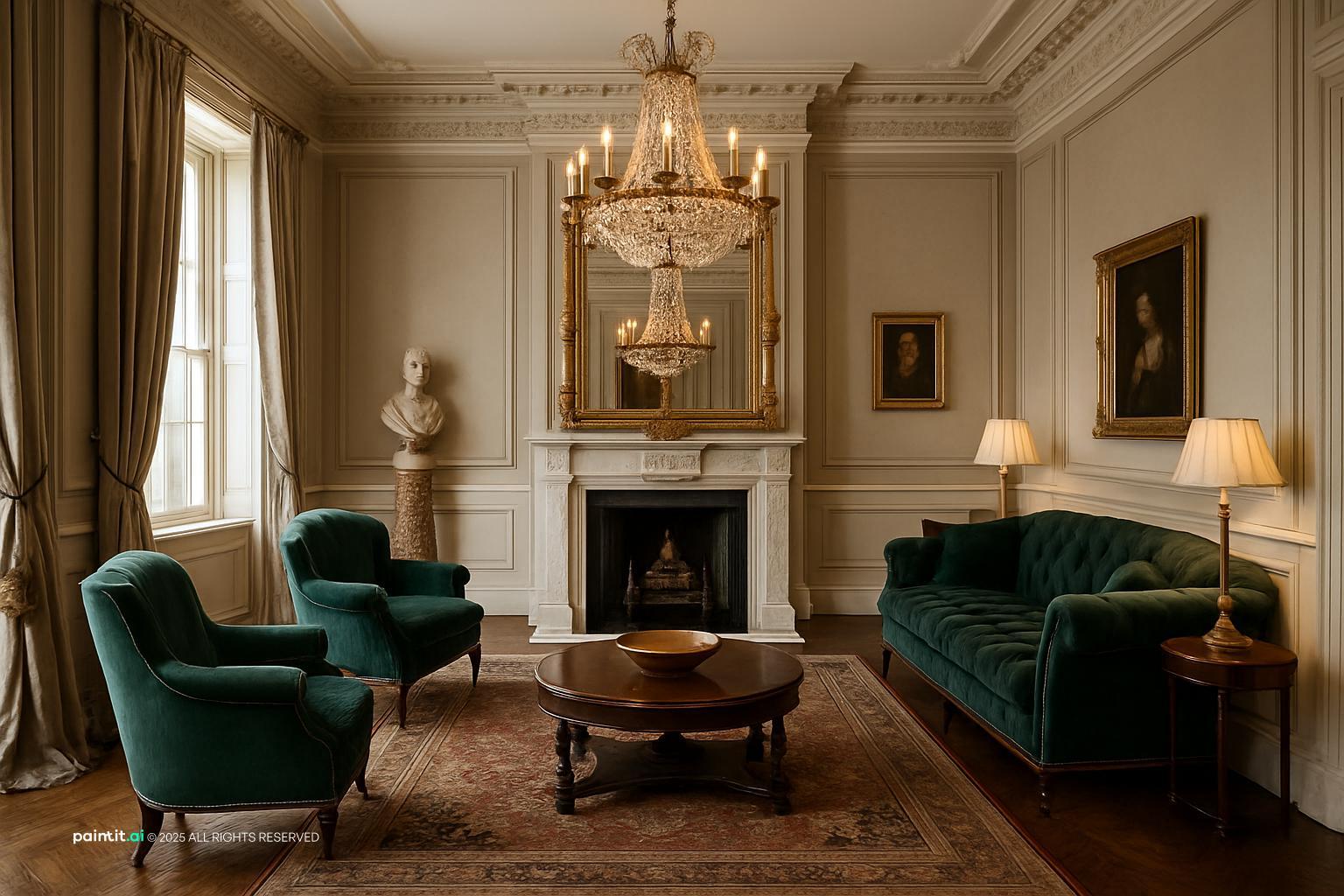
Formal Living Room Ideas with Formal Symmetry and Layered Neutrals
Formal Living Room Ideas with Formal Symmetry and Layered Neutrals uses formal symmetry, layered neutrals and natural light in a living room setting.
The strongest formal living room ideas usually begin with structure: a clear seating plan, balanced sightlines, materials that have weight, and lighting that makes the room feel calm instead of stiff. A formal room does not need to become the room nobody uses. With the right scale, comfortable textiles, and a clean traffic path, it can work as a polished sitting room for guests, reading, conversation, or quiet evenings when you want the house to feel a little more composed.
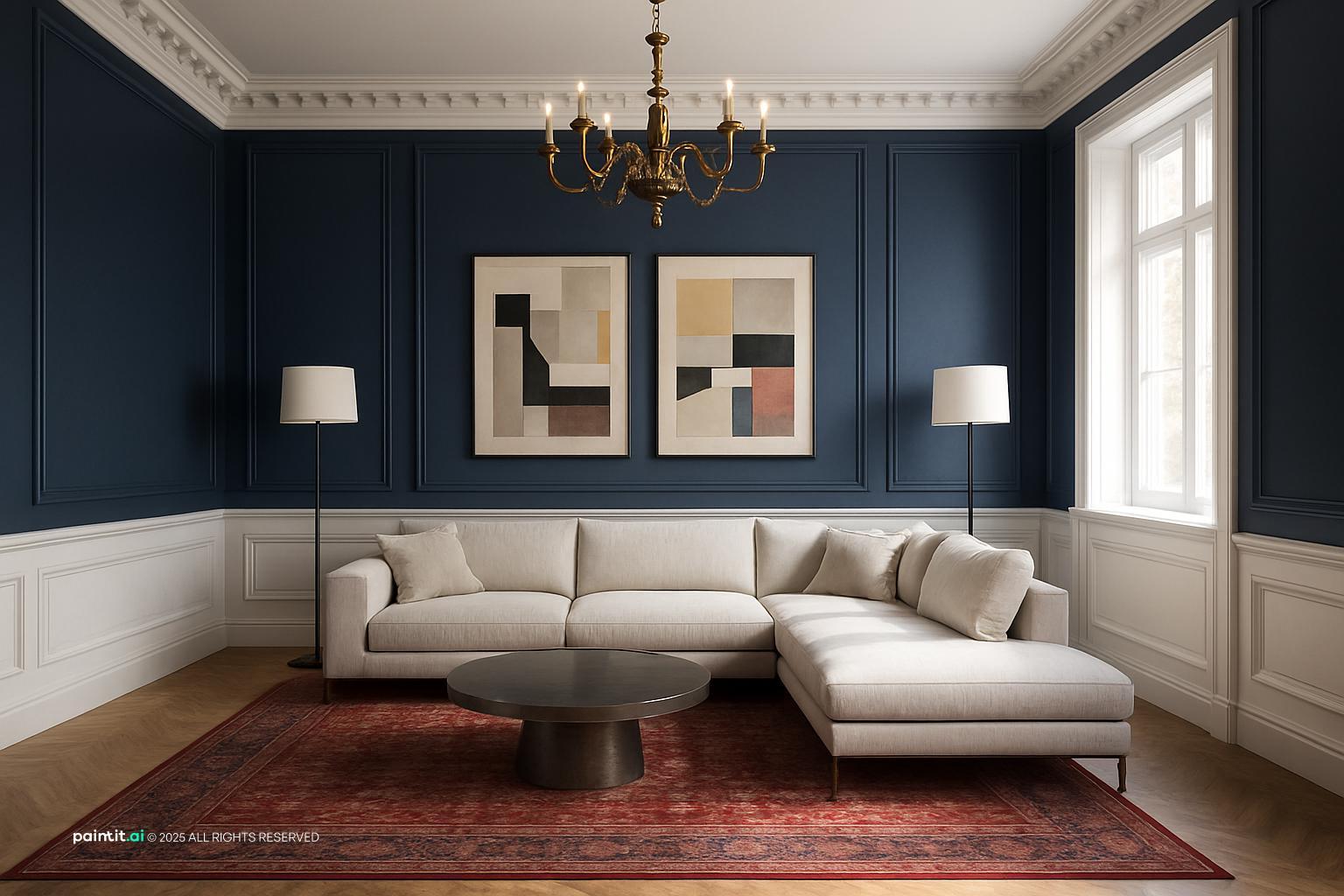
A formal living room works best when you decide what kind of formality you actually want. Some rooms lean traditional, with a fireplace, drapes, paired chairs, a central table, and layered pattern. Others feel more current, with low-profile sofas, sculptural lighting, quieter walls, and fewer objects on display.
In Paintit.ai behavior data, ~70% of homeowners start with short, search-like prompts, then refine from there. We see the same thing in real room planning: people begin with “formal living room design” or “elegant formal living room,” but the better results come when they add seating, palette, materials, lighting, and what should stay unchanged. If you are planning from scratch, an AI living room design pass can help you compare those decisions before you buy the large pieces.
Use the first gallery to study how the seating is anchored: where the sofa sits, how accent chairs face each other, how the coffee table relates to the rug, and whether the room feels balanced from the main doorway.
Formal Living Room Ideas with Formal Symmetry and Layered Neutrals uses formal symmetry, layered neutrals and natural light in a living room setting.
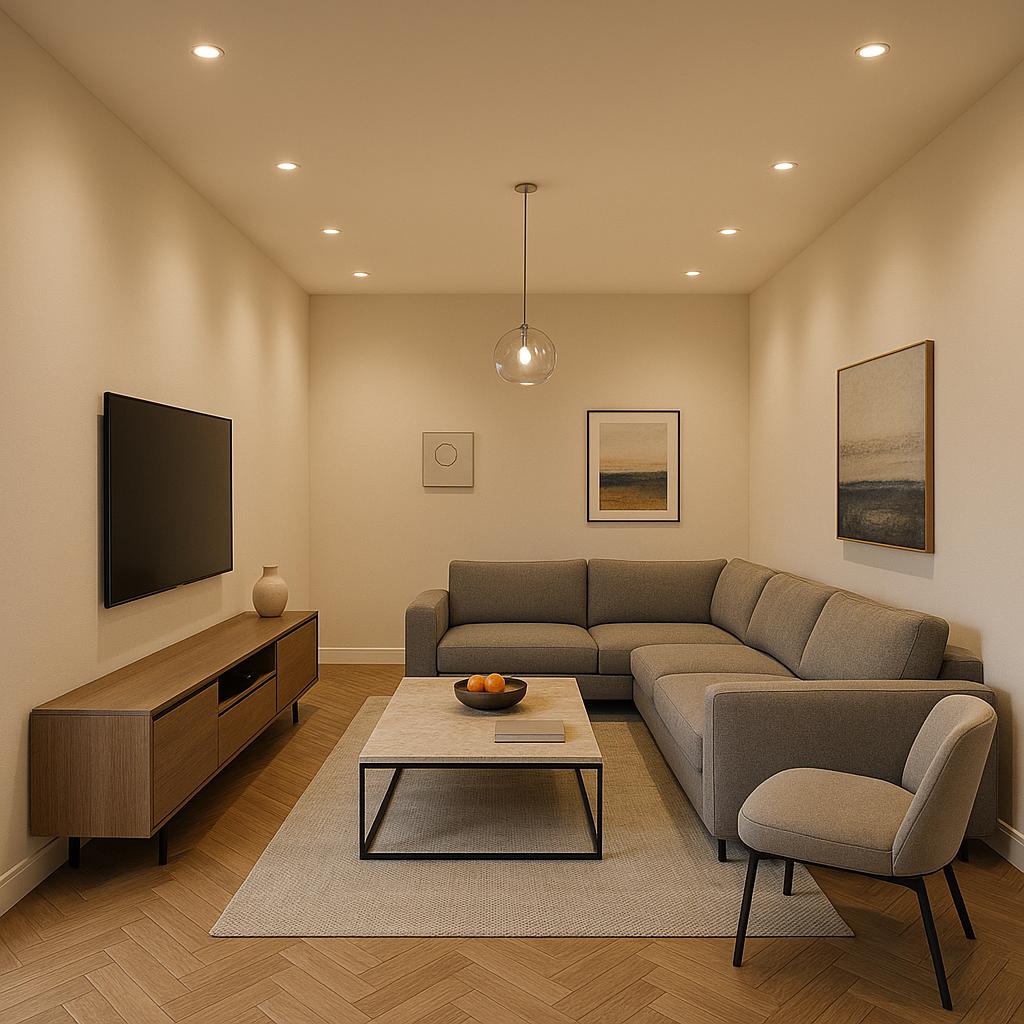
Luxury Modern Hotel Living Room Design balances formal symmetry, metal accents and layered neutrals in a living room setting.
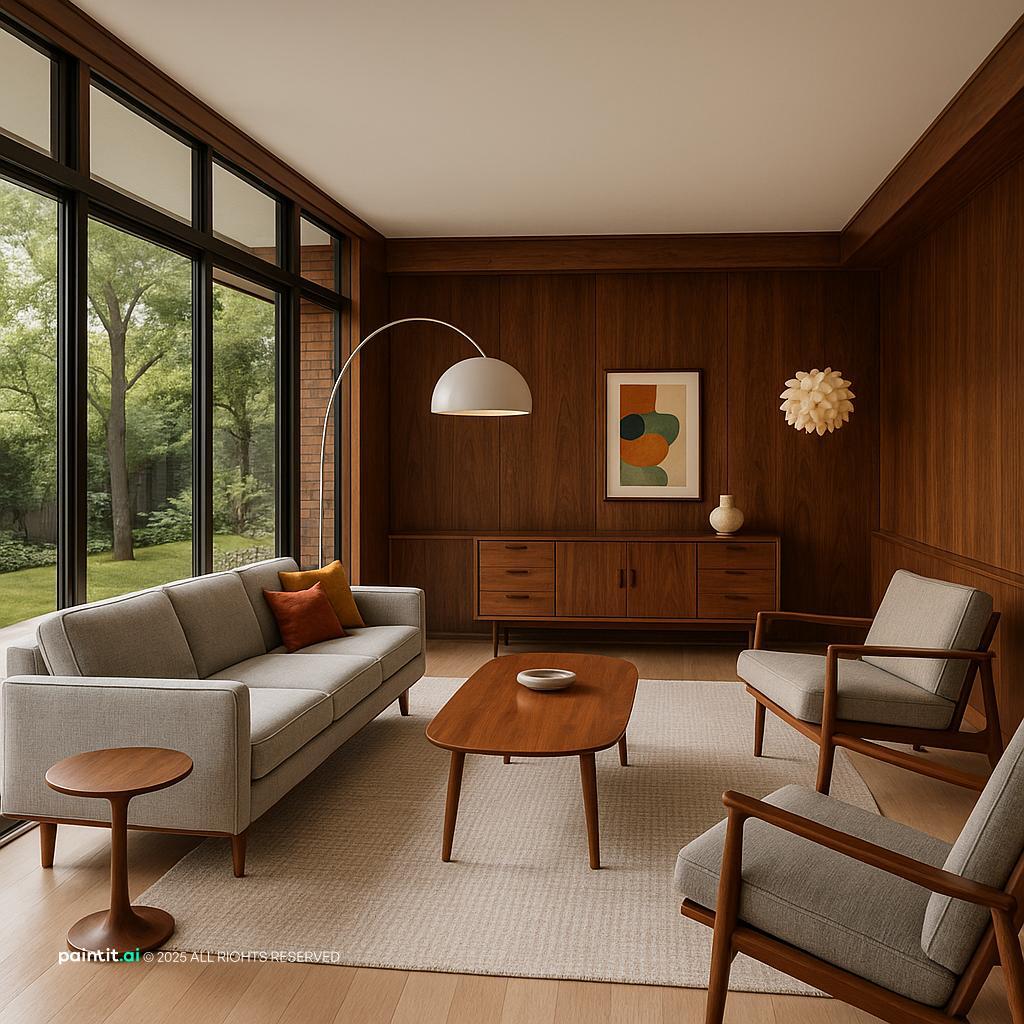
Elegant Mid-Century Living Room Design pairs formal symmetry, warm wood and soft textiles in a living room setting.
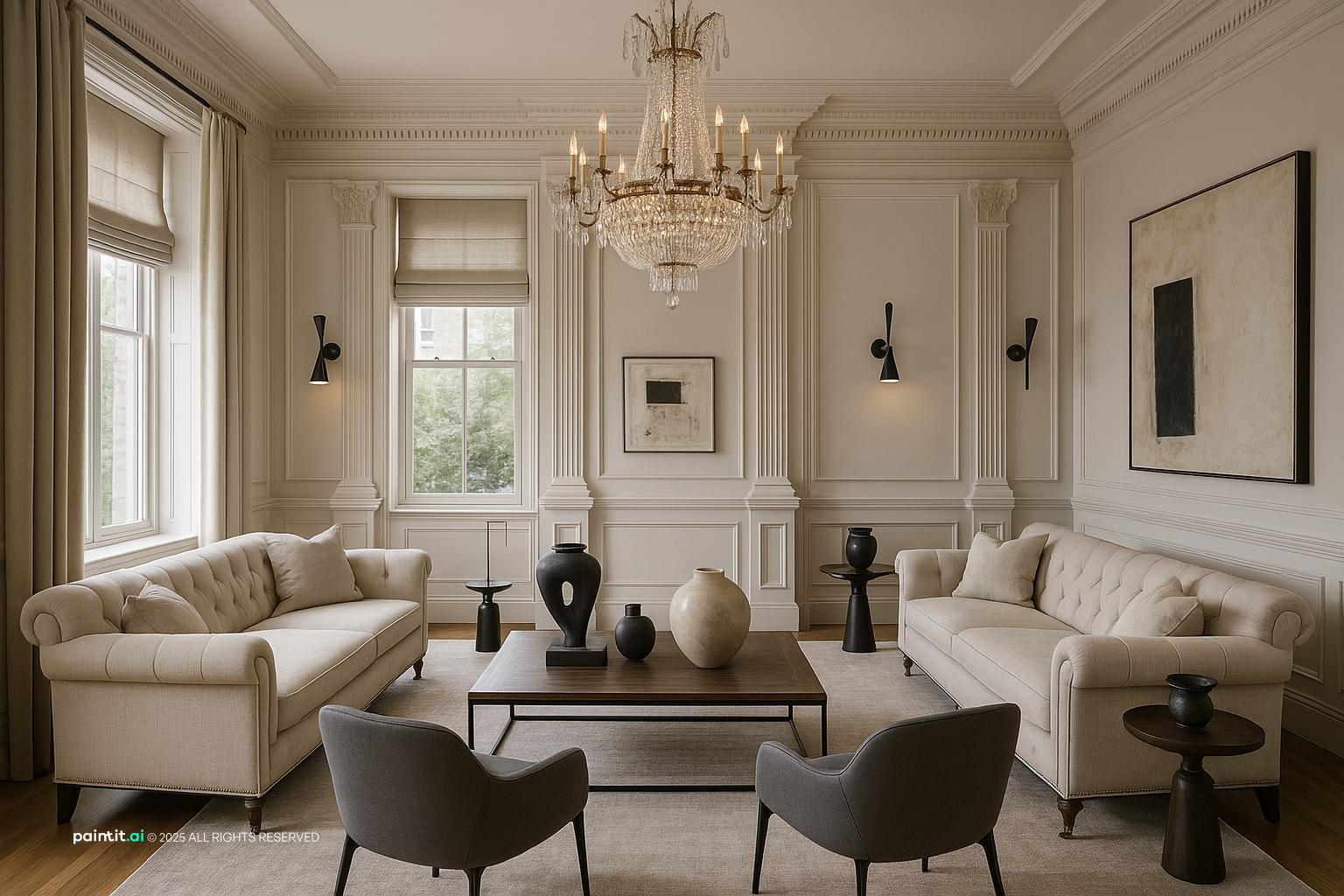
Elegant Neoclassical Living Room Design layers formal symmetry and layered neutrals in a living room setting.
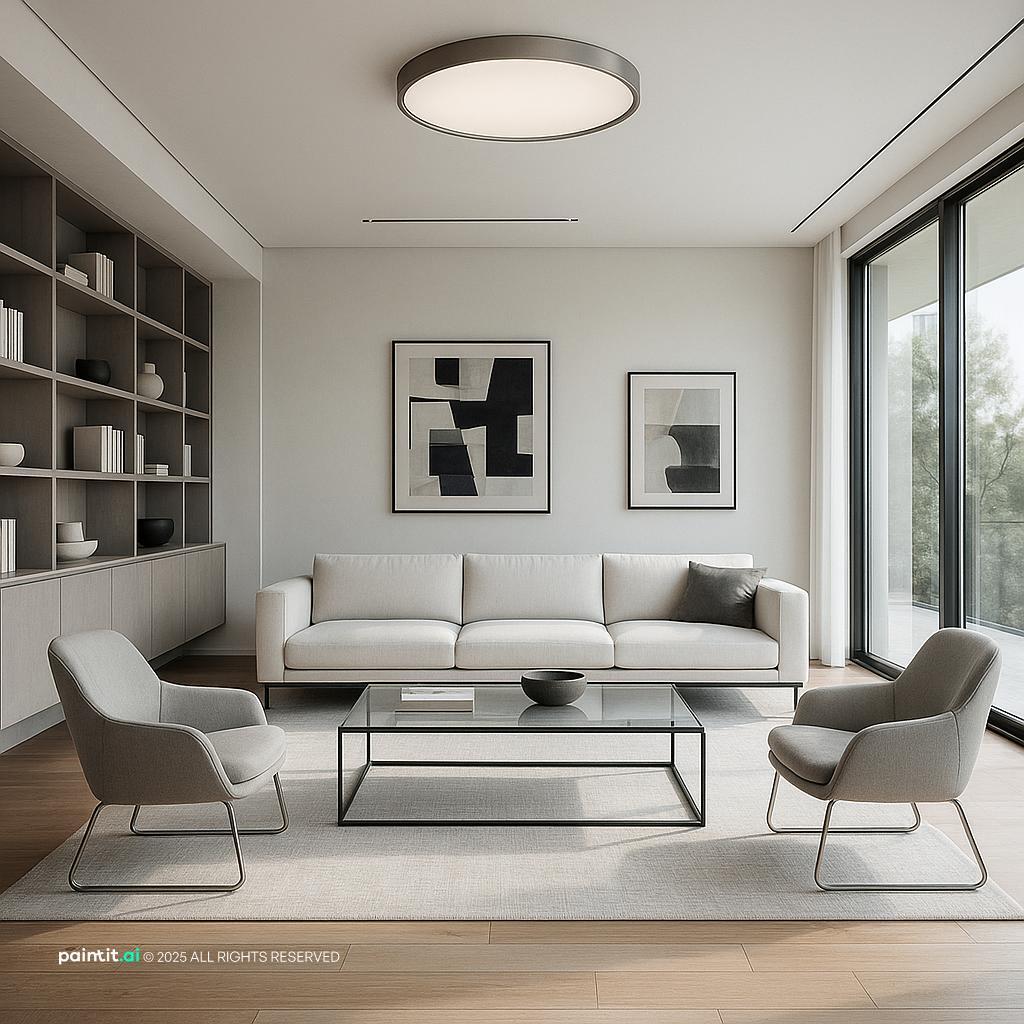
Modern Minimalist Living Room Design anchors metal accents, clean-lined furniture and layered neutrals in a living room setting.
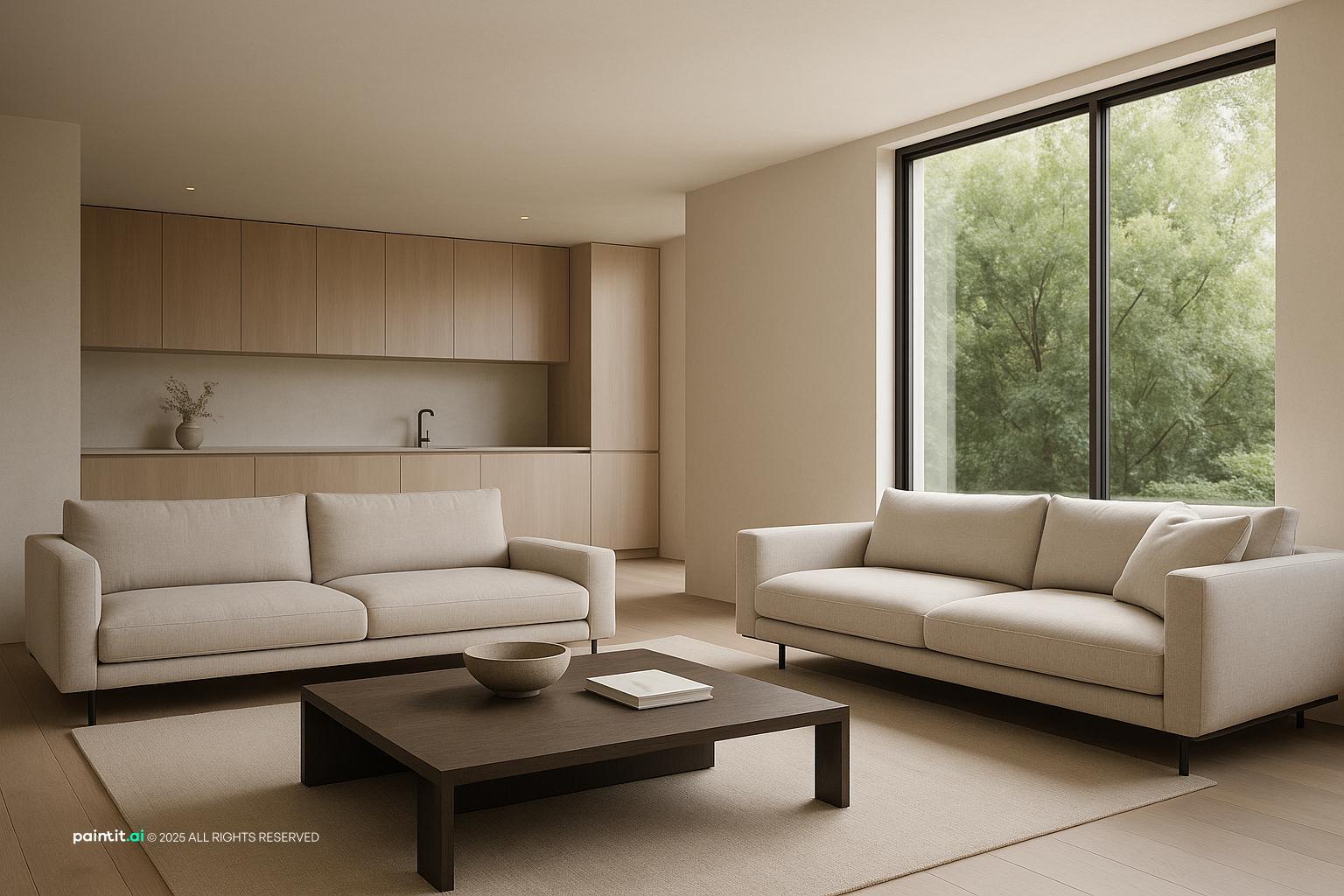
Minimalist Living Room Design softens formal symmetry, clean-lined furniture and layered neutrals in a living room setting.
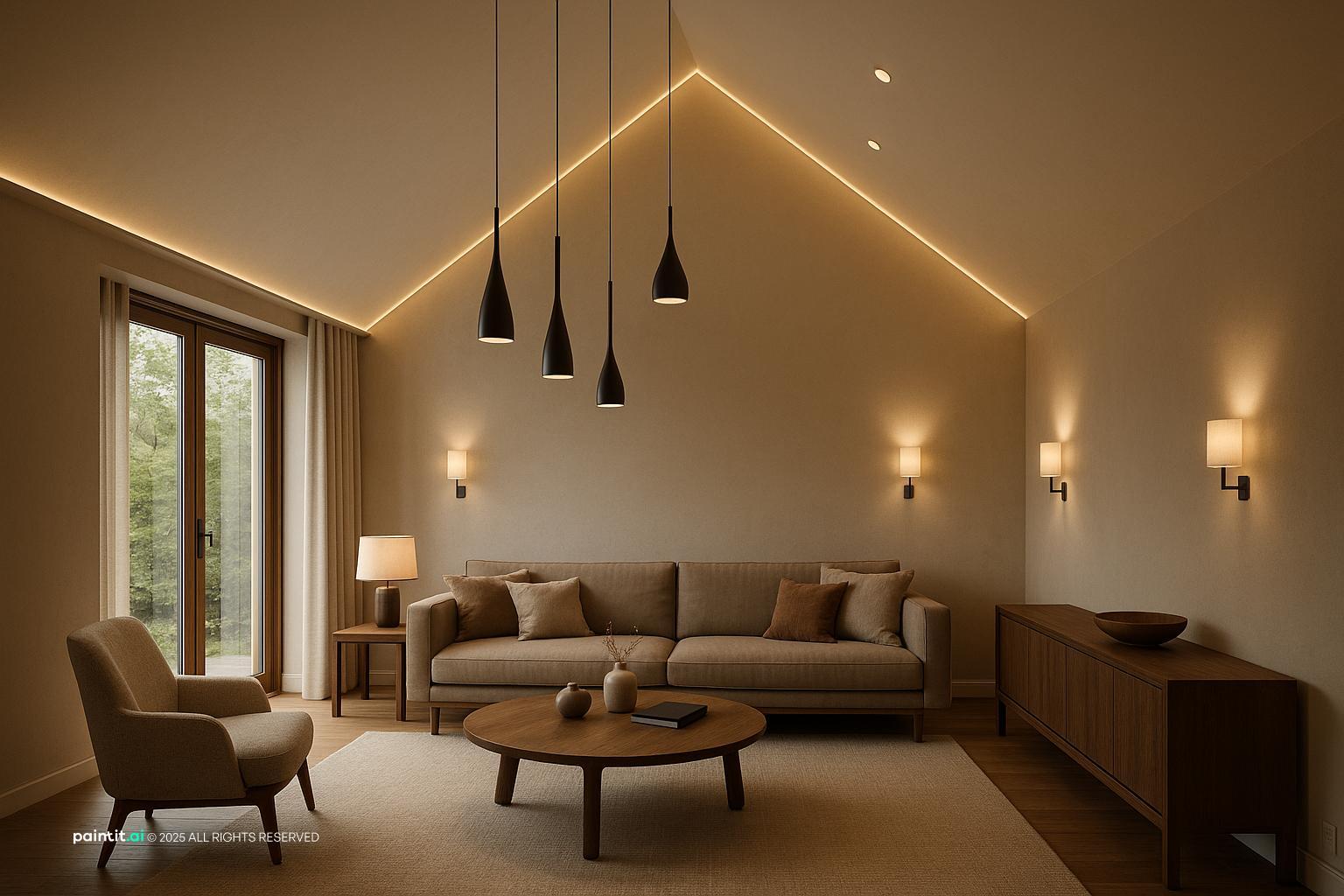
Elegant Sloped Ceiling Living Room Design uses formal symmetry, warm wood and natural light in a living room setting.
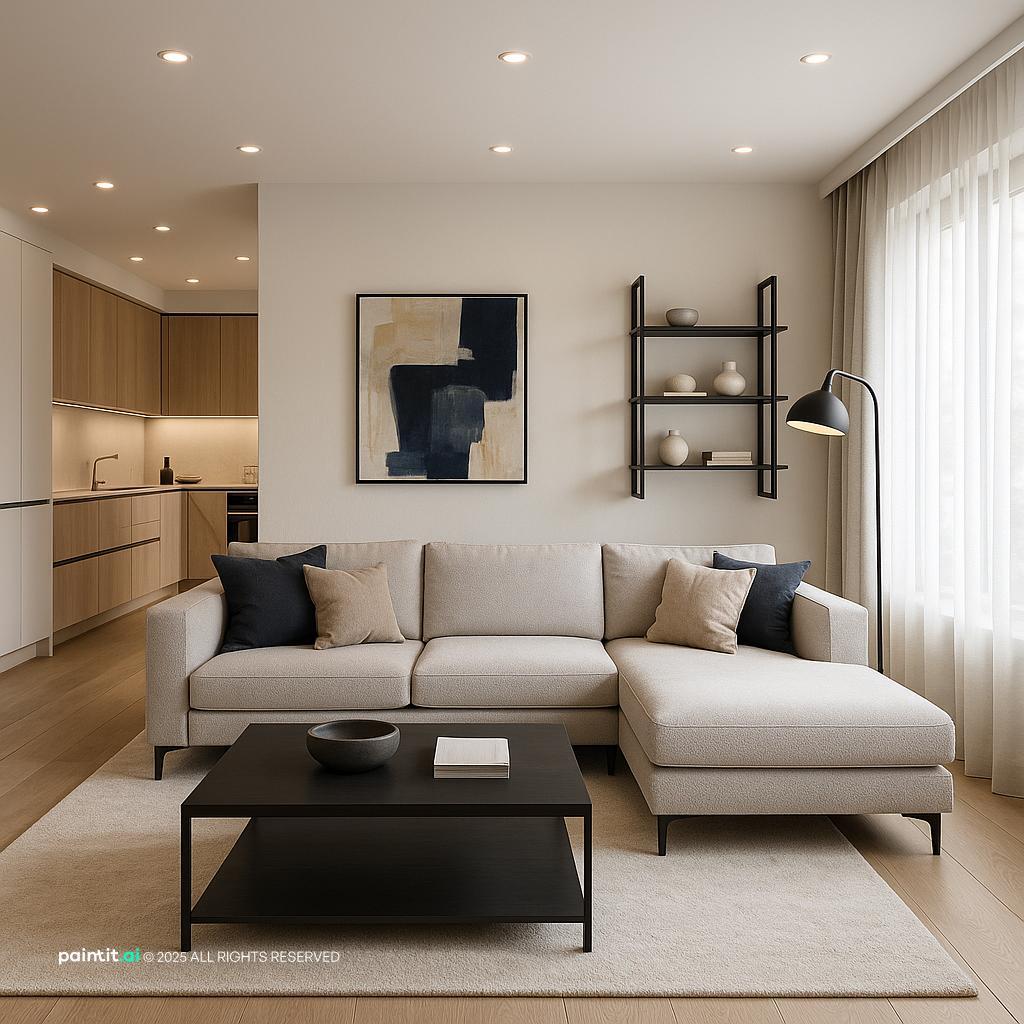
Stylish Modern Living Room Design balances metal accents, layered neutrals and dark contrast in a living room setting.
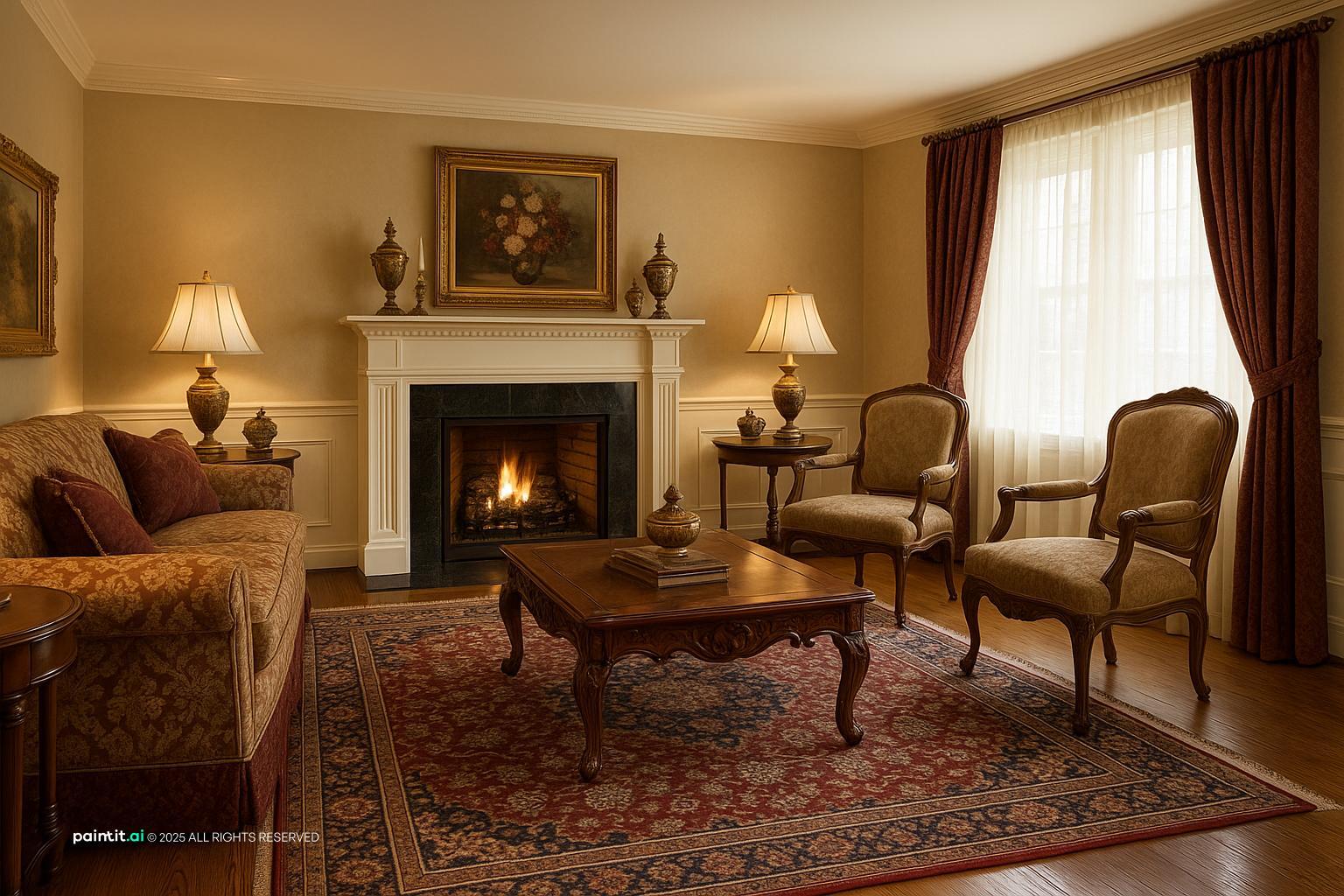
Formal Living Room Ideas with Formal Symmetry and Layered Neutrals with Natural Light pairs formal symmetry, layered neutrals and natural light in a living room setting.
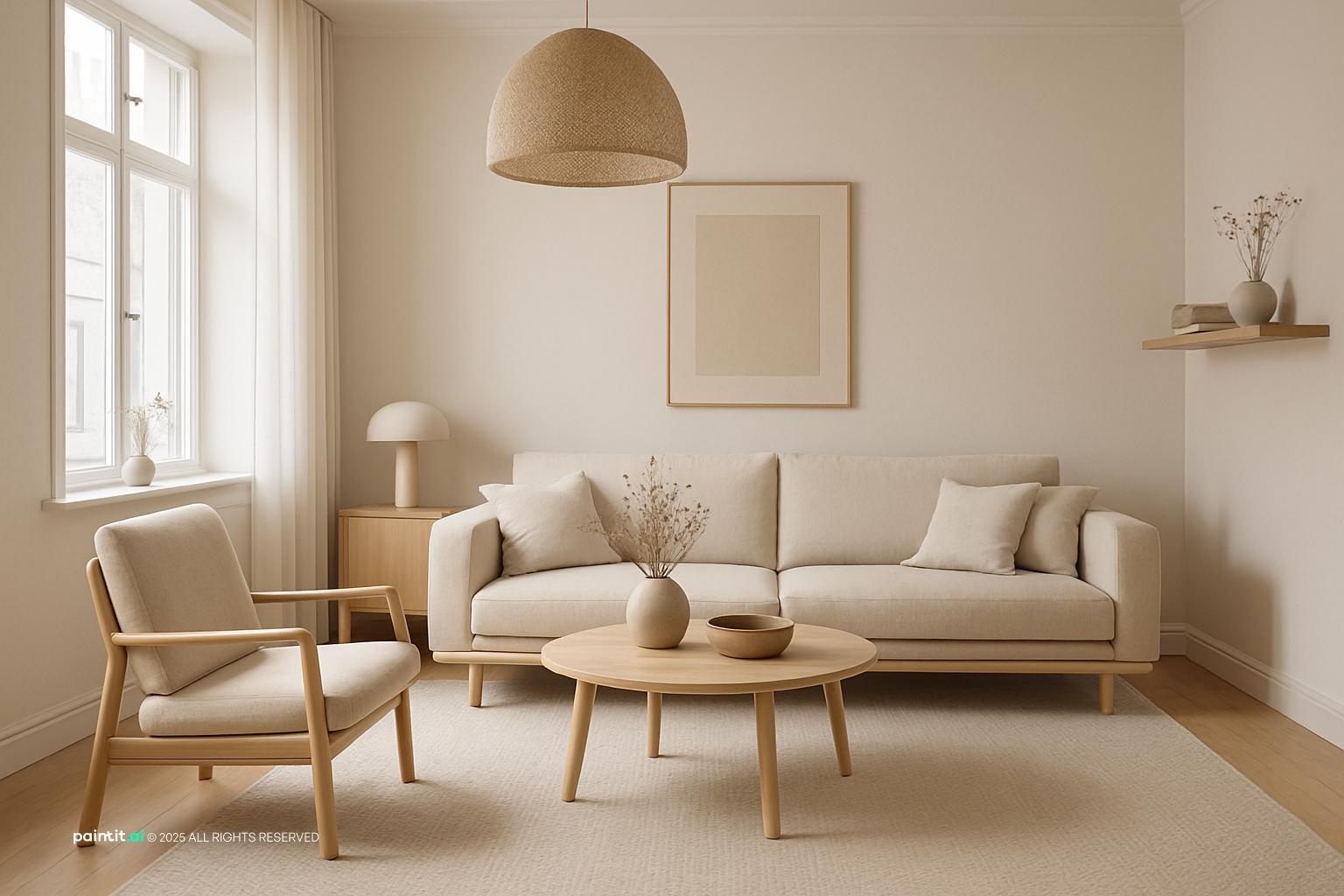
Formal Living Room Ideas with Clean-lined Furniture and Layered Neutrals layers clean-lined furniture, layered neutrals and natural light in a living room setting.
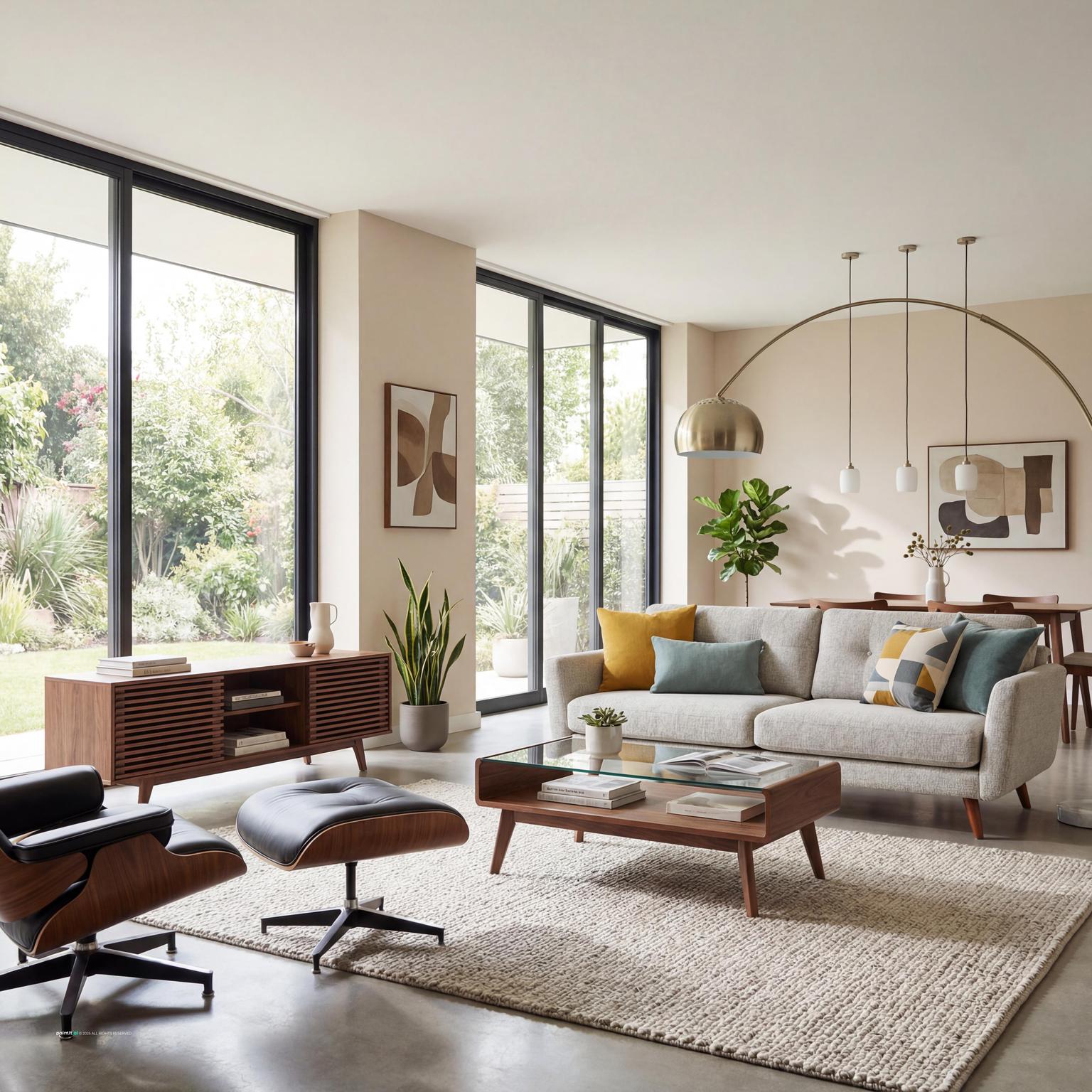
Stunning Mid-Century Modern Living Room anchors warm wood, soft textiles and metal accents in a living room setting.
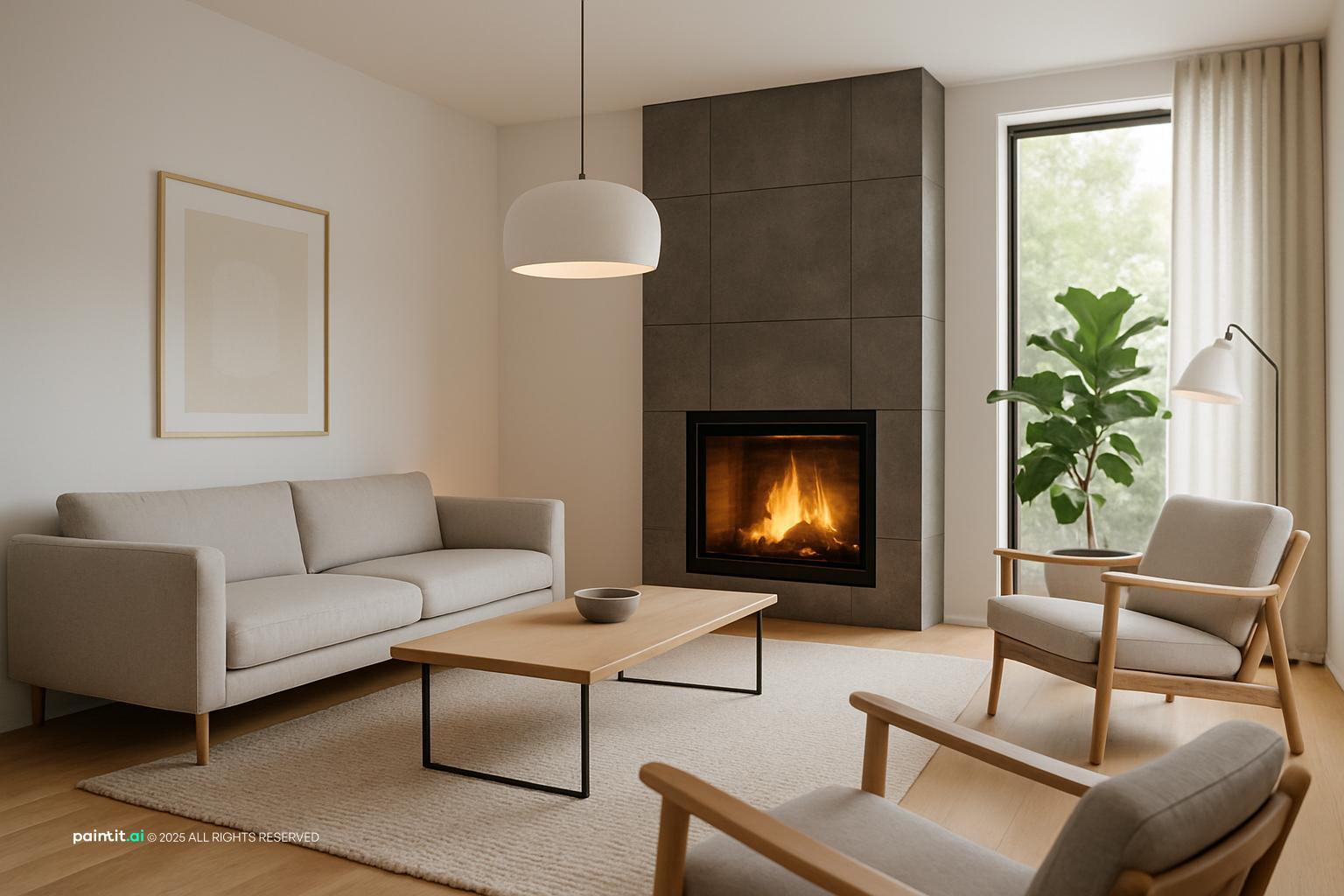
Stunning Scandinavian Living Room Design softens warm wood, soft textiles and metal accents in a living room setting.
A formal room should make talking easy. Start with a sofa facing two accent chairs, two sofas facing each other, or four chairs around a central table if the room is compact. Keep the main seats close enough that people do not have to raise their voices; in most homes, a coffee table-to-seat distance of about 16 to 18 inches feels usable.
Why it works: conversation seating gives the room a reason to exist beyond display. The common mistake is pushing every piece against the wall. That leaves a dead middle zone and makes guests feel like they are waiting for an appointment, not sitting down for a drink.
A symmetrical layout is one of the clearest ways to create order. Pair lamps, chairs, side tables, or art on either side of a fireplace, window, or sofa. The pieces do not have to match perfectly, but their visual weight should feel close.
In Paintit.ai tests, the rooms that read as formal usually get the balance right before the decoration starts. If one side has a tall cabinet, the other side may need a floor lamp, tall plant, or vertical artwork so the room does not visually lean.
A fireplace gives a formal living room an immediate focal point. Arrange the primary seating so the firebox, mantel, or chimney breast is visible from the main seats, then layer art, sconces, or a mirror above it. If the fireplace is already beautiful, do less around it rather than more.
What often goes wrong: the fireplace becomes background while the television or a random wall becomes the real center. When people upload a room with an original fireplace, the weak spot is often failing to mark it as something to keep. A simple note like KEEP: fireplace, windows, ceiling trim can protect the best architecture in the room.
A formal room needs at least one piece that sets the tone: a tailored sofa, a marble-topped coffee table, a carved wood console, or a strong chandelier. This anchor should be visible when you enter the room. It does not need to be ornate; it needs to look intentional and properly scaled.
For smaller rooms, the anchor might be a slim velvet settee or a pair of structured lounge chairs. For larger rooms, choose a full-length sofa or a substantial table so the room does not feel under-furnished. A tiny table in a generous sitting room will make everything around it look temporary.
A rug that is too small weakens a formal arrangement. At minimum, the front legs of the sofa and chairs should sit on the rug. In a larger room, all main seating legs can sit fully on the rug for a more composed effect.
Why it works: the rug creates a visual boundary for the sitting area. What to avoid is a small rug floating under only the coffee table. It makes the furniture look disconnected, even if every individual piece is expensive.
Color is usually the decision people think about first. Paintit.ai data shows users specify color modifiers in 27.6% of prompts, which makes sense because wall color and upholstery set the whole mood. For a formal room, consider warm white, stone, taupe, muted blue, olive, charcoal, or deep brown rather than highly saturated brights.
I would check undertones before committing. A beige with pink undertones can fight a yellow oak floor, while a gray with blue undertones can feel cold at night. For more palette direction, the best living room colors overview is useful when narrowing wall and upholstery options.
Formal does not mean hard or uncomfortable. Pair polished wood, stone, brass, or marble with velvet, wool, linen, silk-blend drapes, or a thick rug. This contrast keeps the room from looking flat in photos and feeling harsh in person.
An elegant formal living room often succeeds because the tactile choices are specific. A walnut table with a wool rug and velvet chairs reads more finished than a room where every surface has the same smooth, mid-tone texture.
Full-length drapes make a formal room feel finished, especially when they are mounted close to the ceiling and wide enough to clear the glass when open. Choose lined linen, velvet, wool-blend, or a subtle jacquard depending on the style. The bottom should kiss the floor or break slightly for a traditional look.
What to avoid: short curtains that stop at the sill in a room meant to feel polished. They cut the wall visually, make the ceiling look lower, and often cheapen otherwise good formal living room decor.
A chandelier can define the center of the room, but it should not be the only light source. Add table lamps, sconces, picture lights, or a floor lamp so faces are softly lit and corners do not fall into shadow. In Paintit.ai data, lighting appears in only 5.9% of prompts, yet it is often the difference between a formal room that feels elegant and one that feels cold.
Why it works: layered lighting creates depth. What to avoid is relying on recessed ceiling lights alone; they can glare on polished surfaces and make the room feel more like an office than a sitting room.
A formal room benefits from restraint. Use fewer objects, but choose them with scale: a large bowl on the coffee table, two substantial books, a vase with branches, or one sculptural object. Small items scattered across every surface rarely feel refined.
Paintit.ai users ask for negative constraints such as without or no clutter in 8.8% of prompts, and that instinct is useful here. The goal is not bare minimalism. It is enough breathing room for the architecture, furniture, and materials to register.
You do not have to start over. If the room already has good bones, change the pieces that weaken the formal mood first: a sagging sofa, undersized rug, casual media unit, harsh ceiling fixture, or mismatched side tables. Paintit.ai data shows replace, swap, or change actions appear in 14.1% of prompts, which mirrors how many real redesigns happen.
If you are working with what you own, try one move at a time: replace the rug, repaint the walls, then add matching lamps. For a step-by-step approach to testing changes, see how to redesign a living room with Paintit.ai before making purchases.
A traditional formal living room may use rolled arms, paneling, antique tables, pleated drapes, a mantel mirror, and layered patterns. A modern formal room might use cleaner upholstery, a restrained palette, stone, metal, and one strong art piece. Both can be formal if the layout is controlled and the materials have weight.
The catch is mixing too many eras without a plan. If the sofa is contemporary and the chairs are antique, repeat one linking element, such as brass, dark wood, ivory upholstery, or black accents. That repeated detail makes the mix look chosen instead of accidental.
Small rooms can be excellent formal sitting rooms. Use a loveseat with two chairs instead of a deep sectional, choose a round or oval coffee table to ease movement, and keep side tables slim. A mirror opposite a window can help reflect light, but it should be large enough to look architectural rather than like decorative filler.
Formal sitting room ideas for small homes often work best when the room has one job. Avoid squeezing in a desk, toy storage, and large television unless the room truly needs to multitask.
The first sightline matters in a formal room. From the entry, you should see a balanced composition: a centered sofa, paired chairs, a fireplace, art, or a well-proportioned table. If the first thing visible is the back of a bulky recliner or a tangle of cords, the room will feel less polished.
Why it works: formality is partly about visual order. Before buying anything, stand at each entrance and check what the room is telling you first.
The second gallery is useful for comparing how the same room changes through furniture silhouette, wall color, lighting temperature, textile weight, and the amount of decoration on tables and mantels.
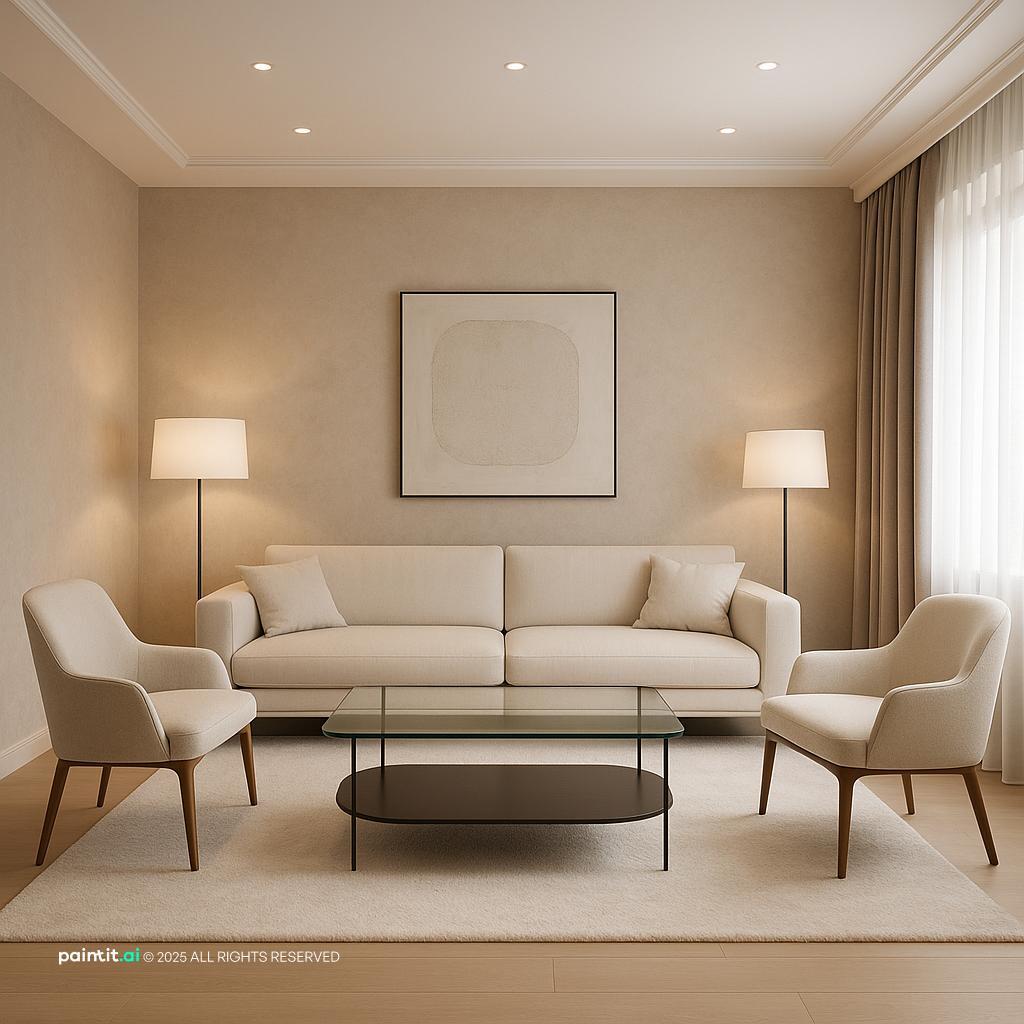
Elegant Modern Living Room Design uses formal symmetry, layered neutrals and natural light in a living room setting.
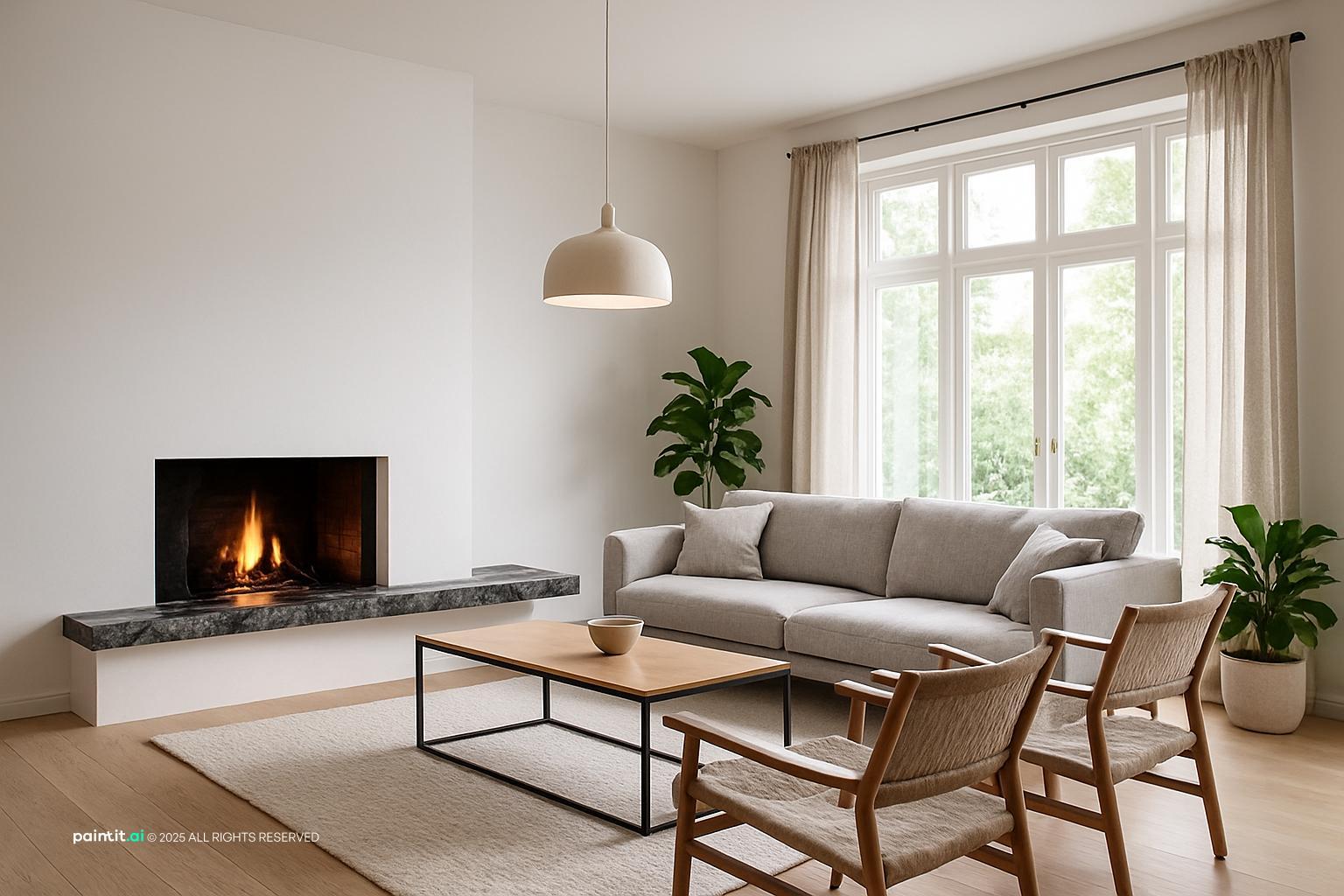
Scandinavian-Style Living Room Design balances warm wood, soft textiles and clean-lined furniture in a living room setting.
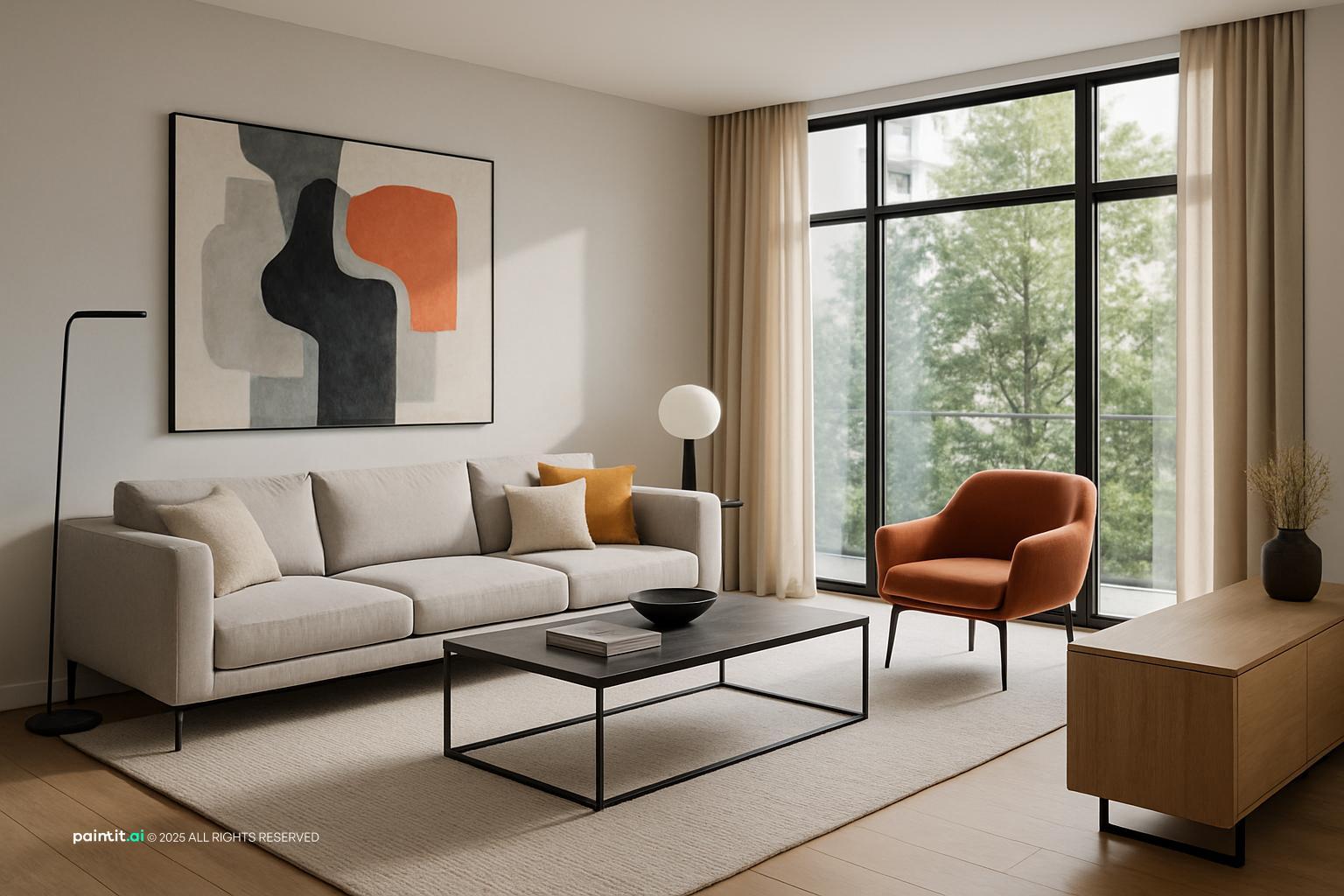
Formal Living Room Ideas with Formal Symmetry and Metal Accents pairs formal symmetry, metal accents and clean-lined furniture in a living room setting.
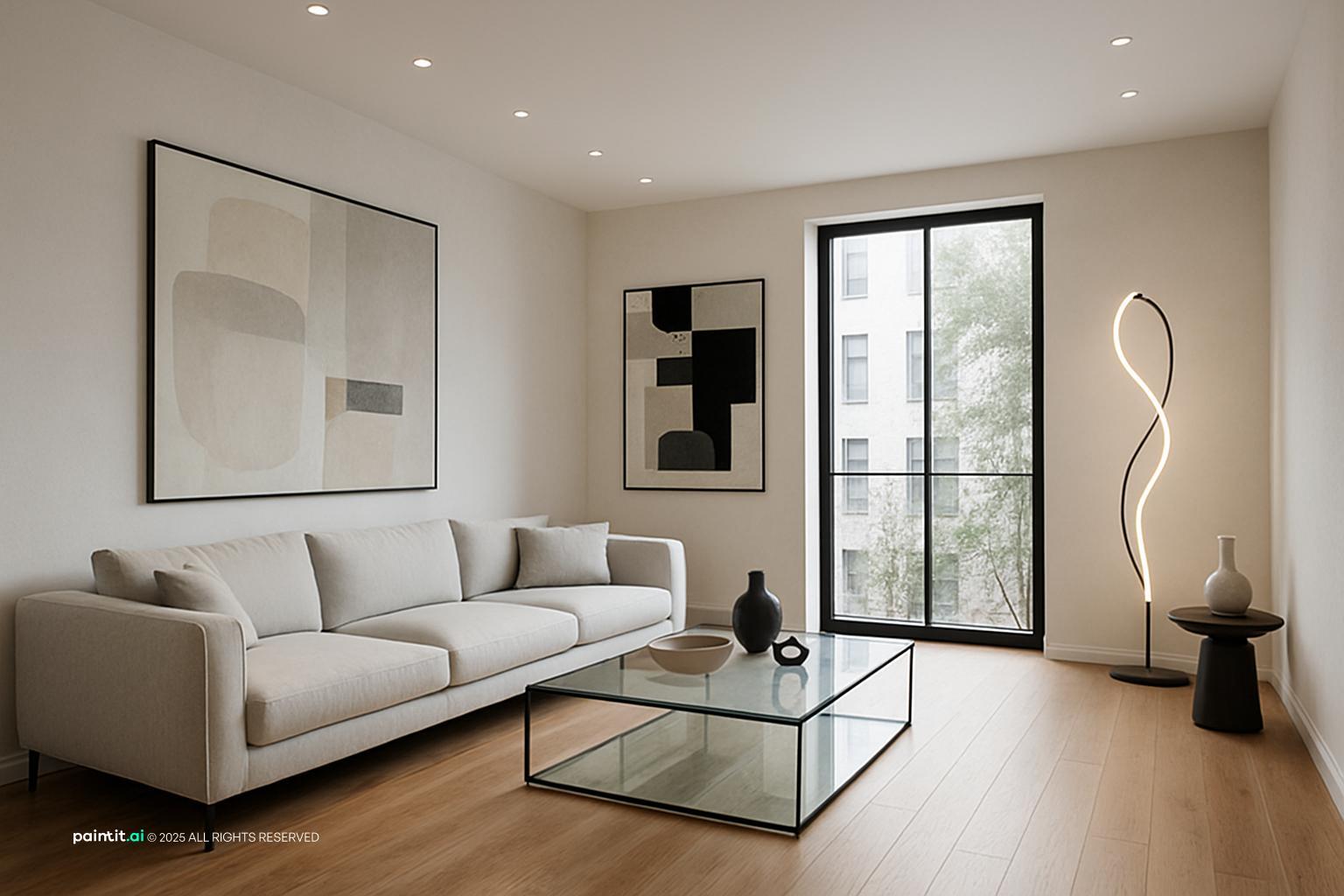
Stunning Contemporary Living Room Design layers formal symmetry, clean-lined furniture and layered neutrals in a living room setting.
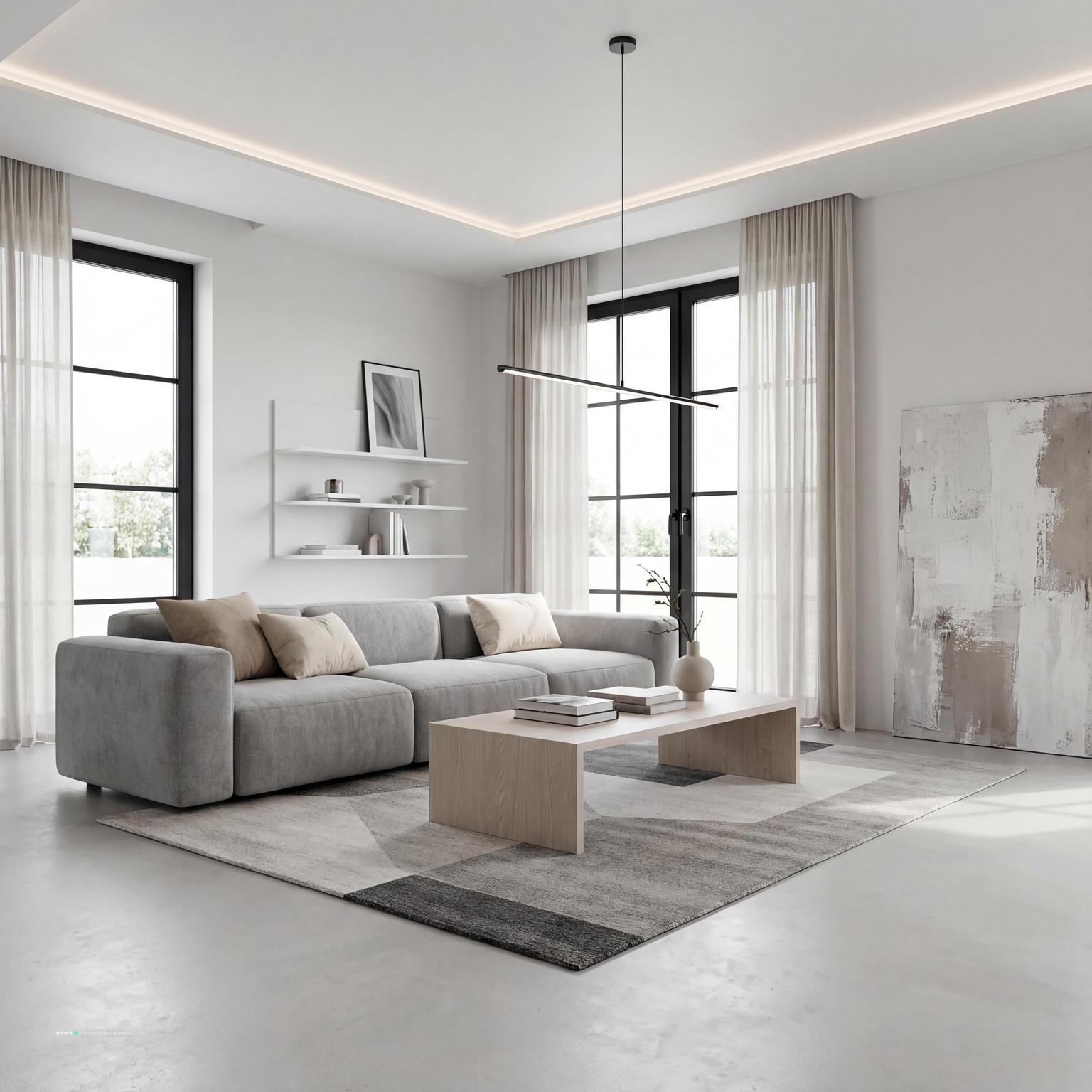
Stylish Minimalist Living Room Design anchors warm wood, clean-lined furniture and layered neutrals in a living room setting.
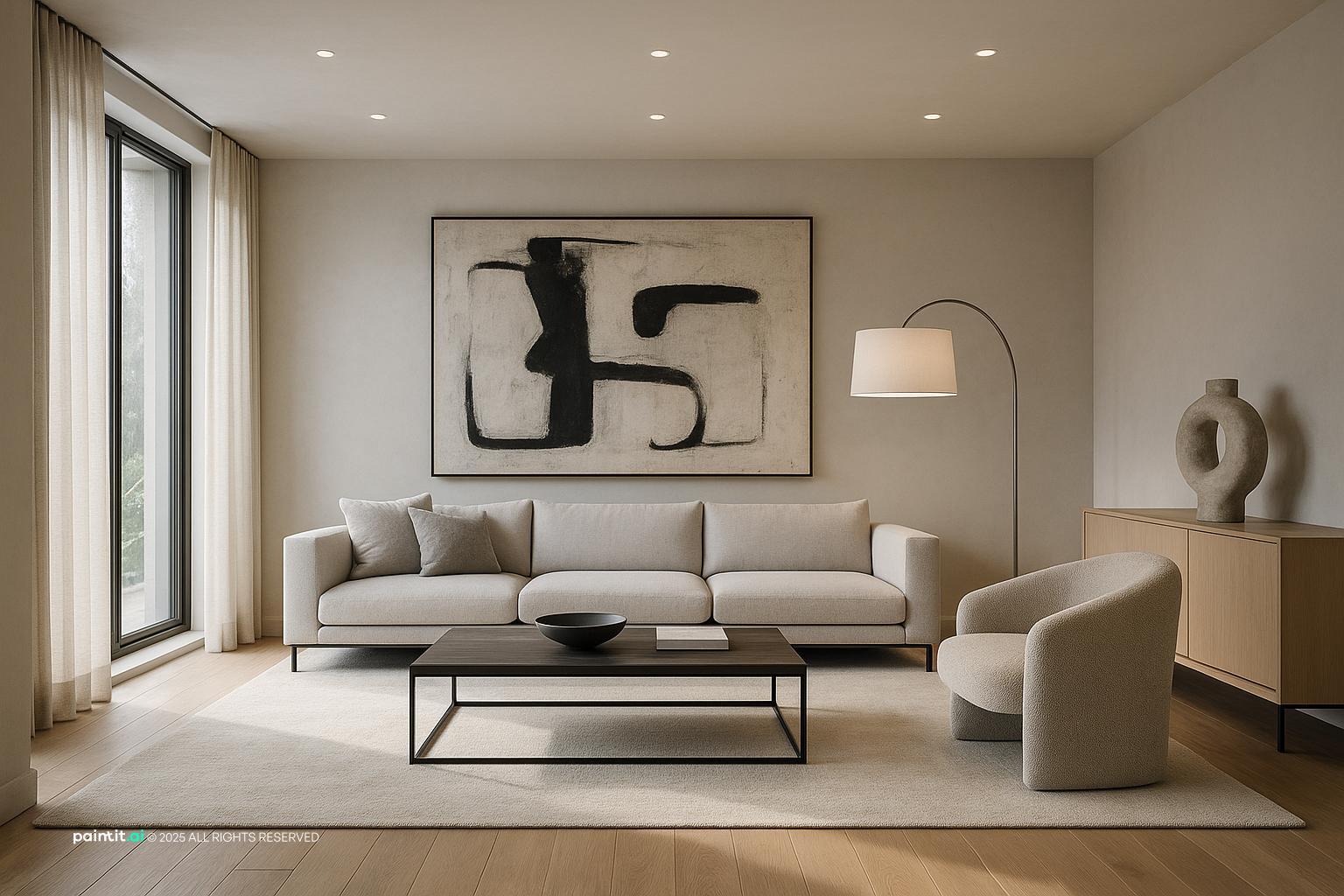
Stunning Contemporary Living Room Design with Formal Symmetry softens formal symmetry, clean-lined furniture and open layout in a living room setting.
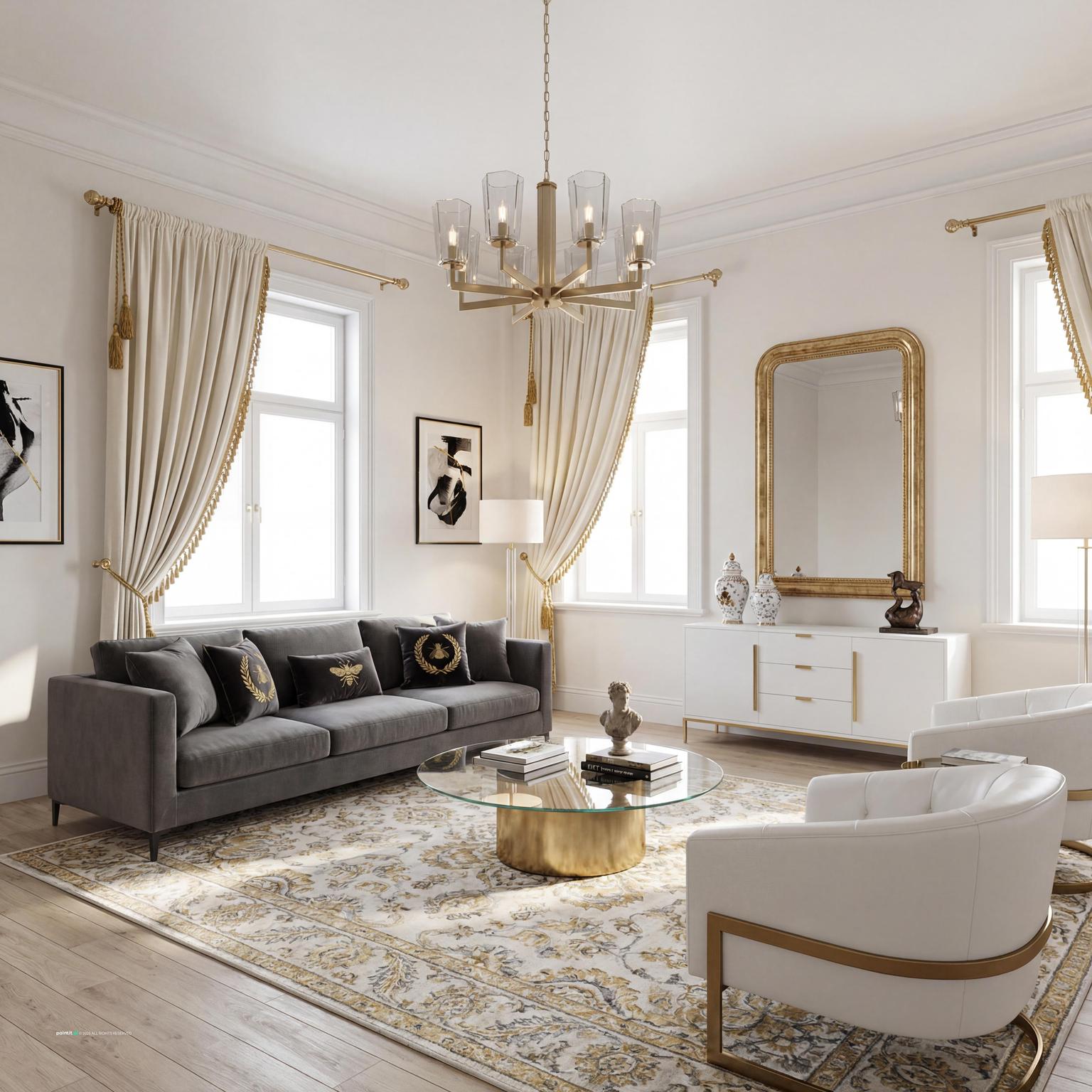
Contemporary Living Room with Empire Elements uses formal symmetry, layered neutrals and natural light in a living room setting.
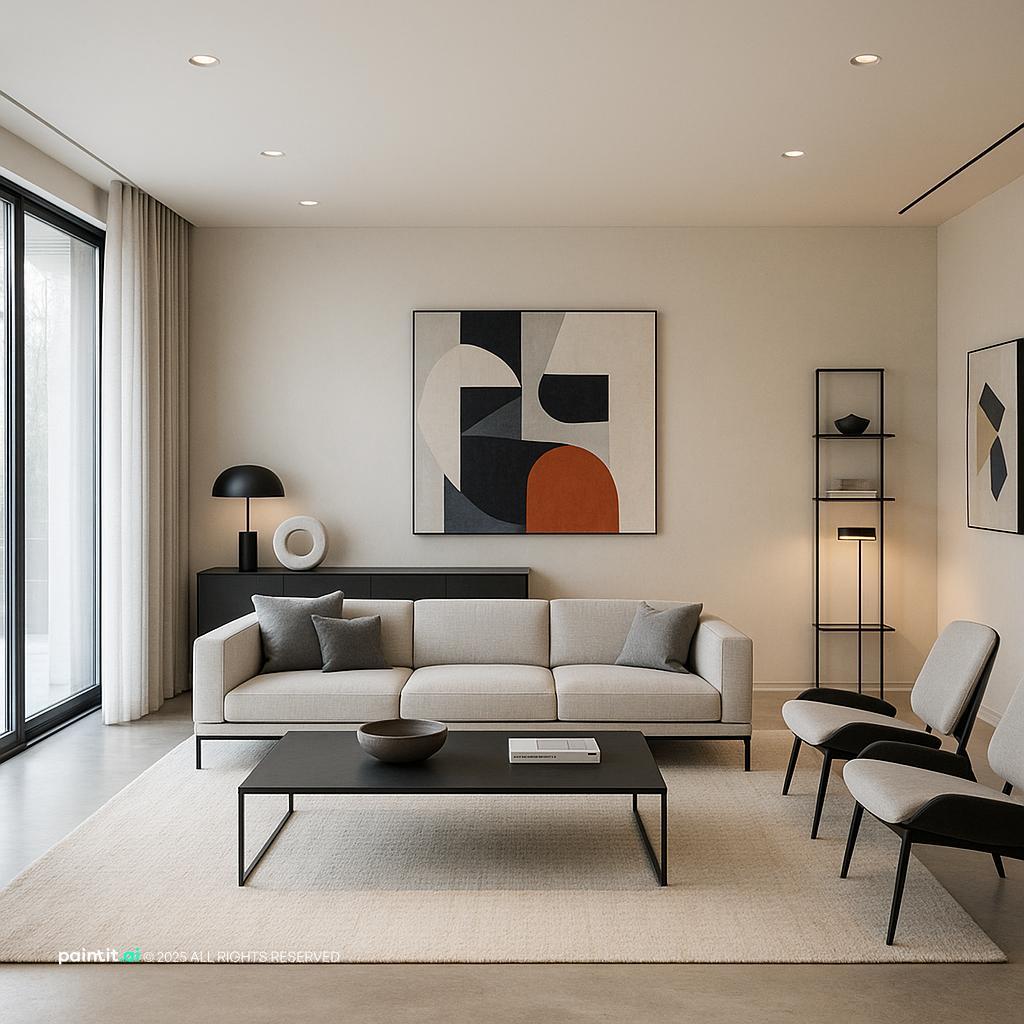
Modern Living Room Design for 2025 balances clean-lined furniture, layered neutrals and dark contrast in a living room setting.
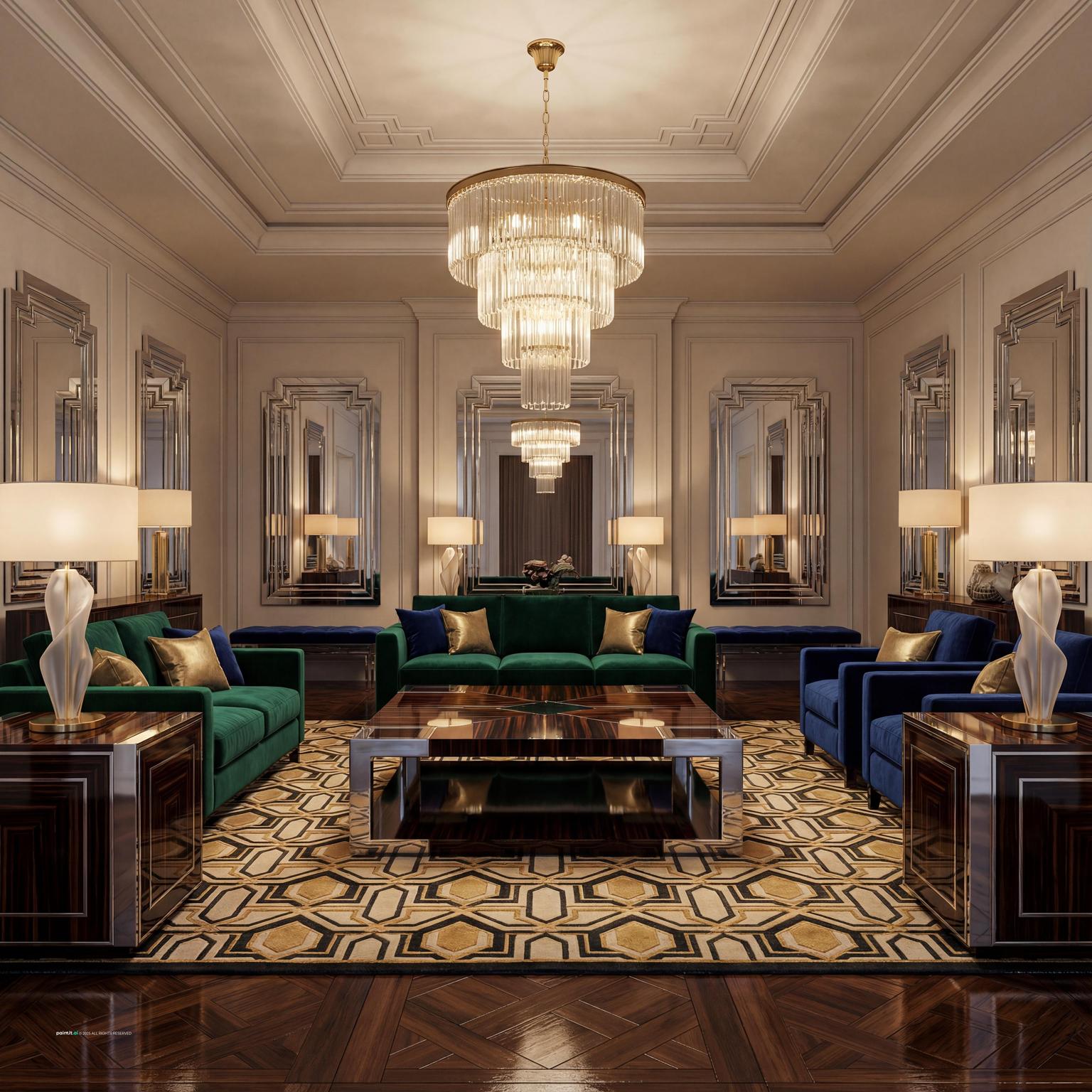
Luxurious Art Deco Living Room Design pairs formal symmetry and metal accents in a living room setting.
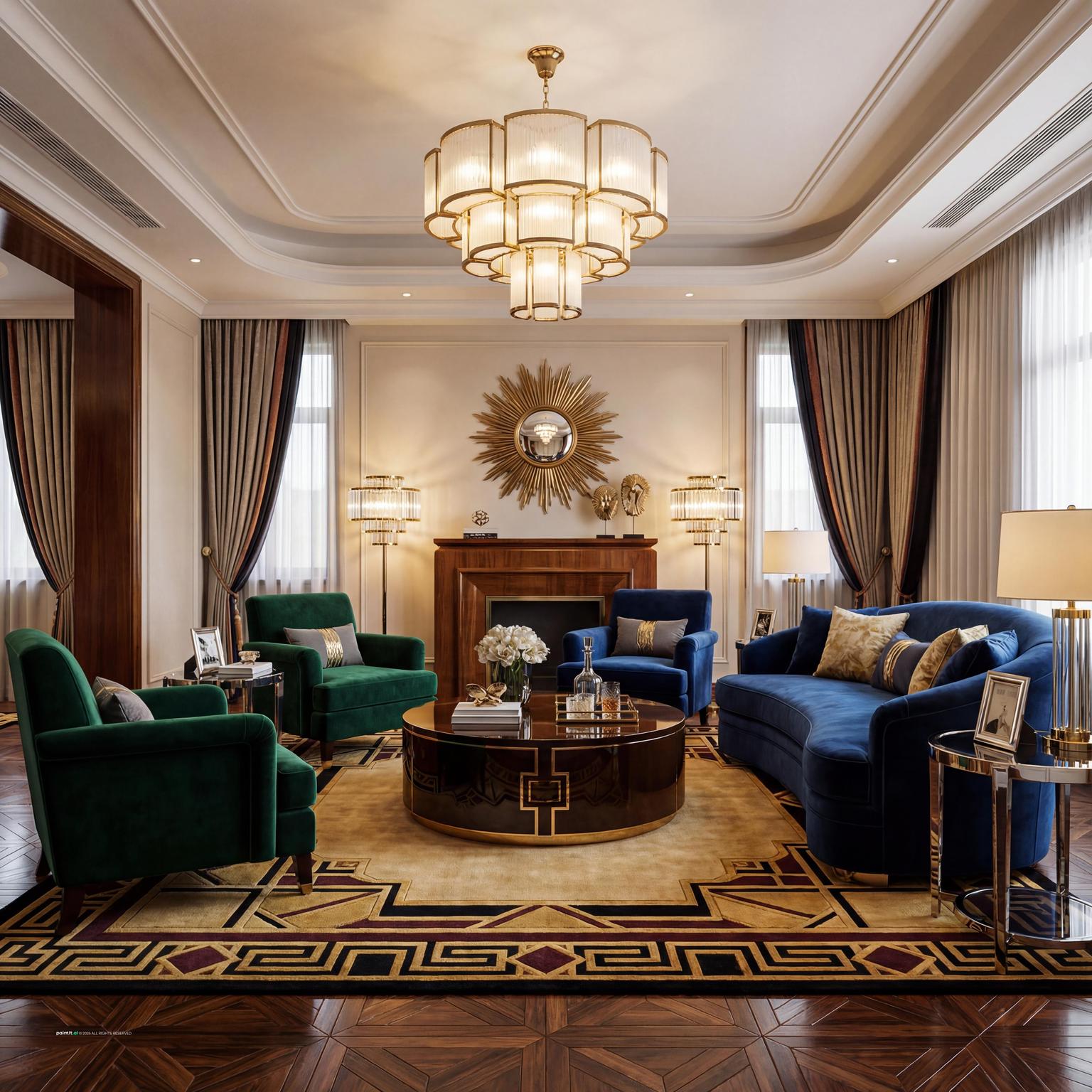
Luxurious Art Deco Living Room Design with Formal Symmetry layers formal symmetry and metal accents in a living room setting.
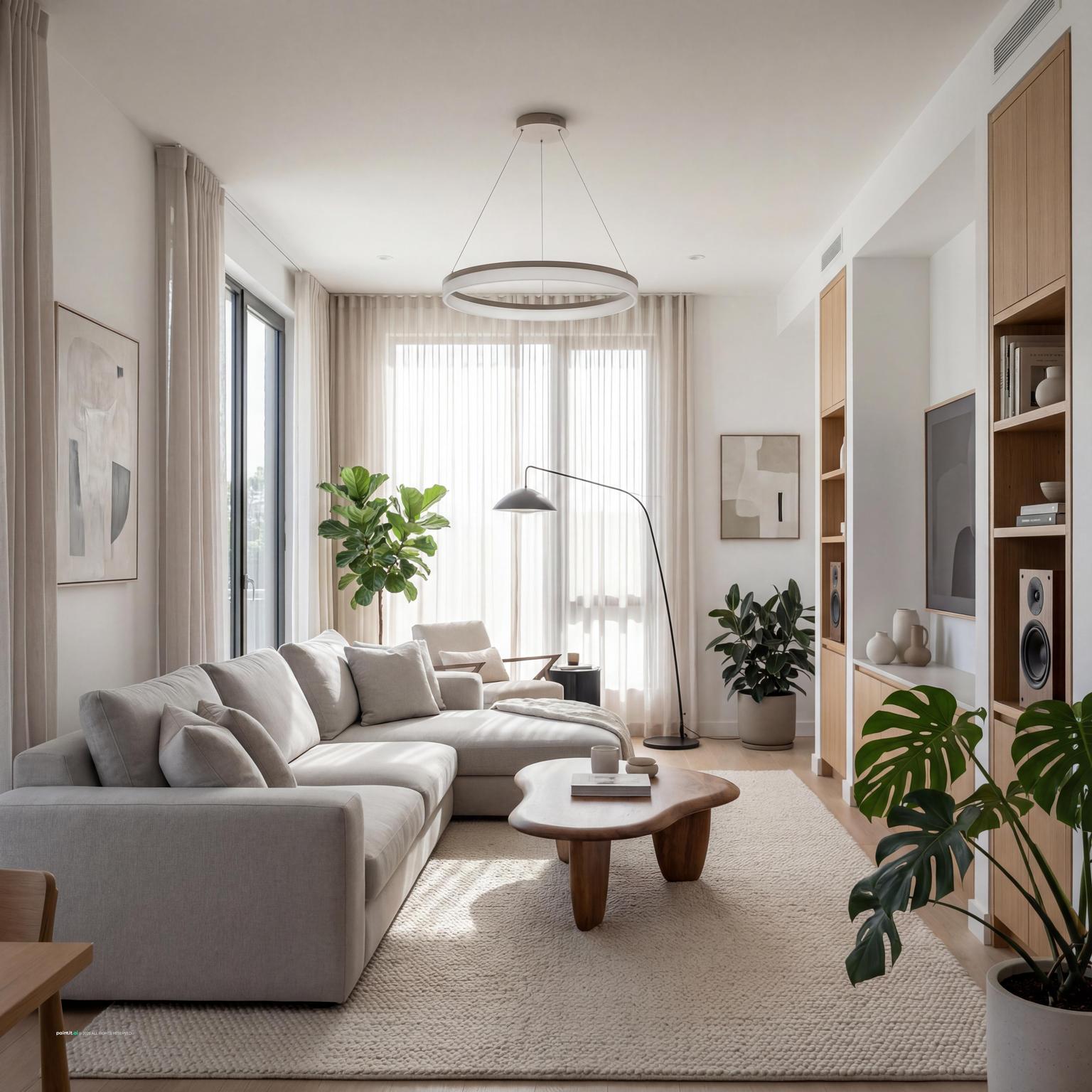
Elegant Contemporary Living Room Design 2025 anchors formal symmetry, warm wood and soft textiles in a living room setting.
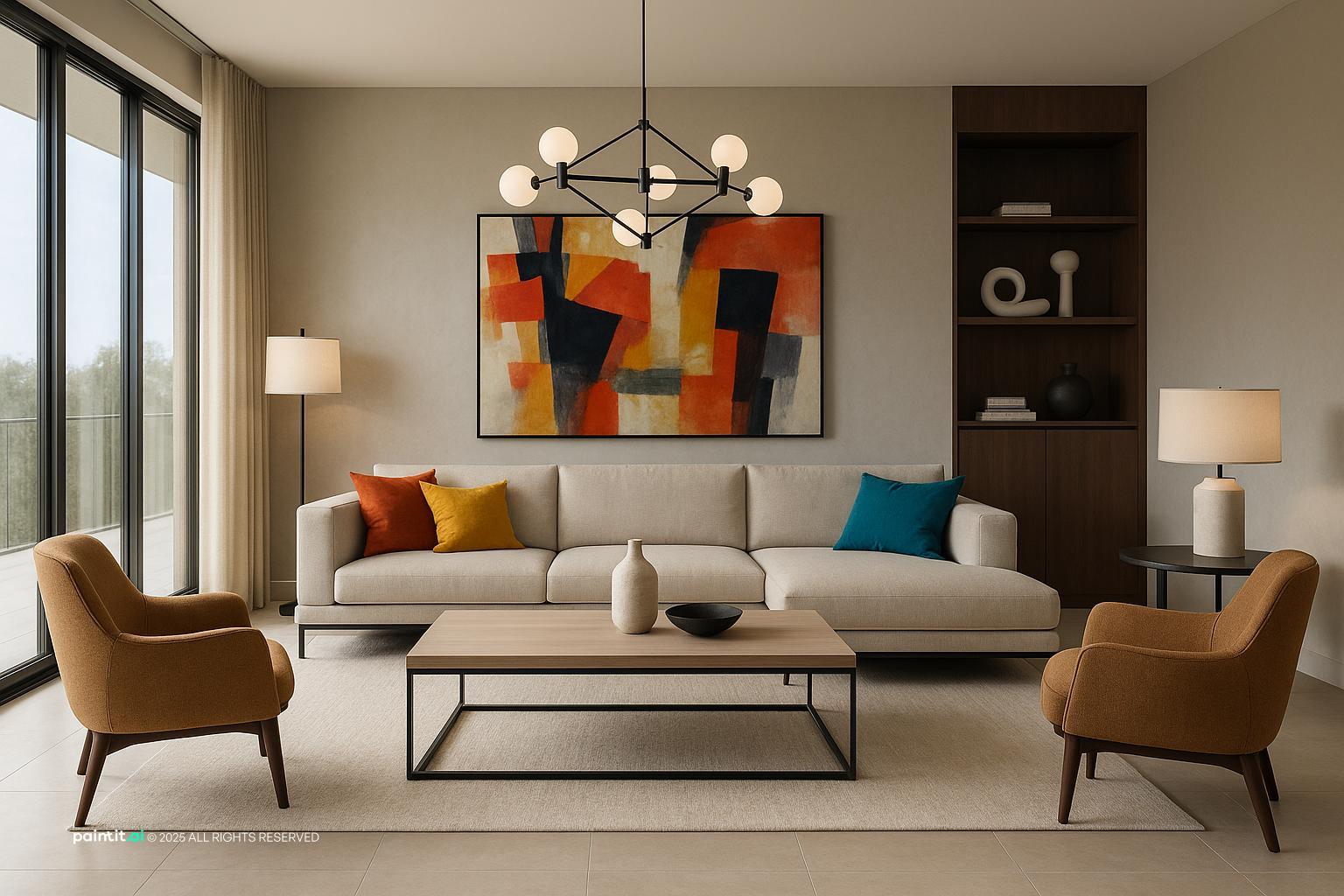
Formal Living Room Ideas with Formal Symmetry and Soft Textiles softens formal symmetry, soft textiles and open layout in a living room setting.
A formal palette usually works best with a calm base and one or two deeper notes. Try ivory with walnut and black, warm beige with brass and olive, pale gray with navy, or mushroom with chocolate brown. Use the deeper color on chairs, pillows, a cabinet, or the fireplace wall rather than scattering it everywhere.
Avoid choosing wall color in isolation. Check it against flooring, trim, upholstery, and natural light, because undertones become more obvious in a room with fewer casual distractions.
Wood keeps a formal space from feeling showroom-cold. Dark walnut, mahogany, oak, or ebonized finishes can work, depending on the architecture. Use wood on side tables, a console, built-ins, picture frames, or chair legs so the room has grounding.
The common mistake is using too many unrelated wood tones. If the floor is orange oak, add cooler dark wood or painted pieces instead of another competing orange finish.
Stone gives formal living room decor a sense of permanence. A marble coffee table, limestone fireplace surround, travertine side table, or stone lamp base can add structure without needing extra ornament. Keep the rest of the room softer so the stone does not dominate.
Use stone where it can be seen and touched. Avoid placing multiple heavy stone pieces in a small room, because the space can quickly feel rigid and hard.
Fine textiles do more than decorate. Drapes frame windows, upholstery controls comfort, and rugs absorb sound. Wool rugs, velvet chairs, linen curtains, silk-blend pillows, and textured bouclé can all make the room feel more layered.
Use pattern with restraint: a patterned rug with plain upholstery, or patterned pillows on a solid sofa. Avoid using several small patterns at the same scale. In a formal room, that kind of busy detail can fight the very order you are trying to create.
Brass, bronze, nickel, and blackened metal can all suit a formal room. Pick one dominant metal and one supporting finish. For example, use aged brass on lamps and chandelier details, then black metal on picture frames or curtain rods.
Avoid a room where every metal surface is shiny and new. A little patina or a softer finish usually looks more settled, especially near a fireplace or traditional millwork.
Lighting should include ambient, task, and accent sources. A chandelier gives the room a center, sconces frame art or a mantel, and lamps make the seating area comfortable. Warm bulbs are usually more flattering for evening conversation than cool white light.
In Paintit.ai tests, we often see rooms fall flat when users specify style and color but forget lighting. If you are testing modern formal living room ideas, ask for warm ambient lighting, a chandelier, and soft lamp glow instead of relying on the default render.
A formal coffee table does not need many objects. Use one tray, one tall element, one low object, and perhaps a book stack. On a mantel, leave space around art, candlesticks, or a mirror so each piece can breathe.
Avoid filling every horizontal surface. Negative space is what lets better materials, cleaner proportions, and a symmetrical layout show up.
Paintit.ai is useful for formal rooms because small choices change the mood quickly: a different rug size, warmer lighting, paired chairs, a repainted wall, or a new chandelier can shift the whole room. Upload your real living room photo, then test layout, palette, materials, repainting, staging, and style direction while keeping the room’s actual proportions.
For better results, write prompts like a designer rather than a search bar: KEEP: fireplace, windows, ceiling height. CHANGE: sofa, rug, lighting. MATERIALS: velvet drapes, walnut tables, marble coffee table. LIGHTING: warm chandelier, sconces, table lamps. CRITICAL: preserve exact room structure always. Do NOT change any architectural element. If you want to compare several formal living room ideas in your own photo, the AI room design tool is a practical place to test them. If the room is empty, AI virtual staging can help you see whether a formal furniture plan fits before you order anything.
A formal living room usually includes structured seating, a large rug, a coffee table, accent chairs, layered lighting, drapes, and a clear focal point such as a fireplace, art wall, or chandelier.
Use comfortable seat depth, warm lighting, soft textiles, and a layout that supports conversation. The room can still be polished, but avoid making it so perfect that no one wants to sit down.
A formal living room is usually more composed, symmetrical, and guest-focused. A family room is typically more casual, media-friendly, and designed for everyday lounging, snacks, toys, and TV.
Yes, but handle it discreetly. Consider a framed TV, built-in cabinet, or secondary wall so the screen does not overpower the seating arrangement, fireplace, or conversation area.
Warm neutrals, ivory, taupe, deep blue, charcoal, olive, and rich brown often work well. The best choice depends on flooring, daylight, trim color, upholstery, and the mood you want.