
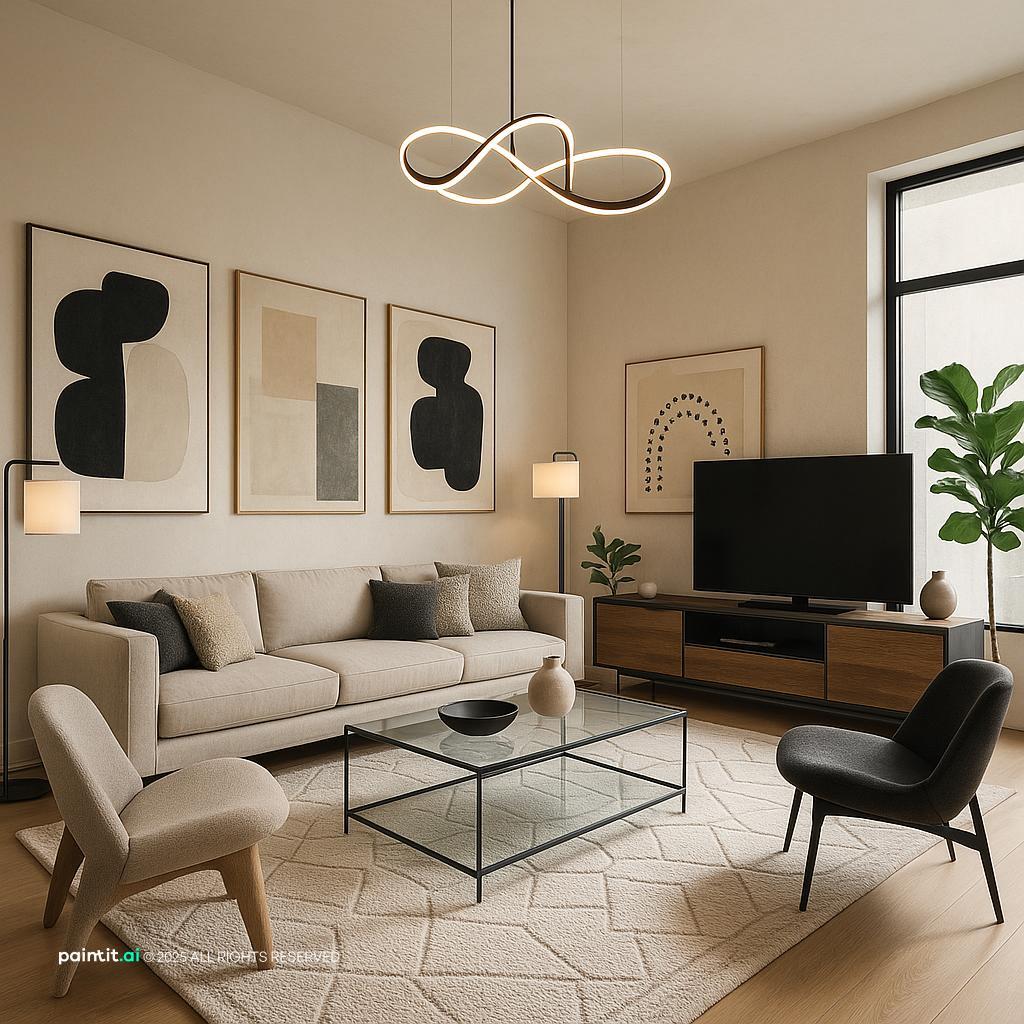
Contemporary Arty Living Room Design
Contemporary Arty Living Room Design uses soft textiles, metal accents and clean-lined furniture in a living room setting.
The strongest contemporary living room ideas usually do not start with a shopping list. They start with a few clear decisions: what stays, what feels heavy, where people actually sit, and which materials make the room feel current without turning it cold. Contemporary style is flexible, but it is not random. Start with the room you have. Keep the best fixed elements, then refine the sofa, large rug, lighting, neutral palette, statement art, and contemporary living room furniture until the space feels clean, warm, and usable.
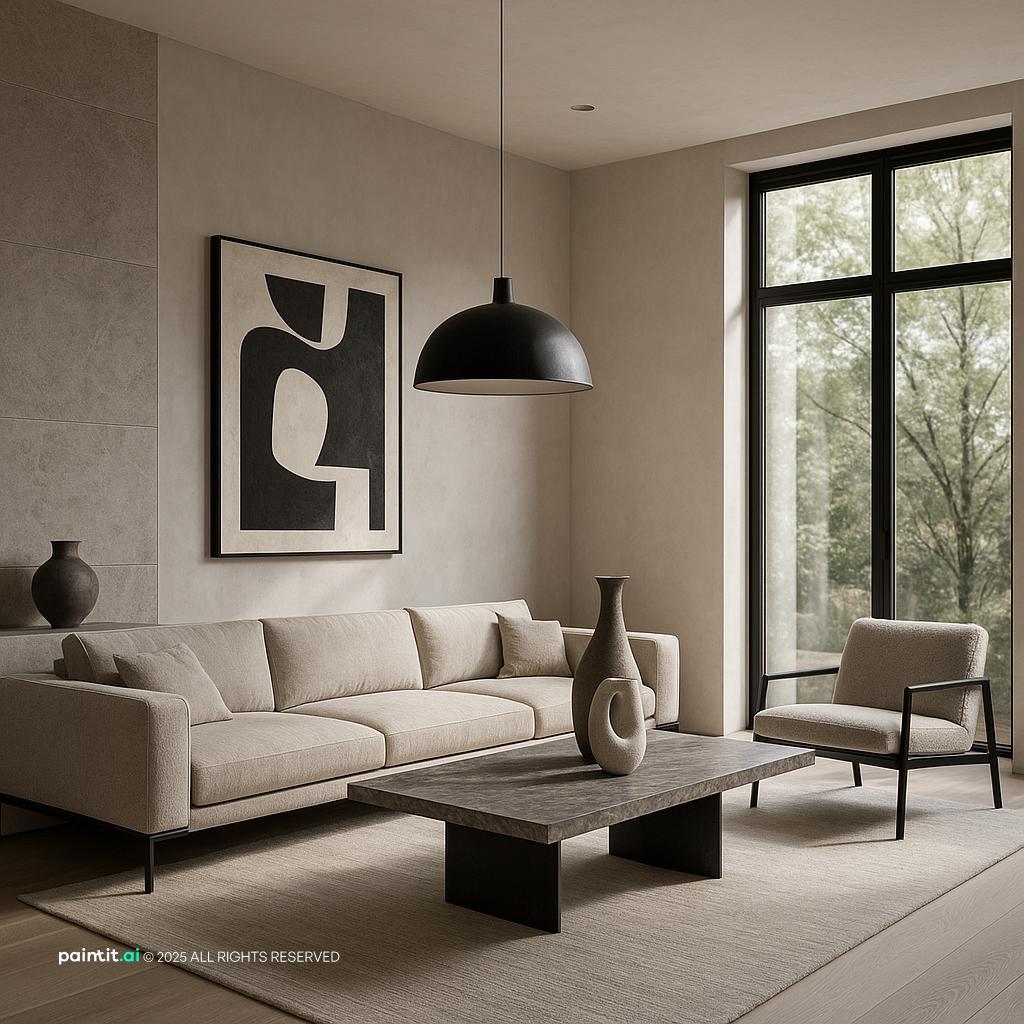
A contemporary living room is shaped by what feels relevant now: open sightlines, edited furniture, tactile surfaces, and a mix of straight and soft forms. It can borrow from modern design, minimalism, organic shapes, or quiet luxury, but it still has to answer to the actual room — windows, walkways, ceiling height, existing floors, TV placement, and daily mess.
In Paintit.ai data, 27.6% of prompts mention color, 19.0% mention material, and 17.1% mention style. That tracks with what we often see in real room uploads: color and materials make or break the result long before the small decor appears. If the palette is vague or the materials fight each other, the room reads as a collection of pieces instead of one contemporary living room design.
Use the first gallery to compare how sofa placement, rug size, accent chairs, artwork, and layered lighting change the same room from ordinary to intentional. Look for rooms where every major piece has a job, not just a style label.
Contemporary Arty Living Room Design uses soft textiles, metal accents and clean-lined furniture in a living room setting.
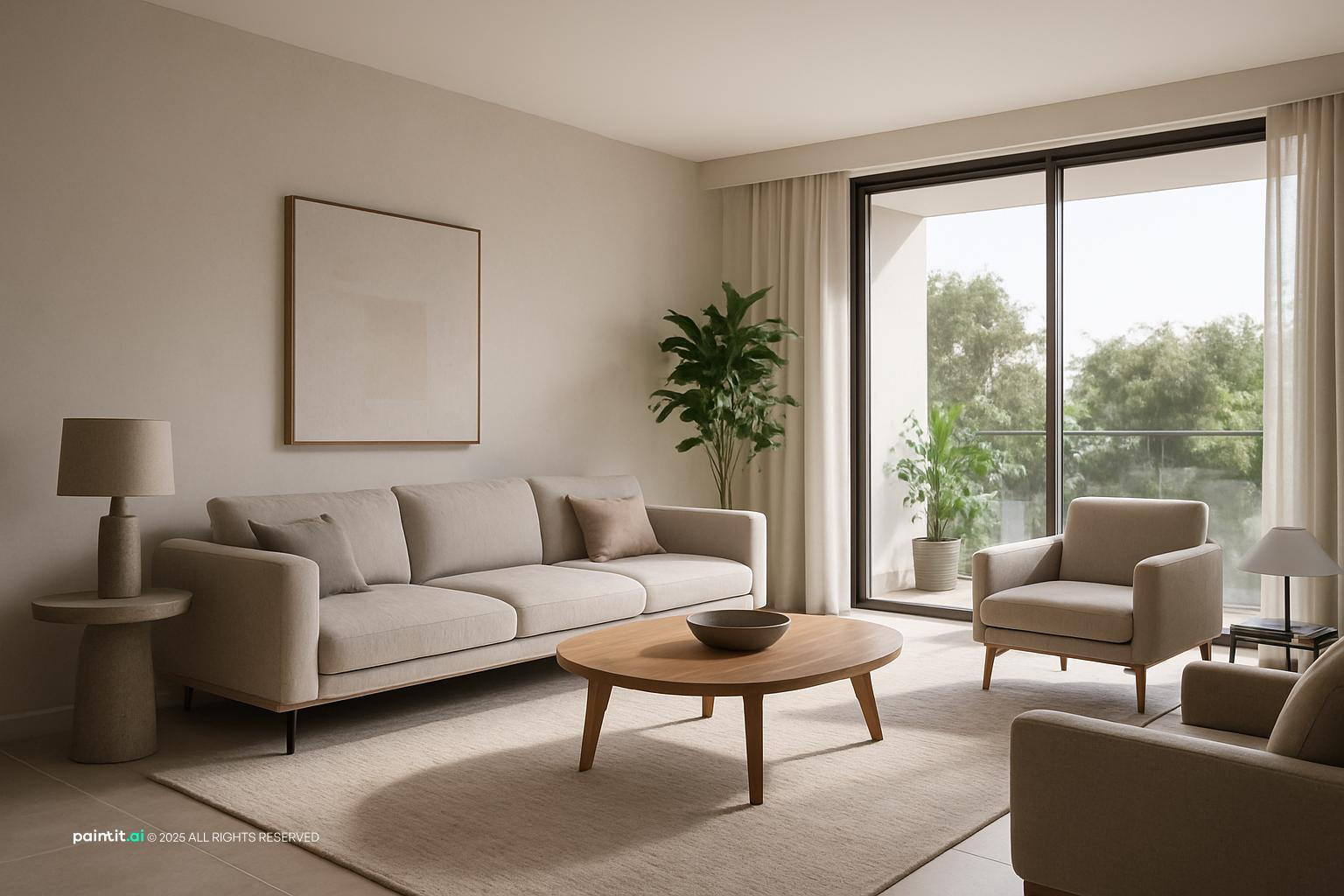
Contemporary Living Room Ideas with Metal Accents and Clean-lined Furniture balances metal accents, clean-lined furniture and plants and greenery in a living room setting.
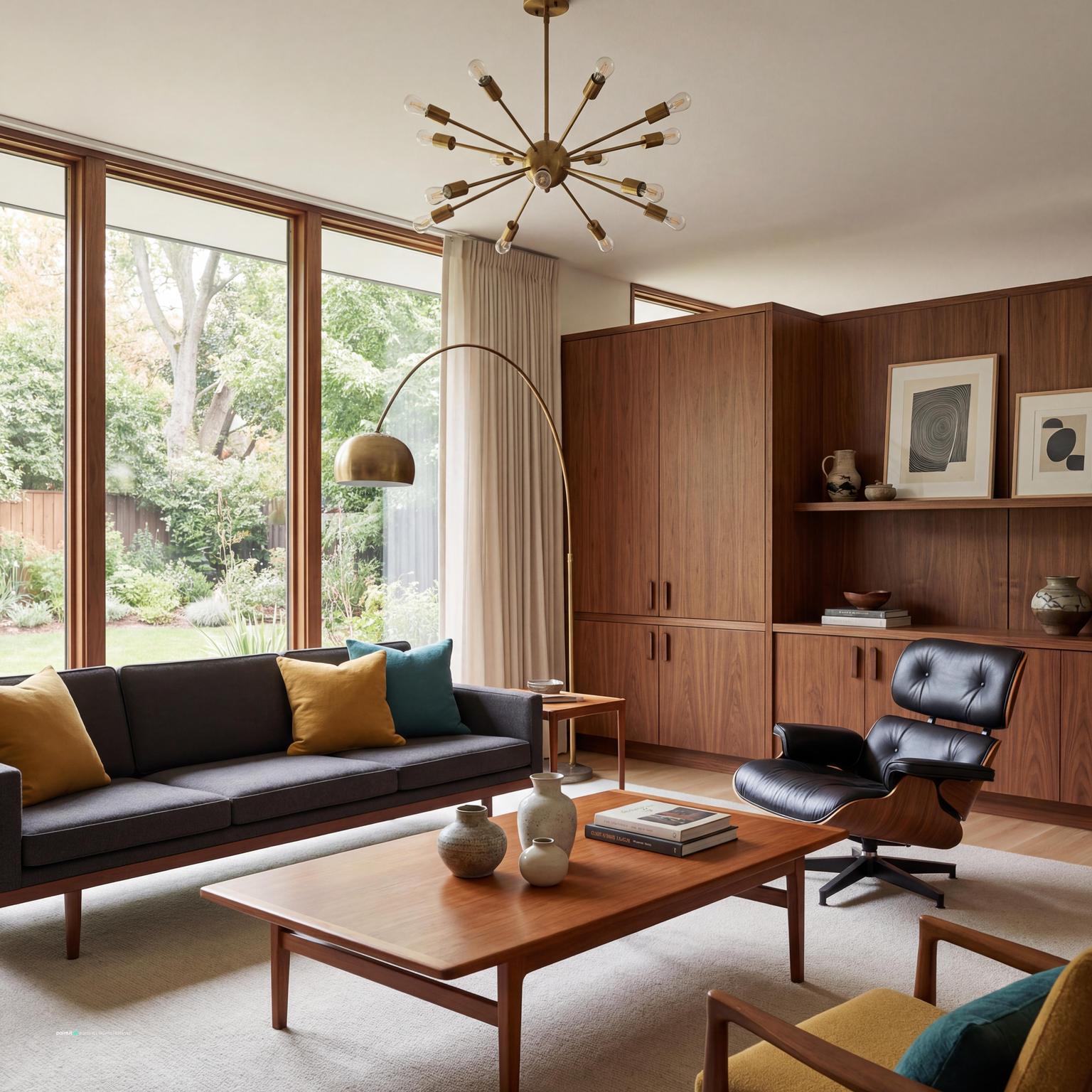
Mid-Century Modern Living Room Design pairs warm wood, metal accents and clean-lined furniture in a living room setting.
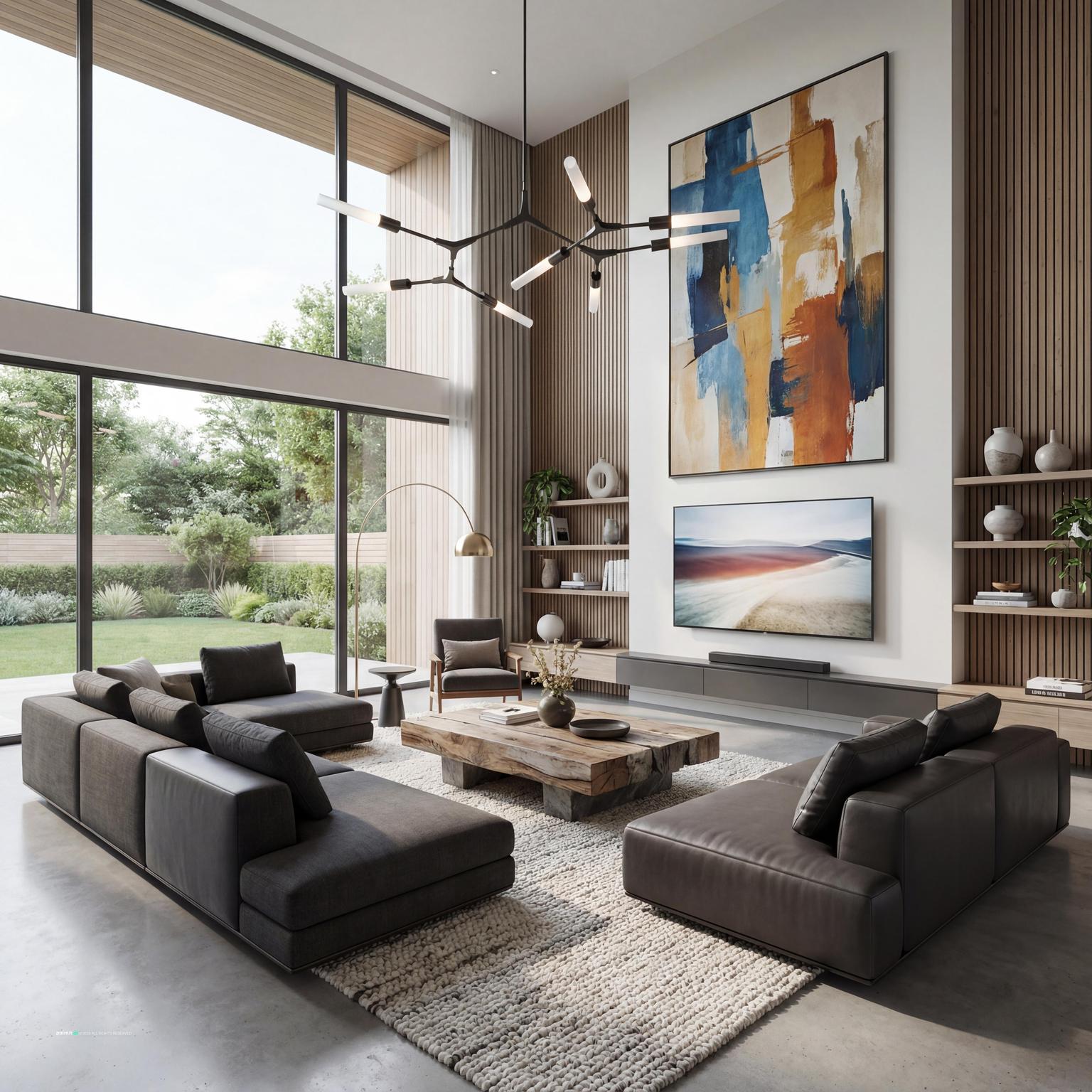
Award-Winning Contemporary Living Room Design layers soft textiles, open layout and layered neutrals in a living room setting.
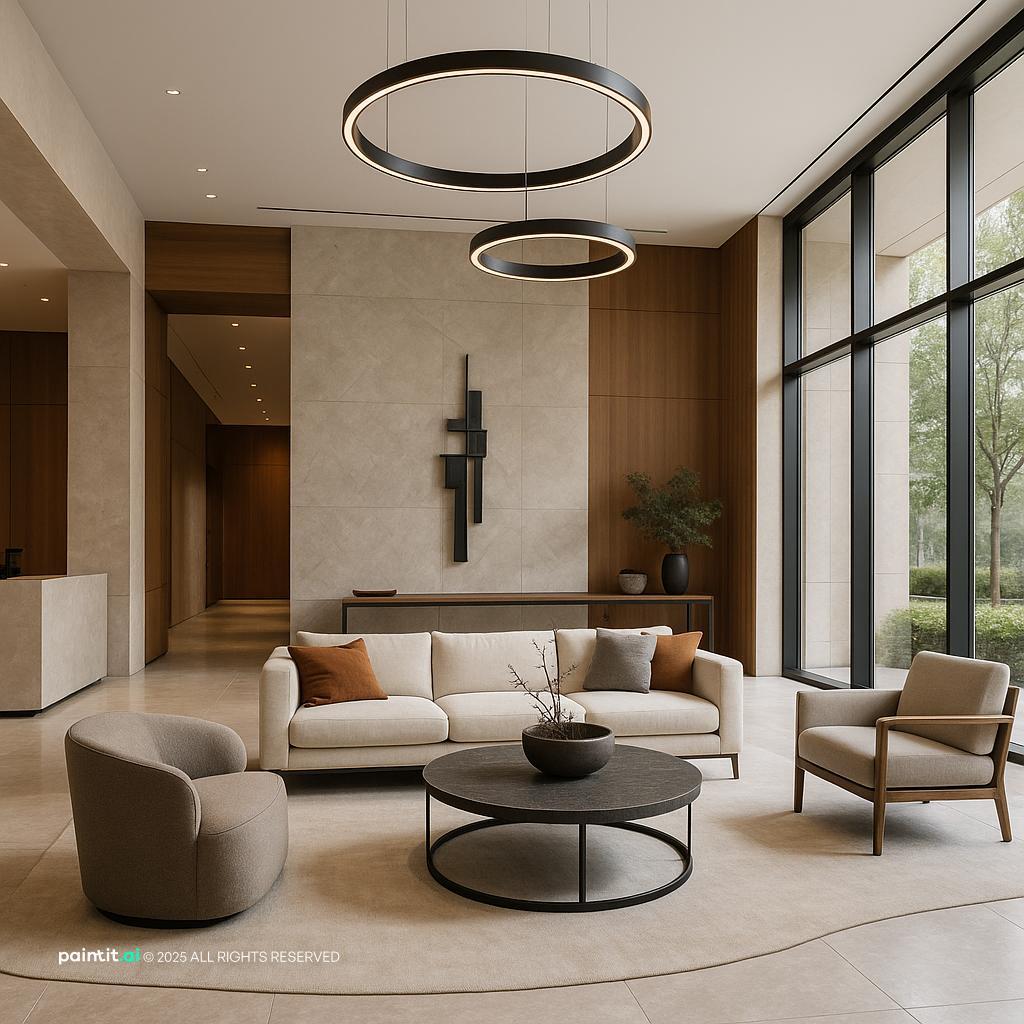
Stunning Contemporary Lobby & Living Room Design anchors clean-lined furniture, layered neutrals and natural light in a living room setting.
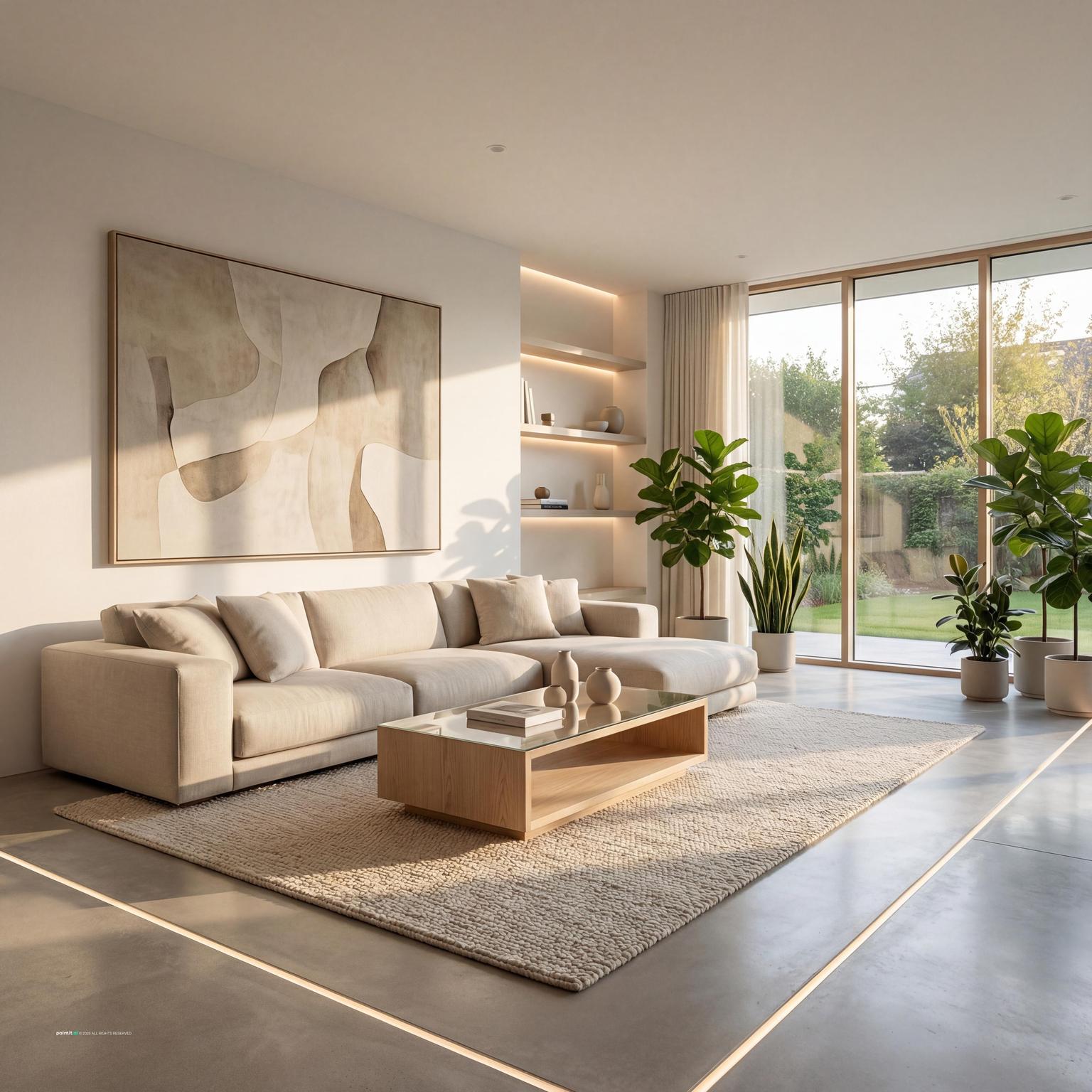
Stylish Contemporary Living Room Design softens clean-lined furniture, plants and greenery and layered neutrals in a living room setting.
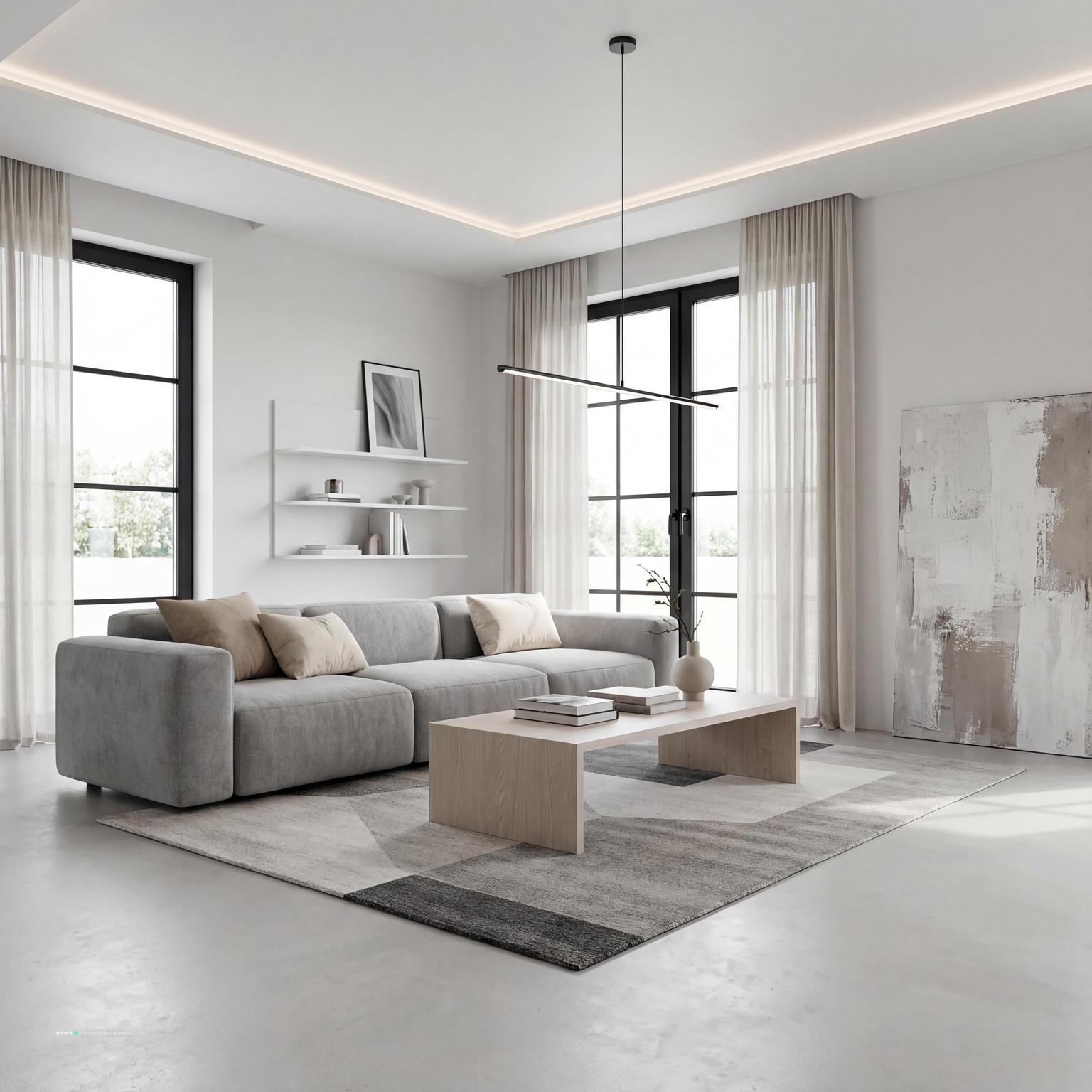
Stylish Minimalist Living Room Design uses warm wood, clean-lined furniture and layered neutrals in a living room setting.
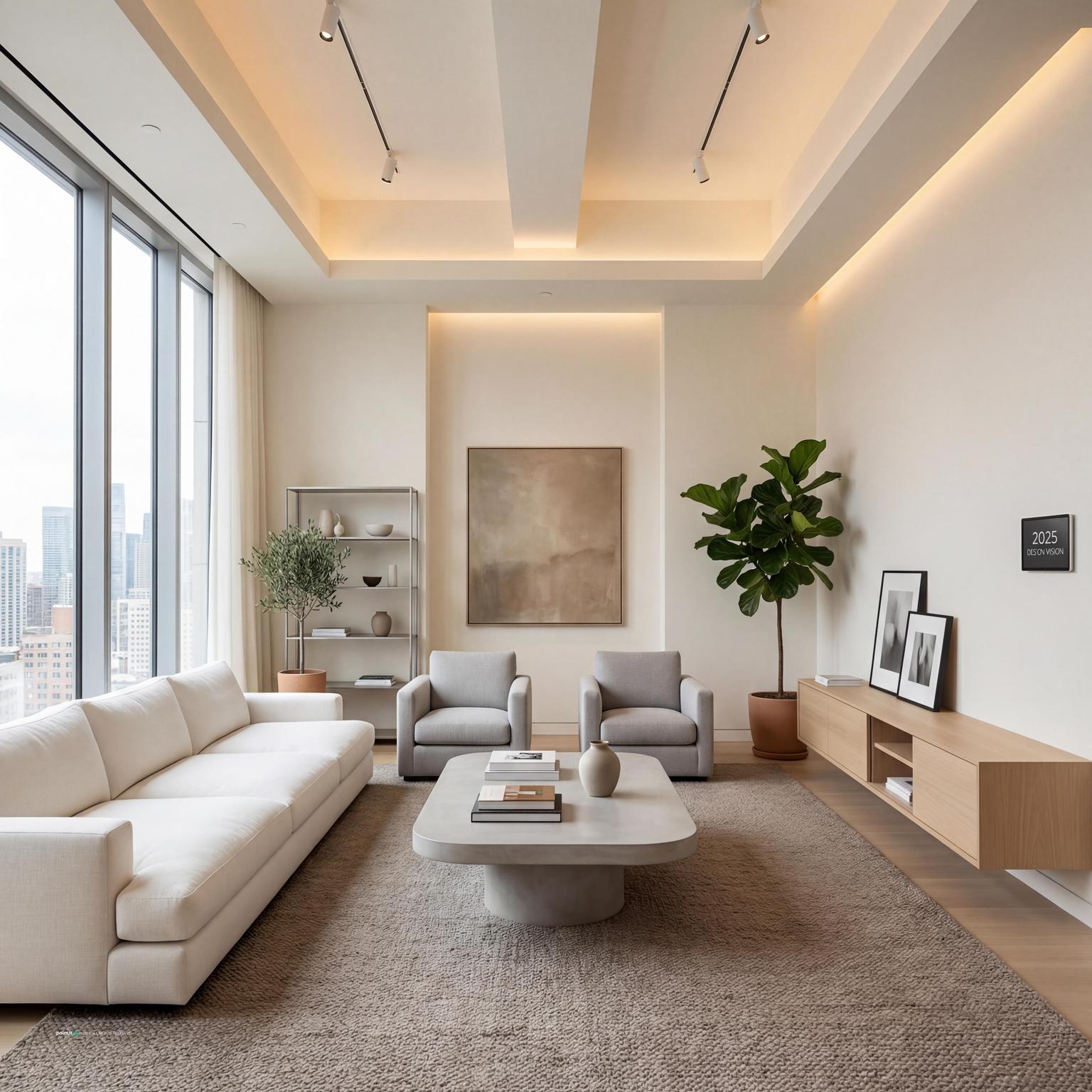
Luxury Minimalist Living Room Design balances clean-lined furniture, plants and greenery and layered neutrals in a living room setting.
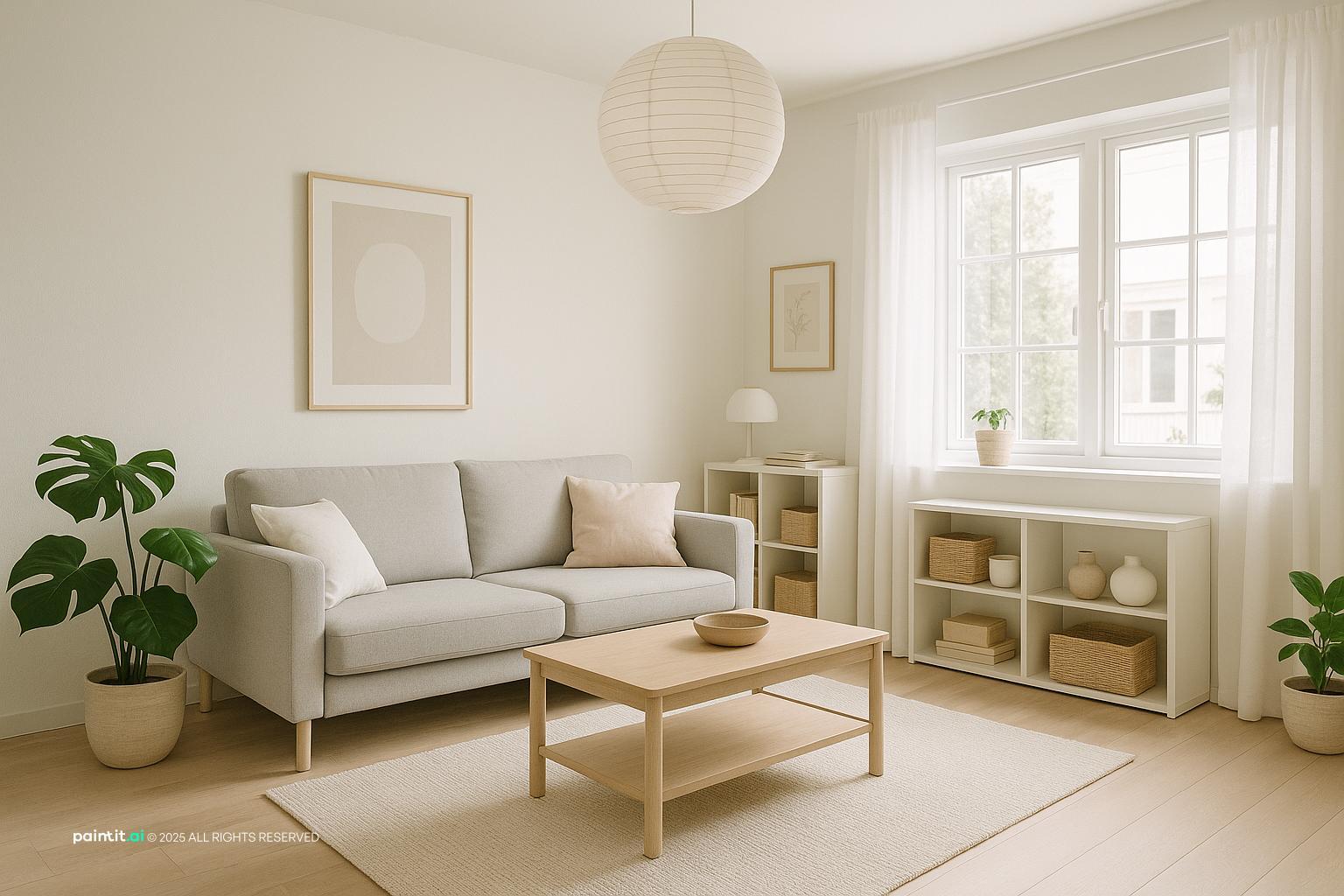
Scandinavian Living Room Design pairs natural light in a living room setting.
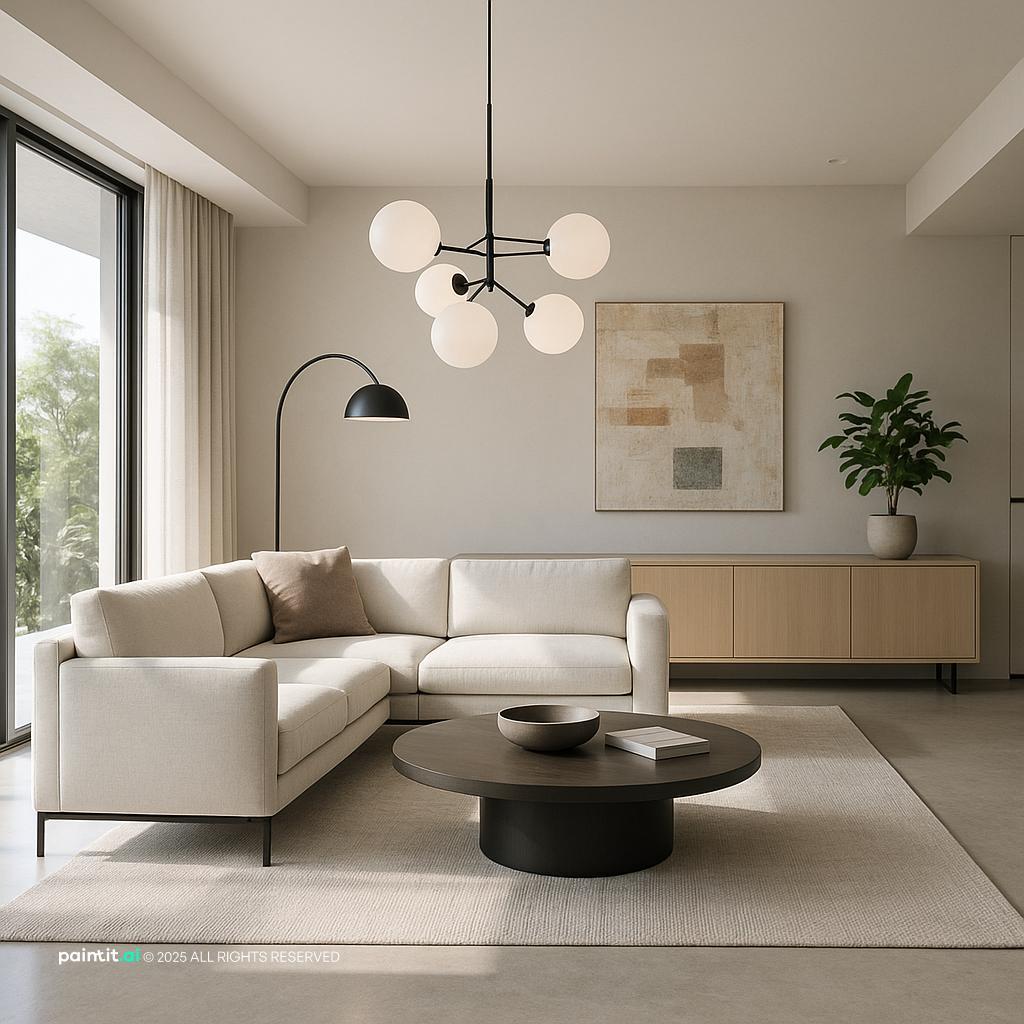
Modern Living Room Design layers clean-lined furniture, plants and greenery and open layout in a living room setting.
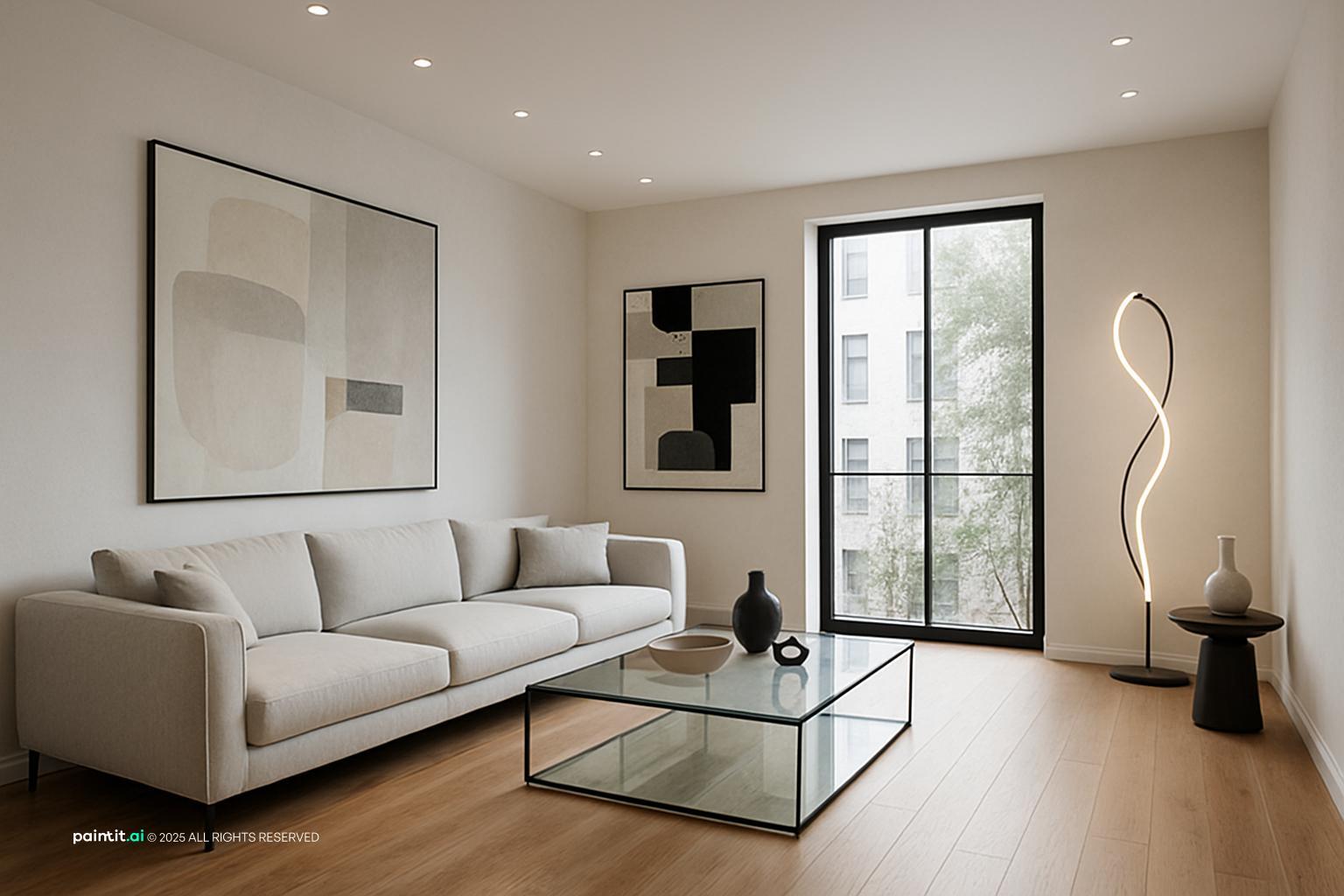
Stunning Contemporary Living Room Design anchors clean-lined furniture, layered neutrals and dark contrast in a living room setting.
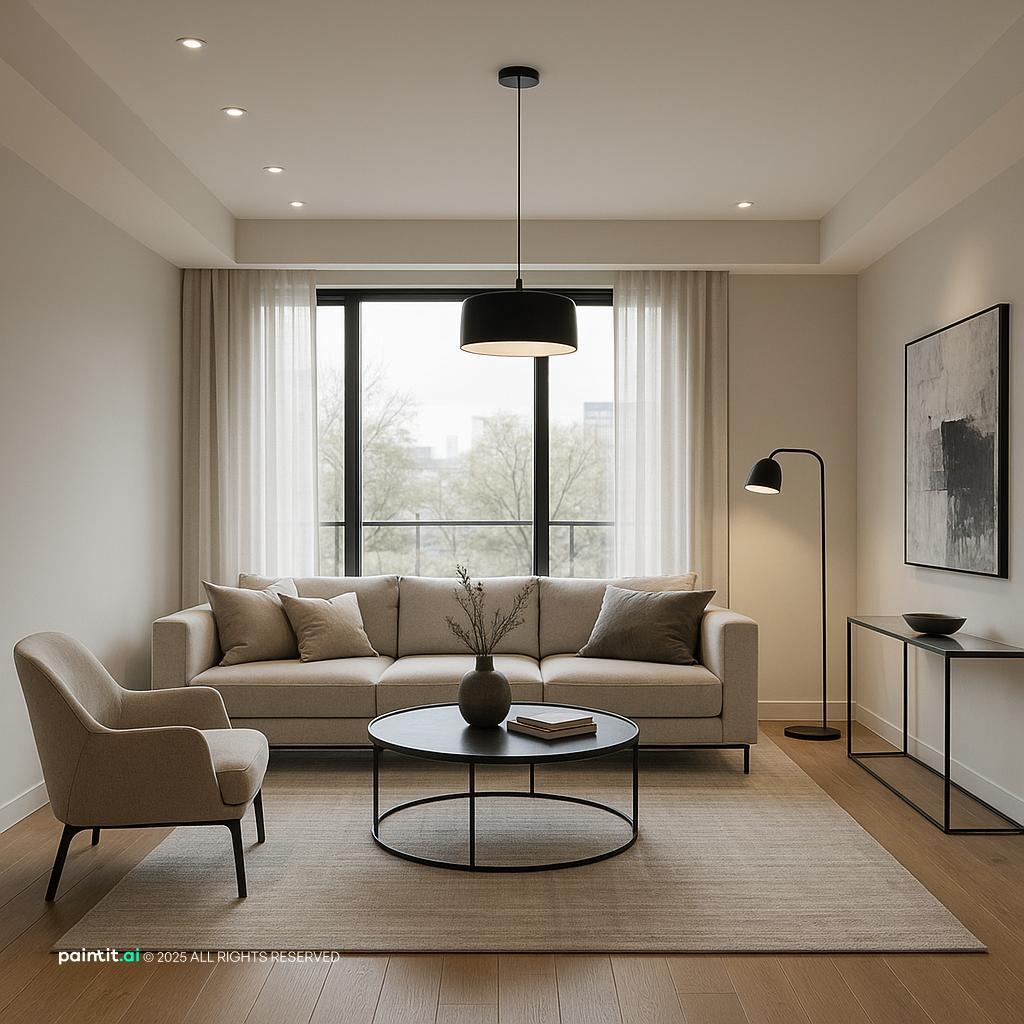
Elegant Contemporary Living Room Design softens metal accents, clean-lined furniture and layered neutrals in a living room setting.
Start with the seating arrangement before choosing accessories. In most living rooms, that means a sofa facing the main view, fireplace, media wall, or conversation area, with chairs close enough that people do not have to lean forward to talk. Keep the walking path behind or beside the seating instead of slicing through the middle of the rug.
Why it works: contemporary design depends on visual calm, and a confused layout creates noise even when the furniture is expensive. If you are unsure whether the sofa should float or sit against the wall, test both options with an AI Living Room Design workflow before you move the heavy pieces.
A large rug is one of the quickest ways to make a contemporary living room feel finished. The front legs of the sofa and accent chairs should usually sit on the rug, with enough floor border visible so the rug does not look jammed against the walls. In a larger room, go bigger rather than using a small rug that only sits under the coffee table.
What to avoid: a rug that stops short of the seating. It makes the room feel chopped into separate parts. If the rug has pattern, keep the palette restrained so it adds movement without competing with the art, upholstery, or fireplace.
Too many rectangles can make contemporary living room design feel stiff. Add one curved element: a rounded sofa arm, circular coffee table, barrel chair, arched floor lamp, or oval side table. The goal is not to make everything soft. It is to interrupt the boxy geometry.
This is especially useful in open-plan rooms with square windows, flat cabinetry, and long media units. For more on soft forms and controlled organic shapes, the Paintit.ai article on Organic Minimalism & Curved Furniture is a useful reference.
A neutral palette works best when it has depth, not just beige layered on beige. Try warm white walls, a taupe or greige sofa, black metal accents, pale oak, and one deeper shade such as charcoal, olive, rust, or espresso. The contrast should be visible, but not sharp enough to make the room feel jumpy.
Why it works: contemporary rooms depend on undertone control. If the walls are cool gray and the sofa is warm cream, the mismatch can look accidental unless you bridge them with textiles, wood, or statement art that includes both tones.
One large artwork usually feels more contemporary than several tiny pieces scattered around the room. Hang it so the center sits near eye level, and relate its width to the sofa, console, or fireplace below. If the room already has strong architecture, choose art with quiet movement instead of another loud focal point.
What to avoid: using art only to fill blank walls. Contemporary living room decor works harder when art sets the palette, balances scale, or repeats a shape that appears somewhere else in the room.
Before changing everything, decide what should stay: wood flooring, a stone fireplace, black window frames, built-ins, ceiling beams, or a strong view. In Paintit.ai prompts, 12.0% of users include instructions like "keep" or "don't change," and that is a smart decorating habit too.
Why it works: contemporary rooms feel more believable when they respond to the shell of the home. If every surface is replaced, the space can lose its natural hierarchy. Keep the strongest fixed element, then make the furniture, palette, and lighting support it.
A small contemporary living room needs fewer pieces with better proportions. Choose a sofa with slim arms, nesting tables instead of a bulky coffee table, wall-mounted shelves instead of a heavy bookcase, and one sculptural lamp rather than several tiny objects. Use closed storage where you can.
In Paintit.ai tests, the cleaner versions often come from prompts that say what to remove as clearly as what to add: "without clutter," "no clutter," "keep the floor," "don't change the windows." In real life, use the same filter. If an item does not support function, texture, scale, or personal meaning, remove it or group it properly.
Look for sofas and chairs with clean silhouettes, lifted legs, tailored upholstery, and controlled depth. A very deep sofa can be comfortable, but it can also swallow a narrow room. If the sofa is low and broad, balance it with taller lamps, vertical art, or slim shelving.
What to avoid: buying a full matching set. Contemporary living room furniture looks more natural when the sofa, accent chairs, coffee table, and media unit relate through proportion, finish, or line rather than being identical.
A flat room often has too much of the same texture. Combine wood, stone, metal, linen, leather, glass, ceramic, or boucle in a deliberate way. For example, pair a pale oak media unit with a honed stone coffee table, black metal lamp, wool rug, and linen sofa.
When people upload a living room for a contemporary refresh, the first weak spot is often material sameness. Mixed materials make the room read as designed. The catch: keep the color range tight, or the room becomes busy instead of layered.
Layered lighting should include ambient light, task light, and accent light. Use ceiling fixtures or recessed lighting for general brightness, a floor lamp near seating for reading, and table lamps or wall lights to soften evening shadows. Warm dimmable bulbs are usually more forgiving than one bright overhead source.
Only 5.9% of Paintit.ai prompts mention lighting, even though lighting strongly affects whether a contemporary room looks flat or finished. I would treat light as a material. It changes how wood undertones, wall color, upholstery, and stone appear.
If the TV is the main focal point, keep the surrounding design quiet. A low console, simple floating cabinetry, or textured wall panel can make the media zone feel integrated. Leave negative space around the screen instead of crowding it with vases, shelves, cords, and frames.
Why it works: contemporary style benefits from clean sightlines. If the TV wall has too many objects and finishes, it becomes the busiest part of the room, even when every individual piece looks fine.
If you prefer a restrained palette, texture has to carry more of the room. Use a woven rug, nubby upholstery, ribbed ceramic, slatted wood, matte plaster, or soft curtains. These elements create shadow and depth without needing bright colors.
What to avoid: relying only on smooth surfaces. Glossy tables, flat walls, and tight upholstery can look sterile together. Add at least one textile with visible weave and one natural material with grain or variation.
Accent chairs should support the main conversation zone. Place them within reach of a side table or shared coffee table, and angle them slightly toward the sofa. If the room is narrow, choose armless or swivel chairs to reduce bulk.
For a contemporary look, the chair can introduce a different shape or material: leather against fabric, a curved back against a straight sofa, or a darker tone against pale walls. Just check seat height. A beautiful chair that sits too low or too upright will look good in a render and feel wrong in the room.
If you are furnishing from scratch, resist filling the room piece by piece without a plan. Start with sofa length, rug size, media placement, and chair clearance. Then add side tables, lighting, art, and styling once the proportions are right.
For rentals, listings, or unfurnished spaces, AI Virtual Staging can help compare furniture scale before anything is purchased. This is especially useful when the room looks larger or smaller in photos than it feels in person.
The second gallery is useful for comparing direction: warm neutrals, sharper black-and-white contrast, sculptural furniture, textured minimalism, and bolder art-led rooms. Notice how each version changes the same basic ingredients instead of starting from scratch.
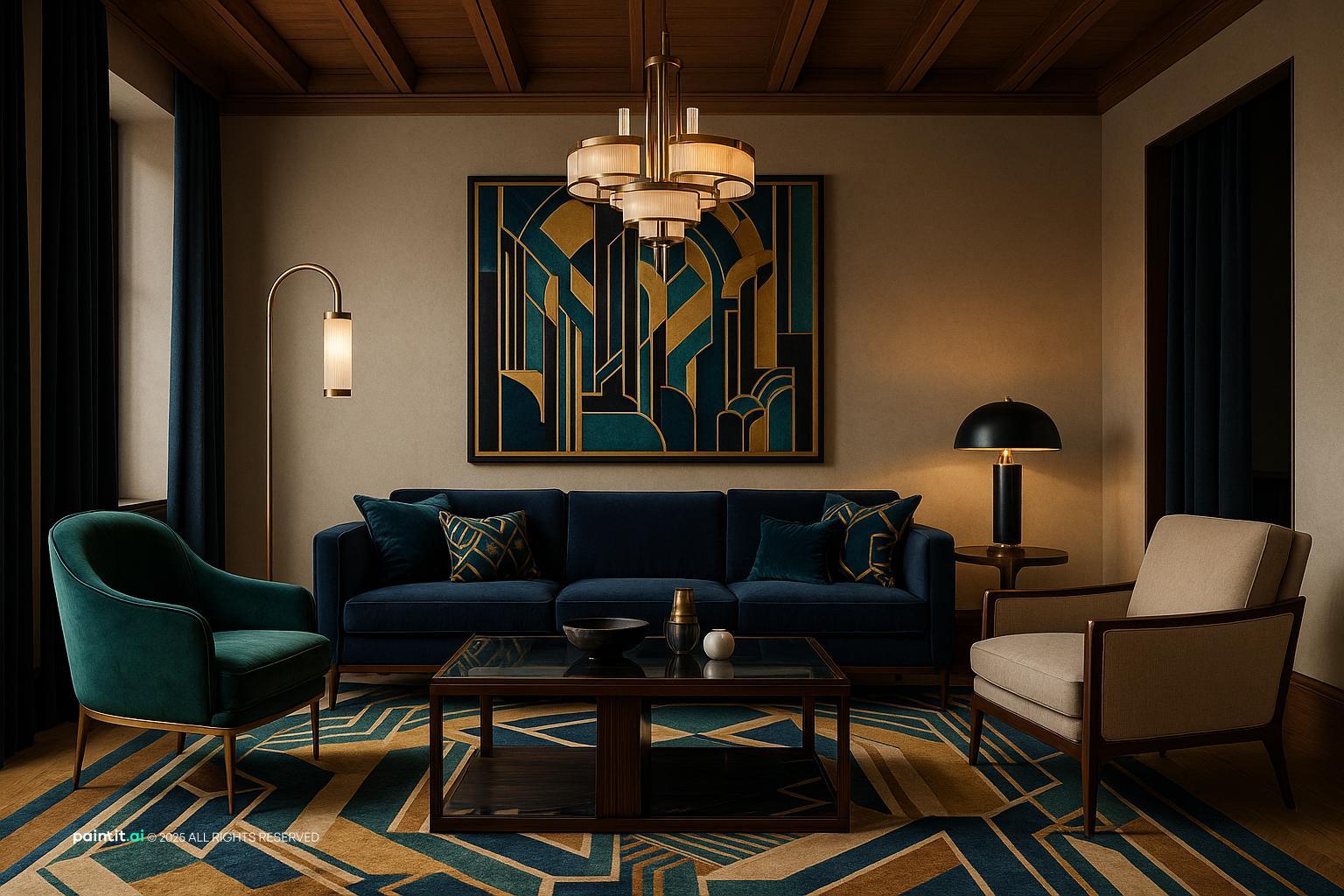
Elegant Art Deco Living Room Design uses metal accents, clean-lined furniture and layered neutrals in a living room setting.
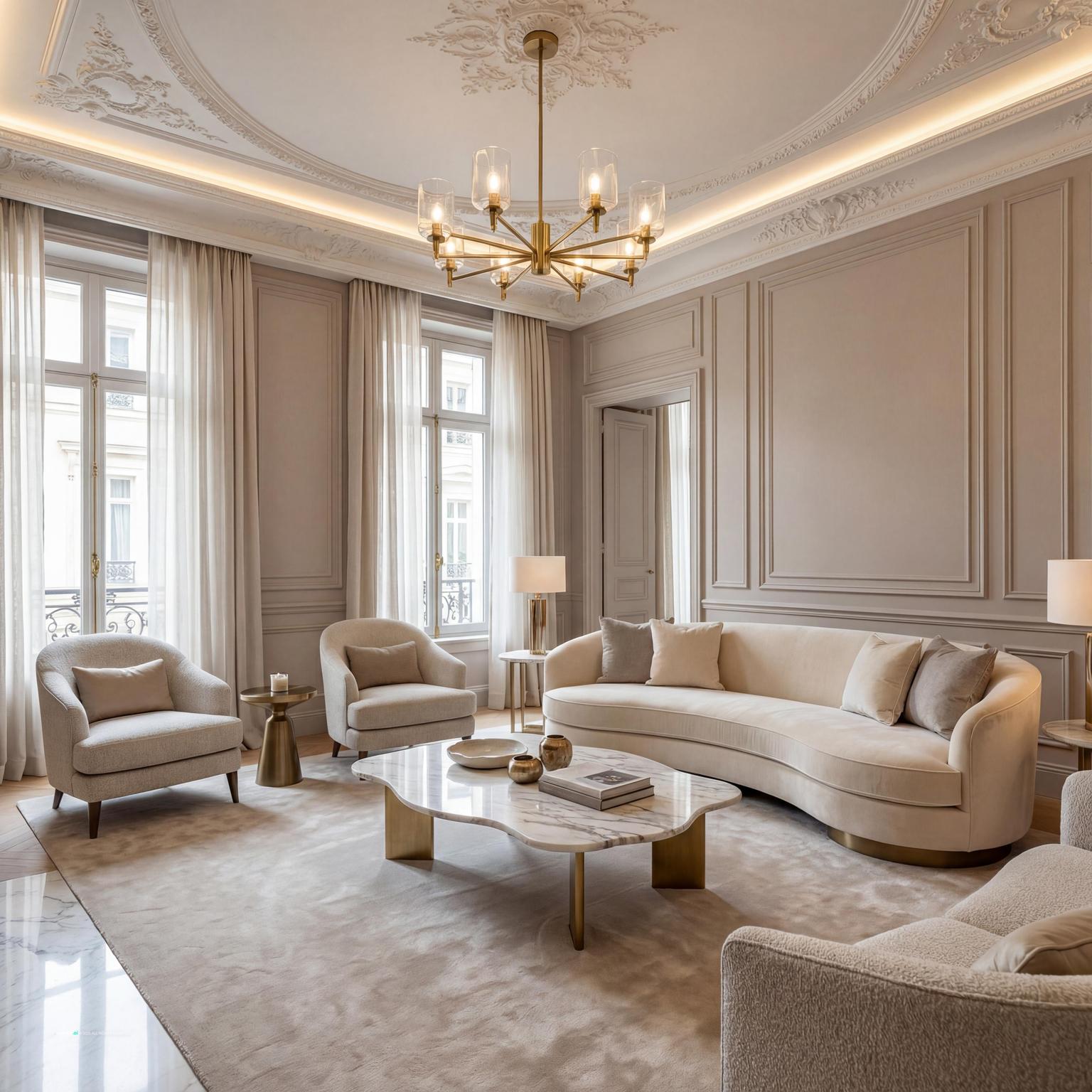
Elegant Neoclassic Living Room Design balances metal accents and layered neutrals in a living room setting.
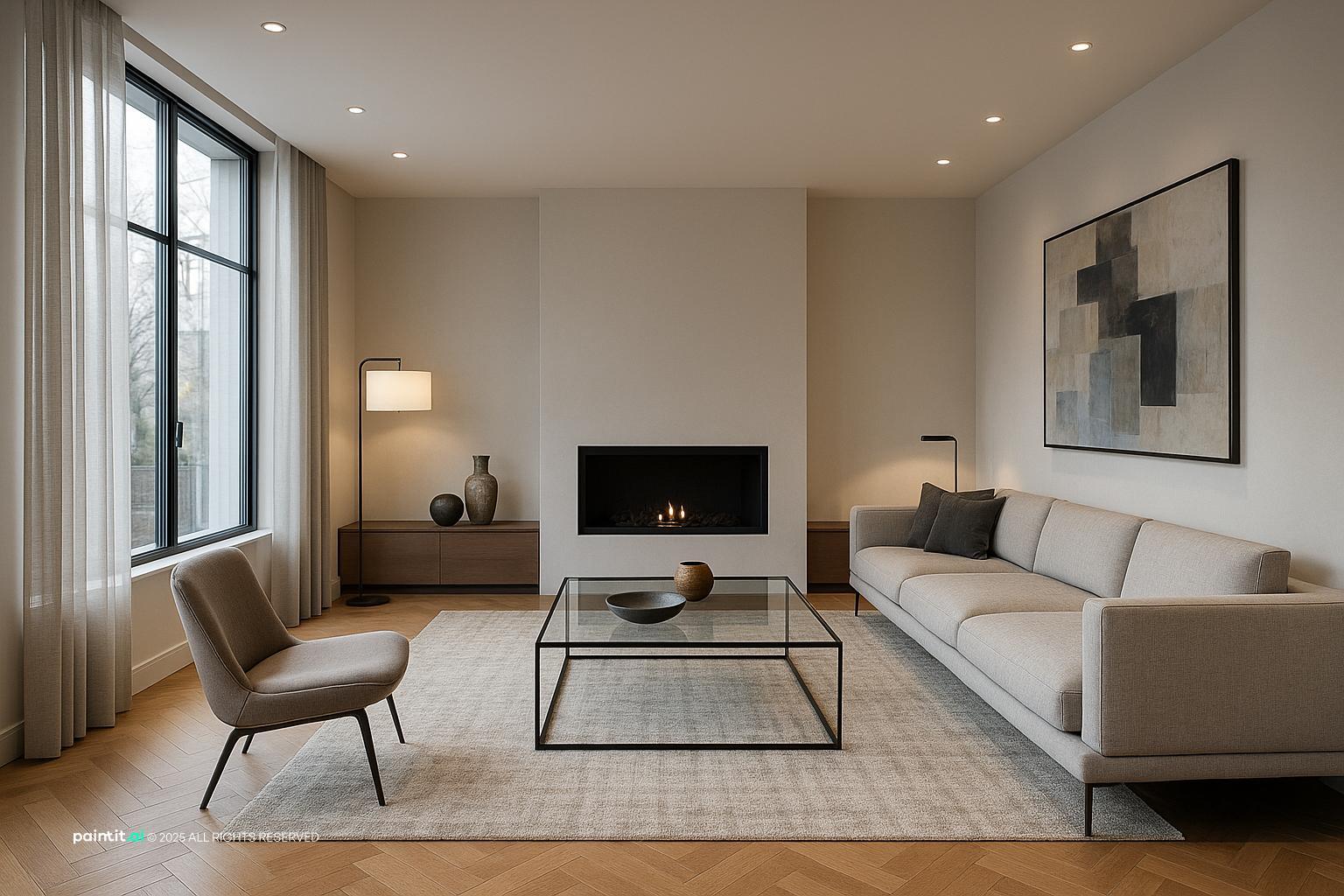
Contemporary Minimalist Living Room Design pairs metal accents, clean-lined furniture and layered neutrals in a living room setting.
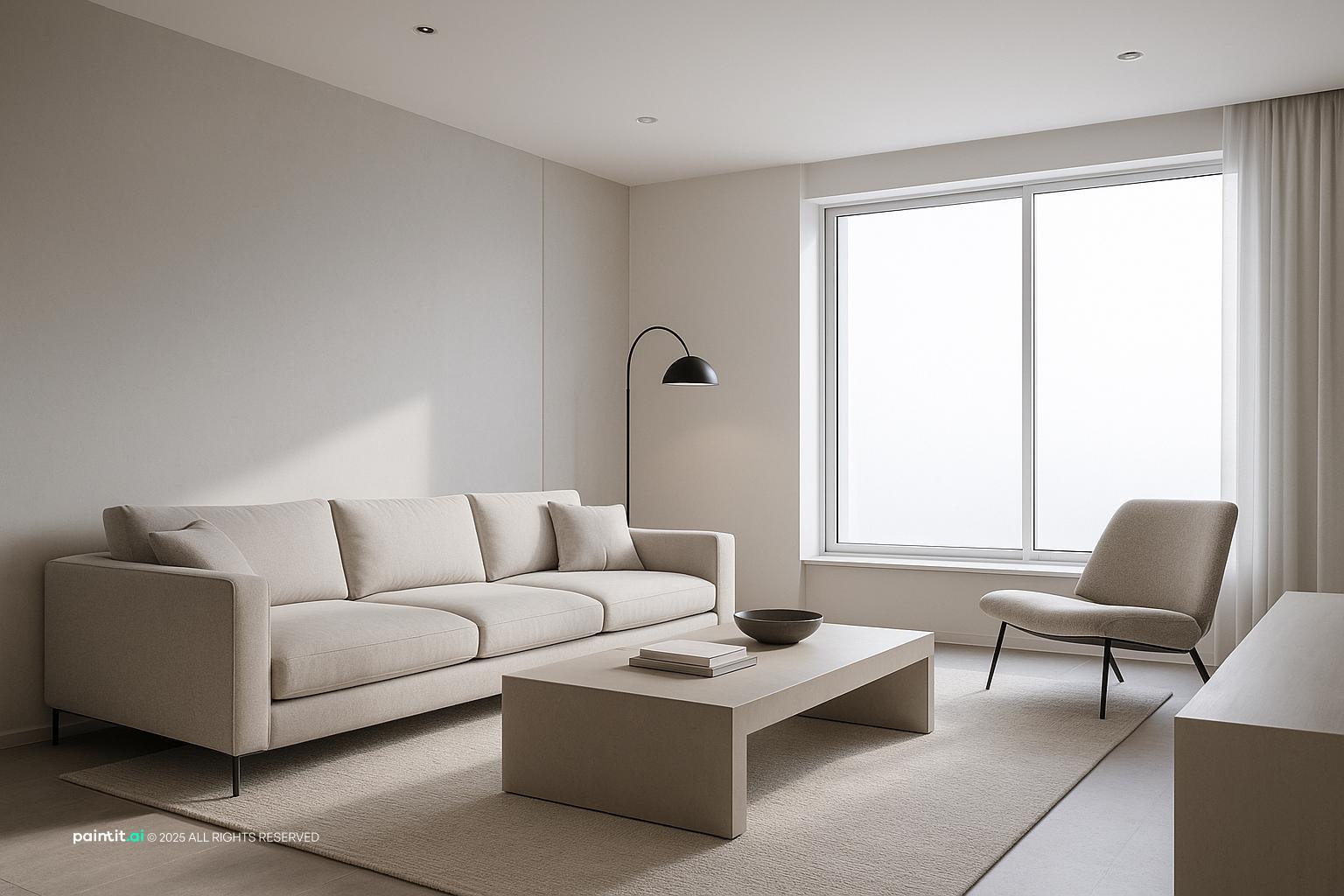
Sleek Modern Living Room Design layers clean-lined furniture, layered neutrals and natural light in a living room setting.
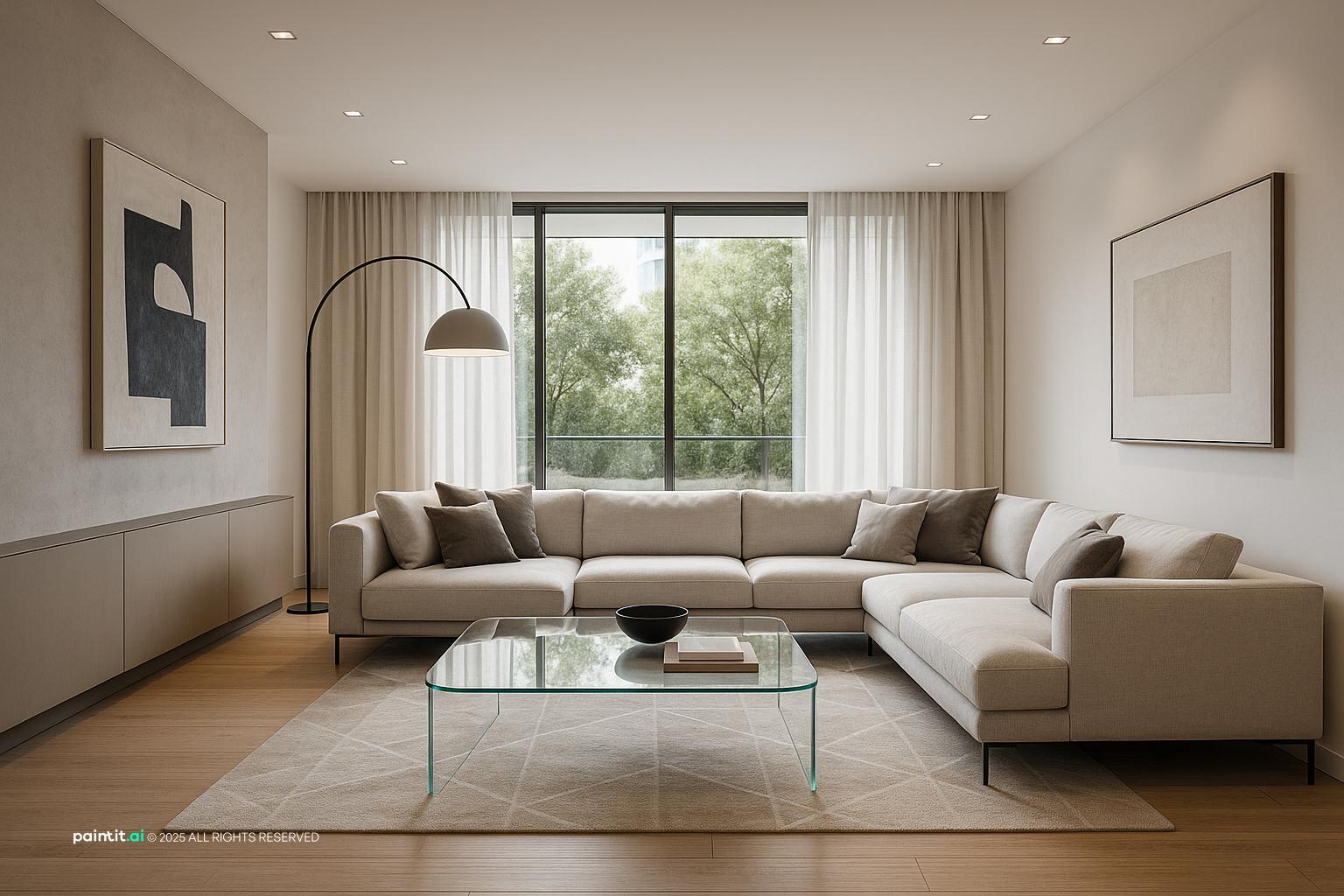
Stunning Contemporary Living Room Design with Layered Neutrals anchors layered neutrals and natural light in a living room setting.
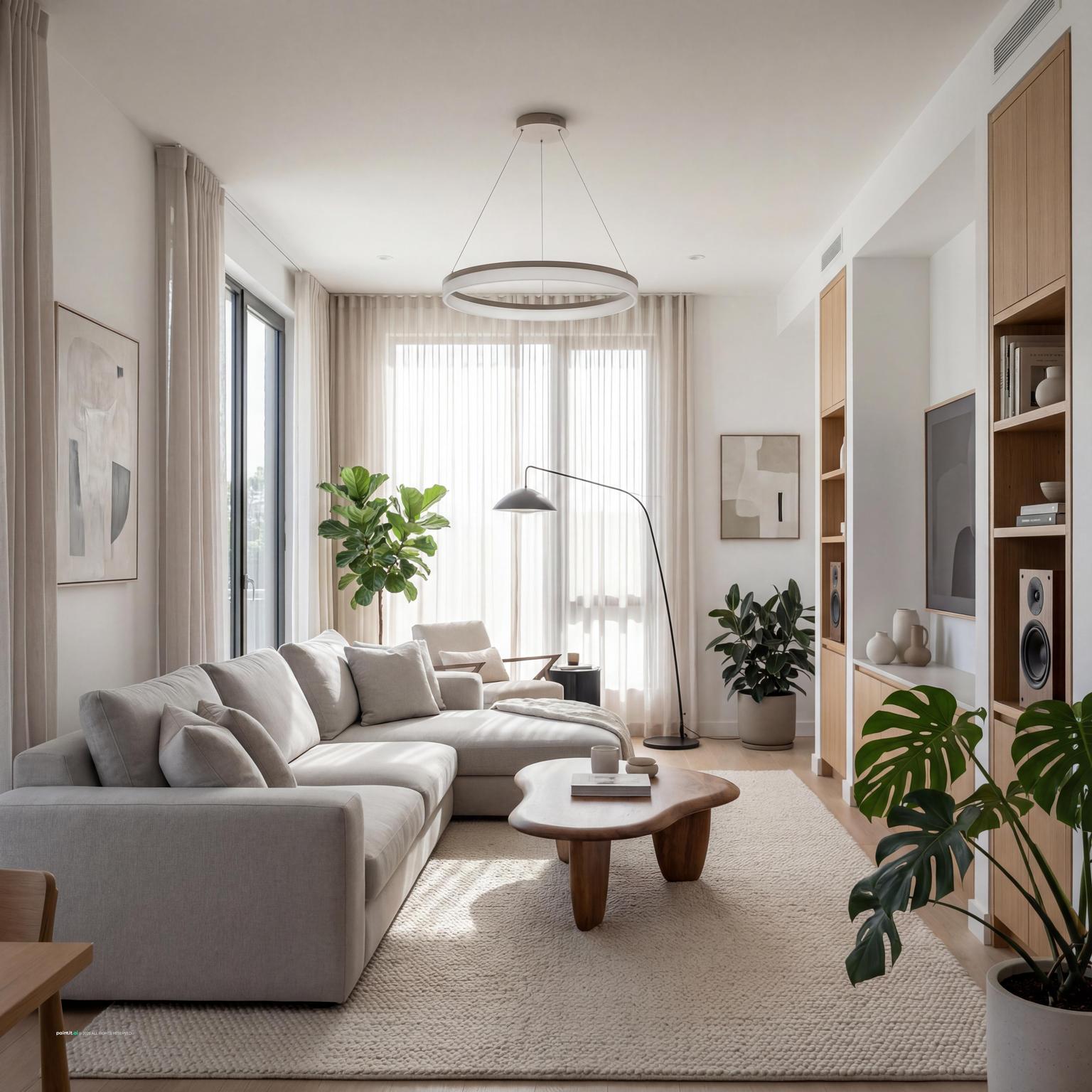
Elegant Contemporary Living Room Design 2025 softens warm wood, soft textiles and clean-lined furniture in a living room setting.
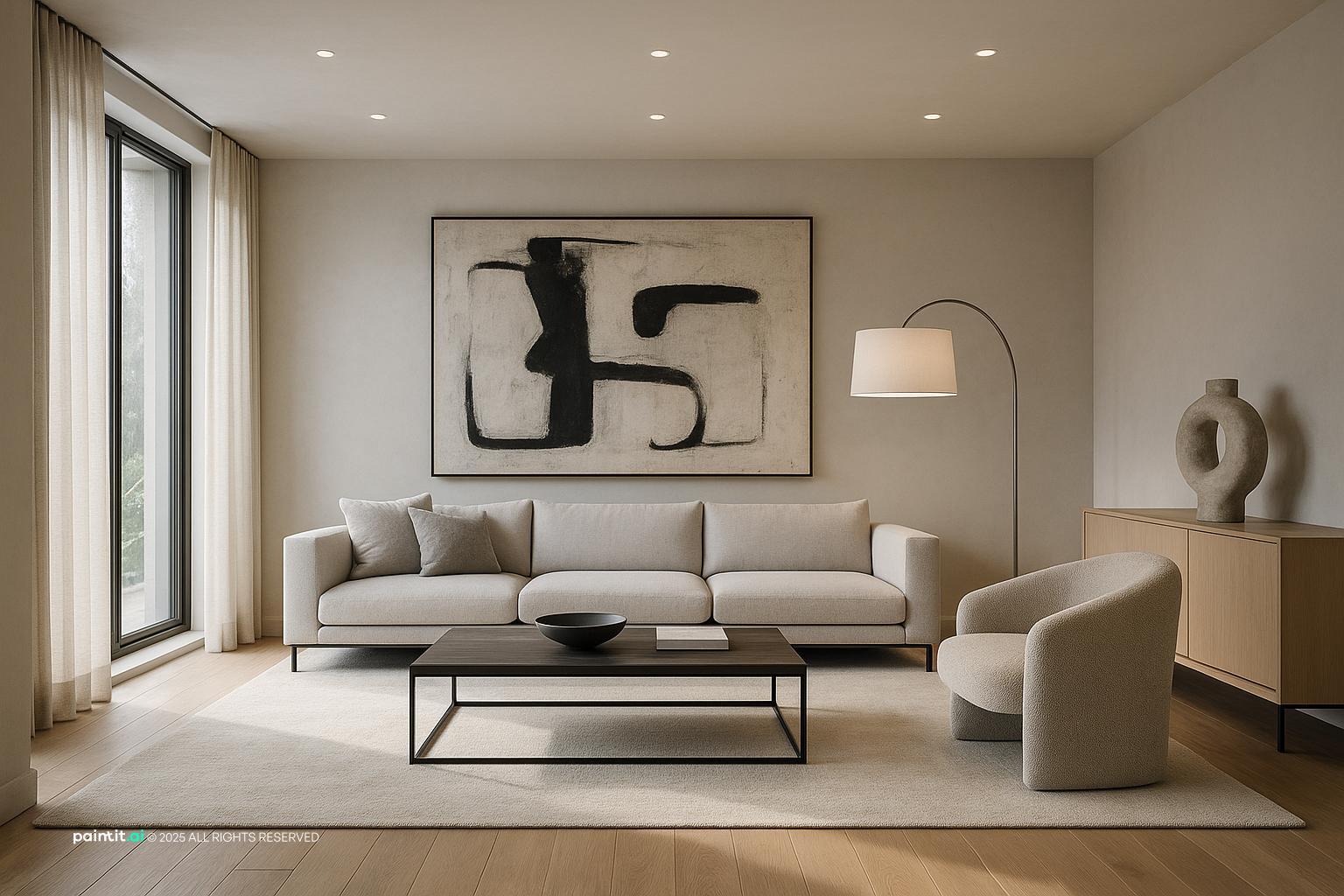
Stunning Contemporary Living Room Design with Clean-lined Furniture uses clean-lined furniture, open layout and layered neutrals in a living room setting.
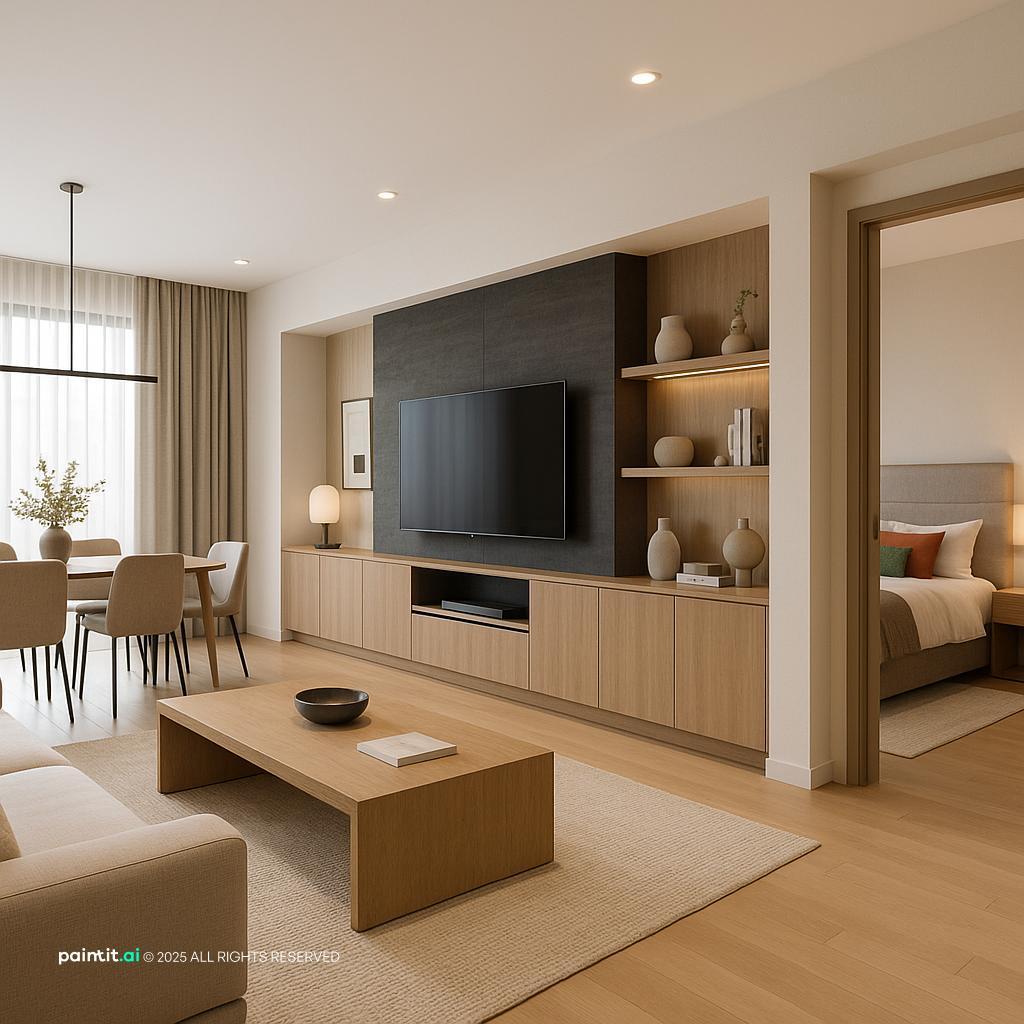
Modern 4BHK Interior Design Inspiration balances layered neutrals and natural light in a living room setting.
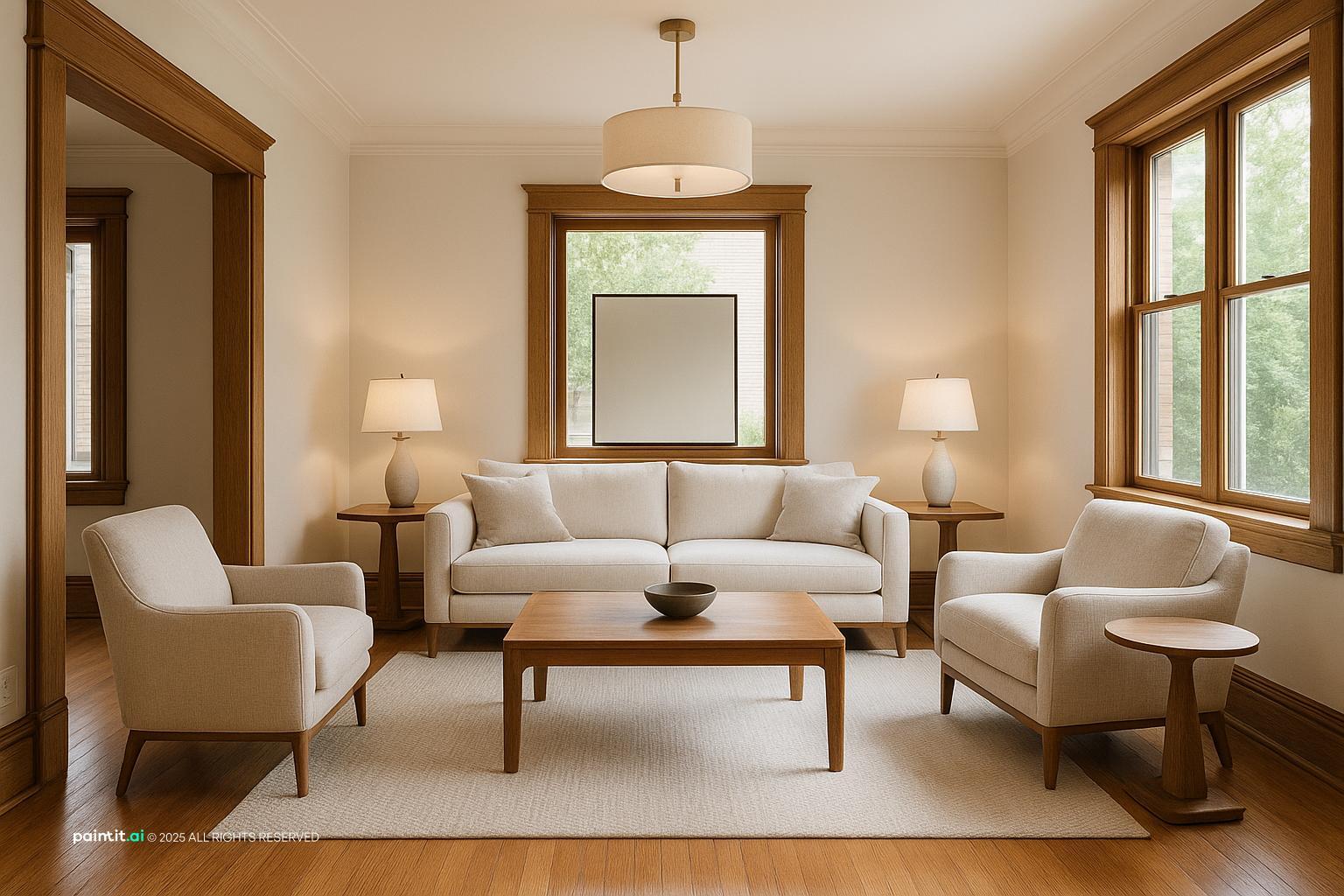
Contemporary Living Room Ideas with Warm Wood and Layered Neutrals pairs warm wood, layered neutrals and natural light in a living room setting.
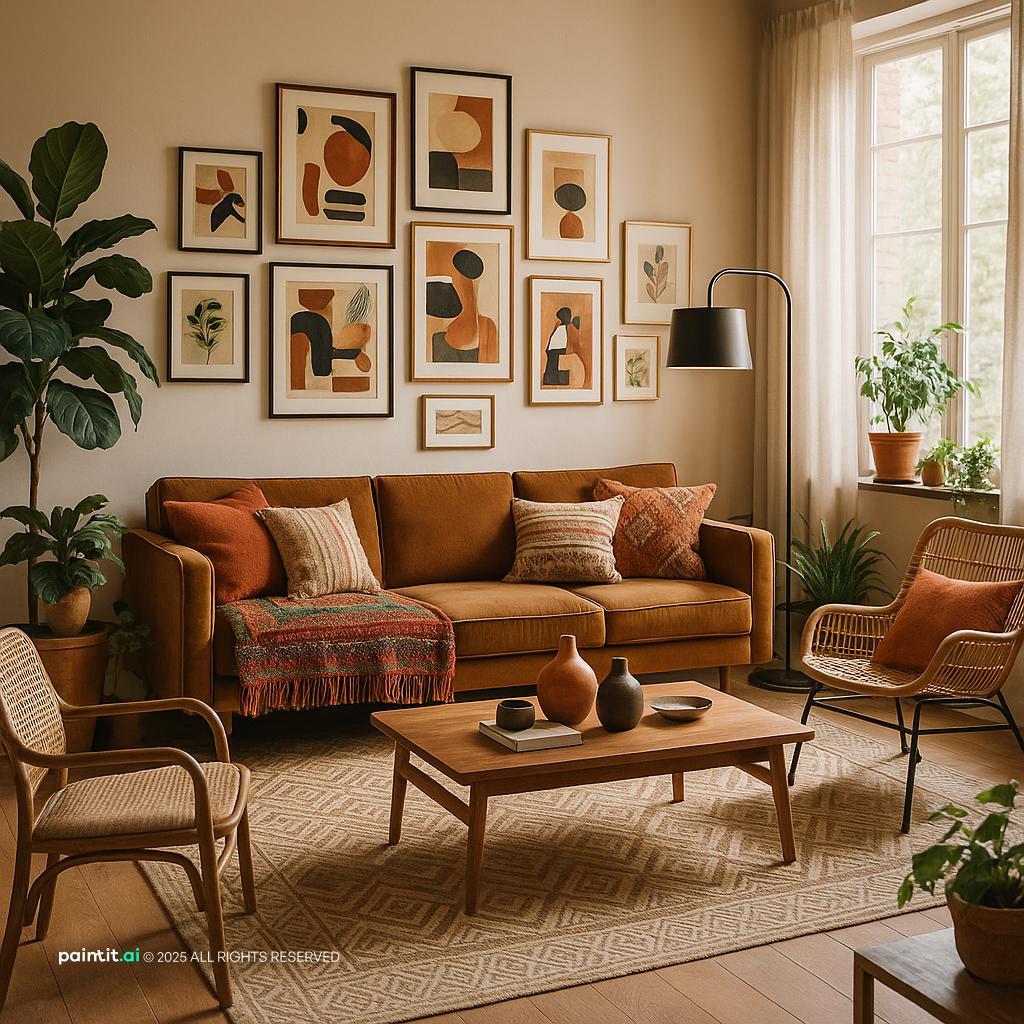
Bohemian-Style Living Room Design layers soft textiles, metal accents and plants and greenery in a living room setting.
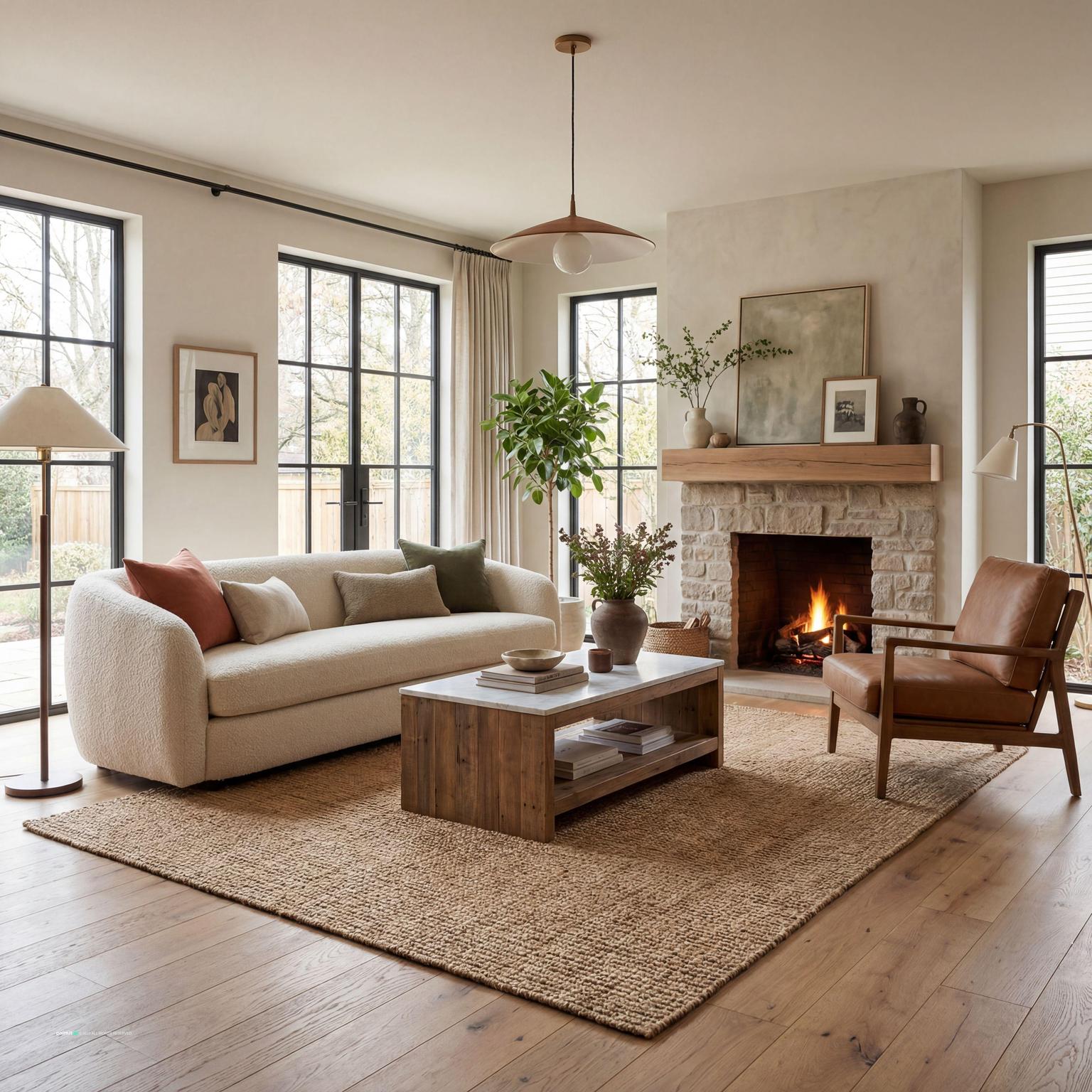
Stunning Contemporary Living Room Design with Natural Light anchors layered neutrals and natural light in a living room setting.
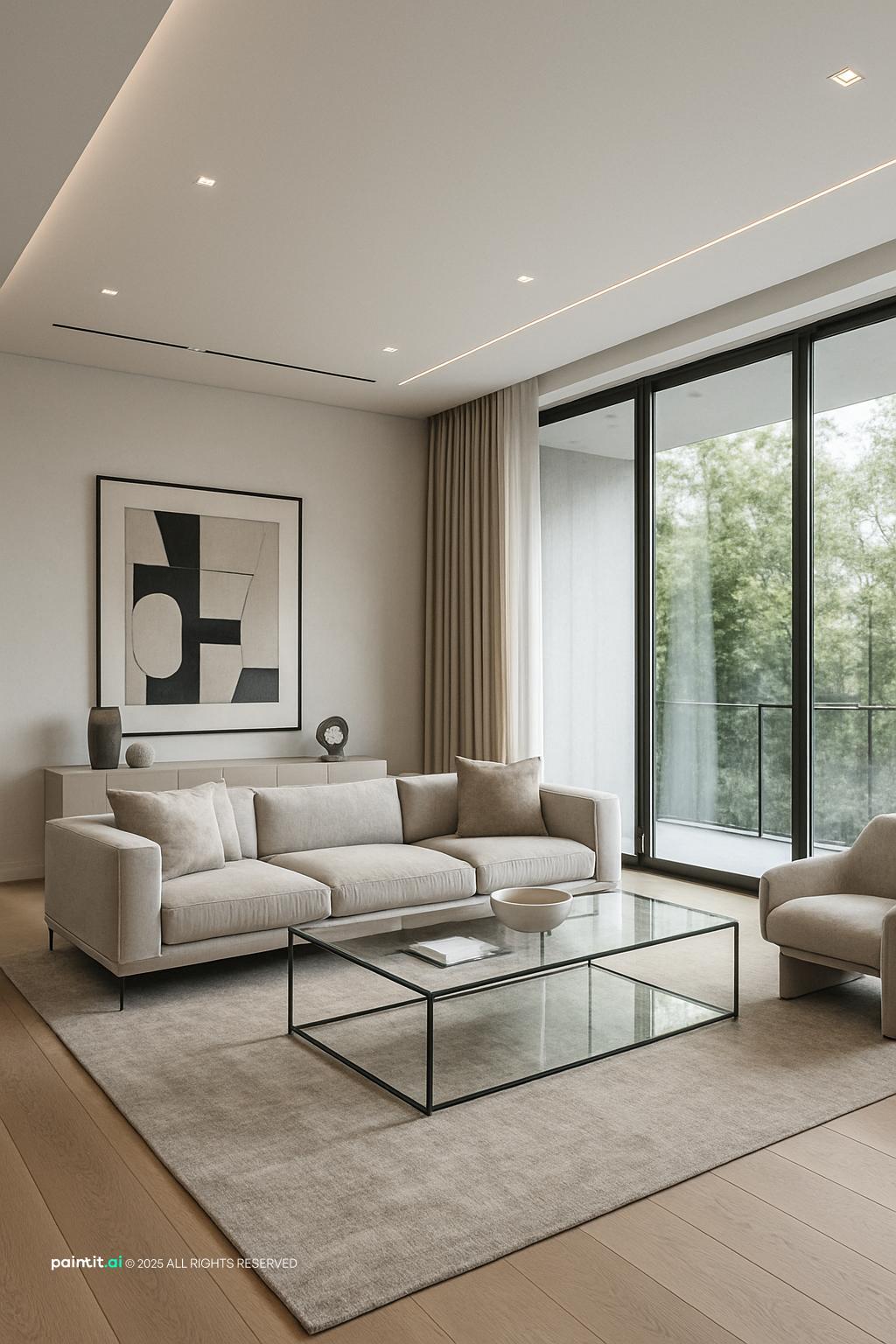
Modern Ultra-Photorealistic Living Room Design softens metal accents, clean-lined furniture and open layout in a living room setting.
A contemporary palette works best when it has structure. Use a base color for large surfaces, a bridge tone that connects furniture and flooring, and a contrast color for definition. For example: warm white walls, stone-gray upholstery, oak wood, and black accents.
Use the base on walls or the largest sofa, the bridge in rugs and curtains, and the contrast in lighting, frames, or table legs. Avoid choosing five unrelated neutrals. Undertones matter more than the color names on the sample cards.
Gray, cream, taupe, and beige can shift dramatically depending on daylight. A sofa that looks warm in the showroom can turn yellow next to cool flooring. A gray wall can look blue in north-facing light. Test samples beside the actual floor, window trim, and largest furniture piece.
This is where many modern contemporary living room ideas fail in real rooms. The concept is often fine, but the undertones fight each other. If in doubt, use textiles or artwork that intentionally includes both warm and cool notes.
Wood brings warmth to contemporary spaces, but the finish should suit the room. Pale oak feels light and casual, walnut adds depth, and black-stained wood creates graphic weight. Use wood on a media unit, side table, shelving, chair frame, or coffee table.
Avoid mixing too many wood species at the same visual weight. If the floor is already dominant, keep additional wood pieces quieter or repeat the floor tone in a smaller accent.
Metal adds crispness; stone adds weight. Black metal works well for lamps, frames, and slim table bases. Brushed brass can warm a neutral room, while chrome or polished nickel feels cooler and sharper. Stone can appear in a coffee table, fireplace surround, plinth, or side table.
The key is restraint. Two metal finishes are usually enough in one living room. With stone, choose one strong moment rather than scattering marble, travertine, terrazzo, and concrete across every surface.
Contemporary rooms can look too showroom-like when the textiles are overly perfect. Add linen curtains, wool rugs, velvet or boucle cushions, and upholstery with subtle texture. These surfaces help absorb sound and make the seating area feel more relaxed.
Use textiles where people actually touch the room: sofa, chairs, pillows, throws, rug, and curtains. Avoid overloading the sofa with cushions; three to five well-scaled pillows often look better than a crowded row.
Use more than one light level. A ceiling fixture gives overall brightness, a floor lamp adds height near the sofa, a table lamp brings glow to the seating zone, and an accent light can highlight art or shelving. Dimmers help the same room work for daytime, evening, and entertaining.
Avoid relying on one overhead fixture. It can flatten texture, create glare on screens, and make even good finishes look harsh. Contemporary lighting should shape shadow as much as brightness. Professional-level prompts (62% from Interior Designers) frequently include dedicated sections for "MATERIALS:" and "LIGHTING:", and there is a reason for that: those two choices control most of the final mood.
Styling should be edited, not empty. Use a tray, two or three books, a sculptural object, a ceramic bowl, or a vase with simple branches. Give the coffee table, shelves, and console real pauses between objects.
A useful rule is to style in groups with varied height and texture, then remove one item. This keeps the clean contemporary look without stripping the room of personality.
In Paintit.ai, upload a photo of your living room and start with the big instructions first: keep the floor, don't change the windows, change the sofa, add a larger rug, use a neutral palette, no clutter, warmer layered lighting. Then refine in smaller steps: make the chairs softer, add a bit more texture, use less black, change the coffee table material, or make the rug larger.
This mirrors how many users get better results: 15.0% of prompts include iterative language like "instead," "now," "a bit," "more," or "less." You do not need one perfect prompt. Start with layout, palette, materials, and lighting, then adjust. For a practical walkthrough, use How to Redesign a Living Room with Paintit.ai while you test options, or use AI Room Design when you want to compare broader room directions.
A contemporary living room reflects current design rather than one fixed period. Look for clean silhouettes, edited furniture, mixed materials, comfortable seating, a controlled neutral palette, statement art, and layered lighting that creates mood instead of just brightness.
Modern design usually refers to a specific 20th-century design language with recognizable forms and materials. Contemporary design is more fluid. It often uses modern pieces, but mixes them with warmer textures, curved furniture, newer materials, and a softer approach to comfort.
Start with the layout, then choose a tight palette, a large rug, simple furniture forms, layered lighting, and a few strong decorative pieces. Use "keep" and "don't change" decisions first, then remove anything that adds clutter without improving function, scale, or balance.
Yes. Use warm neutrals, textured upholstery, soft curtains, wood finishes, dimmable lamps, and a rug large enough to gather the seating. Cozy does not have to mean crowded; it usually comes from texture, proportion, and good lighting.
Avoid tiny rugs, matching furniture sets, too many small accessories, one harsh overhead light, and mixed undertones that do not relate. Keep the room edited, but make sure it still has texture, useful seating, and a few personal details.