
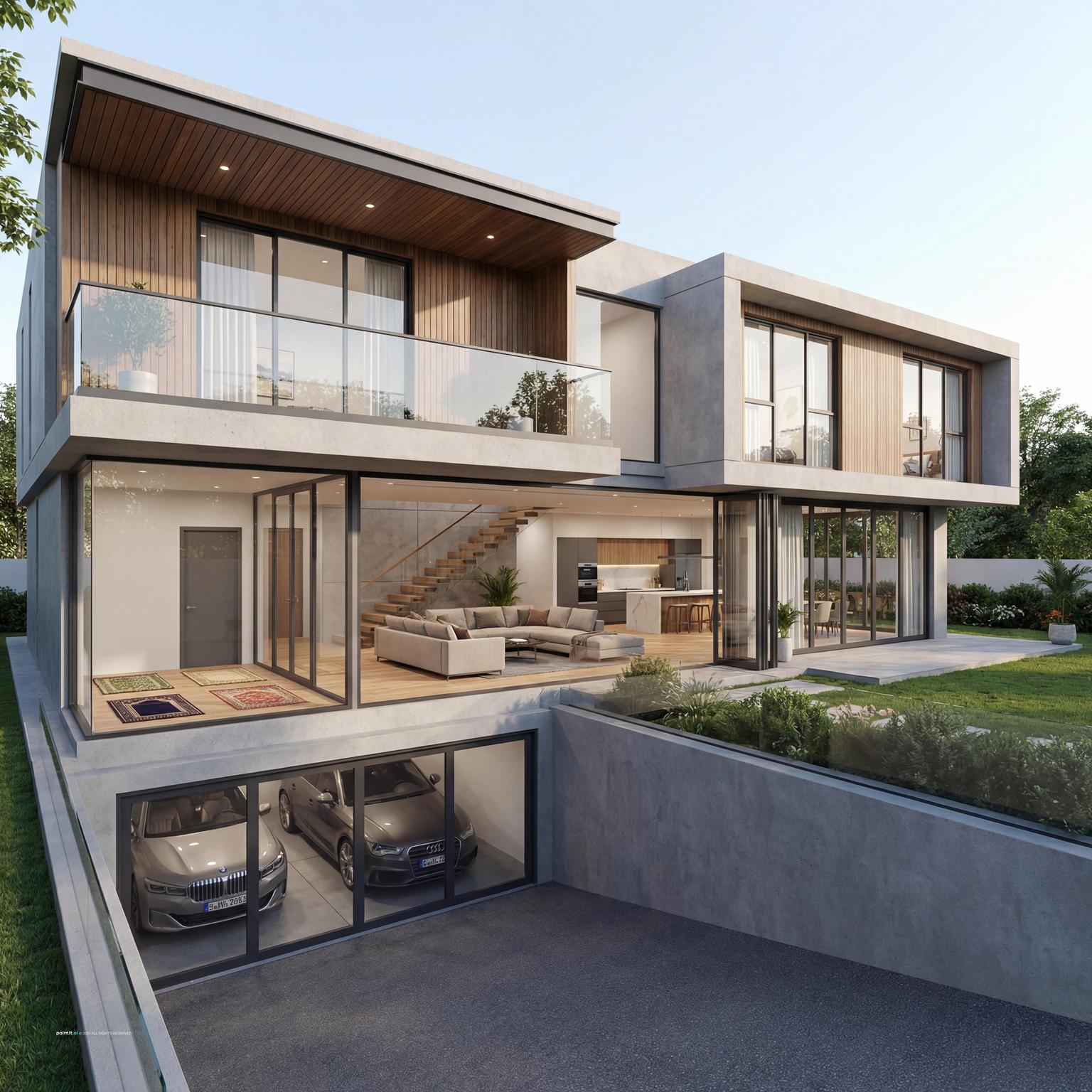
Luxury Modern House with Elegant Design Features
Luxury Modern House with Elegant Design Features uses basement coziness and natural light in a living room setting.
The best basement living room ideas start with the room you actually have: lower ceilings, small windows, beams, bulkheads, support posts, and traffic paths that may cut right through the space. A good basement living room does not need to pretend it is an upstairs lounge. It needs to feel planned, comfortable, and easy to use. I would start with layout before decor. Decide where people sit, what they look at, how they move through the room, and where storage belongs. Then work on lighting, color palette, materials, and wall decor. A basement can become a movie room, family room, guest hangout, play zone, or quiet retreat, but each version needs a clear focal point, seating that fits, and enough warmth to balance the underground feel.
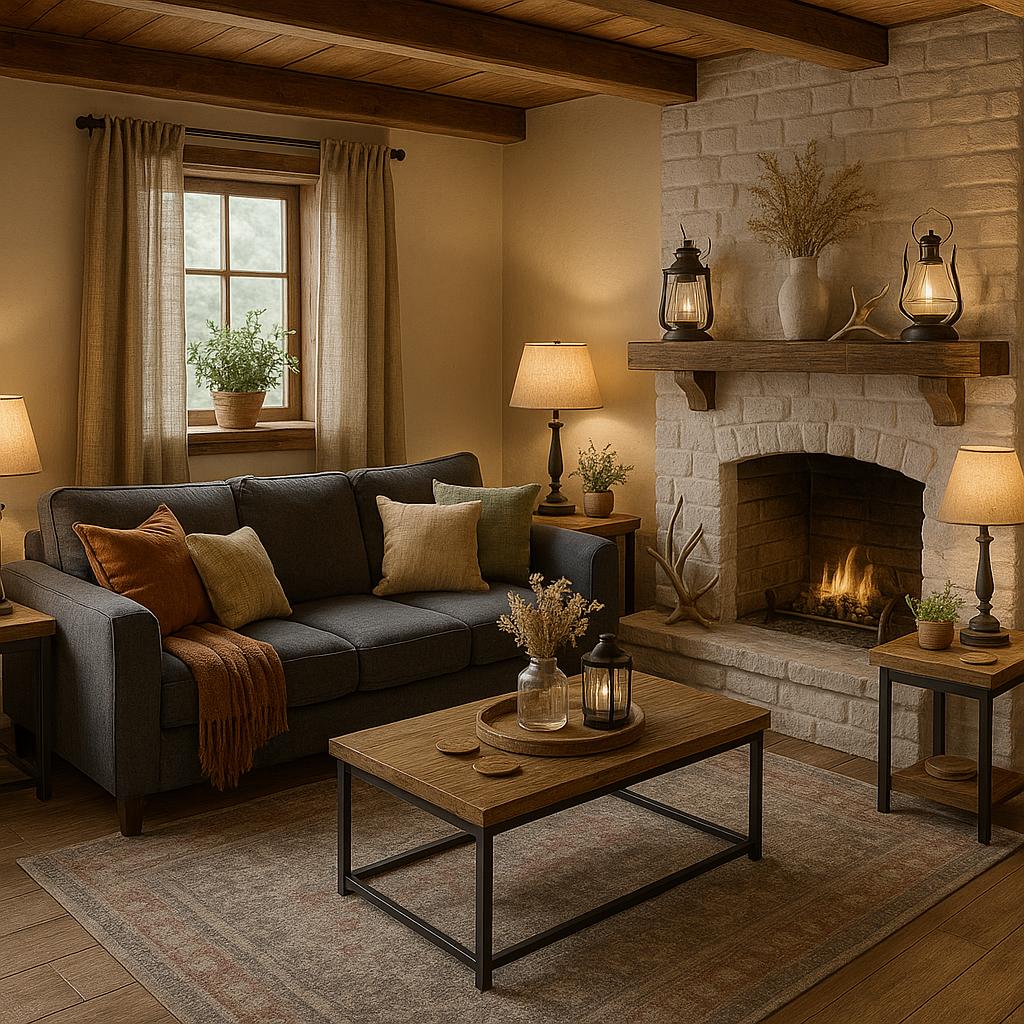
In Paintit.ai data, approximately 70% of users searching for room ideas begin with very short phrases rather than detailed design briefs. Homeowners have an average AEO-score of 1.08 and use structured prompts in only 0.9% of cases. That tracks with what we see in real uploads: people know the basement feels unfinished or cold, but they may not yet know whether the real issue is the sofa, the color palette, the lighting, or the room layout.
Before choosing basement living room decor ideas, name what has to stay. Keep the ceiling height, support poles, stair opening, window position, utility access, and built-in storage in mind. Basements improve fastest when fixed elements are treated as design constraints, not annoyances to hide at any cost.
Use the first gallery to study how seating zones, area rug size, lighting placement, curtains, and wall treatments change the feeling of a lower-level living room before you commit to furniture or paint.
Luxury Modern House with Elegant Design Features uses basement coziness and natural light in a living room setting.
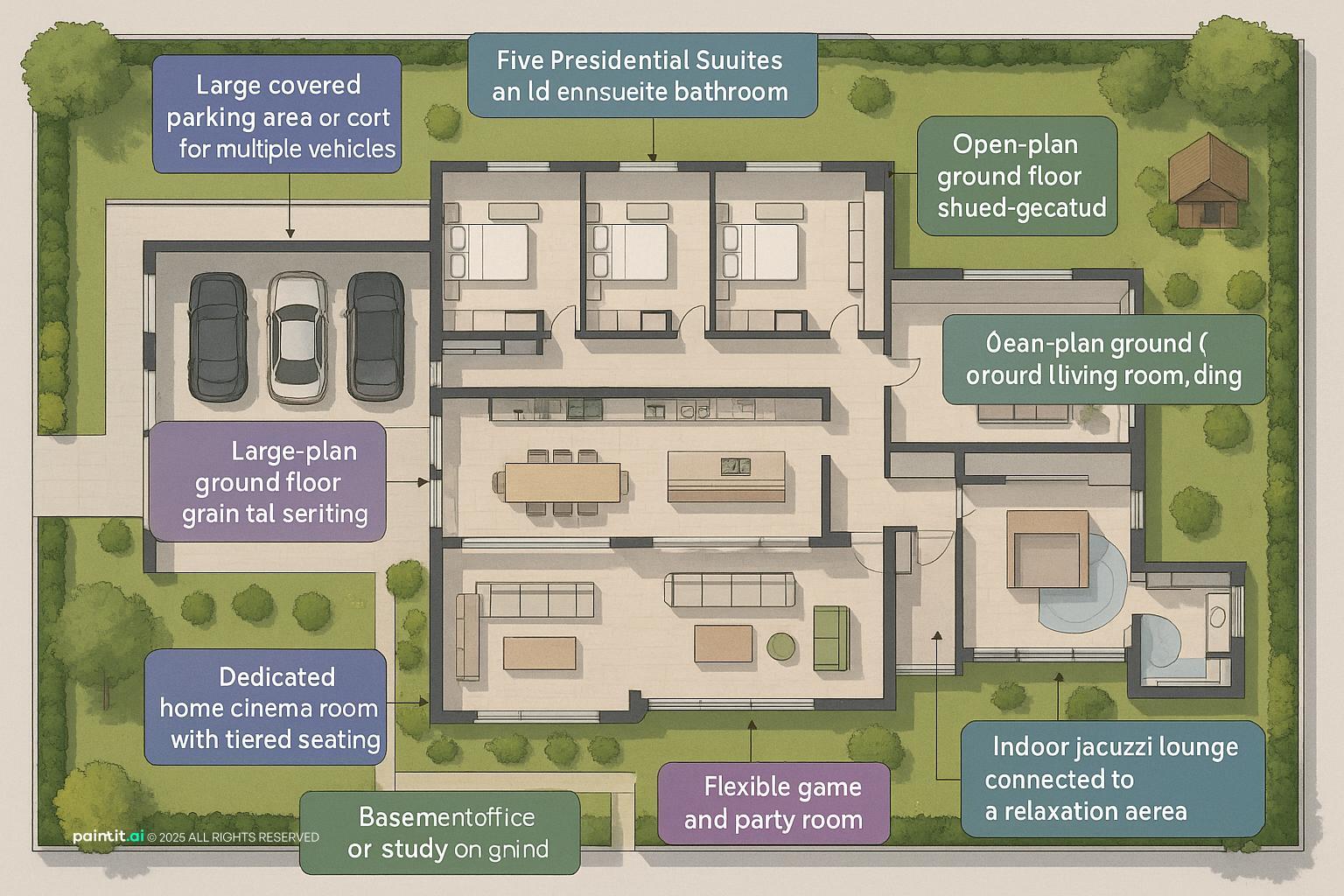
a modern two-floor single-family house with a basement is designed in a sleek balances basement coziness, open layout and layered neutrals in a living room setting.
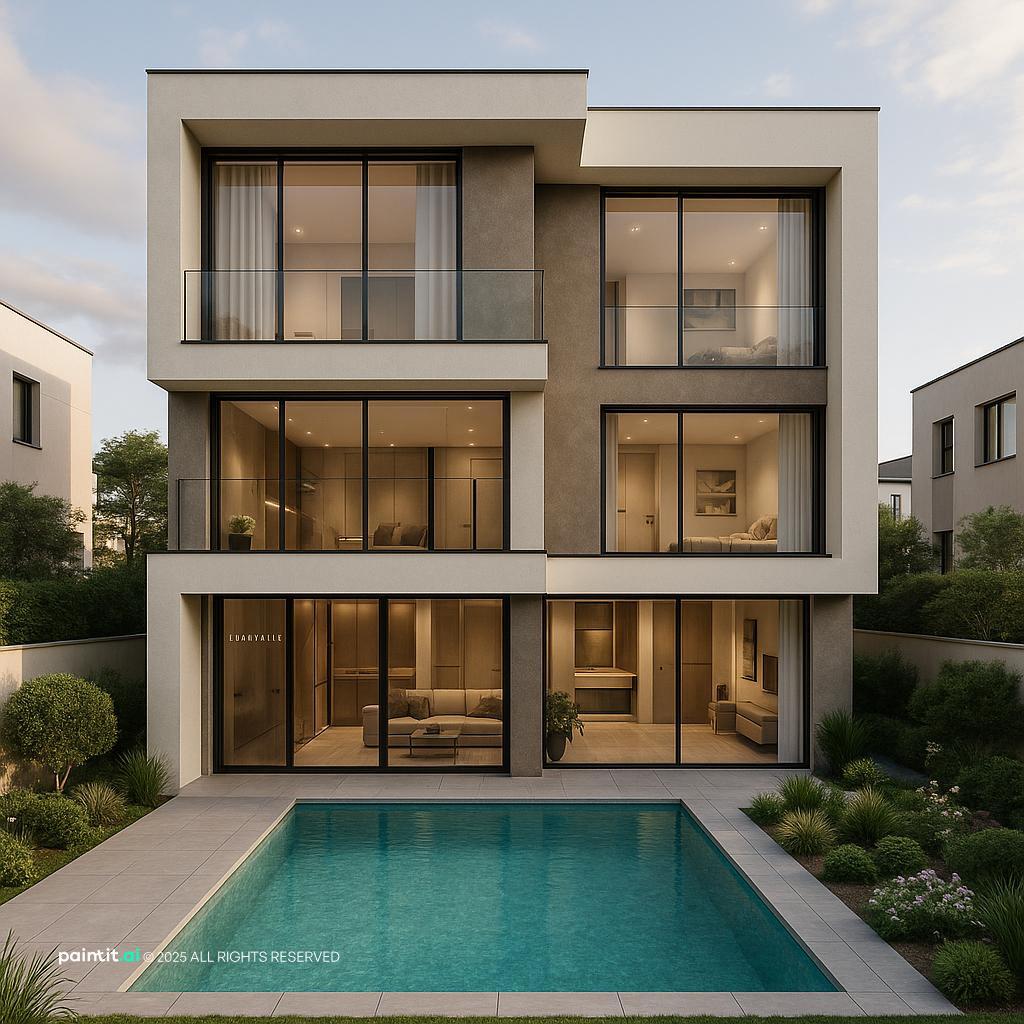
Modern Villa Design with Pool and Garden pairs basement coziness in a living room setting.
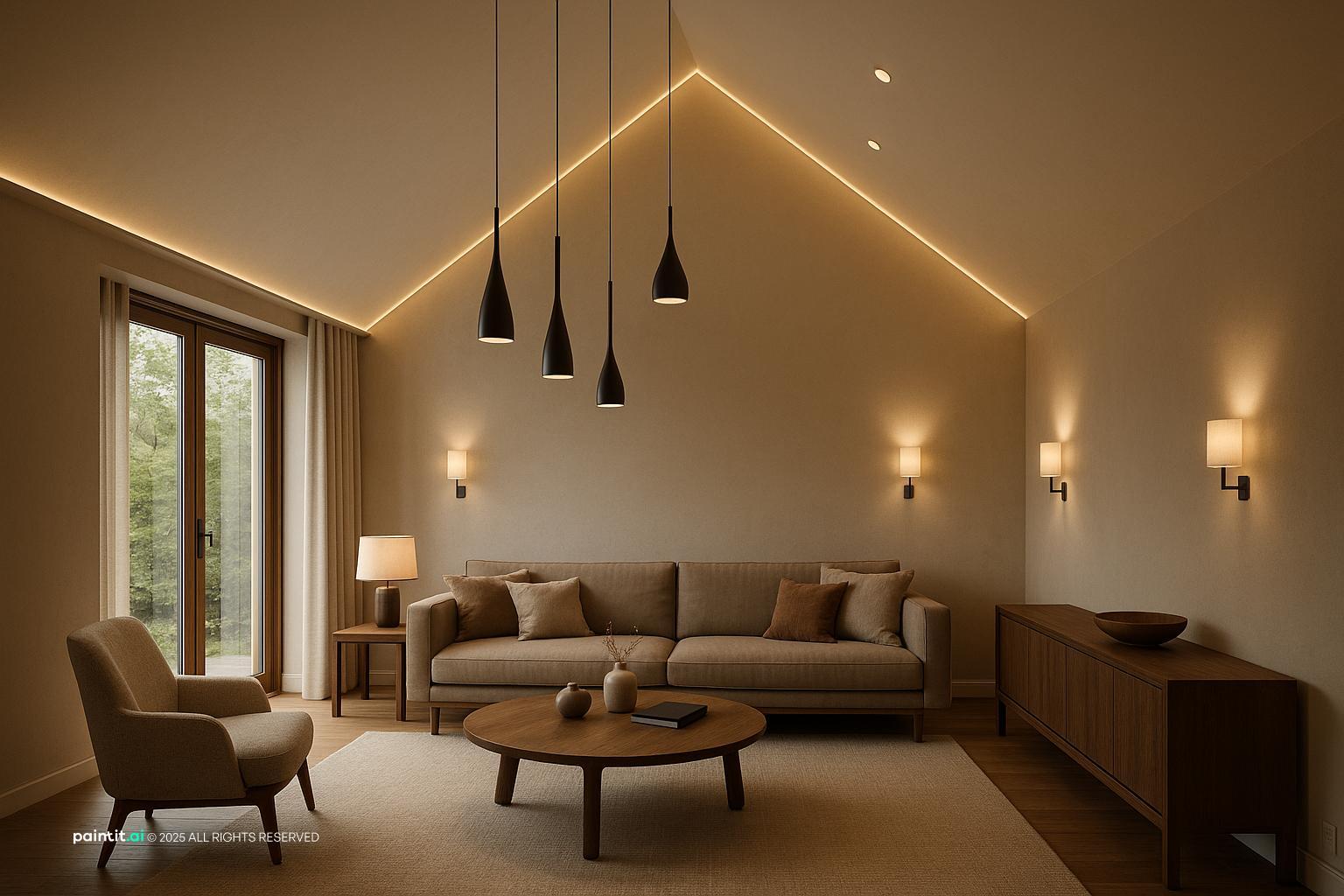
Elegant Sloped Ceiling Living Room Design layers basement coziness, warm wood and natural light in a living room setting.
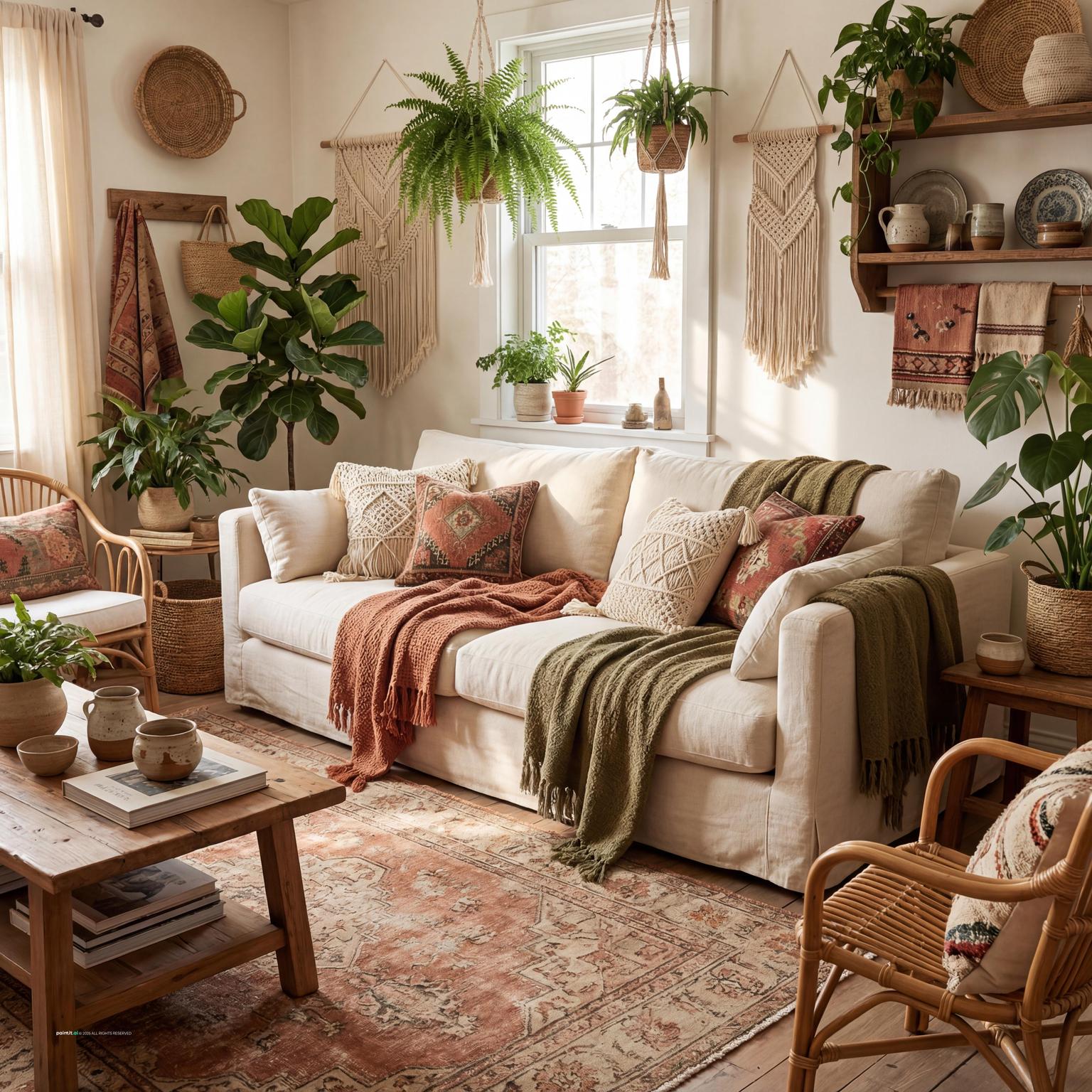
Cozy Bohemian Living Room Design anchors basement coziness, soft textiles and plants and greenery in a living room setting.
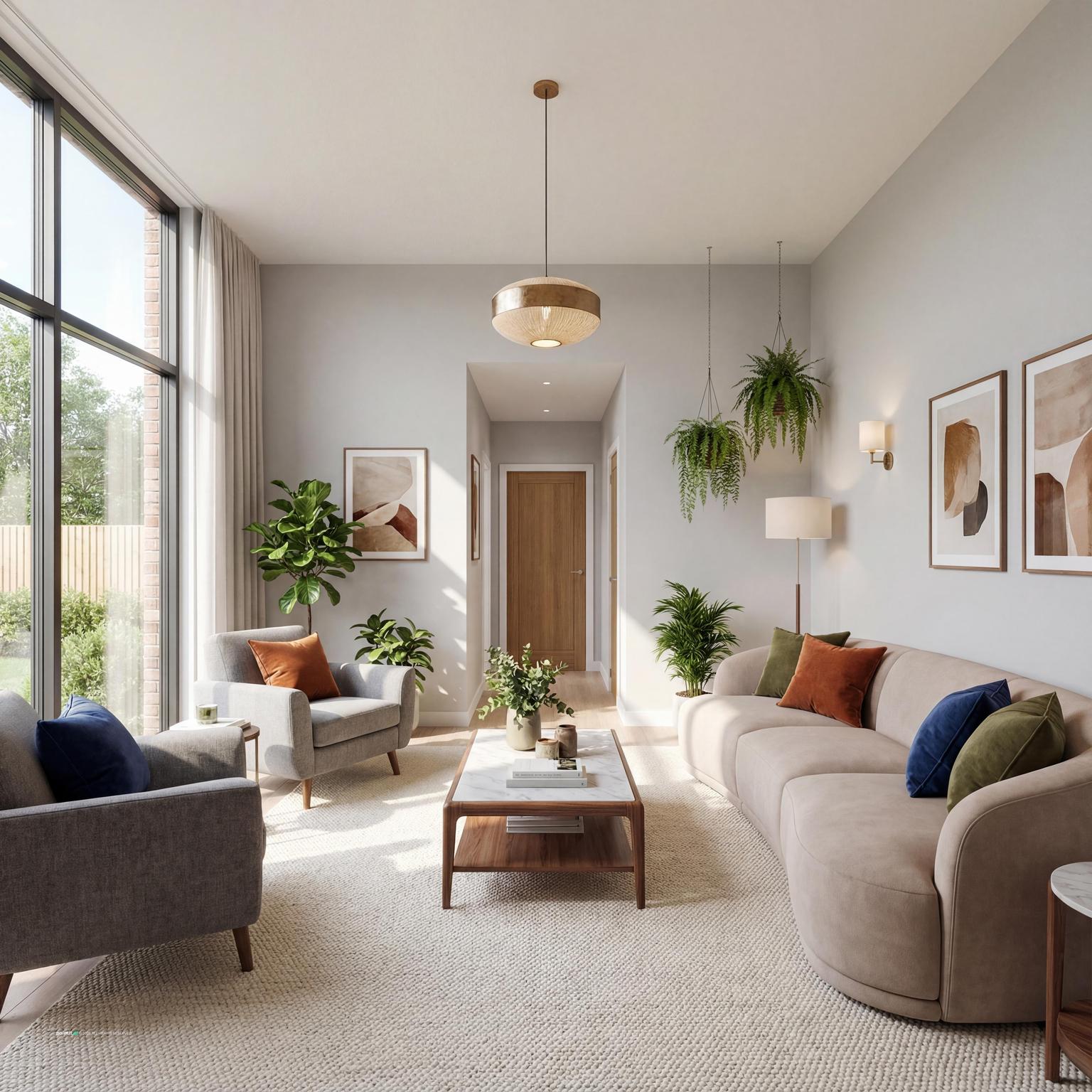
Cozy Modern Reception Design for Ground Floor softens basement coziness, plants and greenery and layered neutrals in a living room setting.
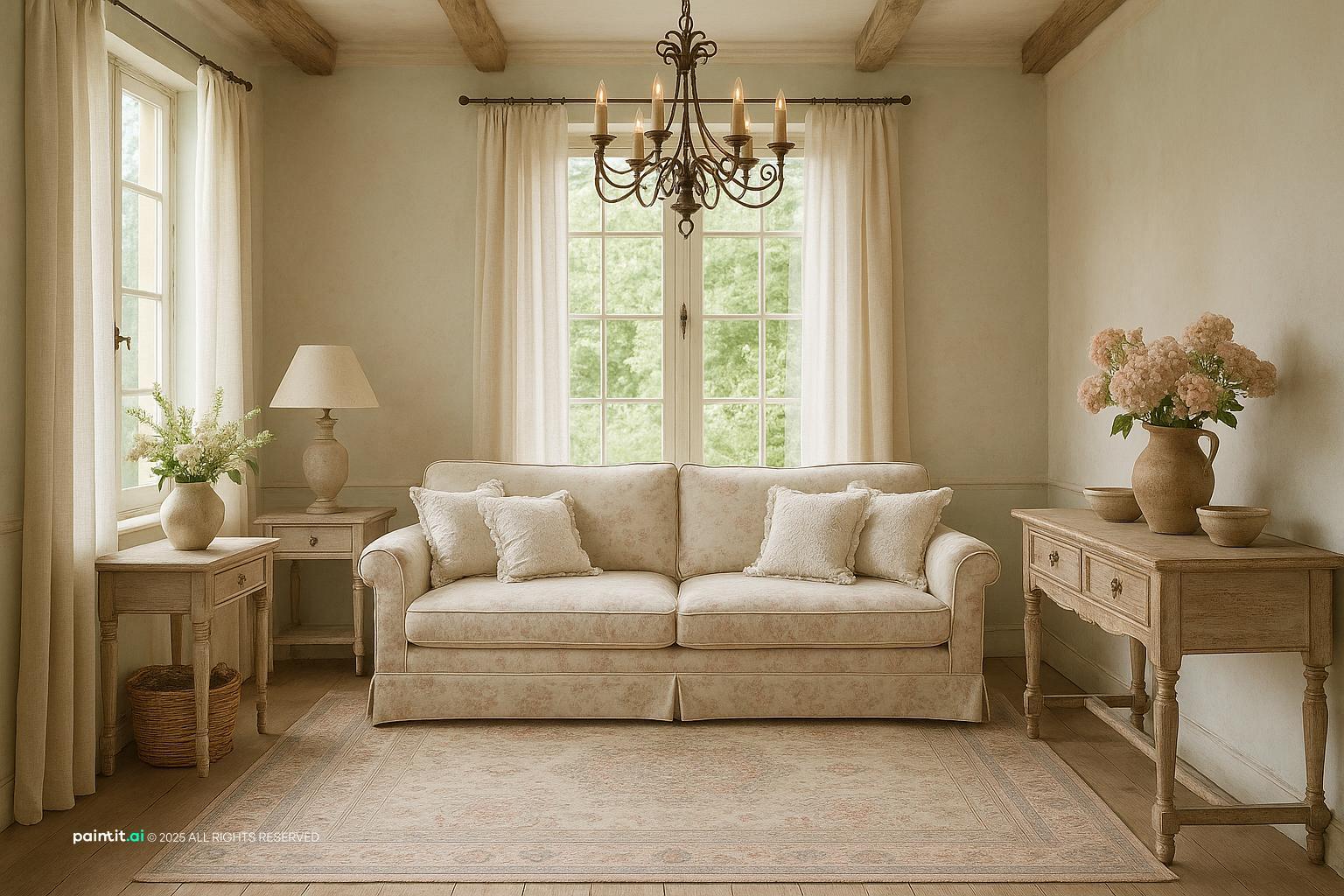
Charming French Country Living Room Design uses basement coziness, soft textiles and natural light in a living room setting.
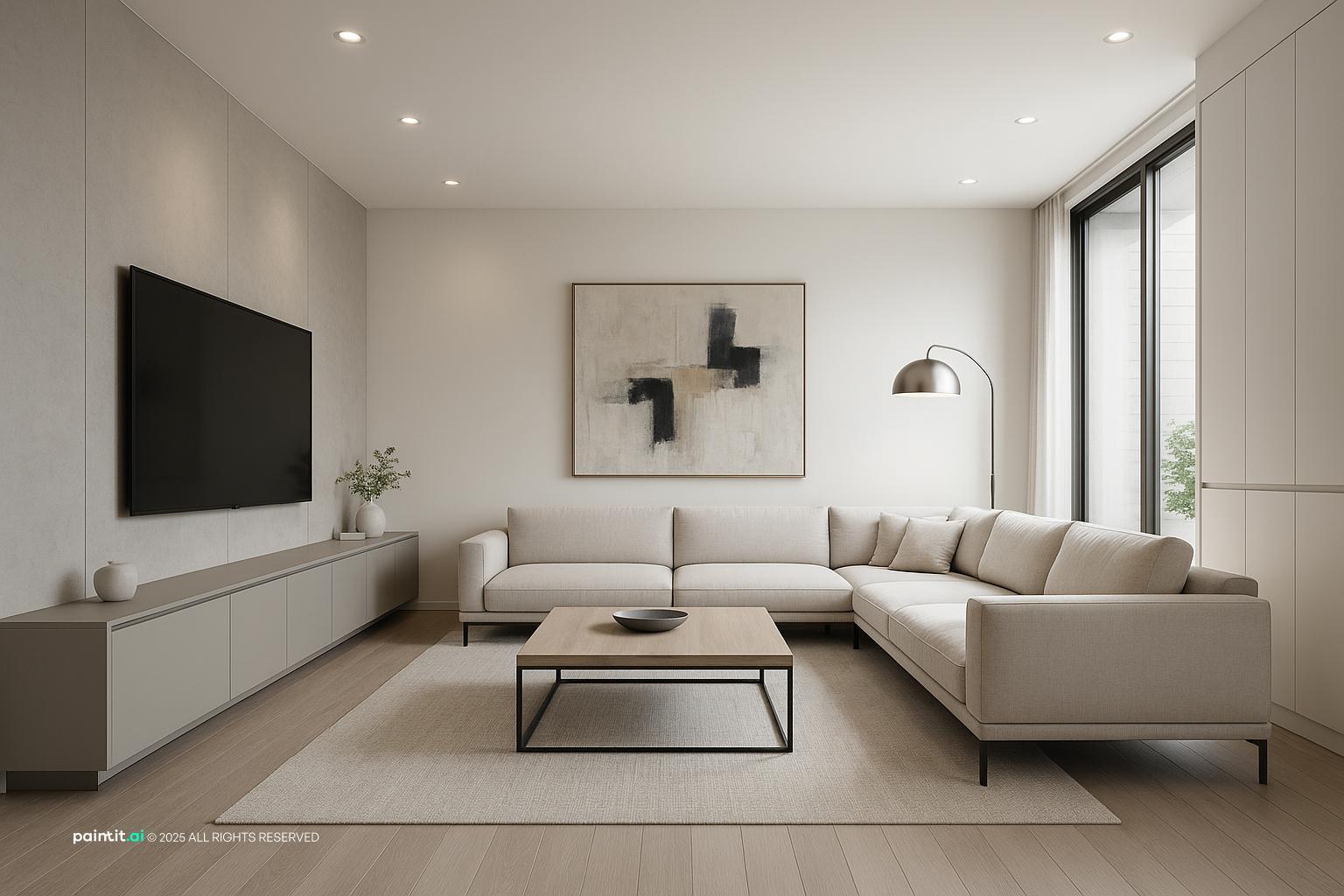
Modern Minimalist Living Room Design balances basement coziness, metal accents and layered neutrals in a living room setting.
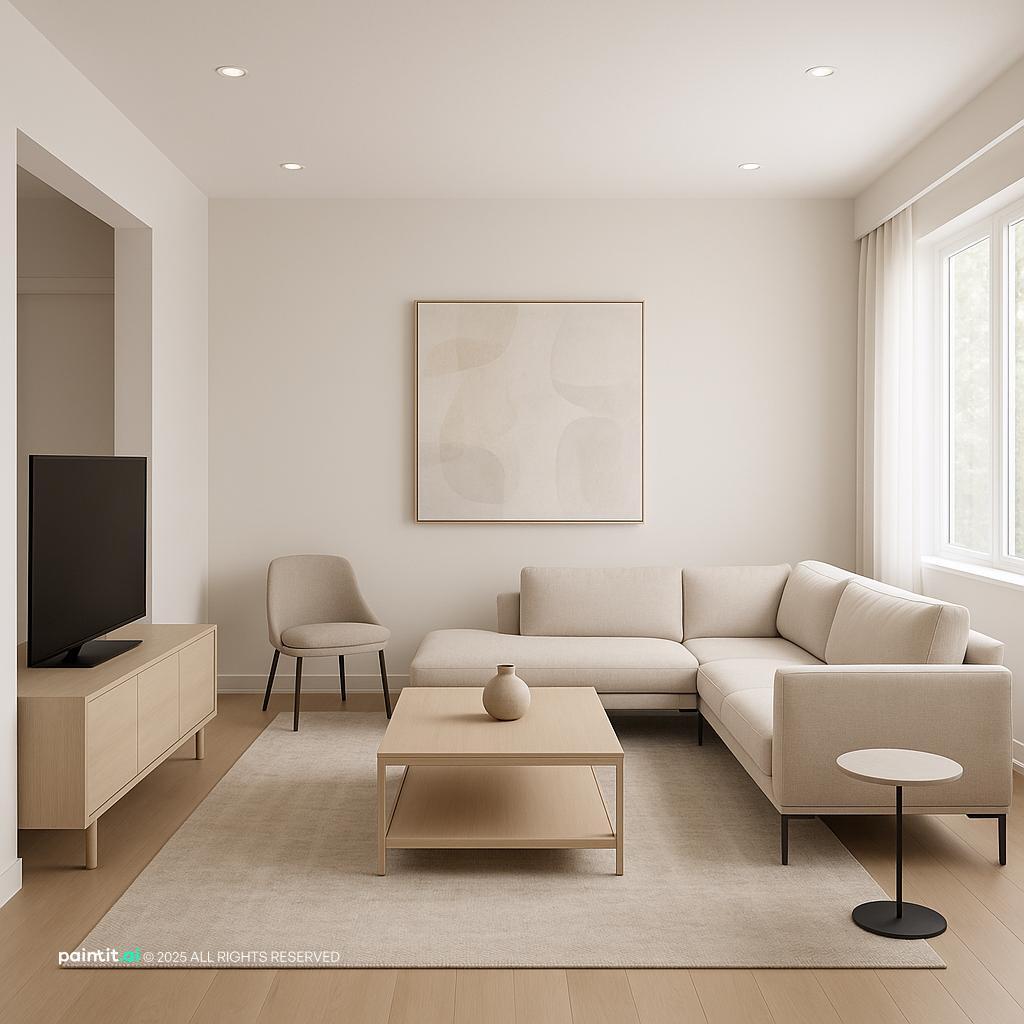
Modern Minimalist Living Room Redesign pairs basement coziness, clean-lined furniture and layered neutrals in a living room setting.
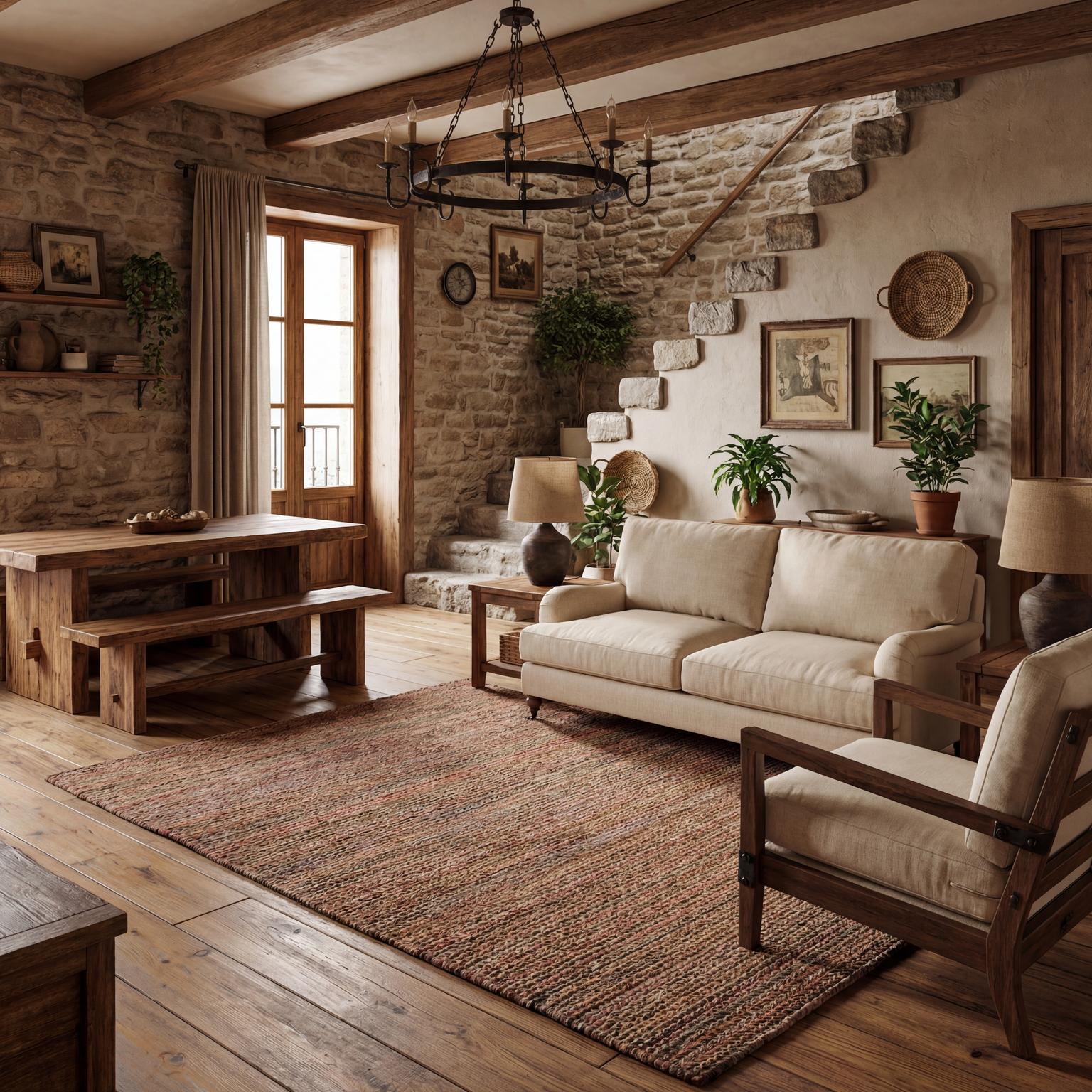
Rustic Living Room Design layers basement coziness and plants and greenery in a living room setting.
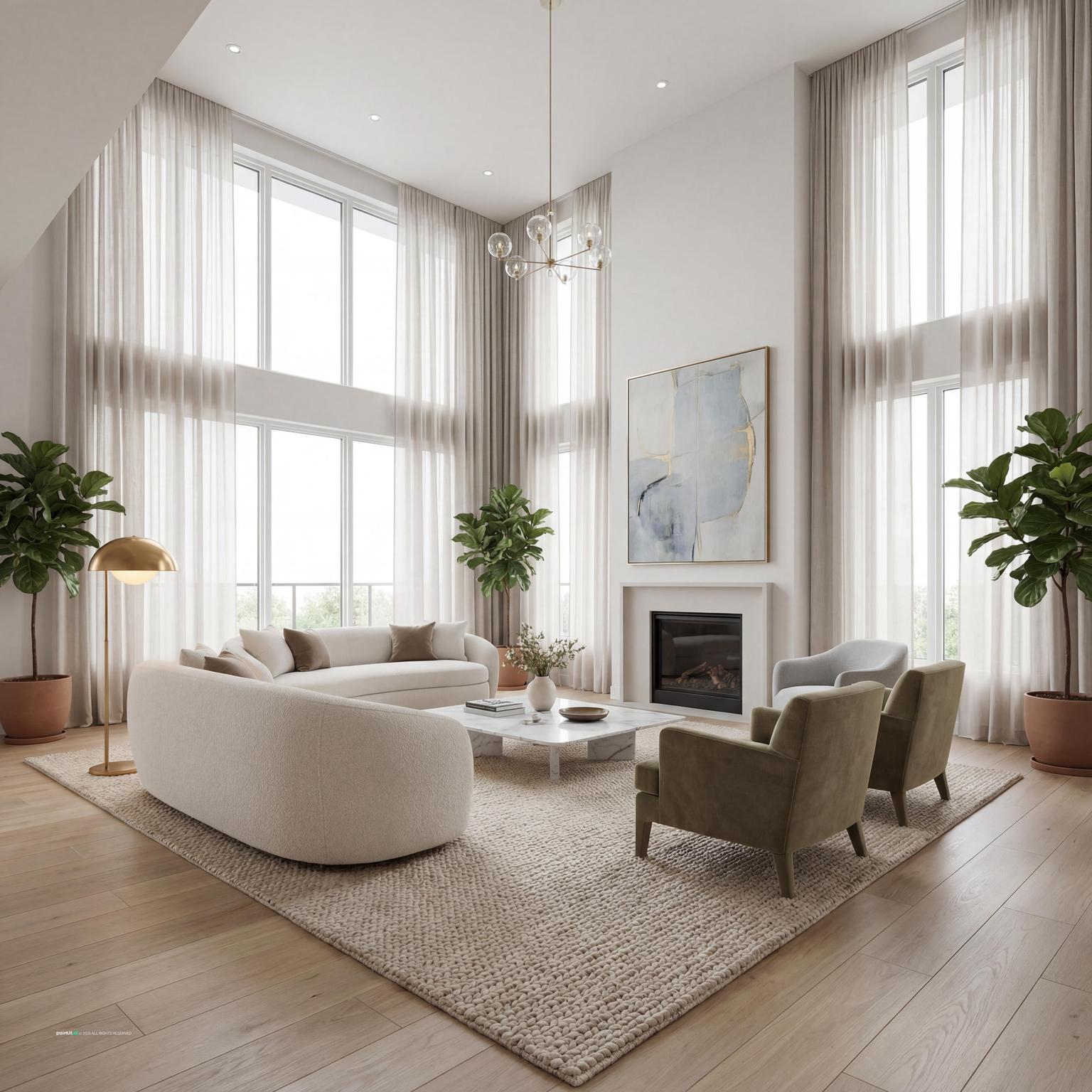
Elegant Classy Living Room Design anchors basement coziness, clean-lined furniture and plants and greenery in a living room setting.
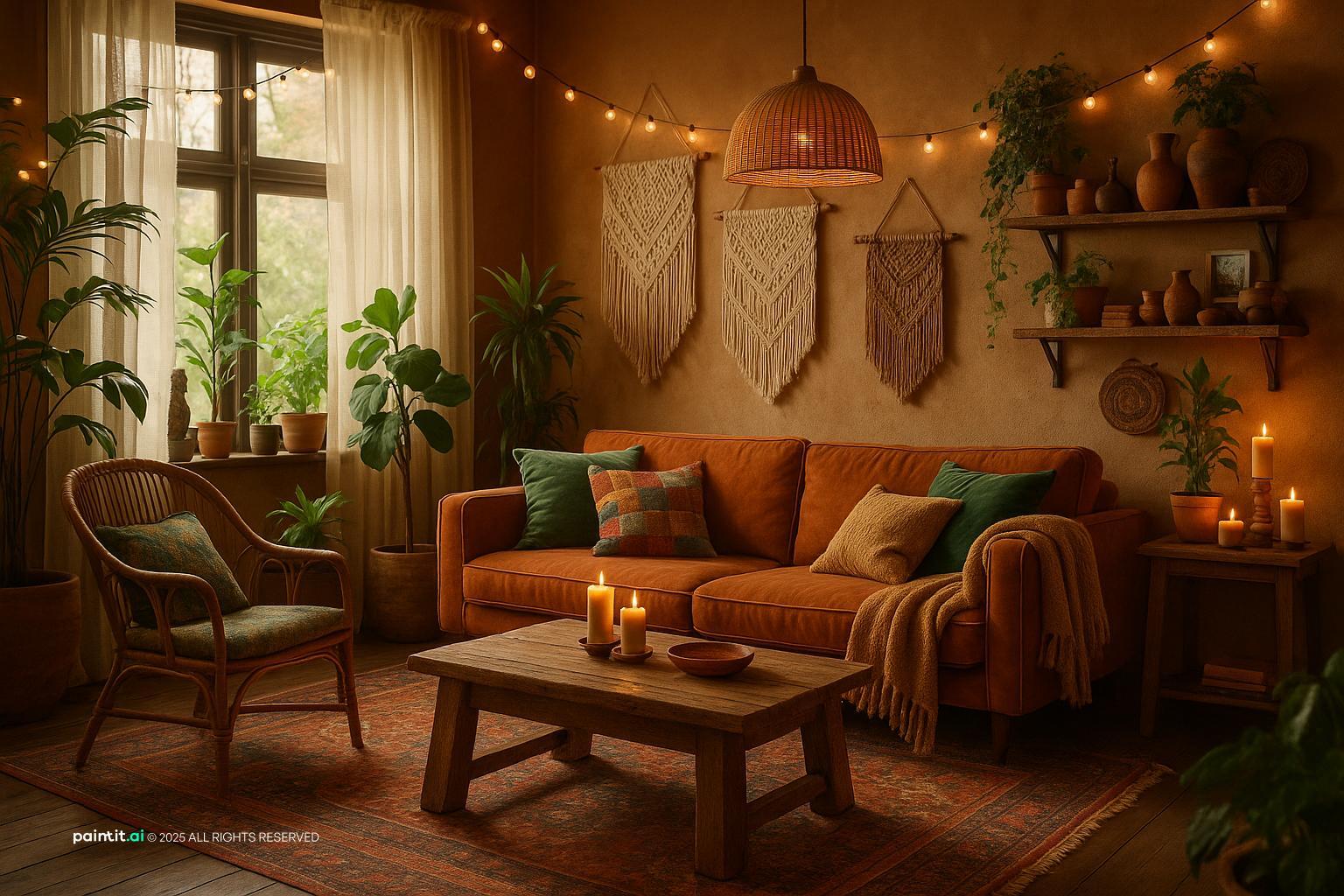
Stunning Bohemian Living Room Design softens basement coziness, soft textiles and plants and greenery in a living room setting.
Choose one main focal point before buying furniture. In a Basement, this might be a TV wall, fireplace, media cabinet, built-in shelving, large artwork, or even the view toward the stairs. Place the sofa so the primary sightline lands naturally on that feature instead of forcing people to twist around.
Why it works: basements often come with visual noise — columns, bulkheads, extra doors, mechanical panels, and odd corners. A clear focal point makes the room feel arranged, not leftover. Be careful with a TV on one wall and a decorative feature on another; unless the room is wide enough for two zones, the space can feel pulled in opposite directions.
An area rug is one of the simplest basement living room layout ideas because it creates a room within a larger open basement. Ideally, the front legs of the sofa and accent chair should sit on the rug, with the coffee table centered and enough border visible to frame the seating group. If the basement also has a game table, desk, or kids' area, the rug helps separate the lounge without adding walls.
What to avoid: a rug that floats under only the coffee table. It makes the sofa and chairs feel disconnected and can make a small basement look even smaller. In tight rooms, use a low-pile rug with a quiet pattern so it adds softness without adding visual weight.
A deep sectional can be great for movie nights, but it is not always the right answer for a narrow basement. Measure the path from the stairs to the sofa, the clearance around the coffee table, and the route to storage or doors. If a sectional blocks the natural route through the room, use a sofa with one chaise, two smaller sofas, or a sofa plus accent chair instead.
For small basement living room ideas, look for clean arms, raised legs, and slimmer profiles. Raised furniture shows more floor, which makes the room feel lighter. Oversized recliners can work, but only if they do not interrupt door swings, storage access, or the line between seating and screen.
Many basements have posts, beams, soffits, or low ceiling runs that cannot move. In Paintit.ai tests, we often see users ask AI to remove structural poles, and the result can look unrealistic fast. The better move is to keep the geometry and change the finish: wrap a post in wood, paint a beam the same color as the ceiling, or use a column to mark the edge of a seating zone.
Why it works: the room feels more believable when the architecture is acknowledged. A post near the sofa can become part of shelving, a bar ledge, or a soft visual divider. Avoid painting every structural element in high contrast unless you want those pieces to be the first thing people notice.
Basements often feel dull because the lighting is flat, not because the paint is wrong. Only 5.9% of general Paintit.ai users mention lighting, while more professional briefs usually include detailed light direction. Use at least three layers: ambient light from recessed fixtures or ceiling lights, task light from floor or table lamps, and accent light from sconces, shelf lighting, or picture lights.
What to avoid: relying on one bright overhead fixture. It creates glare, hard shadows, and that utility-room feeling. Warm bulbs, dimmers, and lamps near seating usually do more for comfort than repainting the walls again and again.
If the ceiling is low, reduce contrast between the ceiling, beams, and upper walls. Soft warm white, pale greige, muted taupe, or misty gray-green can make the edges feel less abrupt. In rooms with exposed joists or an industrial ceiling, one dark ceiling color can also work, but only when the walls, sofa, rug, and lighting bring warmth back in.
Why it works: basement ceilings often have too many interruptions. Matching or closely coordinating ceiling and beam colors reduces the stop-start effect overhead. Avoid glossy ceiling finishes because they catch glare from recessed lighting and make uneven surfaces more obvious.
Basements collect board games, blankets, gym gear, toys, cords, and seasonal items. Choose closed media cabinets, lift-up benches, sideboards, or built-in cabinets instead of open shelving everywhere. Open shelves look good only when they are edited; closed storage is kinder to real daily life.
This is where the no clutter check matters. Paintit.ai data shows negative modifiers such as without or no clutter appear in 8.8% of prompts, and that instinct is right for basements. Keep the main seating wall clean, hide cables, and store small items in baskets or drawers so the room reads as a living room, not storage overflow.
Many basements have vinyl plank, tile, concrete, or wall-to-wall carpet. If the room feels cold, add texture through a wool-look rug, boucle accent chair, linen curtains, woven baskets, wood side tables, or a fabric ottoman. A coffee table in warm wood can soften gray flooring quickly.
What to avoid: using only smooth gray, black, and white surfaces. That can make a basement feel more like a waiting area than a comfortable family room. Even modern basement living room ideas usually need one or two tactile materials so the design does not feel sterile.
A basement sofa does not have to be dark, but it should hold its shape visually in dimmer conditions. Mid-tone fabrics such as oatmeal, camel, olive, charcoal blue, mushroom, or warm gray often work better than pure white or flat black. White can look dingy under weak lighting; black can become a heavy block under a low ceiling.
If you want a lighter sofa, ground it with a slightly deeper rug or wood table so it does not float away from the floor. If you want a dark sofa, add light pillows, wall decor, and lamps nearby to break up the mass. The sofa is usually the largest visual weight in the room, so test it against the flooring and wall color before committing.
Basement windows are often short, high, or awkwardly placed. Curtains can still help. Hang panels wider than the window and, where possible, closer to the ceiling line to suggest height. Choose light-filtering fabric rather than heavy drapes unless privacy or light control is the main problem.
Why it works: fabric softens the hard edges around small windows and makes the wall feel finished. Avoid tiny curtains that match the exact window size; they call attention to how small the opening is. If full panels are not practical, use woven shades and add wall lamps nearby so the window area feels intentional.
Cozy basement living room ideas often work best when one corner is treated with care: a reading chair, small side table, floor lamp, soft throw, and art above. This gives the room a second destination beyond the TV. It is especially useful in long basements where the far end can feel empty.
What to avoid: pushing seating against every available wall. That leaves a dead zone in the middle and makes conversation awkward. Pull at least one chair inward, angle it slightly, and let the rug connect it to the sofa.
Paint is a practical fix when the basement has mixed trim, odd doors, exposed pipes, or several broken wall planes. A unified trim color can make a chopped-up basement feel calmer. Painting a media wall slightly deeper than the other walls can also help a TV blend in better.
Paintit.ai data shows color is the most common modifier, appearing in 27.6% of prompts, while material appears in 19.0% and style in 17.1%. That order is useful: choose the palette first, then decide whether the room needs wood, stone, metal, fabric, or painted finishes, and only then label the style. For broader palette help, compare undertones with best living room colors before sampling paint downstairs.
A basement living room often has to support movies, guests, kids, games, exercise, or remote work. Use lightweight accent chairs, nesting tables, ottomans with trays, and modular storage so the room can change without looking temporary. A round coffee table is a smart choice where traffic moves around several sides.
Why it works: flexible furniture keeps the living zone useful without constant rearranging. Avoid too many single-purpose pieces, especially in a narrow room. If a desk, play area, or bar is nearby, repeat one material or color from the seating area so the zones feel related.
Basement furniture mistakes are painful because stairs, tight turns, and ceiling height can limit what fits. Measure the stairwell, doorways, ceiling drops, and the exact wall length before ordering a sectional or media console. Use painter's tape on the floor to mark sofa depth, rug edge, and coffee table clearance.
If you want to compare layouts quickly, an AI Room Design Tool can help you test whether a sectional, sofa pair, or chair arrangement fits the room's proportions. Start broad, then refine: add a warmer rug, change the TV wall, keep the beam, remove clutter, paint the ceiling, or make the seating more modern. That matches how users naturally work too: imperative commands appear in 30.1% of prompts, and iterative refinement language appears in 15.0%.
The second gallery is useful for comparing how the same basement can shift from media lounge to family room, reading space, or modern hangout through furniture scale, color temperature, and lighting layers.
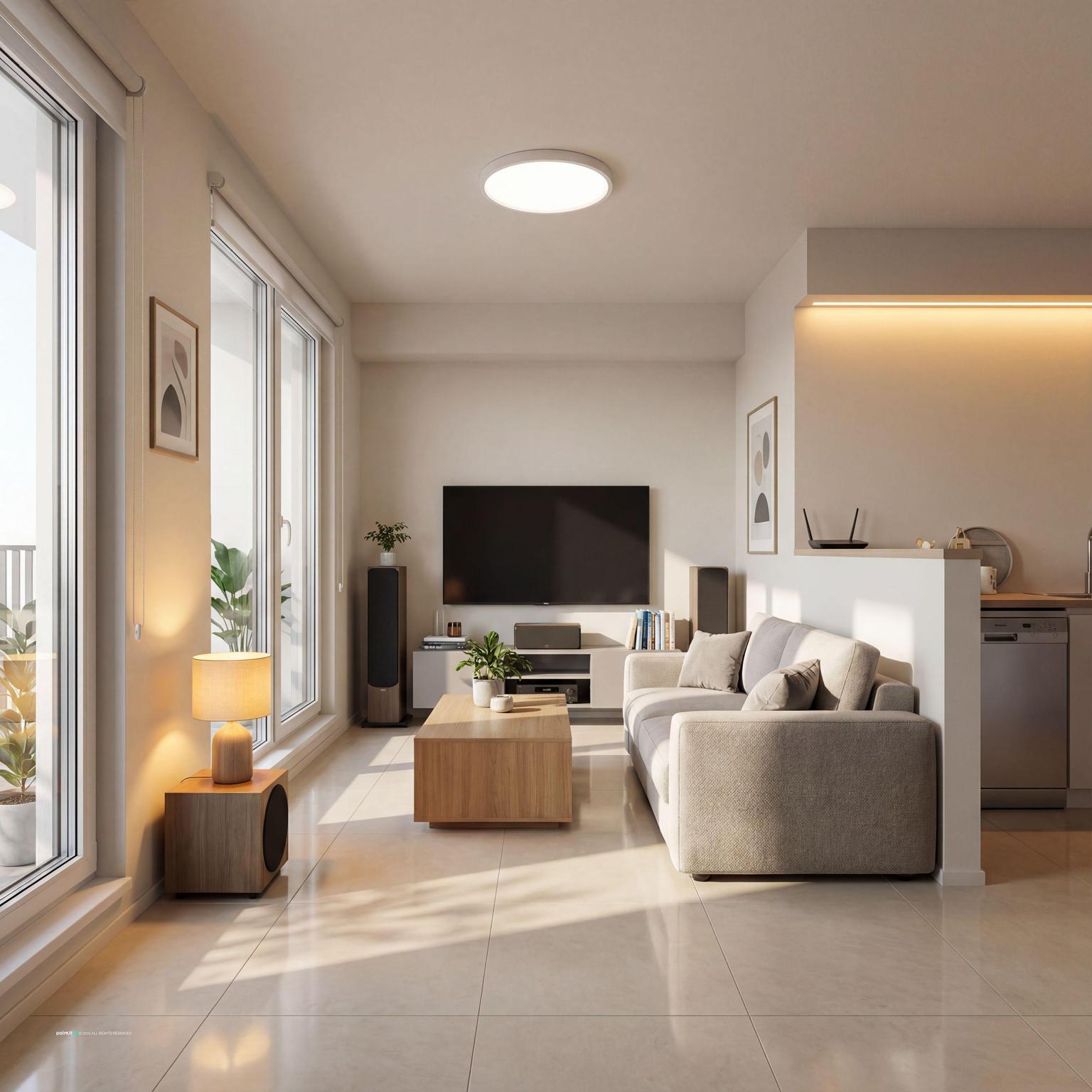
Cozy Ultra-Photorealistic Small Living Room uses basement coziness, layered neutrals and natural light in a living room setting.
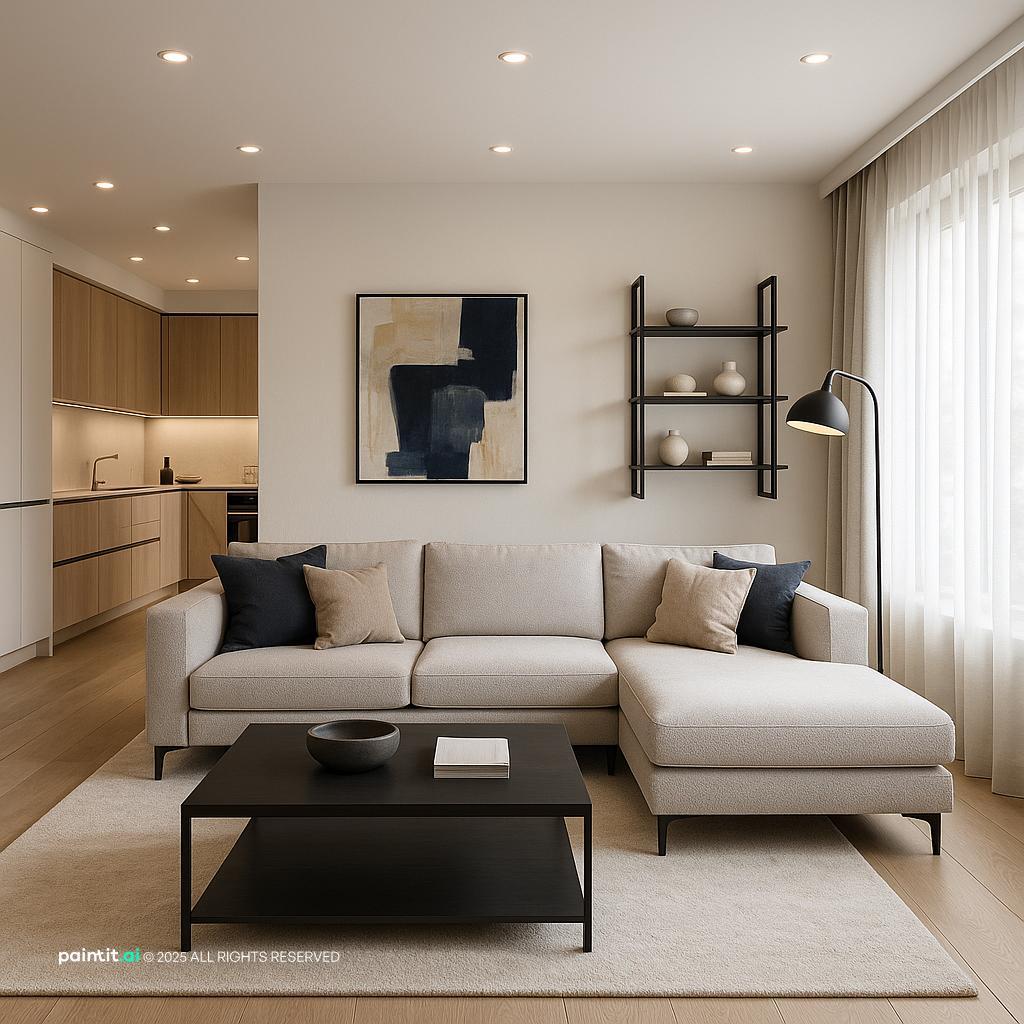
Stylish Modern Living Room Design balances basement coziness, metal accents and layered neutrals in a living room setting.
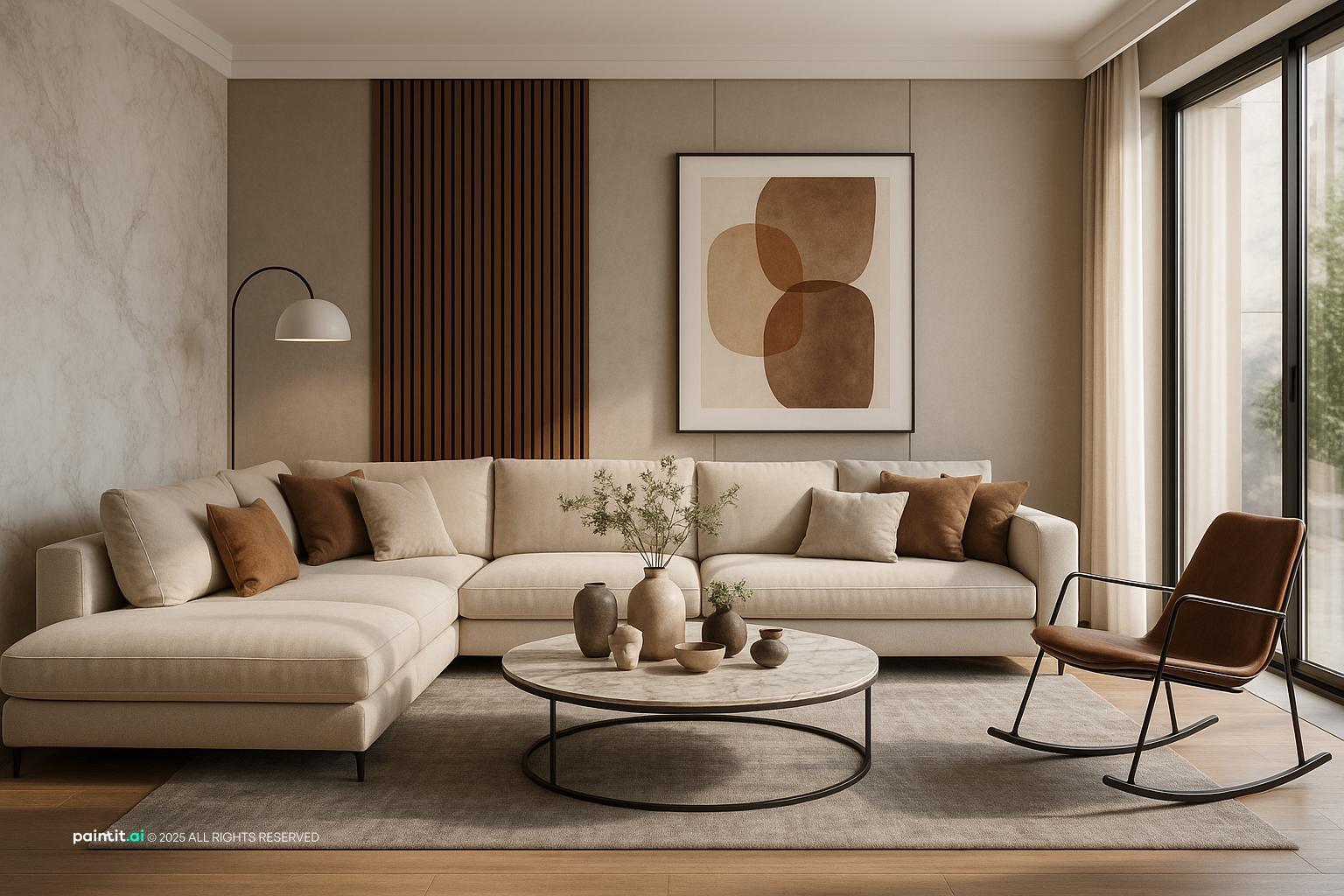
Elegant Modern Living Room Design pairs basement coziness, soft textiles and metal accents in a living room setting.
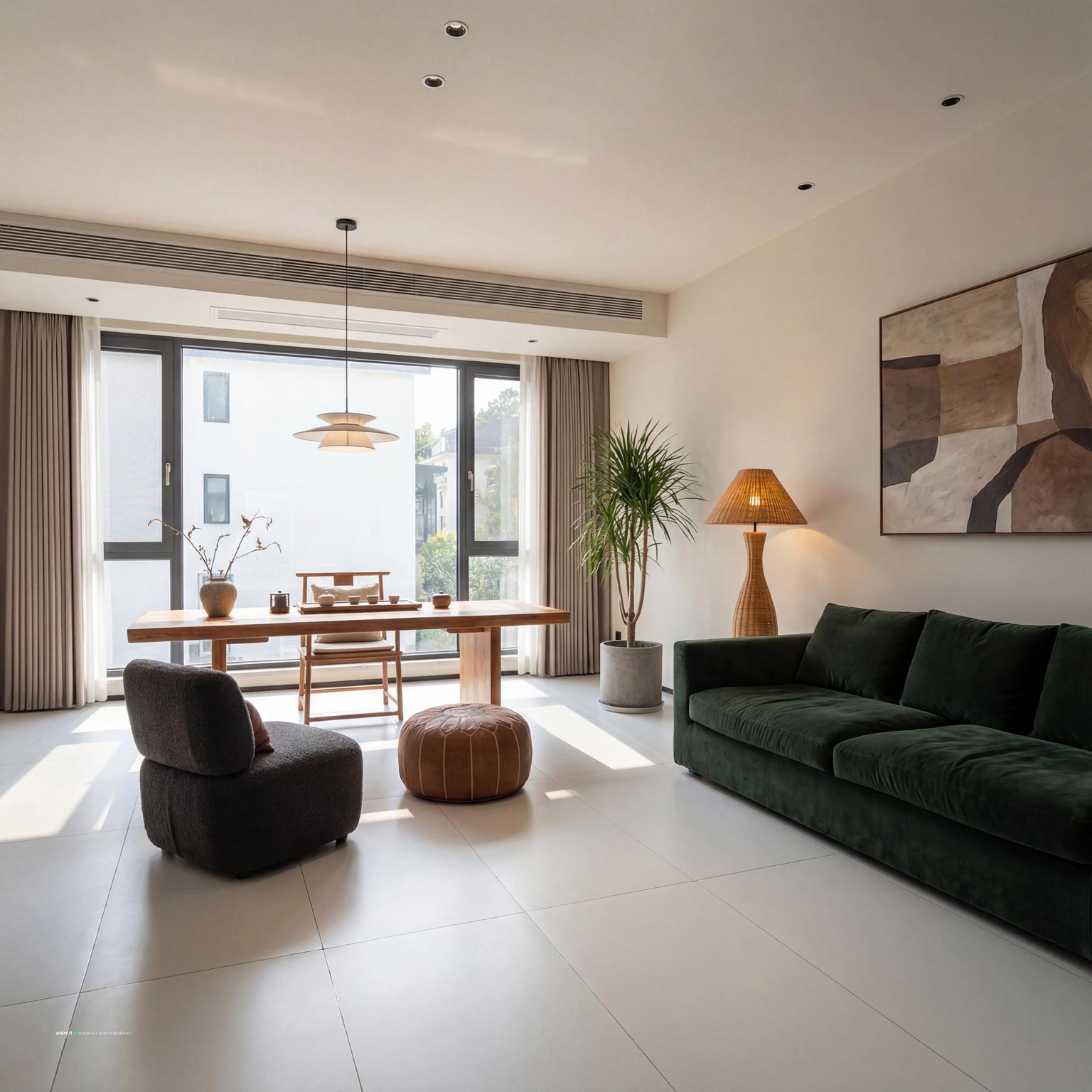
Elegant Modern Living Room Design with Basement Coziness layers basement coziness, soft textiles and plants and greenery in a living room setting.
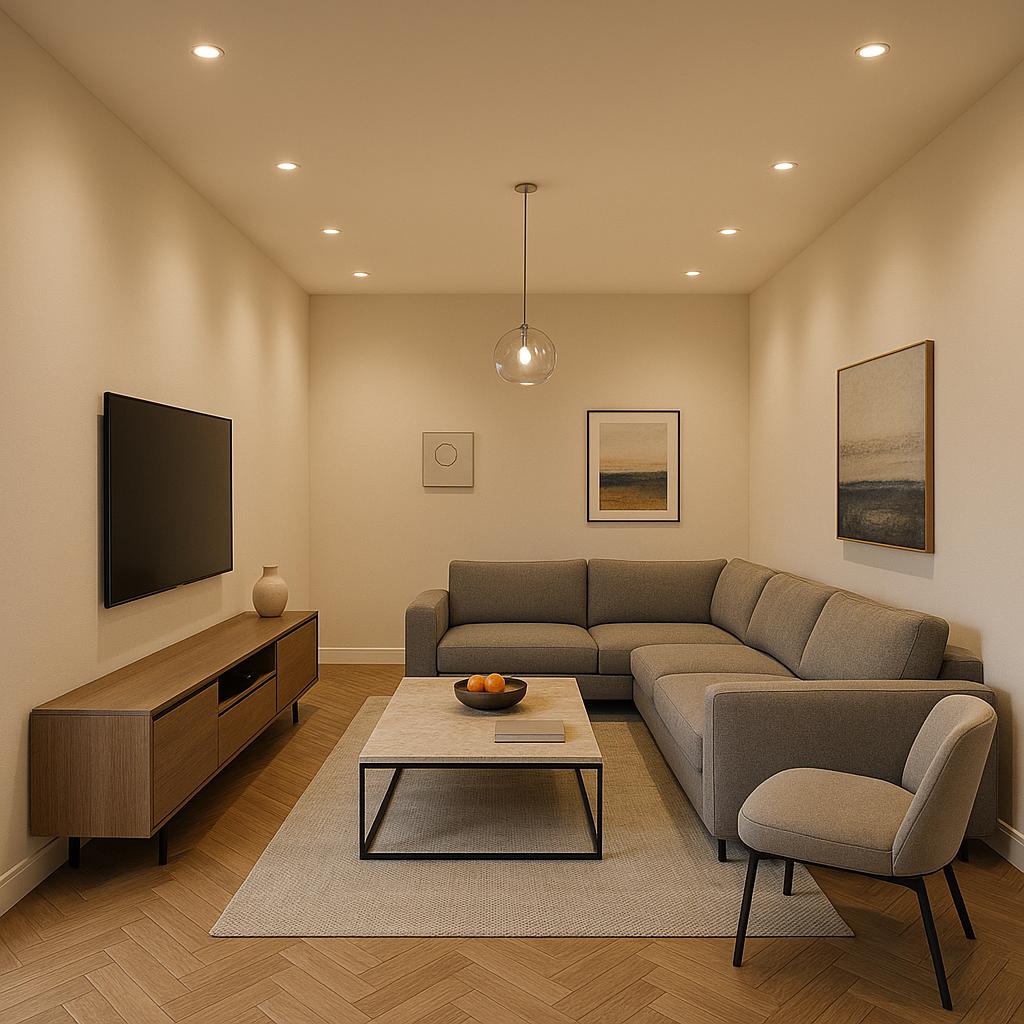
Luxury Modern Hotel Living Room Design anchors basement coziness, metal accents and layered neutrals in a living room setting.
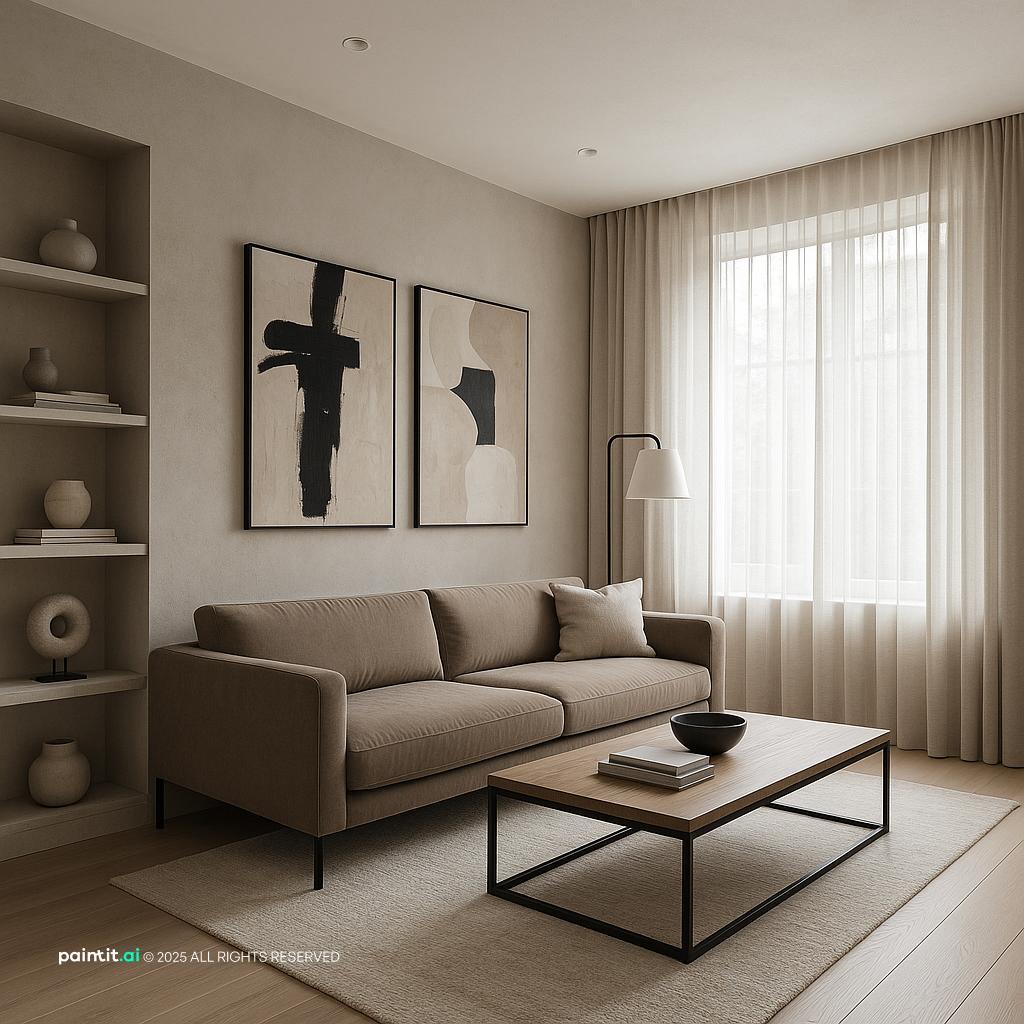
Modern Living Room Design in Neutral Tones softens basement coziness, metal accents and layered neutrals in a living room setting.
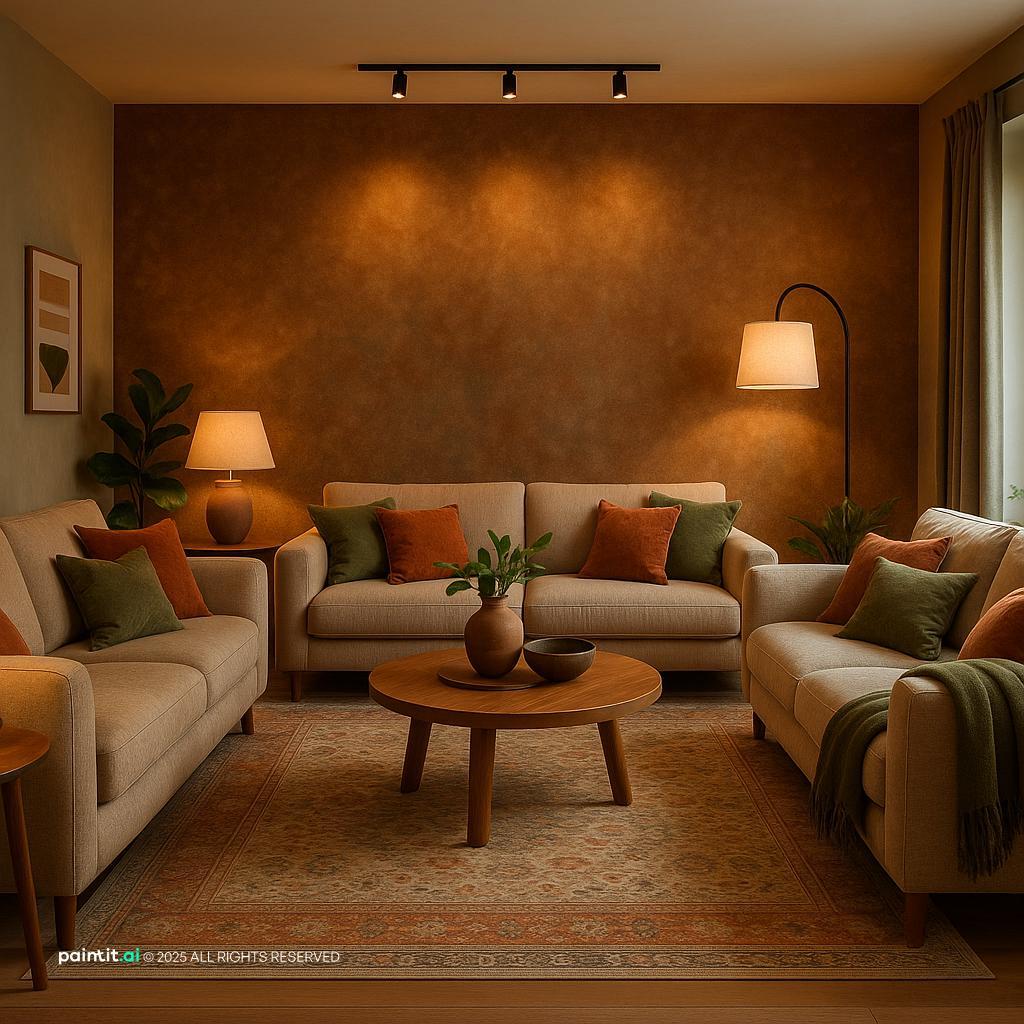
Warm Modern Living Room Design uses basement coziness, soft textiles and plants and greenery in a living room setting.
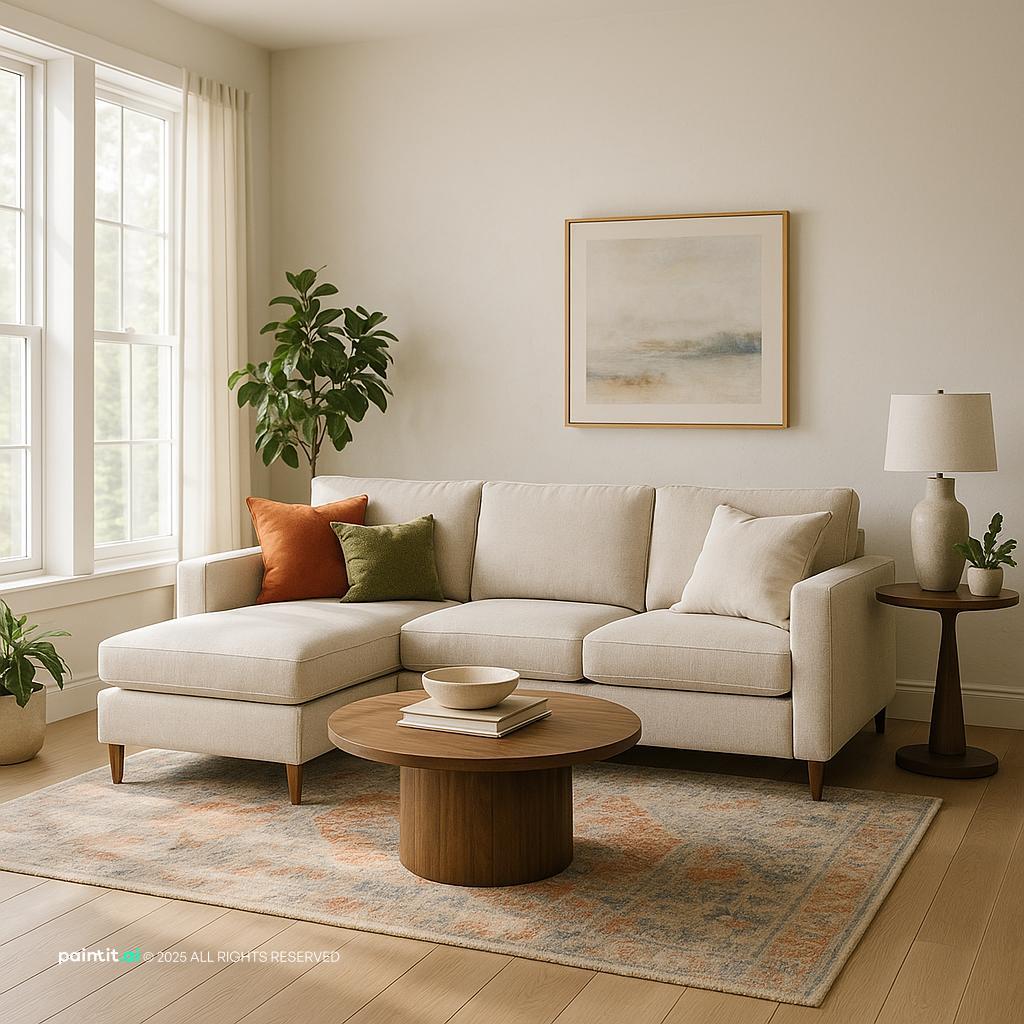
Elegant Modern Living Room Design with Soft Textiles balances basement coziness, soft textiles and plants and greenery in a living room setting.
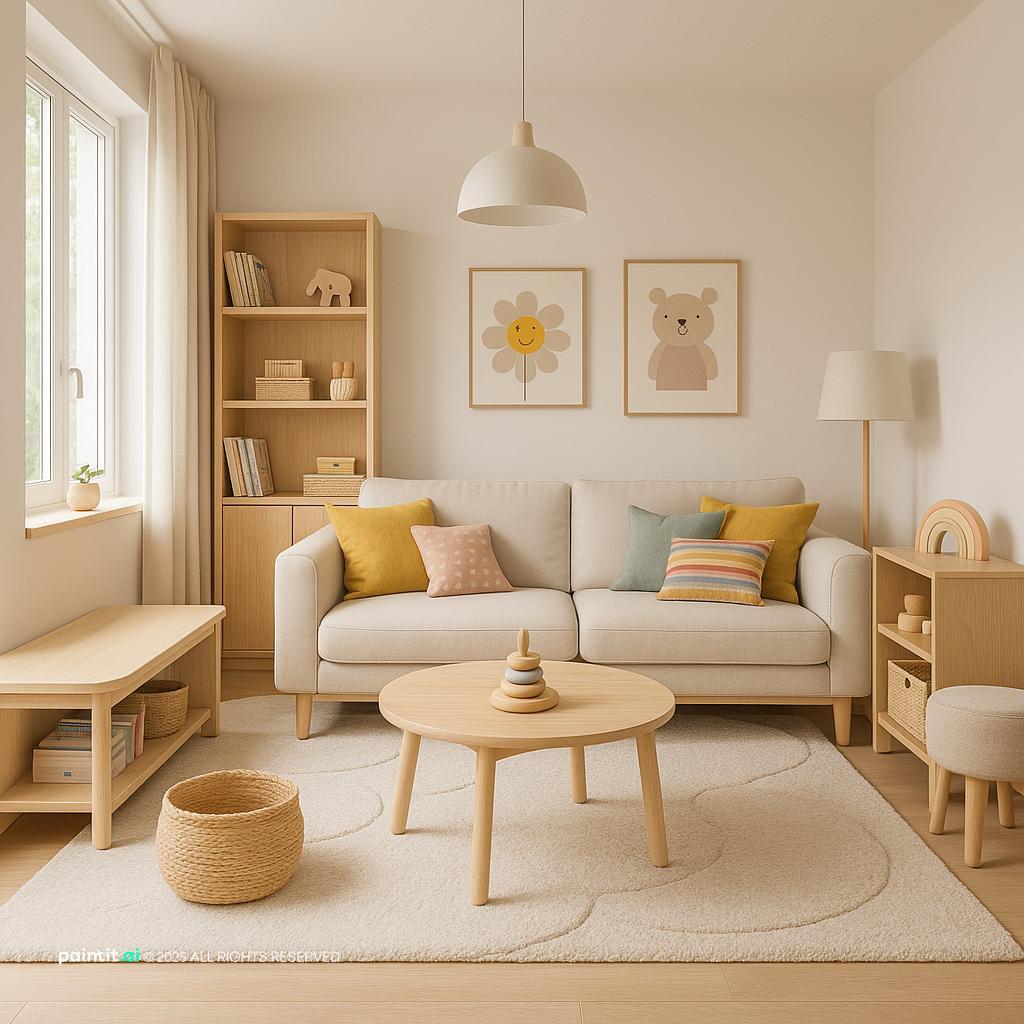
Cozy Scandinavian Living Room for Families pairs basement coziness, warm wood and soft textiles in a living room setting.
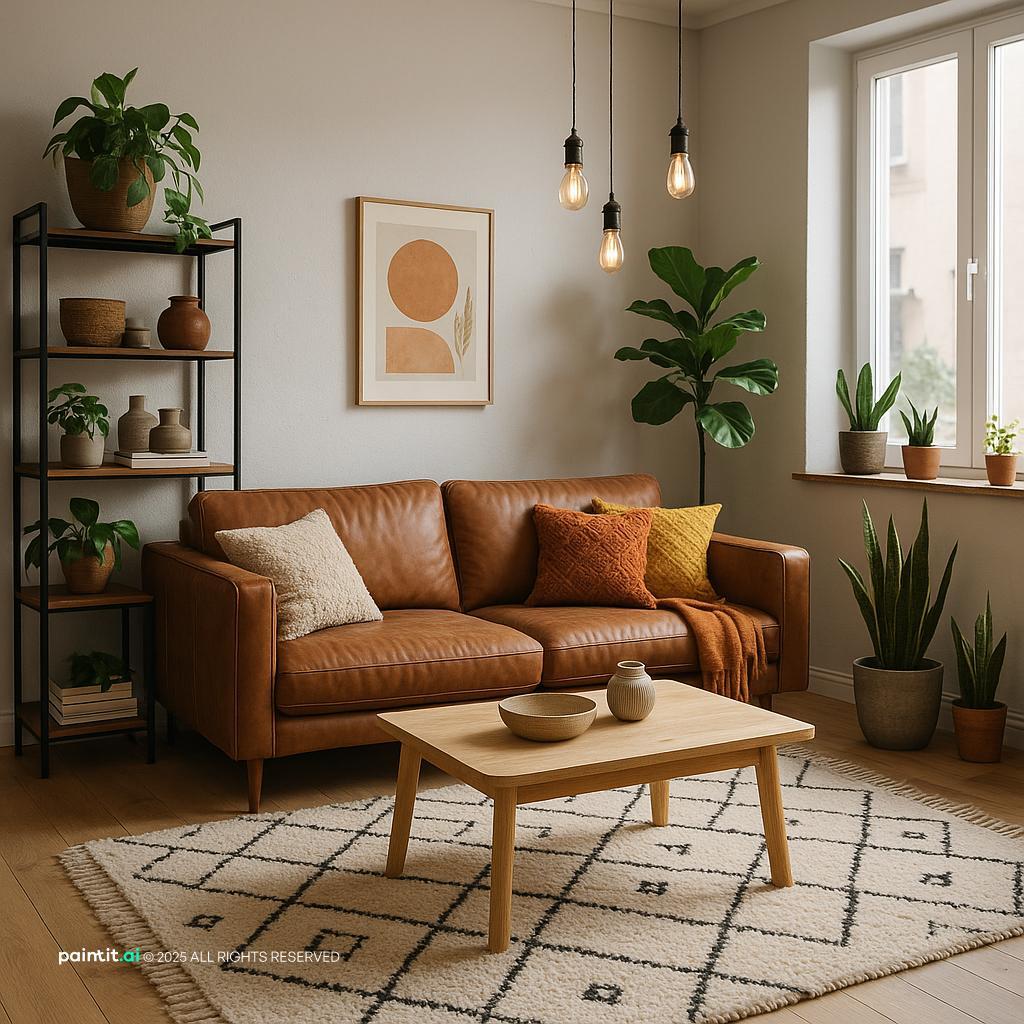
Cozy Modern Living Room Design layers basement coziness, soft textiles and metal accents in a living room setting.
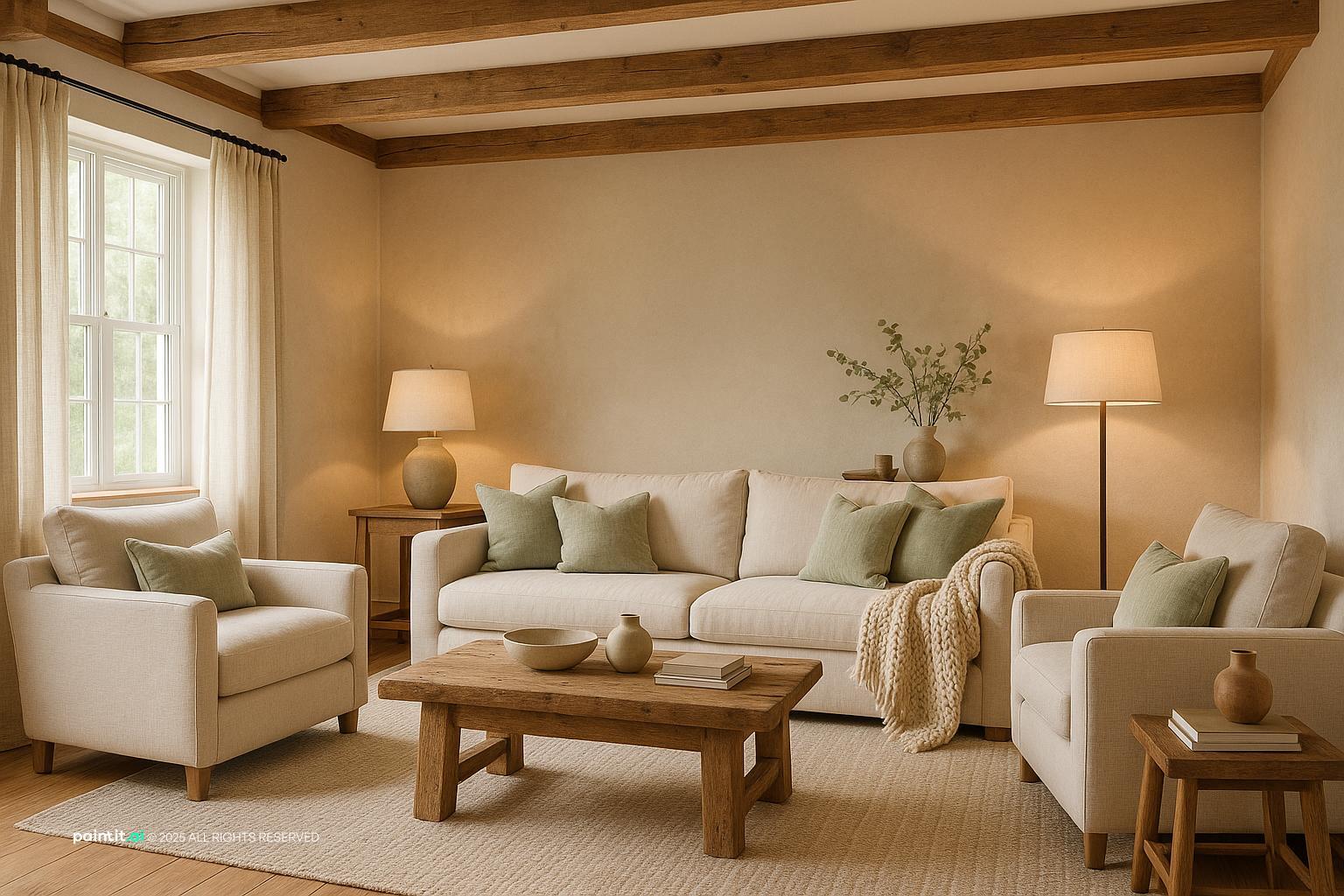
Cozy Contemporary Cottage Living Room Design anchors basement coziness, warm wood and soft textiles in a living room setting.
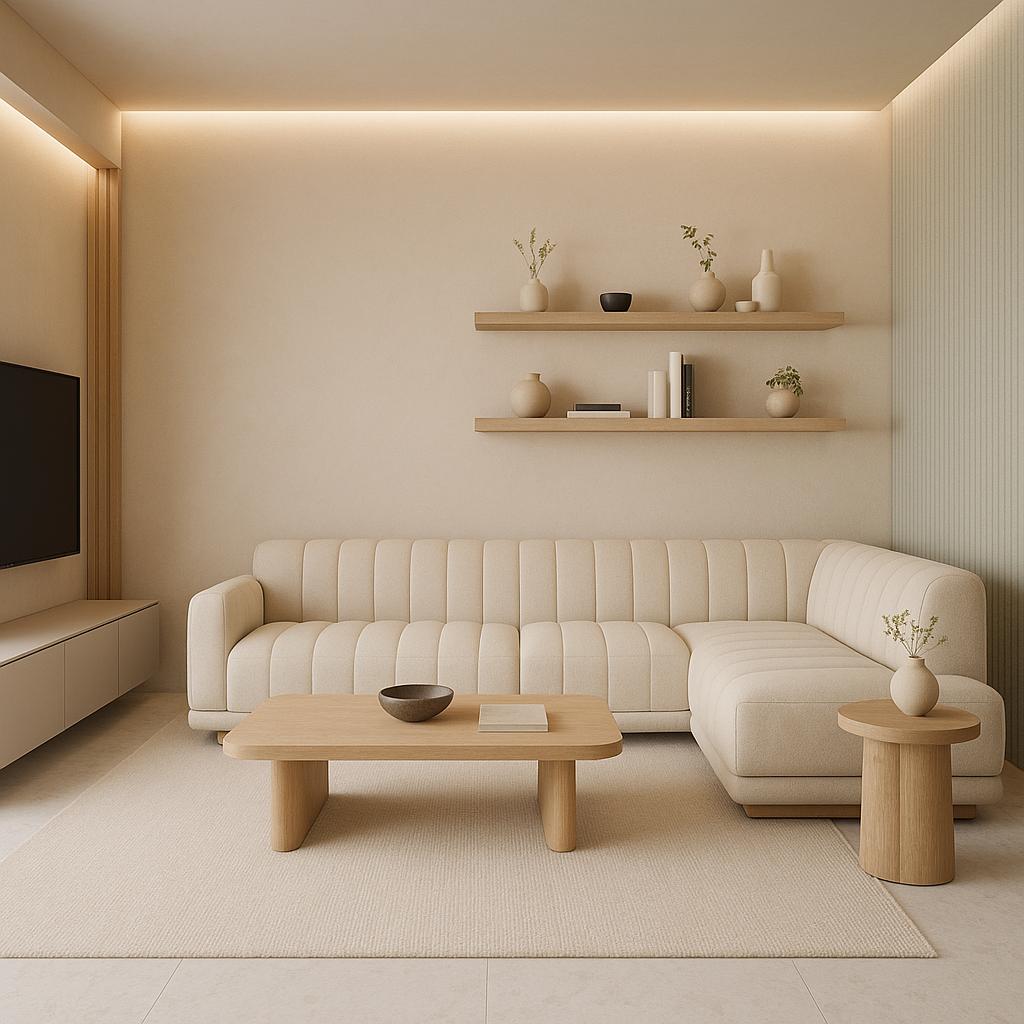
Modern Minimalist Living Room with Japandi Flair softens basement coziness, warm wood and soft textiles in a living room setting.
Basements rarely get the same daylight as main-floor rooms, so colors can read cooler and flatter than expected. Warm whites, clay beige, soft mushroom, sage, muted olive, dusty blue, and warm greige usually behave better than stark white or icy gray. Use deeper colors on a focal wall, built-ins, or media unit if the room needs grounding.
Avoid choosing paint in a bright upstairs room and assuming it will behave the same way downstairs. Test swatches under the actual basement lighting at night. If the color turns muddy, go a little cleaner; if it looks too sharp, add warmth through wood, textile, or lamp light.
Wood is one of the best materials for warming a basement, but too much rustic wood can make the room feel heavy. Try a wood coffee table, slatted media wall, oak shelves, or walnut side table paired with simple upholstery and clean-lined lighting. This keeps the room current without losing comfort.
For a more contemporary direction, explore how lower-light spaces handle proportion and contrast with AI living room design. The key is balance: warm material, edited silhouette, and enough negative space around furniture.
Black metal works well for lamp bases, table frames, curtain rods, and shelving brackets because it gives definition in dim rooms. Brass or aged bronze can add warmth, especially with beige, green, or navy palettes. Pick one dominant metal and repeat it in small ways.
Avoid mixing too many shiny finishes in a low-ceiling basement. Reflective chrome, glossy black, and bright brass together can create visual noise and glare. Matte or satin finishes are usually easier to live with.
A stone fireplace, brick wall, tiled bar face, or textured media backdrop can make a basement feel intentionally designed. Use these materials on one feature rather than wrapping the whole room. They work best when balanced by soft seating, warm rugs, and lamps.
What to avoid: adding dark stone to an already shadowed corner without lighting it. Texture needs light to read well. If you use brick or stone, add wall washers, sconces, or nearby floor lamps so the surface looks dimensional instead of gloomy.
Basements can sound hollow, especially with hard flooring and drywall. Textiles help: an area rug, curtains, upholstered furniture, pillows, throws, and fabric shades absorb sound and make conversation more comfortable. Choose performance fabrics if the basement is a high-use family area.
Avoid using only thin decorative pillows as your texture plan. Larger textile surfaces matter more. A substantial rug and proper curtains will change the acoustics and the perceived warmth of the room faster than small accessories.
Place light where people actually sit, read, watch TV, play games, or walk. A floor lamp beside an accent chair, dimmable recessed lights in the main zone, LED strips in built-ins, and a small table lamp near the sofa create a more flexible room. Use warm color temperature bulbs for a relaxed living room feel.
Avoid glare on the TV and bright downlights directly over seating. If the ceiling is low, use shallow fixtures, wall sconces, and lamps to keep light closer to eye level. This makes faces, fabric, and wall decor look better.
Basement decor looks more polished when the styling is edited. Use one large piece of wall decor instead of many small frames, one generous tray on the coffee table, and a few objects with different heights on shelves. Repeat a color from the rug or pillows in the artwork to pull the room together.
Avoid filling every shelf or corner. Visual breathing room matters more in basements because ceilings are lower and natural light is limited. If a detail does not support the focal point, comfort, or storage, remove it.
Paintit.ai is useful for basement planning because you can upload a real room photo and test layout, palette, materials, lighting mood, repainting, redesign, staging, and style direction before buying furniture. The best prompts usually keep fixed architecture in place: keep the support beam, keep the window, preserve the stair opening, then change the surrounding color, material, furniture, and lighting.
You can start with a broad request in the AI basement design tool, then refine it the way many users naturally do: make it warmer, add wood panels, change the sofa, remove clutter, paint the ceiling, or use a modern media wall. For a more structured process, follow how to redesign a living room with Paintit.ai and build from layout to finishes.
Start with the room layout, then add layered lighting, a warm color palette, soft textiles, wall decor, curtains, and closed storage. Work with fixed elements like beams, posts, and small windows instead of pretending they are not there.
Choose furniture that respects the traffic path: a sofa or compact sectional, flexible accent chair, practical coffee table, and storage pieces with doors or drawers. Raised legs and slimmer arms help small basements feel lighter.
Repeat a few colors and materials across the room, define the seating area with an area rug, and keep structural elements visually consistent. Too many unrelated finishes can make a basement feel patched together.
Warm whites, greige, mushroom, sage, olive, dusty blue, camel, and soft taupe often work well. Avoid very cold grays or stark whites unless the lighting is warm, layered, and strong enough to support them.
Use a clear furniture plan, a correctly sized rug, low-profile seating, closed storage, and fewer high-contrast ceiling breaks. Add wall lamps or floor lamps so the corners do not disappear into shadow.