
Small Indian restaurant interior design ideas for compact dining spaces
A small Indian restaurant has one core design challenge: conveying cultural richness in a compact space without the result feeling cluttered or themed in a surface way. The design elements that work best are the ones that have genuine connection to the food and the region, not a generic "Indian" pastiche.
These 7 ideas cover the practical and aesthetic decisions that shape how a small Indian restaurant feels. Upload a photo of your space to app.paintit.ai and test different colour and layout directions in 1–2 minutes. Free to start.
These 7 ideas cover the practical and aesthetic decisions that shape how a small Indian restaurant feels. Upload a photo of your space to app.paintit.ai and test different colour and layout directions in 1–2 minutes. Free to start.
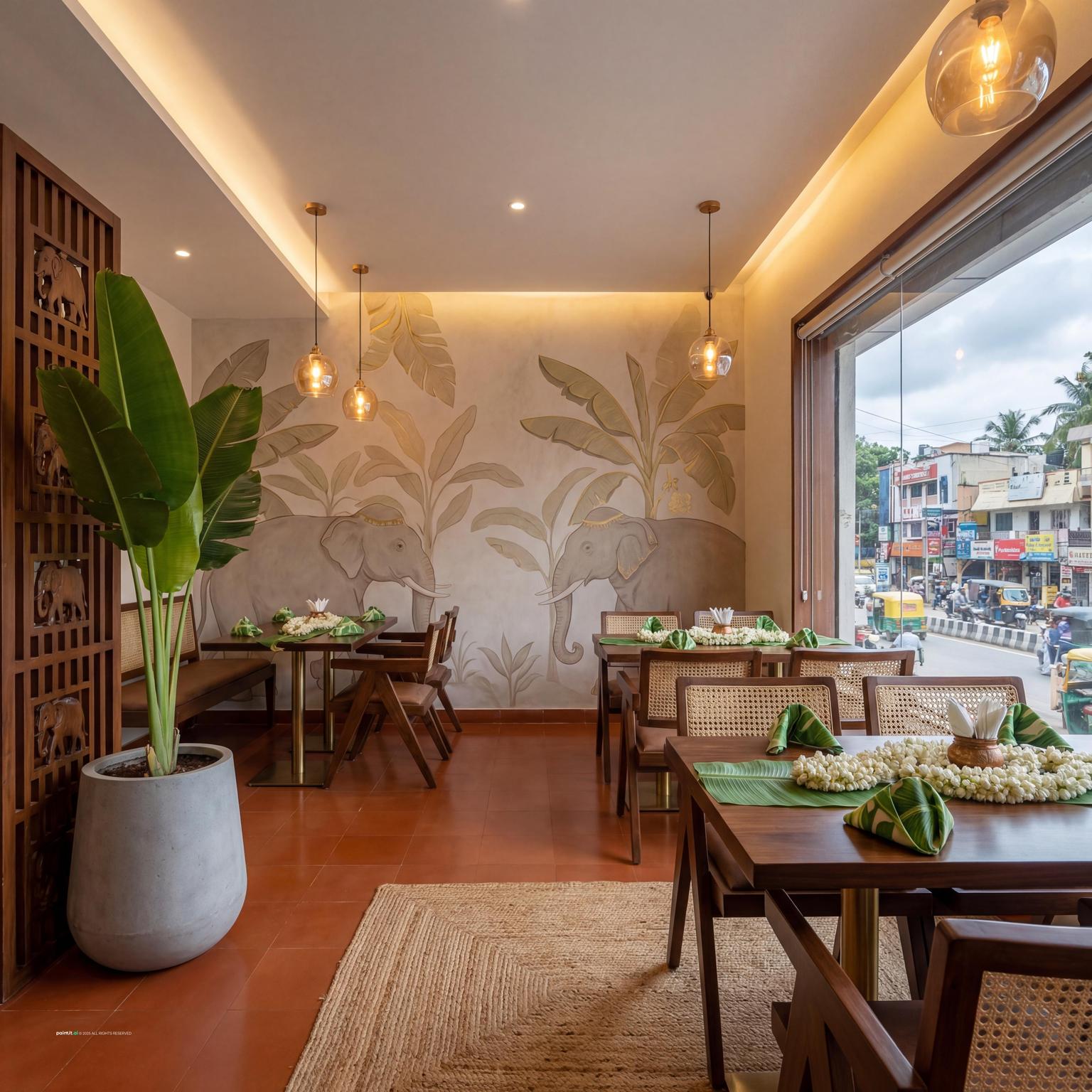
7 small Indian restaurant interior design ideas
The right approach depends on the type of restaurant and the regional cuisine it serves. These ideas apply across types, with notes on where context matters.
-
1. Choose a Color Palette that Resonates
The selection of hues functions as a fundamental determinant in establishing ambient conditions. Choose a palette of energetic warm tones including reds, oranges, and yellows. The colors generate a sense of warmth and joy that connects to memories of traditional Indian celebrations. Integrating shades of brown and green establishes an organic element that contributes to aesthetic equilibrium.
-
2. Incorporate Traditional Elements
Textiles: bold, colourful tablecloths, cushions, and drapes with traditional block prints or weave patterns.
Artwork: Indian paintings or murals depicting regional landscapes, cultural themes, or food-specific art (images of spices, markets, kitchens).
Artifacts: brass lamps, clay pots, copper vessels, used selectively rather than en masse.
-
3. Lighting that Enhances Ambiance
Combine ambient, task, and accent lighting. Pendant lights and vintage-style lanterns in brass or copper introduce Indian heritage without requiring structural changes. Warm white temperature (2700–3000K) throughout, it makes Indian food colours look more vibrant and makes the dining room feel welcoming.
-
4. Optimize Space with Strategic Layout
Seating: a mix of 2-person and 4-person tables works for most small Indian restaurants, since families and couples dominate the customer mix.
Flow: keep the path from entry to seating clear, and ensure staff can move from kitchen to all tables without crossing the customer aisle.
In narrow rooms: bench or banquette seating along one wall keeps the floor clear for staff movement.
-
5. Scent and Sounds that Captivate
The distinctive element of Indian dining experiences emerges through the aromatic spices that accompany the cuisine. The restaurant should maintain excellent ventilation systems to enable aromatic scents to permeate throughout the dining area. The inclusion of gentle Indian instrumental music helps establish a calming ambiance which enhances the dining experience.
-
6. Create an Outdoor Experience
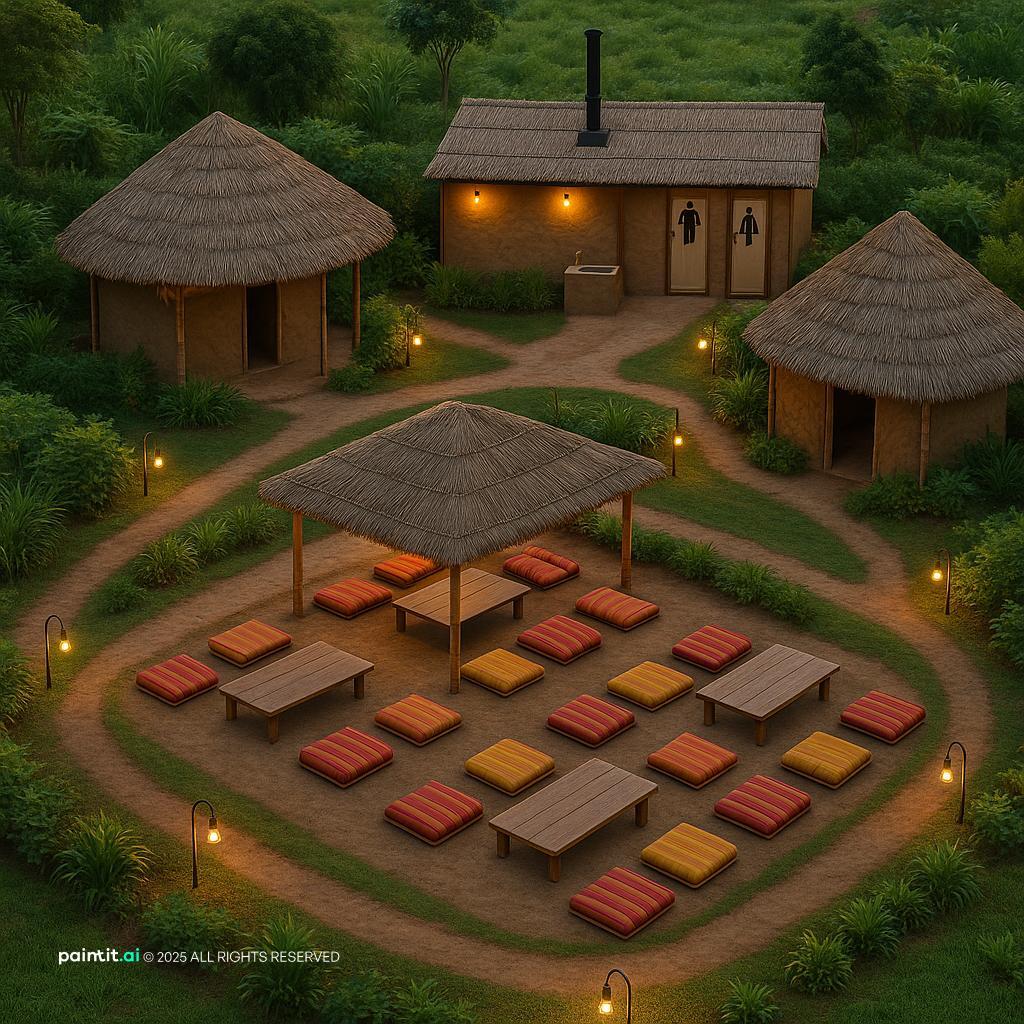
Create an outdoor space that mirrors indoor atmosphere whenever spatial capacity permits. Select outdoor furniture pieces that create a unified appearance with the restaurant's indoor design elements. Integrate botanical features with decorative accents to establish an appealing dining area where patrons can relish their meals outdoors. -
7. Brand Your Space
Finally, make certain that your interior design elements harmonize with your restaurant's branding essence. Integrate thematic logos alongside color schemes and design elements to manifest your restaurant's vision. The creation of a memorable customer experience that drives repeat business depends on consistent branding.
Small Indian Restaurant Interior Design Ideas in Action
-
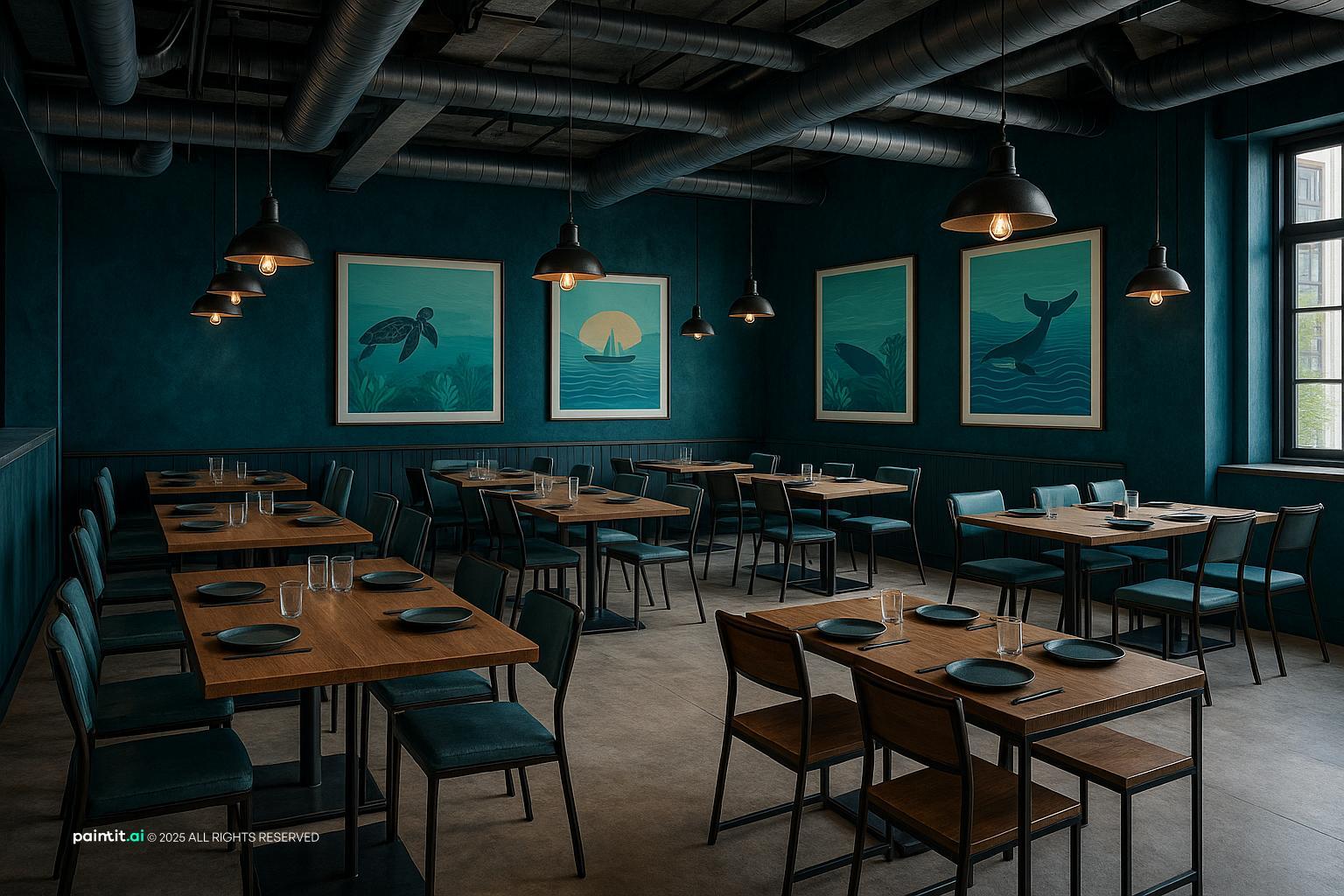
To boost the dining experience in compact Indian eateries, establishing a lively and inviting ambiance matters more than in a larger space. Carved woodwork and vibrant textiles are consistently the most effective traditional Indian design elements; they convey craft and authenticity without requiring expensive structural changes. The incorporation of hand-painted murals depicting Indian landscapes or cultural motifs creates an exquisite focal point.
-
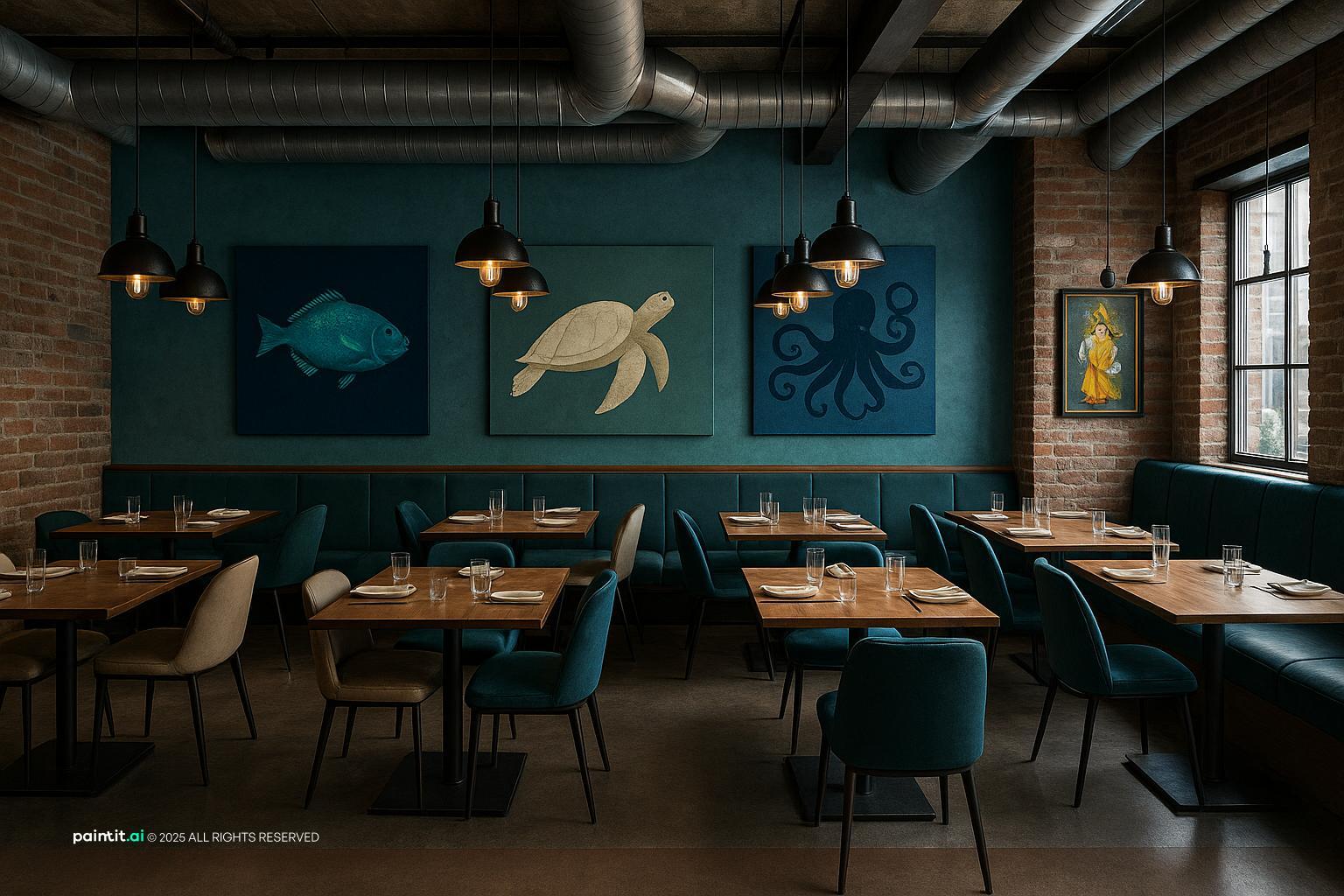
The function of lighting stands as a crucial element too. The interplay of soft ambient lighting with decorative hanging lanterns creates an atmosphere that feels both warm and inviting. Pendant lights in jali (lattice) patterns or with ornate brass detailing reflect Indian artisanal work without dominating the space.
-
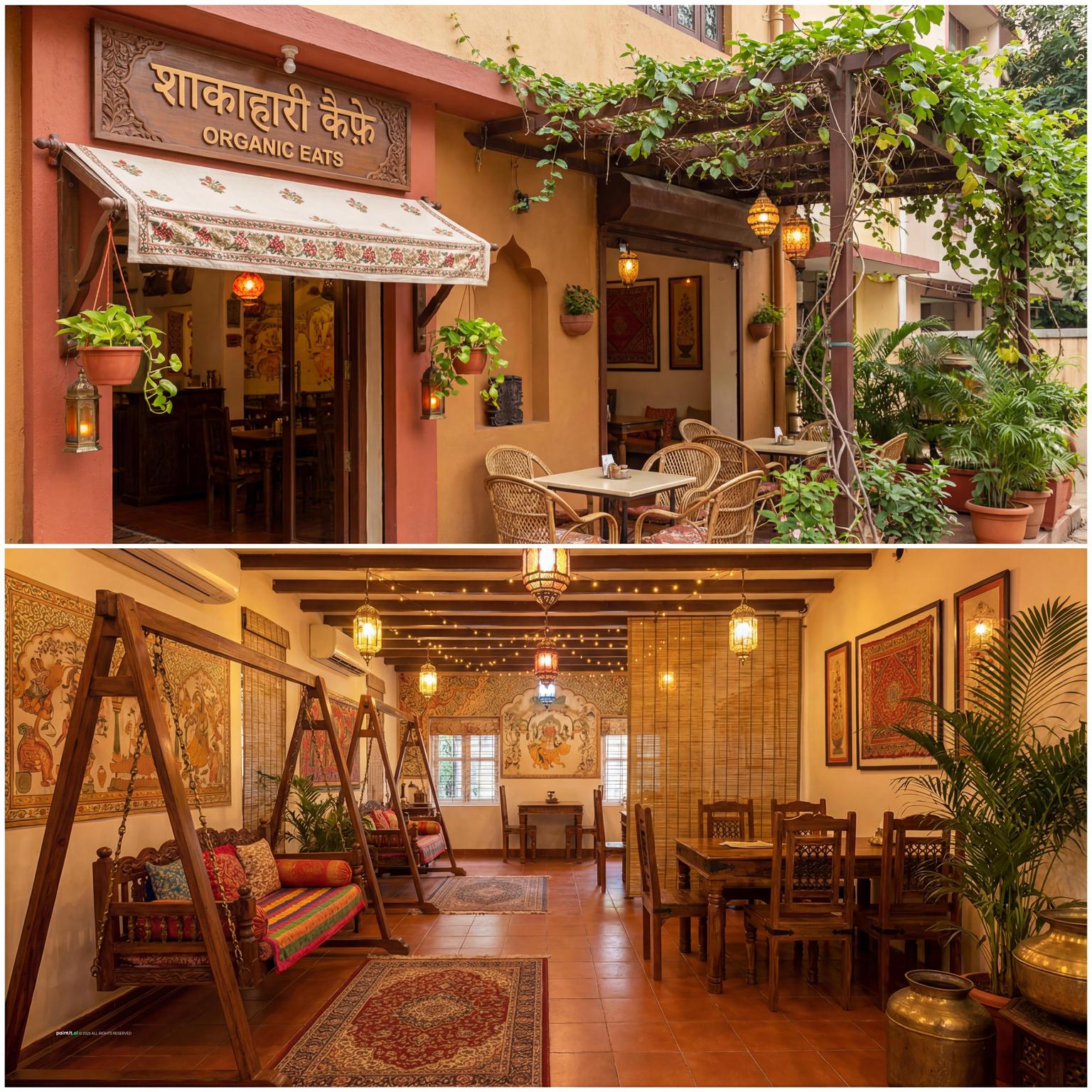
The process of selecting furniture represents an essential component in design work. Selecting seating that is both low and comfortable combined with plush cushions helps to establish an intimate dining environment. The introduction of authentic Indian tableware like brass utensils serves to amplify rustic allure.
-
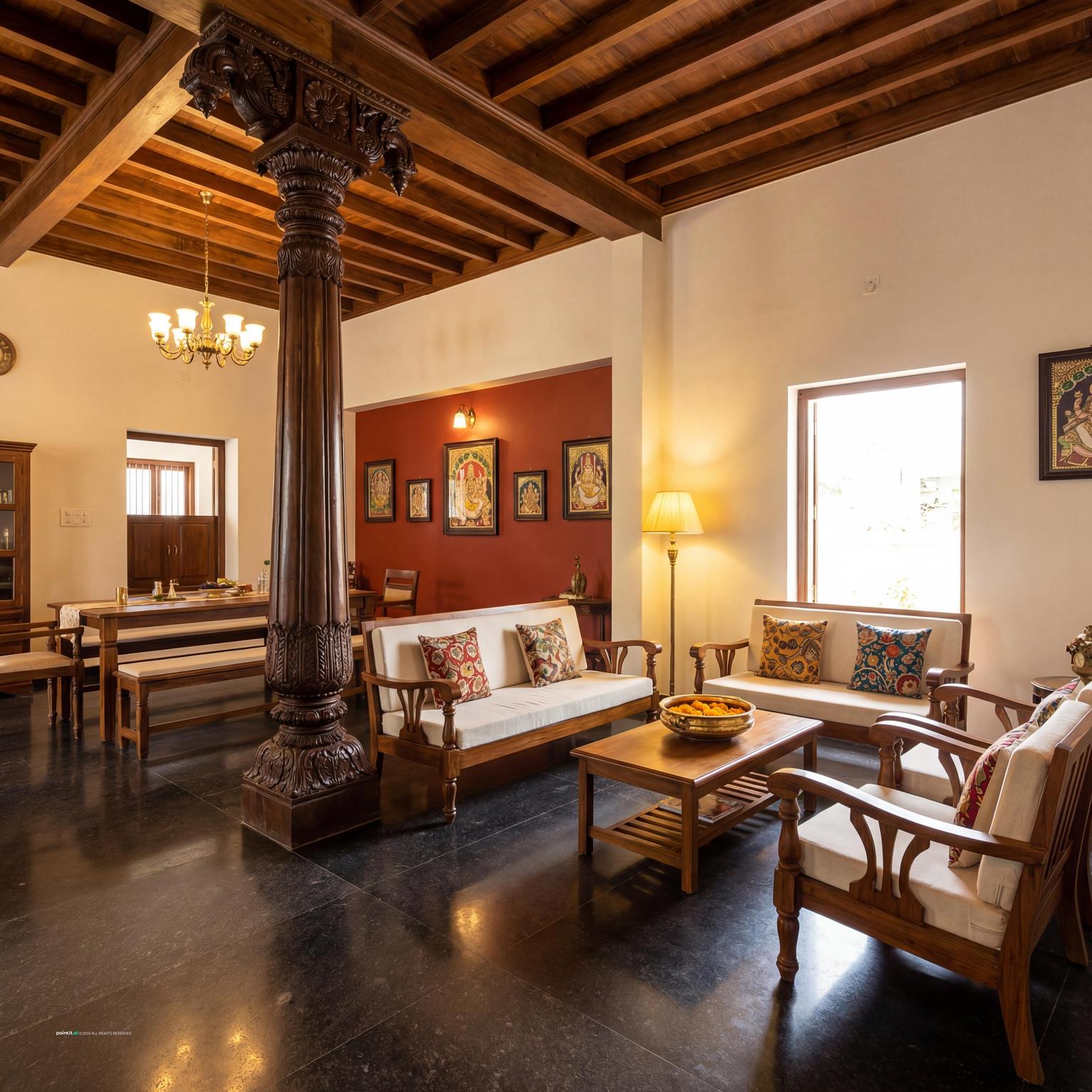
Rich, saturated color schemes, reds, yellows, and greens, create an energetic space that simultaneously evokes the flavors of Indian cuisine. The integration of plants and natural elements serves to mitigate harsh decor elements while establishing a balanced and harmonious setting.
-
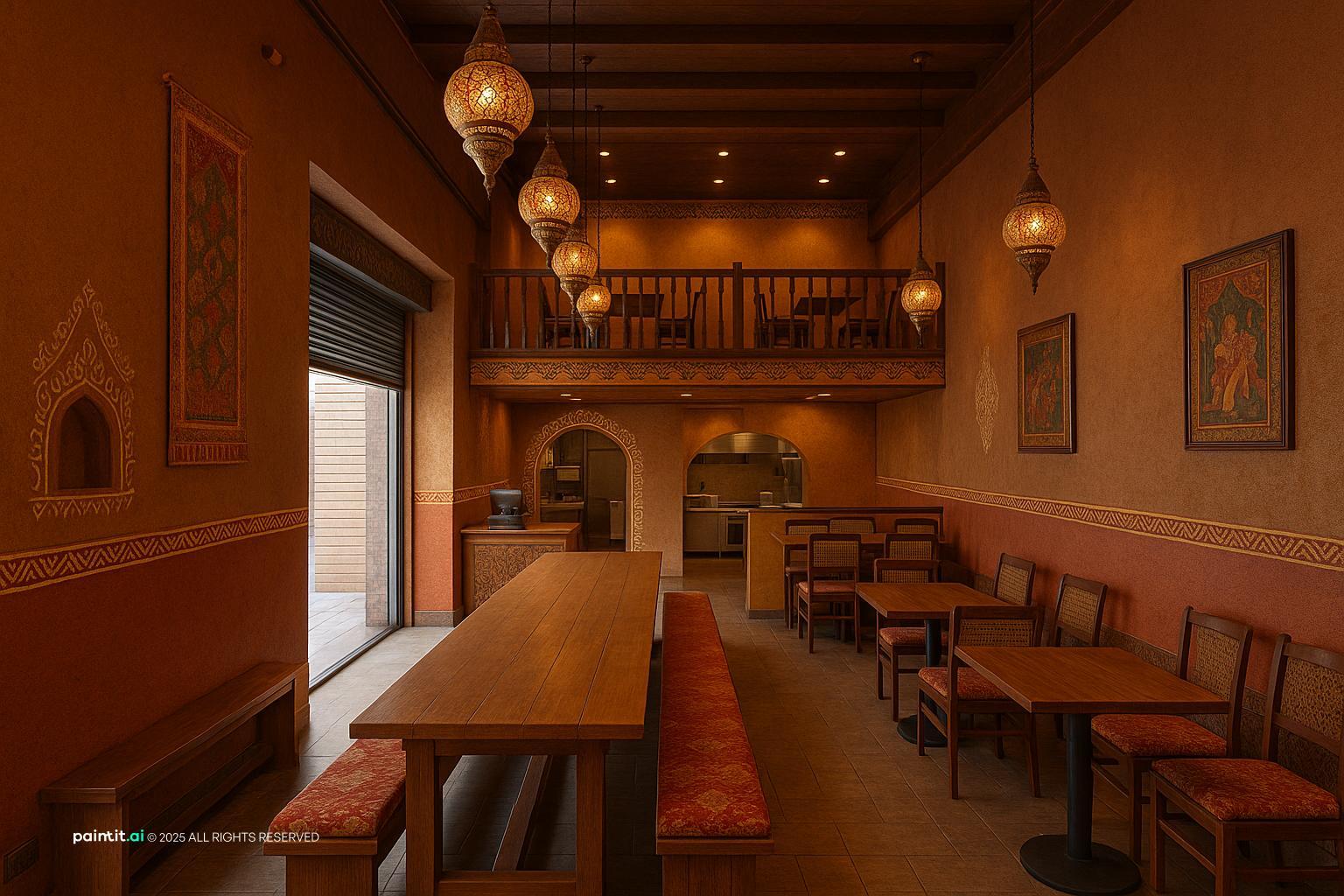
Together, these compact design decisions turn a small restaurant into a clear, memorable dining space rooted in India's cultural and regional identity.
Indian restaurant types: design differs by concept
Dhaba (roadside eatery style)
The dhaba aesthetic is rooted in North Indian truck-stop culture: simple wooden furniture (low charpoys or basic benches), terracotta pots, hand-painted walls with folk motifs or Bollywood imagery, string lights, and earthy colours. The food is the star; the decor is functional and characterful without being designed. For urban dhaba-theme restaurants, the challenge is recreating authentic roughness without it reading as deliberate kitsch.
QSR (quick-service Indian)
Fast-casual format serving Indian food. High turnover, tight seating, queue-oriented counter layout. Bright lighting (4000–5000K) for speed and hygiene. Bold colours to signal energy. Simple, cleanable surfaces. The Indian identity comes through in the colour palette and menu imagery rather than traditional decor artifacts.
Casual family dining
The most common format for small Indian restaurants outside India. Round or square tables rather than booth seating (better for Indian family dining where dishes are shared across the table). Warm lighting. Manageable noise levels, since Indian restaurants can become acoustically very loud; soft furnishings, acoustic ceiling panels, and upholstered chairs help.
Regional specialty restaurant
Design follows cuisine: South Indian restaurants suit lighter palettes, banana-leaf motifs, temple-inspired details, and natural materials (teak, terracotta). North Indian fine dining suits richer colours, brass and copper, Mughal-inspired architectural details, heavier fabrics. Coastal or seafood-focused Indian restaurants work with blue-green palettes, rope details, and natural fibre textures.
Low-budget Indian restaurant design: where to invest
A single feature wall
A mural, block print wallpaper, or hand-painted motif changes the entire room's character.
Warm pendant lighting
Replacing fluorescent overhead fixtures is the single most impactful atmosphere change.
Consistent tableware
Brass, copper, or terracotta tableware signals the cultural identity immediately at every table.
Low-cost authentic materials
Materials that read as authentic Indian without high cost: jute, khadi fabric for cushion covers, hand-thrown terracotta, reclaimed timber, brass fixtures.
How Paintit.ai helps with Indian restaurant design
Upload a photo of your restaurant to app.paintit.ai. Test different colour directions and material approaches in 1–2 minutes. Useful for comparing a dhaba-rustic direction against a modern-Indian direction in your actual space before committing to any renovation. Free to start.
Related design ideas
FAQ
-
Start with the restaurant type and regional cuisine, then choose one strong material or colour direction. Use warm lighting, clear circulation, and a few traditional elements such as brass lamps, terracotta, carved wood, or block-print textiles rather than filling every wall.
-
Warm terracotta, saffron, muted red, turmeric yellow, deep green, cream, and natural wood tones work well. The palette should support the cuisine and region: lighter natural materials for South Indian concepts, richer brass and copper accents for North Indian dining.
-
Use bench or banquette seating along one wall, keep the entry-to-table path clear, and avoid blocking the staff route from kitchen to tables. Mix 2-person and 4-person tables so couples and families can both be seated efficiently.
-
Yes. Upload a restaurant photo to app.paintit.ai and test different colour, lighting, and material directions in 1–2 minutes. Free to start.