
Preschool interior design ideas for welcoming, curiosity-driven classrooms
A well-designed preschool (or play school) classroom does three things: it organizes the physical environment around different types of play, makes materials independently accessible at the right scale, and creates a calm enough baseline that children can focus without constant redirection.
These 17 ideas cover the design fundamentals: scale, zones, light, color, and the practical details that experienced early childhood educators know make the difference.
Upload a photo of your classroom to app.paintit.ai and see how different color directions and layout approaches read in your actual space. Free to start.
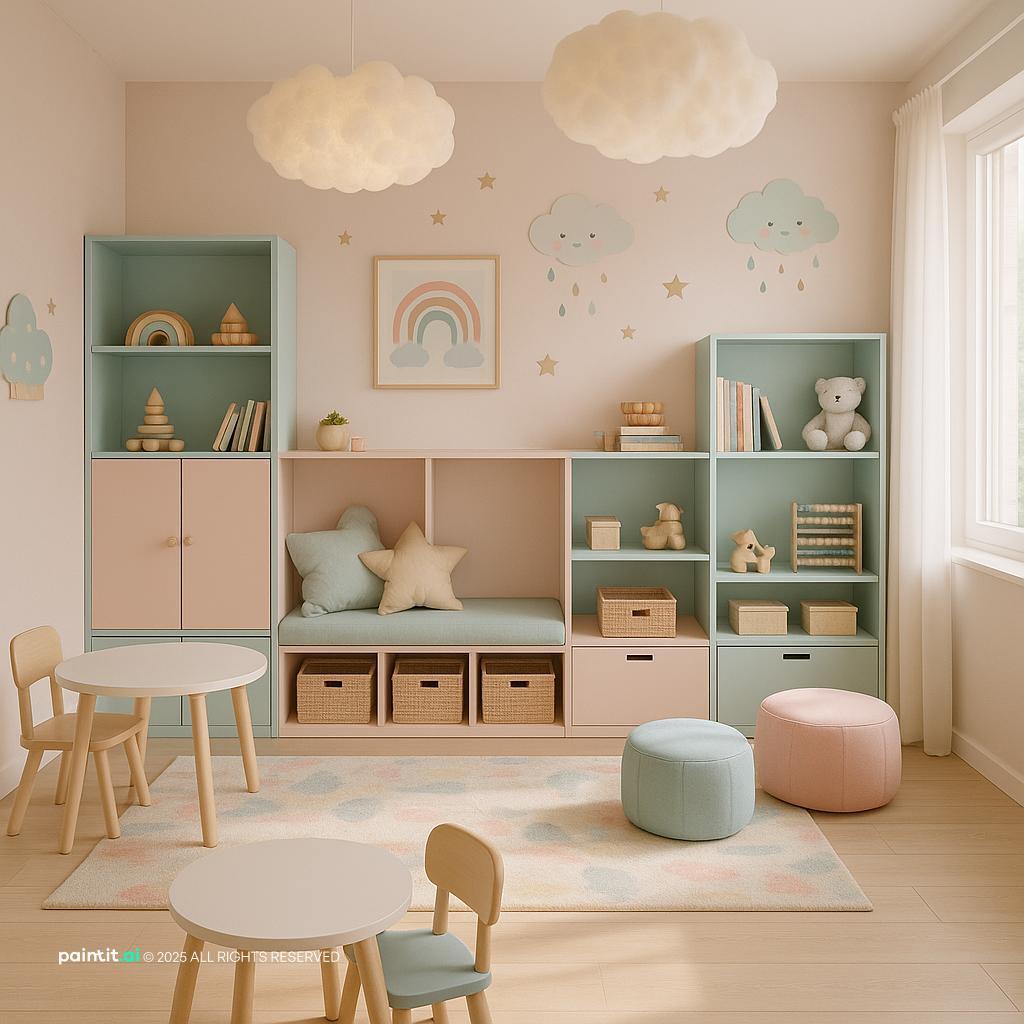
17 preschool interior design ideas
-
1. Start with Safety When You Interior Design for Preschoolers
Rounded furniture edges, non-toxic finishes, and soft flooring in fall zones come before any decorative decision. Learning how to interior design for preschoolers always begins with what a two-year-old can trip over, chew, or climb.
-
2. Use Calm Colours with Small Bright Accents
Full walls of primary colour overstimulate young children. Soft neutral bases with bright accents on furniture, rugs, or a single feature wall give energy without turning the room chaotic.
-
3. Divide the Classroom into Clear Activity Zones
Interior design for preschool classroom layouts works best with defined zones: a reading corner, a building/block area, an art table, and a circle-time space. Low shelving or rugs can mark boundaries without full walls.
-
4. Put Storage at Child Height
Open, low shelving lets children choose and return their own materials, which is one of the most requested interior design tips for preschoolers among teachers - it reduces staff workload and builds independence at the same time.
-
5. Maximize Natural Light
Large windows with low sills so children can see outside support mood and focus. Where natural light is limited, layered warm lighting (avoiding harsh fluorescent tubes) is the next best option.
-
6. Choose Flexible, Lightweight Furniture
Stackable chairs and tables that small groups can rearrange for different activities are core interior design equipment for preschoolers. Flexibility matters more than a fixed, formal furniture plan at this age.
-
7. Create a Dedicated Reading Nook
A soft rug, low bookshelf, and a few cushions in a quieter corner give children a retreat space. Even a small preschool interior ideas budget can carve out this zone with minimal cost.
-
8. Add a Sensory Play Area
A washable-surface corner for sand, water, or textured materials supports sensory development and contains mess to one part of the room, protecting the rest of the classroom flooring.
-
9. Select Durable, Soft-Impact Flooring
Cushioned vinyl or rubber flooring absorbs falls better than tile while still being easy to clean, an important balance in interior design equipment for preschoolers where spills happen daily.
-
10. Manage Acoustics to Reduce Noise Fatigue
Fabric panels, rugs, and soft ceiling tiles cut down echo in a room full of active children. High noise levels tire both children and staff faster than most people expect.
-
11. Keep Sightlines Open for Supervision
Low shelving and open zone dividers let one teacher see the whole room at a glance. Full-height partitions look tidy but create blind spots that make supervision harder.
-
12. Design an Accessible Art and Craft Corner
A washable table, low-hung supply shelves, and a drying rack for artwork give children ownership over creative activities without constant teacher setup.
-
13. Plan a Quiet Nap or Rest Area
Even half-day preschools benefit from a soft, low-light corner for quiet time. Portable mats that store away easily keep the space multi-purpose for the rest of the day.
-
14. Display Children's Work at Their Eye Level
A low display wall or string-and-clip system for artwork gives children a sense of ownership over the room and turns finished projects into part of the interior design instead of clutter.
-
15. Bring in Natural and Biophilic Elements
A few sturdy plants, wood-textured furniture, or a small window herb garden introduce nature into the classroom, which research links to calmer behavior in young children.
-
16. Smooth the Transition Between Indoor and Outdoor Play
Where possible, a covered transition space with a bench for shoes and coats near the exit makes moving between indoor and outdoor activities faster and reduces disorder at the door.
-
17. Test the Full Layout Before Committing to Fixtures
Before finalizing preschool interior design ideas, try the zone layout with a free AI visualization tool. Seeing sightlines, storage height, and activity zones together first avoids costly furniture returns later.
Classroom examples for early learning spaces
-
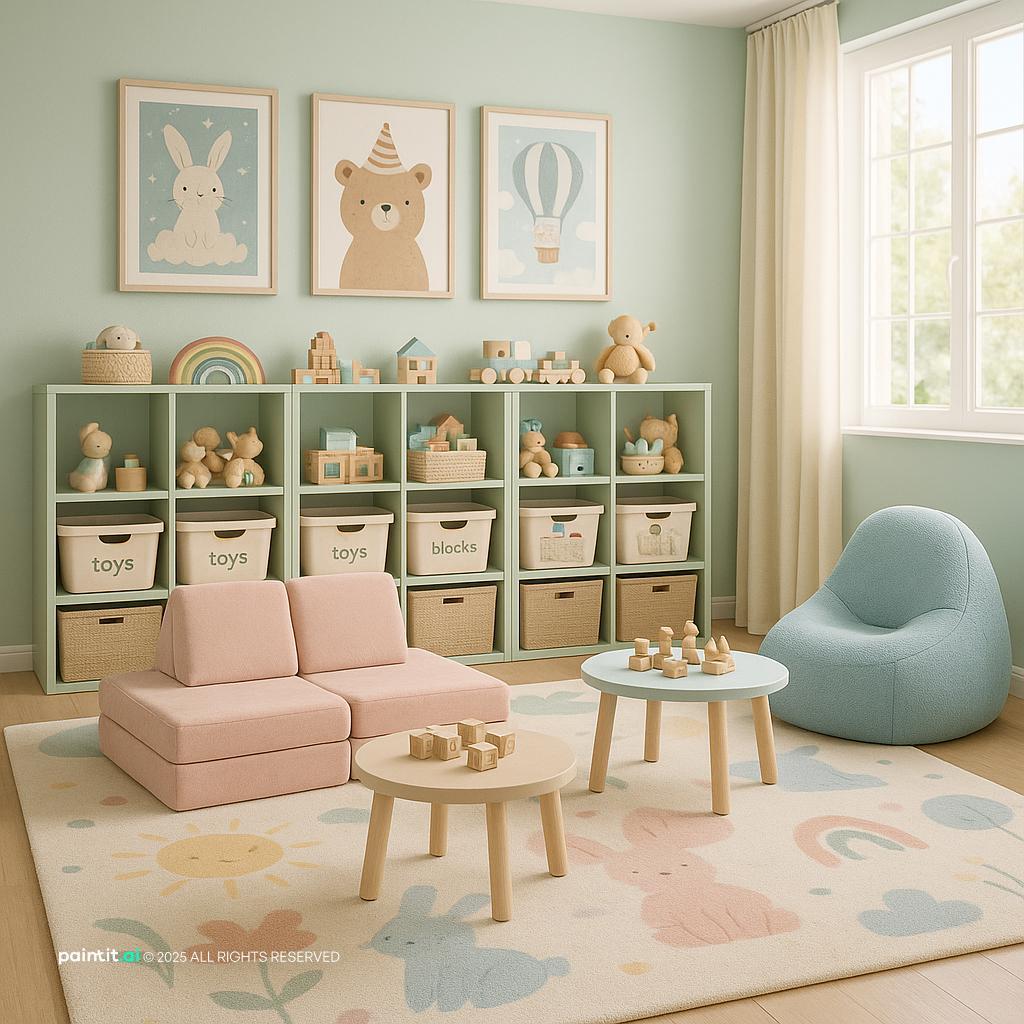
Designing spaces for little learners can be a rewarding adventure in creativity, comfort, and functionality. Here are inspiring ways to cultivate preschool environments where curiosity, play, and learning bloom side by side.
-
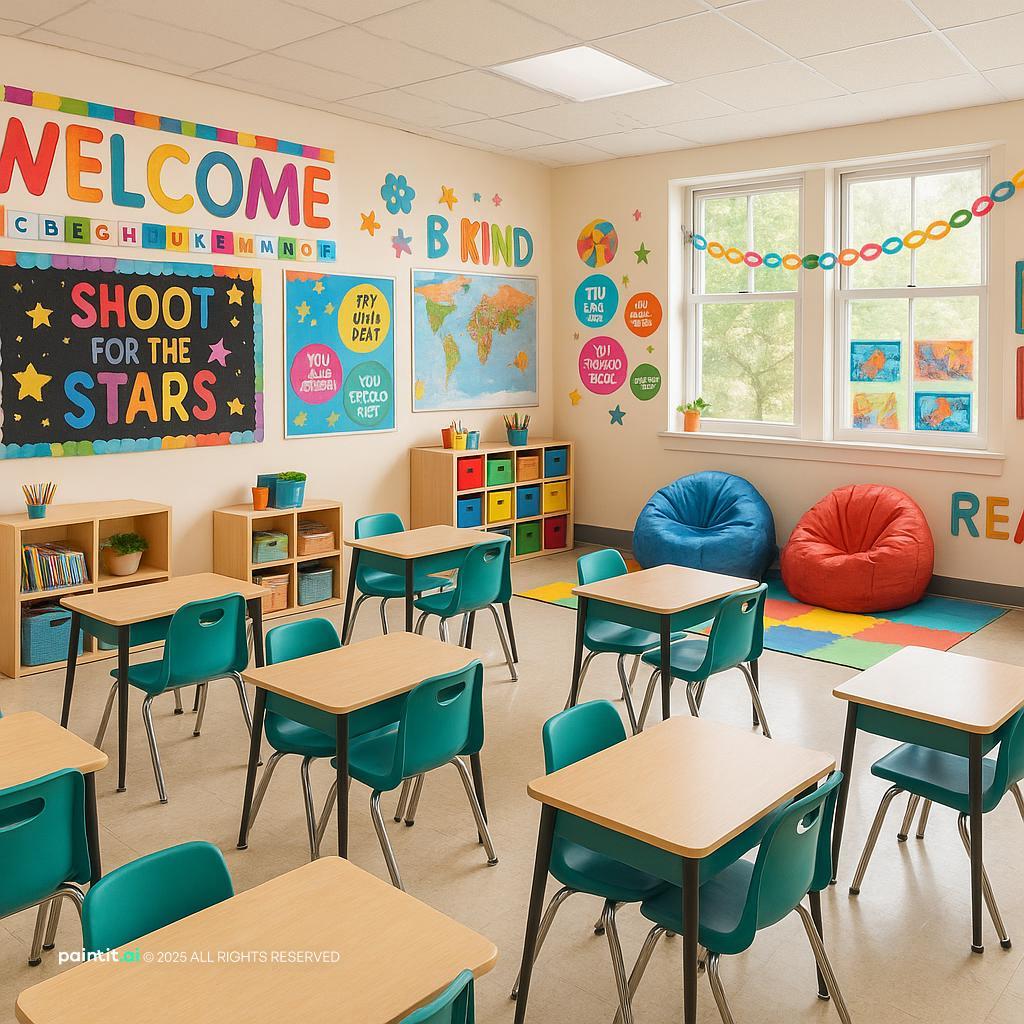
Coziness encourages young children to lose themselves in stories. Use soft beanbags, child-sized chairs, and plush rugs to carve out a snug space near natural light.
-
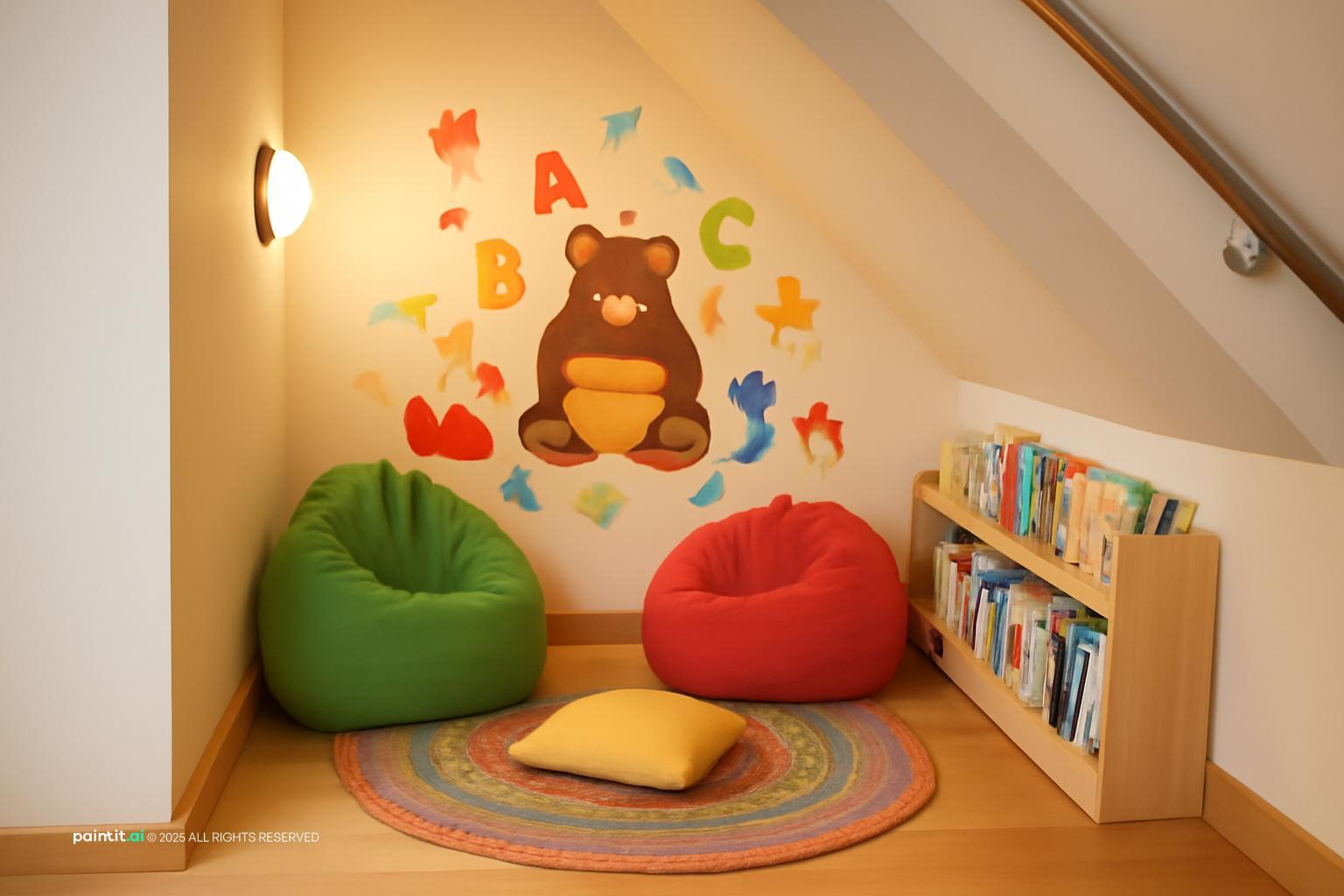
Include low shelves for easy book access and a sheer canopy to add a sense of wonder and privacy.
-
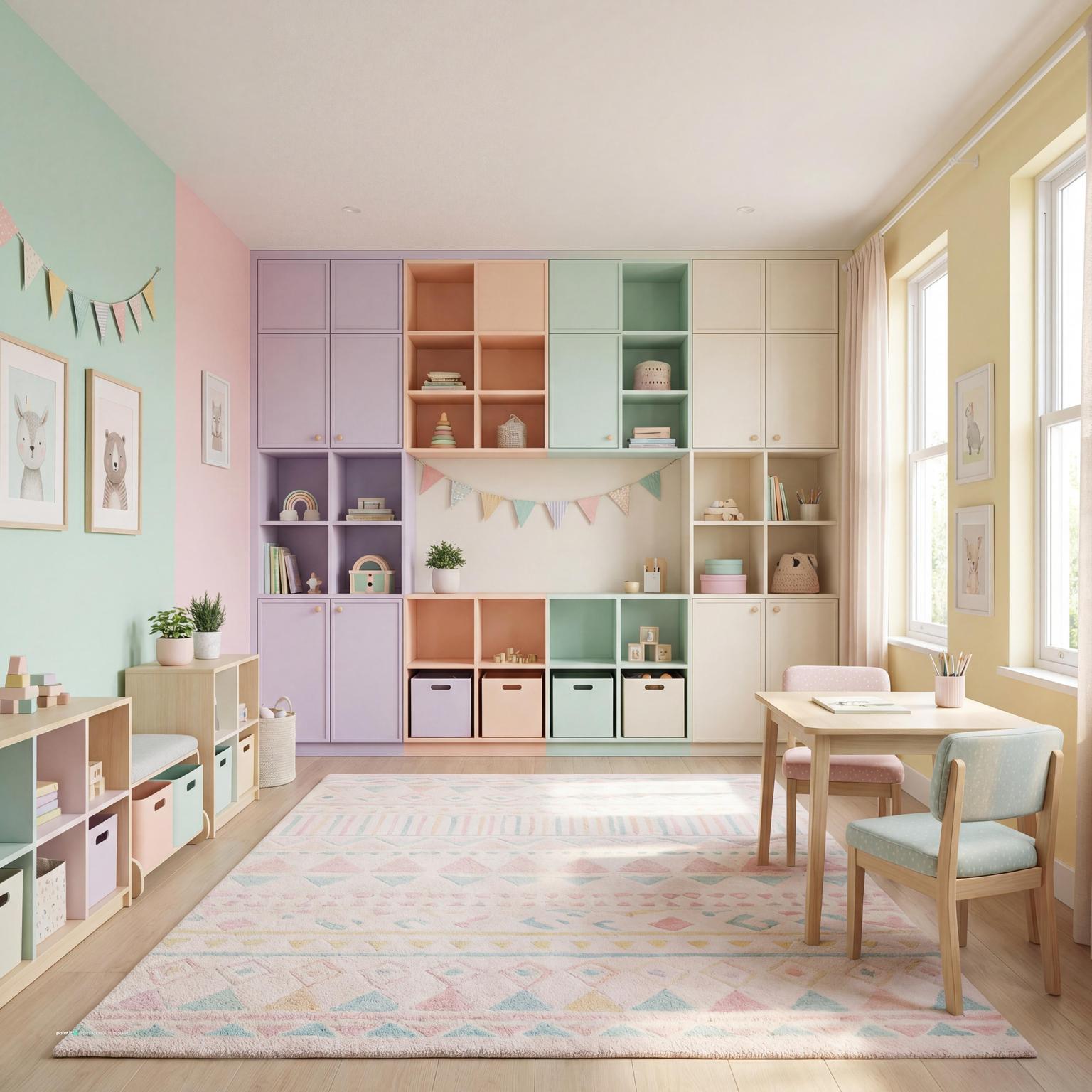
Abundant daylight boosts mood, concentration, and overall well-being in young children. Where possible, opt for big windows or skylights and keep window coverings minimal.
-
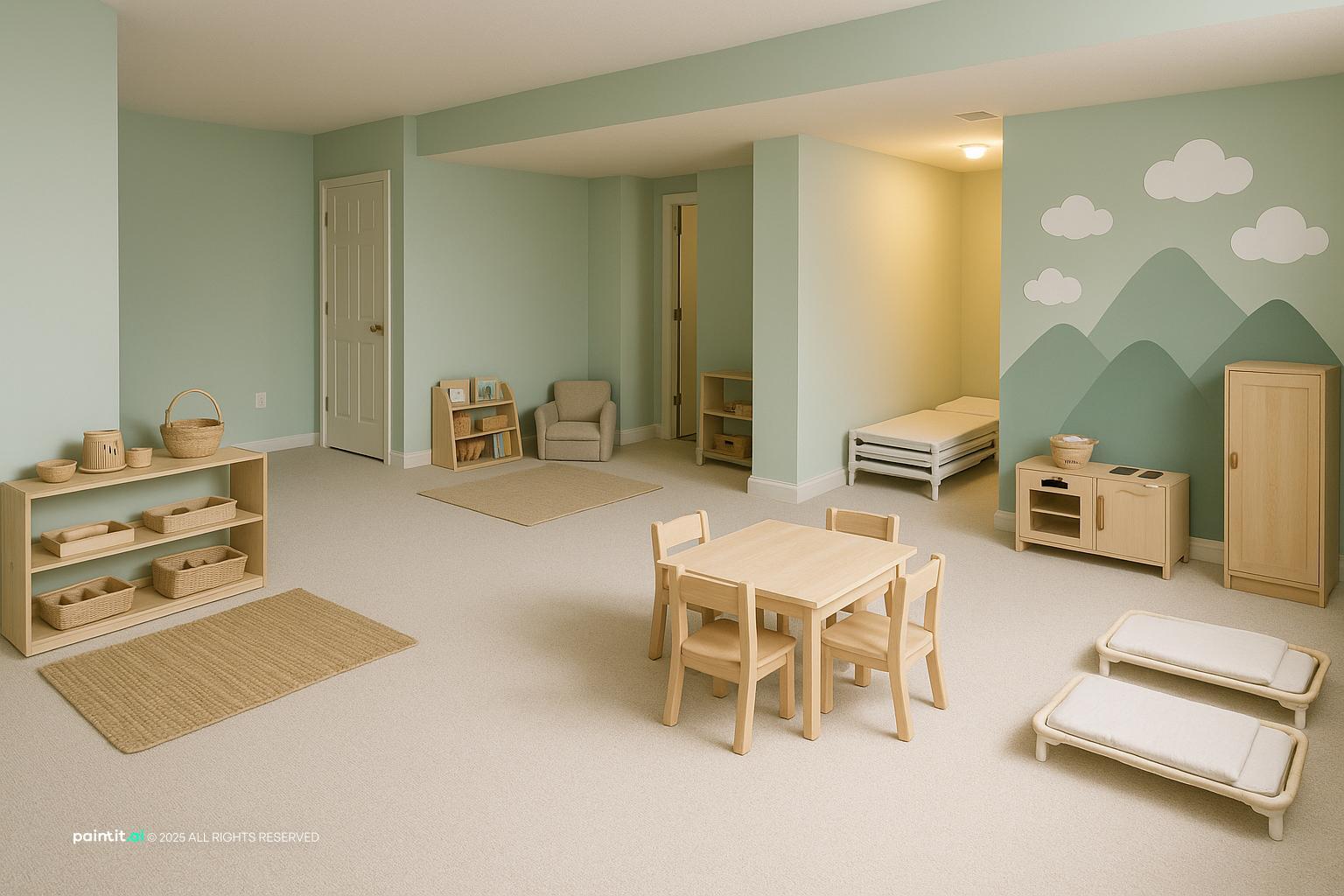
If natural light is scarce, use multiple soft-white bulbs strategically placed to minimize harsh shadows.
-
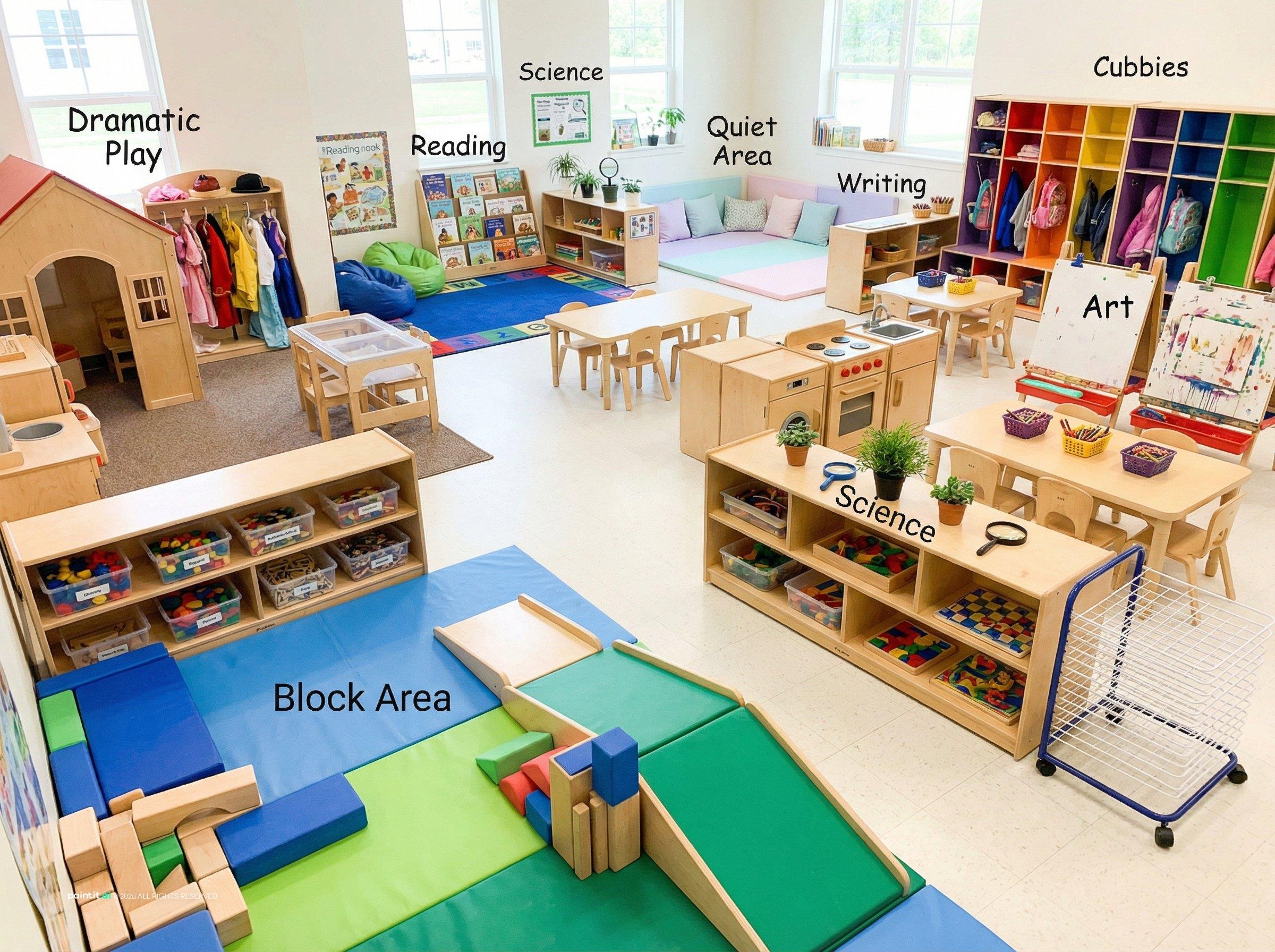
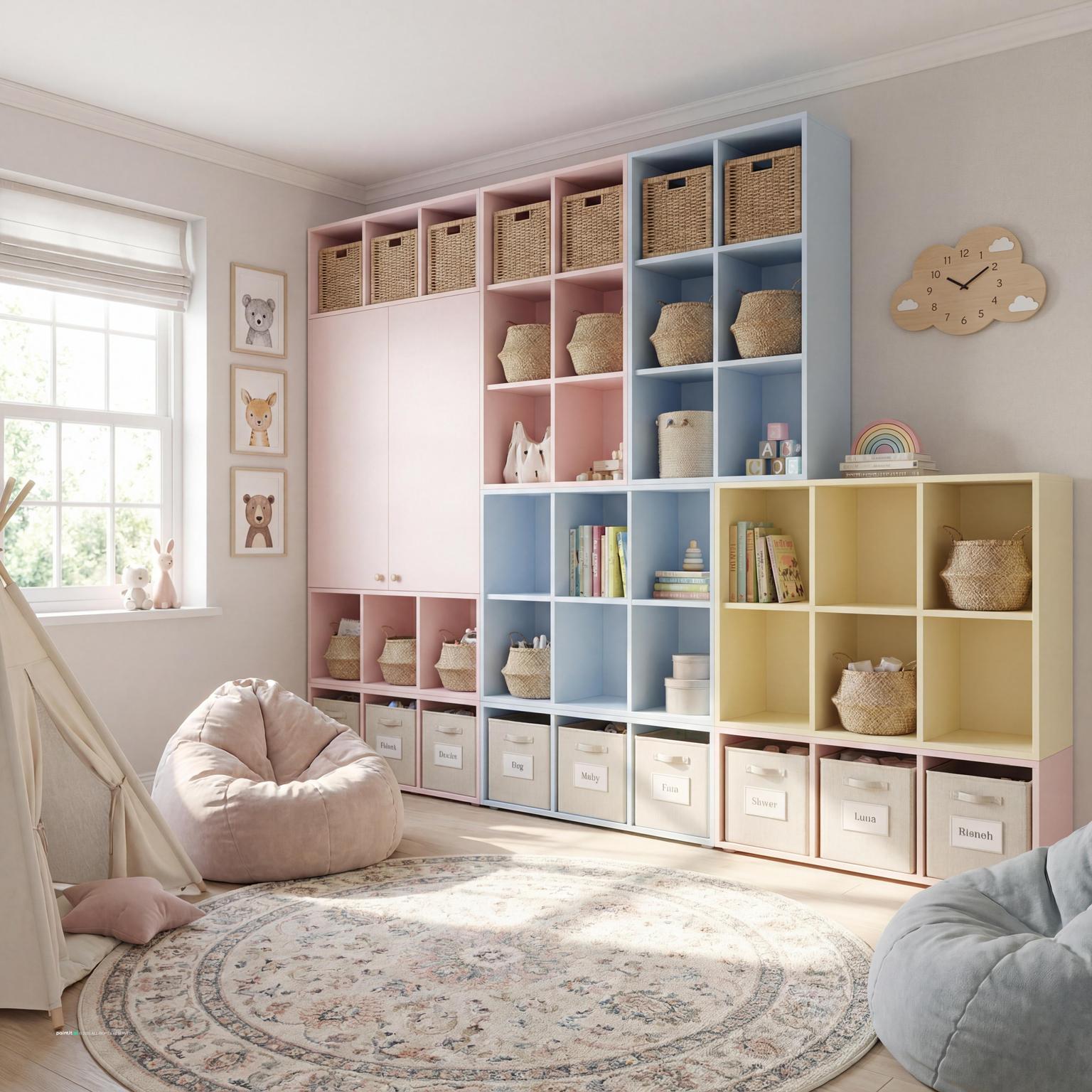
Consider creating zones for block building, pretend play, or art projects. Use low cubbies and rugs to divide the zones without barriers.
-
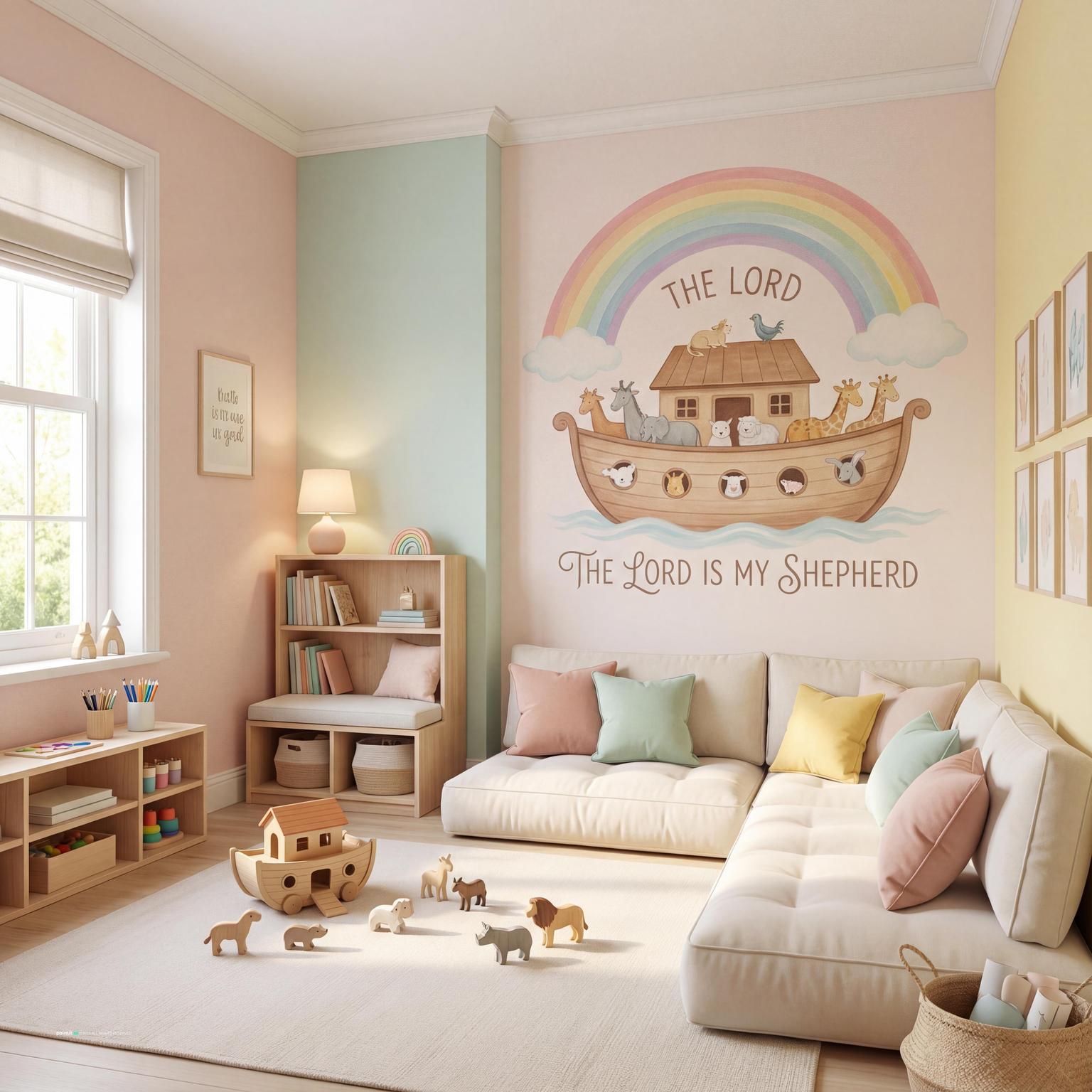
Rotate materials regularly, offering just a few choices at a time to spark creativity without overwhelming little ones.
-
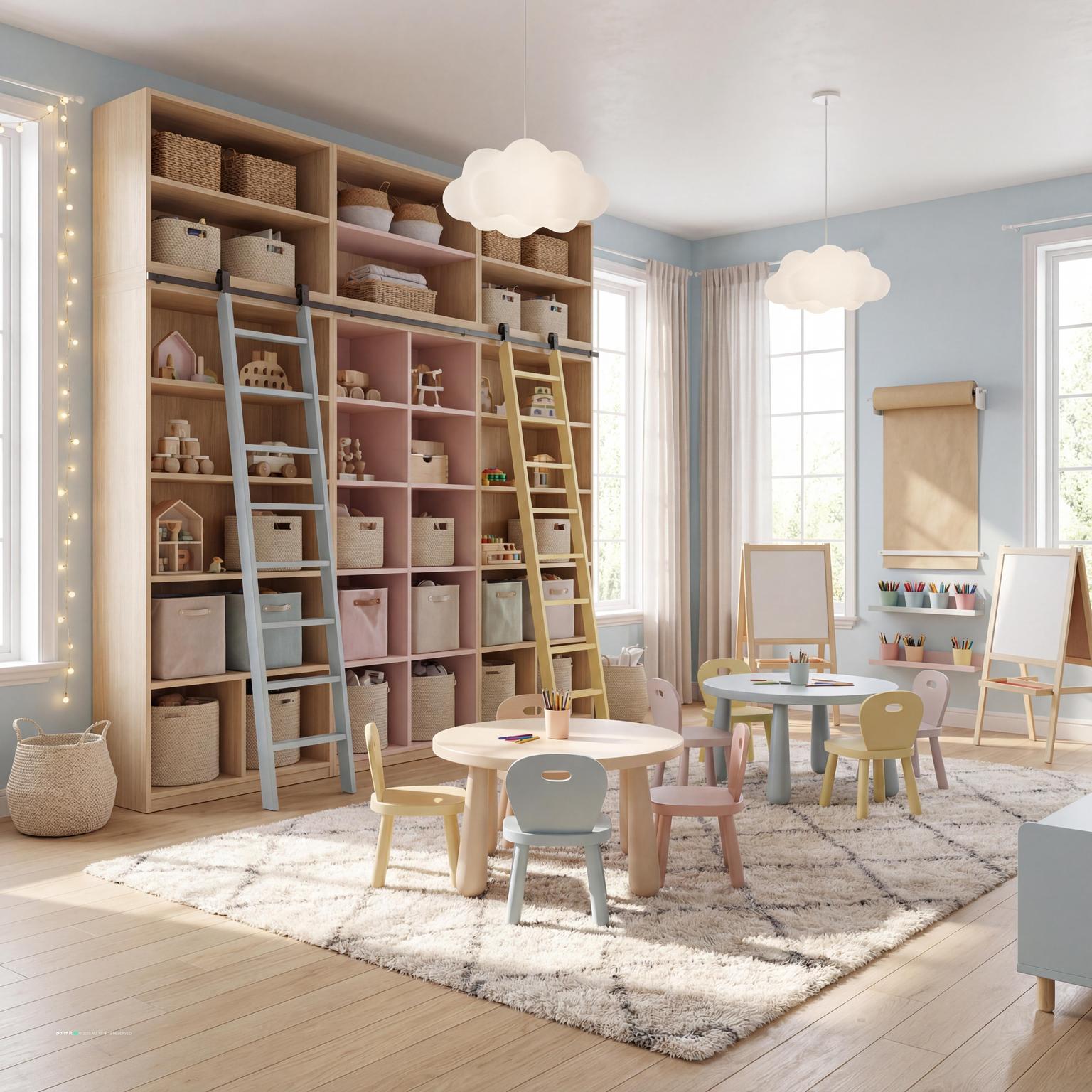
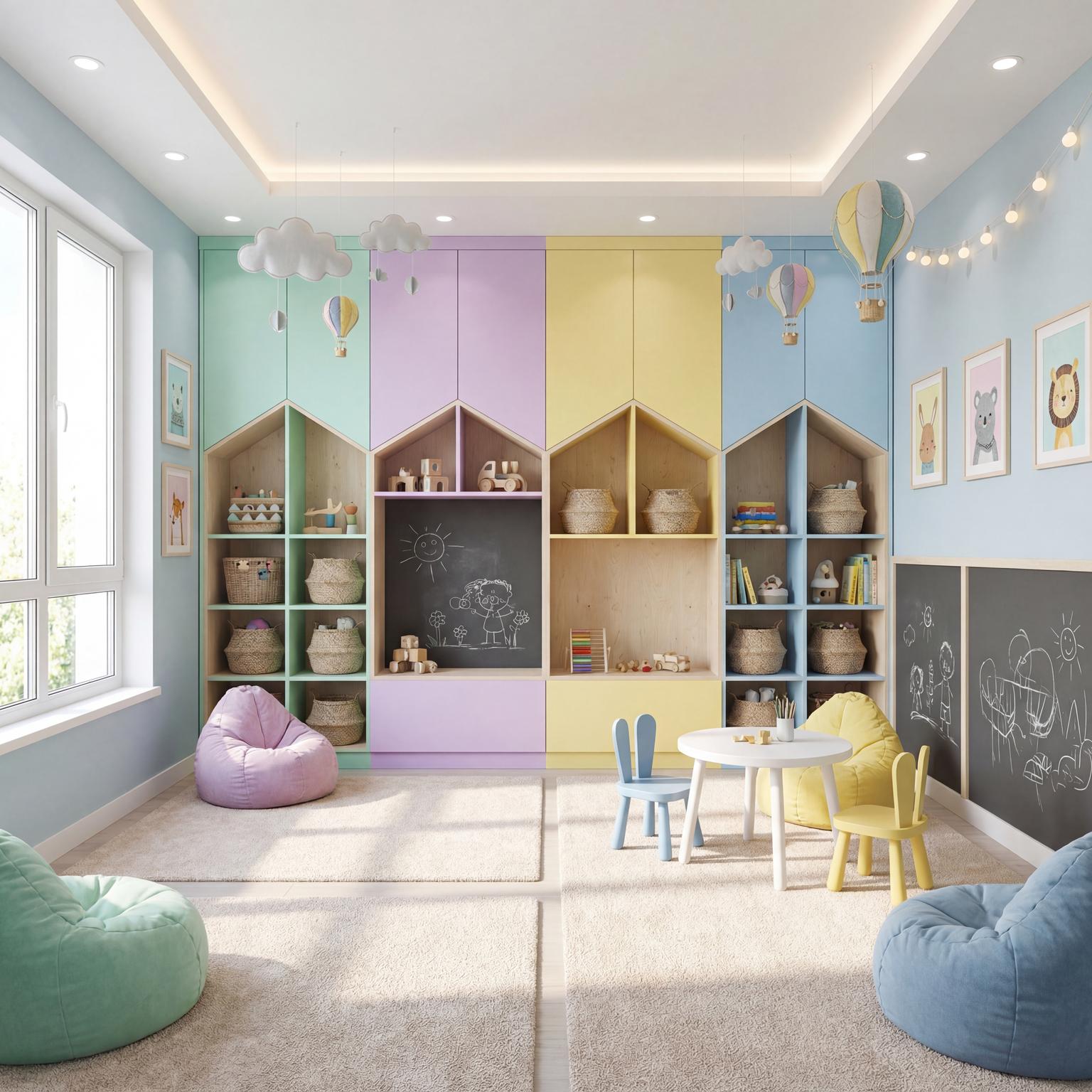
Opt for gentle hues: sage green, buttery yellow, or sky blue help children feel safe and focused. Add a few bright pops of color for accents, think chair legs or storage bins.
-
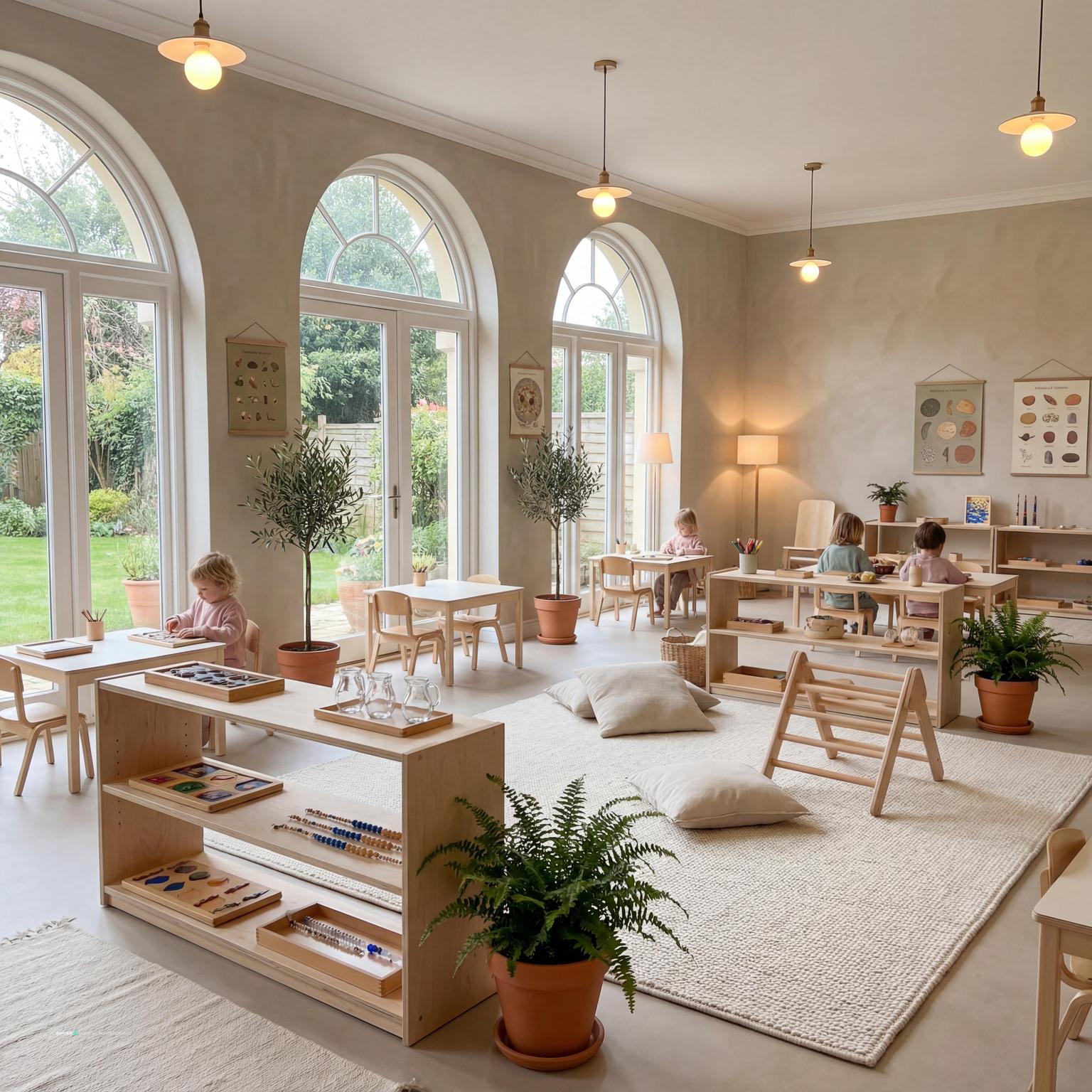
Color can subtly signal zones, like a calming corner in soft lavender or an active play area in energizing turquoise.
-
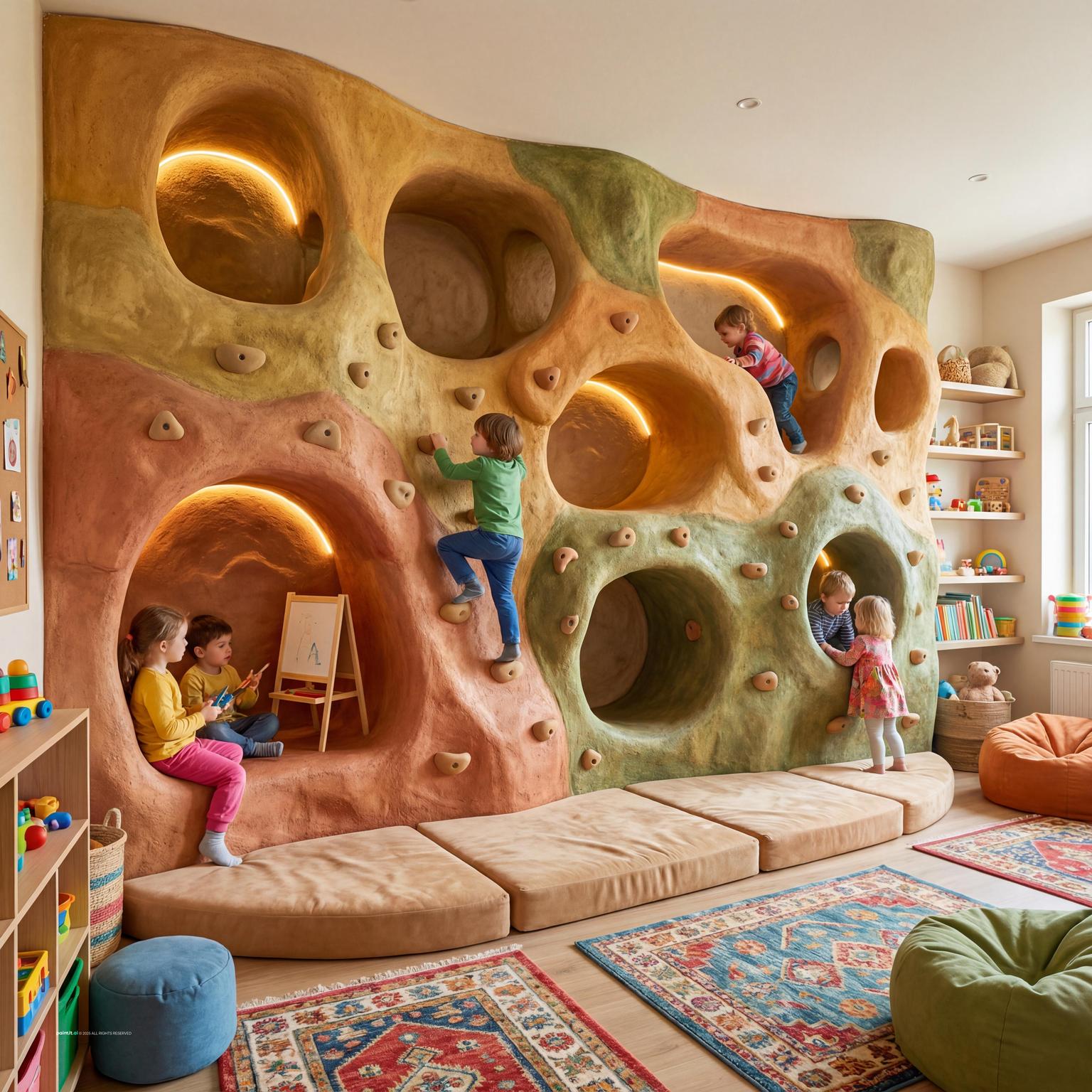
Storage at kid-level inspires independence and responsibility. Try sturdy shelving, open bins, and baskets labeled with pictures for easy tidying.
-
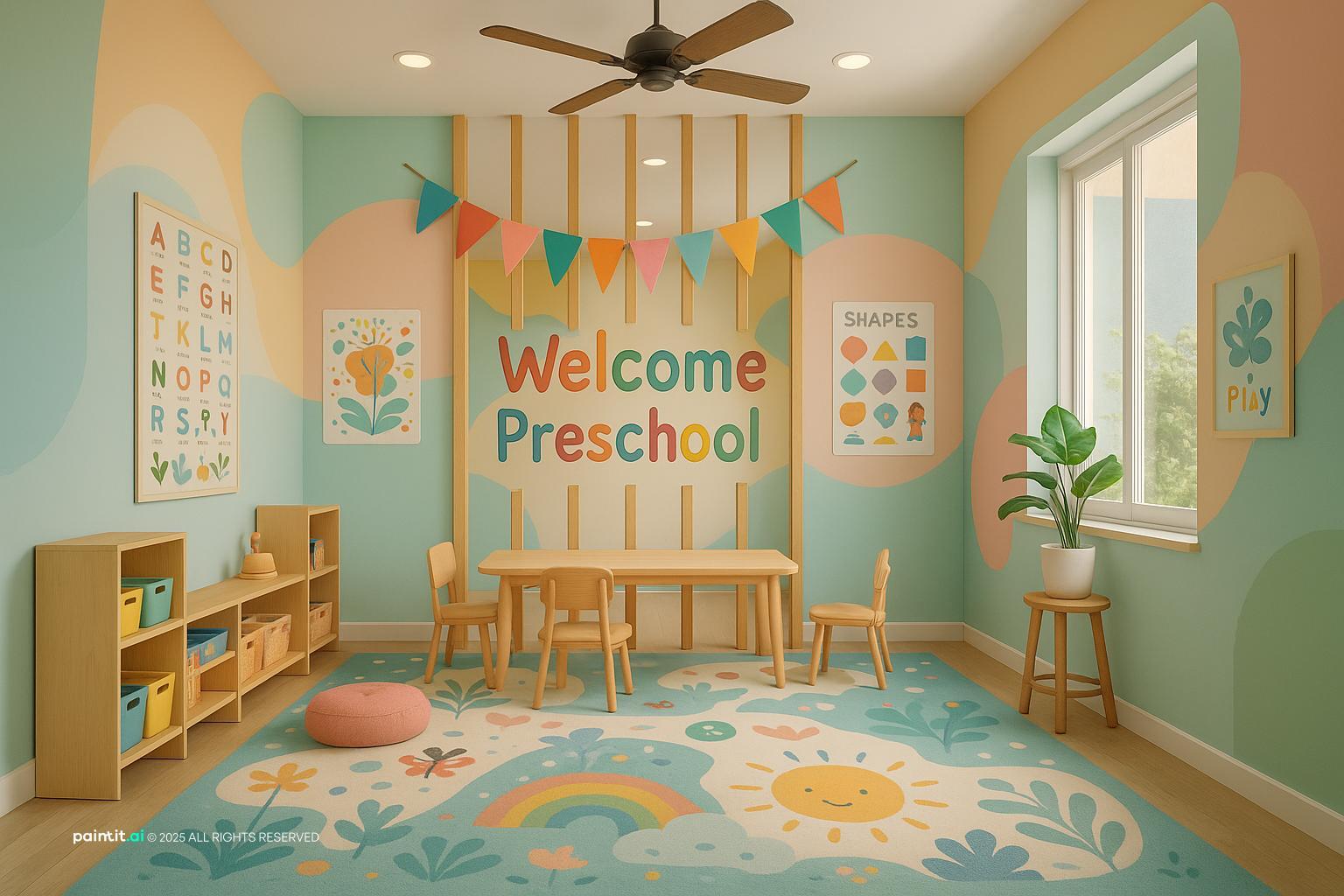
Built-in benches with lift-up lids double as seating and extra storage for bigger items like dress-up clothes.
-
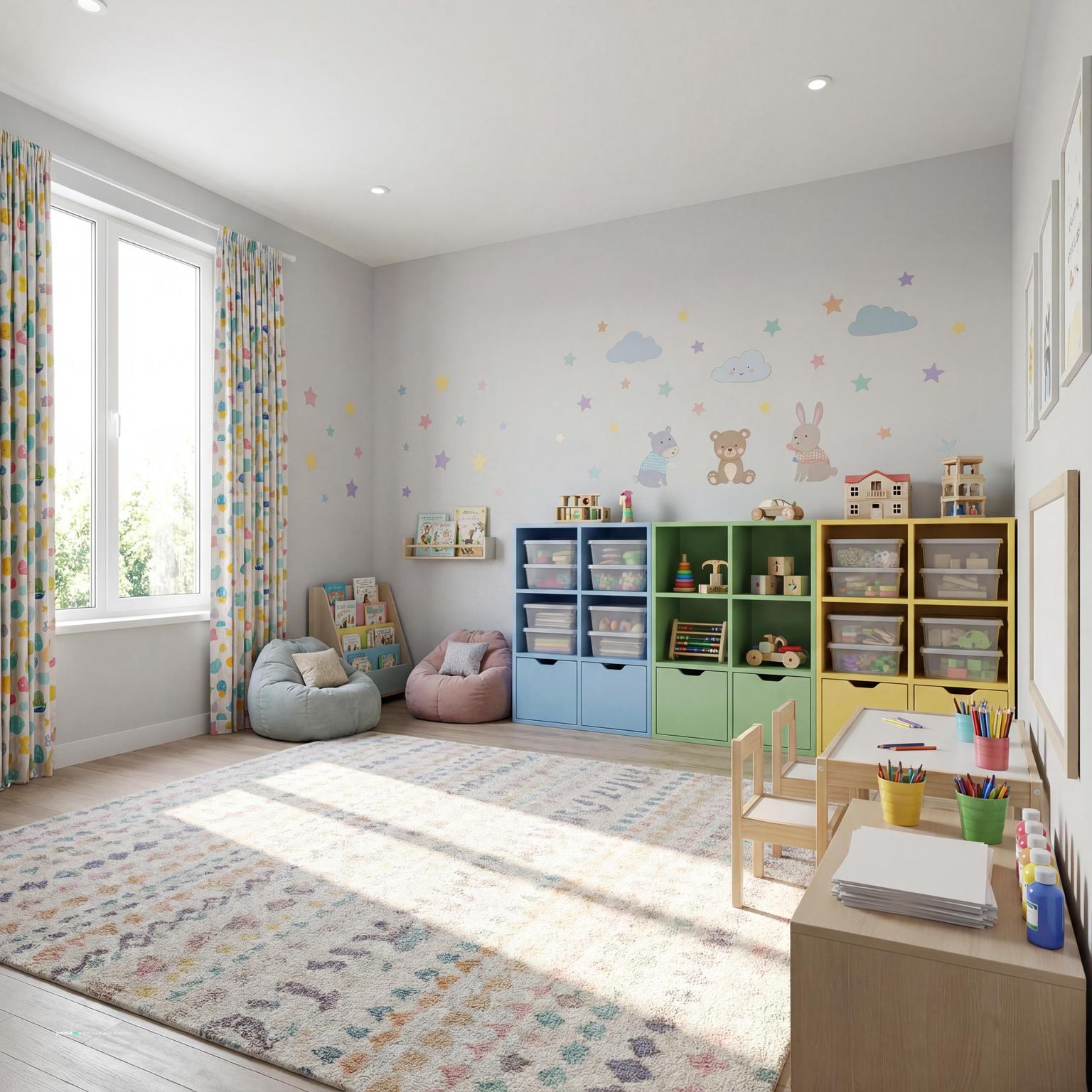
Murals featuring trees, landscapes, or simple shapes add visual delight. Chalkboard or whiteboard walls invite children to contribute their own drawings and stories.
-
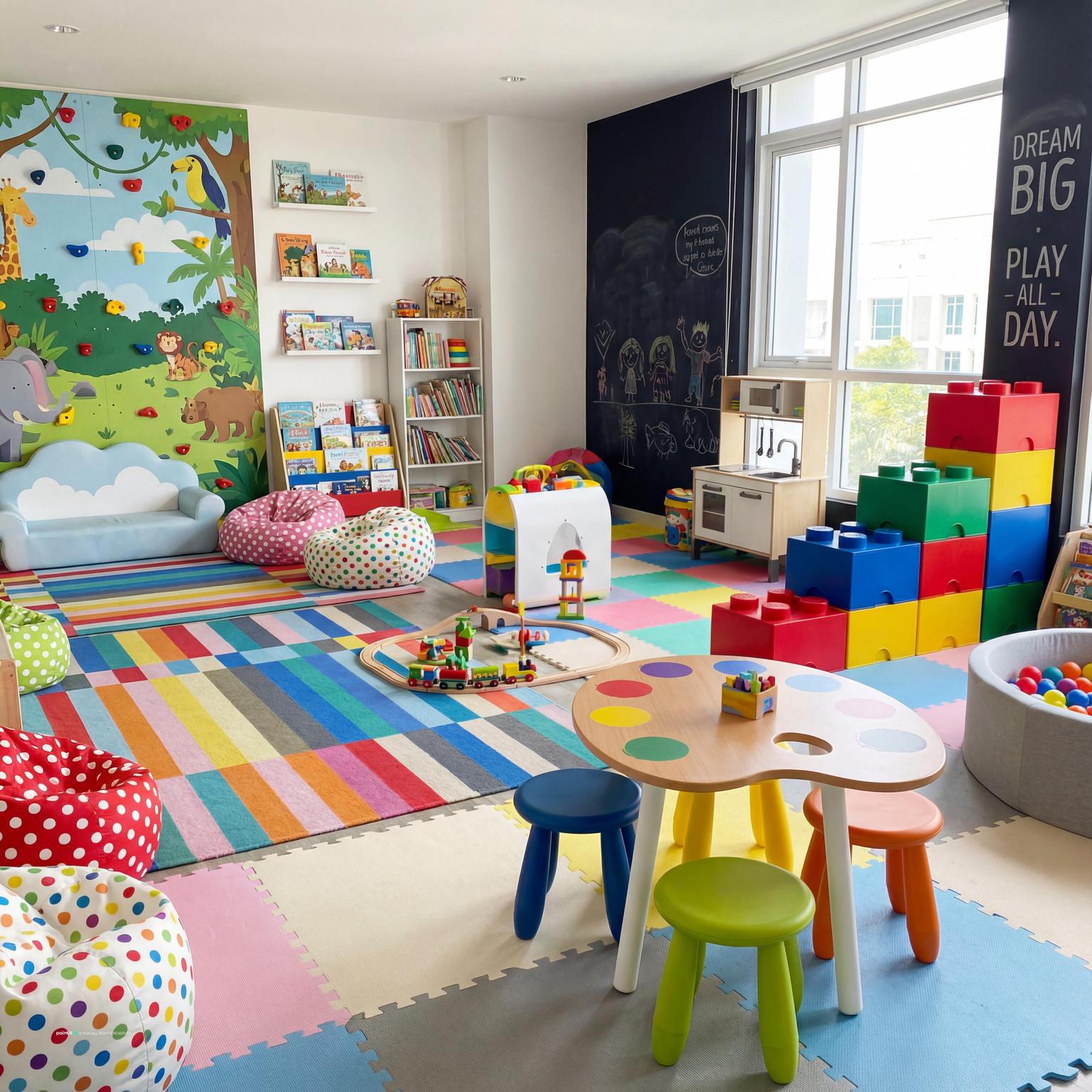
Keep designs uncomplicated so the visuals remain fresh and not overstimulating; sometimes a large, leafy tree or rainbow is just enough.
-
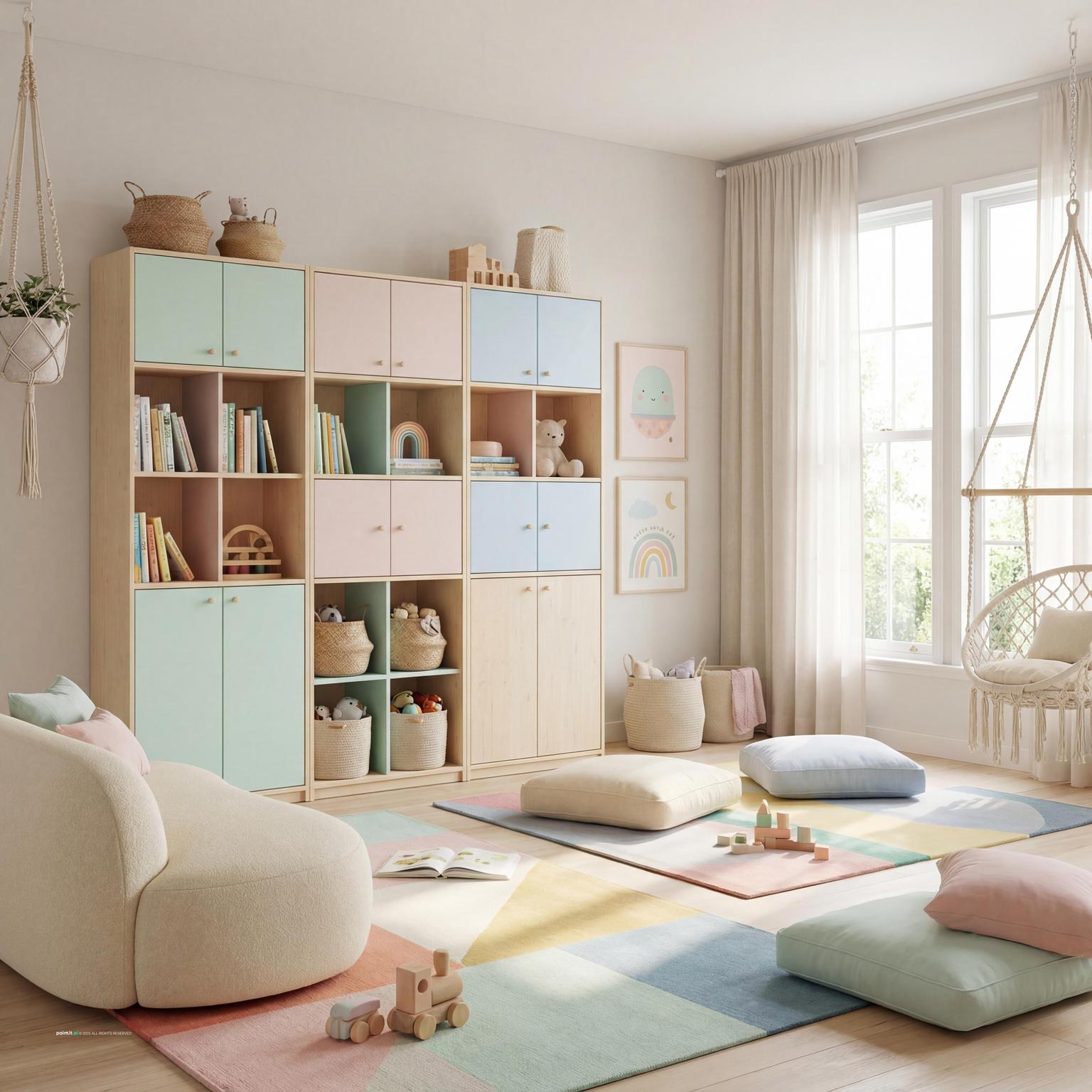
Lightweight tables and stackable chairs allow the room to be reconfigured throughout the day, from reading circle in the morning to puzzle stations by afternoon. Which in turn means that the toy is well suited for both group and individual play.
-
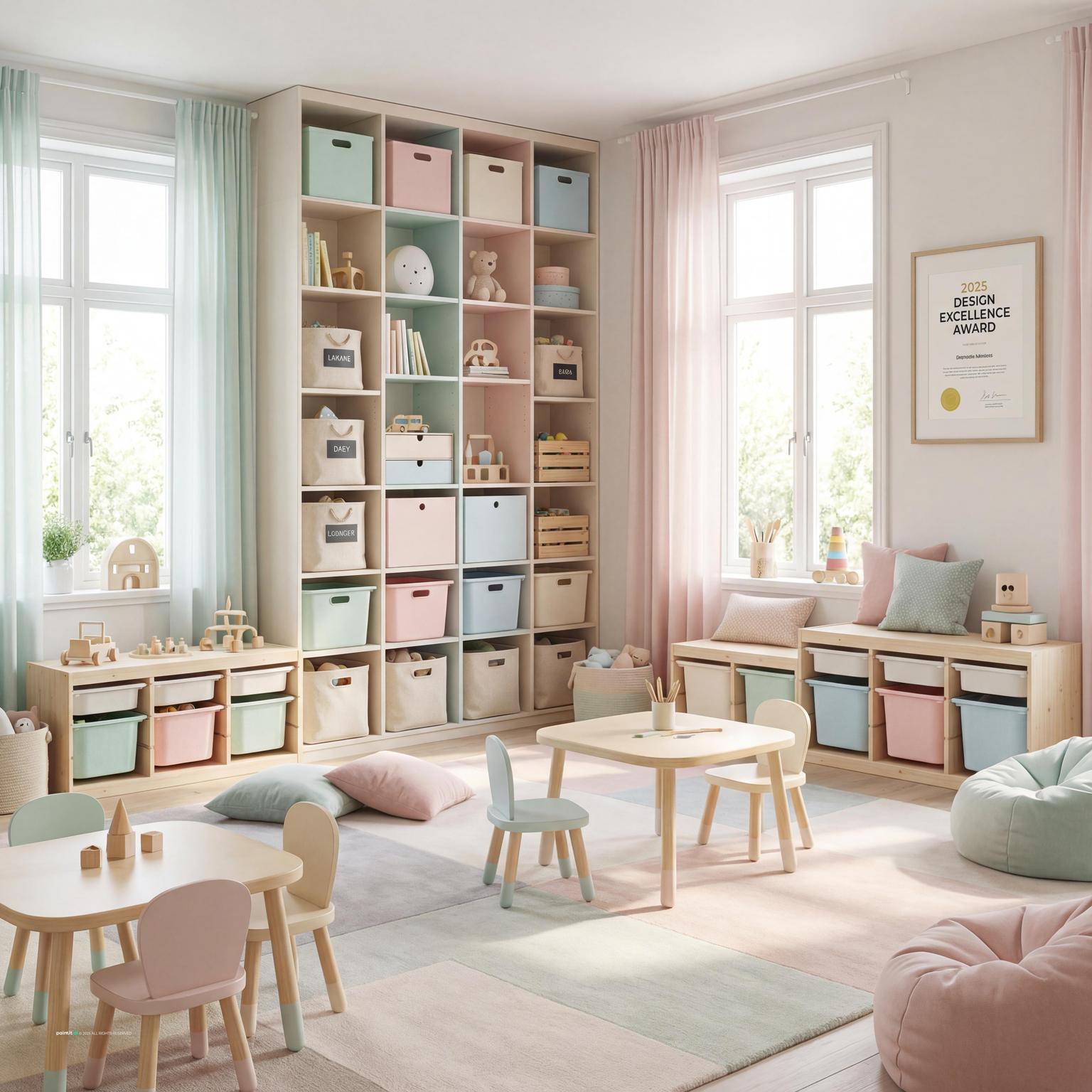
Designate bulletin boards, wire and clip lines, or magnet strips for displaying artwork, crafts, and photos. Featuring children’s creations fosters pride and a sense of community.
-
Change displays regularly and celebrate a diversity of styles, not just the neatest results.
-
Area rugs can subtly define activity zones, story time, building, or snack tables, while absorbing noise and softening the floor for tumbles and crawl-time.
-
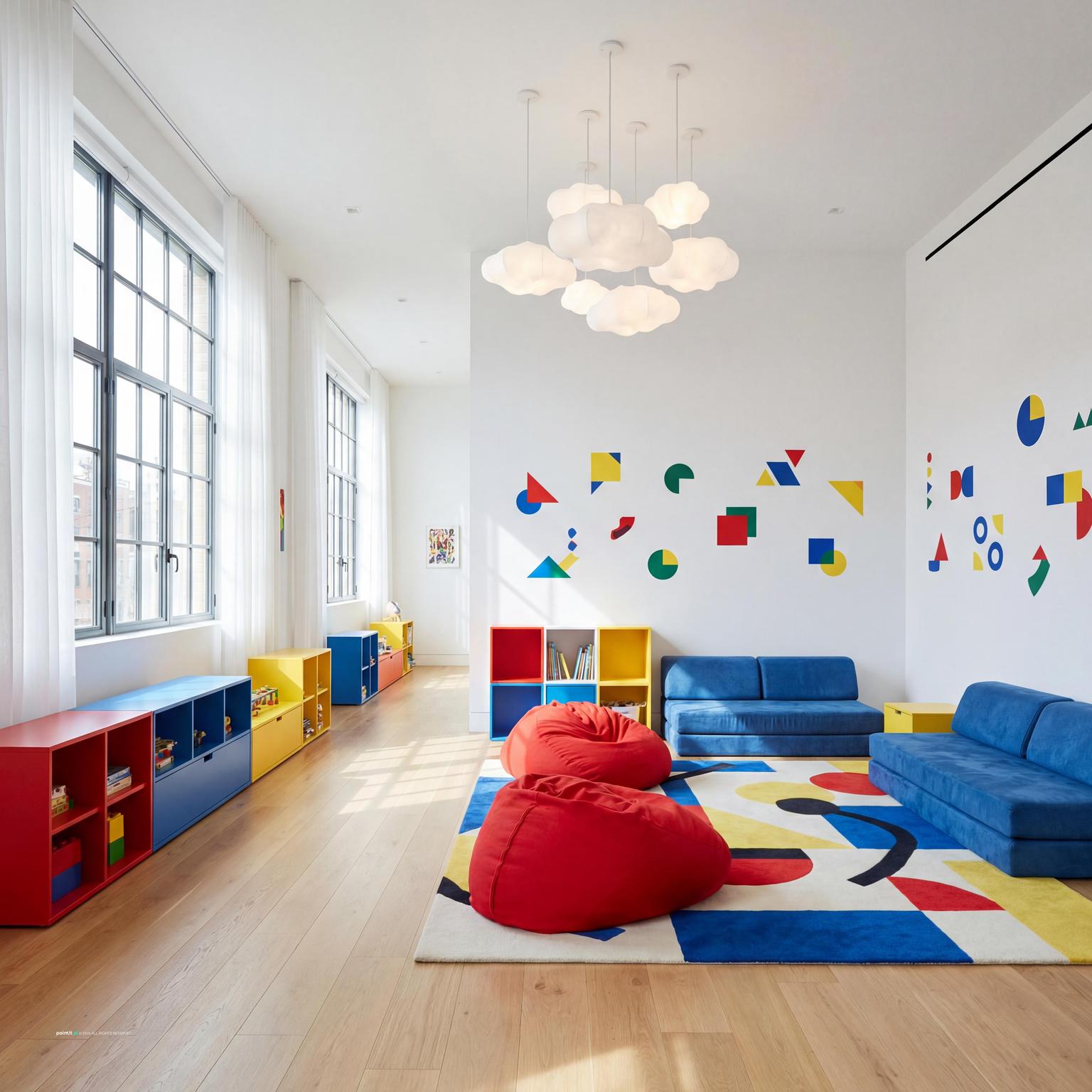
Choose rugs that are low pile, easy to clean, and engaging but not overly busy.
-
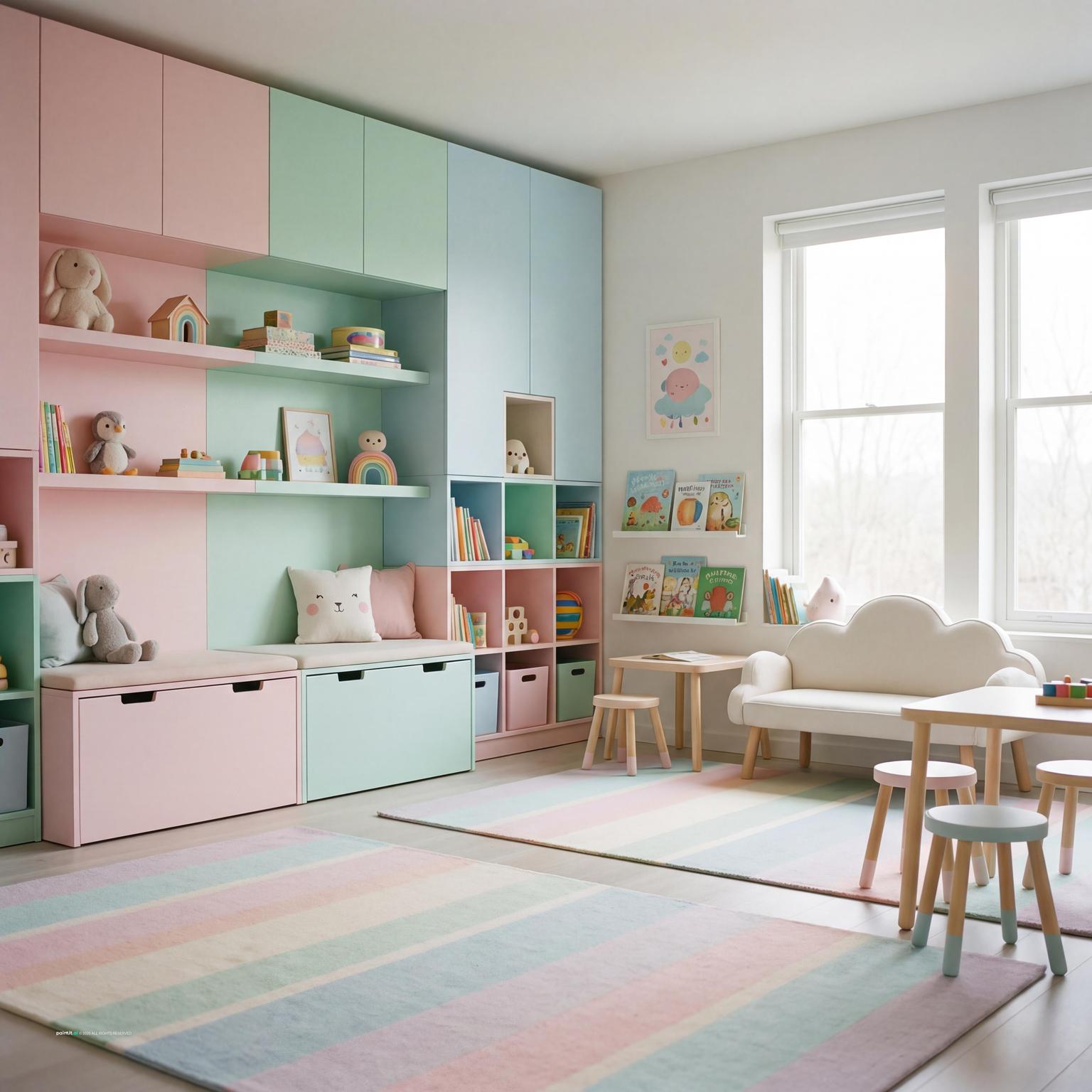
Provide a versatile workspace with art supplies, building materials, and rotating provocations (like pinecones or cardboard tubes). This helps nurture problem-solving and fine motor skills.
-
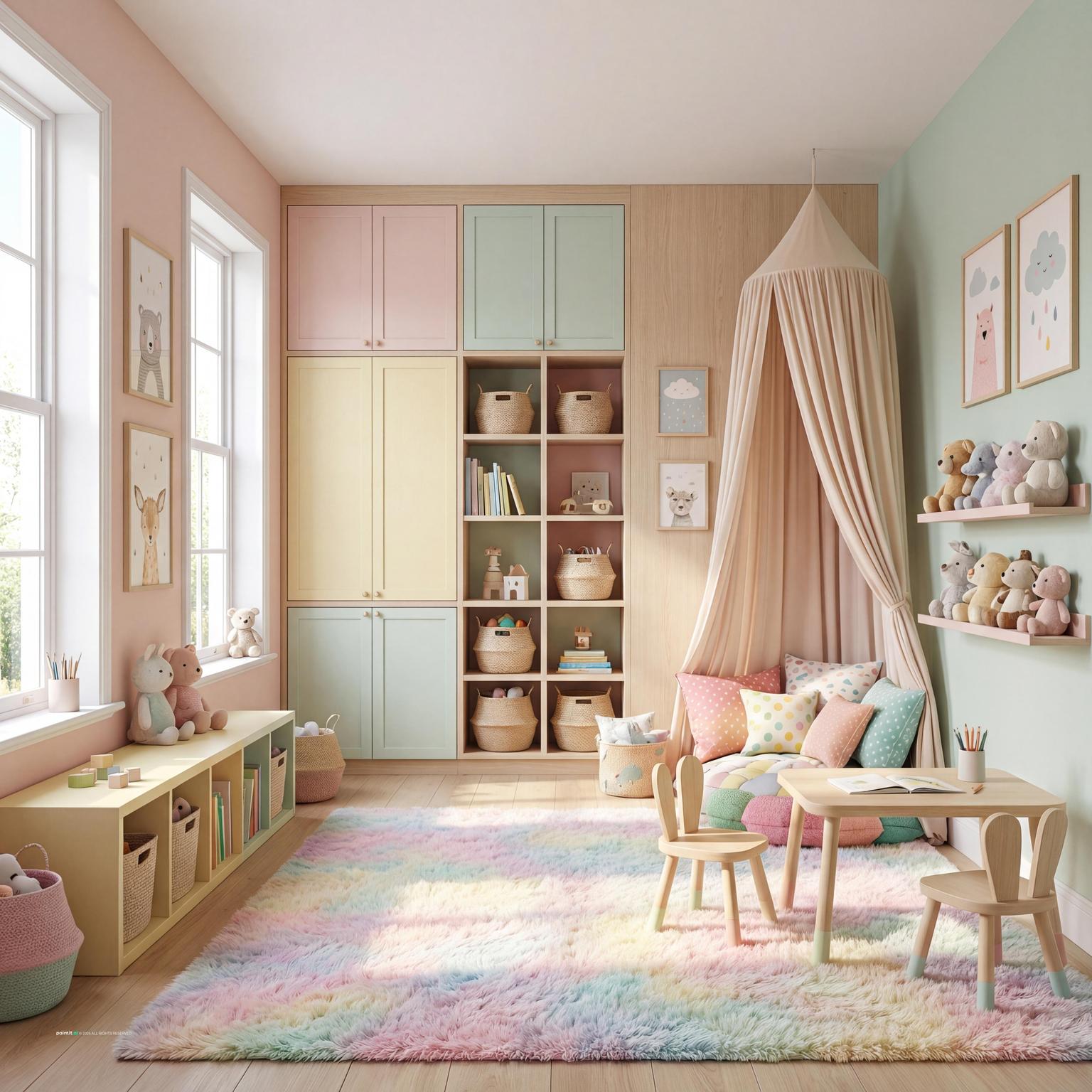
Storage for messy materials close at hand makes both setup and cleanup kid-friendly.
-
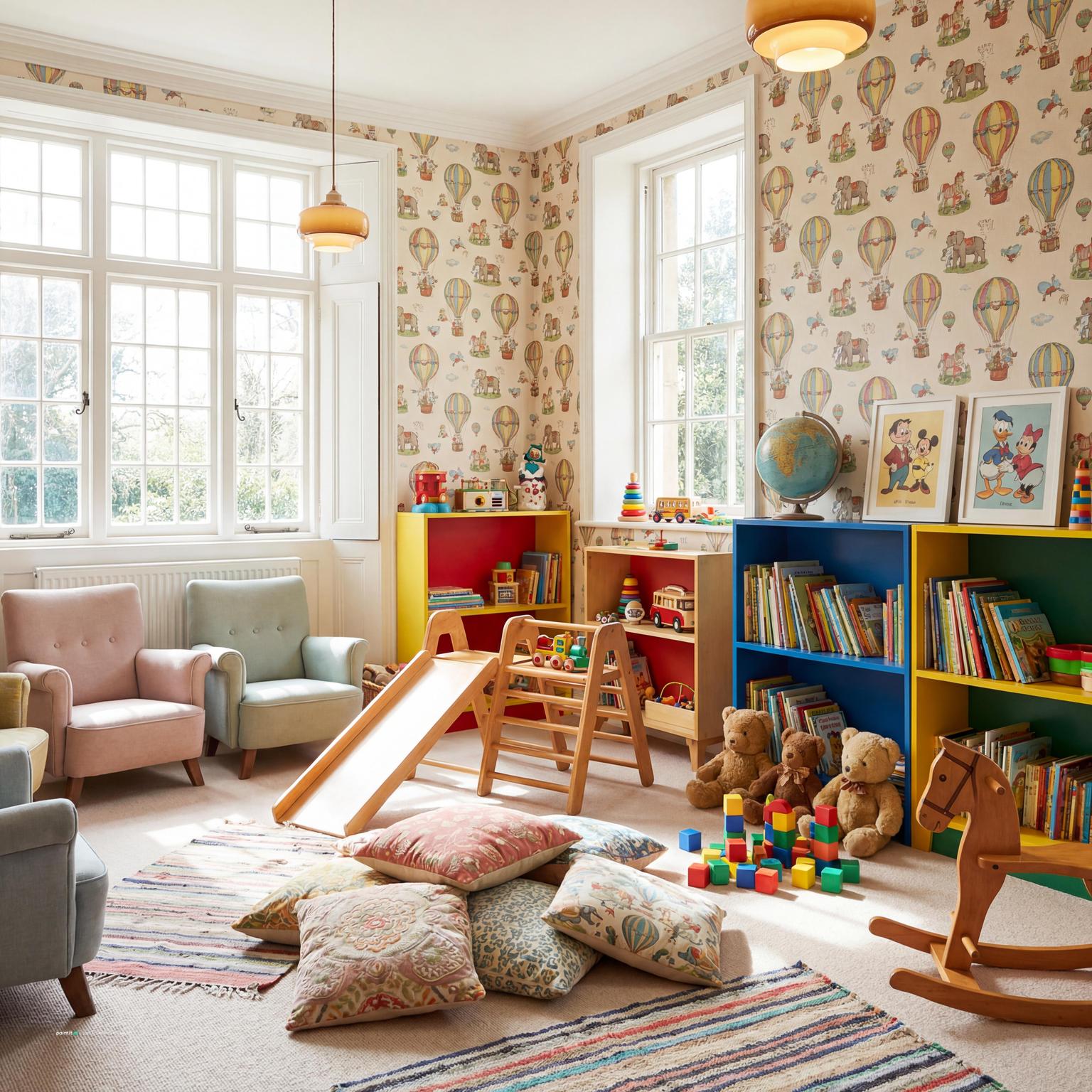
Create tucked-away spots with floor cushions, tents, or a playhouse structure. These miniature sanctuaries offer solace for children who need a sensory break or quiet time.
-
Drape sheer fabric, string fairy lights, or pile on stuffed animals to increase the snug factor.
-
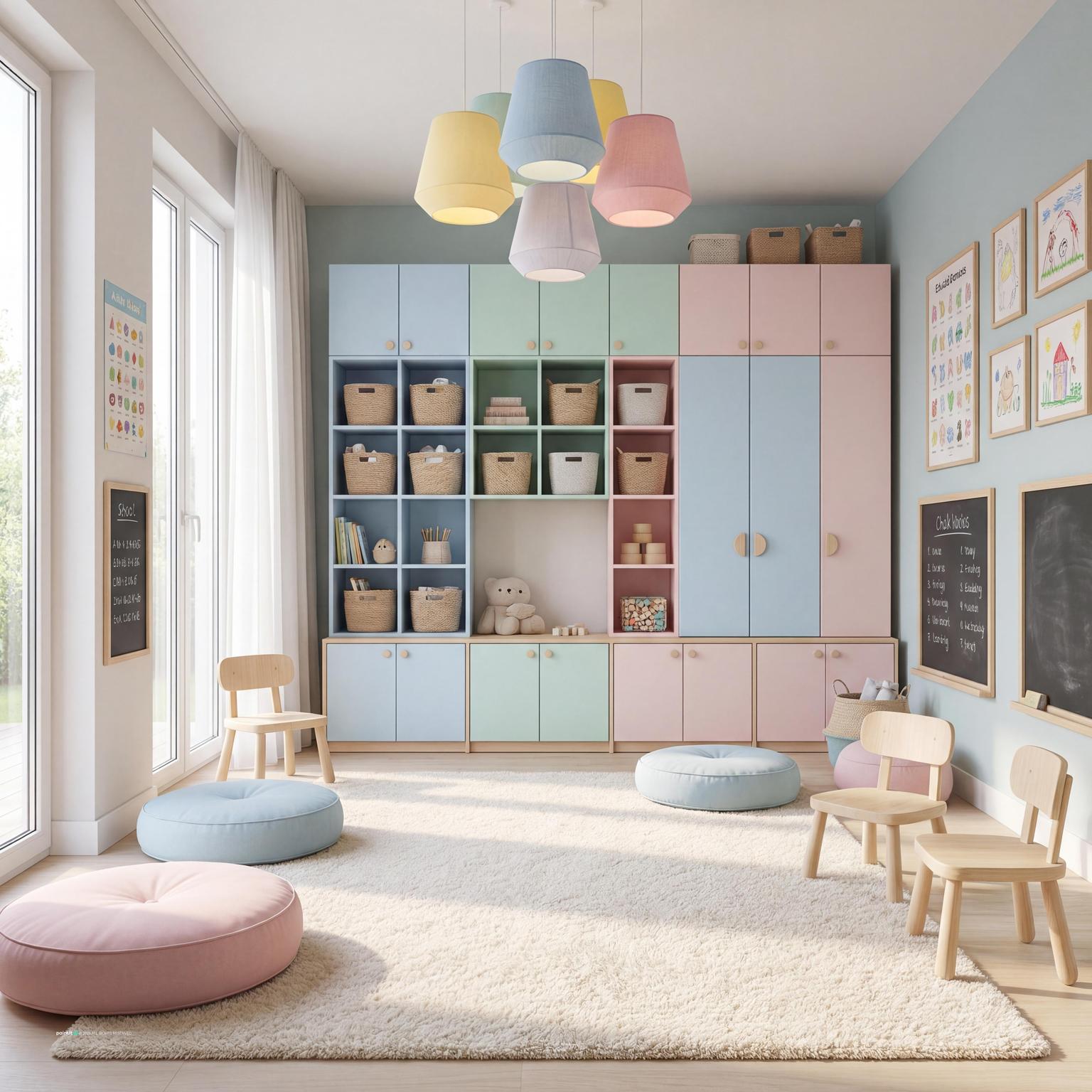
Bring the outdoors in! Plants, butterfly mobiles, or baskets of pinecones invite conversations about nature and the seasons.
-
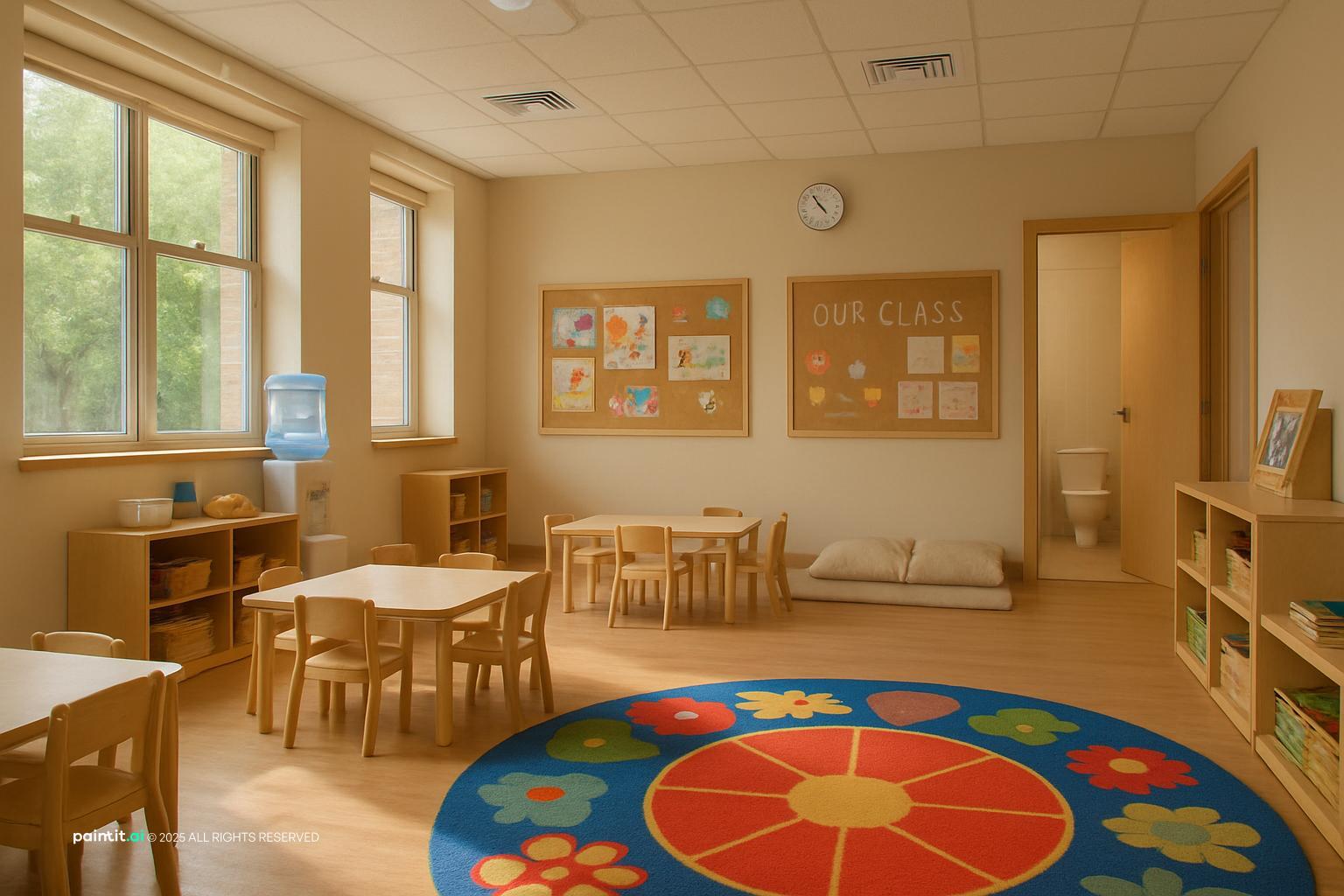
If live greenery is tricky, high-quality artificial plants or large landscape photos can set a similar tone of tranquility and curiosity.
-
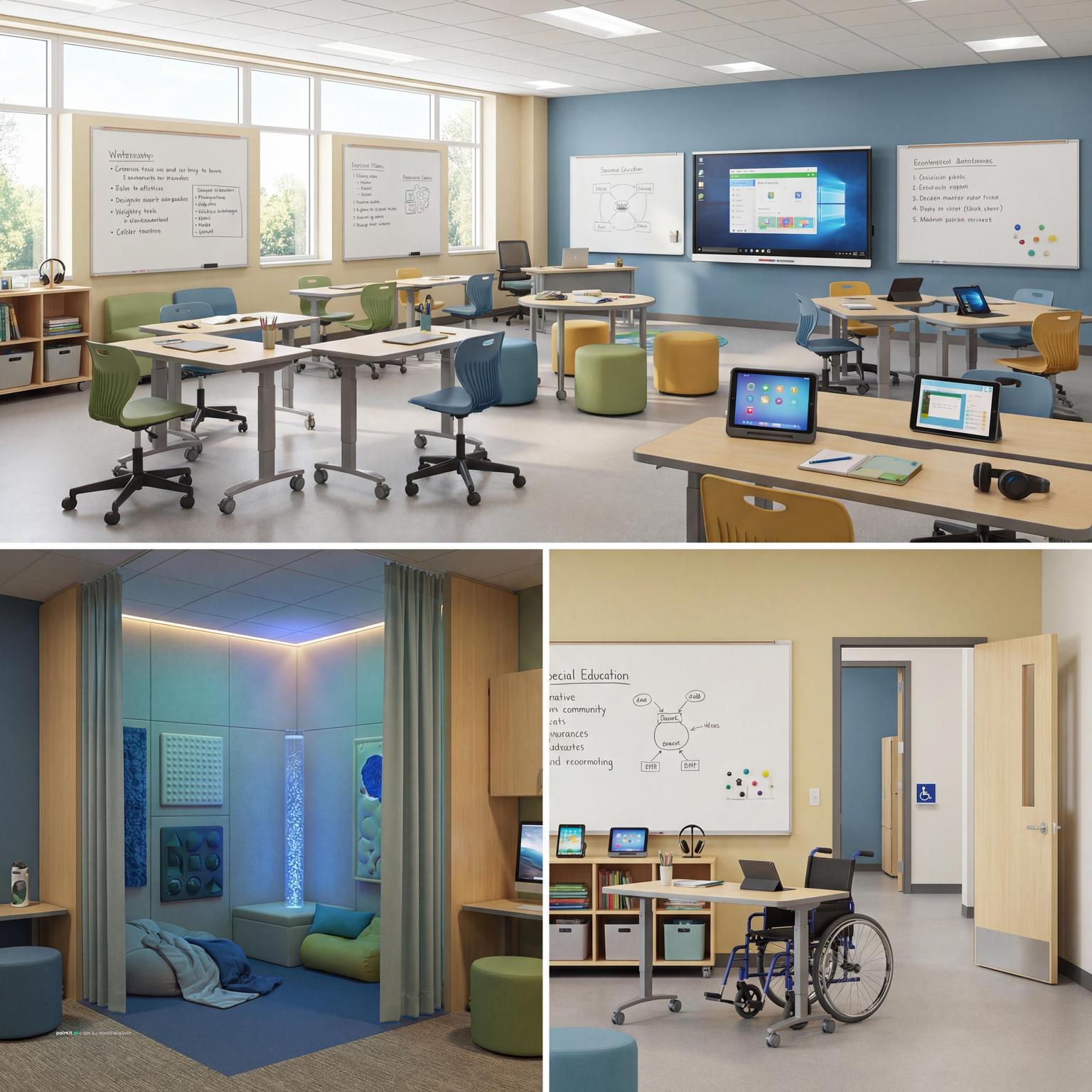
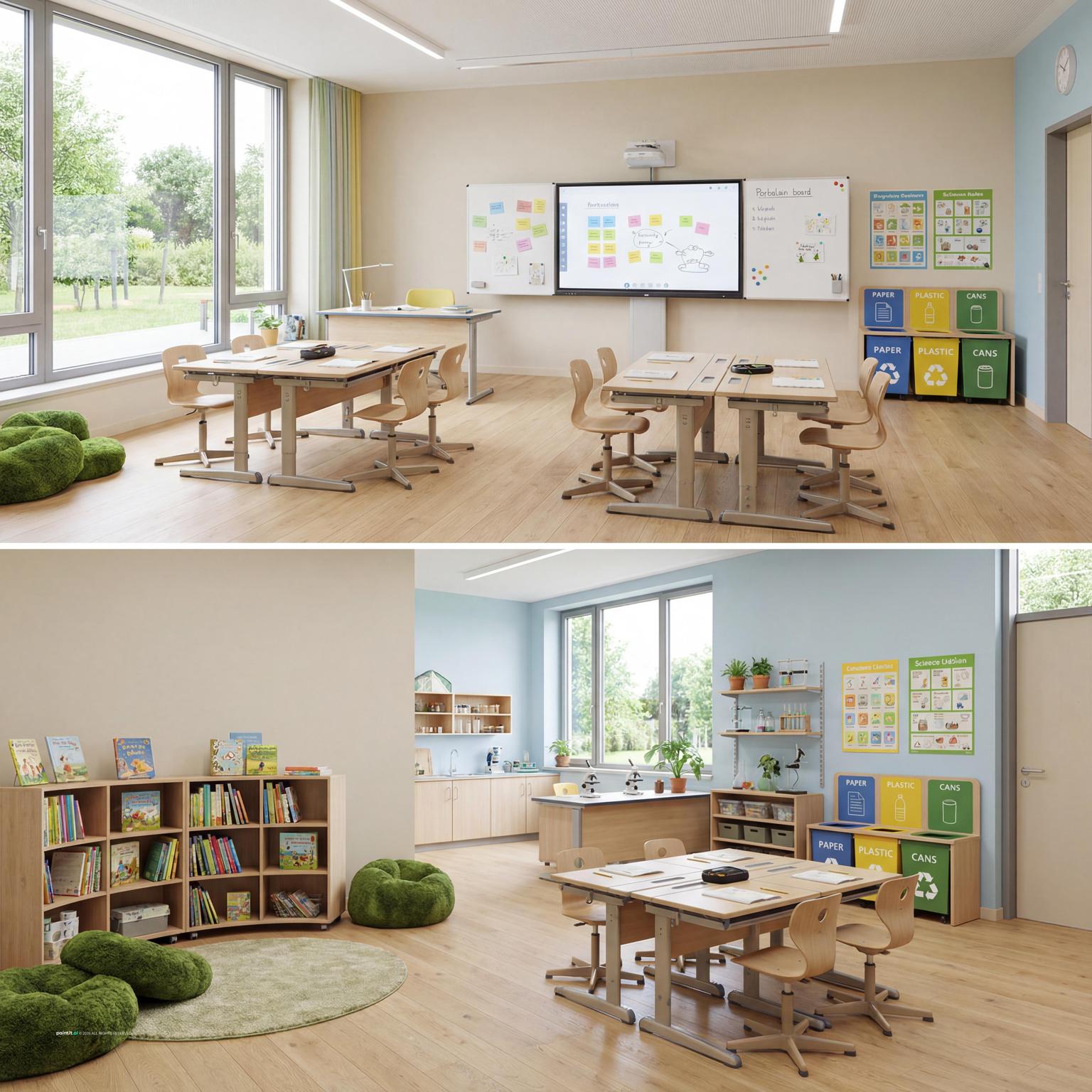
Set up tables for tactile play: sand, water, rice, or textured fabrics. Such hands-on stations support exploration, attention, and group cooperation.
-
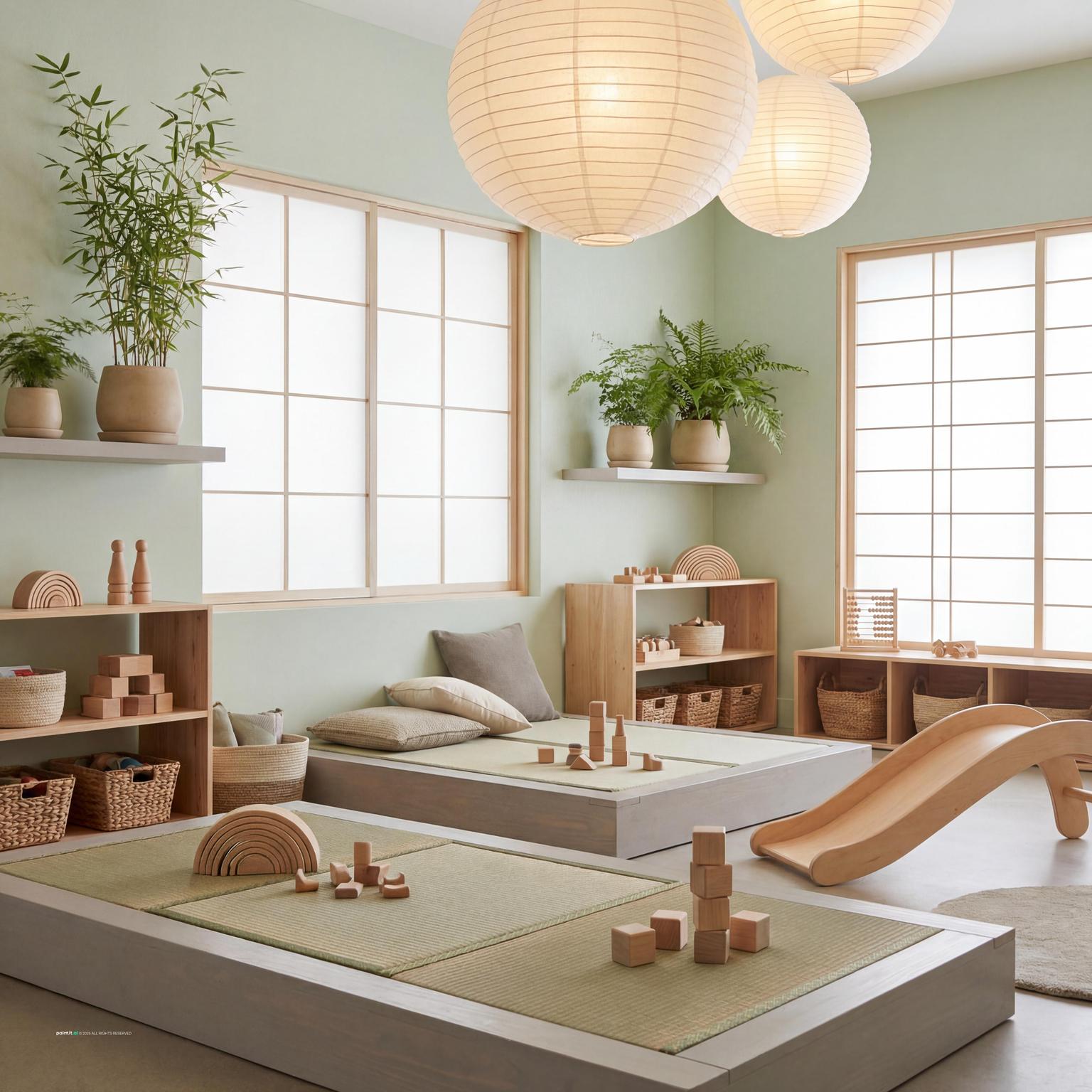
Make sure materials are rotated often and cleaned daily to keep things hygienic and engaging.
-
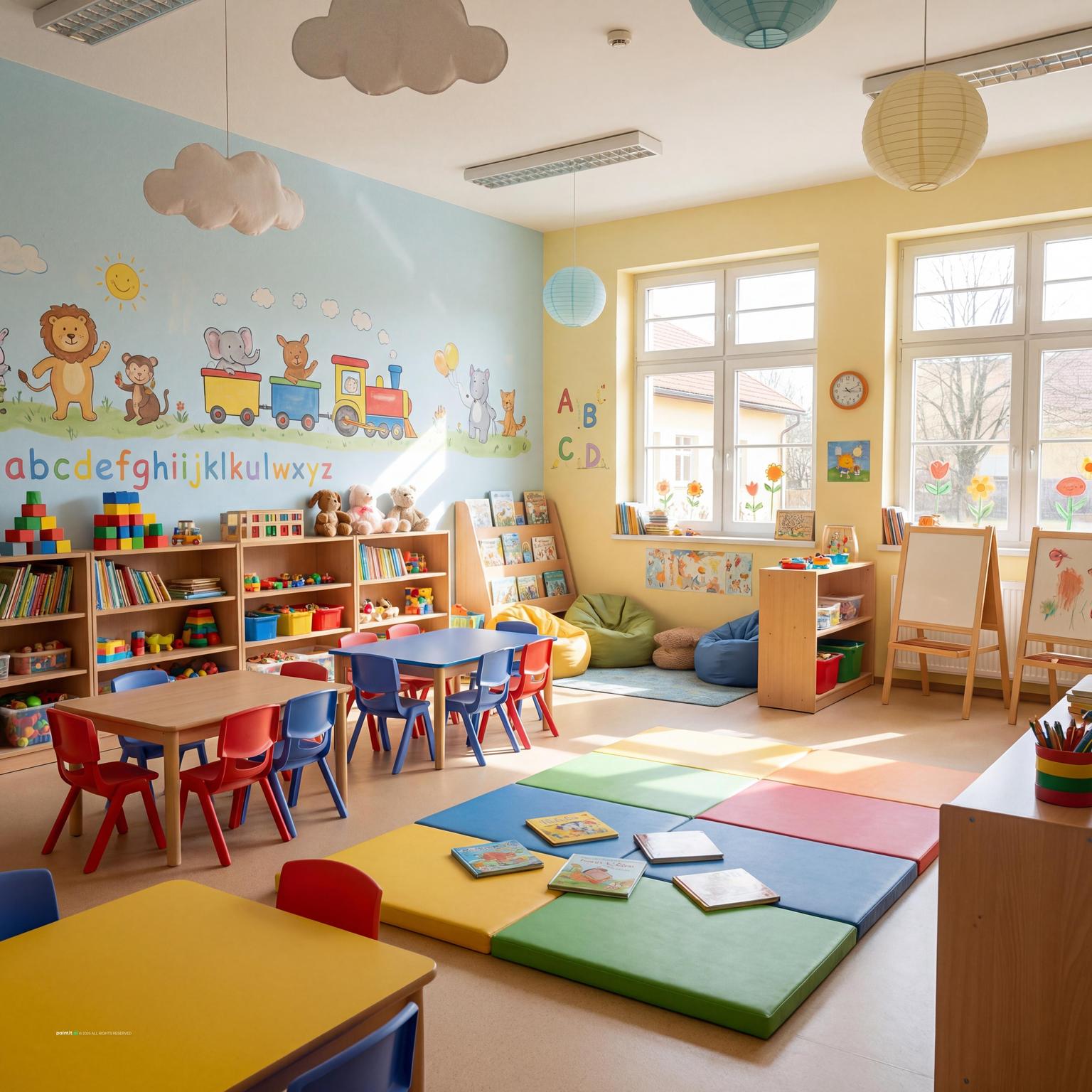
Visual cues, like small floor markers, color changes, or soft boundaries, help even the youngest kids navigate transitions between energetic and calm activities.
-
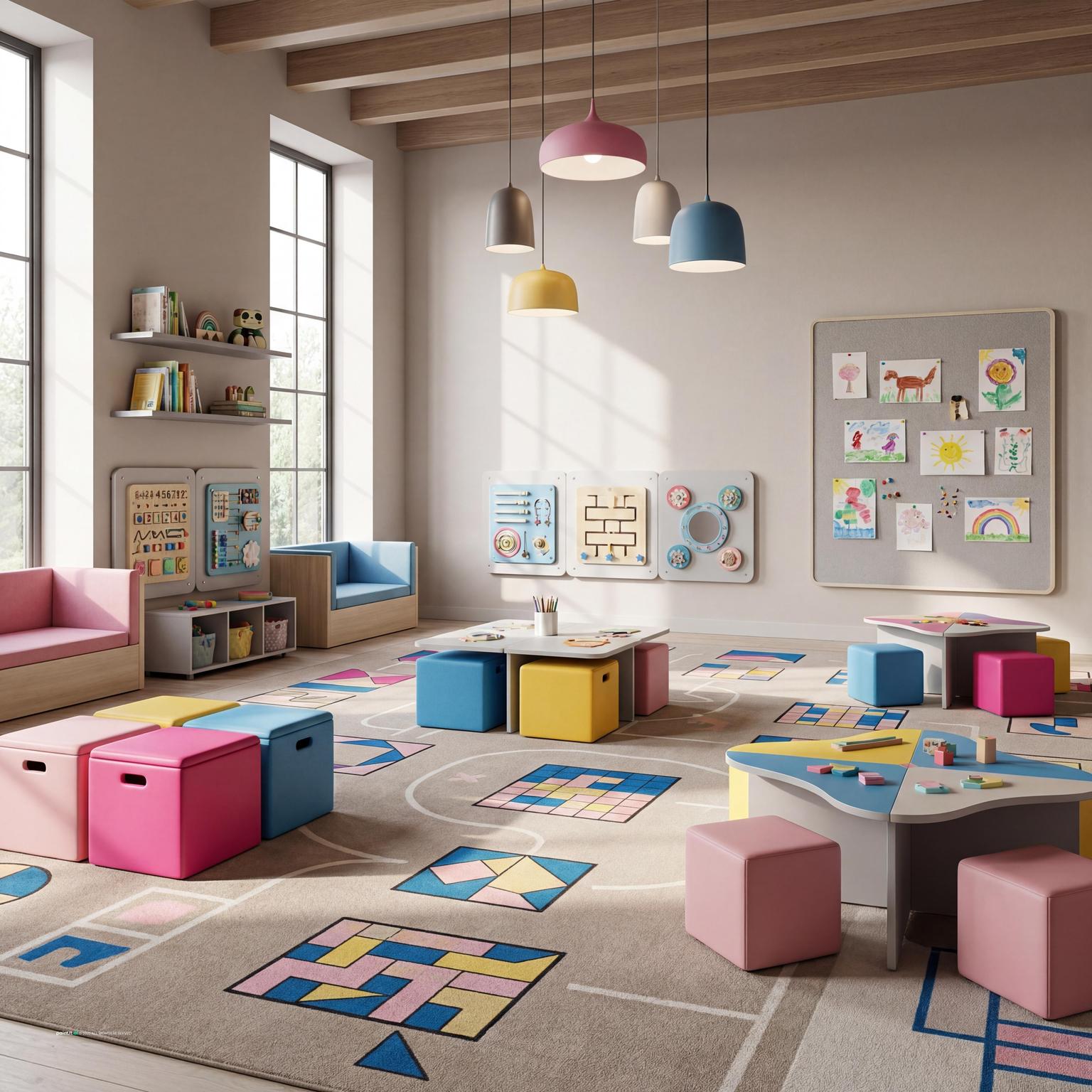
Strategically place quieter zones away from the hustle of entries or loud play, and use soft dividers instead of closed doors.
-
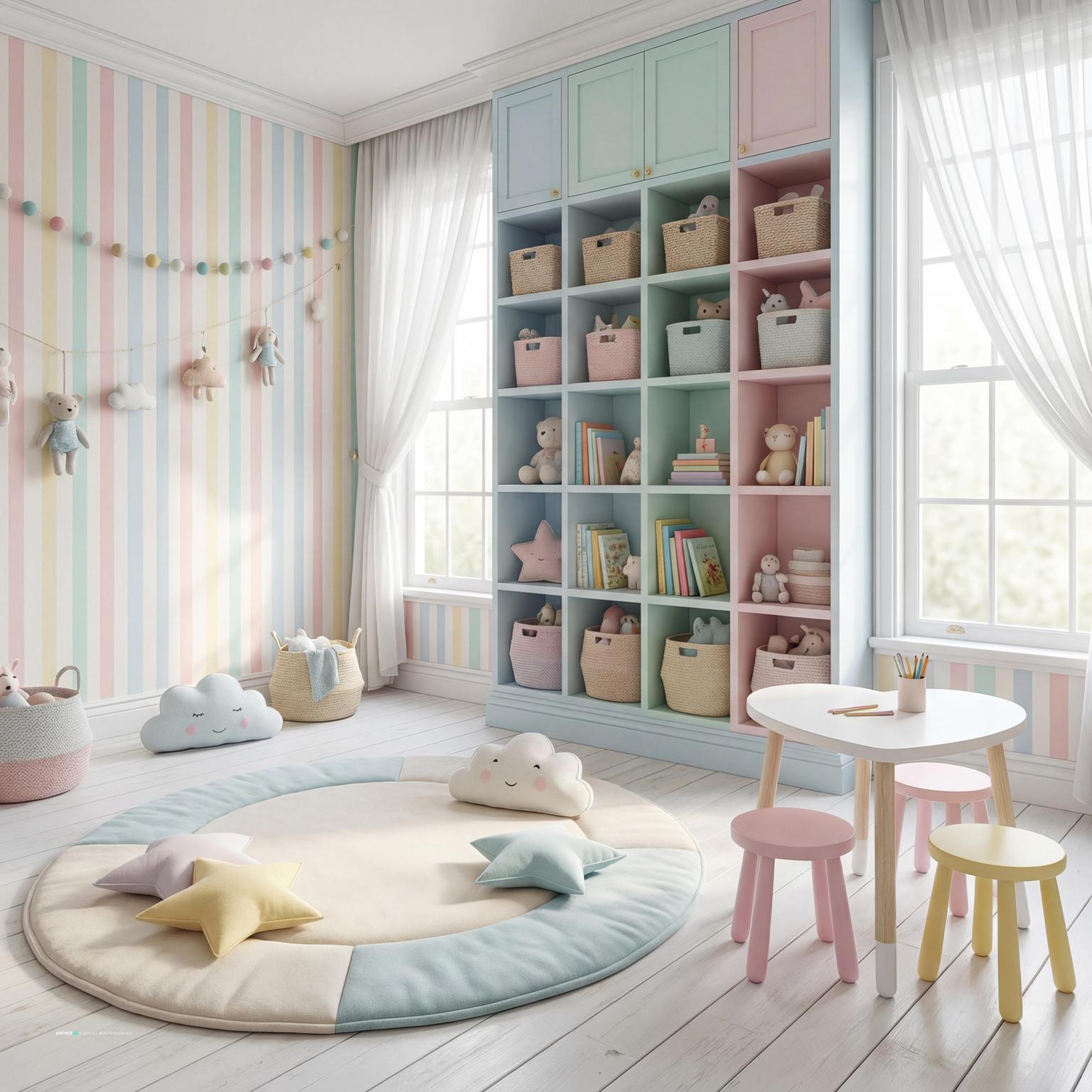
Hang art prints, family photographs, and shatter-proof mirrors at children’s eye level. This simple shift gives children ownership of the space and reflects their scale of the world.
-
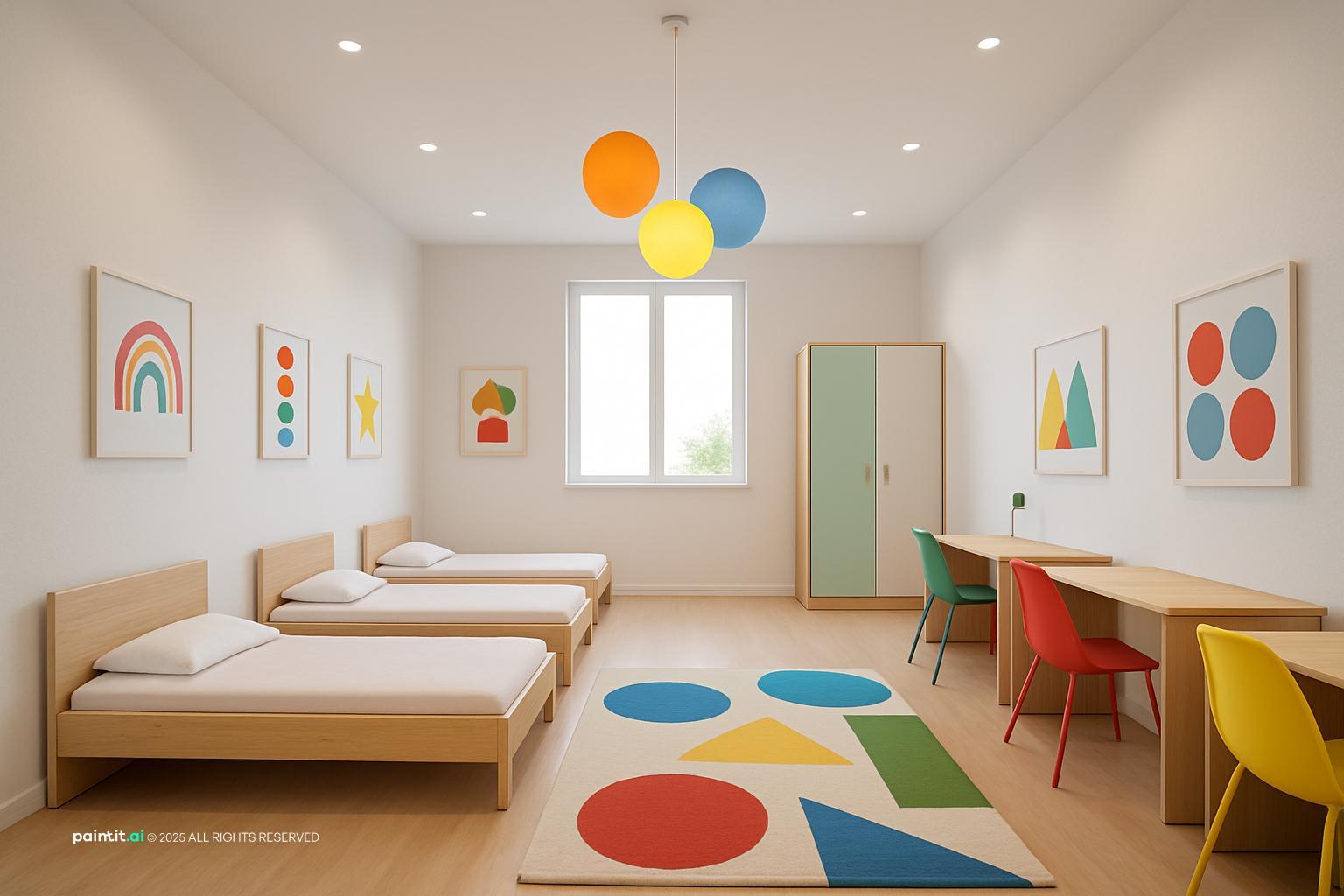
Mirrors also promote self-awareness, language development, and imaginative play.
-
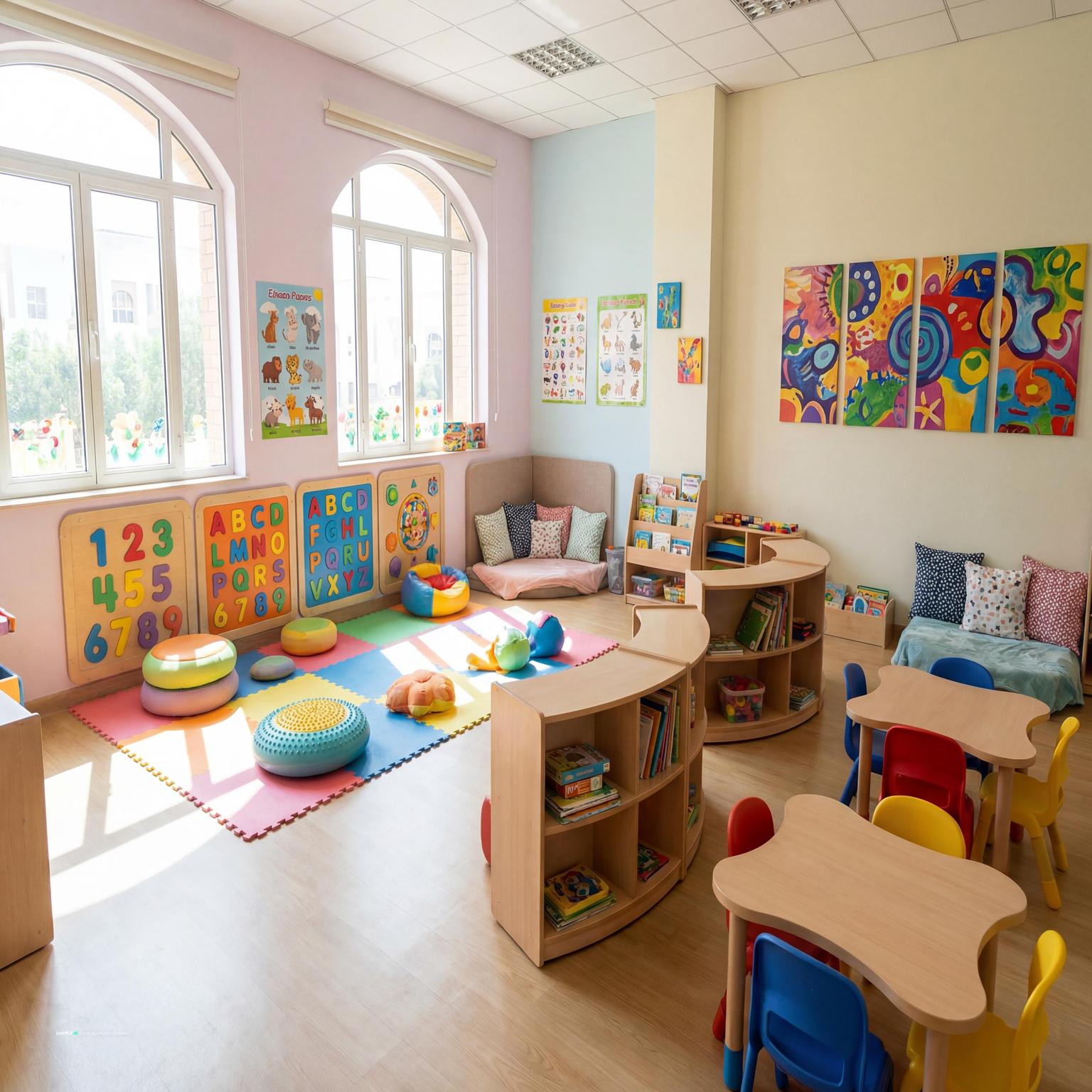
Opt for easy-to-clean tables, wipeable wall finishes, and removable cushion covers to embrace both curiosity and inevitable messes.
-
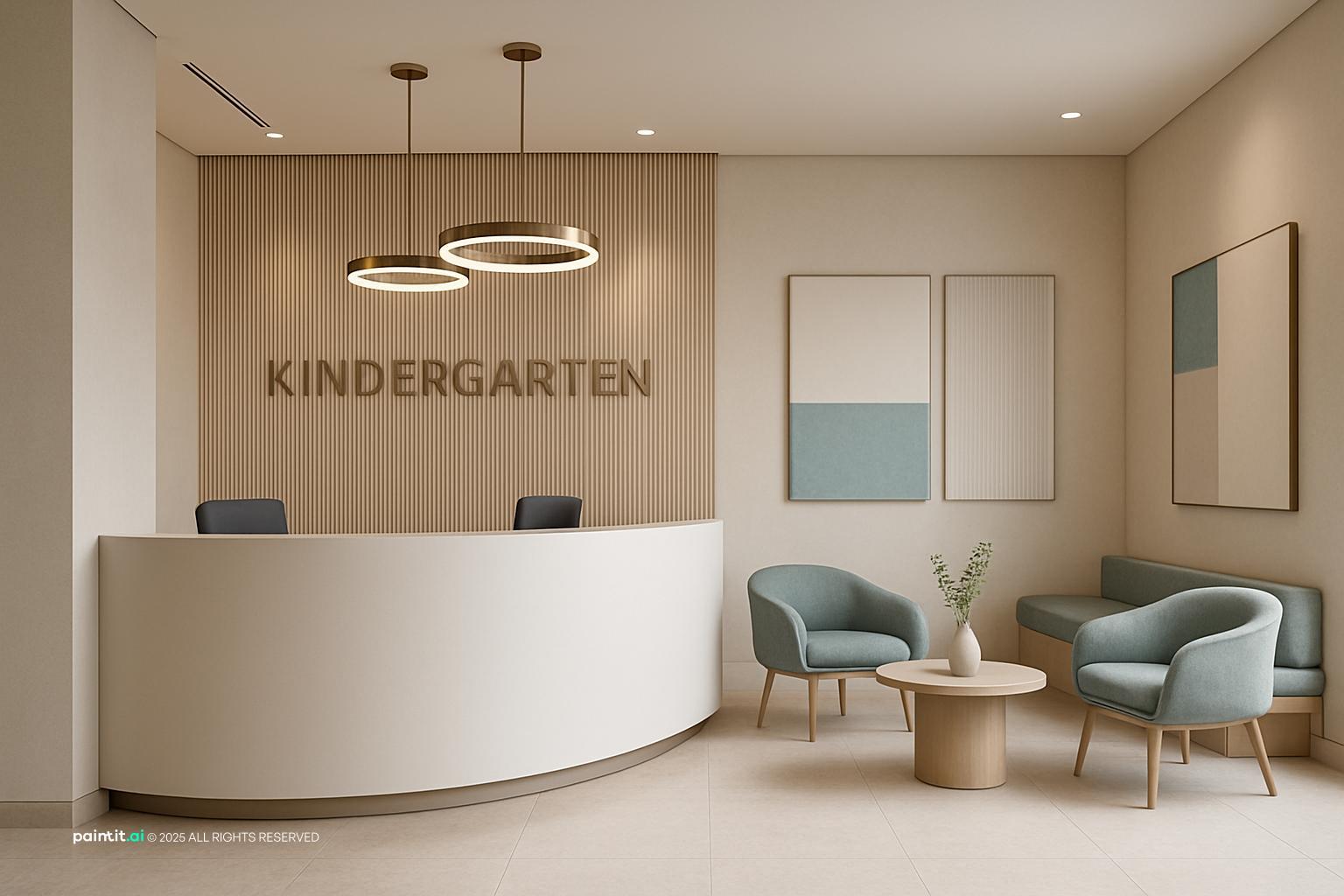
Choose surfaces and fabrics that can handle repeat scrubbing without losing their color or comfort.
-
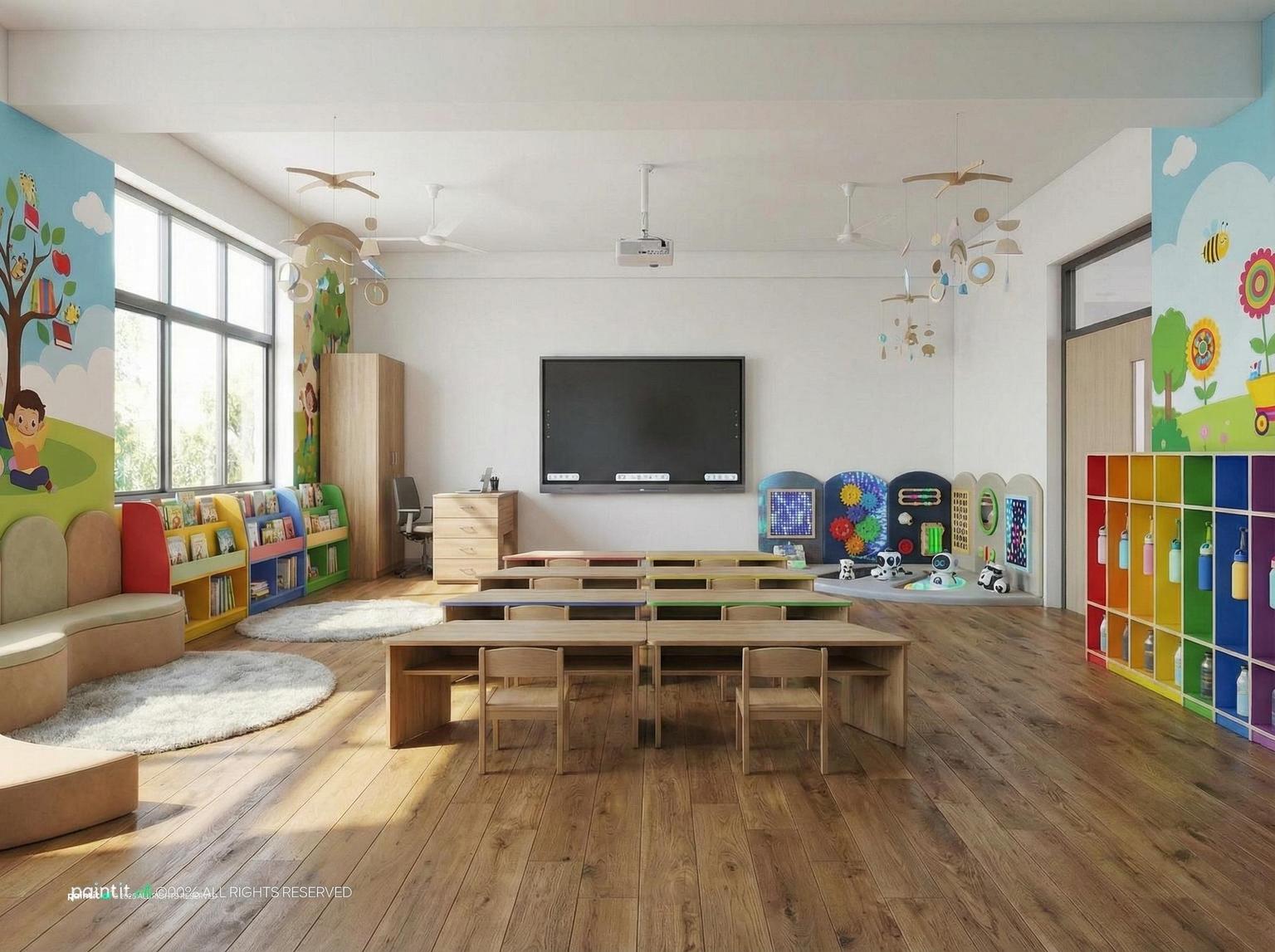
Feature dolls, books, puzzles, and posters that reflect a diversity of backgrounds, abilities, and family structures. Inclusive visuals support empathy and a sense of belonging from the start.
-
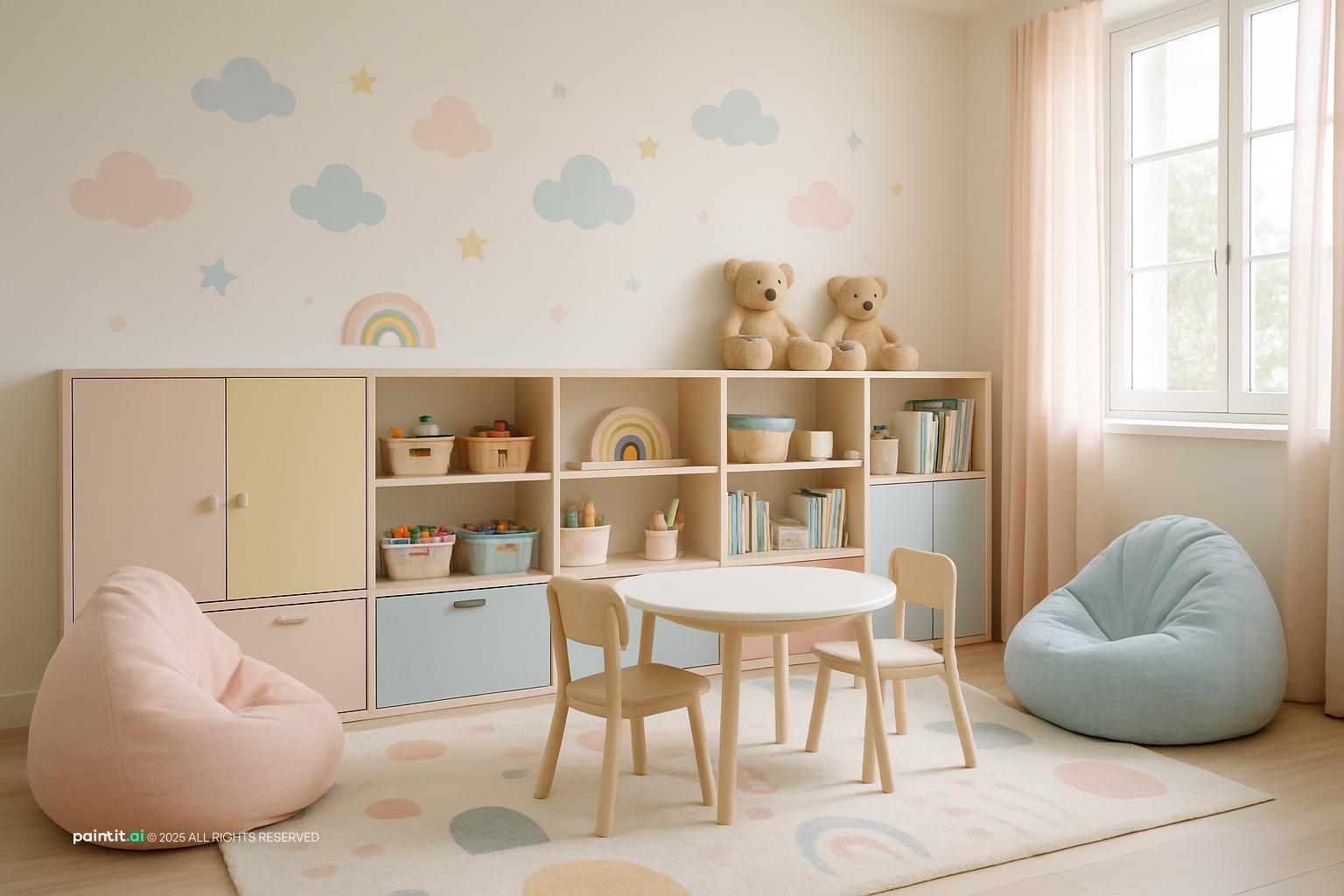
Regularly refresh these materials to reflect the real world and your unique classroom community.
Age-specific considerations: 3-4 vs 4-5 year olds
-
The same classroom doesn't serve both age groups equally well. Here's how design needs shift between younger and older preschoolers:
-
3-4 year olds
Gross motor development is primary: children need more open floor space for movement, rolling, and large-scale physical play. Furniture should be lower and more stable. Sensory materials such as sand, water, textured fabrics, and playdough are central rather than supplementary. Storage should have visual picture labels since literacy is not yet developed. -
4-5 year olds
Fine motor development increases: smaller materials such as beads, scissors, writing tools, and smaller blocks become appropriate and hold attention longer. Children can manage slightly more complex storage systems. Pre-literacy interest grows, and dramatic play benefits from more props and role-play complexity. -
What stays the same across both ages
Natural light, child-height furniture, flexible layouts, neutral wall colors with colorful accents, non-slip flooring in active areas, and clearly defined zones. These are foundational regardless of the age group.
How Paintit.ai fits into preschool design
-
Upload a photo of your classroom, empty or furnished, to app.paintit.ai. See how different color directions, furniture arrangements, and zone configurations read in your actual space in 1-2 minutes. Useful for presenting proposed design changes to school leadership or parents. Free to start.
Related design tools
Useful design tools and connected classroom resources.
FAQ
-
Gentle, muted tones work best for the base: sage green, buttery yellow, sky blue, and warm cream. Use brighter colors as accents on chair legs, storage bins, or rug patterns so the room feels lively without becoming visually noisy.
-
Zone-based layouts work better than one open room. Define reading, creative, building, dramatic play, and circle-time zones with low shelves, rugs, and furniture placement while keeping teacher sightlines open.
-
Use a calm base and engaging details. Neutral walls, organized materials, plants, rotating nature objects, and children's artwork create interest without covering every surface with decoration.
-
Yes. Upload a photo of your classroom to app.paintit.ai and see color palettes, zone configurations, and furniture arrangements in 1-2 minutes. Free to start.