
Tulum style interior design: everything you need to know
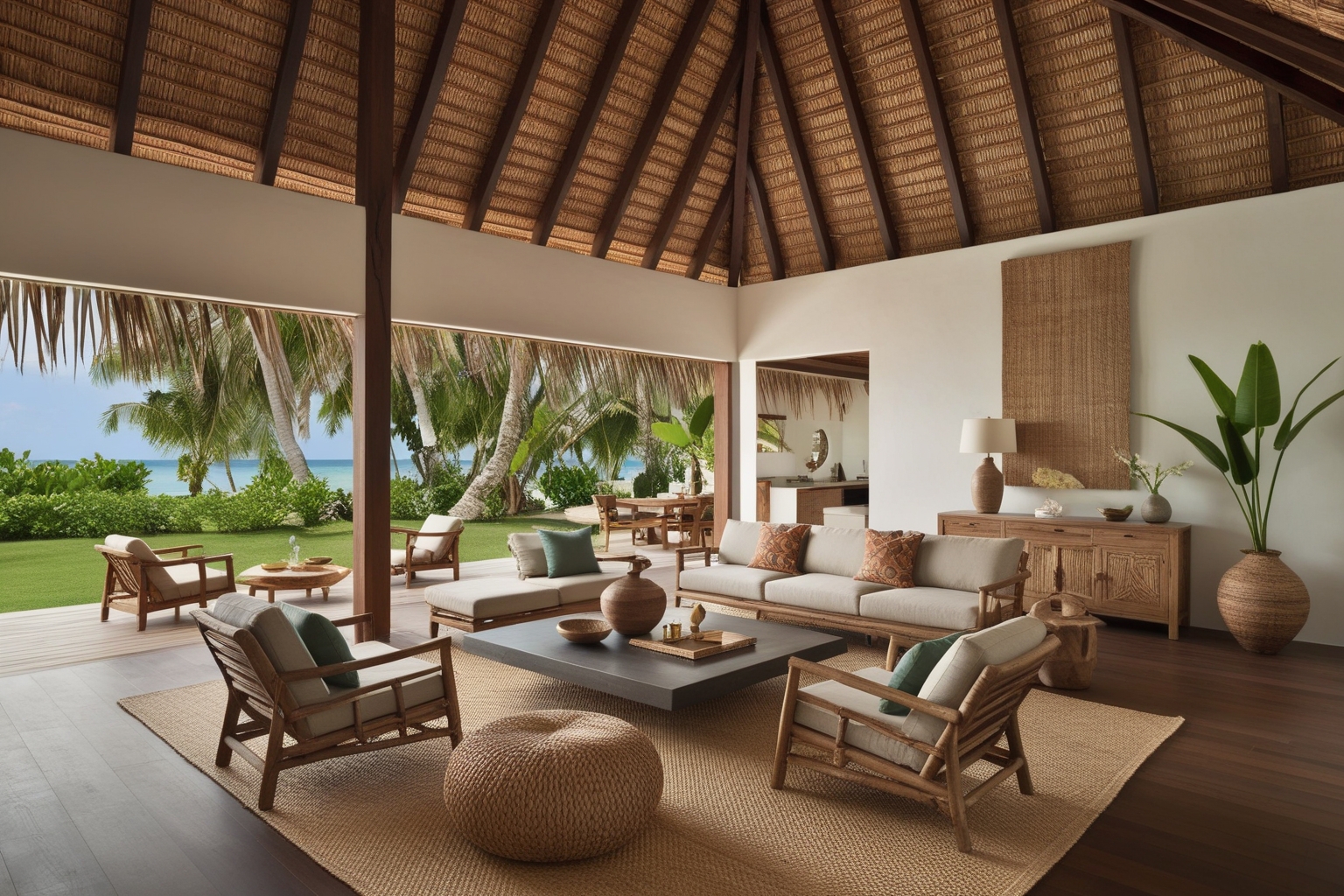
Tulum style interior design emerged from the specific environment of Tulum, Mexico, a coastal town on the Yucatán Peninsula where Mayan ruins, Caribbean coastline, and the boho-luxury hotel culture of the 2010s converged into a distinctive design aesthetic. The style is defined by organic, natural materials (raw wood, handmade plaster, palm thatch, linen, cotton macramé) in a neutral palette drawn from sand, white limestone, and natural vegetation, organized with the minimal-luxe sensibility of high-end eco-resort design.
What Is Tulum Style Interior Design?
Color palette
The Tulum palette is built on three colour registers. The neutral base: white (the bleached limestone of the Yucatan peninsula and the whitewashed walls of Tulum's hotels), warm cream and sand (the beach and local stone), and terracotta (the region's handmade ceramics and exposed earth). These three neutrals together account for approximately 80% of the surface area in a Tulum interior.
The organic accent tones: warm olive, dusty sage, and deep forest green from the coastal jungle vegetation that presses up against the hotel zones. Dried palm and bleached wood in warm golden tones. These are the natural colours that appear as textile accents, plant elements, and material details.
The cultural accent: turquoise (the Caribbean water) in small, selective applications: a ceramic vessel, a textile panel, a tile inset. Used as an accent rather than a primary colour.
What Tulum palette avoids: vivid tropical colours, neon, and the bright primary palette of conventional Mexican design. Tulum is specifically the desaturated, sun-bleached, high-end eco-resort interpretation of tropical Mexico.
Materials and textures
Raw and unfinished natural materials are the material signature of Tulum style. Reclaimed or rough-sawn wood in warm honey or grey-driftwood tones. Organic plaster walls (the specific quality of lime or cement plaster applied by hand, with slight surface variation and no perfectly smooth finish). Palm thatch (palapa roofing) referenced through thatched shade structures or thatched pendant lights.
Rattan, wicker, and bamboo for furniture and lighting fixtures. Linen and cotton for upholstery and bedding. Macramé wall hangings and knotted textile panels. Handmade ceramics in earthy glazes. Natural fiber rugs (sisal, jute, seagrass).
The key quality: every material should feel handmade or naturally derived rather than industrial or machine-perfect. Surface variation and imperfection are assets, not flaws.
Furniture and silhouettes
Low, relaxed, and organic in form. Tulum furniture avoids sharp corners and industrial linearity, gravitating instead toward rounded forms, natural wood grain, and the irregular silhouettes of hand-carved or hand-woven pieces. Low platform beds, oversized floor cushions, hammock chairs, and organic-form wooden stools are characteristic.
The daybed is a signature Tulum furniture piece: a wide, low sleeping or lounging platform often with a wooden or rattan frame, linen cushions, and canopy fabric suspended above. It references the outdoor lounge beds of Tulum's beach clubs and translates directly into outdoor terrace and bedroom applications.
Decor and accessories
Minimalist and meaningful rather than accumulative. A Tulum interior doesn't fill surfaces with objects; it places a few carefully chosen pieces in positions where they read clearly against the neutral background.
Plants are the primary decorative element: abundant and large-scale tropical foliage (monstera, palm, tropical ferns, pothos in hanging planters) that brings the jungle into the interior. Handmade ceramics in matte earthy glazes. Macramé wall hangings and knotted fibre panels. Natural wood objects (carved bowls, drift wood).
Candles and warm amber lighting rather than overhead illumination. Open shelving with a few deliberate objects rather than filled display.
Architectural features
The Tulum architectural ideal is porous: open between inside and outside, between artificial enclosure and natural landscape. This expresses through open-sided or partially open structures (the palapa roof, the outdoor bed under a canopy), large sliding or folding glass or wood doors that open entire walls, and interior spaces that feel provisional, as if the jungle could reclaim them.
Organic plaster walls without sharp corners (rounded edges on walls and columns, the bahareque construction tradition). Exposed wood structure (the columns and beams of palapa construction). Natural stone floors (limestone or terracotta tile, often partially extending outdoors).
Distinctive Features of Tulum Style Interior Design
-
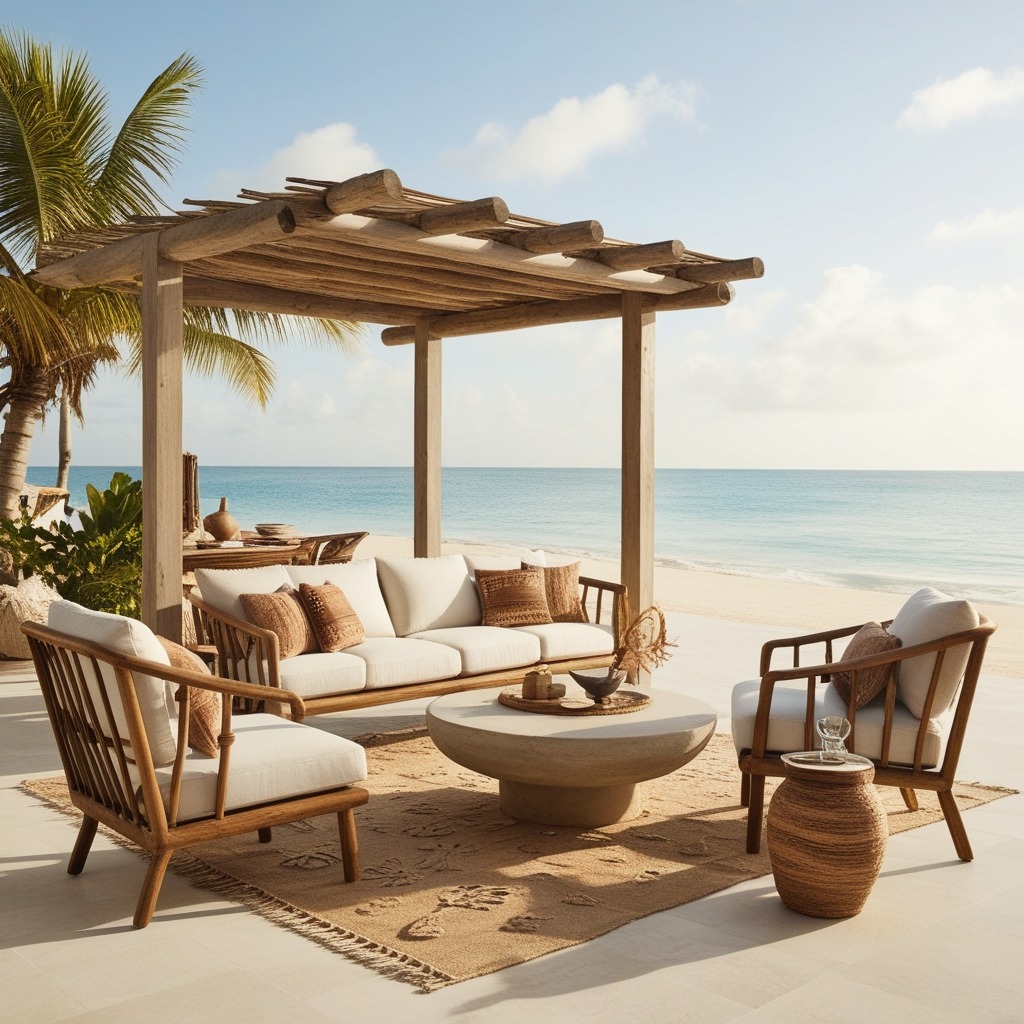
The Tulum style interior design trend stands as a highly desired choice among individuals who wish to achieve a fusion of bohemian sophistication with natural simplicity. Tulum style comes from the Mexican coastal town of the same name, where minimalist rooms open onto jungle and beach. Tulum style attempts to forge spaces that deliver comfort and visual appeal through its use of earthy tones and organic materials combined with a sense of natural elegance.
-
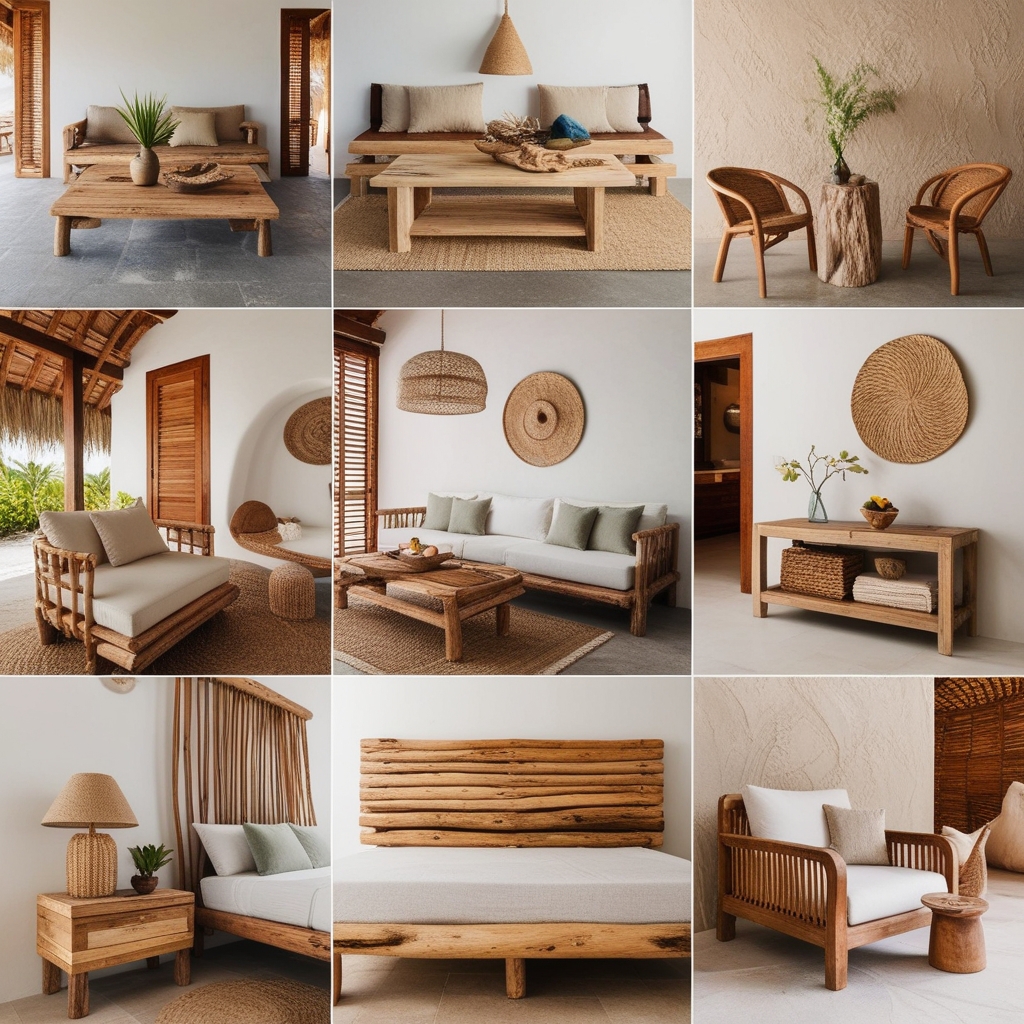
Tulum style interiors emphasize a selection of materials that focuses mainly on natural and sustainable options. Raw unfinished wood serves as a fundamental element in this style due to its ability to provide organic warmth. Furniture pieces and architectural elements frequently incorporate reclaimed wood to demonstrate sustainable practices. The aesthetic relies heavily on rattan, linen, and cotton materials which help create its signature relaxed and airy vibe. Textured walls together with plaster finishes replicate the rugged allure of Tulum's shoreline while they amplify the natural motifs within these spaces.
-
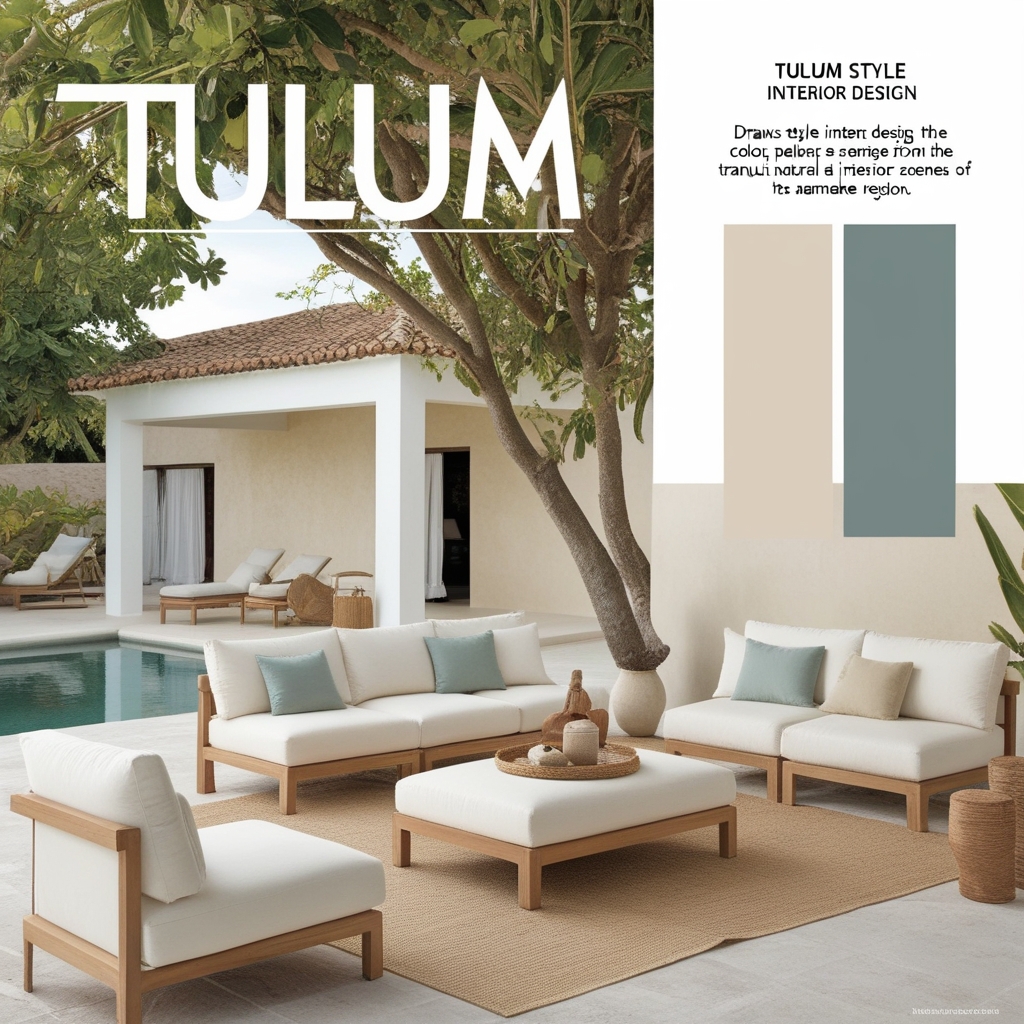
The deliberate application of these colours enables interior spaces to merge with outdoor environments, creating a natural and continuous connection between indoor and outdoor areas.
-
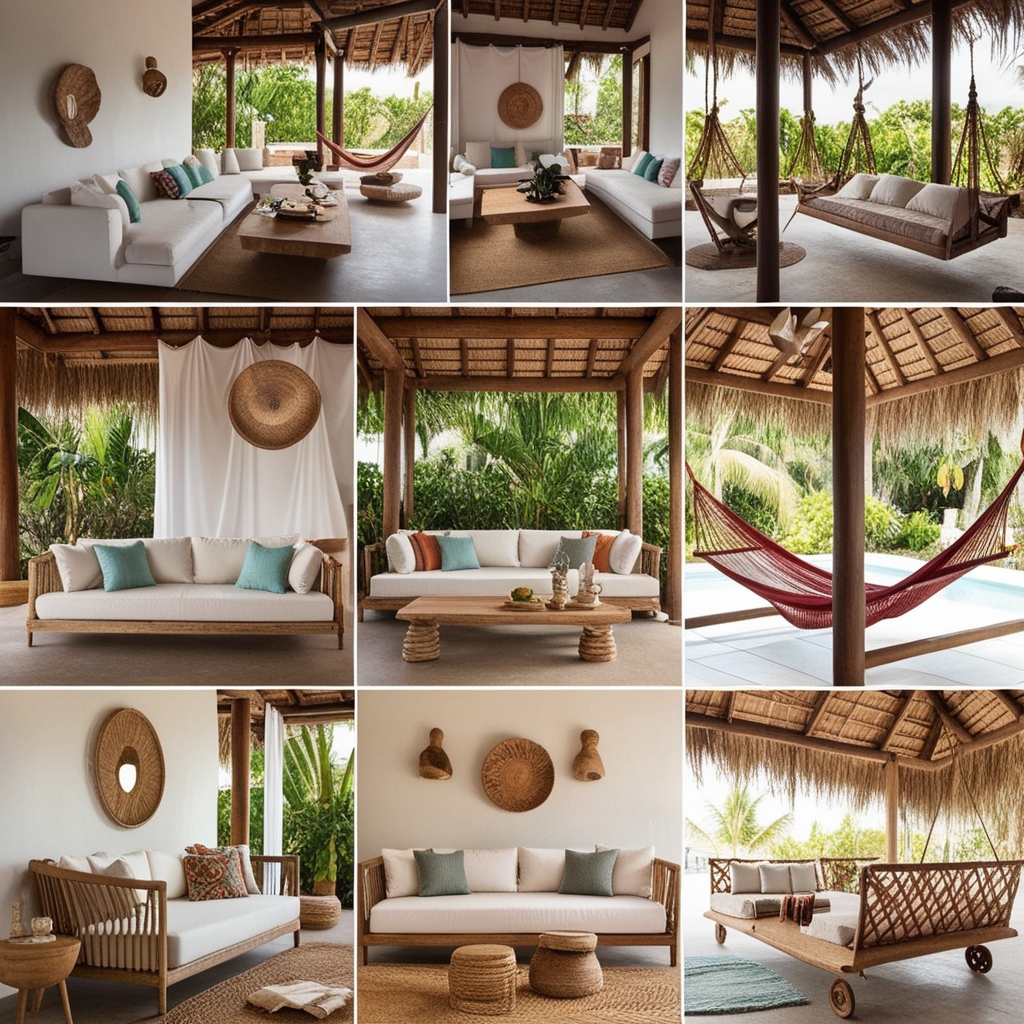
Simplicity and functionality define the furniture within Tulum style interiors. Pieces are generally low-profile, with an emphasis on comfort and usability. Lounging is a key aspect, with oversized sofas, hammock chairs, and daybeds frequently incorporated into the design. The use of handcrafted furniture intensifies the personal and unique feel of each piece, often sourced from local artisans to reflect the cultural essence of Tulum. The furniture is not only about aesthetic appeal but also about creating a personal retreat within the home.
-
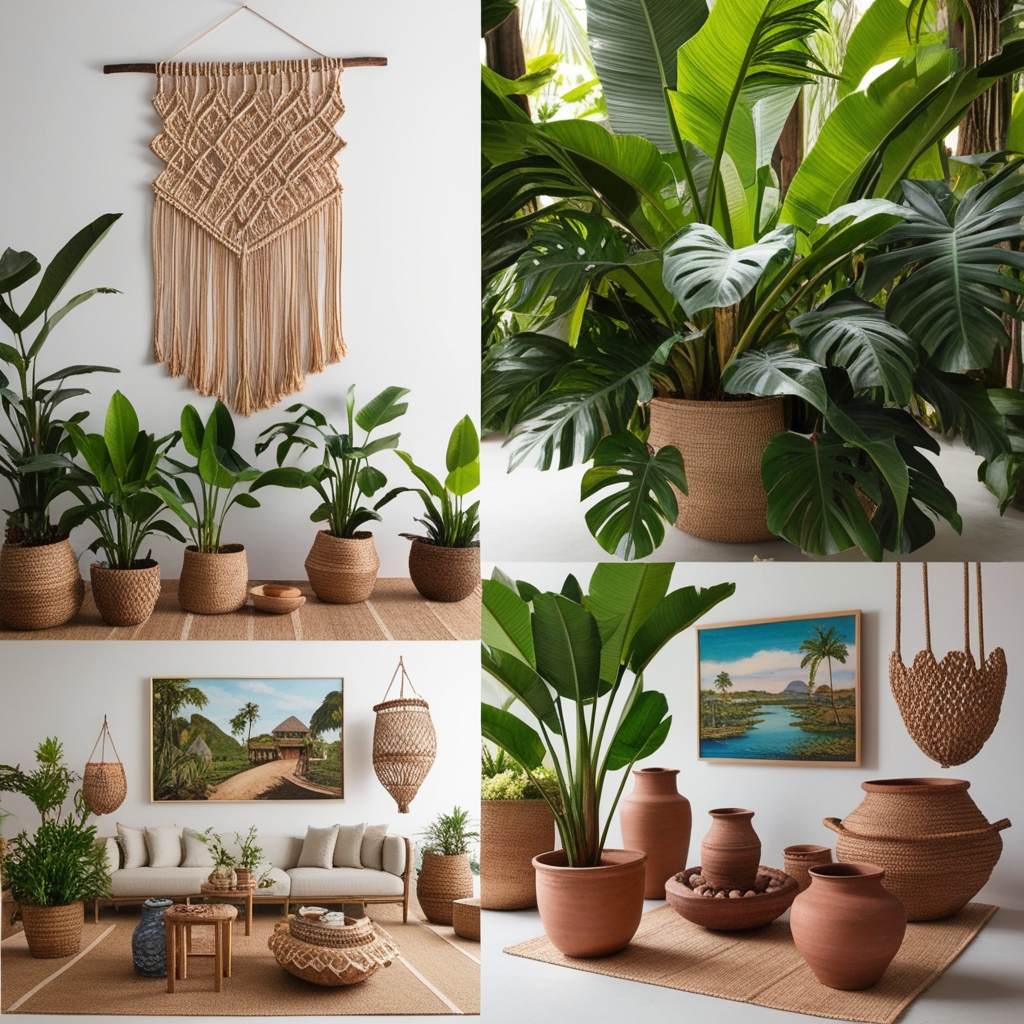
The decor elements in Tulum style interior design embody a minimalist artistic approach. Artistic wall hangings crafted from natural fibers or macramé deliver subtle artistic elements that maintain the space's simple aesthetic. The presence of plants as key elements becomes evident through the placement of lush foliage which introduces a tropical outdoor essence into indoor spaces. Artworks featuring natural landscapes and cultural references serve as bridges between interior spaces and the external world. Additionally, ceramic and clay pots combined with handmade baskets deliver practical decorative elements that introduce textural complexity and visual intrigue. The components merge to form a serene and sophisticated environment.
-
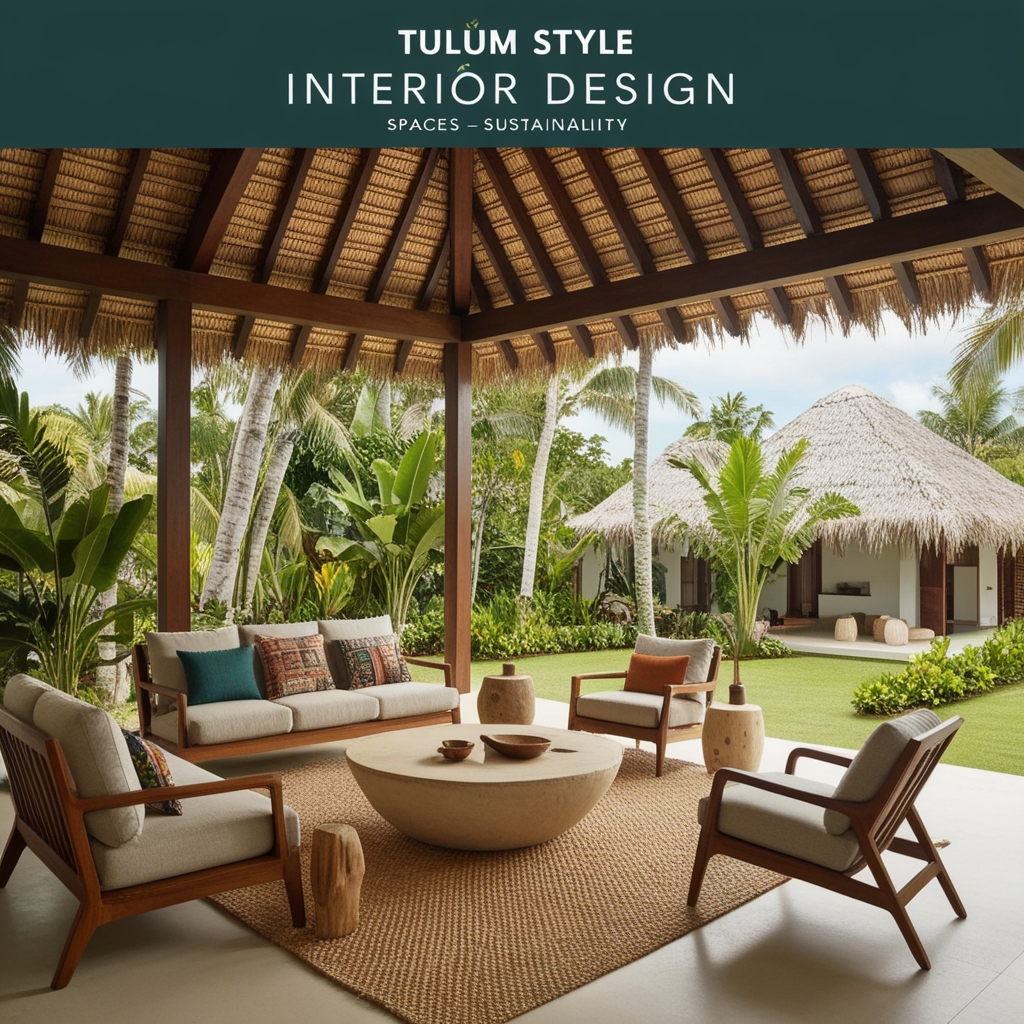
The Tulum style interior design encapsulates the essence of its origin, promoting a lifestyle that values simplicity, nature, and sustainability. By thoughtfully integrating these elements, spaces transform into sanctuaries that reflect both individual personality and a universal connection to the natural world.
-
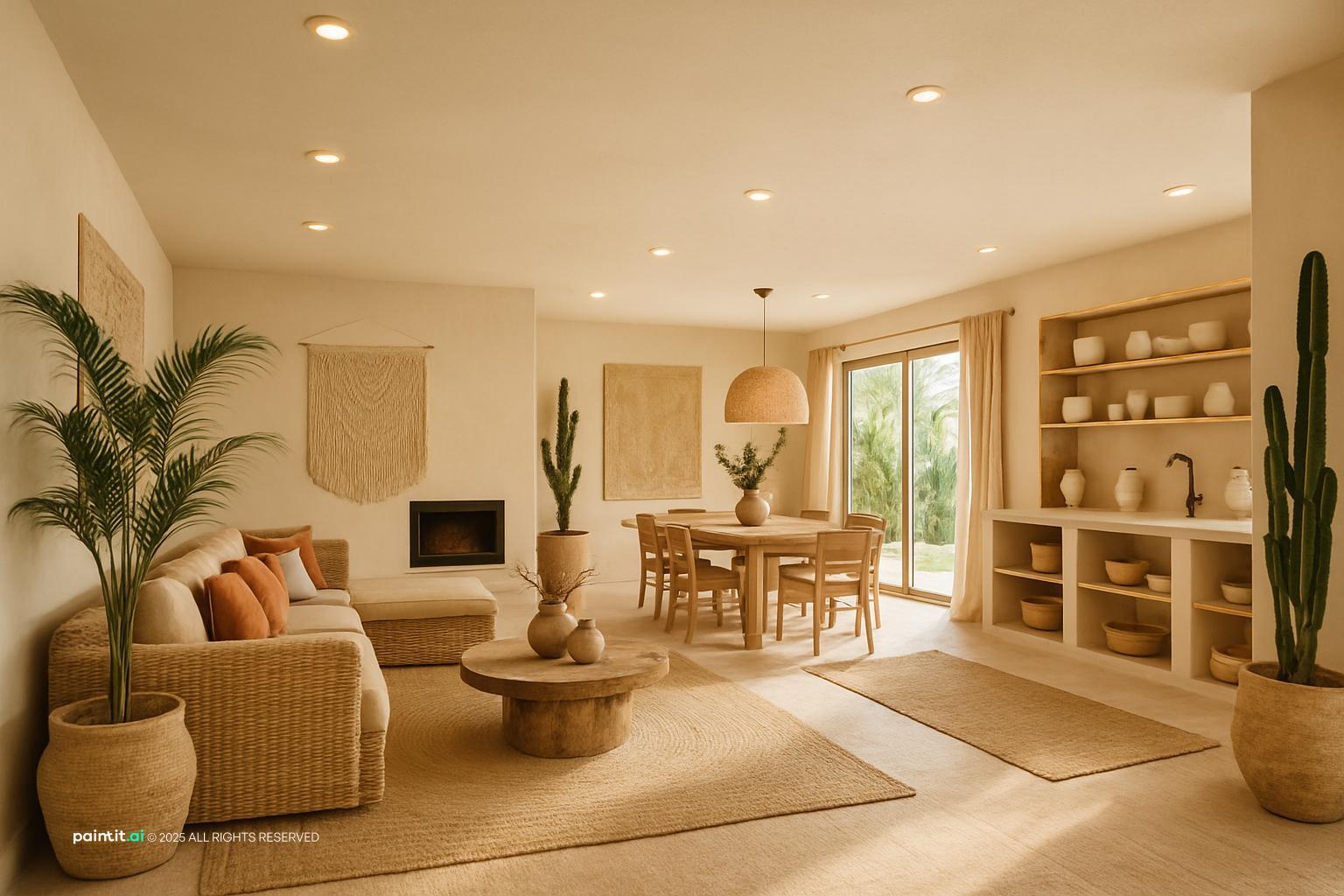
Open Tulum living and dining
Plaster walls, built-in niches and natural wood are the base of a Tulum room.
-
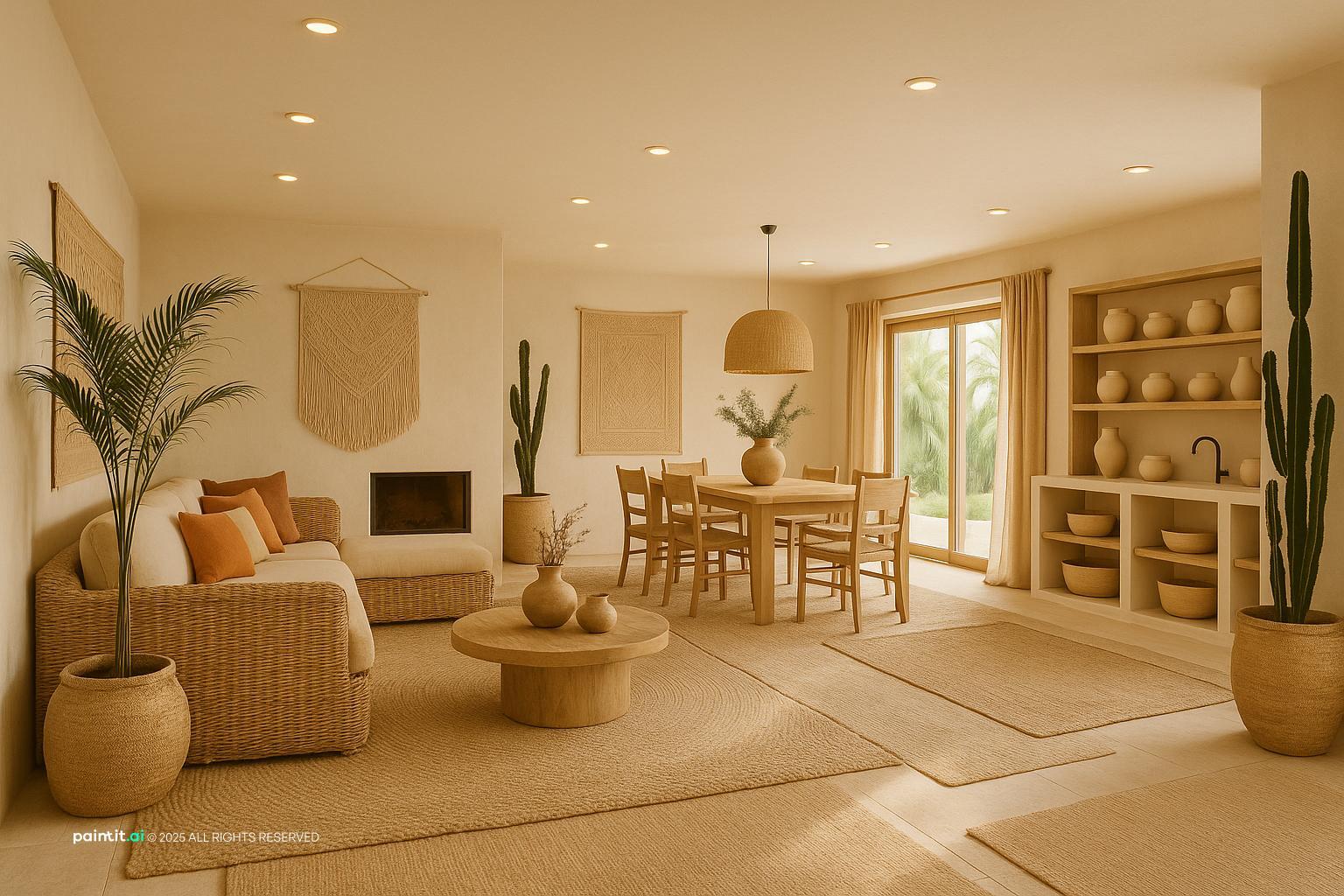
Tulum look in an existing home
Woven wall hangings and palms bring the look into an existing European home.
-
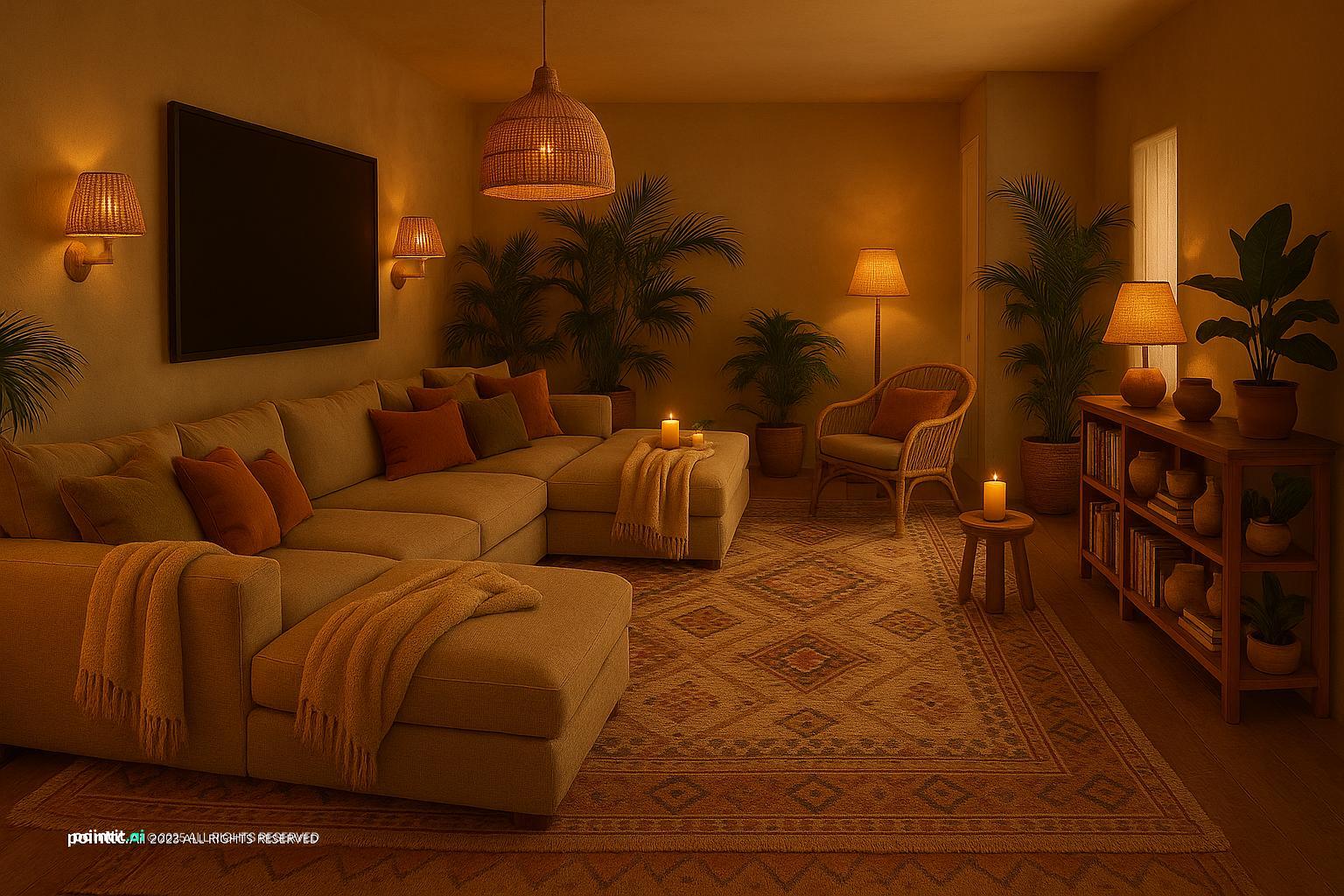
Tulum-inspired family room
A deep sectional and warm lamps make a relaxed Tulum-inspired living room.
-
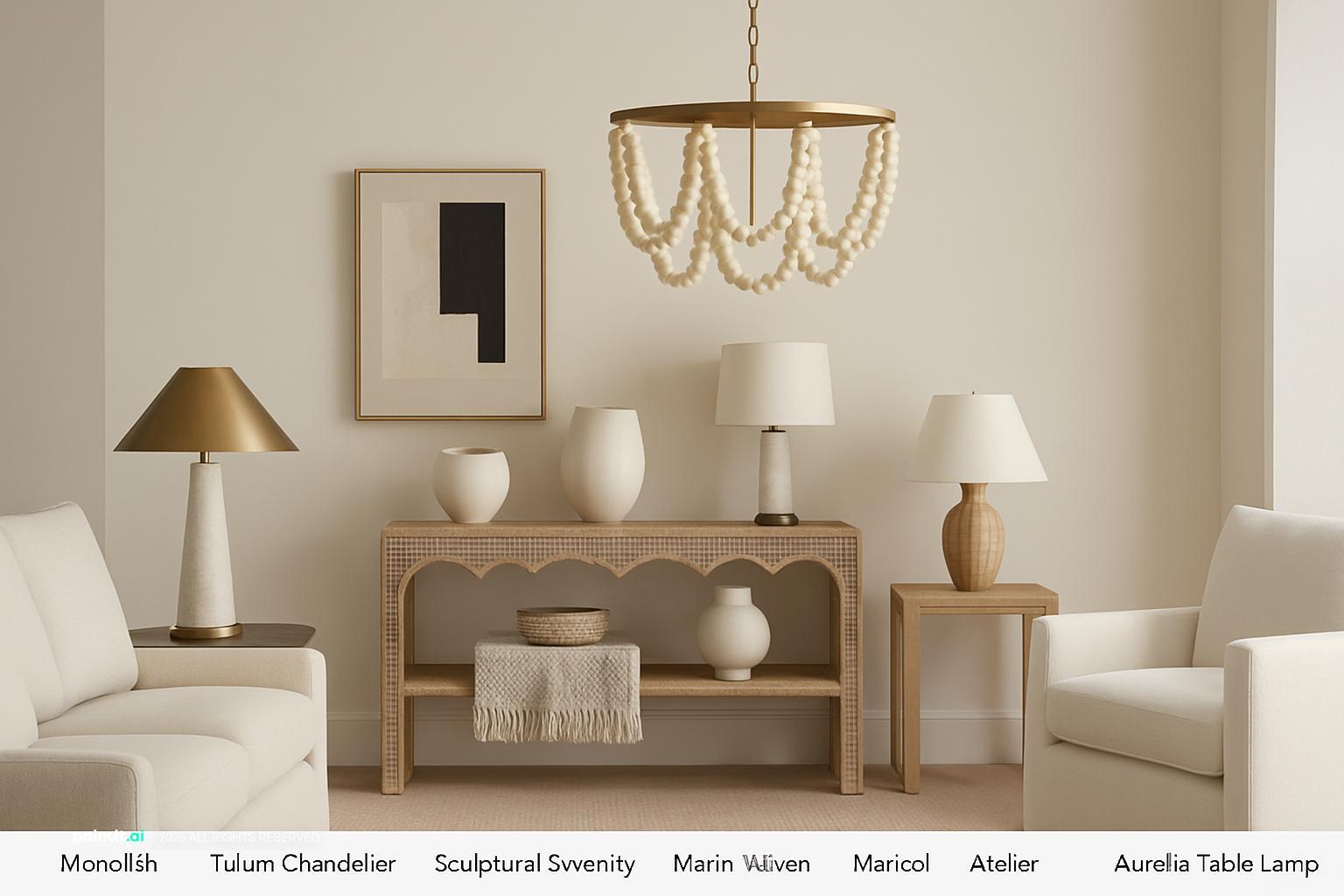
Wicker and a beaded chandelier
A beaded chandelier and wicker console add Tulum texture to a neutral room.
How to apply Tulum style interior design at home
-
Creating a serene and tranquil home environment is at the heart of Tulum style interior design. Inspired by the natural beauty and cultural richness of the Tulum region, this style emphasizes simplicity, organic materials, and a connection to nature. Whether you're changing a living room, bedroom, kitchen or outdoor space, the same palette of plaster, wood and linen carries across.
-
To integrate Tulum style into your living room design you should apply earthy color palettes alongside natural textures. Select wooden furniture with unfinished or distressed features to embody Tulum's rustic allure. Integrate handwoven textiles and cushions in neutral or muted tones to enhance your space. Integrate botanical elements that perform critical functions to merge outdoor environments with indoor spaces thereby amplifying the space's natural essence. Moreover, deliberate the application of gentle ambient illumination to establish an appealing and cozy environment.
-
The Tulum style bedroom is a haven of rest and rejuvenation. Opt for a simple yet elegant bed frame, perhaps in a natural wood or rattan, and adorn it with linen or cotton bedding for maximum comfort. A macramé wall hanging or a selection of artisanal crafts from local artisans will add a personal and unique touch to the space. It's essential to maintain a clutter-free environment, using functional yet aesthetically pleasing storage solutions to keep the space open and airy.
-
The design of a Tulum-inspired kitchen and dining area aims to create an atmosphere that feels both welcoming and communal. Incorporate natural stone countertops with open shelving to establish a spacious and breezy atmosphere. Integrate earthenware dishes and pottery to achieve functional utility while infusing spaces with rustic elegance. Select a sturdy wooden table for your dining space to create a central hub where friends and family can come together. Integrate woven light fixtures to finalize the design while delivering a cozy and welcoming illumination.
-
In Tulum-style homes the outdoor areas function as direct continuations of indoor spaces, blurring the line between interior and exterior living environments. Develop detailed seating zones featuring hammocks and cushioned loungers crafted from weather-resistant materials that preserve both comfort and aesthetic appeal. Integrate driftwood and natural stone into landscaping and decor to achieve an organic and balanced appearance. Employ gentle exterior illumination to define essential zones so the area remains usable throughout day and night.
Visualize Tulum style with Paintit.ai
Upload a photo of any room to app.paintit.ai and test how Tulum palettes (warm whites, sand tones, organic wood, tropical green accents) read in your actual space in 1–2 minutes. Free to start.
Related styles and tools
Explore related styles and AI tools for this design direction.
FAQ
Tulum style draws from the specific design aesthetic of Tulum, Mexico, where the boho-luxury eco-hotel culture of the 2010s created a distinctive design language that blended Mayan archaeological site context, Caribbean beachfront setting, and high-end sustainability design. The characteristics: organic, natural materials (raw wood, handmade plaster, rattan, linen, macramé), a neutral sun-bleached palette (white, cream, sand, warm terracotta), low-profile relaxed furniture (daybeds, floor cushions, hammock chairs), abundant tropical plants, and the minimal-luxe sensibility of eco-resort design.
Tulum is a more specific category than either boho (which can be colourful and maximalist) or coastal (which tends toward blue-and-white and nautical references). Tulum style is specifically: neutral and sun-bleached rather than colourful; Mexican jungle-meets-Caribbean-beach rather than generic coastal; eco-luxury resort rather than lived-in beach cottage; and organic-handmade-natural rather than vintage or collected. The Mayan cultural context (ruin references, pre-Columbian craft traditions) distinguishes it from other tropical styles.
Raw or reclaimed wood in natural honey or driftwood tones. Handmade organic plaster walls with slight surface texture variation. Rattan and wicker for furniture and lighting. Linen and cotton in natural, undyed, or very light tones. Macramé in natural rope. Handmade ceramics in matte earthy glazes. Natural fiber floor coverings (sisal, jute, seagrass). Abundant tropical plants.
Yes. Upload a photo of any room to app.paintit.ai and test Tulum palettes and material combinations in 1–2 minutes. Free to start.
Light, natural fabrics: sheer linen, cotton gauze or muslin in white, sand or oatmeal, hung floor-length from ceiling height so they move in the breeze. Avoid blackout or synthetic fabrics in living areas; if you need privacy or darkness, add a separate woven blind behind the curtain.