
Old Florida Style Interior Design
Old Florida style interior design draws from the vernacular building tradition of pre-air-conditioning Florida — the Florida Cracker houses built from local pine and cypress, raised on foundations for ventilation and flood protection, with wide porches, jalousie windows, tin roofs, and the understanding that architecture must work with the climate rather than against it.
The interior design tradition that grew from this architecture is practical, natural in its materials, coastal in its palette, and genuinely connected to the specific landscape of Florida's subtropical environment.
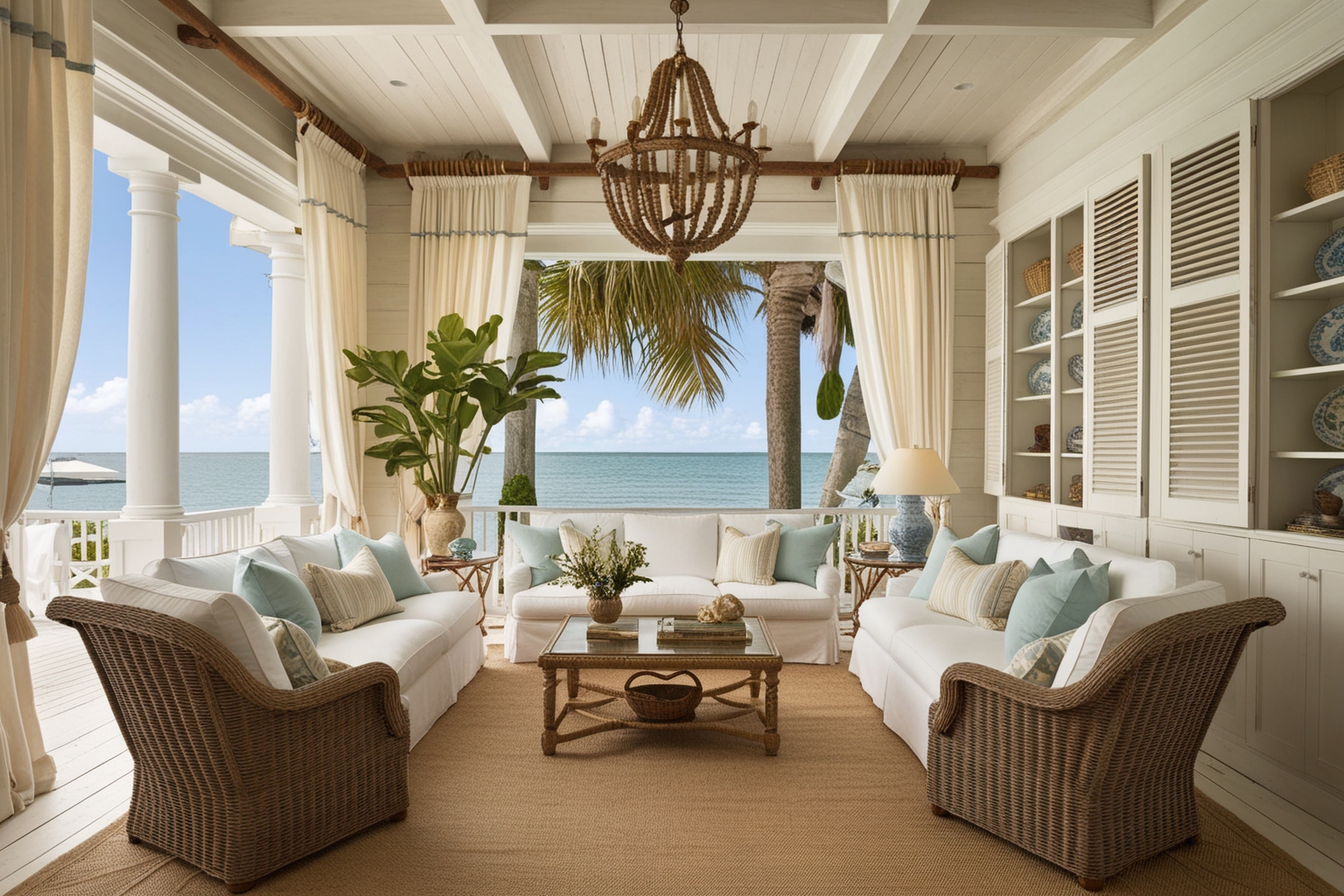
What is Old Florida style interior design?
Color palette
The Old Florida palette responds to the specific quality of Florida's light and landscape. The primary colours: pale blue-green (the Gulf and Atlantic waters), sandy beige and warm cream (beach sand), soft coral and faded pink (bougainvillea and tropical flowers), and the warm sage and olive of sea grape and mangrove. The overall effect is light, faded, and sun-washed rather than vivid. Florida colours always have a bleached quality from constant exposure to intense subtropical light.
Specific accent colours: coral, seafoam, turquoise, and the dusty sage of coastal plants. White and cream as the base. Natural wood tones providing warm contrast.
Materials and textures
Heart pine (the dense, resin-rich old-growth pine harvested from Florida's longleaf pine forests) is the signature Old Florida floor material. Reclaimed heart pine planks are wide (12–14 inches), heavy, and develop a beautiful amber patina with age. They are increasingly rare and expensive; reclaimed dealers are the primary source.
Cypress, used for exterior siding, interior paneling, and structural elements in Florida Cracker buildings. Naturally resistant to moisture, insects, and rot, it was the practical choice for Florida's humid climate.
Beadboard (tongue-and-groove pine paneling with a bead detail between boards) was used throughout Florida vernacular interiors for walls and ceilings. It paints well, handles humidity, and is an instantly recognizable Old Florida element.
Jalousie windows (horizontal glass louvres on a mechanical crank that allow ventilation while providing rain protection) were the standard Florida window type before air conditioning became universal. Found in 1940s–1970s Florida homes, they are now used deliberately as a period reference element.
Furniture and silhouettes
Rattan, wicker, and bamboo are the classic Florida indoor-outdoor furniture materials. Lightweight, moisture-resistant, and suited to the Florida climate. Vintage pieces from the 1940s–1970s Florida hotel and motel tradition have a specific character that newer reproductions rarely achieve.
Slipcover sofas and chairs in white or cream cotton or linen, practical for sandy, sun-exposed environments that see constant outdoor-indoor movement. Casual and comfortable rather than formal.
Terrazzo, the decorative aggregate floor finish used extensively in mid-century Florida buildings, appears as a material element in kitchen counters, bathroom floors, and entry areas. Its polished speckled surface is distinctive and specifically Floridian.
Decor and accessories
Botanical and wildlife references from Florida's specific natural environment: native plant prints (palms, sea grapes, cattails, mangroves), wildlife artwork (herons, roseate spoonbills, manatees), and natural objects (driftwood, shells, coral). The difference from generic coastal decor is geographic specificity: not generic nautical, but specifically Florida subtropical.
Screen porches are the defining outdoor living element of Old Florida homes. A large screened porch that functions as an outdoor living room through most of the year is as characteristic of Old Florida as the kiva fireplace is of New Mexico.
Architectural features
Florida Cracker architecture: the most historically grounded form of Old Florida design. Wood frame with locally sourced pine or cypress, raised foundation on brick piers or coquina (local shell limestone), wide wraparound porch, tin roof with steep pitch, high ceilings, and through-ventilation from front to back via a central dogtrot hallway or open-plan arrangement. Built without air conditioning; every design decision prioritizes airflow.
The dogtrot hallway (open central corridor from front to rear of the house) is specific to Florida Cracker and related Southern vernacular types. It channels prevailing breezes through the building's core.
How to apply Old Florida style interior design
The design style combines natural materials with soft colour palettes while offering a nostalgic reference to Florida's coastal and tropical heritage.
Old Florida color palette: the specific colours
The Old Florida palette is one of the most distinctive parts of the style: a sun-bleached, coastal range of colours pulled directly from Florida's water, sand, and native plants rather than a generic "beach house" mix.
The Old Florida colour palette:
Base colours (walls and large surfaces):
- Warm white: the classic Florida Cracker exterior and interior wall colour, typically a warm white (with yellow or cream undertones, not cool white)
- Sandy cream: the bleached tone of sun-dried beach grass and shell sand
- Pale blue-green: the specific colour of Florida's Gulf and Atlantic waters, closer to seafoam and aqua than bright blue
Primary accent colours:
- Coral pink: the faded coral of old stucco buildings and tropical flowers
- Seafoam green: soft, slightly grey-green referencing the shallow coastal waters
- Dusty turquoise: the characteristic blue-green of Florida glass and pottery
- Sandy taupe: the tan of dry beach sand and weathered wood
Secondary accents:
- Deep teal or navy: depth and contrast against the light base colours
- Soft sage: the grey-green of sea oats and native coastal plants
What makes Old Florida palette distinct from generic coastal: The Old Florida palette is always faded and sun-washed rather than vivid. Colours that look like they have spent decades in intense Florida sun. Nothing too saturated; everything slightly bleached and warm.
Visualize Old Florida style with Paintit.ai
Upload a photo of any room to app.paintit.ai and test how Old Florida palettes (warm whites, seafoam, coral accents) read in your actual space in 1–2 minutes. Compare a Florida Cracker-influenced natural wood direction against a lighter tropical coastal approach. Free to start.
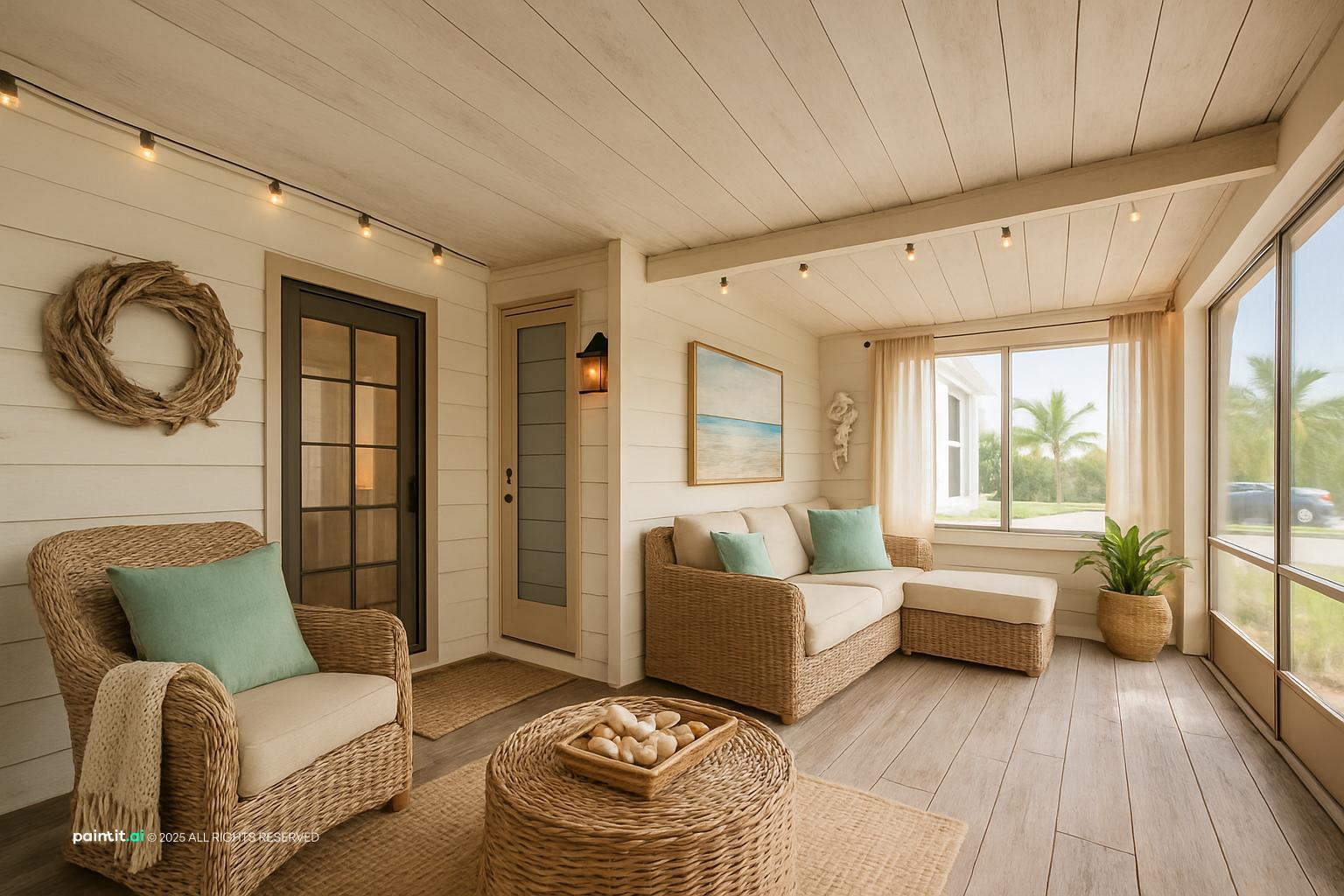
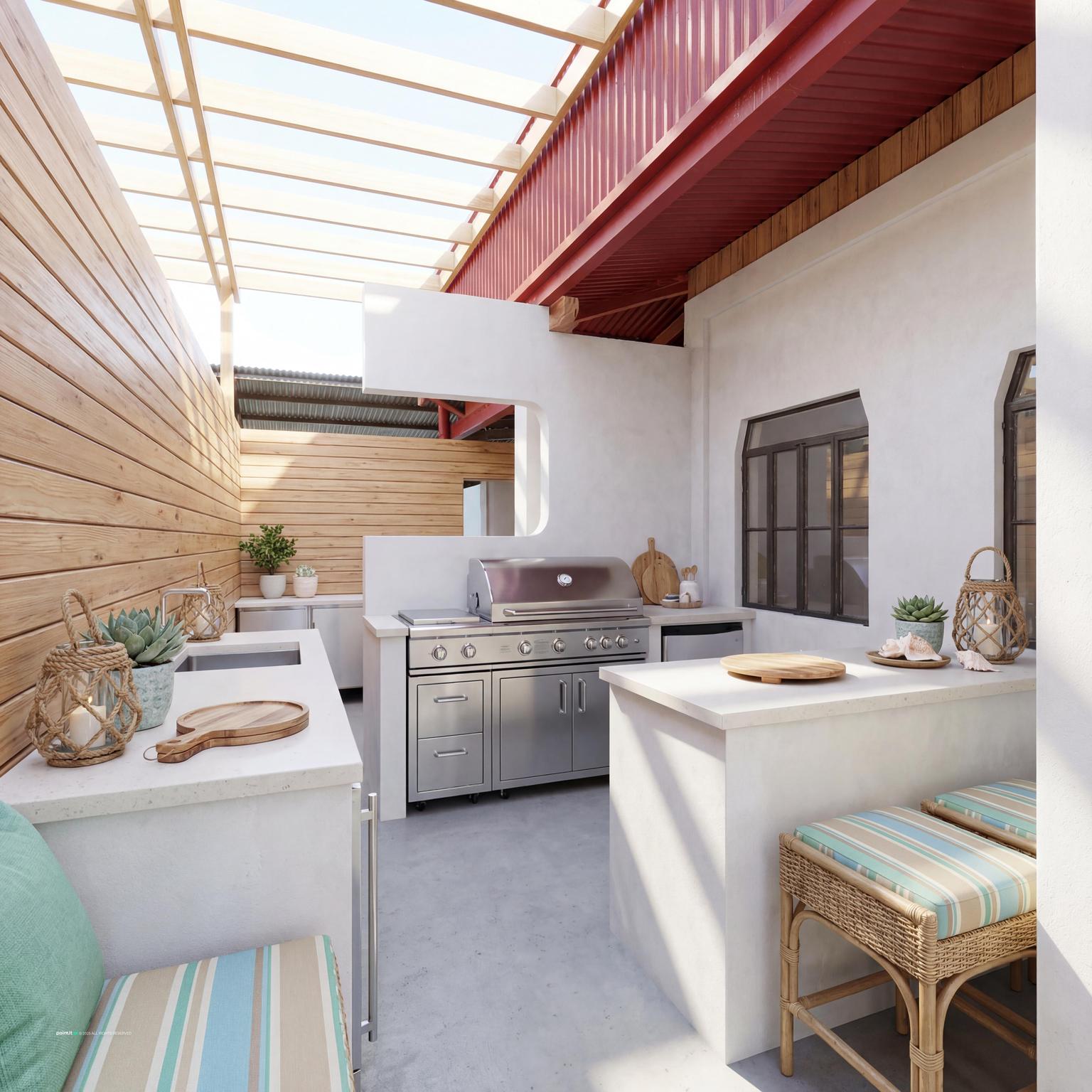
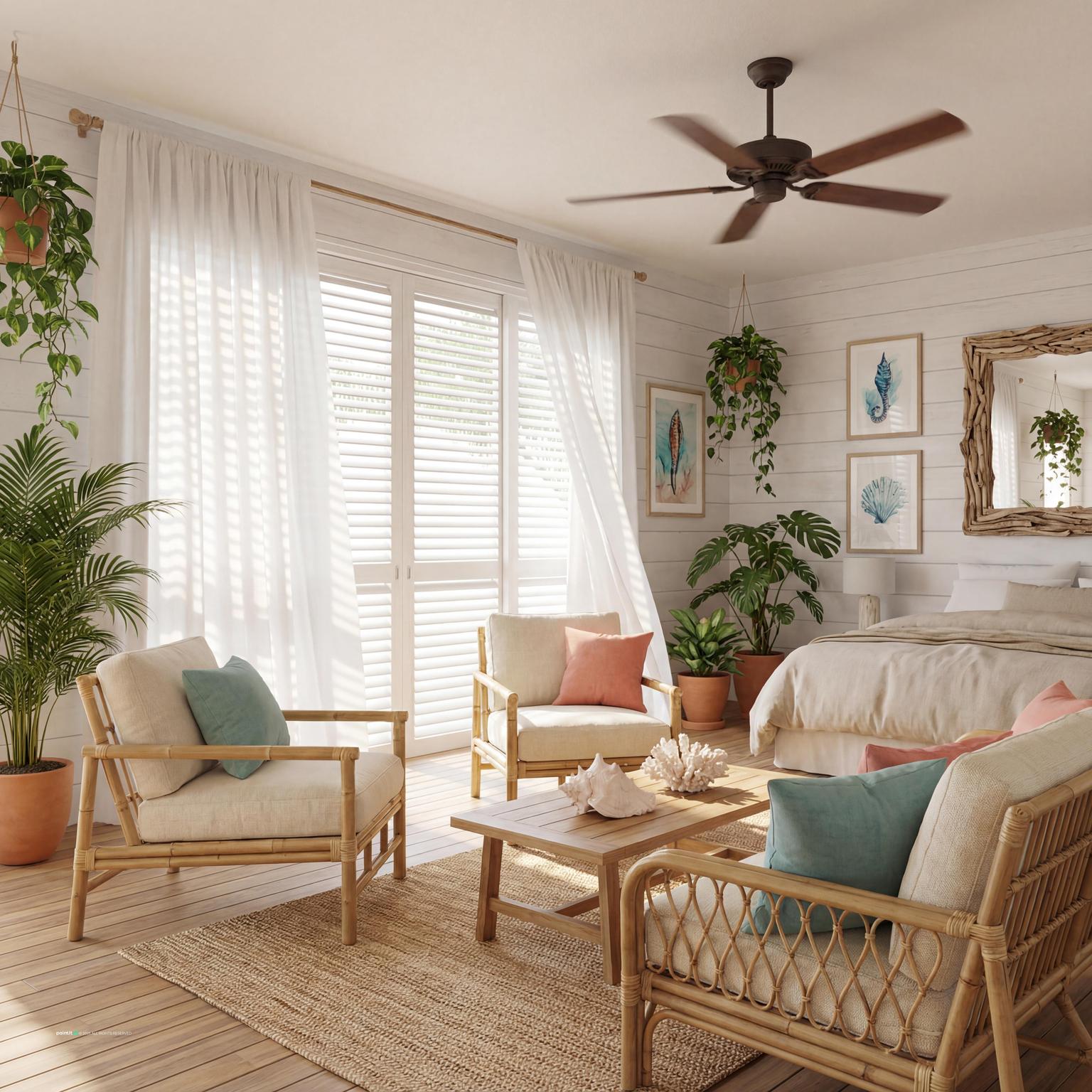
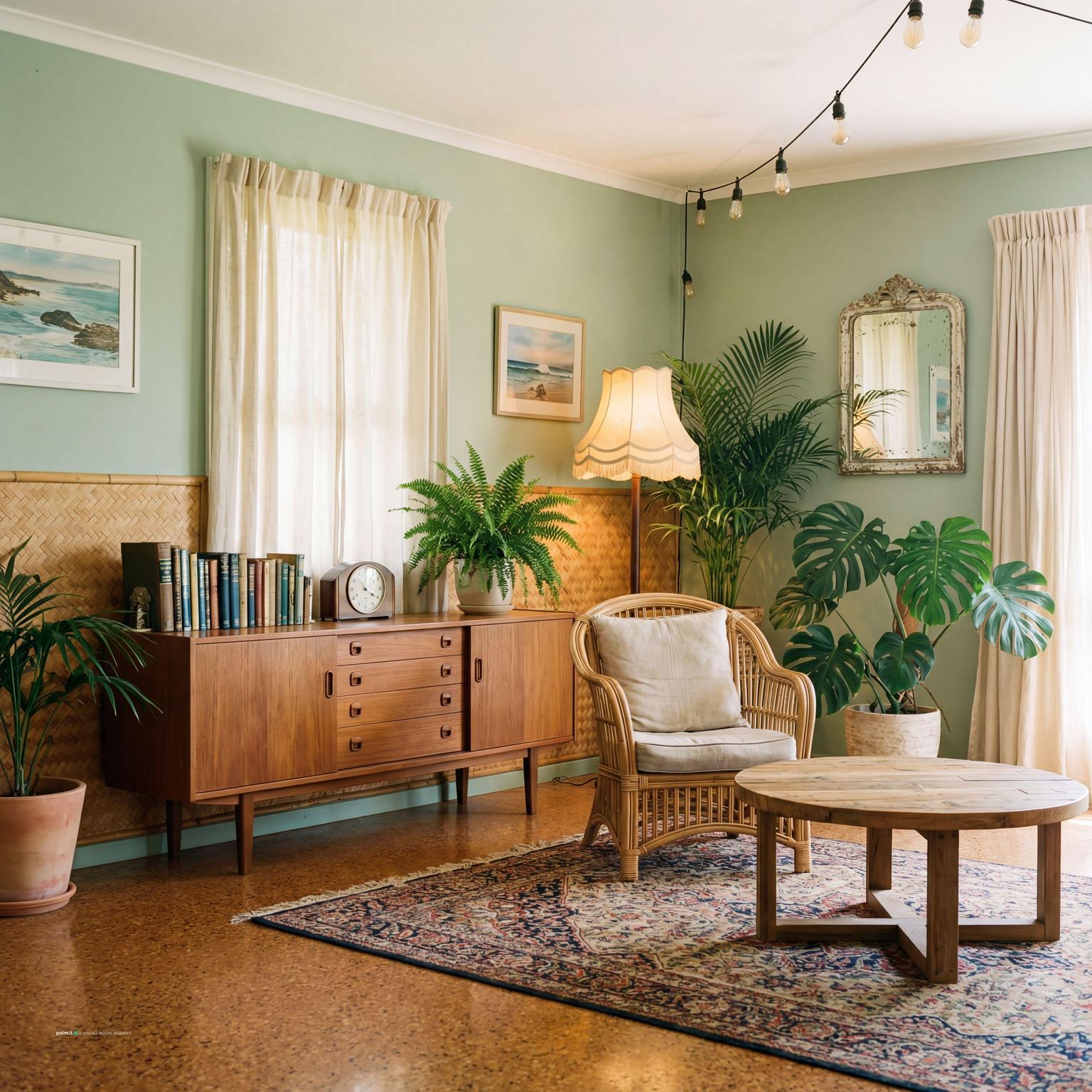
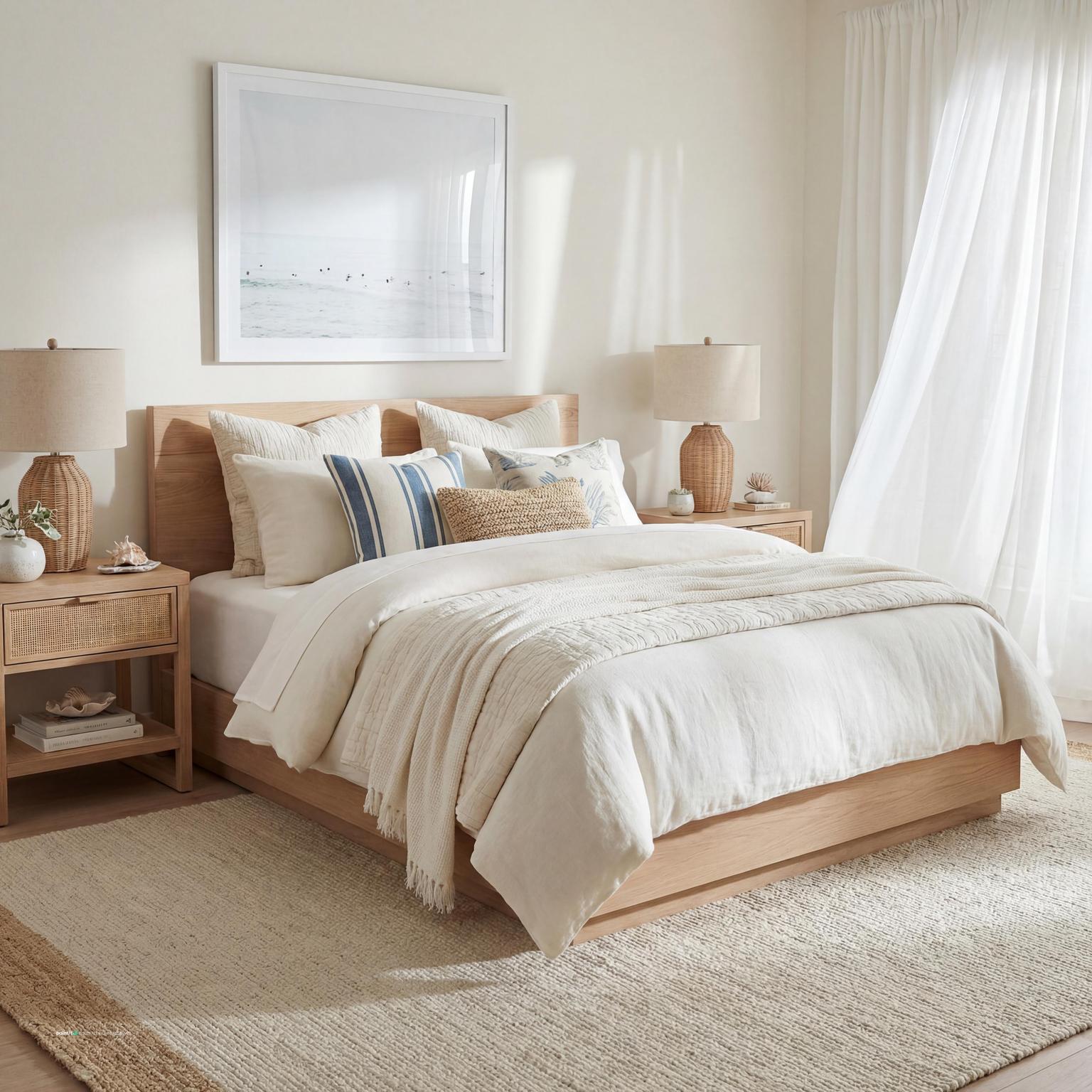
Old Florida style interior image references
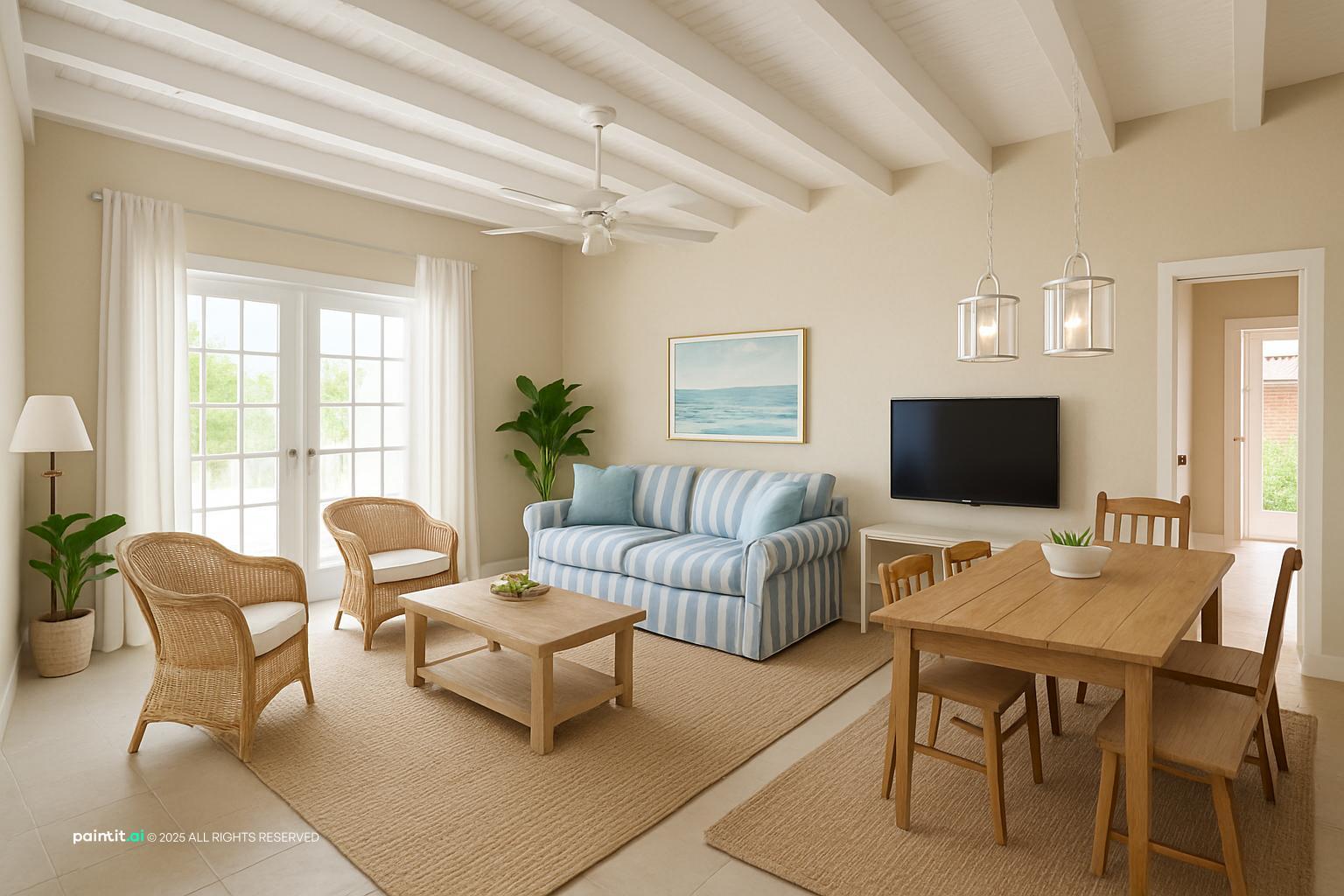
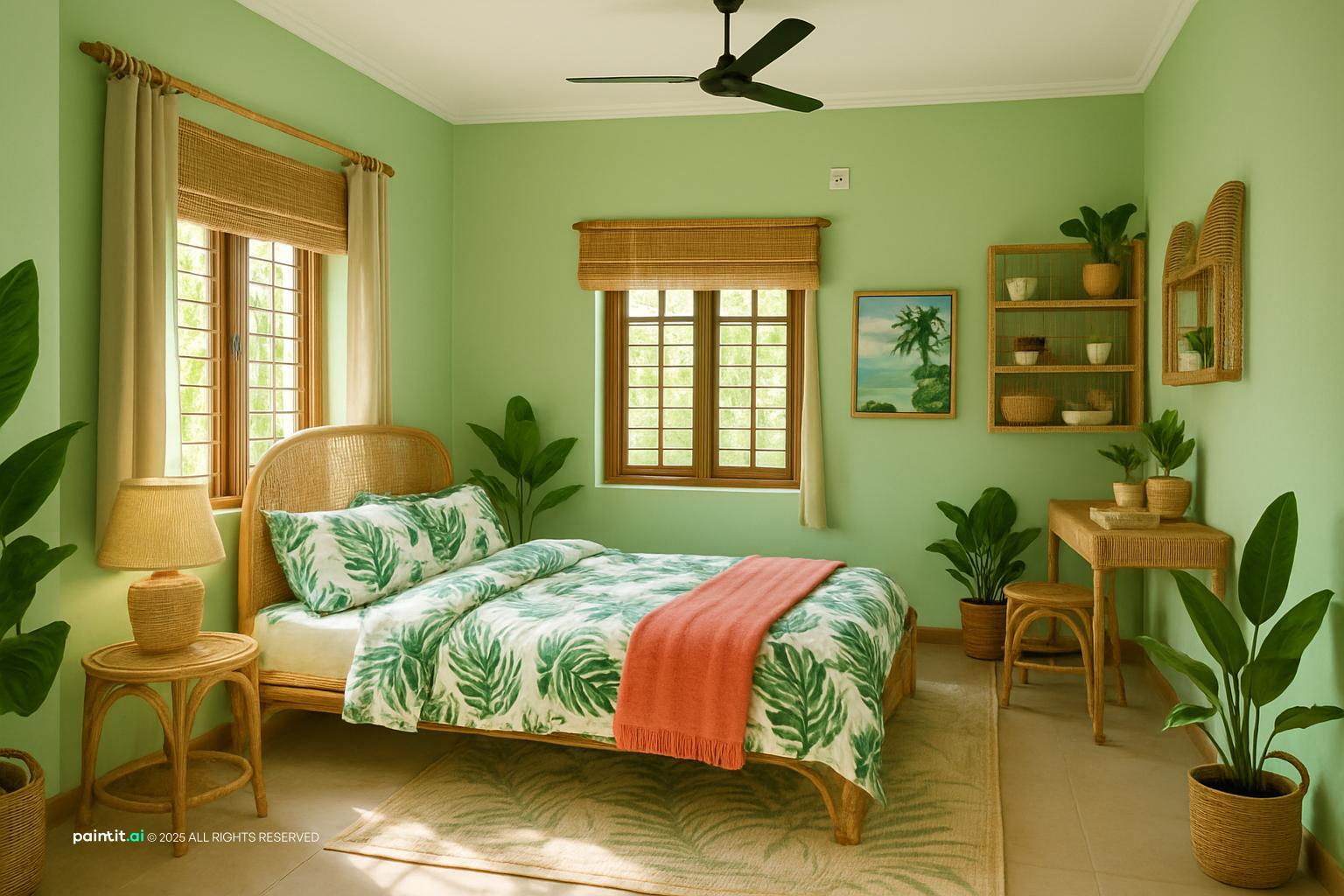
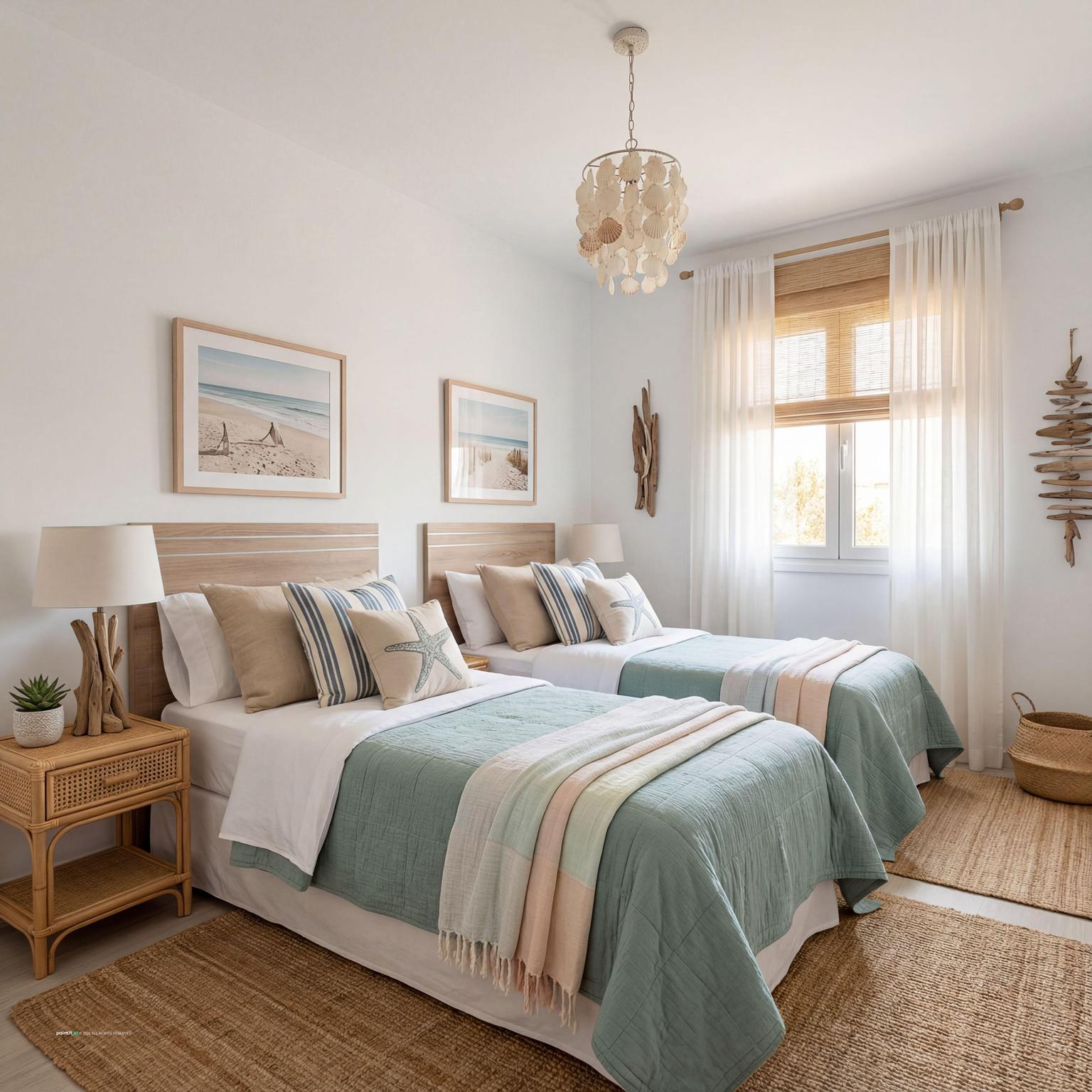
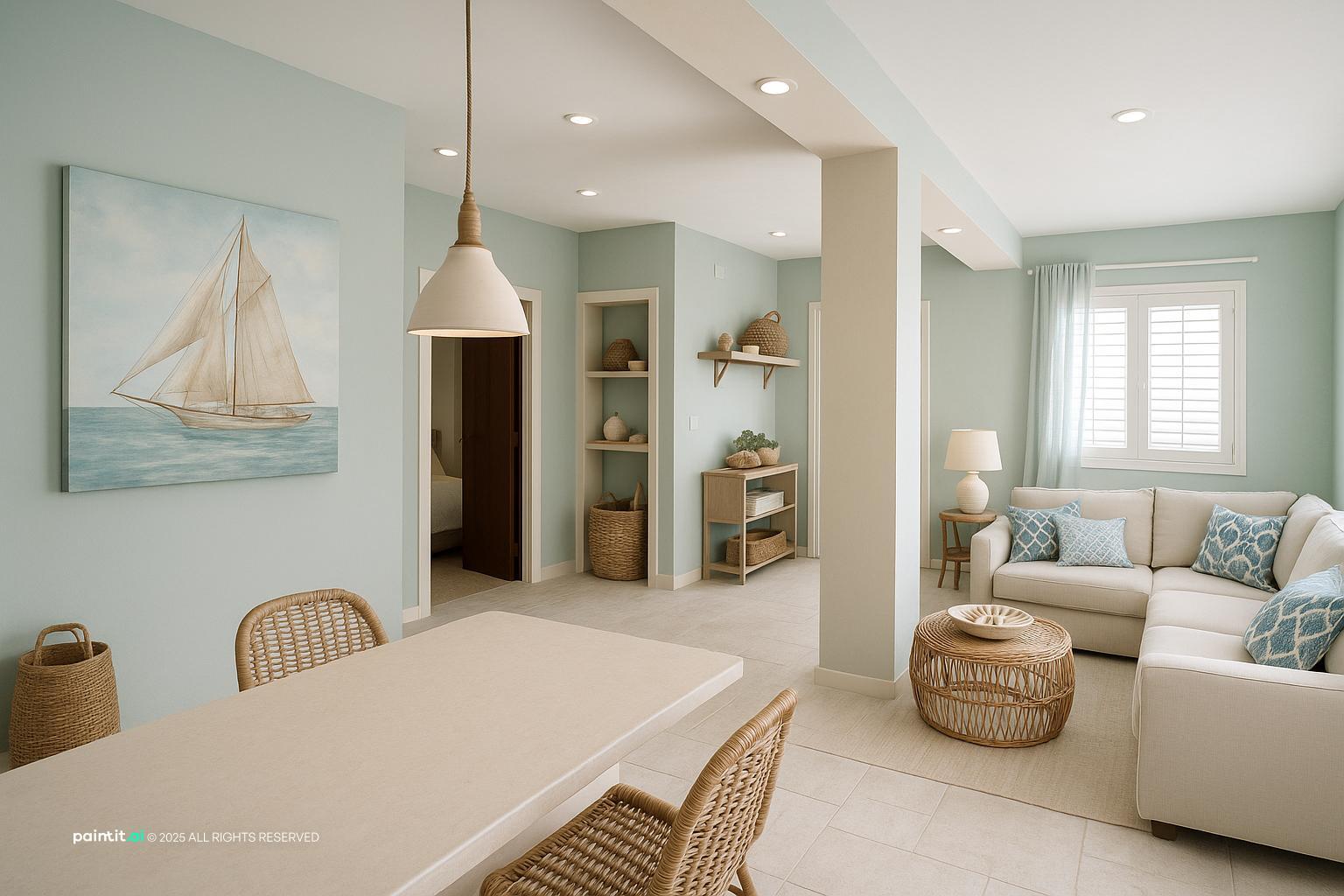
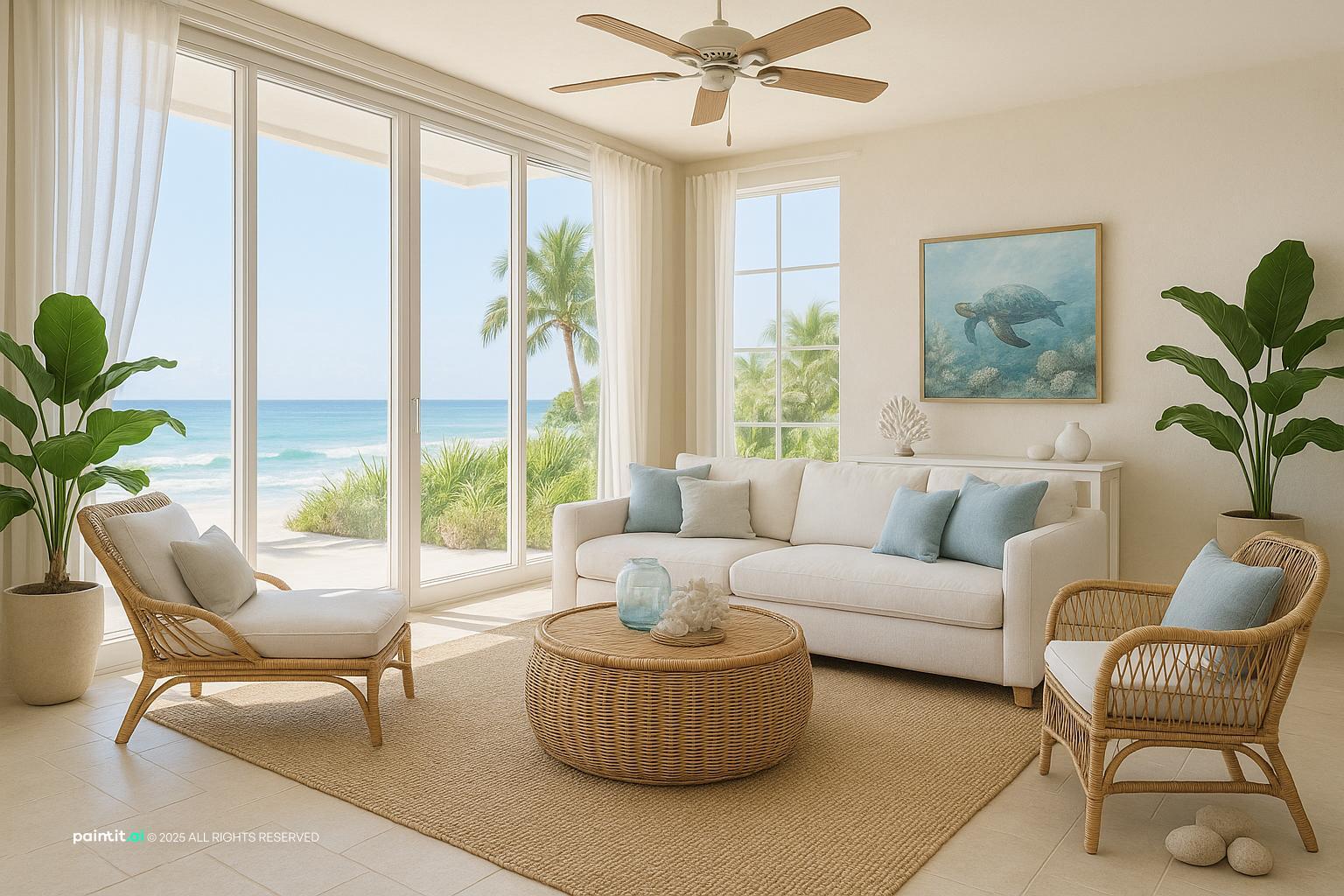
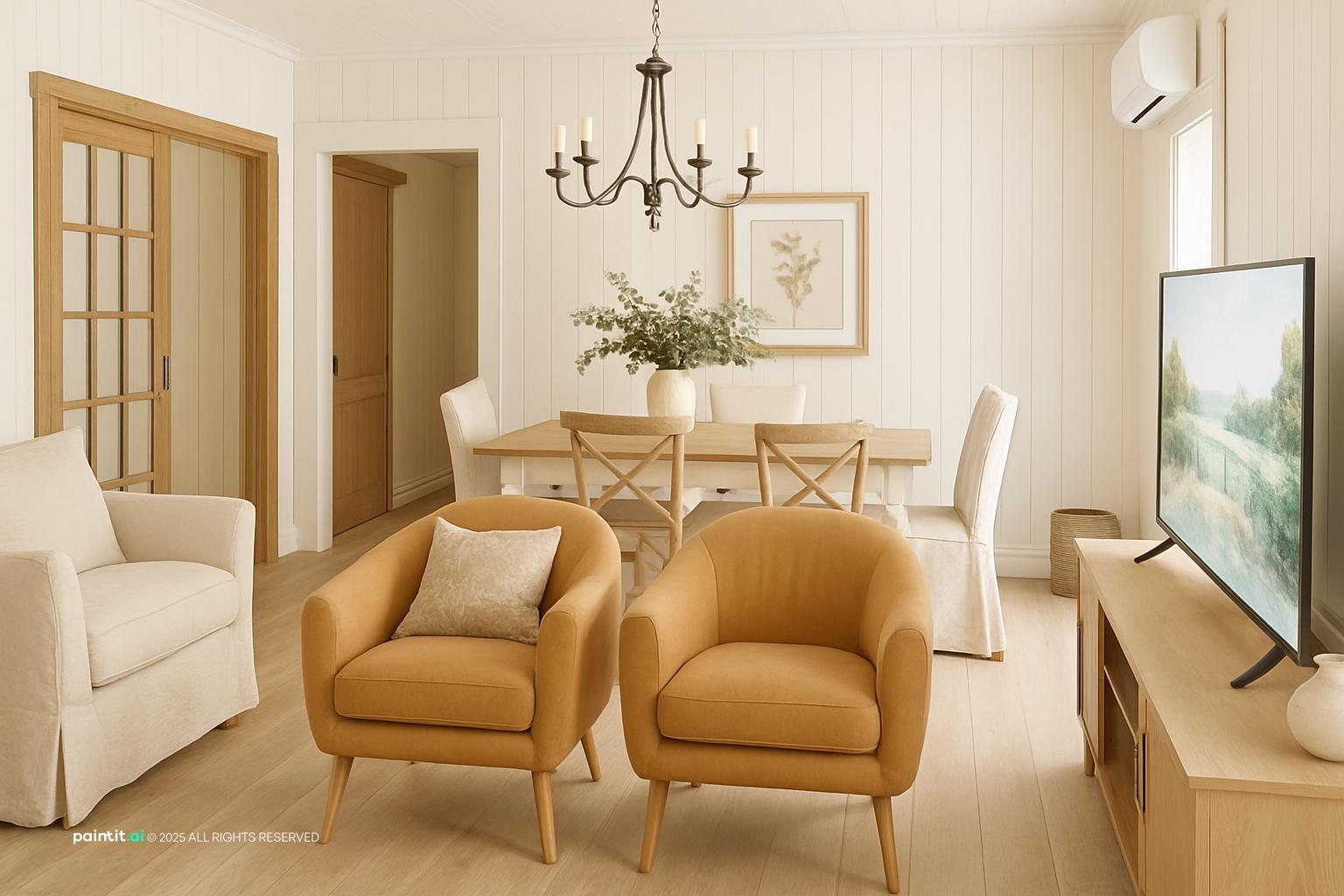
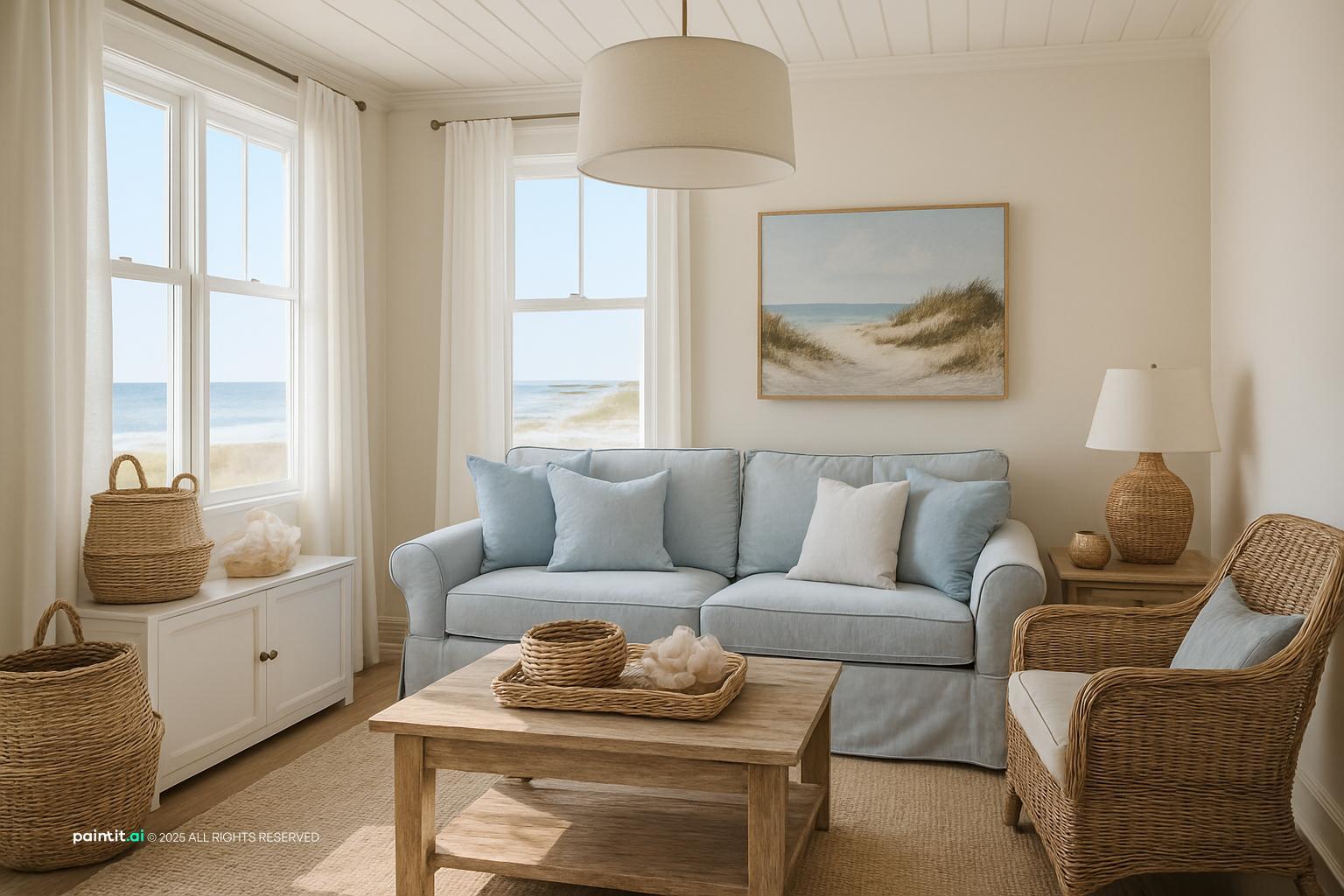
FAQ
Old Florida style draws from the vernacular building tradition of pre-air-conditioning Florida — particularly the Florida Cracker houses built from local pine and cypress by early settlers, raised on foundations for airflow and flood protection, with wide wraparound porches, tin roofs, jalousie windows, and high ceilings. The interior design tradition combines these architectural elements with the coastal and subtropical landscape: heart pine floors, beadboard walls, rattan and wicker furniture, botanical prints of Florida native species, natural linen and cotton textiles, and a sun-washed palette of warm whites, seafoam, coral, and sandy beige.
A Florida Cracker house is the vernacular wooden architecture of Florida's early settlers (the term "Cracker" refers to the cattle herders who used whip-cracks to drive cattle). Defining characteristics: wood frame construction from local pine or cypress, raised floor on brick or coquina piers, wide wraparound porch, steep tin roof, high ceilings, jalousie or casement windows, and often a dogtrot hallway (a central open corridor from front to rear that channels air through the building). Built without air conditioning, every element was designed for climate management.
The Old Florida palette is sun-washed and warm: warm white or sandy cream as the base, with seafoam green, coral pink, dusty turquoise, and sandy taupe as accent colours. All colours read as faded and sun-bleached rather than vivid. Navy or teal provide depth as secondary accents. The palette references the specific colours of Florida's subtropical landscape (the Gulf waters, beach sand, native coastal plants, and the faded coral of old stucco) rather than a generic "coastal" interpretation.
Yes. Upload a photo of any room to app.paintit.ai and test Old Florida colour palettes and material directions in 1–2 minutes. Free to start.