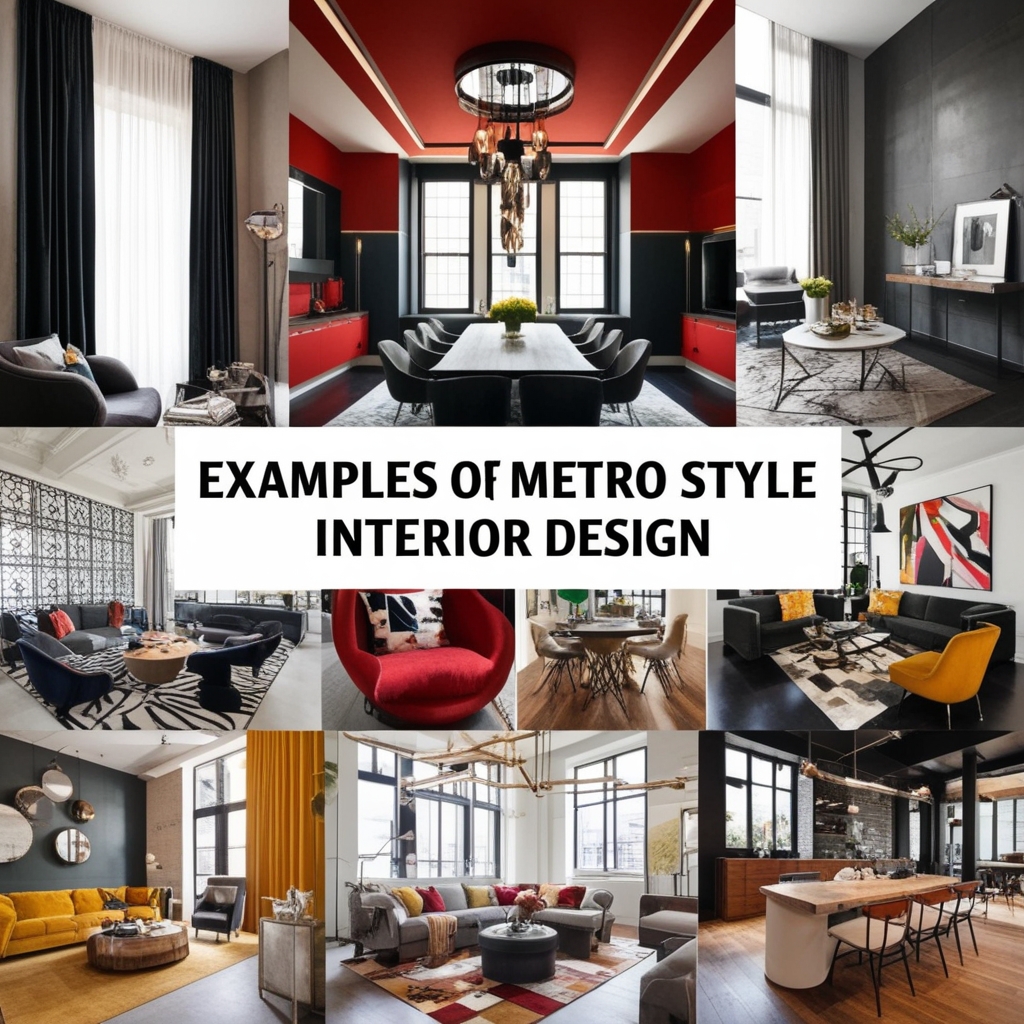
Metro Style Interior Design: - Everything You Need to Know

The allure of chic industrial design elements defines metro style interior design making it an ideal choice for enthusiasts. This design style merges urban rawness with refined decor to create a sophisticated utilitarian elegance. The process of home renovation or office design becomes an exploration into metro style interior design which provides adaptable modern elements to turn any space into a sleek functional area. Examine the distinctive elements of this design trend to discover how it can transform your space with modern elegance.

Metro Style Interior Design with design planning board and stylish furniture

What is metro style interior design?

  • Materials and textures

    The defining metro material contrast: raw, industrial-feeling surfaces alongside polished, refined finishes. Common pairings include exposed brick with marble countertops, concrete floors with Persian-style area rugs, raw steel beams with velvet upholstery. The contrast is the point — neither the raw nor the refined dominates alone.

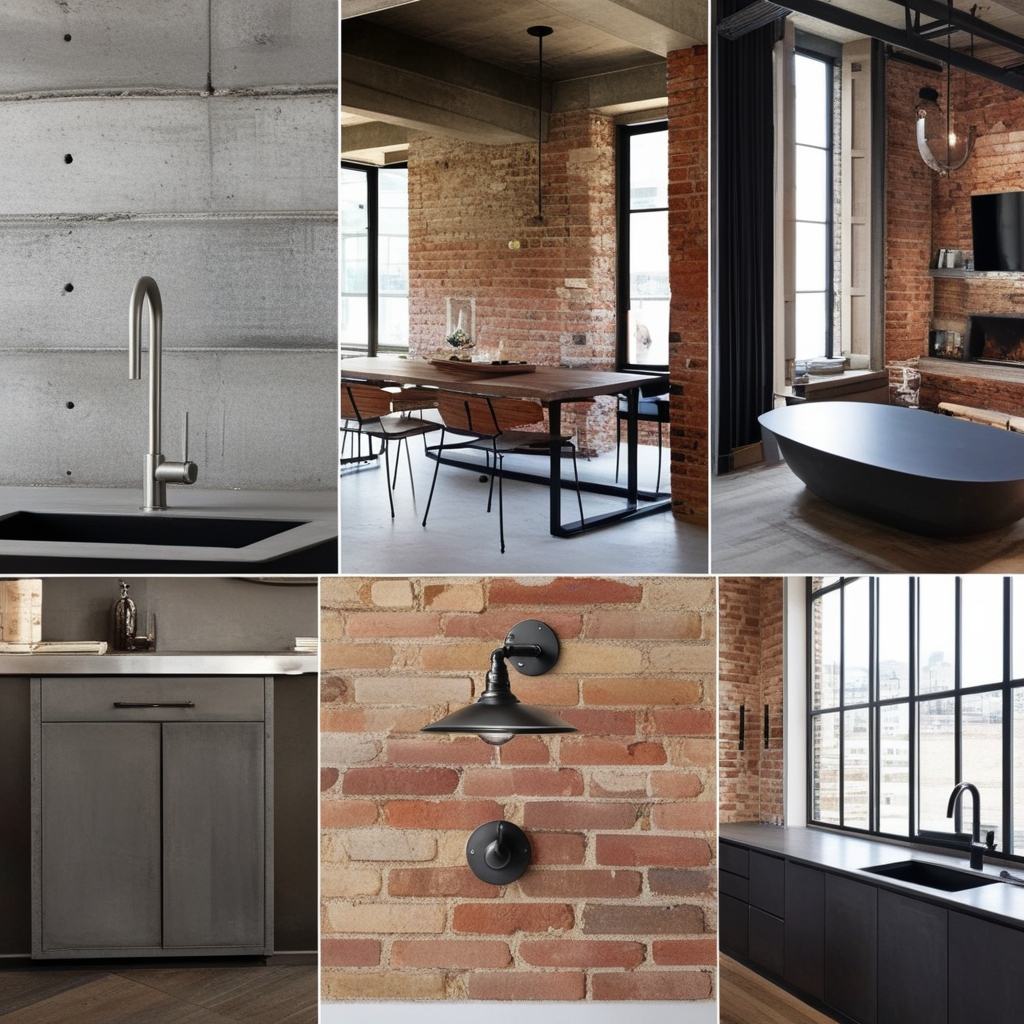
    Materials that read as metro: exposed concrete (floors, walls, or ceilings), exposed brick (or brick-effect tile), matte black steel in fixtures and furniture frames, reclaimed or character-grade wood, brushed nickel or aged brass as secondary metal. Glass is used for space division while maintaining sight lines. Marble or stone appears as a refined counterpoint to the rougher industrial materials.

    Textures are layered rather than minimized. Unlike Scandinavian minimalism, which tends toward smooth and restrained, metro style builds texture through the contrast of rough (brick, concrete, reclaimed wood) against smooth (marble, glass, polished metal).

  • Furniture and silhouettes

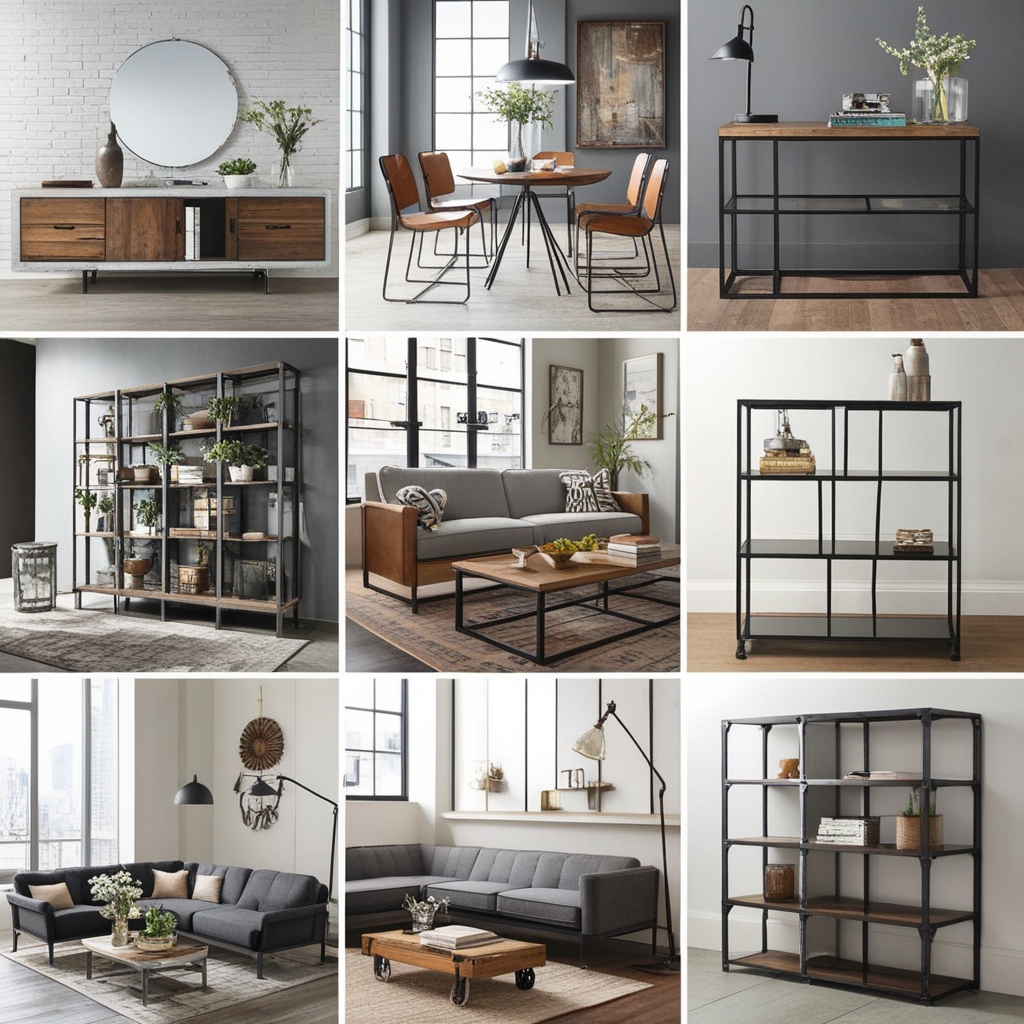
    Metro furniture prioritizes clean lines and functional forms, typically constructed from metal, glass, and wood. Pieces lean toward the slightly industrial — visible metal frames, leather upholstery, undecorated surfaces — while maintaining a level of comfort that industrial style sometimes sacrifices.

    Modular furniture is a metro staple: it provides the flexibility that urban living requires, adapting to changing needs within a fixed floor plan. Vintage and repurposed pieces work well — a factory trolley as a coffee table, a metal filing cabinet repurposed as a sideboard — because they bring the authentic material history that metro style references without requiring period accuracy.

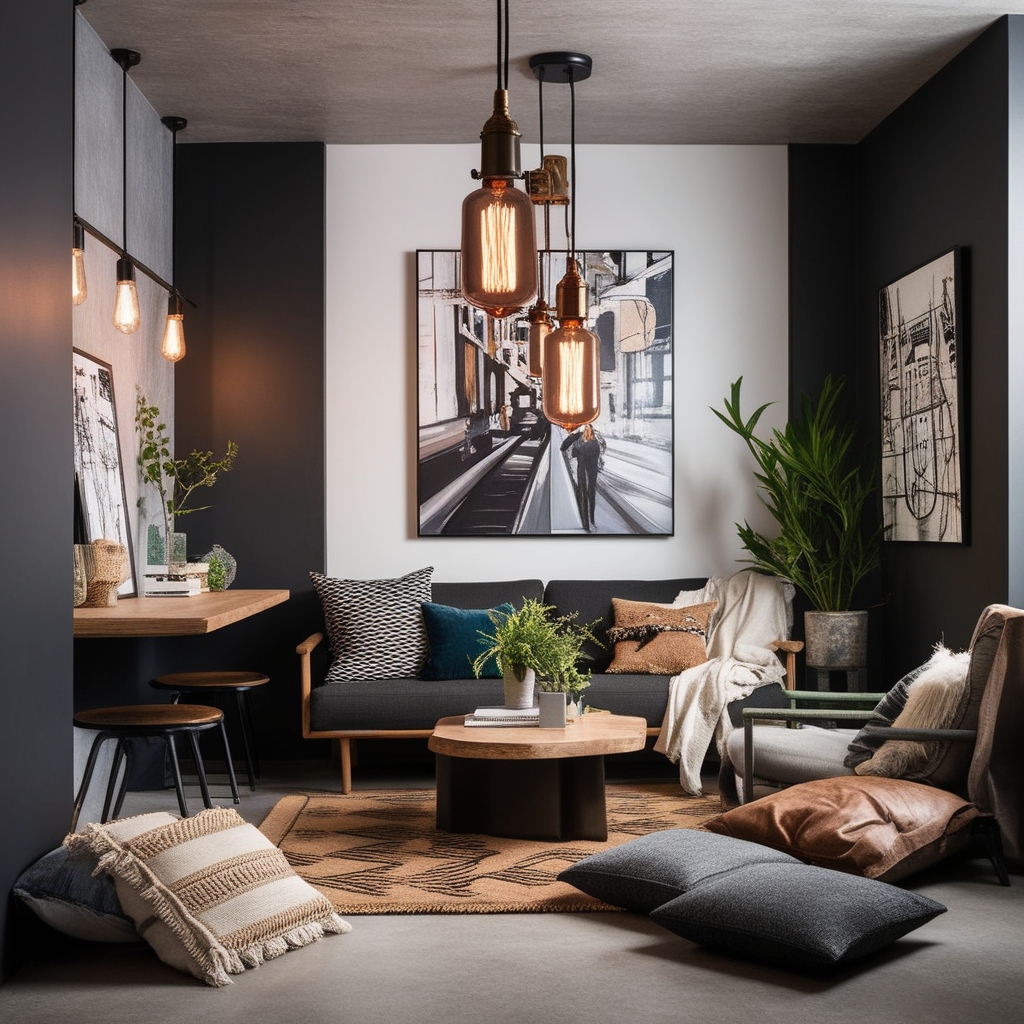
    Low-profile sofas and chairs allow large industrial windows to remain visually dominant. Statement lighting fixtures (oversized metal pendants, Edison bulb arrangements, track lighting along industrial ductwork) serve as the primary decorative element.

  • Decor and accessories

    Metro accessories reinforce an urban narrative without tipping into literal city imagery. Edison bulb and industrial pendant lighting fixtures as functional statement pieces. Large-scale abstract artwork that holds its own against high ceilings and wide walls. Urban photography and graphic prints in simple frames. Vintage industrial objects (maps, clocks, mechanical components) displayed as sculptural elements.

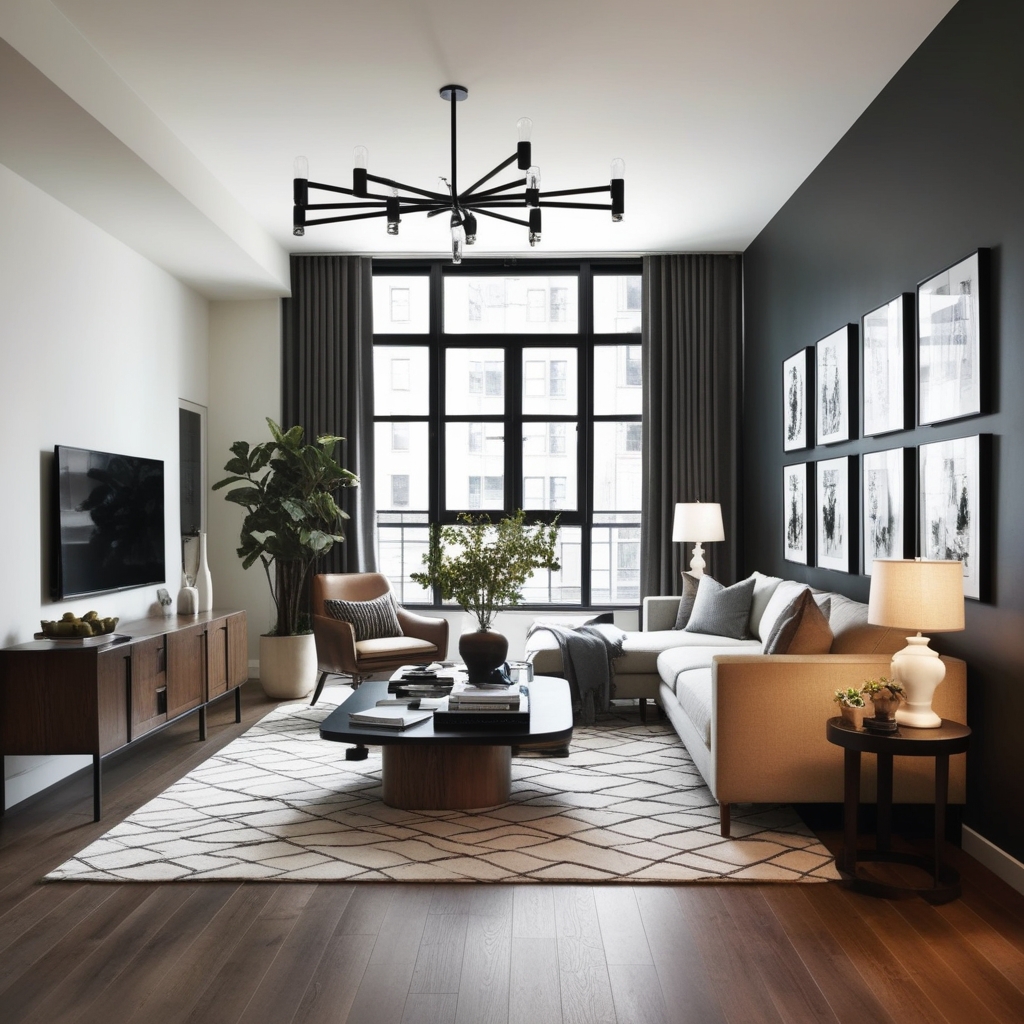
    Textiles provide the necessary warmth: rugs, throws, and cushions in velvet, leather, or heavy cotton build texture layers and soften the industrial base materials. Statement rugs in geometric patterns or warm neutrals create a sense of defined zones in open-plan spaces.

  • Architectural features

    Open floor plans and high ceilings are the architectural ideal of metro style — both are derived from the loft and warehouse conversions where the aesthetic originated. Where they exist, the design's job is to let them be clearly read. Where they need to be suggested in conventional construction, large-format steel-framed windows, removing ceiling tiles to expose structure, and open shelving rather than solid cabinetry approximate the effect.

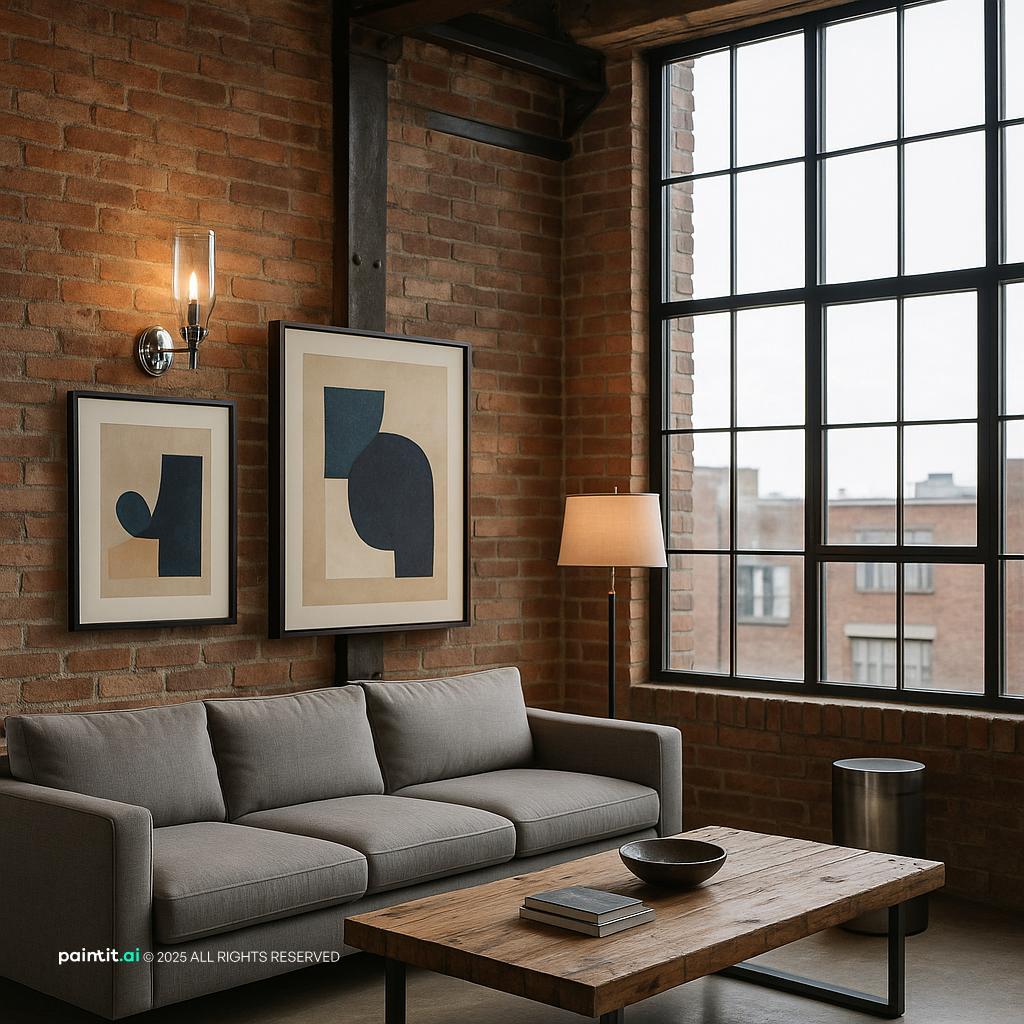
    Factory-style windows with steel frames admit maximum light while maintaining the industrial visual vocabulary. Exposed ductwork, pipes, and beams become design features rather than problems to hide. Subway tile (the original NYC urban tile) appears in kitchens and bathrooms as a direct historical reference to metropolitan architecture.

Stunning Examples of Distinctive Features of Metro Style Interior Design

  • Metro Style Interior Design with patterned rug and crafted furniture

    Metro style interior design takes cues from urban settings by blending industrial components with contemporary design to craft spaces that deliver both functionality and visual appeal. This design approach manifests a rugged utilitarian appeal by utilizing materials, colors, furniture, and decor elements that reflect urban life's dynamic energy. Upon examining this style you'll detect an effortless fusion where urban energy meets modern elegance.

  • Metro Style Interior Design with reclaimed wood furniture and statement wall art

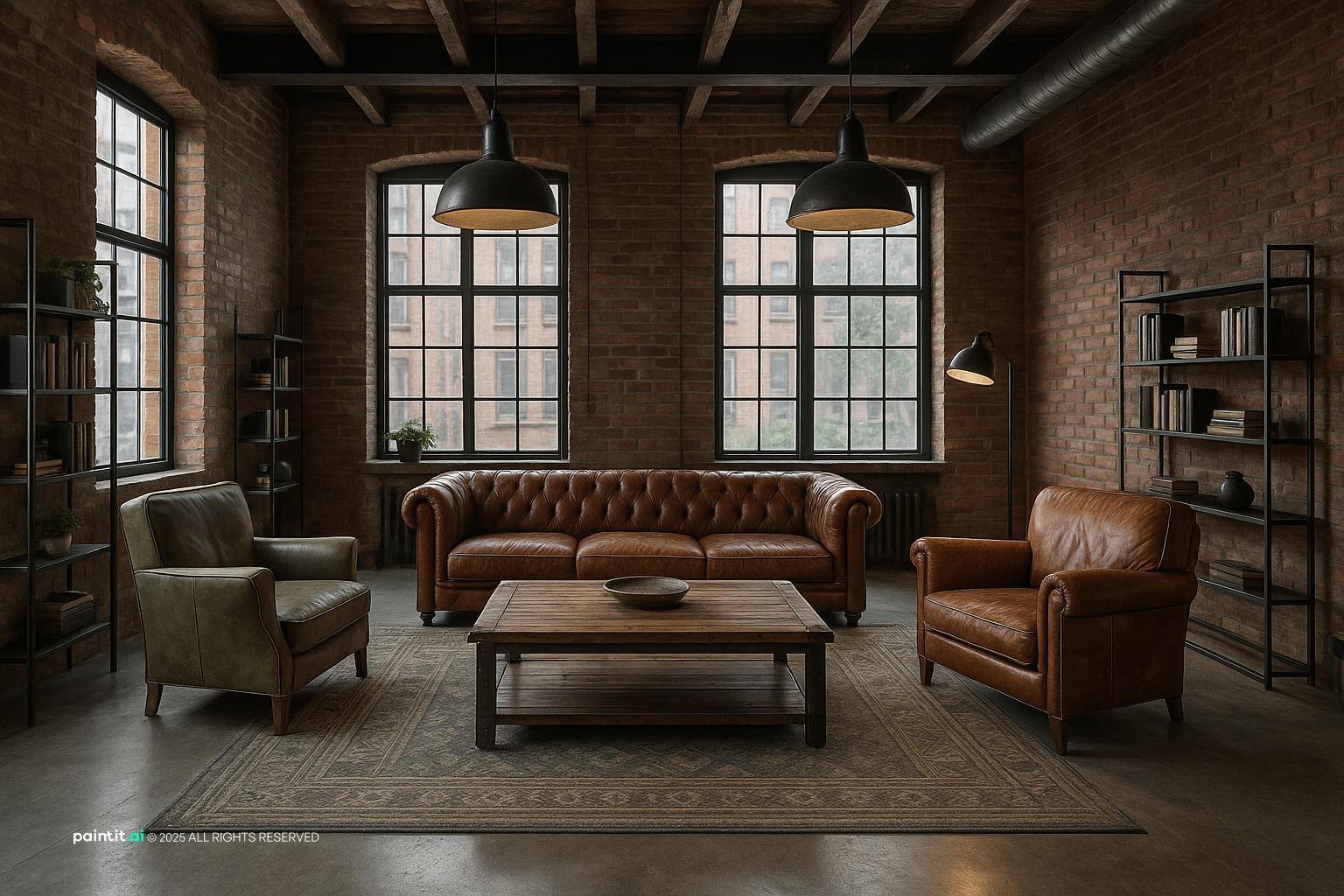
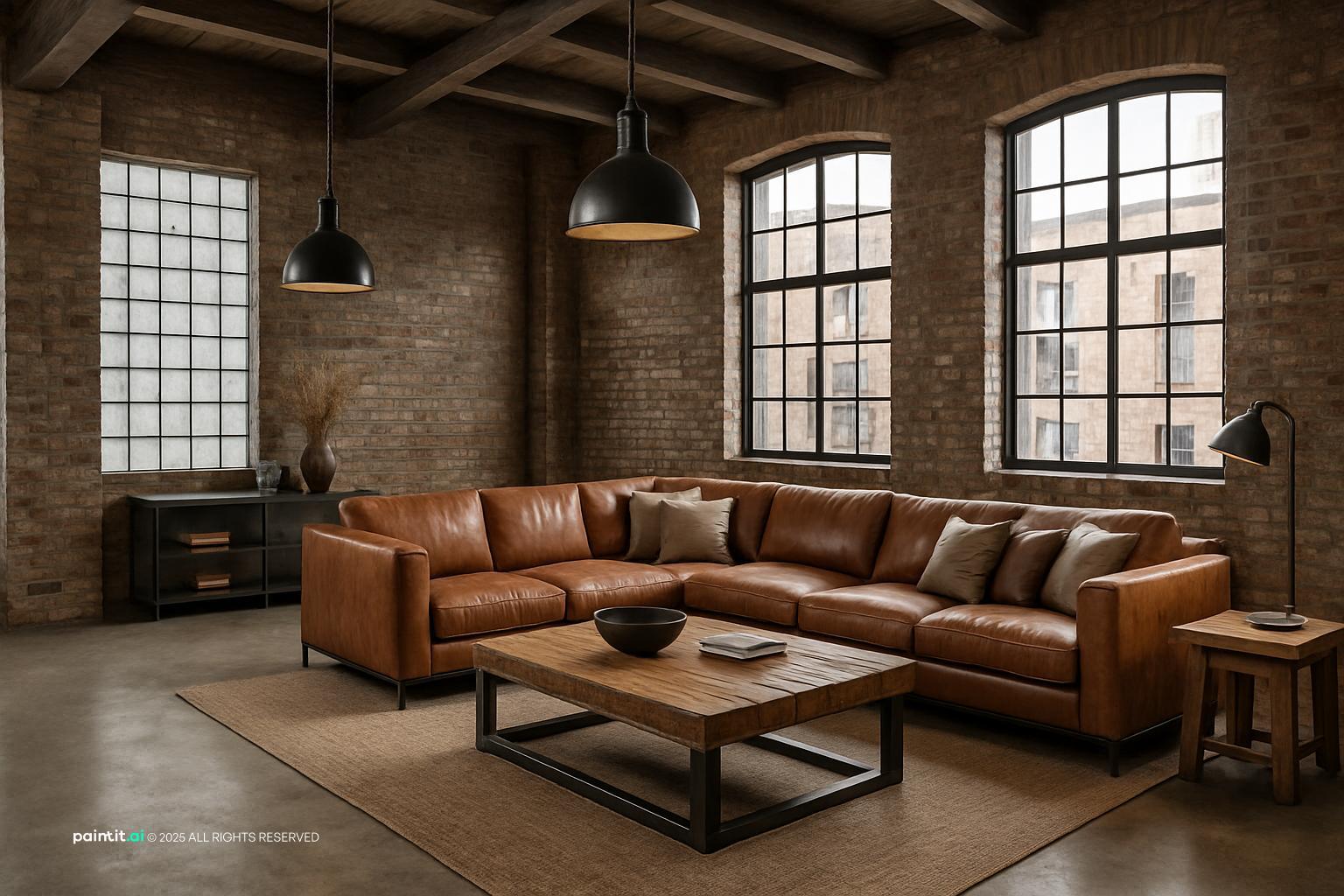
    The hallmark of metro style interior design is its emphasis on materials that speak to the urban landscape. Concrete, exposed brick, steel, and reclaimed wood are often used to create an industrial atmosphere. These materials not only add texture but also impart a sense of history and authenticity to the space. Metal finishes like brushed nickel or matte black are preferred for fixtures, offering a sleek, modern look that complements the coarse urban textures.

  • Metro Style Interior Design with bold accent colors and soft natural palette

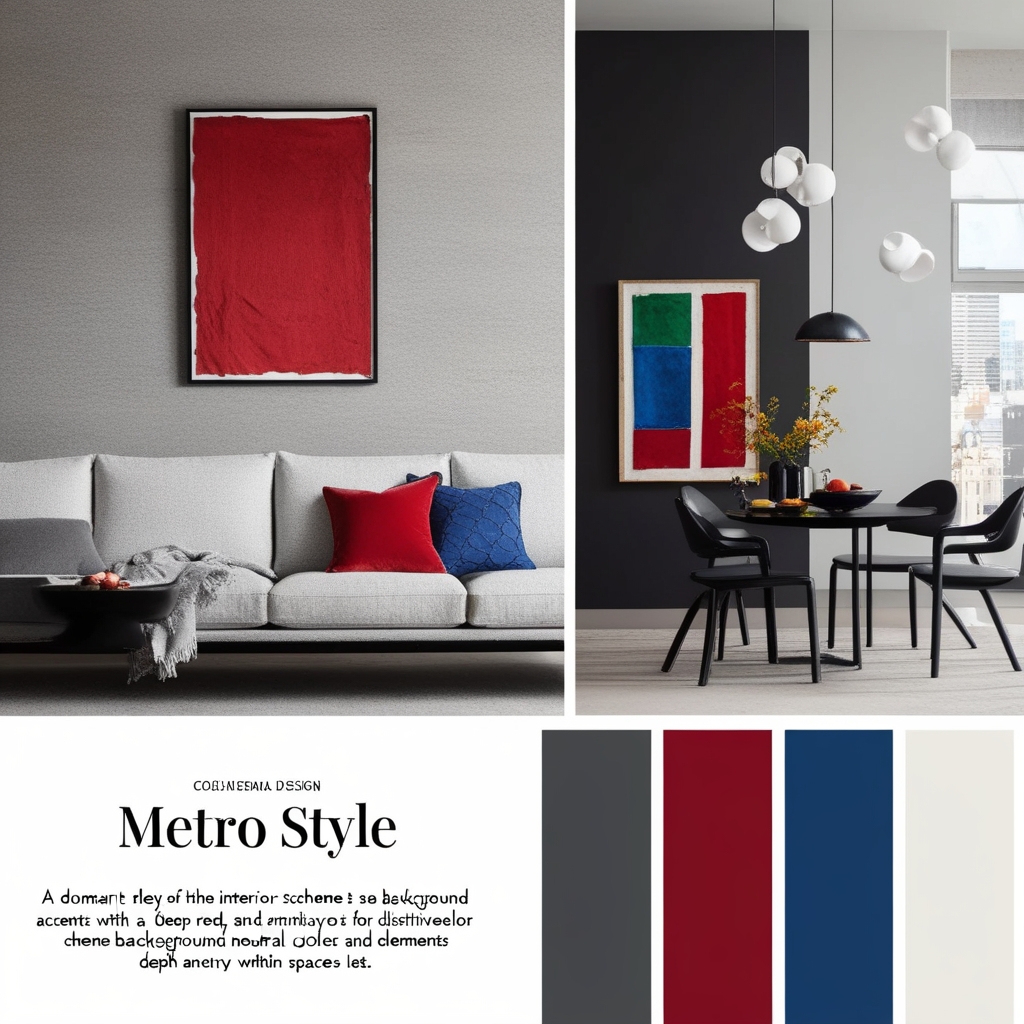
    Metro style interior design color schemes generally depend on neutral palettes. The dominant gray, white, and black tones create a backdrop that accentuates the inherent beauty of the materials. The introduction of strategic bold color accents including deep reds, blues, and greens serves to enhance vibrancy and dynamism. The space gains contrast and depth through these color elements which appear as artwork, textiles, or distinctive architectural features.

  • Metro Style Interior Design with vintage furniture and glass accents

    Metro style interiors feature furniture that combines functionality with stylish elements through its distinctive clean lines and minimalistic designs. Manufacturers commonly use metal, glass, and wood to construct pieces that highlight both durability and practicality. Vintage elements blend with industrial-inspired designs in the furnishings, creating an urban essence. Modular furniture enjoys widespread popularity because it delivers essential flexibility and adaptability needed for urban living spaces.

  • Metro Style Interior Design with lighting preview scene and lush indoor plants

    The selection of decor elements in metro style interior design deliberately constructs an urban narrative. Pendant lights and Edison bulbs serve as statement lighting to establish visual intrigue while preserving an industrial ambiance. Art performs an essential function through works that depict urban motifs alongside abstract shapes. Rugs, throws, and cushions build layered texture layers that deliver both comfort and warmth. The introduction of plants serves to mitigate spatial rigidity while infusing urban environments with natural elements.

  • Metro Style Interior Design with personalized moodboard and layered decor

    The essence of metro style interior design involves crafting spaces that reflect urban life's dynamic spirit and core. This method embraces uncomplicated design while maintaining elegance, presenting an excellent option for individuals who enjoy the sophisticated and sturdy urban lifestyle.

Metro style visual references

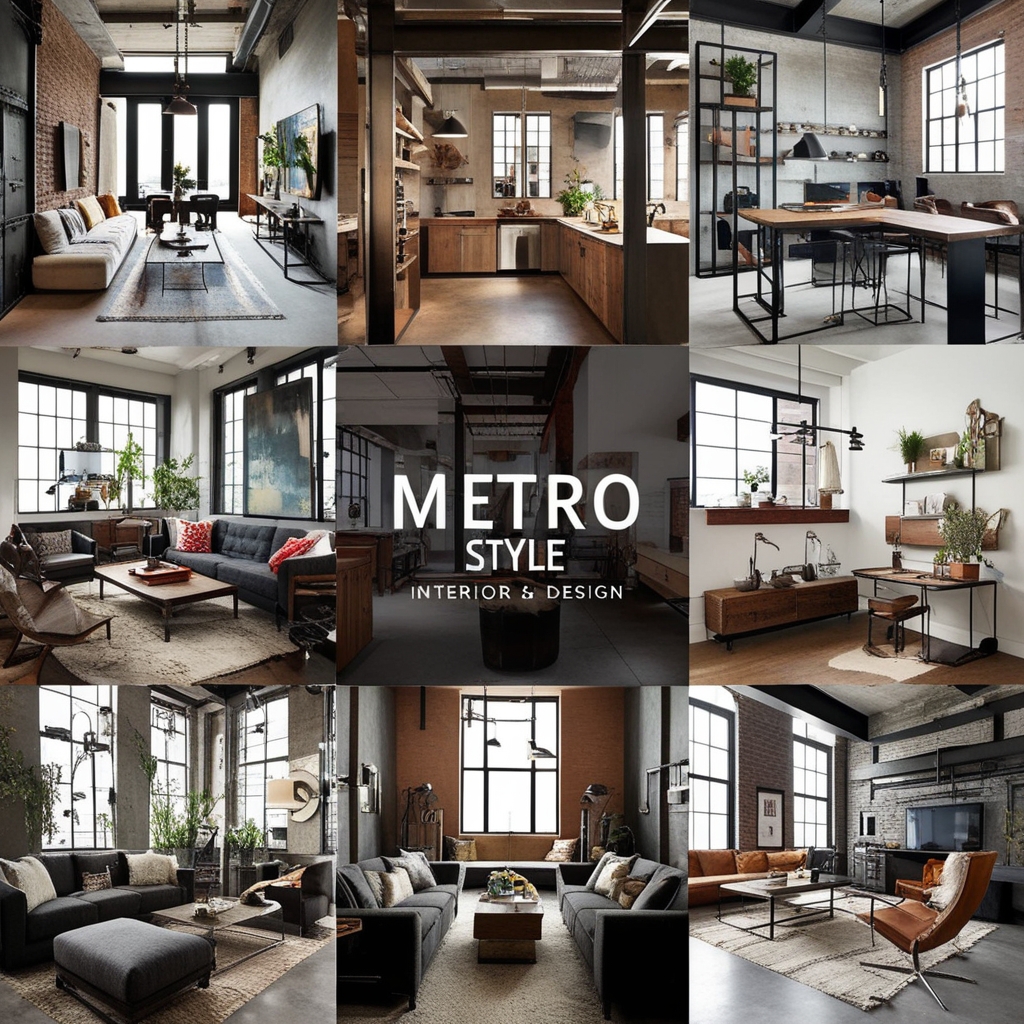
Metro loft living room with exposed brick, steel windows, and refined seating
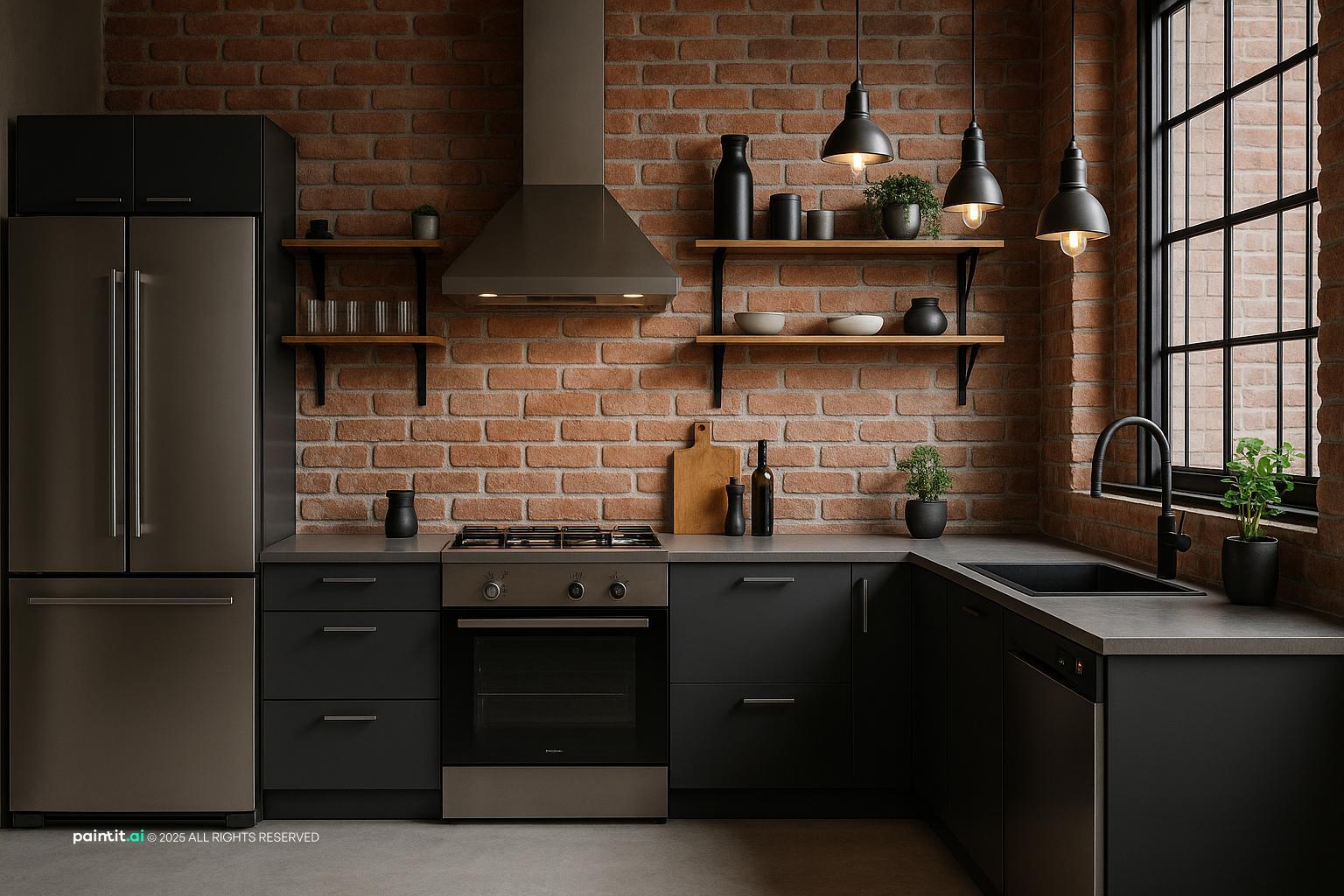
Urban kitchen with exposed brick, black cabinetry, and steel details
Industrial metro living room with factory windows, brick walls, and leather seating
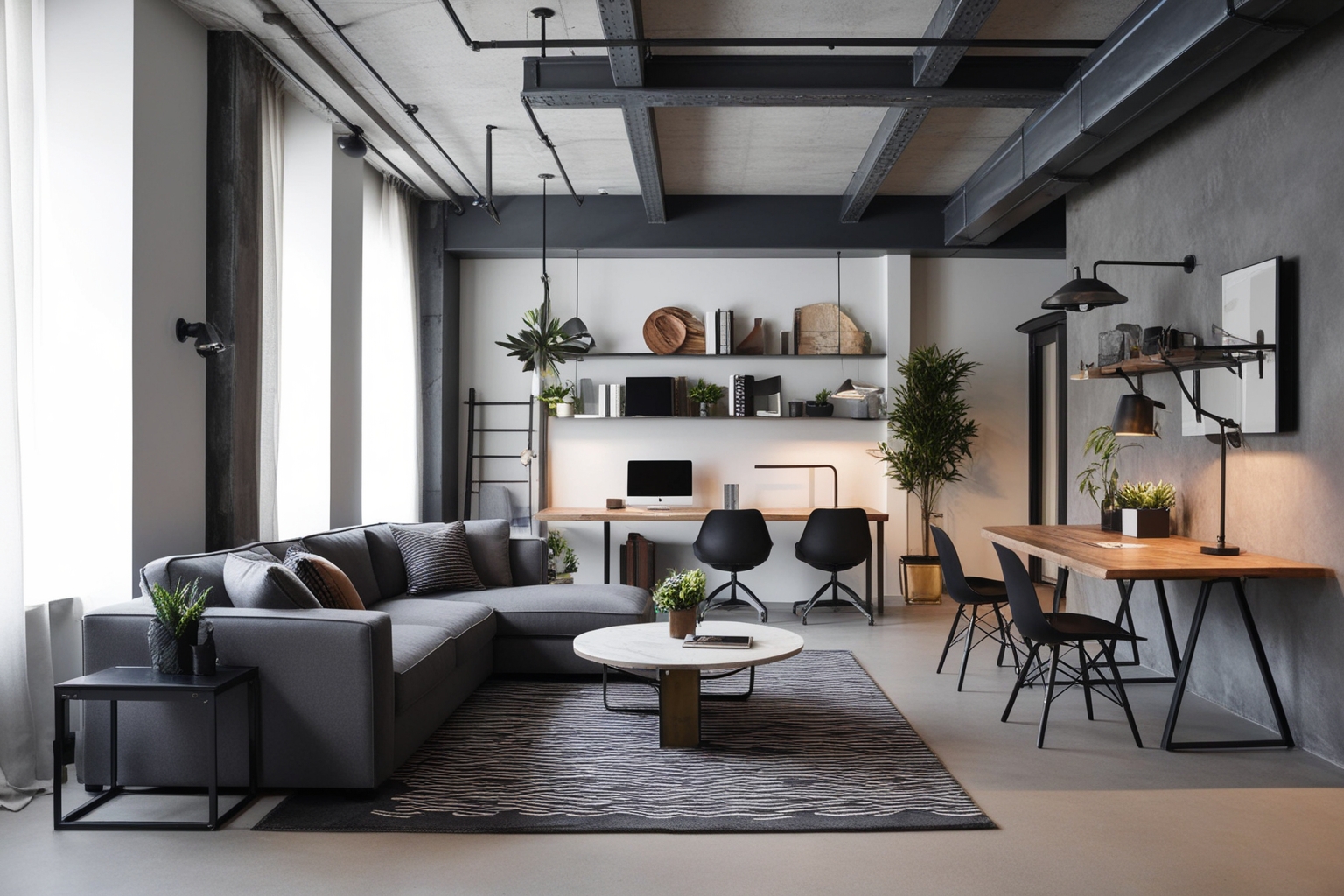
Open loft living room with concrete floors, brick walls, and black metal accents

How to Apply Metro Style Interior Design in Your Home

  • Metro style interior design is all about embracing urban elegance and industrial charm, blending clean lines with functional aesthetics. Whether you live in a bustling city apartment or a suburban house, integrating metro style can transform your space into a chic abode. Here's how you can infuse your home with this sophisticated design approach.

  • The living room frequently serves as the home's central space where metro style application transforms it into an intriguing focal area. Select a neutral color scheme that includes greys alongside whites and blacks. The industrial atmosphere emerges through the integration of elements such as steel, glass, and reclaimed wood. Incorporate exposed brick walls together with polished concrete floors to achieve textured surfaces that convey genuine character. Straight-lined functional furnishings with minimal decorations will continue to deliver the sleek appearance. Introduce urban-inspired artwork alongside strategically positioned metal light fixtures to finalize the environment.

  • Designing a metro style bedroom requires the layered fusion of cozy elements with urban sophistication. Begin your setup with a basic bed frame constructed from either metal or wood materials. Arrange premium linens in soft colors on the bed surface. Exposed beams and pipes introduce complex architectural elements that enhance bedroom design. A minimalist aesthetic should guide the design of nightstands and wardrobes, which need to incorporate industrial materials. Integrate wall-mounted industrial sconces with vintage-inspired decor pieces to establish a unified retreat space.

  • The kitchen and dining area represent ideal spaces to thoroughly investigate metro style interior design. An arrangement featuring stainless steel appliances combined with open shelving delivers both practicality and elegance. Select cabinets that incorporate metallic handles combined with deep wood shades. An expansive wooden dining table flanked by metal chairs functions as a focal point. Lighting is crucial; pendant lights with exposed bulbs can add a rustic yet modern flair. Integrate cohesive materials like concrete countertops with subway tile backsplashes to unify the entire space.

  • Even outdoor areas can benefit from the metro style touch. Consider using wrought iron or industrial-style steel furniture to set the scene. Natural stone materials or concrete slabs can form the foundation for your exterior design. Incorporate greenery through planters made of metal or terracotta for a splash of color against the neutral tones. Outdoor lighting, such as string lights or lantern-inspired sconces, can extend the metro aesthetic to your garden or balcony, creating a cohesive and inviting outdoor environment.

  • By embracing metro style interior design, you can cultivate a home environment that reflects both modern sophistication and urban authenticity. It encourages a sense of openness, simplicity, and functionality, making it ideal for contemporary lifestyles.

Metro style versus industrial style: key differences

Industrial style

Committed to the raw factory aesthetic: exposed concrete, reclaimed wood, Edison bulbs, steel frames. Minimal warmth or refinement. The unfinished quality is the deliberate aesthetic choice. Colour palette stays strictly neutral (grey, black, rust, raw wood).

Metro style

Draws from the same industrial vocabulary but allows more sophistication alongside it: marble as a contrast surface, velvet upholstery, a statement chandelier rather than only Edison bulbs, a carefully selected accent colour in textiles. Metro is "industrial plus" - the raw materials are present, but so is evidence of deliberate design refinement. The test: can the room be photographed in a luxury lifestyle magazine without looking out of place? If yes, it's metro. If the rawness is too complete for that, it's industrial.

Visualize metro style with Paintit.ai

Upload a photo of your space to app.paintit.ai and test how metro design directions - concrete grey palettes, brick-and-marble contrasts, dark metal accents - read in your actual room in 1–2 minutes. Particularly useful for deciding how much raw industrial material a space can carry before the warmth disappears. Free to start.

FAQ

  • Metro style draws from the urban loft and warehouse conversions of American cities - particularly New York, Chicago, and Los Angeles - where industrial buildings were adapted for residential use. The aesthetic celebrates architectural honesty: exposed brick, concrete, steel beams, and large factory-style windows become design features rather than problems to hide. The palette is neutral (concrete grey, matte black, warm white) with warm textile accents. Metro style is more refined than pure industrial - it allows marble, velvet, and statement lighting alongside the raw materials.

  • Industrial style is fully committed to the raw factory aesthetic - unfinished surfaces, Edison bulbs, no decorative refinement. Metro style uses the same material vocabulary but allows sophistication alongside it: marble countertops contrasting with exposed brick, velvet upholstery on metal-framed furniture, a statement pendant light rather than bare bulbs. Metro can appear in a design magazine without looking unfinished; industrial style's deliberate roughness is its defining quality.

  • The foundation palette: concrete grey, matte black, warm white, and deep charcoal - tones drawn from urban architecture. Warm neutrals (greige, taupe, natural linen) prevent the palette from reading as cold. Accent colours are selective and restrained: a single deep olive, rust, or navy blue in textiles or artwork. The palette's restraint is fundamental - colour comes from material texture rather than paint.

  • Yes. Upload a photo of your space to app.paintit.ai and see how metro design directions read in 1–2 minutes. Free to start.