
Kerala Style Kitchen Interior Design: Essentials and Ideas
The Kerala kitchen's design tradition is traced to the southwestern state of India, where the nalukettu (traditional four-sided courtyard home) established the spatial and material logic that still defines Kerala domestic architecture today. This guide covers signature materials, common layouts, climate logic, and practical ways to bring the style into a working kitchen.
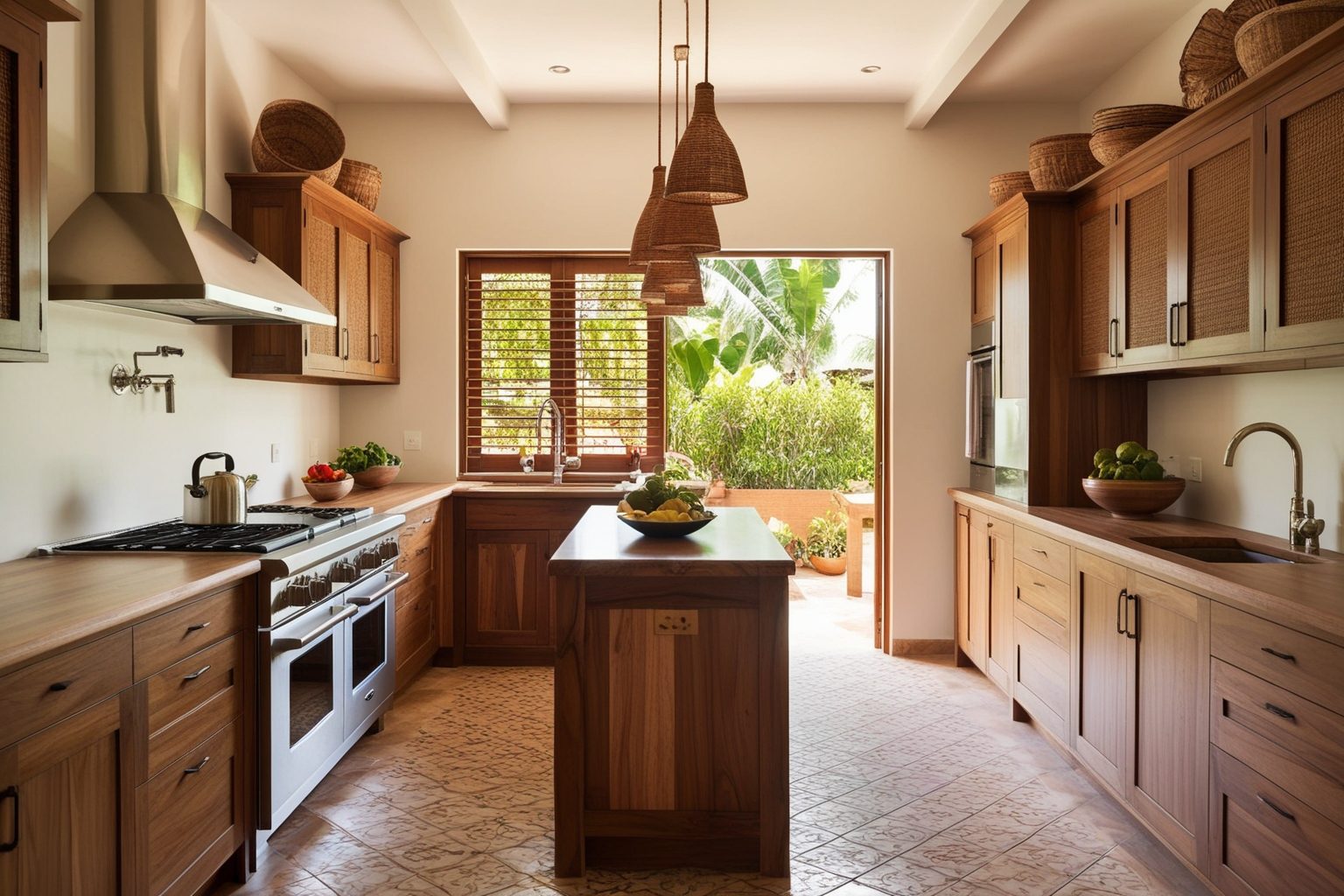
What is Kerala style kitchen interior design?
Kerala style kitchen interior design is comfortable, practical, and rooted in South Indian domestic architecture. It combines natural wood, ventilation, terracotta, brass, clay, cane, and everyday storage in a kitchen that supports cooking rituals rather than hiding them.
-
Color palette
Muted browns, terracotta, creamy whites, sun-washed yellows, banana-leaf green, spice red, brass gold, and occasional backwater blues or teals define the palette. The colours are vibrant but grounded.
-
Materials and textures
Teak or rosewood cabinetry, terracotta, rough-cut granite, lime plaster, cane, bamboo, wicker, brass, copper, clay pots, and stone counters give the kitchen its material logic. Rough stone against smooth lime plaster, warm wood against cool brass, and terracotta underfoot create useful contrast.
-
Furniture and silhouettes
Sturdy wooden cabinets, freestanding worktables, simple benches, cane-backed chairs, open shelves, and glass-fronted hutches keep the kitchen practical and traditional without making circulation difficult.
-
Decor and accessories
Handwoven baskets serve as both storage and decoration, while hand-carved or brass-inlaid spice boxes sit ready for culinary use. Bronzeware, ceramic jars, clay pots, herbs, and cotton textiles should feel part of daily cooking.
-
Architectural features
Tall louvered windows, skylights, carved wooden columns, exposed rafters, wall niches, deep ledges, and locally sourced stone or brick support ventilation, light, and a grounded hand-built character.
-
Planning and composition
The strongest Kerala kitchens keep the cooking path clear, place everyday vessels close to the work zone, use open storage where it helps, and let ventilation shape the layout. Natural light, cross-breeze, and easy cleaning matter as much as decorative material choices.
How to Bring Kerala Style Kitchen Interior Design Into Your Home
-
In this article, we will look at some easy and thoughtful ways to introduce the traditional Kerala kitchen decor style into your home. These tips will help you harmonize your living space and make it more welcoming and functional.
-

Go for cabinetry and open shelving in teak or rosewood finishes, as these are traditional woods used in Kerala homes. Use natural stains that highlight the grain rather than glossy synthetic ones. Another idea is to add wooden organizers inside the cabinets or swap out a few cabinet doors. The result is a space that feels both grounded and inviting.
-

Terracotta tiles have a rustic charm and instantly evoke the earthy elegance of a traditional Kerala home. If full tiling isn’t an option, consider terracotta-colored floor mats or vinyl options. They’ll add warm undertones to your space without requiring an overhaul. Genuine or faux, they look and feel amazing.
-

Traditional Kerala kitchens feature gleaming brass pots, plates, and ladles. Display a few treasured brass pieces on open shelves or racks. Not only do they add character, but they’re functional for serving and cooking. Regular polishing maintains their bright, reflective surface.
-

Kerala interiors thrive on sunlight, so maximize what you have. Swap heavy drapes for sheer cotton curtains, or keep windows unadorned if privacy allows. Strategic use of mirrors can also help reflect and magnify natural light, making your kitchen feel open and airy.
-
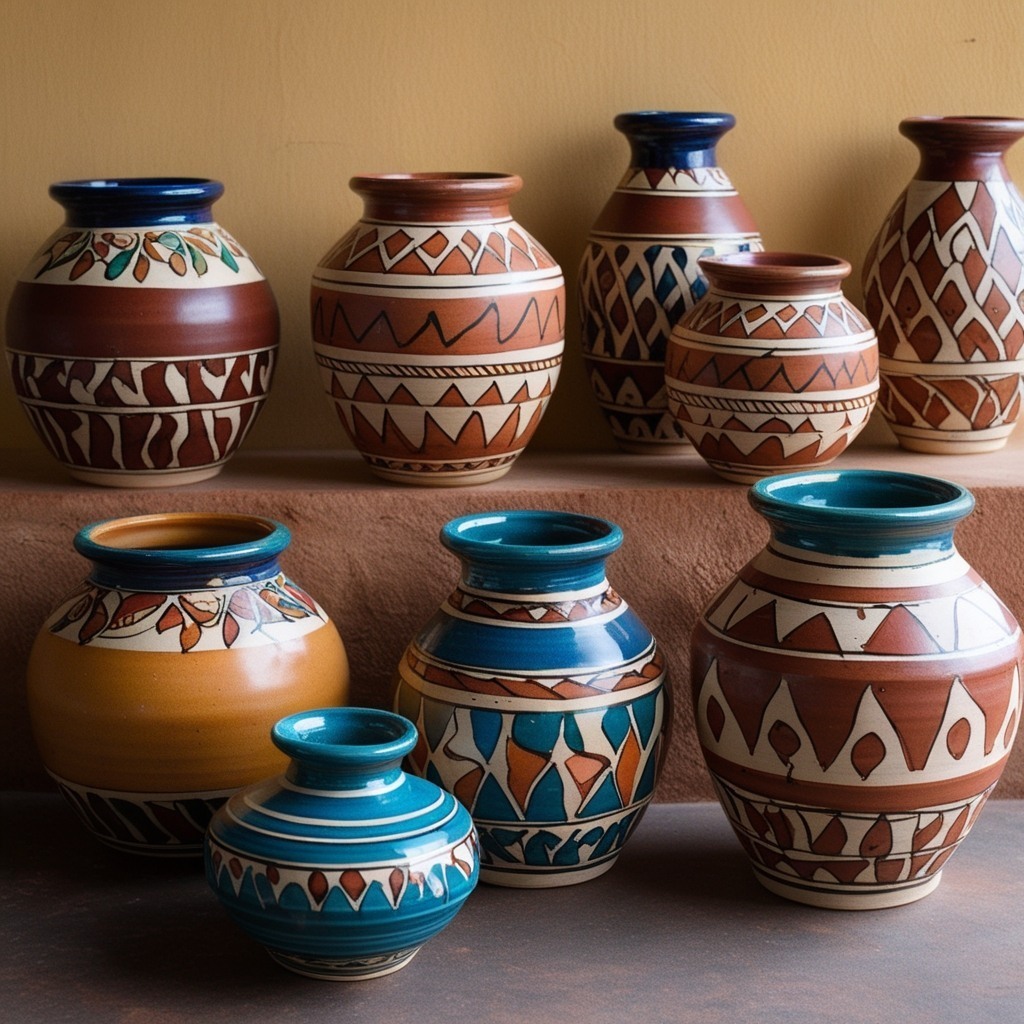
Pick up locally-made ceramic jars and serving ware to store spices or dry goods. These pieces naturally evoke regional craftsmanship and stand up well to daily use. A few well-placed ceramics add color and texture while staying true to Kerala’s emphasis on handmade beauty.
-

Soft whites, gentle greens, and clay browns form the backbone of Kerala kitchens. Paint walls in calming neutrals, or add color with backsplashes and accessories. Avoid synthetic brights and instead lean into natural, soothing hues for a grounded, serene space.
-
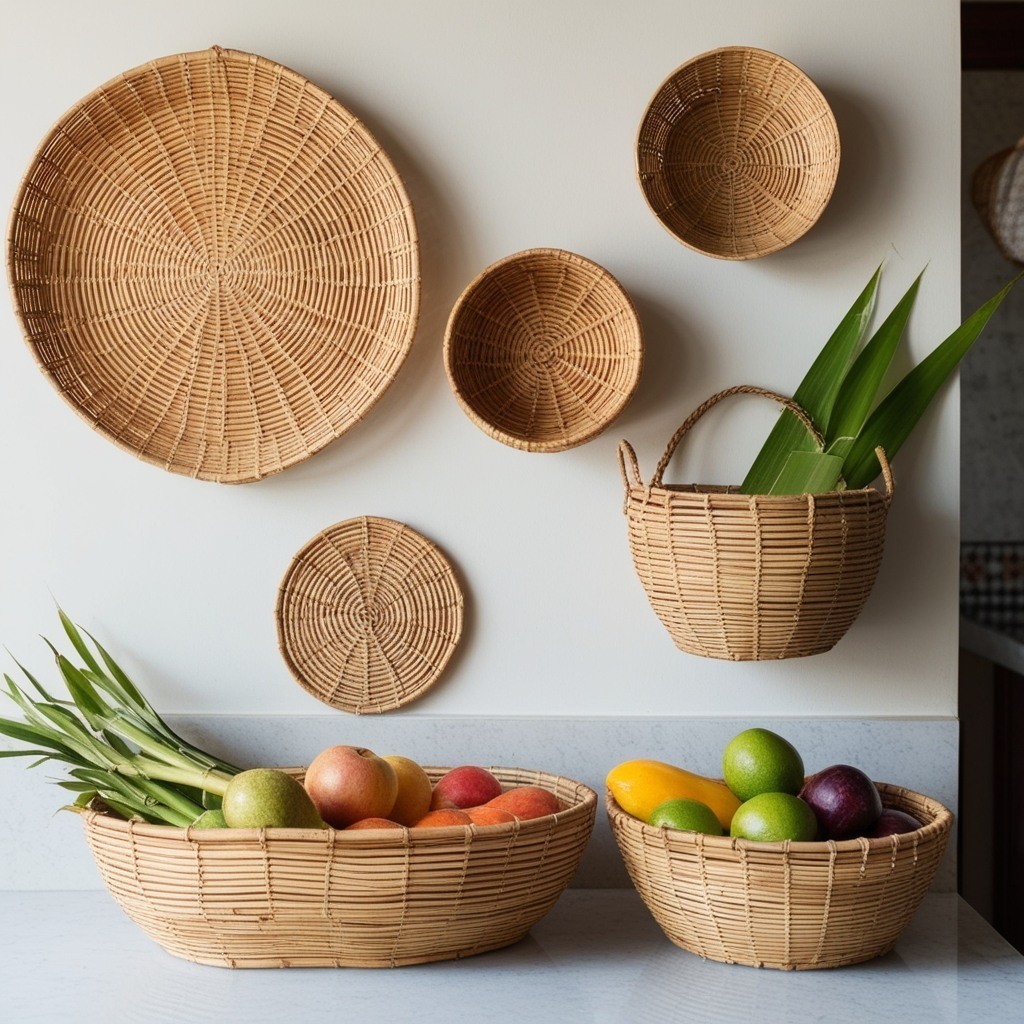
Bamboo and cane work are integral to Kerala’s design language. Hang woven baskets or flat mats as wall decor, or use them to organize fruits and vegetables. This not only saves counter space but introduces organic texture and subtle craftsmanship to your kitchen.
-
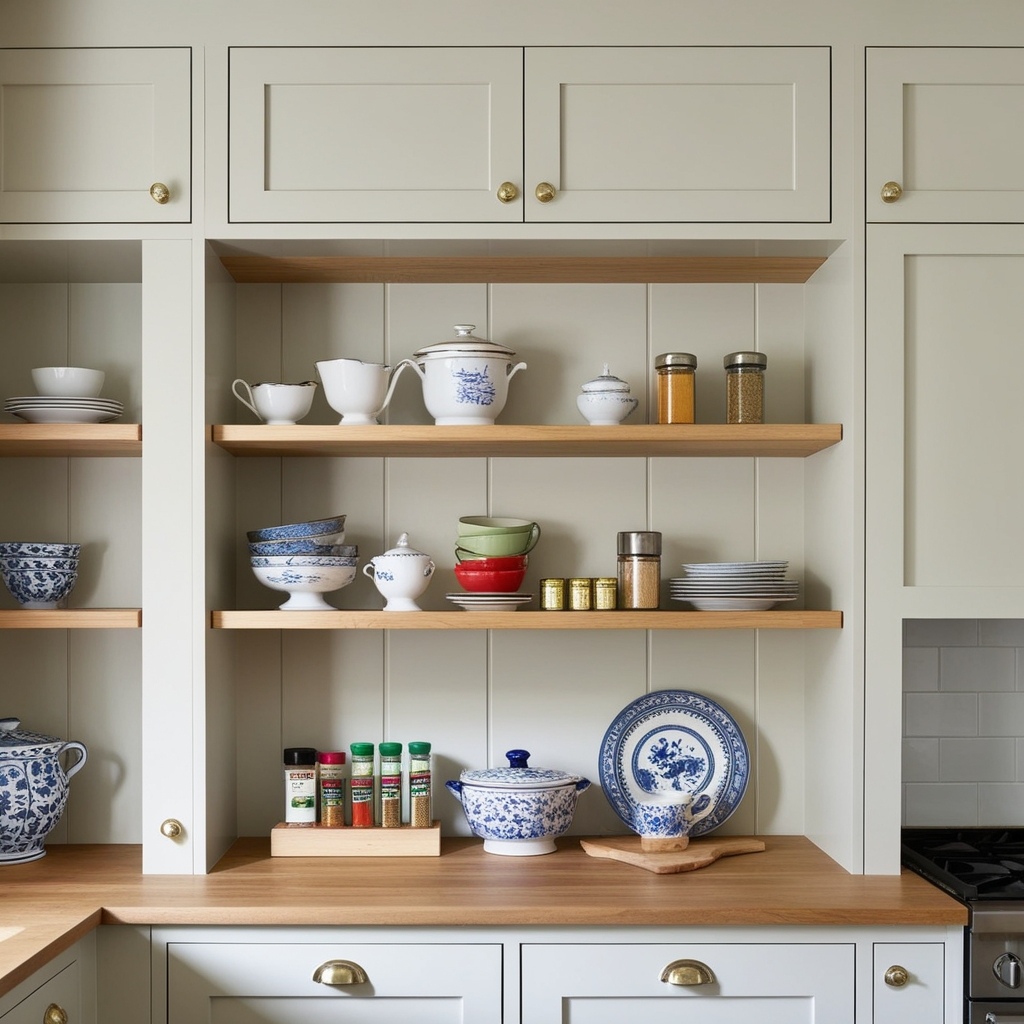
Another excellent way to incorporate the wooden trend is to replace some of the upper cabinets in your kitchen with simple wood shelves. Open shelving gives a kitchen a casual look, which is ideal for everyday storage, such as spices, or decorative displays. Make sure everything is organized and neat, which will make the space look clean and put together.
-

Choose understated, traditional cabinet hardware - think small wooden pulls or discreet brass knobs. Avoid ornate, modern handles to maintain an authentic look. Simple hardware choices help reinforce the subtle, grounded qualities of Kerala-inspired interiors.
-

Add a couple of potted herbs or indoor plants near the window or in a sunny nook. Common choices in Kerala homes include curry leaves, holy basil, or even snake plants. Plants energize the space and echo the lush landscapes of Kerala, all while purifying indoor air.
-

Clay pots, stone grinders, and cast iron pans are chapter markers of Kerala’s culinary heritage. Give these items pride of place, on countertops or open shelves, rather than hiding them away. Their lived-in appeal communicates both style and story.
-

Lay down hand-woven runners, cotton placemats, or simple khadi towels. The textiles usually have muted stripes or check patterns, adding a bit of color and comfort. Select natural fabrics to ensure an authentic look and change them seasonally for an effortless update.
Visualize Kerala kitchen style with Paintit.ai
Upload a kitchen photo to app.paintit.ai and test Kerala-inspired directions - teak cabinetry, brass accents, terracotta floors, clay storage, and open shelving - in your actual space in 1-2 minutes. Useful for comparing traditional warmth against a lighter contemporary Kerala kitchen direction. Free to start.
Related design tools
Tools for testing kitchen layouts, materials, and South Indian design references.
FAQ
-
Kerala style kitchen interior design draws from the domestic architecture of Kerala, especially the nalukettu tradition. It favors teak or rosewood cabinetry, terracotta or stone floors, brass vessels, clay storage, ventilation, natural light, and a practical layout suited to humid climate and daily cooking.
-
Teak, rosewood, cane, bamboo, terracotta, rough-cut granite, lime plaster, brass, copper, clay pots, and handwoven storage baskets all suit the style. The materials should feel natural and useful rather than decorative only.
-
Keep the cooking zone compact, use open or glass-front storage for frequently used items, provide strong cross-ventilation, choose durable floor finishes, and keep brass, spice boxes, and ceramic jars within easy reach.
-
Yes. Upload a kitchen photo to app.paintit.ai and test Kerala-inspired wood, brass, tile, and layout directions in 1-2 minutes. Free to start.