
Hawaiian interior design ideas: natural materials, island palette, and indoor-outdoor living
Hawaiian interior design is distinct from generic tropical decor. The difference lies in three things: indigenous materials specific to the islands, the indoor-outdoor connection through the lanai, and a palette drawn from Hawaii-specific landscape rather than a generic tropical color scheme.
Modern Hawaiian design has evolved from heavier traditional forms, such as dark koa furniture and elaborate carvings, toward lighter materials: bamboo, rattan, white-washed woods, and natural textiles. Both directions share the same foundation: strong connection to nature and cultural authenticity over decorative cliche.
Upload a photo of your space to app.paintit.ai and test Hawaiian style directions in 1-2 minutes. Free to start.
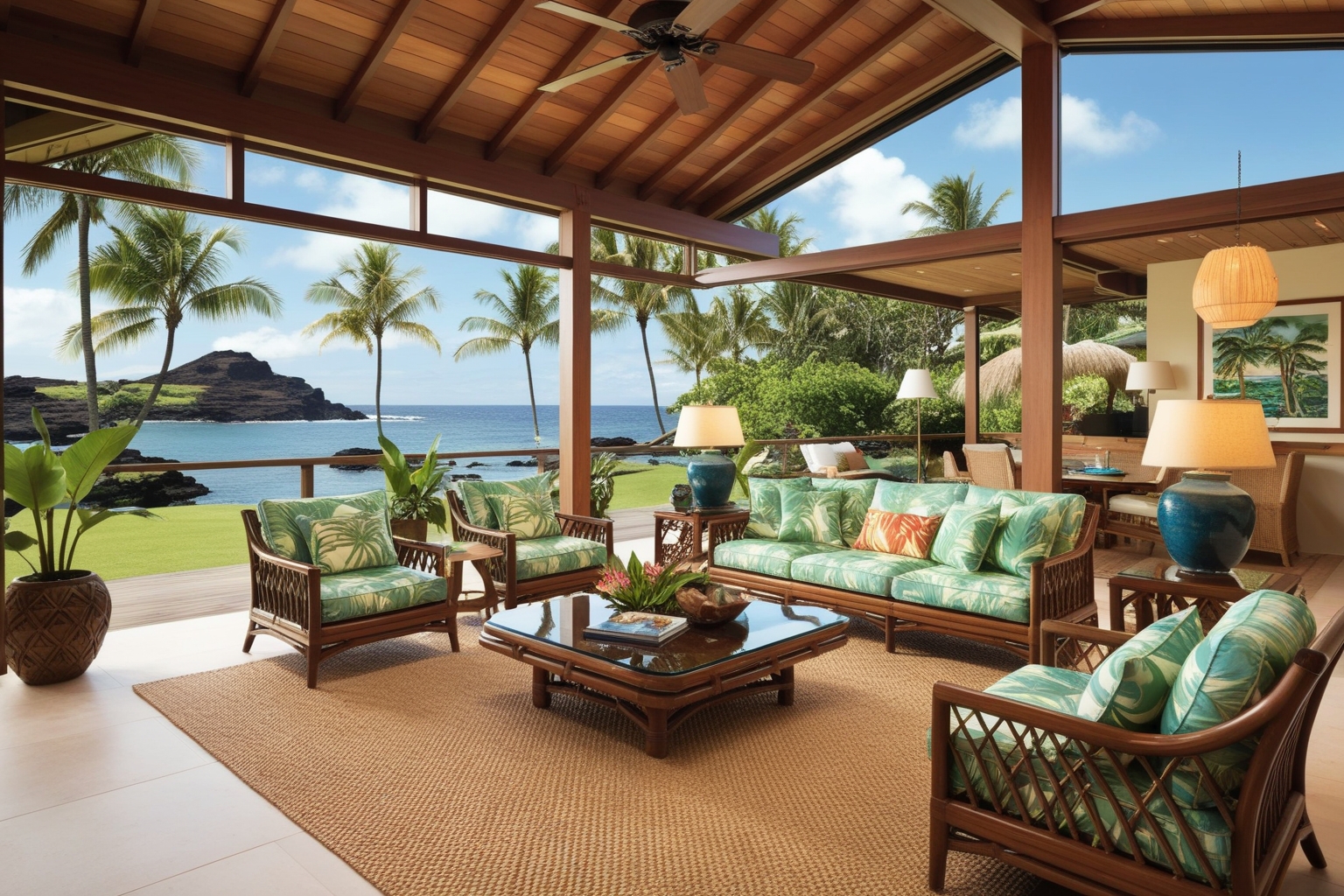
Core elements of Hawaiian interior design
Hawaiian style works best when palette, materials, furniture, and lighting all support the same island-specific design language.
-
Color palette: island-specific, not generic tropical
Hawaiian palettes draw from deep ocean blues, rainforest greens, volcanic black and grey, warm teak and honey tones, and terracotta sunset tones. The distinction from generic tropical is restraint: ocean blue-green rather than neon turquoise, forest green rather than lime, and volcanic charcoal as an accent.
-
Materials that make Hawaiian design authentic
Koa wood is the most distinctive material, with warm honey-gold hues and tight grain. Volcanic stone adds texture and geological character. Lauhala, woven pandanus leaf, works for mats and wall details. Bamboo and rattan are the backbone of modern Hawaiian interiors.
-
Furniture: lightweight and nature-connected
Rattan and light wood furniture dominate because they suit indoor-outdoor flow. Low, horizontal profiles such as wide sofas, daybed-style seating, and platform furniture reinforce the relaxed character of island living. Use local art and living plants over generic palm-print decor.
-
Lighting: natural first, warm artificial second
Hawaiian architecture prioritizes daylight through sliding glass doors, open plans, and roof overhangs that shade without blocking. Artificial lighting should be warm, 2700-3000K, with woven pendants, carved wooden lamp bases, or paper shades. Lanai areas benefit from string lights or lantern-style fixtures.
Stunning Examples of Essential Elements of Hawaiian Interior Design Ideas
-
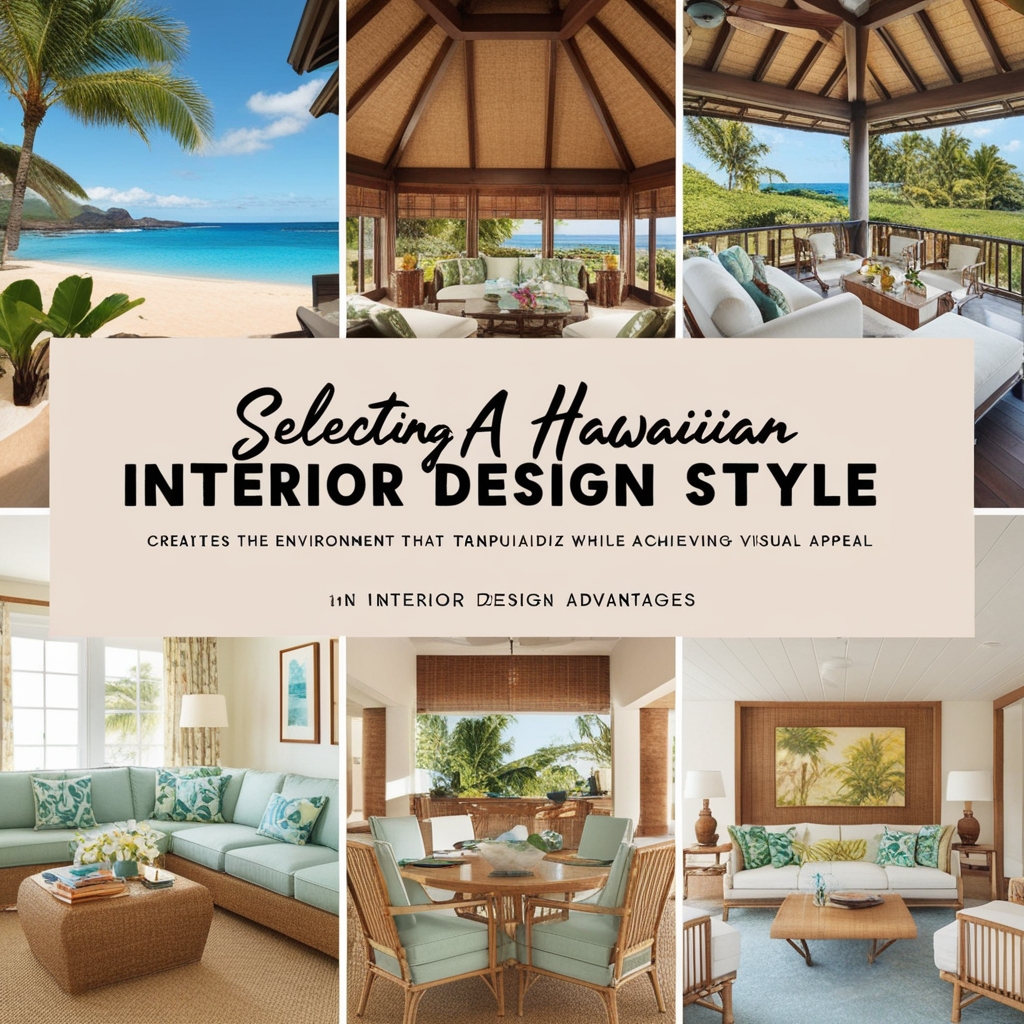
Hawaiian design reads as authentic when the materials, palette, and indoor-outdoor connection work together, and as generic tropical when any of these elements is replaced with a cliche substitute. These examples show what the difference looks like in practice: how koa or teak furniture changes the feel of a room and how a lanai connection changes the sense of space.
-
Spatial Layout
-
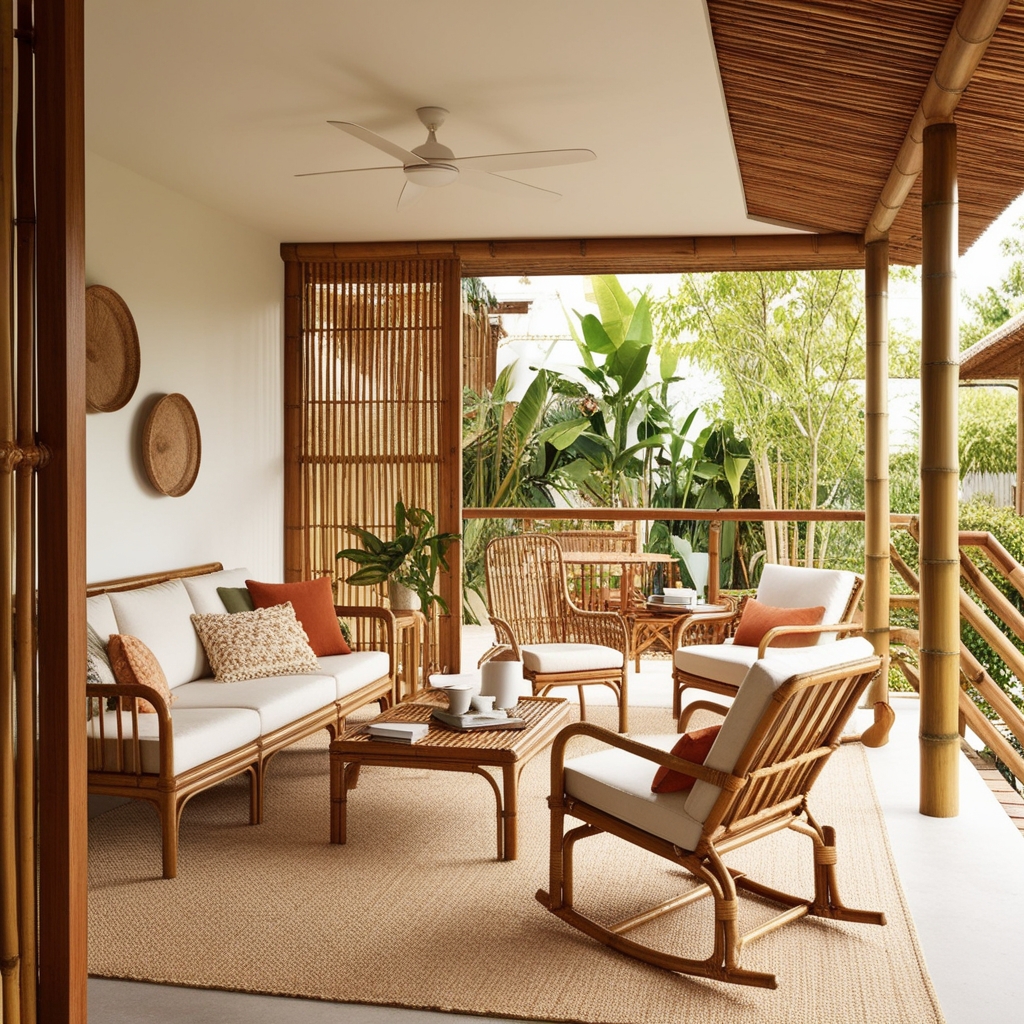
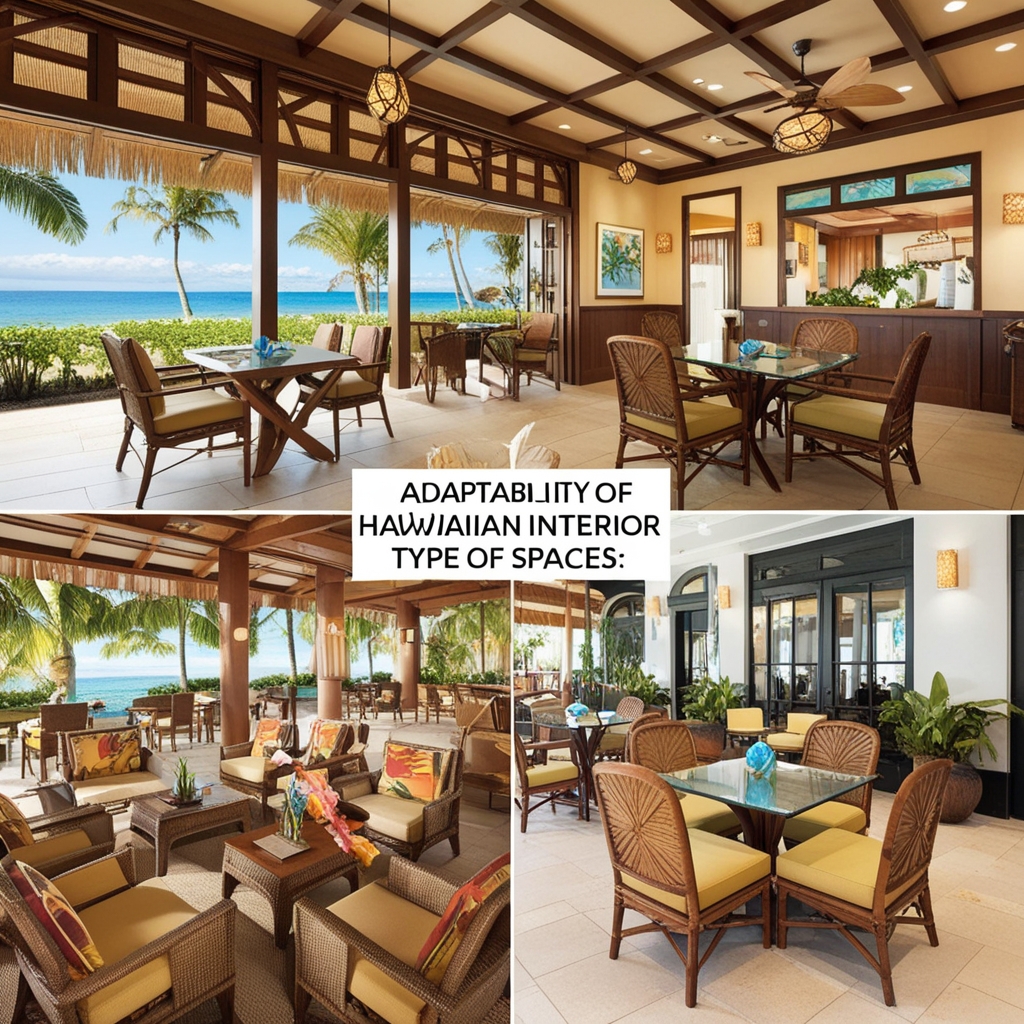
Hawaiian interior design features spatial arrangements that create an open feel while achieving a natural integration with outdoor environments. Integrate expansive windows alongside open areas to welcome natural illumination while providing stunning vistas of the surrounding landscape. Integrate discreet furniture pieces that enhance the open design to establish smooth transitions between indoor and outdoor spaces. Through this method one achieves optimal space utilization while simultaneously fostering sensations of liberty and calmness.
-
Patterns and Motifs
-
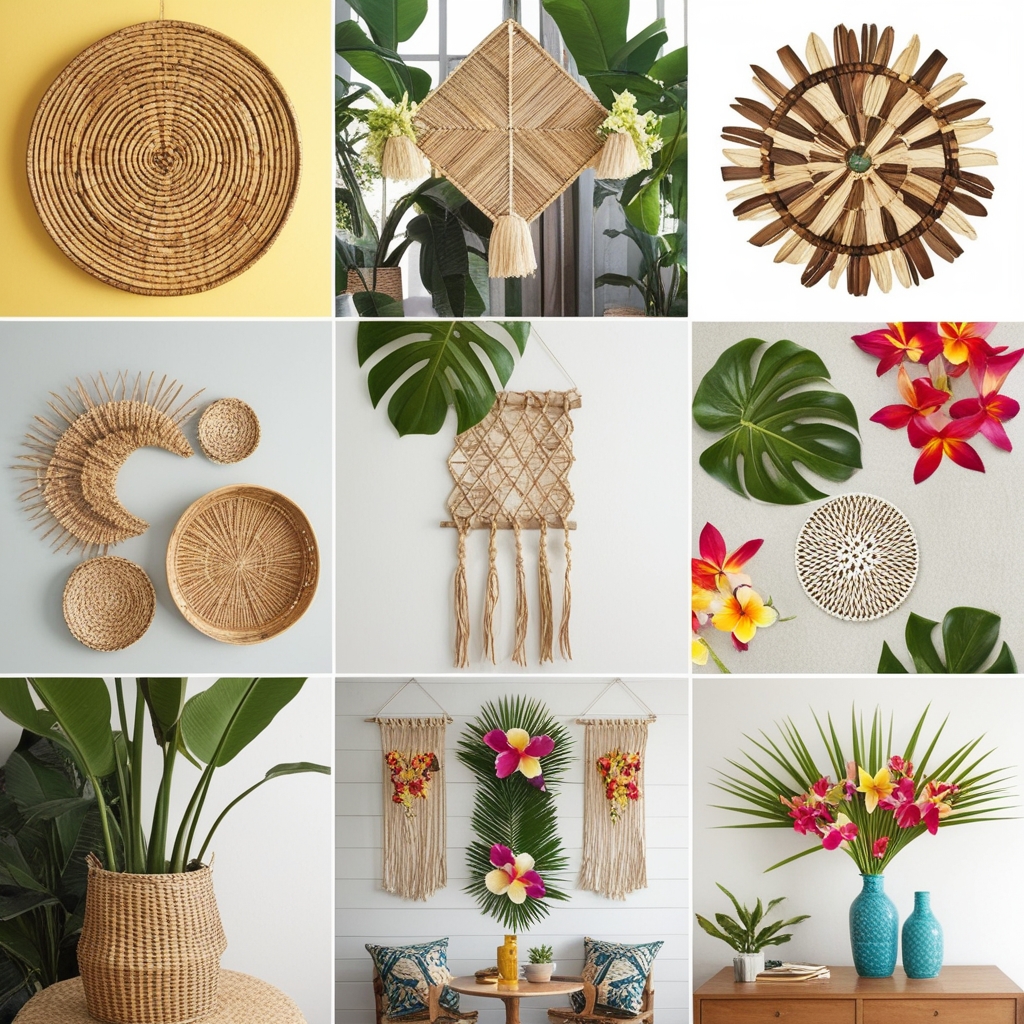
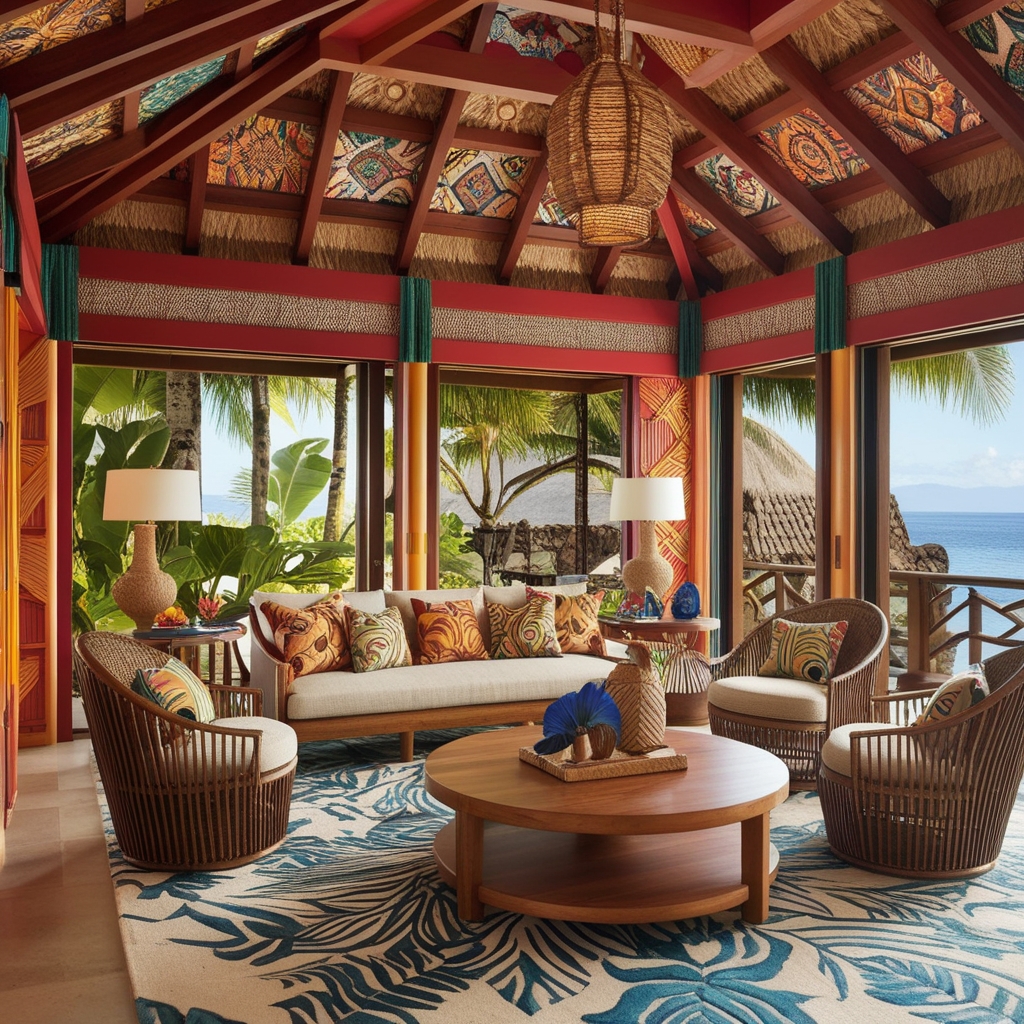
Hawaiian interior design relies heavily on unique patterns and motifs as foundational elements. Integrate detailed tropical patterns alongside floral prints that present the diverse plant and animal life of the islands. The utilization of materials such as bamboo, wood, and rattan introduces organic textures that create a warm atmosphere within the space. The detailed patterns of palm leaves combined with oceanic elements create perpetual symbols that evoke Hawaii’s rich heritage and stunning natural landscapes.
-
Art and Accessories
-

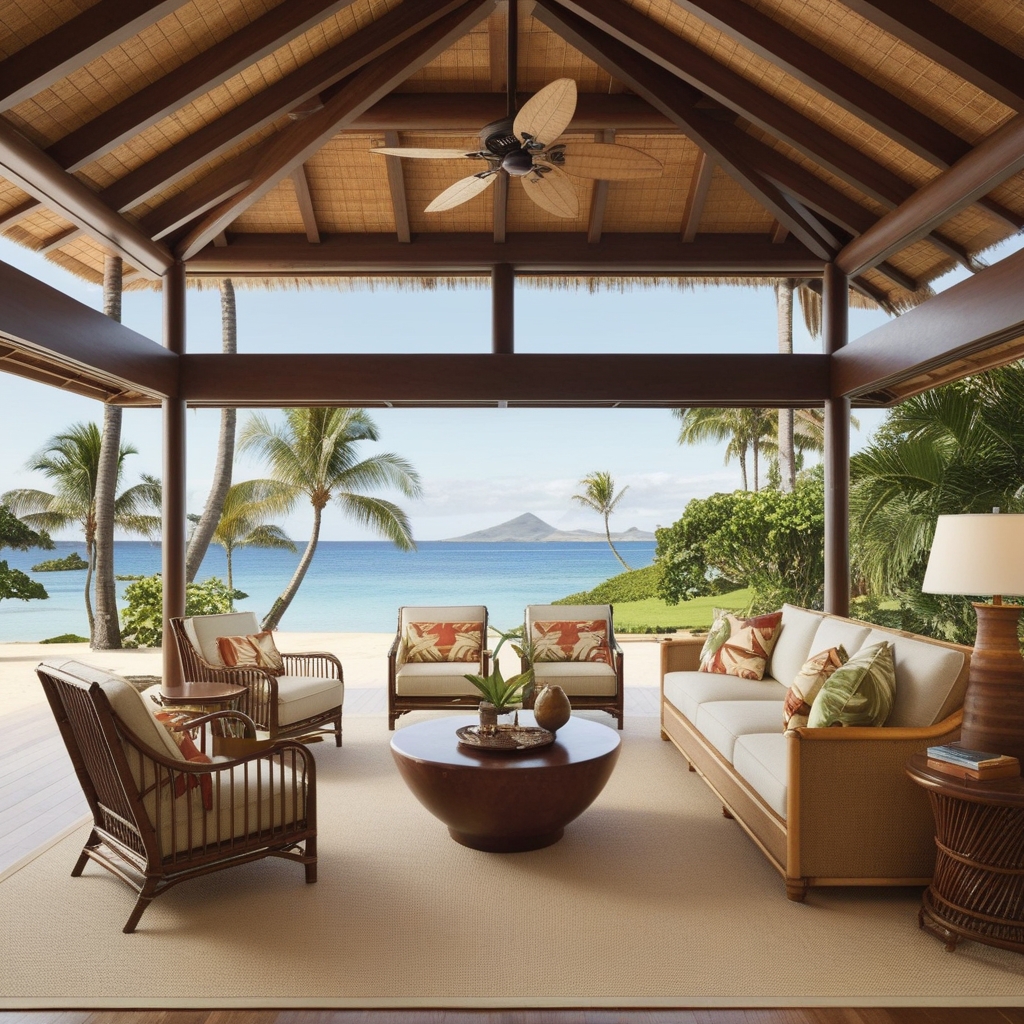
Art and accessories play a central role in personalizing Hawaiian interior design ideas. Choose artworks that depict local landscapes, hula dancers, or marine life, as these can serve as focal points in the room. Accessories such as tiki statues, seashell collections, and woven baskets further enhance the thematic connection to the islands. Integrating these elements establishes a deep cultural tie, allowing you to experience a slice of Hawaii right at home.
-

Upload a photo of your room to Paintit.ai to test Hawaiian style directions. The Tropical or Organic Modern directions in the platform both align with modern Hawaiian design. See how natural material combinations and island-inspired palettes read in your actual space before making decisions. Free to start at app.paintit.ai.
Traditional vs modern Hawaiian interior design
-
The style has two distinct registers. Understanding the difference helps choose the right direction for your space.
-
Traditional Hawaiian
Dark koa wood furniture with hand-carved details, heavier textiles in Polynesian prints, cultural artifacts, lauhala mats, and woven wall coverings. Best for homes with a genuine connection to Hawaiian culture or vacation properties in traditional settings.
-
Modern Hawaiian
Lighter materials such as bamboo, rattan, white-washed teak, and natural linen. Open floor plans blur the boundary between inside and outside. Cultural elements are present but not dominant. This is usually the stronger direction for mainland homes.
-
The lanai
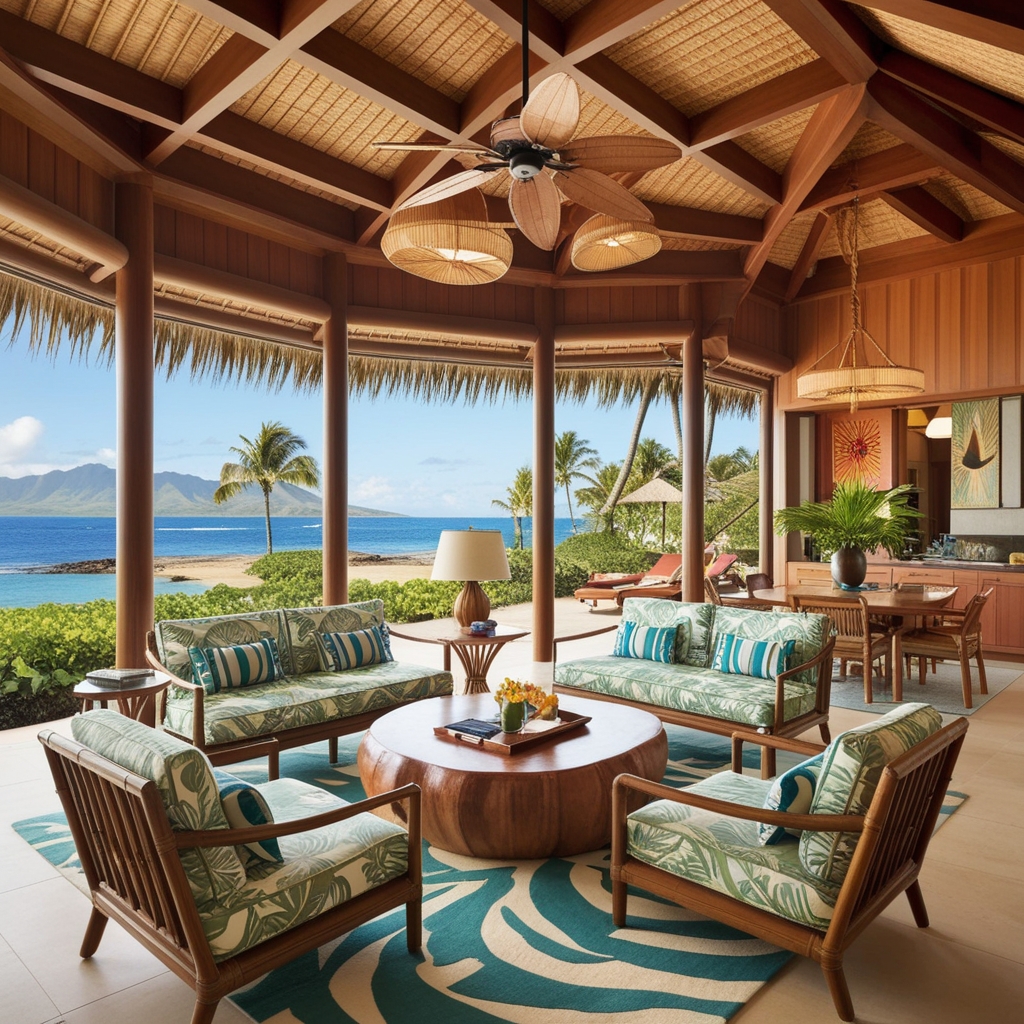
The lanai is the covered outdoor living area that defines Hawaiian residential design. It extends the living room outdoors through continuous flooring, matching furniture language, and wide sliding glass doors.
-
Applying lanai thinking outside Hawaii
Use visually continuous flooring from living room to deck or patio, sliding or bi-fold glass doors, outdoor furniture that matches the indoor style, and plants positioned to bridge indoor and outdoor zones.
How Paintit.ai helps
Upload a photo to app.paintit.ai. The Tropical direction captures the natural material palette and openness associated with modern Hawaiian design. See different palettes in your actual room in 1-2 minutes.
Related design styles
Tools for Hawaiian living rooms, outdoor transitions, and room redesigns.
FAQ
-
Hawaiian interior design uses palettes drawn from island landscapes: deep ocean blue-green, rainforest greens, volcanic charcoal and grey, warm teak and honey tones from koa wood, plus terracotta and coral sunset tones. It avoids neon brights and tourist-facing color schemes.
-
Polynesian design emphasizes natural materials, handcrafted objects with cultural meaning, woven textiles, tapa cloth, carved wood, plants, and open spaces. One genuine handcrafted piece reads stronger than many mass-produced tropical decorations.
-
Traditional Hawaiian architecture uses deep roof overhangs, open floor plans, cross-breezes, and the lanai as a key living space. Modern Hawaiian architecture adds large sliding glass walls and contemporary finishes while keeping the outdoor connection.
-
Yes. Upload a photo of your room to app.paintit.ai and apply the Tropical or Organic Modern style direction. See how natural materials and island-inspired palettes read in your actual space in 1-2 minutes. Free to start.