
Greek style interior design: a comprehensive guide
Greek style interior design draws from two distinct but complementary sources: the ancient classical tradition (columns, marble, symmetry, mythological motifs) and the contemporary vernacular architecture of the Greek islands - the Cycladic style of whitewashed walls, cobalt blue accents, terracotta, and simple hand-crafted objects.
The first is formal and historically grounded; the second is relaxed and light-filled. Most contemporary Greek-inspired interiors combine elements of both, using the Cycladic palette and materials as the base and the classical vocabulary for architectural and decorative accents.
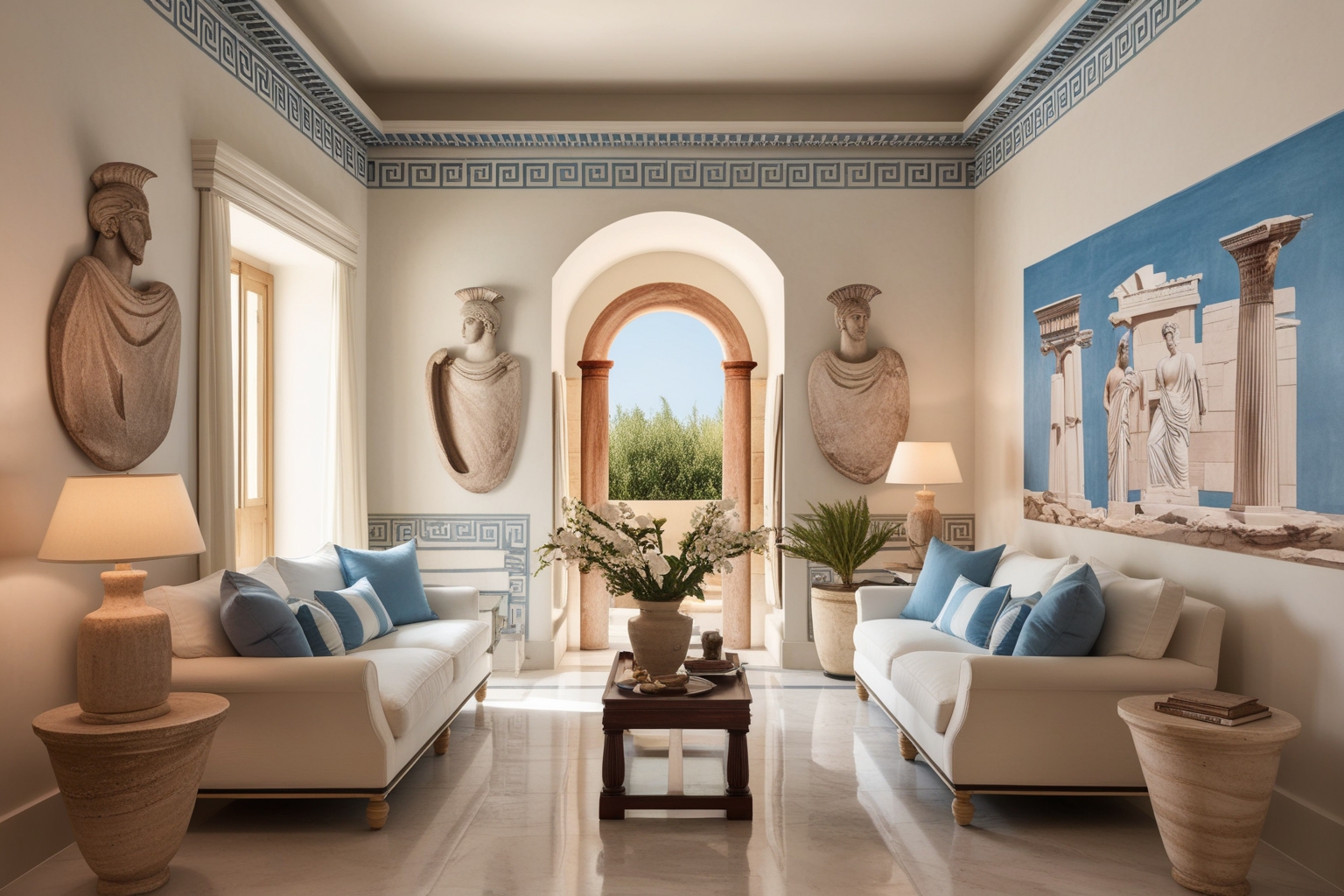
What defines Greek style interior design?
-
Color palette
The Greek palette operates on two distinct registers. The Cycladic palette - the iconic look of Santorini and Mykonos - is white and cobalt blue, full stop. Whitewashed walls and surfaces reflect the intense Mediterranean sun; cobalt blue shutters, doors, and domes provide the single saturated accent. Terracotta and sand appear at ground level. The classical Greek palette for more formal applications uses warm marble white, gold, deep umber, and terracotta.
-
Materials and textures
Marble is the signature Greek material. In contemporary interiors, marble appears in floors, countertops, bathroom surfaces, and occasional furniture pieces. Stone and terracotta are the rustic counterparts to marble's formality. Terracotta tiles, exposed or limewashed stone walls, and hand-thrown pottery ground the interior in rural Greek architecture.
-
Furniture and silhouettes
Greek furniture is restrained rather than ornate. Simple wooden or metal chairs and tables with clean profiles, wicker or rattan occasional pieces, and upholstery in white or natural linen work better than heavy decorative furniture. Decorative emphasis belongs to accessories rather than furniture forms.
-
Architectural and decorative details
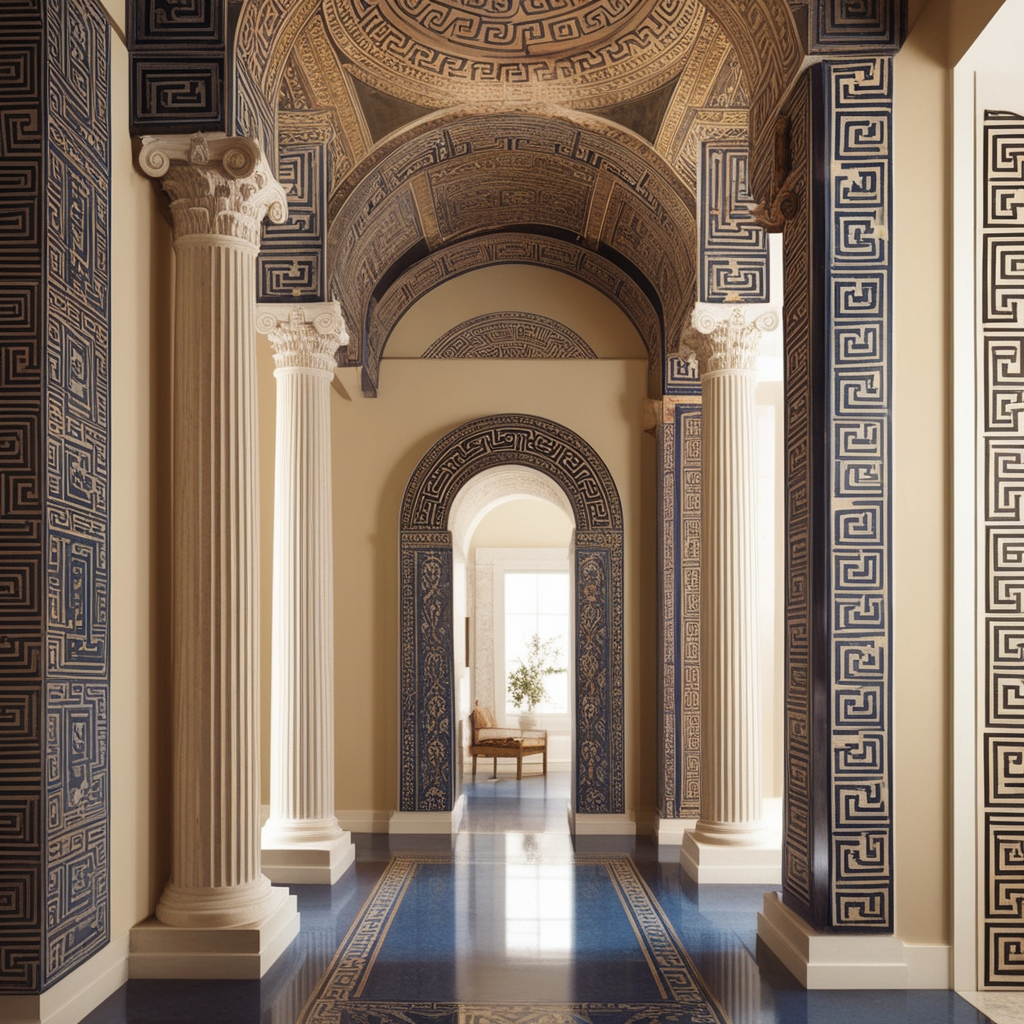
Greek key borders, columns, arches, niches, and amphora-shaped pottery can be used as references, but restraint matters. A room needs one or two clear Greek signals, not every classical motif at once.
-
Atmosphere
A Greek-style interior should feel sunlit, calm, material, and precise. The strongest rooms combine white space, tactile plaster or stone, a limited accent colour, and a few handmade objects.
Distinctive Features of Greek Style Interior Design
-
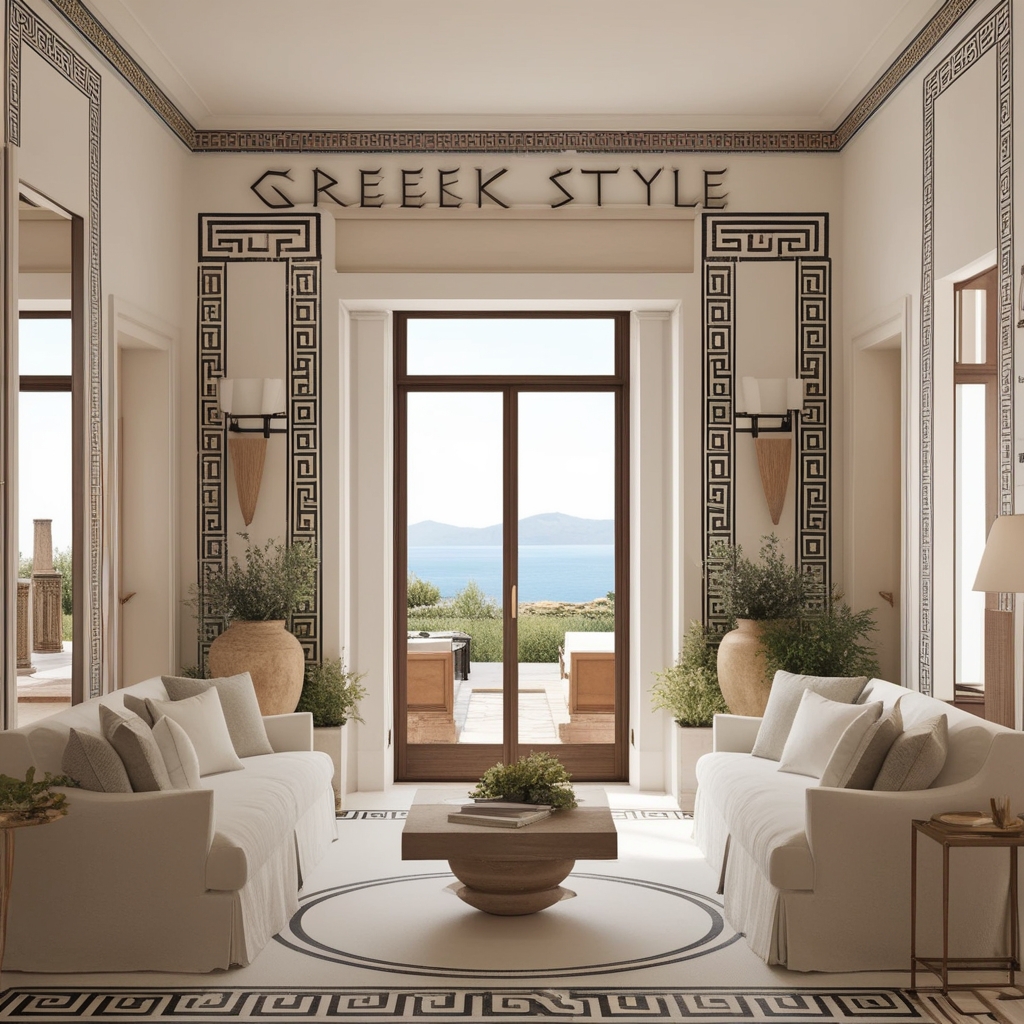
Greek style interior design draws its enduring elegance from ancient traditions - clean lines, symmetry, and a harmonious arrangement of elements define the aesthetic. Mixing these classical Greek elements with modern furnishings creates a balanced, comfortable space rather than a period recreation.
-
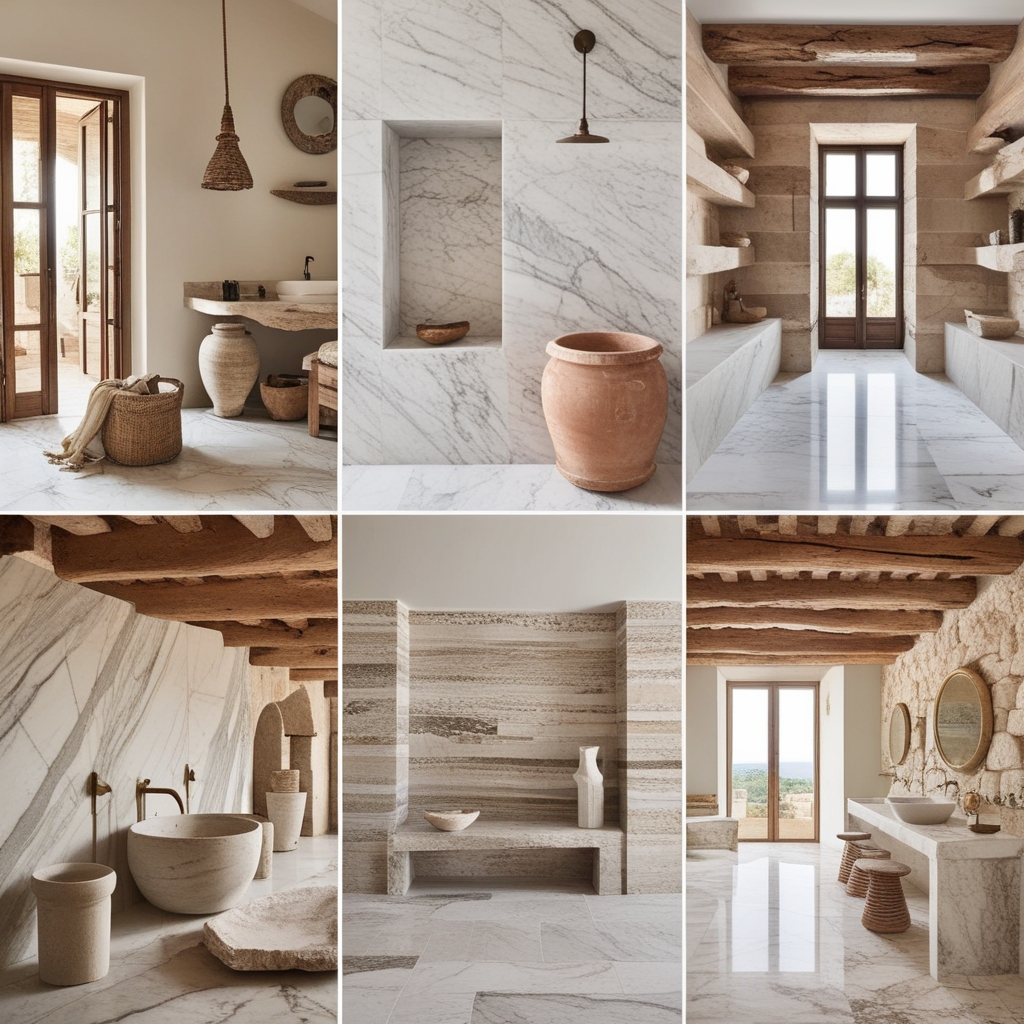
Greek design principles depend heavily on natural materials that project an authentic and durable feel. Marble is a fundamental material in Greek interiors, giving floors and countertops a refined appearance. Stone and terracotta bring a rustic appeal into the space, and both age well, so the materials hold their character for decades rather than needing to be replaced.
-
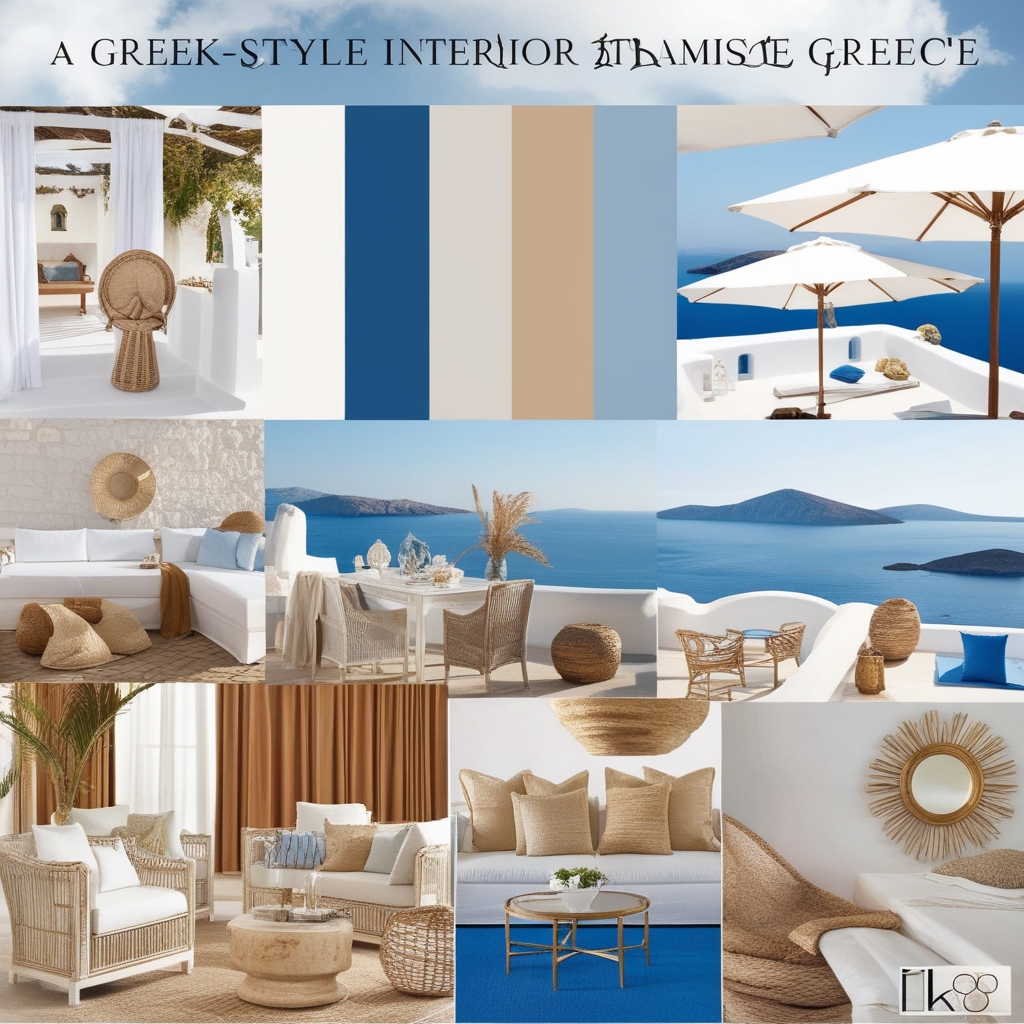
A Greek-style interior is distinctively marked by its color palette, which emulates the natural surroundings of Greece. Predominant colors include whites and blues, reminiscent of the sky and sea. These are frequently accented with earth tones like beige and terracotta. This palette creates a soothing and refreshing atmosphere, making spaces feel open and airy. The use of gold accents can also be observed, which adds a touch of luxury without overpowering the subtle serenity of the primary colors.
-
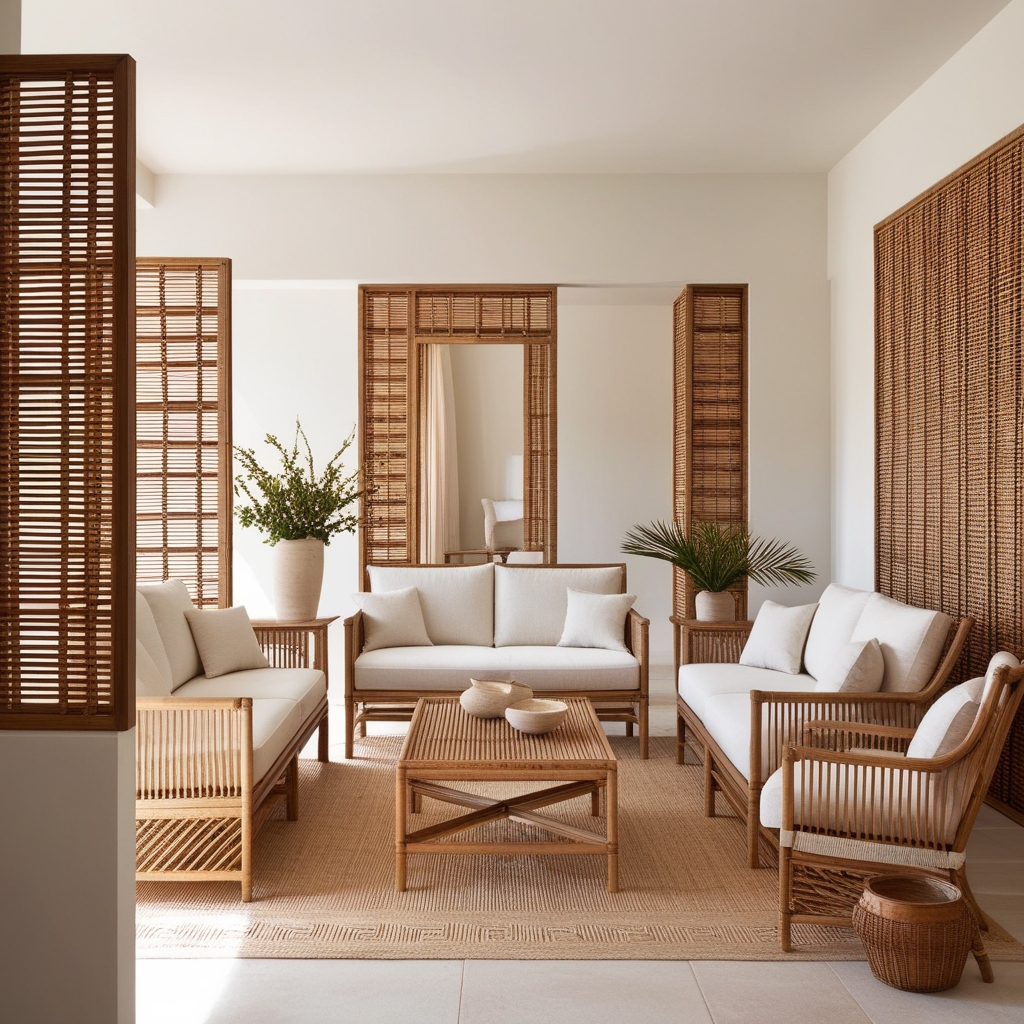
Greek interior design showcases furniture pieces that maintain a subtle presence while communicating through their simple forms. Artisans usually craft pieces from wood or metal materials while emphasizing streamlined forms and reducing decorative elements to a minimum. A widespread application of wicker and rattan elements creates textured surfaces that introduce a cozy ambiance into the space. The upholstery selection commonly includes straightforward fabrics in neutral or light colors which helps to enhance the interior's brightness and spaciousness. The furniture pieces have been arranged in a calculated manner to preserve equilibrium while promoting social engagement and establishing an inviting space.
-
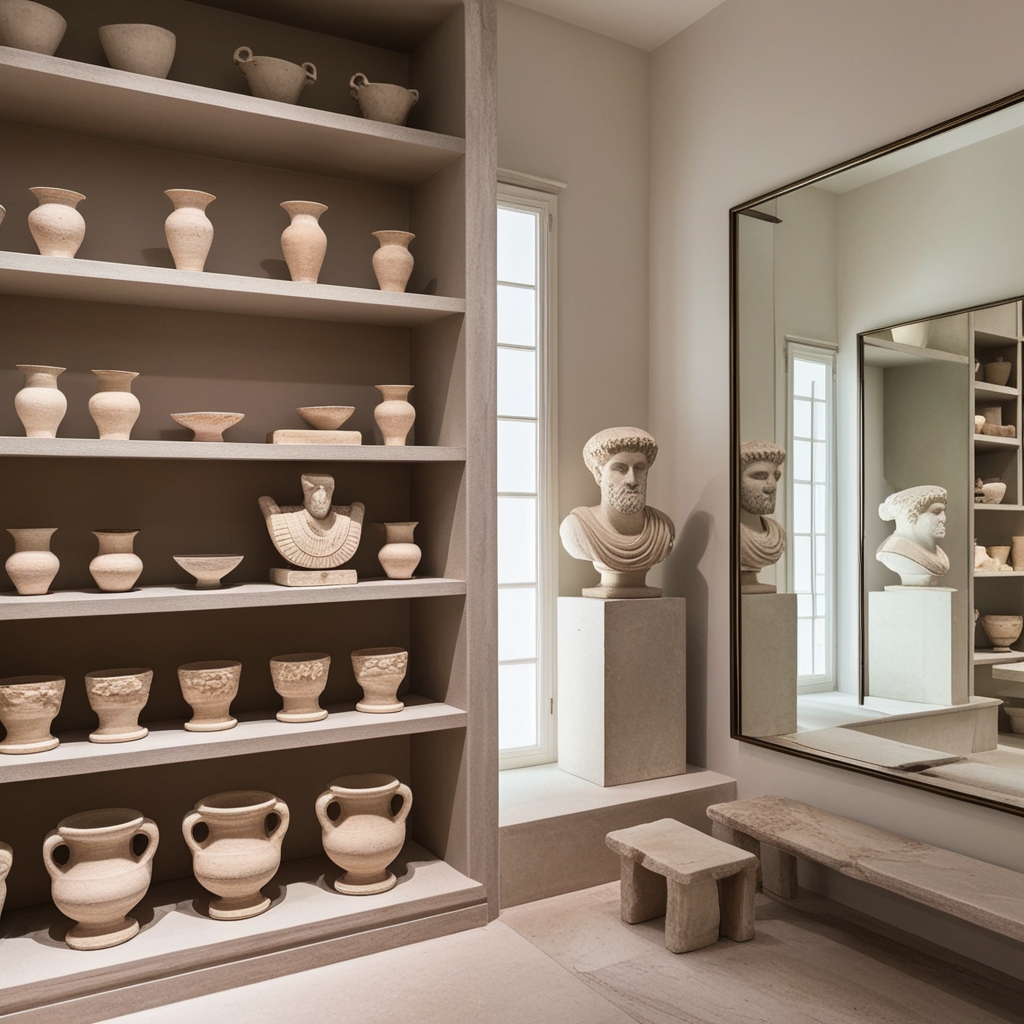
Greek-style interior design balances practical elements with aesthetic appeal. Shelves and corners frequently display ceramic pottery that echoes ancient Greek artifacts which functions as both an aesthetic element and historical reference. Stone and plaster sculptures and busts serve as focal points that express the enduring character of Greek artistry. The strategic placement of expansive mirrors serves to expand perceived space while simultaneously bouncing natural light to boost interior brightness.
-
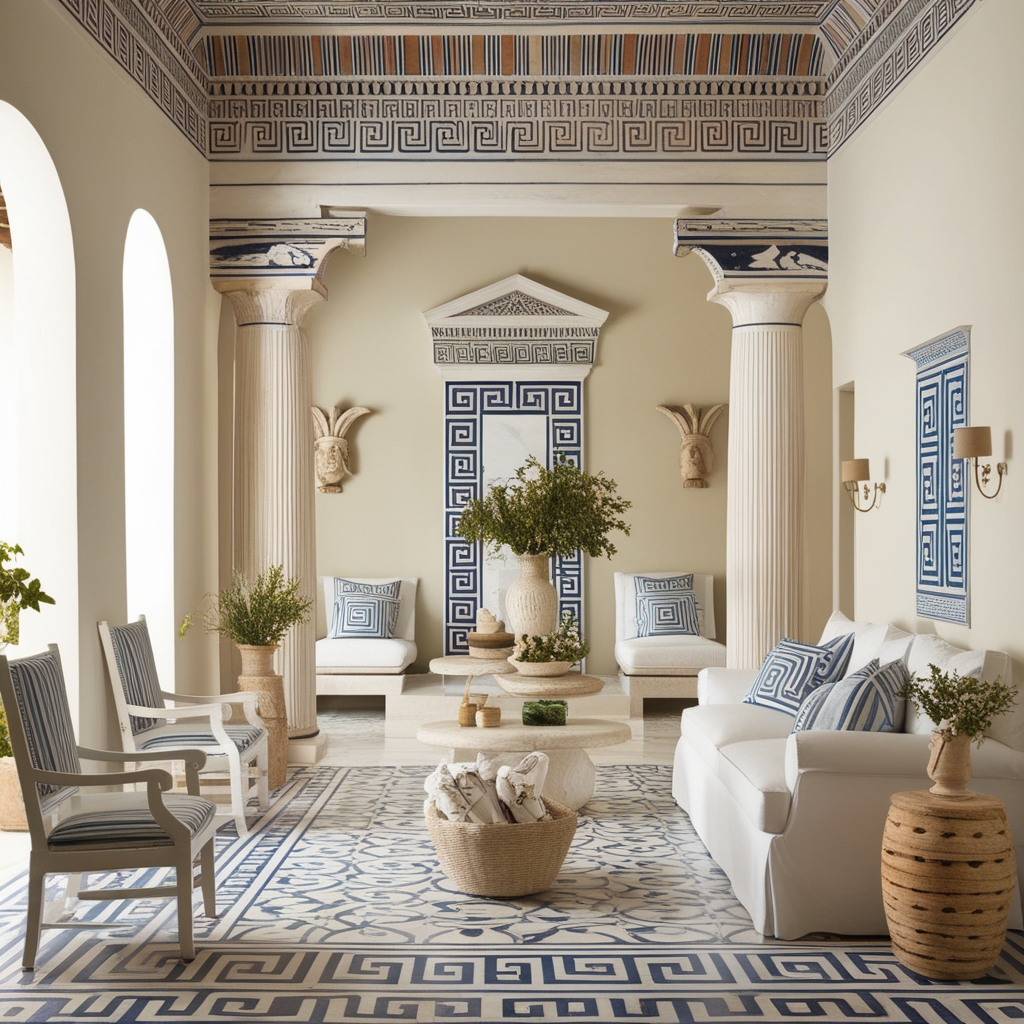
Greek style interior design merges classical and contemporary traditions into a coherent approach that is simultaneously formal and relaxed. The use of natural materials combined with refreshing colors and simple elegant furnishings establishes a peaceful, elegant environment that mirrors the beauty of ancient Greek design.
How to apply Greek style in your home
Decide whether you are working in the Cycladic direction (white and cobalt, light and relaxed) or the classical direction (marble white, terracotta, and gold). Mixing the two works if one is clearly dominant.
The Cycladic effect comes from walls that absorb and reflect light at the same time. Limewash paint or rough plaster creates this without structural work.
Marble as a countertop, side table, or bathroom surface creates the classical reference without making the room feel cold.
Cobalt blue works best as a single saturated accent: shutters, a painted door, ceramics, or textiles.
Visualize Greek style with Paintit.ai
Upload a photo of any room to app.paintit.ai and test Greek palette and material directions - whitewashed walls, cobalt blue accents, marble, terracotta, and Mediterranean light - in your actual space in 1-2 minutes. Free to start.
Greek style interior references
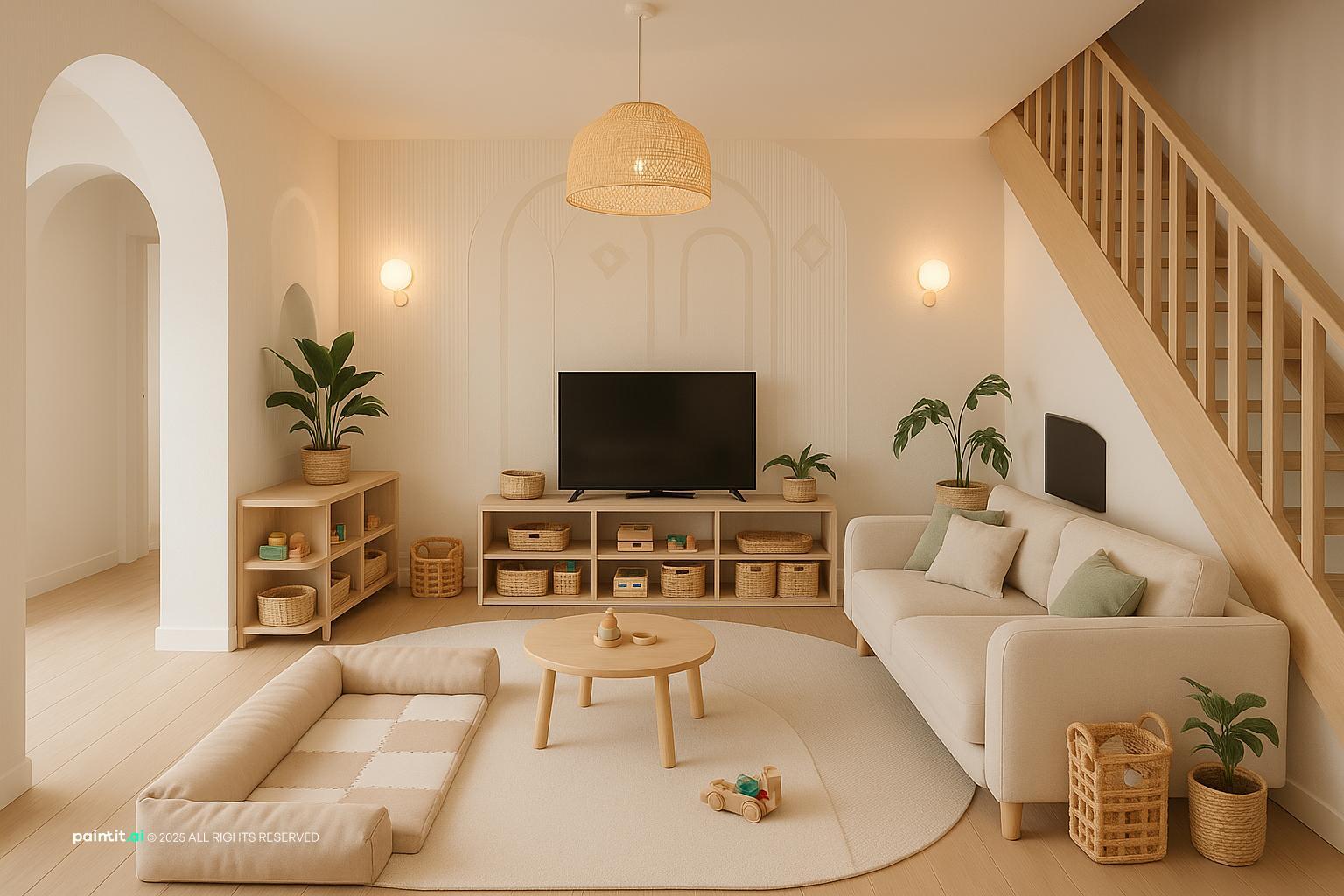
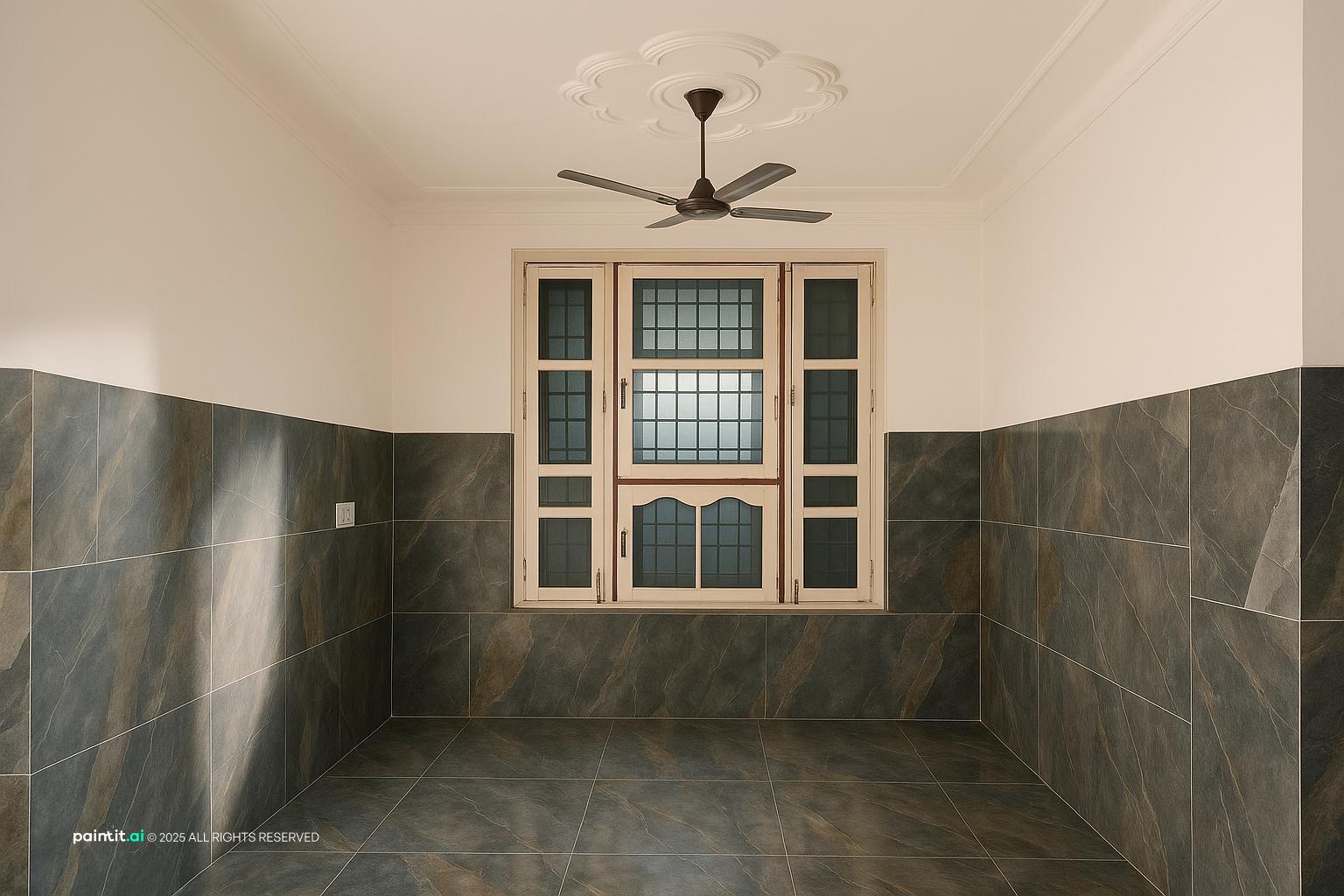
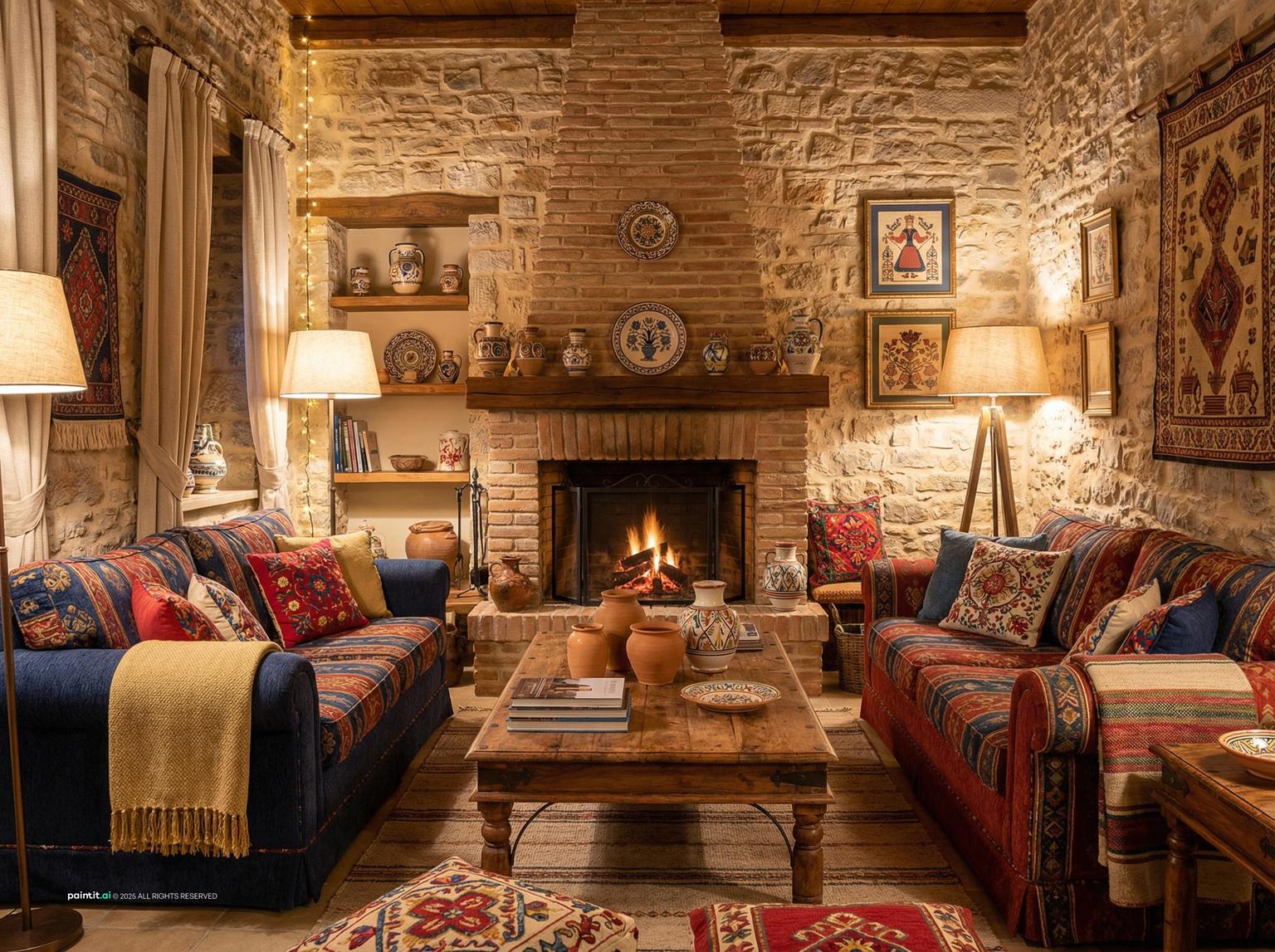
Additional Greek, Cycladic, marble, and terracotta references selected for the page theme.
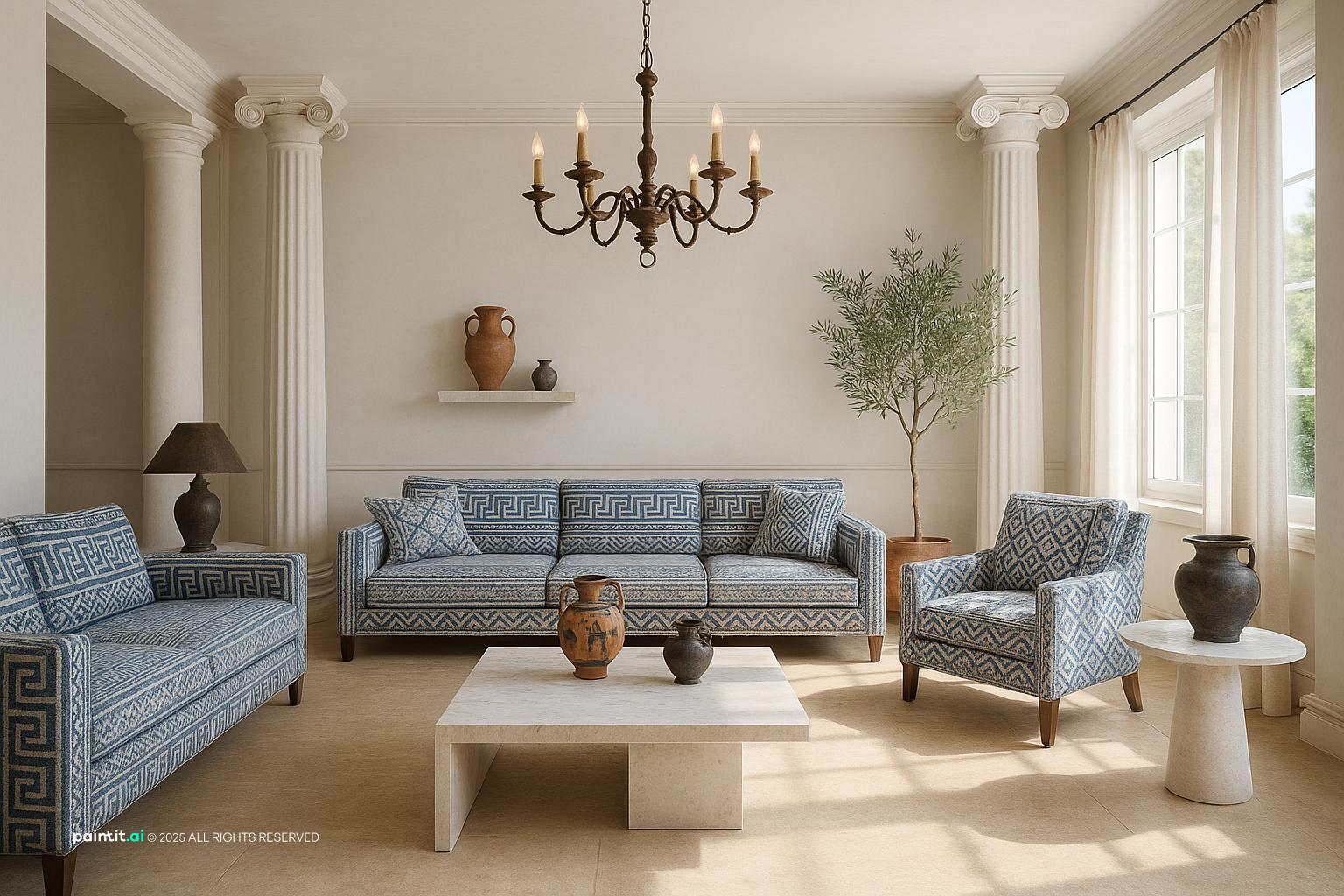
Related styles and tools
More Mediterranean and AI design resources for Greek-inspired rooms.
FAQ
Greek style interior design draws from two traditions: the ancient classical heritage of columns, marble, symmetry, and mythological motifs, and the contemporary vernacular architecture of Greek islands - the Cycladic style of whitewashed walls, cobalt blue accents, terracotta floors, and handmade ceramics. Modern Greek-inspired interiors typically blend both, using the Cycladic palette as the base and classical references in architectural or decorative accents.
Mediterranean style is a broader category that includes influences from Italy, Spain, France, North Africa, and Greece. Greek style specifically emphasizes whitewashed walls, cobalt blue accents, classical Greek architectural details, and marble and terracotta as primary materials.
The Cycladic palette is white, cobalt blue, terracotta, sand, and natural wood. A more classical Greek palette uses marble white, gold, deep umber, and terracotta. Both palettes rely on restraint and strong material logic.
Yes. Upload a photo of your room to app.paintit.ai and test Greek-inspired palette and material directions in 1-2 minutes. Free to start.