
Cuban Style Interior Design Inspiration and Ideas for Your Home
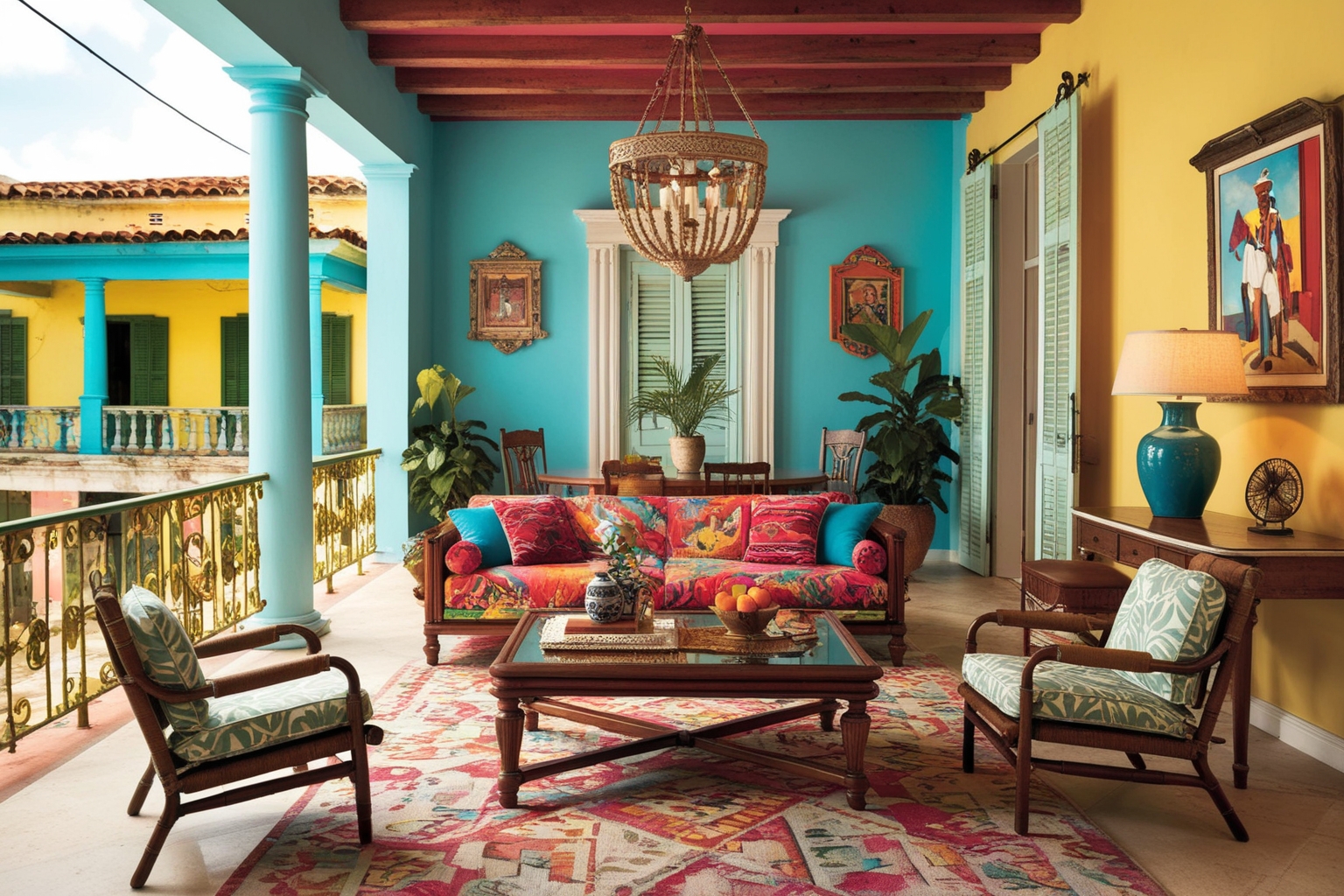
Cuban style interior design is rooted in Havana's architectural heritage, a city where Spanish colonial buildings in terracotta and ochre sit alongside neoclassical structures and Art Deco facades, all in various states of weathered patina. The interior tradition that emerged from this context combines colonial structure (high ceilings, louvered shutters, decorative tile floors, mahogany furniture) with Caribbean warmth and a specific cultural vitality that the patina of age makes more vivid, not less.
This is not a style about perfection. Worn surfaces, aged wood, and faded colour are features, not problems.
What Defines Cuban Style Interior Design?
Cuban style interior spaces reflect the island's cultural fusion: colonial, tropical, and modern elements combined in a setting that feels simultaneously weathered and alive.
-
Key Colors and Palettes
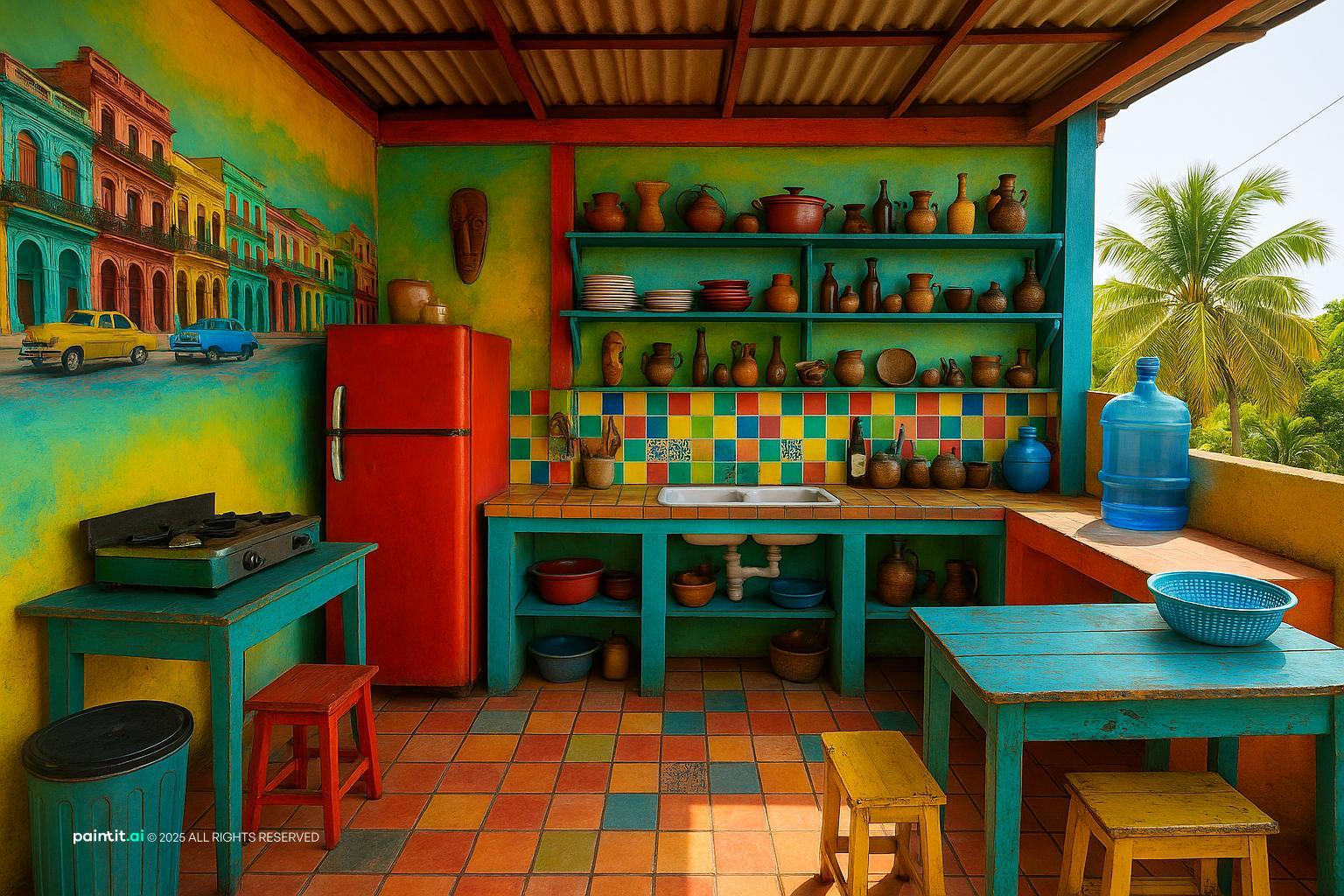
The Cuban style interior design color palette displays a wide range of hues that mirrors its cultural diversity. A dominant palette of warm earthy tones including terracotta, ochre, and deep browns evokes the sun-baked Cuban landscape. Accents of turquoise, mustard yellow, and coral echo the vivid colours of the island's street facades and natural environment, used on doors, shutters, and accent walls rather than throughout. Bold colors dominate the palette where striking contrasts emerge through their pairing, yet these hues achieve harmony through their earthy undertones.
-
Typical Materials and Textures
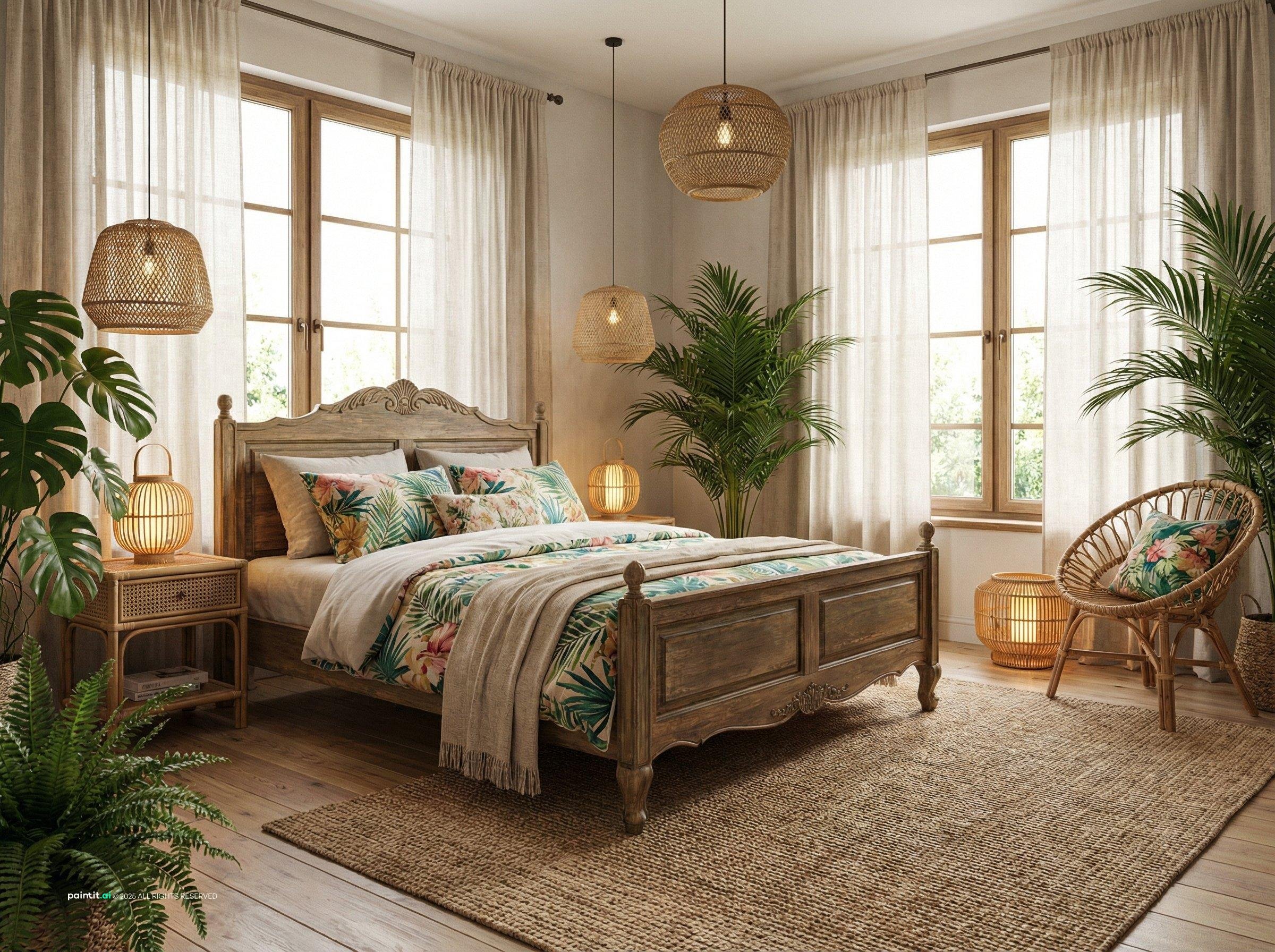
Cuban interior design relies heavily on natural materials which create an elegant rustic atmosphere within spaces. Furniture and structural elements frequently incorporate rich mahogany or cedar woods to deliver warmth and character. Rattan and wicker woven materials populate both furniture pieces and decorative accents to deliver textured surfaces alongside a relaxed ambiance. Traditional Cuban tiles with complex patterns could decorate the floors to create an authentic atmosphere.
-
Signature Furniture and Decorative Elements
Cuban style furniture reflects colonial influences through its detailed craftsmanship and vintage charm. The pieces maintain a sturdy functional essence while presenting artistic carved details and inlaid designs. Classic rocking chairs, robust armoires, and carved wooden chests are signature items. Tropical plants alongside bold ceramics and handcrafted artworks show Cuba’s artisanal spirit and its connection to nature.
How to apply Cuban style in your home
The colonial palette: ochre, terracotta, faded pastels
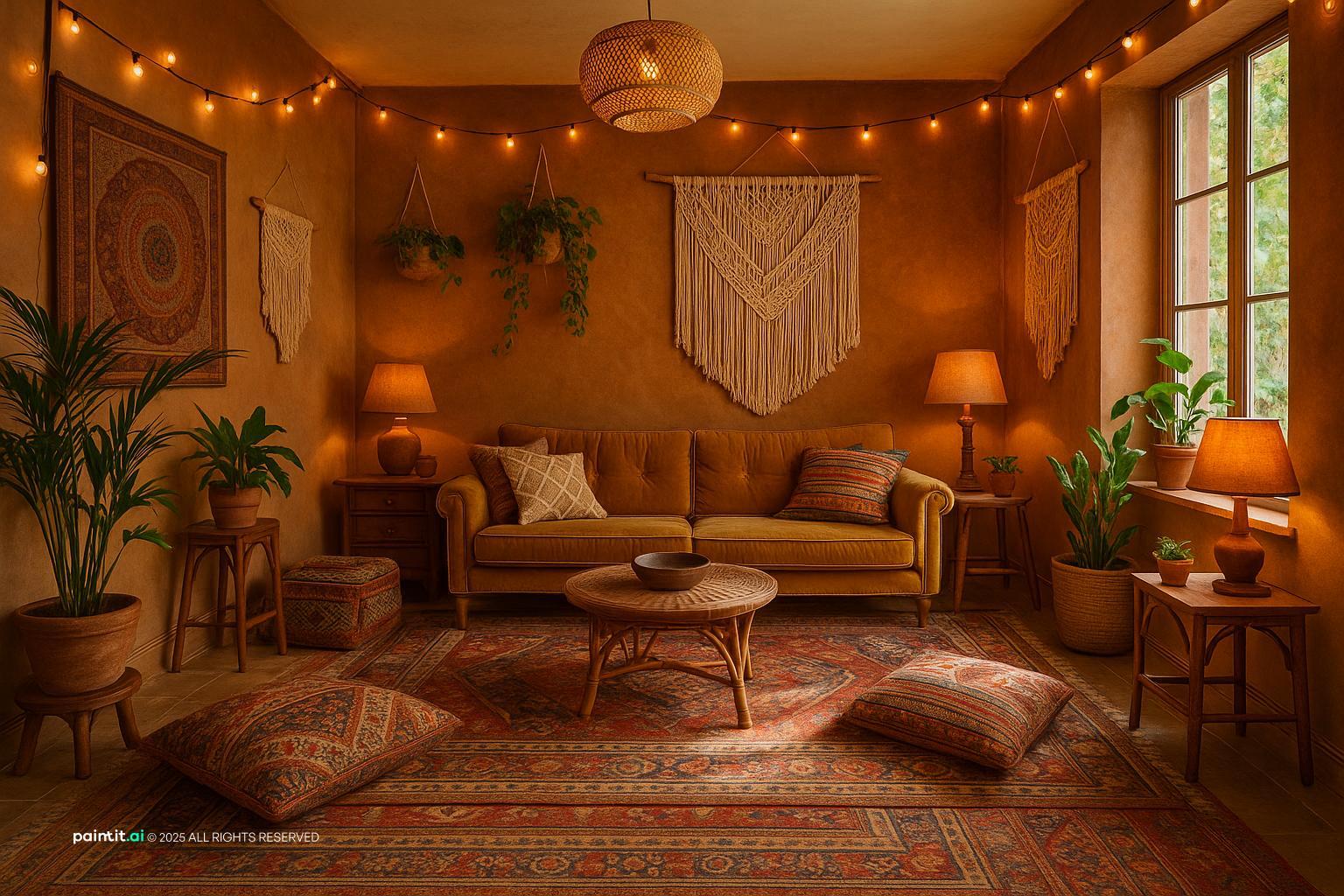
Havana's street facades define the colour story: terracotta orange, ochre yellow, faded coral pink, colonial cream, and dusty turquoise, all weathered, sun-bleached, and desaturated by decades of tropical heat and salt air. Inside, this translates to walls in warm white or aged cream as the base, with one or two deeper accent tones (mustard, ochre, or muted coral) on feature walls or in textiles. Never too saturated, always slightly faded.
Floors: decorative tile as the foundation
Cuban colonial buildings are defined by their encaustic tile floors, geometric patterns in terracotta, black, white, and colour combinations that vary from room to room. These tiles are available as reproduction encaustic or hydraulic cement tiles. Even a single tiled area (entry, kitchen, bathroom) grounds the entire aesthetic.
Furniture: colonial mahogany and vintage pieces
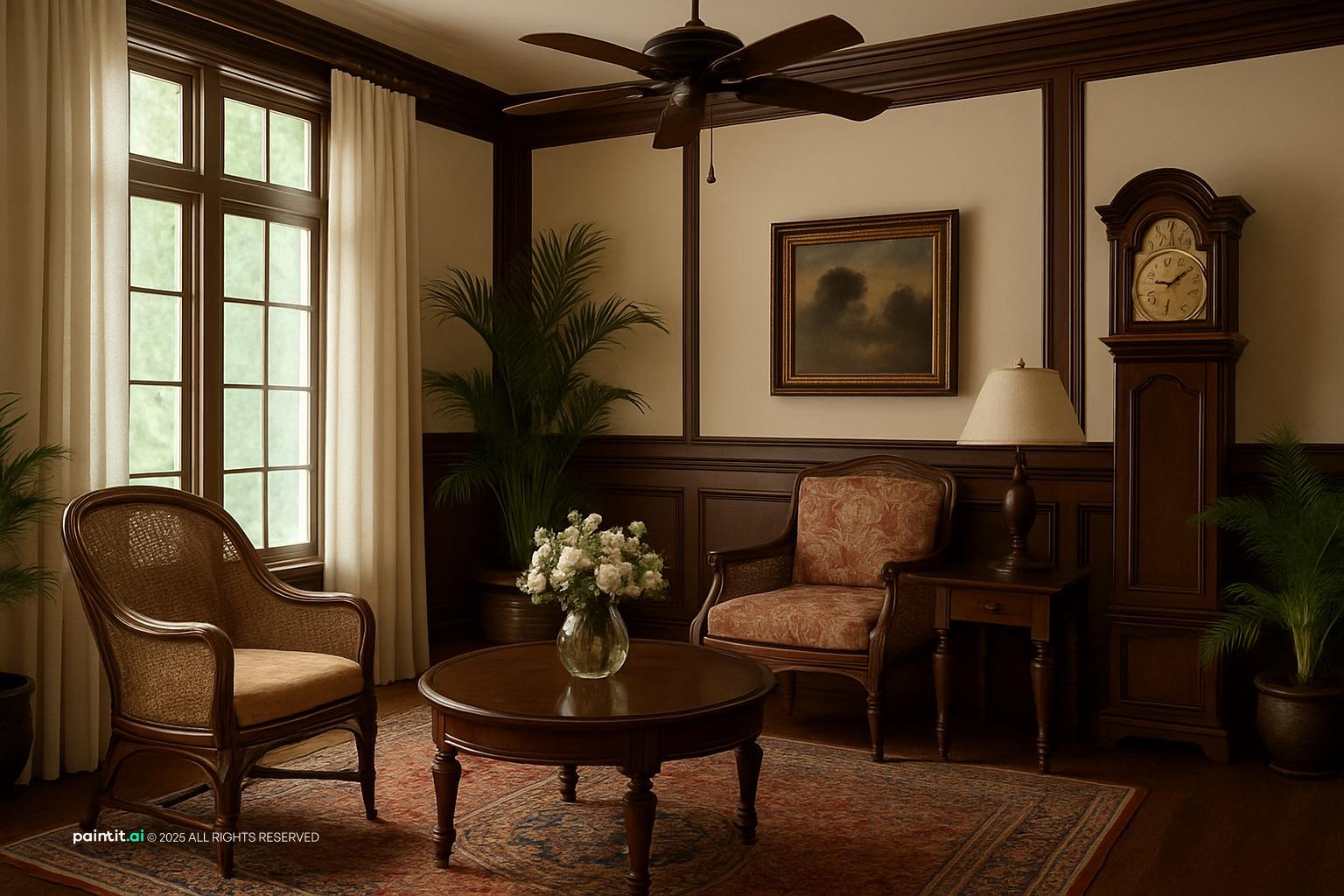
Cuban colonial furniture is substantial and dark-stained, mahogany armoires, carved wooden beds, rocking chairs (the Cuban rocker, or mecedora, is a signature piece), and robust dining tables. Pair these with lighter wicker or rattan for contrast. The vintage quality comes from the patina: worn edges, slightly faded lacquer, visible age rather than pristine condition.
The Cuban rocking chair
The mecedora, a low-slung Cuban rocking chair with a caned or slatted seat and back, appears in almost every authentic Cuban interior. It's as much cultural symbol as furniture. Even in a contemporary home, a single Cuban rocker signals the style immediately.
Shutters and airflow
Cuban colonial architecture manages tropical heat through louvered wooden shutters (persianas) that allow airflow while providing privacy and shade. In contemporary applications, louvered interior shutters as window treatments, or slatted wooden room dividers, reference this functional tradition.
Plants and the courtyard
The central courtyard (patio) of Cuban colonial houses brings plants deep into the interior, potted palms, ferns, bougainvillea near windows or entry areas. Large tropical plants inside any Cuban-inspired room add the necessary living element.
Visualize Cuban style with Paintit.ai
Upload a photo of any room to app.paintit.ai and test how Cuban colour palettes, ochre, terracotta, faded pastels, read in your actual space in 1–2 minutes. Free to start.
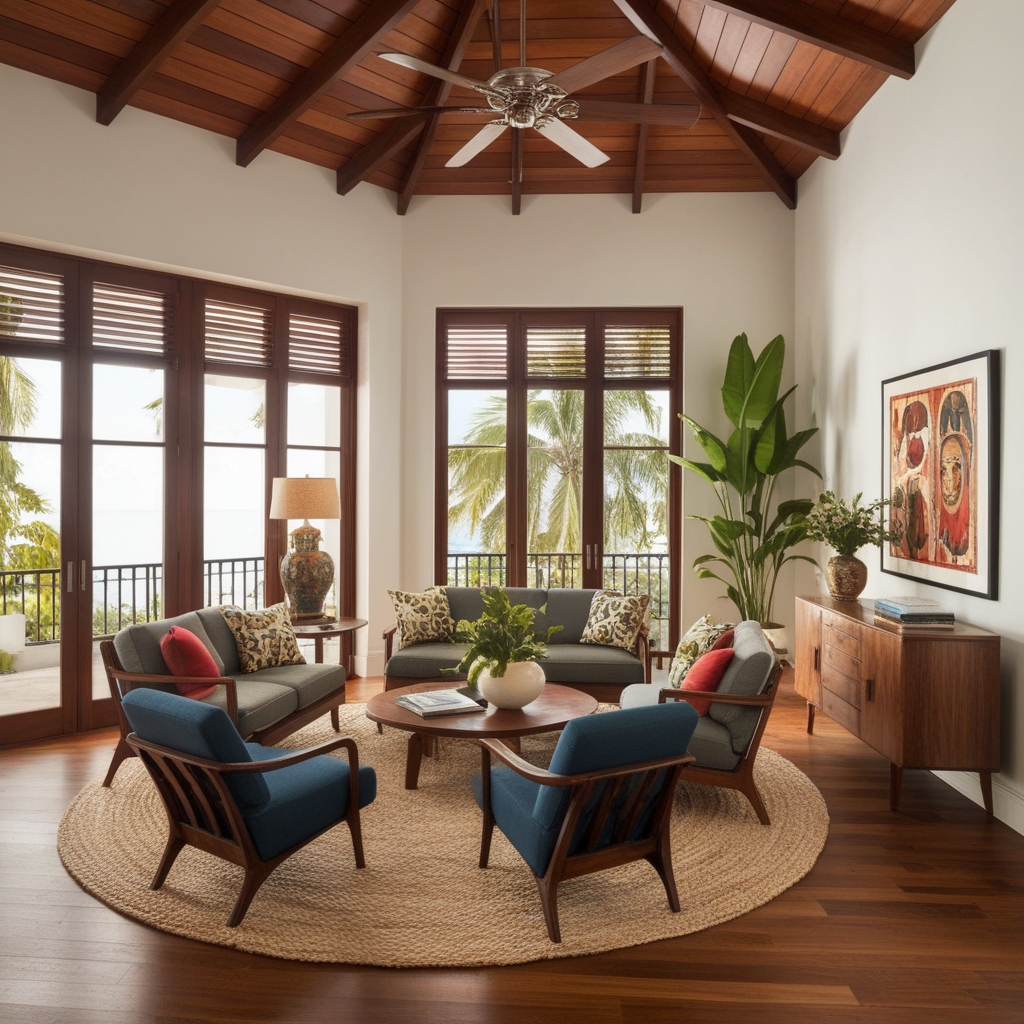
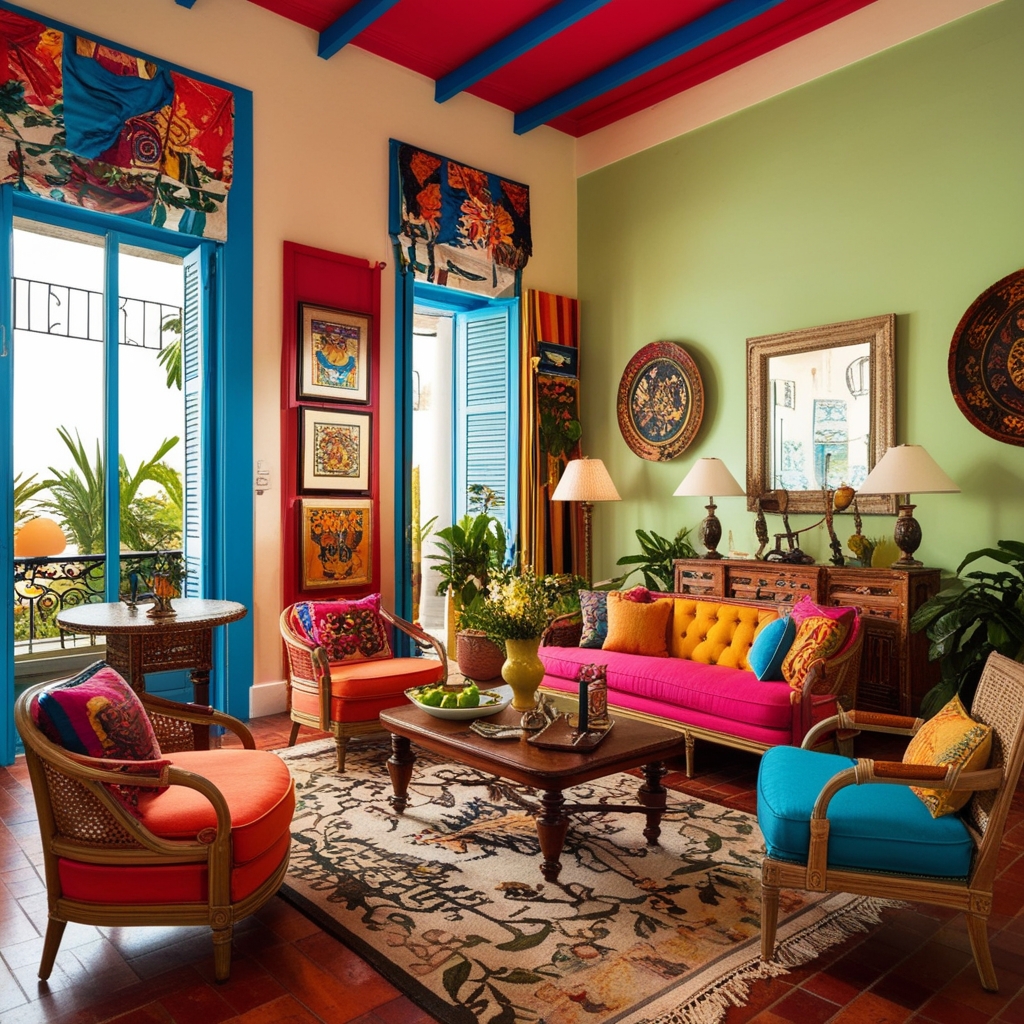
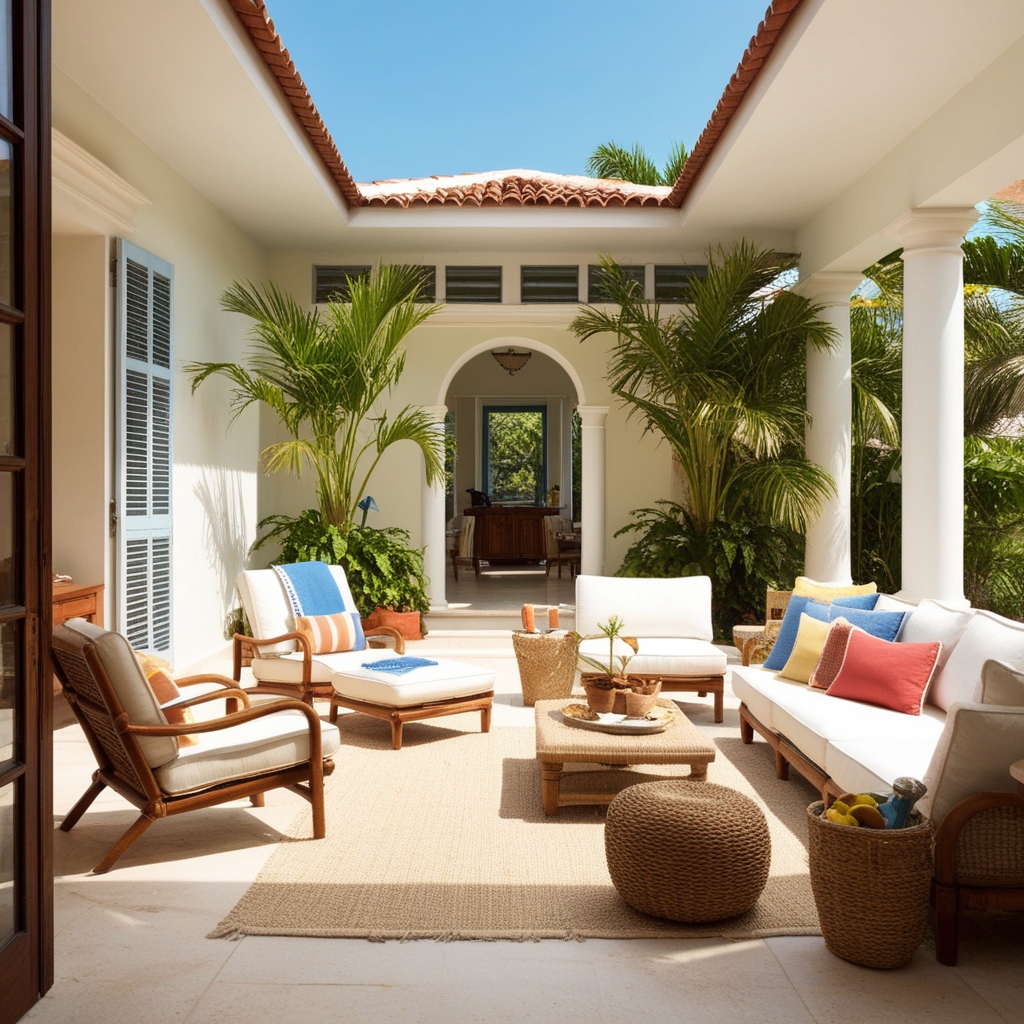
Cuban style visual references
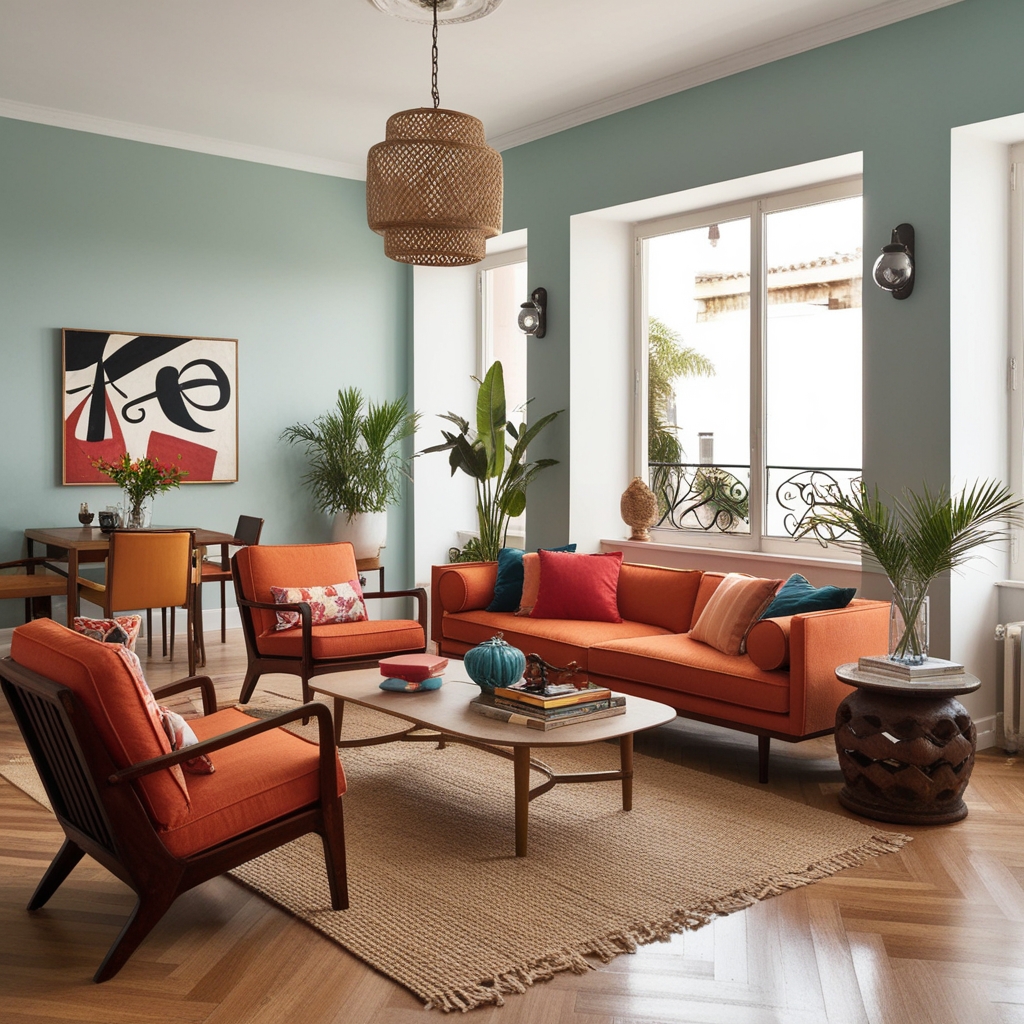
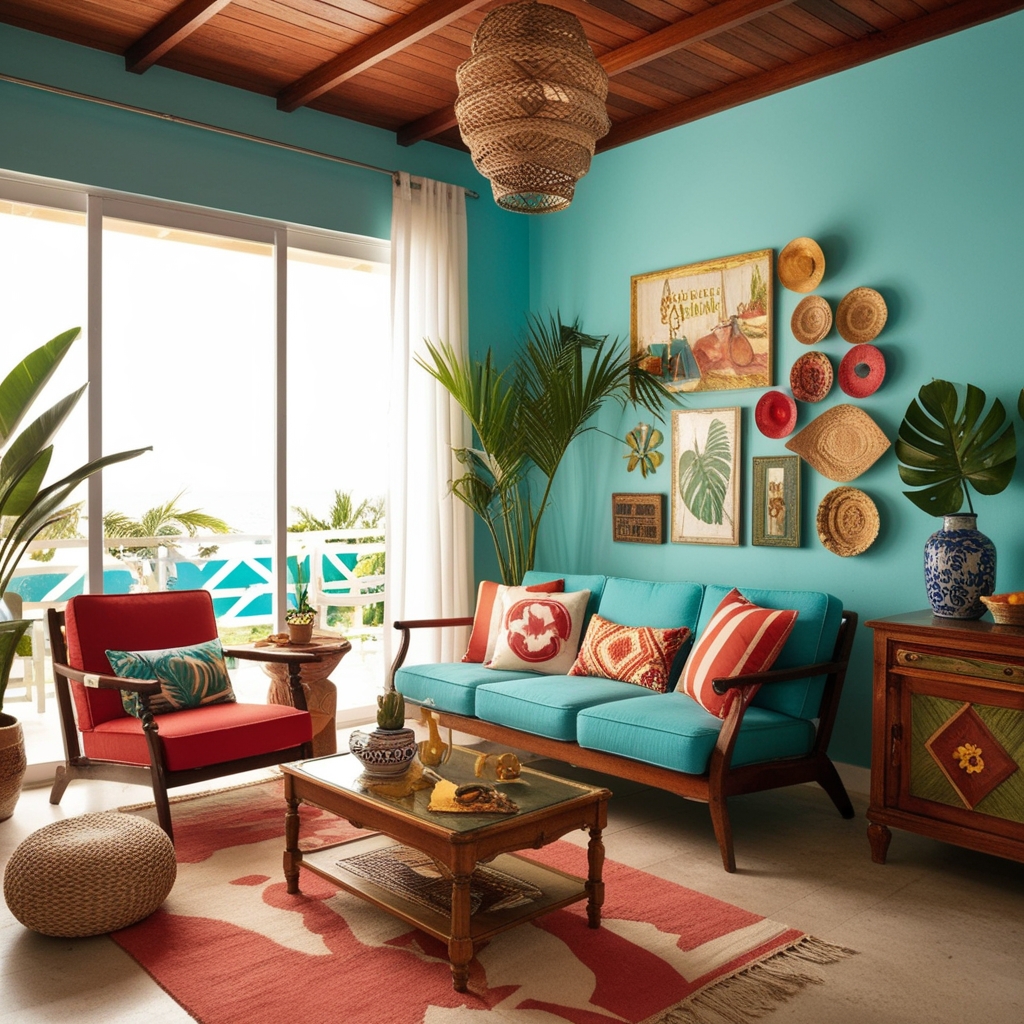
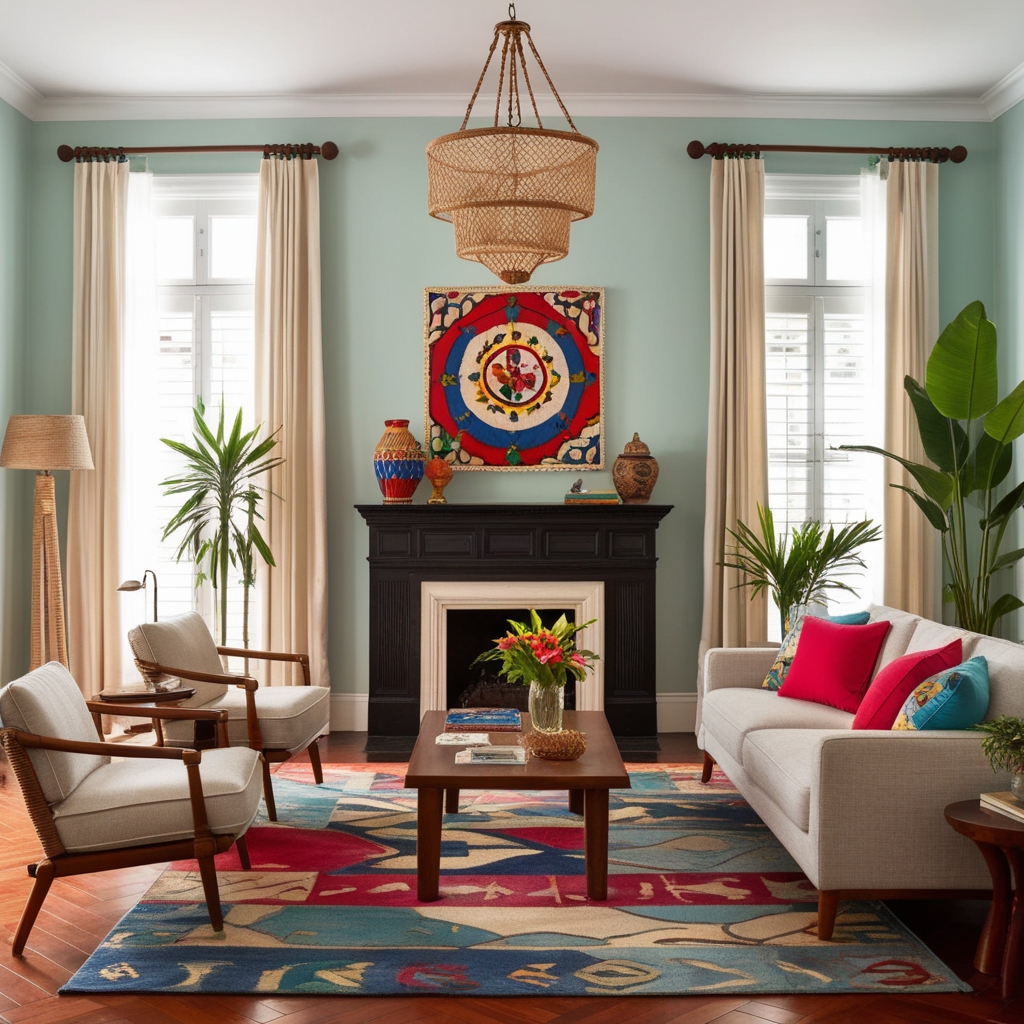
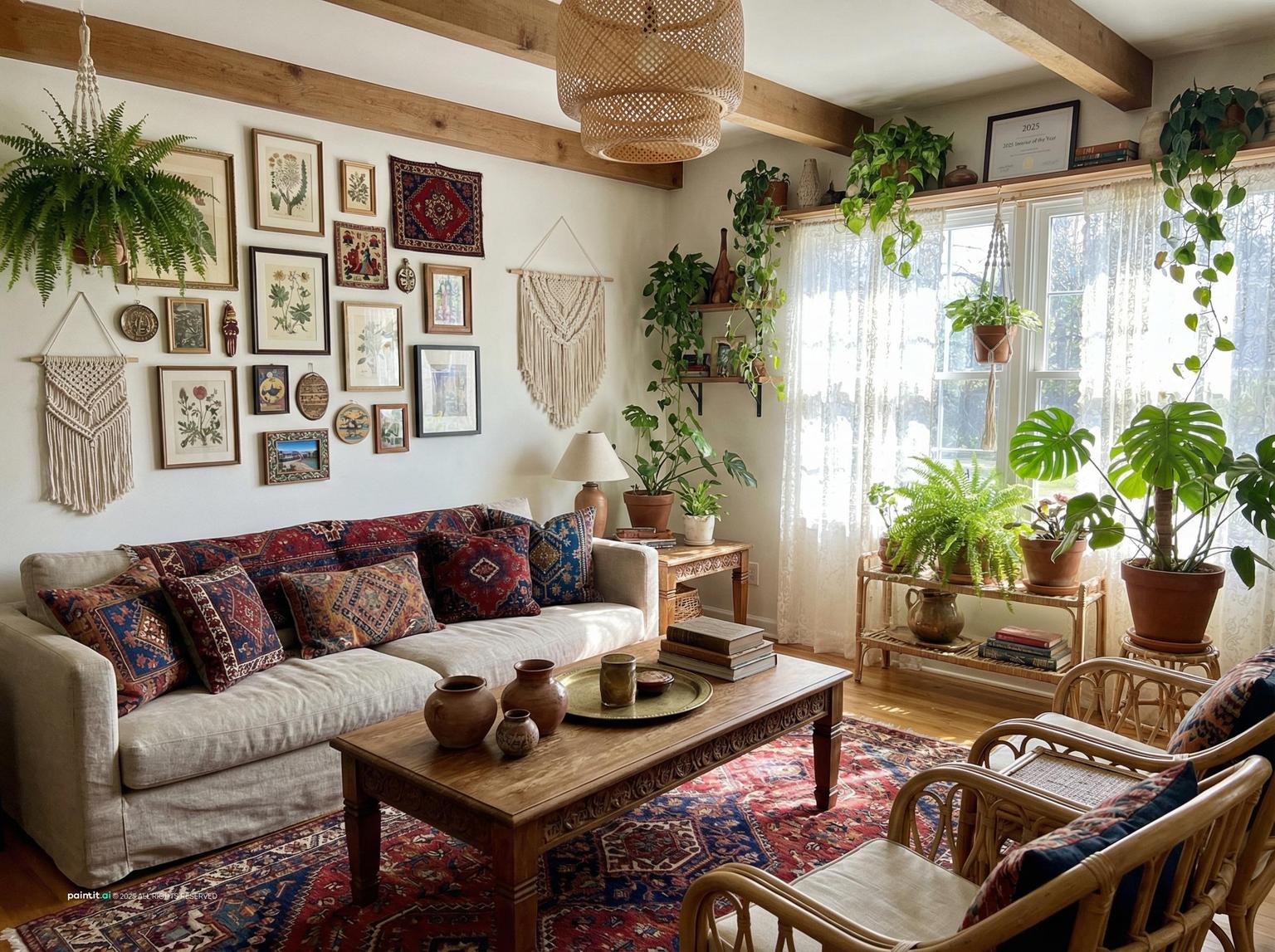
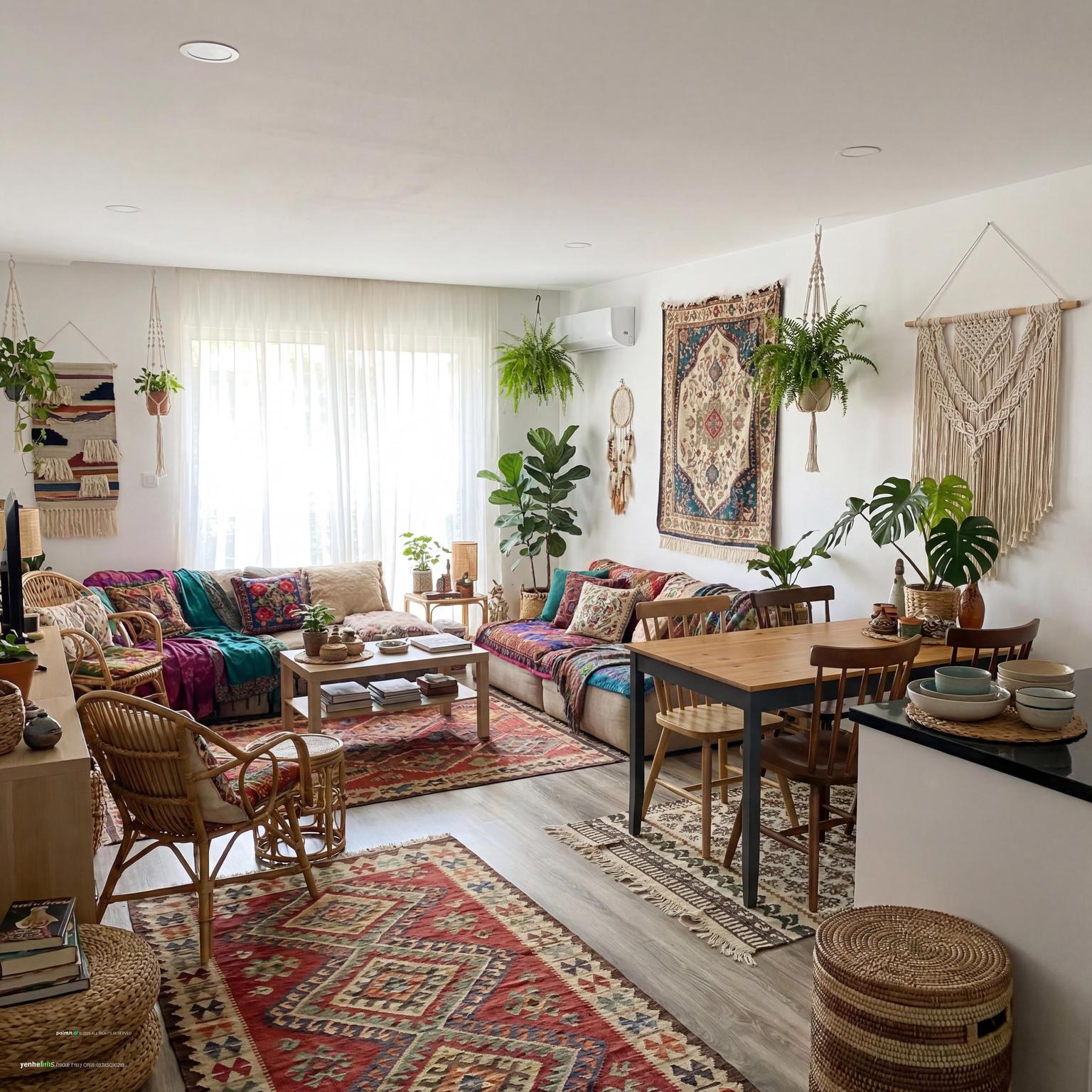
Related styles
FAQ
-
Cuban style draws from the interior design tradition of Havana's colonial architecture, Spanish colonial buildings modified over centuries of Caribbean life. The defining elements: decorative cement or encaustic tile floors in geometric patterns, mahogany colonial furniture (armoires, rocking chairs, carved beds), high ceilings with louvered shutters, faded pastel or ochre colour palettes, and the particular quality of age and patina that Cuban buildings develop in the tropical climate. The style is warm, slightly worn, culturally specific, and deeply atmospheric.
-
Terracotta orange, ochre yellow, colonial cream, faded coral pink, and dusty turquoise, all desaturated and sun-bleached rather than vivid. The warmth comes from the ochre and terracotta range; the Caribbean freshness from the turquoise. Walls are typically cream or warm white with stronger colours appearing on shutters, doors, accent walls, and textiles. The colour story always references age and patina rather than newness.
-
The mecedora is a low-slung rocking chair with a caned or slatted seat and back that appears in virtually every authentic Cuban colonial interior. It's designed for the tropical climate, lightweight, allowing airflow, comfortable for long conversations in the heat. As a design element, a Cuban rocker placed near a window or in an entry area immediately signals the style's cultural identity.
-
Yes. Upload a photo of your room to app.paintit.ai and see how Cuban colour palettes and material combinations read in your actual space in 1–2 minutes. Free to start.