
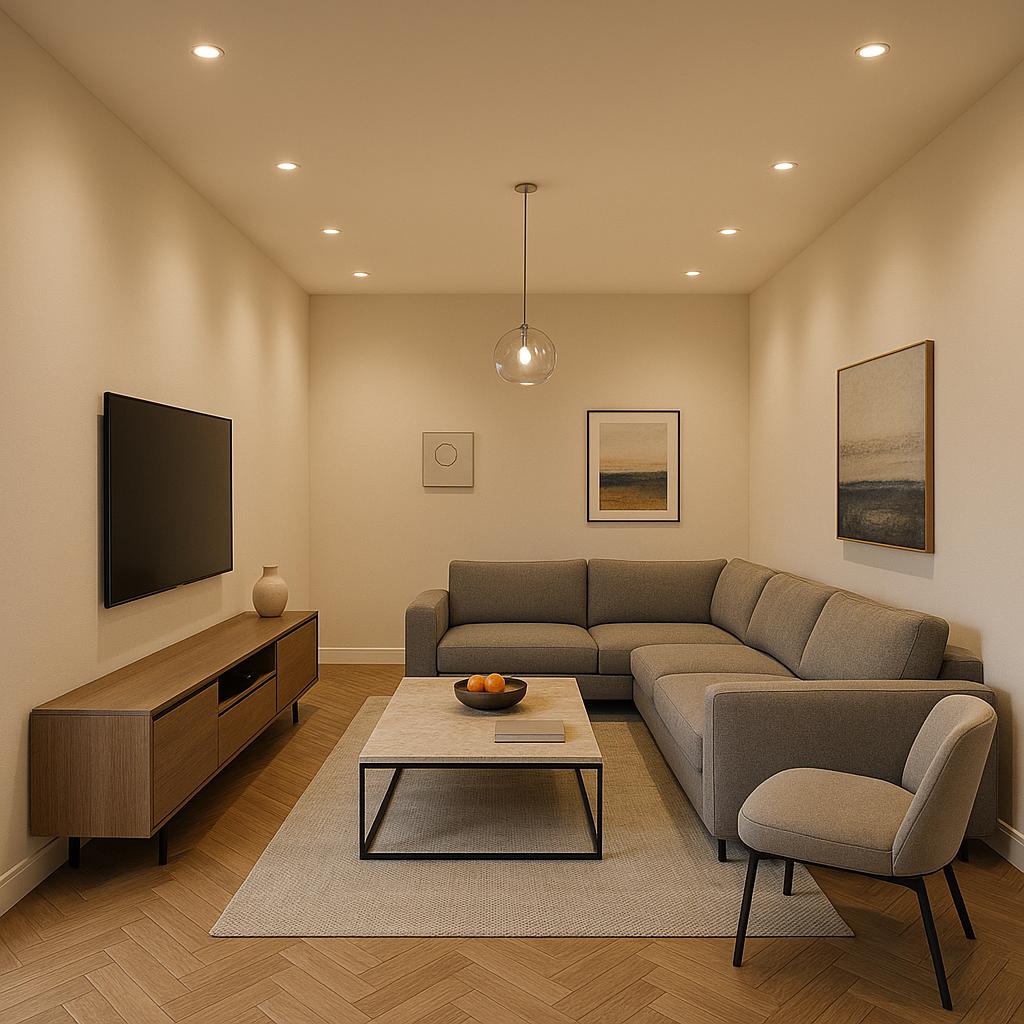
Luxury Modern Hotel Living Room Design
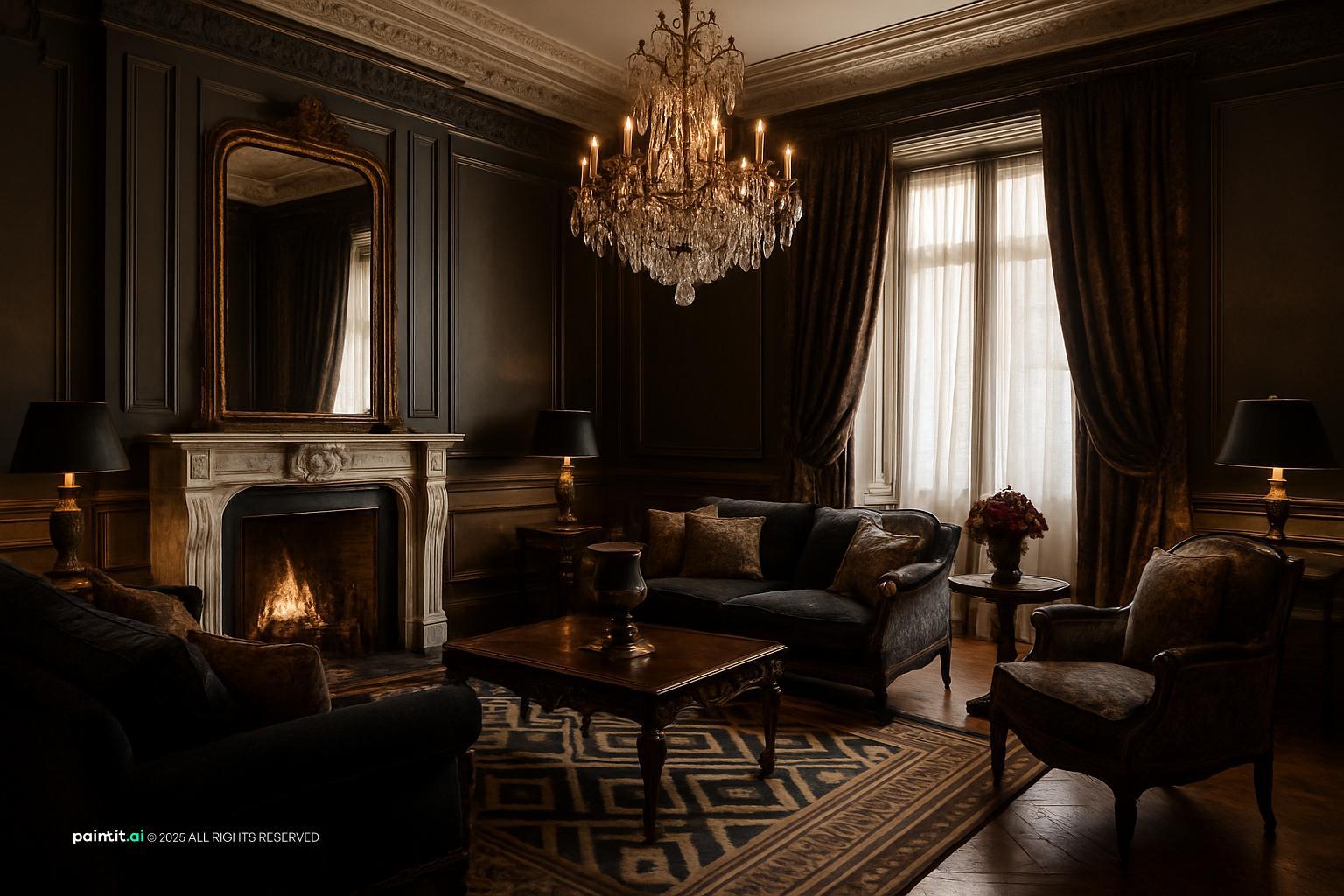
Luxury Modern Hotel Living Room Design uses kid-friendly play zone, metal accents and layered neutrals in a living room setting.
The best play area in living room ideas usually do not start with the toys. They start with the route through the room, the sofa sightline, the storage you can reach quickly, and one honest decision: where does play belong when the living room still needs to work for adults? A living room can hold a sofa, coffee table, TV, books, and a child’s daily play zone without feeling surrendered. The trick is to create a clear edge, keep the colors connected, and plan for the five-minute reset at the end of the day. In Paintit.ai, we often see people ask the tool to add or create something first, then refine the mess later; 30.1% of prompts use imperative verbs like «Make / Create / Add / Change…». That is a good reminder: start with the action, but do not skip the cleanup plan.
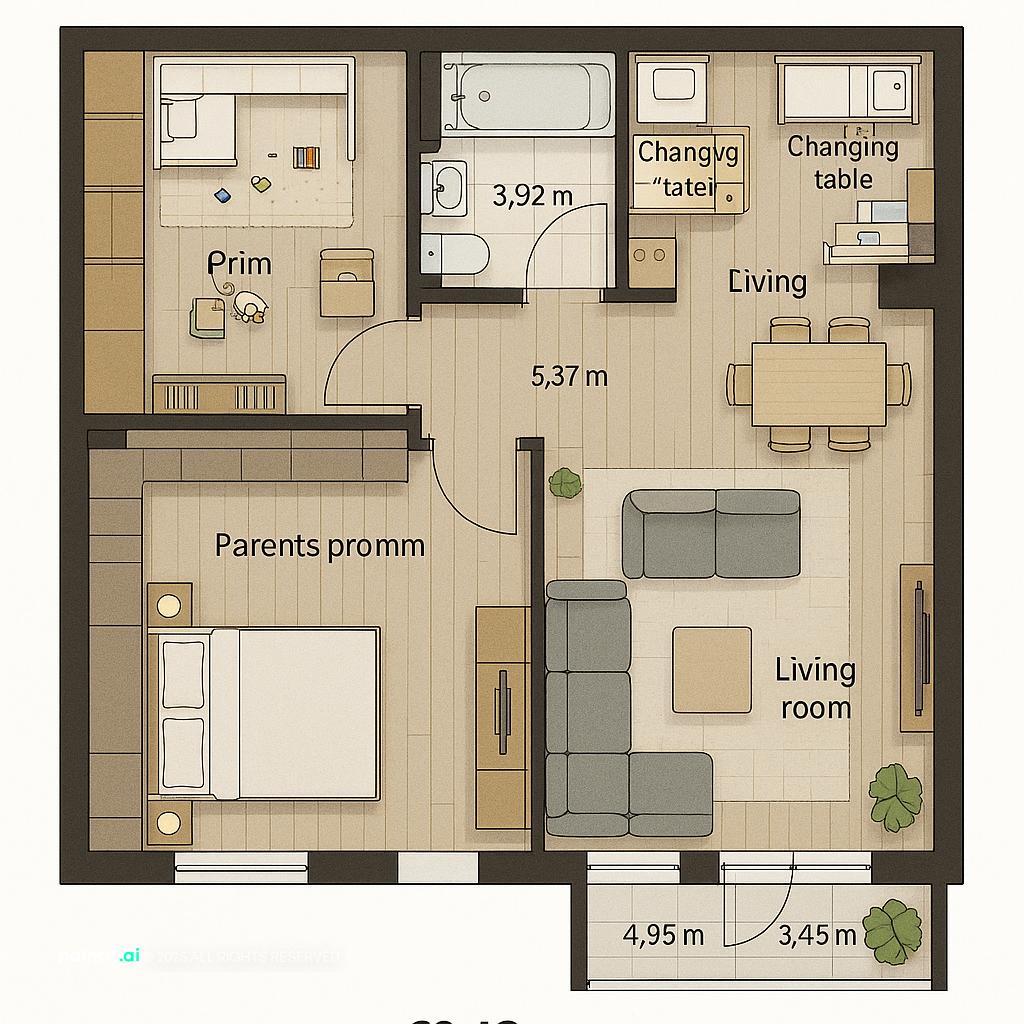
A strong family layout usually keeps the main seating arrangement intact, then adds a defined play zone where it does not cut across the route between the sofa, doorway, media wall, or dining area. In Paintit.ai usage, 12.0% of prompts include the constraint «keep / don't change», and that matches what we see in real uploads: most people are not asking for a full reset. They want to keep the sofa, the window wall, the fireplace, the built-ins, or the general feel of the room, while making daily life easier.
Think of living room play area ideas as small-space planning, not nursery decorating. A rug edge, low bookcase, storage baskets, ottoman with hidden storage, or wall-mounted shelf can create a visible boundary while still belonging to the living room. Before you buy a new cabinet or play mat, check the floor plan: where do adults walk, where does the child sit, and what is the first thing you see from the sofa? If you want to test proportions before moving furniture, use AI living room design to see how the play zone fits your real room.
Use the first visual set to compare living room play corner ideas that solve different problems: a corner beside the sofa, a window-side book nook, a storage wall under artwork, or a rug-defined zone near the main seating. The useful question is not only which one looks cute. It is which one lets adults supervise, keeps toys out of the walkway, and avoids making the play area the only thing the eye sees.
Luxury Modern Hotel Living Room Design uses kid-friendly play zone, metal accents and layered neutrals in a living room setting.
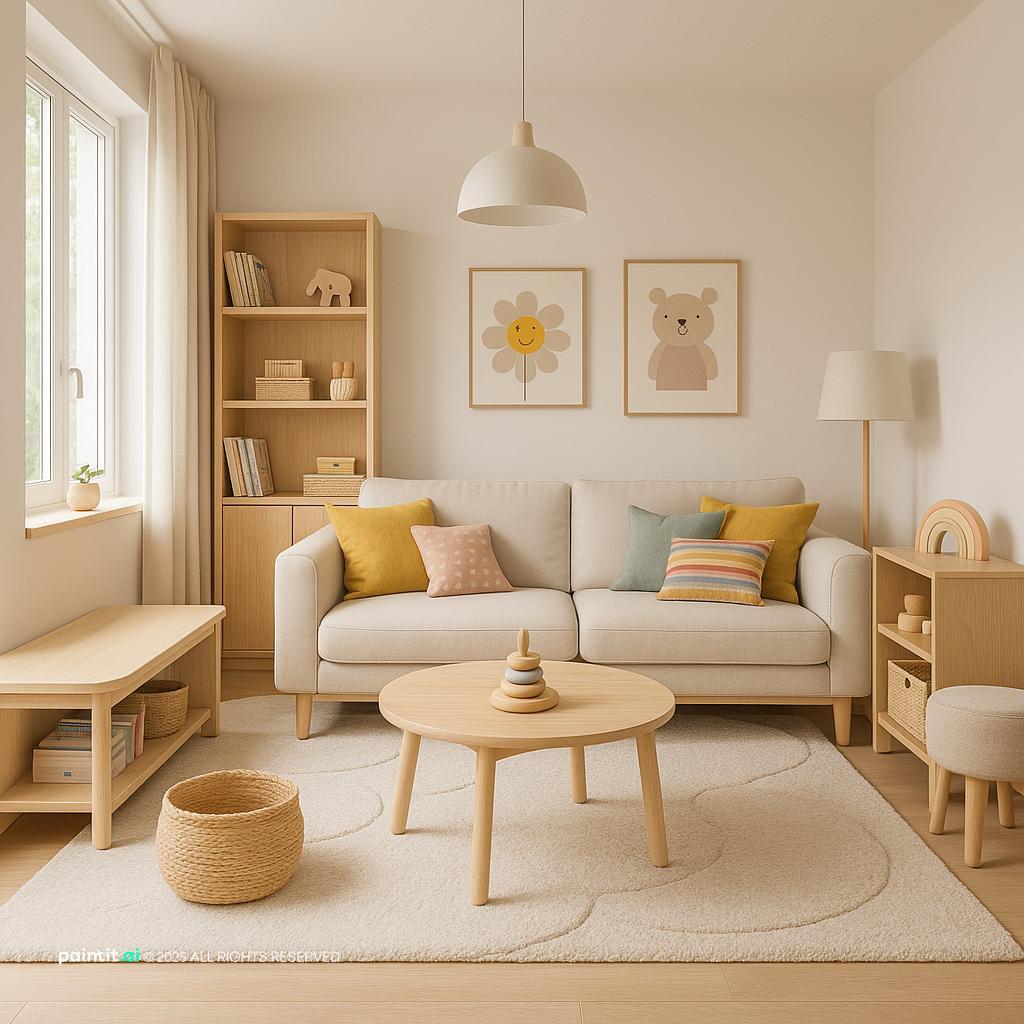
Cozy Scandinavian Living Room for Families balances kid-friendly play zone, warm wood and soft textiles in a living room setting.
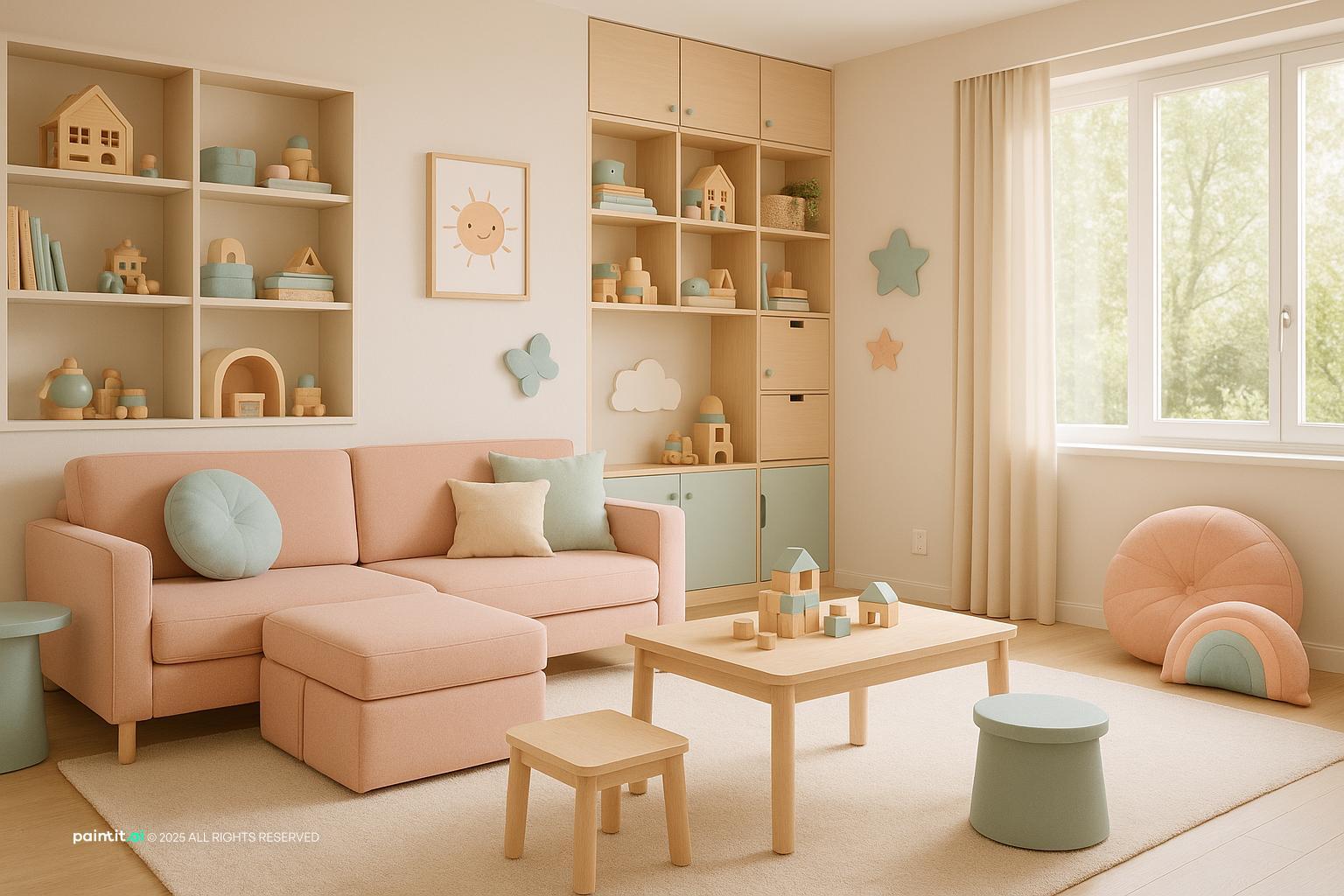
Play Area In Living Room Ideas with Kid-friendly Play Zone and Soft Textiles pairs kid-friendly play zone, soft textiles and natural light in a living room setting.
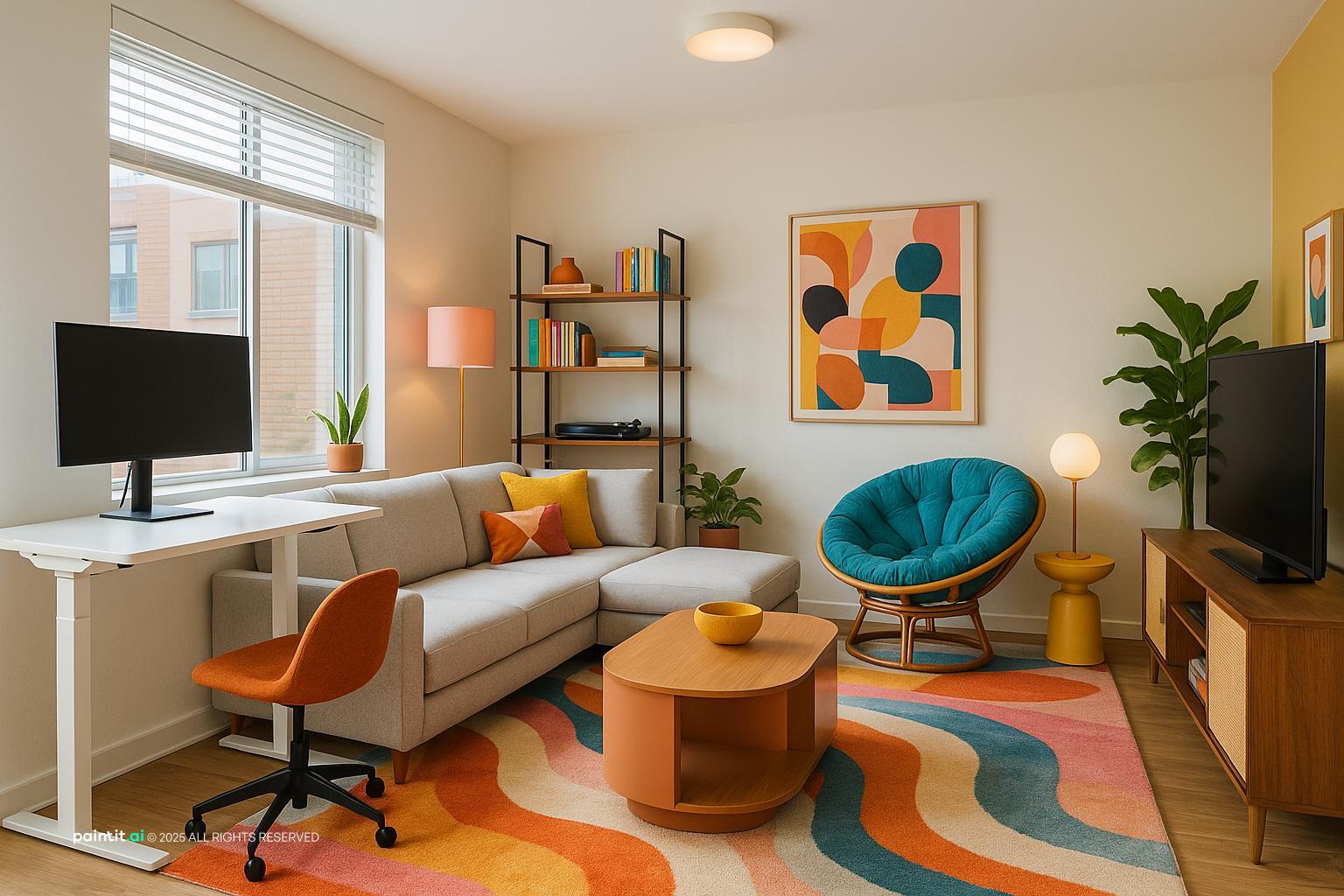
Play Area In Living Room Ideas with Kid-friendly Play Zone and Natural Light layers kid-friendly play zone and natural light in a living room setting.
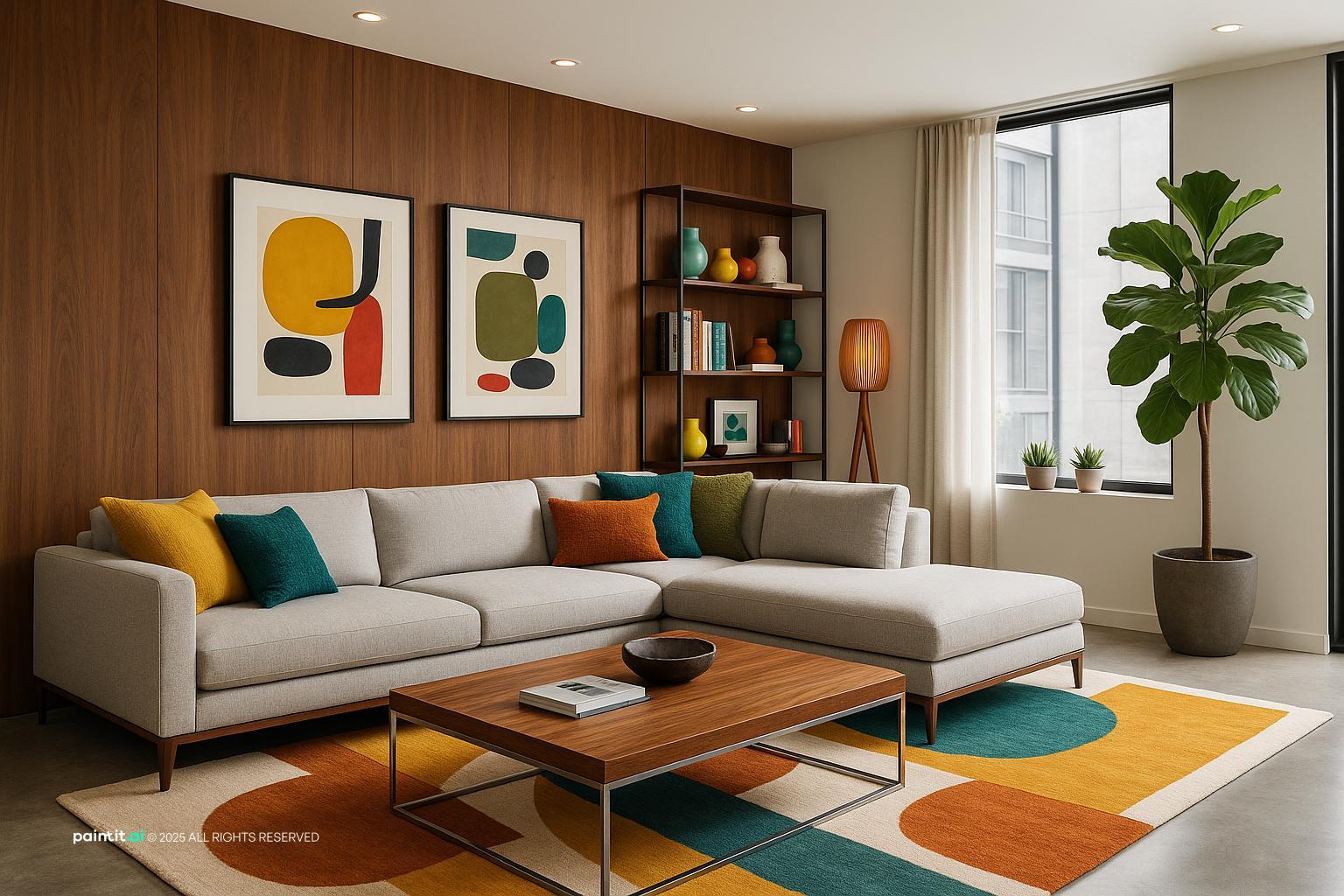
Play Area In Living Room Ideas with Kid-friendly Play Zone and Warm Wood anchors kid-friendly play zone, warm wood and soft textiles in a living room setting.
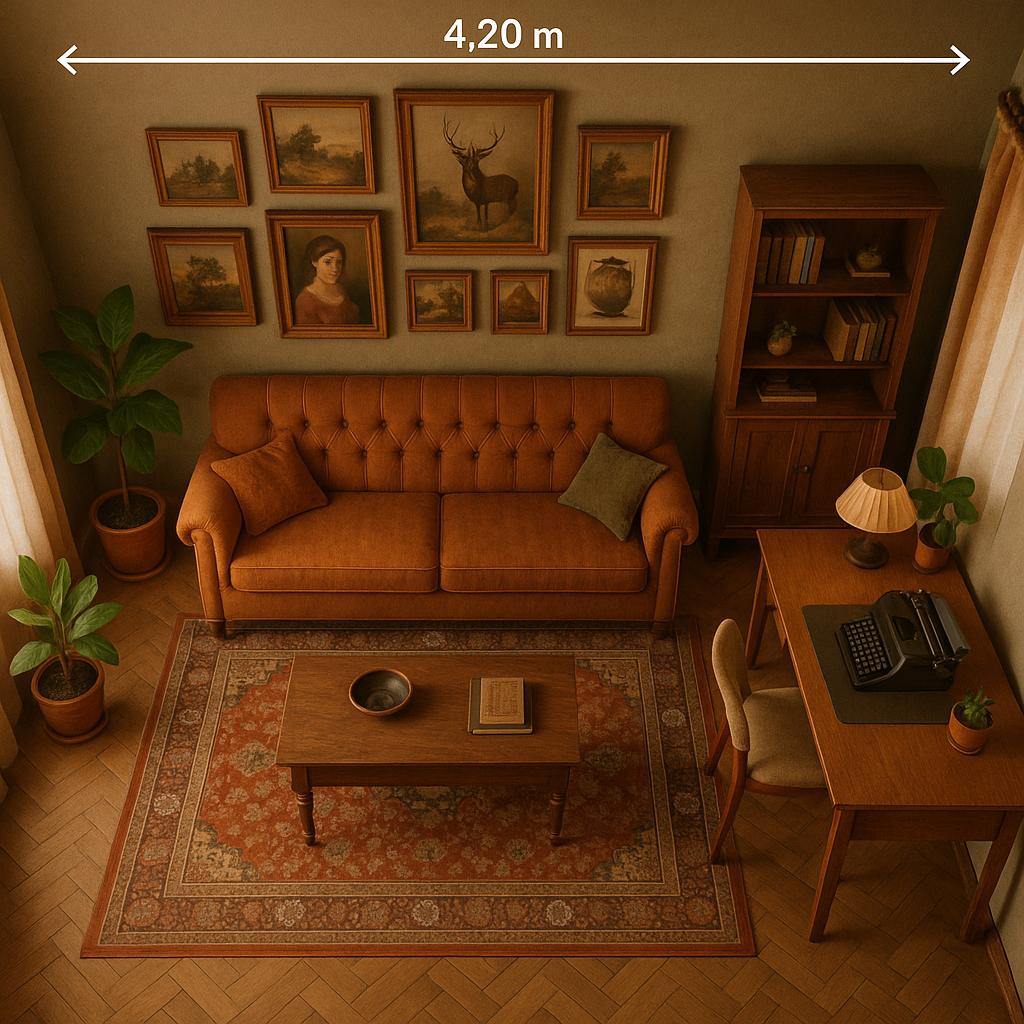
Play Area In Living Room Ideas with Kid-friendly Play Zone and Plants and Greenery softens kid-friendly play zone and plants and greenery in a living room setting.
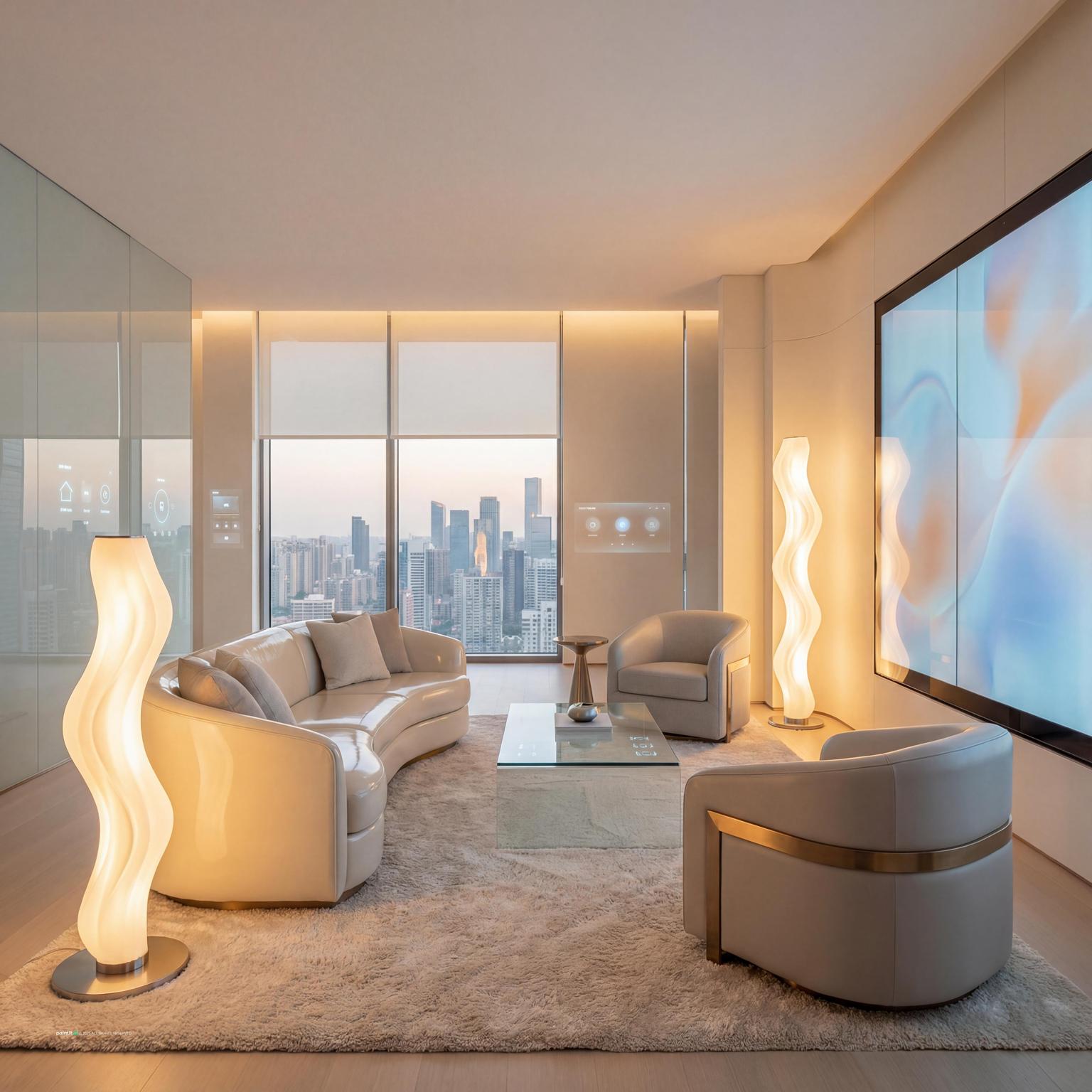
Futuristic Living Room Design for 2030 uses kid-friendly play zone, metal accents and layered neutrals in a living room setting.
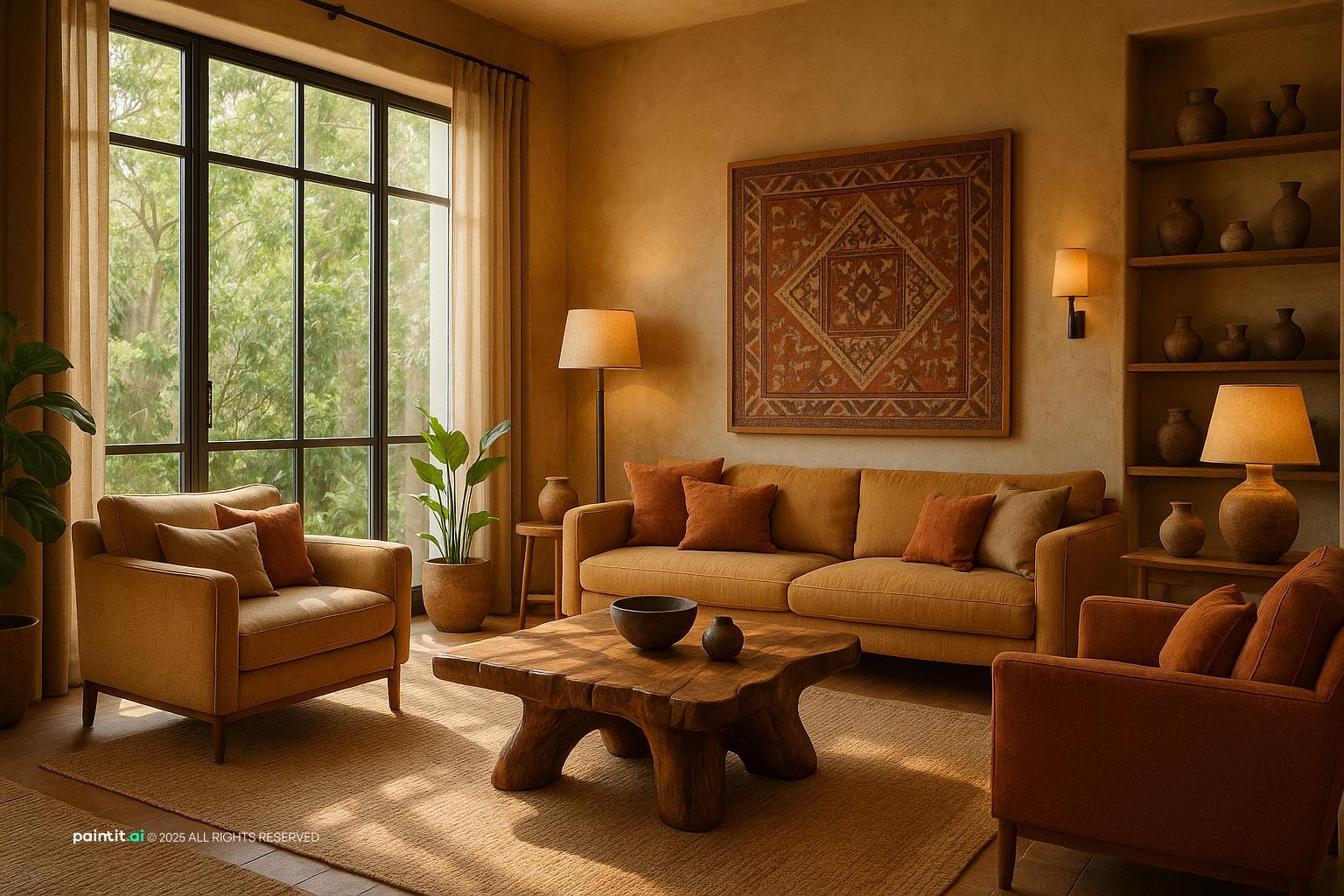
Play Area In Living Room Ideas with Kid-friendly Play Zone and Soft Textiles with Metal Accents balances kid-friendly play zone, soft textiles and metal accents in a living room setting.
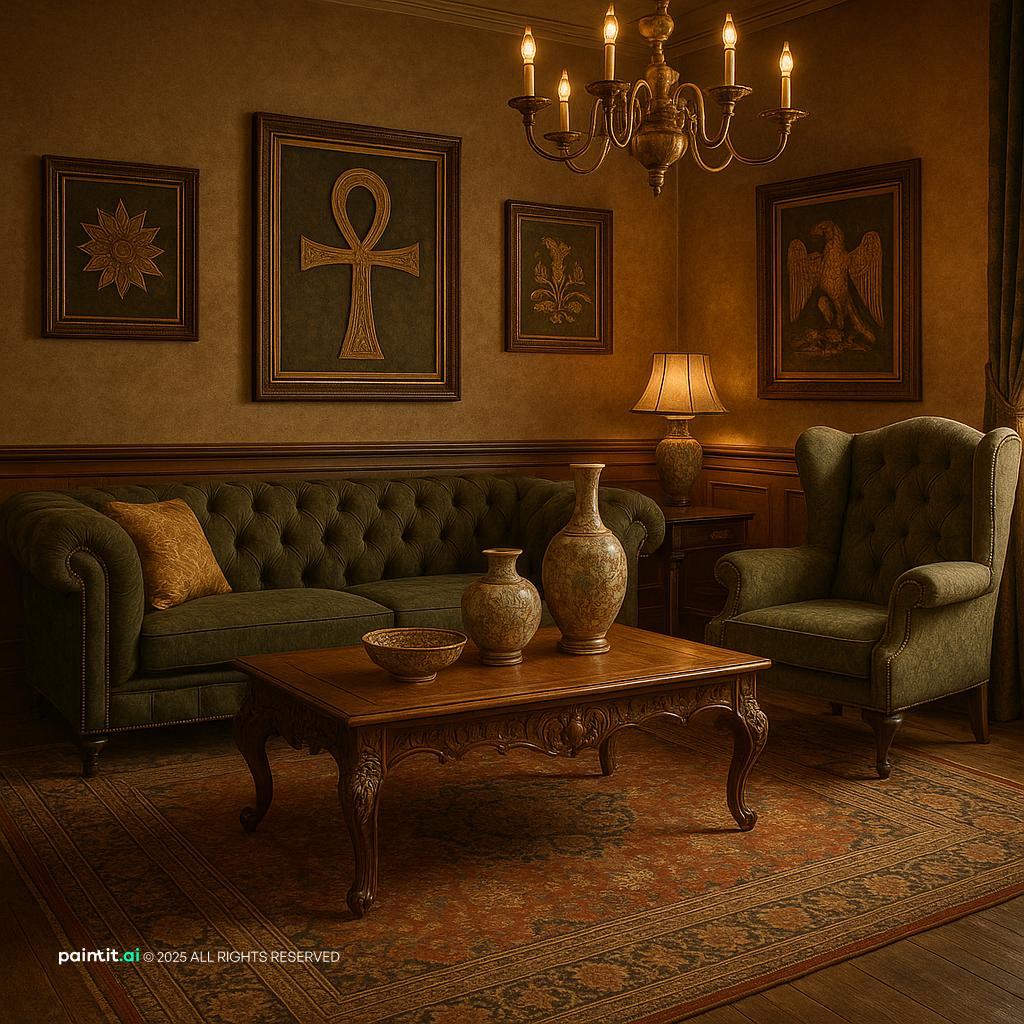
Elegant Vintage Living Room Design Inspiration pairs kid-friendly play zone and layered neutrals in a living room setting.
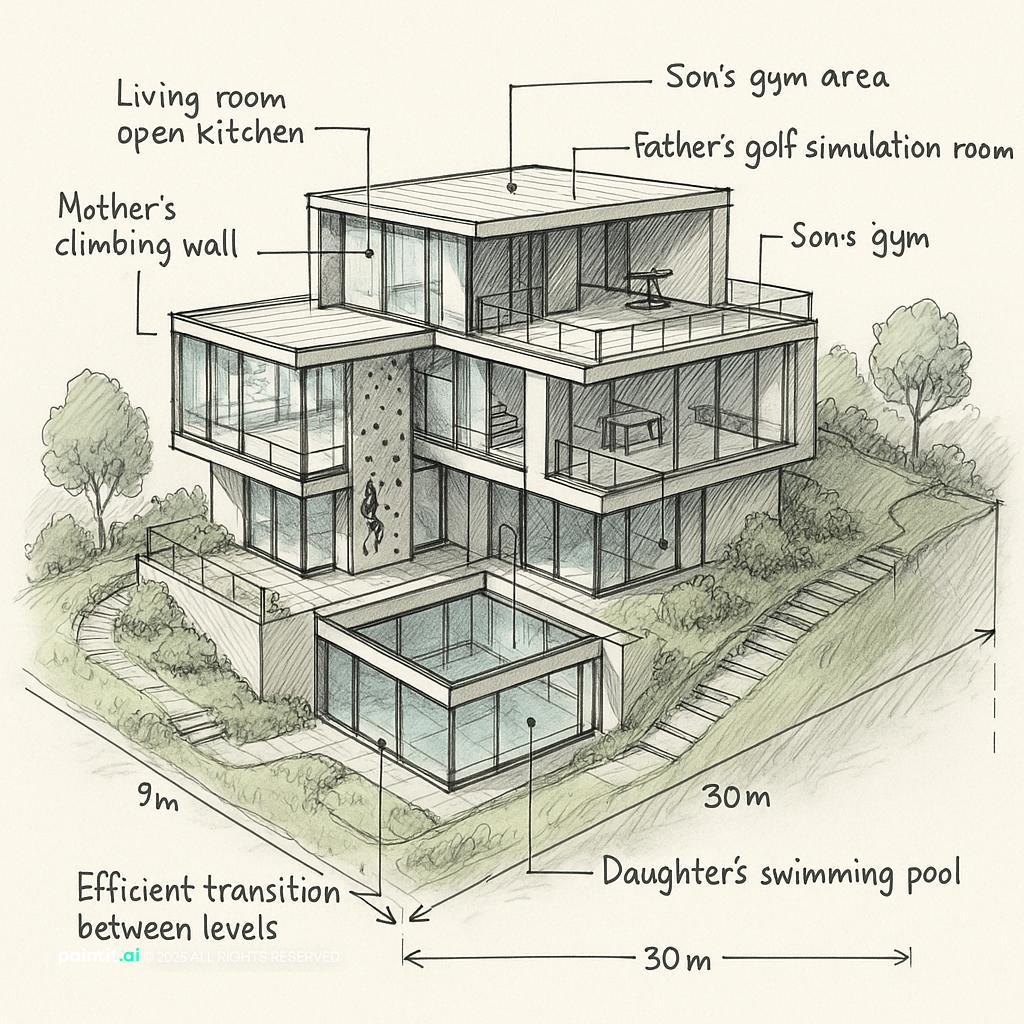
Modern Family Home with Unique Activity Spaces layers kid-friendly play zone and natural light in a living room setting.
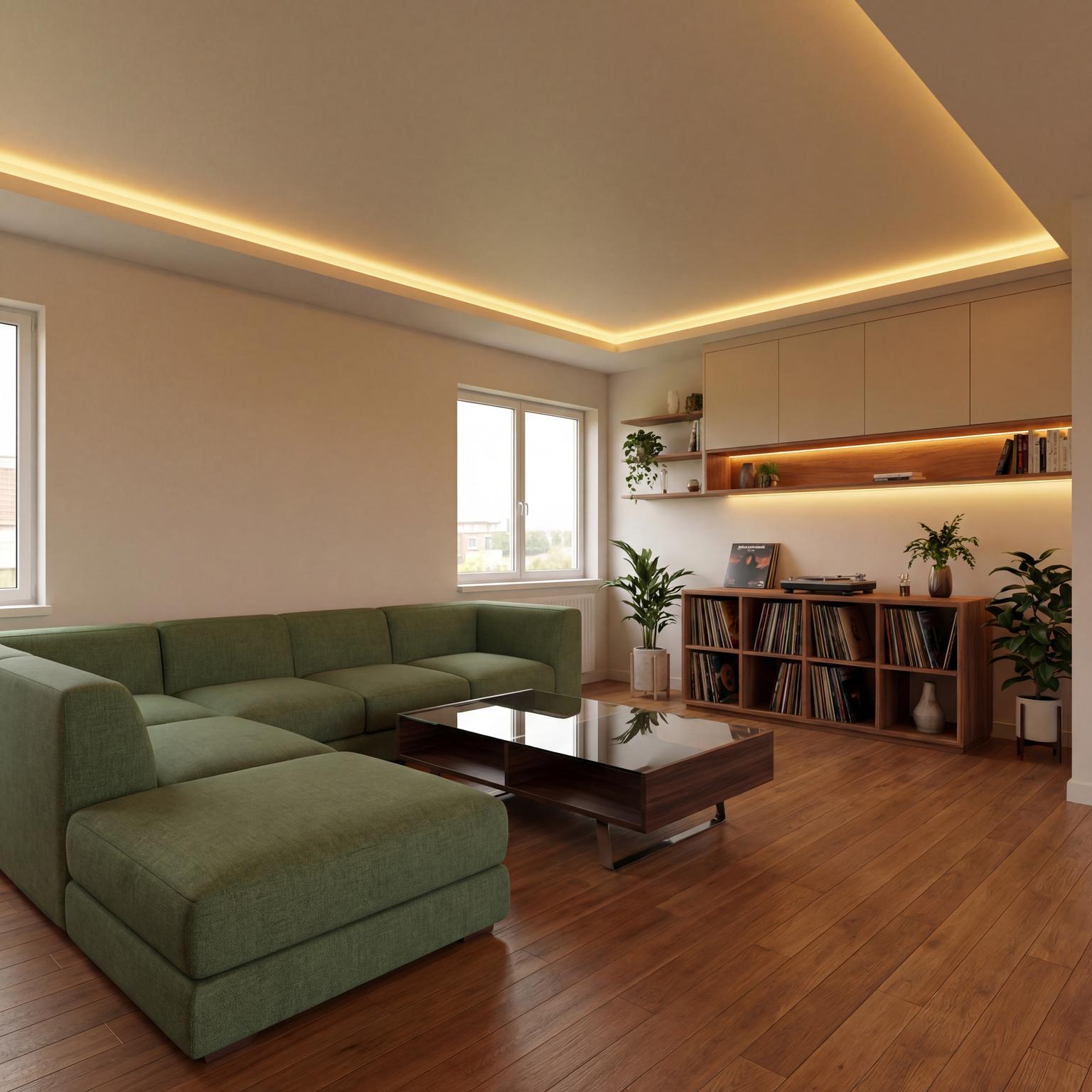
Minimalist Green Living Room Design anchors kid-friendly play zone, warm wood and plants and greenery in a living room setting.
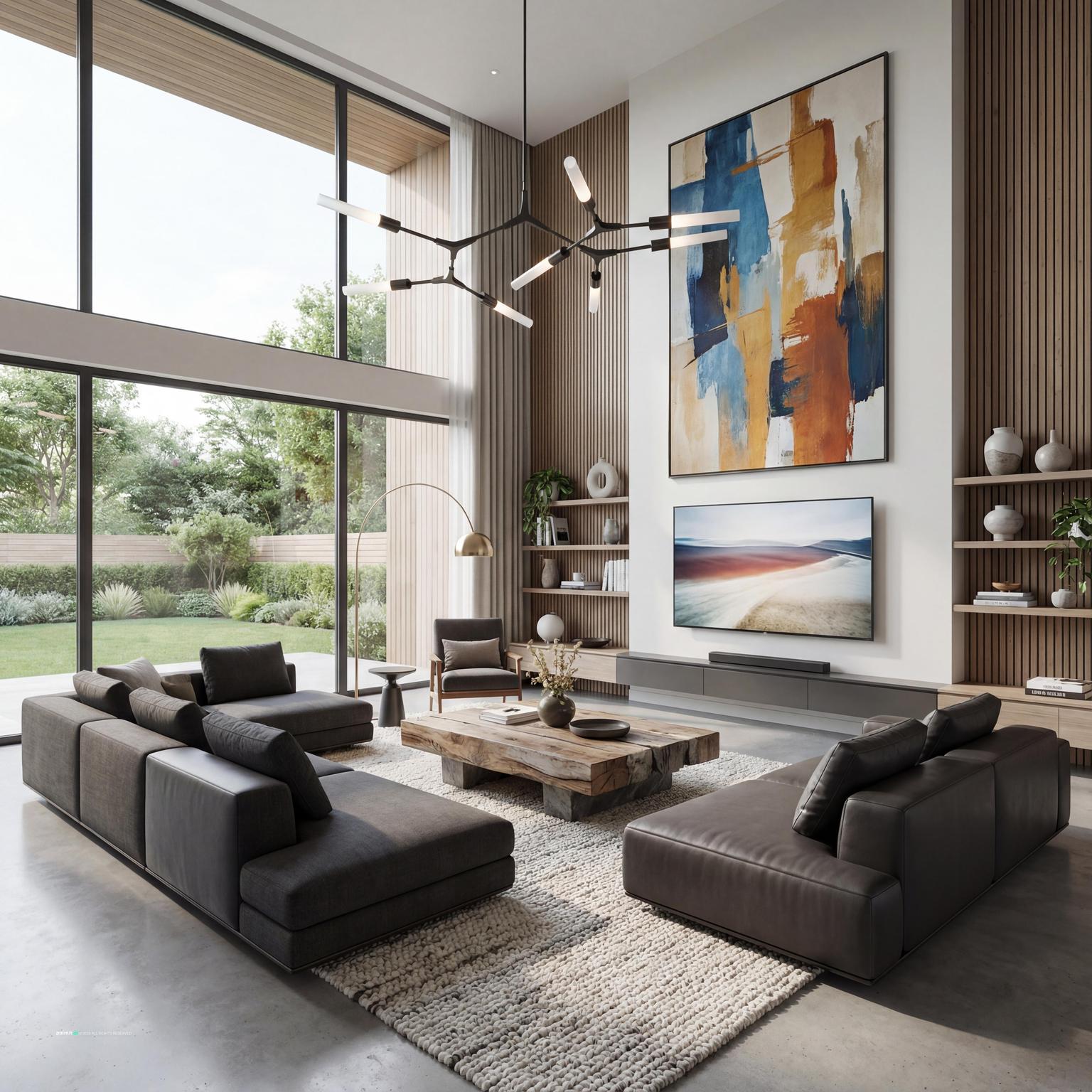
Play Area In Living Room Ideas with Kid-friendly Play Zone and Natural Light View 2 softens kid-friendly play zone and natural light in a living room setting.
A soft rug is the simplest way to tell the room where play begins and ends. Choose a rug large enough for a child to sit, build, read, and spread out a few toys without drifting into the main walkway. In a standard living room, leave a clear path of roughly 30 to 36 inches between the rug and major traffic routes when possible.
Why it works: children understand boundaries better when they can see them. A soft rug also protects knees and floors, cuts down noise, and gives the play area visual weight without adding a screen or extra wall. The common mistake is buying a tiny play mat that floats in the middle of the room. It looks temporary, and toys usually spill past it by breakfast.
A kids play area in living room layouts works best when adults can glance over without turning the whole room into a daycare corner. Place the zone beside the sofa, diagonally across from it, or near a window that can be seen from the main seat. Keep the route from the sofa to the door, balcony, kitchen, or stairs open.
This is where the keep principle matters. You often do not need a new sectional or a full redesign. Keep the anchor pieces that already work, then add a low storage unit, soft rug, and small table in a side zone. I would avoid putting play directly in front of the TV if that creates a daily fight between screen time, toy piles, and adult downtime.
Low shelves, cubbies, and open bins usually work better than tall cabinets for everyday toys. Keep the most-used items at child height and save upper shelves for art supplies, board games, or anything that needs adult help. Labels can be visual instead of written: blocks in one basket, animals in another, books facing out.
In Paintit.ai tests, we often see that rooms prompted with «no clutter» look more believable when storage is visible but calm. The goal is not to erase every sign of children. The goal is to make cleanup obvious. Avoid deep toy chests where everything sinks to the bottom; children empty the whole box to find one car, and the room loses in two minutes.
Baskets are one of the easiest toy storage living room ideas because they can sit under a console, beside a sofa, inside a media unit, or on a lower shelf. Use two or three larger storage baskets instead of many small mismatched containers. Natural fiber, felt, canvas, or woven seagrass usually blends better with living room furniture than bright plastic bins.
Why it works: repeated materials make the play area look planned. A woven basket near a wood coffee table feels like part of the room, not a panic bin. For daily toys, skip lids if they slow cleanup. Use lidded boxes only for things you rotate weekly or want fully out of sight.
A corner with an outlet, window, or awkward wall return can become a compact book nook. Add a floor cushion, small wall shelf, picture ledges for books, and a plug-in sconce or shaded table lamp. Keep the seat low, washable, and easy to move so it feels child-friendly without becoming a bulky object.
This works especially well when the living room already has a quiet corner that does not support conversation seating. Use the same wall color and wood tone as the rest of the room so the nook feels connected. Be careful with themed decals. They look fun in a product photo, but they can age fast and make the corner feel separate from the adult space.
A large upholstered ottoman can act as a soft landing surface, coffee table, footrest, and toy hiding spot. Choose one with a tray for drinks and books, or pick a lift-top version if you need hidden storage. Rounded corners help in rooms where children run, climb, and change direction quickly.
Why it works: it removes collision points without making the living room feel stripped down. Leather, performance fabric, or tightly woven upholstery handles daily use better than delicate linen. Watch the height. If the ottoman sits too high compared with the sofa seat, the whole seating area starts to feel cramped and awkward for adults.
When floor space is tight, move part of the play zone onto the wall. Use shallow ledges for books, peg rails for dress-up items, narrow cubbies, or a wall-mounted fold-down desk for drawing. Keep the floor simple: one rug, one basket, and one low seat may be enough.
The best small living room play area does not try to hold every activity. Pick one or two: reading plus blocks, art plus puzzles, or pretend play plus storage. What usually goes wrong is scale. Oversized play tents, bulky plastic kitchens, and wide toy bins can look charming online, then block every angle in a compact room.
A waist-high bookcase can separate the play mat from the adult seating area without cutting off supervision. Place it perpendicular to a wall or behind a sofa if the room has enough depth. Use baskets on the lower shelves and books or decor on the upper shelves to blend function with styling.
Why it works: it creates zoning while preserving light and sightlines. The play area feels like a room within a room, but adults can still see what is happening. Anchor the bookcase properly and test it for wobble. Avoid tall dividers in small rooms; they often darken the corner and make the play area feel like a storage closet.
Keep daily access to a small, useful group of toys and store the rest in a closet, cabinet, or closed bin. Rotate every few weeks or when the child loses interest. This keeps the play zone fresh while reducing visual noise.
Paintit.ai insights show that 4.5% of prompts include the declarator «declutter / empty», and family rooms often benefit from that mindset. A play area does not need to be bare, but it needs breathing room. If every basket is packed to the top and cleanup requires force, the storage system is already too full.
If the living room is also used for coloring, clay, stickers, or snacks, choose a washable table, wipeable mat, and nearby supply storage. A small round table can work better than a rectangular one because circulation is softer and there are no sharp corners. Put it on the edge of the play zone, not in the middle of the room.
Why it works: messy activities need a clear landing spot. When markers, paper, wipes, and trays live nearby, they are less likely to migrate to the sofa or media console. Avoid keeping glue, paint, or markers on open child-height shelves unless they are always supervised.
A play mat can be practical without taking over the design. Look for muted patterns, washable cotton, quilted neutral mats, or foam tiles in warm gray, oatmeal, sage, clay, or soft blue. If your living room already has a traditional rug, layer a smaller washable mat only during playtime and store it rolled in a basket.
This is a useful compromise for renters and open-plan homes. The mat adds softness when needed and disappears when guests arrive. Avoid high-contrast alphabet mats unless the room already uses strong color blocking. Otherwise, the play mat becomes the loudest surface in the room.
The media wall is often the largest built-in storage opportunity in a family living room with play area. Use lower closed cabinets for toys, puzzles, and games, while keeping upper shelves for books, ceramics, and framed art. If you have open shelving, mix baskets with a few adult objects so the wall does not read as pure toy storage.
Why it works: it pulls play storage into an existing focal wall instead of scattering it around the room. This is also a good place to use AI virtual staging to compare cabinet colors, basket textures, and shelf balance before committing. Avoid glass-front cabinets for toy zones unless everything inside is stored in matching boxes.
The prettiest layout fails if you cannot see the child from where adults actually sit. Before buying storage, sit on the sofa and check the sightline. Can you see the rug? Can you reach the play corner quickly? Does the child have enough light without sitting in glare?
In uploaded family rooms, the weak spot is often not style; it is poor zoning. A lovely corner behind a chair can photograph well but fail in daily use. I would solve sightline first, then storage, then styling. If the play zone forces adults to keep standing up or turning around, it is in the wrong place.
Every family living room with play area needs one uncluttered surface: the coffee table, media console, sideboard, or top of a low cabinet. This gives the room an adult visual pause even when the play rug is active. At night, return small toys to baskets and leave that surface clear.
Why it works: the eye needs somewhere to rest. Paintit.ai data shows 8.8% of prompts include "negatives" like «without», «no clutter», and that is a practical design goal for real family rooms too. Do not style every shelf and tabletop with small objects. Children’s toys already add movement, color, and shape.
The second visual block should compare open, child-led play areas with more concealed setups using cabinet doors, baskets, ottomans, and built-ins. Some families are comfortable seeing toys during the day. Others need the room to reset fast at night. The better choice is the one you can maintain without a long cleanup routine.
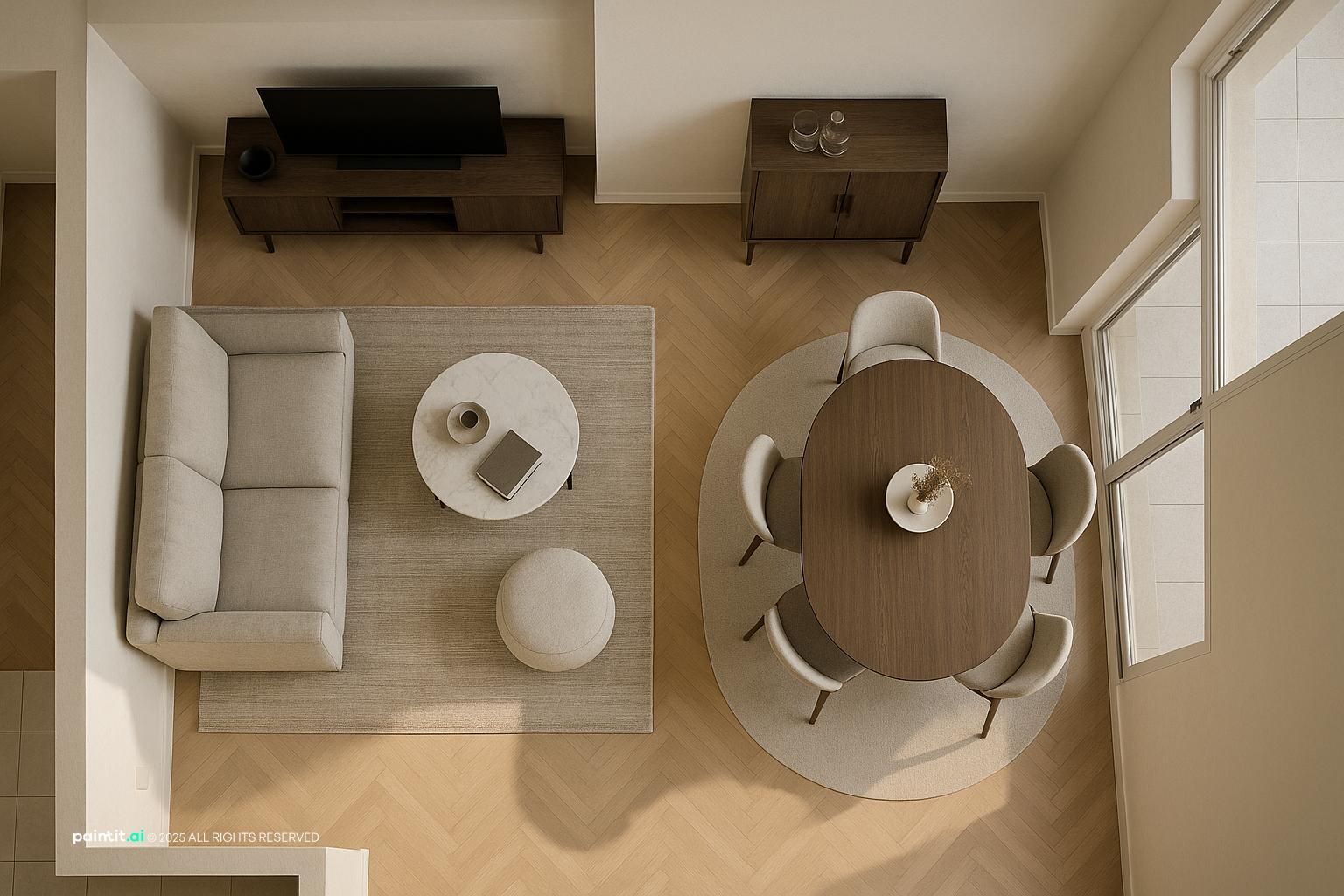
Award-Winning Contemporary Living Room Design uses kid-friendly play zone, soft textiles and open layout in a living room setting.
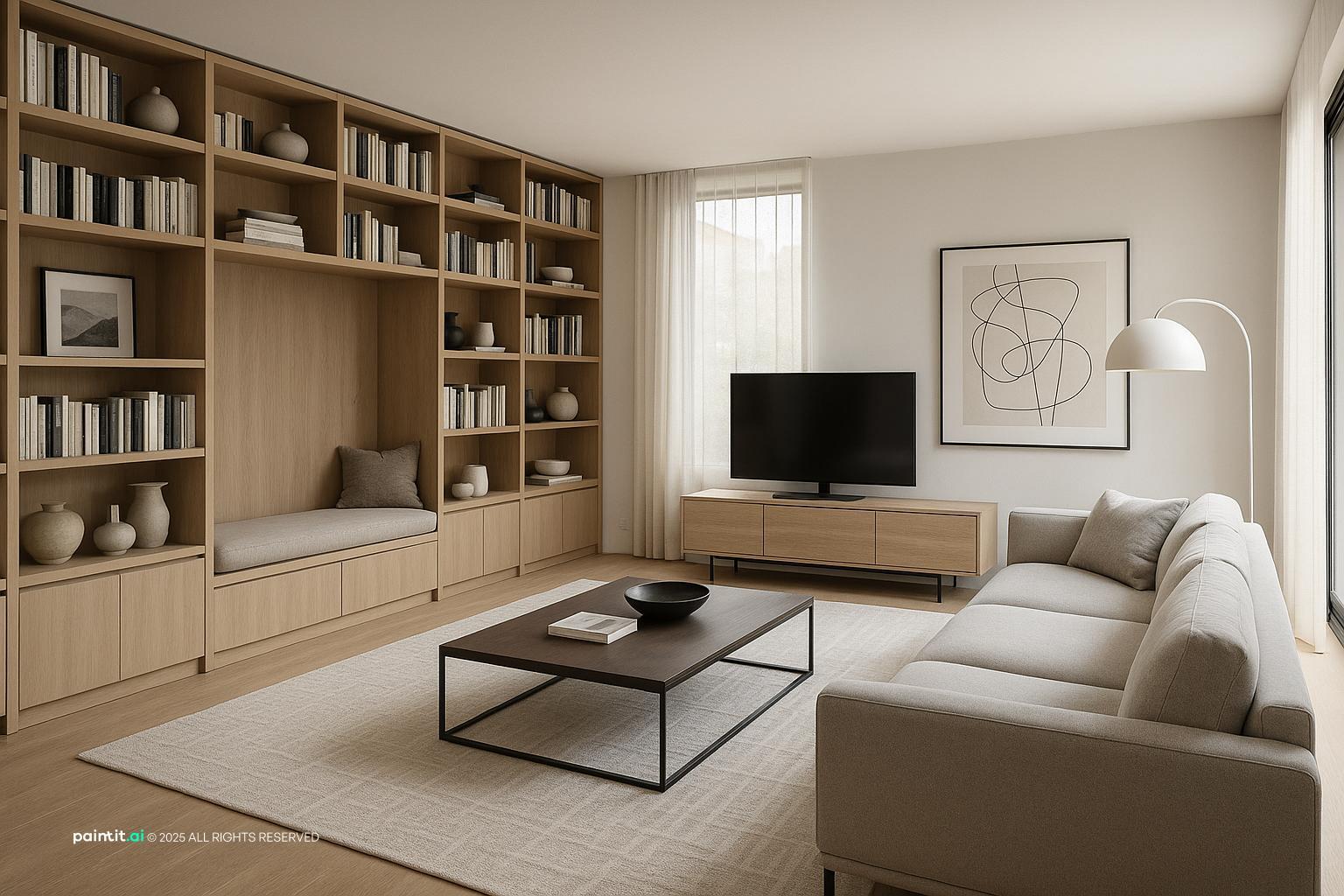
Play Area In Living Room Ideas with Kid-friendly Play Zone and Layered Neutrals balances kid-friendly play zone, layered neutrals and natural light in a living room setting.
Play Area In Living Room Ideas with Kid-friendly Play Zone and Soft Textiles with Layered Neutrals pairs kid-friendly play zone, soft textiles and layered neutrals in a living room setting.
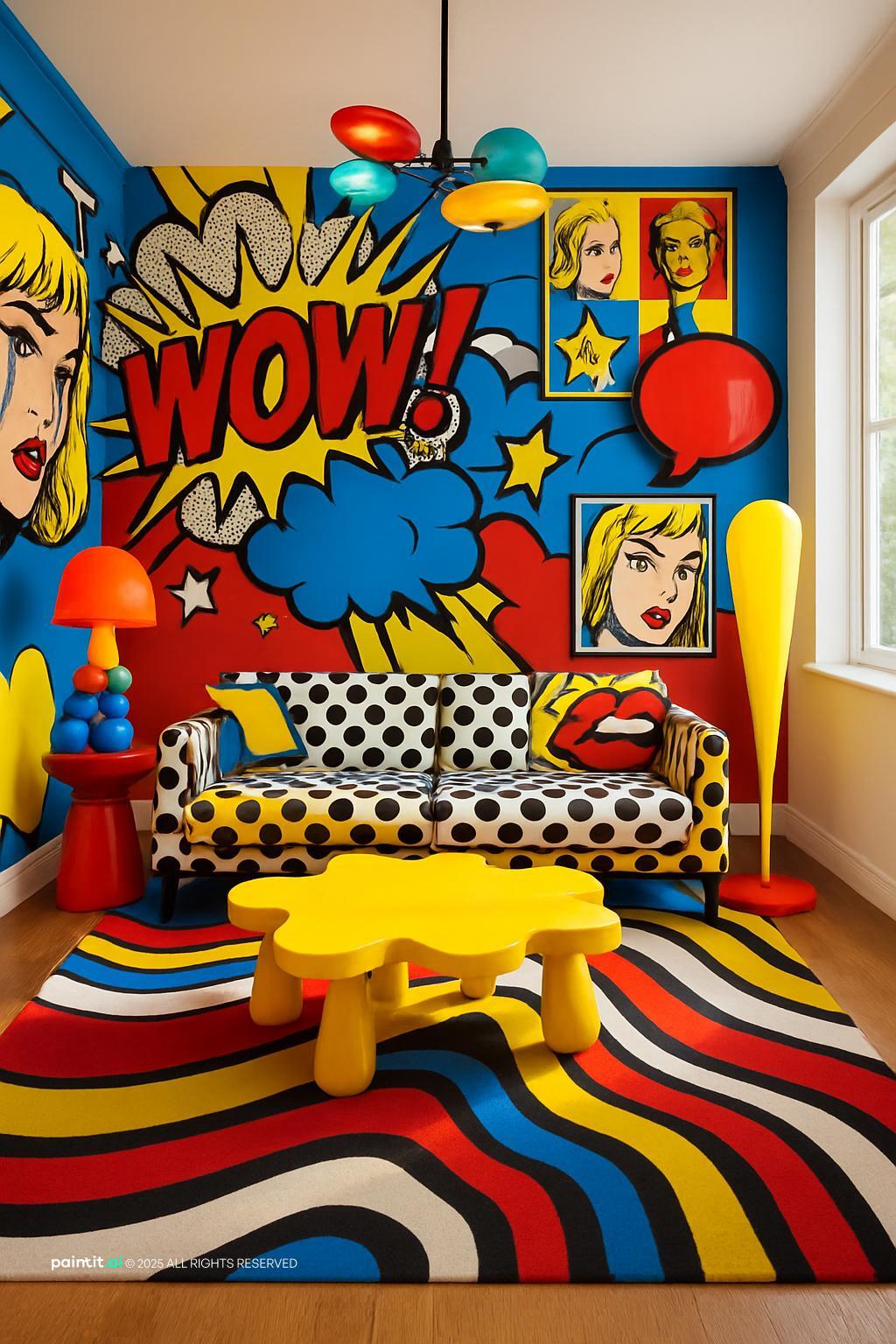
Play Area In Living Room Ideas with Kid-friendly Play Zone and Dark Contrast layers kid-friendly play zone, dark contrast and natural light in a living room setting.
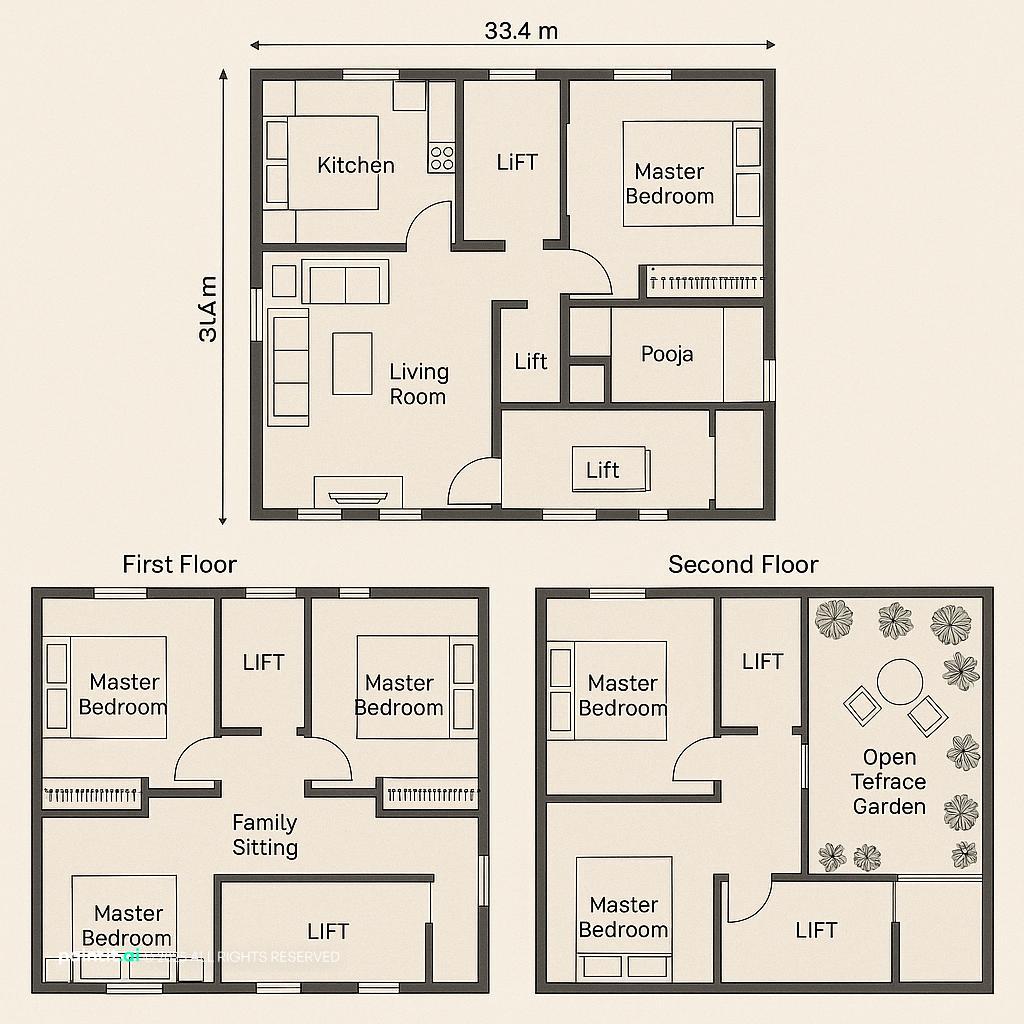
Modern Minimalist Residential Design Plan anchors kid-friendly play zone and plants and greenery in a living room setting.
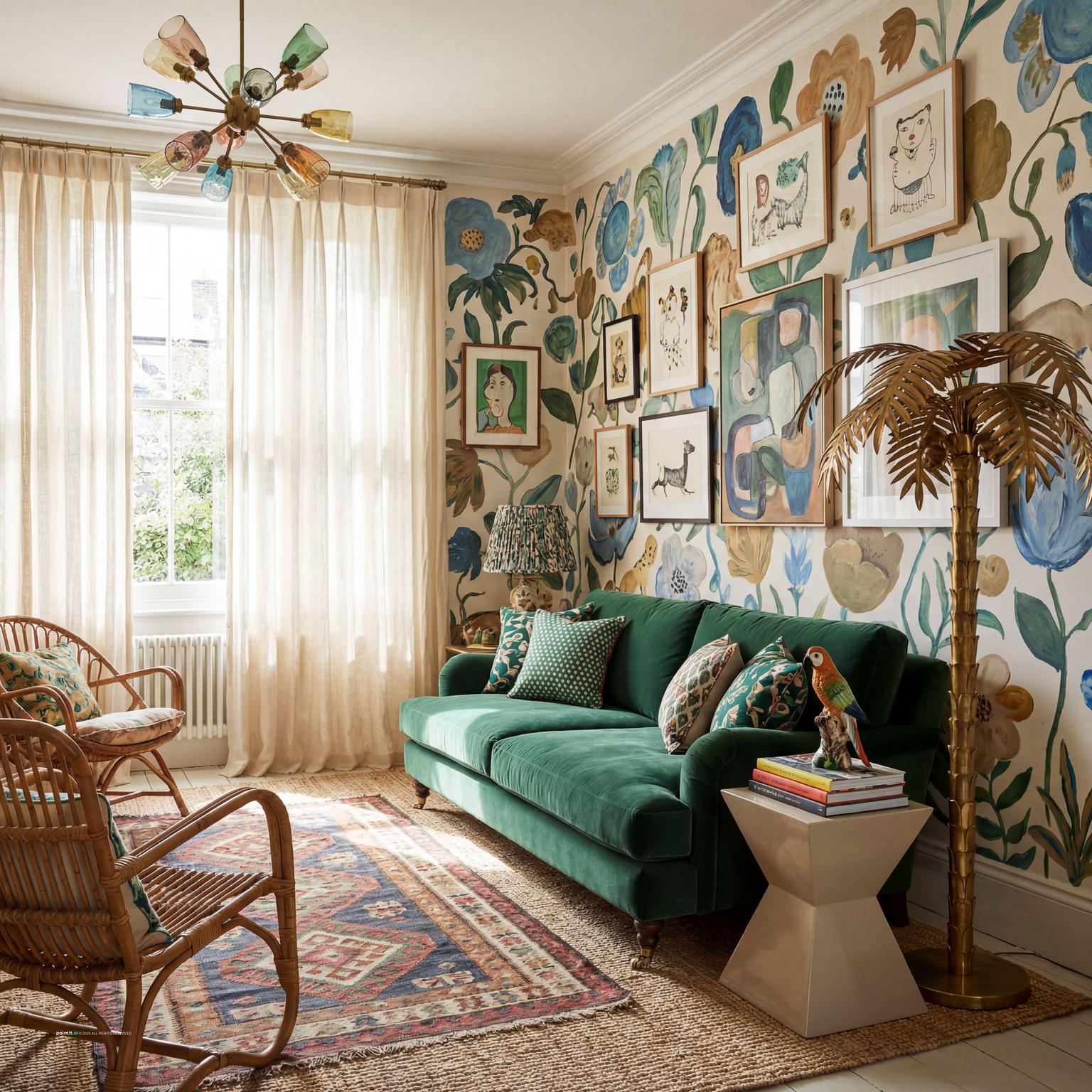
Eclectic Beata Heuman Living Room Design softens kid-friendly play zone, soft textiles and natural light in a living room setting.
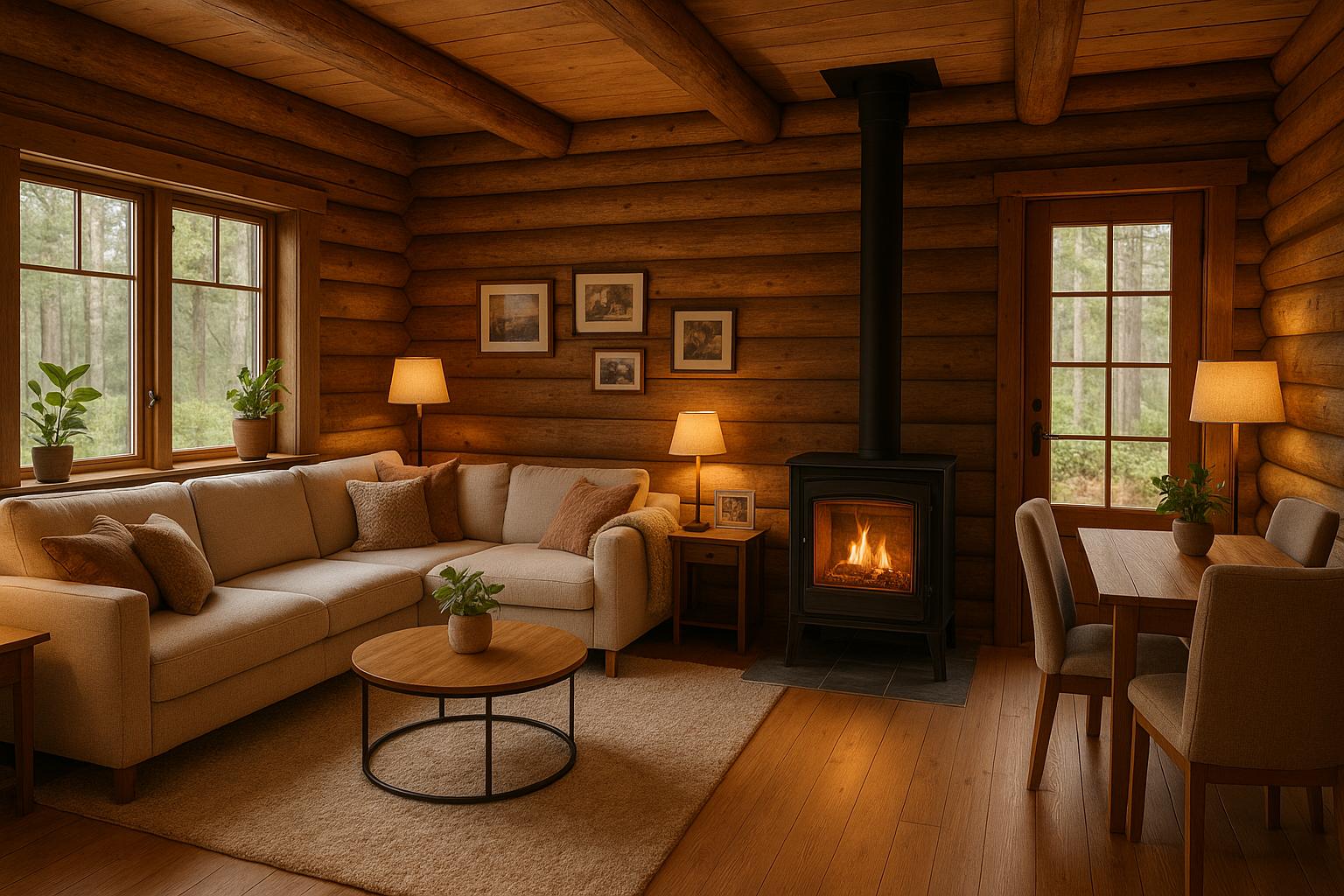
Cozy Cabin Living Room Design uses kid-friendly play zone, soft textiles and plants and greenery in a living room setting.
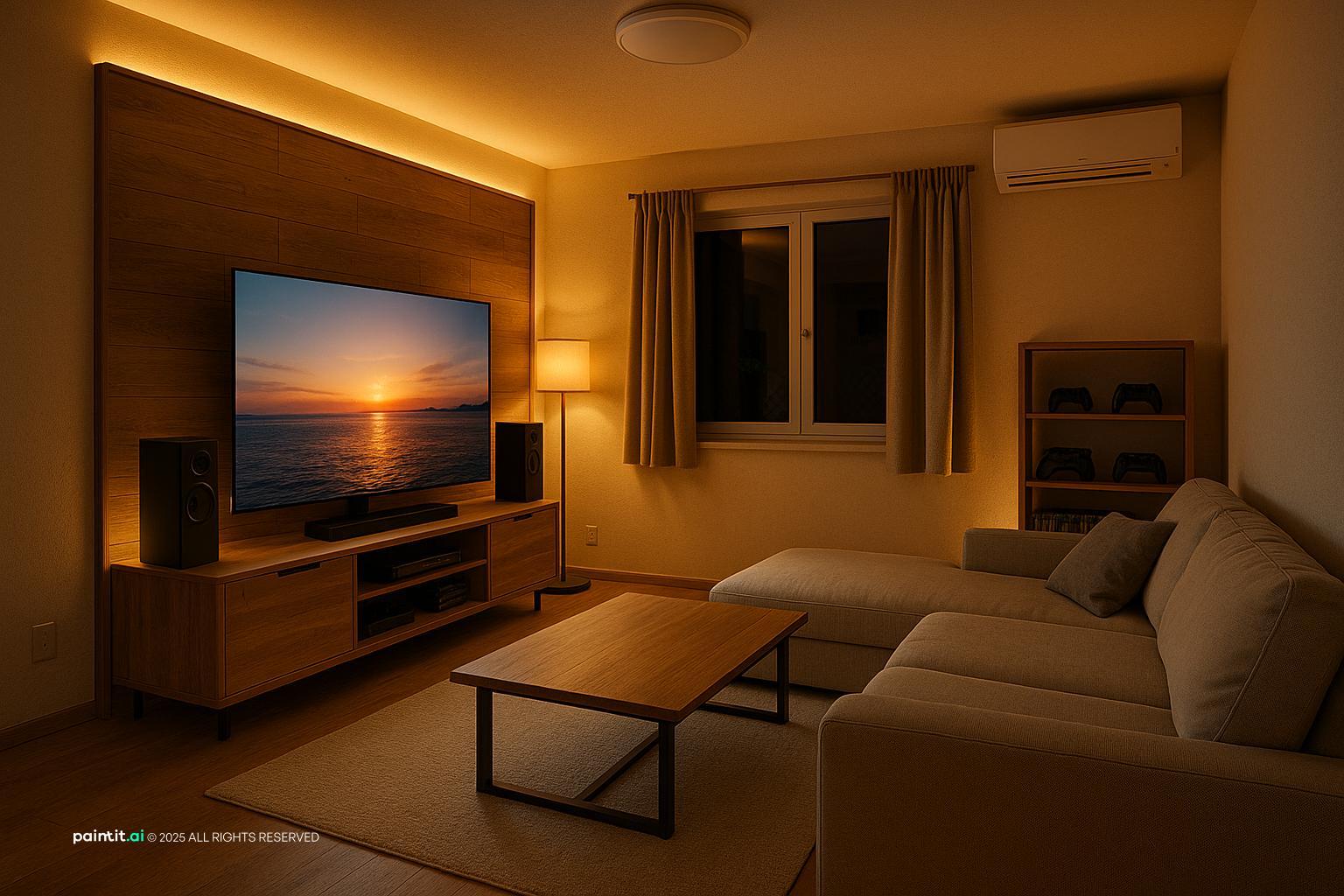
Cozy Family Living Room Design balances kid-friendly play zone and natural light in a living room setting.
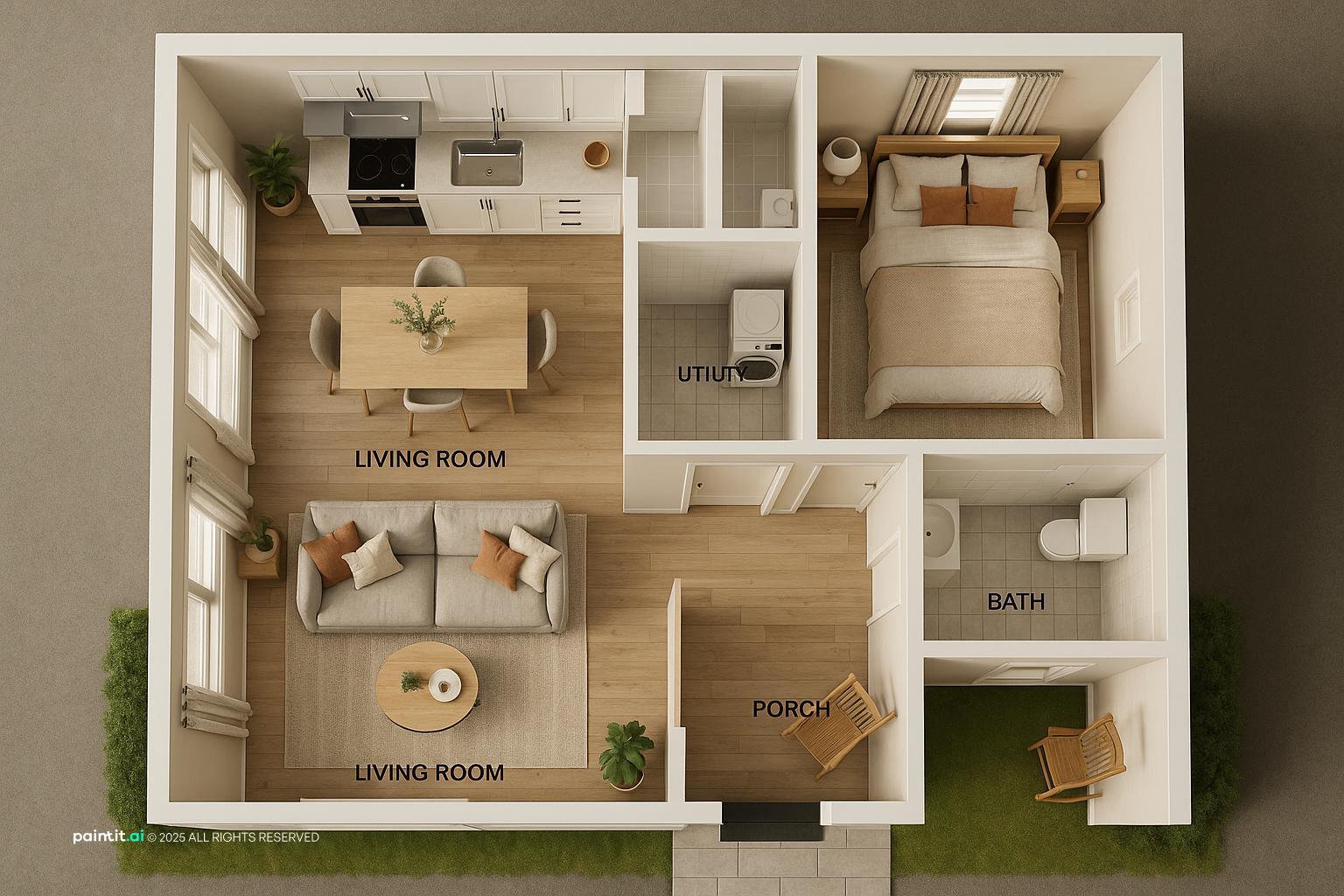
Play Area In Living Room Ideas with Kid-friendly Play Zone and Natural Light View 3 pairs kid-friendly play zone and natural light in a living room setting.
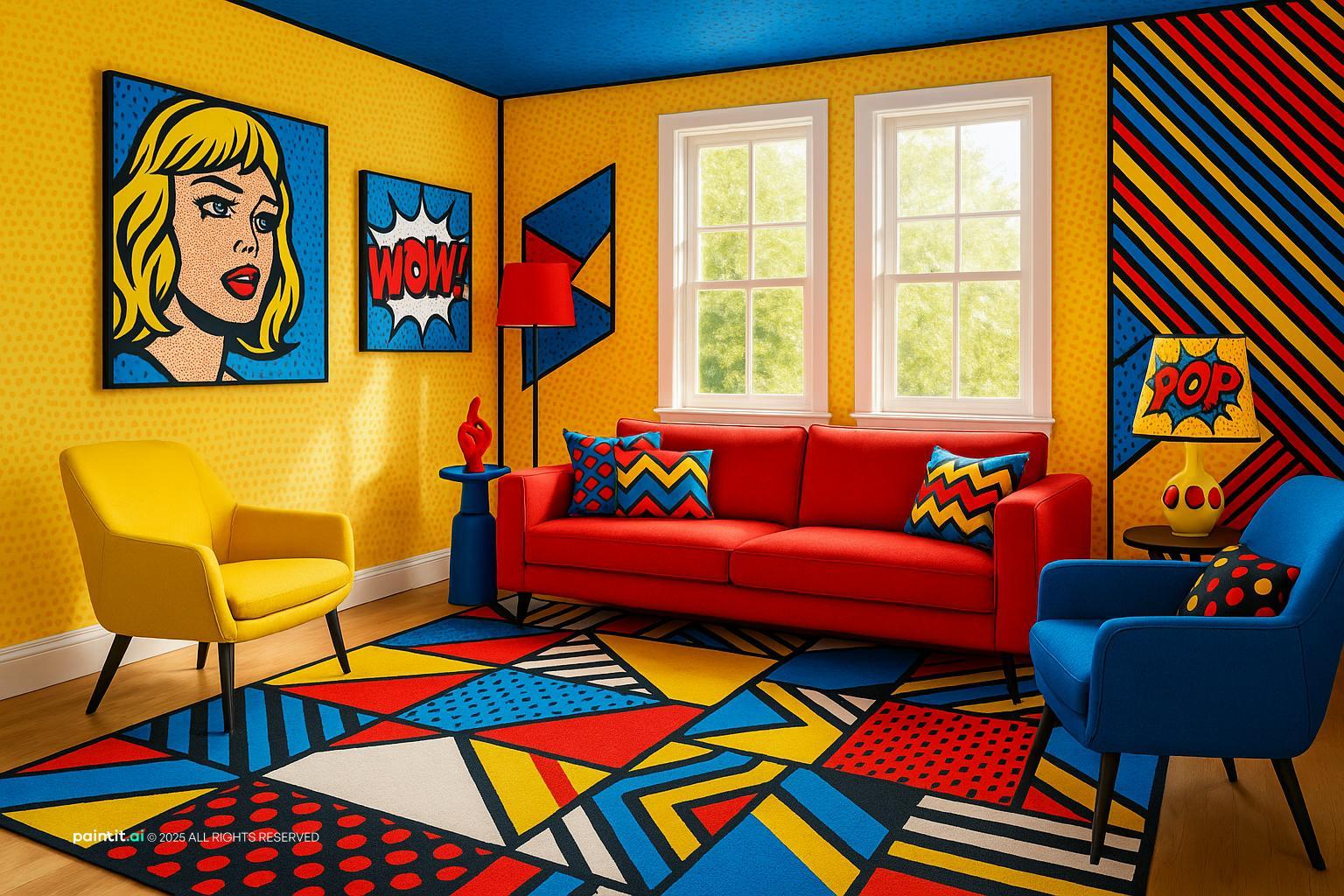
Play Area In Living Room Ideas with Kid-friendly Play Zone and Soft Textiles with Dark Contrast layers kid-friendly play zone, soft textiles and dark contrast in a living room setting.
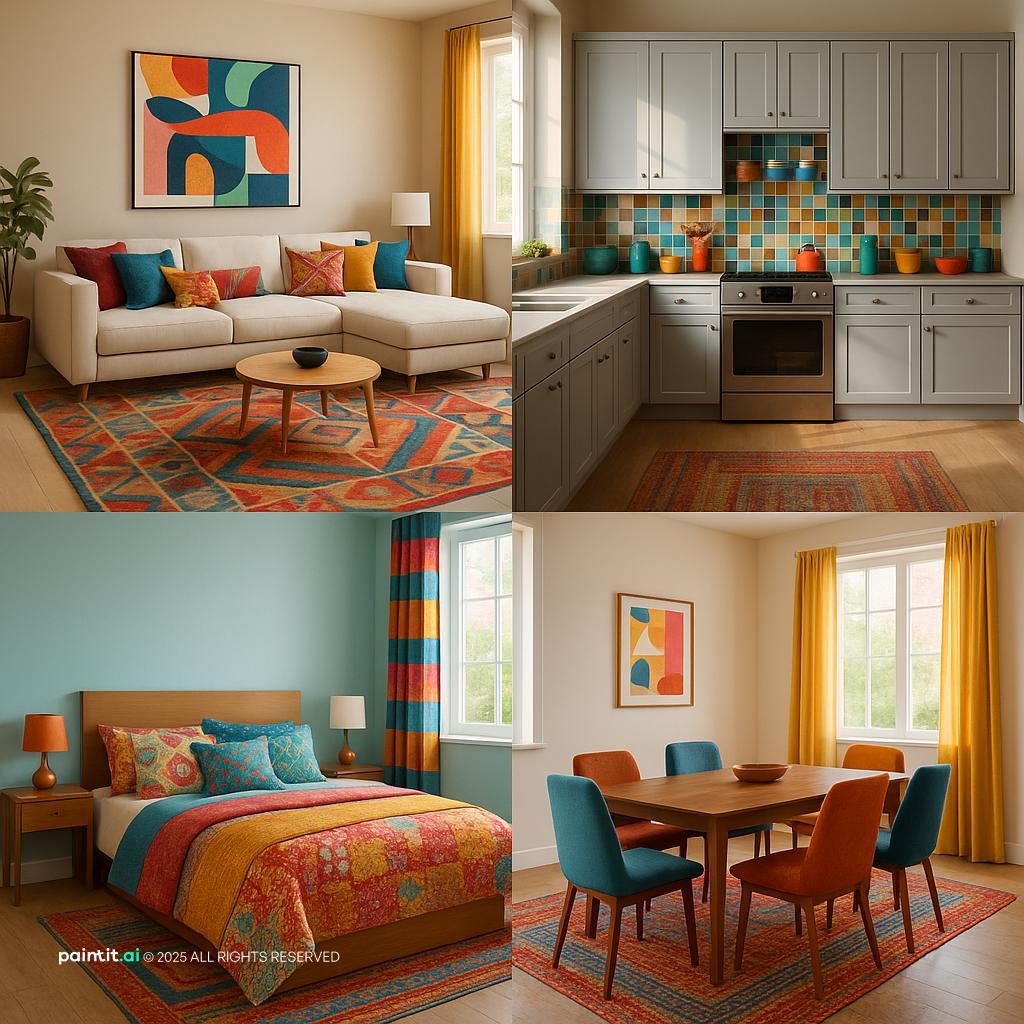
Vibrant Home Interior Design with Textiles anchors kid-friendly play zone, warm wood and soft textiles in a living room setting.
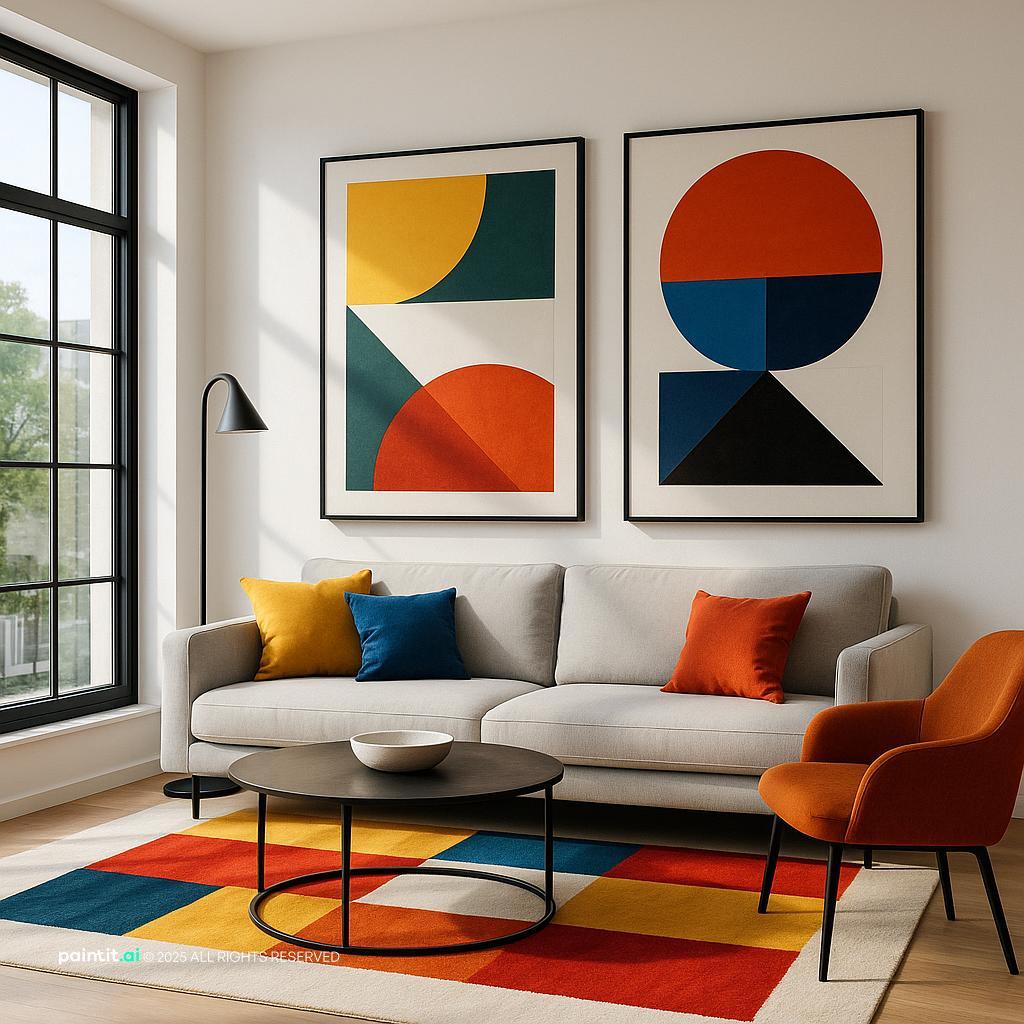
Bold Modern Living Room Design softens kid-friendly play zone, soft textiles and natural light in a living room setting.
Choose two or three colors already present in the room, then repeat them in the play area. If the sofa is warm beige and the rug has rust or olive notes, use those tones for baskets, cushions, art, or the child’s chair. This keeps the play zone from looking imported from another room.
Why it works: repetition reduces visual clutter even when toys are visible. Avoid adding a full rainbow palette unless the living room already has a bold, eclectic direction. Bright toys will bring enough color on their own, so the permanent pieces can stay quieter.
Performance fabrics, washable cotton rugs, wool blends, and indoor-outdoor cushions are practical for spills and daily wear. Texture matters because a flat, plastic-heavy play zone can feel cold beside upholstered adult furniture. A soft rug, bouclé-style floor cushion, or quilted mat adds comfort without making the room look childish.
Where to use it: under the play area, on a small reading cushion, or on an ottoman that doubles as seating. Avoid high-pile rugs near small toys. Blocks, puzzle pieces, and crumbs disappear into them, and the room becomes harder to clean than it needed to be.
Many people focus on color and style first, but the material mix is what makes kid-friendly furniture feel adult. Light oak shelves, woven storage baskets, and a rounded upholstered ottoman can support a Scandinavian or modern family look without relying on themed decor. Wood gives structure; textiles add softness; baskets absorb the toy mess visually.
Avoid using only white laminate and plastic bins. They can look clean in a render but harsh in a real living room with shadows, fingerprints, and daily use. A little material contrast is more forgiving.
Use closed cabinets for the items that create the most visual noise: tiny figures, craft supplies, mixed blocks, and bright plastic sets. Open shelves are better for books, larger toys, and good-looking baskets. In family rooms where adults relax at night, closed storage near the main sightline is usually worth the extra planning.
This supports a «no clutter» result without pretending children do not live there. Avoid clear bins in the living room unless they are inside a cabinet. Visible contents can make even organized storage look busy.
A play zone needs more than overhead light. Add a wall sconce, floor lamp, or shaded table lamp near the book nook so children can read without creating glare across the TV or sofa. Use warm bulbs in the evening and brighter task light only where drawing or puzzles happen.
Why it works: lighting changes the mood of the zone without moving furniture. Avoid bare bulbs and low lamps that can be pulled over. If the play area is near a window, check afternoon glare before placing a reading seat there.
Use the wall above the play area for framed art, a narrow picture ledge, or a small cork strip for rotating children’s drawings. Keep fragile objects higher and heavier items anchored. A few adult pieces near the play zone help it feel connected to the living room rather than separated into a mini classroom.
Avoid covering every inch of wall with educational posters. One or two framed pieces look calmer and are easier to change as the child grows. That sounds small, but wall clutter is often what makes a play corner feel more chaotic than the toys themselves.
If the play area has a dark bookcase, balance it with a dark lamp, frame, or side table elsewhere. If it has light woven baskets, repeat that tone in a tray or shade near the sofa. This makes the room feel composed from multiple angles.
For a bigger redesign, follow a step-by-step process like how to redesign a living room so the new play area does not fight the existing undertones, flooring, or sofa fabric. Avoid concentrating all storage, color, and pattern in one corner; it will pull the eye away from the rest of the room.
Upload a photo of your living room and ask Paintit.ai to add a defined play zone while keeping the sofa, windows, fireplace, or built-ins you want to preserve. Be specific: add low toy storage, a washable rug, a book nook, hidden storage, and «no clutter». In practice, the better prompt is not just “make it kid-friendly.” Say what should stay, what should change, and what should not become messy.
Paintit.ai users often refine designs in steps, so start with layout and zoning, then adjust baskets, rug color, lighting, and furniture shape. If you are working from an empty space, the guide on how to furnish an empty room can help you balance adult seating with a child-friendly zone from the beginning. For an established room, test several versions before purchasing: corner play area, media-wall storage, sofa-adjacent rug zone, or window reading nook. You can also use AI room design when you want to compare broader layout options before choosing the final play corner.
Choose a visible spot that does not block the walkway, define it with a soft rug or play mat, add low toy storage, and keep it within sight of the main seating. Start with traffic flow before colors or toys. Paintit.ai data shows 30.1% of prompts use imperative verbs like «Make / Create / Add / Change…», and that direct approach works here too: add the zone first, then refine the details.
Use closed cabinets, storage ottomans, storage baskets inside shelving, and toy rotation. Keep daily favorites accessible and put visually busy items behind doors. Users actively seek to avoid clutter or remove unwanted elements when designing spaces, and 8.8% of prompts include "negatives" like «without», «no clutter». Treat that as a real design brief, not just a cleaning wish.
Repeat the room’s existing palette, use adult-friendly materials like wood, woven baskets, and soft upholstery, and limit bright color to toys rather than large furniture. Closed storage helps at night. Paintit.ai insights also show that 4.5% of prompts include the declarator «declutter / empty», which is useful for family rooms: leave some open space and one clear surface.
Place it beside or across from the sofa where adults can see it, but keep it out of the main walkway. Corners, window zones, and the end of a long media wall often work well. Sit in your usual seat and check the sightline before you buy furniture.
Choose rounded, washable, stable pieces: a low bookcase, storage ottoman, soft rug, child-size table, and baskets. Avoid sharp corners, tall unanchored shelves, and oversized plastic furniture. If you are asking «How…?» or «Can you…?» in an AI design tool, you are not alone; 2.6% of prompts are phrased as questions («Can you…? / How…?»), so be clear about the furniture you want to keep and the pieces you want to add.