
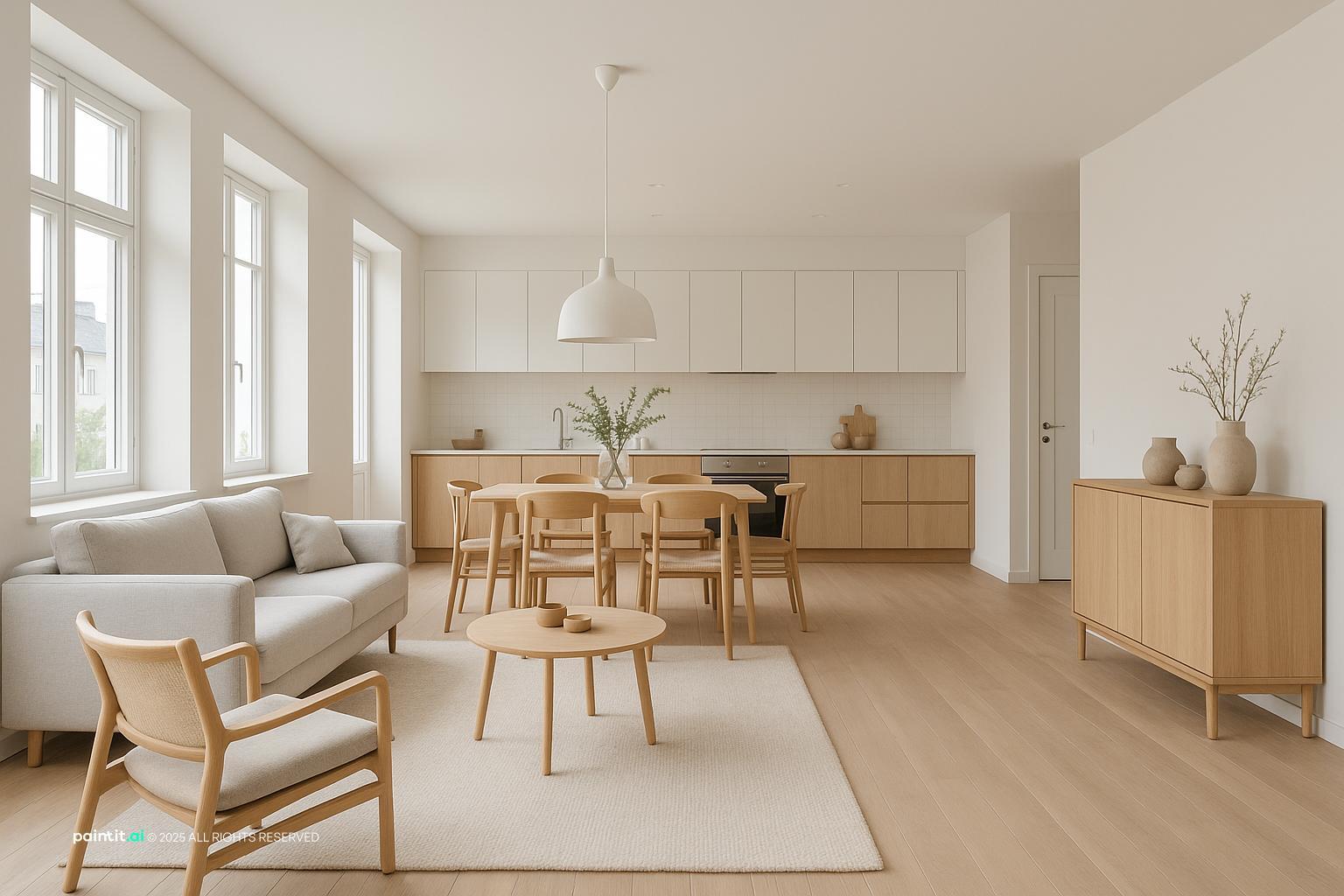
Living Room Dining Room Combo
Living Room Dining Room Combo highlights natural light, layered neutrals and open layout in a living room setting.
The living room dining room combo is one of the most common layouts we see, and it's also one of the trickiest to get right. The goal is simple: create two distinct, functional zones that don't feel cluttered or disconnected. It’s a balancing act between traffic flow, furniture scale, and visual harmony. Many people start by searching for generic ideas, but a layout that actually works needs to be specific to your room. In Paintit.ai, we see that around 70% of initial user prompts are just short keyword phrases. For a complex space like this, you'll get a much better result by providing more detail—like room dimensions or furniture you plan to keep. You can test every idea here with an AI living room design tool to see what fits before you move a single piece of furniture.
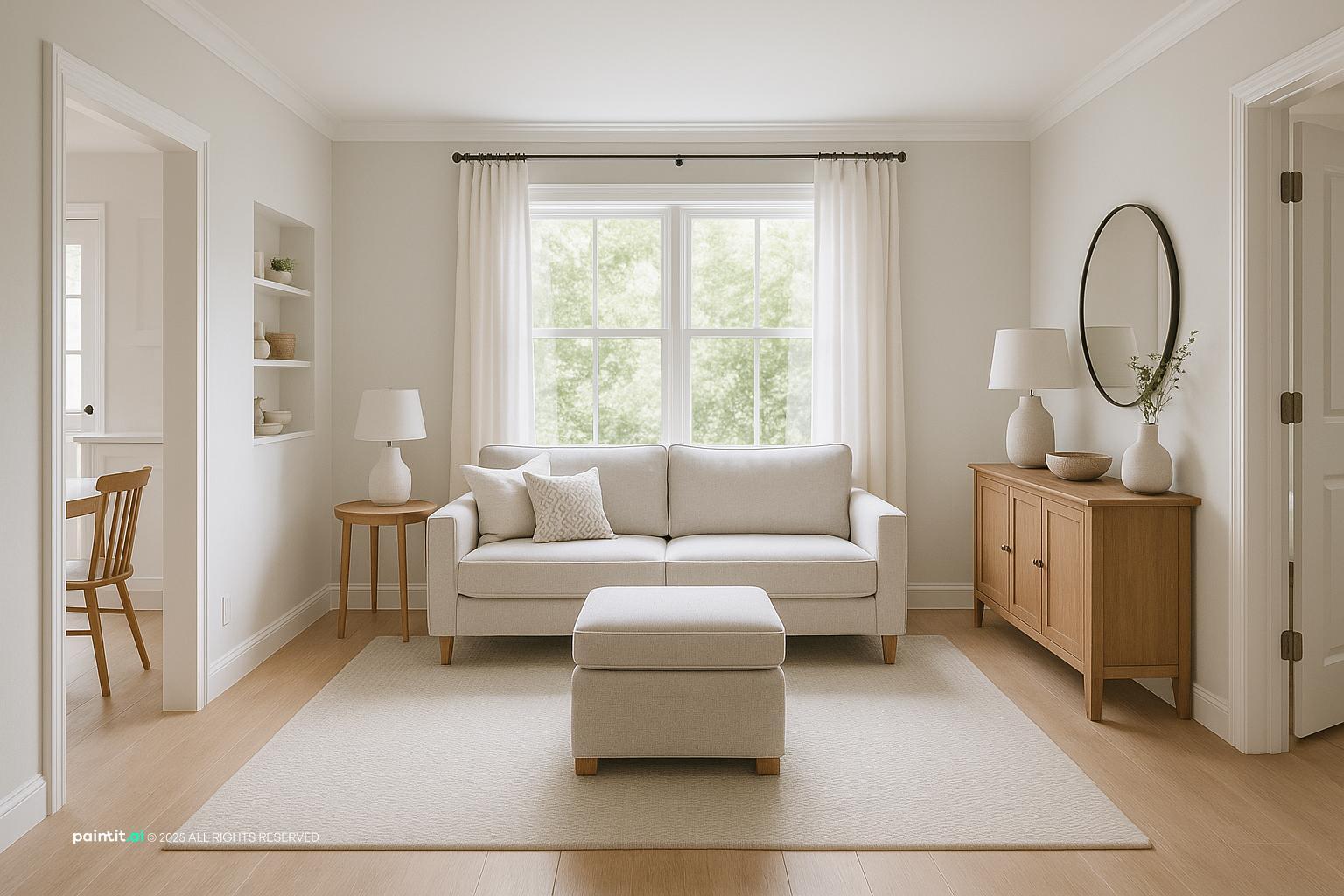
The goal of an open concept living and dining room isn't to build walls; it's to create clear visual cues that signal function. The living area should feel built for relaxation, while the dining area needs to be ready for meals. You achieve this separation with smart, subtle choices in furniture placement, rugs, and lighting.
But before you pick out a single pillow, you have to solve for traffic flow. I can't stress this enough. People need a clear path to walk from the entryway to the kitchen or down a hallway without sidestepping a sofa or squeezing past a dining chair. Once that path is established, you can build your zones around it, confident that the room will function as smoothly as it looks.
Look at how these layouts tackle the same problem. Pay attention to how the sofa placement, rug choice, and dining table shape create distinct zones without closing off the room.
Living Room Dining Room Combo highlights natural light, layered neutrals and open layout in a living room setting.
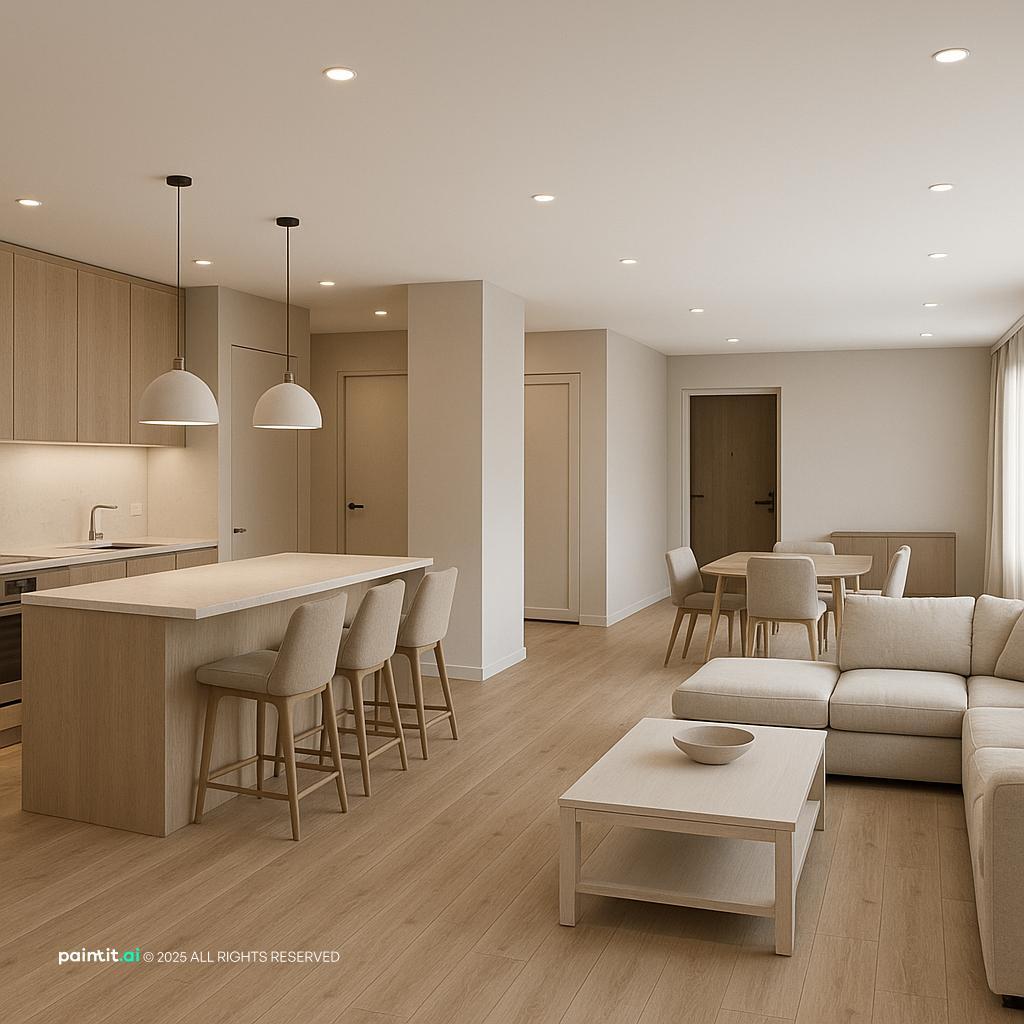
Stylish Open-Plan Kitchen Living Room Design highlights layered neutrals and open layout in a living room setting.
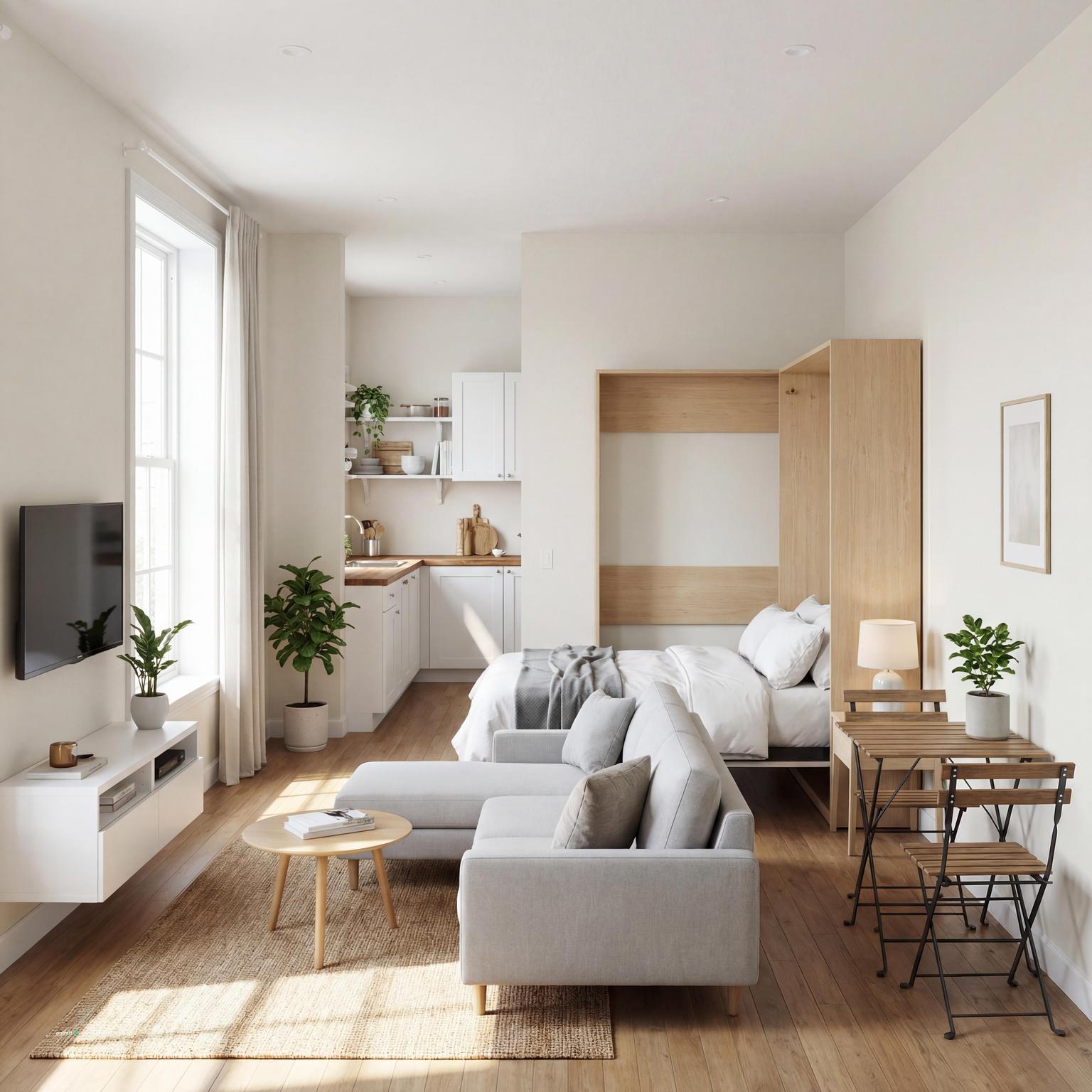
Budget-Friendly Small Apartment Design highlights natural light and layered neutrals in a living room setting.
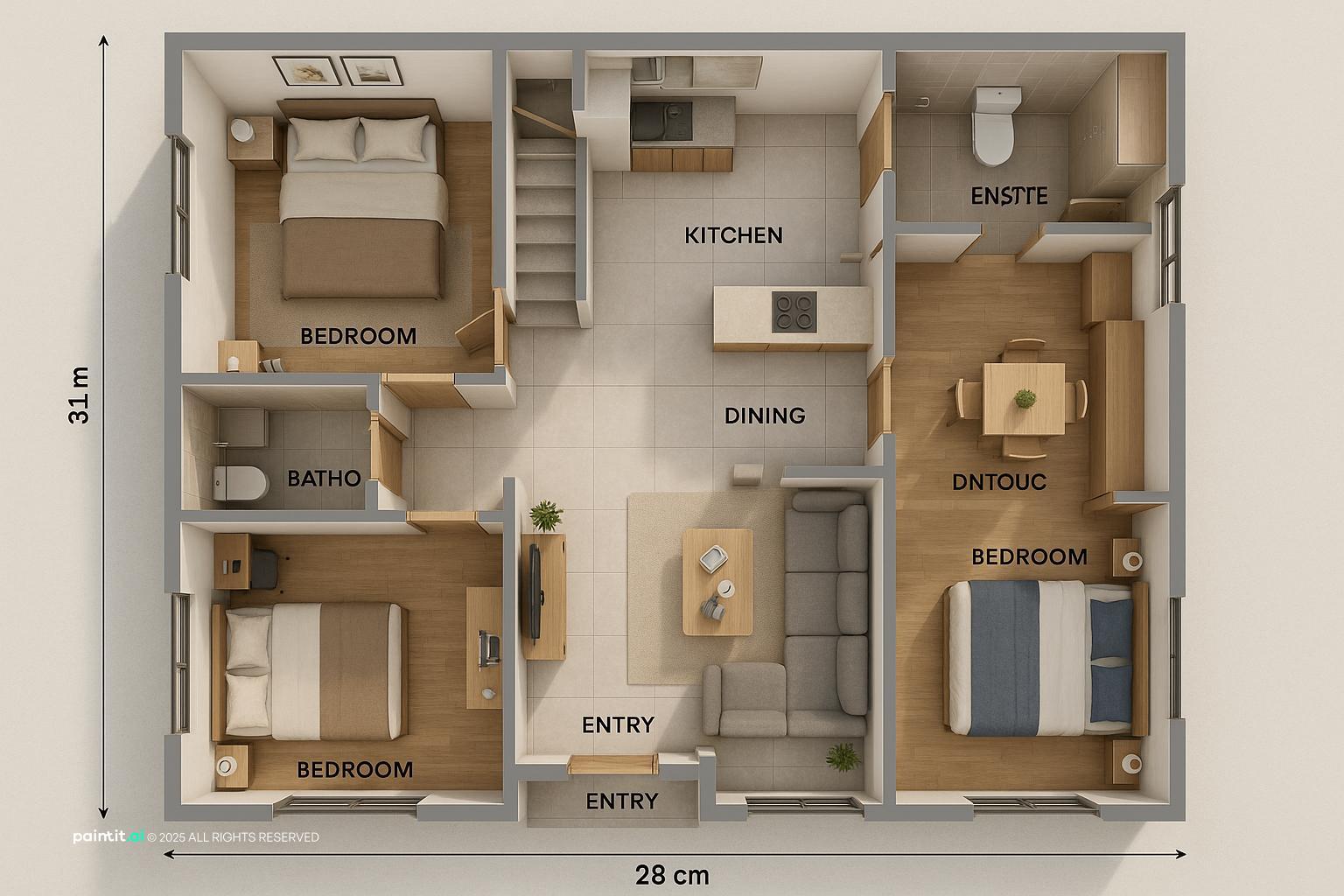
Compact 2 BHK Floor Plan Design highlights natural light and open layout in a living room setting.
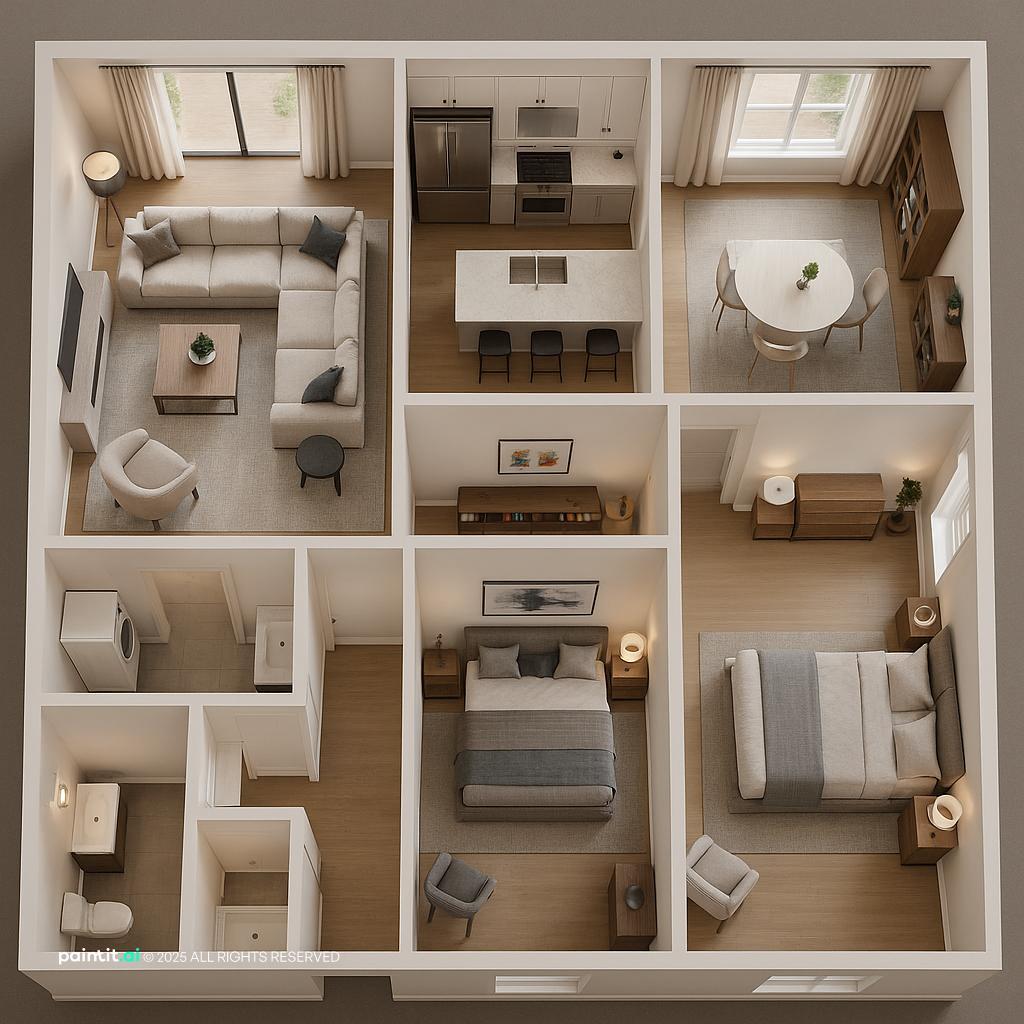
Stunning Multi-Room Interior Design Concept highlights natural light, layered neutrals and metal accents in a living room setting.
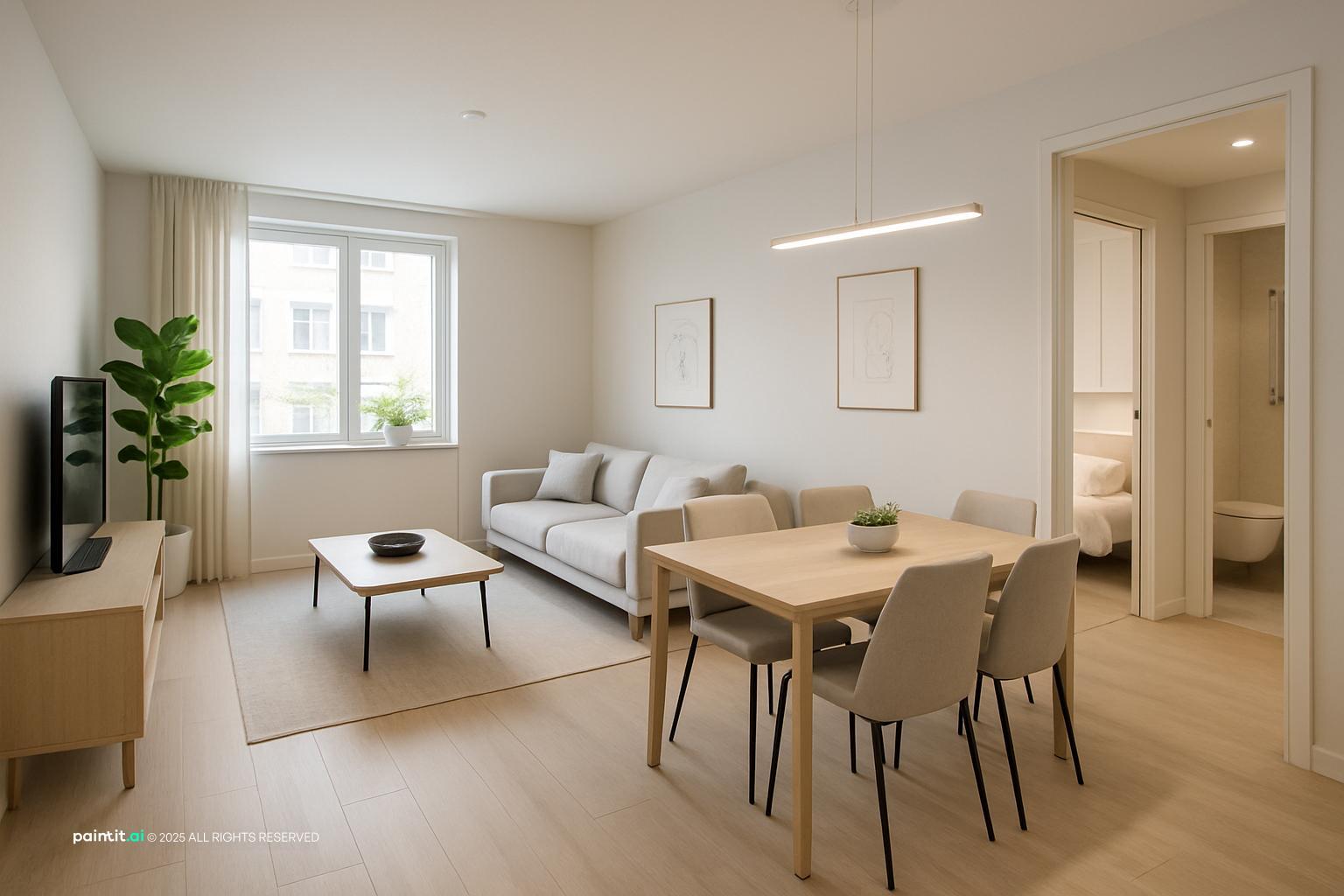
Modern Open-Concept Apartment Design highlights natural light, layered neutrals and plants and greenery in a living room setting.
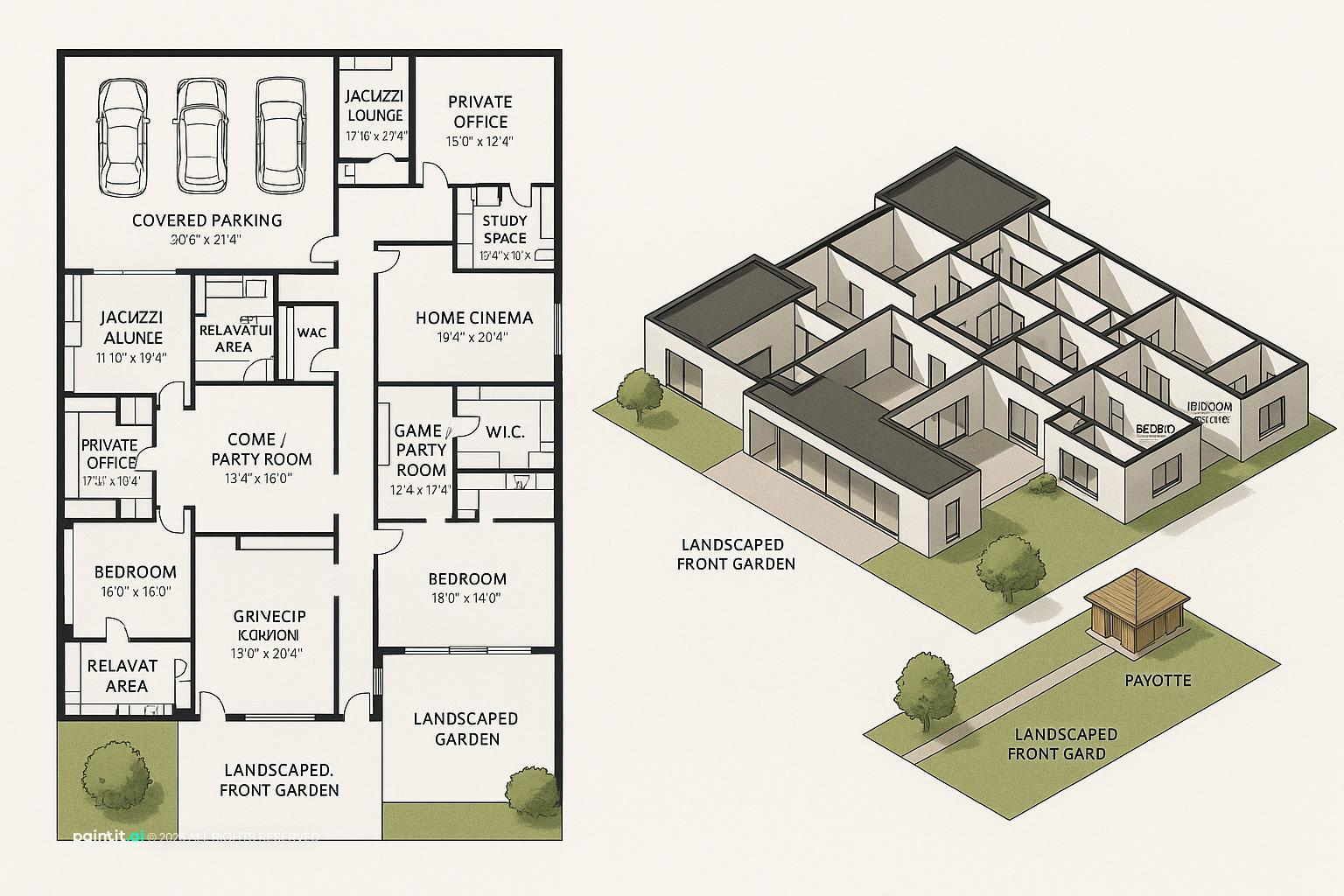
the design includes five presidential suites, each with an ensuite bathroom and a walk-in closet highlights natural light, layered neutrals and open layout in a living room setting.
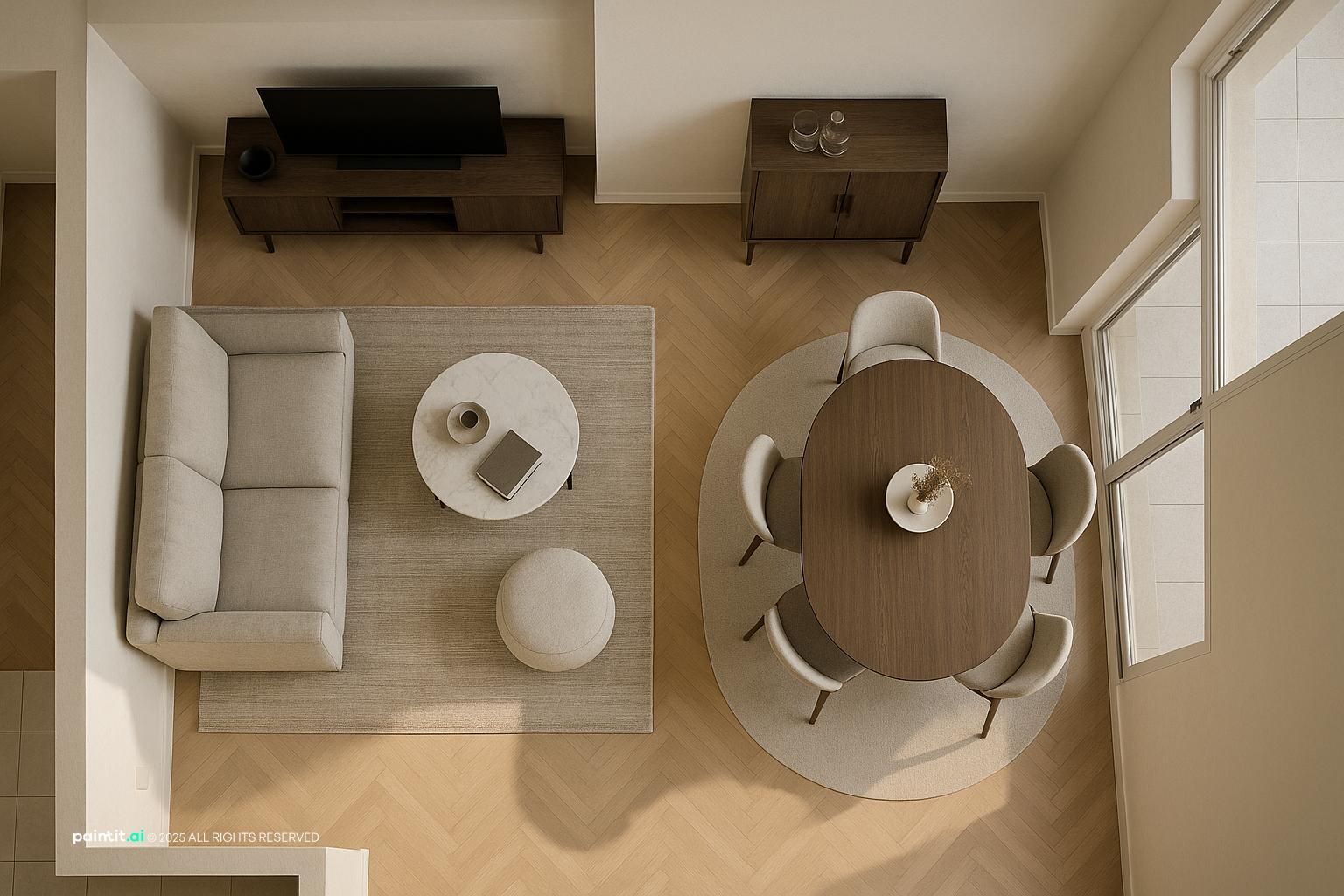
Living Room Dining Room Combo highlights natural light and layered neutrals in a living room setting.
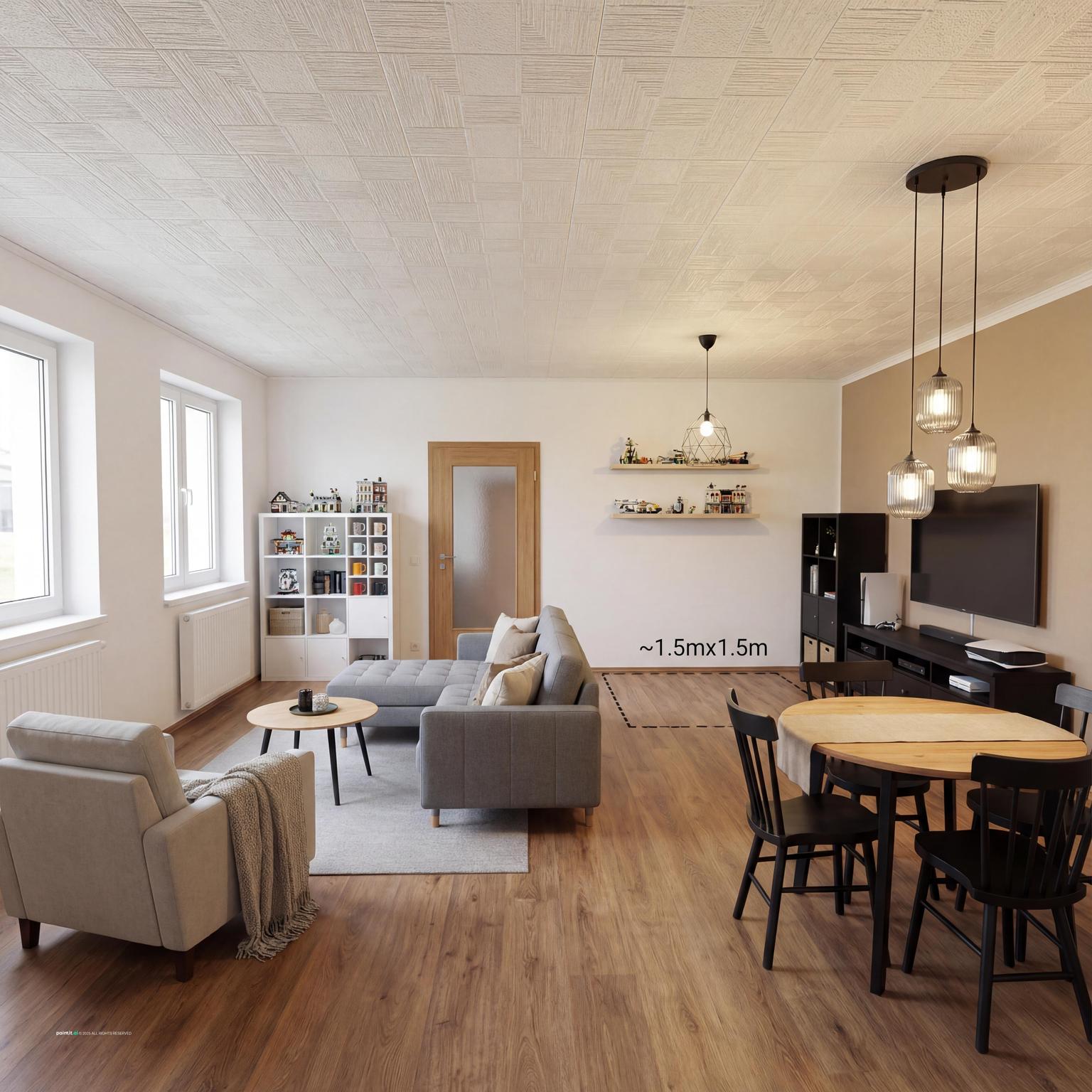
Modern Scandinavian Open-Plan Living Room Design highlights natural light, warm wood and layered neutrals in a living room setting.
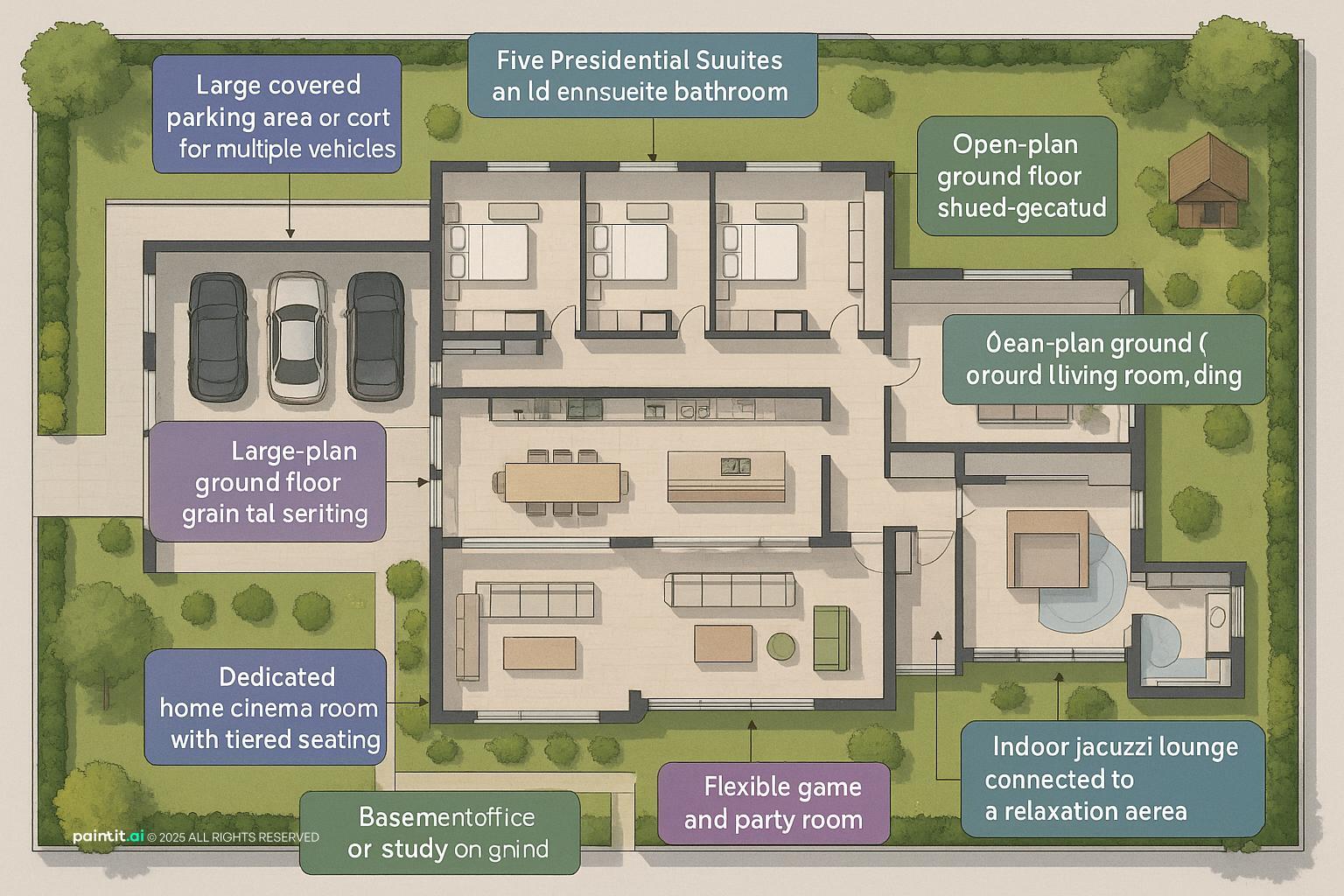
a modern two-floor single-family house with a basement is designed in a sleek highlights natural light, layered neutrals and open layout in a living room setting.
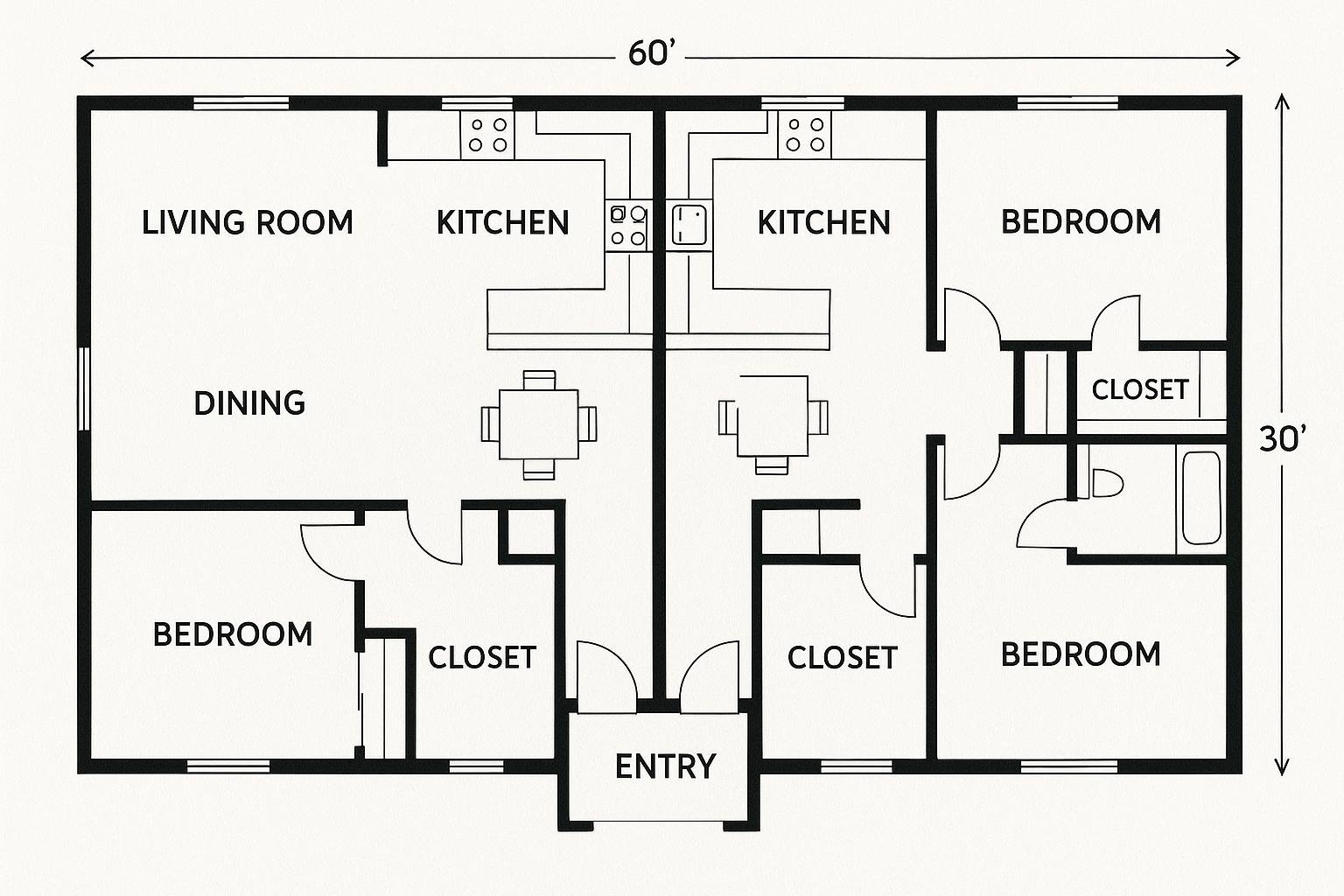
Elegant Two-Apartment Floor Plan Design highlights open layout in a living room setting.
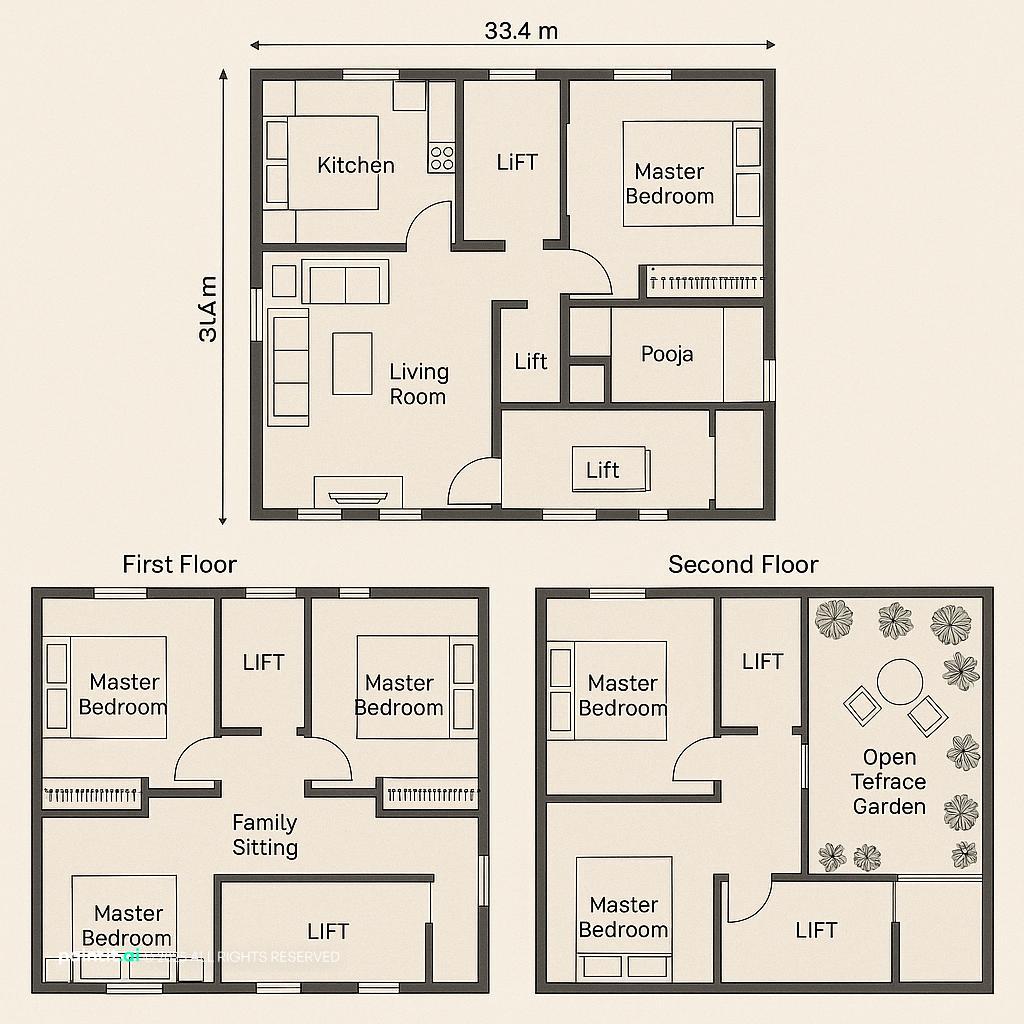
Modern Minimalist Residential Design Plan highlights plants and greenery in a living room setting.
Here are a dozen strategies we see work time and time again for combined living and dining spaces.
A large area rug is the fastest way to define your living zone. It corrals the sofa, chairs, and coffee table into a single, cohesive group. The common mistake: Choosing a rug that's too small. At least the front legs of all your seating should be on the rug to avoid a 'floating' look.
This is a classic for a reason. Instead of pushing your sofa against a wall, pull it into the room so its back creates a soft border with the dining area. This is one of the most effective living room dining room combo layout ideas out there.
This small addition makes a floating sofa look intentional. A slim console table behind it polishes the look, reinforces the 'wall,' and gives you a practical surface for a lamp or decor. It signals that the back of the sofa is a feature, not just a forgotten space.
Before you commit, walk the paths. You need at least 36 inches of clear space for main walkways. Think about carrying groceries from the door to the kitchen. If a dining chair or the corner of the coffee table is in the way, the layout has failed a critical real-world test.
For any small or narrow living room dining room combo, guessing furniture scale is a recipe for disaster. We've seen in Paintit.ai that only 3.2% of users specify room dimensions initially. This often leads to designs that look great in an image but would never fit in reality. Start with something concrete, like "design a 12x20 ft living room dining room combo."
A round or oval dining table has no sharp corners, making it much easier to navigate around in a tight spot. It also feels a bit more social and is a great choice when the dining area is tucked into a corner.
Hanging a light fixture directly over your dining table is a powerful visual anchor. It instantly carves out that space, creates a more intimate mood for dining, and separates it from the general lighting of the living area.
Your room isn't a blank slate. In fact, 12.0% of our users tell the AI what to 'keep' or 'don't change.' If you have a fireplace you love or a sofa you're not replacing, specify it. A prompt like "redesign the layout but KEEP the fireplace on the west wall" gives you a plan that's actually useful. For a closer look, see our guide on how to redesign a living room with Paintit.ai.
To keep the two zones from feeling disjointed, create a visual thread. Pick one or two accent colors and repeat them in both areas. A blue from a throw pillow on the sofa can reappear in the dining table centerpiece or a piece of art near the table. It's a simple trick that makes the whole design feel intentional.
In a very small living and dining room, a bench is a secret weapon. It tucks completely under the table when not in use. A backless one is even better, as it doesn't obstruct the view, making the entire room feel more open and larger than it is.
If you need a physical divider but want to preserve an open feel, an étagère or open-backed bookshelf is the perfect compromise. It creates separation and adds storage. The catch: you have to resist the urge to fill every shelf. Keep it sparsely styled to maintain that airy look.
If you're starting from scratch, it's tough to picture where everything should go. It's often easier to build a layout in a virtual space first to avoid costly mistakes. Our article on how to furnish an empty room with Paintit.ai offers a solid framework for this.
Notice how the rules change based on space. In smaller rooms, every piece has to be perfectly scaled. In larger spaces, the challenge is creating cozy zones that don't feel lost in a cavernous room.
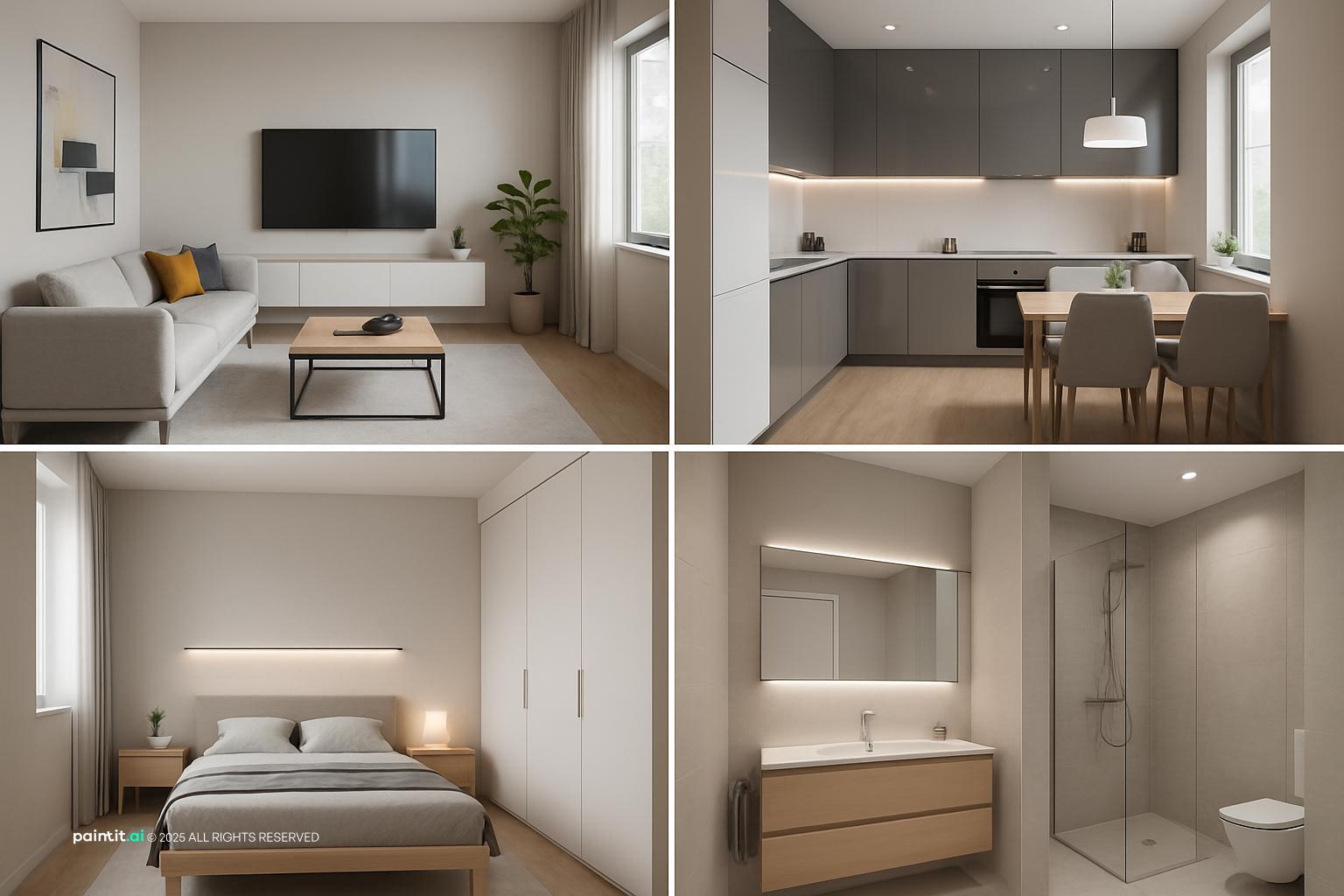
Living Room Dining Room Combo highlights natural light, layered neutrals and clean-lined furniture in a living room setting.
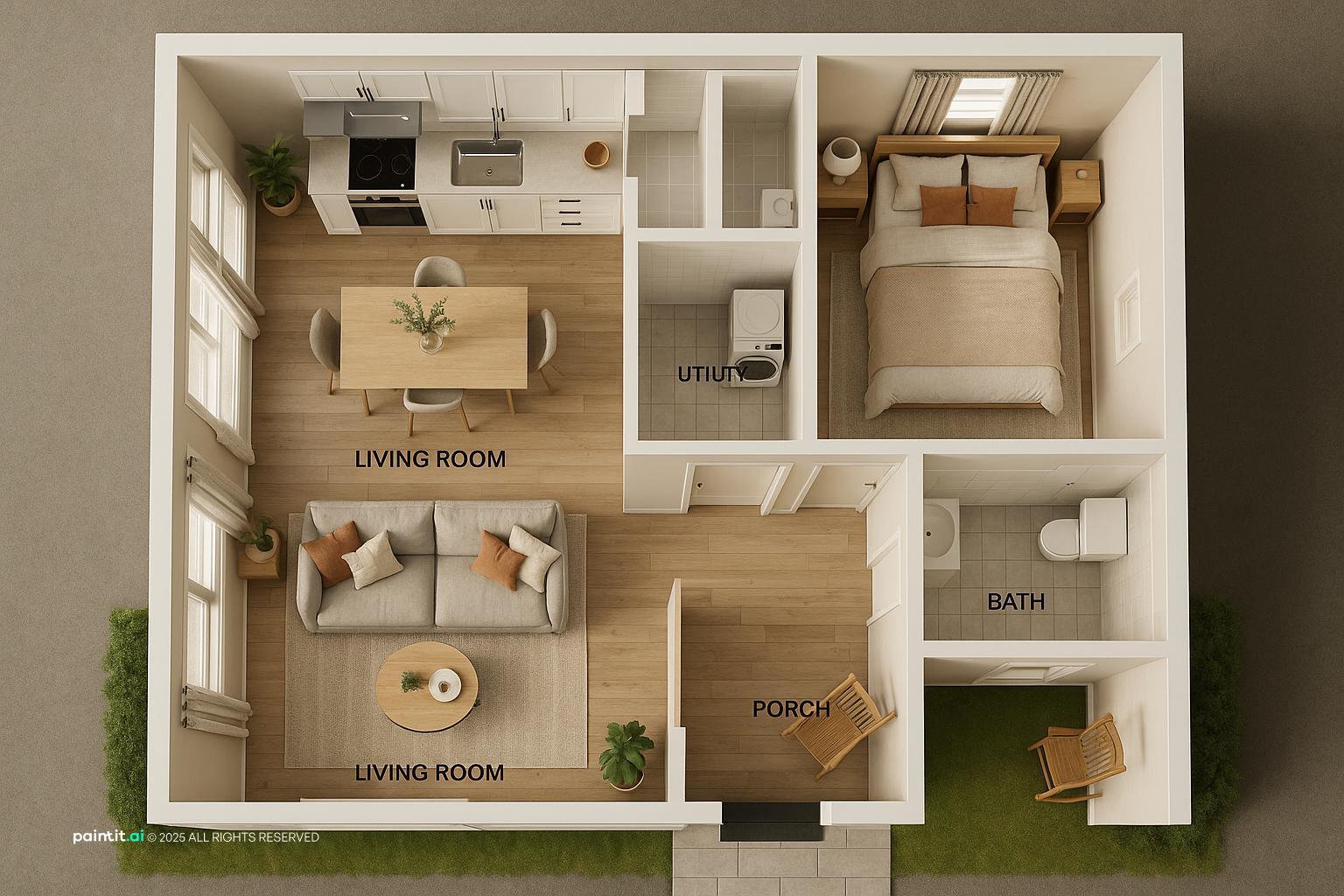
Living Room Dining Room Combo highlights natural light in a living room setting.
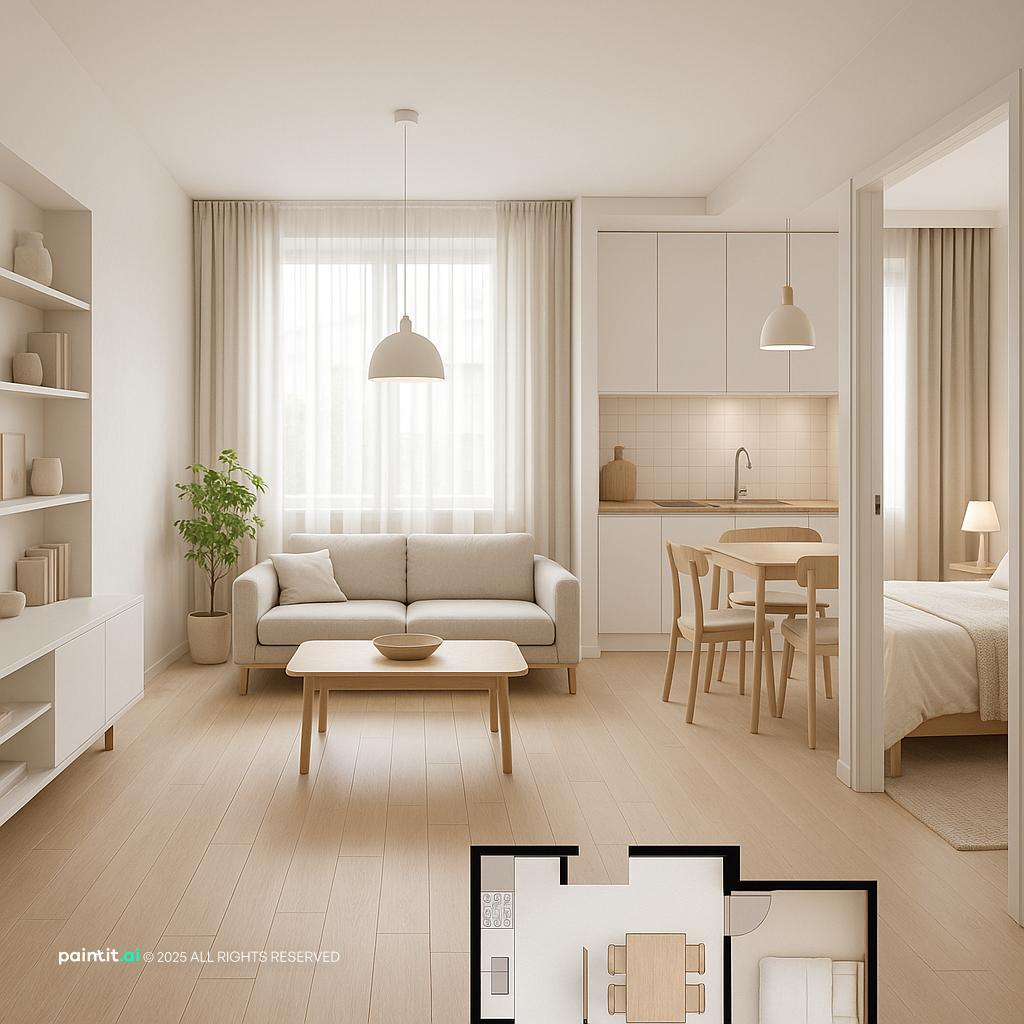
Stunning Scandinavian Interior Design highlights layered neutrals, clean-lined furniture and plants and greenery in a living room setting.
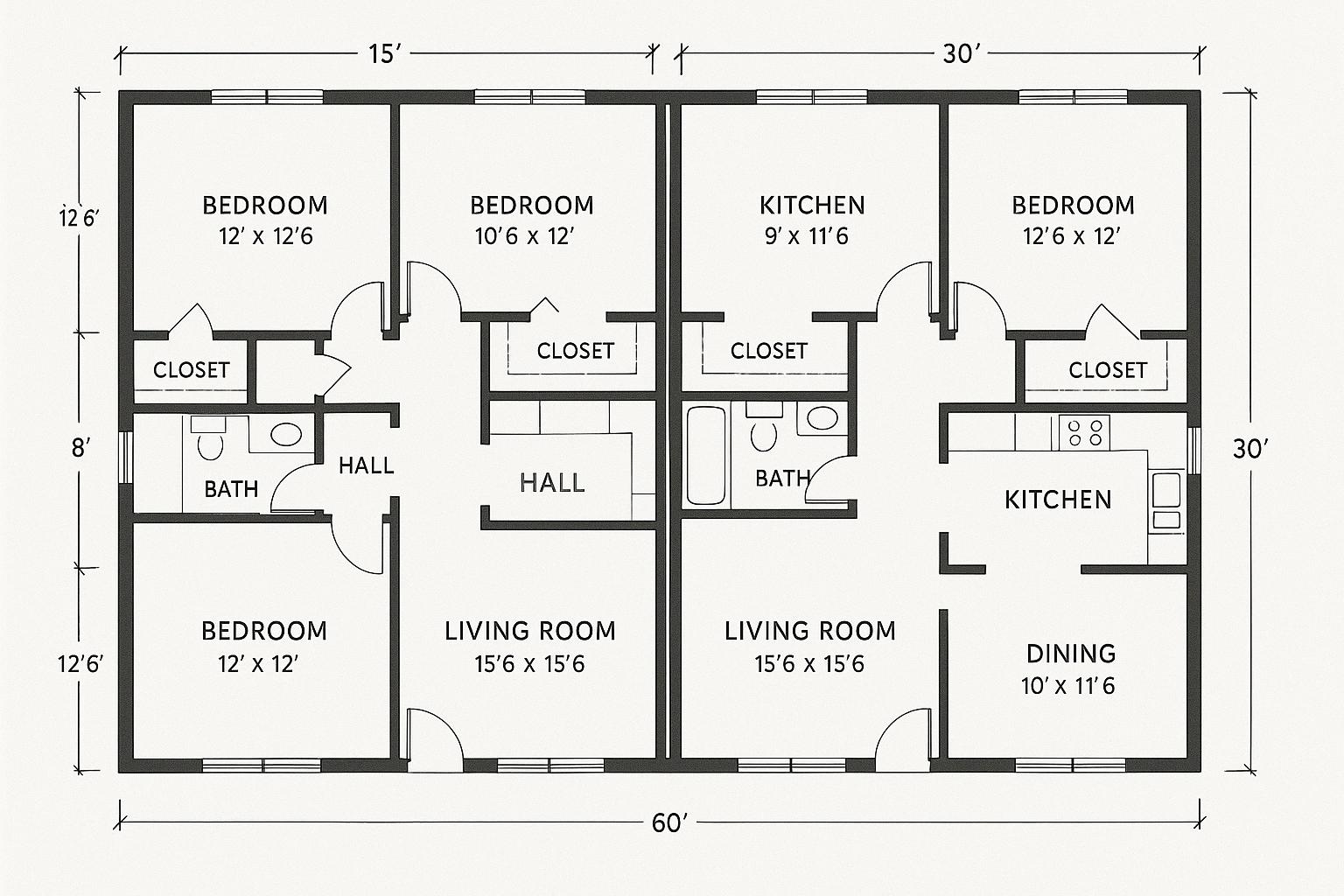
Symmetrical 2-Apartment Floor Plan Design highlights open layout in a living room setting.
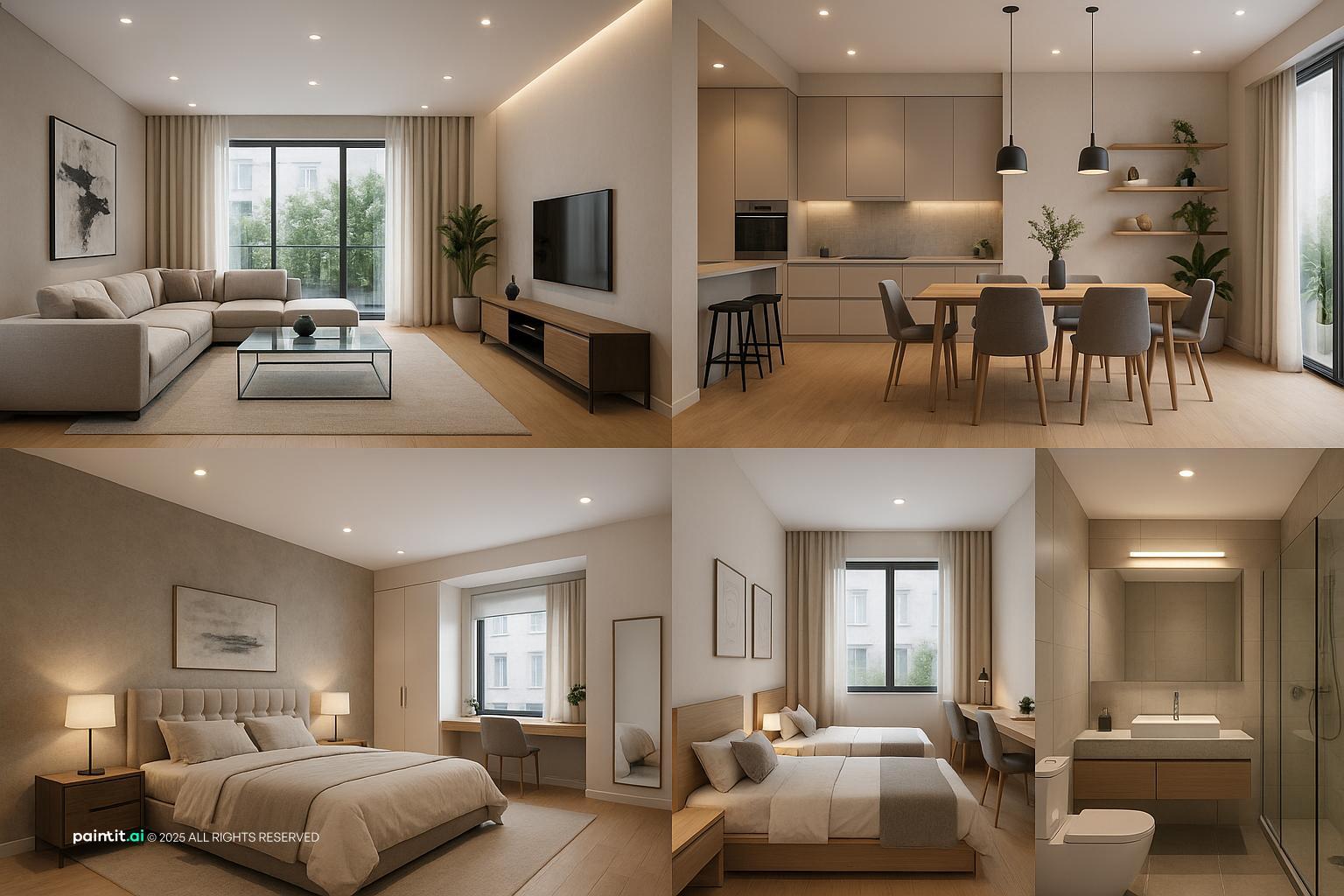
Living Room Dining Room Combo highlights natural light, layered neutrals and soft textiles in a living room setting.
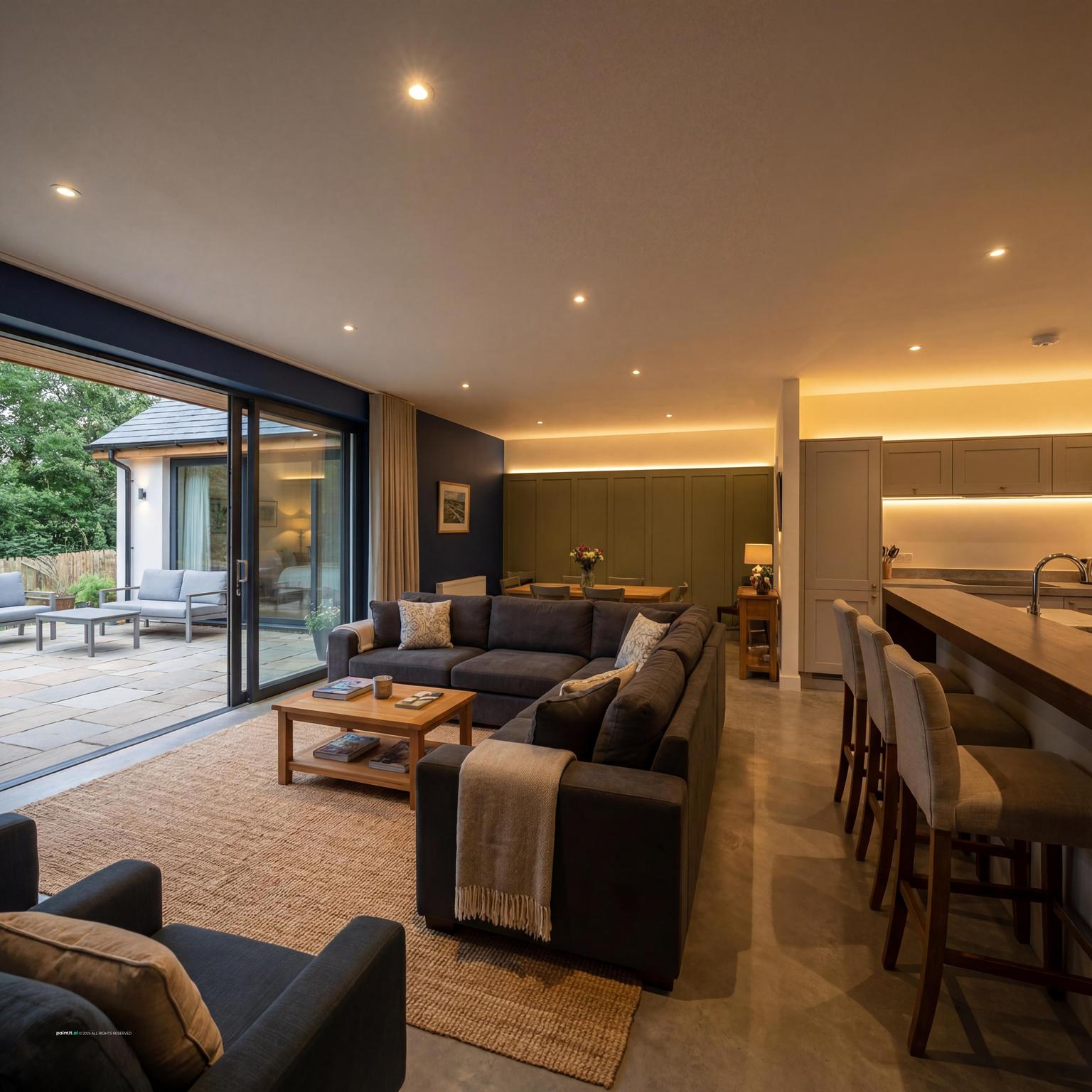
Cozy Modern Interior Design for Small Homes shows one possible living room interpretation generated in Paintit.ai.
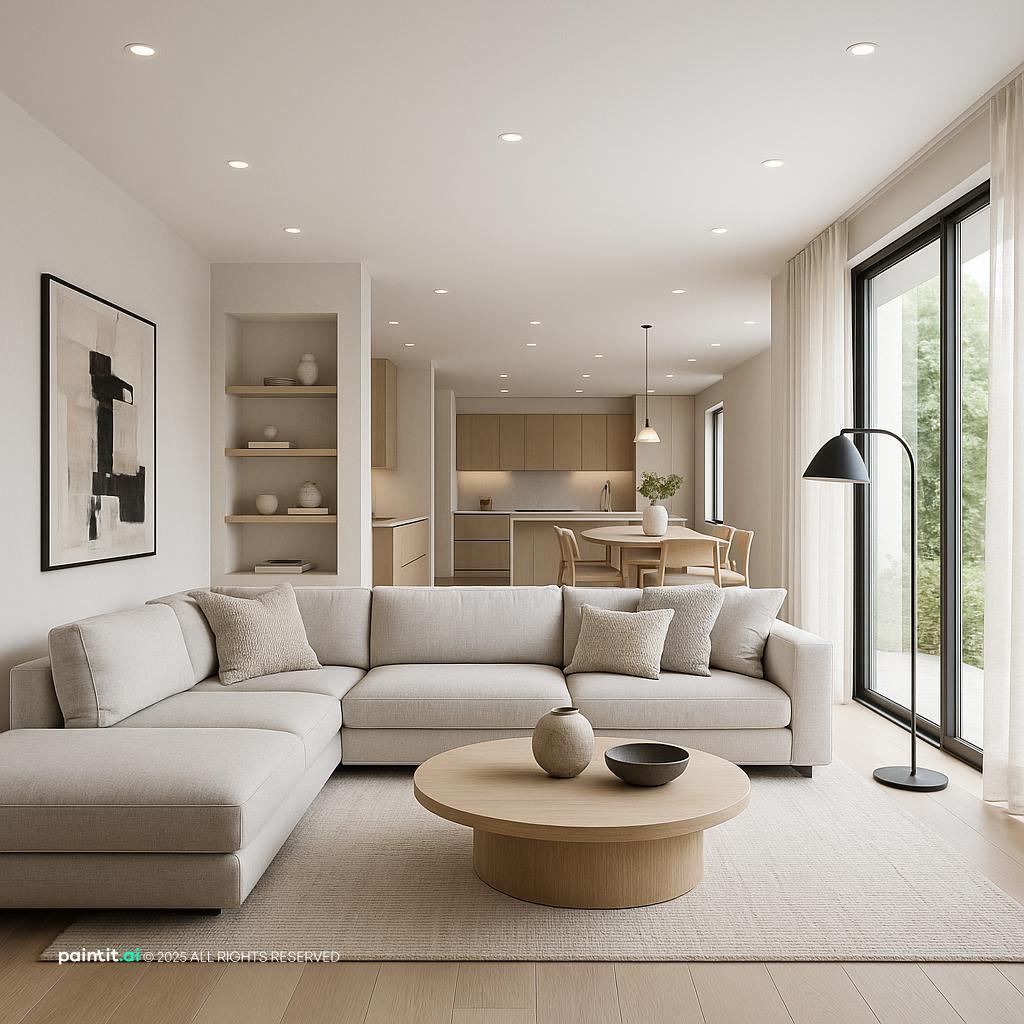
Contemporary Living Room Design 2025 highlights natural light, warm wood and layered neutrals in a living room setting.
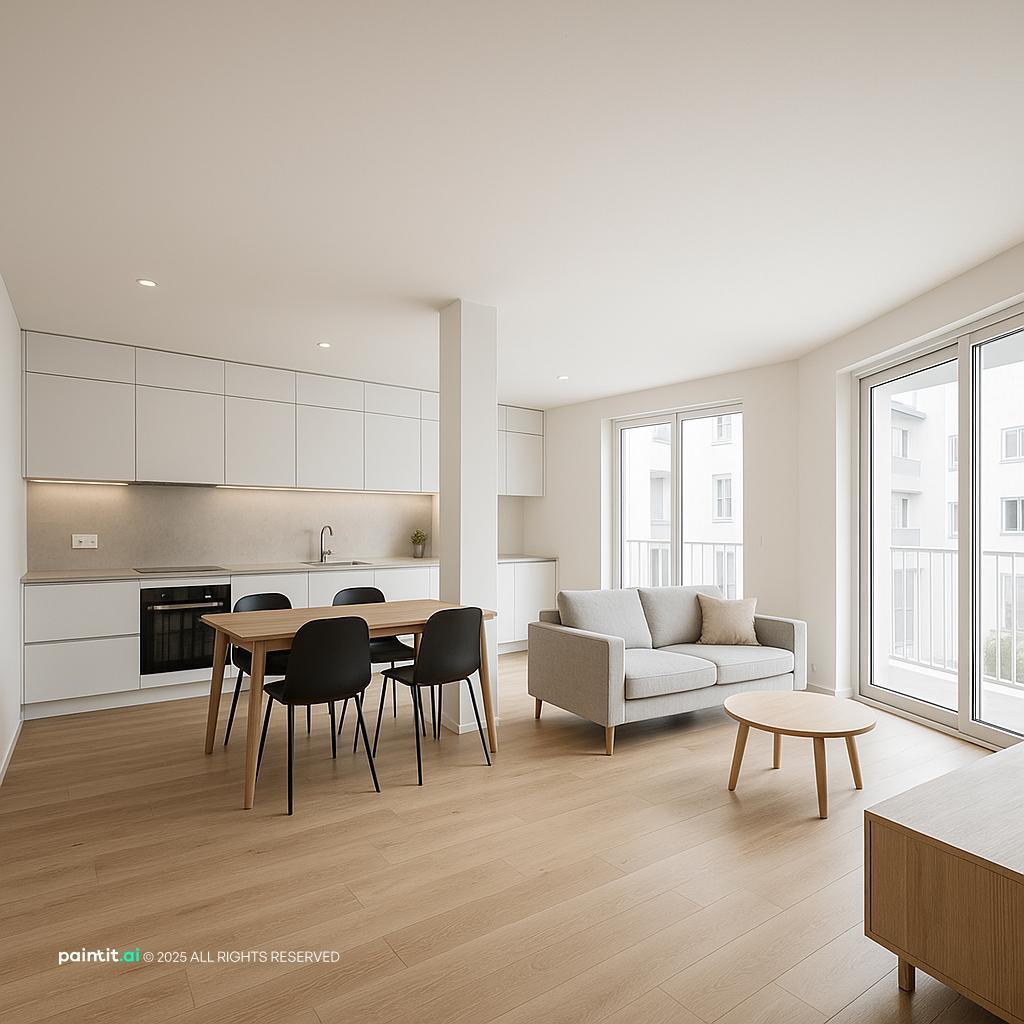
Stylish Open-Plan Living Space Design highlights natural light and open layout in a living room setting.
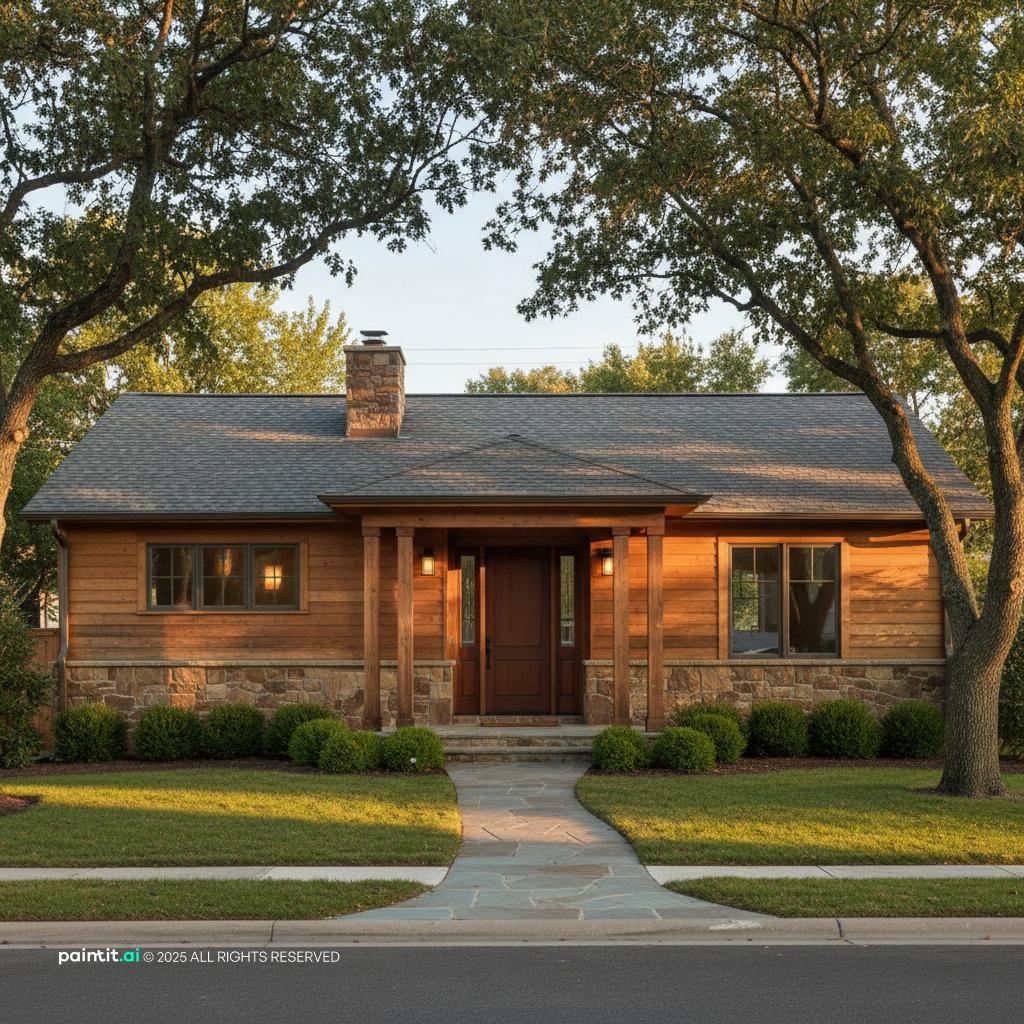
Stunning Ranch-Style 3BHK House Exterior highlights natural light in a living room setting.
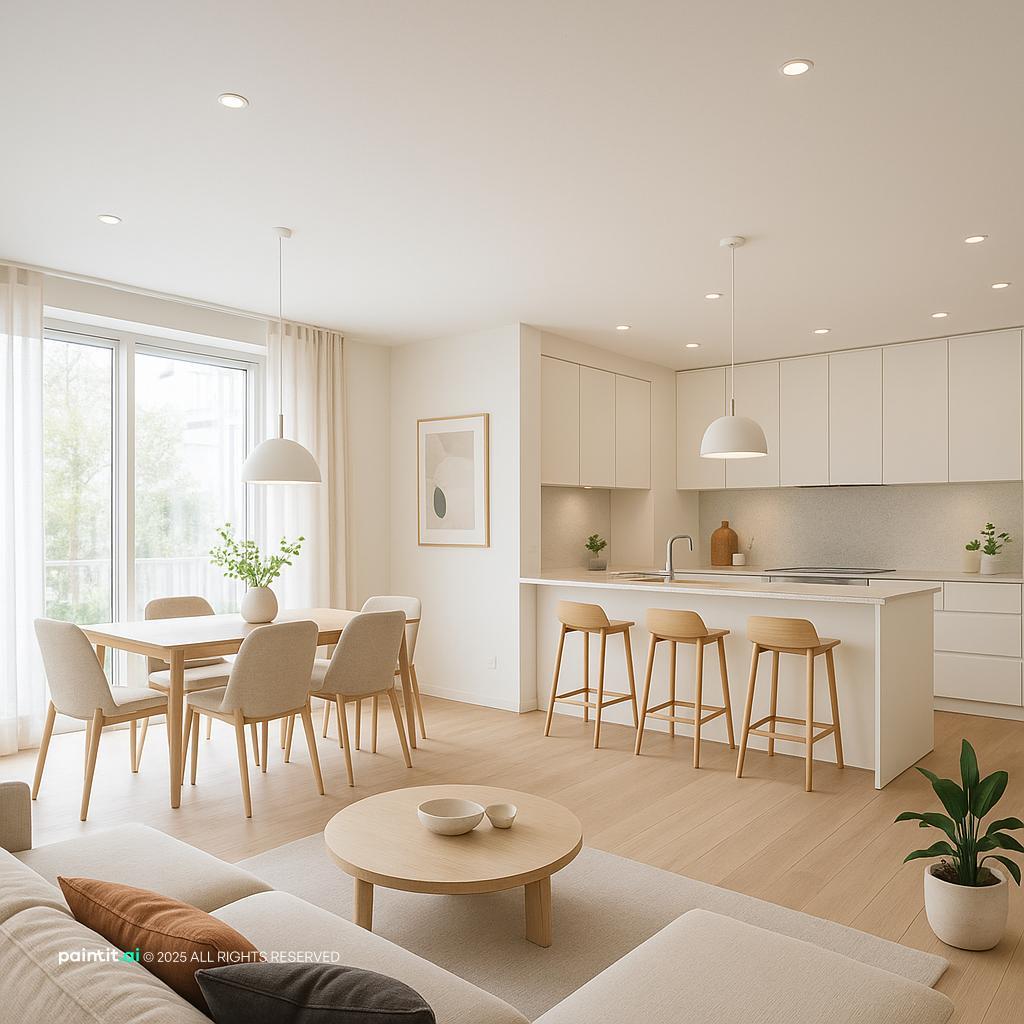
Modern Open-Concept Living & Dining Area Design highlights natural light, layered neutrals and clean-lined furniture in a living room setting.
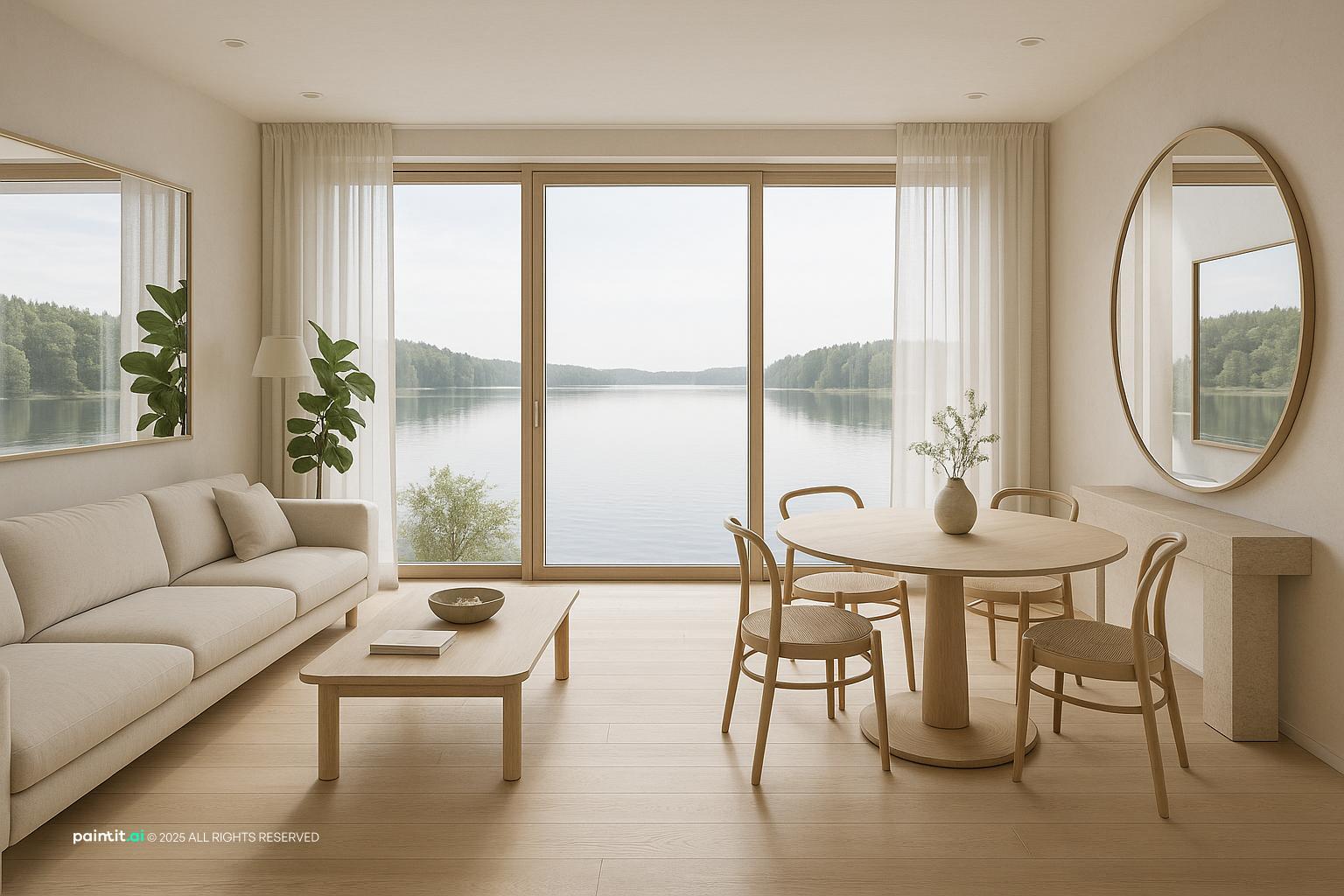
Scandinavian Living & Dining Room Design highlights natural light, layered neutrals and plants and greenery in a living room setting.
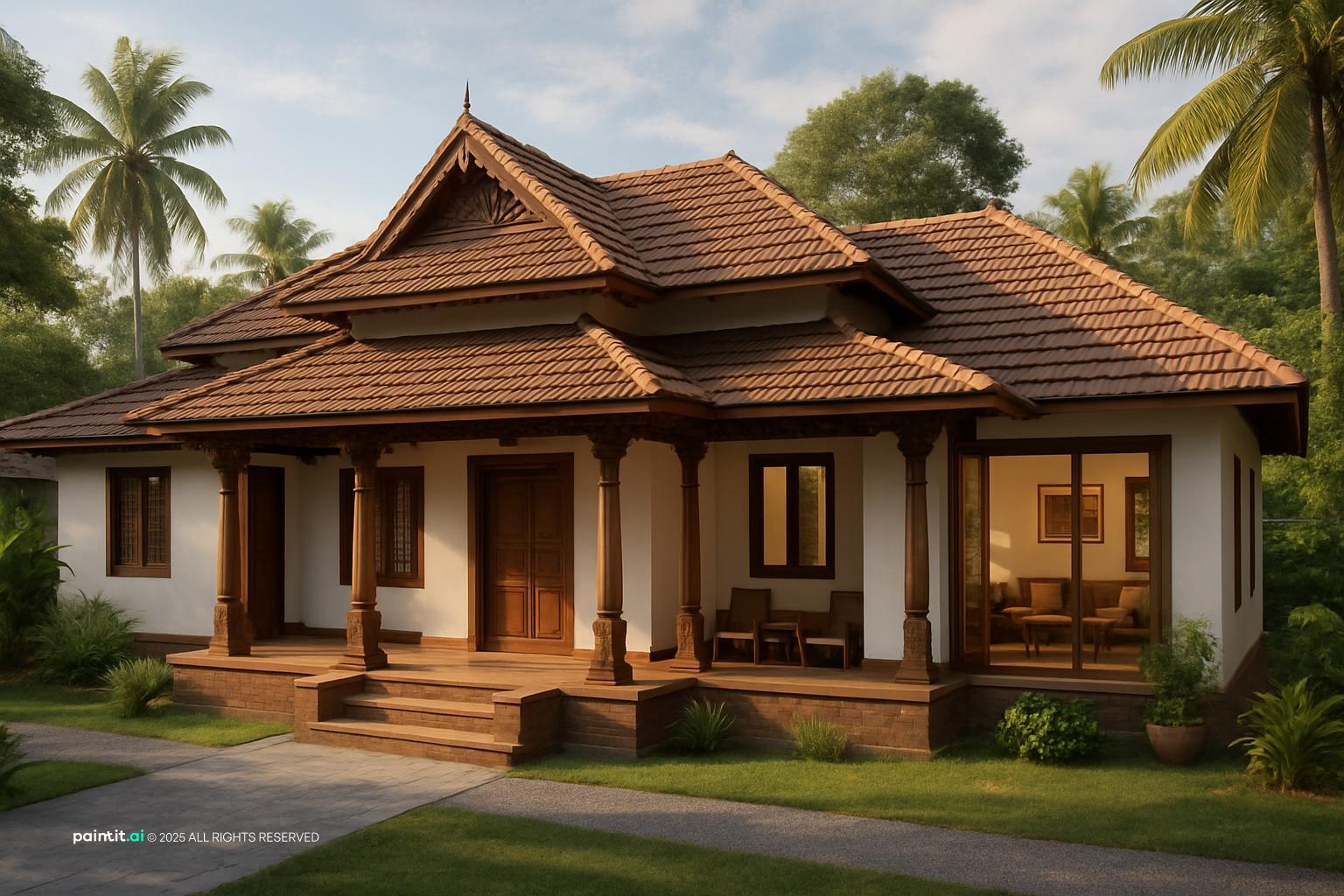
Stunning Kerala Home 3D Visualization highlights plants and greenery in a living room setting.
With the layout locked in, the final step is making the two zones feel like they belong together. This comes down to a consistent design language across colors, materials, and lighting.
Don't treat the zones like separate rooms. Choose one color palette for the whole space. The 60-30-10 rule is a reliable formula: 60% is your dominant neutral (walls), 30% is a secondary color (sofa, large furniture), and 10% is an accent color (pillows, art, decor) that you sprinkle across both areas.
This creates instant harmony. If your dining table is a dark walnut, echo that wood tone in the legs of a living room chair or a picture frame. If the pendant over the table is matte black, use that same finish on a floor lamp or cabinet pulls. Don't mix more than two of each.
Each area needs its own lighting, but they should feel related. Start with shared ambient light (like recessed cans). Then, add task lighting for each zone: a reading lamp in the living area and the pendant over the dining table. Finally, add accent lighting, like a light on a piece of art, to create depth.
Textiles are the glue. The easiest win is to use the same curtains or shades on all the windows in the space. Then, create smaller connections. The texture of your sofa pillows could be referenced in the upholstery of the dining chairs.
Use art to either unite the space or reinforce the zones. A single, oversized piece of art on a shared wall makes the whole room feel grand and connected. Alternatively, a tight gallery wall in the living area and a separate, distinct piece in the dining area can help subtly signal the shift in function.
Feeling stuck between a few different layout options? This is the perfect problem for an AI design tool to solve. Upload a photo of your living room dining room combo and start testing these ideas without moving any heavy furniture.
The best way to work is conversationally. Start with a broad command, like, "Create a modern layout for this room with a clear path to the deck." Then, refine it. Our data shows that 15.0% of prompts are these kinds of follow-up tweaks. Try things like, "Now, make the dining table round instead," or "Add an open bookshelf to divide the space." You can see what works in minutes. Ready to build your layout? Try our AI room designer now.
You can create a powerful visual division without walls. The best methods are using a large area rug to define the living area, floating the sofa with its back toward the dining space, or using an open-backed bookshelf as a low-profile room divider.
Always start by establishing your main traffic path, leaving at least 36 inches of clearance. Then, group your living room furniture around a focal point, like a rug. Place the dining table and chairs in their own zone, usually anchored by a pendant light from above.
Use a single, unified color palette for the entire space. Repeat key materials, like a specific wood tone or metal finish, in both zones. Using the same window treatments throughout and echoing an accent color in pillows, art, and decor will tie everything together.
In a small space, furniture scale is everything. A round dining table takes up less physical and visual space. A dining bench can be tucked away completely. And floating your sofa, even just a few inches from the wall, can make the room feel much less cramped.
Use your furniture. The back of a sofa is the most common and effective non-structural divider. For a more defined separation that still feels open, a tall, open-backed shelving unit (an étagère) works perfectly because it divides the space without blocking light.