
Yacht Interior Design Ideas: Materials and Layout
Yacht interiors answer to constraints a house never faces: every material either meets a marine-grade spec or fails early, every kilogram affects stability, and every surface has to survive constant humidity and salt exposure. Design choices that ignore that reality look good in a render and fail within a season on the water.
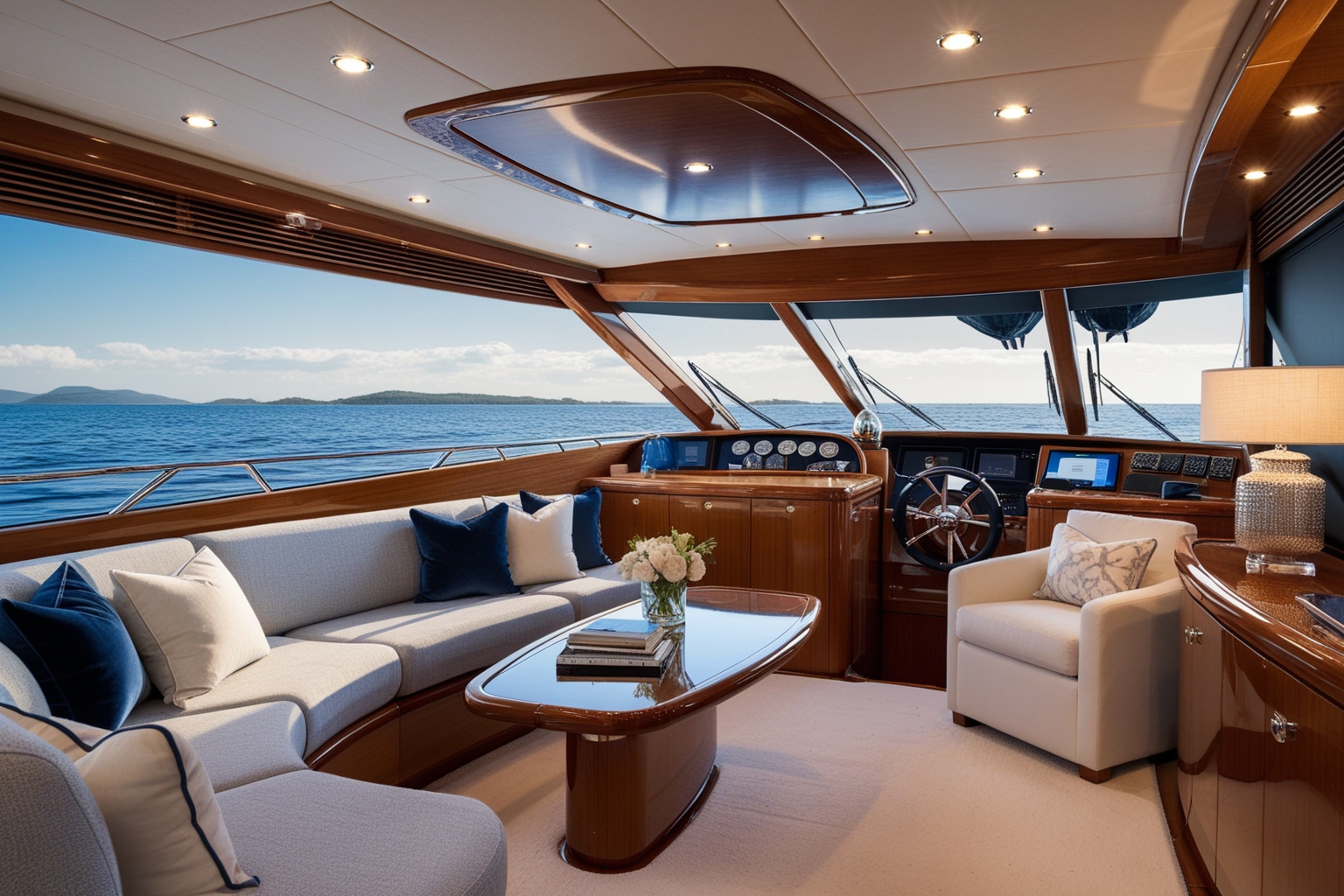
Essential Tips for Yacht Interior Design Success
Seven decisions cover most of what separates a yacht interior that survives a season at sea from one that just photographs well on delivery day.
-
1. Prioritize Space Optimization
Every square foot on a yacht costs more to build than the equivalent space on land, so it needs to earn its keep. Multi-functional furniture (a sofa that converts to a berth, a table with built-in storage), built-in cabinetry instead of freestanding pieces, and open sightlines between zones all do more with the same footprint.
-
2. Select Appropriate Materials
316 marine-grade stainless steel (with added molybdenum for chloride resistance) is worth the extra cost on anything exposed to salt air or spray; 304 stainless is fine for interior-only fittings with no deck or waterline exposure. Teak remains the standard for its natural water resistance, and every material choice needs to weigh against the yacht's overall weight budget, since added mass affects stability and fuel use.
-
3. Embrace a Cohesive Design Theme
A yacht interior reads as more expensive when the palette and material language stay consistent cabin to cabin - lighter shades in smaller spaces read as more open, and mixing leather, soft fabric, and polished wood in a considered ratio (rather than randomly) adds depth without looking like separate designers worked on each room.
-
4. Maximize Natural Light
Larger windows or portholes bring in light and the view that's a big part of why people are on the water in the first place. Mirrors and glossy finishes bounce available light into interior cabins that don't get direct exposure, and adjustable blinds handle the glare a boat gets more of than a house ever does.
-
5. Optimize Lighting Design
Layer ambient, task, and accent lighting rather than relying on one central fixture per room - the same principle that works in a house, but every fixture on a yacht additionally needs a marine-use rating to handle vibration, humidity, and salt air without failing early.
-
6. Incorporate Outdoor Elements
Sliding glass panels or open doors that connect interior lounges to deck space extend the usable living area, not just the view. Weather-resistant outdoor furniture and nautical-toned decor (driftwood, marine blues) tie the indoor and outdoor zones together instead of treating them as separate design problems.
-
7. Focus on Personalization
Artwork, personal objects, and layout choices tuned to how the owner actually uses the space are what separate a genuinely personal yacht from a charter-boat showroom look - the material and layout fundamentals above are the constraints; personalization is where the actual character comes from.
Examples of Yacht Interior Design in Action
-
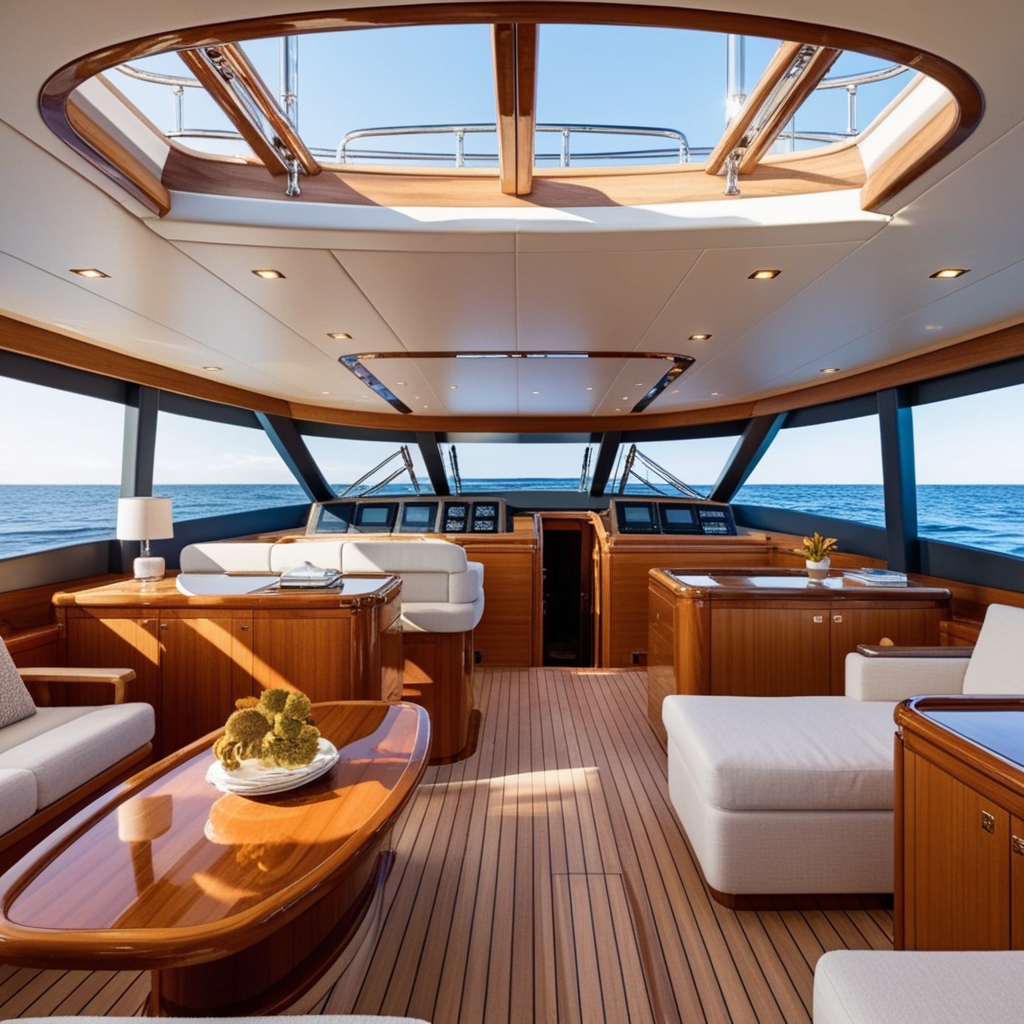
Teak and mahogany do double duty here - both hold up to marine conditions and read as warm and expensive at the same time, which is why they dominate yacht interiors far more than in comparable land-based luxury spaces.
-
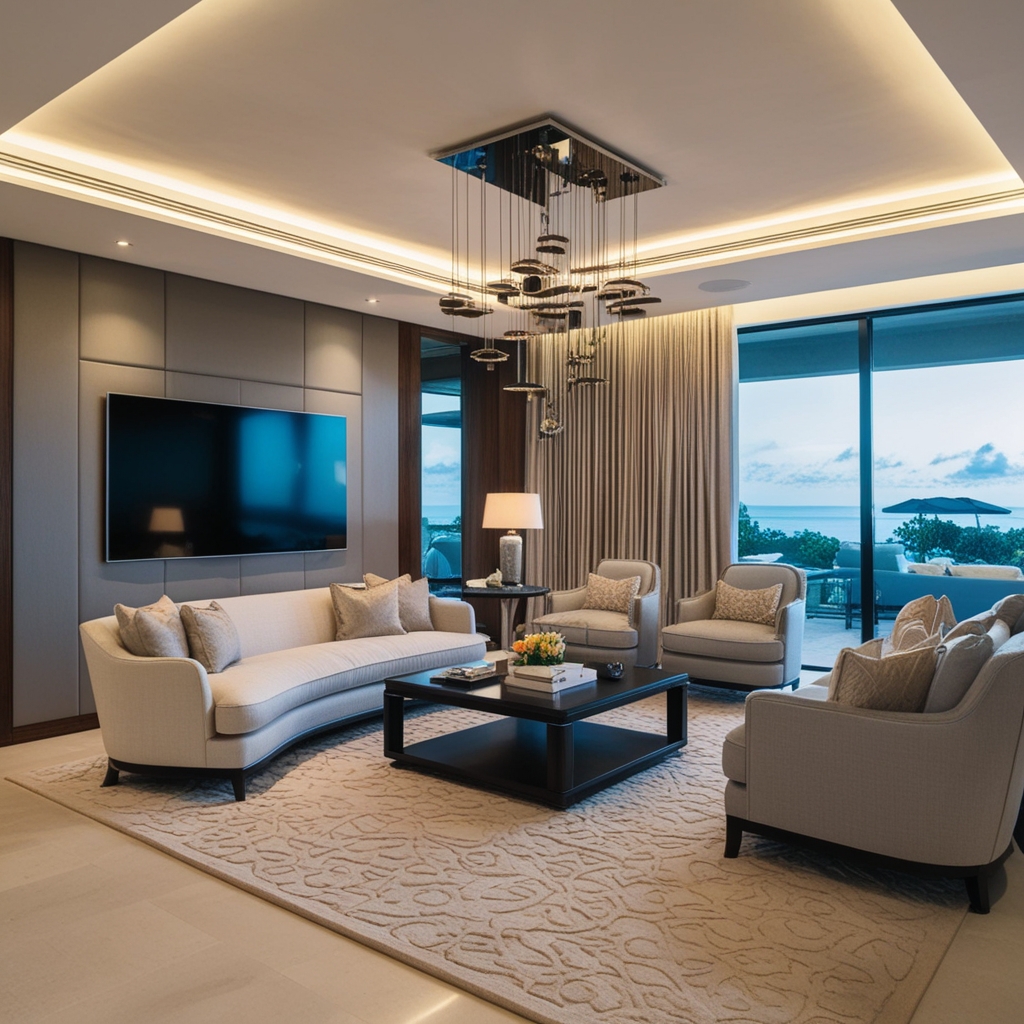
Automated lighting and climate systems matter more on a yacht than in a house, because manually adjusting a dozen small cabins by hand gets old fast - one-touch control across the vessel is a functional upgrade, not just a luxury flourish.
-
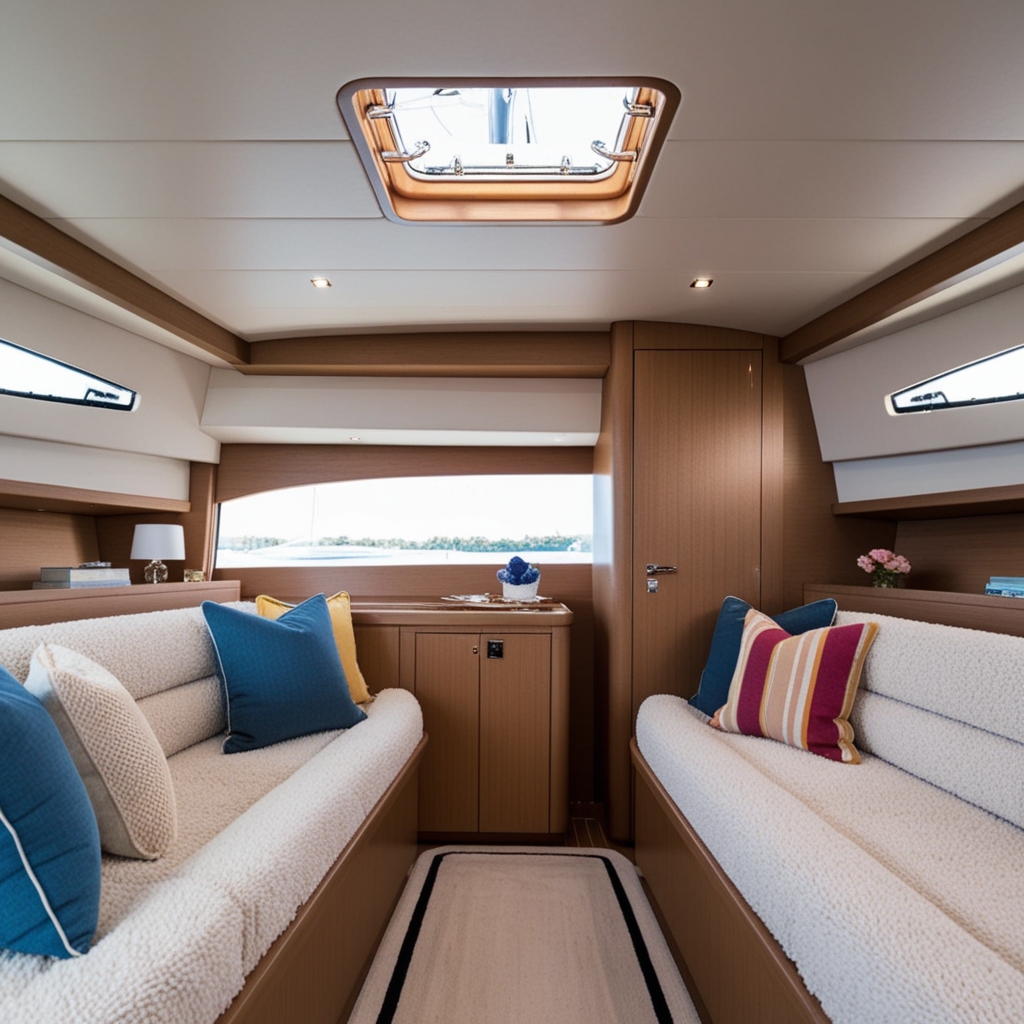
Soft neutral tones with a few vibrant accents keep a yacht interior from reading as either sterile or overdone. Plush textiles and high-end finishes add comfort without working against the calm the palette is trying to establish.
-
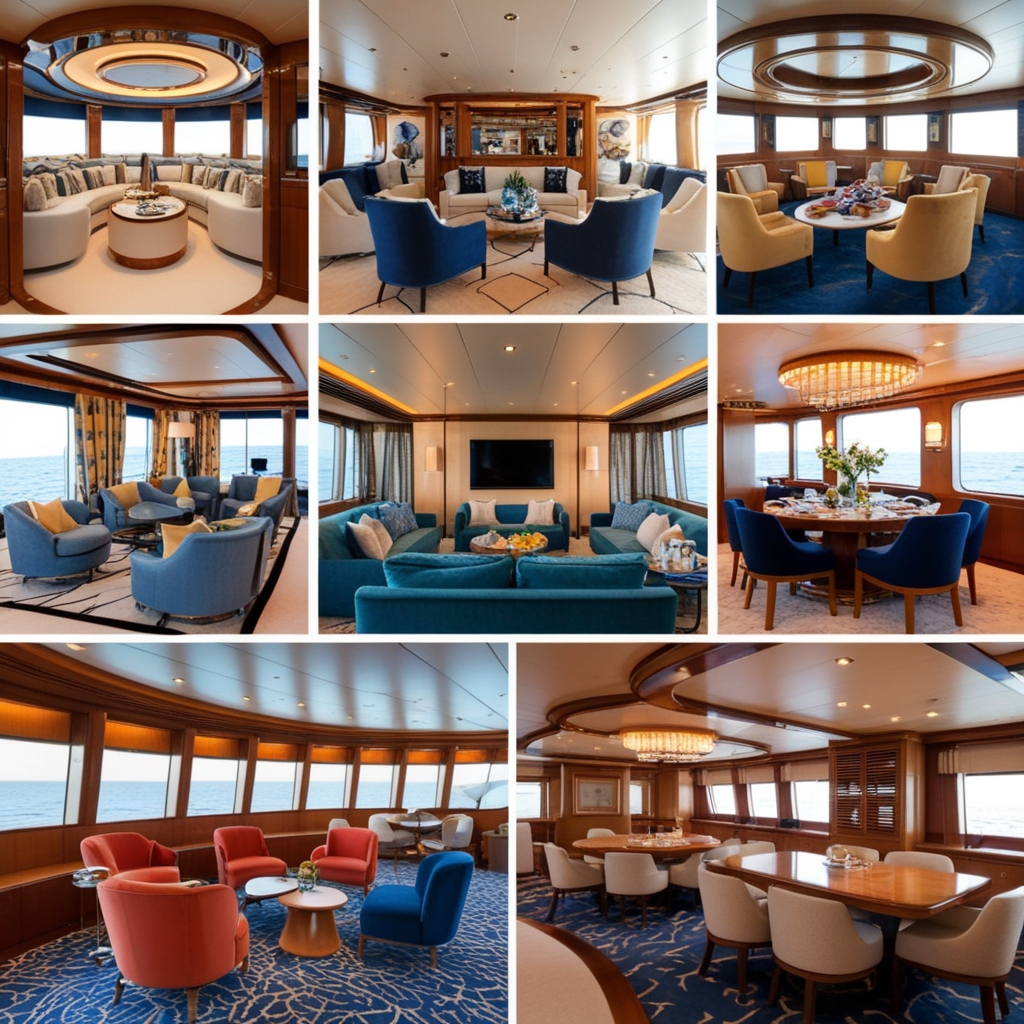
Notable examples also highlight the importance of open-plan layouts, which promote a sense of space and social interaction. Unique furniture arrangements create inviting lounges and dining areas, ideal for entertaining guests while at sea.
-
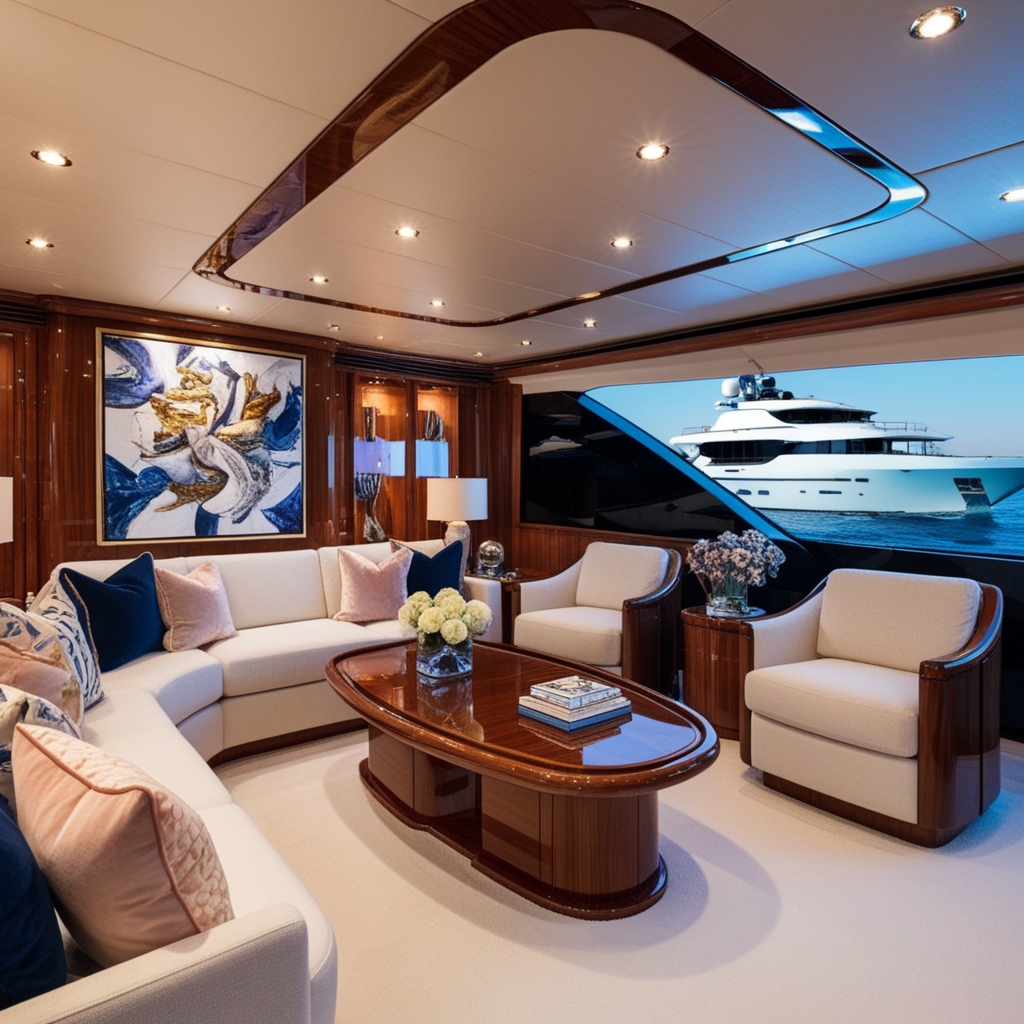
The inclusion of bespoke art pieces alongside distinctive décor elements grants each yacht its unique character and allure, transforming it into an exceptional showcase of yacht interior design.
Test a palette before ordering materials
-
Marine-grade materials cost more and take longer to source than land-based equivalents, so a color or layout mistake is expensive to undo. Upload a photo of a cabin to app.paintit.ai and test palette and layout directions - soft ocean-inspired blues and greens, or a warmer beige-and-white scheme - against your actual space in 1-2 minutes before committing to materials. Free to start.
Discover More Creative Design Ideas
Explore related interior design styles below for more ideas on blending luxury with functionality, from modern aesthetics to classic elegance.
FAQ
-
Multifunctional furniture (foldable tables, a berth that doubles as seating) and built-in storage do the most work. Lighter materials help with the yacht's overall weight budget, not just the visual feel, and wall-mounted fixtures free up floor area that fixed furniture would otherwise claim.
-
Pale blues, whites, and soft neutrals evoke a marine ambiance. Bright accents in yellows or coral can energize the space while maintaining a fresh look. Choose colors that reflect natural light, enhancing the feeling of openness. Consider a cohesive palette to unify all areas of the yacht.
-
Teak remains the standard for wood surfaces due to its natural water resistance. For metal fittings, 316 marine-grade stainless steel (with added molybdenum for chloride resistance) is worth the cost on anything exposed to salt air or spray; 304 stainless is fine for interior-only fittings with no deck or waterline exposure. Modular, lightweight furniture makes reconfiguring a cabin easier.
-
Use a combination of ambient, task, and accent lighting to create a layered effect. LED strips along shelves or under furniture provide subtle illumination. Incorporate large windows or skylights to maximize natural light. Dimmable fixtures allow control over the mood, enhancing relaxation onboard.
-
Biophilic touches (real wood, plants suited to a marine environment) and sustainable, FSC-certified materials are both gaining ground. Bolder pattern and texture choices are replacing the all-neutral yacht interior look of a decade ago, and smart-control systems for lighting and climate are increasingly standard rather than a premium add-on.