
Pet shop interior design ideas for welcoming, memorable retail spaces
Pet shop interior design has to balance retail clarity with animal comfort. Customers should understand where to go, staff should work without obstacles, and pets should not feel overwhelmed by tight aisles, harsh lighting, or slippery floors.
These 13 pet shop interior design ideas cover welcome zones, display walls, treat bars, sniff stations, social corners, adoption windows, flexible layouts, and nature details that make a shop more memorable.
Upload a photo of your shop to app.paintit.ai and test retail layouts, shelving, color palettes, and lighting directions in 1-2 minutes. Free to start.
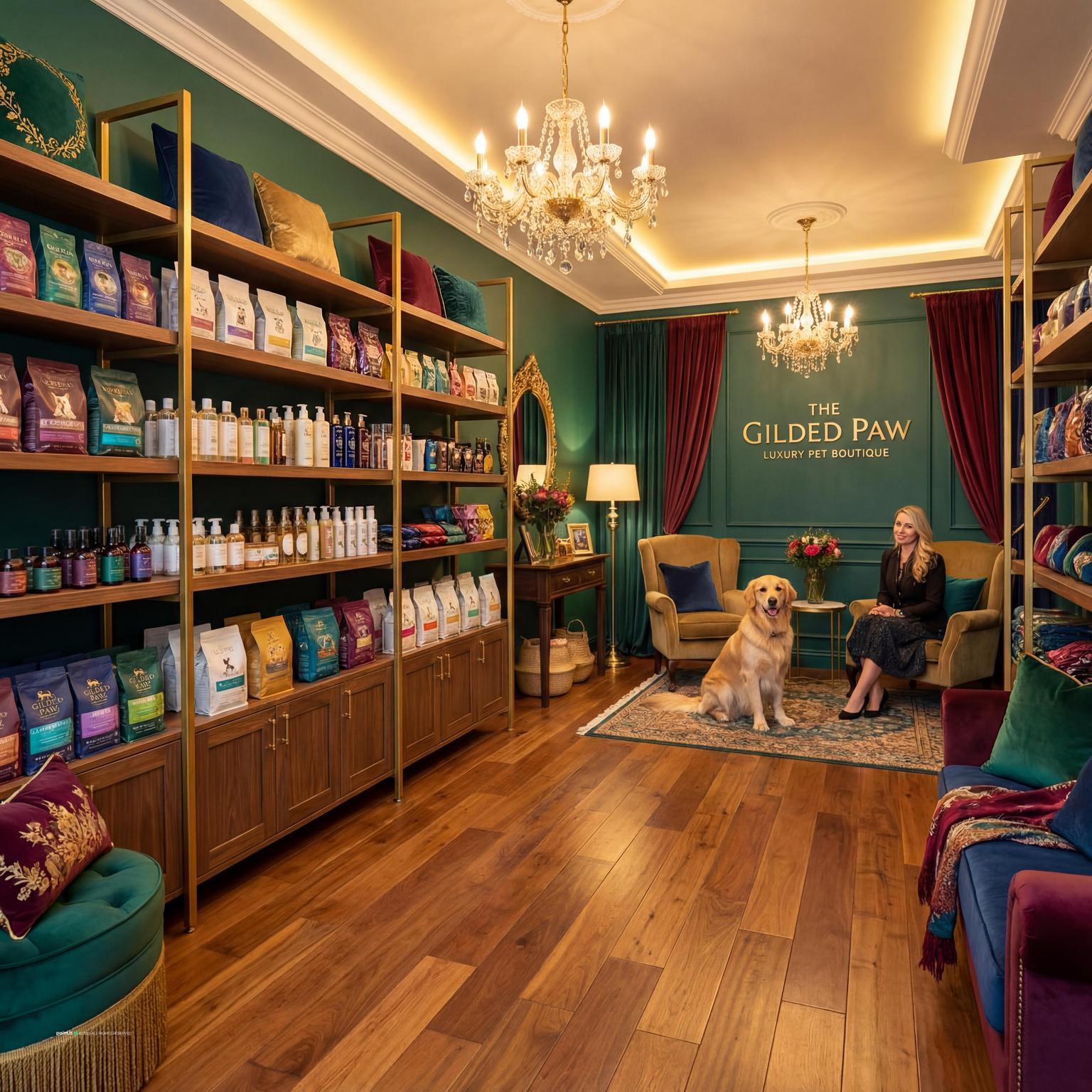
13 pet shop interior design ideas
-
1. Welcome Zone With Wag Factor
First impressions count, for pups and people alike. A soft entrance mat with paw prints, a splash of greenery in stylish pots, and cheerful murals of happy pets on the walls. Soft lighting here makes every greeting feel sincere, like wagging tails at the door.
-
2. Adventure-Themed Display Walls
Let the walls tell a story. Shelves shaped like mountains, forests, or underwater scenes not only display toys and treats, they spark imagination. One shop I visited in Prague placed squeaky ducks near a painted pond, making customers (and their furry friends) smile every time.
-
3. DIY Treat Bars
Think bakery counter, but for four-legged gourmets. Clear jars with hand-lettered labels let visitors hand-pick biscuits, chews, or even feline delights. The interactive experience delights curious pups and their doting humans. Bonus: It smells incredible.
-
4. Cozy Social Lounge Corners
Sometimes, we all need a chill zone, whether for leash test-drives or pet parent chats. Picture tufted armchairs, a low coffee table with pet magazines, and easy-clean rugs (accidents happen!). It’s the kind of thoughtful touch that invites lingering.
-
5. Sniff-and-Sample Stations
Dogs often use their noses to browse and select items. Creating secure sniffing areas with herbs, hay, and safe wooden blocks transforms browsing into an artificial sensory playground. Consider incorporating feedback requests such as: “Did Rex love the rosemary? Please inform us! It prompts delightful stories.
-
6. Mood-Boosting Lighting
Forget harsh fluorescents; warm, adjustable lights can soothe anxious animals and make colors pop. Subtle spotlights on specialty products draw attention without overwhelming. A friend once told me, “In good light, even the plainest chew bone looks Insta-worthy.”
-
7. “Instagramable” Corners
Social media is today’s word-of-mouth. Design a corner with playful props, oversized bones, tiny pet sofas, whimsical backdrops. There’s a reason people line up for photos: memories, and a splash of pure fun. Tag your wall with a branded hashtag for bonus buzz.
-
8. Transparent Adoption Windows
If the space doubles as a rescue hub, transparent enclosures (never cages) let visitors meet adoptable animals in a stress-reduced way. Gentle signage tells each animal’s story, sometimes, eyes meet across glass and lives are changed forever.
-
9. Flexible Floor Arrangements
Space to roam is key. Mobile displays and reconfigurable layouts accommodate seasonal goods, or, say, a kitten yoga class. Does the shop ever host workshops? Roll away the fixtures, spread out the mats, and voilà: instant community room.
-
10. Themed Product Zones
Not sure where to find catnip? What about raincoats for walks in a downpour? Clear visual cues, mini signs, color-coded baskets, guide customers intuitively. Themes could rotate: “Adventure Hounds,” “Lazy Cats’ Hideaway,” or “Tiny Critters’ Nook.”
-
11. Upcycled Decor Details
There’s something extra-loving about giving new life to old objects. Wooden crates as display boxes. Refinished ladders as shelving. Every salvaged piece tells a story. The result: a space filled with character, and a nod to eco-friendly values.
-
12. Interactive Info Screens
Digital touchscreens needn’t feel sterile. Use them to share training tips, animal care how-tos, or even pet-of-the-week stories. Does someone have a question about fish tank filtration? They can lean in (maybe with a coffee in hand), tap, and learn.
-
13. Living “Nature Nooks”
Plants breathe life into retail. Grow a leafy wall, moss-filled terrariums, or herb boxes for rabbits. Just be mindful, some plants aren’t animal-safe, so stick with the classics (like ferns or spider plants). These green touches calm humans and animals alike.
When I was first helping a local store revamp their layout, the owner hesitated about green accents. But after planting a mini herb wall, customers lingered longer, and snapped so many photos with their pets beneath the cascade of leaves. Such a small change, such a big heart-lift.
Examples of Thoughtful Space Planning for Pet Shop Interiors
-
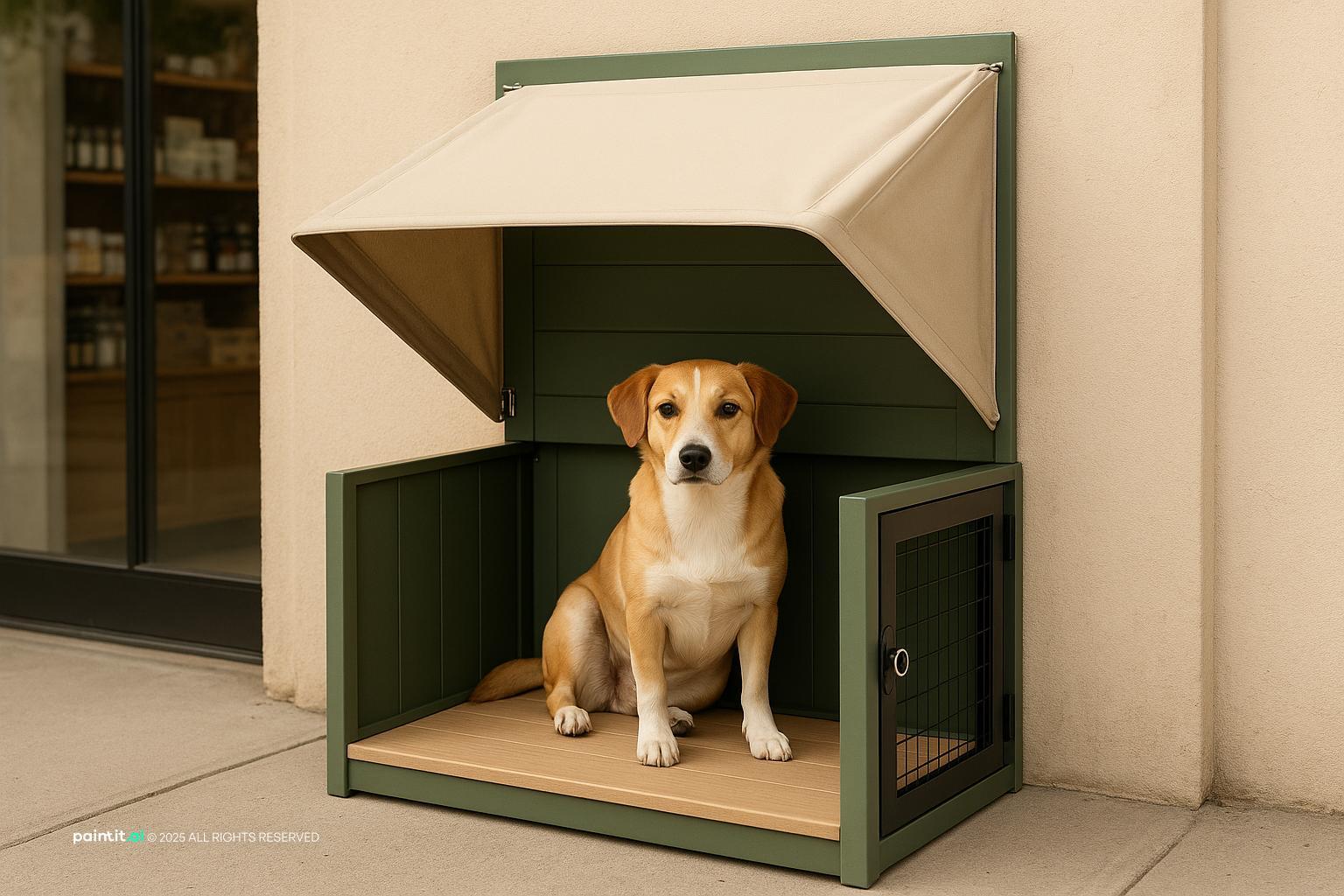
Creating an ideal pet shop environment starts with thoughtful design planning, not only product placement. Consider: visual pathways that expose delightful corners combined with expansive paths for leashed pets alongside stroller-pushing adults and inviting cozy rest zones designed for extended stays. Treat sections need order without losing their playful energy. I create specific micro-zones for different categories by deploying low shelving and welcoming signs to establish areas like “cat kingdom” and “aquatic alley.” The experience resembles managing an detailed treasure hunt without the accompanying chaos.
-
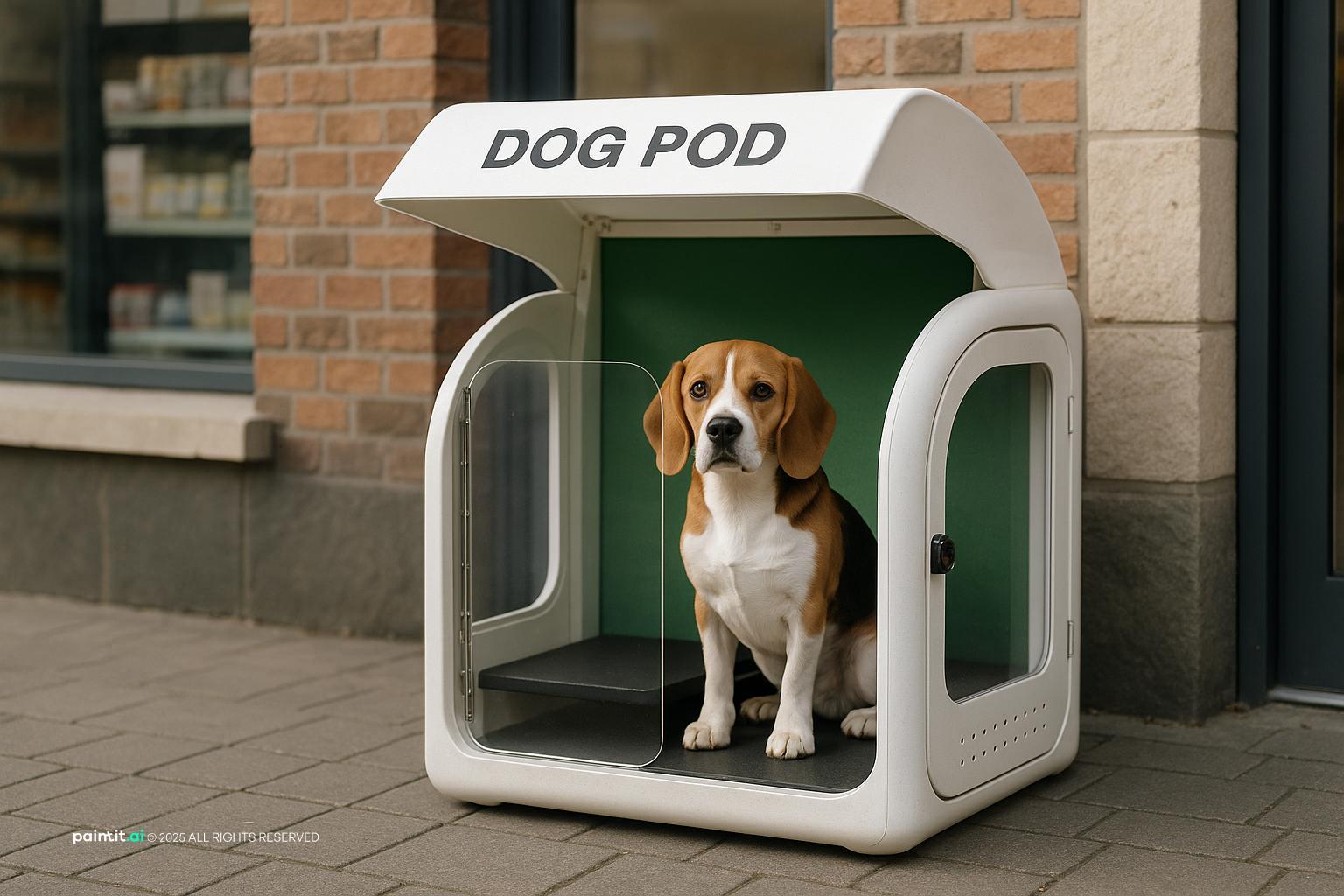
Multifunctional displays are the unsung heroes here. When I designed my first pet boutique’s front window, I picked units with built-in storage underneath, a godsend for hiding excess stock while serving as a stage for rotating pet beds or terrariums. Benches that double as display space? Yes, please. The more each piece can do, the easier it is to keep the shop flexible and airy. Have a quirky vintage cabinet lying around? A lick of paint and voilà: an organized treat oasis with personality to spare.
-
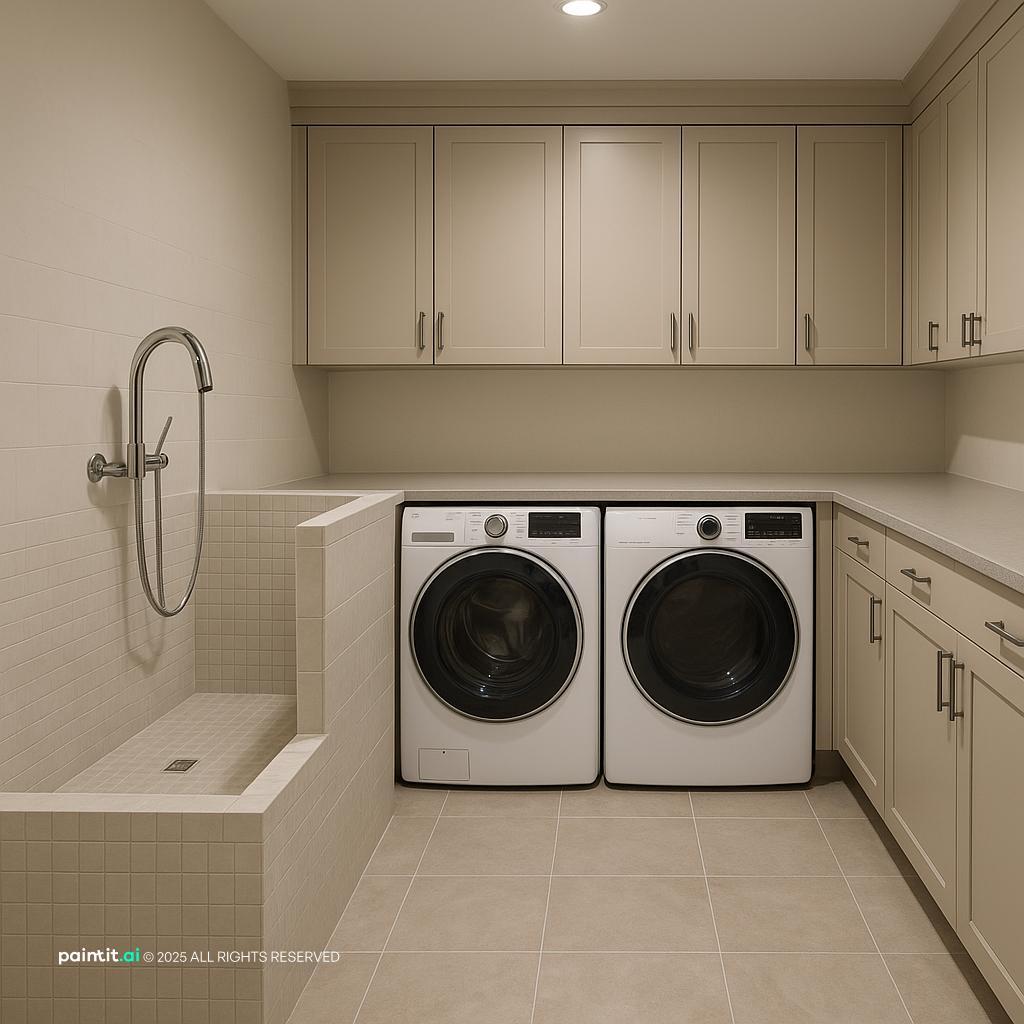
The essence of atmospheric control lies within lighting elements. While natural light offers benefits, carefully placed LED spots enhance aquarium colors and transform handmade collars into miniature jewels. Some corners can feel dim or neglected. The strategic use of mirror-reflected light combined with warm dimmable bulbs turns a sterile aisle into a welcoming snug for pets and their owners. The essence of ambiance transforms into your most effective sales representative. (Complete transparency: my switch from fluorescent strips to pendant lamps caused customers to spend more time in the store and write positive reviews.)
-
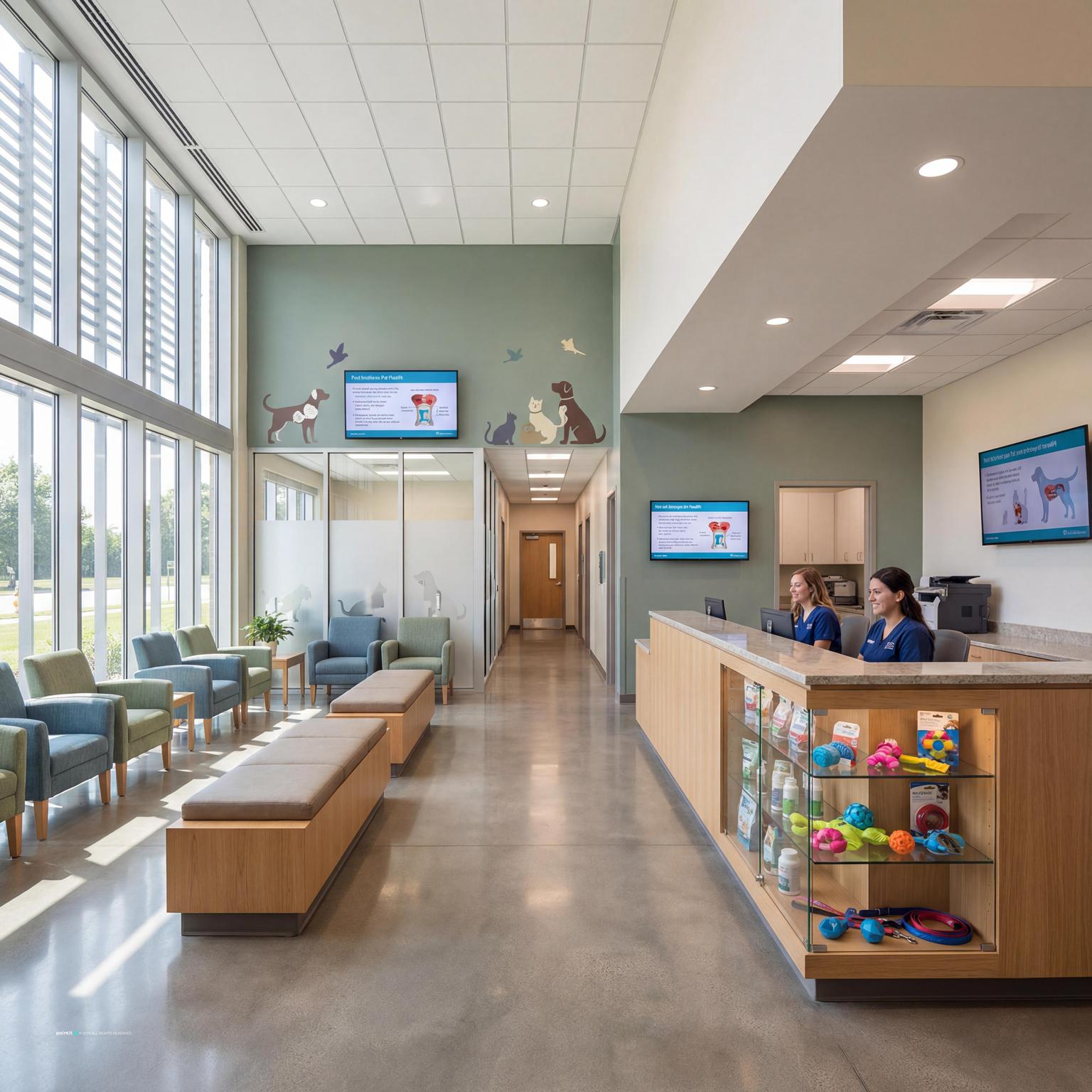
Let’s talk touch and texture. Woven baskets, soft rugs, reclaimed wood counters, there’s real beauty in simplicity, and pets (plus their guardians) notice those tactile little luxuries. Have you considered textured wallpaper or washable mats under food displays? Once, a client’s nervous terrier settled right down after we swapped out slick floors for cork tiles. Little comfort cues speak volumes, often more than fancy signage ever could.
-
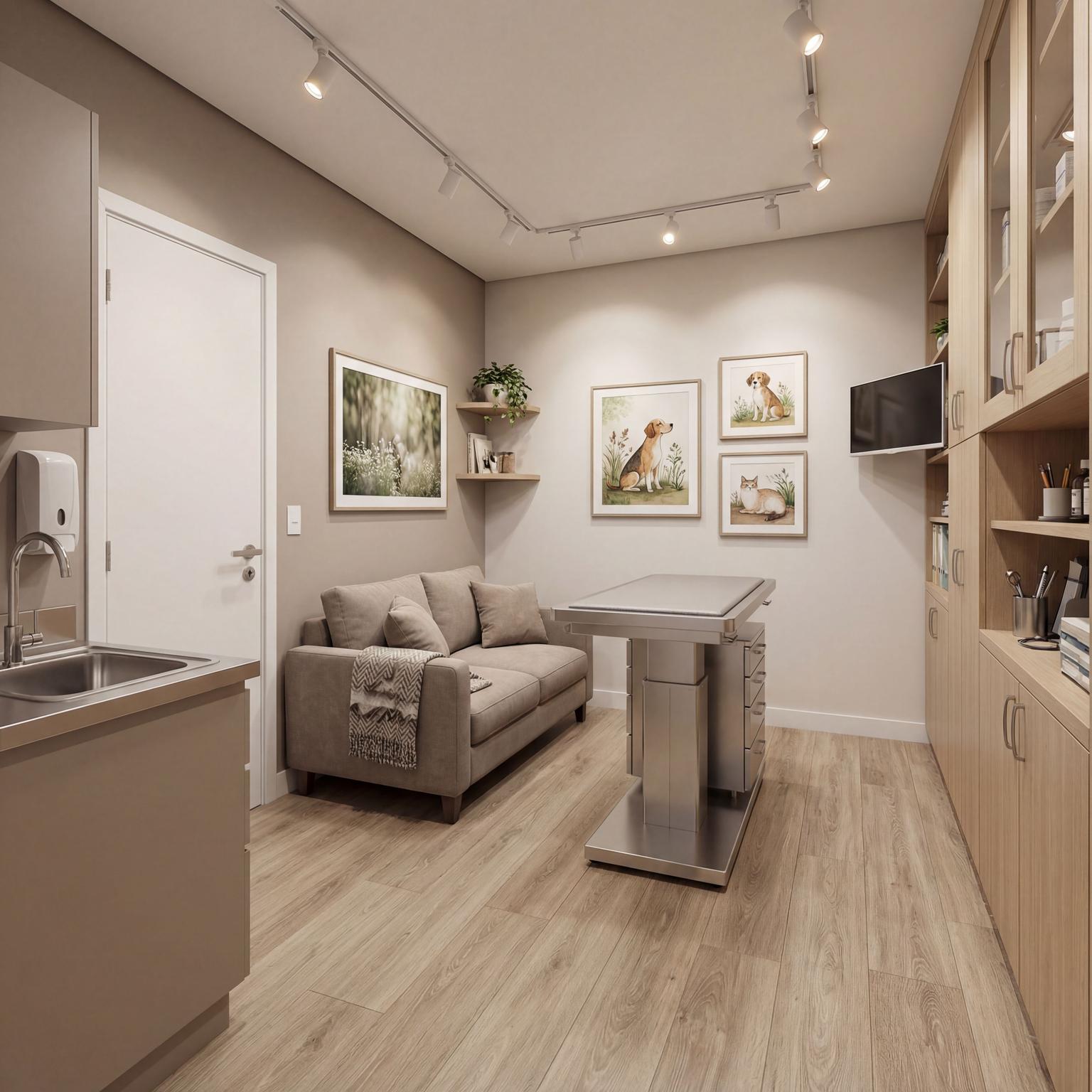
Sourcing decor for such a specialized space can be a wild ride. Local artists or eco-friendly makers bring authenticity (and conversation starters). One of my favorite finds? Hand-thrown ceramic treat jars that doubled as impulse buys and traffic magnets. The secret: keep a running wish-list and attend pop-up markets or scroll Etsy for unexpected gems. There’s artistry in those finishing touches that larger retailers just can’t mimic.
-
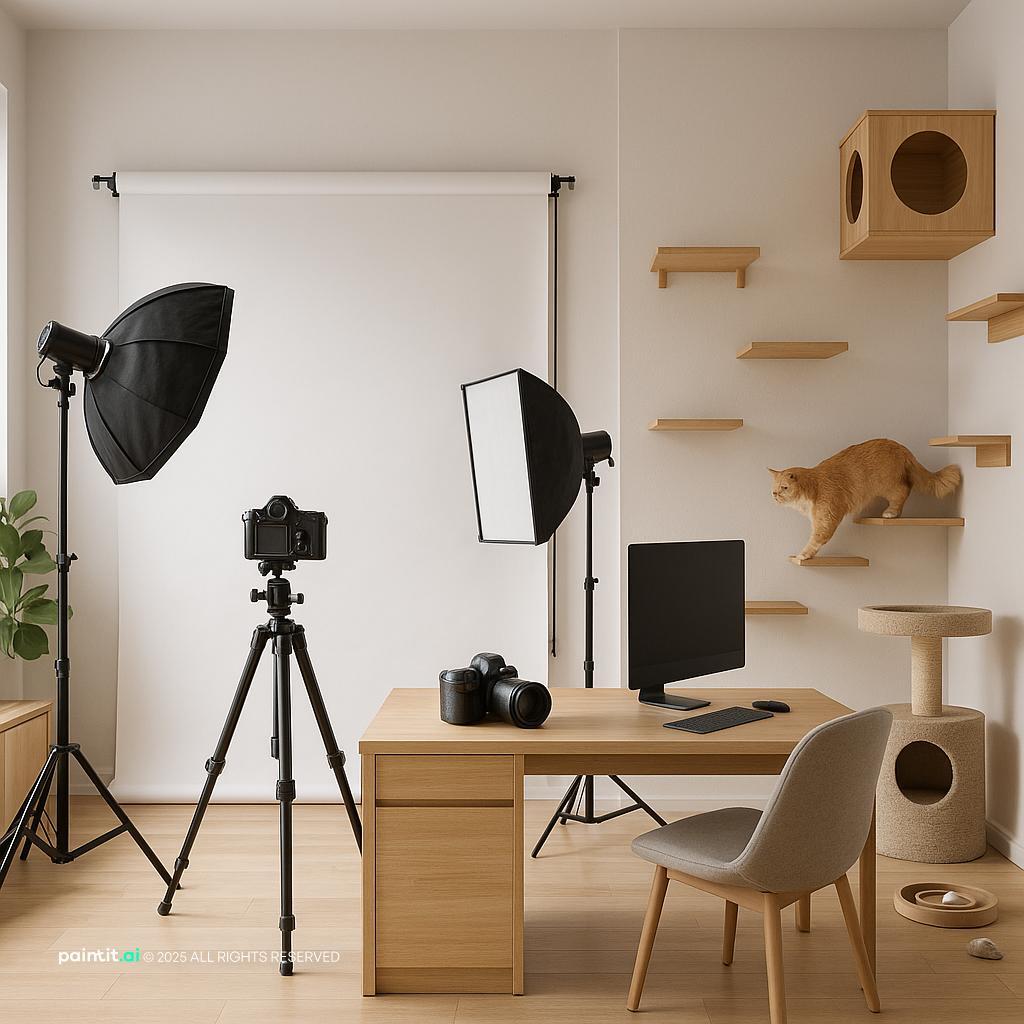
For styling guidelines, less is more, but not less personality. The best pet shops curate rather than crowd. Corral themed finds (like nautical toys by fish tanks), and embrace negative space so merchandise breathes. Resist the urge to overstuff shelves; let your most delightful products be the stars. And always, always, leave sightlines open for those spontaneous pet-customer meet-cutes. Because at the heart of it, this place should spark smiles, wagging tails, and genuine human moments.
-
At the end of the day, the best pet shop layout should still feel inviting at closing time. A cozy detail, clearer aisle, or smarter display can make the space easier to return to tomorrow.
Pet shop layout: functional considerations
-
Counter-forward layout: A visible counter near the entrance helps quick purchases and gives staff a clear view of the shop. Keep enough distance so the queue does not block the first product zone.
-
Browse-first layout: If the shop relies on discovery, place feature displays and seasonal products in the first view, then guide customers toward food, accessories, grooming, or adoption areas with clear signage and open sightlines.
-
Floor considerations: Flooring should be slip-resistant, easy to clean, and comfortable for paws. Avoid glossy surfaces and deep texture that traps fur, dust, and food debris.
-
Animal welfare: Use warm, controllable lighting, acoustic softness where animals wait, and enough aisle width for leashes, strollers, and staff movement. Adoption or animal-care zones need calm edges, not placement in the noisiest traffic point.
-
How Paintit.ai helps: Upload a photo of a retail area, counter, display wall, or grooming zone to app.paintit.ai and test layouts, shelves, lighting, and color directions in 1-2 minutes. Free to start.
Related design tools
Tools and nearby retail ideas for pet shop layouts, display walls, and fast concept testing.
FAQ
-
A good pet shop layout has a clear welcome zone, wide aisles, visible product categories, safe flooring, durable displays, and a calm checkout path. It should help customers browse without crowding animals, staff, or other shoppers.
-
Use warm lighting, clear signage, tidy display walls, small seating points, playful but controlled brand details, and product zones that are easy to understand. Keep the first view open so customers can read the shop quickly.
-
Use slip-resistant, easy-clean flooring that can handle moisture, claws, wheels, and frequent cleaning. Avoid glossy surfaces that feel slippery and avoid deep texture that traps fur, dust, and food debris.
-
Yes. Upload a photo of a retail area, counter, display wall, or grooming zone to app.paintit.ai and test layouts, colors, shelving, and lighting in 1-2 minutes. Free to start.