
Native American interior design ideas: materials, textiles, and cultural authenticity
Do you seek to infuse your living space with distinctive cultural elements? The incorporation of Native American interior design concepts presents a stunning yet purposeful method to improve your home space. Through the integration of Native American heritage elements you can establish a space that echoes historical depth alongside natural beauty and warmth. These design elements showcase cultural richness while promoting a serene and comfortable environment through traditional patterns and earthy color palettes. Initiate the exploration of spatial transformation techniques immediately!
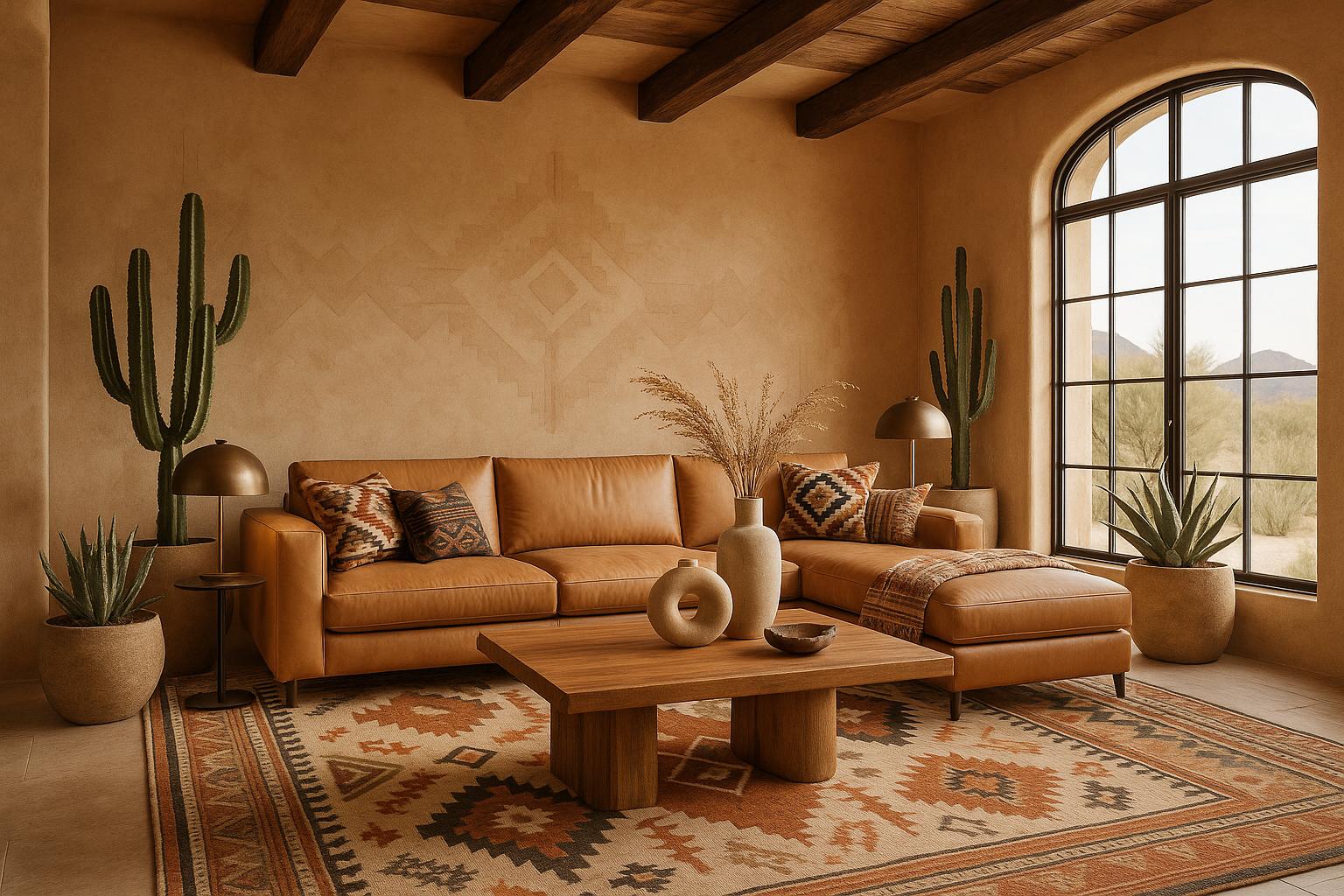
10 Native American interior design ideas
These ideas range from practical design decisions (color, material, layout) to cultural guidance (sourcing, ethics, consultation). All 10 are worth reading before making any purchasing or design decisions.
-
1. Understand the Cultural Significance
Research the specific Native American cultures that inspire your design before choosing colors, patterns, or objects. Every tribal community has distinct artistic expressions, materials, and meanings. Respectful design starts with context and authentic sourcing.
-
2. Use natural materials
Wood, stone, leather, clay, and woven fibers give the room a grounded base. Seek out artisan-made pieces with clear provenance instead of generic themed decor.
-
3. Incorporate Earthy Colors
Native American interior design heavily relies on color usage as a fundamental element. Incorporate a spectrum of earthy hues including reds, browns, ochres, and greens. The hues in these palettes frequently derive from the regional landscapes and natural elements they depict. Choose warm, muted shades when selecting paint or textiles to create a comfortable and tranquil atmosphere.
-
4. Focus on Textiles
Textiles serve as fundamental elements within Native American aesthetic traditions. Seek out woven rugs, blankets, and tapestries that display traditional patterns alongside vibrant colors. It is possible to include throw pillows and upholstery featuring Native American patterns into your decor. These components function as central elements within your space to improve aesthetic appeal while delivering comfort.
-
5. Choose artwork and decor carefully
Display pottery, beadwork, textiles, and handcrafted items made by Native artists where possible. Art selection should preserve cultural respect and avoid sacred or ceremonial objects used as decoration.
-
6. Create Open and Inviting Spaces
Native American culture values communal spaces as essential venues for social gatherings and establishing connections. Construct your environment to promote social exchanges and a cozy atmosphere. Spaces designed with open layouts that facilitate movement and flow contribute to creating an inviting atmosphere. Position furniture pieces to support dialogue while ensuring an abundance of comfortable seating choices.
-
7. Add Natural Elements
Bringing the outdoors inside is a key principle in Native American design. Incorporate plants, stones, or water features that echo the natural environment. Indoor plants can enhance air quality while adding life and color to your space. Use natural elements to create a calming ambiance that reflects the connection to the earth.
-
8. Make it personal
Personal objects, heirlooms, photographs, and collected pieces can sit alongside authentic textiles and pottery when the room is composed with restraint. The goal is a lived-in space with cultural respect, not a themed set.
-
9. Consult with Native Designers
Whenever feasible, engage with Native American designers or artisans to gain authentic insights for your project. The specialized knowledge of these experts enables you to make choices that honor cultural authenticity through respectful representation. The act of supporting Native artisans serves as a means to sustain both their traditional crafts and communal structures.
-
10. Respect the ethics of design
Verify that designs and items come from respectful and authorized sources. Learn the significance of symbols and materials before using them, and avoid treating sacred cultural references as decoration.
Stunning Examples of Native American Interior Design in Action
-
Handwoven textiles showcase detailed geometric patterns combined with traditional hues such as deep reds, earthy browns, and vibrant blues. Blankets, rugs, and wall hangings bring warmth and character to the space.
-
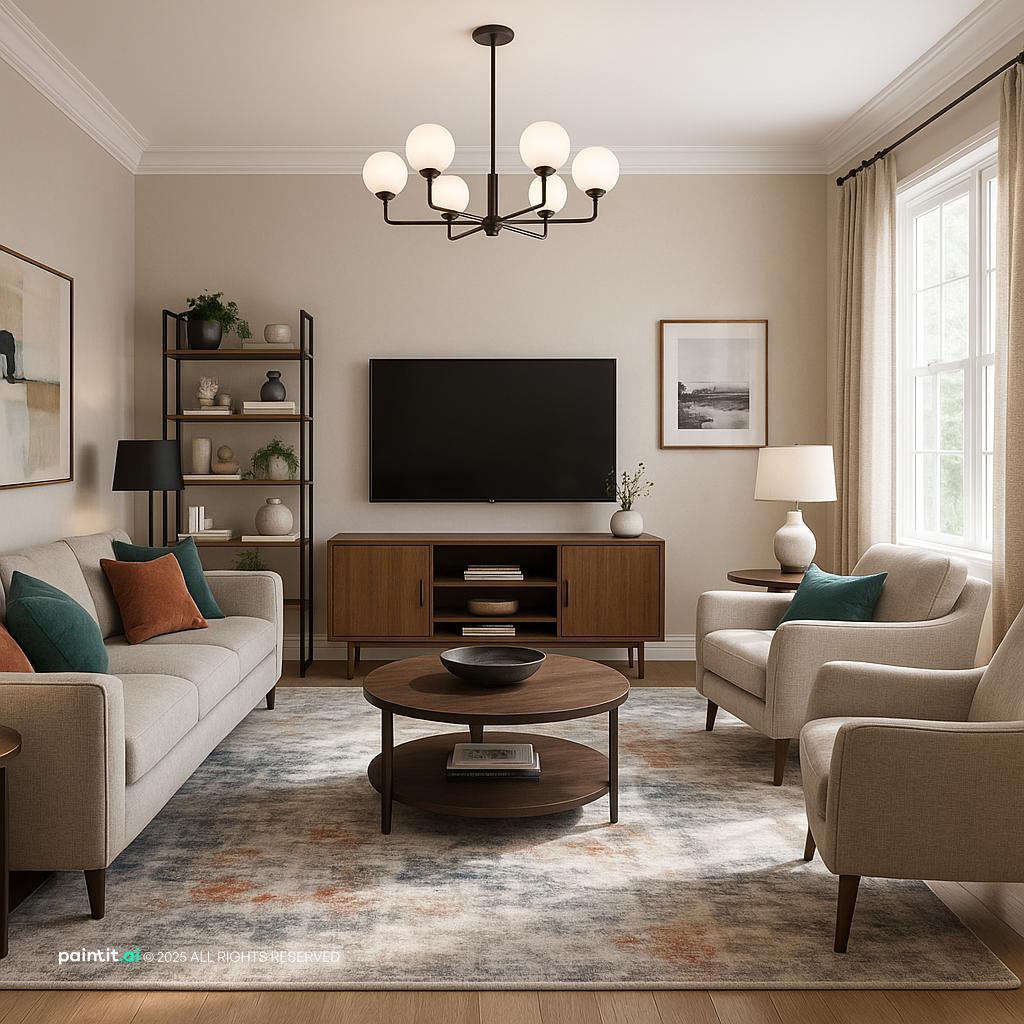
The incorporation of natural elements is a consistent thread. Furniture crafted from reclaimed wood, stone accents, and leather details create a grounded, earthy ambiance.
-
Artwork and decor are fundamental to this design style. Pottery, beadwork, and handcrafted items should be selected with cultural context and authentic sourcing in mind.
-
The application of color stands as a fundamental element in artistic composition. The fusion of earthy tones with vibrant hues creates representations of Native American landscapes and spiritual symbols. A living room designed with terracotta walls and turquoise accents establishes an intense locational identity while connecting to natural elements.
-
Native American interior design showcases remarkable beauty while spaces become visually striking and each design element serves as a tribute to rich cultural stories.
How Paintit.ai fits into this design approach
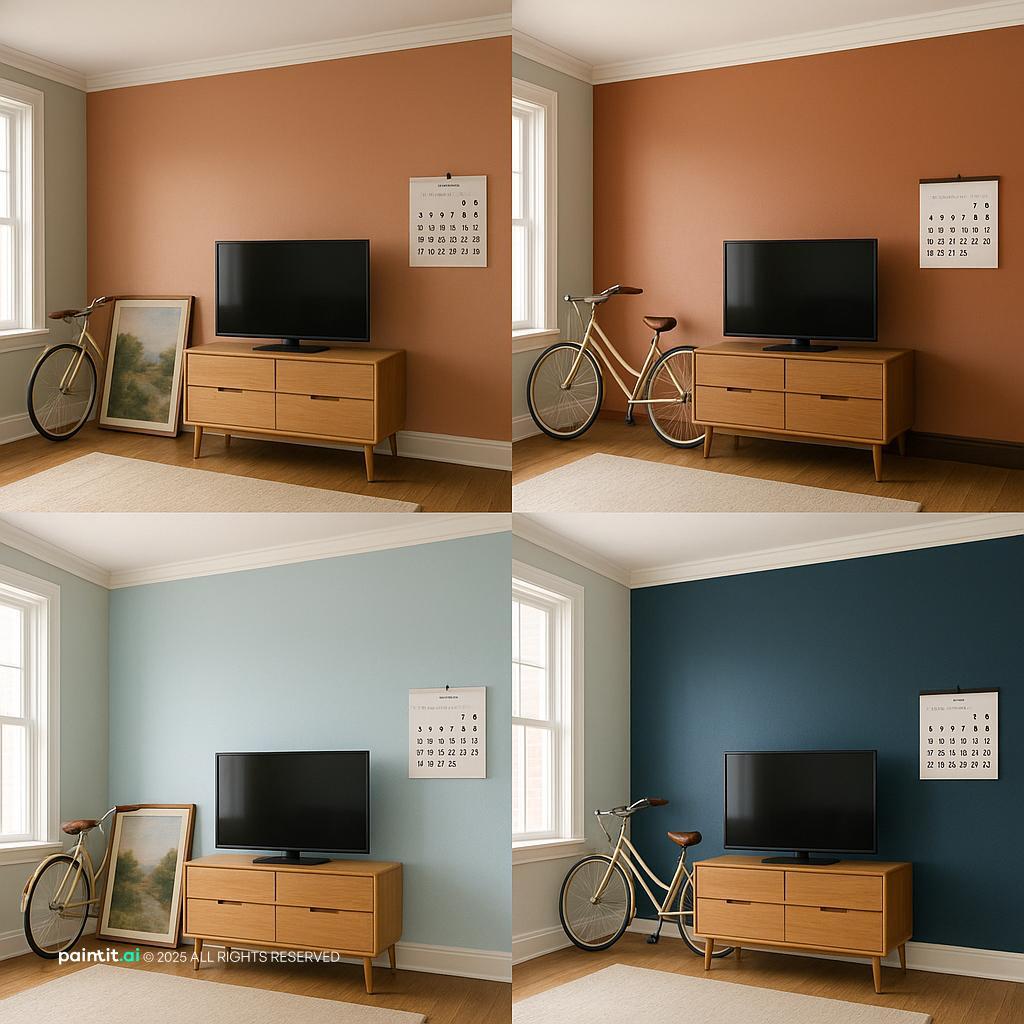
Native American-inspired interiors rely heavily on specific textures, woven patterns, and earth-tone palettes that interact with light in particular ways. Before purchasing textiles, rugs, or furniture pieces, seeing how different color and material combinations read in your actual space is useful.
Upload a photo of your room to app.paintit.ai and test different earth-tone palette directions - terracotta and turquoise accents, warm wood tones, stone textures - in 1-2 minutes. This helps confirm which direction suits your existing architecture and natural light before you invest in authentic handcrafted pieces.
Free to start at app.paintit.ai.
Related design styles and tools
Tools for testing earthy palettes, natural textures, and room-level material directions.

FAQ
-
Start by learning the cultural context of the pieces you want to use, then source authentic work from Native American artists and artisans. Avoid mass-produced imitations of sacred or ceremonial objects.
-
Natural materials such as wood, stone, clay, leather, woven textiles, pottery, and earth-tone finishes are common. The strongest rooms use fewer pieces with clearer provenance rather than many generic themed items.
-
Earth-tone palettes are the safest foundation: terracotta, warm brown, ochre, sand, clay, cream, and muted green. Turquoise, deep red, and indigo can work as smaller accents when they suit the specific pieces and room.
-
Yes. Upload a room photo to app.paintit.ai and test earthy palette directions, warm wood tones, stone textures, and textile color combinations before investing in authentic handcrafted pieces.