

Modern Cabin Interior Design Ideas
A modern cabin interior works by pulling back on the ornament a traditional cabin usually carries - fewer knick-knacks, cleaner furniture lines - while keeping the wood, stone, and warm textiles that make a cabin feel like a cabin in the first place. The 11 examples below show that balance struck a few different ways, from A-frame minimalism to a fuller ski-chalet look.
11 Modern Cabin Interior Design Ideas
Use these examples to compare wood tones, stone fireplaces, large windows, warm textiles, and compact layouts before choosing a direction for your cabin.
-
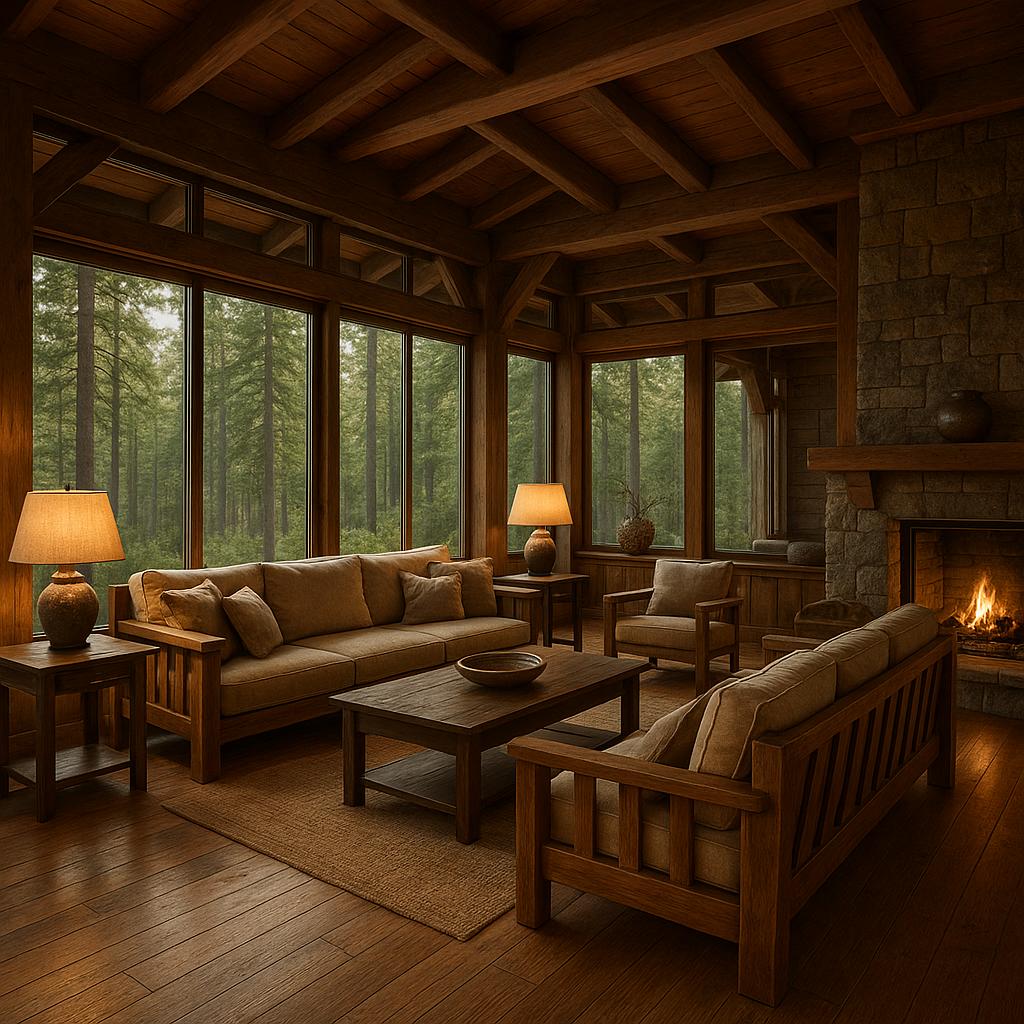
Forest-view lodge living room
Large windows, wood floors, and soft beige seating keep the room connected to the landscape while still feeling polished and modern.
-
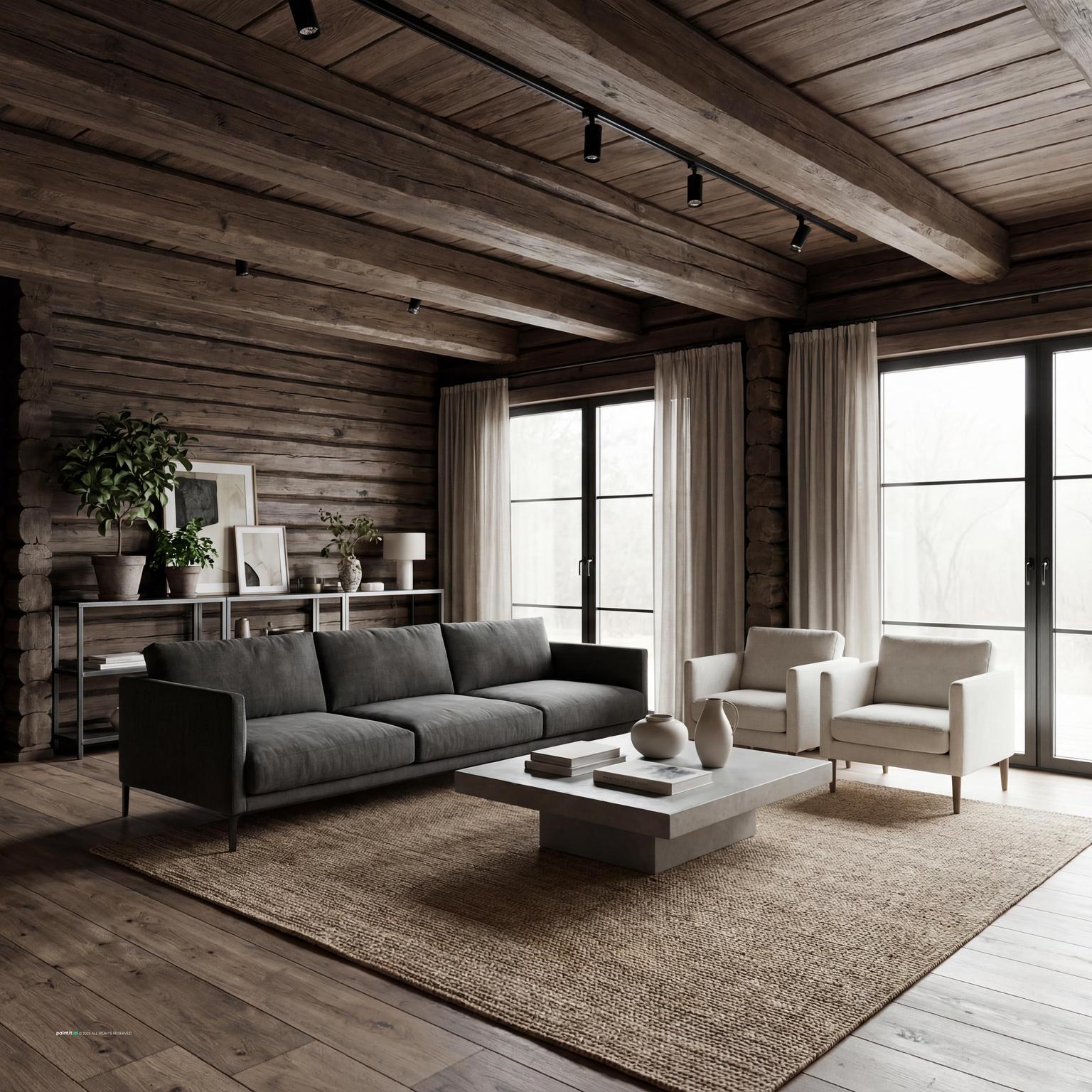
Modern farmhouse cabin mix
Log walls stay visible, but cleaner furniture, neutral upholstery, and minimal decor make the cabin feel current instead of heavy.
-
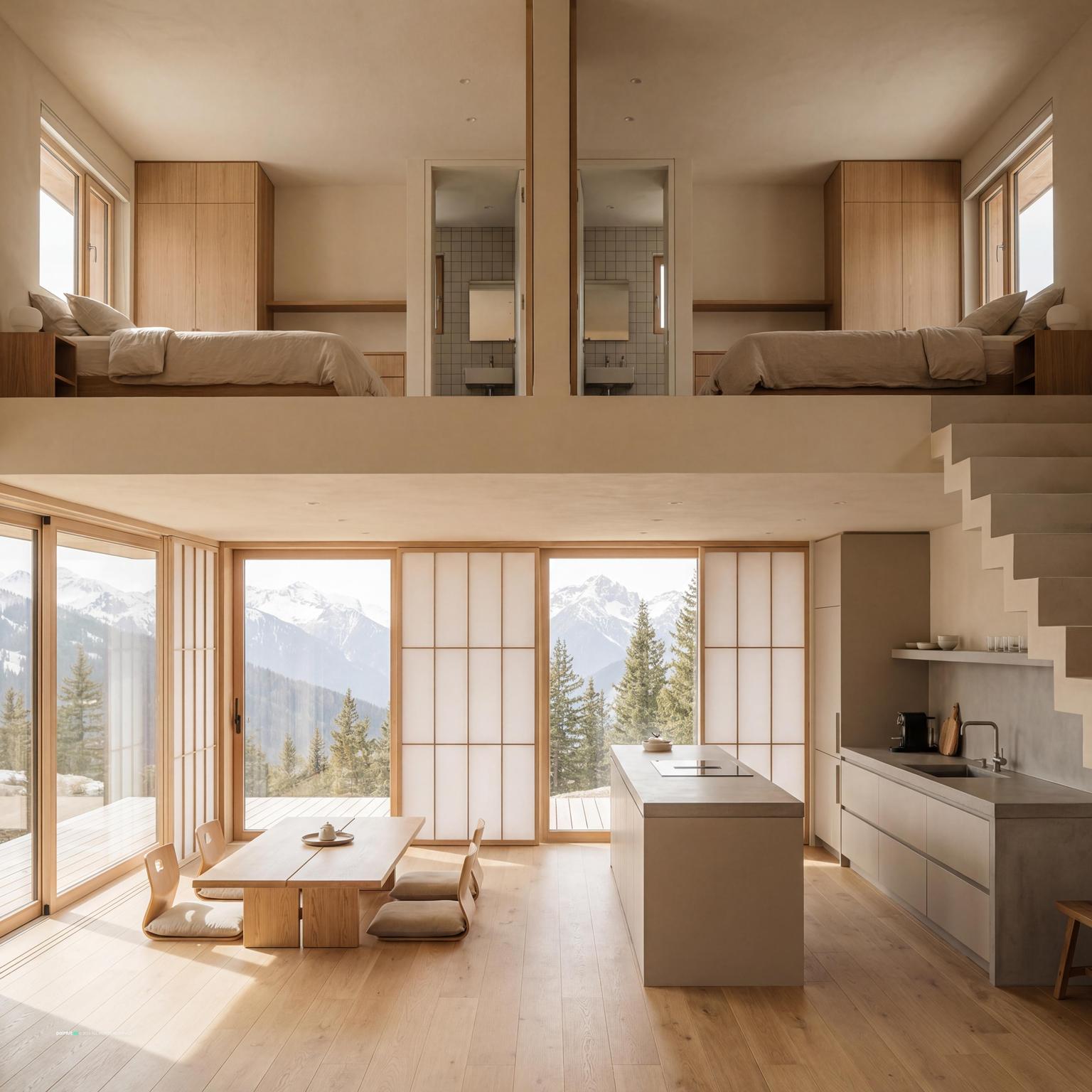
Minimalist mountain retreat
Light wood, simple lines, and an open kitchen layout create a calmer cabin direction for people who want warmth without clutter.
-
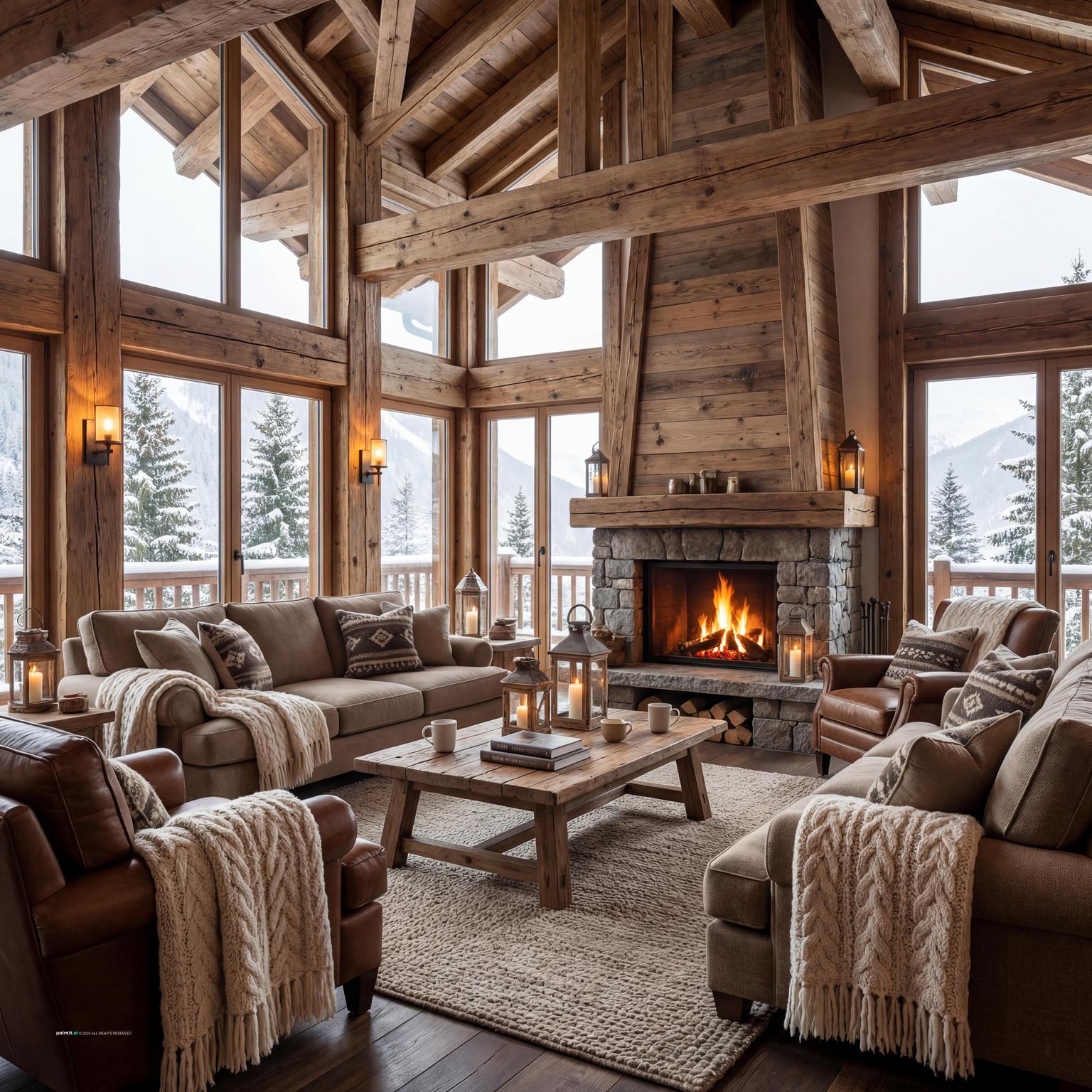
Cozy ski chalet lounge
Timber walls, oversized seating, and layered rugs make this a stronger option for a winter cabin or mountain rental.
-
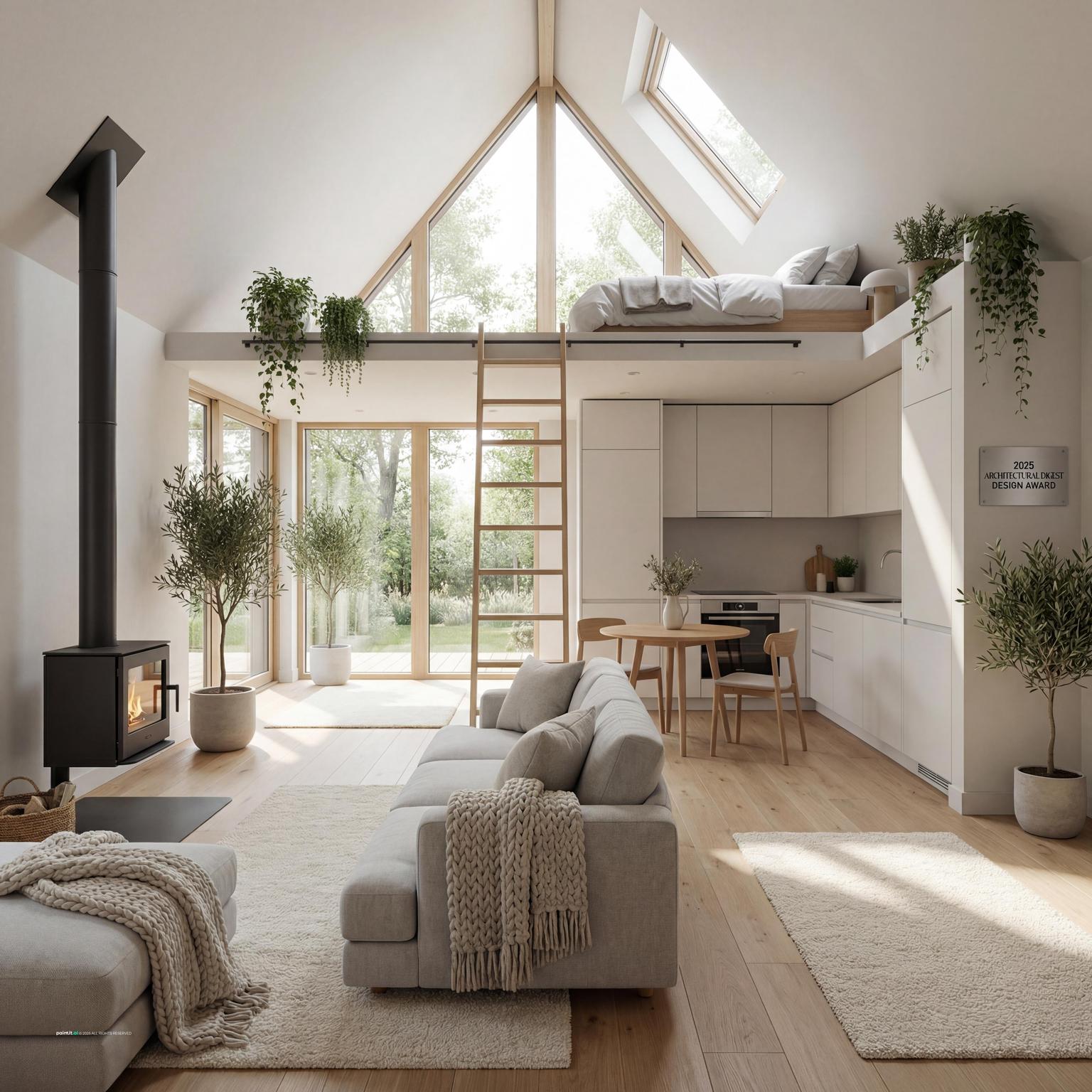
Modern A-frame living space
A-frame glazing becomes the focal point, so the best furniture choices are low, clean, and scaled to keep the view open.
-
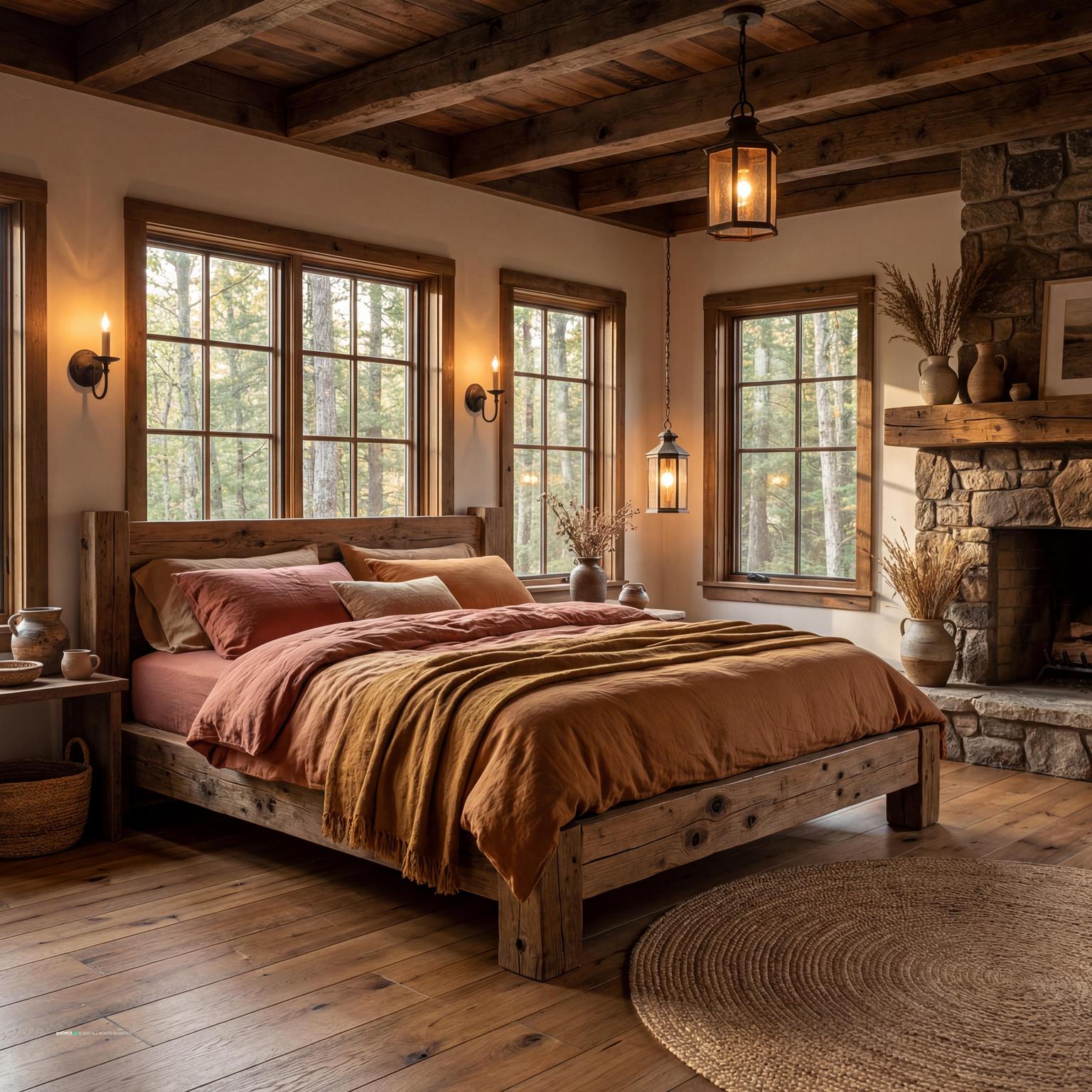
Earthy cabin bedroom
Reclaimed wood, linen bedding, and warm earth tones give the bedroom a cabin feel without making it dark or visually cramped.
-
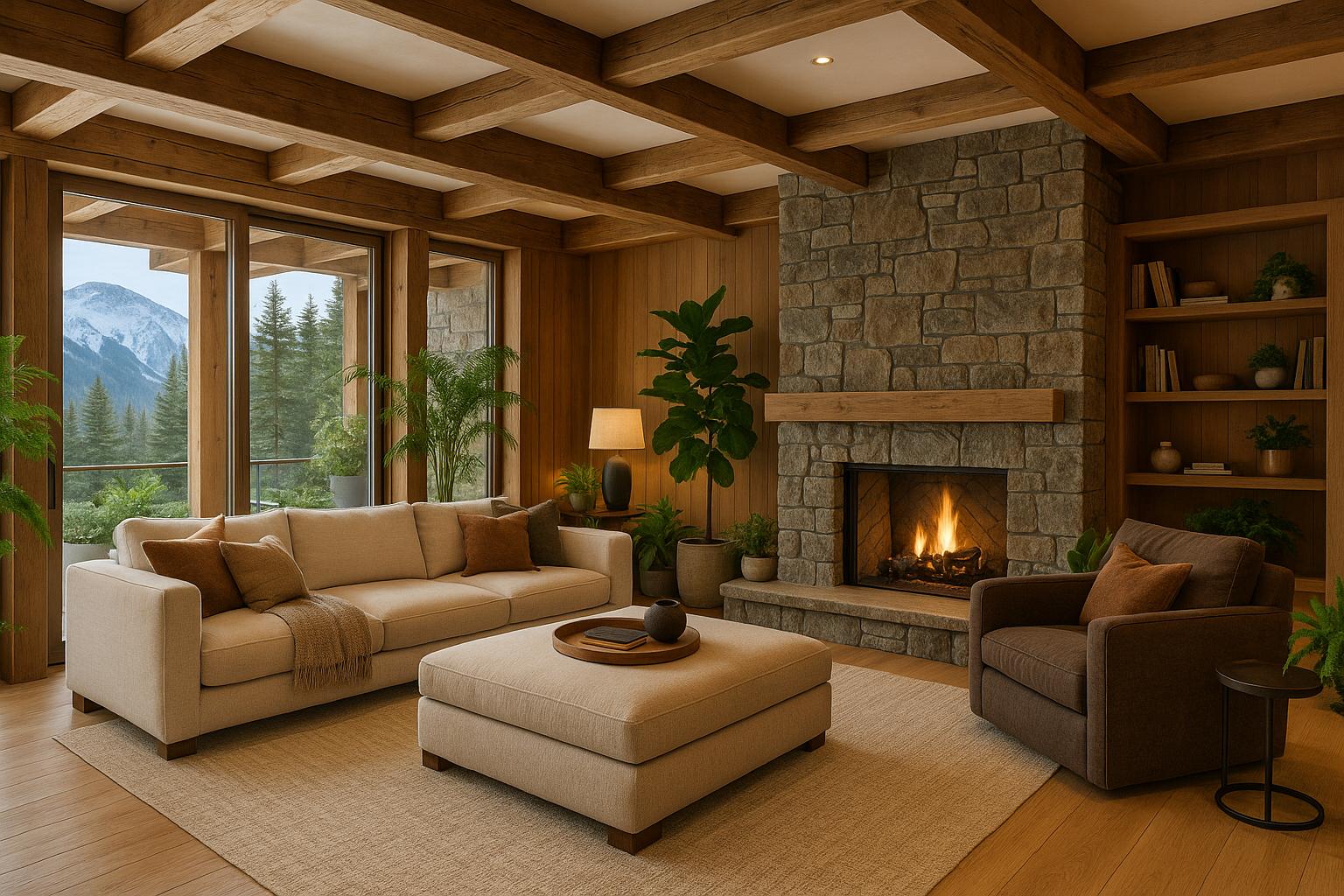
Open-plan chalet comfort
Rustic beams and a stone fireplace stay central, while a generous sofa and open layout make the space practical for groups.
-
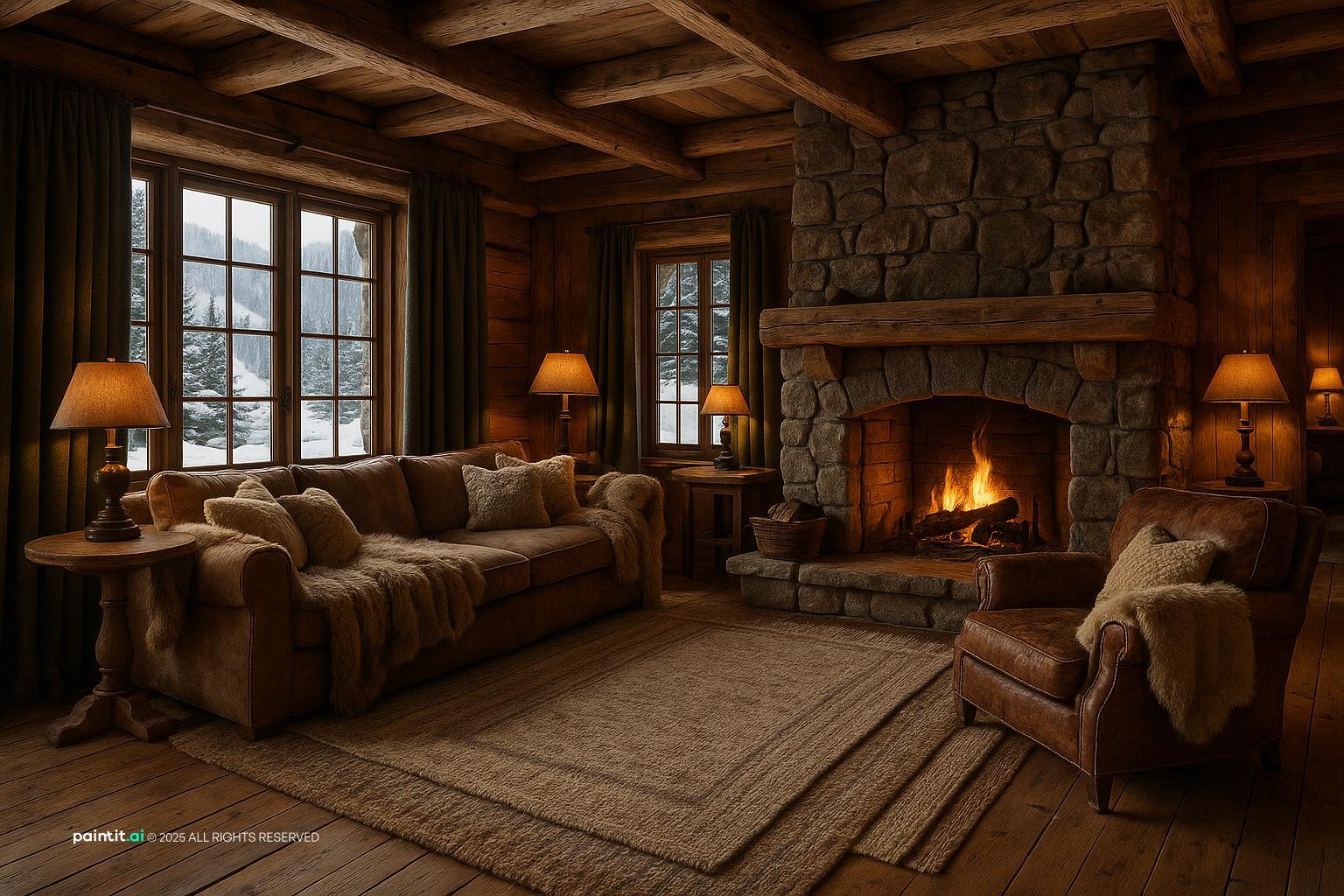
Textured rustic chalet
Timber paneling, wool throws, and warm lighting make the room feel layered, which matters more than adding extra decor.
-
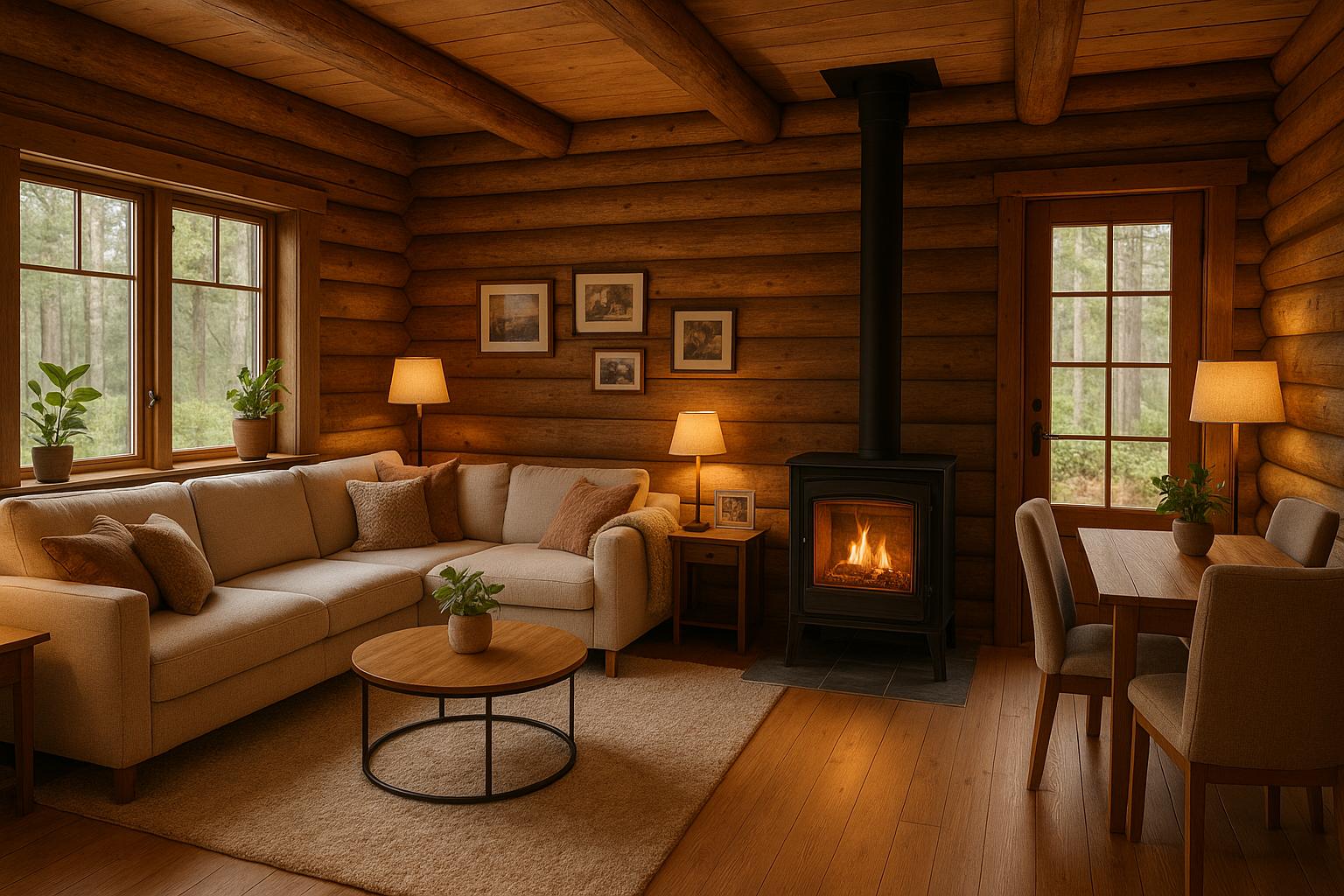
Compact cabin lounge layout
An L-shaped sofa and defined rug zone help smaller cabins feel organized without blocking the kitchen or circulation path.
-
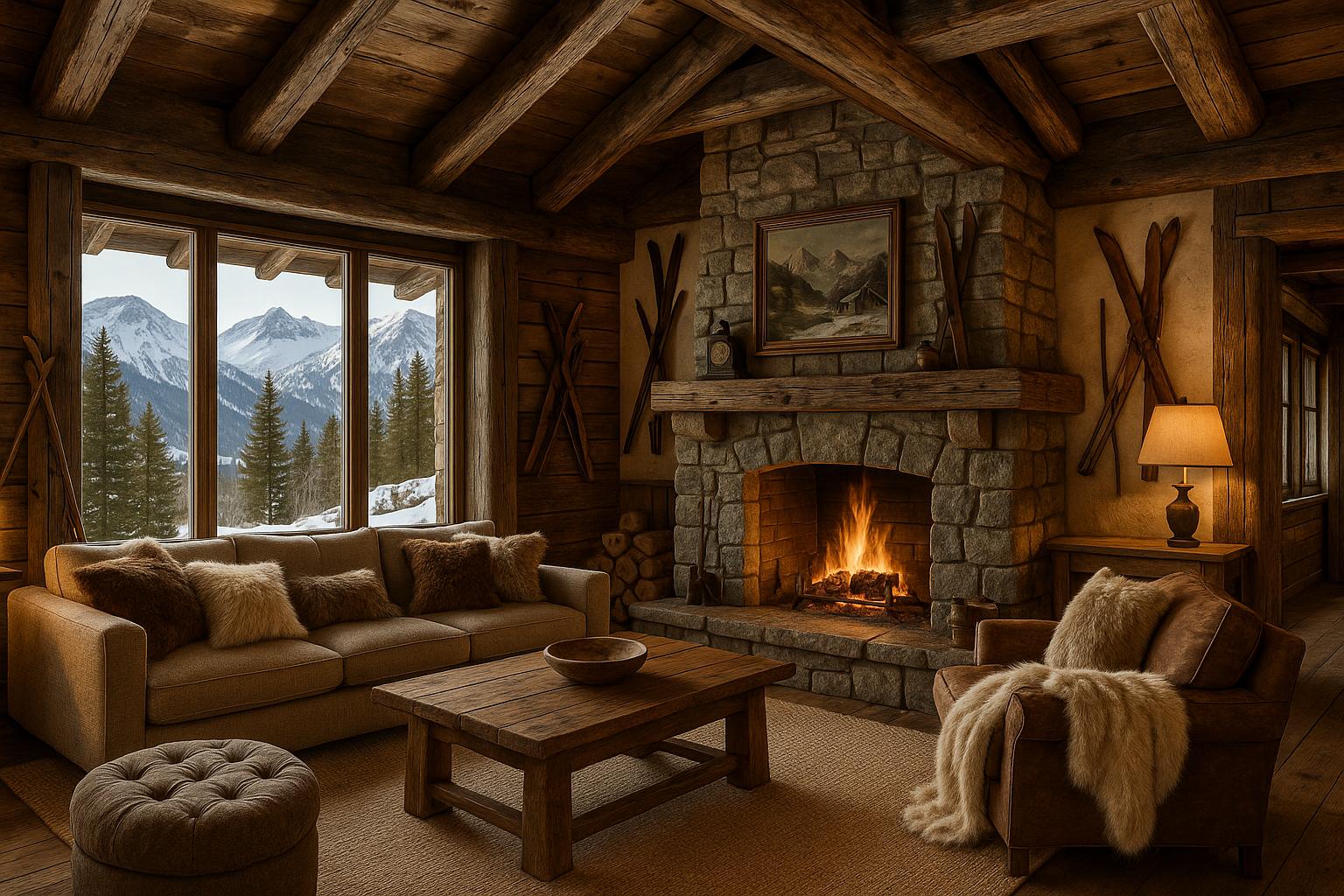
Luxury chalet fireplace room
Stone, wood, plush seating, and ambient lighting push the cabin toward a more premium lodge mood.
-
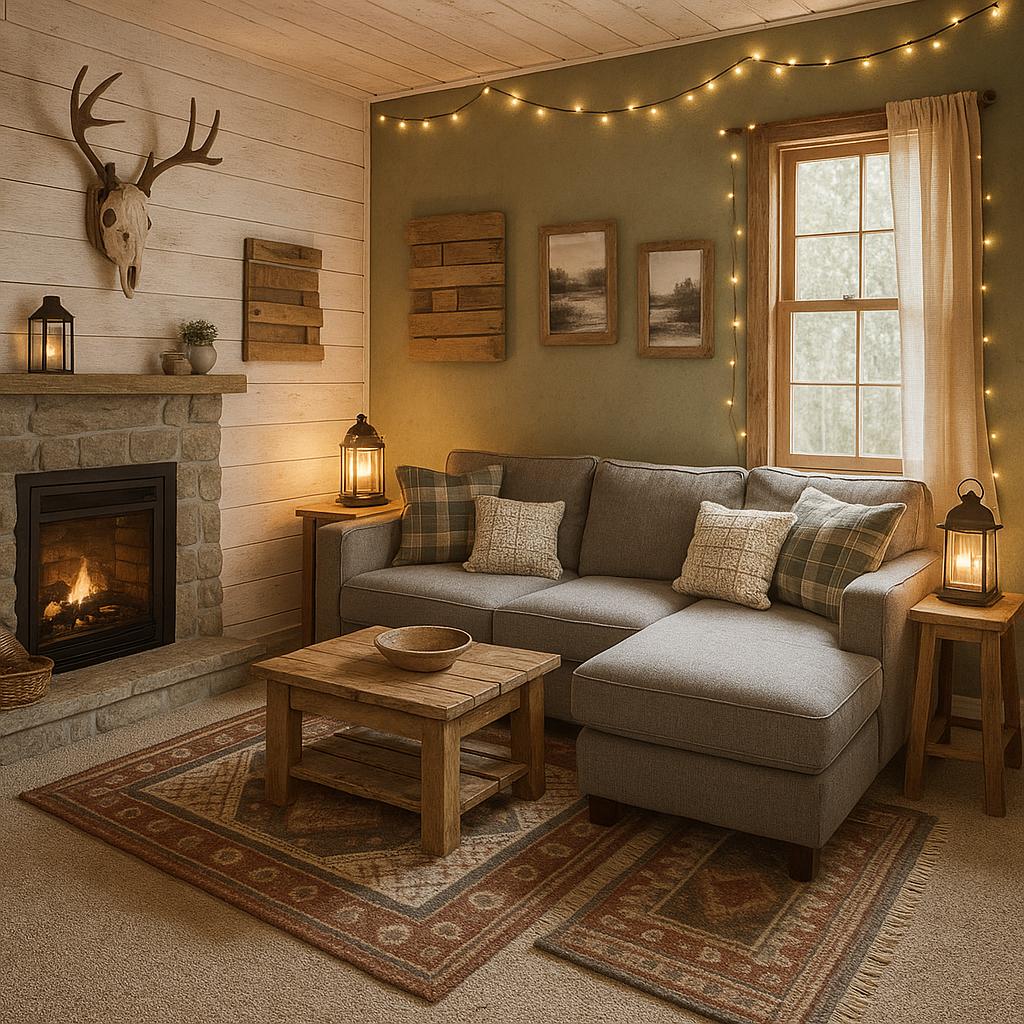
Farmhouse cabin refresh
Softened wood paneling and neutral furniture are useful when the cabin already has strong wood surfaces that need brightening.
Essential Tips for Modern Cabin Interior Design Success
Ten decisions carry most of the weight, roughly in the order they matter: strip back first, then choose materials, then layer the details back in.
-
1. Embrace Minimalism
Start by removing, not adding - a traditional cabin accumulates decades of decor, and a modern one needs an edit before anything new goes in. Multi-functional furniture and simple, unornamented shapes let the wood grain and stone texture do the visual work instead of competing with pattern or clutter.
-
2. Select Natural Materials
Wood, stone, and metal stay non-negotiable - they're what makes a "modern cabin" read as a cabin at all rather than a generic minimalist interior. Reclaimed wood specifically adds visible history a new board can't fake, and it's usually the more sustainable option too.
-
3. Use a Neutral Color Palette
White, beige, gray, and earth tones form the base so the materials carry the visual interest instead of paint. Save saturated color for textiles and art - a single deep-blue throw reads as an intentional accent in a way that a painted wall in the same color doesn't.
-
4. Maximize Natural Light
Large windows and skylights matter more in a cabin than in most homes, since cabins are often sited for a view worth seeing. Mirrors and open sightlines help bounce what daylight there is into rooms that don't get direct exposure.
-
5. Integrate Outdoor Elements
Sliding doors that open a living room onto a deck extend the usable space, not just the view - the same principle that works for a mountain house. Plants and nature-toned decor tie the interior back to the landscape outside without resorting to literal antler-and-plaid theming.
-
6. Focus on Cozy Textiles
Wool and cotton in layers (a rug, a throw, a few cushions) do more for warmth than any single decorative piece. This is where texture variety belongs - the minimalist palette above needs somewhere to add tactile interest, and textiles are the lowest-commitment place to do it.
-
7. Consider Sustainable Practices
Energy-efficient appliances and recycled materials fit a cabin's off-grid-adjacent identity more naturally than they do a city apartment. Solar panels are a bigger investment but pay off faster in a location with genuinely long, sunny days and no easy grid access.
-
8. Personalize Your Space
Photos from actual trips, family pieces, and art that means something keep a cabin from reading as a rental listing. This is the one area where restraint matters less - personal objects are what make the minimalism above feel lived-in rather than staged.
-
9. Plan for Functionality
Cabins are often smaller than the house they're a getaway from, so built-in storage and multi-use furniture matter more here than in a full-size home. A compact lounge layout (an L-shaped sofa, a defined rug zone) keeps circulation clear without feeling cramped.
-
10. Don't Forget Lighting
Layer ambient, task, and accent lighting rather than relying on one central fixture - pendant lights, floor lamps, and wall sconces together matter more in a cabin than a city apartment, since cabin evenings tend to be longer and darker with less ambient light pollution to fall back on.
Discover More Creative Design Ideas
Explore a variety of modern cabin interior design concepts that blend comfort and style. From minimalist aesthetics to rustic charm, each idea offers a unique twist on cabin living. Dive into our collection and find the inspiration that resonates with your vision!

FAQ
-
Implementing modern cabin interior design in compact areas requires an emphasis on multifunctional furniture pieces alongside open shelving units. Employ pale wall shades to boost illumination while using mirrors to expand spatial perception. Choose several distinctive items to prevent clutter yet sustain a warm, welcoming ambiance.
-
Select earthy shades including warm browns, soft grays, and muted greens to establish a tranquil atmosphere. Apply vibrant hues like deep blues and burgundies to create accents. These selections manifest natural elements yet simultaneously introduce warmth and complexity to the modern cabin ambiance.
-
Furniture that emphasizes natural materials works best, such as reclaimed wood, leather, and stone. Choose streamlined designs with minimal ornamentation. Modular seating and simple, sturdy tables enhance the space while maintaining a modern aesthetic.
-
Incorporate layered lighting by combining ambient, task, and accent lighting. Use large windows for natural light and position fixtures strategically to highlight architectural or design features. Warm light bulbs can enhance the cozy atmosphere typical of modern cabins.
-
Sustainable materials, open floor plans, and indoor-outdoor living spaces represent current architectural trends. The use of natural textures combined with minimalist decor and smart home technology remains trendy. The fusion of vintage elements with modern accents produces a distinct and everlasting cabin aesthetic.