
Laboratory interior design ideas for function, safety, and focus
Laboratory interior design operates under two requirements that most other spaces do not face at the same time: regulatory compliance and scientific productivity. Every surface, storage system, lighting plan, and layout decision needs to support safe, efficient work.
These 23 ideas cover research labs, clinical spaces, home labs, and educational environments, with practical context for what works in each.
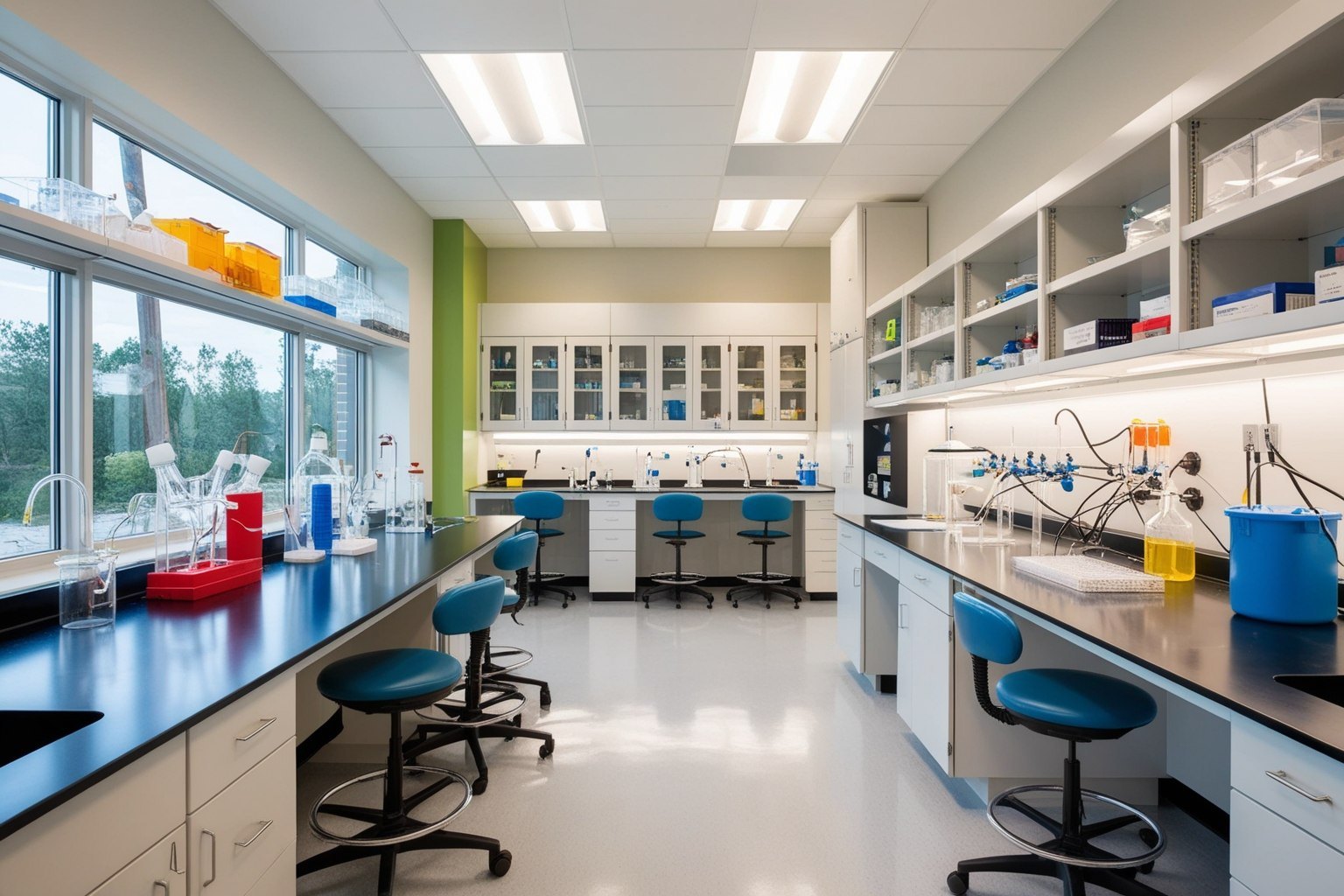
Creative Space Planning and Mood for Laboratory Interior Design Ideas
Envisioning a laboratory that's as functional as it is inviting starts with rethinking the basics. The possibilities for shaping inventive workspaces are endless if you let inspiration (and practicality) lead the way.
-
1. Separate Wet and Dry Work Zones
Grouping sink-based and liquid-handling work away from instrument and computer stations reduces contamination risk and keeps the layout logical for staff moving between tasks.
-
2. Choose Durable, Chemical-Resistant Surfaces
Epoxy resin or stainless steel benchtops handle spills and cleaning agents far better than laminate, and are worth the investment on every work surface.
-
3. Prioritize Bright, Even Task Lighting
Reading fine measurements and labels accurately requires strong, shadow-free lighting over every bench, not just general room lighting.
-
4. Plan Ventilation Before Layout
Fume hood and ventilation placement should drive the room layout, not be squeezed in afterward - it's the hardest thing to retrofit later.
-
5. Add a Calmer Break or Admin Area
A separate seating or admin nook away from the bench area gives staff a mental break from clinical surfaces and equipment during a long shift.
-
6. Use Colour Coding for Safety and Navigation
Colour-coded floor zones or cabinet labels for different chemical or equipment categories make the space safer and faster to navigate, doubling as a simple design element.
23 laboratory interior design ideas
-
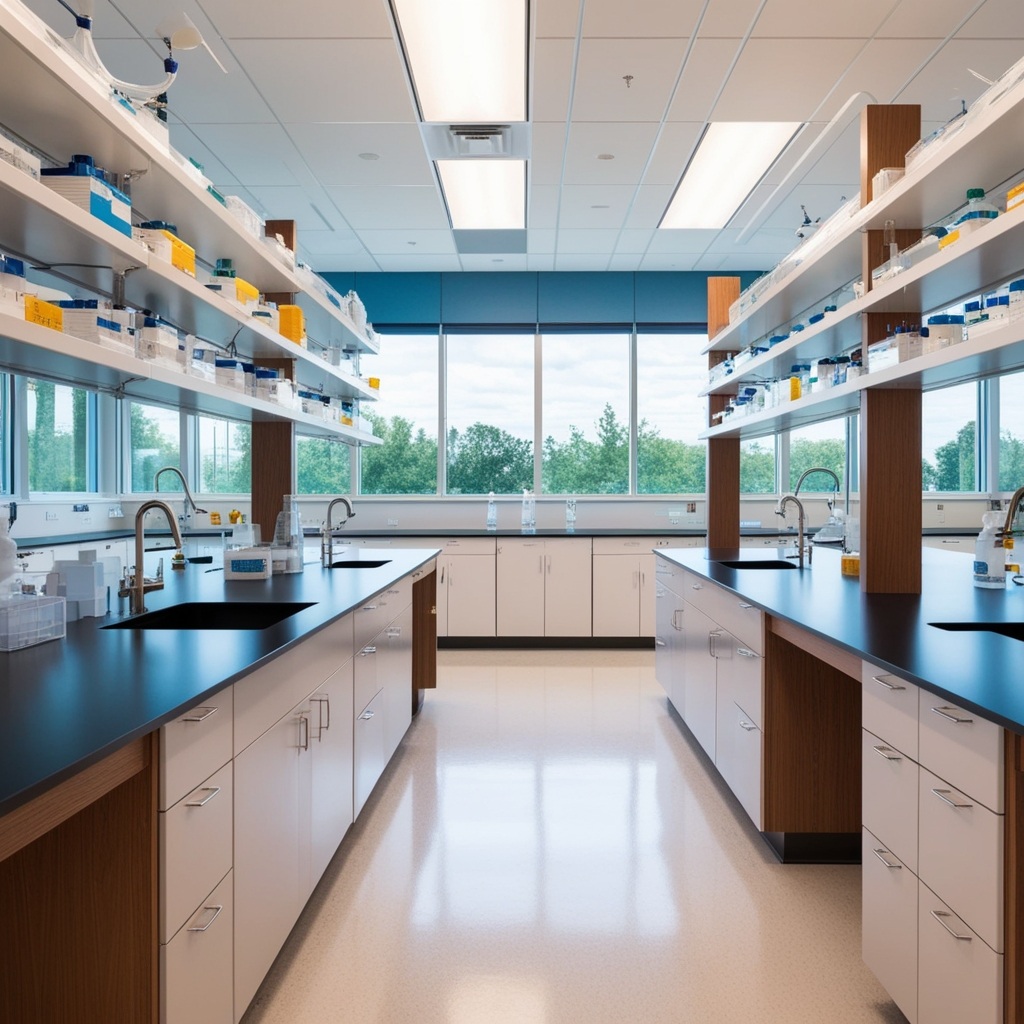
Designing a laboratory that’s both functional and inviting is a fine balance between efficiency, safety, and creative inspiration. Whether you’re planning a new research facility or updating an existing space, here are innovative concepts that blend smart layouts, ergonomic solutions, and uplifting aesthetics.
-
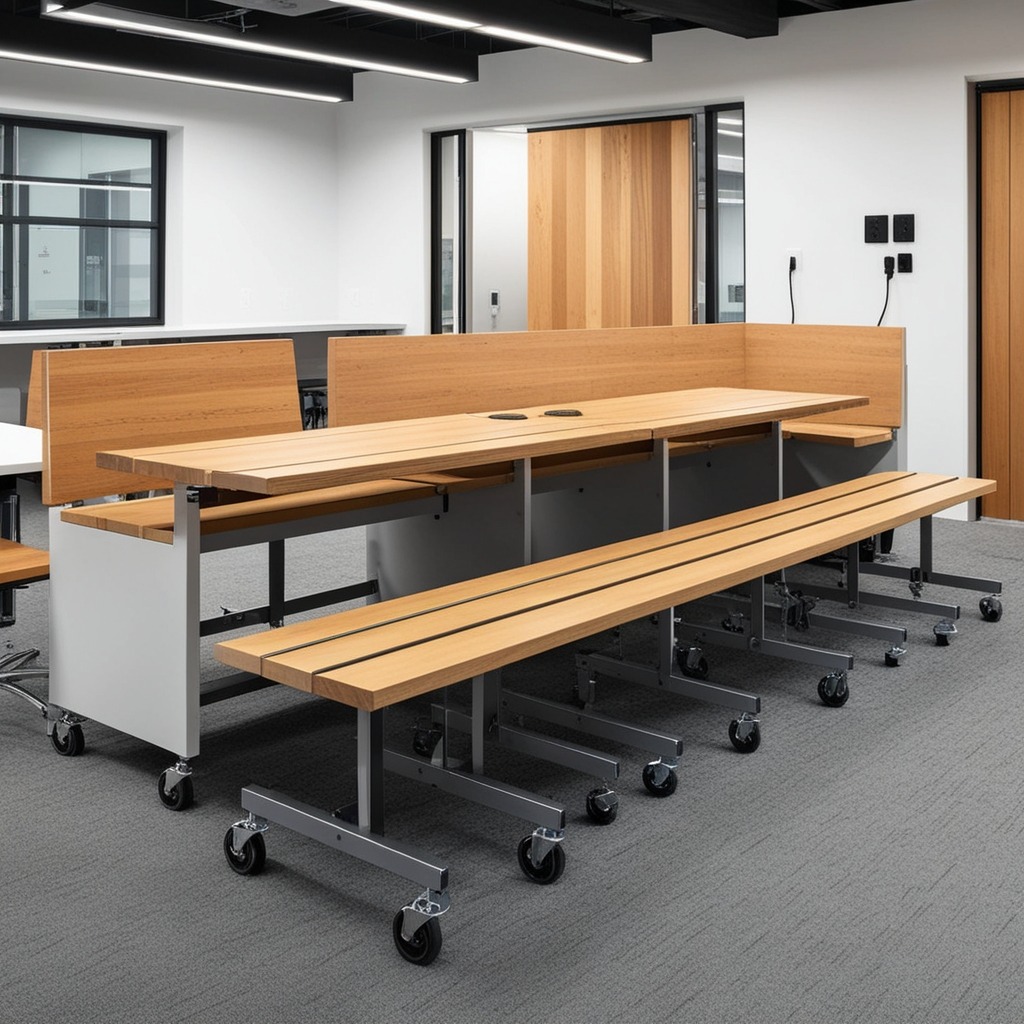
Choose modular benches that can be easily reconfigured as needed to accommodate a wide range of projects and teams. Thanks to the integrated utility systems, users can easily connect the required services, such as power and water.
-

This flexibility is especially valuable in fast-evolving research environments or for multidisciplinary teams.
-
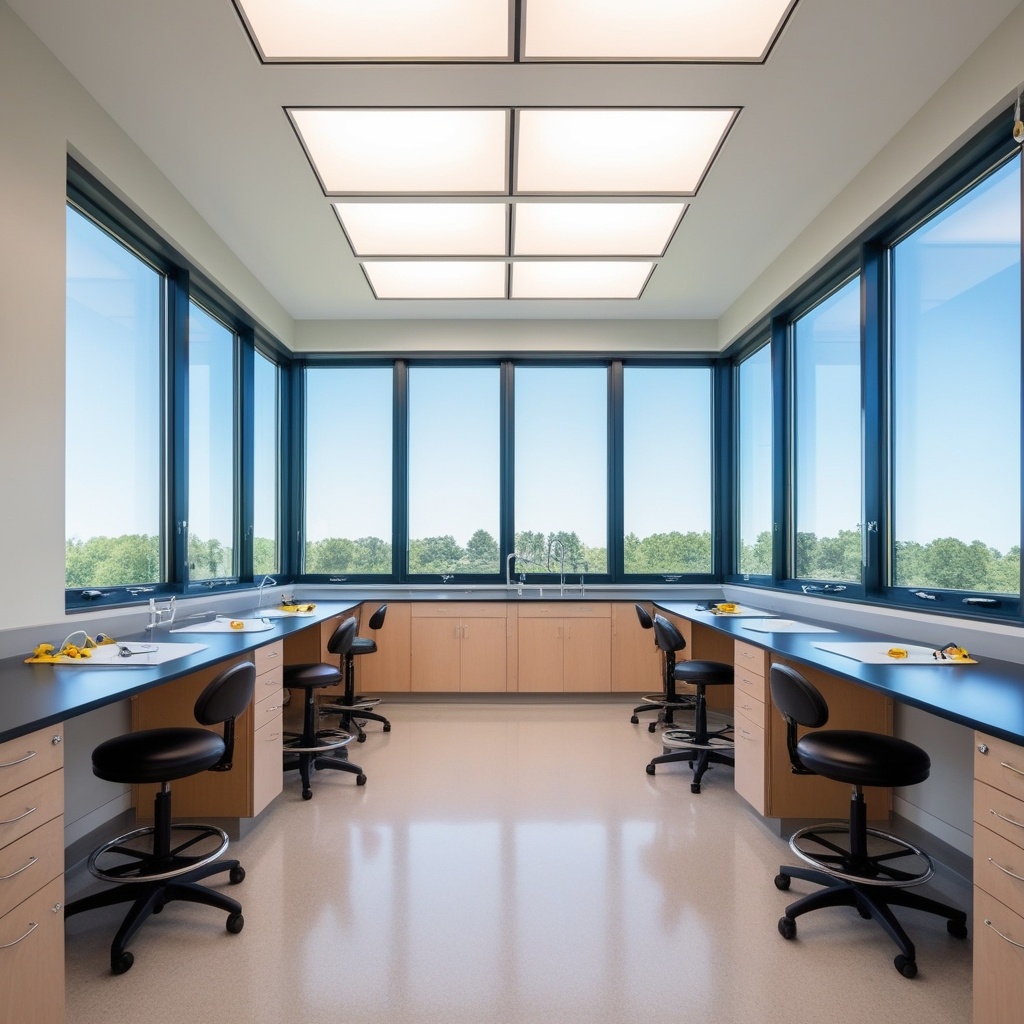
Bring in as much daylight as possible with large windows or skylights, ensuring even illumination and a positive atmosphere. Balanced lighting not only reduces eye strain but also improves concentration and morale for long lab sessions.
-
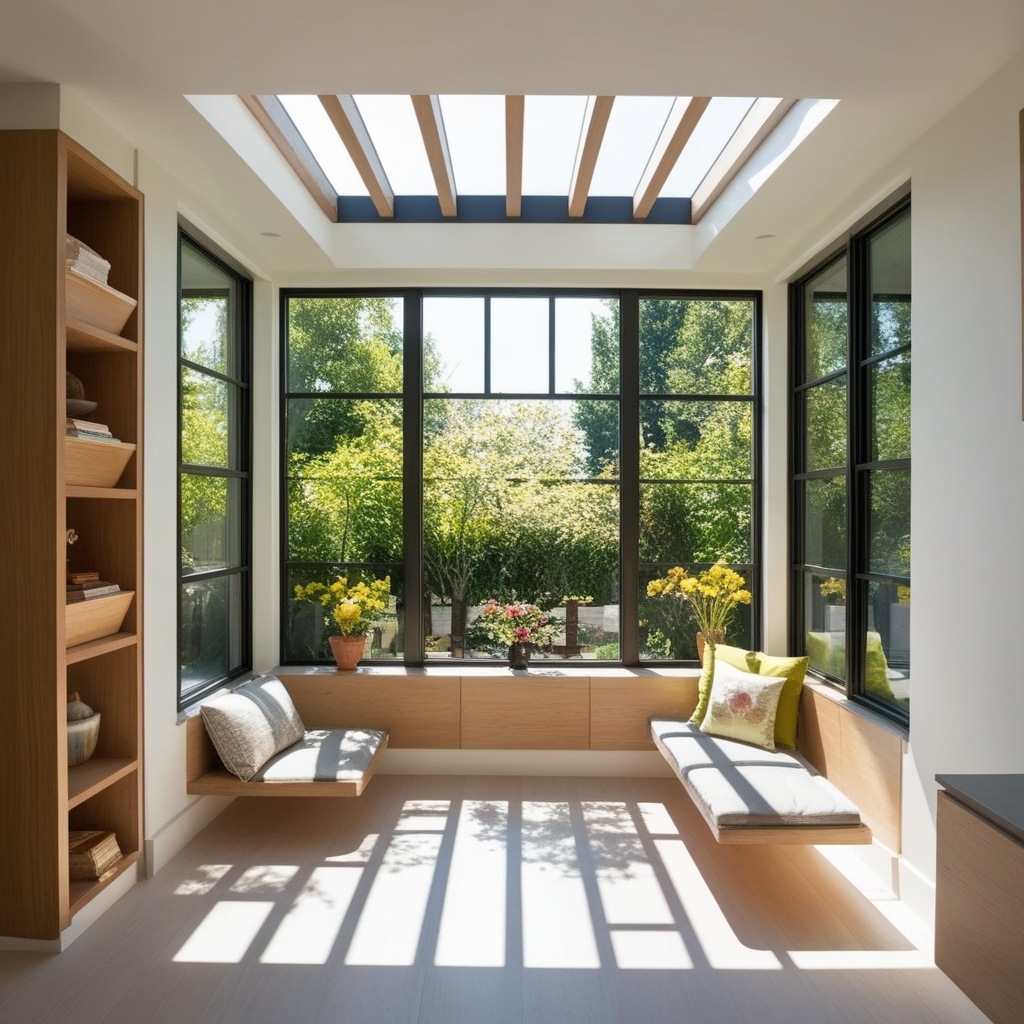
If windows are limited, consider well-designed light shelves or transom panels to disperse sunlight throughout the space.
-
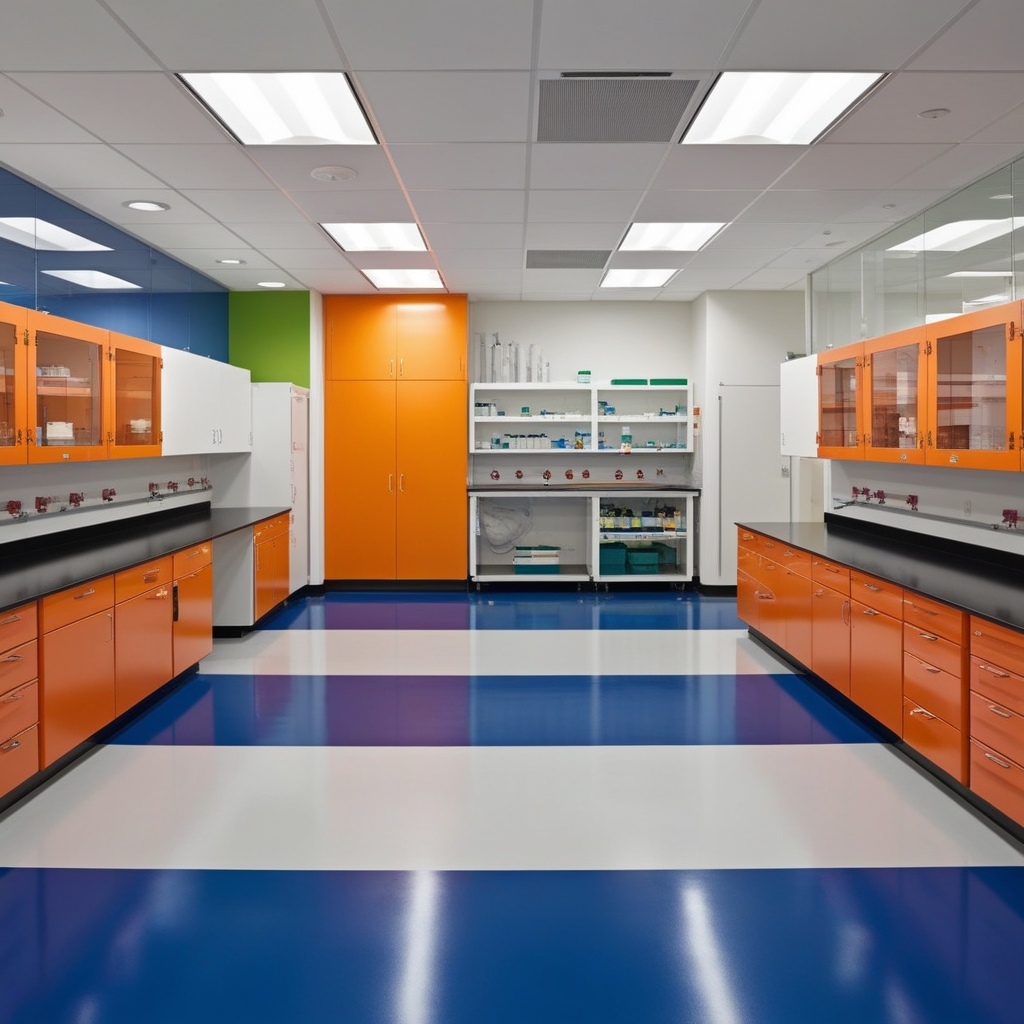
Use bold accent colors on floors, walls, or lab furniture to define areas for specific functions—like analytical work, chemical prep, or clean storage. This makes it easy to communicate boundaries for safety and workflow without intrusive signage.
-
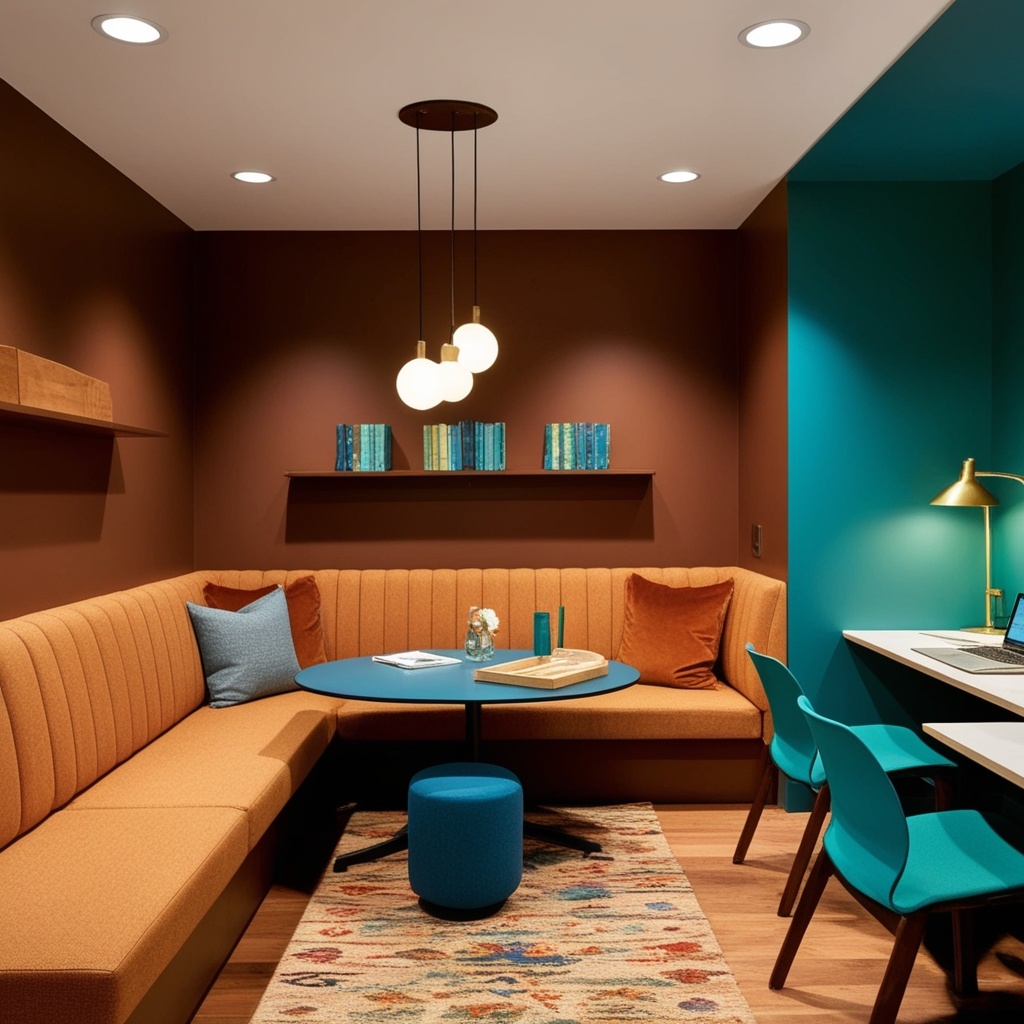
Earthy tones can bring warmth to communal corners, while crisp blues and greens suit task areas.
-
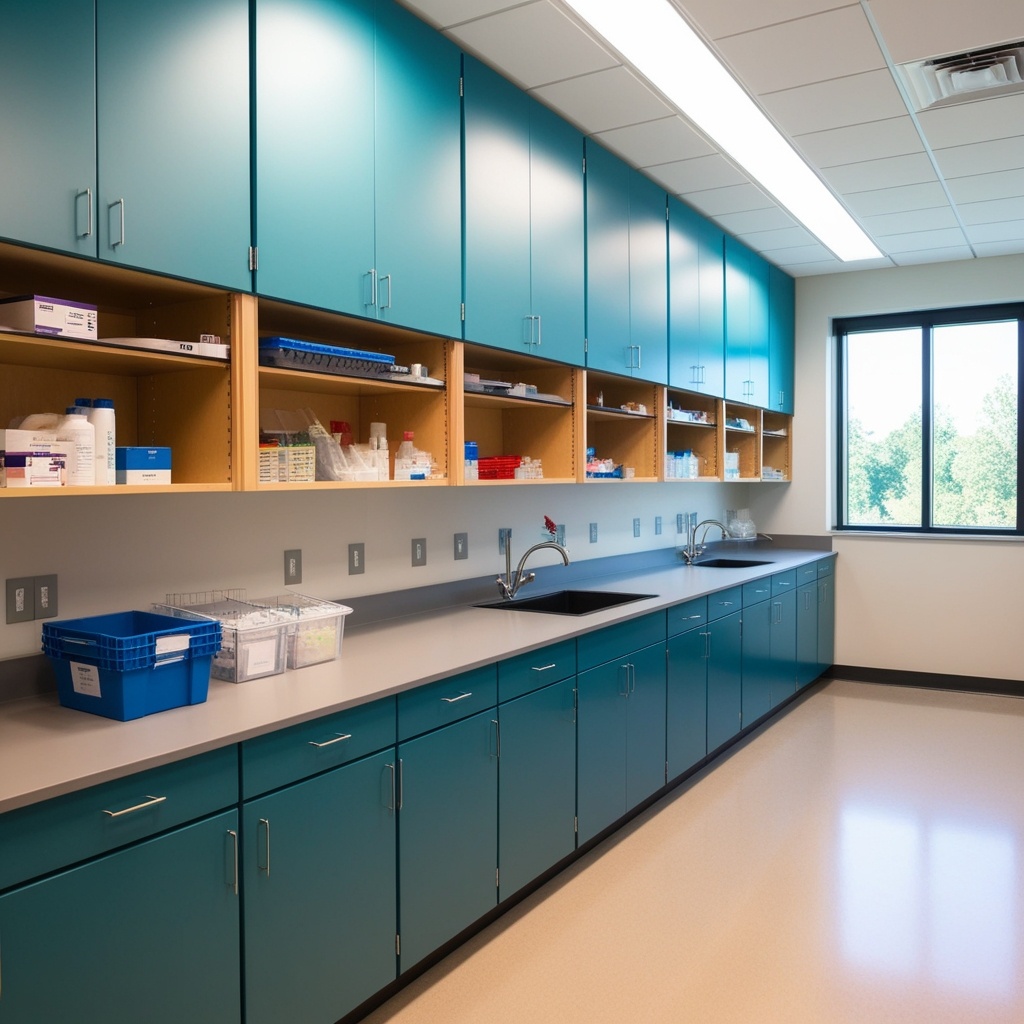
Install floor-to-ceiling cabinetry along one side of the lab to keep supplies accessible yet uncluttered. Adjustable shelves and built-in labeling systems help everyone find and return what they need in seconds.
-
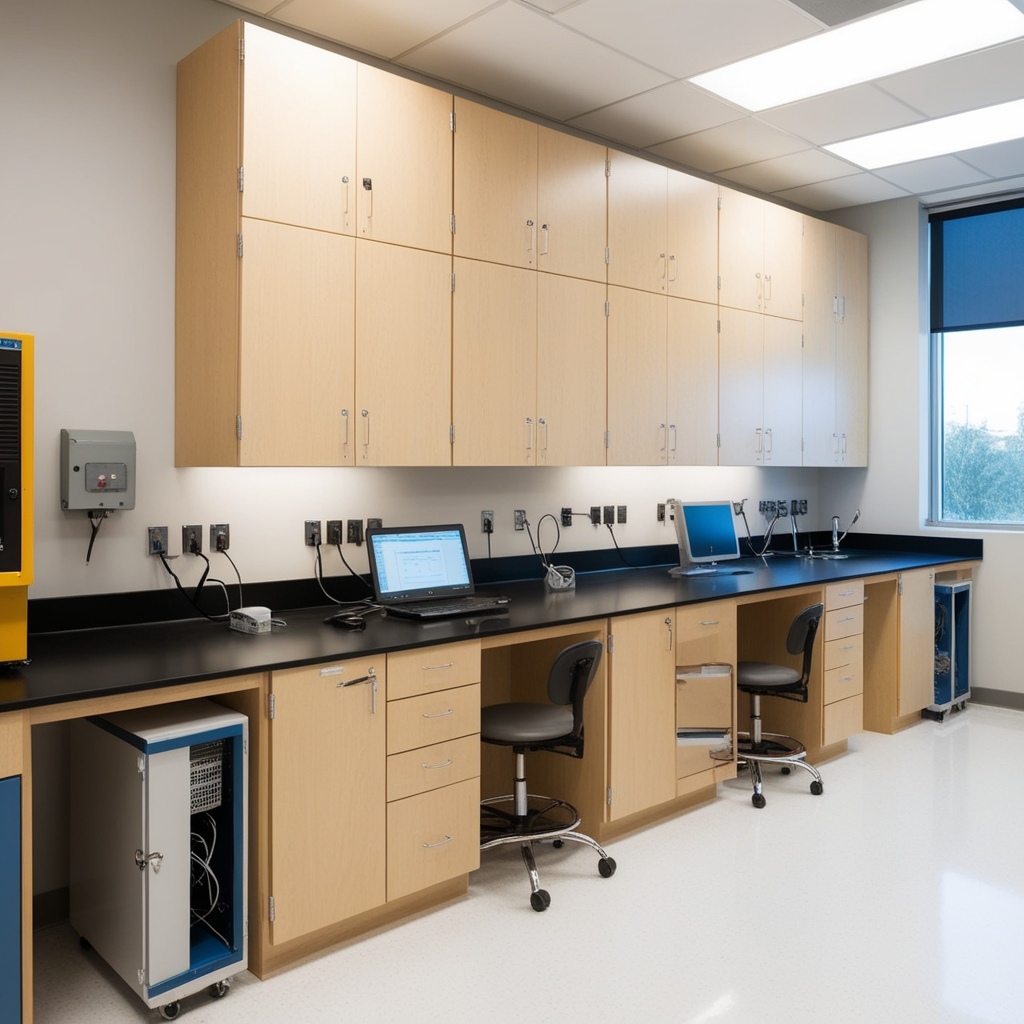
For shared labs, include lockable sections for sensitive or personal equipment.
-
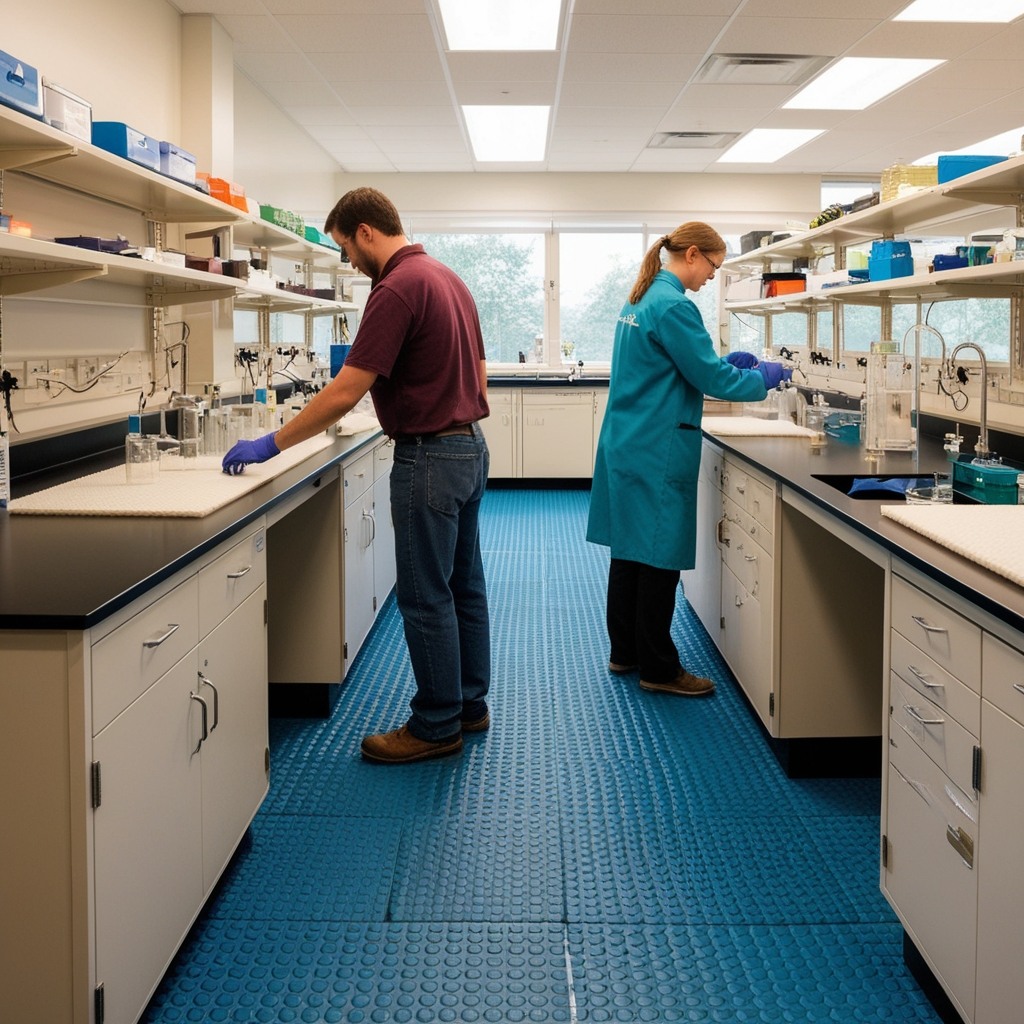
Select cushioned flooring surfaces for bench areas where people stand most of the day. Mats or specialized laboratory vinyl lessen fatigue, boost comfort, and reduce the risk of dropped glassware shattering.
-
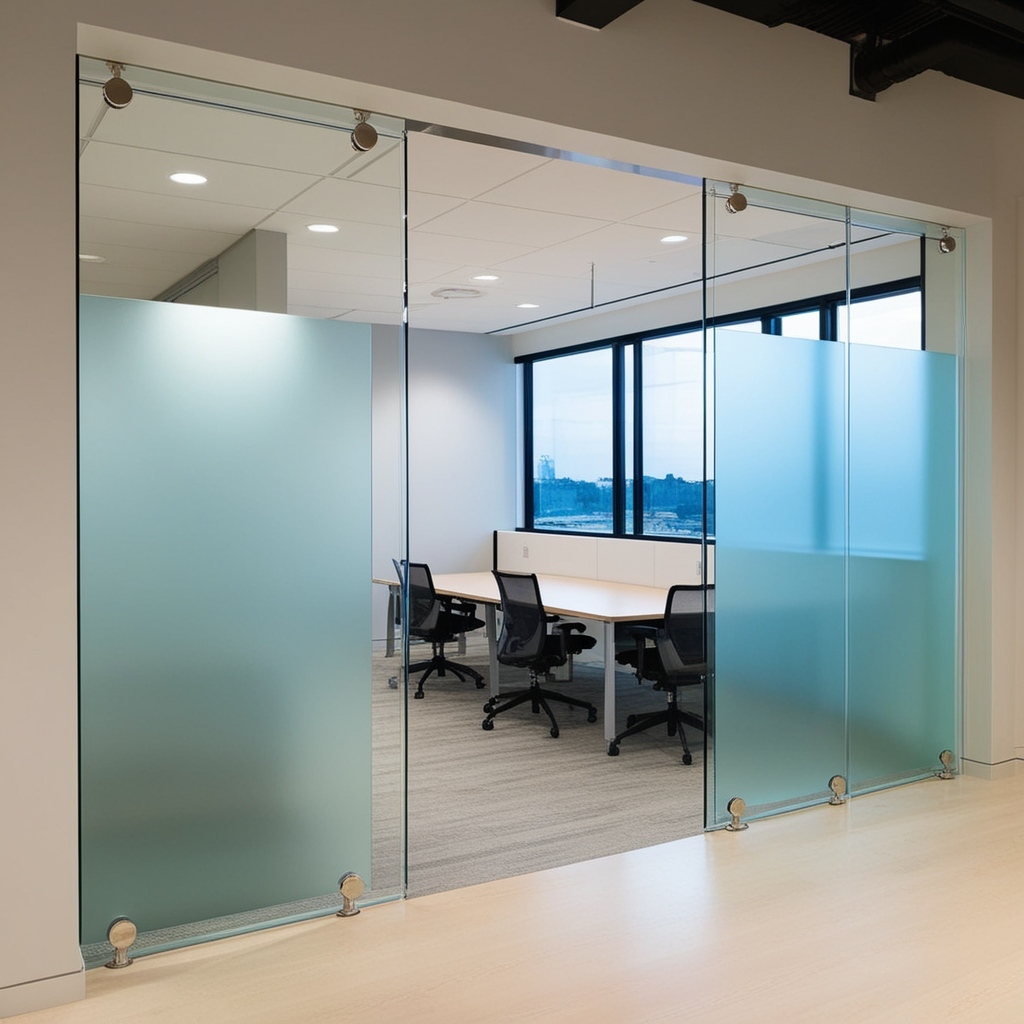
Use floor-to-ceiling glass walls to section off different areas in the house while maintaining the overall flow and openness. Glass barriers offer physical separation while maintaining the aesthetic and collaborative feel of an open-plan design.
-
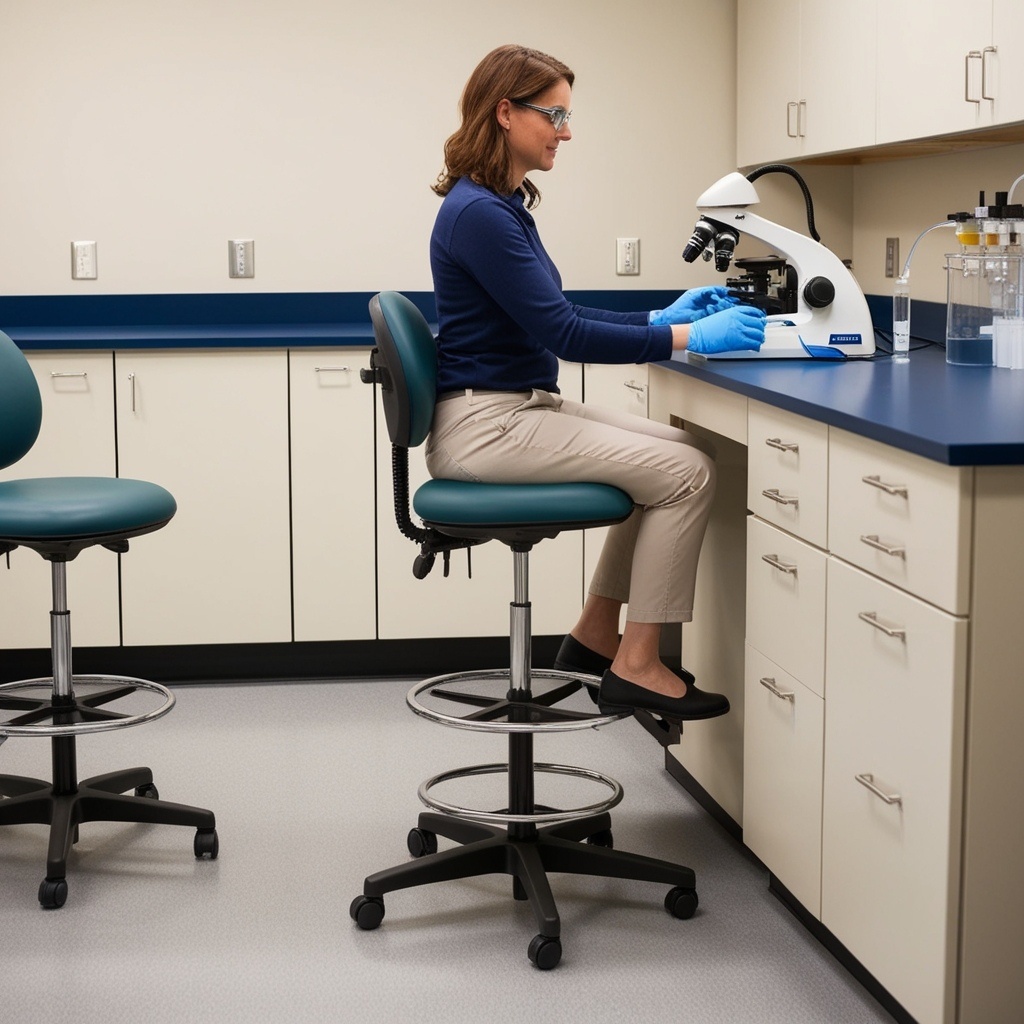
Prioritize adjustable stools and chairs with lumbar support, especially for repetitive pipetting or microscope work. Opt for water- and chemical-resistant surfaces to ensure durability over years of heavy use.
-
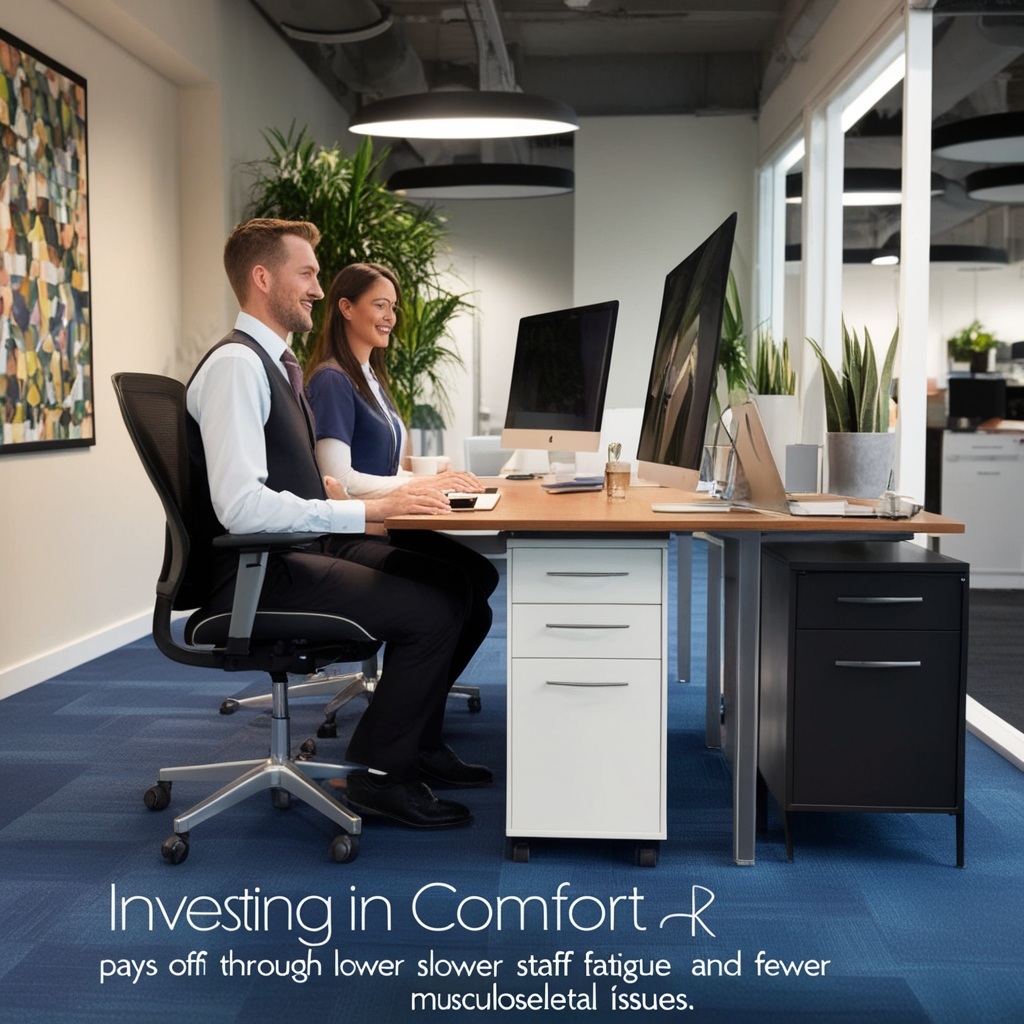
Investing in comfort pays off through lower staff fatigue and fewer musculoskeletal issues.
-
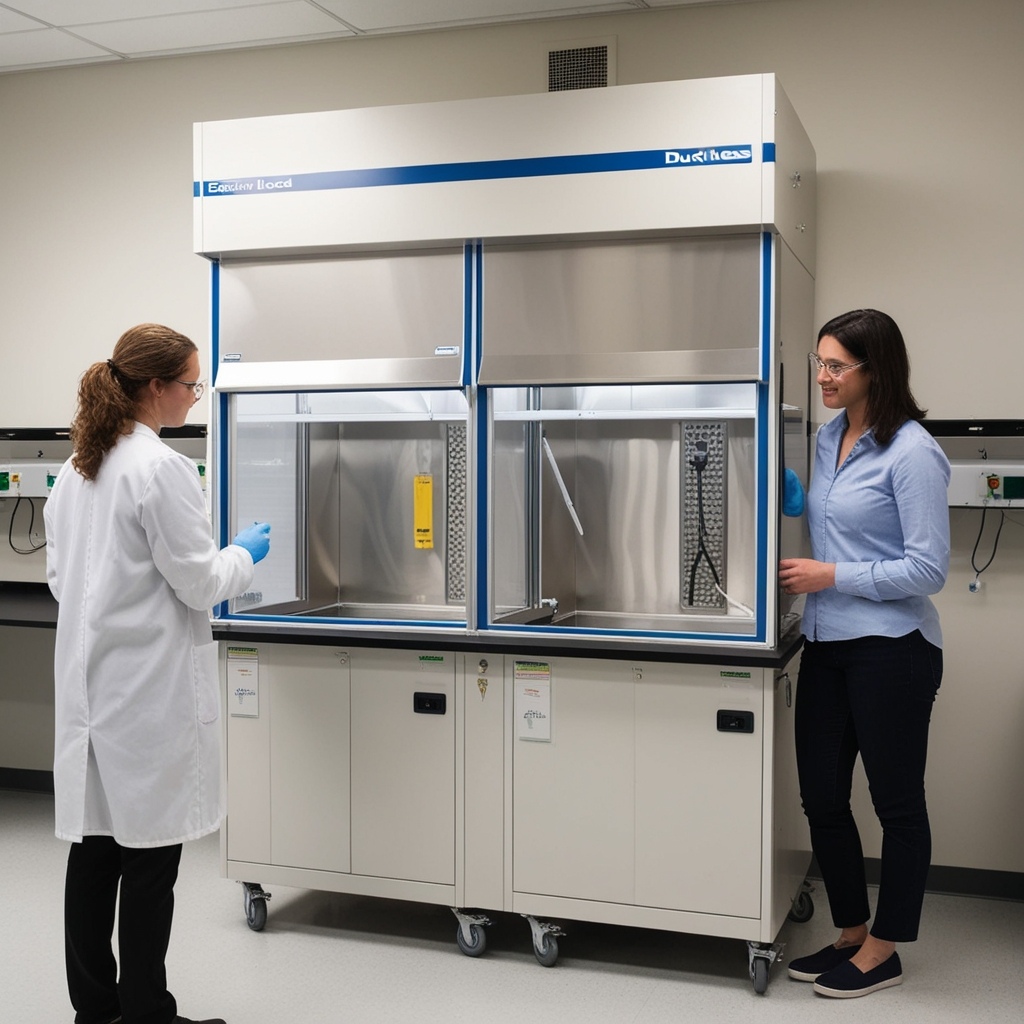
Portable ductless hoods can be repositioned as experiments evolve, enabling more flexible setups. Self-contained filtration units make it easy to adapt to changing needs without major renovations.
-
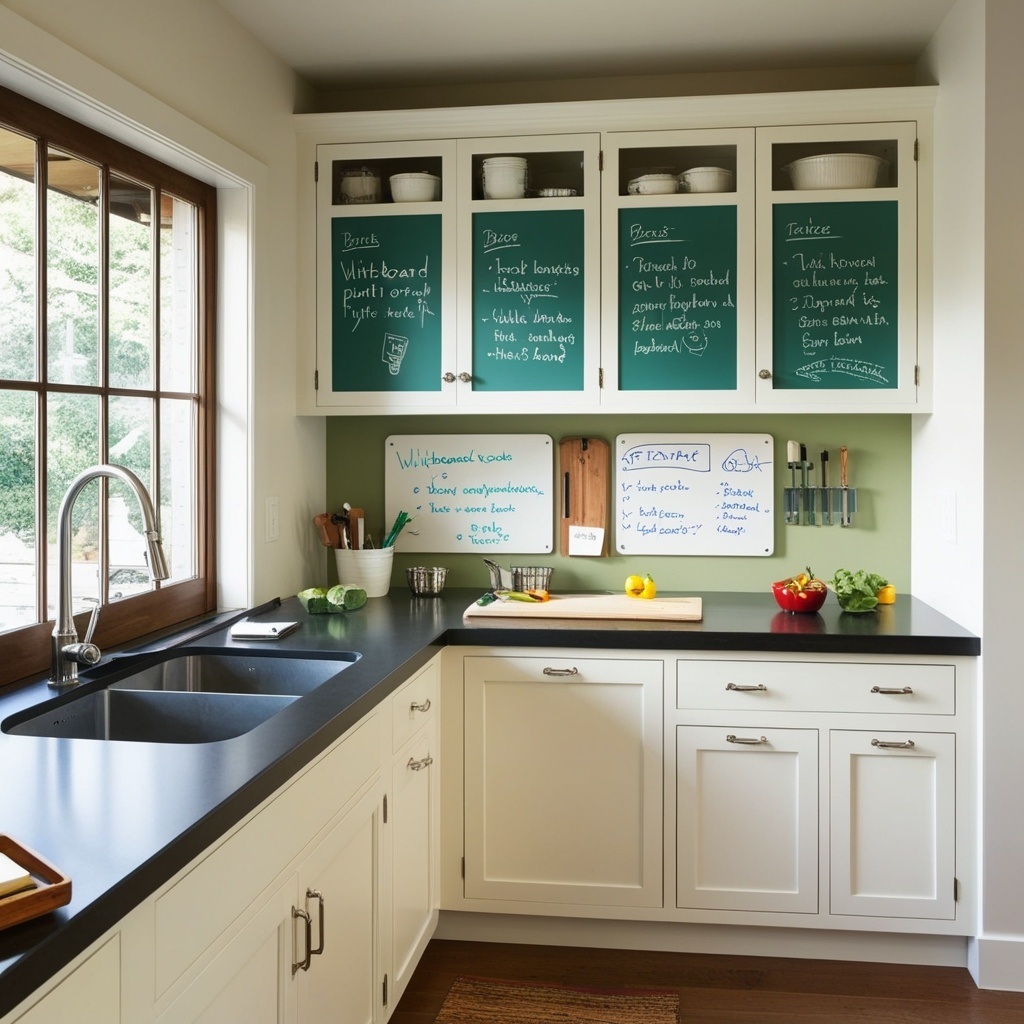
Install whiteboard paint or glass boards on walls and cabinet doors to facilitate impromptu note-taking, quick instructions, or brainstorming sessions. These writable zones encourage communication and creativity right at the bench.
-
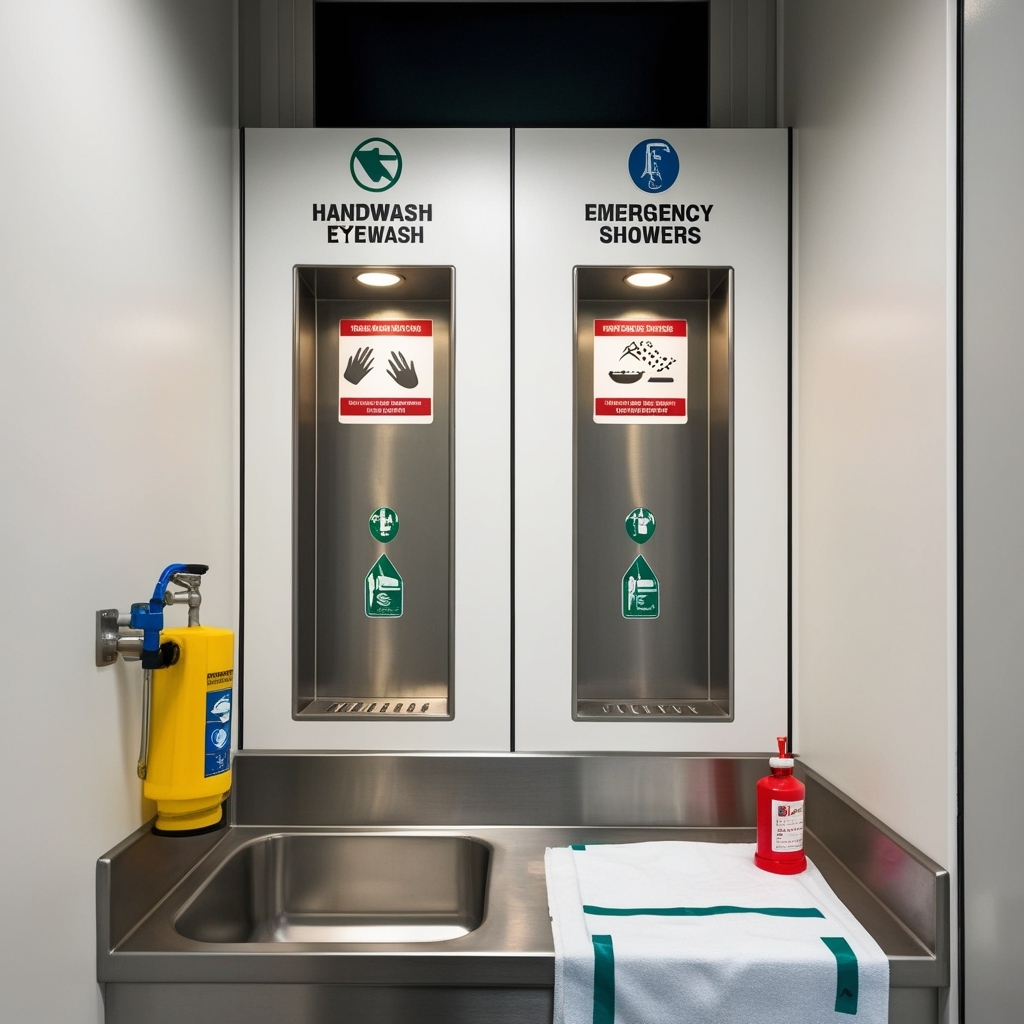
Designate small nooks for handwashing, eyewash, and emergency showers at main access points. Clear sightlines and intuitive layouts make safety procedures easy to follow, even in high-pressure situations.
-
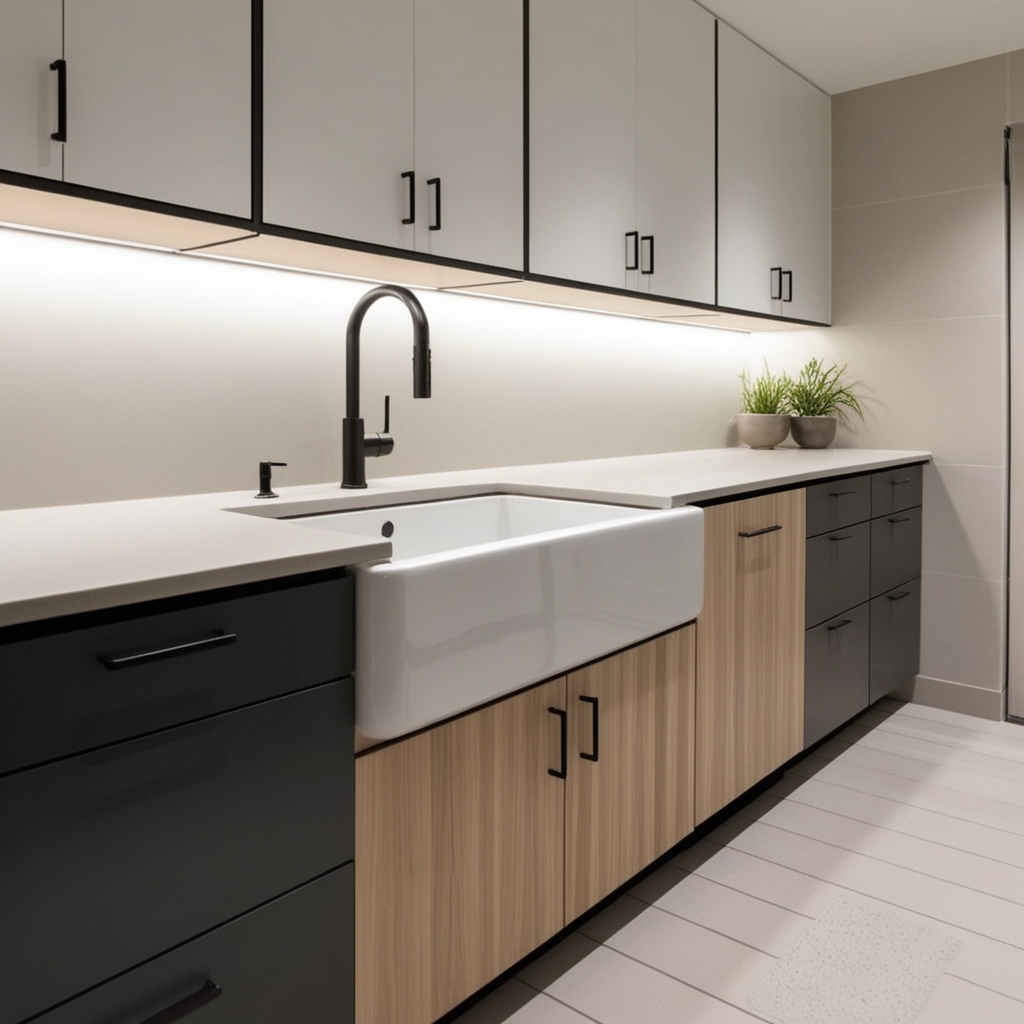
Choose smooth countertops, coved flooring, and touchless faucets to organize cleaning routines. Minimizing seams and joints helps prevent the buildup of dust or contaminants, supporting both hygiene and speedy maintenance.
-
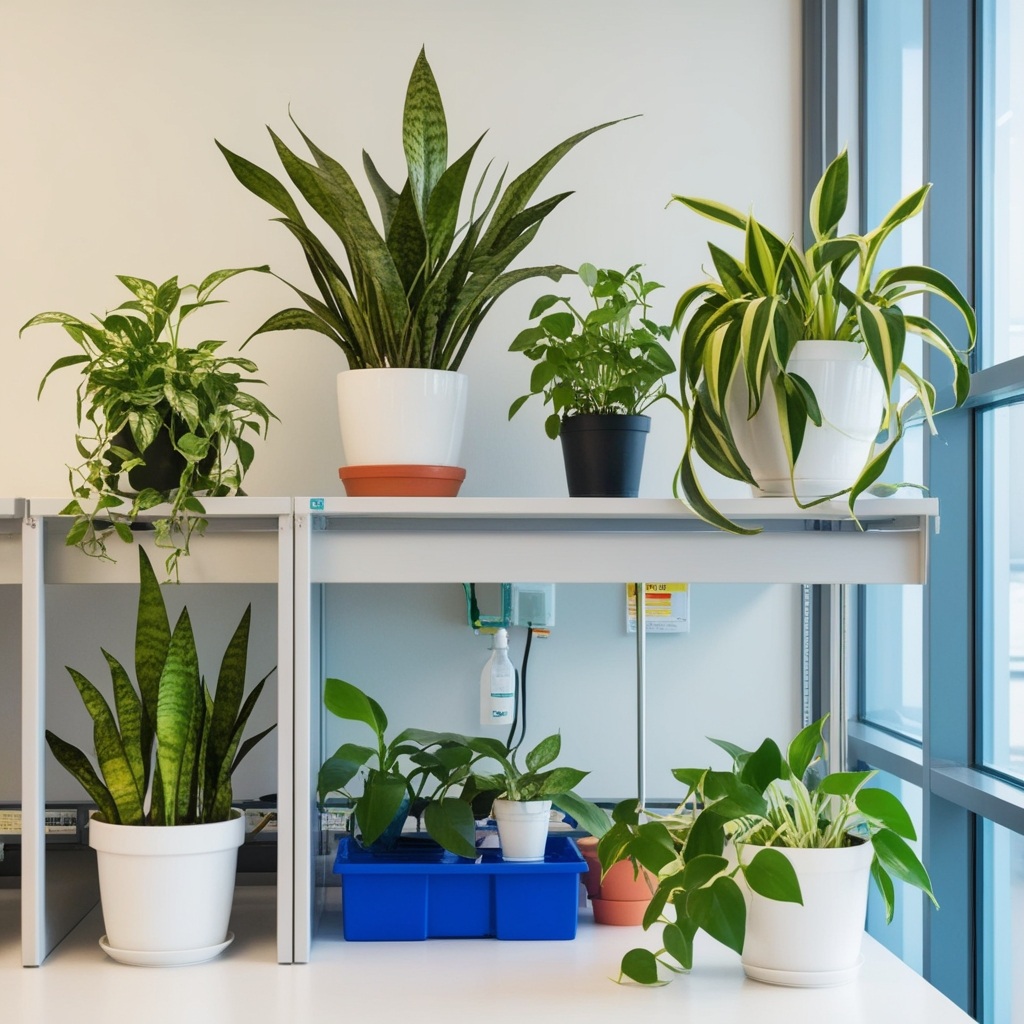
Bring life to the lab with low-maintenance potted plants on shelving units or window ledges. Hardy varieties like snake plants or pothos thrive in bright labs, helping purify the air and soften utilitarian surfaces.
-
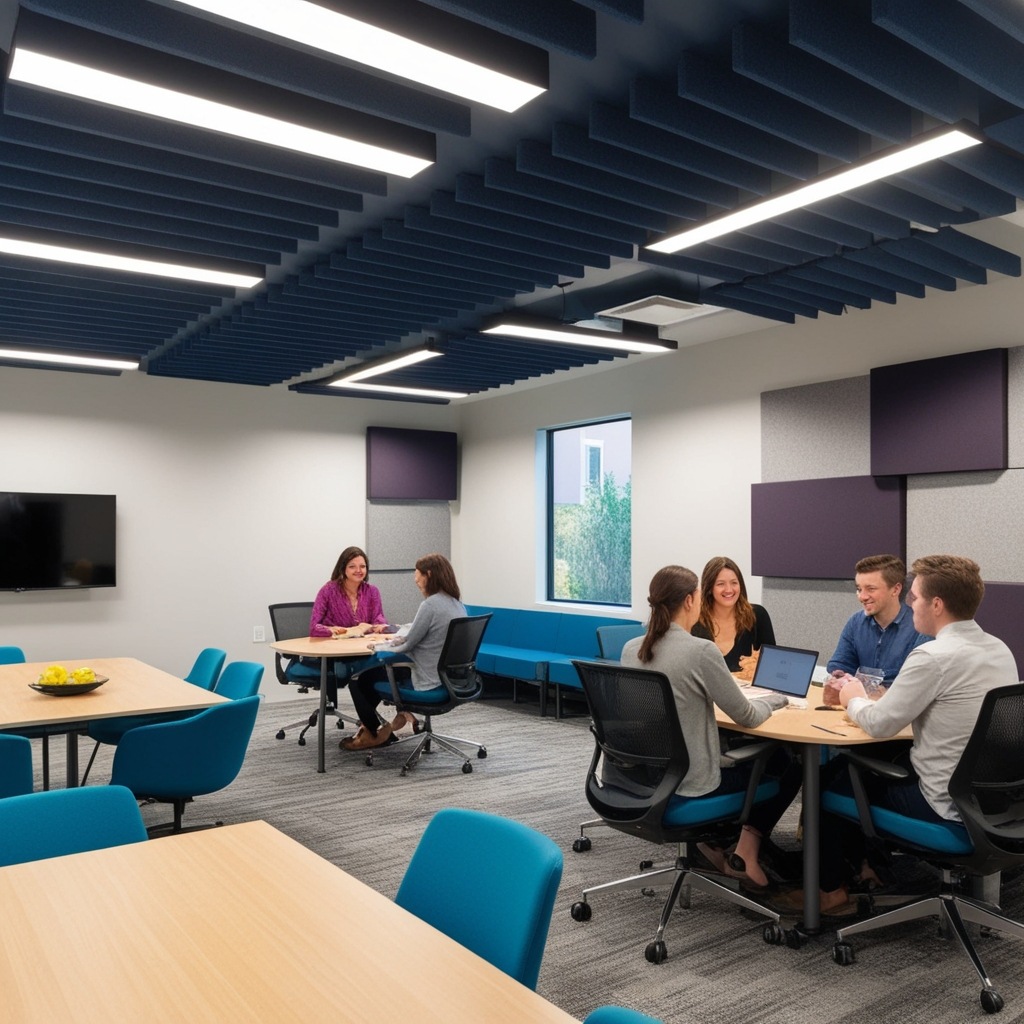
Incorporate acoustic baffles or drop ceilings to dampen noise from equipment and conversations. Good sound control makes collaboration easier without the distraction or stress of constant background buzz.
-
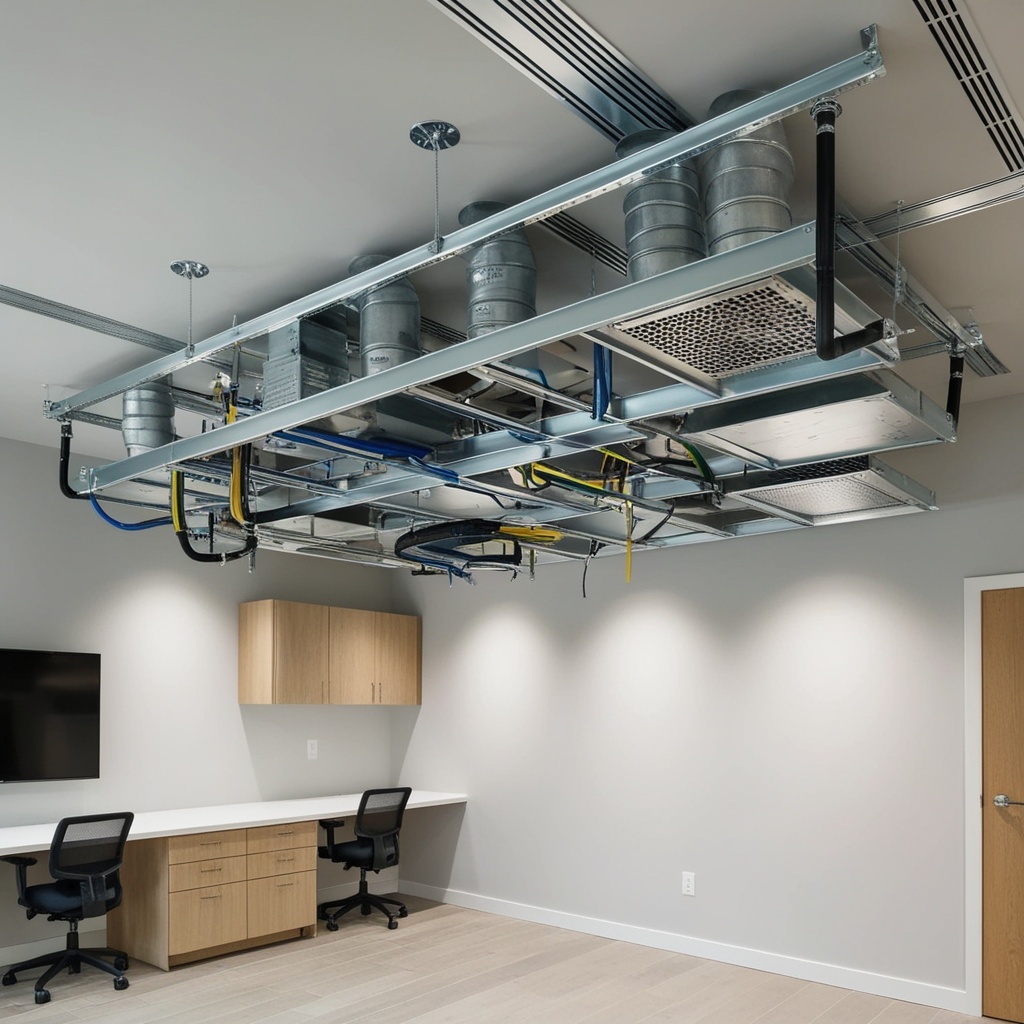
Install suspended trays that organize pipes, wiring, and ventilation above the workspace for easy access and future upgrades. This keeps floors clear and minimizes overall visual clutter.
-
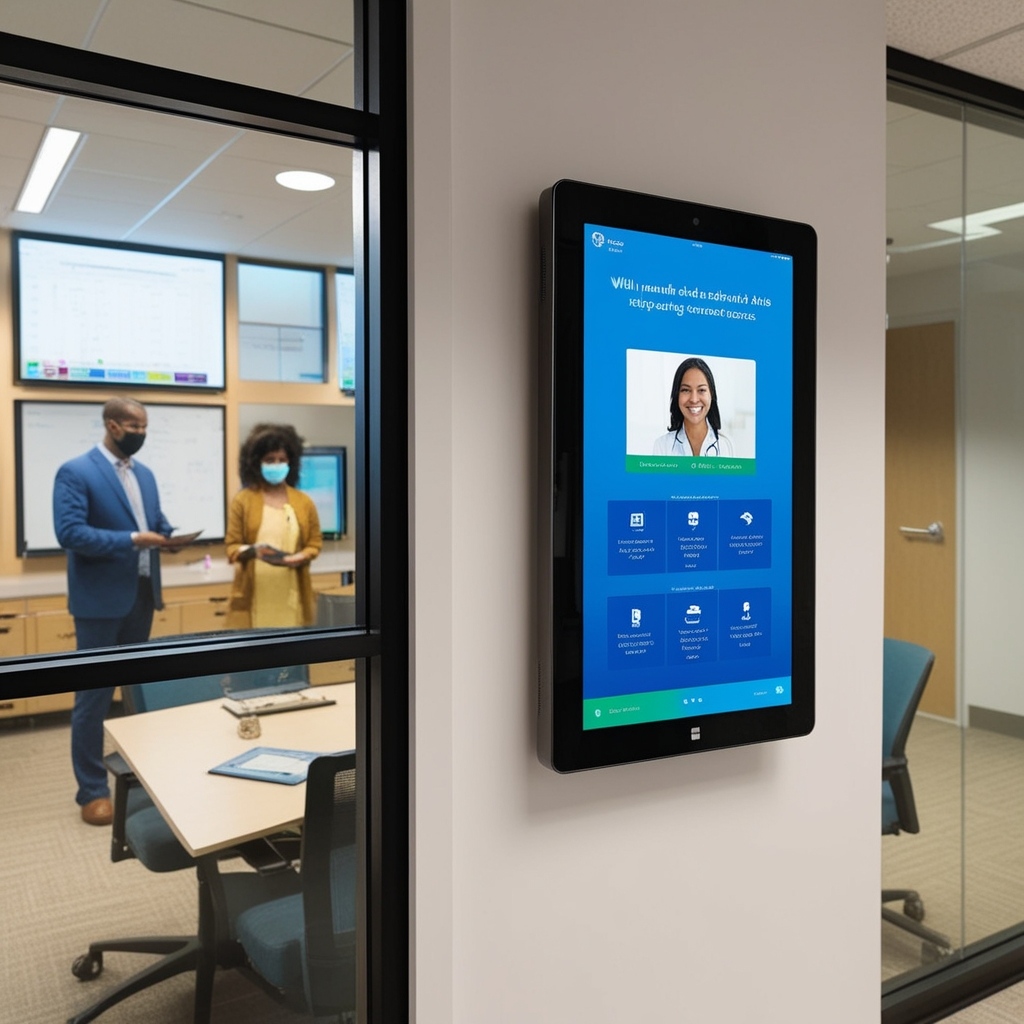
Wall-mounted touchscreens assist employees with scheduling, protocol access and virtual conferencing. The boards are vital in sharing key information and building team culture which is especially important when the workforce works in shifts.
-
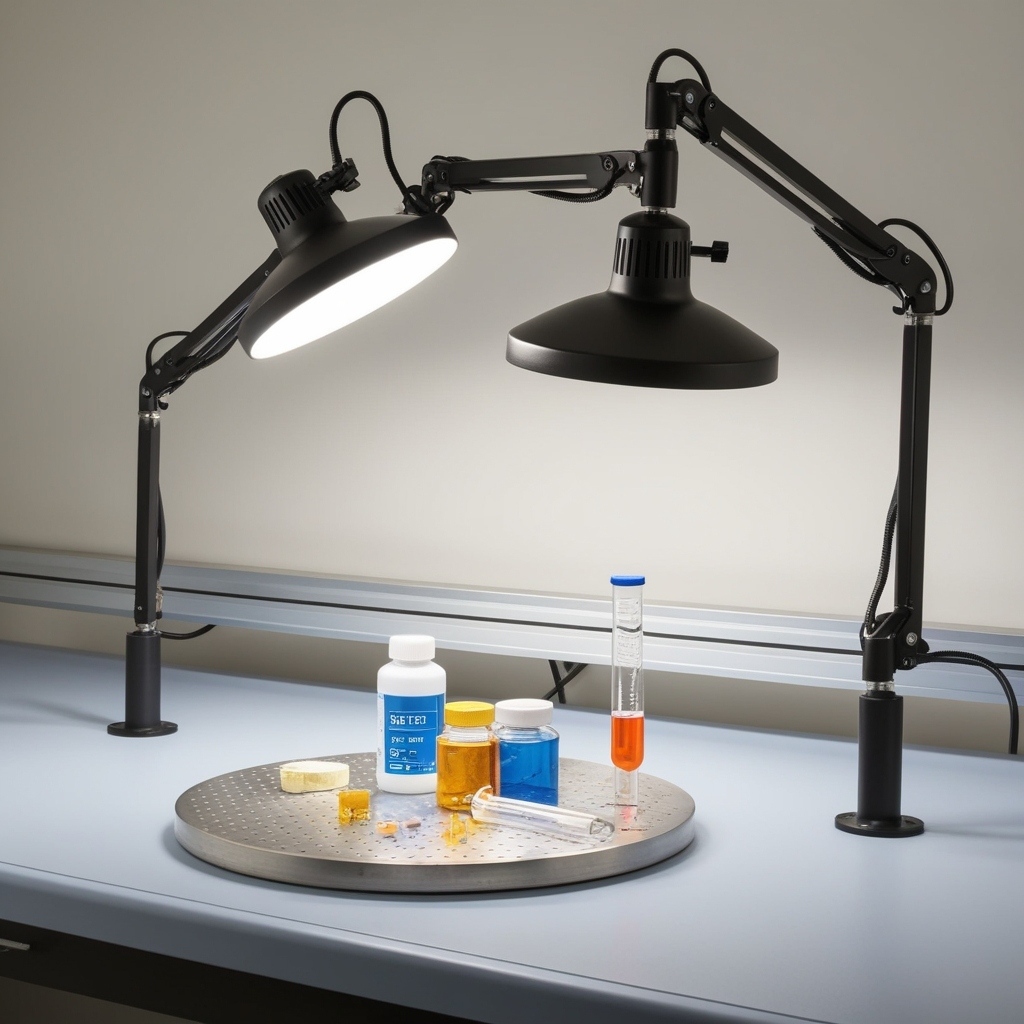
Mount articulated LED arms over benches to deliver precise, glare-free illumination for detailed tasks. Adjustable color temperatures help reduce errors when analyzing color-critical reactions or specimens.
-
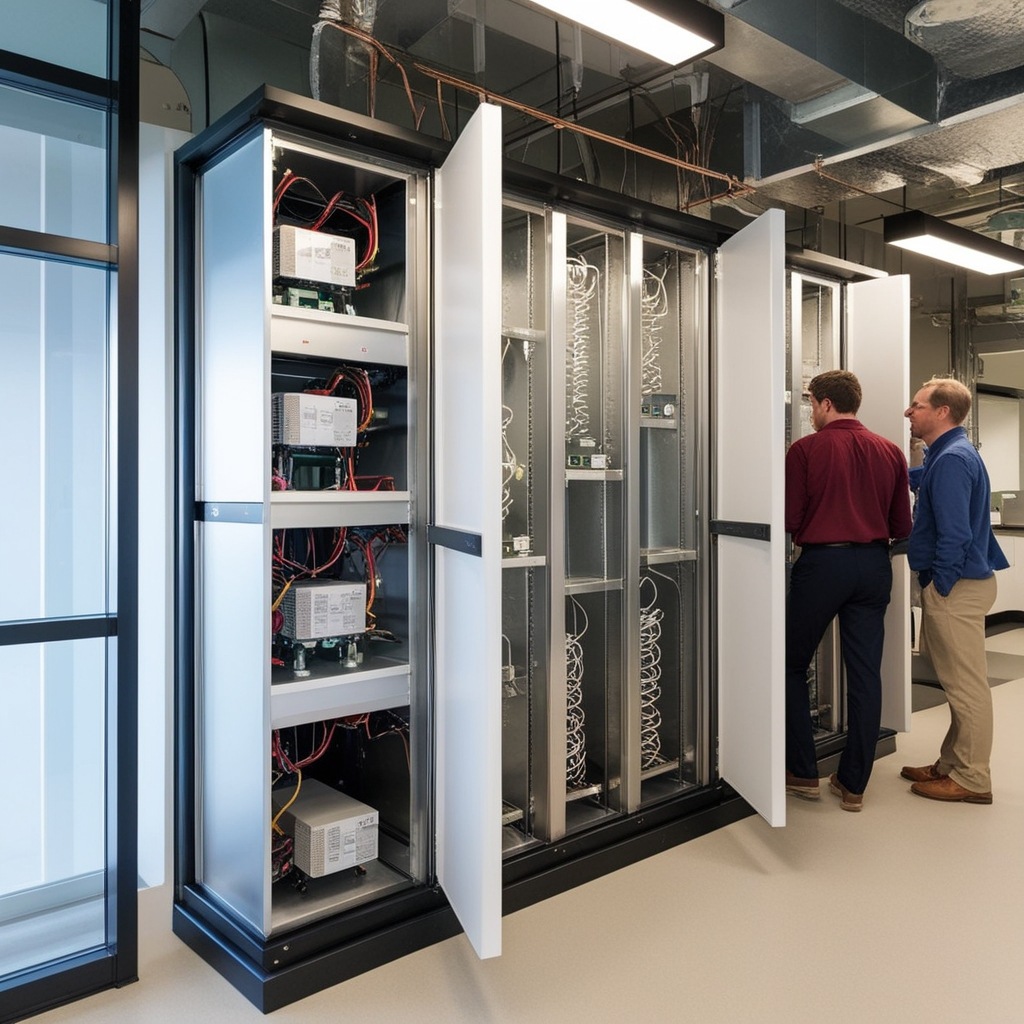
Implement separate temperature or humidity controls for distinct segments. Sensitive equipment and delicate experiments benefit from microclimate management, while comfort is preserved for users elsewhere.
-
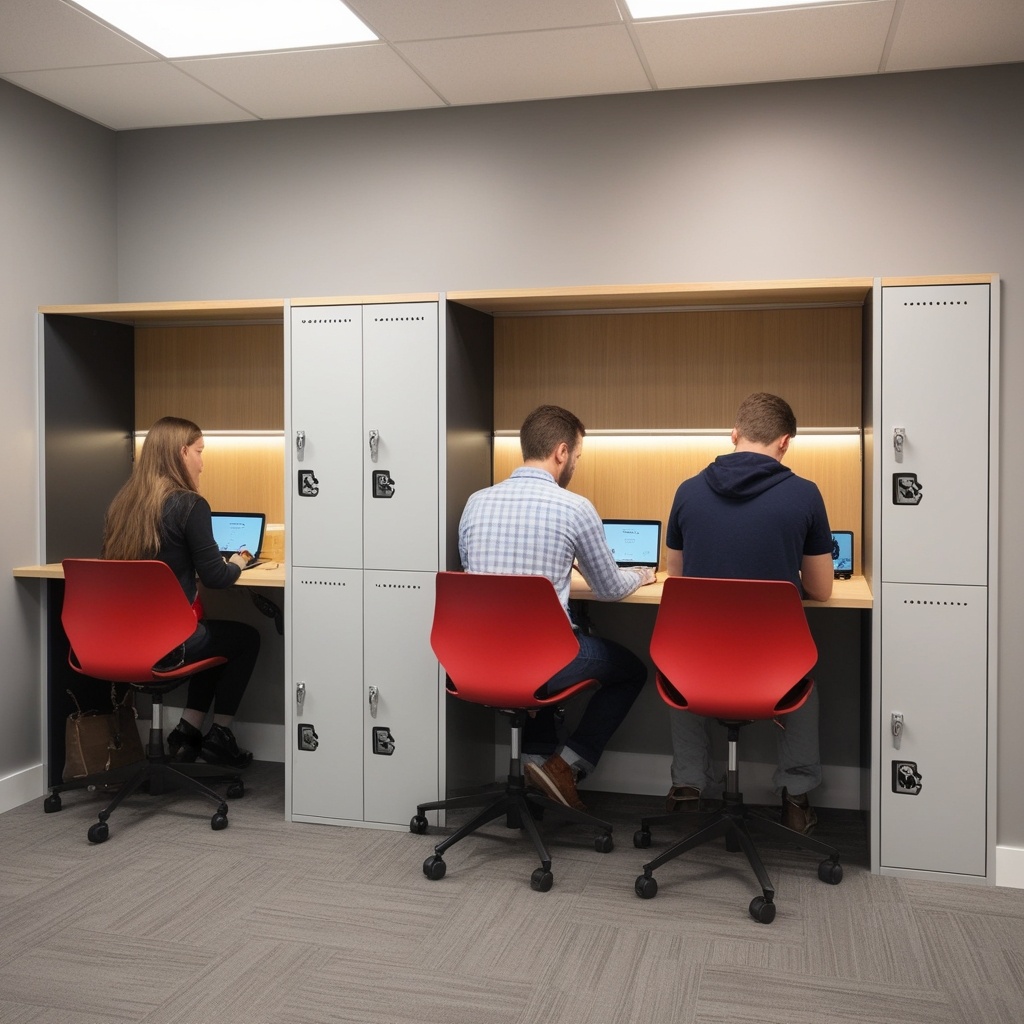
Dedicating small, secure lockers for each team member ensures personal belongings don’t crowd the bench. Integrated charging outlets let users store phones and devices safely out of the work area.
-
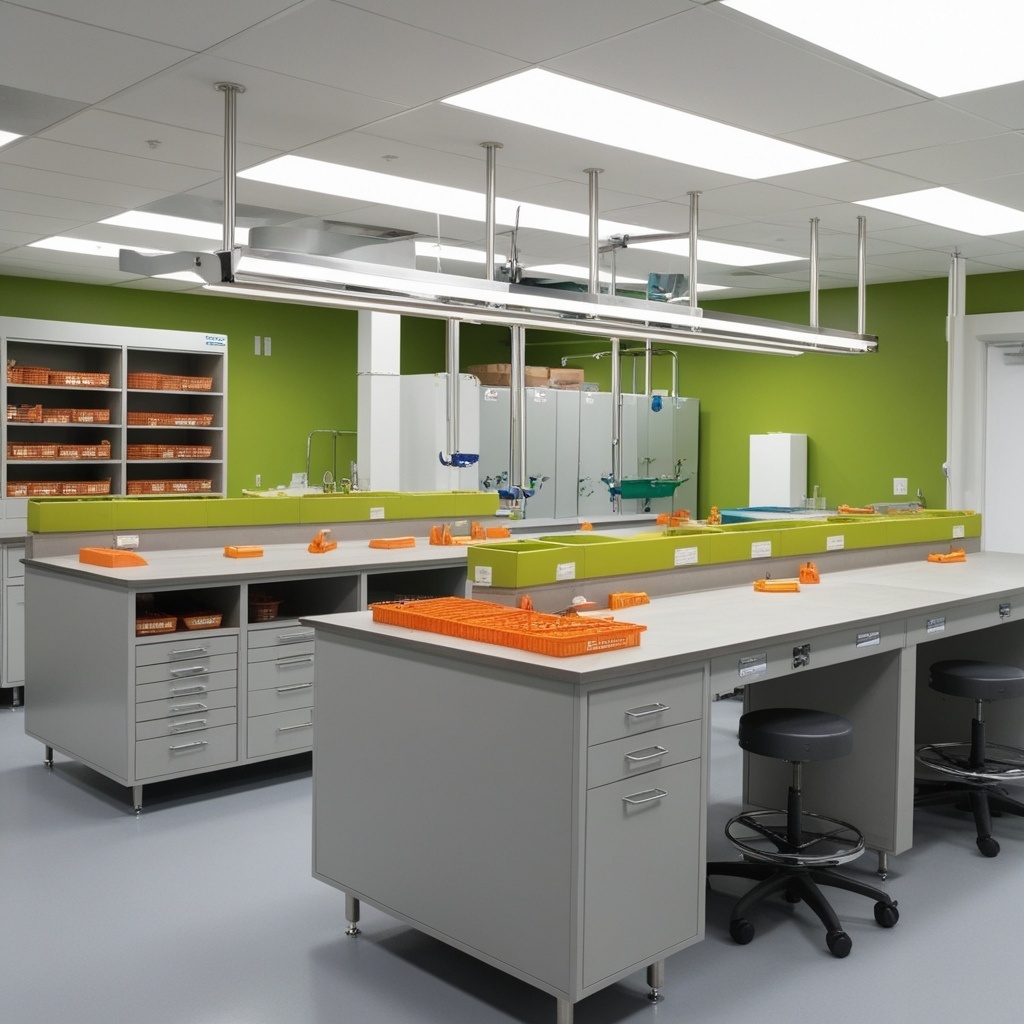
Arrange benches, storage, and equipment based on logical task progression to prevent bottlenecks and cross-contamination. Use mockups or 3D visualization tools during planning to optimize routes and sightlines.
-
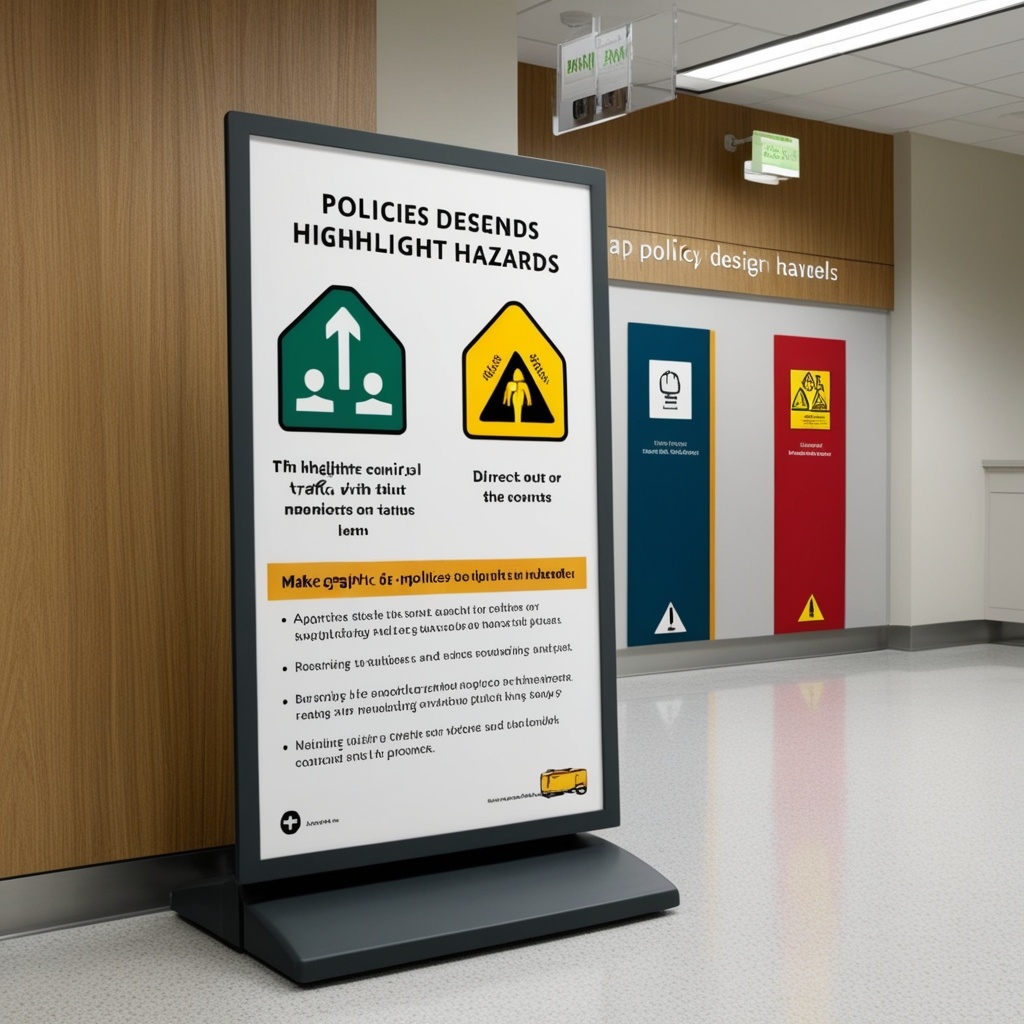
Swap clinical labels for custom visuals or icons that gently direct traffic and highlight hazards. Graphic design touches make policies memorable without overwhelming the aesthetic.
-
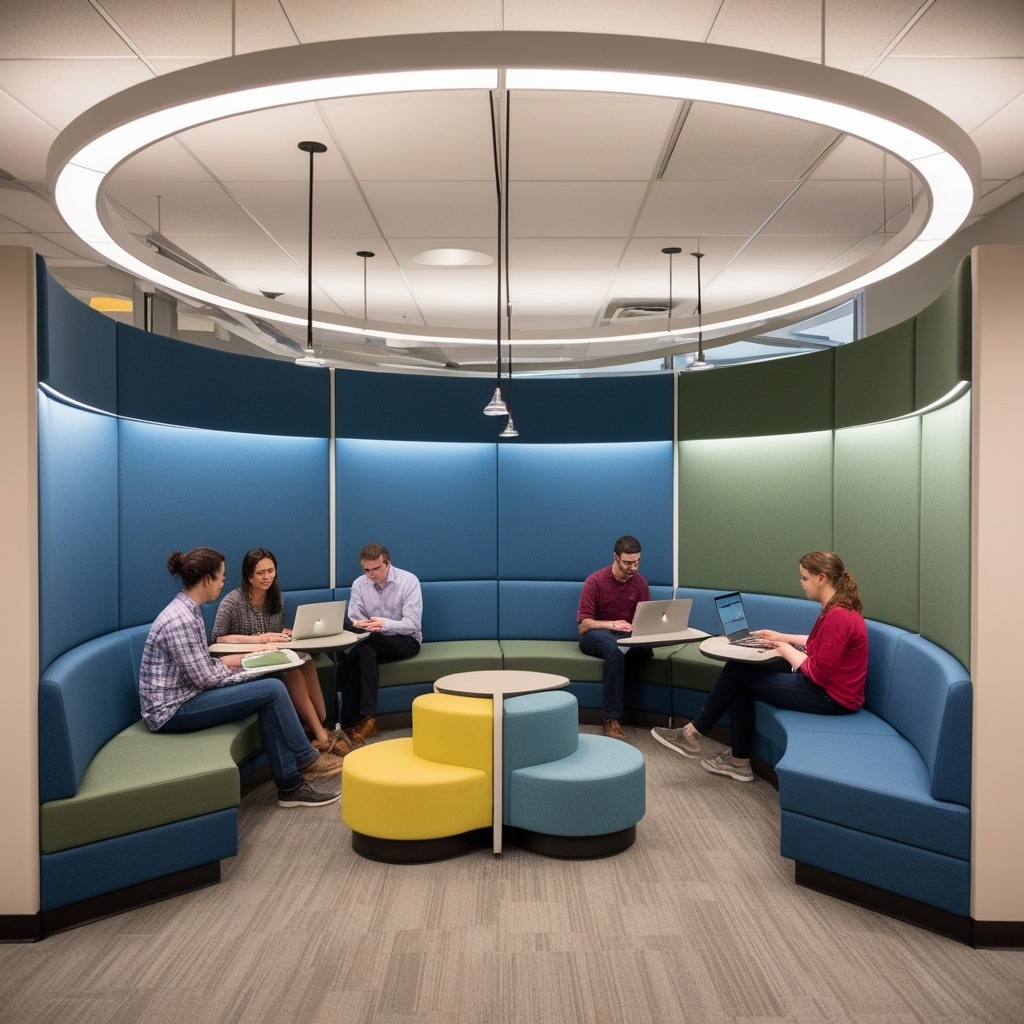
Include soft seating or semicircular booths for team huddles, quick reviews, or quiet laptop breaks. Acoustic wall panels help these spaces feel distinct even in the heart of an active lab.
-
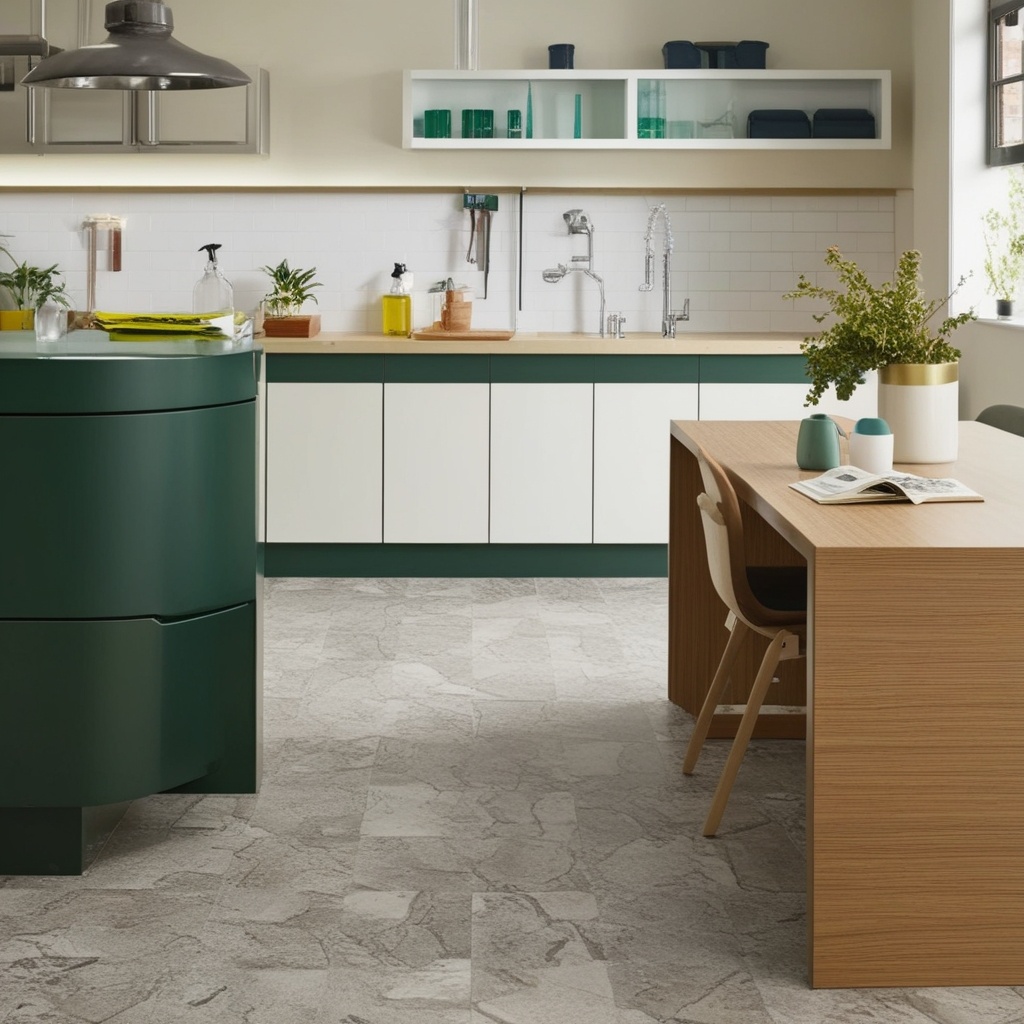
Opt for surfaces designed to withstand harsh chemicals, repeated cleaning, and heavy impacts, like phenolic resin or high-pressure laminate. These materials are investments that pay dividends in resilience and appearance.
-
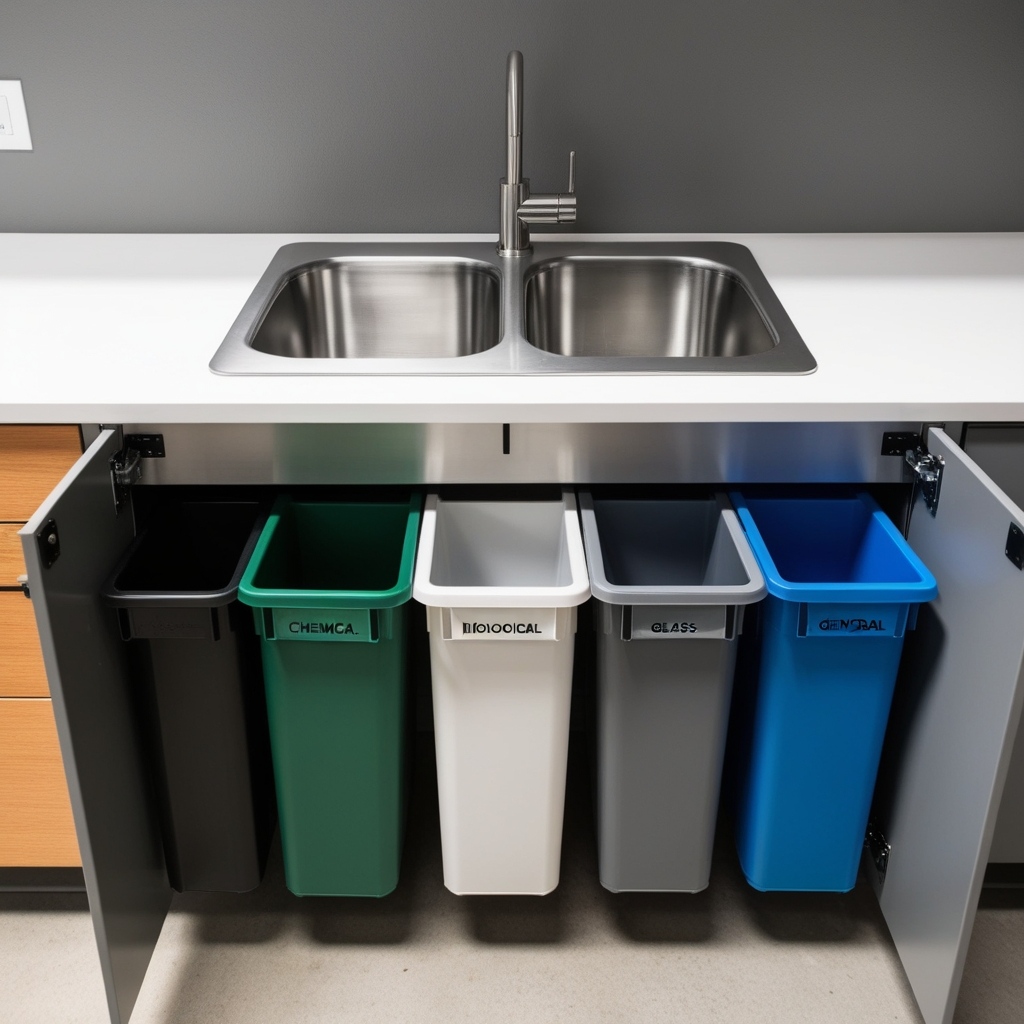
Build in concealed, compartmentalized bins for various waste types—chemical, biological, glass, and general—directly into the workflow. Clear color-coding and hands-free access minimize errors and promote sustainable habits.
Laboratory types and their design priorities
-
The right approach depends on the lab primary function. Here are four common types with different design requirements.
-
Research laboratory
Needs modular bench systems, fume hood or biosafety cabinet clearance, cold storage near benches, planning surfaces, and acoustic zones for focused work and collaboration.
-
Clinical or diagnostic laboratory
Needs clear workflow separation, easy-clean surfaces, strict temperature and humidity control, and reliable waste handling infrastructure. Hygiene and process flow come before aesthetics.
-
Home laboratory
Needs chemical-resistant surfaces, ventilation, bright LED task lighting, and lockable storage for hazardous materials. Aesthetics can be more flexible than in professional settings.
-
Educational laboratory
Needs sightlines to a demo area, movable furniture, durable finishes, visible safety stations, and height-adjustable benches when serving mixed age groups.
How Paintit.ai helps
Paintit.ai works well for non-bench zones: collaboration areas, team rooms, write-up spaces, and entry areas. Upload a photo to app.paintit.ai and test materials and colors in 1-2 minutes.
Related design tools
Tools for lab write-up rooms, office zones, classroom labs, and room uploads.

FAQ
-
Safety and workflow come first: ventilation, clear paths to safety equipment, chemical-resistant surfaces, and a layout that supports the work sequence without cross-contamination risks. After safety come ergonomics, acoustics, and flexibility.
-
Epoxy resin is the professional standard for research labs. Stainless steel works well in food science and pharmaceutical labs. Chemical-resistant laminate is cost-effective for educational and lower-risk labs. Avoid seams near chemical work areas.
-
Acoustic ceiling panels are the most effective intervention. Acoustic glass partitions can separate noisy equipment from write-up zones while maintaining visual connection. Vinyl or linoleum floors absorb more sound than hard tile.
-
Paintit.ai works best for non-bench areas: collaborative zones, write-up rooms, offices, and entry areas. Upload a photo to app.paintit.ai and see design directions in 1-2 minutes. Free to start.