
Interior Design Business Ideas 12 service models and what each needs
These interior design business ideas differ mainly in what you sell, who pays and how much you need before the first client. Some, like e-design or color consulting, start with a laptop and a booking page; others, like full-service design or staging, need supplier relationships and a portfolio first. Each model below lists both, so you can pick one to start and add others later.

12 interior design business ideas by service model
-
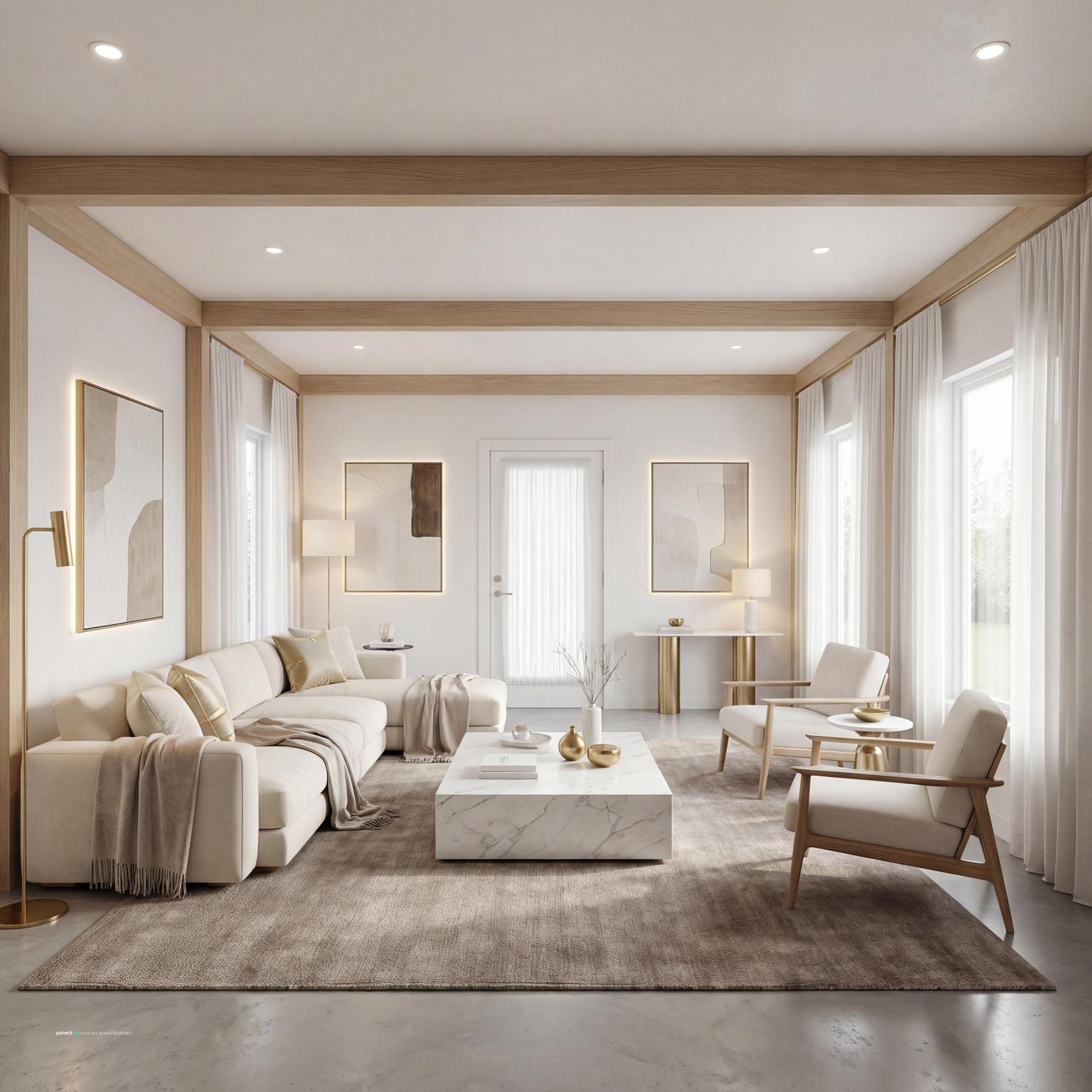
1. Full-service residential design
You handle a room or whole home from concept to installation: layout, finishes, furniture, procurement and site visits. Clients are homeowners mid-renovation or moving house.
To start: A portfolio, trade accounts with suppliers and contractors you trust. Slowest to build, but projects are the largest.
-
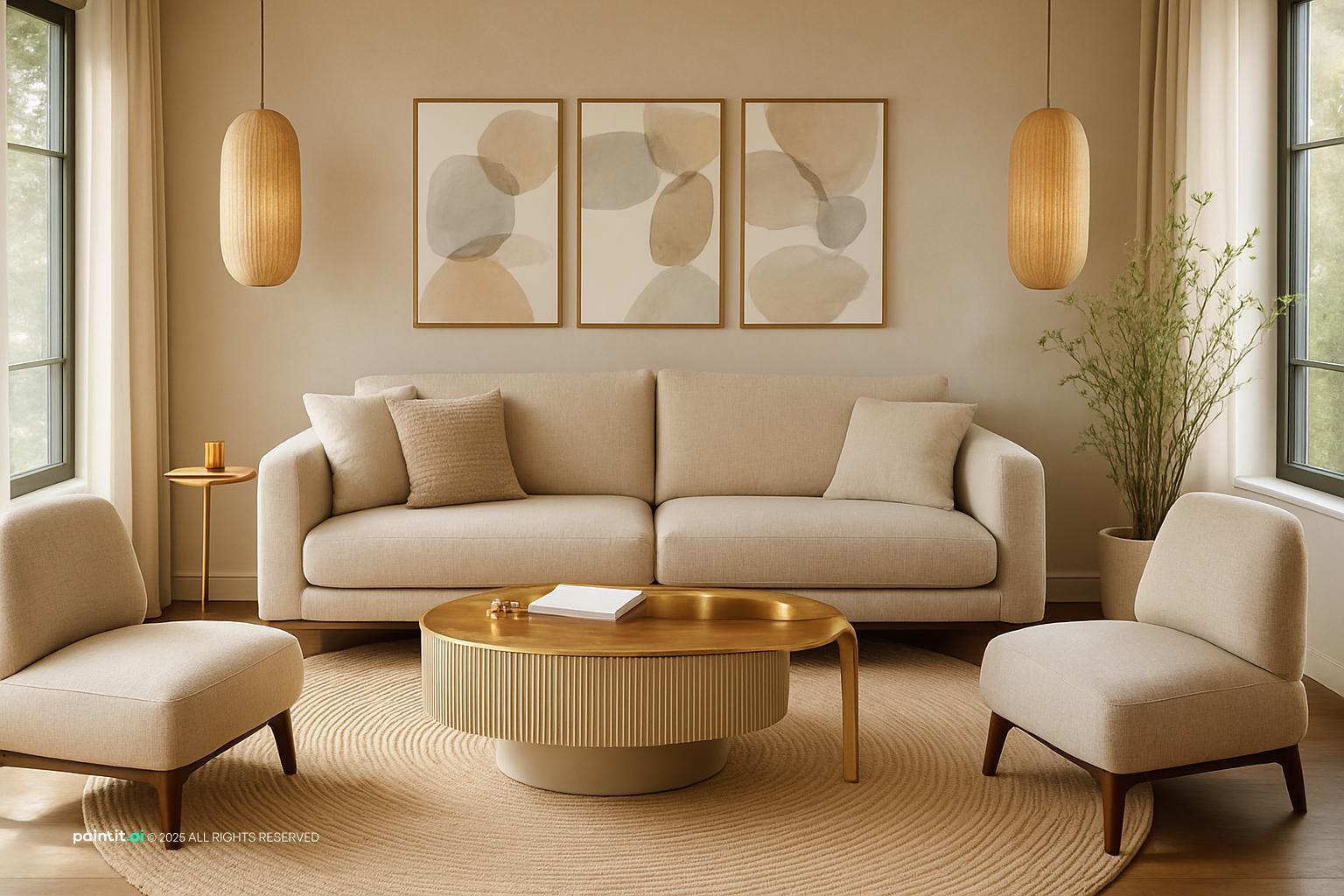
2. E-design and e-decor packages
Clients send photos and measurements; you return a mood board, layout, shopping list and instructions, and they carry it out themselves.
To start: Design software, a clear package scope and a template workflow. Works remotely, so your market is not limited to your city.
-
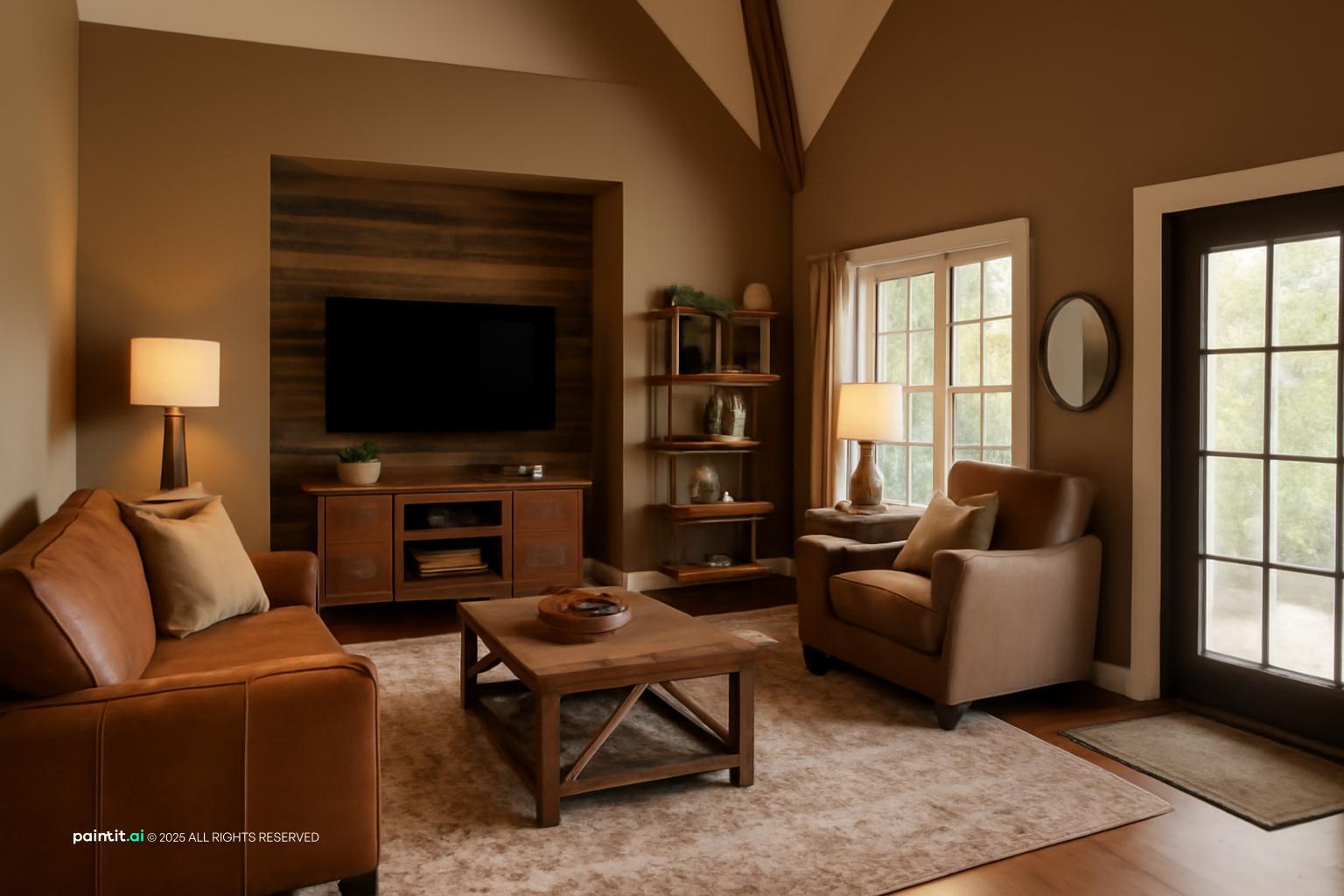
3. Virtual consultations
Paid one-hour or half-day video sessions where you walk through a room with the client and give direct advice.
To start: A booking page and a fixed session price. A low-risk way to test demand before offering bigger packages.
-
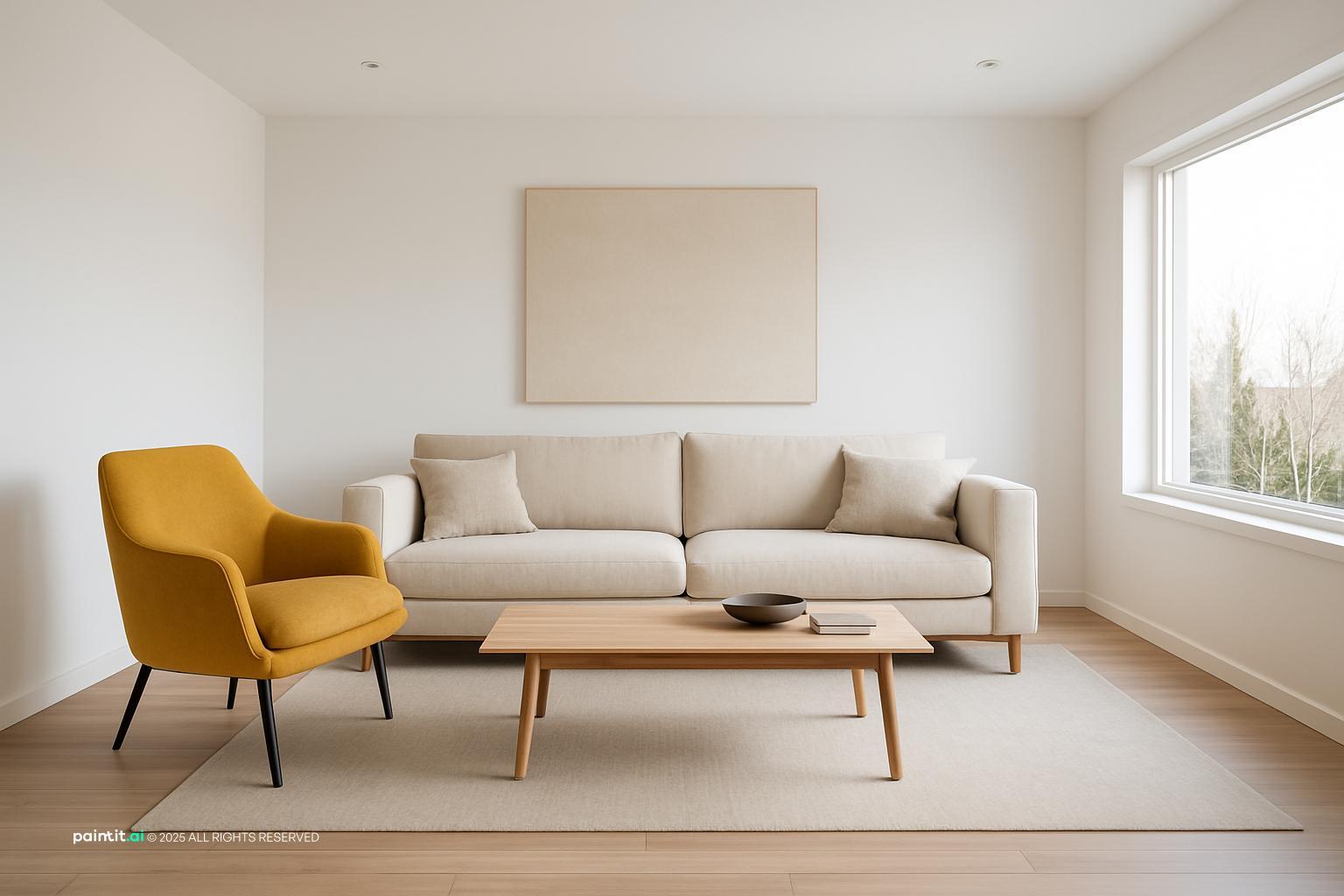
4. Home staging
You furnish and style homes for sale so buyers can picture living there. Clients are sellers and real estate agents.
To start: Relationships with local agents and either a furniture inventory or a rental partner. Projects are short and repeat through the same agents.
-
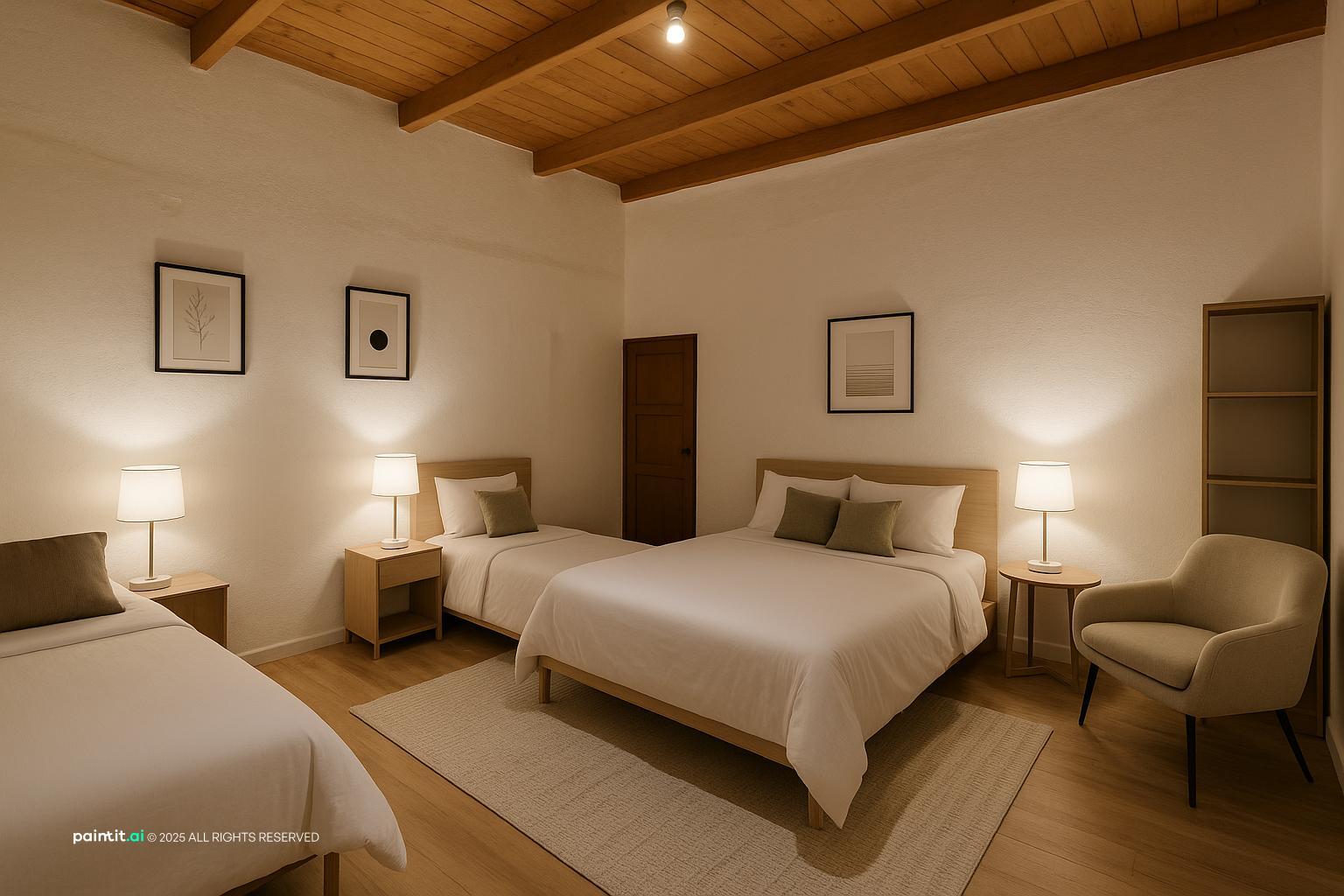
5. Short-term rental styling
You design Airbnb and vacation rentals to photograph well and hold up to guests. Clients are hosts and property managers.
To start: Knowledge of durable, easy-to-clean materials and a sense of what photographs well. Hosts with several properties can become repeat clients.
-
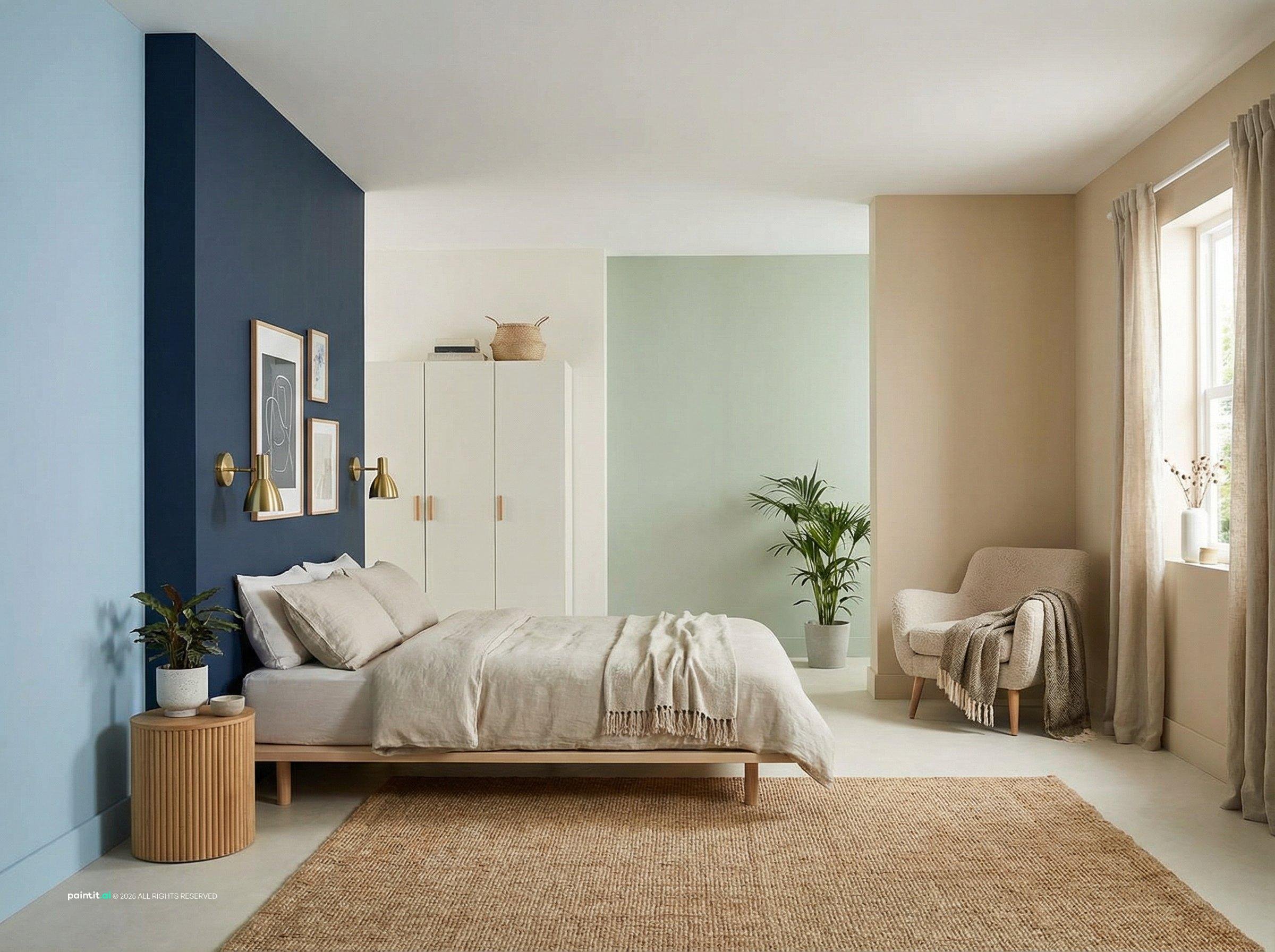
6. Color consulting
You choose paint colors and palettes for interiors or exteriors, often in a single visit or remote session.
To start: Physical paint samples and a good eye for how light changes a color. Pairs well with any other model on this list.
-
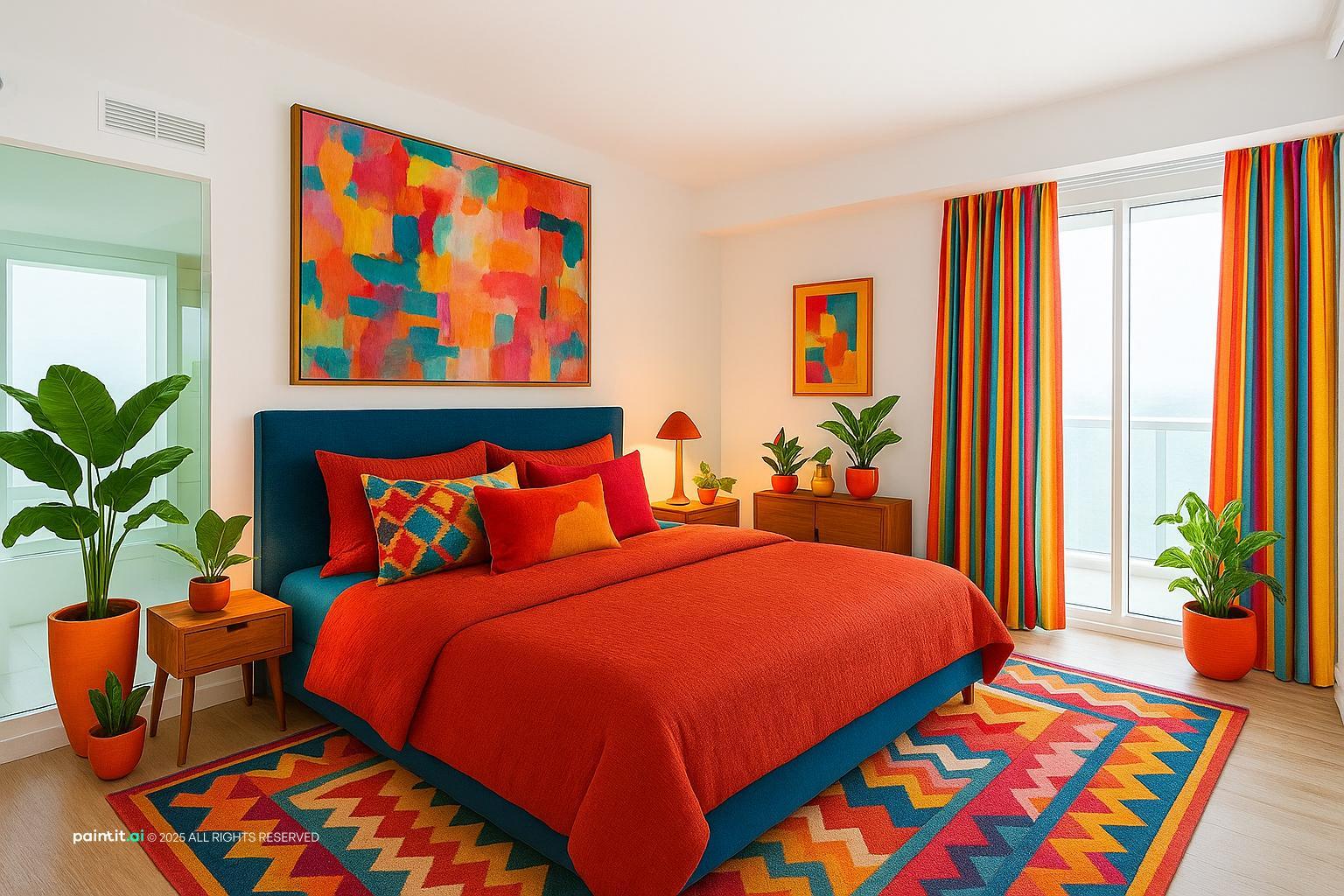
7. Rental-friendly makeovers
Reversible updates for renters: lighting, textiles, peel-and-stick finishes, furniture layout and storage.
To start: A sourcing list of renter-safe products. Appeals to people who can't renovate but still want the room to change.
-
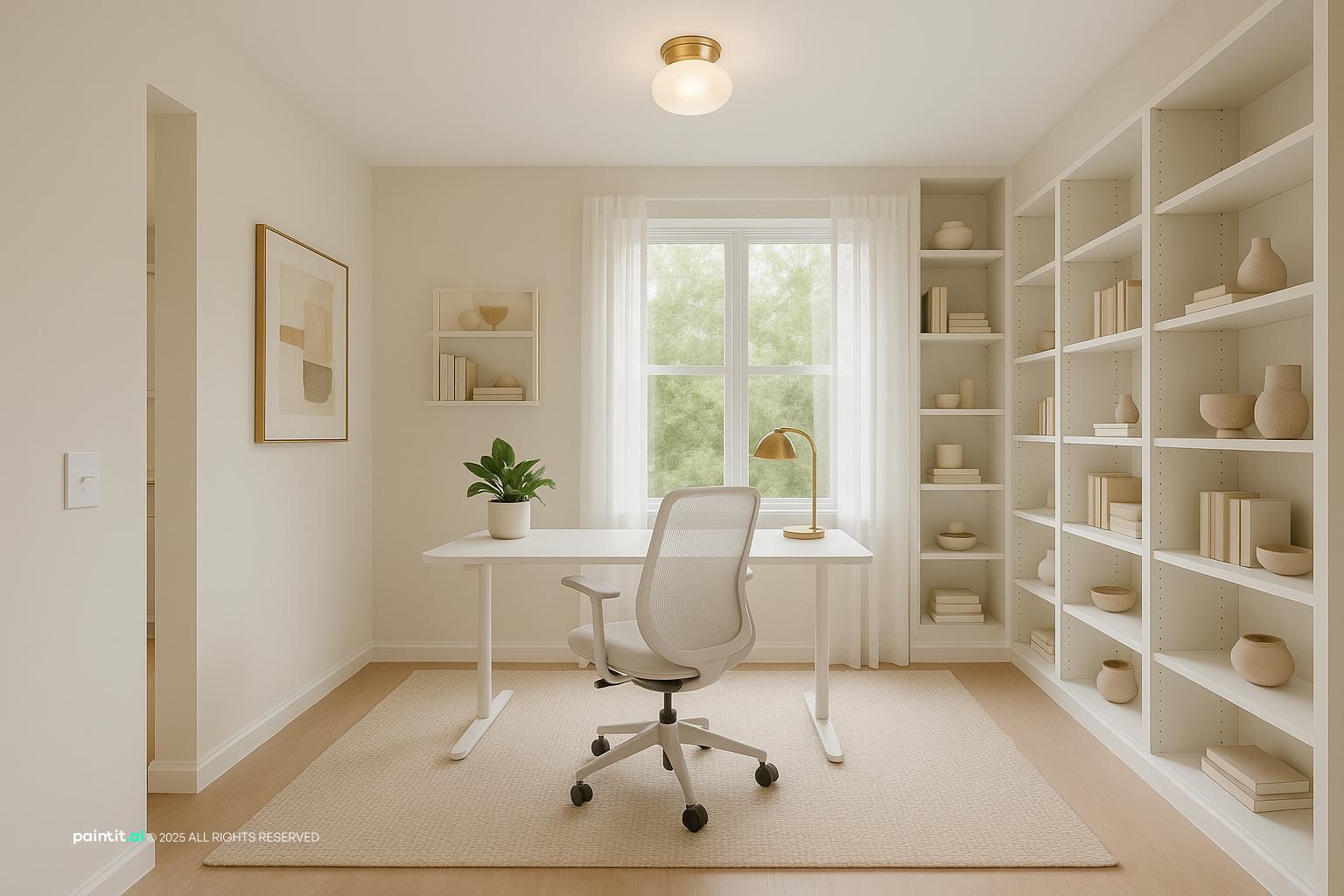
8. Home office design
Workspaces that fit into a spare room, a bedroom corner or a living area, with attention to lighting, storage and video-call backgrounds.
To start: Ergonomic basics and small-space planning. Easy to sell as a fixed-price package.
-
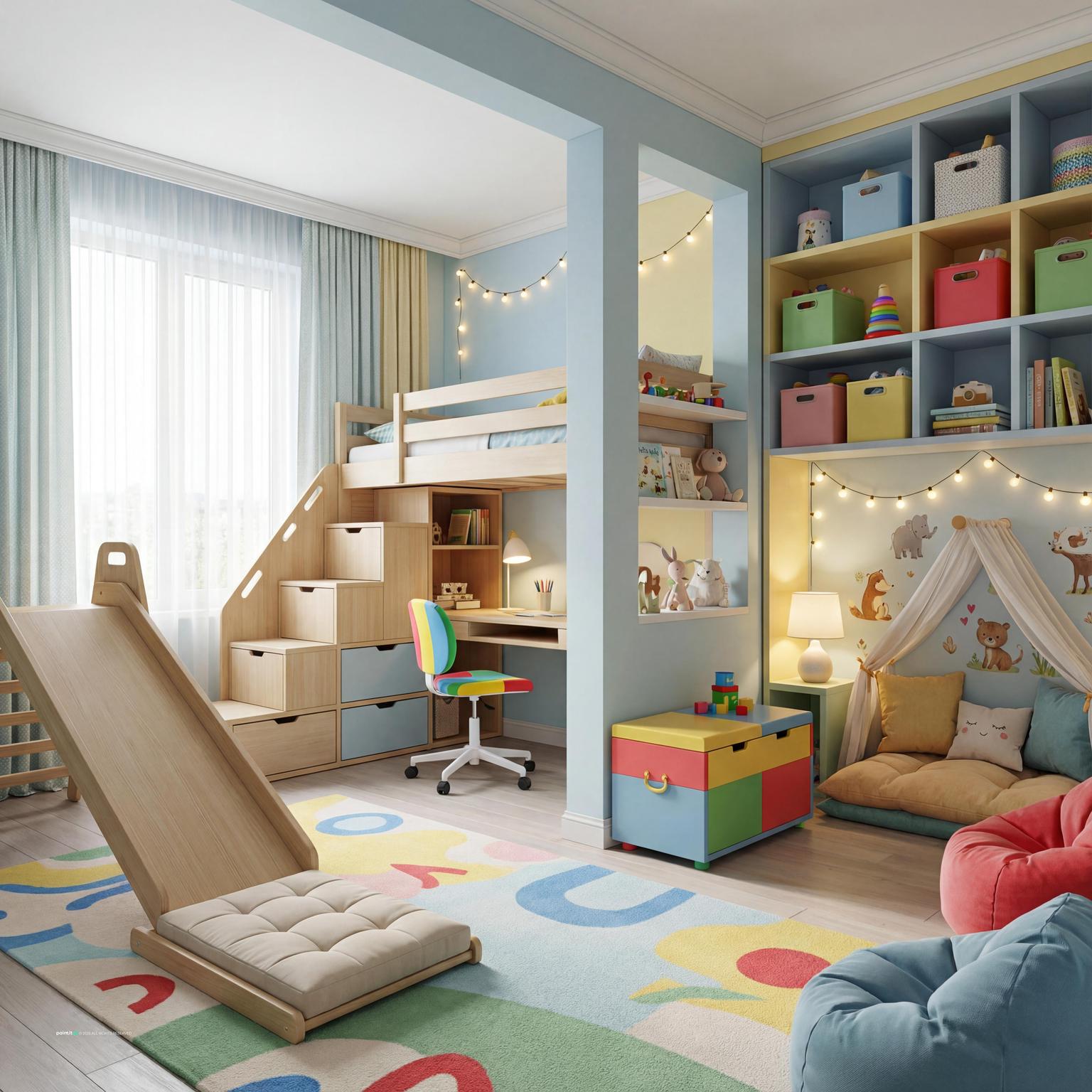
9. Kids' rooms and nurseries
Rooms that need safety, storage and furniture that adapts as a child grows. Clients are parents, often before a birth or a move.
To start: Knowledge of child-safe furniture and finishes, and patience with shifting briefs.
-
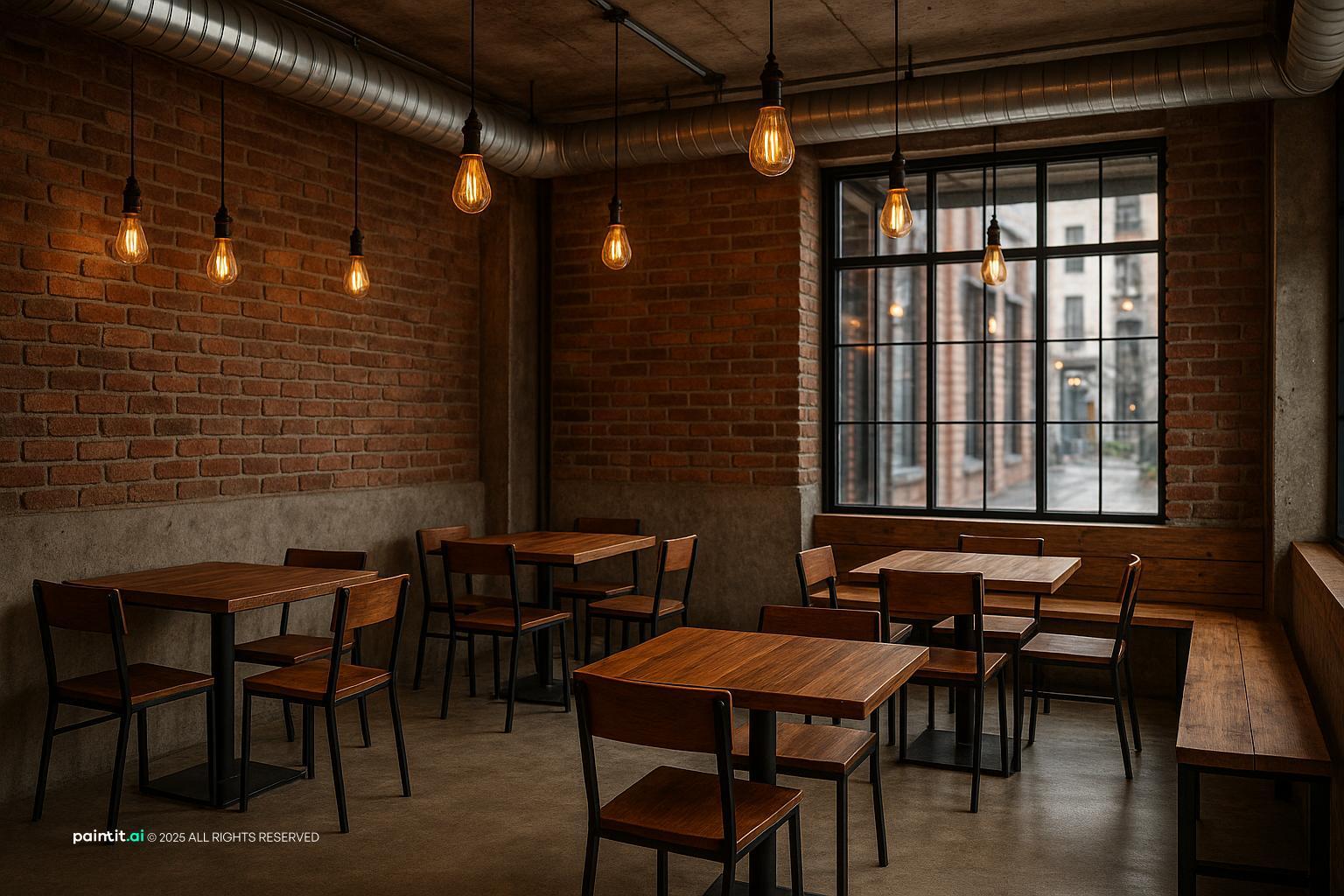
10. Commercial and office interiors
Offices, shops, cafes, salons and clinics, where the design has to support staff workflow and brand as well as looks.
To start: Commercial project experience or a partner firm, plus knowledge of local building and accessibility codes.
-
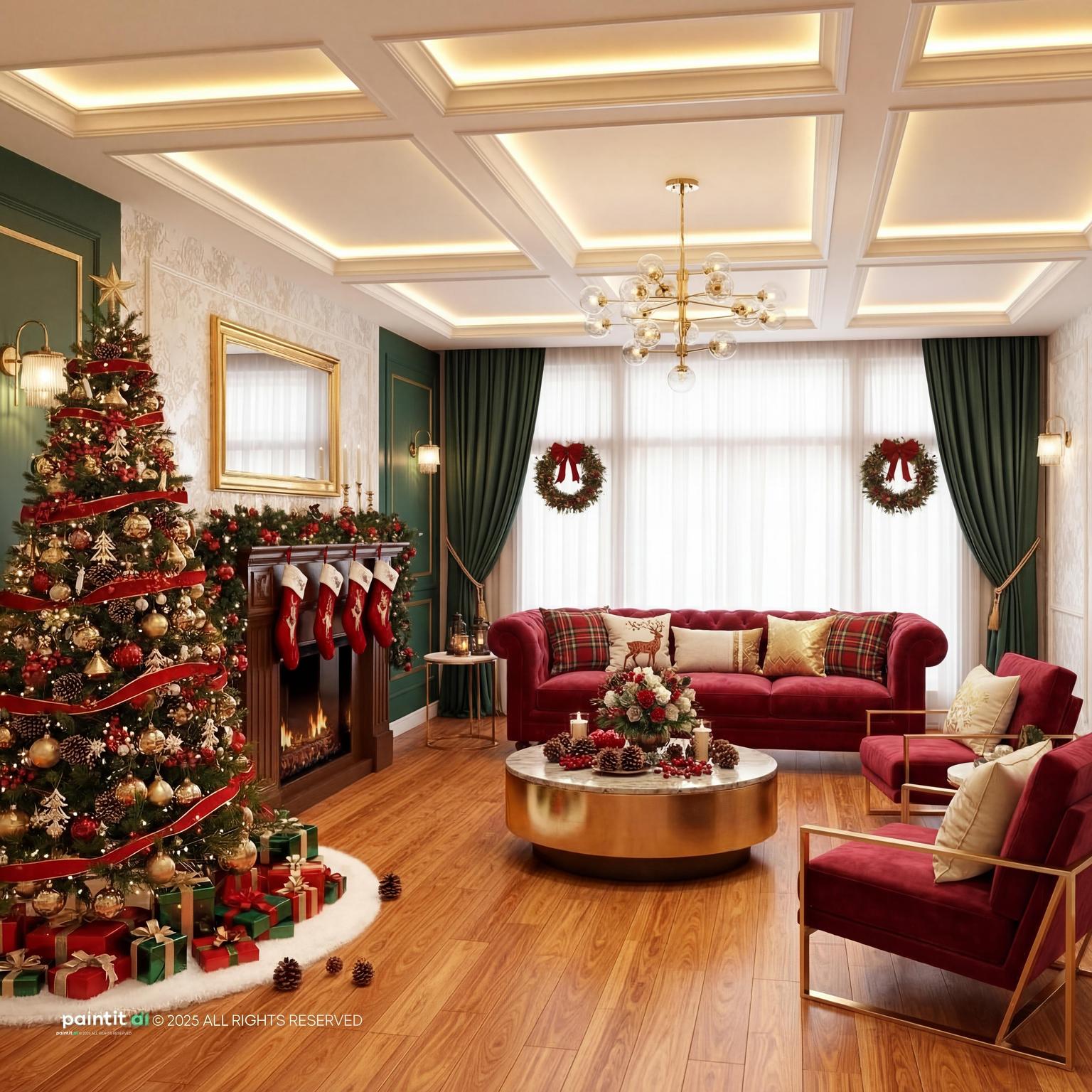
11. Seasonal and event decorating
Holiday decorating for homes, shop windows and offices, or styling for events.
To start: Storage for decor stock and a calendar planned months ahead. Demand is seasonal, so it usually runs alongside another model.
-
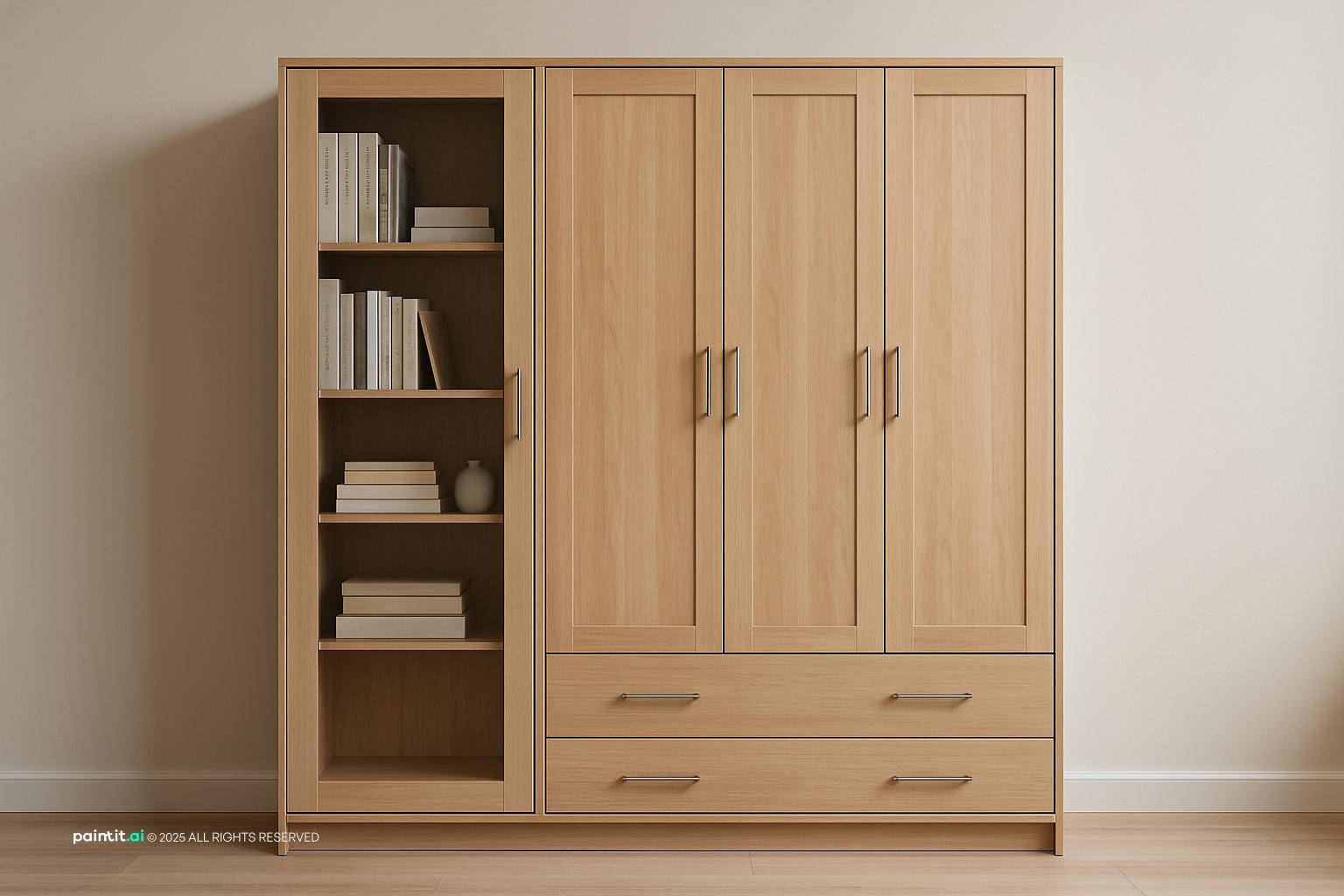
12. Custom furniture and textiles
Designing one-off pieces, upholstery or soft furnishings made by local workshops.
To start: Reliable makers and clear production timelines. Works best as an add-on for clients who already hired you for a room.
Before you choose a model
-
Check the rules where you work
Some US states regulate who can call themselves an interior designer or submit drawings for permits, while decorating and styling are usually unregulated. Confirm this before naming your business or services.
-
Decide how you will charge
Designers typically charge a flat fee per room or package, an hourly rate, or a percentage of project cost. Fixed packages suit e-design, consultations and staging; hourly or percentage fees suit full-service projects where scope changes.
-
Know the market
According to the US Bureau of Labor Statistics, interior designers held about 97,100 jobs in 2025, around 26% of them self-employed, with employment projected to grow 3% from 2025 to 2035. Growth is modest, so a clear niche matters more than a broad offer.
-
Show before you sell
Clients hire designers when they can picture the result. Before-and-after images, even from your own home, and quick visual options for a prospect's room do more than a long service description.
How Paintit.ai fits
Paintit.ai generates client-facing renders in 1-2 minutes for virtual consultations, e-decor packages, staging proposals, and short-term rental styling. It is free to start.
Related resources
Tools and guides for marketing, rendering, concept generation, and room redesign services.

FAQ
-
Pick one service model and one client type first, for example e-design for renters or staging for local agents. Register the business, get liability insurance, and build a small portfolio, even from your own home or friends' rooms. Check whether your state regulates the title interior designer before using it.
-
Virtual consultations, e-design packages and color consulting need the least: a laptop, design software and a way to take bookings. Full-service design and staging need more because of supplier accounts, insurance and, for staging, furniture inventory.
-
Yes. Many designers work for themselves; the US Bureau of Labor Statistics reports that about 26% of interior designers were self-employed in 2025. Remote models such as e-design and virtual consultations can be run entirely from home.
-
Paintit.ai turns a photo of a client's room into a redesigned render in 1-2 minutes. Designers use it to show options in virtual consultations, e-design packages, staging proposals and rental makeovers before the client commits. Free to start.
-
Common interior decor business ideas include home staging, e-design (remote design packages), rental and small-apartment makeovers, colour consultations, furniture sourcing and styling for photo shoots. Many interior designing business ideas start as one narrow service and grow from repeat clients.