5 min. reading

Yulii Cherevko
CEO paintit.ai

Giving an old piece of furniture a new coat of paint is incredibly satisfying. It's a smart, budget-friendly way to refresh a room, show off your personal style, and really transform a tired dresser or table. But here's the thing: for many, the actual painting isn't the hardest part. It's the worry of picking the wrong color. That's why we built Paintit.ai. With our room design tool, you can see precisely how a color will look on your specific piece, right in your own room, long before you even touch a paint can. This moves you from just looking at "before and after" pictures to a much more confident "Before, Visualize, After" way of working.
At its heart, creating upcycled painted furniture is all about transformation. It means taking a piece that feels dated, worn, or just doesn't suit your style anymore, and giving it a fresh purpose and look with color. This practice is a core part of sustainable design, cutting down on waste by keeping functional items out of landfills. It's also a significant player in the home improvement market, which sees over $600 billion in annual spending in the U.S. alone, as noted by research from the Joint Center for Housing Studies of Harvard University.
But it's not just about practicality. There's a genuine emotional reward too. Spending time to refinish something creates a unique item, one with its own story. This sense of accomplishment contributes to what the National Association of REALTORS® reports as "increased happiness in the home once a project is completed," helping you feel a deeper connection to your living space.
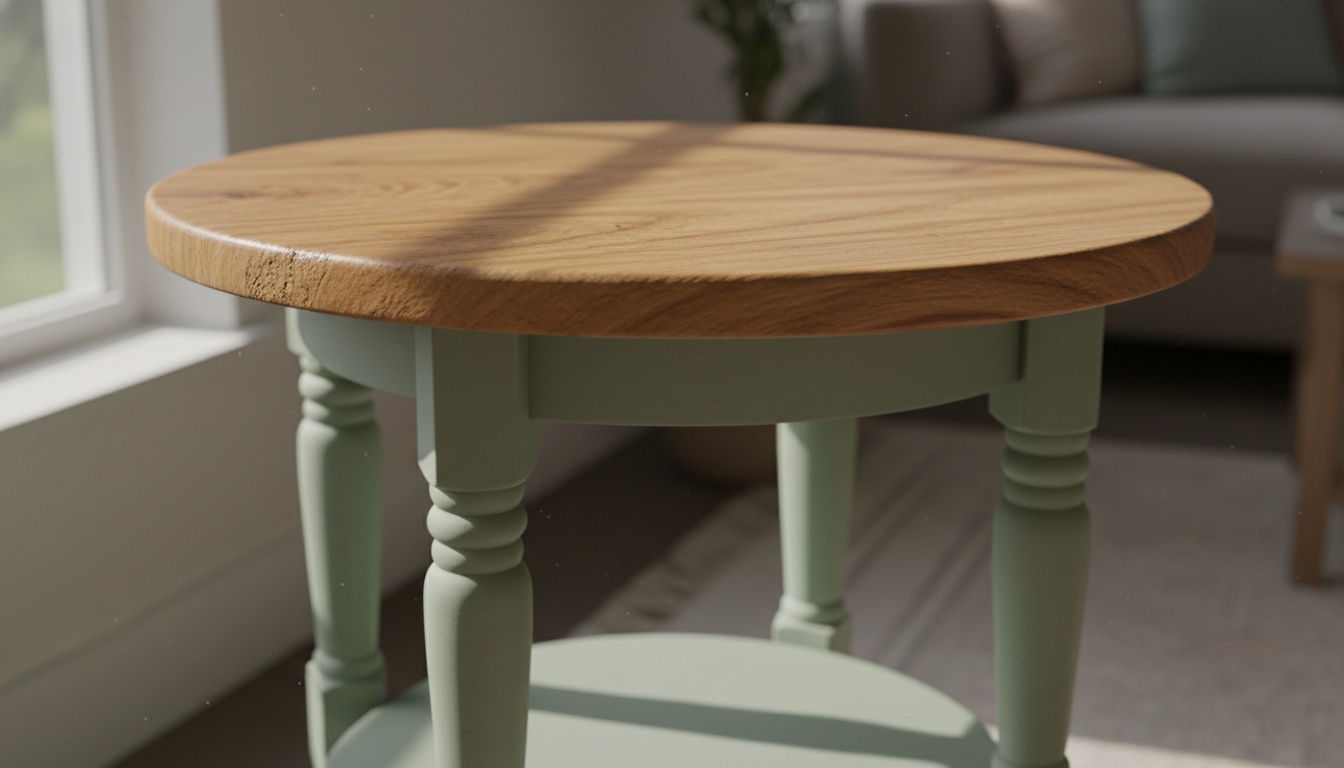
The color you choose decides if your furniture will be a quiet supporting element or a vibrant focal point. Learning the design logic behind color selection allows you to make an intentional choice, creating the rhythm and flow you want. A piece can blend in for a cohesive, serene feel, or stand out to add energy and personality.
Here’s a simple framework for making that decision:
| Element | What to Choose | Why It Works | Easy Mistake | Quick Fix |
|---|---|---|---|---|
| Goal | Statement vs. Cohesion | Decides the visual weight and impact of the piece in the room. | Picking a bold color for a room that's already visually busy. | Use the bold color on a smaller item, like a side table instead of a large cabinet. |
| Room Palette | Complementary or Analogous | Works with existing wall, rug, and textile colors for a harmonious feel. | Choosing a color with clashing undertones (e.g., a cool gray next to a warm beige). | Test paint swatches next to your walls and fabrics in different lighting. |
| Sheen/Finish | Matte, Satin, or Gloss | Controls light reflection and durability. Matte hides flaws; gloss highlights them. | Using a high-gloss finish on a piece with many surface imperfections. | Opt for a more forgiving satin or eggshell finish. |
| Hardware | Contrast or Blend | New hardware can finalize the look, from modern brass to classic black. | Keeping dated hardware that clashes with the new modern paint color. | Choose simple, timeless hardware that complements the new style. |
When considering wooden furniture painting ideas, remember that the specific shade matters just as much as the primary color itself. A gray paint, for instance, can carry cool blue, subtle violet, or even warm green undertones. These subtle differences drastically change how a piece feels in your room.
Before you commit, it's smart to think about your space's overall color scheme. Finding the right harmony is key, whether you're decorating a large open area or a small bedroom. To explore more about building a cohesive room palette, check out these more tips on living room colors.
Your project's success truly hinges on using the right products for your furniture's material. A sleek laminate desk requires a different approach than a rustic oak chest. The finish you choose—from a chalky matte to a durable semi-gloss—also defines the final character of the piece.
Here’s how to troubleshoot common issues:
| Problem | Likely Cause | Fast Fix | Paintit Try-On Test |
|---|---|---|---|
| Paint is chipping/peeling. | Skipped priming on a slick surface like laminate or metal. | Sand the area, apply a high-adhesion bonding primer, and repaint. | N/A (Prep issue) |
| Brush strokes are visible. | Paint is too thick, or the wrong brush was used. | Use a high-quality brush, thin the paint slightly, and apply in thin, even coats. | Visualize a smooth matte vs. a satin finish to see which is more forgiving. |
| Color looks wrong. | The color's undertone clashes with the room's lighting or wall color. | Repaint with a color that has the correct undertone for the space. | Test multiple shades of your chosen color to see how they react to your room's photo. |
| Finish looks uneven. | Inconsistent application or not using a topcoat. | Lightly sand and apply a final clear topcoat (polyurethane or wax) for a uniform sheen. | Preview how a distressed finish compares to a solid, even coat on your piece. |
Visualizing changes on different surfaces can be tricky. That's why seeing a preview is incredibly helpful. The same principles apply whether you want to update your kitchen cabinet color with AI or simply paint a bookshelf.
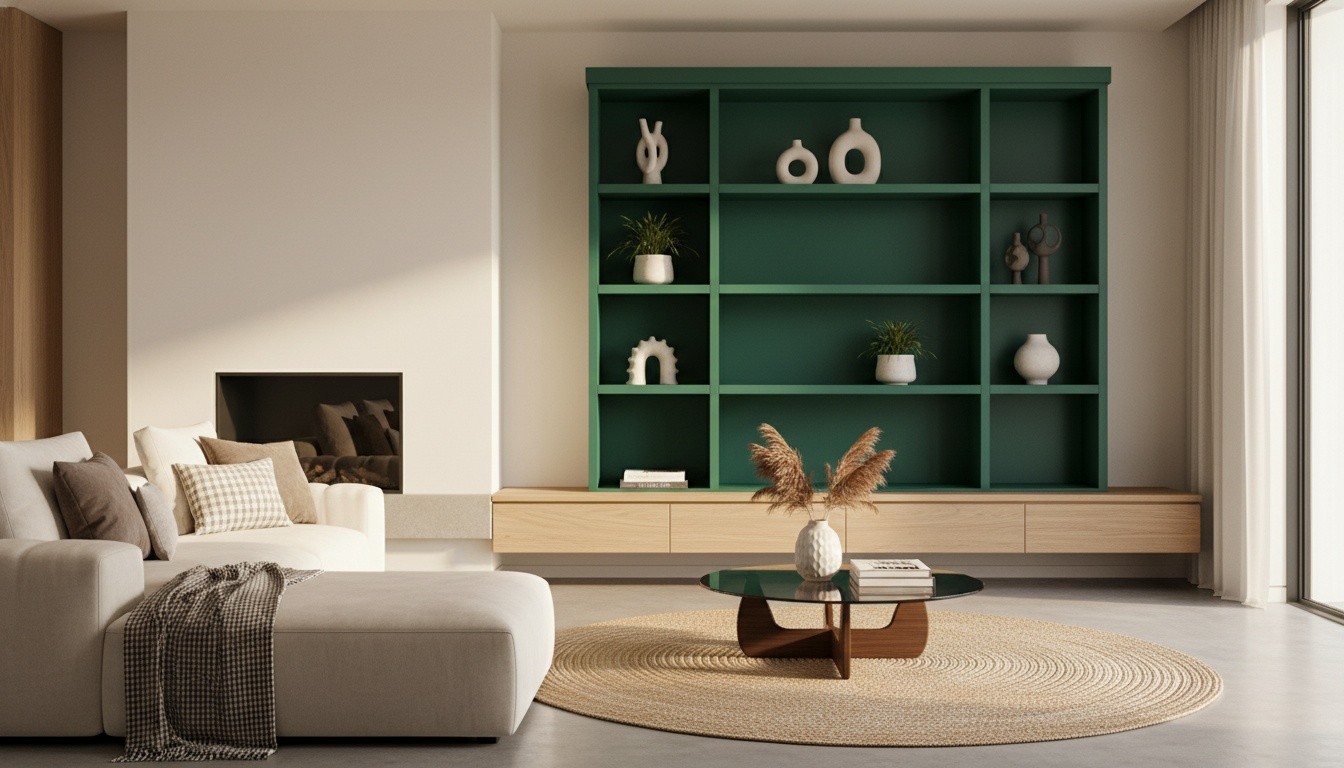
Ready for some inspiration? Here are seven distinct furniture painting ideas you can easily adapt for your own home. Instead of just browsing pictures of painted furniture, try to imagine these styles on your specific pieces. If you're designing a full space, our AI living room design tool can help you visualize the entire room.
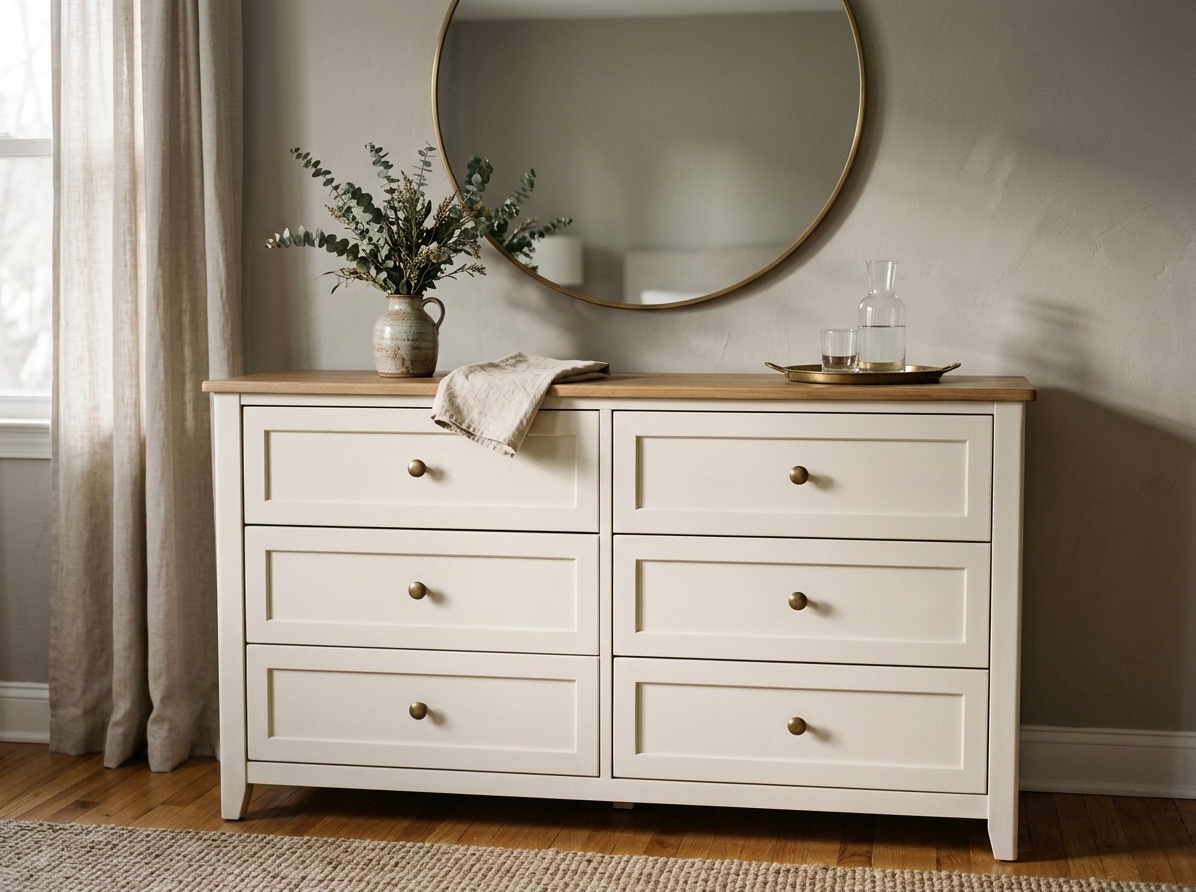
This look is a timeless choice for bedrooms, focusing on calm and sophistication. It’s perfect for creating a serene retreat.
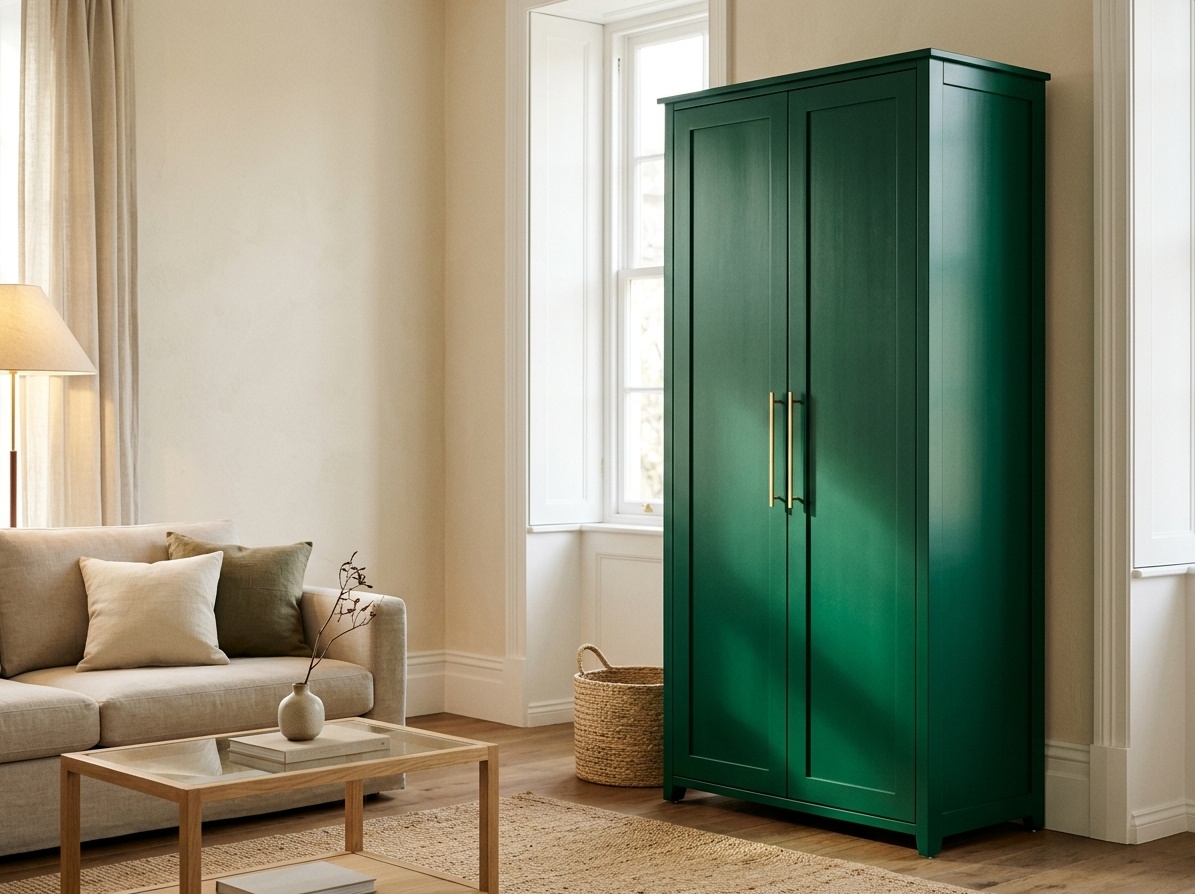
Transform a simple storage piece into your room's focal point. It works especially well on pieces with interesting lines, or in rooms that need a punch of personality.
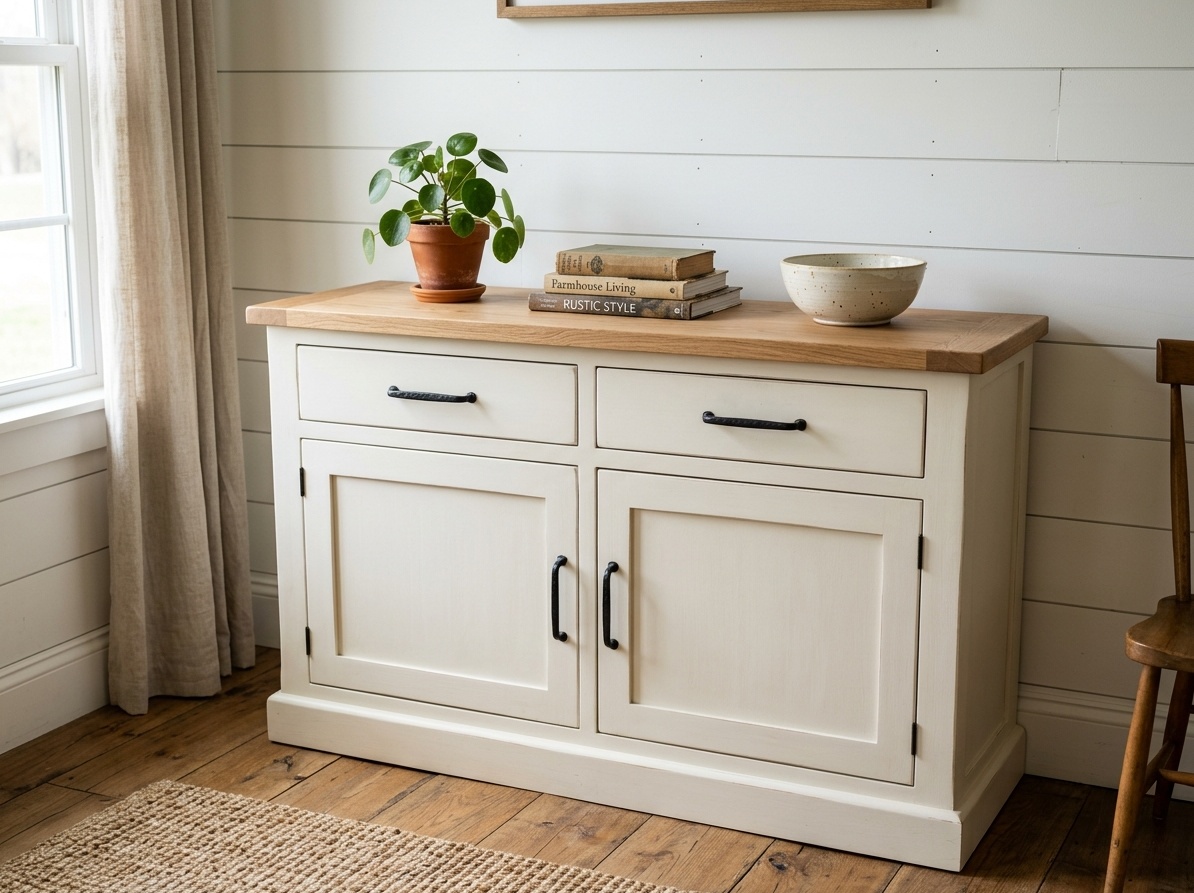
This look seamlessly combines painted surfaces with natural wood, creating a warm, rustic charm. It’s perfect for dining rooms or entryways.
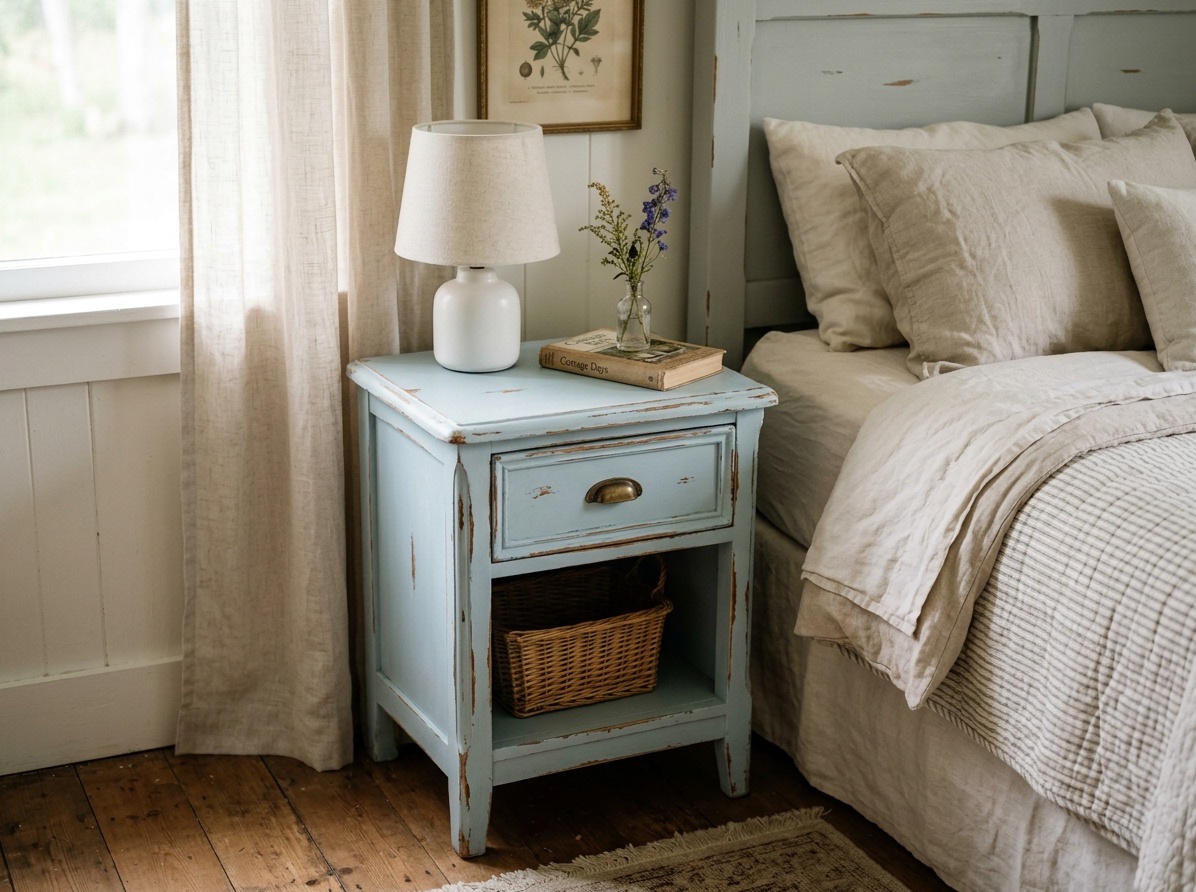
For a touch of shabby chic or coastal charm, a distressed finish adds history and character to any piece.
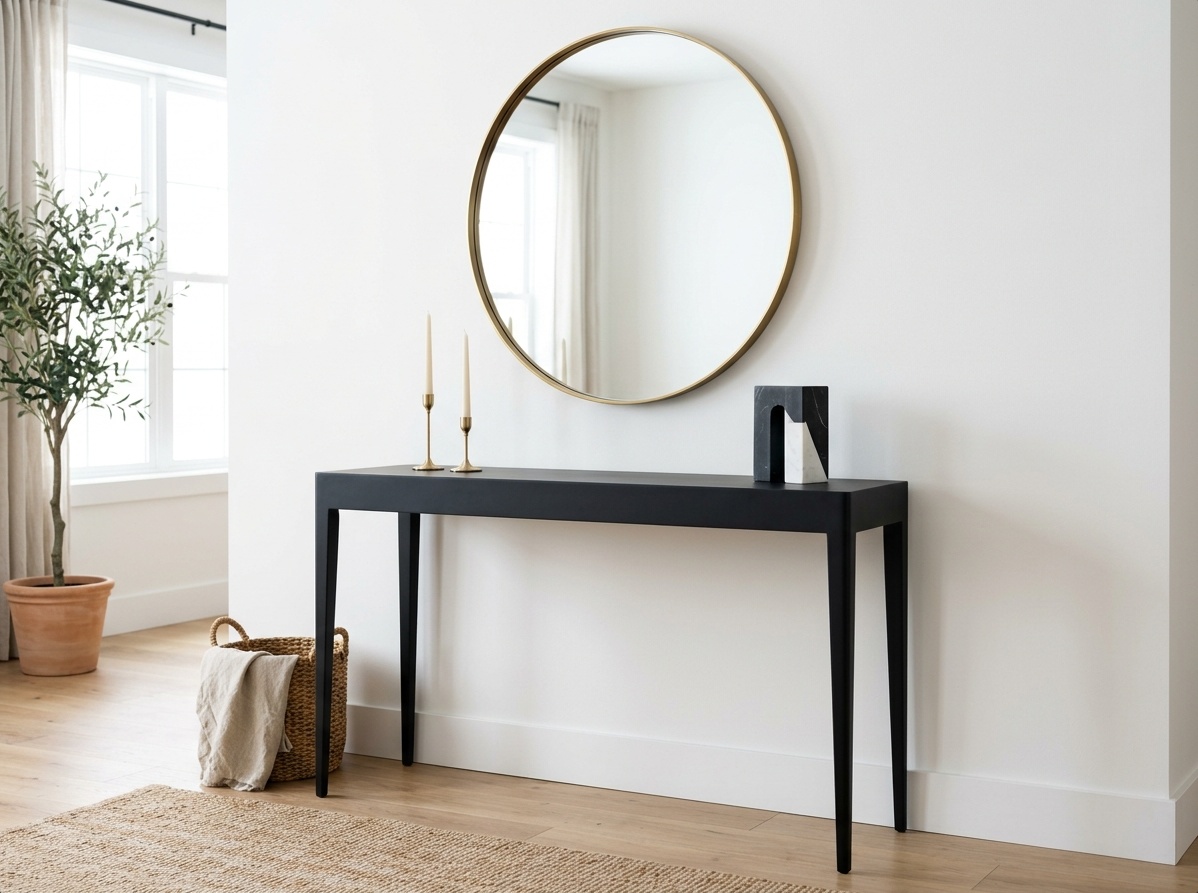
Sleek, sophisticated, and minimalist, a matte black finish lends any piece of furniture a modern, almost sculptural quality.
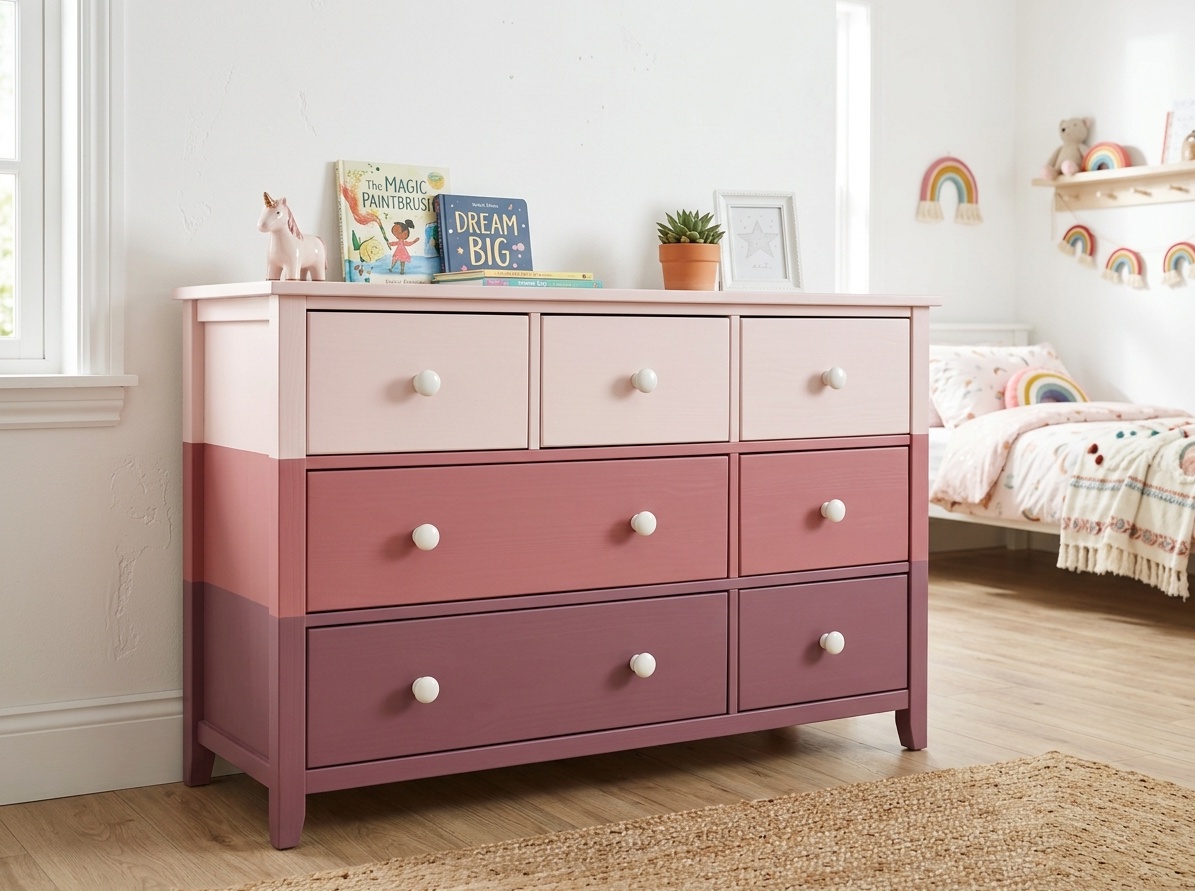
Ideal for a child's room or a creative space, an ombré or color-fade effect is fun and visually engaging. These are some of our favorite painted dresser ideas before and after.
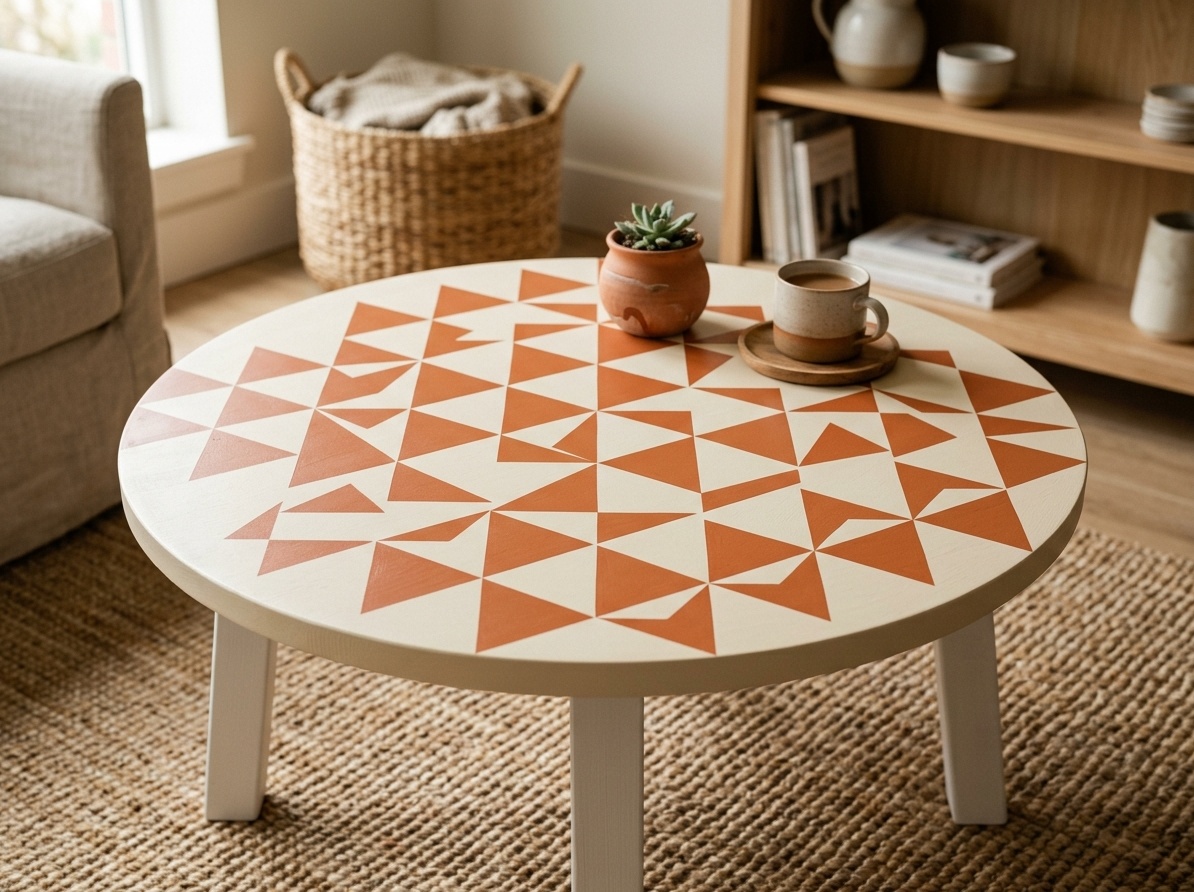
Add a truly personal touch to a simple coffee table or side table with a painted geometric pattern.
Even the simplest DIY projects can have unexpected pitfalls. Here are a few common furniture painting mistakes to watch out for:
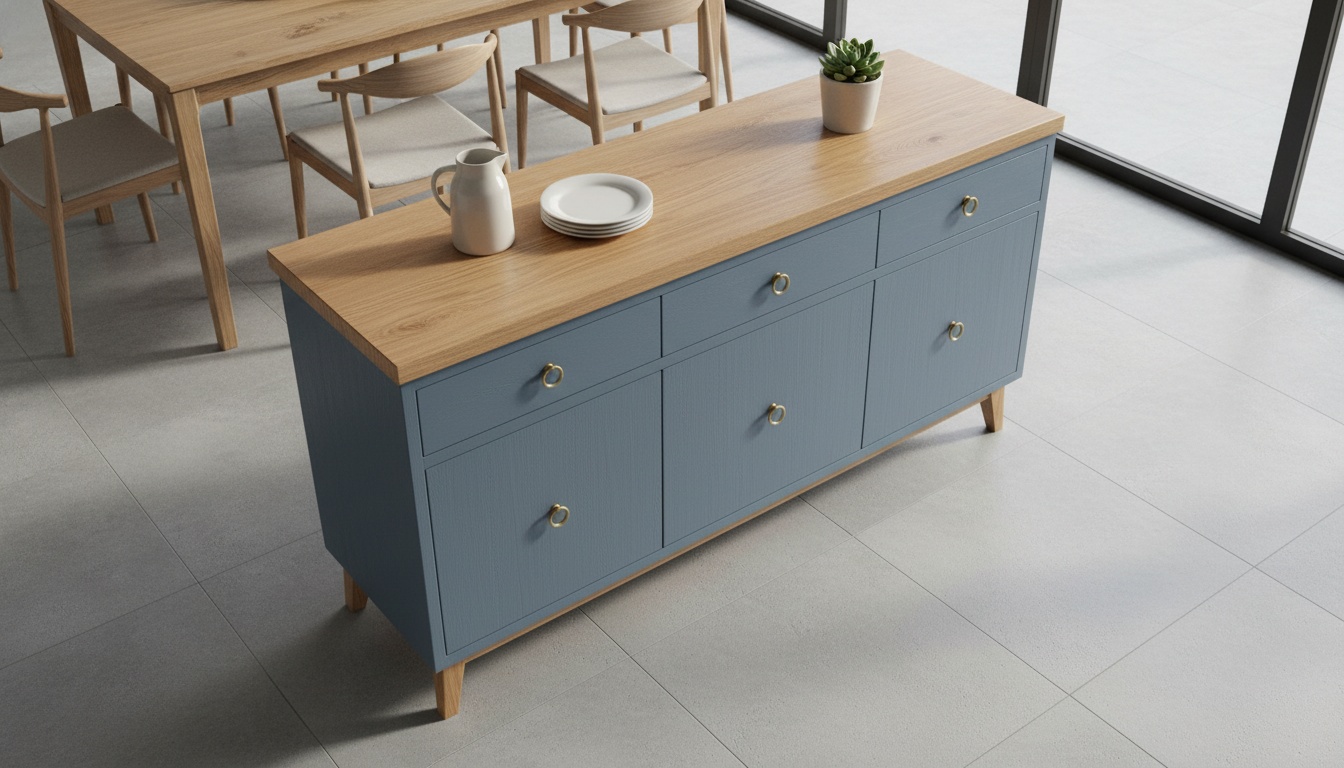
Here at Paintit.ai, we consistently see that the biggest challenge in furniture makeovers isn't the painting itself, but the anxiety of picking the perfect color. Pinterest is full of inspiration, but it doesn't show you how that deep navy blue will look on your dresser, in your bedroom, with your lighting.
That's exactly what our platform is designed to address. It offers a seamless way to test your painted furniture ideas risk-free. Here's the simple, intuitive flow:
With our tools, you can visualize different styles, colors, and layouts for your home before making a final decision. To be fair, the final real-world result can vary slightly based on specific paint brands and your room's unique light. But a virtual preview is still the best way to eliminate expensive guesses.
The best paint depends on the material and your desired finish. For a forgiving, matte look, chalk or mineral paint is excellent. For high-traffic pieces needing durability, a water-based alkyd paint (like Benjamin Moore ADVANCE) or a quality acrylic in a satin or semi-gloss finish is a robust choice.
In most cases, yes. A light scuff-sanding with 120-180 grit sandpaper de-glosses the old finish and gives the new paint something to grip. It's a crucial step for a long-lasting finish, especially on previously painted or varnished surfaces.
Consider the room's existing color palette, lighting, and the mood you want to create. Do you want the piece to be a focal point or blend in? Use a tool like Paintit.ai to visualize different colors on your actual furniture before you buy paint samples.
Absolutely. The key is proper prep. Clean the surface thoroughly, scuff sand it lightly to remove any shine, and most importantly, use a high-adhesion bonding primer designed for slick surfaces. This will ensure your paint job lasts.
A professional finish comes from patience and process. Thoroughly prep the piece, use high-quality paint and brushes, apply multiple thin coats instead of one thick one, and always finish with a protective topcoat for durability and a uniform sheen.
In 2026, we're seeing a blend of styles. Timeless neutrals and dark, moody tones remain popular for a classic look. Two-tone pieces combining paint with natural wood are trending for their warmth. Bold, single-color statement pieces in rich jewel tones or earthy shades are also being used to add personality to rooms.
With proper preparation, high-quality materials, and a durable topcoat, a painted finish can last for many years. Longevity depends on the amount of wear and tear the piece receives and how it's cared for.
Transforming furniture with paint is more than just a DIY project; it's an act of creativity that makes your home truly personal. It lets you sidestep mass-produced trends and create something uniquely yours. The best painted furniture ideas are the ones that genuinely reflect your style and fit seamlessly into the rhythm of your home.
Honestly, the fear of making the wrong color choice should never hold you back. By adopting a "Before, Visualize, After" approach, you can experiment with confidence. Tools that let you preview your ideas remove the guesswork, ensuring a final result you'll be proud of for years. Whether you want to refresh a single chair or repaint a room with Paintit.ai, visualizing first is the key to a successful project.